视频库 / NO.055ASK THE BEST MINDS THE BIG QUESTIONS
视频库 / NO.055
字幕 字幕位置
--:--
点击播放,这里会跟随视频显示当前句的中英字幕。

Wittgenstein's Two Philosophies Explained: Anthony Quinton Interview (1977)

节目发布 2024-03-04 · The Autodidact's Toolkit
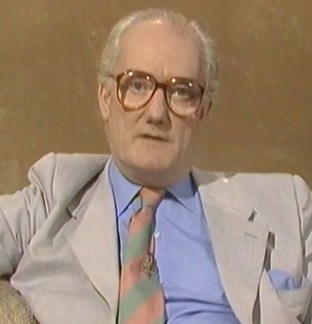
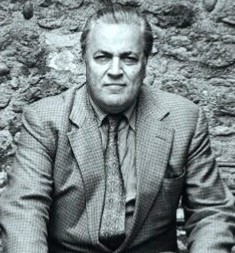
布莱恩·马基 安东尼·奎因顿
本期追问 · 点击跳到视频对应位置
35:45 语言塑造思想吗?32:39 会说话,就等于理解吗?40:56 真理是客观,还是共识?7:27 语言还承载意义吗?
归入 Ⅱ·06 语言能抵达世界吗? →
EDITED TRANSCRIPT · 依据现场录音编译整理,可划线生成便签
编者按:一九七七年,英国哲学家、广播人布莱恩·马基在电视访谈中邀请牛津新学院院士安东尼·昆顿,用一集节目的篇幅讲清维特根斯坦前后两种哲学的要旨及其影响。昆顿彼时在牛津执教已逾二十年,正撰写一部哲学史,其中维特根斯坦占有相当篇幅。本文依据现场录音编译整理,仅删去口语枝节与重复,论证、例证与语气一仍其旧。

罗素与维特根斯坦

马基:我想没有人会反对这样一个说法:本世纪英语世界最有影响的两位哲学家,是伯特兰·罗素和路德维希·维特根斯坦。罗素除了是伟大的哲学家,还是一位声名显赫的公众人物,几乎一生都投身于政治和社会事务。他做广播、写文章、批评时政,公众对他极为熟悉,于是很自然地把他与某些一般性的观念、与某种处理社会问题的路数联系在一起,哪怕他们对他的哲学所知甚少。何况他最出色的哲学工作高度数学化、技术化,非专业人士本来也难以接近。

维特根斯坦完全不同。他纯粹是一位专业哲学家,不参与任何公共活动,即便在本行之内也回避抛头露面,生前发表极少。结果是,很长一段时间里,他的影响虽然巨大,却只限于专门研究哲学的人。直到晚近,这种影响才开始渗入周边的思想领域,波及其他行当的人。于是今天的局面是:听说过维特根斯坦的人极多,可其中真正知道他做了什么、为什么重要的人却极少。这期节目就想在这方面做一点补救,在一集节目的有限篇幅里,尽可能清楚地勾勒维特根斯坦思想的主线,并谈谈它在哲学之内和之外的影响。承担这项并不轻松的任务的是安东尼·昆顿,牛津新学院院士,在那里教哲学已经二十多年。昆顿先生眼下还在写一部哲学史,维特根斯坦在书里将占相当大的篇幅。

生平:从工程师到逻辑学生

马基:在请昆顿先生谈维特根斯坦的思想之前,请允许我先说几句维特根斯坦这个人。他一八八九年生于维也纳,一九五一年卒于剑桥,顺带一提,中年时入了英国籍。他父亲是奥地利最富有、最有势力的钢铁巨头。维特根斯坦从小就对机器怀有强烈的兴趣,这决定了他整个教育的走向:父母把他送进一所以数学和物理见长的学校,他随后成为机械工程专业的学生。十九岁那年,他以工程学研究生的身份来到英国,进入曼彻斯特大学。正是在那里,他被一些问题迷住了,这些问题其实是关于他所使用的数学之基础的哲学问题。他读了罗素的巨著《数学原理》(The Principles of Mathematics),此书对他似乎是一种启示。他放弃了工程学,去剑桥跟随罗素学逻辑,而且很快就拿出了自己的原创性工作,从那时起直到今天,许多人都把这项工作视为天才之作。

它的成果是他生前出版的唯一一本书,书名颇令人却步:《逻辑哲学论》(Tractatus Logico-Philosophicus),哲学家通常就简称它为《逻辑哲学论》。此书一九二一年在奥地利出版,一九二二年在英国出版。它篇幅极短,却无疑是本世纪影响最大的哲学著作之一。然而,就在此书于随后的岁月里发挥巨大影响的同时,维特根斯坦本人对它却越来越不满,最终认定它从根本上就是错的。他拿出了一套全新的哲学,与早年的那套决裂。他在世时,这第二种哲学只通过他在剑桥的学生传播;他去世后,体现这种哲学的大批著作陆续问世,其中最重要的是一九五三年出版的《哲学研究》(Philosophical Investigations),此书随即产生了与三十年前的《逻辑哲学论》同样巨大的影响。这在整个哲学史上是独一无二的现象:一位天才哲学家先后创立了两种彼此不同、互不相容的哲学,每一种都决定性地影响了整整一代人。

《逻辑哲学论》的中心问题

马基:现在我们得回到起点,顺着思想的线索把这个故事讲下来。先说本世纪第二个十年里写成的《逻辑哲学论》。安东尼·昆顿,这是一本很薄的书,标准版不到八十页。你认为维特根斯坦在书里想解决的中心问题是什么?

昆顿:我想,这本书的中心问题用最简短的话说就是:语言如何可能?在他之前,人们对意义做过各种各样的假定,比如人是怎样把意义附着到词上去的。维特根斯坦把这个问题极大地推广了。他问的是,人类究竟凭什么能够通过在纸上画记号、用嘴发声音,来再现(represent)某种与这些记号和声音性质截然不同的东西?

马基:我想很多观众可能一时看不出这为什么成问题。人们总是把语言当作理所当然的东西。语言的存在本身为什么会构成一个哲学问题?

昆顿:你若粗略地、统计式地看世界,会发现其中大部分事物都是在因果地相互作用:岩石撞岩石,月亮牵动潮汐,如此等等。但就在世界的某些角落里,出现了一种非同寻常的现象:世界中的某些成分,能够以理智的方式在自身之中复现世界的其他成分。

马基:我同意。语言的使用、语言的理解,构成了我们整个内心生活的肌理;我们与同类的交流,主要虽非全部,也是通过语言进行的。我想这就是那种显得太过明显、以至于多数人懒得去问的问题。有点像牛顿认真地问,行星为什么不四散飞开,石头脱手为什么会落下。它有同样质朴、原初、根本的性质。换句话说,我们有能力去思考,从而在某种意义上去处理并不在眼前的事物;这种能力是语言使之成为可能的,至少部分是。由此引出两组问题:语言与世界是什么关系?语言与思想是什么关系?我想你会同意,这两个问题都是《逻辑哲学论》要处理的核心。

昆顿:是的。此前也有人零零碎碎地问过这类问题,而《逻辑哲学论》最迷人之处在于,它以能够设想的最大普遍性来提问。对你说的这两个问题,他都给出了回答。对第一个问题,他的回答乍看之下不太像回答:语言通过描画(depict)世界来再现世界,他说命题是事实的图像。同样,命题也是思想的表达,是思想的载体,是我们用来思考的东西。

马基:这枚硬币还有另一面,对吧?他同样关心语言能表达什么的界限。而要发现语言能做什么的界限,就意味着他同时也在关心语言不能做什么。

昆顿:这是整个工作中极其关键的一环,从某些方面说,也许还是影响最大的一环。他坚持认为语言的界限是可以清楚陈述的,而这一切都源于他的一个想法:语言本质上是图像性的,我得强调,是字面意义上的图像性的。有一则关于维特根斯坦的著名轶事:他听说法国某个法庭上用模型来再现一场街头交通事故的情形,一听到这个,他就像阿基米德喊出「我找到了」那样,说:就是它,语言的本质就在这里。这给语言加上了非常严格的约束:语言必须精确地映照对象在其中相互关联的事态(states of affairs)。于是,在他看来,能说的东西就受到极为明显的限制。特别是,他认为语言与世界本身的关系,是不能在语言中有意义地再现或讨论的。

图像论:命题如何镜映世界

马基:我想我们对他在这本书里要处理的问题已经有了相当清楚的认识,接下来得考虑他提出了什么样的解答。他最终怎样界定语言的范围,怎样界定语言使用的界限?

昆顿:我想这里最根本的东西可以归结为两点。第一,语言必须非常直接地与世界相合,也就是说,一个有意义的断言、一个有意义的命题,必须由名称(names)构成,这些名称直接对应于对象,与它们所命名的对象严格相关联。其次,一个真命题、一个真正的命题,就是名称的一种排列,这种排列映照了它所谈论的那些对象的排列。这在某种意义上把语言限制在对语言之外的事物的描述上,这就是它的限制性特征。

马基:你刚才讲的就是通常所说的「语言图像论」(picture theory of language)。我想人们很难看出,一个句子在什么意义上可以是一个事实的图像,或者说是任何一块实在的图像。你能把这点解释得更清楚些吗?

昆顿:我想他的意思是,日常语言中的句子看上去并不像图像,但他主张,这些句子若要有任何意义,就必须能够被分析或分解为一组终极的基本句子(elementary sentences),这些句子才真正是图像:它们纯粹由名称构成,名称直接对应于所谈论的对象,而名称的排列映照对象的排列。

马基:让我复述一遍,看看我们之间是否已经完全弄清楚了。维特根斯坦认为,你分析任何一句关于世界的话,都可以把它一直分析到一些词,这些词是事物的名称;句子里词与词之间的关系,对应于真实世界里事物与事物之间的关系;句子正是以这种方式得以描画世界。

昆顿:对。而这可以说是一个纯粹靠论证得出的假定,他是从第一原理推出来的。他论证说,他立下的一条要求使这一点成为必然:每个真正的命题都必须有确定的意义(definite sense);而他认为,一个命题除非最终由这些基本的图像性命题组成,否则不可能有确定的意义。

马基:他有没有给出这类图像性命题的例子?

昆顿:他一个例子也没给。受他影响的其他哲学家提出过一些例子,但他自己完全不举例。他只是说,可以证明必定存在这种终极的图像性命题。

真、假与无意义的三分

马基:这里立刻会冒出一个疑问。我们说的话有很多是假的、不真的,这意味着在那些情形下,我说出的东西在世界里没有任何对应物。他怎么解释这一点?

昆顿:从前面讲过的内容里,这一点可以相当简单地推出来。对象可以按各种不同的方式排列,我们为这些对象所取的名称也可以按各种不同的方式排列。一个有意义的命题,是把一组名称按这些名称所容许的某种可能配置组合起来;而名称的组合可能性,与对象的组合可能性是直接平行的。所以一个有意义的命题本身描画的是一种可能的事态。如果命题所指的对象的排列,与命题中这些对象的名称的排列相同,命题就是真的。可以说,这些筹码可以被挪来挪去,摆成各种配置;其中大多数只代表可能的事态;当它们的配置与所指对象的实际排列一致时,命题就是真的。

马基:我们在日常生活中,当然在哲学里也一样,说的很多话根本不是关于事态的。我们做道德判断、做审美评价,诸如此类。这套语言理论怎么解释这些?

昆顿:就伦理判断和审美判断而言,它们其实没有得到解释,只是被宣布为不属于真正的语言。

马基:这对任何人来说都是相当古怪的说法吧?

昆顿:伦理学是超验的(transcendental),他坚持说伦理学不处理事实。他强调语言的真正功能是描述事实,能为真最好,若只是有意义,那就为假。但这就是语言从根本上说之所是。

马基:换句话说,我说出一个关于世界的句子,就是在把一些名称排在一起,这种排法对应于世界中的某种可能排列。如果这种排列在世界中实现了,我的陈述就是真的;如果它是世界中某种可能的、但没有实现的事态,我的陈述就是假的;如果这种事态在世界中根本不可能,我说的话就是无意义的。

昆顿:正是如此。

马基:于是我们有了一个三分的分析:真、假、无意义。这套语言理论还蕴含着世界必须是某种样子的:世界独立于我们、独立于语言,必须由终极的简单对象构成,这些对象以某些方式相互关联。是这样吗?

昆顿:他说的恰恰就是这个。这是他在书的开头就断言的,而且不加论证。他说,世界由事实构成,事实是对象的排列,对象必须是简单的,借用你刚才的词。读这本书的时候,这些话一上来就像是武断的宣告,但它们在后文得到了支撑,支撑来自这样一个论点:语言必须有确定的意义,而语言只有具备某种结构才可能有确定的意义,因此世界必须具有这种结构,才可能在语言中被再现。

不可说者与踢开的梯子

马基:那么不可说的东西呢?我们前面说过,维特根斯坦对不可说者的关切,是他对可说者的关切的另一面。照我们现在梳理出来的这套语言理论,关于不可说的东西,它会说什么?

昆顿:我想「不可说」这一学说的核心特征,也是在哲学上最重要的一点,就是:关于语言与世界的关系,什么也不能说。这是《逻辑哲学论》至关重要的悖论。在接近结尾的地方,他说,凡理解了我的命题的人,都会认识到这些命题是无意义的(senseless)。然后他试图缓和这个悖论,说你必须把这些命题看作一架梯子,他靠它登上了某个理解的高度,然后把梯子踢开。毕竟他的论点是,语言与世界必须共享某种结构,语言才可能再现世界;接着他又说,这并不是一个可以拿来讨论的事实,它是在语言中显示(show)自身的东西,语言却不能用来报告它。于是在这种论证方式里,哲学可以说是把自己拆掉了。

马基:这样说是否准确:他所做的,是指出一个句子要映照世界,不仅句中的名称与世界中的对象之间要有一一对应,句子内部还得有一种结构,把句中的名称彼此关联起来,其关联方式对应于世界中对象的相互关联方式;而这种结构是由命题展现出来的,不是由命题陈述出来的。

昆顿:准确。

马基:因此它在命题中显示,却不能用语言表达。

昆顿:对。而在这种理解下,他就不得不把自己在《逻辑哲学论》里说的话,看作是在把我们的注意力引向那些一眼可见的东西,只要我们用正确的方式去看,它们就显示在那里;但这些命题本身却是字面意义上无意义的。当然,他还宣布了许多别的东西是无意义的。你刚才提到价值判断,他用一个不太有帮助的词说它们是超验的,意思无非是它们不是可描述的事实;至于它们究竟是什么,他在这本书里没给出任何正面的说明作为替代。他对过去的哲学也极为敌视:这些哲学声称能告诉你关于世界的各种事情,而它们实际在做的,是用一种隐蔽的方言、近乎一种密码,在谈论语言与世界的关系,而这种关系只能显示,不能描述。

为何着迷:文体与人格

马基:为什么人们觉得这套学说如此了不起?这种哲学为什么会有那么巨大的冲击力?在我看来它相当奇怪,而且遗漏了太多东西。比方说,我本以为语言最富表现力的用法是在创造性的艺术里,在诗歌、戏剧、小说等等里面,那既是语言最精致的用法,也是最深刻的用法。可维特根斯坦这套理论似乎完全没有给这些用法的解释留下任何位置。它显得非常狭窄,非常片面。你接受这种批评吗?

昆顿:接受,它确实狭窄。不过我想,如果要他为之辩护,他也许会说:语言的其他一切用法,只要能被认真对待、而不是某种文字游戏,都得先以语言这种根本的描述性用法、这种描述世界的用法的解释为前提。至于人们为什么觉得它重要,你把「奇怪」当作它不重要的论据,可我倒认为它的魅力恰恰有一部分就在于它如此奇怪。可以说这本书的表达并不怎么谦逊,他在序言里说:我确信,一切哲学问题的最终解决都包含在这里了。而且与此完全一致的是,写完《逻辑哲学论》之后,他当即放弃了哲学,一停就是十年左右。所以它的奇怪是其吸引力的一部分。但不止于此,它的文学品质也相当惊人,像是旋风中传出的一个声音,全是短促、饱满、格言式的句子。我举两个例子。第一句:「世界是一切实际情形。」这是那种叫人一时不知如何是好的令人困惑的宣告。最后一句:「对于不可说的东西,必须保持沉默。」乍看像句老生常谈,随后你会发现它并不完全是老生常谈。他说,全书的根本旨意就是划出可以被理智地言说的界限。

马基:我想任何人第一次拿起这本书,最先触动他的就是它的写法。它根本不是用连贯的散文写的,而是一段段极短的段落,按一套极其繁复的层层细分的体系编号,有些段落只有一句话。正如你刚才所说,段落之间的联系并不总是明显,段落本身的意思也不总是明显。他为什么要用这种谜一般、近乎封闭的方式写作?

昆顿:他是一个在各方面都极其苛求的人,至少任何读者都能从书里看出可以称之为智识上的苛求。他厌恶我想只能称之为「布尔乔亚的学院哲学」的东西:把哲学当作一门行当,一份朝九晚五的职业,你用自己的一部分去做它,然后走开,过一种与它无关的生活。他是一个道德强度极高、极其热忱而严肃的人。他极其严肃地看待自己,极其严肃地看待自己的工作;工作不顺时,他就陷入绝望和痛苦。这种性情在他的写作方式里显露无遗:你能感到他关于自身的整个观念,就站在他说的每一句话背后。这也意味着,他往往轻视甚至鄙视那种以较为随意、放松、务实的职业方式做出来的哲学,想要与之完全划清界限。他不愿意把事情弄得太容易,不愿意用一种人们只需目光扫过书页就能拾起的方式来表达自己。这本书是一件工具,用来改变读者整个智识生活的面貌,所以通往它的道路被弄得很难走。我想,相对于他的意图而言,这可以算作对他这种做法的一种辩护。

马基:我得说,在我看来这种散文确实有非同寻常的品质。我觉得那些句子像是充了电,有一种萦绕心头的力量,读过之后很容易脱口引用。我会把维特根斯坦归入那少数几位同时也是伟大文学艺术家、伟大作家的哲学家之列,像柏拉图、叔本华、尼采那样。你同意吗?

昆顿:我想是的。他无疑是一位非常自觉的艺术家,一个卓越的头脑,一个有教养的人。他没有把这件事搞砸,所以你绝不能说他的作品矫揉造作。它确实自命不凡,为自己提出很高的要求,但在我看来,他思想的文学外衣配得上他呈现这些思想时的严肃。

真值函项与逻辑重言式

马基:我想我们得回过头去再谈几条学说。我们谈了语言描画世界这个中心观念,你也解释了他如何区分真的话语和假的话语。他有没有给我们提供什么办法,来看出一个陈述是否描画了世界,看出我们的话是真是假?对话语做什么样的分析,能向我们显示它的真假?

昆顿:如我前面所说,关于简单对象是什么,他毫无解释,因此也就完全没有交代我们是如何觉察到这些简单对象的。他谈的只是话语的基本命题与它们所关涉的对象之间必须是什么关系。他做的事,是提示日常话语中的句子可以通过哪些方式被分析或分解为这些终极的、根本上是图像性的句子。他的理论是,每个本身不是这种终极句子的真正命题(他也没给出任何日常命题的实例),都必须能分解为这些终极句子。用稍微技术一点的话说,他的论点是:任何真正的命题都是基本命题(elementary propositions)的真值函项(truth function)。这实际上意味着,它只是一个缩写公式,代表着一大堆基本命题及其否定的合取。

马基:在离开《逻辑哲学论》及其学说之前(维特根斯坦自己也离开了它,因为他后来认为这些学说不能令人满意),如果你能概括一下这本书的中心学说,可能会很有帮助。

昆顿:中心学说,我想,是这样的:语言在其根本的、独特的用法上,即作为描述世界的手段,只有通过描画世界才能起作用。它描画世界的方式,是把对象的名称、简单对象的名称,配置成一些排列;命题为真时,这排列对应于对象的一种实际排列;命题为假时,则对应于对象的一种可能排列。由此当然可以推出,世界是某种简单对象的集合,呈现着这些对象可能的组合方式之一。与此相连的观点是:虽然我们说出的许多真正的命题看起来并不具有这种形式,但它们可以被拆解、分析成具有这种形式的命题。

还有一件事我们没谈,它的影响非常大,就是他关于逻辑和数学之本性的看法。他坚持认为,逻辑和数学的命题并不描述世界,它们可以说是实际语言的缩写性质的副产品。一个逻辑真理所做的,是陈述本应显而易见的东西,即一个命题在自身之内包含着另一个命题,也就是说,由世界的基本图像构成的某个复合体,在其内容中包含着其中的某些图像。

马基:换句话说,按照这种理论,数学的一切真理,和逻辑的一切真理一样,都是重言式(tautologies),只是把命题里已有的东西展开而已。

昆顿:是的。它们不提供关于世界本身的任何信息,它们纯粹是符号性质的,谈的是符号系统内部的关系。他又一次说这些命题是无意义的,因为它们没有事实内容,没有告诉我们事情是怎样的,而事情本可以是别的样子。它们只是反映了我们所用语言的性质。

维也纳学派与早期影响

马基:维特根斯坦这种早期哲学的影响,事实上非常大,对吧?

昆顿:非常大,但这种影响只通过他作品中很小的一部分发挥出来。《逻辑哲学论》的大部分篇幅都在讲这套理论:命题是图像,词是名称,命题所关涉的东西是简单对象的配置,也就是事实。这是全书的主体,大约占了前三分之二。我想可以公道地说,以这种形式,没有任何人接受它。人们被它弄得困惑、震惊、迷茫。而那群自称主要灵感来自维特根斯坦的哲学家,也就是维也纳学派(Vienna Circle)的实证主义者,虽然接受了「必定存在某些基本命题,它们可以说直接关联到世界;语言中必定有一个与世界发生直接接触的点」这一观点,却对这种关系给出了一种直白得多、好懂得多的说明。大意是:这些基本命题就是在描述个别观察者的感觉经验,它们报告个人当下发生的经验、感受、知觉。而其余的一切,我们持有的所有其他信念,都可以分析为这一类命题:关于持续存在、无人知觉时也存在的物质对象的命题,关于他人心灵的命题,关于社会制度的命题,所有这些最终都可以分析为对私人经验的简单报告。

中断十年与后期转向

马基:当维特根斯坦自己开始对他在《逻辑哲学论》里发表的这套哲学不满时,他的不满是朝哪个方向发展的?

昆顿:我想在这里也许可以先说说维特根斯坦在这段间隔期里做了什么。你前面概括过他的经历:在曼彻斯特学工程,对数学的本性发生兴趣,研读罗素,去剑桥跟罗素工作。在那个时期,他是一个极其孤立的人物,大概主要封闭在自己的思想里,只跟一两个人交谈,特别是罗素。《逻辑哲学论》的哲学在某种意义上反映了这一点,它是一种极端个人主义的哲学:完全没有语言是交流工具的意思,语言只是向自己报告、用来描述的工具,丝毫不强调它是一种交换的媒介。我说过,与《逻辑哲学论》的学说完全一致,他认为自己已经得到了全部答案,于是在那一刻放弃了这门学问。二十年代的好几年里,他先当小学教师,然后在修道院里做园丁,又帮他姐姐设计了一栋房子。直到二十年代末,他才重新拾起这门学问:他与后来成为维也纳学派的几位领袖人物有了交谈,这让他重新对哲学发生了兴趣。我是说,可以合理地推测,在这段间隔里哲学的思绪仍在他脑中流转,但在《逻辑哲学论》发表之后继续思考哲学,显然不是他人生计划的一部分。后来他受到刺激,重新开始思考哲学,而维特根斯坦截然不同的第二种哲学就从那个时期发展起来。

起初,他似乎对维也纳学派对他那套关于语言基本要素的说明所做的特定解释,也就是把基本要素看作经验的报告,而不只是简单对象名称的配置(后者对这些对象如何与我们的觉知相关联毫无解释),态度相当友善。但我想他很快就离开了那种立场。请记住,他一九二九年回到剑桥,此后以各种身份留在那里,直到卷入种种战时工作。就在这段时间里,他拿出了一种完全不同的哲学。它不再提供关于语言本质的清楚明确的抽象原则,而是把语言当作一种自然的人类现象来考察,当作我们在周围看到的正在进行的东西,一大堆极其复杂、相互重叠的人类实践,彼此在某些方面相似,在另一些方面又不同。后期哲学的一个本质特征是:语言本质上是一种公共的或社会的现象,它只有在存在被不止一个人接受的规则时才能运作,因此任何一个人在说话时所遵循的规则用法,都可以由另一个人来纠正和改进。

意义即用法:语言游戏

马基:我想,进入维特根斯坦后期哲学、看清它与早期哲学有何不同的最简便的途径,是从两种哲学里两种不同的意义理论入手。前面谈到,早期哲学的核心意义理论是:命题是世界的图像、实在的图像。这个核心比喻在后期哲学里变了。他不再把意义看作世界的图像或任何类似的东西,而是把一句话的意义看作在于它可以被用来做什么。换言之,他不把句子看作图像,而看作一件工具,句子的意义可以说就是它一切可能用法的总和。正如你刚才说的,这就把意义与人类活动联系起来,最终与不同的生活方式联系起来。这种关于意义是什么的看法的转变,对整个哲学来说是绝对根本的,一大堆相对于早期哲学的变化都由此而来,对吧?你能从这里把故事接着讲下去吗?

昆顿:可以。我想这里的东西最好通过两个比喻来表达,这两个比喻你刚才都提到了。首先是他不断地把语言比作游戏,这被纳入后期哲学一个关键的技术术语之中:语言游戏(language game)这个概念。

马基:我能插一句吗?我认为这个比喻极其不幸。很多人从维特根斯坦总在谈语言游戏、谈语言的使用像游戏这一事实,得出结论说他把一切话语都看作轻浮之事,这印证了某些人对语言哲学的偏见:他们不过是在玩弄文字。

昆顿:这肯定不是他的意图。他只是要引出游戏的两个特征。第一个特征很简单:游戏是受规则支配的实践。由此可以引出许多东西,比如游戏的规则可以如何变化,游戏之间可以以各种不同的方式彼此相似。第二点引向游戏的第二个特征:并不存在所有游戏共有的特征。他说,游戏之间是靠家族相似(family resemblance)彼此关联的。把这一点用回语言,意思是我们用语言做的各种活动,提问、咒骂、问候、祈祷,举几个他列举的例子,都是我们用语言做的不同的事。游戏的类比,我同意,可能会带上一种暗示,好像这些事只是为了好玩,是消遣之类。但你提到的另一个类比,是把语言比作一套工具,工具是带着目的来使用的。所以语言有这两重性质:它是一项有目的的事业,然而进行这项事业所用的物件,却受着约定俗成、可以改变的规则支配。

哲学作为治疗:拆解私人对象

马基:这种语言观在哲学之外也有很大影响,对吧?尤其是在人类学和社会学里。你能谈谈这些学科是怎样受这种新的意义观影响的吗?

昆顿:我想在此之前得先说一句他后期对哲学本身之性质的看法。他早期和后期关于哲学的总体看法有很强的连续性,即哲学本质上是一种活动而不是一种理论。用《逻辑哲学论》的说法,哲学是你去做的事,不是你达到的东西,不是一套可以陈述的、最终的学说体系。他在《逻辑哲学论》里说得很明确,这一点在《哲学研究》里依然成立。他说,人不应该提出哲学理论,理论只会增加混乱。作为哲学家该做的,是搜集提示(reminders),提示语言在其各种形式中、在它所参与的各种彼此不同却又并非毫不相关的语言游戏中实际上是怎样使用的。搜集这些提示,是为了防止人们被误导性的类比牵着跑。他心目中最突出的误导性类比,也许是这样一种倾向:因为我们说「我感到疼」「我有一阵疼痛」,就以为疼痛是某种确定的、可辨认的内在对象,为我们私人所有,我们在自身之内注意到它,再向别人报告。《哲学研究》的很大一部分,就是要打破这幅关于我们如何谈论自己的心灵生活、如何报告私人经验的图画对我们的控制。而这幅图画,恰恰是他早期在《逻辑哲学论》中提出的那种语言理论会引导人采纳的图画。

马基:你认为下面这个说法有没有道理:维特根斯坦发表《逻辑哲学论》时,可以说是被一种单一的语言理论,即图像论,迷住了;后来他认识到这是错的,而且认识到被一种误导性的语言理论迷住,导致了一整套错误的哲学做法;因此他认为,在真正做哲学之前,必须先考察语言可能以哪些不同的方式误导我们,以免我们在思考世界时被误导;而这种考察本身就成了一种做哲学的方式。换言之,这是一种多方面的考察,考察关于语言的错误假定可能以哪些不同的方式误导我们对世界的思考。你觉得这有道理吗?

昆顿:《哲学研究》的很大一部分采取了批评他早期学说的形式,这是无可置疑的。它的前四分之一基本上都是在攻击「词本质上是名称」这个观念。他的看法是,名称的使用只是这些语言游戏之一,是语言中的一个成分;教名称也是一种语言游戏。他主张,我们得先理解大量的语言,才能理解某个试图告诉我们一件东西叫什么的人在从事什么活动。所以他要论证的是,命名这个概念并没有任何绝对的或根本的优先地位,它只是语言所做的事情之一。他由此进而攻击存在终极简单对象和终极简单命题的观念,坚持认为简单性总是相对于某项特定的考察而言的。于是就形成了这样一种强烈的意识:语言是一种公共的、可得的社会现实,而不是某种你可以在脑子里靠纯粹推理推演出来的本质。这就是后期著作。

马基:人们常常拿它与精神分析作类比,是在这样的意义上:维特根斯坦是在说,我们首先由于错误地使用语言,在看待实在的某个方面时把自己缠成了死结;哲学的任务就是解开这些死结。哲学活动的这种可以说是治疗性的方面,常被说成很像弗洛伊德在另一个方向上认为精神分析师所做的事。你认为这种相似存在吗?

昆顿:我想确实存在相似之处。维特根斯坦在后期哲学里对理论的回避,很像弗洛伊德派分析师回避直接告诉你「你的毛病就是你疯狂地爱着你母亲」,因为那样说不会产生任何效果。过程必须迂回得多:这个人必须通过重新经历大量过去的经验,通过被提醒他曾有过的种种想法和感受,才能认识到自己的情感具有某种特殊的结构,最终把某些东西从无意识里带上来。在维特根斯坦这里,隐藏的东西并不是以完全相同的方式隐藏的。需要向哲学上困惑或迷茫的人揭示的,是人们实际使用的语言游戏的规则是怎样的。这个人的遭遇是:他看到词在一个游戏里的运作方式与在另一个游戏里的运作方式之间有某种类比,于是把第一个游戏的规则用到第二个游戏上,结果陷入了困境。他以为,我在商店里说「那是一辆自行车」「那是一台电视机」「那是某某东西」,与我向内看自己、说「我左膝剧痛」「我很想喝杯茶」「我希望今天是星期五」,是在做类似的事。维特根斯坦想说的是,这是两种截然不同的操作,自我描述并不是把在自己内部发现的东西一一罗列出来。他主张,做到这一点的办法是在语言的自然环境中考察语言,看人们说话的全部情境,以及他们说某些话时典型地伴随着的行为。

相对主义与人类学影响

马基:现在我能把你拉回这种哲学的影响问题上吗?尤其是它在哲学之外的影响。

昆顿:我没接上那个问题,你说得对。我想它的影响是鼓励了某种相对主义。因为对理论的回避,意味着并联系着对所有语言游戏平等权利的承认,可以这么说:只要一种语言游戏通过了作为社会交流工具的可行性检验,它就构成他所说的一种生活形式(form of life)。而他认为,你若不亲身参与某种陌生的语言游戏,不去玩它,就无法真正理解它。你说到这对人类学和社会学的影响。好吧,有某一类人类学和社会学,去考察与研究者自己所处的社会秩序截然不同的社会秩序,然后根据自己社会中公认的规则去批评那里发生的事情。比如整个关于「野蛮人」的观念:人们会说,野蛮人的语言,既然他们的生活在技术上如此落后,想必就是几声咕哝。当然这完全不是事实,技术上原始的民族的语言复杂到了惊人的程度。再比如,人们看到一些禁忌规则,或者说我们称之为禁忌的规则(这个说法本身已带有贬义,因为它暗示这是一种建立在关于事物之间如何关联的错误假定之上的规则)。我想他会说,这只是一种误解,源于没有真正参与、没有完全置身于这些禁忌规则在其中运作的生活形式之内。

昆顿的评价与两期比较

马基:就你个人而言,你认为这种后期哲学有什么问题?当然,除非你全盘接受它。

昆顿:不,我肯定不全盘接受。我认为它重要的地方在于:它的心灵哲学,它对我们谈论自己和他人心灵生活的话语所做的说明,给出了很好的理由,让我们放弃一个传统上一直被接受的假定,即在我们关于物理世界的思想和话语,与我们关于心灵的思想和话语之间,存在一道巨大的鸿沟。它确实揭示出,我们关于自己和他人心灵生活所要说的许多东西,本质上是与行为联系在一起的。比如说慷慨。一个人是否慷慨,检验标准是他给了什么、什么时候给,而不是他有没有慷慨的冲动。一个人声称自己有无穷无尽的慷慨冲动,可每次募捐盘子传过来他都让它过去,人们会推想他要么是在虚伪,要么至少是在自欺。维特根斯坦的观点是,所谓慷慨的冲动无关紧要:一个人慷慨,就是他在某些情境下以某种方式行动。然而慷慨毕竟是一种性格特质,是一个人心灵的一部分、一个方面。所以心灵并不是完全隐藏的、私人的东西。我认为这是后期著作里重要的东西。

我自己反对的,是对理论的回避,如果你愿意这么说的话。似乎从来没有什么东西走到终点,从来没有什么东西得到解决。例子一个个堆起来,然后可以说是摆在你面前,随你取舍。在我看来这是一种在智识上不能令人满意的做法。《哲学研究》的整个阐述方式是一种累积式的、无序的劝说,而不是明确地摆出一个待讨论的东西,然后说:支持它有这些理由,反对它有那些理由。我不是说这在任何意义上是维特根斯坦的一种做派,它代表了他的一种承诺、一种信念:这门学问就该这样做。我只是不相信它可以这样做,也不相信通过这种有意不下结论的方式能获得持久的理解。

马基:如果退后三步来看维特根斯坦的两种哲学,早期的和后期的,在我看来,其他本身极为杰出的哲学家至少有三种看待它们的方式。我想有很多哲学家,也许是大多数,把早期哲学和后期哲学都看作天才之作。但有些人,罗素就是一例,认为第一种哲学是天才的产物,后期哲学却是琐碎的,他不断地说,他认为那是一种毫无价值的操练。还有另一些哲学家,比如卡尔·波普尔,对两者的评价都不高。你怎样评价这两种哲学以及它们之间的关系?

昆顿:我也许足够顺从,完全相信维特根斯坦是一位天才,而且他工作的两个阶段都是天才之作。但正如哲学著作中常见的那样,这并不是因为其中所说的一切都是真的。毕竟谁会否认柏拉图是天才?可谁又会相信柏拉图的宇宙观,相信真正存在的是抽象的、无时间的实体,而空间和时间中的事物世界只是一种影子般的表象?人们可以承认一位哲学家的天才,而实际上不接受他说的多少东西。天才可能在于,就像康德的例子非常明显地表明的那样,提出比前人更根本、更有力的问题,挑战此前从未受到挑战的假定。我认为,在他工作的两个部分里,他都做到了这一点。

马基:非常感谢。我得说,我认为你成功地做到了一件极难的事:在本系列通常只留给一种哲学的篇幅里,把两种哲学都讲得清楚明白。非常感谢你,安东尼·昆顿。

排版 + 横图 + 来源,粘贴即成稿
章节 · 点击跳转视频
0:00 罗素与维特根斯坦:两种影响 ▶ 正在看
2:15 生平:从工程师到逻辑学生 ▶ 正在看
4:20 《逻辑哲学论》的中心问题 ▶ 正在看
7:27 图像论:命题如何镜映世界 ▶ 正在看
11:53 真、假与无意义的三分 ▶ 正在看
15:11 不可说者与踢开的梯子 ▶ 正在看
18:36 为何着迷:文体与人格 ▶ 正在看
23:56 真值函项与逻辑重言式 ▶ 正在看
27:17 维也纳学派与早期影响 ▶ 正在看
29:26 中断十年与后期转向 ▶ 正在看
32:39 意义即用法:语言游戏 ▶ 正在看
35:45 哲学作为治疗:拆解私人对象 ▶ 正在看
40:56 相对主义与人类学影响 ▶ 正在看
43:02 Quinton 的评价与两期比较 ▶ 正在看
本期小问 · 档案清单
35:45 语言塑造思想吗? ▶ 正在看
32:39 会说话,就等于理解吗? ▶ 正在看
40:56 真理是客观,还是共识? ▶ 正在看
7:27 语言还承载意义吗? ▶ 正在看
本期讲者
布莱恩·马基英国哲学家、作家、BBC 广播人,曾任工党议员。主持 BBC 系列《Men of Ideas》(1978)与《The Great Philosophers》(1987),以向公众清晰讲解哲学著称。
安东尼·奎因顿英国哲学家(1925–2010),牛津新学院院士,后任三一学院院长、上议院终身贵族。著有《事物的本质》,属英国分析哲学传统。
01罗素与维特根斯坦:两种影响
0:00
[Music] I don't think anyone could quarrel with the assertion that in this Century the two most influential philosophers in the English speaking world have been Bertrand Russell and ludig wienstein Russell besides being a great philosopher was a tremendous public figure immersed in political and social Affairs nearly all his life he became exceedingly familiar to the general public as a broadcaster and journalist and social critic so people came to associate him quite rightly with certain General ideas and with a particular approach to social problems even if they didn't know much about his philosophy the best of which in any case was highly mathematical and Technical and therefore not really accessible to the non-specialist Vidgen Stein was quite different he was only a technical philosopher he took no no part in public activity shunned exposure even within his own profession published very little the result of this is that for a long time his influence though immense was confined to full-time students of
[音乐] 我想没有人会反对这样一个说法:在本世纪,英语世界最有影响力的两位哲学家是伯特兰·罗素和路德维希·维特根斯坦。罗素除了是一位伟大的哲学家之外,还是一位重要的公众人物,一生几乎都投身于政治和社会事务。作为广播人、记者和社会批评家,他为普通公众所熟知,所以人们很自然地——也很正确地——把他和某些一般性的观念、以及处理社会问题的某种特定方式联系在一起,即使他们对他的哲学所知不多。他最好的那部分哲学工作无论如何都高度数学化、高度技术化,因而对非专业人士来说并不真正可读。维特根斯坦则完全不同,他只是一位技术性的哲学家,不参与任何公共活动,即使在自己的专业圈子里也回避抛头露面,发表的东西极少。结果就是,很长一段时间里,他的影响虽然巨大,却只局限在专职研究哲学的人当中。
便签笔记
1:12
philosophy only comparatively recently has this influence began to seep out into surrounding areas of thought and affect people in other fields of activity so the situation now is that a very large number of people have heard of vidin who don't really have any idea at all of what he did or why it's important in this program we're going to try and rectify that a bit and as far as it's possible in the short space of a single program to bring out clearly the main lines of viken Stein's thought and say something about what its influence has been outside as well as inside philosophy this not easy task is being taken on by Anthony Quinton fellow of new College Oxford where he's been teaching philosophy now for over 20 years Mr Quinton is currently also writing a history of philosophy in which vid will be treated at some considerable length but before I invite Anthony Quinton to start talking about vidin Stein's ideas I'd like myself if I may to say something about binstein the man he was born in Vienna in 1889 and died
只是到了相对晚近的时候,这种影响才开始渗透到周边的思想领域,并影响到其他活动领域的人。所以现在的情形是,有非常多的人听说过维特根斯坦,却完全不知道他做了什么、为什么重要。在这期节目里,我们打算稍微弥补一下这一点,并在一期节目这么短的篇幅内尽可能清楚地呈现维特根斯坦思想的主要脉络,同时谈一谈他在哲学界之内和之外的影响。承担这项不轻松任务的是安东尼·昆顿,牛津新学院的研究员,他在那里教哲学已经二十多年了。昆顿先生目前还在写一部哲学史,其中会相当详尽地讨论维特根斯坦。不过在我请安东尼·昆顿开始谈维特根斯坦的思想之前,如果可以的话,我想自己先说说维特根斯坦这个人。他1889年生于维也纳,卒于
便签笔记
02生平:从工程师到逻辑学生
2:15
in Cambridge in 1951 having incidentally become a British subject in his middle age his father was the richest and most powerful steel magnet in Austria and as a young child wienstein developed a passionate interest in machine which was to set the pattern for his whole education his parents sent him to a school that specialized in mathematics and the physical sciences and he went on from there to become a student in mechanical engineering at the age of 19 he came to Britain as a research student in engineering at Manchester University and it was while he was there that he became fascinated by what were in fact philosophical questions about the foundations of the mathematics he was using he read Bertrand Russell's great book the principles of mathematics and this seems to have been a kind of Revelation to him he threw up engineering and went to Cambridge to study logic under Russell and within a very short time indeed he was producing original work of his own which many people have regarded from that day to
1951年,在剑桥去世,顺带一提,他中年时成了英国臣民。他父亲是奥地利最富有、最有势力的钢铁大亨。维特根斯坦小时候就对机械产生了强烈的兴趣,这也决定了他整个教育的走向。父母把他送进一所专攻数学和自然科学的学校,之后他去学机械工程。19岁时他来到英国,在曼彻斯特大学做工程学的研究生。就是在那里,他被一些问题深深吸引,那些问题其实是关于他所使用的数学之基础的哲学问题。他读了伯特兰·罗素的巨著《数学原理》,这对他来说似乎是一种启示。他放弃了工程学,去剑桥跟罗素学逻辑,而且在极短的时间内就做出了自己的原创工作,很多人从那时起直到今天都把它视为
便签笔记
3:14
this as work of Genius it resulted in the only it resulted in the only book of his to be published during his lifetime a book with the somewhat off-putting title tractatus logico philosophicus usually referred to by philosophers simply is the tractates it was published in Austria in 1929 and in England in 1920 it was published in Austria in 1921 and in England in 1922 it's very short but certainly one of the most influential works of philosophy to be published in this Century however while it was exerting this tremendous influence over subsequent years viken Stein himself was becoming more and more discontented with it in fact he came to the view that it was fundamentally mistaken and he he produced a whole new philosophy which repudiated his earlier one during his lifetime this second philosophy was disseminated only two and through his students at Cambridge but after his death the whole mass of writings came out which embodied it too the most important of these was a book called philosophical investigations which was
天才之作。它的成果就是他生前出版的唯一一本书,书名有点让人望而生畏,叫《逻辑哲学论》(Tractatus Logico-Philosophicus),哲学家们通常就简称它为《逻辑哲学论》。它1929年在奥地利出版、1920年在英国出版——应该说是1921年在奥地利出版、1922年在英国出版。这本书很短,但肯定是本世纪出版的最有影响力的哲学著作之一。然而,就在它在随后的岁月里发挥巨大影响的同时,维特根斯坦本人却越来越不满意它。事实上他后来认为这本书从根本上就错了,于是提出了一整套否定自己早期思想的新哲学。在他生前,这第二种哲学只在他剑桥的学生中间、并通过他的学生传播;但他去世后,体现这套哲学的大量著作陆续问世,其中最重要的是一本叫《哲学研究》的书,它
便签笔记
03《逻辑哲学论》的中心问题
4:20
published in 1953 and which then proceeded to have as great an influence as the tractatus had had 30 years before this is a unique phenomenon in the whole history of philosophy a philosopher of Genius producing two different and incompatible philosophies Each of which decisively influenced a whole Generation Well now we must go back to the beginning and follow this story through in terms of the ideas involved first the tractatus then produced during the second decade of this Century Anthony Quinton it's a very short book it's less than 80 pages in The Standard Edition uh what would you say are the central problems that vidin Stein was trying to solve solving it I think the shortest way of stating the central problem of the book is as follows how is language possible people had assumed made all sorts of assumptions about meaning previously how people attached meaning to words binstein immensely generalized the question and said how in general is it possible for human beings by producing marks on paper or making
于1953年出版,随后产生的影响之大,不亚于三十年前的《逻辑哲学论》。这在整个哲学史上是独一无二的现象:一位天才哲学家提出了两种不同且互不相容的哲学,每一种都决定性地影响了整整一代人。好,现在我们得回到开头,就其中涉及的思想把这个故事讲下去。先说《逻辑哲学论》,它写于本世纪的第二个十年。安东尼·昆顿,这是一本很短的书,标准版还不到80页。你认为维特根斯坦试图解决的核心问题是什么?我想,陈述这本书核心问题最简短的方式是这样:语言何以可能?此前人们对意义、对人们如何把意义附着于词语,做过种种假定。维特根斯坦极大地推广了这个问题,他问:一般而言,人类怎么可能通过在纸上做出记号、或发出
便签笔记
5:24
noises to represent something that was utterly different in character from the marks and noises used to represent them I think many of the people watching this program might not see at once why that is a problem people are inclined to take language for granted why should the very existence of language present a philosophical problem well if one looks at the world in a more or less statistical way in a great deal of it things interact causally with each other rocks bang against rocks moons influence tides and so on but just here and there in the world is this extraordinary phenomenon of some ele elements in the world intelligently reproducing other elements of it in themselves agree I agree of course it's the the texture of our whole inner lives the use of language the understanding of language our communication with our fellow men of course principally they not exclusively takes place through it I think it's just one of those questions that seem so obvious that most people don't bother to
声音,来表征某种在性质上与用来表征它的那些记号和声音完全不同的东西?我想很多看这期节目的人可能一下子看不出这为什么会是个问题,人们往往把语言看作理所当然的。为什么语言的存在本身会构成一个哲学问题呢?如果我们多少以一种统计的眼光看世界,会发现其中大部分事物都是彼此因果地相互作用:石头撞击石头,月亮影响潮汐,等等。但就在这里那里,世界上出现了这样一种非同寻常的现象:世界中的某些要素在自身之中智性地再现了世界的其他要素。我同意,我当然同意,这正是我们整个内在生活的肌理——语言的使用、语言的理解、我们与同类的交流,当然主要是——虽然不完全是——通过语言进行的。我想这只是那类看上去太显而易见、以至于大多数人懒得去
便签笔记
6:23
ask it rather like Newton asking seriously why the planets didn't charge off in all directions why Stones dropped when released from the hand it's got the same naive pristine fundamental in other words we have this ability to think about and therefore handle in a sense things which are not present to us and this is made possible by language or least partly made possible by language and this raises two sets of questions what is the relationship of language to the world and what is the relationship of language to thought and I take you to degree that both of these questions are Central to what the tractors is trying to do yes people had asked questions about these things as it were in a peace meal way before the great fascination of the tractatus is there asked with the utmost conceivable generality and to both of the things you mentioned he has answers to give there's this apparently not very helpful answer in the first at first glance that language represents the World by depicting it propositions of
问的问题之一,就像牛顿认真地问:为什么行星不朝四面八方飞散?为什么石头一松手就往下掉?它具有同样那种朴素、原初、根本的性质。换句话说,我们有这样一种能力:去思考、并因而在某种意义上处置那些并不在场的东西,而这是由语言使之成为可能的,或至少部分地由语言使之成为可能。这就引出了两组问题:语言与世界的关系是什么?语言与思想的关系是什么?我理解你会同意,这两个问题都是《逻辑哲学论》所要处理的核心。是的,此前人们也问过关于这些东西的问题,但可以说是零零碎碎地问。《逻辑哲学论》巨大的魅力在于,它以可以设想的最大普遍性提出这些问题,而对你提到的这两个问题他都给出了答案。乍看之下第一个答案似乎不太有帮助:语言通过描画世界来表征世界,命题是
便签笔记
04图像论:命题如何镜映世界
7:27
pictures he says of fact and equally propositions are expressions of thought they're the vehicles of thought they're what we think with now there's another site of this coin isn't there that he was also concerned with the very fact that he was concerned with the limits of what could be expressed in language and discovering what the limits were to what language could do meant that he was also concerned with what language can't do this was a very essential feature of the whole operation and perhaps in some ways one of of those that's had the largest possible influence his insistence that the limits of language were clearly statable and all this followed from his idea that language is essentially and I have to insist literally pictorial in character there's a well-known anecdote about blitstein hearing of the use of some models in a French Law Court I think it was to represent the State of Affairs in some Street accident and he had confronted with this the sort of experience that Archimedes cried urea
他所说的事实的图画;同样,命题是思想的表达,它们是思想的载体,是我们用来思考的东西。不过这还有另一面,对吧?他同样关心可以用语言表达的界限;而弄清语言能做什么的界限,也就意味着他同样关心语言不能做什么。这是整个工作中非常本质的一个方面,而且在某些方面也许是影响最大的方面之一:他坚持认为语言的界限是可以清楚地表述出来的。这一切都源自他的这个想法:语言在本质上——我必须强调,是字面意义上的——具有图画的性质。有一则关于维特根斯坦的著名轶事:他听说法国的一个法庭上用了一些模型,我想是用来表现某起街头事故的情形。面对这件事,他有了阿基米德喊出“尤里卡”时的那种体验——
便签笔记
8:30
about this is it I've got it he said that is the essence of language and this put very serious constraints on language that language had exactly to mirror states of Affairs in which objects were engaged and so this put limits to of a very marked kind on what could be said in his view in particular he thought that the relation of language to the world itself couldn't be meaningfully represented in language or or disgusted language let's I think we we we we've got a a pretty clear view now of what uh what the problems were that he was addressing himself to in this book we now have to start considering what the solutions were that he put forward uh what did he come around to saying the scope of language was and to saying the limits to its use were the fundamental thing I think here can be put in two points first of all that language has to fit the World very directly in that it has to be constituted a meaningful assertion a meaningful proposition has to be constituted of names that fit directly
“就是它,我找到了!”他说,这就是语言的本质。而这给语言施加了非常严格的约束:语言必须精确地映现对象参与其中的诸事态。因此在他看来,这就给什么可以被说出来划下了非常明显的界限。特别是,他认为语言与世界本身的关系,不能在语言中被有意义地表征或谈论。我想我们现在对他在这本书里所面对的问题已经有了相当清楚的了解,接下来我们得开始考虑他提出的解答了。关于语言的范围、以及语言使用的界限,他最后是怎么说的?我想这里最根本的东西可以归结为两点。首先,语言必须非常直接地契合世界,也就是说,一个有意义的断言、一个有意义的命题,必须由直接契合于
便签笔记
9:38
onto objects that are exactly correlated with the objects they're the names of and then a true proposition a genuine proposition will be an arrangement of names that mirrors the arrangement of the objects it treats of now this limits language in a sense to description of that which is outside language that's the uh limiting uh feature of that oh God I'm sorry I've foed it I've lost the second thing that's right no well you said there were uh you've mentioned you've mentioned what's often referred to as the picture theory of language I think it's very difficult for uh people to see in what sense a sentence can be a picture of a fact or a sentence can be a picture of any piece of reality can you explain that a bit better well I think his point is that the sentences of ordinary language don't look like pictures but his contention is if they are to have any meaning they must be capable of being analyzed or decomposed into a set of ultimate Elementary sentences which really are pictures which consist purely of names
对象的那些名称构成,这些名称与它们所命名的对象精确地相对应。然后,一个真命题、一个真正的命题,将是名称的一种排列,它映现出它所论及的那些对象的排列。这在某种意义上把语言限制在对语言之外的东西的描述上,这就是那个限制性的特征。哦天哪,抱歉,我搞砸了,第二点我忘了。没关系。你刚才提到了通常所说的语言图像论。我想人们很难看出,一个句子在什么意义上能成为一个事实的图画,或者能成为实在的某一部分的图画。你能再解释得清楚一点吗?我想他的意思是,日常语言的句子看上去并不像图画,但他主张,如果它们要有任何意义,就必须能够被分析、被分解为一组终极的初等句子,而这些句子确实是图画,它们纯粹由名称构成,
便签笔记
10:52
directly correlated with the objects that are being taught talked about and in which the arrangement of names mirrors the arrangement of of the objects let me recapitulate this to see if if we've got it absolutely clear between us the vien Stein thought that if you analyzed any utterance about the world you could analyze it down into words which were names of things and the relationship between the words in the sentence corresponded to the relationship between things in the real world and in this way the sentence was able to picture the world that's right and that was a purely argumentative assumption as it were he argued that from first principles he's he argued that it was necessitated by the requirement he laid down that every genuine proposition must have a definite sense and he thought no proposition could have a definite sense unless it was ultimately made up of these fundamental pictorial propositions well now sorry I he doesn't give any examples of these pictorial propositions other
这些名称与所谈论的对象直接对应,并且名称的排列映现了对象的排列。让我复述一遍,看看我们之间是不是弄得绝对清楚了。维特根斯坦认为,如果你分析任何一句关于世界的话,你可以把它分析成一些词,这些词是事物的名称,而句子中词与词之间的关系对应于现实世界中事物之间的关系,正是通过这种方式,句子才能够描画世界。对,而这纯粹是一个论证性的假定,可以说,他是从第一原理推出这一点的。他论证说,这是由他所设定的那个要求所必需的:每一个真正的命题都必须有确定的意义;而他认为,除非一个命题最终由这些基本的图画式命题构成,否则它不可能有确定的意义。那么,抱歉,他并没有给出任何这类图画式命题的例子。其他
便签笔记
05真、假与无意义的三分
11:53
philosophers he influenced came forward with examples of them but he abstains altogether from giving the example he just says it can he thinks be proved that there must be propositions of this ultimate pictorial kind but now one immediate uh uh query that occurs to one is this a great many of the things that we say are false or untrue uh that means that I in those cases utter something to which there is nothing in the world that corresponds now how does he explain that well it kind emerges fairly simply from what's come out so far objects can be arranged in various different ways and the names we have for those objects it can also be arranged in various different ways a significant proposition assembles a set of names in one of the possible configurations that those names allow for and the possibilities of combination of the names is directly parallel to the possibility of the combinations of the objects so a meaningful proposition as such depicts a possible State of Affairs if the arrangement of the objects referred to
受他影响的哲学家提出过这类例子,但他自己完全不给例子,他只是说,他认为可以证明必定存在这种终极的图画式命题。那么马上会想到的一个疑问是:我们所说的很多东西是假的、不真的,这就意味着在那些情形下,我说出了某种在世界上没有任何东西与之对应的东西。他怎么解释这一点?其实从目前谈到的内容里可以相当简单地推出来。对象可以以各种不同的方式排列,我们用来指称这些对象的名称也可以以各种不同的方式排列。一个有意义的命题把一组名称组合成这些名称所允许的可能构型之一,而名称的组合可能性与对象的组合可能性是直接平行的。所以一个有意义的命题本身描画的是一个可能的事态;如果命题所指称的那些对象的排列
便签笔记
12:59
by the proposition is identical with the arrangement of the names of the objects in the proposition then the proposition is true so the counters can be moved around as it were in various configurations most of these will represent simply possible states of Affairs when they're configured or arranged in the way the objects referred to are arranged then the proposition is true a lot of the things that we say in ordinary life uh and indeed in philosophy too aren't about states of Affairs at all we make uh moral judgments aesthetic evaluations and so on and so forth how are these explained by this theory of language well as far as um ethical and aesthetic judgments are concerned they're not in fact explained they're just said to be not part of language proper this is a very eccentric thing for anyone to say isn't it ethics is Transcendental ethics he maintains does not deal with fact and his he insists that the real function of language is the describing of fact truly if possible mean falsely if meaningful but that is
与命题中那些对象名称的排列相同,那么这个命题就是真的。所以这些筹码可以说是可以被摆成各种不同的构型,其中大多数只是表示可能的事态;当它们被排列成所指称的对象实际所处的那种排列时,这个命题就是真的。我们在日常生活中——其实在哲学中也一样——所说的很多话根本不是关于事态的,我们会做道德判断、审美评价等等。这套语言理论怎么解释这些?就伦理判断和审美判断而言,它们其实没有被解释,而只是被说成不属于本真意义上的语言。这么说是很古怪的,不是吗?伦理是超越的——他坚持认为伦理不处理事实。他坚持认为语言真正的功能是描述事实,如果可能就真地描述,只要有意义,假的描述也算,但那就是
便签笔记
14:06
what language fundamentally is in other words uh when I utter a sentence about the world I am arranging names together in a way which corresponds to a set a possible arrangement in the world if that Arrangement is actualized in the world then my statement is true if it's a possible statement of a a state of affairs in the world which is not actualized then my statement is false if the State of Affairs isn't possible in the world at all then my utterance is meaningless that's correct so we've got a three-fold analysis into true false and meaningless now this theory of language implies that the world must be of a certain kind that is to say that the world independently of us and of language must consist of ultimately simple objects which are related to each other in certain ways is that so that's precisely what what he says and that is what he asserts right at the beginning of the book in an unargued way he says the world consists of facts facts are arrangement of objects objects must be simple to take up the word you used and
语言根本上之所是。换句话说,当我说出一个关于世界的句子时,我是在把一些名称排列在一起,其排列方式对应于世界中某种可能的排列。如果那种排列在世界中被现实化了,那么我的陈述就是真的;如果它陈述的是世界中一种可能但未被现实化的事态,那么我的陈述就是假的;如果那种事态在世界中根本不可能,那么我说的话就是无意义的。对,就是这样。所以我们有了一个三重的分析:真、假、无意义。那么这套语言理论就蕴含着世界必定是某种样子的,也就是说,独立于我们、独立于语言的世界,必定由最终简单的对象构成,而这些对象以某些方式彼此关联,是这样吗?他说的正是这个,而且他在书的一开头就以不加论证的方式断言了这一点。他说,世界是事实的总和,事实是对象的排列,对象必定是简单的——借用你刚才用的那个词——而
便签笔记
06不可说者与踢开的梯子
15:11
these come at one as one reads the book simply as dogmatic affirmations but they receive their support later on from the thesis that language has to have a a definite sense and it can have a definite sense only if it is of a certain structure and therefore the world must be of that structure in order to be capable of being represented in language now what about the unsayable we would talking earlier about viken Stein's concern with what can't be said as the other side of the same coin with his as his concern with what can be said what does the theory of language as we've now drawn it out have to say about what can't be said I suppose the central feature of the doctrine of what can't be said the one that's most philosophically important about it is that nothing can be said about the relation of language to the world this is the vital Paradox of the tractatus that right towards the end he says anyone who understands my propositions will recognize that they're senseless and then tries to mitigate the Paradox by
在读这本书时,这些说法一开始就是作为独断的断言出现的;但它们后来从这样一个论点中获得支持:语言必须有确定的意义,而只有当它具有某种结构时才能有确定的意义,因此世界必须具有那种结构,才可能在语言中被表征。那么不可说的东西呢?我们前面谈到,维特根斯坦对不可说之物的关注,是他对可说之物的关注的另一面。我们现在梳理出来的这套语言理论,对不可说的东西有什么要说的?我想,关于不可说之物的学说,其核心特征——也是哲学上最重要的一点——是:关于语言与世界的关系,什么都不能说。这就是《逻辑哲学论》那个要命的悖论:在书快结尾的地方他说,任何理解了我的命题的人都会认识到它们是无意义的;然后他试图缓解这个悖论,说
便签笔记
16:18
saying You must conceive them as a ladder on which he's mounted to a level of understanding which he then kicks away uh he his thesis after all is that language and the world have to share a certain structure for it to be possible for language to represent the world and then says that this is not a fact about which discourse can um proceed it's something that shows itself in language but language can't be used to report and so philosophy as it were undermines itself in this mode of argument would it be true to say that that this is what he's is doing then that that uh for a sentence to mirror the world there's not only got to be a onetoone correlation between names in the sentence and objects in the world there's also got to be a structure internal to the sentence which relates the names in the sentence to each other in a way that corresponds to the way that objects in the world are related to each other and that this structure is exhibited by the proposition it's not something stated by it precis and
你必须把它们看作一架梯子,他借它爬到了某个理解的层次,然后就把梯子踢开。毕竟他的论点是,语言和世界必须共有某种结构,语言才可能表征世界;然后他又说,这不是一个可以对之进行论说的事实,它是在语言中显示自身的东西,而语言不能被用来报道它。所以在这种论证方式中,哲学可以说是在自我拆台。这样说是否正确:他所做的事情是——一个句子要映现世界,不仅句子中的名称与世界中的对象之间必须有一一对应,句子内部还必须有一种结构,它把句子中的名称以某种方式彼此关联起来,而这种方式对应于世界中对象彼此关联的方式;而这种结构是由命题展示出来的,不是由它陈述出来的。正是如此。因此
便签笔记
17:30
therefore it's shown in the proposition but can't be expressed in language yes and in the light of that then he has to represent his own remarks in the tractatus as drawing our attention to what is open to view what is there shown if we only look the right way but that the propositions themselves are literally senseless but of course much else is to be is said to be nonsensical by him you mentioned a few moments ago judgments of value these he says are in the rather unhelpful word transcendental but it simply means they're not matters of describable fact and he gives no positive account in this book as to what they are then as an alternative and of course he's extremely hostile to past philosophy which purports to tell one all sorts of things about the world when what it is in fact doing is saying things in a hidden dialogue in a hidden dialect a code almost about the relation of language to the world which has to be shown and can't be described why did people think that this Doctrine was so marvelous I mean why why
它在命题中被显示出来,却不能用语言表达出来。是的。有鉴于此,他就不得不把自己在《逻辑哲学论》中的那些说法表述为:它们只是提请我们注意那些本来就摆在眼前的东西,只要我们用正确的方式去看就能看到的东西;但那些命题本身在字面意义上是无意义的。当然,他还认为很多别的东西也是无意义的。你刚才提到价值判断,他说这些是——用一个不太有帮助的词——超越的,但这只是意味着它们不是可描述的事实;而在这本书里,他并没有给出任何正面的说明来代替它。当然,他对以往的哲学极为敌视,那些哲学号称要告诉你关于世界的种种事情,而它实际上做的,是用一种隐藏的话语、一种隐藏的方言、几乎是一种密码,来谈论语言与世界的关系,而这种关系只能被显示、不能被描述。那么人们为什么认为这套学说如此了不起呢?我是说,为什么
便签笔记
07为何着迷:文体与人格
18:36
did this philosophy have the enormous impact that it did because it does seem to me to be a very strange one and it does seem to me to leave an awful lot out uh for example uh I would have thought that the most expressive use of Lang uses of language that there are are those in creative art in poetry drama novels and so on both the most sophisticated uses of language and the profoundest and yet this theory of wienstein Simply all seems to allow no place for an explanation of these uses of language at all it seems very limited very partial would you accept that criticism of it yes um it is limited but I think if called upon to defend it he would perhaps say that all other uses of language in so far as they can be taken seriously and aren't some form of word play require the explanation of this fundamental descriptive employment World describing employment of language first of all but about why people thought it was important you mentioned as an argument against it being important that that it was strange but I thought part
这套哲学会产生那么巨大的影响?因为在我看来它确实很奇怪,而且在我看来它遗漏了非常多的东西。比如,我原本会认为,语言最富表现力的用法是在创造性艺术中——诗歌、戏剧、小说等等,那既是语言最精妙的用法,也是最深刻的用法;然而维特根斯坦的这套理论似乎完全没有给解释这些语言用法留下任何位置。它看起来非常有限、非常片面。你接受这个批评吗?接受,它确实有限。但我想,如果要他为此辩护,他也许会说,语言的所有其他用法,只要它们能被严肃对待、而不是某种文字游戏,就都首先需要以这种根本的描述性用法、这种描述世界的用法来加以解释。不过关于人们为什么认为它重要——你提出的一个反对它重要的理由是它很奇怪,但我认为它的魅力有一部分
便签笔记
19:43
of the fascination just was that it was so strange it's not one might say a terribly modestly expressed book in the preface he says I am convinced that the final solution to all philosophical problems is contained here and of course quite compatibly with that he there and then gave up philosophy once for a considerable period 10 years or so once he completed the tractatus so it's strangeness is part of its appeal but it's not only that it's it's its literary quality is rather striking it's like a voice speaking out of a worldwind these short pregnant aphoristic sentences I'll give you a couple of examples the first one the world is everything that is the case it's one of those baffling announcements that one doesn't quite know what to make of the last one one whereof one cannot speak thereof one must remain silent um one first sight that looks like a trism and then one realizes it isn't quite a truism he says it's the essential message of the whole book is to draw the limits of what can intelligently
恰恰就在于它是如此奇怪。可以说,这本书的表达并不怎么谦逊。他在序言里说,他确信一切哲学问题的最终解决都包含在这里。当然,与此完全一致的是,他一完成《逻辑哲学论》,就当场放弃了哲学,而且放弃了相当长一段时间,十年左右。所以它的奇特是其吸引力的一部分,但不只如此,它的文学品质也相当突出,就像从旋风中传来的声音——那些简短、意味深长、格言式的句子。我给你举两个例子:第一句,世界是一切发生的事情;这是那类令人困惑的宣告之一,你不太知道该拿它怎么办。最后一句:对于不可言说的东西,必须保持沉默。乍看之下这像是一句同义反复,然后你会意识到它并不完全是同义反复。他说,整本书的核心信息就是划出可以有意义地、
便签笔记
20:44
intelligibly be said I suppose the first thing that strikes anyone about the book when they pick it up for the first time is the way it's written because it's written in not in continuous pros at all but in very brief paragraphs s numbered according to a very elaborate system of subdivisions and sub subdivisions and even subub subdivisions uh and some of these paragraphs are only one sentence long and as you've just indicated in what you said the connections between them aren't always very obvious nor is there meaning in itself very obvious either why did he write in this enigmatic uh almost hermetic way well he was an immensely fastidious man in all respects I presume but certainly there's evidence for any reader of what might call his intellectual fastidiousness he detested what I suppose I'll have to call Bourgeois academic philosophy the idea of philosophy is a trade a nto5 occupation which you do with a part of yourself and then you go off and lead the rest of your life in Independence of
可理解地被说出的东西的界限。我想任何人第一次拿起这本书时,首先注意到的是它的写法,因为它根本不是用连贯的散文写的,而是由非常简短的段落构成,按照一套非常繁复的分节、子分节、甚至子子分节的编号系统编排。其中有些段落只有一句话,而正如你刚才所说的,它们之间的联系并不总是很明显,它们本身的意思也常常不很明显。他为什么要用这种谜一般的、几乎是隐秘的方式来写作?我猜他在各个方面都是一个极其挑剔的人,但任何读者至少都能看到他在智性上的挑剔。他厌恶——我想只能这么说——那种布尔乔亚式的学院哲学,那种把哲学当作一门行当、一份朝九晚五的职业的观念:你用自己的一部分去做它,然后下班去过与它无关的其余生活。
便签笔记
21:47
it he was a man of the utmost moral intensity of extreme passionate seriousness he took himself with very great seriousness he took his own work with very great seriousness when it wasn't going well he got into a desperate and agonized condition the result of this displays itself in his manner of WR is displayed in his manner of writing that um you feel that his whole idea of himself is behind everything that he says well this also means that he rather tends to disregard or to despise philosophy produced in a more easygoing relaxed businesslike vocational manner but he wishes to distance himself from that altogether and he doesn't want to make the thing too easy he doesn't want to express himself in a way that people can pick up uh by simply running their eyes over the pages it this is an instrument for changing the whole intellectual aspect of its readers lives and so the way to it is made difficult I think that could be a justification relative to his intentions of the his way of proceeding
他是一个具有极高道德强度、极其热烈严肃的人。他极其严肃地对待自己,也极其严肃地对待自己的工作。当工作不顺利时,他会陷入绝望和痛苦的状态。这一切的结果就表现在他的写作方式上:你会感到,他对自己的整个理解都支撑在他所说的每一句话背后。这也意味着他相当轻视、甚至鄙夷那种以更随和、更放松、更事务性、更职业化的方式做出来的哲学,他希望把自己与那种东西彻底拉开距离。而且他不想把事情弄得太容易,他不想用一种人们只要目光扫过书页就能领会的方式来表达自己。这是一件用来改变读者整个智性生活面貌的工具,所以通往它的路被弄得很难走。我想,就他的意图而言,这可以算是他那种写法的一个辩护理由。
便签笔记
22:54
I must say the pros does seem to me to have extraordinary quality I find the sent is supercharged they have uh this haunting capacity to stay in the mind and one finds oneself quoting them very easily after one's read the book uh I would regard viken Stein as one of those few philosophers like Plato or schopenhauer or nich who are also great literary artists great writers uh would you agree with that I think he is he's certainly a very conscious artist he was a distinguished mind a cultivated man uh he didn't make a mess of it therefore there's nothing you couldn't say of his work that it was ever pretentious it pretends to great things it makes claims of itself but it seems to me the literary Garment of his thought is worthy of the seriousness with which he presented those thoughts I think we must go back a bit now to what some of the doctrines were we talked about this Central notion of language picturing the world and you explained how he distinguished between true utter utterances and false
我必须说,在我看来他的文字确实有一种非凡的品质。我觉得那些句子充满张力,有一种萦绕心头、长留脑海的能力,读完书之后你会发现自己很容易引用它们。我会把维特根斯坦视为少数几位同时也是伟大文学家、伟大作家的哲学家之一,像柏拉图、叔本华或尼采那样。你同意吗?我想他是的,他当然是一位非常自觉的艺术家,他有一个出色的头脑,是一个有教养的人,他没有把这件事搞砸。因此你绝不能说他的作品有任何装腔作势之处——它确实自视甚高,对自身提出很高的要求,但在我看来,他思想的文学外衣配得上他呈现这些思想时的那份严肃。我想我们现在得回过头去谈谈他的一些学说。我们谈过语言描画世界这个核心观念,你也解释了他如何区分真的话语和假的
便签笔记
08真值函项与逻辑重言式
23:56
utterances does he provide us with any way of seeing if a statement pictures the world of seeing if our utterances are true or false what kind of analysis of the utterance will show us whether it's true or false there's absolutely no explanation as I said earlier of what the simple objects are and therefore there's no account given of so to speak how we come to be aware of the simple objects all he talks about is what the relation between the basic propos positions of discourse and the objects to which they relate must be what he does do is suggest various ways in which the sentences of ordinary discourse can be analyzed or decomposed into these ultimate basically pictorial sentences that his theory is that every genuine proposition that isn't itself one of these ultimate sentences and he doesn't give any examples of actual everyday propositions that are every such proposition must be decomposable into them and his thesis is to put it in a slightly technical way that every genuine proposition whatever is a truth
话语。他有没有给我们提供某种方法,去判断一个陈述是否描画了世界,去判断我们的话语是真是假?对话语做什么样的分析,能让我们看出它是真是假?正如我前面说的,关于简单对象是什么,他完全没有解释,因此也就没有说明我们究竟是如何觉察到简单对象的。他所谈的只是,话语的基本命题与它们所关涉的对象之间的关系必须是怎样的。他做的事情是,提出了若干种方式,说明日常话语的句子可以如何被分析、被分解为这些终极的、基本上是图画式的句子。他的理论是,每一个本身不是这类终极句子的真正命题——而他并没有给出任何实际的日常命题的例子——每一个这样的命题都必须可以被分解为它们。他的论点,用略带技术性的说法就是:任何真正的命题都是初等命题的真值
便签笔记
25:03
function of Elementary propositions which in effect means that it's just an an abbreviate an abbreviated formula for a vast assemblage a conjunction of Elementary propositions and the negations thereof well I think before we move away from the tractatus and its doctrines which wienstein himself did because he came to think that they were unsatisfactory uh it would probably be helpful if you would summarize if you now could what the central doctrines of that book are well the central Doctrine I think is that language in its fundamentally distinctive use as a means for describing the world can work only by picturing the world how it pictures the world is through configuring names of objects names of simple objects into Arrangements that correspond where the proposition is true to an actual arrangement of objects which correspond where the proposition is false to a possible arrangement of objects uh from this of course it follows that the world is an array of some sort of simple objects exhibiting
函项,这实际上意味着,它不过是对一大堆初等命题及其否定的合取的一个缩写公式。那么在我们离开《逻辑哲学论》及其学说之前——维特根斯坦本人也离开了它,因为他后来认为它们并不令人满意——如果你现在能总结一下这本书的核心学说,可能会有帮助。我想核心学说是:语言在其根本上独特的用法中,也就是作为描述世界的手段时,只能通过描画世界来起作用。它描画世界的方式,是把对象的名称、简单对象的名称配置成某些排列——当命题为真时,这些排列对应于对象的一种实际排列;当命题为假时,则对应于对象的一种可能排列。由此当然可以推出,世界是某种简单对象的集合,这些对象呈现出
便签笔记
26:11
one of the possibilities of combination that are open to them connected with this is the view that although many genuine propositions we utter don't seem to be of this form they can be dismantled analyzed into propositions of this form there is one thing we haven't talked about which is of very great influence his view of log the nature of logic and Mathematics he insisted that this the propositions of logic and Mathematics don't describe the world they're so to speak a byproduct of the abbreviated nature of actual language what a logical truth does is State what should be evident namely that one proposition contains within itself another proposition that is some complex of pictures of the elementary pictures of the world contains in its content certain other some of them so in other words according to that theory all the truths of mathematics like all the truths of logic are Tories are Tories unpacking what is already there in the proposition yes that they give no information about the world itself
它们所能有的组合可能性之一。与此相关的是这样一个观点:虽然我们说出的许多真正的命题看上去不具有这种形式,但它们可以被拆解、分析成这种形式的命题。还有一件我们没有谈到、但影响非常大的事情,就是他关于逻辑和数学之本性的看法。他坚持认为,逻辑和数学的命题并不描述世界,它们可以说是实际语言之缩略性质的副产品。一条逻辑真理所做的,是陈述本应显而易见的东西,即一个命题在自身之中包含着另一个命题,也就是说,某个由世界的初等图画构成的复合体,在其内容中包含了另外一些图画。那么换句话说,按照这套理论,所有数学真理和所有逻辑真理一样,都是同义反复,只是把命题中已有的东西展开来。是的,它们并不提供任何关于世界本身的信息。
便签笔记
09维也纳学派与早期影响
27:17
they're simply symbolic in character as it were they talk about the relation of symbolism and again he said that these propositions were senseless in that they had no factual content they didn't tell us anything about how things were when how things were was different from how they might have been they simply reflect the character of the language we use now what was the influence of this early philosophy of vikin it was in fact very great wasn't it very considerable but it was exercised through only a small part of the work he produced the greater part of the tractatus is concerned with this theory of propositions as pictures words as names the things propositions related to as configurations of simple objects or facts that's the great bulk of the book the first say 2third of it or something like that and in that form I think it's fair to say that nobody took it up a all people were baffled and astounded and puzzled by it but the group of philosophers who claimed to derive their main inspiration from
它们可以说只是符号性质的,谈的是符号体系本身的关系。他又说,这些命题是无意义的(senseless),因为它们没有事实内容,并不告诉我们事情实际是怎样的——在事情本来可以是另一个样子的情况下,它们并不说明事情究竟如何,它们只是反映了我们所使用的语言的特性。那么,维特根斯坦这套早期哲学的影响是什么呢?事实上影响非常大,是吧?相当可观。但它的影响只是通过他所写作品中的一小部分发挥出来的。《逻辑哲学论》的大部分内容讲的是这套理论:命题是图像,语词是名称,命题所关联的东西是简单对象或事实的配置——这占了全书的绝大篇幅,比方说前三分之二左右。而以那种形式,我想可以公道地说,几乎没有人接着往下做,人们对它感到困惑、震惊、迷惘。但那群自称主要灵感来自
便签笔记
28:23
binstein namely the positivists of the Vienna Circle although they accepted the view that there must be some basic propositions which relate as it were directly to the world there must be a point in language where direct contact with the world is made they gave a much more straightforward and easily intelligible account of this relation in essence it was that these Elementary propositions simply describe the S experiences of individual observers so they report immediate occurrences of experience feeling um perceptions uh by individual persons and then that everything else could be all the other beliefs we held could be analyzed out into propositions of this kind propositions about continuing material objects that exist unperceived propositions about minds other than our own propositions about social institutions that all of these could be analyzed in the end down to simple reports of um private experience now when wienstein began to become dissatisfied himself with this philosophy of his that he published in
维特根斯坦的哲学家,也就是维也纳学派的实证主义者,虽然他们接受这样一种看法:一定存在某些基本命题,可以说是直接与世界相关联的,语言中一定有一个点是与世界发生直接接触的——但他们对这种关系给出了一个远为直截了当、也容易理解得多的说明。实质上就是:这些基本命题只是描述个别观察者的感觉经验,也就是报告个人在经验、感受、知觉上直接发生的东西;然后其他一切、我们持有的所有别的信念,都可以分析成这一类命题:关于持续存在的物质对象(在无人知觉时也存在)的命题、关于我们自己以外的心灵的命题、关于社会制度的命题——所有这些最终都可以分析成对私人经验的简单报告。那么,当维特根斯坦自己开始对他发表在
便签笔记
10中断十年与后期转向
29:26
the track us which way did his own dissatisfaction proceed I think perhaps I might say a little bit here about what vidin was doing in the interim you spoke earlier in general terms about his career the engineering at Manchester The Becoming interested in the nature of mathematics the studying of Russell the going to Cambridge to work with Russell and at this period he was an extremely isolated figure perhaps locked up mainly in his own thoughts talking to one or two people particularly Russell and the philosophy of the tractatus reflects that in a way by being an immensely individualistic philosophy there's no suggestion of uh language in a way being a communicative instrument it's an instrument for reporting to oneself to for describing there's no emphasis on it being a medium exchange as I said quite compatibly with the doctrines of the tractates he thought he' got all the answers and so at that point he gave up the subject and in the for a number of years in the 1920s he was an elementary school
《逻辑哲学论》中的这套哲学感到不满时,他的不满是沿着哪个方向发展的呢?我想我或许可以先讲一点他在这中间那段时间在做什么。你前面笼统地谈过他的经历:在曼彻斯特学工程,对数学的本性产生兴趣,研读罗素,到剑桥跟罗素一起工作。在这个时期,他是一个极其孤立的人物,也许主要封闭在自己的思想里,只跟一两个人交谈,特别是罗素。《逻辑哲学论》的哲学在某种意义上反映了这一点:它是一种极端个人主义的哲学,里面完全没有暗示语言是一种交流的工具,它是一种向自己报告、进行描述的工具,并不强调它是一种交换的媒介。就像我说的,跟《逻辑哲学论》的学说完全一致,他认为自己已经把所有问题都解决了,所以那时他就放弃了这门学科。在20世纪20年代有好几年,他当过小学
便签笔记
30:31
teacher then he worked as a monastery Gardener helped design a house for his sister and it wasn't until the end of the 1920s that he took the subject up again he got into conversations with various leading figures of what was to become the Vienna Circle and this interested him in philosophy again I mean one could reasonably suppose that philosophical thoughts were going through his mind in the interim but it clearly wasn't part of his plan of life to continue thinking about philosophy after the publication of the track datas then he was stimulated into thinking about philosophy again and of course the very different second philosophy of wienstein developed from that period onward now at first it seems that he was quite well disposed towards the particular interpretation that the Vienna Circle gave of his account of what the fundamental elements of language are namely um their view of them as reports of experience not just configuration at names of simple objects with no explanation of how those objects
教师,后来又在一所修道院当园丁,还帮他姐姐设计了一栋房子。直到20年代末,他才重新拾起这门学科。他跟后来成为维也纳学派的一些主要人物有过交谈,这重新引起了他对哲学的兴趣。当然,人们可以合理地设想,在这段时间里哲学思考还是在他脑子里转的,但《逻辑哲学论》出版之后继续思考哲学,显然不在他的人生计划之内。后来他重新被激发起对哲学的思考,当然,维特根斯坦那非常不同的第二种哲学,就是从那个时期起发展起来的。起初看来,他对维也纳学派就他关于语言基本要素的说法所作的那种特定解释,态度是相当认可的,也就是他们把这些要素看作经验报告,而不只是简单对象之名称的配置——后者对这些对象如何
便签笔记
31:30
relate to our awareness uh but he moved away from that I think reasonably soon remember he returned to Cambridge in 1929 and stayed there in various capacities until getting involved in various sorts of war workor and in this period he produces a completely different philosophy which is no does not offer one clear definite abstract principles about the essential nature nature of language but approaches language as a natural human phenomenon something that we find going on around us very complicated overlapping array of human practices like one another in some ways different from one another in other ways and an essential feature of this lat later philosophy is that language is essentially a public or social phenomenon that it can only function if there are rules that are accepted by more than one person so that any one person 's use of the rules which guide him in speaking is open to correction and Improvement by another person's I think probably the the easiest way into the later philosophy of
与我们的意识发生关系并没有任何解释。但我想他相当快就离开了那种立场。记住,他1929年回到剑桥,以各种身份待在那里,直到后来参与各种战时工作。在这个时期,他提出了一种完全不同的哲学,它不再提供关于语言本质本性的某种清晰、明确的抽象原则,而是把语言当作一种自然的人类现象来处理——一种我们在周围随处可见的东西,一大堆非常复杂、彼此重叠的人类实践,在某些方面彼此相像,在另一些方面又彼此不同。这种后期哲学的一个根本特征是:语言本质上是一种公共的或社会的现象,只有在存在着不止一个人所接受的规则时,它才能运作,这样任何一个人在说话时所遵循的规则用法,都可以被另一个人纠正和改进。我想,进入维特根斯坦后期哲学
便签笔记
11意义即用法:语言游戏
32:39
wienstein and into seeing how it differs from the earlier philosophy is to start with the two different theories of meaning in the two different philosophies we talked earlier about how the uh the central theory of meaning in the early philosophy was that a proposition is a picture of the world a picture of reality this Central metaphor is changed in the later philosophy he no longer sees meaning as being a picture of the world at all or anything like that he sees the meaning of of an utterance as consisting in the use to which it can be put in other words he sees uh a sentence as not a picture but a tool and the meaning of this sentence is so to speak the sum total of its possible uses and this of course as you were just saying relates it to human activity and ultim indeed to different ways of life now this shift in what in in the view of what meaning is is absolutely fundamental to the whole philosophy and a whole mass of changes from the earlier philosophy then follow from that don't they can you can you so
、并看清它跟早期哲学有何不同,最容易的入口大概就是从这两种哲学中两种不同的意义理论入手。我们前面谈过,早期哲学中意义理论的核心是:命题是世界的图像、是实在的图像。这个中心隐喻在后期哲学里变了。他不再把意义看作世界的图像或类似的东西,他把一个话语的意义看作在于它可以被派上的用场。换句话说,他把句子看作不是图像,而是一件工具,而这个句子的意义可以说就是它一切可能用法的总和。当然,正如你刚才所说,这就把意义跟人类活动联系起来了,最终确实也跟不同的生活方式联系起来。那么,这种关于意义是什么的看法上的转变,对整个哲学来说是绝对根本性的,早期哲学中的一大堆改变都由此而来,对吧?你能不能就
便签笔记
33:42
to speak take the story up from there yes what we've got here I think is in a way best expressed through the two metaphors that I think both cropped up in what you just said then first of all the reference constant reference from language to games which is Incorporated in a Crucial Technical term of the later philosophy the notion of a language game incidentally can I just interrupt to say I think that this metaphor has been extremely unfortunate because a lot of people have concluded from the fact that litchenstein is always talking about language games and the use of language as a game that he somehow regarded all utterance as frivolous and that confirms a lot of the prejudices that some people have about linguistic philosophy that they're just playing with words that was certainly not his intention it was just to draw uh not to two features of games the first one simply that they're rule governed practices and a lot follows from this in a way about how the rules of a game can change and uh the games
从这里把话头接下去?可以。我想我们这里所面对的东西,最好通过你刚才话里出现的那两个隐喻来表达。首先是不断地把语言比作游戏,这被吸收进了后期哲学的一个关键术语里,也就是“语言游戏”这个概念。——顺便打断一下,我想说,我觉得这个隐喻非常不幸,因为很多人从维特根斯坦总是谈语言游戏、把语言的使用当作游戏这一点得出结论,说他不知怎么把一切话语都看作轻浮的儿戏,这就坐实了某些人对语言哲学的许多偏见,说他们只是在玩弄词语。——那当然不是他的本意。他只是要指出游戏的两个特征:第一,游戏是受规则支配的实践,由此可以推出很多东西,比如游戏的规则如何变化,以及各种游戏
便签笔记
34:40
can be resemble one another in all sorts of different ways that second Point leads on to the second feature about games which is that there's no common characteristic to all games games as he says are related to to one another by Family resemblance and that applied back to language means the various kinds of activity we perform with language asking questions cursing greeting praying to give some examples he enumerates these are all different things we do with language now the game analogy I agree might seem to carry with it the suggestion that therefore these things are just for fun or pastimes or what have you but the other analogy that you mentioned was the analogy of language to a system of a set of tools which are used with a purpose I mean there these two things about language it's a purposive undertaking and yet it's carried out with items which are governed by conventional and alterable rules well now uh this notion of language uh had a lot of influence outside philosophy didn't it um
如何以种种不同的方式彼此相像。第二点又引向游戏的第二个特征:所有游戏并没有一个共同的特征。他说,游戏之间是靠“家族相似”联系起来的。把这一点应用回语言,就意味着我们用语言进行的各种活动——提问、诅咒、打招呼、祈祷,举几个例子——他列举了这些,这些都是我们用语言做的不同的事情。我同意,游戏这个类比可能会让人觉得,因此这些事情只是为了好玩、只是消遣之类的。但你提到的另一个类比,是把语言比作一套有目的地使用的工具系统。语言就有这两方面:它是一种有目的的活动,同时又是用一些受约定的、可改变的规则支配的项目来进行的。那么,这种语言观在哲学之外也有很大影响,是吧?尤其
便签笔记
12哲学作为治疗:拆解私人对象
35:45
especially in anthropology and sociology can you say something about how they were affected by this new notion of meaning well I think one needs to proceed that by one remark about his view of later view of the nature of philosophy itself there is a great continuity between his earlier and later General view about philosophy namely that it's essentially an activity and not a theory to use the formula of the tractatus it's something that you have do philosophy it's not something you arrive at and can it's not a body of Doctrine body statable final body of Doctrine um he says that quite explicitly in the tractatus it Remains the case in the investigations he says one shouldn't put forward philosophical theories they simply augment confusion what one does as a philosopher is to assemble reminders about the way in which language is actually used in its various forms the various distinct but not utterly unrelated games language games in which it is employed one assembles reminders of these to prevent people from running away with
在人类学和社会学里。你能不能讲讲它们是怎样受到这种新的意义观念影响的?我想在这之前,需要先说一句他后期对哲学本身之本性的看法。他早期和后期关于哲学的总体看法有很大的连续性,就是:哲学本质上是一种活动,而不是一种理论。用《逻辑哲学论》的说法,它是你要去做的事情——你做哲学;它不是你最终达到的东西,不是一套学说,不是可陈述的、最终的学说体系。他在《逻辑哲学论》里明确这样说,在《哲学研究》里情况依然如此。他说,人不应该提出哲学理论,理论只会增加混乱。作为哲学家所做的,是把关于语言在其各种形式中实际如何被使用的种种提醒收集起来——语言被使用于其中的那些各不相同却又并非毫不相关的游戏、语言游戏。人收集这些提醒,是为了防止人们被
便签笔记
36:51
misleading analogies the misleading analogy he had perhaps most prominently in mind was the tendency to think because we say I felt a pain or I have a pain a pain is some kind of definite identifiable inner object private to us which we notice within ourselves and report to other people and he a very great deal of the investigations is concerned to break the hold of that picture of how we talk about our own mental life the reporting of private experiences that picture is precisely uh the sort of picture that his earlier theory of language as put out in the tractatus would lead one to adopt do you think that there's any truth in the following that that when uh wienstein published the tractates he was as it were Bewitched by a single theory of language namely the the picture theory that he later came to realize that this was false and that being Bewitched by a misleading theory of language had resulted in a whole holy mistaken way of doing philosophy and therefore he came to uh think that before you could really
误导性的类比带着跑。他心里最突出的那个误导性类比,也许是这样一种倾向:因为我们说“我感到疼”或“我有疼痛”,就以为疼痛是某种确定的、可辨认的、内在的对象,是我们私有的,我们在自己内部注意到它,然后报告给别人。《哲学研究》里有非常大的篇幅,就是要打破那种关于我们如何谈论自己心灵生活的图画,那种把它当作对私人经验的报告的图画。而那种图画,恰恰就是他早期在《逻辑哲学论》中提出的语言理论会让人采纳的那种图画。你觉得下面这个说法有没有道理:维特根斯坦发表《逻辑哲学论》时,可以说是被一种单一的语言理论迷住了,也就是图像论;他后来意识到这是错的,而被一种误导性的语言理论迷住,结果导致了一整套完全错误的做哲学的方式;因此他后来认为,在你真正能
便签笔记
37:58
do philosophy you had to carry out an investigation of the different ways in which language can mislead us so as not to be misled in our thinking about the world and that this itself became a way of doing philosophy in other words an invest a multiple investigation into the different ways in which false assumptions about language can mislead us in our thinking about the world do you think there's any truth in that well it's undoubtedly true that a great deal of the investigations takes the form of a criticism of his earlier Doctrine certainly the first quarter of it is largely directed towards attacking the notion that words are essentially names his view is that the use of names is one of these language games one element in language the teaching of names is a language game we have to understand a great deal of language he maintains in order to understand the activ the activities that someone's engaging in who's trying to tell us what the name of something is so he wants to argue there's no absolute
做哲学之前,你必须先对语言可能误导我们的各种不同方式作一番考察,以免我们在思考世界时被误导;而这本身就成了一种做哲学的方式——换句话说,一种多方面的考察,考察关于语言的错误假定会以哪些不同方式在我们思考世界时误导我们。你觉得这有没有道理?毫无疑问,《哲学研究》有很大一部分采取了批评他早期学说的形式。头四分之一确实主要是针对“语词本质上是名称”这个观念的。他的看法是:使用名称是这些语言游戏中的一种,是语言中的一个要素;教名称是一种语言游戏。他主张,我们必须理解大量的语言,才能理解一个想告诉我们某个东西叫什么的人正在从事的活动。所以他要论证的是,命名这个概念并没有绝对的
便签笔记
38:55
or fundamental priority to the notion of naming it's just one of the things that language does from that he goes on to attacking this idea that there are ultimately simple objects and ultimately simple propositions he insists that Simplicity is always relative to some particular investigation and so there's this enormous sense that has developed of language as a public available social reality not language as some kind of essence which you can work out in your head by pure reasoning in the later work one analogy that's been drawn a great deal is with psychoanalysis in the following sense that wienstein is saying that that we first of all become as it were knotted up in our view of some particular aspect of Reality by a false use of language and that the task of philosophy is to untie these knots and uh this so to speak therapeutic aspect of philosophical activity has often been said to be very like what Freud thought the psychoanalyst was doing in another direction do you think that uh a
或根本性的优先地位,它只是语言所做的事情之一。由此他进而攻击这样一个想法:存在着终极简单的对象和终极简单的命题。他坚持认为,简单性永远是相对于某项特定考察而言的。于是就产生了这样一种强烈的意识:语言是一种公共的、可共同使用的社会实在,而不是某种你可以靠纯粹推理在脑子里想出来的本质。在后期著作中,有一个被反复援引的类比是跟精神分析的类比,意思是这样:维特根斯坦是说,我们首先在对实在的某个特定方面的看法上,因为语言的错误使用而被打成了死结,而哲学的任务就是把这些结解开。哲学活动的这种所谓治疗性的方面,常常被说成非常像弗洛伊德所认为的精神分析师在另一个方向上所做的事情。你觉得这里是不是有一种
便签笔记
39:55
similarity exists there yes I think there certainly is a similarity in that viken Stein's abstention from theory in his later philosophy is just like the Freudian analyst's abstention from saying what's wrong with you is your madly in love with your mother which doesn't produce any effect at all the procedure has to be much more Securus in that the person has to be brought by Recon reliving a whole lot of past experiences by being reminded of all sorts of thoughts and feelings he's had that his emotions have a certain peculiar structure so that something is eventually brought up out of the unconscious in vien Stein's case what is hidden isn't hidden in quite the same way what is what is has to be made evident to the philosophically confused or perplexed person is the way the rules of the language games that people actually use what has happened to him is he's on the basis of an analogy he's seen between the way words work in one game and the way they worked in worked in another he applies the rules of the
相似性?是的,我想确实有相似之处:维特根斯坦在后期哲学中对理论的克制,正像弗洛伊德派分析师克制着不去直接说“你的毛病就是你疯狂地爱着你母亲”——那样说根本不会产生任何效果。程序必须迂回得多:那个人必须通过重新经历一大堆过去的经验,通过被提醒他曾有过的种种想法和感受,从而认识到自己的情感有某种特别的结构,最终使某些东西从无意识里被带上来。在维特根斯坦这里,被隐藏的东西并不是以完全相同的方式隐藏的。必须向那个在哲学上感到困惑或迷惘的人显明出来的,是人们实际使用的语言游戏的规则是怎样的。发生在他身上的情况是:他基于自己看到的一个类比——语词在一种游戏中的运作方式和在另一种游戏中的运作方式之间的类比——把第一种
便签笔记
13相对主义与人类学影响
40:56
first game to the second one and gets into a fix thinks that because in a shop I say that's a bicycle that's a television set that's a so and so I'm doing something just analogous to that when I look Within Myself and say I have an acute pain in my left knee a pronounced desire for a cup of tea and I wish that it was Friday um he want say these are two utterly different operations that not just listing off things that one finds within oneself in self-description and the way to do this he maintains is to consider language in its natural setting to see all the circumstances in which people say things the behavior that characteristically accompanies their saying certain things can I now bring you back to the question of what the influence of this philosophy has been especially outside philosophy I fail to take up that question you're quite right the influence of it has been I suppose to encourage a certain kind of relativism because the abstention from Theory means and is connected with a recognition so to speak of the equal
游戏的规则应用到第二种上,于是就陷进了困境。他以为,既然在商店里我可以说“那是一辆自行车”“那是一台电视机”“那是个什么什么”,那么当我向内审视自己、说“我左膝有剧痛”“我很想喝杯茶”“我希望今天是星期五”时,我做的就是完全类似的事情。他要说的是,这是两种截然不同的操作,后者并不是把人在自我描述中在自身内部发现的东西一样样列举出来。他主张,做这件事的办法是在语言的自然处境中考察语言,看看人们说话时的全部情境,看看他们说某些话时通常伴随着的行为。现在我能不能把你带回那个问题:这种哲学的影响是什么,尤其是在哲学之外的影响?我刚才没接住那个问题,你说得对。我想它的影响大概是鼓励了某种相对主义,因为对理论的克制意味着、并且关联于这样一种承认:所有语言游戏可以说都有平等的
便签笔记
41:59
rights of all language games provided that it passes the test of workability as a social instrument of communication then it constitutes what he calls a form of life and he doesn't think you can really understand some as it were unfamiliar language game without actually participating without playing it so to speak well now the you spoke of influence of this on anthropology and sociology all right a certain form of anthropology and soci ology who like looks at Social orders utterly different from those in which the student of the subject himself lives and he then proceeds to criticize what's going on there in the light of the accepted rules of his own society when the whole notion as it were of the Savage where people say well presumably Savage languages because their life is so technologically unadvanced their language is presumably going to be a few grunts whereas of course this is not true at all the languages of technically primitive people are of an enormous degree of complexity and then one sees I don't
权利。只要它通过了“作为一种社会交流工具是否行得通”的检验,它就构成了他所说的一种“生活形式”。而且他认为,你不真正参与其中、可以说不去玩它,就无法真正理解某种陌生的语言游戏。那么,你刚才提到这一点对人类学和社会学的影响——好,有那么一种人类学和社会学,它考察跟研究者本人所生活的社会秩序完全不同的社会秩序,然后按照他自己社会所接受的规则去批评那里正在发生的事情。比如“野蛮人”这整个观念,人们会说:既然野蛮人的生活在技术上如此落后,那他们的语言大概也就是几声哼哼吧。可当然完全不是这样,技术上原始的民族,其语言的复杂程度是极高的。然后又比如,我不
便签笔记
14Quinton 的评价与两期比较
43:02
know rules of taboo or rules that we call taboo which is already a somewhat derogatory phrase because it suggests this is a rule which is based on false assumptions of what connects with what and he would say I think that just a misunderstanding bred by not actually being party to not fully being within the form of life in which these Tabo rules operate what speaking for yourself do you think is is wrong with this later philosophy unless of course you you buy it whole no I certainly don't buy it whole what I think is important about it I do think the philosophy of mind the account of our discourse about our own mental life and that of others has given very good reason for abandoning an assumption that was traditionally made that there was a kind of huge cleavage between our thought and discourse about the physical world and our thought and discourse about the mind it did bring to light that a great deal of what we have to say about our own and other people's mental lives is essentially tied to
太确定,禁忌的规则,我们称之为“塔布”(taboo)的规则——这个说法本身就已经带点贬义了,因为它暗示这是一条建立在关于什么与什么相关联的错误假定之上的规则。我想他会说,这只是一种误解,是由于没有真正参与、没有真正身处这些禁忌规则运作于其中的那种生活形式而产生的。那么就你自己而言,你认为这种后期哲学有什么问题呢?——当然,除非你完全接受它。不,我当然不是全盘接受。我认为它重要的地方在于:我确实认为它的心灵哲学,也就是关于我们谈论自己和他人心灵生活的那套说明,为放弃一个传统上被接受的假定提供了很好的理由,那个假定就是:我们关于物理世界的思想和话语,跟我们关于心灵的思想和话语之间存在着某种巨大的鸿沟。它确实揭示出,我们关于自己和他人心灵生活所要说的很多东西,本质上是跟
便签笔记
44:07
behavior as it were being generous the test of whether a person is generous is what they give and when not whether they have generous impulses a person who claims to have endless generous impulses but actually always lets the plate pass by uh one supposes he's either being insincere or is at best deceiving himself well the generous impulses it were vien Stein's point is are neither here nor there it's just for a person to be generous is for them to act in a certain way in certain circumstances but and yet after all generosity is a character trait it's part an aspect of an individual's mind the mind isn't a hidden private thing altogether and that I think is important in the later work what I object to myself is the abstention from theory if you like that nothing ever seems to come to an end nothing ever gets settled the examples are heaped up and then as it were they're offered to you to take or to leave it seems to me an intellectually unsatisfactory practice the whole manner of exposition of the investigations is a
行为联系在一起的。比如说慷慨:判断一个人是否慷慨,看的是他给出什么、什么时候给,而不是他有没有慷慨的冲动。一个人声称自己有无穷无尽的慷慨冲动,可实际上每次盘子传过来他都让它过去,那人们要么会认为他不诚实,要么最多认为他在自欺。维特根斯坦的观点是,那些所谓慷慨的冲动根本无关紧要;一个人慷慨,就是他在某些情境下以某种方式行事。然而慷慨毕竟是一种性格特征,它是个人心灵的一部分、一个方面。心灵并不完全是某种隐藏的、私人的东西——我认为这一点在后期著作中很重要。我自己反对的是他对理论的那种克制,可以说,什么都好像永远没有个了结,什么都定不下来;例子堆了一大堆,然后可以说就摆在那儿任你取舍。在我看来,这在智识上是一种令人不满意的做法。《哲学研究》整个的论述方式是一种
便签笔记
45:14
kind of cumulative and disorderly persuasion rather than definitely setting out something that is to be discussed and saying well in favor of it so and so is to be said against it so and so is to be said it's I don't say this is in any sense a mannerism on viken Stein's part it represents a commitment a belief on his part that this is the way the subject should be done I just don't believe it can be done like that or that um understanding of a lasting kind is achieved by this consciously inconclusive way of proceeding if one takes three PES back and looks at the two philosophies of litchenstein the earli and the later one uh there seem to me to be at least three ways in which they are viewed by other philosophers who are themselves very distinguished uh I suppose a large number of philosophers perhaps most regard both the early and the late philosophy as being works of Genius but some uh bertran Russell as an example regarded the first philosophy as being the product of Genius but the later philosophy as being trivial and
累积式的、杂乱无章的劝说,而不是明确地摆出某个要讨论的东西,然后说:支持它的理由是这些,反对它的理由是那些。我并不是说这在任何意义上只是维特根斯坦的一种做派,它代表了他的一种信念、一种担当,他相信这门学科就该这样做。我只是不相信可以那样做,也不相信靠这种有意不作结论的方式能获得持久的理解。如果退后三步来看维特根斯坦的两种哲学、早期的和后期的,在我看来,别的同样非常杰出的哲学家至少有三种看待它们的方式。我想有很多哲学家、也许是大多数,认为早期和后期哲学都是天才之作;但有一些人,比如伯特兰·罗素,认为第一种哲学是天才的产物,而后期哲学则是琐碎的、
便签笔记
46:16
well really he kept saying he thought a worthless exercise there are other philosophers and Carl poer is one for example who doesn't think at all highly of either of them how do you evaluate them in their relation to each other well I'm perhaps docile enough to be quite convinced that vien Stein is a genius and that both stages of his work are works of Genius but as so often in philosophical works this isn't because everything is said in them is true the who who would deny after all that Plato is a genius yet who would believe Plato's view of the universe that what really exists is abstract Timeless entities and the world of things in space and time is a sort of shadowy appearance one can recognize the genius of a philosopher without in fact accepting very much of what he says the genius might consist as it one might say very evidently in the case of K in asking questions of a more fundamental and Powerful kind than people had asked before challenging assumptions that had gone hither to unchallenged and I think
他其实一直说,他认为那是毫无价值的活儿。还有另外一些哲学家,比如卡尔·波普尔,对两者都评价不高。你怎么评价这两者彼此之间的关系呢?嗯,我大概足够顺从,完全相信维特根斯坦是个天才,而且他工作的两个阶段都是天才之作。但正如哲学著作中常有的情形,这并不是因为其中所说的一切都是真的。毕竟谁会否认柏拉图是天才?可又有谁会相信柏拉图的宇宙观——真正存在的是抽象的、无时间的实体,而时空中的事物世界只是一种影子般的显象?人完全可以承认一位哲学家的天才,而实际上并不接受他所说的多少东西。天才可能在于——就像在康德那里可以非常明显地说的那样——提出比前人所提的更根本、更有力的问题,挑战此前未受挑战的假定。我认为
便签笔记
47:21
in both parts of his work this is achieved thank you very much I think I must say that I think that you've succeeded in doing something that is very difficult to do and that is making two philosophies uh intelligible in a space that in this series we're normally devoting to one thank you very much Anthony Quinton
在他工作的两个部分中,这一点都做到了。非常感谢。我必须说,我认为你成功地做到了一件很难做到的事:在我们这个系列通常只用来讲一种哲学的篇幅里,把两种哲学都讲清楚了。非常感谢你,安东尼·昆顿。
便签笔记
视频总结 · 一句话概括与核心要点

一句话概括

牛津哲学家安东尼·昆顿在1977年访谈中系统梳理了维特根斯坦前后两种互不相容却各自影响一代人的哲学:《逻辑哲学论》的"语言图像论"与《哲学研究》的"意义即用法/语言游戏",并评价了二者的得失与对哲学之外领域的影响。

核心要点

  • 维特根斯坦是哲学史上的独特现象:一位天才哲学家先后提出两种不相容的哲学,各自决定性地影响了一整代人。生于1889年维也纳,卒于1951年剑桥,中年入籍英国。父亲是奥地利最富有的钢铁巨头;他先学机械工程,在曼彻斯特做研究生时因读罗素《数学原理》而转投剑桥学逻辑。生前唯一出版的书是《逻辑哲学论》(奥地利1921年、英国1922年出版),不足80页;第二哲学生前仅通过剑桥学生传播,死后1953年出版《哲学研究》。
  • 《逻辑哲学论》的核心问题是"语言如何可能":昆顿将其类比为牛顿追问石头为何下落——世界大部分是因果互动(岩石碰撞、月球影响潮汐),却有一小部分元素能"智能地再现"其他元素。由此引出两组问题:语言与世界的关系、语言与思想的关系。
  • 图像论的具体主张:有意义的命题必须能分析为"基本命题",基本命题纯由与简单对象一一对应的名称构成,名称的排列方式镜像对象的排列方式。灵感来源是一则轶事——维特根斯坦听说法国法庭用模型重现交通事故现场,于是"阿基米德式"地宣称"这就是语言的本质"。值得注意的是,他从未给出任何基本命题或简单对象的实例,只是论证其必然存在(理由:每个真命题必须有确定意义)。
  • 真/假/无意义的三分法:命题描绘一种"可能的事态";若该排列在世界中实现则为真,可能但未实现则为假,根本不可能则无意义。由此推出形而上学结论:世界由事实构成,事实是简单对象的排列——书开头以独断方式断言,之后由语言理论倒推支持。
  • "不可说"的悖论:语言与世界共享的结构只能在命题中"显示"而不能被"言说",因此书末承认自己的命题是无意义的,须当作登高后踢开的梯子。伦理、美学判断被称为"超越的",不属于语言本体;逻辑与数学命题都是重言式,不告知世界任何信息,仅反映符号体系的性质。
  • 早期哲学的影响其实经过了改造:占全书三分之二的图像论本身几乎无人接受;维也纳学派逻辑实证主义者只吸收了"语言必须有直接接触世界的基本命题"这一点,并把基本命题解释为个人感觉经验的报告,再把物质对象、他人心灵、社会制度等一切信念还原为此类报告。
  • 写作风格与人格的关联:全书为编号的格言式短段落,序言自称"包含了所有哲学问题的最终解决",随即放弃哲学约十年(当小学教师、修道院园丁、为姐姐设计房子)。昆顿解释这种"隐晦"写法源于他对"朝九晚五式资产阶级学院哲学"的鄙视和极端道德严肃性——他要的是改变读者整个智识生活的工具,故意不让人轻易读懂。主持人将其与柏拉图、叔本华、尼采并列为文学艺术家式的哲学家。
  • 后期哲学的根本转向是意义观的改变:从"命题是图像"变为"意义在于用法"——句子是工具而非图像。1929年重返剑桥后,他把语言视为自然的、公共的、社会性的人类实践,只有当规则被不止一人接受、可被他人纠正时语言才能运作。"语言游戏"的隐喻只强调两点:受规则支配、各游戏之间仅有"家族相似"而无共同本质(提问、诅咒、问候、祈祷都是不同的语言活动)——并非说言语是儿戏。
  • 后期哲学的"治疗"性质及对早期的自我批判:《哲学研究》前四分之一主要攻击"词本质上是名称"的观点——命名只是众多语言游戏之一,"简单性"总是相对于特定研究而言。哲学不提出理论,只"汇集提醒",防止人被误导性类比俘获;典型例子是把"我有痛感"误当成像在商店里说"那是自行车"一样对内在私人对象的报告。昆顿认可与弗洛伊德精神分析的类比:不直接下诊断,而是让人通过回溯语言实际使用的场景自己看清困惑所在。
  • 对哲学之外的影响是某种相对主义:拒绝理论意味着承认所有语言游戏的"平等权利"——只要作为社会交流工具可运作,即构成一种"生活形式",不参与其中就无法真正理解。这影响了人类学与社会学:反驳"技术原始的社会语言必然是几声咕哝"的偏见(实际上极为复杂),并把"禁忌"这类带贬义的标签视为未真正进入该生活形式而产生的误解。

结论与值得注意的细节

  • 昆顿的个人评价:他自称"足够温顺"地承认两个阶段都是天才之作,但天才不等于正确——正如无人否认柏拉图是天才却少有人接受其理念论;天才体现在提出比前人更根本的问题、挑战从未被质疑的假设(他类比康德)。
  • 他认可后期哲学最有价值的部分是心灵哲学:打破了物理世界话语与心灵话语之间的"巨大鸿沟",说明关于心灵的大量话语本质上与行为相连——判断一个人慷慨看的是他何时给了什么,而非他自称有多少"慷慨的冲动";心灵不是完全隐藏的私人之物。
  • 他明确反对的是后期的"拒绝理论":例子堆砌后任人取舍,"没有任何事情得到解决",《哲学研究》的整体方式是"累积而无序的说服",他不相信这种"有意识地不作结论"的方式能带来持久的理解——并强调这不是维特根斯坦的做作,而是其真诚的方法论信念。
  • 同行评价的三种立场:多数哲学家认为前后期皆为天才之作;罗素认为前期是天才、后期琐碎无价值;波普尔对两者评价都不高。
  • 一处有趣的现场细节:昆顿在阐述图像论"两点"时当场忘了第二点并道歉,主持人替他接续了"图像论"的话头。
  • 主持人的两点批评:图像论似乎完全无法解释诗歌、戏剧、小说等最富表现力的语言用法(昆顿回应:维特根斯坦会说这些都以描述性用法为基础);"语言游戏"这一隐喻很不幸,助长了"语言哲学只是玩弄词语"的偏见。
核心句型 · 9
1. I don't think anyone could quarrel with the assertion that …
“I don't think anyone could quarrel with the assertion that in this Century the two most influential philosophers … have been Bertrand Russell and Wittgenstein”
以「没人会反对……」开场,把判断包装成共识,是英式演讲常用的稳妥开头。仿写:I don't think anyone could quarrel with the claim that …
2. The shortest way of stating X is as follows: …
“The shortest way of stating the central problem of the book is as follows how is language possible”
先预告「最简表述」再给出,能让复杂内容显得可控。适合口头讲解或写作中引出核心命题。
3. there's another side of this coin, isn't there, that …
“There's another site of this coin isn't there that he was also concerned with the limits of what could be expressed”
用「硬币另一面」引出问题的对立面,附加 isn't there 邀请对方认同,是访谈中推进话题的柔和方式。
4. Let me recapitulate this to see if we've got it absolutely clear …
“Let me recapitulate this to see if we've got it absolutely clear between us”
主持人用来复述确认理解,适合讨论、面试、课堂中总结对方观点后再追问。
5. in so far as … , … require …
“All other uses of language in so far as they can be taken seriously and aren't some form of word play require the explanation of this fundamental descriptive employment”
in so far as 表示「在……的范围内」,用于限定主张的适用条件,学术写作中常见。
6. it wasn't until … that …
“It wasn't until the end of the 1920s that he took the subject up again”
强调句式,突出时间转折点。仿写:It wasn't until she read the book that she understood.
7. one can recognize X without in fact accepting …
“One can recognize the genius of a philosopher without in fact accepting very much of what he says”
「承认 A 而不必接受 B」的让步结构,用于区分评价的不同层次,辩论中很实用。
8. do you think there's any truth in the following: that …
“Do you think that there's any truth in the following that when Wittgenstein published the tractatus he was as it were Bewitched by a single theory”
提出一个待验证的解释供对方评判,比直接断言更留余地,适合访谈或讨论中试探性提出观点。
9. X is neither here nor there
“The generous impulses it were Wittgenstein's point is are neither here nor there”
习语,意为「无关紧要」。用于把某因素排除在判断标准之外。
词汇精讲 · 107 · 按出现顺序
quarrel with phr. 0:00
对……提出异议、不同意(某说法)
immersed in phr. 0:00
深深投入于、沉浸于
shunned /ʃʌnd/ v. 0:00
刻意回避、避开(shun 的过去式)
seep out phr. v. 1:12
(液体、影响)慢慢渗出、扩散
rectify /ˈrektɪfaɪ/ v. 1:12
纠正、矫正
at some considerable length phr. 1:12
以相当大的篇幅
magnate /ˈmæɡneɪt/ n. 2:15
巨头、大亨(原文误拼为 magnet)
threw up phr. v. 2:15
(英式)放弃、辞掉(工作、学业)
off-putting /ˈɔːfˌpʊtɪŋ/ adj. 3:14
令人却步的、让人不想接近的
discontented /ˌdɪskənˈtentɪd/ adj. 3:14
不满的
repudiated /rɪˈpjuːdieɪtɪd/ v. 3:14
否定、与……断绝关系
disseminated /dɪˈsemɪneɪtɪd/ v. 3:14
传播、散布(思想、信息)
embodied /ɪmˈbɑːdid/ v. 3:14
体现、包含
incompatible /ˌɪnkəmˈpætəbl/ adj. 4:20
互不相容的
decisively /dɪˈsaɪsɪvli/ adv. 4:20
决定性地
take language for granted phr. 5:24
把语言视为理所当然
causally /ˈkɔːzəli/ adv. 5:24
因果地、以因果方式
texture /ˈtekstʃər/ n. 5:24
质地;此处指(内心生活的)肌理、构成
pristine /ˈprɪstiːn/ adj. 6:23
原初的、未经污染的
piecemeal /ˈpiːsmiːl/ adj./adv. 6:23
零碎的、一点一点地(原文拼作 peace meal)
with the utmost conceivable generality phr. 6:23
以可想象的最大普遍性
vehicles of thought phr. 7:27
思想的载体
pictorial /pɪkˈtɔːriəl/ adj. 7:27
图像的、图画式的
anecdote /ˈænɪkdoʊt/ n. 7:27
轶事
constraints /kənˈstreɪnts/ n. 8:30
限制、约束
mirror /ˈmɪrər/ v. 8:30
镜映、如实反映
correlated with phr. 8:30
与……相关联、一一对应
contention /kənˈtenʃn/ n. 9:38
论点、主张
decomposed into phr. 9:38
被分解为
recapitulate /ˌriːkəˈpɪtʃuleɪt/ v. 10:52
扼要重述、概括
necessitated by phr. 10:52
由……所必然要求
abstains /əbˈsteɪnz/ v. 11:53
克制不做、回避(abstain from)
configurations /kənˌfɪɡjəˈreɪʃnz/ n. 11:53
排列方式、构型
eccentric /ɪkˈsentrɪk/ adj. 12:59
古怪的、离经叛道的
Transcendental /ˌtrænsenˈdentl/ adj. 12:59
超越的、先验的(哲学术语)
actualized /ˈæktʃuəlaɪzd/ v. 14:06
被实现、成为现实
three-fold /ˈθriːfoʊld/ adj. 14:06
三重的、三分的
dogmatic affirmations phr. 15:11
独断的断言
mitigate /ˈmɪtɪɡeɪt/ v. 15:11
缓和、减轻
discourse /ˈdɪskɔːrs/ n. 16:18
话语、论述
undermines itself phr. 16:18
自我瓦解、自我拆台
purports to /pərˈpɔːrts/ v. 17:30
声称、自称(常暗示实际并非如此)
dialect /ˈdaɪəlekt/ n. 17:30
方言
profoundest /prəˈfaʊndɪst/ adj. 18:36
最深刻的
if called upon to phr. 18:36
如果被要求去……
pregnant /ˈpreɡnənt/ adj. 19:43
(言辞)意味深长的、含义丰富的
aphoristic /ˌæfəˈrɪstɪk/ adj. 19:43
格言式的、警句式的
baffling /ˈbæflɪŋ/ adj. 19:43
令人困惑的
truism /ˈtruːɪzəm/ n. 19:43
不言自明的道理、老生常谈(原文拼作 trism)
enigmatic /ˌenɪɡˈmætɪk/ adj. 20:44
神秘费解的
hermetic /hɜːrˈmetɪk/ adj. 20:44
晦涩难解的、密封式的
fastidious /fæˈstɪdiəs/ adj. 20:44
极其讲究的、挑剔的
detested /dɪˈtestɪd/ v. 20:44
憎恶
Bourgeois /ˌbʊrˈʒwɑː/ adj. 20:44
资产阶级的、市侩的
agonized /ˈæɡənaɪzd/ adj. 21:47
极度痛苦的
vocational /voʊˈkeɪʃənl/ adj. 21:47
职业性的
supercharged /ˈsuːpərtʃɑːrdʒd/ adj. 22:54
高能量的、充满张力的
haunting /ˈhɔːntɪŋ/ adj. 22:54
萦绕心头的、难以忘怀的
pretentious /prɪˈtenʃəs/ adj. 22:54
矫饰的、装腔作势的
Garment /ˈɡɑːrmənt/ n. 22:54
衣裳;此处比喻思想的文体外衣
so to speak phr. 23:56
可以说、姑且这么说
truth function n. phr. 25:03
真值函项(逻辑学术语)
assemblage /əˈsemblɪdʒ/ n. 25:03
集合、聚集体
conjunction /kənˈdʒʌŋkʃn/ n. 25:03
合取(逻辑「与」)
dismantled /dɪsˈmæntld/ v. 26:11
拆解
byproduct /ˈbaɪprɑːdʌkt/ n. 26:11
副产品
tautologies /tɔːˈtɑːlədʒiz/ n. 26:11
重言式、同义反复(原文拼作 Tories)
baffled /ˈbæfld/ adj. 27:17
困惑不解的
positivists /ˈpɑːzətɪvɪsts/ n. 28:23
实证主义者
intelligible /ɪnˈtelɪdʒəbl/ adj. 28:23
可理解的
unperceived /ˌʌnpərˈsiːvd/ adj. 28:23
未被感知的
in the interim phr. 29:26
在此期间
medium of exchange phr. 29:26
交流媒介
well disposed towards phr. 30:31
对……态度友善、赞同
in various capacities phr. 31:30
以各种身份
open to correction phr. 31:30
可被纠正的
sum total n. phr. 32:39
总和
cropped up phr. v. 33:42
(意外地)出现、冒出来
frivolous /ˈfrɪvələs/ adj. 33:42
轻浮的、无足轻重的
rule governed adj. phr. 33:42
受规则支配的
Family resemblance n. phr. 34:40
家族相似(维氏术语)
purposive /ˈpɜːrpəsɪv/ adj. 34:40
有目的的
augment /ɔːɡˈment/ v. 35:45
增加、加剧
running away with phr. v. 35:45
被……冲昏头脑、不加审视地接受
break the hold of phr. 36:51
打破……的控制、摆脱……的支配
Bewitched /bɪˈwɪtʃt/ adj. 36:51
被蛊惑的、着魔的
knotted up phr. 38:55
打结、纠缠不清
therapeutic /ˌθerəˈpjuːtɪk/ adj. 38:55
治疗性的
abstention from /əbˈstenʃn/ n. 39:55
对……的克制、弃绝
circuitous /sərˈkjuːɪtəs/ adj. 39:55
迂回的、绕圈子的(原文拼作 Securus)
gets into a fix phr. 40:56
陷入困境
relativism /ˈrelətɪvɪzəm/ n. 40:56
相对主义
form of life n. phr. 41:59
生活形式(维氏术语)
grunts /ɡrʌnts/ n. 41:59
咕哝声、哼声
derogatory /dɪˈrɑːɡətɔːri/ adj. 43:02
贬损的
bred by phr. 43:02
由……滋生、引起
buy it whole phr. 43:02
全盘接受
cleavage /ˈkliːvɪdʒ/ n. 43:02
裂隙、分裂
lets the plate pass by phr. 44:07
(教堂募捐盘传到面前)不掏钱;喻只说不做
neither here nor there idiom 44:07
无关紧要
character trait n. phr. 44:07
性格特征
heaped up phr. v. 44:07
堆积起来
mannerism /ˈmænərɪzəm/ n. 45:14
(刻意的)习性、做作风格
exposition /ˌekspəˈzɪʃn/ n. 45:14
阐述、论述
inconclusive /ˌɪnkənˈkluːsɪv/ adj. 45:14
无定论的
docile /ˈdɑːsl/ adj. 46:16
温顺的、易受教的
hitherto /ˌhɪðərˈtuː/ adv. 46:16
迄今为止(原文拼作 hither to)
理解自测 · 11 题
1. 维特根斯坦进入哲学之前的教育与职业背景是什么?

他出身维也纳钢铁大王家庭,少年时痴迷机械,父母送他进专攻数学与物理科学的学校,之后学机械工程。19 岁到曼彻斯特大学做工程研究生,在研究中被数学基础的哲学问题吸引,读了罗素的《数学原理》,视之为「启示」,遂放弃工程赴剑桥师从罗素学逻辑。这一段在节目开头主持人的生平介绍部分(第 2–3 段)。

2. 《逻辑哲学论》出版时间和篇幅如何?它在维氏生前的地位是什么?

主持人更正后说明:德文版 1921 年在奥地利出版,英文版 1922 年在英国出版。全书不足 80 页,却是本世纪最有影响的哲学著作之一,也是维氏生前出版的唯一一本书。他后来越来越不满于此书,认为它根本错误,转而发展出第二种哲学,该哲学生前只通过剑桥学生传播,1953 年遗作《哲学研究》出版后才广为人知(第 3–4 段)。

3. 据 Quinton,《逻辑哲学论》的中心问题是什么?

「语言如何可能?」——人类如何靠纸上的记号或口中的声音,去表征与这些记号声音性质完全不同的事物。Quinton 认为此前人们只零散地问「词怎样有意义」,维氏把它普遍化到极致。主持人补充说这不像问题是因为人们把语言视为理所当然,Quinton 则用「世界大多是因果互动,唯独语言能在自身中再现世界」来说明其奇特性(第 4–6 段)。

4. 图像论如何解释假命题的可能性?

图像论主张有意义的命题由名称构成,名称排列镜映对象排列。关键在于:名称的可能组合方式与对象的可能组合方式平行。一个有意义的命题描绘的是一个「可能事态」;若对象实际按此排列,命题为真;若只是可能但未实现,则为假;若排列根本不可能,则命题无意义。于是意义在先、真假在后,假命题并非「对应于虚无」,而是对应于未实现的可能(第 11–13 段)。

5. 为什么说《逻辑哲学论》「自我消解」?梯子比喻的作用是什么?

书中主张语言与世界必须共享某种结构才能表征,但这一「关系」本身不是可描述的事实,只能在语言中「显示」,不能「言说」。于是全书讨论语言—世界关系的命题按其自身标准都无意义。维氏在结尾坦承这一点,并用「梯子」比喻缓解悖论:读者攀登后须把梯子踢开。Quinton 称之为该书的「关键悖论」,也是它对传统形而上学敌意的根源(第 14–16 段)。

6. 前后期哲学的意义理论分别是什么?这一转换带来了哪些连锁变化?

前期:命题是世界的图像,意义在于镜映事态。后期:意义在于用法,句子是工具而非图画。由此引出「语言游戏」概念——语言是受规则支配、彼此仅有家族相似的多种实践(提问、咒骂、问候、祈祷等);语言本质上是公共的,个人用法可被他人纠正;不再有绝对的简单对象,简单性相对于具体探究;命名只是众多语言游戏之一而非语言基础。这些都在第 29–36 段展开。

7. Quinton 为什么说维也纳学派对《逻辑哲学论》的继承是「填补」而非「接受」?

《逻辑哲学论》占三分之二篇幅的图像论——命题作图像、词作名称、简单对象——Quinton 说「几乎无人接受」,人们只是困惑。维也纳学派保留了「语言中必须有直接接触世界的基本命题」这一形式,却给出更易懂的内容:基本命题就是个体观察者的感觉经验报告,一切关于外物、他心、社会制度的信念都可还原为此。维氏对此起初尚友善,但很快远离,因为这正是他后期要拆解的「私人报告」图画(第 25–28 段)。

8. 维氏后期哲学与精神分析的类比在哪里成立、哪里不成立?

成立之处:两者都不靠直接宣布理论来解决问题——分析师说「你爱上了母亲」无济于事,维氏也认为哲学理论只会增加混乱;都需要迂回地让当事人重新看到自身。不成立之处:弗洛伊德要从无意识中挖出真正隐藏的东西,而维氏要显现的东西并非隐藏,只是人把一种语言游戏的规则误用到另一种(如把「我有疼痛」当作商店里指认物品),方法是把语言放回自然情境观察伴随行为(第 36–38 段)。

9. Quinton 对后期哲学的肯定与批评各是什么?

肯定:后期心灵哲学有力地打破了「关于物理世界的话语」与「关于心灵的话语」之间的传统鸿沟,说明心理描述本质上与行为相连——慷慨的检验是给了什么,而非有无慷慨冲动。批评:拒绝理论导致「什么都没有了结」,例子堆积起来任人取舍,是「累积而无序的说服」,而不是可以正反讨论的明确主张。他认为这不是文风癖好而是维氏的信念,但他不相信持久的理解能以刻意不下结论的方式获得(第 40–42 段)。

10. 若有人反驳「语言游戏一律平等」会导致无法批评任何文化实践,Quinton 或维氏会如何回应?

视频给出的线索是:后期哲学确实「鼓励某种相对主义」,只要一种语言游戏通过「作为社会交流工具可用」的检验,就构成一种生活形式,且不参与其中就无法真正理解。维氏会说,把「禁忌」视为基于错误因果假设,本身就是不在该生活形式之内导致的误解。但 Quinton 自己明确说「不全盘接受」,他的批评正在于这种拒绝理论使「什么都无法定论」——可推断他会承认相对主义倾向是这套哲学的真实代价,而非误读(第 38–42 段)。

11. 把「意义即用法」的观点迁移到今天的大语言模型上,会引出什么问题?视频的框架能提供什么?

若意义在于使用而非内在图像,那么一个能在各种语言游戏中恰当接话的系统似乎已「掌握意义」。但视频强调的另一半是:语言游戏嵌入「生活形式」,规则由多人共享并可被相互纠正,理解需要「参与」而非旁观。由此可问:模型是否真正参与了某种生活形式,还是只在统计上模拟了语言游戏的表层?Quinton 对「不参与就无法理解」的转述(第 39 段)与主持人对「工具」隐喻的强调(第 30 段),恰好给出了正反两面的思考起点。

精读便签
下载便签 手机:长按图片也可保存
← 上一期 · NO.054Ludwig Wittgenstein's Philosophy - John Searle & Bryan Magee (1987) 下一期 · NO.056 →Friedrich Nietzsche's Philosophy - J. P. Stern & Bryan Magee (1987)
订阅苏菲周报 每周一封:本周入库的精读、一个值得带走的问题、一条苏菲按。免费,随时退订。
免费 · 每周一封 · 一键退订
苏菲拉底 THE SOPHIE LAB · ASK THE BEST MINDS THE BIG QUESTIONS 内容仅供学习 · thesophielab.com