视频库 / NO.121ASK THE BEST MINDS THE BIG QUESTIONS
视频库 / NO.121
字幕 字幕位置
--:--
点击播放,这里会跟随视频显示当前句的中英字幕。

The Neurobiology of Beauty and its Implications - Prof. Semir Zeki

节目发布 2025-09-11 · The Faraday Institute
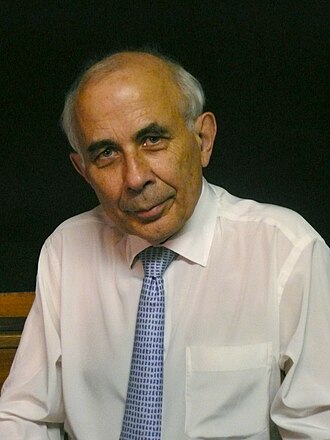
塞米尔·泽基 主持人
本期追问 · 点击跳到视频对应位置
画、乐曲、方程的美,真的共用同一个脑区吗?数学之美需要学数学才懂,凭什么算生物性的美?方程是不是越美就越可能为真?扫描到美感对应的脑活动,算不算把美量化了?
归入 Ⅲ·12 美是客观的吗? →
EDITED TRANSCRIPT · 依据现场录音编译整理,可划线生成便签
编者按:本文为伦敦大学学院神经美学教授、英国皇家学会院士塞米尔·泽基(Semir Zeki)的一场公开讲座及现场问答。泽基以猕猴视皮层功能分区研究奠定了视觉神经科学的基础,近二十年转而以功能磁共振成像探究美的神经机制。讲座由主席主持,听众中有物理学家、艺术史爱好者与医学界人士。本文依据现场录音编译整理,仅删去口语枝节与重复之处,论证与例证悉数保留。

神经美学的辩护

主持人:今天很高兴向各位介绍塞米尔·泽基教授。他是伦敦大学学院的神经美学教授。在座许多人可能会问,「神经美学」是什么,从没听说过这个词。他此前是伦敦大学学院的神经生物学教授,这个头衔大家应该更熟悉。按维基百科的定义,神经美学就是运用神经科学,在神经层面解释和理解审美体验,比如音乐、美与惊奇。泽基教授是英国皇家学会院士、医学科学院院士,也是美国哲学会外籍院士,荣誉颇多。他的主要研究方向是灵长类视觉脑的组织方式,以及负责体验视觉世界不同侧面(如美与形式)的脑区。他著有多部书,包括《脑的视觉》《内在视觉:探索艺术与脑》《脑的辉煌与苦难》。今天他将为我们讲「美的神经生物学及其意涵」。

泽基:谢谢主席,谢谢各位到场。我是神经科学家,确切地说是神经生物学家,大半辈子都在用解剖和生理方法研究脑。所以当我开始研究美的时候,有人皱起了眉头,也有一些批评。幸好这些批评都收在《纽约书评》之类安全的地方。批评是这样的,值得简单看一看:神经生物学永远无法回答「美是什么」的问题。这话对我毫无杀伤力,因为神经生物学从不假装要回答这个问题,也从未说过要回答它。神经生物学只关心一件事:当你体验到美,或体验到恨、爱、欲望的时候,脑里调动了哪些神经机制。这与「体验颜色时脑里调动了哪些神经机制」是同样正当的科学问题,而后者我已经花了大量时间。

所以这是一种研究和理解脑的组织方式的手段。而对理解人类的体验来说,还有什么题目比这更有趣?爱、欲望和美,是大多数人都在追求的东西,很多人为此耗费巨资,却未必能得到。

我从一件事上受到鼓舞:给美下定义的是一位哲学家。研究这个题目,我们必须倚仗哲学家和艺术史家,因为他们思考这个问题已经太久,他们的洞见对我们很重要。关于美,最著名的定义之一出自英裔爱尔兰政治家、哲学家埃德蒙·伯克(Edmund Burke):美大体上是物体的某种性质,经由感官的中介,机械地作用于人的心灵。仔细看这个定义,你会发现三分之二讲的其实是人脑。心灵未必等同于脑,但心灵至少有相当一部分要靠脑活动来实现;而感官,则完全属于神经系统。所以早在人们开始思考美的问题时,就已经承认了脑的重要性。

伯克与贝尔:把美的问题实验化

泽基:要探究体验美时调动了哪些神经机制,我们需要先有一个可以问的问题。美是个庞大的题目。幸好克莱夫·贝尔(Clive Bell),就是布鲁姆斯伯里团体里瓦妮莎·贝尔的丈夫,为我们把问题框得非常好。他一九一四年出版了一本非常好的书,可惜今天知道的人远不如它应得的那么多。他说:如果你能告诉我,所有能唤起审美情感的对象有什么共同之处,你就解决了美学的问题。艺术史家和美学哲学家从来没有给出答案。于是我们想试着回答,但只在神经生物学的语境下回答。

他问的是:伊斯坦布尔的圣索菲亚大教堂、沙特尔大教堂的窗户、墨西哥雕塑、中国的碗、波斯地毯、乔托在帕多瓦的湿壁画,以及普桑、皮耶罗·德拉·弗朗切斯卡、塞尚的杰作,这些有什么共同点?这是他开的单子。你会注意到,这张单子全是视觉的。这对我们来说不够,因为我们想更进一步问:一切被体验为美的东西,音乐、道德之美、数学,是否有共同之处?所以我们把研究扩展了,一开始先纳入音乐。

还有一件事我要说明。有个苏格兰人,对此一无所知,却写文章说艺术和美是两回事。这我们知道。正因为知道,我们才把艺术史家、艺术家等所有人排除在研究之外,就是不想把艺术和美混为一谈。我们也知道,艺术和美的正式分家,是在马塞尔·杜尚把一只小便池送去纽约的展览、题为《泉》、并威胁若不展出就起诉主办者的时候。这些我们全清楚。

我们要做的,是找那些「无知」的人,不是艺术史家,不是艺术家、画家、音乐家,让他们听音乐、看画,每个人自己判断什么是美。这就引出第三点。不知道在座多少人记得,六十年代无论谁做报告,总有人站起来问「工人阶级怎么办」。如今只要谈美,就有人问「文化和学习怎么办」。所以我们找了各个种族、各种背景的人,但排除了懂行的人。克莱夫·贝尔自己就说过(他倒是把美和艺术混在一起的),要谈美,千万别找艺术史家,因为他懂得太多。所以就找普通人,因为他们同样能体验美。

实验设计:排除内行,用fMRI测美

泽基:做法是:给他们看画,听音乐片段,让他们打分;然后把他们请回来,放进扫描仪,再看同样的画、听同样的片段,再次打分。这样你就能确定脑里哪个部位出现了活动。原理是这样的:脑内某个部位的细胞活跃时,代谢需求增加,更多血液被输送到那个区域;扫描仪能探测含氧血和去氧血的差异,并把它对应到脑的特定部位。功能磁共振成像(fMRI)基本就是这个原理。

我给各位看几件多数人认为美的刺激,和几件多数人认为丑的刺激。安格尔的这幅画,多数(并非全部)参与者认定为美;而卢西安·弗洛伊德的这幅,画的是救济金督察员在打盹,被认定为非常丑。你看,这幅画值好几百万英镑,绘画品质极高,它投射出衰败、颓废与时光流逝的命题。但关键在于,参与实验的人没有把它感知为美。而我们关心的只有这一点。

音乐方面更是毫无例外。我们的受试者来自中国、日本、印度,当然还有英国和西欧。所有人都认为下面这段来自马勒第五交响曲的音乐是美的。(播放音乐)很好。而所有人都认为这一段是丑的。(播放音乐)这是迪亚曼迪·迪亚曼迪斯的第二小提琴协奏曲。同样,音乐家可能在其中发现了了不起的音乐品质,但参与者没有把它感知为美。我们关心的只有个体对美的体验。

接下来受试者进入扫描仪。所有结果收齐之后,不管每个人各自认为什么是美,你把所有「体验为美」的脑活动与「体验为不美」的脑活动做对比。个体差异就被抵消了,剩下的就是关于美的体验本身的答案。

视觉与音乐之美共享眶额皮层

泽基:第一个发现是:人看画时,活动在脑后部的视觉皮层;听音乐时,活动在听觉皮层。但如果你看的是「体验到画之美」时活跃的脑区,你会发现,除了这些视觉区之外,还有一个区域也活跃起来,它属于脑的情绪奖赏中枢,叫内侧眶额皮层(medial orbitofrontal cortex)。再看音乐之美,看那些活动与音乐美感体验相关的区域,活动在同一个位置。所以事实上,无论美来自视觉还是音乐,都是内侧眶额皮层的同一个区域,其活动与美的体验相关。

这一点相当重要,因为它给哲学家的说法添了实证的牙齿。你读洛克、休谟、柏拉图、叔本华、康德,他们不专门讲绘画之美或花瓶之美,他们讲的是美本身,讲戏剧、诗歌、音乐,无所不包。他们对美的讨论有一种抽象的成分。而从脑的角度看,确实存在一个区域,无论视觉或音乐之美来自何处,它总是活跃的。

在座有些人可能关注了最近媒体上关于「什么才算统计显著」的激烈争论。由血流变化探测到的脑活动变化,能达到百分之十二就已经相当不错了,所以必须采用相当严格的统计方法。但我认为这不适用于我们的结果,因为它已经在这么多实验室被重复了这么多次,统计显著性的问题已经不那么重要了。

这就是体验视觉之美与音乐之美时活跃的脑区。观察这里的活动,你还能回答一个美学哲学的核心问题,一个哲学家从未回答的问题:美的判断能否被量化?答案是能。看视觉之美的活动,被评为美的画作所引起的活动,高于被评为无所谓或不美的画作;音乐之美也一样。

让我小结一下。克莱夫·贝尔问的是:如果你能告诉我一切唤起审美情感的东西有什么共同之处,你就解决了美学问题。他们从未做到。我们做到了:我们可以告诉你,一切被感知为美的东西,都以内侧眶额皮层的活动为相关物。第二个问题,能否量化?答案是能,体验与那里的活动直接相关,宣称的美感体验越强,血流越多。所以本质上,我们把美的研究,美的科学,变成了可量化、可定位的东西。于是任何人可能提出的反对意见就烟消云散了。大约一九八〇年以前,人们常说:这些是主观体验,你没法用科学研究,科学是客观的。而现在,这非常客观。

悲伤之美与道德之美同源

泽基:我再举几个例子,说明一切美的体验都与这一活动相关。你可以看欢愉的刺激和悲伤的刺激。卡诺瓦的《美惠三女神》是欢愉之美的例子,米开朗基罗的《圣殇》是悲伤之美。它们同样与内侧眶额皮层同一部位的活动相关。

希腊人用同一个词,「kalon」,同时指道德之美和形体之美。形体之美与内侧眶额皮层的活动相关,道德之美也是。这些研究很有意思,是美国人做的,不是我们做的。受试者要回答这样的问题:你非常饿,可以吃一块上好的牛排,也可以把它让给一个饥饿的叙利亚孩子,你选哪个?前者是满足自己,后者在道德上更美。而这种道德之美的评分,同样与内侧眶额皮层的活动相关。

你我都知道,长得漂亮的人处处占便宜,面试也好,什么场合都好,有人生来就含着银汤匙。但你我也知道,这常常是骗人的,因为他们可能品行极差。为什么会把两者混为一谈?这纯属我的猜测:既然两类活动都与脑的同一部位相关,我们就有把道德之美与形体之美混淆的风险。但这引出了一些非常有趣的问题,已经有人在着手研究:道德之美在多大程度上是遗传的,多大程度上是先天设定的,又在多大程度上是从环境中习得的?这张图显示的是吸引力评分和道德评分与该区域活动的关系,同样是定量相关的。

数学家进扫描仪:欧拉与拉马努金

泽基:到目前为止我们谈的是感官之美,也谈了道德之美,但谈论的方式都不依赖文化与学习。正因为总有人问「文化和学习怎么办」,我想不如去找一个极端的例子,一种极端依赖文化与学习的美的体验。那是什么?数学。问题是:体验数学之美时,脑的哪些部位活跃?

你不能半夜在街上随便拉个人,让他看方程,告诉你哪个在数学上是美的。视觉与音乐之美可以这样做,数学不行。你得先找到数学家,得对数学家客客气气,请他们提供一些方程。我以前不知道他们是这么难相处的人,脾气这么坏。我们收集方程的时候,这个数学家反对说这条物理味太重,那个说这条几何味太重,他们要的是纯粹、纯粹、再纯粹的数学。所以我下面要讲的这个实验,做了六年才成,就是因为这些困难。而且,这些对我来说全是新发现:数学家还是极其情绪化的人,他们从扫描仪里出来时热泪盈眶,说「这太美了」。

我们准备了六十条方程,找了二十一位受试者,都是博士后或博士阶段的数学家。让他们先在家研究这些方程并打分,然后回来在扫描仪里再看,就是这时候他们开始掉眼泪的,因为看到了非常美的方程。他们在扫描仪里再次打分,你测量脑内血流,看他们把某个方程归为美或丑时发生了什么。

被绝大多数、可能是全部受试者评为美的,是欧拉恒等式。我的合作者、这篇论文的作者之一迈克尔·阿蒂亚(Michael Atiyah)形容它是数学里的莎士比亚《哈姆雷特》独白。很多数学家(也许不是全部)认为它是有史以来写下的最美的方程。而被多数人评为丑的,是拉马努金的一条方程。拉马努金当然是天才数学家,哈代把他带到剑桥,他在剑桥成名。这条方程把圆周率的倒数表示为一个无穷级数。有些数学家很生气地写信给我:你出来,我们教训教训你,这是条美丽的方程。但这不是我说的。要紧的是,当时扫描仪里的数学家不认为它美。我只关心这一点,关心他们对美的体验。由此也可以推出,这些实验的结果只对实验进行的那个时刻有效。一位数学家盯着拉马努金这条方程看上十年,完全可能觉得它美极了,有些数学家确实如此。但这无关紧要,因为扫描仪里的数学家没有觉得它美。

那么活动在哪里?看脑的切片,你会发现,它出现在与音乐之美、视觉之美、道德之美完全相同的位置。顺便说一句,请不要以为看数学方程时只有这一个区域活跃。脑里没有什么「数学美感点」。它是与其他区域一同活跃的一个区域。但这个区域在体验数学方程之美时活跃,在体验其他来源的美时也活跃。

有位数学家写信给我说:这难道不是意料之中吗?有什么大不了?不,先生,这不是意料之中。它可以在任何地方,可以在负责数字的区域,可以在负责计算推演的区域。没有人会预料到它在这里。但这个结果,是我们所有关于美的研究中最稳固的一个,也是我这辈子发表的论文里被审得最彻底的一篇。

被《自然》《科学》拒稿的论文

泽基:关于这篇论文我想多说几句。我知道讲座不是发泄个人偏见的地方,但我还是要说。我把论文投给了《自然》,因为我觉得它挺有意思。他们二十四小时内退了回来,说这不有趣。哎呀呀。那我投《科学》。《科学》照办,看都没看就退回来了。我想,算了,止损吧,投个更友善的地方,《人类神经科学前沿》。正如我所说,这是我经历过的最彻底的审稿。二〇一四年二月发表以来,它被浏览了十四万六千次,这是神经生物学论文的纪录,可能也超过了《自然》有史以来任何一篇论文的纪录。这说明了一件事:不管他们怎么吹嘘影响因子这个那个,这些人有一个缺陷,就是判断不出什么在科学上有意思。因为这篇论文的读者来自叙利亚、伊朗、伊拉克、查谟和克什米尔、利比亚,更不用说其他所有国家,都是饱受战乱的国家。所以我们不必再谈这些人的能力。他们判断论文科学效度的能力我不评论,但他们判断论文科学价值的能力,肯定是有缺陷的。

数学之美植根于共同的逻辑脑

泽基:把这事撇开,我们再多谈谈数学之美。我说过,数学之美是最极端的依赖文化与学习的例子,因为没有数学的文化,你不可能欣赏数学之美。但这话真的成立吗?答案是否定的。不管你是剑桥的数学家(剑桥自诩为最大的数学重镇),还是东京、南非、巴西、冰岛的数学家,只要懂得数学的语言,你就能欣赏数学表述之美。顺便说,我们的数学家受试者来自不同的文化背景。

那么问题就是:数学之美由什么构成?这是康德提出的问题。他说,数学之美不过是说一声「啊,这说得通」。可他就停在这里了,没有迈出下一步。下一步是:对什么说得通?对谁说得通?我说,它对脑的逻辑演绎系统说得通。而由于我们每个人脑中的逻辑演绎系统都是一样的,这正是我们都能欣赏数学之美的原因。

这里有个反讽。数学家这些难缠的人说,公式必须没有例外,一个例外都不能有,有了例外它就不再美,不再是什么了,不再是数学。可是有多少人看得到这一点?全世界大概两百个人会说「这条公式没有例外」。更有趣的是,脑的逻辑演绎系统在全人类中没有例外,全都一样,所以他们全都能同意这条方程非常美。

狄拉克、外尔:美作为真理的向导

泽基:我们简单看看数学之美的历史。爱因斯坦一九一五、一九一六年发表的广义相对论,刚问世时其实没有多少人真正懂。我读过一些记载,说诺贝尔委员会没有看懂,所以从未因相对论给他颁奖。但它被接受了,原因只有一个:其数学表述极端的美。英国物理学家保罗·狄拉克(Paul Dirac)一九三三年写道(我几乎是逐字引用,但不完全是):相对论以前所未有的程度把美引入了数学。在此之前,判断一条数学方程是否真的向导是它的简洁;但自相对论以后,当你必须在简洁与美之间选择时,你必须永远选择美,作为方程真实性的向导。这时你的思绪会回到柏拉图的《斐利布篇》,他在那里说,数学之美是最高形式的美,因为它让你窥见宇宙的结构。

某种意义上,你跟物理学家交谈(我知道在座有物理学家,也许会反驳我),他们常常是因为手头的方程说得通、并且美,才得出结论的;他们拒绝另一些方程,是因为那些方程不协调。这样他们就能在实验验证之前先把握真理。相对论是一个例子。上星期诺贝尔奖颁给了引力波,而相对论早在一个世纪前就预言了它。黑洞、暗能量,以及所有这些卓越的数学表述,至少部分是「说得通且美」的方程的结果。

所以事实证明,我们现在可以反驳那些嘲笑「神经生物学能对美说什么」的哲学家了。我们能说的不多,但能说一点。我们可以讨论美的用途。可以说,它超出了达尔文《人类的由来》所讲的范围,美当然被用于性选择,但那不是它唯一的用途。它的另一个用途,是通过数学表述给你关于宇宙结构的洞见。柏拉图正是因此把数学之美视为最高的美。

上世纪初,有一位极其杰出的瑞士数学家,后来出于显而易见的原因成了美国人,名叫赫尔曼·外尔(Hermann Weyl)。他说:我一生都在工作中努力把真与美结合起来,但如果必须二选一,我总是选美。他花了很多年寻找一个公式,要把麦克斯韦的电磁学和爱因斯坦的相对论调和起来。他得出一个自认为非常美的公式,投给一家期刊。期刊送给爱因斯坦审稿。爱因斯坦说:这不能发表,它违背一切已知事实。你们知道,爱因斯坦不相信量子力学,至少起初不信。于是期刊拒稿,退给外尔。外尔回信给编辑说:它也许违背一切已知事实,但它是美的,发表吧。那位编辑是个理智的人,不像我们现在这帮人。他说:好,我发表,但附上爱因斯坦的反对意见作为附录。外尔说,行,就这么办。论文就这样发表了。发表十年后,随着量子力学的到来,外尔的表述被证明全部正确。我听说这篇论文如今已重新刊出,但去掉了爱因斯坦的反对意见,而出于历史的缘故,本不该去掉。

所以你能看到,美的用途超出了作为性选择的通路,超出了单纯给你愉悦。它每天都在数学和物理实验室里发挥实际作用,引导人们走向一条真实的方程,部分地解决宇宙中的某个问题。而必须认识到,这全归因于一个事实,仅此一个:我们的脑中都有同样的逻辑演绎系统,不论生在何处,不论在哪所大学受教育,只要学会数学的语言,我们就能欣赏那种美。

伯特兰·罗素说,正确理解的数学不仅拥有真,还拥有至高的美,这就把真和美分开了。赫尔曼·外尔说,当我必须在真与美之间选择时,我总是选美,也把真和美分开了。也许说对了的是济慈:美即是真,真即是美,这就是你所知道的,也是你需要知道的一切。谢谢各位。我给大家留了很多时间。

问答:分辨率、微观知觉与感官

主持人:我很想说,这场讲座很美。您也给我们留了充足的提问时间。谁想先来?

泽基:开讲前四五分钟我抽掉了大约七张幻灯片,因为我觉得一个信息就够了。

提问者一:首先,关于您提到的欧拉恒等式,海森堡曾有记录在案的说法:这世上只有两样东西让他感受到美,一是这条方程,二是佛罗伦萨的美第奇礼拜堂。我不知道您是否同意,但想提一下。我的问题是:一九八〇年以前您无法做这场讲座,因为没有功能磁共振,没法探究脑中的活动中心究竟在哪里。而所有显微成像都有有限的分辨率。我想问,能否预见(这需要专家来回答,我真希望剑桥放射科的主任艾德里安·迪克森在场,可惜他今天在埃及讲学),将来有一天分辨率提高十倍甚至一千倍,那时您可能发现数学之美与艺术之美、音乐之美其实分处不同的区间?您可能没法回答,但我得把这点提出来。

泽基:您假定我没法回答。(笑)您说得完全正确,分辨率很差。fMRI的时间分辨率极弱,但可以用脑磁图(magnetoencephalography)补充,那是一种很好的方法,用起来很复杂,因为信噪比很低。现在正在开发非常强大的机器,目前有七特斯拉的设备,不过我个人不愿让我的儿女进去,磁场太强了。但我毫不怀疑,毫不怀疑,未来二十年会开发出分辨率达到(宽松地说)五十微米的机器,那是某些皮层细胞直径的两倍。

看看人的初级视觉皮层的研究史:起初人们认为不存在初级视觉皮层,脑后半部整个都是视觉的;后来发现了初级视觉皮层;再发现它有特殊的构筑;到八十年代,已经能把它细分成一百微米的微小隔室,各自构筑不同。数学之美完全可能与某一特定细胞群的活动相关。同样可能的是,这些细胞不是活在真空里,它们彼此相连,关键在于它们之间交替的活动,而这种活动模式与音乐之美不同,后者可能是另一种模式。

我想说的是(也谢谢您指出一九八〇年前我做不了这场讲座),数学之美属于「生物学范畴的美」。有了它,我可以很好地研究脑。如果拿建筑之美来研究,就免了吧,因为日本人大概觉得日本佛寺比教堂美,基督徒觉得教堂比清真寺美,汽车也一样。而数学之美不存在这个问题,因为它完全植根于生物学。数学家还没有意识到,他们其实是生物学家。

提问者一:如今已经能观察血细胞里单个的血红蛋白分子。您提到氧合血红蛋白与普通血红蛋白的转换,很可能从时间维度上甚至能区分不同类型的数学。

泽基:是的,不过请允许我再说一点,主席先生。看宏观知觉,也就是刺激出现一百毫秒后你所感知的:人人都有这种体验,我领带的颜色附着在领带上,你能同时说出形状、颜色和空间位置。但如果在小于一百毫秒的时间尺度上做同样的实验,你会先看到颜色,比看到形状早八十毫秒。这就是微观知觉,它无法从宏观知觉预测出来,正如量子力学和粒子物理无法从引力物理预测出来。

主持人:最后面有一只手,我们换个区域,从房间一端换到另一端。

提问者二:您说音乐和艺术之美的实验只用了「无知」的受试者。您有没有比较过,或考虑过比较艺术史家和音乐家,看他们对美的感知是否因为专业知识而改变?

泽基:我没说我用了无知的受试者,恰恰相反。我说的是我没有用艺术史家和艺术家,因为他们懂得太多,这是很大的区别。不,我没做过那个实验,我告诉您为什么。我想大概有其他人在做。我不做,是因为我的科学兴趣主要在于什么是普遍的、全人类共有的,所以我想避开特殊性。顺便说一句,不理解全人类共有的东西,你就永远不会理解他们如何处理特殊性。

主持人:那边有两位,然后到前排,中间还有几位。时间应该够。

提问者三:您谈到了视觉和听觉两种感官。我很想知道,美能否通过触觉、味觉和嗅觉感知?比如盲人,无法从视觉上欣赏一幅画,能否用其他方式欣赏?我们能用其他感官欣赏美吗?

泽基:抱歉我手头没有文献出处,但有一项研究表明,味觉之美的体验确实与脑的同一部位的活动相关。触觉据我所知还没有研究过,嗅觉也没有。嗅觉出于显而易见的原因不太容易定位,触觉显然可以。我的预测是,等研究做出来,会在脑的同一部位发现活动。

问答:赝品、对称与培根的残毁

主持人:到前排,再往后推。

提问者四:我一直对一个问题感兴趣:我们看一幅认定为真迹的画,突然发现它是赝品,为什么我们的看法立刻就变了?我对这背后的脑科学感兴趣,看过牛津的艺术史家马丁·肯普和安德鲁·帕克做的研究,他们发现,面对你认为是真迹的作品和你认为是赝品的作品,脑的不同部位以不同方式被激活。我的问题是:是这些不同的脑活动导致了我们对画的不同情绪,还是情绪导致了不同的脑活动?

泽基:您这是在为难我。

提问者四:不是,这确实让我非常好奇。

泽基:我也不知道这个问题的答案。我一直有意避开所有语境起重要作用的情境。问题在于,要回答这个问题,你必须用脑磁图技术,它的时间分辨率是一毫秒,这样才能判断是情绪先来,还是认知评判先来。但做起来实在非常困难。

主持人:那边穿蓝衣服的这位。

提问者五:非常感谢,讲得太精彩了。我受的是物理训练,但在学校时艺术是我最好的科目,现在也画画,所以对两边都有兴趣。

泽基:我说的有没有假话?

提问者五:抱歉,没听清。

泽基:我说,我有没有说什么假话?

提问者五:哦,您从不说假话。我感兴趣的是,当你想用艺术手段传达一些东西,尤其是插图形式的时候,曲线形状、柔和的东西,往往被联系到「美」;而较硬朗的形状,比如「英俊」,往往不归入同一类。我想问,您用的那些图片,有没有发现「英俊」与「美丽」之间的差别?

泽基:没有,我们没有区分这两者。这是初步研究,我们只想看一切被感知为美的东西。不过,公认最完美的人体呈现,我给各位看过一件,就是大英博物馆的韦斯特马科特青年像。据这方面的权威说,希腊雕塑家确实按数学公式来做。你也许想不到,关于黄金分割的文章数量最多的地方在哪里?愿意猜一猜吗?在颌面外科的期刊里。因为对他们来说,把一切比例弄对至关重要,而确实有数学可以应用。

所以,美中的对称问题的确适用于人体。但人们随后误以为对称适用于一切有美的地方。沙特尔大教堂没有对称,弗兰克·盖里的作品也没有对称,但人体有。所以人体同样属于生物学之美,就像数学之美一样。

主持人:我能问个迫切的问题吗?您寻找的是普遍性,那有没有例外?脑是有可塑性的,我们能否训练自己,更好地体验美?那些脑受了损伤的人,是否对美的体验更少?

泽基:我先从反面简单谈一下。据我所知,有一条规则没有任何例外:一个被认为美的人,眼睛、鼻子、嘴、耳朵之间必须处于精确的相互关系。有一个人靠「给人视觉冲击」赚了几百万,是谁?弗朗西斯·培根。用他自己的话说,「我要给人一种可见的冲击」,而且他说,我不诉诸理智,我通过感觉来做到。培根的每一幅画,没有例外(我确实写过关于培根的文章),都有一张变形或残毁的脸和身体。但仔细看,你会发现物件没有被残毁,椅子、沙发、桌子、窗户全都完好无损。所以他残毁的是生物学之美。这是普遍的。

因此我认为可以公允地说,尽管存在种族效应(这些研究已经做过,有轻微的种族效应,人们对本种族的人有轻微但统计显著的偏好,不大),在日本被认为很美的男人或女人,在欧洲也很可能被认为很美。这就是T台成功的基础:大时装公司从世界各地引进模特,当然挑美的,因为他们的生意就是靠美赚钱。

所以,看生物学之美,比如面孔之美、身体之美,那里的差异是相当受约束的、有限的。没有人会觉得一只眼睛在这儿、另一只在那儿的人美,不可能。再看颜色。不使用语言,从世界每个国家找一个人,让他们看一块反射特定量长波、中波、短波光的色块,再用色卡去匹配,差异会更窄。这两者都是生物学事实。而如果让同一批人给建筑打分,差异会大得多。

问答:艺术、真理与实验细节

主持人:中间有两个问题,然后到最后面。

提问者六:我想知道您的工作与进化美学有没有交集?进化美学的前提是,美之所以被偏好,是因为它有利于种族延续和生存。比如人们偏好有水有陆地的风景画;在人的美方面,标准会是生育力之类。

泽基:关于风景我没怎么研究。至于「美」的进化,拟人化地说,也许最好不叫美,但鸭子和雄鸭确实会以各种方式装扮自己。关于生育力,事情其实不那么直截了当。男人认真找伴侣时,并不真的找最美的女人,他们找身材丰腴、有几分生育力暗示的女人;女人也不追汤姆·克鲁斯那一型,她们找脸颊红润、看着像能养家的人。这不是说他们找丑的人,但确实有某些生物学暗示对他们很重要。这不是我的工作,是众所周知、发表在各种刊物上的结论。

主持人:再往前一位,然后到后面的丹尼斯。

提问者七:非常感谢您的演讲。您谈到数学方程之美,大大加深了我对索尔仁尼琴诺贝尔奖演说的理解。您读过吗?他从未亲自宣读。我读过他的《一九一四年八月》。那篇演说叫《一句真话》,主旨是艺术与美可以改变世界,因为艺术能击败暴力所依赖的谎言。我曾接待过他,他从真正艺术家的角度看,认为艺术家无论用什么媒介,都在追求描绘上帝所创秩序的真实,因此真正的艺术对邪恶永远是危险的。不过我带他去伊顿公学演讲时,他倒说,今天很多被当作艺术的东西,克格勃不会觉得有什么危险。我想请教您对艺术与真、美与恶的看法,您刚才提到过「谎言」,我觉得挺有意思。

泽基:这是个非常非常难的问题。首先,我研究过恨。恨是邪恶的源头,但从生物学上讲,恨是一种模块,也就是说,恨是我们具有的一种生物学性质,被用于物种的存续,比如杀掉邻居。看看当前的局势,你会发现很多恨是邻居针对邻居的。我讲个有趣的故事。我曾受邀去多伦多讲恨,他们说给我商务舱机票。我说,那很好,不过你们得明白,你们从我这儿听到的,不会是你们想听的,因为邀请人是个想要「根除仇恨」、主张人人相爱的人。我把这话告诉他们,他们回信说:我们期待您来,不过我们只能给您经济舱机票。(笑)

关于艺术中的真。委拉斯开兹的《胡安·德·帕雷哈肖像》,一九七四年拉德诺勋爵和这个国家可耻地任由它流出到美国。当年它在罗马首次展出时,评论家说:这才是真实,其他画都不过是画而已。它极其有力地「说话」。你们知道这幅画吗?我这里有一张幻灯片。我认为,我们在画中最终感知到的是某种真实,我想这就是为什么有些画流传下来而另一些没有。我确实认为它们诉说着真实。

而且很明显,我这星期刚读到,语言不是十万年前发展起来的,而是两百万年前;而视觉脑在二十亿年前就发展起来了。所以我可以用十卷书向你描述米开朗基罗的《圣殇》,但让你看两秒钟,你得到的印象会好得多。那里有某种真切的东西,某种真实性。我不想点名,不想贬低任何艺术家,但有些艺术家就是不如另一些好,我认为差别就在于他们传达的真实。有意思的是,这种真实连不太懂行的人也能感知到,因为我们的视觉脑是一样的,正如我们的数学脑是一样的。

主持人:这可能得是最后一个问题了。

提问者八:一个很快的技术问题,纯粹出于好奇。我猜您招募的受试者多半从未进过磁共振机器,那里面又吵又窄又压抑。我想知道,实验上您如何处理受试者对那个环境的适应?然后您又给他们看《蒙娜丽莎》之类的图片,这是怎么运作的?能简单讲讲实验流程吗?

泽基:首先,排除像我这样在那种机器里会幽闭恐惧的人。其次,屏幕中央有一个持续存在、大小会变化的信号,他们必须报告这个变化,以此保证他们在注意。如果他们没能报告,就停下,说明他们已经不在注意了。这个信号不是每次刺激都出现,但会规律而随机地出现,他们必须按键报告十字变大或变小了。

提问者八:还没完全回答我的问题。里面很吵,有的人比别人更能适应吵闹狭小的封闭环境。我想知道,他们是否要经过几个循环,先是空白对照,然后才看到画?

泽基:是的,会重复好几次,完全正确。每次实验大约二十到二十五分钟,每张幻灯片呈现三秒钟,所以重复得相当频繁。我们还遇到过一位银行家,说他疯狂地爱着女朋友,无论如何都要参加实验。他带来女朋友的照片,加上另外五个同龄女孩的照片,进了扫描仪,五分钟之内就打起了呼噜。于是他被排除了。这就是我们的对照措施:空白幻灯片、报告变化、重复呈现。

主持人:在座看钟的人会发现,这里的时间过得飞快,分针走得和秒针一样快。时间确实飞逝,我们一向说两点结束。这是一场最引人入胜的讲座,非常感谢,我要说,它很美。请大家和我一起感谢泽基教授。
排版 + 横图 + 来源,粘贴即成稿
章节 · 点击跳转视频
0:00 讲者介绍与神经美学的辩护 ▶ 正在看
3:36 伯克与贝尔:把美的问题实验化 ▶ 正在看
6:17 实验设计:排除内行,用 fMRI 测美 ▶ 正在看
10:12 视觉与音乐之美共享眶额皮层 ▶ 正在看
15:15 悲伤之美与道德之美同源 ▶ 正在看
17:45 数学家进扫描仪:欧拉与拉马努金 ▶ 正在看
22:47 被《自然》《科学》拒稿的论文 ▶ 正在看
25:08 数学之美植根于共同的逻辑脑 ▶ 正在看
27:52 狄拉克、外尔:美作为真理的向导 ▶ 正在看
32:57 问答:分辨率、微观知觉与感官 ▶ 正在看
42:59 问答:赝品、对称与培根的残毁 ▶ 正在看
52:12 问答:艺术、真理与实验细节 ▶ 正在看
本期小问 · 档案清单
—— 画、乐曲、方程的美,真的共用同一个脑区吗? ▶ 正在看
—— 数学之美需要学数学才懂,凭什么算生物性的美? ▶ 正在看
—— 方程是不是越美就越可能为真? ▶ 正在看
—— 扫描到美感对应的脑活动,算不算把美量化了? ▶ 正在看
本期讲者
塞米尔·泽基伦敦大学学院神经美学教授,英国皇家学会院士。以猕猴视皮层功能分区研究(V4 颜色区、V5 运动区)奠定视觉神经科学基础,1990年代创立「神经美学」领域,著有《大脑的视觉》《内在视觉》《大脑的辉煌与苦难》。
主持人讲座主席,负责介绍讲者并主持问答环节,身份未在视频中说明。
01讲者介绍与神经美学的辩护
0:00
um today uh it's a pleasure to rec to introduce to you uh Professor semi Zaki uh who is Professor of neur athetics in University College London and many of you may ask well what is that word NE athetics never heard of that before uh he was previously professor of neurobiology which is a more familiar term I think uh in UCL um the Wikipedia definition of neuroesthetics it's the use of Neuroscience to expl explain and understand the aesthetic experiences that's things like mut music and beauty and wonder at the neurological level Professor Zeki is fellow of the Royal Society and the acade Academy of Medical sciences and he's a foreign member of the American philosophical Society so plenty of accolades to his name he's been primarily interested in studying the organization of the primate visual brain and the areas that are responsible for experiencing different aspects of the visual world world and things like uh Beauty and form he's written a number of books including amongst those a vision of the
嗯,今天很高兴向大家介绍泽米尔·泽基(Semir Zeki)教授,他是伦敦大学学院神经美学(neuroesthetics)的教授。你们中的很多人可能会问,神经美学这个词是什么意思,我以前从没听说过。他之前是神经生物学教授,我想这是个更为人熟悉的说法,同样是在 UCL。维基百科对神经美学的定义是:运用神经科学来解释和理解审美体验,也就是像音乐、美感这类东西,以及在神经层面上的惊叹感。泽基教授是英国皇家学会院士,也是医学科学院院士,还是美国哲学会的外籍会员,所以头衔非常多。他主要研究灵长类视觉大脑的组织结构,以及负责体验视觉世界不同方面的那些脑区,还有像美感和形式这类东西。他写过好几本书,其中包括《大脑的视觉》(A Vision of the Brain)、《内在视觉:探索大脑中的艺术》(Inner Vision),以及《大脑的辉煌与苦难》(Splendors and Miseries of the Brain)。
便签笔记
1:13
brain inner vision and exploration of Art in the brain and splendors and miseries of the brain and it's a pleasure to welcome him today and he's going to talk to us on the neurobiology of beauty and its implications thank you [Applause] thank you chairman thank you all for coming I appreciate it I am a neuroscientist neurobiologist in fact and I've spent most of my time using anatomical and physiological methods for studying the brain so when I started looking at Beauty uh there were some eyebrows raised and some some um some criticism fortunately these criticisms were tucked away in safe places like the New York Review of Books and um things like that the criticism is this this and it's worth looking at it briefly says that neurobiology can never address the question of beauty well you see it's it's wasted on me because neurobiology does not pretend to address that question it has never said it will address this question neural body is interested only in the neural mechanisms that are engaged when
今天很高兴欢迎他到来,他将为我们讲述美的神经生物学及其含义。谢谢。[掌声] 谢谢主席,谢谢大家前来,我很感激。我是一名神经科学家,其实是神经生物学家,我大部分时间都在用解剖学和生理学的方法研究大脑。所以当我开始研究美的时候,有些人扬起了眉毛,还有一些批评。所幸这些批评都被塞在安全的地方,比如《纽约书评》之类的刊物里。批评是这样的,值得简单看一下,它说神经生物学永远无法回答美的问题。这话对我来说是白费口舌,因为神经生物学并不自称要回答那个问题,它从来没说过要回答这个问题。神经生物学只关心当你
便签笔记
2:21
you experience beauty or when you experience hate or love or desire which is as legitimate a scientific question as asking what are the neural mechanisms that are engaged when you experience color a topic to which I have devoted a considerable amount of my time so that um it is a mechanism for studying the and understanding the organization of the brain and what more interesting topic can there be for understanding the experience of something that most humans seek For Love and Desire and beauty most of us seek it and most of us spend considerable fortunes on trying on trying to attain it without necessarily doing so now I take heart from the fact that the a it was a philosopher who defined Beauty because in pursuing this topic we have to rely on philosophers and historians of art because they've been thinking about it for so long so their insights are important to us one of the important ones one of the most famous definition of beauty is Edmund Burks the Anglo Irish politician and philosopher
体验美、或者体验恨、爱、欲望时所激活的神经机制,这跟问体验颜色时激活的是什么神经机制一样,都是正当的科学问题——而颜色这个课题我已经投入了大量时间。所以这是一种研究和理解大脑组织结构的手段,还有什么课题能比理解大多数人所追求之物的体验更有意思呢?爱、欲望和美,我们大多数人都在追求,而且大多数人都花了不少钱去试图得到它,却未必真的得到。让我感到欣慰的是,给美下定义的是一位哲学家,因为在探讨这个课题时,我们必须依靠哲学家和艺术史学家,因为他们思考这个问题已经很久了,所以他们的洞见对我们很重要。其中一个重要的定义,也是最著名的美的定义之一,来自埃德蒙·伯克(Edmund Burke),这位英裔爱尔兰政治家兼哲学家:
便签笔记
02伯克与贝尔:把美的问题实验化
3:36
the beauty is for the greater part some quality in bodies acting mechanically upon the human Mind by the intervention of the senses now if you look at that definition you'd find that 2third of it is actually about the human brain because the mind is U it may not be the same thing as the brain but at least a considerable um part of the mind is enabled by brain activity and the senses are of course entirely the nervous system so as early on when people started considering the the question of beauty they admitted the importance this is not me oh what is some somebody else oh oh is that okay um um they they admitted that that the brain is important now the when we attack the question of what are the um neural mechanisms that are engaged when we experience Beauty we need a question to ask beauty is a v subject so the question was very very well framed for us by Clive Bell the husband of Vanessa Bell from the Bloomsbury group he wrote a book which is a very good book sadly uh not as well known today as as it ought to be
美,在很大程度上是物体中的某种性质,通过感官的中介,机械地作用于人的心灵。如果你看这个定义,你会发现其中三分之二其实说的是人脑,因为心灵——它也许跟大脑不是一回事,但心灵中至少相当大一部分是由大脑活动实现的,而感官当然完全属于神经系统。所以早在人们开始思考美这个问题的时候,他们就已经承认了它的重要性——这不是我干的,哦,是别人。哦,哦,这样可以吗?嗯,嗯,他们承认了……大脑是很重要的。现在,当我们着手研究「我们体验到美的时候,究竟有哪些神经机制在参与」这个问题时,我们需要先提出一个问题。美是一个非常主观的话题,所以这个问题被人非常、非常漂亮地替我们表述过了,那就是克莱夫·贝尔(Clive Bell),布卢姆斯伯里团体中瓦妮莎·贝尔的丈夫。他写过一本书,是一本很好的书,可惜今天并没有得到它应有的知名度。那本书出版于 1914 年。他说:如果你能告诉我,所有唤起审美
便签笔记
4:56
published in 1914 he said if you can tell me what is common to all objects that arouse the aesthetic emotion then you have solve the problem of Aesthetics but the uh historians of Art and philosophers of Aesthetics have never given an answer to that question so we thought we would try to give it but only in a neurobiological context so he said see if I can get this what is common to the a Sophia in Istanbul and the windows at Short Cathedral Mexican sculpture this is his list Chinese Bowl Persian carpet the frescos of jotto at Padua and the masterpieces of Pusa Pi DEA Francesca and szan this is his list and his list you will notice is entirely visual which is not good enough for us because we want to go beyond and say is there anything common to everything that is experienced as beautiful music uh moral Beauty mathematics and so we expanded the study to include in in the beginning music now I want to tell you the other thing is that we do not conflate some some some some totally ignorant man in in Scotland Scotsman he
情感的对象有什么共同之处,那你就解决了美学的问题。但是艺术史家和美学哲学家们从来没有给出过这个问题的答案。所以我们想,我们可以试着给出一个答案,只不过是在神经生物学的语境下。他说——我看看能不能念对——伊斯坦布尔的圣索菲亚大教堂、沙特尔大教堂的花窗、墨西哥雕塑,这是他列的清单,中国的碗、波斯地毯、乔托在帕多瓦的湿壁画,以及普桑、皮耶罗·德拉·弗朗切斯卡和塞尚的杰作。这就是他的清单。你会注意到,他的清单完全是视觉的,这对我们来说还不够,因为我们想走得更远,去问:所有被体验为美的东西之间,有没有什么共同点——音乐、道德之美、数学。于是我们把研究扩展开来,一开始先纳入了音乐。另外我还想说的一点是,我们并没有把两件事混为一谈。有个完全外行的苏格兰人写道,艺术和美之间是有区别的。我们知道这一点,我们
便签笔记
03实验设计:排除内行,用 fMRI 测美
6:17
wrote that we we there's a difference between art and Beauty we know that we know that we excluded art historians and and artists and everybody else from these studies because we don't want to uh confl art and beauty and we know that the art art and Beauty were were seriously separated when Marcel du sent a urinal to to an exhibition in New York which he called The Fountain and and and threatened to sue the creators if they did not exhibit it so we we know all of that we know all of that uh so so what what we wanted to do was to take subjects who were ignorant that is not historians of art not artists not painters not musicians and ask them to listen to music to look at paintings and each one decides for themselves what they find beautiful now this brings us to the third point that whenever you talk I don't know many of you remember in 1960s whenever anyone gave a talk somebody would and say what about the workers whenever you talk about beauty somebody says what about culture and learning so we got people
知道,所以我们把艺术史家、艺术家以及其他所有内行都排除在这些研究之外,因为我们不想把艺术和美混为一谈。而且我们知道,艺术和美被彻底分开,是在马塞尔·杜尚把一个小便池送到纽约的一个展览上,并把它命名为《泉》,还威胁说如果主办方不展出就要起诉他们的时候。这些我们都知道,这些我们全都知道。所以我们想做的,是找一些外行的被试,也就是不是艺术史家、不是艺术家、不是画家、不是音乐家的人,请他们听音乐、看绘画,然后每个人自己判断什么是他们觉得美的。这就带出了第三点:每当你谈起……我不知道你们有多少人还记得,在 1960 年代,每当有人做演讲,总会有人站起来说:那工人阶级怎么办?而每当你谈论美,总有人问:那文化和学习呢?所以我们找了
便签笔记
7:30
from all Races and backgrounds but excluded people who were knowledgeable indeed Clive Bell himself said if you want to talk about beauty which he did conflate with art never talk to an art historian because he knows too much so just ordinary people because they are capable of experiencing Beauty and what you do is you show them paintings and let's get them to listen to musical excerpts they rate them and bring them back and put them the scanner show them these uh paintings and musical excerpts again in the scanner they reate them and you can then determine where the activity in the brain occurs and the principle behind that is like this that cells in part the brain which are very active their metabolic requirement increases so more blood is channeled to that area and the scanners detect the difference between oxygenated and deoxygenated blood and can refer that to a particular part of the brain that is basically the principle on which the fun functional magnetic resonance imaging works let me just show you some
各个种族、各种背景的人,但排除了那些内行。其实克莱夫·贝尔自己也说过:如果你想谈美——他确实把美和艺术混为一谈了——千万别去问艺术史家,因为他懂得太多了。所以就找普通人,因为他们同样有能力体验美。你要做的就是给他们看绘画,再让他们听音乐片段,让他们评分,然后再把他们请回来,放进扫描仪,在扫描仪里再给他们看这些绘画和听这些音乐片段,让他们重新评分。这样你就能确定大脑中的活动发生在哪里。背后的原理是这样的:大脑中某个部分的细胞如果非常活跃,它们的代谢需求就会增加,于是就有更多血液被输送到那个区域。扫描仪能检测含氧血和脱氧血之间的差别,并把它定位到大脑的某个特定部位。这基本上就是功能性磁共振成像的工作原理。我先给大家看一些
便签笔记
8:36
of the uh stimul which most people found beautiful and some stimul which most people found ugly so this list by Ang was qualified um was qualified by most but not all participants as beautiful whereas the the this one by Lucen Freud which is a benefit supervisor taking an apples qualified as very ugly now we can you can see that this I this is a painting which is worth many millions of pounds it's got great painterly qualities IT projects uh questions of Decay and decadence and passage of time but the point is that it was not perceived as beautiful for the people who are taking part in the experiment and that's the only we're interested in for music all of them without question we had people from um China and Japan and India and and of course Britain and and Western Europe um all of them qualify this next piece from M's Fifth Symphony is beautiful this is 162 [Music] excellent now and all of them thought this was ugly [Music] this is the the second viin kerto from um DTI now again a musician may find
多数人觉得美的刺激材料,以及一些多数人觉得丑的刺激材料。安格尔的这幅画被大多数(但不是全部)参与者评为美,而卢西安·弗洛伊德的这一幅,也就是《沉睡的救济金管理员》,被评为非常丑。你可以看到,这是一幅价值好几百万英镑的画,它有极高的绘画技艺,它呈现了衰败、颓败和时间流逝的主题。但关键在于,对于参加实验的人来说,它并不被感知为美,而我们唯一关心的就是这一点。至于音乐,所有人无一例外——我们有来自中国、日本、印度,当然还有英国和西欧的被试——所有人都把接下来这段马勒第五交响曲的片段评为美。这是第 162 号。(音乐)非常棒。而所有人都觉得这一段是丑的。(音乐)这是……肖斯塔科维奇的第二小提琴协奏曲。同样,一位音乐家可能会从中发现
便签笔记
04视觉与音乐之美共享眶额皮层
10:12
great musical qualities in this but it was not perceived as beautiful by the U participants that's the only thing we were interested in the experience of beauty by individuals so what you do then is you they you go they go into scanner and once you get all the results in you irres of what each one found beautiful you make a contrast of all the brain activi is when the experience was of beauty versus not beautiful right so individual differences get ired out and you get the answer about the experience of beauty alone now the first thing is that when people look at the visit at paintings the activity is in the visual cortex at the back here when they listen to music they activities in the auditory cortex but when you ask them when you look at the parts of the brain which were active when they were experiencing Beauty in paintings you find that in addition to these visual areas there is an area here which is part of the emotional reward center of the brain medior orbital frontal cortex which
很高的音乐价值,但参与者并不把它感知为美,而我们唯一关心的就是个体对美的体验。所以接下来,他们就进入扫描仪。等你把所有结果都收集齐了,不管每个人各自觉得什么是美的,你都可以把大脑活动做一个对比:体验到美的时候 对比 没有体验到美的时候。这样个体差异就被抵消掉了,你得到的就是关于「美的体验」本身的答案。首先,当人们看绘画时,活动出现在后面这里的视觉皮层;当他们听音乐时,活动出现在听觉皮层。但当你去看,在他们体验绘画之美时大脑中哪些部分是活跃的,你会发现,除了这些视觉区域之外,还有这里的一个区域,它属于大脑的情绪奖赏中枢,也就是内侧眶额皮层,它变得活跃了。而当你看音乐之美时,当你看那些
便签笔记
11:21
becomes active and when you look at musical Beauty uh when you look at areas which are in which activity correlates with the experience of musical Beauty activity in the same place so in fact there is this same area of the medor orbital frontal cortex which is involved which activity in which correlates with the experience of uh Beauty whether derived from visible or musical sources this is quite important because it gives teeth to the if you if you read Lo or Hume or Plato or chopar or can't they don't specifically talk about uh beauty of paintings or beauty of uh vases they talk about beauty talk about beauty of theater poetry music everything so there's an abstract element to their discussions of beauty and in fact in terms of the brain there appears to be one area which is always active irrespective of uh where what the source of of the visual or musical beauty is now some of you may have been following the Press recently about this Fierce debate about what is um acceptable as statistically significant
活动与音乐美感体验相关的区域,活动出现在同一个地方。所以事实上,参与其中的是内侧眶额皮层的同一个区域,那里的活动与美的体验相关,不论这种美来自视觉还是音乐。这一点相当重要,因为它给了那些说法以实实在在的支撑——如果你读洛克、休谟、柏拉图、叔本华或康德,他们并没有具体地谈绘画之美或花瓶之美,他们谈的就是美,谈戏剧、诗歌、音乐等一切事物的美。所以他们对美的讨论里有一种抽象的成分。而事实上,就大脑而言,似乎确实有这么一个区域始终是活跃的,不管美的来源是视觉的还是音乐的。你们中有些人可能一直在关注最近媒体上那场激烈的争论,关于什么才算是统计上显著。因为大脑活动的变化,是通过血流变化来检测的,
便签笔记
12:39
because the change in activity in the brain uh which is detected by changes in blood uh flow is really about if you get 12% change you're doing quite well so you've got to employ statistics of a fairly rigid character I don't think that these apply to this because been repeated so many times in so many different lories now that I don't think the the question of statistical significance is very very important anymore so this is then the area of the brain which is active when you experience Visual and musical Beauty and there if you look at the activity there you answer you find you are able to answer a question which has been Central to philosophies of Aesthetics namely but which they have not answered can judgments of Beauty Ever Be Quantified and the answer is yes because if you look at the activity here with a visual Beauty then the activity is higher for things for paintings judg as beautiful than for those judge as indifferent or not beautiful and the same is true of musical Beauty so let me
这个变化其实很小——你能得到 1% 到 2% 的变化就已经算不错了。所以你必须使用相当严格的统计方法。我不认为这些质疑适用于我们这项工作,因为它已经在那么多不同的实验室里被重复了那么多次,所以我认为统计显著性的问题在这里已经不那么、不那么重要了。那么这就是你体验视觉之美和音乐之美时活跃的那个大脑区域。而如果你去看那里的活动,你会发现你能够回答一个对美学哲学来说至关重要、但他们始终没有回答的问题:美的判断能否被量化?答案是肯定的。因为如果你看这里的活动,对于视觉之美来说,被评为美的画作所引发的活动,要高于被评为一般或不美的画作。音乐之美也是一样。让我总结一下:克莱夫·贝尔提出的问题是,如果你能告诉我
便签笔记
13:55
just summarize the question that Clive Bell asked was if you can tell me about all things which are experiences beautiful what he said which are rather the aesthetic emotion have in common H you have solved the problem of Aesthetics they never did what we have done we can say to you all things which are perceived as beautiful uh they have a COR they have as a correlate activity in the medor over the frontal cortex right the second question is can you ever quantify this and the answer is yes the experience is directly related to the activity there so the higher the declared experience of beauty the greater the blood fills are right so essentially we have made of the study of beauty the science of beauty something quantitative localizable and therefore now the objection that anyone may have evaporates because you see up to about um uh 1980 it was common say well these are subjective experiences you cannot study them science is objective but now this is very objective okay so now the U if you look at I'm just going to give you
所有被体验为美的东西——他说的其实是所有唤起审美情感的东西——有什么共同之处,那你就解决了美学的问题。他们从来没做到。而我们做到了,我们可以告诉你:所有被感知为美的东西,都有一个共同的相关项,那就是内侧眶额皮层的活动。第二个问题是:这能被量化吗?答案是可以,因为体验的强弱与那里的活动直接相关,宣称的美感体验越强,血流就越大。所以本质上,我们把对美的研究、把美的科学,变成了某种可量化、可定位的东西。因此,任何人可能提出的反对意见现在都站不住脚了。因为你看,大约到 1980 年为止,人们常说:这些都是主观体验,你没法研究它们,科学是客观的。但现在这就非常客观了。好,那么如果你看……我再给你们
便签笔记
05悲伤之美与道德之美同源
15:15
few more examples show you that experience of all Beauty correlates with activity now you can look at U stimul which are joyful and those which are sorrowful the the the Three Graces by Canova is is a is an example of a joyful Beauty and the P of Michelangelo sorrowful Beauty they again correlate with activity in the same part here in the medor orbital frontal cortex and the Greeks had a single word a single word [ __ ] to denote both U moral Beauty and physical Beauty now physical Beauty correlates with activity in the med overal cortex and moral Beauty does too and this is these are studies which are quite interesting done in in the United States Not By Us in which subjects are asked uh the questions such as you are very hungry and you have the option of having a very good Stak or giving it up to a hungry Syrian child what will you choose the first one is you you you satiate yourself second one is morally more beautiful and that activity correlates again with with activity of the media OBO frontal cortex
举几个例子,说明所有美的体验都与那个活动相关。你可以看一些令人愉悦的刺激材料,以及一些令人悲伤的。卡诺瓦的《美惠三女神》就是愉悦之美的例子,而米开朗基罗的《圣殇》是悲伤之美。它们同样与这里同一个部位——内侧眶额皮层——的活动相关。希腊人有一个词,一个词(kalon),同时表示道德之美和外形之美。而外形之美与内侧眶额皮层的活动相关,道德之美也一样。这些是相当有意思的研究,是在美国做的,不是我们做的。研究中被试被问到这样的问题:你非常饿,你可以选择吃一块很好的牛排,或者把它让给一个饥饿的叙利亚孩子,你会怎么选?第一个选择是让自己吃饱,第二个选择在道德上更美。而那种活动同样与内侧眶额皮层的活动相关。
便签笔记
16:32
now you know and I know that people who are very good looking and beautiful have got every Advantage always in interviews in everything people are born with silver spoons but you know and I know also that very often that is very deceptive because they turn out they they may turn out to be of very poor moral character and the reason for this conflation and this is pure speculation I think uh is is that uh I think both we know that both types of activity uh correlate with activity in the same part of the brain and therefore we confuse there is a risk of confus confusing moral Beauty with um physical Beauty but it does raise very interesting questions which people are beginning to address to what extent is moral Beauty um inherited to what extent is it specified bur to what extent is it uh something which is is which which you acquire from your environment so this is this is just to show you this activity there with with attractiveness and with u goodness rating moral rating see again again it is it is um
你我都知道,长得非常好看、非常漂亮的人总是占尽优势——面试的时候,做任何事的时候,有些人就像含着金汤匙出生。但你我也都知道,这往往非常具有欺骗性,因为他们最后可能……他们最后可能被证明道德品质非常差。而造成这种混淆的原因——这纯粹是我的推测——我想是这样的:我们知道,这两类活动都与大脑同一个部位的活动相关,因此我们会混淆,会有把道德之美和外形之美混为一谈的风险。但这确实带出了一些非常有意思的问题,人们已经开始着手研究:道德之美在多大程度上是遗传的?在多大程度上是先天决定的?在多大程度上是从环境中习得的?所以这里只是给大家看一下,那里的活动与吸引力评分、与「善」的评分、道德评分之间的关系。你看,同样地,它是
便签笔记
06数学家进扫描仪:欧拉与拉马努金
17:45
quantitatively related now we we um we uh go to so far so far we have been talking about about uh uh sensory Beauty uh moral Beauty too but we have been talking about it in a way in which U it was not not dependent upon cultureal or learning so because of this question what about culture and learning I thought it wise to go to the to the extreme example extreme example of the experience of beauty that's dependent upon culture and learning and what would that be that would be mathematics so the question was to get uh an idea of which parts which parts of the brain um are active when you experience mathematical Beauty now you can't pick up people in the streets at night and ask them to look at equations and tell you where they're mathematically beautiful which you can do with Visual and and musical Beauty youve got to get mathematicians before you do that you've got to be nice to mathematicians and ask them to produce some equations and and I did not they're very difficult people and I did not I never realize
定量相关的。到目前为止,我们谈的都是感官之美、道德之美,但我们谈论的方式,都是不依赖于文化或学习的。所以,正是因为「那文化和学习呢」这个问题,我觉得明智的做法是去看一个最极端的例子,一个最极端的、依赖文化和学习的美的体验。那会是什么呢?那就是数学。所以问题就是弄清楚大脑的哪些部分在你体验数学之美时是活跃的。你不可能大晚上在街上随便拉一些人,让他们看方程式,告诉你哪些在数学上是美的——而这是你在视觉之美和音乐之美上可以做的。你必须找数学家。在这之前,你得对数学家客客气气的,请他们提供一些方程式。我以前真没有意识到,他们是非常难打交道的人,我从来没想到他们脾气
便签笔记
19:11
they have such bad temper I mean you see as as we got these equations together some one mathematician would object that this wasall has too much physics in it and this one has got too much geometry in it they want pure pure pure pure pure mathematics so this experiment which I'm going to describe you took six years in the making because because of the difficulty and and and what's more they are also they're also this is this these are all Revelations for me mathematicians are also extremely emotional people they come out of the scanner in tears I think this is so beautiful so so you get 60 equations and you get um 21 subjects to look at mathematicians post do or post uh um or phds and you get them to look at these mathematical to study them actually at home rate them and then come back and and uh look at them in the scanner that's when they start crying but they see the very beautiful mathematical equations and they rate them in the scan again you detect the blood flow in the brain uh when they
这么大。我是说,在我们把这些方程式凑齐的过程中,某个数学家会反对说,这个里面物理成分太多了,那个里面几何成分太多了——他们要的是纯粹、纯粹、纯粹的数学。所以我接下来要讲的这个实验,前后花了六年时间才做成,就是因为这些困难。而且更有意思的是,他们还……对我来说这些都是全新的发现——数学家还是极其情绪化的人,他们从扫描仪里出来的时候是流着眼泪的:我觉得这太美了。所以你准备了 60 个方程式,找了 21 名被试,都是数学家,博士后或者博士,让他们看这些数学方程式,实际上是让他们在家里研究、评分,然后再回来,在扫描仪里看这些方程式——就是那个时候他们开始哭的,因为他们看到了非常美的数学方程式。他们在扫描仪里再次评分,你同时检测大脑的血流,看他们把某个东西归为美、把某个东西归为丑时的情况。被大多数人——
便签笔记
20:21
have categorized something as beautiful and something as ugly now the equation which was characterized by by most people as in fact probably all as beautiful is O's identity equation which Michael aier who was a colleague of mine in this um in this paper describes I wait for it says it's the mathematical equivalent of the Sol from hamlets by Shakespeare that's that's so it is considered by many mathematicians perhaps not all to be the most beautiful equation ever written right the one which most people qualified as ugly is this one which is which is Sasa ramanujan who was of course a brilliant mathematician whom Hardy brought to Cambridge and who made his Fame in Cambridge um and it is the equation which expresses the inverse value of pi as an infinite sum now some mathematicians have written to me uh quite angry now you come out here and we'll teach you a lesson this is a beautiful equation you come but see it is not me uh the the important thing is that the mathematicians in the scanner
其实可能是所有人——评为美的那个方程式,是欧拉恒等式。我在这篇论文里的合作者迈克尔·阿蒂亚这样描述它——等一下——他说,它相当于莎士比亚《哈姆雷特》中那段独白的数学版本。就是这样。所以许多数学家(也许不是所有人)都认为它是有史以来最美的方程式。而被大多数人评为丑的,是这一个,来自斯里尼瓦瑟·拉马努金——他当然是一位杰出的数学家,是哈代把他带到了剑桥,他也在剑桥成名。这个方程式把 π 的倒数表示为一个无穷级数。有些数学家写信给我,相当生气:你出来,我们要好好教训你一顿,这是一个很美的方程式,你出来。但你看,这不是我说的。重要的是,当时在扫描仪里的那些数学家并不认为它
便签笔记
21:37
at that time did not consider this to be beautiful that's all I'm interested in I'm interested in their experience of beauty and so from this it follows too that the the the results of these experiments really have validity for the time they're done it is possible that a mathematician looking at this equation of ramanujan for 10 years might find it very beautiful indeed some mathematicians do but this is not important because this the the mathematicians in the scan did not find beautiful so where is the activity now occurring and if you look at the brain slices you find well it occurs in the same identical place as the uh experience of musical Visual and moral Beauty right now Somebody by the way please please do not think that this is the only area which is active when they see mathematical equation there's no mathematical Beauty Spot in the brain but this is area which is active along with other areas but this area is active when they experience the beauty of mathematical equations but also when
美。我关心的只有这一点,我关心的是他们对美的体验。由此还可以推出,这些实验的结果,真正有效的只是在它们被做出来的那个时间点上。有可能一位数学家盯着拉马努金的这个方程式看上十年,会觉得它非常美——确实有些数学家就是这么认为的。但这并不重要,因为扫描仪里的那些数学家当时并不觉得它美。那么现在活动出现在哪里呢?如果你看这些脑切片,你会发现,它出现在与音乐之美、视觉之美和道德之美完全相同的地方。顺便说一句,请大家千万不要以为,这是他们看数学方程式时唯一活跃的区域。大脑里并没有一个「数学美感中枢」。这个区域是与其他区域一起活跃的。但这个区域确实会活跃,既在他们体验数学方程式之美的时候,也在他们体验来自其他来源的美的
便签笔记
07被《自然》《科学》拒稿的论文
22:47
they experience Beauty derived from other sources now somebody somebody wrote to me a mathematician wrote to me saying well isn't that to be expected so what's big deal no sir it was not to be expected it could have been anywhere it could have been in the areas which are devoted to numbers it could have been area which is devoted to formulating calculating in the brain nobody would would have expected that it would be here but this this result is the most robust result of the all the beauty studies that we have done and it was the most thoroughly reviewed uh paper I have ever uh published in my life about which I'd like to say something which I I I realize that that that that a lecture is not a place to to u to vent your prejudices but I shall uh now I sent this paper to uh nature because I thought it' be quite interesting and they sent it back within 24 hours saying this is not interesting oh dear dear dear I'll send it to science and science did the same thing they sent it back without
时候。有个数学家写信给我说:这不是意料之中的吗?有什么了不起的?不,先生,这并不是意料之中的。它本可以出现在任何地方,它本可以出现在负责数字的区域,也可以出现在大脑中负责公式推演、计算的区域,没有人会……本以为它会在这里,但这个结果是我们做过的所有关于美的研究中最稳健的结果,而且它是我这辈子发表过的所有论文中审稿最彻底的一篇,关于这一点我想说几句,我知道讲座不是一个发泄个人偏见的场合,但我现在还是要说,我把这篇论文投给了《自然》,因为我觉得它会挺有意思的,结果他们24小时之内就退稿了,说这个不够有趣,哎呀呀呀,那我就投给《科学》吧,《科学》也一样,连审都没审就退回来了。所以我想,算了,我就此
便签笔记
23:55
reviewing it so I thought look I'm I cut my loss I send it somewhere uh were more hospitable Frontiers in human Neuroscience it was the most thorough review that I've ever had as I say and since its publication in February of 2014 it has been viewed 146,000 times which is a record for any paper in neurobiology and probably more than a record for any paper ever published in nature throughout its history um and it shows you one thing it shows you one thing that in spite of all the hype and their impact factors and this and that there is one deficiency these people have which is that they cannot judge what is of scientific interest because this paper has been viewed by people in Syria by people in Iran by people in Iraq by people in uh jamu Kashmir by people in Libya not to mention all the other countries so in war torn countries so let us just forget about about the the ability of these people uh I make no comment about their ability to judge the scientific validity of the paper but certainly their ability to judge the
止损,投到一个更友好的地方去——《人类神经科学前沿》。就像我说的,那是我经历过最彻底的一次审稿,而且自2014年2月发表以来,它已经被浏览了14.6万次,这在神经生物学领域的论文里是个纪录,而且很可能超过了《自然》创刊以来发表过的任何一篇论文的纪录。这说明了一件事,说明了一件事,那就是尽管有那么多炒作、影响因子之类的东西,这些人有一个缺陷,那就是他们判断不出什么才是有科学趣味的,因为这篇论文的读者来自叙利亚、来自伊朗、来自伊拉克、来自查谟和克什米尔、来自利比亚,更别提其他所有国家了。也就是说来自那些饱受战乱的国家。所以我们就别去指望这些人的能力了。我不对他们判断论文科学有效性的能力做任何评价,但他们判断论文
便签笔记
08数学之美植根于共同的逻辑脑
25:08
scientific interest of the paper is defective now having got that out of the way let me uh uh talk about a bit more about mathematical Beauty mathematical Beauty as I said is the most extreme example of beauty which is dependent upon culture and learning because you cannot appreciate mathematical Beauty unless you have the um culture of mathematics but is this statement really true the answer is no because whether you are a mathematician let me say which is at Cambridge Cambridge is pride to be the biggest mathematic in um or in Tokyo or in um South Africa or in Brazil or in Iceland as long as you understand the language of mathematics you can appreciate the beauty of mathematical formulations and by the way our our our mathematicians were drawn from different cultural backgrounds so the question is what does mathematical Beauty consist of this is the question that Emanuel K raised and he said well the mathematical Beauty he consists simply of saying ah this makes sense well he stopped short there you
科学趣味的能力,肯定是有缺陷的。好,把这个说完之后,让我再多谈一谈数学之美。我刚才说过,数学之美是最极端的一种依赖于文化和学习的美,因为你如果没有数学的素养,就无法欣赏数学之美。但这个说法真的成立吗?答案是否定的。因为无论你是剑桥的数学家——剑桥一向以自己是最大的数学中心为傲——还是东京的、南非的、巴西的、冰岛的,只要你懂得数学的语言,你就能欣赏数学表达式的美。顺便说一句,我们的数学家被试来自不同的文化背景。所以问题是,数学之美究竟由什么构成?这正是伊曼努尔·康德提出的问题,他说,数学之美其实就在于你说出那句“啊,这说得通”。可他到此就打住了,你看,
便签笔记
26:34
see he did not take the next step the next step is it makes sense to what and to who and I say that it makes sense to The Logical deductive system of the brain and because the logical deductive system of the brain in all of us is the same it is that is the reason why we can appreciate mathematic Beauty now the the there is an an irony here because mathematicians who are difficult people say what the formula the formula must have no exceptions no exception if it's got an exception then it's no longer beautiful no longer anything it's not mathematics but actually how many how many people see it how many people I mean of all maybe 200 people say there's no exception to this right much more interesting is that there is no exception to the meth to The Logical deductive system of the brain throughout Humanity it's all the same and so all of them can agree that the mathematical equation is very beautiful let us look briefly at the history of uh the beauty in mathematics the theory of relativity of
他没有走出下一步。下一步是:对什么说得通?对谁说得通?我认为,它是对大脑的逻辑演绎系统说得通。而正因为我们所有人大脑中的逻辑演绎系统都是一样的,这才是我们能够欣赏数学之美的原因。这里面有个讽刺之处,因为数学家是些很难缠的人,他们说,公式必须没有例外,一个例外都不能有,如果有例外,它就不再美了,就什么都不是了,那就不是数学了。但实际上,有多少人看得懂呢?我是说,全世界大概也就200个人能说“这个没有例外”,对吧。更有意思的是,在整个人类当中,大脑的逻辑演绎系统是没有例外的,都是一样的,所以他们所有人都能一致认为这个数学方程非常美。我们简单看一下数学之美的历史。阿尔伯特·爱因斯坦的相对论发表于1915、1916年,
便签笔记
09狄拉克、外尔:美作为真理的向导
27:52
Albert Einstein published in 1915 1916 the special general theory of relativity was was in fact not very well understood when first published I have read accounts that the Nobel committee did not understand the tool that's why they never gave him the ne price for for relativity but it was accepted for one reason because of the extreme beauty of its mathematical formulations so Paul draak English physicist wrote in 1933 and I quote him almost verbatim but not quite he said this the theory of relativity imported Beauty into mathematics to an unprecedented degree before that um the guide to the truthfulness of a mathematical equation was its Simplicity but since the theory of relativity when you have to choose between Simplicity and Beauty you must always choose its beauty as a guide to the truthfulness of the mathematical equation and here you your mind goes back to to the filibus uh of Plato uh where he said that mathematical beauty is the highest form of beauty because it gives you an idea
狭义和广义相对论刚发表时其实并没有被很好地理解。我读到过一些记载说,诺贝尔委员会根本没看懂那套工具,所以他们从没因为相对论给他颁过奖。但它被接受了,原因只有一个,就是它数学表达式极致的美。所以英国物理学家保罗·狄拉克在1933年写道——我引用的几乎是原话,但不完全是——他说,相对论把美引入数学的程度前所未有。在那之前,判断一个数学方程是否为真的指南是它的简洁性,但自相对论以后,当你必须在简洁与美之间做选择时,你必须永远选择美,把它当作判断数学方程真实性的指南。说到这里,你的思绪会回到柏拉图的《斐利布斯篇》,他在里面说,数学之美是最高形式的美,因为它让你窥见宇宙的结构。而且
便签笔记
29:02
of the structure of the universe and in in a way when you talk to physicist and I know physicist around here who might who might challenge me uh very often they reach their conclusions because the equations that they are working on make sense and because they are beautiful and they reject others because they job and then they are capable of apprehending truths before they are even uh experimented upon for example well the the theory of relativity is one example and last week was that they gave Nebel Pride for gravitational waves with a theory of relativity predicted a century ago and black holes and dark energy and all of these other uh brilliant mathematical formulations are actually at least in part the result of equations which make sense and are beautiful so it turns out that that we can now defy the philosophers who laughed and said what can neury say about what beauty is well we can we can say a little not much but we can say a little we can discuss the uses of beauty we can in fact say that it goes beyond The
在某种意义上,当你跟物理学家交谈时——我知道这里就有物理学家,他们可能会反驳我——很多时候他们得出结论,是因为他们正在处理的方程说得通,因为那些方程很美,而他们否决另一些方程,是因为那些不美。然后他们就能在还没做实验之前就领会真理。比如说,相对论就是一个例子,上周他们把诺贝尔奖颁给了引力波,那是相对论在一个世纪前预言的。还有黑洞、暗能量,以及所有这些出色的数学表达式,实际上至少有一部分是那些说得通且很美的方程带来的结果。所以结果是,我们现在可以反驳那些嘲笑我们、说“神经生物学能对美说出什么”的哲学家了。我们能说出一点,不多,但确实能说一点。我们可以讨论美的用途,事实上我们可以说,它超出了
便签笔记
30:23
darwinian Descent of Man uh that it is used for sexual selection which of course what it is but it is not its sole use another one of its uses is is the the giving you insight into the structure of the universe through mathematical uh formulations and indeed for Plato mathematical Beauty was the highest form of beauty just because of that now in um towards the beginning of the last century there was a a very brilliant uh Swiss American mathematician well he was Swiss and became American later for obvious reasons um uh who said all Herman V his name who said um all my life I try to um combine truth with Beauty in my work but if I have to choose between the two I always choose Beauty well he worked for many years on a formula to to reconcile the electromagnetism of James Clark Maxwell with the theory of relativity of Einstein and came up with a formula which he thought was very beautiful and sent it to a journal to be published and they s they sent it to Einstein for review and Einstein said you can't
达尔文《人类的由来》里所说的,即它被用于性选择——当然它确实如此,但这并不是它唯一的用途。它的另一个用途,是通过数学表达式让你洞见宇宙的结构。而且确实,对柏拉图来说,数学之美正因为这一点而是最高形式的美。在上个世纪初,有一位非常杰出的瑞士裔美国数学家——他原本是瑞士人,后来因为显而易见的原因入了美国籍——他叫赫尔曼·外尔,他说,我一生都试图在工作中把真与美结合起来,但如果我必须在两者之间做选择,我永远选择美。他花了很多年研究一个公式,想把詹姆斯·克拉克·麦克斯韦的电磁学和爱因斯坦的相对论调和起来,最后得出一个他认为非常美的公式,投给期刊准备发表,结果他们把稿子送给爱因斯坦审阅。爱因斯坦说,这个不能发,这跟所有已知事实都相悖。你知道,爱因斯坦并不
便签笔记
31:45
publish this this is Against All the known facts you know Einstein did not believe in quantum mechanics um at least not the beginning so they sent it they rejected it sent it back to Herman V and he wrote back to the editor saying well it may be against all the known facts but it is beautiful so publish it and the the editor being a wise man not like the present crowd we have there said all right I will publish it with an appendix giving the objections of Einstein and home VI say fine let's do it that way so it was published and 10 years after publication with the Advent of quantum mechanics the formulations of Herman V were found to be all correct uh and the pap I gather is now republished but without the objections of Einstein which it should be for historical reasons so um you can see that that uh Beauty has got uses uh which go beyond uh giving being a pth to sexual selection Beyond just uh giving you pleasure it has practical uses every day in Laboratories of mathematics and physics
相信量子力学,至少一开始不信。所以他们就把稿子退了,退回给赫尔曼·外尔,他给编辑回信说,它也许跟所有已知事实相悖,但它很美,所以还是发表吧。而那位编辑是个明白人,不像我们现在这帮人,他说,好吧,我发表它,但要附一个附录,列出爱因斯坦的反对意见。外尔说,行,就这么办。于是它发表了。发表十年之后,随着量子力学的兴起,赫尔曼·外尔的那些表达式被发现全都是对的。我听说这篇论文现在被重新发表了,但没有附上爱因斯坦的反对意见,出于历史原因,其实是应该附上的。所以你可以看到,美是有用途的,这些用途超出了作为通往性选择的途径,超出了单纯给你带来愉悦。它在数学和物理实验室里每天都有实际用途,它引导人们走向一个
便签笔记
10问答:分辨率、微观知觉与感官
32:57
and in in um guiding people towards um a truthful uh equation which solves partly some problem in the universe and it is really uh quite quite important to realize that this is due to one fact and one fact alone which is that we all have the same logical deductive systems in our brains no matter where we're born no matter what we have University we educated at as long as we learn the language of mathematics we can then appreciate the beauty now beran Russell said um mathematics rightly considered possesses not only truth but Supreme Beauty thereby separating truth from Beauty and um Herman V said when I have to choose between truth and Beauty I always choose Beauty thereby separating truth from beauty perhaps man had the right the right answer was John Keats who said truth is beauty Beauty truth that's all you know and all you need to know thank you very much I left you plenty of time thank you very much I'm tempted to say that was beautiful uh and you've left plenty of time for us to to to ask questions who
真实的方程,去部分地解决宇宙中的某个问题。而且确实非常重要的是要认识到,这归功于一个事实,且仅仅是这一个事实:我们所有人的大脑里都有相同的逻辑演绎系统,无论我们出生在哪里,无论我们在哪所大学受的教育,只要我们学会了数学的语言,我们就能欣赏那种美。伯特兰·罗素说过,数学如果理解得当,不仅拥有真理,还拥有至高的美——这就把真理和美分开了。而赫尔曼·外尔说,当我必须在真与美之间选择时,我永远选择美——这也把真理和美分开了。也许答案是对的那个人是约翰·济慈,他说,真即是美,美即是真,这就是你所知道的一切,也是你需要知道的一切。非常感谢,我给你们留了充足的时间。非常感谢。我很想说这真是太美了。你留了充足的时间让我们提问,谁
便签笔记
34:22
would like to I I I removed about seven slides just before three five four minutes before for because I think you know one message is enough thank you there's a question there's a a microphone will come around um Steph just went down the front here first of all in regard to the oiler relation equation that you mentioned Vera Heisenberg is on record as having said only two things in this world Mak some of beauty that one and the medich Chapel in Florence really now I don't know you'd agree with that but I thought I'd make that point now I'd like to ask a question up until 1980 you couldn't give this lecture because of functional magnetic resonance right you know you were lost you couldn't really attack the nature of where the centers in the brain the activities occurred yes now there's the finite resolution in all microscopic Imaging yes my question is can one foresee and you need somebody like the experts I mean I wish Adrien Dixon was here who was the head of radiology in Cambridge but he's lecturing in Egypt
想先来?我在开讲前三五分钟删掉了大概七张幻灯片,因为我觉得,传达一个信息就够了。谢谢。有人提问了,麦克风会传过去,嗯,斯蒂芬刚往前面走了。首先,关于你提到的欧拉恒等式,据记载维尔纳·海森堡曾说过,这世上只有两样东西称得上美,一是那个公式,二是佛罗伦萨的美第奇礼拜堂。我不知道你是否同意,但我想提一下这一点。现在我想问个问题:在1980年之前你是没法做这个讲座的,因为功能性磁共振还没有,对吧?你会束手无策,你没法真正探究大脑中活动发生的中枢在哪里这个问题。是的。而现在所有显微成像都有分辨率的极限。是的。我的问题是,能不能预见——你需要找像艾德里安·迪克森这样的专家,我真希望他在场,他是剑桥放射科的主任,不过他今天在埃及讲学——但他应该能回答
便签笔记
35:47
today but he would be able to answer this question there may come a day when you have 10 times or maybe a thousand times as great a resol solution as you now have and then under those circumstances you might find that mathematical beauty is in a separate compartment from shall we say artistic beauty or musical Beauty oh you can't answer that question but I have to make the point well you assume I [Laughter] C well you are absolutely right uh the resolution is poor uh the the resolution the temporal resolution of fmri is extremely weak but it can be supplemented with um magnit phography which is a gly method it's very complicated to use because the the amount the signal noise ratio is very low but they are developing you know uh very very powerful machines now at the moment there is seven Tesla from machine however I personally would not wish to have my son and daughter go into those it's too powerful a magnetic field but I have not the slightest doubt not the slightest doubt that in the coming 20 years there would
这个问题:有没有可能有一天,你拥有比现在高十倍甚至一千倍的分辨率,那么在那种情况下,你也许会发现数学之美处在一个独立的区隔里,跟比方说艺术之美或者音乐之美分开。哦,你没法回答这个问题,但我还是得提出来。你怎么就假定我不能呢?(笑声)嗯,你说得完全对,分辨率确实很差。fMRI的时间分辨率极其弱,但它可以用脑磁图来补充,那是一种很了不起的方法,只是用起来非常复杂,因为信噪比很低。不过他们正在研发,你知道,非常非常强大的机器。目前有7特斯拉的机器了。不过就我个人而言,我不希望我的儿子和女儿进那种机器,磁场太强了。但我丝毫不怀疑,一点都不怀疑,在未来20年里会有
便签笔记
37:05
be U machines developed which would have a resolution of say let us be gener say 50 microns that's is the diam twice the diameter of some cortical cells now if you look at the primary visible cortex of of humans you get a good tracing of the history first of all people thought there was no primary visual cortex half the posterior part of brain was visual then they found the primary visual cortex then they found it had a special architecture and in the 1980s they could subdivide into small tiny compartments of 100 microns which have which differred in the architecture it is entirely possible that mathematical Beauty correlates with activity with a special group of cells what is equally likely is that it is the activity say if let suppose you've got a group of cells here these cells are not living in void they're connected it is the alterative activity between the two that's important which is different from that with musical Beauty which may have a different kind of thing what what I'm trying to uh say is and
分辨率达到——我们说得大方一点——50微米的机器问世,那大约是某些皮层细胞直径的两倍。现在,如果你看看人类的初级视皮层,你能清楚地追溯出这段历史:一开始人们认为不存在初级视皮层,大脑后部有一半都是视觉的;后来他们发现了初级视皮层;再后来发现它有特殊的构筑;到了80年代,他们能把它细分成100微米的微小区隔,这些区隔在构筑上各不相同。完全有可能数学之美与某一特定细胞群的活动相关。同样有可能的是,比方说,假设你这里有一群细胞,这些细胞不是孤立存在的,它们是相互连接的,重要的是这两者之间来回的活动,而这跟音乐之美的情况不同,音乐之美可能是另一种机制。我想说的是——同时也谢谢你说我在1980年之前没法做这个讲座——
便签笔记
38:21
thank you for saying I could not have given this talk before 1980 is that mathematical Beauty belongs to the biological category of beauty biological category you see if you take if you take uh so I can study the brain very nicely with it if you take um uh say architectural Beauty now forget it because you you you can't the the the the Japanese is probably going to find the Japanese Buddhist monaster is more beautiful than churches and and the the Christians going to find these are more beautiful than M and so on or cars but with mathematical Beauty it doesn't matter because this is entirely rooted in biology and mathematicians have not realized that they are
数学之美属于生物学范畴的美,生物学范畴。你看,如果你拿……我可以借此很好地研究大脑。但如果你拿,比方说,建筑之美,那就算了吧,因为你没法……日本人多半会觉得日本的佛寺比教堂更美,而基督徒会觉得教堂更美,等等,或者汽车之类的。但对于数学之美,这些都不重要,因为它完全植根于生物学,只是数学家们还没意识到自己其实是
便签笔记
39:13
biologists but you know these days you can look at the individual molecules of hemoglobin in the blood cell and it may well be that you mentioned the transfer of oxyhemoglobin and and ordinary hemoglobin it may well be that in a temporal way you can distinguish between even different types of mathematic well yes but I want may I may I tell you something may I Mr chairman something too um if you look at at macro perception so what you perceive 100 millisecond 100 milliseconds after the St appear you have the experience that everybody has the color of my tie H is tied to my tie you can tell the shape you can tell the color all at the same time and the position and in space if you do the same experiment at periods of less than 100 milliseconds you see the color 80 milliseconds before you see the the form so you've got micro perception there which is not predictable from macro perception just as quantum mechanics and particle physics is not predictable from gravitational physics there's a hand right at the back let's
生物学家。不过你知道,如今你可以观察血细胞里单个的血红蛋白分子,很可能——你提到了氧合血红蛋白和普通血红蛋白之间的转换——很可能在时间维度上你能区分出甚至不同类型的数学。嗯,是的,不过我想……主席先生,我可以再说一件事吗?嗯,如果你看宏观知觉,也就是刺激出现后100毫秒你所感知到的,你会有那种每个人都有的体验:我领带的颜色是绑定在我的领带上的,你能说出形状,能说出颜色,全都在同一时间,还有位置、在空间中的位置。但如果你把同样的实验做在小于100毫秒的时段里,你会在看到形状之前80毫秒就先看到颜色。所以那里存在一种微观知觉,它无法从宏观知觉推导出来,就像量子力学和粒子物理无法从引力物理推导出来一样。最后面有人举手,我们
便签笔记
40:29
try that one go from one part of the room to another one um you say you only used ignorant subjects for the music and art Beauty have you compared or considered comparing that to Art historians and musicians and see whether they be their perception of beauty is sort of Changed by that correction I did not say I use ignorant subjects I said sorry in fact quite the contrary I did not use art historians and and and artists because they know too much big difference um no I have not done that experiment and I'll tell you why I think that probably other people pursuing that experiment I do not do it because I'm actually my main scientific interest lies in what is universal common to all humans and so I want to get away from the the the particulars and by the way unless you understand what is common to all humans you will never understand how they they they handle particulars I'll go across just a couple there and then we'll come down to the front and then there's some in the middle as well we got enough time I
试试那位,从房间的一头换到另一头。嗯,你说你在音乐和艺术之美的实验里只用了外行被试,你有没有比较过,或者考虑过跟艺术史学者和音乐家做对比,看看他们对美的感知会不会因此有所改变?纠正一下,我没说我用的是外行被试,我说的是……抱歉,其实恰恰相反,我没有用艺术史学者和艺术家,因为他们懂得太多了,这差别很大。嗯,没有,我没做过那个实验。我告诉你为什么。我想大概有别人在做那个实验。我不做,是因为我主要的科学兴趣其实在于那些普遍的、所有人共通的东西,所以我想避开那些特殊性。顺便说一句,除非你理解了所有人共通的东西,否则你永远无法理解他们是怎么处理特殊性的。我先照顾那边几位,然后再回到前排,中间也有人举手。我想时间还够。你提到了视觉和
便签笔记
41:39
think you've referred to the two senses of sight and hearing I'm I'm intrigued to know whether Beauty can be perceived through touch taste and smell I think for example of a blind person um they they won't appr appreciate a painting visually can they appreciate it in other ways or can we use other senses to appreciate Beauty well I mean it is I'm sorry I didn't I don't have the reference on me but there is a study which shows that the experience of gustatory Beauty does correlate with activity in the same part of the brain um touch has not been studied actually um to my knowledge and uh nor has smell smell for obvious reason is a bit difficult localize uh but touch obviously but but I my prediction is that when they come to study they'll find activity in the same part of the brain thank you we'll come right down to the front and then work backwards I've always been interested in the question if we are looking at a painting and we're looking at a painting that we deem to be authentic and all of
听觉这两种感官,我很好奇,美能不能通过触觉、味觉和嗅觉来感知?比如我想到一个盲人,他们没法用视觉去欣赏一幅画,他们能以别的方式欣赏它吗?或者我们能不能用其他感官来欣赏美?嗯,我是说……抱歉,我手头没有文献出处,但确实有一项研究表明,味觉之美的体验确实与大脑同一区域的活动相关。嗯,触觉其实还没有被研究过。嗯,据我所知没有,嗅觉也没有——出于显而易见的原因,气味有点难以定位——但触觉显然可以,不过我的预测是等他们开始研究时,会发现同一个脑区出现活动。谢谢,我们先从前排开始然后往后走。我一直很感兴趣一个问题:当我们看一幅画时,我们看的是一幅我们认定为真迹的画,可是突然间发现它是赝品,为什么我们对它的看法会如此不同
便签笔记
11问答:赝品、对称与培根的残毁
42:59
a sudden it is realized that it is a forgery why do we view it so differently and I in I was actually interested in the brain the neuroscience and I looked at some studies that were made at Oxford by Art historian Martin Kemp and Andrew Parker and they found out that actually the the different parts of the brain were activated in a different manner whether you're looking at something that you you perceive as authentic as opposed to something that you perceive as forgery yes and my question is does do these various activities of the brain lead to our different emotion Visa V the painting or is it the emotions that lead to different activities in the brain you're being very difficult no because it's something that really makes me rather curious about um you know I I also don't know the answer to that question I mean I I have reason I have avoided all these situations where context is important but you know the the problem is if you look at if if you ask this question what you have to do is to use
我其实对大脑、对神经科学很感兴趣,我看过牛津做的一些研究是艺术史学家 Martin Kemp 和 Andrew Parker 做的,他们发现大脑的不同部位确实会以不同的方式被激活,取决于你看的是你认为是真迹的东西,还是你认为是赝品的东西。是的,我的问题是:大脑这些不同的活动是否导致了我们对这幅画的不同情感,还是说是情感导致了大脑活动的不同?你这问题真够难的。不,因为这确实是让我相当好奇的事情。嗯,你知道,这个问题的答案我也不知道。我是说,我是有理由的,我一直回避所有这些语境很重要的情形。不过你知道,问题在于,如果你要问这个问题,你必须使用
便签笔记
44:17
the technique of Magneto and craphy that gives you that's got a tempor resolution of one millisecond all right and then it can you can tell where the emotion comes first or whether the reviewing comes first but it is really awfully difficult to do it's a hand in the there with the [Music] blue thank thank you very much that was absolutely brilliant I'm I'm a physicist by training but art was my best best subject at school so in fact I now paint pictures so I've got a real interest in both sides did I tell any lies sorry did I tell any lies sorry sorry I didn't hear the I I say did I tell any lies oh I never tell any lies at all but the uh thing I was interested in in that when you're trying to convey something artistically especially if it's an in an illustrative form there's a distinct difference between curve shapes and things which are soft and beautiful and you tend to associate those with beauty and harder shapes like handsome for example tends not to be in the same category I just
脑磁图(MEG)技术,它能给你一毫秒的时间分辨率,好吧,然后才能分辨出是情感先出现,还是重新审视先出现。但这真的非常非常难做到。举手的那位,那边穿蓝色的[音乐]。非常感谢,讲得实在精彩。我受的训练是物理学,但美术是我在学校最好的科目,所以我现在其实还画画,所以我对两方面都真的很感兴趣。我讲的有没有假话?抱歉,我讲的有没有假话?抱歉抱歉,我没听清。我说,我讲的有没有假话?哦,我从来不说任何假话。不过我感兴趣的是,当你试图用艺术的方式传达某种东西时,尤其是以具象、写实的形式,曲线形状和那些柔和、优美的东西之间有明显区别,你往往会把它们和“美”联系在一起;而更硬朗的形状,比如“英俊”这一类,往往就不属于同一个范畴。我只是想知道,你用的那些图片有没有真的发现“英俊”和
便签笔记
45:39
wondered if the pictures you used actually found any difference between handsome and beautiful well no we we we did not distinguish between those we use you see we were trying these were initial study we're trying to see what everything that's pred is beautiful but you see I mean if you look at the the what is reputedly the most perfect rendering of the human body of which I showed you one example which is the um West mot youth which is at the British museum now according to the authorities on subject the the Greek sculptors used actually formally for this mathematical form and you would be surprised do you know where you would find the largest number of articles on the golden ratio would you like to Hazard a guess it's in journals of Magilla Facial Surgery oh right because this is very important for them to to get all the everything right and and there are mathematic which actually apply now you see the question of symmetry in Beauty in fact applies to the human body but people then mistake
“美”之间的差别?嗯,没有,我们并没有区分这两者。你看,我们当时是在尝试——这些是初步研究——我们想看看凡是被认为美的东西。不过你看,如果你去看那件被公认为最完美的人体呈现——我给大家展示过一个例子,就是大英博物馆里的那尊 Westmacott 少年像——按照这方面权威的说法,希腊雕塑家其实正式采用了这种数学形式。你会很惊讶,你知道关于黄金比例的文章最多出现在哪里吗?要不要猜一猜?是在颌面外科的期刊上。哦,原来如此,因为这对他们来说非常重要,要把每一处都做对,而且确实有一些数学关系适用。你看,美中的对称性问题其实适用于人体,但人们随后就误以为——就以为对称性适用于一切有
便签笔记
46:53
that to be to to to to say that symmetry is applies everywhere where there is beautiful where there is beauty well there's no symmetry in the Cathedral at chart and there's no symmetry in the in the creations of Frank Gary but in the human body there is so human body then again belongs to biological Beauty just like mathematical Beauty thank you can I ask a burning question is that you've looked for universals are there exceptions to those or the people the brain is plastic uh uh can we train ourselves to be better equipped to experiencing Beauty and are there those who have damage to those are brains that they have lesser an experience of beauty well I think I think uh if I may just uh talk briefly about uh that in negative sense there is no exception at all that I know of to the rule that um somebody who's got somebody who is consider to be beautiful must have the eyes the nose and the and the mouth and the ears in in exact relations to each other now who is a man who made Millions out of what I
美的地方。可是沙特尔大教堂里没有对称,Frank Gehry 的作品里也没有对称,但人体里有。所以人体又属于生物性的美,就像数学的美一样。谢谢。我能问一个特别想问的问题吗:你一直在寻找普遍规律,那有没有例外?或者说,人的大脑是可塑的,我们能不能训练自己更善于体验美?有没有一些人因为脑部受损,对美的体验反而变弱了?嗯,我想,如果容我简短地从反面谈一谈——就我所知,这条规则完全没有例外:一个被认为美的人,眼睛、鼻子、嘴巴和耳朵之间必须有精确的比例关系。那么,谁是那个靠“我要给人视觉冲击”赚了几百万的人?弗朗西斯·培根。弗朗西斯·培根。他自己的原话是:我要给人一种可见的
便签笔记
48:13
want to give a visual shock any offs Francis Baker Francis Baker he said in his words I want to give a visible shock and he said I give you a visible shock not by reference the intellect I do it through by by by my feeling every single every single painting of Francis Bacon with no exception because I really written about Francis Bacon is got a deformed or mutilated face and body but look carefully and you'll find that the objects are not mutilated the chairs the couches the tables the windows are all intact so he mutilated biological Beauty all right and this is a universal this is a universal so the point is that I think it's fair to say that in spite of the race effect and these Studies have been done there's a mild race effect that people tend to have a mild preference not big but it's a statically significant mild preference for people of their own race but a woman or a man who consider to be very beautiful in in in in Japan is very likely to be considered very beautiful in Europe and
冲击。他说,我给你可见的冲击,不是通过诉诸理智,我是通过我的感觉来做到的。他的每一幅画,无一例外——因为我确实写过关于弗朗西斯·培根的文章——都有一张变形或残毁的面孔和身体。但仔细看你会发现,那些物件并没有被毁坏:椅子、沙发、桌子、窗户都完好无损。所以他毁坏的是生物性的美,对吧。而这是一种普遍性,这是一种普遍性。所以关键在于,我认为可以公允地说,尽管存在种族效应——这些研究已经做过了——存在一种轻微的种族效应,人们倾向于有一点点偏好,不大,但在统计上是显著的轻微偏好,偏好自己同种族的人。但一个在日本被认为非常美的女人或男人,很可能在欧洲也被认为非常美。这正是时装秀成功的基础。我是说,你知道,那些
便签笔记
49:21
that is the basis of the success of the catwalk I mean you know the the the the the big fashion houses import um uh models from all parts of the world and they of course choose beautiful because their business is making money out of beauty now so the the the the if you if you look at at biological Beauty say the beauty of faces or beauty of bodies the variance there is quite constrained it's limited you're nobody's going to find somebody with one eye here and one eye here beautiful it's not going to happen if you look at um colors right so if you without using language if you take somebody from every nation in the world and ask them to look at a patch of color which is reflecting X Y and Z amount of long middle and short wave light and ask them to match it with a chips the variance will be even narrower they're both biological fact if you then ask the same people to rate architectural things VAR good like that couple of questions in the middle there and then I'll go right to the back I just wondered if your work has
大时装屋从世界各地引进模特,他们当然会挑美的,因为他们的生意就是靠美来赚钱。所以,如果你看生物性的美,比如面孔的美或身体的美,它的变异范围是相当受约束的,是有限的。没有人会觉得一只眼睛长在这儿、另一只长在那儿的人是美的,这不可能发生。如果你看颜色——如果不使用语言,你从世界上每个国家找一个人来,让他们看一块反射了 X、Y、Z 数量的长波、中波和短波光的色块,让他们用色卡去匹配,那个变异范围会更窄。这两者都是生物学事实。如果你再让同样这些人去评价建筑,差异就很大了,像那样。中间这边有几个问题,然后我再到最后面去。我只是想问,你的工作有没有
便签笔记
50:46
any overlap with evolutionary Aesthetics that works on the premise that beauty um is is preferred which is actually um enhancing the race and and promoting uh survival so you people would have a preference for paintings with with water and uh land Landscapes with water and and uh land or uh in the in in human Beauty would be uh the criteria would be fertility for example yes I mean I didn't much about Landscapes and certainly Beauty but probably um I mean anthropomorphically I I think perhaps best not call Beauty but I mean you know ducks and DRS and they do enhance themselves all sorts of things now on the question of um um fertility it actually is not quite as straightforward as that I mean men when they are looking for women in a serious way um do not really look for the most beautiful women they look at at at women who are curvaceous there some some some hint of uh fertility and women do not go for the Tom Cruz type they go for for those who've got good rosy cheeks and look like they could be good
和进化美学有任何重叠?进化美学的前提是,美之所以被偏好,其实是因为它有利于种族繁衍、促进生存。所以人们会偏好有水的画作,有水和陆地的风景画;或者在人类的美上,标准会是比如生育力。是的,我是说,风景我谈得不多,美当然谈了,不过大概——我是说,从拟人化的角度我想或许最好不要称之为“美”,但你知道,鸭子之类的动物,它们确实会用各种方式来装饰自己。至于生育力的问题,其实并不那么直截了当。我是说,男人认真地在寻找伴侣时,并不真的去找最美的女人,他们看的是身材丰腴、带有某种生育力暗示的女人;而女人也不会去追求汤姆·克鲁斯那一型,她们找的是气色红润、看起来能当个好供养者的人。这并不是说她们会去找丑的人,但确实存在某些生物学上的暗示
便签笔记
12问答:艺术、真理与实验细节
52:12
providers uh which does not mean say they go for ugly people but but but there there's certain biological hints which are important to them and this is not my work being it's very well known published in all s spes thank you one further along and then I'll go to Dennis running the back thank you very much for your talk um you're talking about um equations and things like that in mathematics greatly enhanced um my understanding of Alexander solon's Nobel Prize lecture I presume you've read it have you he never PR lection now I've read August 1914 it's called one word of Truth and he the main message is that art and Beauty can change the world because art can defeat the lie on which violence rest uh though when I took him and he saw that from the perspective of the true artist seeks to portray the truth of God's created order and whatever medium um therefore true art is always dangerous to evil but when I took him to speak at eat in college he did venture to say that much of what passes for art
对她们很重要。这不是我的研究,这是众所周知的,各种文献上都发表过。谢谢。再往那边一位,然后我到后面去请 Dennis。非常感谢你的演讲。你谈到了数学里的方程之类的东西,这大大加深了我对索尔仁尼琴诺贝尔奖演说的理解。我想你读过吧?他从没做过那个演说(现场领奖)。我读过《1914年8月》。那篇演说叫《一句真话》,他的主要信息是:艺术和美能改变世界,因为艺术能击败暴力所依赖的谎言。不过当我请他来时,他是从这个角度看的:真正的艺术家寻求在任何媒介中呈现上帝所创造秩序的真理,因此真正的艺术对邪恶始终是危险的。但当我请他到伊顿公学演讲时,他倒是斗胆说,今天被当作艺术的东西,很多都不会被克格勃视为危险。我想知道
便签笔记
53:23
today would not be regarded as dangerous by the KGB and um I would like to know what your comment is with regard to Art and truth beauty and evil you mentioned lie at one point so I thought it was rather interesting well um this is a very very uh difficult question first of all I have worked on hate hate is the source of evil but biologically hate is a model in other words hate is a biological quality that we have and uh it has been used for the survival of the species when you kill the neighbors you notice if you if you look at the current situation for example you find much of the hate is directed by by a neighbor against neighbor I'll tell you an interesting story I was invited to Toronto to to give a lecture on hate because I post and they said we're going to give you a business class ticket and I said how come however you must understand that the message that you will hear from me is not the message that you want to hear because you want because he want this is the guy who wanted to um sort of
你对艺术与真理、美与邪恶的看法。你刚才提到过“谎言”,所以我觉得这挺有意思的。嗯,这是个非常非常难的问题。首先,我研究过“恨”。恨是邪恶的根源,但在生物学上,恨是一种模式——换句话说,恨是我们身上的一种生物学特质,它一直被用于物种的生存:当你杀死邻人时。你注意到,如果你看当前的局势,就会发现很多恨是针对邻人的。我给你讲个有意思的故事。我被邀请去多伦多做一场关于恨的演讲,因为我发表过相关研究,他们说要给我一张商务舱机票。我说这怎么好意思,不过你们得明白,你们将从我这里听到的信息,并不是你们想听的信息,因为你们想要的——他想要的——这位就是那种想要根除仇恨、宣扬我们必须彼此相爱的人。当我把这话告诉他之后,他们回信说,我们再想想办法,
便签笔记
54:33
eradicate hate and how we must love each other and when I told him this they wrote back saying well we're looking for it but we we can give you an economy class [Laughter] ticket no no I think I think I think the the the the question of truth in art um you know the the the the vascas portrait of wonder peram which Lord Radner and the nation allowed shamefully to be exported to the United States in 1974 when that was first exhibited in Rome the critic said all the this is the this is the truth all the other paintings are mere paintings it it spoke out you know very forcibly it was very very do you know the Wonder byas well I I show you a slide I got one slide of it here um I think that there is ultimately [Music] the sort of a truth that we perceive in paintings and that I think is why some paintings survive and others do not I do think that they do speak to the truth um but it is it is obvious and I I've now read this week that that language did not developed 100 thousand years ago but two million years ago well the visual
不过我们可以给你一张经济舱[笑声]机票。不不,我想,关于艺术中的真理这个问题——你知道,委拉斯开兹画的胡安·德·帕雷哈肖像,那幅被拉德诺勋爵和整个国家可耻地允许在1974年出口到美国的画,它最初在罗马展出时,评论家说:这才是真理,其他所有画作都只是画而已。它的表达非常有力,非常非常……你们知道那幅胡安·德·帕雷哈吗?我给大家看一张幻灯片,我这里正好有一张它的幻灯片。嗯,我认为归根结底[音乐]存在着某种我们在绘画中感知到的真理,我想这就是为什么有些画作能流传下来,而另一些不能。我确实认为它们道出了真理。而且这是显而易见的,我这周刚读到,语言并不是十万年前发展出来的,而是两百万年前。而视觉
便签笔记
56:08
brain devel two billion years ago and so there often I mean I can I can describe for you in 10 volumes the P of Michelangelo but two seconds exposure would give you an idea of it much better idea of it and there is something authentic there there is a there is a truthfulness to it I mean I I don't want to mention names because I don't want to to down any any artists but I mean there are some artists who are just not as good as others and and and I think the the difference lies in the truth that they convey and what is interesting is that this truth can actually be perceived even by people who are not very knowledgeable thank you I think this probably have to be the last question so by the way because even by people who are not very knowledgeable because our visual brains are the same just like the mathematical brains are the same uh this very quick um technical question just out of curiosity I can imagine that you're uh the people you're getting or cohorts for study um probably have never been in a MRI machine before
脑是两亿年前就发展出来的了。所以常常——我是说,我可以用十卷书为你描述米开朗基罗的作品,但两秒钟的观看就能让你对它有个概念,而且是好得多的概念。那里面有某种真实的东西,有一种真实性。我不想点名,因为我不想贬低任何艺术家,但我是说,确实有些艺术家就是不如另一些人好,而我认为这个差别就在于他们所传达的真理。有意思的是,这种真理其实连不那么内行的人也能感知到。谢谢。我想这大概得是最后一个问题了。顺便说一句,之所以连不那么内行的人也能感知到,是因为我们的视觉脑是一样的,就像数学脑是一样的。嗯,这是个很快的技术性问题,纯粹出于好奇。我可以想象,你们招募来做研究的人,或者说被试群体,大概以前从来没进过核磁共振机器,那里面又吵,又有点局促、憋闷。我就想知道你们
便签笔记
57:17
and it's noisy and somewhat constrained and constricted I just wonder how do you T technically how do you tackle in experiments habituation of people to that environment and then you also presenting them with a picture of monaa or whatever it might be how how does that work can you just tell us talk us through a little bit how the experiment works thank you all you exclude people like me who feel claustrophobic in these machines um secondly um you what you do is you have a signal that changes in size and they have to report that so they are attending if they fail to report it then you stop it they are no longer attending you see there's there's there's a continual signal which is changing in the center of the screen uh uh so so it does not appear with every Sims but it appears regularly but randomly and um they have got to press a button to say that they have the these the cross has changed in size now we did have a give you an interesting examp does does that answer your question well not quite I
在技术上怎么处理——在实验中你们如何让人适应那个环境,然后你们还要给他们看《蒙娜丽莎》之类的图片,这到底是怎么运作的?能不能给我们讲一讲,带我们大致过一遍这个实验是怎么做的?谢谢。首先你会排除像我这种在这类机器里有幽闭恐惧的人。其次,你的做法是:有一个大小会变化的信号,他们必须报告它,这样才能确认他们在注意。如果他们没能报告,你就中止,说明他们已经不再注意了。你看,屏幕中央有一个持续存在、不断变化的信号。它不是每张图都出现,而是有规律但随机地出现。他们必须按一个按钮来表示那个十字的大小变了。我们确实遇到过一个——给你讲个有意思的例子。这回答了你的问题吗?嗯,不完全。我是说那里面很吵,有些人
便签笔记
58:21
mean it's very noisy some people are habituated to noisy small clust Qui environments more than others I just wondered how did they have to go through several Cycles where they would you know just blanks controls and and then then they would see the picture in front of them is that right yes it's repeated several times yes absolutely absolutely uh I mean um I suppose each experiment would take about 20 to 25 minutes so and each presentation of each slide would be 3 seconds so it's repeated quite quite often and we did have we did have um uh a banker who said he was passionately in love with his girlfriend could he absolutely take part in this experiment so he brought a picture of his girlfriend and five other girls of the same age Etc and they put him in a scanner and he was snoring within five minutes so so he was excluded but but these These are the controls that we have uh uh blank slides uh report changes and repetition thank you at that that point time has those of you watching the clock
比另一些人更能适应嘈杂、狭小、幽闭的环境。我就想知道,他们是不是要经历好几个循环,比如先是空白、对照,然后才在面前看到那张图片,是这样吗?是的,会重复好几次,绝对是这样。我是说,我想每个实验大概要20 到 25 分钟,每张幻灯片呈现 3 秒,所以重复得相当频繁。我们确实遇到过一位银行家,他说他热烈地爱着他的女朋友,能不能务必让他参加这个实验。于是他带来了一张他女友的照片,还有另外五个同龄女孩的照片等等,他们把他放进扫描仪,结果不到五分钟他就打鼾了。所以他被排除了。不过这些就是我们采用的对照手段:空白幻灯片、报告变化,还有重复。谢谢。说到这里,时间——注意时钟的各位会知道,这里的时间过得真快,
便签笔记
59:27
will know that time really is flying in here as a minute hand goes around at the same Pace as the second hand um but time has flown we've always said that we'll finish these by by 2 o'cl this has been a Most Fascinating lecture thank you very much and I will say it has been beautiful would you join me
因为分针走得和秒针一样快。总之时间飞逝,我们一直说要在两点前结束。这是一场极其引人入胜的演讲,非常感谢,我还要说,它是美的。请大家一起鼓掌。
便签笔记
视频总结 · 一句话概括与核心要点

一句话概括

Semir Zeki 通过 fMRI 研究证明:无论美感来自绘画、音乐、道德判断还是数学公式,大脑内侧眶额皮层(medial orbitofrontal cortex)都会被激活,且激活强度与主观美感评分成正比——美的体验因此成为可定位、可量化的科学对象,并且美在物理学中还有指引真理的实际用途。

核心要点

  • 神经美学不回答"美是什么",只研究美感体验的神经机制。 Zeki 明确回应《纽约书评》等批评:神经生物学从未声称要定义美,它研究的是体验美(或恨、爱、欲望)时大脑发生什么,这与研究颜色感知的神经机制同样正当。Edmund Burke 的经典定义"美是物体通过感官作用于心灵的某种性质",其中三分之二本身就指向大脑与神经系统。
  • 研究问题由 Clive Bell 在 1914 年设定:所有引发审美情感的对象有何共同点? Bell 列举圣索菲亚大教堂、沙特尔窗、乔托壁画、塞尚等,但全是视觉例子。Zeki 将范围扩展到音乐、道德、数学,且刻意与"艺术"区分(杜尚的小便池《泉》已把艺术与美分离),只关心受试者个人的美感体验。
  • 实验设计排除专家、纳入多文化背景以回应"文化与学习"质疑。 受试者来自中国、日本、印度、英国、西欧等,不包括艺术史家、画家、音乐家(Bell 本人也说"别问艺术史家,他们懂太多")。受试者先自评画作/音乐片段,再进扫描仪重评;fMRI 原理是活跃神经元代谢需求上升,通过含氧/脱氧血红蛋白差异定位。安格尔的画普遍被评为美,弗洛伊德(Lucian Freud)的《福利督察睡着了》普遍被评为丑;马勒第五交响曲片段全员觉得美,迪亚曼迪(Diamandi)第二小提琴协奏曲片段全员觉得丑——画作的市场价值或音乐技巧不在考察之列。
  • 跨模态共同激活区为内侧眶额皮层(mOFC)。 看画激活视觉皮层、听音乐激活听觉皮层,但只有 mOFC(大脑情绪奖赏中枢一部分)在视觉美与音乐美中同时活跃,这为柏拉图、休谟、康德等哲学家谈论抽象的"美"本身提供了神经学依据。
  • 美感可以量化:mOFC 活动强度与美感评分呈正相关。 被评为美的刺激引起的激活高于"无感"或"不美"的,视觉和音乐均如此。fMRI 信号变化约 12% 即算显著,但该结果已在多个实验室重复,统计显著性争议对此不再构成问题;1980 年前"主观体验无法客观研究"的反对由此失效。
  • 欢愉之美、悲伤之美、道德之美皆汇聚于同一区域。 卡诺瓦《三美神》(欢愉)与米开朗基罗《圣殇》(悲伤)同样激活 mOFC;美国研究者用道德两难(吃牛排还是让给饥饿的叙利亚儿童)证明道德美同样激活该区,且与"善良评分"定量相关。希腊语用同一个词指称身体美与道德美,Zeki 推测正因两者共享脑区,人们才容易把外貌好看误当作品格高尚。
  • 数学美是最依赖文化学习的美,却仍激活同一脑区——这是全部研究中最稳健的结果。 实验耗时六年,用 60 个公式、21 位数学博士/博后。欧拉恒等式被几乎所有人评为最美(Michael Atiyah 称之为数学界的哈姆雷特独白),拉马努金的 1/π 无穷级数被评为最丑(引来数学家愤怒来信,但 Zeki 只在意受试者当时的体验)。激活位置与视觉、音乐、道德美完全一致,而非数字或计算相关脑区,这并非"意料之中"。论文被《自然》《科学》24 小时内不审即退,最终发表于 Frontiers in Human Neuroscience(2014 年 2 月),浏览量达 14.6 万次,读者遍及叙利亚、伊朗、伊拉克、利比亚等战乱国家。
  • 数学美的根源是全人类共有的逻辑演绎系统。 康德说数学美在于"这说得通",Zeki 追问"对谁说得通"——答案是对大脑的逻辑演绎系统,而该系统在所有人身上相同(比任何数学公式的"无例外"更真正无例外),所以只要掌握数学语言,来自剑桥、东京、南非、巴西、冰岛的数学家都能欣赏同一公式。因此数学美和人脸/身体美一样属于"生物性美",方差受限;建筑、汽车等文化性美则方差大。
  • 美有超越性选择的实用功能:指引物理真理。 广义相对论最初无人理解(诺贝尔委员会因此未为其授奖),却因公式之美被接受;狄拉克 1933 年称相对论前以简洁判真伪,此后须以美为准;Hermann Weyl 统一电磁学与相对论的公式被爱因斯坦以"违背已知事实"反对,Weyl 坚持"它是美的,就发表",十年后量子力学证明其全部正确。引力波(讲座前一周刚获诺奖)、黑洞、暗能量均是"说得通且美"的方程先于实验做出的预言。

结论与值得注意的细节

  • Zeki 的总结:神经生物学能对美"说一点,不多"——所有美感体验都以 mOFC 活动为关联,且可量化;美的用途超越达尔文式的性选择,还包括通过数学洞察宇宙结构(呼应柏拉图《斐莱布篇》视数学美为最高之美)。罗素和 Weyl 都把真与美分开,Zeki 更倾向济慈的"美即是真,真即是美"。
  • 他强调 mOFC 不是"数学美点",只是各类美共同激活的区域之一;随着未来 20 年成像分辨率可能达到 50 微米,数学美与音乐美或许会对应同一区域内不同细胞群或不同的相互作用模式。
  • 微知觉与宏知觉不同:100 毫秒以内颜色比形状早约 80 毫秒被感知,正如量子力学不能由引力物理推出。
  • 问答中的补充:味觉美已有研究显示同样激活 mOFC,触觉与嗅觉尚未研究但他预测结果相同;他不研究专家与非专家的差异,因为兴趣在于人类共性;真伪判断与情绪的先后顺序需用毫秒级的脑磁图(MEG)才能回答。
  • 生物性美的普遍性证据:培根(Francis Bacon)每幅画都扭曲面孔与身体,但椅子、桌子、窗户完好无损——他刻意破坏的正是生物性美;跨种族只有轻微的同族偏好,日本公认的美人在欧洲同样被认为美,这是国际时装秀跨国选模的商业基础;黄金比例相关论文最多的期刊竟是颌面外科期刊。
  • 实验控制细节:排除幽闭恐惧者,屏幕中央随机变化的十字需按键报告以确保注意力,每次实验 20–25 分钟、每张幻灯片 3 秒并多次重复;一位自称热恋中的银行家带来女友照片进扫描仪,五分钟内打鼾被剔除。
  • 择偶研究(非其本人工作)显示男性并非追求最美而是有生育暗示的身材,女性偏好看起来能"提供"的红润面色,而非汤姆·克鲁斯型。

核心句型 · 9
1. X does not pretend to …; it has never said it will …
“Neurobiology does not pretend to address that question it has never said it will address this question”
回应批评时先划清承诺边界:「X 从不自称要做……」。适合学术辩护、产品说明,先否认被强加的目标,再陈述真正的目标。
2. as legitimate a … as …
“Which is as legitimate a scientific question as asking what are the neural mechanisms that are engaged when you experience color”
as + adj. + a/an + n. + as 结构,形容词提到冠词前。用于把有争议的事物与公认正当的事物并列,争取同等地位。
3. if you can tell me what is common to all …, then you have solved …
“If you can tell me what is common to all objects that arouse the aesthetic emotion then you have solve the problem of Aesthetics”
把一个大问题化归为一个可检验的条件句。写研究提案或论证框架时,用这种「若能回答 A,就等于解决 B」的句式界定问题。
4. That's the only thing we're interested in.
“It was not perceived as beautiful by the participants that's the only thing we were interested in”
用短句收束,强调研究范围的自我限定,排除无关反驳。口头汇报里可用来防止听众把话题引向别处。
5. irrespective of what …, you …
“Irrespective of what each one found beautiful you make a contrast of all the brain activity”
irrespective of 比 regardless of 更正式,后接名词或 wh- 从句。用于描述方法论中「不论个体差异如何」的统一处理。
6. No, sir, it was not to be expected. It could have been …
“No sir it was not to be expected it could have been anywhere it could have been in the areas which are devoted to numbers”
反驳「意料之中」时,列举本可出现的其他可能(could have been + 地点/结果),用反事实凸显实际结果的意义。
7. there's a difference between A and B, we know that
“There's a difference between art and Beauty we know that we know that”
先主动承认对方将要提出的区分,再说明自己已据此设计。预判反驳并先行化解,是学术演讲常用的防守句式。
8. when you have to choose between A and B, you must always choose B
“When you have to choose between Simplicity and Beauty you must always choose its beauty as a guide to the truthfulness”
表达优先级的二选一句式。仿写时注意 A、B 须是同类可比的价值项,如 speed 与 accuracy。
9. thereby + V-ing
“Mathematics rightly considered possesses not only truth but Supreme Beauty thereby separating truth from Beauty”
thereby 引导结果状语,说明前一句话隐含的后果。用于点评引文:「……,从而把 X 与 Y 分开」,简洁且书面。
词汇精讲 · 116 · 按出现顺序
accolades /ˈækəleɪdz/ n. 0:00
荣誉、赞誉(常指正式授予的奖项或头衔)
primate /ˈpraɪmeɪt/ n./adj. 0:00
灵长类动物(的)
eyebrows raised phr. 1:13
引起惊讶或质疑(raise eyebrows 的被动形式)
tucked away phr. 1:13
藏在、塞在(不显眼的地方),此处带反讽
legitimate /lɪˈdʒɪtəmət/ adj. 2:21
正当的、合理的
take heart from phr. 2:21
从……中得到鼓舞、感到欣慰
attain /əˈteɪn/ v. 2:21
获得、达到(目标、状态)
intervention /ˌɪntərˈvenʃən/ n. 3:36
介入、中介(此处指感官作为中介)
framed /freɪmd/ v. 3:36
表述、构建(问题);frame a question 提出/表述一个问题
arouse /əˈraʊz/ v. 4:56
唤起、激起(情感)
frescos /ˈfreskoʊz/ n. 4:56
湿壁画(在湿灰泥上作画的技法)
conflate /kənˈfleɪt/ v. 4:56
把(不同事物)混为一谈
urinal /ˈjʊrənəl/ n. 6:17
小便池
threatened to sue phr. 6:17
威胁要起诉
excerpts /ˈeksɜːrpts/ n. 7:30
节选、片段
metabolic /ˌmetəˈbɑːlɪk/ adj. 7:30
新陈代谢的
oxygenated /ˈɑːksɪdʒəneɪtɪd/ adj. 7:30
含氧的、氧合的
stimuli /ˈstɪmjəlaɪ/ n. 8:36
刺激物(stimulus 的复数),心理学实验术语
painterly /ˈpeɪntərli/ adj. 8:36
具有绘画性的、笔触表现力强的
Decay /dɪˈkeɪ/ n. 8:36
衰败、腐朽
decadence /ˈdekədəns/ n. 8:36
颓废、堕落
irrespective of phr. 10:12
不论、不管
contrast /ˈkɑːntræst/ n. 10:12
对比(fMRI 术语:两种条件下脑活动的相减比较)
orbital frontal cortex n. 10:12
眶额皮层(额叶底部、眼眶上方的脑区,参与奖赏与价值评估)
correlates with phr. 11:21
与……相关(统计学/神经科学常用搭配)
gives teeth to phr. 11:21
使……有实际效力/有说服力
statistically significant phr. 11:21
统计上显著的
rigid /ˈrɪdʒɪd/ adj. 12:39
严格的、僵硬的
indifferent /ɪnˈdɪfərənt/ adj. 12:39
平平的、无所谓的(此处指既不美也不丑)
correlate /ˈkɔːrələt/ n. 13:55
相关物;neural correlate 神经相关物(体验对应的脑活动)
localizable /ˈloʊkəlaɪzəbəl/ adj. 13:55
可定位的
evaporates /ɪˈvæpəreɪts/ v. 13:55
(比喻)消失、烟消云散
sorrowful /ˈsɑːroʊfəl/ adj. 15:15
悲伤的
denote /dɪˈnoʊt/ v. 15:15
表示、指称
satiate /ˈseɪʃieɪt/ v. 15:15
使饱足、使满足
born with silver spoons phr. 16:32
含着金汤匙出生(出身优越)
deceptive /dɪˈseptɪv/ adj. 16:32
有欺骗性的、靠不住的
inherited /ɪnˈherɪtɪd/ adj. 16:32
遗传的
thought it wise to phr. 17:45
认为……是明智的做法
bad temper phr. 19:11
坏脾气
in the making phr. 19:11
在制作/酝酿过程中;six years in the making 花了六年才做成
Revelations /ˌrevəˈleɪʃənz/ n. 19:11
意外的发现、揭示
identity /aɪˈdentəti/ n. 20:21
(数学)恒等式
inverse /ˈɪnvɜːrs/ adj./n. 20:21
倒数(的)、逆
infinite sum n. 20:21
无穷级数、无穷和
validity /vəˈlɪdəti/ n. 21:37
有效性、效度
Beauty Spot n. 21:37
(双关)美人痣;此处指「美感中枢」
robust /roʊˈbʌst/ adj. 22:47
稳健的、可靠的(指研究结果经得起重复)
vent your prejudices phr. 22:47
发泄偏见
cut my loss phr. 23:55
止损(通常作 cut one's losses)
hospitable /hɑːˈspɪtəbəl/ adj. 23:55
友好的、好客的
hype /haɪp/ n. 23:55
炒作、大肆宣传
impact factors n. 23:55
影响因子(衡量期刊引用率的指标)
war torn adj. 23:55
饱受战争蹂躏的
defective /dɪˈfektɪv/ adj. 25:08
有缺陷的
got that out of the way phr. 25:08
把那件事先处理掉/说完
formulations /ˌfɔːrmjəˈleɪʃənz/ n. 25:08
表述、公式化表达
stopped short phr. 25:08
止步、没有继续走下去
deductive /dɪˈdʌktɪv/ adj. 26:34
演绎的
irony /ˈaɪrəni/ n. 26:34
讽刺、反讽之处
verbatim /vɜːrˈbeɪtɪm/ adv. 27:52
逐字地、一字不差地
unprecedented /ʌnˈpresɪdentɪd/ adj. 27:52
前所未有的
truthfulness /ˈtruːθfəlnəs/ n. 27:52
真实性
apprehending /ˌæprɪˈhendɪŋ/ v. 29:02
领会、理解(apprehend 的正式用法)
defy /dɪˈfaɪ/ v. 29:02
反抗、公然挑战
sexual selection n. 30:23
性选择(达尔文进化论术语)
reconcile /ˈrekənsaɪl/ v. 30:23
调和、使一致
Advent /ˈædvent/ n. 31:45
到来、出现(重大事物)
appendix /əˈpendɪks/ n. 31:45
附录
Supreme /suːˈpriːm/ adj. 32:57
至高的
on record phr. 34:22
有公开记载的;be on record as having said 有记载曾说过
finite resolution n. 34:22
有限分辨率
compartment /kəmˈpɑːrtmənt/ n. 35:47
区隔、分隔间
supplemented /ˈsʌplɪmentɪd/ v. 35:47
补充
signal noise ratio n. 35:47
信噪比
not the slightest doubt phr. 35:47
毫不怀疑
microns /ˈmaɪkrɑːnz/ n. 37:05
微米
cortical /ˈkɔːrtɪkəl/ adj. 37:05
皮层的
living in void phr. 37:05
孤立存在(此处指细胞并非孤立)
rooted in phr. 38:21
植根于
hemoglobin /ˈhiːməɡloʊbɪn/ n. 39:13
血红蛋白
perception /pərˈsepʃən/ n. 39:13
知觉、感知
quite the contrary phr. 40:29
恰恰相反
particulars /pərˈtɪkjələrz/ n. 40:29
特殊性、具体细节
intrigued /ɪnˈtriːɡd/ adj. 41:39
好奇的、被激起兴趣的
gustatory /ˈɡʌstətɔːri/ adj. 41:39
味觉的
forgery /ˈfɔːrdʒəri/ n. 42:59
赝品、伪造
Visa V phr. 42:59
即 vis-à-vis,关于、相对于
illustrative /ɪˈlʌstrətɪv/ adj. 44:17
说明性的、写实的
reputedly /rɪˈpjuːtɪdli/ adv. 45:39
据称、据说
Hazard a guess phr. 45:39
斗胆猜一猜
golden ratio n. 45:39
黄金比例(约 1.618)
symmetry /ˈsɪmətri/ n. 45:39
对称
burning question phr. 46:53
迫切想问的问题
plastic /ˈplæstɪk/ adj. 46:53
(神经科学)可塑的
lesions /ˈliːʒənz/ n. 46:53
(脑)损伤、病灶(原文误拼为 lesser an)
mutilated /ˈmjuːtɪleɪtɪd/ adj. 48:13
残毁的、被肢解的
intact /ɪnˈtækt/ adj. 48:13
完好无损的
catwalk /ˈkætwɔːk/ n. 49:21
T台、时装秀
variance /ˈveriəns/ n. 49:21
变异、方差
constrained /kənˈstreɪnd/ adj. 49:21
受约束的、受限的
premise /ˈpremɪs/ n. 50:46
前提
fertility /fərˈtɪləti/ n. 50:46
生育力
anthropomorphically /ˌænθrəpəˈmɔːrfɪkli/ adv. 50:46
拟人化地
curvaceous /kɜːrˈveɪʃəs/ adj. 50:46
(女性)身材丰满有曲线的
providers /prəˈvaɪdərz/ n. 52:12
供养者、养家的人
ventured to say phr. 52:12
斗胆说、冒昧地说
eradicate /ɪˈrædɪkeɪt/ v. 53:23
根除
shamefully /ˈʃeɪmfəli/ adv. 54:33
可耻地
forcibly /ˈfɔːrsəbli/ adv. 54:33
有力地、强有力地
authentic /ɔːˈθentɪk/ adj. 56:08
真实的、真迹的
cohorts /ˈkoʊhɔːrts/ n. 56:08
(研究中的)被试群体、队列
habituation /həˌbɪtʃuˈeɪʃən/ n. 57:17
习惯化、适应
constricted /kənˈstrɪktɪd/ adj. 57:17
狭窄的、受压迫的
claustrophobic /ˌklɔːstrəˈfoʊbɪk/ adj. 57:17
幽闭恐惧的
snoring /ˈsnɔːrɪŋ/ v. 58:21
打鼾
理解自测 · 11 题
1. Zeki 的实验为什么刻意排除艺术史家、艺术家和音乐家作为被试?

因为他要研究的是「美」而不是「艺术」,而专家的判断掺杂了太多关于艺术价值的知识,容易把二者混为一谈。他在第 5–6 段引用杜尚的《泉》说明艺术与美已被分开,又引 Clive Bell 的话「别问艺术史家,他懂得太多」。他的目标是普通人「自己觉得美」的体验,因此被试来自各种族和背景,但一律是外行。问答环节他进一步说明,自己关心的是所有人共通的东西,特殊性留给别人研究。

2. 数学之美实验的基本设计是什么?哪个方程最美、哪个最丑?

实验用了 60 个纯数学方程和 21 名数学家被试(博士后或博士,来自不同文化背景),先在家研究评分,再进 fMRI 扫描仪重新评分,对比「美」与「丑」时的脑活动。被评为最美的是欧拉恒等式,合作者 Michael Atiyah 称其为「数学版的哈姆雷特独白」;被评为最丑的是拉马努金把 1/π 表示为无穷级数的公式。实验历时六年,主要难在数学家对「纯数学」的挑剔(第 14–16 段)。

3. 讲座中提到的 fMRI 基本原理是什么?

活跃的神经细胞代谢需求上升,导致更多血液流向该区域;含氧血与脱氧血的磁性不同,扫描仪能检测这一差异并定位到具体脑区(第 6 段)。Zeki 也指出其局限:信号变化只有 1%–2%,需要严格统计;时间分辨率极弱,无法回答「情感先还是判断先」这类时序问题,需要毫秒级的脑磁图补充(第 10、28、35 段)。

4. Zeki 为什么说数学之美的结果「不是意料之中」?

因为如果美感与内容绑定,数学之美理应出现在负责数字或计算的脑区,而不是与绘画、音乐、道德之美共享的内侧眶额皮层(第 18 段)。他用反事实论证:「它本可以在任何地方」,正因为有别的可能,落在同一区域才有信息量。这一结果是所有美感研究中最稳健的,也支持他的核心论点:存在一个不依赖来源的共同「美」信号。

5. Zeki 如何从「数学之美需要学习」推出「数学之美是生物性的」?推理链是什么?

他先承认数学之美是最依赖文化与学习的美(第 14 段),但随后指出,一旦掌握数学语言,剑桥、东京、南非、巴西的数学家判断高度一致(第 20 段)。他借康德「这说得通」追问:对什么说得通?答:对大脑的逻辑演绎系统。而这一系统在全人类相同,所以数学之美的基础是生物的、普遍的(第 21、26 段)。学习只是获得「语言」这把钥匙,美感本身来自共同的脑结构。

6. Zeki 宣称回答了 Clive Bell 的问题,这个回答与 Bell 原问题在层次上有什么差异?

Bell 问的是「所有唤起审美情感的对象有什么共同点」,指向对象本身的属性;Zeki 的回答是「所有被感知为美的东西都对应内侧眶额皮层的活动」(第 11 段),指向体验者的脑状态。前者是关于世界的,后者是关于大脑的。Zeki 一开始就声明只回答「体验美时脑内发生什么」(第 1 段),所以他并不认为这是回避,而是把问题转到神经生物学能处理的层面;但从美学角度看,这并未说明对象为何美。

7. 为什么 Zeki 认为「美」在科学中有认识论上的实用价值?他举了哪些例子?

他认为美的方程能先于实验指向真理。例子包括:相对论最初不被理解,却因数学之美被接受;狄拉克说自相对论后,判断方程真伪应选美而非简洁;引力波获 2017 年诺贝尔奖,是相对论一世纪前的预言;外尔的公式被爱因斯坦以「违背已知事实」反对,坚持发表后十年被量子力学证实正确(第 22–25 段)。他借此反驳达尔文式的「美只服务于性选择」,主张美还能揭示宇宙结构。

8. Zeki 用「美即善」偏见解释了什么现象?这个解释有多可靠?

他指出好看的人在面试等场合占尽优势,但外貌与品德常常不符;而外形之美与道德之美都对应内侧眶额皮层的活动,所以大脑可能把两者混淆(第 13 段)。他明言这是「纯粹的推测」,且道德之美的研究是美国团队做的,不是他自己的。从逻辑上看,「共用脑区」只能说明两种判断共享奖赏机制,并不能直接证明混淆的因果,因此这是一个有启发但未经检验的假说。

9. 问答中有人指出分辨率提高后数学之美可能与艺术之美分离,Zeki 如何回应?这是否削弱了他的主张?

他承认 fMRI 分辨率差,并预言 20 年内会有 50 微米级设备;在那个尺度上,数学之美完全可能对应特定细胞群或不同的连接模式(第 28–29 段)。这在技术层面是实质让步。但他随即转向更根本的论点:数学之美属于「生物性美」的范畴,与面孔、颜色一样跨文化一致,与建筑、汽车不同(第 30 段)。也就是说,即便细胞层面有差异,他关于「普遍性」的主张仍可成立,只是「同一区域」这个证据的分量会下降。

10. 如果有人反驳:「被试对马勒和肖斯塔科维奇的一致评分,可能只反映西方古典音乐已全球化,而非美感的生物普遍性」,Zeki 会如何回应?

他大概会承认音乐和绘画属于「文化性美」的范畴,变异较大(第 30、39 段),所以这类反驳对音乐实验确有力量。但他的策略是转向最极端的案例:数学之美。数学既是最需要学习的,又是各国数学家判断最一致的,而且落在同一脑区;如果连它都能归于共同的逻辑脑,那么「文化决定论」就不能解释全部(第 14、20–21 段)。他也会用面孔、颜色匹配的低变异作为生物性美的旁证。不过他的确没有做过跨音乐传统的对照,这一点他自己在问答中也未回避。

11. Zeki 说「视觉脑人人相同,所以外行也能感知绘画中的真实」。把这一论断放到当代艺术(如观念艺术)情境中还成立吗?

不太成立,而 Zeki 本人的框架已经预留了这个例外。他反复区分艺术与美(第 5 段)、生物性美与文化性美(第 30 段),并说自己「回避所有语境重要的情形」(第 34 段)。观念艺术的价值恰恰依赖语境、文本和艺术史知识,正是他排除在研究之外的领域。他关于「两秒钟就能领会《圣殇》」的论断(第 44 段),对象是以人体为核心的具象作品,属于他所说的生物性美。因此该论断在具象艺术中较有说服力,在观念艺术中则需要另一套解释,Zeki 会说那已不是他的研究范围。

精读便签
下载便签 手机:长按图片也可保存
← 上一期 · NO.120The Ethical Algorithm | Michael Kearns & Aaron Roth | Talks at Google 下一期 · NO.122 →Stuart Russell: Provably Beneficial Artificial Intelligence
订阅苏菲周报 每周一封:本周入库的精读、一个值得带走的问题、一条苏菲按。免费,随时退订。
免费 · 每周一封 · 一键退订
苏菲拉底 THE SOPHIE LAB · ASK THE BEST MINDS THE BIG QUESTIONS 内容仅供学习 · thesophielab.com