视频库 / NO.020ASK THE BEST MINDS THE BIG QUESTIONS
视频库 / NO.020
字幕 字幕位置
--:--
点击播放,这里会跟随视频显示当前句的中英字幕。

Can AI Prove It? Terence Tao on “Big Math” and Our Theoretical Future | The Futurology Podcast

节目发布 2026-01-20 · Berggruen Institute
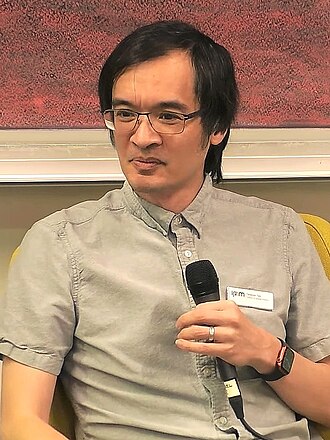
陶哲轩 唐·中川
本期追问 · 点击跳到视频对应位置
39:31 AI 能在多大程度上接管数学家的创造性工作?11:18 数学如何从个人英雄时代走向「大数学」协作?44:29 当认知变得廉价,人类还需要锻炼思考能力吗?60:14 AI 的成功是否改写了我们对智能本身的定义?
归入 Ⅳ·04 一群人如何做成一个人做不成的事? →
EDITED TRANSCRIPT · 依据现场录音编译整理,可划线生成便签
编者按:本文根据播客《Futurology》对陶哲轩(Terence Tao)的访谈现场录音编译整理。陶哲轩是加州大学洛杉矶分校数学教授、2006 年菲尔兹奖得主,以格林–陶定理、压缩感知等成果闻名,近年把大量精力投向众包协作数学与形式化证明;提问者是该节目主持人兼执行制作人 Don Nakagawa,节目由 Studio B 与 Waveland 联合制作。谈话涉及跳级五年的成长、素数中的等差数列、数学界从「独门秘技」走向大规模协作的变迁,以及 AI 对研究、教学与「智能」本身的冲击。整理中只删去了口头语、寒暄与重复的残句,论证、例子与语气一概保留。

开场:一位菲尔兹奖得主

主持人: 我是 Don Nakagawa,《Futurology》的主持人。这一期我请到了陶哲轩。他是享誉世界的数学家,菲尔兹奖得主,这个奖被视为数学界的诺贝尔奖。陶哲轩真正的用武之地是理论数学的最前沿,但他身上有意思的一点在于,他极其看重协作,并且花了很大力气去推动协作式数学,这在数学界并不是天经地义的事。近些年我们看到,大量数学系出身的人进入科技公司,理论转化为货架上产品的速度也越来越快。我们还聊了 AI,聊它能帮上什么忙,以及它会不会一跃越过人类的能力上限。在陶哲轩看来,那一天不会很快到来。有些事情 AI 会做得非常好,尤其是把「先得摸清前人都做过什么」这一大堆繁琐工作压缩掉;但真正发现真理、真正解决一个定理,仍然需要人来介入,而且在他看来还会维持相当长一段时间。以下是我和陶哲轩的对话。陶哲轩,欢迎来到《Futurology》。

陶哲轩: 很高兴来这里。

主持人: 我想先聊聊你的背景,也把你放进我们今天要谈的这个时刻里:一个技术与社会都在剧烈变动的时刻,说是革命性的时刻也不为过。所以,先讲讲你自己吧。

陶哲轩: 好。我 70 年代出生在澳大利亚,父母来自中国,但我是在澳大利亚长大的,非常西化。我记得小时候看了大量的美国电视节目,所以我的口音是澳大利亚腔和美国腔的一种奇怪混合。我一直喜欢数学,喜欢数字,很小的时候就去参加数学竞赛。后来我被做了资优测试,跳了五级,接受的是一种高度加速的教育。我父母为此跟学校的校长、跟本地大学的系主任们反复交涉过很多次。我大概十六岁从本地的大学毕业,然后去普林斯顿读研究生。在普林斯顿拿到博士学位以后,我到了 UCLA,先做博士后,之后先升副教授,再升正教授。我在 UCLA 待了三十多年,很喜欢这里。

陶哲轩: 就学术背景而言,我做的传统上基本都是纯数学。我研究数字里的模式,也解各种波动方程,那和物理有关,但我自己不直接做物理应用。不过偶尔我做的东西也确实产生了实际影响。我在 UCLA 的数学研究所做过一个项目,对我来说那纯粹是在摆弄矩阵、解线性方程,结果它对加快核磁共振扫描非常有用。最新一代的核磁共振设备做一次高质量扫描,比过去快十倍,因为它们采用了我们参与开发的算法。最近这些年,我更感兴趣的是用新方式做数学,把各种新兴技术接进来:AI、形式化证明验证,还有那些在开源软件开发中已经被证明行之有效的协作平台。我相信这些平台同样可以用来做协作数学。我确实认为,数学可以变成一件比过去广阔得多、也相关得多的事。过去的研究数学基本上只对数学博士开放,因为哪怕只是听懂我们在做什么问题,往往都需要很厚的技术背景。但有了这些新工具和新技术,我们可以把真正能为数学项目做贡献的人群扩大。我发起过好几个众包数学项目,做起来很有意思,也相当成功。

跳级五年的成长

主持人: 我很想细谈协作数学。但在那之前先问一句:那么小就跳了五级,社交上你是怎么适应的?我有个表亲十三岁左右上大学,我们发现那对他来说真的很难。

陶哲轩: 是的。对我来说奏效的方式是这样:我们跟本地的中学、小学和大学有一套非常复杂的安排。有些课我还是跟同龄班级一起上,比如体育就完全没有加速;人文类的课,英语、法语这些,我也在自己那个年级上。但物理和数学课是加速的。这意味着我上小学的时候,我妈得开车把我送到附近的中学去上几节课,再把我接回来,排课和评分怎么处理,复杂得不得了。等我上中学,我又去本地大学上几门课。有一点我特别喜欢:那是八九十年代,资优教育没有那么多成体系的项目,大家都是临场发挥、边做边想。但这里面有个好处,就是这么复杂的一套课表居然被批准了,因为当时的规矩没有今天这么多。这种即兴安排对我是管用的。我也知道它没法推广。而且我还是常常跟同龄人相处。那还是这样一个年代:你想找人玩,直接打个电话,或者干脆去敲门,不需要在社交媒体上约时间。所以我是有社交生活的。

陶哲轩: 有一件事是,因为我比别的孩子早四五年读完中学,我确实错过了一些青春期该有的东西。比如我很遗憾,我错过了中学的舞会。但等我去普林斯顿读研究生,我跟本科生混得很多,参加了电影社、桥牌社之类的社团。所以我觉得,大多数人会有的那些社交体验,我大体上都有,只是顺序被打乱了。

主持人: 顺序不一样而已。

为什么是数学

主持人: 那你很小就知道自己要做数学、要当数学家吗?

陶哲轩: 从我有记忆起,我就一直喜欢跟数学沾边的东西:解逻辑谜题、玩纸牌,其实什么游戏都行,电子游戏、桌游都算。我喜欢那些有谜题、有明确对错答案的问题。这个是对的,那个是错的。我喜欢解题的过程。

陶哲轩: 小时候人文学科让我很吃力,因为那些问题往往是开放式的,我常常搞不懂人家到底在问什么。我记得有一年英语课要写「暑假你做了什么」,或者「写写你的家」。我不知道该怎么理解这个题目,好像就把家里所有房间列了一遍,再写每个房间里有什么。我完全按字面理解了。要是现在重来一次,我大概能写得好些,但当时凡是不够精确的东西我都会犯难。

陶哲轩: 所以数学跟我特别对味。我记得六七岁的时候坐不住,父母就给我一本数学练习册,我就在那儿一道道做加减法。我是真的喜欢做算术。小学的数学课上有五到十分钟的心算训练,要尽快说出十二加二十五等于多少,我很享受那种感觉。我也喜欢数学竞赛。

主持人: 但这种兴趣有时候会长成物理,或者工程,或者别的偏应用的方向,当然里面还是有大量数学。有没有某个时刻,是解题本身或者一个证明带来的那种愉悦,让你确定这就是我这辈子要做的事?

陶哲轩: 我喜欢抽象。我喜欢拿过一个问题,把所有无关的东西剥掉,剩下的就是 X、Y、Z,它们之间有这样的关系。我喜欢摆弄我们所谓的「玩具模型」,它们未必贴近现实,但极有启发。我喜欢待在这一端。事实上,数学能不能对现实世界产生影响,这件事有很长一段时间根本引不起我的兴趣。当然现在会了。但我喜欢的是抽象的解谜,就像有些人喜欢填字游戏,或者以拧魔方为乐,纯粹是智力上的挑战。我父母倒是担心过,他们觉得做点偏物理、偏工程的事,可能更好找工作。还有一点:当时根本没人知道数学家是干什么的,甚至不知道数学算不算一种职业。我记得别人问我长大了想做什么,我说也许开个小铺子吧,因为我会算账、会盘点存货。我模模糊糊知道有「数学教授」这种人,但我脑子里的图景是:大概有个由资深数学家组成的秘密委员会,负责把问题分发给大家去解,就像布置作业,只是层次高得多。后来我知道,研究数学家是自己挑题目的,是跟着自己的求知欲走的。别人对你做的东西感不感兴趣是另一回事,但这件事不是集中调度的,你想做什么就去做什么,这对我是个启示,而且居然还能以此为业。

主持人: 也就是说,这是一场你自己掌舵的探索。

陶哲轩: 是,不过它同时也依托一个共同体。如果你只做自己喜欢、别人根本不在乎的事,那就没人引用你的工作,没人请你去做报告,到某个时候你在找工作、评职称上就会有麻烦。所以它既是分散的,又有共同体:你去开会,了解别的数学家在做什么、他们觉得什么有意思,然后时不时会碰上一次匹配。某个人卡在一个问题上,而你恰好知道一个工具,正是他需要的,或者非常接近,于是你们开始聊,运气好就找到了合作的方式。反过来也一样,我卡住了,但因为我听过某人讲过一个相关的问题,我就可以去找他求助。

陶哲轩: 我们已经建立起一种小规模合作的文化。在几个世纪以前,数学是一件非常个人化的事,人们把自己的独门技巧捂得很紧,怕被别人抢先。但随着时间推移,有了期刊,我们慢慢形成一种风气:合作是可以的,后来变成合作是值得鼓励的,而且你应该尽早把工作分享出去。事实上,哪怕分享的是不完整的结果,你获得的影响力也比捂着不放、等到最终定稿才出手要大。所以在我这一代人的时间里,我看到数学变得开放了,至少现在两三个人一组合作是常态。我觉得我们仍然落后于其他学科,别的领域已经开始做五十人、一百人的大规模协作了,希格斯玻色子那篇论文,我记得署名有五千人。别的领域有「大科学」项目,我们才刚刚把脚伸进「大数学」的水里,也就是让几百个彼此并不认识的人一起工作。

从独门秘技到大数学

主持人: 所以这是你亲眼看着这个学科经历的转变,从孤立的个人走向更多的协作。这个变化你是欢迎的吗?会为它兴奋吗?

陶哲轩: 非常欢迎。而且这是我从前不懂得欣赏的东西。我小时候读数学史,读到的是一种关于「数学英雄」的民间叙事,高斯、欧拉这些传奇人物,都是个人,而且通常是男性。那种原型就是一位备受折磨的天才,没人知道他在干什么,然后突然拿出惊人的发现震动全世界。我就是在这种可以称为数学「浪漫主义时代」的历史里泡大的,孤胆英雄探索新大陆。但数学如今是一门成熟得多的学科,我们常常是在已经很成熟的领域里工作,文献汗牛充栋。它不再是某个人凭空迸发天才想法,而是理解别人做过什么,把它们以某种方式拼起来,并且设法把数学和其他科学、和人文、和产业、和公众关心的事情连起来。

主持人: 所以你的合作对象也不总是数学家,也可以来自别的学科。

陶哲轩: 对。我刚才说的核磁共振那项研究,合作者是一位统计学家和一位电气工程师,虽然基本还是科学家。而我现在带的众包项目,规模大概二十到五十人,其中大部分参与者我根本没见过面。有些是职业数学家,有些是学生,有些来自计算机科学这类邻近领域。还有一些人当年学过数学、也喜欢数学,后来去了工业界,比如在科技公司上班,但仍然想把数学当成业余爱好来做贡献,而他们是有这个功底的。

陶哲轩: 我们也收到过别的贡献。我们的项目有时候会有可视化的部分,我们不只是在生成数学数据,还希望把它漂亮地呈现出来。于是就有做用户界面、做图形设计出身的人主动来帮忙。所以你把一个项目开放出来、做成众包,它就变得多面了,会有新类型的人进来贡献。他们也许不懂项目的技术核心,但他们能在其他很多方面帮上忙。

素数里的等差数列

主持人: 我不知道你会把数学称为发现还是创造,但你在素数上有过一个重要突破。能不能用外行听得懂的话讲讲那是什么?

陶哲轩: 可以。我最广为人知的结果大概就是所谓的格林–陶定理(Green–Tao theorem),是 2004 年和 Ben Green 一起证明的。我一直着迷于数论和素数。素数就是除了 1 和自身以外,不能被任何更小的数整除的数,2、3、5、7 这些。它们是人类最早研究的对象之一,古希腊人就在研究了。但关于素数,我们不知道的东西太多了。因为你真把它们一个个写出来,看不出任何可辨认的规律:有时候两个素数挨得很近,有时候又隔得很远。

陶哲轩: 有一个悬而未决的问题已经三百年了,叫孪生素数猜想(twin prime conjecture)。相差为 2 的一对素数,比如 11 和 13,就叫孪生素数。我们相信孪生素数有无穷多个,永远不会用完。我们已经找到了几百万对,但会不会有一天就没有了?我们相信不会。可我们证不出来。这挺让人恼火的,数论都发展了这么多个世纪,我们还是解决不了它。我很想解决,这是我最喜欢的问题之一。

陶哲轩: 而 Ben 和我做到的是:孪生我们找不到,但我们能在素数里找到另一类模式,叫等差数列。也就是等间隔排列的素数,比如 3、5、7,间隔都是 2。你可以找到三个、四个等间隔的素数。我记得在我们的定理之前,世界纪录大概是二十一项或二十二项。而我们证明了,任意长度的素数等差数列都存在,要多长有多长。

陶哲轩: 我们的做法是这样的:我们当时并不知道素数究竟是随机分布的,还是有很强的结构、藏着我们没察觉的秘密规律。但我们找到了一种证明技术,现在称为「结构与随机的二分法」(dichotomy between structure and randomness):素数要么具有大量结构,要么非常随机。而无论落在哪一边,我们都能证明这些等差数列存在。也就是说,不管素数到底怎么表现,它都被迫包含这些数列。我们就是这样解决那个问题的。这套技术后来被用到了别的问题上。而且我们现在已经知道,素数其实更接近随机分布,而不是有结构。所以这项工作后来引出了二十年的后续研究。

主持人: 那这样的数列在极大的尺度上也还找得到吗?我知道现在人们用计算机找巨大的素数,五千六百万位之类的,非常夸张。

陶哲轩: 理论上是的。但我们并没有给出一个公式来准确定位它们在哪儿。粗略地说,我们的做法是把所有素数放进一个大箱子,然后掂一掂里面有多少个这样的数列。你有个箱子,不知道里面装着什么,但你一称,它很沉,那就说明里面有东西,可你不知道那是什么,也不知道它在箱子的哪个位置。我们用的就是这样一种间接的手段,去探测素数里到底卡着多少个等差数列。但我说不出它们具体在哪儿。

哈代的「无用」与密码

陶哲轩: 不过这是更大图景的一部分。素数理论过去是数学里最抽象的领域之一。二十世纪早期有位数学家 G. H. 哈代,他是和平主义者,痛恨第一次世界大战,他甚至夸口说自己做的这个叫数论的领域,绝无可能有任何实际应用,也不可能被用于任何邪恶的目的。可实际上,素数的性质如今是我们几乎所有密码算法的关键。不是全部,但大多数是。你要在互联网上加密数据,比如信用卡号,要做一笔安全交易,你的数据其实都是靠素数的性质打乱的。

陶哲轩: 这背后是一个被几十年研究反复加固的信念:素数具有非常好的随机化性质,对素数做某些运算能把东西搅得很匀,从而把你的数据彻底匿名化。而我做的这些结果,是在给这个信念添砖加瓦。有朝一日也可能冒出一个令人意外的结果,说素数其实遵循某种我们没料到的秘密规律。真要那样,一半的密码学立刻就变得可疑了:我们以为安全的某些算法,也许留着后门。但我们已经积累了一个世纪的工作,指向的都是相反的结论,素数看起来没有这样的规律。所以到目前为止,现有的密码算法看上去还相当安全,至少在量子计算机到来之前是这样,不过那是另一个话题了。

主持人: 那是另一个话题了。

数学家的一天

主持人: 我想聊聊这个过程本身。数学、证明,它到底是发现还是创造?

陶哲轩: 两者都是。确实有一些规律就在那里等着被发现,但找到它们的过程非常「人」。你往往得钻进人写的文献,看别人在这个问题上做过什么;你去试;你给东西起名字;你试着系统地讲出某种叙事。我们经常会把数学对象拟人化。比如你要解一个方程,x 加 y 等于 z。对没受过训练的人来说这只是符号,但你会说:这是好的项,这是我们希望它占主导的主项;而这一项是误差项,我们要设法把它消掉或者压小。我们确实会给它们赋予性格。数学出了名地不是一门柔软的学问,但每个人心里都有一套自己理解事物的语言。我记得有位数学家说过:当你真正懂了数学,你看到的将不再是数字和符号,而是意义。数学其实就是一门语言,只不过样子古怪,它是为精确而设计的,但它想捕捉的是我们能对现实世界说出口的那些事。你说 x 加 y 等于 z,意思是无论 z 代表什么,它都是由 x 和 y 以某种方式构成的。它只是一种极其精确的表达思想、并把思想传递给别人的方式。

主持人: 那数学家的一个工作日是什么样子?

陶哲轩: 我们要上课,要处理行政事务,要指导学生,要去开会。然后我们做问题。有时候你就是坐在那儿,拿着纸笔,说我打算这样解。你试了一下,卡住了,然后你问:为什么会卡住?哦,是因为我没考虑到某个现象;或者有个例子表明,这条路本来就走不通。那我就得绕开这个例子。这个解题过程让我想起小时候玩电子游戏。我成长的年代查不到攻略,互联网几乎还不存在。如果你被一个关卡卡住了,也许有个同样有这个游戏的朋友能帮上忙,但通常你就是卡在那儿,只能一遍遍重试同一个谜题,换个别的做法,又卡住,可能要好几个月才终于破解。破解那一刻非常满足。你就是在做实验。试一个,不行;再试一个,还是不行。

陶哲轩: 数学有个跟很多学科都不一样的好处:失败非常便宜。如果你是工程师,让你造一座桥,桥塌了,你就有大麻烦;如果你是外科医生,做心脏手术切错了地方,你就有大麻烦。但如果你是数学家,让你解一个方程,你的解法不成立,那你重来一次就是了,没有代价。这一点我们还得专门教学生,因为他们在别的课上被反复告知:你不能失败,这很重要,你搞砸了会有人受害。而数学是少数几个可以放心尝试蠢办法的地方,你失败了,你从中学到东西,然后再试。

主持人: 从这个意义上说,它是个安全的游戏场。在理论数学这样的事情里,反复失败似乎是必经之路。这算是数学家之间的文化共识吗,就是你该不断推进问题、撞上尽可能多的错误,直到找到出路?

陶哲轩: 在关起门来的时候,这是文化共识。但我们真正发表论文、在报告里讲的时候,往往只呈现最后那个成功的版本,是一个经过重度剪辑的过程。就像你有时候会看到那种「幕后花絮」,某人完成了一记不可思议的花式投篮,然后你发现前面有一百次没成功的尝试,正是因为那一百次,他最后才做成了,而剪进正片的只有那一次。数学有点像这样。

陶哲轩: 也正因如此,我们中间是有冒名顶替感的。研究生有时候读那些大名鼎鼎的人写的论文,人家在证明惊人的定理,而他们自己做的定理老是失败,就会想:我永远比不上我读的这些作者。但他们往往不知道,那些作者同样犯过大量错误、走过大量死路,只是没有发表出来。我做的这些开放式协作项目有一个小小的副产品:我们确实解决了问题,但因为我们全程在互联网上公开进行,所有的半步、来回、这条路不通、那条路部分可行都留下了记录。我们会说,如果我们能找到某个东西跟这部分论证接上,整件事就能解决。这个通常被传统出版隐藏起来的过程,在这里是完全敞开的。后来确实有学生给我反馈,他们并没有参与,只是围观了整个过程展开,他们非常感激能看到帷幕后面到底发生了什么。

主持人: 我一直想象,你们解这些问题时是个累积的过程,到目前为止做的每一步都是对的,你只是在琢磨下一步。但恐怕不是那样吧?你大概得往回退,把它拆成很多块。

陶哲轩: 它是一棵树。

主持人: 不是线性的。

陶哲轩: 不是线性的。它确实是累积的,你会用到之前做过的一些东西。但有些是死路,有些只是局部成立、局部有价值,你得留下有用的那部分,把没用的那部分去掉。所以它更像一场头脑风暴。人多的时候尤其有意思,大家把想法抛出来,很多想法解决不了问题,但有时候你会有种感觉:它好像把事情往前拱了一点点。就像你想推开一扇卡住的门,你拧把手,不行;你用肩膀撞,门动了一下,还是没开,可它确实动了。好,这就是个信号,那我怎么把它和别的东西结合起来?不知道你有没有玩过密室逃脱,这类东西现在挺流行的。那种解谜任务真的很像数学的求解过程:你通过尝试拿到一些微妙的线索,事情没成,但发生了某种变化,那是个好兆头。

小黄鸭与超级智能

主持人: 在这样的问题上取得集体突破,一定很有意思。我儿子在麦吉尔学数学,他跟我讲过,那里有个自习空间,学生们聚在一起,有人在做某个题,别人就过来帮忙,或者干脆一起做。他特别喜欢那儿,说那是他最喜欢的学习地点。

陶哲轩: 是的。跟别人说话的时候,大脑里负责社交的那部分会被激活,而它会以某种奇怪的方式提升你的数学能力。程度之深,甚至有一种现象叫「小黄鸭调试法」。

主持人: 小黄鸭调试法。

陶哲轩: 这是个软件工程的说法。有时候程序员的代码里有个 bug,他怎么都看不出来该怎么修。但一个出奇有效的办法是:拿一只橡皮鸭子,其实不一定非得是橡皮鸭,只是传统上用它,然后你把问题讲给它听。仅仅因为你现在是在把问题说出口,是在跟某个人或者某个东西「社交」,你思考这个问题的方式就变了。通常讲到一半,你就会「啊,我看到我哪儿错了」。

陶哲轩: 另外还有一种感觉:当你跟一个跟你完全同频的人交流,你说什么对方立刻就懂,反过来也一样,这时候会诞生一种超级智能,你们能得出的结论,是你们各自单独都到不了的。我有几个朋友熟到能互相把对方的句子说完。在数学里也能有类似的事,当你们在做同一个问题时,正因为数学如此精确,你们可以配合得特别默契。那种连接的感觉非常好。

手工行会时代的数学

主持人: 听起来你手上有很多不同类型的项目。眼下有没有某个你正在攻的问题?或者有没有那种一直在背景里跑的东西,就像有人在断断续续写一本书那样,某个始终让你着迷、始终在某个层面上想着的问题?

陶哲轩: 有。费曼给过一个建议,他是物理学家。他说你脑子里应该始终存着一份大概十个问题的清单,都是你想解决的;每当你学到一个新想法、新技巧,就在心里拿它跟这十个心爱的问题一一比对,指望哪天对上号。对上了你就把它做出来,所有人都会惊叹:你到底是怎么想出来的?这是他的秘诀之一。他其实很有表演家的一面,喜欢用这种凭空冒出来的东西震住别人。我确实也认同这套哲学,也这么做过。不过我现在年纪大了一些,我很乐意让年轻一代去做那些漂亮的解题工作,我或许给点建议。我现在更感兴趣的是元数学层面的事:我们怎么才能加速整个数学的运转过程;作为一个共同体,我们怎样才能有更好的工作流程。

陶哲轩: 今天我们做数学的方式里有大量冗余和低效。在很多方面,我们跟十九世纪相比没有太大变化,几乎还处在工业革命之前的状态。就像过去人们做一个玩偶,一个师傅带一个学徒,手工雕刻,一件件把零件做出来。只有到了工业革命、自动化和大规模生产之后,才有工厂能同时造出成百上千个玩具。数学基本上仍然停留在手工行会的时代,个人加学徒,或者两三个人一组做项目。

陶哲轩: 这样做的代价就是大量重复劳动。最基本的例子是文献检索。你着手做一个数学问题,头几件事之一就是查前人在这个问题上做过什么。有时候能找到相关的工作,那很好;有时候什么都没有。但问题是,如果你最后没能就这个题目写出论文,你做过的那些文献调研就完全不会被记录下来。于是你试过、失败了,下一个做同一个问题的人根本不知道你做过什么,他会重复同样的检索,也许同样徒劳地去找一份并不存在的文献。要是他知道前面已经有人试过,而且那个人公开说明了自己没找到什么,这对他是有用的。但因为我们有这种不公开失败、不报告负面结果的文化,也就产生了大量重复的、白费的力气。顺便说一句,这个问题不止存在于数学,其他科学里也一样。有时候重复验证是好事,但我们做得太多了。所以我认为,我们作为一个整体是可以高效得多的,也可以通过让工作流程现代化一点,让数学对其他科学有用得多。

从打字员到软件

主持人: 现在外面有那么多工具,不只是 AI,还包括 AI 之前的软件。做数学的过程一定受到了这些影响吧,某些方面一定更高效了。

陶哲轩: 是的,有些事情确实变好了。我读研究生那会儿,把手写论文交给秘书打字仍然很常见。你得写得非常工整,交给秘书打完,拿回来发现有些拼写错误,你再改,过程很痛苦。现在我们有排版软件,非常好,而且是专门为数学设计的。但问题在于,你往往得先花时间去学一门语言,或者学会操作某种技术性软件。数学家这个群体很小,我们也没什么钱,对大软件公司来说不是一个大市场。所以我们手上的工具通常没有你在 iPhone 上用到的那种光鲜、极其友好的体验。于是使用这些工具是有门槛的。很多数学家干脆还是拿纸笔做事,因为用工具的摩擦实在太大。但有一个希望是,AI 如果用得对,这是个很大的前提,可以让这些工具变得容易用得多。

主持人: 很多人觉得计算基本上就是数学,觉得我们今天在计算领域做的一切,地基都是数学。这两样东西都能追溯到几千年前,你怎么解释它们之间的关系?

陶哲轩: 数学家其实一直在用「计算机」。算盘就是一种早期的计算装置,有两千年历史。而且 computer 曾经是一种职业,是人干的活。在今天这种电子计算机之前,先有机械计算机,两次世界大战里用过;还有那种要靠齿轮摇的小型加法机。再往前就是人肉计算员,一群非常擅长计算的人。所以我们一直在使用计算。过去五十年真正变了的是规模:计算机变得如此之快、如此之便宜,你可以做大规模的海量计算。这打开了一扇门,比如实验数学。所有科学都有理论和实验两面,多数领域大概是各占一半。但数学直到最近几十年,差不多是百分之九十九理论、百分之一实验,因为计算又慢又贵又麻烦,用纸笔做事实在容易得多,而我们又把纸笔这件事练得很好。

陶哲轩: 但现在,在大数据、极快的计算机、再加上 AI 驱动的计算这个时代,我们能做的计算不再只是蛮力。不是「我们来列一张一万个数字的表」,而是「我们来列一张一万个问题的表,看哪种技术能解决哪些问题」。这种事过去需要人一条条痛苦地打勾:这个我能解,那个我解不了。现在我们可以让 AI 跑一遍。我们可以做出过去在所需规模上根本不可行的新型数学实验。我最近做过一个项目,我们提出了两千两百万个代数问题,然后用各种 AI,其实不是最花哨的那种 AI,更多是我们所说的「老派 AI」,去解掉其中的绝大部分。最后剩下一百个硬骨头,由人类收尾。那是一次非常愉快的协作。我们一直在用计算,只是今天的规模完全不同了,它让过去不可行的做数学的方式成为可能。

两千两百万道题

主持人: 那这种规模化的数学意味着什么?你刚才举的这个实验,它的目的仅仅是看看能不能做成,还是另有所图?

陶哲轩: 那是一个试点项目。它本身有一定的数学价值,但设计意图是让协作尽可能容易。它是一类相当初等的数学问题,但又没有初等到你可以直接塞进计算机就解出来,确实需要人的介入。所以它是试点,但极有启发,我希望以后能复制这种模式。这意味着我们将开始拥有大规模的「大数学」,就像其他学科里的大科学项目那样,而那些项目也大多是实验性的。

陶哲轩: 我自己会写一点代码,但不是专业程序员。可现在,让 AI 帮我画一个简单函数的图,或者解一个简单方程,我可以直接用自然语言提要求,而且已经到了相当可靠的程度。我还是要来回检查它做得对不对,但我现在能做一些过去嫌太费时间、根本懒得动手的事。所以它开始像一位半称职的私人助理,能替你干很多杂活。但它仍然会犯错,所以你还不能把认知劳动整个卸给这位助手。我们正在学习的,是如何把不可靠但强大的工具纳入自己的工作流程。

半靠谱的助手

主持人: 据我了解,它还没到那个程度。写代码它很行,这方面它显然极其在行。但在真正高深的数学上,它其实没那么有效。

陶哲轩: 自主地做,不行。但如果有一个复杂的数学任务,而有位专家能把它拆成很多小块,你让 AI 做其中一小块,再想办法核对输出,然后再让它做下一块,那它已经开始有用了。你还是得盯着,但完成一项任务的净耗时确实能减少。一个手工要花三小时的复杂任务,用计算机你仍然得来回沟通,不可能按个按钮就解决,但也许现在只要一小时。所以确实有加速,但还谈不上翻天覆地,还不是按个按钮、去喝杯咖啡、回来问题就解决了。

陶哲轩: 我认为我们得把工作流程重新组织一下。传统的解题方式,是从假设一路推到结论的一条很长的逻辑链,可能一百步,其中任何一步错了,整条链就散架。这是我们写证明的标准方式,对人类是管用的,因为你能把整个证明装在脑子里。但如果你让 AI 去做其中一些步骤,哪怕它有百分之九十九可靠,那百分之一的失误就可能让整个证明垮掉。所以我们需要别的项目组织方式,让失败率变得可以承受。

主持人: 比如?

陶哲轩: 比如不要只盯着一个问题去死磕,而是准备一批一百个你想解决的问题,把这些 AI 放上去,让它们对每个问题各尽所能。也许它们只解出百分之二十,但那就是二十个问题被解决了。AI 把它们能扫清的都扫清,剩下的硬核部分再升级交给人类。

主持人: 你会不会看到某一天,AI 能像一个真正的合作者那样帮上忙?

陶哲轩: 已经在发生了。有数学家在做一个未解问题,他们和 AI 对话,AI 提供一些想法。目前的情况是,它给出的想法一半以上是废话,要么是他们早就想到的,要么是他们知道行不通的,要么就是完全不相关。但还有那一小部分,大概两成的时候,它会提出一个新的观察,是专家没想到的,或者他其实知道但一时没浮现到脑子里。他们需要的就是看到那个想法,然后说:好,我们把这个再往前推一推。接着就得来回讨论:我不喜欢你论证的这一段,但我们把这一部分说得更精确一点。你必须跟它一起工作,因为它产出的废话实在太多,如果你本身不是这个领域的专家,它把你带偏的概率大于把你带近目标的概率。但现在确实已经有一些个别案例,专家借助它加速了「筛掉坏想法、找到那组好想法」的过程,从而真正往前挪了一步。所以这件事已经在发生。

陶哲轩: 光是把别的数学家已经做过的东西挖出来,就能走很远。外面有十万篇论文,量大到连人类专家都跟不上了。所以在很长一段时间里,这件事都会非常有用。也许某一天它们会拿出一个文献里没有的东西,做出真正有创造性的事,把我们震住。但现在的 AI 模型不是照这个思路设计的,它们从数据里训练出来,按其设计,它们通常只能产出跟已有数据相似的东西,或者是已有片段的组合。这也正是为什么网页搜索当年是那么有变革性的工具,它让互联网一下子变得极其有用。光把所有数据堆在那儿是不够的,你需要高效地把最有用的东西提取出来。哪怕它不创造任何新信息,仅仅是把已经存在的信息组织好,在研究里就已经是极其重要的一步了。

认知稀缺与认知失调

主持人: 那另一端呢?有一整套担忧是说,AI 会削弱人的认知,或者说我们使用它的方式会对人的认知产生负面影响。有些研究观察和分析了人们哪怕只用了一小会儿的结果,发现认知负荷被降低得太多,对大脑可能相当有害。你担心这个吗?尤其是在数学领域。

陶哲轩: 担心,这里确实有真实的危害,我们必须非常小心地把负责任的用法和那些数量大得多的不负责任的用法区分开。可以打个营养上的比方。二十世纪我们有了绿色革命,粮食产量猛增,食物变得便宜而充足,在西方尤其如此,饥荒成了过去的事。但结果之一是,很多人开始出现饮食失调、肥胖以及与之相关的种种问题。人类历史上第一次,人们必须有意识地管理饮食、专门去锻炼。这些事在过去的世纪里你根本不需要做,如果你是在田里干活的农民,你不需要去健身房,那些运动自然就发生了。可因为食物变得太充足,这个问题就出现了。

陶哲轩: 这并不意味着绿色革命是坏事,我们不想回到食物匮乏的年代。它的意思是,你解决了一个问题,同时也创造了新的责任。类比过来:AI 可能解决「认知稀缺」的问题,那些对非专业人士来说很困难的认知任务,会变得极其廉价,你直接让 AI 替你做就行。但跟营养一样,代价是现在你会有「认知失调」,你得管理自己的精神饮食,你得维持精神上的锻炼,而这在过去是不必刻意做的,因为你在生活里自然就得靠解决问题闯过来。其实在 AI 之前就已经有这种人了,成长环境太优渥,以至于在某些现实处境里没法靠自己想出办法。AI 会加剧这个趋势。我认为会出现一批人,只有在 AI 的引导下才能解决问题,一旦停电,他们就真的麻烦了。

陶哲轩: 但总体上这是好事。我想,数学家现在做的很多事,比如计算各种数学问题,我们以后不会那么频繁地亲自做了,因为会自动化掉。但仍然会有一些群体继续做这些事。就像我们并不需要天天举重,但确实有人在举重,有的是当竞技运动,有的是当爱好。也有人为了好玩去拧魔方,而且要拧得越快越好,尽管现在机器人拧得更快。

主持人: 一点三秒,我看到过。

陶哲轩: 那些机器人确实厉害。瓶颈会变成魔方本身,得润滑得非常好之类的。用高速摄影看这个过程相当震撼。所以我不觉得我们会真的失去什么。作为个体,在默认情况下我们可能会丢掉某些技能;但作为一个物种,我们集体会把这些技能都保留下来,只不过它们会更像体育项目和业余爱好。你也许不需要精通微积分,但你可以把它当爱好,说不定还会有微积分竞赛。总之,它不会再成为你去做某个需要高等数学的科研问题的障碍。

主持人: 听起来我们会活在这样一个世界里:在某个领域显得智力超群会变得很容易,因为其他人都变懒了,而这恰好是你的爱好。

陶哲轩: 对,而且这已经发生了。你上网就能看到有人把某项非常小众的技能练到极致,比如杂耍,随便什么。这挺好的。我觉得智力技能从「谋生的必要部分」变成「爱好」,是件积极的事。

教学的应对

主持人: 那你会不会替现在的学生担心?他们用的这些工具,可能让他们变成不那么厉害的数学家,甚至可能毁掉他们作为数学家的前途。

陶哲轩: 现在很重要的一件事,是跟学生把话说开:这些工具你可以用,但有好的用法,也有坏的用法。有些老师的做法是:可以,你可以用这些工具,但你必须声明你用了,并且把提示词交给我看,不要只交答案。因为提示词本身也很有教益。我们真正想看到的是你的思考过程,你在哪里卡住了。还有些老师会这样出题:这是一道题,这是 ChatGPT 给出的答案,它是错的,请你批判它,问题出在哪里。

主持人: 当然,有些人转头就会用另一个 AI 去做这个批判。

陶哲轩: 是的。但我认为我们必须承认这些工具的存在。短期内可以采取一些措施,比如线下考试正在回潮。疫情期间我们把大量考试搬到了线上,而现在因为 AI,我们不得不重新启用一些多少有点过时的考核方式,比如在教室里考期中。

主持人: 这算是过渡手段。

陶哲轩: 这是短期措施,在我们想出更好的、承认 AI 已是现实的考核方式之前的过渡。下一代人是伴着这些工具长大的,他们需要能分辨正确的用法和错误的用法。这就跟食物变得充足一样,管理饮食有好办法也有坏办法,你不能把食物禁掉,那是错误的思路。你要做的是鼓励好的习惯、抑制坏的习惯。

主持人: 我们要真正适应 AI 所需要的那套社会技术,至少从治理的角度看,上线的速度显然不够快,明显落后于技术在我们生活里掀起的这场海啸。而大学处在第一线。你觉得他们在这件事上处理得对吗?

陶哲轩: 他们在努力。如果经费状况和整体环境更稳定一些,会更有帮助。这确实是大学必须站出来、为二十一世纪重新发明教育的时刻。有人在做非常了不起的尝试和实验。但很不幸,我们眼下还得同时救别的火。

经费削减之伤

主持人: 眼下的变化和被迫适应确实是一场猛攻。现在这届政府对高等教育显得相当不友善。这对你、对 UCLA 有什么影响?

陶哲轩: 实际的经费削减本身已经够糟了,但我认为最糟的是,在一个本来就充满变数、变化剧烈的时刻,确定性突然大面积丧失了。连带效应非常多。过去我们也经历过削减,预算有上有下,但那是一个稳定的过程:国会通过一份预算,下一个财年某个部门的经费涨百分之五或者砍百分之五,你有时间准备,不会来得那么突兀。现在不同的是,似乎完全不考虑如何减轻损害。行政当局做了个决定,明天就要执行,某笔经费立刻停掉,我们只能手忙脚乱地去抢救那些需要持续支持的项目,想办法给研究生发工资。我们在做的全是救火和紧急筹款。于是我们就没有精力去做实验性的科学,也没有精力去尝试把 AI 之类的新东西引进来,因为得先应付这些紧急状况。

陶哲轩: 而且我们没法做预算了。正常情况下,如果你有一笔三年期的资助,你可以用这笔钱雇一个人三年,因为你可以合理预期,除非发生极其反常的情况,经费会照常拨付。现在我们做不到了,只能在本财年之内做预算。这让学生压力很大。我们过去可以承诺:我有这笔经费,接下来两年我能养你。现在只能说:我可能有经费,我会尽力,但也可能明年你就没有工资了。在经费被砍之外,我认为这是伤害最大的一点。经费砍了,后来又恢复了,可信心没有恢复,士气也没有恢复,这非常令人遗憾。要把那种可预期性和信任重新挣回来,需要相当程度的纠偏。

主持人: 对你来说,这里面真正的赌注是什么?是眼下正在进行的工作可能受损,还是说如果这些人不再留在这个领域,对学科的长期影响更严重?

陶哲轩: 长期是最严重的。短期我们还能做些应急的事,挪一挪资金,把现有的项目维持下去,这基本上就是我们现在在做的。但代价是没法启动新的东西,尤其是有风险的实验性尝试。正因为外部已经强加了这么多额外风险,我们自己就不再承担任何风险了,除非是出于近乎绝望的处境,比如如果不冒险就只能关门,那我们才会去冒一次大险。

数学家流向科技业

主持人: 我们也看到大量数学家进入科技公司,去支持那边的工作。那里的优先级当然是越来越强的算力,而不见得是为理论数学本身而做的更好的数学。你担心这个吗?科技业吸走这么多人才,你觉得意味着什么?

陶哲轩: 从好的一面说,这是数学真正能在许多迫在眉睫的问题上派上用场的时刻。尤其是 AI 存在可靠性问题,它会给出表面上很有说服力的答案,而这些答案往往是错的。而数学恰恰是几个世纪以来一直在打磨「如何判断一件事是不是绝对正确」的那门学科,数学把验证各种陈述的本事磨得最精。所以这是个很好的组合,我想这也是许多 AI 公司非常有意愿雇数学家的原因之一。而且鉴于学界的经费结构正在遭受冲击,让年轻同行和学生有多样的职业选择,其实是件好事。

陶哲轩: 我认为未来这条界线会模糊掉。我自己已经在和一些科技公司合作,那里的研究人员跟传统学界的人配合得非常有效率。在这些协作项目里,各种人都能贡献,包括大科技公司的员工。我觉得我们必须重新想象这件事。我们有一套象牙塔模式,学者只跟学者共事,这一点必须改变。过去有一种老派的看法:优秀的学生留在学术界,不够优秀的就出去当中学老师,或者去华尔街之类的地方。这是非常陈旧的态度。我认为职业路径多样是好事,有不同人生经历的人能以不同的方式为这些项目做贡献。所以我很期待看到大量健康的合作。当然,正如你所说,确实存在文化差异,那边对短期应用的强调要重得多。有时候会有摩擦,学界的人想把做出来的数据全部公开,公司有时候想保留一部分作为专有资产。所以在把合作理顺这件事上会有些磨合期。但我认为,正面合作的空间确实很大。

主持人: 尤其在这样一个经费不确定的时刻,能有产业界的合作者是件好事,至少双方的利益在某种程度上是一致的。

陶哲轩: 至少在某些方面是一致的。

主持人: 那你觉得有没有可能出现某种公共性的合作,跟那些拥有巨大受众的公司,特别是社交媒体公司?它们通常都很封闭。

陶哲轩: 它们是有研究部门的。我记得听过一位计算机科学家做的一场很酷的报告,讲的是跟 Facebook 的合作,对方给了他访问好友关系图的权限。他们能做到的是:给定图里的某个人,只知道他认识谁、他的朋友是谁、他朋友的朋友是谁,就能预测出谁是他的伴侣。原理是伴侣通常拥有一个跟本人相当不同的朋友圈,但又与本人有很强的连接。仅凭网络结构,预测准确率就有百分之五六十。而最有意思的是,有那么几个案例,他们根据网络给出的伴侣预测是错的,但六个月后再去核对,有些人的感情状态变了。

主持人: 太惊人了。有点瘆人。

智能也许没那么神秘

主持人: 那么问题来了:我们今天在什么事情上是错的?有哪个根本性的信念,你觉得也许该动一动?

陶哲轩: 我觉得 AI 这整个领域正在教给我们的一件事是,我们关于「智能是什么」的观念其实并不准确。AI 的历史就是这样一部历史:先有一项只有人类能做的任务,比如读懂自然语言、下棋赢人、解一道数学题,然后一个接一个地,有人找到某种 AI 算法也能做到。好,现在我们能识别人脸了,我们能听懂语音了。可你去看它是怎么做到的,那不像是智能,感觉就是个把戏,把一堆神经网络拼在一起,跑个算法而已。我们一直在寻找那种难以捉摸的、聪明的思考方式,可在真正解决了我们目标的那些工具里,我们看不到它。但也许,这恰恰是因为智能并不是我们以为的那个样子。

陶哲轩: 尤其是大语言模型,它们非常成功,而它们做的很大一部分事情就是预测下一个词元,挑出句子里的下一个词。这听上去完全不像是智能的东西。如果你让一个人毫无准备地即兴演讲,他每一刻都只是说出脑子里蹦出来的下一个词,那就是意识流。你不会觉得这真能行。可对大语言模型来说,它行得通。也许人类做的很多事情其实也是这样。比如我现在给你的这些回答就没有排练过,我没有深思熟虑,但你光靠身处当下、随时反应,就能走得很远。当然,确实有些事情需要谨慎的深思,但很多看上去像是智能的任务,几乎是靠本能、靠自动驾驶完成的。我想这就是 AI 时代教给我们的一件事:也许我们有时候没有自己以为的那么聪明。

主持人: 那你觉得,是我们此前对智能的理解、或者说我们误认为的智能是错的,还是说它正在做的这件事就是智能,而我们只是很惊讶:原来我们自己的智能也不过如此,也这么套路化、这么简单?

陶哲轩: 我觉得,也许我们就坦然接受这一点。有时候我们自以为很机灵,觉得自己想出了一个天才的点子,其实那不过是你从几年前某场早已埋进记忆深处的对话里记下来的东西。可那仍然是智能。我们很难跳出来、以旁观者的角度看清智能到底是什么,因为它跟我们的身份认同在情感上绑得太紧了。但现在我们有了另一个可以研究的智能模型,可以稍微客观一点地去看它,我想我们也在同时更多地了解我们自己。

主持人: 所以我们对智能的概念可能会大不相同。

陶哲轩: 是的。这在某个阶段可能让人一时迷失方向,但我认为最终是更好的。

主持人: 那么改变的就不只是智能这个概念,我们对自己是谁的定义也会跟着变。

陶哲轩: 是的。但那不一定是坏事。

主持人: 太好了。非常感谢你,陶哲轩,这次对话非常精彩。

陶哲轩: 谢谢。

排版 + 横图 + 来源,粘贴即成稿
章节 · 点击跳转视频
0:00 开场:菲尔兹奖得主与协作数学 ▶ 正在看
1:41 跳级五年的成长与社交补课 ▶ 正在看
7:21 为何选择数学:精确与抽象的吸引力 ▶ 正在看
11:18 从秘技独守到「大数学」协作 ▶ 正在看
15:25 格林–陶定理:素数中的等差数列 ▶ 正在看
19:33 哈代的「无用」数论与密码学 ▶ 正在看
20:27 数学家的日常:试错、失败与树状推进 ▶ 正在看
28:36 小黄鸭与「超级智能」:协作的认知效应 ▶ 正在看
31:01 数学仍处手工行会时代 ▶ 正在看
35:59 实验数学:2200 万道题的试点 ▶ 正在看
39:31 半靠谱助手:AI 与容错工作流 ▶ 正在看
44:29 认知稀缺到认知失调:营养类比 ▶ 正在看
49:07 教学应对与线下考试回归 ▶ 正在看
51:51 经费削减:确定性丧失比削减更伤 ▶ 正在看
55:50 数学家流向科技业与象牙塔的终结 ▶ 正在看
60:14 AI 揭示:智能或许没那么神秘 ▶ 正在看
本期小问 · 档案清单
39:31 AI 能在多大程度上接管数学家的创造性工作? ▶ 正在看
11:18 数学如何从个人英雄时代走向「大数学」协作? ▶ 正在看
44:29 当认知变得廉价,人类还需要锻炼思考能力吗? ▶ 正在看
60:14 AI 的成功是否改写了我们对智能本身的定义? ▶ 正在看
本期讲者
陶哲轩UCLA 数学教授,2006 年菲尔兹奖得主,以格林–陶定理、压缩感知等成果著称;近年致力于推动众包协作数学、形式化证明与 AI 辅助研究。
唐·中川播客《Futurology》主持人兼执行制作人,该节目由 Studio B 与 Waveland 联合制作,聚焦技术与社会的未来。
01开场:菲尔兹奖得主与协作数学
0:00
Hi, I'm Don Nakagawa, the host of Futurology. And in this episode, I spoke to [music] Terrence Tao. Terrence is a worldrenowned mathematician. He is winner of the Fields Medal, which is [music] considered the Nobel for mathematics. Terren's work on the forefront of theoretical mathematics, is really where he thrives. [music] What's interesting about Terrence though is [snorts] he actually really appreciates the collaborative [music] process and has worked really really hard to push forward collaborative mathematics which is not a given. In recent years what we're seeing is a lot of people from mathematics departments are going into technology companies and the rate of application from theory [music] into you know products that um are on the shelf is happening faster [music] and faster. We also talked about AI and how AI could actually help um and whether AI will, you know, leapfrog what humans are capable of doing. In Terren's opinion, that's not going to happen very quickly. There are certain things that
嗨,我是 Don Nakagawa,《Futurology》的主持人。在这一期节目里,我采访了[音乐]陶哲轩。陶哲轩是一位世界知名的数学家。他是菲尔兹奖得主,这个奖被[音乐]视为数学界的诺贝尔奖。陶哲轩的工作处在理论数学的最前沿,这也正是他真正大放异彩的地方。[音乐]不过陶哲轩有意思的一点是[吸鼻声]他其实非常看重协作[音乐]这个过程,并且非常非常努力地推动协作式数学,而这并不是理所当然的事。近年来我们看到的是,很多数学系的人正在进入科技公司,而从理论[音乐]走向应用、走向你知道的那些摆在货架上的产品,这个速度正变得[音乐]越来越快。我们还聊到了 AI,以及 AI 究竟能怎样帮上忙,还有AI 会不会,你知道,一举超越人类的能力。在陶哲轩看来,这在短期内不会发生。有些事情 AI 可以做得非常非常好。嗯,
便签笔记
1:04
AI could be really, really good at. Um, particularly collapsing the tedious amount of work that's involved in trying to figure out what all the other theorists have done before [music] one starts to sort of push forward a theory that can be helped by AI. actually discovering what the truth of or solving a theorem that still takes human intervention and in Terren's mind is going to remain that way for a while. And now on Futurology, here is my interview with Terrence [music] Tao. Terrence Tao, welcome to Futurology.
特别是能大幅压缩那些繁琐的工作量——就是在你开始推进一套理论之前,[音乐]要去搞清楚此前所有其他理论家都做过些什么,这部分是 AI 可以帮上忙的。但真正去发现真理,或者证明一个定理,那仍然需要人的介入,而在陶哲轩看来,这种情况还会持续一段时间。现在,在《Futurology》节目中,请看我对陶哲轩[音乐]的采访。陶哲轩,欢迎来到《Futurology》。
便签笔记
02跳级五年的成长与社交补课
1:41
>> A pleasure to be here. >> I'm really glad you could be with us today. I thought we'd just start uh by talking a little bit about your your background um and situating you I guess in uh the moments that we're going to be talking about which is a a strange technosocial evolutionary moment that we're in uh or revolutionary moment that we're in. Um so I'd love to start with like tell us a bit about Terrence Tao. >> Okay. Well, I was born in Australia uh in the 70s. Um my parents came from China but I grew up in Australia. I was very much westernized. Um although in fact I watched a lot of American television I remember growing up and so my accent in particular is this this weird mix of Australian and uh and American. So uh I always loved math, always loved numbers. Um I competed in these math competitions at an early age.
>> 很高兴来到这里。>> 非常高兴你今天能和我们在一起。我想我们不妨先聊一聊你的背景,嗯,也算是把你放到我们接下来要谈论的这些时刻里——这是一个奇特的技术与社会的演化时刻,或者说我们正处在一个革命性的时刻。嗯,所以我很想这样开始:跟我们讲讲陶哲轩这个人吧。>> 好的。嗯,我 70 年代出生在澳大利亚。嗯,我父母来自中国,但我是在澳大利亚长大的。我相当西化。嗯,其实我记得小时候看了很多美国电视节目,所以我的口音尤其是这种澳大利亚和,呃,美国口音的奇怪混合。所以,呃,我一直很喜欢数学,一直很喜欢数字。嗯,我很小的时候就参加那些数学竞赛。
便签笔记
2:34
Um I was tested for uh for giftedness and I I skipped actually five grades. Um and so I had a very accelerated education. Um my parents had to negotiate a lot with the headmaster of the school and the local um heads of of department at at the local university. Um ended up um graduating uh from my local university at what age uh 16 or something. Um and started uh graduate school at Princeton. Um and then after I got my PhD at Princeton um I ended up at UCLA uh first as a postoc and um uh then they promoted me to a full or first um associate professor and then full professor. Uh so I've been at UCLA for 30 odd years. Um u really like it here.
嗯,我接受过,呃,天赋测试,实际上我跳了五级。嗯,所以我的教育进程非常快。嗯,我父母不得不和学校的校长以及当地大学的,呃,系主任们进行了很多协商。嗯,最后我,嗯,从本地的大学毕业,那时候多大来着,呃,16 岁左右吧。嗯,然后开始在普林斯顿读研究生。嗯,在普林斯顿拿到博士学位之后,嗯,我最终去了 UCLA,呃,先是做博士后,嗯,呃,然后他们把我提为正教授——不,先是,嗯,副教授,然后才是正教授。呃,所以我在 UCLA 已经待了三十多年了。嗯,非常喜欢这里。
便签笔记
3:20
Um so my background I've I've traditionally done very pure math mostly. Uh so I study patterns and numbers. Um I solve various wave equations which are related to physics but I don't sort of directly do the physical applications myself. Um although occasionally some of the things I do have ended up um having practical implication. I did a project here at at the math institute um um at UCLA on a puzzle involving to me just manipulating matrices and solving linear equations but it ended up being very useful for things like speeding up MRI scans. Um so um the latest generation MRI machines are 10 times faster at performing a high quality MRI scan than they were in the past because they implemented the algorithms that we helped develop. Um so uh more recently I've gotten interested in um new ways to do mathematics to incorporate all these emerging technologies AI also formal proof verification and also collaboration platforms that have been used successfully to develop say open source software. Uh I think they can also be
嗯,说到我的背景,我一直以来做的基本上都是非常纯粹的数学。呃,所以我研究的是模式和数字。嗯,我解各种波动……这些方程和物理有关,但我自己并不太直接去做物理应用。嗯,不过偶尔我做的一些东西最后确实产生了实际影响。我在这里,在 UCLA 的数学研究所做过一个项目,是一个在我看来只是摆弄矩阵、解线性方程组的谜题,但它最后被证明非常有用,比如加快 MRI(核磁共振)扫描。嗯,所以最新一代的 MRI 机器做一次高质量扫描比过去快了 10 倍,因为它们采用了我们参与开发的算法。嗯,呃,最近我对做数学的新方式产生了兴趣,就是把这些新兴技术都融合进来——AI、形式化证明验证,还有那些已经被成功用来开发开源软件的协作平台。呃,我觉得它们也可以
便签笔记
4:22
used to develop collaborative mathematics. Um I I do believe that uh um mathematics can become much more broader and relevant activity than it has in the past. A lot of research mathematics in the past was basically only available to math PhDs because even um to even understand the problems we work on often required a lot of uh of technical background. Um but with these new toolings and new tools and technologies we can we can broaden um the pool of people who can actually contribute to to math projects. I've started several crowdsourced math projects which have already been been quite fun and successful.
用来发展协作式数学。嗯,我确实相信,数学可以变成一项比过去广泛得多、也更贴近现实的活动。过去很多数学研究基本上只有数学博士才接触得到,因为哪怕只是要理解我们研究的问题,往往就需要大量的技术背景。嗯,但有了这些新的工具链、新工具和新技术,我们就能扩大真正能为数学项目做贡献的人群。我发起了好几个众包数学项目,已经相当有趣,也相当成功。
便签笔记
4:55
>> And I'd love to get into that the idea of collaborative math. But before we go there, um skipping five grades at a very young age, how was that um how was the social adjustment to that because I have um I have I have a cousin who also started college at about 13 and we found that that that was really difficult for him. >> Right. Right. So um well what worked for me um so um we had a very complicated arrangement with um the local high school and and primary school and um and the local university that I would take some classes in my regular year. So for example physical education I was not accelerated in physical education. I I would take classes like in my um humanities um English and um and French and so forth I would take at my uh uh my regular year. Um but physics and and and and math classes I would accelerate. It would mean that when I was in primary school I I would my mother would actually have to drive me to a local high school to take some classes and come back and I the scheduling was so
>> 我很想聊聊协作式数学这个想法。不过在此之前,嗯,在很小的年纪就跳了五个年级,那种感觉如何?嗯,在社交适应上怎么样?因为我有个表亲也是大概 13 岁就上了大学,我们发现那对他来说真的很难。>> 对,对。嗯,对我管用的方式是——我们跟当地的高中、小学以及当地的大学有一个非常复杂的安排:有些课我还是在自己原来的年级上。比如说体育,我在体育上没有跳级。像人文类的课程,嗯,英语、法语之类的,我都在自己原来的年级上。嗯,但物理和数学课我就跳级。这意味着我上小学的时候,我妈妈得开车送我去当地一所高中上几节课,然后再接我回来。那个课表安排太复杂了,还有成绩怎么评定。嗯,等我上高中的时候,
便签笔记
5:56
complicated and how how to do the grading. Um and when when I was in high school I would take some classes in in the local um university. So maybe what one thing of what's my favorite is that this was back in the 80s 90s um there weren't that many sort of structural programs for gifted education. everyone was kind of inventing things on the fly. Uh but one upside to that was that this very complicated schedule was just approved. Uh like um there weren't as many rules in place. Um and this improvisational thing worked for me. Um I think it didn't scale. I mean, you know, it's a so I mean I I still had uh people my own age I interact with um quite often. Um, and this was back in a period where you could, you know, if you wanted to to go play with someone, you just, you know, either um pour them up or or knock on the door, you know, [clears throat] you didn't have to sort of schedule things on social media or anything. Um, so I did have a social life.
我会去当地的大学上一些课。所以也许我最喜欢的一点是,那时候是八九十年代,嗯,当时还没有那么多针对天才教育的成体系的项目,大家基本上都是临时想办法。呃,但这也有一个好处,就是这么复杂的课表居然就直接批准了。呃,比如说,当时没有那么多条条框框。嗯,这种即兴的做法对我管用。嗯,我觉得它没法推广。我是说,你知道,所以……我还是有很多同龄人经常来往。嗯,而且那还是这样一个年代:你要是想去找谁玩,你就直接,嗯,给他们打个电话,或者去敲门,你知道,[清嗓子] 你不用在社交媒体上约时间什么的。嗯,所以我确实有社交生活。
便签笔记
6:48
>> One thing is is that because I um finished high school four or five years earlier than um other kids, I I did miss um sort of the teenage type, you know, it's like for example, I was very sad. I I missed the high school social. But uh when I went to graduate school actually um in Princeton um I socialized a lot with undergraduates um and I kind of interacted you know I joined film clubs and and uh um a bridge club and things like that. Um and um so I think I did get roughly all the same social experiences that that uh that most people get just in a kind of a jumbled order.
>> 有一点是,因为我比其他孩子早四五年读完高中,我确实错过了嗯,那种青少年阶段的东西。比如说,我当时很难过,我错过了高中的舞会。但是呃,我去读研究生的时候,其实在普林斯顿,我跟本科生社交挺多的,我也算是参与了不少,你知道,我加入了电影社团,还有桥牌社之类的。嗯,所以我觉得我大致还是获得了大多数人都会有的那些社交体验,只是顺序有点乱。
便签笔记
03为何选择数学:精确与抽象的吸引力
7:21
>> Different different order. Yeah. >> Um so did you know at a very young age that what you wanted to do was mathematics? You were going to be a mathematician? Yeah, as long as I can remember, I've always liked math adjacent things. So, um like solving logic puzzles, um card games or any any game really, computer games, board games, I I I like things uh with uh problems with puzzles or problems with very definite true or false answers. Um so, this correct, this is incorrect. And and I liked the problem solving process.
>> 顺序不一样。是的。>> 嗯,那你是不是很小就知道自己想做的是数学?知道自己会成为数学家?是的,从我记事起,我就一直喜欢跟数学沾边的东西。比如说,解逻辑谜题、玩纸牌游戏,其实任何游戏都行,电脑游戏、棋盘游戏。我喜欢那种有谜题、或者有非常明确的对错答案的问题。嗯,就是这个对、这个错。而且我喜欢解决问题的那个过程。
便签笔记
7:50
I struggled a lot as a kid with humanities um because the questions are often very open-ended and um I could I couldn't quite understand what was being asked. Um I remember uh one year in English class they were asked to write about what we did over the summer break uh or just write write about your home. And I didn't know how to take that. I think I just listed all the rooms in our house and what was in them. Uh like I took it very literally. Um so yeah uh if I had to do it again I think I can do something better now but uh yeah I I I did have some trouble with sort of anything which wasn't extremely precise.
我小时候在人文学科上很吃力,因为那些问题往往非常开放,嗯,我不太能理解人家到底在问什么。嗯,我记得有一年英语课,老师让我们写暑假做了什么,呃,或者就写写你的家。我不知道该怎么理解这个题目。我记得我就把我们家所有房间列了一遍,还有每个房间里有什么。呃,就是我理解得非常字面。嗯,所以是的,呃,如果让我重来一次,我想现在能写得好一点,但呃,是的,我确实对任何不那么精确的东西都有点犯难。
便签笔记
8:26
Um so math very much resonated with me. Um [snorts] I do have memories of you know when I was six or seven like being restless my my my parents would uh would give me a math workbook uh and I'll just do the sums. I actually liked doing the me the the arithmetic. Um and uh I remember in in math classes in primary school they had a uh you had like 5 10 minutes of mental arithmetic where you you had to sort of as quickly as possible you know what is what is 12 plus 25 or something and I actually like doing that you know um and I enjoyed math competitions >> but sometimes that grows into you know becomes physics or it becomes you know engineering or it becomes like so sort of like applied and you're still doing of course lots of math. Was there a point in time where it was really like I don't know just the the bliss of you know solving or or a proof or something that that that was there one moment in time you're like this is really what I want to do for the rest of my life. I I like abstraction, you know. So um the
嗯,所以数学非常能引起我的共鸣。嗯 [笑出声] 我确实记得,六七岁的时候,我坐不住,我爸妈就会给我一本数学练习册,我就在那儿做算术题。我其实挺喜欢做算术的。嗯,而且我记得小学的数学课上有那么五到十分钟的口算,就是你得尽快说出,你知道,12 加 25 等于多少之类的,我其实挺喜欢做那个的,嗯,我也很喜欢数学竞赛。 >> 但有时候这种兴趣会长成,你知道,物理,或者工程,或者变得比较偏应用,当然你还是会做很多数学。有没有某个时刻,真的就是,我说不好,就是那种解出题目、或者做出一个证明的那种极乐感,有没有那么一个瞬间让你觉得,这就是我这辈子真正想做的事?我喜欢抽象,你知道。嗯,
便签笔记
9:24
the uh I I like taking a problem and removing sort of all the irrelevant aspects to to so there just like you know this is X Y and Z and they do this and and um playing with sort of very simplified um what we call toy models um you know so which are don't necessarily approximate reality but um are very instructive um and so I I I liked working on that end um and in fact I I the fact that math actually had impact on the real world that that actually didn't interest me for a long time. Um I mean now it does. Um but um I I liked the the abstract puzzle solving. Um you know the same way that that people like solving cross word puzzles or or maybe being good at solving a Rubik's cube or something just an intellectual challenge. Um I enjoyed um my parents did worry you know they thought maybe that a more you know doing something more physics or engineering based might be you know maybe more employable or something. Um, oh that was the other thing like no one had any clue uh what a mathematician did or even whether ma
我喜欢把一个问题里所有无关的部分都剥掉,剩下就是,你知道,这是 X、Y、Z,它们做这些事,然后去摆弄那些非常简化的、我们称之为“玩具模型”的东西,嗯,你知道,它们不一定逼近现实,但很有启发性。嗯,所以我喜欢在那一端做事。事实上,数学真的对现实世界有影响这件事,在很长一段时间里其实并不吸引我。嗯,我是说现在它吸引我了。嗯,但我喜欢的是那种抽象的解谜。嗯,你知道,就像有些人喜欢解填字游戏,或者擅长复原魔方一样,纯粹是一种智力挑战。嗯,我很享受。嗯,我父母确实担心过,他们觉得也许做点更偏物理或者工程的东西,也许,你知道,更好找工作什么的。嗯,噢,还有一点就是,当时没有人搞得清数学家到底是做什么的,甚至
便签笔记
10:22
mathematics was a career. Um I remember people ask me what I wanted to do when I was uh uh growing up and uh I said well maybe a shopkeeper because uh I could I could balance the books into inventory. I mean um [laughter] uh I mean I had the vague idea that there were professors of mathematics but um I I had this uh vision idea in my head that maybe there was there was some secret committee of senior mathematicians who would hand out problems for uh people to solve you know just of just like homework but at a much higher higher level. Um and I remember at some point learning that that research mathematicians we we select our own problems um and uh we we follow our own intellectual curiosity. I mean whether other people are interested in what you do is another question but uh uh the idea that this it's not centralized and you just sort of pursue what you think is interesting that was a revelation to me and that you can even have a career out of it >> that it's just a like a voyage of discovery that you get to self-direct.
数学算不算一种职业。嗯,我记得小时候有人问我长大想做什么,呃,我说,也许当个店主吧,因为我能算账、管库存。我是说,嗯 [笑声] 呃,我当时模模糊糊知道有数学教授这种东西,但嗯,我脑子里有个想象,觉得也许有某个由资深数学家组成的秘密委员会,他们会把题目发下来让大家解,你知道,就像作业一样,只不过层次高得多。嗯,而且我记得某个时候我才知道,研究数学家是自己选题的,嗯,我们是跟着自己的求知欲走。当然,别人对你做的东西有没有兴趣,那是另一回事,但呃,呃,这件事不是中心化的、你就去追求你觉得有意思的东西——这个想法对我来说是个启示,而且居然还能靠它谋生。 >> 就像一场你可以自己掌舵的探索之旅。
便签笔记
04从秘技独守到「大数学」协作
11:18
>> Yeah. I mean it's it's it's part of a community. I mean if you if you only do things that that come that you like and no one else cares about then you know no one cites your work no one invites you to give talks and it um and uh yeah at some point you'll find trouble you know getting jobs or promotions whatever. Um so it is it's both decentralized but there is a community you know so you you go to conferences you partic you you find out what other mathematicians are doing what what they find are interesting uh and every so often you see a match like there's a problem that that um some other mathematician is struggling with but you happen to know at all that is exactly what they need or very close to and you start talking and and and hopefully you find some some way to collaborate or vice versa I'm stuck but because I I heard somebody talk about some related problem I I can go to them and and and uh and ask for help. Um and uh and you know we have built up a culture of small collaborations in um in
>> 是的。我是说,这也是一个共同体的一部分。我是说,如果你只做你自己喜欢、而别人都不在乎的东西,那你知道,没人引用你的工作,没人请你去做报告,嗯,呃,是的,到某个时候你会发现,你知道,找工作、评职称之类的会有麻烦。嗯,所以它既是去中心化的,但确实存在一个共同体,你知道,你去开会,你参与,你了解其他数学家在做什么,他们觉得什么有意思。呃,时不时你会碰到一个契合点,比如某个数学家正为一个问题发愁,而你恰好知道的某个东西正是他们需要的,或者非常接近,然后你们就开始聊,然后,希望能找到某种合作的方式;反过来也一样:我卡住了,但因为我听某人讲过某个相关的问题,我就可以去找他们,呃,向他们求助。嗯,而且,你知道,我们已经建立起一种小规模合作的文化。在过去几个世纪里,数学是一件非常个人的事。呃,人们把自己独门的数学
便签笔记
12:13
centuries past math was a very individual affair. Uh people jealously guarded their special mathematical tricks. They didn't want to be scooped by by other people. But over time um you know we had journals. We had we we began we began to create this culture that that it's okay to collaborate and then eventually was encouraged to uh uh to collaborate and and that you should share your work as early as possible. Uh yeah, you get more um more impact and more influence if you if you um if you actually share even incomplete results um than if you only if you wait too long to only just sort of uh release your final definitive work. Um so um you know the trend in math during my lifetime I've seen it open up and and at least we now collaborate in groups of two or three. Um I think we still lag behind the other sciences who are beginning to do really large collaborations 50 100 people the I think the Higs boson I think 5,000 people on the on that paper.
技巧捂得很紧,他们不想被别人抢先。但随着时间推移,嗯,你知道,我们有了期刊,我们开始慢慢形成这样一种文化:合作是可以的,后来甚至是被鼓励的,呃,要去合作,而且你应该尽早分享你的工作。呃,是的,如果你真的把哪怕不完整的结果分享出来,你会获得更多的影响力,比你等太久、只发布最终定稿的成果要好。嗯,所以,你知道,在我这一生中数学的趋势,我看到它变得开放了,至少我们现在会两三个人一组合作。嗯,我觉得我们还是落后于其他科学,它们已经开始做真正大规模的合作,五十人、一百人。我记得希格斯玻色子那篇论文好像有 5000 个作者。
便签笔记
13:10
So you know there are big science projects in in other fields. Um we're only just uh beginning to dip our toe into big mathematics. Yeah. Where we get hundreds of people who may not know each other to work together. Um >> so this is a change that you saw sort of the discipline go through in your lifetime like it was much more isolated single then it moved into more collaborative work. Was that a change you welcomed? Were you excited about that? >> Yeah, very much. Um and it's it's something which I didn't um appreciate you know I mean um when I grew up reading about mathematics you know the uh uh we have kind of a folk history of sort of the heroes of mathematics so we have some legendary um you know Gaus and and Oiler and so forth and and there were always individuals u usually men okay um and uh you know and and and sort of the the the archetype was just some sort of tortured genius like no one no one knew what they were doing and then suddenly they they they shock all the world with their amazing discoveries and
所以你知道,其他领域有大科学项目。嗯,我们才刚刚开始试水“大数学”。是的,就是让上百个互相可能都不认识的人一起工作。嗯 >> 所以这是你在自己一生中看到这个学科经历的一种变化:以前更孤立、单打独斗,后来转向了更多的协作。这个变化是你欢迎的吗?你对此感到兴奋吗?>> 是的,非常欢迎。嗯,而且这也是我以前没有体会到的。我是说,嗯,我小时候读数学方面的书,你知道,呃,我们有一套关于数学英雄的民间史,我们有一些传奇人物,嗯,你知道,高斯、欧拉等等,而且总是一些个人,通常是男性,好吧,嗯,呃,你知道,那种原型就是某种备受折磨的天才:没人知道他们在做什么,然后突然之间,他们用惊人的发现震惊了整个世界。所以这大概,嗯,是的,我当时
便签笔记
14:08
and so this was I guess um yeah so I was so sort of steeped in in the history of what you might call the romantic era of mathematics where there was sort of individual heroes sort of exploring new new worlds um but math is a much more mature subject now um where often we work in quite mature fields where there's a lot of literature um it's not about people individually creating genius ideas out of out of nothing but you know understanding what what other people did and putting them together in a way and and work and and um and finding ways to connect math to the other sciences and even the humanities or or or industry or or to things that the public care about.
很深地浸泡在你可以称之为数学“浪漫主义时代”的历史里,那时候是个人英雄在探索新世界。嗯,但数学现在是一门成熟得多的学科了,嗯,我们常常是在相当成熟的领域里工作,那里有大量的文献。嗯,它不再是某个人凭空创造出天才想法,而是你知道,理解别人做过什么,把它们以某种方式拼在一起,然后,嗯,并且找到办法把数学和其他科学、甚至人文学科、或者产业界、或者大众关心的事情连接起来。
便签笔记
14:46
>> And so your collaborations aren't always just with mathematicians. They can be with people from other disciplines. >> Yeah. Yeah. So this the MRI um research I mentioned. Yeah. So that was with a statistician and electrical engineer. So uh still mostly scientists. Um so the crowdsource projects I run now you which have about the size 20 to 50 people. Um I actually I've not met most of the participants. Um some are ma professional mathematicians, some are students, some are from adjacent areas like computer science. Um some I think were students of mathematics. They enjoyed mathematics but then they they they went uh to industry like maybe work for a tech company or something but they still wanted to contribute to math as a hobby. Uh and they have the background.
>> 所以你的合作也不总是只跟数学家。也可以是跟其他学科的人。>> 是的,是的。就像我刚提到的 MRI 研究,是的,那是跟一位统计学家和一位电气工程师合作的。所以呃,还是大多是科学家。嗯,至于我现在做的众包项目,规模大概是 20 到 50 人。嗯,其实大部分参与者我都没见过。嗯,有些是职业数学家,有些是学生,有些来自相邻领域,比如计算机科学。嗯,我想有些人以前是学数学的,他们喜欢数学,但后来去了产业界,比如去科技公司上班之类的,但他们还是想把为数学做贡献当成一种业余爱好。呃,而且他们有那个背景。
便签笔记
05格林–陶定理:素数中的等差数列
15:25
Um and we've had contributions you know. So um the uh the projects we have sometimes they have uh some say visualization component. So we're not just creating some mathematical data but we want some nice way to visualize it. Um and we've had people offer with background in like you know user interfaces or or graphics design sort of help with with that. Um so you know when you when you open up a project make it crowdsourced and you it's very multifaceted. Um there are new types of people who can come in and and contribute. You know they may not know um the technical um side of the project but uh they can help with with with many of the other aspects. I don't know if you've called math a process of discovery or creation, but you had a particular breakthrough around prime numbers. Could you tell us a little bit about what that breakthrough was? Of course, in layman's terms, >> right? Uh yes. So, uh maybe that's my best known result is something called the green towel theorem, which I guess I
嗯,我们也确实收到过一些贡献,你知道。嗯,我们的项目有时候会有,呃,可以说是可视化的部分。就是我们不只是产生一些数学数据,我们还想用某种好的方式把它可视化出来。嗯,于是就有一些有用户界面或者平面设计背景的人主动来帮忙做这些。嗯,所以你知道,当你把一个项目开放出来、做成众包,它就变得非常多面。嗯,就会有新类型的人能进来做贡献。你知道,他们可能不懂项目的技术层面,但呃,他们能在其他很多方面帮上忙。 我不知道你会把数学称为一个发现的过程还是创造的过程,不过你在素数方面有过一个特别的突破。能稍微讲讲那个突破是什么吗?当然,用外行能听懂的话讲。>> 好吗?呃,好的。嗯,也许我最有名的成果是所谓的格林–陶定理,我想我
便签笔记
16:20
proved with Ben Green in 2004. Um so, I've always been fascinated with number theory and prime numbers. And um prime numbers are numbers that are not divisible by any smaller number but but um uh except for one. Um so 2 3 5 7 they're one of the oldest objects that we studied. The ancient Greeks um studied them. But there's so much we don't know about the prime numbers. Um because when you actually write them out they don't seem to obey any discernable pattern. Sometimes numbers are close to each other, sometimes they're far apart.
与本·格林在2004年证明的。嗯,所以,我一直对数论和素数很着迷。而且素数是指除了1以外,不能被任何更小的数整除的数。嗯,所以2、3、5、7,它们是我们研究过的最古老的对象之一。古希腊人就研究过它们。但关于素数还有太多我们不知道的东西。因为当你把它们真正写出来时,它们似乎不遵循任何可辨识的规律。有时候数字彼此靠得很近,有时候又相隔很远。
便签笔记
16:49
Um there's an unsolved question which is 300 years old called the twin prime conjecture. So, uh, prime numbers that are distance two apart, like 11 and 13. They're called twin primes. We believe that there are there are there's an unbounded an infinite number of twin primes. Um, that we'll never run out of twin primes. We found millions of them, but will we ever run out? We don't we don't believe so. Um, but we can't prove it. And that's that's kind of annoying despite centuries of progress in number theory. So, we still can't solve that. I would love to. That's one of my favorite problems. Um but what Ben and I were able to show uh was um that we could find um within the primes, we can't find twins, but we can find a different type of pattern called arithmetic progression. Um so primes that are equally spaced like 3, five and seven have an equal spacing of two. So you can find three or four primes in a row that are equally spaced. Uh and I think before our theorem, the world record is like like like 21 or 22. Um but uh but
嗯,有一个已经存在了300年的未解问题,叫做孪生素数猜想。就是说,相距为2的素数,比如11和13。它们被称为孪生素数。我们相信孪生素数有无穷多个、没有上界,也就是说我们永远不会把孪生素数用完。我们已经找到了数百万对,但我们会不会有一天用完呢?我们认为不会。嗯,但我们证明不了。这就有点让人恼火,尽管数论已经有几个世纪的进展。我们还是解决不了这个问题。我很想解决它。这是我最喜欢的问题之一。嗯,但本和我能够证明的是,嗯,我们可以在素数中找到——我们找不到孪生素数,但我们能找到另一种模式,叫做等差数列。嗯,就是间距相等的素数,比如3、5、7,它们的间距都是2。所以你可以找到连续三个或四个间距相等的素数。呃,我想在我们的定理之前,世界纪录大概是21或22个。嗯,但是呃,但我们设法证明了存在
便签笔记
17:43
we managed to find um an unlimited number of of um we you could find prime progressions that are of any length. Um and the way we did it was that so we didn't know whether the primes were randomly distributed or very structured had secret patterns that we weren't aware of. Uh but we found a proof technique uh which we now call the the dichotomy between structure and randomness that that either the primes have a lot of structure or they're very random. But in either case, we could prove that that that the these arithmetic progressions existed. Um, and so regardless of whether what the primes did, they were forced to contain these these progressions unless that's how we we uh we solve that problem. And this this technique has since been sort of applied to to other problems. And we've been we we since know actually the primes are more randomly distributed than than than structured. um so yeah this this particular works sort of kicked off you know two decades of of follow-up work >> and you still find those regressions
无穷多个,嗯,你可以找到任意长度的素数等差数列。嗯,我们的做法是这样的,我们当时并不知道素数是随机分布的,还是有着某种我们尚未察觉的隐秘规律、非常有结构性。呃,但我们找到了一种证明技巧,我们现在称之为「结构与随机性的二分法」——要么素数具有很多结构,要么它们非常随机。但无论是哪种情况,我们都能证明这些等差数列是存在的。嗯,所以不管素数表现如何,它们都必然包含这些数列——除非,这就是我们解决那个问题的方式。而这个技巧后来也被应用到了其他问题上。而且我们现在其实已经知道,素数更接近随机分布,而不是有结构的。嗯,所以是的,这项具体的工作可以说开启了长达二十年的后续研究。>> 而且你仍然能找到那些数列,因为我知道最近人们
便签笔记
18:38
that because I know recently they're using computers to find huge prime numbers like 56 milliondigit prime numbers or something like this like really really so you'll even find those progressions at really really large scales >> yeah theoretically yeah I mean >> we don't really give a formula to locate exactly where they are um roughly speaking what we do is that we put all primes in a big box and we we kind of weigh how many progressions there are, you know? So, so if you have a big box and you don't know what's in it, but you weigh it and it's heavy, um that tells you there's something in it, um but it doesn't know what it is or or where in the box this is. Uh so, so we we had kind of this indirect way of of detecting what uh uh um the how many progressions were was were stuck inside the primes. Uh but I couldn't tell you where they were exactly, >> right? Um yeah but yeah but it's part of a of a you know we we use primes um so prime number theory used to be this one of the most abstract areas of
在用计算机寻找巨大的素数,比如5600万位的素数之类的,真的非常非常大——所以你在非常非常大的尺度上也能找到那些数列?>> 是的,理论上是的。我是说 >> 我们并没有给出一个公式来精确定位它们在哪里。嗯,粗略地说,我们做的是把所有素数放进一个大箱子里,然后我们大致「称一称」里面有多少个等差数列,你知道吗?所以,如果你有一个大箱子,你不知道里面装了什么,但你一称,发现它很重,嗯,那就告诉你里面有东西,嗯,但你不知道那是什么,也不知道它在箱子的哪个位置。呃,所以我们用的是这种间接的方式来探测,呃,嗯,素数里面藏着多少个等差数列。呃,但我没法告诉你它们究竟在哪里。>> 对。嗯,是的,但这也是——你知道,我们用素数,嗯,素数理论过去曾是数学中最抽象的领域之一。嗯,20世纪初有一位数学家G.H.哈代,他甚至夸口说自己是个
便签笔记
06哈代的「无用」数论与密码学
19:33
mathematics. Um there was this mathematician of the early 20th century GH Hardy who even boasted he was a pacifist. He he abhored World War I. Um and he he boasted that he worked in this area called number theory where which could not possibly have any reward application and you know cannot be used for any bad purpose. But actually the properties of prime numbers are are instrumental in all our cryptographic algorithms now or not all of them but but most of them. Um if you want to encrypt data over the internet like say your credit card number you want to do some secure transaction um um it's all all your data is is shuffled using the properties of prime numbers as it turns out. Um and this basically this this belief which has been reinforced over many decades that prime numbers have very good randomizing properties um that there's certain operations you can do prime numbers that make things that mix things very well uh and can kind of anonymize all your data. Um and the results I do are kind of adding to that
和平主义者。他厌恶第一次世界大战。嗯,他还夸口说他从事的这个领域叫数论,而数论不可能有任何实际应用,你知道,也不可能被用于任何邪恶的目的。但实际上,素数的性质如今在我们所有的密码算法中都至关重要——不是全部,但大多数都是。嗯,如果你想在互联网上加密数据,比如说你的信用卡号,你想进行某种安全交易,嗯,结果就是你所有的数据都是利用素数的性质来打乱的。嗯,而且基本上,这个经过几十年不断强化的信念是:素数具有非常好的随机化性质,嗯,你可以对素数做某些运算,让东西混合得非常充分,呃,从而在某种程度上把你的数据匿名化。嗯,而我做的这些结果算是在加强
便签笔记
07数学家的日常:试错、失败与树状推进
20:27
belief. Um there could be one day a surprising result that primes obey some secret pattern that that we didn't expect to to be to be there. Um and if that happens suddenly half of cryptography becomes in doubt that maybe some of our algorithms that we think are secure maybe they have a back door. U so but we've had a century of work sort of uh showing the opposite that the primes don't seem to have any such pattern. So uh so far I think is the the current uh uh cryptographic algorithms look look pretty secure at least until quantum computers come along but that's another story >> and that's another story the um I'd love to talk a little bit about what you know what is that process is math and like solving proofs or you know is it a process of discovery or is it um a process of creation? It's it's it's both. Um there's there's definitely um patterns out there waiting to be discovered. Um but the process of finding them is is very human. Um and um often you have to dig into human literature, see what other people have
这个信念。嗯,但也许有一天会出现一个令人意外的结果,表明素数遵循某种我们意想不到的隐秘规律。嗯,如果那样的话,突然之间一半的密码学就要打上问号了——也许我们以为安全的某些算法,其实存在后门。呃,但我们已经有一个世纪的研究工作在证明相反的一面,即素数似乎并不存在这样的规律。所以呃,到目前为止我认为现有的呃呃密码算法看起来相当安全,至少在量子计算机出现之前是这样,但那就是另一个话题了。>> 那是另一个话题了。嗯,我很想聊一聊,你知道,那个过程是什么样的——数学、解决证明,你知道,它是一个发现的过程,还是嗯,一个创造的过程?两者都是。嗯,确实有一些规律在那里等着被发现。嗯,但寻找它们的过程非常人性化。嗯,而且你常常得钻研人类的文献,看看还有谁
便签笔记
21:36
worked on the problem. You got to you try things. Um you give things names and and you try to systematically you try to f shape some narrative about you know so um um we often anthropomorphize you know. So maybe maybe there's some equation you want to solve. You know, x plus y equals z. Um and to an untrained expert, you know, these are just symbols, but you know, you t say, "Oh, this is this is the good term. This is the term we want to to um to dominate order." And and this term is the error term. We want to somehow get rid of it or make it small. And we do kind of assign personalities. I mean, it's not such a touchyfey subject mathematics famously, but uh um yeah, but everyone has their own internal language of how they understand things. It's um there was a um a quote by I think uh W de Dwis um that uh he said that when you understand mathematics you will no longer see numbers and symbols you will see meanings. Um so I mean mathematics actually just a language um which is um but it's just a very uh weird looking
研究过这个问题。你得去尝试各种方法。嗯,你给事物起名字,然后你试着系统地去塑造某种叙事,你知道,所以嗯,嗯,我们经常把它们拟人化,你知道。比如说,也许有个方程你想解,你知道,x加y等于z。嗯,对一个没受过训练的人来说,这些只是符号,但你知道,你会说:「哦,这是那个好的项。这是我们想让它成为主导阶的项。」而这一项是误差项。我们想设法把它去掉,或者让它变小。我们确实会赋予它们某种个性。我是说,这倒不是什么多愁善感的话题,数学向来以严谨著称,但呃嗯,是的,不过每个人都有自己内在的一套语言来理解事物。嗯,有一句话我想是呃W·迪厄多内说的,嗯,他说当你真正理解数学时,你看到的将不再是数字和符号,你看到的将是意义。嗯,所以我是说,数学其实就是一种语言,嗯,只不过它是一种看起来很奇怪的语言,但它是为
便签笔记
22:37
language but but it's designed for precision but it it is trying to capture things that we can say about the real world. you know that when you say x plus y is z, we're saying that whatever z is representing, it's made up of x and y in some way. Um, and it's it's just a very precise way of saying ideas and communicating them to others. So, what does the workday of a mathematician look like? Uh, well, uh, we teach classes. Uh, there's there's administrative work. So, this there's the the teaching aspect of it. Um, we mentor students and, uh, we go to we go to conferences. Um, uh, then we work on problems. Um, and sometimes, uh, yeah, you just sit with pen and paper. You say, "I'm going to try solving it this way." And you try something and you get stuck, but you say, "Oh, but why why did it get stuck?"
精确性而设计的,而且它试图捕捉我们能对现实世界所说的那些事情。你知道,当你说x加y等于z时,我们是在说,不管z代表什么,它都是由x和y以某种方式构成的。嗯,这只是一种非常精确地表达思想、并把它们传达给别人的方式。那么,数学家的工作日是什么样子的呢?呃,嗯,呃,我们要上课。呃,还有一些行政工作。所以,这其中有教学的部分。嗯,我们指导学生,还有,呃,我们会去参加会议。嗯,呃,然后我们研究问题。嗯,有时候,呃,是的,你就是坐下来拿着纸和笔。你说:“我要试试用这种方法解决它。”然后你试了一下,卡住了,但你会说:“哦,可是为什么会卡住呢?”
便签笔记
23:21
Oh, it's because I didn't take into account this phenomenon or there's this example that shows that this would never have worked anyway. Ah, so I need to go around that example. To me, it reminded me of of u the problem solving process reminds you a little bit of um um playing computer games as as as a child. Um, so I grew up in an era where um it was not easy to look up. The internet barely existed. So if if if you were stuck on a computer game that you had, maybe a friend of yours who also has the same game could help you. But uh usually you were stuck and you just had to try the same puzzle again uh and try something different um and you get stuck again and it would take months before you finally crack it. It was very satisfying when you finally find the the correct combination or something. Um but you you experiment. Um and uh uh yeah you try something it doesn't work you try something else it doesn't work. Um one nice thing about math which is different from many other disciplines is
哦,是因为我没有考虑到这个现象,或者有这么一个例子说明这条路本来就走不通。啊,所以我得绕开那个例子。对我来说,这让我想起,呃,那种解决问题的过程有点像小时候,嗯,玩电脑游戏。嗯,我成长的那个年代,嗯,查资料不容易。互联网几乎还不存在。所以如果,如果你在某个电脑游戏里卡住了,也许某个也有同一款游戏的朋友能帮你。但呃通常你就是卡在那儿,只能一遍遍地重试同一个谜题,呃,试点别的办法,嗯,然后又卡住,可能要花上好几个月才终于破解。当你最终找到正确的组合什么的时候,那种感觉特别满足。嗯,但你就是在做实验。嗯,然后呃呃是的,你试一种方法不行,再试另一种也不行。嗯,数学有一点很好,跟很多其他学科不一样,
便签笔记
24:10
that uh failure is very cheap you know. So like if if you are um an engineer and you're asked to board a bridge and the bridge collapses you're in trouble. Okay. If you're a surgeon and you you're asked to perform heart surgery and you you you cut the wrong thing you're in trouble. Okay. But yeah, if you're a mathematician and you ask to solve this equation and your solution doesn't work, you just start over like it um there isn't this cost. And this is something we have to teach our students because uh our students often in other classes they are told you cannot fail. This is important. It is uh it if you screw up you know people will get will suffer. Uh but in in in math is one of the few places where where it's it's okay to to try stupid things and you fail but you learn from them and you you try again.
那就是呃失败的代价非常低,你知道吧。比如说,如果你,嗯,是个工程师,人家让你造一座桥,结果桥塌了,你就有麻烦了。好吧。如果你是外科医生,人家让你做心脏手术,你,你,你切错了地方,你就有麻烦了。好吧。但是,如果你是个数学家,人家让你解这个方程,你的解法不管用,你重新来过就行了,就,嗯,没有那种代价。这也是我们必须教给学生的东西,因为呃我们的学生在别的课上常常被告知,你不能失败。这很重要。呃,如果你搞砸了,你知道,会有人因此受苦。呃,但在,在数学里,这是少数几个可以,可以尝试蠢办法的地方之一,你失败了,但你从中学到东西,然后你再试一次。
便签笔记
24:55
It's sort of a safe place to to to play I guess in that way. Yeah. I mean it seems you know so necessary to go through the process of multiple failures in in something like theoretical mathematics. Um is that like the cultural norm among mathematicians that like yeah you're supposed to continue to progress the problem banging into as many mistakes as you can until you find way forward. >> It is the cultural norm behind closed doors. Um so um yeah when we actually publish our papers and we present them in talks and things we tend to only present our final the the final thing that actually worked. Um it's it's like sort of a highly edited version of the um of the process. um you know it's uh sometimes you see these making of videos where someone did some trick shot that looks amazing and then say oh there's 100 takes of things that didn't quite work before that but somehow because of that they were able to do the the thing right eventually and that was the cut they used um [snorts] and so math is a
从这个意义上说,它算是一个可以安全玩耍的地方吧。是的。我是说,看起来,你知道,在理论数学这样的领域里,经历多次失败的过程是如此必要。嗯,这算是数学家之间的一种文化常态吗?就是说,你就应该不断推进问题,撞上尽可能多的错误,直到找到前进的路。>> 在关起门来的时候,这是文化常态。嗯,所以,嗯,是的,当我们真正发表论文、在演讲里展示它们的时候,我们往往只呈现最终的、真正成功的那个东西。嗯,这就像是那个过程的一个高度剪辑过的版本。嗯,你知道,呃,有时候你会看到那种幕后花絮视频,有人做了个看起来惊艳的花式投篮,然后说,哦,在那之前有一百次没投进的镜头,但不知怎么的,正因为如此他们最终才能把那一下做对,而那就是他们用的那个镜头。嗯 [笑] 数学有点像那样,也正因为如此,我们确实会有一种,呃,冒充者
便签笔记
25:55
little bit like that and because of that there is kind of uh we do get imposter syndrome um um among graduate students sometimes where they they read papers written by by you know big got, you know, famous names and they're proving these amazing theorems and then they're working on their own theorem and they just keep failing. Um, and they say I'll never be as good as as as uh the authors I'm reading about. But what they often are not aware of is that those same authors, they also had, you know, lots of mistakes and dead ends. They just didn't publish those. Um um so one little byproduct actually of all these collaborative open projects that uh I've been running um I said you know we solve these problems but we um just from the nature we do things openly on the internet there's a record of all the half steps and back and forth and this didn't work but this partly works so we'll say that this part of the argument if we can find something else that can sort of um uh match that um then we can
综合症,嗯,嗯,有时候在研究生中间,他们读那些由,你知道,大人物、名家写的论文,人家在证明这些了不起的定理,然后他们自己在做自己的定理,却一直失败。嗯,他们就说,我永远不可能像我读到的那些作者那么厉害。但他们往往没意识到的是,那些同样的作者,你知道,也犯过很多错误、走过很多死胡同。他们只是没把那些发表出来。嗯,嗯,所以其实我一直在做的这些协作式开放项目,有一个小小的副产品,嗯,我是说,你知道,我们解决这些问题,但我们,嗯,就因为我们是在互联网上公开地做事,所以留下了所有那些走了一半的步骤、来来回回、这个不行但那个部分可行的记录,所以我们会说,论证的这一部分,如果我们能找到别的什么东西可以,嗯,呃,跟它对得上,嗯,那我们就能
便签笔记
26:50
solve the whole thing and this kind of process which is often hidden from traditional publications uh was was very open. Um, and I I definitely had feedback from students afterwards um who were who didn't participate. They just they just watched um these things unfold and they're very grateful to see some example of what happens behind the curtain. H it must be um so what you just described it are generally I mean I always imagine that when you're solving these things it's sort of a cumulative process that everything you've done so far is correct and you're just trying to figure out the next part but >> it's probably not like that is it you probably need to go back you can like almost fractionalize it and break it up into pieces >> this it's a tree >> it's not linear >> no it's not linear I mean it is cumulative you are using some of what you did before Um, some of the things are dead ends or or some are partial.
解决整个问题。而这种通常在传统发表中被隐藏起来的过程,呃,是非常公开的。嗯,而且我后来确实收到过学生的反馈,嗯,是那些没有参与的学生。他们只是只是看着,嗯,这些事情展开,他们非常感激能看到一个幕后发生什么的实例。嗯,那一定,嗯,所以你刚才描述的,一般来说,我是说,我总是想象,当你在解这些东西的时候,那是一个累积的过程,你到目前为止做的一切都是对的,你只是在试图弄清楚下一部分,但 >> 实际大概不是那样的,对吧?你大概需要往回走,你可以说几乎是把它分成小块、拆开成一个个片段 >> 这,这是一棵树 >> 它不是线性的 >> 不,它不是线性的。我是说,它确实是累积的,你会用到你之前做过的一些东西。嗯,有些东西是死胡同,或者有些是部分有效的。
便签笔记
27:41
Yeah. Some are partially valuable and you got to keep the the the part that was useful and and and remove the part that wasn't useful. Um, yeah. So it's like a brainstorming session where um yes it's especially fun when you have many people um [snorts] you know that uh people toss out ideas and yeah often things they don't solve the problem but sometimes you get a sense oh it it it somehow nudge things a little bit. It's like maybe uh you're trying to open a door and it's stuck. Um, and you know, you try the handle, it doesn't work, and you try shoving it, and then you try something, and the door like shifts, but it's still stuck, but like, but there was movement, and okay, that's, you know, that's something, and how can I combine that with something else? Um, I don't know if you ever been to these these puzzle rooms. Uh, you know, they become reasonably popular. Those type of problem solving tasks, they just remind me a lot actually of of the mathematical solving process. you you get kind of
是的。有些是部分有价值的,你得留下有用的那部分,然后去掉没用的那部分。嗯,是的。所以它就像一场头脑风暴,嗯,是的,特别是当你有很多人的时候尤其好玩,嗯 [笑] 你知道,呃,大家抛出各种想法,是的,很多时候这些想法解决不了问题,但有时候你会有种感觉,哦,它,它,它多少把事情往前推了一点点。就好像,也许呃你想打开一扇门,但它卡住了。嗯,你知道,你试试把手,不行,你试着用力推,然后你试了点别的,那门动了一下,但还是卡着,不过,但确实有动静,好吧,那,你知道,那也算点什么,那我怎么把它和别的东西结合起来?嗯,我不知道你有没有去过那种密室逃脱。呃,你知道,它们现在挺流行的。那类解谜任务,其实让我很容易联想到数学的求解过程。你,你从各种尝试中得到一些微妙的线索,虽然没完全
便签笔记
08小黄鸭与「超级智能」:协作的认知效应
28:36
subtle clues from trying things and not quite working but something happened that was uh that was a good sign. >> It must be really fun to have collective breakthroughs when you're working on a problem like that. My my son was talking about it because he's studying mathematics at um at McGill and he says his favorite there's actually like a study space where pe students come together and they just somebody will be working on something and other people will come and help them or they'll do kind of teamwork kind of and he loves it. He's like that's his favorite place to study, I guess.
成功,但发生了一些事情,呃,那是个好兆头。>> 在做这样的问题时能有集体的突破,那一定非常有意思。我,我儿子就说起过这个,因为他在,嗯,在麦吉尔大学学数学,他说他最喜欢的——那儿其实有个自习空间,学生们会聚到一起,就是有人在研究什么东西,然后其他人会过来帮他,或者他们会搞那种团队合作,他特别喜欢。他说那是他最喜欢的学习地方,大概吧。
便签笔记
29:04
>> Yeah. No, there's um there's a social part of the brain that gets activated when you're talking to other people. Um and it it somehow increases your your your math ability in in in weird ways to the extent where so this phenomenon called rubber ducking. Um >> rubber ducking. >> Uh yeah. So it's a computer software engineering term. So sometimes there's a a programmer who wants to to to program there's there's a bug in their code and they can't quite see they they can't see how to how to um to solve it. Um but uh what works surprisingly well is you take a rubber duck. It doesn't have to be a rubber duck but traditionally is a rubber duck and you explain the problem to them. And just because you're now verbalizing and socializing so to speak uh with with someone else or something else um it uh uh you think about the problem in a different way. And then usually often halfway through explaining, oh, I see what I did wrong.
>> 是的。不,那个……大脑里有一个社交区域,在你跟别人说话的时候会被激活。嗯,而且它会以某种很奇怪的方式提升你的数学能力,甚至到了这种程度——有个现象叫做「小黄鸭调试法」。嗯 >> 小黄鸭调试法。>> 呃对。这是个计算机软件工程的术语。有时候,一个程序员想写程序,代码里有个 bug,他就是看不出来该怎么解决。嗯,但是呢,有一个办法出奇地管用:你拿一只橡皮鸭子——其实不一定非得是橡皮鸭,但传统上就是橡皮鸭——然后你把问题讲给它听。就因为你现在把它说出来了、所谓地「社交」了一下,跟别人或者别的什么东西讲了一遍,嗯,你就会用另一种方式去思考这个问题。然后通常讲到一半的时候,哦,我看出我哪里错了。
便签笔记
29:55
Um, yeah. And then the other thing that sort of you you do get the feeling that when you're talking with somebody else who is on your wavelength and your your uh what you say the other person instantly understands and vice versa. Um there is kind of a super intelligence that gets created that you can arrive at conclusions that neither one of you could could uh arrive at separately. um you know um you know there's been a few you know I've had some friends who are so close that you know we can sometimes complete each other other sentences um and in math you can kind of do something similar when you're working on the same problem and you you you sort of because math is so precise you know you you you can be really in tune and it's it's a really good feeling of having that connection.
嗯,对。还有另一件事就是,你确实会有这种感觉:当你和一个跟你思路合拍的人交流时,你说的话对方立刻就懂了,反过来也一样。嗯,这时候就会产生一种「超级智能」,你们能得出一些结论,是你们任何一个人单独都得不出来的。嗯,你知道,我有几个朋友关系近到,我们有时候能接上对方没说完的话。嗯,在数学里你也能做到类似的事——当你们在做同一个问题的时候,因为数学非常精确,所以你真的可以特别默契,那种连接感是种非常好的感觉。
便签笔记
30:36
>> It sounds like you've got um a lot of different kinds of project just going back a bit a lot of different kinds of projects or things that you're solving for. Is there any particular problem you're solving for right now? Or maybe there's something that like you're constantly working on in the background like when like like writing a book that somebody doesn't always have time for, but they're writing in the background. Is there some problem that fascinates you that you're kind of always working on on some level?
>> 听起来你手上有很多不同类型的项目——稍微往回说一点——很多不同类型的项目或者你在解决的问题。现在有没有什么特别的问题是你正在攻克的?或者说,有没有什么是你一直在后台默默琢磨的?就像有人在写一本书,平时不见得总有时间,但一直在背景里写着那样。有没有哪个问题让你着迷,让你在某种程度上一直都在想?
便签笔记
09数学仍处手工行会时代
31:01
>> Yeah. So, um I think um Richard Feman had this advice. uh who was a physicist that um you know you should always have this list of like 10 problems in your head that that you want to have solved and then every time you learn some new um idea or trick just so mentally check it against one of your 10 uh favorite problems and then just hope one day there'll be a match and then um and then you uh you you work it out you review that and everyone gets impressed how did you ever come up with that you know so this was one of his secrets to to I mean he he was kind of a showman actually he he liked to impress people with this you things coming out of nowhere. But this was one of his his his his methods. So I definitely did subscribe to that kind of philosophy and um actually I I think I I have done I think nowadays yeah I mean I'm getting a little bit older. I'm happy to have the younger generation sort of do the flashy problem solving things. U I might give them a suggestion um or or two. But uh um I'm I'm more
>> 有。嗯,我记得理查德·费曼有过这么个建议。呃,他是位物理学家,他说,你应该在脑子里始终装着一份大概 10 个问题的清单,都是你想解决的。然后每次你学到什么新想法或者新技巧,就在心里拿它跟你那 10 个最喜欢的问题挨个对一遍,然后就盼着有一天能对上号,然后嗯,然后你就把它做出来,你回头一梳理,所有人都惊呆了:你到底是怎么想到的?你知道,这算是他的秘诀之一。我是说,他其实挺有表演欲的,他喜欢用这种好像凭空冒出来的东西去震住别人。但这确实是他的方法之一。所以我确实很认同这种理念。嗯,其实我觉得我,我觉得我做到过。我觉得现在嘛,对,我是说我年纪也大了一点。我很乐意让年轻一代去做那些光鲜亮丽的解题工作。我可能会给他们一点建议,嗯,一两条。但是呃,嗯,我现在更感兴趣的是那种更「元数学」的东西,比如说,我们怎么
便签笔记
31:59
interested now in sort of more meta mathematical things like like how can we uh accelerate the entire process of mathematics but I think uh what I'm more interested now is is so as a community how can we um um have better workflows and um this like there's a lot of redundancy and inefficiency in the way we do mathematics nowadays in in many ways we haven't changed very much from like the 19th century um like we're almost pre-industrial revolution in the Hey, we do um our research. Like it's it's um it's like when people when they used to make like a a doll or something, they'll be like one person and their apprentice, you know, just by hand carving and go and sort of um making each of the pieces. Um and only after the industrial revolution and automation and and mass production, you know, do we have these factories which can produce hundreds thousands of of toy at the same time. So um math is still in largely in sort of the the the craft guildsman era you know of individuals and their apprentices maybe groups of two or three
才能加速整个数学的进程。不过我想,呃,我现在更感兴趣的是,作为一个共同体,我们怎么才能有更好的工作流程,还有,就是,我们今天做数学的方式里有很多冗余和低效。在很多方面,我们跟 19 世纪相比并没有太大改变。嗯,我们做研究的方式几乎还停留在工业革命之前。这就像,就像以前人们做一个玩偶之类的东西,就是一个师傅带一个学徒,你知道,纯手工雕刻,一件一件地做出每个部件。嗯,只有在工业革命、自动化和大规模生产之后,才有了这些工厂,能同时生产成百上千个玩具。所以嗯,数学在很大程度上仍然处在那种手工行会的时代,你知道,就是一个个个体和他们的学徒,或者两三个人组成的小组一起做项目。嗯,但这就意味着有大量的
便签笔记
33:00
people working on on on projects. Um but it means that there's a lot of redundancy um like uh for example basic thing is is is literature search you know so um one of the first things you do when you try to work on a math problem is that you look for what has been done before on the problem. Um and sometimes um sometimes there's some relevant work which is great. uh sometimes there isn't um but often if you don't end up writing a succeeding in writing a paper on on the subject you don't record all the literature review that you did and so um if you try something and you fail the next person who works on the same problem doesn't know what you did um and they would try to do the same searches maybe search futilely for this literature that doesn't exist and if they knew that there was a previous attempt um and if they had disclosed their failure to find something that would have been useful for the next person but because of this culture of not disclosing failures, not reporting negative results which is
冗余。嗯,比如说,一个最基本的例子就是文献检索。你知道,嗯,当你着手做一个数学问题时,首先要做的事情之一就是去找这个问题以前有人做过什么。嗯,有时候能找到一些相关的工作,那很好。呃,有时候找不到。嗯,但通常如果你最后没能就这个课题写出一篇论文,你就不会把你做过的所有文献综述记录下来。所以嗯,如果你试过某条路并且失败了,下一个做同样问题的人并不知道你做过什么,嗯,他们就会去做同样的检索,可能徒劳地去找那些根本不存在的文献。而如果他们知道之前有人尝试过,嗯,如果那个人公开过自己「没找到什么」的结果,那对下一个人是很有用的。但由于这种不公开失败、不报告负面结果的文化——这其实是个比数学更广泛的问题,在其他
便签笔记
33:52
actually a broader problem than mathematics happens in in the other sciences too. Um that uh yeah there's a lot of redundant wasted effort um I mean sometimes it's good to replicate these experiences but we do it too much. Um so I think there are some ways as collectively we can be much more efficient um and make math much more useful actually for for the other sciences uh by changing our workflows making them a bit more modern. There's so many tools out there now um not just AI but even pre- AAI software and so on that the process of doing mathematics must be influenced by that right there is I mean it must in some ways become more efficient >> yeah know some things are better um you know I when I was a grad student it was still very common to have secretaries type up all your handwritten papers you know and so you you'd write very carefully and then you'd hand the secretary type type come back and there's some typos and you have to correct them and it's a painful process Yes. Um and um now we have type setting
科学里也存在——嗯,呃,对,就会有大量重复的、浪费掉的努力。嗯,我是说有时候重复这些经历是好事,但我们做得太多了。嗯,所以我觉得有一些办法,能让我们作为一个整体高效得多,嗯,也能通过改变我们的工作流程、让它们更现代一些,让数学对其他科学真正更有用。现在有那么多工具,嗯,不光是AI,甚至在 AI 之前的软件等等,做数学的过程一定会受到这些影响,对吧?我是说,它一定在某些方面变得更高效了。 >> 是的,有些事情确实更好了。嗯,你知道,我读研究生的时候,还很常见的做法是找秘书把你手写的论文打出来。你知道,所以你得写得非常仔细,然后交给
便签笔记
34:50
software which is which is very good and which is designed for mathematics. Actually the thing though is that it's it's often um you you have to invest some time in learning how to program a certain language or run some technical software. Um because the community mathematicians is very small and um we don't have a lot of money. Um we're not a big market for um the big software companies. the tools we have, they're often not the sort of the slick really user friendly um um things that you might get on your iPhone or something.
秘书打字,打完拿回来,有些错别字,你还得改,是个很痛苦的过程。是的。嗯,而且嗯,现在我们有了排版软件,非常好用,而且是专门为数学设计的。不过实际上问题在于,通常你得投入一些时间去学会怎么用某种语言编程,或者怎么运行某些技术软件。嗯,因为数学家这个群体很小,而且嗯,我们没有很多钱。嗯,对那些大软件公司来说,我们不是一个大市场。所以我们手上的工具,
便签笔记
35:22
And so there is sort of a barrier to entry to to use these tools. Um so a lot of mathematicians they try to do things by pen and paper just because the the friction of of using these tools is um is so great. Um but one hope is that AI when used correctly, which is a big caveat, you know, can make these tools much easier to use. I think a lot of people think of uh computation as a as a sort of math basically um and and that math is the foundation of everything that we're doing in computing today. >> How do you explain the relationship between those two things which both go back um thousands of years?
往往不是那种特别顺滑、特别好用的东西,不像你在 iPhone 上用到的那些。所以使用这些工具是有门槛的。嗯,所以很多数学家还是尽量用纸笔来做,就因为用这些工具的阻力实在太大了。嗯,但一个希望是,AI如果用对了——这是个很大的前提,你知道——是能让这些工具用起来容易得多的。我想很多人把计算看成基本上就是一种数学,嗯,而且认为数学是我们今天在计算领域所做的一切的基础。>> 这两样东西都能追溯到几千年前,嗯,你怎么解释它们之间的关系?
便签笔记
10实验数学:2200 万道题的试点
35:59
>> So mathematicians have used computers forever really. I mean you know the abacus is an early computational device 2,000 years old. Um computers used to be a profession a human profession. So before um electronic computers, the ones we have today, we had first of all mechanical computers which were used in the world wars um and then like little adding machines that you you had to uh um turn with gears and things. Um and then and then there were human computers, people who were just very good at computation. So we've always had the use of of computers. Um what has changed in the last 50 years is scale that that you they became so fast and and so cheap that you um you can do massive computations at scale and this has opened up for example the ability to do experimental mathematics. So science all sciences have a both a theoretical side and an experimental side. Um, and usually it's roughly 50/50 in most fields, but math until the last few decades was kind of 99% theoretical, 1% experimental um because computation was
>> 数学家其实一直都在用计算机。我是说,你知道,算盘就是一种早期的计算装置,有 2000 年历史了。嗯,「computer(计算者)」以前还是一种职业,一种人类的职业。所以在我们今天这种电子计算机出现之前,首先有机械计算机,在两次世界大战中用过,嗯,还有那种小型的加法机,你得用齿轮什么的去摇。嗯,然后,然后还有人肉计算员,就是一些非常擅长计算的人。所以我们一直都在使用「计算」。嗯,过去 50 年里改变的是规模——它们变得如此之快、如此便宜,以至于你嗯可以做大规模的计算,而这打开了比如说做实验数学的可能性。所有科学都既有理论的一面,也有实验的一面。嗯,通常在大多数领域里大致是五五开,但数学直到最近几十年,还基本上是 99% 理论、1%实验,嗯,因为计算太繁琐、太昂贵,而且嗯,而且用纸笔做事情就是
便签笔记
37:02
so tedious, expensive, and and um and and just it was just so much easier to do things by pen and paper and we became very good at doing things by pen and paper. But um now in this era of big data and extremely fast computers uh and now AI powered uh calculations, we can now do computation that isn't just brute force. Let's just make a table of of 10,000 numbers or whatever. But but let's make a table of 10,000 problems and and um and and what techniques solve which problems. Um this is something which you needed humans in the past to painfully tick off one by one. Yes, I can solve this one. No, I can't solve this one. But now we can get an AI to to to run through these. We can do new types of of mathematical experiments that were just not feasible before at the scale that we needed. Um, I've run a project recently where we basically posed 22 million algebra problems and [snorts] we got various AIs, not the fanciest AIs actually, but more sort of what we call good old fashioned AIs to um to solve almost all of them. And then
容易太多了,我们也变得非常擅长用纸笔做事。但是嗯,现在在这个大数据和超快计算机的时代,呃,还有现在由 AI 驱动的计算,我们能做的计算不再只是蛮力那种——「我们来列一张 10,000 个数的表」之类的。而是,我们来列一张 10,000 个问题的表,然后嗯,看看哪些技巧能解决哪些问题。嗯,这种事在过去是需要人一个一个痛苦地打勾的。是的,我能解这个。不行,这个我解不了。但现在我们可以让 AI 把这些跑一遍。我们可以做以前根本不可行的新类型的数学实验,在我们需要的那种规模上。嗯,我最近做过一个项目,我们基本上提出了 2200 万个代数问题,[吸鼻子] 然后我们用了各种 AI,其实不是最花哨的那种,而更多是我们所说的「老派 AI」,嗯,去解决其中几乎所有的问题。然后剩下 100 个硬骨头,
便签笔记
37:59
there was a hard core of 100 left that the humans ended up um finishing off. Um, and that was a very nice collaborative project. Um, yeah. So uh we've always used computation but the scale is so different now that that we it's enabled new ways to do mathematics that were just not feasible before >> and so I guess what are the implications of that of of like mathematics at scale. It's interesting that the example you just used which was um an experiment was the purpose of it just to see if it could be done or was there something else? Okay.
最后由人类收尾。嗯,那是个非常好的协作项目。嗯,对。所以呃,我们一直都在用计算,但现在规模太不一样了,以至于它催生了以前根本不可行的做数学的新方式。 >> 那我想问,这意味着什么呢?我是说「大规模的数学」意味着什么。很有意思的是你刚举的这个例子,那个实验——它的目的只是想看看这事能不能做成,还是说另有别的目的?好的。
便签笔记
38:33
>> It was it was a pilot project. I mean there's there there is some mathematical value to it but it was designed to to to make it as easy as possible to collaborate. It was a fairly elementary type of math problem but not so elementary that you could just plug it into a computer and solve it. Um you did need some human assistance. Yeah. So it was a pilot project but um very instructive and I hope to replicate this these sort of things in in the future. Um yeah so I it it it it means that we we will start having large big math um in in the way we have big science projects in in in um which are again mostly experimental projects in in in in other disciplines. I mean so I I already you know I code a little bit but I'm I'm not a professional coder. Um but already like um using an AI to to plot a simple function you know um solve a simple equation I can just ask it in natural language and it's gotten to the point where it's actually fairly reliable. I can and I I have to go back and forth and and and check that it it's um it's
>> 那是个试点项目。我是说,它确实有一定的数学价值,但它的设计初衷是尽可能让协作变得容易。它是一类相当初等的数学问题,但又没有初等到你可以直接把它丢进计算机就解出来。嗯,你确实需要一些人的协助。对。所以它是个试点项目,但嗯非常有启发性,我希望将来能把这类事情再做几次。嗯,对,所以这意味着我们将开始出现大规模的数学,嗯,就像我们在其他学科里有大科学项目一样,嗯,那些同样大多是实验性的项目。我是说,我其实已经,你知道,我自己也写一点代码,但我不是专业的程序员。嗯,不过现在已经能做到,比如嗯,用 AI 画一个简单的函数图,你知道,嗯,或者解一个简单的方程,我可以直接用自然语言问它,而且已经到了相当可靠的程度。我可以,而且我还是得来回折腾,检查它嗯,
便签笔记
11半靠谱助手:AI 与容错工作流
39:31
it's doing things correctly. But I can now do things that I would not have bothered doing in the past because it was too timeconuming. Um, so it is beginning to uh, yeah, it's like having a a semicompetent assistant, personal assistant that that can do lots of menial tasks for you. Um, but it still sometimes makes mistakes and so it's it's it's you can't quite offload all your cognitive labor to this assistance yet, but uh, uh, we're learning how to, uh, incorporate unreliable but powerful tools in our into our workflow. It's not um my understanding is it's not in a place I mean it's great at coding.
做得对不对。但我现在能做一些以前根本懒得做的事情,因为那太费时间了。嗯,所以它开始,对,就像是有了一个半靠谱的助手、私人助理,能帮你做很多杂活。嗯,但它有时候还是会出错,所以你还不能把你全部的认知劳动都甩给这个助手。不过呃,呃,我们正在学习怎么呃,把这种不可靠但强大的工具融入我们的工作流程。这不是——嗯,我的理解是它还没到那个程度。我是说,它写代码很强。
便签笔记
40:07
Absolutely. It's that's a that's an area that it seems to be incredibly proficient at. Yes. Um but it's not actually effective that effective at doing really advanced math. >> Not autonomously. Um >> right. >> Yeah. So, uh, if there's a complex math task and there's an expert that can break it up into lots of little bite-sized pieces and it then you ask the the AI to to to do one little piece and then you you uh you find some way to check the output and then you you ask another piece. Okay, it's beginning to become useful there. So, it's um you still have to pay attention um but the net time taken to achieve a task can be reduced. So if if a complex task would have taken 3 hours for you to do by hand, um with a computer, you still need to go back and forth. You can't just press a button and make it and solve it.
绝对是的。那是一个它似乎极其擅长的领域。是的。嗯,但它在真正高深的数学上其实并没有那么有效。>> 自主去做的话是不行。嗯 >> 对。>> 是的。所以呃,如果有一个复杂的数学任务,而且有个专家能把它拆成很多小块,然后你让AI 去做其中一小块,然后你再想办法检查输出,接着你再让它做下一块。好吧,那样它就开始变得有用了。所以嗯,你还是得盯着,嗯,但完成一项任务所花的净时间是可以减少的。所以如果一个复杂任务本来要你手工做 3 个小时,嗯,用计算机的话,你仍然得来回折腾。你没法一按按钮就把它解决掉。
便签笔记
40:51
But maybe it just takes one hour now. Um so there's an acceleration, but it isn't yet a sea change of um you know, now we can just uh press a button, you know, have a coffee and come back and and and the problem is solved. Um I think we have to um reorganize our workflows a little bit. So the traditional way to solve a math problem is to is to sort of do this long chain of logical steps from get from hypothesis to conclusion you know maybe 100 steps and if any one of them is wrong the whole the chain of logic falls apart. So um and this was kind of our standard way of writing proofs and uh it kind of works if you're humans and you you and you you can keep the entire proof in your head. Um but um if you try to use AI to do some of these steps then even if the AI is like 99% reliable but you know it it it screws up 1% you know the whole proof can fall apart. Um so but there could be other ways to uh to run a project in such a way that failure rates are more acceptable. Um >> like um instead of just focusing on one
但现在也许只要一小时了。嗯,所以是有加速的,但还谈不上是那种翻天覆地的变化,嗯,你知道,就是现在我们只要按个按钮,你知道,去喝杯咖啡,回来问题就解决了。嗯,我觉得我们得把工作流程稍微重新组织一下。传统的解数学题的方式是,做一长串的逻辑推演,从假设一路走到结论,你知道,也许 100 步,而其中任何一步错了,整条逻辑链就垮了。嗯,所以这一直是我们写证明的标准方式,而且呃,如果你是人类,而且你能把整个证明装在脑子里,这套办法基本是奏效的。嗯,但是嗯,如果你想用 AI 来做其中一些步骤,那么即使 AI 有 99% 的可靠性,但你知道,它有 1% 的时候会搞砸,你知道,整个证明就可能垮掉。嗯,所以,但也可能有别的方式来组织一个项目,让失败率变得更可以接受。嗯>> 比如说,嗯,与其只盯着一个问题去解它,你知道,不如同时搞一批 100 个
便签笔记
41:52
problem and trying to solve it, you know, have a have a cohort of a 100 problems that you'd like solved and apply these AIs and and the AI would try their best on on each on each of these problems and maybe they only solve 20% of the problems. Um, but that's 20 problems solved, you know, and and um the AI sort of clear away all all they can and then there's there's some residual hardcore problems that you you you escalate to the humans. >> Do you ever see a time where AI could be helpful like a collaborator?
你想解决的问题,把这些 AI 用上去,AI 会在每一个、每一个这样的问题上尽力去做这些问题,可能它们只解决了其中 20%。嗯,但那也是解决了 20 个问题,你知道的,而且AI 差不多把它们能清理的都清理掉了,然后就剩下一些特别硬核的残余问题,你就把这些交给人类去处理。>> 你有没有设想过某一天 AI 能像一个合作者那样帮上忙?
便签笔记
42:21
>> Yeah. No, it's it's already happening. >> Yeah. >> The mathematicians who are working on an open problem, they they talk to an AI, the AI supplies some ideas. Um, right now what happens is that over half the ideas they supply are rubbish or [laughter and gasps] either something that they already thought of um or they know won't work or are just completely irrelevant. Um, but there's this minority, you know, 20% of the time they will come up with a new observation that um the the uh the expert either didn't think of or they did know about but but it didn't come to their head right away. Um, and they just need to see that idea. Um, they say, "Okay, let's push that idea further."
>> 有啊。不,这已经在发生了。>> 是啊。>> 那些在攻克未解难题的数学家,他们会和 AI 交流,AI 会提供一些想法。嗯,目前的情况是,它给出的想法有一半以上是垃圾,[笑声和惊叹声]要么是他们已经想到过的,要么是他们知道行不通的,要么就是完全不相关的。嗯,但是有那么一小部分,大概 20% 的时候,它会提出一个新的观察,是那位专家要么没想到的,要么其实知道但一时没想起来的。嗯,他们只是需要看到那个想法。嗯,他们会说:“好,我们把这个想法再往前推一推。”
便签笔记
42:59
Okay. and then they need to go back and forth a conversation. Okay, so I don't like this this part of your argument, but let's try to make this part u more precise and um so uh you have to work with it because it's it it produces so much rubbish >> still that if you don't if you're not already an expert in the subject, it it will more likely lead you astray than get you uh closer to the goal. But there are isolated examples now where where there have been experts who have seen their um accelerated the process of of cycling through the bad ideas before finding the the combination of good ideas that actually moves you forward.
好,然后他们就得来回对话。比如说,你论证中的这一部分我不太认同,但我们试着把这一部分说得更精确一些,嗯,所以你得跟它一起干活,因为它产出的垃圾实在太多了 >> 以至于如果你本身不是这个领域的专家,它更可能把你带偏,而不是让你更接近目标。但现在已经有一些个别的例子,有些专家确实看到了它加速了筛掉坏想法的过程,从而更快找到那些真正能推动你前进的好想法的组合。
便签笔记
43:34
So it is happening already. You can get a long way just by um uh mining uh what other mathematicians have already done. But it's just you know it's 100,000 papers out there. it's um it's it's already too vast for even a human expert to to to uh to keep up with. So um that will be very useful for a long time. Um and at some point maybe they will they will blow us away with something that that was not in the literature and and they did something creative. It's it's not the way the current AI models are not designed that way. Um yeah, they're trained from data and so they they they uh by their design they they have to usually produce things that are similar or at least combinations of of fragments of of things they see in existing data sets. But yeah, I [snorts] mean this this is why web search for example was was such a transformative tool. It it made the internet suddenly extremely useful.
所以这确实已经在发生了。光是去挖掘其他数学家已经做过的工作,你就能走得很远。只不过,你知道,外面有十万篇论文,这个量已经大到连人类专家都跟不上了。所以嗯,这一点在很长一段时间里都会非常有用。嗯,也许在某个时刻它们会用某种文献里根本没有的东西震撼我们,做出真正有创造性的事。这不是——目前的 AI 模型并不是那样设计的。嗯,是的,它们是从数据中训练出来的,所以它们按其设计,通常只能产出与已有数据集中所见事物相似的,或者至少是这些东西的片段组合。但话说回来,我[轻笑]是说,这正是为什么比如网页搜索会是如此变革性的工具。它一下子让互联网变得极其有用。
便签笔记
12认知稀缺到认知失调:营养类比
44:29
>> Um you know it's not just enough to have just all the data dumped out there in a pile. You know having um efficient ways to extract the most useful things. I mean even if it doesn't create any new information just organizing the information that's already out there um is it's it's an it's a very very important step in in research. >> What about the other end of the scale? There's a whole set of concerns about how AI is actually going to um you know reduce and or the way we use it will actually negatively impact human cognition.
>> 嗯,你知道,光把所有数据一股脑堆在那里是不够的。有高效的方式把最有用的东西提取出来,我是说,即便它没有创造任何新信息,仅仅是把已有的信息组织起来,这在研究中也是非常非常重要的一步。>> 那另一端的情况呢?有一大堆担忧,关于 AI 究竟会怎样,嗯,削弱——或者说我们使用它的方式会对人类认知产生负面影响。
便签笔记
45:01
>> Yes. um you know and our ability they they've done some um studies where they just you know they they watched somebody and studied them and analyzed the results of them using it even for a little while and found that the cognitive load is so reduced that it actually could be quite bad for human brain. So do you are you concerned about that and particularly in the field of math? Uh yes no there are there are real harms um and we have to um very carefully distinguish responsible uses of AI with um the much larger irresponsible use cases. So an analogy would be with nutrition. Um so in the 20th century we had the green revolution you know so food production skyrocketed food became cheap and plentiful especially in the west. Um and so you know famines were the thing of the past.
>> 是的。嗯,还有我们的能力,他们做过一些研究,就是观察某个人,研究他们,分析他们哪怕只用了一小会儿之后的结果,发现认知负荷降低得太多,以至于这对人脑可能相当有害。那你对此担忧吗?特别是在数学这个领域?呃,是的,确实存在真实的危害,嗯,我们必须非常小心地区分负责任的 AI 使用方式和范围大得多的不负责任的使用场景。可以类比营养。嗯,20 世纪我们经历了绿色革命,你知道的,粮食产量飙升,食物变得便宜又充足,尤其是在西方。嗯,于是饥荒成了过去时。
便签笔记
45:50
Um but um as a consequence um many people started um developing eating disorders uh obesity and all the things associated with that. And so for the first time um people had to actually consciously um watch their diet, do their exercise. Um now this is things that in previous centuries you would not have to do. You know if if you were a peasant working in the farm, you didn't have to do go to the gym or anything because this has happened naturally. Um but because food became too plentiful >> um you know this is uh this issue came.
嗯,但结果是,嗯,很多人开始出现饮食失调、肥胖以及与之相关的种种问题。于是人们第一次不得不有意识地控制饮食、坚持锻炼。嗯,这些事在过去的几个世纪里你是不需要做的。你知道,如果你是在农场干活的农民,你不需要去健身房什么的,因为这些自然而然就发生了。嗯,但因为食物变得太充裕了 >> 嗯,你知道,这个问题就来了。
便签笔记
46:22
Now this doesn't mean that the green revolution is a bad thing. We we don't want to go back to >> the era of food scarcity but um it it means that while you solve one problem you create new responsibilities. So analogously um AI could create um you know could solve the problem of of uh cognitive scarcity. you know that cognitive tasks uh which um might be difficult for non-experts to do may become extremely um cheap and and and some you just ask an AI to do things for you. Um but um as with um nutrition the downside is is that you have cognitive disorders now you know and you have to watch your mental diet and you do have to you have to maintain mental exercise >> which um you didn't need to in the past because you would naturally problem solve your way through through life. Um I mean even before AI you could you know there are already people uh you know who have maybe had too privileged and upbringing who cannot problems solve their way through certain real life situations. Um and AI will exacerbate that trend. I
这并不意味着绿色革命是件坏事。我们并不想回到 >> 食物匮乏的年代,但这意味着你解决一个问题的同时,也创造了新的责任。类比来看,嗯,AI 可能会,嗯,解决“认知稀缺”的问题。你知道,那些对非专家来说可能很难完成的认知任务,可能会变得极其廉价,你只要让 AI 帮你做就行。嗯,但和营养一样,副作用就是现在会出现认知失调,你得注意自己的“心智饮食”,你确实必须保持心智锻炼 >> 而这在过去是不需要的,因为你在生活中自然而然就得靠解决问题一路走过来。嗯,我是说,即便在 AI 出现之前,你知道,已经有一些人,可能成长环境太优渥了,以至于在某些现实情境里没法靠自己解决问题。嗯,而 AI 会加剧这种趋势。我想会有一些人,嗯,只有在 AI
便签笔记
47:21
think there um there will be people who um can only solve things if if if the AI can um can guide them. Um and yeah the moment the power goes out or something they could be in real trouble. But um overall it is a good thing. um you know so I think um many of the skills say a mathematician uh does right now with solving like calculating various math problems we will not do as often because we will automate them but there will be some communities of people who still do them you know I like um you know we don't need to lift heavy weights all the time but there are communities of people who lift weights either competitively as a sport or as a hobby >> um and so you know there are people who solve Rubik's cubes for fun and and and and do it as fast as possible even though actually robots can actually solve cubes even faster now faster than that 1.3 second I saw this >> there's some really impressive uh robots you need special it bottleneck it becomes the cube needs to be very very welloiled and and so forth but yeah it's
能引导他们的时候才解决得了问题。嗯,是的,一旦停电什么的,他们可能就真的麻烦了。但嗯,总体上这是件好事。嗯,你知道,我觉得,嗯,数学家现在做的很多技能,比如计算各种数学题,我们以后不会那么频繁地去做了,因为我们会把它们自动化,但仍然会有一些人群继续做这些事。你知道,我打个比方,我们不需要一直举重物,但确实有一群人在举铁,有的是当竞技体育,有的是当爱好 >> 嗯,所以你知道,也有人为了好玩去拧魔方,而且要拧得尽可能快,尽管现在机器人其实拧得更快,比那 1.3 秒还快,我看到过 >> 有些机器人真的相当厉害,你得用特制的,瓶颈变成了魔方本身,它得非常非常润滑之类的,但确实,看这些真的挺震撼的,你要是有慢动作摄像机就能
便签笔记
48:18
it's quite impressive actually to see these you have a slow motion camera you can yeah >> um so I I I don't think we will lose I mean um individually by default we may lose certain skills but collectively as a species I think we we will keep all these skills I mean but they will become more like sports and hobbies. Um, you know, so um, you know, you you you may be able to do math. You know, you may not need to be good at calculus or something. I mean, you could still do that as a hobby. Maybe there'll be competitive calculus competitions >> or whatever. Um, but uh it's not something that it won't be a barrier to to uh to working on on some scientific problem that involves some advanced mathematics. It sounds like we'll live in a world where, you know, it'll be easy to appear as cognitively exceptional in some area because everybody else has become so lazy, but it's your hobby, >> right?
看到,是的 >> 嗯,所以我我我不认为我们会失去——我是说,从个体来看,默认情况下我们可能会丢掉某些技能,但作为一个物种,我认为我们会把这些技能全都保留下来。只不过它们会更像运动和爱好。嗯,你知道,所以,嗯,你知道,你可能还是能做数学。你知道,你可能不需要很擅长微积分什么的。我是说,你仍然可以把它当爱好来做。也许会有微积分竞赛 >> 之类的。嗯,但这不会成为你去研究某个涉及高等数学的科学问题的障碍。听起来我们会生活在这样一个世界里:在某个领域显得认知能力超群会变得很容易,因为其他人都变得太懒了,而这恰好是你的爱好 >> 对吧?
便签笔记
13教学应对与线下考试回归
49:07
>> Yeah. Which [laughter] has already happened. I mean, you I mean, you can go on the internet and you can see people who are have perfected some very niche skill, you know, juggling or or or whatever. Um, and that's great. I mean I I think having um intellectual skills as has become a hobby rather than a necessary part of of of your of your labor is a positive thing. >> Are you at all worried like for your students right now that they they're using tools that could make them less you know I guess less effective mathematicians or maybe compromise their future as a mathematician.
>> 是啊。这[笑声]其实已经发生了。我是说,你上网就能看到有些人把某个非常小众的技能练到了极致,比如杂耍之类的。嗯,这挺好的。我是说,我觉得智力技能变成一种爱好,而不是你劳动中不得不做的一部分,是件积极的事。>> 你会不会有点担心你现在的学生,他们在用一些可能让他们变得,我想是变得没那么强的数学家,或者说损害他们作为数学家的未来的工具?
便签笔记
49:40
>> It's it's become important to have conversations um with the students saying that you know you can use these tools. there are good ways to use them and and and bad ways. Um so some instructors are saying yes yes yes you can use these tools but you must disclose that you're using them and show me the prompts. Um don't just show me the answers and because actually um the the prompts are also instructive. Um that um I mean what we want to see is is your thinking process and how were you stuck? Um and um sometimes u the instructors who say here's a problem here is chat GPT's answer to it. It's incorrect. critique it. What what is the problem?
>> 现在跟学生谈这些变得很重要,嗯,要告诉他们,你知道,你可以用这些工具,但用法有好有坏。嗯,所以有些老师会说:可以,你可以用这些工具,但你必须声明你用了,并且把提示词给我看。嗯,别只给我看答案,因为实际上,嗯,这些提示词本身也很有启发性。嗯,我们想看到的是你的思考过程,以及你在哪里卡住了。嗯,还有,有时候老师会说:这里有道题,这是 ChatGPT 给出的答案,它是错的。请批判它。问题出在哪儿?
便签笔记
50:17
>> Of course, some people would then use another AI tool to critique it, but but um um I think we do need to to acknowledge that these tools exist and and in the short term we can do some measures to like you know so inerson examinations are making a comeback. So during co we moved a lot of examinations work. Um but >> because of AI we are unfortunately reinstating some somewhat obsolete testing uh practices like having midterms in in the classroom >> as that's a short-term measure I think um before we figure out better ways to to examine our students that acknowledge that AI is a powerful AI is a reality.
>> 当然,有些人接着就会用另一个 AI 工具去做这个批判,但是,嗯,我觉得我们确实需要承认这些工具的存在,短期内我们可以采取一些措施,比如,你知道,线下考试正在回归。疫情期间我们把很多考试搬到了线上。嗯,但 >> 因为 AI,我们不得不重新启用一些多少有点过时的测评做法,比如在教室里考期中 >> 这只是一个短期措施,我认为在我们想出更好的、承认 AI 是一种强大力量、是既成事实的考核方式之前,只能先这样。
便签笔记
50:55
Yeah. So I mean the next generation is going to grow up using these tools and but we they need to distinguish the correct way to use them from the bad way. It's it's just like your food becomes plentiful. There's there's a there's a there's a good way to manage your diet and there's a bad way and you can't just ban food. Okay. That that's the wrong approach. Okay. But you you have to encourage good practices and discourage bad ones. >> Yeah. the the sort of social technology that we need to properly adapt to AI doesn't certainly from a governance perspective doesn't feel like it's coming online fast enough. It's really it's trailing behind certainly how the the you know sort of the tsunami of impact that technology is having in our lives. Um but universities are kind of at the front line of this and so do you feel like what I guess do you feel like they're getting it right as they navigate this space or >> well they are trying uh it would help if if if uh their funding situations and things if they had a more stable general
是的。我是说,下一代人会在使用这些工具中长大,但他们需要分清正确的用法和糟糕的用法。这就像食物变得充足一样,管理饮食有好的方式,也有糟糕的方式,而你不可能一禁了之。对吧,那是错误的做法。好,你必须鼓励好的做法,抑制坏的做法。>> 是的。我们要真正适应 AI 所需要的那种社会性技术,至少从治理角度看,感觉上线得不够快。它确实明显落后于科技对我们生活造成的那种海啸般的冲击。嗯,但大学在某种程度上处在这件事的最前线,所以你觉得——我想问的是,你觉得他们在应对这个局面时做得对吗?还是 >> 嗯,他们在努力。如果他们的经费状况之类的能好些,如果整体环境更稳定,那会更有帮助,所以这是 >>
便签笔记
14经费削减:确定性丧失比削减更伤
51:51
climate to do these so this is uh >> yeah so this is a moment where universities have to step up and and uh reinvent education for the 21st century um and uh yeah um So people are trying to some very heroic efforts and experiments. Uh yeah, unfortunately we're also fighting also other fires right now. >> Yeah, there's uh it's quite an onslaught of change and adaptation right now. >> Um the uh the current administration is proving somewhat hostile, I guess, >> towards higher education. How's that impacted you and and UCLA? So I mean the actual funding cuts themselves are bad enough but I I think the worst thing is is suddenly there's a loss a big loss of certainty um at a time of great change where where things were becoming uncertain anyway um I mean there's lots of knock-on effects so the um the difference I mean we've had funding cuts in the past and you know budgets have fluctuate up and down but it there was a it was a stable process you know like maybe Congress would pass a bud a budget
是的,所以这是一个大学必须站出来、为 21 世纪重新发明教育的时刻,嗯,是的,嗯,所以人们在尝试,有一些非常英勇的努力和实验。呃,是的,不幸的是我们现在同时还在扑灭其他的火。>> 是啊,现在的变化和适应压力真的相当猛烈。>> 嗯,现任政府对高等教育表现得,我想说,有些敌意,>> 这对你和 UCLA 有什么影响?我是说,实际的经费削减本身已经够糟了,但我觉得最糟的是,确定性突然大幅丧失,而这正发生在一个巨变的时期,在本来就已经变得不确定的时候。嗯,我是说有很多连锁反应,所以,嗯,区别在于——我们过去也经历过经费削减,你知道,预算有涨有落,但那是一个稳定的过程,比如说国会可能通过一份预算,然后下一个财年,嗯,某个部门的某项预算
便签笔记
52:53
and then the next fiscal year you um some budget for some kind of department would get raised by 5% or cut by 5% and but there was time to prepare um it was not um abrupt um and what's different now is is that there seems to be no regard for um um damage mitigation and you know you the administration makes a choice and they want to implement it by tomorrow that all this funding is cut and we have to scramble suddenly to preserve um projects that that need continuous uh support. We have to find um um ways to give out graduate students paychecks and things and um we are doing all this firefighting you know emergency fundraising and so we are not doing uh as much you know experimental science or or doing things like experimenting with new ways to to to use this uh uh incorporate AI or whatever because we we have to do all these um emergencies and then we we can't budget now you know so normally if you have a three-year grant you can hire somebody for 3 years um to be paid out the grant because uh you
上调 5% 或者下调 5%,但你有时间去准备,嗯,它不是那么突然。嗯,现在不同的是,嗯,似乎完全不考虑,嗯,损害的缓解。你知道,政府做了一个决定,就想明天就执行,说所有这些经费都砍了,我们就得突然手忙脚乱地去保住那些,嗯,需要持续支持的项目。我们得想办法给研究生发工资之类的,嗯,我们把精力都花在救火上,你知道,紧急筹款,所以我们没能去做那么多,你知道,实验性的科研,或者去尝试新的方式来,呃,嗯,把 AI 整合进来什么的,因为我们必须处理所有这些紧急情况,然后我们现在也没法做预算了,你知道,通常如果你有一笔三年期的资助,你可以雇一个人干三年,嗯,用这笔资助来付工资,因为,呃,
便签笔记
53:54
know you you can you can have an expectation that that um you know barring some extremely unusual circumstances the the the funding will be dispersed. Um but we now we're now um not able to do that. Um we can only budget for within our fiscal year. Um and so this stresses out our students because the um we used to be able to to guarantee yes I can uh I can support you for the next two years because I have funding for this. Um, and now it's I might have funding. I I I will try my best, but it may be that you have you have no paycheck next year. Um, and so that I think has been the most damaging out of all the I mean that's on top of actually getting the funding cut. Um, so the funding is cut and then is restored.
你知道,你可以有一个预期:除非出现极其反常的情况,否则那笔经费是会如期拨付的。嗯,但我们现在做不到了。嗯,我们只能在本财年之内做预算。嗯,这让我们的学生压力很大,因为,嗯,我们以前能保证:是的,我可以支持你未来两年,因为我有这笔经费。嗯,而现在变成了:我也许有经费。我我我会尽最大努力,但也可能你明年就没有工资了。嗯,所以我觉得在所有这些当中,这是最具破坏性的。我是说,这还是在经费实际被砍之外的。嗯,所以经费被砍了,然后又恢复了。
便签笔记
54:39
The confidence has not been restored. Um, and and the morale has not been restored and so that has uh been very unfortunate. Um and it will take quite a bit of uh course correction to uh to regain that level of uh predictability and and trust. >> And for you are are the is what's at stake uh in what's at stake in all of this? Is it more about the work that's happening right now that might be compromised or the long-term implications for the field if some of these people don't continue in it? Like what do you think? Yeah, >> the long term is the most serious air.
但信心并没有恢复。嗯,士气也没有恢复,所以这一点非常令人遗憾。嗯,而且要相当大力度的纠偏,才能重新赢回那种可预期性和信任。>> 那对你来说,这一切当中真正利害攸关的是什么?更多是关于那些正在发生的工作,还是现在这一点可能会受到损害,或者说,如果这些人不继续留在这个领域,会对整个领域产生什么长期影响?你怎么看?是啊,>> 长期才是最严重的问题。
便签笔记
55:17
So shortterm we can do emergency things and shift some funds around and and keep existing projects alive. Um and that's basically what we're doing now which but it comes at the expense of starting new things especially uh experimental things that are risky. Um so so because of all these um extra risk that has been imposed on us we don't take on any risks ourselves um unless out of almost desperation you know like like if the if if the alternative is is is is closing down then we will take some some some big risks.
所以短期内我们可以做一些应急处理,挪一挪资金,把现有的项目维持下去。嗯,这基本上就是我们现在在做的事,但代价就是没法启动新的项目,尤其是那些实验性的、有风险的项目。嗯,所以,正因为这些额外的风险被强加到我们身上,我们自己就不再去冒任何风险了,除非是走投无路了,你知道的,比如说,如果另一个选择就是关门的话下来,然后我们就会承担一些相当大的风险。
便签笔记
15数学家流向科技业与象牙塔的终结
55:50
>> We're also seeing um huge number of mathematicians actually going into the tech companies and supporting their work. The priority there of course is going to be greater and greater computation not necessarily better and better math for the sake of theoretical math. What what do you you know are you concerned about that? What do you see as the implications of you know the tech sector basically attracting so much um talent >> on the plus side? It's like I mean math is this is math moment to be actually be useful for um for many immediate um issues. So, so AI in particular has this issue of unreliability, you know, that that it can create these superficially convincing answers to questions, but but often they they're incorrect. Um, but math is the one discipline which is somehow which has for centuries been been refining how do you check whether something is really absolutely correct or not. And and so um mathematics in particular has sort of this um honed the art of of actually verifying various
>> 我们还看到,呃,大量数学家其实都进了科技公司,去支持他们的工作。那边的优先级当然会是越来越强的算力,而不一定是为了理论数学本身而追求越来越好的数学。你对这个……你知道,你会担心吗?你觉得科技行业基本上吸引走这么多,呃,人才会带来什么影响?>> 从好的一面看?就是说,我的意思是,数学——现在正是数学大放异彩的时刻,真正能够对很多眼下的问题都很有用。所以,AI 尤其存在一个不可靠的问题,就是说它可以给出表面上很有说服力的答案,但往往是错的。不过,数学是唯一一个学科,几个世纪以来一直在不断打磨:如何检验某个东西是否真的绝对正确。所以,数学在这方面可以说打磨出了一整套验证各种命题的技艺。所以这其实是一个非常好的组合,我认为
便签笔记
56:47
statements. And so actually it's a it's a very good combination and and I think this is one of the reasons why many AI companies are actually um very interested in in hiring mathematicians um and actually given that u um academia is is under their funding structures under attack it's actually it's also um it's good to have a diverse set of career choices for junior colleagues and students um I think the lines will blur in in the future so with these um I already collaborate with some tech companies and there are researchers there who work very very productively uh with with more traditional academics. Um with these collaborative projects we can have all kinds of people contribute including um employees at at big tech companies. Um I think yeah we we have to reinvent. Yeah. So you know we have this ivory tower model where academics only work at academics. Um and I think yeah that has to change. Um we also being in ivory towers yeah there was this sort of old school sentiment that you know um
这也是为什么很多 AI 公司其实非常有兴趣招聘数学家的原因之一。而且考虑到学术界在现有的经费结构下正受到冲击,所以对年轻同事和学生来说,有更多元的职业选择其实是件好事。我觉得未来这些界线会变得模糊,所以我已经在和一些科技公司合作,那里的研究人员和更偏传统的学者合作得非常非常高效。有了这些合作项目,各种各样的人都可以参与贡献包括大科技公司的员工。嗯,我觉得是的,我们必须重新构想这件事。是的。所以你知道,我们有这种象牙塔模式,学者只在学术界工作。嗯,我觉得这一点必须改变。嗯,我们也身处象牙塔中。是啊,以前有一种老派的观念,就是说,嗯,成功的学生会
便签笔记
57:47
you know, the successful students and stay in academia and the unsuccessful ones, they go out to, you know, be teachers or or or or Wall Street or whatever. And that's a very old-fashioned um um attitude. I think um yeah, it's it's it's good to have a diverse set of careers and people with different um life experiences can contribute to these projects in in different ways. So, I'm I'm hoping to see lots of healthy collaborations. You know, there are some cultural differences as you say. you know, there's a lot more emphasis on short-term applications. Um, sometimes there are some fights of of academics want to release all the data that you made. Sometimes the companies want to keep some of them um proprietary. Um, so there are some some teething issues with getting the collaboration right. Um, but there there's definitely um a lot of scope for positive collaboration I think. Yeah, it's good to have actually um particularly in this moment of funding uncertainty to have I guess industry collaborators that are
留在学术界,而不成功的那些就出去当老师,或者去华尔街之类的。这是一种非常过时的,嗯,态度。我认为,嗯,是的,职业道路多元化是好事,拥有不同人生阅历的人能以不同的方式为这些项目做出贡献。所以我很期待看到很多良性的合作。你知道,正如你所说,确实存在一些文化差异。你知道,(业界)对短期应用的重视要多得多。嗯,有时候会有一些争执,学者希望公开发布他们做出的所有数据,而公司有时想把其中一部分保留为专有的。嗯,所以在把合作理顺这件事上,确实存在一些磨合期的问题。嗯,但我觉得,确实存在很大的,嗯,正面合作的空间。是的。尤其是在当前经费不确定的这个时刻,能有一些产业界的合作伙伴其实是好事,他们对这些也
便签笔记
58:42
interested in sort of >> yeah in some ways have aligned interests at the very least. Do you think you'd find any because you know there are these although they do tend to be very private um in particular the social media companies um that have like big audiences do you think there's hope for some sort of a civic collaboration in partnership with one of those companies >> I mean um they have research arms um you know they've um I I remember one uh there was a very cool presentation by a computer scientist um gave a talk um about the collaboration with I think Facebook and Facebook gave him access to the graph of of of who friends who in in in the um >> and um and what they're able to predict.
感兴趣,就是说——是啊,某种程度上,至少双方的利益是一致的。你觉得你会找到那种——因为你知道,有这些,虽然它们往往非常封闭,嗯,尤其是社交媒体公司,嗯,它们拥有巨大的用户群体——你觉得有希望和其中某家公司建立某种公民层面的合作与伙伴关系吗?>> 我是说,嗯,它们有研究部门。嗯,你知道,它们,嗯,我记得有一次,呃,有一个非常酷的报告,是一位计算机科学家,嗯,做的一个演讲,嗯,讲的是和,我想是和 Facebook 的合作,Facebook 给了他访问那个图的权限,就是谁和谁是好友的那个关系图,在那个,嗯——>> 以及他们能预测出什么。
便签笔记
59:26
So so so they they they were able to predict given someone in the graph and and just knowing who they know and um who their friends are, who their friends friends are on Facebook, they can predict who their partner is. um because the the partner is is usually someone who has a fairly distinct friend group than the than the um uh than than the original person, but it's still uh but has a has a strong connection. Um and so like it had like a 50 60% um success rate in predicting the part just just from know just from the network and but then the the most interesting thing was the there were a couple cases where they incorrectly predicted the partner based on the network but then they checked back six months later uh and sometimes the relationship status changed [laughter] and That's amazing. It's a little spooky, but Oh, that's crazy.
所以,他们能够做到:给定图中的某个人,只要知道他认识谁,嗯,知道他在 Facebook 上的朋友是谁、他朋友的朋友是谁,他们就能预测出谁是他的伴侣。嗯,因为伴侣通常是这样一个人:其朋友圈子与那个人本身的圈子相当不同,嗯,呃,与那个原本的人不同,但仍然,呃,但有着很强的连接。嗯,所以它大概有 50%、60% 的,嗯,成功率仅仅根据网络关系来预测伴侣的准确率,但最有意思的是有那么几个案例,他们根据网络关系预测错了伴侣,但六个月后他们再回去核实有时候那个人的感情状态真的变了 [笑声] 这太神奇了。是有点瘆人,但是 哦,这太疯狂了。
便签笔记
16AI 揭示:智能或许没那么神秘
60:14
>> Yeah. So, I mean, um, yeah, there they definitely there is some research um involved. I mean, >> um, so the question is what are we wrong about today? What fundamental belief do you think we should maybe >> I think one thing that uh this whole area of AI is teaching us is is what is our idea of what intelligence is is not really accurate, you know. Um the the history of AI has been here's a task that only humans can do like like maybe it is read natural language or win at chess or solve a math problem [snorts] and and one by one someone finds some AI algorithm that also does that but okay we can now recognize spaces we can we can now um understand speech and but you look at how it's done and it it it doesn't feel like intelligence um like it's oh it was some trick you you just you just cobble together these neural networks and and we ran some algorithm >> and we were looking for some elusive intelligent way of of thinking and we don't see it in in the tools that actually solve our goals. Um but maybe
>> 是啊。所以,我是说,嗯,这方面确实有一些研究。我是说,>> 嗯,那么问题是:我们今天在哪些事情上是错的?你觉得有什么根本性的信念可能应该 >> 我觉得有一点是,整个AI 领域正在教给我们的是:我们对智能的理解其实并不准确。嗯,AI 的历史一直是这样:有一项任务只有人类能做,比如理解自然语言、下棋赢棋、或者解一道数学题 [哼笑] 然后一个接一个地,有人找出某种 AI 算法也能做到,但好吧,我们现在能识别图像了,我们现在能理解语音了,可是你去看它是怎么实现的,那感觉不像是智能。嗯,就好像,哦,这只是个小把戏,你只是把这些神经网络拼凑到一起,然后跑了个算法 >> 我们一直在寻找某种难以捉摸的、有智慧的思考方式,但我们在那些真正解决了我们目标的工具里并没有看到它。嗯,但也许这其实是因为智能并不是我们以为的那个样子。嗯,比如
便签笔记
61:16
it's actually because intelligence is not what we think it is. Um so like large language models in particular have become very successful and a lot of what they're doing is just predicting the next token picking the next word in a sentence. Um, and that doesn't sound like something which is intelligent like you know if if you ask someone to to improvise a speech and they don't have no preparation and at every moment they're just saying the next word that comes to their mind. It's human conscious dump. Um, you don't think that this is this could actually work. Um, but it does for LLM and maybe that's actually a lot of what humans do as well. Um, you know, this response I'm giving you right now is not rehearsed. I have I didn't think about it uh that deeply, but it's uh you can get very far just by being in the moment and and and and reacting. Um it's certainly there not you can't there's some things that actually do require careful deep thought, but you you can do a lot of what seemingly seem like intelligent
大语言模型就特别成功,而它们做的很多事情不过是预测下一个 token,挑出句子里的下一个词。嗯,这听起来并不像是什么有智能的东西,比如说你要是让一个人即兴演讲,他们完全没有准备,每时每刻都只是说出脑子里冒出来的下一个词。这就是人类的意识流倾倒。嗯,你不会觉得这真的能行得通。嗯,但对大语言模型来说这就是行得通的,而也许人类做的很多事情其实也是这样。嗯,你看,我现在给你的这个回答就没有排练过。我并没有很深入地想过,但是,嗯,你光靠活在当下、随机应变,就能走得很远。嗯,当然,有些事情确实需要仔细的深度思考,但你可以几乎凭本能就完成很多看上去像是智能的任务,嗯,或者说靠自动驾驶模式。嗯,我觉得这是
便签笔记
62:12
tasks uh almost by instinct um or by autopilot. Um, and that's I think one thing that uh uh the age of AI is teaching us that that uh that maybe we're not quite as smart as as as we think we are sometimes. So do you think it's that we're what we thought was intelligence or what we mistook from intelligence was was wrong or that maybe the thing that it is doing >> is intelligence and we're actually surprised by that that our own intelligence is is maybe that formulaic and that simple. >> Yeah. Um, and I think it maybe maybe we just embrace it, you know, that it's it's it's um sometimes we think we're clever and and we actually just did things, you know, came over genius idea, but it was actually just something that you remembered from from some half from some buried conversation, you know, several years ago. That's still intelligence. Um, and it's hard for us to sort of step back and see what intelligence is as an outsider because it is is too tied emotionally to our sense of identity, right? But now that
AI 时代教给我们的一件事:也许我们并没有自己有时以为的那么聪明。那么你觉得,是我们以为的智能、或者说我们误认为是智能的东西错了,还是说也许它正在做的这件事 >> 就是智能,而真正让我们吃惊的是,我们自己的智能其实也就是这么套路化、这么简单。>> 是啊。嗯,我觉得也许我们就接受这一点吧,你知道,就是,嗯,有时候我们自以为很聪明,其实我们只是做了些事情,觉得自己冒出了个天才的点子,但那其实只是你从几年前某次埋在记忆深处的对话里记住的东西。那也仍然是智能。嗯,我们很难跳出来、以一个局外人的视角去看清智能到底是什么,因为它和我们的身份认同在情感上绑得太紧了,对吧?但现在我们有了另一个智能的模型,可以更
便签笔记
63:16
we have this this other model of intelligence that we can study um a little bit more objectively um I think we are learning a bit more about ourselves at the same time >> and so maybe we'll have a very different concept of what intelligence is. >> Yeah. Um and you know it can be sort of moment temporarily just disorienting but I think ultimately better. >> So it's the concept not just the concept of of intelligence that changes but our definition of who we are changes too. >> Yeah. But that's not necessarily a bad thing. Mhm. [snorts] >> All right. Well, thank you. Thank you so much, Terrence. This is wonderful.
客观一点地去研究它,嗯,我觉得我们同时也在多了解一些自己 >> 所以也许我们对智能的概念会变得非常不一样。>> 是啊。嗯,你知道,这在一段时间里可能会让人有点迷失方向,但我觉得最终是件好事。>> 所以改变的不只是智能这个概念,我们对自己是谁的定义也随之改变了。>> 是的。但这不一定是坏事。嗯哼。[哼笑] >> 好的。那么,谢谢你。非常感谢,Terrence。这次聊得太棒了。
便签笔记
63:48
>> All right. >> Futurology is a Studio B and Waveland production with distribution from [music] Realm. Our executive producers are Nicholas Burguan, Nathan Gardell's, Don Nakagawa, Niels Gilman, [music] and Jason Hoke. Futurology is produced by Grant Slater, Alex Gardell's, [music] and Natalia Ramos. Our associate producer is Alyssa Martiny. Futurologyy's [music] theme music was composed by Marcus Begala. The show is mixed and mastered by Aaron Bastinelli. Special thanks to Heather Mason, [music] Olivia Derenzo, Carly Muleori, and Nick Godard. [music]
>> 好的。>> 《Futurology》由 Studio B 与 Waveland 制作,由 [音乐] Realm 发行。我们的执行制作人是 Nicholas Burguan、Nathan Gardell's、Don Nakagawa、Niels Gilman、[音乐] 和 Jason Hoke。《Futurology》由Grant Slater、Alex Gardell's [音乐] 和 Natalia Ramos 制作。我们的副制作人是 Alyssa Martiny。《Futurology》的 [音乐] 主题音乐由 Marcus Begala 创作。本节目由 Aaron Bastinelli 混音和母带处理。特别感谢Heather Mason、[音乐] Olivia Derenzo、Carly Muleori 和 Nick Godard。[音乐]
便签笔记
视频总结 · 一句话概括与核心要点

一句话概括

陶哲轩在访谈中回顾了自己的成长与学术经历,重点阐述数学正从"手工作坊式"的个人研究走向大规模众包协作与"大数学(Big Math)",AI 目前能显著压缩文献检索、代码与琐碎计算等劳动,但自主证明高深定理仍需人类专家,同时讨论了 AI 对认知的风险、美国高校经费动荡以及 AI 迫使我们重新定义"智能"。

核心要点

  • 加速教育靠"即兴安排"而非制度化项目:陶哲轩出生于 1970 年代澳大利亚,跳了五级,约 16 岁本科毕业,随后进入普林斯顿读博,后在 UCLA 任教 30 余年。他的方案是分科错级——数学、物理提前,体育、英语、法语等与同龄人一起上——由家长与校长、大学系主任逐一协商,他认为这种做法"对我有效但无法规模化",且错过了高中社交,只是在普林斯顿读博时通过电影社、桥牌社等把社交经历"以打乱的顺序"补回来。
  • 纯数学也会意外产生实际影响:他主要研究数论、素数模式和波方程。一次在 UCLA 与统计学家、电气工程师合作解决一个矩阵操作与线性方程问题,最终被用于加速 MRI 扫描——新一代 MRI 机器成像速度比过去快约 10 倍。
  • Green–Tao 定理的核心是"结构与随机的二分法":2004 年他与 Ben Green 证明素数中存在任意长的等差数列(此前世界纪录约 21–22 项)。证明思路是不论素数是高度结构化还是高度随机,两种情形下都能推出等差数列必然存在;该方法是"称重"式的间接证明——能证明盒子里有东西,但给不出具体位置。孪生素数猜想(相差 2 的素数是否无限多)已有 300 年历史,仍未解决,是他最喜欢的问题之一。
  • 素数的"随机性"是现代密码学的根基:Hardy 曾自豪数论毫无实用价值,但如今大多数加密算法依赖素数的混合/随机化性质。若某天发现素数隐藏着未预期的模式,"一半密码学将陷入疑问";不过一个世纪的研究都在强化"素数无此类模式"的信念,现有算法在量子计算机出现前看起来是安全的。
  • 数学正从"工匠行会时代"迈向"大数学":历史上数学家独自工作、保守技巧,现在常见 2–3 人合作,但远落后于其他学科(希格斯玻色子论文约 5000 位作者)。他主持的众包项目规模 20–50 人,参与者包括职业数学家、学生、计算机科学从业者、转入科技公司的数学爱好者,甚至 UI/图形设计背景的人负责可视化。这些公开项目还有副产品:完整保留了失败和半步骤记录,帮助研究生缓解"冒名顶替综合征"——因为传统论文只发表最终成功版本,隐藏了大量死胡同。
  • 数学的低效在于不发表负面结果:文献检索是研究第一步,但若尝试失败,检索过程不会被记录,下一个人只能重复同样的徒劳搜索。他认为数学工作流基本停留在 19 世纪、"工业革命前",需要现代化以减少冗余。
  • 计算规模正在把数学从 99% 理论推向实验化:过去数学几乎 99% 靠纸笔理论、1% 实验。他最近做了一个试点:提出 2200 万个代数问题,用"传统 AI"(非最新大模型)解决几乎全部,剩下约 100 个硬核问题由人类收尾。这种"AI 清扫、人类处理残余难题"的模式是他设想的大数学范式。
  • AI 目前是"半称职的助手",加速但非质变:AI 编程已相当可靠,可用自然语言绘图、解方程;但高等数学上不能自主工作——需要专家把任务拆成小块、逐块验证,一个原本 3 小时的任务可能缩到 1 小时。传统证明是约 100 步的逻辑链,任一步错则全盘崩溃,AI 即使 99% 可靠也不适合;解法是重组工作流,例如同时投放 100 个问题,AI 解出 20% 也是 20 个成果。作为"合作者",AI 提供的想法超过半数是垃圾(已想过、行不通或无关),但约 20% 会给出专家没立刻想到的观察;非专家使用则更可能被引入歧途。
  • AI 认知风险类比"绿色革命与肥胖":食物充裕消灭了饥荒却带来饮食失调,人们首次必须主动节食锻炼;AI 消除"认知稀缺"后也会带来"认知失调",人需要注意"心智饮食"与"心智锻炼"。他预测许多技能会从必需劳动变成运动和爱好(如速拧魔方——机器人已达 1.3 秒),个体可能丧失技能,但作为物种会集体保留。教学应对上:要求学生披露提示词、让学生批判 ChatGPT 的错误答案、课堂闭卷考试回归(他称之为"短期的、有些过时的"措施)。
  • 联邦经费动荡最大的伤害是"不确定性"而非削减本身:过去预算增减 5% 都有准备时间,如今政策要求"明天生效",导致无法按三年期资助雇人,只能按财年预算,无法向研究生保证明年有薪水;即便经费恢复,信心与士气并未恢复,且大学被迫救火,放弃有风险的新实验(包括 AI 相关实验)。
  • 数学家流向科技公司利大于弊:AI 的核心问题是不可靠、"表面令人信服但错误",而数学是几个世纪以来专门打磨"如何验证绝对正确"的学科,因此 AI 公司热衷雇用数学家;学术经费受压时,多元职业路径对年轻人有益,"成功留学术界、失败去华尔街"的象牙塔观念应被淘汰,尽管存在数据开放 vs. 专有的摩擦。

结论与值得注意的细节

  • 陶哲轩自述已把"炫目的解题"交给年轻一代,自己更关注"元数学":如何加速整个数学共同体的工作流。他借鉴费曼的建议——脑中常备约 10 个想解决的问题,每学到新技巧就逐一匹配。
  • 他把数学解题比作小时候玩电脑游戏和密室逃脱:反复卡住、试错、感受到"门动了一下"的微小线索;数学的独特优势是"失败极其廉价"(不像造桥或做手术),这是需要教给学生的文化规范。
  • "橡皮鸭调试"与合作:"当你与同频者交谈时,会产生一种超级智能,得出双方单独都无法得出的结论。"
  • 访谈末尾他提出,AI 正在纠正我们对"智能"的定义:LLM 只是预测下一个词,看似不像智能,但人类的即兴回答也大多如此——"也许我们没有自己以为的那么聪明",许多"天才灵感"其实是多年前埋藏对话的回忆。他认为这种重新认识虽然暂时令人迷失,但最终是好事。
  • 一个题外趣闻:Facebook 社交图谱研究仅凭好友网络结构就能以 50–60% 准确率预测某人的伴侣,而部分"预测错误"的案例在六个月后关系状态确实发生了变化。
核心句型 · 9
1. not just A but B / not just enough to … but …
“It's not just enough to have just all the data dumped out there in a pile”
用「不只是……还需要……」递进否定引出真正重点。仿写时前半句放已知条件,后半句放增量要求,如 It's not just enough to collect data; you need ways to extract what matters.
2. either … or …, but in either case …
“Either the primes have a lot of structure or they're very random. But in either case, we could prove that…”
陈述二分情形后用 in either case 收束,表明结论不依赖具体分支。适合论证「无论哪种情况结论都成立」的鲁棒性推理。
3. An analogy would be with …
“So an analogy would be with nutrition.”
引入类比的正式开场,比 It's like 更书面。后接类比对象,再展开对应关系。可仿写:An analogy would be with the printing press.
4. while you solve one problem you create new responsibilities
“It means that while you solve one problem you create new responsibilities”
while 表让步对照,前后对称的「解决 X 同时制造 Y」句式,用于讨论技术进步的副作用。可替换为 while you gain A you lose B。
5. It's a little bit like … / It reminds me of …
“The problem solving process reminds you a little bit of playing computer games as a child”
用日常经验类比抽象过程,a little bit 弱化语气显得谦逊自然。适合口语讲解时把专业话题落到听众熟悉的场景。
6. X is the one discipline which has for centuries been refining how …
“Math is the one discipline which has for centuries been refining how do you check whether something is really absolutely correct or not”
the one + 名词 + 定语从句,强调独一无二;现在完成进行时突出长期积累。可仿写强调某领域的独特资本。
7. at a time when / at a time of …
“A big loss of certainty at a time of great change where things were becoming uncertain anyway”
用 at a time of 点明背景时机,强调「雪上加霜」。anyway 补充「本来就」。可用于描述不利因素叠加的情境。
8. It's not that …, it's that …
“It's not about people individually creating genius ideas out of nothing but understanding what other people did”
否定—转折结构,先排除误解再给正解,是纠正常见观念的标准句式。仿写:It's not about talent, it's about workflow.
9. maybe we're not quite as … as we think we are
“Maybe we're not quite as smart as we think we are sometimes”
not quite as + adj. + as 委婉表达「没那么……」,加 maybe 与 sometimes 进一步软化。适合提出反直觉或自我反省的观点。
词汇精讲 · 149 · 按出现顺序
forefront /ˈfɔːrfrʌnt/ n. 0:00
最前沿,最前线(常用 at the forefront of)
leapfrog /ˈliːpfrɔːɡ/ v. 0:00
跳跃式超越;越过(对手)而领先
tedious /ˈtiːdiəs/ adj. 1:04
冗长乏味的,繁琐的
situating /ˈsɪtʃueɪtɪŋ/ v. 1:41
把……置于(某背景/语境)中
giftedness /ˈɡɪftɪdnəs/ n. 2:34
天赋,资优(教育学术语)
accelerated /əkˈseləreɪtɪd/ adj. 2:34
加速的;(教育)跳级的、提前的
practical implication phr. 3:20
实际影响,现实意义
formal proof verification phr. 3:20
形式化证明验证(用计算机严格检查证明的每一步)
crowdsourced /ˈkraʊdsɔːrst/ adj. 4:22
众包的,向公众征集完成的
on the fly phr. 5:56
临时地,即兴地,边做边想
improvisational /ɪmˌprɑːvəˈzeɪʃənl/ adj. 5:56
即兴的,临场发挥的
jumbled /ˈdʒʌmbld/ adj. 6:48
杂乱的,顺序混乱的
adjacent /əˈdʒeɪsnt/ adj. 7:21
相邻的,邻近的(math adjacent:与数学沾边的)
open-ended /ˌoʊpənˈendɪd/ adj. 7:50
开放式的,无固定答案的
resonated /ˈrezəneɪtɪd/ v. 8:26
引起共鸣(resonate with sb.)
mental arithmetic phr. 8:26
心算,口算
bliss /blɪs/ n. 8:26
极乐,至福
toy models phr. 9:24
玩具模型(刻意简化以揭示机制的模型)
instructive /ɪnˈstrʌktɪv/ adj. 9:24
有启发性的,富有教益的
employable /ɪmˈplɔɪəbl/ adj. 9:24
有就业竞争力的,容易找到工作的
balance the books phr. 10:22
结账,使账目收支平衡
revelation /ˌrevəˈleɪʃn/ n. 10:22
启示;出人意料的发现
jealously guarded phr. 12:13
严密守护,唯恐外泄
scooped /skuːpt/ v. 12:13
(学术/新闻)被抢先发表,被抢了先机
dip our toe into phr. 13:10
小心试水,初步尝试
folk history phr. 13:10
民间流传的历史叙事
archetype /ˈɑːrkitaɪp/ n. 13:10
原型,典型形象
tortured genius phr. 13:10
饱受折磨的天才(一种刻板形象)
steeped in phr. 14:08
深受……浸染,沉浸于
statistician /ˌstætɪˈstɪʃn/ n. 14:46
统计学家
multifaceted /ˌmʌltiˈfæsɪtɪd/ adj. 15:25
多方面的,多层面的
in layman's terms phr. 15:25
用外行能懂的话说
divisible /dɪˈvɪzəbl/ adj. 16:20
可整除的(divisible by)
discernable /dɪˈsɜːrnəbl/ adj. 16:20
可辨别的,可察觉的(标准拼法 discernible)
conjecture /kənˈdʒektʃər/ n. 16:49
猜想(未被证明的数学命题)
unbounded /ʌnˈbaʊndɪd/ adj. 16:49
无界的,无限的
arithmetic progression phr. 16:49
等差数列
dichotomy /daɪˈkɑːtəmi/ n. 17:43
二分法,两分对立
kicked off phr. 17:43
开启,引发(一系列活动)
pacifist /ˈpæsɪfɪst/ n. 19:33
和平主义者
abhored /əbˈhɔːrd/ v. 19:33
憎恶,痛恨(标准拼法 abhorred)
instrumental /ˌɪnstrəˈmentl/ adj. 19:33
起重要作用的(instrumental in)
cryptographic /ˌkrɪptəˈɡræfɪk/ adj. 19:33
密码学的,加密的
anonymize /əˈnɑːnɪmaɪz/ v. 19:33
匿名化
back door phr. 20:27
后门(可绕过安全机制的隐蔽漏洞)
anthropomorphize /ˌænθrəpəˈmɔːrfaɪz/ v. 21:36
拟人化
dominate /ˈdɑːmɪneɪt/ v. 21:36
占主导(数学:成为主导项)
error term phr. 21:36
误差项,余项
touchyfey adj. 21:36
多愁善感的、情绪化的(标准拼法 touchy-feely,口语贬义)
crack it phr. 23:21
破解,攻克(难题)
screw up phr. 24:10
搞砸,弄糟(口语)
behind closed doors phr. 24:55
关起门来,私下里,不公开地
trick shot phr. 24:55
花式投篮/击球
takes /teɪks/ n. 24:55
(影视)镜头,一次拍摄
imposter syndrome phr. 25:55
冒充者综合症(怀疑自己能力、害怕被识破的心理)
dead ends phr. 25:55
死胡同,走不通的路
byproduct /ˈbaɪprɑːdʌkt/ n. 25:55
副产品
behind the curtain phr. 26:50
幕后,帘幕之后
cumulative /ˈkjuːmjələtɪv/ adj. 26:50
累积的,渐增的
toss out phr. 27:41
随口抛出(想法)
nudge /nʌdʒ/ v. 27:41
轻推,稍微推动
rubber ducking phr. 29:04
小黄鸭调试法(向无生命物体讲解问题以理清思路)
verbalizing /ˈvɜːrbəlaɪzɪŋ/ v. 29:04
用言语表达出来
on your wavelength phr. 29:55
与你思路合拍,想法一致
in tune phr. 29:55
默契,协调一致
subscribe to phr. 31:01
赞同,信奉(观点、理念)
showman /ˈʃoʊmən/ n. 31:01
善于表演、爱出风头的人
flashy /ˈflæʃi/ adj. 31:01
华丽炫目的,引人注目的
redundancy /rɪˈdʌndənsi/ n. 31:59
冗余,重复
pre-industrial /ˌpriːɪnˈdʌstriəl/ adj. 31:59
工业化之前的
apprentice /əˈprentɪs/ n. 31:59
学徒
literature search phr. 33:00
文献检索
futilely /ˈfjuːtəlli/ adv. 33:00
徒劳地,无效地
negative results phr. 33:00
负面结果(未能证实假设的研究结果)
replicate /ˈreplɪkeɪt/ v. 33:52
复现,重复(实验)
type setting phr. 34:50
排版(标准写法 typesetting)
slick /slɪk/ adj. 34:50
精致顺滑的,做工漂亮的
barrier to entry phr. 35:22
进入门槛
friction /ˈfrɪkʃn/ n. 35:22
阻力,摩擦(引申为使用不便)
caveat /ˈkæviæt/ n. 35:22
警告,附加说明,限定条件
abacus /ˈæbəkəs/ n. 35:59
算盘
experimental mathematics phr. 35:59
实验数学(用计算探索猜想与模式)
brute force phr. 37:02
蛮力(穷举式计算)
tick off phr. 37:02
逐项打勾核对
good old fashioned AIs phr. 37:02
老派 AI(GOFAI,基于符号与逻辑规则的传统人工智能)
hard core phr. 37:59
最顽固的核心部分
finishing off phr. 37:59
收尾,完成最后部分
pilot project phr. 38:33
试点项目
elementary /ˌelɪˈmentri/ adj. 38:33
初等的,基础的
semicompetent /ˌsemiˈkɑːmpɪtənt/ adj. 39:31
半称职的,勉强胜任的
menial /ˈmiːniəl/ adj. 39:31
琐碎低级的,不需技能的(工作)
offload /ˌɔːfˈloʊd/ v. 39:31
卸载,转嫁(负担)
proficient /prəˈfɪʃnt/ adj. 40:07
熟练的,精通的
autonomously /ɔːˈtɑːnəməsli/ adv. 40:07
自主地,无需人干预地
bite-sized /ˈbaɪtsaɪzd/ adj. 40:07
小块的,易于处理的
sea change phr. 40:51
根本性巨变
falls apart phr. 40:51
崩溃,瓦解
cohort /ˈkoʊhɔːrt/ n. 41:52
一批,一组(同类对象)
escalate /ˈeskəleɪt/ v. 41:52
升级上报(交给更高层处理)
rubbish /ˈrʌbɪʃ/ n. 42:21
垃圾,废话(英式口语)
lead you astray phr. 42:59
把你引入歧途
mining /ˈmaɪnɪŋ/ v. 43:34
挖掘,开采(信息)
blow us away phr. 43:34
令我们大为震撼
cognitive load phr. 45:01
认知负荷
green revolution phr. 45:01
绿色革命(20 世纪中期农业高产技术革命)
skyrocketed /ˈskaɪrɑːkɪtɪd/ v. 45:01
飞涨,猛增
eating disorders phr. 45:50
饮食失调症
analogously /əˈnæləɡəsli/ adv. 46:22
类似地,以类比的方式
exacerbate /ɪɡˈzæsərbeɪt/ v. 46:22
加剧,使恶化
bottleneck /ˈbɑːtlnek/ n. 47:21
瓶颈
by default phr. 48:18
默认情况下,不加干预时
niche /nɪtʃ/ adj. 49:07
小众的,细分的
compromise /ˈkɑːmprəmaɪz/ v. 49:07
损害,危及
disclose /dɪsˈkloʊz/ v. 49:40
披露,公开
critique /krɪˈtiːk/ v. 49:40
评判,批评性分析
making a comeback phr. 50:17
卷土重来,重新流行
reinstating /ˌriːɪnˈsteɪtɪŋ/ v. 50:17
恢复,重新启用
obsolete /ˌɑːbsəˈliːt/ adj. 50:17
过时的,废弃的
tsunami /tsuːˈnɑːmi/ n. 50:55
海啸(喻:排山倒海的冲击)
front line phr. 50:55
最前线
step up phr. 51:51
挺身而出,承担责任
onslaught /ˈɑːnslɔːt/ n. 51:51
猛攻,猛烈冲击
knock-on effects phr. 51:51
连锁反应,间接影响
damage mitigation phr. 52:53
损害缓解
scramble /ˈskræmbl/ v. 52:53
手忙脚乱地争抢/应对
firefighting /ˈfaɪərfaɪtɪŋ/ n. 52:53
救火(喻:应付紧急状况)
barring /ˈbɑːrɪŋ/ prep. 53:54
除非,除……之外
dispersed /dɪˈspɜːrst/ v. 53:54
(资金)拨付(标准用词 disbursed)
morale /məˈræl/ n. 54:39
士气
course correction phr. 54:39
纠偏,调整方向
at stake phr. 54:39
利害攸关,处于危险中
at the expense of phr. 55:17
以……为代价
out of desperation phr. 55:17
出于绝望,走投无路
superficially convincing phr. 55:50
表面上有说服力的
honed /hoʊnd/ v. 55:50
磨练,打磨(技艺)
under attack phr. 56:47
受到攻击/冲击
ivory tower phr. 56:47
象牙塔(脱离现实的学术环境)
proprietary /prəˈpraɪəteri/ adj. 57:47
专有的,私有的
teething issues phr. 57:47
初期磨合问题(原指婴儿出牙期的不适)
aligned interests phr. 58:42
一致的利益
research arms phr. 58:42
研究部门,研究分支机构
spooky /ˈspuːki/ adj. 59:26
瘆人的,令人毛骨悚然的
elusive /ɪˈluːsɪv/ adj. 60:14
难以捉摸的,难以找到的
cobble together phr. 60:14
拼凑,草草组装
improvise /ˈɪmprəvaɪz/ v. 61:16
即兴创作/发挥
rehearsed /rɪˈhɜːrst/ adj. 61:16
排练过的,事先准备的
autopilot /ˈɔːtoʊpaɪlət/ n. 62:12
自动驾驶(喻:不经思考的自动模式)
formulaic /ˌfɔːrmjəˈleɪɪk/ adj. 62:12
公式化的,套路化的
disorienting /dɪsˈɔːriəntɪŋ/ adj. 63:16
令人迷失方向的
理解自测 · 11 题
1. 陶哲轩描述的自己早年跳级安排具体是怎样的?为什么他说这种做法「无法规模化」?

他并非全科跳级:体育、英语、法语等人文课留在原年级,只在数学和物理上加速,因此小学阶段母亲要开车送他去高中上课,高中阶段再去本地大学修课。这一安排能获批是因为八九十年代天才教育缺乏成体系项目,规则少、大家都在临时想办法。他认为这种高度定制、依赖家长与校方逐一协商的即兴方案对他有效,但无法推广给大量学生(第 6–7 段)。

2. 格林–陶定理证明了什么?它与孪生素数猜想有何区别?

格林–陶定理(2004,与 Ben Green 合作)证明素数中存在任意长度的等差数列,例如 3、5、7 这样等间距的素数序列可以无限延长,而此前的世界纪录仅约 21–22 项。孪生素数猜想则是关于相差为 2 的素数对是否有无穷多,已有 300 年历史仍未解决。陶哲轩明确说「我们找不到孪生素数,但能找到另一种模式」,两者是不同类型的素数结构问题(第 20–22 段)。

3. 陶哲轩提到的 2200 万个代数问题项目是怎样运作的?结果如何?

该项目提出约 2200 万个初等代数问题,动用各类 AI——他特别说明不是最先进的大模型,而是「老派 AI」(自动定理证明器等符号方法)——解决了几乎全部,最后剩下约 100 个「硬核」问题由人类收尾。他把它定位为试点项目:数学价值有限,设计目标是让协作尽可能容易,问题需初等到能广泛参与,又不能初等到纯靠计算机完成(第 45–47 段)。

4. 哈代对数论的「夸口」是什么?陶哲轩用它说明什么?

G. H. Hardy 是和平主义者、痛恨一战,他曾夸口自己研究的数论不可能有任何实际应用,因此不可能被用于坏事。陶哲轩指出这一判断被历史推翻:素数的性质如今是大多数密码算法的基础,网上信用卡交易等数据加密都依赖素数的随机化性质。他借此说明纯数学结果可能在几十年后产生意想不到的应用,也引出「素数若被发现隐秘规律,半数密码学将受威胁」的警示(第 24–25 段)。

5. 为什么陶哲轩认为传统的证明写法与当前 AI「不兼容」?他提出了什么替代方案?

传统证明是一条约 100 步的逻辑链,任一步错则全盘崩溃;这对人类可行,因为专家能把整个证明装在脑中。但即便 AI 有 99% 可靠性,1% 的出错率累积到长链上仍会让证明垮掉。他的替代方案是改变工作流以容忍失败:不攻一个问题,而是同时投入 100 个问题,让 AI 尽力尝试,即便只解决 20% 也是 20 个成果,然后把残余难题「升级」给人类。这一思路与 2200 万题项目中「AI 清扫、人类收尾」的分工一脉相承(第 50–51 段)。

6. 陶哲轩把当代数学研究比作「工业革命前的手工行会」,这一类比的推理链是什么?

他指出数学研究方式自 19 世纪以来变化不大:一个师傅带一两个学徒手工作业,如同工业化前手工雕刻玩偶。工业革命带来自动化与规模化生产,而数学尚未经历这一步。证据是大量冗余:例如文献检索,失败的尝试不被记录,后来者会重复徒劳的搜索;这源于「不报告负面结果」的文化。因此他认为需要借助 AI、形式化验证与协作平台改造工作流,让数学作为共同体更高效,并对其他科学更有用(第 39–41 段)。

7. 从「营养类比」出发,陶哲轩对 AI 削弱认知的担忧持何种立场?

他承认危害真实存在,但反对因此否定技术。类比是:绿色革命消灭饥荒,却带来肥胖与饮食失调,人类第一次必须有意识地控制饮食和锻炼;同理,AI 解决「认知稀缺」,副作用是「认知失调」,人必须管理「心智饮食」并保持「心智锻炼」。他的结论是区分负责任与不负责任的使用,鼓励好习惯、抑制坏习惯,「不能禁止食物」;个体默认可能丢失技能,但人类整体会把这些技能以运动和爱好的形式保留(第 56–61、64 段)。

8. 陶哲轩为什么说「确定性丧失」比经费削减本身更具破坏性?

他指出过去预算也有增减,但流程稳定、有准备时间;如今政府决定次日即执行、不考虑损害缓解,研究者被迫把精力从实验性科研转向紧急筹款和救火。更具体的伤害是无法跨财年预算:三年期资助本可雇人三年,现在只能按财年规划,无法向研究生保证未来两年工资。即便经费恢复,信心与士气并未恢复,外部风险迫使研究者自身不再冒险,牺牲了实验性新项目,长期影响最严重(第 65–69 段)。

9. 陶哲轩认为 AI 教给我们关于「智能」的什么反直觉结论?他如何论证?

结论是:我们对智能的理解并不准确,人类可能没有自以为的那么聪明。论证分三步:一是「AI 效应」——每当机器完成一项曾被认为只有人类能做的任务,我们就说那只是「把戏」,说明我们在寻找某种难以捉摸的智能却从不承认已实现的;二是 LLM「预测下一个词」看似不像智能,但人类即兴讲话同样是逐词生成,他以自己当下未经排练的回答为证;三是所谓天才灵感常只是多年前埋藏记忆的调用。因为智能与身份认同情感绑定过紧,人类难以客观审视,而 AI 提供了可从外部研究的智能模型(第 75–78 段)。

10. 如果有人反驳说「AI 已能给数学家提供想法,因此很快就能自主做研究」,陶哲轩会如何回应?

他会承认 AI 作为合作者「已经在发生」,但会用数据反驳「很快自主」:目前 AI 给出的想法一半以上是垃圾,仅约 20% 会提出专家没想到或一时没想起的观察,其价值在于加速专家「筛掉坏想法」的循环,而非原创。他还会强调前提:使用者必须已是专家,否则更可能被带偏。此外他指出当前模型按设计只能重组已有数据片段,创造文献中不存在的东西并非其设计目标。因此他的立场是「加速但非巨变」,需要人类拆分任务、验证输出并重组工作流(第 48–54 段)。

11. 陶哲轩关于「失败在数学中极其廉价」的论点,放到工程或医学教育情境中还成立吗?他自己如何界定适用范围?

不成立,而且他自己就是用工程和医学作反例来界定边界的:桥梁垮塌、手术切错,失败者「就有麻烦了」,这些领域的学生被告知「不能失败」是合理的。数学的独特之处在于错误解法可以直接重来、没有现实代价,因此是「少数几个可以尝试蠢办法的地方」,教育应刻意教学生利用这一点。但他也指出这一自由只存在于「关起门来」的过程中——论文和报告只展示成功版本,导致研究生产生冒充者综合症。因此这一论点的可迁移部分不是「失败无代价」,而是「在低成本场景中公开试错过程」,他的开放协作项目正是将幕后失败记录公开的尝试(第 29–32 段)。

精读便签
下载便签 手机:长按图片也可保存
← 上一期 · NO.019Analogy as the Core of Cognition 下一期 · NO.021 →Terence Tao – How the world’s top mathematician uses AI
订阅苏菲周报 每周一封:本周入库的精读、一个值得带走的问题、一条苏菲按。免费,随时退订。
免费 · 每周一封 · 一键退订
苏菲拉底 THE SOPHIE LAB · ASK THE BEST MINDS THE BIG QUESTIONS 内容仅供学习 · thesophielab.com