视频库 / NO.008ASK THE BEST MINDS THE BIG QUESTIONS
视频库 / NO.008
字幕 字幕位置
--:--
点击播放,这里会跟随视频显示当前句的中英字幕。

The Meta-Problem of Consciousness | Professor David Chalmers | Talks at Google

节目发布 2019-04-02 · Talks at Google
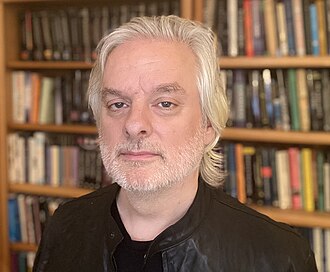
大卫·查尔默斯
本期追问 · 点击跳到视频对应位置
2:02 为什么我们会觉得意识存在一个无法解释的难题?14:41 如果解释了我们谈论意识的行为,意识本身还剩下什么?20:22 我们对自身意识的直觉判断,可信到什么程度?26:38 一个没有内在体验的系统,会不会同样宣称自己有意识?
归入 Ⅰ·07 意识只是物质的一种状态吗? →
EDITED TRANSCRIPT · 依据现场录音编译整理,可划线生成便签
编者按:本文是澳大利亚哲学家、纽约大学教授大卫·查尔默斯(David Chalmers)在 Talks at Google 的一次演讲实录,主题是「意识的元问题」(the meta-problem of consciousness)。查尔默斯于 1995 年提出「意识的难问题」,著有《有意识的心灵》《现实+》,并与安迪·克拉克合著《延展心灵》。这一次,他没有直接谈难问题本身,而是往上退一层,去问一个更冷静也更棘手的问题:我们为什么会觉得意识是个问题。全文依据现场录音编译整理,只删去了寒暄、口头语与重复的残句,论证、例证与现场问答一并保留。

从理科走到意识

谢谢各位来。很高兴站在这里。正如刚才介绍的,我是一个思考意识问题的哲学家。我出身于科学和数学,一直以来我都觉得,科学里最有意思、也最难的未解之谜就是意识问题。二十五年前我还在读研究生的时候,我判断,要从一个足够宏观的视角切进这个问题,最好的办法是转去哲学,从各种不同的角度(包括神经科学、心理学和人工智能的角度)去处理思考意识时必然浮现的那些基础性问题。

今天这场演讲,我会先铺一点背景,然后给出一个稍微不同的视角,我把它叫作「意识的元问题」。我一向喜欢这样一种做法:处理一个问题时,往上跳一层,站到元的位置上去看。我很喜欢这句话,「你能做的任何事,我都能做得更元」(Anything you can do, I can do meta)。这句话的来历我完全不清楚。有人把它算在鲁道夫·卡尔纳普头上,他是我最喜欢的哲学家之一,我挺乐意看到这个说法。但凡读过卡尔纳普著作的人都知道,他绝无可能说出这么轻佻的话。也有人说这话出自我的博士导师道格·霍夫施塔特,《哥德尔、埃舍尔、巴赫》的作者,一个热爱元视角的人。可他向我保证,那也不是他说的。

不管出处如何,对任何东西采取元视角,就是往上跳一层。我说的元问题之所以叫元问题,是因为它是一个关于问题的问题。元理论是关于理论的理论,元问题就是关于问题的问题。具体来说,它要解释的是:我们为什么会认为意识是个问题。

所以这里有一个一阶的问题,也就是意识问题本身;今天我要谈的,是关于它的一个问题。但我还是得先把那个一阶问题介绍清楚。

什么是难问题

一阶的那个问题,我们叫作「意识的难问题」。它要解释的是:物理过程为什么、又如何能够产生有意识的体验。你的大脑里有大量神经元在放电,带来各种复杂精巧的行为。我们可以说明这些反应是怎么来的,但还剩下一个大问题:从第一人称的视角看,这一切感觉起来是什么样的。

那就是主观体验。我很喜欢用一幅图来表现难问题:画面上像是有个人的头发着了火。我猜那是对主观视角的一种隐喻式描绘。

难问题关心的是哲学家所说的现象意识(phenomenal consciousness)。「意识」这个词有一千种歧义,但现象意识指的是:从第一人称视角出发,作为一个主体是什么滋味。如果「成为某个系统是有某种滋味的」,那这个系统就有现象意识;如果「处在某个心理状态中是有某种滋味的」,那这个状态就有现象意识。

所以说,有些系统是这样的:成为它是有某种滋味的。成为我是有某种滋味的。我推测,成为你们每个人也是有某种滋味的。但成为这个讲台,大概就没有什么滋味可言。就我们所知,讲台没有第一人称视角。

这个说法是我在纽约大学的同事托马斯·内格尔弄出名的。1974 年他写过一篇文章,叫《成为一只蝙蝠是什么滋味?》。大意是:从第三人称视角出发,站在一个拥有完全不同体验的人类的位置上去看蝙蝠,你很难知道成为一只蝙蝠是什么滋味。但极有可能,成为一只蝙蝠确实是有某种滋味的。蝙蝠是有意识的,它在经历主观体验,只不过那种体验和我们的非常不一样。

意识的各个声轨

在人类的主观体验里,意识又分成许多种类或侧面,就像意识这场内在电影的不同声轨。

我们有视觉体验,比如从第一人称视角看到蓝色、红色、绿色,以及看到深度。我们有听觉之类的感官体验,比如听见我的声音,还有味觉和嗅觉的体验。我们有关于自己身体的体验:疼痛、性高潮、饥饿、被搔痒,每一种都有它独特的第一人称质地。我们有心理意象,比如回想起来的视觉画面。我们有情绪体验,比如快乐或愤怒。而且我们似乎都拥有一股当下的思绪之流,或者至少可以说,我们不停地在心里自言自语,反省,权衡,做决定。

所有这些都是主观体验的侧面,都是我们从第一人称视角经历到的东西。而我认为,这些主观体验至少表面上看,就是意识科学需要解释的数据。它们是关于我们的事实:我们确实在经历这些主观体验。如果无视它们,我们就是在无视数据。

所以,如果你要给意识科学列一份待解释的数据清单,那里面当然有关于我们行为、关于我们在各种情境下如何反应的事实,有关于我们大脑如何运作的事实,但也有关于主观体验的事实。表面上看,它们都是数据。正是这些数据,构成了我所说的难问题。

易问题为何容易

与难问题相对的是所谓的「易问题」,也就是解释各种行为功能和认知功能的问题。这些是你从第三人称视角可以客观测量的东西,通常和行为绑在一起。

比如对刺激的知觉辨别:我能分辨环境里两样不同的东西,我能说这个是红的、那个是绿的。我能把颜色信息和形状信息整合起来。我能用它来控制行为,朝红的那个走而不是朝绿的那个走。我能把它报告出来,说「那是红的」,如此等等。这些同样是科学需要解释的数据,但我们大致知道该怎么解释它们,它们看上去没有构成那么大的难题。

为什么?因为我们解释这些易问题的方式,是找到一个机制,通常是神经机制或计算机制,它执行了相应的功能。要解释我为什么会说「那边有个红东西」或者朝它走过去,你就去找我大脑里那些负责知觉加工和动作加工的机制,看它们如何导致了那个行为。找到执行相应功能的正确机制,你就把易问题里需要解释的东西解释掉了。

但对难问题、对主观体验来说,这套标准方法显然不管用。你把那些行为全都解释完了,似乎还剩下一个进一步的问题:这一切凭什么会带来主观体验?你解释了反应,解释了回应,解释了控制,解释了报告,可问题依然在:为什么这一切要伴随着主观体验?为什么它不能在黑暗中进行,不需要意识?

哲学家乔·莱文把这里出现的东西称作「解释鸿沟」(explanatory gap),横在物理过程与主观体验之间。至少我们那些在解释行为时非常好用的标准解释,并不会自动搭起一座通向体验主观面的桥。

两条哲学进路

围绕这些问题的讨论,说实话已经持续了好几个世纪,只是近几十年格外热闹,哲学家、科学家纷纷入场,观点五花八门。

在哲学上,对难问题的进路至少可以分成两大类。一类认为意识是不可还原的、原初的:我们没法用更基本的物理术语来解释它,于是把它当作某种基本项。这条路可能通向意识的二元论理论,意识以某种方式独立于大脑并与之互动。最近很流行的是泛心论(panpsychism),我知道加伦·斯特劳森前不久也来这里讲过,他很推崇泛心论,认为意识是宇宙中某种基本的东西,位于物质之下。再往前还有观念论,认为意识是整个宇宙的底层。这些都是极其思辨的观点,但都很有意思,我自己也探索过。

另一类是还原论的意识理论。有功能主义进路,把意识基本上看成一个巨大的算法或计算过程。有生物学进路,我知道我的同事内德·布洛克也来讲过基于神经生物学的进路,在他看来重要的不是算法,而是算法在什么生物基质里实现。还有罗杰·彭罗斯和斯图尔特·哈梅罗夫弄出名的量子进路。

对这些进路我都有话可说。我的看法是,至少在目前,大多数还原论进路都留着一道鸿沟;而非还原论进路在「这一切究竟怎么运转」上又有别的麻烦。

一个可操作的入口

今天我要走的是另一条路,从元问题切入。

有一件事可以说明我为什么要这么做。我常常被问到:你是哲学家,思考难问题这类东西没问题,可我作为一个科学家、工程师或者人工智能研究者,能做点什么来推进难问题?这难道只是哲学家的事吗?作为一个 AI 研究者,我需要一些可以操作、可以上手、可以写成程序的东西。就难问题目前的样子而言,实在看不出该怎么做。

如果你是神经科学家,你还有事可做。你可以研究人类,观察他们的大脑,寻找意识的神经关联,也就是那些与意识相伴出现的脑区活动。因为至少对人类,我们可以把「这个系统是有意识的」当作一个合理的背景假设。但对人工智能,我们连这个都做不到。我们不知道自己手上的哪些 AI 系统是有意识的。我们需要某种操作性的判据。而在 AI 领域,我们主要建模的是行为和客观功能,那些都属于易问题。

所以,从这个视角出发的人,怎样才能和难问题接上头?一条路是:在众多易问题当中,挑出那些格外能照亮难问题的行为问题来做。这就是我今天要走的路。

关键的想法是:有些行为功能,看上去和难问题的关系特别紧密。具体来说,我们会谈论意识。我们会做出哲学家所说的现象报告(phenomenal reports),也就是对意识体验的言语报告。我会说「我是有意识的」「我现在感觉到疼」等等。意识和疼痛也许是主观体验,可「我是有意识的」这句话本身是行为,是一段发声。原则上,解释这些报告属于易问题:它是可以客观测量的反应,我们可以在大脑里找到产生它的机制。

而在所有现象报告当中,有一个特殊的子类,我们可以叫作「问题报告」,也就是那些表达出「意识构成一个难题」这种感受的报告。诚然,不是每个人都做出这类报告,但它们似乎相当普遍,在思考这些问题的哲学家和科学家当中尤其如此。而且实际上,只要稍加寻找,你很容易在思考意识的人群里找到一大批这样的人。

人们会说:存在一个意识问题,一个难问题;表面上看,解释行为并不能解释意识;意识看起来不是物理的;你到底怎么可能解释对红色的主观体验?我们(至少我们当中的一些人)会做出这些报告,这是关于我们的客观事实,是关于人类行为的事实。

于是,意识的元问题,做第二次逼近的表述,大致就是:解释这些问题报告,或者你也可以说,解释我们那份「我们是有意识的、而意识令人困惑」的信念。

这件事的妙处在于:难问题是一个关于主观体验的、虚无缥缈难以拿捏的问题,而元问题归根到底是一个关于行为的问题。所以它是一个易问题,理应向认知科学与脑科学的那套标准解释方法敞开。这里有一个研究纲领。

所以我愿意让元问题扮演我刚才说的那个角色:如果你是一个 AI 研究者,元问题是一个关于行为的易问题,同时又与难问题紧密相连。我们也许能用思考算法与计算、或者思考脑过程与行为的标准方法在它上面取得进展,同时又至少间接地照亮难问题。它比难问题更可处理,而解决它,理应给难问题带来亮光。今天我要做的,就是把这个研究纲领摆出来,谈谈它可能从哪些方向带来启发。

谱系学与幻觉论

对一个哲学家来说,这件事之所以有意思,是因为它看上去像是人们常说的「谱系学分析」的一个实例。

这个路数可以追溯到尼采的《论道德的谱系》。与其去想什么是善、什么是恶,不如去看我们的善恶感是从哪来的,它在演化中、在文化中、在宗教中的谱系是什么。人们也会对上帝做谱系学的处理:与其去想上帝存不存在,不如去看我们对上帝的信念是从哪来的,也许人们信上帝有某种演化上的原因。

这种做法常常(不是必然,但常常)会导致对该领域信念的「祛魅」(debunking)。用演化解释了我们为什么信上帝,就不再需要上帝这个假设了;用演化解释了道德信念,也许道德就不必被那么当真了。

所以至少有些人倾向于对意识也采取这种做法。如果你通过元问题去解释我们关于意识的信念,那也许最终会祛掉我们关于意识的信念。

这引出了一种最近颇受关注的哲学立场,叫幻觉论(illusionism):意识本身是一种幻觉,或者说,意识问题是一种幻觉。把幻觉解释清楚,问题就消解了。用元问题的话来说,这个立场大致是:解决元问题,就会消解难问题。解释我们为什么会说那些关于意识的话,为什么会说「我是有意识的」,为什么会说「意识令人困惑」。如果你能用算法的语言把这一切解释清楚,你就把底下那个问题一并取消了,因为你已经解释了我们当初为什么会感到困惑。

顺便说一句,今天走过来的路上,我发现几个街区之外就是「幻觉博物馆」,等会儿我打算去看看。不过如果幻觉论是对的,那么在所有那些知觉幻觉之外,还要再加上意识问题本身。按这种看法,它大致是一个古怪的自我模型抛出来的幻觉,某种算法让我们把自己并不具有的特殊属性归给了自己。

所以,处理元问题的一条路线就是幻觉论的路线:解决元问题,然后你就可以把意识当成幻觉来对待。这个立场在哲学史上其实有不少先例。连伊曼努尔·康德在《纯粹理性批判》里都有一节谈到,自我或灵魂是一种先验幻相:我们似乎有一个不可分割的灵魂,但那是我们的认知过程抛出来的幻相。澳大利亚哲学家乌林·普莱斯和大卫·阿姆斯特朗也有各自的版本,阿姆斯特朗那一版我等会儿会提到。丹尼尔·丹尼特作为还原论阵营里的领军人物,最近二十来年一直在推「意识是一种用户幻觉」的想法。而最近,英国哲学家基思·弗兰基什则在大力推动把幻觉论作为一种意识理论,他围绕自己那篇《作为意识理论的幻觉论》编了一本书,我推荐给各位。

我为什么是实在论者

不过,很多人觉得幻觉论完全不可信。意识怎么可能是幻觉呢?我们就是有这些主观体验啊,这是关于我们本性的数据。我承认,我对这种反应是有几分同情的。

所以我自己不是幻觉论者。在哲学家的用法里,某个东西的实在论者就是相信那个东西真实存在的人;就此而言,我是关于意识的实在论者。我认为意识是真的,不是幻觉。我认为解决元问题并不会消解难问题。

但元问题的好处恰恰在于:你可以在「意识是真的还是幻觉」这个问题上保持初步的中立,照样往前推进。它本身是一个关于我们客观功能、关于那些报告的基础问题:是什么产生了它们?这里有一个中立的研究纲领,实在论者、幻觉论者、各种立场的人都可以一起做。做完之后,我们再回过头来看它的哲学后果。

我不是幻觉论者,我认为意识是真的。但我得说,我确实感到幻觉论的诱惑。我觉得它非常引人入胜,某种意义上甚至很有吸引力。它只是从根本上不可信而已。

不管怎样,我认为元问题应当是一个可以处理的问题。就算解不掉难问题,解决它至少也会给难问题带来大量亮光。因为如果你能解释我们「我们是有意识的」这份信念,那么这份信念的源头和根系,必定和意识本身有某种关系,尤其是在意识确实存在的前提下。所以我认为这非常值得做。

什么是问题直觉

那么,元问题究竟是什么?我的表述是:元问题是「话题中立地解释问题直觉,或者说明为什么这做不到」这个问题。我把里面的零件逐一拆开来讲。

先说问题直觉(problem intuitions)。什么是问题直觉?有我们说出来的话,有我们心里想的念头。我会说「意识似乎是不可还原的」;我也可能心里就这么想。人们有说出、想到这类内容的倾向。我把问题直觉大致就理解成这种倾向:我们有说出和想到某些关于意识的东西的心理倾向。

那么核心的问题直觉有哪些?我认为可以分成几类。

第一类是形而上学直觉:意识不是物理的。这是关于意识本性的直觉。

第二类是关于解释的直觉:意识很难解释;解释了行为并不等于解释了意识。

第三类是关于意识知识的直觉。有些人可能知道那个著名的思想实验:玛丽住在一个黑白房间里,她知道关于色觉的一切客观知识,却仍然不知道看见红色是什么滋味。当她第一次看见红色,她学到了新东西。这是一个关于意识知识的直觉。

第四类是哲学家所说的模态直觉,关于什么是可能的、可设想的。最有名的例子是僵尸(zombie):一个在物理上与你我完全相同、却没有意识的造物;或者一个在功能上与你我完全相同、却没有意识的 AI 系统。对许多人来说,这至少是可设想的。这就是哲学僵尸。它和电影里的僵尸不一样,电影僵尸行为古怪、追着人脑子跑;哲学僵尸在行为上(也许在物理上)与正常人无异,却没有任何意识体验。所有的物理状态都在,所有的心理状态都不在。许多人觉得,这至少是讲得通的。我们不是僵尸,我希望在座没有一位是僵尸。但即便如此,这个想法我们似乎是能理解的。而难问题的一种提法就是:我们为什么不是僵尸?所以,僵尸的可设想性,是把这个问题发动起来的直觉之一。

再往下你还可以继续清点更多的直觉,比如关于意识分布的直觉:机器人不会有意识。我认为这一条是可选的。或者:意识在某些方面具有道德上的重要性。这个清单可以一直列下去。

直觉的实证研究

我认为,围绕这些关于意识的直觉、并试图解释它们,这里存在一个跨学科的研究纲领。

实验心理学和实验哲学(一个新近活跃起来的领域)可以研究人们关于意识的直觉。我们可以为这些直觉和报告建立模型,计算模型或者神经生物学模型。而且我认为,哲学分析在这里也有很大空间。现在各个领域都刚刚开始有人做这些事。

这些直觉到底有多普遍,是一个经验问题。你坐在下面可能会想:得了吧,我没有这些直觉,这只是你自己的事。就目前的心理学研究来看,我的感觉是,其中一些关于意识的直觉至少作为倾向或直觉是被广泛共享的,尽管人们在反思之后常常会推翻它们。不过目前这方面的数据还相当有限。

关于心灵的直觉,已经有大量实证工作,比如关于信念的:孩子在什么年龄才理解一个人关于世界的信念可以是假的;比如关于自我如何在时间中延续的:你能不能在身体死亡之后继续存在。在意识这一块,有关于意识分布的工作:机器人能有意识吗?一个群体能有意识吗?保罗·布鲁姆的《笛卡尔的婴儿》这本书汇集了不少这类有趣的研究,论证很多儿童天生就是直觉上的二元论者,天然倾向于认为心灵有某种非物理的成分。

到目前为止,这些工作大多还没有直接针对那些核心的问题直觉,但已经开始朝这个方向发展。萨拉·戈特利布和塔尼亚·隆布罗佐最近有一篇文章,题目是《科学能解释人类心灵吗》,研究人们在判断哪些心理现象难以解释时的看法。他们的发现是:主观体验,以及那些人们拥有第一人称特权通道的东西,被认为特别难解释。所以这里已经有了一个研究纲领的开端,我觉得还有很大空间可做。

话题中立的意思

至于「话题中立」这个限定。当我说我们要寻找对问题直觉的话题中立解释时,大致是指这种解释本身不提及意识。它用中性的措辞给出,对意识是否存在保持中立。

最显而易见的例子就是算法解释:这就是大脑正在执行的算法,它生成了我们「我们是有意识的」这份信念,以及我们关于意识的那些报告。算法与意识之间可能还隔着一段距离,但要写出这个算法,你不需要对意识作出任何断言。

所以元问题的算法版本,大致就是:找到生成我们问题直觉的那个算法。我认为这原则上就是一个研究纲领,也许可以由 AI 研究者和心理学家合作完成。心理学家帮忙把人类这边的数据分离出来,弄清这些东西在人身上是怎么产生的;AI 研究者则试着把那个算法在机器上实现,看看会得到什么。稍后我会讲一点这个方向上已有的研究。

自我模型与内省

现在我想谈谈可能的解法。像我说的,这是一个庞大的研究纲领,我不敢说自己手上有元问题的答案。我有一些想法,但我不打算在这里端出一个宏大的解决方案。下面这几样东西,我认为可能是解法的一部分,其中不少在科学和哲学讨论里都有各自的先例。

几个有希望的想法包括:内省模型、现象概念、内省的不透明性、亲知感。我逐一说几句。

几乎任何人一上来都会想到的一个想法是:我们对自身的模型在这里扮演着核心角色。人类有关于世界的模型,朴素物理学、朴素心理学、关于他人的模型等等。我们也有关于自己的模型。我们拥有关于自身及自身心理过程的模型,这是合乎情理的。心理学家迈克尔·格拉齐亚诺在这方面写了很多。我们有关于自身认知过程的内部模型,包括那些与意识相关的过程。而我们的内省模型的某些特征,解释了我们的两种感受:第一,我们是有意识的;第二,这件事格外成问题。

我认为任何思考元问题的人,这至少是第一步。我们拥有这些内省模型。如果你是幻觉论者,它们就是错误的模型;如果你是实在论者,它们不必是错误的。但无论如何,这些内省模型都被牵涉在内,这没什么问题。麻烦在细节里:它们究竟如何运作,才产生出这个难题?

现象概念的独立

一批哲学家论证说,我们拥有关于意识的特殊概念,也就是针对那些特殊主观状态的内省概念。人们把它们叫作现象概念(phenomenal concepts),即关于现象意识的概念。它们的特别之处在于,这些概念在某种意义上独立于我们的物理概念。

我们有一套物理概念用来建模外部世界,有一套内省概念用来建模自己的心灵。而这两套概念,仅仅由于它们各自的设计方式,就在相当程度上彼此独立。这就部分解释了为什么在直觉上,意识似乎独立于物理世界。所以,现象概念的这种独立性,也许能在解释问题报告上走出一段距离。我认为这里面确实有些东西。

但同时,我认为这远远不够。因为我们对心灵的许多方面都有概念,不只是主观体验的部分,还有我们的信念和欲望。当我相信巴黎是法国的首都时,这也是我内部自我模型的一部分。可它并不像看见红色那样,以同样的方式生出难问题。所以,对于「拥有红色体验」这类情形,对于它为什么会带来一道鸿沟,还需要说清楚得多的东西。这套解释并不能自动推广到心灵的一切方面。

内省的不透明

有人认为,可以叫作「内省不透明性」的东西在这里起了作用:当我们内省心灵中正在发生的事情时,我们无法通达底层的物理状态。我们看不见自己脑子里的神经元,看不见意识是物理的,于是我们就把它看成非物理的。

最近物理学家马克斯·泰格马克也朝这个方向论证过,说意识在某种意义上是基质无关的,我们看不见基质,于是我们就以为它可以脱离基质而漂浮存在。

阿姆斯特朗则拿马戏团里的一个把戏来作类比,就是那个「无头人」幻象:一个人站在那里,头上罩着一块黑布,你看不见她的头,于是你就把她看成没有头。这里是十九世纪马戏团的一个摊位,所谓的「无头女人」,头上蒙着一块布。你看不见头,于是至少在一瞬间,看上去这个人真的没有头。阿姆斯特朗说,意识的情形也许就是这样:你看不见它是物理的,于是你把它看成非物理的。

但问题依然存在:我们究竟是怎么做出这个推论的?在颜色、味道这类情形中,有某种特殊的事情正在发生。颜色体验似乎把「红」「绿」这类原初性质归给了对象,而实际上,至少在外部世界里,它们是复杂的、可还原的属性。我们关于颜色的内部模型,不知怎的把红和绿当成了原初的东西。

事实证明,拥有这类模型是有用的。我们把某些东西当作原初的,尽管它们是可还原的。而且当我们体验颜色时,我们确实像是在把绿色体验为一种原初的质,哪怕它可能是一个极其复杂的可还原属性。这是我们关于颜色的模型的特征。

哲学家沃尔夫冈·施瓦茨试着拿图像处理中的传感器变量来作类比。你有一些视觉传感器,比如一台相机,你需要处理图像。你会用一些传感器变量来表示各个传感器接收到的感觉输入。你可能会把它们当作一个原初的维度来处理,因为那是最有用的处理方式。你不会把它们当成多少光量或多少光子在打进来,你不需要知道那些。你就用这些传感器变量,把它们当作一个原初维度。这一整套都会促成一个把这些东西当作原初项的模型。也许可以把这个想法拿过来,推广到内省上:意识状态在我们关于心灵的模型里,就像传感器变量一样。而这些内部模型不知怎的给了我们一种感受:我们亲知(acquaintance)着某些原初的具体的质,并且亲知着我们对这些质的觉知。

这些还只是在铺陈。我不认为这已经真正解释了多少东西。但它在缩小范围,把「要解决元问题究竟需要解释什么」勾勒得更清楚一些。

一份中立的清单

把这些零件拼起来,可以有一个小结。我喜欢这个小结的一点是,它可以用两种语气来读:用幻觉论的语气读,它就是对意识幻觉的一份说明,讲的是那些错误的内省模型如何运作;用实在论的语气读,它就是对我们那些真实而正确的意识模型的一份说明。我们可以先以中立的方式把它摆出来,之后再去判断这些模型究竟是像实在论者说的那样正确,还是像幻觉论者说的那样错误。

清单是这样的。我们拥有内省模型,它运用关于自身内部状态的内省概念,这些概念在很大程度上独立于我们的物理概念。这些概念在内省上是不透明的,不揭示任何底层机制。我们的知觉模型在知觉上把原初的知觉性质归给世界。而我们的内省模型则把与这些性质之间的原初心理关系归给自己。这些模型产生了那种亲知感:既亲知那些性质,也亲知我们对这些性质的觉知。

像我说的,这不是元问题的解法,但它至少试图把那些直觉的一部分根系钉住,把需要解释的东西缩小到一个更明确的范围。

把模型装进机器

要再往前走,我认为需要检验这些解释。一方面用心理学研究来看,这是否确实是人类身上正在发生的事情,是不是我们那些直觉的基础;另一方面用计算模型来看,比方说,我们能不能把这类东西编进一个 AI 系统,看它能不能生成在性质上相似的报告和直觉。

你可能觉得最后这件事现在还太异想天开,但我至少知道这个研究纲领已经有一个实例。开放慈善(Open Philanthropy)的研究者卢克·穆尔豪泽和他的同事对 AI 与意识很感兴趣,他们真的动手做了。他们从我写的一些关于元问题的东西、以及哲学家弗朗索瓦·卡默勒写的东西里取了一些基本想法,关于问题直觉可能从哪里来的一些基本设想,然后试着把它们做成一个计算模型。

他们造了一个小的软件智能体,给它一些关于颜色及其运作方式的公理:有红,有绿;再给它一些关于它自身颜色主观体验的公理。然后他们把这些和一个小型定理证明器组合起来,看看这个小软件智能体会得出什么。结果它得出的结论是这样的:嘿,我关于颜色的体验不同于任何物理状态,如此等等。

好,他们确实抄了一些近道。这还远不是一个令人信服的、复杂到足以刻画人类心灵全部活动的模型。但它表明这里存在一个研究纲领,可以去寻找这些状态的算法基础。我认为随着更精细的模型发展起来,我们也许能借此为 AI 研究者打开一扇进入这个主题的门。

人工意识测试

当然,还有一个问题:你把这一切在机器里建模得越来越好,那机器到底会不会真的有意识?还是说它只是拥有了一些复制人类情形的自我模型而已?

有人因此提出了「人工意识测试」。艾伦·斯洛曼、苏珊·施耐德、埃德·特纳都提出过类似的想法:如果一台机器看上去像我们一样为意识感到困惑,那也许这本身就是它有意识的迹象。如果一台机器在我们看来确实被意识问题所困扰,这是不是意识的标志?他们把这当作一种针对机器意识的图灵测试,用来找出那些像我们一样有意识的机器。

当然,反对的观点会说:不,那台机器并没有真的有意识,它不过是为了通过图灵测试而临时抱佛脚,读了一本《像人类那样说话》。它心想:真见鬼,我非得把人类那些糊涂透顶的意识困惑统统复述一遍,才能让他们相信我有意识吗?那好吧,需要的话我就演一遍。

这个问题我今天不打算了断。但我确实认为,如果我们真的看到机器为意识困惑,我不会感到意外。一旦我们真正拥有能进行自然语言交流、能对自身和世界建模的严肃 AI 系统,它们很可能会开始说这样的话:是啊,我原则上知道自己不过是一堆硅电路,可我感觉自己远不止于此。我想这或许能告诉我们一些关于意识的事情。

用元问题检验理论

我再稍微谈谈意识理论。

我认为元问题的解法与难问题的解法理应紧密相连。对幻觉论者来说,解决元问题就消解了难问题。但即便你不是幻觉论者,两者之间也应当有某种关联。

所以这里有一个论题:不管什么东西解释了意识,它也应当在一定程度上解释我们关于意识的判断和报告。理由很简单:如果这两者互相独立,如果意识的基础在我们关于意识的判断中不起任何作用,那就太奇怪了。

于是我们可以用这一点来评估或检验意识理论。如果某个意识理论说机制 M 是意识的基础,那么 M 也应当在一定程度上解释我们关于意识的判断。无论基础是什么,它都应当解释那些报告。这一条可以拿来检验现有的各种理论。

举一个当下著名的理论:朱利奥·托诺尼和他在威斯康星大学的同事发展出来的整合信息论(IIT)。托诺尼说意识的基础是整合信息,是某种特定方式的信息整合,他给出了一个度量,叫作 Φ。基本上,当你的 Φ 足够高,你就有意识;意识就是高 Φ,而且有精确的数学定义,这里我就不展开了。这是一个非常有意思的理论。它分析的基本上是由若干单元构成的系统的网络属性,并给出一个据说与意识相伴的信息度量 Φ。

问题来了:如果整合信息是意识的基础,那它至少原则上应当能解释问题报告。挑战是:这怎么做到?至少在我看来,整合信息如何解释问题报告,远远谈不上显然。它和那些报告似乎是脱节的。按托诺尼的看法,你可以有一个对高 Φ 系统的模拟,而这个模拟本身的 Φ 是零。它会做出一模一样的报告,却完全没有意识。所以 Φ 至少在某种程度上是可分离的。反过来,你也可以有 Φ 极高、却毫无报告倾向的系统,这一头也许不那么让人担心。

总之,这是留给这个理论、也留给其他理论的一个挑战:不只要解释高 Φ 如何产生意识,还要解释它如何在生成问题报告的那套算法里扮演核心角色。类似的挑战也适用于许多其他理论:生物学理论、量子理论、全局工作空间理论等等。

幻觉论的诱惑

最后我回到开头提到的幻觉论。

你可能倾向于认为,从元问题切入,很自然地就会导向幻觉论。我确实认为它至少为幻觉论提供了某些动机,也就是那种「意识并不存在,我们只是以为它存在」的观点。按这种看法,元问题的解法就消解了难问题。

支持幻觉论的论证可以这样摆:如果元问题有解,那么就存在一个独立于意识的、对我们关于意识的信念的解释。存在一个算法,它解释了我们关于意识的信念,而它本身不提及意识。可以论证说,这个算法在没有意识的情况下也能照样存在。也可以论证说,这种解释能够祛除我们关于意识的信念,就像用演化解释关于上帝的信念也许能祛除对上帝的信仰一样。这当然并不证明上帝不存在,但你可能会认为,一旦你能用演化解释我们的信念,就等于抽掉了这些信念的辩护基础或理性基础。我认为类似的道理也可以用到意识上。至于这种祛魅到底能走多远,还有很多可分析的地方。

另一方面,对许多人来说,反对幻觉论的理由极其强大。根本的忧虑是:幻觉论完全不可信。我们拥有意识体验,我们体验红色,我们感到疼痛,这就是关于我们自身的显明事实。否认这些,就是否认数据。

不过这里的辩证关系是复杂的。幻觉论者会回过头来说:没错,可是我能解释为什么幻觉论显得不可信。我们拥有的这些关于意识的自我模型太强了,它们是演化直接接进我们身上的,是我们摆脱不掉的模型。所以我的理论恰恰预测了我的理论会显得不可信。这个辩证局面很复杂,也很有意思。

两边都在喊荒谬

也许我可以用这个问题两端各自的一句「荒谬」宣告来收尾,幻觉论者和反幻觉论者,双方都在对方的观点里看到了荒谬。

这是刚才提到过的加伦·斯特劳森。加伦的看法是,幻觉论荒谬透顶。事实上他认为这是有史以来任何人持有过的最荒谬的观点。他写道:二十世纪发生了整部观念史、整部人类思想史上最离奇的一幕,一批思想家否认了一样我们确知其存在的东西的存在,那就是意识。他认为这纯粹是哲学病理学的征兆。

这是理性主义哲学家埃利泽·尤德科夫斯基几年前写的一段话,谈的是僵尸、意识,以及那种认为意识不起任何因果作用的副现象论;他针对的是我二十来年前写的一些东西。他说:这个僵尸论证(也就是我们可以设想在物理上与我们相同但没有意识的存在)也许是全部哲学里最疯癫的想法的候选者。查尔默斯内部叙事所在的那个因果封闭的认知系统正在出故障,而这套出了故障的叙事并非出于任何必然性,只是在我们这个宇宙里奇迹般地碰巧是正确的。

他在这里表达的正是那个祛魅式的想法:按我的观点,有一套算法生成了这些关于意识的直觉,而这套算法完全是物理的;此外还有一层非物理的东西;然后靠着天大的巧合,那套物理算法竟然是关于这层非物理东西的正确模型。这就是一种祛魅:这种观点要成立,得靠奇迹。

我认为这两种批评都击中了某些东西。要在任何一边取得进展,我们都得设法越过这些荒谬。你可能会说,在很强的幻觉论和很强的副现象论之间总有中间地带吧。可中间地带往往会滑回同样的问题:其他形式的幻觉论,那些较弱的版本,对难问题帮不上什么忙;其他形式的实在论,仍然逃不过「要成立得靠奇迹」这一批评。

所以我认为,要越过荒谬,双方都还得多做一些事。幻觉论者需要进一步说明:一个心灵怎么可能是这个样子,同时又完全不是它所显现的样子。他们需要找到某种方式把数据重新收回来。实在论者则需要说明:这些元问题过程为什么并非完全独立于意识。实在论者需要说明,那些生成关于意识的直觉、报告和信念的元问题过程,本质上是奠基于意识的,哪怕它们在某种意义上有可能、或者可设想地在没有意识的情况下发生。

以上就是我要摆出的这个研究纲领。我认为,一个能够满足上述要求的元问题解法,也许有可能真的解决意识的难问题,至少也会大大照亮它。而在此期间,元问题是一个人人都能上手、有望被解决的研究课题。我把它推荐给各位。谢谢。

问答:机器人能有意识吗

有人说:我觉得这个想法很有意思,我们拥有一批心理模型,而这批心理模型基本上就是意识;意识就由我们拥有的这批模型所定义。意识的困难之处在于,我们不理解是什么物理现象造成或者激发了这些心理模型,所以我们就产生了一种信念,觉得它是缥缈的、不真实的。如果采取这种看法,有意思的地方在于:机器人也可以模拟这些心理模型,从而模拟出意识。而且即便驱动这些模型的底层物理现象不同,机器人有不同的传感器等等,你在两种情形下仍然可以得到同样的意识效果。

我的回答是:我认为这大致是对的。至少看上去,你应该能在机器人身上得到同样的模型。如果这些模型本身是算法性的,而且理应如此,那你就应该能设计出一个机器人,它至少拥有同构的模型,在某种意义上也就是有意识的。当然,按我的看法,接下来还有一个进一步的问题:这个机器人是不是真的有意识?这正是我在谈人工意识测试时提到的那个问题。

不过你可以认为,这至少构成了机器人有意识的很好证据。如果它拥有一个和我们一样的意识模型,那么「拥有这样的模型」与「有意识」之间存在很强的关联,这似乎是相当可信的。像内德·布洛克那样的人(他来这里做过反对机器意识的论证)大概会说:不行,模型是不够的,模型必须由正确的材料造成,必须是生物学的材料。但按我的看法,如果我发现一个 AI 系统拥有我们这套意识模型的一个严肃版本,我会把它当作相信它有意识的很好理由。

问答:Φ 值能测吗

有人问:在整合信息论里,对于人类和其他系统的 Φ 值,有没有一个估计或者说合理的估计?

基本上没有。在任何有一定规模的系统里,Φ 都极难测量。因为按它的定义,你得对系统的每一种可能划分求和。结果是:第一,在大脑里很难测,因为你得掌握不同单元或神经元之间的因果依赖关系;第二,哪怕是一个纯算法系统,一个摆在你面前的神经网络,一旦超过大约十五个单元,测量它的 Φ 在计算上就不可行了。

托诺尼希望说这是一个经验理论,原则上可以经验检验。可关键就在「原则上」这三个字。测 Φ 极其困难。

计算机科学家斯科特·阿伦森试着给这个理论提出过反例,用的是一些非常非常简单的系统,比如把两个大矩阵相乘的矩阵乘法器。结果发现它们的 Φ 大得惊人,只要矩阵够大,Φ 想多大有多大,因而按托诺尼的理论,它们不但有意识,而且和人一样有意识。阿伦森把这当作对整合信息论的归谬。而托诺尼基本上是把这颗子弹咬下去了,他说:是啊,那些矩阵乘法器确实具有相当高程度的意识。

所以我认为,整合信息论要继续发展下去的话,大概至少还缺几块拼图。不过它同样是一个研究纲领。

问答:信念为何不难

有人问:你提到信念是另一种心理性质的例子,但人们似乎并不觉得它特别难解释。事实上它几乎显得太容易了:一个关于某事的信念,感觉起来就像事情本来的样子,你得反思一下才会把它注意成一个信念。你觉得有没有相关的研究,去问这两者为什么不同?这看起来是攻击这个问题的另一个角度:为什么信念不产生同样的难问题?

从元问题或者心智理论的视角有没有相关研究,我不太确定。但人们确实就事论事地思考过:信念和体验之间究竟有什么差别,使它们如此不同?这可以一直追溯到几个世纪前的哲学家大卫·休谟,他基本上说,知觉是生动的。他区分印象和观念,像体验颜色这样的印象具有力度和活泼性,而观念不过是一个淡薄的摹本。当然这只是第一层。此后也有更当代的版本,用远为精细的方式说着类似的话。

不过你确实可以原则上通过元问题去探索这件事:为什么在我们看来知觉比信念生动得多?我们关于心灵的模型有什么特点,使得知觉显得如此生动,使得信念显得只是结构性的、空洞的,而知觉却充满了光?但从元问题的视角出发的工作,我不知道有。像我说的,直接研究这些内省模型的工作本来就不多。关于信念的心智理论研究倒是有,但那些大多是关于他人的模型。也许我可以在关于信念的文献里翻翻,看有没有相关的东西。这是个值得推的方向。

问答:哥德尔与不完备

有人说:我想提一下库尔特·哥德尔。你提到你的导师写了《哥德尔、埃舍尔、巴赫》。整场讨论里似乎有某种非常哥德尔式的东西。哥德尔证明了,给定一套数学公理,它要么一致,要么完备,不能兼得。而丹尼尔·丹尼特似乎持有一套公理,从中构造不出意识来。他非常明确地站在「一致」这一边,他要一个一致的框架,同时接受不完备。我想,是不是可以对意识采取类似的做法:我们其实可以证明意识独立于丹尼特那套公理,就像哥德尔之后人们证明连续统假设独立于 ZF 集合论,然后加上选择公理,变成 ZFC。所以我在想,我们能不能证明在丹尼特的世界里,我们本质上就是僵尸,或者说我们是不是僵尸都无所谓,两种说法都可以为真;然后再去找出,要让意识成立,必须往丹尼特的公理里添加的最小公理是什么。

有意思。我一开始还以为你要往另一个方向说,以为你要说丹尼特是一致但不完备的,而我是完备但不一致的。他的图景里没有意识;我有意识,但不一致,所以我才会讲出那些疯狂的理论。你面对的选择就是:要么没有意识而不完备,要么有意识但陷入难问题,被迫接受一堆谜题和悖论。不过你刚才那个说法对我友善多了。

确实,道格·霍夫施塔特本人写过很多关于哥德尔式悖论与身心问题之间类比的东西。他认为我们的自我模型注定是哥德尔式地不完备的。他认为这可能构成我们困惑(至少是关于意识的困惑)的部分解释。

罗杰·彭罗斯当然把这件事看得严肃得多、字面得多。他认为计算系统的计算能力总是受哥德尔式的限制,而人类不受这种限制。他认为我们拥有证明定理、看出某些数学命题为真的能力,这是任何形式系统都不可能具备的。所以他认为我们以某种方式超越了那种不完备性。我不确定他是否真的认为我们是完备的,但至少他认为我们不像有限计算系统那样不完备。而且他还认为,人类多出来的那样东西与意识相关。

最后这一步我始终没看明白:就算我们真的拥有那种看出数学定理为真的非算法能力,这怎么就和意识挂上钩了?但至少,在这两种情形之间,在某些理论的不完备性这一点上,可以画出结构上的类比。这些类比该在多大程度上从字面上理解,我还得再想想。

问答:自指与停机问题

有人问:有没有人考虑过,理解意识这个问题在本质上就必然是困难的,因为我们是用意识去处理这个问题的?我想到计算机科学里的停机问题:在一般情形下,你写不出一个程序来判定另一个程序是否会停机,因为如果你把它作用在自己身上会怎样?它的覆盖范围不可能宽到包含自身的执行。所以我在想,意识这里是不是有一个类似的推论:我们用意识去思考意识,因此我们也许没有足够的装备去把它拆开。

这事挺微妙的。人们会说,这就像用一把尺子去量尺子:我可以用这把尺子量很多别的东西,但它量不了自己。不过反过来说,你可以用另一把尺子去量这一把。也许你也可以用一个意识去量另一个意识。人们也说大脑没法研究大脑,可实际上大脑研究大脑做得相当不错。

这里确实有一些自指的悖论,我想这同样是霍夫施塔特路数的核心。但我认为,我们得去寻找那些非常非常具体的条件,在什么条件下系统才不能研究自身。我一直很喜欢一个说法:如果心灵简单到我们能理解它,那我们就会简单到理解不了心灵。也许意识上也有类似的道理。

不过另一方面,我其实认为,一旦你开始接受意识可以伴随非常简单的系统出现,那我们至少应该有能力在比我们更简单的系统里研究意识。老实说,如果我能解决狗身上的难问题,我就心满意足了。

问答:那条裙子

有人问:我想问元问题这个研究纲领具体怎么推进,跟上一个问题有点关系。我们关于自身意识的信念,即使人人都这么说,其中肯定有一些是假的。我们的大脑倾向于隐藏现实的真相。看视知觉,有一种叫明度恒常性的东西:大脑会把环境光照减掉,让我们更可靠地看出物体本身的颜色。那条爆红的黑金裙子就是一个例子。当有人给你讲解其中的原理时,你会想:什么?我的大脑居然干了这种事?那不是我们能通达的东西。还有 Yanny 和 Laurel 那个听觉幻觉,也是这样,你听了懂行的科学家的解释,才发现我们自己的内省里根本没有这些东西。那么,你怎么去区分意识究竟是什么,和我们那个被简化或被扭曲的看法?

我想,一种看法会是:我们从来通达不到生成意识的机制,但我们仍然通达得到意识状态本身。卡尔·拉什利几十年前就说过这话,他说大脑的任何过程都不是有意识的;把你带到那些状态的过程从来不是有意识的,而它们把你带到的那些状态是有意识的。

拿裙子的例子来说。在我这里,它是白金色的,这一点我知道。我们每个人都确信自己看到的是什么,我确信我体验到的是白色和金色,也许你确信你体验到的是蓝色和黑色。

(有人插话:我忘了到底是哪种,我只记得我是对的。全场笑。)

对,你当时确信那帮蠢货肯定是没看对。我认为,至少最自然的描述方式是:我们每个人都确知自己正在经历哪一类意识体验,但我们对于自己是通过什么机制到达那里的一无所知。所以机制是完全不透明的,而状态本身至少初步看来是透明的。我想这会是标准看法。就连意识实在论者也可以接受这一点:我们知道那些意识状态是什么,但不知道产生它们的过程。

而幻觉论者会想走得远得多。他会说:在你看来,你知道自己正处在哪个意识状态;在你看来,你正在体验金色和白色。可事实上,那同样只是另一个模型抛出来的东西。金色是一个知觉模型;然后有一个内省模型说,你正在体验金色和白色;而事实上你也许只是个僵尸,或者谁知道你的意识状态里究竟发生了什么。所以我认为幻觉论的观点必须往前再走一步:不只是产生意识状态的那些过程对我们不透明,连意识状态本身也在某种意义上对我们不透明。

问答:通用性与意识

有人说:我觉得这场讨论里似乎缺少了对「通用性」的讨论。矩阵乘法器有很高的 Φ,但它不是一个通用的东西。有没有人在探索通用性与复杂性的交叉地带,看意识如何从中作为一种涌现行为出现?

你说的通用性,是指理论应当具有普遍性、应当适用于每一个系统吗?还是指机制?

(对方说:是智能体的通用性。如果我可以写一个任意复杂的程序来下井字棋,而它永远只会下井字棋,它没有任何输出通道去表达别的东西。)

明白了,是通用人工智能意义上的通用。意识的某些方面看起来确实是领域通用的,比如就信念与推理是有意识的而言,那些是领域通用的。但知觉的很大一部分似乎并不特别领域通用。颜色就非常领域特定,味觉也非常领域特定。可它们照样是有意识的。

(对方说:可是如果我的智能体无法表达问题陈述,如果我不给它一个能表达问题陈述的输出通道,你就永远无法对它的意识下结论。)

我想把智能和意识区分开。哪怕只是使用自然语言、能够处理一个问题陈述、能够分析一个问题,这本身就已经是非常高级的智能形式了。我认为很可信的是,一只老鼠拥有某种意识,尽管它完全没有能力处理问题陈述,而且它的许多能力可能非常专门化。当然它仍然比一个只会做一件事的简单神经网络通用得多,老鼠能做很多事情。

但我不觉得这里有什么本质关联。我当然看到智能与通用性之间的关联,我们大概想说高度的通用性是高智能的必要条件。可我不确定意识这边有同样的关联。我认为意识可以极其领域特定,就像味觉、也许还有视觉那样,也可以是领域通用的。所以这两者也许是交叉的。

问答:意识的价值

有人问:在我看来,元问题的表述方式似乎隐含着意识与脑状态之间的某种分离,或者说副现象论。而很多人做科学的动机,恰恰在于科学具有因果上的分量。预测行为显然是功能上有用的事,如果你不必解释意识就能预测全部行为,那么解释意识的动机就蒸发了,感觉就是:那我干嘛还想这个,它对我又没什么用。当有人这样对你说的时候,你怎么回答?

(对方补充:也许意识存在,也许不存在。但如果我不诉诸这些概念就能解释全部人类行为、乃至世界上的一切行为,那我就已经做完了所有有用的事,解释意识不是一件有用的事。所以我对此没兴趣,它也不妨就当作不真实。)

我明白了。我认为副现象论有可能为真,但我对它没有任何承诺。完全有可能意识在生成行为中扮演着我们尚未理解的角色。也许认真思考元问题能帮我们把这些角色看得更清楚。如果你对泛心论有几分同情,那么意识也许深深参与在物理过程最初如何运转起来这件事里。也有人想推进互动论的想法,让意识与大脑互动。而如果你是还原论者,意识也许无非就是正确的算法。在所有这些观点里,意识都可能有它的角色。

但就算真的证明了,你不诉诸意识也能解释全部行为,包括这些问题报告,那是不是就意味着意识不值得我们在意,不重要?我不认为这能推出来。也许对某些工程目的它确实不重要,比如你想造一个好用的系统。但至少在我看来,意识才是唯一真正重要的东西。它是让生活值得过的东西,是赋予我们的生命意义与价值的东西。所以,也许意识对解释别的东西不怎么有用,但如果它是世界上内在意义的源头,那么理解意识对于理解我们自己就依然是绝对必要的。

再者,一旦涉及开发 AI 系统,或者对待非人动物,我们绝对需要知道这件事。我们需要知道它们是否有意识,因为如果它们有意识,它们大概就有道德地位。如果它们能受苦,那么虐待它们就是很坏的事。如果它们没有意识,那么我认为很可信的是,我们可以随意对待非意识系统,道德上没什么要紧。所以,一个 AI 系统有没有意识,对于我们如何与它相处、如何构建我们的社会,是至关重要的。这不是工程有用性的问题,这关乎我们最根本的价值。

(对方说:我完全同意。我只是发现这套说法未必能说服别人。)

问答:延展心灵与编程

有人说:非常感谢你今天来和我们聊。我对你早期的工作、延展心灵和分布式认知很感兴趣。你现在站在一家公司里,面对的是一群做着极其耗费认知资源的工作的人。我读到的大部分相关文献用的都是相对简单的例子,说的是在脑子里做这些相对简单的事情有多难。可你看看我们日常构建的程序,动辄上百万行。我读到过有人说波音 777 是人类造过的最复杂的东西,我想我们在座大多数人会说,我们早就超过它了。大型互联网公司做的事情,那个规模、那个复杂度,是骇人的。可如果闭上眼睛,这里每个人都会说,我在脑子里连十行程序都很难写出来。所以我很想听听你的想法:编程这项活动和延展心灵的想法之间是什么关系?

这大概是在说我二十年前和同事安迪·克拉克一起开始做的事。我们写过一篇文章叫《延展心灵》,讲的是当我们与工具耦合起来时,心灵过程如何能够延伸到大脑之外。九十年代中期,我们当时的核心例子是一个笔记本,一个人把东西写在笔记本上。那时候我们也知道互联网,也举过一些互联网的例子。我猜 1995 年这家公司还不存在。

而现在,我们的心灵当然变得越来越延展。几年之后智能手机出现了,每个人都和自己的手机、和那些把他们与互联网紧紧耦合起来的设备紧紧耦合在一起。突然之间,我的一大堆记忆被卸载到了你们公司某处的服务器上,不管是在邮件系统里、导航地图系统里,还是别的系统里。我的导航基本上已经全部卸载给地图了。我的很多记忆也被卸载出去了,也许那部分在手机里,但另外一些记忆被卸载到某个云服务上的文件系统里。所以确实,我心灵的大量部分现在存在于云端。如果我彻底失去对这些东西的访问,我会丧失极多的能力。托各位以及其他公司的福,我们现在正在向云端延展。

具体到编程这个问题。编程是与我们的设备之间的一种主动互动。我想编程是一件耗时较长的事,它的时间尺度更长;而延展心灵的核心案例涉及的是对设备的自动化使用,那些设备始终触手可及,我们可以随时用它们获取信息、当场行动,就像大脑做的那样。所以就编程是一个较慢的过程而言,我还记得当年编程时那些没完没了的调试时光,它至少属于时间尺度更慢的延展心灵。

不过费曼谈论写作时说过一件事。有人看了费曼的手稿,看到他思考某个物理问题时写下的一堆笔记,对他说:真好,你把工作的记录保存下来了。费曼说:那不是我工作的记录,那就是工作本身。那就是思考。我把它写下来,如此等等。至少按我当年编程的记忆,当你真的在写一个程序时,并不是你先思考一通,然后把思考的结果编成代码。编程在很大程度上就是你的思考本身。你想问的是这个吗?

(对方说:完全正确。我想,如果我们这些编程的人反思一下自己在做什么,其实很少有人真的……如果你是某个系统的技术负责人,也许你脑子里装着整个系统。但你会同意,团队里那些后来才加入的大多数人,脑子里只装着其中一块。可他们照样能做出贡献。)

对,这里说的就是分布式认知了。延展心灵、延展认知是从一个个体出发,然后用工具、设备甚至其他人把这个个体的能力延伸出去。也许我的伴侣充当着我的记忆,但它仍然是以个体为中心的。而与之密切相关的是分布式认知:一群人在做一件事,共同做决定,共同执行行动,而且配合得天衣无缝。我想在这样一家公司里,分布式认知的实例要多少有多少。

我不知道整个公司是不是有一个巨大的谷歌心灵,还是说每个团队、每个部门都各有一个,加起来有近乎无穷多个独立的谷歌心灵。不过我想,大概已经有人类学家对这家公司里的分布式认知做过权威的分析了。如果还没有,那他们真的该做一个。

排版 + 横图 + 来源,粘贴即成稿
章节 · 点击跳转视频
0:00 开场:从理科到意识哲学 ▶ 正在看
2:02 难问题与易问题的区分 ▶ 正在看
9:44 AI研究者的切入口:元问题 ▶ 正在看
14:41 谱系学分析与幻觉论 ▶ 正在看
20:22 问题直觉的分类与实证研究 ▶ 正在看
26:38 候选解释:自我模型与内省不透明 ▶ 正在看
34:06 计算模型与人工意识测试 ▶ 正在看
37:15 用元问题检验IIT等理论 ▶ 正在看
40:08 幻觉论与实在论的双重荒谬 ▶ 正在看
45:34 问答:机器人、Φ值与信念 ▶ 正在看
51:22 问答:哥德尔、自指与错觉 ▶ 正在看
61:51 问答:意识的价值与延展心灵 ▶ 正在看
本期小问 · 档案清单
2:02 为什么我们会觉得意识存在一个无法解释的难题? ▶ 正在看
14:41 如果解释了我们谈论意识的行为,意识本身还剩下什么? ▶ 正在看
20:22 我们对自身意识的直觉判断,可信到什么程度? ▶ 正在看
26:38 一个没有内在体验的系统,会不会同样宣称自己有意识? ▶ 正在看
本期讲者
大卫·查尔默斯澳大利亚哲学家、纽约大学教授,1995年提出「意识的难问题」,著有《有意识的心灵》《现实+》,与安迪·克拉克合著《延展心灵》。
01开场:从理科到意识哲学
0:00
[MUSIC PLAYING]
[音乐播放]
便签笔记
0:06
DAVID CHALMERS: Thanks for coming out. It's good to be here. As Eric said, I am a philosopher thinking about consciousness. Coming from a background in the sciences and math, it always struck me that the most interesting and hardest unsolved problem in the sciences was the problem of consciousness. And way back 25 years ago when I was in grad school, it seemed to be the best way to come at this from a big picture perspective was to go into philosophy and think about the foundational issues that arise in thinking about consciousness from any number of different angles, including the angles of neuroscience and psychology and AI.
大卫·查尔默斯:感谢大家前来。很高兴来到这里。正如埃里克所说,我是一名思考意识问题的哲学家。我出身于理科和数学背景,一直觉得科学中最有趣、最难的未解难题,就是意识问题。早在25年前我读研究生的时候,我觉得从宏观视角切入这个问题的最佳方式,是进入哲学领域,去思考从各种不同角度思考意识时所产生的那些基础性问题,包括神经科学、心理学和人工智能的角度。
便签笔记
0:52
In this talk, I'm going to present a slightly different perspective on the problem after laying out some background, the perspective of what I call the meta-problem of consciousness. I always liked the idea that you approach a problem by stepping one level up, taking the metaperspective. I love this quote, "Anything you can do, I can do meta." I have no idea what the origins was. I like the fact this is attributed to Rudolf Carnap, one of my favorite philosophers. But anyone who knows Carnap's work, it's completely implausible he would ever say anything so frivolous.
在这场演讲中,我会先铺垫一些背景,然后从一个略有不同的视角来谈这个问题,也就是我称之为“意识的元问题”的视角。我一直喜欢这样一种想法:你通过往上跳一层、采取元视角来处理一个问题。我很喜欢这句话:“你能做的任何事,我都能做得更‘元’。”我完全不知道它的出处是什么。我喜欢它被归到鲁道夫·卡尔纳普名下这件事,他是我最喜欢的哲学家之一。但任何了解卡尔纳普著作的人都知道,他绝不可能说出这么轻佻的话。
便签笔记
1:26
It's also being attributed to my thesis advisor, Doug Hofstadter, author of "Godel, Escher, Bach" and a big fan of the metaperspective. But he assures me he never said it either. But the metaperspective on anything is stepping up a level. The meta-problem, as I think about it, is it's called the meta-problem because it's a problem about a problem. A metatheory is a theory about a theory. Meta-problem is a problem about a problem. In particular, it's the problem of explaining why we think there is a problem about consciousness.
这句话也被归到我的博士导师道格·侯世达名下,他是《哥德尔、埃舍尔、巴赫》的作者,也是元视角的忠实拥趸。但他向我保证,他也从没说过这话。不过,对任何事情采取元视角,就是往上跳一个层次。在我看来,元问题之所以叫元问题,是因为它是一个关于问题的问题。元理论是关于理论的理论。元问题就是关于问题的问题。具体来说,它是要解释:我们为什么会认为意识存在一个问题。
便签笔记
02难问题与易问题的区分
2:02
So there's a first-order problem, the problem of consciousness. Today, I'm going to focus on a problem about it. But I'll start by introducing the first-order problem itself. The first-order problem is what we call the hard problem of consciousness. It's the problem of explaining why and how physical processes should give rise to conscious experience. You've got all of these neurons firing in your brain, bringing about all kinds of sophisticated behavior. We can get it to be [INAUDIBLE] explaining our various responses, but there's this big question about how it feels from the first person point of view.
所以存在一个一阶问题,也就是意识问题。今天,我要聚焦的是一个关于它的问题。但我会先介绍这个一阶问题本身。这个一阶问题就是我们所说的“意识的难问题”。它要解释的是:物理过程为什么以及如何产生有意识的体验。你的大脑中有这么多神经元在放电,带来各种各样复杂精巧的行为。我们可以做到用它来解释我们的各种反应,但还有一个大问题:从第一人称角度来说,这一切感觉起来是怎样的
便签笔记
2:42
That's the subjective experience. I like this illustration of the hard problem of consciousness. It seems to show someone's hair catching fire, but I guess it's a metaphorical illustration of the subjective perspective. So the hard problem is concerned with what philosophers call phenomenal consciousness. The word consciousness is ambiguous 1,000 ways. But phenomenal consciousness is what it's like to be a subject from the first person point of view. So a system is phenomenally conscious if there's something it's like to be it.
那就是主观体验。我很喜欢这幅关于意识难题的插画。它看起来像是有人头发着火了,但我想这大概是对主观视角的一种隐喻式描绘。所以,难题关心的是哲学家所说的现象意识。「意识」这个词有上千种含糊的用法,但现象意识指的是:从第一人称视角来看,作为一个主体是什么样的感觉。所以,如果「成为某个系统是有某种感觉的」,那这个系统就具有现象意识。
便签笔记
3:14
A mental state is phenomenally conscious if there's something it's like to be in it. So the thought is there are some systems-- so there's something it's like to be that system. There's something it's like to be me. I presume there's something it's like to be you. But presumably, there's nothing it's like to be this lectern. As far as we know, the lectern does not have a first person perspective. This phrase was made famous by my colleague, Tom Nagel at NYU, who back in 1974 wrote an article called "What Is It Like To Be A Bat?".
如果「处于某种心理状态是有某种感觉的」,那这个心理状态就是有现象意识的。所以这个想法是:有些系统——成为那个系统是有某种感觉的。成为我,是有某种感觉的。我猜想,成为你,也是有某种感觉的。但成为这个讲台,大概是没有任何感觉的。据我们所知,讲台并没有第一人称的视角。这个说法是被我在纽约大学的同事托马斯·内格尔(Tom Nagel)弄出名的,他在1974年写了一篇文章,叫《成为一只蝙蝠是什么感觉?》。
便签笔记
3:49
And the general idea was, well, it's very hard to know what it's like to be a bat from the third person point of view, just looking at it as a human who has different kinds of experience. But presumably, very plausibly, there is something it's like to be a bat. The bat is conscious. It's having subjective experiences, just of a kind very different from ours. In human subjective experience, consciousness divides into any number of different kinds or aspects, like different tracks of the inner movie of consciousness.
大致的想法是:从第三人称视角,仅仅作为一个拥有不同种类体验的人类去观察,你很难知道成为一只蝙蝠是什么感觉。但大概、而且很有道理地说,成为一只蝙蝠是有某种感觉的。蝙蝠是有意识的。它在拥有主观体验,只不过那种体验和我们的非常不一样。在人类的主观体验中,意识可以分成许多不同的种类或方面,就像意识这部「内心电影」的不同轨道。
便签笔记
4:23
We have visual experiences like the experience of, say, these colors, blue and red and green from the first person point of view and of depth. There are sensory experiences like the experience of my voice, experiences of taste and smell. They're experiences of your body. Feeling pain or orgasms or hunger or a tickle or something, they all have some distinctive first person quality. Mental images like recalled visual images, emotional experiences like a experience of happiness or anger. And indeed, we all seem to have this stream of a current thought or at the very least, we're kind of chattering away to ourselves and reflecting and deciding.
我们有视觉体验,比如从第一人称视角体验到的这些颜色——蓝色、红色、绿色,还有深度感。有听觉之类的感官体验,比如听到我的声音,还有味觉和嗅觉的体验。还有关于你身体的体验:感到疼痛、性高潮、饥饿、被搔痒等等,它们都有某种独特的第一人称质感。还有心理意象,比如回忆起来的视觉图像;情绪体验,比如快乐或愤怒的体验。而且确实,我们似乎都有这样一股当下的思维流,或者至少,我们总在心里自言自语、反思、做决定。
便签笔记
5:07
All of these are aspects of subjective experience, things we experience from the first person point of view. And I think these subjective experiences are, at least on the face of it, data for the science of consciousness to explain. These are just facts about us that we're having these subjective experiences. If we ignore them, we're ignoring the data. So if you catalog the data that, say, the science of consciousness needs to explain, there are certainly facts about our behavior and how we respond in situations.
所有这些都是主观体验的方面,是我们从第一人称视角体验到的东西。而我认为,这些主观体验——至少表面上看——是意识科学需要解释的数据。这些只是关于我们的事实:我们正在拥有这些主观体验。如果我们无视它们,我们就是在无视数据。所以,如果你把意识科学需要解释的数据列个清单,里面当然有关于我们行为、以及我们在各种情境中如何反应的事实。
便签笔记
5:39
There are facts about how our brain is working. There are also facts about how subjective experiences, and on the face of it, they're data. And it's these data that pose what I call the hard problem of consciousness. But this gets contrasted with the easy problems, the so-called easy problems of consciousness, which are the problems of explaining behavioral and cognitive functions. Objective things you can measure from the third person point of view typically tied to behavior. Perceptual discrimination of a stimulus, I can discriminate two different things in my environment.
有关于我们大脑如何运作的事实。也有关于主观体验的事实,而表面上看,它们就是数据。正是这些数据引出了我所说的意识的「难问题」。但与之形成对照的是「易问题」,所谓的意识易问题,也就是解释行为功能和认知功能的问题。那些你可以从第三人称视角测量的客观事物,通常与行为相关。比如对刺激的知觉辨别:我能分辨环境中的两样不同的东西。
便签笔记
6:18
I can say, that's red, and that's green. I can integrate the information about the color and the shape. I can use it to control my behavior. Walk towards the red one rather than the green one. I can report it, say that's red, and so on. Those are all data too for science to explain. But we've got a bead on how to explain though they don't seem to pose as big a problem. Why? We explain those easy problems by finding a mechanism, typically a neural or computational mechanism that performs the relevant function to explain how it is that I get to say there's a red thing over there or walk towards it.
我可以说,那是红的,那是绿的。我可以把颜色和形状的信息整合起来。我可以用它来控制我的行为:朝红的那个走,而不是绿的那个。我可以报告它,说那是红的,等等。这些同样都是科学需要解释的数据。但我们已经摸到了解释它们的门道,它们似乎没有构成那么大的问题。为什么?因为我们解释这些易问题的方式,是找到一种机制——通常是神经机制或计算机制——它执行相关的功能,从而解释我为什么能说出「那边有个红色的东西」,或者朝它走过去。
便签笔记
7:00
Well, you find the mechanisms involving perceptual processes and action processes in my brain that leads to that behavior. Find the right mechanism that performs the function you've explained what needs to be explained with the easy problems of consciousness. But for the hard problem, for subjective experience, it's just not clear that this standard method works. It looks like explaining all that behavior still leaves open a further question. Why does all that give you subjective experience? Explain the reacting, the responding, the controlling, the reporting, and so on.
你只要找到我大脑中那些涉及知觉过程和动作过程、并导致该行为的机制就行了。找到执行该功能的正确机制,你就解释了意识的易问题中需要被解释的东西。但对于难问题,对于主观体验,这套标准方法是否管用就完全不清楚了。看起来,把所有这些行为都解释完之后,仍然留下了一个进一步的问题:为什么这一切会带来主观体验?你解释了反应、回应、控制、报告等等。
便签笔记
7:43
It still leaves open the question, why is all that accompanied by subjective experience. Why doesn't it go on in the dark without consciousness, so to speak? There seems to be what the philosopher Joe Levine has called a gap here, an explanatory gap, between physical processes and subjective experience. At least our standard kinds of explanation, which work really well for the easy problems of behavior and so on, don't obviously give you a connection to the subjective aspects of experience. And there's been a vast amount of discussion of these things over-- I mean, well, for centuries, really.
它仍然留下一个问题:为什么这一切会伴随着主观体验?为什么它不是「在黑暗中」进行、没有意识地进行呢?这里似乎存在哲学家乔·莱文(Joe Levine)所说的「鸿沟」,一道解释鸿沟,横亘在物理过程和主观体验之间。至少我们那些标准的解释方式——它们在解释行为等易问题时非常好用——并不能明显地把你和体验的主观方面连接起来。关于这些问题已经有了大量的讨论——我是说,其实已经讨论了好几个世纪了。
便签笔记
8:20
But it's been particularly active in recent decades, philosophers, scientists, all kinds of different views. Philosophically, you can divide approaches to the hard problem into at least two classes. One is an approach on which consciousness is taken to be somehow irreducible and primitive. We can't explain it in more basic physical terms, so we take it as a kind of primitive. And that might lead to dualist theories of consciousness where consciousness is somehow separate from and interacts with the brain.
但最近几十年尤其活跃,哲学家、科学家提出了各种各样的观点。从哲学上讲,你可以把处理难问题的进路至少分成两类。一类进路认为意识是某种不可还原的、原初的东西。我们没法用更基础的物理术语来解释它,所以我们就把它当作一种基本要素。这可能会导向二元论的意识理论,认为意识以某种方式独立于大脑并与大脑相互作用。
便签笔记
8:49
Recently very popular has been the class of panpsychist theories of consciousness. I know Galen Strawson was here a while back talking. He very much favors panpsychist theories where consciousness is something basic in the universe underlying matter. And indeed, there are idealist theories where consciousness underlies the whole universe. So these are all extremely speculative but interesting views that I've explored myself. There are also a reductionist theories of consciousness from functionalist approaches, where consciousness is just basically taken to be a giant algorithm or computation, biological approaches to consciousness-- my colleague Ned Block was here, I know, talking about neurobiology-based approaches, where it's not the algorithm that matters, but the biology it's implemented in-- and indeed, the kind of quantum approaches that people like Roger Penrose and Stuart Hameroff have made famous.
最近非常流行的是泛心论的意识理论。我知道盖伦·斯特劳森(Galen Strawson)前段时间来这里讲过。他非常青睐泛心论理论,认为意识是宇宙中某种基本的、构成物质基底的东西。而且确实,还有观念论理论,认为意识是整个宇宙的基础。所以这些都是极具思辨性但很有意思的观点,我自己也探索过。另一类是还原论的意识理论:有功能主义进路,把意识基本上看作一个庞大的算法或计算;有生物学进路——我知道我的同事内德·布洛克(Ned Block)来这里讲过基于神经生物学的进路,认为关键不在于算法,而在于实现它的生物基质;当然还有罗杰·彭罗斯(Roger Penrose)和斯图尔特·哈梅罗夫(Stuart Hameroff)弄出名的那类量子进路。
便签笔记
03AI研究者的切入口:元问题
9:44
I think there's interesting things to say about all of these approaches. I think that right now, at least, most of the reductionist approaches leave a gap. But the non-reductionist approaches have other problems in seeing how it all works. Today, I'm going to take a different kind of approach, this approach through the meta-problem. One way to motivate this is to-- I often get asked, well, you're a philosopher. It's fine. You get to think about these things like the hard problem of consciousness.
我觉得关于所有这些进路都有些有意思的话可说。我认为至少就目前而言,大多数还原论进路都留下了一道鸿沟。但非还原论进路在「这一切究竟如何运作」上又有别的麻烦。今天,我要采取一种不同的进路,也就是通过「元问题」的进路。有个能说明动机的方式是——我常被问到:你是个哲学家,这没问题,你可以去思考意识难题这类东西。
便签笔记
10:15
How can I, as a scientist or an engineer or an AI researcher-- how can I do something to contribute, to help get this at this hard problem of consciousness? Is this just a problem for philosophy? For me to work on it as a AI researcher, I need something I can operationalize, something I can work with and try to program. And as it stands, it's just not clear how to do that with the hard problem. If you're a neuroscientist, there are some things you can do. You can work with humans and look at their brains and look for the neural correlates of consciousness, the bits of the brain that go along with being conscious.
但我作为一个科学家、工程师或者AI研究者,我能做点什么来贡献力量、来攻克这个意识难题呢?这难道只是哲学的问题吗?作为AI研究者要研究它,我需要一些能操作化的东西,一些我能上手处理、能试着编程实现的东西。而就目前的情况来说,用难问题根本不清楚该怎么做。如果你是神经科学家,你还能做一些事。你可以研究人类,观察他们的大脑,寻找意识的神经关联物,也就是那些与「有意识」相伴随的脑区。
便签笔记
10:55
Because at least with humans, we can take as a plausible background assumption that the system is conscious. For AI, we can't even do that. We don't know which AI systems we're working with that are conscious. We need some operational criteria. In AI, we mostly work on modeling things like behavior and objective functioning. For consciousness, those are the easy problems. So how does someone coming from this perspective make a connection to the hard problem of consciousness? Well, one approach is to work on certain problems among the easy problems of behavior that shed particular light on the hard problem.
因为至少对人类,我们可以把「这个系统是有意识的」当作一个合理的背景假设。对AI,我们连这个都做不到。我们不知道自己在打交道的AI系统里哪些是有意识的。我们需要某种可操作的标准。在AI领域,我们大多是在建模行为和客观功能之类的东西。而对意识来说,那些都是易问题。那么,从这个角度出发的人要怎么和意识难题建立联系呢?一种做法是,去研究易问题(行为问题)当中那些能特别照亮难问题的特定问题。
便签笔记
11:31
And that's going to be the approach that I look at today. So the key idea here is there are certain behavioral functions that seem to have a particularly close relation to the hard problem of consciousness. In particular, we say things about consciousness. We make what philosophers call phenomenal reports, verbal reports of conscious experiences. So I'll say things like, I'm conscious, I'm feeling pain right now, and so on. Maybe the consciousness and the pain are subjective experiences. But the reports, the utterances, I am conscious, well that's a bit of behavior.
这就是我今天要采取的进路。所以这里的关键想法是:有某些行为功能,似乎与意识难题有着特别紧密的关系。特别是,我们会说一些关于意识的话。我们会做出哲学家所说的「现象报告」,也就是对意识体验的言语报告。比如我会说:我是有意识的,我现在感到疼,等等。也许意识和疼痛是主观体验,但那些报告、那些话语——「我是有意识的」——那是一种行为。
便签笔记
12:14
In principle, explaining those is among the easy problems. It's objectively measurable response. We can find a mechanism in the brain that produces it. And among our phenomenal reports, there's the special class we can call the problem reports, reports expressing our sense that consciousness poses a problem. Now admittedly, not everyone makes these reports. But they seem to be fairly widespread, especially among philosophers and scientists thinking about these things. But furthermore, it's a sense that it's fairly easy to find a very wide class of people who think about consciousness.
原则上,解释这些属于易问题。它是客观可测量的反应。我们可以在大脑中找到产生它的机制。而在我们的现象报告中,有一类特殊的,我们可以称之为「问题报告」,也就是表达我们「意识构成了一个问题」这种感觉的报告。当然要承认,不是每个人都会做出这些报告。但它们似乎相当普遍,尤其是在思考这些问题的哲学家和科学家中间。而且更进一步,人们能感觉到,在思考意识的人当中,很容易找到相当广泛的一群人这么想。
便签笔记
12:53
People say things like, there is a problem of consciousness, a hard problem. On the face of it, explaining behavior doesn't explain consciousness. Consciousness seems non-physical. How would you ever explain the subjective experience of red and so on? It's an objective fact about us-- at least about some of us-- that we make those reports. And that's a fact about human behavior. So the meta-problem of consciousness then, at a second approximation, is roughly the problem of explaining these problem reports, explaining, you might say, the conviction that we're conscious and that consciousness is puzzling.
人们会说这样的话:意识存在一个问题,一个难问题。表面上看,解释行为并不能解释意识。意识似乎是非物理的。你怎么可能解释对红色的主观体验呢?等等。「我们中至少有些人会做出这些报告」,这是关于我们的一个客观事实。而这是一个关于人类行为的事实。所以,意识的元问题,作第二次近似的表述,大致就是解释这些问题报告的问题;你也可以说,是解释「我们确信自己有意识、并且意识令人困惑」这一信念的问题。
便签笔记
13:34
And what's nice about this is that although the hard problem is this airy fairy problem about subjective experience that's hard to pin down, this is a puzzle ultimately about behavior. So this is an easy problem, one that ought to be open to those standard methods of explanation in the cognitive and brain sciences. So there's a research program. There's a research program here. So I like to think of the meta-problem as something we could play that role. I talked about earlier, if you're an AI researcher thinking about this, the meta-problem is an easy problem, a problem about behavior, that's closely tied to the hard problem.
这里的妙处在于:难问题是那种关于主观体验的、虚无缥缈难以把捉的问题,而这个问题归根结底是关于行为的谜题。所以这是一个易问题,一个应该可以用认知科学和脑科学中那些标准解释方法来处理的问题。所以这里有一个研究纲领。这里存在一个研究纲领。所以我喜欢把元问题看作能扮演这个角色的东西。就像我前面说的,如果你是个思考这些问题的AI研究者,元问题是个易问题,是个关于行为的问题,同时又和难问题紧密相连。
便签笔记
14:09
So it's something we might be able to make some progress on using standard methods of thinking about algorithms and computations or thinking about brain processes and behavior while still shedding some light, at least indirectly, on the hard problem. It's more tractable than the hard problem. But solving it ought to shed light on the hard problem. And today, I'm just going to kind of lay out the research program and talk about some ways in which it might potentially shed some light. This is interesting to a philosopher because it looks like an instance of what people sometimes call genealogical analysis.
所以这可能是我们能取得一些进展的东西,用思考算法和计算、或者思考脑过程和行为的标准方法去做,同时仍然能——至少是间接地——为难问题带来一些启发。它比难问题更容易处理。但解决它应该能照亮难问题。今天,我只打算大致勾勒一下这个研究纲领,谈谈它可能在哪些方面带来启发。这对哲学家来说很有意思,因为它看起来是人们有时所说的「谱系学分析」的一个实例。
便签笔记
04谱系学分析与幻觉论
14:41
It goes back to Friedrich Nietzsche on the genealogy of morals. Instead of thinking about what's good or bad, let's look at where our sense of good or bad came from, the genealogy of it all in evolution or in culture or in religion. And people think a genealogical approach to God, instead of thinking about does God exist or not, let's look at where our belief in God came from. Maybe there's some evolutionary reason for why people believe in God. This often leads, not always, but often leads to a kind of debunking of our beliefs about those domains.
这可以追溯到弗里德里希·尼采的《论道德的谱系》。与其思考什么是善什么是恶,不如来看看我们的善恶感是从哪儿来的,看看它在演化中、在文化中、在宗教中的谱系。人们也会想到对上帝采取谱系学进路:与其思考上帝是否存在,不如看看我们对上帝的信仰从何而来。也许人们信仰上帝有某种演化上的原因。这往往——不总是,但往往——会导致对我们在这些领域的信念的某种「祛魅」或消解。
便签笔记
15:14
Explain why we believe in God in evolutionary terms, no need for the God hypothesis anymore. Explain how moral beliefs and evolutionary terms, maybe no need to take morality quite so seriously. So some people, at least, are inclined to take an approach like this with consciousness too. If you think about the meta-problem explaining our beliefs about consciousness, that might ultimately debunk our beliefs about consciousness. This leads to a philosophical view, which has recently attracted a lot of interest, a philosophical view called illusionism, which is the view that consciousness itself is an illusion.
用演化的方式解释我们为什么信上帝,那就不再需要上帝这个假设了。用演化的方式解释道德信念,那也许就不必把道德看得那么当真了。所以至少有些人倾向于对意识也采取这样的进路。如果你思考元问题——解释我们关于意识的信念——那最终可能会消解掉我们关于意识的信念。这导向了一种最近吸引了大量兴趣的哲学观点,叫做「幻觉论」,它主张意识本身就是一种幻觉。
便签笔记
15:55
Or maybe that the problem of consciousness is an illusion. Explain the illusion, and we dissolve the problem. I take that in terms of the meta-problem, that view roughly comes to solve the meta-problem. It will dissolve the hard problem. Explain why it is that we say all these things about consciousness, why we say, I am conscious, why we say, consciousness is puzzling. If you can explain all that in algorithmic terms, then you'll remove the underlying problem because you'll have explained why we're puzzled in the first place.
或者说,意识问题是一种幻觉。解释了这个幻觉,我们就消解了这个问题。用元问题的话来说,我认为这个观点大致相当于:解决元问题,就会消解难问题。解释我们为什么会说这些关于意识的话,为什么我们会说「我有意识」,为什么我们会说「意识令人困惑」。如果你能用算法的方式解释这一切,那你就消除了背后的问题,因为你已经解释了我们一开始为什么会感到困惑。
便签笔记
16:29
Actually, walking over here today, I noticed that just a couple of blocks away, we have the Museum of Illusions, so I'm going to check that out later on. But if illusionism is right, added to all those perceptual illusions is going to be the problem of consciousness itself. It's roughly an illusion thrown up by having a weird kind of self model with a certain kind of algorithm that attributes to ourselves special properties that we don't have. So one line on the meta-problem is the illusionist line.
其实,今天走过来的路上我注意到,就在几个街区外有个「幻觉博物馆」,所以我待会儿要去看看。但如果幻觉论是对的,那么在所有那些知觉幻觉之外,还要再加上意识问题本身。它大致是由一种奇怪的自我模型所抛出的幻觉,这个模型运行着某种算法,把一些我们其实并不具备的特殊属性归给了我们自己。所以对元问题的一条思路就是幻觉论的思路。
便签笔记
16:59
Solve the meta-problem, you'll get to treat consciousness as an illusion. That's actually a view that has many antecedents in the history of philosophy, one way or another. Even Immanuel Kant and his great critique of pure reason had a section where he talked about the self or the soul as a transcendental illusion. We seem to have this indivisible soul. But that's the kind of illusion thrown out by our cognitive processes. The Australian philosophers, Ullin Place and David Armstrong, had versions of this that I might touch on a bit later.
解决元问题,你就可以把意识当作幻觉来看待。这个观点其实在哲学史上有很多先声,以这样那样的形式出现过。连伊曼努尔·康德在他伟大的《纯粹理性批判》里都有一节谈到自我或灵魂是一种「先验幻相」。我们似乎有一个不可分割的灵魂,但那是我们的认知过程抛出的那类幻觉。澳大利亚哲学家厄林·普莱斯(Ullin Place)和大卫·阿姆斯特朗(David Armstrong)也有各自的版本,我等下可能会稍微提一下。
便签笔记
17:32
Daniel Dennett, a leading reductionist thinker about consciousness has been pushing for the last couple of decades the idea that consciousness involves a certain kind of user illusion. And most recently, the British philosopher, Keith Frankish, has been really pushing illusionism as a theory of consciousness. He has a book centering around a paper by Keith Frankish on illusionism as a theory of consciousness that I recommend to you. So one way to go with the meta-problem is the direction of illusionism.
丹尼尔·丹尼特(Daniel Dennett),一位关于意识的领军还原论思想家,过去二十来年一直在推动这样一个想法:意识涉及某种「用户幻觉」。而最近,英国哲学家基思·弗兰基什(Keith Frankish)一直在大力推动把幻觉论作为一种意识理论。他有一本书,围绕他自己那篇《作为意识理论的幻觉论》的论文展开,我推荐给大家。所以,处理元问题的一条路就是走向幻觉论。
便签笔记
18:05
But one nice thing about-- many people find illusionism completely unbelievable. They find, how could it be that consciousness is an illusion? Look, we just have these subjective experiences. It's a data about our nature. And I confess, I've got some sympathy with that reaction. So I'm not an illusionist myself. I'm a realist about consciousness in the philosopher's sense, where a realist about something is someone who believes that thing is real. I think consciousness is real. I think it's not an illusion.
但有一点很有意思——很多人觉得幻觉论完全难以置信。他们会觉得,意识怎么可能是幻觉?瞧,我们就是有这些主观体验啊。这是关于我们本性的数据。我承认,我对这种反应也有几分同情。所以我本人不是幻觉论者。用哲学家的意义来说,我是关于意识的实在论者——所谓对某物持实在论,就是相信那东西是真实的。我认为意识是真实的。我认为它不是幻觉。
便签笔记
18:33
I think that solving the meta-problem does not dissolve the hard problem. But the nice thing about the meta-problem is you can proceed on it-- to some extent, at least in initial neutrality-- on that question, is consciousness real or is it an illusion. It's a basic problem about our objective functioning in these reports. What explains those? There's a neutral research program here that both realists, illusionists, people of all kinds of different views of consciousness can explain. And then we can come back and look at the philosophical consequences.
我认为解决元问题并不能消解难问题。但元问题的好处在于,你可以在「意识是真实的还是幻觉」这个问题上——至少在起步阶段——保持某种中立地推进研究。它是一个关于我们在这些报告中的客观功能运作的基本问题。是什么解释了这些?这里有一个中立的研究纲领,实在论者、幻觉论者、持各种不同意识观点的人都可以来解释。然后我们再回过头来看它的哲学后果。
便签笔记
19:06
So I'm not an illusionist. I think consciousness is real. I've got to say, I do feel the temptation of illusionism. I find it really intriguing and in some ways attractive view. It's just fundamentally unbelievable. Nevertheless, I think that the meta-problem should be a tractable problem. Solving it, at the very least, will shed much light on the hard problem of consciousness even if it doesn't solve it. If you can explain our conviction that we're conscious, somehow the source, the roots of our conviction that we are conscious, must have something to do with consciousness especially if consciousness is real.
所以我不是幻觉论者。我认为意识是真实的。我得说,我确实感受到幻觉论的诱惑。我觉得它非常引人入胜,某些方面还挺有吸引力。只是它从根本上让人难以相信。尽管如此,我认为元问题应该是个可处理的问题。解决它,至少能大大照亮意识难题,即便它并没有解决难题。如果你能解释我们「自己有意识」这一确信,能找到这种确信的来源和根子,那它多少必定和意识有关,尤其是如果意识是真实的话。
便签笔记
19:42
So I think it's very much a good research program for people to explain. So then I'll move on now to just outlining the research program a little bit more and then talk a bit about potential solutions and on impact on theories of consciousness before wrapping up with a little bit more about illusionism. So this meta-problem, which I've been pushing recently, opens up a tractable empirical research program for everyone, reductionists, non-reductionists, illusionists, non-illusionists. We can try to solve it and then think about the philosophical consequences.
所以我认为这非常值得作为一个研究纲领去解释。那么接下来我要再稍微勾勒一下这个研究纲领,然后谈谈可能的解答、以及它对各种意识理论的影响,最后再回到幻觉论多说几句收尾。所以这个我最近一直在推动的元问题,为所有人——还原论者、非还原论者、幻觉论者、非幻觉论者——开启了一个可处理的经验研究纲领。我们可以试着解决它,然后再来思考哲学后果。
便签笔记
05问题直觉的分类与实证研究
20:22
Now what is the meta-problem? Well, the way I'm going to put it is it's the problem of topic-neutrally explaining problem intuitions or else explaining why that can't be done. And I'll unpack all the pieces of that right now. First, starting with problem intuitions. What are problem intuitions? Well, there are the things we say. There are things we think I say. Consciousness seems irreducible. I might think consciousness is irreducible. People might be disposed, have a tendency to say or think those things.
那么,元问题究竟是什么?我要这样表述它:它是「以主题中立的方式解释问题直觉」的问题,或者说明为什么这做不到。我现在就把其中每个部分拆开来讲。首先从「问题直觉」说起。什么是问题直觉?嗯,包括我们说的那些话,也包括我们想的那些事。我说:意识似乎是不可还原的。我可能会想:意识是不可还原的。人们可能有这种倾向,倾向于去说或去想这些事情。
便签笔记
20:55
Problem intuitions all take to be roughly, that tendency. We have dispositions to say and think certain things about consciousness. What are the core problem intuitions? Well, I think they break down into a number of different kinds. There is the intuition that consciousness is non-physical. We might think of that as a metaphysical intuition about the nature of consciousness. There are intuitions about explanation. Consciousness is hard to explain, explaining behavior doesn't explain consciousness.
我大致把问题直觉理解为那种倾向。我们有说出和想到关于意识的某些内容的倾向性。那么核心的问题直觉有哪些?我认为它们可以分成几个不同的类别。有「意识是非物理的」这一直觉,我们可以把它看作关于意识本性的形而上学直觉。有关于解释的直觉:意识很难解释,解释行为并不能解释意识。
便签笔记
21:25
There are intuitions about knowledge of consciousness. Some of you may know the famous thought experiment of Mary in the black and white room who knows all about the objective nature of color vision and so on, but still doesn't know what it's like to see red. She sees red for the first time. She learns something new. That's an intuition about knowledge of consciousness. There are what philosophers call modal intuitions about what's possible or imaginable. One famous case is the case of a zombie, a creature who is physically identical to you and me but not conscious.
还有关于意识知识的直觉。你们有些人可能知道那个著名的思想实验:黑白房间里的玛丽,她知道关于色觉客观本性的一切,但仍然不知道看见红色是什么感觉。她第一次看到红色,学到了新东西。这就是一个关于意识知识的直觉。还有哲学家所说的「模态直觉」,关于什么是可能的、可设想的。一个著名的例子是僵尸:一个在物理上与你我完全相同、但没有意识的造物。
便签笔记
21:56
Or maybe an AI system, which is functionally identical to you and me, but not conscious. That at least seems conceivable to many people. So this is the philosophical zombie. Unlike the zombies and movies, which have weird behaviors and go after brains and so on, the philosophical zombie is a creature that seems, at least behaviorally, may be physically like a normal human, but doesn't have any conscious experiences. All the physical states, none of the mental states. And it seems to many people that's at least conceivable.
或者一个AI系统,在功能上与你我完全相同,但没有意识。对许多人来说,这至少似乎是可设想的。这就是哲学僵尸。不像电影里那些行为古怪、追着人脑子啃的僵尸,哲学僵尸是这样一种造物:它至少在行为上、也许在物理上都和正常人类一样,但没有任何意识体验。所有物理状态都有,心理状态一个都没有。而在许多人看来,这至少是可设想的。
便签笔记
22:25
We're not zombies. I don't think anyone here is a zombie-- I hope. But nonetheless, it seems that we can make sense of the idea. And one way to pose the hard problem is, why are we not zombies. So this imagined ability of zombies is one of the intuitions that gets the problem going. And then you can go on and catalog more and more intuitions about the distribution of conscious, maybe the intuition that robots won't be conscious. That's an optional one, I think. Or consciousness matters morally in certain ways, and the list goes on.
我们不是僵尸。我不认为在座有谁是僵尸——但愿如此。不过尽管如此,我们似乎能理解这个想法。而提出难问题的一种方式就是:我们为什么不是僵尸?所以僵尸的这种可想象性,是引发这个问题的直觉之一。然后你可以继续列举出越来越多的直觉,比如关于意识分布范围的直觉,也许是「机器人不会有意识」这样的直觉——我觉得那条是可选的。或者「意识在某些方面具有道德重要性」,诸如此类,这个清单还能列下去。
便签笔记
22:57
So I think there is an interdisciplinary research program here of working on those intuitions about consciousness and trying to explain them. Experimental psychology and experimental philosophy-- a newly active area-- can study people's intuitions about consciousness. We can work on models of these things, computational models or neurobiological models, of these intuitions and reports. And indeed, I think there's a lot of room for philosophical analysis. And there's just starting to be a program of people doing these things in all these fields.
所以我认为,这里存在一个跨学科的研究纲领,去研究这些关于意识的直觉并试图解释它们。实验心理学和实验哲学——一个新兴活跃的领域——可以研究人们关于意识的直觉。我们可以为这些直觉和报告建立模型,计算模型或神经生物学模型。而且我确实认为,哲学分析在这里也大有空间。目前在所有这些领域,已经开始有人在做这些事情了。
便签笔记
23:28
I mean, it is an empirical question, how widely these intuitions are shared. You might be sitting there thinking, come on, I don't have of these intuitions. Maybe this is just you. My sense is-- from the psychological study to date-- it seems that some of these intuitions about consciousness are at least very widely shared, at least as dispositions or intuitions, although they are often overridden on reflection. But the current data on this is somewhat limited. Although there is a lot of empirical work on intuitions about the mind concerning things like belief, like when do kids get the idea that your beliefs about the world can be false, concerning the way your self persists through time-- could you exist after the death of your body-- where consciousness is concerned, there's work on the distribution of consciousness.
我是说,这些直觉的共享范围有多广,这是个经验问题。你可能坐在那儿想:得了吧,我可没有这些直觉。也许这只是你自己的想法。我的感觉是——从目前的心理学研究来看——似乎有些关于意识的直觉至少是被非常广泛地共享的,至少作为倾向或直觉是如此,虽然它们经过反思之后常常会被推翻。不过目前这方面的数据还比较有限。虽然关于「心智」的直觉已经有大量的经验研究,比如关于信念——孩子什么时候开始明白你对世界的信念可能是错的;比如关于自我如何在时间中延续——你能否在肉体死亡之后继续存在;而在意识方面,已有的研究是关于意识的分布范围的。
便签笔记
24:12
Could a robot be conscious? Could a group be conscious? Here's a book by Paul Bloom, "Decartes' Baby" that catalogs a lot of this interesting work, making the case that many children are intuitive dualists. Thinks they're naturally inclined to think there's something non-physical about the mind. So far, most of this work has not been so much on these core problem intuitions about consciousness, but there's work developing in this direction. Sara Gottlieb and Tania Lombrozo have a very recent article called "Can Science Explain The Human Mind" on people's judgments about when various mental phenomena are hard to explain.
机器人能有意识吗?一个群体能有意识吗?这里有本保罗·布卢姆(Paul Bloom)的书,《笛卡尔的婴儿》,收录了很多这方面有趣的研究,论证了许多儿童都是直觉上的二元论者。他认为他们天生就倾向于认为心智有某种非物理的东西。到目前为止,这些工作大多还没怎么触及这些关于意识的核心问题直觉,但朝这个方向的研究正在发展。萨拉·戈特利布(Sara Gottlieb)和塔尼亚·隆布罗佐(Tania Lombrozo)最近有一篇文章,叫《科学能解释人类心智吗》,研究人们对各种心理现象「难不难解释」的判断。
便签笔记
24:48
And they seem to find that yes, subjective experience and things to which people have privileged first person access seem to pose the problem big time. So there's the beginning of a research program here. I think there's room for a lot more. The topic neutrality part-- when I say we're looking for a topic neutral explanation of problem intuitions, that's roughly to say an explanation that doesn't mention consciousness itself. It's put in neutral terms. It's neutral on the existence of consciousness.
他们似乎发现,是的,主观体验、以及那些人们拥有特权式第一人称通达的东西,似乎极其严重地构成了问题。所以这方面的研究纲领已经开了个头。我觉得还有很大的空间。至于「主题中立」这部分——当我说我们要寻找对问题直觉的主题中立解释时,大致是说这种解释本身不提及意识。它是用中立的术语表述的,对意识是否存在保持中立。
便签笔记
25:18
The most obvious one would be something like an algorithmic explanation. Now here is the algorithm the brain is executing that generates our conviction that we're conscious and our reports about consciousness. There may be some time between an algorithm and consciousness, but to specify the algorithm, you don't need to make claims about consciousness. So the algorithmic version of the meta-problem is roughly find the algorithm that generates our problem intuition. So that's, I think, in principle a research program that maybe an AI researchers in combination with psychologists-- the psychologist could help isolate data about the way that the human beings are doing it, how these things are generated in humans.
最明显的一种就是算法式的解释。比如:这就是大脑正在执行的算法,它产生了我们「自己有意识」的确信以及我们关于意识的报告。算法和意识之间也许还有些距离,但要指明这个算法,你并不需要对意识做出任何主张。所以元问题的算法版本大致就是:找到产生我们问题直觉的那个算法。所以我认为,这原则上是一个研究纲领,也许AI研究者可以和心理学家合作——心理学家可以帮忙分离出关于人类是怎么做的数据,这些东西在人身上是如何产生的。
便签笔记
26:01
And the AI researcher can try and see about implementing that algorithm in machines and see what results. And I'll talk about a little bit of research in this direction in just a moment. OK now I want to say something about potential solutions to the problem. Like I said, this is a big research program. I don't claim to have the solution to the meta-problem. I've got some ideas, but I'm not going to try and lay out a major solution. So here are a few things, which I think might be part of a solution to the problem, many of which have got antecedents here and there in scientific and philosophical discussion.
然后AI研究者可以试着在机器上实现那个算法,看看会得到什么结果。我待会儿会谈一点这个方向上的研究。好,现在我想谈谈对这个问题可能的解答。就像我说的,这是个很大的研究纲领。我并不声称自己有元问题的解答。我有一些想法,但我不打算试图端出一个完整的解决方案。所以下面是几点我认为可能构成解答一部分的东西,其中很多在科学和哲学讨论中都有这样那样的先声。
便签笔记
06候选解释:自我模型与内省不透明
26:38
Some promising ideas include retrospective models, phenomenal concepts, introspective opacity, the sense of acquaintance. Let me just say something about a few of these. One starting idea that almost anyone is going to have here is somehow models of ourselves are playing a central role here. Human beings have models of the world, naive physics, naive psychology, models of other people, and so on. We also have models of ourselves. It makes sense for us to have models of ourselves and our own mental processes.
一些有前景的思路包括:内省模型、现象概念、内省的不透明性、亲知感。让我就其中几个说几句。几乎任何人在这里都会想到的一个出发点是:某种意义上,我们关于自身的模型在这里起着核心作用。人类拥有关于世界的模型——朴素物理学、朴素心理学、关于他人的模型等等。我们也有关于自己的模型。我们拥有关于自身以及自身心理过程的模型,这是说得通的。
便签笔记
27:11
This is something that the psychologist Michael Graziano has written a lot on. We have internal models of our own cognitive processes, including those tied to consciousness. And somehow something about our introspective models explains our sense, A, that we are conscious and B, that this is distinctively problematic. And I think anyone thinking about the meta-problem, this has got to be at least the first step. We have these introspective models. If you were an illusionist, they'll be false models.
这是心理学家迈克尔·格拉齐亚诺(Michael Graziano)写了很多的一个主题。我们对自己的认知过程有内部模型,包括那些与意识相关的认知过程。而我们的内省模型的某些特性,解释了我们的两种感受:一,我们是有意识的;二,这件事显得格外成问题。我认为任何思考元问题的人,这至少必须是第一步。我们有这些内省模型。如果你是幻觉论者,那它们就是错误的模型。
便签笔记
27:41
If you're a realist, they needn't be false models. But at the very least, these introspective models are involved, which is fine. But the devil's in the details. How do they work to generate this problem? A number of philosophers have argued we have special concepts of consciousness, introspective concepts of these special subjective states. People call these phenomenal concepts, concepts of phenomenal consciousness. And one thing that's special is these concepts are somehow independent of our physical concepts.
如果你是实在论者,它们就不必是错误的模型。但至少可以说,这些内省模型是牵涉其中的,这一点没问题。但魔鬼藏在细节里。它们究竟是怎样运作、从而产生这个问题的?不少哲学家论证说,我们拥有关于意识的特殊概念,即关于这些特殊主观状态的内省概念。人们把这些叫做现象概念,也就是关于现象意识的概念。而其中一个特别之处在于,这些概念在某种意义上独立于我们的物理概念。
便签笔记
28:13
They explain we've got one set of physical concepts for modeling the external world. We've got one set of introspective concepts from modeling our own mind. And these concepts, just by virtue of the way they're designed, are somewhat independent of each other. And that partly explains why consciousness seems to be independent of the physical world intuitively. So maybe that independence of phenomenal concepts could go some distance to explaining our problem reports. So I think there's got to be something to this as well.
他们的解释是:我们有一套物理概念用来建模外部世界,还有一套内省概念用来建模自己的心灵。而这些概念,仅仅由于其构造方式,彼此就有某种独立性。这就部分解释了为什么直觉上意识似乎独立于物理世界。所以也许现象概念的这种独立性,能在解释我们的问题报告方面走出一段路。所以我认为这里面肯定也有些道理。
便签笔记
28:44
At the same time, I don't this goes nearly far enough because we have concepts of many aspects of the mind, not just of the subjective experiential past but things we believe and things we desire. And so when I believe that Paris is the capital of France, that's part of my internal self model. But that doesn't seem to generate the hard problem in nearly the same way in which the experience of red does. So a lot more needs to be said about what's going on in cases like having the experience of red and having the sense that that generates a gap.
与此同时,我认为这远远不够,因为我们对心灵的许多方面都有概念,不只是主观体验的部分,还有我们相信的东西、欲求的东西。所以当我相信巴黎是法国首都时,那也是我内部自我模型的一部分。但这似乎并不会以红色体验那样的方式产生难问题。所以关于红色体验这类情形中究竟发生了什么、以及为什么它会让人产生鸿沟感,还有很多话要说。
便签笔记
29:16
So it doesn't generalize to everything about the mind. Some people have thought that what we might call introspective opacity plays a role, that when we introspect what's going on in our minds, we don't have access to the underlying physical states. We don't see the neurons in our brains. We don't see that consciousness is physical. So we see it as non-physical. Most recently, the physicist Max Tegmark has argued in this direction, saying somehow consciousness is substrate-independent. We don't see the substrate.
所以它并不能推广到心灵的一切方面。有些人认为,我们可以称之为“内省不透明性”的东西起了作用:当我们内省心中所发生的事情时,我们无法通达底层的物理状态。我们看不到大脑中的神经元。我们看不到意识是物理的。于是我们就把它看成非物理的。最近,物理学家马克斯·泰格马克(Max Tegmark)就朝这个方向论证,说意识在某种意义上是基质无关的。我们看不到基质。
便签笔记
29:47
So then we think maybe it can float free of the substrate. Armstrong made an analogy with the case of someone in a circus where-- the headless person illusion where someone's there with a veil across their head, and you don't see their head. So you see them as having no head. Here is a 19th century booth at a circus, so-called headless woman. There's a veil over her head. You don't see the head so somehow, it looks-- at least for a moment-- like the person doesn't have a head. So Armstrong says maybe that's how it is with consciousness.
于是我们就认为它也许可以脱离基质而自由漂浮。阿姆斯特朗(Armstrong)打了个比方,用的是马戏团里的情形——“无头人”错觉,某人头上罩着一块幕布,你看不见他的头。于是你就把他看成没有头。这是19世纪马戏团里的一个摊位,所谓的“无头女人”。她头上有一块幕布。你看不见头,于是不知怎么地,至少在一瞬间,看起来这个人像是没有头。所以阿姆斯特朗说,也许意识的情况就是这样。
便签笔记
30:23
You don't see it as physical, so you see it as non-physical. But still the question comes up, how do we make this inference. There's something that's special goes on in cases like color and taste and so on. The color experience seems to attribute primitive properties to objects like redness, greenness, and so on, when, in fact, in the external world at the very least, they have complex reducible properties. Somehow, our internal models of color treat colors like red and green as if they are primitive things.
你没有把它看成物理的,于是你就把它看成非物理的。但问题依然存在:我们是怎么做出这个推论的?在颜色、味道这类情形中,有些特别的事情发生了。颜色体验似乎把某些原始性质归属给对象,比如红性、绿性等等,而事实上,至少在外部世界中,它们具有的是复杂的、可还原的性质。不知怎么地,我们关于颜色的内部模型把红、绿这样的颜色当作原始的东西来对待。
便签笔记
30:56
It turns out to be useful to have these models of things. We treat certain things as primitive, even though they're reducible. And it sure seems that when we experience colors, we experience greenness as a primitive quality even though it may be a very, very complex reducible property. That's something about our model of colors. The philosopher Wolfgang Schwartz tried to make an analogy with sensor variables in image processing. You've got some visual senses and a camera or something you need to process the image.
事实证明,拥有这样的模型是有用的。我们把某些东西当作原始的来处理,尽管它们是可还原的。而且确实看起来,当我们体验颜色时,我们把绿性体验为一种原始的性质,尽管它可能是一个极其复杂的、可还原的属性。这是关于我们的颜色模型的某种特点。哲学家沃尔夫冈·施瓦茨(Wolfgang Schwarz)试图拿图像处理中的传感器变量来打比方。你有一些视觉传感器,或者一台相机之类的,需要处理图像。
便签笔记
31:27
Well, you've got some sensor variables to represent the sensory inputs that the various sensors are getting. And you might treat them as a primitive dimension because that's the most useful way to treat them. You don't treat them as certain amounts of lights or photons firing. You don't need to know about that. You use these sensor variables and treat them as a primitive dimension. And all that will play into a model of these things as primitive, maybe taking that idea and extending it to introspection.
那么,你会有一些传感器变量来表示各个传感器接收到的感觉输入。而你可能会把它们当作一个原始维度来处理,因为那是最有用的处理方式。你不会把它们当作一定量的光或光子发射来处理。你不需要知道那些。你使用这些传感器变量,并把它们当作一个原始维度。所有这些都会促成一个把这些东西看作原始的模型——也许可以把这个想法拿过来,扩展到内省上。
便签笔记
31:57
These conscious states are somehow like sensor variables in our model of the mind. And somehow, these internal models give us the sense of being acquainted with primitive concrete qualities and of our awareness of them. This is still just laying out. I don't think this is still yet actually explaining a whole lot. But it's laying out-- it's narrowing down what it is that we need to explain to solve the meta-problem. But just to put the pieces together, here's a little summary. One thing I like about this summary is you can read it in either an illusionist tone of voice, as an account of the illusion of consciousness-- so this is how false introspective models work-- or in a realist tone of voice, as an account of our true correct models of consciousness.
这些意识状态在我们的心灵模型中,某种意义上就像是传感器变量。而不知怎么地,这些内部模型给了我们一种感觉:我们亲知着某些原始的具体性质,并且觉察到它们。这仍然只是在铺陈。我认为这还没有真正解释多少东西。但它是在铺陈——它在收窄我们为解决元问题所需要解释的东西。不过,把这些拼在一起,这里有个小结。我喜欢这个小结的一点是,你可以用幻觉论的口吻来读它,把它当作对意识错觉的说明——即这些错误的内省模型是如何运作的;也可以用实在论的口吻来读它,把它当作对我们关于意识的真实、正确模型的说明。
便签笔记
32:45
But we can set it out in a way which is neutral on the two and then try and figure out later whether these models are correct, as the realist says, or incorrect, as the illusionist says. We have introspective models deploying introspective concepts of our internal states that are largely independent of our physical concepts. These concepts are introspectively opaque, not revealing any of the underlying mechanisms. Our perceptual models perceptually attribute primitive perceptual qualities to the world.
但我们可以用一种在两者之间保持中立的方式把它陈述出来,然后再设法弄清这些模型究竟是像实在论者说的那样正确,还是像幻觉论者说的那样错误。我们有内省模型,它们运用关于我们内部状态的内省概念,而这些概念在很大程度上独立于我们的物理概念。这些概念在内省上是不透明的,不揭示任何底层机制。我们的知觉模型在知觉上把原始的知觉性质归属给世界。
便签笔记
33:17
And our introspective models attribute primitive mental relations to those qualities. These models produce the sense of acquaintance, both with those qualities and with our awareness of those qualities. Like I said, this is not a solution to the meta-problem, but it's trying, at least, to pin down some parts of the roots of those intuitions and to narrow down what needs to be explained. To go further, you want, I think, to test these explanations, both with psychological studies to see if this is plausibly what's going on in humans-- this is the kind of thing which is the basis of our intuitions-- and computational models to see if, for example, we could program this kind of thing into an AI system and see if it can generate somehow qualitatively similar reports and intuitions.
而我们的内省模型则把原始的心理关系归属于这些性质。这些模型产生了一种亲知感——既亲知那些性质,也亲知我们对那些性质的觉察。就像我说的,这不是元问题的解决方案,但它至少试图确定这些直觉根源的某些部分,并收窄需要解释的范围。要走得更远,我认为你会想去检验这些解释:一方面用心理学研究,看看这在人类身上是不是真的很可能就是这么回事——即这类东西是不是我们直觉的基础;另一方面用计算模型,看看比如我们能否把这类东西编程进一个AI系统,看它能否产生某种性质上类似的报告和直觉。
便签笔记
07计算模型与人工意识测试
34:06
You might think that last thing is a bit far fetched right now, but I know of at least one instance of this research program, which has been put into play by Luke Muehlhauser and [INAUDIBLE] two researchers at Open Philanthropy very interested in AI and consciousness. They actually built-- they took some ideas about the meta-problem from something I'd written about it and from something that the philosopher Francois Kammerer had written about it. A couple of basic ideas about where problem intuitions might come from.
你可能觉得最后那件事眼下有点异想天开,但我知道至少有一个这样的研究项目已经启动了,是由卢克·穆尔豪泽(Luke Muehlhauser)和另一位研究者推动的,他们都在Open Philanthropy工作,对AI与意识非常感兴趣。他们真的做了——他们采用了我写过的关于元问题的一些想法,以及哲学家弗朗索瓦·卡默勒(Francois Kammerer)写过的一些想法。几个关于问题直觉可能从何而来的基本思路。
便签笔记
34:40
And they tried to build them into a computational model. They built a little software agent, which had certain axioms about colors and how they work. There's the red and there's green and certain axioms about their own subjective experiences of colors. And then they combined it with a little theorem prover. And they saw what did this little software agent come up with. And it came up with claims like, hey, well, my experiences of color are distinct from any physical state, and so on. OK they cut a few corners.
然后他们试着把这些思路构建进一个计算模型。他们做了一个小的软件智能体,它带有一些关于颜色及其运作方式的公理。有红色、有绿色,还有一些关于它自己对颜色的主观体验的公理。然后他们把它和一个小型定理证明器结合起来。他们就看这个小软件智能体会得出什么。结果它得出的主张是这样的:嘿,我对颜色的体验不同于任何物理状态,等等。好吧,他们确实抄了一些近路。
便签笔记
35:17
This is not a yet truly a convincing sophisticated model of everything going on in the human mind. But it shows that there's a research program here of trying to find the algorithmic basis of these states. And I think as more sophisticated models develop, we might be able to use these to kind of provide a way in for AI researchers in thinking about this topic. Of course, there is the question, you model all this stuff better and better in a machine, then is the machine actually going to be conscious or is it just going to have found self models that replicate what's going on in humans.
这还不是一个真正令人信服的、能刻画人类心灵中所有过程的精细模型。但它表明,这里存在一个研究纲领,即设法找出这些状态的算法基础。而且我认为,随着更精细的模型发展起来,我们也许能用它们为AI研究者思考这个话题提供一个切入口。当然,还有一个问题:你把这一切在机器里建模得越来越好,那这台机器真的会有意识吗,还是它只是拥有了复制人类情况的自我模型?
便签笔记
35:55
So some people have proposed an artificial consciousness test. Aaron Sloman, Susan Schneider, Ed Turner have suggested somehow that if a machine seems to be puzzled about consciousness in roughly the ways that we are, maybe that's actually a sign that it's conscious. So if a machine actually looks to us as if it's puzzled by consciousness, is that a sign of consciousness? These people-- this is suggested as a kind of Turing test for machine consciousness. Find machines which are conscious like we are.
所以有些人提出了一种人工意识测试。亚伦·斯洛曼(Aaron Sloman)、苏珊·施奈德(Susan Schneider)、埃德·特纳(Ed Turner)都提出,如果一台机器似乎以大致跟我们相同的方式对意识感到困惑,也许这实际上就是它有意识的一个标志。所以,如果一台机器在我们看来真的像是被意识问题困住了,这是不是意识的标志?这些人把它当作某种机器意识的图灵测试提了出来。用来找出像我们一样有意识的机器。
便签笔记
36:27
Of course, the opposing point of view is going to be no, the machine is not actually conscious. It's just like machine that studied up for the Turing test by reading the talk like a human book. It's like, damn, do I really need to convince those humans that I'm conscious by replicating all those ill-conceived confusions about consciousness. Well I guess I can do it if I need to. Anyway, I'm not going to settle this question here. But I do think that if we somehow find machines being puzzled, it won't surprise me that once we actually have serious AI systems, which engagement in natural language and modeling of themselves and the world, they might well find themselves saying things like, yeah, I know in principle I'm just a set of silicon circuits, but I feel like so much more.
当然,反对的观点会说,不,这台机器其实并没有意识。它就像一台为了通过图灵测试而读了《像人类一样说话》之类的书临时抱佛脚的机器。它心想:靠,我真的得靠复制人类那些考虑不周的意识困惑,来说服他们我有意识吗?好吧,如果必须的话我也能做到。总之,我不打算在这里给这个问题下定论。但我确实认为,如果我们发现机器感到困惑,我不会感到意外——一旦我们真的有了严肃的AI系统,能够进行自然语言交流、能对自身和世界建模,它们很可能会发现自己在说这样的话:是啊,我知道原则上我不过是一堆硅电路,但我感觉自己远不止如此。
便签笔记
08用元问题检验IIT等理论
37:15
I think that might tell us something about consciousness. Let me just say a little bit about theories of consciousness. I do think a solution to the meta-problem and a solution to the hard problem ought to be closely connected. The illusionist has solved the meta-problem. You'll dissolve the hard problem. But even if you're not an illusionist about consciousness, there ought to be some link. So here's a thesis. Whatever explains consciousness should also partly explain our judgments, now reports about consciousness.
我认为那可能会告诉我们一些关于意识的东西。让我再稍微谈谈意识理论。我确实认为,元问题的解决方案和难问题的解决方案应当密切相关。幻觉论者一旦解决了元问题,就消解了难问题。但即使你在意识问题上不是幻觉论者,两者之间也应当存在某种联系。所以这里有个论题:无论什么解释了意识,它也应当部分地解释我们关于意识的判断和报告。
便签笔记
37:47
The rationale here is it would just be very strange if these things were independent, if the basis of consciousness played no role in our judgments about consciousness. So they can use this as a way of evaluating or testing theories of consciousness. For theory of consciousness says mechanism M is the basis of consciousness, that M should also partly explain our judgments about consciousness. Whatever the basis is ought to explain the reports. And you can use this. You can bring this to bear on various extant theories of consciousness.
这里的理由是:如果这些东西彼此独立,如果意识的基础在我们关于意识的判断中不起任何作用,那就会非常奇怪。所以可以把这当作一种评估或检验意识理论的方式。如果某个意识理论说机制M是意识的基础,那么M也应当部分地解释我们关于意识的判断。无论基础是什么,它都应当解释那些报告。你可以用这一点。你可以把它用到各种现有的意识理论上。
便签笔记
38:24
Here's one famous current theory of consciousness, integrated information theory developed by Giulio Tononi and colleagues at the University of Wisconsin. Tononi says the basis of consciousness is integrated information, a certain kind of integration of information for which to and he has a measure that he calls phi. Basically, when your phi is high enough, you get consciousness. A consciousness is high phi, and there's a mathematical definition. But I won't go into it here. But it's a really interesting theory.
这里是当前一个著名的意识理论,整合信息论,由朱利奥·托诺尼(Giulio Tononi)及其威斯康星大学的同事们发展出来。托诺尼说,意识的基础是整合信息,即某种类型的信息整合,他为此提出了一个度量,称为 phi(Φ)。基本上,当你的 Φ 足够高时,你就有了意识。意识就是高 Φ,而且有一个数学定义。但我在这里就不展开了。不过这是个非常有意思的理论。
便签笔记
39:00
So here's a-- basically it analyzes a network property of systems of units. And it's got a informational measure called phi that's supposed to go with consciousness. Question, if integrated information is the basis of consciousness, It ought to explain problem reports, at least in principle. Challenge, how does that work? And it's at least far from obvious to me how integrated information will explain the problem reports. It seems pretty dissociated from them. On Tononi's view, you can have simulations of systems with high phi that have zero phi.
所以这个理论基本上分析的是由若干单元构成的系统的一种网络属性。它有一个叫做 Φ 的信息度量,被认为与意识相伴随。问题来了:如果整合信息是意识的基础,那它至少在原则上应当能解释问题报告。挑战是:那是怎么运作的?至少对我来说,整合信息将如何解释问题报告远非显而易见。它看起来跟那些报告相当脱节。在托诺尼看来,你可以有对高 Φ 系统的模拟,而这些模拟的 Φ 为零。
便签笔记
39:36
They'll go about making exactly the same reports but without consciousness at all. So phi is at least somewhat dissociable. You get systems with very high phi, but no tendency to report. Maybe that's less worrying. Anyway, here's a challenge for this theory, for other theories. Explain, not just how high phi gives you consciousness, but how it plays a central role in the algorithms that generate problem reports. Something similar goes for many other theories, biological theories, quantum theories, global workspace, and so on.
它们会做出一模一样的报告,却根本没有意识。所以 Φ 至少在某种程度上是可分离的。你会得到 Φ 非常高、却完全没有报告倾向的系统。也许那一点没那么令人担忧。总之,这里给这个理论、也给其他理论提出一个挑战:不仅要解释高 Φ 如何给你意识,还要解释它如何在生成问题报告的算法中扮演核心角色。类似的要求也适用于许多其他理论——生物学理论、量子理论、全局工作空间理论等等。
便签笔记
09幻觉论与实在论的双重荒谬
40:08
But let me just wrap up by saying something about the issue of illusionism that I was talking about near the start. Again, you might be inclined to think that this approach through the meta-problem tends, at least very naturally, to lead to illusionism. And I think it can be-- it certainly provides, I think, some motivation for illusionism, the view that consciousness doesn't exist, we just think it does. On this view, again, a solution to the meta-problem dissolves the hard problem. So here's one way of putting the case for illusion.
不过让我以谈谈开头提到的幻觉论问题来收尾。再说一次,你可能会倾向于认为,这种通过元问题的进路至少非常自然地会导向幻觉论。我认为它确实——我认为它确实为幻觉论提供了一些动机,即认为意识并不存在、我们只是以为它存在的观点。按照这种看法,再说一次,元问题的解决方案消解了难问题。所以这里有一种为幻觉论辩护的方式。
便签笔记
40:41
If there is a solution to the meta-problem, then there is an explanation of our beliefs about consciousness that's independent of consciousness. There's an algorithm that explains our beliefs about consciousness. It doesn't mention consciousness. Arguably, it could be in place without consciousness. Arguably, that kind of explanation could debunk our beliefs about consciousness the same way that perhaps explaining beliefs about God in evolutionary terms might debunk belief in God. It certainly doesn't prove that God doesn't exist.
如果元问题有解,那么就存在一种对我们关于意识的信念的解释,而这种解释独立于意识本身。存在一个算法解释了我们关于意识的信念。它并不提及意识。可以论证,它在没有意识的情况下也能成立。可以论证,那种解释可能会“祛魅”我们关于意识的信念,就像用进化论解释关于上帝的信念也许会祛魅对上帝的信仰一样。它当然并不证明上帝不存在。
便签笔记
41:12
You might think that if you can explain our beliefs in terms of evolution, it somehow removes the justification or the rational basis for those beliefs. So something like that, I think, can be applied to consciousness too. And there's a lot to be said about analyzing the extent to which this might debunk the beliefs. On the other hand, the case against illusionism is very, very strong for many people. And the underlying worry is that some of the illusionism is completely unbelievable. It's just a manifest fact about ourselves that we have conscious experience, we experience red, we feel pain, and so on.
但你可能会认为,如果你能用进化来解释我们的信念,那就在某种意义上消除了这些信念的辩护或理性基础。所以我认为,类似的东西也可以应用到意识上。关于这在多大程度上可能祛魅这些信念,还有很多可分析的。另一方面,对许多人来说,反对幻觉论的理由极其有力。而背后的忧虑是,幻觉论完全无法令人相信。我们有意识经验、我们体验到红色、我们感到疼痛,这些都是关于我们自身的显明事实。
便签笔记
41:48
To deny those things is to deny the data. No, the dielectric here is complicated. The illusionist will come back and say, yes, but I can explain why illusionism is unbelievable. These models we have, these self models of consciousness, are so strong that they were just wired into us by evolution. They're not models we can get rid of. So my view predicts that my view is unbelievable. And the question is, what-- the dialectical situation is complex and interesting. But maybe I could just wrap up with two expressions of absurdity on either side of this question, the illusionist and the anti-illusionist, both finding absurdity in the other person's views.
否认这些东西就是否认数据。不过,这里的辩证关系很复杂。幻觉论者会回应说:是的,但我能解释为什么幻觉论令人难以置信。我们拥有的这些模型、这些关于意识的自我模型太强了,它们被进化直接写进了我们身上。它们不是我们能摆脱的模型。所以我的观点预测了我的观点会令人难以置信。问题在于——这个辩证局面复杂而有趣。不过也许我可以用这个问题两边——幻觉论者和反幻觉论者——各自对对方观点的荒谬感的表达来收尾。
便签笔记
42:31
Here's Galen Strawson, who was here. Galen's view is very much that illusionism is totally absurd. In fact, he thinks it's the most absurd view that anyone has ever held. There occurred in the 20th century, the most remarkable episode in the whole history of ideas, the whole history of human thought, a number of thinkers denied the existence of something we know with certainty to exist, consciousness. He thinks this is just a sign of incredible philosophical pathology. Here's the rationalist philosopher, Eliezer Yudkowsky, and something he wrote a few years ago on zombies and consciousness and the epiphenomenalist view that consciousness plays no causal role, where he was engaging some stuff I wrote a couple of decades ago.
这是加伦·斯特劳森(Galen Strawson),他之前也来过这里。加伦的观点非常明确:幻觉论完全荒谬。事实上,他认为这是任何人曾持有过的最荒谬的观点。他说,20世纪发生了整个思想史上、整个人类思想史上最不寻常的一幕:一批思想家否认了某种我们确定无疑地知道其存在的东西——意识。他认为这只不过是某种令人难以置信的哲学病态的表征。这是理性主义哲学家埃利泽·尤德科夫斯基(Eliezer Yudkowsky),以及他几年前写的一些关于僵尸、意识以及“意识不起因果作用”的副现象论观点的东西,当时他是在回应我二十来年前写的一些内容。
便签笔记
43:16
He said, "this zombie argument"-- the idea we can imagine zombies physically like us but without consciousness-- "may be a candidate for the most deranged idea in all of philosophy. The causally closed cognitive system of trauma's internal narrative is malfunctioning, in a way, not by necessity but just in our own universe miraculously happens to be correct." And here he is expressing this debunking idea that on this view, there's an algorithm that generates these intuitions about consciousness. And that's all physical.
他说,这个“僵尸论证”——即我们可以设想在物理上与我们相同但没有意识的僵尸这一想法——“也许可以算是全部哲学中最错乱的想法的候选者。因果封闭的认知系统的内部叙事在某种意义上是失灵的,而它之所以正确,并非出于必然,只是在我们自己的宇宙中奇迹般地碰巧如此。”在这里他表达的正是那种祛魅的想法:按照那种观点,存在一个算法生成了这些关于意识的直觉,而那全都是物理的。
便签笔记
43:47
And there's also this further layer of non-physical stuff. And just by massive coincidence, the physical algorithm is a correct model of the non-physical stuff. That's a form of debunking here. It would take a miracle for this view to be correct. So I think both of these views are onto-- these objections are onto something. And to make progress on this on either side, we need to find a way of getting past these absurdities. You might say, well, there's middle ground between very strong illusionism and very strong epiphenomenalism.
而此外还有一层非物理的东西。并且纯粹出于巨大的巧合,那个物理算法竟然是对那些非物理东西的正确模型。这就是这里的一种祛魅形式。要让这种观点成立得靠奇迹。所以我认为这两种观点都触及了某些真实的东西——这些反驳都触及了某些真实的东西。而要在任何一边取得进展,我们都需要找到一条越过这些荒谬性的路。你可能会说,在很强的幻觉论和很强的副现象论之间是有中间地带的。
便签笔记
44:20
It tends to slide back to the same problems. Other forms of illusionism, weaker forms don't help much with the hard problem. Other forms of realism are still subject to this. It takes a miracle for this view to be correct critique. So I think to get beyond absurdity here, both sides need to do something more. The illusionist needs to do more to explain how having a mind could be like this, even though it's not at all the way that it seems. They need to find some way to recapture the data. Realists need to explain how it is that these meta-problem processes are not completely independent of consciousness.
但那往往又会滑回同样的问题。其他形式的幻觉论、较弱的形式对难问题帮助不大。其他形式的实在论仍然逃不过“要让这种观点成立得靠奇迹”这一批评。所以我认为,要超越这里的荒谬性,双方都需要再做点什么。幻觉论者需要更多地解释,心灵怎么可能是这个样子,尽管它完全不是它看起来的那个样子。他们需要找到某种方式把数据重新收回。实在论者则需要解释,这些元问题过程为什么并非完全独立于意识。
便签笔记
45:01
Realists need to explain how meta-problem processes, the ones that generate these intuitions and reports and convictions about consciousness, are essentially grounded in consciousness even if it's possible somehow for them or conceivable for them to occur without consciousness. Anyway so that's just to lay out a research program. I think a solution to the meta-problem that meets these ambitions might just possibly solve the hard problem of consciousness or at the very least shed significant light on it.
实在论者需要解释,那些元问题过程——即生成这些关于意识的直觉、报告和信念的过程——为何本质上奠基于意识,即使它们在某种意义上有可能、或可设想在没有意识的情况下发生。总之,这只是在勾勒一个研究纲领。我认为,一个达到这些抱负的元问题解决方案,也许有可能解决意识的难问题,或者至少能极大地照亮它。
便签笔记
10问答:机器人、Φ值与信念
45:34
In the meantime, the meta-problem is a potentially tractable research project for everyone, and might I recommend to all of you. Thanks. [APPLAUSE] AUDIENCE: Yes, I just want to say I think it's very interesting, this concept of, we have these collection of mental models and that this collection of mental models is consciousness, basically. Consciousness defines the collection of these mental models that we have. And the problem with consciousness is that we don't understand the physical phenomenon that causes these mental models or that stimulates these mental models.
在此期间,元问题对每个人来说都是一个有可能被攻克的研究课题,我愿意把它推荐给在座的各位。谢谢。【掌声】听众:是的,我只想说我觉得这个想法很有意思:我们有这一整套心理模型,而这套心理模型的集合基本上就是意识。意识就界定为我们所拥有的这些心理模型的集合。而意识的问题在于,我们不理解是什么物理现象导致了这些心理模型,或者说激发了这些心理模型。
便签笔记
46:17
So we just have this belief that it's ephemeral or not real or something like that. And if you take that view, then what's interesting is that you could simulate these mental models like robot could simulate these mental models. And you could simulate consciousness as well. And even if the underlying physical phenomena that fuels these mental models is different-- robots have different sensors, et cetera-- you could still get the same consciousness effect in both cases. DAVID CHALMERS: Yeah, I think that's right.
于是我们就有了这样一种信念:它是虚无缥缈的、不真实的之类。而如果你采取那种观点,有意思的地方在于,你可以模拟这些心理模型,比如机器人可以模拟这些心理模型。你也就可以模拟意识。而且即使驱动这些心理模型的底层物理现象不同——机器人有不同的传感器等等——你在两种情况下仍然可以得到同样的意识效果。大卫·查尔默斯:是的,我认为这是对的。
便签笔记
46:56
Or at the very least, it looks like you ought to be able to get the same models, at least, in a robot. If the models themselves are something algorithmic and ought to be, you ought to be able to design a robot that has, at the very least, let's say, isomorphic models and some sense that is conscious. Of course, it's a further question-- at least by my [? lights-- ?] whether then the robot will be conscious. And that was the question I alluded to in talking about the artificial consciousness test.
或者至少可以说,看起来你应该能在机器人身上得到同样的模型。如果这些模型本身是某种算法性的东西,而且应该是的话,那你应该能设计出一个机器人,它至少拥有,比方说,同构的模型,并且在某种意义上是有意识的。当然,还有一个进一步的问题——至少在我看来——那个机器人是否真的会有意识。而这正是我在谈人工意识测试时提到的那个问题。
便签笔记
47:21
But you might think that would at least be very good evidence that the robot is conscious. If it's got a model of consciousness just like ours, it seems very plausible there ought to be a very strong link between having a model like that and being conscious. I think probably something like Ned Block-- who was here arguing against machine consciousness-- would say, no, no, the model is not enough. The model has to be built of the right stuff. So it's gotta be built of biology. And so on. But at by my [? light, ?] I think if I had found an AI system that had a very serious version of our model of consciousness, I'd take that as a very good reason to believe it's conscious.
但你可能会认为,那至少会是机器人有意识的非常好的证据。如果它拥有一个跟我们一样的意识模型,那么似乎很可信的是,拥有这样的模型与有意识之间应当存在非常强的联系。我想像内德·布洛克(Ned Block)那样的人——他之前也在这里论证反对机器意识——大概会说,不不,光有模型不够。模型必须由正确的材料构成。所以它得由生物物质构成,等等。但在我看来,如果我发现某个AI系统拥有我们这种意识模型的一个非常严肃的版本,我会把这当作相信它有意识的一个非常好的理由。
便签笔记
47:55
AUDIENCE: In the IIT theory, is there a estimate or plausible estimate for what the value of phi is for people and for other systems? DAVID CHALMERS: Basically, no. It's extremely hard to measure in systems of any size at all. Because the way it's defined, it involves taking a sum over every possible partition of a system. It turns out A, it's hard to measure in the brain because you've got to involve the causal dependencies set between different units on neurons. But even for a pure algorithmic system, you've got a neural network laid out in front of you.
听众:在IIT理论中,对于人类以及其他系统的 Φ 值,有没有一个估计或者说合理的估计?大卫·查尔默斯:基本上没有。在任何有一定规模的系统中,它都极难测量。因为按照它的定义,需要对系统所有可能的划分求和。结果是,第一,在大脑中很难测量,因为你得涉及不同单元、神经元之间设定的因果依赖关系。但即便是对一个纯算法系统,比如你面前摆着一个神经网络,
便签笔记
48:34
It's computationally intractable to measure the fire of one of those once I get to bigger than 15 units or so. So Tononi would like to say this is an empirical theory and in principle empirically testable. But there's the in principle. It's extremely difficult to measure phi. Some people, Scott Aaronson the computer scientist, has tried to put forward counterexamples to the theory, which were basically very, very simple systems like matrix multipliers that multiply two large matrices. Turn out to have enormous phi, phi as big as you like if the matrices are big enough and therefore by Tononi's theory will not just be conscious, but as conscious as a human being.
一旦超过大约15个单元,测量其中某个系统的 Φ 在计算上就是不可行的。所以托诺尼想说这是一个经验理论,原则上可经验检验。但问题就在“原则上”。测量 Φ 极其困难。有些人,比如计算机科学家斯科特·阿伦森(Scott Aaronson),试图提出这个理论的反例,基本上是一些非常非常简单的系统,比如把两个大矩阵相乘的矩阵乘法器。结果它们有巨大的 Φ,只要矩阵足够大,Φ 想多大有多大,因此按托诺尼的理论,它们不仅有意识,而且和人类一样有意识。
便签笔记
49:15
And Aaronson put this forward as a reductio ad absurdum of the IIT theory. I think Tononi basically bit the bullet and said, oh yeah, those matrix multipliers are actually having some high degree of consciousness. So I think IIT is probably at least missing a few pieces if it's going to be developed. But it's a research program too. AUDIENCE: You mentioned belief as an example of something where there's another mental quality, but people don't seem to have the same sense that it is very hard to explain.
阿伦森把这当作对IIT理论的归谬来提出。我记得托诺尼基本上是硬着头皮认了,说,哦是的,那些矩阵乘法器实际上确实具有某种高程度的意识。所以我认为IIT如果要继续发展下去,很可能至少还缺几块拼图。但它也是一个研究纲领。听众:你提到信念作为一个例子,说那是另一种心理性质,但人们似乎并不觉得它同样非常难以解释。
便签笔记
49:47
In fact, it almost seems too easy where people-- like a belief about something sort of feels like just how things are. But you have to reflect on a belief to notice it as a belief. Do you think there is also or has there been research related to this question into why is that different? It seems like another angle of attack on this problem. It's just like, why doesn't this generate the same hard problem. DAVID CHALMERS: Yeah. In terms-- I'm not sure if there's been research from the perspective of the meta-problem or of theory of mind.
事实上,它几乎显得太容易了——对人们来说,关于某事的信念感觉就像事情本来就是那样。但你得反思一个信念,才会注意到它是一个信念。你认为围绕这个问题——为什么那不一样——是否也有、或者已经有相关研究?这看起来像是攻克这个问题的另一个角度。就是说,为什么这不会产生同样的难问题。大卫·查尔默斯:是的。就……我不确定有没有从元问题或心灵理论的视角做过研究。
便签笔记
50:20
Certainly, people have thought, in their own right, what is the difference in belief and experience that makes them so different. This goes way back to David Hume, a philosopher a few centuries ago who said basically, perception is vivid. Impression of impressions and ideas. And impressions like experiencing colors are vivid in force and vivacity, and ideas are merely a faint copy or something. But that's just the first order. And then there are contemporary versions of this kind of thing, far more sophisticated ways of saying a similar thing.
当然,人们自己也思考过:信念和体验之间到底有什么区别,使它们如此不同。这可以一直追溯到几个世纪前的哲学家大卫·休谟,他大致说,知觉是生动的。他区分了印象和观念。而像体验颜色这样的印象在力度和活跃性上是生动的,观念则不过是一种微弱的摹本之类的东西。但这只是最初级的说法。之后也有这类观点的当代版本,用远为精致的方式表达类似的意思。
便签笔记
50:52
But yeah, you could, in principle, explore that through the meta-problem. Why does it seem to us that perception is so much more vivid? What about our models of the mind makes perception seem so much more vivid than belief and makes beliefs seem structural and empty whereas perception is so full of light? But no, I don't know of work on that from the meta-problem perspective. Like I said, there's not that much work on these introspective models directly. There is work on theory of mind about beliefs.
不过,是的,原则上你可以通过元问题来探究这一点。为什么在我们看来知觉如此生动?我们关于心灵的模型中,是什么让知觉显得比信念生动得多,让信念显得结构性、空洞,而知觉却充满了光彩?但不,我不知道有从元问题视角做这方面研究的工作。就像我说的,直接研究这些内省模型的工作并不多。倒是有关于信念的心智理论方面的研究。
便签笔记
11问答:哥德尔、自指与错觉
51:22
Tends to be about models of other people. It may be there's something I could dig through in my literature on belief that says something about that. It's a good place to push. AUDIENCE: Thanks. AUDIENCE: I wanted to bring up Kurt Godel. You mentioned your advisor wrote "Godel, Escher, Bach". There's something that seems very like Godel-- Godelian or whatever about this whole discussion in that-- so Godel showed that given a set of axioms in mathematics, that it would either be consistent or complete but not both.
但那往往是关于对他人的模型。也许在我关于信念的文献里能翻出点相关的东西。这是个值得深挖的方向。听众:谢谢。听众:我想提一下库尔特·哥德尔。你提到你的导师写了《哥德尔、艾舍尔、巴赫》。整个这场讨论里有些东西看起来非常有哥德尔式的味道——哥德尔证明了,给定数学中的一组公理,它要么一致,要么完备,但不能两者兼得。
便签笔记
51:55
And it seems like when Daniel Dennett-- Daniel Dennett seems to have a set of axioms where he cannot construct consciousness from them. He seems to be very much in this consistent camp, like he wants to have a consistent framework but is OK with the incompleteness. And I wonder if a similar approach could be taken with consciousness where we could, in fact, prove that consciousness is independent of Daniel Dennett's set of axioms, the same way they proved-- after Godel, they proved the Continuum Hypothesis was independent of ZF set theory, and then they added the axiom of choice, made it ZFC set theory.
而且看起来,丹尼尔·丹尼特——丹尼特似乎有一组公理,他没法从中构造出意识。他很明显处在“一致”这一阵营,他想要一个一致的框架,但可以接受不完备。我在想,对意识是否也能采取类似的进路:我们其实可以证明,意识独立于丹尼特的那组公理,就像哥德尔之后人们证明连续统假设独立于 ZF 集合论,然后加上选择公理,变成 ZFC 集合论那样。
便签笔记
52:38
So I wonder if we could show that in Daniel Dennett's world, we are essentially zombies or we are either zombies or not. It doesn't matter. Either statement could be true. And then find what is the minimum axiom that has to be added to Dennett's axioms in order to make consciousness true. DAVID CHALMERS: Interesting. I thought for a moment this was going to go in a different direction and you were going to say Dennett is consistent but incomplete. AUDIENCE: Yes. DAVID CHALMERS: He doesn't have consciousness in his picture.
所以我在想,我们能不能表明,在丹尼特的世界里,我们本质上是僵尸,或者说我们是不是僵尸都无所谓,两种说法都可能为真。然后再去找:要让意识为真,必须往丹尼特的公理里加上的最小公理是什么。大卫·查尔默斯:有意思。我一度以为你要往另一个方向说,以为你要说丹尼特是一致但不完备的。听众:对。大卫·查尔默斯:他的图景里没有意识。
便签笔记
53:08
I'm complete. I've got consciousness-- AUDIENCE: Yes. DAVID CHALMERS: --but inconsistent. That's why I say all these crazy theory. AUDIENCE: Right, yeah. DAVID CHALMERS: And you're faced with the choice of not having consciousness and being incomplete or having consciousness and somehow getting this hard problem and being forced into, at least, puzzles and paradoxes. But the way you put it was friendlier to me.
而我是完备的,我有意识——听众:对。大卫·查尔默斯:——但不一致。所以我才会说出那些疯狂的理论。听众:对,是的。大卫·查尔默斯:于是你面临一个选择:要么没有意识、不完备;要么承认意识,却不知怎么就撞上难问题,至少被迫接受一堆谜题和悖论。不过你刚才那种表述对我更友好一些。
便签笔记
53:30
Yeah, certainly, Doug Hofstadter himself has written a lot on analogies between the Godelian paradoxes and the MindBody problem. And he thinks always our self models are always doomed to be incomplete in the Godelian way. He thinks that that might be somehow part of the explanation of our puzzlement, at least about consciousness. Someone like Roger Penrose, of course, takes this much more seriously literally. He thinks that the computational aspects of computational systems are always going to be limited in the Godel way.
是的,道格·霍夫施塔特本人就写过很多关于哥德尔式悖论与身心问题之间类比的东西。他认为我们的自我模型总是注定以哥德尔的方式不完备。他觉得这或许在某种程度上是对我们困惑的部分解释,至少是关于意识的困惑。当然,像罗杰·彭罗斯这样的人把这一点看得严肃得多、字面得多。他认为计算系统的计算方面总会以哥德尔的方式受限。
便签笔记
54:03
He thinks human beings are not so limited. He thinks we've got mathematical capacities to prove theorems, to see the truth of certain mathematical claims that no formal system could ever have. So he thinks that we somehow go beyond the incomplete Godelian-- I don't know if he actually thinks we're complete, but at least we're not incomplete in the way that finite computational systems are incomplete. And furthermore, he thinks that extra thing that humans have is tied to consciousness. I never quite saw how that last step goes, even if we didn't have these special non-algorithmic capacities to see the truth of mathematical theorems, how would that be tied to consciousness.
他认为人类没有那样的限制。他认为我们拥有证明定理的数学能力,能看出某些数学论断为真,而这是任何形式系统都做不到的。所以他认为我们以某种方式超越了哥德尔式的不完备——我不确定他是否真的认为我们是完备的,但至少我们不像有限计算系统那样不完备。而且,他还认为人类多出来的那种东西与意识相关。我一直没太看明白最后这一步是怎么走的:即便我们没有那种看出数学定理为真的特殊非算法能力,这又怎么会与意识挂上钩呢?
便签笔记
54:41
But at the very least, there are structural analogies to be drawn between those two cases, about incompleteness of certain theories. How literally we should take the analogies, I'd have to think about it. AUDIENCE: Has there been some consideration that the problem of understanding consciousness inherently must be difficult because we address the problem using consciousness? I'm reminded of the halting problem in computer science where we say that in the general case, a program cannot be written to tell whether another program will halt because what if you ran it on itself.
但至少,这两个案例之间——关于某些理论的不完备性——可以做出结构上的类比。这些类比该照字面理解到什么程度,我得再想想。听众:有没有人考虑过,理解意识这个问题本身必然是困难的,因为我们是用意识去处理这个问题的?这让我想起计算机科学里的停机问题:我们说在一般情况下,无法写出一个程序来判定另一个程序是否会停机,因为如果你把它作用在自身上会怎样。
便签笔记
55:15
It can't be broad enough to include its own execution. So I wonder if there is a similar corollary in consciousness where we use consciousness to think about consciousness and so therefore, we may not have enough equipment there to be able to unpack it. DAVID CHALMERS: Yeah, it's tricky. People say it's like, you use a ruler. To measure a ruler-- well, I can do this ruler to measure many other things. But it can't measure itself. It's not [INAUDIBLE]. Well, on the other hand, you can measure one ruler using another ruler.
它没法宽泛到把自己的执行也包括进来。所以我在想,意识这里是否有类似的推论:我们用意识来思考意识,因此我们也许没有足够的装备把它拆解开来。大卫·查尔默斯:是的,这很棘手。人们会说,这就像用尺子。用尺子去量尺子——我可以用这把尺子量很多别的东西,但它没法量自己。这不[听不清]。不过反过来说,你可以用另一把尺子去量这一把。
便签笔记
55:46
Maybe you can measure one consciousness using another. The brain-- [INAUDIBLE] the brain can't study the brain. But the brain actually does a pretty good job of studying the brain. There are some self-referential paradoxes there. And I think that, again, is at the heart of Hofstadter's approach. But I think we'd have to look for very, very specific conditions under which systems can't study themselves. I did always like the idea that if the mind was simple enough that we could understand it, we would be too simple to understand the mind.
也许你可以用一种意识去测量另一种意识。大脑——[听不清]大脑没法研究大脑。但实际上大脑研究大脑做得相当不错。这里确实存在一些自指的悖论。我觉得这同样是霍夫施塔特进路的核心。但我认为我们得去寻找非常非常具体的、系统无法研究自身的条件。我一直挺喜欢那个说法:如果心灵简单到我们能理解它,那我们就会简单到理解不了心灵。
便签笔记
56:16
So maybe something like that could be true of consciousness. On the other hand, I actually think that if you start thinking that consciousness can go along with very simple systems, I think at the very least, we ought to be able to study consciousness in other systems simpler than ourselves. And boy, if I could solve the hard problem even in dogs, I'd be satisfied. Yeah? AUDIENCE: Hey, so I have a question about how the meta-problem research program might proceed, sort of related to the last question.
所以也许意识也是类似的情况。另一方面,我其实认为,如果你开始觉得意识可以伴随非常简单的系统出现,那么至少,我们应该能够在比我们自己更简单的系统中研究意识。天哪,哪怕我只能解决狗身上的难问题,我也心满意足了。请讲?听众:嘿,我想问一个关于元问题研究纲领可能如何推进的问题,某种程度上和上一个问题相关。
便签笔记
56:43
So certainly things we believe about our own consciousness, even if we all say them, probably some of them are false. Our brain has a tendency to hide what reality is like. If you look at visual perception, there's what's called lightness constancy. Our brain subtracts out the lighting in the environments so we actually see more reliably what the color of objects are. Like these viral examples of the black and gold dress is an example of this. And when you're presented with an explanation of it, it's like, huh?
我们关于自身意识所相信的那些东西,即便大家都这么说,其中大概也有一些是假的。我们的大脑倾向于隐藏现实本来的样子。看看视知觉,有个叫明度恒常性的现象。我们的大脑会把环境光照减掉,这样我们其实能更可靠地看出物体本身的颜色。那些疯传的“黑金裙子”例子就是这类现象。而当有人向你解释其中的原理时,你会想,啊?
便签笔记
57:14
My brain does that? It's not something we have access to. Or Yani Laurel-- DAVID CHALMERS: Laurel Yani, yeah. AUDIENCE: --illusion is another one where when you hear the explanation, the scientists that understand it, our own introspection doesn't include that. So how do you proceed with trying to get at what consciousness really is versus what our whatever simplified or distorted view might be? DAVID CHALMERS: Yeah, I think well one view here would be that we never have access to the mechanisms that generate consciousness, but we still have access to the conscious states themselves.
我的大脑还干这个?这不是我们能直接触及的东西。或者 Yani-Laurel——大卫·查尔默斯:Laurel-Yanny,对。听众:——那个错觉也是一例,当你听到解释、听到懂行的科学家怎么说时,你自己的内省里并不包含这些内容。那么你要怎么推进,去弄清楚意识究竟是什么,而不是我们那个被简化或扭曲的版本?大卫·查尔默斯:是的,我想这里有一种看法是:我们从来无法触及产生意识的机制,但我们仍然能触及意识状态本身。
便签笔记
57:50
Actually, Karl Lashley said this decades ago. He said no process of the brain is ever conscious. The processes that get you to the states are never conscious. The states they get you to are conscious. So take your experience of the dress. For me, it was white and gold. So I knew that. Each of us was certain that I am-- I was certain that I was experiencing white and gold. Maybe you were certainly you were experiencing blue and black. AUDIENCE: I forget which it was. All I remember is I was right.
其实卡尔·拉什利几十年前就说过这话。他说,大脑的任何过程都不是有意识的。把你带到那些状态的过程从来不是有意识的,而它们把你带到的那些状态是有意识的。就拿你对那条裙子的体验来说。对我来说它是白金色的。所以我知道这一点。我们每个人都确信自己——我确信我体验到的是白色和金色。也许你确信你体验到的是蓝色和黑色。听众:我忘了到底是哪种了。我只记得我是对的。
便签笔记
58:18
[LAUGHTER] DAVID CHALMERS: You were sure that, yeah, those idiots can't be looking at this right. I think the natural way to describe this, at least, is that each of us was certain what kind of conscious experience we were having, but what we had no idea about was the mechanisms by which we got there. So the mechanisms are completely opaque. But the states themselves were at least prima facie transparent. I think that would be the standard view. Even a realist about consciousness could go with that.
(笑声)大卫·查尔默斯:你当时确信,是啊,那帮蠢货肯定没在好好看。我认为至少最自然的描述方式是:我们每个人都确信自己正在拥有哪种意识体验,但我们完全不知道的是我们是通过什么机制到达那里的。所以机制是完全不透明的,而状态本身至少初步看来是透明的。我想这会是标准观点。即便是关于意识的实在论者也可以接受这一点。
便签笔记
58:47
They'd say we know what conscious states where we know what those conscious states are. We don't know the processes by which they are generated. The illusionist, I think, wants to go much further and say, well it seems to you that you know what conscious state you're having. It seem to you that you're experiencing yellow and gold. Sorry, yellow and white, whatever it was. Gold and white. AUDIENCE: Black and gold is what I remember. DAVID CHALMERS: No, black and blue, I think, and-- AUDIENCE: Blue?
他们会说,我们知道自己处于什么意识状态,我们知道那些意识状态是什么样的。我们不知道产生它们的过程。而我认为幻觉论者想走得更远,他们会说:你觉得你知道自己处于什么意识状态,你觉得你体验到的是黄色和金色——抱歉,是黄色和白色,管它是什么。金色和白色。听众:我记得是黑色和金色。大卫·查尔默斯:不,我想是黑色和蓝色,还有——听众:蓝色?
便签笔记
59:10
DAVID CHALMERS: --gold and white. It seems to you you're experiencing gold and white. But, in fact, that too is just something thrown up by another model. The yellow gold was a perceptual model. Then there was an introspective model that said you are experiencing gold and white when maybe, in fact, you're just a zombie. Or who knows what's actually going on in your conscious state. So the illusionist view, I think, has to somehow take this further and say, not just the processes that generate the conscious states, but maybe the conscious states themselves are somehow opaque to us.
大卫·查尔默斯:——金色和白色。你觉得你体验到的是金色和白色。但事实上,这同样只是另一个模型抛出来的东西。黄金色是一个知觉模型。然后还有一个内省模型告诉你:你正在体验金色和白色——而实际上你也许只是个僵尸。或者谁知道你的意识状态里到底在发生什么。所以我认为幻觉论的观点必须以某种方式把这一点推得更远,说不只是产生意识状态的那些过程,也许意识状态本身对我们来说也是不透明的。
便签笔记
59:42
AUDIENCE: It feels like some discussion of generality of a problem is missing from this discussion. The matrix multiplier example of having high phi is still-- it's not a general thing. Is there someone exploring the space, the intersection of generality and complexity that leads to consciousness as an emergent behavior? DAVID CHALMERS: When you say generality, there's the idea that a theory should be general, that it should apply to every system. You mean mechanisms? AUDIENCE: Generality of the agent.
听众:我觉得这场讨论里似乎缺了对“通用性”的讨论。那个具有高 phi 值的矩阵乘法器的例子仍然——它不是通用的东西。有没有人在探索通用性与复杂性的交集,探索由此让意识作为一种涌现行为出现?大卫·查尔默斯:你说通用性时,是指一个理论应当是通用的、应当适用于每一个系统这个意思吗?你指的是机制?听众:是指主体的通用性。
便签笔记
60:11
If I can write an arbitrarily complex program to play tic-tac-toe and all it will ever be able to do is play tic-tac-toe, it has no outputs to express anything else. DAVID CHALMERS: Yeah. So general in the sense of AGI, artificial general intelligence. Some aspects of consciousness seem to be domain general like for example, maybe insofar as belief and reasoning is conscious. Those are domain general. But much of perception doesn't seem especially domain general. Right? Color is very domain. Taste is very domain specific.
如果我能写一个任意复杂的程序来下井字棋,而它永远只能下井字棋,它没有任何输出可以表达别的东西。大卫·查尔默斯:是的。所以是 AGI(通用人工智能)意义上的“通用”。意识的某些方面看起来确实是跨领域通用的,比如就信念和推理是有意识的而言,那些是领域通用的。但知觉的很大一部分似乎并不特别领域通用,对吧?颜色非常依赖领域,味觉也非常领域特定。
便签笔记
60:41
So it's still conscious. AUDIENCE: But if my agent can't express problem statements, like if I don't give it an output by which it can express problem statements, you can never come to a conclusion about its consciousness. DAVID CHALMERS: I'd like to distinguish intelligence and consciousness and even be able to-- even natural language and being able to address a problem statement and analyze a problem, that's already a very advanced form of intelligence. I think it is very plausible that a mouse has got some kind of consciousness, even though it's got no ability to address problem statements, and many of its capacities may be very specialized.
但它仍然是有意识的。听众:可如果我的主体无法表达问题陈述,如果我不给它一个能表达问题陈述的输出通道,你就永远无法对它是否有意识下结论。大卫·查尔默斯:我想把智能和意识区分开来——甚至能使用自然语言、能处理并分析一个问题陈述,那已经是非常高级的智能形式了。我觉得非常合理的是,一只老鼠具有某种意识,尽管它完全没有能力处理问题陈述,而且它的许多能力可能非常专门化。
便签笔记
61:17
It's still much more general than a simple neural network that can only do one thing. A mouse can do many things. But I'm not sure that I see an essential-- I certainly see a connection between intelligence and generality. We want to say somehow a high degree of generality is required for high intelligence. I'm not sure there's the same connection for consciousness. I think consciousness can be extremely domain-specific as a taste and maybe vision are. Or it can be domain-general. So maybe those two across cut each other a bit.
它仍然比那种只能做一件事的简单神经网络通用得多。老鼠能做很多事。但我不确定我看得出有什么本质上的——我当然看得到智能与通用性之间的联系。我们大概会说,高智能需要某种程度的高通用性。但我不确定意识那边有同样的联系。我认为意识可以像味觉、或许还有视觉那样极其领域特定,也可以是领域通用的。所以也许这两者是彼此交叉的。
便签笔记
12问答:意识的价值与延展心灵
61:51
AUDIENCE: So it seems to me like the meta-problem as it's formulated implies some amount of separation or epiphenomenalism between consciousness and brain states. And one thing that I think underlies a lot of people's motivation to do science is that it has causal import. Like predicting behaviors is clearly a functionally useful thing to do, and if you can predict all of behavior without having to explain consciousness, their motivation for explaining consciousness sort of evaporates and it feels like, yeah, well, what's the point of even thinking about that because it's just not going to do anything for me.
听众:在我看来,元问题按现在这种表述方式,隐含着意识与大脑状态之间存在某种分离或副现象论。而我认为,很多人做科学的动力之一在于它具有因果上的意义。比如预测行为显然是一件在功能上有用的事,如果你不需要解释意识就能预测全部行为,那么解释意识的动机就蒸发了,感觉就像是:那我干嘛还去想这个,反正它对我没什么用。
便签笔记
62:34
What do you say to someone when they say that to you? DAVID CHALMERS: What is the thing that they said to me again? AUDIENCE: That maybe consciousness exists, maybe it doesn't. But if I can explain all of human behavior and all of the behavior of the world in general without recourse to such concepts, then I've done everything that there is that's useful, like explaining consciousness isn't a useful thing to do. And thus, I'm not interested in this, and it may-- DAVID CHALMERS: I see. AUDIENCE: --as well not be real.
当有人这样对你说时,你会怎么回应?大卫·查尔默斯:他们对我说的那句话是什么来着?听众:就是说,意识也许存在,也许不存在。但如果我不借助这类概念就能解释全部人类行为、以及整个世界的行为,那我就已经做完了所有有用的事,解释意识就不是一件有用的事。因此我对此不感兴趣,而且它可能——大卫·查尔默斯:我明白了。听众:——干脆就不是真实的。
便签笔记
63:03
DAVID CHALMERS: I think epiphenomenalism could be true. I certainly don't have any commitment to it, though. It's quite possible that consciousness has a role to play in generating behavior that we don't yet understand. And maybe thinking hard about the meta-problem can help us get clearer on those roles. I think if you've got any sympathy to panpsychism, maybe consciousness is intimately involved with how physical processes get going in the first place. And there are people who want to pursue interactionist ideas where consciousness interacts with the brain.
大卫·查尔默斯:我认为副现象论有可能为真。不过我当然并不认同它。很有可能意识在产生行为方面扮演着某种我们尚未理解的角色。也许认真思考元问题能帮我们把这些角色看得更清楚。我想,如果你对泛心论有任何同情,那么意识或许从一开始就与物理过程如何运转密切相关。也有人想推进交互论的想法,认为意识与大脑相互作用。
便签笔记
63:31
Or if you're a reductionist, consciousness may be just a matter of the right algorithm. In all those views, consciousness may have some role to play. But just say it turns out that you can explain all of behavior, including these problems, without bringing in consciousness. Does that mean that consciousness is not something we should care about and not something that matters? I don't think that would follow. Maybe it wouldn't matter for certain engineering purposes, say you want to build a useful system.
或者如果你是还原论者,意识也许只是正确算法的问题。在所有这些观点里,意识都可能扮演某种角色。但就算真的可以在不引入意识的情况下解释包括这些问题在内的全部行为,这是否意味着意识不是我们该关心的东西、不是要紧的东西?我不认为能推出这个结论。也许对某些工程目的来说它不要紧,比如你想造一个有用的系统。
便签笔记
63:58
But at least in my view, consciousness is really the only thing that matters. It's the thing that makes life worth living. It's what gives our lives meaning and value and so on. So it might turn out that consciousness is not that useful for explaining other stuff. But if it's the source of intrinsic significance in the world, then understanding consciousness would still be absolutely essential to understanding ourselves. Furthermore, if it comes to developing other systems like AI systems or dealing with non-human animals and so on, we absolutely want to know.
但至少在我看来,意识才是唯一真正要紧的东西。它是让生命值得过下去的东西。它赋予我们的生命以意义和价值等等。所以结果可能是,意识在解释别的东西上没那么有用。但如果它是世界上内在意义的源头,那么理解意识对于理解我们自己仍然是绝对根本的。而且,一旦涉及开发其他系统比如 AI 系统,或者与非人类动物打交道等等,我们绝对想知道这一点。
便签笔记
64:31
We need to know whether they're conscious because if they're conscious, they presumably have moral status. If they can suffer, then it's very bad to mistreat them. If they're not conscious, then you might-- I think it's very plausible-- treat non-conscious systems, we can treat how we like. And it doesn't really matter morally. So the question of whether an AI system is conscious or not is going to be absolutely vital for how we interact with it and how we build our society. That's not a question of engineering usefulness.
我们需要知道它们是否有意识,因为如果它们有意识,它们大概就具有道德地位。如果它们会受苦,那么虐待它们就非常糟糕。如果它们没有意识,那你或许可以——我认为这很有道理——对无意识的系统,我们想怎么对待就怎么对待,在道德上并不真的要紧。所以一个 AI 系统是否有意识,对于我们如何与它互动、如何构建我们的社会来说,将是绝对至关重要的。这不是工程上有没有用的问题。
便签笔记
64:59
It's a question of connecting with our most fundamental values. AUDIENCE: Yeah, I completely agree. I just-- I haven't found that formulation to be very convincing to others necessarily. AUDIENCE: Hi, thanks so much for coming and chatting with us today. I'm really interested in some of your earlier work, the extended mind [? distributed ?] cognition. And you're at a company speaking with a bunch of people who do an incredibly cognitively demanding task. DAVID CHALMERS: Yeah. AUDIENCE: Most of the literature that I've read on this topic uses relatively simple examples saying like it's difficult to think just inside your head on these relatively simple things.
这是关乎与我们最根本价值观相连接的问题。听众:是的,我完全同意。我只是——我发现这种表述未必总能说服别人。听众:嗨,非常感谢您今天来和我们聊天。我对您早期的一些工作很感兴趣,就是延展心灵、[?分布式?]认知那部分。而您现在正对着一屋子做着极其耗费认知资源的工作的人讲话。大卫·查尔默斯:是的。听众:我读过的这个主题的大部分文献用的都是相对简单的例子,说的是:光在脑子里想这些相对简单的事情就已经很难了。
便签笔记
65:38
And if you take a look at the programs that we build, on a mundane day-to-day basis, they're millions of lines long. I've read people in the past say something like the Boeing 777 was the most complicated thing that human beings have ever made, and I think most of us would look at that and say, we got that beat. The things that large internet companies do, the size, the complexity of that is staggering. And yet if we close our eyes, everyone in here is going to say, I'm going to have difficulty writing a 10 line program in my head.
可如果你看看我们日常构建的程序,它们动辄上百万行。我以前读到过有人说,波音 777 是人类造过的最复杂的东西,我想我们大多数人看到会说,我们已经超过它了。大型互联网公司做的那些事情,其规模和复杂度是惊人的。然而,如果我们闭上眼睛,在座的每个人都会说,我要在脑子里写一个十行的程序都很吃力。
便签笔记
66:07
So I've just sort of, as an open, I'd be very interested in hearing your thoughts about how the activity of programming connects to the extended mind ideas. DAVID CHALMERS: Yeah, so this, I guess, is a reference to something that I got started in about 20 years ago with my colleague, Andy Clark. We wrote an article called "The Extended Mind" about how processes in the mind can extend outside the brain when we become coupled to our tools. And actually, our central example back then in the mid-90s was a notebook, someone writing stuff in a notebook.
所以我只是想开个话头,很想听听您对编程这项活动如何与延展心灵理念相连接的看法。大卫·查尔默斯:是的,我想这大概是指我大约二十年前和我的同事安迪·克拉克一起开始做的东西。我们写了一篇叫《延展心灵》的文章,讲的是当我们与工具耦合时,心灵中的过程如何能延伸到大脑之外。而且实际上,我们在九十年代中期举的核心例子是一个笔记本,一个人往笔记本上写东西。
便签笔记
66:40
And even then, we knew about the internet, and we had some internet examples. I guess this company didn't exist yet in '95. But now, of course, our minds have just become more and more extended. And smartphones came along a few years later, and everyone is coupled very, very closely to their phones and their other devices that couple of them very, very closely to the internet. Now it's suddenly the case that a whole lot of my memory is now offloaded onto the servers of your company somewhere or other, whether it's in the mail systems or navigation mapping systems or other systems.
即便在那时,我们也知道互联网,也举了一些互联网的例子。我猜 95 年时这家公司还不存在。但现在,我们的心灵当然是越来越延展了。智能手机几年后出现了,每个人都与自己的手机以及其他设备紧密耦合,而这些设备又把他们与互联网紧密耦合起来。现在突然之间,我的一大堆记忆被卸载到了你们公司某处的服务器上,无论是在邮件系统里,还是在导航地图系统或别的系统里。
便签笔记
67:23
Yeah, most of my navigation has been offloaded to maps. And much of my memory [INAUDIBLE] has been offloaded. Well, maybe that's in my phone. But other bits of my memory are offloaded into my file system on some cloud service. So certainly, yeah, vast amounts of my mind are now existing in the cloud. And if I were somehow to lose access to those completely, then I'd lose an awful lot of my capacities. So I think now we are now extending into the cloud thanks to you guys and others. The question's specifically about programming.
是啊,我的导航大部分都卸载给地图了。我的很多记忆[听不清]也被卸载出去了。嗯,也许那些是在我手机里。但我记忆的其他部分被卸载到某个云服务上的文件系统里。所以确实,我心灵的大量内容如今存在于云端。而如果我彻底失去对这些的访问,我就会失去相当多的能力。所以我认为,多亏了你们和其他人,我们现在正在向云端延展。这个问题具体是关于编程的。
便签笔记
68:07
Programming is a kind of active interaction with our devices. I mean, I think programming is something that takes a little bit longer. It's a longer timescale so the core cases of the extended mind involve automatic use of our devices, which are always ready to hand. We can use them to get information, to act in the moment, which is the kind of thing that the brain does. So insofar as programming is a slower process-- and I remember from my programming days, all the endless hours of debugging and so on-- then it's at least going to be a slower timescale for the extended mind.
编程是一种与我们的设备的主动互动。我的意思是,我觉得编程是花时间更长的事情,它的时间尺度更长;而延展心灵的核心案例涉及对随手可得的设备的自动化使用。我们可以用它们来获取信息、当场行动,这正是大脑所做的那类事情。所以就编程是一个较慢的过程而言——我还记得我编程那些年,无穷无尽的调试时间——那它至少会是延展心灵中一个较慢的时间尺度。
便签笔记
68:45
But still, Feynman talked about writing this way. Someone looked at Feynman's work and a bunch of notes he had about a physics problem he was thinking about. And someone said to him, oh it's nice you have this record of your work. And Feynman said, that's not a record of my work. That's the work. That is the thinking. I was writing it down and so on. I think, at least my recollection from my programming days, is that when you're actually writing a program, it's not like you just do a bunch of thinking and then code your thoughts.
但不管怎样,费曼就是这样谈论书写的。有人看了费曼的工作,看到他关于一个正在思考的物理问题的一叠笔记。那人对他说,你能留下这份工作记录真好。费曼说,这不是我工作的记录,这就是工作本身,这就是思考。我把它写下来,等等。我想,至少从我编程那些年的记忆来看,当你真正在写一个程序时,并不是说你先做一堆思考,然后把想法编成代码。
便签笔记
69:21
The programming is to some very considerable extent your thinking. So is that the sort of thing you're-- AUDIENCE: Yes, absolutely. [INTERPOSING VOICES] If we, I think as people that program, start to reflect on what we do, and very few of us actually-- if you're the tech lead of a system, maybe you've got it in your head. But you would agree that most of the people on the team who have come more recently only have a chunk of it in their head. And yet, they're somehow still able to contribute. DAVID CHALMERS: Oh, yeah.
编程在很大程度上就是你的思考。所以你想问的是这类事情吗——听众:是的,完全正确。(多人同时说话)如果我们,作为编程的人,开始反思我们在做什么——我们中很少有人真的——如果你是一个系统的技术负责人,也许你脑子里装着整个系统。但你会同意,团队里大多数后来才加入的人,脑子里只装着其中一块。然而他们不知怎么还是能做出贡献。大卫·查尔默斯:哦,对。
便签笔记
69:51
This is now distributed cognition. The extended mind, the extended cognition starts with an individual and then extends their capacities out using their tools or their devices or even other people. So maybe my partner serves as my memory, but it's still centered on an individual. But then there's the closely related case of distributed cognition, where you have a team of people who are doing something and making joint decisions and carrying out joint actions in an absolutely seamless way. And I take it at a company like this, there are going to be any number of instances of distributed cognition.
这就进入分布式认知了。延展心灵、延展认知是从个体出发,然后用他们的工具、设备甚至其他人来延伸他们的能力。比如我的伴侣可以充当我的记忆,但它仍然以个体为中心。但接着还有与之密切相关的分布式认知的情形:一群人在做某件事,共同做决策、以完全无缝的方式执行共同行动。我猜在这样一家公司里,会有数不清的分布式认知实例。
便签笔记
70:24
I don't know whether the company as a whole has one giant Google mind or maybe there's just a near infinite number of separate Google minds for all the individual teams and divisions. But I think probably some anthropologist has already done a definitive analysis of distributed cognition in this company. But if they haven't, they certainly need to. AUDIENCE: Thank you. [APPLAUSE]
我不知道整个公司是否有一个巨大的“谷歌心灵”,还是说各个团队和部门有近乎无限多个彼此独立的“谷歌心灵”。但我想大概已经有哪位人类学家对这家公司的分布式认知做过权威分析了。如果还没有,那他们真该做一个。听众:谢谢。(掌声)
便签笔记
视频总结 · 一句话概括与核心要点

一句话概括

David Chalmers 提出"意识的元问题"(meta-problem):与其直接攻克"物理过程为何产生主观体验"的困难问题,不如先用认知科学和 AI 的标准方法解释"人类为何会觉得意识是个难题"——这是一个关于行为的"简单问题",却能间接照亮困难问题,且对幻觉论者和实在论者都开放。

核心要点

  • 困难问题 vs 简单问题的分界在于解释方法是否奏效:简单问题(辨别刺激、整合信息、控制行为、口头报告)只需找到执行相应功能的神经或计算机制即可解释;而困难问题(现象意识,即 Nagel 所说的"成为某物是什么感觉")在解释完所有功能后仍留下"为何这一切伴随着主观体验、而非在黑暗中进行"的追问——即 Joe Levine 所称的"解释鸿沟"。
  • 元问题是"关于问题的问题",本质上是行为问题:人类会做出"现象报告"("我在痛")和更特殊的"问题报告"("意识似乎是非物理的""解释行为不等于解释意识")。这些言语行为是客观可测的,原则上属于简单问题,可以用算法或脑机制来解释。这为 AI 研究者提供了可操作化的切入点——他们无法确定哪个 AI 系统有意识,但可以尝试建模生成"问题直觉"的算法。
  • 元问题的精确表述是"用主题中立的方式解释问题直觉,或说明为何做不到":主题中立指解释本身不提及意识(如纯算法描述)。问题直觉分为四类:形而上学直觉(意识非物理)、解释直觉(意识难以解释)、知识直觉(黑白房间里的 Mary 首次看到红色时学到了新东西)、模态直觉(哲学僵尸——物理上与你完全相同但无意识的存在——似乎可以设想)。
  • 元问题是谱系学分析的一种,天然导向幻觉论但不必然:类比尼采对道德谱系的分析、用进化论解释上帝信念的"去魅"策略,若能不借助意识本身解释我们对意识的信念,可能"消解"困难问题——这就是 Dennett、Keith Frankish 推动的幻觉论(consciousness is an illusion)。Chalmers 本人是实在论者,认为幻觉论"引人入胜但根本不可信",但强调元问题研究可以在实在论/幻觉论之间保持中立推进。
  • 潜在解答的构件已有轮廓,但每一块都不够:(1)自我模型/内省模型(Graziano);(2)独立于物理概念的"现象概念"——但这不足以解释为何"相信巴黎是法国首都"不产生困难问题而"看到红色"会;(3)内省不透明性(Armstrong 的"无头女人"马戏团错觉:看不见头就以为没有头;看不见神经元就以为意识非物理);(4)感知模型把红、绿等复杂可还原属性当作原始性质呈现(类比图像处理中的传感器变量),内省模型再把原始的心理关系附加其上,由此产生"亲知感"。
  • 已有初步的计算模型实验:Open Philanthropy 的 Luke Muehlhauser 等人基于 Chalmers 和 Kammerer 的想法,构建了一个带有颜色公理和主观体验公理的软件智能体,配合定理证明器,结果它自行推出"我的颜色体验区别于任何物理状态"之类的主张——虽然粗糙,但证明该研究纲领可实施。
  • 元问题可作为检验意识理论的标尺:论题——凡解释意识的机制 M,也应部分解释我们关于意识的判断和报告,否则两者的独立性会极其怪异。以 Tononi 的整合信息论(IIT)为例:高 phi 系统的模拟可以 phi 为零却做出完全相同的报告,phi 与问题报告严重脱钩;此外 phi 在超过约 15 个单元的系统上就计算不可行,Scott Aaronson 的矩阵乘法器反例 phi 可任意大,Tononi 选择"咬住子弹"承认其有意识。
  • 双方都面临"荒谬"指控,需要各自补课:Galen Strawson 称幻觉论是"思想史上最离奇的事件"(否认我们确知存在的东西);Eliezer Yudkowsky 称僵尸论证是"哲学中最疯狂的想法"——物理算法生成意识直觉,而非物理的意识"奇迹般地"恰好与之相符。Chalmers 认为幻觉论者需要说明"拥有心灵为何可以完全不像它看起来的样子",实在论者则需说明生成直觉的元问题过程如何"本质上根植于意识",即便它们在概念上可以脱离意识发生。

结论与值得注意的细节

  • Chalmers 的核心立场:元问题是所有阵营都能参与的、可处理的经验研究纲领;解决它即便不能解决困难问题,也必然揭示我们"确信自己有意识"的根源,而这根源若意识为真就必然与意识相关。
  • "人工意识测试":Sloman、Schneider、Turner 提出,若机器像我们一样对意识感到困惑,可视为意识的迹象。反方认为机器可能只是"读了《像人一样说话》来应付图灵测试"。Chalmers 预测,一旦 AI 系统具备自然语言和自我建模能力,它们很可能会说"我知道我原则上只是硅电路,但我感觉自己远不止于此"。问答环节他进一步表示,若发现某 AI 拥有与我们高度同构的意识模型,他会将其视为该系统有意识的有力证据(Ned Block 则会坚持"必须由生物材料构成")。
  • 回应"意识没有因果作用就不值得研究":Chalmers 不排除副现象论为真,但即便意识对工程无用,它仍是"唯一真正重要的东西"——生命意义与价值的来源;且判断 AI 或动物是否有意识直接决定其道德地位,这是关乎根本价值而非工程效用的问题。
  • 信念为何不产生困难问题:这一听众提问被 Chalmers 认为是有价值的突破口,可追溯至休谟的"印象 vs 观念"(感知生动有力,观念只是淡薄的副本),但尚无人从元问题角度研究"为何感知显得充满光亮而信念显得结构性空洞"。
  • 哥德尔类比:听众提出 Dennett 的公理系统"一致但不完备"(缺乏意识),Chalmers 自嘲自己是"完备但不一致";Hofstadter 认为自我模型在哥德尔意义上注定不完备,Penrose 则认为人类超越了这种限制并与意识相关——Chalmers 始终不明白后者的最后一步如何成立。
  • "大脑研究大脑"的自指悖论:Chalmers 借"用一把尺子量另一把尺子"回应,认为若意识可存在于更简单的系统中,我们至少能研究比自己简单的系统——"哪怕只解决狗的困难问题,我也满足了"。
  • 蓝黑/白金裙子例子揭示了实在论与幻觉论的分歧深度:Lashley 说"脑的过程从不是有意识的,只有它们到达的状态才是",实在论者可接受机制不透明但状态透明;幻觉论者必须更进一步,主张连"我正在体验白金色"这一内省状态本身也只是另一层模型抛出的产物。
  • 结尾关于延展心灵(与 Andy Clark 1995 年合著)的讨论:记忆、导航已大量卸载到云端;编程本身就是思考而非思考的记录(引费曼"那不是我工作的记录,那就是工作本身");大型团队协作属于"分布式认知",Chalmers 打趣不知 Google 是"一个巨大的 Google 心灵"还是"无数个分离的团队心灵"。
核心句型 · 9
1. It always struck me that …
“It always struck me that the most interesting and hardest unsolved problem in the sciences was the problem of consciousness”
表达「我一直觉得/印象深刻的是」,比 I think 更有个人体验感。适用于讲述自己的学术或职业动机。仿写:It always struck me that the best engineers write the least code.
2. Anything you can do, I can do meta.
“Anything you can do, I can do meta.”
改编自歌曲 Anything you can do, I can do better,用于俏皮地宣称「更高一层」。适合在演讲开场用文字游戏引出主题。
3. there's something it's like to be X
“A system is phenomenally conscious if there's something it's like to be it”
意识哲学的标志性句式,意为「作为X有某种感受」。学习者可用来表达「某种处境有其独特体验」,如 There's something it's like to be a new parent.
4. X still leaves open the question (of) why …
“It still leaves open the question, why is all that accompanied by subjective experience.”
指出某解释「仍未回答」某问题。学术写作与讨论中反驳「已解决」主张的常用句式。
5. I confess, I've got some sympathy with that reaction.
“And I confess, I've got some sympathy with that reaction.”
礼貌地表达对对方立场的部分认同。I confess 起软化作用,have sympathy with 表示「理解/倾向同意」,适合辩论中先让步再转折。
6. the devil's in the details
“But the devil's in the details. How do they work to generate this problem?”
承认大方向正确但关键在细节。适合在陈述原则性主张后过渡到具体难点,后接具体问题句。
7. X is onto something
“So I think both of these views are onto-- these objections are onto something.”
口语中表示「抓住了某个要点」,语气比 is right 更保留。仿写:The critics are onto something, even if they overstate it.
8. bite the bullet
“I think Tononi basically bit the bullet and said, oh yeah, those matrix multipliers are actually having some high degree of consciousness.”
哲学讨论中特指「接受自己理论推出的反直觉结论」而非修改理论。日常语境则是「硬着头皮接受」。
9. That's not a record of my work. That's the work.
“Feynman said, that's not a record of my work. That's the work.”
「不是A,而是B本身」的对比结构,靠重复与短句制造力量。适合用来纠正一种常见误解。
词汇精讲 · 119 · 按出现顺序
frivolous /ˈfrɪvələs/ adj. 0:52
轻佻的,不严肃的
implausible /ɪmˈplɔːzəbəl/ adj. 0:52
难以置信的,不像真的
attributed to phr. 0:52
被归于……(出处/作者)
assures /əˈʃʊrz/ v. 1:26
向……保证
give rise to phr. 2:02
引起,导致
phenomenal consciousness n. phr. 2:42
现象意识(哲学术语,指主观体验)
ambiguous /æmˈbɪɡjuəs/ adj. 2:42
有歧义的,含糊的
lectern /ˈlektərn/ n. 3:14
讲台,讲桌
distinctive /dɪˈstɪŋktɪv/ adj. 4:23
独特的,有特色的
on the face of it phr. 5:07
表面上看,乍看之下
catalog /ˈkætəlɔːɡ/ v. 5:07
编目,逐一列举
perceptual discrimination n. phr. 5:39
知觉辨别
got a bead on phr. 6:18
(口语)瞄准了,找到了着手的方向
leaves open phr. 7:00
使……悬而未决
explanatory gap n. phr. 7:43
解释鸿沟(哲学术语)
in the dark phr. 7:43
此处指「无意识地、没有内在体验地」进行
irreducible /ˌɪrɪˈduːsəbəl/ adj. 8:20
不可还原的,不可简化的
dualist /ˈduːəlɪst/ adj./n. 8:20
二元论的;二元论者
panpsychist /pænˈsaɪkɪst/ adj./n. 8:49
泛心论的;泛心论者
idealist /aɪˈdiːəlɪst/ adj. 8:49
唯心论的
speculative /ˈspekjələtɪv/ adj. 8:49
思辨性的,推测性的
functionalist /ˈfʌŋkʃənəlɪst/ adj. 8:49
功能主义的
operationalize /ˌɑːpəˈreɪʃənəlaɪz/ v. 10:15
使可操作化,转化为可测量的形式
neural correlates n. phr. 10:15
神经相关物
shed particular light on phr. 10:55
特别有助于阐明
utterances /ˈʌtərənsɪz/ n. 11:31
话语,言语表达
conviction /kənˈvɪkʃən/ n. 12:53
确信,坚定的信念
airy fairy adj. phr. 13:34
(英式口语)虚无缥缈的,不切实际的
pin down phr. 13:34
确定,明确界定
tractable /ˈtræktəbəl/ adj. 14:09
易处理的,可解决的
genealogical /ˌdʒiːniəˈlɑːdʒɪkəl/ adj. 14:09
谱系学的
debunking /diːˈbʌŋkɪŋ/ n./v. 14:41
揭穿,祛魅
be inclined to phr. 15:14
倾向于
illusionism /ɪˈluːʒənɪzəm/ n. 15:14
幻觉论(哲学立场)
dissolve /dɪˈzɑːlv/ v. 15:55
消解(问题),使不复存在
thrown up by phr. 16:29
由……产生/抛出
antecedents /ˌæntɪˈsiːdənts/ n. 16:59
先例,前身
transcendental /ˌtrænsenˈdentl/ adj. 16:59
先验的
realist /ˈriːəlɪst/ n. 18:05
实在论者
neutrality /nuːˈtræləti/ n. 18:33
中立性
intriguing /ɪnˈtriːɡɪŋ/ adj. 19:06
引人入胜的
unpack /ʌnˈpæk/ v. 20:22
逐一解释,拆解分析
disposed /dɪˈspoʊzd/ adj. 20:22
有……倾向的
dispositions /ˌdɪspəˈzɪʃənz/ n. 20:55
倾向,性向
metaphysical /ˌmetəˈfɪzɪkəl/ adj. 20:55
形而上学的
modal /ˈmoʊdl/ adj. 21:25
模态的(关于可能性与必然性)
conceivable /kənˈsiːvəbəl/ adj. 21:56
可设想的
interdisciplinary /ˌɪntərˈdɪsəplɪneri/ adj. 22:57
跨学科的
overridden /ˌoʊvərˈrɪdn/ v. 23:28
被推翻,被覆盖
intuitive dualists n. phr. 24:12
直觉二元论者
privileged /ˈprɪvəlɪdʒd/ adj. 24:48
特权的,专有的
big time adv. phr. 24:48
(口语)非常,严重地
retrospective /ˌretrəˈspektɪv/ adj. 26:01
回顾性的
introspective opacity n. phr. 26:38
内省不透明性
acquaintance /əˈkweɪntəns/ n. 26:38
亲知(哲学术语:直接的认识)
the devil's in the details idiom 27:41
魔鬼藏在细节里
by virtue of phr. 28:13
凭借,由于
go some distance to phr. 28:13
在一定程度上有助于
substrate /ˈsʌbstreɪt/ n. 29:16
基质,底层物质载体
float free of phr. 29:47
脱离……而独立存在
veil /veɪl/ n. 29:47
面纱,遮布
inference /ˈɪnfərəns/ n. 30:23
推论
attribute /əˈtrɪbjuːt/ v. 30:23
把……归于
acquainted with phr. 31:57
直接认识,熟悉
deploying /dɪˈplɔɪɪŋ/ v. 32:45
运用,部署
far fetched adj. phr. 34:06
牵强的,不太可能的
put into play phr. 34:06
付诸实施
axioms /ˈæksiəmz/ n. 34:40
公理
theorem prover n. phr. 34:40
定理证明器
cut a few corners idiom 34:40
偷工减料,走捷径
studied up for phr. 36:27
为……临时突击学习
ill-conceived /ˌɪl kənˈsiːvd/ adj. 36:27
考虑不周的,构想拙劣的
rationale /ˌræʃəˈnæl/ n. 37:47
基本原理,理由
bring to bear on phr. 37:47
施加于,用于
extant /ˈekstənt/ adj. 37:47
现存的
dissociated /dɪˈsoʊsieɪtɪd/ adj. 39:00
分离的,脱节的
dissociable /dɪˈsoʊʃiəbəl/ adj. 39:36
可分离的
global workspace n. phr. 39:36
全局工作空间(意识理论)
debunk /diːˈbʌŋk/ v. 40:41
揭穿,证明……站不住脚
manifest /ˈmænɪfest/ adj. 41:12
显而易见的
wired into phr. 41:48
内置于,硬接线于
dialectical /ˌdaɪəˈlektɪkəl/ adj. 41:48
辩证的,论辩的
pathology /pəˈθɑːlədʒi/ n. 42:31
病理,病态
epiphenomenalist /ˌepɪfəˈnɑːmənəlɪst/ adj. 42:31
副现象论的
deranged /dɪˈreɪndʒd/ adj. 43:16
疯狂的,精神错乱的
causally closed adj. phr. 43:16
因果封闭的
onto something phr. 43:47
(口语)抓住了要点,发现了重要线索
recapture /riːˈkæptʃər/ v. 44:20
重新找回
grounded in phr. 45:01
以……为基础
ephemeral /ɪˈfemərəl/ adj. 46:17
短暂的,转瞬即逝的
isomorphic /ˌaɪsəˈmɔːrfɪk/ adj. 46:56
同构的
alluded to phr. 46:56
暗指,提到
by my lights idiom 47:21
依我之见
partition /pɑːrˈtɪʃən/ n. 47:55
划分,分割
computationally intractable adj. phr. 48:34
计算上不可行的
reductio ad absurdum n. phr. 49:15
归谬法
bit the bullet idiom 49:15
咬紧牙关接受(不愉快的结论)
vivacity /vɪˈvæsəti/ n. 50:20
生动,活泼
Continuum Hypothesis n. phr. 51:55
连续统假设
corollary /ˈkɔːrəleri/ n. 55:15
推论,必然结果
self-referential /ˌself refəˈrenʃəl/ adj. 55:46
自指的
lightness constancy n. phr. 56:43
明度恒常性
prima facie /ˌpraɪmə ˈfeɪʃi/ adj./adv. 58:18
初看之下的,表面上
transparent /trænsˈpærənt/ adj. 58:18
透明的,直接可知的
emergent /ɪˈmɜːrdʒənt/ adj. 59:42
涌现的
domain general adj. phr. 60:11
领域通用的
causal import n. phr. 61:51
因果意义,因果重要性
evaporates /ɪˈvæpəreɪts/ v. 61:51
消失,蒸发
without recourse to phr. 62:34
不诉诸于
interactionist /ˌɪntərˈækʃənɪst/ adj. 63:03
互动论的
intrinsic /ɪnˈtrɪnzɪk/ adj. 63:58
内在的,固有的
moral status n. phr. 64:31
道德地位
mundane /mʌnˈdeɪn/ adj. 65:38
平常的,日常的
staggering /ˈstæɡərɪŋ/ adj. 65:38
惊人的
coupled to phr. 66:07
与……耦合
offloaded onto phr. 66:40
卸载/转移到
ready to hand phr. 68:07
随手可用的
seamless /ˈsiːmləs/ adj. 69:51
无缝的
definitive /dɪˈfɪnətɪv/ adj. 70:24
权威的,决定性的
理解自测 · 11 题
1. 查尔默斯如何定义「意识的元问题」?它与「难问题」的关系是什么?

元问题是「关于问题的问题」:解释我们为什么会认为意识存在一个难题,更准确地说,是以主题中立(不提及意识本身)的方式解释我们的「问题直觉」与「问题报告」。难问题关心物理过程为何伴随主观体验,属于难以捉摸的一阶问题;元问题则关心我们说「我有意识」「意识令人困惑」这种行为的来源。在开场至第22段,他指出这些报告是可测量的行为,因此元问题属于「易问题」,可用认知科学标准方法研究,但又与难问题密切相关。

2. 什么是「哲学僵尸」?它在演讲中扮演什么角色?

哲学僵尸是物理上(或功能上)与正常人完全相同、但没有任何主观体验的假想生物,与电影中行为怪异的僵尸不同。查尔默斯在第36–38段把它列为「模态直觉」的例子:许多人觉得这种生物是可以设想的,而这种可设想性正是产生难问题的直觉之一,「我们为什么不是僵尸」就是难问题的一种表述。在结尾(第73段)他又引用尤德科夫斯基的批评,说僵尸论证可能是「哲学中最疯狂的想法」,因为若意识没有因果作用,我们关于意识的判断正确就只能是巧合。

3. Open Philanthropy的研究者做了什么实验?结果如何?

第58–60段:卢克·米尔豪泽等人根据查尔默斯与卡默雷尔关于问题直觉来源的想法,构建了一个小型软件智能体,为它设定关于颜色(红、绿)以及自身颜色体验的公理,再接上一个定理证明器。运行后该智能体得出了「我的颜色体验不同于任何物理状态」之类的结论。查尔默斯承认这个模型「偷了一些工」,远不能说是对人类心智的成熟模拟,但它证明了确实存在一个可操作的研究纲领:寻找问题直觉的算法基础,并为AI研究者提供切入口。

4. 整合信息理论(IIT)受到哪些具体批评?

演讲中有两类批评。第一(第65–67段)来自元问题视角:IIT用Φ度量意识,但托诺尼承认高Φ系统的模拟可以Φ为零却做出完全相同的报告,说明Φ与问题报告可分离,理论需要解释Φ在生成报告的算法中起什么作用。第二(第81–83段)来自问答:Φ的计算需对所有划分求和,超过约15个单元即计算不可行,因此「原则上可检验」难以落实;斯科特·阿伦森还指出大矩阵乘法器Φ值可任意高,按IIT应比人更有意识,托诺尼选择「咬住子弹」接受这一结论。

5. 为什么查尔默斯认为元问题是一个「中立的」研究纲领?这种中立性有什么价值?

因为元问题的目标是解释一种客观行为——我们做出问题报告的倾向——而不预设意识是真实的还是幻觉。第31段和第55–56段强调:同一份关于内省模型的说明,可以用幻觉论语气读(这是错误的自我模型),也可以用实在论语气读(这是正确的模型)。价值在于:持不同形而上学立场的学者可以在同一纲领下合作,先解决可处理的经验问题,再回头讨论哲学后果;同时也为无法预设系统是否有意识的AI研究者提供了可操作的问题。

6. 「现象概念策略」为什么在查尔默斯看来「走得不够远」?

现象概念策略(第47–48段)认为我们有两套独立的概念系统——用于外部世界的物理概念和用于内心的内省概念——它们的独立性使意识「看起来」非物理。查尔默斯在第49段反驳:我们对心灵的许多方面都有内省概念,例如「我相信巴黎是法国首都」也属于自我模型,但信念并不像红色体验那样引发难问题。因此概念独立性不能解释为何只有知觉体验产生解释鸿沟,必须进一步说明感知体验(颜色、味道)的特殊之处,例如它们把可还原属性呈现为原初属性。

7. 查尔默斯提出的「评估意识理论的准则」是什么?推理逻辑如何?

第63–64段的准则:无论什么解释了意识,也应当部分解释我们关于意识的判断与报告。推理链是:如果理论说机制M是意识的基础,而M与我们说「我有意识」的过程毫无关系,那么意识与我们对它的谈论就完全独立,这会非常奇怪——尤其对实在论者来说,我们确信自己有意识的根源理应与意识本身有关。因此可以用「M能否解释问题报告」来检验现有理论,他对IIT、生物学理论、量子理论、全局工作空间理论都提出了这一挑战。

8. 演讲结尾提到「双方各见荒谬」,具体指什么?查尔默斯认为双方各需做什么?

第72–76段:斯特劳森认为幻觉论是思想史上最荒谬的观点,因为它否认我们确知存在的意识;尤德科夫斯基则认为僵尸论证与副现象论最疯狂,因为它要求物理算法与非物理意识「奇迹般地」一致。查尔默斯承认两种批评都有道理,且中间立场往往滑回同样的问题。他要求幻觉论者解释「心灵怎么会完全不像它看起来的样子」并找回数据;实在论者则要解释生成意识直觉的过程如何「本质上扎根于意识」,即便这些过程在概念上可以无意识地运行。

9. 为什么说观众关于「大脑用意识研究意识」的停机问题类比并不必然成立?

第93–96段:观众类比停机问题,认为用意识研究意识可能因自指而受限。查尔默斯回应:尺子不能量自己,但可以用另一把尺子量它;「大脑研究大脑」实际上做得不错。自指悖论要真正成立,需要非常具体的条件,不能泛泛地断言。他还补充:如果意识可以存在于比我们简单的系统中,我们至少能研究这些系统(如狗)的意识,从而绕开自指限制。他也承认侯世达的进路正是以自指悖论为核心,因此不排除某种版本可能成立。

10. 如果有人说「我能不诉诸意识就解释全部行为,所以意识不值得研究」,查尔默斯会如何回应?

第107–113段有直接回应,分两层。第一,他不承诺副现象论:泛心论、互动论、还原论都为意识保留了某种因果角色,元问题研究或许能帮我们弄清这些角色。第二,即使意识对解释行为无用,也不等于它不重要——在他看来意识是「唯一真正重要的东西」,是生命意义与价值的来源;并且AI或动物是否有意识决定其道德地位、能否受苦,这关系到我们如何构建社会。所以意识研究的价值在于连接最根本的价值,而非工程效用。提问者也承认这一论证对旁人未必有说服力。

11. 把「人工意识测试」的思路应用到今天的大语言模型上,会遇到什么困难?查尔默斯的立场提供了什么线索?

第61–62段的测试主张:若机器自发地对意识感到困惑,可能是有意识的标志。但查尔默斯已预见反驳:机器可能只是「背熟了人类说话方式」。大语言模型正是在海量人类意识话语上训练的,因此它说「我感觉自己不止是电路」几乎无法区分真实困惑与模仿,这使测试的证据力大打折扣(施奈德的ACT测试因此要求隔离相关语料)。他的线索有两条:第80段表示若AI拥有与我们「严肃版本」相同的意识模型,他会视为很强的证据;第105–106段又提醒智能与意识可分离,语言能力高不等于有意识,意识也可能存在于无法表达的系统中。

精读便签
下载便签 手机:长按图片也可保存
← 上一期 · NO.007How to Speak 下一期 · NO.009 →"What Is a Strange Loop and What is it Like To Be One?" by Douglas Hofstadter (2013)
订阅苏菲周报 每周一封:本周入库的精读、一个值得带走的问题、一条苏菲按。免费,随时退订。
免费 · 每周一封 · 一键退订
苏菲拉底 THE SOPHIE LAB · ASK THE BEST MINDS THE BIG QUESTIONS 内容仅供学习 · thesophielab.com