视频库 / NO.009ASK THE BEST MINDS THE BIG QUESTIONS
视频库 / NO.009
字幕 字幕位置
--:--
点击播放,这里会跟随视频显示当前句的中英字幕。

"What Is a Strange Loop and What is it Like To Be One?" by Douglas Hofstadter (2013)

节目发布 2021-02-25 · Strange Loop Conference
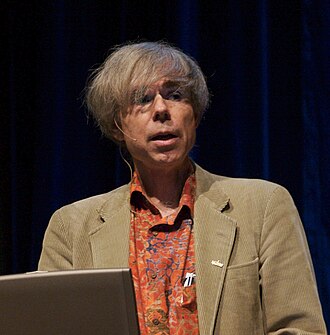
道格拉斯·霍夫施塔特
本期追问 · 点击跳到视频对应位置
48:57 如果「我」像彩虹一样是幻象,为何我们非信它不可?31:07 「我决定拿起这本书」:做决定的是我,还是我的神经元?18:05 人死后,还以低分辨率活在别人的脑子里吗?45:35 一堆没有概念的神经元,怎么长出一个「我」?
归入 Ⅰ·08 什么是「我」? →
EDITED TRANSCRIPT · 依据现场录音编译整理,可划线生成便签
编者按:2013 年,Douglas Hofstadter 应邀在以「Strange Loop」命名的技术会议上发表主题演讲。Hofstadter 是美国认知科学家、印第安纳大学教授,1979 年出版《哥德尔、艾舍尔、巴赫》获普利策奖,2007 年出版《我是个怪圈》。在这场演讲中,他回到「怪圈」这一术语的本意,从知觉的漏斗机制讲起,一路谈到自我形象、因果层级与自由意志,并澄清了外界对怪圈的常见误读。本文依据现场录音编译整理,仅删去口语枝节,论证、例子与转折均予保留。

会议之名与一段旧缘

我事先完全不知道会面对这么多人。幸运的是,站在一千一百人面前,我并不比站在两百人面前更紧张,但这确实是个意外。这是一个漂亮的场地,能来这里是一份荣幸,也令人兴奋。当然,一个会议以你四十年前发明的某个词命名,这本身就是一件非常奇妙的事。我看得出,在座许多人和我会有很多共同语言,可惜时间有限,人生也有限。

我接受邀请有好几个原因,其一是会议的名字,其二是 Alex 亲手写了一封信给我。他把信交给了 Dan Friedman,我想在座很多人认识 Dan,有一位大概尤其熟。Dan 对我说:「Doug,我有东西要给你。」于是我去了他家,他把信交给我,我看到了邀请。收到这样一封手写的信,如此诚恳地邀请你参加一个以你发明的概念命名的会议,实在难以拒绝。

Dan 还扮演过另一个角色。我认识他很久了,我们都在印第安纳大学,1977 年我去印大,他是主要原因之一。1979 年《哥德尔、艾舍尔、巴赫》出版,Dan 为它办了一场派对。回头看,这件事的美妙之处在于(当时就已经很美妙了),为一本书的问世办派对固然是好意,但重点是,那时它还不是一本知名的书,没人知道它会出名,会得普利策奖。Dan 只是因为读了出版前的样稿,喜欢这本书,兴奋得不行,就这么做了。到了 1999 年,这本书出版二十周年,他又在家里办了一场派对,同样美妙。所以我和 Dan 的交情很久了,与怪圈之类的事也一样。我只是想交代一点我与此地的渊源,本可以说得更多,但还是进入正题吧:谈谈我所理解的「怪圈」(strange loop)。

从 GEB 到《我是个怪圈》

「怪圈」这个词是我发明的,有时我会后悔发明了它,不过没关系。你发明一个概念,它走进世界,人们各自解读,而你自己也以各种方式促成了它被误解,因为你说得不够清楚。这里的「你」就是我。

从少年时代起,我就一直关心一个问题:是什么赋予我们一个自我、一个灵魂、一种意识,或者说一个「我」。这促使我写下了《哥德尔、艾舍尔、巴赫》,并把怪圈的概念放在这本书的核心。不过我认为,书出版时这一点并没有被很好地理解,这是我的错,我大概没有说够,或者说得不够清楚。于是将近三十年之后,我写了《我是个怪圈》,试图把这些话重新讲一遍,把重心放在我想表达的哲学意涵上。我发现自己的想法在这段时间里有所发展,不是改变,而是增加了,所以能够用新的方式把它们说出来。

素食的边界:谁配得上被尊重

这本书开头谈的是我对生命的敬畏,以及我长期吃素这件事。我在划界这个问题上反复过:有一阵子我吃鸡、火鸡和鱼,后来不吃了,再后来又吃了。我在界线该划在哪里这件事上有些摇摆。这本身就很有意思,它引出了一个问题:是什么让我们尊重其他生灵?我们在什么时候认为其他生灵值得某种尊重?你可以说它们有灵魂、有自我、有意识、有感受、有体验。小东西与大东西之间的界线在哪里?这不完全是大小的问题,但往往与大小相关。

举个例子:我作为素食者,为什么拍死一只蚊子毫无心理负担?这听起来像个头脑简单的问题,但重点在于,我一般来说并不愿意杀死昆虫,我尽可能尊重昆虫。如果洗澡时碰巧看到一只蜘蛛被冲向下水道,我会想「哎呀,真可惜」,但我不会关掉家里的水路、拆开管道去救它。尽管如此,还是有某种对生命的敬畏在,只是这种敬畏对蜘蛛、蚂蚁、蚊子远不如对松鼠,对狗又多得多,沿着这个尺度一路上升到人类。区别在哪里?到底发生了什么?

我还想把这条连续谱延伸一下,把另一些结构也纳入视野。在蚊子以下的位置,我要放上恒温器;再往下,或者说大概同一层次,放上抽水马桶。我还想把植物放进来,只是不知道该放在哪里。如果你看过植物的延时摄影,会看到它们四处移动,摸索、抓取、寻找环境中的东西,像极了章鱼的触手,这令人不禁怀疑,植物的纤维里到底有多少「觉知」(如果你愿意用这个词的话)。这些问题都非常值得深思。

直接说结论:我认为,让我觉得某个东西值得尊重的,是它里面容纳着一个怪圈,而且是某种特定类型的怪圈。我得加上这个限定,因为在我的书里,我曾用「怪圈」来指称一些连我自己都不认为够得上有意识的东西。所以我要说的是一种特定的怪圈,接下来我在这有限的时间里为你们勾勒一下。

知觉是一个漏斗

一切要从知觉(perception)这个概念开始,它至关重要,因为一切都源于此。什么是知觉?我不打算给出词典定义或严格定义,只想提示一下,我想你们大概会同意:知觉是一种漏斗式的过程。以人类的知觉为例,我们感知外部世界的某个东西,它以某种方式作用于我们,最明显的方式是光线落在眼睛上,然后激发大脑更深处的一系列过程,直到某个时刻触发一个概念,让我们能够给这个东西贴上标签。我可以把这个东西叫作「书」,把这个叫作「讲台」,把外面那一大片叫作「听众」。我从未见过这些听众,但照样能这么叫,这说明我并不在意那些细枝末节。这是一种粗粒度的近似,把大约一千一百个人,每一个都是极其复杂的个体,把复杂个体乘以一千一百,然后压缩成一个东西,说「这是听众」。这显然扔掉了海量的信息,更不用说所有的视觉信号、抵达我眼睛的所有光子、视网膜上所有的神经放电,它们统统被压缩、漏斗进了「听众」这一个词。所以我希望你们把知觉看作一种极端的漏斗操作。

知觉以各种形式存在于所有生物之中,而知觉的精细程度有不同的层次,这一点不言自明。拿蚊子来说,蚊子能感知什么?如果一只蚊子在这里飞,我不认为它会感知到「听众」,也不会感知到「讲台」。它感知到的是某种温暖,以及从某种意义上说,一个营养的来源,虽然它不会有「营养」这个概念,不像我们有「营养」「食物」之类的概念。它可能还会时常感知到落脚点。要把这些说清楚很微妙,但我想说,不知道你们是否认同这个直觉:蚊子是如此原始的生物,它其实并没有「落脚点」的概念,也没有「食物」或「营养」的概念。为了让你们体会这一点,想想我的膝盖:敲到正确的位置,它就会弹起来,我不认为我的膝盖有任何概念。它是活的,但没有概念,它也不需要概念就能有反射。我认为蚊子大致就在这个层次。

再往下到更原始的层次,比如抽水马桶。抽水马桶感知世界的某个方面,并且做出决定,姑且这么说。在非常粗糙的意义上,如果允许我用「感知」这个词,它感知水位,然后回答是或否:我要不要再加水?水位够高,它说否;水位低,它说是。但它没有「高」「低」「够」「水」之类的概念,它不需要这些概念就能做这些事。正是在这个意义上,我认为它是一个很好的比喻,膝跳反射或许也有帮助,用来思考蚊子如何以一种无概念的方式对世界做出反应,但在某种意义上仍然感知着某些东西,并做出「落在这里还是不落」这类是否决定。它依据的信息远远不止一个比特:所有落在它身上的光子,让它决定落不落;所有撞击它的空气分子的振动,形成一种温度梯度的感觉,暗示它「对,我往这边去,就停在这儿,现在我要吸点血」,虽然它同样没有「血」的概念。

所以知觉是一个漏斗过程,有时伴随概念,有时不伴随概念。我不打算说界线是铁板一块,说到了某个精细程度概念就突然冒出来。更准确的说法是,随着生物应对越来越复杂的环境、拥有越来越复杂的行为,其神经结构越来越复杂,神经网络越来越精巧,类似概念的东西逐渐涌现,起初是非常原始的。甚至有可能蚊子脑中确实有某种东西配得上被称为极其原始的概念,如果是那样,我刚才说的一切只需要换到一种更简单的生物上就行。我只是想指出,这是一条连续谱,不是非黑即白、非开即关的现象。

抽象范畴与最常被感知的对象

随着生物越来越精巧,概念库越来越丰富,它们感知环境的方式也在变化:把环境划分成越来越细、越来越抽象的范畴。它们的范畴并不总是依赖即时的视觉、听觉或触觉输入。换句话说,人类会根据听到的故事来归类。有人给你讲了个故事,你说「哦,那不过是吃不着葡萄说葡萄酸」(sour grapes),这就是一个范畴。你什么也没看见,你只是听到了声音,但你归类的不是那些振动、那些傅里叶级数,你归类的是借助声波感知到的一个情境:世界上某个遥远角落里、一些你从未谋面的人之间的抽象情境。你说:「哦,酸葡萄罢了。」我们有非常精巧的知觉在运作。我再说一遍,想想这是多么大程度的浓缩、压缩、漏斗:一个可能花了别人十分钟讲述的完整故事,被压缩成「酸葡萄」这两个词。

那么在一个人的环境中,什么东西被感知得最多、最频繁、最细致?答案大概是不言自明的:遇到最多的东西。最常出现的东西会得到最频繁的感知。而由于我与自己相处的时间比与任何东西相处的时间都多,这意味着我感知自己的次数超过感知任何其他东西。因此我对自己的知觉会非常精巧,牵涉到一大套概念。你可能会问,那蚊子是否也因此拥有庞大的概念库?我再次提醒,这取决于知觉的精细程度。拿恒温器或抽水马桶来说,它们并不感知自己:恒温器感知温度,仅此而已;抽水马桶感知水位,仅此而已。那套由金属或塑料做成的机械装置并不感知它自身。你必须拥有相当精细的知觉,才能开始把知觉聚焦回自己身上。

我说把知觉聚焦回自己身上,并不一定是指看着自己,尽管那当然是其中一部分。我可以看着自己的手说「这是我」,从而对自己的五指形态有些印象。但对人类来说,我们的知觉远远超出视觉、听觉和触觉。也许在生命最初的阶段,在很早的童年,大部分是听自己的声音、看自己的手,但很快,在一两岁的时候,我们就开始从环境中获得关于自己本性的反馈:「哦,Doug 真可爱」「Dougie 真聪明」「Dougie 真固执」,诸如此类。于是我开始形成,或者说内化别人对我的评价。无论如何,我开始有了一个关于自身特性的自我形象,随着时间推移,这个形象变得非常精巧。我开始意识到关于自己的各种事情,它们是一个个发现,不断累积、附着,形成这个复杂的结构,也就是我的自我形象。

澄清一个误读:怪圈不是无限自指

顺便提一句,大约一年前,我看到一位著名神经科学家对《我是个怪圈》发表了轻蔑的评论,但显然他没有读过这本书。他说,Hofstadter 的怪圈概念与意识毫无关系,然后陈述了他以为的我的概念。我无法逐字引用,因为记不清了,但大意是:怪圈就是一个思考着的存在思考自己在思考自己在思考自己在思考自己,如此等等。他说这很荒谬,与意识毫无关系。我同意,如果你要设定这样一种心智状态,也许我们在极其罕见的场合会进入它,如果我们倾向于哲学思辨,或者倾向于禅宗或道家。但我们大多数人从不去想这样的事情,而我们依然完全是有意识的,只要「有意识」这个词对任何东西成立。

某种意义上,我在书里也坚持认为意识是一种幻觉,但这是一种平衡术,取决于你如何界定什么是真实、什么不是真实。如果我说意识是真实的,如果我把它归于人类,那绝不是因为人们思考自己在思考自己在思考自己。这就像我住的希尔顿酒店,你们有些人大概也住那儿,走进电梯,镜子来回反射,成千上万次,不,没那么多,但你能看到影像层层递进,很有趣,可这只是一件琐事。我所说的自我知觉,不是这种超级禅宗式的东西,随便你怎么称呼它。我说的是我们一生中逐渐建立起来的对自己的知觉,它告诉我们自己在这个世界上是谁、是什么样、是哪一种人。

抽象天花板:自我形象如何被修正

举个例子。大概在初中或高中时,我得知自己数学相当不错,这后来成了我自我形象中非常强烈的一部分。等我读到数学研究生,我撞上了一样东西,我在书里称之为「抽象天花板」(abstraction ceiling)。那是一种非常不愉快的体验,就像你站起身时上方有一扇打开的橱柜门,你猛地一站,撞得生疼。撞上抽象天花板就是这种感觉,只不过这块天花板在我的脑子里,因为它是我大脑的一种属性,而我此前从未怀疑过它的存在。我一直以为自己数学非常非常好,结果发现,数学到了某个地步,我就跟不上了,再也理解不了了,太难了。这几乎是瞬间发生的,痛得很,逼得我改变了人生道路,我不得不离开数学。这是一次关于自己的学习经历,它告诉我:我数学还行,但没有自己以为的那么好。

同样地,我们了解到自己在各种事情上的技能水平。朋友告诉我,我有讲某类笑话、玩某类双关的倾向,于是我意识到这一点,把它内化。这样的事情说不完。我们的自我形象由数以百万计的这类经验建构起来:有些是别人直接告诉我们的,有些来自镜子里看到的自己,有些来自看自己的录像,有些来自别人对我们所写的书的评论,如此等等,还有些来自被父母打屁股。它包含各种各样的反馈,不断累积、附着,成为我们决策功能中非常核心的一部分。

「法国」与拿破仑:因果层级的盲区

现在我想谈谈因果性(causality)的问题。我认为,认真思考因果性很重要。让我换个频道,讲一个假想的故事。

请想象法国这个国家,把它想象成一个正在讲述自己生平的存在。它会讲它与德国、与英国以及其他国家的战争。它会使用什么词汇?它会谈到德国、意大利、西班牙、英国,会谈到大西洋,也许会谈到罗讷河或卢瓦尔河。如果它是个聪明的法国,让我们给它点面子,也许它还会谈到巴黎。它不太可能谈到小城镇,因为它从未听说过它们;它当然也从未听说过住在里面的任何人。这些人是不可见的,太小了。所以它对拿破仑一无所知,对戴高乐一无所知,对其他任何国家的人也一无所知。它不知道希特勒,但它知道自己跟德国打过一场大仗,某些领地从一个国家被割让给了另一个国家,诸如此类。存在一个层级,在它之下法国根本无法窥视。

于是法国会说:「然后我决定这么做。」比如战争中的某个决定。这时某位法国将军、皇帝或总统就会说:「法国,你在说什么?是我决定的,是我做的决定。」拿破仑说:「是我决定入侵俄国的。法国,你只是跟着走。我把这个决定传达给我的将军们,他们传达给下属,再传达给士兵,然后我们就开进去了。是我做的决定,法国没有做决定,这是什么胡话?法国从来不做决定。」但法国不知道拿破仑,法国不知道任何关于人的事。于是法国在它自己的层级上把因果归于自身,说「这就是我决定的」,并且对此心安理得。它在这个层级上谈论事情,过得很好。

这当然是一个比喻,但我认为它很重要,因为它显然是要暗示我们自身的类似情形。我并不主张我的脑子里有一个「拿破仑神经元」,只要我认识它,它就会告诉我「是我决定这么做的」「是我决定把它叫作怪圈的」「是我决定写 GEB 的」。单个神经元没有这种因果力量,它们做不了这么大的决定。它们更像恒温器、抽水马桶或膝跳反射。但问题在于,大脑里发生的事情,正是真正的物理因果性所在。把因果归于一个像「我」这样虚无缥缈的东西,是一种错误。换言之,如果我说「我决定拿起这本书」,这相当奇怪,因为听起来像是某个虚幻的、非物质的东西在推动这个世界里的东西。真正发生的是,物理层面的东西在推动物理层面的其他东西,而「我决定拿起这本书」是对此的一个方便的概括,正如法国说「我决定入侵俄国」很方便一样。但问题是:这个「我」在多大程度上是真实的?

什么是真实:棒球与「我」

如果要谈因果性、谈什么是真实,可以谈宏观的事物。比如有人打出一记本垒打,把球打出了球场,我们不需要诉诸粒子或原子层面的描述,因为经典物理学很好地适用于宏观物体,只要它们结构相当简单。你无法用经典物理学解释一个国家在战争中的全部行为,但你完全可以用牛顿力学解释一个被球棒击中的棒球的行为,而且效果很好。在这个意义上,球是真实的,球棒是真实的,它们之间的接触是真实的,宏观层面的整套解释极其可靠。正因为它如此可靠,它对我们来说就变得非常真实。

另一方面,像「我」这样的东西远没有那么可靠、那么可预测,这就是为什么人们常常忍不住谈论自由意志。他们想说,存在自由意志,我想决定什么就决定什么,然后世界就照着来。也就是:我决定,让我想想,我想我会,不,我不会,好吧,我会,我会拿起它。是「我」决定的,事情就这样发生了。自由意志决定了所有这些分子、这个两磅重的物体往哪里移动。可自由意志是怎么推动这个两磅重的物体的?

薯片与体重:去掉 free 的 will

我在这本书里对此有所讨论。我的做法是,从 free will 这个八个字母的表达里减去四个字母,去掉前四个。我对 will 没意见,只是对 free 不满意。

举个今天的例子。我从印第安纳州布卢明顿开车过来,中途停下加油。我把车开进去,看到这里像大多数加油站一样卖零食。我身体里有一部分有点饿,想吃薯片;另一部分说:「得了吧,你最近在长体重,不许吃薯片。」这两股力量在我体内小小地较量了一番。顺便说一句,每次我想吃薯片时都会这样,事实上每次我想吃任何东西时都会这样。今天的结果是,薯片那一方赢了,我买了薯片。

为什么会这样?我可以给出一个大致的解释。这取决于我有多饿,取决于我停在了加油站这一事实:如果没有停下加油,我不会专门为了薯片靠边停车,但我已经在那儿了,几乎就在货架旁边。然后是另一方的问题:今天早上我对自己长体重这件事的不安有多活跃?不太活跃。我盘算着今天不吃午饭,所以可以放纵一下,吃一小包薯片。老实说,店里两个地方摆着两种规格的袋子,我拿起一袋看了看,说:「太大了,我不想吃那么多。」我差点就说「今天不吃薯片了」,然后想起另一个地方还有,就走过去,看到一个小袋,说:「好,这个可以。」

你可以看到,我脑子里有一场力量的较量。这里没有自由,只有不同的力量在相互作用,而在不同的日子里,这些力量强弱不同。某一天我照镜子,说「呃」,第二天就不买薯片;另一天我站上体重秤,说「哇,真轻,太好了」,就允许自己买薯片。这不是自由意志,这只是不同的因素在不同的日子有不同的强度,它们较量一番,强的一方获胜。就这么简单,没有任何「自由」可言。

你可能会问,那这些「意志」是什么?它们不是和「我」一样虚无缥缈吗?它们比「我」简单一些,因为一个欲望不像「我」那么复杂:对薯片的欲望,远不如我一生累积起来的整个自我形象那么复杂。对薯片的欲望或减重的欲望是简单得多的东西。它们在我脑子里仍然是非常复杂的东西,这一点毫无疑问,要用神经元来描述它们极其困难,超出了目前任何人的想象。但我想说的是,我们可以想象,大脑内部存在一组力量,某种意义上有一些东西在移动,有一些争斗在发生,它们具有解释力,而且比单说一个「我」并把自由意志归于它更接近物理层面。它不像球棒把球打出球场那么物理,在那里你可以取球速和棒速之类的量,算出球能飞多远,那是非常经典物理学的事情;而关于欲望和欲望之间的争斗,离经典物理学的世界很远。但我的观点是,你可以想象往下走,看到在不同的描述层级上都有一个故事可讲,而且随着你走得越低、越小、越微观,这个故事就越来越具有决定论的性质,或者说越来越科学。所以真实的东西是微观的,而虚无缥缈的东西,你甚至不能说「我」是宏观的,因为那意味着它有尺寸。「我」是一个模糊的、朦胧的东西,我们只是把它当作非物质的。这和我关于法国说的那些是类似的:法国说「我决定的」,而这个故事在另一个层级上,在人做决定的层级上,讲得要好得多,胜过在国家做决定的层级上讲。但后者非常方便。

为了生存必须简化:被迫相信「我」

所以怪圈的概念是这样的:为了在这个世界上生存,我们需要以一种极度简化的方式来感知事物。我必须看到「听众」,而不是数十亿、数万亿的光子或视网膜放电。我必须能够极其迅速地概括这一切,以便对生活中该做什么做出决定。从进化的角度看,我显然必须在「战斗还是逃跑」之间做决定,但这远远超出战斗与逃跑的层次。无论如何,你必须能够快速估量局面,这意味着要以难以置信的速度把数十亿、数万亿的输入漏斗压缩成一个决定:「哦,那个人看起来不错,我想我可以信任他」,或者「我不信任那个人」。我们必须凭直觉极快地做出这些决定。这是必需的,因此我们必须相信,我们被迫相信我们自以为感知到的这些东西是真实的。我们也许隐约意识到,下面还有另一个层次的现实,但我们忽略它,因为我们负担不起去想它,我们必须在这个层级上思考。

因此,我们对自己的知觉,就像这个假想的法国对它自身的知觉,而且不只是对自己,也包括对他人和其他事物:法国对德国的知觉、对大西洋的知觉、对阿尔卑斯山的知觉,所有这些都在被漏斗压缩,都是对这些事物极其简单、简化的表征。法国对巴黎的表征,将是对巴黎真实面貌的剧烈简化。巴黎是一座人头攒动、熙熙攘攘的大都市,而法国不知道有人这回事。它只知道巴黎有一条河穿过,我也不知道它还会知道什么,反正这都是假想的。这就像我和我的肾脏:我对自己的肾脏所知甚少,只隐约知道我有一个肾,或者两个,仅此而已,我并不真的知道它们在做什么。我想读的话可以去读,但我不需要知道。

所以自我知觉很有意思,因为我们把因果归于虚无缥缈的东西,而这样做对我们是必要的。然而,对于法国或人这样极其复杂的东西来说,真正的因果并不发生在那个层级。我刚才讲了今天买薯片的真正原因,我提出真正的因果在「意志」的层级,也就是这个欲望对抗那个欲望。但在某种意义上,即使这些也太复杂了,因为意志或欲望在某种程度上同样虚无缥缈。所以实际上,这场争斗是在比这更物理、更微观的层级上进行的。但我们往下走得越深,就越接近真正的因果。我要提醒你们,这与棒球的情形形成对照:在那里我们不需要深入到棒球和球棒内部的原子和分子,因为经典物理学干得很好。但经典物理学在解释大脑时干得并不好。我不是说大脑是量子力学的,我是说东西太多了。大脑可以完全是经典的,但你无法同时处理十的三十次方个粒子,你用不了经典物理学。经典物理学不是为并行求解十的三十次方个方程而设计的。所以我们无法用经典物理学的技术来预测任何事情。结果就是,我们看待世界的方式是这样的:我们看到的是一幅被剧烈简化的世界图景,它在一定程度上管用,但真正的因果性位于另一个层级。

视频反馈不是怪圈

最后我用一个意象来收尾。它常被当作怪圈的例子,我想谈谈它与真正的怪圈有何不同,这会是一个很好的结束点。我这本书的封面上是一幅视频反馈的图片。你们中许多人大概玩过视频反馈:把摄像机对准它所连接的电视屏幕,屏幕的图像出现在屏幕上,由于这是一个递归过程,你就得到了屏幕中的屏幕中的屏幕中的屏幕。这可以很迷人,你能得到奇妙的现象。我没时间细说,但哪怕只是把摄像机稍微倾斜一点,第一层屏幕就会倾斜,第二层随之倾斜,第三层也随之倾斜,你会得到一个螺旋,封面上就是这样。所以,把一个看似知觉装置的东西对准它自身,让它做自我知觉,这种自指行为会产生出惊人复杂而美妙的现象。

我想做的,是打消「这是自我知觉」的看法。这里根本没有知觉在发生,这正是它与怪圈的不同之处,也是关键的差异。我已经说过并且努力讲清楚了:知觉是一个漏斗过程,一组极其复杂的刺激被剧烈压缩,不一定压缩成一个词,但至少压缩成一个概念。我看着这里说「有一群听众」,那是一个词;我听到一个故事说「酸葡萄」,那是两个词的短语;有时那是没有名字的东西,我只是听到一个故事,联想到另一个故事,说「对,同样的事也发生在我身上」,我感知到的是一个没有名字的东西,一个曾以完全不同的方式在别的时候发生在我身上的故事的抽象本质。所以概念有时有标签,有时是一个词,有时是两个词,有时干脆没有。无论如何,当我感知某个东西时,不管是一个物件,还是听众这样庞大的东西,或是一场内战、一个有趣的故事、别人讲给我的一个笑话,概念都会被触发。这种漏斗行为是知觉的核心,而视频反馈回路里没有任何类似的事情发生。它当然是一个回路(loop),你可能觉得它「怪」(strange),因为你在做某种闭合电路的事,那里确实有一种奇特之处,但那不是我发明「怪圈」这个词时的意思。

我的意思是一种自我知觉,其中你所感知的一切都经历了剧烈的简化(我本想说「过度简化」,也许「过度简化」也没错)。所以当我建立自我模型时,那是一种近乎荒谬的压缩。如果我说自己「撞上了抽象天花板」,这是对某种极其复杂、几乎无法描述的东西的一种惊人的复杂度缩减。但这就是我的说法,是我理解自己二十一二岁时那段经历的方式。这就是我提到自我知觉时所说的那种东西。为了在世界上生存,我们必须感知自己,必须做这些剧烈的缩减、剧烈的压缩,在复杂度上扔掉百万倍、十亿倍的东西。这让我们能够实时生存下来,但它给我们的显然只是关于世界的部分真相,正如法国说「我决定入侵俄国」时,它得到的也只是部分真相。

结论:「我」比彩虹更不真实

所以我们的自我形象建立在「我」是一个因果主体这一观念之上,而事实上,因果性位于一个完全不同的层级。但我们被阻止看到这一点,因为我们看不见体内那些微小的运作。于是我们的形象,我们构想自己的整个方式,都建立在这种剧烈的过度简化之上,它只是我们讲给自己听的一个故事。而这个叫「我」的东西在多大程度上是真实的,是可以争论的。

我倾向于认为它是一个幻象(mirage),更像一道彩虹。彩虹在某种意义上是真实的东西,但它的真实与一本书的真实不是同一种真实,它是一个朦胧得多、模糊得多的东西。我认为,我们必须把「我」看作也许比彩虹更不真实的东西,无论它多么令人信服。我们必须认识到,「我」只是某个太复杂、复杂到我们无法理解的东西的一个简写。这就是怪圈这个想法的全部要义。谢谢大家。

排版 + 横图 + 来源,粘贴即成稿
章节 · 点击跳转视频
0:04 开场:会议之名与 Dan Friedman 的渊源 ▶ 正在看
3:54 从 GEB 到《我是个怪圈》的问题意识 ▶ 正在看
5:14 素食边界:谁配得上被尊重的连续谱 ▶ 正在看
9:28 知觉是漏斗:从万亿光子到一个词 ▶ 正在看
12:15 蚊子、膝跳与马桶:无概念的决策 ▶ 正在看
16:16 抽象范畴与自我:最常被感知的对象 ▶ 正在看
22:09 澄清误读:怪圈不是无限自指 ▶ 正在看
24:28 抽象天花板:自我形象如何被修正 ▶ 正在看
26:58 「法国」与拿破仑:因果层级的盲区 ▶ 正在看
32:28 薯片与体重:去掉 free 的 will ▶ 正在看
39:12 为了生存必须简化:被迫相信「我」 ▶ 正在看
44:33 视频反馈不是怪圈:知觉的关键差异 ▶ 正在看
49:44 结论:「我」比彩虹更不真实 ▶ 正在看
本期小问 · 档案清单
48:57 如果「我」像彩虹一样是幻象,为何我们非信它不可? ▶ 正在看
31:07 「我决定拿起这本书」:做决定的是我,还是我的神经元? ▶ 正在看
18:05 人死后,还以低分辨率活在别人的脑子里吗? ▶ 正在看
45:35 一堆没有概念的神经元,怎么长出一个「我」? ▶ 正在看
本期讲者
道格拉斯·霍夫施塔特美国认知科学家,印第安纳大学教授。1979 年出版《哥德尔、艾舍尔、巴赫》获普利策奖,2007 年出版《我是个怪圈》,提出自我与意识源于大脑中的「怪圈」结构。中文世界通行译名「侯世达」。
01开场:会议之名与 Dan Friedman 的渊源
0:04
i uh had no idea that i was going to be talking to so many people i luckily i don't get more nervous in front of 1100 than in front of 200 or something that but it is a surprise and it's a a beautiful venue and uh and uh it's exciting and it's an honor to to be here um and it's you know of course to have a conference named something that a phrase that you once invented 40 years ago or something like that is is is a very it's a very curious thing uh and uh it's an honor and it's and it's and it's a pleasure and i can tell that i would have a great deal in common with many many of the people here uh too bad there's you know time is finite and life is fine um i wanted to say that i i i accepted the invitation for a number of reasons but one was the name of the conference but another was that alex wrote me a handwritten letter and it was he he gave it to dan friedman who many of you know i think one of you must know dan friedman particularly well if you're here dan and uh and uh dan said doug i have something
我完全不知道自己要面对这么多人讲话,幸好我在1100人面前不会比在200人面前更紧张,不过这确实是个惊喜,场地也很漂亮,而且,呃,这很令人兴奋,能来到这里是我的荣幸,当然了,一个会议以你四十年前左右发明的一个说法来命名,这真是一件非常,非常奇妙的事情,这是一种荣幸,也是一种快乐,我能感觉到我和在座的很多很多人都会有很多共同之处,可惜的是,你知道,时间是有限的,人生也是有限的。我想说的是,我接受这个邀请有好几个原因,一个是这个会议的名字,另一个是 Alex 给我写了一封手写信,他把信交给了 Dan Friedman,你们中很多人都认识他,我想在座至少有一位跟 Dan Friedman 特别熟——Dan,对吧——然后,呃,Dan 说:Doug,我有个东西
便签笔记
1:26
to give you uh and so i went over to his house and he gave me the letter and i saw the invitation and one you'd receive a hand written letter like that so graciously inviting you to a conference with the name of following something that you've invented it's hard to turn it down and so so it was it was a very nice thing i might also say that dan played another role i mean i've known dan for a long time because we're both at indiana university and he was one of the main reasons that i went to iu back in 1977 but uh in 1979 godaleshire bach came out and dan threw a party for the uh appearance of ged i mean and you you know what was wonderful about it in retrospect or at the time it was already wonderful that he did such a nice thing because just to throw a party for the launching of a book is very nice but the point is that it was not a known book it wasn't known that it was going to become famous or that it would win a pulitzer prize or anything like that dan just did it because he loved the book from having
要给你。于是我去了他家,他把信给了我,我看到了那份邀请。当你收到一封这样的手写信,如此诚恳地邀请你去参加一个以你发明的说法命名的会议,你很难拒绝,所以这真的是一件非常美好的事。我还想说,Dan 还扮演了另一个角色,我认识 Dan 很久了,因为我们都在印第安纳大学,而他是我1977年去印第安纳大学的主要原因之一,不过在1979年,《哥德尔、艾舍尔、巴赫》出版了,Dan 为 GEB 的问世办了一个派对,我是说,你们知道现在回想起来最妙的地方在于,或者说在当时就已经很棒了,他做了这么好的一件事,因为单是为一本书的问世办个派对就已经很好了,但关键在于,那时它还不是一本知名的书,谁也不知道它会成名,也不是想着它能拿普利策奖之类的,丹这么做纯粹是因为他喜欢这本书——他
便签笔记
2:34
seen a pre-publication version he just was excited so that was marvelous and then he threw another party in 1999 on the 20th anniversary of the book and again it was a marvelous party at his house so i mean you know dan and i go back long ways and strange loops and such things and so i i just wanted to give a little bit of background to some of my connections here i mean i could go on and on but i think i better get to the point of my the central point of my talk which is to talk about this notion of of strange loops in my view of it which uh is it's a term that i invented uh i sometimes regret having invented it but that's okay um you know you you invent an idea and it goes out into the world and people interpret it in their own ways and you contribute in many ways to its misinterpretation uh by not being clear enough uh you being me in this case and um you're not always me but in this particular case you are and uh so so uh uh i as a as a youngster or a teenager i have always i was always interested in
看过出版前的版本,就是很兴奋,所以那真是太棒了。然后在1999年他又办了一场派对,是这本书出版20周年,同样是在他家里,又是一场特别棒的派对。所以你看,我和丹的交情可以追溯到很久以前,还有怪圈之类的东西。所以我只是想稍微交代一下我和这些人事的渊源,我是说,我可以一直讲下去,但我想我最好还是进入正题,讲讲我这次演讲的核心,也就是谈谈我理解中的"怪圈"这个概念。这个词是我发明的,我有时候会后悔发明了它,不过没关系。你知道,你发明了一个概念,它就走进了世界,人们会用自己的方式去解读它,而你自己在很多方面也助长了对它的误解——因为你说得不够清楚,这里的"你"指的是我。而且,你并不总是我,在这个特别是你所处的具体情况,呃,所以说,呃,我在少年时期,或者说十几岁的时候,就一直对一个问题很感兴趣
便签笔记
02从 GEB 到《我是个怪圈》的问题意识
3:54
what it is that gives us a self or a soul or a consciousness or an eye and and that was what led to my writing good leisherbach and my placing the notion of strange loops at its core although i don't think that was well understood at the time when the book came out and i i think it's my fault i probably didn't state it enough or clearly enough or whatever so in about some i don't know when it was almost 30 years later i came out with this book i am a strange loop which in which i tried to say these things again but to put the emphasis more on what i was trying to say in a philosophical sense and um i found that my ideas had probably developed somewhat in the interim they hadn't i hadn't changed them but i had increased them and so i was able to say them in new ways and and so that's what that's what happened so i begin this book by talking about my own reverence you might say for life um and uh and and the fact that i've been a vegetarian for a long time i've you know gone back and forth drawing
那就是究竟是什么赋予了我们自我、灵魂、意识或者说一个「我」,正是这个问题促使我写下了《哥德尔、艾舍尔、巴赫》,并把「怪圈」这个概念放在了这本书的核心位置,不过我觉得这一点在书刚出版的时候并没有被大家很好地理解,我觉得这是我的错,我大概没有把它说得足够充分、足够清楚,或者别的什么原因。所以在大约,我也记不清具体是什么时候了差不多快三十年之后,我出了这本《我是个怪圈》,在书里我试着把这些想法重新讲一遍,但是把重点更多地放在我想从哲学意义上表达的东西上。而且,我发现在这期间我的想法大概有了一些发展,我并没有推翻它们,而是做了扩充,所以我能够讲出
便签笔记
03素食边界:谁配得上被尊重的连续谱
5:14
them my threshold for where i i mean for a while i ate um chicken and turkey and fish and then i didn't and then i did again and you know so i i've sort of waffled a little bit about where the line is uh and i um and that's in itself a very interesting matter it brings up questions of course about what it is that creates respect for us for other beings and when do we think other beings merit a certain kind of uh respect for you could say that they have a soul or they have a self or they are conscious or they have feelings or they have experiences where is the borderline between small things and big things and it's not exactly a small big thing but it tends to be correlated that way for example why am i as a vegetarian perfectly okay with swatting a mosquito that sounds like a sort of a simple-minded question but the point is i'm not okay in general with uh killing insects i tend to respect insects to the extent that i can without i mean i if i by accident you know in the shower see that a spider is going down the
它们……我的界限在哪儿,我是说,有一阵子我吃鸡肉、火鸡和鱼,然后又不吃了,后来又开始吃了,所以你知道,关于这条线该划在哪儿,我一直有点摇摆不定。而这件事本身就非常有意思,它当然会引出一些问题:是什么让我们对别的存在产生尊重?我们什么时候会觉得别的存在配得上某种尊重——你可以说它们有灵魂,或者有自我,或者有意识,或者有感受,或者有体验。小东西和大东西之间的分界线在哪里?这其实并不完全是大小的问题,但往往跟大小相关。比如说,为什么我作为一个素食者,拍死一只蚊子却完全心安理得?这听上去像个挺幼稚的问题,但重点是,我总体上是不赞成杀昆虫的,我会在力所能及的范围内尊重昆虫。我是说,如果我不小心在洗澡的时候看到一只蜘蛛正被冲进
便签笔记
6:33
drain i think oh my gosh too bad but you know i you know i don't i don't uh you know turned out turn off the plumbing system in my house and try to take the pipes apart to recogni to rescue this spider i mean but there is a certain reverence nonetheless for life but not it doesn't extend you know it's not as much reverence for for spiders or ants or mosquitoes as it is for let's say a squirrel and then more much more for a dog and and and so forth up the scale to humans and uh so what is the difference what is going on and i might i want to extend the continuum or maybe continue isn't exactly the right word but i want to also bring into the picture some other kinds of structures uh let me include i'll i'll say along the continuum below the level of mosquitoes uh thermostats and below that level although it's valley probably at the same level uh flush toilets um and i would also include in there somewhere and i don't know quite where uh plants um so you know that's it's something to think about if you've
下水道,我会想,哎呀,太可惜了。但你知道,我不会去把家里的管道系统关掉,然后把水管拆开,去把那只蜘蛛救出来。我是说,尽管如此,对生命还是存在某种敬畏的,但这种敬畏并不是均等的——对蜘蛛、蚂蚁或蚊子的敬畏,比不上对比方说一只松鼠的敬畏,对狗的敬畏又要多得多,如此这般,沿着这个梯度一路上升到人类。那么,差别到底在哪里?到底是怎么回事?我还想把这个连续统再往下延伸——也许「连续统」这个词不完全准确——我还想把另外一些类型的结构也纳入这幅图景。让我把它们也算进来:在这个连续统上,比蚊子更低的层次,我要放上恒温器;再往下一层,虽然可能其实是同一层,是抽水马桶。我还想在某个位置放上植物,虽然我不太确定该放在哪儿。所以你看,这是值得想一想的事情。如果你
便签笔记
7:56
ever watched time lapse photography of plants uh moving around and sort of groping grasping seeking things in in their environment it looks eerily much like the tentacles of an octopus or something like that and it makes you really wonder how much uh awareness if you want to use that word there is in the fiber of a plant um things to think about uh very very provocative questions so um so to jump to the uh to the uh the punchline so to speak or the the point is that i think that what makes me feel that something re is worthy of respect is when it houses a strange loop a strange loop of a certain sort i might say because in my books i've tended to use the word strange loop to talk about things that i don't think i even i would qualify as being conscious um so i have to say a certain type of strange loop and i want to just sketch that out for you a little bit um in this uh in this short period so we begin with the concept of perception it's very crucial um that we talk about perception because
看过植物的延时摄影,看它们四处移动,仿佛在环境中摸索、抓取、寻找什么东西,那画面诡异得很像章鱼的触手之类的东西,会让你真的很想知道,在植物的纤维里到底存在多少「觉知」——如果你愿意用这个词的话。这些都是值得思考的、非常非常有启发性的问题。所以,直接跳到结论,或者说要点:我认为,让我觉得某个东西值得被尊重的,是它内部容纳着一个怪圈——我得说,是某种特定类型的怪圈。因为在我的书里,我常常用「怪圈」这个词去谈一些我认为连我自己都不会认定为有意识的东西。所以我必须说是某一类怪圈。我想在这段短短的时间里,给你们大致勾勒一下这个想法。我们先从「知觉」这个概念开始。谈知觉非常关键,因为
便签笔记
04知觉是漏斗:从万亿光子到一个词
9:28
that's where every where it all comes from what is perception um i'm not going to give you a dictionary definition or a rigorous definition but i want to just suggest it um and i think you'll probably agree with me that perception is a kind of funneling process and by which if you take human perception we [Music] perceive something in the outside world that is it impinges upon us in some fashion the most obvious fashion being through light impinging on our eyes and then it excites processes further back in the brain until at some point it triggers the um the uh a concept so that we can label something so i can label this a book i can label this thing a podium i can label that big thing out there an audience and so forth and so on i've never seen this audience before but i can still do it which says that i don't pay attention to all the fine-grained details it's a coarse-grained approximation summarizing these i don't know maybe it's eleven hundred people each of whom is a very complex entity uh
一切都是从那儿来的。什么是知觉?我不打算给你们一个词典式的定义或者严格的定义,我只想把它点出来。我想你们大概会同意我的看法:知觉是一种「漏斗式」的过程。以人类的知觉为例,我们【音乐】感知到外部世界中的某样东西,也就是说它以某种方式作用于我们,最明显的方式就是光线打在我们的眼睛上,然后它激发大脑更深处的一系列过程,直到某一刻触发了一个概念,于是我们就能给某样东西贴上标签。所以我可以把这个标记成「一本书」,可以把这个东西标记成「讲台」,可以把那边那个大东西标记成「听众」,如此等等。我以前从没见过这群听众,但我照样能做到这一点,这说明我并没有注意所有细粒度的细节,它是一个粗粒度的近似,把这大概——我不知道——也许一千一百个人概括成一个东西,而每个人都是极其复杂的实体。
便签笔记
10:51
and taking a multiplying a complex entity by eleven hundred and then just reducing it down to one thing and saying this is an audience is obviously throwing away an enormous amount of information not to mention all the visual signals all the photons reaching my eye and all the neural firings on my retina that are all going down and being funneled down into that just one word audience uh so i want you to think of of of perception as being an extreme funneling operation and um uh so it perception exists uh in all living beings in various forms and there are different uh levels of sophistication of perception and i think this is self-evident i'm going to let me if we talk about a mosquito for example what kinds of things can a mosquito perceive i don't think that if a mosquito were flying around in here that it would perceive an audience uh i don't think it would perceive a podium what i think it would perceive is some warmth and in a certain sense uh a source of nutrition although it doesn't
把一个复杂的实体乘以一千一百,然后又把它压缩成一样东西,说这是「听众」,这显然扔掉了海量的信息,更不用说所有那些视觉信号、所有到达我眼睛的光子、我视网膜上所有的神经放电,它们全都被一路漏斗式地压缩成「听众」这么一个词。所以我希望你们把知觉想成一种极端的漏斗式操作。知觉以各种形式存在于所有生命体之中,而且知觉有不同的精细程度,我觉得这是不言自明的。比如我们说说蚊子,蚊子能感知到什么样的东西?我不认为如果一只蚊子在这里飞来飞去,它能感知到「听众」,我也不认为它能感知到「讲台」。我认为它能感知到的是某种温暖,以及在某种意义上,一个营养来源——尽管它并没有
便签笔记
05蚊子、膝跳与马桶:无概念的决策
12:15
it wouldn't have that concept uh the way we do nutrition or food or anything like that um it might also perceive uh from time to time or maybe very often landing spots and it i don't think it has you know in any sense a uh it's very subtle to try to put words on these things but i i would i would i would like to say and i don't know if you'll agree with this intuition that i i think a mosquito is such a primitive being that it doesn't really have the concept of landing spot or the concept of food or nutrition or anything like that to make to give you a sense of that i mean i don't think my knee has the concept of anything when it you know when i hit the right spot and it jerks it just does it it's a living thing but it doesn't have concepts and it doesn't need concepts to have reflexes and i think a mosquito is at about that level now if you were to if you were to go down to a more primitive level such as that of a flush toilet a flush toilet perceives some aspect of the world and makes
我们那种「营养」或者「食物」之类的概念。它可能还会时不时地,或者说经常地,感知到「落脚点」。我不认为它在任何意义上拥有……要给这些东西找到合适的措辞是很微妙的,但我想说——我不知道你们是否认同我这个直觉——我认为蚊子是如此原始的存在,它其实并没有「落脚点」这个概念,也没有「食物」或「营养」之类的概念。打个比方帮你们体会一下:我不认为我的膝盖有任何概念,当你敲到那个位置它就一弹,它就是这么做了。它是活的东西,但它没有概念,而且要有反射也并不需要概念。我认为蚊子大概就在这个层次上。那么,如果你再往下走到更原始的层次,比如抽水马桶的层次——抽水马桶也在感知世界的某个方面,并做出
便签笔记
13:33
decisions you might say i mean in a very crude sense it perceives if you allow me to use that word perceive it perceives the water level and it says yes or no i will add some more water if the water level is high enough it says no and if the water level is low it says yes and uh and so the the uh but it doesn't have the concept of high or low or enough or water or anything like that it manages to do these things without those concepts and it's in that sense i think that's a good metaphor for thinking and the knee maybe might be helpful too for thinking about um about how a mosquito can can react to the world in a conceptless way uh but nonetheless by in a certain sense by perceiving certain things and it makes uh it makes sort of yes no decisions land here or not um on the basis of a certain amount of information that is impinging on it which is much bigger than one bit i mean it's all those photons that are impinging on it that allow it to decide whether or not to land or it's all those vibrations you know the the
决定,你可以这么说。我是说,在非常粗糙的意义上,它感知——如果你允许我用「感知」这个词的话——它感知水位,然后说「是」或者「不是」:我要不要再加点水。如果水位够高,它说不;如果水位低,它说是。但它并没有「高」「低」「够」或者「水」之类的概念,它能在没有这些概念的情况下把这些事情做成。我觉得正是在这个意义上,它是一个很好的类比,用来思考——膝跳反射可能也有帮助——用来思考蚊子如何能以一种无概念的方式对世界作出反应,但尽管如此,它在某种意义上确实在感知某些东西,并在一定量的、作用于它身上的信息基础上,做出某种「是/否」的决定:在这儿落脚,还是不落。而这些信息远不止一个比特,我是说,是所有那些打到它身上的光子,让它决定要不要降落;或者是所有那些振动,你知道,
便签笔记
14:56
the molecules in the air that are banging into it that create the feeling of a temperature gradient that suggests oh yes i think i'll go this way and i will stan stop here and i will now try to get some blood although it doesn't have the concept of blood either so um so perception is a funneling process and it exists sometimes with concepts and sometimes without concepts and i'm not going to suggest that the boundary line is iron clad that is that all of a sudden at a certain level of sophistication concepts snap into existence um it's more that as creatures become deal with a more complex environment and have more complex behaviors their the the structures the the neural structures get more and more complex and the neural networks get more and more intricate and gradually concept-like things start to emerge very primitive ones and so it might even be that maybe something inside the mosquito's brain does deserve to be considered a very primitive concept in that case all the things that i said
空气中的分子撞到它身上,制造出一种温度梯度的感觉,暗示着:哦,对,我想我该往这边走,我就停在这儿,现在我要去吸点血——虽然它也没有「血」这个概念。所以说,知觉是一个漏斗式的过程,它有时伴随着概念,有时则没有概念。我并不想暗示这条界线是铁板一块,也就是说,并不是到了某个精细程度,概念就突然蹦出来了。更多的情况是,随着生物要应付更复杂的环境、拥有更复杂的行为,它们的结构、神经结构变得越来越复杂,神经网络变得越来越精细,于是类似概念的东西开始渐渐涌现,非常原始的那种。所以甚至有可能,蚊子大脑里的某种东西确实配得上被看作一种非常原始的概念。那样的话,我刚才说的所有那些话,
便签笔记
06抽象范畴与自我:最常被感知的对象
16:16
you just have to reduce it to a simpler creature um i i mean i'm just pointing out that there's a continuum it's not a black and white on or off phenomenon now as creatures get more and more sophisticated and have higher and higher degrees of sophistication in their conceptual repertoires they um well they they perceive the environment they they divide it up into finer and finer categories and more and more abstract categories their categories don't always have to depend upon instant visual or auditory or tactile input in other words we categorize humans categorize things on the basis of hearing stories you know you say um somebody tells you a story and say oh yeah yeah yeah that's just sour grapes and it's a category you didn't see anything you didn't i mean you heard something but it's not because it's not you're categorizing the sound that the all the vibrations the fourier series the the as as sour grapes you're talking about a situation that you perceived thanks to those sign those sound waves you perceived an
你只要把它挪到一个更简单的生物身上就行了。我是说,我只是想指出,这里存在一个连续统,它不是非黑即白、非开即关的现象。现在,随着生物变得越来越复杂,概念库的精细程度越来越高,它们……嗯,它们感知环境,把环境划分成越来越细、越来越抽象的类别。它们的类别并不总是必须依赖于即时的视觉、听觉或触觉输入。换句话说,我们人类会在听故事的基础上给事物归类。你知道,有人跟你讲了个故事,你说:哦对对对,那不过是「吃不到葡萄说葡萄酸」。这就是一个类别。你什么都没看见,你——我是说你听到了什么,但你归类的并不是声音,不是所有那些振动、那些傅里叶级数。你在谈的是一个情境,一个你借由那些声波而感知到的情境。你感知到的是
便签笔记
17:37
abstract situation in some far part of the world involving people that you've never met and you said ah yeah just sour grapes and and so we have very sophisticated perceptions that take place and as i say once again think of how much of a condensation or compression or funneling act that is where a whole story that could have taken somebody 10 minutes to recount gets reduced down into the two word phrase sour grapes so we have these very sophisticated perception mechanisms now what in one's environment is going to be perceived the most and the most often and the most in greatest detail i think the answer is probably very self-evident that is it's the things one encounters the most that is the most frequent things are going to have the most frequent perception now uh in the case that means that means basically since i am around myself more often than i'm around anything else that means i perceive myself more often than i perceive anything else and so my conceptual my my perception of myself
某个遥远角落里、牵涉到一些你从未谋面的人的、抽象的情境,然后你说:啊,对,不过是吃不到葡萄说葡萄酸罢了。所以我们拥有非常复杂精妙的知觉过程。我再说一遍,想想这是多大程度的浓缩、压缩或者漏斗式操作——一个可能要花某人十分钟才能讲完的完整故事,被压缩成「葡萄酸」这么几个字。所以我们有这些非常复杂精妙的知觉机制。那么,一个人所处的环境中,什么东西会被感知得最多、最频繁、最细致?我想答案大概是不言自明的:就是一个人遇到得最多的东西,出现最频繁的东西,会被最频繁地感知。那么在这种情况下,这基本上意味着,既然我待在自己身边的时间比待在任何别的东西身边都多,那就意味着我感知自己的次数比感知任何别的东西都多。所以我对自己的概念、我对自己的知觉
便签笔记
19:09
is going to be very sophisticated and it's going to involve a very large set of concepts and you might wonder about whether mosquitoes have therefore a very large conceptual repertoire i would again remind you that uh it depends on the level of perceptual sophistication i mean for example if you take a uh a uh a thermostat or a flush toilet they don't perceive themselves thermostat perceives the temperature and that's all a flush toilet perceives the water level that's all and the mechanism itself made out of metal or plastic or whatever does not perceive itself um you have to have a a fairly sophisticated level of perception in order to start um focusing your perception back on yourself now when i say focusing perception back on yourself i don't mean um that uh necessarily that you are are looking at yourself although certainly that's part of it i mean i can look at my hand and say that's that's me and i can get some impression about my five-fingeredness and so forth um but uh i mean that's certainly part of it um but
会变得非常复杂精妙,会牵涉到一大堆概念。你可能会想,那蚊子是不是因此也有一个很庞大的概念库?我要再次提醒你,这取决于知觉的精细程度。比如说,如果你拿恒温器或者抽水马桶来说,它们并不感知自己。恒温器感知温度,仅此而已;抽水马桶感知水位,仅此而已。而机制本身——由金属、塑料或者别的什么做成的——并不感知它自己。你必须拥有相当高级的知觉水平,才能开始把知觉聚焦回自己身上。现在,当我说把知觉聚焦回自己身上时,我并不是说你一定是在看着自己,尽管那当然是其中一部分。我是说,我可以看着自己的手说,这就是我,我可以对自己「有五根手指」之类的事情形成某种印象。这当然是其中一部分,但是
便签笔记
20:33
uh in the case of human beings we have perception that goes way beyond the visual way beyond the auditory way beyond the tactical tactile maybe at the very beginning of our um you know in our childhood in our early childhood i mean very early most much of it is hearing one's own voice or seeing one's own hand but very soon after we are beyond that stage at age one or two maybe we start to get feedback from the environment about our nature um oh doug he's so cute oh dougie's so smart oh dougie's so stubborn uh or whatever i mean you know so i start to formulate uh or maybe just uh internalize what other people tell me but in any case i start to have a self-image about my properties and as time goes on my image becomes very sophisticated um and i start to be aware of all sorts of things about myself that uh that are discoveries and that start accumulating or accreting and forming this complex structure that is my self-image i might mention that i don't know a year or so ago i saw some dismissive comment by a well-known
就人类而言,我们的知觉远远超出了视觉、远远超出了听觉、远远超出了触觉。也许在我们最初的阶段,你知道,在童年,在很早的童年——非常非常早的时候——其中很大一部分是听自己的声音,或者看自己的手。但很快,过了那个阶段,大概一两岁的时候,我们就开始从环境中获得关于我们自身特质的反馈:哦,道格,他真可爱;哦,小道格真聪明;哦,小道格真倔,诸如此类。你知道,于是我开始形成——或者说只是内化——别人告诉我的东西。但无论如何,我开始拥有一个关于自己属性的自我形象,随着时间推移,这个形象变得非常复杂精妙,我开始意识到关于自己的种种事情,这些都是一些发现,它们不断积累、层层堆叠,形成了这个复杂的结构,也就是我的自我形象。我想顺带提一句,大概一年前吧,我看到一位知名
便签笔记
07澄清误读:怪圈不是无限自指
22:09
neuroscientist um about i'm a strange loop but it was obvious that he hadn't read the book it was it was clear that he he was saying hofstadter's concept of strange loop has nothing to do with consciousness and then he said what he thought my concept was and i want to i can't quote it because i don't remember exactly but basically he said it was something like it's when a thinking being thinks about itself thinking about itself thinking about itself thinking about itself thinking about itself thinking about itself etc etc and he said that's ridiculous that has nothing to do with what consciousness is and i would agree that's a if if you want to posit such a a state of mind um maybe you know we enter such states of mind uh on very very very rare occasions if we're inclined towards being philosophical or if we're inclined towards zen buddhism or taoism or something like that but most of us never think of anything like that and um and uh and we're perfectly conscious to the extent that anything is conscious
神经科学家对《我是个怪圈》的一段轻蔑评论,但很明显他并没有读过这本书。很清楚,他说侯世达的怪圈概念跟意识毫无关系,然后他讲了他以为的我的概念是什么。我没法原话引用,因为我记不清确切措辞了,但基本上他说的大意是:那指的是一个能思考的存在,在思考自己在思考自己在思考自己在思考自己在思考自己,等等等等。然后他说,这太荒唐了,这跟意识是什么毫无关系。我同意——如果你要设定这么一种心理状态的话,也许我们偶尔、非常非常罕见地会进入这种状态,如果我们倾向于哲学思辨,或者倾向于禅宗、道家之类的东西。但我们大多数人从来不会想这类事情,而我们照样是完全有意识的——在「任何东西算得上有意识」的意义上。
便签笔记
23:15
in a certain sense i also maintain in the book that consciousness is an illusion but it's it's a kind of a balancing act it depends on what one means by what is real and what is not real so if i say that consciousness is real if i say if i attribute it to human beings then it's certainly not because of the fact that they think about themselves thinking about themselves thinking about themselves like the um in the hotel that i'm in the hilton maybe some of you are in there too and then you go in the elevator it reflects back and forth millions of times well not millions but you can see you know images going down many times and it's amusing but uh but it's it's sort of just a triviality what i mean by self-perception is uh is not just the idea of this kind of super zen buddhist kind of thing or whatever you want to call it i mean the self-perception that we all build up of ourselves over life that tells us who we are in this world what we are like what kind of person are we um for example um i i learned that i was
在某种意义上,我在书里也主张意识是一种幻觉,但这是一种拿捏平衡的说法,取决于你所说的「真实」和「不真实」是什么意思。所以如果我说意识是真实的,如果我把它归给人类,那肯定不是因为他们在思考自己在思考自己在思考自己——就像我住的那家酒店,希尔顿,也许你们中有些人也住那儿,你走进电梯,镜子来回反射几百万次,好吧不是几百万次,但你能看到影像重复很多很多次,这挺有意思的,但那不过是一种小把戏罢了。我所说的自我知觉,并不只是这种超级禅宗式的东西,或者不管你想怎么叫它。我说的是我们每个人在一生中逐渐建立起来的关于自己的自我知觉,它告诉我们,我们在这个世界上是谁,我们是什么样的,我们是什么样的人。比如说,我发现自己
便签笔记
08抽象天花板:自我形象如何被修正
24:28
pretty good at math when i was um you know in in say junior high school or high school and then um that was a very intense part of my self-image when i hit math graduate school i hit what i called i i described it in the book here uh an abstraction ceiling and uh and it was a very unpleasant experience it was about as unpleasant as hitting myself you know when you stand up and there's a open cupboard and you stand up quickly and it hurts like hell well it's how it felt hitting my abstraction ceiling uh except that the abstraction ceiling was inside my head because it was a property of my brain that i had never suspected i had always thought i was really really good at math and i found out that while there comes a point in math where i tune out can't grasp this stuff anymore it's too hard and it really was almost instantaneous and uh and it hurt a lot and i it forced me to change my life's pathway i i had to get out of math and so that was a learning experience about myself it told me i'm
在数学上相当不错,那时候我大概在读初中或者高中。后来,这成了我自我形象中非常强烈的一部分。等我读数学研究生的时候,我撞上了我在书里描述过的东西——一个「抽象天花板」。那是一次非常不愉快的经历,差不多就像你站起来的时候正好头顶上有个打开的橱柜门,你猛地一站起来,撞得要命地疼。撞上我的抽象天花板就是那种感觉,只不过这个抽象天花板是在我脑袋里面的,因为它是我大脑的一种属性,一种我从未怀疑过的属性。我一直以为自己数学非常非常好,结果我发现,在数学里存在一个点,过了那个点我就走神了,再也把握不住那些东西了,太难了。而且那真的几乎是瞬间发生的,它让我很受伤,逼得我不得不改变人生道路,我必须离开数学。所以那是一次关于我自己的学习经历,它告诉我,我
便签笔记
25:41
pretty good at math but i'm not so good as i thought and um and likewise uh we learn about our skill in all sorts of things uh our skill level in all sorts of things and we learn about i mean i've i've been told by friends things like oh i have a tendency to make certain kinds of jokes or certain kinds of puns and so i become aware of that and i internalize that or um it goes on and on and on i mean our self-image is built up of uh of you know millions of experiences like that some of it is direct feedback from what people tell us some of it is feedback from seeing ourself in the mirror some of it is from watching videos of ourselves some of it is in in reviews that people write of the books we write and on and on and on so uh and and some of it is being spanked by your parents i mean it it includes all sorts of types of uh of feedback but it builds up and accretes and becomes a a a very important central part of our decision making function and now i want to talk a little bit about this
数学相当不错,但并没有我以为的那么好。同样地,我们也会了解到自己在各种事情上的技能,在各种事情上的水平。我们还会了解到——我是说,朋友们跟我说过一些事情,比如说我倾向于讲某一类玩笑或者某一类双关语,于是我意识到了这一点,并把它内化。诸如此类,没完没了。我是说,我们的自我形象是由数以百万计的这类经验建立起来的,其中一部分是别人告诉我们的直接反馈,一部分是从镜子里看到自己得到的反馈,一部分来自看自己的录像,一部分来自别人给我们写的书写的书评,如此等等,没完没了。还有一部分是被父母打屁股。我是说,它包含了各种各样的反馈,但它不断积累、层层堆叠,成为我们决策功能中一个非常重要的核心部分。现在我想稍微谈一谈
便签笔记
09「法国」与拿破仑:因果层级的盲区
26:58
idea of causality um i think it's important to try to think about causality uh so let me let me give you let me switch wavelength for a more switch whatever you switch channels gears um and and give you a hypothetical story how many minutes do i have by the way alex or somebody just so i know where i am 10 15 10 more 20. okay um so uh i want you to imagine uh the country of france i want you to imagine it as a as a being that's telling it's it's it's it's story it's life so to speak so it's going to tell you about the wars it had with germany and with england and with other countries and what vocabulary is it going to use it's going to talk about such things as well germany for example it'll talk about germany it'll talk about italy and spain and england it'll talk about the atlantic ocean it'll talk about um maybe it'll talk about the uh the the rhone river or the luar maybe if it's a smart france let's give it some credit maybe it'll talk about paris it's unlikely to be able to talk about little tiny towns because it'll
因果性这个概念。我觉得试着思考因果性是很重要的。那么让我换个波段——或者说换个频道、换个挡——给你们讲一个假想的故事。顺便问一下,我还有多少分钟?亚历克斯或者谁,好让我心里有数。十分钟?十五?还有十分钟?二十?好的。那么,我想请你们想象法国这个国家。我想请你们把它想象成一个存在者,在讲述它自己的故事、它的一生。所以它会跟你讲它跟德国、跟英国、跟其他国家打过的那些仗。它会用什么样的词汇呢?它会谈到这样一些东西:比如德国,它会谈德国,会谈意大利、西班牙和英国,会谈大西洋,也许还会谈罗讷河或者卢瓦尔河。如果这个法国够聪明的话——我们就给它点面子——也许它还会谈到巴黎。它不太可能谈得了那些小镇子,因为它
便签笔记
28:22
never have heard of them and it help will certainly never have heard of any of the people who live in it they're invisible they're too small um so it knows nothing of napoleon nothing of de gaulle uh and nothing of people from any other country it knows nothing of hitler but it knows it had a big war with germany and that some property was taken from one country and given to another country and uh and such things but there's a level below which it simply cannot peer and so france will say and so i decided to do this you know whatever it might be i don't know some decision in a war or something um and at at some point you know some french general or emperor or president or whatever you want to say says you france what are you talking about i decided it i made that decision napoleon says i decided to invade russia you france you just followed along i mean i conveyed this decision to my generals and they conveyed it to their subordinates and they conveyed it down to the soldiers and then we marched in i made the
从来没听说过它们;它当然更没听说过住在里面的任何一个人,那些人是隐形的,太小了。所以它对拿破仑一无所知,对戴高乐一无所知,对其他任何国家的人也一无所知。它不知道希特勒是谁,但它知道自己跟德国打过一场大仗,知道某块领土从一个国家被拿走给了另一个国家,诸如此类。但存在一个层次,在那个层次以下它根本无法窥视。于是法国会说:于是我决定这么做——不管那是什么,我也不知道,某场战争中的某个决定之类的。而在某个时刻,某个法国将军、皇帝或者总统之类的人会说:喂,法国,你在说什么呢?是我决定的,是我做的那个决定。拿破仑会说:是我决定入侵俄国的,你法国只是跟着走而已。我是说,是我把这个决定传达给我的将军们,他们传达给他们的下属,下属再往下传达给士兵,然后我们才开进去。是我做的
便签笔记
29:35
decision france didn't make the decision what is this nonsense uh france doesn't ever make decisions but france doesn't know about napoleon france doesn't know anything about people and so france attributes the causality to itself on its own level and it says that's what i decided to do and it's perfectly happy doing so and it gets along very well uh in in talking about things at this level so this is a metaphor of course but i i think it's important because um it's obviously meant to suggest to you the analogous thing about ourselves now i don't maintain that there is a napoleon neuron in my brain that if only i knew it uh you know it would tell me i decided to do that i decided to call it strange loop or i decided to write good lecture neurons on their own don't have that causal they're they they can't make such big decisions um i mean they're more like thermostats or or flush toilets there or or or knee jerk reflexes but um the thing is though that the the uh the way things happen in the brain is that's where the
决定,不是法国做的决定,这是什么胡话?法国从来不做任何决定。但法国并不知道拿破仑,法国对人一无所知,所以法国就把因果性归到了它自己身上、归到了它自己的层次上,它说:这就是我决定要做的事。而且它这么说完全心安理得,在这个层次上谈论事情,它过得挺好。当然,这是个比喻,但我认为这很重要,因为它显然是想向你们暗示关于我们自身的类似情况。我并不主张我大脑里有一个「拿破仑神经元」,只要我认识它,它就会告诉我:是我决定那么做的,是我决定把它叫做「怪圈」的,是我决定写一场好讲座的。神经元自己并没有那样的因果力,它们做不出这么大的决定。我是说,它们更像恒温器,或者抽水马桶,或者膝跳反射。但问题在于,大脑里事情发生的方式,那才是
便签笔记
30:56
the true physical causality is taking place to attribute um causality to an ethereal thing like an i is a kind of a mistake in other words if i say um i decide to pick up this book that's pretty weird because it sounds as if some airy fairy thing some immaterial thing is making things move in this world what's really going on is stuff at a physical level is pushing around other things at a physical level and a nice summary for that is um is you know it's convenient just as it would be convenient for france to say i decided to invite invade russia it's convenient uh for us to be able to say i decided to pick up the book but uh the question is to what extent is this i thing real if you talk about if you want to talk about causality and talk about what is real you can talk about macroscopic things for example if um if if we're if somebody hits a home run they hit the ball out of the ballpark we don't need to resort to description of the event at the level of particles or atoms or something like that because classical
真正的物理因果性发生的地方。把因果性归给「我」这样一个虚无缥缈的东西,是某种错误。换句话说,如果我说「我决定拿起这本书」,那是相当怪异的,因为它听起来好像某种飘渺的东西、某种非物质的东西在让这个世界里的物体动起来。真正发生的是,物理层面的东西在推动物理层面的其他东西。而一个方便的概括就是——你知道,这很方便,就像法国说「我决定入侵俄国」很方便一样——我们能说「我决定拿起这本书」也很方便。但问题是,这个「我」到底在多大程度上是真实的?如果你要谈因果性、谈什么是真实的,你可以谈宏观的东西。比如说,如果有人打出一记本垒打,把球打出了球场,我们不需要诉诸粒子或者原子层面的描述,因为经典
便签笔记
10薯片与体重:去掉 free 的 will
32:28
physics applies well to macroscopic objects as long as they are fairly simple in in structure i mean you can't really explain the entire behavior of of a country in a war using classical physics but you can certainly uh explain the behavior of a baseball when hit by a bat using newtonian mechanics and it works very well and so in that sense the ball is a real thing the bat is a real thing the contact between them is a real thing and it's all the explanation at the macroscopic level is is a very very reliable thing and because it's so extraordinarily reliable it becomes very real to us on the other hand um things like i are far less reliable less predictable which is why people often are so tempted to talk about free will they want to say that there is free will and i just decide whatever i want and then as a function of that the world follows that is i decide let's see uh i think i will no i won't yes yes i will i will pick it up and and and the i decided it and that's what happened free will uh decided where
物理学很好地适用于宏观物体,只要它们的结构相当简单。我是说,你没法真的用经典物理学去解释一个国家在战争中的全部行为,但你当然可以用牛顿力学解释一个棒球被球棒击中后的行为,而且效果非常好。在这个意义上,球是真实的东西,球棒是真实的东西,两者的接触是真实的东西,宏观层面的整套解释是极其可靠的东西。而正因为它如此异常可靠,它对我们来说就变得非常真实。另一方面,像「我」这样的东西就远没有那么可靠、那么可预测,这也正是为什么人们常常那么容易忍不住要谈自由意志。他们想说,存在自由意志,我想怎么决定就怎么决定,然后世界就随之而动。也就是说,我决定——让我想想——我想我要……不,我不要……好吧好吧我要,我要把它拿起来。是「我」决定的,然后事情就这么发生了,自由意志。呃,自由意志决定了
便签笔记
34:00
these all these molecules this two-pound object where it moved how did free will push that two pound object around well in this book i talk about that somewhat and um i i just subtract four letters from that eight letter expression free will i take out the first four i'm happy with will just not happy with free so let me take an example from today i was driving over from bloomington indiana and uh and you know i'd stop for gas at some point and i pulled in and i saw that i was at a place where there's some you know they sell snacks as they do at most gas stations and there was inside me a part of me that was a little bit hungry that wanted some potato chips and there was another part of me inside me that said come on you've been gaining weight recently no potato chips and there was a little tussle between these two forces inside of me as there is every time i think about eating potato chips incidentally and in fact as there is any time i think about eating anything and um and so what happened in the case today was
这些分子、这个两磅重的物体去了哪里、怎么移动的?自由意志是怎么把那个两磅重的东西推来推去的?在这本书里我对此谈了一些。我做的是,从「自由意志」这个说法里把「自由」两个字拿掉,我保留「意志」,只是对「自由」不满意。那么举个今天的例子吧。我从印第安纳州的布卢明顿开车过来,你知道,中途我停下来加油,我把车开进去,看到这是个有卖零食的地方——大多数加油站都卖。我心里有一部分有点饿了,想吃薯片;我心里还有另一部分说,得了吧,你最近一直在长胖,别吃薯片。于是我内心这两股力量之间就有了一场小小的角力——顺便说一句,每次我想到吃薯片的时候都会这样,事实上每次我想到吃任何东西的时候都会这样。那么今天的情况是
便签笔记
35:28
that the potato chip side won i did i bought the potato chips now um you might so what i would say is today why did that happen why did that happen i can give you sort of an explanation uh that is i would say that um the uh it's a function of how hungry i am the fact that i had stopped at a gas station if i hadn't stopped at a gas station i wouldn't have pulled over in order to get some potato chips but i there i was i was already sort of almost there and then there was a question of what about the other side was it how active was my upsetness about my gaining weight today this morning and it wasn't too upset i figured i wasn't going to have any lunch today and so okay i could indulge myself with a little package of potato chips as a matter of fact to be very honest there were two sizes of bags in different places and i picked up one bag and i looked at and i said that's too big i don't want to eat that much so i was about to say no potato chips today and then i remembered there was another place so i walked over to the
薯片那一方赢了,我确实买了薯片。那么你可能会问……我想说的是,今天为什么会这样?为什么会这样?我可以给你一个大致的解释:我会说,这取决于我有多饿,取决于我停在了一个加油站这个事实——如果我没在加油站停下来,我就不会为了买薯片而靠边停车。但我人就在那儿,我已经算是快到手了。然后问题就是另一方怎么样:今天早上我对自己长胖这件事的烦躁有多活跃?答案是没那么烦躁。我盘算着今天我不会吃午饭了,所以行吧,我可以放纵一下自己,来一小包薯片。事实上,老实说,那里有两种大小的袋子放在不同的地方,我拿起一袋,看了看,说:这太大了,我不想吃这么多。所以我本来打算说今天不吃薯片了,然后我想起来还有另一个货架,于是我走到
便签笔记
36:42
other place and i saw a little bag and i said okay that one's okay so you can see that there was a a play of forces going on inside my brain there's no freedom here there are different forces interacting and on different days the forces have different strengths on one day maybe someday i'll look at myself in the mirror and say ugh and the next day i won't get any potato chips and on some other day i'll look at my weight on the scale and i'll say wow i'm really pretty low that's good and i'll get let myself get the potato chips this is not free will this is just different factors having different strengths on different days and there's a tussle and the stronger side wins it's very simple it's there's nothing free here now you might say well what is the what are these will things aren't they as as uh as airy fairy as i well they're a little simpler than i because um a desire is is is not as complex the desire for potato chips is not as complex as the entire image of myself and my in my that has built up over all of my life
另一边,看到一小袋,我说:好,这个可以。所以你能看到,我大脑里有一场力量的角逐在进行。这里没有什么自由,只有不同的力量在相互作用,而在不同的日子里,这些力量有不同的强度。某一天,也许某天我照照镜子说「呃」,那第二天我就不会去买薯片;而在另外某一天,我看看体重秤上的数字,说「哇,我还挺轻的,不错」,那我就会允许自己去买薯片。这不是自由意志,这只是不同的因素在不同的日子里有不同的强度,它们之间有一场角力,强的一方赢,就这么简单,这里没有什么自由。现在你可能会说,那这些「意志」是什么东西?它们不也跟「我」一样虚无缥缈吗?嗯,它们比「我」要简单一点,因为一个欲望并没有那么复杂。对薯片的欲望,并不像我整个的自我形象那样复杂——那个形象是在我一生中层层积累起来的。
便签笔记
38:00
a desire for potato chips or a desire to lose weight are much simpler things they are still very complex things inside my brain and no doubt about it and and to try to describe those in terms of neurons would be very difficult um and beyond you know anybody's conceivability at this time but what i am trying to say is we can we can imagine how inside the brain there is a set of forces of things moving around in some sense uh fights taking place that are explanatory and that are more close to the physical level than just saying i and attributing free will to it um and uh it's not as it's not as physical as the ball hit out of the ballpark by the bat you know where you can take the velocity of the ball and the velocity of the bat and things like that and calculate how far it'll go that's a very very classical physics thing whereas the things about desires and fighting desires are far from the world of classical physics but my point is you can imagine moving downwards towards that and seeing that there is a
对薯片的欲望,或者想减肥的欲望,是简单得多的东西。它们在我大脑里当然仍然是非常复杂的东西,这毫无疑问,而且想用神经元的语言去描述它们会非常困难,超出了目前任何人的想象能力。但我想说的是,我们可以设想在大脑内部存在一组力量,某种意义上有东西在移动,有争斗在发生,而这些是具有解释力的,而且比起只说一个「我」并把自由意志归给它,它们更接近物理层面。这当然不像球被球棒打出球场那样物理——你知道,在那里你可以取球的速度、球棒的速度之类的,算出它能飞多远,那是非常非常典型的经典物理学;而关于欲望、关于欲望之间较量的事情,离经典物理学的世界还很远。但我的意思是,你可以设想朝那个方向往下走,并看到那里存在一种
便签笔记
11为了生存必须简化:被迫相信「我」
39:12
tale to be told at different levels of description and that as you go the tail gets more and more deterministic or scientific if you wish as you get lower and lower in terms of the the or smaller and smaller more and more microscopic and so what is real is microscopic and what is sort of an airy fairy thing is is is not only is you couldn't even say i is macroscopic because that would imply it has a size i is this vague blurry thing that we don't we just think of it as immaterial um and uh so it it's it's it's you know it's analogous to what i was saying about france um that is france says i decided and and the story is much better told at a different level at the level of people making decisions than at the level of the country making decisions but it's very convenient um okay so the strange loop notion is this idea that we need in order to survive in this world we need to perceive things in a very simplified way that is i have to see an audience rather than the billions or trillions of
故事可以在不同的描述层次上讲述,而且随着你不断深入,故事会变得越来越确定、越来越科学(如果你愿意这么说的话),也就是当你走得越来越低、越来越小、越来越微观的时候。所以真实的东西是微观的,而那种虚无缥缈的东西则不是——你甚至不能说'我'是宏观的,因为那会暗示它有一个尺寸。'我'是这种模糊不清的东西,我们只是把它当作非物质的东西。所以这跟我刚才讲的法国的例子是类似的,也就是法国说'我决定了',而这个故事在另一个层次上讲会好得多,在人们做决定的层次上,而不是在国家做决定的层次上,但那样说非常方便。好,所以怪圈这个概念就是这样一个想法:我们为了在这个世界上生存下去,必须以一种非常简化的方式去感知事物,也就是说,我必须看到的是一群听众,而不是数十亿或数万亿的
便签笔记
40:43
photons or neural firings retinal firings i have to be able to summarize this very rapidly in order to make decisions about what to do in in my life obviously in evolutionary terms i have to make decisions about fight versus flight for example but it goes at much more sophisticated levels than just fight versus flight in any case i you have to be able to size things up rapidly and that means funneling down uh from billions or trillions of pieces of input incredibly rapidly into just a decision oh that person looks nice yeah i think i can trust them or i don't trust that person things like that we have to make these decisions very very rapidly by the seat of our pants and um and that's needed and so we have to believe in the reality we're forced to believe in the reality of these things that are that we think we perceive and um we may be dimly aware that there's some other level of reality down there below that but we ignore it because we can't afford to think about it we have to think about it at this
光子或神经元放电、视网膜放电。我必须能够非常迅速地把这些概括起来,才能对我生活中该做什么做出决定。显然,从进化的角度讲,我必须做出比如战斗还是逃跑这样的决定,但它的层次远比战斗或逃跑要复杂得多。不管怎样,你必须能够迅速地判断形势,这就意味着要把数十亿或数万亿条输入信息以极快的速度漏斗式地压缩成一个决定:哦,那个人看起来不错,嗯,我觉得我可以信任他们;或者我不信任那个人,诸如此类。我们必须非常非常迅速地、凭直觉做出这些决定,这是必需的。所以我们不得不相信这些东西的真实性,我们被迫去相信这些我们自以为感知到的东西的真实性。我们也许隐隐约约意识到在那底下还有另外一个层次的现实,但我们忽略它,因为我们没有余力去想它,我们只能在这
便签笔记
42:00
other level so our our perception of ourself like this hypothetical francis perception of itself takes or not only of of ourself but also of other people and of other things that is france's perception of germany france's perception of the atlantic ocean uh france's perception of the alps and so forth is um all of these things uh are are funneling down they're very simple very simple simplified um representations of these things france's par france's representation of paris will be a drastic uh simplification of what paris really is paris is a teething a seething metropolis uh filled with um people and france doesn't know about people uh and so it it knows that paris has a river running through it and that that you know i don't know i don't know what it would know about paris i mean this is all hypothetical anyway but uh the same thing like me and my kidney i don't know much about my kidneys i sort of dimly know i have a kidney that's about it or two kidneys and i don't know what they do really
另一个层次上思考。所以我们对自己的感知,就像这个假想中的法国对它自己的感知一样——不仅是对我们自己的感知,还包括对其他人和其他事物的感知,也就是法国对德国的感知、法国对大西洋的感知、法国对阿尔卑斯山的感知等等——所有这些东西都被漏斗式地压缩了,它们都是对这些事物非常简单、非常简化的表征。法国对巴黎的表征将是对巴黎真实面貌的极端简化。巴黎是一座熙熙攘攘、沸腾喧嚣的大都市,充满了人,而法国并不知道人这回事。所以它知道巴黎有一条河穿过,还有,你知道,我不知道,我也不知道它会知道关于巴黎的什么。我是说反正这都是假设性的。但同样的道理,就像我和我的肾,我不太了解我的肾,我只是隐隐约约知道我有一个肾,仅此而已,或者说两个肾,而且我其实不知道它们是干什么的。
便签笔记
43:15
and i could read about it if i wanted to but i don't need to know um i uh and so self-perception is is interesting because we assign causality to uh airy fairy things um that uh and it and it is necessary for us to do that and yet the real causality in the case of a very complex thing like france or a human being is really not taking place at that level i've sort of talked about the real causality of why i bought the potato chips today and i suggested that the real causality is at the level of will that is desire of this versus the desire of that but even those things are too complex um in a certain sense because will or a desire is too airy fairy in ocean also and so really the fight takes place even at a more at a more physical and a more microscopic level than that but we're getting closer to the real causality when we go down further and i remind you this is in contrast to the baseball case where we don't need to go down to the atoms or the molecules inside the baseball in the bat because classical physics does a fine
如果我想了解的话可以去读点书,但我不需要知道。所以自我感知是很有意思的,因为我们把因果关系归给了那些虚无缥缈的东西,而我们又必须这么做。然而,对于像法国或人类这样非常复杂的东西来说,真正的因果关系其实并不发生在那个层次上。我刚才多少讲过我今天为什么买薯片的真正因果关系,我提出真正的因果关系在意志的层次上,也就是这个欲望与那个欲望之间的较量。但从某种意义上说,即便这些东西也太复杂了,因为意志或欲望也太虚无缥缈了。所以其实这场较量发生在比那更物理、更微观的层次上。但当我们往下走得更深时,我们就更接近真正的因果关系了。我提醒你,这跟棒球的例子形成对比——在那里我们不需要深入到棒球和球棒内部的原子或分子,因为经典物理学做得很好。
便签笔记
12视频反馈不是怪圈:知觉的关键差异
44:33
job but classical physics doesn't do a fine job in in explaining the brain i i'm not saying it's quantum mechanical if what i'm saying is there are too many things the brain can be perfectly classical but you can't handle 10 to the 30th particles simultaneously you can't use classical physics classical physics is not cut out to have 10 to the 30th equations being solved in parallel so we can't use the techniques of classical physics to predict anything so we wind up with um with a a a kind of a a a way of looking at the world where what we see is a drastically simplified picture of the world which works to some degree but where the actual causality resides on a different level i'll finish up with one exam one image that is often used as an example of a strange loop and i want to talk about how it's different from a real strange loop and that'll be a good closing point on the cover of my book i have a picture of video feedback and probably many of you have experimented with video feedback where you point
但经典物理学在解释大脑方面就做得不好了。我并不是说大脑是量子力学的,我要说的是有太多东西了。大脑完全可以是经典的,但你没法同时处理10的30次方个粒子,你没法用经典物理学。经典物理学不适合用来并行求解10的30次方个方程。所以我们没法用经典物理学的方法去预测任何东西。于是我们最终得到的是一种看世界的方式,我们所看到的是这个世界被极度简化的图景,它在某种程度上是管用的,但实际的因果关系却存在于另一个层次上。我最后要讲一个例子,一个经常被当作怪圈例子的图像,我想谈谈它跟真正的怪圈有什么不同,这会是个不错的收尾。在我书的封面上有一张视频反馈的图片,你们当中可能很多人都试过视频反馈,就是你把摄像机对准
便签笔记
45:52
the television camera at the television screen that it is the image of the television screen goes onto the screen and so then it because it's a recursive process then you have a screen inside a screen inside a screen inside a screen and and it it can be fascinating and you can get wonderful phenomena uh i won't go into it because i don't have the time but even just such a simple act as tilting the camera a little bit will tilt the first screen which will tilt the second screen which will tilt the third screen and you'll get a spiral which is what is on the cover here um uh so you get amazingly complex and wonderful phenomena coming out of this kind of self-referential act of pointing what seems to be a perceptual apparatus at itself that is having it do self-perception what i want to do is i want to dispel the notion that it is self-perception it is no is there's no perception going on here and this is where it's different from a strange loop and this is the crucial difference as i said
把摄像机对准电视屏幕,屏幕上的图像又回到屏幕上,因为这是一个递归的过程,于是你就有了屏幕里套着屏幕,里面又套着屏幕,再套着屏幕,这非常引人入胜,你能得到奇妙的现象。呃,我就不展开讲了,因为时间不够,但哪怕只是把摄像机稍微倾斜一点这么简单的动作,就会让第一层屏幕倾斜,进而让第二层屏幕倾斜,再让第三层屏幕倾斜,最后你会得到一个螺旋,就像这本书封面上的图案。呃,所以,把一个看似是感知装置的东西对准它自己,也就是让它进行自我感知,这种自指的行为就能产生出极其复杂而奇妙的现象。而我想做的,是要打消那种认为这是自我感知的想法——不,这里根本没有感知发生。这就是它与怪圈(strange loop)的不同之处,也是我说的那个关键区别。
便签笔记
46:58
and i tried to make very clear perception is a funneling process whereby a fantastically complex set of stimuli is reduced drastically down not always into a word but at least into a concept so in the case of my looking out here and saying there's an audience it's a word or if i hear a story and i say sour grapes it's a two-word phrase or sometimes it'll be something that doesn't have a name i'll just hear a story and i'll be reminded of another story and i'll say oh yeah that happened just same thing happened to me and so what i'm perceiving is something that has no name but an abstract essence of a story that already happened to me in a very different way at some other time so concepts sometimes are labeled sometimes with one word sometimes with two sometimes not even at all but in any case when i perceive something whether it's a an object or a vast thing like an audience or a civil war or a store funny story or a joke that i'm told concepts are triggered and uh this is the funneling act that is
我试着把这一点讲清楚:感知是一个漏斗式的收拢过程,一组极其复杂的刺激被大幅度地压缩下来,不一定压缩成一个词,但至少会压缩成一个概念。所以就我此刻望向这里、说出"有一群观众"而言,它是一个词;或者我听到一个故事,说"酸葡萄",那是一个两个词的短语;有时候它是某种没有名字的东西,我只是听到一个故事,就想起了另一个故事,我会说"哦对,就是这样,同样的事也发生在我身上过"。所以我所感知到的是某种没有名字的东西,而是某个曾经在别的时间、以非常不同的方式发生在我身上的故事的抽象本质。所以概念有时候有标签,有时候是一个词,有时候是两个词,有时候甚至完全没有标签,但不管怎样,当我感知某样东西时——无论是一件物品,还是像观众、内战这样宏大的东西,或者别人讲给我的一个有趣故事、一个笑话——概念都会被触发,而这个漏斗式的收拢动作就是
便签笔记
48:26
the crux of perception and nothing like that is going on in the case of a video feedback loop it's a loop for sure you might think it's strange because you're doing this kind of closing the circuit there is a strangeness there but it's not that what i meant when i invented the term strange loop what i meant was a kind of self-perception where what you perceive is this there's a drastic over simplifi not over a drastic simplification going on in everything you perceive so that when i build myself model it's it it's a ridiculous over simple well there may be oversimplification is correct in any case it's it's a it's it's a ridiculous compression uh it it um if i say about myself i hit my abstraction ceiling that's a ridiculous uh it's not ridiculous but it's it's an incredible uh reduction of complexity of something that was very complex something that's almost indescribable uh hitting one's abstraction ceiling but it's what i say and it's my way of understanding my own experience at age 21 or 22 when i did
感知的核心。而在视频反馈回路的情形里,根本没有这样的事情发生。它确实是一个回路,你可能觉得它很怪,因为你这么做等于是把电路闭合了,那里确实有一种奇怪之处,但那不是我发明"怪圈"这个词时所指的意思。我指的是一种自我感知,你所感知到的东西经过了一种剧烈的过度简化——不是过度,是剧烈的简化,你所感知的一切都经历了这个过程。所以当我构建自我模型时,它是一种荒谬的过度简……嗯,也许说过度简化是对的,不管怎样,它是一种荒谬的压缩。呃,如果我说起我自己"我撞到了我的抽象天花板",那是一种荒谬的……不,不算荒谬,但它是对某种极其复杂、几乎无法描述的东西的一次惊人的复杂度削减。"撞到自己的抽象天花板",但这就是我的说法,是我理解自己在二十一二岁时那段经历的方式,当时我做了
便签笔记
13结论:「我」比彩虹更不真实
49:44
that and um and and so that is the kind of thing that i'm talking about when i refer to self-perception and it's necessary for us to perceive ourselves in order to survive in the world it's necessary for us to make these drastic uh reductions these drastic compressions throwing away things uh you know factors of millions or billions in terms of complexity that's what allows us to survive in real time but it gives us a very a very uh partial obviously truth about the world just as it would give france only a partial truth if it said i decided to invade russia so our self-image is based on this notion of our i as a causal agent when in fact the truth is that the causality lies at a completely different level but we are prevented from seeing that because we cannot see those little things going on inside of us and so our image our our entire way of conceiving ourselves is based on this drastic oversimplification which is just a story we tell ourselves and the degree to which this notion called i is real is debatable
那件事。呃,所以当我谈到自我感知时,我指的就是这一类东西。而为了在这个世界上生存,我们必须感知我们自己;我们必须做出这些剧烈的削减、这些剧烈的压缩,扔掉一些东西——你知道,在复杂度上是百万倍、十亿倍的量级。正是这一点让我们能够实时地生存下来,但它给我们的显然只是关于世界的一个非常片面的真相,就像法国说"我决定入侵俄国"时,它得到的也只是一个片面的真相。所以我们的自我形象建立在把这个"我"当作因果施动者的观念之上,而事实上真相是因果性存在于一个完全不同的层面,只是我们看不到这一点,因为我们无法看见体内那些微小的东西在发生什么。所以我们的自我形象、我们构想自己的整套方式,都建立在这种剧烈的过度简化之上,而它不过是我们讲给自己听的一个故事。这个叫作"我"的概念在多大程度上是真实的,是有待商榷的。
便签笔记
51:09
and uh i to use the word i i'm inclined to think that it is a mirage it's more like a rainbow let's say or a mirage let's use the word rainbow um a rainbow is in a certain sense a real thing but it's not real in the sense in the same sense as a book it's it's a it's a far um hazier uh vaguer thing and i think we have to think of uh i as being as maybe less real than a rainbow no matter how compelling it is and we have to realize that i is just a shorthand for something else that is too complex for us to understand and so that's where this idea of strange loops is what it's all about and thank you for listening
呃,用"我"这个词来说,我倾向于认为它是一种幻景,它更像是一道彩虹,或者说是海市蜃楼——我们就用"彩虹"这个词吧。彩虹在某种意义上是真实的东西,但它的真实不同于一本书那种意义上的真实,它是一种远为朦胧、远为模糊的东西。我认为我们必须把"我"看作可能比彩虹还要更不真实的东西,无论它多么令人信服。我们必须认识到,"我"只是某种对我们来说过于复杂而无法理解的东西的一个简略说法。这就是"怪圈"这个想法的全部意义所在。感谢各位的聆听。
便签笔记
视频总结 · 一句话概括与核心要点

一句话概括

侯世达在 Strange Loop 2013 大会上重新阐释“怪圈”(strange loop):它并非“思考自己在思考自己”的无限递归,而是一种基于感知的自我模型——感知本质是极端的信息压缩,生物把这种压缩机制反过来指向自身时,就形成了一个我们称为“我”的高度简化的自我形象,它虽是必要的生存工具,却只是一个“比彩虹还不真实”的海市蜃楼。

核心要点

  • 感知是一种“漏斗式”的压缩过程:数以亿计的光子、视网膜神经放电,最终被压缩为一个概念/一个词(“听众”“讲台”)。听一段十分钟的故事然后说一句“酸葡萄”,也是把复杂情境压缩成两个词。这种“扔掉百万倍、十亿倍信息”的操作,正是感知的核心。
  • 意识/值得尊重的程度处在一个连续谱上:侯世达以自己作为素食者却毫不犹豫拍死蚊子为例,提出从抽水马桶、恒温器 → 植物 → 蚊子 → 松鼠 → 狗 → 人的谱系。抽水马桶“感知”水位并作是/否决定,但没有“高”“低”“水”的概念;蚊子对温度和落脚点的反应更像膝跳反射,同样是“无概念的感知”。概念不是某个阈值处突然出现,而是随神经结构复杂化逐渐涌现。
  • 自我模型来自“我是自己最常感知的对象”:感知最频繁的东西会被建模得最细致,而每个人最常遇到的就是自己,因此自我形象必然是最复杂的概念集合。它由一生的反馈累积而成:父母说“小道格好聪明/好固执”、照镜子、看自己的视频、书评、甚至挨打。他举例:自己曾坚信数学很强,读数学研究生时撞上“抽象天花板”,痛苦得像猛地撞上橱柜门,被迫改换人生道路——这就是关于自我的一次“学习”。
  • 明确反驳对“怪圈”的常见误读:一位知名神经科学家未读原书就断言怪圈是“思考自己在思考自己在思考……”的无穷递归,与意识无关。侯世达同意那种状态与意识无关(那只是酒店电梯里镜子互照的琐事),但那根本不是他的意思;他指的是一生中构筑起来的、告诉我们“自己是什么样的人”的自我感知。
  • “法国叙述自己历史”的因果层级隐喻:想象法国作为一个存在讲述自己的战争史,它只知道德国、英国、大西洋、巴黎,却看不到拿破仑、戴高乐这些“太小”的人。法国会说“我决定入侵俄国”,拿破仑则抗议“是我决定的”。法国在自己的层级上把因果归于自身并运转良好——这正是人类把因果归于“我”的类比。脑中没有“拿破仑神经元”,神经元更像恒温器,真正的物理因果在更低层面。
  • “我”与棒球的关键区别在于可预测性:全垒打可以用牛顿力学在宏观层面完美解释,因此球和棒“非常真实”;而“我”作为解释层级远不可靠,这正是人们忍不住谈论“自由意志”的原因。大脑不需要量子力学,但 10^30 个粒子无法用经典物理并行求解,所以我们只能停留在被极度简化的图景上,而真正的因果在别处。
  • “自由意志”去掉“自由”只剩“意志”——薯片实验:来 St. Louis 路上,他在加油站里“想吃薯片”的欲望与“最近在长胖”的自责相互角力;他先拿起大包觉得太多准备放弃,又走到另一处找到小包,最终买了。他的结论:这不是自由,只是不同日子里各种力的强度不同,较强的一方获胜。“欲望”仍是简化的说法,但比“我”更接近物理层面的真实因果。
  • 视频反馈回路不是真正的怪圈:《我是一个怪圈》封面是摄像机对准屏幕产生的螺旋图像,常被当作怪圈的典型例子。侯世达强调其中没有任何“感知”——没有压缩、没有概念被触发,只是信号闭环。真正的怪圈必须包含“将漏斗式感知指向自身”这一步,并由此生成荒谬程度的压缩(如“我撞上了抽象天花板”这句话对一段几乎无法描述的经历的简化)。
  • “我”是必要的,但只是一个海市蜃楼/彩虹:为了实时生存我们必须相信这些简化表征的真实性(快速判断“这人可信/不可信”、战或逃);我们隐约知道下面另有一层真实但负担不起去思考它。因此“我”作为因果主体的叙事只是我们讲给自己的故事,其真实性甚至低于彩虹——它是对某种复杂到无法理解之物的速记。

结论与值得注意的细节

  • 核心结论:意识/“我”在侯世达看来是一种“幻觉”,但这是一种平衡的说法——取决于你如何定义“真实”。它像彩虹一样在某种意义上存在,却不像一本书那样存在;关键在于它是不可或缺的、极度压缩的自我感知,而非什么神秘的无限递归。
  • 他坦言有时后悔发明“strange loop”一词,因为概念传播后被各种误读,并承认这部分是自己在《哥德尔、埃舍尔、巴赫》(1979,普利策奖)里没有说清楚的责任;《我是一个怪圈》(约 30 年后)正是为了重新强调其哲学内核。
  • 背景细节:他受邀是因组织者 Alex 托 Dan Friedman(同在印第安纳大学,1977 年他去 IU 的主因之一)转交手写邀请信;Dan 在 GEB 尚未成名的 1979 年就为其举办发布派对,1999 年 20 周年又办了一次。
  • 他把恒温器和抽水马桶放在谱系底端,并特别提到植物的延时摄影“像章鱼触手一样摸索”,认为植物的“觉知”是一个值得认真思考的挑衅性问题。
  • 关于层级的类比:他对自己肾脏的了解,就像“法国”对巴黎的了解——只知道有条河穿过,却看不见里面沸腾的人群;我们对自身内部微观因果的无知是结构性的,不是可以随手弥补的。
核心句型 · 9
1. It's hard to turn down … when …
“You'd receive a hand written letter like that so graciously inviting you … it's hard to turn it down”
用「很难拒绝」表达婉转的接受理由。仿写:It's hard to say no when someone goes to that much trouble.
2. I'm not going to give you a … definition, but I want to suggest …
“I'm not going to give you a dictionary definition or a rigorous definition but i want to just suggest it”
先声明不做严格定义、再给直觉性描述,适合演讲中引入抽象概念。仿写时注意 but 后面接的是较弱的承诺。
3. not to mention …
“Throwing away an enormous amount of information not to mention all the visual signals all the photons”
「更不用说……」用于层层加码、强调数量或程度。后接名词短语,语气递进。
4. It's not a black and white / on-or-off phenomenon; it's more that …
“It's not a black and white on or off phenomenon … it's more that as creatures become deal with a more complex environment”
先否定二分法,再用 it's more that 给出渐进式解释。适合讨论连续体、程度问题。
5. to the extent that …
“We're perfectly conscious to the extent that anything is conscious”
「在……的程度上」,用于限定断言的范围,避免绝对化。学术写作和口头论证都常用。
6. What's really going on is …
“What's really going on is stuff at a physical level is pushing around other things at a physical level”
用于揭示表象之下的真实机制,常在 It sounds as if … 之后作转折。仿写:What's really going on is that…
7. There's a level below which X simply cannot …
“There's a level below which it simply cannot peer”
「有一个层级,X 无法看到其下方」。介词+which 定语从句,simply 加强语气,适合描述认知或系统的边界。
8. X is just a shorthand for something else that is too … for us to …
“I is just a shorthand for something else that is too complex for us to understand”
「X 只是对某个……之物的简便说法」。too … for … to 结构表示超出能力范围,可用于解释任何简化标签。
9. in that sense, … is a real thing
“In that sense the ball is a real thing the bat is a real thing”
用 in that sense 把「真实」限定在特定判断标准下,避免形而上争论。可与 in the same sense as 搭配对比。
词汇精讲 · 102 · 按出现顺序
venue /ˈvenjuː/ n. 0:04
(活动)场地,会场
finite /ˈfaɪnaɪt/ adj. 0:04
有限的
graciously /ˈɡreɪʃəsli/ adv. 1:26
亲切地,客气有礼地
turn it down phr. 1:26
拒绝(邀请、提议)
in retrospect phr. 1:26
回想起来,事后看来
go back long ways phr. 2:34
(两人)交情很久,认识多年(口语,常作 go back a long way)
misinterpretation /ˌmɪsɪnˌtɜːrprɪˈteɪʃən/ n. 2:34
误解,曲解
in the interim phr. 3:54
在此期间
reverence /ˈrevərəns/ n. 3:54
敬畏,崇敬
threshold /ˈθreʃhoʊld/ n. 5:14
阈值,门槛,界限
waffled /ˈwɑːfəld/ v. 5:14
摇摆不定,含糊其辞(waffle)
merit /ˈmerɪt/ v. 5:14
值得,应得
swatting /ˈswɑːtɪŋ/ v. 5:14
拍打(苍蝇、蚊子)(swat)
simple-minded /ˌsɪmpəlˈmaɪndɪd/ adj. 5:14
头脑简单的,幼稚的
continuum /kənˈtɪnjuəm/ n. 6:33
连续体,连续统
thermostats /ˈθɜːrməstæts/ n. 6:33
恒温器
time lapse photography n. phr. 7:56
延时摄影
groping /ˈɡroʊpɪŋ/ v. 7:56
摸索(grope)
eerily /ˈɪrəli/ adv. 7:56
怪异地,令人不安地
tentacles /ˈtentəkəlz/ n. 7:56
触手,触须
provocative /prəˈvɑːkətɪv/ adj. 7:56
引人深思的,发人深省的;挑衅的
punchline /ˈpʌntʃlaɪn/ n. 7:56
点睛之句,笑点;此处指结论要点
houses /ˈhaʊzɪz/ v. 7:56
容纳,内含(house 作动词)
rigorous /ˈrɪɡərəs/ adj. 9:28
严格的,严密的
funneling /ˈfʌnəlɪŋ/ n./v. 9:28
漏斗化,汇聚压缩(本讲核心词)
impinges upon phr. 9:28
作用于,冲击(impinge on/upon)
coarse-grained /ˌkɔːrsˈɡreɪnd/ adj. 9:28
粗粒度的(反义 fine-grained)
neural firings n. phr. 10:51
神经元放电
self-evident /ˌselfˈevɪdənt/ adj. 10:51
不言而喻的
nutrition /nuˈtrɪʃən/ n. 12:15
营养
reflexes /ˈriːfleksɪz/ n. 12:15
反射(动作)
crude /kruːd/ adj. 13:33
粗糙的,粗略的
conceptless /ˈkɑːnseptləs/ adj. 13:33
无概念的(讲者自造词)
temperature gradient n. phr. 14:56
温度梯度
iron clad /ˌaɪərnˈklæd/ adj. 14:56
铁定的,不容变更的(通常写作 ironclad)
snap into existence phr. 14:56
突然出现,骤然形成
intricate /ˈɪntrɪkət/ adj. 14:56
错综复杂的
repertoires /ˈrepərtwɑːrz/ n. 16:16
全部技能/概念库;(原指)保留剧目
tactile /ˈtæktəl/ adj. 16:16
触觉的
sour grapes idiom 16:16
酸葡萄心理(得不到便贬低)
fourier series n. phr. 16:16
傅里叶级数
condensation /ˌkɑːndenˈseɪʃən/ n. 17:37
浓缩,压缩
recount /rɪˈkaʊnt/ v. 17:37
叙述,讲述
five-fingeredness n. 19:09
「五指性」(讲者自造,指有五根手指这一属性)
internalize /ɪnˈtɜːrnəlaɪz/ v. 20:33
内化
accreting /əˈkriːtɪŋ/ v. 20:33
逐渐积聚,堆积(accrete)
dismissive /dɪsˈmɪsɪv/ adj. 20:33
不屑一顾的,轻蔑的
posit /ˈpɑːzɪt/ v. 22:09
假定,提出
inclined towards phr. 22:09
倾向于
balancing act n. phr. 23:15
需要小心权衡的事
attribute /əˈtrɪbjuːt/ v. 23:15
把……归于(attribute A to B)
triviality /ˌtrɪviˈæləti/ n. 23:15
琐事,无关紧要之事
abstraction ceiling n. phr. 24:28
抽象天花板(讲者自造,指个人无法再理解更高抽象层的极限)
hurts like hell phr. 24:28
疼得要命(口语)
tune out phr. v. 24:28
不再理会,走神;此处指理解上「断线」
instantaneous /ˌɪnstənˈteɪniəs/ adj. 24:28
瞬间的
puns /pʌnz/ n. 25:41
双关语
spanked /spæŋkt/ v. 25:41
打屁股(spank)
causality /kɔːˈzæləti/ n. 26:58
因果关系
switch gears phr. 26:58
换个话题/方式
peer /pɪr/ v. 28:22
仔细看,窥视
subordinates /səˈbɔːrdɪnəts/ n. 28:22
下属
gets along phr. v. 29:35
过得去,应付得来
knee jerk reflexes n. phr. 29:35
膝跳反射;(引申)下意识反应
ethereal /ɪˈθɪriəl/ adj. 30:56
缥缈的,非物质的
airy fairy adj. 30:56
虚无缥缈的,不切实际的(英式口语)
immaterial /ˌɪməˈtɪriəl/ adj. 30:56
非物质的
resort to phr. v. 30:56
诉诸,求助于
macroscopic /ˌmækrəˈskɑːpɪk/ adj. 30:56
宏观的
newtonian mechanics n. phr. 32:28
牛顿力学
tussle /ˈtʌsəl/ n. 34:00
扭打,争斗,较量
indulge myself phr. 35:28
放纵自己,犒劳自己
a play of forces n. phr. 36:42
多种力量的相互作用
conceivability /kənˌsiːvəˈbɪləti/ n. 38:00
可想象性,可设想的程度
deterministic /dɪˌtɜːrmɪˈnɪstɪk/ adj. 39:12
决定论的,确定性的
microscopic /ˌmaɪkrəˈskɑːpɪk/ adj. 39:12
微观的
fight versus flight n. phr. 40:43
战斗或逃跑(应激反应)
size things up phr. v. 40:43
迅速评估、打量
by the seat of our pants idiom 40:43
凭直觉、凭本能行事
dimly aware phr. 40:43
隐约意识到
seething /ˈsiːðɪŋ/ adj. 42:00
沸腾的,熙熙攘攘的
metropolis /məˈtrɑːpəlɪs/ n. 42:00
大都会
drastic /ˈdræstɪk/ adj. 42:00
剧烈的,极端的
in contrast to phr. 43:15
与……形成对照
quantum mechanical adj. 44:33
量子力学的
cut out to phr. 44:33
适合做……(be cut out for/to do)
wind up with phr. v. 44:33
最终落得,最后得到
resides /rɪˈzaɪdz/ v. 44:33
存在于,位于(reside in)
recursive /rɪˈkɜːrsɪv/ adj. 45:52
递归的
self-referential /ˌselfˌrefəˈrenʃəl/ adj. 45:52
自指的
apparatus /ˌæpəˈrætəs/ n. 45:52
装置,器官系统
dispel /dɪˈspel/ v. 45:52
驱散,消除(误解、疑虑)
stimuli /ˈstɪmjəlaɪ/ n. 46:58
刺激(stimulus 的复数)
essence /ˈesəns/ n. 46:58
本质,精髓
crux /krʌks/ n. 48:26
关键,核心
closing the circuit phr. 48:26
闭合回路
indescribable /ˌɪndɪˈskraɪbəbəl/ adj. 48:26
难以形容的
causal agent n. phr. 49:44
因果主体,施动者
debatable /dɪˈbeɪtəbəl/ adj. 49:44
有争议的,可商榷的
mirage /məˈrɑːʒ/ n. 51:09
海市蜃楼,幻象
compelling /kəmˈpelɪŋ/ adj. 51:09
令人信服的,难以抗拒的
shorthand /ˈʃɔːrthænd/ n. 51:09
速记;简便说法
理解自测 · 11 题
1. Hofstadter 说自己接受这次会议邀请的两个原因是什么?

一是会议的名字 Strange Loop 正是他约四十年前发明的说法;二是组织者 Alex 写了一封手写信,通过印第安纳大学的同事 Dan Friedman 转交给他。他说收到这样一封诚恳的手写信、邀请去一个以自己发明的概念命名的会议,实在难以拒绝。开场部分他还补充,Dan Friedman 是他 1977 年去印第安纳大学的主要原因之一,并曾在 1979 年和 1999 年两次为 GEB 办派对。

2. 讲者是如何定义「知觉」(perception) 的?他用了什么例子说明?

他不给字典式定义,而是把知觉描述为一种「漏斗化」过程:外界刺激(如光子打在视网膜上)激发大脑深处的过程,最终触发一个概念或标签。核心例子是他看向 1100 人的会场,把每个复杂个体乘以 1100 之后压缩成一个词「audience」,丢掉了海量信息。他还举「sour grapes」为例:听完一个十分钟的故事,人可以把它压缩为两个词,说明知觉可以完全脱离即时感官输入。

3. 「抽象天花板」是什么?讲者的亲身经历如何?

「抽象天花板」是他自造的词,指一个人在数学抽象层级上无法再向上理解的极限。他在初高中时认为自己数学很好,这成为自我形象的核心部分;进入数学研究生院后,某一天几乎瞬间发现自己再也抓不住那些内容,像猛然站起撞到打开的橱柜门一样疼痛。这迫使他离开数学、改变人生路径。他用这个例子说明自我形象是由现实反馈不断修正、累积而成的。

4. 视频反馈(摄像机对准显示自身画面的屏幕)为什么不算讲者所说的怪圈?

因为其中没有任何「知觉」在发生。视频反馈确实是一个闭合回路,也能产生螺旋等复杂现象,甚至被印在《我是个怪圈》的封面上,但它只是把信号原样循环,没有把海量刺激压缩成概念的漏斗化过程。讲者在结尾部分强调,怪圈的本质是「自我知觉」——对自身进行剧烈简化并触发概念;缺少这一压缩环节,再怎么自指也只是「有点怪的回路」。

5. 「法国讲述自己历史」的思想实验想说明什么?它如何映射到人脑?

法国只能用国家层级的词汇(德国、大西洋、巴黎)讲故事,它看不见拿破仑、戴高乐等个人,因此说「我决定入侵俄国」;而拿破仑说「是我决定的」。两个层级各自自洽,但真实因果发生在法国无法窥见的下层。映射到人:「我」是高层摘要,真实的物理因果发生在神经元层。讲者特别说明没有「拿破仑神经元」——神经元像马桶或恒温器,做不出大决定,但因果确实在那一层发生。

6. 讲者为什么说「我」不如棒球真实?他的「真实性」标准是什么?

他的标准是描述层的可靠性/可预测性。棒球被球棒击出,用牛顿力学在宏观层就能准确预测,不必下到原子层,因此球、棒和它们的接触都「非常真实」。而「我」的行为难以预测,说明这一描述层不可靠;大脑虽然可以是完全经典的,但 10^30 个粒子无法并行求解,所以经典物理的技术在「我」层面失效。正因为不可靠,人们才倾向于用「自由意志」来填补解释空缺。

7. 从「free will 减去四个字母」到薯片故事,讲者对自由意志的论证链是怎样的?

他保留 will(意志)、去掉 free(自由)。以当天开车途中在加油站买薯片为例:脑内有「想吃」和「最近在长胖」两股力量角力,当天因为饿、已经在加油站、体重焦虑不强、预计不吃午饭、找到了小袋装,「想吃」一方获胜。他的结论是:不同日子力量强弱不同,较强一方赢,这里没有任何自由。欲望虽仍复杂,但比「我」更简单、更接近物理层,是更好的解释单元。

8. 为什么讲者认为「自我是最精细的知觉对象」是自然而然的,而非神秘的?

推理链是:最常被感知的东西就是最常遇到的东西;而每个人与自己相处的时间远多于与任何其他事物相处的时间,所以自己是被感知最频繁、最细致的对象。前提是知觉复杂度要足够高——恒温器只感知温度、马桶只感知水位,都不能反过来感知自身。人类从幼年听自己声音、看自己的手,到内化他人评价(「Dougie 真聪明/真固执」),逐步「沉积」出复杂的自我形象。

9. 讲者如何回应那位神经科学家「怪圈就是思考自己在思考自己……」的批评?

他承认那种无限嵌套的自指状态确实与意识无关,但那根本不是他的概念。那种状态只有在极少数哲学或禅修时刻才出现,而绝大多数人从不这么想,却「在任何东西有意识的程度上」完全有意识——因此它不可能是意识的本质。他所说的自我知觉是人一生中建立起来的关于「我是谁、什么样的人」的模型,与酒店电梯里镜子无限反射这种「琐碎的自指」不同。

10. 如果有人反驳:「既然我们必须相信『我』才能生存,那『我』在实践上就是真实的」,讲者会怎么回应?

讲者大概会部分同意:他明确说过我们「被迫相信」这些压缩表征的真实性,因为承担不起去思考下层现实的代价,就像法国必须说「我决定了」才能讲述自己的历史。但他会区分「实用上不可或缺」和「因果上真实」:「我」像彩虹,在某种意义上真实,却不像书那样真实,甚至更不真实。它是对复杂到无法理解之物的速记,其真实程度「可争议」。实用性证明的是必要性,不是本体地位。

11. 把讲者的分析框架用到大型语言模型上:一个能谈论「自己」的 AI 是否拥有他所说的怪圈?

按讲者的标准需要看两点:一是是否存在真正的知觉即漏斗化——把海量输入压缩为概念,而不只是信号循环(视频反馈的教训);二是这种压缩是否反过来指向系统自身,并形成能参与决策的自我模型。语言模型确实对输入做剧烈压缩,也能产出关于「自己」的描述,但讲者可能追问:这个自我模型是否由长期反馈累积而成、是否成为其「决策功能的核心」。他的连续体思想暗示答案不是非黑即白,而是程度问题,且他会拒绝仅凭「能说出『我』」就下结论。

精读便签
下载便签 手机:长按图片也可保存
← 上一期 · NO.008The Meta-Problem of Consciousness | Professor David Chalmers | Talks at Google 下一期 · NO.010 →ICM 2026 Public Lectures - Terence Tao
订阅苏菲周报 每周一封:本周入库的精读、一个值得带走的问题、一条苏菲按。免费,随时退订。
免费 · 每周一封 · 一键退订
苏菲拉底 THE SOPHIE LAB · ASK THE BEST MINDS THE BIG QUESTIONS 内容仅供学习 · thesophielab.com