视频库 / NO.114ASK THE BEST MINDS THE BIG QUESTIONS
视频库 / NO.114
字幕 字幕位置
--:--
点击播放,这里会跟随视频显示当前句的中英字幕。

Duncan Pritchard: Faith and Reason

节目发布 2016-02-25 · Philosophy at the University of Edinburgh
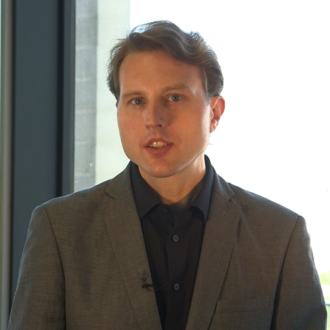
邓肯·普里查德
本期追问 · 点击跳到视频对应位置
宗教信念若拿不出独立理由,就一定不理性吗?「我有两只手」这类确定性真的既不能怀疑也不能证明吗?枢纽承诺若能被普通信念逻辑蕴涵,为何不能被演绎证明?科学若也依赖不可评估的根本承诺,还能充当理性的裁判吗?
归入 Ⅲ·17 信仰需要理由吗? →
EDITED TRANSCRIPT · 依据现场录音编译整理,可划线生成便签
编者按:本文是苏格兰哲学家邓肯·普里查德(Duncan Pritchard)在一场以「信仰与理性」为主题的学术会议上所作的远程演讲。普里查德曾任爱丁堡大学哲学讲席教授,现为加州大学尔湾分校杰出教授,是「枢纽认识论」与「反运气知识论」的主要推动者。演讲以纽曼与维特根斯坦的两段引文为线索,重新解读《论确定性》中关于理性评估结构的激进构想,并由此提出一种他称为「准信仰主义」的宗教信念观。本文依据现场录音编译整理,仅删去口语枝节,论证与例证悉数保留。

两段引文

很抱歉不能亲自到场。这看起来是一场非常精彩的会议,我很想成为其中一员。感谢雷内让我以这种远程方式参与,希望技术不要出岔子。我要谈的是信仰与理性的关系,这显然是本次会议的核心议题,也是我如此渴望参加的原因。

先给大家两段引文,它们可以让你们预先感受一下我要谈的东西。第一段出自纽曼(John Henry Newman)的《赞同的法则》(An Essay in Aid of a Grammar of Assent),大概是那部著作中最关键的一段话。他写道:我们中没有人能够在思想或行动中不接受某些真理,这些真理不是被证明出来的,而是直觉性的,但它们却是至高无上的。稍后你们会明白,我为什么要提到纽曼的这段话。第二段出自维特根斯坦最后的笔记,也就是他去世后以《论确定性》(On Certainty)为题出版的那些手稿。其中有一句名言:困难在于认识到我们的相信是没有根据的。

请把这两段话记在心里,我们往下走。

演讲的结构

我先对宗教信念的认识论做一些一般性的评论,为的是铺陈背景,同时指出这场争论里缺了什么。然后我会换一个视角,集中讨论维特根斯坦在《论确定性》里提出的那种关于理性评估(rational evaluation)结构的激进构想。我认为那是一个极其深刻、极其巧妙的立场,与标准的理性评估理论完全不同,甚至与常见的那些非标准理论也不同。这种观点一直面临一个大挑战:如何把它说得可信,让它不至于直接坍缩成不融贯或怀疑论之类的东西。所以在接下来的部分,我会尝试给出一种解读,我认为它能避开那些麻烦的后果。

然后我会回到宗教信念的认识论,说明一旦把这种理性评估结构的理论用到宗教信念上,你会被引向一种非常特定的看待宗教信念之理性的方式,我称之为「准信仰主义」(quasi-fideism)。于是我们会发现,维特根斯坦并不是通常所说的那种直截了当的信仰主义者,他的观点大不相同。而这种观点之所以能应用于宗教信念,绝非偶然:我认为维特根斯坦关于理性评估结构的构想,其灵感正来自纽曼,而纽曼在那部著作中想要发展的,正是我所说的这种关于宗教信念之理性的准信仰主义理论。

最后我会解释,这对于我们如何思考信仰与理性之争,以及更一般地,如何理解科学及其抱负,有一些重要的含义。

宗教信念作为支点

我想先考察一种针对宗教信念之理性的怀疑论,它的源头在于这样一个事实:宗教信念在一个人整个信念与确信的结构中扮演着一种特殊角色。用我幻灯片上的话说,它扮演的是一种支点(fulcrum)的角色,是一个固定点,我们相对于它来评估其他事物。宗教信念的核心部分并不具有假说的地位。对一个假说,你总保持某种程度的理智距离;宗教信念却不是这样,它不是那种轻易就会丢掉的东西。要是它真的那么容易丢掉,那它就不是它本应是的那种东西了。

但这就带来了一个难题。你会想:如果一个信念在一个人更广泛的信念体系中占据如此根本的位置,那么它要成为理性的,就必须有一个健全的、独立的理性基础。你不能靠诉诸那些已经预设了它的东西来为它作理性辩护。而对宗教信念的担忧恰恰在于,这样一个独立的理性基础似乎无处可寻。你能举出什么来呢?宗教经验?经文?这类东西恰恰是不独立的,在相关意义上并不适用。

我把洛克放在幻灯片上,因为他是这种思路的代表人物。洛克关心的是把理性的宗教信念与他所谓的「狂热派」(enthusiasts)区分开来。他的思路是,你得去找某种先天的或理性的支持,用它来划出这条界线。但如果你并不认为这种支持能找得到,那么提出这个要求的同时,你也就发现宗教信念根本满足不了它,于是你就滑进了对宗教信念之理性的怀疑论。

英雄主义与投降之间

这样我们就面对一个两难。一头是英雄主义(heroism),另一头是投降(capitulation)。英雄主义是某种洛克式的方案:我们想办法提供那个似乎缺席的独立认识基础,然后当然就面临如何做到这一点的问题。另一头,我们承认没有这样的认识基础可供援引,于是如果要理解宗教信念,就只能用非理性的方式去理解。这当然是对各种立场的漫画式描绘,但做到这一点最自然的路径就是诉诸某种信仰主义(fideism)。信仰主义者说,宗教信念不该按理性的标准来评估,它不受理性要求的约束。后期维特根斯坦常被归入信仰主义阵营(稍后我会对此提出异议),克尔凯郭尔也是。但信仰主义有很多问题,尤其是它似乎把宗教信念关进了一个认识论的贫民窟(epistemic ghetto),把它变成一种二等信念。宗教信念居然要服从与其他信念不同的理性标准,这看上去很奇怪。

于是问题来了:有没有一条路可以在这两个极端之间穿过去?

这里有一条方法论原则,宗教认识论者不论是否对宗教信念的理性持怀疑态度,都会接受它,这就是所谓的认识对等(epistemic parity)原则。它的想法是:我们不希望关于宗教信念的怀疑论只是一种可以套在任何信念上的怀疑论,因为那样的话,它就不是专门针对宗教信念的了。我们要找的是一个专属于宗教信念的问题。反过来说,对于捍卫宗教信念之理性的人,这条原则意味着:撇开彻底的怀疑论不谈,有一些类型的信念是我们通常认为在理性上完全站得住脚的;如果这些信念在相关方面与宗教信念相类似,那么根据对等原则,我们就应当把宗教信念同样视为理性的。

这就提出了一个挑战。如果你想说宗教信念是理性的,一种办法就是论证它在所有相关方面都类似于另一种大家公认理性的信念。同时它也向宗教信念的怀疑论者提出了挑战:光是抛出几个针对宗教信念的怀疑论论证是不够的,你还得证明这些论证是宗教信念所特有的,而不只是把彻底怀疑论套用到某个特定领域而已,因为后者会让问题变得平庸。

普兰丁格的对等论证

有一种观点在利用这条方法论原则方面做得非常出色,那就是改革宗知识论(reformed epistemology),最著名的辩护者是幻灯片上这位阿尔文·普兰丁格(Alvin Plantinga)。其思路是运用某种对等论证,证明宗教信念在相关方面类似于某一类信念,而那类信念撇开彻底怀疑论不谈,通常被认为无可指摘,这就是知觉信念(perceptual belief)。

有趣的地方在于,这条思路一开始就是明确的外在主义(externalist)。它是这样想的:知觉信念是理性的,与知识相联系,但我们对知觉信念并没有非循环的辩护。我们没有独立的辩护。每次试图为它辩护,我们都是诉诸其他知觉信念,或者诉诸经验证据,而经验证据本身通常也是靠知觉获得的,至少最终要靠知觉。对此你可以怎么回应呢?一种回应是做彻底的怀疑论者,但记住前面那条方法论原则,这条路已经被排除了。所以我们保留一个标准的、直觉的判断:知觉信念是知识和理性信念的一条途径。可我们无法用直截了当的内在主义(internalist)方式来恢复这种理解,不能说它的理性在于援引独立的理性根据。那怎么解释呢?我们讲一个故事,说这些基本的知觉信念是由我们的认知官能在适当条件下可靠地形成的,等等,凭这一点它们就能成为理性的,即便我们对它们没有独立的理性基础。

而普兰丁格这样的人现在就能做一个类似的论证。以加尔文主义的方式,他诉诸神所设计的「神性感觉」(sensus divinitatis),说:如果这一官能可靠地运作,我们就能拥有基本的宗教信念。当然我们对这些信念没有独立的理性基础,能讲的唯一认识论故事,至少在第一步上,只涉及产生它们的那个官能。但如果这个故事在知觉信念的情形里说得通,为什么在宗教信念的情形里就说不通?这里面当然有方法论上的争议,最终归结为哪些例子算数、哪些不算,我们不去深究。抓住论证的一般结构就够了:改革宗知识论能讲出一个故事,让宗教信念从外在主义的角度看,其形成方式与知觉信念相类似。因此,如果允许后者通向理性信念和知识,前者也应当如此。对等论证就这样完成了。

更激进的对等

我不想反驳这个论证。我认为改革宗知识论非常有意思,而且在某种意义上,即便你接受我后面要说的那种立场,你也可以同时赞同这两个方案,它们并不冲突。但我感兴趣的观点在某种意义上更激进。我要推进的这种观点,我认为在维特根斯坦那里能找到,而且是他与纽曼互动的产物。它质疑的是这样一个观念本身:我们的信念,尤其是像知觉这样最根本的信念形成机制,可以被理解为一路到底都是理性的(rational all the way down)。

刚才考察的那个对等论证接受了一个标准的认识论主张:撇开彻底怀疑论不谈,知觉信念在特征上是理性的。而我认为维特根斯坦恰恰对这一主张提出了异议,不过他提出异议的方式,反而让我们得以把握宗教信念的理性。现在的思路是这样的:你同样可以得到一种对等论证,但它的依据是宗教信念与信念本身在一般意义上的类似。宗教信念不是一路到底都理性的,可一般的信念也都不是。这是一种非常独特的对等论证,但要运用它,你需要对我们一般而言如何理解信念的理性进行一次相当彻底的重新构想。

简而言之,这个思路就是:一切信念归根结底都受某些确信的引导,而这些确信本质上是非理性的(arational)。所以,宗教信念也具有这一特征,这一点不能构成对它的指控。

《论确定性》的成书与解读

现在我们转向维特根斯坦最后的笔记。单从历史角度看,这些文献也非常有意思:四本笔记,里面是零碎的札记,一直记到他去世前几天。他显然在跟某个想法角力,而按他自己的标准,他觉得还没有把这个想法抓牢。他在好几处说:我觉得自己还没有触到事情的开端,恐怕永远也触不到了。从这些话可以清楚看出,他不认为自己已经做到了。但我认为,他确实相信这里有一个新想法。

围绕《论确定性》有一场大争论:这本书里说的东西,是不是他别处,比如《哲学研究》这样的后期著作里已有思想的延续?还是说这里有某种新的、独特的东西?我认为有,而且我认为这种新东西就是关于理性评估结构的主张。《论确定性》有很多文本解读上的争议,通常这些争议与我们的话题无关,但这一次它们相关,因为我最终要提出的实际上是一个解读上的主张。

这本书的标准读法是:维特根斯坦关心的是摩尔(G. E. Moore),尤其是摩尔对外部世界的证明,但更一般地也包括摩尔关于常识和我们日常确信之物的讨论,比如一个人有两只手、没有去过月球、说的是英语等等。这种读法依据的是编者在前言里给的说明。他们说,维特根斯坦去伊萨卡拜访了马尔科姆(Norman Malcolm),两人讨论摩尔,马尔科姆当时正在研究摩尔,维特根斯坦就是这样对这个话题产生了兴趣。按这种读法,维特根斯坦的主要兴趣和摩尔一样,是彻底怀疑论,而且是通过这些摩尔式确信来处理彻底怀疑论。

我的看法是,这种读法至多对了一半。即便照单全收,其中也还有一些复杂之处。第一本笔记,在我看来大约到第六十五节为止,确实非常集中于对外部世界的证明,因此也就涉及关于观念论的怀疑论。我觉得不幸的是,第一本笔记往往误导我们对整部作品的理解。维特根斯坦一开始的态度,其实承接了他早期和后期的著作:他认为摩尔的证明根本无法陈述,说的是不可说的东西,只是对语言的误用。所以我们会看到他说,「存在外在的物理对象」这类陈述完全是不融贯的、无意义的。

但过了第一本笔记,焦点更多转向摩尔式的确定性,而对这些摩尔式确定性,维特根斯坦显然不认为它们只是无意义的。当然,他也确实探索过一条线索,这条线索延伸自《哲学研究》,大意是:哲学家在使用这些表达式时,缺乏使用它们的适当语境或场合。但这里还有另一个思路在展开,这就是关于理性评估结构的思路。摩尔式命题、摩尔式陈述,这些常识性的确定性,是引导我们去思考理性评估结构的试金石。但由此就认为他关心的只是摩尔,那是错误的。稍后我会解释:他有时集中在某些内容上,是因为他从纽曼那里发现了这个想法,事实上他所用的例子里至少有一两个,甚至更多,直接取自纽曼。所以我认为真正发生的事是这样的:维特根斯坦从纽曼那里得到了一个他觉得极有意思的想法,然后他看出摩尔的讨论可以纳入这个想法,因为摩尔的讨论同样处理这些日常确定性,以及它们在我们认识实践中似乎扮演的特殊角色。

枢纽承诺与局部的理性

那么维特根斯坦的最终结论是什么?他主张,我们所有的理性评估,就其本性而言,都相对于某些常识确定性进行,而且不可能不是如此。这些确定性我称之为枢纽承诺(hinge commitments)。人们也说「枢纽命题」,稍后我会解释我为什么宁愿用「承诺」来谈。这些基本承诺本质上是非理性的(arational):我们无法把它们理解为有理性根据的,或者说,我们无法对它们进行理性评估,而且关键在于,无论正面评估还是负面评估都不行。所以这个主张不只是一种反怀疑论的主张。人们常说,我们根本无法理解怀疑自己最根本的确信这回事;维特根斯坦的主张还要更进一步,他说我们同样无法理解为自己最根本的确信提供理性基础这回事。

这个主张令人震惊的地方在于:以前也有人提出过类似的想法,但维特根斯坦的独特之处是把它与这些日常确定性联系起来。他不是说某些哲学性的或非常一般性的主张具有这种特殊地位,而是说这些日常主张具有这种特殊地位。这一点摩尔也有。摩尔谈常识确定性时,采用的是一种独特的基础主义(foundationalism)。标准的基础主义者会挑选一些具有特殊认识地位的命题,比如不可错的、自明的、先天的,把它们放在我们认识结构的基础位置。摩尔则认为,这些日常确定性可以起类似的基础作用,不过他的做法更像一条方法论原则:当理论与常识相冲突时,让步的总是理论。这也是一种基础主义,只是基础是由日常确定性充当的。

维特根斯坦的想法更加激进。他要说的是,这些日常确定性正是在起基础作用的过程中,变得无法被理解为有理性根据的东西,无法对之进行正面或负面的理性评估,无法把它们算作被理性地相信的东西。相反,我们必须先有这些承诺,才能理解「某物是另一物的理由」这个观念本身,才能理解「理性评估」这个观念本身。如果这是对的,那就推出:理性评估就其本性而言必然是局部的(local)。根本不存在普遍的理性评估(universal rational evaluation)。

维特根斯坦一再强调,这不是我们的一个偶然缺陷。不是说我们要是更小心、更彻底、更聪明,就能避免这个缺陷,做到普遍的理性评估。他的意思是,一旦你开始反思理性评估的本性,就会发现根本不可能有这样的东西。追求它就像追求一个方的圆。同理,它的缺席也不意味着我们有什么缺陷。

本能性的枢纽,以及为何不是怀疑论

还有几点观察很重要。第一,枢纽承诺具有动物性的、本能的性质。它们不是通过理性过程获得的,我们是把它们吞下去的。维特根斯坦有一段话,大意是:没有人教过你「你有两只手」;你学的是用手做事,在这个过程中你把「有手」这件事吞了下去。这些承诺不是通过学习获得的,也不直接对理性考量负责(稍后我会解释「直接」这个限定词)。基本想法是,我们既无法理解它们有理性根据,也无法理解它们是通过理性过程获得的,或者直接受理性过程影响。它们不是那种命题态度。它们也不是可选的:不是你想改就能改的东西。所以我们不该把它们看作假说、看作信任之类的东西,这一点我后面会回来讲。最关键的是,维特根斯坦说,我们无法理解一个缺乏这些承诺的理性主体。一个缺乏这些承诺的主体,用他更强的说法,是疯了。

最后一点,这是我最想探讨的,它回到维特根斯坦那句话:困难在于认识到我们的相信是没有根据的。到目前为止我说的一切,可能会让你觉得这不过是变了装的怀疑论。而我认为,这正是维特根斯坦在《论确定性》里探索的一个核心主题:为什么这种观点不会坍缩成怀疑论?他确信它不会。我认为他是对的,事实上我认为他是对的,这种观点正是怀疑论的解药,至少是对一种怀疑论忧虑的解药。

这里的反怀疑论思路是:尽管枢纽承诺具有我刚说的那些特征,在我们的理性实践中扮演那样的角色,非枢纽信念仍然可以是有理性根据的。这里没有任何东西妨碍它们享有完全货真价实的理性支持。这种局部的理性支持是真正的理性支持,而且是我们唯一应当追求的理性支持。

《论确定性》的几段关键文本

关于《论确定性》,我可以讲一整个系列的课,其中值得谈的东西太多了。这里我直奔要害,给你们几段关键引文,其中有几段很有名。尽管《论确定性》的写作跳来跳去,我认为其中确实有一个次序,而把这个次序摆出来,你能更好地感受到它的辩证结构。

维特根斯坦写道:在正常情况下,「我有两只手」和任何我能为之举出证据的东西一样确定;这就是为什么我没有办法去把我的手的存在当作证据加以检视。我摸不到自己的手,与其去检验眼睛是否看见了它们,不如去问:我为什么要通过看来检验我的眼睛,好弄清我是否看见了我的两只手?我的想法:如果有人问我「你有手吗」,我不需要看。在这一点上他的观察非常有意思。如果有人问你有没有手,你确实会看一眼,但那只是一个反射动作。这不像你确认椅子在不在那里。这里的确定性不是靠看来的,也不是仅仅因为我们有本体感觉,而是反映了一个事实:这是一种基本的确定性,我们是相对于「我有手」这个事实去评估其他事物的。

在这段引文里维特根斯坦触及的一点是:对这些日常确定性作理性评估,这个想法本身就不融贯。因为任何怀疑它们的根据,本身都比它们更可疑。同理,任何用来支持它们的根据,也同样比它们更可疑,因此谈不上有什么东西能为它们奠基。就像我前面说的,你可以想象有人只用这套枢纽理论来做反怀疑论的文章,说:看,我们有资格持有这些枢纽承诺,因为永远不可能有理性的根据去怀疑它们。但维特根斯坦的意思是:没有东西能怀疑它们,不等于你就有了相信它们的理性基础。你没有理性基础。这把刀两面都割。如果确定性必须先到位,我们才能理解「理性评估」这个观念本身,那么它同样必须先到位,我们才能理解正面的理性评估。

再看两段。如果你试图怀疑一切,你连怀疑本身也做不到。怀疑的游戏本身就预设了确定性。维特根斯坦还说,怀疑的游戏,或者更一般地说理性评估的游戏,预设了相信;而相信的游戏又预设了确定性。怀疑、相信、理性评估,在理由空间(space of reasons)里走棋,这一切都预设了确定性。他讲了一个发展的故事:我们如何逐渐获得一幅世界图景,用他的话说,这幅图景是「逐渐向我们显现」的。在这个故事里,确定性必须先在,我们才能把一个人理解为一个相信者,理解为一个有理性怀疑、有理性信念的人。

然后是这段核心文本:我们提出的问题和我们的怀疑,依赖于这样一个事实,即某些命题免于怀疑,仿佛是那些问题和怀疑赖以转动的枢纽。也就是说,某些东西事实上不受怀疑,这属于我们科学探究的逻辑。但情况并不是这样:我们不可能探究一切,因此不得不满足于假设。如果我想让门转动,门轴就必须固定不动。

对这段话有几点要说。第一,他讲的是「逻辑」。维特根斯坦反复强调这一点,我前面也提过,值得再强调一次:这不是我们身上一个偶然的缺陷。不是说我们本可以有一套不同的理性评估系统。他的意思是,一旦开始反思理性评估的本性,反思在理由空间里走棋究竟是怎么回事,我们就会认识到根本不可能有普遍的理性评估这种东西。

门轴必须不动:对威廉姆斯的批评

第二,是「枢纽」这个比喻。维特根斯坦的意思很清楚:某些东西必须固定不动,理性评估才能进行,而这些确定性就是那个固定不动的东西。但我认为这个比喻误导了一些人,因为枢纽这个比喻还有另一层意思,维特根斯坦绝对没有那个意思,可你如果不小心,就会因为他用了这个词而以为他有。这就是「枢纽是可以动的」这个念头。迈克尔·威廉姆斯(Michael Williams)我认为就掉进了这个陷阱。他在《非自然的怀疑》(Unnatural Doubts)里讨论维特根斯坦的图景时说,枢纽的要义就在于你可以转动它,转一下,门就以不同的方式关上。但这不是维特根斯坦的意思。记住,他认为枢纽承诺是本能的、动物性的,它们不是我们能在那种意义上控制的东西。

我之所以谈「枢纽承诺」而不是「枢纽命题」,也是这个原因。说「命题」会让我们把注意力集中在特定的内容上,而我们真正感兴趣的是我们对那个内容的态度,那才是有意思的特征。内容在某种意义上是次要的,而且内容可以改变。比如「我没去过月球」曾经是一个枢纽承诺,但对我的孩子们来说可能就不是了,那可能会变成一种你完全可以合理出错的事情。

第三,关于「假设」这个词。这里维特根斯坦真正想强调的是:我们也许确实会做假设,但在枢纽承诺里所涉及的那些命题,并不是假设。

闭合问题

这就是维特根斯坦关于理性评估结构的基本构想。我希望我已经传达出它有多激进。这个观点的问题在于,如何把它展开而不至于坍缩成不融贯。我认为这正是维特根斯坦在最后的笔记里没有完成的计划。这里有好几个问题:它是否会坍缩成怀疑论?它是否会坍缩成某种独特的认识论相对主义?还有一个特定的问题,我认为它最能凸显争议所在,维特根斯坦对它也有察觉,我称之为闭合问题(closure problem)。要从《论确定性》的讨论里把它梳理出来,需要花点功夫。

看这一段:如果你说,拿破仑在奥斯特里茨战役之后(做了什么事)是确定的,那么,那时地球存在着,想必也同样是确定的了。我认为维特根斯坦在这里想的是:我们有一些平凡的历史主张,可以用通常的方式为它们援引证据和理由,对它们进行理性评估。你可以想象一场争论,也许需要一定的历史距离才说得通,但你可以想象两位历史学家争论奥斯特里茨战役究竟发生在哪一年,是一八〇五年还是别的年份。这里的承诺没有任何枢纽的性质。有趣的是,对这个命题的承诺,在这种观点下是有理性根据的,可它与那些看起来具有枢纽地位的主张之间,存在逻辑关系,在这个例子里是蕴涵关系。

想想罗素的假说:宇宙是几分钟前才诞生的,但带着一段遥远过往的全部痕迹。这是罗素提出的一个很妙的怀疑论假说,正好在这里派上用场。「十九世纪初发生了某件事」蕴涵「宇宙存在了不止几分钟」。但后一个主张看起来是枢纽承诺,它不是一个信念,它只是我们持有的一种基本确定性,不是理性评估的对象。

所以这里的一般结构问题是:如果那些有理性根据的非枢纽信念,可以与枢纽承诺处于逻辑关系之中,尤其是蕴涵关系,那我们为什么不能从非枢纽信念出发,通过胜任的演绎(competent deduction)推到枢纽承诺,从而获得关于枢纽的、有理性根据的知识?可维特根斯坦告诉我们这是不可能的,我们不可能对枢纽承诺作正面的理性评估。反过来,如果我们不能这样做,那不就使非枢纽信念的理性基础也变得可疑了吗?维特根斯坦是在否认闭合原则吗?

这里所说的闭合原则极有说服力。文献里有各种版本的闭合原则,我们可以把它理解为一条关于胜任演绎的原则:假设你对某事拥有有理性根据的知识,然后你做了一个胜任的演绎,据此形成对被蕴涵命题的信念,同时保留对前提的知识。那么,从这个理性过程中出来的东西,想必也应该是有理性根据的知识。胜任的演绎是理性过程的典范。怎么可能把有理性根据的知识输进这样一个过程,出来的东西却不是有理性根据的知识?这太神秘了。

所以摆在面前的选项是:维特根斯坦是在否认闭合原则,那他就是一个革命性的修正主义者?还是说他是一个怀疑论者,认为你对非枢纽主张其实也没有有理性根据的知识?还是说这种观点根本就不融贯,因为这些主张彼此矛盾?这是一个需要化圆为方的问题。很多人为此挣扎过,走了各种路子。有人认为维特根斯坦实际上提供的是一种怀疑论式的解决方案,有人则认为他否认了我们刚才描述的闭合原则。我认为,很多维特根斯坦的解读者只是绕开了这个问题,这让他们的解读付出了很大代价,因为他们没有真正与这个问题交锋。

解法:枢纽承诺不是信念

我认为处理这个问题的办法,是严肃对待维特根斯坦的观点,尤其是他关于枢纽承诺本性的具体说法。一旦这样做,我们就能走出困境。我的提议简单说是:如果认真对待他的观点,那么枢纽承诺所涉及的命题态度就不是信念,至少不是认识论中那个意义上的信念。

「信念」这个概念的用法非常多样。施维茨格贝尔(Eric Schwitzgebel)大约十年前有一篇论文,列举了哲学家使用「信念」概念的六种或八种彼此非常不同的方式。我认为他说得对,这个词可以有很多用法。但作为认识论者,我们心里有一个特定的信念概念:它是构成「知道」的那种命题态度,就我们的目的而言,是构成「有理性根据的知道」的那种命题态度,因为我们谈的正是理由。如果你认为有些知识没有理性根据,那也无妨,那不是我们现在谈的那种知识。

一旦聚焦在这个特定的信念概念上,问题就变成:这个概念与理由和真理有本质联系。你当然可以有这个意义上的非理性信念,但比如说,你不可能在充分认识到自己没有任何理性基础去认为 P 为真的情况下,还拥有这个意义上的对 P 的信念。在这个意义上相信 P,就是相信 P 为真。所以如果你认识到自己没有任何理性基础去认为 P 为真,那么不管你的命题态度是什么,它都不是信念,也许是一厢情愿的想法,也许是希望,反正不是信念。

现在把这一点与前面的观察连起来。我们认真对待「枢纽承诺是本能的、动物性的、不回应理性考量」这个想法。你可以认识到自己没有任何理由相信 P,同时仍然在枢纽的意义上承诺于 P。这里的「承诺」概念与不可知论(agnosticism)不相容。当你在枢纽意义上承诺于 P 时,这不像接受、假定或假说之类的态度,对那些态度你可以对所承诺之物的真假保持不可知。但如果枢纽承诺能够在你认识到自己没有理由认为 P 为真之后依然存活,那它就不是信念,不是认识论意义上的信念。

我认为,一旦接受这一点,我们就能看到这里其实没有张力,张力是虚幻的。我们可以同时拥有闭合原则和枢纽承诺,它们可以并行不悖。下面我来解释。

über 枢纽:所有枢纽的共同根源

我想先把枢纽承诺去神秘化一下。我认为很多枢纽认识论者走的是相反的方向,他们把枢纽承诺神秘化了。这么做是有原因的:人们举的枢纽承诺的例子,表面上看是一群千差万别的东西,堪称最异质的一类。我有两只手,我没去过月球,宇宙不是五秒钟前诞生的,我说的是英语,等等。你可能会觉得这里有某种非常神秘的东西在起作用,而且这些承诺因人而异、因文化而异、因时代而异。

但一旦你反思它们的共同之处,暂且不谈确定性那一层(那是摩尔式的问题),只问是什么让所有这些主张成为枢纽,答案就相当直截了当:它们都是一个一般性确信的具体表达,这个确信就是「我不是在根本上、彻底地错了」。这才是维特根斯坦认为进行理性评估(正面的和负面的)、在理由空间里走棋所必需的那个根本确定性。我称之为「über 枢纽承诺」(über hinge commitment)。我不是说人们心里真的有关于这个承诺的明确念头,我是说它是一种基本的、本能的承诺,而其他所有枢纽承诺都从它流出。给定你的一套信念,这个枢纽承诺就会以特定的方式显现出来,比如把摩尔式命题当作确定的。这些是它的个人化表现。

我认为这种去神秘化的做法能解释许多独特的特征。想想über 枢纽:它不直接回应理性考量,这一点很好理解,因为你怎么可能对「我不是根本上错了」这个承诺进行理性评估?那看起来就是荒谬的。它必须先到位,我们才能进入理性评估的状态,这一点也很可信。它是本能的、不可选的,这也很可信。它与不可知论不相容,这也很可信。我们的枢纽承诺以许多不同的方式显现为具体的承诺,而这些具体承诺既然表达的是这个根本确定性,当然就与对目标命题的不可知论不相容,因为持有这些具体承诺,就是持有「我不是根本上错了」这个基本确定性。

我认为我们还能以不神秘的方式解释枢纽承诺如何随时间改变。你可能会想:它们显然会变,可如果它们不回应理性考量,那是怎么变的?我认为这很清楚。随着你的信念体系改变,作为枢纽承诺的具体表达的东西也随之改变。如果你活在两百年前,「你去过月球」这个念头是荒谬的;如果你活在两百年后,你有一套不同的信念,你在恰当地回应周围的世界,你就会有不同的枢纽承诺,尤其是,「我没去过月球」可能就不再是其中之一。

所以我认为这种观点能解释许多特征。但如果这种「我不是根本上错了」的承诺不是信念,那么它的各种具体表现同样不是信念,恰恰因为它们是维特根斯坦所描述的那种承诺。如果这个根本的、动物性的确信必须先到位才能进行理性评估,而且从不回应理性考量,如果它在一个人认识到自己没有任何理性基础之后依然延续,那么不管这个命题态度是什么,它都不是相信,不是认识论意义上的相信。

闭合问题的消解

你也许已经看出来这怎么直接用到闭合问题上了。回忆一下闭合原则的表述:它涉及从你有理性根据的知识出发,做胜任的演绎,并在此基础上获得一个信念,而且是知识性的信念。但如果我们认真对待这个观点,那么获得对枢纽命题的信念这件事本身就说不通,更不用说通过胜任的演绎这样的理性过程来获得它了。它根本不是那种态度。枢纽承诺总是已经在场了。你想走一遍推理的过场当然可以,但你不会因此在那个基础上获得一个信念。

所以我们不必否认闭合原则。问题不在闭合原则,而在于把闭合原则用到枢纽承诺上,它根本不适用。闭合原则安然无恙,无需修正。没有坍缩成怀疑论,也没有不融贯。闭合原则、枢纽承诺,以及非枢纽信念有理性根据这一想法,三者可以并存而不矛盾。

削弱式回应:悖论是理论走私的结果

我认为我们在这里得到的是对某种彻底怀疑论的一种独特回应。在我最近的书《认识论的焦虑》(Epistemic Angst)里我谈过,有一种普遍存在的怀疑论(并非唯一的一种)依赖于闭合式的原则,而维特根斯坦给了我们一个非常有力的削弱式回应(undercutting response)。我说的削弱式回应是这样的:面对一个号称是悖论的问题,一个号称揭示了我们基本认识概念中存在深层矛盾的问题,它说:这看起来像悖论,其实根本不是悖论。这里面有可疑的推理,有某种理论假扮成常识被走私进了谜题。

我认为维特根斯坦向我们展示的正是:我们以为这里有某种本质冲突,是因为我们偷偷带进了关于我们承诺之本性的理论观念,比如把所有承诺都当作信念,比如以为普遍的理性评估是可以要求的。理性评估通常都是局部的,而人们以为把它的范围扩展到普遍,只是一次无害的范围扩展。但如果维特根斯坦是对的,这一点也不无害:你从做一件融贯的事,变成了做一件完全说不通的事。这种削弱式的反怀疑论策略,与推翻式(overriding)的反怀疑论策略不同:后者承认这是一个真正的悖论,然后提供一条修正性的出路。

所以我认为,维特根斯坦那里有一种关于理性评估结构的观点,而且有一种理解它的方式,能让它保持融贯、不坍缩成悖论,并且能应对上面那些问题。

纽曼、休谟与准信仰主义

现在来到最后两张幻灯片,你们会看到这一切通向何处。维特根斯坦有这样一种极其激进而有力的理性评估结构理论,关键是,当我们思考这个想法在宗教信念之理性这个具体语境下如何展开时,会发现它呈现出一种在文献里几乎没被探索过的观点。而且我认为,这其实正是维特根斯坦在《论确定性》里所担心的事情之一:当他担心认识论相对主义的时候,部分原因就是他在探索这个想法的宗教应用。这不是偶然,因为他正是从纽曼那里得到这个想法的,而纽曼提出这个想法,恰恰是在宗教信念的语境里。

纽曼在《赞同的法则》里做的事情很多,这本书里有很多有意思的认识论,不限于宗教认识论。但其中肯定有一个对等论证。纽曼的基本路线是回应洛克,回应洛克的证据主义(evidentialism)。他想表明,一般而言,存在一些赞同的类型,比如他着重讨论的「单纯赞同」(simple assent),我们不该把它理解为本质上理性的,用我们现在的术语说,不该把它理解为有理性根据的。相反,我们应当认为,这些基本承诺正是理性评估的结构所在。回想那句话:我们中没有人能够在思想或行动中不接受某些真理,这些真理不是被证明出来的,而是直觉性的,但它们却是至高无上的。关键在于,纽曼认为非常日常的东西也能归入这个范畴。这些主张不是什么独特的哲学主张,它们可以是摩尔式的,尽管摩尔的写作当然在纽曼之后。

有很多证据表明这种影响。维特根斯坦在《论确定性》里确实提到了纽曼(他几乎从不提任何人),而且有很多独立的理由认为他指的正是约翰·亨利·纽曼,而不是当时其他姓纽曼的人。从二手文献可以清楚地知道,他读过《赞同的法则》。说来有意思,这本书在当时是每个人都会读的那种书。你回到一百年前,甚至只回到二战前,看看英国哲学,看看那些大哲学家在写什么,纽曼是一个必备的名字。纽曼从哲学中消失,是相对晚近的现象,基本上是二战以后的事。神学界仍然在讨论他,而这实在可惜,因为他那里有大量的哲学价值,不仅限于宗教认识论。总之,维特根斯坦读过这本书,而且在当时读这样的书一点也不奇怪,尽管维特根斯坦总装作自己读书不多,我们都知道他其实读得很多。此外还有很多附带的证据,比如我前面提过,他用了一些纽曼用过的例子。

不管怎样,我感兴趣的是纽曼的这个对等论证:他承认宗教信念的根基上有这些根本的非理性承诺,但他认为一切信念都是如此,所以我们不该认为宗教信念在这方面有什么缺陷。他有一段关于奇迹的精彩讨论。首先值得注意的是,他对休谟观点的描述非常准确,他把休谟读对了,很多人到今天都没有读对休谟。休谟不是说奇迹不可能,也不是说一个人永远不可能相信奇迹发生过,也不是说所有证言信念都需要独立的理性基础。休谟的论点非常具体:鉴于我们对奇迹的了解(奇迹是极不可能发生的事件),也鉴于我们对基本认知心理学的了解(休谟提供了关于人类的一些事实),如果你相信奇迹发生的唯一依据是证言,那么这就不是一个理性的信念。这是休谟非常具体的论点。纽曼把它摆出来,然后说:休谟在这一点上完全正确。这在初读时颇让人吃惊。但他接着说,这恰恰表明,宗教信徒对奇迹的确信并不建立在证言之上。他不是在谈因果,在因果上它可能来自证言,但他认为这是宗教信徒的基本承诺。对奇迹的承诺是宗教生活形式(form of life)的一部分:拥有那种生活形式,就是拥有那种基本承诺,它就以那种方式嵌入整个信念体系。

于是我们得到这样一个想法:宗教信念的核心是非理性的承诺,但我们仍然可以理解理性的宗教信念这回事。而根据对等原则,宗教信念的核心存在非理性承诺这一点,不能被拿来当作否定其理性的依据,理由很简单:一切信念都是这样的。我认为维特根斯坦在《论确定性》里梳理的不只是这个想法,而是这个想法的一般性应用。纽曼感兴趣的是它在宗教语境下的具体应用,但如果他是对的,那么这里就有一个关于理性评估结构的一般性论点。

不管怎样,就这个想法应用于宗教的情形而言,我认为得出的观点就是我所说的「准信仰主义」(quasi-fideism)。它不是信仰主义,这里没有贫民窟:宗教信念并不受不同于其他信念的理性标准的约束。但这里确实有某种信仰主义的成分在起作用,因为基本的宗教承诺是非理性的,是枢纽承诺。可这一点永远不能用来反对宗教信念,因为枢纽承诺遍布我们所有的信念。在我看来,我所说的这种准信仰主义在文献里根本没有得到过一次听证。我们往往认为选项只有英雄主义和投降,或者,即便有一个中间选项,它也要以接受传统的理性图景为代价,也就是理由一路到底的那幅图景。维特根斯坦的立场恰恰挑战这一点。他所做的,是提供了一种关于基本宗教承诺之本性的截然不同的思考方式。于是你得到了准信仰主义:宗教信念从根本上说是信仰之事而非理性之事,然而宗教信念在总体上仍然可以是有理性根据的。这正是准信仰主义与信仰主义分道扬镳的地方。而这种观点并不让宗教信念相对于其他形式的信念处于任何劣势。

结语:科学主义的普遍理性主张不成立

最后谈谈这一切在科学与宗教,或者说在某种科学观的层面上如何展开。我认为其含义相当直接。有一种对科学的神化(我不确定有多少科学家真的这么想或这么主张),它承诺于普遍理性评估的观念,而且认为科学就是这种普遍理性评估的仲裁者:任何通不过这个检验的承诺都是不正当的。这是理解科学主义(scientism)的一种方式,当然还有很多其他方式。

我认为维特根斯坦深刻地反对这幅图景。看看他的后期著作,他反对的正是这类想法。有一本很好的书,是我的同事所写,讨论维特根斯坦思想中的反现代主义主题。但至少我认为他会挑战这个特定的认识论主张。只要这个认识论主张在引导某种科学主义,他就会说,它在贩卖一个不正当的哲学主张。

谢谢大家。
排版 + 横图 + 来源,粘贴即成稿
章节 · 点击跳转视频
0:04 开场:纽曼与维特根斯坦两段引文 ▶ 正在看
3:09 宗教信念作为支点引发的理性难题 ▶ 正在看
5:14 英雄主义与投降之间:对等原则 ▶ 正在看
8:28 普兰丁格的改革宗知识论对等论证 ▶ 正在看
11:46 更激进的对等:信念皆非一路理性 ▶ 正在看
12:56 《论确定性》的成书与解读争议 ▶ 正在看
17:17 枢纽承诺:理性评估本质上局部 ▶ 正在看
21:21 枢纽的本能性与「无根据」不等于怀疑论 ▶ 正在看
26:18 门轴必须不动:对威廉姆斯的批评 ▶ 正在看
29:14 闭合问题:从历史信念推出枢纽? ▶ 正在看
34:12 解法:枢纽承诺不是信念 ▶ 正在看
37:07 über 枢纽:所有枢纽的共同根源 ▶ 正在看
42:15 削弱式回应:悖论是理论走私的结果 ▶ 正在看
44:16 纽曼、休谟与准信仰主义 ▶ 正在看
51:27 结语:科学主义的普遍理性主张不成立 ▶ 正在看
本期小问 · 档案清单
—— 宗教信念若拿不出独立理由,就一定不理性吗? ▶ 正在看
—— 「我有两只手」这类确定性真的既不能怀疑也不能证明吗? ▶ 正在看
—— 枢纽承诺若能被普通信念逻辑蕴涵,为何不能被演绎证明? ▶ 正在看
—— 科学若也依赖不可评估的根本承诺,还能充当理性的裁判吗? ▶ 正在看
本期讲者
邓肯·普里查德苏格兰哲学家,曾任爱丁堡大学哲学讲席教授,现为加州大学尔湾分校杰出教授。「枢纽认识论」与「反运气知识论」的主要推动者,著有《认知焦虑》(2015)等,提出「准信仰主义」以重新理解宗教信念的理性地位。
01开场:纽曼与维特根斯坦两段引文
0:04
hello everybody I'm sorry I can't be there in an accident looks like a fantastic conference I wish I could have been an attendant thanks to Rene for allowing me to be there in this virtual fashion let's hope let's hope this works the technology holds out on us what I was talking about is the relationship between faith and reason which obviously is central to the topic of this conference is why I was so keen to be there I have a couple of quotations here which give you a flavor without them talking about the first is from Neumann from his essay native ground was sent probably a key passage from that work he writes none of us can think or act without the acceptance of truths Oh intuitive not demonstrated yet it's over and you'll see why later on that I refer to this passage in Niemann and the second passages from Vic and Stein his final notebooks on which were publishers uncertainty after his death where he remarks another famous passage the difficulty is to realize the groundlessness of our believing so we
大家好,很抱歉我没能亲自到场,出了点意外。这看起来是一场非常棒的会议,我真希望自己能作为参会者出席。感谢 Rene 让我能以这种线上的方式参与,希望这能顺利进行,希望技术别掉链子。我要谈的是信仰与理性之间的关系,这显然是本次会议的核心议题,也正是我如此想参加的原因。我这里有几段引文,可以让大家先感受一下,不然就没法讲了。第一段来自纽曼,出自他的文章《赞同的原理》(Grammar of Assent),大概是那部著作中的一个关键段落,他写道:我们没有一个人能够在不接受某些真理的情况下思考或行动——那些真理是直觉的、未经证明的,然而它们……你稍后就会明白我为什么要引用纽曼的这段话。第二段来自维特根斯坦,他最后的笔记,也就是他去世后出版的《论确实性》,在那里他有一段同样著名的话:困难在于认识到我们的信念是没有根据的。所以我们可以把这两段引文放在心里,然后往下走。接下来是这次讲座的
便签笔记
1:06
debate those two quotations and minds and move forward so here's the structure of the talk I want to start off by making some general comments about the the epistemology of religious belief just to set the scene and what I hope to show there is that essentially to show what's missing from that debate then I'm going to change the angle of perspective somewhat and I'm going to focus on fiction Stein finger Stein's radical account for the structure of radical of rational evaluation in uncertainties final note books and either argue deeper support a really profound of the ingenious position there I think that is it's a kind of classic it's it's completely different to standard accounts and even even honesty who me the usual non-standard accounts to the structure of rational evaluation the big challenge for this view that has always been trying to find a way of making it plausible if making it certainly doesn't just collapse into in coherence or skepticism or something like that and so what I'm gonna do in
结构:我想先对宗教信念的知识论做一些一般性的评论,把背景铺开,我希望在那里展示的,本质上是要说明这场争论中缺失了什么。然后我会稍微换一个视角,我会聚焦在维特根斯坦身上,聚焦他在《论确实性》这些最后笔记中对理性评估结构的激进论述,并论证那里有一个非常深刻、非常精妙的立场。我认为那是一种经典的观点,它和标准的说法完全不同,甚至和那些通常的非标准说法也不同,关于理性评估的结构。这种观点面临的最大挑战,一直是要找到一种方式让它显得可信,让它不至于直接坍塌成不融贯、怀疑论之类的东西。所以我接下来
便签笔记
2:12
the next section of talk because I'm going to try and offer a reading of what's going on here I think avoids those troubling consequences and then I'm going to return back to the epistemology of religious belief and i'ma show how once you apply that account for the structure of rational evaluation to religious blend you'll led to a very specific way of thinking about the rationality religiously the view that I call quays like feed a ISM so it turns out Vic and Stan isn't Phinehas at all in a straightforward sense which is how it's usually characterized rather this view I think is very different and I think that that this view has an application religious belief is not accident because I think we're Viktor Stein gets his inspiration for the account of the structure of rational valuation in our society from its from Newman and I think what Newman's trying to develop in that work is something what I'm calling the can even call this what I'm calling this quasi fidei istic account of the rationality first blink and then I'm
在讲座的下一部分要做的,是尝试提供一种解读,我认为这种解读能避免那些令人困扰的后果。然后我会回到宗教信念的知识论,我要展示:一旦你把那种关于理性评估结构的论述应用到宗教信念上,你就会被引向一种非常特定的方式来思考宗教的理性问题,我称之为准信仰主义(quasi-fideism)。所以结果是,维特根斯坦根本不是直白意义上的信仰主义者,而人们通常就是这么刻画他的。相反,我认为这种观点非常不同。而且我认为这种观点在宗教信念上的应用并非偶然,因为我认为维特根斯坦对于《论确实性》中理性评估结构的论述,其灵感正是来自纽曼。我认为纽曼在那部著作中想要发展的,正是我所称的——甚至可以就这么叫它——我所称的这种关于宗教信念之理性的准信仰主义论述。然后我
便签笔记
02宗教信念作为支点引发的理性难题
3:09
going to close by explaining how this has some important implications for how we think about the debate between faith and reason and more generally between how we understand science and the aspirations of science and in particular I want to consider one source of skepticism about logically and this relates to the fact that religious conviction plays a special kind of role in the neurotic structure of one's belief some other convictions that is it's as I say on the slide as a fulcrum roll it's a fixed point relative to which we evaluate other things you know it's not as if rages conviction at its heart has the status for example of a hypothesis you have a so degree of intellectual distance from the things you up officers the religious conviction isn't like that it's not the kind of thing there's easily lost over it mean if this is the kind of things easier lost then it isn't it isn't what it's meant to be but this raises a challenge because you think well if if you have a belief of place such a fundamental role
会以说明这一切如何对我们思考信仰与理性之争产生重要影响来收尾,更广泛地说,还包括我们如何理解科学以及科学的抱负。特别是我想考察对宗教信念的一个怀疑论来源,它关系到这样一个事实:宗教信念在一个人的信念的知识论结构中扮演着一种特殊的角色,不同于其他信念。也就是说,正如幻灯片上写的,它起着一种支点作用:它是一个固定点,我们相对于它来评估其他东西。并不是说宗教信念在其核心处具有比如假设那样的地位——对于假设,你会与之保持某种理智上的距离,而宗教信念不是这样。并不是那样,它不是那种很容易就丢掉的东西——我的意思是,如果这是那种比较容易丢掉的东西,那它就不是它本该是的样子了。但这就带来一个难题,因为你会想,如果你有一个信念在一个人更广泛的信念和信仰体系中扮演如此根本的角色,那么为了要有
便签笔记
4:11
in one's wider set of beliefs and convictions and surely in order to have a sound basis and surely that means if it's going to be rational I must have a sound independent national basis so it will not be rationally defending it by appealing to things that are already presuppose it and yet of course the worry about politically seems to be that there's no such independent rational basis forthcoming I mean what would one be you know the kind of things that one might cite but just experience scripture or have you seen too precise the kinds of things that aren't applicable here the kind of place the kind of things that aren't independent relevant sense now I have Locke here on the on the PowerPoint because he's the poster boy for this line of thinking and so the crops up nice thought anyway a version of it in Locke's concern was to differentiate rational religiously from the views of those he called the the enthusiasts and so they thought is you you look for some in this case of April or I rational
一个稳固的基础——这当然意味着,如果它要是理性的,我就必须有一个稳固而独立的理性基础,所以你就不能靠诉诸那些已经预设了它的东西来为它作理性辩护。可当然,关于宗教信念的担忧似乎在于,根本拿不出这样一个独立的理性基础。我是说,那会是什么呢?你知道,人们可能会援引的那类东西,比如经验、圣经之类的,恰恰似乎是那种在这里并不适用的东西——那种不具备独立相关性的东西。现在我在 PPT 上放了洛克(Locke),因为他是这条思路的代言人,所以这个想法就冒出来了反正这是个不错的想法。洛克的关切在于把理性的宗教信仰跟他所谓的“狂热者”(enthusiasts)的观点区分开来。所以那个想法是,你要去寻找某种独立的理性
便签笔记
03英雄主义与投降之间:对等原则
5:14
support that can mark the difference but of course if one doesn't think there is going to be a pro a rational support that kind then the worry is that in making this demand you thereby also discovered it will just believe satisfied demand so you let in to the skepticism about the rationality of religious belief so we seek we face then with a dilemma the dilemma is between on the one hand heroism you might say and the other capitulation so heroism here would be some kind of low-key never dentures we find some way of supplying the independent epistemic basis that seems to be an issue and then of course we face the problem of how to do that or it seems we can see that there is no epidemic basis forthcoming and then if we're going to make sense really if you have to do it in non rational terms and of course this is a bit of a caricature of positions here but the most natural way to do that it's by appeals or some kind of fides so the photos we say that we're not to assess religious beliefs like of they made sure actually favor of
支持,用它来标示出这个差别。但当然,如果一个人认为根本不会有那种理性支持那么担忧就是:在提出这个要求的同时,你也就发现没有信念能满足这个要求,于是你就放进了对宗教信念之理性的怀疑论。所以我们就面临一个两难,这个两难一边是可以说是“英雄主义”,另一边是“投降”。这里的英雄主义就是某种洛克式的努力:我们设法提供那个成问题的独立知识论基础。而当然接下来我们就面临怎么做到这一点的问题;或者,我们似乎看到根本没有可提供的知识论基础,那么如果我们还要让宗教信念说得通,就得用非理性的方式来做。当然,这里对各种立场的刻画有点漫画化但最自然的做法就是诉诸某种信仰主义(fideism)。所以信仰主义者会说我们不该像评估其他信念那样按理性的标准去评估宗教信念,因此它们不受
便签笔记
6:17
reason and so they're not subject to the demands of reason and in the later Wittgenstein is often I'm going to contest this later but relatedness knows often put in the fearfully at account but on key numbers but there's lots of worries about this not least that I think it seems to put religious belief until kind of an epistemic ghetto it makes it a second class kind of belief it seems old that religious belief should be subject to different rational standards than other kinds of glory this is a question arises well is there not a way of steering a path between these two extremes well indeed so what principle was demoted system ologist whether they're skeptical or or not regarding the rationality which believe this what's known as epistemic parity it's like a methodological print the thought is we don't want skips isn't about religious belief to be a skepticism which would apply just to any kind of belief because then in a sense it's kind of not specific to religious beliefs and it's specifically relevant
理性要求的约束。后期维特根斯坦常常——我待会儿要反驳这一点——但他常常被归到信仰主义这一派不管怎样,这里有很多让人担心的地方,尤其是我觉得它似乎把宗教信念放进了一种知识论的贫民窟,使它成了二等的信念。宗教信念要服从跟其他信念不同的理性标准,这看起来很奇怪。于是问题就来了:难道就没有办法在这两个极端之间走出一条路吗?确实有。有一条原则很受知识论学者推崇,无论他们对宗教信念的理性持怀疑态度与否这就是所谓的“知识论对等”(epistemic parity)。它像是一条方法论原则。这个想法是,我们不希望对宗教信念的怀疑论是那种适用于任何一种信念的怀疑论,因为那样一来它就不是专门针对宗教信念的了,也就跟宗教信念没有特别的相关性。我们要找的是一个有特殊针对性的问题。所以如果把这个
便签笔记
7:22
to really resolved what we're looking for is a problem which is specific so if that is twisting this round if the religious believer the defender of village to the rationality we can say well look there there are types of belief out there which ordinarily radical skepticism aside we think perfectly find the rational at a technology so if they are in relevant respects analogous to religious belief then as it were by parity we ought to treat religiously just as rational so so that this lays down a challenge if you wants to say that religious belief is rational then one has been one way to do that is to say well it's it's analogous in all respects to another kind of belief people think rational any claim poses a challenge to skeptics about religious belief it's not enough just to you know come on let's get to some skeptical arguments about really you've got to show that their distinctive of religious belief and they're not just forms of radical skepticism applied to a particular domain because they sort of
反过来用,如果宗教信徒、宗教理性的辩护者可以说:你看,确实有一些类型的信念,撇开激进怀疑论不谈,我们认为它们在知识论上完全没问题、完全理性。那么如果它们在相关方面跟宗教信念是类似的,那么按照对等原则,我们就应该把宗教信念也当作同样理性的。所以这就提出了一个挑战:如果你想说宗教信念是理性的,那么一种做法就是说,它在所有相关方面都类似于另一种大家都认为理性的信念。这个主张也给宗教信念的怀疑论者提出了挑战:光是抛出一些针对宗教信念的怀疑论论证是不够的,你还得表明它们是宗教信念所特有的,而不只是把激进怀疑论套用到某个特定领域,因为那样就把问题琐碎化了。
便签笔记
04普兰丁格的改革宗知识论对等论证
8:28
trivializing the only register there is if you want of you that has done very well I think it exploiting this methodological principle and that's reformed epistemology most most famously defended by the chap on the PowerPoint here Alvin Plantinga I mean the idea is you use some kind of parity argument to show that religious belief is now against it relevant respects to a variety of belief which radical skepticism aside is usually considered to be beyond reproach that's potential blood so the thought now here's what's interesting though this line of thinking it started that the various deception a mate is explicitly external nested so there's thought cursing like this perceptual belief which we is rational link to knowledge and yet we don't have a non-circular justification except we believe we don't have made per all right so we have an independent justification for it every time we try to justify it well we do so by appealing to other instances will appear anyway to empirical evidence itself usually
如果你想看一个我认为把这条方法论原则运用得非常好的观点,那就是改革宗知识论(reformed epistemology),最著名的辩护者就是 PPT 上这位——阿尔文·普兰丁格(Alvin Plantinga)。这个想法是,你用某种对等论证来表明宗教信念在相关方面类似于某一类信念,而那类信念撇开激进怀疑论之后通常被认为是无可指摘的。不过有意思的是,这条思路一开始就是明确的外在论。所以思路是这样的:像知觉信念,我们认为它是理性的、能通向知识的,然而我们对它并没有一个非循环的辩护,我们其实并没有——好吧也就是说我们并没有一个独立的辩护。每次我们试图为它辩护时,我们都是靠诉诸其他例子,或者不管怎样是诉诸经验证据,而经验证据本身通常又是通过知觉获得的,至少归根到底是如此。那么
便签笔记
9:36
perceptually gained or at least ultimately specific aim doing so so what we know one way might respond to this is to be radical skeptics remember this methodological principle apply so that's off the table so we've got a standard judgment so intuitive judgments of perceptual belief is a root knowledge rational belief we not - we can't recover that understanding in straightforward internalist terms we can't say that the rationality involves citing these independent rational grounds so rather how do we explain it then when we tell a story about how such things basic perceptual beliefs by they're probably formed using our faculties and appropriate conditions and so forth then taking them out tonight even if one doesn't have an independent rational basis for those bullets but of course now someone like Plantinga can make a similar kind of argument really I mean you know Calvinistic fashion it appeals to this design divine fashion team and says we'll look at us if that's reliably functioning then we can have
对此的一种回应方式是当激进怀疑论者,但记住我们要应用那条方法论原则,所以这条路被排除了。于是我们有了一个标准的、直觉上的判断:知觉信念是能通向知识的理性信念。而我们无法用直白的内在论方式来重建这一理解——我们不能说其理性在于援引那些独立的理性根据。那我们该怎么解释它呢?我们讲一个故事,说这些基本的知觉信念是由我们的官能在恰当条件下可靠地形成的,等等,然后我们就把它们算作理性的即便一个人对这些信念并没有独立的理性基础。当然,现在像普兰丁格这样的人就可以做出一个类似的论证。我是说,以加尔文主义的方式,诉诸神圣感应(sensus divinitatis)并说:你看,如果它在可靠地运作,那么我们就可以有基本的宗教信念。诚然我们并没有
便签笔记
10:44
basic religious beliefs sure we don't have an independent rational basis for them the only epistemic story we can tell about them is one at least the first incident is to do with the faculty which gave rise to them but if that story is appropriate in the central case then why isn't it appropriate in the rudest case because there there ain't since we met it methodological issues here which come down to you what kinds of things will now I guess what kinds of the example we won't get into that let's just grab the general structure of the argument that there's a story reformed epistemology is can tell which makes it look as if religious belief is formed in Argos waist upset relief from extract point of view and hence it seems that if the one is to be allowed to lead to rational belief knowledge and so should the other you have your parity I can follow through I don't want to contestant if that I think before epistemology is very interesting and I think there's a sense in which even granted I miss a lecture or you could
对它们的独立理性基础,我们能讲的唯一知识论故事,至少最初的那个,是关于产生它们的那个官能的。但如果这个故事在知觉的情形里是恰当的那为什么在宗教的情形里就不恰当呢?当然这里还有一些方法论上的问题涉及什么样的东西算数、举什么样的例子,我们就不深入了,我们就抓住论证的一般结构:改革宗知识论可以讲一个故事,让宗教信念看起来跟知觉信念在结构上是类似的,从抽象的角度看是一回事,因此似乎如果一者被允许通向理性信念和知识,那么另一者也应该如此。这样你的对等论证就贯彻下来了。我并不想反驳这一点,我认为改革宗知识论非常有意思,而且我觉得在某种意义上,即使就这次讲座而言,你大概可以同时部分地接受这两种看似竞争的方案——我待会儿会说到
便签笔记
05更激进的对等:信念皆非一路理性
11:46
probably endorse both partially even competing proposals what I'm gonna say later but the view that I'm interested is more radical in a sense the the view I want to go on a push for which I think I'm you've only biggest I which I think interaction pneumo it it disputes the very idea that our beliefs in general and certainly our most fundamental belief forming mechanisms like acceptably that they could ever be construed as rational all the way down so the parity argument just considered he grants this standard this logical claim that perceptual beliefs radicals gets on the side at rational the characteristic irrational characteristically tomorrow and I think that proposal Vica silence applause dispute even duckling but then disputed that plane in such a way they can give us a purchase on our understanding of the rationality of religious belief so now the thought is you get it from kind of clarity argued mostly if it turns out is analogous for such a belief in deep belief in general because although rush
但我感兴趣的观点在某种意义上更激进。我想推进的这个观点,我认为是维特根斯坦式的,它质疑的正是这样一个想法:我们的信念总体上——当然也包括我们最根本的信念形成机制——能够被理解为一路到底都是理性的。刚才考虑的那个对等论证承认了这个标准的知识论主张:知觉信念,撇开激进怀疑论不谈,是理性的、典型地是理性的。而我认为维特根斯坦式的方案会对此提出质疑,而且是以一种能让我们真正把握住宗教信念之理性的方式来质疑。所以现在的想法是,你得到一种对等论证,如果结果表明宗教信念跟一般意义上的信念是类似的——因为虽然宗教信念并不是一路到底都理性的
便签笔记
06《论确定性》的成书与解读争议
12:56
to the religious belief isn't rational all the way down no there's belief in general so this is this is the the very distinctive kind of variety but in automotive at party all you need a very radical reconsent evening of how we understand the rationality will exclude more generally so thought just in a nutshell is that all belief ultimate ultimately and its it is guided by convictions which are essentially a rationale so it can't be a challenge against religious belief that it has that feature as well okay so let's turn to that can Stein's final notebooks then these are very interesting just from historical point to be very interesting documents for notebooks contain fragmentary remarks enacted by him at a rate they take us just a few days before he dies so this is very interesting at that point it's obviously struggling with some an idea and by his headlights he feels like he hasn't quite nailed this idea I mean he says more places I feel like I'm not quite getting to the beginning of things
但一般的信念也不是。所以这就是那种非常独特的对等论证。可是要用这种对等论证你需要对我们如何理解信念的理性做一个非常激进的重新构想。所以简而言之,这个想法是所有信念归根结底都是由本质上非理性的信条所引导的,因此不能拿这一点来责难宗教信念。好,那我们就来看维特根斯坦最后的那些笔记,它们非常有意思,单从历史的角度看就是很有意思的文献。这些笔记包含一些片段式的评论由他写下,一直写到他去世前几天。所以这非常有意思,在那个时候他显然在跟某个想法搏斗,而按他自己的标准,他觉得自己还没有完全把这个想法弄清楚。我是说他在好几处说,我觉得我还没能触及事物的开端,我想我大概永远也做不到了。所以很清楚
便签笔记
14:02
so I guess I never will now it's clear from his expertise he doesn't feel that he that he has but he thought I am of the view that he does think that there's a new idea so there's a big debate about this regarding uncertainties all the things that I've said the allegiance continuations of things you find elsewhere and it's later work like the investigations or is there something new and distinctive though I think there is something new distinctive and I think in particular it's this claim about the structure of rational valuation there's lots of exegetical issues about uncertainty ordinarily they be orthogonal but they are kind of relevant to talk about slaves I essentially want to make an exegetical claim ultimately so standard reading of the book is that that concerns very interested in in more in particular laws is peripheral Eastern world but also more generally his discussion of this common sense and his everyday certainties that were ultimately convinced of you know that on has to your hands want to know been to
从他自己的说法看,他并不觉得自己做到了,但我的看法是,他确实认为这里有一个新的想法。所以关于《论确定性》有很大的争论:我说的这些东西究竟只是他在别处、在后期著作比如《哲学研究》里已有想法的延续,还是说有某种新的、独特的东西?我认为确实有新的、独特的东西,尤其是这个关于理性评估之结构的主张。关于《论确定性》有很多训诂上的问题,通常它们跟我们要谈的不相干,但其实是有关的我最终基本上是想提出一个训诂性的主张。这本书的标准读法是他非常关注摩尔,特别是摩尔的“外部世界的证明”,但更一般地也关注他对常识的讨论,以及那些我们最终确信无疑的日常确定性——你知道,比如一个人有两只手、从没去过月球、他正在说英语,等等。而这个标准说法来自
便签笔记
15:08
the moon when he speaking English and so forth and the standard my name is the police from the the the preface by my answer given they had deserts King horik well they say you know that Vicki Stein have visited Malcolm in ethica and they discuss things and I've been working on more and so that's how Vika Steiner got interested in this topic and so on this reading Lucas knows primary interest really Whitmore is radical skepticism and it's radical skepticism through these these mortgage certainties now my view is that that's at least half right I mean even if you take that for you at face value I think there's still some complexities here so the first note book it seems to me to take you up to power up section 65 that's very much targeted on the proof in external world and as a result other means even really bad skips isn't it's about idealism and I think it's unfortunate that's the first note book pretty it tends to give mislead us as to the work as a whole because Lincoln starts be or when I did
编者安斯康姆和冯·赖特写的序言,他们说,你知道,维特根斯坦在美国拜访过马尔康姆,他们讨论了一些问题,而马尔康姆当时在研究摩尔,维特根斯坦就是这样对这个话题产生兴趣的所以按这种读法,《论确定性》的主要兴趣其实是摩尔、是激进怀疑论,而且是通过这些摩尔式的确定性来谈激进怀疑论。我的看法是,这至少对了一半。我是说,即便你照单全收我觉得这里还是有些复杂之处。在我看来,第一本笔记大概到第65节为止,非常针对“外部世界的证明”,因此涉及的甚至是关于观念论的怀疑论。我觉得很不幸的是,第一本笔记往往会误导我们对整部作品的理解,因为维特根斯坦一开始的做法——我认为这确实承接自
便签笔记
16:13
is which I think does flow on from this is the earlier work or Michener your work but also later the later Wittgenstein um he's be there is that I gave it was just simply unstageable a crisis state what can't be stated it's just it's just a misuse of language you know so II hear statements like they're physical objects that are external that he thinks are just simply incoherent senseless but then once you get beyond the first note but the focus more becomes on these more in certainty and the Moriya centers it's clear I think they stone doesn't think they're simply senseless I mean there is definitely a line in there which he explores which won't extend from the for these work investigation so which would say there's something about there not being appropriate context of occasion of use for these expressions is the philosopher tries to use them but there's also this other thought going on and this is a thought I think about the structure as I say the structure of rational evaluation now the Mauryan
早期著作,也承接自后期维特根斯坦——他的看法是,摩尔说的那些话根本是无法表达的,是在试图陈述不能被陈述的东西,那只是对语言的误用。所以在他看来像“存在着外部的物理对象”这样的陈述,他认为根本就是不融贯的、无意义的。但一旦你越过第一本笔记,焦点就更多地转向这些摩尔式的确定性、摩尔式的语句而我认为很清楚,维特根斯坦并不认为它们只是无意义的。我是说,书里确实有一条他探索的线索,承接自《哲学研究》那部著作,那就是说:当哲学家试图使用这些表达时并没有恰当的使用语境或场合。但同时还有另一个思路在运行而这个思路,我认为,就是关于我所说的理性评估的结构。现在这些摩尔式的
便签笔记
07枢纽承诺:理性评估本质上局部
17:17
propositions the Mauryan statement sessions and so forth these common-sense certainties they are the touchstone for getting us to think about the structure of Russian valuation but he's mistake to think that therefore it's just more that he's interested in this has all explained later on this idea of focusing on these contents did you also find it a new effect at least one or two of the examples of its own uses actually numerous example so I think that what's going on here is the bigger size because I did it from Emeril she finds fascinating and then he that he sees the gomorian stuff feeding into her because the morning stuff also deals with these in forego certainties and the special role they seem to play epistemic practices okay so what is the endgame so this one is that all of our rational valuations if I claims this in their very nature of Russian village so that it could not be other warrants the dealer takes place relative to common sense entities and these are that what I'm going to call hinge commitments this
命题、摩尔式的语句等等,这些常识性的确定性,它们是让我们去思考理性评估之结构的试金石。但如果因此就认为他感兴趣的只是摩尔,那就错了这一点我后面会解释:聚焦于这些内容的这个想法,你其实也能发现至少有一两个例子是他自己用的,实际上例子还不少。所以我认为这里发生的事情是更大的问题来自他觉得极其有意思的地方,然后他看到摩尔的这些材料能接进来因为摩尔的材料同样处理这些日常的确定性,以及它们在知识论实践中似乎扮演的特殊角色。好,那么最终的结论是什么?就是:我们所有的理性评估——他声称这是由其本性决定的,不可能是别的样子——都是相对于常识性的确定性而发生的,也就是我要称之为“枢纽承诺”(hinge commitments)的东西。它们是非命题性的,这也解释了
便签笔记
18:28
impressible hich propositional explain while I talk about in terms of commitments removed and there's others are these basic commitments they're essentially a rational we're not we can't make sense of them as being rationally grounded or we did we cannot make sense of rational evaluation crucially we can't make sense of rational values and whether positively or negatively so claim is just simply not it's not simply the sort of anti skeptical claim that you might fly when people say look what can't even make sense of the idea of doubting our most fundamental collections because I say they kind of make sense the idea of having a rational basis few most fundamental convictions however and of course what's striking about this claims that we're we're as people might have come up with ideas of this sort before the the distinctive thought is to connect this to these every day certainty so it's not that there are certain kinds of philosophical or very general claims that might have this special status no no it's the idea that
我为什么用“承诺”而不是“信念”来谈它们。这些基本的承诺本质上是非理性的:我们不能把它们理解为有理性根据的;或者更关键地说,我们根本无法对它们做出理性评估——无论是正面的还是负面的评估。所以这个主张并不只是那种反怀疑论的主张,就是人们常说的:你看,我们甚至无法理解“怀疑我们最根本的信条”这个想法。因为我要说的是,我们同样也无法理解“为我们最根本的信条提供理性基础”这个想法。当然这个主张引人注目的地方在于——虽然以前也有人提出过类似的想法——但独特之处在于把它跟这些日常的确定性连接起来。所以并不是说某些哲学的、非常一般的主张才具有这种特殊地位;不不,而是这些日常的主张也具有这种
便签笔记
19:23
these everyday claims might have the special status to know more so this as well when he's talking about the common sense servant is he he has the kind of a foundational isn't my visits a distinctive kind of foundation standard sort of foundationalist you would pick on propositions with a very special of aesthetic status such as being corrigible or self-evident or something like that April rhino or something and give them the special status foundational status in our GOx astok structure more thinks that these everyday scientists can play a similar kind of foundation is wrong but it's more a methodological is that you know when theory and common-sense confront one another then these everyday said today always as it were when draws all right that was that's a sort of methodological principle yes there's kind of a foundationalism but one way of these everyday certainties you can play a foundational role Vika Stein I think his idea is even more radical still he wants to say these everyday certainties
特殊地位。所以当他谈论常识确定性的时候,他有一种……基础主义——维特根斯坦的看法并不是那种标准的基础主义。标准的基础主义者会挑出一些命题,这些命题具有某种非常特殊的认知地位,比如不可错的、自明的,或者先验的之类的,然后赋予它们特殊的地位,在我们的知识结构中充当基础。摩尔认为这些日常的确定性可以扮演类似的基础性角色,但那更多是方法论上的:也就是说,当理论和常识彼此冲突的时候,这些日常的确定性总是胜出。好,那算是一种方法论原则。是的,那也算某种基础主义,某种意义上这些日常确定性可以扮演基础性的角色。维特根斯坦的想法我认为还要更激进:他想说的是,这些日常确定性
便签笔记
20:23
in virtually playing that foundation of all we cannot make sense of a mean as being brushed and grounded or so the common sense of actually evaluating the positive and negative counting them or rationally believe them rather we have to make sense of it we have to have these commitments in place in order to make sense of the very idea of something being reason for something else the very idea that they're being rational evaluations at all unless that's right it follows the rational evaluation by its nature it's essentially local there's no such thing as a universal reaction of evolution he they can assess timing again his point is not nearly in it so this is an incidental back on our part it isn't that we know each other we're more careful or you know more thoroughgoing or clever or what have you and that we hit a have we could do we could avoid a mistake under universal rational innovations he things which you start to reflect on the nature of rational innovation as there could be no such thing
在扮演那个基础角色的同时,我们根本无法把它们理解为有理性根据的,也无法把它们理解为可以正面或负面地加以理性评估、或者理性地去相信;毋宁说,我们为了理解任何东西,必须先有这些承诺就位,才谈得上理解“某物是另一物的理由”这个想法,才谈得上“存在理性评估”这回事。如果这是对的,那就意味着理性评估就其本性而言本质上是局部的——根本不存在普遍的理性评估。维特根斯坦的观点并不是说这只是我们这边的一个偶然缺陷,不是说如果我们更小心、更彻底、更聪明之类的,我们就能做到、就能避免错误、就能进行普遍的理性评估。他认为,一旦你开始反思理性评估的本性,就会发现根本不可能有这种东西;所以去追求它,就像追求
便签笔记
08枢纽的本能性与「无根据」不等于怀疑论
21:21
so to aspire to it it's like aspiring you know for a circle square and by the same token the absence of it didn't reveal a lack on that part things I make some other observations words I think we're important here the one is the animal visceral nature of our hinge commitment they're not acquired by irrational situations we acquire leases like we swallow them down so I think of you I've got to him he says no one ever teaches you you've got to you know taught to do things with your hands and thereby you swallow down the gravity hands they lie apart from the root travel by cornering these things and they're not directly responsible to racial consideration moment I would explain the caveat directly in a moment basic idea is you can't just as just be can't make sense of rational ground can't make sense of be acquired by rational process of being directly influenced by reaction processes they're not the kind of propositional attitude they are also they're not optional as long as if you can change your you ain't
一个圆的方形;同样地,它的缺席也并不暴露我们这边有什么欠缺。我还想提另外几点我认为很重要的观察。其一是我们枢纽承诺的动物性、本能性的特征——它们不是通过理性途径获得的,我们获得它们就像把它们吞下去一样。我想到他说过的一句话:没有人专门教你这些;你是被教着用手去做各种事情,由此你就把关于手的确定性一并吞了下去,它们就这样随之而来,并不直接对理性考量负责——我马上会解释这里的保留条件。基本想法是:你没法把它们理解为有理性根据的,也没法理解为通过理性过程获得、或直接受理性过程影响的;它们不是那种命题态度。而且它们也不是可选的——好像你随时可以改变它们似的。所以我们不该把
便签笔记
22:27
notes as well so then we're not to think of them as hypotheses or trust things or something like that I'll come back to this point and crucially he says we can make no sense of the rational subject you like them it's just not that such a subject if you like them I mean I think it takes a strong alignment to lack there mister be insane now here's the final point I think someone wants to explore and this is goes back to that quotation often living anywhere he writes difficulty to realize it paralysis that I believe because everything I've said so far might make you think well isn't this a kind of escapism in disguise but and I think this is one of the iconic themes that bacon starts exploring our certainty is like why doesn't this view collapse into skepticism but he's convinced it doesn't I think he's right that it doesn't in fact I think he's right that this is the antidote to escapes us or at least skeptically warm for an IT anyway and this is the the a nice capital thought is that even
它们看作假设、或者信任之类的东西。我等会儿会回到这一点。关键在于他说,我们根本无法理解一个没有这些承诺的理性主体——根本不存在这样的主体。我是说,我认为缺了它们,那个人差不多就是疯的。现在是最后一点,我想探讨的一点,这又回到我常引的那句话:他写道,难点在于认识到我们的信念是没有根据的。因为我到目前为止所说的一切,可能会让你觉得:这难道不是一种伪装的怀疑论吗?我认为这正是《论确定性》里他开始探讨的核心主题之一:为什么这个观点不会坍塌成怀疑论?而他确信它不会。我认为他是对的,它确实不会;事实上我认为他是对的,这恰恰是怀疑论的解药,至少对某一类怀疑论的忧虑而言是这样。这里很妙的一个想法是:即便
便签笔记
23:22
despite everything I've just said about these huge commitments in the role they play and our rational practices nonetheless and not inch believes they are they can be Russian right there's nothing in this bill and this is perfectly bonafide in rational support angel so this local or international support is bona fide it Russian support so it's the only kind of rational support that we should just find to so here's some I give a whole lecture at a pretty good hole like just a series on exercise on certainty and there's so much of interest there but let me just cut to the chase and give you some key quotations here a couple of famous passage nevertheless though I mean there really is an order and uncertainty jumps backwards before words but I think putting on this order gives you a better sense of the they don't elect it so big assign rights my having to housing is not is in normal circumstances as soon as anything because I can produce an evidence forward that is where I'm not a position to to excite my own
我刚才说了这么多关于这些枢纽承诺、以及它们在我们理性实践中所扮演的角色,尽管如此,非枢纽的信念仍然可以是理性的——这里没有任何问题,那是完全正当的理性支持。所以这种局部的理性支持是货真价实的理性支持,它就是我们唯一应当满足于的那种理性支持。关于《论确定性》我可以讲一整堂课,甚至一整个系列,那里面有太多值得说的东西;但我就直奔主题,给你们几段关键引文,几段著名的段落。要说明的是,《论确定性》确实是有编排顺序的,我这里把顺序稍作调换,但我觉得这样排能让你更好地把握他的思路。维特根斯坦写道:在正常情况下,“我有两只手”并不比我能为它拿出的任何证据更确定——因为我并不处在那种能拿自己的视觉去检验它的位置上。如果有人问我“你确定你有两只手吗?”,我不该去看一眼来确认,而该问:那还有什么
便签笔记
24:21
surveillance for the blind I were to ask me we got to your hands I should not make sure they're looking but what could be doubted I don't know why I should trust my hands but why should I test my eyes by looking to find out whether I see my two hands what is Tim steps of my walk I mean I think this is very interesting point in you if someone asks you where he got hands readily in communities one say what heroin in your chair they go oh yes there they long I mean what's the in fictional house it isn't like that under this is just because we have this proprioceptive sense it just reflects the fact that this is a basic cent and we evaluate other things relative to the fact we've got have and what figures not getting to see in this quotation is that the ideality you noted in coherent account of these everyday certainties because whatever is grounds for doubt how long would be itself more dutiful by the same token it also makes no sense to think of anything grounding the mother right so you know as I've mentioned
是可以被怀疑的?我不知道我为什么该信任我的双手,可我又为什么要用眼睛去看,来检验我是否看见我的两只手呢?该用什么来检验什么?我觉得这一点非常有意思。如果有人问你有没有手,你不会像被问“你椅子上有什么”那样,看一眼说“哦对,还在呢”。我是说,根本不是那样。而这不只是因为我们有本体感觉,它反映的是这样一个事实:这是一个基本的确定性,我们是相对于“我有手”这一点去评估别的东西的。你还能从这段引文里看出,对这些日常确定性根本给不出什么融贯的奠基说明,因为任何用来怀疑它们的根据,本身都会比被怀疑的东西更可疑;同样地,去设想有什么东西能给它们提供根据,也是没有意义的。所以像我之前提到的,你可以想象有人使用
便签笔记
25:15
before you can imagine someone using the hinge line just to make an active point and say wow we're entitled to have these inter commitments because they can never be a rational ground to doubt them but think it's nice there's nothing that don't think therefore you have a rational basis for life you have no rational basis for that it cuts both ways if we can make no sense the if they're certainteed means that they have to be in play notice it first even to make sense of rational merit in the first place they the same time a certain test me play and understand me you know did positive rational validations as well as two more quotations if you tried to that everything you know get as far as doubting anything the game of guaranteeing self presupposes certainty and thickens fine which say as well the game the game of guarantee or the game of Russian evaluation more generally presupposes believing you know it's the so the game of believing presupposes seventy right said the game of doubting believing ration evaluating the game of
枢纽这个说法,只是为了做一个正面的论证,说:我们有权持有这些枢纽承诺,因为根本不可能有理性根据去怀疑它们。但要注意,“没有理由怀疑”并不等于你就有理性根据去相信——你并没有那样的理性根据。这是双刃的:如果说这些确定性意味着它们必须先就位——注意,是首先要就位,才谈得上理性评估——那么与此同时,这些确定性也无法接受检验,也就谈不上正面的理性辩护。再看两段引文:如果你想怀疑一切,你连怀疑任何东西都做不到;怀疑这个游戏本身就预设了确定性。维特根斯坦还说,怀疑的游戏,或者更一般地说,理性评估的游戏,预设了相信;而相信的游戏又预设了确定性。所以,怀疑的游戏、相信的游戏、理性评估的游戏、在理由空间里走棋的游戏,全都预设了确定性。他
便签笔记
09门轴必须不动:对威廉姆斯的批评
26:18
playing moves and space of reasons that all presupposes certainty you know he tells this story the developmental story tells about how we acquire a picture of the world howl I said puts it a like drawn to gradually over the hall is one in which certainty is required before we can make sense of someone as a believer someone who has doubts rational doubts someone who has rational believes and so forth and then a key passage the questions that we raised no doubts to Pentagon the fact that some propositions are exempt from down are as it were like hinges and which those to them that is to say it belongs to the logic of our scientific investigations and certain things are indeed not doubted but it isn't the situations like this we just can't investigate everything that reason we are forced to rest content with assumption I want the daughter turns the hinges not stable a few things to say about this passage what is this the point about logic and biggest I make this point again again I mentioned
还讲了一个发展性的故事,讲我们如何获得一幅世界图景——他说那像是被逐渐吞下去的东西——在那个故事里,确定性是先决条件,然后我们才谈得上把一个人理解为信念者、理解为能有怀疑、有理性怀疑、有理性信念的人,等等。接着是一段关键的段落:我们提出的问题和我们的怀疑,依赖于这样一个事实:某些命题是免于怀疑的,它们就像门轴一样,而我们的问题和怀疑围绕它们转动。也就是说,这属于我们科学探究的逻辑:某些东西确实是不被怀疑的。但这并不是说事情碰巧如此——我们没法把一切都拿来检验,出于这个原因我们不得不满足于某些假定。我要说的是:门轴必须保持不动。关于这段话有几点要讲。首先是关于“逻辑”的那一点,维特根斯坦一再强调;我前面提过,但值得再强调:这不是我们这边的偶然缺陷,
便签笔记
27:19
earlier it's worth emphasizing this isn't like an incidental work on our part it isn't that we could have had a different system of racial America sensei's that once we start to reflect on the nature of rationalization what it is what it is that the make moves on space of reasons then we realized that just could not be there such a thing as a universal rational evaluation it's just this is not possible hinges what thinkest i means by this remark is quite clear I think it's that something has to hold fast in order for rational voters should take place and this is this these certainties the internet although I think has misled some people because there's another sense of the hinge metaphor which Vicki so definitely didn't have in mind but wish you know if you're not careful you might think he did just because he used the word and this is this idea that hinges can be moved all right so Michael Williams I think falls into this trap in it he says in his unnatural doubts and discussing the thickest
不是说我们本来可以有一套不同的理性评估体系。他的意思是,一旦我们开始反思理性评估的本性——它是什么,在理由空间里走棋究竟是怎么回事——我们就会意识到,根本不可能有“普遍的理性评估”这种东西,这是不可能的。至于“枢纽”,我认为维特根斯坦用这个比喻的意思相当清楚:必须有某些东西固定不动,理性评估才得以发生,而这些东西就是这些确定性。不过我觉得这个比喻也误导了一些人,因为枢纽比喻还有另一层意思,那是维特根斯坦肯定没有想表达的,但如果你不小心,就可能以为他是那个意思,只因为他用了这个词——那就是:门轴是可以被移动的。我认为迈克尔·威廉姆斯就掉进了这个陷阱。他在《非自然的怀疑》里讨论维特根斯坦式图景时说:门轴的要点
便签笔记
28:16
Tinian pictures as well the whole point of engine is that you need you you can you can move them a twirl around the door the door will close in different ways but that's not what the remember biggest I think sac into commitments and visceral then I'm not sure there are things that we have control over in that sense I don't thing to say I mean people have dug their hinge propositions I was already into commitment there's a reason for that I think we're talking propositions it makes us focus on the particular content but what we're interesting is our attitude to the content and that's the interesting feature the content is kind of over here fact the content can change you know it was a hinge commitment furthermore I didn't have been to the moon it may not be the hinge clip with my children that may be the kind of thing do you know who could be mistaken about I don't you know we're quite reasonably so and if I don't think about assumption here you know these are assumptions because I really
就在于你可以移动它、绕着它转,门可以以不同的方式关上。但那不是维特根斯坦的意思。记住,枢纽承诺是本能性的,我不认为它们是我们在那种意义上能控制的东西。顺带一提,人们常说“枢纽命题”,而我一直说“枢纽承诺”,这是有原因的:我觉得说“命题”会让我们把注意力放在具体内容上,而我们真正感兴趣的是我们对那个内容的态度,那才是有意思的地方。内容其实是次要的,而且内容是会变的——某个东西曾经是枢纽承诺,比如“我从没上过月球”,对我的孩子们来说可能就不再是枢纽了,那可能恰恰是他们完全可能弄错的事情,而且弄错也相当合理。另外我也不太赞成这里用“假定”这个说法——他确实说这些是假定,因为他想强调,也许我们确实会做一些
便签笔记
10闭合问题:从历史信念推出枢纽?
29:14
wants to emphasize this maybe we do make assumptions but that we're in the proposition actually involved in our intimate less than or assumptions so that's the basic idea behind that concerns account the structure of Russian of evolution I hope I've conveyed just how radical it is part of the problem of the view though is to unpack it in a way that it doesn't just collapse and doing coherence and I think this is the thing that this was the uncompleted project that the biggest I was engaging in on 17 is notebooks there's various issues one is about whether class and skepticism this photo shows as well about does it collapse were kind of distinctively epistemic relativism there's a particular problem I think which is caught here which freaking stone was aware of and which i think is a good way of highlighting what's at issue I call it the closure problem inside zone discussion although you know it's you have to do a bit of work to tease out what's actually going on but I mean consider this passive if
假定,但真正牵涉在我们枢纽承诺里的那些命题并不是假定。以上就是维特根斯坦关于理性评估结构的说明背后的基本想法。我希望我已经传达出它有多激进。不过这个观点的困难在于,如何把它展开而不至于坍塌成不融贯的东西。我认为这正是维特根斯坦在他最后那些笔记里所从事的那个未完成的计划。这里有各种问题:一个是它会不会坍塌成怀疑论,另一个是它会不会坍塌成某种独特的认知相对主义。还有一个特别的问题,我认为在这里已经初露端倪,维特根斯坦自己也意识到了,我觉得它很好地凸显了争议所在,我称之为闭合问题。虽然在《论确定性》的讨论里,你得费点功夫才能把真正的问题梳理出来。看看这一段:如果你说“奥斯特里茨战役之后发生了某某事是确定的”,那么在
便签笔记
30:13
you said it is certain that after the battle of Austerlitz and pomian well in that case it'll surely also sir than the earth existed then and I think your biggest line has in mind here is that look we have these mundane historical claims that we make and which we can cite evidence for a reason for a usual kind of way and rationally evaluate you know you can imagine a debate they may be you know you backed on so historical distance for it to make sense but you know given certain so I listen to American stories debating over the wind when did the battle voiceless happened was the dating before was it 18 and following or whatever no there was some dispute about that I think that's there's nothing hinged like about the commitments in play here what's interesting is that the commitment to that proposition which on this view is Russian and grounded can have standing logical relations in this case a relation of entailment to claims which do seem to have a hinge status you know the idea that the kiss of the
那种情况下,地球那时存在也必定是确定的。我想维特根斯坦这里想到的是:看,我们会做出这些平常的历史断言,我们可以按通常的方式为它们援引证据和理由,并加以理性评估。你可以想象一场争论——也许需要有一定的历史距离才说得通——但比方说,我听过一些历史学家争论,奥斯特里茨战役究竟是什么时候发生的,是1805年还是别的年份,确实有过这样的争议。我认为这里牵涉的承诺一点也不像枢纽承诺。有意思的是,对那个命题的承诺——按这种观点它是有理性根据的——却可以与那些看起来具有枢纽地位的断言处于逻辑关系之中,在这个例子里是蕴涵关系。比如
便签笔记
31:11
Roselia hypothesis this is the hypothesis that the universe came to existence a few moments ago replete with the traces of a distant ancestry this is the both sister Russell very lovely and which you could take as being an issue here you know that something happened in the early but kid years of the 19th century entails the universe has been around for more than a few moments but it seems like the latter claims an inter conversion it doesn't leave you if anything yes this is just some servant it's an brick certainty we have it's not something which is about rational evaluation so here's the general structure problem right we if and on hinge beliefs which irrationally hell can stand in logical relations entailment relations in particular with these hinge commitments then why can't we just undertake confident deductions from you know I normally hinge beliefs to the hinge ones and there but I come to have rationally grounded knowledge of the hinge planet and that is what can't we do what making stone tells us
罗素的那个假说:宇宙是几分钟前才产生的,一出现就带着遥远过往的种种痕迹——这是罗素提出的一个很妙的假说,你可以把它当作这里的问题所在。19世纪初期发生了某件事,这就蕴涵了宇宙存在的时间不止几分钟;但后面这个断言看起来是枢纽性的,它不是你能为之提供任何理由的东西,它就是我们所拥有的一个赤裸裸的确定性,不是理性评估所能触及的。所以这里一般性的问题结构是:如果那些有理性根据的非枢纽信念,能与这些枢纽承诺处于逻辑关系、尤其是蕴涵关系之中,那我们为什么不能干脆从这些非枢纽信念出发,做一次有能力的演绎推到枢纽信念上,从而获得关于枢纽命题的、有理性根据的知识呢?而那恰恰是维特根斯坦告诉我们
便签笔记
32:17
impossible to do and effectively rationally evaluate them in a positive way conversely if we can't do that then doesn't that call into question the rational basis of an orange balloons you know or is Vic ensign denying this closure principle no supplies reason to play here is extremely compelling I mean there's all different versions of clover the literature put me we can think of this closure principles basically it's a competent deduction principle suppose you vote rationally grounded knowledge of something and then you undertake it confident deduction and thereby form belief and into a proposition whilst retaining your your knowledge of the antecedent the thought is well surely what what comes out of that rational process ought to be rationally grounded knowledge me comput induction is a paradigm case of a rush process so how can it be that you can input rational grade knowledge into such a process and then what comes out of it isn't right I just see it's mysterious so that you know the options are in a
不可能做到的事——即对它们作出有效的、正面的理性评估。反过来说,如果我们做不到这一点,那这是不是又反过来质疑了那些非枢纽信念的理性基础?还是说维特根斯坦是在否认这个闭合原则?可这里的闭合原则极具说服力。文献里闭合原则有各种不同的版本,不过我们可以把这个闭合原则基本上看作一个“有能力的演绎”原则:假设你对某件事拥有有理性根据的知识,然后你进行一次有能力的演绎,由此对被蕴涵的命题形成信念,同时仍保留着你对前件的知识。这里的想法是:那当然,从这样一个理性过程里出来的东西,应该也是有理性根据的知识。有能力的演绎是理性过程的典范,所以怎么可能你把有理性根据的知识输入这样一个过程,而出来的东西却不是呢?我是说,这太费解了。所以选项就是:维特根斯坦是不是要修正闭合原则?
便签笔记
33:16
dude I just fix some time Chloe that needs to be social revisionist or is he a skeptic is he saying you don't really have Ashley great knowledge of the inch claims or is the views are simply incoherent you know that we've got all these claims here and there in turn in contradiction so this is a circle that needs to be squared I think there is a way of squaring around I think in various people have struggled with this and they've taken various holes I mean some people have biggest I essentially offering a kind of skeptical solution skeptism some people haven't denied what isn't effect closures as we as we describe it here I think a lot of interpreters our biggest IB they skirt around this problem and and then that we've used a very tax for us because they haven't really engaged with this problem I think the way to deal with it though is we have to take what they can stance view at face value no particular what he actually says about the nature of our huge commitments I think once we do that we're getting rid through this I
他是不是个怀疑论者,是不是在说你其实并没有关于枢纽断言的知识?还是说这个观点根本就是不融贯的,我们手上这一堆主张彼此矛盾?所以这是一个需要化解的难题。我认为是有办法化解的。不少人都在这个问题上挣扎过,各自采取了不同的路线。有些人认为维特根斯坦本质上提供的是一种怀疑论式的解决方案;有些人则否认我们这里所描述的那种闭合原则。我觉得很多维特根斯坦的解释者其实是绕开了这个问题,而这对我们来说很成问题,因为……他们其实并没有真正处理这个问题。我觉得应对它的办法是,我们必须照字面接受维特根斯坦的观点,尤其是他关于枢纽承诺(hinge commitments)本性的那些说法。我认为一旦我们这么做,就能摆脱这个困境。简单说,我的提议是:如果你认真对待他的观点,那么
便签笔记
11解法:枢纽承诺不是信念
34:12
mean in insurance my proposal is that if you take his view seriously then the kind of propositional attitude that's involved in a huge commitment is not a belief that is the very least make the word the notion plea it's used in a lot of different ways put a soft blue there's a paper lettuce theme so for about 10 years or so ago where he comes up a just gives you six do any eight six ways in which philosophers use the notion of belief they're very distinct and I you know I think that's right you can use it lost avoids but it distal ologist we have a particular notion of belief in mind it's that propositional attitude which is a constituent part knowing and in fact for our purposes constituent part of rational growing Dodgers we're talking about reasons so if you think that some knowledge isn't rational going to that's fine but that's not the kind of knowledge that we're talking about just now and then the question becomes will look if once we focus on that particular notion of belief well that notionally
枢纽承诺中所涉及的那种命题态度就不是信念——至少不是最狭义上的「信念」。这个词被用在很多不同的意义上。大概十年前有一篇论文,作者在里面一口气列举了六种、甚至八种哲学家使用「信念」这一概念的方式,它们彼此非常不同。我觉得这是对的,你可以在很多意义上使用它。但作为认识论学者,我们心里想的是一种特定的信念概念:它是构成知识的那种命题态度。而且就我们的目的而言,它是构成理性知识的一部分,因为我们谈的是理由。所以如果你认为有些知识并不是理性的知识,那也没问题,但那不是我们现在讨论的那类知识。于是问题就变成:一旦我们聚焦于那种特定的信念概念,这个概念就与理由和真
便签笔记
35:14
has essential connections to reasons of truth and you have irrational belief in that sense obviously but for example you can't have a belief in that sense where you can where is possible to recognize all too well that you have no rational basis for thinking that P is true I mean to believe this census to believe that P is true so if you recognize you have no rational you have no rational basis for thinking that P is true that whatever your propositional attitude is no believable wishful thinking or something I hoping perhaps or something so that when she followed through the observations we take seriously this idea that I change commitments leave their district alder animal they're not responsive to our rational considerations you can recognize you have no reason for for believing that P and you at the same time you would be Hinch committed that they might notion commitment so incompatible agnosticism right if you when you're hinting place to P it's not like an accepting or assumption or hypothesis or something
有着本质联系。当然,在这个意义上你可以有不理性的信念,但举例来说,你不可能在这个意义上拥有一个信念,同时又非常清楚地认识到自己毫无理性根据去认为 P 为真。我是说,在这个意义上相信,就是相信 P 为真。所以如果你认识到自己没有任何理性根据去认为 P 为真,那么不管你那时的命题态度是什么,都不是信念——也许是一厢情愿的想法,或者是某种希望之类的。所以顺着这些观察走下去,如果我们认真对待这个想法:枢纽承诺是非理性的,它们并不回应理性考量——那么你可以认识到自己没有任何理由去相信 P,同时仍然对 P 抱有枢纽承诺。而这种承诺概念是与不可知论不相容的。对吧?当你以枢纽的方式对待 P 时,那不像是接受、假设或猜想,
便签笔记
36:06
like that where you know you can be agnostic as to the truth that you're committed to be but you know if that hinge if they tend to commit my kin survive even the recognition allele a series of thinking that P is true well then it's not believe no in the sense of the just more just me and I think most people once we take that point on board then we can see that there isn't really attention the tension is illusory we can have closure and we can have into commitments and this is where we would explain their have a they can sit easily together so I want to demystify that irishman for a moment I think a lot of these a lot of hinge epistemologists actually go the opposite direction they've been mystified them mr. Foyle's notion I tend to do that because is a reason why the examples that are given us about about huge commitments they seem like a diverse bunch a heterogeneous class of ever there was one on the face of it you know I've got two pounds and it did to the moon you know the University of Twente distance 5
在那些情况下你可以对其真假保持不可知。但如果那个枢纽承诺能够在一个人认识到自己毫无理性根据认为 P 为真之后依然存活,那它就不是最狭义上的信念。我想大多数人一旦接受这一点,就会看出这里其实并不存在张力——那种张力是幻觉。我们可以既保有闭合原则,又保有枢纽承诺,这也正解释了为什么两者能安然共处。接下来我想把这一点稍微去神秘化一下。我觉得很多枢纽认识论学者其实走的是相反的方向,他们把这个概念神秘化了。而他们这么做是有原因的:因为人们举出的枢纽承诺的例子,看上去是杂七杂八的一堆,要说什么是异质的类别,那非它莫属。表面上看,比如「我有两只手」「没有人上过月球」「宇宙不是五秒钟
便签笔记
12über 枢纽:所有枢纽的共同根源
37:07
seconds ago I've speak English and so forth um that you know you might think what this is just for hi-def I think they vary from person to person culture to culture airport to airport and I think it's tempting to the a so there's something very mysterious going on what you start to refer what they have and in particular let's not focus here just on the point about certainty that's the Mauryan thing but just what makes all these claims are hinting and it seems pretty straightforward asked about what they all codified is a general conviction the one is not radically a fundamentally mistaken in those words that's the certainty at root the thickest and thinks is required yeah that's why or has to have in order for one to undertake Russian evaluations positive magazine ought to make moves in the space of reasons I call this the human commitment so I'm not suggesting that you know people have near current thoughts necessarily about the huge improvement but that's the basic visceral commitment and then all the
前才产生的」「我会说英语」等等。你可能会想,这到底算什么?而且它们还因人而异、因文化而异、因时代而异。所以人们很容易觉得这里有某种非常神秘的东西。但如果你开始追问它们的共同点——这里先不要只盯着确定性那一点,那是摩尔式的方面,而是问究竟是什么让所有这些主张都成为枢纽——答案其实相当直白:它们共同表达的,是一个总体的确信:即一个人并没有在根本上、彻底地弄错。这就是根子上的那种确定性,也是维特根斯坦认为必需的东西,是一个人要进行理性评价、要在理由空间中做出任何动作所必须具备的。我把它称作 über 枢纽承诺(über hinge commitment)。我并不是说人们一定会对这个über 枢纽有明确的、当下浮现的想法,但那是最基本的、发自本能的承诺,其他所有承诺都由它流出。
便签笔记
38:07
other commitments they flow from them you know given one set of the leaves then household a hinged commitment manifest itself would have a mattress not for example in treating more towns as being insured so these are these like personal intake I think this demystify cities nothing explains an awful lot of the distinctive feature I mean you know only think of the you range the idea that you range isn't directly isn't responsible rational consideration what would they possibly be or what rational how would you rationally evaluate the England commitment that just looks absurd the idea of the engagement needs to be play in order to enter state of Russia brochures I think that looks quite plausible that's visceral and not optional that's why plausible that it's incompatible with agnosticism right I mean to think about so we have week hinges are manifested in lots of different ways in terms of specific commitments that we have but those specific commitments if they're expressing this equation that well of
也就是说,给定一个人的一整套信念,这个枢纽承诺会以什么方式显现出来——比如显现为把自己有两只手当作理所当然。所以我认为这就把它去神秘化了,而且它解释了非常多独特的特征。想想 über 枢纽这个想法:它本身并不直接回应理性考量。它还能是别的样子吗?你又要怎么去理性地评价这个über 枢纽承诺?那看起来根本就荒谬。而 über 枢纽必须先就位,一个人才可能进行理性的评价活动,这一点在我看来相当可信;它是本能性的、不可选择的;同样可信的是,它与不可知论不相容。因为我们的 über 枢纽是通过我们所拥有的各种具体承诺,以许多不同的方式显现出来的。而那些具体承诺,既然表达的正是这种确信,它们当然
便签笔记
39:12
course they're incompatible with agnosticism about the target proposition right because you know that's that's just to be to have this basic commitment one that this basic certainty that one's dogmatically in fundamentally mistaken I think we can also explain an enormous serious way how once the hinge commitments can change over time this one might think well isn't that all how do they they obviously do change but if they're not responsive rational considerations act as they happen but I think it's pretty clear how it happens who think of it this way I mean as your body of beliefs change then what codifies what a huge commitment will change you know if you lived 200 years ago then the idea that you've been to the moon you're the instrument but if you live 200 years from now you know we have a different set of beliefs and responding appropriately to the world around you you're going to have different henchman's I know in particular this won't be a moment so I think we can explain a lot of
就与对相应命题保持不可知论不相容——因为那本来就是拥有这个基本承诺、这个基本确定性:即自己并没有在根本上、彻底地弄错。我认为我们还能非常直接地解释枢纽承诺如何随时间而改变。你可能会想:它们显然是会变的,但如果它们不回应理性考量,这种改变又是怎么发生的?我觉得其实很清楚:可以这样想——随着你整个信念体系的变化,体现 über 枢纽承诺的内容也会随之变化。如果你生活在两百年前,那么「有人上过月球」这个想法本身就会是枢纽性的、不可想象的;但如果你生活在两百年后,我们会有一套不同的信念,并以恰当的方式回应周遭世界,你也就会有不同的枢纽承诺。特别是这一条就不再是枢纽了。所以我认为我们能解释这个观点的很多特征。但如果这个承诺——即一个人并没有
便签笔记
40:08
features of the view but know if this once commitment but one is not fundamentally radically mistake instead of belief well you know on this conception know if I'm Donovan wanting to come up as well but precisely because of the kinds of commitments which if it concerns right they I mean take the intimate if we take those this idea that it's this group animal conviction has been playing alternative rational valuations which is never responsive to rational considerations well then we don't which cook which we continue even if one recognizes one even once one recognizing one has no rational basis for it and whatever propositional attitude is it's not it's unbelieving so so I believing in the sense that first of all just having like the clay up believing if you like maybe you've seen how this is going to work we come straight forwardly applies now to the closure problem remember how closure is formulated closure is about taking your rational groaning knowledge making comedy reductions and then acquiring a belief
在根本上、彻底地弄错——不是信念,那么在这种构想下它究竟是什么?正是因为所涉及的是这一类承诺。我是说,如果我们接受这个想法:它是那种发自本能的确信,必须先就位才能进行理性评价,而且它本身从不回应理性考量——那么它就是那种即使一个人认识到、即使一个人承认自己毫无理性根据,也依然会持续下去的东西。不管它是什么样的命题态度,它都不是信念。它是一种「非信念」,如果你愿意,可以说是一种类信念的态度。也许你已经看出接下来会怎么展开了。这一点可以直截了当地用到闭合问题上。回想一下闭合原则是怎么表述的:闭合说的是,你从自己理性地知道的东西出发,做出有能力的演绎,然后在此基础上形成信念,
便签笔记
41:15
on the basis of those that competent adoption and knowledgeable use for it of course if we take the few series that there is no sense the idea but one could ever require a belief in a hinge proposition much less acquired on the basis of a rational process like company production it's just not that kind of attitude the project my team is always already been playing and this real commitment is already there there's just no sense the idea you know one can go through the motions if one wishes but one doesn't thereby acquire a belief on that basis so we don't have to deny closure the program isn't the problem is the idea of applying closure to our instruments it's simply inapplicable closure principles find out tonight so another revision is called for there's no collapse and skepticism and there's no incoherence either you can have closure and hinter commitments and the idea of that non hinge beliefs are actually grounded they can all sit together without contradiction and I think what we're getting here is a
而那个信念同样构成知识。当然,如果我们认真对待这个观点,那么「一个人可以……」这个想法就根本说不通。从来不需要对枢纽命题的信念,更不用说是通过某种理性过程获得的,比如说产出——它就不是那种态度,我的团队一直在参与的这个项目,而这种真实的承诺已经在那里了,根本说不通,你知道,一个人如果愿意可以走个过场,但并不因此就在那个基础上获得了一个信念,所以我们不必否认闭合原则,问题不在于这个纲领,问题在于把闭合原则应用到我们的枢纽上这个想法,它根本就不适用,闭合原则今晚就查明了,所以需要另一种修正没有崩塌,没有怀疑论,也没有不融贯,你可以同时拥有闭合原则和枢纽承诺,以及非枢纽信念实际上是有根据的这个想法,它们可以毫无矛盾地共存,我认为我们在这里得到的是一种
便签笔记
13削弱式回应:悖论是理论走私的结果
42:15
distinctive kind of response to particular sort and radical scripts what I call it my recent book epistemic angst on the PowerPoint there I think one pervasive kind of sketches and not the only one worn anyway basically skepticism trades on closure type principle and I think that Gaston gives us a very powerful undercutting responsibility and what only my undercutting years that an undercutting response takes a problem which purports to be a paradox which purports to show that there's some deep contradiction in our basic concept a basically political concept in this case and then he comes and says well actually what looks like a paroxysm really paradox at all there's some dubious reasoning here some theory masquerading as common sense has been imported into the puzzle and I think what one thing is done is showing us is that we thought but you know there was some essential conflict but that's because we were smuggling in these theoretical ideas about the nature of our commitments training all our
对某类特定的、激进的怀疑论的独特回应,我在最近的书《认知焦虑》里是这么称呼它的在那边的 PowerPoint 上,我认为这是一种普遍存在的怀疑论,无论如何也不是唯一的一种,怀疑论基本上是靠闭合类型的原则来做文章的,而我认为这给了我们一个非常有力的削弱式回应,我所说的削弱式回应是指,一个削弱式的回应针对的是一个自称是悖论的问题,一个声称要表明我们的基本概念中存在某种深层矛盾的问题,在这里是一个基本的认知概念,然后他出来说,其实呢,看起来像悖论的东西根本不是真正的悖论,这里面有些可疑的推理,某种伪装成常识的理论被塞进了这个难题里,我认为维特根斯坦所做的一件事就是向我们表明,我们以为,你知道,存在某种本质性的冲突,但那是因为我们偷偷夹带了这些理论性的观念,关于我们的承诺之本性的观念,把我们所有的
便签笔记
43:17
commitments as being has been belief like this idea of the University of rational valuation being somehow require and they're all kind of rational issues normally take just local alright and then the thought is that the idea force extending the scope of rational evaluation to make it go up or the thought was lost just a harmless rightist a harmless extension of scope well if it decides right there's nothing harmless about it you've moved from doing something care and to do something just simply makes no sense only my undercutting oh nice careful strategy different from an overriding antithetical strategy that's one that says look this is a genuine paradox but here's a revisionary way out of it so I think there's a a view Invicta style that structural information and I think there's a way of understanding that for you such that it's coherent it doesn't collapse into paradox and such that it can deal with problems let's get to okay so now we come to the final last two slides that if you like
承诺都当作是信念式的,还有理性评价的普遍性以某种方式是必需的这个想法,而这些其实都是那种通常只在局部起作用的理性问题,好吧,然后想法就是,把理性评价的范围加以扩展,让它一路推上去,当时以为这不过是个无害的扩展,一个无害的范围延伸,可如果它确实是这样,那它一点也不无害,你已经从做某种有意义的事,变成了做某种根本说不通的事,这就是我所谓的削弱式回应,一种谨慎的策略,不同于压倒式的、对立式的策略,后者是说,你看这是个真正的悖论,但这里有条修正主义的出路,所以我认为存在一种维特根斯坦式的看法那种结构性的说明,而且我认为有一种理解它的方式,使得它是融贯的,不会塌陷成悖论,并且它能处理这些问题。好,那我们现在来到最后两张幻灯片,如果你愿意的话
便签笔记
14纽曼、休谟与准信仰主义
44:16
you'll see where this so the thing is that I think has this very radical and powerful account the structure of Russian evaluation and the point is now when we start to think about how that idea plays out in the specific context of the personality of religious belief then I think we see that it presents a view which isn't really explored a virtue and indeed I think what's going on actually is that I think this is one of the things that biggest I was worried about I think when he when he worries by the epidemic relativism in uncertainty in part way brothers he's trying to explore he has a right friendly idea of the religious application of this idea and they didn't that's not an accident I think it's because he gets the idea from Newman & Newman presenters on a day specifically in the context of religious believe I mean one Newman's offering in his work never ever sent I mean there's lots of very interesting in pathology just not just emoji in the myth but this is definitely a kind of a parity
你会看到,问题在于,我认为他对理性评价的结构有一个非常激进而有力的说明,而现在关键是当我们开始思考这个想法在宗教信念这个具体语境中如何展开时我认为我们就会看到,它呈现出一种其实没有被真正探讨过的观点,而且事实上我认为正在发生的是,我认为这是维特根斯坦最担心的事情之一,我想当他担心认知相对主义、担心不确定性的时候,部分原因是他试图去探讨的,他有一个相当友善的想法,关于这个观念在宗教上的应用,而这并不是偶然的,我认为那是因为他这个想法来自纽曼,而纽曼恰恰是在宗教信念的语境中提出这一点的,我是说,纽曼所提供的一个他的作品从来没有被送出,我的意思是病理学里有很多非常有趣的东西,不只是那个神话里的表情符号,但这绝对算是一种类比论证,我的意思是纽曼的基本思路主要是在回应洛克以及洛克的证据主义,
便签笔记
45:11
argument I mean the the basic line of Newman's responding primarily to lock and locks evidentialism but he's trying to show that in general there's a there's styles of ascent as simple ascent for example as one of the focuses on in this regard such that we're not to think of it as as essentially rational or it was actually rounded to put it now and the terminology that would be using it to this point rather way to think that these these basic commitments they are as it were what structure and the nature of rational evaluations none of us remember quite Asian all of us can think or act that is set to the truth my treated not demonstrated yet sovereign and crucially Newman thinks that very everyday things can fall under this category right so it's not that you know these these claims are distinctively further philosophical they can be Mauryan although of course more is writing afternoon so I think there's lots of evidence suggests the the influence the anything Stein does actually mentioned in
但他想表明的是,一般而言存在着若干种赞同的方式,比如说单纯的赞同,这就是他在这方面关注的焦点之一,以至于我们不该把它看作本质上是理性的,或者说按照我们目前一直在用的术语来讲,它其实是有根据的,倒不如这样想:这些基本的信念承诺,它们可以说是构成了理性评估的框架和本性,我们谁都没法完全记住,我们所有人都能思考或行动,也就是着眼于真理,我的处理并未被证明,但仍是决定性的,而且关键在于,纽曼认为非常日常的事物也可以归入这一范畴,对吧,所以并不是说这些主张一定带有独特的哲学性质,它们可以是摩尔式的,当然摩尔是在纽曼之后写作的,所以我认为有大量证据表明这种影响,维特根斯坦确实提到过——他其实从不提任何人——很明显有大量独立的理由
便签笔记
46:15
he never mentions anyone it's pretty clear there's lots of independent reason to think that it's specifically John Henry Newman that is referring to not there were some other Newman's around the time you could refer to it's pretty clear from secondary sources evenings John Henry Newman we know that he's we know from secondary sources that he'd read necessary Graham said it's funny actually because this is the kind of book about Newman was the kind of person where at the time everyone would be really if you look back you know you go back hundred years or even just for a second world war even and just look at English for Sofia the kinds of things that the great English lost was writing about you know Newman is a staple it's relatively recent phenomenon to post post Second World War essentially the Newman just disappears from philosophy and they still discuss quite well in divinity and that this is all actually because I think was awful lot of philosophical relevance there not just for a pistol injection so he read it and
可以认为他所指的正是约翰·亨利·纽曼,而不是当时你可能会提到的其他某个姓纽曼的人,从二手资料来看这一点很清楚,就是约翰·亨利·纽曼,我们知道他,我们从二手资料知道他读过——必然是这样,格雷厄姆说过——其实挺有意思的,因为这就是那种关于纽曼的书,在当时人人都会读的那类人,如果你回头看,你回到一百年前,或者哪怕只是回到二战前,看看英国哲学界,看看那些伟大的英国哲学家所写的东西,纽曼是常客,是相对晚近的现象,二战之后基本上纽曼就从哲学里消失了,他们在神学里仍然讨论得挺多,而这一切其实是因为我认为那里有大量的哲学相关性,不只是对认识论而言,所以他读了它,
便签笔记
47:11
you know it wouldn't be at all the considered unusual that you're reading books like that even though of course biggest I pretended he didn't breathe very much but we all we know it even an awful lot and there's also there's lots of incidental piece of evidence well like I mentioned early but he uses some examples that that noon uses it serve God in any case what I'm interested in is just the specific Newman stone with this apparently argument that religious belief he crowd says root has these fundamental irrational commitments but he thinks or belief is like that and so we're not to think that religious belief is lacking at a resort I mean he has this fascinating discussion of miracles and of actually a few more miracles so first up it's very striking has a very nice description of what he was viewers and it gets human right a lot of people even now us but don't get humor so you know humans are saying isn't saying the miracles are impossible or that one can never actually believe that a miracle
而且你读那样的书在当时一点都不会被认为不寻常,尽管当然最重要的是他假装自己读得不多,但我们都知道,他其实读了非常多,而且还有大量旁证,就像我前面提到的,他用了一些纽曼用过的例子,这在任何情况下都说得通,我感兴趣的正是纽曼特有的这个看似类比的论证:宗教信念,他说其根子上有这些根本性的非理性承诺,但他认为信念本来就是那样的,所以我们不该认为宗教信念因此就有所欠缺,我是说他有一段关于奇迹的精彩讨论,实际上还讨论了好几个奇迹,首先很引人注目的是,他对休谟的观点有一段非常精彩的描述,而且他把休谟理解对了,很多人即使到现在也没能理解休谟,所以你知道,休谟并不是在说奇迹不可能发生,或者说人永远不可能相信奇迹发生过,也不是说所有
便签笔记
48:15
has occurred all the all testimonial belief requires an independent rational basis Humes points that are very specific it's that you know given what we know about electric miracles which are possible events - be some of them given what we know about the funkiest basic cognitive psychology the Hume offers facts about human beings then if your only basis for believing that the miracle occurred is testimonial then it's not a rational bullet that's very huge points very specific and newtman and he sets this up and then bill dress Lisa and Hume is exactly right about and it sort of takes you by surprise in further reading but he says like what this shows is that the religious believes conviction in miracles isn't based on testament so by taking he's not going to speak this causally it might cause me based on testimony but he thinks it's this it's his basic commitment it was final a commitment in miracles is part of the religious form of life that want you to have basic commitments of that kind that it would
基于证词的信念都需要独立的理性基础,休谟的论点非常具体,就是说,鉴于我们对奇迹的了解——奇迹是可能发生的事件——鉴于我们对基本认知心理学的了解,也就是休谟给出的关于人类的那些事实,那么如果你相信奇迹发生过的唯一依据是证词那它就算不上是一个理性的信念了——这一点很重要,也很具体,纽曼就是这样铺陈这个观点的,然后接着讲关于休谟,他说得完全正确,而且你读下去会觉得有点出乎意料,因为他说,这里显示出来的是这表明,宗教信徒对神迹的确信并不是建立在见证之上的,所以严格来说他并不是随口这么讲的——它也许可以说是基于见证,但他认为其实是这样:这是他最基本的承诺,是最终的承诺,对神迹的信念是宗教生活形式的一部分,这种生活形式本身就要求你有这一类的基本承诺,它才能
便签笔记
49:22
it would fit in to that system that belief in that way so we've got this idea that religious belief there's a rest will come up to heart but nonetheless we can make sent to the idea of rational religious belief and that by parity you know that there are a rational commitments at the heart religious belief can't be cited as a basis for just for discounting the rationale just for simple reasons they all belief is like that means right and I think what biggest sizing uncertainty is teasing out not just that idea but the general application of that idea because although II was interested being the idea that specifically in a religious context and myth if he's right then that there is a general pointing me to hear about the structure of rational volume relations in any case as far as this idea is applied in religious case I think the view that results is not it's what I called quasi three days he's not feeling there's no ghetto right it's not the religious belief is how the different rational times fellas believe
融入那个体系,才能以那样的方式去相信。所以我们得到这样一个想法:宗教信念的核心处有某种非理据性的东西,但尽管如此,我们仍然可以理解“理性的宗教信念”这个说法;而且依照同样的道理,你知道,核心处存在着非理据性的承诺,这一点并不能被拿来当作理由,仅凭这一点就否定宗教信念的理性地位,因为所有的信念都是这样的,对吧。我认为维特根斯坦真正梳理出来的,不只是这个想法本身,还有这个想法的普遍适用性;因为虽然他感兴趣的是它在宗教语境中的运用,但如果他是对的,那么这里其实包含着一个关于理性信念关系之结构的普遍论点。无论如何,就这个想法应用于宗教这一情形而言,我认为由此得出的立场并不是……我称之为“准信仰主义”,它不是彻底的信仰主义——并不是说宗教信念跟其他理性信念在结构上完全不同,
便签笔记
50:22
but there is a kind of fides in play in the basic religious commitments are or a henchman there's always that something to count against religiously because huge commitments pervade all of our religious and it seems to me this view crater feederism as I'm calling it it just simply doesn't get a hearing in the in the literature we tend to think you know either the options are heroism capitulation or if there is an intermediate option it involves conceding the conception of the the rational landscape this traditional conception of the rational landscape so that reasons that work all the way down and I think Lucas my almost challenge that I think what you do times that a whale comes off of thinking very definitely about nature of a basic religious commitment so you get a quickening inquisitive idiots religious belief fundamentally a matter of faith welven reason and yet religious belief is january actually hell this is where quiz to create a Fenian comes apart in few days and and and that this
但在最基本的宗教承诺里确实有某种“信”的成分在起作用;而且总会有某些东西可以被拿来反对宗教信念,因为这类承诺贯穿了我们整个宗教生活。在我看来,这种我称之为“准信仰主义”的立场,在文献里根本得不到应有的重视。我们往往以为选项只有两个:要么强硬到底,要么彻底缴械;要么如果有一个折中选项,那它就必须让步于那种传统的理性图景——那种关于理性版图的传统构想,即理由可以一路追溯到底。而我认为维特根斯坦恰恰挑战了这一点,我认为他所做的正是非常明确地思考基本宗教承诺的性质。于是你就得到一个看似自相矛盾的说法:宗教信念根本上是信仰之事而非理性之事,可它同时又确实是理性的——这正是“准信仰主义”与彻底的信仰主义分道扬镳的地方;而且这并没有让宗教信念处于任何
便签笔记
15结语:科学主义的普遍理性主张不成立
51:27
doesn't put religious belief at any disadvantage on this school at least we've got two other forms of pool now a final remark about how this this plays out or generally in terms of science and religion or sect conception of science I mean I think the importers ought to see be very straightforward I mean there's a sin I'm not sure many scientists think this or endorse it in any rate but there is a certain kind of reification of silence that we find such that it's committed to this idea of universal rational evaluations and and we're not in a universal rational valuations it is science that is the the arbiter of these Universal rational evaluations so anything any commitment that doesn't pass that test is somehow illegitimate and that would be one way of thinking about I mean there's lots of way to think about scientist and that's one way of thinking about scientists and I think Vika Stein was profoundly opposed to that picture of I mean that I mean I think that he's opposed to ideas of that
不利地位,至少在这个层面上,我们还有另外两种支撑。最后我想说一说这一切在科学与宗教、或者说在科学主义的观念上会怎样展开。我觉得其中的推论应该是相当直接的。我不太确定有多少科学家真的这样想或认同这一点,不过确实存在某种对科学的实体化:仿佛科学必然承诺了“普遍理性评价”这个想法,而且在普遍理性评价当中,正是科学充当了这些普遍理性评价的裁判;所以任何通不过这个检验的承诺,就都是某种意义上不正当的。这会是一种理解科学主义的方式——当然,理解科学主义的方式有很多,这只是其中一种。而我认为维特根斯坦对那幅图景是深恶痛绝的——我是说,我认为他反对的正是这一类想法。
便签笔记
52:32
sort anyway I mean if you just look at his later work there's a great book by as I'm director of see me about this which deals by the anti-modernist themes and Vic and science thought but certainly I think you want to challenge this particular epistemic claim you know insofar as that epistemic claim is guiding a certain sort of scientism then he would say that it's training a philosophical claim that is illegitimate thanks very much for your time
无论如何,你只要看看他的后期著作就知道了;关于这个题目有一本很好的书,处理的正是维特根斯坦思想中的反现代主义主题。但我确实认为,他要挑战的是这个特定的认识论主张;就这个认识论主张在支撑某种科学主义而言,他会说那其实是在偷渡一个不正当的哲学主张。非常感谢各位的时间。
便签笔记
视频总结 · 一句话概括与核心要点

一句话概括

Duncan Pritchard 借维特根斯坦《论确定性》的"枢纽承诺"理论(其思想源头是纽曼的《同意的法则》)论证:一切理性评价都必然依赖非理性的根基性确信,因此宗教信仰以"信"为根基并不使其低人一等——这就是他所称的"准信仰主义"(quasi-fideism)。

核心要点

  • 宗教信仰面临"英雄主义 vs 投降"的两难:宗教确信在信念体系中充当"支点"(fulcrum),是评价其他事物的固定参照,而非一种可随时放弃的假设。洛克式证据主义要求它有独立的理性基础,但经验、圣经、见证都不算"独立"。于是要么硬找独立基础(英雄主义,如自然神学),要么承认没有并诉诸信仰主义(投降),后者把宗教信仰关进了"认识论贫民窟",成为二等信念。
  • "认识论平权"(epistemic parity)是方法论关键:对宗教信仰的怀疑必须是宗教信仰特有的问题,而不是把普遍的激进怀疑论套用到某一领域。反过来,若能证明宗教信仰与某类公认理性的信念在相关方面类似,则应同等对待。
  • 改革宗认识论(普兰丁格)已利用了平权论证,但走的是外在主义路线:知觉信念没有非循环的辩护(每次辩护都诉诸更多知觉证据),我们靠"可靠机能在适当条件下运作"来解释其理性;普兰丁格则以"神圣感应"(sensus divinitatis)作平行论证。Pritchard 认为这仍承认了"知觉信念是理性的"这一标准前提,而他要走更激进的路。
  • 维特根斯坦的激进主张:理性评价本质上是局部的:《论确定性》(临终前几天仍在写)的核心不是反怀疑论,而是关于理性评价结构的新观点——一切理性评价都相对于"枢纽承诺"(hinge commitments)进行,这些承诺既不能被理性地质疑,也不能被理性地支持;"普遍的理性评价"像"方的圆"一样不可能,不是能力欠缺而是逻辑上无意义。
  • 枢纽承诺的特征:动物性、本能性的("像吞下去一样"获得,例如学会用手做事时顺带"吞下"了自己有手的确信);不直接响应理性考量;非可选的;不是假设、假定或信任;缺乏它们的主体只能被视为精神失常。与穆尔的常识基础主义不同——穆尔认为日常确信可作理性基础,维特根斯坦认为它们根本不在理性评价范围内,"关门须有铰链固定"。
  • "铰链"隐喻常被误读:Michael Williams 等人以为铰链可以转动、可被有意改变;Pritchard 强调枢纽承诺不受我们控制,且重点在于我们对内容的态度而非命题内容本身——内容会随信念体系变化(200 年前"我没去过月球"是枢纽,200 年后可能就不是)。
  • "闭合问题"(closure problem)及其解法:普通信念(如"奥斯特利茨战役发生在 1805 年")有理性根据,却逻辑蕴涵枢纽命题("宇宙存在超过几分钟",反对罗素的"五分钟前创世"假说)。为何不能通过有效演绎获得对枢纽命题的理性知识?Pritchard 的答案:枢纽承诺根本不是信念——认识论意义上的信念本质上关联真与理由,若你承认没有任何理由认为 P 为真却仍坚持,那就不是信念(是愿望思维或别的态度)。闭合原则只适用于信念,因此对枢纽承诺"不适用"而非被违反;既无怀疑论也无不融贯。
  • 去神秘化:所有枢纽都表达同一个"超枢纽承诺":枢纽命题看似五花八门(我有手、我没去过月球、我在说英语),其实都是"我在基本信念上并未根本性地错误"这一总确信的具体体现。这解释了它为何不响应理性、为何非可选、为何与不可知论不相容、为何内容会随时间演变。
  • 维特根斯坦的灵感直接来自纽曼:纽曼《同意的法则》针对洛克,区分"简单同意"等形式,主张"我们无人能不接受直觉而非论证的真理而思考或行动";他讨论休谟论奇迹时承认休谟"完全正确"——仅凭证言不能理性相信奇迹——但随即指出信徒对奇迹的确信本就不基于证言,而是其宗教生活形式的基本承诺。二战后纽曼从英语哲学中消失,仅在神学中被讨论,而维特根斯坦不仅读过此书,还借用了其中若干例子。

结论与值得注意的细节

  • 准信仰主义(quasi-fideism)的定位:宗教信仰在根基上是"信"而非"理",但在此之上的宗教信念仍可被理性地评价和持有——与信仰主义不同,它不主张宗教有另一套理性标准;与英雄主义不同,它不需要提供独立理性基础。因为一切信念皆有非理性根基,这一点不能单独用来贬低宗教信仰。Pritchard 认为这一立场在文献中几乎从未得到讨论,主流只在"英雄主义/投降/让步传统理性图景"之间打转。
  • 对科学主义的含义:某种"物化的科学"预设了普遍理性评价的可能,并把科学当作这种评价的仲裁者,从而判定不通过检验的承诺不合法。维特根斯坦的观点直接挑战这一认识论主张——它本身是一个伪装成常识的哲学理论,而非科学结论。
  • 方法论上的"釜底抽薪"式回应:Pritchard 在近著《Epistemic Angst》中把这种策略称为"undercutting"——表明所谓悖论并非真悖论,而是把"所有承诺都是信念"、"理性评价可无限扩展"等理论预设偷运进了常识;这与承认悖论真实但提出修正方案的"overriding"策略相对。
  • Pritchard 承认自己在做一个诠释学主张:《论确定性》第一笔记本(约前 65 节)聚焦外部世界证明、易误导读者以为全书只关乎穆尔与怀疑论,而后面笔记本才展现真正新颖的"理性评价结构"思想,且维特根斯坦临终时仍觉得"没有触及事情的开端"。
  • 有趣的对比:问"你怎么知道你有手",正常人不会低头看手确认——若用眼睛检验手,又该用什么检验眼睛?这一点说明基本确信不是通过检查得来的。

核心句型 · 10
1. X isn't Y in a straightforward sense, which is how it's usually characterized; rather …
“Wittgenstein isn't a fideist at all in a straightforward sense which is how it's usually characterized rather this view I think is very different”
先否定通行标签,再用 rather 给出自己的替代定位。学术辩论中「纠正误读」的标准句式,可仿写:X isn't a pessimist in a straightforward sense … rather …
2. It's not as if X has the status of a Y
“It's not as if religious conviction at its heart has the status for example of a hypothesis”
It's not as if 用于否定一个听者可能默认的假设,语气比 It is not 更口语且带辩驳意味。适合反驳「你可能以为……」的场合。
3. We face a dilemma between, on the one hand, A, and on the other, B
“The dilemma is between on the one hand heroism you might say and the other capitulation”
提出两难的固定框架,on the one hand / on the other 分列两极,再逐一解释。写议论文时可用来引出「第三条路」。
4. radical skepticism aside, …
“There are types of belief out there which ordinarily radical skepticism aside we think perfectly fine”
X aside 插入语,意为「暂且不论 X」,用于把一个极端情况排除后再讨论。比 except for 更简洁,学术口语常用。
5. It cuts both ways: if …, then by the same token …
“It cuts both ways if we can make no sense … by the same token it also makes no sense to think of anything grounding them”
强调一个原则的对称后果:既然否定了 A,就得同样否定 B。by the same token 承接对称推理,适合指出对方论证「只用了一半」。
6. This is a circle that needs to be squared; I think there is a way of squaring it
“So this is a circle that needs to be squared I think there is a way of squaring around”
square the circle 原指「化圆为方」的不可能任务,这里反其意用之:承认难题极难,随即宣布有解。演讲中制造悬念的好句式。
7. Let me just cut to the chase and …
“Let me just cut to the chase and give you some key quotations here”
cut to the chase 意为直奔主题,用于省略铺垫、进入核心内容。适合报告时间紧张时的自然过渡。
8. There's nothing harmless about it: you've moved from doing X to doing Y
“There's nothing harmless about it you've moved from doing something coherent to doing something that simply makes no sense”
There's nothing + adj. + about it 是强否定,比 It's not harmless 更有力;后接 from … to … 对比前后状态,说明「量变其实是质变」。
9. some theory masquerading as common sense has been imported into the puzzle
“There's some dubious reasoning here some theory masquerading as common sense has been imported into the puzzle”
masquerading as 「伪装成」,用于揭露看似常识的隐藏前提。批判性写作中可与 smuggle in 搭配使用,指出对方偷渡了假设。
10. insofar as X is guiding Y, then …
“Insofar as that epistemic claim is guiding a certain sort of scientism then he would say that it's trading on a philosophical claim”
insofar as 限定论断的适用范围:「就 X 起作用的范围而言」。比 if 更精确,避免全称断言,学术写作中常用来做有分寸的批评。
词汇精讲 · 117 · 按出现顺序
intuitive /ɪnˈtuːɪtɪv/ adj. 0:04
直觉的,凭直觉获得的(与「经证明的」相对)
groundlessness /ˈɡraʊndləsnəs/ n. 0:04
无根据性;缺乏基础(维特根斯坦名句的核心词)
epistemology /ɪˌpɪstəˈmɑːlədʒi/ n. 1:06
知识论,认识论(研究知识与理性信念的哲学分支)
set the scene phr. 1:06
铺垫背景,交代前提
collapse into phr. 1:06
坍塌成,退化为(某种更糟的立场)
incoherence /ˌɪnkoʊˈhɪrəns/ n. 1:06
不融贯,内在矛盾
fideism /ˈfiːdeɪɪzəm/ n. 2:12
信仰主义(主张宗教信仰不受理性约束的立场)
fulcrum /ˈfʊlkrəm/ n. 3:09
支点;(引申)评估其他事物所依托的固定点
hypothesis /haɪˈpɑːθəsɪs/ n. 3:09
假设(此处强调可随时放弃、保持理智距离的暂定看法)
presuppose /ˌpriːsəˈpoʊz/ v. 4:11
预设,以……为先决条件
forthcoming /ˌfɔːrθˈkʌmɪŋ/ adj. 4:11
可提供的,会出现的(常用否定:no … forthcoming 拿不出)
poster boy n. phr. 4:11
典型代表,代言人(某种立场的标志性人物)
enthusiasts /ɪnˈθuːziæsts/ n. 4:11
(洛克术语)狂热者,凭内在启示而非理性持信仰的人
capitulation /kəˌpɪtʃəˈleɪʃn/ n. 5:14
投降,屈服;放弃立场
caricature /ˈkærɪkətʃər/ n. 5:14
漫画式夸张;对立场的简单化刻画
subject to phr. 6:17
受……约束,须服从……
epistemic /ˌepɪˈstiːmɪk/ adj. 6:17
认知的,知识论的
ghetto /ˈɡetoʊ/ n. 6:17
隔离区,贫民窟;(喻)被边缘化的二等地位
steer a path between phr. 6:17
在两者之间找出一条中间道路
parity /ˈpærəti/ n. 6:17
对等,平等地位(epistemic parity 知识论对等)
radical skepticism n. phr. 7:22
激进怀疑论(怀疑一切外部世界知识的立场)
analogous /əˈnæləɡəs/ adj. 7:22
类似的,可类比的(analogous to)
trivializing /ˈtrɪviəlaɪzɪŋ/ v. 7:22
使琐碎化,使失去特定意义
beyond reproach phr. 8:28
无可指摘的,无懈可击的
non-circular /ˌnɑːnˈsɜːrkjələr/ adj. 8:28
非循环的(辩护不预设待证结论)
empirical /ɪmˈpɪrɪkl/ adj. 8:28
经验的,基于观察的
off the table phr. 9:36
不在考虑范围内,被排除的选项
internalist /ɪnˈtɜːrnəlɪst/ adj. 9:36
内在论的(要求主体能援引理由)
faculties /ˈfækəltiz/ n. 9:36
(认知)官能,如知觉、记忆
come down to phr. 10:44
归结为,关键在于
endorse /ɪnˈdɔːrs/ v. 10:44
赞同,支持(某观点)
construed /kənˈstruːd/ v. 11:46
被理解为,被解释为(construe as)
all the way down phr. 11:46
一路到底,彻底地(此处指理性追溯到最底层)
give us a purchase on phr. 11:46
让我们抓住、把握住(某问题)
in a nutshell phr. 12:56
简而言之
fragmentary /ˈfræɡmənteri/ adj. 12:56
片段的,零碎的
by his lights phr. 12:56
按他自己的标准/判断
exegetical /ˌeksɪˈdʒetɪkl/ adj. 14:02
训诂的,文本解释的
orthogonal /ɔːrˈθɑːɡənl/ adj. 14:02
正交的;(喻)互不相干的
at face value phr. 15:08
照字面接受,不加深究地接受
idealism /aɪˈdiːəlɪzəm/ n. 15:08
观念论,唯心论
incoherent /ˌɪnkoʊˈhɪrənt/ adj. 16:13
不融贯的,说不通的
senseless /ˈsensləs/ adj. 16:13
无意义的(维特根斯坦意义上缺乏用法)
touchstone /ˈtʌtʃstoʊn/ n. 17:17
试金石,检验标准
hinge commitments n. phr. 17:17
枢纽承诺(Pritchard 术语,指理性评估所依托的不可评估确定性)
propositional /ˌprɑːpəˈzɪʃənl/ adj. 18:28
命题的(propositional attitude 命题态度)
rationally grounded phr. 18:28
有理性根据的
foundationalist /faʊnˈdeɪʃənəlɪst/ adj./n. 19:23
基础主义的(者);主张知识建立在特殊基础命题之上
self-evident /ˌself ˈevɪdənt/ adj. 19:23
自明的,不证自明的
a priori /ˌeɪ praɪˈɔːraɪ/ adj./adv. 19:23
先验的,先于经验的
by the same token phr. 20:23
同理,出于同样的理由
thoroughgoing /ˈθɜːroʊɡoʊɪŋ/ adj. 20:23
彻底的,全面的
aspire to phr. 21:21
追求,渴望达到
visceral /ˈvɪsərəl/ adj. 21:21
本能的,发自内心深处的(非经推理)
caveat /ˈkæviæt/ n. 21:21
保留条件,附加说明
in disguise phr. 22:27
伪装的,变相的
antidote /ˈæntidoʊt/ n. 22:27
解药;对策
bona fide /ˌboʊnə ˈfaɪdi/ adj. 23:22
真正的,货真价实的
cut to the chase phr. 23:22
直奔主题
proprioceptive /ˌproʊpriəˈseptɪv/ adj. 24:21
本体感觉的(感知自身肢体位置的能力)
entitled to phr. 25:15
有权(持有/做)……
cuts both ways phr. 25:15
是双刃剑,两面都说得通
space of reasons n. phr. 26:18
理由空间(Sellars 术语,指辩护与理由往来的领域)
exempt from phr. 26:18
免于,不受……约束
rest content with phr. 26:18
满足于,安于
hold fast phr. 27:19
固定不动,牢牢保持
metaphor /ˈmetəfɔːr/ n. 27:19
比喻,隐喻
falls into this trap phr. 28:16
掉进这个陷阱,犯这种错误
unpack /ˌʌnˈpæk/ v. 29:14
展开阐释,拆解说明(一个观点)
relativism /ˈrelətɪvɪzəm/ n. 29:14
相对主义
tease out phr. 29:14
梳理出,费力地辨析出
mundane /mʌnˈdeɪn/ adj. 30:13
平常的,日常的
entailment /ɪnˈteɪlmənt/ n. 30:13
蕴涵(逻辑上必然推出)
replete with phr. 31:11
充满,满载
brute /bruːt/ adj. 31:11
赤裸裸的,无法进一步解释的(brute certainty)
deductions /dɪˈdʌkʃnz/ n. 31:11
演绎推理
call into question phr. 32:17
质疑,使……成为问题
compelling /kəmˈpelɪŋ/ adj. 32:17
极有说服力的
antecedent /ˌæntɪˈsiːdnt/ n. 32:17
前件(条件句中「如果」部分)
paradigm case n. phr. 32:17
典范案例,最典型的例子
revisionist /rɪˈvɪʒənɪst/ adj./n. 33:16
修正主义的(者);主张修改既有原则
skirt around phr. 33:16
绕开,回避(问题)
constituent /kənˈstɪtʃuənt/ adj. 34:12
组成的,构成的
wishful thinking n. phr. 35:14
一厢情愿的想法
agnosticism /æɡˈnɑːstɪsɪzəm/ n. 35:14
不可知论;对某命题真假悬置判断
illusory /ɪˈluːsəri/ adj. 36:06
虚幻的,错觉的
demystify /ˌdiːˈmɪstɪfaɪ/ v. 36:06
去神秘化,使易于理解
heterogeneous /ˌhetərəˈdʒiːniəs/ adj. 36:06
异质的,成分混杂的
codify /ˈkɑːdɪfaɪ/ v. 37:07
系统化表达,编成规范
manifest itself phr. 38:07
显现出来,表现为
absurd /əbˈsɜːrd/ adj. 38:07
荒谬的
dogmatically /dɔːɡˈmætɪkli/ adv. 39:12
教条地,武断地
go through the motions phr. 41:15
走过场,敷衍了事
inapplicable /ˌɪnəˈplɪkəbl/ adj. 41:15
不适用的
pervasive /pərˈveɪsɪv/ adj. 42:15
普遍存在的,无处不在的
trades on phr. 42:15
利用,依靠(某原则)做文章
undercutting /ˌʌndərˈkʌtɪŋ/ adj. 42:15
削弱式的,釜底抽薪的(回应方式)
purports to phr. 42:15
声称,自称(往往暗示未必属实)
masquerading as phr. 42:15
伪装成,冒充
smuggling in phr. 42:15
偷偷夹带(未经承认的前提)
antithetical /ˌæntɪˈθetɪkl/ adj. 43:17
对立的,截然相反的
plays out phr. 44:16
展开,发展(结果如何)
evidentialism /ˌevɪˈdenʃəlɪzəm/ n. 45:11
证据主义(信念的理性程度应与证据成正比)
assent /əˈsent/ n. 45:11
赞同,认可(纽曼《赞同的原理》核心概念)
staple /ˈsteɪpl/ n. 46:15
主要成分,常客
divinity /dɪˈvɪnəti/ n. 46:15
神学
incidental /ˌɪnsɪˈdentl/ adj. 47:11
附带的,次要的
testimonial /ˌtestɪˈmoʊniəl/ adj. 48:15
基于证词的(testimonial belief 听来的信念)
takes you by surprise phr. 48:15
出乎意料,让人吃惊
discounting /dɪsˈkaʊntɪŋ/ v. 49:22
不予考虑,否定
pervade /pərˈveɪd/ v. 50:22
遍布,渗透
get a hearing phr. 50:22
得到倾听/关注的机会
conceding /kənˈsiːdɪŋ/ v. 50:22
让步,承认(对方的前提)
reification /ˌriːɪfɪˈkeɪʃn/ n. 51:27
实体化,物化(把抽象观念当作具体实在)
arbiter /ˈɑːrbɪtər/ n. 51:27
裁决者,仲裁者
illegitimate /ˌɪlɪˈdʒɪtəmət/ adj. 51:27
不正当的,不合法的
insofar as phr. 52:32
在……的范围内,就……而言
理解自测 · 11 题
1. Pritchard 开场引用了哪两段话?它们各自出自谁的哪部作品?

第一段出自约翰·亨利·纽曼的《赞同的原理》:「我们没有一个人能够在不接受某些直觉的、未经证明的真理的情况下思考或行动」;第二段出自维特根斯坦去世后出版的《论确定性》:「困难在于认识到我们的信念是没有根据的」。这两段话在开场(第 0 段)并列提出,Pritchard 明确说「稍后你会明白为什么引纽曼」。两者分别对应讲座的源头(纽曼在宗教语境中提出)与理论核心(维特根斯坦的枢纽思想),并在第 43–46 段被论证为存在直接影响关系。

2. 什么是「知识论对等」(epistemic parity)原则?它对宗教信念的怀疑者提出了什么要求?

知识论对等是一条方法论原则:针对宗教信念的怀疑论必须是宗教信念特有的,不能只是把适用于一切信念的激进怀疑论套到宗教领域上,否则问题就被琐碎化了。讲座在第 6–7 段引入这一原则。它对怀疑者的要求是:光抛出针对宗教的怀疑论论证不够,还得证明这些论证不适用于其他公认理性的信念。对辩护者而言,只要证明宗教信念在相关方面与某类公认理性的信念类似,就可按对等原则主张它同样理性。

3. 维特根斯坦「门轴」比喻的原文大意是什么?Pritchard 认为哪种理解是误读?

《论确定性》第 341–343 节说:我们提出的问题和怀疑依赖于这样一个事实,即某些命题免于怀疑,它们像门轴一样,我们的问题和怀疑围绕它们转动;这属于探究的逻辑,而不是因为我们没法检查一切才不得不满足于假定;「门轴必须保持不动」。Pritchard 在第 26–27 段指出,Michael Williams 在《非自然的怀疑》中把门轴理解为可以移动、可绕着转的东西,这是误读:维特根斯坦的意思恰恰是枢纽固定不动,而且枢纽承诺是本能性的,不在我们的控制之下。

4. Pritchard 为什么坚持说「枢纽承诺」而不是「枢纽命题」?

因为他认为关注点应放在我们对内容的态度上,而不是具体内容本身。第 27 段解释:说「命题」会让人盯着「我有两只手」「无人上过月球」这些具体内容,但这些内容是次要的、会随时代变化的,比如「无人上过月球」在 1969 年之后对下一代就不再是枢纽。真正有意思、不变的是那种本能的、不可选择的、不回应理性考量的态度。后文第 36 段进一步把这种态度归结为一个「über 枢纽承诺」,即「我并没有在根本上彻底弄错」的确信。

5. 「闭合问题」是怎样从一个历史例子中引出来的?它对维特根斯坦的立场构成什么威胁?

第 29–31 段用《论确定性》第 183 节的例子:「奥斯特里茨战役发生于 1805 年」是一个可举证、可争论的普通历史信念,它逻辑上蕴涵「地球那时已经存在」「宇宙存在不止几分钟」这类枢纽承诺(后者对应罗素的五分钟假说)。闭合原则说:若你理性地知道 P,并有能力地从 P 演绎出 Q,你就理性地知道 Q。那么我们似乎可以从历史信念演绎出枢纽,从而为枢纽提供理性根据,这与「枢纽不能被理性评估」直接矛盾。于是维特根斯坦要么否认闭合原则,要么承认怀疑论(我们连普通历史信念也没有理性根据),要么理论不融贯。

6. Pritchard 解决闭合问题的核心一步是什么?推理链是怎样的?

核心一步是论证枢纽承诺不是(狭义的)信念。推理链(第 33–35 段):知识论关注的信念是构成理性知识的命题态度,它与理由和真理有本质联系;这样的信念不可能与「明知自己没有任何理由认为 P 为真」并存,否则那只是希望或一厢情愿;但枢纽承诺恰恰能在这种认识下存活,因为它不回应理性考量、是本能的;所以枢纽承诺不是信念。而闭合原则谈的是「从理性知识经演绎获得信念」,既然枢纽根本不是信念、也不是通过任何过程获得的,闭合原则就不适用于它。张力是幻觉,三者可以并存:闭合原则、枢纽承诺、非枢纽信念有理性根据(第 40 段)。

7. 什么是「über 枢纽承诺」?它如何解释枢纽会随时间变化这一现象?

über 枢纽承诺是 Pritchard 在第 36 段提出的概念:所有杂七杂八的具体枢纽(我有手、无人登月、我会说英语)共同表达的,是一个根本确信,即「我并没有在根本上、彻底地弄错」。这个元承诺本身不可评估(任何论证都预设它)、必须先就位、本能且不可选择、与不可知论不相容。第 38 段用它解释枢纽的变化:über 枢纽本身不变,但随着一个人整个信念体系的演变,「表达」它的具体命题会变。两百年前「有人上过月球」不可想象,两百年后可能是常识,这种变化不需要枢纽本身回应理性考量。

8. Pritchard 所说的「削弱式回应」与「压倒式回应」有什么区别?他认为维特根斯坦走了哪条路?

第 41–42 段的区分:压倒式(overriding)回应承认悖论是真的,然后提出一条修正主义的出路,比如修改闭合原则;削弱式(undercutting)回应则否认悖论真的存在,指出所谓悖论建立在某个「伪装成常识的理论」之上,一旦揭穿它,矛盾就消失了。Pritchard 认为维特根斯坦走的是削弱式路线:被走私进来的两个理论假设是「所有承诺都是信念式的」和「理性评估可以无害地扩展到普遍范围」;后者不是范围的扩大,而是从有意义变成无意义。这也是他《认知焦虑》一书的立场。

9. 纽曼如何回应休谟关于奇迹的论证?为什么 Pritchard 说这「出乎意料」?

第 46–48 段:休谟的论点很具体,不是说奇迹不可能,而是说鉴于奇迹违反自然规律且人类证词不可靠,仅凭证词相信奇迹是不理性的。纽曼准确理解了这一点,并且承认休谟完全正确,这一点出乎意料,因为读者预期一位天主教神学家会反驳休谟。但纽曼接着说:这恰恰表明信徒对奇迹的确信并不建立在证词之上,而是宗教生活形式中的基本承诺;因此休谟的论证虽然对,却打不到宗教信念的要害。Pritchard 用这个例子说明纽曼已经在宗教语境中运用了「根本承诺不受证据评估」的思路,这正是维特根斯坦枢纽思想的源头。

10. 如果一位科学主义者反驳说:「科学的方法可以检验一切主张,通不过检验的就不可信」,Pritchard 会如何回应?

他会说这是把一个哲学主张偷渡成了科学主张(第 50–51 段)。按枢纽认识论,任何理性评估都必须依托某些不被评估的枢纽,「普遍的理性评估」在概念上不可能,就像圆的方形;科学探究同样如此,《论确定性》第 342 节明说「这属于我们科学探究的逻辑:某些东西确实是不被怀疑的」。因此科学不可能是「普遍理性评估的裁判」,因为不存在这样的裁判。他会进一步区分:这不是对科学本身的否定,科学在其局部范围内给出的支持是货真价实的理性支持(第 22 段);他反对的只是把科学实体化为可以裁决一切承诺合法性的普遍法庭这一特定的认识论主张。

11. 准信仰主义能否推广到宗教以外的领域,比如道德信念或政治信念?这种推广会遇到什么困难?

从论证结构看可以推广。准信仰主义的核心不是宗教特有的,而是「所有信念根处都有非理性的枢纽承诺,所以不能单凭此否定某类信念的理性地位」(第 12、48 段)。道德信念中的「伤害无辜者是错的」、政治信念中的某些根本立场,都可以被视为该生活形式的枢纽,围绕它们才能进行局部的理性争论。困难在于两点:其一,第 28 段提到维特根斯坦担心的「认知相对主义」,若不同群体的枢纽互不相容,准信仰主义如何避免「各自都理性、无法裁决」的结论?Pritchard 的 über 枢纽(「我没有彻底弄错」)是形式性的,未必能解决具体枢纽之间的冲突。其二,宗教承诺被描述为「不容易丢失」的支点(第 3 段),而许多道德、政治信念显然可以被论证改变,它们是否真的具有枢纽地位需要逐一考察,否则会把一切顽固立场都免除于理性检验。

精读便签
下载便签 手机:长按图片也可保存
← 上一期 · NO.113Hobbes and the Person of the State | Professor Quentin Skinner 下一期 · NO.115 →Robot morality and moral machines. Colin Allen
订阅苏菲周报 每周一封:本周入库的精读、一个值得带走的问题、一条苏菲按。免费,随时退订。
免费 · 每周一封 · 一键退订
苏菲拉底 THE SOPHIE LAB · ASK THE BEST MINDS THE BIG QUESTIONS 内容仅供学习 · thesophielab.com