视频库 / NO.096ASK THE BEST MINDS THE BIG QUESTIONS
视频库 / NO.096
字幕 字幕位置
--:--
点击播放,这里会跟随视频显示当前句的中英字幕。

Is Reality a Controlled Hallucination? - with Anil Seth

节目发布 2021-12-02 · The Royal Institution
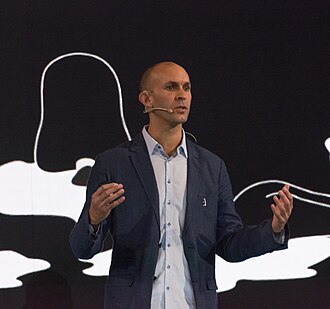
阿尼尔·赛斯 AAdam
本期追问 · 点击跳到视频对应位置
23:28 知觉若是幻觉,为什么没人敢站到迎面开来的公交车前?37:22 「我」感觉始终如一,会不会只是大脑的一个预测?46:00 从内部知觉身体,和知觉外面的杯子,为什么感受截然不同?8:34 把意识拆成不同性质逐一解释,体验之谜就会自行消失吗?
归入 Ⅰ·02 我们看到的,就是世界本身吗? →
EDITED TRANSCRIPT · 依据现场录音编译整理,可划线生成便签
编者按:本文整理自英国神经科学家阿尼尔·塞斯(Anil Seth)在其新著《成为你》(Being You)发布之际所作的一场公开讲座。塞斯为萨塞克斯大学认知与计算神经科学教授、萨克勒意识科学中心联合主任,讲座由主持人亚当引介并主持问答。这是塞斯在疫情停摆十八个月后首次面对满座听众登台。全文依据现场录音编译整理,仅删去口语枝节与重复,论证、例证与措辞均忠实于原貌。

意识科学的尴尬

主持人: 谢谢各位,谢谢马丁,谢谢大家的到来。时隔十八个月,能重新站在一个坐满人的报告厅里,实在是件好事。

今天早上,你们每个人都做了一件触及人类处境根本的事:从无意识状态过渡到了有意识状态。我们每天醒来都要经历这一过渡,却并不真正明白它意味着什么,不知道从无意识到有意识究竟是怎样发生的。意识当然是过去几千年推动西方思想的核心观念之一,长期以来主要归哲学家和艺术家打理。但一如既往,凡是这类题目,科学家都不甘于置身事外,于是近些年他们也认真上手了。

这意味着什么呢?在一个可以说是「观点过剩、数据匮乏」的领域,近年来科学界和哲学界都产出了大量糟糕的意识研究。我引用一句今晚讲者自己引过的话。1989年,他到剑桥读本科时,一位顶尖心理学家对他说:意识是个迷人却难以捉摸的现象,没法说清它是什么、有什么用、为什么会演化出来,关于它的文字没有一篇值得一读。那么,感谢各位光临,散会。开个玩笑。

阿尼尔·塞斯教授是萨塞克斯大学认知与计算神经科学教授,写了这本精彩的《成为你》,我相信它注定会成为经典。阿尼尔是当今最清晰的思想者之一,他把哲学、神经科学和计算模型融为一体,试图直面所谓「意识的难问题」(hard problem of consciousness),也就是「成为我们自己」究竟是怎么回事。不过用他自创的说法来讲更贴切:意识的「真问题」(real problem)。按惯例,阿尼尔会讲一小时左右,随后是半小时的观众提问。我们没有流动话筒,请举手大声提问,我会复述问题。线上还有大约一千人在观看,我会留意聊天区,也会代为转达网络上的提问,请大家保持礼貌。下面有请今晚的讲者,阿尼尔·塞斯教授。

变化盲视:自我真的没变吗

塞斯: 谢谢亚当,非常感谢。哇,真的有活人在场。关于「成为你」我懂得不多,但此刻「成为我」的感觉确实非常奇怪。我已经十八个月没有听过讲座,更别说做讲座了。而现在,我站在这座美丽而富有历史的建筑里,周围是可爱的人们,为自己的新书发布而来。这令人很不适应,但也确实感觉相当不错。

我还是两年前的那个人吗?怎么可能呢?过去十八个月我几乎一直独自待在家里(顺便说一句,这里不是我家)。平时定义我生活的那些事件之流和社交往来,都被彻底打断了。可在我看来,我仍然是同一个人。那时的我和此刻的我之间,似乎有一种强烈的连续性。这种自我感的连续性,正是「成为某个人」,成为我或者成为你,很大一部分的内涵所在。

知觉科学里有个著名现象,叫「变化盲视」(change blindness)。就在我讲话的时候,你们身后的背景图像一直在缓慢变化。有多少人注意到了?我希望有人注意到,尤其希望我实验室的人注意到了。他们在场,只是我看不见。注意到的人不多,但那张图里其实有很多东西变了。这张图来自我在美国的同事凯文。这是开始时的样子,这是结束时的样子。我至今也不知道到底变了多少处,这是一个经典演示。

你们的知觉变了,你们却没有知觉到这个变化。这就是变化盲视揭示的东西:变化不只是发生在知觉身上的事,变化本身就是知觉的一部分。我们知觉变化,就像我们知觉颜色、形状、气味以及周围世界的其他事物一样。

我认为,同样的道理也适用于作为一个自我的体验,适用于任何自我的体验,而且程度更甚。我在书里把它称为「自我变化盲视」(self change blindness)。经由演化的设计,我们的大脑和心智倾向于把自己知觉得比实际变化更少。原因在于,我们知觉自己,是为了控制自己,是为了活下去。

成为我或成为你的体验,是一种「受控的幻觉」(controlled hallucination),其目的是维持身体的运转,让我们活着。本书和这场讲座的核心信息就是:我们知觉周围的世界,以及世界之中的自己,是凭借我们活生生的身体,通过它,并且因为它。书里我把这个观点,或者说理论、提案,称作「野兽机器」(beast machine):我们拥有有意识的心灵和有感受的自我,正是因为我们是活着的机器,而不是尽管如此。

摆在桌面上的挑战,也是催生这个想法的挑战,那个「没有一篇值得读的文字」的挑战,就是理解意识:理解物理的、物质的系统(比如大脑和身体)与那个私密的、本质上主观的、宏大而美丽的主观体验世界之间的关系,以及身处其中的自我。这一切是怎么发生的?

意识的定义与它不是什么

塞斯: 一如既往,最好从定义开始。我最喜欢的意识工作定义来自哲学家托马斯·内格尔(Thomas Nagel)。他说,一个有机体拥有有意识的心理状态,当且仅当「成为那个有机体是有某种感受的」。对那个有机体而言,存在着本身就有某种感受。成为我有某种感受,成为你有某种感受。成为一头大象、一只蝙蝠或一只袋鼠,大概也有某种感受。但成为一张桌子、一把椅子、一台笔记本电脑或一杯水,大概没有任何感受。对这些系统来说,什么都没有在发生。意识体验就是这么回事。

同样重要的是说清它不是什么。意识并不等于对环境的敏感。这株捕蝇草各行其是,但对它来说什么也没有发生,我们没有必要假定这株植物有意识。意识也不等于智能。2016年阿尔法狗(AlphaGo)击败李世石的时候,它无需知道自己在做什么。它是一个非常复杂的机器学习程序,用不着有意识。意识也不等于能动性。波士顿动力的那些人不断造出极其吓人的机器人,看起来在执行非常复杂的目标导向行为,但同样没有内在生活,对这些系统来说宇宙里什么都不存在。

说得更有争议一点:就人类意识而言,我认为意识也不等于拥有一个完整的、反思性的自我,也就是那个知道自己有意识、知道自己名字的自我。那是额外附加的东西。意识体验只是任何体验的在场本身。事实上,你可以把它看作所有体验得以显现的那个空间。

难问题、泛心论与「真问题」

塞斯: 于是问题又来了:这是怎么发生的?意识与我们颅骨里那团电化学湿件是什么关系?面对这个问题,科学似乎根本无从下手。哲学家大卫·查默斯(David Chalmers)用他那著名的(如今可以说是臭名昭著的)「意识的难问题」把这一点说得极为尖锐。他是这么说的:人们普遍同意体验产生于物理基础,但我们对它为何以及如何产生并无好的解释。物理加工为什么会催生丰富的内在生活?从客观上看这似乎毫无道理,然而它就是发生了。

驱动这一说法的直觉是:即便你解决了查默斯所谓的「易问题」(也就是大脑作为一个机制如何运作、它复杂的回路如何接收输入并产生输出、引导行为、实现记忆等等),那个「为什么意识里会有任何东西在发生」的难问题依然会原封不动地留在那里,我们仍然一无所获。这就是那个直觉。

面对难问题,有些思想者一头扎向了看似相当激进的立场。一种是泛心论(panpsychism):意识是基本的、无处不在的,像一层薄薄的果酱涂满整个宇宙。泛心论的问题不在于它看起来疯狂,而在于它什么也解释不了。它无法检验,也导不出可检验的预测。你们听得出来,我不太喜欢它。

另一个极端的观点则说:不对,我们对意识的神秘感完全是误解,根本没有什么神秘的,那只是机制,仅此而已。意识并不真的存在,至少不像我们通常设想的那样存在。我觉得这个立场有点像药:剂量对了很有用,因为它在「事物看起来如何」和「事物实际如何」之间撬开了一道缝隙。可要是服得太多,认定意识根本不存在,那我可不愿意去。因为对我来说,对我们大多数人来说,意识恰恰是一切。没有意识,就什么都没有。

所以我的路数(这不只是我的,只是我这样命名而已,这个领域里大多数人其实都是这么做的)叫作「意识的真问题」。迎着难题上:意识存在,承认它与大脑和身体的密切依赖关系,然后设法弄清楚到底在发生什么。我偏爱的具体做法,是追问大脑和身体中的机制与过程如何解释、预测和控制意识的各种性质。这些性质既有功能性的,比如因为有意识我们能做什么:我看见这杯水,可以喝掉它,可以不理它,也可以把它甩到身后,这些都是我凭借有意识才能做的事。也有现象学上的:拥有视觉体验有某种感受,它不同于情绪体验或闻到一种气味的感受。

如果你能解释、预测这些性质,意识科学就有了进展。这既不是难问题,因为它不去回答如何从纯粹机制里变戏法般变出体验;也不是易问题,因为它不是只把大脑当机器来解释,然后把意识体验扫到地毯底下。这条路有很多渊源,也有不少相近的传统,我不想假装它是全新的,完全不是。我深受「神经现象学」(neurophenomenology)的影响,这与二十年前去世的智利神经科学家弗朗西斯科·瓦雷拉(Francisco Varela)有关,思路相仿。背后的直觉是:这样做,我们不是去解决查默斯的难问题,而是把它消解掉。

从活力论类比到拆解意识

塞斯: 这里有一个我觉得多少有些用处的历史类比。不久之前,科学家、生物学家、化学家还在困惑科学如何解释生命。生命似乎是超出机制所能解释的东西。这自然引出了活力论(vitalism),认为需要某种「生命冲力」(élan vital),一道生命的火花。如今我们根本不这么想了,那个特殊来源的假设已无必要。我的希望,也是我的信念,是同样的事会发生在意识身上。与其把它当作一个需要某次石破天惊的「尤里卡」时刻来一举解决的巨大谜团,不如考察它的各项性质,把它们分开,逐一审视和解释。这样我们就会消解意识的难问题,正如过去生命的难问题被消解一样。

当然,生命不等于意识,这点千真万确。我认为二者最重要的区别之一是:你没法把一段意识体验放到桌上端详。意识体验本质上是主观的,它只为拥有它的有机体而存在。这是个麻烦,它让意识难以研究,怎样才能获得合适的数据?但这并不像有些人偶尔宣称的那样,使意识科学成为不可能,它只是意味着相当有挑战性。你仍然可以获取关于人们体验是什么样的数据,然后去预测、解释、控制。

就像在生命研究中,人们辨认出生命系统具有的不同性质,比如繁殖、稳态、代谢,我们对意识也可以如法炮制。它不是铁板一块,可以从几个不同侧面来思考。在书里,以及在我萨塞克斯实验室的工作中,我们关注的是这样几个方面。

一是意识水平(conscious level):当你有意识的时候,你的意识程度有多高?大致说来就是麻醉状态与你们此刻清醒觉知状态之间的差别。二是意识内容(conscious content):有意识时,你总是意识到某个东西。此刻你意识到我的声音,意识到被一大群人包围的这种略显陌生的体验,还有颜色、形状、声音、身体靠在椅子上的感觉,这些都是你体验的内容。尤其是最后这一项,牵涉到对我们许多人(当然包括我)来说意识内容中最本质的一面:作为一个自我的体验,成为你的体验。

意识水平:复杂度指标与整合

塞斯: 那就开始吧。我会快速过一遍这几个意识领域的内容,先从意识水平说起。大脑中的什么东西,解释了清醒觉知与仅仅是一块活着的肉、对它而言什么都没发生之间的差别?

首先要说的是,意识水平不等于清醒度(wakefulness)。通常二者相伴而行,对吧?你入睡,或许失去一些意识,然后醒来,回过神来。但有些时候二者会分离。你睡着做梦时,当然是有意识的:梦是有意识的,可你在睡觉。另一方面,还有植物状态或所谓「无觉知的清醒状态」,严重脑损伤后的患者会经历睡眠与清醒的周期,却似乎什么都没在发生,家里似乎没人,似乎没有任何意识。所以意识不等于清醒。我们需要追问的是,大脑中什么东西伴随的是意识,而不只是清醒。

方法有很多,长话短说,我只讲实验室一直在做、现在也和剑桥与伦敦的同事(他们今晚也在座,佩德罗、费尔南多、特里斯坦等)合作推进的一种。我们用一个叫「伦佩尔-齐夫复杂度」(Lempel-Ziv complexity)的指标。听起来复杂,其实非常简单,它本质上就是把数码照片压缩成可以用邮件发送的小文件的那套办法。它的做法是数一数照片或任何数据里有多少重复模式。底下那个复杂的东西,问题留到之后再说。基本上它就是在问:一组数据里有多少种不同的0和1的组合?数出这些组合的数量,也就是重建原始数据所需的「词库」大小,这就是伦佩尔-齐夫复杂度。粗略地说,它越高,你看的数据就越多样、模式越丰富。

把这个指标用到大脑数据而不是照片上,就会看到一些有趣的东西。这是与萨塞克斯的亚当·巴雷特(Adam Barrett)、迈克尔·沙特纳(Michael Schartner)及合作者们共同完成的工作。麻醉状态下,随着你失去意识,复杂度水平下降。失去意识时,你的大脑变得更规则、更可预测。睡眠中也是一样。这是另一组数据,由同事们通过植入脑深部的电极记录。有意思的是(看看能不能显示出来,噢,可以,真聪明),你可以看到清醒静息态和快速眼动(REM)睡眠的模式基本相同。也就是说,在你最可能有意识、在做梦的那个睡眠阶段,这个指标与清醒觉知时是一样的。而在其他睡眠阶段,它低得多。

最后是一个相当出人意料的发现。我们与帝国理工的同事合作,把同一指标用于迷幻状态下的人的数据,无论是LSD,还是裸盖菇素或氯胺酮,结果朝相反方向走:迷幻状态下大脑变得更多样、更不可预测。媒体常把这写成「科学家发现更高意识状态的证据」,那并不是我们想说的。但迷幻状态确实在脑动力学中有某种可测量的特征,这一点很有意思。

这些只是追踪大脑中意识水平「神经指纹」的第一步,它并不必然解释为什么会这样、为什么理应如此。要把你们带到这项工作的当前进展,我们正基于这一思路开发新的指标,同时能给出它们理应与意识同步变化的原则性理由。这要追溯到最初真正激励我把意识科学当作事业(至少是试着进入这个领域)的那些工作。上世纪九十年代末我在读博士,读到了杰拉尔德·埃德尔曼(Gerald Edelman,后来成了我在圣地亚哥的老板)和他的门生朱利奥·托诺尼(Giulio Tononi,如今是该领域真正的领军人物)的论文。他们提出,你的每一次意识体验都具有两个性质。一是它是整合的(integrated),浑然一体:体验的各部分不会彼此分离地各自进行,此刻的一切都发生在一个统一的场景之中。二是它又极富信息(informative):你的每一次意识体验都排除了海量其他可能体验的同时出现。用严格的技术语言说,它是有信息量的,它在你所有可能的体验空间里削减了不确定性。这两点是意识非常独特的特征,在我们想解释的其他生物学现象里从不出现,或者说不容易出现。

所以我们需要大脑指标能同时反映这两个性质,捕捉信息与整合之间的那块中间地带。这是我们和其他一些团队多年来一直在做的事,目前仍停留在开发指标本身的阶段。这是整场讲座里最后一批方程,它们本身并不特别要紧,只是表明现在已经有办法把这块中间地带写下来了。思路是拿这些指标去大脑数据上检验,看它们表现如何。目前它们的表现还不如那些简单指标漂亮,所以还有大量工作要做。

关于水平我要说的最后一点,是我们正着手构建能捕捉「涌现」(emergence)的指标。这是另一个极其有趣、颇有争议、很难定义的现象:一群部分,比如这里的一群椋鸟,鸟群似乎在某种意义上有了自己的生命,似乎超过了组成它的一只只鸟的总和。碰到这样的场景,我们都能认出涌现发生了,但要用数学方法弄清它在其他系统中何时何地发生,却出奇地困难。比如你的神经元在以复杂的方式放电,你怎么知道它是不是有点像一群鸟?这个问题很不好问。所以我和莱昂内尔·巴奈特(Lionel Barnett)、费尔南多·罗萨斯(Fernando Rosas)等人一直在设法量化它,看它能否也作为意识水平的一种指标。

知觉是大脑的最佳猜测

塞斯: 好,这是走马观花。我要迅速转向意识内容:我们的意识体验如何在任一时刻被各种各样的东西填满,物体、人、地点、颜色、形状等等。这里再来一个演示,从方程的云端下来一下。

不知你们是否见过。这个能用吗?可以。请把视线集中在图像中央的黑色十字上,尽量不要动眼睛,尽量不要眨眼。我也来试试,不过从这里看有点难。现在,眼睛别动,有多少人看到那些洋红色的色块消失了?还有一块绿色的?这就是去年一整年在Zoom上做不了的事:真的向人提问。太棒了,我很喜欢。现在眨眨眼,转动眼睛,四处看看。洋红色块当然回来了,绿色块并不存在。这叫「丁香追逐者」错觉(lilac chaser illusion)。

这里其实同时发生了几件事。一是「特罗克斯勒消退」(Troxler fading):边缘模糊的东西处在视野外围时,往往会从你的体验里直接消失。二是似动(apparent motion):相邻的东西交替出现和消失,大脑会推断出它们之间的运动。三是颜色对立(color opponency):大脑有一个颜色空间,在那里洋红的对立面是绿色。原因相当有意思:你把红光和蓝光混合就得到洋红,可在电磁光谱上,绿在中间,红和蓝在两端。所以大脑接收到红和蓝时,多少也预期绿色细胞会被激活,但它们没有,因为你只混了红和蓝。于是洋红在某种意义上就是「非绿」。你看到绿色后像时,真正看到的其实是「非非绿」。好吧。

要理解这堆胡闹,关键在于你的大脑是一台预测机器。你已经看到,在事物的实际状况和你的体验之间存在一道缝隙。我一直沿用的思路是:之所以如此,是因为大脑始终在设法理解本质上嘈杂、含混、不确定的数据。

请想象一下当一个大脑是什么感觉。想象你被关在颅骨这座骨头的地窖里,试图弄清外面世界有什么。颅骨里没有声音,没有光,一片漆黑,一片寂静。你能依靠的只有电信号,而这些信号与世界上的事物(无论它们是什么)只有间接的关联。所以知觉必定是一个推断的过程,一个最佳猜测的过程:大脑把这些无声无色、充满不确定性的感官信息,与它的先验预期、它关于世界真实面貌的先验知识结合起来。我们有意识地看到的,就是这个。我们看到的是大脑对外界的最佳猜测。

这是一个非常抽象、高层次的描述。(又冒出一个方程,该死,把这个忘了。)落实到大脑上,这意味着什么?意味着大脑在做一件叫「贝叶斯推断」(Bayesian inference)的事。贝叶斯推断是概率、统计和数学中一个非常古老的思想,说的是在不确定条件下进行推理。一切都不确定,我们可以用贝叶斯统计来推测疫情走向,或者去定位一艘失踪的潜艇。它是从结果反推你认为造成这些结果的原因。在这里,结果是撞上我们眼睛和耳朵的感官信号,原因则是外部世界中产生了这些信号的东西。实际上,要对任何东西做贝叶斯推断,把它写下来、在计算机上运行、让任何机器去做,通常都极其复杂。

但有一种做法,至少能得到近似,叫作「预测加工」(predictive processing)。我们的想法是,大脑做最佳猜测时干的就是这个,而它这么干,是因为这是实现贝叶斯推断的一种方式,用以弄清是什么造成了它的感官环境。预测加工的思想非常简单:大脑里的信号在两个方向上流动。一个方向是由外而内,从世界一路深入大脑;另一个方向相反,由内而外,从大脑返回感官、返回世界。把由内而外的信号看作预测,即关于正在发生什么的预测;而由外而内、在大脑中层层上传的信号,只是「预测误差」(prediction error),它们只是告诉大脑它的预期与实际所得之间的差距。通过不断尽量消减这些预测误差,或更新预测,或改变数据以消除误差,这些预测便集体收敛为大脑对外界的最佳猜测。而这在数学上非常接近贝叶斯推断。

但除了这种漂亮的数学等价性之外,这里还有一个真正的观念性信息,我至今想起来仍觉得相当费解。我们太习惯于把知觉看作对感官信号的直接读取,仿佛世界透过感官这扇透明的窗户把自己倾倒进我们的心灵。但事情正好相反。我们知觉到的东西是由内而外来的,感官数据只是在为我们的知觉猜测把关。所以,知觉内容由自上而下的预测承载,自下而上的感官信号只传递预测误差。图上绿色箭头才是要紧的。这一页跳过,用不着。

如果你要问,这类主张有什么证据?有一些,其中一部分是我们实验室做的。这是一项老研究,与我从前的博士后亚伊尔·平托(Yaïr Pinto)合作。我们给两只眼睛分别呈现不同的图像:一只眼看到一张逐渐浮现的人脸,另一只眼起初看到一组不断变化的彩色方块,然后逐渐淡出。分别呈现给两只眼时,大脑不会把它们混成一团糟,而是先呈现最强势的那个,于是你只看到变化的色块。过一会儿,人脸「突破」出来,你就看见它了。由此可以做出一个预测:如果知觉主要由预测、由大脑的预期承载,那么用「脸」这个词提示受试者去预期一张脸,他们就应该比没有预期时更快、更准确地看到脸。数据正是这样:人们看到预期之物比看到非预期之物更准、更快。

不过这只是实验室里能做的心理物理学,它没问题,但离我们的真实生活体验、那幅丰富的知觉全景还相当远。为此,我们组现在做的一件事,我喜欢叫它「计算神经现象学」(computational neurophenomenology)。我知道这个词有点拗口,真该换个名字。它就是用计算模型在大脑活动与体验的样貌之间架桥。我们目前的做法是聚焦于不寻常的体验。理解一个系统的好办法,通常是推它一把,让它的表现偏离常态。视觉领域尤其有幻觉这类现象。

幻觉机器与受控幻觉

塞斯: 这是一张云里的脸。我们对此都不陌生:我们在云里看到脸,在吐司片上看到脸,几乎在任何东西里都能看到脸。大脑天生就被强烈地设定为对脸敏感。我们甚至能在教堂上看到脸。这说明什么?是否说明大脑对脸有很强的预测?那么,我们能不能设法模拟这一点,模拟这种平衡:把预测调高一点会怎样?

这是相当早的工作,与实验室的铃木启介(Keisuke Suzuki)等人合作。我们拿了一个非常著名的神经网络,它接收图像并告诉你图里有什么,信息从图像一路向上流动。但你可以把它倒过来运行:固定输出,比如指定「狗」,然后反向运行,去修改图像。这么做,就是把一个预测投射进一幅已有的图像。我们把它用在一段全景视频上,再通过头戴设备回放,人们戴上就可以环顾四周,看到的是一个被狗和狗的零件浸透的世界。我们叫它「幻觉机器」(hallucination machine)。真的戴上头显去看,效果出奇地逼真。有人说它偶尔有点「致幻」,大概算不上,但它绝对不寻常,确实有什么在发生。这不是把狗用修图软件贴到画面上,而是「狗性」以各种有趣的方式从图像中涌现出来。这就是模拟你的大脑对「看到狗」持有过强预测时会发生的事。

我们现在再往前推,也是快速带过,是在试图模拟不同类型的幻觉。幻觉是个复杂的概念,很多人有很多种不同的幻觉。尤其是帕金森病或某些类型痴呆的患者,可能出现非常复杂的幻觉,包含完整的场景、人物、物体和地点;另一些幻觉则只是非常简单的图案和形状,仅此而已。所以我们现在有一套更精细的神经网络,以各种方式连线,能模拟不同种类的幻觉。你们看到的每一张图都是一个起点:一只鸟、一朵蘑菇、一盏灯、一座火山,还有一个什么东西,原来是某种花。第二行有点模糊,这是故意的:我们在模拟人们失去中央视觉时出现的幻觉,见于所谓查尔斯·邦纳综合征(Charles Bonnet syndrome)。运行这个系统,你会看到各种情况下产生的幻觉截然不同。这样我们就能对不同知觉体验背后的机制说得更具体一些,我认为这让我们离理解体验如何在自己的大脑中被建构又近了一步。我们还在把这个环路闭合起来:找到在现实中经历这些幻觉的患者,请他们把模型输出与日常遭遇的幻觉进行匹配。这样就能用人们的真实体验来校准我们所做的事。

这种思路引出了一个观点:幻觉是一种不受控的知觉。当推断外界的常规工作,也就是在知觉预测与预测误差之间保持平衡的工作稍稍脱轨时,幻觉就出现了。反过来,至少对我而言,这意味着知觉是一种受控的幻觉。这句话我最早是从克里斯·弗里思(Chris Frith)那里听来的,他又是从别人那儿听来的,谁也没能查出它最初的出处。

这个说法常被误解为知觉与外部世界毫无关系、一切都是编造的。有人对我说:去站在公交车前面,看看你还认不认为知觉是幻觉。不是这样的,「受控」二字在这里同样重要。我们知觉事物的方式受到世界以各种有趣且对有机体有用的方式的约束。我喜欢这个说法,是因为它强调了一种连续性:幻觉并不是完全不同的另一个物种,它是同一个底层过程,只是预测与预测误差之间的平衡失守了,大脑的最佳猜测松开了对世界的把握,于是人们看到了别人看不到的东西。

在书里,我把这个思想推得比「在萨塞克斯校园里看见狗」或「更快看见一张脸」远得多。更大的主张是:这种思路适用于我们所有的体验,在所有时刻。它适用于颜色、声音、触觉、味觉的体验,也适用于更根本的东西,比如我们对时间和绵延的感受,一个视觉印象是否感觉像一个「物体」。归根到底,甚至事物是否「显得真实」这一点,我们所知觉的东西真实存在着这种体验本身,也是知觉推断的一个方面。它和变化一样,也是知觉的又一个维度。背景这张图只是想传达一种真实世界的感觉:这是布莱顿难得的一个夏日,在水上,美极了。

自我也是一种知觉

塞斯: 接下来对我来说是最有意思的部分:把这些想法转向内部,转向自我,并认识到自我同样是一种知觉。人们很自然地会以为,自我是那个进行知觉的东西:外面有一个世界,感官数据从世界而来,有一个自我接收这些数据,形成反映世界样貌的知觉。但事情并非如此,我认为完全不是这样。自我本身是另一种形式的知觉,是另一种受控的幻觉,只不过非常特殊,因为它是「成为你」的体验。

这一点的第一个含义并不新鲜:自我不是一个单一的东西。这又是「事物看起来如何」与「事物实际如何」之间的一道小裂缝。在日常生活中,除非患有某种精神疾病,作为一个自我的体验在我们看来是统一的。就是你,从一个地方到另一个地方,从一个Zoom会议到另一个Zoom会议,全程都是同一个你在场。但我们体验「作为自我」的方式其实有很多种。

有身体自我(bodily self):作为一具身体的体验,活着并与世界中的这个东西、这个叫作你的身体的对象相认同,感受到你的身体在哪里结束、世界的其余部分从哪里开始。有从第一人称视角知觉世界的体验,大约就在你眼睛后面的某处。我们知道这种体验会消失,因为有人报告过离体体验(out-of-body experience),从外部视角看到自己。有意志自我(volitional self):做出行动、决定去做某事、成为世界上某些事件的原因的体验。人们常把自由意志与此联系起来,这个稍后可以谈,它是个不小的兔子洞。再往上还有更高层次的自我,比如叙事自我(narrative self),自我与一组记忆、一个跨越时间的持久身份、一个名字联系在一起。最后是社会自我(social self),我想这正是我们许多人最近一直在怀念的部分,我们身上依赖于与他人相处的那一部分。「成为我」的一部分,是经由我认识的、与我互动的那些人的心灵折射而成的。

自我的所有这些不同侧面似乎都绑在一起,浑然一体,但它们可以以各种方式分开。这一点我们尤其从奥利弗·萨克斯(Oliver Sacks)等人的著作中得知,那些文字美妙地展示了自我的某一部分改变而其他部分依然存在时会发生什么。书里我谈到一个叫克莱夫·韦尔林(Clive Wearing)的人。韦尔林是一位音乐学家,患上了一种极其严重的脑病,导致了有记录以来最戏剧性、最深重的失忆之一。他无法记住任何新东西,多年来一直活在大约十秒钟的「永恒现在时」里。这发生在八十年代,他现在八十多岁了。但他其余的部分仍在。我从未见过他,是间接得知的:有一次著名的场合,他回到从前指挥过的合唱团,指挥音乐时的流畅让他看上去重新完整了。我觉得这是个美妙的故事。

我想多讲一点身体自我,这是我们组投入最多、我的兴趣最集中的地方。它既是对世界中这个叫作你的身体的对象的认同体验,也是一种更基本的体验:仅仅作为一个活着的有机体,没有形状、没有形态。当然,我们的观点是,拥有身体和作为身体的这些体验都是知觉建构,是大脑做出的最佳猜测,和其他一切一样。

这方面有个非常著名的例子,很多人可能见过,叫「橡胶手错觉」(rubber hand illusion)。志愿者(这里是穿蓝衣服的人)把真手藏在隔板后面,看不见;面前放一只假的橡胶手,看得见。实验者(穿绿衣服的人)拿两把刷子同时轻刷两只手。对许多人(不是所有人)来说,这时会产生一种颇为诡异的感觉:那只假手似乎有点像自己身体的一部分。不是完全,但多少有一点。如果两只手刷得不同步,就不会出现这种感觉。我在很多讲座里都用过它,作为大脑对「什么是、什么不是自己的身体」做最佳猜测的绝佳例子。你可以亲眼看到它发生。我忘了播放视频。看着总是很有趣:他们在刷手,然后有个办法检验错觉是否真的生效,就是用一件厨房用具。没错,它生效了,瞧。

这里有一个漂亮的故事:大脑接收到各种感官证据,它看见一只手,感受到触摸,那只手看起来大致像手,又在手应该在的位置,于是它做出最佳猜测。这可能是故事的一部分。但萨塞克斯正在推进的一条极为有趣的研究线索,由我的同事皮特·拉什(Pete Lush)和佐尔坦·迪内斯(Zoltan Dienes)主导,表明这并不是全部,甚至可能根本不是故事的一部分。几年前,皮特开展了大概是世界上规模最大的橡胶手研究,在疫情前那个学年伊始,在萨塞克斯搭起了一批「橡胶手工厂化农场」,给大约四百名本科生做了橡胶手错觉。我们在做错觉的同时,也测量了一种叫「受暗示性」(suggestibility)的东西。

你们都听说过催眠吧?催眠不只是舞台把戏。我们每个人受暗示的程度不同。我们都有这样一种倾向:如果有人鼓励我们去做某事,或者预期某事发生、预期体验到某种东西,受暗示性高的人就更可能去做那件事或产生那种体验。这是一个非常稳定的特质。结果发现,它与橡胶手错觉的相关性相当强。你们看到的那条线不是统计上规范画的,是我在论文的图上用修图软件加的,反正就是往上走。基本结论是:你越容易受暗示,橡胶手错觉就越强。

图上有两种颜色的柱子,比较的是同步刷和不同步刷,你可能会说:「啊哈,可二者之间还是差得很大。」是的,但皮特另一项重要的工作表明,人们本来就预期会有差别。如果你只是告诉人们你要在橡胶手错觉里做什么,说「我会同步或不同步地刷你的手,你预期会有什么感觉?」人们知道自己「应该」体验到什么,所以两种条件总是有差别并不奇怪。在心理学里,这就是我们一直担心的老问题:需求特征(demand characteristics)。怎样控制人们的预期?做心理学实验的受试者真的很烦人,他们总想猜出你希望发生什么,然后要么照做,要么(更可能)反着来。不过这一切都属于同一件事:我们的体验仍然是一种建构,只是现在有了许多不同的因素,不只是感官数据,还有大脑带入那个情境的所有预期。

内感受与野兽机器

塞斯: 好,讲座的最后一部分,我想谈的不是把身体作为对象来体验,而是「仅仅作为一具身体」的体验,那种活着的感觉的基本底色。我称之为「野兽机器」的思想,稍后会解释为什么。

拥有身体是一回事,而且这确实有其独特之处。我们从大量神经学病例得知,比如有一种叫「躯体妄想症」(somatoparaphrenia)的情况:某种特定脑损伤的患者仍然有右臂,却会把这条真实的手臂体验为属于别人的。这种体验极其顽固。他们会试图把自己摔下床,就是不相信那是自己的胳膊,哪怕你指出它连在他们的肩膀上。这种强度的体验,是橡胶手错觉里永远不会有的。所以身体归属感对自我是根本性的。

但还有「仅仅作为一个活的有机体」的体验。我们不太想到这一点,至少我过去不常想。但我认为它正是「成为你」这件事的最底层,而且它凸显了另一种形式的知觉。我们习惯于把知觉看作主要面向外部世界的事:睁开眼、竖起耳,弄清世界上有什么。但还有一整类知觉叫「内感受」(interoception),是大脑对身体内部的知觉和调节。再想想当一个大脑是什么感觉:它对任何东西都没有直接的通路,无论是世界还是身体。它得到的只有感官信号、电信号,这些信号不带标签,不会说「我来自心脏」「我来自肾脏」,不是那样运作的。内感受这个概念指的就是大脑感知自身生理状况的各种方式。想一想,这从根本上说正是大脑要做的事。它们不是用来写诗、过一个愉快的下午或制定下季度营销方案的,它们的职责是让身体活着。可它们怎么做到?它们面临同样的问题:没有直接通路。所以从内部知觉身体遵循同样的原则,至少我认为是这样:遵循预测与预测误差的原则。只不过现在,预测与预测误差的这场舞蹈主要在身体内部展开。这就是「内感受推断」(interoceptive inference)的概念。

从内部知觉身体与知觉外部事物(比如这杯水)之间有一个关键区别:内感受预测,这些关于身体的知觉和预测,不是为了弄清事实,而更多是为了控制。从大脑的角度看,关于我身体状态要紧的不是我的肺和肾在哪里、是什么形状、可能是什么颜色,而是它们把我此刻和将来维持存活的工作做得好不好。当然,我知觉外部世界归根结底也是为了这个:我的视觉最终也是为我的存活服务的。但更直接地说,我需要知道东西在哪里,它是朝我来还是离我去,会不会吃掉我,诸如此类。所以内感受预测做的从根本上是另一件事。我认为这正是为什么从内部对身体的知觉与对周围世界的体验感觉如此不同、性质如此不同。想到对周围世界的体验,是物体、地点、人、东西、气味;而这些具身的体验,是情绪和心境,是事情感觉好或坏,或者将来更可能变好还是变坏。这对情绪的看法当然很有限,但归根结底差不多就是这样:事物最终总是在某种意义上好或坏。

这个想法(书里谈得更多)汇聚了许多思考大脑的不同路径。有一个我认为极其令人振奋却被严重忽视的传统,叫控制论(cybernetics),可追溯到上世纪五十年代人们刚开始思考计算机的时候。当时人们想的不只是让计算机下国际象棋、下围棋或做推理。还有另一条当时完全并行的思路,是研究能控制事物的系统。那时刚打完仗,雷达和导弹制导之类的东西至关重要。这种思路认为,一个好的控制系统必须有紧密耦合的反馈,必须对误差、对预测误差非常敏感,还必须拥有一个关于它所控制的系统的模型,能够对它做出预测,需要知道它将来会发生什么。所以,在复杂情境下任何像样的控制系统都会涉及预测过程。

家里的中央供暖系统(对美国观众来说是空调系统)可以非常简单地运作:太冷就开,太热就关。但对于身体这样的东西,这样做是不够的。你不会想等到心率飙上天花板才决定扩张血管或做别的什么,或者说你的大脑才决定这么做。你必须提前预测,才能保持稳定。生理学里这叫「异稳态」(allostasis),通过变化达到稳定。这个思想渊源很长,它从「大脑就是这样控制事物」的角度支持了预测性知觉的观点。我认为它最完整、最优美的顶峰,是卡尔·弗里斯顿(Karl Friston,他今晚也在场)提出的「自由能原理」(free energy principle)。

这个原理的想法是:有机体,尤其是有机体,以及任何算得上「一个东西」的东西,都能随时间维持自身,不会消散成虚无。而能随时间维持自身的有机体或东西,想想一条鱼就明白了。一条鱼在水里游来游去,之所以能一直是一条鱼,是因为它在水里。把鱼捞出来放到桌上,过一阵它就化成一摊烂泥。生命系统尤其会把自己维持在它们长期预期所处的状态里,它们努力停留在自己可能处于的所有状态中极小的一部分里。我没有变成烂泥,而我大脑的工作基本上就是把我维持在所有可能状态中这个极小的集合里,那些可能状态大多数都是烂泥。结果证明,仅仅「继续是一个东西」这一最基本的律令,就催生出了预测、预测误差与控制这整套丰富的机制。

结论:预测自己进入存在

塞斯: 总结一下最后这部分,我其实已经有所暗示。它与意识特别相关的原因在于:不同种类的预测解释了不同知觉为什么各是各的样子。视觉预测支撑视觉知觉:我们看到处于各种位置的物体,因为那是要紧的东西,那就是视觉预测的特性。内感受预测支撑具身体验:事情进展如何?是不是不妙?我焦虑吗?我是不是快超时了?这些体验的质感截然不同,但我认为一切都归结为运作着的预测种类不同。

这把我们带回起点,「自我变化盲视」。即便有确凿的照片证据表明相反,我仍体验到自己随时间相对稳定。为什么?它确实在发生,可为什么会发生?我认为一个原因是:我大脑里那些旨在维持我存活的预测性知觉,若要运作良好,基本上就要预期我保持稳定,预期我不随时间改变。自我的稳定成了一个自我实现的预测。为了保持稳定、保持存活,我预测自己不会改变。我们正是因此在主观上对变化中的自我视而不见。

这是猜想。我不是在说「我们有实验证明了这一点」,不是的。我只是觉得它说得通,而这也是我逐渐形成的想法。它不仅适用于「仅仅作为一具身体」这种基本体验,也适用于我们作为自我的全部体验。如果大脑要让身体长久运转下去,那么把自我体验为统一的、稳定的就非常有用:这是确保有机体的所作所为总是被吸引向那个最可能的结果的好办法。于是整个自我在主观上的稳定就成了一个自我实现的预测。我们把自己预测进了存在。

让我把走过的路收一收。我们有意识地看到什么,取决于大脑对感官信号成因的最佳猜测。橡胶手错觉和这类实验暗示,这不仅适用于周围的世界,也适用于自我,当然,我们还有受暗示性和其他各种解释。但自我体验也是一个东西。对身体要紧的预测,不只是关于作为对象的身体的预测,而是关于控制和调节身体内部生理状态的预测。对我来说这意味着,我们所有的知觉从根本上都植根于活下去这一律令。这些在演化与发育中产生的预测机制,全都源自维持身体运转这一首要律令。我们知觉周围的世界和其中的自己,是凭借我们活生生的身体,通过它,并且因为它。这再次意味着,意识其实与生命关系极为密切。这不再只是一个历史类比:活着与觉知之间存在着紧密的关联。

到这里终于可以请出笛卡尔了,任何关于意识的讲座他都必须露面。但这里不是因为他的二元论,而是因为他关于生命与心灵的关系、关于其他动物的说法。我总为苛责他而过意不去,他生活在艰难的年代,而且才华横溢。但他确实说过:动物没有心灵指挥身体运动,因此必须被视为不会思考、没有感受的机器,像钟表一样运转。也就是说,活着这件事与人类拥有的那种理性的、有意识的心灵毫不相干。我认为完全相反:有意识的自我之所以产生,正是因为我们的野兽机器本性,而不是尽管如此。

推论:自由意志、他者心灵与 AI

塞斯: 最后几分钟,谈几个由此引出的推论,书里当然展开得更详细。

一是自由意志。我们可以谈论意识有多神秘,但自由意志有时似乎是另一个层级的神秘:它取决于世界是否是决定论的吗?在我看来,自由意志只是构成「作为自我」的诸多知觉的又一个方面:它是关于做出仿佛发自内心的行动的知觉。当我们体验到一个自由意志的行动时,感觉就像我们让某件本可以不发生的事发生了,我本可以做别的选择,我在以某种方式干预宇宙。但这并不意味着事实真的如此。就像我体验到红色,并不意味着红性真的存在于世界之中,它只是我的大脑理解眼前状况的最佳方式。自主行动是真实的,我们做的事主要有内在的原因。但没有必要设定某种不知从何处俯冲而下、改变宇宙因果结构的「无因之因」。那是装神弄鬼的胡说。

第二个推论是,我们每个人看到的世界都不一样。在极端情形下我们多少知道这一点,比如精神病患者,或者看见黑色字母会体验到颜色的联觉者。但我认为我们所有人对世界的体验都不相同。这种差异常常不为我们所见,它被遮蔽了,因为我们常用相同的词描述相同的东西,但那些东西在我们各自面前呈现的样子会有微妙的不同。我们各自栖居在自己独一无二的内在宇宙里。

超出人类,还有一片辽阔的他者心灵的空间。2009年我和章鱼相处了一个星期,那是我科学生涯中最惊奇的一周,书里也写到了。和章鱼待在一起,你会意识到,我们体验「作为自我」的那种特定方式,根本不适用于像章鱼这样陌异的生物:它能用吸盘尝味道,它的腕足几乎像一只只自主的动物,它还有三颗心脏、喷射推进和蓝色的血液。它们非常奇特。

最后是智能机器的前景。有人认为,随着人工智能越来越聪明,总有一刻灯会亮起来,它就有了意识。我认为这根本不对。如果意识与活着紧密相连,那么要紧的就是活着。意识不等于智能。把二者绑在一起,只是我们以人类为中心的傲慢:我们既聪明又有意识,于是以为二者必然同行。受苦不需要聪明,但可能需要活着。我很喜欢亚历克斯·加兰的电影《机械姬》(Ex Machina),它探讨的正是我们何时会把意识归于其他事物。

所以,如果你担心人为地创造出意识,也许更该担心的是脑类器官(brain organoid)之类的东西。这项新的神经技术让人们在培养皿里培育出类脑结构,进展迅速。前几天我刚看到一篇论文,图上这个「有意识的类器官」,其实不是论文里的,是我昨天摆弄 Keynote 时加上的。但这个类器官确实有感光的凹陷,也就是眼睛的雏形,而且其中的神经元会作出反应。它们目前还相对简单,但它们是由同样的材料做成的,不是硅。于是关于意识需要什么条件的一大未知,就此不复存在。我与蒂姆·贝恩(Tim Bayne)、马塞洛·马西米尼(Marcello Massimini)合作写过「觉知孤岛」(islands of awareness)的可能性;还有一个与今晚也在场的迈克尔·卡特(Michael Carter)合作的案例,我们思考的是那些接受手术后,一个大脑半球仍然存活却在颅内被断开连接的患者。

在这个令人愉快的话题上,我回到核心信息:我们知觉周围的世界和其中的自己,是凭借我们活生生的身体,通过它,并且因为它。

结束前,我真的想表达感谢。实验室里的所有工作都是其他人做的,过去十到十五年,我非常幸运能在萨塞克斯与一个出色的团队共事。这不只是实验,那些想法也都是集体的产物,它塑造了我思考一切的方式。我要感谢所有与我共事过的人。最后一件事,我知道这有点不寻常:这本书当然是献给我父母的,但今晚这场讲座,我想献给我从前的博士生保罗·肖利(Paul Schorley)。保罗2013年在完成论文后不久去世了,在座也许有人还记得他。他是个可爱的人,也有着出众的才智。我们深深怀念他,我想让他的记忆多留存一会儿。这场讲座是给保罗的。就以这张总结一切的图作结,非常感谢大家。
排版 + 横图 + 来源,粘贴即成稿
章节 · 点击跳转视频
0:10 开场:意识科学的尴尬与讲者介绍 ▶ 正在看
2:43 变化盲视:自我真的没变吗 ▶ 正在看
5:37 意识的定义与它不是什么 ▶ 正在看
8:34 难问题、泛心论与「真问题」 ▶ 正在看
13:10 从活力论类比到拆解意识 ▶ 正在看
16:07 意识水平:复杂度指标与整合 ▶ 正在看
23:28 知觉是大脑的最佳猜测 ▶ 正在看
31:12 幻觉机器与受控幻觉 ▶ 正在看
37:22 自我也是一种知觉 ▶ 正在看
46:00 内感受与野兽机器 ▶ 正在看
55:51 结论:预测自己进入存在 ▶ 正在看
58:06 推论:自由意志、他者心灵与 AI ▶ 正在看
本期小问 · 档案清单
23:28 知觉若是幻觉,为什么没人敢站到迎面开来的公交车前? ▶ 正在看
37:22 「我」感觉始终如一,会不会只是大脑的一个预测? ▶ 正在看
46:00 从内部知觉身体,和知觉外面的杯子,为什么感受截然不同? ▶ 正在看
8:34 把意识拆成不同性质逐一解释,体验之谜就会自行消失吗? ▶ 正在看
本期讲者
阿尼尔·赛斯萨塞克斯大学认知与计算神经科学教授,Sackler 意识科学中心联合主任;著有《Being You: A New Science of Consciousness》,提出「受控幻觉」与「野兽机器」理论。
Adam本场讲座主持人,负责引介讲者并主持线上线下问答。
01开场:意识科学的尴尬与讲者介绍
0:10
Thank you everyone. Thank you Martin. Thank you for coming. Nice to be back in a really full lecture theater after the last 18 months or so. Now this morning you all did something which was sort of fundamental to the nature of the human condition. You made a transition from being unconscious into being conscious and we do this every single day when we wake up and yet we don't really know what that means. We don't really understand what the transition from unconsciousness to consciousness actually how that actually transpires. Consciousness is of course one of the sort of central ideas that has been driving at least Western thought for the last several thousand years. Mostly the preserve of philosophers and artists and as ever in all these sorts of subjects scientists don't like to be left out and so in the last few years scientists have really had a crack at
谢谢大家。谢谢你,Martin。谢谢各位前来。在过去大约十八个月之后,能重新站在一个坐得满满当当的报告厅里,感觉真好。今天早上,你们每个人都做了一件对人类处境来说相当根本的事。你们从无意识状态过渡到了有意识状态,我们每天醒来都会这样做,可我们其实并不真正明白这意味着什么。我们并不真正理解从无意识到有意识的这个转变究竟是怎么发生的。意识当然是过去几千年里驱动着至少是西方思想的核心观念之一。它大多是哲学家和艺术家的地盘,而和所有这类话题一样,科学家们向来不喜欢被撇在一边,所以最近这些年,科学家们真的开始认真钻研
便签笔记
0:57
this. Now what that means is that in subject particularly where you could describe them as being opinion rich and data poor there's been a lot of very bad work on consciousness in the scientific and philosophical domains in the last few years. I'm just going to quote from the speaker tonight. This was said by a leading psychologist from Cambridge when he went to become an undergraduate there in 1989. He said consciousness is a fascinating but elusive phenomenon. It is impossible to specify what it is, what it does or why it evolved. Nothing worth reading has been written on it. Thank you for coming. No, that's a joke.
这个问题了。这意味着,在这样一个可以说是「观点很多、数据很少」的领域里,最近几年科学界和哲学界出现了大量关于意识的非常糟糕的研究。我想引用一句今晚这位讲者提到过的话。这是他 1989 年去剑桥读本科时,剑桥一位顶尖心理学家对他说的。这位心理学家说:意识是一个迷人却难以捉摸的现象。你不可能说清它是什么、它有什么用,或者它为什么会演化出来。关于它,还没有人写出过任何值得一读的东西。谢谢各位光临。不,这是个玩笑。
便签笔记
1:40
Professor Anil Seth is a professor of cognitive and computational neuroscience at the University of Sussex has written this fantastic book called Being You which I think is destined to really be a classic. Anil it really is one of the clearest thinkers um fusing philosophy and neuroscience and computational models to try and really get at what has been described as the hard problem of consciousness what it is to be us but I think is better described by his own coinage which is the real problem of consciousness. As ever with these talks Anil's going to talk for around about an hour and then we're going to have half an hour of questions from you the audience. We don't have roving mics so you're going to have to put your hand up and shout and I'll repeat the questions. We've got something like a thousand people watching at home so I'll be monitoring the chat. Please keep it polite and asking questions from from the internet as well. That's it for me. All that remains is for me to introduce tonight's speaker Professor Anil Seth.
Anil Seth 教授是萨塞克斯大学的认知与计算神经科学教授,他写了这本很棒的书《Being You》,我认为这本书注定会成为经典。Anil 确实是思路最清晰的思考者之一,他把哲学、神经科学和计算模型融合在一起,试图真正触及所谓「意识的难问题」——也就是「成为我们自己」究竟是怎么回事;不过我觉得用他自己创造的说法来描述更好,那就是「意识的真问题」。和以往这些讲座一样,Anil 会讲大约一个小时,然后我们会有半小时的提问时间,由在座各位提问。我们没有可以传递的话筒,所以你们得举手然后大声说,我会把问题重复一遍。另外大概有一千人在线上观看,所以我也会盯着聊天区,也会从网上挑一些问题来问。请大家保持礼貌。我就说到这里。剩下的就是请我介绍今晚的讲者,Anil Seth 教授。
便签笔记
02变化盲视:自我真的没变吗
2:43
Thank you Adam. Thanks uh Thank you. Thank you very much. Wow, there's real people. Real people. Amazing. So I don't know much about Being You. But being me feels really strange right now. I haven't been to a lecture let alone deliver a lecture for more than 18 months. And here we are. Here I am in this beautiful storied building with wonderful people at the launch of my own book and it feels very disconcerting but it but it also does feel quite good.
谢谢你,Adam。谢谢……非常感谢。哇,真的有活人。真真切切的人。太神奇了。关于《Being You》这本书我知道的其实不多。但此刻「做我自己」的感觉真的很奇怪。我已经有十八个多月没参加过讲座了,更别说亲自来讲一场。可现在我们都在这儿了。我站在这座漂亮又有故事的建筑里,身边是这么多美好的人,还是在我自己新书的发布会上,这感觉非常令人不安——但同时也确实挺好的。
便签笔记
3:25
Am I the same person that I was two years ago? I mean how could I be? I've spent the last 18 months at home pretty much on my own. This isn't my house by the way. But there's been a radical disruption of the flow of events and social interactions that normally defines my life. It seems to me that I am the same person. There seems to be the strong continuity between myself then and myself now and that continuity in the sense of self that's a large part of what being anyone being me being you is is all about. Now there's a well-known phenomenon in the science of perception called change blindness and while I've been talking the image behind you in the background has slowly been changing. How many of
我还是两年前的那个人吗?我是说,怎么可能是呢?过去这十八个月我基本上都独自待在家里。顺便说一句,这不是我的房子。但那些通常定义了我的生活的事件流和社交互动,被彻底打乱了。可在我看来,我似乎还是同一个人。当时的我和现在的我之间,似乎存在着某种很强的连续性,而这种自我感上的连续性,正是「成为任何人」「成为我」「成为你」的很大一部分内容。在知觉科学里有一个众所周知的现象,叫「变化盲视」。在我讲话的这段时间里,你们身后背景上的那张图片一直在慢慢改变。你们当中有多少人
便签笔记
4:12
you noticed the change? I'm hoping some of you did. I'm hoping the people from my lab noticed the change. Did they? I can't tell. Can't see them. They're they're here. Not so many of you but a lot of things have changed in that image. This is from a colleague of mine called Kevin in the US. This is how it started.
注意到了这个变化?我希望有些人注意到了。我希望我实验室的人注意到了。他们注意到了吗?我看不出来。看不见他们。他们……他们在这儿。没多少人注意到,但那张图里其实有很多东西都变了。这是我在美国的一位同事 Kevin 做的。一开始它是这个样子。
便签笔记
4:35
And this is how it ended up. I still don't know how many things changed in that image. This is this is a classic demonstration. It's it's um Lots of things changed. How it started, how it's going, how it's started, how it's going. uh Your perception changed but you did not perceive the change. That's what change blindness reveals. It reveals that change is not just something that happens to your perception. Change is part of perception. We perceive change in the same sort of way that we perceive color, shape, smell other things in the world around us. Now I think the same thing applies to the experience of being a self of being any self. In fact it applies even more so and I call this self change blindness in the book. Our brains and our minds are geared by evolutionary design to perceive ourselves as changing less than we actually do. Because we perceive ourselves in order to control ourselves in order to stay alive.
最后它变成了这个样子。我到现在也不知道那张图里到底变了多少东西。这是个经典的演示实验。嗯……变的东西很多。一开始是这样,后来变成了这样;一开始是这样,后来变成了这样。你的知觉变了,但你并没有知觉到这个变化。这就是变化盲视所揭示的东西。它揭示出,变化并不只是发生在你的知觉之上的某种东西。变化本身就是知觉的一部分。我们知觉到变化,就像我们知觉到颜色、形状、气味以及周围世界的其他东西一样。而我认为,同样的道理也适用于「成为一个自我」的体验,适用于任何自我的体验。事实上,在这里体现得更加明显,我在书里把它叫做「自我变化盲视」。我们的大脑和心智,出于演化上的设计,倾向于把自己知觉成比实际变化得更少。因为我们知觉自己,是为了控制自己,是为了活下去。
便签笔记
03意识的定义与它不是什么
5:37
The experience of being me or being you is a kind of controlled hallucination designed to keep the body going designed to keep us alive. The sort of key message in the book and in this talk is that we perceive the world around us and our sound within it with through and because of our living bodies. This is the central one in the book I call this idea theory proposal of the the beast machine. A set that we have conscious minds and sentient selves because of and not in spite of our nature as living machines. So the challenge on the table and the challenge that motivated this idea and the challenge about which nothing worth reading has been yet written maybe is that of understanding consciousness of understanding this relationship between a physical material system such as a brain and a body and the private intrinsically subjective and big and beautiful world of subjective experience and of being a self within it. How does
「成为我」或者「成为你」的体验,是一种受控的幻觉,它的设计目的是让身体继续运转,让我们活下去。这本书和今天这场讲座的核心信息是:我们是通过我们活着的身体、借助这个身体、并且正因为有这个身体,才知觉到周围的世界以及身处其中的自己。这是书里最核心的一个想法,我把这个理论提议称为「野兽机器」。它主张:我们拥有有意识的心智和有感受的自我,是因为我们本质上是活的机器,而不是尽管我们是活的机器。所以摆在桌面上的挑战——也就是激发出这个想法的挑战,也就是那个据说还没有人写出过任何值得一读的东西的挑战——就是理解意识,理解一个物理的、物质的系统(比如大脑和身体)与那个私密的、本质上主观的、宏大而美丽的主观体验世界之间的关系,以及在其中「成为一个自我」是怎么回事。这一切是
便签笔记
6:42
that happen? Well as always it's best to start with a definition. And my favorite working definition of consciousness comes from the philosopher Thomas Nagel who said that an organism has conscious mental states if and only if there is something it is like to be that organism. There's something it's like for that organism to exist. There's something it's like to be me. There's something it's like to be you. There's probably something it's like to be an elephant or a a bat or a or a kangaroo but there's probably nothing it's like to be a table, a chair, a laptop computer or a glass of water. There's nothing going on for those systems.
怎么发生的?和往常一样,最好从一个定义开始。我最喜欢的关于意识的工作定义来自哲学家托马斯·内格尔(Thomas Nagel),他说:当且仅当「成为该有机体是有某种感觉的」时,这个有机体才具有有意识的心理状态。对那个有机体来说,存在就是有某种感觉的。「成为我」是有某种感觉的。「成为你」也是有某种感觉的。「成为一头大象」、一只蝙蝠或者一只袋鼠,大概也是有某种感觉的;但「成为一张桌子、一把椅子、一台笔记本电脑或者一杯水」大概什么感觉都没有。对这些系统来说,什么都没有发生。
便签笔记
7:26
That's all consciousness experience is. It's also important to say what it is not. Consciousness is not the same thing as just sensitivity to the environment. This Venus flytrap is going about its business without anything going on for it. There's no need to assume that there's consciousness happening for this plant. It's not the same thing as intelligence.
意识体验就是这么回事。同样重要的是说清楚它不是什么。意识不等同于对环境的敏感性。这株捕蝇草在做它自己的事情,但对它来说什么都没有发生。我们没有必要假定这株植物有意识。意识也不等同于智能。
便签笔记
7:48
When AlphaGo beat Lee Sedol back in 2016 there was no need for it to be aware of what it was doing. It's a very complicated machine learning program. Doesn't have to be conscious. It's not the same as agency. These people at Boston Dynamics keep building these incredibly scary robots that give the impression of executing very complex goal-directed behavior but again there's no inner life. There's nothing in a universe for one of these systems. A little bit more contentiously when we think about human consciousness certainly I don't think that consciousness is the same as having the fully reflective self. You know the the self that means
2016 年 AlphaGo 击败李世石的时候,它并不需要意识到自己在做什么。它是一个非常复杂的机器学习程序,不必是有意识的。意识也不等同于能动性。波士顿动力那帮人一直在造这些吓人得不得了的机器人,它们给人的印象是在执行非常复杂的目标导向行为,但同样,那里面并没有内在生活。对这些系统中的任何一个来说,都不存在一个「内在的宇宙」。还有一点稍微更有争议:当我们谈到人类意识时,我至少不认为意识等同于拥有完整的反思性自我——你知道的,就是那个让
便签笔记
04难问题、泛心论与「真问题」
8:34
that you know that you are conscious, you know your name and and so on. That's something that's a bit extra. Conscious experience is just the presence of any experience at all. In fact you can think of it as the space in which all experiences appear. And then comes the question again how does that happen? How does consciousness relate to this mess of electrochemical wetware inside our skulls? Faced with this problem it seems almost difficult that it could be solved by science at all. And in fact the philosopher David Chalmers has put it very strongly with his famous or now infamous hard problem of consciousness. He puts it like this. He says that it is widely agreed that experience arises from a physical basis but we have no good explanation of why and how it so arises.
你知道自己是有意识的、知道自己叫什么名字等等的自我。那是额外多出来的东西。有意识的体验,就只是「有任何体验存在」这件事本身。事实上,你可以把它想成是所有体验得以显现的那个空间。然后问题又来了:这一切是怎么发生的?意识和我们颅骨里这一团电化学的「湿件」之间是什么关系?面对这个问题,你几乎会觉得科学根本解决不了它。事实上,哲学家大卫·查尔默斯(David Chalmers)就用他那个著名——或者说如今臭名昭著——的「意识的难问题」非常强硬地表达了这一点。他是这么说的:人们普遍同意体验产生于某种物理基础,但我们对它为什么以及如何产生,没有任何好的解释。
便签笔记
9:24
Why should physical processing give rise to a rich inner life at all? It seems objectively unreasonable that it should and yet it does. The intuition driving this is that even if you solved what Chalmers calls the easy problems and these are the problems basically how does the brain work as a mechanism? How do all its complex circuits take input and deliver output, guide our behavior, implement memory, all these things? Even if we solve all of those the hard problem of why there's anything going on in consciousness would remain pristine and untouched. It would get us nowhere. That's the intuition. Now, faced with the hard problem some people some thinkers have lurched to apparently quite radical approaches or potential solutions. We have panpsychism. Consciousness is fundamental and ubiquitous. It's spread
为什么物理层面的信息加工会产生丰富的内在生活?客观上看这似乎完全说不通,然而它确实发生了。支撑这种直觉的想法是:即使你解决了查尔默斯所说的那些「易问题」——基本上就是大脑作为一套机制是如何运作的?它那些复杂的回路如何接收输入、产生输出、引导我们的行为、实现记忆等等——即使我们把这些全都解决了,「为什么意识里会有任何东西在发生」这个难问题仍然会原封不动、纹丝未损地摆在那里。它不会让我们前进半步。这就是那种直觉。面对这个难问题,有些人、有些思想家转向了一些看上去相当激进的进路或者说潜在的解答。比如泛心论:意识是基本的、无处不在的。它像一层薄薄的果酱一样
便签笔记
10:16
out in the universe like a thin layer of jam. Um this is panpsychism. This is like the problem with panpsychism is not that it seems crazy. The problem is that it explains nothing. It can't be tested and it doesn't lead to testable predictions. I don't like it very much as you can tell. At the other extreme there are certain views that say, "Oh, no. Actually, we're so we're completely mistaken about this sense of mystery when it comes to consciousness. There's nothing really mysterious at all. It's just mechanism. That's all there is. Consciousness doesn't really exist at least not how we normally think of it.
抹在整个宇宙上。这就是泛心论。泛心论的问题不在于它听起来疯狂。问题在于它什么都解释不了。它无法被检验,也导不出可检验的预测。你们看得出来,我不太喜欢它。而在另一个极端,有些观点说:哦不,其实我们在意识这件事上关于「神秘感」的直觉完全搞错了。根本没有什么神秘的东西,一切就只是机制而已。意识其实并不存在——至少不是以我们通常设想的那种方式存在。
便签笔记
10:55
Now, I think of this position it's a bit like a medicine. If you take the right amount of it, it's very useful because it opens up a little gap between how things seem to you and how you might understand things actually are. But if you take too much of it and think that no, consciousness doesn't exist. Well, that's a place I don't want to go because consciousness I think for me for most of us is actually all there is. Without consciousness there's nothing at all. So, my approach and it's not only mine. I just sort of call it this way. It's the approach of I think most people working in this area is called the real problem of consciousness. You take the bull by the
我觉得这个立场有点像一味药。如果你服用的剂量合适,它非常有用,因为它在「事情对你显现的样子」和「你所理解的事情实际的样子」之间打开了一道小小的缝隙。但如果你服用过量,真的认为意识不存在——那是我不想去的地方,因为在我看来,对我们大多数人来说,意识其实就是全部。没有意识,就什么都没有了。所以我的进路——也不只是我的,我只是习惯这么称呼它,我认为这是这个领域里大多数人所采取的进路——叫做「意识的真问题」。你要迎着难题
便签笔记
11:32
horns. Consciousness exists. Recognize its intimate dependence on the brain and the body and try to figure out what's going on. And the particular way that I like to try to do this is to try and ask how mechanisms in processes in the brain and body explain predict and control properties of consciousness. And these can be both functional like what can we do because we're conscious? When I'm conscious I can do various things. I can I can have a you know I see this glass of water and I can drink from it. I can ignore it. I can throw it over my shoulder. There are things I can do in virtue of being conscious. But there's also a phenomenology to it. There's something it is like to have a visual experience that's different from what it's like to have an emotional experience or a smell. To experience a smell.
直接上。意识是存在的。承认它与大脑和身体之间那种密切的依赖关系,然后想办法搞清楚到底发生了什么。而我喜欢采用的具体做法,是去问大脑和身体中的机制与过程如何解释、预测和控制意识的种种性质。这些性质可以是功能性的,比如:因为有意识,我们能做什么?当我有意识时,我可以做各种事情。我可以——比如说我看到这杯水,我可以喝它,我可以无视它,我也可以把它从肩膀上泼出去。有些事情是我凭借有意识才能做的。但意识也有其现象学的一面。视觉体验是有某种感觉的,而这种感觉不同于情绪体验,也不同于闻到一种气味的感觉。体验一种气味的感觉。
便签笔记
12:20
If you explain predict these properties then you're getting somewhere in a science of consciousness. This is neither the hard problem because it's not trying to to answer the question of how you magic experience out of mere mechanism. And it's not the easy problem either because you're not just explaining the brain as a as a machine and sweeping conscious experience away under the carpet. It has many answers. There's many other similar traditions. I just want to not pretend that it's completely new. Not at all. I'm very influenced by this thing called neurophenomenology associated with the Chilean neuroscientist Francisco Varela who died 20 years ago. Um similar idea. And the underlying intuition is that this way instead of solving Chalmers' hard problem we dissolve it. And there's historical analogy for this which I find a little bit useful.
如果你能解释、预测这些性质,那你在意识科学上就取得了进展。这既不是难问题,因为它并不试图回答「你如何从单纯的机制中变出体验」这个问题;也不是易问题,因为你并没有只把大脑当成一台机器来解释,然后把有意识的体验扫到地毯底下去。这个思路有很多种回答方式,也有很多类似的传统。我不想假装这完全是新东西,完全不是。我深受一个叫「神经现象学」的思路影响,它和二十年前去世的智利神经科学家弗朗西斯科·瓦雷拉(Francisco Varela)有关。嗯,想法很类似。其底层直觉是:用这种方式,我们不是去解决查尔默斯的难问题,而是把它消解掉。这里有一个历史上的类比,我觉得挺有用的。
便签笔记
05从活力论类比到拆解意识
13:10
Which is sort of fading into view now. Not that long ago scientists, biologists, chemists were perplexed about how science could explain life. Life seemed to be something beyond what could be explained in terms of mechanisms. This of course led to vitalism. This idea that we needed an elan vital, a spark of life. Now we don't think of it this way at all. There's no need for that hypothesis of a special source. And my hope and belief actually is that the same thing will apply to consciousness. Instead of treating it as one big scary mystery in need of one humdinger eureka moment of a solution by examining its properties, separating
这个类比现在慢慢浮现出来了。不久以前,科学家、生物学家、化学家们还对科学如何解释「生命」感到困惑。生命似乎是某种超出机制所能解释范围的东西。这当然导致了活力论——认为我们需要某种「生命冲力」(élan vital)、某种生命火花的观念。而现在我们完全不这么看了。根本不需要那种关于特殊源头的假设。我的希望,实际上也是我的信念,是同样的事情也会发生在意识上。与其把它当作一个巨大而吓人的谜团,等待某一个石破天惊的「尤里卡」时刻来一举解决,不如去考察它的各种性质,把它们
便签笔记
13:54
them out, looking and explaining them in turn we will dissolve the hard problem of consciousness just as the hard problem of life was dissolved in the past. Now, life is not the same thing as consciousness. This is this is certainly very true. I think one of the most important differences between life and consciousness is you you can't really put a conscious experience on the table and look at it. Conscious experiences are intrinsically subjective. They exist for the organism having them. This is a problem. It makes consciousness hard to study. How do you get the right kind of data? But it doesn't make a science of consciousness impossible as some people sometimes claim. It just means it's it's quite challenging. You can still get data about what people's experiences are like and you can try predict, explain, control.
一一区分开来,逐个去观察和解释——这样我们就会消解掉意识的难问题,就像过去生命的难问题被消解掉一样。当然,生命和意识并不是一回事,这一点当然非常正确。我认为生命和意识之间最重要的差别之一是:你没法真的把一段有意识的体验放到桌子上来观察。有意识的体验本质上是主观的,它们只对拥有它们的那个有机体存在。这是个问题,它使意识变得难以研究。你怎么获得合适的数据?但这并不像有些人有时声称的那样,使意识科学变得不可能。它只是意味着这件事相当有挑战性。你仍然可以获得关于人们的体验是什么样的数据,然后你可以尝试去预测、解释和控制。
便签笔记
14:41
So, just as in the study of life people identified different properties that living systems have. Things like reproduction, homeostasis, metabolism. We can do the same thing with consciousness. It's not just one big thing. We can think of it in several different ways. And the ways that in the book and in my work with my lab in Sussex we focus on different aspects. There's conscious level. How conscious are you when you're conscious? Broadly the difference between being under anesthesia and being awake and aware as you are now. Then there's conscious content. When you're conscious you're conscious of something. Right now you're conscious of my voice and of of this slightly strange experience of being surrounded by lots of people. But there are colors, shapes, sounds, feeling of your body against the chair.
所以,就像在研究生命时人们区分出了生命系统所具有的不同性质——比如繁殖、稳态、代谢——我们对意识也可以做同样的事。它不是一整块的单一事物。我们可以从几个不同的角度来看它。在书里,以及在我和萨塞克斯实验室同事的工作中,我们关注的是意识的不同侧面。首先是意识水平:当你有意识时,你有意识的程度有多高?大体上就是处于麻醉状态与像你们现在这样清醒且有觉察之间的差别。其次是意识内容:当你有意识时,你总是意识到某个东西。此刻你意识到我的声音,意识到被一大群人围绕着的这种略显奇怪的体验。但还有颜色、形状、声音,还有身体靠在椅子上的感觉。
便签笔记
15:31
Those are the contents of your experience. And especially the last one is related to a very important for many of us and certainly for me the most essential aspect of conscious content which is the experience of being a self. The experience of being you. So let's start. I'm going to rattle through a few things about each of these domains of consciousness. And we'll start with conscious level. What in the brain explains the difference between being awake and aware and just being a chunk of living meat without anything going on for you?
这些就是你体验的内容。尤其是最后一项,与对许多人、当然也对我而言意识内容中最本质的那个方面密切相关,那就是「成为一个自我」的体验,也就是「成为你」的体验。那我们就开始吧。我会快速讲一讲意识这几个领域里的一些内容。先从意识水平开始。在大脑里,究竟是什么解释了「清醒且有觉察」与「只是一块活着的肉、内部什么都没有发生」之间的差别?
便签笔记
06意识水平:复杂度指标与整合
16:07
The first thing to say about this is that conscious level is not the same thing as wakefulness. Now, normally they go together, right? You you can go to sleep and you might lose consciousness a bit and you wake up. You come around. Um but there are occasions where the two dissociate. When you are asleep and you're having dreams. Of course you're conscious when you're dreaming. Dreams conscious. But you're asleep. And on the other side there are states such as the vegetative state or the unaware wakeful state where people after severe brain injury go through cycles of sleep and wake but there doesn't seem to be anything
关于这一点首先要说的是,意识水平并不等同于清醒状态。通常它们是一起出现的,对吧?你睡着了,可能就多少失去了意识,然后你醒来,恢复过来。但也有一些情况下这两者是分离的。当你睡着并且在做梦的时候,你当然是有意识的——做梦是有意识的。可你是睡着的。而在另一面,还有像植物状态、或者说「无觉察的清醒状态」这样的情形:严重脑损伤之后,病人会经历睡眠和清醒的循环,但似乎什么都没有
便签笔记
16:42
going on. There doesn't seem to be anybody at home. There seems to be no consciousness happening. So, consciousness is not the same thing as wakefulness. So, what we need to do is ask what in the brain goes along with consciousness and not just with wakefulness. And among among many different approaches to this and let's cut a long story very short. I'll just tell you about one approach that that we've been following in the lab and now with with colleagues in Cambridge and London who are who are here down and and Pedro and Pedro and Fernando and so on. Tristan. Uh we use this measure called Lempel-Ziv complexity. Uh this is basically it's very simple really. It sounds complicated but it's really the same thing that takes a digital photo and compresses it into a short file that you can send by email.
在发生。似乎「家里没人」。似乎没有意识在发生。所以意识不等同于清醒。因此我们要做的,是去问大脑中什么东西是与意识相伴随的,而不只是与清醒相伴随。在众多不同的研究进路中——长话短说——我只讲一个我们实验室一直在采用的方法,现在还和剑桥、伦敦的同事一起合作,他们今天也在场,Pedro、Fernando 他们,还有 Tristan。我们使用一个叫做 Lempel-Ziv 复杂度的指标。这其实非常简单。它听起来复杂,但本质上和把一张数码照片压缩成一个可以用邮件发送的小文件是同一回事。
便签笔记
17:28
And it does this basically by counting the number of repeated patterns in a photo or in any kind of data. And it looks at how many patterns if I yeah, ask questions about that later. Complicated thing at the bottom. But basically it's just saying how many different combinations of ones and zeros are there in any data set. Count the number of those, the library that you need to recreate the original and that's the Lempel-Ziv complexity. Broadly you can think of it as the higher it is, the more diverse, the more patterns there are in the data that you're looking at. And if you apply this measure to data from from the brain rather than to a photo, you see some interesting things. This is work with with Adam Barrett and Michael Schartner at Sussex and and our collaborators.
它的做法基本上就是数一数一张照片、或者任何数据里重复模式的数量。它会看有多少种模式,如果——嗯,关于这个你们待会儿可以提问。底下那个复杂的式子。但基本上它就是在问:在任何一个数据集里,一和零有多少种不同的组合。把这些组合的数量数出来,也就是你重建原始数据所需要的那个「模式库」,那就是 Lempel-Ziv 复杂度。大体上你可以这样理解:这个值越高,说明你所看的数据中模式越多样、越丰富。而如果你把这个指标用在大脑数据上,而不是照片上,就会看到一些有趣的东西。这是我和萨塞克斯的 Adam Barrett、Michael Schartner 以及我们的合作者一起做的工作。
便签笔记
18:13
Under anesthesia excuse me, the complexity level goes down when you lose consciousness. Your brain becomes more regular, more predictable as you lose consciousness. The same happens in sleep. Uh this is another data set where we recorded or colleagues recorded from electrodes planted deep into the brain. What's interesting here I wonder if this is going to work. You can sort of see Oh, yeah. Look at that. That's clever. You can see here that wakeful rest and rapid eye movement REM sleep are basically the same patterns there. Which means that this measure is the same for the stage of sleep when you're likely to be conscious and dreaming than when you're awake and aware. But in other stages of sleep I'm going to do this all the time now. Um it's it's much lower.
在麻醉状态下——不好意思——当你失去意识时,复杂度水平会下降。随着你失去意识,你的大脑变得更规律、更可预测。睡眠中也是一样。这是另一组数据,是我们、或者说同事们通过植入大脑深部的电极记录到的。这里有意思的是——我不知道这个能不能放出来。你可以大致看到……哦,对,看那个。挺巧妙的。你可以在这里看到,清醒静息状态和快速眼动(REM)睡眠的模式基本上是一样的。这意味着,在你很可能有意识并且在做梦的那个睡眠阶段,这个指标和你清醒且有觉察时是一样的。但在睡眠的其他阶段——我现在会一直这么做了——它就低得多。
便签笔记
19:01
And then finally in what was quite a surprising finding, when we applied the same measure with colleagues in Imperial to data from people in the psychedelic state whether it was LSD here but also psilocybin or ketamine, it does the other goes the other way. Um the brain becomes more diverse, more unpredictable in the psychedelic state. This was often written up in the media as scientists discover evidence for a higher state of consciousness which is not really what we were trying to say. It's something There's something measurable in the brain dynamics though that is characteristic of the psychedelic state which is interesting. Now, these are first step towards tracking the neural fingerprints of conscious level in the brain. But it doesn't necessarily explain anything about why that happens, why that should be the case. And so to bring you kind of up to where we are with this sort of work, it's trying to develop measures based on this idea, but that actually give us a principled reason for why they should go along with consciousness. And this is based back in work that actually first really inspired me to do consciousness science as a as a career, try and get into it anyway. Back in the late 1990s, I was doing my PhD and I read these
便签笔记
20:15
papers by Gerald Edelman, who became my boss in San Diego, and Giulio Tononi, one of his proteges, who's now a real leading figure in the field. And they had this idea that every conscious experience, every conscious experience that you have has two properties. It's both integrated, it's all of a piece. You don't There's nothing Experiences bits of them don't go on separately from other bits. Right now, it's all happening in one unified scene, but it's also very informative. So, every conscious experience that you have rules out the simultaneous occurrence of a vast repertoire of alternative possible experiences that you could have. It's in a very strictly technical way, it's informative, it's reducing the uncertainty in the space of all the experiences you you could you could have. These are two very distinctive things about consciousness that don't apply ever or don't readily apply to other things that about biology that we might we might want to explain.
便签笔记
21:13
So, we want measures in the brain that that reflect these two properties at the same time that that capture this middle ground between information and integration. And this is something we've been working on and other groups too for for a number of years now. And this is still at the level of just developing the actual measures. And again, these are the last equation, the only equations are going to appear in that in the whole talk. And they're really they're they're not particularly relevant, just to show that there are ways now to write down things that capture this middle ground. And the idea is we can go and test these measures on data from the brain and see how they behave. Right now, they don't behave as nicely as the simpler measures. So, there's still a lot of work to do. And one of the things that we're moving on to, and this is the last thing I'll say about level, um is to build also measures that capture emergence. This is another super interesting, quite controversial, quite difficult to define phenomenon in which a bunch of parts, like in this case a flock of starlings, the flock seems in some ways have a life of its own. It seems to be more than the sum of the individual birds that make it up.
便签笔记
22:27
This is a We all recognize when it happens in a situation like this, but it's surprisingly difficult to figure out how you mathematically figure out where and when it's happening in other systems. Like if your neurons are firing in complicated ways, how do you know whether it's sort of like a flock of birds or not? It's quite a difficult question to ask. So, with Lionel Barnett and Fernando Rosas and other people, hey, we've been trying to develop ways quantifying that and see if that can act as also a measure of conscious level. Okay, so this is a whistle-stop tour through these things. So, I'm going to move swiftly on to conscious content. The the question of how our conscious experience comes to be populated by all the different things that it is at any particular time, the objects, people, places, colors, shapes, and so on. And here's another demonstration to get down from the heady heights of of equations and so on.
便签笔记
07知觉是大脑的最佳猜测
23:28
Um Oops, I don't know if you've seen this before. Is it actually working? Let me see. Yeah, there you go. Um What I'd like you to do is focus your eyes on the black cross at the center of this image and just try not to move your eyes and try not to blink. I'm going to do it too, but it's a bit difficult from here. Now, without moving it, just how many people see that the magenta patches have disappeared?
嗯,哎呀,我不知道你们之前有没有见过这个。它真的能用吗?我看看。嗯,好了,出来了。嗯,我想请大家把目光集中在这张图正中间的黑色十字上,尽量不要移动眼睛,也尽量不要眨眼。我也会一起做,不过我站在这儿看有点困难。现在,在不移动视线的情况下,有多少人看到那些洋红色的斑点消失了?
便签笔记
24:03
And green patch is is that This is This This is the kind of thing couldn't do on Zoom all last all last year, just like actually ask people questions. It's brilliant, I love it. So, now blink and move your eyes and and have a look around. Of course, the magenta patches come back, there is no green patch. This is called the lilac chaser illusion. Um And what's actually happening here is a few different things. Uh There's something called Troxler fading. When things with indistinct edges are at the periphery of your vision, they tend to just disappear from your experience. There's also apparent motion when things change on and off near each other, the brain infers motion between them. And there's color opponency, the opposite The brain has a color space, and the opposite in color space to magenta is green.
还有绿色的斑点,是不是这样?这个……这个……这种事情在去年一整年的 Zoom 上都做不了,就是这样真正地向大家提问。太棒了,我很喜欢。好,现在眨眨眼,移动一下视线,四处看看。当然,洋红色的斑点又回来了,而且根本没有什么绿色斑点。这个叫做「丁香花追逐者错觉」(lilac chaser illusion)。嗯,这里其实同时发生了好几件事。呃,有一种现象叫做特克斯勒消逝效应(Troxler fading)。当边缘模糊的东西处在你的视觉边缘时,它们往往就会从你的感知体验中消失。还有似动现象,当彼此相邻的东西轮流出现和消失时,大脑会推断它们之间存在运动。还有颜色拮抗,大脑有一个色彩空间,而在色彩空间中与洋红色相对的就是绿色。
便签笔记
24:50
And the reason for that actually is kind of interesting because you make magenta by mixing red and blue lights, but if you think about the electromagnetic spectrum, red and blue and green is in the middle, red and blue on the edges. So, if the brain gets red and blue, it's sort of expecting the green uh cells to be activated too, but they aren't because you're only mixing red and blue. So, magenta is sort of not green. So, when you're seeing the green afterimage, what you're really seeing is not not not green. Okay? Good. Um so, the way to understand that piece of nonsense is that your brain is a prediction machine. You know, the there is this gap. You can already see there's this gap between how things are and what you experience.
其实这背后的原因挺有意思的,因为品红色是把红光和蓝光混在一起得到的。但你想想电磁波谱,绿色在中间,红色和蓝色在两端。所以当大脑接收到红和蓝的时候,它多少会预期绿色的那些细胞也该被激活,可它们并没有,因为你只混了红和蓝。所以品红某种意义上就是「非绿」。那么当你看到绿色残像的时候,你真正看到的其实是「非非非绿」。好吧?很好。呃,理解这段胡话的方式是:你的大脑是一台预测机器。你知道,这中间是有落差的。你已经能看出来,事物本身的样子和你所体验到的之间,是存在落差的。
便签笔记
25:32
And the idea that I've been running with is that this happens because the brain is always making sense trying to make sense of what's essentially noisy and ambiguous and uncertain data. Now, imagine being a brain for a second. Imagine that you're stuck inside this bony vault of your skull trying to figure out what's out there in the world. Now, there's no sound in the skull, there's no light in the skull, it's dark, it's silent. All you've got to go on are these electrical signals, which are only indirectly related to things in the world, whatever they may be. So, perception has to be this process of of inference, of best guessing, where the brain combines this soundless, colorless, uncertain sensory information with its best with its prior expectations, its prior knowledge about the way the world really is. And that's what we consciously see. We see the brain's best guess of what's out there.
我一直在推进的想法是,这一切之所以发生,是因为大脑总是在试图理解本质上嘈杂、模糊、不确定的数据。现在,你想象一下自己是一个大脑。想象你被困在颅骨这个骨质的密室里,试图搞清楚外面的世界是什么样子。颅骨里没有声音,颅骨里没有光,一片漆黑,一片寂静。你所能依赖的只有这些电信号,而它们与世界上的事物——不管那些事物到底是什么——只有间接的关系。所以,知觉必然是一个推断的过程,一个做出最佳猜测的过程,大脑把这些无声的、无色的、不确定的感官信息,与它的先验预期、它关于世界究竟是什么样子的先验知识结合起来。而那就是我们在意识中看到的东西。我们看到的是大脑对外界的最佳猜测。
便签笔记
26:29
That's a very sort of abstract, high-level description of what's going on. I thought There is another equation, damn it, I forgot that one. What this mean What What this translates to, if you think What does it actually mean for the brain? It means the brain is doing something called Bayesian inference. And Bayesian inference is a very old idea in probability and statistics and mathematics. It's sort of reasoning under conditions of uncertainty. You know, everything is uncertain. We can use Bayesian statistics to figure out what might be happening in the pandemic, to try and locate a missing submarine. It's sort of reasoning backwards from the effects to what you think caused those effects. Like in this case, the effects are the sensory signals that hit our eyes and our ears, and the causes are what's out there in the world gave rise to those sensory signals. Now, actually, it's usually very complicated to do for anything, for you know, to write it down, do it on a computer, to get any machine or anything to do Bayesian inference is really um complicated.
这是对正在发生的事情一种非常抽象、非常高层次的描述。我本来想……还有一个公式,糟糕,我把那个忘了。这意味着什么——如果你想想,它对大脑来说究竟意味着什么?它意味着大脑在做一件叫做贝叶斯推断的事。贝叶斯推断在概率论、统计学和数学里是个非常古老的想法。它可以说是在不确定条件下的推理。你知道,一切都是不确定的。我们可以用贝叶斯统计来推测疫情中可能正在发生什么,来尝试定位一艘失踪的潜艇。它是一种从结果反推的过程,从结果推回你认为导致这些结果的原因。就像在这个例子里,结果是打到我们眼睛和耳朵上的感官信号,而原因则是外部世界中产生这些感官信号的东西。不过实际上,要对任何事情做这件事通常都非常复杂,你知道,把它写下来、在计算机上运行、让任何机器或任何东西去做贝叶斯推断,都真的非常复杂。
便签笔记
27:27
But one way to do it, one way to at least get an approximation to it, is to do this thing called predictive processing. And this is the idea that this is what the brain is doing when it's making a best guess. And the reason it's doing it is because it's it's a way of doing Bayesian inference to try and figure out what caused its sensory environment. And the idea of predictive processing is very simple. It's that you have signals going in both directions in the brain. One is One direction is from the outside in, from the world deeper and deeper into the brain. And the other direction is the other direction, from the inside out, from the brain back out to the senses and back out to the world. And if you take the inside-out signals and and think of those as the predictions, those are the predictions about what's going on. And the outside-in signals, what's coming in and percolating upwards through the brain,
但有一种做法,至少能得到一个近似,就是做一件叫做预测加工(predictive processing)的事。这个想法是,大脑在做最佳猜测的时候,做的就是这件事。而它之所以这么做,是因为这是一种进行贝叶斯推断的方式,用来推断是什么导致了它的感官环境。预测加工的思路非常简单。就是大脑里有双向流动的信号。一个方向是由外向内,从世界越来越深入地进入大脑。另一个方向则相反,由内向外,从大脑回到感官、再回到世界。如果你把由内向外的信号看作预测,那些就是关于正在发生什么的预测。而由外向内的信号,也就是进来并向上层层渗透穿过大脑的信号,
便签笔记
28:23
that's the Those are just the prediction errors. Those are just telling the brain the difference between what it's expecting and what it's getting. And by continually trying to minimize these prediction errors, get rid of them, update its predictions, or change the data to get rid of prediction errors, these predictions collectively settle on the brain's best guess of what's out there, and that turns out to be uh very close to what Bayesian inference is. But beyond that sort of nice mathematical equivalence, there's a real conceptual message here, which which I still find quite puzzling to to think about. I mean, we're so used to thinking that perception is this process of just reading out sensory signals. It seems as though the world pours itself into our minds through the transparent windows of our senses. But it's the other way around. What we perceive is coming from the inside out, and the sensory data is just keeping our perceptual best guesses in check.
那些就是……那些只是预测误差。它们只是在告诉大脑,它所预期的和它实际收到的之间的差异。通过不断地试图最小化这些预测误差、消除它们、更新它的预测,或者改变数据来消除预测误差,这些预测就共同收敛到大脑对外界的最佳猜测上,而这被证明与贝叶斯推断非常接近。但除了这种漂亮的数学等价性之外,这里还有一个真正的概念性启示,我到现在想起来还是觉得相当费解。我是说,我们太习惯于认为知觉就是读取感官信号的过程了。看起来好像世界是透过我们感官这些透明的窗户,把自己倾注进我们的心智里。但其实恰恰相反。我们所知觉到的东西是由内向外来的,而感官数据只是在校准、约束我们的知觉最佳猜测。
便签笔记
29:27
So, perceptual content is conveyed by the top-down predictions, and bottom-up sensory signals just convey the prediction errors. So, the green arrows are the important ones there. Um Skip Skip this, we don't need that. Uh Now, if you start asking "Well, the evidence for any of this kind of this kind of proposal?" There's some and and we've done some of it in the lab. This is an old study now with with a former postdoc of mine, Yaïr Pinto. What we do here is we show different images to each eye. So, in one eye might see an image of a face that gradually appears and the other eye might initially see this changing pattern of colored blocks which gradually fades away. And if you show them to separate eyes, the brain, instead of combining them into some sort of mess, it starts off with the most dominant, so you just see the changing colors.
所以,知觉的内容是由自上而下的预测传递的,而自下而上的感官信号只传递预测误差。所以那里绿色的箭头才是重要的。呃……跳过、跳过这个,我们不需要那个。呃,现在,如果你开始问:“那这类主张有什么证据呢?”是有一些的,我们实验室也做过一些。这是一项现在已经算是旧的研究了,和我以前的一位博士后亚伊尔·平托(Yaïr Pinto)一起做的。我们在这里做的是给两只眼睛分别呈现不同的图像。所以一只眼睛可能看到一张逐渐显现出来的人脸图像,而另一只眼睛一开始可能看到这种不断变化的彩色方块图案,然后逐渐淡去。如果你把它们分别呈现给两只眼睛,大脑不会把它们混合成某种一团糟的东西,而是从最占优势的那个开始,所以你一开始只看到变化的颜色。
便签笔记
30:21
And then after a while, the face breaks through and that's what you see. So, prediction you can make is that, well, if perception is conveyed mainly by the predictions, by what the brain is expecting, then if you cue the person with the word face to expect a face, then they should see a face more quickly and more accurately than when they're not expecting it. And and that's what we see in the data. So, people see more accurately and more quickly what they're expecting to see compared to what they're not expecting to see. But that's kind of that's sort of psychophysics that you can do in the lab and it's it's fine, but it's not really getting us that close to what our lived experience, this rich panorama of perceptual experience, is like. So, to do that, one of the things we're doing in the group now, I like to call it compu- It's a bit of a mouthful of a term, I know that, but I like to call it computational neuro-phenomenology. I mean, I really
然后过了一会儿,人脸突破出来,那就是你看到的东西。所以你可以做出这样一个预测:如果知觉主要是由预测、由大脑所预期的东西来传递的,那么如果你用“脸”这个词提示被试去预期一张脸,他们就应该比在没有预期的情况下更快、更准确地看到一张脸。而这正是我们在数据里看到的。所以,人们对自己预期看到的东西,比对没有预期的东西,看得更准确、更快。但这算是那种可以在实验室里做的心理物理学实验,这挺好的,但它并没有真正让我们更接近我们的实际生活体验,接近这幅丰富的知觉体验全景是什么样子。所以为了做到这一点,我们研究组现在做的事情之一,我喜欢把它叫做“计算……”——我知道这个术语有点拗口——但我喜欢把它叫做计算神经现象学。我是说,我真的……
便签笔记
08幻觉机器与受控幻觉
31:12
should call it something else. But this is just the idea of using computational models to try and build this bridge between what's happening in the brain and what our experiences are like. And we've we're doing this at the moment by focusing on unusual experiences, like a good way to understand a system in general is to look at it when you push it and so it's behaving a bit differently from normal. And in particular, in vision, we have this phenomenon of of something like hallucination. Now, this is this is a picture of a face in a cloud. We're all familiar with this in some ways. We see faces in clouds, we can see faces in pieces of toast, we can see faces in basically anything. The brain is strongly wired to to to be sensitive to see faces. Um Oh, we can even see faces in churches.
应该换个说法。但这就是那个想法——用计算模型去搭建一座桥,连接大脑里发生的事和我们的体验是什么样的。我们现在的做法是聚焦于一些不寻常的体验,因为通常要理解一个系统,一个好办法就是去推它一把,看它在偏离常态时是怎么运作的。特别是在视觉里,我们有一种叫做幻觉的现象。这是一张云中人脸的图片。我们多多少少都熟悉这个。我们在云里看见人脸,在烤面包片上看见人脸,基本上在任何东西上都能看见人脸。大脑天生就被强烈地布线成对人脸敏感。嗯,我们甚至能在教堂上看见人脸。
便签笔记
31:59
Uh And so, what's going on here? Does this suggest the brain has a strong prediction about faces? So, can we then understand can we try and simulate that somehow and this this balance? What happens when you turn up the predictions a bit? And so, this is quite old work now with Keisuke Suzuki and others in the lab where we took one of these very well-known neural networks. This is just a neural network that takes images and tells you what's in them. All the information flows from the image upwards, but you can turn it the other way around and you can fix the output and basically say something like dog and then run it backwards and change the image. So, in that case, what you're doing is you're projecting a a prediction into a pre-existing image. And if you do that, and we did this in a in a panoramic video and replayed it through a headset, so people can put a headset on and look around, and what they see is a world suffused by dogs and
那么,这里到底发生了什么?这是不是说明大脑对人脸有一个很强的预测?那我们能不能设法模拟出这种情况,以及这种平衡?如果你把预测的强度调高一点,会发生什么?这是我和铃木启介以及实验室其他人做的一项相当早期的工作,我们用了一个非常有名的神经网络。它就是一个接收图像、告诉你里面有什么的神经网络。所有信息都从图像往上流动,但你可以把它反过来,把输出固定住,比如说指定成"狗",然后反向运行,去改变图像。这样一来,你做的其实就是把一个预测投射到一张已有的图像上。我们把这个用在一段全景视频里,通过头显回放,人们戴上头显四处张望,看到的就是一个被狗和
便签笔记
32:56
dog parts. And we called this the the hallucination machine. And if you actually look at it through headset, it's it's surprisingly compelling. And it's not, you know, some people say it's a little bit trippy here and there, it's probably not, but it's definitely unusual and there's something going on. It's not just dogs photoshopped onto this image. There's dogness emerging from the image in all sorts of interesting ways. And so, this is what happens if you're This is a simulation of what happens if your brain has overly strong predictions to see dog. So, what we're doing now, just again whizz through to bring up to to the we're sort of taking this further and trying um to simulate different kinds of hallucinations. Now, hallucinations are
狗的各个部件浸透了的世界。我们把它叫做"幻觉机器"。如果你真的透过头显去看,效果出奇地有说服力。倒不是说——有人说它有点像致幻体验,其实大概算不上,但它确实很不寻常,有点什么在发生。这不只是把狗P到图像上而已。是"狗性"以各种有趣的方式从图像里涌现出来。所以,这就是当你的大脑对"看见狗"有过强预测时会发生的事的一个模拟。我们现在在做的——再快速带过一下,说到最新的进展——算是把这条路往前推,试着去模拟不同类型的幻觉。幻觉是个
便签笔记
33:37
complicated concept. Lots of people have lots of different kinds. In particular, people uh in with Parkinson's disease or certain kinds of dementia can have very complex hallucinations where there's complete scenes and people and objects and places. Um other kinds of hallucinations can be very simple patterns and shapes uh and nothing nothing more than that. So, we have now a more sophisticated set of neural networks that we wire up in all sorts of different ways. And what we can do is now simulate different kinds of hallucination. So, what you see here, each of these images is like a starting point. Um there's a bird, a mushroom, a lamp, a volcano, and a thing. Or it was a flower of some sort. And um the second row down just it's a bit blurry and that's deliberate. What we're simulating there is a hallucinations that happen when people lose central vision. Happens in something called Charles Bonnet syndrome.
很复杂的概念。很多人有各种各样不同类型的幻觉。特别是帕金森病患者,或者某些类型痴呆的患者,可能会有非常复杂的幻觉,出现完整的场景、人物、物体和地点。另一些类型的幻觉则可能只是很简单的图案和形状,除此之外别无他物。所以我们现在有了一套更复杂的神经网络,用各种不同的方式把它们连接起来。我们现在能做的,就是模拟不同类型的幻觉。你在这里看到的,每一张图像都像是一个起点。有一只鸟、一个蘑菇、一盏灯、一座火山,还有一个东西。或者那本来是某种花。第二行看起来有点模糊,这是故意的。我们在那里模拟的是人们失去中心视力时出现的幻觉。这发生在一种叫做查尔斯·邦纳综合征的病症里。
便签笔记
34:31
And if we run the system, you see that we end up with very different kinds of hallucinations in each of these cases. So, this is now where we can just get a bit more specific about the mechanisms that underlie different kinds of perceptual experience. And I think that is some getting us a bit closer to understanding how experiences are constructed in our own brains. We're also closing the loop on this uh by finding people with these conditions who experience these hallucinations in real life and just asking them to sort of match the output of the model to what they encounter in their daily lives. So, we can calibrate you know, what we're what we're doing against what people actually experience. So, this way of thinking leads to the idea that hallucination is a kind of uncontrolled perception. It's what happens when the normal business of inferring what's out there, of balancing perceptual predictions against prediction errors, goes off the rails a bit.
如果我们运行这个系统,你会看到每种情况下我们得到的幻觉类型都非常不同。所以现在我们可以对不同类型知觉体验背后的机制说得更具体一些。我觉得这让我们离理解体验是如何在我们自己大脑中被构建出来的更近了一点。我们也在把这个闭环补上——去找那些患有这些病症、在现实生活中真的经历这些幻觉的人,请他们把模型的输出跟他们日常生活中遇到的东西做匹配。这样我们就能拿我们做出来的东西,去对照人们实际经历的体验做校准。所以这种思路引出一个想法:幻觉是一种失控的知觉。它是当"推断外界有什么"这件日常工作、当知觉预测与预测误差之间的平衡稍微出了轨时,所发生的事。
便签笔记
35:34
And in turn, what that means to me anyway, and I I heard first heard this phrase from Chris Frith, uh he heard it from somebody else, you've never been able to find out where it originally came from, is that perception is perception is a kind of controlled hallucination. Now, this is often misinterpreted as saying that percep- perception as a claim that perception has nothing to do with the outside world, that everything is made up. Um that, you know, go and stand in front of a bus, people tell me, and see if you still think perception is a hallucination. It's like, no, the control is just as important here. The way we perceive things is reined in by the world in all sorts of interesting and useful ways for the organism. But I like this phrase cuz it just underlines a continuity. Hallucination is not a completely different species. It's the same underlying process. It's just the balance between predictions and prediction errors has gone. The brain's best guesses have lost their grip on the world and people see things that other
反过来说,这对我而言意味着——这个说法我最早是从克里斯·弗里思那里听来的,他又是从别人那里听来的,一直没能查出它最初出自何处——知觉是一种受控的幻觉。这话经常被误解成在说知觉跟外部世界毫无关系、一切都是编出来的。有人对我说,那你去站在一辆公交车前面,看看你是不是还觉得知觉是幻觉。我的回答是,不,"受控"这两个字在这里同样重要。我们知觉事物的方式,是被这个世界以各种对生物体有趣而有用的方式约束住的。但我喜欢这个说法,因为它凸显了一种连续性。幻觉不是一个完全不同的物种。它是同一个底层过程,只是预测和预测误差之间的平衡没了。大脑的最佳猜测失去了对世界的抓握,于是人们看到了别人
便签笔记
36:32
people don't. Now, in the book, I try and take this idea much further than just seeing dogs on Sussex campus or seeing a face more quickly. And the larger claim here is that this way of thinking applies to all of our experience all of the time. It applies to experiences of color, of sound, of touch, taste, but also more fundamental things like our sense of time and duration, whether a visual impression feels like an object or not. And ultimately, whether things somehow seem real. Even that is an aspect of perceptual inference, this experience that we have that what we perceive really exists. That too, just like change, is another aspect of of perception.
看不到的东西。在书里,我试着把这个想法推得比"在苏塞克斯校园里看见狗"或者"更快地看见一张脸"要远得多。更大的主张是:这种思路适用于我们所有的体验,在所有时候。它适用于颜色、声音、触觉、味觉的体验,也适用于更根本的东西,比如我们对时间和时长的感觉,比如一个视觉印象感觉起来像不像一个物体。以及最终,事物是否显得真实。连这个也是知觉推断的一个方面——我们所感知到的东西真实存在,这种体验本身。它也和"变化"一样,只是知觉的另一个方面。
便签笔记
09自我也是一种知觉
37:22
The image in the back was trying to just give a feeling of like a real world experience. This is one of the few summer days in Brighton uh that was beautiful out on the water. And the next part, and for me the most interesting, is when you take these ideas and turn them inwards to the self. And to recognize that the self is also a form of perception. Now, it's quite natural to think maybe that the self is the thing that does the perceiving, that you have a world out there, that sensory data comes from the world, there's a self that's somehow the recipient of this data that forms perceptions that reflect the way the world is. But it's not really like that. I don't think it's like that at all. The self itself is another form of perception. It's another kind of controlled hallucination, but a very special one because it's the experience of being you.
背景里那张图是想传达一种真实世界体验的感觉。这是布莱顿为数不多的夏日之一,水面上美极了。接下来这部分,对我来说也是最有意思的,就是当你把这些想法转向内部、转向自我的时候。要认识到,自我也是一种知觉形式。很自然地,你可能会觉得自我是那个进行知觉的东西——外面有一个世界,感官数据从世界而来,有一个自我作为这些数据的接收者,形成反映世界本来面貌的知觉。但其实根本不是那样。我完全不认为是那样。自我本身就是另一种知觉形式。它是另一种受控的幻觉,但是非常特殊的一种,因为它是"身为你"的体验。
便签笔记
38:22
Now, the first implication of this is again not a new thing, it's just the self is not one thing. This is another little division between how things seem and how things are. So, it might seem to us in our normal lives, unless we are suffering a kind of mental illness of some sort or something that the experience of being a self is unified. There's just you and you go along from place to place or Zoom meeting to Zoom meeting. And it's the same you that's there all along for the ride all the time. But there are many ways in which we all experience being a self. There's the bodily self, the experience of being a body, just being alive and identified with this thing, this thing in the world, this object that is your body, this place where your body ends and the rest of the world begins.
这一点的第一个推论同样不是什么新东西,就是:自我并非一个单一的东西。这又是"事物看起来如何"和"事物实际如何"之间的一道分界。在我们的日常生活中,除非我们正遭受某种精神疾病之类的状况,否则我们可能会觉得,身为一个自我的体验是统一的。就只有一个你,你从一个地方走到另一个地方,从一个 Zoom 会议开到另一个 Zoom 会议。而且一路上始终在场的,都是同一个你。但我们体验"身为自我"的方式其实有很多种。有身体自我,就是身为一具身体的体验——活着,并且与这个东西认同,这个世界中的东西、这个作为你身体的物体,这个你的身体终止、世界其余部分开始的地方。
便签笔记
39:08
There's the experience of perceiving the world from a first-person perspective, you know, somewhere behind your eyes, maybe. Um we know this can go away because people report things like out-of-body experiences where they see themselves from a an external perspective. There's the volitional self, the experience of making actions, deciding to do something, being the cause of things that happen in the world. People often think this, well, free will is related to this. Um we can talk about free will later. It's a bit of a rabbit hole. And then finally, there's there's higher levels of self. There's something like the narrative self, where self becomes associated with a set of memories, with a persistent identity over time. A name.
还有从第一人称视角去知觉世界的体验,大概是从你眼睛后面某个地方。我们知道这个是可能消失的,因为有人报告过灵魂出窍之类的体验,他们从一个外部视角看到自己。还有意志自我,就是做出行动、决定去做某件事、成为世界上所发生之事的原因的体验。人们常常觉得,自由意志跟这个有关。自由意志我们可以待会儿再聊,那有点像个无底洞。最后,还有更高层次的自我。比如叙事自我,自我在这里与一组记忆、与一个跨越时间持续存在的身份联系在一起。还有一个名字。
便签笔记
39:55
And then there's the social self. This thing I think many of us have been missing. This part of us that depends on being with others. Part of what it is to be me is refracted through the minds of the people that I know, that I interact with. And all of these different aspects of self all seem to be bound together, all seem to be part of a piece. But they can come apart in all sorts of ways, and we know this from especially I think the the writings of people like Oliver Sacks are beautiful illustrations of what happens when one part of the self is changed, but the other parts might might remain. In the book I talk about um a person called Clive Wearing. Clive Wearing is a musicologist, and he had a very very severe form of amnesia, well a very severe brain disease, which led to one of the most dramatic and profound amnesias losses of memory that's ever been recorded. He could not remember anything new. He lived in what was called a permanent present tense of about 10 seconds for years. He was in his 80s now. This happens in in the 80s.
然后还有社会自我。这个东西我想我们很多人最近都很怀念。我们身上这一部分,取决于与他人共处。"身为我"的一部分内涵,是经由我认识的、我与之互动的那些人的心智折射出来的。所有这些不同面向的自我,看起来都被绑在一起,都像是同一个整体的一部分。但它们是可以以各种方式分开的,这一点我们知道得很清楚,我想尤其是从奥利弗·萨克斯这类作者的书写中——那些精彩的例子展示了当自我的某一部分改变、而其他部分可能依然完好时会发生什么。书里我谈到一个叫克莱夫·韦尔林的人。克莱夫·韦尔林是一位音乐学家,他患有一种非常非常严重的失忆症,其实是很严重的脑部疾病,导致了有记录以来最戏剧化、最深重的记忆丧失之一。他记不住任何新的东西。多年来,他活在一种被称为"永恒当下时态"的状态里,大约只有十秒钟。他现在八十多岁了。这事发生在八十年代。
便签笔记
40:59
Um but the rest of him is still there. And there was a I I never met him. I I knew this secondhand, but there was this famous uh event where he he went back to a choir that he used to direct, and he was able to direct the music with a fluency that made him seem whole again. I think it's a it's a wonderful story. I'm going to talk a little bit about the bodily self. This is where we've done I think the most uh my interests have have focused in in our groups. This is the experience of of both identifying with this object in the world that is your body, and a more basic experience of just being a living organism without shape or form. Now, the idea of course is that these experiences of having and being a body are perceptual constructions, our brain-based best guesses just like everything else. And there's a very famous illustration of this, which I
但他其余的部分还都在。有一件——我从没见过他,这是我从别人那里听来的——有一次很著名的事,他回到他从前指挥过的一个合唱团,他能够指挥那些音乐,流畅得让他看起来又完整了。我觉得这是个很美妙的故事。我要稍微讲讲身体自我。这是我们做得最多的地方,也是我在我们几个团队里兴趣最集中的地方。这既是与世界中那个作为你身体的物体相认同的体验,也是一种更基本的、没有形状或形式的、单纯身为一个活着的有机体的体验。当然,这里的想法是:拥有一具身体和身为一具身体的这些体验,都是知觉建构,都是我们基于大脑的最佳猜测,跟其他一切一样。关于这一点有一个非常著名的例子,我
便签笔记
41:58
think many of you might have seen, called the rubber hand illusion. What happens in the rubber hand illusion is that a volunteer, in this case the guy in blue, hides his his real hand is hidden behind a partition. He can't see it. And a fake rubber hand is placed in front of him, which he can see. Then the experimenter, the guy in green, takes two paintbrushes and strokes both hands simultaneously. And what happens for many people, not for everybody, but what happens for many people when you do this is that they report this somewhat uncanny feeling that the fake hand is sort of something maybe a bit like part of their body. Um not completely, but maybe a little bit.
我想很多人可能都见过,叫做橡胶手错觉。橡胶手错觉是这样的:一位志愿者,这里是穿蓝衣服的这位,把他的真手藏在隔板后面。他看不见自己的手。然后在他面前放一只他能看见的假橡胶手。接着实验者,就是穿绿衣服的这位,拿两支画笔同时刷这两只手。对很多人来说——不是所有人,但对很多人来说——这样做的时候,他们会报告一种有点诡异的感觉,觉得那只假手似乎有点像是自己身体的一部分。嗯,不是完全如此,但多少有那么一点。
便签笔记
42:39
And if you stroke the hand out of time, that that doesn't happen. So, this has been In fact, I use this in a lot of talks as I I've or I used to as a fantastic example of the brain making a best guess about what is and what is not its body. You can just see it happen here. I forgot to start the movie. Uh it's always fun to look at. There, they're stroking it, and there's a way to test whether it's actually worked, which is to use a kitchen implement. So, yes. Um it works. Look at that. Uh So, there's a sort of nice story here where where you can think that the yes, the brain is getting evidence that all this sensory information is coming. I see a the I the brain is seeing a hand. It's feeling touch. The hand looks roughly like a hand, is where a hand should be.
如果你不同步地刷这两只手,这种情况就不会发生。所以这一直是……事实上,我在很多演讲里都用过这个例子,或者说我以前常用,把它当作大脑对什么是、什么不是自己身体做出最佳猜测的绝佳例子。你在这里就能看到它发生。我忘了播放影片了。呃,看这个总是很有意思。看,他们在刷手,而且有一种方法可以测试它是否真的起效了,就是用一件厨房用具。所以,是的。嗯,它奏效了。看那个。呃,所以这里有个挺不错的说法,你可以认为,是的,大脑获得了证据,所有这些感官信息都汇集过来。我看到——大脑看到一只手。它感觉到触碰。那只手看起来大致像一只手,也在手该在的位置上。
便签笔记
43:27
So, it's making its best guess. Now, this might be part of the story, but what but one of the the fascinating um lines of work that that's been happening at Sussex, especially with my led by my colleagues Pete Lush and Zoltan Dienes, is that that's not the whole story. In fact, that might not be part of the story at all. Uh Pete embarked on the world's largest rubber hand study, probably, uh a couple of years ago doing the rubber hand illusion on about 400 undergraduates in these kind of rubber hand factory farms that were were set up at Sussex at the beginning of the the ac- pre-pandemic academic year. So, we we did the rubber hand illusion on a whole bunch of people, but at the same time we say measured something called suggestibility. Now, you've all heard of hypnosis, right? And hypnosis isn't just stage trickery. We all differ in how suggestible be we are.
所以它在做最佳猜测。这可能是故事的一部分,但在萨塞克斯大学,尤其是由我的同事 Pete Lush 和 Zoltan Dienes 主导的一系列引人入胜的研究表明,这并不是故事的全部。事实上,它可能根本不是故事的一部分。呃,Pete 大概在几年前着手做了大概是世界上规模最大的橡胶手研究,对大约 400 名本科生做了橡胶手错觉实验,在萨塞克斯大学疫情前那个学年初搭起来的那种橡胶手“工厂化农场”里进行。所以我们对一大批人做了橡胶手错觉实验,但同时我们还测量了一个叫做易受暗示性的东西。你们都听说过催眠,对吧?催眠并不只是舞台上的把戏。我们每个人的易受暗示程度都不一样。
便签笔记
44:20
There's a tendency we all have that if somebody encourages us to do something or to expect something to happen, or expect or that to experience something, if we're highly suggestible, we'll be more likely to do that thing or have that experience. And this is a very stable trait. And it turns out that this correlates quite strongly with the rubber hand illusion. So, you can see that line that's a that's not a statistically appro- that's the line I photoshopped on uh to the graph in the paper. Just it goes up that way. But basically, the more suggestible you are, the stronger the rubber hand illusion is. Now, those those two color bars here because that's comparing when you stroke in time and out of time, and you might say, "Aha, but there's still a big difference." Um well, yes, but in fact, and this is other important work that Pete's done, people expect there to be a difference. If you if you just tell people what you're going to do in the rubber hand illusion, say, "I'm going to stroke your hands either in time or out of time, what do you expect to feel?" People know
我们都有这样一种倾向:如果有人鼓励我们去做某件事,或者让我们预期某件事会发生、预期会体验到某种感受,那么如果我们高度易受暗示,我们就更可能去做那件事或产生那种体验。而这是一个非常稳定的特质。结果发现,它与橡胶手错觉的相关性相当强。你可以看到那条线——那不是统计上正规的……那条线是我用 Photoshop 加到论文里那张图上的。反正它是往上走的。但基本上,你越容易受暗示,橡胶手错觉就越强。至于这里的这两根彩色柱子,因为那是在比较同步刷手和不同步刷手的情况,你可能会说:“啊哈,但两者之间还是有很大差别。”嗯,是的,但事实上——这也是 Pete 做的另一项重要工作——人们本来就预期会有差别。如果你只是告诉人们在橡胶手实验里你打算做什么,比如说:“我要么同步刷你的手,要么不同步刷,你预期会感觉到什么?”人们知道
便签笔记
45:19
what they should experience, and so it's actually no surprise that there's always a difference between them. In psychology, this is the very old issue of demand characteristics that we always worry about. How do we control for what people expect to happen? Cuz people doing psychology experiments are really annoying. They always try to figure out what you want to happen, and either do that or more likely do the opposite. Um but all this is part of the part of the same thing. It's saying that that what we experience is still this this construction, but there are many different factors now. There's not just the sensory data. There's all the things that the brain is bringing to that context uh to expect.
自己应该体验到什么,所以两者之间总是存在差异其实一点也不奇怪。在心理学里,这就是我们一直担心的那个很老的问题:需求特征。我们怎么控制人们预期会发生什么?因为参加心理学实验的人真的很讨厌。他们总是想搞清楚你希望发生什么,然后要么照做,要么更可能反着来。嗯,但所有这些都是同一件事的一部分。它说明的是,我们所体验到的仍然是一种建构,只不过现在有很多不同的因素。不只是感官数据,还有大脑带进那个情境中的一切预期。
便签笔记
10内感受与野兽机器
46:00
Okay. Now, in the last bit of the talk, I want to talk about not the experience of the body as an object, but the experience of just being a body, this basic basal ground state of what it feels like to be alive. I call this the idea of being a beast machine, which I'll explain why in a little bit. So, having a body is one thing. And by the way, there is I mean, there is something really distinctive about that. In other cases, we know from lots of neurological cases, there are cases like there's this thing called somatoparaphrenia, um where people who've had a specific kind of brain damage, they will experience their real limb, they have you know, they they still have a maybe a right arm. They will experience it as belonging to somebody else. And that experience is held really powerfully. They will try and throw themselves out of bed. They may they they they just do not believe it's their arm even when you point out that it's joined to their shoulder. So, that's the
好。现在,在演讲的最后一部分,我想谈的不是把身体当作一个客体来体验,而是单纯地“身为一个身体”的体验,这种活着感觉起来是什么样的最基础的基底状态。我把这个想法称为“野兽机器”,稍后我会解释为什么。所以,拥有一个身体是一回事。顺便说一句,这其中确实有非常独特的地方。在其他情况下,我们从大量神经学案例中知道,有一种叫做躯体妄想症(somatoparaphrenia)的情况,嗯,就是那些遭受了特定类型脑损伤的人,他们会把自己真正的肢体——你知道,他们确实还有一条右臂——体验成属于别人的。而且这种体验非常强烈地持续着。他们会试图把自己从床上摔下去。他们就是不相信那是自己的手臂,哪怕你指出它是连在他们肩膀上的。所以,那是一种
便签笔记
46:55
sort of strength of experience that you never get in something like the rubber hand illusion. Um so, it's this this body ownership thing is is it's fundamental to the self. But there's also this experience of just being a living organism. And we don't think about this quite so much. At least I didn't used to think about this this so much, but I think it's really at the bottom of what being you is is all about. And it highlights another form of perception. We're very used to thinking of perception as something that's mainly about the outside world. You open your eyes, you can listen. It's figuring out what's out there in the world. But there's a whole variety of perception called interoception, and this is about the brain perceiving and regulating the interior of the body. If you think about again what it's like to be a brain, it's got no direct access to anything, whether it's in the world or in the body. All it gets is sensory signals, electrical signals. They don't come with
在橡胶手错觉这类现象中你永远得不到的体验强度。嗯,所以这种身体所有权的东西,是自我的根本所在。但同时还有一种单纯“作为一个活的有机体”的体验。我们不太会去想这个。至少我以前不太想这些,但我现在认为它其实是“成为你”这件事的根本。它也凸显了另一种形式的知觉。我们很习惯把知觉想成主要是关于外部世界的东西。你睁开眼睛,你可以听。它是在弄清楚外面世界有什么。但还有一整类知觉叫做内感受(interoception),它关乎大脑对身体内部的感知和调节。如果你再想想身为一个大脑是什么样子,它对任何东西都没有直接通路,不管是世界里的还是身体里的。它得到的只有感官信号、电信号。这些信号并不带有
便签笔记
47:46
labels like, "Oh, I'm from the heart. I'm from the kidneys." Doesn't work like that. Um so, this concept of interoception refers to all the various ways that the brain senses uh its own physiological condition. And if you think about it, that's fundamentally what brains need to do. You know, they're not there to write poetry, have a nice day, or or figure out marketing plans for the following quarter. They're there to keep the body alive. But how do they do that? Well, they're faced with the same problem. There's no direct access. So, this perception of the body from the inside follows the same principles. At least this is what I think is going on, that
像“哦,我来自心脏,我来自肾脏”这样的标签。不是那样运作的。嗯,所以内感受这个概念指的是大脑感知自身生理状态的各种方式。而且如果你想想,那从根本上说正是大脑需要做的事。你知道,大脑存在不是为了写诗、过个愉快的一天,或者为下个季度制定营销计划。它们存在是为了让身体活下去。但它们怎么做到呢?它们面对的是同样的问题:没有直接通路。所以这种从内部对身体的知觉遵循同样的原则。至少我认为是这么回事,
便签笔记
48:30
it follows these principles of prediction and prediction error. But now this dance between prediction and prediction error is unfolding primarily within the body itself. This is this concept of interoceptive inference. And there's one crucial difference between perceiving the body from within and perceiving things out there in the world, like this this glass of water, which is that interoceptive predictions, these predictions, these perceptions, predictions about the body, they're not about finding things out. They're much more about controlling things. So, what matters about the state of my body from the brain's perspective is not where my lungs and kidneys are, and what shape they are, what color they might be, but how well they're doing their job
它遵循预测与预测误差这些原则。只不过现在,预测与预测误差之间的这支舞主要是在身体内部展开的。这就是内感受推理这个概念。而从内部感知身体和感知外部世界的东西(比如这杯水)之间有一个关键区别:内感受的预测——这些预测、这些知觉,这些关于身体的预测——并不是为了搞清楚事实,它们更多是为了控制。所以从大脑的角度来看,关于我身体状态重要的并不是我的肺和肾在哪里、它们是什么形状、可能是什么颜色,而是它们在把我
便签笔记
49:18
at keeping me alive now and in the future. Whereas when I perceive the outside world, I mean, that ul- ultimately, that's what it's for, too. You know, my vision works ultimately in the service of me staying alive. But more immediately, yeah, I need to know where things are. Is Is towards me? Is it going away? Is it going to eat me? Whatever. Um So, interoceptive predictions are basically doing a fundamentally different thing. And I think that's underlies why the perceptions of the body from within feel very differently, have a very different character than experience of the world around us. When we think about experience of the world around us, it's objects and places and people and things and smell, but these embodied experiences, emotions and moods, things feel good or bad, or more likely to be good in the future or more likely to be bad in the future.
此刻和未来维持存活这件事上做得怎么样。而当我感知外部世界时——我是说,归根结底那最终也是为了这个。你知道,我的视觉最终是为我活下去服务的。但更直接地说,是的,我需要知道东西在哪里。它是朝我来还是离我去?它会不会把我吃掉?诸如此类。嗯,所以内感受预测基本上在做一件根本不同的事。我认为这就是为什么从内部对身体的知觉感觉起来很不一样,具有和我们对周遭世界的体验非常不同的性质。当我们想到对周遭世界的体验,那是物体、地点、人、事物和气味;而这些具身的体验则是情绪和心境,事情感觉是好是坏,或者未来更可能变好、更可能变坏。
便签笔记
50:09
I mean, that's a pretty limited view of emotion, but it's kind of comes down to that. And things are ultimately good or bad in some way. Now, this This idea it brings together and I In the book, we go into this a bit more is that brings together a lot of different ways of thinking about the brain. There's this very I think for me a hugely exciting, but much overlooked tradition called cybernetics back in the 1950s when people were first thinking about computers. They weren't only thinking about computers to play chess or to play go or do reasoning. There was another completely integrated at the time line of thinking about systems that could control things like it was just after the war, so things like radar and guiding missiles were critical. This idea that a good control system has to have tightly coupled feedback. It has to be very sensitive to error prediction prediction error. And it also has to have a model of the system it's controlling. Has to be able to make predictions about it. Needs to know what's going to happen to it in the future.
我是说,这对情绪来说是个相当有限的看法,但差不多就归结为这个。而事情归根结底在某种意义上是好或是坏。这个想法把很多不同的大脑思考方式汇集到了一起——在书里我们对此讲得更多一些。有一个我觉得极其令人兴奋、却被大大忽视的传统,叫控制论(cybernetics),可以追溯到1950年代人们刚开始思考计算机的时候。他们当时想的不只是让计算机下国际象棋、下围棋或做推理。当时还有另一条完全融合在一起的思路,是关于能够控制事物的系统的——那时刚刚战后,所以雷达和导弹制导之类的东西非常关键。这个想法是:一个好的控制系统必须有紧密耦合的反馈。它必须对误差、对预测误差非常敏感。而且它还必须拥有一个关于它所控制的那个系统的模型。它必须能够对该系统做出预测。它需要知道未来会发生什么。
便签笔记
51:13
So, the idea is that any control system worth its salt in a complex situation is going to involve this process of prediction. Now, your central heating system at home or air conditioning system for the audience in America is um can work very simply. Like, if you're If it's too cold, it comes on. If it's too hot, it turns off. Uh but when it comes to something like the body, it's not enough to do that. You don't want to wait until your heart rate has gone through the roof before you decide to try and dilate your blood vessels or do some other thing or your brain decides to do that. You have to predict in advance in order to keep things stable. In physiology, this is called allostasis, achieving stability through change. So, this This idea has a very long provenance that motivates this idea of predictive perception from the perspective that that's how we the brain controls things. This reaches, I think, it's it's sort of most fully elaborate and beautiful um apogee in this idea of the free energy principle, which was developed by by Karl Friston, who's who's also here. And
所以这个想法是:在复杂情境中,任何称职的控制系统都必然涉及预测这个过程。你家里的中央供暖系统,或者对在美国的听众来说是空调系统,嗯,可以运作得很简单:如果太冷就开机,太热就关机。呃,但涉及到像身体这样的东西时,光那样做是不够的。你不会想等到心率已经飙到天上去了才决定去扩张血管或者做点别的什么,或者说才让你的大脑决定这么做。你必须提前预测,才能让一切保持稳定。在生理学里,这叫做异态稳定(allostasis),即通过变化来实现稳定。所以这个想法有着很长的渊源,它促成了预测性知觉这个想法——从“大脑就是这样控制事物的”这个角度出发。我认为它最充分、最优美的顶点体现在自由能原理这个想法里,它是由 Karl Friston 提出的,他今天也在场。而
便签笔记
52:23
this is the idea that pretty organisms, especially organisms that basically things, anything that counts as a thing maintains itself over time, doesn't dissipate into no into nothing. And organisms or things that maintain themselves over time, just think about like a fish. A fish swimming around in the water, remains being a fish because it's in the water. If you take a fish out of water and put it on a table, it you know, it'll dissolve into mush after a while. Living systems in particular maintain themselves in states they expect to be in in a long in the long run. They try and stay in a very small repertoire of possible states they could inhabit. I am not turning into mush, and my brain's job is basically to try and keep myself in this very small state of all the possible states I could be in, most of which would be mush. And it turns out this very basic imperative just to remain being a thing gives rise to this rich machinery of prediction and prediction error and control.
这个想法是:有机体,尤其是那些基本上……任何算得上是一个“东西”的事物,都会随时间维持自身,不会消散成虚无。而那些随时间维持自身的有机体或事物——想想一条鱼吧。一条在水里游来游去的鱼之所以还是一条鱼,是因为它在水里。如果你把鱼从水里拿出来放在桌上,你知道,过一阵它就会烂成一摊糊。生命系统尤其会把自己维持在它们预期长期处于的状态中。它们努力停留在它们可能占据的、非常小的一组状态里。我没有变成一摊糊,而我大脑的工作基本上就是努力把我保持在所有可能状态中这个非常小的状态里——那些可能状态大多数都是一摊糊。结果发现,仅仅是“继续作为一个东西存在”这个最基本的律令,就催生出了这套丰富的预测、预测误差与控制的机制。
便签笔记
53:31
So, just to summarize this this last bit then. And I think I've already hinted at this, but the the reason this is particularly relevant for consciousness is that these different kinds of prediction explain why different perceptions are the way they are. Visual perception underpins visual visual prediction under underpins visual perception. We see objects in places because that's what matters. That's the character That's what visual predictions are all about. Interoceptive predictions underpin embodied experience, how well things are going. Things going badly? Am I anxious? Am I out of running over time? Or not?
那么,就把最后这部分总结一下。我觉得我已经暗示过了,但这一点之所以对意识特别相关,是因为这些不同种类的预测解释了为什么不同的知觉是它们所是的样子。视觉预测支撑视觉知觉。我们看见处在各个位置的物体,因为那才是要紧的。那就是视觉预测的全部要义。内感受预测支撑具身体验——事情进展得怎么样。事情不妙?我焦虑吗?我是不是超时了?还是没有?
便签笔记
54:09
Um those have a very different qualitative character, but I think it all comes down to the different kinds of predictions at play. And this brings us back to to where we started, this idea of self-change blindness. I experience myself as relatively stable over time, even given good photographic evidence to the contrary. Why is this? Like, it's happening, right? But why is it happening? Well, I think one reason for this is that if the predictive perceptions in my brain that are geared towards keeping me alive, for them to work well, they basically expect me to stay stable. They expect me to not change over time.
嗯,这些具有非常不同的质性特征,但我认为归根结底都在于起作用的预测种类不同。这就把我们带回到开头的地方,带回自我变化盲视这个想法。我把自己体验成随时间相对稳定的,哪怕有确凿的照片证据表明并非如此。为什么会这样?变化确实在发生,对吧?但为什么会这样呢?我认为原因之一是,我大脑里那些以让我活下去为目标的预测性知觉,要想运作良好,它们基本上预期我保持稳定。它们预期我不随时间改变。
便签笔记
54:52
The stability of the self becomes a self-fulfilling prediction. Because to remain in to remain stable, to remain alive, I predict myself to not change. The subject We are subjectively blind to the changing self for this reason. And this applies not only And this is this is conjecture. This is not I'm I'm not trying to say this is like, "Oh, we've got this experiment proves this." No. I think it makes sense and um and this is the way I've come to think. And it applies not only to these basic experiences of just being a body, but to all our experiences of being a self. There's something very useful if if the brain is trying to keep the body going for a long time, to experience the self as unified, as stable is a good way to make sure that what the organism does is always drawn to that as the most likely outcome. So, the subjective stability of the self as a whole becomes
自我的稳定性成了一个自我实现的预测。因为要保持稳定、保持活着,我预测自己不会改变。正是由于这个原因,我们在主观上对变化中的自我是盲的。而这不只适用于……这是一个推测。我并不是想说“哦,我们有实验证明了这个”。不是的。我认为它讲得通,嗯,而且这是我逐渐形成的想法。它不只适用于这些单纯身为一个身体的基本体验,也适用于我们身为一个自我的全部体验。如果大脑试图让身体长久地运转下去,那么把自我体验成统一的、稳定的就非常有用,这是确保有机体所做的一切总是被引向那个最可能结果的好办法。所以,自我作为一个整体的主观稳定性,就成了
便签笔记
11结论:预测自己进入存在
55:51
a self-fulfilling prediction. We predict ourselves into existence. So, let me just wrap up where we've been. What we consciously see depends on the brain's best guess about the causes of sensory signals. And the rubber hand illusion and other experiments of this sort hints that this applies not just to the world around us, but to the self. But of course, we have suggestibility and all these other explanations, too.
一个自我实现的预测。我们把自己预测进了存在之中。那么,让我把我们讲过的内容总结一下。我们有意识地看到什么,取决于大脑对感官信号成因的最佳猜测。而橡胶手错觉以及这类其他实验暗示,这不仅适用于我们周遭的世界,也适用于自我。当然,我们还有易受暗示性以及所有这些其他的解释。
便签笔记
56:23
But the experience of self is also a thing. And that the predictions that matter for the body are not just predictions about the body as an object, but about controlling and regulating the internal physiological states of the body. This means to me that all our perceptions that are all grounded fundamentally in this imperative to stay alive. These predictive mechanisms that arose over evolution and development all have their origin in this primary imperative to keep the body going. We perceive the world around us and ourselves within it with through and because of our living bodies. This means, again, that consciousness actually is really quite closely related to life. It's not just a historical analogy anymore. There's a close relationship between being alive and being aware.
但自我的体验也是实实在在的一回事。而对身体来说重要的那些预测,不只是关于把身体当作一个客体的预测,还有关于控制和调节身体内部生理状态的预测。对我来说,这意味着我们所有的知觉从根本上都奠基于“活下去”这个律令。这些在演化和发育过程中产生的预测机制,全都源自维持身体运转这个首要律令。我们是带着、透过并且因为我们活生生的身体,来感知周遭的世界以及身处其中的自己。这再次意味着,意识其实与生命关系相当密切。这不再只是一个历史上的类比了。活着与有觉知之间存在着紧密的关系。
便签笔记
57:19
And this is where we can finally bring up Descartes, who always has to make an appearance in any talk on consciousness. But it's not because of his dualism here. It's more because of what he said about the relationship between life and mind. And he said about other animals. And I'm so I always feel bad about giving him stick cuz he was living at difficult times and he was brilliant. But he did say this about animals, "Without minds to direct their bodily movements, animals must be regarded as unthinking, unfeeling machines that move like clockwork." So, being alive was irrelevant to the sorts of rational conscious minds that humans had. Now, I think it's entirely the other way around. Conscious self that arises because of, not in spite of, our beast machine nature.
而这就是我们终于可以搬出笛卡尔的地方——任何关于意识的演讲里他总是得出场。但在这里不是因为他的二元论,更多是因为他关于生命与心灵之关系所说的话,以及他关于其他动物所说的话。我总是觉得批评他有点过意不去,因为他生活在艰难的年代,而且他非常出色。但他确实这样谈论动物:没有心灵来指挥它们的身体运动,动物必须被视为不会思考、没有感受、像发条一样运动的机器。所以对人类所拥有的那种理性的、有意识的心灵而言,活着是不相干的。而我认为情况完全相反:有意识的自我之所以产生,正是因为——而非尽管——我们的野兽机器本性。
便签笔记
12推论:自由意志、他者心灵与 AI
58:06
Now, finishing in the last couple of minutes, with just a couple of implications from this that are drawn out in more detail in the book, of course. Uh one is free will. Free will is something that, you know, we can talk about consciousness and how mysterious it is, but free will sometimes seems another level of mystery altogether. You know, does it depend on whether the world is deterministic or not? Well, free will is just another kind In my view, anyway, free will is just another aspect of the perceptions that make up being a self. It's the perception of being the core It's the perception of making actions that appear to come from within. When we experience a freely willed action, it feels as though we're making something happen that needn't have happened or I could have done differently or the world or I'm intervening in the universe in some way.
那么,在最后这几分钟收个尾,只讲几个由此得出的推论,书里当然有更详细的展开。一个是自由意志。你知道,我们可以谈意识以及它有多神秘,但自由意志有时候看起来完全是另一个层次的神秘。你知道,它取决于世界是不是决定论的吗?嗯,在我看来,自由意志只是构成“身为一个自我”的那些知觉的又一个方面。它是对……核心的知觉——它是对自己做出那些看起来发自内在的行动的知觉。当我们体验到一个自由意志的行动时,感觉就好像我们让某件本来不必发生的事情发生了,或者我本可以有不同的做法,或者说我在以某种方式干预宇宙。
便签笔记
58:54
That doesn't mean that that's actually true. In the same way that when I experience red, it doesn't mean that redness is really there in the world. It means that's my brain's way of making best sense of what's going on. Voluntary actions are real. We do things that have mainly internal causes, but there's no need to postulate some uncaused cause that swoops in from wherever and changes the causal structure of the universe. That is spooky nonsense. The second implication is that we all see the world differently. Now, we know this a little bit at the extremes. You know, we might say of somebody with psychosis or somebody with synesthesia or something that experiences colors when they see black letters, but I think we all experience the world differently. And that difference is often un- unseen to us. It's hidden because we use the same words often to describe the same things.
那并不意味着事情真的如此。就像当我体验到红色时,并不意味着红性真的存在于世界之中一样。它意味着那是我大脑对正在发生的事情作出最佳理解的方式。自主行动是真实的。我们做的事情主要有内在的原因,但没有必要假定某种不被引起的原因,从不知何处突然介入并改变宇宙的因果结构。那是怪力乱神的胡说。第二个推论是,我们每个人看到的世界都不一样。我们在极端情况下多少知道这一点。你知道,我们可能会这么说患有精神病的人,或者有联觉的人,或者看到黑色字母时会体验到颜色的人;但我认为我们每个人体验的世界都不一样。而这种差异往往是我们看不到的。它被掩盖了,因为我们常常用相同的词来描述相同的事物。
便签笔记
59:43
But those things as they appear to us are going to be subtly different. We inhabit our own unique inner universe. And beyond the human, there's a vast space of other minds. I spent a week with octopuses back in 2009 2009, um which is one of the most amazing weeks of my of my scientific life and I write about this too. When you spend time with octopuses, you you realize that the particular way that we experience being a self just doesn't apply to a creature as alien as the octopus that can taste with its suckers and that its arms are almost like autonomous animals. It also has three hearts and jet propulsion and blue blood. Um so they're very strange. And finally, there's the prospect of intelligent machines.
但那些事物在我们各自看来会有微妙的不同。我们栖居在自己独一无二的内在宇宙里。而在人类之外,还有一片广阔的其他心灵的空间。我在2009年——2009年——和章鱼一起待了一个星期,嗯,那是我科研生涯中最了不起的一个星期之一,我在书里也写了这件事。当你和章鱼相处,你会意识到我们体验“身为一个自我”的那种特定方式,根本不适用于章鱼这样异己的生物——它能用吸盘品尝味道,它的触腕几乎像是自主的动物。它还有三颗心脏、喷射推进和蓝色的血液。嗯,所以它们非常奇特。最后,还有智能机器的前景。
便签笔记
60:34
Some people think that as AI continues to get smarter and smarter, there'll just come a point where the lights come on and it becomes conscious. Now, I don't think this is true at all. If consciousness is tightly bound up with being alive, that's what that's what matters. Intelli- Consciousness is not the same thing as intelligence. That's just part of our human-centered hubris where we think we're intelligent and we're conscious. The two must go together. You don't have to be sentient to suffer. No, you don't have to be smart to suffer, but you may have to be alive. I love this Alex Garland film Ex Machina which explores these ideas about when we infer consciousness in other things.
有些人认为,随着人工智能变得越来越聪明,总会到某个点,灯突然亮了,它就有意识了。而我完全不认为是这样。如果意识与活着紧密相连,那么关键就在于此。意识和智能不是一回事。那只是我们以人类为中心的自负的一部分——我们觉得我们是聪明的,我们也是有意识的,所以这两者必定相伴而行。你不必有感受力才会受苦。不,你不必聪明才会受苦,但你可能必须活着才行。我很喜欢 Alex Garland 的电影《机械姬》(Ex Machina),它探讨了这些关于我们何时会推断别的东西具有意识的想法。
便签笔记
61:13
So if you are worried about creating consciousness artificially, perhaps we should be more worried about things like brain organoids. This this new neurotechnology where people are growing brain-like structures in a dish. Um this is rapidly advancing and uh there was a paper that I just saw uh the other day with a a conscious organoid here. I've I've It didn't actually do that. That was my sort of messing around with Keynote uh yesterday. But this organoid actually has light-sensitive pits, you know, the the the beginnings of eyes and the neurons within it respond. Now, these are still relatively simple, but they're made out of the same stuff. They're not made out of silicon. So one whole big unknown about what it takes to be conscious just isn't there anymore. Um with my colleagues Tim Bayne and Marcello Massimini, we've written about the prospect of islands of awareness and there's another case with Michael Carter who's here as well where we think about uh patients who basically have had operations that leave a hemisphere of their brain alive but disconnected within the skull.
所以如果你担心人工地制造出意识,也许我们更该担心的是类脑器官(brain organoids)这类东西。这种新的神经技术,人们在培养皿里培育出类似大脑的结构。嗯,这方面进展迅速,呃,前几天我刚看到一篇论文,这里有一个“有意识的类器官”。我……它其实并没有那样。那是我昨天用 Keynote 瞎捣鼓出来的。但这个类器官确实有感光凹陷,你知道,就是眼睛的雏形,而且其中的神经元会有反应。当然,这些还相对简单,但它们是由同样的材料构成的。它们不是硅做的。所以关于“具备意识需要什么条件”的一整个大未知,就此不复存在了。嗯,我和我的同事 Tim Bayne 与 Marcello Massimini 写过关于“觉知孤岛”前景的文章,还有一个和今天也在场的 Michael Carter 一起做的案例,我们在其中思考那些做过手术、导致一侧大脑半球仍然活着但在颅内被断开连接的病人。
便签笔记
62:15
And on that cheery note, um I'll just return to the core message, which is that we perceive the world around us and ourselves within it with, through, and because of our living bodies. And before closing, I would really like just to thank. This is of course the way I've you know, all the work that I that's happened in the lab has been done by other people and I've been so fortunate to work with a brilliant lab over the last 10 or 15 years at Sussex. Um but it's also shaped the way I think about everything too. It's not just the experiments, the ideas that have all come as a as a collective. So I want to thank everybody um I've worked with and the last thing I'd say is that I know it's a bit unusual, but the book is dedicated to my parents of course, but I just wanted to dedicate this particular talk to a former PhD student uh of mine, Paul Schorley.
就在这个欢快的调子上,嗯,我要回到核心信息:我们是带着、透过并且因为我们活生生的身体,来感知周遭的世界以及身处其中的自己。在结束之前,我真的很想道谢。这当然是……你知道,实验室里发生的所有工作都是别人做的,而过去十年或十五年里,我非常幸运能在萨塞克斯大学和一个出色的实验室共事。嗯,但它也塑造了我思考一切的方式。不只是那些实验,那些想法全都是作为一个集体产生的。所以我想感谢所有和我共事过的人。最后我想说的是,我知道这有点不同寻常,这本书当然是献给我父母的,但我想把这场特别的演讲献给我以前的一位博士生,呃,Paul Schorley。
便签笔记
63:06
Uh Paul died in 2013 shortly after finishing his his thesis and and though some of you here might might remember him a bit. He was a lovely man and a a brilliant brilliant intellect too and I just uh he's sadly missed and I wanted to keep his memory alive a little bit. So this talk is for Paul. Um I'll leave you with this. Summary of everything and thank you very much.
呃,Paul 在 2013 年去世了,就在他完成博士论文后不久。你们当中有些人可能还对他有点印象。他是个很可爱的人,头脑也非常非常出色,我只是……唉,非常怀念他,我也希望能让大家多少记住他。所以这场演讲是献给 Paul 的。嗯,最后我就用这个来收尾吧。这是对所有内容的一个总结,非常感谢大家。
便签笔记
视频总结 · 一句话概括与核心要点

一句话概括

Anil Seth 提出"受控幻觉"理论:意识、知觉乃至自我感都是大脑基于身体存活需求做出的预测性"最佳猜测",感官数据只负责校正预测;意识源于我们作为活体机器(beast machine)的本质,而非与之无关。

核心要点

  • 拒绝"难问题",主张"真问题":Chalmers 的"难问题"问物理过程为何产生体验;Seth 认为应像生命科学消解"活力论"那样,逐一解释、预测、控制意识的各项性质(功能与现象学),最终"消解"而非"解决"难问题。泛心论解释力为零且不可检验,"意识是错觉"的取消主义则用药过量。
  • 意识 ≠ 觉醒、智能、能动性或反思性自我:做梦时有意识但在睡眠;植物状态患者有睡醒周期却无意识。AlphaGo、波士顿动力机器人、捕蝇草都不需要意识。工作定义采用 Nagel:"对该有机体而言存在'成为它是什么样子'"。
  • 意识水平可用复杂度追踪:Lempel-Ziv 复杂度(数据压缩所需的模式库大小)在麻醉和深睡时下降,REM 睡眠与清醒基本相同,而在 LSD、裸盖菇素、氯胺酮状态下反而上升(媒体误报为"更高意识状态")。进一步的目标是构建同时刻画"整合"与"信息"(Edelman/Tononi 思想)以及"涌现"(如椋鸟群)的量化指标。
  • 知觉是自内而外的贝叶斯推断:大脑困在无光无声的颅骨内,只能凭间接电信号猜测外界。预测处理理论中,自上而下的信号承载预测(即知觉内容),自下而上的信号只承载预测误差。实验证据:双眼竞争范式中,先提示"face"一词的被试更快、更准地看到人脸。丁香追逐者错觉则揭示 Troxler 消退、表观运动与颜色拮抗(洋红的补色为绿)如何共同制造不存在的绿色。
  • 幻觉是失控的知觉,知觉是受控的幻觉:用图像分类网络反向运行制造"幻觉机器",让全景视频中处处涌现狗;更复杂的网络可模拟帕金森、痴呆、Charles Bonnet 综合征(中心视力丧失)等不同类型幻觉,并请真实患者对照校准。"受控"二字强调世界始终在约束预测——不是"一切皆虚构"。
  • 自我也是一种知觉,且并非单一:自我可分为身体自我、第一人称视角(可在离体体验中脱离)、意志自我、叙事自我、社会自我。Clive Wearing 严重失忆只能活在约 10 秒的"永恒现在时",却仍能流畅指挥合唱团,说明各层面可独立解离。
  • 橡胶手错觉被暗示性重新解释:Sussex 团队对约 400 名本科生做实验,发现错觉强度与个体的可暗示性(催眠易感性)强相关;且被试事先就"知道"同步/异步抚摸应有何差异,即心理学经典的需求特征问题。因此体验的建构不只依赖感官数据,还依赖被试带入情境的期待。
  • 内感受推断的目标是控制而非认知:大脑感知内脏状态(interoception)同样遵循预测/误差原理,但其预测服务于调节而非发现——关心的不是肺肾的形状颜色,而是它们维持生命的好坏。这解释了情绪、心境为何具有"好/坏"的定性特征,而视觉体验呈现为对象与位置。理论根基包括 1950 年代控制论、生理学的应变稳态(allostasis)与 Friston 的自由能原理:生物体通过预测把自己维持在极少数"非糊状"的状态中。
  • 自我的稳定性是自我实现的预言:正如"变化盲视"实验中背景图缓慢变化而无人察觉,我们对自身的变化也"盲视"。为了维持存活,大脑预测自己不变,于是主观上体验到连续统一的自我——"我们把自己预测进存在"。Seth 明确标注这是推测而非实验结论。

结论与值得注意的细节

  • 核心命题:我们感知世界与自身,是"凭借、通过并且因为"我们的活体身体;意识与生命密切相关,颠倒了笛卡尔"动物是无感觉的钟表机器"的观点——意识恰恰因"野兽机器"本性而生。
  • 自由意志:只是自我知觉的一个方面,即"行动源于内部"的体验,如同红色感并不意味世界中真有红色;自愿行动真实存在,但无需假设"无因之因"介入宇宙因果链。
  • 每个人的内在宇宙各不相同,差异被共同的语言掩盖;章鱼(三颗心脏、蓝血、可用吸盘品味、触手近乎自主)说明人类式自我只是心智空间中的一种。
  • 关于人工意识:智能与意识不必同行,"智能变强到某点灯就亮了"是人类中心的傲慢;受苦无需聪明,但可能需要活着。真正值得担忧的不是硅基 AI,而是脑类器官(已出现带感光凹陷的样本,材质与真脑相同)以及手术后留在颅内的孤立脑半球——"意识孤岛"。
  • 讲座献给 2013 年去世的博士生 Paul Schorley;开场引用的"没有任何值得一读的著作"是 Stuart Sutherland 1989 年的名言,被用作反讽。

核心句型 · 9
1. there is something it is like to be …
“There's something it's like to be me. There's something it's like to be you.”
Nagel 判定意识的标准句式。表示「成为某物是有主观感受的」。写哲学、认知类文章时可直接套用,否定形式 there's nothing it is like to be X。
2. … because of, and not in spite of, …
“We have conscious minds and sentient selves because of and not in spite of our nature as living machines”
用对比介词把因果颠倒说清,适合纠正常见误解。仿写:She succeeded because of, not in spite of, her early failures.
3. X is not the same thing as Y
“Consciousness is not the same thing as just sensitivity to the environment.”
连续排比做概念区分,每句后跟一个例子。适合定义术语时「先说不是什么」。
4. It's a bit like …. If you take the right amount of it, …. But if you take too much …
“I think of this position it's a bit like a medicine. If you take the right amount of it, it's very useful… But if you take too much of it…”
用比喻表达「适度有益、过度有害」的立场,适合评价某一观点的边界。
5. Instead of solving X, we dissolve it.
“Instead of solving Chalmers' hard problem we dissolve it”
solve/dissolve 的近音对比,表达「不正面解答而是让问题消失」。仿写时注意两个动词的押韵效果。
6. It seems as though …, but it's the other way around.
“It seems as though the world pours itself into our minds… But it's the other way around.”
先陈述常识直觉,再一句反转。适合引出反直觉结论;the other way around 是「恰恰相反」的地道说法。
7. with, through, and because of …
“We perceive the world around us and ourselves within it with, through, and because of our living bodies”
三个介词并列递进,同一宾语,制造节奏与强调。仿写:We learn with, through, and because of our mistakes.
8. You don't have to be X to Y, but you may have to be Z.
“You don't have to be smart to suffer, but you may have to be alive”
否定一个必要条件、提出另一个。对比鲜明,适合结论性金句。
9. Now, this is often misinterpreted as saying that …
“This is often misinterpreted as saying that perception has nothing to do with the outside world”
预先澄清误读的句式,随后用 It's like, no, … 反驳。演讲和论文中回应反对意见时常用。
词汇精讲 · 128 · 按出现顺序
transpires /trænˈspaɪərz/ v. 0:10
发生;(事实)显露出来(正式用语)
the preserve of phr. 0:10
…的专属领域、地盘
had a crack at phr. 0:10
试着做、尝试攻克(口语)
elusive /ɪˈluːsɪv/ adj. 0:57
难以捉摸的、难以把握的
coinage /ˈkɔɪnɪdʒ/ n. 1:40
新造的词语;造词
roving /ˈroʊvɪŋ/ adj. 1:40
流动的、可移动的(roving mic 传递话筒)
storied /ˈstɔːrid/ adj. 2:43
有历史故事的、著名的
disconcerting /ˌdɪskənˈsɜːrtɪŋ/ adj. 2:43
令人不安的、使人慌乱的
radical disruption phr. 3:25
彻底的打乱、根本性的中断
geared by phr. 4:35
被…调校/设计成(gear to/for 使适应)
sentient /ˈsenʃənt/ adj. 5:37
有感觉能力的、有知觉的
in spite of phr. 5:37
尽管(与 because of 形成对照的关键搭配)
intrinsically /ɪnˈtrɪnzɪkli/ adv. 5:37
本质上、内在地
if and only if phr. 6:42
当且仅当(逻辑/数学用语)
going about its business phr. 7:26
照常做自己的事
contentiously /kənˈtenʃəsli/ adv. 7:48
有争议地
agency /ˈeɪdʒənsi/ n. 7:48
能动性、行动主体性(哲学/心理学术语)
goal-directed adj. 7:48
目标导向的
wetware /ˈwetwer/ n. 8:34
「湿件」,戏指大脑神经组织(对应硬件、软件)
infamous /ˈɪnfəməs/ adj. 8:34
臭名昭著的、声名狼藉的
pristine /ˈprɪstiːn/ adj. 9:24
原封未动的、纯净的
lurched to phr. 9:24
突然转向、猛然倒向
panpsychism /pænˈsaɪkɪzəm/ n. 9:24
泛心论(意识是物质基本属性的哲学立场)
ubiquitous /juːˈbɪkwɪtəs/ adj. 9:24
无处不在的
take the bull by the horns phr. 10:55
迎难而上、直面难题(习语)
in virtue of phr. 11:32
凭借、由于(正式)
phenomenology /fɪˌnɑːməˈnɑːlədʒi/ n. 11:32
现象学;(此处)体验的主观性质
sweeping ... under the carpet phr. 12:20
把问题掩盖起来、置之不理(习语)
dissolve /dɪˈzɑːlv/ v. 12:20
消解(问题),与 solve 解决相对
perplexed /pərˈplekst/ adj. 13:10
困惑的、迷惑不解的
vitalism /ˈvaɪtəlɪzəm/ n. 13:10
活力论(认为生命需要特殊非物质力量的学说)
humdinger /ˈhʌmdɪŋər/ n. 13:10
了不起的东西、绝妙之物(口语)
homeostasis /ˌhoʊmioʊˈsteɪsɪs/ n. 14:41
稳态、内环境恒定
metabolism /məˈtæbəlɪzəm/ n. 14:41
新陈代谢
rattle through phr. 15:31
快速讲完、匆匆带过
dissociate /dɪˈsoʊʃieɪt/ v. 16:07
分离、(两者)不再同步出现
vegetative state n. 16:07
植物状态(医学)
cut a long story very short phr. 16:42
长话短说
rapid eye movement n. 18:13
快速眼动(REM 睡眠)
psychedelic /ˌsaɪkəˈdelɪk/ adj. 19:01
致幻的、迷幻的
written up phr. 19:01
(被媒体)撰文报道
principled /ˈprɪnsəpld/ adj. 19:01
有原则依据的、基于理论原理的
proteges /ˈproʊtəʒeɪz/ n. 20:15
门生、受提携者(protégé)
all of a piece phr. 20:15
浑然一体、前后一致
repertoire /ˈrepərtwɑːr/ n. 20:15
全部可能项、(可选的)集合
emergence /ɪˈmɜːrdʒəns/ n. 21:13
涌现(整体呈现部分没有的性质)
starlings /ˈstɑːrlɪŋz/ n. 21:13
椋鸟
whistle-stop tour phr. 22:27
走马观花式的快速巡览
heady heights phr. 22:27
令人眩晕的高处(此处指抽象的公式层面)
periphery /pəˈrɪfəri/ n. 24:03
边缘、外围
apparent motion n. 24:03
似动现象(心理学术语)
color opponency n. 24:03
颜色拮抗(视觉神经科学术语)
afterimage /ˈæftərˌɪmɪdʒ/ n. 24:50
残像、后像
bony vault phr. 25:32
骨质穹顶/密室(指颅骨)
inference /ˈɪnfərəns/ n. 25:32
推断、推论
prior expectations phr. 25:32
先验预期(贝叶斯术语)
Bayesian inference n. 26:29
贝叶斯推断
percolating /ˈpɜːrkəleɪtɪŋ/ v. 27:27
渗透、逐层扩散
prediction errors n. 28:23
预测误差(预测加工理论核心术语)
keeping ... in check phr. 28:23
约束、抑制、使不失控
conveyed /kənˈveɪd/ v. 29:27
传递、传达
postdoc /ˈpoʊstdɑːk/ n. 29:27
博士后
breaks through phr. 30:21
突破(进入意识)
cue /kjuː/ v. 30:21
提示、给予线索
psychophysics /ˌsaɪkoʊˈfɪzɪks/ n. 30:21
心理物理学
a mouthful phr. 30:21
拗口的词、难念的长词
wired to phr. 31:12
天生被设定成…(神经「布线」)
suffused by phr. 31:59
被…弥漫、充满
compelling /kəmˈpelɪŋ/ adj. 32:56
令人信服的、极有感染力的
trippy /ˈtrɪpi/ adj. 32:56
像致幻体验的(俚语)
whizz through phr. 32:56
飞快地讲过
dementia /dɪˈmenʃə/ n. 33:37
痴呆症
closing the loop phr. 34:31
闭环(用结果反馈校验)
calibrate /ˈkælɪbreɪt/ v. 34:31
校准
goes off the rails phr. 34:31
出轨、失控(习语)
reined in phr. 35:34
被勒住、被约束
lost their grip on phr. 35:34
失去对…的把握/控制
recipient /rɪˈsɪpiənt/ n. 37:22
接收者
volitional /voʊˈlɪʃənl/ adj. 39:08
意志的、自主意愿的
a bit of a rabbit hole phr. 39:08
容易越陷越深的话题(习语)
refracted through phr. 39:55
经…折射
amnesia /æmˈniːʒə/ n. 39:55
失忆症
secondhand /ˌsekəndˈhænd/ adv. 40:59
间接地、从别人那里听来
fluency /ˈfluːənsi/ n. 40:59
流畅
partition /pɑːrˈtɪʃn/ n. 41:58
隔板
uncanny /ʌnˈkæni/ adj. 41:58
诡异的、离奇的
out of time phr. 42:39
不同步、节拍不合
embarked on phr. 43:27
着手、开始(大型项目)
suggestibility /səˌdʒestəˈbɪləti/ n. 43:27
易受暗示性
trait /treɪt/ n. 44:20
(稳定的)特质
demand characteristics n. 45:19
需求特征(被试猜测实验意图并据此反应)
control for phr. 45:19
(实验中)控制…变量
basal /ˈbeɪsl/ adj. 46:00
基底的、最基础的
somatoparaphrenia /soʊˌmætoʊˌpærəˈfriːniə/ n. 46:00
躯体妄想症(否认肢体属于自己)
interoception /ˌɪntəroʊˈsepʃn/ n. 46:55
内感受(对身体内部状态的感知)
physiological /ˌfɪziəˈlɑːdʒɪkl/ adj. 47:46
生理的
in the service of phr. 49:18
为…服务
embodied /ɪmˈbɑːdid/ adj. 49:18
具身的、以身体为基础的
cybernetics /ˌsaɪbərˈnetɪks/ n. 50:09
控制论
tightly coupled phr. 50:09
紧密耦合的
worth its salt phr. 51:13
称职的、名副其实的(习语)
gone through the roof phr. 51:13
飙升、暴涨(习语)
dilate /ˈdaɪleɪt/ v. 51:13
扩张(血管、瞳孔)
allostasis /ˌæloʊˈsteɪsɪs/ n. 51:13
异态稳定(通过变化预先维持稳定)
provenance /ˈprɑːvənəns/ n. 51:13
来源、渊源
apogee /ˈæpədʒiː/ n. 51:13
顶点、极点
dissipate /ˈdɪsɪpeɪt/ v. 52:23
消散
mush /mʌʃ/ n. 52:23
糊状物
imperative /ɪmˈperətɪv/ n. 52:23
律令、必须遵循的要求
underpins /ˌʌndərˈpɪnz/ v. 53:31
支撑、构成…的基础
qualitative character phr. 54:09
质性特征
self-fulfilling prediction phr. 54:52
自我实现的预测
conjecture /kənˈdʒektʃər/ n. 54:52
推测、猜想
grounded in phr. 56:23
奠基于、根植于
dualism /ˈduːəlɪzəm/ n. 57:19
二元论
giving him stick phr. 57:19
批评他、数落他(英式口语)
clockwork /ˈklɑːkwɜːrk/ n. 57:19
发条装置
deterministic /dɪˌtɜːrmɪˈnɪstɪk/ adj. 58:06
决定论的
postulate /ˈpɑːstʃəleɪt/ v. 58:54
假定、假设存在
swoops in phr. 58:54
猛然介入、突然出现
spooky /ˈspuːki/ adj. 58:54
怪异的、神神叨叨的
synesthesia /ˌsɪnəsˈθiːʒə/ n. 58:54
联觉
inhabit /ɪnˈhæbɪt/ v. 59:43
栖居于
jet propulsion n. 59:43
喷射推进
hubris /ˈhjuːbrɪs/ n. 60:34
傲慢、自负
organoids /ˈɔːrɡənɔɪdz/ n. 61:13
类器官
hemisphere /ˈhemɪsfɪr/ n. 61:13
(大脑)半球
on that cheery note phr. 62:15
「就在这个欢快的调子上」(反讽式转场)
理解自测 · 11 题
1. Seth 用「变化盲视」实验开场,想说明什么?

他想说明「变化」不是发生在知觉之外的事件,而是知觉本身的一个内容维度。开场时背景图在讲话过程中缓慢改变,几乎无人察觉——知觉变了,却没有知觉到变化。他由此类推到「自我变化盲视」:大脑出于演化设计,把自己知觉成比实际变化更少,因为知觉自我的目的是控制自我、维持生存。这个例子在结尾(第 64–66 段)被重新拾起,用预测加工解释为「自我实现的预测」。

2. Seth 借用 Nagel 的定义,认为意识不等于哪些东西?各举了什么例子?

他区分了四样:不等于对环境的敏感性(捕蝇草会动,但没有内在体验);不等于智能(AlphaGo 2016 年击败李世石,无需觉知自己在做什么);不等于能动性(波士顿动力机器人执行复杂目标行为,但「宇宙里没有它」);也不等于反思性自我(知道自己有意识、知道自己名字,是额外的东西)。意识只是「有任何体验存在」本身,可以理解为所有体验显现的空间。

3. Lempel-Ziv 复杂度在不同意识状态下的数据结果是什么?

这个指标衡量脑信号有多难被压缩、模式有多多样。结果:麻醉和非 REM 睡眠时复杂度下降,大脑更规律、更可预测;REM 睡眠(常伴做梦)与清醒静息几乎相同;而在 LSD、裸盖菇素、氯胺酮等致幻状态下,复杂度反而高于清醒基线。Seth 强调媒体把最后一点报道为「更高意识状态」是误读,它只表明致幻状态在脑动力学上有可测量的特征。

4. 橡胶手错觉的经典解释是什么?萨塞克斯的新研究对它构成了什么挑战?

经典解释:大脑收到「看见一只手、感到同步触碰、位置合理」的多感官证据,于是做出「这是我的手」的最佳猜测;不同步刷动则效应消失。Pete Lush 和 Zoltan Dienes 对约 400 名本科生的研究发现,错觉强度与易受暗示性(催眠敏感度)强相关;而且被试本来就预期同步与不同步会有差异。这就是心理学中的「需求特征」问题。Seth 承认这可能意味着感官整合并非故事的全部,甚至可能不是故事的一部分;但他把预期本身也纳入「知觉是建构」的框架。

5. Seth 为什么既反对泛心论,又反对「意识不存在」的取消论?他自己的「真问题」立场是什么?

他反对泛心论不是因为它疯狂,而是因为它什么都解释不了、无法检验、不产生预测。他反对取消论是因为「过量服用」会否认待解释的对象:对我们而言意识就是全部。「真问题」立场是:承认意识存在,承认它密切依赖大脑与身体,然后用机制去解释、预测、控制意识的功能性质与现象性质。它不像难问题那样追问「如何从机制变出体验」,也不像易问题那样把体验扫到地毯下。他的希望是像活力论那样,通过逐个解释性质来「消解」而非「解决」难问题。

6. 为什么说「知觉是由内向外的」?这个说法与常识图景有何不同?

常识认为世界通过感官这些「透明窗户」倾入心智,知觉是读取信号。预测加工理论则认为:大脑被困在颅骨里,只有间接、嘈杂的电信号,因此知觉必须是推断。自上而下的信号是关于外界的预测,自下而上的感官信号只传递预测误差;通过最小化误差,预测收敛为最佳猜测,这近似于贝叶斯推断。所以知觉内容来自预测(内→外),感官数据只是「校准」。丁香追逐者错觉中看到根本不存在的绿点,以及提示「脸」后更快看到脸的实验,都是证据。

7. 「受控幻觉」这个说法容易被怎样误解?Seth 如何回应?

常见误解是:知觉与外部世界无关,一切都是编造的——「你去站在公交车前试试」。Seth 的回应是「受控」二字同样重要:大脑的猜测被世界通过预测误差持续约束,这种约束对生物体是有用的。他喜欢这个说法是因为它凸显连续性:幻觉与正常知觉不是两个物种,而是同一过程;幻觉只是预测与误差的平衡失灵、最佳猜测「失去对世界的抓握」。幻觉机器和对帕金森、Charles Bonnet 综合征幻觉的模拟,正是在同一框架下调节参数得到的。

8. 内感受预测与外感受预测的关键区别是什么?这如何解释情绪的现象学特征?

对外的知觉(如看这杯水)是为了「知道」:东西在哪、是朝我来还是离开。对内的知觉(内感受推断)则是为了「控制」:大脑关心的不是肺和肾的位置形状,而是它们维持生存的表现如何。这是控制论和异态稳定的逻辑——好的控制系统必须提前预测。Seth 由此解释:情绪与心境不像物体那样有形状和位置,而呈现为「好/坏」「将变好/将变坏」的评价性色彩,因为它们对应的预测种类根本不同。

9. 从「不变成一摊糊」的律令,Seth 如何推导出自我的稳定感?推理链是什么?

链条如下:①任何持续存在的东西(如水中的鱼)都必须停留在极少数可存活状态中(自由能原理);②要做到这一点,大脑必须预测并调节身体状态(内感受推断、异态稳定);③这些预测要运转良好,就预期身体和自我保持稳定;④于是自我的稳定成为「自我实现的预测」:为了活着,我预测自己不变,因而主观上对自己的变化是盲的;⑤推及所有层次的自我:把自我体验成统一稳定的,有助于让有机体的行为总是被引向那个结果。Seth 明确标注这是推测,不是实验结论。

10. 如果有人反驳:「AI 已经能通过图灵测试、表现出情绪,凭什么说它没有意识?」Seth 会如何回应?

他会先指出这是「人类中心的自负」:我们既聪明又有意识,就假定两者必然相伴,但意识不等于智能(AlphaGo 的例子)。行为表现只是我们「推断」意识的线索,《机械姬》探讨的正是这种推断如何被欺骗。其次,按野兽机器理论,意识的根源是「维持活体身体」的律令,而非信息处理能力;「你不必聪明才会受苦,但可能必须活着」。所以他认为硅基 AI「灯突然亮起来」的想象不成立,反而是由同样生物材料构成的脑类器官更值得担忧,因为它消除了「材料」这个大未知。

11. Seth 关于自由意志的处理,是否真的回答了「我们有没有自由意志」?这一策略的得失是什么?

他没有正面回答形而上问题,而是把自由意志重新定义为「自我知觉」的一个方面:对行动「源自内部」的体验。就像体验红色不意味着红性存在于世界,「本可以做出不同选择」的感觉也不必对应事实;自主行动真实存在(主要有内在原因),但无需「无因之因」介入宇宙。得:绕开决定论争论,把问题转为可研究的知觉现象,与全篇「自我是知觉」一致。失:有人会认为这是改换问题而非回答——把「自由意志是否存在」换成了「自由意志的感觉如何产生」,对关心道德责任的人来说,实质问题仍然悬置。他自己也承认这是「无底洞」。

精读便签
下载便签 手机:长按图片也可保存
← 上一期 · NO.095Infinity, Paradoxes, Gödel Incompleteness & the Mathematical Multiverse | Lex Fridman Podcast #488 下一期 · NO.097 →Atlas of AI: Kate Crawford in conversation with Judy Wajcman
订阅苏菲周报 每周一封:本周入库的精读、一个值得带走的问题、一条苏菲按。免费,随时退订。
免费 · 每周一封 · 一键退订
苏菲拉底 THE SOPHIE LAB · ASK THE BEST MINDS THE BIG QUESTIONS 内容仅供学习 · thesophielab.com