视频库 / NO.017ASK THE BEST MINDS THE BIG QUESTIONS
视频库 / NO.017
字幕 字幕位置
--:--
点击播放,这里会跟随视频显示当前句的中英字幕。

Demis Hassabis on AI's Next Big Breakthrough, 2050 and More!

节目发布 2026-06-11 · NothingButTech
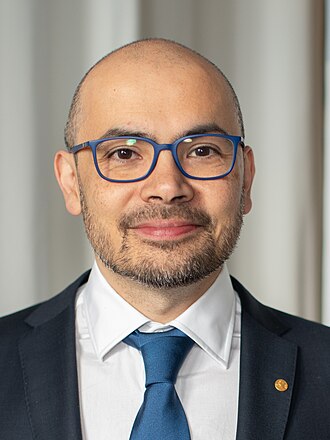
德米斯·哈萨比斯 主持人
本期追问 · 点击跳到视频对应位置
2:03 通用智能的稀缺样本只有人脑,机器该模仿它到什么程度?8:07 当AI把科学发现的速度推快百倍,人类还剩下什么位置?19:47 如果一切疾病与材料都可被计算,社会该如何分配这份丰裕?0:00 从棋盘到诺奖,一个人三十年的赌注凭什么不算妄想?
归入 Ⅰ·06 思考是人独有的吗? →
EDITED TRANSCRIPT · 依据现场录音编译整理,可划线生成便签
编者按:2025年5月,Google I/O 大会次日,Google DeepMind 联合创始人兼首席执行官戴米斯·哈萨比斯(Demis Hassabis)接受了一档面向创业者与创作者的科技访谈节目专访。哈萨比斯是少年国际象棋冠军、认知神经科学博士、Isomorphic Labs 创始人,并因 AlphaFold 在蛋白质结构预测上的贡献获得2024年诺贝尔化学奖。本次对谈从他三十年前押注人工智能的初衷谈起,涉及攻克疾病、视频模型涌现的直觉物理、通用人工智能(AGI)的检验标准、睡眠与记忆的启示、模拟复杂系统、AI 的人格,以及他对2050年的展望。本文依据现场录音编译整理,仅删去口语枝节,未作内容删减。

三十年前押注 AI 的人

主持人:为了准备这次访谈,我把你做过的每一场采访都看了一遍。你在很多场合提到过你心目中的科学英雄,所以我想先说一声谢谢。我想从你的自传谈起。书里有许多不同的时刻,最后都汇成同一条线索:你的一生是围绕「智能」展开的。我觉得,当你创办 DeepMind,甚至更早,当你开始研究 AI 的时候,大多数人并不相信这件事。你对世界抱有哪些不合常规的看法,让你有这么强的信念?

哈萨比斯:说实话,我当时只是觉得,这是一个人可以用一生去研究的最迷人的问题之一。但更根本的是,这是我做科学的方式。我小时候就想弄明白那些大问题:现实的本质、意识的本质,诸如此类。我觉得这些问题就摆在我们眼前,而即便最出色的科学家,在回答它们上也没有取得多少进展。

我当时感到,我们也许需要某种帮助,需要一件了不起的工具。在我看来,这件工具显然应该是计算机,然后进一步就是 AI。正是这一点让我走上了这整条路:造出 AI,用它来推动科学发现。

AI 作为回答终极问题的科学工具

主持人:你曾经谈到,如果能造出一个 AGI 系统,我们就能理解人脑和 AI 大脑之间的差别。到目前为止,你观察到的主要差别是什么?

哈萨比斯:这个问题很有意思,你说的正是我的想法。意识、乃至智能本身、还有创造力,这些东西究竟是什么?其中牵涉哪些过程?困难之一在于,我们当然通过神经科学、功能性磁共振成像(fMRI)、研究人脑和动物大脑取得了一些进展,这也是我去读博士的原因。但我们缺少一个参照物,一个可供比较的对象,能让我们说:「这个系统、这个实体是有智能的,但它没有意识。」那么两者的差别到底在哪里?

我认为 AI 也可以反过来用于研究神经科学,充当这样的参照物。所以,先造出 AGI,再去分析它,会是理解我们自身心智、理解心智深处那些谜团的最佳途径之一。

从 AlphaFold 到攻克所有疾病

主持人:昨天你谈到,攻克所有疾病其实离我们并不远,比我们想象的要近。我的表亲正在读博士,每天都在用 AlphaFold。你们已经有过那么多「AlphaFold 时刻」。在攻克所有疾病这条路上,我们还需要哪些突破?

哈萨比斯:这正是我们在 Isomorphic Labs 做的事。AlphaFold 在蛋白质结构预测上确实帮了大忙,这对药物发现至关重要,但它只是关键的一环,仅仅一环。你可以这样理解 Isomorphic Labs:我们当然在改进 AlphaFold,但同时也把它延伸到生物化学和化学领域,去弄清楚该合成什么化合物,它们会结合在蛋白质的哪个位置,再去检验人体对这些化合物的反应:身体如何吸收它们,有没有毒副作用。你要把这些因素统统降到最低,并且能够预测它们,从而做出更干净的化合物、更干净的药。这里面大约有半打真正的大难题,我们都在攻关。可以设想,我们把这些环节全部打通,拼在一起,就有了一个药物发现平台。

主持人:对于那些不稳定的蛋白质,你们怎么处理?AlphaFold 对结构稳定的蛋白质效果惊人,可对那些不稳定的呢?

哈萨比斯:这里的假设是,那些蛋白质中的无序区域,也就是所谓「固有无序」(intrinsically disordered)的部分,一旦知道它们与什么结合、处在什么情境里,其实会形成某种结构。所以 AlphaFold 3、AlphaFold 的更新版本,以及我们在 Isomorphic 做的工作,都是要更深入地理解蛋白质的动态图景:有东西结合上去时,它会变成什么样?会不会张开一个原本不存在的小口袋?这在药物发现中非常重要。我们必须能预测蛋白质的动态变化,有时也包括无序区域,才能针对特定疾病的特征,设计出合适的药物或合适的抗体。所以我们正在扩展模型,让它能处理这种复杂性。这是生物学的一大挑战,复杂性实在太多了。

主持人:那么是不是说,我们会用 AlphaFold 或更多技术来理解蛋白质,从而缩短临床试验的时间?

哈萨比斯:是这样的:我们眼下聚焦的是药物发现阶段。这个阶段至今仍要花很多年,甚至十年,你要从感兴趣的靶点出发,理解其中的生物学机制,再拿出一个可以进入临床试验的候选化合物。我们的目标是把这个过程从数年压缩到数月,也许有一天缩到几周,那将是不可思议的事。现在听起来匪夷所思,但我认为这和十年前人们看待蛋白质结构的态度一模一样,当时所有人都觉得不可能。

主持人:对。

哈萨比斯:而现在,所有的结构都已经折叠出来了。我认为同样的事会在药物发现上再发生一次。然后才是第二个问题:临床试验这部分能不能也加快?这更难。这里面有监管,有很多与技术本身无关的因素。但我确实认为 AI 在这里也能帮上忙,比如给病人分层,确保他们拿到合适的试验化合物,分析试验数据;如果你能更准确地预测副作用,也许就能更快地跨过剂量递增的各个阶段。所以,一旦我们对药物化合物的设计本身有了更清楚的把握,临床试验里的很多环节大概也能被压缩。

视频模型涌现出直觉物理

主持人:另一件人们曾认为不可能的事,是模型理解物理。昨天你们发布了 Veo 的新版本。对我来说最酷的一点是,你们其实没有用物理知识去训练它,它只是从视频里学会的。这是怎么做到的?

哈萨比斯:这确实相当令人震撼。给它的视频越多,效果越好。当然,底层是 Gemini,所以它对世界本身就有理解,能给事物打标签等等。Gemini 从一开始就是多模态的,非常擅长理解场景。然后我们用 Veo 让它动起来。令人惊叹的是,它似乎真的掌握了相当准确的直觉物理(intuitive physics)。

我们正开始建立物理基准测试,这样 Veo 的未来版本,比如 Veo Pro 等等,就能被检验:在滚珠轨道、物体坠落、重力这类任务上到底表现如何。但就眼下而言,它能做到的事已经很惊人了,它几乎是以一种涌现的方式理解了这些东西。图像模型 Nano Banana 也是如此。这意味着,对你这样的创作者来说,会打开大量可能性:因为它理解场景里的各个部分是什么,编辑起来会极其容易。

AGI 的高门槛:爱因斯坦测试

主持人:我记得在此前一次采访中,你被问到 AGI 时说过,Nano Banana 和 Veo 其实是我们离 AGI 最近的东西,正因为它们有这种深层理解。AGI 已经成了一个被反复讨论的词。我觉得你对 AGI 到来时间的预测比较保守,但你对它能做什么的设想又比别人雄心大得多。能带我进入你的思路吗?你是如何看待 AGI 的,它为什么重要?

哈萨比斯:对我来说,这多少是一个神经科学式的类比:人脑是我们手上唯一能证明通用智能可能存在的实例。我们之所以知道它可能,是因为人类心智发明了我们周围这一整套辉煌的现代文明,包括科学在内。它极其通用,所以我们才如此善于适应。我们能适应新技术,能发明这些技术,尽管我们的大脑是为狩猎采集的生活演化出来的。这件事本身就很了不起。

所以我认为,除非一个系统具备了人脑所具备的那些能力,否则我们无法断言它是真正的通用智能,因为人脑是我们唯一的存在证明。这是一道相当高的门槛。它大概比「能做一些有用的经济工作」之类的标准要高得多,我听过别人那样谈,但我在这一点上一直很一贯。我想用的那种测试是一个「爱因斯坦测试」:用截止到1901年的知识训练一个这样的系统,它能不能像爱因斯坦在1905年那样,发明狭义相对论?

如果它能,那就意味着你可以把它用到今天的物理学上,让它给出弦论的扩展,或者回答暗物质究竟是怎么回事、有哪些假说,那时它给出的东西也许就值得我们投入精力去研究。因为无论它提出什么理论,检验这些理论都要耗费大量时间和精力,在物理学里尤其如此。所以你得相当有把握,这些系统真的能拿出理智的东西。我一直说,提出一个假说比解决一个已有的猜想更难,尽管后者已经很了不起了。

主持人:对。

哈萨比斯:真正难的是提出一个值得研究、值得投入的问题。提出正确的问题,是科学里最难的事。

主持人:这就是 AI 系统的真正创造力所在吗?

哈萨比斯:是的,这和我所说的「真正的创造力」密切相关。它能不能拿出真正新颖的东西,实现向前的跃迁,而不是渐进式的改良。

Move 37 不够,要能发明围棋

主持人:检验的方式之一是爱因斯坦测试,还有别的方式吗?

哈萨比斯:有的。我常举的另一个例子是 AlphaGo。众所周知,AlphaGo 在那场比赛的第二局下出了著名的第37手(Move 37)。那毫无疑问是围棋中一种全新的策略,改变了围棋的下法。这很惊人,因为人类下围棋已经有两千多年,它是人类发明的最古老、最复杂的游戏,而 AlphaGo 居然还能发明出新的策略。但我要说的是,这还不够。你真正想要的是,AlphaGo 的某个未来版本能够发明围棋本身。

发明一种像围棋一样深邃、复杂、优雅、美丽的游戏,而不只是在游戏内部想出一种策略。我认为今天的系统还做不到这一点,但未来它们能做到。

睡眠、海马体与 AI 的整合模式

主持人:这是个有点天马行空的问题,但我很好奇。作为一个人,我有时会被某个想法困住,不知道该怎么办,可睡一觉起来,第二天就感觉自己像一千个专家合体。AI 有没有一种「睡一觉再说」的模式?

哈萨比斯:对于人脑来说,这一点已经被确凿地证明了。有一些非常漂亮的睡眠研究:给人们一道题,然后让他们打个盹,哪怕只是小睡一会儿,他们的表现就会好得多,在统计上显著好于没有小睡的人。所以你的大脑在睡眠中确实在做大量工作,其中包括记忆重放(memory replay),也就是把白天或最近发生的、值得关注的事情重新播放一遍,这是海马体在做的事,我的博士研究有一部分就是关于这个。

我认为这个过程的实质,是把新知识以一种优雅的方式整合进你已有的知识里。这自然会带来新的洞见,于是你醒来时会有「啊哈」时刻:「哦,问题解决了。」特斯拉有一句很有名的话,说他会把问题「提交」给潜意识,让它在自己睡着时去解决。他是个才华横溢得难以置信的人,非常古怪,但确实才华横溢。

我认为 AI 也许需要某种类似的东西,一种睡眠模式,或者有时被称为「整合模式」(consolidation mode):今天看到的所有视觉和输入数据,其中真正有用的只是一小部分,该如何把它们整合进来?像我们今天这样把所有东西全部存进上下文里,是相当浪费的。你要怎样提取出有用的部分,再把它们纳入已有知识,同时又不覆盖原有的知识?

用模拟理解生物、经济等涌现系统

主持人:我记得你博士研究的一个主要发现是,记忆和想象是紧密相连的。你研究了海马体受损的人,发现他们想象场景的能力也下降了。而你做的很多电子游戏,在场景设计上都带有模拟的成分。模拟对 AI 有多重要?现在我们能模拟天气,可其他那些东西要怎么模拟?

哈萨比斯:没错。我们能模拟天气,在某种程度上也能模拟一些生物学过程,我认为将来会做得更好。我很喜欢「虚拟细胞」(virtual cell)这个想法:对一个细胞进行足够精确的模拟,精确到你可以在里面做虚拟实验,而它会告诉你一些真正有用的东西。再往后是材料科学等领域,甚至有一天可以是经济学。我认为模拟会成为我们和 AI 理解世界的一个关键组成部分。因为如果你想理解某种极其复杂的、涌现的东西,不论是生物学还是经济学,这类真正的涌现系统,并且想在当下做出一个好的决策,比如对某种疾病进行干预,或者「我要不要把利率上调半个百分点?那样经济会怎样?」你没法反复做受控实验,因为它本质上是一个现实世界中的涌现系统。

所以,要做出好的决策并收集相关数据,唯一的办法就是跑大量的模拟。这有点像 AlphaGo 用蒙特卡洛方法模拟出大量的走法和计划,然后回溯汇总,看哪一个最好。可以设想,如果你对天气、经济、生物这类复杂涌现系统有大量精确的模拟,就能借此向前推演,然后在当下做出统计意义上的好决策。

主持人:我们现在不能模拟经济吗?

哈萨比斯:我认为不能,太复杂了。有人尝试过,但问题在于,经济大概是所有系统中最复杂的一个,因为它涉及人,人本身已经非常复杂,还涉及公司这样的组织,也就是人的组合,而这些公司又在和民族国家打交道。所以在某种意义上,它是最涌现、最复杂的系统。据我所知,还没有人能对它做直接的模拟。但我认为,有一天你也许能「学」出一个这样的模拟。事实上,我最喜欢的书之一,阿西莫夫的《基地》系列里,有一个人物能够通过汇总人类的群体行为来预测未来,对平均的态势做出判断。当然,没有哪个人类头脑能做到这一点,但 AI 也许可以。

主持人:假设我们有无限的算力,能把当下全世界的信息都输进去,理论上能预测未来吗?

哈萨比斯:我认为你也许能预测当下某个决策的后果。那会是一件梦寐以求的事。在我看来,现在经济学的做法相当临时凑合:经济正在发生这样那样的情况,你手里有几个统计数字,然后就做出了那些巨大的宏观决策,直到后来,也许五年之后,你才会说:「其实那个决策不太好,我们在这里造成了衰退。」

这些都是重大决策,无数人的生计系于其上,可在做决策的那一刻,没有任何办法去检验它。反事实推演极其困难。

主持人:对。

哈萨比斯:所以经济学家和政治家也很难改进。这就是它被称为「社会科学」的原因:它不是严格意义上的科学,因为你无法在完全相同的条件下重复实验,它发生在现实世界里,而且是涌现的。但有了一个非常精确的模拟器,也许就可以了。

AI 是工具还是伴侣:人格与个性化

主持人:这太让人兴奋了。还有一件真正让我兴奋的事,上周我和萨姆·奥尔特曼也聊过:我觉得人们很少想到,AI 可能是人们交谈最多的对象。所以你手里有一个很酷的机会,去重塑一个人的世界观。你的 AI 用什么样的措辞,可以引导一个人变得更乐观、更亲和。你怎么看这件事?哪些人格特质是重要的?

哈萨比斯:我认为这件事必须非常谨慎,因为它显然可能走向糟糕的方向。就目前而言,我们造的是我所说的「非常聪明的工具」:针对用户想要达成的特定目的,极其有用的东西。一旦谈到帮助人处理心理问题之类的事情,接下来的每一步都要小心,因为那更像是一个伴侣了。也许我们将来会想走到那一步,我也能看到它会非常有用,但眼下我认为应当把它们当作极其聪明、极其有用的工具。

主持人:那是不是意味着,现在每个人用的 Gemini 都是同一种人格?

哈萨比斯:是的。不过我们正在引入个性化,昨天 I/O 上你看到了很多这方面的内容,我认为这是用户想要的方向。你不必反复告诉它你是做什么的、你的家庭情况如何。你只是想就某件事得到建议,或者让它帮你做规划、处理事务。个性化显然会让它更有用。

但它仍然可以被看作一件个性化的工具,只是预先装载了大量你希望它掌握的信息,让你不用每次都重复。这显然会很有用。

主持人:考虑到你对人格研究得很深,我有点意外你对这件事没有更兴奋。它看起来是一件很大的事。

哈萨比斯:不,这非常令人兴奋。个性化非常令人兴奋,而如果你指的是系统本身的人格(persona),我们也想得很多。眼下它是隐含在训练过程里的:我们通过强化学习和后训练,确立某些价值观,希望它以某种方式行事,做到有帮助、有用、简洁,诸如此类。然后人们当然会想在这之上叠加自己的个人偏好。

有些人喜欢它更积极一些,有些人喜欢它更直接一些。这更多是一种个人选择,叠加在一个基础人格之上。我认为这方面还需要更多研究。人格研究非常有意思,甚至包括「大五」人格因素之类的东西,也许还有更好的人格模型可以用到 AI 身上。

主持人:很酷的一点是,你们现在做的工作会开启许多新的科学领域。也许会出现另一个科学分支,专门分析人格。

哈萨比斯:正是如此,而且能做得比以前细致得多。我确信这会发生。我现在和学生交流时觉得最令人兴奋的就是这一点:如果他们对眼前的局面有创造性和想象力的思考,会发现有太多科学分支等着被开辟出来,哪怕是很小的分支。

主持人:同意。比如我们能不能造出一种类似 fMRI 的东西,用来理解这台「混沌机器」?

哈萨比斯:混沌机器,正是这样。我认为这里面有太多的机会和潜力。

2050 愿景:后稀缺与走向星辰

主持人:如果你和我穿越到2050年,那会是什么样子?你脑海里的图景是什么?你的梦想是什么?

哈萨比斯:2050年。考虑到现在的进步速度,那是很遥远的事了。但我希望在那样的时间尺度上,我们已经安全地把 AGI 带过了终点线,为人类所用。我们已经想清楚如何演化经济制度,让所有人都能广泛受益于它带来的资源和生产力的增长。

希望到那时我们处在一个后稀缺(post-scarcity)的世界里。在我看来,下一步显然就是人类走向星辰,实现人类最大程度的繁荣。到2050年,我们应该已经在木星的某颗卫星上做这场访谈了,在建造戴森球,真正用人类意识去「唤醒宇宙」,就像卡尔·萨根,以及那样的科学家和作家常说的那样。这方面有很多优秀的科幻作品,比如伊恩·班克斯的《文明》系列。

那将是不可思议的。我认为到2050年,我们应该已经开启那个时代了。

主持人:你是否设想人们会用 AI 给自己的工作加上火箭燃料,同时仍在做传统的事情?

哈萨比斯:我想是的。2050年很远,但在未来十年里,我觉得几乎每个人都能用上最前沿的技术,这本身就很了不起。人们用到的东西基本上只比前沿实验室里的最新成果晚几个月。下一代人将是第一批在 AI 环境中长大的「AI 原住民」。

我非常期待看到他们如何用这些工具来给自己赋能。你能做到的事将会不可思议,那些事在过去需要十人、二十人、三十人、五十人的团队。所以我认为这会释放出大量的创造力。变化会很多,但每当出现大量变化和颠覆,也就意味着巨大的新机会,属于那些有足够想象力和创造力、愿意投身于这些新工具能做之事的人。我认为这就是未来十年左右会发生的事。

凌晨时分的思考与国际合作

主持人:最后一个问题。你以凌晨一点到四点的工作时段闻名。你说过,白天你是 CEO,晚上则更多是做研究之类的事。在那个时刻,你脑子里最常出现的念头是什么?

哈萨比斯:这会有些轮换,取决于我手头有没有一个正在推进的项目,比如 AlphaFold 那样的东西。通常最有意思的,是我自己动手做一个科学项目或研究项目。但其他时候,是在思考下一阶段更偏哲学的问题:如何让 AI 造福世界,领先的实验室之间需要怎样的协作,以及我们如何在 AI 上建立国际标准与国际合作。因为我认为在接下来几年里,这将是极其紧迫的需要。

主持人:太好了。非常感谢你来参加节目。

哈萨比斯:这次谈得很尽兴,我们聊了很多。谢谢。

排版 + 横图 + 来源,粘贴即成稿
章节 · 点击跳转视频
0:00 开场:三十年前押注 AI 的人 ▶ 正在看
1:14 AI 作为回答终极问题的科学工具 ▶ 正在看
2:41 从 AlphaFold 到攻克所有疾病 ▶ 正在看
6:44 视频模型涌现出直觉物理 ▶ 正在看
7:59 AGI 的高门槛:爱因斯坦测试 ▶ 正在看
10:26 Move 37 不够,要能发明围棋 ▶ 正在看
11:00 睡眠、海马体与 AI 的整合模式 ▶ 正在看
12:48 用模拟理解生物、经济等涌现系统 ▶ 正在看
16:32 AI 是工具还是伴侣:人格与个性化 ▶ 正在看
19:37 2050 愿景:后稀缺与走向星辰 ▶ 正在看
21:59 凌晨时分的思考与国际合作 ▶ 正在看
本期小问 · 档案清单
2:03 通用智能的稀缺样本只有人脑,机器该模仿它到什么程度? ▶ 正在看
8:07 当AI把科学发现的速度推快百倍,人类还剩下什么位置? ▶ 正在看
19:47 如果一切疾病与材料都可被计算,社会该如何分配这份丰裕? ▶ 正在看
0:00 从棋盘到诺奖,一个人三十年的赌注凭什么不算妄想? ▶ 正在看
本期讲者
德米斯·哈萨比斯Google DeepMind 联合创始人兼 CEO,Isomorphic Labs 创始人,认知神经科学博士;因 AlphaFold 蛋白质结构预测于 2024 年获诺贝尔化学奖,少年时曾为国际象棋大师。
主持人科技类访谈节目主持人,面向创业者与创作者受众,于 Google I/O 2025 次日对 Hassabis 进行专访,自称看过其全部公开采访。
01开场:三十年前押注 AI 的人
0:00
The human brain is the only existence [music] proof we have that general intelligence even possible. >> What breakthroughs do we need on this path of like solving all diseases? If we have like unlimited compute, could we predict the future? So, if you and I like time travel to 2050, >> Mhm. >> what does it look like? >> This is Demis Hassabis. He is a leading the race to invent superintelligence. [music] Demis committed his life to this 30 years ago when most people thought creating true AI [music] was impossible.
人类大脑是我们拥有的唯一存在性[音乐]证据,证明通用智能是可能的。>> 在解决所有疾病这条路上,我们需要哪些突破?如果我们拥有无限的算力,我们能不能预测未来?所以,如果你和我穿越到2050年,>> 嗯。>> 那会是什么样子?>> 这位是 Demis Hassabis。他正在领跑发明超级智能的竞赛。[音乐] 30年前,当大多数人都认为创造真正的 AI [音乐] 是不可能的时候,Demis 就把自己的一生投入了进去。
便签笔记
0:24
But, Demis isn't most people. He's a childhood chess champion, a neuroscientist, and as of last year a Nobel Prize winner. Every chapter of his life has prepared him to create true artificial intelligence. And now, we're closer than ever before. So, in today's episode, I'm going to ask Demis questions he's never been asked [music] before. >> Wow. Wow. >> And hear his vision for the future so you can build the next big thing. >> That was really fun. >> Thanks so much for coming on the show. >> Thanks for doing this. That was great.
但 Demis 不是大多数人。他是儿时的国际象棋冠军、一位神经科学家,而且从去年开始,还是诺贝尔奖得主。他人生的每一个篇章,都在为他创造真正的人工智能做准备。而现在,我们比以往任何时候都更接近了。所以在今天这期节目里,我要问 Demis 一些他从未被问过的问题。[音乐]>> 哇。哇。>> 并且听听他对未来的展望,好让你能打造出下一个伟大的东西。>> 那真的很有意思。>> 非常感谢你来上节目。>> 谢谢你做这件事。太棒了。
便签笔记
0:52
>> Yeah. To prepare for this one, I watched every single interview you've ever done. >> Gosh. >> Um okay. Which is awesome. [laughter] And in a lot of them you mentioned like your scientific heroes um in your mind. So, I just wanted to say thank you. >> Oh, thank you very much. Thank you. That's very kind of you. >> I mean it. I want to start um in your autobiography, >> Yeah. >> there is um so many different moments that kind of lead to this thread line of your life being about intelligence. >> Yeah.
>> 是啊。为了准备这期节目,我把你做过的每一个采访都看了一遍。>> 天哪。>> 呃,好吧。这挺棒的。[笑声] 而且在很多采访里,你都提到了你心目中的科学偶像。所以,我只想说声谢谢你。>> 哦,非常感谢。谢谢。你太客气了。>> 我是认真的。我想从你的自传说起,>> 好。>> 里面有呃太多不同的瞬间,串起了你这一生关于智能的这条主线。>> 是的。
便签笔记
02AI 作为回答终极问题的科学工具
1:14
>> Um and I feel like when you started DeepMind um or even further back studying AI, >> Yeah. >> a lot of people didn't believe in it. >> Yes. >> What were your unconventional beliefs about the world that gave you so much conviction? >> Well, actually to be honest with you, I just thought it was um A the one of the most fascinating prob- fascinating problems you could spend your life working on. Uh but, really it was my expression of doing science. So, when I was a kid, I wanted to understand. I was fascinated by all the big questions, nature of reality, nature of consciousness, these things. I felt like they were kind of staring us in the face, and even the best scientists hadn't made that much progress in answering these questions.
>> 呃,我感觉当你创办 DeepMind 的时候,呃甚至更早,在你研究 AI 的时候,>> 嗯。>> 很多人并不相信这件事。>> 是的。>> 是什么样非主流的世界观,让你有那么强的信念?>> 嗯,其实老实跟你说,我只是觉得这是呃,第一,这是最迷人的问题之一——最迷人的值得你用一生去研究的问题。呃但其实,这是我做科学的一种表达方式。我小时候就想弄明白,我着迷于所有那些宏大的问题,现实的本质、意识的本质,诸如此类。我觉得这些问题就摆在我们眼前,可即便是最顶尖的科学家,在回答这些问题上也没取得多少进展。
便签笔记
1:48
And I felt that we maybe needed some help like this amazing tool. And for me, it was obvious that that should be computers and then in the form of AI. And uh and that's what set me off on on this whole path really is to build AI to help us advance scientific discovery. >> One of the things that you've talked about is that if you can make a AGI system, then we can understand the differences between the human brain and an AI brain. >> Yes. >> Um what are the main differences you've noticed so far? >> Well, it's interesting. Uh that's exactly right. So, I I I things like consciousness and and even intelligence, like what are these things, creativity, you know, what are the processes involved in that? I think one of the difficulties uh obviously we've made some progress by doing neuroscience and the fMRI and studying our own brains and animal brains. And um that's why I did my PhD in as well. And so, we've made some progress, but we sort of lack a reference uh a comparator that can say, "Oh, this this system this
我当时就觉得,我们或许需要某种帮助,比如这样一个了不起的工具。而对我来说,很显然那应该是计算机,然后是以人工智能的形式呈现。呃这就是让我踏上这整条道路的起点——打造 AI 来帮我们推进科学发现。>> 你谈到过的一点是,如果能造出 AGI 系统,我们就能理解人脑和AI 大脑之间的差异。>> 是的。>> 嗯,到目前为止你注意到的主要差异有哪些?>> 嗯,这很有意思。呃你说得完全正确。所以我,我觉得像意识,甚至智能,这些到底是什么,还有创造力,你知道,其中涉及哪些过程?我觉得困难之一显然是,我们确实通过神经科学、fMRI,通过研究我们自己的大脑和动物大脑取得了一些进展。嗯这也是我读博士时研究的方向。所以我们是有一些进展,但我们某种程度上缺少一个参照物,呃一个比较对象,能让我们说:“哦,这个系统、这个
便签笔记
03从 AlphaFold 到攻克所有疾病
2:41
thing this entity is intelligent, but it's not conscious." So, then what are the differences? And I think uh AI also could be used for studying neuroscience, too, and as a comparator as well. So, I think um building AGI and then analyzing it will be one of the best ways to understand our own minds and the the sort of deep mysteries of our own minds. >> Yesterday, you talked about how um solving all disease is actually not that far away for us, like we're closer than we think. Um my cousin's getting a PhD right now and uses AlphaFold every day.
东西、这个实体是有智能的,但它没有意识。”那么差别在哪里?我还觉得,呃 AI也可以反过来用于研究神经科学,同时充当那个比较对象。所以我认为,嗯造出 AGI 然后去分析它,将会是理解我们自己心智、理解我们心智那些深层奥秘的最好途径之一。>> 昨天你谈到,嗯攻克所有疾病其实离我们并不遥远,我们比自己以为的更接近。嗯我表亲现在在读博士,每天都在用 AlphaFold。
便签笔记
3:10
>> Oh, amazing. >> So, then it's like controlled like >> Fantastic. >> Um and I feel like you've guys have had so many AlphaFold moments. >> Yes. >> Um what breakthroughs do we need on this path of like solving all diseases? >> Um I think this that it's what we're working on at Isomorphic Labs, really, which is uh AlphaFold obviously was really helpful with like protein structure prediction, which is critical for one of the things that you need for drug discovery, but only it's a critical piece, but it's only one piece. So, you can think of Isomorphic Labs, we're extending that into obviously we're improving AlphaFold, but we're also extending it into biochemistry and chemistry to kind of um understand like what compounds should you make, uh where do they bind on the protein, and then also checking how your body reacts to those proteins, you know, how does it absorb them, uh those compounds, how does it absorb them, are there any toxic side effects? So, you're trying to minimize all those things and predict
>> 哦,太棒了。>> 所以就像是可控的,比如 >> 太好了。>> 嗯我感觉你们已经有过好多次“AlphaFold 时刻”了。>> 是的。>> 嗯在攻克所有疾病这条路上,我们还需要哪些突破?>> 嗯我觉得这正是我们在 Isomorphic Labs 所做的事情,呃 AlphaFold 显然在蛋白质结构预测上帮助极大,而这对于药物发现来说是至关重要的一环,但它只是——它是关键的一块,但也只是其中一块。所以你可以这样理解 Isomorphic Labs:我们在把它往外延伸,当然我们也在改进 AlphaFold,但我们同时把它延伸到生物化学和化学领域,嗯去理解应该合成什么样的化合物,呃它们会结合到蛋白质的什么位置,然后还要检查你的身体对这些蛋白质有什么反应,你知道,身体怎么吸收它们,呃那些化合物,身体怎么吸收,有没有什么毒性副作用?所以你要尽量把这些都降到最低,并且预测出来。
便签笔记
4:00
them. Uh and to make cleaner compounds uh and cleaner drugs. So, uh there's sort of like a I guess like half a dozen really big challenges there and that we're working on and you kind of kind of think of like we're going to try and put them all together and then you have your drug discovery platform. >> What do you do for the proteins that are like unstable? Like AlphaFold works amazing for proteins that have stable structures. >> Yes. >> What do you do for the ones that >> Well, actually, so I mean the hypothesis is that uh those in you know, disordered regions of those proteins intrinsically disordered, they they actually do form some sort of structure if you know what it binds to or what the what the situation the context it is. So, you can think of the you know, AlphaFold 3 and the newer versions of AlphaFold and the things we're doing at Isomorphic is is to try and actually understand more the dynamic picture of these proteins. So, what how are they going to look if something binds to them, will their
呃从而做出更“干净”的化合物、更“干净”的药物。所以,呃这里大概有,我想想,六七个非常大的挑战,我们正在攻克它们,你可以这么理解:我们要努力把它们全都拼在一起,然后你就有了自己的药物发现平台。>> 那些不稳定的蛋白质你们怎么处理?AlphaFold 对有稳定结构的蛋白质效果超好。>> 是的。>> 那对那些 >> 其实是这样,我是说我们的假设是,呃那些你知道的无序区域,那些内在无序的蛋白质,它们其实是会形成某种结构的,前提是你知道它结合的是什么,或者它所处的情境、上下文是什么。所以你可以这样看,你知道,AlphaFold 3 和更新版本的 AlphaFold,以及我们在 Isomorphic 做的事情,就是要真正更多地理解这些蛋白质的动态图景。也就是,如果有东西结合上去,它们会呈现什么样子,会不会打开一个原本不存在的小口袋?
便签笔记
4:48
little pocket open up that it wasn't there before? That's very important in drug discovery. So, we actually got to be able to predict the dynamics of a protein including sometimes disordered regions uh in order to kind of, you know, design the right type of drug uh or the right type of antibody or whatever it is that that that that whichever disease um you know, kind of profile we're looking at. Um and so, we're trying to extend our model to be able to deal with that type of complexity. It's one of the big challenges of biology, there's so much complexity.
这在药物发现中非常重要。所以我们必须要能预测一个蛋白质的动态特性,包括有时候的无序区域,呃这样才能,你知道,设计出对的那类药物,呃或者对的那类抗体,或者不管是什么,针对我们所关注的那种疾病,嗯你知道,那种疾病特征。嗯所以我们正在努力扩展我们的模型,让它能应对那种复杂度。这是生物学的一大挑战,复杂性实在太多了。
便签笔记
5:17
>> Interesting. And so, is it like we would um use AlphaFold or some more technology to understand the proteins and then that would cut down clinical trial time? >> Yes. So, no, so the idea is to uh what we're focusing on at the moment is just the drug discovery phase cuz it still take you know, many many years even a decade for to do that where you go from the you know, the target of interest, the the biology understanding of that, uh and then you need a uh candidate compound that you want to take into clinical trials. So, we're focusing on shortening that from years down to like months, maybe even one day weeks, which would be incredible. I mean, it seems sort of you know, unthinkable right now, but I do think that's the same as thinking about protein structures back 10 years ago. Everyone thought that was impossible.
>> 有意思。那是不是说,我们会嗯用 AlphaFold 或者更多技术去理解蛋白质,然后这就能缩短临床试验的时间?>> 是的。所以,不,是这样,我们目前专注的其实只是药物发现阶段,因为光是这一段就还要花,你知道,很多很多年,甚至十年,你要从,你知道,感兴趣的靶点、对相应生物学的理解出发,呃然后你需要一个候选化合物,把它推进到临床试验。所以我们的重点是把这个过程从数年缩短到几个月,也许某一天缩短到几周,那会非常了不起。我是说,这听起来,你知道,现在有点不可思议,但我确实觉得,这跟十年前想象蛋白质结构是一样的。当时所有人都觉得那不可能。
便签笔记
6:00
>> Yeah. >> And now here we are with all of the structures folded. Uh and I think that's going to happen again with with with drug discovery. Then there's the second question of can we also speed up the clinical trials part? >> Yeah. >> And that's harder. I mean, there's regulations, there's lots of things that are involved in that that aren't necessarily to do with the technology. But I do actually think AI can help there, too, in terms of like stratifying patients and making sure they get the right test compounds, uh analyzing that data, maybe being more if you're more accurate at predicting what the side effects were, then maybe you can jump more quickly through the dosage steps and things like that. So, there's a lot of things in clinical trials that could probably be compressed as well uh once we had a better idea and of of the of the design of the of the drug compound in the first place.
>> 是啊。>> 而现在我们已经把所有结构都折叠出来了。呃我觉得同样的事情会在药物发现上再次发生。然后还有第二个问题:我们能不能也加快临床试验那部分?>> 是啊。>> 那更难。我是说,那里面有监管,有很多相关的因素,而这些不一定跟技术有关。但我其实确实认为 AI 在那方面也能帮上忙,比如对患者进行分层,确保他们拿到对的试验化合物,呃分析那些数据,也许如果你能更准确地预测副作用是什么,那也许你就能更快地跳过剂量爬坡的步骤之类的。所以临床试验里有很多环节可能也是可以压缩的,呃前提是我们一开始就对药物化合物的设计有更好的把握。>> 所以,另一件大家也曾以为不可能的事,是模型理解物理。
便签笔记
04视频模型涌现出直觉物理
6:44
>> So, my else that people also thought was impossible was the models understanding physics. >> Mhm. >> Um and then yesterday you guys have Gemini on me. Yeah. And okay, the coolest thing ever to me about this was that you didn't actually train it on physics, right? It just learned from videos. >> How did that work? >> Yeah, it's pretty pretty mind-blowing, really. And uh I you know, the more videos you give it, the but also Gemini, of course, is under the hood, so it has understanding about the world and it can label things and stuff like that. And Gemini, from the beginning, has been multimodal, so it's sort of really good at understanding scenes. And then we had to make it dynamic uh with Omni. And it's kind of mind-blowing that it does seem to pick up, you know, pretty accurate versions of intuitive physics.
>> 嗯哼。>> 嗯然后昨天你们发布了 Gemini,是吧。对,好的,这里面对我来说最酷的一点是,你们其实并没有拿物理去训练它,对吧?它只是从视频里学会的。>> 那是怎么做到的?>> 是啊,真的挺让人震撼的。呃你知道,你给它的视频越多,越……但同样,Gemini 当然是跑在底层的,所以它对世界有理解,能给东西打标签之类的。而 Gemini 从一开始就是多模态的,所以它非常擅长理解场景。然后我们得让它动起来,呃用 Omni。而且挺让人震撼的是,它似乎真的能学到,你知道,相当准确的直觉物理。呃我们正在开始做物理基准测试,其中 >> 嗯哼。
便签笔记
7:23
Uh we are starting to create physics benchmarks where >> Mhm. >> you know, then future versions of Omni, Omni Pro, and so on are going to be like see how well do we actually do on exactly, you know, marble runs and things falling down and gravity. But right now, it's it's actually just amazing what it can do sort of uh almost in a emergent way um understand these these different things. And it's the same thing with Nana banana for image, you know, and it means opens up hopefully for creators like you as well loads of possibilities where it's just incredibly easy to edit things because it understands what what what parts of the scene are.
>> 你知道,接下来 Omni、Omni Pro 等等的未来版本就可以,比如看看我们到底在这些方面做得怎么样,你知道,弹珠轨道、东西掉落、重力这些。但现在,它能做到的事情已经真的很惊人了,几乎是以一种涌现的方式,嗯理解这些不同的东西。图像方面的 Nano Banana 也是一样,你知道,这意味着——希望也为你这样的创作者打开大量可能性,因为编辑东西变得极其容易,因为它理解场景里的各个部分是什么。>> 是啊,我记得之前有次采访问到 AGI 时,你说 Nano Banana 和 Veo 其实是
便签笔记
05AGI 的高门槛:爱因斯坦测试
7:59
>> Yeah, I remember in a previous interview when you were asked about AGI, you said that Nana banana and VIO were actually the closest thing we had to it because of this like deep understanding. >> Yes. >> Um so also an interesting AGI has become like this term that a lot of there's there's a lot of discussion around and I think your predictions on when we get to it are more conservative but then what you think it will do is a lot more ambitious than other people. >> right. >> Um can you put me into your mind? How do you think about AGI and why does it matter in that sense?
我们最接近 AGI 的东西,就因为这种深层理解。>> 是的。>> 嗯另外有意思的是,AGI 已经变成这样一个词,很多——围绕它有很多讨论,我觉得你对我们什么时候能实现它的预测更保守,但你认为它能做到的事情,又比其他人要更有野心得多。>> 没错。>> 嗯能带我进入你的思路吗?你是怎么看待 AGI 的,从那个意义上说它为什么重要?
便签笔记
8:23
>> Yeah, well I I think it's for me it's it's a little bit of a neuroscience analogy which is that the human brain is the only existence proof we have that general intelligence is even possible, right? So that's why we know it's possible because the the human mind has invented all this amazing modern civilization that we have around us including science. So it's incredibly general and that's why we're so adaptive. We can adapt to new technologies, we invent all these technologies even our brains were evolved for hunter-gatherer, you know.
>> 是的,嗯我觉得对我来说,这有点像一个神经科学的类比,就是人脑是我们拥有的唯一存在性证明,证明通用智能是可能的,对吧?所以我们之所以知道它可能,是因为人类心智发明了我们身边这一整套了不起的现代文明,包括科学。所以它极其通用,这也是我们为什么这么有适应力。我们能适应新技术,我们发明了所有这些技术,尽管我们的大脑本来是为狩猎采集进化出来的,你知道。
便签笔记
8:50
So that's kind of amazing and we wanted to so I think we won't know we have a true general intelligence unless it can it has the capabilities that the that the brain has because that's the only existence proof we have. And so that's a pretty high bar and it means that it's probably higher bar than just being able to do some useful economic work or other things I've heard other people talk about but I've been pretty consistent about that. The type of test I would have is like an Einstein test of you know, let's train one of these systems with a 1901 knowledge cutoff.
所以这挺神奇的,而我们想要——所以我认为,除非它拥有大脑所具备的那些能力,否则我们不会知道自己造出了真正的通用智能,因为那是我们唯一的存在性证明。所以这是一个相当高的门槛,这意味着它大概比“能干一些有用的经济工作”或者我听别人说的其他标准都要高,但我在这一点上一直很一致。我会用的那种测试,就像是一个爱因斯坦测试:你知道,我们把这些系统之一用截止到 1901 年的知识来训练。
便签笔记
9:20
Can it invent special relativity like Einstein did in 1905? And if it could then what that means is you could apply it to today's physics and say okay, come up with the extensions of string theory or answer why what's going on with dark matter to what are the hypotheses and we could maybe it would be worth us investigating what it came up with. Because until obviously whatever theory it comes up with, it's going to take a lot of time and effort to test those theories, especially in physics. So you want to be pretty sure that it those systems are actually capable of coming up with something sensible. And I've always said like coming up with a hypothesis is harder than you know solving an existing conjecture. Even though that's it that's impressive already.
它能不能像爱因斯坦 1905 年那样发明出狭义相对论?如果它能,那意味着你就可以把它用到今天的物理学上,说:好,提出弦理论的扩展,或者回答暗物质到底是怎么回事,有哪些假说,然后也许它提出的东西值得我们去研究。因为显然,不管它提出什么理论,验证这些理论都要花大量的时间和精力,在物理学里尤其如此。所以你得相当有把握,确信这些系统真的有能力提出一些靠谱的东西。而且我一直说,提出一个假说,比,你知道,解决一个已有的猜想更难。尽管后者本身已经很了不起了。
便签笔记
10:01
>> Yeah. >> But actually coming up with some kind of problem that will be worthy of studying and worthy of effort, that's even harder. Kind of asking the right question is the hardest thing in science. >> And is that like the true creativity of like the AI system? >> Yeah, you could it's very related to to what I would call true creativity. Exactly. Like can it come up with something truly novel and actually leap forwards rather than something incremental. >> So one of the ways to test it is the Einstein test, but are there other ways to test it?
>> 是啊。>> 但真正提出某个值得研究、值得投入精力的问题,那更难。某种意义上说,问对问题是科学里最难的事。>> 那这算不算 AI 系统真正的创造力?>> 是的,你可以说,它跟我所说的真正的创造力非常相关。正是如此。就是说,它能不能提出某种真正新颖的东西,实现真正的跃进,而不只是渐进式的改良。>> 所以检验它的方式之一是爱因斯坦测试,那还有别的检验方式吗?
便签笔记
06Move 37 不够,要能发明围棋
10:26
>> Yeah, you could. I mean so another example I often give is is with AlphaGo. So of course AlphaGo famously came up with move 37 in in game two of the match, right? And that was a novel strategy in Go for sure and it changed the way Go Go is played and it was amazing because humans have played Go for a couple of thousand years now. It's the oldest game ever invented, most complex game ever. And yet AlphaGo was able to invent new strategies. But the thing I say is it's that's not enough. What you'd actually want is something a future version of AlphaGo to be able to invent Go. Right?
>> 有的,可以。我是说,我常举的另一个例子是 AlphaGo。当然,AlphaGo 因为在那场比赛第二局下出的第 37 手而出名,对吧?那在围棋里确实是一个全新的策略,它改变了围棋的下法,这很惊人,因为人类下围棋已经下了差不多两千年了。它是有史以来最古老的游戏,也是最复杂的游戏。然而 AlphaGo 却能发明出新的策略。但我要说的是,那还不够。你真正想要的,是未来某个版本的 AlphaGo 能够发明出围棋。对吧?
便签笔记
07睡眠、海马体与 AI 的整合模式
11:00
Invent a game as deep and as complex and as elegant and as beautiful as Go. Not just come up with a strategy within the game. And so again, I don't think today's systems are yet capable of doing that, but I think they will be able to in the future. >> Okay, this is like a wild question, but I'm just curious. I feel like as a person like there are times where I'm like grappling with an idea, don't know what I'm doing, but I go to sleep and I wake up the next day and I feel like a thousand experts. Is there like a sleep on it mode for AI?
发明一个跟围棋一样深邃、一样复杂、一样优雅、一样美的游戏。而不只是在既有游戏里想出一个策略。游戏。所以我再说一次,我不认为今天的系统已经能做到这一点,但我认为它们未来会做到。>> 好,这个问题有点天马行空,但我就是好奇。我觉得作为一个人,有时候我会为一个想法苦苦挣扎,完全不知道自己在干嘛,但我去睡一觉,第二天醒来就感觉自己像一千个专家。AI 有没有那种「先睡一觉再说」的模式?
便签笔记
11:26
>> Yeah, well, I think that well, definitely that's been shown to be the case with the brain for sure. So they've done amazing sleep studies where you know, people have a little nap even and they've been given a problem, have a nap, and they're way better, statistically better than the people that didn't have the nap, you see. And so, your brain's definitely doing a bunch of work while you're sleeping, including things like memory replay. So, replay replaying back things that you were were pertinent during the day or recently. And then the rest of your brain, that's the hippocampus that does that. What I studied for actually partly for my PhD.
>> 是啊,我觉得,这一点在大脑上肯定是被证实过的。人们做过很多很棒的睡眠研究,就是说,人们哪怕只是小睡一会儿,先给他们一个问题,然后小睡一下,他们的表现就会好很多,在统计意义上明显好过没有小睡的人。所以你的大脑在你睡觉的时候肯定在做大量的工作,包括记忆回放之类的。就是回放你白天或者最近遇到的那些重要的东西。而大脑里负责这个的是海马体。这也是我读博士期间部分研究的内容。
便签笔记
11:58
And then what I think that's about is incorporating the new knowledge into existing knowledge that you have in an elegant way. And and then that obviously can then yield new insights, right? You have these aha moments you have when you wake up, "Oh, I solved the problem." And and and people like Tesla very famously used to say he used to submit things to his subconscious so so that they would solve it when he was asleep. I mean, he was a unbelievably brilliant guy, very eccentric but brilliant guy, yeah.
我认为这件事的本质,是把新知识以一种优雅的方式整合进你已有的知识里。然后这显然就能产生新的洞见,对吧?你会有那种恍然大悟的时刻,一觉醒来「哦,我把问题解决了」。而且像特斯拉(Tesla)就非常有名地说过,他会把问题提交给他的潜意识,这样他睡着的时候问题就被解决了。我是说,他是个聪明得难以置信的人,非常古怪,但真的很聪明。
便签笔记
12:22
>> [laughter] >> And and I think there may be a need for something similar, like a sleep mode or a consolidation mode it's sometimes called of like, "Okay, how do you incorporate all the visual and input data you've seen today into like only a small fraction of that's actually useful." So, you don't it's kind of wasteful to store it all like we do today in the context when you know, how do you actually extract the useful bits and then incorporate that without overriding your existing knowledge? >> Interesting.
>> [笑] >> 我觉得可能确实需要类似的东西,比如一个睡眠模式,或者有时候被叫做整合模式,就是「好,你怎么把今天看到的所有视觉和输入数据整合起来,因为其中真正有用的只有一小部分」。所以你不用像我们今天这样,把所有东西都存在上下文里,那其实挺浪费的。问题是,你怎么真正提取出有用的部分,然后在不覆盖已有知识的前提下把它整合进去?>> 有意思。
便签笔记
08用模拟理解生物、经济等涌现系统
12:48
>> Yeah. >> Um Okay, cuz your PhD I think one of your main learnings is that memory and imagination are really interlinked. >> Yes. >> Like you looked at people that had like a damaged hippocampus and then they had less ability to imagine a scene. >> Um and a lot of your video games there was like this whole element of like simulation in like scene design. >> Yeah. >> How important is that to AI? Cuz I remember um I guess like with AI right now we can simulate weather. >> Yes. >> But how do we simulate all the other things?
>> 是啊。>> 嗯,好,因为你的博士研究,我记得你的一个主要发现是记忆和想象其实是紧密相连的。>> 对。>> 就是你研究了海马体受损的人,然后发现他们想象一个场景的能力变差了。>> 嗯,而且你做的很多电子游戏里,都有那种模拟的成分,比如场景设计。>> 是的。>> 这对 AI 有多重要?因为我记得,现在的 AI 我们已经可以模拟天气了。>> 对。>> 但我们要怎么模拟其他所有东西呢?
便签笔记
13:10
>> Yeah, um exactly. So, it's well we can simulate weather, we can also uh to some extent I I mean, eventually I think we'll better simulate some biology. I love this idea of virtual cell, which is the simulation of a cell that would be accurate enough you could kind of do virtual experiments and it would tell you something really useful. >> Okay. >> Uh and then there's things like material science and other things, even economics one day. I think simulations are going to be really vital kind of component for us and AI's to understand the world. Because if if you want to understand something very complex and emergent, whether it's biology or economics, these sort of really emergent systems. And you're you're you're trying to make a good decision about what to do now, right? Maybe an intervention in a disease or maybe it's like, do I raise interest rates by half a percent? Well, what happened to the economy? And you can't just rerun lots of experiment controlled experiments cuz it's basically a real world emergent system.
>> 对,没错。我们可以模拟天气,某种程度上我们也可以……我是说,最终我觉得我们能更好地模拟一部分生物学。我很喜欢「虚拟细胞」这个想法,就是对细胞的模拟精确到你可以做虚拟实验,而且它能告诉你一些真正有用的东西。>> 好。>> 然后还有材料科学之类的,甚至有一天还有经济学。我认为模拟会成为我们和 AI 理解世界的一个非常关键的组成部分。因为如果你想理解某种非常复杂、涌现性的东西,不管是生物学还是经济学,这类真正的涌现系统。而你正试图对当下该做什么做出一个好决策,对吧?可能是对某种疾病的干预,也可能是「我要不要把利率上调半个百分点?那经济会怎么样?」而你没法反复运行大量的受控实验,因为这基本上是一个真实世界里的涌现系统。
便签笔记
14:01
So, the only way you could are going to be able to make a good decision is and gather data about that is to run lots of simulations. A bit like AlphaGo did with like Monte Carlo simulating out lots and lots of moves and and lots and lots of plans and then back aggregating, okay, which one's the best one? I think you could think of if you had a lot of accurate simulations about these complex emergent systems like the weather or economics or biology, uh you'd be able to sort of use sort of forward plan with that. And then, um make a statistically good decision about what decision to make right now.
所以你能做出好决策、并为此收集数据的唯一办法,就是跑大量的模拟。有点像 AlphaGo 那样,用蒙特卡洛方法模拟出非常非常多的走法、非常非常多的方案,然后再往回汇总:好,哪一个是最好的?我觉得可以这样想:如果你对天气、经济或生物学这些复杂涌现系统有大量精确的模拟,你就能用它做某种前向规划。然后再从统计意义上,对当下该做什么决策做出一个好的判断。
便签笔记
14:33
>> Can we not simulate the economy now? >> I don't think so. I think it's too complicated. I mean, >> Like, what do you >> People have tried. >> Yeah. >> But but but but the but the problem is the economy is probably the most complex thing of all because it involves uh human beings which are already very complex and and organisms like corporations which are you know, combinations of humans. And then those corporations are doing things with nation states. So, it's sort of the most emergent complex emergent system of all in a way. So, I think it's uh pretty hard for as I know of anyone making kind of direct simulations of that. But I think you might be able to learn a simulation of that one day. Uh in fact, one of my favorite books, Asimov's Foundation series, uh one of the characters in that was able to sort of predict the future by kind of aggregating uh human behavior uh in in the aggregate. And then you could say something about the average uh uh situation. But obviously, I think you can you know, no no human mind's going
>> 我们现在不能模拟经济吗?>> 我觉得不能。我觉得太复杂了。我是说 >> 那你 >> 有人试过。>> 是啊。>> 但问题在于,经济可能是所有事物中最复杂的,因为它涉及人类,而人类本身就已经非常复杂,还涉及像公司这样的组织,而公司又是人的组合。然后这些公司又在和国家打交道。所以某种意义上,它是所有涌现系统中最复杂的涌现系统。所以我觉得,据我所知,几乎没有人在直接做这方面的模拟,这挺难的。但我觉得也许有一天可以「学出」一个这样的模拟。事实上,我最喜欢的书之一,阿西莫夫的《基地》系列里,有个角色能够通过在总体层面上汇总人类行为来预测未来。然后你就能对平均意义上的情况说点什么。但显然,我觉得没有哪个人类的大脑聪明到能做到这一点,
便签笔记
15:26
to be good enough to be able to do that, but an AI might be able to. >> If we have like unlimited compute and we're able to put in like all the information of the world right now, could we predict the future hypothetically? >> Uh I think you might be able to predict the consequence of a decision now. Right? So, that would be like a pretty dream thing. Yeah, I mean, I think if you think about the way economics is done at the moment, it's it's kind of very uh ad hoc, it feels to me. Like you sort of okay, you know, your economy is doing this, you've got some a few stats on it, and then you you make these massive macro decisions that only later, you know, maybe 5 years later, you're kind of like, "Oh, actually, maybe that decision wasn't very good. Oh, we caused a recession here or or something there."
但 AI 也许可以。>> 如果我们有无限的算力,能把当下世界上所有的信息都放进去,假设性地讲,我们能预测未来吗?>> 我觉得你也许能预测一个决策的后果。对吧?那会是相当梦幻的事情。我是说,如果你想想现在经济学的做法,在我看来是相当临时凑合的。就是「好,你的经济现在是这个样子,你有一些统计数据」,然后你就做出这些巨大的宏观决策,而只有到后来,可能五年之后,你才会想「哦,其实那个决策可能不太好,哦,我们在这儿引发了一场衰退,或者在那儿出了什么问题」。
便签笔记
16:05
And um they're massive decisions, and livelihoods depend on that, but there's no way of really uh testing that at the moment of the decision, right? So, counterfactual is very difficult to do. >> Yeah. >> So, it's also hard for for for economists and politicians to improve. That's why they it's called a social science, because you it's not a science, because you can't repeat the experiment with the exact same conditions, cuz it's in the real world, and it's emergent. But with a with a a very accurate simulator, um you might be able to.
这些都是重大的决策,很多人的生计都取决于它,但在做决策的当下,你根本没办法真正去检验它,对吧?所以反事实分析非常难做。>> 是的。>> 所以对经济学家和政治家来说,也很难改进。这就是为什么它被称为社会「科学」,因为它其实不是科学,因为你没法在完全相同的条件下重复实验,它发生在真实世界里,而且是涌现的。但如果有一个非常精确的模拟器,也许你就能做到了。
便签笔记
09AI 是工具还是伴侣:人格与个性化
16:32
>> That's so exciting. Um the only thing that really excites me, and I actually talked about this with uh Sam Altman last week about like basically, I think something that people don't think about with AI is that um it's probably the thing that people talk to the most. And so, you have like this really cool opportunity to reshape someone's worldview. Like what word choices you use with your AI, and you can inform someone to be optimistic and more cordial. How do you think about it? Like what are the important personality traits?
>> 这太让人兴奋了。真正让我兴奋的一点是——我上周其实跟 Sam Altman也聊过这个——我觉得人们没怎么想过的一件事是,AI 可能是人们交谈最多的对象。所以你就有了一个非常酷的机会去重塑一个人的世界观。比如你在 AI 里用什么样的措辞,你可以引导一个人变得更乐观、更友善。你怎么看这件事?比如哪些人格特质是重要的?
便签笔记
16:53
>> Yeah, I thought I mean, I think you have to be very careful with that, because obviously, you know, it could go in in in bad directions. But I think that uh for the moment, we're building uh what I think of as really smart tools. So, things that are extremely useful for particular purpose that you want uh to get out of them as the user. So, uh I think once we're talking about, you know, helping with psychological things and stuff, we have to be careful about those next steps cuz then it's more like a companion or something. So, uh I think maybe we want to go to that next step and I could see that being very useful, but I for now I think uh we should treat these as as extremely um smart and useful tools.
>> 是啊,我觉得这方面必须非常小心,因为显然它可能往不好的方向发展。但我认为,目前我们在造的,是我眼中真正聪明的工具。就是那种对你作为用户想要达成的特定目的极其有用的东西。所以我觉得一旦我们开始谈心理层面的帮助之类的,我们对接下来这些步骤就得很小心,因为那时候它更像是一个陪伴者之类的。所以我觉得我们也许最终会走到那一步,我也能看到那会非常有用,但目前我认为我们应该把它们当作极其聪明、极其有用的工具来对待。
便签笔记
17:31
>> So, does that mean that everyone right now is like the same personality of Gemini? >> Yes. I mean, there's personalization, so so we're bringing that in. You saw that a lot yesterday in IO and I think that's the direction that users want. So, you don't have to keep telling it what do you do, what's your, you know, your family context, all of that. You just want to get advice about something or help it, you know, with your planning or admin or whatever it is. So, I it's clearly going to make it more useful if it's personalized.
>> 那这是不是意味着,现在所有人用的 Gemini 都是同一个人格?>> 是的。当然,有个性化,我们正在引入这个。你昨天在 I/O 上看到了很多,我觉得那是用户想要的方向。这样你就不用一遍遍告诉它你是做什么的、你的家庭情况之类的。你只是想就某件事获得建议,或者让它帮你做规划、处理杂务之类的。所以显然,个性化会让它更有用。
便签笔记
17:55
Um but it still can be viewed as a personalized tool that just has a lot of uh prior information that you wanted it to have so that you don't have to repeat yourself each time. Clearly, that's going to going to be useful. >> I feel like um given that like you study personality a lot, I'm surprised that that's not more like exciting to you. It just feels like it's like a huge like >> No, it's very exciting. I mean, I think um if you think about the person Well, personalization super exciting, but also the persona of the If you mean of the of the actual system itself, yeah, we think about that a lot and um we it's sort of implicit right now to train it with the reinforcement learning we do and the post training about, okay, we have certain values and we we want it to behave in a certain way and be helpful and useful and succinct and these kind of things. And then, of course, people want to add their personal taste on top of that, right?
但它仍然可以被看作一个个性化的工具,只是它掌握了很多你希望它知道的先验信息,这样你就不用每次都重复自己。显然,这会很有用。>> 我觉得,考虑到你研究了很多关于人格的东西,我有点意外你对这件事没那么兴奋。感觉这是个很大的—— >> 不,这非常令人兴奋。我是说,如果你想想那个人格……个性化超级令人兴奋,但如果你指的是系统本身的人设(persona),是的,我们对此想了很多。目前它某种程度上是隐含在我们做的强化学习和后训练里的,就是说,我们有某些价值观,我们希望它以某种方式行事,做到有帮助、有用、简洁之类的。然后当然,人们还想在这之上加上自己的个人口味,对吧?
便签笔记
18:43
So, some people like it to be more uh a kind of positive in its way. Some others like it to be more direct. So, that's a bit of a more of a personal choice, I would say, overlaid on top of a base personality. Um and uh and I think there's actually more research that's needed there. So, it's a very interesting in terms of persona research and even things like the big five personality factors and other things like that. Maybe there's better uh uh personality models out there that uh could be applied to the AIs as well.
所以有些人喜欢它更正面一些,另一些人喜欢它更直接。所以我会说,那更像是叠加在基础人格之上的个人选择。而且我觉得这方面其实还需要更多研究。所以在人设研究方面这很有意思,甚至包括大五人格因素之类的东西。也许还有更好的人格模型,可以同样应用到 AI 上。
便签笔记
19:13
>> Yeah, it's kind of cool that the work that you're doing now is going to unlock all these like new scientific fields. Like there probably could be another scientific branch where you'd be like analyze personality >> Exactly. And in much more detailed way than we're able to before. I have for sure that that I think that's going to happen. I think that's the exciting thing right now when I talk to students is if they think creatively and imaginatively about the situation, there's so many like even maybe even tiny branches of science to be opened up.
>> 是啊,挺酷的是,你现在做的工作会解锁这些全新的科学领域。比如可能会出现另一个科学分支,专门去分析人格 >> 没错。而且比我们以前能做到的要细致得多。我很确定这一定会发生。我觉得现在最让人兴奋的一点是,当我跟学生们交流时,如果他们能对眼下的局面进行有创造力、有想象力的思考,会有非常多、甚至可能是很小的科学分支等着被开辟出来。
便签笔记
102050 愿景:后稀缺与走向星辰
19:37
>> Agree. Yeah, we could like could we create like an fMRI equivalent of like understanding like the chaos machine? >> Chaos machine, exactly. So, I just think there's so many opportunities and potential there. >> So, if you and I like time traveled to 2050, >> Mhm. >> what does it look like? Like it bring into your mind. Like what's the dream? >> Wow, 2050. I mean, that's that's that's a long time away given how fast things are improving. But what I hope on that kind of time scale is that we've got AGI safely over the line for humanity. We've worked out how to evolve economics so that everyone widely benefits from from the you know, the increased resources and productivity this is going to bring.
>> 同意。是啊,我们能不能做出一个类似 fMRI 的东西,用来理解那台「混沌机器」?>> 混沌机器,没错。所以我就是觉得那里有太多机会和潜力了。>> 那如果你和我穿越到 2050 年, >> 嗯。>> 那会是什么样子?在你脑海里浮现出来。那个梦想是什么?>> 哇,2050 年。考虑到现在进步这么快,那是很久之后了。但在那样的时间尺度上,我希望我们已经安全地为人类跨过了 AGI 这道坎。我们已经想清楚如何演进经济体系,让所有人都能广泛地从它带来的资源和生产力增长中受益。
便签笔记
20:13
Hopefully, we're in a kind of post-scarcity world. >> Yeah. >> And then the next obvious step to me is that humanity kind of goes to the stars and we have this maximum human flourishing and you know, we're by 2050, hopefully, we should be you know, traveling having this interview on one of the moons of Jupiter and building Dyson spheres and and really realizing kind of waking up the universe with human consciousness in the way that Carl Sagan used to basically talk about and people and and scientists and writers like that. And I I think and there's lots of good sci-fi about this the culture series by Ian Banks and so on.
希望我们那时处在一个某种意义上的后稀缺世界。>> 是的。>> 然后在我看来,下一步显然就是人类走向星辰大海,实现最大程度的人类繁荣。到 2050 年,希望我们应该已经……在木星的某颗卫星上旅行、做这样的访谈,建造戴森球,真正意识到用人类的意识去唤醒宇宙,就像卡尔·萨根过去常说的那样,还有那样的一些人、科学家和作家。我觉得,关于这个也有很多优秀的科幻作品,比如伊恩·班克斯的《文明》系列等等。
便签笔记
20:48
So, that would be incredible is I think we should be starting that era by 2050. >> Do you imagine that people will be using AI to like jet fuel their jobs and like still working on like traditional things? >> I think so. I think I mean, 2050 is a long way out, but I think over the next 10 years, I feel like um, it's going to sort of almost everyone has access to pretty much the most cutting-edge technology, which is kind of amazing thing really, right? You know, they basically almost only a few months behind what's actually in the frontier labs. And I think the the kind of next generation is going to be able to be they're going to be the first generation growing up AI native.
所以那会非常了不起,我认为我们应该在2050年之前开启那个时代。>> 你觉得人们会用AI给自己的工作加满燃料,同时还是在做那些传统的事情吗?事情?>> 我觉得会。我是说,2050年还很遥远,但我认为在接下来的10年里,我感觉几乎每个人都能用上基本上最前沿的技术,这其实是件相当惊人的事,对吧?你知道,他们基本上只落后于前沿实验室里真正在做的东西几个月而已。而且我认为下一代人将会是第一代在AI原生环境中长大的人。
便签笔记
21:27
And I'm really excited to see what they're going to do with these tools to kind of super power themselves. You know, the sorts of things you'll be able to do will be incredible and would have taken teams of 10 to 50, you know, to 20, 30, 50 people before. And so I think they should unlock a lot of creativity. So I I I think there's going to be a lot of change, but I think anytime there's a lot of change and disruption, that also means there's huge new opportunities for people who are kind of imaginative and creative enough to and who will lean in to what these new tools can do. So I think that's what's going to sort of happen over the next decade or so.
我真的很期待看到他们会用这些工具做出什么来给自己赋能。你知道,你能做到的那些事会非常惊人,而在以前这需要10到50人的团队,你知道,20人、30人、50人。所以我认为这会释放出大量的创造力。所以我认为会有很多变化,但我觉得,任何时候只要有大量的变化和颠覆,那也意味着对那些足够有想象力和创造力、并且愿意投入去挖掘这些新工具能做什么的人来说,会有巨大的新机会。所以我认为这就是接下来十年左右会发生的事。
便签笔记
11凌晨时分的思考与国际合作
21:59
>> Okay, my last question for you. You're very famous for like your 1:00 to 4:00 a.m. like work sessions. >> Yes, sure. >> Um, and you said that kind of like during the day you're CEO and then at night it's like more of like research and stuff. >> Yes. >> What's like the most common thought in your head at that hour? Like what are you thinking >> Uh, okay. Well, this it sort of rotates a bit depending on how whether I've got an active project like an AlphaFold thing going. So usually my most fun things would be to work on a science project or research project myself. Um, but other times it's about thinking through, you know, how the next stage more philosophical issues around how to get AI beneficial for the world, what kind of collaboration is needed, you know, between the leading labs. But also how can we maybe get things like international standards and cooperation around around AI? Because I think that's going to be vitally, you know, urgently needed in the next next few years.
>> 好的,这是我要问你的最后一个问题。你以凌晨1点到4点的工作时段而闻名。> 是的,没错。> 嗯,你说过白天你是CEO,到了晚上更像是做研究之类的事。> 是的。> 在那个时间点,你脑子里最常出现的念头是什么?你在想些什么 > 呃,好的。嗯,这个其实会有点轮换,取决于我手头有没有在推进的项目,比如AlphaFold那类的事情。所以通常对我来说最有意思的事,是自己去做一个科学项目或研究项目。嗯,但另一些时候,是在思考下一个阶段,那些更偏哲学层面的问题,比如怎么让AI造福世界,需要什么样的协作,你知道的,在几家领先的实验室之间。还有就是,我们怎么才能推动形成AI方面的国际标准与合作?因为我觉得那在未来几年里会是至关重要、而且非常紧迫的。
便签笔记
22:47
>> Love it. All right. Thanks so much for coming on. >> Hey, that was really fun. Okay. >> That was awesome. You're the best. >> Awesome. That was so That was so fun. Thanks for that. We covered a lot of ground.
> 太棒了。好,非常感谢你来参加。> 嘿,这真的很有意思。好的。> 太精彩了。你最棒了。> 太好了。这真是 这真是太有意思了。谢谢你,我们聊了很多方面的内容。
便签笔记
视频总结 · 一句话概括与核心要点

一句话概括

DeepMind CEO Demis Hassabis 阐述其对 AGI 的高门槛定义("爱因斯坦测试"、"发明围棋"),以及用 AI 压缩药物发现周期、构建复杂系统模拟器(生物、经济)的路线图,并展望 2050 年后稀缺、走向星际的愿景。

核心要点

  • AI 是"做科学的工具",而非目的本身:Hassabis 投身 AI 的初衷是对现实本质、意识等大问题感到科学家进展有限,认为需要"计算机→AI"这样的工具来加速科学发现;他同时主张,构建出 AGI 后将其作为"对照物"(intelligent but not conscious)分析,是理解人脑与意识之谜的最佳途径之一。
  • AGI 的门槛是"人脑级通用性",远高于"能做有经济价值的工作":人脑是通用智能唯一的存在性证明(狩猎采集时代进化出的大脑却发明了现代文明与科学),因此他坚持 AGI 必须具备人脑的全部能力。他承认自己的时间线比别人保守,但对 AGI 能力的预期更激进。
  • 两个可操作的"真创造力"测试:①爱因斯坦测试——用 1901 年知识截止训练模型,看能否在无提示下发明 1905 年的狭义相对论;若通过,就可让它对弦论扩展、暗物质提出值得验证的假说。②"发明围棋"测试——AlphaGo 的第 37 手只是游戏内的新策略,真正的标准是能否发明一个像围棋那样深刻、优雅的全新游戏。他强调"提出正确的问题/假说比解决已有猜想更难",当前系统尚做不到。
  • 药物发现目标:候选化合物阶段从"数年甚至十年"压缩到"数月乃至数周":AlphaFold 只解决了蛋白结构预测这一环,Isomorphic Labs 正在扩展到约"半打大挑战"——该合成哪些化合物、与蛋白哪个位点结合、人体吸收(ADME)、毒性副作用等,最终拼成完整平台。对无序蛋白区域,假设是它们在特定结合语境下会形成结构,因此 AlphaFold 3 及后续版本重点是预测蛋白动态(如结合后是否打开新口袋)。
  • 临床试验的加速更难,但 AI 仍有切入点:受监管等非技术因素限制,但可通过患者分层、更精准预测副作用以更快跳过剂量爬坡步骤、数据分析等压缩时长。
  • Veo/Genie 类模型未经物理训练却"涌现"出直觉物理:得益于 Gemini 原生多模态的场景理解底座,模型仅从视频中学到较准确的直觉物理;团队正在建立弹珠轨道、重力等物理基准来衡量后续版本。他曾称 Nano Banana 与 Veo 因这种深层世界理解而最接近 AGI。
  • "睡眠/巩固模式"可能是 AI 的必要机制:神经科学显示小睡后解题显著变好,海马体在睡眠中做记忆回放,把新知识优雅地整合进旧知识并产生"顿悟"。当前 AI 把一切塞进上下文窗口是浪费的,需要一种只提取有用片段、且不覆盖既有知识的巩固机制。
  • 模拟器是理解涌现系统的关键——目标是"虚拟细胞"和可学习的经济模拟:对生物、经济这类无法重复受控实验的涌现系统,唯一办法是像 AlphaGo 蒙特卡洛那样跑大量模拟再回溯聚合,做出统计上更优的决策(如"加息 0.5% 会怎样")。他认为经济是最复杂的系统(人→企业→国家层层嵌套),直接建模不现实,但有朝一日可能学习出一个模拟器(类比阿西莫夫《基地》的心理史学);有了它,"预测某个决策的后果"是可能的,经济学也可能从"社会科学"变成可做反事实实验的科学。
  • 对 AI 人格持审慎态度:现阶段是"聪明的工具"而非伴侣:个性化(记住家庭背景等上下文)是明确方向,但基础人格由 RL 后训练隐式设定(有帮助、简洁、有价值观),用户偏好(更积极/更直接)只是叠加层;他认为人格研究(如大五之外更好的人格模型)是待开拓的新科学分支。
  • 2050 愿景与未来十年判断:2050 希望 AGI 已安全落地、经济制度已演化到全民受益的后稀缺状态,人类走向星际(在木星卫星上做访谈、建戴森球,"用人类意识唤醒宇宙")。未来 10 年,几乎所有人都能用上仅落后前沿实验室几个月的技术,AI 原生一代将凭个人完成过去 10~50 人团队的工作。

结论与值得注意的细节

  • Hassabis 的核心信念是一致的:智能的用途是加速科学,从 AlphaFold 到虚拟细胞到经济模拟器,每一步都是把"不可重复实验的复杂系统"变成可模拟、可反事实推演的对象。
  • 他把"10 年前人人认为蛋白折叠不可能"作为类比,暗示药物发现"周级"目标并非空想,但明确区分了技术可解(发现阶段)与制度受限(临床阶段)。
  • 对 AI 伴侣化明显保留,多次强调"要非常小心""下一步再说",与 Sam Altman 等人的表态形成对比。
  • 关于个人习惯:凌晨 1~4 点的工作时段,他最享受的是亲自做科研项目(如 AlphaFold 相关),其余时间思考 AI 造福世界的哲学问题、顶级实验室间的协作,以及他认为"未来几年紧迫需要"的国际 AI 标准与合作。
核心句型 · 9
1. X is the only existence proof we have that …
“The human brain is the only existence proof we have that general intelligence is even possible”
借用数学术语表达「唯一能证明某事可能的实例」。适合论证性写作中用具体案例支撑可能性主张,even 加强语气。
2. It's a critical piece, but it's only one piece.
“It's a critical piece, but it's only one piece”
先肯定重要性再限定范围,用重复的 piece 形成对比,避免夸大单一因素。适合汇报进展时保持克制。
3. It seems unthinkable right now, but I do think that's the same as … back N years ago.
“It seems sort of you know, unthinkable right now, but I do think that's the same as thinking about protein structures back 10 years ago”
用历史先例回应「不可能」的质疑:承认当前看似荒谬,再类比已被实现的旧例。do 强调,back 表回溯时间。
4. Then there's the second question of whether …
“Then there's the second question of can we also speed up the clinical trials part?”
分层推进论证,把问题拆成第一步、第二步。口语中 of 后可直接接问句,书面宜改为 whether 从句。
5. That's not enough. What you'd actually want is …
“But the thing I say is it's that's not enough. What you'd actually want is something a future version of AlphaGo to be able to invent Go.”
先否定既有成就的充分性,再用 what 强调句提出更高标准。适合在讨论中抬高门槛、指出真正的目标。
6. Coming up with X is harder than solving Y.
“Coming up with a hypothesis is harder than you know solving an existing conjecture”
用动名词短语做主语进行难度比较。come up with 表「提出、想出」,是高频短语动词,可替换 propose。
7. The only way you're going to be able to … is to …
“The only way you could are going to be able to make a good decision … is to run lots of simulations”
强调唯一途径的强断言句式,后接不定式。适用于论证方法的必要性,注意主语 the only way 与 is to 呼应。
8. It's called X because it's not really X.
“That's why it's called a social science, because it's not a science, because you can't repeat the experiment”
用名称本身做反讽式论证,连用两个 because 层层解释。可用于指出概念名实不符的场景。
9. Anytime there's a lot of X, that also means there's Y for people who …
“Anytime there's a lot of change and disruption, that also means there's huge new opportunities for people who are kind of imaginative and creative enough”
把负面现象与正面机会绑定,who 定语从句限定受益者条件。演讲中常用于给变革做正面收束。
词汇精讲 · 100 · 按出现顺序
existence proof n. phr. 0:00
存在性证明(数学术语:只证明某物存在,不给出构造方法)
chapter /ˈtʃæptər/ n. 0:24
(人生的)阶段、篇章(比喻用法)
thread line n. phr. 0:52
贯穿始终的主线
unconventional /ˌʌnkənˈvenʃənl/ adj. 1:14
非传统的、不落俗套的
conviction /kənˈvɪkʃn/ n. 1:14
坚定的信念
staring us in the face idiom 1:14
明摆在眼前(却未被注意或解决)
set me off on phr. v. 1:48
使某人踏上(某条道路)
comparator /kəmˈpærətər/ n. 1:48
比较对象、参照物
entity /ˈentəti/ n. 2:41
实体、存在物
protein structure prediction n. phr. 3:10
蛋白质结构预测
compounds /ˈkɑːmpaʊndz/ n. 3:10
(化学)化合物
bind /baɪnd/ v. 3:10
(分子)结合、绑定
toxic side effects n. phr. 3:10
毒性副作用
half a dozen phr. 4:00
六个左右、五六个
intrinsically disordered adj. phr. 4:00
(蛋白质)内在无序的,无固定三维结构的
hypothesis /haɪˈpɑːθəsɪs/ n. 4:00
假说、假设
antibody /ˈæntibɑːdi/ n. 4:48
抗体
profile /ˈproʊfaɪl/ n. 4:48
(疾病的)特征概貌
clinical trial n. phr. 5:17
临床试验
target of interest n. phr. 5:17
(药物研发中的)目标靶点
candidate compound n. phr. 5:17
候选化合物
unthinkable /ʌnˈθɪŋkəbl/ adj. 5:17
不可想象的、难以置信的
stratifying /ˈstrætɪfaɪɪŋ/ v. 6:00
分层(如按风险将患者分组)
dosage /ˈdoʊsɪdʒ/ n. 6:00
剂量
compressed /kəmˈprest/ v. 6:00
压缩(时间、流程)
mind-blowing /ˈmaɪnd bloʊɪŋ/ adj. 6:44
令人震撼的、大开眼界的
under the hood idiom 6:44
在底层、在幕后(原指引擎盖之下)
multimodal /ˌmʌltiˈmoʊdl/ adj. 6:44
多模态的(同时处理文本、图像、音频等)
intuitive physics n. phr. 6:44
直觉物理(对重力、碰撞等的本能预期)
benchmarks /ˈbentʃmɑːrks/ n. 7:23
基准测试
marble runs n. phr. 7:23
弹珠轨道玩具
emergent /ɪˈmɜːrdʒənt/ adj. 7:23
涌现的(整体呈现出部分不具备的性质)
conservative /kənˈsɜːrvətɪv/ adj. 7:59
(估计)保守的、谨慎的
analogy /əˈnælədʒi/ n. 8:23
类比
adaptive /əˈdæptɪv/ adj. 8:23
有适应力的
hunter-gatherer /ˌhʌntər ˈɡæðərər/ n. 8:23
狩猎采集者(农业出现前的人类生活方式)
a pretty high bar n. phr. 8:50
相当高的门槛(set/raise the bar 为常用搭配)
knowledge cutoff n. phr. 8:50
(模型的)知识截止日期
special relativity n. phr. 9:20
狭义相对论
string theory n. phr. 9:20
弦理论
dark matter n. phr. 9:20
暗物质
sensible /ˈsensəbl/ adj. 9:20
合理的、靠谱的
conjecture /kənˈdʒektʃər/ n. 9:20
(数学)猜想
worthy of adj. phr. 10:01
值得……的
novel /ˈnɑːvl/ adj. 10:01
新颖的、前所未有的
incremental /ˌɪŋkrəˈmentl/ adj. 10:01
渐进式的、增量的
famously /ˈfeɪməsli/ adv. 10:26
众所周知地
elegant /ˈelɪɡənt/ adj. 11:00
(理论、设计)优雅的、简洁精妙的
grappling with phr. v. 11:00
努力应对、苦苦思索(难题)
sleep on it idiom 11:00
先睡一觉再决定;把问题留到第二天
statistically /stəˈtɪstɪkli/ adv. 11:26
在统计意义上
memory replay n. phr. 11:26
记忆回放(睡眠中海马体重放白天的神经活动)
pertinent /ˈpɜːrtnənt/ adj. 11:26
相关的、切题的
hippocampus /ˌhɪpəˈkæmpəs/ n. 11:26
海马体(大脑中负责记忆与空间导航的结构)
incorporating /ɪnˈkɔːrpəreɪtɪŋ/ v. 11:58
整合、纳入
yield /jiːld/ v. 11:58
产生、带来(结果)
aha moments n. phr. 11:58
恍然大悟的时刻
subconscious /ˌsʌbˈkɑːnʃəs/ n. 11:58
潜意识
eccentric /ɪkˈsentrɪk/ adj. 11:58
古怪的、离经叛道的
consolidation /kənˌsɑːlɪˈdeɪʃn/ n. 12:22
(记忆)巩固、整合
a small fraction of phr. 12:22
一小部分
overriding /ˌoʊvərˈraɪdɪŋ/ v. 12:22
覆盖、改写(已有内容)
interlinked /ˌɪntərˈlɪŋkt/ adj. 12:48
相互关联的
vital /ˈvaɪtl/ adj. 13:10
至关重要的
intervention /ˌɪntərˈvenʃn/ n. 13:10
(医疗、政策)干预
controlled experiments n. phr. 13:10
受控实验
Monte Carlo n. 14:01
蒙特卡洛方法(基于随机抽样的模拟计算)
aggregating /ˈæɡrɪɡeɪtɪŋ/ v. 14:01
汇总、聚合
forward plan v. phr. 14:01
前向规划(向未来推演后再决策)
nation states n. phr. 14:33
民族国家
in the aggregate phr. 14:33
总体上、整体而言
hypothetically /ˌhaɪpəˈθetɪkli/ adv. 15:26
假设地
ad hoc /ˌæd ˈhɑːk/ adj. 15:26
临时凑合的、无系统的
macro /ˈmækroʊ/ adj. 15:26
宏观的
recession /rɪˈseʃn/ n. 15:26
经济衰退
livelihoods /ˈlaɪvlihʊdz/ n. 16:05
生计
counterfactual /ˌkaʊntərˈfæktʃuəl/ n. 16:05
反事实(「如果当初……会怎样」的假设推理)
reshape /ˌriːˈʃeɪp/ v. 16:32
重塑
cordial /ˈkɔːrdʒəl/ adj. 16:32
友善的、热诚的
companion /kəmˈpænjən/ n. 16:53
伴侣、陪伴者
admin /ˈædmɪn/ n. 17:31
行政杂务(administration 的口语缩略)
prior information n. phr. 17:55
先验信息
persona /pərˈsoʊnə/ n. 17:55
人设、(对外呈现的)人格面貌
implicit /ɪmˈplɪsɪt/ adj. 17:55
隐含的、未明说的
reinforcement learning n. phr. 17:55
强化学习
succinct /səkˈsɪŋkt/ adj. 17:55
简洁的
overlaid on top of phr. 18:43
叠加在……之上
big five personality factors n. phr. 18:43
大五人格因素
over the line idiom 19:37
越过终点线、成功完成(get sth over the line)
post-scarcity /ˌpoʊst ˈskersəti/ adj. 20:13
后稀缺的(资源极大丰富、不再匮乏)
flourishing /ˈflɜːrɪʃɪŋ/ n. 20:13
繁荣、蓬勃发展
Dyson spheres n. phr. 20:13
戴森球(包裹恒星收集能量的假想巨型结构)
jet fuel v. phr. 20:48
(口语)给……加满燃料、极大推动
cutting-edge /ˌkʌtɪŋ ˈedʒ/ adj. 20:48
最前沿的
frontier labs n. phr. 20:48
前沿实验室(指开发最先进 AI 模型的机构)
AI native adj. phr. 20:48
AI 原生的(从小在 AI 环境中成长)
disruption /dɪsˈrʌpʃn/ n. 21:27
颠覆、扰动
lean in to phr. v. 21:27
主动投入、积极拥抱
vitally /ˈvaɪtəli/ adv. 21:59
极其、至关重要地
covered a lot of ground idiom 22:47
谈了很多内容、涉及面很广
理解自测 · 11 题
1. Hassabis 提出的「爱因斯坦测试」具体是怎么操作的?

把一个 AI 系统的训练知识截止到 1901 年,然后看它能否像爱因斯坦在 1905 年那样自主提出狭义相对论。这是在「AGI 的高门槛」一节中给出的。他补充说,如果系统能通过这个测试,就可以把它用于今天的物理学,让它提出弦理论的扩展或暗物质假说,而这些产出才值得人类投入实验资源去验证。测试的关键在于隔断答案泄漏,区分「记住」与「发明」。

2. 关于 Veo(视频模型)理解物理,Hassabis 说了哪个让主持人觉得最酷的事实?

模型并没有被显式地用物理知识训练,而是仅从大量视频中学会了相当准确的直觉物理,例如重力、物体下落等。这出现在「视频模型涌现出直觉物理」一节。Hassabis 补充了两个机制:底层是多模态的 Gemini,本身对世界有理解并能给场景打标签;再加上动态化处理,理解就以近乎「涌现」的方式出现。他还提到团队正在建立物理基准测试(如弹珠轨道)来定量评估。

3. Isomorphic Labs 在 AlphaFold 之外扩展了哪些环节?

在「从 AlphaFold 到攻克所有疾病」一节中,Hassabis 列出了药物发现链条上的多个环节:改进 AlphaFold 本身;延伸到生物化学和化学,判断应合成什么化合物、它们结合在蛋白质的什么位置;再预测人体如何吸收这些化合物、有无毒性副作用,以做出更「干净」的药物。他估计有约六个大挑战,目标是把它们组合成一个完整的药物发现平台,把发现阶段从数年压缩到数月甚至数周。

4. Hassabis 在睡眠问题上引用了哪些具体证据?

他引用了两类证据。一是睡眠实验研究:受试者先拿到问题,小睡后的表现在统计意义上显著优于未小睡者。二是神经科学的记忆回放机制:睡眠时海马体会重放白天重要的经历,这正是他博士研究的部分内容。他还提到特斯拉自称把问题「提交给潜意识」在睡眠中解决的轶事。这些出现在「睡眠、海马体与 AI 的整合模式」一节。

5. 为什么 Hassabis 认为建造 AGI 是理解人类心智的最好途径之一?

他的推理链是:科学理解需要对照样本,但目前我们只有人脑这一个智能实例,即便有 fMRI 等工具也进展有限,因为无法区分哪些性质是智能必需的、哪些只是生物偶然。AGI 提供了第二个样本,可以对比说「这个实体有智能但没有意识」,从而拆解智能、意识、创造力各自的机制。这一论证出现在「AI 作为科学工具」一节,也是他 30 年前投身 AI 的原始动机。

6. Hassabis 为什么说 AlphaGo 的 Move 37 还「不够」?这反映了他对创造力的什么分层?

Move 37 是在既有围棋规则内发明的新策略,属于「在给定框架内的创新」;他真正想要的是系统能发明出像围棋一样深邃、优雅的新游戏,即定义全新的问题空间。这对应他前面提出的三级递进:解决已有猜想 < 提出新假说 < 提出值得研究的新问题,其中「问对问题」是科学最难的部分。这一区分在「Move 37 不够」一节,与爱因斯坦测试共同构成他对 AGI 门槛的具体化。

7. 他为什么认为经济学「不是科学」?精确模拟器会如何改变这一点?

在「用模拟理解涌现系统」一节,他指出经济是所有涌现系统中最复杂的,涉及人、公司、国家的多层组合;宏观决策(如加息半个百分点)在做出的当下无法检验,往往五年后才知道是否引发衰退。因为不能在相同条件下重复实验、做反事实分析,它才被称为「社会科学」。若有足够精确的模拟器,就可以像 AlphaGo 用蒙特卡洛推演走法那样,模拟大量决策后果再选择,从而让经济学第一次拥有「可重复实验」。

8. 从他对「无限算力能否预测未来」的回答,可以推断出他怎样的科学立场?

他没有顺着主持人的宏大问题回答「能」,而是收窄为「也许能预测一个决策的后果」。这显示出一贯的谨慎:区分「预言未来」与「评估干预」,前者在涌现系统中几乎不可能,后者是有边界的工程目标。这与他前面关于经济无法直接模拟、但可能「学出」近似模拟器的说法一致,也与他对 AGI 时间线保守、能力定义严格的风格相呼应——即对可能性乐观,对具体主张克制。

9. Hassabis 为什么把当前 AI 定位为「工具」而非「伴侣」?这与个性化有何区别?

在「AI 是工具还是伴侣」一节,他承认 AI 会是人们交谈最多的对象,因而有塑造世界观的力量,但也「可能走向坏的方向」,所以涉及心理帮助等下一步时必须谨慎,目前应把它当作极其聪明的工具。他把「个性化」(记住用户的家庭、工作等先验信息,免于重复)与系统自身的「人格」区分开:前者是明确的产品方向,后者目前是通过强化学习和后训练隐式形成的,仍需更多研究,甚至可能需要超越大五人格的新模型。

10. 若有人反驳「AGI 只要能完成大部分经济任务即可,不必达到人脑广度」,Hassabis 会如何回应?

他在访谈中已预先回应了这一立场。他的论证是:人脑是通用智能唯一的存在性证明,而它的「通用」体现在为狩猎采集进化的大脑却能发明科学与现代文明,这种跨域适应性才是关键。以经济任务为标准会漏掉真正的检验——原创性。他会指出,能做有用工作的系统仍可能只是在训练分布内表现良好,无法通过爱因斯坦测试或「发明围棋」测试;而他之所以坚持高门槛,是因为 AGI 的价值在于推动科学发现,这需要提出新问题的能力,不是完成已知任务。

11. 他关于「颠覆同时意味着机会」的判断,放到并非「有想象力且主动投入」的普通劳动者身上还成立吗?

从文本看,这一判断有明确的限定条件:受益者是「足够有想象力、有创造力并愿意投入新工具的人」,一人可替代过去 10~50 人的团队。这隐含了分化风险——对不具备这些条件的人,颠覆更多是失去而非机会。Hassabis 本人在 2050 愿景一节也承认需要「演进经济体系,让所有人广泛受益」,并在结尾强调国际标准与合作的紧迫性,说明他意识到市场自发扩散不足以保证普惠。因此该论点对个体成立,对整体需要制度设计补足,这一点访谈只点到为止。

精读便签
下载便签 手机:长按图片也可保存
← 上一期 · NO.016Why This Is the Most Exciting Time to Be Human | Ken Ono, Axiom Math 下一期 · NO.018 →Limits of Logic: The Gödel Legacy
订阅苏菲周报 每周一封:本周入库的精读、一个值得带走的问题、一条苏菲按。免费,随时退订。
免费 · 每周一封 · 一键退订
苏菲拉底 THE SOPHIE LAB · ASK THE BEST MINDS THE BIG QUESTIONS 内容仅供学习 · thesophielab.com