视频库 / NO.089ASK THE BEST MINDS THE BIG QUESTIONS
视频库 / NO.089
字幕 字幕位置
--:--
点击播放,这里会跟随视频显示当前句的中英字幕。

Cailin O'Connor: The Misinformation Age

节目发布 2019-12-05 · Rotman Institute of Philosophy
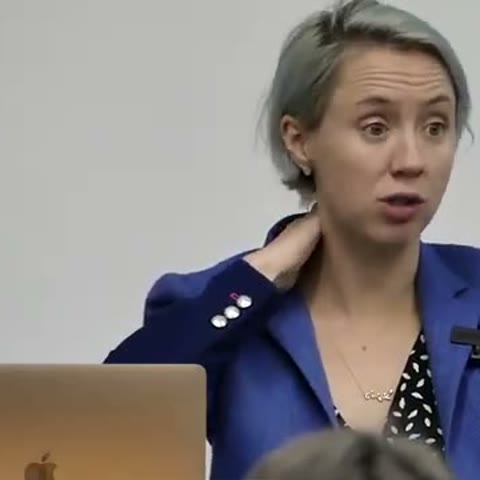
凯琳·奥康纳 主持人 Eric
本期追问 · 点击跳到视频对应位置
听来的知识可靠吗?媒介如何改变我们所知的世界?真理是客观,还是共识?谁在定义现实?
归入 Ⅱ·08 听来的知识可靠吗? →
EDITED TRANSCRIPT · 依据现场录音编译整理,可划线生成便签
编者按:本文整理自加州大学欧文分校逻辑与科学哲学系教授凯琳·奥康纳(Cailin O'Connor)在 Rotman 哲学研究所「大众信息时代的信念、证据与精英」系列讲座上的首场演讲及现场问答。奥康纳教授研究博弈论、演化论与科学哲学,与詹姆斯·欧文·韦瑟罗尔(James Owen Weatherall)合著《错误信息时代》(The Misinformation Age)。演讲围绕该书展开,探讨错误信念为何能在社会中长期存续与传播。本文依据现场录音编译整理,仅删去口语枝节,论证、例证与问答均完整保留。

开场与讲者介绍

主持人:欢迎各位来到本系列讲座的第一场。这个系列由哲学系与公共图书馆共同举办,主题是「大众信息时代的信念、证据与精英」。今晚是第一讲,此后每周四同一时间、同一地点都有一场,所以这里在接下来一个月里都是各位的地盘。今年的阵容很强,几位非常优秀的哲学家将从不同角度切入这个主题。想了解更多,可以上 Rotman 哲学研究所的网站,那里有全部讲者和各场讲座的介绍。

今晚我们很荣幸请到加州大学欧文分校的凯琳·奥康纳。她的研究横跨生物学哲学、科学哲学与博弈论,并把这些领域融为一体。如果你还没读过她的作品,我强烈推荐,我相信今晚之后你一定会去读。她的写作引人入胜,正是哲学家真正面向公众时所向往的那种状态。她已经出版了三本书,而且几乎是同时问世:一本即将出版的《游戏与生物学》,请她纠正我如果说错了;一本去年七月出版的《不公平的起源》,讨论社会范畴与文化演化;还有今年早些时候出版、也是今晚要讲的《错误信息时代》,与詹姆斯·韦瑟罗尔合著。有请。

植物羊:错误信念为何长存

奥康纳:谢谢各位今晚到场,感谢 Rotman 研究所的邀请,也感谢 Eric 的介绍。正如 Eric 所说,今晚的内容大多取自《错误信息时代》这本书。我的合著者詹姆斯·欧文·韦瑟罗尔是我在欧文分校的同事,一位物理学哲学家,也是我的丈夫。我知道这有点奇怪,总有人对我说「我跟我丈夫连做个三明治都合作不了」。不过说实话,一起写书的过程还挺愉快的。

让我先讲个小故事。十四世纪,一本旅行回忆录开始在欧洲流传,据称作者是一位名叫约翰·曼德维尔的骑士。约翰爵士在书里说自己去过印度,在那里见到一种植物,植物上结着小荚,荚里装着活生生的小羊羔。他还声称亲口吃过这些羊羔的肉,用他的原话说,「妙极了」。这种长羊的植物后来被称为「鞑靼植物羊」(Vegetable Lamb of Tartary)。此后四百年间,欧洲学者一直相信这是真实存在的生物。你可以在中世纪的博物学教科书里找到植物羊的插图,就排在长颈鹿和大象旁边,那些同样是欧洲人从未亲眼见过、却听说确有其物的动物。

当然,世上没有这种植物,从来没有。但这个故事引出一个非常有意思的问题:欧洲最聪明的头脑,怎么会在整整几个世纪里相信羊能长在树上?关于植物和动物的所有已知证据都让这种信念显得荒谬至极。

有人会说,我们此刻正处于一场错误信念与错误信息的危机之中。针对这场危机的许多研究,都试图用个体的认知偏差和盲点来解释错误信念:比如人类不擅长概率推理,我们的推理带有种种偏差,使我们难以理解和处理证据。这些东西很重要,但它只是故事的一部分,甚至可以说不是最重要的部分。我这么说的理由是:人类是深度依赖社会性学习的动物,我们的大多数信念来自他人。

拿你的科学信念来说,大概百分之九十九是从同伴或老师那里学来的。如果我问你,为什么相信地球绕着太阳转而不是相反(在座各位想必都站在日心说这一边),我猜你的回答不会是「我做了大量复杂的天文观测和计算,自己推出来的」,而是「有人告诉我的,我的老师、我的父母告诉我的,我信任他们」。

这种分享知识、经验和证据的能力是一种极其强大的资源。没有它,我们不会有人类文化,不会有技术,不会把人送上月球,不会有现代医学。它为我们做了太多事。但它同时也让错误信念得以存活。若不是知识的社会性传播,像植物羊这样明显荒谬的信念绝不可能一传几百年,从一个人传到另一个人再传给下一个人。当我们向信念的社会性传播打开大门,我们既放进了好的信念,也放进了坏的信念。正因如此,我们认为,要理解错误信念如何存续和传播,最终必须把信念当作一种社会现象来看待。

一旦这样看,我们就需要理解一整套超出「个人推理能力差」之外的因素:我们信任谁,为什么信任他们?我们在学习时承受着什么样的社会压力?我们的社交网络里,谁在主动误导我们,为什么?这些宣传者如何利用我们的社会天性?社交媒体上的学习又是怎么运作的?书里探讨的正是这类大问题。我们采用一种特定的策略:一方面使用历史案例,另一方面使用数学模型,来更好地理解信念社会性传播中的这些因素。所谓数学模型,是指我们建立计算机模拟,用来表征真实的人类学习者群体或真实的社交网络,然后研究这些表征,以理解信念在现实世界中如何传播扩散。今晚我不会细讲模型的运作,主要谈结论。有兴趣的话可以在问答环节多聊,或者去读我们的书,如果你真的对数学建模感兴趣,书里讲得很详细。

接下来的内容分三个话题,都是书中我认为特别有意思的部分。第一是从众与极化,第二是产业对科学信念的干预,第三是新闻业,也就是记者在科学信念中扮演的角色。

人痘接种与阿希从众实验

奥康纳:先从从众与极化说起,又该讲一个历史故事了。这次的主角是玛丽·沃特利·蒙塔古夫人,一位英国贵族。十八世纪初,她随丈夫前往土耳其,丈夫当时是驻土耳其大使。

蒙塔古夫人本人是天花的幸存者,她的一个弟弟死于这种病。在土耳其,她接触到一种叫「人痘接种」(variolation)的做法。人痘接种与现代疫苗接种类似:在患者手臂上划开一道口子,把天花脓疱里的液体引入伤口。通常的结果是患者得一次轻症天花,此后终身免疫。人痘接种不如疫苗安全,有一小部分患者会因此死亡,但考虑到天花本身高达百分之五十左右的死亡率,这种做法在土耳其救了很多人。

蒙塔古夫人印象深刻。她随行带着私人医生查尔斯·梅特兰,两人与一位土耳其护士一起,在土耳其给她年幼的儿子做了接种。回到英国后,她决定推广这种有益的做法,却遭到大量阻力。英国医生们持怀疑态度,不肯为病人接种。连梅特兰,那个在土耳其亲手做过接种、清楚知道它安全的人,回到英国后,在其他英国医生的注视下,也不愿意再做了。

于是我们有了这样一个案例:一种有益的做法,能救很多人的命;有人知道它有效,知道它是好的;可这个正确的信念就是无法扎根。这是怎么回事?

二十世纪五十年代初,著名的阿希实验(Asch experiments)表明,人类有强烈的从众倾向。我们不喜欢在人群中显得突出,那在社交上很不自在;做别人不赞成或不认同的事,同样令人不自在。实验是这样进行的:被试看到几条线段,被要求说出右边哪一条与左边那条长度相同。请大家看看,觉得是哪条,我们来投个票。认为是第一条的?第二条?第三条?好,哲学家们真敢于出头。你们是对的,这里没有陷阱,就是第三条。但请举手选第三条的各位想象一下:如果全场其他人都举手选了第一条,你还会自在地说「我知道是第三条」吗?

实验就是这样设计的。实验者安排了七名同谋,一个接一个地说「我认为是第一条」「我认为是第一条」。然后轮到真正的被试做选择:要么说出自己真正的判断,第三条;要么选大家都选的那个。大约三分之一的被试选择了他们明知是错的答案,只为了与实验里的其他人保持一致。

在人痘接种的案例中,很可能就是这种倾向在起作用。医生跟所有人一样喜欢从众,不愿意从群体中冒出来。记住,梅特兰明知接种是安全的,可当其他英国医生知道他在做这件事时,他就不愿意做了。

从众如何让群体信念变差

奥康纳:我们在书中提出的问题是:这种从众偏差会如何影响信息或科学信念的流动,如何影响知识的传播?我们为这类偏差建立了模型,发现从众偏差会稳定地让一个共同体的信念变差,原因有三。

第一,从众的个体不会把准确的证据或信息传递给社交网络里的其他人。梅特兰掌握着人痘接种如何起效的信息,却因为从众而没有与其他英国医生分享。前几天我自己就干了同样的事。在孩子的舞蹈课上,我跟另一位家长闲聊,她告诉我人类颅骨内壁据说非常粗糙。我不知道这是不是真的,反正信念的社会传播嘛,好,颅骨很粗糙。我说「这不是很奇怪吗,为什么会……」,我本来想说「为什么我们会演化成这样」,她却接过去说「耶稣为什么要把我们造成这样」。我说「对哦」。无论你的宗教信仰如何,演化论大体上是正确的,而作为一个天天做演化理论研究的人,我手里有大量证据可以分享给她。但我没有,因为那样会很尴尬,我担心一旦反驳她,会危及我们的关系。这就是第一个问题。

第二,从众的个体常常做出与其真实信念不符的行动。查尔斯·梅特兰对人痘接种持有准确的信念,却没有按照这些信念行动,因为他想要合群。

第三,从众会造成稳定的极化(polarization)。这个词你们大概听得很多了。当一个共同体里的人持有不同信念,而这些信念在讨论和互动之后依然彼此对立,这就是极化。让我演示一下从众偏差如何导致极化。这张图是我自己画的,看得出来吧。假设有一个由个体组成的网络,这些人都在努力搞清楚世界是怎么运作的,所以我把他们画成小小的科学家。假设他们一开始都持有错误信念,用紫色圆圈表示:他们不知道人痘接种有效。再假设,像真实的人类一样,他们的社交网络里有小圈子或聚簇。英国医生彼此联系紧密,但与土耳其护士几乎没有社交往来。现在假设某个人出于某种原因形成或学到了一个正确信念,他想明白了,人痘接种这套做法是管用的。凭借社交联系,他可以把这个信念传给网络里的其他人。但像这样一个与另一个不持此信念的群体紧密相连的个体,由于从众偏差,可能永远不会把它继续传下去。于是你得到一个网络,里面存在两种信念,其中一种优于另一种,而好的那种传不开,因为某个小圈子在内部互相从众。

我们认为,这个可以称为「最早的反疫苗者」的案例,或许能告诉我们一些关于当代反疫苗者的事情。我们知道,反疫苗者确实倾向于聚集在关系紧密的社群里。举几个例子:加州有许多新时代(New Age)社区,疫苗接种率极低;布鲁克林的正统犹太社区最近接种率很低;明尼阿波利斯的索马里裔美国人社区也是如此。他们在社交网络中聚成小圈子。我们认为,从众可以部分解释为什么给这些群体提供更多信息并不一定能矫正他们的信念。人们已经知道,单纯提供更多关于疫苗安全性的信息是没用的,那并不能有效改变人们对接种的看法。这里其实有几个不同的因素在起作用,但其中一个很可能就是从众:当你身处一个紧密的群体,周围没有人接种,你要反其道而行,就等于否定别人,这很失礼,很不自在,打破了群体的一致。

我们还认为,反疫苗的鼓吹者已经在利用这种社会结构。比如明尼阿波利斯的索马里裔社区就被反疫苗鼓吹者盯上了,他们清楚这是一个内部紧密、与外界联系相对较弱的社群。安德鲁·韦克菲尔德,那个最早做出疫苗与自闭症关联的欺诈性研究的人,曾多次前往那里,试图游说社区领袖,说服整个群体不接种疫苗。

顺便说一句,蒙塔古夫人最终确实在英国推广了人痘接种,而她的办法,讽刺的是,正是利用从众倾向。她说服了当时嫁给国王的安斯巴赫的卡罗琳王妃,公开为自己的两个小女儿接种。此后,一大批人开始接种。当时起作用的大致是这样一种心理:人们看到全国最有权势、最重要的女性都在做这件事,于是也跟着做。

烟草策略:用科学对抗科学

奥康纳:从众与极化就讲到这里,进入下一个话题:产业对科学的影响。同样从一个故事开始。二十世纪五十年代,《消费者文摘》是全世界读者最多的杂志。它刊登了一篇题为《帘幕后的癌症》的文章,汇集了当时所有证明吸烟有害的证据。接下来的几个季度,香烟销量几十年来首次下滑。各大烟草公司的老板慌了,六家公司凑到一起,决定聘请纽约的一家公关公司来处理这个问题。这家公司提出了一个前所未有的办法:用科学对抗科学。

科学史家娜奥米·奥雷斯克斯和埃里克·康韦在《贩卖怀疑的商人》(Merchants of Doubt)一书中梳理了这段历史。他们指出,往往是同一批人,用同样的策略,去影响公众在核战争与战略防御、二手烟、氟氯化碳与臭氧层破坏、酸雨,以及最近的全球气候变化等问题上的信念和政策。所谓「烟草策略」,是一种极为成功的策略,造成了非常非常严重的公共健康后果。

我们之所以要在书里和这样的讲座上谈这个策略,部分原因在于,这种策略及类似手法有个引人注目的特点:它们往往不涉及欺诈。很多情况下,产业和政治团体根本不需要收买科学家,他们做的是让公众能看到的关于某个议题的证据整体发生偏斜。这种努力可以很隐蔽,很难识别,而且非常有效。我接下来会论证,有时比直接造假还有效。

我们认为,人们对产业如何影响科学有一个重要的误解。人们想象的画面是:某个西装革履的人把一箱钱扔到科学家腿上,说「给我弄一份研究,证明吸烟是安全的」,然后科学家就照办了。事情根本不是这样运作的,弄清楚它实际上如何运作很有必要。烟草策略包含许多手法,今天我挑出其中两种,我们称之为「选择性分享」(selective sharing)和「产业筛选」(industrial selection),逐一来讲。

选择性分享:真数据也能误导

奥康纳:什么是选择性分享?这种策略是把那些碰巧站在产业一边、但其实是虚假支持的真实科学发现挑出来广泛传播。举个例子,那几家大烟草公司联合成立了一个叫「烟草业研究委员会」的机构,宣称这个机构要研究香烟是否有害,「我们想知道我们的产品是否致癌」。它并不是真正的研究委员会,而是一个宣传机构。它做的一件事,是印制小册子寄给医生、政策制定者和记者,上面写着诸如「九项研究未发现烟草与癌症之间存在关联」之类的话。小册子没说的是,另有五十项研究发现了这种关联。他们分享的是独立科学家产出的真实数据,那些科学家并没有造假;他们只是有选择地分享。

他们利用的是科学数据固有的随机性。不是每个吸烟的人都会得癌症,对吧?也不是每个得癌症的人都吸烟。这意味着,当人们研究这种关联时,有些研究会合理合法地找不到烟草与癌症之间的联系。产业就可以只分享这些纯粹因为随机因素而没有发现关联的研究。

我们建立了模型来更好地理解这一策略。这里又是一张高质量图示,大致展示模型的样子。我们假设有一群科学家在探究世界的某个问题,比如吸烟与癌症之间是否有联系。还有一些政策制定者和公众,他们对这个问题形成信念,但自己不去检验世界。模型里还有最后一个角色,我们称之为「宣传者」(propagandist)。这个人做的事,是把科学共同体产出的每一项碰巧虚假支持错误结论的研究挑出来,分享给公众。他分享的只是朝自己那个方向推的真实数据,这样一来,公众看到的数据集合就被扭曲了:它不再反映科学共同体内部的实际比例,而是偏向错误的信念。

我们发现,模型里没有宣传者的时候,观察者最终会相信科学家所相信的东西,也就是大体准确的结论,因为真实的、无偏的证据往往把你推向正确的方向,倾向于表明吸烟是危险的。加入宣传者之后,这个过程总会变慢,而且在很多情况下会逆转。换句话说,对真实的、独立产出的数据进行选择性分享,有时能彻底误导公众。

我们还特别发现,当科学家做的研究样本量大、质量高时,这种做法更难得逞,因为宣传者可用来做文章的发现变少了。所以,当你处于一个选择性分享盛行的环境,每一项碰巧显示错误结论的研究都会变得威力巨大,成为宣传的武器,可以用来让人们相信他们想让人们相信的任何东西。在这种情况下,科学家只产出真正高质量的研究和证据,就显得格外重要。

这一部分的要点是:一项科学发现是真实的,我的意思是由真正的科学家、用理想的方法、不受产业影响而得出的,并不意味着它就不是错误信息。这取决于它以何种方式被分享。

产业筛选:不腐蚀个人的扭曲

奥康纳:今天要讲的第二种策略是产业筛选。这个概念最早由两位科学哲学家本内特·霍尔曼和贾斯汀·布鲁纳命名并分析。它是这样运作的:产业筛选是指资助那些本来就在使用有利于产业结论的方法的科学家。这样一来,产出的证据整体可以被扭曲,而无需腐蚀任何一个科学家。

如果你观察科学共同体,会发现科学家使用的方法、持有的背景信念、信奉的理论,其实存在相当大的差异。产业人士可以做的,就是审视这种差异,挑出最有可能得出有利于产业的结论的科学家,把钱给他们,让他们有更大的实验室、更多的研究生,发表更多论文。这些论文发表出来,往往支持产业偏好的结论,而科学家本人从未被扭曲。

值得注意的是,这种做法还有一层额外的威力。日后如果这些科学家被指控研究受到产业影响,他们可以非常激烈地反驳:「不,我从未受产业影响,我一直在做我本来就在做的事,只是拿他们的钱来做而已。」这非常有说服力,因为这是真话,他们确实一直在做原来的事。而当他们对其他科学家这么说时,同行也倾向于相信他们。

霍尔曼和布鲁纳找到了一个很好的产业筛选案例,发生在二十世纪七十年代。研究者注意到,心律失常往往先于心脏病发作出现。这就引出一个问题:如果我们抑制心律失常,能否阻止心脏病发作?但人们研究这个问题的方式并不相同。有些人研究抗心律失常药物时问的是:这些药能否预防心律失常?另一些人问的是:这些药能否预防死亡?制药业只资助了前一类人,也就是那些检验药物能否抑制心律失常的人。而这些药确实能抑制心律失常。基于这类研究,制药公司得以生产和销售抗心律失常药。但是,你们可能已经猜到结局了,这些药会导致心脏病发作死亡。人们花了将近十年才发现这一点,据估计,那时已有超过十万人死于抗心律失常药物。

那个案例中发生的就是产业筛选。产业选择资助谁,研究者照常做研究,但这对科学的整体状况造成了非常严重的后果。这里的一大要点是:产业影响可以很狡猾、很隐蔽,并不总是那么显眼。它常常利用科学共同体的规范和社会结构,这很聪明,也很有效。因为科学家承受着不造假的社会压力,不造假时他们更有说服力。所以,如果有一种办法能在不引发科学欺诈的情况下动摇公众信念,用这种办法比用更明显恶劣的手段更划算。

此外,这些策略的隐蔽性会让我们误判产业对科学信念的影响是否存在、有多强。我们盯着那个提着钱箱的人,可能就看不见产业筛选。我手头正好有个例子。吉姆和我最近跟这篇文章的作者们有过一番邮件往来,文章题为《「大糖业把责任推给脂肪」的编造故事》。事情是这样的:二十世纪六十年代,糖业资助了关于脂肪摄入与心脏病关系的研究。这篇文章的作者论证说,参与的研究者本来就在研究脂肪是否导致心脏病,而且本来就认为确实如此,所以大糖业不可能影响了他们的研究。可他们描述的恰恰就是产业筛选:糖业挑出他们认为最有可能得出有利结论的研究者,给他们钱,让他们做更多研究。我们发表了一篇短文回应。眼下的情况是,这几位作者因为对产业影响的运作方式有些天真,在这个案例中替产业辩护,声称科学没有受到影响,结果就误诊了正在发生的事。

新闻业的平衡报道陷阱

奥康纳:接下来是今晚要讨论的最后一个话题:新闻业。我们已经看到,烟草策略的核心是扭曲公众所见的证据整体,要么通过选择性分享,要么通过各种方式塑造科学共同体的产出。鉴于烟草策略如此有效,我们认为应当审慎对待那些为公众筛选科学信息的机构,那些以某种方式塑造和挑选公众所见科学信息的机构。想想记者。记者,尤其是科学记者,工作之一是向公众传达事实和科学结果,而在这个过程中,他们必须挑选要传达哪些事实和结果。

记者遵循许多规范,其中一条关乎公平。从一九四九年到一九八七年,美国联邦通信委员会(FCC)要求广播执照持有者以公平的方式呈现有争议的议题。实际操作中,这意味着一个议题的各方基本上获得同等的播出时间。即便在烟草健康风险这类一方证据压倒另一方的案例中,也是如此。今天这条规则明面上已经废除,但那种「各方都要呈现」的精神仍留在新闻业里,常被视为负责任新闻的一项信条。看看气候变化就知道了。人们普遍痛心地指出,在气候变化问题上,媒体报道常常是正反两方各请一位专家,尽管实际上几乎所有真正的专家都站在同一边:气候变化是真实的。

我们研究了一个模型,同样假设有一群无偏见的研究者在探究世界,比如碳排放与气候变化、或烟草与癌症之间是否存在真实联系;同样有公众或政策制定者想知道真相。但这个模型里新增了一个角色:记者,他在筛选数据,决定公众看到什么。我们假设这位记者没有任何目的,不想说服任何人,但给他两种可用的策略。一种是把科学界的全部信息原样传递给公众;另一种是每次向公众传递信息时,挑两条,一条支持某个信念,一条反对它,只分享这两条。这是对「公平」的一种建模尝试。

我们发现,或许有点悖论,在科学问题上,公平报道会稳定地带来更差的结果。在这些情境中,记者给了错误信念的证据过高的权重,因为一般来说,证据倾向于支持正确的信念。市面上支持较好信念的证据总是更多,因为科学总体上至少在一定程度上是追踪真相的。所以当记者呈现等量的证据时,他们总是给了错误的那一方过多的权重。我们主张,更好的策略是综观并报道文献中的整个证据体系,审视全部证据,然后按各方证据的多寡加权来做出陈述。

这里的要点是:没有偏见的记者,采用业内公认的最佳做法,也可能在无意中助长错误的或更差的信念,公平就是其中一条路径。

新奇偏好与单一研究报道

奥康纳:公平并不是唯一的机制,我想简要讨论另外三种。第一是新奇偏好。记者承受着巨大的压力,要写出能拉动读者的引人入胜的报道。就科学而言,人们最爱的是新鲜且出人意料的发现,这些东西最能吸引点击、点赞和关注。问题在于,新鲜而出人意料的发现常常是错的。它们之所以显得出人意料,往往正是因为它们本来就不是真的。所以,当你看到这种对新奇的偏好,你看到的往往是对那些并未告诉我们任何真实情况的研究的偏爱。

另一个问题是对虚假主张或发现本身的报道。很多情况下,记者报道「有些人持有某种错误信念」,结果意外地把植物羊传播了出去。你可能看到这样的标题:「特朗普称气候变化并不存在」。仔细读文章,你会发现文章的重点是他错了,但有些人只看标题,看到的就是「气候变化并不存在」。所以你可能在试图推广正确信念的时候,无意中推广了错误信念。仅仅是报道错误信息,就有许多种方式会在无意中把它传播开来。

最后一点我认为相当重要,就是单一研究报道,也就是那些报道某一项科学研究结果的文章。我前面已经谈过科学发现的变异性:在烟草的案例中,尽管关联确实存在,有些研究就是找不到烟草与癌症之间的联系。这就是证据的性质,它是概率性的,很棘手。在科学变异性的背景下,单一研究报道毫无道理,因为任何一项研究都可能是错的。你应该据以形成信念的,是一个经过长期发展、辩论、检验和重复的文献体系,而不是某一项可能严重失实的研究。

我想举几个例子,有几个实在让我忍俊不禁。「科学说我可以用一杯红酒代替一小时锻炼」。好吧,我此刻可能正在给你们喂植物羊。你们大概看不清背景里的文字,我念一下:「你爱喝红酒吗?如果我告诉你,小酌一杯葡萄酒相当于锻炼一小时呢?没错,经过试验验证,一项新的科学研究刚刚证实了这个好消息。」关于科学如何运作的天真看法是:你有一个假设,检验它,然后就有了答案。如果你持这种看法,你会认为这项研究告诉了你关于世界的某种真实情况。我跟另一群人聊过,他们也有过一项研究显示酒精有类似的正面效果,但他们想让你知道,锻炼并不比红酒对你更糟,事实上他们认为,所有关于红酒有益健康的证据都只是相关性:快乐的人、有朋友的人往往更爱社交,也就喝得更多,真正促进长寿的其实是友谊和快乐。

再举一个例子,请原谅我实在忍不住。这是《纽约时报》的报道:「研究发现,磁铁可减轻糖尿病患者的足部疼痛」。我摘几句。「温特劳布医生强调,他的研究规模很小,只涉及二十四名患者。」所以这是一项只有二十四人的研究。后面还说,这项研究「与此前许多未能显示磁疗有任何益处的研究结果相反」。如果你综观整个文献体系,得出的结论会是:磁铁尚未被证明有助于缓解足痛。而如果只看这一项研究,你可能觉得已经证明了。温特劳布还说:「我们完全不知道磁铁如何起作用,也不知道为什么。」十三年后,同样是《纽约时报》的科学健康版:「治疗足痛,磁铁似乎可以忘了」。我真是震惊,震惊,磁铁居然没成。这就是单一研究报道的危险。如果你继续读那篇文章,里面好像说美国人每年花大约五亿美元买磁铁来治病。

社交媒体时代的新变化

奥康纳:我要收尾了,但还想指出最后一点。今晚我没有太多着墨于当前互联网上错误信息与虚假信息的特殊之处,书里对此谈得更多。不过我讲的内容与网络错误信息的现状之间存在一些联系,我想把其中几条勾勒出来。

第一,社交媒体为从众偏差影响我们提供了新的机会,尤其是当我们在挑选和打理自己的社交网络时。宣传者深知如何利用这一点。举个小例子:二〇一六年美国大选前,俄罗斯特工针对伯尼·桑德斯的支持者下手,试图让他们相信自己的同伴不打算去投票。他们是在利用从众来压制投票:「像你这样的人都不去投票」,言下之意,也许你也不该去。

第二,社交媒体让宣传者能够直接接触公众。因为有了社交媒体,产业、政治团体、外国特工要接触到你,现在变得非常容易。而且,这些团体很容易假扮成别人,甚至假扮成你会信任的人,看起来跟你相似、或者你愿意从他那里获取信息的人。因为我们在网上打交道的许多实体,我们其实并不知道他们是否真是他们自称的那个人。再举个例子:今年一月的上一次「女性大游行」之前,我和一位女士聊过,她收到一条看起来像是游行组织方发来的消息,说活动取消了,于是她没去。这条消息并非来自游行组织者,大概是某个见不得光的利益团体发的,他们能直接触达她,假扮成可信的人,说服她做了原本不会做的事。

第三,记者在网上面临新的、有时适得其反的激励。在这个人们不再坐下来看新闻、不再读完整份报纸的时代,读者数量由点赞、点击率和吸引力驱动,记者承受着更大的压力,要写得抓人、新奇、动情、博眼球。这些压力未必会造就一个良好的信息环境。而且,由于社交媒体上分享机制的运作方式,我们看到的内容里,这种抓人、博眼球、动情的内容占比更高,因为人们确实更爱分享这类东西。这诡异地形成了一种几乎是在选择假消息而非真消息的环境。

最后我还想说一点:我们谁都不该以为自己知道网上的错误信息或虚假信息长什么样。回想一下产业影响可以多么隐蔽狡猾,与那种天真的想象多么不符。其他类型的影响者也一样,他们有各种隐蔽狡猾的办法来影响我们。另外,随着公众逐渐认识到错误信息的运作方式,那些试图误导我们的人也在调整。回想二〇一六年,假新闻是件大事,有一堆看起来像新闻网站的网站,看起来像新闻报道的文章,实际上都不是。那个现象基本上已经过去了,因为人们大致看穿了假新闻,学会了抵御。但现在有了新东西:深度伪造(deepfake),抓人的梗图。人们已经转向下一个可能骗到你的东西。这意味着,在错误信息这件事上,你很遗憾不能高枕无忧。我们必须持续调查、持续学习、持续发现,才能保护公众的信念,保护我们的民主制度。我就讲到这里,非常感谢。

问答:信任、极化与后真相

提问者:信念的传播是否与个人的性格或人格有关?

奥康纳:是的,这类个体人格差异确实重要。它们影响观念传播的方式,也影响人与人之间的说服力。书里对此谈得不多,但在信念问题上,社会信任极其重要。我们从别人那里听到各种说法,常常是根据信任谁来决定相信什么、采纳什么:这个人看起来像个好来源吗?很多因素进入这个判断。「他跟我有多相似」是其中之一,这并不是一个特别好的信任基础,但人们确实这么判断。对方的专业程度也是一个因素。还有一些更难捉摸的东西:他性格如何?有魅力吗?受欢迎吗?我喜欢他吗?他看起来是我想成为的那种人吗?这些都有影响。所以有些科学家非常有说服力,这有时帮助他们传播了自己的信念;那些兜售邪教或其他随便什么信念的人,也是同样的道理。

提问者:一旦已经极化,还有什么办法?

奥康纳:这是一个很棘手的问题,很多人都在努力应对。顺便说一句,制造西方世界的更多极化,似乎正是俄罗斯政府的一个主要目标。一旦陷入极化,改变人们的想法似乎相当困难。更多信息改变不了想法,冲人吼叫改变不了想法,义愤填膺也改变不了。我们的主张,而且有心理学证据支持,是你能做的最好的事,是通过与对方共有的东西搭一座桥:「你我都是母亲」,「我们都是正统犹太教徒」,随便什么。能否基于共同的属性、共同的背景建立某种联系,帮助彼此信任,然后借此走向一个更健康的中间地带?当然这并不总是容易,也并不总是奏效。但它确实告诉我们一些事情:比如要影响加州新时代社区的疫苗接种行为,我们需要的人可能是格温妮丝·帕特洛,一个对那个社区有吸引力、跟他们合得来的人。随便找个医生,不一定管用。

提问者:证据的强弱对这些社会效应有多大影响?

奥康纳:这一点很重要。我们在书中指出,部分也是借助模型指出,有些情况下证据压倒性地表明一件事为真、另一件事为假,比如中微子的案例。或者设想一个随机对照试验,不是一组吸烟、一组不吸烟,而是一组喝氰化物、一组不喝,结果会明显到没人能否认。在证据非常好的情况下,我们发现社会效应的影响较小。证据越模棱两可、越难解读、越依赖概率,这类社会因素能起作用的空间就越大。

提问者:记者不是科学专家,专家之间又有分歧,他们该怎么判断科学界真正相信什么?

奥康纳:这是个很好的问题。记者常常处于这样的境地:他们不是某门科学的专家,而不是专家的话,很难弄清一门科学内部的情况。如果专家之间意见不一,他们的处境会相当困难。我认为有些东西可以、也应该被鼓励为新闻规范:不再做单一研究报道,转而报道整个证据体系;不再搞平衡报道,公平不应该成为科学报道的标准;在考虑报道某种错误信念的存在时要有所迟疑。这些都应该做到。至于记者如何弄清科学家真正相信什么,其实记者现在做的很多事已经相当有效。非常负责任的记者常常会在一个共同体内采访十个、二十个人,以真正了解争议所在、专家在说什么、为什么这么说。希望负责任的新闻业能更多地体现这种做法。

提问者:不同的利益也会影响判断吧?比如人们对飞机失事的恐惧远超其实际风险。

奥康纳:你说的是信念与行动之间那个非常重要的联系。我们在书里谈了很多错误信念以及我们如何得到它们,也谈了为什么我们想要更准确的信念。总的理由是,准确的信念能指导我们在世界上成功行动。如果我们对一种药物如何起效有准确的信念,就能用它治病;没有的话就不能。我们需要准确的信念来做风险计算。但决策中除了信念还有别的东西,正如你指出的,那就是价值:我们究竟想要什么发生?我们希望社会和世界是什么样?这类决定应当基于人们实际想要什么,一个群体究竟需要什么,需要代表哪些利益。所以要做出成功的政策决定,你需要把准确的信念与对人们价值观的理解结合起来。

提问者:我想分享一段亲身经历。我从小到大,少年时代、刚成年时,都是照别人说的做,遵守一切规则。二十一岁那年,我的生活崩塌了,精神崩溃,在精神病房待了三个星期。我做了教会让我做的事、老师让我做的事、社会让我做的事,可没有一个人来对我说:「对不起,你照我们说的做了,结果却是深渊,我们很抱歉。」教会没有承担任何责任,其他机构也没有。这对我影响深远。我意识到,如果存在某种不言明的社会契约,权威让你做什么你就做什么,那么权威理应承担责任。

奥康纳:抱歉,请问你的问题是什么?

提问者:我是想分享一些我认为对大家都有价值的经历,也许没有问题。如果你希望我停下,我可以。

奥康纳:要不我们会后再聊?

提问者:我想说的是:我发现自己其实并不在乎一件事是真是假,我只是想让别人替我和我的行为负责。后来我明白,他们显然不会,这教会了我为自己的行为负责,开始自己去判断什么是真的。如果没有那件事,我会一辈子只相信权威告诉我的东西,不管真假。

奥康纳:这里面有一点很有意思:我们事实上确实常常不得不信任他人。想想行星那个例子,你不可能靠自己搞清楚太阳系如何运作,不可能自己搞清楚医学、搞清楚技术。我们必须信任一些人。但这并不意味着我们应该信任所有人,因为有很多人想告诉我们不真实或无益的东西,他们有让我们相信某些事的理由。作为人类,在决定相信什么时最根本的难题之一,就是弄清哪些信息来源真正对我们有用、有帮助,能把我们引向正确的信念。

提问者:你举了很多精彩的历史案例。你认为当下这个快节奏的信息世界,一切都得压缩成两秒钟的声音片段,会不会也影响错误信息的传播?

奥康纳:总体而言,社交媒体显然彻底改变了信息在人与人之间流动的方式,也改变了错误信息流动和运作的方式。这里有一个巨大的讽刺:互联网出现时,很多人大概以为,太好了,再也不会有人相信假的东西了,所有真实的信息就在指尖,这会是奇迹。结果发生的却是,那些自古以来就在制造错误信念和错误信息的社会效应,在某些方面被严重加剧了。这也是我们采用历史案例的一个原因:人本身并没有变,只是社交媒体让社会联结变得更快、更容易,让我们能塑造自己的社交圈,让宣传者能假扮成朋友,诸如此类。在这些方面,新的媒介结构确实在改变局面。而正如你所说,这也与我讲的「必须抓人、必须新奇」有关:你只有那么一点时间抓住人们的注意力,所以最好拿出最能吸引人的东西,而那未必是能让受众形成准确信念的东西。

提问者:有些人会反过来说,是你们被误导了,不是我。

奥康纳:对,这一招用得很普遍:「我没疯,你才疯了。」你说得对,一个相信地平说的人很可能会说,你们才是盲从的羊群,你们被误导了,你们没有批判性思考,你们没有去看对的专家,我看的才是对的专家。这触及了「信任谁、为什么信任」这个根本难题。这也是科学事业如此重要的一个原因。它并不总是运转完美,科学不是完美的,它是人做的。但总的来说,做科学的人大多值得信任,大多在努力寻找真相,所以那是一个你大体上可以去获得像样信念的地方。对于那个说「可我的专家是这么说的」的人,是有回应的:你的专家是不是属于对的那类共同体,那种经过几百年塑造、能够相当可靠地弄清世界真相的共同体?

提问者:你认为我们会不会走向一个「后真相」社会?

奥康纳:我听很多人提过类似的疑问和担忧:我们会不会最终进入一个所谓的后真相时代,人们根本不知道该相信什么?我不能完全确定会发生什么,但有一点与此高度相关:要明白,有些人,有些宣传者,正在玩世不恭地推动混乱、后真相和放弃。他们的办法是用相互矛盾、令人困惑的信息轰炸人们,试图证明科学家是腐败的、不可信的,「他们跟我们一样,没理由相信科学胜过其他认知方式」。这些愤世嫉俗的行动者正试图让我们做你所说的那件事。但这并不意味着一切都无望,也不意味着你应该怀疑一切。真正的信息来源依然存在:真正的报纸有良好的声誉,也有维护声誉的意愿,它们靠事实核查、靠发表大体准确的内容来做到这一点。它们不总是完美无误,但《纽约时报》、《华尔街日报》是获取真实、可信信息的像样的地方。科学研究大体上也是获取真实信息的像样的地方,前提是综观整个证据体系。所以我们不应该愤世嫉俗。事实上,我们应该抵制那些试图让我们对真相和准确信念的存在感到愤世嫉俗的人。

提问者:书的封面上那只鹿角兔是怎么回事?

奥康纳:书里本来没有鹿角兔。然后我们拿到了封面,心想,看来得往正文里加一只鹿角兔了。所以书里有一句话提到它。

提问者:关于阿希实验,我理解了从众的压力,但那些说「不,就是第三条」的人呢?实验从他们身上得出了什么?

奥康纳:我想有几点相关。一是在这个实验中,三分之二的人并没有随大流。还有一些有趣的变体:如果给人们钱去答对,他们不从众的可能性大得多;但如果把任务弄得非常难再给钱,他们反而更倾向于从众,因为他们会想,「我不知道,还是信别人吧」。另外一件有意思的事是,如果你去读这些研究的记录,他们记下了每个人说的话,你会发现即便是那些顶住共识的人,大多数也并不情愿。他们一直在说「我又跟大家不一样了,见鬼」。那是五十年代,他们仍然感受到从众的压力,只是出于某种原因,性格里有别的因素推着他们不去从众。至于是什么让一个人更不容易或更容易从众,我相信有人研究过,但我了解不多。

提问者:模型的结果会随群体规模变化吗?

奥康纳:对于大多数模型,我们会测试不同规模的群体,小群体、中等群体、大群体。这要看具体情况。在研究社交网络与信念传播的模型时,有些东西会随群体规模缩放而变化。今晚我报告的结果都不依赖于群体规模,但我可以举一个依赖的例子。我做过另一个项目,研究撤稿的传播:有时一项科学研究发表后被撤回,我想弄清为什么在那么多案例中,研究被撤回很久之后人们仍然相信它。在那个案例中,群体越大,错误信念越普遍,它设法传遍了各处;而在小群体里,它常常还没传遍就自行消退了。这就是一个会随规模变化的例子。

提问者:回到公平报道的问题。你似乎把公平等同于五五开,但公平未必意味着这个。而且 FCC 废除公平原则,实际上催生了福克斯新闻,它只给受众一种声音。你能否多谈谈?你听起来像是要彻底扔掉公平。

奥康纳:这个问题很好。我也应该提到,公平原则的好处不只是阻止福克斯新闻,虽然我并不确定党派化新闻的兴起与此有直接因果关系,可能有些关联。它还有别的好处:一个社会里常有值得被听见的少数声音。在某些政治议题上,给少数派一个发言机会往往很重要,而不是让他们被多数意见完全淹没。这是相当有益的。所以我最关心的,特别是公平原则应用于科学报道的情形,原因就在于,科学议题上的两方,虽然并非总是如此,但通常一方的证据更多,而且通常证据指向正确的方向。所以当你给两方同等权重的证据时就会出问题;相反,按证据在科学共同体中的实际比例来呈现,就不会。我主要关心的是这类情形。

提问者:「反疫苗者」(anti-vaxxer)这个说法是否带有贬义?这个运动的根源是不是对细菌感染的担忧?

奥康纳:我要指出,anti-vaxxer 只是 anti-vaccine 的缩写,我不认为这是什么冒犯性的词,如果你反对疫苗,你就是反疫苗者。这里有一个重要的点:在错误信念的案例中,包括这一个,人们相信他们所相信的东西往往是有原因的。不是人们愚蠢或活该被看不起,也不是人们玩世不恭。很多时候,人们其实在非常努力地弄清什么是真的,然后基于自己的信念做他们认为最好的事。至于细菌感染的担忧是否导致或引发了反疫苗运动,我不太确定。在这段历史的大部分时间里,一直都有人持反疫苗情绪,它似乎是一种几乎会自然冒出来的错误信念,我想是因为用针扎自己的孩子本身就让人不安。还有人指出一个相当相关的事实:很多反疫苗者是女性、是母亲,其中许多人在医疗体系里有过糟糕的经历。我们知道,在很多情况下,医生系统性地不信任女性对自身状况的陈述,或者轻视女性的疼痛。所以在某些情况下,不信任权威可以有正当的理由。当然,这仍然不能让你变得正确。

提问者:学科专家往往会固守自己的信念,不愿改变。你有没有观察到这种倾向随时间发生了变化?

奥康纳:我不确定这种倾向是否随时间改变了,也几乎不知道有没有人收集过证据,看科学家和其他学者是更容易还是更不容易改变信念。对不熟悉这方面文献的人来说,科学中有一个众所周知的现象:面对新证据,人们常常抗拒改变信念。如果你一辈子都在拥护某个理论,然后有人找到了反对它的证据,人们往往不愿意改变,不愿意跳到下一个东西上去。这在整个科学史上似乎都是如此,但我不知道现在是变好了还是变差了。当然,仅就身在学术界的观察而言,我看到很多人在新证据面前依然死守自己的东西,这种情况在一定程度上还在发生。

提问者:我渴望一位像样的政治领袖,能给我一个直接的回答,并且说到做到。政客在这个信息环境里扮演什么角色?

奥康纳:我谈过记者面临的激励未必能让他们给你最好的信念,那不是新闻业的目标,不是新闻业的目的(telos)。政客的目的更不是告知公众,也未必是为公众做出最好的决定。他们必须当选,必须保住权力,才能做他们在做的事。当然,很多人信任并听从政客,这就造成了一种奇怪的信息局面:他们并没有传播真实信念的动机,比如关于对手、关于自己的目标或背景,可是很多人在听他们说话。可以说他们处于社交网络的中心,是一个焦点,许多人与他们相连。所以政治可能成为错误信念被不成比例地传播的地方。这可能是对的,有点难说。不过你有时确实会看到政客反其道而行,赢得「非常可靠、敢说真话」的名声,有时这也会带来好处。气候变化就是这样一个案例,虽然人们并不喜欢。

主持人:我们就到这里。感谢各位的到来。
排版 + 横图 + 来源,粘贴即成稿
章节 · 点击跳转视频
0:00 开场与讲者介绍 ▶ 正在看
3:03 植物羊:错误信念为何长存 ▶ 正在看
5:45 社会性学习是双刃剑 ▶ 正在看
8:28 人痘接种与阿希从众实验 ▶ 正在看
12:38 从众如何让群体信念变差 ▶ 正在看
16:28 反疫苗社群与极化的当代镜像 ▶ 正在看
19:05 烟草策略:用科学对抗科学 ▶ 正在看
21:51 选择性分享:真数据也能误导 ▶ 正在看
26:01 产业筛选:不腐蚀个人的扭曲 ▶ 正在看
30:12 新闻业的平衡报道陷阱 ▶ 正在看
34:10 新奇偏好与单一研究报道 ▶ 正在看
39:30 社交媒体时代的新变化 ▶ 正在看
43:32 问答:信任、极化与后真相 ▶ 正在看
本期小问 · 档案清单
—— 听来的知识可靠吗? ▶ 正在看
—— 媒介如何改变我们所知的世界? ▶ 正在看
—— 真理是客观,还是共识? ▶ 正在看
—— 谁在定义现实? ▶ 正在看
本期讲者
凯琳·奥康纳加州大学欧文分校逻辑与科学哲学系教授,研究博弈论、演化论与科学哲学。与 James Owen Weatherall 合著《The Misinformation Age》(2019),另著有《The Origins of Unfairness》。
主持人 EricRotman 哲学研究所的讲座主持人,负责介绍「大众信息时代的信念、证据与精英」系列讲座。
01开场与讲者介绍
0:00
so welcome tonight to this first of a series of talk organized the Department of Philosophy Public Library the topic for this series of talk is belief evidence and elites in the age of mass information so there's going to be talks so tonight is the first one that there is going to be talks every Thursday at this time this place so you have your 30 days to occupy now we have a great series this year so all very good philosophers or going to talk about different aspects and so if you want to have more information about the series you can go on the website of the Rothman Institute of philosophy you're gonna have all the speakers there an explosion of the talks but for tonight we're lucky to have Kevin O'Connor who's from University of california-irvine Kevin works in philosophy of biology classes science game theory she mixes all that in the wonderful world so if you didn't
欢迎大家今晚来参加这个由哲学系和公共图书馆组织的系列讲座的第一场,这个系列讲座的主题是“大众信息时代的信念、证据与精英”,所以会有一系列讲座,今晚是第一场,之后每周四的这个时间、这个地点都会有讲座,所以你们接下来三十天都有得安排了。今年这个系列非常精彩,都是非常优秀的哲学家,会从不同角度来谈这个话题。如果你想了解更多关于这个系列的信息,可以去罗特曼哲学研究所的网站,上面有所有演讲者的名单和讲座的简介。今晚我们很幸运请到了来自加州大学欧文分校的 Kevin O'Connor,Kevin 的研究领域包括生物学哲学、科学哲学、博弈论,她把这些都融合在一个精彩的世界里。所以如果你还没有
便签笔记
1:27
have a chance to read a little bit of our work I strongly encourage you so after tonight I'm sure you're going to is it's it's here it's engaging it's something that philosophers would like aspire to when when it comes time to really engaging their public she really does that she's author of three books already all kind of coming up once so one book that is about to come I don't think it's been published yet and correct me here so it's games biology one that came recently in July last summer the origins of unfairness it's about social categories and cultural revolution and a third book that came earlier this year so in which we're going to hear about tonight the mr. the misinformation age which he Co published with James wither so no party - I am well oh no that's okay thank you all for being here tonight and thank you so much to the Rotman Institute for inviting me out to speak and Eric for your kind introduction yeah so as Eric mentioned this talk is drawing most of its material from this books in this information age which I
机会读一读她的作品,我强烈推荐你去读。听完今晚的讲座我相信你一定会想去读的——它就在这儿,它很有吸引力,是哲学家们在真正面向公众交流时所向往的那种东西,而她真的做到了。她已经出版了三本书,几乎是接连出的。有一本快要出版了,我想还没正式出,如果说错了请纠正我,是关于博弈论与生物学的;还有一本是去年七月刚出的《不公平的起源》,讲的是社会类别与文化演化;第三本是今年早些时候出的,也就是我们今晚要听的《错误信息时代》,是她和 James Weatherall 合著的。那么,不多说了——好的,谢谢大家今晚到场,也非常感谢罗特曼研究所邀请我来演讲,谢谢 Eric 的介绍。是的,正如 Eric 提到的,这场讲座的大部分内容取自《错误信息时代》这本书,是我和
便签笔记
02植物羊:错误信念为何长存
3:03
wrote James Owen weather also he is my colleague at UC Irvine he's a philosopher of physics he's also my husband which I recognize is a little bit weird and people keep saying things to me like I can't even make a sandwich with my husband this is actually an a decently fun process writing together so let me start this talk with a little story in the 14th century this travel memoir started circulating Europe it was purportedly written by a knight named Sir John Mandeville in the memoir Sir John claimed that he had traveled to India and he said that while he was there he had encountered this plant the plant had little pods on it and inside these pods he said were tiny live lambs he claimed that he had actually eaten the flesh of these lands and said that it was quote wonderful so these lamb plants came to be known as the vegetable lamb of turnery and for the next 400 years European scholars believed that this was a real creature so you can find pictures of the veg in medieval naturalist textbooks right alongside giraffes and elephants the
James Owen Weatherall 一起写的,他也是我在加州大学欧文分校的同事,是研究物理学哲学的,他还是我丈夫——我知道这有点怪,人们老是跟我说“我跟我丈夫连做个三明治都合作不了”。但一起写书其实是个相当愉快的过程。那么,让我用一个小故事来开始这场讲座。十四世纪的时候,欧洲开始流传一本游记回忆录,据称是一位名叫约翰·曼德维尔爵士的骑士写的。在回忆录里,约翰爵士声称他去过印度,他说他在那里遇到了一种植物,这种植物上长着小豆荚,而他说豆荚里面是活的小羊羔。他声称自己真的吃过这些羊羔的肉,还说味道“妙不可言”。于是这种羊羔植物就被称为“鞑靼植物羊”。在接下来的四百年里,欧洲学者都相信这是一种真实存在的生物。你可以在中世纪的博物学教科书里找到植物羊的插图,就画在长颈鹿和大象旁边,还有那些
便签笔记
4:29
other animals at people in Europe had never seen but had heard existed so of course there is no such plant and there never was but the story raises a really interesting question which is how could the best minds of Europe believe for literally centuries that lambs could grow on trees despite the fact that all available evidence concerning plants and animals make such a belief sound perfectly absurd you might argue that right now we're in the middle of a crisis of false belief and misinformation and a lot of the work addressing this crisis has attempted to explain these false beliefs by appealing to individual cognitive biases and blind spots so things like human beings aren't very good at reasoning probabilistically we have these kind of biases or reasoning that make us bad at understanding or dealing with evidence and this is important stuff to understand but it's only part of the story and it's arguably not even the most important part of the story and the reason I say that is that humans are deeply social learners most of our beliefs tend to come from other people
其他动物——那些欧洲人从没见过、但听说存在的动物。当然,世上根本没有这种植物,从来就没有过。但这个故事提出了一个非常有趣的问题:欧洲最聪明的头脑怎么可能在长达数百年的时间里相信羊羔能长在树上?尽管所有关于动植物的现有证据都表明这种信念听起来荒谬透顶。你可能会说,我们现在正处在一场错误信念和错误信息的危机之中。而很多探讨这场危机的研究,试图通过诉诸个体的认知偏误和盲点来解释这些错误信念,比如说人类不太擅长做概率推理,我们有各种推理上的偏误,让我们不善于理解和处理证据。这些当然是重要的东西,但它只是故事的一部分,而且可以说甚至不是最重要的那一部分。我这么说的理由是,人类是非常深刻的社会性学习者,我们的大多数信念其实都来自他人。
便签笔记
03社会性学习是双刃剑
5:45
so for example if you think about your scientific beliefs probably 99% of them you learn from a peer or a teacher so if I were to ask you why do you believe that the earth goes around the Sun instead of the opposite if you're in this room I'm assuming you're on Team you know heliocentrism if I ask you that I'm guessing your answer isn't going to be that I did a lot of very complicated astronomical observations and calculations and figured it out the answer is gonna be eat someone told me my teacher told me my parent old thing and I trusted them so this ability to share knowledge experiences and evidence is a tremendously powerful resource without it we couldn't have Hume culture we couldn't have technology we wouldn't have sent people to the moon we wouldn't have modern medicine it does a lot for us but it also allows bachelors arrive so if not through the social spread of knowledge we never would have seen a patently absurd belief like the vegetable lamb surviving for hundreds of years passed from person to person to person so when we open this door to the social spread of beliefs we open the door - good beliefs we also open the door to the spread of bad beliefs and for this reason we think that ultimately
举个例子,如果你想想自己的科学信念,大概百分之九十九都是从同伴或老师那里学来的。所以如果我问你,你为什么相信是地球绕着太阳转而不是反过来——既然你在这个房间里,我就假定你是“日心说”阵营的——如果我这么问你,我猜你的回答不会是“我做了大量非常复杂的天文观测和计算,然后推算出来的”,你的回答会是“有人告诉我的,我老师告诉我的,我父母告诉我的,而我信任他们”。所以这种分享知识、经验和证据的能力是一种极其强大的资源。没有它,我们就不会有人类文化,不会有技术,不会把人送上月球,不会有现代医学。它为我们做了很多事。但它同样也让错误得以传播。如果没有知识的社会性传播,我们就绝不会看到像“植物羊”这样明显荒谬的信念存活几百年,一个人传一个人地传下去。所以当我们打开信念社会性传播这扇门时,我们既打开了好信念的门,也打开了坏信念传播的门。正因为如此,我们认为归根结底,
便签笔记
7:07
to understand how false beliefs persist and spread we need to be thinking of belief as a social phenomena so when we do that this means that there are going to be a set of factors that we want to understand in thinking about false belief and these are questions that go beyond the ways in which we as individuals are bad reasoner's so questions like who do we trust and why do we trust them what sorts of social pressures are we all under when we're learning things who in our social networks is actively trying to mislead us and why how can such propagandists take advantage of our social natures and how does learning work on social media so in the book these are the types of big questions that we explore and in doing that we use a particular strategy so we make use of historical cases we also make use of mathematical models to try to better understand these factors in the social spread of beliefs so what I mean by a mathematical model is that we create computer simulations which are representations of real groups of human learners or representations of real social networks and then we study these representations to try to understand how beliefs can spread and propagate in the real world so today in this talk I'm not
要理解错误信念如何持续和扩散,我们需要把信念当作一种社会现象来思考。这样一来,就意味着在思考错误信念时,有一整套因素是我们想要理解的,而这些问题超出了“我们作为个体是糟糕的推理者”这个层面。比如说:我们信任谁,为什么信任他们?我们在学习东西的时候都承受着什么样的社会压力?我们的社交网络里谁在主动误导我们,为什么?这些宣传者如何利用我们的社会性?以及在社交媒体上学习是怎么运作的?在这本书里,我们探讨的就是这类大问题,而在探讨时我们用了一种特定的策略:我们会借助历史案例,也会借助数学模型,来更好地理解信念社会性传播中的这些因素。我说的数学模型,意思是我们创建计算机模拟,它们是真实的人类学习者群体的表征,或者真实社交网络的表征,然后我们研究这些表征,来试图理解信念在现实世界中是如何传播和扩散的。今天这场讲座我不打算
便签笔记
04人痘接种与阿希从众实验
8:28
going to go into a lot of details about how those models work I'll more stick to discussing results if people are interested I'm happy to talk more in the Q&A or you can go read our book and hear all about it if you just really are interested in mathematical modeling okay so here's an outline for the rest of the talk what I'm going to do is pull out three topics that we discuss in the book that I think are particularly interesting so the first is going to regard conformity and polarization I know you can't read that but eventually it will zoom in conformity and polarization next I'll talk about industrial intervention and scientific belief and then last I'm going to talk about journalism in the role of journalists in scientific beliefs so let's start with conformity and polarization and it's time for another historical story so this one is about a woman named Lady Mary Wortley Montagu she's pictured here she was a British aristocrat and in the early 1700s she travelled to Turkey with her husband who was the Turkish ambassador at the time
深入讲这些模型是怎么运作的,我更多会讲结果。如果大家感兴趣,我很乐意在问答环节多聊聊,或者你们可以去读我们的书,里面都有讲;如果你真的对数学建模很感兴趣的话。好,接下来是讲座剩余部分的提纲。我打算挑出书中我认为特别有意思的三个话题。第一个是关于从众与极化——我知道你们看不清,不过等会儿会放大——从众与极化。接下来我会讲产业界的干预与科学信念。最后我会讲新闻业,以及记者在科学信念中扮演的角色。那我们就从从众与极化开始,又到了讲历史故事的时间了。这个故事是关于一位名叫玛丽·沃特利·蒙塔古夫人的女性,图上就是她。她是一位英国贵族,在十八世纪初,她随丈夫去了土耳其,她丈夫当时是驻土耳其大使。
便签笔记
9:42
now lady Montagu had survived smallpox and she had had a brother who died of the disease when he was very bad while she was in Turkey she encountered a practice called variolation so variation is similar to modern-day vaccinations it involves scratching the arm of a patient and introducing some liquid from a smallpox pustule into that scratch and what typically happens if the patient gets a mild form of smallpox and is thereafter immune now variolation is not as safe as vaccination some small percent of patients would die from it but given the very high death rate from smallpox which was something like 50 percent it was a practice that saved a lot of lives in Turkey so lady Montagu was very impressed she was travelling with a personal physician named Charles Maitland and together with the Turkish nurse they very elated her young son while in Turkey after returning to England Lady Mary Wortley Montagu decided she was going to try to spread this beneficial practice of variolation but she found that she met a lot of resist when doing this so English positions were skeptical they wouldn't agree to very late patients even Maitland who had performed a variation in Turkey and knew it was safe didn't want to very late
蒙塔古夫人自己得过天花并活了下来,她还有个哥哥在很年轻的时候死于这种病。她在土耳其时接触到一种叫“人痘接种”的做法。人痘接种和现代的疫苗接种有些类似,做法是在病人的手臂上划一道口子,把天花脓疱里的一些液体引入这个划痕。通常的结果是病人会得一种轻微的天花,之后就获得免疫。人痘接种不如疫苗接种安全,有一小部分病人会因此死亡,但考虑到天花本身的死亡率极高,大概有百分之五十,所以这种做法在土耳其挽救了很多人的生命。蒙塔古夫人对此印象非常深刻。她当时带着一位名叫查尔斯·梅特兰的私人医生同行,他们和一位土耳其护士一起,在土耳其给她年幼的儿子做了人痘接种。回到英国后,玛丽·沃特利·蒙塔古夫人决定要推广这种有益的人痘接种法,但她发现自己遇到了很大的阻力。英国医生们持怀疑态度,他们不肯给病人接种。就连在土耳其做过接种、知道它是安全的梅特兰,也不愿意给
便签笔记
11:08
patients when he was back in England under the eye of other English physicians so here you have this case where we have this beneficial practice very Alicia and can save a lot of people's lives we have people who know that this practice works they know that it's good but this good belief is failing to take hold so what's going on in a case like this in the early 1950s the famous ash experiments showed that humans have a strong bias towards conformity we do not like to stick out from a crowd it is socially uncomfortable to do so and it's also uncomfortable to do things that others disapprove of or disagree with so with the experiment worked with us subjects would see these lines and they would be asked to say which line on the right matches the one on the left so I want you to think about which one you think it is and we're gonna take a little vote here so decide line one who thinks it matches line 1 line 2 line 3 all right way to stick out philosophers okay you were right there's no trick here it's line three but to those of you who raised your hands for Limetree I want you to imagine it's the entire room had all raised up and for line one would
病人接种——当他回到英国、在其他英国医生的注视下的时候。所以你看,这里就出现了这样一个案例:我们有一种有益的做法,人痘接种,它能挽救很多人的生命;我们有一些人知道这个做法有效,他们知道这是好东西,但这个好的信念却传播不开。那么在这样的案例里到底发生了什么?上世纪五十年代初,著名的阿希实验表明人类有很强的从众倾向。我们不喜欢在人群中显得突出,那样在社交上让人不舒服,做别人不赞同或不同意的事同样让人不舒服。这个实验是这样的:被试会看到这些线条,然后被问右边哪条线和左边那条一样长。我想请大家想一想你认为是哪条,我们来投个票。觉得是第一条的?谁觉得是第一条?第二条?第三条?好,哲学家们真敢跟大众唱反调啊。你们是对的,这里没有陷阱,答案是第三条。但那些举手选第三条的人,我希望你们想象一下,如果整个房间的人都举手选了第一条,你
便签笔记
05从众如何让群体信念变差
12:38
you have felt comfortable at that point then afterwards saying but I know I'm lying 3d over here so that's how the experiment worked there would be seven Confederates of the experimenter who would all say I think it's line one I think it's line one I think it's line one and then the subject would be given a choice they have to either say what they think it really is line three or they have to pick the thing that everyone else picked and about a third of them would choose the thing that they knew was false but that allowed them to conform with the other people in the experiment so in the variation case it seems likely that a tendency like this was at play physicians just like everyone else like to conform they feel uncomfortable sticking out from a pack even maitland remember who knew variation was see didn't want to do it when the other English physicians knew he was doing it so something we asked in the book is happen something like conformist bias influence the flow of information or of scientific beliefs how does this impact the spread of knowledge so we built models of this kind of bias and what we found is that conformity bias tend to make the beliefs tends to make the beliefs of a community dependably worse for three reasons so the first reason is that individuals who
在那种情况下还会觉得自在吗?然后还敢说“可我知道是第三条”?实验就是这么设计的:会有七个实验者的同谋,他们都说“我觉得是第一条”“我觉得是第一条”“我觉得是第一条”,然后被试就得做选择:要么说出他真正认为的答案——第三条,要么选大家都选的那个。大约三分之一的人会选那个他们明知是错的答案,但那个答案能让他们和实验中的其他人保持一致。所以在人痘接种这个案例里,很可能就是类似的倾向在起作用。医生和其他人一样喜欢从众,他们在人群中显得突兀时会不自在。就连梅特兰——记住,他知道人痘接种是有效的——在其他英国医生知道他在做的情况下也不愿意去做。所以我们在书里问的一个问题是:像从众偏误这样的东西会不会影响信息或科学信念的流动?它如何影响知识的传播?于是我们为这种偏误建立了模型,我们发现从众偏误往往会让一个群体的信念可靠地变得更糟,原因有三个。第一个原因是,那些从众的人
便签笔记
13:57
conform don't have accurate evidence or information to those in their social network so Maitland had information about the workings of variolation but he didn't share it with other English physicians because he was conforming I actually just the other day had an incident where I did the same thing so I was talking to a fellow damn pass at my kids dance class and she had just told me that the inside of human skulls are apparently very rough I don't actually know if that's true but you know social spread of belief has yes rough skulls and I said something like isn't that weird why would and I was about to say why would we ever evolved that way and she said why would Jesus make us that way and I said right so I mean whatever your religious beliefs evolutionary theory is largely correct and as someone who does a lot of evolutionary theory izing I had a lot of evidence to that point that I could have shared with her but I did not share it with her because that would have been socially uncomfortable and I was worried I'd risk our relationship if I disagreed with what she said so there's that issue a second issue is that individuals who conform often end up taking actions that don't reflect accurate underlying beliefs so Charles
不会把准确的证据或信息分享给他们社交网络里的人。梅特兰有关于人痘接种如何起效的信息,但他没有分享给其他英国医生,因为他在从众。其实我前几天自己就干过同样的事。我在孩子的舞蹈课上跟另一位家长聊天,她刚跟我说人的颅骨内侧显然很粗糙——我其实不知道这是不是真的,但你知道,信念的社会性传播嘛——是的,粗糙的颅骨。我就说了句“这不是很奇怪吗?为什么会……”,我正要说“我们为什么会演化成那样”,她却说“耶稣为什么会把我们造成那样呢?”,然后我就说“对啊”。我的意思是,不管你的宗教信仰如何,演化理论在很大程度上是正确的,而作为一个做了很多演化理论研究的人,我在那个问题上有大量证据可以跟她分享,但我没有分享,因为那样会让社交场面很尴尬,我担心如果我反驳她说的话会危及我们的关系。这是第一个问题。第二个问题是,从众的人往往会做出并不反映其真实信念的行为。查尔斯·
便签笔记
15:10
Maitland had accurately beliefs about their relation but he didn't act in accordance with them because he was trying to confine and a third issue is that conformity can cause stable polarization so this is probably a buzzword you've heard people talk a lot about polarization it happens when you have a community of people with different beliefs and their beliefs remain opposed to each other despite discussion or interaction over those beliefs so let me give a little demonstration of how conformist bias can lead to polarization so this is a little illustration that I made made the graphic myself if you couldn't you know so suppose we have a network of individuals who are generally trying to figure out how the world works so that's why I made them little scientists they're trying to figure out what's true of the world and let's suppose that they start off with false beliefs that's what the purple circles represents so they don't know that variolation works and furthermore suppose that like real humans they can have cliques or clusters in their social network so English physicians might be tightly connected to each other but not very socially connected to Turkish nurses so say that someone develops a good belief or learns a good belief for some reason they
梅特兰对人痘接种有准确的信念,但他没有按照这些信念去行动,因为他想要合群。第三个问题是,从众会导致稳定的极化。这大概是个你们经常听到的流行词,人们常常谈论极化。极化发生在这样的情况下:一个群体里的人持有不同的信念,尽管他们就这些信念进行了讨论或互动,他们的信念仍然彼此对立。让我来演示一下从众偏误如何导致极化。这是我自己做的一个小图示——图是我自己画的,你们看得出来吧。假设我们有一个由个体组成的网络,他们大体上是在试图搞清楚世界是怎么运作的,所以我把他们画成了小科学家,他们在试图弄清什么是真的。假设他们一开始持有错误的信念,这就是紫色圆圈代表的意思,也就是他们不知道人痘接种是有效的。此外,假设他们像真实的人类一样,社交网络里会有小圈子或者聚集。比如英国医生之间可能联系非常紧密,但和土耳其护士的社会联系并不多。那么假设某个人因为某种原因产生了一个好的信念,或者学到了一个好的信念,他们
便签笔记
06反疫苗社群与极化的当代镜像
16:28
figure out oh this practice of variolation works because of their social connections they can spread this belief to others in their network but someone like this individual who is tightly networked with another group that doesn't share this belief might not ever spread it further because of this bias ease so you now end up with a network where you have two different beliefs one is better than the other the good one isn't spreading because a particular clique is conforming with each other now we think this case of what we might call the first anti-vaxxers might actually tell us something about modern anti-vaxxers because one thing we know is that anti boxers do tend to cluster in tight-knit communities so to give a few examples there are many New Age Californian communities where people have very low vaccination rates Orthodox Jewish communities in Brooklyn recently have had very low vaccination rates Somali American communities in Minneapolis likewise so they tend to cluster in cliques in the social network and we think that conformity may help explain why more information does not necessarily help rehabilitate belief in these groups so people know that it doesn't work to just give more information about how safe vaccines are that doesn't change people's mind about
弄明白了:哦,人痘接种这个做法是有效的。凭借他们的社会联系,他们可以把这个信念传播给网络中的其他人。但像这个个体,他和另一个不持有这种信念的群体联系紧密,可能就永远不会把它进一步传播出去,因为存在这种偏误。于是你最终得到的网络里存在两种不同的信念,其中一种比另一种好,而好的那个传播不开,因为某个特定的小圈子在彼此从众。我们认为,这个可以称为“第一批反疫苗者”的案例,也许能告诉我们一些关于当代反疫苗者的东西,因为我们知道的一件事是,反疫苗者确实倾向于聚集在紧密的社群中。举几个例子:加州有很多新纪元运动的社群,那里的疫苗接种率非常低;布鲁克林的正统派犹太社区近年来接种率也很低;明尼阿波利斯的索马里裔美国人社区同样如此。他们倾向于在社交网络中聚集成小圈子。我们认为,从众也许能帮助解释为什么在这些群体中,更多的信息未必能纠正他们的信念。人们知道,光是提供更多关于疫苗有多安全的信息并不奏效,那并不能很好地改变人们关于
便签笔记
17:49
vaccinating particularly well we think there are actually a couple different factors at play here but one is probably conformity because when you're in a tight-knit group and nobody else is vaccinating to go against that is to repudiate other people it's rude it's uncomfortable it breaks the conformity we also think that anti-vaccine advocates have taken advantage of this kind of social structure so for example the Somali American community in Minneapolis has been targeted by anti-vaccine advocates who know this is a tight-knit community that's relatively less connected to the wider community andrew wakefield the person who did the first fraudulent study on the link between vaccines and autism has traveled there many times to try to talk to community leaders and convince that group not to vaccinate by the way lady mary Montague did end up spreading variolation in England and the way she did it ironically was by taking advantage of conformist tendencies so she ended up convincing Princess Caroline of Ansbach who was married to the king at the time to publicly very late their own two small daughters after that a bunch of people started very elating and something was going on there along the lines of okay people now
接种疫苗的想法。我们认为这里其实有好几个不同的因素在起作用,但其中一个很可能就是从众。因为当你身处一个紧密的群体,而其他人都不接种疫苗时,你要去违逆这一点,就等于是在否定其他人,这很失礼,让人不自在,它破坏了一致性。我们还认为,反疫苗的鼓吹者已经在利用这种社会结构。比如说,明尼阿波利斯的索马里裔美国人社区就被反疫苗鼓吹者盯上了,他们知道这是一个紧密的社区,与更广泛的社会联系相对较少。安德鲁·韦克菲尔德——那个做了第一项关于疫苗与自闭症关联的造假研究的人——曾多次去那里,试图与社区领袖对话,说服这个群体不要接种疫苗。顺便说一句,玛丽·蒙塔古夫人最终确实在英国推广开了人痘接种,而讽刺的是,她做到这一点的方式恰恰是利用了从众倾向。她最终说服了当时嫁给国王的安斯巴赫的卡罗琳王妃,让她公开给自己的两个小女儿做人痘接种。此后,一大批人都开始接种了。那里发生的事情大致是这样的:人们现在
便签笔记
07烟草策略:用科学对抗科学
19:05
see that the most powerful important woman in the entire land is engaging in this practice and they do the same so so much for conformity and polarization let's move on to the next topic Industrial influence on science and we'll start with another story in the 1950s consumer digest was the magazine with the largest readership in the world and they published an article titled cancer by the curtain which brought to bear all the evidence showing that cigarette smoking was dangerous in the following orders sales for cigarettes dropped for the first time in decades the heads of major tobacco companies panicked sick cos of them got together and decided to hire one public relations firm out of New York City to try to manage this problem now what that firm did is proposed that they do something that had not been done before which was to fight science with science in their book merchants of doubt' the historians of science Naomi Oreskes and Erik Conway outlined this history and as they show often the exact same group of men use
看到全国最有权势、最重要的女人都在做这件事,于是他们也跟着做。关于从众与极化就讲这么多,我们进入下一个话题:产业界对科学的影响。我们还是从一个故事开始。上世纪五十年代,《读者文摘》是全世界读者最多的杂志,他们发表了一篇题为《一条烟一份癌》的文章,把所有表明吸烟有害的证据都摆了出来。在接下来的几个季度里,香烟销量几十年来第一次下滑。各大烟草公司的老板们慌了,其中六家聚到一起,决定聘请纽约市的一家公关公司来处理这个问题。那家公司提出了一个前所未有的做法,就是“用科学对抗科学”。在《贩卖怀疑的商人》这本书里,科学史学家娜奥米·奥利斯克斯和埃里克·康韦梳理了这段历史。正如他们所展示的,往往是同一批人使用
便签笔记
20:25
the same strategies to influence public belief and policy on nuclear war and strategic defense on second hand smoking on CFCs and ozone depletion on acid rain and most recently on global climate change so the tobacco strategy is a strategy that's been enormous ly successful and that has had very very serious public health consequences part of the reason we wanted to talk about this strategy in the book and in talks like this one is that this strategy and similar methods are striking because often they do not involve fraud in many cases industrial and political groups don't need to buy or Buy will scientists instead they bias the body of evidence available to the public about some issue and their efforts to do this can be subtle they could be difficult to identify and they can be very effective as I'm gonna argue sometimes more effective than outright fraud would have been so we think there's a very important misconception about how industry influence on science works people have this idea that you know some person in a suit dumps a briefcase of money on a scientists lap and says okay get me a studies showing that cigarette smoking czar safe and then the scientists somehow does that that's really not how it works and it's good to try to understand how it actually does work so there are a bunch
同样的策略,去影响公众信念和政策——在核战争与战略防御问题上,在二手烟问题上,在氟利昂与臭氧层损耗问题上,在酸雨问题上,以及最近在全球气候变化问题上。所以“烟草策略”是一种极其成功的策略,也带来了非常非常严重的公共健康后果。我们之所以想在书里、在像今天这样的讲座里谈这个策略,部分原因是这个策略以及类似手法非常引人注目,因为它们往往并不涉及造假。在很多情况下,产业界和政治团体并不需要收买科学家,相反,他们让公众能接触到的关于某个议题的证据整体产生偏差。而他们为此所做的努力可能很微妙,可能很难识别,而且可能非常有效——我接下来会论证,有时甚至比彻底造假更有效。所以我们认为,关于产业界如何影响科学,存在一个非常重要的误解。人们有这样一种想法:某个穿西装的人把一箱子钱倒在科学家腿上,说“好了,给我搞出研究来证明吸烟是安全的”,然后科学家就不知怎么地做到了。事情真的不是这样运作的,我们最好试着理解它究竟是怎么运作的。烟草策略包含了一大堆
便签笔记
08选择性分享:真数据也能误导
21:51
of things that the tobacco strategy involved today I'm going to pull out two particular parts of the strategy which we call selective sharing an industrial selection and I'll talk about each one of them in truth okay so selective sharing what is this so this strategy involves taking real scientific findings that happen to spurious lis support industry views and then sharing them widely so for example when these big tobacco companies got together they formed this group called the tobacco industry research committee and they said okay well this is a group that's gonna see whether cigarettes are dangerous we want to know if our product causes cancer now it wasn't a real research committee it was a propaganda body but one thing that this group did was create pamphlets which they sent to doctors to policymakers to journalists that said things like nine studies find no link between tobacco and cancer what the pamphlet didn't say was that 50 other studies had found such a link so they were sharing real data produced by independent scientists who had not committed fraud they were just sharing it selectively so part of what oh here's what I wanted to pull out for you part of what they're doing there is taking advantage of the kind of inherent
手法,今天我要挑出其中两个具体的部分来讲,我们称之为“选择性分享”和“产业筛选”,我会分别讲一讲。好,先说选择性分享,这是什么意思呢?这个策略是指,把那些恰好在表面上支持产业界观点的真实科研发现挑出来,然后广泛传播。举个例子,当这些大烟草公司聚到一起时,他们成立了一个叫“烟草工业研究委员会”的机构,他们说,好,这是一个要看看香烟是否有害的机构,我们想知道我们的产品是否致癌。其实它根本不是一个真正的研究委员会,而是一个宣传机构。但这个机构做的一件事,就是制作小册子发给医生、政策制定者和记者,上面写着诸如“九项研究未发现烟草与癌症之间的关联”。小册子里没说的是,另有五十项研究发现了这种关联。所以他们分享的是由未曾造假的独立科学家产出的真实数据,只不过是有选择地分享。这里我想给大家指出的一点是,他们所做的部分事情,是在利用科学数据中固有的那种
便签笔记
23:21
randomness in scientific data so not everyone who smokes gets cancer right not everyone who gets cancer smokes what this means is that when people study this link some studies are going to legitimately not find a link between tobacco and cancer and then industry can share just those studies that by random chance didn't find this link so we built models to try to better understand the strategy here's another quality graphic for you folks showing a bit what these models look like so we assume we have some scientists who are trying to find something out about the world say is there a connection between cigarette smoking and cancer then there are some public policy makers members of the public who are developing beliefs about this issue but don't actually test the world themselves and then there's one last actor in the model who will call the propagandist and what this person does is takes every study from the scientific community that happens to spurious lis support the false thing and just shares that to members of the public so they just shared this real data that pushes in their direction and in doing that they bias the set of data that the public sees it no longer reflects the percentages of what's actually happening in the scientific community now it has a bias to the wrong belief and what we find is that if we
随机性。不是每个吸烟的人都会得癌症,对吧?也不是每个得癌症的人都吸烟。这意味着当人们研究这个关联时,有些研究出于正当的原因就是不会发现烟草和癌症之间的关联,而产业界就可以只分享那些碰巧没发现关联的研究。所以我们建立了模型来更好地理解这个策略。这又是一张高质量的图,给大家展示一下这些模型大概长什么样。我们假设有一些科学家在试图弄清世界的某个事实,比如说吸烟和癌症之间是否有联系。然后有一些公共政策制定者和公众成员,他们会就这个议题形成信念,但自己并不去检验世界。模型里还有最后一个角色,我们称之为“宣传者”。这个人做的事,就是把科学共同体中每一项恰好在表面上支持错误结论的研究拿出来,只把这些分享给公众。所以他们只分享那些朝着他们想要的方向推的真实数据,这样做就使公众看到的数据集合产生了偏差——它不再反映科学共同体中实际情况的比例了,而是偏向了错误的信念。我们发现,如果我们
便签笔记
24:42
don't have a propagandist in this model the observers eventually come to believe what the scientists believe they come to believe something that's generally accurate and this is because the real unbiased evidence tends supports you in the right direction tends to show that cigarette smoking is dangerous when we add a propagandist this process always slows down and we find in many cases it reverses so in other words the selective sharing of real independently produced data can sometimes completely mislead the public now in particular we find that this is harder to do when scientists run studies with large sample sizes or that are of high quality because in these cases there are fewer findings for a propagandist or wagon eyes so when you're in this kind of regime where selectively sharing is happening every study that happens to show the wrong thing becomes enormously powerful it becomes a weapon for propaganda something that can use to convince people of whatever they're trying to convince them of so it's important in those cases that scientists only produce really high quality studies and evidence so here's a nod take away from this bit of the top just because a scientific finding is real by which I mean gathered
在这个模型里不放宣传者,观察者最终会相信科学家所相信的东西,他们会相信大体上准确的结论,这是因为真实的、无偏的证据往往会把你推向正确的方向,往往会显示吸烟是有害的。而当我们加入一个宣传者时,这个过程总是会变慢,而且我们发现在很多情况下它会被逆转。换句话说,对真实的、独立产出的数据进行选择性分享,有时可以完全误导公众。特别地,我们发现当科学家用大样本量或者高质量地开展研究时,这种做法会更难成功,因为在这种情况下可供宣传者利用的“反常”结果更少。所以当你处在这种存在选择性分享的环境中时,每一项碰巧显示错误结论的研究都会变得极其有力,它成了宣传的武器,可以用来说服人们相信他们想让人相信的任何东西。所以在这种情况下,科学家只产出真正高质量的研究和证据就非常重要。这部分内容的一个要点是:一项科研发现是真实的——我指的是由
便签笔记
09产业筛选:不腐蚀个人的扭曲
26:01
by real scientists using ideal methods who are not influenced by industry does not mean it isn't misinformation it depends how it's shared in what way all right so the second strategy I'm going to talk about today is industrial selection so this was first named and analyzed by two philosophers of science Bennett Holman and Justin Werner and here's how this works so industrial selection involves funding scientists who are already using methods favorable to industry finding so in this way a body of evidence being produced can be biased without corrupting individual scientists so if you look at scientific communities there tends to actually be quite a lot of variation in the method scientists are using the background beliefs they hold the theories they espouse so what a member of Industry can do is look at that variation pick out the scientists who are most likely to generate findings that are favorable to industry and give money to them so that they have bigger labs more grad students they can publish more stuff and when those papers come out those papers tend to support the things that industry prefers without ever bias and scientists themselves one thing to note about this is that there's something extra powerful
真正的科学家用理想的方法、在不受产业界影响的情况下得出的——并不意味着它不是错误信息。这取决于它是如何被分享的、以什么方式被分享。好,我今天要讲的第二个策略是“产业筛选”。这最早是由两位科学哲学家 Bennett Holman 和 Justin Bruner 命名并分析的。它是这样运作的:产业筛选是指资助那些本来就在使用有利于产业界结论的方法的科学家。这样一来,一整批被产出的证据就可以被扭曲,而不必腐蚀任何一个科学家个人。如果你观察科学共同体,其实会发现科学家所用的方法、所持的背景信念、所主张的理论存在相当大的差异。所以产业界的人可以做的,就是审视这种差异,挑出那些最有可能产出对产业界有利结论的科学家,然后给他们钱,让他们有更大的实验室、更多的研究生,能发表更多东西。而当这些论文发表出来时,它们往往支持产业界所偏好的结论,却从来没有让科学家本人产生偏见。这里有一点值得注意,就是它有一种额外的威力:
便签笔记
27:21
about it which is that later if those scientists are accused of Industry influence on their research they can say very vehemently no I was never influenced by industry I kept doing exactly what I was doing I just used their money to do it and that's very convincing because it's true they did keep doing what they were doing and when they tell that to other scientists their peers are gonna tend to trust them as well all right so Holden Bruner identify a really good example of industrial selection which happened in the 1970s so researchers had noticed that heart arrhythmias tend to precede heart attacks which raised a question if we stop heart arrhythmias would that stop heart attacks but people didn't research this question in the same way so some people were doing studies of anti-arrhythmic drugs asking do these drugs prevent arrhythmia other people were asking do they prevent death and pharmaceutical industries funded just the former people who are testing whether the drug stop arrhythmia in fact they do stop arrhythmia on the basis of this research pharmaceuticals were able to manufacture and sell anti-arrhythmic drugs but and you may be anticipating the punchline here the drugs caused heart attack deaths it took almost ten years to identify this at which point it's been estimated upwards of a hundred
那就是,如果这些科学家日后被指责研究受了产业界影响,他们可以非常激烈地否认——“不,我从来没有受过产业界影响,我一直在做我原本就在做的事,我只是用他们的钱去做而已。”而这非常有说服力,因为这是真的,他们确实一直在做自己原本在做的事。而当他们对其他科学家这么说时,同行们也往往会相信他们。好,Holman 和 Bruner 找到了一个很好的产业筛选的例子,发生在上世纪七十年代。研究人员注意到心律失常往往会先于心脏病发作出现,这就提出了一个问题:如果我们阻止心律失常,是不是就能阻止心脏病发作?但人们研究这个问题的方式并不相同。有些人在做抗心律失常药物的研究,问的是这些药能否预防心律失常;另一些人问的是这些药能否预防死亡。而制药产业只资助了前一批人,也就是那些检验药物能否阻止心律失常的人。事实上,这些药确实能阻止心律失常。基于这些研究,制药公司得以生产和销售抗心律失常药物。但是——你们可能已经猜到这个包袱了——这些药导致了心脏病发作死亡。人们花了将近十年才发现这一点,据估计到那时已经有超过十
便签笔记
28:43
thousand people were killed by anti-arrhythmic drugs so what was going on in that case is industrial selection industry chose who they were going to fund the researchers did their research as normal but this had very serious consequences for the state of the science so a big takeaway here industry influence can be tricky and subtle it's not always so obvious it often takes advantage of the norms and social structures of scientific communities which is smart and effective because scientists are under social pressure not to commit fraud they're more convincing when they don't commit fraud and so if there's a way to shake public belief without causing scientific fraud it's better to use that method then one that's more obviously bad furthermore the kind of subtlety of these strategies can lead us to misdiagnose the presence and strength of Industry influence our scientific believes so for suspecting the man with the briefcase of money we may not see industrial selection half I actually have an example of this so Jim and I had a little email spam recently with the authors of this article the made-up story about how big sugar shifted the blame to fat so in the 1960s sugar funded research into the connection between fat intake and heart disease what they argue in
万人死于抗心律失常药物。所以那个案例里发生的就是产业筛选:产业界选择了资助谁,研究人员照常做他们的研究,但这对科学的状态造成了非常严重的后果。所以这里的一个重要结论是:产业界的影响可能既狡猾又微妙,并不总是那么显而易见,它常常利用科学共同体的规范和社会结构。这很聪明也很有效,因为科学家承受着不去造假的社会压力,而且他们不造假时更有说服力,所以如果有办法在不制造科学造假的情况下动摇公众信念,那就比用一个明显更恶劣的方法要好。此外,这些策略的隐蔽性可能导致我们误判产业界对我们的科学信念的影响是否存在、影响有多大。因为我们盯着那个提着钱箱的人,我们可能就看不到产业筛选。我其实有个例子。最近我和 Jim 跟这篇文章的作者有过一点邮件上的交锋,这篇文章讲的是“大糖业把责任推给脂肪是个编造出来的故事”。上世纪六十年代,糖业资助了关于脂肪摄入与心脏病之间联系的研究。他们在
便签笔记
10新闻业的平衡报道陷阱
30:12
this article is that well the researchers involved we're already studying whether fat caused heart disease and they already thought that it did so big sugar could not have influenced their research so these guys argue but what's happening is exactly industrial selection sugar picked out which researchers they thought were most likely to generate results favorable to them and just gave them money so they could do more research so we published this little article in response and then what's happening is because these authors are somewhat naive to how industry influence works they're defending industry in this case and claiming there wasn't an effect on the science so they're miss diagnosing what's happening as a result so with that let's move on to the last thing that I want to discuss in this talk which is journalism so the tobacco strategy as we've seen involves biasing this body of evidence seeing by the public either by selectively sharing things or by in different ways shaping what is produced by a community given the effectiveness of the tobacco strategy we think we should be thoughtful about institutions that curate science for the public that somehow shape and select what types of scientific information the public sees consider journalist one of the job of
这篇文章里论证说,参与研究的那些研究者本来就已经在研究脂肪是否导致心脏病,而且他们本来就已经认为脂肪会导致心脏病,所以大糖业不可能影响他们的研究——这些人是这么论证的。但实际发生的恰恰就是产业筛选:糖业挑出了他们认为最有可能产出对自己有利结果的研究者,然后给他们钱,好让他们做更多研究。所以我们发表了一篇小文章作为回应。而这里发生的情况是,因为这些作者对产业界的影响机制多少有些天真,他们在这个案例中反而在为产业界辩护,声称科学没有受到影响。结果他们就误判了实际发生的事情。那么接下来我们进入这场讲座我想讨论的最后一个话题:新闻业。正如我们所看到的,烟草策略涉及扭曲公众所看到的那批证据,要么通过选择性地分享,要么通过以不同方式塑造一个共同体所产出的东西。鉴于烟草策略如此有效,我们认为我们应该认真思考那些为公众筛选科学信息的机构——那些以某种方式塑造和选择公众能看到哪类科学信息的机构。想想记者,
便签笔记
31:35
journalists especially science journalists is to communicate facts and scientific results to the public and in doing so they have to pick which facts and scientific results they're going to communicate so journalists adhere to many one has to do with fairness so from some from sorry 1949 until 1987 in the US the FCC required broadcast license holders to present controversial issues in a fair manner and what this meant in practice was that all sides of an issue were essentially given equal airtime and this happened even in cases such as over the health risks of tobacco where one side had overwhelming evidence compared to the other side today this rule is gone explicitly but the kind of both sides ethos still remains in journalism that's often considered a tenet of responsible journalism to show different sides of an issue witness climate change so it's been widely lamented that in the case of climate change you often see one expert on both sides in some piece of media despite the fact that essentially all the actual experts are on one side
记者尤其是科学记者的工作之一,就是把事实和科研结果传达给公众,而在这么做的时候,他们必须挑选要传达哪些事实和哪些科研结果。记者遵循很多规范,其中一条与“公正”有关。从——抱歉——1949 年到 1987 年,美国联邦通信委员会要求广播牌照持有者以公正的方式呈现有争议的议题。而这在实践中的意思就是,一个议题的各方基本上被给予同等的播出时间。即便在像烟草健康风险这样一方证据压倒性地强于另一方的情况下,也是如此。今天这条规则在明文上已经取消了,但那种“呈现双方”的信条在新闻业中依然存在,展示一个议题的不同方面往往被视为负责任的新闻业的一条准则。看看气候变化就知道了。人们广泛地感叹,在气候变化这个问题上,你常常会在某个媒体节目里看到对立双方各有一位专家,尽管事实上几乎所有真正的专家都站在同一边,
便签笔记
32:48
of this issue that climate change is real so we looked at a model where again we assumed there's some group of unbiased researchers trying to find out about the world maybe trying to you know see if there's a real link between carbon emissions and climate change or between tobacco and cancer or whatever there are again members of the public or policymakers who would like to know what is real but now in this model we add a new actor a journalist who is curating this data choosing what the public is going to see we suppose that this journalist doesn't have some goal they're not trying to convince people of something but we give them two different strategies they can use so one strategy involves essentially passing on all the information from the site to the community the other strategy involves picking two items one that is in favor of a belief and one that opposes it and sharing just those two items each time they share information with the public so a kind of attempt at modeling fairness and what we find is perhaps paradoxically that fair reporting in scientific cases leads to dependably worse result in these situations journalists are over waiting evidence for worst beliefs because generally evidence tends to
也就是气候变化是真实存在的这一边。所以我们研究了一个模型,我们同样假设有一群不带偏见的研究者在试图了解世界,也许是想弄清碳排放和气候变化之间是否真有关联,或者烟草和癌症之间是否有关联,诸如此类。同样还有公众成员或政策制定者,他们想知道什么是真的。但现在在这个模型里我们加入了一个新角色:记者。记者在筛选这些数据,选择公众将会看到什么。我们假设这位记者并没有什么目的,他们不是想说服人们相信某件事。但我们给了他们两种不同的策略:一种策略基本上是把来自科研方的所有信息都传递给公众;另一种策略是每次挑两项——一项支持某个信念,一项反对它——然后每次只把这两项分享给公众,这算是对“公正”的一种建模尝试。而我们发现,或许有些自相矛盾的是,在科学议题上的“公正报道”会可靠地导致更糟的结果。在这些情形下,记者过度加权了支持错误信念的证据,因为一般来说证据往往会
便签笔记
11新奇偏好与单一研究报道
34:10
support other beliefs so it comes to me more evidence out there in favor of the better belief because science in general is at least somewhat truth tracking right so when they present equal amounts of evidence they're always giving too much weight to the thing that is wrong and what we argue is that a better strategy would involve surveying and reporting on the entire body of evidence in the literature so looking over an entire body of evidence and then trying to make claims that are weighted by how much evidence there are four different sides of an issue so a takeaway here is that unbiased journalists who are adopting what are considered industry best practices can unwittingly promote false beliefs or worse beliefs and fairness is one way this can happen now fairness is not the only mechanism by which this can happen so I want to briefly discuss three others so the first is novelty bias there tends to be enormous pressure on journalists to create fascinating pieces that are gonna drive readership and in the case of science what people really love are new and really surprising findings so these are the things that tend to get a lot of clicks likes attention but the issue is that new and surprising findings are often wrong there's there's often a
支持另一种看法。所以总体来看,支持那个更靠谱的看法的证据其实更多,因为科学整体上至少在一定程度上是追踪真相的,对吧。所以当他们呈现等量的证据时,他们其实总是给了错误的那一方过多的权重。我们主张,更好的做法是通盘考察并报道文献中的整体证据,也就是纵览全部证据,然后根据一个议题各方证据的多少,做出有相应权重的表述。所以这里的一个结论是:秉持所谓业界最佳实践的、不带偏见的记者,也可能在无意中推广错误的、或者说更糟糕的信念,而“平衡报道”就是造成这种情况的途径之一。当然,平衡并不是唯一的机制,所以我想简要谈另外三种。第一种是新奇性偏好。记者面临着巨大的压力,要写出能拉动阅读量的精彩报道;而在科学领域,人们最爱看的是全新的、非常出人意料的发现,这些内容往往能带来大量点击、点赞和关注。问题在于,新奇又令人惊讶的发现常常是错的,它们之所以显得惊人,往往有一个原因
便签笔记
35:36
reason they seem surprising which is that they weren't true in the first place so when you see this kind of bias towards novelty you tend to be seeing a bias towards promoting just those scientific studies that aren't telling us something real about the world another issue involves reporting on the existence of a false claim or finding so in many cases what you see is that journalists are sort of accidentally spreading vegetable lambs by reporting that some people have a false belief so you might see a heading that says something like Donald Trump says climate change is not real if you look carefully about article you'll see the point of the article is that he's wrong but some people will just see that title and see climate change isn't real and so you can accidentally promote false beliefs in trying to promote turn beliefs and there are a number of variations on ways that just reporting on misinformation can inadvertently spread so I'll mention one last thing that I think is kind of important to understand which is single study reporting so when you see articles reporting on the results of a single scientific study now I've discussed the variability of scientific findings a little bit already so in the case of tobacco we saw that sometimes there are studies that do not find a link between
就是它们本来就不成立。所以当你看到这种偏向新奇的倾向时,你往往同时也看到一种倾向:被大力推广的,恰恰是那些并没有告诉我们世界真相的科学研究。另一个问题是报道某个虚假说法或结论“存在”这件事本身。很多时候你会看到,记者通过报道“某些人持有某个错误信念”,反而在无意中把这个错误信念传播了出去。比如你可能看到一个标题写着“特朗普称气候变化不是真的”,如果你仔细读文章,会发现文章的重点是他错了;但有些人只看到标题,记住的就是“气候变化不是真的”。于是你在试图传播正确信念的过程中,反而意外推广了错误信念。仅仅是报道错误信息,就有很多种可能反过来扩散它的方式。最后我想再提一件我觉得挺重要的事,就是单一研究报道。也就是那些只报道一项科学研究结果的文章。前面我已经稍微讲过科学发现的波动性,比如在烟草的例子里我们看到,有时候确实会有研究没有发现
便签笔记
36:56
tobacco and cancer despite the fact that that link exists how does evidence is probabilistic it's tricky so in the context of scientific variability single study reporting doesn't make any sense because any one study can be wrong what you want to be forming your beliefs on is a body of literature that has been developed debated tested over time replicated not one study which might seriously show the wrong thing so I want to give some examples of this because there are a couple that really cracked me up science says I can replace one hour of exercising yeah I might be vegetable lambing you right now like what did I wear not talk so you probably can't read the text in the back so I'll just resist are you a red wine drinker what if I tell you that sipping and a glass of wine can equate to an hour of exercise yup it's tried and tested new scientific study has just confirmed this wonderful news so the kind of naive view of how science works is that you have a hypothesis you test it and then you have an answer right so
烟草与癌症之间的关联,尽管这种关联确实存在。证据是概率性的,这很棘手。所以在科学结果本身就存在波动的背景下,单一研究报道其实说不通,因为任何一项研究都可能是错的。你应该据以形成信念的,是一整套经过长期发展、争论、检验和重复验证的文献,而不是某一项可能严重指向错误结论的研究。我想举几个例子,因为有几个真的把我逗乐了。“科学表明我可以用它代替一小时锻炼”——是的,我现在可能正在给你们种“植物羊”,就像我刚才讲的那样。后面的字你们大概看不清,我念一下:你爱喝红酒吗?如果我告诉你,喝一杯红酒相当于锻炼一小时呢?没错,这是经过检验的,一项新的科学研究刚刚证实了这个好消息。对科学如何运作的那种天真理解是:你有一个假设,你去检验它,然后你就得到了答案,对吧。所以
便签笔记
38:16
if you have that view you're gonna think this study has told you something real about the world now I talked to another set of people who had sort of similarly had one study show this kind of positive outcome from alcohol and they want you to know that exercise is not better for you than red wine in fact they think that all of the evidence that red wine is beneficial to your health is correlational that people who are happy who have friends tend to be more social tend to drink more and it's actually the friendship connections and the happiness that promote longevity and here's one more example forgive me I could not resist so this is from the New York Times magnets lessen foot pain of diabetics a study finds I'm just gonna pull out a few quotes from this so dr. Weintraub emphasized that his study was small involving only 24 patients so it's a study of just 24 people you probably can't read this but it says this study dadada runs counter to many previous studies that have failed to show any beneficial effects from treatment with magnets so if you were over viewing a body of literature you would come away thinking magnets have not been shown to
如果你抱着这种看法,你就会觉得这项研究告诉了你关于世界的某个真相。我后来又和另一批人聊过,他们也做过一项显示酒精有正面效果的研究,但他们希望你知道:锻炼并不比红酒差,事实上他们认为所有关于红酒有益健康的证据都是相关性的——那些快乐、有朋友、更爱社交的人往往喝得更多,真正促进长寿的其实是这些友谊连结和幸福感。再举一个例子,请原谅我实在忍不住。这是《纽约时报》的报道:“研究发现磁铁可减轻糖尿病人的足部疼痛”。我摘几句出来。温特劳布医生强调,他的研究规模很小,只涉及24名患者——也就是说,这是一项只有24个人的研究。你们大概看不清这里,但上面写着:这项研究与此前许多未能显示磁疗有任何益处的研究结论相反。所以如果你综观整个文献,你会得出的结论是:并没有证据表明磁铁能
便签笔记
12社交媒体时代的新变化
39:30
help with foot pain if you look at just the one study you might think they have Weintraub says we have no idea how or why the magnets work and then 13 years later again in the New York Times science and health for foot pain forget magnets it seems I'm shocked shocked that the magnets didn't work out these are some of the dangers of single study reporting I mean I if you read further in this article I think it says Americans spend something like five hundred million dollars on magnets every year for help alright so I'm gonna wrap up but I want to point out one last thing which is that in this talk I haven't focused much on the special features of current inferred internet misinformation and disinformation which we do more in the book but there are some connections between what I've said and the situation with online misinformation and I want to draw out a few of those connections now first social media gives new opportunities for conformist bias to influence us especially when we are selecting and curating our networks and propagandists know how to take advantage of this so to give a little example before the 2016 US elections Russian agents targeted supporters of targeted supporters of Bernie Sanders by trying to convince them that their peers were not going to vote so they were attempting to use conformity to create voter suppression
缓解足部疼痛;但如果你只看这一项研究,你可能会以为它有效。温特劳布还说,我们完全不知道磁铁是怎么起作用的、为什么起作用。然后13年之后,还是《纽约时报》的科学与健康版:“足部疼痛?看来还是别指望磁铁了”。我“震惊”啊,磁铁居然没用。这就是单一研究报道的危险之一。我记得再往下读那篇文章,里面提到美国人每年在磁疗产品上花掉大约五亿美元。好,我要收尾了,但我想再指出最后一点:在这场演讲里,我没怎么谈当下互联网错误信息和虚假信息的特殊之处,这部分我们在书里讲得更多。不过我讲的内容和网络错误信息的现状之间是有联系的,我想点出其中几条。第一,社交媒体为从众偏好影响我们提供了新的机会,尤其是在我们挑选和经营自己的人脉圈时,而宣传者很懂得利用这一点。举个小例子,2016年美国大选前,俄罗斯特工专门针对伯尼·桑德斯的支持者,试图让他们相信身边的同道中人不打算去投票——他们是在利用从众心理来压低投票率,
便签笔记
40:58
the people like you are not going to vote therefore there's some implications maybe you don't want to vote either second social media gives propagandists new direct connections with the public so because of social media reaching you is now very easy for industry for political groups for foreign agents and furthermore it's very easy for these groups to pose as someone who they're not and potentially someone who you would trust someone who looks like you or like someone who you would want to take information from because a lot of the entities we interact with online we don't actually know whether they are who they say they are so to give another example of this I talked to a woman who before the last women's March in January of this year got a message that looked like it was from the organizers of the women's March saying it was cancelled so she didn't go now this message was not from the organizers of the women's marches presumably from some shady industry group who could reach her directly posing as a trusted person and convinced her to do something that she otherwise wouldn't have done third journalists face new sometimes counterproductive incentives online so in an age where we're not sitting down
就是说“和你一样的人都不打算投票”,那言下之意就是,也许你也不必去投了。第二,社交媒体让宣传者与公众有了新的直接连接。因为有了社交媒体,无论是产业界、政治团体还是外国势力,要触达你都变得非常容易;而且这些团体很容易伪装成别人,甚至伪装成你会信任的人、看起来和你很像的人、或者你愿意从其那里获取信息的人。因为我们在网上打交道的很多账号,我们其实并不知道他们是不是自称的那个人。再举个例子,我采访过一位女性,在今年一月的女性大游行之前,她收到一条看起来像是游行组织方发的消息,说游行取消了,于是她就没去。但那条消息并不是组织方发的,很可能来自某个见不得光的产业团体,他们能直接触达她、伪装成可信的人,说服她做出她原本不会做的选择。第三,记者在网络时代面临新的、有时适得其反的激励机制。在这个人们不再坐下来
便签笔记
42:11
to the news or reading an entire paper where readership is driven by likes and click-throughs and kind of Attraction journalists are under even more pressure to be catchy novel emotional attention-grabbing and these pressures are not necessarily going to create a good informational environment furthermore on social media because of the way sharing works more of the content we see tends to be this catchy attention-grabbing emotional content because that is in fact what people tend to share more so it's weirdly an environment that's almost selecting for false things over true things and then last I want to say one more thing which is that none of us should assume that we know what misinformation or disinformation looks like online so remember how subtle and tricky industry influence could be and how much it doesn't match the kind of naive view of industry influence the same thing is happening with other kinds of influencers they have subtle and tricky ways to influence us and another thing is that as we as a public become aware of how misinformation is working those attempting to misinform us adapt so if you'll remember back in 2016 fake news was a huge thing there were all these sites that kind of looked like new sites articles that looked like news articles
看新闻或读完整份报纸的时代,阅读量由点赞、点击和吸引力驱动,记者承受的压力更大,必须做得抓人、新奇、情绪化、吸引注意力,而这些压力未必能造就一个良好的信息环境。更进一步,在社交媒体上,由于分享机制的作用,我们看到的内容里,这类抓眼球、煽情的内容占比更高,因为人们确实更爱分享这类东西。所以很吊诡,这几乎成了一个筛选虚假内容而非真实内容的环境。最后我还想说一点:我们谁都不该以为自己知道网络上的错误信息或虚假信息长什么样。回想一下产业界的影响可以有多微妙、多狡猾,跟人们对“产业干预”的天真想象有多不一样。其他类型的影响者也在做同样的事,他们有微妙而狡猾的方式来影响我们。还有一点是,随着公众逐渐了解错误信息的运作方式,那些试图误导我们的人也会随之调整。你们回想一下,2016年“假新闻”是个大热词,当时有一大堆看起来像新闻网站的站点、看起来像新闻报道的文章,
便签笔记
13问答:信任、极化与后真相
43:32
but weren't that phenomenon is basically over because people kind of figured fake news out and learn how to resist it but now there are new things there are deep fakes there are catchy memes people have moved on to the kind of next thing that might manage to trick you so what this means is that you unfortunately can't just rest easy when it comes to misinformation it's something that we're gonna have to keep investigating keep learning about and keep finding if we want to protect public beliefs and if we want to protect our democracies with that I will finish thank you very much [Applause] yeah we have to do yeah things to get changed a lot of thinking about some depends on the personality or the person with so yes these kinds of individual personality differences they do they matter to the way that ideas spread and they matter to how convincing people can be to each other so we don't talk about this a lot in the book but social trust is something incredibly important when it comes to belief so we're hearing all
但其实并不是。那个现象基本上已经过去了,因为大家摸清了假新闻的套路,学会了抵抗它。但现在又有了新东西:有深度伪造,有抓人的表情包,人们已经转向下一种可能骗到你的手法。这意味着,很遗憾,面对错误信息你没法高枕无忧,如果我们想保护公众的信念、想保护我们的民主制度,就必须持续调查、持续学习、持续发现。我就讲到这里,非常感谢大家。(掌声)……对,我们得……对,很多东西变化很大,有些取决于个人的性格或者具体是谁。是的,这类个体性格差异确实存在,它们会影响观念传播的方式,也会影响人们彼此之间的说服力。我们在书里没怎么谈这个,但说到信念,社会信任是极其重要的。我们从别人那里听到各种
便签笔记
45:09
these things from people and often we're deciding what to believe what to take up on the basis of who we trust is this person seemed like a good source and a lot of things go into that judgment so judgments about how similar are they to me go into that it's not a particularly good way to ground trust but people do judgments about their expertise go into that but also things that are less tangible like what's their character like are they charming are they popular do I like them do they seem like the kind of person I want to be like all of that matters and so some scientists have been very convincing and that's sometimes helped them spread their beliefs and ditto with some people who are just trying to sell you know a Colts or some other random belief yes instead of having yeah so this is a really tricky question that a lot of people are trying to deal with once we end up polarized which by the way it seems that one main goal of you know the Russian state is to create more polarization in the Western world once
说法,而我们往往是根据“信任谁”来决定相信什么、接受什么:这个人看起来像不像一个可靠的信息源?很多因素都会进入这个判断。比如“他跟我有多相似”会进入判断——这其实不是建立信任的好依据,但人们就是这么做;关于对方专业性的判断也会进入;还有一些不那么具体的东西,比如他的品性如何、有没有魅力、受不受欢迎、我喜不喜欢他、他是不是我想成为的那种人——这些都会起作用。所以有些科学家非常有说服力,这有时帮助他们传播了自己的观点;同样,有些人只是想向你推销某个邪教或者别的什么信念,道理也一样。是的,与其……对,这是个非常棘手的问题,很多人都在设法应对。一旦我们陷入极化——顺便说一句,俄罗斯政府的一个主要目标看来就是在西方世界制造更多极化——一旦
便签笔记
46:31
you're in that position it seems to be quite hard to change people's minds more information does not change people's mind yelling at someone does not change their mind being outraged what we argue and this is you know backed up by psychological evidence is that the best you can do is try to build a bridge with someone by sharing something with them you know you and I are both mothers or we are both Orthodox Jews whatever it is can we build some connection based on shared properties shared background shared whatever that helps us trust each other and then use that to try to move to a healthier middle ground of course that's not always easy it doesn't always work right but it does tell us something about when we're thinking about saying New Age communities in California trying to shape their vaccine practices the people we might need to do that might be you know Gwyneth Paltrow right so someone who's going to be attracted that to that community or to fit with them if that makes sense just some doctor is not necessarily going to do it fairly straightforward you're the indie backs things there's layers and layers yeah that matters so one thing we point out in the book and
你处在那种状态里,要改变人们的想法就非常困难。更多的信息改变不了人的想法,冲人吼也改变不了,义愤填膺也不行。我们主张的——这也有心理学证据支持——是你最多能做的,是通过分享某种共同点跟对方搭起一座桥:比如你和我都是母亲,或者我们都是正统派犹太教徒,不管是什么,我们能不能基于共同的属性、共同的背景,建立起某种连结,让彼此有信任,然后借此把双方拉向一个更健康的中间地带。当然这不总是容易,也不总是奏效,但它确实告诉了我们一些东西。比如当我们想到加州那些新纪元社群、想改变他们的疫苗做法时,我们需要的那个人也许是格温妮丝·帕特洛这样的人——也就是那个社群会被吸引、会觉得与之同类的人,如果这样说得通的话。随便派个医生去,未必管用。这挺直白的。你说反疫苗那件事有很多层次——对,那确实有影响。我们在书里指出的一点,
便签笔记
48:07
we use models and part to do this is that in some cases there's a lot of evidence that one thing is true and another thing is false like in the neutrino case or you know if we were doing a randomized control trial where it wasn't that you were smoking cigarettes one group of smoking cigarettes of one group wasn't it was that one group is drinking cyanide and the other group wasn't the results would be so obvious that nobody can kind of deny what's going on in that case in these cases where you have really good evidence the social effects matter less we find so the more equivocal the evidence the harder to parse the more probabilistic the more room there is for things like to matter issues yeah yeah this is a really good question because journalists are often in a situation where they aren't experts in a science and it can be very difficult to figure out what's going on within a science if you're not an expert in it right so if experts are disagreeing they might be in quite a difficult position now I
部分是通过模型说明的,就是在某些情况下,支持一件事为真、另一件事为假的证据非常充分,比如中微子那个案例;或者假设我们做一个随机对照试验,不是一组抽烟一组不抽,而是一组喝氰化物一组不喝,那结果会明显到没人能否认发生了什么。在证据非常有力的这类情况里,我们发现社会性因素的影响会小一些。证据越是模棱两可、越难解读、越是概率性的,那些社会性因素能起作用的空间就越大。对,这是个很好的问题,因为记者常常处在这样的处境:他们并不是某个科学领域的专家,而如果你不是内行,要搞清楚一个学科内部到底发生了什么会非常困难,对吧。所以如果专家之间意见不一,记者的处境会相当艰难。不过我
便签笔记
49:54
think there are some things that we can and should encourage as journalistic norms so no more single study reporting instead reporting over a body of evidence no more fair reporting no more fairness in a firm is under bad but that shouldn't be a standard venue mark hesitancy when you're thinking of reporting on the existence of false belief so all of those things I think should happen as far as how do journalists go about figuring out what scientists really believe I mean a lot of the things journalists are doing now are actually pretty effective so very responsible journalists will often interview you know ten twenty people within a community to try to get a really good sense of what the issues are what the experts are saying why they're saying those things and hopefully responsible journalism can reflect something more like that practice I think different interests might play not the only example like the way people think playing crashes you only think that people die there's not really scary and so people tend to good so what you're getting at is this really important connection between belief and action so we talk a lot in this book about false beliefs and how we get them we also talk about why we might want more accurate beliefs and the general
确实认为有些东西我们可以、也应该推动成为新闻业的规范:不要再做单一研究报道,改为报道整体证据;不要再搞那种“各打五十大板”的平衡报道;在考虑要不要报道“某个错误信念的存在”时要格外谨慎。这些我认为都该做到。至于记者怎么弄清科学家究竟相信什么——其实记者现在做的很多事情已经挺有效了。非常负责任的记者常常会访谈某个领域里十到二十位学者,努力搞清楚争议点在哪、专家们在说什么、他们为什么这么说。希望负责任的新闻业能更多地体现这种做法。我想不同的利益考量也会起作用。不只是这个例子,比如人们想到飞机失事,就只想到有人会死,那太可怕了,所以人们倾向于……你说的其实是信念与行动之间的重要关联。我们在这本书里谈了很多错误信念以及它们是怎么形成的,我们也谈到为什么我们会想要更准确的信念,而总体上的
便签笔记
51:55
reason is to guide successful action in the world you know if if we have accurate beliefs about how a medicine works and we can use it to heal ourselves but if we don't then we can't we need accurate beliefs to make risk calculations but there are different things that go into decisions beside belief and the other as you're pointing out is something like values what do we actually want to happen what things do we want for our society and our world and those kinds of decisions I mean should be made on the grounds of what people do in fact one you know what what does a population actually want what interests do they need represented so you need to combine those accurate beliefs with some understanding of what people's values are in making successful if you want to make successful policy decisions yeah yes yeah when I was growing up as a child at teenager young adult I did everything I was told I followed all the rules and when I was 20 I was 21 my life collapsed I had a breakdown that was put a psych ward for three weeks and I did what my church told me to do and what my teachers told me to do society told me to do but none of them came to me and said sorry you did what we told you to do and it led to an abyss we're sorry they won't run away nobody from the
理由是为了指导我们在世界上成功地行动。比如,如果我们对某种药物如何起效有准确认识,就能用它治好自己;如果没有,就不行。我们需要准确的信念来做风险计算。但除了信念之外,还有别的东西会进入决策,也就是你指出的那种东西——价值观:我们究竟希望发生什么?我们想为社会、为世界争取什么?这类决策我认为应该建立在人们实际想要什么的基础上,也就是一个群体究竟想要什么、他们的哪些利益需要被代表。所以如果你想做出成功的政策决定,就需要把准确的信念和对人们价值观的理解结合起来。对。是的。我小时候、青少年、以及刚成年的时候,别人叫我做什么我就做什么,所有规矩我都遵守。到我二十岁、二十一岁的时候,我的人生崩塌了,我精神崩溃,在精神病房里待了三个星期。我做的都是教会叫我做的、老师叫我做的、社会叫我做的事,但他们没有一个人来对我说:对不起,你照我们说的做了,结果掉进了深渊,我们很抱歉。他们不会承担,没有一个人,无论是
便签笔记
53:19
church took any responsibility or any other of the institutions and that really profoundly affected me what I realized was I wanted I made the rules if there's a social contract in place that we don't realize it's not spoken it's not really but if the authorities tell you to do something and you do it the authorities tapirs want this is what's supposed to happen thora teas are going to take responsibility if you do what you tell them to do if you don't do what perfectly into this I'm sorry where's the question in this yeah no I'm trying to share something of my experience that I think is valuable for everybody there may not be a question but if you want me to stop talking right now I can do that well what if we what if we talk afterwards and I'm not complaining maybe your response was that okay what I want to say is this I discovered I didn't care whether something was true or not really ultimately I just wanted somebody else to take responsibility for me and my actions and after that I said okay well obviously they're not going to that taught me to take responsibility for my own actions and start figuring out whether things are true or not but had not happened I would have gone through the rest of my life just believing what authorities told me yeah yeah it was true or not
教会还是别的机构,都没有承担任何责任,这对我影响极深。我意识到的是,我想要……我们之间存在一份社会契约,只是我们没有意识到,它没有被说出来,也不是白纸黑字,但如果权威让你做某件事、你照做了,权威就应该……本来应该是这样的:如果你按他们说的做了,权威就该承担责任;如果你不照做……——不好意思,你的问题是什么?——不,我是想分享一点我的经历,我觉得这对大家都有价值。也许并没有一个问题,如果你想让我现在就停下来,我可以停。——要不我们结束后再聊?——我不是在抱怨,也许你的回应是……好吧。我想说的是:我发现,我其实并不真的在乎某件事是不是真的,我归根到底只是希望有别人来替我和我的行为负责。之后我明白了,他们不会来负责,这教会了我要为自己的行为负责,并且开始自己去分辨事情是真是假。要不是出了那件事,我这辈子恐怕就一直只是相信权威告诉我的东西,不管它是真是假。
便签笔记
54:44
well I mean there's something there's something interesting in this in this issue that we often do in fact have to trust other people to grab so if you think about the planet thing I you're not going to figure out by yourself how the solar system works you're not gonna figure out how medicine works your technology we do have to trust some people however that doesn't mean we should be trusting everyone because there are a lot of people who want to tell us things that aren't true or that aren't helpful right that have some reason for us to believe things and one of the most sort of fundamentally difficult things as humans figuring out what to believe is figuring out what sources of information are in fact the ones that are useful to us that are helpful to us that are gonna guide us in good beliefs and I wasn't thinking yeah terrible thinking you know this mysterious happened yes um so I know you kids real good historical examples how much do you think you know this fast information world it's affecting with information where everything has to be a tiny soundbite you only have two seconds right so it's all about the sound bytes and the quick messages now do you think that starts affecting the transfer of the misinformation as well well in
嗯,这里面有个有意思的地方:我们确实常常不得不去信任别人。想想行星那个例子,你不可能靠自己搞明白太阳系是怎么运作的,你也搞不明白医学、技术是怎么回事,我们确实必须信任一些人。不过这不等于我们该信任所有人,因为有很多人想告诉我们的东西并不真实、并不对我们有益,他们有他们的动机让我们相信某些事。作为人类,在“该相信什么”这件事上,最根本的难题之一就是弄清楚哪些信息来源才是真正对我们有用的、有帮助的、能把我们引向正确信念的。……对,这挺可怕的,你知道,这事挺神秘的。是的。嗯,你举的历史例子很好,我想问,你觉得在如今这个信息飞速流动的世界里,一切都必须浓缩成一小段声音、你只有两秒钟的注意力,所以全靠金句和短平快的信息——你觉得这会不会也影响错误信息的传播?总的来说,
便签笔记
56:00
general social media it's clear has really changed the way information is flowing from people to people and it's changed the way this information flows and works right and there seems to be a huge irony here because I think with the advent of the internet probably a lot of people thought great no one will ever believe anything false again you know we've got all the true information right here at our fingertips and this is gonna be magical and then instead what happens is in some ways this very serious exacerbation of some of the same social effects that have been causing false belief and misinformation for time immemorial so that's one reason we kind of use these historical case studies that people haven't inherently changed it's just that social media now made it much faster and easier to socially connect it allows us to shape our connections allows propagandist opposed as friends all of this stuff so I think in a lot of those ways these new media structures are mattering are changing things and as you point out part of this is I mean I think this is connected to this point about was having to be catchy a novel this idea that you've got only so much in from to get people's attention and so you better put out your best material
社交媒体显然极大地改变了信息在人与人之间流动的方式,也改变了错误信息流动和起作用的方式,对吧。这里似乎有个巨大的讽刺:互联网刚出现时,我猜很多人都想,太好了,以后再也不会有人相信假的东西了,所有真实的信息就在我们指尖,这将会非常神奇。结果发生的却是,某些一直以来造成错误信念和错误信息的社会性效应,反而被严重放大了。这也是我们为什么要用这些历史案例:人本身并没有变,只是社交媒体让社会连接变得快得多、容易得多,它让我们能塑造自己的关系网,让宣传者能伪装成朋友,等等。所以在很多方面,我认为这些新的媒介结构确实很重要,确实在改变一些东西。而正如你指出的,这里有一部分跟前面说的“必须抓人、必须新奇”是相关的——你只有那么一点点时间去争夺人们的注意力,所以你最好拿出你最劲爆的材料,
便签笔记
57:13
which is not necessarily the material that's going to make the audience have really accurate police you find there people who are recognizing that people know I mean in fact this is a move that's used all the time I'm not crazy you're crazy yeah so people do impact as you point out someone who believes in flat earthing might very well be like now all of you are the sheeple or misinformed you're not thinking critically you're failing to look at the
而那未必是能让受众形成准确认识的材料。……你有没有发现有些人会反过来说别人?我是说,这种招数其实一直都在用:不是我疯了,是你疯了。对,正如你指出的,一个相信地平说的人完全可能反过来说:你们才是被洗脑的羊群、你们才是被误导的,你们没有批判性思维,你们没有去看
便签笔记
58:30
right kinds of experts I'm looking at the right kinds of experts I mean this this gets at this inherent problem in who do you trust and why right so this is one reason why the scientific enterprise and endeavor is really important it doesn't always work perfectly I mean science is not perfect it's done by humans but in general it's done by people who are mostly trustworthy and who are mostly trying to figure out the truth and so it's a place where you can mostly go to get decent beliefs right so there is some answer to the person who's like no but my expert says this well your expert is in part of the right kinds of communities communities that have been shaped over hundreds of years in ways that allow them to figure out decently true or accurate things about the world yeah there was a question here I was just wondering what you thought because I find myself as a society do you think we're going to become a society of example I've heard a lot of people bring up similar questions and worries are we going to end up in a place a kind of post truth era you know people sometimes call it where you just don't know what to believe and you know I'm not totally sure what's gonna happen but one thing I think that's very relevant to this is to understand that
正确的那类专家——我看的才是正确的专家。这就触到了那个根本问题:你信任谁,以及为什么。这也正是科学这项事业之所以重要的原因之一。它并不总是完美运作,科学不完美,它是人做出来的;但总体上,做科学的人大多是可信的,大多是在努力弄清真相,所以它是一个你基本上可以去获取靠谱信念的地方。所以对那个说“不对,我的专家是这么说的”的人,是有回应的:你的专家有没有身处那种正确的共同体?那些共同体经过几百年的塑造,其运作方式使它们能够较为可靠地弄清关于世界的真实或准确的东西。对。这边有个问题。我只是想知道你怎么看,因为我觉得作为一个社会……你是说我们会不会变成一个那样的社会?我听到很多人提出类似的问题和担忧:我们会不会最终进入所谓的“后真相”时代,你根本不知道该信什么。我也不完全确定会发生什么,但我认为有一点非常相关,那就是要明白,
便签笔记
60:47
some people some propagandists are cynically promoting confusion and post truth giving up and they're doing this by bombarding people with information with contradictory that's confusing that by trying to show that scientists are corrupt or that scientists aren't trustworthy they're just like us there's no reason we should trust science more than some other way of knowing you know so there are these cynical actors who are trying to get us to basically do what you're saying but that in fact doesn't mean that things are hopeless or that you should be skeptical there still are real sources you know real newspapers that have good reputations have a desire to hold those reputations and they do that by fact-checking and trying to publish things that are mostly accurate they don't always get it perfectly but you know the New York Times The Wall Street Journal these are decent places to get information that's real and that you can trust scientific studies mostly are decent places to get information that's real they try to us over a body of evidence right a body of evidence and so we shouldn't be we shouldn't be cynical in fact we should resist the people who are
有些人、有些宣传者是在犬儒地推销困惑和后真相、推销“放弃算了”。他们的做法是用相互矛盾的信息轮番轰炸你,把人搞糊涂;是试图表明科学家都腐败、科学家不可信、他们跟我们没什么两样、我们没有理由更相信科学而不是别的认知方式。所以确实有这些犬儒的行动者,想让我们变成你说的那个样子。但这并不意味着事情就没救了,也不意味着你就该彻底怀疑一切。仍然存在真正可靠的来源:真正的报纸,它们有良好的声誉,也有维护这份声誉的动力,做法就是核查事实、尽量刊登基本准确的内容。它们并不总是做得完美,但《纽约时报》《华尔街日报》这些都还是获取真实、可信信息的不错去处;科学研究总体上也是获取真实信息的不错来源,它们努力覆盖一整套证据——对,是一整套证据。所以我们不该犬儒;事实上,我们应该抵抗那些
便签笔记
61:57
trying to make a cynical about the existence of truth and accurate beliefs yes in the actually there were no Jackalopes no book and then we got a cup there were no Jackalopes in the book and then we got the cover and you're like I guess we should put a Jackalope into the text there's one line and it's similar to one of the other three and the pressure of the group is to yea make the right answer but I'm sure they in the design somewhere there was the group would say no it was number two what causes the person say no it's number three that was in stir the other side that was teased out of that I understand the social pressure the conformity the non-compliance piece was there any revelation I'm the guy that says sorry the person who says good so one thing that I think is relevant here so it was that two-thirds of people in this case did not go along with it and there were some other interesting variations done so for example if you offered people money to get the right thing they were much more likely not to conform however if you made the task really hard and
想让我们对“真相和准确信念的存在”变得犬儒的人。对。其实书里原本一只鹿角兔都没有,后来我们拿到封面,就想,看来我们得往正文里塞一只鹿角兔了。(笑)……有一条线跟另外三条里的一条很像,而群体的压力是要人给出正确答案;但我猜在设计里某个地方,群体会说答案是二号,是什么让那个人说“不,是三号”?那个逆着来的另一方——从中有没有得出什么?我理解那种社会压力、从众,那么关于“不服从”这一部分,有没有什么发现?我就是那种会说抱歉的人……好,我觉得这里有一点是相关的:在这个实验里,有三分之二的人并没有随大流。而且还做过一些有意思的变体,比如,如果你给出金钱奖励让人们答对,他们就更不容易从众;但如果你把任务变得很难、
便签笔记
63:18
then offered them money they were more likely to conform because they thought well I don't know I was trust the other people right so there are these things that came out one interesting thing if you actually read the transcript of these studies so they took notes on what everyone said is even the people who were bucking the consensus most of them didn't want to so they kept saying things like I'm just with everyone again darn it you know it was the 50s so they were still feeling that pressure to conform but took you know for whatever reason had some other personality elements that push them away from doing it and I don't know about all you know I'm sure there's been research done on you know what what might lead people to be less conformist or more but I don't know that much about it sure here in the blue shirt yeah good for what we would do for most of these models is test different sizes of communities so we look at smaller groups medium groups large groups it sort of would depend so there are some things that change as you scale communities up and down when you're looking at this kind of you know models of social networks and the spread of belief all the things that I reported on here were not things that would be dependent on
再给钱,他们反而更容易从众,因为他们会想,我也不知道,那我还是信别人吧。所以出现了这些结果。还有一个有意思的地方:如果你去读这些研究的记录,他们记下了每个人说的话,你会发现,即使是那些顶住共识的人,大多数其实也并不想这样。他们不停地说“我又跟大家不一样了,真烦”之类的话。要知道那是五十年代,他们仍然感受到那种从众的压力,只是出于某种原因,他们身上有别的性格因素把他们推离了随大流。至于其他方面我就不清楚了,我相信肯定有人研究过什么因素会让人更不从众或更从众,但我对此了解不多。好,蓝衬衫这位。是的,我们做这些模型时大多会测试不同规模的共同体,我们会看小群体、中等群体、大群体。这要看情况,因为在这类社会网络与信念传播的模型里,确实有些东西会随着共同体规模放大或缩小而变化。我今天讲的这些结果都不依赖于
便签笔记
64:47
community size but I can give you an example something that is so I did another project looking at the spread or retraction so sometimes a scientific study is published and then retracted and I wanted to understand why in so many cases do retractions kind of people continue to believe the study for a long time even after it's been retracted and in that case the larger the group the more prevalent the false belief God had managed to get everywhere whereas in small groups it would often kind of peter out before it managed to spread everywhere so that's like kind of thing that can change just to give an example yes just like to take you back to your the issue of fairness and the treatment so it seems like you're equating fairness to a 50/50 percent or doesn't mean more journalists yeah right well yeah and it does need to be that way and the end of the ruling of the fairness by the FCC actually led to the creation of Fox News and music using their just won at giving just one signal so could you expand a little bit on more because you seem to be like I'll let's get rid of fairness thing um yeah so this is good and I should also mention there were benefits from the Fairness Doctrine besides just stopping Fox News it's not clear to me that the rise of partisan news was directly causally related to this though
共同体的规模,但我可以举一个会依赖规模的例子。我做过另一个项目,研究撤稿的传播:有时一项科学研究发表后又被撤回,我想弄明白为什么在那么多情况下,即使论文已被撤回,人们还会长期继续相信它。在那个模型里,群体越大,错误信念就越普遍,它会传遍整个网络;而在小群体里,它往往在传遍之前就自行熄灭了。这就是一个会随规模变化的例子。请说。我想把你带回“平衡报道”那个问题以及相关处理。你好像把“平衡”等同于五五开,但这未必意味着更多记者……对,是的。而且事情确实得那样吗?联邦通信委员会终止公平原则,实际上导致了福克斯新闻的诞生,也就是只发一种声音。所以你能不能再展开讲讲?因为你听起来像是说,我们干脆废掉“平衡”这回事。嗯,这个问题很好。我也该提一句,公平原则带来的好处不只是挡住了福克斯新闻。党派化新闻的兴起是否与此有直接因果关系,我并不确定,
便签笔记
66:09
there might be some relation but there were other benefits like often there are minority voices in a society that deserves to be heard so on some political issue often it is important to give someone who's in a minority voice a chance to speak rather than having them completely drowned out by a majority opinion so that can be quite beneficial so in particular I'm most interested in the fairness doctrine as applied to scientific reporting for this reason that usually when you have two sides of an issue in science not always but often it's the case that there's more evidence for one side and often it's the case about evidence is pointing in the right direction and so when you give equally weighted evidence that causes a problem as opposed to when you give evidence proportional to its existence in a scientific community if that makes sense so I'm mostly interested in that kind of case here in the back yeah so um I mean I'll point out that anti Vox is literally just a shortening of anti-vaccine I I don't take this to be some offensive term you are anti-vaccine if you're an anti boxer and I think this sort of important point here is that often in the cases of false beliefs including in this case there are reasons why people believe the things they do
可能存在某种关联,但公平原则还有别的好处,比如社会中常有一些少数派声音理应被听见。在某些政治议题上,让处于少数地位的人有机会发声、而不是被多数意见完全淹没,往往是很重要的,这可以带来很大益处。所以我主要关心的,是公平原则被应用到科学报道上的情形,原因就在于:在科学中,当一个议题有两方观点时,虽然不总是如此,但往往其中一方的证据更多,而且往往证据指向的方向是对的。所以当你给出等量等重的证据时,就会造成问题;相反,如果你按证据在科学共同体中实际存在的比例来呈现,就不会。如果这样说得通的话。所以我主要关心的是那类情形。后面这位。对,嗯,我要指出,“反疫苗”这个词字面上就是“反对疫苗”的缩写,我不觉得这是什么冒犯性的说法——如果你是反疫苗者,你就是反对疫苗的。我觉得这里有个重要的点:在很多错误信念的案例里,包括这个案例,人们之所以相信那些东西是有原因的,
便签笔记
69:01
it's not that people are stupid or deserve to be looked down on it's not that people are cynical often people are in fact trying very hard to figure out what is true and then doing what they think is best on the grounds of what they believe and I would find so I I I'm not sure about this the sort of thread of belief about possibilities of bacterial infection being the thing that has caused or led into the anti-vaccine movement there have been people with anti vaccine with sentiments kind of throughout much of this history it seems to be almost a kind of natural false belief to emerge I think because being purged with needles and pricking your kids with noodles is kind of upsetting another thing people have pointed out that's quite relevant is that a lot of anti boxers are women mothers and often many of them have had bad experiences with the medical establishment because we know that in many cases doctors sort of systematically don't trust women's reports of their conditions or downplay women's pain and things like this and so there can be kind of legitimate reasons to not trust authorities in some cases but of course that that still doesn't make you right yes you know little clicks subject matter experts will stick
并不是人们愚蠢或活该被看不起,也不是人们犬儒。很多时候人们其实非常努力地想弄清楚什么是真的,然后根据自己相信的东西去做他们认为最好的事。至于你说的那条思路——关于细菌感染的某种信念导致或引出了反疫苗运动——我不太确定。在这段历史的大部分时间里,一直都有人抱有反疫苗情绪,它似乎几乎是一种会自然涌现的错误信念,我想是因为被针扎、以及拿针去扎自己的孩子,本身就让人很不安。还有一点也被人指出、而且很相关:很多反疫苗者是女性、是母亲,其中不少人在医疗体系里有过糟糕的经历。我们知道在很多情况下,医生会系统性地不相信女性对自身病情的描述,或者轻视女性的疼痛之类。所以在某些情况下,不信任权威是有其正当理由的;当然,这仍然不等于你就是对的。对。你说……不管出于什么原因,领域专家会坚持
便签笔记
70:38
to their beliefs for whatever reason and be very hesitant to change their just claims will change have you seen I guess motivations subject matter experts to luckily it's hard to take that away [Music] so I'm not sure if this tendency has changed over time and I know very little about whether anyone has actually gathered evidence to see do scientific experts I mean presumably scientists and other academics are they more or less likely to change beliefs I mean for people who aren't familiar with this literature one sort of well-known phenomenon in science is that people are resistant to changing their beliefs often in the light of new evidence so if you've been you know a proponent of a theory for your entire career and then someone finds some evidence opposing that theory people are often do not want to change and just jump on
自己的看法,而且非常不愿意改变自己的主张。你有没有观察到,专家改变看法的动机……很难把那个拿掉。(音乐)嗯,我不确定这种倾向随时间有没有变化,我也几乎不了解是否有人真的收集过证据来看:科学专家——我是说科学家和其他学者——他们更容易还是更不容易改变自己的信念。对不熟悉这方面文献的人说一句,科学中有一个众所周知的现象:即便出现了新证据,人们往往仍然抗拒改变自己的信念。所以如果你一辈子都在为某个理论站台,然后有人拿出了反对该理论的证据,人们通常并不想改变、并不想立刻转向
便签笔记
71:53
board with the next thing so and that that's something that seems to have been true sir throughout scientific history but I don't know whether that's not bad or worse I mean certainly just being in academia I see lots of people who are so kind of holding on to their thing in the face of new evidence that seems to still be happening to some degree [Music] [Music] shaky admits so i hunger for a decent political leader that will give me a straight answer and he do what he or she says Oh mr. Brown going to Washington if you will so there's something I mean so I talked about how journalists often face incentives that are not necessarily going to get them so their goal is not to give you the best possible beliefs that is not the goal of journalism it's not the Telos of journalism certainly
跟上下一个东西,所以这似乎是贯穿整个科学史都成立的一件事,但我不知道这算不算更糟。我是说,光是待在学术圈里,我就看到很多人在面对新证据时还是死死抱着自己那套东西不放,这种情况在某种程度上似乎还在发生 [音乐] [音乐] 我承认这有点站不住脚,所以我特别渴望有一个像样的政治领袖,能给我一个直截了当的答案,并且说到做到。哦,布朗先生要去华盛顿了,如果你愿意这么说的话。所以有件事,我是说,我刚才讲到记者常常面临的激励机制并不一定会让你——他们的目标并不是给你尽可能好的信念,那不是新闻业的目标,那肯定不是新闻业的终极目的(Telos)
便签笔记
73:31
the Telos the goal of a politician is not to inform the public Wow or necessarily to make the best decisions for the public right they have to get elected they have to stay in power in order to do what they're doing now of course many people trust and listen to politicians which does create a sort of weird informational thing where they don't necessarily have an incentive to spread true beliefs about say their opponents or their goals or their background but many people are listening to them you know that you might say they're kind of at the center of a social network a focal point or many people are connected to them and so politics can be a place where false beliefs are kind of spread disproportionate so yeah that might be right man it's a little hard to know I mean but you do sometimes you do sometimes see politicians you could this trend and are you know they get a reputation as someone very dependable who's going to speak their mind if you can't trust in sometimes it does benefit phones can be can be climate I mean climate change is a case like that people don't like um
政客的终极目的、政客的目标并不是让公众知情,哇,也不一定是为公众做出最好的决策,对吧?他们得当选,他们得保住权力,才能去做他们正在做的事。当然,很多人信任并且听从政客,这就造成了一种很奇怪的信息状况:他们并不一定有动力去传播关于比如说他们对手、他们的目标或者他们背景的真实信念,但却有很多人在听他们说话。你知道,你可以说他们大致处在一个社交网络的中心,是一个焦点节点,或者说很多人都跟他们相连,所以政治可能成为一个虚假信念被不成比例地传播开来的地方。所以是啊,这可能是对的,老兄,这有点难说。我是说,但你有时候确实、有时候确实会看到有些政客能扭转这种趋势,你知道,他们赢得了一种非常靠谱的名声,是那种会直言不讳的人,如果你没法信任的话——有时候这确实是有好处的,可以成为、可以成为气候。我是说气候变化就是这样一个例子,人们不喜欢,嗯
便签笔记
75:11
shall we so thank you everyone for coming [Music] [Applause] you
我们开始吧,那么谢谢大家的到来 [音乐] [掌声] 谢谢
便签笔记
视频总结 · 一句话概括与核心要点

一句话概括

哲学家 Cailin O'Connor 借历史案例("植物羊"、天花人痘接种、烟草业策略)和数学模型论证:错误信念的持续与传播主要是社会性现象而非个人认知缺陷,从众压力、产业对证据体系的隐性操纵、以及新闻业的"公平报道"规范都会系统性地让公众信念变差,而社交媒体放大了所有这些机制。

核心要点

  • 错误信念本质是社会传播问题,而非个人推理失败:14 世纪 Sir John Mandeville 编造的"鞑靼植物羊"被欧洲学者相信了约 400 年,与长颈鹿、大象并列于博物学教科书。你 99% 的科学信念(如日心说)都来自老师或同伴而非亲自验证——社会学习既造就了文明与现代医学,也为荒谬信念打开了同一扇门。
  • 从众偏见会从三个方面系统性地降低群体信念质量:Asch 线段实验中约三分之一被试为迎合 7 名同伙而说出明知错误的答案。18 世纪初 Lady Mary Montagu 从土耳其引入人痘接种(可对抗致死率约 50% 的天花),但连亲手做过接种的医生 Maitland 在英国同行注视下也不肯操作。模型显示从众导致:(1) 掌握证据的人不分享;(2) 行动与真实信念脱节;(3) 形成稳定的极化——好信念被困在一个小圈子里传不出去。
  • 反疫苗群体的"紧密小圈子"结构印证了这一模型,而且被宣传者主动利用:加州新时代社区、布鲁克林正统犹太社区、明尼阿波利斯索马里裔社区疫苗接种率都很低;单纯提供更多安全数据无效,因为在群体内违背共识意味着否定他人。Andrew Wakefield(伪造疫苗-自闭症研究者)多次专程前往索马里裔社区游说领袖。讽刺的是,Montagu 最终靠的正是从众:说服王妃 Caroline 公开为两个女儿接种,其他人随即跟进。
  • "烟草策略"的核心不是收买科学家,而是偏置公众看到的证据体系:1950 年代《消费者文摘》"帘幕后的癌症"一文令烟草销量数十年来首次下滑,六大烟草公司雇佣纽约公关公司"以科学对抗科学"。据 Oreskes 和 Conway《贩卖怀疑的商人》,同一批人后来把相同手法用于核战争、二手烟、氟利昂/臭氧、酸雨和气候变化。这类手法通常不涉及欺诈,因此更隐蔽、更有效。
  • "选择性分享"让真实数据变成假信息:烟草业研究委员会向医生、政策制定者、记者发放小册子称"9 项研究未发现烟草与癌症关联",却不提另外 50 项发现了关联。由于科学数据本身存在随机性(并非所有吸烟者都患癌),总有个别研究碰巧得出否定结论。模型显示:无宣传者时公众信念收敛于科学界共识;加入宣传者后该过程总是变慢,很多情况下甚至反转。对策是科学家只做大样本、高质量研究,减少可被武器化的偶然结果。
  • "产业选择":只资助方法已对己方有利的科学家,无需腐化任何人:Holman 与 Bruner 提出的机制——科学界方法与理论本就多样,产业只需挑出可能产出有利结论的实验室并给钱扩大规模。1970 年代药企只资助"抗心律失常药能否阻止心律失常"的研究者,而不资助研究"能否减少死亡"的人;药物确实止住了心律失常,却导致心脏病死亡,近 10 年后才发现,估计致死超过 10 万人。被质疑时这些科学家可以真诚地说"我从未被产业影响",这反而更有说服力。
  • 对产业影响的天真理解会导致误诊:一篇为"大糖业"辩护的文章认为,被资助的研究者本来就在研究脂肪与心脏病,所以糖业没有影响其研究——O'Connor 指出这恰恰是产业选择的教科书案例,作者因此在无意中替产业开脱。
  • 新闻"公平报道"在科学议题上可靠地导致更差的信念:1949–1987 年美国 FCC 公平原则要求争议话题各方获得同等时间,即使烟草危害证据一边倒也如此;如今规则虽废除,"呈现双方"仍被视为负责任新闻的信条(气候变化报道即典型)。模型中让记者每次各选一条正反证据,结果比全部转发更糟——因为科学总体上是追踪真相的,正确一方证据本就更多,等量呈现实际上是给错误一方超额权重。更好的做法是综述整个文献体系,按证据比例报道。
  • 另外三种新闻机制同样在传播"植物羊":(1) 新奇偏好——惊人发现更容易点击,但它们之所以惊人常是因为不成立;(2) 报道错误信念的存在——标题"特朗普称气候变化不存在",部分人只看到后半句;(3) 单一研究报道——《纽约时报》曾报道"磁铁缓解糖尿病足痛",该研究仅 24 名患者、且与多项先前否定研究相悖,研究者自己也承认"不知道磁铁为何起作用",13 年后同一报纸刊登"足痛?忘了磁铁吧";美国人每年在治疗磁铁上花约 5 亿美元。类似还有"一杯红酒等于一小时运动"这类报道。
  • 社交媒体放大了所有上述机制,且操纵手法在不断进化:2016 年美国大选前俄罗斯特工向桑德斯支持者散布"你的同伴不会去投票"以利用从众压制投票;宣传者可以直接接触公众并冒充可信来源(一位女性收到伪装成主办方的"妇女大游行取消"消息而未出席);点击驱动的激励让记者更追求煽动性内容,而情绪化内容又更易被转发,环境近乎在"筛选假的而非真的"。2016 年式的假新闻网站已被识破而基本消失,但深度伪造、模因等新形式随之出现。

结论与值得注意的细节

  • 作者的总立场:人类本身没变,社交媒体只是让古老的社会性信念传播机制更快、更易被利用;因此不能把假信息当作一次性解决的问题,必须持续研究和适应。
  • 证据强度决定社会效应的空间:当证据极其明确(如"氰化物组 vs 对照组")时,从众等社会因素影响很小;证据越模糊、越概率性,社会因素越关键。
  • 对已极化人群,更多信息、怒吼、义愤都无效;有效的是先建立共同身份的"桥梁"("我们都是母亲/正统犹太人")再引导——要改变加州新时代社区的疫苗态度,需要的可能是 Gwyneth Paltrow 这样的人而非普通医生。
  • 建议的新闻规范:停止单一研究报道,改为综述证据体系;科学报道中放弃"公平原则"式等量呈现;报道错误信念的存在时应谨慎。作者也承认公平原则在政治议题上有保护少数声音的价值,其批评仅针对科学报道。
  • 关于信任:我们不可避免要依赖他人获取知识,关键难题是分辨哪些来源可靠。科学界虽由人组成、并不完美,但其数百年形成的社群结构总体上能产生较准确的信念;有声誉的报纸和整体文献仍是可信来源。
  • 对"后真相"焦虑的回应:有些宣传者正是在故意制造混乱与犬儒(用矛盾信息轰炸、宣称科学家不可信),放弃对真相的追求恰恰是他们的目标,应予抵制。
  • Asch 实验的额外细节:给钱奖励正确答案时从众下降,但任务变难再给钱时从众反而上升(人们真的开始怀疑自己);即便不从众的被试,记录显示也多数感到不适。
  • 群体规模效应:本讲的结论不依赖社群规模,但作者另一项关于论文撤稿的研究发现,群体越大,被撤回研究的错误信念越容易在撤稿后仍持续存在。
  • 对反疫苗者的态度:他们通常不是愚蠢或犬儒,而是在努力寻求真相;许多是曾被医疗体系忽视病痛报告的母亲,其不信任有一定合理来源——但这不意味着他们是对的。
  • 作者自嘲式细节:她自己也在孩子舞蹈课上因怕破坏关系而没有向一位提到"耶稣造人"的家长分享进化论证据——说明从众压力人人难免。

核心句型 · 9
1. how could … despite the fact that …
“How could the best minds of Europe believe for literally centuries that lambs could grow on trees despite the fact that all available evidence … make such a belief sound perfectly absurd”
用反问抛出悖论式问题,despite the fact that 引出与之矛盾的背景,是提出研究问题的经典开场结构。
2. it's only part of the story and arguably not even the most important part
“This is important stuff to understand but it's only part of the story and it's arguably not even the most important part of the story”
先承认对方观点有价值,再用 arguably 温和地降低其地位,为自己的核心论点让路,适合学术辩论。
3. when we open the door to X, we also open the door to Y
“When we open this door to the social spread of beliefs we open the door to good beliefs we also open the door to the spread of bad beliefs”
用「开门」隐喻表达同一机制的双面性,句式对称,易于仿写:when we embrace A, we also invite B.
4. just because X doesn't mean Y
“Just because a scientific finding is real … does not mean it isn't misinformation”
否定一个看似自然的推论,强调条件不充分。口语与书面均常用,注意主句用 does not mean 而非 it doesn't mean。
5. you may be anticipating the punchline here
“But and you may be anticipating the punchline here the drugs caused heart attack deaths”
讲故事时的悬念提示语,暗示听众「你大概猜到了」,然后揭示反转,可用于演讲增加互动感。
6. perhaps paradoxically, X leads to dependably worse results
“What we find is perhaps paradoxically that fair reporting in scientific cases leads to dependably worse result”
perhaps paradoxically 提前标记反直觉结论,dependably 强调结果稳定,适合陈述模型或实验的意外发现。
7. so much for X, let's move on to Y
“So much for conformity and polarization let's move on to the next topic”
演讲中的过渡套语,so much for 表示「关于……就讲到这里」,自然收束一个话题。
8. it's not that … it's that …
“It's not that people are stupid or deserve to be looked down on it's not that people are cynical often people are in fact trying very hard to figure out what is true”
先排除错误解释,再给出真正原因。连续几个 it's not that 可以层层否定,增强说服力。
9. the more …, the more room there is for …
“The more equivocal the evidence the harder to parse the more probabilistic the more room there is for things like to matter”
多重比较级并列表达正相关关系,可省略动词,口语化而紧凑。
词汇精讲 · 115 · 按出现顺序
game theory n. 0:00
博弈论
aspire to phr. 1:27
向往、渴望达到
purportedly /pərˈpɔːrtɪdli/ adv. 3:03
据称、据说(暗示存疑)
memoir /ˈmemwɑːr/ n. 3:03
回忆录
naturalist /ˈnætʃərəlɪst/ n. 3:03
博物学家
absurd /əbˈsɜːrd/ adj. 4:29
荒谬的
cognitive biases n. 4:29
认知偏误
blind spots n. 4:29
盲点
probabilistically /ˌprɑːbəbɪˈlɪstɪkli/ adv. 4:29
以概率方式地
heliocentrism /ˌhiːlioʊˈsentrɪzəm/ n. 5:45
日心说
patently /ˈpætntli/ adv. 5:45
明显地、公然地
persist /pərˈsɪst/ v. 7:07
持续存在
propagandists /ˌprɑːpəˈɡændɪsts/ n. 7:07
宣传者、鼓吹者
propagate /ˈprɑːpəɡeɪt/ v. 7:07
传播、繁衍
conformity /kənˈfɔːrməti/ n. 8:28
从众、顺从
polarization /ˌpoʊlərəˈzeɪʃn/ n. 8:28
极化、两极分化
aristocrat /əˈrɪstəkræt/ n. 8:28
贵族
variolation /ˌveriəˈleɪʃn/ n. 9:42
人痘接种法
pustule /ˈpʌstʃuːl/ n. 9:42
脓疱
immune /ɪˈmjuːn/ adj. 9:42
有免疫力的
take hold phr. 11:08
站稳脚跟、扎根
stick out phr. v. 11:08
显眼、与众不同
Confederates /kənˈfedərəts/ n. 12:38
(实验中的)同谋、托儿
at play phr. 12:38
在起作用
dependably /dɪˈpendəbli/ adv. 12:38
可靠地、稳定地
incident /ˈɪnsɪdənt/ n. 13:57
事件、插曲
buzzword /ˈbʌzwɜːrd/ n. 15:10
流行词、时髦术语
cliques /kliːks/ n. 15:10
小圈子、小团体
tight-knit /ˌtaɪt ˈnɪt/ adj. 16:28
关系紧密的
Orthodox /ˈɔːrθədɑːks/ adj. 16:28
正统派的
rehabilitate /ˌriːəˈbɪlɪteɪt/ v. 16:28
恢复、矫正
repudiate /rɪˈpjuːdieɪt/ v. 17:49
否认、拒斥
fraudulent /ˈfrɔːdʒələnt/ adj. 17:49
欺诈的、造假的
ironically /aɪˈrɑːnɪkli/ adv. 17:49
讽刺的是
bring to bear phr. 19:05
施加、动用(证据、压力等)
public relations firm n. 19:05
公关公司
ozone depletion n. 20:25
臭氧层损耗
fraud /frɔːd/ n. 20:25
欺诈、造假
bias /ˈbaɪəs/ v. 20:25
使有偏、扭曲
misconception /ˌmɪskənˈsepʃn/ n. 20:25
误解
selective sharing n. 21:51
选择性分享
spuriously /ˈspjʊriəsli/ adv. 21:51
虚假地、似是而非地
pamphlets /ˈpæmflɪts/ n. 21:51
小册子
legitimately /lɪˈdʒɪtɪmətli/ adv. 23:21
合理地、正当地
regime /reɪˈʒiːm/ n. 24:42
(此处)体制、状态、模式
sample sizes n. 24:42
样本量
industrial selection n. 26:01
产业筛选
espouse /ɪˈspaʊz/ v. 26:01
信奉、拥护
vehemently /ˈviːəməntli/ adv. 27:21
激烈地、强烈地
arrhythmias /əˈrɪðmiəz/ n. 27:21
心律失常
punchline /ˈpʌntʃlaɪn/ n. 27:21
笑话的包袱、点睛之句
misdiagnose /ˌmɪsdaɪəɡˈnoʊz/ v. 28:43
误诊、误判
shifted the blame phr. 28:43
转嫁责任
naive /naɪˈiːv/ adj. 30:12
天真的、幼稚的
curate /ˈkjʊreɪt/ v. 30:12
策划、筛选(内容)
adhere to phr. 31:35
遵守、坚持
airtime /ˈertaɪm/ n. 31:35
播出时间
ethos /ˈiːθɑːs/ n. 31:35
精神特质、信条
tenet /ˈtenɪt/ n. 31:35
原则、信条
lamented /ləˈmentɪd/ v. 31:35
哀叹、痛惜
carbon emissions n. 32:48
碳排放
paradoxically /ˌpærəˈdɑːksɪkli/ adv. 32:48
自相矛盾地、悖论地
truth tracking adj. 34:10
追踪真相的
unwittingly /ʌnˈwɪtɪŋli/ adv. 34:10
不知不觉地、无意中
novelty bias n. 34:10
新奇性偏好
inadvertently /ˌɪnədˈvɜːrtəntli/ adv. 35:36
无意地、不经意地
replicated /ˈreplɪkeɪtɪd/ v. 36:56
重复验证
cracked me up phr. 36:56
把我逗乐了
correlational /ˌkɔːrəˈleɪʃənl/ adj. 38:16
相关性的(非因果)
longevity /lɔːnˈdʒevəti/ n. 38:16
长寿
runs counter to phr. 38:16
与……相悖
wrap up phr. v. 39:30
收尾、结束
disinformation /dɪsˌɪnfərˈmeɪʃn/ n. 39:30
虚假信息(蓄意散布)
voter suppression n. 39:30
压制投票
pose as phr. v. 40:58
假扮、冒充
shady /ˈʃeɪdi/ adj. 40:58
可疑的、见不得光的
counterproductive /ˌkaʊntərprəˈdʌktɪv/ adj. 40:58
适得其反的
click-throughs /ˈklɪk θruːz/ n. 42:11
点击量
attention-grabbing adj. 42:11
吸引眼球的
selecting for phr. 42:11
(演化术语)筛选出、偏好
deep fakes n. 43:32
深度伪造
rest easy phr. 43:32
高枕无忧
take up phr. v. 45:09
接受、采纳
tangible /ˈtændʒəbl/ adj. 45:09
具体的、可触知的
ditto /ˈdɪtoʊ/ adv. 45:09
同上、同样
outraged /ˈaʊtreɪdʒd/ adj. 46:31
义愤填膺的
middle ground n. 46:31
折中立场
randomized control trial n. 48:07
随机对照试验
equivocal /ɪˈkwɪvəkl/ adj. 48:07
模棱两可的
parse /pɑːrs/ v. 48:07
解析、解读
hesitancy /ˈhezɪtənsi/ n. 49:54
犹豫、迟疑
breakdown /ˈbreɪkdaʊn/ n. 51:55
(精神)崩溃
abyss /əˈbɪs/ n. 51:55
深渊
social contract n. 53:19
社会契约
advent /ˈædvent/ n. 56:00
出现、到来
exacerbation /ɪɡˌzæsərˈbeɪʃn/ n. 56:00
恶化、加剧
time immemorial phr. 56:00
远古以来
sheeple /ˈʃiːpl/ n. 57:13
(贬)盲从的群众、羊群
enterprise /ˈentərpraɪz/ n. 58:30
(此处)事业、大规模工程
post truth n. 58:30
后真相
cynically /ˈsɪnɪkli/ adv. 60:47
犬儒地、玩世不恭地
bombarding /bɑːmˈbɑːrdɪŋ/ v. 60:47
轰炸、连番攻击
fact-checking n. 60:47
事实核查
Jackalopes /ˈdʒækəloʊps/ n. 61:57
鹿角兔(北美传说生物)
teased out phr. v. 61:57
梳理出、剖析出
bucking the consensus phr. 63:18
顶住共识、反潮流
retraction /rɪˈtrækʃn/ n. 64:47
撤稿、撤回
peter out phr. v. 64:47
逐渐消失、慢慢熄灭
drowned out phr. v. 66:09
淹没、盖过
purged /pɜːrdʒd/ v. 69:01
清除、(此处指)用针处理
downplay /ˌdaʊnˈpleɪ/ v. 69:01
轻描淡写、贬低
proponent /prəˈpoʊnənt/ n. 70:38
支持者、倡导者
Telos /ˈteloʊs/ n. 71:53
(哲学)目的、终极目标
focal point n. 73:31
焦点
disproportionate /ˌdɪsprəˈpɔːrʃənət/ adj. 73:31
不成比例的
理解自测 · 11 题
1. 讲者用「鞑靼植物羊」的故事想说明什么问题?

故事说明荒谬的错误信念可以在最聪明的人群中存活数百年。14 世纪曼德维尔游记称印度有长出活羊羔的植物,此后 400 年欧洲学者把它画进博物学教科书。讲者在开场用它抛出核心问题:为什么面对一切现有证据都相矛盾的说法,人们仍长期相信?答案不在个体推理缺陷,而在于信念是通过社会传播的——这是全讲的出发点。

2. 人痘接种在英国推广受阻的原因是什么?最终又是如何推开的?

受阻的直接原因是从众压力:英国医生集体持怀疑态度,连在土耳其亲手为蒙塔古夫人儿子接种、明知其安全的医生 Maitland,在同行注视下也不愿操作。讲者用阿希实验解释:人不愿在群体中显得突出。最终蒙塔古夫人说服卡罗琳王妃公开为两个女儿接种,借最有权势女性的示范效应带动他人跟随——讽刺地正是利用了同一种从众机制。

3. 「选择性分享」与「产业筛选」分别指什么?各举讲座中的例子。

选择性分享指把恰好支持产业立场的真实研究挑出来广泛传播,例子是烟草工业研究委员会向医生、记者发小册子称「九项研究未发现烟草与癌症关联」,却不提另外五十项发现关联的研究。产业筛选指资助那些本就使用有利方法的科学家,例子是 1970 年代药企只资助检验「药物能否抑制心律失常」的研究,不资助检验「能否降低死亡」的研究,结果抗心律失常药上市后造成大量死亡。两者共同点是都不涉及造假。

4. 讲者对新闻业提出了哪三条具体的规范建议?

在问答环节讲者明确提出:第一,停止单一研究报道,改为报道整体证据;第二,停止在科学议题上做「各打五十大板」的平衡报道,因为科学证据通常一边倒;第三,在报道「某个错误信念存在」时保持谨慎,避免像「特朗普称气候变化不真实」这类标题在辟谣时反而传播错误。她同时肯定负责任的记者已经通过访谈十到二十位学者来把握学界共识。

5. 为什么讲者认为从众偏误会让群体信念「可靠地变差」?三个机制之间有何关系?

讲者建模后得出三条:从众者不分享自己掌握的准确证据(如她自己没反驳「耶稣造颅骨」);从众者的行动与真实信念脱节(Maitland 知道有效却不做);从众在存在小圈子的网络中造成稳定极化。三者是递进的:前两条描述个体层面信息与行动的阻断,第三条是这些阻断在网络结构上的累积后果——好信念在圈内传播却无法跨越圈界,于是两种信念长期并存。

6. 为什么讲者说选择性分享有时「比彻底造假更有效」?

因为它利用了科学数据固有的随机性:即便烟草确实致癌,也总有部分研究出于正当原因得不到阳性结果。宣传者只需筛选这些真实的阴性结果,公众看到的每条数据都是真的、来自独立科学家,因此无法通过揭露造假来反驳。模型显示,加入这样的宣传者后公众信念的收敛变慢甚至反转。造假一旦曝光就失效,而选择性分享难以识别,且科学家不造假时更有说服力,所以对宣传者而言是更优策略。

7. 「平衡报道」为什么在科学议题上会系统性地误导公众?推理链是什么?

推理链如下:科学总体上是追踪真相的,所以文献中支持正确结论的证据通常更多;记者若每次各取一条正反证据呈现,就把少数证据放大到与多数证据同等权重;公众据此形成的信念会系统性地偏向错误一方。讲者的模型中即使记者没有任何立场,这一策略也「可靠地」导致更差结果。她强调这一批评仅限科学报道,在政治议题上保护少数派发声仍有价值。

8. 讲者如何反驳「大糖业没有影响科学,因为研究者本来就认为脂肪致病」这一说法?

讲者指出这一说法恰恰描述了产业筛选的运作方式。产业筛选并不要求改变任何科学家的想法,而是从既有的方法与观点多样性中挑出最可能产出有利结果的人,给他们更多经费,使其发表更多论文,从而扭曲证据整体的比例。因此「研究者本来就这么想」不是无影响的证据,而是筛选得以进行的前提。反驳者因为只盯着「提钱箱收买科学家」的天真模型,才误判了产业影响的存在。

9. 讲者用哪些例子说明社交媒体放大了历史上早已存在的社会性机制?

讲者在结尾列出三条对应:一,从众操纵——2016 年俄罗斯特工向桑德斯支持者散布「你的同道不打算投票」,用从众压低投票率;二,宣传者伪装可信身份直达公众——有人收到假冒女性大游行组织方的「取消」消息而没去;三,记者面临点击和分享驱动的激励,内容越煽情越易传播,环境几乎在「筛选虚假而非真实」。她在问答中总结:人没变,只是社交媒体让连接更快、更易伪装,因此历史案例仍然适用。

10. 如果有人反驳「你说的科学共同体也可能被产业筛选扭曲,凭什么信科学而不信我的专家」,讲者会如何回应?

讲者在问答中已给出回应框架:科学的可信度不来自任何单个专家,而来自经过几百年塑造、具有纠错机制的共同体结构,它「不完美但大多可信」。判断标准是你的专家是否身处这样的共同体、其结论是否建立在整体证据之上。她同时承认产业筛选确实能扭曲局部证据,因此她主张提高研究质量、按证据比例报道、公众看整体文献而非单项研究——这些恰是修复共同体而非放弃它的理由。她还警告,宣称「科学家和我们一样不可信」正是宣传者制造后真相的手段。

11. 把「先建立共同身份再引导」的说服策略用于当下的 AI 生成内容或网络阴谋论社群,还成立吗?可能有什么新困难?

从讲者的论证看基本成立:她指出对已极化群体,信息、吼叫、义愤都无效,只有基于共同属性的信任桥梁(如对新纪元社群派 Gwyneth Paltrow 而非医生)才可能把人拉回中间地带;这一逻辑与内容载体无关。新困难在于她本人也提到的两点:一是社交媒体让宣传者能伪装成「和你一样的人」,共同身份本身可被伪造,使这一策略也成为攻击面;二是错误信息手法随公众警觉而进化(假新闻网站被深度伪造、表情包取代),因此建立信任的一方总在追赶。结论是策略有效但需持续更新,且要警惕信任信号被劫持。

精读便签
下载便签 手机:长按图片也可保存
← 上一期 · NO.088The Information: A History, a Theory, a Flood | James Gleick | Talks at Google 下一期 · NO.090 →Testimony and Non-Ideal Epistemology -- Jennifer Lackey
订阅苏菲周报 每周一封:本周入库的精读、一个值得带走的问题、一条苏菲按。免费,随时退订。
免费 · 每周一封 · 一键退订
苏菲拉底 THE SOPHIE LAB · ASK THE BEST MINDS THE BIG QUESTIONS 内容仅供学习 · thesophielab.com