The Investor Behind Google, PayPal, and Stripe on What He Learned From Studying Exceptional People · 苏菲拉底
字幕 字幕位置
--:--
点击播放,这里会跟随视频显示当前句的中英字幕。

The Investor Behind Google, PayPal, and Stripe on What He Learned From Studying Exceptional People

节目发布 2026-09-16 · Invest Like The Best
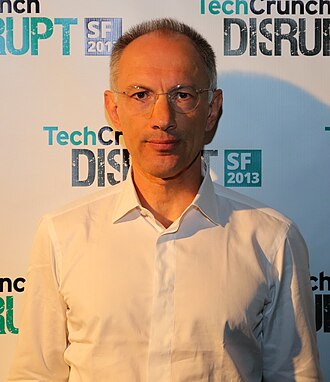
迈克尔·莫里茨 帕帕特里克·奥肖内西
EDITED TRANSCRIPT · 依据现场录音编译整理,可划线生成便签
迈克尔·莫里茨(Michael Moritz)为《时代》周刊做过记者,后来在红杉资本投出了谷歌、PayPal、雅虎、Stripe,并在一九九六年到二〇一二年间执掌这家公司。这次对谈缘起于他的新书:一部回溯自己纳粹难民家庭往事的作品,话题由此蔓延到童年的印记、识人的方法、偏执与代价、风险投资的今昔、伟人史观、人工智能,以及「成为你自己」这件终身难题。他谈到乔布斯、弗格森、马斯克、唐·瓦伦丁,也谈到母亲、妻子和旧金山。本文依据现场录音编译整理。

难以对任何人心生敬畏

主持人: 您当年在《时代》周刊遇上的那桩乔布斯的事,实在耐人寻味,我想对您来说也相当难堪。

莫里茨: 遗憾的是,那件事之后,我和史蒂夫的关系再也没有修复过。

主持人: 您敬畏他吗?

莫里茨: 不。

主持人: 您敬畏过任何人吗?

莫里茨: 我认识的那些做成了惊人之事的人,同时也都是有缺陷的人。你要是跟他们熟了,就会看到那一面。近距离看见了,就很难再对谁心怀敬畏,因为你看到的不只是他们的成就和美德,还有他们的缺陷。

写书是重新发现自己

主持人: 读您这本书的时候,有一个说法一直留在我脑子里:一个人在哪里终止,另一个人又从哪里开始?您深入挖掘了个人历史、家族史、血脉传承对一个人的塑造。我从好几个角度对这件事感兴趣:作为父亲,作为对历史感兴趣的人,作为对遗传、先天与后天感兴趣的人。如果把整本书归结成这个问题,您的答案是什么?在这样一场对自家历史的深究之后,您想明白了什么?

莫里茨: 写这本书带来的一个我并没有预料到的收获,是发现了我自己是谁,以及我为什么会变成今天这个样子。那是写作意外馈赠给我的礼物,它来自对家族过往的探究,尤其是对我父母的探究,来自回头去发掘那些很深的童年记忆,发掘我们家里的气氛,以及我成长其中的那个氛围。这些帮我理解了很多事情:为什么我是我,为什么我会以特定的方式对某些事情作出反应。因为每一位父母都会在孩子身上留下印记,这是无意识的,显然在所谓成长关键期尤其如此。我不是儿童问题的专家,也不是什么科学家,但在你十二岁、十三岁、十四岁之前,那些被你以某种方式吸收进去的印记,无论有意识还是无意识,都会伴随你一生。

莫里茨: 天使和魔鬼都在里面,你要跟它们打一辈子交道。

主持人: 您的天使和魔鬼是什么?我特别好奇的是,您把自己出了名的那套方法用在了自己身上,也就是专注于一个人最初的十四年。这番自我审视让您对自己有了什么新的理解?

莫里茨: 如你所知,也如书里所写,我是在一个从纳粹德国逃到威尔士的难民家庭里长大的。难民这个身份本身就意味着少数。二十世纪六七十年代的威尔士,犹太难民更是少数中的少数。今天人们看着我,会想,这不就是个上了年纪的白人男性吗,哪里算什么少数族裔。我能理解这种看法,但重要的是一个人自己的感受,而不是别人怎么看你。这件事在很多方面触动了我。我父母虽然从来没有进过集中营,他们在三十年代就出来了,但他们很不愿意用「幸存者」这个词,因为在他们看来,幸存者指的是真正从集中营里活下来的人。他们是难民,以自己的方式活了下来。那种不管概率多低都要活下去的动力,虽然我成长中面对的处境根本无法和我父母相比,但我想,这种求生的需要,在某种程度上意味着靠机敏活着,对别人的动机高度怀疑,时刻琢磨坏事会在哪里、以什么方式发生,并且提前设防。

莫里茨: 我想,这至少给了我,当时我并不明白,事后回头看才明白,一种如果没有那样的家庭底色就不会有的驱动力和韧劲。

主持人: 当您研究这些、回想自己的童年时,这种东西是怎么从父母传到您身上的?是靠他们讲的故事吗?

莫里茨: 绝对不是靠故事,因为他们不讲。那些故事我一直到坐下来动笔写这本书时才真正知道。我当然知道历史的大致轮廓,知道他们和数以百万计的人被卷进了那场悲惨、凶暴、灾难性的旋风,但他们不会谈论细节,只有粗线条,那些细节是我很久以后开始构思这本书时才产生兴趣去追问的。所以我想,传下来的更多是日常的行为方式,是对事情、对时局的反应,是那种厄运离得并不远的感觉,以及既然过去发生过恐怖的事,那么在日常生活里就必须保持警觉与戒备。

两位祖父:留下与出走

主持人: 书里有几个故事,尤其有一个,讲了两个人,一个决定留在德国,一个决定离开。在幸存者、局外人这个话题上,这个对照非常动人:形势变化时,要早早察觉,而不是加倍下注、继续留守。能讲讲这个故事,以及您从中学到了什么吗?

莫里茨: 帕特里克,你说的这两个人,是我的两位祖辈,一位是我的外祖父,一位是我的祖父。先说我祖父,他是公务员,在德国南部巴伐利亚做基层法官。他参加过第一次世界大战,不知怎么从凡尔登的地狱里活了下来,还拿到了铁十字勋章。我想,他非常笃信德意志国家,笃信国家所提供的安全感。后来到了一九三三年,他丢了工作。但我的判断是,因为他是公务员,天性保守,天性谨慎,同时又深信国家的力量、国家的延续、国家的稳固,相信风暴终究会过去。他还有一份养老金,那份养老金对他而言是极重要的生存依靠。我想是所有这些因素加在一起,让他虽然对周遭发生的事显然并非视而不见,却更不愿意离开德国,一直拖到太晚。

莫里茨: 人们还常常忘了,即便你决定要走,路上也横着各种障碍。你得找到一个愿意接收你的地方,你还得向纳粹政府缴纳高额的税款,才能拿到出境签证。种种关卡。这就是我的祖父,他和他的妻子最终被送往东方,从此在历史里消失了。

莫里茨: 我的外祖父是另一块料。我年少时太浅薄,并没有真正理解他,我大约十六岁时他去世了。他做过牲口贩子,那是德国当年少数允许犹太人从事的行当之一。他年轻时几乎就看不见,等我见到他时已经完全失明。但他不知怎么就在德国西北部的一个乡村里,靠贩牛为自己和家人挣出了一份体面的生活。事后回想,我对他的判断是:他更懂人情世故,更有生意人的头脑,也不必背着「留下来才能领国家养老金」的包袱,因为他向来能养活自己,自己照看自己的将来。他和他的妻子,也就是我外祖母,逃了出来,但是死里逃生。他们是在战争爆发前七十二小时走的。再晚七十二小时,他们也会一起没了。

永远备好退路

主持人: 您从中带走了什么?这种本能的大教训是什么?它怎样烙在您身上,又怎样烙在您一生中投资、书写过的那些人身上?

莫里茨: 我不太确定这对我一路遇到的那些人有多大关联,但它对我本人确实有后果,在我们眼下所处的这种时代尤其如此,在美国、在西欧当下弥漫的这种气氛里尤其如此。我想,人必须永远觉得自己有一个可以钻进去的洞,火烧得太旺时有地方可去。这就是我从家族史里得到的教训:护照永远不嫌多。

主持人: 您觉得现在尤其如此吗?

莫里茨: 是的。

少数族裔与极右的抬头

主持人: 请谈谈您眼中世界的状态。

莫里茨: 对少数族裔来说,美国和整个西欧都是不太舒服的地方。不管你是亚裔、穆斯林、黑人还是犹太人。我理解其中的原因,我也想说得谨慎一点:我不是在为反犹主义诉苦,我不是在抱怨。我很早就接受了一个事实,它就是生活的一部分。它存在了两千五百年,不会在二〇二六年或者二〇三〇年消失,它会一直跟着我们。事实上,就像我们刚才说的,反犹主义一直存在,而我一生,或者说从我懂事起就意识到它的存在,这反而让我变得更强韧。

莫里茨: 但生活在这样一个社会里是让人不安的。在美国,我对「谁在美国感到安全」这个问题有个很简单的想法:在美国感到安全的那一部分人,是拥有枪支的白人基督徒。其他所有人都多少有一点不安全感,无论你是被移民执法部门追查,还是去一个必须由警察看守才安全的祈祷场所。这种情况在美国存在,在英国存在,在法国存在,在欧洲其他极右政党抬头的国家也存在。大家都读到了德国最近的选举,一个极右政党在萨克森州的表现。我想,在经济困顿的时代,当有成百上千万、乃至数千万人觉得自己被抛下了,那种绝望的情绪,很容易被有威权冲动的领导人熬成一锅可怕的浓汤。

主持人: 如果我硬要您戴上乐观或者说抱有希望的那顶帽子,就这个问题去想未来呢?

莫里茨: 欧尔班被赶下了台,而几年前他还如日中天。我想,有些地方确实出现了向中间回摆的力量,这对人们会是很大的安慰,各个社会也可能回到某种最低限度的体面。在美国这里,接下来十八个月的中期选举将真正决定我们未来十年怎么生活,因为过去十年的美国,打上的是一个人的印记。在英国,与极右挂钩的那个人,奈杰尔·法拉奇,他最好的日子也许已经过去了。法国不一样,明年有勒庞和大选。西班牙不一样,德国的情况也可能不一样。

主持人: 您认为互联网从根本上改变了文明与政治温和路线的可能吗?因为它在注意力上如此奖励极端。

莫里茨: 三个字母的回答:是的。其实从印刷术开始,每一种新媒介都是如此。但互联网和移动通信显然让谣言和暗示的传播变得容易太多。这是德国三十年代广播兴起时所发生之事的放大版:电波被极端宣传、种族主义论调以及一再重复的响亮谎言所占据。

前十四年的识人法

主持人: 回到您的家族史。我最喜欢的话题之一,就是从一个人最初的十二、十三、十四年里能读出多少东西。就像您说的,卡尔·荣格有一个很妙的想法:去研究父母那些没有过成的人生。换个说法,可能有点俗气,就是你应该活成你父亲本该成为的样子,去过他没能过或者没过成的那种生活。这种印记的一部分,是孩子观察父母,看他们不去追求什么、不敢冒什么险,然后朝那个方向跑,可能就是一条很好的探索路径。

主持人: 再回到一个人在哪里终止、另一个人从哪里开始这个问题,与父母的断裂非常重要。所以我很好奇,您是怎么找到自己这套方法的,这套追问最初十四年的方法。您第一次这么做是什么时候,具体怎么做,为什么您觉得它在理解一个陌生人时这么管用?

莫里茨: 我大概是在底特律第一次接触到这个路数的,说来也怪。当时我是《时代》周刊的记者,和一位同事一起写了一本关于克莱斯勒公司的书,但更重要的是写那个在七十年代末八十年代初挽救了克莱斯勒的人。他一度是全美国最知名的商界人物,尽管今天大多数人连他的姓都念不顺。他叫李·艾柯卡,意大利移民的儿子,在宾夕法尼亚长大。为了写这本书,我们花了不少时间采访艾柯卡。非常清楚地传递出来的一点是,作为意大利移民的儿子,他多么强烈地觉得自己是个局外人。他在汽车业工作,而且做到了汽车业的高层,在那里,他始终被人用怀疑的眼光打量,最明显的是他在福特汽车公司时,来自亨利·福特二世以及其他人的眼光。那些人的家族追溯上去当然也都是移民,但他们更属于建制阶层,而艾柯卡从来没有觉得自己是建制的一员。很明显,这一切都源自他的童年。后来随着岁月推移,他开始把落到他头上的种种怠慢,包括没能坐上福特的头把交椅,都解释为别人把他看成一个意大利移民。

主持人: 说到那些把局外人的能量转化成动力的人,其中很多都是您成功投过的。您见过有人「毕业」出去、走出这种状态吗?如果走出去了,他们的驱动力会消失或者减弱吗?

莫里茨: 我想先把上一个问题再补一点,就是你问我,这些年见各种人、见各种创始人时,为什么要在他们的成长背景上花那么多时间。因为这些人很多只有二十岁、二十一岁。

主持人: 您等于覆盖了他们人生的很大一部分。

莫里茨: 你总不能问他们五十岁时的经历。所以这是很自然的事,你只能从那里去理解一个人。我不认为人会从那种状态里长出去。我认为发生的事情是:人在十八九岁、二十几岁、也许三十出头的时候,是以一种特定的强度在工作的,而这种强度会因为种种原因随时间衰减。变的是这个。内里的那个人没有变,变的是向外展现的强度。

主持人: 您问这些问题的时候,有没有某一样或者某几样东西是您固定在找的?是不是谈完之后觉得这个人有极强的驱动力,然后……

莫里茨: 不是。有空的时候我会画画,画得不好,但我真的很享受。至少按我的画法,你会在画布的不同位置留下一些笔触,这些笔触彼此看不出关系,这里一块蓝,那里一块褐,你把这些点和痕迹落到画布上,完全看不出有什么构图可言。然后到最后,在我这儿,画总算出来了,虽然画得糟糕,但终究是一幅画。它是所有这些不同笔触的累积。我想,跟人聊他们的成长背景也是这样。你在找的就是这里一个点、那里一个点,最后你为自己拼出这个人的一幅肖像。

最爱问的那个问题

主持人: 在找这些点的过程中,有没有形成一些您最爱问的问题?

莫里茨: 有一个我总会想到的问题,而且我发现它几乎无一例外地能问出东西来:让对方回头看,如果有机会把一件事、一个举动重来一遍,他会选哪一件。我记得我们在红杉面试过一个人,我问出这个问题时他当场哭了出来。原来他是移民的儿子,在美国长大,拉美裔,他父亲非常自豪自己在这里立住了脚,也非常自豪自己的孩子聪明、在学校拿好成绩。大概十二岁那年,他和一个同伴到街角的杂货店偷了些糖果。店主认识他父亲,就去告了状。他父亲揪着他的耳朵,把他拎回那家糖果店,让他道歉,让他把口袋掏空。我采访的这个人,因为给家族、给父亲丢了脸,羞愧到那个程度,讲着讲着就哭了。

主持人: 那您自己对这个问题的答案是什么?您会把哪件事重来?

莫里茨: 你是个好采访者。多数人采访的时候并不真的听别人的回答。

莫里茨: 我想,每一个为人子女的人,多多少少都有这种感受,我在写书的时候也有:我感到难堪。如果能抹掉一件事,我会抹掉我与父母之间的某些互动和相处,今天想起来我觉得羞愧。但没有回头路。我和他们一起生活了人生最初的十六、十七年。还有很多事情,很多我年轻时与他们的交往,我都希望当时能是另一个样子,因为我并不真正理解他们是什么样的人。事已至此。

主持人: 您认为那主要是一种自然的、想要确立自身独立性的冲动吗?每个孩子和父母之间都会经历的那种。

莫里茨: 我相信那是其中一部分。傲慢大概是另一部分,还有就是不能领会他们自己经历过什么、是什么造就了他们。这些我当时都不懂。

安娜与抵抗者的稀缺

主持人: 书里有一个关于「微小善行」的概念,那个人物好像叫安娜。您能谈谈您从这些微小的举动里学到了什么吗?

莫里茨: 那不止是微小的举动。你说的这位女士我小时候是见过的,她的名字叫安娜。二十年代到三十年代初,我父亲和叔叔在慕尼黑长大的时候,每一个中产或者中下层家庭都会有一个佣人。那是洗衣机、吸尘器这些东西出现之前的年代。这些人在家里有孩子出生以后,也就顺理成章地成了保姆。对我父亲和叔叔来说,在我祖父家里担任这个角色的,就是安娜,她成了他们的另一个母亲。她是罗马天主教徒,后来离开了我祖父母家,嫁给了巴伐利亚的一个铁路工人,也是天主教徒。他们亲手盖起了自己的房子。她和她的丈夫从来没有忘记莫里茨一家。三十年代,当巴伐利亚乡下已经很不欢迎犹太人来度假的时候,他们把自己的家向我的祖父母、我的叔叔和父亲敞开,能开多久就开多久。他们对纳粹感到无比恐惧。他们竭尽所能去帮助我的祖父母和我的父亲、叔叔。

莫里茨: 战后,因为我父亲和叔叔对安娜的感情太深,他们在战争刚结束不久就回了巴伐利亚,与她建立起非常牢固的联系,一直到她去世。我还记得我小时候去她家住过,那所房子和它的故事也写进了书里,四周都是纳粹往事的幽灵。而这位女士,用以色列犹太大屠杀纪念馆表彰二战中援助犹太人和其他受难者的那些人的说法,她是「国际义人」之一。她有一个道德罗盘,她不允许任何人来拨动它。

主持人: 您从您所说的那几类人身上学到了什么?我记得您把他们称作抵抗者、沉默者和合作者。

莫里茨: 是的。我看过一部很了不起的剧集,大概十二年前出的,在法国拍的,大概六季,讲二战期间一个法国村庄的生活:有些人尽其所能地抵抗占领,大多数人保持沉默,还有一些人成了纳粹的积极合作者。疫情期间,我们整天开那种长长的视频会议,屏幕上是十来个小方块。我总是看着每一个我基本都认识的人,反复问自己:如果这些人生活在一九四〇年代的那个法国村庄,谁会保持沉默,谁会抵抗,谁会去合作。

莫里茨: 这是一个练习。我当然没跟任何人说起过。但我对这些会议上的每个人都足够了解,知道谁身上有我们刚才说的那位女士那样的脊梁。他们永远是少数。

主持人: 有多稀少?一百个人里有一个是抵抗者吗?您觉得这种品质有多罕见?

莫里茨: 我想非常罕见。因为一个国家里之所以会发生坏事,正是由于大多数人保持沉默。真正起而抵抗的人极少。

主持人: 您觉得您职业生涯中投过的大多数人会是抵抗者吗?

莫里茨: 这个我得想一想。我倒是希望如此,但我不确定。

从不觉得自己擅长什么

主持人: 能谈谈比尔·迪兹在您生命里扮演的角色吗?我一向对这种早期的启动时刻很感兴趣。我也好奇,您第一次感到自己真的很擅长某件事,是什么时候,是和他有关,还是在别的时候?

莫里茨: 我从来没有觉得自己真的擅长什么。这不是假谦虚。

主持人: 真的吗?到今天还是这样?摆着这么多证据,怎么可能?

莫里茨: 我想每个人都被怀疑困扰着,也许还有好胜心。不,我做过的每一件事……这是我的一个毛病:我很难为好事高兴,很难庆祝成功。不过还是回到……

主持人: 我想知道这是为什么。既然您对此有自觉,有没有试着……

莫里茨: 我想这是家传。我母亲总觉得灾难就在拐角处,厄运就在拐角处。她在疫情前几周去世。我母亲是个报丧者。我记得小时候,她会听广播,然后早饭桌上的话题必定是世界上某个地方刚发生的自然灾害,或者一场空难,或者别的什么可怕的事。所以,她在疫情前几周去世,而那是一场大灾难,我某种意义上替她感到遗憾,她错过了新冠,因为这正是她预言了一辈子的那种灾难之一。她被剥夺了这场疫情。但我想,正是那种「离悬崖只有一步之遥」的感觉留了下来。

主持人: 那您有没有为自己做出来的某件作品感到骄傲过?感受过那种骄傲的情绪?

莫里茨: 我一直觉得一切都是未完成的,都还可以更好,没有一样是完美的。

主持人: 所以从来没有满足的时刻。

莫里茨: 有时候我画画,把现在的画和十年、十五年前可能画出来的东西比一比,我能看到一条改进的路。但接着你去一趟现代艺术博物馆或者大都会博物馆,你就……

主持人: 就被压小了。

莫里茨: 你就被缩成一粒微不足道的尘埃。

主持人: 那为别人感到骄傲呢,不是为自己?您支持过商业史上一些最非凡的人,也写过一些最非凡的领导者,比如亚历克斯·弗格森。您为他们骄傲过吗?

莫里茨: 不一定。因为关系不一样。那些都是出于好奇心的旅程。该为那些成就感到骄傲的是他们本人,不是我这个旁观者。

主持人: 我很好奇,一个参与过这么多有意思、这么多本不该发生的事的人,什么是您能量最高的时刻?整段旅程里,什么最让您有能量?我知道您是个好奇心极强的人,也许答案在那里。

莫里茨: 我想是家庭和孩子,以及与之相关的所有时刻。我和我的妻子哈里特有两个儿子,如今都三十多岁了,其中一个已经有了两个孩子。我想是这些非常私人的东西。

比尔·迪兹与赴美的起点

主持人: 回到比尔·迪兹。刚才我把话头丢了。我好奇他对您的影响,我一向对人在早期给别人的影响感兴趣。

莫里茨: 我得先交代点背景。我在英国长大,大学毕业后特别想当记者,目标是进当时所谓的舰队街大报之一。那是很久以前的事了,五十年前,那些报纸人人都读,不同人群有不同的报纸,而我想进最大、最受尊重的那几家。但工会有规定。工会把报纸经营者卡得死死的,其中一个后果是,报纸编辑不许直接从大学招毕业生,因为工会担心这会妨碍他们招收十六岁的中学毕业生。结果就是,如果我想去《泰晤士报》、《金融时报》、《每日电讯报》这样的报纸,我得先去一家地方小报干上两三年。我实在不想那么干。我当时急躁,有野心,诸如此类。

莫里茨: 后来我见到了比尔·迪兹,他是《每日电讯报》的主编,在英国新闻界是个受人敬重的人物。他早年还做过伊夫林·沃那部著名讽刺小说《独家新闻》里某个人物的原型。总之,我写信去《每日电讯报》求职,迪兹很客气地回了信,还在舰队街的办公室里给了我半个小时。我记得很清楚,是冬天,下着雨。我向他请教,他告诉我,他年轻时最希望自己做而没有做的事,就是去美国,他鼓励我搬到美国去。我想这是最关键的一点,它真正把我推到了这个方向上。

主持人: 那您到了美国之后,第一个大突破、第一个关键的动作是什么?

莫里茨: 我运气很好,被《时代》周刊录用了,一毕业就进去,没有任何工作经验。作为一个机构,五十来年前的他们很愿意在一个二十二三岁、毫无经验的人身上冒险。那就是我的第一个大突破。

《时代》封面与乔布斯

主持人: 您在《时代》周刊遇上的乔布斯那桩事,在您的经历里格外耐人寻味,我想对您也相当难堪。发生了什么?您从中学到了什么?

莫里茨: 那是往事里痛的一块。那大概是我进《时代》两三年以后。当时我在旧金山分社工作,请了停薪留职的假去写一本关于苹果的书,因为杂志的篇幅不够讲苹果内部的故事,而那正是我真正想写的。就在这个假期里,《时代》打电话给我,让我为他们要发的一篇史蒂夫的人物特写供稿。那一期后来非常有名,就是「年度计算机」那期,我想那是《时代》历史上唯一一次把一个没有生命的物体选为年度封面。于是我参与了这篇关于史蒂夫的特写。史蒂夫当时确信自己会被选为年度人物,尽管没有人对他确认过是或不是。但最糟的是那篇稿子,他痛恨它,我得说,站在他的立场上,他有充分的理由;我自己也被它惊到了,理由不同。那篇稿子毁掉了我和史蒂夫的关系。

莫里茨: 当年在《时代》,这些东西要过一台编辑联合收割机。最后从尾部吐出来的那捆草,跟喂进去的那捆秸秆多半已经没多少关系了。整篇文章的调子是恶意的、刻薄的、下作的。就像我说的,史蒂夫讨厌它,这也是我离开《时代》的原因之一,整件事的处理方式让我非常心灰意冷。遗憾的是,那之后我和史蒂夫的关系再也没有修复过。

主持人: 您敬畏他吗?

莫里茨: 不。

主持人: 您敬畏过任何人吗?

莫里茨: 这是个难回答的问题,帕特里克,我真得好好想一想,才能给你一个经过斟酌的答案。我认识的那些做成了惊人之事的人,同时也都是有缺陷的人。你要是跟他们熟了,就会看到那一面。近距离看见了,就很难再对谁心怀敬畏,因为你看到的不只是他们的成就和美德,还有他们的缺陷。

主持人: 为什么您对史蒂夫没有敬畏?在我们这个圈子里,他大概是活着的记忆中最多人敬畏的那个人。

莫里茨: 这里我想说得谨慎些,因为我尊重他,我极其钦佩他。我很清楚他后来又做成了我这辈子根本不可能做成的事情。但我知道他身上比较暗的那几层色调,这让我很难把他当作一个可以毫无保留地仰慕的对象。当然,他显然是个英雄式的人物。

偏执狂的代价

主持人: 在您这些人物研究里,偏执(monomania)扮演什么角色?我也想把它和局外人这个概念连起来。

莫里茨: 或者说幸存者。你现在依然看得到这一点,而且它是代代相传的。我认为,当涉及创造任何有价值的东西时,无论是一首曲子、一本书、一幅画还是一家公司,都需要对手头这件事的彻底痴迷,把世界的其余部分关在门外,剔除一切不必要的干扰。当然这也有代价,路上会有人受伤,没有足够的时间留给家人、留给他人和朋友,正是因为你说的这种偏执。但伟大的东西有时候就是从中长出来的。

主持人: 偏执的主要代价通常是人际关系吗?

莫里茨: 我想答案是肯定的。或者对其中一些人来说,是觉得如果人生能重来一次,他们会换一种活法,因为这种偏执是有后果的。但是,最直接的代价显然是关系。伊夫林·沃,今天的人未必知道他了,一位非常著名的英国作家,一周能轻轻松松写一万字,而且是一万个好字,不是废话。他说过,好艺术最大的敌人,是门厅里那辆婴儿车。

主持人: 那弗兰克呢?那位画家?

莫里茨: 嗯。

主持人: 他也是个偏执狂吗?

莫里茨: 弗兰克·奥尔巴赫在美国从来没有得到他应得的承认,不过接下来两年里,美国几家很重要的博物馆会为他办回顾展。他也是从纳粹德国逃出来的难民。他大概五年前去世了。我跟他不算熟,但有过一些来往。他是个彻底的痴迷者,完全沉浸在他的艺术里,每天都画,很多很多年里,他每年只给自己放一天假,去英格兰南岸有那个著名栈桥的布莱顿,圣诞节那天休息。一年里其余每一天他都在工作。

莫里茨: 我记得有一次跟他聊天,他妻子在英国海边有一所房子。有一回吃晚饭我问他:你会出去看看你妻子朱莉娅吗?他说,那所房子我从来没去过。还有一次,大概是十年前,我们闲聊,说着说着说到了纽约,他说,我爱纽约,我就是爱它,那么生机勃勃,还有时代广场,等等等等。那次谈话大概是在二〇一二年、二〇一三年。我就问:弗兰克,你上一次去纽约是什么时候?他说,噢,我一九六七年去过。

莫里茨: 他有一套固定的作息。我认识一些给他当过模特的人,我想他所有的模特今天都还在世。他们每周去他那里坐一次。他有一批固定的坐姿模特,同样这几个人,他画了三四十年,那是他的具象作品。其中有一位住在威尼斯,每周飞一次伦敦去他那里坐一场,因为我想那些模特觉得给弗兰克当模特像是一种治疗。但要是模特迟到,他会彻底崩溃。他画风景也一样,同一片景色反复画、反复画,一遍遍地重新阐释。他为艺术而活,别的事情都没有时间。他有一个儿子杰克,但除此之外,一切都没有时间。

主持人: 您从偏执狂身上得到更多能量吗?您在他们身边待了很多时间。相比您这样兴趣广泛的人,您更喜欢跟他们在一起吗?

莫里茨: 朋友和熟人还是混着好,有些人把自己绑在了某一根桅杆上,有些人愿意四处漫游、随性生活。不过我一直觉得,和那些看上去什么也不做的人相处比较难,尽管我喜欢他们,也乐意和他们待在一起。

唐·瓦伦丁的赌注

主持人: 唐·瓦伦丁在您身上看到了什么,您又在他身上看到了什么?

莫里茨: 唐是红杉的创始人,大概在一九八五年前后,他在我身上冒了个险,把我招进了红杉,那时红杉还是家很小的公司。我们现在围坐在你演播室的这张桌子旁,这张桌子大概就装得下当时红杉的全部员工。我当时是记者,做过记者,但对风险投资行业产生了兴趣,也认识了一些经营这类公司的人,那时候这些公司都很小。我给其中五家写了信,那是不发电子邮件、真的要写信的年代,然后一家家去见。他们都很客气地给了我一些时间,也都说,我们不知道该拿你怎么办,因为你没有技术背景,没有任何工程学位,没有真正的技术知识,也没有在硅谷那类公司里工作过的经历,你一直是个记者。所以也许你可以去找一份公关或者市场之类的工作。那不是我想做的事。

莫里茨: 唐比较愿意冒这个险,原因也很直白:他见过一些他原本看好的人,那些在科技公司有过大量实操经历的人,进了风投行业却做得并不出色;而他也知道另外一些人,把投资这条路走得非常成功。有一位叫汤米·戴维斯,我记得他创办了梅菲尔德基金。还有一位原来是保险精算师。不过唐提得最多的,是一位叫阿瑟·洛克的先生,他刚刚过完一百岁生日。阿瑟原来是纽约一家叫海登斯通的小投行的银行家,那是五十年代的事。他有胆识去张罗了仙童半导体最初的出走和融资。到了六十年代,有些名字今天的人已经不认得了,他帮着投了特利丹……

主持人: 亨利·辛格尔顿,对吧?

莫里茨: 嗯?

主持人: 亨利·辛格尔顿。

莫里茨: 亨利·辛格尔顿。后来他成了苹果最早的董事之一。还有科学数据系统公司。再后来阿瑟做了英特尔的董事长和第一天就进场的原始投资人,几年之后又投了苹果。唐说,你看,他的履历里没有任何东西能预示他会成功。这就是唐愿意赌我的主要原因。

主持人: 那早年您在他身上看到了什么?

莫里茨: 一份工作。

主持人: 他教了您什么?

莫里茨: 唐不信教这一套。他信的是把人扔进去,他有一种适者生存的本能,就是把人往深水区一扔,看他会不会淹死。但我通过观察和倾听学到了很多,好的坏的都有。红杉还有一位叫皮埃尔·拉蒙德的先生,对我影响很大,他在半导体产业的崛起中扮演过重要角色,也算是对我有影响的人。但归根到底,是身处那样一个环境之中,看着好事发生,也看着坏事发生,然后慢慢地形成自己对事情的判断。

今天的风投不是当年

主持人: 一个没有技术能力、没有工作经验的记者能成为这一类投资人里最出色的之一,这件事本身能告诉我们早期投资的什么?

莫里茨: 我当年进入的那个风险投资行业,和今天的风险投资行业非常不同,可比之处不多。

莫里茨: 我不认为自己在今天的风险投资行业能做得好。

主持人: 为什么不能?

莫里茨: 我认为它变难太多了。我们在八十、九十年代有一大堆优势,这些优势大概从十五六年前开始消散,今天已经不存在了。其中一个是信息不对称。在互联网之前,除非你离得很近,否则你不知道正在发生什么。今天因为互联网以及我们刚才谈到的那些东西,全世界都确切知道正在发生什么,大家拿到的信息基本一致。这是第一点。

莫里茨: 第二点,各种形态的参与者太多了:个人,两三个人凑成的小基金,另一端则是把钱大笔倒进来的巨型共同基金。最早期的私募市场已经非常非常不一样了。所以在四十年前、三十年前,如果你是个人,你有可能和你要与之共事的人建立一种真正的、紧密的关系。今天这种关系不存在了,对风险投资机构尤其如此,中间隔着太多中介。所以我不确定当年我那种运气今天还能不能复制。而且我当时是被一把抛进了全世界唯一一个所有这些事情都在发生的地方,那本身也是巨大的竞争优势。所以我不确定这些东西今天还能不能平移过来。我想,在八十年代中期,一个有点脑子、还算机灵的十四五岁、十六岁的少年,也能在风险投资这行做成事。

主持人: 您觉得今天这个生态健康吗?

莫里茨: 如果你是创始人,我觉得挺健康的。

接掌红杉:别搞砸

主持人: 我很喜欢您常说的那句话,说您最好的投资是……接手的时候,您脑子里在想什么?

莫里茨: 别搞砸。一九九五年的那个红杉,和我在二〇一二、二〇一三年退下来时的红杉,非常不一样。

莫里茨: 第一是别搞砸。第二是让每一个在那里工作的人都明白,我们的水平只等于我们的下一笔投资,我们不能躺在过去的功劳簿上。第三是抓住新出现的市场机会。所以后来随着硅谷在全球创业活动中的份额变小,尽管它显然仍是最好的地方,我们走出去,先去了以色列,然后最重要的是去了中国,再后来又做了另一门生意,叫红杉传承基金,那是完全不同的一门生意。

主持人: 我跟凯文很熟,他是个了不起的人才。

莫里茨: 是的,确实。还有基思,以及我们那支人数不多但非常出色的投资团队。不过第一位的还是刚才那条。另外还有一点,我不想把自己说得像圣女贞德,但我觉得对得起我们的出资人非常重要。我们的资金和出资方大多是非营利机构,我认为,为他们做出好成绩很重要;如果我们做不出成绩……我不想待在这样一门生意里:业绩不好,我们照样拿得盆满钵满。我认为,这正是各种形态的金融服务提供者长期以来的问题之一:机构赚得很好,客户却未必,客户可能还不如直接买个指数基金。

主持人: 我和道格做这个访谈的时候,他讲过那支基金的故事,你们花了十年左右拼命把它拉回到本金线上。

莫里茨: 对,对。我们本可以对出资人说,你们跟着我们赚了不少好年头,这一支基金不赚钱,你们接受就是了。我肯定不是那样的人。这是个面子问题。

主持人: 和道格这样一个与您如此不同的人共事,您学到了什么?你们的合作又那么有成果。

莫里茨: 容忍,别的没有了。

莫里茨: 我想,当你要在一个团队里工作,你必须去理解你周围的人需要什么、什么对他们重要,然后去满足那个需要,尤其是当对方的性情和你如此不同的时候。我想这是我在组建团队和带团队上学到的最重要的一课。今天的我会比二十五年前、三十年前做得好得多。而这一课很大程度上是从我十来年前和一位著名足球主帅合作写书的方式里学来的。

弗格森懂每个球员

主持人: 我正要问亚历克斯。

莫里茨: 亚历克斯·弗格森。我觉得他最了不起的本事之一,就是能理解每一个球员各自被什么所驱动。

主持人: 您是怎么看见他做到这一点的?我知道他出了名地偏爱出身艰苦的球员。

莫里茨: 我想他很清楚这件事。他背着一个不公平的名声,说他非常强硬、非常严苛。这确实是他执教方式的一面。但他是一个不想被人爱、也不想被人怕的人,他想要的是为他踢球的人对他的尊重。所以他会在那里,这一点人们并不了解:在那些球员最灰暗、最艰难、需要支持的时候,在他们沮丧到极点的时候,他在那里。这些几乎不会被写进报道里。

莫里茨: 我记得有一件事,忘了是哪一年,大卫·贝克汉姆代表英格兰参加世界杯被罚下场,英国媒体对贝克汉姆所谓的愚蠢毫不留情,而亚历克斯去机场接他。

主持人: 因为他知道贝克汉姆需要有人搂一下他的肩膀。

莫里茨: 就是这类事,发生在镜头之外的小事。人们并不知道,现场没有摄像机。

主持人: 您对他这么感兴趣,会不会几乎是出于某种自传式的原因?您刚才那番描述听起来有点像您自己。

莫里茨: 不,我觉得他在这方面比我娴熟得多。这本书之所以做成,原因是这样:不知为什么,一直有人撺掇我写一本关于硅谷的书。而我一直感兴趣的,是从红杉这个视角去看两件事怎样才做得成。一件是建成一家能长久存续的机构,为我们自己,为红杉,因为有太多风投公司的故事是:风光一阵,然后不知为什么炸了,创始人互相残杀,或者合伙人互相残杀,大家分道扬镳,弄得很难看。另一件是它的副产品,就是一家独立公司要长久存续需要什么,这样的公司才是红杉愿意投的。

莫里茨: 而我不想从硅谷的角度去写这件事,写硅谷的书已经够多了。所以我四处寻找一家经历了几十年仍然兴旺的公司或者组织。我从小就有点算是曼联的球迷。这里有这么一位主帅,我记得他是一九八六年接手,二〇一三年退休。他接手时球队状态很差,此后建立起跨越多个赛季、二十六个赛季的惊人战绩,几乎不可能有人复制。

莫里茨: 书写完以后,我把草稿给了当时红杉一位负责公关、也就是传播的同事看。因为这本书是我代笔写的,他看完对我说,我分不清哪些是你,哪些是弗格森爵士。我说,这就对了。

伟人史观与马斯克

主持人: 您相信历史的伟人理论吗?我问这个,是因为我对能够长久存续的机构非常感兴趣,也想知道您从那些存续下来的机构,比如红杉,身上学到了什么。当然我也被埃隆这样的人吸引,您是他的早期支持者,在X.com与他共事过。这些人塑造历史的方式,让人觉得今天可能确实有几位世界历史级的人物活着并且正在做事。在塑造历史这件事上,您认为个人,也就是这些世界历史级的伟大男女,和长久存续的机构之间是什么样的平衡?

莫里茨: 简短的回答是:我坚信伟人理论。我们谈到的所有这些人,无论是你刚才提到的埃隆,还是我们说过的艾柯卡、史蒂夫·乔布斯,或者你进入政治领域、战场领域,都是关于伟大领袖的。伟大的领袖。当然,也有一些可怕的威权人物,在世界各地不同的国家里,在长达数十年、数百年的时间里,把黑影投在了成千上万乃至数千万人身上。所以无论好坏,我认为个人对自己周围的一切有着巨大的影响力,并且在好的那一面,个人能说服别人去完成被认为不可能的事。是的,我是这个理论的忠实信徒。

主持人: 您认为埃隆是今天这一理论最典型的例证吗?

莫里茨: 是的,他很可能是美国历史上最伟大的实业家。

主持人: 您会怎么评价他?

莫里茨: 我想我说不出什么新东西,只能说这不可思议。反正对我来说,一个人怎么能做到这些,我理解不了。我知道他是个有争议的人物,但我只是透过历史的视角、透过投资人的视角在看他。英国有个词叫 gobsmacked,目瞪口呆。他在好几个完全不同的产业里做出的成就规模,让我完全目瞪口呆,而这正是他与别人拉开距离的地方。

AI与写作的稀缺

主持人: 您怎么看今天主导性的技术环境,它又如何改变我们刚才谈的这一切?PayPal 的另一位创始人最近跟我说,他认为埃隆这样的人、还有别的伟大创业者,大概会做更多的事情,不止一家公司,会从偏执中扩张出去,因为这些工具给了他们巨大的杠杆。您认为这是历史上一次真正的断裂吗,因为我们现在拥有了智能?

莫里茨: 我不知道。你要是去中国,会发现那里的公司创始人,去韩国大概也一样,虽然我对韩国了解少得多,你会发现一家公司的创造者有着近乎帝国式的野心,或者他们把手里这一家公司改造成别的东西。看看小米,今天它造出来的车,在品质、性能和其他方面都超过保时捷,而它二〇一〇年起步时是做手机的,我想还是安卓的授权方。所以是的,我认为有创造力的人,这些极其稀有的人,手里握着,或者说他们手下的人手里握着这样一批不同凡响的力量工具,他们在未来能做的事情,会比过去一个人所能做的多得多。

主持人: 您对这项技术的判断模型是什么?作为一个观察者,而且肯定是个有兴趣的观察者,您怎么跟家里人讲这件事,讲它会意味着什么?

莫里茨: 我们不谈这个。

主持人: 完全不谈?

莫里茨: 不太谈。人们总会来问我,但我不是技术专家,我不懂人工智能。

主持人: 可您当年那么擅长看清事情会怎样展开。想想您那么多笔投资,当时那东西看上去很小,后来却成了世界赖以运转的基础设施,比如 Instacart 之类。

莫里茨: 你太抬举我了。

主持人: 数据点很多啊。

莫里茨: 我当时并没有想到,当然我想很多人也没想到,我几乎完全没有料到一家公司能以今天某些人工智能公司的速度增长。那是超出理解范围的。我记得很多年前,那时候是互联网的黎明,或者说黎明之后不久,汤姆·西贝尔,一位知名的创业者,被视为非常成功的创业者,有一天怅然地说了一句话。他的公司以大约一百亿美元卖掉了,他很感慨地说,那还是一百亿美元很值钱的年代。今天你回头看,无论是脸书的上市,还是谷歌,你会说,那还是一千亿美元很值钱的年代。一家成立六年的公司值好几万亿美元,这种事以前没人想象得到。

主持人: 您对这项技术主要是兴奋、害怕,还是两者都有?

莫里茨: 我在这上面花的时间不多,别人读什么我读什么,那些末日恐吓我也听过。我大概比多数人更抱希望一点。我不是专家,我也不想贬低人工智能可能出现或不出现的阴暗面。但有一件事让我稍感宽慰:第一颗原子弹爆炸时,人们预言过世界末日,或者某种形式的末日。幸运的是,将近一个世纪过去了,那并没有发生。或者你去读七十年代中期关于基因革命的那些文字,说科学家将要制造出成群结队的、他们认为配得上行走于地球之上的人。那也没有发生。

莫里茨: 所以今天,尽管我绝对相信人工智能会在某些特定的就业领域造成巨大的冲击,我仍然认为它创造的岗位会多于它消灭的岗位。过去两三个世纪里,没有哪一次重大的技术进步在长期导致了就业下降。当然有过萧条,有过某些行业的大规模冲击,但总体就业是增长的。每个人都可以说这一次不一样,但从历史看是这样。所以我要更乐观一点。我认为会出现很多今天我们还无法归类的工作。

莫里茨: 而且正因为人工智能能如此轻易地生产出海量的新文本和写作,我认为非凡的写作,其价值正在上升。它能从一片垃圾的海洋里穿透出来。

主持人: 您自己写了不少东西,您会怎么定义非凡的写作?

莫里茨: 你在这个话题上又把我夸过头了。

主持人: 是听到作者那个无法被误认的声音吧。

莫里茨: 是的。

主持人: 作为写作者,怎么做到这一点?

莫里茨: 我想这和人生的旅程是一回事。对一个人来说,最难的事情,无论是引导他找到自己想做什么,还是找到自己想写在纸上的是什么,都是要足够贴近自己内心的感受和内在的声音,让它们去战胜他人期待所带来的压力。

成为你自己

主持人: 约瑟夫·坎贝尔说过,一生的特权是成为你自己,但那也是最难做到的事。

莫里茨: 我真希望我聪明到能说出这句话。我完全同意。我想这是每个人都要面对的挣扎。当你把东西落到纸上时,也是同样的挣扎。

主持人: 在您自己的人生里,有没有某一刻对于成为您自己是最重要的?如果这件事既如此有价值又如此困难,我就想知道对您来说最难的部分是什么。

莫里茨: 我不认为我做到了。

主持人: 为什么?在您和您自己之间,还剩下什么障碍?

莫里茨: 我想我一直如此。这是我的一个弱点,我有很多弱点,其中之一就是:我一向太容易去迎合外界的压力或者别人的期待,而不是让自己自由地跑起来。

主持人: 这是您余生的一个目标吗?

莫里茨: 我会试试看。

主持人: 我很受触动的是,您看上去自我认知清楚得不可思议,但同时又给自己打了一些客观上明显不对的低分。这是怎么回事?我还是想弄明白。

莫里茨: 我不知道。也许是我母亲的幽灵。

主持人: 能多讲讲她吗?除了她的末日预言,我们聊得不多。

莫里茨: 和所有人一样,我欠她很多。是她唤起了我对艺术以及许多事物的兴趣。但她总能挑出毛病。不管事情多好,不管我做成了什么,她总能挑出毛病。我记得很多年前雅虎上市时,英国有一些报道,不知怎么我也被英国媒体写进了几篇文章里。她当时确信我是个骗子,她坚信警察应该来抓我,因为在她看来,我绝无可能参与了这样一件事而它居然还是合法的。

主持人: 这伤人吗?当时伤到您了吗?

莫里茨: 没有。到那个时候,我更多是觉得好笑。

主持人: 那更早的时候呢?您做的任何事都不能让她满意,这会伤人吗?

莫里茨: 不会,因为那就是生活的一部分。

主持人: 可它似乎还是留下了回声。

莫里茨: 是的,是的。人们不是说么,男人身上永远去不掉那个男孩。

离开红杉之后

主持人: 因为生病从红杉退下来,是一种什么样的体验?它教会了您什么?

莫里茨: 首先,我认为领导者不该赖着不走。如果他们出于什么原因决定不再领导,就必须让开路。

莫里茨: 所以我是彻底断了。虽然我尽我所能去帮红杉,也参与了一些公司的事务,但那是以个人身份贡献,不是以领导者的身份。我尽可能快地离开,因为我觉得让一个人在那种会议里徘徊不去是不公平的。我自己经历过那种情形。

莫里茨: 离开之后,我能做一些原本做不了的事。我掌管红杉的时候,说到偏执和痴迷,那就是了,每一天,全部都是它。所以离开让我能写东西,我和妻子大约二十五年前办了一个基金会,我们在这上面花了更多时间。最近这些年,我花了更多精力去帮我住了将近五十年的旧金山重新振作和繁荣起来,还和一位很棒的联合创始人格里芬·加夫尼一起,在那里办了一家媒体,叫《旧金山标准》,这件事很有意思,我希望它能为这座城市的生活做点贡献。另外,我还以顾问的身份参与原来叫红杉传承基金的那摊事。所以事情很多,既让人充实又让人不充实,因为虽然什么都有一点,却不是那种偏执地盯着一件事的专注。

主持人: 您怀念那种状态吗?

莫里茨: 有些方面怀念,但我很清楚我不会想回到那种生活方式里去。

主持人: 您怀念的是那种心流吗?完全沉浸、几乎忘掉自己的感觉?

莫里茨: 也许我画画的时候就能得到那种感觉。现在的生活更简单。你不需要去决定怎么分配时间,因为你的日程被别的力量支配着。

莫里茨: 日程由别人支配和日程完全由自己掌控,这两者是天壤之别。

主持人: 您对《标准》的期望是什么?指导它的原则是什么?

莫里茨: 格里芬和我没有把它办成非营利机构,因为我们想做的事情之一,就是证明地方新闻可以是一门赚钱的生意。这是第一。第二,是为旧金山和更大范围的湾区、为在乎这些事的人,提供一个有活力、有意思、能让人消遣,同时可靠的信息来源。第三,我从第一天起就非常明确:在新闻报道上,没有东主的手指压在天平上。我自己也上过《标准》的报道,被提及的方式未必是我自己会写的那种,但那是公平竞技。不过在观点和评论的部分,它是中间偏右的。它就是这样一个东西。而这正是旧金山非常需要的一种声音。

为人父母与最后的追问

主持人: 我合上您这本书的时候在想,读完之后什么东西会留在我身上,我一直绕回来的,显然很自私也很受处境影响的,是养育孩子这件事。我有两个小孩,正好在那个区间,一个十二岁,一个十岁。

莫里茨: 是的。

主持人: 他们快要走到那个窗口的尽头了,也就是您说的印记形成期。

莫里茨: 然后损伤就定型了,终身有效。

主持人: 所以我想问,如果把您梳理自己和家族历史的整个过程,转化成对父母角色的思考,您会想到什么?

莫里茨: 我想是让孩子带着自信上路。

主持人: 就这么简单?

莫里茨: 通过什么方式做到?我不知道,育儿手册这件事我得好好想想。但我认为,是要注入那种自信和自由的感觉,并且作为父母,尽量不要动辄指责。

主持人: 想着这本书,您觉得另一个重要的教训是不是:我们不能把进步、把好的进展当成理所当然?

莫里茨: 历史上到处是可怕的例子,在很长的时间里,在世界各地,落在数以百万计的人头上:俄国、中国、伊朗、非洲、印度。过去一千年里发生过很多可怕的事情。我认为,人和野兽之间隔着的东西非常薄,而保持为人、不变成野兽,正是每个人的挑战。

主持人: 研究家族、写这本书,最大程度上改变了您什么?

莫里茨: 让我稍微更理解自己一点。

主持人: 稍微更理解一点。那么归根结底,什么才是重要的?

莫里茨: 我想是两件事。一是与你在乎的人之间的关系;二是明白无论一个人成就了什么,我们都完全微不足道,而要努力让事情比我们介入之前好一点点。

主持人: 如果要再写一本书,什么题目最能勾起您的好奇心?

莫里茨: 我一直在琢磨一个想法,不知道最后会不会真的动笔,但我读了不少相关的东西。说来奇怪,我对一九四〇年代的伊朗,也就是波斯,以及来自伊朗内部和外部的那些人之间的碰撞,非常感兴趣。它能解释我们今天所处世界的许多事情。我一直在想的是,不写成非虚构,而是虚构与非虚构的混合。就像我说的,我不知道自己能不能把叙事、结构和布局弄对。我认为在伊朗发生过、并且一直在发生的事情,是来自世界不同角落、背景迥异的人格之间的碰撞,他们彼此从来没有理解过对方。这非常迷人。

主持人: 您的思考与写作有一个很了不起的地方,是有些非常著名的备忘录短得惊人。比如您为 Stripe 这样的公司写的那份「什么事情可能做对」的判断,据我所知那份备忘录相当短。我很好奇压缩这件事,以及压缩的力量。如果今天要您就世界的状态写一份这样的东西,交给您的孙子,您似乎特别擅长识别那些真正决定走向的东西。

莫里茨: 我知道这是个大问题。

主持人: 是的。

莫里茨: 你又太客气了。这个问题我没有好答案,帕特里克,抱歉。但对我来说,能够把事情蒸馏到它的本质,并且写得非常短,这一部分是记者训练给的,一部分是我在大学里学到的,多年来让我受益良多。

主持人: 这能被教会吗?在信息如此过载、轰炸如此密集的今天,这好像比以往任何时候都更值钱。

莫里茨: 我不知道。我想这和阅读关系很大。当人们被喂养的是有限的词汇量,就很难。我也不想单点名谁,好吧,我确实是在点名:如果你去做美国历任总统的词汇量研究,特朗普的词汇量是最低的,远远最低,我记得他的常用词大约两千四百个。奥巴马大概是四千五百个常用词。我认为,指尖上有一个庞大的词库可供挑选,能让你用简单的方式表达复杂的想法。

主持人: 我很喜欢这本书,也很喜欢这次对谈,我喜欢您所有的文字。

莫里茨: 你实在太过奖、太抬举、太宽厚了。你看得出来,你的问题都很有启发,也很好。

主持人: 每次访谈我都会问最后一个问题:别人为您做过的最善意的事是什么?

莫里茨: 嫁给我。

主持人: 真美。简单极了。您从妻子身上学到了什么?

莫里茨: 容忍。

主持人: 又是这个词。迈克,非常感谢您的时间。

莫里茨: 谢谢你。
本期讲者
迈克尔·莫里茨英国出生、记者出身的风险投资人,1980 年代中期加入红杉资本并长期担任掌门,早期投资雅虎、谷歌、PayPal、Stripe 等公司;著有苹果早期史《The Little Kingdom》,并与曼联主帅亚历克斯·弗格森合著《Leading》,近年出版家族回忆录。
帕特里克·奥肖内西播客《Invest Like the Best》主持人、Positive Sum 创始人,长期以人物深访的方式访谈投资人与创业者。
章节 · 点击跳转视频
0:00 敬畏、缺陷与人物研究的起点 ▶ 正在看
0:52 家族史:一个人从哪里开始 ▶ 正在看
7:27 两位祖辈:留下与逃离的分叉 ▶ 正在看
13:40 护照永远不嫌多与少数群体处境 ▶ 正在看
18:54 前十四年访谈法与艾柯卡的局外感 ▶ 正在看
24:29 最能看穿人的问题与安娜的抵抗 ▶ 正在看
33:28 从不满足、迪兹与时代周刊风波 ▶ 正在看
44:31 偏执专注:创造力的引擎与代价 ▶ 正在看
52:30 瓦伦丁、红杉与风投行业之变 ▶ 正在看
1:03:56 弗格森的带人术与伟人理论 ▶ 正在看
1:11:10 AI、就业与卓越写作的价值 ▶ 正在看
1:21:23 退出之后:旧金山、育儿与终局 ▶ 正在看
本期论点
本期回应
其他论点
0:31
近距离认识一个人之后,就很难再对任何人心怀敬畏
6:38
家族的过往主要通过日常举止和对事件的反应传给下一代,而不是通过讲述故事
8:40
对国家延续性的笃信加上对退休金的依赖,会让人把危险一直拖到为时已晚
13:48
身处险境的家族历史教给人的是永远要留好退路,护照永远不嫌多 做法
19:10
最好的探索方向,是去过父母未曾活过的人生、冒他们没敢冒的险 做法
22:48
局外人的驱动力不会随着长大而消失,变的只是外在表现出来的强度
24:37
问一个人「如果能重来一次,你最想把哪件事做得不一样」,最能看出他是什么样的人 做法
26:22
多数采访者在采访时并不真正倾听对方的回答 观察
33:10
一个国家出事,是因为绝大多数人选择沉默,真正主动抵抗的人极少
44:08
做出过非凡成就的人同时也都是有缺陷的人,熟悉之后必然会看到那一面
47:19
好艺术最大的敌人,是门厅里那辆婴儿推车
58:23
互联网抹平了风险投资的信息不对称,全世界几乎同时掌握同样的信息 观察
1:05:26
真正塑造领导威信的,是在下属最低谷时无人看见的陪伴,而非公开的强硬姿态
1:09:08
历史更多由伟大的个人塑造,个人对周围一切都有巨大影响,无论向善还是向恶
1:16:57
AI 让文本泛滥,反而抬高了卓越写作的价值
01敬畏、缺陷与人物研究的起点
0:00
The episode with Jobs and Time was so fascinating in your history and I'm sure frustrating for you. >> You know, sadly as a result of that really never repaired the relationship with Steve. >> Were you in awe of him? >> No. >> Have you ever been in awe of anyone? >> You know, the people that I've known who have done incredible, remarkable things are also flawed individuals. And if you get to know them well, you also see that aspect of it. So seeing that up close makes it difficult to hold anybody in awe because you see the flaws as well as all of their accomplishments and virtues.
你在乔布斯和《时代》杂志那一段经历太有意思了,当然我相信对你来说也挺让人沮丧的。>> 你知道,很遗憾,正因为那件事,我和史蒂夫的关系再也没能修复。>> 你当时对他有种敬畏感吗?>> 没有。>> 你有没有对某个人心生敬畏过?>> 你知道,我认识的那些做出过令人难以置信的、了不起的成就的人,同时也是有缺点的人。而且如果你跟他们熟了,你也会看到那一面。所以近距离看到这些之后,就很难对任何人心怀敬畏,因为你既看到了他们的成就和优点,也看到了他们的缺点。
便签引用
02家族史:一个人从哪里开始
0:52
When I was reading your book, one of the lines or the ideas that has really stuck with me ever since is where does one person end and the next person begin? And this deep dive that you took into the impact of one's history, family history, heritage on who a person is. I'm interested in this from so many angles. as a parent, as a person interested in history, as a person interested in genetics, nature versus nurture, if I were to sum up the book in that question, what what is your answer to that? Like where do you think what did you come away thinking after this deep study of your own family's history?
读你的书时,有一句话或者说一个想法,从那以后一直留在我脑子里——一个人在哪里结束,另一个人又从哪里开始?还有你对一个人的过往、家族历史、血脉传承如何塑造这个人所做的那种深入探究。我对这个问题从很多角度都很感兴趣:作为一个家长,作为一个对历史感兴趣的人,作为一个对遗传学、先天与后天之争感兴趣的人。如果要用那个问题来概括这本书,你的答案会是什么?就是说,在如此深入地研究了自己的家族史之后,你最后得出了什么样的想法?
便签引用
1:30
>> One of the things that came out of the book uh which I didn't really expect was discovering who I am and why I became whatever it is that I've become. Um, and that was an sort of unexpected gift of of the writing and it came from an exploration of this exploration of my family's past in particular my parents and um going back and excavating the deep memories of childhood and the sort of atmosphere in in our home and in the general melar in which I grew up helped me understand a lot about why I am who I am and react to certain things in in the fashion that I do because unwittingly obviously every parent uh leaves an imprint uh on a child and I think that's Um, obviously especially true during the formative years, whatever the formative years are. I'm no sort of child um um um specialist or scientist, but those uh you know before you turn 12, 13, 14 years old, those imprints that you've absorbed in some manner, consciously or unconsciously, those remain with you.
>> 这本书带给我的收获之一,也是我原本没料到的,就是发现了我是谁,以及我为什么会成为不管我变成了什么样的人。嗯,这算是写作带来的一份意外的礼物,它来自于一次探索——探索我家族的过去,特别是我的父母,回过头去挖掘童年深处的记忆,挖掘我们家里的那种氛围,以及我成长的整体环境,这帮助我理解了很多事情:为什么我是现在的我,为什么我会以特定的方式对某些事情作出反应。因为显然,每一位父母都会不自觉地在孩子身上留下印记。我想,这在所谓的成长关键期尤其明显,不管那个关键期具体是几岁。我不是研究儿童的专家或科学家,但那些——你知道,在你十二、十三、十四岁之前,你以某种方式吸收进去的那些印记,无论是有意识还是无意识的,都会伴随你一生。
便签引用
3:10
and uh both the um angels and demons I think that you deal with for the rest of your life. >> What were yours? So I'm so curious that you're performing on yourself the exercise that you're famous for doing with others that you invested in or hired focusing on these first 14 years? What what new understanding of yourself came out of this exercise? Well, I I grew up as as you know and as the as the book talks about in this um family of uh refugees from Nazi Germany and Wales and uh refugees by definition are a minority.
还有那些天使和魔鬼,我想你得跟它们打一辈子交道。>> 你的是什么呢?我特别好奇,你把自己一向以擅长而闻名的那套方法,用在了自己身上——那些你投资或聘用的人身上用的方法,聚焦在人生最初这十四年?这次自我剖析让你对自己有了什么新的认识?嗯,正如你所知、也如书里写到的,我成长在一个家庭里,家里都是从纳粹德国逃出来的难民,后来到了威尔士。而难民,从定义上说就是少数群体。
便签引用
3:51
U Jewish refugees in Wales during the 1960s and 1970s were a further minority. And I think if you grow although even if pe you know people look at me today and they think oh here's this old white man um he's not a minority but and and I can understand that but it's how an individual feels rather than how other people might might look at you. Um but I think it touched me in a variety of ways. Um my parents had gone through these although they were never in the camps they got out they got out of Germany in the 1930s and they were loathd to use the word survivor because they always felt the word survivor denoted somebody who actually had survived the camps but they were refugees and in their own way had survived and that uh motive to survive no matter what the odds were even though the odds that I faced growing up weren't like my parents I think the uh the need to survive and when when you think about surviving you're thinking about to some extent living by your wits being very suspicious of the motives of others
在1960、70年代的威尔士,犹太难民更是少数中的少数。我想,如果你成长——尽管,你知道,今天人们看着我,会想:哦,这是个上了年纪的白人男性,他不是……少数群体,不过……我能理解这一点,但这更多是个人自身的感受,而不是别人可能会怎么看你。嗯,但我想这件事在很多方面都触动了我。嗯,我父母经历过这些,虽然他们从来没有进过集中营,他们逃出来了,他们在1930年代逃离了德国,而他们非常不愿意用"幸存者"这个词,因为他们始终觉得"幸存者"这个词指的是真正从集中营里活下来的人,而他们是难民,但以他们自己的方式也算是幸存了下来。而那种无论胜算多渺茫都要活下去的动力——尽管我成长过程中面对的处境远不像我父母那样——我想那种求生的本能,而当你想到"生存"的时候,某种程度上你想到的是靠机敏过活,对别人的动机高度怀疑,时刻琢磨坏事会在哪里、以什么方式发生,并且提前防备
便签引用
5:24
wondering where and how bad things will occur and happen and guard guard against them. Um I think gives you uh well certainly g gave me in retrospect I didn't understand it at the time um a sort of drive and and grit that I wouldn't have had uh without that uh particular atmospheric backdrop. When you study it and you think about your own childhood, how did that transfer from your parents to you? Was it the stories they told? >> It was definitely not the stories they told because they didn't tell the stories and I didn't really get to know the stories until I sat down and began work on this book. What I did know was the general arc of history obviously and the world you know this miserable ferocious catastrophic whirlwind in which they and millions of others were um caught up but they they didn't talk about the past in the real detail that I much later when I said you know when I was thinking about the book became uh interested in it was just broad sweeps. So um I think it was much more the daily behavior, the
它们。嗯,我觉得这给了你——至少现在回头看,确实给了我,虽然当时我并不明白——某种冲劲和韧性,而如果没有那种特殊的大环境背景,我是不会有的。当你研究这些、回想自己的童年时,这些东西是怎么从你父母传到你身上的?是靠他们讲的那些故事吗?>> 绝对不是靠他们讲的故事,因为他们并不讲那些故事,我其实一直到坐下来开始写这本书,才真正了解到那些事。我当然知道的是历史的大致脉络,以及那个世界——你知道,那场悲惨、凶残、灾难性的风暴,他们和数百万人都被卷了进去——但是他们并不会细讲过去的细节,那些细节是我很久以后,在我开始构思这本书时才产生兴趣的,他们只是笼统地一带而过。所以嗯,我想更多是通过日常的举止、
便签引用
6:43
reaction to events, the reaction to things, the sense that uh the doom was not very far away. Um and uh the fact that um if horrors had occurred in the past um uh there was a real need to be vigilant and wary about um navigating daily life. >> There was a couple stories in the book, one in particular where you talk about two separate people, one who decided to stay in Germany and one who decided to leave. It's quite a poignant and interesting on this topic of survivor, you know, outsider early instinct when things are changing to take notice and not not double down and stick around.
对事件的反应、对各种事情的反应,以及那种"厄运离得并不远"的感觉。嗯,还有就是,如果过去发生过那样的恐怖,那么在应对日常生活时,就真的有必要保持警觉和戒心。>> 书里有几个故事,尤其有一个,你讲到两个不同的人,一个决定留在德国,一个决定离开。在"幸存者"这个话题上,这非常动人也非常有意思,你知道,那种局外人的敏锐直觉——在局势变化时及早察觉,而不是加倍下注、硬撑着留下。
便签引用
03两位祖辈:留下与逃离的分叉
7:27
What maybe tell that story and and explain what you learned from that. >> Well, the two the two individuals, Patrick, that you uh referred to were my um grandfathers, my maternal grandfather and my paternal grandfather. I'll start with my paternal grandfather who was a civil servant. He was a sort of lower level judge in the judiciary in Bavaria province in uh in southern Germany. He had um fought in World War I. He had uh somehow or other survived the horror of Verdon. He had been given his um iron cross um and he was um I think a great believer in the German state and uh in the security that the state offered and then much later in 1933 he he lost his job. Uh but somehow I think because this is my assessment of the situation because he was um a civil servant. He was by nature conservative by nature somewhat cautious but also had this great belief that in the state and the endurance of the state and the durability of the state and that eventually the storm would blow over. And he also had a pension and the
也许你可以讲讲那个故事,并说说你从中学到了什么。>> 嗯,帕特里克,你提到的这两个人是我的祖辈:我的外祖父和我的祖父。我先从我祖父说起,他是一名公务员。他在德国南部巴伐利亚省的司法系统里当一个级别比较低的法官。他嗯打过第一次世界大战。他不知怎么地在凡尔登的惨烈战事中活了下来。他还被授予了铁十字勋章,而他我想是非常笃信德国这个国家的,也笃信国家所提供的安全感,然后到了很久以后的1933年,他丢了工作。呃,但不知怎么的——这是我对当时情况的判断——因为他是一名公务员,他天性保守,天性有点谨慎,同时又深信国家、国家的延续性和国家的稳固性,相信这场风暴最终会过去。而且他还有一份退休金,那份
便签引用
8:59
pension was very important to him as a as a means for survival. And so I think it was a combination of all of those things that he wasn't oblivious obviously to what was happening around him. But it did make him more reluctant to leave Germany I think until it was until it was too late. And people forget there are there were any even if you decided to somebody had decided to leave Germany there are all sorts of obstacles in the way. You had to find a place elsewhere that would accept you. You had to pay big um um taxes to uh the Nazi government in order to be able to secure your exit visas. So they're all all these sorts of obstacles. So that was my paternal grandfather and he and his wife eventually uh were shipped off east and disappeared from history. And my maternal uh grandfather was cut from a different cloth. And he he was um again I was too callow as a youth to really understand this, but I knew him as a as a he died when I was about 16. And um he had been a um cattle trader, which was one of the
退休金对他来说非常重要,是一种生存保障。所以我想,是所有这些因素加在一起,他显然不是对周围发生的事毫无察觉,但这确实让他更不愿意离开德国,我想一直拖到为时已晚。而且人们忘了,即便有人已经决定要离开德国,前面还有各种各样的障碍。你得在别处找到一个肯接收你的地方。你还得向纳粹政府缴纳高额的税费,才能拿到出境签证。所以有各种各样这类的障碍。这就是我祖父的情况,他和他的妻子最终被运往东边,从历史上消失了。而我的外祖父则是另一种材料做的人。他嗯——同样地,我年少时太不谙世事,没能真正理解这一点,但我认识他时,他——他在我大约16岁时去世。嗯,他做过牲畜贩子,这是在德国
便签引用
10:11
the occupations that Jews were really permitted u to do in in Germany. But he he was almost blind as a young man and completely blind by the time uh that I met him. But somehow or other had been able to carve out a comfortable living for himself and his family by trading in cattle in a rural village in northwestern Germany. My assessment of him was again in retrospect was that he was more street wise. He was more in entrepreneurial. He didn't wasn't burdened by the need to remain and collect a state pension because he had always been able to sustain himself and you know look out for his future. and he got out with his wife, my grandmother, but they got out by the by the skin of their teeth. They got out um 72 hours before war broke out. So 72 hours later, they too would have perished. Ramp is the only platform built to make your finance team leaner, faster, and better, saving businesses 5% annually on average, so you can stay focused on growth. RAMP just opened for business in the United Kingdom. So if you're running
犹太人真正被允许从事的少数职业之一。但他年轻时就几乎失明,到我见到他的时候已经完全失明了。但不知怎么的,他还是能靠在德国西北部一个乡村做牲畜买卖,为自己和家人挣出一份还算舒适的生活。我对他的判断——同样是事后回看——是他更懂得街头生存之道,更有生意人的头脑。他没有被"必须留下来才能领国家退休金"这件事拖住,因为他一直有本事养活自己,你知道,为自己的将来打算。他和他的妻子,也就是我外祖母,逃了出来,但那真是千钧一发。他们是在战争爆发前72小时逃出去的。要是晚72小时,他们也会丧命。Ramp 是唯一一个专为让你的财务团队更精简、更快速、更出色而打造的平台,平均每年为企业节省5%的开支,让你可以专注于增长。Ramp 刚刚在英国开展业务。所以如果你在英国
便签引用
11:31
a business in the UK, you can now use RAMP's AI powered finance platform to manage cards, expenses, bills, approvals, and accounting all in one place. I run my business on RAMP, and so should you. Learn more at ramp.com/invest. OpenAI, Cursor, Anthropic, Perplexity, and Verscell all have something in common. They all use WorkOS. And here's why. To achieve enterprise adoption at scale, you have to deliver on core capabilities like SSO, skim, arbback, and audit logs. That's where work OS comes in. Instead of spending months building these missionritical capabilities yourself, you can just use work OS APIs to gain all of them on day zero. That's why so many of the top AI teams you hear about already run on work OS. Work OS is the fastest way to become enterprise ready and stay focused on what matters most, your product. Visit works.com to get started. ROGO is the AI platform purpose-built for financial institutions serving tens of thousands of bankers and investors at hundreds of leading firms worldwide. Rogo's AI
经营企业,现在就可以用 Ramp 的 AI 驱动财务平台,在一个地方管理公司卡、报销、账单、审批和记账。我自己的公司就跑在 Ramp 上,你也应该用。了解更多请访问 ramp.com/invest。OpenAI、Cursor、Anthropic、Perplexity 和 Vercel 有一个共同点:它们都在用 WorkOS。原因是这样的。要实现大规模的企业级采用,你必须交付 SSO、SCIM、RBAC和审计日志这些核心能力。这正是 WorkOS 的用武之地。与其自己花几个月去搭建这些关键能力,你可以直接用WorkOS 的 API,第零天就全部具备。这就是为什么你听说过的那么多顶尖 AI 团队已经跑在 WorkOS上。WorkOS 是让你最快达到企业级就绪、并专注于最重要的事——你的产品——的方式。访问workos.com 即可开始。ROGO 是专为金融机构打造的 AI 平台,服务着全球数百家领先机构的数万名银行家和投资人。Rogo 的 AI 智能体可以自主执行你所在机构
便签引用
12:35
agents autonomously execute large chunk of your firm's workflows. They can screen deals, draft sims, run buyer outreach, and due diligence on data rooms, all with full security and compliance handled. Every action feeds Rogo Intelligence, the firm's context layer, turning years of deal experience, into a secure, governed institutional memory that makes each new transaction stronger than the last. To learn more, visit rogo.com/invest. What do you take from that? Like, what is the big lesson from that instinct, how does that instinct imprinted on you and on the people you you've backed throughout your life and career written about? I'm not sure that it's all that relevant to uh um the people I I've encountered in in this journey through life, but it certainly has had consequences for me, particularly in times like the ones that we are living through at the moment and the atmosphere that is prevalent to some extent in the US and also um in Western Europe. Um, I think the uh necessity for always
很大一部分工作流程。它们可以筛选交易、起草投资备忘录、开展买方接洽、对数据室做尽职调查,而且安全与合规都已妥善处理。每一次操作都会反哺 Rogo Intelligence——也就是机构的上下文层——把多年的交易经验转化为安全、受治理的机构记忆,让每一笔新交易都比上一笔更有底气。了解更多请访问 rogo.com/invest。你从中得到了什么?我是说,那种直觉给你的最大启示是什么,它又是怎样烙印在你身上,以及烙印在你一生和职业生涯中投资过、写过的那些人身上的?我不确定这对我这一路上遇到的那些人有多大关联,但它对我本人确实是有影响的,尤其是在我们眼下所经历的这种时期,以及如今在美国、也在西欧某种程度上弥漫的这种氛围里。嗯,我觉得那种必要性,就是始终
便签引用
04护照永远不嫌多与少数群体处境
13:40
feeling that you have a bolt hole, that you have someplace to go if the fire gets too hot. Um, that's the lesson that I took away from my family history saying um that you can never have enough passports. >> Do you feel that especially true now? >> Yes. >> Say say a bit about the state of the world, how you perceive the state of the world. It's an uncomfortable place for minorities, the United States and Western Europe at large. Um, it doesn't matter whether you're Asian or Muslim or or um, black or Jewish.
觉得自己有一个可以躲藏的窝,万一火烧得太旺,自己有地方可去。嗯,这就是我从家族史里得到的教训,也就是说,护照永远不嫌多。>> 你觉得现在尤其如此吗?>> 是的。>> 说说你怎么看当今世界的状况吧。对少数群体来说,这是个不太自在的处境,在美国和整个西欧都是如此。嗯,不管你是亚裔、穆斯林,还是黑人或犹太人。
便签引用
14:24
Um, and you know, I understand understand the reasons and I want to be careful as well. I am not whining about anti-semitism. I'm not complaining about it. I long ago came to terms with the fact that it's just a fact of life. It's been around for 2500 years. It's not going to disappear in 2026 or 2030. It's always going to be with us. And in fact, as we were talking about a few minutes ago, I think the fact that anti-semitism was around and has been around and it's been something I've been conscious of um all my life or all my sentient life um it's it's made me stronger. But I think uh it's disquing if you're living in a society where you know in America I think my my simplistic way of thinking about who feels safe in America is I think the the contingent of Americans who feel safe are white Christians who own guns.
嗯,你知道,我理解其中的原因,我也想说得谨慎一些。我不是在抱怨反犹主义,我不是在对此发牢骚。我很久以前就接受了一个事实:这就是生活的一部分。它已经存在了2500年,不会在2026年或2030年就消失。它会一直伴随我们。而且事实上,就像我们几分钟前聊的那样,我认为反犹主义一直存在、而且我一辈子——或者说我有意识以来的一辈子——都对它有所觉察,这件事反而让我更坚强了。但我认为令人不安的是,如果你生活在这样一种社会里——你知道,在美国,我想我对"谁在美国感到安全"的一个简单化理解是:感到安全的那部分美国人,是拥有枪支的白人基督徒。
便签引用
15:28
Everybody else feels a degree of insecurity whether you're pursued by ICE or you go to a house of prayer that um has to be guarded by police to ensure that that that's safe. And that exists in America. uh it exists in the United Kingdom, in France, in other countries around Europe where far-right governments have um have come to the four and obviously everybody has read about the recent elections in in Germany of a farright party in in the Saxony province and I think in times of economic distress where you have millions of people who've been tens of millions of people who feel they've been left behind.
其他所有人都多多少少感到不安全,不管你是被 ICE 追捕,还是去一个必须有警察看守才能保证安全的祷告场所。这种情况在美国是存在的。呃,在英国也存在,在法国,在欧洲其他极右翼势力抬头的国家也存在,而且显然大家都读到过德国最近在萨克森州一个极右翼政党的选举结果。我认为在经济困顿的时期,当你有数百万、甚至数千万觉得自己被时代抛下的人时,
便签引用
16:16
That feeling of um despair um can easily be whipped up into a um horrendous stew by leaders with uh authoritarian impulses. >> If I force you to put on your optimistic or hopeful hat and thinking about the future as it relates to this problem. Well, Victor Orin was booted from office and he was riding high a couple of years ago. I think uh in in some places there clearly are pushes to the center which would be uh I think very consoling for people and a return to some modicum of civility uh in the various societies in which you know people like us uh uh us travel. So here in America, uh clearly the midterms in the next uh and the 18 months or after that are really going to shape how we're going to live in the next decade because the last decade has been there's been the imprint of one person on the last decade in America. I think in uh in Britain, the person who's identified with the far right, Nigel Farage, may well have had his best day and his best day may well be behind him.
那种绝望的情绪,很容易被带有威权倾向的领导人煽动成一锅可怕的乱炖。>> 如果我逼你戴上乐观或者说抱有希望的帽子,来看待这个问题的未来呢?嗯,维克托·欧尔班被赶下台了,而几年前他还如日中天。我想在一些地方,确实出现了向中间靠拢的推力,我觉得这对人们会是很大的安慰,也意味着在我们这样的人来往的各个社会里,会重新有一些起码的体面。所以在美国这边,显然接下来的中期选举,以及之后的18个月,将真正塑造我们未来十年的生活方式,因为过去这十年——过去这十年的美国,是被一个人的印记所笼罩的。我觉得在英国,那个被视为极右翼代表人物的奈杰尔·法拉奇,也许他最风光的日子已经过去了。
便签引用
17:34
I think it's different in France with Marie Le Pen and the elections next year. It's different in Spain and uh it's potentially different in Germany. >> Do you think that the internet fundamentally changes the potential for civility and political moderation because it so rewards extremes in in attention? >> And I think the three-letter answer is yes. I think it's been true of every form of new media that um from the beginning of the printing press. Uh but obviously the internet and mobile telefanany uh has made it far easier to spread false memes and uh innuendo. Uh but um it's a much larger more um um much more amplified version of what um occurred in Germany when radio took off during the 1930s and where the radio waves were dominated uh by extreme um propaganda and racist views and loud lies told frequently. M going back to your family's history, one of my favorite topics is this idea that you can learn so much about a person from what happens in their first 12, 13, 14 years. As you said, Carl Young had
我认为法国的情况不一样,有马琳·勒庞和明年的选举。西班牙不一样,德国也可能不一样。>> 你认为互联网从根本上改变了体面和政治温和的可能性吗?因为它太奖励极端内容来换取注意力了。>> 我想答案就是一个字:是。我认为每一种新媒介从印刷机诞生以来都是如此。呃,但显然互联网和移动通信让传播虚假信息和含沙射影的东西容易多了。呃,不过这只是1930年代德国广播兴起时所发生之事的一个规模大得多、被放大得多的版本——那时候电波被极端宣传、种族主义言论和反复高声重复的谎言所主导。嗯,回到你的家族史,我最喜欢的话题之一是这样一个想法:你可以从一个人最初的12岁、13岁、14岁发生的事情里,了解到关于这个人的很多东西。就像你说的,卡尔·荣格有个很棒的观点,就是去研究父母"未曾活过的人生"。另一种
便签引用
05前十四年访谈法与艾柯卡的局外感
18:54
this great idea of studying the unlived life of the parent. Another way of framing it would be this is a little trit, but you should be like who your father was supposed to be. Like you should live the life that he was unable to or or didn't quite. And that there's a part of that imprinting is um children observing their parents what they're not going after, the risks they're not taking. And maybe running in that direction is a is a great way to explore. >> And back to the point about where does one person end and the next begin like the break from the parents is really important. And so I'm curious how you arrived at this method of yours, this first 14-year interrogation method, like when you first did it and and why you find it so how you do it, like what the method is and and why you find it just so impactful in understanding a new person. I suppose I first came across it um oddly in Detroit when I was a correspondent for Time magazine and uh with a colleague um I wrote a book about the Chrysler Corporation but
说法——这么说有点老套——是你应该活成你父亲本该成为的样子。就是说,你应该去过他没能过成的那种人生。这种烙印的一部分,就是孩子观察父母:他们没有去追求什么,他们没有去冒的风险是什么。也许朝那个方向跑,是一种很好的探索方式。>> 回到"一个人从哪里结束、下一个人从哪里开始"这个问题,与父母的切割真的很重要。所以我很好奇你是怎么形成自己这套方法的,就是你那套"前14年"的追问法,比如你第一次这么做是什么时候,你为什么觉得它这么有用,你具体怎么做,这套方法是什么样的,以及为什么你觉得它在理解一个新认识的人时如此有冲击力。我想我最早接触到它,说来奇怪,是在底特律,当时我是《时代》杂志的记者,呃,我和一位同事合写了一本关于克莱斯勒公司的书,但更重要的是关于那个在1970年代末、
便签引用
20:03
more importantly the person who turned around Chrysler at the end of the 1970s and the beginning of the 1980s and a man who was for a time uh the best known business figure in America even though Today most people struggle to pronounce his last name but he was uh uh a gentleman called Liia Koka. He was the uh son of Italian immigrants. Um, and in writing this book, we spent a fair amount of time interviewing Ayakoko. And what came through loud and clear was how much as the son of Italian immigrants who'd grown up in Pennsylvania, uh Lee grew up in Pennsylvania, he felt like an outsider and he worked in the automobile industry and obviously in the upper echelons of the automobile industry where I think uh he was always viewed with suspicion by um most notably when he w worked at the Ford Motor Company by Henry Ford II and the other uh uh people who obviously everybody had im immigrated but who were at some point in their family's history but who were uh much more members of the establishment and Ayakoka never felt
1980年代初力挽狂澜、拯救了克莱斯勒的人,他曾有一段时间是全美最知名的商界人物,尽管今天大多数人连他的姓都念不利索,但他是一位叫李·艾柯卡的先生。他是意大利移民的儿子。嗯,在写这本书的过程中,我们花了不少时间采访艾柯卡。而非常清晰地传达出来的一点是:作为在宾夕法尼亚长大的意大利移民之子——呃,李是在宾夕法尼亚长大的——他多么强烈地觉得自己是个局外人。他在汽车行业工作,而且显然是在汽车行业的高层,我认为在那里他始终被人用怀疑的眼光看待,最明显的是他在福特汽车公司工作时,来自亨利·福特二世以及其他人的眼光——显然每个人的家族史上某个时点都是移民,但那些人要更像是建制圈的一员,而艾柯卡从来不觉得自己是建制圈的一员,
便签引用
21:31
like a member of the establishment and became very clear that all of that stem from his childhood and Um then um I think uh uh as the years went by he began to interpret many of the slights that then fell upon him including not getting the top job at Ford uh to the fact that he was seen as um as an Italian immigrant. >> If you think about the people who have harnessed that outsider energy, a lot of whom you've backed with great success. Have you seen people graduate out of it? And and when they do, is their drive and motiv does their drive and motivation go away or suffer? Well, I want to answer the previous question a little bit as well about, you know, you asked why I when I've met various people and various founders over the years, spend so much time on their on their backgrounds. Um, many of these people are only, you know, 20 years old or 21 years old.
才变得非常清楚,这一切都源自他的童年。然后,我想,随着岁月流逝,他开始把后来落在他身上的很多轻视——包括没能拿到福特的最高职位——都解读成是因为他被看作一个意大利移民。>> 说到那些把这种"局外人能量"转化成动力的人,其中很多都是你投资并且非常成功的。你见过有人"毕业"、走出这种状态吗?如果走出来了,他们的干劲和动力会消失或者减弱吗?嗯,我想先稍微回答一下前面那个问题,就是你问我,为什么这些年我见各种各样的人、各种各样的创始人时,会花那么多时间去了解他们的成长背景。嗯,这些人里很多都只有二十岁、二十一岁。
便签引用
22:35
>> You're covering a big percentage. you're not exactly going to be able to ask them about their life in their 50s. So, uh, so it's just natural. It's, uh, uh, to try to understand that. I don't think people grow out of it. I think what happens is that people work with a certain intensity in their late teens and their 20s and maybe their early 30s. And that intensity for a whole variety of reasons diminishes over time. I think that's what changes. The inner being doesn't change. The outward intensity changes.
>> 你等于是在覆盖他们人生中很大一部分比例。你总不可能去问他们五十多岁时的生活。所以,呃,所以这很自然,就是想去理解这一点。我不认为人会长大就摆脱它。我觉得实际发生的是,人在十几岁快二十岁、二十多岁、可能到三十出头的时候,是带着某种强度在工作的。而那种强度出于各种各样的原因会随着时间减弱。我觉得变的是这个。内在的那个人并没有变,变的是外在表现出来的强度。
便签引用
23:13
>> When you were asking these questions, was there any one thing or set of things that you tended to be looking for? Was it was it you coming away feeling as though someone had extreme drive and you were >> No, I I think it's I try to paint when I have some time and I'm not a good painter, but I I I really enjoy it. And when you can when at least the way that I paint, you make marks in different parts of the canvas and the marks seem unrelated and you know, maybe it's a color blue here and a color brown there and and uh you're putting these marks and dots on the canvas and there doesn't seem to be any composition there whatsoever. And then eventually in my case the picture comes out and it's bad but there's a picture at the end of it >> and it's the the um accumulation of all these different marks and I think that's what happens when you're talking to people about their backgrounds. You're looking for these little dots here and then eventually you put together this uh portrait for yourself of the individual.
>> 你问这些问题的时候,有没有某一件事或某一类东西是你特别在找的?是不是你聊完之后会觉得,这个人有极强的驱动力,然后你就——>> 不,我觉得,这么说吧,我有空的时候会画画,我画得不好,但我真的很享受。当你——至少按我画画的方式,你会在画布的不同地方留下一些笔触,这些笔触看起来毫不相干,比如这儿是蓝色,那儿是棕色,你就这样在画布上点点画画,看上去完全没有什么构图可言。然后到最后,就我而言,画面出来了,虽然画得不好,但终归是一幅画。>> 而那是所有这些不同笔触累积起来的结果。我觉得跟人聊他们的成长背景时发生的也是同一件事。你在这儿找这些小点,找那些小点,最后你就为自己拼出了这个人的一幅肖像。
便签引用
06最能看穿人的问题与安娜的抵抗
24:29
>> In searching for those dots did you come to favorite questions that you always found yourself asking? There's one that comes to mind which um I've always found quite invariably found quite revealing is to ask somebody if they think back and had a chance to do one thing differently, one action differently, what is it that they would do? And I remember one person we interviewed for Sequoia um who burst into tears when I asked that question. And um it turned out that he had grown up as the as the son of an immigrant here in America. um he was um Hispanic and his father was a you know very proud to have made it here and that his child was bright, his son was bright and he was getting good marks at school. And this fell probably when he was 12 or so had gone down to a corner grocery store with a pal of his and stolen some candy.
>> 在寻找这些"小点"的过程中,你有没有形成一些百问不厌的问题?我能想到一个,我一直觉得——几乎无一例外地觉得——特别能看出东西,就是问一个人:如果让你回头看,有一次机会可以把某件事、某个举动做得不一样,你会选哪一件?我记得我们在红杉面试过一个人,我问这个问题时他当场就哭了出来。后来才知道,他是在美国长大的移民的儿子。他是拉美裔,他父亲非常自豪,觉得自己在这里站稳了脚跟,孩子又聪明,儿子成绩也好。而这件事大概发生在他十二岁左右,他跟一个伙伴跑到街角的杂货店偷了些糖果。
便签引用
25:46
And the shopkeeper who knew his father complained to his father and his father took him by the ear, took him back down to the candy store, made him apologize, made him empty uh uh empty his pockets, and uh the man I interviewed was so chasened, so embarrassed um by um bringing shame upon his family and his father just burst into tears. H what's your answer to the question? What would you have done differently? >> You're a good interviewer. People don't listen to answers very often when they uh when they uh uh interview people.
店主认识他父亲,就跟他父亲告了状,他父亲揪着他的耳朵,把他拎回那家糖果店,让他道歉,让他把口袋里的东西全都掏出来。我面试的这个人被这件事狠狠教训了一顿,他觉得极其羞愧,因为他给家里、给父亲丢了脸,说着就哭了出来。那你自己对这个问题的答案是什么?你会把哪件事做得不一样?>> 你是个好采访者。很多人采访别人的时候,其实并不怎么听对方的回答。
便签引用
26:30
I think I would have and you know I think every every child of parents feels this in one way or another and I I felt it as I was writing the book that I was embarrassed and if I could erase one thing it would be some of my uh interactions and dealings with my parents which uh I feel ashamed about today. Uh but there's uh but there's no going back you know I was um you know and I spent the first 16 17 years of my life with them. Um but there were many things probably that I wish and and also when I was a younger man and just encounters with them that I wished had gone differently because I didn't really understand who they were and so be it. Do you think that was mostly a a natural drive to create your own independence like every child goes through with their parents?
我想我会……你知道,我觉得每个为人子女的人多多少少都有这种感受,我写这本书的时候也有这种感受,就是我感到羞愧。如果能抹去一件事,那就是我跟父母之间的某些相处和对待方式,今天想起来我觉得惭愧。呃,但已经回不去了,你知道,我……我人生的头十六、十七年是跟他们一起过的。嗯,有很多事情我大概都希望……还有我年轻的时候,跟他们之间的一些交锋,我都希望当时能处理得不一样,因为我当时其实并不真正理解他们是什么样的人。事已至此吧。你觉得那主要是一种想要建立自己独立性的天然冲动吗?就像每个孩子跟父母之间都会经历的那样?
便签引用
27:30
>> I'm sure that was I'm sure that was some of it. Um, arrogance was probably another part of fail of comprehension of what they themselves had experienced and what had made them who they were, which I didn't understand. >> There's this notion of very small deeds in the book. I think the character's name was Anna. Um >> yes. >> Can can you talk about what you learned about the impact of small deeds? >> Well, it was more than small deeds. So, um this lady that you referred to whom I knew as a child, uh her name was her first name was Anna.
>> 我确信有这个成分,我确信有一部分是这样。嗯,傲慢大概也是另一部分原因,还有就是没能理解他们自己经历过什么,是什么造就了他们这样的人——这些我当时并不明白。>> 书里有一个关于"微小善举"的概念。我记得那个人物叫安娜(Anna)。嗯——>> 是的。>> 能不能谈谈你从这些微小善举的影响里学到了什么?>> 其实那不只是微小的善举。嗯,你说的这位女士,我小时候就认识她,她的名字,她的名字叫安娜。
便签引用
28:09
And uh when my father and uh uncle were growing up in Munich in the 1920s and the early 1930s, every sort of you know middle class, lower middle class household had a u a family servant. Um you know these were the days before washing machines and vacuum cleaners and all the rest of it. those individuals um in these households when children were born invariably became nannies as well. And uh for my father and my uncle, this lady Anna who was that person in my grandfather's house, she became a surrogate. Uh oh. She was a a nanny and um she was Roman Catholic and eventually um left the employment of my uh grandparents and she married a railway worker uh in Bavaria uh who was also a Roman Catholic. They built their own house with their own hands and she and her husband offered uh they never forgot the Moritz family.
在我父亲和叔叔于1920年代、1930年代初在慕尼黑长大的时候,当时每个中产阶级、中下阶层的家庭都会有一位家仆。你知道,那还是没有洗衣机、吸尘器这些东西的年代。而这些家庭里的这些人,等家里有了孩子,几乎无一例外也会兼做保姆。对我父亲和我叔叔来说,这位安娜就是我祖父家里的那个人,她成了他们的"代理母亲"。她是保姆,她是罗马天主教徒,后来她离开了我祖父母家,不再受雇于他们,嫁给了巴伐利亚的一位铁路工人,那人也是罗马天主教徒。他们自己动手盖起了自己的房子。她和她丈夫——他们从来没有忘记莫里茨(Moritz)一家。
便签引用
29:34
They in the 1930s opened their house to my grandparents and my uncle and and father at a time when um it became very unpopular to um have Jews come stay in in in rural Bavaria for their holidays. But they did it for as long as possible. They were horrified by the the children, these two. They were horrified by the the Nazis. They did everything possible to help uh my grandparents and and my my father and and uncle. And then after the war, my because the feelings were so intense between my father and my uncle and this lady Anna, they went back to Bavaria very soon after the end of the war.
1930年代,他们把自己的家向我祖父母、我叔叔和我父亲敞开,而当时让犹太人到巴伐利亚乡下来度假住宿已经变得非常不受欢迎。但他们还是尽可能久地这么做了。他们被这两个孩子的处境吓坏了。他们对纳粹感到无比震惊和厌恶。他们想尽一切办法帮助我的祖父母、我父亲和我叔叔。然后战争结束之后,因为我父亲、我叔叔和这位叫安娜的女士之间的感情太深厚了,他们很快就回到了巴伐利亚就在战争结束后不久。
便签引用
30:28
and um developed this very strong connection with her until she eventually died. And I remember going and staying in her house and the house and the story of this house features in the book as well as a young boy and surrounded by the specters of the uh of the Nazi past. But this lady um was I think you know what they they say at Yad Vashem um when they um bestow acknowledgements on all the people who help um Jews and others during World War II. She was one of the righteous and had this ethical compass um that she wouldn't allow anyone else to alter.
而且和她建立了非常牢固的联系,一直到她最终去世。我还记得我去她家住的情形那栋房子,以及那栋房子的故事,也写进了书里——一个小男孩,被纳粹过往的幽灵所包围。但这位女士,我想你知道在以色列大屠杀纪念馆(Yad Vashem),他们会给那些在二战期间帮助过犹太人和其他人的人授予表彰。她就是那些义人之一,有着自己的道德准则,而且她不允许任何人去动摇它。
便签引用
31:18
What did you learn with from these categories of people? I think you called them the resistors, the silent, and the collabos. >> Yes. Well, I watched this. This is a spectacular um series that came out maybe 12 years ago, shot in France. Maybe it's a a six series tale about life in a French village um during uh World War II. and how some people resisted the occupation for as long as possible. Most people remained silent and some became active collaborators uh with the Nazis. And during COVID when we were all on these um long Zoom calls with lots of little pictures of you know 10 other participants that were in the Zoom room.
你从这几类人身上学到了什么?我想你把他们称作抵抗者、沉默者,还有通敌者。>> 是的。嗯,我看过这个。这是一部非常精彩的剧集,大概十二年前播出的,在法国拍摄的。大概是一部六季的剧,讲的是二战期间法国一个村庄里的生活。讲了有些人如何尽可能长久地抵抗占领。大多数人保持沉默,还有一些人成了纳粹的积极合作者。在新冠疫情期间,我们都在开那种很长的 Zoom 会议,屏幕上有一堆小画面,比如 Zoom 房间里还有其他十个参会者。
便签引用
32:18
Um, I always used to look at each individual whom I knew on the whole and I kept asking myself, well, if these people had been living in the French village in the 1940s, who would have stayed silent, who would have resisted and who would have been collaborating
嗯,我总是会看着每一个我大体上都认识的人,然后不停地问自己,如果这些人生活在 1940 年代的法国村庄里,谁会保持沉默,谁会去抵抗,谁又会去通敌。
便签引用
32:47
exercise. I didn't tell anybody else about it at the time, obviously, but I could I I knew everybody on these calls well enough to know who had the sort of backbone that this lady that we were just talking about had. And they were always in the minority. >> How rare is it? Is it 1% the resistors of the out of a 100 people? Like, how rare do you think that expression is? I think it's very rare because bad things happen in countries when most people stay silent. Very few actively resist. >> Do you think that most of the people that you've back in your career would be resistors?
这是个思维练习。当时我显然没跟任何人说过,但我对这些会议上的每个人都了解得足够深,知道谁有我们刚才说的那位女士那样的骨气。而这样的人总是少数。>> 这有多罕见?抵抗者是一百个人里的百分之一吗?你觉得这种品格有多罕见?我觉得非常罕见,因为一个国家会出事,正是因为大多数人选择沉默。真正积极抵抗的人很少。>> 你觉得你职业生涯中支持过的那些人,大多数会是抵抗者吗?
便签引用
07从不满足、迪兹与时代周刊风波
33:28
>> I'd have to think about that. >> I'd like to think so, but I'm not sure. >> Can you talk about the role that Bill Deeds played in your life? And I'm always interested in these early moments of activation. And I'm curious when you first felt in life, whether it was with him or or or other at some other time, when you first felt you were really good at something. >> I've never felt I'm really good at something. That's not false modesty on my part. >> Really? >> To this day? >> How can that be in face of the evidence?
>> 这我得好好想想。>> 我倒希望是这样,但我不确定。>> 你能谈谈比尔·迪兹(Bill Deeds)在你生命中扮演的角色吗?我一直对这些早期的启蒙时刻很感兴趣。我很好奇,你第一次在人生中感觉到——不管是和他在一起的时候,还是别的什么时候——第一次感觉到自己真的很擅长某件事,是在什么时候。>> 我从来没觉得自己真正擅长什么事。这不是我在假谦虚。>> 真的吗?>> 到今天也是这样?>> 摆在眼前的事实都摆着,怎么会这样呢?
便签引用
34:00
Well, I think everybody is plagued by doubts and um maybe competitiveness and uh no, I've and everything that I may have done I I uh and it's a failing on my part. I have a very difficult time celebrating good things and uh and celebrating success. But anyway, back to >> I want to know why that is. Like why do you given that you're self-aware about it, have you ever tried to >> I think it's heritage. I think it's uh it's the fact that my mother always felt that disaster was always around the corner and doom was always around the corner. I mean, she died a few weeks before CO and this, you know, my my mother was the predictor of doom and I remember as a kid growing up, she would have listened to the radio and uh and uh inevitably the talk uh when we're having breakfast would be about some natural disaster that had occurred or um a plane crash or something dreadful around the world. So um in a way she died a few weeks before CO and that was the one of the great disaster I I felt sorry for her in a way
嗯,我想每个人都会被自我怀疑困扰,也许还有好胜心,呃,不,我,我做过的每一件事,我,我呃,这是我的一个缺点。我很难去庆祝好事,呃,很难去庆祝成功。不过话说回来,回到 >> 我想知道这是为什么。既然你自己也意识到了这一点,你有没有试过——>> 我觉得这是遗传。我觉得这是因为,呃,我母亲总觉得灾难就在拐角处等着,>> 厄运随时都会降临。我是说,她在新冠爆发前几周去世的,这个,你知道,我,我母亲就是那种预言厄运的人,我记得小时候,她会听收音机,呃,然后不可避免地,我们吃早饭时聊的话题就是世界上某个地方刚发生的自然灾害,或者,嗯,一场空难,或者什么可怕的事。所以,嗯,某种程度上她在新冠前几周去世了,那是最大的灾难之一,我其实还替她感到遗憾,
便签引用
35:21
that she missed COVID because this was the disaster that uh she'd been predicting or one of the natural disasters that she'd been predicting all her life. So she was uh she was cheated out of uh out of co but I think it's the that sort of sense of uh being one step away from the precipice. >> Have you ever though been proud of a piece of work that you've done or created or fel felt that pride like the emotion of it? >> I think I've always felt everything is unfinished and uh could be improved. and none of it's ever been perfect.
她错过了新冠,因为这正是她一辈子都在预言的那种灾难,或者说是她一直预言的自然灾害之一。所以她,呃,她算是被新冠“骗”了一把。但我想那种感觉就是,呃,总觉得自己离悬崖边只有一步之遥。>> 不过你有没有为自己做过或创造过的某个作品感到骄傲,或者说真切地感受过那种自豪的情绪?它?>> 我觉得我一直都觉得所有东西都还没完成,嗯,都还有改进的空间。没有一件是完美的。
便签引用
36:08
So, never a satisfied moment. Sometimes when I paint and compare a painting to what I might have been able to paint 10 years ago or 15 years ago. So I see a road to improvement, but then you go to MoMA or the Met and you uh >> you're diminished a >> and you're reduced to being an insignificant spec. >> What about feeling of pride for someone else, not so much for yourself? I mean, you've backed some of the most extraordinary people in business history for sure. You've written about some of the most extraordinary leaders, Alex Ferguson, others. Have you felt proud of them?
所以,从来没有满足的时候。有时候我画画的时候,会把现在的画和十年前、十五年前可能画出来的作品比较一下。所以我能看到一条进步的路,但接着你去了 MoMA 或者大都会博物馆,你就 >> 你就被打击到了 >> 你就变成了一个微不足道的小点。>> 那为别人感到骄傲呢?而不是为你自己。我是说,你确实投资过商业史上一些最了不起的人。你也写过一些最杰出的领导者,比如亚历克斯·弗格森,还有其他人。你为他们感到骄傲过吗?
便签引用
36:50
>> No, not necessarily. I think I've because I the relationship is different. Um, and so those have been uh voyages of of curiosity where um they're the people who should feel proud of their accomplishments. Uh, not me as a bystander. I'm so curious about how for someone that's been involved in so many fascinating things, unlikely things, what jumps out as like the highest energy moments for you? Like what what what was what were the things along the whole journey that gave you the most energy? I know you're a deeply curious person, so maybe it's something there.
>> 没有,倒不一定。我想是因为那种关系不一样。嗯,所以那些更像是出于好奇心的探索之旅,真正该为这些成就感到骄傲的是他们自己,而不是我这个旁观者。我很好奇,对于一个参与过这么多有意思的事、这么多不太可能发生的事的人来说,你觉得最让你兴奋、最有能量的时刻是什么?就是说,在这整个历程里,哪些事情最能给你能量?我知道你是个好奇心很强的人,也许答案就在那里。
便签引用
37:35
I think it's family and children and all the moments associated with, you know, and I have Harriet, my wife and I, we have two sons and they're now in their 30s and one of them's got a couple of grandkid. I think it's deeply personal stuff. >> Back to Bill Deeds. I lost my train of thought there for a minute. I'm curious the impact that he had on you and I'm always interested in early impact on that people have on others. >> Uh so I bet better give a bit of context to you. to build in I grew up in I grew up uh as you know in Britain and when I left college I I really wanted to be a journalist and my goal was to work on one of the big at that point what were called the Fleet Street newspapers that uh this is a long time ago it's 50 years ago that uh everybody read um and there were papers for you know different sections of uh different sections of the population and I wanted to work on one of the biggest big really well- reggarded newspapers. But there were um trade union rules because the unions had a big
我想是家庭和孩子,以及和这些相关的所有时刻,你知道,我太太哈丽特和我,我们有两个儿子,现在都三十多岁了,其中一个还有几个孩子。我觉得这些是非常私人的东西。>> 回到比尔·迪兹。我刚才思路断了一下。我很好奇他对你的影响,我一直很关注早年间别人对一个人产生的影响。>> 呃,那我最好先给你交代一点背景。你知道,我是在英国长大的,大学毕业以后,我特别想当记者,我的目标是去当时那些大报之一工作,就是所谓的舰队街报纸,那已经是很久以前了,五十年前,那时候人人都读报,而且针对不同人群、不同阶层都有各自的报纸,我想去最大、最受尊敬的报纸之一工作。但当时有工会的规定,因为工会对这些报纸的经营者
便签引用
38:48
clamp on the way in down on the on the on the way in which they held the operators of these newspapers in a in a straight jacket. And one of the consequences was that the newspaper um editors, they weren't allowed to hire college graduates directly from college because um the fear of the unions was that it would impede their ability, interfere with their ability to hire 16 year olds uh straight out of high school. So the result was that if I'd wanted to go and work on the Times or the Financial Times, Daily Telegraph, one of those papers, I would have had to go and spend two or three years working on a small provincial newspaper. And I just didn't really want to do it. I thought it, you know, I was impatient, I was ambitious and all all that sort of stuff. And I met this fellow Bill Deeds who was the editor of the Daily Telegraph and was a revered figure in uh in British journalism and had actually in an earlier life been the figure on which Eivelyn War had modeled one of the characters in his very sort of famous
卡得很死,把他们束缚得动弹不得。其中一个后果就是,报纸的编辑不能直接从大学里招应届毕业生,因为工会担心这会妨碍他们招收十六岁、刚从中学毕业的年轻人的能力。所以结果就是,如果我想去《泰晤士报》或者《金融时报》、《每日电讯报》这类报纸工作,我就得先去一家地方小报干上两三年。而我实在不太想这么做。我当时,你知道,没什么耐心,又有野心,诸如此类。然后我见到了比尔·迪兹这位先生,他是《每日电讯报》的主编,在英国新闻界是位受人敬仰的人物,而且在更早的时候,伊夫林·沃那本非常著名的讽刺小说《独家新闻》里有个角色就是以他为原型的。总之,
便签引用
39:58
satirical novel called Scoop. Anyway, uh, Bill Deeds very kindly responded to a letter that I'd written to him applying for a job at the Daily Telegraph and he gave me half an hour in his office in Fleet Street. And I remember it. It was it was in the it was in the winter. It was raining and um he told me I asked him for advice and he told me that he what he had wished he had done as a young man was go to America and he encouraged me to move to America and I think that was the most salient I think that really helped propel me um head in this direction. Mhm. So when you arrived here, what was the first big break or big big move that you made that kicked off this?
呃,比尔·迪兹非常客气地回复了我写给他的求职信——我申请去《每日电讯报》工作——他在舰队街的办公室里给了我半小时。我还记得那天。那是在冬天,下着雨,他跟我说……我向他请教建议,他说他年轻时最希望自己做过的事,就是去美国,他鼓励我搬去美国,我觉得那是最关键的一点,真的推动了我往这个方向走。嗯。那你到了这边之后,第一个重大机遇或者说重大转折是什么,让这一切开始的?
便签引用
40:50
>> Well, I got very lucky. I got hired by time, >> right? and um straight out of school and uh without any work experience and they were as an organization again 50 years or so ago they were very willing to take a risk on a 22y old or 23 year old without any real prior experience >> and that was my f first big break >> the episode with jobs and time was so fascinating in your history and I'm sure frust frustrating for you. What did you learn? What happened? And what did you learn through that episode?
>> 嗯,我运气特别好。我被《时代》周刊录用了,>> 是吧?而且是刚出校门,没有任何工作经验,而那家机构,还是那句话,五十年前左右,他们很愿意在一个二十二三岁、没什么实际经验的人身上冒险。>> 那就是我的第一个大机遇。>> 你经历中关于乔布斯和《时代》的那段特别有意思,我相信对你来说也很让人沮丧。你从中学到了什么?当时发生了什么?你通过那件事学到了什么?
便签引用
41:28
>> Uh it's a painful part of the past. Um I had this is a maybe two three years after I joined time. I'd taken a leave of absence. By then I was working in San Francisco in the in the bureau there and had taken a leave of absence to write a book about Apple and for a variety of reasons because um the the magazine didn't have room enough to tell the tale of the private days of Apple which is what I was really interested in doing. And then I was on this leave and I got a call from Time asking me to contribute to a profile of Steve um that they wanted to run in what became a very famous edition of Time which was the computer of the year and uh and I think it was the only time in Time's history where they had picked an inanimate object to celebrate uh for their big annual issue. So I worked on this profile of Steve. Steve was convinced that he was going to be named man of the year. Um even though nobody had told him that, confirmed it. Yes or no. But worst of all, the profile which he hated
>> 呃,那是过去挺痛苦的一段。我大概是在进《时代》之后两三年,我请了停薪留职的假。那时候我在旧金山分社工作,请了假去写一本关于苹果的书,原因有很多,因为杂志的篇幅不足以讲述苹果那些不为人知的日子,而那正是我真正想做的事。然后我正在休假期间,接到《时代》的电话,让我为一篇关于史蒂夫的人物特写供稿,他们打算把它放进后来那期非常著名的《时代》里,就是“年度机器”那期,我想那是《时代》历史上唯一一次为年度重磅刊挑选一个无生命的物体来致敬。所以我参与了这篇关于史蒂夫的特写。史蒂夫当时确信自己会被评为年度人物。虽然没人告诉过他,也没人确认过是或不是。但最糟糕的是,那篇特写他非常厌恶,我得说,站在他的角度,他有充分的理由;
便签引用
42:42
for very good reason, I might say, in his defense, and I was appalled by uh for different reasons. um severed my relationship with with Steve back then at time these things went through an editorial combine harvester. So what came out in the bail at the end probably didn't resemble very much of the straw that got fed in. And so the whole tone of the piece was uh was malicious and and and nasty and underhanded. And as I said uh Steve disliked it and it was one of the reasons I left time and uh I felt very very disenchanted by by the treatment of it all. And um you know sadly as a result of that really never repaired the relationship with Steve.
而我也感到震惊,只不过原因不同。那件事斩断了我和史蒂夫的关系。当年在《时代》,这类稿子要经过一台编辑“联���收割机”。所以最后打包出来的东西跟送进去的原料可能已经面目全非了。整篇文章的基调变得恶意、刻薄、不光明磊落。就像我说的,史蒂夫很不喜欢它,这也是我离开《时代》的原因之一,我对整件事的处理方式感到非常非常失望。而且,你知道,很遗憾,因为那件事,我和史蒂夫的关系再也没能修复。
便签引用
43:41
>> Were you in awe of him? >> No. >> Have you ever been in awe of anyone? That's a difficult question and I I think it's tilted to uh I'd really have to think about that, Patrick, to get to give you a really considered answer. You know, the people that I've known who have done incredible, remarkable things are also flawed individuals. And if you get to know them well, you also see that aspect of it. So seeing that up close makes it difficult to hold anybody in awe because you see the flaws as well as all of their accomplishments and virtues.
>> 你对他感到敬畏吗?>> 没有。>> 你有没有对任何人感到过敬畏?这个问题很难,我觉得它偏向于……帕特里克,我真得好好想想,才能给你一个经过认真思考的答案。你知道,我认识的那些做出过不可思议、了不起的事情的人,同时也都是有缺陷的人。如果你跟他们熟起来,你也会看到那一面。所以近距离看到这些,就很难对谁怀有敬畏之情,因为你既看到了他们的成就和优点,也看到了他们的缺陷。
便签引用
08偏执专注:创造力的引擎与代价
44:31
>> Why were you not in awe of Steve? It seems like he's the person that the most people in our world were in awe of in living memory. >> I think I was I I want to be careful here because I respected him. I admired him tremendously. Uh I was well aware of the fact that he had achieved things uh later obviously as well that I couldn't ever possibly have accomplishment. But I think I I knew some of the um darker shades of him which made it difficult to hold him up as a as an object of unaloyed admiration, but but I you know I he's a heroic figure obviously. What's the role of monomomania in all of these character studies? And I'm curious to tie it back to this idea of the outsider, you know, the >> well survivor.
>> 你为什么不对史蒂夫感到敬畏呢?在我们这个圈子里,他似乎是活着的记忆中最多人敬畏的那个人。>> 我想我是……我这里得说得小心一点,因为我尊敬他。我非常钦佩他。我很清楚,他后来显然也做成了一些我这辈子根本不可能做到的事。但我想,我了解他一些比较阴暗的一面,这让我很难把他当作一个毫无保留地崇拜的对象,不过,你知道,他显然是个英雄式的人物。在这些人物研究里,偏执狂式的专注扮演了什么角色?我还想把它和“局外人”这个概念联系起来,你知道,>> 嗯,幸存者。
便签引用
45:36
>> You you see it now I and this this goes in generations. Um the monoomania when it I think when it comes to creating anything of value, it could be a piece of music, it could be a book, it could be a painting, it could be a company, complete obsession with the topic at hand and locking out the rest of the world and eliminating every unnecessary distraction I think is uh what uh and I think those are and again there are downsides to this people get hurt along the way uh there isn't enough time for families or others or friends uh because of the monomomania that you refer to and uh but then great things sometimes come out of it >> is the primary cost of monomomania relationships typically >> I suspect the the answer is yes. Or maybe for some of these people feeling that um they may have like lived life differently if they had to live it over again because there were consequences to this to this monomomania. But yes, clearly uh relationships. Elyn War this you know people don't really know him
>> 你现在也能看到,这是一代一代都有的。我觉得,当涉及到创造任何有价值的东西时,这种偏执般的专注——可能是一首曲子,可能是一本书,可能是一幅画,也可能是一家公司——对手头的事情完全着迷,把外部世界关在门外,排除掉一切不必要的干扰,我觉得这就是关键。当然,这也有代价,一路上会有人受到伤害,没有足够的时间留给家人、其他人或朋友,就是因为你说的那种偏执般的专注,但有时候伟大的东西正是从中诞生的。>> 这种专注的主要代价通常就是人际关系吗?>> 我猜答案是肯定的。也许对其中一些人来说,他们会觉得,如果人生能重来一次,他们可能会活得不一样,因为这种偏执的专注是有代价的。但没错,显然代价就是人际关系。伊夫林·沃,你知道,今天的人们其实不太了解他,
便签引用
47:03
today but a very famous um author British author um who was capable of writing 10,000 words a week with ease um which 10,000 good words not rubbish. Uh he said the um the greatest enemy to to good art is the sight of the pram the stroller in today's parliament is the sight of the stroller uh in the hallway. >> What about Frank? Is it our painter? >> Mhm. >> Was he a mono maniacal? >> Frank Frankach has never got the recognition in this country that he deserves. although there's a retrospective of him coming here in the next two years to uh and to very significant museums around the country here. So he was a um a refugee uh from uh Nazi Germany. Um he died maybe 5 years or so ago and I didn't know him well uh but I got to know him a little bit and he was a complete um obsessive completely uh completely obsessed with his art painted every day except he treated himself to a day one holiday for many many years he treated himself to one day off a year and every year he'd go to Brighton where
但他是一位非常著名的英国作家,能轻轻松松一周写一万字,而且是一万个好字,不是垃圾。他说过,好艺术最大的敌人,就是看见婴儿车——用今天的话说,就是看见门厅里那辆婴儿推车。>> 那弗兰克呢?是那位画家吗?>> 嗯。>> 他也是那种偏执狂式的人吗?>> 弗兰克·奥尔巴赫在这个国家从未得到他应得的认可。不过未来两年,这边会有他的回顾展,在全国几家非常重要的美术馆巡展。他是从纳粹德国逃出来的难民。他大概是五年前去世的,我跟他不算熟,但也有些来往,他是个彻头彻尾的痴迷者,完完全全痴迷于他的艺术,每天都画画,只给自己放一天假——很多很多年里,他每年只给自己放一天假,每年他都会去布莱顿,那里有一座著名的海滨栈桥,在英格兰
便签引用
48:32
there's a famous pier, it's on the south coast of England, and take the day off on Christmas Day. Every other day of the year, he he worked. And I remember once talking to him, his wife had uh a house out on the English coast. And I I asked him once at a dinner. I said, "So, do you ever go out and visit Julia, your wife?" He said, "I've never been to the house." And then now this is probably 10 years ago. We we were chatting and I you know he was asking me where and we were talking about New York came up and he said I love New York City. I just love it.
南海岸,他就在圣诞节那天休息。一年中的其他每一天,他都在工作。我记得有一次跟他聊天,他太太在英格兰海边有一栋房子。有一次吃晚饭时我问他。我说:“那你会不会时不时过去看看你太太朱莉娅?”他说:“我从来没去过那栋房子。”还有一次,大概是十年前吧。我们在聊天,你知道,他问我……我们聊到了纽约,他说我爱纽约。我就是爱这座城市。
便签引用
49:20
It's so bustling with energy and going to Time Square and all the rest of it. And so this conversation was maybe in 2012, 2013. And so I said, "Oh, Frank, when was the last time you were in were you just in New York when?" Because Oh, yeah. I went there in 1967 and he had this routine where he had and I knew some of these people who posed for him or know some of these people that actually I think that all of his subjects are still alive. They posed for him once a week. He had this regular codery of sitters and he painted these same individuals uh for his figurative work over the course of 30 40 years. And there's one of the subjects who lived in venice of all places who once a week flew to London for his session with Frank because I think the sitters found it like therapy uh sitting for Frank. uh but he'd go into an utter meltdown if the if the sitter was late. And then similarly with his landscape paintings, he painted the same landscape over and over and over again interpreting it. But
那里活力四射,去时代广场什么的。那次对话大概是在2012年、2013年。于是我说:“哦,弗兰克,你上一次去纽约是什么时候?你最近去过纽约吗?”因为……哦对,我是1967年去的。他有一套固定的作息,我认识一些给他当模特的人,其实我想他的那些模特现在都还在世。他们每周给他当一次模特。他有一群固定的模特班底,他就这样一画就是三四十年,反复画这同一批人来完成他的具象作品。其中有一位模特住在威尼斯——偏偏是威尼斯——每周飞一趟伦敦去给弗兰克做模特,因为我觉得那些模特觉得给弗兰克当模特有点像做心理治疗。但如果模特迟到了,他会彻底崩溃发作。同样地,画风景的时候,他也是一遍又一遍地画同一处风景,不断地重新诠释它。
便签引用
50:33
he he lived for art and really there was no time for he had a son Jake um but there was no time for anything else. Do you get more energy from monoomaniacs? You spend a lot of time around them. Do you prefer being with them over dilons like yourself? It's nice to have a mixture of friends and acquaintances, some of whom have tied themselves to a particular mast, others who are prepared to wander around and live life more casually. But I've always found it difficult more difficult to be around people who and I like them and enjoy being with them but who appear to be doing nothing. Vanta automates compliance so your team can spend less time on security reviews and more time getting customers. Vanta cuts audit prep by 82% and gives you instant up-to-date proof of trust without all the manual work so you can close deals faster and with less friction. Customers report a 526% return on investment and more than 16,000 companies use Vanta, including Ramp, Harvey, and Snowflake.
他就是为艺术而活,真的没有时间留给别的——他有个儿子叫杰克,但他没时间做任何别的事。你从这些偏执狂身上会获得更多能量吗?你跟他们相处的时间很多。比起像你自己这样兴趣广泛的人,你更喜欢和他们在一起吗?朋友和熟人里有各种各样的人是件好事,有些人把自己牢牢绑在某一根桅杆上,另一些人则愿意四处游走,过得更随性一些。但我一直觉得,跟那些……我也喜欢他们、也乐意跟他们相处,但看上去什么都不做的人在一起,是比较困难的。Vanta 让合规自动化,这样你的团队就能少花时间在安全审查上,多花时间去赢得客户。Vanta 把审计准备工作减少了 82%,并且能即时提供最新的信任证明,省去所有手工流程,让你更快、更顺畅地拿下交易。客户反馈投资回报率高达 526%,超过 16,000 家公司在使用 Vanta,包括 Ramp、Harvey 和 Snowflake。
便签引用
51:48
Get started with $1,000 off at vanta.com/invest. Ridgeline is the first endto-end system of record with embedded AI for investment management firms running portfolio accounting, reconciliation, reporting, trading, and compliance on one unified platform. Firms are moving off legacy technology and onto Ridgeline because of how far ahead Ridgeline's AI features are compared to anything else in investment management software. I've been hearing from a lot of investment managers about AI and they fall roughly into two camps with some unsure where to even start and others convinced they can build their own order management system over a weekend. The reality is that running an investment firm will always require governance, controls, and a single source of truth for your data.
访问 vanta.com/invest 即可立减 1,000 美元开始使用。Ridgeline 是第一个面向投资管理公司的端到端记录系统,内嵌 AI,把投资组合会计、对账、报告、交易和合规整合到一个统一平台上。各家公司正在从老旧技术迁移到 Ridgeline,因为 Ridgeline 的 AI 功能相比投资管理软件里的任何其他产品都领先太多。我最近听很多投资管理人聊 AI,他们大致分成两派:有些人不知道该从哪里入手,另一些人则确信自己一个周末就能搭出自己的订单管理系统。现实是,经营一家投资公司永远需要治理、控制,以及数据的单一可信来源。
便签引用
09瓦伦丁、红杉与风投行业之变
52:30
And no amount of AI enthusiasm changes that requirement. Ridgeline is built on exactly that foundation, which is why I believe that the firms that come out ahead in the AI era will be the ones running on Ridgeline's unified platform. If you're serious about your firm's AI strategy, Ridgeline should be part of that conversation. And you can request a demo at ridgeline.ai. What did Don Valentine see in you and what did you see in him? So Don was the uh founder of Sequoia and um he took a risk on me uh in the around 1985 and um hired me to join Sequoia when Sequoia was a very small firm. I mean, uh, we're sitting around this, uh, this table here in in in your studio and, uh, it's probably large enough to accommodate, uh, all of the people who work for Seoia at that point and I was a journalist, had been a journalist and but wanted to get into the venture business because I'd become interested by it and had met some of the people who were running these firms, all of which were very small at the time, and uh, had
再高的 AI 热情也改变不了这个要求。Ridgeline 正是建立在这样的基础之上,所以我相信,在 AI 时代胜出的公司,将是那些运行在 Ridgeline 统一平台上的公司。如果你认真对待自家公司的 AI 战略,Ridgeline 应该被纳入讨论。你可以到ridgeline.ai 申请演示。唐·瓦伦丁在你身上看到了什么,你又在他身上看到了什么?唐是红杉的创始人,大约在 1985 年,他在我身上冒了个险,把我招进了红杉,那时候红杉还是一家非常小的公司。我是说,我们现在围坐在你工作室里的这张桌子旁,这张桌子大概就足够坐下当时红杉的全体员工了。而我当时是个记者,之前一直做记者,但我想进入风险投资这一行,因为我对它产生了兴趣,也认识了一些人,他们当时经营着这些机构,那时候这些机构都非常小。我给其中五家写了信。那还是
便签引用
53:41
written to five of them. This was in the days when you didn't send emails, you actually wrote letters and uh had gone to see each of them. They were kind enough to give me some time. All saved on said uh we don't really know what to do with you because you don't have a technical background. You you know, you didn't you don't have an engineering degree of any sort. Um you don't really have any technical knowledge. uh you don't have any work experience in a in a Silicon Valley kind of company and you know you've been a journalist um so maybe you should go and find a role in public relations or marketing or something like that which was not exactly what I wanted to do and um and Don was more willing to take a risk and the reason was uh fairly straightforward because he had seen uh people that he expected because they had big uh uh um operating backgrounds in technology companies. A few of them come into the venture business and not be very successful. And then he was aware of some who had carved out very
不发电子邮件的年代,你得真的写信,然后我一家一家上门拜访。他们人都很好,愿意抽时间见我。除了一个人之外,其他人都说,我们不太知道该拿你怎么办,因为你没有技术背景。你你知道,你没有任何工程类的学位。嗯,你基本上没有技术知识,你也没有在硅谷那类公司工作过的经历,而且你一直是做记者的,所以也许你应该去找一份公关或者市场之类的工作——那并不是我想做的事,而唐更愿意冒这个险,原因其实挺简单的,因为他见过一些他原本看好的人,他们有着在科技公司做运营的深厚背景。其中一些人进入风投行业后并没有取得多大成功。而他也知道有些人成了非常成功的投资人。有一位
便签引用
54:52
successful lives as investors. There was a fellow called Tommy Davis, I think, who started a fund called the Mayfield fund. There was um another guy who'd been an insurance accurate actuary, but the the one that um Don pointed to more than anybody else was a gentleman called Arthur Rock who just celebrated his 100th birthday. And Arthur had organized he was um banker, commercial banker or investment banker at a small boutique here in New York called Hayden Stone. This is back in the 1950s. He had had the moxy to organize the original breakout and financing of Fairchild Semiconductor. And then in the 1960s, people won't know the names anymore, but um he had helped finance Taladine um scientific >> Henry Singleton, right?
叫汤米·戴维斯(Tommy Davis)的人,我记得是他创办了梅菲尔德基金(Mayfield Fund)。还有一位曾经是保险精算师。但唐提得最多的,是一位先生,叫亚瑟·洛克(Arthur Rock),他刚刚过完一百岁生日。亚瑟当年组织了——他当时是银行家,商业银行家,或者说投资银行家,在纽约一家叫海登斯通(Hayden Stone)的小型精品投行工作。那是在上世纪五十年代。他很有胆识,一手促成了仙童半导体的出走创业和融资。然后在六十年代——现在人们可能已经不记得这些名字了——他还帮助为泰勒达因(Teledyne)融资,还有科学……>> 亨利·辛格尔顿,对吧?
便签引用
55:48
>> Huh? >> Henry Singleton. Henry Singleton and scientific Henry Singleton who later became one of the early board members at first board members at Apple um uh scientific data systems and then became the chairman and original investor in Intel day one and then a few years later backed Apple and Don said look there's nothing in his background that would have suggested he'd be successful and uh so that was the That was the main reason. >> And what did you see in him in the early days? Like what >> a job.
>> 嗯?>> 亨利·辛格尔顿。亨利·辛格尔顿,还有科学……亨利·辛格尔顿后来成了苹果最早的董事之一,苹果最初的董事会成员之一。嗯,还有科学数据系统(Scientific Data Systems),后来他又成了英特尔的董事长,并在第一天就投资了英特尔,几年之后又投了苹果。唐说,你看,他的背景里没有任何东西能预示他会成功。所以这就是——这就是主要原因。>> 那早期你在他身上看到了什么?比如说什么……>> 一份工作。
便签引用
56:26
>> What did he teach you? >> Um John uh Don didn't believe in teaching. Uh he he he believed in throwing people into he had a survivalist instinct. Uh so he just uh believed in uh tossing people into the deep end and and and see if they drowned. But um I learned a lot by observation and listening and um good things and bad things. And uh uh there was another gentleman at SEOA uh named Pierre Lamond who was a very formative who was a uh played a huge role in the rise of the semiconductor industry. Um, and he too was uh was something of an influence, but it was being in the middle of that meure and watching good things happen and bad things happen and gradually trying to form my own opinions about things.
>> 他教了你什么?>> 嗯,约翰,唐并不相信什么“教”。他相信的是把人扔进去,他有一种适者生存的本能。所以他就是相信把人直接扔进深水区,看他们会不会淹死。但我通过观察和倾听学到了很多,好的东西和坏的东西都有。还有另一位红杉的先生,叫皮埃尔·拉蒙(Pierre Lamond),他对我影响很大,他在半导体产业的崛起中扮演了巨大的角色。嗯,他也算是对我有一定影响,但更重要的是身处那样一个环境之中,看着好事发生,也看着坏事发生,然后慢慢形成自己对事物的判断。
便签引用
57:30
>> What do you think it teaches us about early stage investing that a journalist with no technical ability and no work experience can be one of the best investors of that type ever? Well, the venture business that I got into way back when is very different from the venture business today. There aren't many parallels. >> I don't know that I would flourish in today's venture business. It's for a whole variety of >> Why not? >> I think it's become much more much more difficult. um we had a lot of or we had a variety of um benefits um back in the 80s and '9s I think that began to dissipate maybe 15 16 years ago that don't exist today uh one of them being uh imperfect information so the pre- internet unless you were very close to things you didn't know what was happening today because the internet and some of the stuff that we were talking about earlier, everybody around the world knows exactly what's happening.
>> 一个没有技术能力、也没有工作经验的记者,能成为这类投资中有史以来最好的投资人之一,你觉得这告诉了我们关于早期投资的什么?嗯,我当年进入的那个风投行业,和今天的风投行业非常不一样,没有太多可类比之处。>> 我不确定自己在今天的风投行业里能不能如鱼得水。有很多原因……>> 为什么不能?>> 我觉得它变得难多了,难太多了。嗯,我们当年有很多,或者说有各种各样的优势,八十年代、九十年代都有,我觉得大概从十五、十六年前开始慢慢消失了,今天已经不复存在。其中之一就是信息不对称——在互联网之前,除非你离这些事情非常近,否则你根本不知道正在发生什么。而今天,因为互联网,还有我们前面聊到的一些东西,全世界的人都清清楚楚地知道发生了什么。
便签引用
58:37
Everybody's got access to the same information on, you know, more or less the same information. >> So, that's number one. Number two, um there just so many more entities of all stripes, individuals, two or three people banding together in a small firm at the other end of it, huge mutual funds pouring money into it. that the very early stage private market is is very very different. And so 40 years ago, 30 years ago, it was possible if you were an individual to form a relationship, a real relationship, close relationship with the people that you were getting into business with. That doesn't exist today. Um uh particularly for uh for a venture film, there just too many intermediaries in between. And so I I'm not sure that um the luck that I had back then and I was also catapulted right into the middle of the one place in the world where all of this stuff was happening. And so that's a huge competitive uh advantage too. So I'm not sure that any of that uh translates today. I think uh you know moderately intelligent 14 16
每个人都能拿到同样的信息,嗯,或多或少是同样的信息。>> 所以这是第一点。第二点,现在各种各样的参与者多太多了,有个人,有两三个人凑在一起组成的小机构,另一端还有往里砸钱的大型共同基金。所以最早期的私募市场已经非常非常不同了。四十年前、三十年前,如果你是个人,你有可能和那些与你一起做事的人建立起一种关系,一种真正的、亲密的关系。今天这已经不存在了。嗯,尤其是对风投机构来说,中间隔着太多中介了。所以我不确定,我当年遇到的那种运气——而且我还被一下子推到了全世界唯一一个所有这些事情都在发生的地方的正中心。这本身就是巨大的竞争优势。所以我不确定这些在今天还能不能成立。我觉得,在八十年代中期,一个中等聪明、脑子清楚的十四五、十六岁的孩子
便签引用
59:55
year old uh who had his or her wits about him would have been able to succeed in the venture business in the mid80s. >> Do you think the ecosystem is healthy today? >> I think it is if you're a founder >> pretty good. I like the quote that you've said often that your favorite investment was. >> What was going through your head as you took it over? not to screw it up. And you know, the sequoia that was around in 1995 was very different from the one that was around when I sort of stepped down in 2012, 2013.
都有可能在风投行业里取得成功。>> 你觉得今天这个生态是健康的吗?>> 如果你是创业者,我觉得是的。>> 挺好的。我很喜欢你经常说的一句话,说你最喜欢的投资是……>> 你接手的时候,脑子里想的是什么?别把它搞砸。你知道,1995年的红杉,和我2012、2013年差不多退下来时的红杉,是非常不一样的。
便签引用
1:00:34
Number one was not to screw it up. Number two was um to ensure that everybody who worked there felt that our we're only as good as our next investment and that we couldn't rest on the laurels of the past. Uh and then number three um you know take advantage of the new market opportunities that uh that began to occur. And so whether it was um eventually you know going overseas as um as Silicon Valley's share of startup activity though still obviously the best place to be uh became smaller. So first of all we went to Israel then we went to most notably to China and then uh started another business called Sequoia Heritage which is a very different business and >> I know Kevin well he's an incredible talent.
第一条就是别把它搞砸。第二条是,确保在这里工作的每个人都明白,我们的水平只取决于我们下一笔投资,我们不能躺在过去的功劳簿上。然后第三条是,抓住那些开始出现的新的市场机会。所以不管是最终走向海外——因为硅谷在创业活动中的份额虽然它显然仍是最好的地方,但份额在变小。所以我们先去了以色列,然后最值得一提的是去了中国,之后又创办了另一项业务,叫红杉传承基金(Sequoia Heritage),那是一项非常不同的业务。>> 我很了解凯文,他是个了不起的人才。
便签引用
1:01:38
>> Yes. Yeah. Very much so. And Keith and our small and mighty heroic investment team there. Um but number one was uh and and I think the other thing that I I don't want to sound like Jon of Arc here. I felt doing right by our investors was really important and most of our investments and investors were not for profits and I think making sure that we perform well for them and if we didn't perform we I didn't want to be in a in a business where if we didn't perform perform well. We still got paid very handsomely. I just I think that's part of the problem with a lot of the aspects of the financial service providers of all sorts of different forms and it has been for a long time which is that the firm that provided as well but their clients may not you know may as may have done as well just investing in an index fund. When I did this with Doug, he told me the story of that one fund that you fought so hard to get back to par over 10 years or something like this.
>> 是的,确实如此。还有基思,以及我们那边小而强悍、非常出色的投资团队。嗯,但第一条是……还有,我觉得另外一件事——我不想把自己说得像圣女贞德一样。我觉得对我们的出资人负责真的非常重要,我们的大部分投资和出资人都是非营利机构,我认为确保我们为他们创造好的回报很重要。如果我们业绩不好,我不想待在这样一种行业里:就算我们业绩不好,我们照样拿到很丰厚的报酬。我觉得这正是各种形式的金融服务提供者身上很多问题的一部分,而且长期以来都是如此——那就是机构自己赚得盆满钵满,但客户可能并没有,你知道,客户可能还不如直接买个指数基金。我跟道格聊的时候,他跟我讲过那只基金的故事,你们花了十年左右拼命把它做回本金线,差不多是这样。
便签引用
1:03:02
>> Right. Right. And we we could have said to investors, well, um, look, you've had a lot of good times with us and you've just got to uh accept the fact that you've got a fund here that isn't going to make any money. And, you know, I certainly wasn't wired like that. It was a matter of pride. What did you learn about working with someone like Doug that was so different than you, but you had such a fruitful partnership? >> Tolerance anymore. >> I think you have to adjust to other, you know, when you're trying to work in a team, you have to try to understand what the other people around you need.
>> 对,对。我们本来完全可以跟出资人说,嗯,你看,你们跟着我们赚过不少钱,现在你们只能接受这只基金不会赚钱的事实。但你知道,我绝对不是那种性格的人。这是关乎尊严的事。>> 和道格这样一个和你如此不同的人共事,你学到了什么?你们的合作却非常富有成果。>> 更多的是包容。>> 我觉得你必须去适应别人,你知道,当你想在一个团队里做事的时候,你得努力去理解身边的人需要什么,
便签引用
10弗格森的带人术与伟人理论
1:03:56
what's important to them and feed that need um with people who are wired as as you said very very differently and uh I think I think uh I think that's the most important thing I've learned about you know building a team or leading a team uh is to and I think today I'd be much better at it than I was 25 years ago, 30 years ago. Uh but and I learned a lot of that actually from the way that um I did this book maybe 10 11 years ago with a famous soccer manager. >> I was just going to ask about Alex, >> Alex Ferguson. And I think one of his great skills was the ability to understand what motivated each of his individual players.
什么对他们重要,然后去满足那种需求,尤其是面对像你说的那些性格迥异的人。我觉得,这是我在打造团队或者带领团队这件事上学到的最重要的东西。我觉得今天的我会比二十五年前、三十年前做得好得多。而且这些很多其实是我从大概十年、十一年前和一位著名足球主帅合著那本书的过程中学到的。>> 我正想问阿历克斯……>> 阿历克斯·弗格森。我觉得他最了不起的本事之一,就是能够理解每一个球员各自的动力来源。
便签引用
1:04:52
>> How did you see him do that? I know he was famous for preferring players with tough upbringings. >> I think I think he he knew I think he and he's got this reputation which is an unfair reputation of being very hard and harsh. That was certainly an aspect of the way that he he managed. But he was a man who didn't want to be loved. He didn't want to be feared. He wanted to be respected by the individuals who who played for him. So, he was there for them, which people don't understand. In their bleak, dark times when they needed support, when they were feeling lower than a snake's belly, he was there for them. None of that really gets written about. Um and uh there was an incident I remember I forget which year it was but David Beckham had been playing for England uh in a World Cup competition where he got sent off and and the British press was merciless about u Beckham's perceived stupidity and Alex went to meet him at the airport >> uh because he knew he needed an arm around his shoulder.
>> 你看到他是怎么做到的?我知道他出了名地偏爱出身艰苦的球员。>> 我觉得他很清楚……他背着一个其实并不公平的名声,说他非常强硬、非常严厉。那确实是他管理方式的一个方面。但他是一个不想被爱、也不想被畏惧的人。他想要的是那些为他踢球的人对他的尊重。所以他会在他们需要的时候陪着他们,这一点人们并不了解。在他们最灰暗、最艰难的时候,在他们需要支持的时候,在他们情绪跌到谷底的时候,他一直在他们身边。这些事情基本上没人写。嗯,我记得有过一件事,我忘了是哪一年,大卫·贝克汉姆代表英格兰参加世界杯比赛,他被罚下场,英国媒体对贝克汉姆所谓的“愚蠢”毫不留情地口诛笔伐,而阿历克斯亲自到机场去接他,>> 因为他知道那孩子需要有人搂一下他的肩膀。
便签引用
1:06:12
uh those sorts of things, little things that happen out of sight. People aren't aware of them. There are no cameras around. >> Do you think you were so interested in him for almost like autobiographical reasons? That description kind of sounds like you. >> The the reason No, I think he's much he was much more skillful at it than I was. Um the reason the book came together was this that you know um people for whatever reason had been badgering me to write a book about Silicon Valley and I was always very interested through the Sequoia lens of what it took to build two things. One of which was an inter a business that endured for ourselves for Sequoia because there are all these tales of venture firms that had a a period in the limelight and then blew up for whatever reason. the founders killed each other or the you know the partners killed each other and they all split up and it all became ugly and then um also the byproduct of it uh being what it took to have an enduring standalone company that a firm like Sequoia could
就是这类事情,那些发生在看不见的地方的小事。人们并不知道。当时周围没有摄像机。>> 你会不会觉得,你对他这么感兴趣,几乎带有某种自传色彩?那段描述听起来挺像你自己的。>> 原因……不,我觉得他在这方面比我厉害多了。嗯,这本书之所以成形,是因为不知道出于什么原因,很多人一直缠着我,要我写一本关于硅谷的书。而我一直非常感兴趣的,是从红杉的视角去看,要建成两样东西需要什么。一样是一家能长久存续的企业,对我们自己、对红杉而言——因为有太多风投机构的故事,风光一阵子,然后因为各种原因分崩离析。创始人之间反目,或者合伙人之间反目,大家各奔东西,场面变得很难看。另外还有一点,就是它的副产品,也就是要成就一家能够长久独立存续的公司需要什么——一家像红杉这样的机构可以投资的公司。
便签引用
1:07:17
invest in and I didn't want to do that through a Silicon Valley lens and there are enough books about Silicon Valley and but so I was casting around for a company that had or for organization that had flourished over the course of multiple decades. And um I'd been a bit of a fan of Manchester United Football Club um since I was a kid. And here was this manager who took them over I think in 1986 and retired in 2013. and he took them over when they're in bad shape and then established a record over multiple seasons, 26 seasons of astonishing success that'll be almost impossible for anybody to duplicate. And so we had a PR guy who wor or communications guy who worked for Sequoia and I'd shown him at that point when I finished the book and I showed him a draft of the book and he said well I can't tell because I ghosted the book and Ghost wrote the book and this fellow said to me you know I can't tell what's you and what's Sir Alex and I said precisely >> do you believe in the great man theory
而我不想从硅谷的角度去写这件事,关于硅谷的书已经够多了。所以我到处寻找一家公司,或者说一个组织,它在几十年的时间跨度里一直繁荣兴盛。嗯,我从小就算是曼联的球迷。而这里正好有这样一位主帅,他我记得是1986年接手,2013年退休。他接手的时候球队状况很糟,然后在多个赛季、26个赛季里创造了惊人的成功纪录,这几乎不可能被任何人复制。当时我们红杉有一位公关,或者说传播方面的同事,我写完书之后把书稿给他看,我给他看了一份草稿,因为这本书是我代笔写的,我是影子写手。这位同事对我说,我分不出来哪些是你、哪些是阿历克斯爵士。我说,这就对了。>> 你相信历史上的“伟人理论”吗?
便签引用
1:08:31
of history and I'm asking this question because I'm very interested by institutions that endure and what you've learned about how the ones that have endured have pulled that off like SEOA and I'm also pulled to people of course like Elon who you were an early backer and and and partnered to and X.com how they shape history and it seems like we might have a few world historic figures alive and operating today. What do you think is the balance of shaping history between the indiv these world historic people great great men and women and enduring institutions?
我问这个问题,是因为我对那些能够长久存续的机构非常感兴趣,以及你从那些存续下来的机构——比如红杉——身上学到了它们是怎么做到的。当然我也被一些人吸引,比如埃隆,你是他很早的支持者,也是X.com的合作伙伴,他们是如何塑造历史的。而且看起来我们今天可能有几位在世且仍在活跃的世界级历史人物。你觉得在塑造历史这件事上,这些世界级历史人物、这些伟大的男人和女人,与长久存续的机构之间,分量如何?
便签引用
1:09:08
The the short answer to the question is I'm a great believer in the great the great person theory. all these people that we've talked about whether you just referred to Elon or we were talking about Leia Koker or Steve Jobs or you go into the political realm or the field of battle. It is about great leaders. Great leaders. And obviously there are some terrible authoritarian figures that have cast black shadows over over tens of millions of people and over multiple decades in different countries around the world for hundreds of years. And so for good and bad I think the individual has an enormous impact on uh on what is around uh him or her. and uh capable of on the good side of it, not the dark side of it. Uh persuading others to achieve what's perceived as impossible. U yeah I'm a huge acolyte of that theory.
这个问题的简短答案是,我非常相信伟人——伟大个人的理论。我们谈到的所有这些人,无论是你刚刚提到了埃隆,或者我们之前聊到莱亚·科克、史蒂夫·乔布斯,或者你进入政治领域,或者战场。这是关于伟大领袖的。伟大的领袖。当然,也有一些可怕的威权人物,他们给全世界不同国家的数千万人投下了黑暗的阴影,持续了几十年,甚至几百年。所以无论是好是坏,我认为个人对他或她周围的一切都有巨大的影响。而且在好的那一面——不是黑暗的那一面——他们有能力说服他人去实现那些被认为不可能的事。嗯,是的,我是这个理论的忠实信徒。
便签引用
1:10:23
>> Do you think Elon is the great exemplar of that today? Yes, he may well be the greatest industrialist in the history of America. >> What would you say about him? >> I don't know that I have anything to add uh other than it's impossible. Anyway, uh it's impossible for me to understand how one individual has been able to achieve what and I know he's a controversial figure, but I I'm just looking at him through the lens of um through the lens of history and through an investor's lens. And I'm just uh they have this phrase in in Britain called gobsmacked.
>> 你觉得埃隆是当今这方面最伟大的典范吗?是的,他很可能是美国历史上最伟大的实业家。>> 你会怎么评价他?>> 我不知道自己还能补充什么,只能说这简直不可思议。总之,我实在无法理解一个人怎么能取得这样的成就。我知道他是个有争议的人物,但我只是透过历史的视角来看他,也透过投资人的视角来看他。而我只是……英国人有个说法叫 gobsmacked(惊得目瞪口呆)。
便签引用
11AI、就业与卓越写作的价值
1:11:10
And uh I I I'm completely gobsmacked uh by the scale of his achievements in uh a variety of different industries which is the thing that sets him apart from others. What do you make of today's prevailing technology environment and how this changes all the things we've talked about? Like it seems as though uh one of the other PayPal founders told me recently that he thinks people like Elon and other great entrepreneurs will probably do more things, more than one company, expand out of Monomomania because all these tools give them so much leverage. Do you think that this is like a a true tear in history that we now have intelligence? I I don't know the um if you go to China, you will find that founders of companies or if you go to I think probably South Korea, which I know far less about, you will find that the creators of one company have really imperial ambitions and the creator of a company is along the way or they take their one company and convert it into look at Xiaomi um that manufactures is these cars today
我真的完全被震住了,被他在众多不同行业里成就的规模所震撼,这也正是他与众不同的地方。你怎么看待当今主流的技术环境,以及它如何改变我们刚才谈到的这一切?好像……另一位 PayPal 创始人最近跟我说,他认为像埃隆这样的人和其他伟大的创业者,以后大概会做更多的事,不止一家公司,会走出那种偏执专注,因为这些工具给了他们太大的杠杆。你认为这是历史上一次真正的断裂吗,因为我们现在有了智能?我不知道,嗯,如果你去中国,你会发现那些公司创始人,或者如果你去,我想大概是韩国,虽然我对那边了解少得多,你会发现一家公司的创立者真的怀有帝国般的野心,而一家公司的创立者在这个过程中,或者他们把手里这一家公司转型——你看小米,它今天生产的这些车
便签引用
1:12:19
that exceed the quality and performance and other attributes of Porsches but began in 2010 as a phone maker. There's an Android licency I think. So yeah, I think creative people or these rare rare people armed with this extraordinary selection of of power in the tools that are at their fingertips or at the fingertips of the people who work for them, they're going to be able to do a lot more in the future than somebody might have been able to do in the past. What is your model of this technology like as a observer of it and I'm sure interested observer how do you tell your family about it and what it will mean?
在质量、性能和其他方面都超过了保时捷,但它在 2010 年起步时是做手机的。它我想还是个安卓的授权厂商。所以是的,我认为有创造力的人,或者说这些极其罕见的人,手握这种非凡的力量组合,那些工具就在他们指尖,或者在为他们工作的人的指尖,他们将能够在未来做成比过去任何人所能做成的多得多的事。作为一个观察者——我相信也是个有兴趣的观察者——你对这项技术的认知模型是什么?你会怎么跟家人讲这件事,讲它意味着什么?
便签引用
1:13:04
>> Well, we don't talk about it. >> Well, not very much. I mean people people will always ask me but I'm not a technologist. I'm not a AI sus. >> But you were so good at seeing what was going to play out. Like if I think about so many of your investments, the thing seemed small, but it was then something that became like infrastructure that the, you know, Instacart or something that the world was built on. >> Yeah. You're being too generous. Um, >> a lot of data points. I I didn't I didn't think now I think a lot of other people didn't think it as well, but I had uh very little sense that a company could grow at the rate that some of these artificial intelligence companies have grown at today. I mean, it's beyond beyond comprehension. uh I remember u many years ago you know this was at the dawn of the internet or probably after the dawn of the internet and Tom Seel who started well-known entrepreneur and um had been seen as a very successful entrepreneur I remember him um wistfully saying one day um well and you know his
>> 呃,我们不聊这个。>> 嗯,聊得不多。我是说,人们总会问我,但我不是技术专家。我也不是搞 AI 的。>> 但你特别擅长看清事情后来会怎么发展。比如我想到你投过的那么多项目,当时那个东西看起来很小,但后来却变成了像基础设施一样的存在,比如 Instacart 之类的,整个世界都建立在它上面。>> 是啊,你太抬举我了。嗯,>> 有很多数据点。我当时没有……我没想到,现在想想,很多人当时也都没想到,但我确实几乎完全没有意识到,一家公司能以今天某些人工智能公司那样的速度成长。我是说,那已经超出了理解范围。呃,我记得很多年前,你知道,那是在互联网刚兴起的时候,或者可能是互联网兴起之后,Tom Seel,他创办了……一位很有名的创业者,而且,嗯,被视为非常成功的创业者,我记得有一天他,嗯,很怅然地说,嗯,你知道他的
便签引用
1:14:22
company had sold for whatever it was $10 billion and he said very wisfully that was back when 10 billion ion dollar was worth a lot of money. And today you look back and you say whether it was Facebook's IPO or or Google or that was back when a hundred billion dollars was worth a lot of money. I think the idea that you can have a six-year-old company worth trillions of dollars. Nobody would have imagined that. >> Are you mostly excited about this technology or scared or both? I don't spend a lot of, you know, I read read what everybody else reads and uh have heard the boogyman of pine and uh I think I'm probably a bit more hopeful than than others. Um if you go back to and I don't mean to again I'm not an expert. I don't mean to diminish the dark side of what may or may not happen with AI. I do take some solace in the fact that Armageddon was predicted or a form of Armageddon was predicted when the first nuclear bomb was exploded. And fortunately, here we are almost a century later, close to a century later,
公司卖了,具体数字记不清了,一百亿美元吧,他很惆怅地说,那还是在一百亿美元很值钱的年代。而今天你回头看,会说,不管是 Facebook 的 IPO,还是 Google,那还是在一千亿美元很值钱的年代。我觉得,一家成立六年的公司能值上万亿美元这种事,没人会想象得到。>> 对这项技术,你主要是兴奋,还是害怕,还是两者都有?我没花太多,你知道,我就是读大家都在读的东西,呃,也听过那些末日论的说法,呃,我觉得我大概比别人稍微乐观一点。嗯,如果你回头看——我再说一次,我不是专家。我不是要贬低AI 可能带来或可能不会带来的阴暗面。有一点让我感到些许安慰,那就是当第一颗原子弹爆炸时,人们曾预言世界末日,或者某种形式的末日。而幸运的是,快一个世纪过去了,差不多一个世纪了,
便签引用
1:15:41
and that hasn't occurred. Or if you think about the if you read all the stuff from the mid 1970s about the genetic revolution and how um uh there were going to be scientists creating legions of uh uh individuals um that they deemed suitable to walk on the face of the earth. That hasn't occurred either. So, and today even though I I'm absolutely certain that there's going to be enormous disruption uh in particular job sectors caused by AI, I think that um it's going to create more jobs than are going to be uh going to be lost. And uh there hasn't been and again everyone can say that this time is different but there hasn't been a huge improvement in technology that has in the last two or three centuries led to um lower employment in the long term. I mean there've been depressions and uh massive disruptions in sectors but overall employment has grown and so so I'm a little more optimistic. I think there'll be a lot of jobs that get created that we uh we couldn't categorize today because AI produces
那种事并没有发生。或者你想想,如果你读过上世纪七十年代中期关于基因革命的种种说法,说什么呃会有科学家造出成群的,呃,呃,他们认为配得上行走在这个地球上的,嗯,某类人。那也没有发生。所以,而且今天,尽管我百分之百确定,AI 会在某些特定的就业领域造成巨大的冲击,但我认为,嗯,它创造的岗位会多过被消灭的岗位。而且,呃,从来没有——当然,每个人都可以说这次不一样——但在过去两三个世纪里,从来没有哪一次重大的技术进步,嗯,从长期来看导致了就业率下降。我是说,确实出现过萧条,呃,某些行业也遭受过巨大冲击,但总体就业是增长的,所以,所以我要稍微乐观一些。我认为会有很多我们今天还无法归类的新岗位被创造出来。因为 AI 能如此轻易地产出
便签引用
1:17:00
prodigious amounts of new text and writing so easily. I think the value of extraordinary writing is going up. That can cut through the sea of slop. How would you define extraordinary writing having done quite a bit of it yourself? >> Well, again, you're too flattering and kind about that on that on that particular topic. >> It's hearing the unmistakable voice of the author. >> How do you do that as a writer? I think it's the same with the journey through life toughest thing I think for an individual is to be whether it's guiding them through what it is they want to do in life or what they want to put on paper.
海量的新文本和写作,我认为卓越写作的价值正在上升。那种能从一片垃圾内容的海洋中脱颖而出的写作。你自己写过不少东西,你会怎么定义卓越的写作?>> 呃,又来了,在这个话题上你又把我夸得太过、太客气了。>> 那就是能听见作者那个不会被认错的声音。>> 作为写作者,你怎么做到这一点?我觉得这跟人生的旅程是一样的,我认为对一个人来说最难的事,无论是引导他们弄清楚自己这辈子想做什么,还是想在纸上写下什么,
便签引用
1:17:59
It's lit. It's being in touch enough with your inner feelings and inner voice to allow those to conquer the pressures of the expectations of others. >> Joseph Campbell said, "The privilege of a lifetime is becoming who you are, but also that that's the hardest thing to do." >> I wish I'd been clever enough to say that. I completely agree. I think that's the struggle everybody has. And it's also the struggle when you um put things down on paper. >> Is there a moment in your own life that was the most important in becoming who you were? Like the hardest part of doing it if it's so valuable to do and it's so hard to do. It makes me wonder about what the hardest part was for you.
那都是……那就是要足够贴近自己内心的感受和内心的声音,让它们能战胜他人期待所带来的压力。>> 约瑟夫·坎贝尔说过,人一生的特权就是成为你自己,但这同时也是最难做到的事。>> 我真希望自己当初能聪明到说出这句话。我完全同意。我觉得那是每个人都要面对的挣扎。而且当你,嗯,把东西写在纸上的时候,那也是同样的挣扎。>> 在你自己的人生里,有没有某个时刻对你成为今天的自己最为重要?就是说,如果这件事这么有价值、又这么难做到,那最难的部分是什么。这让我很好奇,对你来说最难的部分是什么。
便签引用
1:18:47
>> I don't think I've done it. >> Why not? What's the barrier that's left between you and who you are? Oh, I think I'm I always have been. It's one of my weakness, one of my many weaknesses. I've always uh been too prone to um live up to the pressures or expectations from the outside or from others than to um let myself run free. >> Is it a goal of your the remainder of your life to do so? >> I'll try. I'm so struck by how like unbelievably self-aware you seem, but then you sort of have like uh you're giving yourself poor grades that seem like objectively wrong.
>> 我觉得我并没有做到。>> 为什么没有呢?在你和真正的自己之间,还剩下什么障碍?哦,我想我一直都是这样。这是我的一个弱点,我诸多弱点中的一个。我一直,呃,太容易去迎合外界或他人带来的压力和期待,而不是,嗯,让自己自由地活。>> 在你余下的人生里,做到这一点是你的一个目标吗?>> 我试试看。我特别震惊的是,你看起来自我认知强得难以置信,但你又好像……你给自己打的分很低,那些评价看起来客观上就是错的。
便签引用
1:19:36
What What is that? I'm just still struggling to understand. >> I I don't know. Maybe it's the Maybe it's the spectre of my mother. >> Can you say more about her? We didn't talk too much about her other than her doom prophecies. Uh she she was you know I owe like everybody does I owe her many things and she aroused my interest in art and variety of things but um she would always find fault and no matter how good things or what I had done um she would invariably. Uh, you know, she was convinced. I remember there was some newspaper coverage years ago in Britain when Yahoo became public and somehow, you know, I got a I there were some stories about me in the British press. I mean, she was convinced I was a crook.
这是怎么回事?我还是不太理解。>> 我……我不知道。也许是……也许是我母亲的阴影吧。>> 你能再多说说她吗?除了她那些末日预言,我们没怎么聊过她。她……你知道,跟所有人一样,我欠她很多东西,是她激发了我对艺术和各种事物的兴趣。但是……她总能挑出毛病,不管事情有多好,或者我做成了什么,她总是无一例外地。呃,你知道,她当时深信不疑。我记得很多年前英国有一些新闻报道,当时雅虎上市了,不知怎么的,英国媒体上出现了一些关于我的报道。我是说,她坚信我是个骗子。
便签引用
1:20:43
She was absolutely convinced that the police should come for me because there was no possible way that I could have participated in anything like this um that could possibly be legal. >> Does that hurt? Did that hurt? >> No, it was uh by that point I was more amused by it than anything else. So >> early did it hurt that that nothing you did was you know satisfied >> because it was it was just a fact of life >> and yet it seems to have you know echoed. >> Yeah. Yeah. Well as you never get the boy out of the man.
她绝对确信警察会来抓我,因为在她看来,我根本不可能参与这种事情却还是……呃,合法的。>> 这会让你受伤吗?当时伤到你了吗?>> 没有,到那个时候,我更多是觉得好笑而已。>> 那早些时候呢,你做的任何事都无法让她满意,这伤到你了吗?>> 因为那就是生活的一部分。>> 可它似乎一直在你心里回响。>> 是啊,是啊。就像那句话说的,男人身上永远去不掉那个小男孩。
便签引用
12退出之后:旧金山、育儿与终局
1:21:23
>> What is the experience of stepping back from Sequoia because you were sick been like? Like what has that taught you? Well, it's allowed me to do well, first of all, I think I don't think uh leaders should stick around. I think uh if they have decided for whatever reason not to lead, they've got to get out of the way. >> So, I went cold turkey even though people didn't think, you know, I tried to help Seco in what ways I could and was involved with a variety of companies, but it was as a individual contributor. Uh but it was not as leadership. I got out of there as quickly as possible because I didn't think it was fair for um someone to linger in the those sorts of meetings. I'd lived through that myself and uh and and so it's allowed me to do things that um I wouldn't have had I wouldn't have I mean when I was running Sequoia it was talk about monomomania and obsessions. I mean that was it. It was everything every single day of the week. And uh so it allowed me to do things and you know I I I could
>> 因为生病而从红杉资本退下来,是什么样的体验?这件事教会了你什么?嗯,这让我能够……首先,我觉得,我不认为领导者应该赖着不走。我觉得如果他们出于任何原因决定不再领导,就必须让路。>> 所以我是彻底断掉了,尽管别人不这么想。你知道,我尽我所能去帮助红杉,也参与了一些公司的事务,但都是以个人身份贡献,而不是以领导者的身份。我尽快抽身离开,因为我觉得,一个人还赖在那种会议上是不公平的。我自己经历过那种事,所以……所以这让我能去做一些我原本做不到的事。我是说,我当年执掌红杉的时候,那才叫偏执和痴迷。就是那样,它就是一切,一周里的每一天都是如此。所以这让我能做一些事情,你知道,我可以写作,我可以……呃,我和我太太……嗯,我们
便签引用
1:22:30
write I could uh uh and my wife and I started well we started it about 25 years ago we started a foundation so we spent more time on that. In recent years, I spent u more time on um trying to help um San Francisco, which is where I've lived, you know, pushing 50 years, not quite, but uh to turn around and and flourish and along with a wonderful co-founder, Griff Gaffne, um I started a media business there as well, uh which is fun and um I hope contributes to the the life of the city called the San Francisco Standard and and then I'm involved with what used to be called Sequoia Heritage in a sort of advisory capacity. So there's plenty of stuff to do and um which is fulfilling and unfulfilling at the same time because while there are whole variety of things, it's not the obsessive monomaniacal focus on one thing.
大概二十五年前创办了一个基金会,所以我们在这上面花了更多时间。近些年,我花了更多时间试着帮助旧金山,我在这里住了快五十年了,还差一点,但是……帮它扭转局面、重新繁荣起来。还有,我和一位很棒的联合创始人,Griff Gaffne,在那里创办了一家媒体公司,挺有意思的,我希望它能为这座城市的生活做点贡献,叫《旧金山标准报》(San Francisco Standard)。另外我还以顾问的身份参与原来叫做红杉传承(Sequoia Heritage)的机构。所以事情有的是可做,让人有成就感,但同时又让人没有成就感,因为虽然事情五花八门,但那不是那种对一件事偏执入魔的专注。
便签引用
1:23:34
>> Do you miss it? Yeah, there are aspects of it, but it's all I miss aspects of it, but I know full well that I would not want to return to that way of life. >> Is it the flow state of it that you miss the the feeling of total immersion and sort of like forgetting yourself? >> Maybe I get that when I'm painting. It's simpler. It's a simpler life. You don't have to make decisions about how you allocate your time because your calendar is commanded by some other force. >> Uh the difference between having your com calendar dictated by others and being in complete control of your calendar yourself, it's night and day.
>> 你怀念那种状态吗?是啊,有些方面是的,但是——我怀念它的某些方面,可我非常清楚,我并不想回到那种生活方式。>> 你怀念的是那种心流状态吗?那种全身心投入、几乎忘记自我的感觉?>> 也许我画画的时候就能得到那个。那更简单,那是更简单的生活。你不用去决定怎么分配自己的时间,因为你的日程被某种别的力量支配着。>> 呃,日程被别人安排,和自己完全掌控日程,这两者的差别,简直是天壤之别。
便签引用
1:24:17
>> What's your hope for the standard? What are the principles that guide it? Griff and I didn't set it up as a not for-p profofit because what we one of the things that we wanted to do was to show that local journalism can be a profitable business. Number one. Number two, it's to have a vibrant um interesting diverting uh but reliable uh source of information for people in San Francisco and the great the greater bay bay area uh for people who care about um um that sort of stuff. And number three, I've been very clear from day one that um you know, news coverage um there's no proprietatorial thumb on the scale when it comes to news coverage. If you know I've been in some of the stories in the standard, I've been mentioned and referred to in ways that I wouldn't you know necessarily write myself, but so that's fair game. But in the ideas and opinions area, it's center of right of center. And that's that's what this um this is. And that's a much needed voice in San Francisco.
>> 你对《标准报》的期望是什么?指导它的原则是什么?Griff 和我没有把它办成非营利机构,因为我们想做的事情之一,就是证明本地新闻业可以是一门赚钱的生意。这是第一点。第二,是要为旧金山和大湾区那些在乎这类事情的人,提供一个有活力的、有意思的、能让人消遣但又可靠的信息来源。第三,我从第一天起就说得很清楚,在新闻报道上……呃,你知道,报道上不会有老板的手去压秤。如果……你知道,我自己也出现在《标准报》的一些报道里,我被提及、被谈论的方式,未必是我自己会写的那种,但是所以那是公平竞争。但在观点和思想领域,它是偏中间偏右的。而这正是嗯,这就是它的定位。在旧金山,这是一个非常需要的声音。
便签引用
1:25:33
>> As I as I think back to the book >> and I put it down and and wondered about okay, what what's going to last in me having read this, the thing I keep coming back to, it's obviously selfish and context dependent is parenting. And you know, I have two young kids who are in their zone of they're 12 and 10. >> Yeah. >> Um so that you know, they're approaching that end of that window where uh you know, you describe them as being >> imprinted and the damage they're impaired for life. >> I So I wonder if you turn the whole exercise of exploring your own history and your family's history into how to think about the role of parenting. I'm curious what comes to mind.
>> 当我回想这本书 >> 把它放下,然后思考,好吧,读完之后什么会在我心里留下来>> 我一直反复想到的一点——显然这很自私,也取决于个人处境——就是育儿。而且你知道,我有两个孩子,正处在那个阶段,他们一个12岁,一个10岁。>> 是的。>> 嗯,所以你知道,他们快要走出那个窗口期了,呃,你在书里把他们描述为>> 被烙下印记,那种伤害会让他们终身受损。>> 所以我想知道,如果你把探索自己和家族历史的整个过程,转化为如何思考育儿的角色。我很好奇你会想到什么。
便签引用
1:26:16
I think it's to arm the children with confidence. >> Simple as that. >> By doing what? >> I don't know. I've I'd have to think hard about the handbook of parenting. Uh but I think it's to instill that feeling of self self-confidence and freedom. and to try as a parent not to be sensorious. Do you think also thinking about the book that an important lesson is that we cannot take progress for granted, positive progress? History is littered with examples of u terrible things that happened over periods of time uh for millions of people all around the world uh Russia, China, Iran, um Africa, uh India.
我认为是要让孩子拥有自信。>> 就这么简单。>> 通过做什么呢?>> 我不知道。我得好好想想育儿手册该怎么写。呃,但我认为是要灌输那种自信和自由的感觉。而作为父母,要尽量不要太爱指责挑剔。你是否也觉得,这本书传达的一个重要教训是,我们不能把进步视为理所当然,那种正向的进步?历史上充满了各种例子,呃,在漫长的岁月里发生过可怕的事情,呃,遍及世界各地数百万人,呃,俄罗斯、中国、伊朗,嗯,非洲,呃,印度。
便签引用
1:27:26
There have been terrible things that have happened over the last thousand years and I think there's very little that separates the human from the beast and it's remaining human and not becoming the beast that is everybody's challenge. How do you think you were most changed by the exercise of studying your family and writing the book? >> Understanding myself a little better. >> A little better. And in the final analysis, what matters? >> I think it's two things. I think it's relationships with the people that you care about and knowing that we're all completely insignificant no matter what the individual has accomplished.
过去一千年里发生过很多可怕的事情,我认为人与野兽之间的界限其实非常薄弱,而保持为人、不变成野兽,是每个人面临的挑战。你觉得研究家族历史和写这本书的过程,最大程度上改变了你什么?>> 让我更了解自己一点。>> 更了解一点。那么归根结底,什么才是重要的?>> 我觉得有两件事。一是与你在乎的人之间的关系,二是明白我们其实都完全微不足道,无论一个人取得了什么成就。
便签引用
1:28:21
trying to leave things a little better uh than uh than they were um before we got before any of us got engaged with it. >> If you had to write a next book, what topic piques your curiosity? >> I've been playing around with this idea, which I don't know if I'll ever actually get around to writing, but I've been reading about it a fair amount. I'm very interested, weirdly, uh, in Iran, Persia of the 1940s and the collision of individuals from inside and outside Iran. That explains so much about the world we live in today. And I think what I've been thinking about is not non-fiction, but a blend of fiction and non-fiction.
试着把事情留得比我们介入之前,呃,比我们任何人参与之前,稍微好一点。>> 如果你要写下一本书,什么话题会勾起你的好奇心?>> 我一直在琢磨一个想法,我不知道自己最终会不会真的动笔,但我已经读了不少相关的东西。很奇怪,我对1940年代的伊朗、波斯特别感兴趣,以及来自伊朗内部和外部的那些人物之间的碰撞。这解释了我们今天所处世界的许多东西。我一直在想的不是非虚构作品,而是虚构与非虚构的融合。
便签引用
1:29:28
Now, as I said, I don't know if I'll ever get the um narrative and the structure and the composition right, but it's the I think what happened my view of what happened has happened in Iran is it's this collision of personalities from very different backgrounds in different parts of the world that have failed to understand each other. And it's pretty fascinating. >> One of the great things about your thinking and writing was how short some of the very famous memos and things were. Your what could go right understanding for a company like Stripe where I understand the memo is was quite short. If you were to write I'm curious about that notion of compression and the power of compression. But if you were to sort of write something like that about the state of the world and give it to your grandson or something today, you seem so good at identifying like the things that matter that will determine where things will go.
不过就像我说的,我不知道自己能不能把叙事、结构和文笔处理好,但我认为在伊朗发生的事情——我的看法是——是来自截然不同背景、来自世界不同地方的人物之间的碰撞,而他们彼此未能理解对方。这相当引人入胜。>> 你的思考和写作有一个很棒的地方,就是那些非常著名的备忘录之类的东西写得多么简短。你为像 Stripe 这样的公司写的"可能会有什么好结果"的分析,据我所知那份备忘录相当短。我很好奇压缩这个概念,以及压缩的力量。但如果你要就世界现状写点这样的东西,今天把它交给你的孙子,你似乎很擅长识别那些真正重要的、会决定事情走向的因素。
便签引用
1:30:30
>> I know that's a big question, but >> again, you're too kind. Um,
>> 我知道这是个很大的问题,但 >> 还是那句话,你太客气了。嗯,
便签引用
1:30:40
for me being able to boil and and I don't have a good answer to that question, Patrick. I'm I'm sorry. Um, but for me being able to, and it's part of the training as a journalist, it's part of what I learned at college, uh, being able to distill things to their essence, uh, and keep it very short, um, I think, uh, has stood me in goodstead over the years. >> Can that be taught? Seems like more valuable than ever. so much information and bombardment. >> I don't know. I think it depends a lot on reading and um I listen to I I think it's it's hard when people are fed a diet of a limited vocabulary and uh not not to single well I suppos I am singling him out but if you do these studies of the vocabulary of presidents of the United States.
对我来说,能够提炼——我对这个问题没有好答案,Patrick,抱歉。嗯,但对我来说,能够——这是做记者训练的一部分,也是我在大学学到的东西之一,呃,能够把事情提炼到本质,呃,并且保持非常简短,嗯,我觉得,呃,这些年来让我受益匪浅。>> 这个能力可以被教会吗?感觉现在比以往任何时候都更有价值。信息太多,狂轰滥炸。>> 我不知道。我觉得这在很大程度上取决于阅读,还有,嗯,我听——我觉得,当人们长期只接触有限的词汇量时,这就很难了,呃,不是要针对谁——好吧,我想我确实是在针对他——但如果你去研究美国历任总统的词汇量。
便签引用
1:31:53
Trump's vocabulary is by far the lowest. And I think he's got a vocabulary of about 2400 words. Obama was maybe 4,500 words, common vocabulary. And I think having a huge vocabulary at your fingertips that you can select from allows you to express complicated ideas in a simple manner. >> I love the book. I loved our conversation. I've loved all your writing. Oh, you're uh you're far too kind and flattering and gracious and um the questions have been, as you can tell, thoughtprovoking and wonderful.
特朗普的词汇量是迄今为止最低的。我记得他的词汇量大约是2400个词。奥巴马大概是4500个常用词。我认为,手头有庞大的词汇量可供选择,能让你用简单的方式表达复杂的想法。>> 我很喜欢这本书。我很享受我们的对话。我一直很喜欢你所有的作品。哦,你实在是太客气、太抬举我、太厚道了,嗯,而这些问题,正如你能感觉到的,都很有启发性,非常棒。
便签引用
1:32:39
>> I ask one final question every time I interview someone. What is the kindest thing that anyone's ever done for you? >> Marry me. >> So beautiful. Simple. What have you learned from your wife? >> Tolerance. >> Common theme. Mike, thanks so much for your time. >> Thank you. >> You know how small advantages compound over time? That's true in investing and just as true in how you run your company. Your spending system is your capital allocation strategy. Ramp makes it smarter by default. Better data, better decisions, better economics over time. See how at ramp.com/invest.
>> 每次采访结束我都会问一个问题。别人为你做过的最善良的事是什么?>> 嫁给我。>> 太美了。简单。你从妻子身上学到了什么?>> 包容。>> 共同的主题。Mike,非常感谢你抽出时间。>> 谢谢你。>> 你知道微小的优势如何随时间复利吧?这在投资中是真的,在你如何经营公司这件事上同样是真的。你的支出系统就是你的资本配置策略。Ramp 让它默认变得更聪明。更好的数据、更好的决策、随时间积累更好的经济效益。访问 ramp.com/invest 了解详情。
便签引用
1:33:19
As your business grows, Vant scales with you, automating compliance and giving you a single source of truth for security and risk. Learn more at vanta.com/invest. The best AI and software companies from OpenAI to cursor to perplexity. Use Work OS to become enterprise ready overnight, not in months. Visit works.com to skip the unglamorous infrastructure work and focus on your product. Ridgeline is redefining asset management technology as a true partner, not just a software vendor. They've helped firms 5x in scale, enabling faster growth, smarter operations, and a competitive edge.
随着你的业务增长,Vanta 与你一同扩展,自动化合规流程,并为你提供安全与风险的单一真实来源。访问 vanta.com/invest 了解更多。从 OpenAI 到 Cursor 再到 Perplexity,最优秀的 AI 和软件公司都在使用 WorkOS,一夜之间实现企业级就绪,而不是花上好几个月。访问 workos.com,跳过那些不起眼的基础设施工作,专注于你的产品。Ridgeline 正在重新定义资产管理技术,成为真正的合作伙伴,而不只是一个软件供应商。他们已帮助多家公司将规模扩大5倍,实现更快的增长、更聪明的运营和竞争优势。
便签引用
1:33:50
Visit ridgelineapps.com to see what they can unlock for your firm. Every investment firm is unique, and generic AI doesn't understand your process. Rogo does. It's an AI platform built specifically for Wall Street, connected to your data, understanding your process, and producing real outputs. Check them out at rogo.ai/invest.
访问 ridgelineapps.com,看看他们能为你的公司带来什么。每家投资公司都是独一无二的,而通用的 AI 并不理解你的流程。Rogo 懂。这是一个专为华尔街打造的 AI 平台,连接你的数据,理解你的流程,产出真正可用的结果。访问 rogo.ai/invest 了解他们。
便签引用
视频总结 · 一句话概括与核心要点

一句话概括

红杉资本前掌门人 Michael Moritz 回顾自己作为纳粹德国难民后代的成长经历,讲述这段"幸存者—局外人"底色如何塑造了他识人、投资与写作的方法论,以及他对偏执型人格、伟人史观、AI 前景与当下政治气候的判断。

核心要点

  • "一个人从哪里结束、另一个人从哪里开始"是全书的核心追问,答案指向 12–14 岁之前的烙印。 Moritz 写书最意外的收获是理解了自己:父母从不讲述往事,传递恐惧的不是故事而是日常行为——早餐时听广播讨论空难与天灾、始终觉得厄运近在咫尺。这种氛围造就了他的 drive 与 grit,也造就了他至今无法庆祝成功的毛病。
  • 两位祖父的不同选择,是一堂关于"何时该走"的残酷课程。 祖父(父系)是巴伐利亚低级法官,一战凡尔登幸存者、获铁十字勋章,笃信德国国家机器的durability,且有养老金牵绊,认为"风暴终会过去"——1933 年丢掉工作后仍未离开,最终与妻子被东送、从历史中消失。外祖父是近乎全盲的牛贩子,street wise、无国家养老金可依赖,在战争爆发前 72 小时逃出。Moritz 从中得出的个人结论:"你永远不可能有太多本护照",要永远留一个避难所(bolt hole)。
  • 他对当下的判断是明确的不安,但拒绝把它说成抱怨。 反犹主义存在了 2500 年,不会在 2026 或 2030 年消失,他早已与之和解并认为它让自己更强。真正令他不适的是社会结构:在美国真正感到安全的只有"拥有枪支的白人基督徒",其他人——被 ICE 追捕的、需要警察守卫祷告场所的——都活在某种程度的不安中。经济失意的数千万人的绝望,很容易被带有威权冲动的领导者熬成一锅可怕的浓汤。
  • 互联网对文明与温和政治的伤害,是 1930 年代广播的放大版。 他的答案是斩钉截铁的 yes:从印刷术以来每种新媒介都如此,但互联网与移动通信让虚假模因和影射的传播成本降到极低,本质上就是纳粹德国广播被极端宣传、种族主义与"重复足够多次的响亮谎言"占据的加倍放大版本。乐观面:欧尔班已下台,法拉奇最好的日子可能已经过去,美国的中期选举将决定未来十年。
  • "第一个 14 年"访谈法源于对艾柯卡的采访,实操上像画画而非评分。 意大利移民之子李·艾柯卡即使做到福特高层仍自觉是局外人,并把自己没拿到最高职位归因于出身——这让 Moritz 意识到童年解释一切。面对 20、21 岁的创始人,问童年也覆盖了他们人生的大部分比例。他不设评分标准,而是像在画布上落下互不相关的色点,最终自然浮现一幅肖像。最爱的问题是"如果能改一件事,你会改什么"——一位受访者因此当场痛哭,讲的是 12 岁偷糖被父亲揪着耳朵押回去道歉的羞耻。他自己的答案是与父母的相处方式。
  • 局外人能量不会被"毕业",改变的只是外显强度而非内核。 二三十岁的高强度会随时间消退,但 the inner being doesn't change。与之配套的是 monomania(偏执专注):创造任何有价值的东西——音乐、书、画、公司——都需要完全痴迷于手头课题、屏蔽世界、消除一切不必要的干扰;代价首先是人际关系。他举画家 Frank Auerbach 为例:每年只在圣诞节去布莱顿休息一天,从未去过妻子的海边住所,同一批模特每周来坐一次、持续三四十年(有人每周从威尼斯飞伦敦),模特迟到会让他崩溃。
  • 他把人分为抵抗者、沉默者与合作者,并认为抵抗者极其稀有。 灵感来自一部关于二战法国村庄的剧集。疫情期间的 Zoom 会议上,他会看着屏幕上每一张熟人的脸默默分类——结论是有那种"脊梁骨"的人永远是少数。判断依据很简单:坏事之所以在一个国家发生,正是因为大多数人保持沉默。他家族的道德参照是天主教保姆 Anna,1930 年代顶着压力持续接待犹太雇主一家,属于"义人"。
  • 他从不认为自己擅长任何事,也从不对任何人心怀 awe。 不是虚伪的谦虚:所有作品都"未完成、可改进、从不完美";画技比十年前进步,但去一趟 MoMA 就"被缩小成微不足道的一点"。对乔布斯亦然——他尊敬、钦佩,承认自己永远做不到那些成就,但见过其阴暗面,因此无法把任何人当作纯粹的仰慕对象。做过伟大事情的人同时也是有缺陷的人,靠得越近看得越清。
  • 当年的风投优势今天已不复存在,他直言自己未必能在今天的行业里成功。 三个消失的红利:信息不对称(前互联网时代靠贴近获得的信息优势,如今全球同步);参与者数量(从个人、三人小所到巨型共同基金全都涌入早期私募);以及与被投人建立真正亲密关系的可能(如今中间人太多)。他说 80 年代中期"一个头脑清醒的 14 到 16 岁少年"都能在风投行业成功。Don Valentine 当年敢赌他,理由是 Arthur Rock——银行家出身、无技术背景,却组织了仙童半导体的分拆融资,后来投了 Teledyne、英特尔和苹果。
  • 对 AI,他比多数人更乐观,判断依据是历史类比而非技术理解。 核反应弹爆炸时预言的世界末日没来,1970 年代基因革命预言的"批量制造合格人类"也没来。近三个世纪没有任何重大技术进步导致长期就业下降——萧条与行业性剧变有,总体就业仍在增长。他承认特定岗位会被巨大冲击,但相信新创造的岗位多于消失的,且很多岗位今天还无法归类。他真正没预料到的是增长速度:"一家六岁公司值数万亿美元,没人能想象。"

结论与值得注意的细节

  • 与乔布斯的关系破裂源于一篇他参与但无法控制的稿子。 他当时正休假写苹果的书,被《时代》叫回为"年度机器"特刊的乔布斯侧写供稿。稿件经过编辑部的"联合收割机"后面目全非——"喂进去的稻草和最后打包出来的东西已经没多少关系",成品恶毒、下作。乔布斯痛恨它(Moritz 说"平心而论他有充分理由"),Moritz 也被激怒并因此离开《时代》,两人的关系再未修复。
  • 他是伟人史观的坚定信徒,并称马斯克"可能是美国历史上最伟大的实业家"。 个人对周遭的影响是巨大的,无论善恶——威权者投下的阴影同样跨越数十年和数千万人。他对马斯克跨多个产业的成就规模感到 gobsmacked,认为这正是马斯克与他人的区别所在。同时他认为 AI 工具带来的杠杆会让稀有的创造者在未来做成更多事(举小米为例:2010 年做手机起家,如今造出性能超越保时捷的车)。
  • 母亲的阴影贯穿全文,甚至是他自我评价体系的根源。 雅虎上市后英国媒体报道他,母亲坚信他是个骗子、警察应该来抓他——因为"绝无可能有任何合法途径能做成这种事"。他说那时已经只觉得好笑。他母亲在新冠前几周去世,他半开玩笑说她被"骗走"了这场她预言了一辈子的灾难。当被问到人生中最重要的"成为自己"的时刻,他的回答是"我认为我还没做到",原因是太容易屈从于外界的期待与压力,而这或许仍是"母亲的幽灵"。
  • 关于压缩与写作。 AI 制造海量文本,因此"能穿透垃圾之海的卓越写作"价值在上升;卓越写作的定义是"听到作者不会认错的声音",做到它靠的是与内心感受足够连接、让内在声音压过外界期待——和人生的课题是同一个。他对压缩的看法很实际:把事物蒸馏到本质、保持极短,这是记者训练给他的。他还提到词汇量研究——特朗普约 2400 词,奥巴马约 4500 词——认为庞大词汇量才能用简单方式表达复杂想法。
  • 红杉之后与"最终什么重要"。 他认为领导者决定不再领导就该立刻让路,所以他"cold turkey"退出,因为他自己受过前任滞留的苦。如今他做基金会、创办《旧金山标准》(不做非营利,要证明本地新闻能盈利;新闻报道绝无"所有者的大拇指"压在秤上,但观点版偏中间偏右)、画画。他对"最终什么重要"的回答是两件事:与在乎的人的关系,以及知道我们所有人无论成就多大都完全微不足道,尽力把事情留得比接手时好一点。他的育儿结论极简:给孩子装备信心与自由,别做审查者。而对历史的结论是:人与野兽之间的距离极小,保持为人、不变成野兽,是每个人的挑战。
  • 全片最后一问的回答:有人为他做过的最善良的事是"嫁给我";从妻子身上学到的是"宽容"——与他谈起 Doug Leone 时给出的答案是同一个词。

核心句型 · 9
1. That's not … on my part.
“I've never felt I'm really good at something. That's not false modesty on my part.”
on my part 表示「就我这方面而言」,常用于抢先排除对方的误读(不是谦虚、不是抱怨)。仿写:That's not modesty / an excuse on my part.
2. be cut from a different cloth
“And my maternal grandfather was cut from a different cloth.”
英语里用「布料」比喻秉性:同一块布 = 一路人,不同布料 = 完全不同的人。适合在对比两个人物时替换掉平淡的 was very different.
3. by the skin of one's teeth
“They got out by the skin of their teeth”
表示「险之又险地做成某事」,语气比 barely 更有画面感。常与 escape / get out / pass 搭配,用于回顾性叙事。
4. What came through loud and clear was how much …
“What came through loud and clear was how much … he felt like an outsider”
用于总结长时间观察后最鲜明的印象。come through 指「(信息、感受)传达出来」,后接 how much / how deeply 引导的从句,写访谈笔记极好用。
5. Number one was …, Number two was …, and then number three …
“Number one was not to screw it up. Number two was … number three … take advantage of the new market opportunities”
口语里给结构化答案的标准骨架,听感清晰。回答「你的优先级是什么」时直接套用,比 firstly/secondly 更自然。
6. I don't mean to diminish …, but I do take some solace in the fact that …
“I don't mean to diminish the dark side of what may or may not happen with AI. I do take some solace in the fact that Armageddon was predicted …”
先让步再给慰藉的双段结构,用于表达「我不轻视风险,但历史给我一点信心」。take solace in 比 feel better 更书面。
7. It's being … enough to allow those to conquer …
“It's being in touch enough with your inner feelings and inner voice to allow those to conquer the pressures of the expectations of others.”
用动名词短语直接作表语来下定义,句式紧凑。be in touch with one's inner voice 是地道搭配,适合谈自我认知与外部期待的冲突。
8. … has stood me in good stead over the years
“Being able to distill things to their essence … has stood me in goodstead over the years”
stand sb in good stead 意为「长期让某人受益」,偏正式书面。仿写:The habit of reading widely has stood her in good stead.
9. the difference between A and B is night and day
“The difference between having your calendar dictated by others and being in complete control of your calendar yourself, it's night and day”
night and day 表示「天壤之别」。用 the difference between A and B 先铺两个平行的动名词结构,再用短句收尾,是很有力的口语节奏。
词汇精讲 · 121 · 按出现顺序
in awe of /ɔː/ phr. 0:00
对…心怀敬畏
flawed /flɔːd/ adj. 0:00
有缺陷的,有瑕疵的
virtues /ˈvɜːrtʃuːz/ n. 0:00
美德;优点
excavating /ˈekskəveɪtɪŋ/ v. 1:30
发掘;此处指挖掘尘封记忆
imprint /ˈɪmprɪnt/ n./v. 1:30
印记;留下印记
formative years /ˈfɔːrmətɪv/ phr. 1:30
性格形成期,成长关键期
unwittingly /ʌnˈwɪtɪŋli/ adv. 1:30
不知不觉地,无意中
loathd /loʊθ/ adj. 3:51
极不情愿的(原文拼写有误,应为 loath)
denoted /dɪˈnoʊtɪd/ v. 3:51
指代,表示
the odds /ɑːdz/ n. 3:51
胜算,可能性;against the odds 逆势
living by your wits phr. 3:51
靠机敏过活,见机行事求生
grit /ɡrɪt/ n. 5:24
坚韧,毅力
in retrospect /ˈretrəspekt/ phr. 5:24
事后回看,现在回想起来
ferocious /fəˈroʊʃəs/ adj. 5:24
凶残的,猛烈的
whirlwind /ˈwɜːrlwɪnd/ n. 5:24
旋风;喻指卷走一切的动荡
broad sweeps phr. 5:24
笼统的大致轮廓(与细节相对)
vigilant /ˈvɪdʒɪlənt/ adj. 6:43
警觉的,戒备的
wary /ˈweri/ adj. 6:43
小心提防的
poignant /ˈpɔɪnjənt/ adj. 6:43
令人心酸动容的
double down phr. 6:43
加倍押注,在原方向上继续下重注
judiciary /dʒuˈdɪʃieri/ n. 7:27
司法系统,法官群体
blow over phr. 7:27
(风波)平息过去
oblivious /əˈblɪviəs/ adj. 8:59
浑然不觉的(常接 to)
cut from a different cloth phr. 8:59
另一种材料做的人,秉性完全不同
callow /ˈkæloʊ/ adj. 8:59
年少无知的,不谙世事的
carve out /kɑːrv/ phr. 10:11
开辟出,挣出(生计、地位)
by the skin of their teeth phr. 10:11
险之又险,勉强逃脱
perished /ˈperɪʃt/ v. 10:11
丧生,死于非命
prevalent /ˈprevələnt/ adj. 12:35
普遍存在的,盛行的
bolt hole /ˈboʊlt hoʊl/ n. 13:40
避难所,可躲藏之处(英式)
came to terms with phr. 14:24
接受(不愉快的事实)并与之和解
sentient /ˈsenʃnt/ adj. 14:24
有知觉的;此处指「懂事以来」
contingent /kənˈtɪndʒənt/ n. 14:24
(人群中的)一部分,一队人
whipped up phr. 16:16
煽动起(情绪)
horrendous /həˈrendəs/ adj. 16:16
骇人的,极糟的
authoritarian /əˌθɔːrɪˈteriən/ adj. 16:16
威权的,专制的
riding high phr. 16:16
势头正劲,正当红
modicum /ˈmɑːdɪkəm/ n. 16:16
少量;a modicum of 起码的一点
civility /səˈvɪləti/ n. 16:16
文明礼貌,起码的体面
midterms /ˈmɪdtɜːrmz/ n. 16:16
(美国)中期选举
innuendo /ˌɪnjuˈendoʊ/ n. 17:34
含沙射影,影射之词
correspondent /ˌkɔːrəˈspɑːndənt/ n. 18:54
(驻地、驻外)记者
echelons /ˈeʃəlɑːnz/ n. 20:03
(组织的)层级;upper echelons 高层
establishment /ɪˈstæblɪʃmənt/ n. 20:03
建制派,权势集团
slights /slaɪts/ n. 21:31
轻慢,冷遇
harnessed /ˈhɑːrnɪst/ v. 21:31
驾驭并加以利用(能量、力量)
invariably /ɪnˈveriəbli/ adv. 24:29
无一例外地,总是
chasened /ˈtʃeɪsnd/ adj. 25:46
受教训而收敛的(原文拼写有误,应为 chastened)
surrogate /ˈsɜːrəɡət/ n. 28:09
代理者;此处指代理母亲
specters /ˈspektərz/ n. 30:28
幽灵;挥之不去的阴影
bestow /bɪˈstoʊ/ v. 30:28
授予,赐予(常接 on)
righteous /ˈraɪtʃəs/ n./adj. 30:28
义人;正直的(the righteous 指国际义人)
collaborators /kəˈlæbəreɪtərz/ n. 31:18
通敌者,与占领者合作的人
backbone /ˈbækboʊn/ n. 32:47
骨气,脊梁
false modesty phr. 33:28
假谦虚
plagued /pleɪɡd/ v. 34:00
长期困扰(常用被动 be plagued by)
precipice /ˈpresəpɪs/ n. 35:21
悬崖,绝境边缘
revered /rɪˈvɪrd/ adj. 37:35
备受敬仰的
straight jacket /ˈstreɪtdʒækɪt/ n. 38:48
紧身束缚衣;喻指动弹不得的束缚
impede /ɪmˈpiːd/ v. 38:48
妨碍,阻碍
satirical /səˈtɪrɪkl/ adj. 38:48
讽刺的
salient /ˈseɪliənt/ adj. 39:58
最突出的,最关键的
propel /prəˈpel/ v. 39:58
推动,促使前行
leave of absence phr. 41:28
(经批准的)长假,停薪留职
inanimate /ɪnˈænɪmət/ adj. 41:28
无生命的
appalled /əˈpɔːld/ adj. 42:42
震惊而反感的
severed /ˈsevərd/ v. 42:42
切断(关系、联系)
underhanded /ˌʌndərˈhændɪd/ adj. 42:42
暗中使坏的,不光明磊落的
disenchanted /ˌdɪsɪnˈtʃæntɪd/ adj. 42:42
幻灭的,不再抱幻想的
unaloyed /ʌnˈælɔɪd/ adj. 44:31
纯粹的、毫无保留的(原文拼写有误,应为 unalloyed)
monomomania /ˌmɑːnoʊˈmeɪniə/ n. 44:31
偏执,对单一事物的执念(标准拼法 monomania)
pram /præm/ n. 47:03
婴儿车(英式,美式为 stroller)
retrospective /ˌretrəˈspektɪv/ n. 47:03
(艺术家的)回顾展
codery /ˈkoʊtəri/ n. 49:20
小圈子,固定班底(原文拼写有误,应为 coterie)
figurative /ˈfɪɡjərətɪv/ adj. 49:20
(绘画)具象的,写实人物的
meltdown /ˈmeltdaʊn/ n. 49:20
情绪彻底崩溃
tied themselves to a particular mast phr. 50:33
把自己绑死在某根桅杆上,指专注于一件事
moxy /ˈmɑːksi/ n. 54:52
胆识,闯劲(标准拼法 moxie)
actuary /ˈæktʃueri/ n. 54:52
精算师
boutique /buːˈtiːk/ adj. 54:52
精品型的(指小而专的金融机构)
survivalist instinct phr. 56:26
适者生存式的本能
dissipate /ˈdɪsɪpeɪt/ v. 57:30
(优势、情绪)逐渐消散
of all stripes phr. 58:37
形形色色的,各种类型的
banding together phr. 58:37
抱团,联合起来
intermediaries /ˌɪntərˈmiːdieriz/ n. 58:37
中介,中间人
catapulted /ˈkætəpʌltɪd/ v. 58:37
被猛然弹射/推入(某处境)
wits about him phr. 58:37
头脑清醒机敏(have one's wits about one)
rest on the laurels /ˈlɔːrəlz/ phr. 1:00:34
躺在过去的功劳簿上
handsomely /ˈhænsəmli/ adv. 1:01:38
(报酬)丰厚地
par /pɑːr/ n. 1:03:02
票面值,本金线;back to par 回本
wired /ˈwaɪərd/ adj. 1:03:02
天性如此的(be wired that way 性格生来如此)
merciless /ˈmɜːrsɪləs/ adj. 1:04:52
毫不留情的
sent off phr. 1:04:52
(足球)被罚下场
lower than a snake's belly phr. 1:04:52
情绪跌到谷底(口语夸张说法)
badgering /ˈbædʒərɪŋ/ v. 1:06:12
缠着不放,反复催逼
limelight /ˈlaɪmlaɪt/ n. 1:06:12
聚光灯,公众瞩目
casting around phr. 1:07:17
四处物色,苦苦寻找(for)
ghosted /ˈɡoʊstɪd/ v. 1:07:17
代笔,做影子写手
acolyte /ˈækəlaɪt/ n. 1:09:08
追随者,信徒
gobsmacked /ˈɡɑːbsmækt/ adj. 1:10:23
目瞪口呆的(英式俚语)
industrialist /ɪnˈdʌstriəlɪst/ n. 1:10:23
实业家
imperial ambitions /ɪmˈpɪriəl/ phr. 1:11:10
帝国般的野心,不断扩张的雄图
wisfully /ˈwɪstfəli/ adv. 1:13:04
怅惘地,若有所失地(标准拼法 wistfully)
solace /ˈsɑːləs/ n. 1:14:22
慰藉;take solace in 从…中得到安慰
Armageddon /ˌɑːrməˈɡedn/ n. 1:14:22
世界末日大决战
prodigious /prəˈdɪdʒəs/ adj. 1:15:41
数量或规模惊人的
slop /slɑːp/ n. 1:17:00
粗制滥造的内容(近年常指 AI 垃圾文本)
spectre /ˈspektər/ n. 1:19:36
幽灵;挥之不去的阴影(英式拼法)
find fault phr. 1:19:36
挑毛病,找茬
crook /krʊk/ n. 1:19:36
骗子,不法之徒
cold turkey phr. 1:21:23
一刀两断地戒断,说停就停
linger /ˈlɪŋɡər/ v. 1:21:23
滞留不走,赖着不退
diverting /daɪˈvɜːrtɪŋ/ adj. 1:24:17
有趣的,可供消遣的
thumb on the scale phr. 1:24:17
暗中施压偏袒(把手指压在秤上)
fair game phr. 1:24:17
可以被公平地评说或攻击的对象
instill /ɪnˈstɪl/ v. 1:26:16
(逐渐)灌输(情感、观念)
sensorious /senˈsɔːriəs/ adj. 1:26:16
爱挑剔指责的(标准拼法 censorious)
piques /piːks/ v. 1:28:21
激起(好奇心)
distill /dɪˈstɪl/ v. 1:30:40
提炼,把事物浓缩到本质
stood me in goodstead phr. 1:30:40
让我长期受益(stand sb in good stead)
bombardment /bɑːmˈbɑːrdmənt/ n. 1:30:40
狂轰滥炸(此处指信息轰炸)
精读便签
下载便签 手机:长按图片也可保存
← 上一期 · NO.175No.1 Performance Psychologist: The Secret to High Performance and Excellence 下一期 · NO.177 →Why the World Order Is Collapsing and American Power Is Rising
苏菲周报 · THE WEEKLY 每周一封,
追问一个大问题。
苏菲拉底的每周来信,写这一周在追问的问题和看到的回应。
苏菲拉底
ASK THE BIG QUESTIONS · THINK DEEPLY · SEE THE WORLD DIFFERENTLY
苏菲拉底微信公众号二维码 微信公众号
© 2026 苏菲拉底 · 内容仅供学习 [email protected]