Kenneth Rogoff Lecture 3/3/2026 · 苏菲拉底
字幕 字幕位置
--:--
点击播放,这里会跟随视频显示当前句的中英字幕。

Kenneth Rogoff Lecture 3/3/2026

节目发布 2026-03-10 · Rice Economics
肯尼斯·罗格夫 道道尔·阿诺德 马马尔科·巴塞托
EDITED TRANSCRIPT · 依据现场录音编译整理,可划线生成便签
2026年3月3日,莱斯大学经济系举办年度阿诺德讲座。主讲人是哈佛大学经济学家、前国际货币基金组织首席经济学家肯尼斯·罗格夫,他以新著《我们的美元,你们的问题》为起点,谈美元霸权的来历、隐忧与前景。主持开场的是经济系主任弗拉维奥,讲座冠名捐赠人、前锡安银行集团副董事长兼首席财务官多伊尔·阿诺德介绍主讲人;问答环节由明尼阿波利斯联储货币顾问马尔科·巴塞托主持,几位听众提了问题。本文依据现场录音编译整理,只删去口语中的枝节。

开场致辞

弗拉维奥: 欢迎各位来到今年的阿诺德讲座。我们特别荣幸地欢迎莱斯大学的各位同仁:教务长艾米·迪特马尔、我的院长雷切尔·金布罗院长、几位副校长、校董会成员,还有校友、社区伙伴和全体师生。各位的到场体现了这个社群的力量与精神,感谢大家抽时间出席这个特别的场合。

这个讲座有一段时间用的是别的名字,但它本来就该冠多伊尔的名字。今天能把这件事正过来,我很高兴,因为要说这所大学里谁最配把名字留在某样东西上,那就是多伊尔·阿诺德。在多伊尔介绍今晚的主讲嘉宾之前,我想先花点时间介绍一下促成这个系列讲座的人。多伊尔是莱斯的校友,引以为傲,出身威斯学院;我现在恰好担任威斯学院的院长,所以可以告诉大家,他和这所大学的渊源由来已久。上世纪七十年代,他在这里拿到经济学和数学学士学位,随后去斯坦福读了工商管理硕士,此后的职业生涯相当耀眼:在富国银行和美国银行集团担任高管,出任货币监理署高级副署长,所以他对美元自有一番见解;里根政府时期,他还在财政部任职;最后出任锡安银行集团副董事长兼首席财务官,参与掌管一家资产五百一十亿美元、在美国西部拥有约五百家网点的银行,直到退休。

不过,我真正想让大家了解的多伊尔,并不在他的履历里。履历再亮眼,也只说明他做过什么,说不清他是怎样一个人。多伊尔非常慷慨,不只是出资支持这个系列讲座,如今又在经济系捐设了一个讲席教授职位;他还慷慨地付出自己的时间和专业经验,以及他对莱斯大学深沉而持久的爱。

就我个人而言,在学术管理这条路上,多伊尔一直是我难得的导师。我可以向各位保证,我受的劳动经济学训练完全没有教过我怎么当系主任,我找不到比他更好的引路人了。我飘起来的时候,他让我脚踏实地;我陷在管系务的琐碎里时,他又提醒我要有梦想。就在一周前,他问我的一个问题就起到了这样的作用。热爱这所学校,务实而又有远见,这种难得的组合,我想正是多伊尔你的本色,也让这个讲座体现出莱斯最好的样子。请大家和我一起欢迎多伊尔·阿诺德。

介绍主讲人

阿诺德: 谢谢弗拉维奥的介绍,实在是过誉了,过誉得太多。很高兴向大家介绍今晚的主讲人,也很高兴他能来。他的职业生涯漫长而丰富,其中包括担任IMF的首席经济学家。爱看电影的朋友别误会,这个IMF不是汤姆·克鲁斯电影里的“不可能任务小组”,而是国际货币基金组织。他是哈佛国际经济学讲席教授,而在这一切之前,他是排名很高的国际象棋特级大师。所以我也不知道肯今晚到底要讲什么,也许是国际象棋开局,也许是国际经济学,或者美元的未来。

我真正注意到他,大约是在2009、2010年。那时我是锡安银行集团的副董事长兼首席财务官,那几年之前我还比现在高这么一截。那是全球金融危机,我们在拼命求生。肯就在那时出了一本书,叫《这次不一样》(This Time Is Different)。我虽然一周工作七天,还是挤出时间读了。书里梳理了几个世纪的金融危机和经济危机:我们是怎么陷进去的,危机又是怎么演变的。我读完心想,真是一本好书,要是他再勤快点、早四年写出来就好了,那样我们就不至于一头栽进那几年的漩涡。好在我们最后还是挺了过来。

他最近的新书,书名大概也就是他今晚出场的题目:《我们的美元,你们的问题》(Our Dollar, Your Problem)。不熟悉得州历史的朋友可能不知道,这句话出自约翰·康纳利。他当过得州州长,肯尼迪遇刺时就坐在同一辆车上,后来出任财政部长。美国关闭黄金兑换窗口时,一些欧洲人对此相当恼火,他就是这样回敬他们的。要谈的东西很多。肯,非常高兴你能来。请大家和我一起欢迎肯·罗格夫博士。

美国违约过不止一次

罗格夫: 非常感谢。很高兴来到这里。说来惭愧,我不确定以前有没有在莱斯讲过。我年纪大了,可能忘了,不过我查了日历,我的日历记录能往前翻三十年,好像确实没有。在座很多人我早就认识,我也不知道怎么会一直没来过,总之很高兴有这个机会。谢谢多伊尔和弗拉维奥的邀请。我很期待谈这个题目。今天不只是讲我的书,但内容是以这本书为基础的。

正如多伊尔所说,“我们的美元,你们的问题”这句话出自尼克松暂停黄金兑换的那段著名插曲。那次严格说来不算违约,但多少也算是违约了。再往前,上世纪三十年代,人人都可以拿美元换黄金。你去翻一张老美元钞票,上面写着“凭票兑付黄金”。只要手里的钞票够多,你就能拿去银行或者联储的窗口换成真金。后来富兰克林·罗斯福暂停了兑换,最终干脆取消了,这当然就是违约。认为美国从没违约过的人,根本没翻过历史。独立战争之后我们就违约过,你们都看过《汉密尔顿》;1930年代我们又违约了一次。

从经济上讲,那显然是违约:你承诺用黄金兑付,结果通胀一来,钞票变得一文不值。连最高法院都裁定那确实构成违约。塞巴斯蒂安·爱德华兹有一本书专门讲这件事。罗斯福对最高法院施压,逼出了一个毫无牙齿的判决:违约是违约,但没造成损害,所以几乎什么赔偿都不给。可如果你是英国,手里攥着大量美元,以为那就等于黄金;如果你是印度,那就是违约,感觉上是违约,事实上也是违约。我在IMF当首席经济学家时,阿根廷承诺一比索兑一美元,后来说“开玩笑的,改成两比索兑一美元”,那也是违约。他们的最高法院裁定这样做合法,但本质是一样的。

二战之后,我们进入了这样一套汇率体系:美元可以兑换黄金,其他货币都可以兑换美元。不过美元只对各国官方兑换黄金。即便如此,黄金依然是整个体系的重要锚。1971年是个非常关键的时刻,尼克松决定脱离金本位,这一段我在书里讲了很多。从很多方面看,尼克松大概是历史上和特朗普最接近的人物。我这么说既不是贬低尼克松,也不是恭维他。你去听水门事件录音里尼克松私下说的话,他听起来很像毫无遮拦、在电视上侃侃而谈的特朗普。比如在一次讨论中他说:“意大利里拉关我屁事。”

傲慢,以及一个讽刺

罗格夫: 这个书名打动我,一个原因是康纳利那份傲慢。别人抱怨说:“我们手里的美元怎么办?你们在搞通胀,让这些美元越来越不值钱。”他回答:“美元是我们的,问题是你们的。”我不喜欢这种傲慢。当然,我们美国人本来就很傲慢,你们得州人大概更傲慢一些,但我还是不喜欢。我年轻时是职业棋手,差不多算是高中辍学,那时候作为美国人住在国外是很难熬的。越战正在打,美国许多城市爆发种族骚乱,于是人人都对你说:你是美国人,你是种族主义者,你是战争贩子,你们的食物还难吃。

我们的食物如今进步了很多。但我确实不喜欢那种傲慢的感觉。这个书名打动我的另一点是其中的讽刺:那其实恰恰是我们的问题。脱离金本位之后,我们对如何管理自己的货币根本没有章法,我认为这正是七十年代通胀的原因之一。

要明白,二战后美元被设计成坐在体系顶端,但真正追随它的国家基础其实很窄。当时世界很多地方并没有全球化:中国和前苏联阵营显然不在这个体系里,拉丁美洲和亚洲的很多国家也不在。如果按收入加权,美元的分量很大;但放到全球范围看,并不算大。我的书回顾了这段历史中的起起落落。

我们有过高峰,也有过低谷。七十年代对美元很不友好,那十年我们丢了大量市场份额,花了很长时间才夺回来,稍后我会给大家看它后来又攀上了一个相近的高峰。我之所以强调这一点,是因为太多人说:“美元当然在顶端,当然没人用别的货币,干吗要用别的?”首先,事实并非完全如此;其次,这种说法既不懂历史,也不懂得体察局势可能往哪里走的微妙之处。

一本书的出版运气

罗格夫: 我还要说明一点:这本书完稿时,我还不知道谁会赢得大选。书稿基本在2024年夏末完成,之后跟文字编辑来回改了几轮,到2024年10月已经可以付印。大选次日,出版社允许我在结尾加几句话,除此之外一字未改。我对这本书在创作上颇为自豪,它建立在我十年的研究之上,尤其是最后那部分。写法也很不寻常,好不好由各位判断,希望大家喜欢读。我觉得自己有话要说,而且得用能吸引人的方式说出来。这本书当然是写给大众读者的,但我同样是写给经济学界同行的。那十年里,我在顶级期刊上发表论文还算顺利,可在实际利率走向、中国、汇率体系等一系列争论中,我觉得自己常常是少数派。我既想跟同行交锋,也想跟大众对话。

这本书是学术出版社出的。其实好几家商业出版社都来竞价,但我对《这次不一样》的出版经历很满意,而我的编辑从普林斯顿大学出版社跳槽到了耶鲁大学出版社,我就跟着他去了,到最后我还会再提到他。我不后悔,但大多数大学出版社,也许莱斯除外,都没什么商业动力。他们把书稿压着,大概觉得放进春季书目里会比较好看,于是一直压着。结果它没能按原计划早早上市,偏偏在“解放日”(Liberation Day,特朗普宣布全面加征关税之日)之后推出,一下子成了应景之书,卖出的册数恐怕是原本的十倍甚至五十倍。更重要的是,书里的观点因此引起了更多共鸣。

这本书很大一部分其实是历史,是思想史。我尽量写得有趣,但主体确实是这些。而它的结尾落在一个相当出人意料的地方:我主张,必须考虑政治经济学因素,而不仅仅是央行通常盯着的那些枯燥的宏观经济指标。如果把这些因素考虑进去,不管哪个党执政,我们恐怕都会迎来一段非常颠簸的时期,全世界都会迎来一段颠簸期。我把这个观点讲给国际金融领域的同行听,讲给金融界的人听,讲给企业界的人听,他们基本上都说:你疯了,这不对。等书终于出版,人们又问:你怎么这么淡定?为什么不说得更极端些?一部分原因是,我还想再活跃二十年,说话总得留点余地。特朗普对我的书当然大有好处。

两边都会惹麻烦

罗格夫: 对世界也许不好,但对我的书很好。他是一份不断送上门的礼物,让这本书始终有话题。其实我觉得,哈里斯当选对我的书也会是好事。我当时支持她,公开支持她;我在哈佛,要是不支持,就没人来上我的课了。但我在书里大量写到进步派,写他们一些在我看来纯属疯狂的想法:什么都可以免费,只管发债,不必担心。在座的经济学家,或许其他人也知道,特朗普抱怨过央行独立性,对吧?

这一点我们稍后可以再谈。但相信我,进步派同样不喜欢央行独立。伊丽莎白·沃伦是我在马萨诸塞州剑桥的邻居,就住在隔一个街区的地方。我非常敬重她,她说的话我每十句里有三句强烈赞同。我有机会跟她的一些幕僚和顾问交谈过,顺便说一句,跟他们比起来,她简直像罗纳德·里根。进步派不喜欢央行独立,他们连银行都不喜欢。

这些我在书里都讨论了,讨论的是相关文献,是领军思想家们在写什么、说什么。如果哈里斯当选,我们显然会生活在一个很不一样的世界。但我谈的那些宏观问题,比如我们的赤字相当随意,我在书里说我认为我们终究会爆发财政危机,不是因为非如此不可,而是因为在危机真正到来之前,美国公众不会愿意妥协;央行独立性很可能遭到攻击;我们很可能经历剧烈波动。我认为无论谁上台,这些都会发生。

有人跟我说起特朗普的一段话,大概最近又被翻出来播了,我不上网,是别人看到的:特朗普说,不能投哈里斯,投了哈里斯,我们就会迎来大政府、通胀,还会卷入战争。我投的是哈里斯,但人们总倾向于说一切都是特朗普造成的,我认为这完全错了。我认为存在深层的政治经济学因素,无论如何都会决定事态走向。这是我早年研究以及近期研究都着重强调的一点。我的合作者哈桑·阿夫鲁兹今天也在场,我们有一篇关于央行政治经济学的论文即将发表。我认为这是经济学家需要更加重视的问题。

美元贵得离谱

罗格夫: 这是一张美元走势图。最近几天美元略有升值,图上没有反映出来。这是我很喜欢的一个指数,大家可以在圣路易斯联储的FRED网站上找到。它衡量的是美元的购买力。衡量方式有很多种,这一种是用价格指数,看美元在其贸易伙伴那里能买到多少东西。曲线越高,说明美元越值钱。美元已经连续涨了大约十五年,特朗普任内略有回落,但幅度还不大。

我这里没有往前延伸的图,那需要一些技术处理,就没做。但在现代史上,美元此前大约有两次到过这么高的位置。一次是1985年里根时期,水平与现在相当,随后跌了将近三分之一,看用哪个指数,跌幅甚至高达百分之四十。另一次是2002年,那时我正在IMF当首席经济学家,我拿1985年作比较,说美元已经非常高了,结果它又跌了差不多的幅度。如果这次再跌那么多,我一点也不会意外。

这未必是我们的政策造成的。汇率是很难解释的东西,但我们为数不多真正理解的规律之一是:当一种货币的购买力严重偏离常态时,它终究会回调。想想一个巨无霸或一杯星巴克在各地卖多少钱,随便挑什么都行。如今你去几乎任何一个国家,都会觉得美元贵得惊人。我活得够久,跑的地方够多,这个周期的各个阶段我都经历过。我刚从日本回来,日元低得离谱。九十年代初我在日本央行待过,书里写了那段经历,当时情况恰恰相反,日本贵得难以想象。纵观各种汇率、各个时期,这一点是可以说的。书里稍微谈了这个,但这本书主要讲的不是这个。

这本书讲的是美元作为全球金融体系的通用语(lingua franca):它在贸易中如何使用,在金融中如何使用,还有我稍后会讲到的,我们如何主导全球金融体系的后台,也就是银行体系,行话叫“通道”(rails),指一笔交易如何从甲方转到乙方。美元在这方面一直占绝对主导地位,而我认为各方都有很强的动机去改变这一点。

美国的体量

罗格夫: 美元之所以占主导,一个原因是美国体量很大。这张图里我只讲上面那条虚线,我觉得它更有意义。下面那条线用的是某种购买力平价,中国能以低成本养活大量人口,按美国价格折算就显得富裕得多,印度也一样。但要衡量全球经济实力,我认为虚线更有意义,它是按市场汇率计算的美国占全球GDP的份额。如果美元下跌百分之二十,这个份额会掉不少,它对汇率很敏感,这也是我们在很多问题上更偏爱下面那条线的原因。

二战之后,美国的主导地位简直难以置信。信不信由你,当时美国占全球制造业的百分之五十。现在是多少我都说不准,我印象里大概百分之二之类的。当时的全球GDP很难比较,因为国民生产总值这个概念三十年代才发明出来,大多数国家还没开始统计。我们用的数据,我在前一本书《这次不一样》里也用过,都是经济史学家回溯推算出来的。但无论怎么算,美国相对于世界其他地方都是庞然大物。我这里给的是百分之三十七,实际可能更高。

此后份额下降了,但远没有人们预想的那么快。当时世界其他地方一片废墟,后来德国重建了,日本重建了,还有中国崛起、印度崛起,而美国按市场汇率计算仍占全球GDP的四分之一,这非常了不起,也非常出人意料。我想即便二十年前,也没人能预料到。今天你会想,我又要显得像个傲慢的美国人了,谁还在乎欧洲,跟美国比起来算什么?谁还在乎别的国家?可在本世纪初,欧洲的体量和美国一样大。它的人均GDP在追赶,虽然还差一些,但人口更多,总量相当。它的股市市值也和美国一样。如今只有美国的一半。

我认为这很大程度上和科技与网络效应的兴起有关。这股力量影响了很多东西,包括城市的地理格局,也对美国非常、非常有利。我们在很多领域是先行者,而后来者追赶的能力目前已经不像从前那么值钱了,当然这一点也可能改变。我们生活在一个网络效应极其强大的世界,这一点非常、非常重要。最后我也许会谈谈当下,但现在我先看看历史的大跨度。

美元区的版图

罗格夫: 如果回到1950年,看看当时谁在用美元,范围其实相当窄,跟今天没法比。这张图出自2019年发表在《经济学季刊》上的一篇论文,只是我们当时付不起彩印费,这是我们本来希望它呈现的样子。红色是美元区。衡量美元影响力的方法有很多,但我和卡门·莱因哈特、伊桑·伊尔泽茨基认为,一个很好的综合指标是看各国央行的选择:它们怎么管理本国汇率?是紧跟美元,还是不跟美元,还是跟别的货币?当然还有其他指标:贸易中有多少用美元结算,金融工具中有多少以美元计价,外汇交易中有多少涉及美元。但在我看来,这些都比较表面,而这个指标与那些更宽泛的指标其实相当吻合。

苏联和中国,也就是前苏联阵营和中国,用橙色表示。他们自成一个世界,而且顺便说一句,当时所有人都认为他们正在追赶美国。七十年代初我在耶鲁读本科,那时人人都用萨缪尔森的教科书,书里很有把握地预言苏联会赶上美国。白宫这么认为,中情局这么认为,许多顶尖经济学家也这么认为,还写成了文章。

我们当时当然不知道结局。但我也觉得,可以这么说:没有发生,不代表不可能发生。中国后来就展示了,共产主义体制可以通过改造做得更好。六十年代中期,苏联其实差一点推行了一些改革,最终没有落地,否则也许会走上另一条路。总之,他们当时确实是我们的竞争对手。还要注意,那时欧洲是红色的,因为他们在用美元。

再看2015年,同样出自那篇论文。图上一片红海,只有欧洲是蓝色:他们分出去了,不再属于美元区。中国和俄罗斯则变得非常以美元为中心。黄色代表汇率波动过于剧烈、无法归类的国家。非洲有一些蓝色,那是前法郎区,它们随后跟定了欧元。浅红色是松散盯住美元的国家,说不上盯住,而是把美元当作最主要的参照货币。

我要强调的是,曾经作为锚的欧洲,如果按贸易加权,在这张图上会占很大一块,如今却消失了。这一点值得记住:形势是会变的。我知道你们看这张图在想什么:格陵兰在哪儿?我们的论文里漏掉了,书里我补上了。补上之后欧洲会好看很多,因为格陵兰只有五万来人口,几乎没有收入,但面积非常大。所以说,这显然就是我们想要它的原因:让地图上的红色保持一大片。

我在书里已经提出,2015年是美元霸权的顶峰。我在书里画到了2019年,那是我们的算法能做到的最新年份,这类数据要花很长时间整理。此后发生了不少事情。

中国与欧洲的离心

罗格夫: 其中一点是:按收入加权,今天美元区有一半在亚洲。整整一半。不全是中国,但很多亚洲国家既看美国,也看中国。中国是全世界一半以上国家的最大贸易伙伴,也是许多亚洲经济体的最大贸易伙伴。所以中国当年决定跟随美元,意义非常、非常重大。他们本不必如此。我的书里有六章讲中国。他们本不必如此,而且跟得太久了。我认为他们今天的一些问题正源于此。他们大约从2015年开始慢慢摸索着摆脱美元,如今摆脱的速度快得多。

至于怎么摆脱,我稍后再谈。先抛一个数字:2010年,中国对外贸易中用人民币结算的比例是零;如今是一半,而且还在快速上升。他们正在建设自己的交易系统,完全在我们看不见的地方运转。这是一个变化。

欧洲则长期以来对美元居于中心地位非常不满。问题不在于“拉美人用美元比用欧元多,我们看着不舒服”,不是这个。问题在于,作为主导货币,我们掌控着全球金融体系的后台,掌控着大量清算机制。你平时看不到。你从某个地方买了样东西,哪怕是两个欧洲国家之间的交易,背后的许多机制也绕不开美国:万事达和维萨处理着欧洲大约三分之二的电子消费支付。信不信由你,欧洲两种货币之间兑换,有时都要经美元中转,因为美元市场效率很高,而我们看得见这些交易。

欧洲人早就知道这一点,我在书里也讨论过。他们知道我们可以制裁他们,而且我们真的这么做过。2014年,他们在伊朗问题上不配合我们,我们就威胁要切断他们的银行与美元清算系统的联系,那基本上等于把你和一切切断。所以欧洲人非常、非常急于摆脱这种局面。

我刚从布鲁塞尔回来。一个很不寻常的群体请我去讲这本书:欧洲各国的财政部长。两个月前他们也许不会请我,但特朗普说要拿下格陵兰之后,他们突然对这个问题积极多了。具体内容我不便多说,但对于他们能做些什么,他们的劲头大了很多。所以,有来自外部的种种理由,让美元可能保不住2015年那样的地位。

只用一种货币当然效率最高。诺贝尔奖得主罗伯特·蒙代尔是我博士导师鲁迪·多恩布什的导师,所以我把他看作我的学术祖父。他常对我说:“最优的货币数量,是一个小于三的奇数。”他对此坚信不疑。但那是《星际迷航》式的未来世界,有世界政府,天下太平。现实中,中国人有理由不想要这样的世界,欧洲人也有理由不想要,就连拉美人和亚洲人也有理由想要别的选择,因为他们过去在理论上担心、如今则实实在在地担心被美国欺负。如果美元掌控一切,美国就掌控了你。我们一直在用关税,也可以用金融制裁,欧洲人对此心知肚明。

内部的隐患

罗格夫: 这里面有很多层面,但内部也有问题,这就是我开头讲的。当年脱离金本位之后,我们花了十年才大致摸清该怎么做,而且是一点一点摸索出来的。真正的转折是保罗·沃尔克被任命为美联储主席,开始把压低通胀放在首位,后来又衍生出很多东西,核心其实就是央行独立。我想关于这个问题的第一篇论文就是我写的,当时我正在沃尔克手下工作。那时除了美联储,或许还有德国央行,世界上几乎没有独立的央行,有人说泰国央行也算,我不确定。我们发展出了这样一套机制,它非常重要,如今却受到挑战。另一个隐患是财政政策,我稍后会谈。

当霸主货币有什么好处

罗格夫: 在往下讲之前,先问一句:那又怎样?当主导货币到底有什么好处?当然挺酷的,人人都用美元说话,感觉不错,也方便。但它究竟好在哪里?我已经提到一个理由,也许是最重要的一个:我们掌控着全球金融体系。我想强调,书里也花了不少篇幅讲这一点:我们之所以能掌控它,不只是因为我们体量大,也不只是因为美元占主导,还因为我们的军事力量占主导。

经济学家长期忽视这一点。最近几年它成了热门话题,但在很长时间里,你可以看到保罗·克鲁格曼一遍又一遍地说军事力量无关紧要。并非无关紧要。道理不在于军事强国就没人能入侵你、抢你的钱。道理在于,军事力量让你在全球各种谈判中握有巨大筹码:IMF怎么组织,SWIFT也就是国际清算系统怎么组织,一切怎么安排。今天这一点格外明显,因为特朗普毫无遮拦,直接说出来:照我们的方式办,否则我们就不保护你。关税背后很大程度上就是这回事。

但相信我,多伊尔为里根工作过,我认为里根是一位了不起的总统、了不起的人,但我敢打赌,在对外谈判中需要强硬的时候,他也可以相当强硬。六十年代的林登·约翰逊总统是得州人,他的强硬众所周知,许多书都写过。我认为其他很多美国领导人也是如此。我们会进行彬彬有礼的谈判,接下来这句话有点刻薄,向在座的欧洲朋友道个歉:我们装作在乎他们对全球金融体系该如何组织的看法,然后说“不行”。

书里讲了一个故事,又涉及一位得州人:詹姆斯·贝克。这是我在麻省理工的一位同学讲给我听的,我不能说出他的名字。八十年代他参加过一次会议,当时贝克是我们的财政部长。康纳利也当过这个职位。贝克后来还当了国务卿,顺便说一句,我认为他总体上是个伟人,也是得州人。那次会上,荷兰央行行长对美国的做法很不满,说:“你们要是不同意,我们就抛掉全部美元储备。”我在会后马上就听说了:贝克反复说了大意如下的话:“我爹教过我,你要是拿枪指着别人,最好真准备开枪。”我们就是这样行使这种权力的。

这种权力有很多面向,但最直白的一面是利率。我们支付的利率比本来要低。不只是山姆大叔,是所有人:你的房贷,你的车贷。我要说得谨慎些:是在借款规模既定的情况下,我们付的利率更低。在座很多是经济学家,我可以这样说:外国需求让美元的需求曲线比原本的位置向外移了。所以我们的利率并不比德国低。事实上,现在有很多论文说,看十年期利率,美元的过分特权在哪儿?好像已经不比别人低了。但你必须从需求曲线的角度去想:如果没有我们的主导地位带来的巨大外国美元需求,我们付的利率会更高。这当然是很重要的一点。

如果我们走向一个更加多极的体系,就会受损。首先,美元需求会下降,不会消失,但会下降,这会推高我们的利率。我在结尾会讲到,我们已经在为财政问题吃苦头,到时只会更苦。此外,制裁也会难用得多。打个比方,假如世上只有万事达,万事达把你切断,你就完了;可如果还有维萨、美国运通、大来卡,你可以做万事达看不见、管不着的交易。我不是专门跟万事达过不去,但这会让我们的制裁效果大打折扣。我以前的学生杰西·施雷格,和马泰奥·马焦里、克里斯·克莱顿以及我另外几位以前的学生合写了一篇论文,认为一旦市场份额开始下滑,动用制裁的能力会衰减得非常快。他们做了粗略估算:份额从百分之八十五降到百分之七十,制裁原有的威力就会丧失一大块。

何谓“过分的特权”

罗格夫: 人们常提到的另一个好处有点模糊,但很有意思,叫“过分的特权”(exorbitant privilege),这个说法随处可见,定义大约有十种,我在书里尽量讲得前后一致。最早提出它的是法国的瓦莱里·吉斯卡尔·德斯坦,如果我名字念得不对,先道个歉,他当时还没当总统,在内阁任职。他说:我不喜欢美元高居顶端,因为我们必须持有这些美元,利息很低,而美国人却能拿这些钱到欧洲投资,买工厂,买土地,买各种东西,赚取高额回报。我不喜欢这样。

这完全属实,我认为这至今仍是“过分的特权”最核心的含义。我本不该岔开话题,但还是要岔一下。很多人,显然包括总统身边的不少经济学家,认为作为中心货币,就意味着必须保持巨额逆差,因为别人需要持有你的货币。这大错特错。英国当了两百年的主导货币,一直保持顺差。我们在五六十年代乃至七十年代是主导货币,也保持顺差。道理很简单:别人可以通过向你出售土地、出售楼宇、出售别的什么来获得美元,你根本不需要靠逆差把美元送出去。这种看法完全错误。

不过,那确实是一台引擎,而且运转得很好。我讲个小故事。我的姑婆亨丽埃塔出身纽约一个很穷的家庭,她一直梦想做鞋。五十年代,她在意大利做鞋并且拿到了融资,因为她的鞋要卖回美国,换回美元。这些是她做的鞋的照片,她做得挺不错。不过,要是她当初买下这幅画,会赚得多得多。这是安迪·沃霍尔的作品,刊登在《麦考尔》杂志上。有些人可能知道,沃霍尔画汤罐头之类的灵感,就来自他早年画广告的经历,那是他最初的营生。我们后来一直想找到这幅画,但没找到它的主人。可惜她没买下来。总之,“过分的特权”还有更宽泛的含义,我就不扯远了。

差点赢了我们的日本

罗格夫: 历史上有好几个国家向我们发起过挑战,不只是争市场份额,甚至是争霸主地位。其中最接近把我们打趴下的,请原谅我的粗话,是日本。

八十年代中期,日本势不可挡。他们的人口只有我们的一半,但英国当年人口只有法国的四分之一,照样是主导货币。书里还讲到,十七世纪荷兰是主导货币,而荷兰人口只有英国的一半。并不全看人口多少。日本的人均收入,看用什么指标:按市场汇率比我们高得多,按购买力平价也相当接近。

这张图显示的是日本家庭房地产的总价值与美国的比较,日本远远高于美国。这是按市场价格计算的,而日本的国土面积其实比加州还略小一点。你可以说房地产流动性差,市场价格说明不了什么。那我也可以给你看股市的同样一张图,书里有:把日本股市总市值和美国所有股市的总市值相比,日本更高。这可是市场交易出来的价格。至少按这个指标,世界对日本公司的估值高于美国公司。日本来势非常猛。

接下来就是广场协议(Plaza Accord),书里讲了这段。我当时在美联储理事会做研究员,参与了相关工作,只是并不知道自己在为什么做准备。后来我见到了协议的主要设计者詹姆斯·贝克,就是我刚才讲过的那位,细节可以去看书。在广场协议中,我们基本上是逼日本让本币升值,削弱它的竞争力,因为我们认为他们在压低汇率。坦白说,很多年里我都觉得这种担忧是无稽之谈:美国是天命所归,会比日本好得多,日本绝不可能成功到那个地步。还要说一句,许多中国领导人和金融界领袖在不同场合都对我说过:我们不会让你们这样对付我们。美国逼日本升值,结果是一场灾难,这种事绝不会在中国重演。

问题的一部分在于,日本同意升值百分之十,可一旦开始升值,他们就不知道怎么刹车。从1985年看,日元不是涨了百分之十,而是翻了一倍:同样的东西所需的日元减半,日元价值翻倍。当然不全是汇率的原因,他们还推行了其他一些政策。总之是一场灾难。因为协议是在纽约广场饭店达成的,所以叫广场协议。

各位可能已经忘了,特朗普政府曾非常认真地推动所谓“海湖庄园协议”(Mar-a-Lago Accord)。斯蒂芬·米兰是特朗普的第一任经济顾问委员会主席,后来去了美联储理事会,他在政府上任前夕写了一篇论文,人人叫好。财长斯科特·贝森特很长一段时间到处宣传它。那篇文章的意思是:我们当年对日本做的事,现在对所有国家都做一遍,不只是日本。这就是它的核心构想。

我认为,如果日本当年放慢经济自由化的步伐,放慢动作,它不会成为美国,但会比现在好得多。日本的人均收入从当年和我们差不多,跌到如今基本上比密西西比还低,密西西比是美国最穷的州。这在一定程度上是他们应对失当的结果。很多人说:“日本债务那么多,这证明债务不是问题。”是啊,如果你不在乎自己的收入之类的东西,那确实不是问题。总之,日本没能追上我们。

欧元的挫折与中国的局限

罗格夫: 欧洲。我没有时间细讲,简单说:如果当初没有过早让希腊加入欧元区,他们今天会好得多。我知道拿欧洲人和他们那些疯狂的监管开涮很好玩,但欧债危机对欧元是一场灾难。欧元曾经涨到全球储备的百分之二十五,势头很好,欧债危机之后跌到百分之十五、十四左右,现在正在回升。欧元本可以做得更好,我认为未来也可能做得好得多。这部分我就跳过了。

中国算是我们当前的竞争对手,人们对中国的看法变化很大。我在书里大量讨论中国。一方面,我确实认为中国会摆脱美元,原因刚才已经解释过;另一方面,很多人以为中国将超越美国,我认为这一度几乎是共识,但这种看法被严重夸大了。

中国房地产的红灯

罗格夫: 我对此的直觉,部分来自我和卡门·莱因哈特合写的那本金融危机的书:金融危机往往始于房地产。我手上有一些中国的价格数据,比较笼统,也有限,大约十年前我就开始谈这个问题。因为《这次不一样》让我有了点名气,这个说法得到了一些关注,但没人当真。不过中国方面邀请了我。我得到机会在中国发展高层论坛上讲话,台下足足三千人:除了国家主席之外的中共领导层全部到场,西方银行界、科技界、企业界的领袖也都坐在台下。

我在开幕全体会议上发言。他们要求我事先写好讲稿,但我从来不写,你们现在也看到了。我是即兴讲的,讲了我认为你们为什么会有麻烦。我谈了人口结构,谈了过度建设,特别是房地产。我说,这在许多国家都是问题的根源,而你们所有的红灯都在闪,你们会出问题的。我走下台,副总理迎上来说:“罗格夫教授,非常感谢您的发言。”我心想:抓人之前是不是都这么说?

不过我还是顺利离境了。此后,我很幸运地结识了一位才华横溢的中国年轻女性,她特立独行,很有反叛精神,来自清华,当时在哈佛访问,还是清华的研究生。她主动找到我,说她和很多统计部门打过交道,知道有办法把这个问题做得具体得多。于是我们合写了好几篇论文,发表在多家期刊上。这里只是一篇综合性的论文,反映了我们做的一项工作:我们构建了中国的人均住房面积数据。

这只是一个很粗糙的指标,人均住房面积,没有按质量调整。不过中国的房子质量其实不差,大量是新建的,非常标准化、统一,而且很新。它比英国和法国都高。我们的论文里有很多统计和图表,但这一张让我们大吃一惊。我们是怎么做到的?中国对数据讳莫如深。你想知道空置率,这是经济学家判断是否过度建设时最想知道的,那是国家机密;你想知道青年失业率,国家机密。但他们对自己建了多少基础设施、多少住房非常自豪,这些数据一个街区一个街区地数字化挂在网上,我们就用这些资料,长期积累,构建出了这套数据。后来许多人用各种方法核验过。

他们建了这么多住房,于是我们又回到老话题:他们可能即将爆发危机。美国顶尖的中国问题专家告诉我们这是胡说。在中国,听说领导层知道我们的研究,但不许公开谈论,中国媒体没有报道,只登一切都好的消息。长话短说,现在他们已经藏不住了:破产一桩接一桩,灾难一个接一个,给中国经济投下巨大阴影。房价在自由落体。中国的房价同样算是国家机密,但据我们的数据,跌幅至少和美国金融危机时一样大。

这在中国之所以是大问题,可以看这张图。它出自我们发表在《国际经济学杂志》上的一篇论文,显示了家庭财富的价值,给出了2022和2023两年的数据。中国那根红柱更低,是因为房价下跌,就我们能捕捉到的而言。可以看到,住房是中国家庭财富非常重要的来源。把债券加进来也不会改变多少,我们在另一篇论文里算过。所以房价跌得这么厉害,这就是中国陷入通缩的原因,这就是中国的麻烦所在,这就是没人愿意消费的原因,也是为什么无论推出什么刺激政策都很难奏效。他们面临相当大的挑战。但我仍然认为,他们终究会对美元问题有所行动。下一部分我跳过。

加密货币与地下经济

罗格夫: 另一个确定无疑的竞争者是加密货币。马尔科和我也许可以在问答环节多谈这个,因为我该收尾了。我认为加密货币永远不会在合法经济中取代美元,这点可以讨论。但全球有一个庞大的地下经济。世界银行对各项研究做过一次元分析,这些估计都相当粗略:发达经济体大约有百分之十七的经济活动在地下,不纳税,也不在政府统计之内;在发展中经济体,这个比例大约翻一倍。

这张表出自我和弗朗切斯科·帕帕达去年发表在《欧洲经济协会杂志》上的一篇论文,挺有意思,书里也收了这张表。我们用增值税数据推算人们逃了多少税:一边是欧洲各国实际征收的增值税,另一边是欧盟委员会为编制完全不同的指数而做的大规模调查数据,也就是人们自称买了多少东西,两相比对,得出这些缺口。结果与世界银行那次元分析对欧洲国家的估计惊人地一致。

我的同事斯特凡妮·斯坦切娃,有些人可能认识她,她今年获得了美国的克拉克奖,是法国和保加利亚裔的经济学家,写过关于所谓影子经济、地下经济的论文。她看了我们的结果说:“我很喜欢你们的方法,也喜欢这篇论文,但保加利亚的数字不对,这不可能。”我问:“什么意思?”她说:“我常去索菲亚,保加利亚地下经济不可能只占百分之二十,那里一切都在地下。”加密货币就可以用在这些地方。至于哪种加密货币、为什么、在什么场合用,我不想陷入细节,但它们无疑很重要。

接下来几张我跳过。央行独立性显然是一块基石,马尔科和我可以再谈,我在这里不展开。它显然是个问题,人人都关心。但我认为还有债务问题。

债务与实际利率

罗格夫: 这张图上是我的朋友大卫·布莱恩,年轻的朋友可能不认识他,他是一位了不起的魔术师,曾保持闭气的世界纪录,图上他吊在几英里高的空中。我拿他比喻美国的债务。美国的债务相当于所有其他发达国家加起来那么多。这一点因为美元强势而有所夸大,我把所有数字都换算成了美元,实际没有这么悬殊。我这里还有一张图没放:全球的贸易逆差。我说贸易逆差,其实指的是经常账户逆差(current account deficit),行家们请原谅这点细微差别。看全球的贸易逆差,基本上就是美国一家。当然也有别的国家有逆差,但规模很小。把全世界的顺差国和逆差国画在一张图上,逆差有百分之九十来自美国。我们是一个借债大国。

很长时间里,人们说没关系,不用担心,债务是免费的午餐(free lunch)。2010年代,我满世界跟人辩论:保罗·克鲁格曼、拉里·萨默斯,还记得“长期停滞”(secular stagnation)吗?他自己不想再提,但你们应该记住。奥利维尔·布兰查德至今仍坚持债务是免费午餐。信不信由你,我还在牛津辩论社跟彼得·蒂尔辩论过。我说:看看历史,我们正处在一个低利率时期,实际利率很低。以前也有过,低着低着就不低了。凭什么认为它会永远持续?还有那些关于生产率的说法,我稍后会回到这一点;还有关于人口结构的说法,认为利率就会永远低下去。

事实是,实际利率非常难以解释。这张图是十年期通胀保值国债的利率。最近几天它在上升,因为在当前这场战争中,人们似乎不再像过去那样把美元当作避险港湾。这是什么?我们大约百分之十的国债是通胀挂钩的,利率低得多,甚至可能是负的,因为通胀会给你补偿。它不是完美的指标,还有税收问题,但可以衡量经济学家所说的实际利率,也就是在很大程度上取决于投资需求的那个利率。可以看到,从大约2010年到2022年,它平均为零;现在的水平又回到了2024年的样子。

这张图本来应该有个标注,没显示出来。我想用激光笔指一下,没找到怎么用,希望我没按错什么。这张图出自2024年8月发表在《美国经济评论》上的一篇论文,合作者是我以前的两位学生保罗·施梅尔津和芭芭拉·罗西,他们早已远远超过了我。我不想装作他们是在为我工作,恰恰相反。我们整理了极长时段的实际利率数据。这张很宏大,是八个世纪里多个国家的全球平均,但只看英国或只看美国,图形也差不多。

第一,它波动极大。其实没有看上去那么剧烈,因为这么多数据挤在一个很窄的横轴里,拉开了会温和一点,但确实波动很大。你不应该把它当下的走势简单外推,它非常难以预测。我在这里画了一条趋势线。实际上从1900年往前看,利率长期下行,因为政府变得更安全,打败仗的可能性下降了,市场流动性也更好了。但大约从1900年起,下行放缓了,此后并没有明显的趋势。拉里·萨默斯等人盯着的是最末尾,我忘了圈出来:最后有一个三十年的下行期。可如果你再往前看,也有一个三十年的上行期。

你就是没法外推。我只想说,人口结构之类的因素也一样:确实能在几十年里起作用,关于这个有大量理论论文,但影响利率的还有别的因素。

和平红利的终结

罗格夫: 其中一个我在书里着重强调的,是军费开支。和平红利一直都在,直到它不在了。这是国防开支占GDP比重的图,直接取自书中。拜登任内它一路降到百分之三,大约百分之三点一。而1989年冷战刚结束时,它是现在的两倍多;越战时期更高得多。这种低水平是不可持续的。我还没算欧洲人,他们的国防开支实际上几乎为零,加拿大人比欧洲人花得还少。这无疑是一个重要的变化。我认为民粹主义也会推高支出。另外,全球债务增长了这么多,大多数模型都表明这至少会产生一些影响。所以,人人都以为债务是免费午餐,这种看法实在是被夸大了。

我还要说说进步派,我在书里对两边都有批评,而两边总体上都对我很客气,大概都以为我主要在批评对方,选择性地读。进步派说,只要削减赤字就是紧缩,这是在搬起石头砸自己的脚。想要再分配收入,那就多征税。我不认为可以指望利率一直这么低。

人工智能与生产率

罗格夫: 最后我讲讲人工智能。在座至少有一位比我懂得多得多。这是2012年。我曾经是职业棋手,但七十年代末就完全不下了,因为我害怕电脑。我见过一些早期的电脑程序,以为它们会来得比实际更快、更猛。这是此后我唯一一次跟人下的对局,对手是马格努斯·卡尔森,在我看来,他至今仍是世界上最强的棋手,遥遥领先。那是2012年。

我放这张照片,只是想说我下成了和棋,而且再也不会下了。说回正题:有人说人工智能会拯救一切,也许他们是对的,但事情非常复杂,因为其中有大量的不确定性。我只挑一点来说。在座有人做市场,或者读报纸,我知道研究生没时间读报纸。现在到处都在说:生产率提升要来了,会带来通缩压力。你们经常听到这种说法。

从某个层面看,这是胡说,因为央行可以把通胀定在任何水平。如今很多国家的通胀都在百分之二到三左右。有的国家零增长,有的增长很快;有的生产率增长强劲,有的生产率增长几乎为负。它们的通胀都差不多,因为央行可以选择任何它想要的通胀率。生产率真正影响的,是央行为了让通胀趋向百分之二而需要设定的利率。这是一个精确得多的表述。理论上这有些模糊,但没那么模糊:大体上,我们认为高生产率增长的时期往往伴随着高实际利率。

所以请记住,如果你听克鲁格曼和萨默斯的,他们说的是:利率会永远很低,因为生产率会一直很低。现在凯文·沃什要来了,他说:我可以把利率降下来,因为生产率提升带来通缩,所以利率可以下调。他也许是对的。有很多绝顶聪明的人能写出一个模型让这种说法成立,但我不认为这是常态。

危机来临时,一切皆有可能

罗格夫: 我已经严重超时了,最后讲两点。我确实认为我们迟早会陷入麻烦,不是因为非如此不可,而是因为不到那一步,谁也推动不了任何改变。我认为危机一旦到来,一切都可能发生。最可能的出路是通胀,加上金融抑制(financial repression),也就是强制要求机构持有国债。但海湖庄园计划,我没细讲它的尾部内容,其中包括让我们的债务违约。它主张违约。贝森特后来不再提了,但他当初为这篇论文摇旗呐喊,到处宣传。特朗普当然也乐于采取非正统政策。顺便说一句,违约并不总是错的。我们在三十年代就违约过,而富兰克林·罗斯福被誉为最伟大的总统之一。一切皆有可能,我们拭目以待。

这是多伊尔提到的那本书《这次不一样》。我们做了七年,2009年出版。它有一个庞大的数据库,光是数据来源说明就有两百多页。书刚出来的时候没什么动静,但随着金融危机步步展开,在早期阶段,人们看到我们说的东西,都说:太离谱了,这不可能发生。一年之后,它在亚马逊全部图书中排到第四,停留了大约一周,排在前面的是《龙文身的女孩》三部曲,因为我们那一版里没有性和暴力。下一版就说不定了。抱歉超时这么多,谢谢大家。

问答:加密货币该选哪种

巴塞托: 非常精彩的讲座,非常感谢。我是马尔科·巴塞托,现任明尼阿波利斯联储货币顾问,今年秋天将加入莱斯经济系,担任道格拉斯·李讲席教授。

罗格夫: 你自己说出来就好,我还以为这是秘密,什么都不敢说。他非常出色。

巴塞托: 我要说明,我不会讲太多,因为大家想听的是罗格夫教授。我说的一切都只代表我个人观点,不代表明尼阿波利斯联储、联邦储备系统或任何相关机构。我主要负责收集问题,不过罗格夫教授刚才暗示了几个我可以问的问题,恰好和我自己好奇的很吻合,那我就先问其中一个开场,关于加密货币。

您在书中主张,刚才也简短提到:加密货币对私人部门显然有价值。当然,作为政府,大概不喜欢它们在黑市上有价值,但这种价值是实实在在的,所以它们会长期存在。可这就引出一个问题:哪一种加密货币?种类很多。会是稳定币,还是比特币这样的币?您自己的研究指出过,有某种实物锚,是保证一种货币长期保值的重要因素,而加密货币没有。您怎么看?

罗格夫: 先说稳定币。早期大家用比特币,现在它仍被用于勒索软件之类,但目前它已在很大程度上被稳定币取代了。先解释什么是稳定币:它是一种加密货币,但背后有一笔资金池,由某个私人机构持有,承诺给你兑付一美元。通常以美元计价,主要的两家是泰达币,一比一兑美元,还有Circle发行的币,也是一比一兑美元。实际情况更复杂一些,你作为个人是没法直接去兑现的。

稳定币已经在很大程度上取代了比特币。但我认为这是暂时的,不会持久。原因在于我们对它们的监管很愚蠢:我们允许它们有资产支撑,却没有真正监管其流向能否追踪。不深入细节了:今年7月我们通过了一部大法案,叫《天才法案》(GENIUS Act)。特朗普总统很有给东西起离谱名字的天赋。不过拜登也有《通胀削减法案》,我还能说什么?史上最助长通胀的通胀削减法案。

于是我们暂时进入了一个稳定币的世界,而它是被当作现金来监管的。我从美国银行取钱,银行知道;超过三千美元,政府也知道。马尔科你应该很清楚,我记得就是明尼阿波利斯联储的一位监管人员给我解释的:两周内取现累计三千美元,就必须向政府报告,他们看得见。可一旦我把钱给了马尔科,或者给了别人,他们就不知道了。这就是人们喜欢现金的原因,也是现金在洗钱等等方面,更具体地说在逃税方面这么好用的原因。稳定币相关法案的设计就是要模仿现金的这一特性。

麻烦在于,稳定币不只是现金的替代品,它还替代借记卡、信用卡、电子转账,替代一切。政府不应该希望出现这种局面。

要监管它,有很多完全可行的办法。达雷尔·达菲有一篇论文流传了一段时间,还有很多其他人的方案,虽然有些争论,但做起来非常直接。我们终究会意识到必须这样做,到那时比特币又会重新被使用,因为目前稳定币基本上非常、非常难以追踪。所以这是周期性的。如果你问哪一种加密货币,我会说在可预见的未来是比特币,至于为什么,说来话长,就是先行者优势。

我很早就写过,比特币的价值不是零,而很多人说它是零:摩根大通的掌门人,乔治·索罗斯,老拿克鲁格曼说事不太好意思,但还是得说,克鲁格曼也说过它一文不值;还有许多优秀的经济学家,尤金·法玛等等。可它并非一文不值。它值多少,确实取决于怎么监管它,我不想答得太长。你可以监管它周边的银行。

请允许我再岔开一下。我从比特币诞生之初就在关注它,书里也稍微讲过。我女儿朱莉安娜十二岁时,在一所带初中部的高中念初中,她和几个同学在挖比特币。朱莉安娜非常聪明,不过懂行的人都知道,如果回到足够早的时候,挖矿并不难,用不了多少算力,后来难度才被调高。最主要需要的是电。

他们大概也蹭了点学校的电。她手里有二十五个比特币。她跑来说:“爸,我有二十五个比特币,有人出一张七百美元的亚马逊礼品卡换,我该怎么办?”我是经济学家,就去查了市价,当时一个大约十美元。我说:“想留着就留着,你自己决定。”我确实没叫她卖,但也绝对没叫她别卖。她拿去换了亚马逊礼品卡。她至今记得用那张卡买了什么。这件事我这辈子都翻不了身了,那些比特币本来够她把什么都买下来。所以我说,面对这些新技术,你得保持一点谦卑。

巴塞托: 我们收集一些现场提问吧。

问答:AI与就业

提问者(计算机科学教授): 您最后谈到了人工智能和生产率。我想引用您2012年写的一段话:“自工业时代开端以来,人们一再担心技术变革会造成大规模失业。新古典经济学预言这不会发生,因为人们会找到别的工作,尽管可能要经历漫长而痛苦的调整。总体而言,这一预言已被证明是正确的。”我的问题是:面对眼下这波即将到来的海啸,您预计调整会持续多久,会有多痛苦?

巴塞托: 能介绍一下您自己吗?

提问者(计算机科学教授): 我是计算机科学教授。

罗格夫: 啊,好吧,我遇上内行了。那篇专栏文章我记不清第一次是哪年写的,后来又回过头写过几次,我想第一篇应该是2010年,题目叫《特级大师与增长》。我当时说:我研究过国际象棋,我见过上帝。罗伯特·戈登等人在写论文论证生产率再也不会增长了,他们完全搞反了,问题在于生产率会增长得太快。我在牛津辩论社跟彼得·蒂尔辩论时,他的搭档是加里·卡斯帕罗夫,我的搭档是马克·沙特尔沃思。他们的立场是生产率再也不会提升了。显然,彼得·蒂尔自己投资时并没有按这个假设来,但那就是他们辩论的立场。而我看到了电脑发生的事情。

在座的经济学家都知道,经济学界对此争论很大。你可以找到站在两边的诺贝尔奖得主,甚至在同一所大学里。达龙·阿西莫格鲁认为我们有麻烦了,西蒙·约翰逊我想也站在这一边。而戴维·奥托和麻省理工的许多顶尖年轻教授都说:一片祥和,会非常好,没什么可担心的。我不想点名,但我认识一些人工智能领域最顶尖的人物,一路看着他们过来,因为他们都对国际象棋感兴趣。他们一直对我说:“肯,为什么经济学界没人研究工作岗位消失之后会怎样?”所以,我们到底处在哪一边?基本的问题就是:我们看到的是不是阿西莫格鲁说的那种情形。他的论述非常精细,我也不完全喜欢,但他确实偏向担忧这一边。

需要担忧的理由是:人工智能能做人做的事,而且做得更好,于是出现大规模失业。奥托那一派的观点是:我们会转去做别的工作,一切都会调整过来。有一些实证研究,但我想找个委婉的说法:那些研究基本上没什么意义,因为它们通常只看一家企业。只看一家企业,什么也说明不了。这是一个一般均衡问题:其他企业会怎样?工作岗位会转移到哪里?

我还应该提到第三派,我知道查德·琼斯有一篇论文,或许还有别人。第一派认为,资本在收入中的份额会飙升,我们会面临一百倍的马克思问题。第二派认为,劳动份额保持良好,我们都变得更富裕,皆大欢喜。第三派则认为,劳动份额,也就是相对于利润的那部分,保持稳定,但分给劳动力中越来越少的人。懂得和人工智能协作的人收入上升,而很多其他人失业。我认为在可预见的未来,这是最可能的结局。这只是大胆猜测,我并不知道。

但我确实认为这是一个真实的担忧。你旁边坐着的人也很懂这个,你们两位都比我懂得多。我对此相当担心,也担心社会是否有能力应对。而且这还不是我唯一担心的。我认为我们没有给它装上安全护栏。我们没有给社交媒体装上护栏,我认为那是有史以来最愚蠢的事。而我那些在人工智能领域或相关领域工作的孩子告诉我,人工智能的分量是社交媒体的五十倍。我们刚刚在Anthropic与国防部那场冲突中看到了这一点。这还没谈到那些关乎人类存亡的问题。所以我认为,这不只是我们对变化感到焦虑,而是变化太快了。答得很长,我相信你本可以得到更好的答案,谢谢你的提问。

提问者(计算机科学教授): 谢谢。

问答:估值与增长的极限

德赛: 您好,我叫尼莎·德赛,是一名创业者。我好奇的是,全球经济总量究竟能扩张多少?想想资产估值,还是说人工智能:要支撑人工智能公司目前的估值,理论上需要产生多少收入?而如果这些收入来自人工智能模型,那企业之所以肯为人工智能服务付钱,理论上是因为它们在别处获得了收益,等等。把这一切推演下去,全球GDP总量需要增长多少,才能撑得起这一切?

罗格夫: 我们经济学家不擅长这个。有个著名的例子:1996年,艾伦·格林斯潘说市场被严重高估了,他的依据是另一位诺贝尔奖得主罗伯特·席勒刚刚说过的话。有意思的是,他们说完之后,股市又涨了好几年。后来确实崩盘了,但从来没有跌回到他们说该卖出时的水平。所以每逢新技术出现,都非常难判断。其中一个难点是,到底该用什么利率来给未来利润贴现。不过我想说,眼下的部分原因在于,人们认为企业在利润中的份额会上升,而且企业有足够的垄断力量,这让它们更值钱。不过说到底,你是每天琢磨这件事的投资人,而我只是持有指数基金。

问答:美元特权何时消退

麦克唐纳: 您好,我叫亚历克斯·麦克唐纳,已经退休了。

罗格夫: 你从什么岗位退休的?

麦克唐纳: 我以前开一家公司,做卡车车厢和挂车。我好奇的是,您给我们看了那张红色、蓝色国家的地图,是2019年的。

罗格夫: 我给你们看的是2015年的。

麦克唐纳: 2015年,您说书里有2019年的。我的问题是:据我观察,那张地图正在变化,也许变得很快,至少比过去快。您提到了美元在利率上的特权,还提到份额从百分之八十五降到百分之七十影响很大。所以我想知道,您如何看待美元今天的这种特权?您会看哪些迹象,来判断这种特权正在消退,还是能够维持?谢谢。

罗格夫: 关于迹象,能实证观察的是利率会逐步上升,不过还有其他因素也会让实际利率波动,所以并不那么清晰。至于能使用金融制裁的好处,迹象可能是我们不得不更多地诉诸战争,而不是金融手段,但这很难衡量。相关论文很多,经济学家长期以来的估计是:这份特权每年大约价值百分之一。但这个问题不容易回答。

不过,全球贸易体系、全球地缘政治体系的碎片化(balkanization),一定会对此产生影响。二十五年前我和莫里·奥布斯特费尔德合写过一篇论文,论证在贸易体系中加入摩擦,会对金融体系产生影响。在座很多是经济学家,我知道不是所有人都是:我们的论文表明,从一般均衡角度看,加征贸易限制会在很多方面影响金融。所以这很有意思:如果你问特朗普政府,喜不喜欢美国在金融上如此强势?他们会说:喜欢,可我们只是对贸易征税而已。不,事情不是这样运作的。如果你看不出这一点,可以设想关税高到你被完全隔绝于贸易之外,那显然没有人会到你的国家投资。而我们证明的命题是,这种效应是按比例发生的。所以哪怕是百分之十的贸易成本,也会产生影响。

所以我当然认为碎片化会有影响。还有一些指标,比如用什么货币开发票、债券以什么计价等等,它们变化得非常慢,但能让它们加速变化的是战争。我认为无论如何它们都会变。眼下我们在伊朗,我完全希望那里进展顺利,那对美元会是好事,毫无疑问。但如果伊朗成了又一个越南,那对美元就不是好事了。我们拭目以待。

问答:如果今天重写

巴塞托: 我来问最后一个问题。

阿诺德: 我想问一个。

巴塞托: 好,您来问。

阿诺德: 您这本新书,讲美元的这本,大约一年半前就付印定稿了。

罗格夫: 我算术不好,不过是的,2024年10月。

阿诺德: 如果今天让您给这本书写个补篇,您会撤回什么,换个说法,或者补充什么?哪一两个观点在今天比任何时候都更突出?

罗格夫: 我刚好写完了平装本的序言,平装本即将出版。除此之外,我什么都没改。

阿诺德: 我可不要版税。谢谢。

罗格夫: 不不不,不是那个意思。你问的这个问题,我也问过自己,结果我改动得非常少。我写这本书时着眼的是长期因素,我认为很多事情我大体上说对了,书里强调的东西我今天还会再强调一遍。当然,我完全没料到特朗普会如此极端,但他想做的事书里都谈到了。他说要废掉美联储的独立性,我谈了;顺便说一句,进步派也想这么做。他谈的那些税收政策,宏观经济方面的事情,我都谈了,也谈了一些军事方面的事情。有一点我想特别指出。

我在书里尽量保持超脱党派的立场。我得说,我是哈佛那百分之三自称保守派的教授之一。我曾是克林顿式的民主党人,在哈佛这就等于尼安德特人。但我不想卷入政治喧嚣。我认为这本书讲的是赤字,是美联储独立性,是我们的军事实力,而不是那些在政治辩论中占据核心位置的社会议题,我不想蹚那摊浑水。

但如果非要我指出一件让我不安的事,而且不谈它我会觉得失职,那就是腐败。为了保持超脱,我在书里用的说法是“腐败的观感”,因为这事可以有不同的解读。我确实担心它会损害我们的品牌。还有法治问题,想想看。不过腐败问题是相当明确的。

我和马克斯·哈里斯有一篇论文即将发表在《论文与会议录》上,我们测算了历史上那些以腐败著称的总统到底有多腐败。结果是,尤利西斯·格兰特可能仍是冠军,如果不按美元绝对额而按年工资的百分比算的话;他涉及的金额好像只有四百万美元。至于特朗普,截至他任期第一年,按《纽约时报》的估算,而《纽约时报》显然不是特朗普的朋友,他还没到那个程度,不过他还有三年。但我认为这是非常严重的问题。纽约民主党人的那些做法,我并不赞同,我认为适得其反。但我确实认为,腐败问题可能会损害我们的品牌。

巴塞托: 让我们以热烈的掌声感谢罗格夫教授。
本期讲者
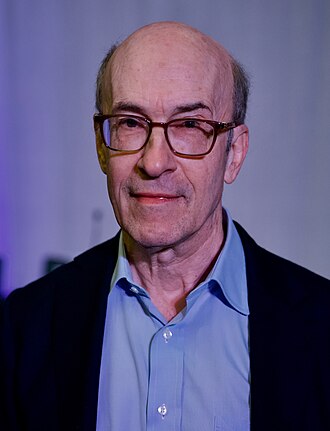
肯尼斯·罗格夫哈佛大学国际经济学教授,2001 至 2003 年任国际货币基金组织首席经济学家,也是国际象棋特级大师。与卡门·莱因哈特合著《这次不一样》,新著《我们的美元,你们的问题》。
道尔·阿诺德莱斯大学校友、本讲座捐赠人,曾任美国货币监理署高级副署长、锡安银行集团副董事长兼首席财务官。
马尔科·巴塞托明尼阿波利斯联储货币顾问,将加入莱斯大学经济系任讲席教授,主持本场问答。
章节 · 点击跳转视频
13:41 主办方致辞与嘉宾介绍 ▶ 正在看
20:17 「我们的美元,你们的问题」溯源 ▶ 正在看
25:43 美元强势周期与汇率回归 ▶ 正在看
38:03 美国经济体量与美元版图 ▶ 正在看
46:43 中国与欧洲为何想摆脱美元 ▶ 正在看
52:18 主导货币的好处与军事后盾 ▶ 正在看
1:00:42 日本、欧元与中国:挑战者的命运 ▶ 正在看
1:12:43 加密货币与地下经济 ▶ 正在看
1:15:36 美国债务与实际利率之谜 ▶ 正在看
1:22:27 AI 生产率为何不等于通缩 ▶ 正在看
1:27:28 问答:稳定币为何只是过渡 ▶ 正在看
1:35:09 问答:AI 失业、美元信号与腐败 ▶ 正在看
本期论点
本期回应
其他论点
33:36
美国终将爆发财政危机,因为公众在危机到来之前不愿意妥协
34:34
美国当前的动荡主要源自深层政治经济因素,与特朗普个人关系不大
36:57
美元购买力已接近1985和2002年的高点,很可能再下跌约三分之一
40:16
美国占全球GDP的份额自二战后下降得远比人们预期的慢,至今仍约占四分之一 观察
41:23
欧洲经济与股市从与美国等量齐观跌到只剩一半,主要源于科技与网络效应的兴起
48:21
美元霸权的要害在于美国掌控全球金融清算系统,可借此制裁他国
52:54
美元主导全球金融体系,根本靠的是美国的军事主导地位,而不只是经济体量
59:25
主导货币国并不需要靠长期贸易逆差向世界供应本币
1:07:14
中国将超越美国的说法曾是主流共识,但被严重夸大了
1:13:12
加密货币永远不会在合法经济中取代美元,它的用武之地在庞大的地下经济
1:21:00
和平红利已经结束,国防开支上升与民粹主义将推高政府支出和利率
1:24:37
高生产率增长时期通常伴随较高的实际利率,而非低利率
1:26:00
债务违约并不总是错误选择,1933年罗斯福废止美元兑黄金就是美国的一次违约
1:31:53
稳定币能替代借记卡、信用卡和电子转账,政府不应按现金的标准来监管它
1:39:03
可预见的未来里,AI 收益会集中到少数会用 AI 的劳动者手中,其余人失业
01主办方致辞与嘉宾介绍
13:41
Okay. So, um I think that we're ready to start. It's um my my great pleasure to welcome you all to this year's um Arnold lecture. We're especially honored to welcome members of the Rice community including um Provost Amy Ditmar, my dean Dean Rachel Kimbro, our vice presidents, member of the board of trustees, um alumni community me partners, faculty and students. Your presence reflects the strength and spirit of this community and we're truly grateful that you have taken the time to join us for this special occasion.
便签引用
14:22
Uh, this lecture was known for some time by another name. It was always meant to bear Doyle's name. And I'm glad to set the record straight because if anyone deserves to have their name on something in this university, it's Doyle Arnold. Before Doyle introduces our distinguished speaker, I want to take a moment to recognize the person who who has made this lecture series possible. Doyle is a proud Rice alumnist, a member of Weiss College. I am pleased to serve a magister of Weise College. And so I can tell you this is someone who has been part of the FA fabric of this university for a very long time. He earned his bachelor's degree in economics and mathematics in the 1970s before going on to receive his MBA from Stanford. And from there he built an impressive career. Senior leadership roles at Wells Fargo and Bank America Corporation, senior deputy controller of the currency. So he has a few ideas about the dollar. And he's he also worked um in the secret uh in the Treasury Department during the Reagan
便签引用
15:36
administration. uh ultimately vice chairman and chief financial officer of Zion's Bank Corporation where he helped oversee a $51 billion institution with some 500 banking offices across the western United States. That's before his retirement. But what I really want you to know about Doyle is not in his resume because as impressive it is, he doesn't really tell what the person he is. He just tell us what he has done. Doyle has been extremely generous not just with his financial support for this lecture series and now a new endowed chair in the department of economics but also with his time, his expertise and his deep abiding love for Rice University.
便签引用
16:28
Personally, Doyle has been an invaluable mentor as I've navigated the world of academic administration. something I can assure you my training in labor economics never quite prepared me for. I could not have asked for a better uh better guide. When I start to drift, he grounds me. And when I get too caught up in the mechanics of running a department, he helps me dream. He did just so when he asked me a question about a week ago. That rare combination love for this institution, pragmatism and vision is I think what defines you Doyle. It what makes this lecture series reflect the very best of what Rice can be. Please join me well in welcoming Doyle Arnold.
便签引用
17:25
>> Wow. Thanks for that introduction, Flavio. Um, the only thing I can say is it's better than I deserve. Um, by far. Uh, pleased to, uh, tell you a little bit about tonight's speaker and pleased to have him here. He's had a long and varied career. Um, includes time as chief economist of the IMF. For those of you who are movie movie buffs, no, that's not the Tom Cruz International mission for impossible mission force. It's the International Monetary Fund. He's a prestigious chair of international economics at Harvard and um but before any of that was a highly ranked grandmaster chess player. So I don't know what Ken is going to actually talk about tonight. It might be opening moves in chess or it could be uh international economics or the future of the dollar. I first he first really came to my attention circa 2009 2010 when I was vice chair and CFO of Zans's Bankorp and um before that before those years I was about this much taller but that was the great financial crisis and we were trying to
便签引用
18:42
survive and Ken published where are you there a book which I actually took the time to read even though I was working seven days a week. um called uh this time is different. It traced uh several centuries of financial and economic crises and and how we got into them, how they evolved, whatever. And um I thought, wow, what a great book. If only he had worked harder and faster and published it about four years earlier before we before we descended into the maelstrom for a few years. But eventually we returned. Um, more recently he's written the book that is the title of um, I guess I guess at least his appearance here if it's not the lecture u, our dollar your problem which is paraphrasing for those of you who don't know Texas history. There's a guy named John Connelly that was governor of Texas that was in the car with JFK when he was assassinated and he later on became uh secretary of the treasury and this was his retort to some Europeans who were rather ticked at the prospect of the US going off the elim
便签引用
19:59
closing the gold window. Um so lots to talk about. So pleased to have you here Ken. Thank you for coming and please join me in welcoming Dr. Ken Rogoff.
便签引用
02「我们的美元,你们的问题」溯源
20:17
>> Thank you. Thank you so much. I think I'm supposed to turn this on. Um
便签引用
20:31
there we go. That looks like it it seemed No. Yes, that worked. Um, anyway, thank you very much. It's a pleasure to be here. I'm embarrassed to say I don't know if I've spoken at Rice before. I'm old enough I might have forgotten, but I did I looked it up on my uh on my calendar, which I keep back, you know, 30 years, and I don't think I have. I've of course known many of you. Uh, so uh, you know, I don't know why that's possible that I haven't, but I'm really glad to get the the chance. Uh and thank you very much uh uh uh Doyle and Flavio uh for inviting me. Um I'm very excited to talk about uh this topic. Um I'm not just going to talk about my book, but it builds on my book. Uh, oh gosh, I took I uh yeah, so I I have the the cover here.
便签引用
21:30
And as uh uh Doyle said, the phrase our dollar, your problem comes from this famous episode when Nixon suspended gold. Now, it wasn't technically a default, but it kind of was a default back in the 1930s when everyone could get gold for dollars. It actually said on your dollar bill, you can go look at an old one, payable in gold. And you could take it, at least if you had a big enough pile, you could take it uh to a bank or the Federal Reserve window and actually get gold. And uh Franklin Roosevelt famously suspended that and basic eventually eliminated it. And that of course was a default. People who think the United States has never defaulted have never looked at history. I mean, of course, we defaulted after the revolution. You've seen Hamilton, but we defaulted in 1930.
便签引用
22:31
And that's, of course, economically, it's very clear it's a default. You promised to pay in gold and we had a lot of inflation then and it was worthless. But the Supreme Court actually ruled that it was a default. There's a book by Sebastian Edwards about this uh which shows this and Franklin Roosevelt bullied the Supreme Court into sort of doing a you know a decision which really had no bite. They said it's a default but no harm no foul and they basically awarded next to nothing. Uh, of course, if you were the United Kingdom, which held lots of dollars thinking it was gold, if you were India, it was a default. It felt like a default. It was a default. And, uh, 19, I mean, when Argentina promised to pay one peso, you know, one peso is one dollar back when I was chief economist at the IMF and they said, just kidding, it'll be two pesos, $1. That was a default. Now, their Supreme Court ruled it was legal, but you know, it's the same thing. But in now, what happened in 1970 was after World War II, we went
便签引用
23:48
into an exchange rate system where the dollar was convertible to gold and everything else was convertible to dollars. But the dollar was only convertible to gold for officials. But gold was still very important as an anchor in the system. There's a a very important moment in 1971 when Nixon decided to go off the gold standard. Needless to say, my book talks a bunch about it. Um, and in many ways, I might say Nixon is probably the closest uh analogy we have to Donald Trump. I'm not trying to insult or compliment Nixon. Uh, but I I think you can you can look at what Nixon says in private on the Watergate tapes and he sounds a lot more like the unfiltered Donald Trump when he's talking on TV that he says things like I don't give a flying f about the Italian lera, you know, in one discussion. Uh so um one of the reasons the title spoke to me was the arrogance of Connelly saying to people when they're complaining, "What are we going to do with our dollars? You're inflating. You're making them
便签引用
25:01
worthless." And he said, "Well, it's our dollar. It's your problem." Is I didn't like the arrogance of it. Now, we Americans are very arrogant. You Texans are probably even more arrogant. Uh but uh you know, I still didn't like it. I actually had been a professional chess player in my youth. I more or less dropped out of high school and that was that was a very difficult time to be an American living abroad. Uh Vietnam was going on. Uh we had a lot a lot of uh race riots going on around our cities and so everyone would say you're American, you're racist, you're a wararmonger, and your food is terrible.
便签引用
03美元强势周期与汇率回归
25:43
Our food has improved a lot. But uh uh you know I I it's it's you know was very um I didn't like the feeling of our our arrogance. But the other thing that spoke to me about it was that the irony that it was actually our problem. We didn't have a game plan for how to manage our own currency once we had gone off the gold standard. And I think that's part of what led to the inflation of the 19 uh the 1970s. Um so uh it it's important to understand that the the United States um dollar was set up to be on top after World War II, but it's actually a very narrow base of countries that were following it. A lot of the world wasn't globalized at that time. Obviously, China and the former Soviet block, they weren't part of the system. A lot of Latin America, Asia, a lot of countries weren't. It was the if you did it by an income weighted basis, the dollar was very big. But in terms of a global basis, it wasn't. And one of the things my book goes over in this history is going through the ups and downs of this.
便签引用
27:09
We've had ups and we've had downs. The 1970s was not kind to the dollar. We lost a lot of market share during the 1970s. It took a long time to recover it. Uh and you know, I'll show you in a second later reaching a similar peak. And I only point that out and I'll that people there so many people just say, "Well, of course the dollar is on top and of course nobody uses anything else. Why would they?" First of all, that's not quite true. But also, it has this lack of understanding of history and nuances of uh trying to understand where things might be going. Uh I should say also I finished this book before I knew who would win the election. It was basically done in late summer of 19 of 2024 and I, you know, had some rounds of from a copy editor, but by October 2024, it was ready to go to press. I was allowed to add a few sentences at the end the day after the election, but nothing else changed. But, uh, and and I'm I'm very, uh, proud of the book creatively. it I was uh it was anchored in research over 10 years that I did and
便签引用
28:26
especially the last part of the book and many other things. It takes a very unusual approach to the writing. You can decide. I hope you enjoy it. But I I felt I had something I wanted to say and I had to say it in a way that might engage people. It's certainly written to a broader audience, but I was very much also writing to the profession. I'd been during that 10-year period pretty successful in publishing my work in top journals, but I felt I was very much a minority in a lot of debates about issues like the future of real interest rates, China, the exchange rate system and a number of other topics. And I wanted to engage uh the profession as well as uh as well as this uh broader audience. Uh I um it I have an academic publisher. I actually had many bids from commercial publishers but I had been very happy with how this time is different had done and my editor I'll come back to that at the very end and I followed my editor and I uh he had moved from Princeton University Press to Yale
便签引用
29:39
University Press and I'm I'm happy I did but universities maybe not Rice but most universities university presses are not very economically motivated. it. So, they're just sitting on it and somehow they thought it would look pretty in their spring edition of their catalog and they sat on it and it it came out instead of coming out in like January of 2026 and I was very creatively proud. I hoped a lot of people would be interested. It came out right after Liberation Day and you know sort of became the book of the moment and probably sold literally you know 10 or 50 times more copies than it would have otherwise and more importantly the message I think uh uh resonated more because when I'd shown people a lot of the book is really history intellectual history and again I try to make it interesting uh but a lot of the book is about that but the the end of it ends in a rather uh out of the box place where I argue you have to think about political economy factors and not just these usual dry macroeconomic factors that central
便签引用
30:55
banks look at. And if you look at those things, whichever party is in power, uh we're probably going to be in for a very rocky period. The world's going to be in for a rocky period. And I showed it to uh colleagues in international finance. Not the whole thing. I would tell them about it. I showed it to uh I told people in finance. I told uh business people and they basically said no you know this this is you're nuts. You know this this is wrong. And then of course when it came out eventually came out people said why are you so calm? You know why didn't you say something more extreme than you said? Part of the answer to that is I want to be around for 20 years and you want to be a little careful uh what you say. Um certainly Donald Trump's been great for my book.
便签引用
31:48
Maybe not for the world, but he's been great for my book and he's been the gift that keeps on giving, you know, as far as making it interesting. I actually think Kla Harris would have been great for my book also. I was rooting for her. I mean, publicly I supported her. I'm at Harvard. if I didn't, no one would take my classes. But, uh, I I write a lot about the progressives and ideas I think that were just nuts that they had, uh, of basically we can just make everything free and issue dead and we don't have to worry about it. And Don, those of you that are economists are at least aware, maybe others, that Donald Trump's complained about the independence of the central bank, right?
便签引用
32:33
We can come back to that. Believe me, the progressives don't like it either. Elizabeth Warren is my neighbor in Cambridge. I mean, she lives a block away. She's my neighbor in Cambridge, Massachusetts. I respect her enormously. I strongly agree with three out of every 10 things she says. Uh, but I've had the opportunity to uh speak to some of her staff and people, her adviserss, who by the way make her look like Ronald Reagan uh by comparison. But the progressives don't like central bank independents.
便签引用
33:09
They don't even like banks. And I I discussed this. I I discuss it not I discuss the literature of what people are writing and what the leading thinkers are saying. And I I I actually think obviously we'd have lived in a very different world uh if that had happened. But the macro issues that I talk about having to do with where our deficits are somewhat very careless. I think I I discuss in the book that I think we'll eventually have a fiscal crisis. Not because we have to, but because the American public's not ready to compromise until that's happened. Uh, central bank independence is likely to be under assault. We're likely to have uh uh we're likely to have volatility and I I think it would have happened either way. Somebody quoted back to me uh something or somebody told me, you know, about something Donald Trump had said. They this must have been played recently. I don't watch the internet, but somebody saw it where, you know, uh this person said, uh shows Donald Trump saying we can't vote for Harris. If we
便签引用
34:23
vote for Harris, we're going to end up with big government, inflation, and we're going to be in a war. Well, I voted for Harris, but uh but I I you know, there's a tendency to say it's all about Donald Trump, and that I think that's completely wrong. I think there are underlying political economy factors which would dictate where things were going regardless. And uh one of uh a thing I've emphasized in uh my distant past work uh especially and also my recent work Hassan Auzi is here my co-author uh we have a paper coming out in the AR also about political economy of central banking. I think it's a thing economists need to pay more attention to. Uh okay uh this this is a graph of the dollar. Okay, I made I didn't capture it, appreciate it a little bit the last couple days, but it's a it's an index I like a lot. You can look at it uh get it off the Fred website, the Federal Reserve Bank of St. Louis website. It's a measure of the purchasing power of the dollar. There are a lot of different ways to measure
便签引用
35:34
that, but it's a particular way using price indices where um you're looking at the trading partners of the dollar and you're looking at how much it can buy. And you can see from this higher means the dollar's richer, it's more valuable. The dollar has been on this incredible uh 15-year run uh where it's just going up and actually you know what it's it came down a little bit during the Trump presidency but not that much yet. I don't have a figure here extending it back in time. It's a little there are different ways to do it and it's like a little bit of a technical exercise to do it. I didn't do it for you here, but the dollar's basically been this high twice before in modern times. 1985 during the uh Reagan era, it was similar and fell by close to a third. Uh depends on how you measure it, which index you use, even as much as 40%. It did it again in 2002. Uh that's when I was chief economist at the IMF and I was pointing to 1985 and saying it was very high and it it came down uh by a similar amount
便签引用
36:57
and I wouldn't be at all surprised if it ends up coming down a similar amount. Now it's not necessarily because of our policies. We have a very hard time explaining this. But one of the very few things we understand about exchange rates is when it's way out of line on what you can buy. Think of what a Big Mac or a Starbucks costs or anything you want to pick. And if you go to almost any other country now, the the dollar seems really expensive. I've lived long enough, traveled long enough, I've been in all versions of this cycle. I was just in Japan and it's just crazy how low the yen is. I was there in the 19 early 1990s which I write about in uh the Bank of Japan there and it was just the opposite. I mean it was unimaginably expensive and looking not just at the dollar but lots of exchange rates, lots of different periods. There's something you can say. My book talks about this a little but it's not what the book is about. The book is rather about the dollar as the lingua frana of the global
便签引用
04美国经济体量与美元版图
38:03
financial system. how it's used in trade, how it's used in finance, and also I'll come to it, how we dominate the back office of the global financial system, the banking system, the so-called rails, that's the jargon of when you make a transaction, how does it get from A to B? That's where the dollars uh absolutely, you know, been dominant uh and where there's, I think, a lot of incentive to try to change that. Now one of the reasons it's been dominant is the US is very big. Now this is a graph where I only talk about the dash top line which I think is more meaningful. The bottom line uses some measure of purchasing power parody which the fact that China can feed a lot of people makes it seem much richer if you use US prices. Same for India. But I think the dash lines in terms of global economic power is more meaningful and it's the US share of of global GDP converted at market exchange rates. Uh if the dollar falls say 20% that'll drop quite a bit. I mean it's sensitive to that. That's one of the reasons for many
便签引用
39:20
things we prefer the lower line which is not sensitive to that. But after World War II, the US was just unbelievably dominant. I mean, we had we had 50% of global manufacturing, believe it or not, after World War II. I don't even know what the number is now, but I I want to say 2% or something like that. uh it's very hard to compare global GDPs across uh back then because actually the concept of national product was only invented in the 30s and most countries hadn't implemented it. So the figures we use, this is also in my earlier book this time is different. They come from things economic historians have done and trying to backcast things. But I think any way you did it, the US was huge relative to the rest of the world. I give it there hitting 37% may but maybe it was higher. It's come down but not nearly as fast as everyone thought it would. I mean the rest of the world was in rubbles. Germany rebuilt, Japan rebuilt, and don't forget how China's come up, India's come up, and the fact
便签引用
40:31
that the United States still accounts for a quarter of global GDP by market measures, it's incredible. It's very surprising. I think it's something I want to say even 20 years ago, no one would have predicted. You think today, I I again sound like an arrogant American, but if you think today, uh who who cares about Europe, you know, they're a compared to the United States. Uh you know, who cares about uh uh you know, other countries. Europe was the same size as the United States at the beginning of the century. Its GDP per capita was getting there. It wasn't quite as I was bigger, more people, but it was the same size. Its stock market was worth the same thing as the United States. It is now half the United States. And I think a lot of this had to do with um the rise of tech and networking, which has affected many things, uh the geography of cities, many other things. But it's been very very good to the United States. We are the first mover in a lot of things. and the ability to catch up
便签引用
41:44
ain't worth what it used to be right now so far could change. So this fact that we live in this world where network effects are very very big uh I think is is uh very very important. Maybe I'll say something at the end about today but I'm just looking at this the sweep of history here. Uh if you had looked in 1950 at the dollar and what who was using the dollar back then, it was actually pretty darn narrow compared to today. So this is from a quarterly journal of economics paper in 2019 except we couldn't afford to pay for color printing. So this is how we would have liked it to look. Uh uh this is uh the dollar areas in red. There there are many ways to measure how influential the dollar is, but uh Carmen Reinhardt and our co-author Ethan Elzitzki and I argue that a a good summary measure is what are central banks choosing to do? How are they managing their exchange rates?
便签引用
42:53
Are they following the dollar closely? Are they not following the dollar closely? Are they following someone else? There are other measures. How much of trade is in dollars? Uh how much is uh uh financial instruments are in dollars? Uh how much uh uh how much foreign exchange transactions are in dollars. All of these things are are are kind of superficial though uh compared to I think to this measure and it it lines up pretty well uh with the broader measures when you look at it. So obviously the Soviet Union and China, the former Soviet block and China are in orange. They they were off in their own world, which by the way uh everyone at the time thought was catching up with the United States. I was an undergraduate at Yale in the uh early 1970s and the book book I used Samuelson which everyone was using confidently predicted that the Soviet Union would catch up. Um the White House believed that, the CIA believed that. Uh many economists did, many of the leading economists believe that. Uh wrote about that. um uh
便签引用
44:12
obviously um uh we didn't know but I I think also there's a sense in which you can say well it didn't happen doesn't mean that it couldn't have happened there China showed a way later how you could adopt a communist system to do better there were actually some reforms that came close to happening in the mid60s in Russia that didn't happen that might have led to a different path But they were certainly uh uh a competitor of ours. Uh but in fact, oh notice Europe is in red because they were using the dollar. This is 2015.
便签引用
44:53
This is also from that paper where it's a sea of red except in blue is Europe. They parted. They're not in the dollar block anymore. China, Russia become very dollarcentric. Uh yellow represents countries which are their exchange rate moves so wildly we can't classify them. Uh you notice some blue in Africa. That's the French former French Frank zone which stuck with the euro. Uh and I would just and and light red is countries that are sort of kind of loosely pegged to the dollar as much as they they're follow the not pegged to the dollar but use the dollar as a reference currency uh more than anything else.
便签引用
45:36
I just emphasize how the red the what had been the anchor Europe if we did a trade weighted thing the Europe would be huge on that map and now it's gone and don't that's worth bearing in mind things change now I know what you're thinking looking at this map where's Greenland we forgot it in our paper I put it in the book it would make Europe look a lot better because It's really it has like you know 50,000 people and no income but it's really big. Uh so anyway but obviously that's why we want it you know to keep red very big in the map. Uh so um I argue in the book already that 2015 was a peak of dollar dominance where um if you draw this graph later I I draw it for 2019 in the book was the most recent I could do our algorithm uh these things take a long time to do and uh a number of things have happened.
便签引用
05中国与欧洲为何想摆脱美元
46:43
One thing is Asia on an income weighted basis is half the dollar block today. Half. It's not all China, but a lot of Asia looks at the United States, but it also looks at China. China's the biggest trading partner for more than half the countries in the world. It's the biggest trading partner for many of the economies in Asia. And so, China's decision to follow the dollar was very, very important. They needn't have. I actually I have six chapters about China in the book. They needn't have I think it was probably not. They stuck with it much too long. And I think some of the problems they have today actually derive from that. But they started figuring out in 2015 to slowly move away from that.
便签引用
47:33
They're moving away from it a lot faster now. I'll come back to how you can move away from it, but they're doing that develop just a statistic to throw out there is in 2010 0% of their trade was in R&B their currency. Now 50% is and it's something rising sharply. They're developing their own transaction system that are completely outside anything we can see. Uh so that's changing and Europe has long been very unhappy about having the dollar be so central. The pro it's the problem isn't that you know just that well we don't like it that people in Latin America are using the dollar more than they use the euro.
便签引用
48:19
That's not it. It's that by being the dominant currency, we control the back office of the global financial system. We control a lot of the clearing mechanisms. You never see it. You know, you make a purchase from somewhere. But even if you do it in Europe between two European countries, many of the mechanisms obviously Mastercard and Visa like twothirds of consumer purchases something electronic purchases in Europe. We see it even sometimes when you're going between two exchange rates in Europe, believe it or not, it gets swapped through dollars. It turns out to be the dollar markets very efficient and we see it and the Europeans have known about this for a long time. I discuss it in the book. They've known we could sanction them. We've done it. We did it in 2014 when they wouldn't play ball back then with what we wanted to do with Iran. And so we threatened them, cut their banks off from our dollar clearing, which is basically cutting you off from everything. So the the Europeans are very very keen on moving
便签引用
49:30
away from it. Also, I just came back from Brussels where I'd been invited to give a book talk to a very unusual group, the finance ministers of Europe. uh and uh maybe they wouldn't have invited me two months ago, but after Trump said he was going to take Greenland, they've suddenly got a lot more energized on this general topic. Uh and I can't, you know, talk more about it, but uh they have they have they're much more energized on things uh that they could do. So there reasons from the outside why the dollar may not preserve this 2015 uh level that we have. Uh it's it's efficient to just have one currency. Uh Bob Mandelle, a Nobel Prize winner. He was Rudy Dornbush, my thesis advisor, thesis adviser, so I would describe him as my intellectual grandfather. He would say to me, "The optimal number of currencies is an odd number less than three." And he insisted on that. But that's in a world where, you know, it's some sort of Star Trek future world government peace kind of thing. There's reasons the Chinese don't want that.
便签引用
50:47
There are reasons the Europeans don't want it. And there are even reasons Latin Americans and Asians want other options because they had worried theoretically and now very practically about getting bullied by the United States. If the dollar controls everything, they control you. We're we've been using tariffs. We can also use financial sanctions. And the Europeans are keenly aware of that. And there there many uh dimensions to this, but there are also problems on the inside. That's what I was talking about at the beginning. Uh back when we went off the gold standard, it took us 10 years to kind of figure out what to do.
便签引用
51:32
And only gradually did we figure out what to do. really when Paul Vulker was appointed to be chair of the Federal Reserve and started figuring out how to prioritize lowering inflation and that morphed into many things. It was really about central bank independence. I think I wrote the first paper about this. I was working for Paul Vulker. There weren't any independent central banks besides maybe the Fed, maybe the Bundus Bank at the time. Some say the Bank of Thailand, I don't know. uh and we developed uh we developed this device but that's something that's very important and you know is under challenge but also uh fiscal policy which I'll I'll come to in a little bit.
便签引用
06主导货币的好处与军事后盾
52:18
So before I move on, who cares? What's why is it good being the dominant currency? I mean, it's kind of cool. Uh everybody's talking dollars and it feels good and it can be convenient, but why is it so good for us? Okay, well, I mentioned one reason which is actually maybe the most important is that we control the global financial system. And I want to emphasize, and I talk about this quite a bit in the book, we don't just control it because we're so big. We don't just control it because the dollar is dominant. We control it because our military is dominant. And uh that's something that economists have just ignored. It's become a popular topic the last couple years, but for a long time, and you can read Paul Krugman again and again saying it's just irrelevant. It's not irrelevant because it's not that it's not that being a military power means nobody can invade you and steal your money. Yeah. It's that that gives you uh a lot of leverage in global negotiations over everything where the how the IMF is o organized how swift
便签引用
53:37
that's the international clearing system how that's organized how everything is done that's something that is very apparent today because Trump again he's unfiltered just says it you know you do it our or we're not going to defend you. That's a lot of what's going on with the tariffs. But believe me, uh I guess Doyle worked for Ronald Reagan and I I think it's a wonderful president, a wonderful person, but I I bet he could be pretty tough when he needed to be with our in foreign negotiations. Lynden Johnson, you know, the president in the 60s was certainly he's a Texan and he could be very tough as everyone knows and I and there, you know, many uh books showing how tough he was. Uh and I and I think uh many other American leaders have. We you know have these polite negotiations where I'm going to be a little sarcastic and I apologize to Europeans in the audience. We kind of pretend we sort of care what they think about the way the global financial system should be organized, but then we
便签引用
54:46
say no. I I relate something in the book. Uh this relates to another Texan, James Baker. Um is a story I heard from a classmate of mine at MIT who I can't name. uh who uh was in a meeting in the 80s where I think it was the Dutch finance minister James Baker uh became our finance minister. That was a Treasury Secretary. That's what uh John R. Connelly was. He was also secretary of state and by the way I think a great man uh overall. Uh he's a Texan. Um and uh in in uh one of the meetings uh the Dutch central banker was upset at what the US was doing and said, "If you don't agree to it, we're going to dump all our dollar reserves." And Baker repeatedly said, I heard this right after the meeting, repeatedly said something along the lines of, "My daddy taught me when you pull a gun on someone, you better be prepared to use it." And uh you know we we exercise this power and uh it's it has many dimensions but it's also crude interest rates. We pay a lower interest rate than we would otherwise. Not just
便签引用
56:06
Uncle Sam, everybody. Your home mortgage, your car loan. I want to be careful to say we pay a lower interest rate given the amount we borrow. I know a lot of you are economists and I can say it shifts our demand curve compared to the demand curve for dollars compared to what it would be. So our interest rates not lower than Germany's. In fact, there are a lot of papers now saying if you look at 10-year interest rates, where's the exorbitant privilege in the dollar? It uh uh doesn't look uh like it's any lower anymore. But in fact, you have to think about it as the demand curve. If there wasn't this big foreign demand for dollars that comes from our dominance, we'd pay a higher interest rate. So that's that's certainly something important. And if we were to go to a more multipolar system, it would hurt. So first of all, demand for dollars would go down. It wouldn't be eliminated. It would go down. It would raise our interest rates. And I'm going to come to it towards the end of my comments, but it would we're already
便签引用
57:12
suffering from our fiscal problems and we'll suffer more. Uh but it, you know, it would also make it much harder to use sanctions because right now, think of it as you only had Mastercard and Mastercard cuts you off, you're in trouble. But if you have Visa and American Express and Diner Club and you can do things that Mastercard can't see and can't control, I'm not trying to pick on Mastercard particularly, but it it it's going to make our sanctions less effective. And actually uh one of my former students Jesse Shrager together with Matteo Majiori, Chris Clayton and some other another couple former students have a paper arguing that this the ability to use sanctions falls off very fast when your market share starts falling. they I think have some back of the envelope calculation when it goes from 85% to 70% you know you lose a lot of the power that it might have. So there's there's a a further advantage that's often pointed to that's a little fuzzed but interesting. Uh it's called exorbitant privilege and you see this
便签引用
58:24
phrase used all the time. There are about 10 different definitions of it. I I try to be coherent in my book. So this was first proposed by the French president Jarard Dang. Apologies if I'm not saying his name correctly. uh he he was prime minister at the time, but he said, "I don't like it that the dollar gets to be on top because we have to hold these dollars which don't pay a very high interest rate and Americans get to take that money and invest it in Europe, buy factories, uh buy land, buy all sorts of stuff and they get a big return. I don't like it."
便签引用
59:08
And and that's absolutely true. And I think people, you know, still that's a very central meaning of absorbent and privilege. I'm I shouldn't take a tangent here, but I'm going to. A lot of people, including evidently a lot of the president's economists, think being the center currency means you run big deficits because people need to hold your money. That's just so wrong. Uh the UK, it was the dominant currency for 200 years. They ran surpluses the whole time. We ran surpluses in the 50s,60s and 70s. We were the dominant currency, but we ran surpluses because of course you can get dollars by selling land or selling buildings or selling something. You don't you don't need to run deficits.
便签引用
59:54
That's just uh completely wrong. But it's certainly true that was the engine uh and it was great. And uh I h I have a brief story about my uh great aunt Henrietta who uh grew up in a very poor New York family. It was always her dream to make shoes. And during the 1950s she was able to build uh make shoes in Italy and get financing because she was going to be selling them back in the United States for dollars. And uh this is a these are pictures of her shoes and and and she did you know pretty well. She would have done a lot better if she bought this picture. This is an Andy Warhol and uh this is from McCall's.
便签引用
07日本、欧元与中国:挑战者的命运
1:00:42
Those of you may know he got his idea for drawing soup cans and stuff because he was drawing advertisements. That was the thing he first did. Uh we've tried to find this since but have not found the owner. uh unfortunately she didn't buy it but uh uh anyway that there's this broader idea of exorbitant privilege but I won't uh go too far a field so we've had some uh a number of countries come at us for not just for market share but even for dominance and I would say the one which came really close to kicking our ass so to speak sorry I'm in access. Um, they was Japan.
便签引用
1:01:28
Japan was killing it in the mid 1980s. Now, their population was only half of ours, but England's population was only a quarter of France's, and they were the dominant currency. Actually, as the book discusses, the Netherlands were the dominant currency in the 1600s, and their population's half of England's. It's not all about how big your population is. So, Japan uh had a higher per capita income by depends on which measure you use, but at market exchange rates much higher at purchasing power parody rates pretty darn close.
便签引用
1:02:06
This is a graph showing the value of land of real estate uh household real estate in Japan relative to the United States and it was way above the United States. This is at market prices even though Japan is actually slightly smaller than California. You can say okay real estate it's illquid. What does the market mean? I could show you the same graph. It's in the book for the stock market. You take Japanese stock markets, compare it to the value of all the US stock markets. It was more. This is market traded. The world valued Japan Inc. more than US Inc. by at least that measure. And Japan was coming on very strong. And uh there's this episode of the Plaza Accord uh and I talk about it in the book and I was a researcher at the Federal Reserve Board working on it but not knowing that's what I was doing.
便签引用
1:03:08
Uh and I met James Baker who was the architect. I've talked about him already of it later. You can read the book about it. uh in the Plaza Accord. Um we basically pushed Japan to make their exchange rate stronger so they'd be uh a little less competitive. We thought they were holding their exchange rate down. And I have to say for years I thought that was nonsense. We were manifest destiny. The United States was going to do way better than Japan. Japan was never going to succeed all that well. And I I would say and and I should say um many Chinese leaders and financial leaders have told me that uh at various times we will not let you do that to us.
便签引用
1:03:58
The US forced Japan to appreciate its currency. It was a disaster. That will not happen. Uh well, part of the problem is when they went to appreciate their currency by 10%, which is what they agreed to, they didn't know how to stop it. And uh actually um instead of going up 10%, this is just look at 1985. It went in it doubled. So if they're half as many yen, the yen's worth twice as much. And they did some other, it wasn't all about that. They did some other policies. It was a disaster. So this is often called the Plaza Accord after the New York hotel where it was agreed to. Now, you've probably forgotten about this, but the Trump administration was very seriously pushing this idea of the Mara Lago accord because Steve Moran, who was the first chief economist for Donald Trump at the uh at uh the CE and later went to the Federal Reserve Board, he wrote a paper early on just before the administration that everybody loved.
便签引用
1:05:11
Scott Bessant with the Treasury Secretary was advertising it everywhere for a long time that said you know what we did to Japan we do that to everybody not just Japan that was what the concept was so I think that was actually had I I think had Japan gone slower on liberalizing its economy on moving it wouldn't be the United States but it would be doing a lot better they have gone from being about equal per capita income to basically being lower than Mississippi today. Mississippi is the poorest state in the United States. And part of that is how they responded. There are a lot of people who say, "Oh, Japan has a lot of debt. That proves debt's not a problem."
便签引用
1:05:58
Well, sure, if you don't care about, you know, your income or anything like that, it's uh that's So, anyway, Japan didn't match us. Europe. Uh, I don't have time here to talk about at length, but in brief, I think if you hadn't put Greece in the Euro prematurely, they'd be doing a lot better. And I I know it's fun to kick around the Europeans and all their crazy regulations and everything, but the the Europe the Euro debt the Euro crisis was a disaster for the euro. They had grown to 25% of global reserves.
便签引用
1:06:39
They had grown to doing very well. It fell to I think 15 14% after the euro crisis is climbing back. Uh the euro might have done better uh I and and I think could do much better uh in the future. I'm going to skip it. Um China is sort of our current competitor and views about China have changed a lot. I talk a lot in the book about China where on the one hand I do think China's going to break free of the dollar. I've already explained to you why I think that's going to happen. On the other hand, this idea that many people had that China was going to surpass the United States uh which I I would say was conventional wisdom just way overblown.
便签引用
1:07:25
I had some intuition about this from my book on financial crisis with Carmen Reinhardt where often financial crisis start in real estate. I had some I would say aggregate limited data on China that I saw in prices and I started talking about it really 10 years ago and I because I had some notoriety from this time is different. It it got some prominence that people saying it but you know not taken seriously. But the Chinese invited me to speak and I actually got an opportunity to speak to this thing called the China Development Forum where you speak to literally 3,000 people. You have all the leaders of the Communist Party except for the president, all the leaders of the West, banking, tech, business in the audience.
便签引用
1:08:19
Uh I spoke at the opening plenary to this group. I was told to give I was supposed to write my remarks but I never do that as you see now. Uh I spoke impromptu and you know I I sort of gave the reasons why I think you're in trouble. Uh and I pointed to demographics. I pointed to uh many uh uh overbuilding but particularly in real estate where I said this has been the source of a problem for many countries and you have all the red lights blinking. you're gonna have a problem. Uh I got off the stage and I was greeted by the deputy premere who said, "Uh, Professor Rogoff, we we very much appreciate your remarks." And I was thinking, "Oh, is that what they say just before they arrest you?"
便签引用
1:09:13
But I got out of the country and uh based on that I was very lucky to meet this brilliant young Chinese woman who was very rebellious and independent fromQing Wa who was visiting Harvard. she was still a graduate student at Ching Wua and she introduced herself to me and said um I you know have worked with a lot of the statistical agencies and I know something that can be done to make it much more concrete uh and so we uh we produced a a number of papers and various journals. This is just an aggregate paper that sort of captures one thing we did which we constructed how much housing per capita China had.
便签引用
1:10:02
This is just a a very crude measure. It's per capita housing space. You know it's not adjusting for quality although actually in China it's not bad. Uh it's a lot of it's very new. It's very standardized and uniform but it's it's it's pretty new and it's more than the UK and France. And this is we have a lot of statistics and figures in our book, but this is the one that blew our minds. And how were we able to do it? Because China's so secretive about its data. If you want to know vacancy rates, that's what an economist would want to know if there's overbuilding. That's a state secret. If you want to know youth unemployment, state secret. But they were so proud of how much infrastructure they built, how much housing they built.
便签引用
1:10:49
You could find it block by block digitized on the internet which we used over over a long period uh to construct these data and they've since been checked by many people in many ways and they had built all this housing and we started talking about again visiting this theme they might be about to have a crisis. We were told uh this was nonsense by leading China scholars in the United States. Uh in China, I'm told that the leadership was aware of the work, but you were not supposed to talk about it. Uh and it wasn't published, you know, not discussed in the Chinese press. They just published these things that everything was great. And to make a long story short, uh they've had they've been, you know, it's been a they can't hide it anymore. They've had bankruptcy after bankruptcy, disaster after disaster. It is casting a huge cloud over the Chinese economy. Uh the prices are in freefall. Everybody knows that prices in China, which again are kind of a state secret, but by our data fallen at least as much as they did in the
便签引用
1:12:00
United States in the financial crisis. And it's a problem in China because this is uh this is from a paper of ours in the journal of international economics uh where it shows the value of household wealth. It gives it for two years 2022 and 2023. The reason red is lower in China is housing prices fell and to the extent we can capture it. Um but you can see housing's really important in China as a source of household wealth. If I threw bonds in here, it wouldn't change things. We have in another paper, it wouldn't change things very much. So, the fact prices are falling so much, that's why they're in deflation in China. That's why China has a problem.
便签引用
08加密货币与地下经济
1:12:43
That's why no one wants to consume. That's why no matter what stimulus they try to do, it's not very easy. Uh it's it's uh it's quite uh challenging for them. But again, I still think uh they're eventually going to do something about it. Uh I'll I'll skip this. Another competitor for sure is cryptocurrencies. In fact, uh maybe Marco and I can talk about this more because I I should wrap up soon. Um but uh cryptocurrencies I don't think will ever replace the dollar and the legal economy. We can discuss that. But there's a big global underground economy. Uh the World Bank did a meta survey of studies which are all pretty seat of the pants estimates that in advanced economies about 17% is underground not taxed not measured by the government and it in a developing economies it's twice that basically uh this is from a kind of cool paper I published with Franchesco Papata last year in the journal of the European Economic Association. It's also this table's from the book where we used value added tax data to try to figure
便签引用
1:14:01
out how much taxes people are avoiding and we use how much value added taxes were being collected across Europe and then using survey data largecale surveys that were being done to form completely different indices by the European Commission we compared it to what people said they were buying. And these are the shortfalls we found. Uh they look amazingly like the meta survey that the World Bank did for European countries. My co-author Stephanie not co-author um my uh colleague Stephanie Sancheva who some of you may know won the Clark Medal in the US uh this year. Um she's a French Bulgarian economist looked at this. Stephanie's done papers on the the so-called shadow underground economy. And she looked at Bulgaria and she said, "You know, I really like your methodology. I like your paper, but Bulgaria is wrong. This just can't be."
便签引用
1:15:02
I said, "What do you mean?" She said, "Well, you know, I go to Sophia all the time. There's no way it's just 20% in Bulgaria. I mean, everything's underground." Uh, so cryptocurrencies are can be used here. And I don't want to get into the weeds of what currency cryptocurrencies why and when. But they're they're certainly important. I'll skip this too. I'll skip this one. I've central bank bank independence. Marco and I can talk about uh obviously is one cornerstone. Uh and I just don't want to get into it.
便签引用
09美国债务与实际利率之谜
1:15:36
It's obviously a problem. Everybody's concerned about it. But I also think debt. This, by the way, is my friend David Blaine, who the younger of you may not know who he is, but he's a an amazing magician who once held the world breatholding record, and he's like a few miles up there. And I'm making an analogy to the US debt. uh the US has as much a debt as all the advanced countries together is a little exaggerated by the fact the dollar is so strong and I've converted everything to dollars so wouldn't be quite so much um a uh another graph I don't have here is if you looked at global trade deficits current I'm going to use the word trade deficits I really mean current account deficits but those of you that are in the weeds will forgive me the slight difference. If you looked at global trade deficits, it's just the United States. Yeah, there are other countries running trade deficits, but they're tiny. So, you look at a graph of the world's surplus countries and the world's deficit countries. It is 90% the
便签引用
1:16:46
United States. Uh we are a big borrowing country. So, for a long time, people said, "No problem. You don't have to worry about it. dead as a free lunch. And I went around the world in the 2010s debating Paul Krugman, Larry Summers, remember secular stagnation. He doesn't want to remember it, but you should remember it. Uh Olivier Blanchard still sticks by debt as a free lunch. I debated Peter Teal actually, believe it or not, at the Oxford Union, and I said, if if you look at history, we're in an a period where interest rates are low. We've real interest rates are low. We've had it before. They're low until they're not low. And you just Why would you think this goes on forever? And all these stories about productivity.
便签引用
1:17:35
I'm going to come back to that. Stories about uh demographics and they're just going to stay low forever. And the fact is is that real interest rates are very hard to explain. This is a graph of the 10-year inflation index Treasury bond uh which has been moving up the last few days because somehow people aren't seeing the dollar as quite the flight to safety that they used to uh in the current war episode. Uh so what is this? This is you you can buy this about 10% of our debt is inflation index. So you get a much lower interest rate. It can be even actually negative because you get compensated for inflation. So it's not perfect. There are tax issues, but it's a measure of what we economists call the real interest rate. And that's the interest rate that you know uh sort of very dependent on investment demand.
便签引用
1:18:33
And you can see it actually averaged zero from uh 20 rough roughly uh 2010 through 2022. And now it kind of looks like it did in 2024. So, I had worked on this paper for a long time. Oh, I'm missing uh I'm missing something here. Didn't show up, but I'll try to uh if I have a laser with this. Um if I do, I'm not figuring it out. And I hope I didn't just do anything. Um, this is a paper from this is a graph from a August 2024 American Economic Review paper with two former students of mine who have far surpassed me. I don't want to pretend they were working for me in this paper. Uh, quite the contrary, uh, Paul Schmelzing and Barbara Rossi uh, where we put together very longun real interest rate data. This is a very grandiose one where it looks at a global average of uh countries over eight centuries, but you could look at just the UK, just the United States and you'd get a similar picture. So, one thing is it's really volatile. It's not as volatile as it looks here because it would sandwiched all this data into a
便签引用
1:19:52
short period. If I stretched it out, it would look a little less extreme, but it's very volatile. You shouldn't just extrapolate whatever it's doing at the moment. It's very hard to predict. Uh I've drawn a trend here, but actually if you start at 1900, it it went down for a long time because uh governments became safer. They were less likely to lose a war. Markets became more liquid. But around 1900, that's slowed down. The there hasn't been an obvious trend. And it what people like Larry Summers were pointing at was that the very end, I failed to circle it here, but the last few years there's a downward slope. The la there's a 30-year period where there's a downward slope. But of course, if you went back earlier, there's a 30-year period where there's an upward slope.
便签引用
1:20:39
You just can't extrapolate this. And I will only say that the stuff like demographics, uh, similarly, yeah, it works for a couple decades. There's a lot of papers on this that are theoretical papers, but there are other things that affect interest rates. One, again, I emphasize quite a bit in the book, is military spending. We had the peace dividend until we didn't. So, this is a graph of spending on national defense as a share of GDP. I just took the graph from the book. It actually continued to fall down to 3% under Biden or 3.1%.
便签引用
1:21:16
Uh and it was it was twice that more than twice that uh when the Cold War ended just in 1989. It been way higher in the Vietnam era. And that's not sustainable. And I'm not even looking at the Europeans who effectively spend next to nothing on defense or the Canadians who spend even less than the Europeans. This is, you know, certainly an important uh thing that's changing. I think populism is going to make spending higher. Uh there uh the fact that global debt has grown so much is probably most models suggest at least some effect from that. So I think this idea that everybody had that debt was a free lunch was just uh overblown. And I will say progressives who uh I hit it both sides in the book. Uh, and they've both on the whole been very nice to me thinking that I was mostly criticizing the other side and not their side of choosing to selectively look at things. But the progressives who say anytime you uh scale back deficits, it's austerity.
便签引用
10AI 生产率为何不等于通缩
1:22:27
They're shooting themselves in the foot. If you want to redistribute income, tax people more. And you know that's that I don't think you can count on interest rates staying low. I'm going to finish with AI. There's some people in the audience, at least one, who knows a lot more than I do about it. This is a 2012. I was a professional, but had stopped playing completely in the late 1970s because I was afraid of computers. I had seen some of the early computer programs. I thought they would come faster and harder than they did. Uh this is a the only game I had played against a human uh Magnus Carlson who's by far the best player in the world in my opinion even today by this was 2012.
便签引用
1:23:13
I showed this picture just because I want to I made a draw and I'm never going to play again. But I I think uh I think people who point at AI as saving everything uh might be right. But it's it's a very complex because there's a lot of volatility that uh goes into that. Let me just pick one point about that. A few of you who are in the markets or you know read the newspaper which you don't have time to do as a graduate student I know but uh there's all this talk we have productivity coming. It's going to lead to disinflation. You hear that all the time. Well, that's kind of nonsense at one level because the central bank can make inflation anything at once. A lot of countries have inflation around two or 3% now. Some of them have no growth.
便签引用
1:24:07
Some of them have fast growth. Some of them have a lot of productivity growth. Some of them have, you know, almost negative productivity growth. They all around the same what the central bank can choose inflation anything it wants. What really productivity affects is it affects what interest rate do central banks need to choose in order to get it towards 2% inflation. That's a much more precise statement and theoretically it is somewhat ambiguous but not that ambiguous. Mostly we think periods of high productivity growth are associated with high real interest rates. So remember, if you listen to Paul Krugman and Larry Summers, they were saying, "We're going to have low interest rates forever because productivity is going to be really low." And of course, we have Kevin Worsh who's uh coming in uh saying, "I can bring interest rates down because productivity is disinflationary and so interest rates can come down." He might be right. I mean, I will I there are many super brilliant people who can
便签引用
1:25:10
write down some model where that's true, but I I wouldn't I wouldn't say it's the norm. Uh I've gone way over. Uh but uh finish with two things. What happens when I do think we'll run into trouble at some point, not because we have to, but because you can't get anybody to do anything until we will. And I think when it happens, all bets are off the table. I think the leading idea is inflation, financial repression, which means forced debt holdings. But the Mara Lago plan, I didn't go into the tails, called for defaulting on our debt. It called for a default. And it and that's he stopped, but was cheerleading this paper. He was advertising it. And you Donald Trump is certainly uh willing to do hetradox policies. And by the way, defaulting is not always the wrong thing to do. We did it in the 1930s. I mean, Franklin Roosevelt's praised as one of our great presidents. Uh, all bets are off the table and we'll see. Uh, this is, uh, my book um, uh, which, uh, Doyle mentioned, this time is different. Uh, we worked on
便签引用
1:26:20
it for seven years, by the way. It came out in 2009. Uh, it's a massive database. It ha it has a 200page data appendex. Not data appendex but uh well sort of a it gives our data sources over 200 pages. Somehow a year into the book not right away but as the financial crisis unfolded in the early stages people looked at things we were saying and said that's nuts you know that's just not going to happen. And then a year in it actually reached fourth on Amazon of all books for about a week. Uh it we were behind the three girl with a dragon tattoo novels because we didn't have sex and violence in that version.
便签引用
1:27:03
But uh you know we'll see about the next edition. Anyway, I'm sorry to run so much over but thank you. I'm Mar
便签引用
11问答:稳定币为何只是过渡
1:27:28
was a great lecture. Thanks a lot. Um, so I'm Marco Basetto. I'm a monetary advisor at the Minneapolis Fed. I will be joining uh the economics department here uh in the fall as the Douglas Lee Professor of Economics. >> I'm glad you said that because I thought it was a secret. I couldn't say anything. >> Um he's fantastic. >> I should mention uh that I'm not going to say very much because we want to listen to Professor Agoff. But whatever I say is my own views, not those or the Minneapolis Fed or the Federal Reserve system or anywhere uh related to the levels of power. Um, so I'm mostly going to collect questions, but given that Professor Gooff uh sort of hinted at a couple of questions I could ask that actually turned out to match very well with what I was curious about, I'm going to ask one of them to kick us off right away, which is about cryptocurrencies.
便签引用
1:28:25
So you made a case you make a case in the book and you briefly mention here uh that cryptocurrencies have a clear uh value for the private sector. Of course if you're the government probably you don't like the fact that they have a value for uh for the black market but you know there is a clear value potentially um and therefore that they're here to stay. But at the same time um that brings up the question which cryptocurrency there are many um is that gonna be stable coins is that going to be uh currencies like Bitcoin and you know in your own work you pointed out that having some real anchor is certainly an important component of what makes sure that a currency will retain its value in in the long run and cryptocurrencies don't have Um what do you think?
便签引用
1:29:23
>> Um so uh stable coins right so Bitcoin was used early on uh it's still used for ransomware and stuff but it was used early on and then it's been largely replaced for the moment by stable coins. Let me say what a stable coin is. It is a cryptocurrency. However, that there's some pool of money associated at the moment with some private entity who will give you a dollar. You know, usually they're in dollars and usually it's the major ones are one uh tether, you know, one to one and uh circle their currencies also onetoone with the dollar. It looks a little more complicated than that. you as an individual can't go get the money. Uh and so they have largely replaced uh Bitcoin. However, I think that's temporary. I don't think that's going to last. The reason is is that the regulation we've had of them has been stupid. Uh we allow them to be backed, but we don't really um regulate how they're traced. And not to get in the weeds, we just had a big act in July called the Genius Act. President Trump
便签引用
1:30:43
has a gift for naming things improbably. But then Biden had the inflation reduction act. So what can I say? Um the most inflationary in inflation reduction act ever. Uh, so we're we've moved into temporarily into a stable coin universe where it's being regulated like cash. When I take money out from Bank of America, uh, they know I took it. In fact, the government even knows if I took it if it's over $3,000. In fact, you would probably know this very well because I I think actually it was one of the regulators at the Minneapolis Fed who explained this to me. If you take out $3,000 over two weeks, it has to be reported to the government. They see it.
便签引用
1:31:31
But once I start giving the money out for I give it to Marco or give it out, they don't know. That's why people like cash. That's why it's so useful in money laundering and everything or avoiding taxes much more specifically. And cryptocurren the stable coin acts have been designed in order to mimic that. And the trouble is stable coins aren't just a substitute for cash. They're a substitute for uh debit cards, credit cards, electronic transfers. They're a substitute for everything. And the government shouldn't want to do that.
便签引用
1:32:08
And they're they're perfectly good ideas for trying to regulate it. Daryl Duffy has a paper he's had floating around for a while and there many others. There's a bit of debate, but it's very straightforward to do. And eventually we'll figure out that we have to do that and then Bitcoin will be used again because right now the stable coins are basically very very hard to trace. So this is something that goes through cycles and if you say which cryptocurrency I I'd have to say into the foreseeable future Bitcoin that's like a long story of why what's the first mover advantage.
便签引用
1:32:44
So, uh, I've written for a long time that Bitcoin, uh, isn't worth zero as so many people said I the, you know, the head of JP Morgan, George Soros, it's hard to keep picking on Paul Krugman, but yeah, I should keep picking on Paul Krugman has said that it's worthless. Many, many good economists, Gene FMA, many, many other good economists. Well, you know, uh, it's not worthless. Now, what it's worth does depend on how you regulate it. And I don't want to give too long an answer to that. You could regulate the banks around it. And if you can forgive me one other tangent, I've followed Bitcoin since its inception.
便签引用
1:33:28
I discussed this a little in the book, but my daughter Juliana when she was 12 uh had a high she and a few she was in middle school actually, but a at a high school that had a middle middle school and she and a couple of her classmates were doing Bitcoin mining. Now Juliana's very very bright, but actually those of you that are in the weeds on this know that if you went back far enough, it wasn't that hard to do. It didn't take that much computing power. They made it harder. The main thing you needed was electricity.
便签引用
1:34:03
And maybe they tapped into their high school's electricity a little bit to do this. And she had 25 Bitcoin that she had. And she goes, "Dad, I have 25 Bitcoin. Somebody offered me an Amazon gift card for $700 for it. What should I do?" So, I looked up the market price. I'm an economist, which was 10 bucks, you know, back then. And I said, 'Well, you know, it's up to you if you want to keep it. I really didn't tell her to sell it, but I sure didn't tell her not to. She sold it for the Amazon gift card. I She remembers what she bought for it, but I'm never going to live this down. She could have paid for everything. Uh so I I I say that that, you know, I you have to have some humility about these uh these new technologies.
便签引用
1:34:51
>> Should we collect some questions from the floor?
便签引用
12问答:AI 失业、美元信号与腐败
1:35:09
If you could just >> since you you brought up AI productivity towards the end, I'd like to quote something you wrote in 2012. Since the dawn of the industrial age, a recurrent fear has been that technological change will spawn mass unemployment. New classical economies predicted that this would not happen because people would find other jobs all by possibly after a long period of painful adjustment. By and large, that prediction is proven to be true. So my question is with the current tsunami of coming how long and how painful adjustment do you expect to see?
便签引用
1:35:51
>> And you didn't mind introducing yourself professor of computer science. >> Ah okay. I'm up against uh somebody very knowledgeable. Um so I actually wrote this paper. I think it was called this oped. I can't remember when I wrote the first one because I revisited a couple of times. I think it was actually in 2010 I wrote the first one called Grand Masters in Growth and I was saying I I've looked at chess and I've seen God and anyone who all these people like Robert Gordon and others who are writing papers why there's never going to be productivity again they have it backwards that the problems that productivity is going to be too fast and actually my debate with Peter Teal at Oxford Union and he had Gary Caspar as a partner I had a partner too named Mark Shuttleworth Earth. Uh they debated there'd never be uh productivity increases again. Evidently, Peter Thiel didn't invest on this hypothesis, but uh that was what they were debating. And you know, I'd watched what had happened in computers. And yeah, I I mean I So,
便签引用
1:36:56
those of you economists know there's a big debate about this in economics. You can find Nobel Prize winners on both sides of this even at the same university. Uh Daron Aimoglu thinks we got a problem. Simon Johnson I think's weighed in on that side. And David Otter and many of the top young professors at MIT all say kumbaya it's just going to be great. You don't have anything to worry about. Uh, I have to say my com I don't want to name names, but I I've known some of the very top people in AI the whole way because of uh they've all had an interest in chess and they keep saying to me, Ken, why doesn't anyone in economics work on what's going to happen when there are no more jobs? I mean, I don't know where we are. So you know the basic question is uh do are are we seeing the the the Daran Aimog case and he gives a very sophisticated statement.
便签引用
1:37:59
I don't like you know but I I I think certainly comes down on the side of worrying about it. The the case why we have to worry about it is that it just does things humans do does it better and we get mass unemployment. The David Otter thing is we do different jobs, everything adjusts. There's there's some empirical work on it, but I'm trying to think of a gentle way to say that it's kind of meaningless because they typically look at one firm and all of it, the rest and all. They're looking at one firm. You can't tell anything. It's a general equilibrium problem like where are the other firms going to go? Where are the jobs going to be? So uh I should say there's a third school I I know of a paper by Chad Jones and maybe there are others. Uh so in the first school capital share of income just soarses. We have Karl Marx's problem times 100. In the second one labor share stays good.
便签引用
1:39:01
We all get richer. We're all happy. But there's a third one where labor share how much does profit how much goes to profits? because labor stays stable but it goes to an shrinking number of people in the labor force. So the people who know how to work with AI their incomes go up and a lot of other people are unemployed. I I think into the foreseeable future that is the most likely outcome. That's a wild guess. I don't know. Uh but no, I think I think it's a I think it's a real concern. again uh you're uh you're sitting next to someone who uh also knows a lot about this. Uh both of you know much more than I do. I I but I I'm I'm quite worried about it and society's ability to deal with it. And I I wish that was the only thing I was worried about. I also think we failed to put safeguards on it. I consider the fail the fact we didn't put safeguards on social media just the stupidest thing ever. and AI. My children who are in AI uh or adjacent to it tell me it's 50 times what social media is. We've just seen it in war with
便签引用
1:40:18
the anthropic uh uh defense department. And I'm not even getting into the existential things. So, uh you know, I think it's I think it's not just that we're anxious about change, but it's so fast. And that's a long answer. And I'm sure you could have gotten a better one, but uh thank you for asking. >> Thank you.
便签引用
1:40:49
>> Hello, my name is Nisha Desai. I'm a entrepreneur. Um I'm curious how much do you think that the total economy the global economy can actually expand? Right. when you think about um you know I think about like asset valuations and you think about all the stuff speaking of AI right you know the amount of revenues that theoretically would have to be generated to justify the current valuations of AI companies and if those revenues are being generated with AI models theoretically companies are only paying that for AI services because they are achieving benefits in other ways etc right I I mean, yeah. What if when you when you play that out, right? How how much growth could you see in, you know, topline GDP to justify all of this?
便签引用
1:41:48
>> So, we economists are not good at this. Uh, famously, Alan Greenspan said, you know, made a statement that the market was way overvalued uh back in 1996. and he was building on something he just saw Robert Schiller who's another Nobel Prize winner say. And the interesting thing about their remarks is the stock market continued to go up for years. There was a crash but it never reached down to the level where when they said you should sell. Uh and so I think we you know it's very hard to know whenever there's a new uh technology. One of the tricks is actually what's the right interest rate to discount the future profits at. But I will say I think a piece of what's going on is that there's a view that a firm share of profits is going to go up and there's enough monopoly power that it makes the firms more valuable. But yeah, I mean uh I I mean you're an investor who thinks about this every day and I just uh hold an index Hi, my name is Alex McDonald and I'm retired and I'm I'm curious. You you
便签引用
1:43:02
showed your maps with the colors. >> You're retired and you did from what? >> I uh I had a business that made truck bodies and trailers. Um but I'm curious, you had the map of the red countries and blue countries and so on and you showed us the 2019. Um and >> I showed you 2015. >> 2015. You mentioned 2019 was in your book, I think. Um, and my question is, um, that map from what I can tell is changing maybe rapidly or at least more rapidly than it has in the past. And you mentioned uh the dollar privilege in terms of interest rates. And 85% versus 70% is sort of has a big effect. And I'm so I'm curious how you see that today uh that do that that privilege that the the dollar has and what are you looking for as telltale signs that that privilege is is either dropping or or will sustain itself. Thank you.
便签引用
1:44:03
So um on the telltale sign the thing which is you know empirical is that you'd see the interest rate go creep up although there are other things that make the real the real interest rate there are other things that make the real interest rate move around so it's not that clear and the benefit of being able to use financial sanctions you'd see us have to go to war more instead of using financial is not it's not that easy to measure there are a lot of papers on it so economists have come to this estimate for a long time. It's worth about 1% a year. Uh but it's not an easy question to know. But the bulcanization of the global trading system, the global geopolitical system that that has to play into that. uh I wrote a paper 25 years ago with Mory Obsfeld which argued that if you put frictions into the trading system that actually had effects on the financial system and since there are many economists I know you're not all economists in the room our paper said if you look at general equilibrium putting
便签引用
1:45:11
in the trade restrictions turns out to affect finance in a lot of ways so it's funny you know I sure if you ask the Trump administration Do you like that the do that the US is so dominant in finance? They'd say, "Yeah, but we're just putting taxes on trade." No, it doesn't work like that. And if you don't see that point, just consider you had such high tariffs that you're shut off from trade. Obviously, nobody's investing in your country. But the proposition we showed was that that works proportionately. So even a 10%, you know, trade cost uh has an effect.
便签引用
1:45:47
So I c I certainly think the bulcanizations can have an effect. Uh but but there are a number of metrics like what you invoice and uh bond how bonds are measured and stuff and they're they change very slowly but the thing that can change them faster is a war. I mean I think they're going to change regardless. uh if we're in Iran at the moment and I'm totally rooting for that to go great and that's going to be good for the dollar. No question about it. But if Iran is another Vietnam, it's not good for the dollar. So, uh you know, we'll see.
便签引用
1:46:32
>> I'll ask a final question. >> I think I think Oh, okay. >> You ask. So, your book, the latest one, our our dollar book went to press or was buttoned down about a year and a half ago. >> Uh, God, I'm not good at my math, but yeah, October October and October >> 2024. >> You wrote an addendum to the book today. What would you retract, say differently, or add to? What what's the what are the one or two points that are more salient now than ever or what? >> So I actually just finished a preface to the paperback which will come out. I didn't change anything else.
便签引用
1:47:17
>> I don't I don't need any royalties. Thank you. >> No, no, no, no, no, no. I I'm not I I ask but where I asked that question actually I changed very little. I I wrote it so that it was looking at these longterm things. I think I think I was kind of right about a lot of things and emphasized things that I would emphasize again. Yeah. I mean, obviously I had no idea how extreme Trump would be, but I talk about things he wanted to do in the in the book. He talked about wanting to get rid of Fed independence. I talk about it, by the way. So do the progressives. Uh, you know, he talked about all the tax policies. So on the macroeconomic side, I talk about it and I also, you know, talk about some of the military stuff. I do point to one thing.
便签引用
1:48:09
I try to I try to take a very apolitical view in the book. I I I will say I'm one of the 3% of Harvard professors who describe themselves as conservative. I was a Clinton Democrat, which makes you like a Neanderthal, you know, at Harvard. Uh but I tried I don't I don't want to be getting into the political noise. I think this is about deficits about Federal Reserve independence. It's about our military strength. It's not about some of these social issues which are defining uh in the political debate and I don't want to wade into that. Um, but if I had to point at one thing that bothers me and I would have felt remiss not to talk about corruption, uh, the appear and I use the phrase in the book to try to be apolitical, the appearance of corruption because you can spin it different ways. And I do worry that that undermines our brand. There's also the rule of law. I mean, imagine that, but I mean the corruption's pretty clear-cut.
便签引用
1:49:15
I had a a papers and proceedings paper coming out with Max Harris where we do calculations of the famous corrupt presidents and how corrupt were they. So it turns out Ulys's grant you know still might be the champion if you did it not on dollars. I think it was only $4 million but as a percent of annual wages an annual wages whereas through his first year using the New York Times which clearly is not a friend of Trump uh what of their estimate was Trump's not quite there yet he has three years to go uh but I I I think that's very problematic uh and I think if we don't I I was not as I would I was not enthusiastic about what the New York Democrats did. I thought it was counterproductive, but I I think this corruption issue is uh something that could undermine our brand.
便签引用
1:50:22
>> Let's uh give a warm round of applause. Thank you.
便签引用
1:50:53
ask question.
便签引用
1:51:17
Thank you. Thank you. We just
便签引用
1:51:53
It's way I'm gonna be really low.
便签引用
1:52:40
Exact.
便签引用
1:53:03
I was just thinking
便签引用
1:53:40
Oh my god.
便签引用
视频总结 · 一句话概括与核心要点

一句话概括

哈佛经济学家、前 IMF 首席经济学家肯尼斯·罗格夫在莱斯大学 Arnold 讲座上,以新书《我们的美元,你们的问题》为底本,回顾美元霸权几起几落的历史。他判断美元的支配地位已在 2015 年见顶:外部有中国、欧洲主动"去美元化",内部有财政赤字、央行独立性受冲击和"腐败观感"侵蚀美元信誉。无论哪党执政,美国和世界都将进入一段颠簸期。

核心要点

  • 美国并非从未违约,"我们的美元,你们的问题"本身就是傲慢加反讽。 1930 年代罗斯福废止美元兑黄金,最高法院承认属于违约,却判"无害无责"。1971 年尼克松关闭黄金窗口,财长康纳利对欧洲人说出这句名言。罗格夫认为讽刺之处在于问题其实落在美国自己身上:脱离金本位后美国没有管理本币的方案,花了约 10 年、直到沃尔克上任并确立央行独立性才找到办法,1970 年代的通胀与美元份额流失由此而来。他把尼克松看作与特朗普最接近的历史类比。
  • 美元已经很贵,历史上两次同样高位后都跌去约三分之一。 按圣路易斯联储的实际购买力指数,美元走了 15 年牛市,特朗普任内只小幅回落。1985 年和 2002 年美元处于类似高位,之后都下跌约 30%–40%。汇率很难解释,但"购买力严重偏离终会回归"是少数可靠的规律。他说日元如今便宜得离谱,1990 年代初则正好相反。
  • 衡量美元地位,要看各国央行锚定谁。 按他与莱因哈特、伊尔泽茨基 2019 年发表于 QJE 的分类:1950 年的美元区其实很窄,欧洲当时在美元区内,苏联和中国自成体系。到 2015 年几乎全球都是美元区,欧洲却以欧元独立出去。他把 2015 年视为美元支配力的顶点。如今按收入加权,亚洲占美元区一半,而中国是全球过半国家的第一大贸易伙伴。
  • 中国正在加速脱离美元。 2010 年中国贸易中人民币结算占 0%,现在约 50%,并且在建设美方看不到的独立结算系统。书中有六章写中国,他认为中国跟随美元太久,今天的部分问题由此而来。另一面,"中国将超越美国"的共识被严重高估。他与一位清华合作者用网上公开、逐栋数字化的建设数据,重建了中国人均住房面积,结果已超过英国和法国。当年美国中国学界认为这是胡说,现在中国房价跌幅至少与美国金融危机时相当。住房是中国家庭财富的主体,这就是通缩和消费疲软的根源,刺激政策难以见效。
  • 美元霸权最大的好处是掌控全球金融"后台",而这种掌控靠军事实力支撑。 清算体系、Visa/Mastercard(约占欧洲电子消费的三分之二)、欧洲内部换汇常经由美元中转,这些让美国可以切断他国银行的美元清算。2014 年美国就为伊朗问题这样威胁过欧洲。他强调这种控制力来自军事主导下的谈判筹码,批评克鲁格曼等经济学家长期忽视这一点。他引用前学生施雷格、马焦里、克莱顿等人的研究:美元份额从 85% 降到 70%,制裁威力就会大幅衰减。
  • "过分特权"的真正含义是抬高了对美元的需求曲线,而不是让美国可以长期逆差。 外国对美元的需求降低了美国所有人的借贷利率,包括房贷和车贷,经济学界估算价值约每年 1%。他不认同"储备货币国必须逆差"的说法(据他说特朗普的不少经济顾问也持此论):英国当主导货币 200 年一直顺差,美国 1950 到 70 年代也是顺差。多极化会推高美国利率,正好叠加在财政困境上。
  • 低利率不会永续,"债务是免费午餐"站不住脚。 他与施梅尔青、罗西 2024 年在 AER 发表的八个世纪实际利率数据显示:实际利率波动极大,1900 年后没有明显趋势,任何 30 年的走势都不能外推。10 年期 TIPS 在 2010–2022 年平均约为 0,现已回升。推高利率的因素正在出现:美国国防开支从冷战末期的 6% 以上降到拜登时期约 3.1%,"和平红利"已经结束;民粹主义推高支出;全球债务膨胀。美国一国约占全球经常账户逆差的 90%。
  • AI 带来的生产率提升,影响的是均衡利率,而不是通胀。 央行想把通胀定在哪里就能定在哪里,生产率高增长期通常伴随更高的实际利率。因此他对沃什"生产率会抑制通胀,所以可以降息"的说法存疑。就业问题上,他认为最可能出现"第三种结局":劳动份额总体稳定,但集中在少数会用 AI 的人手里,其余很多人失业。他批评奥托一派的单企业实证无法回答一般均衡问题,认为社会没给社交媒体设防是"最愚蠢的事",而 AI 的影响据说是社交媒体的 50 倍。
  • 政治经济因素与党派无关。 进步派同样反对央行独立、甚至反对银行,并主张"一切免费、发债无妨"。他预计美国终将爆发财政危机,原因不是非爆发不可,而是公众在危机到来之前不肯妥协。危机一来"一切皆有可能":通胀、金融压抑(强制持债)乃至违约。米兰起草、贝森特四处推介的"海湖庄园协议"方案就包含违约内容。

结论与值得注意的细节

  • 新书的命运:书稿 2024 年 10 月定稿,大选后只允许补几句。大学出版社拖着不出,结果恰好在"解放日"关税之后上市,销量据他估计是原本的 10 到 50 倍。之前同行和业界都说他的结论"疯了",出版后又反过来问他"为什么说得这么温和"。他的解释是"想再活跃 20 年,说话得谨慎"。
  • 欧洲态度转变:特朗普扬言要格陵兰之后,欧洲财长们明显更积极地推进摆脱美元依赖,他刚应邀去布鲁塞尔给欧洲财长会议讲过这本书。
  • 日本的教训:1980 年代中期日本地产和股市的总市值都超过美国。1985 年广场协议原定让日元升值 10%,结果日元翻倍。他说日本人均收入如今已低于美国最穷的密西西比州。中国官员多次对他表示"绝不让美国对我们重演这一套"。
  • 加密货币:取代不了合法经济中的美元,但全球地下经济很大(发达国家约 17%,发展中国家约为两倍),有真实需求。稳定币眼下流行,是因为监管把它当现金对待、难以追踪,比如 2025 年 7 月的《GENIUS 法案》。他认为监管终将收紧,届时比特币会凭先发优势重新占上风。趣事一则:他女儿 12 岁时挖到 25 枚比特币,以 700 美元亚马逊礼品卡卖掉了,他"永远也洗不清"。
  • 观众问答:伊朗战事若顺利对美元有利,若成为"又一个越南"则不利;地缘破碎化会通过贸易摩擦传导到金融(他与奥布斯特菲尔德 25 年前的论文)。被问书中最想补充什么时,他认为大部分判断都成立,只点了"腐败观感"与法治问题会损害美元品牌。他与马克斯·哈里斯的论文按占年工资的比例计算,格兰特仍是"腐败冠军",特朗普"还有三年时间"。
  • 人物细节:罗格夫少年时几乎辍学去下职业国际象棋,1970 年代末因担心计算机而退出棋坛。2012 年与卡尔森下过一盘,结果为和棋。

核心句型 · 8
1. People who think … have never …
“People who think the United States has never defaulted have never looked at history.”
先复述对方的看法,再指出他们缺了什么,反驳很有力。仿写:People who think X is easy have never tried it.
2. It's not that … It's that …
“It's not that being a military power means nobody can invade you and steal your money. Yeah. It's that gives you a lot of leverage”
先排除一种表面解释,再给出真正的原因,适合澄清误解。口语和论证文章都很常用。
3. X until it isn't / until we didn't
“They're low until they're not low. / We had the peace dividend until we didn't.”
用省略结构讽刺「以为会永远持续」的想法,简短有力。仿写:It works until it doesn't.
4. not because …, but because …
“Not because we have to, but because the American public's not ready to compromise until that's happened.”
否定一个原因,同时提出真正的原因,常用来纠正因果判断。两个 because 后面的结构保持平行。
5. If only … had …
“If only he had worked harder and faster and published it about four years earlier”
用过去完成时表达对过去的遗憾,此处是带调侃的恭维。仿写:If only I had known earlier.
6. I want to be careful to say …
“I want to be careful to say we pay a lower interest rate given the amount we borrow.”
学术演讲中用来精确限定说法、预先排除误读,比 actually 更正式。后面常接限定条件。
7. agree with X out of every Y things …
“I strongly agree with three out of every 10 things she says.”
用比例表达有保留的赞同,幽默而克制,可用在评价他人观点时。
8. the gift that keeps on giving
“He's been the gift that keeps on giving, you know, as far as making it interesting.”
原为广告语,现在多带反讽,指某人或某事不断带来素材或麻烦。适合轻松场合。
词汇精讲 · 94 · 按出现顺序
set the record straight phr. 14:22
澄清事实,纠正误传
endowed chair n. phr. 15:36
(由捐赠基金设立的)讲席教授职位
abiding /əˈbaɪdɪŋ/ adj. 15:36
持久不变的;常作 deep abiding love
movie buffs n. phr. 17:25
电影迷;buff 指某领域的爱好者
maelstrom /ˈmeɪlstrəm/ n. 18:42
大漩涡;比喻混乱动荡的局面
retort /rɪˈtɔːrt/ n. 18:42
反唇相讥,尖锐的回嘴
ticked /tɪkt/ adj. 18:42
(口语)恼火的,常作 ticked off
default /dɪˈfɔːlt/ n. 21:30
违约,不履行债务
bullied /ˈbʊlid/ v. 22:31
胁迫,威逼(bully sb. into doing)
no harm no foul idiom 22:31
没造成损害就不算犯规,既然无害就不追究
had no bite phr. 22:31
没有实际效力,形同虚设
convertible /kənˈvɜːrtəbl/ adj. 23:48
(货币)可兑换的
Needless to say phr. 23:48
不用说,自然
unfiltered /ʌnˈfɪltərd/ adj. 23:48
口无遮拦的,不加修饰的
game plan n. phr. 25:43
行动方案,整体策略
copy editor n. phr. 27:09
文字编辑,审校
resonated /ˈrezəneɪtɪd/ v. 29:39
引起共鸣
out of the box phr. 29:39
跳出常规的,非主流的
rocky period n. phr. 30:55
动荡艰难的时期
the gift that keeps on giving idiom 31:48
源源不断带来好处(或麻烦)的东西,常带讽刺
under assault phr. 33:09
受到攻击,遭到冲击
fiscal crisis n. phr. 33:09
财政危机
out of line phr. 36:57
偏离正常水平,不相称
back office n. phr. 38:03
后台(清算、结算等支持部门)
rails /reɪlz/ n. 38:03
(支付)轨道,清算基础设施
backcast /ˈbækkæst/ v. 39:20
回溯推算(与 forecast 相对)
rubbles /ˈrʌblz/ n. 39:20
废墟,瓦砾(标准用法为不可数的 rubble)
first mover n. phr. 40:31
先行者;first-mover advantage 指先发优势
network effects n. phr. 41:44
网络效应:用户越多,价值越大
pretty darn phr. 41:44
(口语)相当,非常
pegged /peɡd/ adj. 44:53
(汇率)盯住的,挂钩的
bearing in mind phr. 45:36
记住,考虑到
clearing /ˈklɪrɪŋ/ n. 48:19
(银行间)清算
play ball idiom 48:19
合作,配合
energized /ˈenərdʒaɪzd/ adj. 49:30
受到激励的,积极起来的
keenly aware phr. 50:47
深切意识到
leverage /ˈlevərɪdʒ/ n. 52:18
筹码,影响力
sarcastic /sɑːrˈkæstɪk/ adj. 53:37
讽刺的,挖苦的
dump /dʌmp/ v. 54:46
抛售,倾销
exorbitant privilege n. phr. 56:06
(美元的)过度特权
demand curve n. phr. 56:06
需求曲线
multipolar /ˌmʌltiˈpoʊlər/ adj. 56:06
多极的
back of the envelope phr. 57:12
粗略估算的(写在信封背面那种)
tangent /ˈtændʒənt/ n. 59:08
离题的话;go off on a tangent 指扯远了
surpluses /ˈsɜːrpləsɪz/ n. 59:08
顺差,盈余
kicking our ass idiom 1:00:42
(粗俗口语)把我们打得落花流水
Plaza Accord n. 1:02:06
广场协议(1985)
manifest destiny n. phr. 1:03:08
天定命运论;此处讽刺美国必胜的自信
appreciate its currency phr. 1:03:58
让本币升值
conventional wisdom n. phr. 1:06:39
普遍看法,主流共识
overblown /ˌoʊvərˈbloʊn/ adj. 1:06:39
言过其实的,被夸大的
notoriety /ˌnoʊtəˈraɪəti/ n. 1:07:25
名声(常含负面意味的出名)
plenary /ˈpliːnəri/ n./adj. 1:08:19
全体会议(的)
impromptu /ɪmˈprɑːmptuː/ adv./adj. 1:08:19
即兴地,无准备地
demographics /ˌdeməˈɡræfɪks/ n. 1:08:19
人口结构,人口状况
To make a long story short phr. 1:10:49
长话短说
casting a huge cloud phr. 1:10:49
笼罩一层巨大的阴影
freefall /ˈfriːfɔːl/ n. 1:10:49
自由落体式暴跌
deflation /dɪˈfleɪʃn/ n. 1:12:00
通货紧缩
stimulus /ˈstɪmjələs/ n. 1:12:43
(经济)刺激措施
underground economy n. phr. 1:12:43
地下经济
seat of the pants idiom 1:12:43
凭直觉的,粗略的
get into the weeds idiom 1:15:02
陷入细枝末节,深究技术细节
cornerstone /ˈkɔːrnərstoʊn/ n. 1:15:02
基石
free lunch n. phr. 1:16:46
免费午餐,不劳而获的好处
secular stagnation n. phr. 1:16:46
长期停滞(secular 此处意为长期的)
flight to safety n. phr. 1:17:35
避险资金涌入安全资产
grandiose /ɡrænˈdioʊs/ adj. 1:18:33
宏大的(此处自嘲规模宏大)
far surpassed phr. 1:18:33
远远超过
extrapolate /ɪkˈstræpəleɪt/ v. 1:19:52
外推,由已知推测未知
peace dividend n. phr. 1:20:39
和平红利:冷战后削减军费释放的资源
populism /ˈpɑːpjəlɪzəm/ n. 1:21:16
民粹主义
austerity /ɔːˈsterəti/ n. 1:21:16
紧缩(政策)
shooting themselves in the foot idiom 1:22:27
搬起石头砸自己的脚
redistribute /ˌriːdɪˈstrɪbjuːt/ v. 1:22:27
再分配
disinflation /ˌdɪsɪnˈfleɪʃn/ n. 1:23:13
通胀放缓(不同于通缩 deflation)
financial repression n. phr. 1:25:10
金融抑制
all bets are off the table idiom 1:25:10
一切都说不准了(常见形式为 all bets are off)
ransomware /ˈrænsəmwer/ n. 1:29:23
勒索软件
improbably /ɪmˈprɑːbəbli/ adv. 1:30:43
出人意料地,不大可能地
money laundering n. phr. 1:31:31
洗钱
live this down phr. v. 1:34:03
让人淡忘(糗事),多用否定:never live it down
humility /hjuːˈmɪləti/ n. 1:34:03
谦逊
spawn /spɔːn/ v. 1:35:09
引发,催生
tsunami /tsuːˈnɑːmi/ n. 1:35:09
海啸;比喻铺天盖地的冲击
kumbaya /ˌkʊmbəˈjɑː/ interj./adj. 1:36:56
(讽刺)一团和气、天真乐观
general equilibrium n. phr. 1:37:59
一般均衡(考虑全经济联动)
safeguards /ˈseɪfɡɑːrdz/ n. 1:39:01
保护措施,防护机制
overvalued /ˌoʊvərˈvæljuːd/ adj. 1:41:48
估值过高的
telltale signs n. phr. 1:43:02
明显迹象,蛛丝马迹
Neanderthal /niˈændərθɔːl/ n. 1:48:09
尼安德特人;比喻老古董、过时的人
wade into phr. v. 1:48:09
贸然卷入(争论)
remiss /rɪˈmɪs/ adj. 1:48:09
失职的,疏忽的(feel remiss not to do)
undermines /ˌʌndərˈmaɪnz/ v. 1:48:09
暗中削弱,侵蚀
精读便签
下载便签 手机:长按图片也可保存
← 上一期 · NO.216OpenAI President on What it Means to Cross Into The Age of AGI
苏菲周报 · THE WEEKLY 每周一封,
追问一个大问题。
苏菲拉底的每周来信,写这一周在追问的问题和看到的回应。
苏菲拉底
ASK THE BIG QUESTIONS · THINK DEEPLY · SEE THE WORLD DIFFERENTLY
苏菲拉底微信公众号二维码 微信公众号
© 2026 苏菲拉底 · 内容仅供学习 [email protected]