The Next Breakthroughs in AI with Yossi Matias | The Google Research Podcast · 苏菲拉底
字幕 字幕位置
--:--
点击播放,这里会跟随视频显示当前句的中英字幕。

The Next Breakthroughs in AI with Yossi Matias | The Google Research Podcast

节目发布 2026-09-18 · Google Research
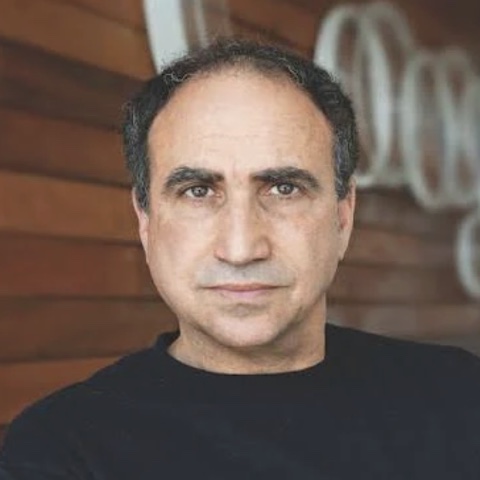
约西·马蒂亚斯 Sínead Bovell
EDITED TRANSCRIPT · 依据现场录音编译整理,可划线生成便签
谷歌研究院播客(The Google Research Podcast)本期邀请谷歌副总裁、谷歌研究院负责人约西·马蒂亚斯(Yossi Matias)做客,与主持人、未来学家希妮德·博维尔(Sinead Bovell)对谈。马蒂亚斯曾因让人工智能得以规模化的奠基性算法获得哥德尔奖,也是自动补全、谷歌趋势等产品的缔造者。两人从Transformer与生成式界面谈到AI联合科学家、洪水预警、开源医疗模型与量子计算,勾勒出一幅“把不可能变为可能”的研究图景。本文依据现场录音编译整理。

把不可能变为可能

主持人: 谷歌是怎样建造未来的?在谷歌内部,有一群研究者专门探索“可能性的艺术”。他们的使命是推动变革性的突破,这些突破不仅改变谷歌的产品,也帮助人类应对一些最重大的挑战。从发明Transformer(正是这一架构点燃了生成式人工智能时代)的团队,到量子计算,到洪水预警系统,再到加速科学发现的AI,谷歌研究院一直在拓展科学与技术的边界。今天和我坐在一起的,是统领谷歌研究院所有这些工作的人,约西·马蒂亚斯。他不仅是一位高产的研究者,曾因让AI得以规模化的奠基性算法获得哥德尔奖(Gödel Prize),也是一位建造者。你很可能在不知不觉中用过他的成果:从自动补全到谷歌趋势(Google Trends),再到数十亿人使用的各种谷歌搜索体验。今天我想问他:眼下什么事看起来不可能,但很快就不再是了?我是希妮德·博维尔,这里是谷歌研究院播客。约西,欢迎来到节目。

马蒂亚斯: 很高兴来这里,希妮德。

主持人: 在我看来,谷歌研究院是谷歌内部一个特别的地方:未来在这里先被做出原型,然后才进入日常生活。你会怎样描述谷歌研究院做的事?

马蒂亚斯: 我先说一句:现在真的是研究的黄金时代。以前从来没有哪个时刻,我们能像今天这样以如此快的速度、如此大的范围去设想未来,并且把它变成现实。谷歌本身就是从一篇研究论文起家的,而谷歌研究院一直是这样一个团队:我们去找那些真正要紧的问题,想办法解决它们,而且很多时候,就是把不可能变成可能。

我们的范围相当广,因为我们关心的领域很多,只要它能带来改变:怎样推进机器学习,包括基础研究和应用研究;怎样设计新算法来解决一大类问题;怎样构建我们未来真正用得上的计算系统;怎样用AI去应对医疗、气候、教育领域的难题;怎样推动科学、加速科学;当然还有怎样推进生成式AI的基础,它眼下正在彻底改变我们身边的一切。我们也在探索其他范式,比如建造一台量子计算机。

一边预判未来一边建造

主持人: 我看过你的一次演讲,其中有两页幻灯片展示了你们工作的广度。一页从基础机器学习和算法一直延伸到量子;下一页从整个行星一直延伸到细胞。真的是全部光谱。而你有一种独特的能力,既能看见未来会发生什么,又在同时把它建造出来,而且一次又一次被证明是对的。今天我们都在和AI系统聊天,仿佛这再正常不过;八年前,你做出了谷歌Duplex,那是最早的对话式AI系统之一。谷歌研究院也是现代AI最著名的论文之一《Attention Is All You Need》诞生的地方,它把Transformer带给了世界。你是怎样一边看到方向,一边把它建造出来的?当然,我还得问一句:接下来会发生什么?

马蒂亚斯: 有意思的是,技术发展并不是把已经做过的事往前外推。它的美妙之处在于预判接下来会来什么。谷歌研究院做的一件很重要的事,就是不只看未来三个月、六个月、九个月能做什么,还要看地平线上有什么,拐角处有什么,哪些事情正要变得可能,而我们凭现有的基础能让它们真的成为可能。这里有一种有趣的动态:任何时刻,我们取得的每一项突破,都会成为一层新的地基,让我们在上面再往上走一级。

回到你说的对话式AI和其他技术。到某个时点,关键是识别趋势往哪里走,然后做一个判断:哪些事我们已经处在能做到的边缘,哪怕还不知道具体怎么做。比如十年前,我就很清楚,对话式体验是我们正要触及的东西,因为我们开始看到语音识别在变好,开始看到文本转语音的早期技术。现在这些我们都习以为常了。而对话式交互显然是终极的用户界面,因为人和人之间就是这样交流的。从那以后,我特别兴奋的一个问题就是:怎样用AI,怎样开发这些技术,让对话式体验成为现实?Duplex当然就是这样一个例子。就在几年前,我们已经公布过,借助Duplex技术,比如打电话给商家询问营业时间,商家信息已经被浏览超过一万亿次。

但这不只关乎对话式体验,还关乎打破模态之间的壁垒。比如怎样把内容在文本、图像、视频之间转换,怎样实现多模态的、跨语言的交流,消除语言障碍,怎样用不同的方式消费内容。这些现在也都被视作理所当然了。我在谷歌搜索工作了十多年,人们早已习惯:要找信息,就去谷歌一下。其他技术也一样,一旦它能用了,我们就默认它一直能用。我喜欢把这叫做“环境智能”(ambient intelligence):智能好到你把它当成理所当然,不再操心它,转身去做下一件事。

有句话说,足够先进的技术与魔法无异,我觉得非常对。但同样真实的是,一旦我们体验过几次,它就不再是魔法了,我们干脆假定它就是会发生,假定它就是能用,然后去看下一件事。

生成式界面:重塑呈现方式

主持人: 对,那是阿瑟·克拉克(Arthur C. Clarke)说的:任何足够先进的技术都与魔法无异。太准确了。我们今天用AI做的事,放在几年前会显得非同寻常、不可能、彻底激进,而现在大家只是像用自来水一样在用它。说到我们要去往哪里,你提到了两件事。一是我理解你指的是生成式界面(Generative UI),我读了你和合作者二月份发表的那篇论文;二是环境智能。那么我们可能走向的愿景,是一个我们几乎像用电一样“流式”使用人工智能的世界,没有人再去想它。没有人会想“我的手机能充上电吗”,你就假定电在那里。环境智能的愿景,是不是就是你直接提出一个需要高级智能才能回答的问题,却完全不用想背后投入了什么?

马蒂亚斯: 对,这说到底就是可能性的艺术。所谓在可能性的艺术上工作,是两件事的结合:什么事要紧,以及什么事你真的能做到。生成式界面就是个很好的例子。一支很出色的团队去研究,我们现在能用生成式AI为自己做出什么新体验,结果发现,有了生成式界面,我们不仅能生成神奇地贴合你提示词的内容,还能用它来判断向你呈现内容的最佳方式。你问的是视觉性的东西,就给你看图片;你问的是算法,也许就写一段代码给你看模拟;你问分形,就把生成分形的代码写出来,让你亲手调整各个参数;如果你是个孩子,问二次方程是什么,系统也许会判断,最好的办法是给你看一个人投篮,让你看到投篮角度和二次方程之间的联系。这些都是例子。美妙之处在于,AI既在加速研究本身,也在加速研究成果的部署,所以我们看到它从一个演示,变成了搜索和Gemini应用里的一项功能,给你更有吸引力的呈现。

主持人: 在我看来,这是我们与数字信息交互方式的一次范式转变,因为信息不再只是被展示给你,而是以和你、和你的情境、甚至和你的设备相关的方式展示。我们之前聊天时我在想,有些人搜一家餐厅,想看的是菜单,他们懂吃,知道每道菜的名字;但对另一些人来说,图片才重要。最终会走到这样一步:界面知道这个人是“图片优先”的人,就给他看图片;那个人喜欢精致的菜名,就给他看文字列表。这就是今天已经可能的事,也是生成式界面要去的方向。

马蒂亚斯: 对,而且同样的能力可以带到不同领域。生成式界面之所以非常强大,是因为它用一条提示词就能生成,所以我们才能把它放进搜索。但如果把问题放宽,我们究竟希望呈现是什么样的,怎样不仅适应用户的意图,还适应用户的情境,那还有别的领域值得探索。比如,我们开始问自己:能不能重新想象教育中的教科书?假如你想学重力,与其读一篇配几张图的文字,能不能用AI重新构想它,用适合这个人语言水平的例子来讲?十岁孩子和十八岁的人需要的不一样。能不能再适应兴趣?如果你是个喜欢足球的十岁女孩,也许就用足球里的例子给你讲重力。我们有一个实验就叫“Learn Your Way”(按你的方式学),做的正是这件事,试着重新想象教科书。

我认为,在用技术做这件事上,我们还处在很早的阶段。而且它始终从一个问题出发:我们要解决的是什么,今天的技术能做什么,我们又能建造什么,让未来解决得更好。

主持人: 对,我们能不能超越静态界面、标准化的教科书?每个人学习的方式都不一样,系统最终能不能自己弄明白哪种方式最适合我们?

架构突破与推测解码

主持人: 退一步想,要实现这个愿景,让环境智能成为一个我们都在“流式”使用、却不再去想的层,让生成式界面在你所在的地方与你相遇,从技术上讲需要发生什么?因为我们听到业界在大谈规模法则(scaling laws),说预训练正在触碰极限,也许不能再指望扔进更大的数据集、更多的算力就看到进步。而谷歌研究院的任务恰恰包括提出新架构,或者推动效率上的突破来绕过这些限制。那么在架构层面需要发生什么?我们需要一种不同的架构才能抵达那个愿景吗?

马蒂亚斯: 关于今天做的事极限在哪里、我们是否已经到了极限,讨论很多。可这种讨论在某种意义上忽略了一个事实:就在几年前,我们连这个架构都还没有。那凭什么认定这是唯一可能的路?回到第一性原理,我们是怎样通过研究突破来解决问题的?看生成式AI,有好几个领域都需要更多工作、更多研究,我们也都在研究怎样推进。让模型更高效显然是其中之一。还有让它们更符合事实、更值得信赖。顺便说一句,这项研究我们从2021年就开始做了,可以说是在大语言模型的黎明期,而且早在2022年就发布了一个基准,供学术界用来测试大语言模型的事实性和一致性。还有别的领域需要进步,比如怎样让推理更强,怎样解决更难的问题,怎样在多个维度、多种模态上工作,等等。所有这些方面我们都看到了巨大进展。但每次有了进展,它就成了新的基准,问题就变成:从这里往哪儿走?你永远够不到自己想要的,因为总有一个更大的问题在等着,你总想把它用在更多事情上。

说到效率,举个例子。规模法则假定你只用现有的技术,不断往里加数据、加算力。可当然会有新技术、新算法,Transformer本身就是新架构。就在几年前,我们提出了所谓的“推测解码”(speculative decoding),本质上是一种更好的大语言模型推理算法。它表明,推理效率可以提高两倍甚至更多,不管是推理耗时还是所需算力,而且质量没有任何损失。它有很多变体,可以远远超过两倍,如今基于这个范式已经有数百种变体,加速已经被当成理所当然了。但我在等更多的创新,等十倍、百倍,等新的架构。研究最迷人的地方在于,它不只是把已知的东西拉伸到极致。开发技术时你当然总要那样做,但研究也意味着提出这些全新的方法。我还从没见过什么东西能真正证明“这件事做不到”,因为问题只在于我们什么时候能做出下一个突破、下一项创新、下一个转折点。

主持人: 所以一方面,现有架构里还有更多可挖的,我们可以让它们更高效,更符合事实;另一方面,突破还会继续发生,故事没有讲完,架构本身还会有创新。这就是你说的也许十倍、百倍、甚至比今天好一千倍。

从语言模型到世界模型

马蒂亚斯: 对。而且我们想用技术做的事本身也在不断变化,我们一直在抬高标准,比如把它用到别的地方。我们显然是从语言模型起步的,但我们当然也想知道怎样建立关于世界的模型,我们想要世界模型(world models)。我们发现,在很多情况下,用基础模型仅仅从经验中学习,就能走很远。但如果再结合各种物理模拟,结合对更多材料的理解,我们就能得到更多洞见和更多训练数据,比如分子层面或生物学的数据,从而得到更好的模型,去追问那些今天还问不出口的问题。或者怎样表示世界上各种事实之间的关系,再在上面搭建层层结构。当然,也要用AI来帮助我们取得这些进展。

主持人: 那么在某种意义上,你是不是认为我们在人工智能上仍处在早期?尽管这个领域已经存在了几十年,很多人可能不知道这一点,但它能实现的东西,我们才刚刚开始触及。

马蒂亚斯: 是的,这是一个有意思的两面性。一方面我们看到,等一下,比起几年前,我们已经走了这么远;另一方面,要预测我们会走向哪里相当困难,因为现在我们谈的是用AI本身来加速。AI在加速研究,AI在加速AI的开发。当然,人们已经在谈AI递归式自我改进的那个节点了。我们已经在用AI加速研究本身。所以是的,在很多方面我们还处在早期。有句话说,预测很难,尤其是预测未来。我们的工作就是下这些注、投资这些方向,但我不认为有谁能真正很有把握地说,几年后世界会是什么样,AI和技术会是什么样。有一点是清楚的:我们仍在取得巨大进展,它会影响方方面面。我们要做的,很大一部分就是问对问题:在哪里,研究突破能产生最大的影响,进而转化为对产品、核心技术、科学、社会等一切的影响。

AI联合科学家的三天

主持人: 我们来谈谈科学,我知道科学是谷歌研究院工作的一大块。这个时刻对科学意味着什么?科学刚刚经历了什么?

马蒂亚斯: 对我来说,眼下最令人兴奋的进展之一,是我们如何加速科学发现本身。不只是用最好的技术去回答具体问题,而是用AI为整个科学方法提供工具。想想科学包含什么,想想一个科学实验室。研究者们在试图解决一个问题,比如:为什么某些细菌比其他细菌更具传染性,为什么它对抗生素有耐药性。这是我们在帝国理工学院的合作伙伴研究了好几年的一个真实例子。然后各个层级的研究者,包括研究生和博士后,先去查文献,看能从中学到什么,再形成假设,然后去验证。我们现在做的,就是看怎样用AI把这一切都加速。

比如我们有一个系统叫“AI联合科学家”(AI Co-Scientist),是一个多智能体系统。它能在全部文献中搜索,然后生成假设,而且能生成很多假设,再去尝试验证这些假设,给它们排序,带回给研究者说:这是一个假设,也许能回答你心里那个研究问题。因为它能通读全部文献,用我们手头的所有数据来核查假设,它可以极大地加速研究。就在这个例子里,我们的合作伙伴花了好几年才提出的假设,AI联合科学家三天就提出来了。它还提出了另一个假设。我们在斯坦福和其他地方的合作伙伴,也在用AI联合科学家探索关于肝纤维化、关于老药新用的假设。

我们在这里看到的是,突然之间,我们可以有一个AI系统,充当一个极其强大的合作者。我问过合作伙伴,和它一起工作的体验如何。他们说,就像和一位能力极强的合作者共事。有意思的是,它不只是聪明,它能读遍所有学科的文献,所以它像一位博学通才(polymath)。就像口袋里装着一位通才。

想象一下这样一个世界:任何研究者、任何学生,都有一个虚拟实验室为自己工作。任何人都可以提出一个研究问题,让系统去梳理文献、生成假设、验证假设,未来很可能还能通过真正的实验室实验来验证,只要有足够的自动化设备,而我们看到整个行业在这方面都有不错的进展。这本质上意味着,每个研究者都会拥有今天只有极少数人,只有资历很深的实验室负责人才拥有的东西。这意味着每个人都能问更大的问题,更快地取得进展。科学里从不缺需要回答的问题,所以我认为这会相当大地加速科学发现。

实证研究助手与发现循环

马蒂亚斯: 这只是方程的一部分。想想科学家,一位生物学家、化学家或材料设计科学家,他们在自己的领域里可以极其出色。可今天,要真正建立模型来检验假设,光这一件事就是大量工作。它可能要花几天、几周、几个月,有时你干脆得雇数据科学家来帮你建模。所以我们有一个系统叫“实证研究助手”(Empirical Research Assistant),同样用生成式AI,对任何定义清晰的问题和任何输入,它都能帮你搜索、找到并建立合适的模型来求解。顺便说一句,AI联合科学家和实证研究助手都在几周前发表在《自然》上。到那时,已经有相当多论文在宇宙学、流行病学、工程学、经济学等一系列领域使用实证研究助手来加速研究本身,解决了以前悬而未决的问题。

再想想把生成假设、文献检索这些结合起来。我们最近通过一个叫“Gemini for Science”的东西把它们开放出来,这是谷歌内部许多组织、许多团队的协作成果,让研究者可以用上。实证研究助手,加上DeepMind开发的另一个系统AlphaEvolve,一起注入我们称之为“计算发现”的东西,还有文献洞察等其他领域。这些都是科学方法中加速研究的组成部分,而且只是其中一部分。因为另一件我们真正应该关心的事是,将来我们要怎样评审科学文献。所以我们也在试验论文助手工具,能帮你对论文给出反馈。展望未来,我设想评审人也会使用AI。事实上,科学方法比以往任何时候都更重要,用AI来辅助科学方法,对于以严谨的方式加速科学发现至关重要,这样我们才能真正搭起一层层科学的积累,去探究下一个研究问题。我们看到的这种加速,是用AI加速科学本身最激动人心的方面之一。

主持人: 对,过去要花几年的事,现在可能几个月、几周甚至几天就能看到。普通人可能没意识到,当你有一个想验证的假设时,光是研究这条路值不值得走,就有多少工作要做。就拿你的例子来说,为什么这种细菌对抗生素产生了耐药性?你得去研究关于这种细菌的所有文献,也许别人已经证明或证伪了某种耐药的原因。光是弄清楚这个假设值不值得追下去,就可能要几个月。然后你提到实证研究助手,假如你是化学家,现在你可能得写一个模型来检验假设,于是要么找来一位计算机科学家,要么自己突然得写代码。现在你身边有了一个虚拟团队,可以开始做所有这些事。

人人拥有虚拟实验室之后

主持人: 我很喜欢你在一次演讲里说的:大多数人不知道,爱迪生身边有大约一百个人和他一起工作。很多顶尖科学家周围都有一整个“工厂”。现在这个工厂本质上被造出来了,就在那里。那么想想所有这些工具,是不是正在出现一道技能鸿沟?因为拥有虚拟实验室是一回事,知道怎么用它是另一回事。前几天我们通话时,你说了一句我觉得很有意思的话:“我们在加速培养科学家、让他们把自己看作架构师这件事上有一道缺口。”科学家作为架构师,你指的是什么?

马蒂亚斯: 首先,确实,爱迪生大概是终极的发明家,他有一座“发明工厂”,他不是一个人在做,他有他的实验室。想想今天我们最敬重、最仰慕的科学家,他们都有一个实验室和他们一起工作。而现在我们正进入一个人人都将拥有自己虚拟实验室的世界。我把这理解为:AI是人类创造力的放大器。研究者的角色会变得比以往任何时候都更重要。有时候会出现这样一种错觉:等等,如果研究生、博士后、初级科学家大量时间原本花在查文献、建模型上,现在这些能免费得到,那还剩下什么可做?关键就在这里:这个角色比以往更重要了。当你手边有一个虚拟实验室,你就可以提问,本质上你能做今天只有非常资深的研究者才在做的事。

所以我把AI看作人类创造力的放大器。但这不是一个预测,而是一个设计目标。想想看,一个初级科学家要像今天手握虚拟实验室那样去工作,需要什么?今天,成长到那个位置要花很多年,你先做比较初级的工作,然后观察、学习。而在一个你可以很早就开始提这些问题的世界里,我们需要填上这道缺口,某种意义上要重新训练研究生。而且我相信这在任何领域都成立,工程、计算机科学、生物医学都是如此,可能医疗工作者也是。

主持人: 法律也是。

马蒂亚斯: 对,有了这些工具都一样。因为AI正在接手这些可以说是入门级的任务,这让每个人都能踏入更高的阶段:问对问题,给出正确的指引,对结果做出判断。因为结果从来不是非此即彼的,不是“这是问题,这是答案”,而永远是“这里有几种可能性,这里有各种权衡,这个好不好,这几个参数怎么比较”。所以判断力很重要,比以往任何时候都重要。

由此有几点观察。第一,我们需要看看怎样调整我们的体系、我们的学业、我们的培养路径,以便训练人们用AI去做这些。我也相当乐观,我们可以用AI来帮忙做这件事,比如在科学方法上,AI可以很早就对论文给出反馈,这是任何研究生导师最耗时的工作之一。第二个观察是,判断力,既是判断什么是重要的问题,这通常会变得更加关键,也是判断一个答案对不对。有时候答案是显而易见的,比如你有一个优化问题,想让某个数字达到最优,你可以核对结果,验证它是不是最好的。有时候它是一个判断,因为你想要的解法要应用在一个复杂的、充满权衡的系统上。这里我想借用一句话。我热爱爵士乐,我最喜欢的一句话来自艾灵顿公爵(Duke Ellington),他谈音乐时说:听起来好,那就是好。这句话相当深刻,因为说到底,判断什么是好的,正是我们会越来越倚重人来做的事。当然,AI系统会学习然后应用,然后我们会问更大的问题,仍然需要这些判断。

主持人: 所以我认为科学教育,有些人觉得会变容易,现在有了这些技术嘛,我倒觉得会变得更难。因为你描述的世界里,过去要花十年、十五年才能建立的能力,我们很快就会要求初级科学家具备。因为他们能问的问题,是别人花了四十年才想明白的,现在你有可能回答这些问题,你就需要建立起相应的判断力。我认为整个社会都在往这个方向走,教育当然也是。

马蒂亚斯: 我还是想说,这是一种错觉,我们以前就见过。当谷歌和维基百科变得像水电一样人人可用时,也有人担心:我们的孩子会不会变笨、变懒?我们过去布置作业,让他们去图书馆收集事实,现在几分钟就能搞定。结果呢,我们适应了。作为一个社会,我们的期望提高了,这些如今被视为理所当然。现在我们当然又在抬高期望和给定的起点。就拿数学来说,我们现在看到那么多消息,研究者甚至有时是孩子在说:嘿,我们用AI解决了这个或那个埃尔德什问题。这是传奇数学家保罗·埃尔德什(Paul Erdős)留下的一个数学问题库,很多问题长期悬而未决。于是有一瞬间会产生某种错觉:所有这些研究问题都要被解决了。并不尽然。当然有些会被解决,很多会被加速,然后我们就能问更大的问题。所以我认为,需要解决的东西从来不会短缺。医疗也一样。我们取得了一些进展,但要真正“解决”医疗,还有太多工作要做:怎样确保没有人被一种疾病“突袭”,怎样做到早期发现,怎样找到癌症的疗法,怎样解决公共卫生问题。这些问题我们都还处在非常早的阶段。所以我们应该拥抱AI,用它来帮助解决这些问题。

主持人: 对,我们需要更多人进入这个领域,而且是被这些技术赋能的人。

跨学科协作与头衔消融

主持人: 验证会不会成为瓶颈?你提到AI不像我们这样被限定在某个学科里。每隔几十年我们会出一位能跨学科的通才,但那通常很稀有,一般人学化学、学物理、学生物。而AI有可能发现一种跨学科存在的模式,这种模式在单个学科内部却说不通。如果我们的思维一直是按学科一个个训练出来的,谁有能力判断这个模式说得通?

马蒂亚斯: 让我先从学科和跨学科这个概念说起。在我看来,这恰恰是我们现在用AI加速科学发现所看到的最大机遇之一。科学界的组织方式,确实通常是推着人往特定学科钻。而我一次又一次发现,当你把多个学科放到一起,很多魔法就发生了,你可以借用、看见并连接不同的知识。通常真正跨学科的人不多,而在那些跨学科的人那里,很多好东西才冒出来。现在有了AI,我们真的可以做到这一点。所以我很乐观,它会加速并让我们把多个领域汇聚起来。

同时,你关于验证的问题很关键。在一个AI能生成如此多假设的世界里,核查它们、验证它们、对它们做出正确判断,变得越来越重要。显然,我们也需要用AI来帮忙。而且,在一个我们能跨垂直领域、跨学科取得更多进展的世界里,我认为更宽广的教育也会变得越来越重要。这是我认为未来会看到的一个积极方向,同时也要鼓励人们这么做。当然,在某个领域钻得深和走得宽之间永远有取舍。过去很多时候必须钻得深,因为要把你的问题彻底解决,你得包揽一切,从实验室工作到建模型到证明所有定理。但在一个你手边已经有虚拟实验室的世界里,我们会去调整:你需要训练到什么程度,怎样在自我教育上找到合适的平衡。这不只对科学成立,我相信对技术也会成立。我们过去有软件工程师、产品经理、用户界面设计师等等。而突然之间,我看到我们正走进这样一个世界:有了AI,每个人都可以有一支虚拟工程师团队为自己干活,还有别的各种团队。所以很多职能你都可以自己承担。跨学科的能力会变得极其重要。

主持人: 我喜欢这样说:职位头衔这个概念会越来越站不住,因为现在更重要的是我们所做事情底下的技能,而不是工业时代那套具体的分类法。我们将能够更流畅地移动,比如你做产品,现在也在做工程,甚至在科学里跨学科。那么对于一个不是科学家的人来说,当科学被AI加速,他们会在自己的生活里注意到什么?他们为什么应该在乎?这对他们意味着什么?

马蒂亚斯: 首先,我们现在拥有的AI系统是智能体系统(agentic systems),能够接手今天需要专家才能做的任务。这会为更多的人打开机会,在许多学科里扮演重要角色。比如,已经有从没写过代码的人在开发应用了。我真的听到过,一位在创业公司工作的人告诉我:我负责和客户打交道,他们向我要一个功能,很多时候我根本不用请工程师做任何事,我自己就能把原型做出来。想想看,这相当有力量。同样,如果你是科学家,需要另一个学科的帮助,你不必再花时间去找合适的人脉,可以用AI来帮你。所以这种连接学科的能力会越来越强大。

顺便说一个有意思的点。回想我快二十年前刚进谷歌的时候,我们就一直要求产品经理受过计算机科学教育。即便他们的工作不是写代码,也要懂怎样写代码。我们一直期望研究者能写代码,一直期望工程师能解决研究问题。所以理解不同学科这个理念一直都在。现在我认为,向所有人敞开的机会更大了。更多的人可以开发应用、写代码,更多的人可以成为某个领域的专家,而有了AI,他们能运用正确的研究技能,在科学研究中做出贡献,这在过去是不可想象的。

主持人: 对,我们正处在“氛围编程”(vibe coding)的时代,很快就会走到“氛围药物发现”,普通人也能想出新分子。

洪水预测:七天预警

主持人: 说到洪水预测,这是不是终于读懂了这颗星球一直在发出的信号?

马蒂亚斯: 让我先从“为什么要做洪水预测”说起。我前面提过,我们总要从“为什么”开始:我们要做的事会产生什么影响?在这件事上,我负责我们称之为“危机应对”或“危机韧性”的工作已经有十年左右了。危机发生时人们会来谷歌,我们就研究怎样在任何危机中给他们可以据以行动的信息,也确实推出了产品,比如“SOS警报”。但我发现一件事:我们能帮多大忙,取决于我们能分享的信息有多好。而事实证明,在最具毁灭性的自然灾害,也就是每年造成数千人死亡的洪水面前,我们帮不上忙。因为帮忙的最好办法,是预测什么将要来临,让人们能采取行动。十年前我问洪水专家,怎样才能做出预测?普遍的共识是,这太难了,因为一个有价值的预测必须是高置信度的,变量太多,等等。我们的想法是:每个人都说太难,但这是一个重要的问题,值得去攻,那就看看能不能取得进展。

我们从一些研究开始。有了足够进展后,我们在印度做了试点,证明在非常严苛的约束下也能做出合理的预测,足以让我感到乐观。事实上,将近八年前,我们就发表了一篇论文,提出一个假设:未来我们能借助机器学习和云计算把它规模化。我当时完全不知道怎么做到,但有足够的迹象表明,我们可以把所有这些变量放进来,用机器学习去处理。这确实需要很多轮循环:从研究到实地试验,到弄清我们能做什么,到与学术界和政府合作,让他们收集数据,我们在上面建机器学习模型,最终推动这方面的科学。我们在《自然》上发表了论文,提出了我们所说的全球水文模型(global hydrologic model)。我们真正展示的是,可以建立一个模型,从数据充足地区的洪水事件中学习,再应用到数据不那么充足的地区。一个当初被引号里称作“不可能”的问题,我们现在不仅推动了它的科学,同一支团队还建成了一个系统,如今能在150个国家提供最长七天的预测,覆盖20亿人。它已经在拯救生命,因为它就在那里,通过我们所说的“洪水中心”(Flood Hub)向应急人员和政府开放。

这就是一个例子:迭代,从问题出发,迈出研究的一步,把它变成现实,再问下一个问题。我喜欢把这叫做“研究的魔法循环”。某种意义上,研究之所以比以往任何时候都更令人兴奋,一个原因就是这个魔法循环比以往加速得更快,而且还在进一步加速。有了AI,我们可以用AI更快地推动研究,再用AI帮助把研究变成现实,影响是巨大的。在这个例子里,是真正在救命。

主持人: 太不可思议了。想象一下,提前七天收到一条通知,说这里将要发生洪水。这真的会改变人的命运。

读新闻预测城市山洪

马蒂亚斯: 几个月前,尼日利亚政府和一个叫GiveDirectly的组织就通过洪水中心的接口,提前向村民发钱,让他们能及时撤离。但故事并没有到此结束,因为在任何时刻,你都会到达某个水平:这是我们能做的,那些是我们还没解决的问题。就洪水而言,我们又撞上了另一堵墙:这些模型都只对所谓的“河流洪水”有效,也就是河水漫出河道。可一些最具毁灭性的洪水其实是山洪暴发(flash floods),它们来得出人意料,而且通常我们没有足够的数据为它们建模。直到大约去年,这还是个没解决的问题。于是下一个创新来了,它来自一个观察:我们关心的这些洪水事件,至少在城市地区,通常都会被新闻报道。想法是用生成式AI,用Gemini去读二十年的新闻,找出新闻里报道的洪水事件,报道通常也会描述它们何时发生。这些都是公开信息,有很多种语言,本质上就建成了一个事件数据库。我们把这项技术叫做Groundsource,本质上是建立了一套“地面真值”数据,好在上面建AI模型。我们用生成式AI找出了260万起山洪事件,然后就能基于它们建立机器学习模型、AI模型。现在城市山洪的预测也在洪水中心上线了。一个一年前实际上还无解的问题,靠生成式AI,加上“可以用这些数据、可以借助代理指标”这个观察,就被解决了。

这个范式本身并不新。多年前我和团队开发了谷歌趋势,我们看到的一个很有用的范式,就是怎样用谷歌趋势,有人称之为“意图数据库”,来识别各种现象:疫情爆发的现象,政治事件的现象,等等,仅仅基于聚合后的趋势。现在有了Groundsource,我们可以把它带到下一个层级,而且也开放给其他人使用。城市山洪就是一个例子:把生成式AI和公开信息结合起来,去解决一个能救命的社会难题。

野火、卫星与星球智能

主持人: 危机韧性这项工作,你的北极星是什么?你们要去哪里?

马蒂亚斯: 好问题。洪水预测显然只是其中一个问题。还有大量研究在改进比如风暴预测。我们在谷歌DeepMind的同事做得非常出色,在推动这方面的研究,并与谷歌研究院合作,推出了我们叫作WeatherNext的天气预测,包括某些极端天气。我们也在研究野火探测,同样是研究怎样用卫星影像来帮助预测野火。我们还和其他伙伴一起发起了一个叫FireSat的项目,要把五十多颗、六十来颗卫星送入轨道,一旦全部就位,就能每二十分钟扫描地球上的每一个点,识别出像这个房间这么大的火情。

主持人: 哇。

马蒂亚斯: 当我想所有这些危机韧性的任务,想我们的目标是什么、要去哪里,北极星非常简单:没有人应该再被一场朝自己袭来的自然灾害“突袭”。这就是我们要解决的问题。怎样用预测让人们有所准备,保护自己和财产的安全,并采取行动。这是我们要去的方向。

而所有这些技术,要问出对的问题,你需要能够就这个世界提问:关于洪水、天气、风暴、高温等等。到了某个时点我们也意识到,其实我们真正想要的,是“星球智能”(planetary intelligence)。如果我们把所有这些地理空间模型汇集起来,把卫星影像带进来,建更多卫星模型,带进数据,再带进一个我们开发的叫“人口动态”(Population Dynamics)的模型,它本质上是一个关于人口流动的基础模型,在新冠期间的分析中就相当重要。如果把这一切合成一个模型家族,我们叫它“谷歌地球AI”(Google Earth AI),并在上面加一层智能体,你就可以就这颗星球提出任何问题。比如在危机韧性的场景下,你不仅可以问洪水或风暴会袭击哪里,还可以问哪些社区最脆弱,撤离他们需要哪些行动,哪些基础设施会受影响,需要提前做什么。再想想公共卫生。我们在西奈山医院、波士顿儿童医院和哈佛的合作伙伴最近发表了一篇论文,讲怎样用地球AI在邮政编码的粒度上分析麻疹疫苗接种情况。公共卫生或流行病学,很大程度上就是把疫情爆发和公共卫生现象与地球、与地点连接起来,与那些地方的经济状况连接起来,与谁接种了、谁没接种这样的聚合层面的因素连接起来。已经有许多伙伴在公共卫生上做了一批工作,包括Cooper/Smith、世界卫生组织等,他们显然在研究怎样用地球AI应对霍乱疫情,或者眼下的埃博拉疫情。所以公共卫生是另一大领域,危机韧性是另一大领域,甚至对企业也是。很多企业都关心从星球视角看正在发生什么。比如一家营销公司,WPP就是我们的合作伙伴,在用地球AI回答商业问题。如果你是物流公司或仓储公司,你也想就这颗星球提问。可以是理解某种现象,可以是公共卫生危机,甚至只是出于科学或教育目的去理解。所以把AI当作平台来获得星球智能,是一个迷人的方式,能把我们做的一切都提升一级。不再是一次只解决一个问题,而是把它们汇聚起来,用AI把一切连接得天衣无缝。

主持人: 如果顺着我们之前谈环境智能的线索往下拉,似乎很多公司在为自己的组织建一个智能层,而谷歌在为这颗星球建一个智能层,你可以和星球、和世界对话。我在论文里读到的一些例子,比如你是一位环保人士,有座城市迫于压力要修一条路,你可以问地球AI:对某个物种来说,A森林还是B森林更关键?或者你是一位卫生专家,可以问:这场霍乱接下来会蔓延到哪里?完全不需要知道或理解背后运转的所有智能、所有不同的模型,流行病学的、地理空间的。这是不是通向环境智能层的一条入口匝道?

把医疗模型交给世界

马蒂亚斯: 某种意义上是的。因为这正是建平台的美妙之处:你为所有人打下一个新的地基,然后他们可以专注于更高一层。让我再举一个完全不同领域的例子,医疗。在医疗领域你也要建模型,比如语言模型。几年前我们研究过一个问题:能不能让语言模型理解医学信息?我们用的基准,是让语言模型参加美式医学执照考试。事实上,我们第一次证明可以调整一个语言模型,让它达到美国医学执照考试的及格线。等到这项工作在《自然》上发表时,我们已经有了能达到专家水平的模型,85%对比之前的65%,加上多模态则是91%。重要的是,它当时已经被合作伙伴用来测试各种应用。这又是我所说的研究的魔法循环:提出研究问题,应用它,再提出下一个研究问题。

做完这些之后,我们又问自己:怎样把我们加进模型里的这些能力更广泛地开放出来,让其他人在上面建造?为此我们有一个叫HAI-DEF的平台,本质上是一批开放模型,供他人构建。我们还开发了叫MedGemma的东西。Gemma是我们的开源语言模型,是Gemini的开源版本;MedGemma就是在Gemma之上,构建我们能做出的最好的医疗模型,各种类型都有。我们一年多前发布了它,已经有超过500万次下载。在这些下载背后,我们也听说了成千上万个应用。这些应用的起点,是一个已经更懂医学信息的模型,你还可以把它用于各种场景,比如医学术语的语音识别,这就是其中一个模型。我听说有一家创业公司在为疾病建立基础模型,把MedGemma当作起点,这也许为他们省下了几年的大量投入,让他们直接去建自己解决问题需要的东西。最近我还听到一个案例:乌干达一个村庄的一位医疗工作者,遇到一位即将分娩的孕妇,情况很紧张。她没有网络连接,但手机上有一个用MedGemma构建的应用,她靠它得到了关于病情的建议。这是第三方基于MedGemma开发的应用,可能同时救了母亲和婴儿。

主持人: 哇。

马蒂亚斯: 而这只是众多案例中的一个,很多我们大概根本不知道。这就是平台的力量,就是把模型开放出来、让别人使用的力量。顺便说一句,就在几天前,我们把洪水预测模型也开源了,其他人也可以在上面建造。

主持人: 对,人工智能不是天花板,而是新的地板,科学家和整个社会从这块地板上起跳。所有人都站在AI之上往上走。

从糖网筛查到可穿戴设备

马蒂亚斯: 对,这当然只是一个方向。说到医疗,这是AI显然会对社会、对人产生巨大影响的领域之一。在语言理解能力的基础上,我们也开始问自己:怎样把它在各个层面融入工作流程?有一些是传统层面的,传统AI意义上的。比如我们对糖尿病视网膜病变做过研究,这种病症的筛查能让人免于失明。这项研究已经有十年了,但这些年我们和印度、泰国的合作伙伴把它变成了现实,到现在已经完成了超过一百万次筛查,可以让成千上万的人免于失明。我们最近还与英国国家医疗服务体系(NHS)发表了研究,讲怎样用机器学习辅助乳腺X线筛查,看它怎样融入工作流程。两篇论文都发表在《自然》上,表明AI能把漏诊减少25%,为放射科医生省回40%的时间。这些都是研究走向现实的步骤。

另一个方向是,想想医学诊断的体验,很大一部分其实就是与医生、与从业者的对话。既然我们现在有了能提供可信医学信息的语言模型,那我们研究的问题是:能不能把它用作诊断的一部分,帮助推动这场对话?为了检验这条路的可行性,我们在《自然》和其他刊物上发表了一系列论文,表明它在多项指标上都能起到辅助作用,顺便说一句,包括有用性,甚至包括共情。就在最近,我们宣布与Included Health合作,在实际场景中测试它对从业者是否真的有用、有帮助。我们采取的是一种非常审慎的方法:严格测试,公开发表,确保我们衡量得对,然后以尽可能好的方式去试,再在此基础上往前推。同样,最近我们发布了谷歌健康应用(Google Health app),根据手表上的传感器数据向人们提供关于自身健康的信息。它很大程度上基于一系列研究,研究的是在个性化场景下使用大语言模型,怎样把这些信息转化为对人有帮助的洞见,并通过研究严格检验,再变成现实。所有这些都是研究魔法循环的体现:提出问题,做研究,应用到现实,再提出下一个问题,如此迭代。

教育、创造力与能源突破

主持人: 往前看的话,你认为哪些科学问题会定义谷歌的下一个十年,也定义世界的下一个十年?

马蒂亚斯: 当我想科学问题的时候,再说一次,在我能想到的几乎每一个领域,我们在解锁所需知识这件事上都还处在非常早的阶段。尽管我们为研究突破感到兴奋,但想想,我们对大脑如何工作的理解到了哪一步?药物设计到了哪一步?材料设计到了哪一步?对这颗星球的理解,到了能够预测的程度了吗?我们为什么还会被“突袭”?为什么不能确切知道将要发生什么,然后照此规划?这会影响我们的生活。粮食安全呢?每一个领域都有大量工作要做。还有能源,我们谈了很多能源问题,怎么解决。我很有把握,随着科学突破,我们在能源、资源、效率上也会看到突破。当你想到我们生活中、日常里、彼此交往中的所有大问题时,都是如此。

我们前面谈到教育。对我来说,教育也许是任何社会最重要的一件事,它就是未来。如果我们能让每个人按自己的天赋成长,然后掌握未来的AI技术和各种技术去解决其他问题,那潜力是巨大的,这里的提升空间也是巨大的。而且,教师的角色会比以往任何时候都更重要。我们每个人都受过老师的启发,我相信,正是他们帮助定义了我们是谁、我们在人生中做出什么选择。希望这能让更多的老师去启发学生,借助AI加速我们能学到的东西,还让它更有趣。这些都是我们方方面面都有的大机遇。

还有一个我特别关注的领域,是看我们究竟怎样帮助创造力。这会不断演变,因为AI正在成为一种工具,更多的人将能够表达自己,各个学科都会发生一些变化。我认为创造力、人性,是我们生活中最重要的部分。所以看我们怎样在技术上建造,去放大它,是我非常想看到的事。

量子计算的时间表

主持人: 量子在这一切中处于什么位置?当我们想下一个十年的时候,看量子的时间线,过去几十年是在证明这套物理能以可扩展的方式运转。我试着给不懂量子的人解释一下,请你纠正我的科学。量子比特(qubit)是量子计算机的基本单元,它们脆弱得令人沮丧。但要建造一台能解决我们想让它解决的重大问题的量子计算机,比如模拟一个分子或一个复杂系统,你必须能往系统里加更多的量子比特。历史上这一直非常困难,所以Willow才是这么大的里程碑,它证明了你可以建更大的量子计算机,而且它随着时间还能变得更可靠。那么,要真正实现量子计算的愿景,还剩下什么要做?剩下的阶段比过去更难、更容易,还是完全不同类型的挑战?

马蒂亚斯: 在量子领域,纠错这个概念一直被认为是我们必须突破的障碍之一。去年我们凭Willow芯片在这方面取得了不错的进展。量子是那种魔法循环转得更慢的领域,如果可以这么说的话。事实上,我们量子AI实验室所建造的东西,其理论基础的一些工作可以追溯到上世纪八十年代,是米歇尔·德沃雷(Michel Devoret)、约翰·马丁尼斯(John Martinis)和约翰·克拉克(John Clarke)的工作,他们今年刚获得了诺贝尔物理学奖。顺便说一句,米歇尔现在是我们硬件团队的首席科学家。

量子计算机的前提是我们已经知道,因为它是一种不同的范式,因为量子比特与经典计算机的本质不同,有某些问题量子计算机能比经典计算机快得多地解决。我们有过一个例子,一个问题比经典计算机快10的25次方年,一后面25个零。最近我们又展示了所谓“可验证的优势”,用回声算法(Quantum Echoes)解决一个可以用其他方式验证的问题,量子计算机比经典计算机快13000倍。量子计算对密码学显然也有影响,九十年代的肖尔算法(Shor's algorithm)就表明,量子计算机能解决一个被认为经典计算机无法解决的问题。重要的是,我们已经知道有几十种应用,量子计算机会有优势,而且它还能生成大量知识,供AI在分子层面构建AI模型,如果可以这么说的话。我特别兴奋的一件事是,随着我们越来越接近实用的量子计算机,我相当有把握会看到更多聪明人投入进来,发掘量子计算能带来的许多新机遇。这是一个新范式,新范式会创造新能力,其中很多,我相信,会比我们今天用现有技术能做的有相当戏剧性的改进。

主持人: 那下一个范式更多是硬件的事吗?你看到时间表了吗?我们说的是五年吗?

马蒂亚斯: 我们确实相信,几年之内我们会更接近实用的量子计算。至于它是什么,我认为我们在技术上一次又一次看到的,是各个层次之间的扩散。硬件通常是基础,在它之上你当然要开发软件或应用,但很多时候,正是从“能做到什么”里得到的洞见,反过来告诉你想要建造什么。肖尔算法就是一个推动因素,它促使人们去建更多东西,去问“我们需要什么才能支持它”,这又成了一个动力,去看为此需要解决哪些问题。所以我认为,我们会看到各层次之间这种美妙的互动:我们衡量的问题,解决它们的技术,以及从算法、软件、硬件等角度看解决它们需要什么。这正是未来多年创新的燃料之一。

主持人: 对,一旦量子计算机成为现实,我们就能解决今天不可能的问题。而解决了那些问题,正如你说的魔法循环,又会打开一整轮新的问题、新的创新。

带领团队走十年长跑

主持人: 显然你做的是好几个长达数十年的项目。能遇到一个只做一个这种项目的人就很难得了,而你同时做好几个。当有些项目还涉及把确实不可能的事变成技术上可能的事时,你怎样带领团队、设定里程碑、定义进展?

马蒂亚斯: 我认为,探索创新和研究最令人兴奋的地方,就在于一直问这些问题:首先,什么事要紧?我们应该在哪里取得进展,而且我们有条件取得这样的进展?然后找到合适的时机把问题拔高一级。我总爱问一个问题:在这个领域,你能解决的更大的问题会是什么?我们怎样迈出一个跃迁式的台阶?顺便说,这绝非易事,因为在创新和研究中,你做的每件事都总有下一个令人兴奋的问题可以问,所以要问出“下一个大台阶是什么”并不简单。学术研究也是如此。你要问下一个大问题,而且是你真能有所作为的问题,随机地提问是没有意义的。所以就是在我们的每一个领域里不断追问:什么会带来改变?然后,我们能做什么,才能去问这个下一个大问题?

谷歌研究院拥有世界上最好的一批人才,出色的科学家和工程师,有机会去做一些最令人兴奋的问题。谷歌有八款产品的月活跃用户超过20亿。我们的使命也包括产生社会影响,与学术伙伴、政府和其他各方合作,我们还拥有惊人的基础设施,这也是一份福气,还有真正触达所有人的应用。所有这些要素,都能帮助我们问出对的问题,再把手头的任何研究突破拿去应用,和谷歌各处出色的伙伴一起把它变成现实。真正持续不变的问题是:下一批能带来改变、能产生研究突破的大问题是什么?

就我个人而言,我一次又一次发现,产生创新最快的办法,是朝着一个非常大的目标,不断迈出相对小的步子。回到洪水预测,它就是一次次迭代,每一步都相对于此前的成果再跃迁一级,很多时候需要一次研究突破才能到达。医疗也一样,几年前被视为既定的东西,现在我们在问更大的问题,试图再往上推一级。这就是研究、创新和技术开发令人兴奋的地方。对我来说,最令人兴奋的是,我们和团队有机会既做最前沿的研究问题,取得可以发表在最受尊敬的刊物上、从《自然》到NeurIPS的研究突破,又把它们变成现实,看到它们真正影响产品、科学和社会。

主持人: 那如果第一步在今天看来就是不可能的,你告诉研究团队:“这是你们的第一个里程碑,可能需要六个月到十年才能走到第一步。”你怎样给不可能设定基准?

马蒂亚斯: 首先,我们问的问题并不都属于“不可能”那一类,很多时候你能看到:哦,我在这里能有所作为,在那里也能。其次,我们一直在抬高标准,因为在某种意义上,现在人人都在用AI解决问题,所以我们真正要聚焦的,是那些在已知范围内更难解决的领域,那才是研究突破。所以问题始终是,我会称之为“影响驱动”:我们能产生什么影响?为了产生这种影响,应该把资源投在哪里?在哪里能产生最大的影响、最大的突破?通常我认为,对我来说最重要的问题,正是那些会带来跃迁、望向地平线、就在拐角处的问题。从研究的角度看,这些是令人兴奋的问题;而当我们取得研究突破并把它变成现实时,它也会产生最大的影响。

主持人: 约西,这是一次愉快的交谈。非常感谢你。

马蒂亚斯: 谢谢你,谢谢这次对话。
本期讲者
约西·马蒂亚斯谷歌副总裁、谷歌研究院负责人,曾创立并领导谷歌以色列研发中心。2005 年因流数据算法获哥德尔奖,主导过 Google Trends、自动补全、Duplex 与投机解码等工作。
Sínead Bovell未来学家、科技教育机构 WAYE 创始人,长期在联合国等场合讲授新兴技术,《谷歌研究院播客》主持人。
章节 · 点击跳转视频
0:00 开场:谷歌研究院的使命 ▶ 正在看
3:22 预判未来:从 Duplex 到环境智能 ▶ 正在看
7:30 生成式 UI 与重构教科书 ▶ 正在看
11:04 Scaling Law 之争与新架构空间 ▶ 正在看
17:52 AI Co-Scientist:三天提出假设 ▶ 正在看
25:21 科学家成为架构师:判断力 ▶ 正在看
37:40 洪水预报:从不可能到 20 亿人 ▶ 正在看
44:44 从危机韧性到行星智能 ▶ 正在看
50:18 医疗:MedGemma 与魔法循环 ▶ 正在看
56:53 下一个十年:教育、创造力、量子 ▶ 正在看
1:05:59 如何领导数十年尺度的研究 ▶ 正在看
本期论点
本期回应
39:42
专家公认太难、做不到的问题,只要足够重要就值得投入研究去攻克 挑还做不成的该按什么标准挑题目?
其他论点
4:59
对话式交互是终极的用户界面,因为这就是人类彼此沟通的方式
10:30
教科书不该是固定的图文,而应由 AI 按学习者的年龄、语言和兴趣重构
13:46
Scaling Law 只在固定现有技术时才成立,新算法与新架构可以绕开它描述的限制
20:55
能通读所有学科文献的 AI 合作者,相当于一位博学通才而非仅仅聪明的专家
21:40
虚拟实验室将把过去只有资深实验室负责人才有的条件交给每一位研究人员
30:12
有了 AI 工具后科学教育反而更难,因为社会会期待初级科学家在几年内具备原需十年的判断力
31:42
AI 不会把研究问题逐个解决完,它只是加速研究,人类要解决的问题永远不会短缺
35:39
「职位头衔」会越来越站不住脚,真正重要的是底层技能,人可以在职能之间流动切换
40:53
洪水预报模型可以从数据充足地区的历史事件中学习,再迁移到缺乏数据的地区使用 做法
49:38
把 AI 当作实现行星智能的平台,比一次只解决一个问题更能整体提升成果
53:20
以现成的医学开放模型为底座,可为初创公司省下数年时间与大量投入 做法
59:33
AI 普及之后,教师的角色会比以往任何时候都更重要
1:03:41
量子计算的价值不止于算得快,还能生成供 AI 构建分子层面模型的大量知识
1:08:32
实现创新最快的方式,是朝着一个非常宏大的目标持续迈出相对小的步子 做法
01开场:谷歌研究院的使命
0:00
How does Google build the future? Inside Google sits a group of researchers dedicated to exploring the art of the possible. In their mission is to drive the transformative breakthroughs that not only transform Google's products, but help solve some of humanity's biggest challenges. From the team that invented the Transformer, this is the architecture that sparked the Generative AI era to quantum computing, to early warning systems for floods, to AI that accelerates scientific discovery. Google Research is pushing the boundaries of what is possible in science and technology, and today I'm sitting down with the person leading all of these diverse efforts at Google Research, Yossi Matias. Now, not only is Yossi a prolific researcher, I mean, he won the Gödel Prize for the seminal algorithm that allowed AI to scale. He's also a builder. You've likely experienced his work without even knowing it. From autocomplete to Google Trends to various Google Search experiences used by billions of people. Today, I
谷歌是如何构建未来的?在谷歌内部,有一群研究人员专门致力于探索一切可能的边界。他们的使命是推动那些变革性的突破——不仅改变谷歌的产品,也帮助解决人类面临的一些最重大的挑战。从发明 Transformer 的团队——正是这一架构点燃了生成式 AI 时代——到量子计算,到洪水预警系统,再到加速科学发现的 AI,谷歌研究院正在不断拓展科学与技术的可能性边界。今天,我要和领导谷歌研究院这一切多元探索的人对话,他就是 Yossi Matias。Yossi 不仅是一位成果丰硕的研究者,我是说,他凭借那个让 AI 得以规模化的开创性算法获得了哥德尔奖。他同时也是一位建造者。你很可能在不知不觉中就体验过他的成果——从自动补全到Google Trends,再到数十亿人使用的各种谷歌搜索体验。今天,我想问问他:此刻有什么事看起来还不可能?而它不会一直不可能下去。我是 Sínead Bovell,
便签引用
0:56
want to ask him what feels impossible right now. That won't be for long. I'm Sínead Bovell and this is The Google Research Podcast.
这里是《谷歌研究院播客》。
便签引用
1:10
Yossi, welcome to the podcast. Great to be here, Sínead. I think to start to me, Google Research, it feels like one of the places inside Google where the future gets prototyped before it becomes a part of everyday life. How would you describe what Google Research does? Sure. Let me start by saying this is really the golden age of research, because I don't think ever before could be actually imagine the future. So and help bring it to reality in the pace and the scope that we can do today. Now Google Research, you know, Google actually started with the research paper. And Google Research has been always the organization or the team where we looked into how to bring and address problems that would matter. Quite often it's actually making the impossible possible. Now, the scope is pretty broad because we care a lot about a variety of areas that would make a difference and think from how to advance machine learning, foundation and applied machine learning to how to develop new algorithms to solve a host of
Yossi,欢迎来到播客。很高兴来到这里,Sínead。我想先从这里聊起:在我看来,谷歌研究院就像是谷歌内部那个把未来先做出原型、再让它成为日常生活一部分的地方。你会怎么描述谷歌研究院所做的事情?当然。我想先说一句:现在真的是研究的黄金时代。因为我觉得在此之前,我们从来没有真正能够想象未来,并以我们今天这样的速度和广度把它变成现实。说到谷歌研究院,其实谷歌本身就是从一篇研究论文起步的。而谷歌研究院一直以来都是这样一个组织或团队:我们思考如何去着手解决那些真正重要的问题。很多时候,其实就是把不可能变成可能。我们涉及的范围相当广,因为我们非常关心各种能带来改变的领域,从如何推进机器学习——包括基础研究和应用机器学习——到如何开发新算法去解决一大批问题,如何构建我们未来真正能用得上的计算系统,以及如何
便签引用
2:15
problems, how to build computing systems that we could actually use into the future, and how to use AI to help to help address problems in healthcare. On the climate, on education, how to drive science, how to accelerate science, and also how to advance, you know, the generative AI foundations, which are of course, now are really revolutionizing everything that we do around us. And also looking to other paradigms, for example, building a quantum computer. I was watching one of your presentations, and there were two slides that showed the breadth of work that you covered. So one showed foundational machine learning and algorithms all the way to quantum. And then the next slide, it showed from the planet down to the cell. So it's really the whole spectrum. But you have this unique ability to see what is going to happen in the future, to go into the future, but also be building it at the same time. And you've consistently been right. So we're all chatting to AI systems today as if it's the complete, normal thing to do. Eight years ago, you built Google
用 AI 去帮助解决医疗健康领域的问题,气候方面的问题、教育方面的问题,如何推动科学、加速科学,还有如何推进生成式 AI 的基础技术——当然,它现在正在彻底改变我们身边的一切。我们也在探索其他范式,比如构建量子计算机。我看过你的一次演讲,其中有两页幻灯片展示了你们工作的广度。一页是从基础机器学习和算法一直延伸到量子计算。下一页则是从整个星球一直到单个细胞。所以这真的是覆盖了全谱系。但你有一种独特的能力,能看到未来会发生什么,能走进未来,同时又在亲手建造它。而且你一直都判断对了。今天我们都在和AI 系统聊天,仿佛这完全是件再正常不过的事。八年前,你打造了 Google Duplex,它是最早的对话式 AI 系统之一。谷歌研究院也是
便签引用
02预判未来:从 Duplex 到环境智能
3:22
Duplex, which is one of the first conversational AI systems. Google Research is where one of the most infamous papers in modern AI dropped "Attention Is All You Need," which introduced the world to the Transformer. So how do you see where things are going to go while simultaneously building it? And of course, I have to ask what's about to happen next? Interestingly enough, when we think about technology development, then it's not about extrapolation from what we've done so far. The beauty is about anticipating what's coming next and really, um, importantly, what we're doing at Google Research is really to look into not only into what we can do in the next three months, six months, nine months, but also what's what's in the horizon, what's around the corner, what are things that are actually going to become possible, and we can actually make them possible with where we are. So we have this interesting dynamics that in any given moment, whatever breakthroughs that we have in advancement, this is becoming a layer on which we can actually take the next level.
现代 AI 中最负盛名的论文之一《Attention Is All You Need》的诞生地,正是这篇论文把 Transformer 带给了世界。所以你是怎么做到既看清事情的走向,又同时把它建造出来的?当然,我也必须问一句:接下来会发生什么?很有意思的是,当我们思考技术发展时,它并不是从我们已有的成果做线性外推。其中的美妙之处在于预判接下来会发生什么。而且很重要的一点是,我们在谷歌研究院所做的,不只是关注接下来三个月、六个月、九个月能做什么,还要看地平线之外有什么、转角处有什么,哪些事情真的即将变得可能,而以我们现在的能力又确实能把它们变成现实。所以我们有一种很有意思的动态:在任何一个时刻,我们取得的任何突破和进展,都会成为一个新的基座,让我们能在上面更进一步。
便签引用
4:24
Going back to your example about, you know, conversational AI and other technologies. So at some point it's about identifying where the trends are going and having a judgment call about what is it that we are already on the verge of being able to do, even if we don't know yet how to do that? So, for example, a decade ago, it became clear to me that conversational experience is going to be, um, we're on the verge of being able to do that because we started seeing that speech processing was better. That we could start seeing initial technologies for texture, speech, and of course, we take it for granted. And it's clear that having conversational interaction that's the ultimate, that the ultimate user interface, that's how we communicate with each other. And since then, one thing that I was particularly excited about is the question of how can we actually use AI and develop these technologies that are going to enable us this conversational experience? Our Duplex was such an example, of course, and you know, by now there have been just even a couple of
回到你提到的例子,比如对话式 AI 和其他技术。所以在某个时点,关键在于识别趋势的走向,并做出判断:哪些事情我们其实已经站在能够做到的临界点上——哪怕我们还不知道具体该怎么做。举个例子,十年前我就很清楚,对话式体验即将成为现实,我们已经处在能够做到这件事的临界点上,因为我们开始看到语音处理变得更好了,也开始看到文本转语音的早期技术出现。当然,现在我们都把这些视为理所当然了。而且很明显,对话式交互是终极的交互方式,是终极的用户界面,因为这就是我们彼此沟通的方式。从那时起,我特别兴奋的一件事就是这个问题:我们要如何真正用好 AI、开发出这些技术,来实现这种对话式体验?我们的Duplex 当然就是这样一个例子。你知道,到现在为止——其实就在几年前,我们就已经分享过,通过 Duplex 技术实现的商家信息浏览量已经超过了 1 万亿次
便签引用
5:23
years ago, we already shared that there were more than 1 trillion views of business information made possible by Duplex technology, calling businesses to ask about opening hours and so forth. But it's not only about conversational experience, it's also about how to remove barriers of modalities. So, for example, how to convert content between text to images to videos, how to enable communication in multimodal and across languages to remove language barriers, how to actually consume content in different ways. And again, now we're getting it for granted. So, you know, working with being at Google and I've been at Google for, in Search actually for over a decade, people got to used to the fact that if you look for information, you just Google it. Similarly, we get used to other technologies. We just assume that they're working once they do. I like to call it ambient intelligence. That's actually where the intelligence is becoming so good that you just take it for granted and you don't worry about it, and you take on to the next
就是打电话给商家询问营业时间之类的。但这不只是对话体验的问题,还关乎如何消除各种模态之间的障碍比如说,如何在文本、图像、视频之间转换内容,如何实现多模态、跨语言的交流,从而消除语言障碍以及如何用不同的方式去获取内容。而现在,我们已经把这些视为理所当然了。你知道,我在 Google 工作,实际上在搜索部门待了十多年,人们已经习惯了:要找信息,直接 Google 一下就行。同样地,我们也会习惯其他技术。只要它能用,我们就默认它一直在那儿。我喜欢把这叫做「环境智能」(ambient intelligence)。也就是说,智能变得如此好用,以至于你把它当作理所当然,完全不用操心,直接去做下一件
便签引用
6:28
thing. I think we're very you know, there's this saying that advanced technology is indistinguishable from magic, which I think is very true. But what is also true is that once we experience it a few times, it's not only not no longer magic, we actually assume it's just happening. We just assume it works and then we can look into the next thing. Right. So and I think it's Arthur C. Clarke, right? Any advanced technology is also indistinguishable from magic. And it's so true. Right. Because the things that we are all doing today with AI, a few years ago would have seemed extraordinary or impossible or completely radical, and now we're all just streaming it. So in terms of where you see us going, you said two things. So one, I think you're pointing to Generative UI. And I read the paper that you published with co-authors in February. And then the second was ambient intelligence. So the vision where we could head towards is a world where we're just almost streaming artificial intelligence the way we
事情。我觉得我们非常……你知道有句话说,足够先进的技术与魔法无异,我觉得这话非常对。但同样成立的是一旦我们体验过几次,它就不仅不再是魔法了,我们甚至会默认它本该如此。我们默认它就是能用,然后就去关注下一件事了。对。我想这是 Arthur C. Clarke 说的,对吧?任何足够先进的技术都与魔法无异。这太对了。因为我们今天用 AI 做的这些事要是放在几年前,会显得不可思议、不可能,或者完全是天方夜谭而现在我们都习以为常了。那么说到你觉得我们会走向何方,你提到了两件事。第一,我想你指的是生成式 UI(Generative UI)。我读了你二月份和合著者一起发表的那篇论文。第二个就是环境智能。所以我们可能走向的愿景是:这个世界里,我们使用人工智能就像
便签引用
03生成式 UI 与重构教科书
7:30
stream electricity, and nobody's thinking about it. Right? Nobody is thinking, "Oh, does my, is my cell phone going to charge?" You assume it's there. Is an ambient vision, one where you just stream and you assume you can ask the question that requires advanced intelligence without thinking about, that's what's going into it. Right? So, you know, it's really about the art of the possible. Now, when you think about what does it mean to work on the art of possible, it's the combination of two things; what matters and what you can actually achieve. Generative UI is a great example where, you know, an amazing team actually looked into how can what can we do now with Generative AI to actually try new experiences for us and finding that, you know what, with Generative UI, we can not only generate the content that is magically kind of suitable for your prompt, but you can also use it in order to figure out what is the best way to present it to you. If you're asking about, you know, something visual, show an image. If you're asking about an algorithm,
用电一样自然,没人会特意去想它。对吧?没人会想「哦,我的手机能充上电吗?」你默认它就在那儿。所谓环境智能的愿景,是不是就是说你可以直接取用并且默认自己可以提出需要高级智能才能回答的问题,而完全不用去想背后到底发生了什么,对吗?嗯,这其实关乎「可能性的艺术」。现在当你思考探索可能性的艺术意味着什么时,它其实是两件事的结合什么是重要的,以及你实际上能做到什么。生成式 UI 就是个很好的例子——一个了不起的团队研究了,我们现在能用生成式 AI 做些什么来尝试全新的体验,然后发现:你猜怎么着,有了生成式 UI,我们不仅能生成神奇地契合你提示词的内容还能用它来判断呈现给你的最佳方式是什么。如果你问的是视觉相关的东西,那就展示一张图片。如果你问的是某个算法
便签引用
8:34
then perhaps write a code and show me simulation. If you ask about fractal writing the code for fractals and actually showing you the different factors you can actually play with. If you're asking about what's the connection, what is quadratic equation and in you're a kid, perhaps actually identified that the best way to do that is to show you a person shooting hoops and and show you the connection of the angle on which you're shooting in the quadratic equation. So these are examples. And the beauty is that with AI actually accelerating the the research itself as well as its deployment, we could see how from a demo it became now kind of a feature within Search and Gemini app to actually give you a more engaging presentation. Right. To me and this this seems like a paradigm shift in how we interact with digital information, because it's no longer just the information being shown to you. It's shown in a way that is relevant to to you and to your context and maybe even your device. And we were chatting earlier and I was thinking, you know,
那也许就写段代码、给你看个模拟演示。如果你问分形,就写生成分形的代码,实际展示各种你可以自己动手玩的分形。如果你问的是二次方程是什么、它们之间有什么联系,而你是个孩子,那系统可能会判断出最好的方式是给你看一个人投篮然后展示投篮角度和二次方程之间的关系。这些都是例子。而美妙之处在于,AI 实际上既加速了研究本身也加速了它的落地部署,我们能看到它如何从一个演示,变成了现在搜索和 Gemini 应用里的一项功能,给你更有吸引力的呈现方式。对。在我看来,这似乎是我们与数字信息交互方式的一次范式转变,因为它不再只是把信息展示给你,而是以一种与你、与你的情境甚至与你的设备都相关的方式来呈现。我们之前聊天时,我在想
便签引用
9:35
for some people, when they search a restaurant, they want to read the menu. They're well-versed in food, they know all the names of all the meals, but for other people, it's the picture that matters. And so eventually getting to a place where that interface, it shows the picture for the person that it knows, okay, this person is an image first person, and then for somebody who likes the the fine names of food, they would just get the list of the text. And that's where things are. That's what's possible today and that's where things are headed with Gen UI. Right. And are in taking the same capabilities in different domains. So Gen UI. Of course, it turned out to be extremely powerful because with a single prompt it could actually generate, and that's why we could actually put it in search. But when thinking about the broader question about how do we actually want the presentation to be and how do we want to adapt to the user not only intent, but context, there are other areas in which are worth exploration. For example, we started asking ourselves, can we
对有些人来说,搜索餐厅时他们想看菜单。他们很懂吃,知道所有菜名;但对另一些人来说,图片才是关键。所以最终会达到这样一个状态:那个界面会给它知道是「图片优先」的人展示图片,而对于那些喜欢看精致菜名的人,就直接给出文字列表。事情就是这样。这是今天就能做到的,也是 Gen UI 带来的发展方向。对。而且还要把同样的能力带到不同领域去。Gen UI 之所以极其强大,是因为它只需要一个提示词就能生成,所以我们才能把它放进搜索里。但当你思考更宏观的问题——我们到底希望呈现方式是什么样的,我们希望如何不只适配用户的意图、还适配他们的情境——那就还有其他值得探索的领域。比如,我们开始自问:能不能重新构想教育领域的教科书?比如你想学习引力,与其只是
便签引用
10:28
reimagine textbooks in education? For example, if you want to study about gravity, rather than just reading a text with a few images, can we use AI in order to reimagine that and perhaps show examples relative to the language that is suitable for the person. It's different for a ten year old, for 18 year old, etc.. Can we also adapt it to the interests? If you like soccer and you're a ten year old girl, perhaps you can actually show you gravity with examples from that. So in fact, there's this experiment we call Learn Your Way which does exactly that and tries to reimagine.
读一段文字配几张图,我们能不能用 AI 重新构想这件事,用适合这个人的语言来展示例子。十岁孩子和十八岁的人需要的是不一样的。我们能不能也根据兴趣来调整?如果你是个喜欢足球的十岁女孩,也许就可以用足球的例子来给你讲引力。事实上我们有个实验就叫 Learn Your Way,做的正是这件事,尝试重新构想学习。
便签引用
04Scaling Law 之争与新架构空间
11:04
And again, I think we're early on in actually using technology in order to to. Again, it starts with a problem. What is it that we're solving for and what can we do with technology today and what can we build that is going to solve even better into the future? Right. Can we do better than the static interface, the static standard textbook? We all learn in different ways, and can the system eventually just understand the best use case for us? Right now, if you're if we were to step back and think how what needs to happen from a technical standpoint for this vision of eventually the ambient intelligence layer where we're all just streaming AI, we don't think about it. Where it's Gen UI, the user interface meets you where you are. From a technical standpoint, what needs to happen? Because we hear the industry talk a lot about scaling laws, we're coming up against the limits of pre-training. We maybe can't expect us to throw larger data sets, more compute and see progress. But Google Research is specifically tasked with coming up with new architectures or
而且我还是觉得,在利用技术来做这些事情上,我们还处在很早期。这一切还是要从问题出发。我们要解决的到底是什么?今天的技术能做什么?我们能构建出什么,在未来能把问题解决得更好?对。我们能不能做得比静态界面、比标准的静态教科书更好?我们每个人的学习方式都不一样,系统能不能最终理解出最适合我们的方式?那么现在,如果我们退一步想想,从技术角度看,要实现这个愿景需要发生什么——最终形成那个环境智能层,我们都在直接「取用」AI,完全不用去想它;有了 Gen UI,用户界面会主动来适配你。从技术角度讲,什么必须发生?因为我们听到业界大量讨论 Scaling Law,说我们正在触及预训练的极限。也许我们不能再指望靠堆更大的数据集、更多算力就能看到进步了。但 Google Research 的任务恰恰就是提出新架构,或者推动那些效率上的突破,从而绕开这些限制。那么在架构上
便签引用
11:59
driving those efficiency breakthroughs that could bypass some of those those limits. So what needs to happen architecturally? Or do we need a different architecture to get to that vision? Yeah. So so there's a lot of discussion about okay, so where's the limit of what we do today and or did we reach that, etc.. And in a way there's almost disregard to the fact that, hey, just a few years ago we didn't even have this architecture. So why why do we need to only think that this is the only way possible? And again, if I go to first principles of how do we drive research breakthroughs to solve problems? And when you think about generative AI, there are multiple areas that need more work and more research and that we're looking into how to make them, for example, um, obviously making them more efficient is an obvious one. Uh, also making them more factual, more trustworthy. By the way, this is research we've been driving. We've been driven since 2021. So when the earth of LMNs, if you will, and and even
需要发生什么?或者说我们是否需要一种不同的架构才能实现那个愿景?是啊。有很多讨论是关于:好吧,我们今天所做的极限在哪,我们是不是已经触顶了,等等。而某种程度上,大家几乎忽略了一个事实:就在几年前,我们连这个架构都还没有。所以为什么要认定这是唯一可能的路径呢?还是那句话,如果我回到第一性原理去想,我们该如何推动研究突破来解决问题?说到生成式 AI,有很多领域需要更多工作、更多研究,我们也在研究如何改进它们,比如说嗯,显然,让它们更高效是一个显而易见的方向。还有,让它们更符合事实、更可信。顺便说一句,这项研究我们一直在推进。我们从2021 年就开始做了,也就是大语言模型的萌芽期,而且早在 2022 年我们就发布了基准测试,给学术
便签引用
13:00
published the benchmark as early as 2022 to actually have as a benchmark for the for academic community to actually look into how to test the functionality and consistency of LMNs. There are other areas that we need to make progress on. For example, it's not only about how to make reasoning better, how to solve harder problems, how to work in multi dimensions, multi modalities, and so forth. Now we've seen huge progress on all of them. But in a way every time you have this progress this is the benchmark. Now the question is where do you take it from here. And you're always short of what you'd like to achieve because there is a bigger problem to to achieve.
界提供一个基准,用来研究如何检验大模型的功能性和一致性。还有其他一些领域我们需要取得进展。比如说,不只是如何让推理变得更好,还有如何解决更难的问题,如何在多维度、多模态上工作,等等。现在我们在所有这些方面都看到了巨大进步。但某种意义上,每次你取得这样的进步,它就成了新的基准线。现在的问题是,接下来你要往哪里走。而你总是达不到自己想要的程度,因为总有更大的问题在等着。
便签引用
13:41
You'd like to rely on that for more things. Now here's an example on efficiency, for example. Um, you know, there's the scaling law. Assume that you are only using current techniques and you just pump in more, you know, data and computers and so forth. But of course, there are new techniques, new algorithms. I mean, the Transformer was new architecture, right? Or just a couple of years ago, we came up with what we call speculative decoding, which essentially is a better algorithm for large, where LLM inference showing that we can actually have the inference without twice or more of efficiency, both in terms of time to inference as well as how much compute is needed without any loss of quality. Right. And there are many variations you can actually have much more than 2x And now there are hundreds of variations based on this paradigm. And and now it's taken for granted that you can actually accelerate. But I'm actually waiting for additional innovations to see the 10x, the 100x, the new architectures. I mean the fascinating
你会想依赖它做更多的事。再举个效率方面的例子吧。嗯你知道有个 Scaling Law。它假设你只使用现有的技术,然后不断地投入更多数据、更多算力等等。但当然,还有新技术、新算法。我是说,Transformer 当年就是个新架构,对吧?还有就在几年前我们提出了所谓的「投机解码」(speculative decoding),本质上就是一个更好的算法,用于大规模大模型推理,它表明我们可以在推理时获得两倍甚至更高的效率提升,无论是推理耗时还是所需算力,而且完全没有质量损失。对。而且有很多变体,实际上可以远超 2 倍。现在基于这个范式已经有上百种变体了。现在大家都觉得能加速是理所当然的事。但我其实在期待更多的创新,期待看到 10 倍、100 倍的提升,看到新的架构。我是说,研究最迷人的
便签引用
14:44
thing about research is that it's not about how do you stretch what you already know into the best that you can on that. Obviously, that's something you always do when you develop technologies, but it's also coming up with these new approaches. It's never, I've yet to see something that is really a proof- Here's something we cannot that cannot be done, because it's only a question of when we can make this next breakthrough, the next innovation, the next turning point. So on the one hand, there's still more gains to be. There's still more to to do within the current architecture. Right? We can make them more efficient. We can make them more factual. And then simultaneously there's breakthroughs that are still going to happen. This isn't the end of the story. So we're going to see innovations in the architectures themselves. And that's where you you said maybe 10x, 100x, a 1000 times better than what we have today. Right? And it's also, you know, what we're trying to do with technology is changing all the time. We're actually raising the
地方在于,它不是关于如何把你已经知道的东西压榨到极致。当然,在开发技术的时候你总是要做这件事但研究也在于提出这些全新的思路。我还从来没见过哪件事是真正被证明——「这件事我们做不到、根本做不成」,因为这只是一个时间问题:我们什么时候能取得下一个突破、下一次创新、下一个转折点。所以一方面,现有架构里还有更多收益空间,还有更多可做的事。对吧?我们可以让它们更高效,可以让它们更符合事实。与此同时,还会有突破发生。这不是故事的终点。所以我们会看到架构本身的创新。这就是你说的,也许会比今天好 10 倍、100 倍、1000 倍。对吧?而且我们想用技术做的事情也在不断变化。我们其实在不断提高标准,思考我们还想做什么,比如如何应用到其他领域。显然,我们
便签引用
15:42
bar of what is it that we'd like to do, for example, how to apply to other places. Obviously, we started with language models, but obviously we'd like to know how to have models about the world. We'd like to have world models. We found out that in many cases, actually, by using foundational models, um, just by learning from the experiences, we get a lot of mileage. But if we combine that also with various physics simulations, with understanding of the, uh, of of additional material, uh, we're going to get more insights, more training data, for example, in the molecular level or biological data will give us actually even better models to actually, you know, ask questions about areas that today we are unable to ask those questions. So or how to actually, um, represent the relationship between various facts in the world and do that, actually build layers on top of that. And of course use AI in order to help us even make that progress. So in some ways, do you think we're still kind of early in artificial intelligence, even though this field has been it's
是从语言模型开始的,但我们显然也想知道如何构建关于世界的模型。我们想要世界模型。我们发现在很多情况下,仅仅通过使用基础模型、从经验中学习,我们就能获得很大收益。但如果我们把这个和各种物理仿真结合起来,再加上对额外材料的理解,我们就能获得更多洞察、更多训练数据,比如在分子层面或者生物数据层面,这会让我们得到更好的模型,从而去追问那些今天我们还无法提出的问题。又或者,如何表示世界上各种事实之间的关系,并在此基础上构建更多层次。当然,还要用 AI 来帮助我们推动这种进展。那么从某种意义上说,你觉得我们在人工智能领域还处在早期吗?尽管这个领域已经存在了几十年——很多人可能并不知道这一点——但我们在这个领域未来的可能性面前
便签引用
16:49
existed for decades, which a lot of people don't may not know, but we're still so early on in what's going to become possible in this field. Yeah, I think it's this interesting dichotomy that on the one hand we see, oh, wait a minute, we're so far along than where we've been just a few years ago. On the other hand, it's pretty difficult to predict where we're going to be heading because progress, you know, now we're talking about accelerating with AI itself. So AI is accelerating research. AI is accelerating the development of AI. Of course, people are talking at the point where it's going to be, you know, recursive improvement of AI and so forth. We already are using AI to accelerate research itself. So yeah, in many ways we are early on and, um, you know, just the saying prediction is hard, especially about the future. So even though we are in the business of actually taking those bets, investing in things, I don't think anybody can really say with high confidence how the world is going to look like and how AI and technology is going to
还是非常早期?是的,我觉得这里有个有趣的矛盾:一方面我们看到,等一下,比起几年前,我们已经走得这么远了另一方面,又很难预测我们将走向何方,因为进展……你知道,现在我们讨论的是用 AI 自身来加速。所以 AI 在加速研究,AI 在加速 AI 的发展。当然,人们也在谈论 AI 递归式自我改进的那个节点,等等。我们已经在用 AI 来加速研究本身了。所以是的,在很多方面我们还处在早期。而且,嗯就像那句话说的,预测很难,尤其是预测未来。所以尽管我们干的就是下注、投资这些事,我也不认为有谁能非常有把握地说出,几年后世界会是什么样,AI 和技术会是什么样。但有一点是明确的:我们仍在取得巨大进展,而且这
便签引用
05AI Co-Scientist:三天提出假设
17:52
look like years from now. But one thing is clear we are still making huge progress, and it's going to have impact on all aspects. And part of really what we're trying to do is to ask the right questions about where is it that we can have the biggest impact on making research breakthrough that is going to translate into impact on everything from products for core technologies, science, society and so forth. And let's talk about science, because I know science is a big part of Google Research's work. What does this moment mean for science? What just happened to science? To me, one of the most exciting developments that we have now is how we accelerate scientific discovery, itself. So not only how we use the best technologies that we have in order to ask concrete questions, but how to actually use AI to provide the kind of tools for the entire scientific method. And if you think about what does science entail? So think about the scientific lab. You have actually researchers working on trying to solve a question such as, what is the
会影响到方方面面。我们真正想做的一部分,就是提出正确的问题:在哪里我们能对研究突破产生最大的影响而这些突破又能转化为对一切的影响——从产品、核心技术到科学、社会等等。那我们就来聊聊科学吧,因为我知道科学是 Google Research 工作中很重要的一部分。这个时刻对科学意味着什么?科学正在发生什么?在我看来,我们现在最激动人心的进展之一,就是如何加速科学发现本身。所以不只是如何用我们手上最好的技术去解答具体问题,而是如何真正用 AI 为整个科学方法提供工具。想想科学包含了什么?想想一个科研实验室。里面有研究人员在试图解决某个问题,比如说,为什么某些细菌比其他细菌更具传染性,为什么它对抗生素
便签引用
18:54
reason for certain bacteria to be more infectious than others, and why is it resistant to antibiotics, which is an example that one of our partners from Imperial College actually were studying for years. And then you have actually researchers, quite often researchers on all ranks, including also grad students and postdocs, actually looking into hypothesis first, of course, looking into the literature. What can we learn from that? Looking into hypothesis, then testing them. Now what we're looking at is how can we use AI to accelerate all of that? For example, we have this system called AI Co-Scientist, which is a multi-agent system that essentially can do these literature, search across all the literature, and then it can actually generate hypotheses and and it can generate many hypotheses, by the way, and use and try to validate this hypothesis and rank them and bring them back to the researcher and say, okay, here's an hypothesis, which maybe I'm answering that question, research question that you have in mind. And because the
有耐药性——这正是我们在帝国理工学院的一位合作伙伴研究了多年的课题。然后你会看到研究人员,通常是各个级别的研究人员,包括研究生和博士后,他们首先要研究假设,当然也要查阅文献。我们能从中学到什么?研究假设,然后去验证它们。现在我们思考的是:如何用 AI 来加速这全部过程?比如,我们有一个叫 AI Co-Scientist 的系统,这是一个多智能体系统,本质上它能做这些文献工作——检索所有文献,然后它能生成假设顺便说一句,它能生成很多假设,并试着验证这些假设、给它们排序,再把结果交还给研究人员说:好,这里有个假设也许能回答你心里的那个研究问题。而且因为它有能力通读全部文献,并对照现有的各种数据来检验假设
便签引用
20:00
ability to look through the entire literature and check the hypothesis versus whatever data that we have out there, it can actually accelerate research in a pretty tremendous way. Uh, in this particular example, by the way, the AI Co-Scientist came up with a hypothesis that took years for our partners to come up with in just three days. And it came up with another hypothesis. And we had other partners in Stanford and other places, with AI Co-Scientists helping with hypotheses about liver fibrosis. About drug repurposing. So what we see here is that suddenly we can have an AI system that can serve the purpose of kind of a very powerful collaborator. In fact, when I spoke with our partners, how was your experience working with that? So it's like working with extremely capable collaborator. And interestingly enough, this is not just a smart collaborator because it can actually read through literature in all the disciplines. So it's essentially like having a collaborator who's a polymath. It's like having a
它真的能以相当惊人的方式加速研究。嗯,顺便说一下,在这个具体例子里,AI Co-Scientist 提出了一个假设——而我们的合作伙伴花了好几年才想到的那个假设,它只用了三天。而且它还提出了另一个假设。我们在斯坦福和其他地方也有合作伙伴,AI Co-Scientist 帮他们提出了关于肝纤维化的假设,还有关于老药新用的。所以我们在这里看到的是我们突然可以拥有一个 AI 系统,它能扮演一个非常强大的合作者的角色。事实上,我跟我们的合作伙伴聊过,问他们跟它合作的体验如何?他们说,就像跟一个能力极强的合作者共事。而且有意思的是,这不只是个聪明的合作者,因为它能通读所有学科的文献。所以本质上,这就像有一个博学通才当你的合作者。就像口袋里揣着一位通才。现在想象一个世界,在那里任何
便签引用
21:06
polymath in your pocket. Now just imagine a world in which you have any any researcher, any student, um, have essentially a virtual lab under working for them. So anybody could ask a research question, can have the system going through the literature, generate hypotheses, validate them in the future. Probably also validate them through actual lab experiments. When you have enough machinery to actually do that. And we see good progress on that across the industry and accelerate that kind of. So essentially every researcher is going to have what today? Only the minority, only a small fraction of researchers could have only a very senior head of labs. This actually means that everybody could ask bigger questions, make faster progress. And since we're no lack of questions in science that we need to answer, I think it's going to accelerate scientific discovery quite a bit. Now, this is only one part of the equation, because if you think about the scientist, think about a biologist, or a chemist, or material design
研究人员、任何学生,本质上都有一个虚拟实验室在为他们工作。任何人都可以提出一个研究问题,让系统去通读文献生成假设、验证假设,未来可能还会通过真实的实验室实验来验证。当你有足够的设备去做这件事的时候。而我们看到整个行业在这方面都有不错的进展,并在加速这一进程。所以本质上,每个研究人员都将拥有——今天只有少数人、只有一小部分研究人员才拥有的东西,只有那些资历很深的实验室负责人才有。这实际上意味着每个人都能提出更大的问题,取得更快的进展。而既然科学里需要回答的问题从来不缺,我觉得这会相当程度地加速科学发现。不过,这只是等式的一部分。因为如果你想想科学家,想想一位生物学家、化学家,或者材料设计
便签引用
22:11
scientist, they're actually they can be extremely good in their domain. But today, in order to really build models that check hypothesis, that alone is a lot of work. In fact, it can take days or weeks or months, or sometimes you just need to hire actually data scientists to help you build the models. So we have this system that called Empirical Research Assistance, which essentially again using generative AI to help do this kind of for any problem that is well defined and for any input for that problem, it can help actually find, search and find and build the right models to help help you solve them. And and by the way, both Co-Scientist and Empiracal Research Assistance were both published, published in nature just a couple of weeks ago. And by that time, we already had also quite a few papers in a host of domains and anything from cosmology to epidemiology to engineering and economics that were using Empirical Research Assistance to actually help accelerate the research itself and solve problems that were previously open. So again,
科学家,他们在自己的领域里可以极其出色。但今天,要真正构建出能检验假设的模型,光这一件事就是大量的工作。事实上,这可能要花上几天、几周、几个月,或者有时候你干脆得雇数据科学家来帮你建模型。所以我们有一个系统,叫做 Empirical Research Assistance(实证研究助手)本质上同样是用生成式 AI 来帮忙做这类工作——对于任何定义清晰的问题、任何相应的输入,它都能帮你搜索、找到并构建出合适的模型来帮你解决问题。顺便说一句,Co-Scientist 和 Empirical Research Assistance 这两项工作就在几周前都发表在了《自然》上。而在那之前,我们其实已经有不少论文,涵盖从宇宙学到流行病学,再到工程学和经济学等一系列领域,它们都在用 Empirical Research Assistance 来加速研究本身,解决那些此前悬而未决的问题。所以再说一次
便签引用
23:20
if you think about this combination of taking a Building hypotheses, doing literature search, and we made them actually available through something we call recently through something we call Gemini for Science. By the way, this is a collaboration across many organizations, many teams across Google and and make it possible made it possible for researchers. Take the Empirical Research Assistance that, together with another system developed by DeepMind, called AlphaEvolve, actually is feeding into something that we call computational discovery at other areas, such as literature insights. These are pieces in the scientific method in accelerating research. And there are only some of the pieces, because one other aspect that we really should care about is how are we going to review scientific literature. So we're also looking into experimenting with paper assistant tools that can actually help you actually get feedback on your paper. And in the future. I envision also reviewers using AI. In fact, the scientific method is more important than ever,
如果你想想这种组合——构建假设、做文献检索——我们最近把它们通过一个叫 Geminifor Science 的东西开放了出来。顺便说,这是 Google 内部众多组织、众多团队跨部门合作的成果,让研究人员能够用上这些。把 Empirical ResearchAssistance 和 DeepMind 开发的另一个系统 AlphaEvolve 结合起来实际上就汇入了我们所说的其他领域的「计算式发现」,比如文献洞察。这些都是科学方法中加速研究的组成部分。而它们只是其中的一部分,因为另一个我们真正应该关心的方面是:我们将如何评审科学文献。所以我们也在探索、试验论文助手工具,它能真正帮你获得关于你论文的反馈。而在未来,我设想评审人也会使用 AI。事实上,科学方法比以往任何时候都更重要
便签引用
24:23
and using AI to actually help assist with the scientific method is going to be paramount to help us actually accelerate scientific discovery in a way that is rigorous, in a way that we can actually build those scientific layers, that we can actually enable to look further into the next research questions. So I think that we see this acceleration, which I think is one of the most exciting aspects of using AI to accelerate science itself. Right. So things that take could have taken years. We might see in months, weeks or days. And I think maybe the average person doesn't realize when you have a hypothesis that you want to, to, to, to solve or to check all of the work that goes into researching whether this is the route you should go down. Right. If you the example you gave is this why did this bacteria become antibiotic resistant? Well, now you have to go research everything that's been written about that bacteria. Maybe somebody else has already proved or disproved that why something becomes antibiotic resistant, that could take months just
而用 AI 来辅助科学方法,对于我们以严谨的方式加速科学发现将至关重要——以一种我们能够真正搭建起那些科学层级、能够进一步探索下一批研究问题的方式。所以我认为我们看到了这种加速,我觉得这是用 AI 加速科学本身最激动人心的方面之一。对。所以那些本来可能要花好几年的事情,我们也许几个月、几周甚至几天就能看到结果。我想普通人可能意识不到,当你有一个想要解决或验证的假设时,为了搞清楚这条路值不值得走下去,背后要做多少工作。对吧。你举的例子是:为什么这种细菌产生了抗生素耐药性?那现在你就得去查阅关于这种细菌已有的所有文献。也许别人已经证明或证伪过某样东西为什么会产生抗生素耐药性,光是搞清楚这个假设值不值得追下去,可能就要花上好几个月。然后你还提到了 Empirical
便签引用
06科学家成为架构师:判断力
25:21
to to understand just the hypothesis worth pursuing? And then you mentioned with Empirical Research Assistance. Well, maybe you're a chemist. Now you might have to code a model to actually test that hypothesis. So maybe you bring in a computer scientist or you yourself have to now suddenly code. So now you have this virtual team around you that can start to do all of this. And I loved in one of your talks when you said, most people don't realize that Edison had about 100 people working with him, right? A lot of these top scientists, they have this factory around them of people. And so now this is essentially what's been created, but is there now. So if you think about all the all these tools, is there a skills gap emerging. Because it's one thing to have this virtual lab, it's another thing to know how to use it. And on a call we had a couple days ago, you stated something that was really interesting to me. You said, "We have a gap in how to accelerate training for scientists to see themselves as architects." What did you mean by the scientists as the architect?
Research Assistance。假如你是个化学家,那你现在可能还得写代码建个模型来真正检验那个假设。所以你要么请个计算机科学家来,要么你自己突然就得开始写代码。而现在你身边有了这么一个虚拟团队,可以开始做所有这些事。我很喜欢你在一次演讲里说的,大多数人没意识到,爱迪生手下大约有 100个人在为他工作,对吧?很多顶尖科学家身边都有这么一整套「工厂」般的人力支持。而现在,这套东西本质上已经被创造出来了,它就在那儿。那么如果你想想所有这些工具,是不是正在出现一种技能鸿沟?因为拥有这个虚拟实验室是一回事,知道怎么用它是另一回事。前几天我们通话时,你说了一句我觉得特别有意思的话。你说:「在如何加快培训科学家、让他们把自己看作架构师这件事上,我们存在一个缺口。」你说的「科学家作为架构师」是什么意思?
便签引用
26:16
So first. Yeah. So indeed, you know Edison, who's the probably the ultimate inventor, had an invention factory. He was not doing it alone. He had his lab. When you think about our most esteemed, you know, admired scientists today, they have a lab actually working with them. And now we're getting into a world where actually everyone is going to have their own virtual lab, which I think about it as AI is an amplifier of human ingenuity. Now, the role of the researcher is going to become even more important than ever. I mean, there's sometimes this optics of wait a minute, if, if a, if a grad student or a postdoc of a junior scientist to spend a lot of their time actually doing literature research and building models, now they can get it for free. What are what remains to be done? Well, here's the point. The world is even more important than ever, because when you can actually have a virtual lab in in your in your disposal, you can actually ask questions. Essentially, you can do the same thing that today only very senior researchers are doing.
首先。是的。确实,你知道,爱迪生大概算是终极发明家了,他有一个「发明工厂」。他不是一个人单干的。他有自己的实验室。想想今天我们最敬重、最仰慕的那些科学家,他们其实都有一个实验室在和他们一起工作。而现在我们正在进入这样一个世界:每个人都会拥有属于自己的虚拟实验室,我把它理解为:AI 是人类创造力的放大器。而现在,研究者的角色会变得比以往任何时候都更重要。我的意思是,有时候会有这样一种表象——等等,如果一个研究生、一个博士后、一个初级科学家,原本要花大量时间做文献调研、建模型,现在这些都能免费得到了。那么还剩下什么可做的呢?重点在这儿。这个角色比以往任何时候都更重要,因为当你手边真的有一个虚拟实验室时,你就可以去提问了。本质上,你可以做今天只有非常资深的研究者才在做的事情。
便签引用
27:19
So I think about it as AI is an amplifier of human ingenuity. But that's not a prediction. That's a design goal. Because when you think about it, what does it take for a junior scientist to actually operate as if they have a virtual lab on their disposal today? It takes years to grow into that. You do the more junior work and then you learn the you you observe and you learn. So in a world where we can actually say, you know, you can actually start asking these questions early on, we need to actually fill that gap. And in a way train grad students. And by the way, this is true for any domain, I believe. This is true also for engineering, computer science, biomedical.
所以我把它理解为:AI 是人类创造力的放大器。但这不是一个预测,这是一个设计目标。因为你想想看,今天一个初级科学家要怎样才能像手握一个虚拟实验室那样去工作?那需要很多年才能成长到那一步。你先做比较初级的工作,然后你在观察中学习。所以在一个你可以很早就开始提出这些问题的世界里,我们需要去填补那个落差,某种意义上是要重新培养研究生。顺便说一句,我相信这对任何领域都成立。工程、计算机科学、生物医学也是一样。
便签引用
27:59
It's also for probably healthcare workers-- Law, too. Yeah. With all these tools. Right, because AI is actually taking all these kind of, if you will, entry level tasks, which allows everybody to actually step into the more advanced stage of asking the right questions, giving the right guidance and having a judgment about the results, because the results are never kind of a binary. It's not about here's the question. Here's the answer. It's always. Here are the possibilities. Here are the trade offs. Is this good? Do you compare these different parameters. So the judgment call is important, more important than ever. So there are a few things a few observations. One we need to see how to adapt our our systems, our studies, our growth studies etc. so as to train for using AI to actually build into that. And I'm quite optimistic that we can actually use AI to help with that as well, because AI can provide, for example, on scientific method, I can help provide feedback on papers early on, which is one of the time consuming tasks for any advisor of grad
大概医护人员也是——法律也是。是的。有了这些工具。没错,因为 AI 实际上接手了所有这些可以说是入门级的任务,这让每个人都能直接进入更高阶的环节:提出正确的问题、给出正确的指引,并对结果做出判断,因为结果从来都不是非黑即白的。它不是「这是问题,这是答案」。它永远是:这里有若干可能性,这里有若干权衡。这个好不好?你要不要比较这些不同的参数。所以判断力很重要,比以往任何时候都更重要。所以这里有几点观察。第一,我们需要思考如何调整我们的体系、我们的课程、我们的培养路径等等,把「用 AI 来做研究」这件事训练进去、融入进去。而我相当乐观,我们其实可以用 AI 来帮忙做这件事,因为 AI 可以在科学方法方面提供帮助,比如在早期阶段对论文给出反馈——这正是任何一位研究生导师最耗时的
便签引用
29:01
students, for example, and so forth. So this is one observation that we can have. Another one is this observation that having a judgment call both about what is the important question is usually going to become even more paramount, but also looking and judging if an answer is the right one. Sometimes it's an obvious one. You have an optimization you know I'd like to solve for this number. You can get the check, you can check out the results. You can actually verify whether it's the best one. Sometimes it's a judgment call because you want to a solution that applies to a system that is complex and has trade offs. Here I'd actually like to borrow a quote from, um, I love jazz, and one of my favorite quotes is Duke Ellington, uh, saying about music, if it sounds good, it is good, which is pretty profound because essentially the judgment of what is good is actually the thing that we're going to rely more and more on, on humans actually to do. Of course, AI systems are going to learn and then apply it, and then we're going to ask even bigger
工作之一,诸如此类。这是我们可以得到的一点观察。另一点观察是:判断力——既包括判断什么才是重要的问题,这通常会变得愈发关键,也包括去审视和判断一个答案是不是对的。有时候这很明显。你有一个优化问题,你知道我要把这个数值解出来。你可以去核对,可以验算结果,你可以确认它是不是最优解。但有时候这需要靠判断,因为你想要的解,是要用在一个复杂的、存在权衡的系统里。这里我想借用一句话,嗯,我很喜欢爵士乐,我最喜欢的一句话来自艾灵顿公爵,他谈音乐时说:如果听起来好,那它就是好的。这话相当深刻,因为本质上,「什么是好」这个判断,恰恰是我们会越来越依赖人类去做的事情。当然,AI 系统会学会它、然后应用它,接着我们会提出更宏大的问题,仍然需要这样的判断。所以我认为科学教育——有些
便签引用
30:03
questions and still need to have these judgments. And that's why I think science education, some people think, oh, it's going to get easy. Now we have all these technologies. I think it's actually going to be harder because what you're describing is a world where the skills that somebody would have had ten, 15 years to build. We're going to start to expect that of junior scientists soon, because they can ask questions that somebody had 40 years to figure out. Now you have the, it's possible for you to answer those questions. You need to build the judgment skills to be able to do that. So I think that's kind of where all of society is going. In education. Certainly, I think this is again, this optical illusion. And we've seen it before, right. I mean, when, when Google and Wikipedia became kind of a commodity, if you will, available to everybody to use, then there were concerns. So our kids going to be stupid or lazy because we used to give them homework to actually go to the library and collect facts, and now they can actually do that in a few minutes. Well, we
人觉得,哦,现在有了这些技术,会变轻松的。我倒觉得其实会更难,因为你描述的这个世界里,那些原本要花十年、十五年才能建立起来的能力,我们很快就会开始期待初级科学家具备了,因为他们可以提出别人花了四十年才搞明白的问题。现在你有可能去回答这些问题了,你需要建立起相应的判断力才能做到。所以我觉得整个社会都在往这个方向走。在教育上当然也是,我认为这又是一种视觉错觉。而且我们以前见过,对吧。我是说,当谷歌和维基百科变成人人可用的、可以说是基础设施的东西时,当时也有各种担忧:我们的孩子会不会变傻、变懒?因为我们以前留作业是让他们去图书馆查资料、搜集事实,而现在他们几分钟就能搞定。结果呢,我们适应了,对吧。作为社会,我们其实提高了期待。这些现在被视为
便签引用
30:56
adopted right. As a society, we actually have higher expectations. This is now assumed to be given. Now of course, now we're elevating the the what expected and what is given. You know, when you think about even mathematics we see now are so many announcements of researchers or sometime kids actually saying, hey, we use the AI to actually solve that Erdös problem or that Erdös problem. This is a bank of mathematical problems, actually, that was put by Paul Erdös, um, legendary mathematician, and which were open for a long time. So there's a certain illusion for a moment that, hey, actually all these research questions are going to be solved. Well, not quite, because of course, some of them are going to be solved. Many of them are actually going to accelerate. Now we can ask bigger questions. So I think that, um, there's never a lack here of what we need to solve. Similarly, think about healthcare. We did some progress, but there's so much work to be done in order to really, you know, um, how do we solve healthcare? How
理所当然。当然,现在我们又在抬高「所期待的」和「视为理所当然的」标准。你知道,就连数学领域,我们现在看到那么多消息,研究者、有时甚至是孩子在说,嘿,我们用 AI 解出了某个厄多斯问题,或者另一个厄多斯问题。这是一批数学难题,是由传奇数学家保罗·厄多斯提出的,长期悬而未决。所以有那么一瞬间会产生一种错觉:嘿,所有这些研究问题都要被解决了。其实不然,当然其中一些会被解决。更多的其实是被加速。现在我们可以提出更宏大的问题了。所以我觉得,嗯,我们需要解决的问题从来不会短缺。同样,想想医疗健康。我们取得了一些进展,但还有太多事要做,才能真正地,你知道,嗯,我们该怎么解决医疗健康的问题?怎么确保没有人被一个突如其来的疾病打个措手不及;我们怎么才能
便签引用
32:01
do we make sure that nobody is surprised by, by a medical condition; how do we actually find early detection? How do we find treatments for cancer? How do we actually solve public health? These are all questions that were so early on. So we should actually embrace and use AI to actually help solve them. Right. We need more people actually in the field now powered by these technologies. Is there going to be a bottleneck with validation? Because you mentioned now, AI can, it's not limited to a certain academic discipline the way we are right, every few decades we get a polymath that can go across disciplines, but that's usually rare. You study chemistry, you study physics, you study biology. But it's possible that AI could spot a pattern that exists across disciplines but doesn't make sense within a discipline. Who is going to be equipped to make that call that does make sense if we've been wired to go discipline by discipline? So let me actually start with this notion of disciplines and interdisciplinary thing, because to me,
做到早期检测?怎么找到癌症的治疗方法?怎么真正解决公共卫生的问题?这些都还处在非常早期的阶段。所以我们应该拥抱 AI、用 AI 来帮助解决它们。对吧,我们现在需要更多的人投身这些领域,并由这些技术赋能。验证环节会不会成为瓶颈?因为你刚才提到,AI 可以,它不像我们这样被限制在某个学科里,对吧,每隔几十年才出一个能跨学科的通才,但那通常很罕见。你学化学,你学物理,你学生物。但 AI 有可能发现一种跨学科存在、却在单一学科内部讲不通的模式。如果我们一直被训练成按学科分工,那谁有能力去做出那个判断、说这确实讲得通?那我先从学科和跨学科这个概念说起吧,因为对我来说,
便签引用
32:58
actually, this is one of the biggest opportunities that we see now with AI actually as a as a accelerating scientific discovery, the way in which scientific world is built is is indeed typically pushing for particular disciplines. And what I found out again and again is that when you bring together multiple disciplines, that's a lot of the magic happens. You can actually borrow and see and connect knowledge. And typically you don't have many people who actually are across disciplines and those who are actually across disciplines, a lot of the good stuff happens. And now with AI, we can actually do that. So I'm really optimistic that it's going to accelerate and enable us actually to bring together multiple areas. And by the way, also, um, the question about validation is a critical one, because in the world that AI can generate hypothesis and so many of them, the notion of checking them, validating them, making the right judgment about them becomes increasingly more important. So obviously, we need to use AI to help
这恰恰是我们现在看到的、AI 作为科学发现加速器所带来的最大机会之一。科学界的构建方式确实通常是在推动各个具体学科往前走。而我一次又一次发现的是,当你把多个学科放到一起时,很多奇妙的事情就发生了。你可以借用、看见并连接不同的知识。而通常,真正跨学科的人并不多,而那些真正跨学科的人身上,很多精彩的事情就发生了。现在有了 AI,我们其实可以做到这一点。所以我非常乐观,它会加速并让我们真正把多个领域融合到一起。另外顺便说一句,嗯,验证这个问题至关重要,因为在一个 AI 能生成假设、而且能生成极多假设的世界里,检验它们、验证它们、对它们做出正确判断的重要性只会不断上升。所以显然,我们也需要用 AI 来帮忙做这件事。另外,在一个我们能跨界
便签引用
34:00
with that as well. And by the way, in the world where we can actually make more progress across, across verticals, across domains. I think that also have education that is broader is going to become increasingly more important. So I think this is the one positive direction that that I think we're going to see in the future. And obviously encouraging also people. So again, there's always a trade off between going deep in a particular area versus going broad. Now in many cases, going deep was required because in order to really solve your problem all the way, you needed to do everything from the lab work or to building models or to solving all the theorems and everything. But in the world that you already have a virtual lab in your disposal, then we're going to do some adaptation of what is the level that you need to train and how to actually find the right balance of how we can actually educate ourselves. And by the way, this is true not only for science. I believe this is going to be true also in technology. We used to have software
取得更多进展的世界里——跨垂直领域、跨学科——我认为更宽广的教育也会变得越来越重要。所以我觉得这是一个积极的方向,是我们未来会看到的。当然也要鼓励人们。话说回来,在某一领域钻深与横向拓宽之间总是存在取舍。过去很多情况下,深入是必须的,因为要把你的问题从头到尾真正解决,你需要样样都做:从实验室工作,到建模型,到把所有定理都证出来,全都要。但在一个你手边已经有虚拟实验室的世界里,我们就要做一些调整:你需要训练到什么程度,以及如何找到合适的平衡来教育我们自己。顺便说一句,这不只
便签引用
35:00
engineers and product managers and user interface designers and, etc.. And suddenly I envision. I see that we're now getting into a wall that actually with AI, you can have everybody actually have a team of virtual engineers doing some work for them and a team of, uh, etc.. So so you can actually have many of these functions actually. So the ability to actually have the skills across disciplines is going to become extremely more important. Right. I like to say the idea of a job title, it's going to be harder for that to hold because now we're going to be it's more about the skills underneath the things that we're doing than the specific taxonomy that had worked in the industrial era. But now we're going to be able to move much more fluidly. So whether it's you're in product and now you're kind of also doing engineering or even cross-disciplinary in science for someone who's not a scientist, what will they notice about their life when science gets accelerated by AI? Why should they care? What does it mean for them? So
对科学成立。我相信在技术领域也会是这样。我们过去有软件工程师、产品经理、用户界面设计师等等。而突然间我预见到,我看到我们正在进入这样一个局面:有了 AI,每个人都可以拥有一支虚拟工程师团队替自己干活,还有一支呃,等等的团队。所以你其实可以一个人身兼很多职能。因此,具备跨学科技能的能力会变得极其重要。对,我常说,「职位头衔」这个概念会越来越站不住脚,因为现在更重要的是我们所做事情底层的技能,而不是工业时代那套行之有效的分类法。但现在我们能够更加流动地切换。所以不管是你在做产品、现在也顺带做工程,还是在科学里跨学科——对一个不是科学家的人来说,
便签引用
35:59
first, one thing that I think we're, we're having with is AI systems are genetic systems that are capable to actually take the tasks. Today, you actually need experts. Is that it's going to open up opportunities for many more people to actually take a role, an important role in many disciplines. So, for example, you already already have people who never actually had experience coding develop applications. And I actually heard it, somebody working in a startup and he was telling me, hey, I'm actually working with, um, with our customers, and they're asking me for a feature. And in many cases, I actually don't need to actually ask our engineers to do anything on here. I can actually do the prototype on my own. Think about it. This is pretty powerful. Same thing if you are a scientist and you need some help on a different discipline, you don't need to necessarily go and spend time and find the right connection. You can actually use AI to help you with that. So this notion of connecting disciplines is going to be increasingly powerful. By the way, is an
当科学被 AI 加速之后,他们会在自己的生活里注意到什么?他们为什么要关心这件事?这对他们意味着什么?那首先,我认为我们正在经历的一件事是:AI 系统是能够真正承担任务的智能体系统。今天这些任务是需要专家的。这意味着它会为更多人打开机会,让他们在很多领域里承担起重要的角色。比如说,现在已经有从没写过代码的人在开发应用了。我确实听到过,一位在创业公司工作的人跟我说,嘿,我在和我们的客户打交道,他们向我提一个功能需求。很多情况下,我其实不需要去找我们的工程师做任何事,我自己就能做出原型。你想想看,这相当厉害。同样地,如果你是一位科学家,需要另一个学科的帮助,你也不一定非要花时间
便签引用
37:00
interesting point. Uh, when I think back, even when I just started at Google almost 20 years ago now. We always wanted to make sure that, uh, uh, product managers have education in computer science. So even if they their job is not to write code is to understand how to write code. We always expect our researchers to be able to write code. We always expected our engineers to be able to solve research questions. So this notion of understanding the different disciplines was always there. Right now, I think that the opportunity is even greater for anybody to actually open up. Now, many more people can actually then develop applications and write code.
去找到对的人脉。你其实可以用 AI 来帮你。所以这种连接学科的能力会越来越强大。顺便说一句,这是个有意思的点。嗯,回头想想,甚至在我刚加入谷歌的时候——到现在快二十年了——我们就一直希望确保,呃,产品经理受过计算机科学的教育。所以即便他们的工作不是写代码,也要理解代码是怎么写的。我们一直期望我们的研究员能写代码。我们也一直期望我们的工程师能解决研究问题。所以这种理解不同学科的理念一直都在。而现在,我认为对任何人来说,这个机会更大了,
便签引用
07洪水预报:从不可能到 20 亿人
37:40
Many more people can actually become experts in a particular domain. And with AI, they can actually make a difference in scientific research by actually applying the right research skills. And in a way that was unthinkable in the past. Right. So we're in the era of vibe coding. Soon we go to vibe drug discovery, which is where just the average person is coming up with molecules. With flood prediction, is it finally understanding the signals of the planet that it's always giving off? Let me start actually with the question of why did we look into flood prediction?
更多人可以真正开发应用、写代码。更多人可以成为某个具体领域的专家。而有了 AI,他们真的可以通过运用正确的研究方法,在科学研究里做出改变。而这在过去是不可想象的。对,所以我们正处在「氛围编程」(vibe coding)的时代。很快我们会走到「氛围药物发现」,也就是普通人也能设计出分子。说到洪水预测,这是不是终于读懂了地球一直在发出的那些信号?
便签引用
38:14
I think I mentioned it earlier that we always need to start with the why. What is the impact of what we're going to do? Um, in this context, actually, I've been overseeing what we call crisis resilience or crisis response for, you know, a decade or so where people come into Google during crisis. So we actually look into how can we actually give them with actionable information for any crisis that they have. And in fact, launched it. There's something that we call S.O.S. alerts. But one thing I discovered is that we are as helpful, of course, that as the information that we can actually share. And as it turns out, the most devastating natural disasters, floods, which are responsible for thousands of casualties every year were not helpful, because the only way to be helpful is actually to give. The best way to be helpful is to, to give predictions about what's coming so that people can take action. Now, a decade ago, when I asked people about the experts, flood experts, what can we do in order to perfect prediction? The general consensus was that this is
我还是先从我们为什么会去做洪水预测说起吧。我前面提到过,我们总是要从「为什么」开始。我们要做的事情会带来什么影响?嗯,在这个背景下,其实我负责所谓的危机韧性、也就是危机响应工作,已经差不多十年了——人们在灾难期间会来谷歌搜索。所以我们就研究,怎么能给他们提供可以据以行动的信息,应对他们遇到的各种危机。事实上我们也上线了,有一个我们叫作 S.O.S.警报的功能。但我发现的一点是,我们能帮上多少忙,当然取决于我们能分享出多少信息。而事实证明,最具毁灭性的自然灾害——洪水,每年造成数千人死亡——我们却帮不上忙,因为唯一能帮上忙的方式其实是给出。最好的帮助方式是给出预测,告诉大家接下来会发生什么,好让人们采取行动。而十年前,当我去问那些洪水方面的专家,
便签引用
39:19
too difficult because in order to have a valuable prediction, you need to have high confidence prediction, too many variables, and so forth. So what we really looked into is, well, everybody says it's too difficult, but you know, it's an important problem to tackle. So let's see if we can make progress about it. So we started actually with some research. And and once we had enough progress, we actually ran a pilot in India and showed that we can actually do some reasonable prediction there under very tight constraints, but enough to make me optimistic.
我们要怎么做才能做好预测时,普遍的共识是这太难了,因为要做出有价值的预测,你需要高置信度的预测,而变量太多了,等等。所以我们真正琢磨的是:好吧,大家都说这太难了,但你知道,这是个重要的问题,值得去攻克。那我们就看看能不能推进一点。于是我们先从一些研究开始。
便签引用
39:55
In fact, we even published a paper back in almost eight years ago, with a hypothesis that in the future we are going to be able to scale with machine learning and cloud. I had no idea how we're going to do that, but there was enough indications that we can actually take all these variables and try to use machine learning in order to do that. It did require many cycles of going from research to trying it out in the field, to identifying what we can do to work with partnerships, with academics, with with governments to actually connect who collect the data that we could actually build machine learning models on that and eventually actually help drive the science for that. We published a paper in nature with what we call global hydrologic model.
等到有了足够的进展,我们在印度做了一个试点,结果表明在非常苛刻的约束条件下,我们确实能做出一些合理的预测——但已经足以让我乐观了。事实上,差不多八年前我们还发表了一篇论文,提出一个假设:未来我们能够借助机器学习和云计算把它规模化。我当时完全不知道具体要怎么做,但已经有足够的迹象表明,我们可以把所有这些变量拿来,试着用机器学习去处理。这确实需要很多轮的循环:从研究到在现场试用,到弄清楚我们能做什么,到和学界、和政府建立合作关系,去打通谁来采集
便签引用
40:40
And really what we showed is that we can actually build models that are learning from flood events in places that we have enough data, and then apply it also to places that we don't have as much data. And what started as an impossible problem. Quote unquote. We actually now not only showed that we can drive the science, but also the same team. We've built a system that now provides up to seven days prediction in 150 countries, covering 2 billion people. So it's already life-saving because it's out there. It's available for responders, for governments, through what we call Flood Hub. So this is an example for this. Iterating starting with a problem, taking a research step are bringing it to reality. Asking you the next question I like to call this "the magic cycle of research." So in a way, one reason why research is more exciting than ever is because this magic cycle is accelerating more than ever before, and it's even further accelerating. With the use of AI, we can actually use AI to actually drive the research faster. We can then use AI to help bring the research to
数据,让我们能在这些数据上构建机器学习模型,并最终真正推动这方面的科学进展。我们在《自然》上发表了一篇论文,提出了我们所谓的全球水文模型。我们真正证明的是,我们能够构建这样的模型:它从数据充足的地方的洪水事件中学习,然后把它应用到数据没那么多的地方。一个曾被称作「不可能」的问题,我们现在不仅证明了可以推动相关科学,而且同一个团队还建起了一套系统,如今能在 150 个国家提供最长七天的预测,覆盖 20 亿人口。所以它已经在拯救生命了,因为它已经上线了。它通过我们所说的 Flood Hub,向应急响应人员和各国政府开放。这就是一个例子:不断迭代,从一个问题出发,迈出研究这一步,再把它变成现实,然后提出下一个问题。我喜欢把这叫作「研究的魔力循环」。所以某种意义上,研究之所以比以往任何时候都令人兴奋,正是因为这个魔力循环在加速,比以往
便签引用
41:55
reality, and that has tremendous impact. In this case, it's actually life-saving. That's extraordinary. Right? Imagine getting a notification seven days in advance of a flood that there's going to be a flood. That's that's truly life changing. And, you know, just a few months ago, we had the government of Nigeria and organizations called GiveDirectly actually use an API to our Flood Hub to actually send money to villagers so they can evacuate ahead of time. But that's actually not the end of the story, because in any given moment, you are getting into a certain level of here's what we can do, now here are the problems that we haven't solved this yet, right? For example, the context of floods are we faced another wall, which is, um, this is all all these models are true for what we call riverine floods. These are rivers that actually go overboard. Now, some of the devastating floods are actually flash floods. These are floods that come, you know, surprisingly, and they come in the, in a way that typically we don't have enough data to
任何时候都快,而且还在进一步加速。借助 AI,我们可以用 AI 来让研究跑得更快。我们又可以用 AI 帮忙把研究成果带到现实中去,这会产生巨大的影响。在这个案例里,它实实在在地在拯救生命。这太了不起了。对吧?想象一下,在洪水来临七天前你就收到通知说会发洪水。这真的是能改变命运的。而且你知道,就在几个月前,尼日利亚政府和一个叫 GiveDirectly 的组织,通过我们 Flood Hub 的API 直接给村民转账,让他们可以提前撤离。但故事其实并没有到此为止,因为在任何一个时间点,你所处的状态都是:这些是我们目前能做到的,而这些是我们还没解决的问题,对吧?比如说,在洪水这件事上,我们又撞上了另一堵墙:嗯,所有这些模型只适用于我们所说的河流型洪水,也就是河水漫出河道。而有些最具毁灭性的洪水其实是山洪暴发(flash flood)。这类洪水来得
便签引用
42:53
actually build the models for them. And until about last year, actually, this was kind of an unsolved problems. And here comes actually the next innovation, which was an observation that we could actually use. So all these flood events that we care about, at least in urban areas, typically are reported in use. And the current idea was to actually use generative AI to use Gemini in order to read through the use of 20 years, identify events of floods reported in the news, which also described quite often when they happen. This is all public information in many languages and essentially built a database of events.
非常突然,而且它们发生的方式通常让我们没有足够的数据去为它们建模。直到大约去年,这基本上还是一个未解的问题。接下来就是下一个创新了,它源于一个我们可以利用的观察:所有这些我们关心的洪水事件,至少在城市地区,通常都会在新闻里被报道。于是当时的想法是,用生成式 AI、用 Gemini 去通读二十年的新闻,识别出新闻里报道的
便签引用
43:36
We call this technique Groundsource essentially built a ground ground truth data so that we can build AI models on them. So we used actually Generative AI to build and to identify 2.6 million flash flood events, which then we could actually build machine learning models, AI models based on them. And we made a prediction for urban flash floods available as well on our Flood Hub. So a problem that was just practically unsolved just a year ago is now, with the combination of Generative AI and the observations that we can actually use this data and have this connection to proxies, we can actually then solve problems. Now the paradigm itself is not is something, you know, I developed Google Trends with my team many years ago. And one thing that we one paradigm that we've seen very useful is how to use Google Trends, which essentially people termed sometimes that are the base of intentions to identify various phenomena. So, you know, to identify phenomenons of, of outbreaks and phenomenons of, uh, of, of
洪水事件——这些报道往往还会写明事件发生的时间。这些都是公开信息,涵盖很多种语言——本质上就是建起了一个事件数据库。我们把这个技术叫作 Groundsource,本质上是构建了一份真实标注数据(ground truth),好让我们能在其上训练 AI 模型。所以我们用生成式 AI 构建并识别出了 260 万起山洪事件,然后就可以基于它们来训练机器学习模型、AI 模型。我们也在 Flood Hub 上上线了城市山洪的预测。所以一个仅仅一年前还几乎无解的问题,如今借助生成式 AI,以及「我们其实可以利用这类数据、建立起与代理指标之间的关联」这个观察,我们就能把它解决掉。而这个范式本身并不新鲜——你知道,很多年前我和我的团队开发了 Google Trends。我们看到的一个非常有用的范式是:怎么利用 Google Trends——有人有时把它称作「意图的基础数据」——来识别各种现象。所以,你
便签引用
08从危机韧性到行星智能
44:44
political events and otherwise just based on trends of aggregations Now, with ground source, we can take it to the next level, and we actually make it available for others to use as well. And with urban flash flood. This is an example of how to bring Generative AI along with public information, and make it possible to actually solve a problem of societal, uh, you know, challenge that could actually have a life saving impact. And what would be your North Star for crisis resilience? Where are you? Where are you going? Yeah, it's a great question. So obviously flood prediction is one such problem. But there's a lot of research work done on on improving, for example, storm prediction. Our colleagues in Google DeepMind is doing an amazing job and actually driving research on that and working in collaboration with the Google Research to actually bring in what we call WeatherNext as a helping predictions of weather, extreme weather, some sort. We look into wildfire detection. And here again, we're looking into how to use
知道,用来识别疫情暴发的现象,识别呃、呃政治事件之类的现象,纯粹基于聚合后的趋势数据。而现在有了 Groundsource,我们可以把它推进到下一个层次,而且我们也把它开放给其他人使用。城市山洪就是一个例子,说明如何把生成式 AI 与公开信息结合起来,去真正解决一个社会性的、呃、你知道的难题,并且可能产生拯救生命的影响。那在危机韧性方面,你的北极星目标是什么?你现在处在什么位置?你要往哪里去?嗯,这是个好问题。显然洪水预测是这样的问题之一。但在改进方面还有大量研究工作,比如风暴预测。我们在 Google DeepMind 的同事做得非常出色,在真正推动这方面的研究,并与 Google Research 合作,把我们所说的 WeatherNext 带出来,用来辅助天气预测、极端天气
便签引用
45:44
satellite imagery in order to help predict wildfires and even are engaged. We set up this, um, uh, you know, uh, engagement with other partners on what we call fireside, essentially an initiative to bring to, uh, orbit 50 satellites, 60-some satellites that eventually, once they're in orbit, are going to enable to have flood prediction every point on Earth every 20 minutes, identifying wildfire as the size of this room. Wow. Um, and so forth. Now, when I think about all these crisis resilience tasks, when I think about what is our objective, where are we heading? The North Star is very simple. Nobody should ever be surprised by a natural disaster coming their way.
之类的预测。我们也在研究野火探测。这里同样,我们在研究如何利用卫星影像来帮助预测野火,甚至还参与了,我们设立了这个,嗯,呃,你知道,呃,与其他合作伙伴共同推进的项目,我们叫作 FireSat,本质上是一项要把 50 颗、六十来颗卫星送上轨道的计划,等它们全部入轨后,就能对地球上每一个点每 20 分钟做一次监测,星球的道理其实很简单。任何人都不该被突如其来的自然灾害打个措手不及。
便签引用
46:27
So that's actually what we're trying to solve for. How can we use prediction so that people can be prepared so that, uh, both to keep themselves safe, uh, you know, safe as well as their property, as well as take actions. So I think that's where we're trying to be heading. Now, these all technologies are obviously in order to have the right kind of questions here. You need to be able to ask questions about the world, about the floods, about weather, about storms, about heat, and so forth. At some point we also observe that, um, you know what? In fact, what we really want is to have planetary intelligence. So what if we take all these geospatial models and we're bringing, you know, satellite imagery. We build additional models of satellites. We bring data. We have bring a model that we developed called Population Dynamics, which essentially is a foundation model about people's movements. That was actually quite important for, you know, during Covid analysis and so forth. What if you bring them all together into a family of model that we
所以这正是我们想要解决的问题。我们怎样才能用预测让人们提前做好准备,既保护自身安全,也保护财产安全,同时采取行动。我想这就是我们努力的方向。当然,要用好这些技术,你得能提出正确的问题。你得能够去问关于这个世界的问题,关于洪水、天气、风暴、高温等等的问题。到了某个阶段我们也意识到,其实我们真正想要的是「行星智能」。那么,如果我们把所有这些地理空间模型整合起来,加上卫星影像,再基于卫星构建更多模型,再引入各种数据,还有我们开发的一个叫「人口动态」(Population Dynamics)的模型,本质上是一个关于人类移动的基础模型——它在新冠疫情期间的分析中其实相当重要。如果把这些全都整合成一个模型家族,也就是我们所说的 Google Earth AI,并且在上面再加一层智能体(agentic)层,
便签引用
47:35
call Google Earth AI, and we actually having an agenetic layer in the AI genetic layer on top of that, so you can actually ask any question about the planet. So for example, in the context of crisis resilience, you can ask not only a question where is flood or storm going to hit, but what are the most vulnerable communities? What are the actions that you need in order to evacuate them? What's the infrastructure that is going to be affected and what actions do you need to do upfront? Think about public health. In fact, there was recently a paper published by some partners that we have in Mount Sinai, Boston Children's Hospital, and Harvard about how to analyze measles vaccination in the zip code level using Earth AI. And if you think about public health or epidemiology, it's much of it. It's really about connecting, um, you know, outbreaks and, and public health phenomenons to earth, to places to, um, various things that are to economic situations in those places, to other factors such as who got
这样你就能问出任何关于这颗星球的问题。举个例子,在危机韧性的场景下,你不仅能问洪水或风暴会在哪里登陆,还能问哪些社区最脆弱?要疏散他们需要采取哪些行动?哪些基础设施会受到影响、你需要提前做哪些准备?再想想公共卫生。最近我们在西奈山医院、波士顿儿童医院和哈佛的一些合作伙伴就发表了一篇论文,讲的是如何用 Earth AI 在邮政编码这一层级分析麻疹疫苗接种情况。如果你想想公共卫生或流行病学,其中很大一部分,其实就是把疫情暴发、公共卫生现象跟地球、跟具体地点、跟当地的各种因素、经济状况,以及其他因素(比如在总体层面上谁接种了疫苗、谁没有接种)联系起来。所以现在已经
便签引用
48:39
vaccine and who did not get vaccine in terms of in aggregate level. So the there's already there are already a bunch of works done by many partners on public health, um, including partners such as Cooper/Smith about W.H.O. and others, obviously are looking into how can we help with the cholera outbreak or or now the Ebola outbreak with Earth AI. So public health is another big area. Crisis resilience is another big area, even for businesses. If you are in the business of, um, many businesses actually care about what's happening in the from the planetary point of view. So for example, it can be even a marketing business. WPP is a partner using LTI to ask business questions. Or if you're a logistics company or a storage company, you want to ask questions about the planet. It can be about understanding phenomena. It can be about, again, public health crisis within or within or even just understanding for scientific or education purposes. So I think this notion of the public, of using AI as a platform to have
有很多合作伙伴在公共卫生方面做了大量工作,包括像 Cooper/Smith 这样的伙伴,还有世界卫生组织等等,他们显然都在研究如何用 Earth AI 帮助应对霍乱疫情,或者现在的埃博拉疫情。所以公共卫生是另一个大领域。危机韧性是一个大领域,对企业也一样。如果你从事的业务——其实很多企业都关心从行星尺度看正在发生什么。比如说,哪怕是做营销的企业。WPP 就是我们的合作伙伴,他们用Earth AI 来回答商业问题。又比如你是一家物流公司或仓储公司,你也会想问关于这颗星球的问题。可能是为了理解某种现象,也可能是关于公共卫生危机,甚至只是出于科研或教育目的。所以我觉得,把 AI 当作一个平台来实现
便签引用
49:46
planetary intelligence. Is a fascinating way for us to elevate everything that we do. It's no longer solving only one problem at a time, but bringing them together and using AI to actually connect it all make it seamless. And this seems if we were to pull a thread from from the ambient intelligence conversation we had earlier, it seems like you have companies trying to build this intelligence layer for their organization, and then Google is building an intelligence layer for the planet where you can have essentially a conversation with the planet and with the world.
行星智能这个想法,是一种非常迷人的方式,能把我们做的所有事情都提升一个层次。不再是一次只解决一个问题,而是把它们整合起来,用 AI 来把一切连接起来、让它无缝衔接。这让我想到,如果我们把之前聊的「环境智能」那条线索延伸一下,似乎现在是各家公司在为自己的组织构建这种智能层,而 Google 在为整个星球构建智能层——你基本上可以跟这颗星球、跟这个世界对话。
便签引用
09医疗:MedGemma 与魔法循环
50:18
Right? And some of the examples I was reading in the papers, I mean, you could be a conservationist and you could ask Earth AI, you know, where we have a city under pressure to build a road? Is forest A or is forest B more critical to a certain species? Or you could be a health expert that asks, where is this cholera outbreak going to go next? Without even needing to know or understand all of the intelligence and all of the different models, epidemiology, geospatial communication that's happening behind it. So isn't this kind of that onramp to that ambient intelligence layer? In a way it is. Because again, this is part of the beauty of our building a platform is that you build a new base for everybody to actually work on, and then they can focus on the next level. Let me give you another example from an entirely different domain, which is healthcare. Again, in healthcare you build models. You want to actually understand both language models. So for example, a few years ago we actually looked into the question, can we have the language model
对吧?我在论文里读到的一些例子,比如说你是一位自然保护工作者,你可以问 Earth AI:某座城市面临修路的压力,那么森林 A和森林 B,哪一片对某个物种更关键?或者你是一位卫生专家,你可以问:这场霍乱疫情下一步会蔓延到哪里?而你完全不需要知道或理解背后所有的智能、所有不同的模型,流行病学、地理空间通信等等。所以这是不是通往那个「环境智能层」的入口?在某种程度上确实是。因为这又一次体现了我们做平台的妙处:你为所有人打好一个新的地基,让他们可以在上面工作,然后专注于更高的层次。我再举一个完全不同领域的例子,医疗健康。同样,在医疗领域你要构建模型。你想真正理解语言模型。比如说,几年前我们研究过一个问题:能不能让语言模型在某种意义上理解医学信息。我们选了一个基准测试,就是让语言
便签引用
51:18
understand medical information in a way. And we took as a benchmark the question of a language model taking a US-style medical exam. In fact, we showed for a first time that we could actually adapt a language model for the first time to pass the US medical examiner passing score. By the time this was published in nature, we already had a model that could pass it in an expert level, 85% versus 65 and 91% with multimodality. And importantly, this was already being used by partners to test out various applications. Um, and again, this is what I call the magic cycle of research. It's about asking the research questions about applying it, asking the next research question now. But after doing that also, we ask ourselves, how can we actually take those capabilities that we add to models and make them more widely available for others to build on? So to that extent, we also have this platform that we call HAI-DEF, which essentially are open models that we can have others to build on. And we actually developed something we called MedGemma. So
模型去考美国的医师执照考试。事实上,我们首次证明了可以把语言模型调适到通过美国医师执照考试的及格线。等到这项成果发表在《自然》上时,我们已经有一个能达到专家水平的模型了——85 分对 65 分,加上多模态能力则达到 91 分。更重要的是,这个模型当时已经被合作伙伴用来测试各种应用了。这也就是我所说的「研究的魔法循环」:提出研究问题,把它应用出去,再提出下一个研究问题。但做完这些之后,我们还会问自己:怎样才能把我们赋予模型的这些能力开放出来,让更多人在此基础上去构建?于是我们也有了一个叫 HAI-DEF 的平台,本质上就是一批开放模型,供他人在上面开发。我们还开发了一个叫 MedGemma 的模型。
便签引用
52:27
Gemma is our open source model for language model. This is the open source version for Gemini. MedGemma is taking Gemma and building on that are some of our best possible medical models that we can actually build on that, and on on all sorts. And we made it available just a little over a year ago. We already have more than 5 million downloads. And as part of those downloads that we also hear about thousands of applications about how to. And the baseline for this application is that you already have a model that understands medical information better. And you can also use it for various applications, such as, for example, have a speech recognition of medical terms. This is one of the models that are there, for example. And for example, I heard from a startup that is looking into how to build foundational models for diseases that are taking MedGemma as a baseline, saving them perhaps a few years of a lot of investments and already building what they need in order to solve their own problem. And more recently, I heard actually about the use case of a
Gemma 是我们开源的语言模型,也就是 Gemini 的开源版本。MedGemma 就是在 Gemma 的基础上,构建出我们能做到的最好的医学模型,各种类型都有。我们大约一年多前把它发布出来。现在下载量已经超过 500 万次。在这些下载背后,我们还听说了成千上万种应用。这类应用的基础就是你已经有了一个更懂医学信息的模型。你还可以把它用在各种场景,比如做医学术语的语音识别。这就是其中一个模型。再比如,我听说有一家初创公司在研究如何构建疾病领域的基础模型,他们就拿 MedGemma 当底座,这大概为他们省下了好几年时间和大量投入,直接就能着手构建解决自身问题所需的东西。最近我还听说了一个案例:乌干达
便签引用
53:30
healthcare worker in Uganda, in a village that encountered a stressful information about of of a woman who is about to give birth, and she didn't have any internet connection, but she had an app that was using MedGemma to actually be able to get some advice, and she managed to get advice on the condition, this was the third party app built on MedGemma that might have saved both the mother and the baby. Wow. So again, this is one case out of many that probably we don't know of. That's the power of having a platform. That's the power of actually making models open, available for others to use. Right. By the way, recently we made just a few days ago, we made our flood forecasting models open sourced so that others can build on that as well. Right. Artificial intelligence. It's not the ceiling, right? It becomes the new floor from which scientists and society springboard off of. So the whole the everybody rises up on top of, on top of AI. Right. And of course, this is only one direction if, if, if we talk about healthcare, which is one of the areas where AI can, obviously
某个村庄的一位医护人员,遇到了一位即将分娩的产妇,情况很紧急,而当时她没有任何网络连接,但她手机上有一个基于 MedGemma 的应用,能给她一些建议,她也确实针对当时的状况拿到了建议。这是一个第三方基于 MedGemma 开发的应用,它可能同时救了母亲和孩子。哇。所以这只是众多案例中的一个,还有很多我们可能根本不知道。这就是平台的力量,这就是把模型开放出来、让别人去使用的力量。对了,就在几天前,我们还把洪水预报模型开源了,这样别人也能在此基础上开发。对,人工智能不是天花板,它成了新的地板,科学家和整个社会从这块地板上起跳。所有人都站在 AI 之上被抬升起来。当然,这只是其中一个方向。如果说到医疗健康——这显然是 AI 会对社会和人产生巨大影响的领域之一——在我们对语言的理解能力之上,
便签引用
54:38
it's going to have a huge impact on society and on people, you know, building on our capabilities, on understanding language. We also start asking ourselves, how can we actually integrate it into the workflow in various levels? You know, there are the traditional levels. Traditional AI wise. For example, we had some research on, um, diabetic retinopathy, which is a condition actually that can save from blindness. This is now a decade old research, but we brought it to reality over the years with our partners in India and Thailand, and by now had over a million screenings, which can prevent blindness from thousands of people, many thousands of people. Or we recently published research with the NHS about how to use machine learning that helps with mammography to help actually see how we can actually get into a workflow and showing that the research. There were two papers in nature actually published showing that AI can help reduce by 25% the misses and bring back 40% time to the radiologists. So these are steps in the
我们也开始问自己:怎样才能把它在不同层面整合进工作流程?你知道,有一些传统的层面,传统 AI 意义上的。比如我们做过糖尿病视网膜病变的研究,这种病其实是可以避免失明的。这项研究已经有十年历史了,但这些年我们跟印度和泰国的合作伙伴一起把它落地了,到现在已经完成了超过一百万次筛查,可以让数千人、成千上万人免于失明。还有我们最近和英国国民保健署(NHS)一起发表了研究,讲如何用机器学习辅助乳腺 X 光检查,看看我们怎样真正融入工作流程,并且证明这项研究是有效的。《自然》上实际发表了两篇论文,显示 AI 可以把漏诊率降低 25%,并为放射科医生节省 40% 的时间。所以这些都是研究
便签引用
55:47
research to see how can we actually get into reality. Another direction is to look into well, if you think about the experience of medical diagnostics, a lot of it is really kind of the medical, um, the conversational experience with, uh, with the doctor, with the practitioner. So the question we looked into, how can we use, given that we now have language models that now can provide trustworthy information about medical conditions, can we actually use it as part of the diagnostics to help drive the conversation, testing the viability of this approach. And again, in a sequence of papers published in nature and other venues showing that actually they can provide on various parameters, including, by the way, helpfulness and even empathy, uh, be assistive and. Just recently we announced, um, collaboration with Included Health to test it in the field actually to see can it be helpful to be useful and helpful to practitioners taking a very measured approach of testing things rigorously, publishing it so that we can actually see that
通往现实的步骤。另一个方向是:如果你想想医疗诊断的体验,其中很大一部分其实是跟医生、跟医护人员之间的那种对话式体验。所以我们研究的问题是:既然现在我们有了能提供可信医学信息的语言模型,那我们能不能把它用在诊断环节,帮助推进对话?我们要检验这种方法的可行性。同样,在《自然》和其他期刊上发表的一系列论文表明,它们在多个维度上确实能起到辅助作用——顺便说一句,这些维度还包括有用性,甚至共情能力。最近我们还宣布了与 Included Health 的合作,要在真实场景中测试它,看看它对医护人员是不是真的有用、有帮助。我们采取一种非常审慎的方式:严格测试、公开发表,这样我们才能确认自己的衡量方式是正确的,然后再以尽可能稳妥的方式去试用,
便签引用
10下一个十年:教育、创造力、量子
56:53
we measure things correctly, then trying it in a in a good possible way and so forth and building on that. So again, just recently when we published, um, our what we call the Google Health app, essentially providing people with information about their health based on sensory information from their watches. Um, this is based, much of it is based on a sequence of researchers are on using large language model in a personalized setting to see how can we actually take this information, convert it into insights that are helpful to people in a way that we rigorously test by research and bring it to reality. All of these are manifestations of this magic cycle of research. Of asking the question. Having the research, applying it to reality. Take the next question and iterate on that. So if we were to look forward, then what do you think are the scientific questions that are going to define the next decade for Google, but also for the world?
并在此基础上继续推进。所以,就像我们最近发布的 Google Health 应用一样,它基于手表采集的传感数据为人们提供健康信息。这在很大程度上也是建立在一系列研究之上的,这些研究探索如何在个性化场景中使用大语言模型,看看我们怎样把这些信息转化成对人真正有用的洞见,并通过研究严格验证,再把它带到现实中。所有这些都是这个研究魔法循环的体现:提出问题,做研究,应用到现实,再提出下一个问题,不断迭代。那么如果往前看,你觉得哪些科学问题会定义 Google 乃至整个世界的下一个十年?
便签引用
57:53
So I think – when we think of when I think about scientific questions, and again, we're really early on in unlocking all the knowledge that we need in practically any domain I can think about, you know, where as much as we're excited about research breakthroughs, when you think about where are we with understanding how the brain works? Where are we with drug design? Where are we with material design? Where are we with really understanding the planet in a way that is predictable? Why should we be surprised? Why don't we actually know exactly what's going to happen and just plan for that. And this is going to have impact on our lives.
我想——说到科学问题,我们其实还处在非常早期的阶段,我能想到的几乎任何领域,我们要解锁的知识都还远远不够。尽管我们对研究上的突破感到兴奋,但你想想:我们对大脑如何运作的理解到哪一步了?药物设计到哪一步了?材料设计到哪一步了?我们对这颗星球的理解到了可以预测的程度了吗?我们为什么要被打个措手不及?为什么我们不能确切地知道将要发生什么,然后据此做好规划?这对我们的生活是有实实在在影响的。
便签引用
58:34
What about food insecurity? So in each of these domains, there's a lot of work to be done; and or energy, right? I mean, we're talking a lot about energy and how to address that. But, you know, with, uh, I'm pretty sure that with scientific breakthroughs, we're going to see also breakthroughs in energy and resources, efficiency, and so forth. So these are all when you think about all the big problems that we have in our life, on our daily life, on our interaction, how to. Um, we touched earlier about education. To me, education is perhaps the single most important thing for any society.
粮食安全呢?所以在每一个这样的领域,都还有大量工作要做。还有能源,对吧?我们现在谈了很多关于能源、关于怎么解决能源问题的话题。但我很确信,随着科学上的突破,我们在能源、资源、效率等方面也会看到突破。所以,当你想想我们生活中、日常中、互动中那些重大问题时……我们之前聊到了教育。对我来说,教育大概是任何社会中最重要的一件事。
便签引用
59:10
That's a future. If we are managing to let every person build to their talent and be able then to harness the next the future AI technologies and technologies in general to actually solve other problems. That's a huge potential. That's actually where we have a huge headroom to do. And by the way, the role of a teacher is going to be more important than ever. We all have our inspirations, I'm sure, from teachers that actually help define what we are and what we choose in life. And hopefully this is going to enable even more teachers to inspire students and build on AI to actually accelerate what we can actually learn and make it even more fun. Right? Um, so these are all big opportunities, I think, that we have across the board. I think that one one area that I'm really keen on is to see how we're actually going to help with creativity. And again, this is going to morph because AI is kind of becoming a tool, right? So many more are now going to be able to express themselves. It's going to make some changes in various disciplines. Um, you know, I
那才是未来。如果我们能让每个人都把自己的天赋发挥出来,进而能够驾驭未来的 AI 技术和其他各种技术去解决别的问题,那潜力是巨大的。这恰恰是我们还有巨大提升空间的地方。顺便说一句,教师的角色会比以往任何时候都更重要。我相信我们每个人都受过老师的启发,正是他们帮助塑造了我们是谁、我们在人生中做出什么选择。希望这能让更多老师去启发学生,并借助 AI 加速我们的学习,还让学习变得更有趣。对吧?所以这些都是我认为我们全方位拥有的巨大机遇。我个人特别感兴趣的一个领域,是看看我们将如何在创造力方面提供帮助。而且这还会不断演变,因为 AI 正在变成一种工具,对吧?所以会有更多人能够表达自己。这会给各个学科带来一些变化。我
便签引用
1:00:26
think that creativity, humanity is, is, is actually the most important aspect of our lives. So obviously important to see where we're going to build on technology in order to amplify that is something that I'm very keen to see how we're actually building on that. And where does quantum fall into all of this? And when we think about the next decade, because I feel like when you look at the timeline of quantum. So the last few few decades have been about proving that the physics can work in a way that can scale. And I'll attempt to explain quantum for somebody who doesn't know about the world of quantum. And please correct the science. But qubits are the basic units of a quantum computer, and they are frustratingly fragile. Right? But to to build a quantum computer that can solve the great problems that we want them to solve from from modeling a molecule or a complex system, you need to be able to add more qubits to the system. And historically that has been very challenging, which is why Willow with such a big milestone. Right. And being able to show
觉得创造力、人性,其实是我们生活中最重要的部分。所以显然,看看我们将如何借助技术去放大这一点,是我非常期待的事情。那量子计算在这一切中处于什么位置?当我们展望下一个十年时,因为我觉得看量子的时间线——过去这几十年主要是在证明这套物理原理能够以可扩展的方式奏效。我来试着给不了解量子世界的人解释一下量子,科学上说得不对的地方请纠正我。量子比特是量子计算机的基本单元,而它们脆弱得让人抓狂,对吧?但是要造出一台能解决我们期望它解决的那些重大问题的量子计算机——从模拟一个分子到模拟一个复杂系统——你就得能往系统里增加更多量子比特。而从历史上看这一直非常困难,所以 Willow 才是这么重要的里程碑,对吧?它证明了你可以造出更大的量子计算机,而且它还能随着规模变大变得更可靠。那么
便签引用
1:01:25
you can build a larger quantum computer and it can actually become more reliable over time. So what is left to do in quantum to actually realize the true vision of quantum computing? And is the remaining phase harder, easier, or just a different kind of challenge than what's been done before? In quantum, of course, the notion of error correction is, uh, has always been considered one of the barriers that we need to break. Um, and, and we did good progress on that, uh, with the Willow chip just last year. So quantum is one of those, uh, magic cycles that are taking longer, if you will. In fact, some of the theory, theoretical work, actually, that are the basis of what we're building in our quantum AI lab are going back to the 80s. The work of, uh, Michel Devoret and John Martinez and John Clark, who were actually recognized with the Nobel Prize in Physics just this year. Um, and, um, and Michel, by the way, is is leading our, uh, is chief scientist of our hardware team. Now, the premise of quantum computers is that we already
要真正实现量子计算的愿景,还剩下什么要做?接下来这个阶段,是比之前更难、更容易,还是说是一种完全不同类型的挑战?在量子领域,纠错这个概念一直被认为是我们必须突破的障碍之一。在这方面我们取得了不错的进展,就是去年的 Willow 芯片。所以量子可以说是那种周期更长的「魔法循环」。事实上,我们量子 AI 实验室所做工作的一些理论基础,可以追溯到 1980 年代——米歇尔·德沃雷(Michel Devoret)、约翰·马丁尼斯(John Martinis)和约翰·克拉克(John Clarke)的工作,他们今年刚刚获得了诺贝尔物理学奖。顺便说一句,米歇尔现在就是我们硬件团队的首席科学家。量子计算机的前提在于,我们已经
便签引用
1:02:37
know that because it's a different paradigm, because of the nature of qubits versus a classical computer. There are certain problems where quantum computer can actually solve things much more, um, faster than the classical computer. So we had this example of a problem that was a 10 septillion years, uh, you know, faster than the classical computer, uh, ten with 25 zeros. Uh, and more recently actually showed it on what we call a verified advantage, the echo algorithm, a problem that could actually be verified, uh, in other means, and showing that to be the quantum computer, we could solve it 13,000 times faster than the quantum. Than classical computer. There's obviously the implication of quantum computing on our numbers here in, in in particular cryptography, Shor's algorithm that, you know, from the 90s that showed that quantum computer can solve a problem that is believed to be unsolvable by a classical computer. But importantly, while we already have these dozens of applications that we know, quantum computer is going to have advantage and also the ability to
知道,因为它是一种不同的范式,因为量子比特与经典计算机的本质不同,所以有些问题量子计算机解决起来要比经典计算机快得多。我们有过这样一个例子:某个问题,量子计算机比经典计算机快 10 的 25 次方年那个量级——也就是 1 后面 25 个零。最近我们还在所谓「可验证优势」上做了展示,也就是 Echo 算法,一个可以通过其他方式验证的问题,结果显示量子计算机求解它比经典计算机快 13,000 倍。当然,量子计算对我们这里的数字也有影响,特别是在密码学方面——90 年代的 Shor 算法就表明,量子计算机可以解决一个被认为经典计算机无法解决的问题。但重要的是,虽然我们已经知道有几十种应用场景,量子计算机会有优势,它还能
便签引用
1:03:49
generate a lot of knowledge that can be used by AI to actually build AI models in the molecular level, if you will. One of the things I'm quite excited about is, as we're going to get closer to a practical quantum computer, I'm pretty confident that we're going to see many more smart people actually working on uncovering many new opportunities that we can have with quantum computing. So this is a new paradigm, and a new paradigm is going to create new capabilities. and many of them are actually going to be, I believe, quite dramatically improving over what we can do today with current technologies. And is the, is the next paradigm, is it more about hardware and is there a timeline that you see it? Are we talking five years now? So we do believe that within a few years we are going to get closer to a practical quantum computing as it relates to what is it? I think that what we see again and again in technology is that it's really diffusion across levels. So it's quite often the hardware is the basic on which you need to, of course, develop
生成大量知识,供 AI 用来构建分子层面的 AI 模型。有一件事我挺兴奋的:随着我们越来越接近实用的量子计算机,我很有信心我们会看到更多聪明人投身其中,去发掘量子计算能带来的许多新机会。所以这是一种新范式,而新范式会创造新能力,我相信其中很多能力,会大幅超越我们今天用现有技术所能做到的。那么下一个范式,更多是硬件层面的吗?你心里有时间表吗?我们说的是五年吗?我们确实相信,在几年之内,我们会更接近实用的量子计算。至于具体是什么样,我觉得我们在技术上一次又一次看到的,其实是跨层次的扩散。通常硬件是基础,你当然需要在它之上开发软件或应用,但很多时候,你从自己能做什么当中获得的洞见,
便签引用
1:04:58
the software or the applications, but quite often actually by the insights you're getting from what you could do, that actually the insights to what you want to build. Again, if you think about Shor's algorithm was the motivating factor to actually build more and ask the question, "Okay, what do we need in order to actually be able to support it?" And then this was actually a motivation for let's see what are the problems that we need in order to do that. So I think we're going to see kind of this um, beautiful interaction across levels between problems that we measure and techniques to solve them. And what do you need in order to solve them from the algorithms perspective, from the software perspective, from the hardware perspective and so forth. And that's actually fuel, some of the fuel for the innovation for years to come. Right. And then once quantum computers become a reality, we can solve problems that are impossible today. And then by solving those problems, like you said, with the magic cycle, it opens up a whole new cycle of problems that we can go after and whole new
其实反过来会告诉你想构建什么。再想想 Shor 算法,它正是推动力,让人们去建造更多东西,并提出这样的问题:「好,我们需要什么才能真正支撑它?」而这又激励大家去看:为了做到这一点,我们需要解决哪些问题。所以我觉得我们会看到这种跨层次的美妙互动——我们衡量的问题、解决它们的技术,以及要解决这些问题你需要什么:从算法角度、从软件角度、从硬件角度等等。这恰恰是未来很多年创新的燃料之一。对,然后一旦量子计算机成为现实,我们就能解决今天不可能解决的问题。而通过解决那些问题,就像你说的魔法循环一样,又会打开一整轮新的问题和全新的
便签引用
11如何领导数十年尺度的研究
1:05:59
innovations. So clearly, you were somebody that works on several decade long projects, and it's rare to meet somebody that's working on just one and you work on several. How do you lead a team and set milestones and define progress when some of the projects also involved turning something that's actually impossible into something that's technically possible. How do you lead a team through that? Yeah. So I think the exciting aspect of looking into innovation and research is asking all the time these questions of, first, what are the things that matter? Where would we should we make progress? And we are in a position to make such a progress, finding the right moment to actually elevate the question. So one question I always like to ask is what would be even a bigger problem that you could solve in this domain? How can we ask to can we have the the big step function. And by the way, this is no simple matter because what happens is that quite often when you're innovating and you're doing research, there's always the next exciting question to ask
创新。显然,你是一个在做好几个跨越数十年的项目的人,能遇到做一个这样项目的人都很难得,而你同时做好几个。你是怎么带领团队、设定里程碑、定义进展的?尤其其中有些项目还要把本来不可能的事变成技术上可行的事。你是怎么带领团队走过这些的?是这样,我觉得做创新和研究让人兴奋的地方,就在于不断去问这些问题:首先,什么是真正重要的事?我们应该在哪里取得进展?而且我们也确实处在能取得这种进展的位置上,找到合适的时机把问题提升一个层次。所以我总喜欢问一个问题:在这个领域里,有没有一个更大的问题是你能解决的?我们能不能实现那种阶跃式的跨越?顺便说一句,这可不是件简单的事,因为通常当你在做创新、做研究时,你所做的每件事总会引出下一个令人兴奋的问题。所以要问出「下一大步是什么」,是很不容易的。这一点对
便签引用
1:07:03
and everything that you do. So asking what is the big next step is non-trivial. This is true also for academic research, by the way. Um, so you want to ask the next big question that you can actually do something about it. It doesn't make sense to just to ask questions in random. So it's applying this constant questions of what would make a difference in every domain that we have. And then what can we do in order to ask this next big question? Now Google Research has some of the best talent in the world. Amazing scientists and engineers where actually, you know, have the the opportunity to work on some of the most exciting problems. You know, we have eight products at Google that are have more than 2 billion monthly active users. Um, and also part of the mission is really to have the societal impact and working with partners, academic partners, and governments, and others, working on amazing infrastructure; so this is also another blessing. And the applications that actually reach all the people. So we have all
学术研究同样成立。所以你要问的是那个你确实能做点什么的下一个大问题。随便乱问问题是没有意义的。所以这就是不断在我们涉足的每个领域里追问:什么才能真正带来改变?然后是:为了问出这个下一个大问题,我们能做些什么?Google Research 拥有世界上一些最顶尖的人才,了不起的科学家和工程师,他们有机会去做一些最令人兴奋的问题。要知道,Google 有八款产品的月活跃用户超过 20 亿。而且我们使命的一部分,真的是要产生社会影响,与合作伙伴、学术伙伴、政府等等合作,还有我们出色的基础设施——这也是另一种幸运。以及那些真正触达所有人的应用。所以我们具备了
便签引用
1:08:07
these ingredients that can actually help us ask the right question and then also take whatever research breakthrough that we have, and then apply them and work with amazing partners across Google in order to bring them to reality. What really remains a constant question to ask is what are the big next questions, research questions that could make a difference? That could have these research breakthroughs. Personally, what I found out again and again is that, for example, the fastest way to have innovation is to to all the time have these relatively small steps towards a very big goal. So if I go back, say to flood forecasting, it was really iterating in every time the step is taking another step function versus what we achieved so far. In many cases, it required the research breakthrough in order to get there. Similarly with healthcare, what was given just a few years ago, now we're asking kind of bigger questions and trying to even take it to the next level. So this is the exciting aspect of research and innovation and technology
所有这些要素,能帮助我们提出正确的问题,然后把我们取得的研究突破拿过来,落地应用,并与 Google 内部各路优秀伙伴合作,把它们变成现实。真正要持续追问的,是那些重大的下一个问题——哪些研究问题能带来改变?哪些能带来这些研究突破?就我个人而言,我一次又一次发现的是,比如说,实现创新最快的方式,是始终朝着一个非常宏大的目标,迈出相对小的步子。所以回到洪水预报这件事,它其实就是不断迭代,每一次都是相对于已有成果的一次阶跃。在很多情况下,这需要研究上的突破才能做到。医疗健康也是类似的,几年前还算是既定成果的东西,现在我们在问更大的问题,并试图把它推向更上一层楼。所以这就是研究、创新和技术开发让人兴奋的地方,而对我来说,最激动人心的其实是我们和团队有机会去做这样的事情,
便签引用
1:09:10
development, and to me, the most exciting thing is actually to have the opportunity for us and the teams to work not only on the to both us, the research questions that are the state of the art and have research breakthroughs that we can actually publish in some of the most, you know, respectful venues, both anything from nature to NeurIPS and others. Um, to also bring that to reality and see that actually have impact on products, on science, on society. Right. And and so if the first step is impossible as it stands today and you're telling your team of researchers, okay, this is your first milestone. Is it okay, you have anywhere from six months to ten years to get to step one? How do you, how do you set a benchmark on the impossible? So first, not all questions that we're asking belong to the impossible bucket, because in many cases you can see, oh, I could actually make a difference here and I could make a difference here. So first we are raising all the time the bar of what is it that because in a way,
不仅去攻克那些处于最前沿的研究问题、取得研究突破,并把成果发表在一些最,你知道的,最受认可的期刊和会议上,从《自然》到 NeurIPS 等等。嗯,同时还能把它变成现实,看到它真正对产品、对科学、对社会产生影响。对。那么,如果第一步在今天看来是不可能做到的,而你对你的研究团队说,好,这是你们的第一个里程碑。是不是就是,你们有六个月到十年不等的时间来完成第一步?你怎么,你怎么给“不可能”设定一个衡量标准?首先,我们提出的问题并不都属于“不可能”那一类,因为很多情况下你能看出来,哦,我在这里其实能带来改变,在那里也能带来改变。所以首先,我们一直在提高标准,因为某种意义上说,
便签引用
1:10:16
um, everybody is now using AI to solve problems. So we really want to focus on areas that are more difficult to solve in what is known today. So that's actually the research breakthrough. So it's all the time the question of I would call it I would say it's impact driven. What would be the impact that we could have and where should we invest in order to do that? And where is the place that we can have the biggest impact, the biggest breakthrough? Typically, I think that to me, the most important questions are those actually that are going to have the step function that are looking into the horizon, that are going to be around the corner. These are exciting questions from a research point of view. And when we achieve the research breakthrough and bring it to reality, then it's going to also have the biggest impact. Yossi, it's been a pleasure. Thank you so much.
嗯,现在每个人都在用 AI 解决问题。所以我们真正想聚焦的,是那些以现有认知来说更难解决的领域。这才是真正的研究突破。所以这始终是一个问题,我会把它称为——我会说这是影响力驱动的。我们能产生什么样的影响?为了实现它我们应该投入在哪里?哪里是我们能产生最大影响、取得最大突破的地方?一般来说,我认为对我来说,最重要的问题其实是那些能带来阶跃式跨越的问题,是那些着眼于地平线、即将到来的问题。从研究的角度看,这些是令人兴奋的问题。而当我们取得研究突破并把它变成现实时,它也将带来最大的影响。Yossi,很高兴和你交流。非常感谢。
便签引用
1:11:03
Well thank you so much. Thanks for the conversation.
也非常感谢你。谢谢这次对话。
便签引用
视频总结 · 一句话概括与核心要点

一句话概括

Google Research 负责人 Yossi Matias 在访谈中阐述了他的"研究魔力循环"(提出问题→研究突破→落地应用→提出更大问题)方法论,并以生成式 UI、AI Co-Scientist、洪水预测、MedGemma 和量子计算为例,论证 AI 正从"回答问题的工具"转变为加速科学发现和构建"环境智能/行星智能"平台的新底座。

核心要点

  • AI 的终极形态是"环境智能"(ambient intelligence):Matias 认为先进技术在被体验几次后就不再是魔法,而是被理所当然地假定"就在那里",就像用电一样。生成式 UI(Gen UI)是通往这一目标的实例:同一个 prompt,系统自动判断最佳呈现方式——问视觉内容给图片、问算法给代码和仿真、给小孩讲二次方程则展示投篮角度。该能力已从 demo 进入 Google Search 和 Gemini app;教育实验 "Learn Your Way" 进一步按年龄与兴趣(如十岁爱足球的女孩)重构教科书。
  • 当前架构远非终点,scaling law 只是"沿用现有技术"的假设:Matias 反驳"预训练撞墙论",指出 Transformer 本身几年前才出现,没理由假定它是唯一路径。他以推测解码(speculative decoding)为例:一个算法改进就让 LLM 推理时间与算力效率提升 2 倍以上且无质量损失,现已衍生出数百种变体;他明确期待 10x、100x 级的新架构突破。Google 自 2021 年起研究事实性/可信度问题,并于 2022 年发布相关基准。下一步方向包括世界模型、结合物理仿真与分子/生物数据训练。
  • AI Co-Scientist 把"数年"压缩到"三天":这是一个多智能体系统,能遍历全学科文献、批量生成假设、验证并排序后交还研究者。在 Imperial College 关于细菌抗药性/传染性的案例中,AI 三天内提出了合作者花费数年才得出的假设,另有 Stanford 等团队用它研究肝纤维化和药物重定位。合作者形容它是"口袋里的博学家"(polymath),核心价值在于跨学科连接——传统科研按学科分割,而跨学科交叉正是"魔法发生的地方"。
  • Empirical Research Assistance 补上"建模"这一环,并整合为 Gemini for Science:领域科学家往往需要数天到数月甚至雇数据科学家才能建模验证假设,该系统用生成式 AI 为任何定义明确的问题自动搜索并构建模型。两套系统均在数周前发表于 Nature,已在宇宙学、流行病学、工程、经济学等领域产出论文。它与 DeepMind 的 AlphaEvolve 一起构成"计算发现"层,加上文献洞察、论文审稿助手,覆盖科学方法的多个环节。
  • "AI 是人类创造力的放大器"是设计目标而非预测,判断力成为稀缺技能:过去只有资深实验室主任才拥有的"研究团队"(爱迪生有约 100 人的发明工厂),现在每个研究生都能以虚拟实验室形式拥有。这意味着初级科学家需要更早具备提问和评估权衡的判断力——AI 给出的从来不是二元答案而是"可能性与取舍"。Matias 借 Duke Ellington 的"听起来好就是好"说明人类判断的不可替代性,并预言学科边界、职位头衔将变得更流动(产品经理自己做原型,不需要工程师)。
  • 洪水预测:从"专家公认不可能"到覆盖 150 国 20 亿人:十年前洪水专家的共识是变量太多、无法做高置信预测。Google 从印度小规模试点起步,约八年前发论文假设可用 ML + 云端规模化,随后在 Nature 发布全球水文模型,证明从数据充足地区学到的模型可迁移到数据稀缺地区。现在 Flood Hub 提供最长 7 天预警;尼日利亚政府与 GiveDirectly 通过其 API 在洪水前向村民发放撤离资金。洪水预测模型几天前已开源。
  • Groundsource 技术用 Gemini 读 20 年新闻,攻克城市山洪难题:河流泛滥可建模,但山洪(flash flood)因缺乏数据直到去年仍是未解问题。团队让 Gemini 阅读多语言公开新闻,抽取出 260 万次山洪事件构建 ground truth,再据此训练预测模型并上线 Flood Hub。这延续了他早年开发 Google Trends(用聚合搜索意图识别疫情与社会现象)的"代理信号"范式。
  • 从单点问题走向"行星智能"(Google Earth AI):将地理空间模型、卫星影像、人口动态基础模型(Covid 期间关键工具)整合为模型家族,上层加 agent 层,让用户直接"向地球提问":哪些社区最脆弱、需撤离哪些基础设施。Mount Sinai、波士顿儿童医院与哈佛已用其做邮编级麻疹疫苗分析;WHO 相关伙伴用于霍乱和埃博拉;WPP 等企业用于商业问题。FireSat 计划发射 50–60 余颗卫星,实现全球每点每 20 分钟一次、可识别房间大小火情的野火监测。北极星目标:没有人应被自然灾害"突袭"。
  • 医疗 AI 走"开放平台 + 严格验证"双轨:语言模型首次通过美国执业医师考试,Nature 发表时已达专家水平(85% vs 及格线 65%,多模态 91%)。基于 Gemma 的 MedGemma 开源一年多下载超 500 万,衍生数千应用;乌干达一名乡村医护在无网络时用第三方 MedGemma 应用获得产妇急症建议,可能挽救母婴。传统方向上:糖尿病视网膜病变筛查十年间在印度、泰国完成超 100 万次;与 NHS 的乳腺钼靶研究显示 AI 减少 25% 漏诊、为放射科医师节省 40% 时间。对话式诊断已与 Included Health 开展实地测试。
  • 量子计算:纠错已突破,几年内接近实用:Willow 芯片去年在纠错上取得进展;理论基础可追溯至 80 年代 Devoret、Martinis、Clarke 的工作(今年获诺贝尔物理奖,Devoret 现为 Google 量子硬件首席科学家)。已展示比经典计算机快 10 septillion(10²⁵)倍的任务,以及可独立验证的"verified advantage"(echo 算法,快 13,000 倍)。Matias 强调新范式会催生今天想不到的新应用,尤其是为分子级 AI 模型生成训练知识。

结论与值得注意的细节

  • 方法论核心是"影响驱动 + 小步迈向大目标":Matias 反复强调先问"为什么/影响是什么",再问"这个领域里更大的问题是什么"。他刻意避开"人人都能用 AI 解决的问题",把资源投向现有技术公认难解、但"就在拐角处"的问题——这既是研究突破所在,落地后影响也最大。
  • AI 正在加速 AI 研究本身,他承认这让几年后的技术面貌难以预测,但断言"我从未见过真正证明某事不可能的证据,只是何时突破的问题"。
  • 对"AI 让学习变容易"的反驳:主持人和 Matias 都认为恰恰相反——门槛提升了。类比 Google/Wikipedia 出现时社会担心孩子变懒,最终结果是期望值整体上调;现在连 Erdős 问题被 AI 解决的新闻也只说明可以问更大的问题,而非问题将穷尽。
  • 教育与创造力被列为最重要的长期议题:他认为教育是任何社会最重要的事,教师角色会更重要而非被替代;创造力/人性是"生活中最重要的方面",他最关心的是如何用技术放大它。
  • 时间线上,Duplex 技术已促成超 1 万亿次商家信息查看;Google 有 8 款产品月活超 20 亿——这些分发渠道是研究成果快速落地的独特优势。

核心句型 · 9
1. It's not about X. The beauty is about Y.
“It's not about extrapolation from what we've done so far. The beauty is about anticipating what's coming next”
先否定一种常见理解,再用 the beauty is 引出真正的重点,语气比 but 更有说服力。适合阐述方法论或纠正误解。仿写:It's not about speed. The beauty is about timing.
2. we're on the verge of being able to do X because …
“We're on the verge of being able to do that because we started seeing that speech processing was better”
on the verge of 表示「临界点」,后接 being able to 强调能力即将成立,because 给出迹象。适合描述趋势判断,仿写时把迹象具体化。
3. That's not a prediction. That's a design goal.
“But that's not a prediction. That's a design goal.”
两个并列短句,先否定对方可能的理解,再重新定义。极短、有节奏,常用于演讲中的转折点。仿写:That's not a feature. That's a promise.
4. what started as X … we actually now not only …, but also …
“What started as an impossible problem. Quote unquote. We actually now not only showed that we can drive the science, but also the same team.”
用 what started as 回顾起点,再用 not only … but also 展示两层成果,形成「起点低、成果高」的对比。适合讲项目历程。
5. I've yet to see something that …
“I've yet to see something that is really a proof- Here's something we cannot that cannot be done”
have yet to do 表示「至今尚未」,比 haven't 更正式、更带期待或质疑色彩。仿写:I've yet to see a benchmark that survives contact with users.
6. Nobody should ever be surprised by X.
“Nobody should ever be surprised by a natural disaster coming their way.”
用否定主语加 should ever 表达愿景或原则,一句话即成「北极星」式宣言。适合总结目标。仿写:Nobody should ever be locked out of their own data.
7. It's not the ceiling; it becomes the new floor from which …
“It's not the ceiling, right? It becomes the new floor from which scientists and society springboard off of.”
天花板与地板的对照比喻,说明某事物由「上限」变为「起点」。from which 引导定语从句交代作用。适合讨论基础设施或平台。
8. Let me start actually with the question of why …
“Let me start actually with the question of why did we look into flood prediction?”
回答前先重设起点,把「怎么做」引向「为什么做」。口语中 actually 起缓冲作用。适合在访谈或汇报中掌控叙述顺序。
9. What does it take for A to do B? It takes years to …
“What does it take for a junior scientist to actually operate as if they have a virtual lab on their disposal today? It takes years to grow into that.”
自问自答结构,先用 what does it take 提出条件问题,再用 it takes 回答,grow into 表示逐步成长为。适合分析能力养成或门槛。
词汇精讲 · 112 · 按出现顺序
seminal /ˈsemɪnl/ adj. 0:00
开创性的,影响深远的
prolific /prəˈlɪfɪk/ adj. 0:00
(著述、成果)丰硕的
the art of the possible phr. 0:00
「可能性的艺术」,在现实约束下寻找可实现的最大值;原为政治格言
a host of phr. 1:10
大量的,许多
breadth /bredθ/ n. 2:15
广度,涉及面
infamous /ˈɪnfəməs/ adj. 3:22
声名狼藉的;此处主持人口误借用为「极著名的」
extrapolation /ɪkˌstræpəˈleɪʃn/ n. 3:22
外推,由已知趋势推断未知
around the corner phr. 3:22
即将到来,近在眼前
judgment call phr. 4:24
需凭经验做出的主观判断
on the verge of phr. 4:24
濒临,即将(做到)
modalities /moʊˈdælətiz/ n. 5:23
模态(文本、图像、语音等信息形式)
ambient intelligence phr. 5:23
环境智能:融入环境、无需刻意操作的智能
indistinguishable /ˌɪndɪˈstɪŋɡwɪʃəbl/ adj. 6:28
无法区分的
quadratic equation /kwɑːˈdrætɪk/ n. 8:34
二次方程
shooting hoops phr. 8:34
投篮(口语)
paradigm shift /ˈpærədaɪm/ n. 8:34
范式转变
well-versed /ˌwel ˈvɜːrst/ adj. 9:35
精通的,熟稔的(well-versed in sth)
scaling laws phr. 11:04
扩展定律:模型性能随参数、数据、算力增长的经验规律
bypass /ˈbaɪpæs/ v. 11:59
绕开,规避
first principles phr. 11:59
第一性原理,从最基本事实出发推理
disregard /ˌdɪsrɪˈɡɑːrd/ n. 11:59
忽视,漠视
benchmark /ˈbentʃmɑːrk/ n. 13:00
基准测试;衡量标准
speculative decoding phr. 13:41
投机解码:小模型起草、大模型并行验证的推理加速算法
inference /ˈɪnfərəns/ n. 13:41
推理(此处指模型运行阶段的生成计算)
pump in phr. 13:41
大量投入(资源)
turning point phr. 14:44
转折点
get a lot of mileage phr. 15:42
从……获得很大收益、用处
world models phr. 15:42
世界模型:对物理世界状态与因果建模的系统
dichotomy /daɪˈkɑːtəmi/ n. 16:49
二分对立,矛盾的两面
recursive /rɪˈkɜːrsɪv/ adj. 16:49
递归的,自我调用的
in the business of phr. 16:49
以……为业,专门做……
entail /ɪnˈteɪl/ v. 17:52
包含,必然涉及
hypothesis /haɪˈpɑːθəsɪs/ n. 18:54
假设(复数 hypotheses)
postdocs /ˈpoʊstdɑːks/ n. 18:54
博士后研究员
multi-agent system phr. 18:54
多智能体系统
liver fibrosis /faɪˈbroʊsɪs/ n. 20:00
肝纤维化
drug repurposing /riːˈpɜːrpəsɪŋ/ phr. 20:00
老药新用,为已有药物寻找新适应症
polymath /ˈpɑːlimæθ/ n. 20:00
博学通才
cosmology /kɑːzˈmɑːlədʒi/ n. 22:11
宇宙学
epidemiology /ˌepɪˌdiːmiˈɑːlədʒi/ n. 22:11
流行病学
feeding into phr. 23:20
汇入,成为……的输入
paramount /ˈpærəmaʊnt/ adj. 24:23
至关重要的
rigorous /ˈrɪɡərəs/ adj. 24:23
严谨的,严格的
esteemed /ɪˈstiːmd/ adj. 26:16
受尊敬的
amplifier /ˈæmplɪfaɪər/ n. 26:16
放大器
ingenuity /ˌɪndʒəˈnuːəti/ n. 26:16
创造力,巧思
optics /ˈɑːptɪks/ n. 26:16
(事情给人的)观感、表象
entry level adj. 27:59
入门级的
binary /ˈbaɪneri/ adj. 27:59
二元的,非此即彼的
trade offs /ˈtreɪdɔːfs/ n. 27:59
权衡取舍
profound /prəˈfaʊnd/ adj. 29:01
深刻的
optical illusion phr. 30:03
视错觉;比喻表面看似如此的错觉
commodity /kəˈmɑːdəti/ n. 30:03
商品;此处指人人可得的普及品
bottleneck /ˈbɑːtlnek/ n. 32:01
瓶颈
wired to phr. 32:01
天生倾向于,被训练成习惯于
interdisciplinary /ˌɪntərˌdɪsəˈplɪneri/ adj. 32:58
跨学科的
verticals /ˈvɜːrtɪklz/ n. 34:00
垂直领域,特定行业
taxonomy /tækˈsɑːnəmi/ n. 35:00
分类体系
fluidly /ˈfluːɪdli/ adv. 35:00
流畅地,灵活地
vibe coding phr. 37:40
「氛围编程」:用自然语言让 AI 生成代码、不细究实现
unthinkable /ʌnˈθɪŋkəbl/ adj. 37:40
不可想象的
crisis resilience /rɪˈzɪliəns/ phr. 38:14
危机韧性,应对灾害并恢复的能力
actionable /ˈækʃənəbl/ adj. 38:14
可据以行动的
casualties /ˈkæʒuəltiz/ n. 38:14
伤亡人员
consensus /kənˈsensəs/ n. 38:14
共识
pilot /ˈpaɪlət/ n. 39:19
试点,试运行
tight constraints phr. 39:19
严苛的约束条件
hydrologic /ˌhaɪdrəˈlɑːdʒɪk/ adj. 39:55
水文的
Quote unquote phr. 40:40
「所谓的」,口语中用来标示引号、表示保留态度
responders /rɪˈspɑːndərz/ n. 40:40
应急响应人员
riverine /ˈrɪvəraɪn/ adj. 41:55
河流的
flash floods phr. 41:55
山洪,骤发洪水
evacuate /ɪˈvækjueɪt/ v. 41:55
疏散,撤离
ground truth phr. 43:36
真实标注数据,模型训练与评估的基准事实
proxies /ˈprɑːksiz/ n. 43:36
代理指标,间接替代量
aggregations /ˌæɡrɪˈɡeɪʃnz/ n. 44:44
聚合数据
North Star phr. 44:44
北极星目标,长期指引方向的终极目标
satellite imagery /ˈɪmɪdʒəri/ n. 45:44
卫星影像
geospatial /ˌdʒiːoʊˈspeɪʃl/ adj. 46:27
地理空间的
upfront /ˌʌpˈfrʌnt/ adv. 47:35
提前,预先
measles /ˈmiːzlz/ n. 47:35
麻疹
cholera /ˈkɑːlərə/ n. 48:39
霍乱
in aggregate phr. 48:39
总体上,汇总层面
seamless /ˈsiːmləs/ adj. 49:46
无缝的
pull a thread phr. 49:46
顺着一条线索追下去
conservationist /ˌkɑːnsərˈveɪʃənɪst/ n. 50:18
自然保护主义者
onramp /ˈɑːnræmp/ n. 50:18
入口匝道;比喻进入某事物的入口
multimodality /ˌmʌltimoʊˈdæləti/ n. 51:18
多模态能力
baseline /ˈbeɪslaɪn/ n. 52:27
基线,起点
springboard /ˈsprɪŋbɔːrd/ v. 53:30
借力跃起(springboard off of sth)
diabetic retinopathy /ˌretɪˈnɑːpəθi/ n. 54:38
糖尿病视网膜病变
mammography /mæˈmɑːɡrəfi/ n. 54:38
乳腺 X 光检查
radiologists /ˌreɪdiˈɑːlədʒɪsts/ n. 54:38
放射科医生
viability /ˌvaɪəˈbɪləti/ n. 55:47
可行性
measured approach phr. 55:47
审慎、有分寸的做法
venues /ˈvenjuːz/ n. 55:47
(学术)发表平台,期刊或会议
manifestations /ˌmænɪfeˈsteɪʃnz/ n. 56:53
表现,体现
food insecurity phr. 58:34
粮食不安全
headroom /ˈhedruːm/ n. 59:10
上升空间,余量
harness /ˈhɑːrnɪs/ v. 59:10
驾驭,利用
morph /mɔːrf/ v. 59:10
演变,变形
across the board phr. 59:10
全面地,各方面都
qubits /ˈkjuːbɪts/ n. 1:00:26
量子比特
premise /ˈpremɪs/ n. 1:01:25
前提
septillion /sepˈtɪljən/ n. 1:02:37
10 的 24 次方
cryptography /krɪpˈtɑːɡrəfi/ n. 1:02:37
密码学
diffusion /dɪˈfjuːʒn/ n. 1:03:49
扩散,渗透
step function phr. 1:05:59
阶跃函数;比喻跳跃式而非渐进式的提升
non-trivial /ˌnɑːnˈtrɪviəl/ adj. 1:07:03
不简单的,有实质难度的
monthly active users phr. 1:07:03
月活跃用户
state of the art phr. 1:09:10
最先进水平
bucket /ˈbʌkɪt/ n. 1:09:10
类别,分组(口语)
精读便签
下载便签 手机:长按图片也可保存
← 上一期 · NO.200Is Your Child Ready for the AI Era? | Daniel Susskind Lecture | Royal Society of Arts 下一期 · NO.202 →2025 Predictions: Tech, Business, Media, Politics!
苏菲周报 · THE WEEKLY 每周一封,
追问一个大问题。
苏菲拉底的每周来信,写这一周在追问的问题和看到的回应。
苏菲拉底
ASK THE BIG QUESTIONS · THINK DEEPLY · SEE THE WORLD DIFFERENTLY
苏菲拉底微信公众号二维码 微信公众号
© 2026 苏菲拉底 · 内容仅供学习 [email protected]