Demis Hassabis: Future of AI, Simulating Reality, Physics and Video Games | Lex Fridman Podcast #475 · 苏菲拉底
字幕 字幕位置
--:--
点击播放,这里会跟随视频显示当前句的中英字幕。

Demis Hassabis: Future of AI, Simulating Reality, Physics and Video Games | Lex Fridman Podcast #475

节目发布 2025-07-23 · Lex Fridman
德米斯·哈萨比斯 LLex Fridman
EDITED TRANSCRIPT · 依据现场录音编译整理,可划线生成便签
编者按: 本文整理自《Lex Fridman Podcast》第 475 期,主持人莱克斯·弗里德曼与谷歌 DeepMind 联合创始人兼首席执行官、诺贝尔化学奖得主戴密斯·哈萨比斯的长谈,这是哈萨比斯第二次做客该节目。两人从诺奖演讲中那个"离经叛道"的猜想谈起,一路穿过 P=NP、Veo 3 的物理直觉、开放世界游戏、虚拟细胞、生命起源、通用人工智能的时间表、能源与丰裕、Gemini 的逆转翻盘,直到冯·诺依曼与理性之外的人文维度。全文依据现场录音编译整理,仅删去口语枝节、寒暄与重复,论证、例子与语气一律保留。文中括注的英文为关键术语原文。

开场

主持人: 接下来这场对话的主角是戴密斯·哈萨比斯,这是他第二次来到这个播客。他执掌谷歌 DeepMind,如今也是诺贝尔奖得主。在今天这个世界上,他是最杰出、也最耐人寻味的头脑之一,毕生都在理解智能、建造智能,并且探索宇宙最大的那些谜团。对我来说,这次对谈是莫大的荣幸,也是纯粹的快乐。

主持人: 在你的诺贝尔奖演讲里,你提出了一个我觉得极其有意思的猜想,原话是:"任何能够在自然中被生成或被发现的模式,都可以被一个经典学习算法高效地发现并建模。"这里面可能包含哪些类型的系统?生物、化学、物理,也许还有宇宙学?神经科学?我们在谈的到底是什么?

诺奖猜想

哈萨比斯: 是这样。首先我得说,诺奖演讲有个传统,你多少应该讲点带挑衅意味的东西,我想延续这个传统。我在那里想说的是:如果你退后一步,看看我们做过的所有工作,尤其是 Alpha 系列项目,比如 AlphaGo,比如 AlphaFold,它们究竟是什么?它们其实是在为组合意义上维度极高的空间建模。如果你想用穷举去求解,去找出围棋里最好的一手,或者算出蛋白质的精确形状,那么把所有可能性一一列举出来,宇宙的寿命都不够用。

哈萨比斯: 所以你必须用聪明得多的办法。我们在这两件事上做的都是同一件事:给那个环境建一个模型,让模型以聪明的方式引导搜索,问题就变得可解了。你再想想蛋白质折叠,这显然是个自然系统,凭什么它可解?物理是怎么做到的?蛋白质在我们身体里毫秒之间就折叠好了。也就是说,物理已经解决了这个我们如今在计算上也解决了的问题。我认为它之所以可能,是因为自然系统本身带有结构,而这些结构是被演化过程塑造出来的。如果这一点成立,那么你也许就能把那个结构学出来。

主持人: 这个视角非常有意思,你其实已经点到了。粗糙地说就是:凡是能被演化出来的东西,都能被高效建模。你觉得这话有几分道理?

哈萨比斯: 我有时候把它叫做"最稳者生存"。当然,生命体有演化。但你想想地质时间尺度,山脉的形态是被风化过程在几千几万年里雕出来的。你甚至可以再推到宇宙尺度上:行星的轨道,小行星的形状,这些东西都经历过某种一遍又一遍作用于它们的筛选过程。如果这成立,那就应该存在某种模式可以被反向学出来,存在某种流形(manifold),帮助你搜索到正确的解、正确的形状,并且让你高效地对它做出预测。因为它不是随机的模式。

哈萨比斯: 对于人造的东西,或者像大数分解这种抽象的东西,可能就不成立了。除非数的空间里本身有模式,这也未必没有,但如果没有,如果它是均匀的,那就没有模式可学,没有模型能帮你搜索,你只能穷举。那种情况下你也许就需要量子计算机之类的东西。但自然界中我们真正关心的绝大多数东西不是那样的。它们的结构是因为某个原因演化出来的,并且在时间中存活了下来。如果这成立,我认为神经网络就有可能把它学到。

主持人: 就好像自然本身在做一个搜索过程。而最迷人的地方在于,这个搜索过程造出来的系统,恰好是可以被高效建模的。

哈萨比斯: 正是如此。它们之所以能被高效地重新发现、重新还原,是因为自然不是随机的。我们周围看到的一切,包括那些更稳定的元素,全都经受过某种选择压力。

可学习系统的新类

主持人: 你也是理论计算机科学和复杂性理论的爱好者。你觉得我们有没有可能提出一个复杂性类,类似"复杂性动物园"里的一个新条目,比如可学习的自然系统类(LNS, Learnable Natural Systems)?这就是戴密斯·哈萨比斯的新类:那些真的能被经典系统以这种方式学会的自然系统,可以被高效建模的系统。

哈萨比斯: 我一直对 P 是否等于 NP 这个问题着迷,也一直着迷于什么东西可以被经典系统、被非量子系统,说到底就是被图灵机所建模。而这恰恰是我现在在做的事,在为数不多的业余时间里,和几位同事一起琢磨:是不是应该有一个新的类,一类可以被这种神经网络过程求解的问题,并且能对应到这些自然系统上,也就是那些在物理中存在、并且具有结构的东西。我觉得这会是一个很有意思的新思路。

哈萨比斯: 这也和我看待物理的整体方式一致:我认为信息是第一位的。信息是宇宙最基本的单位,比能量和物质更基本。我认为三者可以互相转换,但我把宇宙理解成一个信息系统。

主持人: 那么,当你把宇宙看成一个信息系统时,P 是否等于 NP 就变成了一个物理问题。

哈萨比斯: 没错。

主持人: 而且是一个可能帮我们解开整件事的问题。

哈萨比斯: 我认为如果你把物理看作信息性的,那这就是最根本的问题之一。它的答案一定会带来极大的启示。

主持人: 说得更具体一点,回到 P 和 NP。我们现在讲的这些听上去有点疯,但当年克里斯蒂安·安芬森的诺奖致辞里那句有争议的话,听上去也很疯,后来你和约翰·江珀真的把这个问题解了,还拿了诺贝尔奖。所以我就盯着 P=NP 问:你觉得我们谈的这件事里,有没有可能被严格证明出某种结论,也就是说,如果你能预先花多项式时间甚至常数时间的算力,把一个巨大的模型构造出来,那么你就能在理论计算机科学的意义上解决其中某些极难的问题?

哈萨比斯: 我认为确实有一大类问题可以按这个思路来表述,就像我们做 AlphaGo 和 AlphaFold 那样:你先给系统的动力学、系统的性质、你试图理解的那个环境建模,然后对解的搜索,或者对下一步的预测,就变得高效了,基本上是多项式时间,因此可以被经典系统处理。神经网络就是经典系统,它跑在普通计算机上,实质上就是图灵机。

哈萨比斯: 我认为最有意思的问题之一就是:这个范式到底能走多远?整个 AI 界其实已经证明了,经典系统、图灵机能走得比我们过去以为的远得多。它们能做到给蛋白质结构建模,能把围棋下到超过世界冠军的水平。十年、二十年前,很多人会觉得那还有几十年,或者觉得要做蛋白质折叠这种事必须依靠某种量子机器、量子系统。所以我觉得,所谓经典系统能做什么,我们连表皮都还没刮开。而通用人工智能(AGI),一个神经网络系统叠着神经网络系统、最终跑在经典计算机之上的东西,将是这件事的终极表达。这类系统的边界在哪儿、它能做什么,是个极有意思的问题,也直接触及 P=NP。

主持人: 那你猜什么东西会落在这个范围之外?也许是涌现现象?比如元胞自动机,有些规则极其简单,却涌现出复杂性。

哈萨比斯: 我觉得那类系统正好在边界上。大多数涌现系统,元胞自动机之类的,应该可以被经典系统建模,你只要做一次前向模拟,效率大概也够用。当然还有混沌系统的问题,初始条件极其关键,然后你会到达某个与初值不再相关的终态。那类东西可能就很难建模。所以这些都是开放问题。

哈萨比斯: 但当你退一步看我们用这些系统解决过的问题,再看 Veo 3 这样的东西在视频生成里对物理、对光照的渲染,那些都是物理里非常核心、非常基本的东西,这挺有意思的。在我看来,它在告诉我们某种关于宇宙如何被组织起来的、相当根本的东西。某种意义上,这就是我想建造 AGI 的原因:让它帮我们这些科学家回答 P=NP 这样的问题。

主持人: 我觉得我们大概会不断被"什么东西可以被经典计算机建模"这件事惊到。AlphaFold 3 在相互作用这一侧就很让人意外,你居然能在那个方向上取得进展。AlphaGenome 也让人意外,你居然能把遗传密码映射到功能上。那简直就是在跟涌现现象打交道,组合可能性多到吓人,然后你居然能找到那个可以被高效建模的内核。

哈萨比斯: 是的,因为其中有结构,有某种地形,可能是能量地形,总之有个梯度可以顺着走。而神经网络最擅长的就是顺着梯度走。所以只要有梯度可循,只要你的目标函数设定正确,你就不必去正面硬扛那一整团复杂性。而几十年来,我们看待这些问题的方式也许是天真了:你一旦把所有可能性列出来,它看起来完全不可解。这样的问题太多了。蛋白质结构有大约 10 的 300 次方种可能,围棋局面有 10 的 170 次方种,全都远远超过宇宙中的原子数。那怎么可能找得到正解、预测得了下一步?但结果是可以的。而且现实中的自然本来就在做这件事,蛋白质确实会折叠。这给了你信心:如果我们真的理解物理是怎么做到的,并且能够模仿它、建模它,那么在我们的经典系统上它就应该是可行的。这基本上就是那个猜想的意思。

流体与物理直觉

主持人: 当然还有非线性动力系统,高度非线性的动力系统,一切和流体有关的东西。我最近和陶哲轩聊过,他在数学上正面硬碰那些带有奇点、会让数学崩掉的系统。对我们人类来说,要对高度非线性的动力系统做出任何干净利落的预测都非常难。不过按你的思路,我们可能会被经典学习系统在流体上的表现狠狠惊到。

哈萨比斯: 完全正确。流体动力学,纳维·斯托克斯方程(Navier-Stokes equations),传统上被认为是在经典系统上非常非常难、几乎不可解的问题。它们要吃掉巨量算力,天气预报系统之类的东西全都涉及流体动力学计算。但你再看看 Veo,我们的视频生成模型,它把液体建模得相当好,好得出人意料,还有材质、镜面高光。我特别喜欢有人生成的那些视频:透明液体被送进液压机,然后被挤出来。我早年做游戏的时候写过物理引擎和图形引擎,我太清楚要写出能做到这一点的程序有多么折磨人。可这些系统不知怎么就做到了,它们是靠看 YouTube 视频反向工程出来的。

哈萨比斯: 所以大概发生的事情是,它提取出了这些材料行为背后的某种底层结构。也许如果我们真的完全搞懂了底下在发生什么,就会发现存在某种可以被学习的低维流形。而这可能对现实中的绝大部分东西都成立。

Veo 3 懂世界吗

主持人: Veo 3 的这一面一直让我着迷。很多人强调的是别的方面,比如它的喜剧感、它的梗,还有它那种超写实地捕捉人的能力,拍出来的人很有说服力,接近真实,再加上原生音频。这些都是 Veo 3 了不起的地方。但你刚才说的那个东西,物理,虽然不完美,可是真的相当好了。于是真正有意思的科学问题是:它到底理解了我们这个世界的什么,才做得到这一点?因为对扩散模型的犬儒式看法是,它根本什么都不理解。但我不认为你能在不理解的前提下生成那样的视频。于是我们自己关于"理解"意味着什么的哲学观念,就被摆到台面上了。你觉得 Veo 3 在多大程度上理解我们的世界?

哈萨比斯: 我认为,只要它能以连贯的方式预测接下来的帧,那就是一种理解形式。不是拟人意义上的理解,它并没有对正在发生的事情形成某种深刻的哲学理解,我不认为这些系统有那个东西。但它们确实把足够多的动力学建模进去了,以至于能相当准确地生成八秒钟连贯的视频,至少用肉眼一扫,你很难指出问题出在哪里。再想想两三年之后会是什么样子,这正是我在琢磨的,考虑到我们一两年前的早期版本是什么水平,那会好到难以置信。进步速度惊人。

哈萨比斯: 我和你一样,很多人喜欢那些脱口秀演员的片段,它确实把大量人类的动态和肢体语言抓得很准。但真正让我印象最深、最着迷的是物理行为,是光照、材质和液体。它能做到这一点相当惊人。我觉得这说明它至少具备某种直觉物理(intuitive physics)的观念,就是事物按直觉应该怎样运转。大概就像一个人类小孩理解物理的方式,而不是一个博士生能把所有方程拆开来讲清楚。它更像是一种直觉性的物理理解。

主持人: 而那种直觉物理理解正是底层的那一层,人们有时候把它叫做常识。它是真的懂了点什么。我觉得这让很多人吃了一惊。我完全没想到,可以在不理解的情况下生成那种程度的真实感,这让我脑子都炸了。一直有个说法是,你只有靠一个具身的 AI 系统、一个和世界互动的机器人,才可能理解物理世界,那是构建这种理解的唯一途径。但 Veo 3 似乎直接在挑战这个说法。

哈萨比斯: 确实很有意思。如果你五年前、十年前问我,尽管我整天泡在这些东西里,我大概也会说,你恐怕得理解直觉物理才行。比如我把这个玻璃杯推下桌子,它多半会碎,里面的液体会洒出来,这些我们都知道。神经科学里有不少理论,叫做"知觉中的行动"(action in perception),意思是你必须在世界中行动,才能真正地、深刻地感知它。当时有很多理论认为,你需要具身智能或者机器人,或者至少需要模拟的行动,才能理解直觉物理这类东西。但看起来,你可以通过被动观察就理解它,这让我相当意外。我还是那句话,这暗示了关于现实本质的某种底层的东西,而不只是"它生成的视频很酷"。

哈萨比斯: 接下来的阶段,也许是让这些视频变成可交互的,让人真的能走进去、在里面移动,那会非常震撼,尤其考虑到我的游戏背景。到那时,我觉得我们就开始接近我所说的世界模型(world model),也就是关于世界如何运作、世界的力学、世界的物理,以及世界中的事物的模型。而那正是一个真正的 AGI 系统所需要的。

游戏世界的未来

主持人: 我必须跟你聊游戏。你最近在 X 上越来越会玩了,有点钓鱼的意思,挺好。有个叫 Jimmy Apples 的人发帖说:"让我玩玩我的 Veo 3 视频吧,谷歌已经做得这么好了,可玩的世界模型什么时候来?"然后你转发说:"那要真有了,可不得了。"所以,用 AI 造出游戏世界到底有多难?你能不能展望一下五年、十年后的电子游戏是什么样子?

哈萨比斯: 游戏其实是我的初恋。在少年时代,给游戏做 AI 是我职业生涯里做的第一件事,也是我建造的第一批重要 AI 系统。我一直想挠挠这个痒,总有一天要回去做,我想我会的。我常会做梦一样地想:如果九十年代我手里就有今天这样的 AI 系统,我会做出什么来?我觉得你能做出彻底炸裂的游戏。

哈萨比斯: 至于下一个阶段,我做过的游戏都是开放世界游戏。也就是说,有一个仿真,有 AI 角色,玩家与这个仿真互动,而仿真会根据玩家的玩法自我调整。我一直觉得这是最酷的游戏,比如我参与过的《主题公园》,每个人的游戏体验都是独一无二的,因为你其实是在共同创作这个游戏。我们设定参数、设定初始条件,然后你作为玩家沉浸进去,和仿真一起把它创作出来。

哈萨比斯: 但开放世界游戏极难编程。玩家往哪个方向走,你都得能造出内容来,而且无论玩家怎么选,你都希望它是有吸引力的。所以过去做这种事很难,通常靠元胞自动机之类的经典系统去制造一些涌现行为,可它们总是有点脆弱、有点受限。而现在,也许在未来五年、十年里,我们就要迎来这样的 AI 系统:它能真正围绕你的想象力去创造,能动态地改变故事,把叙事围绕着你展开,无论你最终怎么选,它都能讲得有戏剧性。那就是终极版的"选择你自己的冒险"。如果你想象一个可交互版本的 Veo,再把它往前推五到十年,想想会好到什么程度,我觉得这大概触手可及。

主持人: 你刚才讲了一堆特别有意思的东西。第一,按你的描述,开放世界里天然包含了深度的个性化。不只是"任何一扇门你都能推开,后面都有东西",而是"你以不受约束的方式选择推开哪扇门",这个选择本身定义了你看到的世界。有些游戏试图做到这点,它们给你选择,但那其实只是选择的幻觉。比如《史丹利的寓言》,那游戏我玩过,其实就是几扇门,最后还是把你带进一条既定叙事。《史丹利的寓言》是个很棒的游戏,我推荐大家玩,它以一种元叙事的方式嘲讽了选择的幻觉,也牵扯到自由意志之类的哲学问题。但我很喜欢的一个游戏,《上古卷轴:匕首雨》,我记得是那一部,他们真的玩了随机生成地牢那一套。你走进去,它给你一种开放世界的感觉。

主持人: 而且你提到交互,其实第一步并不需要那么多交互。你推开门,看到的东西是为你随机生成的,这本身就已经是了不起的体验,因为你可能是世上唯一见过那幅景象的人。

哈萨比斯: 正是。不过你会希望它比单纯的随机生成好一点,也比简单的 A/B 硬编码选择好一点。硬编码那种根本不是开放世界,像你说的,只是选择的幻觉。你想要的是在那个游戏环境里做任何事情的可能性。我觉得唯一的办法就是用生成式系统,在运行中即时生成。你当然不可能做出无限多的游戏素材,今天 3A 游戏的制作已经够贵了。这一点在九十年代我做那些游戏的时候就很明显。

哈萨比斯: 我参与过早期开发的《黑与白》,大概是我做过的游戏里学习型 AI 最强的一个。那是个早期的强化学习系统,你要照看一只神话生物,把它养大、教导它,而你怎么对它,它就怎么对待那个世界里的村民。你刻薄,它就刻薄;你善良,它就保护他们。它其实是你玩法的一面镜子。所以说,我职业生涯一开始就是通过游戏这个媒介做仿真和 AI。我今天做的全部工作,依然是从那些更依赖硬编码的 AI 做法延续下来的,只不过如今换成了完全通用的学习系统,去追求同一件事。

造一款游戏的心愿

主持人: 看着你和埃隆都手痒想做游戏,挺有意思也挺好笑的,因为你们俩都是玩家。而你在那么多科学领域取得的巨大成功,那些严肃的、成年人的事业,有一个让人略感惋惜的副作用:你可能根本没时间真的去做一款游戏。你最后可能只是造出了工具,让别人来做游戏,然后你只能眼看着别人做出你一直梦想做的东西。你觉得有没有可能,在你极其满档的日程里挤出时间,真的做出一个像《黑与白》那样的东西,把童年的梦变成现实?

哈萨比斯: 我有两个想法。第一,随着氛围编程(vibe coding)越来越好,也许我真的可以在业余时间做出来。这一点我挺兴奋的,如果我有时间做点氛围编程,那就是我的项目,我确实手痒。第二,也许是等 AGI 被安全地引导、交付到这个世界之后,来一次休假式的长假。那个,加上我们开头聊到的我的物理理论,就是我的两个"后 AGI 项目"。

主持人: 我很想知道,后 AGI 时代你会选哪个:去解一个人类历史上最聪明的一批头脑都在搏斗的问题,也就是 P=NP,还是做一款很酷的游戏。

哈萨比斯: 在我的世界里,这两件事是相关的,因为那会是一个尽可能真实的开放世界仿真游戏。宇宙究竟是什么,这问的其实是同一个问题。P=NP,我觉得这些事至少在我脑子里全都连在一起。

游戏作为意义

主持人: 认真地说,电子游戏有时候是被看低的,好像只是个好玩的副业。但恰恰是当 AI 越来越多地接手那些又难又无聊的活儿,也就是我们现代人称之为"工作"的东西之后,游戏可能会成为我们寄托意义、安放时间的地方。你可以在里面创造极其丰富、极有意义的体验。人的一生不就是这样吗?而在游戏里,你可以创造出更复杂、更多样的活法。

哈萨比斯: 我觉得是这样。对我们这些热爱游戏的人来说,而我至今依然热爱,它几乎可以让你的想象力彻底放开。我当年那么爱玩游戏、那么爱做游戏,是因为它是一种融合,尤其在九十年代到两千年代初,游戏产业的黄金期,也许还要算上八十年代。一切都在被发现,新的类型在被发明出来。我们觉得自己不只是在做游戏,我们觉得自己在创造一种前所未有的娱乐媒介,尤其是开放世界游戏和仿真游戏,玩家在里面共同创作故事。没有任何别的娱乐媒介是这样的,观众居然参与共创故事。当然,如今加上多人游戏,它还可以是非常社交的活动,可以在其中探索各种有趣的世界。

哈萨比斯: 但另一方面,享受和体验物理世界也非常重要。于是问题又来了,我们还是得再次直面那个问题:现实的根本性质是什么?这些越来越真实、越来越多人、越来越涌现的仿真世界,和我们在真实世界里做的事情,区别究竟在哪里?

主持人: 显然,体验真实世界、体验自然有巨大的价值。像我们今天这样面对面地和另一个人相处,也有巨大的价值。但我们需要用科学的严格性去回答一个问题:为什么?以及这其中哪些部分可以被映射进虚拟世界?光说"你该去户外走走、去大自然待着"是不够的,得说清楚它到底为什么有价值。

哈萨比斯: 是的。我想这大概就是从我职业生涯一开始就萦绕我、缠着我的东西。你去看我做过的所有不同的事情,它们全都以这种方式彼此相关:仿真,现实的本质,以及可被建模的边界在哪里。

主持人: 请原谅这个有点傻的问题,但到目前为止,史上最伟大的电子游戏是哪一款?什么算得上顶尖?靠什么成就它?

哈萨比斯: 我个人的历史最爱必须是《文明》。《文明 1》和《文明 2》是我此生最爱的游戏。

主持人: 我只能猜你一直避开最新那一部,因为那大概就会变成你的休假,你会直接人间蒸发。

哈萨比斯: 完全正确。《文明》这种游戏太吃时间了,我得小心。

主持人: 一个有趣的问题:你和埃隆看起来都是硬核玩家,擅长游戏和执掌一家 AI 公司之间,有没有什么联系?

哈萨比斯: 我不知道,这问题挺有意思。我们俩都热爱游戏。有意思的是他一开始也写游戏。这大概跟我成长的年代有关,家用电脑刚刚兴起,八十年代末到九十年代,尤其在英国。我先有一台 Spectrum,然后是 Commodore Amiga 500,那是我此生最爱的电脑,我的编程全是在那上面学的。而编程里最好玩的事情之一就是编游戏,我觉得那是学编程的绝佳方式,现在大概依然是。然后我立刻把它引向了 AI 和仿真,这样我就能把对游戏的兴趣和更广的科学兴趣全部合在一起表达出来。

哈萨比斯: 我觉得游戏还有最后一点很棒的地方:它把艺术设计和最前沿的编程融合在一起。在九十年代,所有最有意思的技术进展都发生在游戏里,无论是 AI、图形、物理引擎、硬件,连 GPU 本来都是为游戏设计的。九十年代推动计算前进的一切都来自游戏,所以研究的最前沿恰恰在那里。而它同时又和艺术有着不可思议的融合,图形、音乐,还有一整套全新的叙事媒介。我爱这一点。对我来说,这种跨学科的事情又一次出现了,那是我一辈子都喜欢的东西。

AlphaEvolve 与进化

主持人: 我必须问你一件事,最近那么多了不起的成果里,有一个我觉得还远远没有得到足够关注,就是 AlphaEvolve。我们刚才聊了一点演化,而它是谷歌 DeepMind 做的、能演化算法的系统。这类演化式技术,作为未来超级智能系统的一个组件,有前景吗?给不了解的人解释一下,我不知道这么说准不准确,它大概是"由大模型引导的进化式搜索":进化算法负责搜索,大模型告诉你往哪儿搜。

哈萨比斯: 对,正是这样。大模型提出一些可能的解,然后你在上面用进化计算去找到搜索空间里新颖的区域。我觉得这是个很好的例子,说明把大模型或基础模型与其他计算技术结合起来是个很有前景的方向。进化方法是其中一种,你也可以想到蒙特卡洛树搜索。基本上,各种类型的搜索算法或推理算法,都可以架在基础模型之上,或者以它为基础。我确实认为,这类混合系统里还有很多有意思的东西等着被发现。

主持人: 我不想把演化浪漫化,虽然我也只是个人类。但你觉得那个机制本身是有价值的吗?我们刚才聊了自然系统,你觉得在理解、建模、仿真演化这件事上,是不是还有大量低垂的果实?然后把我们从自然、从它的生物机制里学到的东西,拿来把搜索做得越来越好?

哈萨比斯: 是的。如果你再一次把我们造的这些系统拆到最核心,你会看到两块:一块是对系统底层动力学的模型;另一块是,如果你想发现某种全新的、前所未见的东西,你就需要在上面加一个搜索过程,把你带到搜索空间里新颖的区域。这件事有很多种做法,进化计算是一种。在 AlphaGo 里我们用的是蒙特卡洛树搜索,而正是它找到了第 37 手,那种围棋里前所未见的新策略。这就是你如何可能超越已知的东西。模型可以对你当前已知的一切、你手上的全部数据建模,但接下来怎么超出去?这就开始触及创造力的问题:这些系统怎么才能创造新东西、发现新东西?这对科学发现、对推进医学显然极其相关,而我们正想用这些系统去做这件事。

哈萨比斯: 实际上,你可以在这些模型上面装一些相当简单的搜索系统,就能把你带到空间里的新区域。当然,你也得确保自己不是在完全随机地搜索,那样空间太大了。所以你必须有一个想要优化、想要爬坡逼近的目标函数,由它来引导搜索。

主持人: 但演化里还有一些别的机制很有意思,也许是在程序空间里。而程序空间是极其重要的空间,你大概可以从它推广到一切。比如变异。所以它不只是蒙特卡洛树搜索那种搜索,你可以时不时把东西组合起来,改动一个组件。演化真正厉害的地方不只是自然选择,而是它能把东西组合起来,搭出越来越复杂的层级系统。

哈萨比斯: 没错。所以你还能从进化式系统里额外榨出一个性质,就是可能会冒出某种全新的涌现能力,就像生命发生过的那样。有意思的是,那种朴素的传统进化计算方法,没有大模型和现代 AI 的那种,在九十年代和两千年代初被研究得很透,也有一些有希望的结果,但问题在于,人们始终搞不清楚怎么演化出新的性质、新的涌现性质。你得到的永远是你放进系统里的那些性质的一个子集。而如果我们把它们和这些基础模型结合起来,也许就能突破这个限制。显然,自然演化确实做到了,它确实演化出了新能力,从细菌一路到今天的我们。所以用进化式系统生成新的模式,回到我们最开始聊的那件事,以及生成新能力和涌现性质,一定是可能的。也许我们正站在"搞懂怎么做到"的门槛上。

主持人: 说真的,AlphaEvolve 是我见过最酷的东西之一。我家里的桌上,我大部分时间都趴在那台电脑前写程序,三块屏幕旁边放着一个提塔利克鱼(Tiktaalik)的头骨,那是最早从水里爬上陆地的生物之一。我常常就这么看着这小家伙。不管演化那套竞争机制究竟是什么,它实在是了不起,真的了不起。这未必就是我们做搜索时该照搬的东西,但永远不要小看自然在这里完成的事情。

哈萨比斯: 而且它了不起在于,那说到底是个相当简单的算法,却能生成如此巨大的复杂性,当然是在四十亿年的时间尺度上跑出来的。你可以把它看作一个在宇宙的物理基底上跑了极长计算时间的搜索过程,而它生成了这一整套惊人丰富的多样性。

科研品味与猜想

主持人: 我有太多问题想问你。首先,你确实有个梦想,在你想建模的自然系统里有一个是细胞,那是个很美的梦,我想问这个。另外,关于 AI 科学家这条线,丹尼尔·科科塔伊洛、斯科特·亚历山大等人写过一篇文章,勾勒了通往超级智能(ASI)的路径,里面有很多有意思的想法,其中包括"超人程序员"和"超人 AI 研究员"。文中有个术语叫"研究品味"(research taste),非常有意思。以你所见,AI 系统有没有可能具备研究品味,像 AI 协同科学家那样去辅助、去引导那些出色的人类科学家,甚至进一步靠自己判断出应该往哪些方向去生成真正新颖的想法?因为那似乎是做出伟大科学的关键一环。

哈萨比斯: 我认为这会是最难模仿、最难建模的东西之一,也就是品味或者判断力。我觉得这正是伟大的科学家和不错的科学家之间的分野。所有职业科学家在技术上都是过硬的,否则他们根本走不到那一步。但你有没有那种品味,能嗅出哪个方向是对的、哪个实验是对的、哪个问题是对的?

哈萨比斯: 挑对问题是科学中最难的部分,提出正确的假设也是。而这恰恰是今天的系统绝对做不到的。我常说,提出一个猜想,一个真正好的猜想,比解决它更难。我们也许很快就会有能解决相当难的猜想的系统。比如数学奥林匹克题目,我们的 AlphaProof 去年拿到了银牌水平,那些题真的很难。也许最终我们能解决千禧年大奖难题那种级别的问题。但一个系统能不能提出一个值得研究的猜想,让陶哲轩这样的人说一句"这问题真的触及了数学的本质、数的本质或者物理的本质"?那是难得多的创造力。我们还真不知道,今天的系统显然做不到,我们也不太清楚那个机制会是什么。那是一种想象力的跃迁,就像爱因斯坦当年用手上那点知识提出狭义相对论、进而提出广义相对论那样。

主持人: 而且对于猜想,你要提出的是既有意思、又可能被证明的东西。提出一个极难的东西很容易,提出一个极简单的东西也很容易,难的是在那个刀刃上。

哈萨比斯: 那个甜蜜点,对。本质上是推动科学前进,并且理想情况下把假设空间一分为二:无论结论为真还是为假,你都学到了真正有用的东西。这很难。同时它还得是可证伪的,并且在你当下可用的技术范围之内。所以这是个非常有创造性的过程,高度创造性的过程,我认为光在一个模型上面做朴素搜索是不够的。

主持人: "把假设空间一分为二"这个说法特别有意思。我听你说过,做研究基本上不存在失败,或者说,只要问题问对了、实验设计对了,失败也极有价值,成败都有用。也许正是因为它把假设空间一分为二,像二分查找一样。

哈萨比斯: 没错。当你做真正的自由探索型研究时,只要你挑的实验和假设能有意义地把假设空间切开,就不存在所谓失败。你总会学到东西。一个没跑通的实验,可以带给你同样有价值的信息。如果你的实验设计得好、假设足够有意思,它应该能告诉你下一步该往哪儿走。于是你实际上是在做一个搜索过程,并且以非常有用的方式利用了那些信息。

虚拟细胞的野心

主持人: 说回你建模细胞的梦想,要实现它,前面有哪些大的挑战?也许该先说明一下,中间已经有那么多次跨越:AlphaFold 可以说解决了蛋白质折叠,那里有太多可谈的,包括你们开源了一切;AlphaFold 3 在做蛋白质与 RNA、DNA 的相互作用,极其复杂也极其迷人,居然可以建模;AlphaGenome 则预测微小的遗传变化,比如单点突变,如何关联到实际功能。看起来它是在一步步向更复杂的东西爬,比如细胞。但细胞里有非常多非常复杂的组件。

哈萨比斯: 是的。我这辈子一直试图这么做事:先有一个非常宏大的梦想,然后想办法把它拆开。做一个疯狂的宏大梦想很容易,难的是怎么把它拆成可管理、可达成、而且每一步本身就有意义、有用处的中间阶段。

哈萨比斯: 虚拟细胞,我给"建模一个细胞"这个项目起的名字,这个念头我大概揣了二十五年。我常和保罗·纳斯聊这件事,他算是我在生物学上的半个导师,创办了克里克研究所,2001 年拿了诺贝尔奖。我们从九十年代起就在聊这个。我大约每五年就回去问他一次:要把细胞内部完整地建模到什么程度,才能让你在虚拟细胞上做实验,做计算机模拟实验(in silico),而这些预测足以为你在湿实验室里省下大量时间?那才是梦想。也许你能把实验加速一百倍:绝大部分搜索在计算机里完成,然后在湿实验室里做验证那一步。那就是梦想。

哈萨比斯: 所以我一直在造这些组件,AlphaFold 是其中之一,它们最终会让你有可能对完整的相互作用、对一个细胞做完整的仿真。我大概会从酵母细胞开始。一部分原因是保罗·纳斯研究的就是酵母细胞,因为酵母细胞是一个完整的生物体,同时又是单细胞的,是最简单的单细胞生物。它不只是一个细胞,还是一个完整的生物体。而且酵母被研究得非常透。所以它是做完整仿真模型的好候选。

哈萨比斯: AlphaFold 解决的是静态的那张图:一个蛋白质长什么样,三维结构是什么,一张静态画面。但我们知道,生物学里所有有意思的事情都发生在动态和相互作用上。AlphaFold 3 是迈向建模这些相互作用的第一步,先是两两之间,蛋白质与蛋白质、蛋白质与 RNA 和 DNA。再往后一步,也许就是建模一整条通路,比如和癌症有关的 TOR 通路之类。然后,最终你也许就能建模一整个细胞。

主持人: 这里还有一层复杂性:细胞里的事情发生在不同的时间尺度上。这会不会很棘手?蛋白质折叠极快,我不了解全部生物学机制,但有些过程要花很久。所以不同层级的相互作用有不同的时间尺度,你都得能建模。

哈萨比斯: 那确实会很难。你大概需要好几个能在这些不同时间尺度上互相交互的仿真系统,或者至少做成某种层级系统,让你能在不同的时间层级之间上下跳转。

主持人: 那能不能绕过某些层次?比如你并不想去仿真其中的量子力学部分。你不想过度建模,你希望能跳过去,只建模那些足以给出"接下来会发生什么"的高层结构。

哈萨比斯: 对。给任何自然系统建模时,你都得做一个决定:你要建模到多细的粒度,才刚好能抓住你关心的那些动力学?对于细胞,我希望那个层级是蛋白质层级,不必下到原子层级。AlphaFold 正好能在那里接上。那就是基础,然后你在它之上搭建更高层的仿真,把这些当作积木,于是涌现行为就出来了。

生命起源与谜

主持人: 请原谅这个有点飘的问题:你觉得我们有没有可能仿真、建模出生命的起源?也就是从非生命到第一个活体生物诞生的那一步。

哈萨比斯: 我觉得那当然是最深、最迷人的问题之一。我特别爱生物学的这个领域。尼克·莱恩是这方面的顶尖专家之一,他有一本很棒的书,讲演化的十大发明,我觉得非常精彩。这也关系到所谓"大过滤器"可能在哪里,在我们之前还是在我们之后。读完那本书,我觉得它们多半在过去,因为生命能出现本身就极其不可能。而从单细胞到多细胞看起来是个大得离谱的跳跃,在地球上我记得花了大约十亿年。这说明它有多难。

主持人: 细菌有很长一段时间过得非常开心。

哈萨比斯: 非常长的时间,直到它们不知怎么把线粒体捕获了进来。我看不出 AI 为什么不能在这件事上帮忙,用某种仿真。这同样有点像在一个组合空间里做搜索:这是你起步的化学汤,是当年地球上也许在热泉口附近的原始汤,这是一些初始条件,你能不能生成出某种看起来像细胞的东西?也许这就是虚拟细胞项目之后的下一阶段:这样的东西究竟怎样才可能从化学汤里涌现出来?

主持人: 我特别希望生命起源也能有一个"第 37 手"。我觉得那是最大的谜团之一。我猜我们最终会发现那是个连续统,根本不存在非生命与生命之间的那条线。但我们得把这一点变得严格。也就是说,从大爆炸到今天,一直是同一个过程。如果我们能推倒自己头脑中竖起的那堵墙,看清从非生命到生命并不是一条线,而是一个把物理、化学和生物连起来的连续统,那就没有线了。

哈萨比斯: 这正是我一辈子都在做 AI 和 AGI 的全部理由。因为我觉得它可以成为帮我们回答这类问题的终极工具。我其实不太理解,为什么普通人不更多地为这些事情挂心。我们怎么可以至今没有一个像样的关于生命、关于生与非生的定义,没有关于时间本质的定义,更别提意识、引力这些东西,还有量子力学的诡异。对我来说,这些东西一直在朝我脸上大喊大叫,而且越喊越响。到底是怎么回事?我指的是更深的那层意思,现实的本质,那必定是终极问题,回答了它,其余这些问题也就都有答案了。

哈萨比斯: 想想看这多疯狂。我们可以互相凝视,可以随时观察每一个活着的东西,可以拿显微镜检查它,可以几乎把它拆解到原子层面,可我们依然没法清楚地、简单地回答"如何定义活着"这个问题。这挺惊人的。

主持人: 是啊。生命这事你也许还能绕过去不想,但意识不行。我们显然有这种主观的意识经验,我们处在自己世界的中心,而且它确实"有感觉"。你怎么能不为这一切的神秘而尖叫?不过说真的,人类和身边世界的神秘搏斗了很久很久。谜团太多了。太阳和雨是怎么回事?去年雨很多,今年没雨,我们是做错了什么?人类问这些问题问了很久。

哈萨比斯: 完全正确。所以我猜我们已经发展出很多机制来应付这些东西,这些我们看得见却无法完全理解的深层谜团,然后我们还是得过日子。我们让自己忙起来。或者说,我们让自己分心。

天气与风暴追逐

主持人: 天气是人类历史上最重要的问题之一。到今天为止,寒暄的默认话题还是天气。

哈萨比斯: 尤其在英国。

主持人: 而众所周知,天气是极难建模的系统。可就连这个系统,谷歌 DeepMind 也取得了进展。

哈萨比斯: 是的。我们做出了世界上最好的天气预报系统,比传统的流体动力学系统更好。传统做法通常要在巨型超级计算机上算好几天。而我们用 WeatherNext,靠神经网络系统建模了大量天气动力学。有意思的地方还是在于,那类动力学明明非常复杂,某些情况下几乎接近混沌系统,却依然有很多有意思的方面可以被这些神经网络系统捕捉到。最近我们还做了气旋预测,预测飓风可能的路径,这对世界当然极其有用、极其重要,而且必须及时、迅速,同时还要准确。我觉得这又是一个很有前景的方向:通过仿真,让你能对非常复杂的真实世界系统做前向预测和模拟。

主持人: 我得说,我在得州有机会认识了一群人,叫做风暴追逐者。他们身上真正惊人的地方,我还得跟他们多聊聊,是他们极其懂技术,因为他们必须靠模型去预测风暴在哪里。这是一种很美的混合:一方面疯到敢往风暴眼里钻,另一方面,为了保住性命、为了预测极端事件会发生在哪里,他们必须掌握越来越精密的天气模型。这是一种很美的平衡,既作为活生生的生物置身其中,又站在科学的最前沿。所以他们说不定正在用 DeepMind 的系统。

哈萨比斯: 但愿如此。我也很想跟着他们去追一次风暴,那看起来太震撼了,真想亲身体验一次。

主持人: 而且还能体验一次"预测正确"的时刻:某个东西会从哪里来、会如何演变。太不可思议了。

AGI 与第 37 手

主持人: 你估计我们会在 2030 年前后迎来 AGI,这里有几个有意思的问题:我们怎么知道自己真的到了?以及,AGI 的那个"第 37 手"会是什么?

哈萨比斯: 我的估计是未来五年内有大约 50% 的概率,也就是说到 2030 年左右。我觉得这很有可能发生。当然,一部分取决于你对 AGI 的定义,现在大家为此争论不休。我的标准一向定得相当高:我们能不能匹配人脑具备的全部认知功能?我们知道大脑近似是一台通用图灵机,而我们用自己的头脑创造了整个现代文明,这也说明大脑有多么通用。

哈萨比斯: 要确认我们真的拥有 AGI,就得确保它具备所有这些能力,而不是一种参差不齐的智能(jagged intelligence):某些事情做得极好,像今天的系统那样,另一些事情却错得离谱。今天的系统正是这样,它们不稳定。你要的是横跨所有领域的一致性。此外我认为还缺一些能力,比如我们刚才聊的真正的发明能力和创造力,你得看到这些。

哈萨比斯: 怎么测?我觉得就直接测。一种办法是暴力式地测上几万项我们知道人类能完成的认知任务。另外,也许可以把这个系统交给几百位世界顶尖专家,各个学科里的"陶哲轩们",给他们一两个月,看他们能不能找出系统里明显的缺陷。如果找不到,那你就相当有把握了,我们有了一个完全通用的系统。

主持人: 我稍微反驳一下。人类有个很厉害的本事:随着智能在各个领域不断提升,我们会把它当成理所当然。你提到陶哲轩这些绝顶专家,他们可能几周之内就把系统了不起的地方视为平常,然后盯住"啊哈,就是这儿"。我首先,当然,我自认是人类,我认同自己是人类。有人听我说话会觉得,这家伙不太会讲话,还结巴。所以即便是人类,在数学、物理之外的各个领域也都有明显的局限。我在想,真正决定性的会不会是某种"第 37 手"式的正面时刻,而不是一万项认知任务的轰炸,而是其中的某一两项,让人忍不住说:天哪,这太特别了。

哈萨比斯: 正是。我觉得两者都要有:一方面是地毯式的测试,确保一致性;另一方面确实存在那种灯塔式的时刻,就像第 37 手,那是我会去寻找的。一个例子是:提出一个关于物理的新猜想或新假设,像爱因斯坦那样。你甚至可以非常严格地做回测:设定一个 1900 年的知识截止点,把 1900 年之前写下的一切都给这个系统,看它能不能像爱因斯坦那样提出狭义相对论和广义相对论。那会是个很有意思的测试。

哈萨比斯: 另一个例子是:它能不能发明一个像围棋这样的游戏?不只是下出第 37 手那样的新策略,而是发明一个和围棋一样深邃、一样优美、一样优雅的游戏。这些才是我会留意的东西。而且大概要它能做到其中好几件,才算真正通用,而不是只在一个领域。这至少是我会寻找的标志,说明我们有了 AGI 级别的系统。然后再补上一致性的检查,确保系统里没有窟窿。

主持人: 比如一个新猜想或者一个科学发现,那种感觉一定很棒。

哈萨比斯: 那会非常震撼。不是它帮我们做出来,而是它真的提出了全新的东西。

主持人: 而且你会在那个房间里。那大概是宣布之前两三个月的事,你就坐在那儿,努力忍着不发推。

哈萨比斯: 差不多就是那样。心里想着,这是个什么了不起的物理想法。然后我们大概会找那个领域的世界级专家来核验,验证它,把它的推理过程过一遍。我猜它也会解释自己的推理过程。那会是个了不起的时刻。

主持人: 你担不担心我们人类,哪怕是专家,可能会看漏?

哈萨比斯: 它可能会相当复杂。我打的比方是:我不认为它对最顶尖的人类科学家来说会完全不可理解,但情况可能有点像下棋。如果我跟加里·卡斯帕罗夫或者马格努斯·卡尔森下一局,他们走出一步妙手,我自己想不出那一步,但事后他们能解释为什么那一步说得通,我们也能在某种程度上理解,虽然理解得不如他们深。前提是他们擅长解释,而擅长解释其实也是智能的一部分,能把你脑子里的东西用简单的方式讲出来。我觉得对最顶尖的人类科学家来说,这完全有可能做到。

主持人: 不过我很好奇,也许你可以给我讲讲围棋这边。会不会存在这样的情形:马格努斯或者加里一开始会把某一步斥为坏棋?

哈萨比斯: 当然可能。但之后他们会凭直觉想明白这一步为什么可行。而且从经验层面说,游戏的好处之一,也是它最棒的地方之一,就是它本身是一种科学检验:你赢了还是没赢?这就告诉你,那一步最终是好的,那个策略是好的。然后你可以回头分析它,甚至对自己解释得更清楚一点,在它周围继续探索。棋类的复盘分析就是这么做的。也许这就是我脑子这么运转的原因,我从四岁起就在做这件事,接受的是那种硬核训练。

主持人: 就算在今天,当我生成代码时,也有一种很微妙、很迷人的张力。我可能一开始判定某段生成的代码在某些微妙的地方是错的,但我总得问自己一个问题:会不会这里有一个更深的洞见,而错的人是我?随着系统越来越聪明,你势必要面对这个问题:你刚写出来的这东西,到底是 bug 还是特性?

哈萨比斯: 是的,而且会相当难判断。不过你也可以想象:由 AI 系统生成代码,人类程序员来看,但人类不是赤手空拳,他也带着 AI 工具。那会挺有意思的,也许是和生成代码的那些工具不同的另一类工具,更偏监督和检查的工具。

递归自我改进

主持人: 再说回 AGI 系统,抱歉又绕回来,但 AlphaEvolve 实在太酷了。在编程这一侧,AlphaEvolve 有可能带来某种递归自我改进。设想一下那个 AGI 系统,也许不是第一个版本,而是再往后几个版本,它究竟长什么样?你觉得它会很简单吗?会不会就是一个能自我改进的程序,而且是个简单的程序?

哈萨比斯: 有可能,我会说那是可能的。但我不确定这是不是我们想要的,因为那算是一种硬起飞(hard takeoff)的情形。像 AlphaEvolve 这样的现有系统,在很多环节都有人在回路中做决定,它们是分离的、互相交互的混合系统。你可以想象最终把这些端到端地打通,我看不出为什么不可能。但就眼下而言,我觉得系统还不足以做到那一点,尤其是在提出代码架构这件事上。

哈萨比斯: 这又回到了"提出新猜想、新假设"那个问题。如果你给它非常具体的指令,告诉它你要做什么,它们表现很好。但如果你给的是非常模糊的高层指令,现在是行不通的。我觉得这和"发明一个和围棋一样好的游戏"是同一类事情。想象一下这就是提示词,它太欠具体了。现在的系统我觉得不知道该拿它怎么办,不知道怎么把它收窄成可处理的东西。"去做一个更好版本的你自己"也是类似的,约束太少了。

哈萨比斯: 但我们确实做到过一些事情,比如你知道的,AlphaEvolve 在更快的矩阵乘法上的成果。当你把目标收窄到非常具体的东西,它非常擅长在那上面做增量改进。不过目前这些更像是增量式的提升,是小步迭代。而如果你想要理解上的大跃迁,你需要大得多的推进。

主持人: 不过反过来说,这也可以用来反驳硬起飞。它可能就是一连串像矩阵乘法那样的增量改进,它得在那儿琢磨好几天,想怎么把一件事往前推一点点,然后递归地这么做下去。而且随着改进越来越多,速度会慢下来。于是通往 AGI 的路径不会是一声炸响,而是一段时间里的渐进提升。

哈萨比斯: 是的。如果只有增量改进,那看起来就会是这样。所以问题在于:它能不能拿出像 Transformer 架构那样的新跃迁?2017 年那会儿,我们和 Brain 都做出了这个东西,它能不能也做到?目前还看不出 AlphaEvolve 这类系统能完成那么大的跃迁。所以这些系统确实很强,我们有能做增量爬坡的系统。而更大的问题是:从这里往前,这样就够了吗,还是我们真的还需要一到两个大突破?

主持人: 而且同一类系统能不能自己提供那些突破?这样就形成一串 S 形曲线:多数时候是增量改进,但时不时来一次跃迁。

哈萨比斯: 我不认为现在有谁的系统已经毫无争议地展示出那种大跃迁。我们有很多系统能在你当前所处的那条 S 曲线上爬坡。

主持人: 而那种跃迁就会是第 37 手。

哈萨比斯: 我觉得那会是一次跃迁,类似那样的东西。

规模定律与算力

主持人: 你觉得规模定律在预训练、后训练和测试时计算上还站得住吗?反过来说,你预计 AI 的进展会撞墙吗?

哈萨比斯: 我们确实觉得单靠规模化还有很大空间,而且是所有环节:预训练、后训练和推理时。所以现在是三种规模化同时在发生。在这件事上,关键还是你能有多创新。我们为自己拥有最广、最深的研究班底而自豪。我们有非常出色的研究者,比如提出 Transformer 的诺姆·沙泽尔,比如领导 AlphaGo 项目的大卫·西尔弗等等。这样的研究底盘意味着,如果真的需要某种新突破,像当年的 AlphaGo 或 Transformer 那样,我会押我们就是那个做出来的地方。

哈萨比斯: 所以其实地形变难的时候我还挺高兴的,因为那时天平会从工程更多地偏向真正的研究,或者说研究加工程,而那正是我们的甜蜜点。发明东西比快速跟随要难。我们并不知道答案,我会说这是五五开:究竟需要新东西,还是把现有的东西规模化就够了。所以我们以真正的经验主义方式,两边都用尽全力去推:全新的自由探索型想法,大概占我们一半的资源;另一半则把现有能力推到极限。而我们在 Gemini 的每一个新版本上,依然看到非常好的进展。

主持人: 你刚才说的"深厚班底"这个角度很有意思:如果通往 AGI 的路不只是堆算力,不只是工程问题,而更多是需要科学突破的那一侧,那你就相信谷歌 DeepMind 在那个领域有绝对的位置优势?

哈萨比斯: 如果你看过去十年、十五年的历史,支撑起今天整个现代 AI 领域的那些突破,我不确定具体数字,大概 80% 到 90% 出自最初的 Google Brain、Google Research 和 DeepMind。所以是的,我押注这会延续下去。

主持人: 数据这边呢?你担心高质量数据耗尽吗?尤其是高质量的人类数据。

哈萨比斯: 我不太担心,一部分原因是我认为数据够用,而且已经被证明足以把系统训练得相当好。这又回到仿真:你有没有足够的数据去构建仿真,从而生成更多来自正确分布的合成数据?显然那才是关键。你需要足够的真实世界数据,才能造出这些数据生成器。我认为我们目前正处在这一步上。

主持人: 是啊,你们在科学和生物学那一侧做了那么多了不起的事,用的数据其实不算多。当然还是很多数据,但大概够起飞了。

哈萨比斯: 够把这个循环转起来,正是如此。

主持人: 算力规模化对建造 AGI 有多关键?这是个工程问题,几乎也是个地缘政治问题,因为它牵扯到供应链和能源,而能源正是你非常关心的领域,比如核聚变,在能源这一侧也要创新。你觉得我们会继续把算力做大吗?

哈萨比斯: 我觉得会,理由有几个。训练所用的算力往往需要集中在同一处,所以哪怕是数据中心之间的带宽限制都会造成影响,这里有额外的约束。这对训练尽可能大的模型显然重要。但另外,现在 AI 系统已经进入产品,被全球数十亿人使用,你需要海量的推理算力。再加上去年出现的新范式,会思考的系统,你在测试时给它们越多的推理时间,它们就越聪明。所有这些都要吃掉大量算力,我看不出这会放缓。而随着 AI 系统变得更好,它们会更有用,需求就更大。所以训练这一侧其实只是其中一部分,甚至可能变成整体所需算力里较小的那部分。

主持人: 这有点像一个梗:Veo 3 越成功、越惊艳,大家就越拿"服务器在冒汗"开玩笑,因为推理压力太大。

哈萨比斯: 我们还做了个小视频,服务器在煎鸡蛋。确实如此,我们得想办法应对。我们在硬件上也做了很多有意思的创新,我们有自己的 TPU 产品线,正在研究只做推理的芯片,怎么让它们更高效。

哈萨比斯: 我们也非常有兴趣用 AI 系统来帮助降低能耗,比如让数据中心的制冷系统更高效,做电网优化,最终还包括帮助核聚变反应堆做等离子体约束。这方面我们和 Commonwealth Fusion 做了很多工作。你也可以设想反应堆设计。而材料设计我认为是最激动人心的方向之一:新型太阳能材料、太阳能板材料,室温超导体一直在我梦想的突破清单上,还有最优电池。我认为其中任何一项被解决,对气候和能源使用都将是彻底革命性的。而我们大概很接近了,还是那句话,未来五年内,我们就会拥有能在这些问题上实质性帮忙的 AI 系统。

主持人: 如果让你下注,恕我问得离谱,二三十年、四十年之后,人类主要的能源来源会是什么?你觉得会是核聚变吗?

哈萨比斯: 我会押核聚变和太阳能这两样。太阳能嘛,太阳本来就是天上那个聚变反应堆。我觉得真正的难点在电池和输电。所以除了越来越高效的太阳能材料之外,也许最终还会走到太空里去,就是那种戴森球式的想法。至于聚变,我觉得只要反应堆设计对了,只要我们能足够快地控制等离子体,它显然是可行的。我认为这两件事最终都会被解决。所以我们大概至少会有这两个主要的可再生、清洁、几乎免费甚至完全免费的能源来源。

走向丰裕时代

主持人: 活在这个时代真是不可思议。如果我和你一起穿越到一百年后,如果人类已经跨过卡尔达肖夫 I 型文明的门槛,你会有多惊讶?

哈萨比斯: 如果是从现在算起一百年的时间尺度,我不会太惊讶。我觉得很清楚的一点是:如果我们用刚才说的某种方式解决了能源问题,聚变或者极高效的太阳能,那么一旦能源变得基本免费、可再生、清洁,一大堆别的问题就跟着解决了。

哈萨比斯: 比如水资源问题就消失了,因为你可以直接海水淡化。技术早就有,只是太贵。所以现在只有新加坡、以色列这样相当富裕的国家在用。但如果它便宜了,所有有海岸线的国家都能用。另外你还会有无限的火箭燃料,你可以用能源把海水电解成氢和氧,那就是火箭燃料。再配上埃隆那些了不起的可自主着陆的火箭,那就有点像通往太空的公交服务了。这会打开全新的资源和疆域,我觉得小行星采矿会成为现实,人类可以最大限度地繁荣,一直繁荣到群星之间。这就是我梦想的东西。也包括卡尔·萨根那个想法:把意识带向宇宙,把宇宙唤醒。我认为,如果我们把 AI 这件事做对了,并且用它解决其中一些问题,人类文明在足够长的时间里会做到这一点。

主持人: 我在想,如果你只是个在太空里飞过的游客,你大概会注意到地球,因为如果能源问题解决了,你会看到很多火箭。那就像伦敦这边的交通,只不过是在太空里,全是火箭。然后你大概还会看到太空里漂浮着某种能源来源,比如太阳能装置。于是地球表面看上去会更技术化,而你会用那些能量去保护自然,保护雨林之类的东西。

哈萨比斯: 正是。因为人类历史上第一次,我们将不再受资源约束。我觉得那可能是人类了不起的新纪元,因为它不再是零和的。现在是我占了这块地,你就没有;或者老虎占了这片森林,当地村民就没得用,那他们靠什么活?我觉得这会有很大帮助。当然,它不会解决所有问题,因为人类还有别的弱点,但它至少会移除一个我认为很大的矛盾源头,那就是资源稀缺,包括土地、材料和能源。

哈萨比斯: 我们有时候,也有别人,把这叫做"激进丰裕"(radical abundance)的时代,资源多到够分。当然,接下来更大的问题是确保它被公平地分享,让社会中每个人都从中受益。

竞技、输赢与精进

主持人: 不过人性里确实有点什么。就像《波拉特》里那句话,我的邻居,你总会去挑事。我们确实会制造冲突。而我越来越多地了解古代史之后发现,游戏一直在扮演一个角色:把人从战争里拉开,从真正的热战里拉开。也许我们可以设计越来越精巧的电子游戏,把我们拉进去,替我们挠一挠冲突这种人性的痒,从而避开真正的热战。毕竟我们早就过了那个阶段,如今能造出的武器足以毁掉整个人类文明,所以那不再是跟邻居挑事的好办法了,不如下一盘棋。

哈萨比斯: 或者踢场球。我觉得现代体育就是这样的东西。我很爱足球,爱看,以前也踢得很多。它非常直观、非常有部落感,我觉得它确实把很多那样的能量导向了别处,导向了一种归属于某个群体的人类需求,但以有趣的、健康的方式,而不是破坏性的方式,是建设性的。

哈萨比斯: 再说回游戏。我觉得游戏之所以对孩子那么好,比如下棋,是因为它们是这个世界绝妙的微缩仿真。它们是世界的仿真,是某种真实世界情境的简化版本,无论是扑克、围棋还是国际象棋,或者外交游戏,对应真实世界的不同侧面。而且它们让你可以反复练习。因为想想看,你一生中有多少次机会去练习那种重大决定的时刻?该接哪份工作、该上哪所大学?你一辈子大概只有十来个关键决定要做,而你必须尽可能做好。游戏是一个安全的、可重复的环境,你可以在里面提升自己的决策过程。而它还有个额外的好处,就是把一部分能量导向更具创造性和建设性的追求。

主持人: 我还觉得,练习输和赢都非常重要。输是很重要的一课,这也是我爱游戏的原因,甚至是我爱巴西柔术的原因:你可以在一个安全的环境里被反复揍。它提醒你物理是怎么回事,世界是怎么运转的,提醒你有时会输、有时会赢,而你依然可以和所有人做朋友。输的那种感觉,对我们人类来说是很难消化的东西:输本来就是生活的一部分,是生活最根本的一部分。

哈萨比斯: 据我理解,武术是这样,国际象棋也是这样。至少我是这么理解的:它很大程度上关乎自我提升和自我认知。"好,我做了这件事。"重点其实不在于打败对方,而在于把自己的潜力最大化。如果你以健康的方式去做,你会学会如何使用胜利和失败:不要被胜利冲昏头脑,以为自己天下第一;而失败让你保持谦卑,让你永远知道还有东西要学,永远有更厉害的高手可以指点你。我相信你在武术里也学到了这个,而这也是我在国际象棋里受到的训练方式。它可以非常硬核,也非常重要。你当然想赢,但你也需要学会以健康的方式面对挫折,把输的时候那种感受接进来,转化成一种建设性的东西:下次我要在这里进步,要在这一点上做得更好。

主持人: 有一种幸福感和意义感,正来自那个"进步"的动作,而不是输赢本身。

哈萨比斯: 是的,那种精熟感。没有什么比这更让人满足了:哇,这件事我以前做不到,现在我能做到了。而游戏,体力上的和脑力上的竞技,都是衡量的方式,它们的美就在于你可以量出那份进步。

主持人: 我想这也是我爱角色扮演游戏的原因,技能树上的数字往上涨,字面意义上的数字往上涨,对我们人类来说就是意义的来源。

哈萨比斯: 我们对这种数字上涨相当上瘾。也许正因为如此我们才做出那样的游戏,因为我们自己显然就是爬坡系统。

主持人: 如果我们没有任何这样的机制,那才叫难过。

哈萨比斯: 不同颜色的腰带。我们到处都在干这件事,这挺好的���

主持人: 我也不想轻视它,这确实是一种跨越人群的、深层的意义来源。

Gemini 的翻盘

主持人: 说到商业和领导力,过去一年里谷歌做的事情是个了不起的故事。我想公允地说,一年前在大模型产品这一侧,Gemini 1.5 的时候谷歌是落后的,而现在 Gemini 2.5 是领先的。你接过了指挥棒,带着这件事往前推。在一年的时间里,从所谓的"输"走到所谓的"赢",靠的是什么?

哈萨比斯: 首先,我们有一支绝对出色的团队,由 Koray、Jeff Dean、Oriol 他们带领,Gemini 团队是世界级的。没有最好的人才就做不成。当然我们也有大量优质算力。但更重要的是我们打造的研究文化,以及把谷歌内部不同的团队聚到一起:曾经的 Google Brain 是世界一流的团队,还有原来的 DeepMind。我们把最好的人和最好的想法汇拢起来,围坐在一起,做出我们能做出的最强系统。

哈萨比斯: 这个过程很难,但我们都非常争强好胜,而且热爱研究,这件事本身就太有意思了。看到我们的轨迹很棒。这并不是理所当然的,但我们对现在的位置很满意,而进展速度才是最重要的东西。你看我们从两年前到一年前再到现在,我们称之为"不间断的进展",加上把这些进展"不间断地交付出去",一直非常成功。而且整个空间,整个 AI 领域,竞争激烈到难以置信,世界上最了不起的创业者、领导者和公司现在全都在竞争,因为所有人都意识到了 AI 有多重要。能看到我们这样的进展,我们很欣慰。

主持人: 谷歌是一家巨型公司。你能不能谈谈那些自然而然会出现的东西?比如官僚化,你得当心那种自然生长出来的会议、层级、经理。从领导者的角度,要突破那些东西、像你说的那样把一个又一个产品交付出去,挑战在哪里?过去一年里发布的 Gemini 相关产品数量简直离谱。

哈萨比斯: 确实如此,这就是"不间断"的样子。我觉得问题在于,任何一家大公司最后都会有很多层管理,这是运作方式使然。但我自己一直是按创业公司的方式在运作的,原来的 DeepMind 就是这样,一家大型的创业公司,但仍然是创业公司。今天的谷歌 DeepMind 依然如此。我们保持决断力,保持那种你在最好的小团队里才能获得的能量。

哈萨比斯: 我们努力取两边之长:一边有数十亿用户的产品界面和惊人的产品,可以用我们的 AI 和研究去赋能;另一边能做世界级的研究。这很了不起。世界上很少有地方能同时做到:今天做出世界一流的研究,第二天就把它接进产品,改善数十亿人的生活。这是非常了不起的组合。我们也在持续地搏斗、持续地砍掉官僚层,好让研究文化和不间断交付的文化能生长起来。同时作为一家大公司,你必须负责任,何况我们还有数量庞大的产品界面。我觉得我们目前的平衡相当不错。

尚未触及的世界

主持人: 你说到数十亿用户的界面,这让我想起一件有趣的事。我在这里的大英博物馆和一位杰出的学者聊过,他叫欧文·芬克尔,是研究楔形文字泥板的世界级专家。他不知道 ChatGPT,不知道 Gemini,对 AI 一无所知。而他与 AI 的第一次接触,是谷歌上的 AI 模式。他会问:"你说的就是这个 AI 模式吗?"这提醒我们,世界上有很大一部分人还不知道 AI 这回事。

哈萨比斯: 我知道,这挺有意思的。如果你活在 X 和推特上,至少我的信息流里,全是 AI。有些地方,比如硅谷和某些圈子,所有人满脑子都是 AI。但很大一部分正常世界还没碰上它。

主持人: 而这意味着巨大的责任,那是他们的第一次接触。放到印度乡村,或者世界上任何地方,你都会触达他们。

哈萨比斯: 没错,你希望它尽可能好。而且很多情况下它只是在引擎盖底下发挥作用,让地图或者搜索变得更好用。对很多人来说,理想状态就是无缝的:这只是一项让他们的生活更有效率、能帮到他们的新技术。

产品设计与界面

主持人: Gemini 产品和工程团队的一些人对你评价极高,而且是在一个我几乎没预料到的维度上。我一直把你想成那种深潜的科学家,关心那些宏大的研究问题。但他们说你也是个很棒的产品人,懂得怎么做出一个很多人愿意用、用得开心的东西。你能不能讲讲,做出一个大量用户喜欢用的 AI 产品需要什么?

哈萨比斯: 这又要说回我做游戏设计的那些年,我当年就是在为数百万玩家设计游戏,人们常常忘了这一点。我有过把前沿技术做进产品的经验,九十年代的游戏正是那样。所以我特别喜欢那种组合:最前沿的研究,被用进一个产品里,撑起一种新的体验。我觉得这其实是同一种能力:设身处地去想象使用它会是什么感觉,以及拥有好的品味,又回到刚才那个词。在科学里有用的那种东西,我认为在产品设计里同样有用。

哈萨比斯: 而且我一直是个跨学科的人,我并不真的看到艺术与科学之间、产品与研究之间有什么边界,对我来说那是一个连续统。我只做前沿的东西。如果引擎盖底下没有前沿技术,我大概也做不来,如果只是普普通通的产品我不会兴奋。所以它同样需要发明和创造的能力。

主持人: 具体来说,在大模型这一侧,你和 Gemini 交互的时候,会不会觉得"这个布局不对,这个界面不对",或者关于延迟的取舍?比如怎么呈现给用户、让他等多久、等待过程怎么展示,或者推理能力怎么呈现?这些都很有意思,因为像你说的,它太前沿了,我们还不知道怎么正确地呈现它。有没有哪些具体的心得?

哈萨比斯: 这个空间变化太快了,我们一直在重新评估。但就现在而言,你要做的是持续简化,无论是界面,还是你在模型之上搭的那些东西。你多少得给模型让路。模型这列火车正沿着轨道冲过来,而且进步快到不可思议,就是我们刚才说的那种不间断的进展。你看 2.5 和 1.5 的差距,是巨大的提升,我们预期下一个版本同样如此。

哈萨比斯: 所以模型的能力在不断变强。今天这个"AI 优先"的产品设计空间里,有意思的地方在于:你不能按技术今天能做什么来设计,而要按它一年后能做什么来设计。于是你必须是个技术功底很深的产品人,因为你得有很好的直觉和感觉去判断:我现在梦想的这个东西今天做不到,但研究进度是否会按计划在六个月或一年后与它交汇?你得去拦截这项高速变化的技术将要抵达的位置。与此同时,新能力还在不断上线,有些是你事先根本没想到的,比如让深度研究(Deep Research)成为可能,或者现在我们有了视频生成,那我们拿它做什么?

哈萨比斯: 关于多模态,我有个问题:真的还会是我们今天这种用户界面吗?一旦你考虑到这些超级多模态的系统,那种文本框聊天看起来非常不可能继续。它难道不该更像《少数派报告》那样,你和它以某种协作的方式"合拍地"互动?今天的形式看起来限制太多了。我觉得再过几年回头看,今天的界面、产品和系统会显得相当古旧。所以我认为在产品这一侧和研究一侧一样,有很大的创新空间。

主持人: 我们刚才在录制之外聊到键盘。一个开放的问题是:我们会在什么时候、以多大程度,把与身边机器互动的主要方式从打字转向语音?

哈萨比斯: 打字是一种带宽非常低的方式,哪怕你打字非常快。我觉得我们势必要开始利用别的设备,无论是智能眼镜、音频耳机,还是最终某种神经设备,把输入和输出的带宽提高到今天的大概一百倍。

主持人: 我觉得界面设计是被严重低估的艺术形式。因为如果界面不对,你根本释放不出系统的智能。界面才是你释放它力量的方式。怎么做到这一点,是个特别有意思的问题。你会以为"给模型让路"并不算什么艺术。

哈萨比斯: 可它就是。这大概就是史蒂夫·乔布斯一直在讲的东西:我们要的是简洁、美和优雅。在我看来还没有人达到那个境界,而那是我希望我们抵达的地方。这又回到围棋了:最优雅、最美的游戏。你能不能做出一个和它一样美的界面?

哈萨比斯: 而且我觉得我们会进入一个 AI 生成界面的时代,界面大概会针对你个人定制,贴合你的审美、你的感觉、你大脑运作的方式,AI 根据任务生成相应的界面。感觉这大概就是我们最终会去的方向。

主持人: 对,因为有些人是高级用户,他们希望每一个参数都摆在屏幕上,什么都要。比如我,基于键盘操作,我希望什么都有快捷键。而另一些人喜欢极简。

哈萨比斯: 把所有复杂性都藏起来,正是如此。

主持人: 很高兴你身上也有一个乔布斯模式。爱因斯坦模式,乔布斯模式,太棒了。

版本、跑批与基准

主持人: 那我来试着套你一句话:Gemini 3.0 什么时候发布?是在《GTA 6》之前还是之后?全世界都在等这两样东西。另外,从 2.5 走到 3.0 意味着什么?因为 2.5 已经发布了很多版本,每一版都是性能上的跃升。所以换一个新版本号到底意味着什么?是性能,还是完全不同风味的体验?

哈萨比斯: 我们的版本号是这样运作的。做一次全新的完整训练跑批加上完整的产品化,大概需要六个月左右。在这段时间里,会冒出很多新的有趣研究、迭代和想法,我们把它们收集起来。你可以想象过去六个月里在架构方面、也许在数据方面,各种各样的有趣想法,我们把这些打包在一起,测试哪些可能对下一次迭代有用,然后捆成一包。接着我们启动新的、巨大的"英雄训练跑批"(hero training run),全程监控。预训练结束之后是全部的后训练,那里有很多种做法、很多种打补丁的方式,那是一个完整的实验阶段,也能榨出很多收益。

哈萨比斯: 所以版本号通常指的是基座模型,也就是预训练模型。而 2.5 的那些中间版本、不同尺寸、各种小增补,往往是在同一个基础架构上做的补丁或者后训练层面的想法。在这之上我们还有不同尺寸:Pro、Flash 和 Flash-Lite,它们通常是从最大的那个蒸馏出来的,比如 Flash 来自 Pro。这意味着如果你是开发者,你有一系列选择:你想优先要性能,还是速度和成本?我们喜欢用帕累托前沿来思考这件事,纵轴是性能,横轴是成本或者延迟和速度。我们的模型完整地定义了这条前沿,所以无论你作为个人用户还是开发者想要什么样的取舍,都应该能找到一款满足你约束的模型。

主持人: 所以版本变化背后是一次大的英雄跑批,然后是复杂到疯狂的产品化,再沿着帕累托前沿做不同尺寸的蒸馏。而每走一步,你又会发现可能藏着一个很酷的产品,于是出现支线任务。但你又不能接太多支线任务,否则你会有一百万个版本和一百万个产品,那就说不清楚了。可你同时又超级兴奋,因为它实在太酷了。哪怕看 Veo,那也非常酷,它怎么装进更大的那件事里去?

哈萨比斯: 完全正确。然后你就处在一个我们称之为"向上游收敛"的持续过程里:把产品界面上的想法,或者后训练里的想法,甚至比这还更下游的东西,往上游收进下一次跑批的核心模型训练里。于是主模型、Gemini 主干道就变得越来越通用。最终,那就是 AGI。

主持人: 一次一个英雄跑批。

哈萨比斯: 正是如此。

主持人: 那么,当你们发布这些新版本时,基准测试对展示模型性能是帮助还是妨碍?

哈萨比斯: 你需要它们,但重要的是不要过拟合到它们上面。它们不该是终极标准。有 LM Arena,以前叫 LMSYS,它有点自发地变成了大家检验这些系统的主要方式之一,至少对聊天机器人是这样。当然还有一大堆学术基准,测数学、编程、通用语言、科学能力等等。我们自己也有内部关心的基准。

哈萨比斯: 这本质上是一个多目标优化问题,你不想只在一件事上出色。我们要造的是全面通用的系统。你要追求的是"无悔改进":你在编程上提升了,但不会让别的领域退化。难就难在这里。你当然可以塞更多编程数据,或者塞更多游戏数据,但那会不会让你的语言系统、翻译系统或者其他你在意的能力变差?所以你必须持续监控一个越来越庞大的基准套件。而且当你把这些模型放进产品,你还得关心真实使用情况、直接的统计数据,以及来自终端用户的信号,无论他们是程序员还是使用聊天界面的普通人。

主持人: 因为你最终想衡量的是"有用性",但这太难转成一个数字了。它其实是大规模用户身上的那种"感觉"基准,很难说清楚。对我来说会挺可怕的:你明明有了一个聪明得多的模型,但某种感觉上就是不太对劲。而且你刚才说的这一切,它必须在那么多领域上都既聪明又有用。所以你会突然超级兴奋,因为它解决了以前解决不了的编程问题,可现在它写诗又变差了。

哈萨比斯: 正是如此。

主持人: 这太难平衡了。而且既然不能完全信任基准,你就真的得信任终端用户。

哈萨比斯: 是的。而且还有更玄的东西会掺进来,比如系统的风格、它的人格:它啰嗦吗?简洁吗?幽默吗?不同的人喜欢不同的东西,所以这非常有意思。这几乎像是心理学研究或者人格研究的前沿。我读博的时候做过这类东西,比如五因素人格模型。我们究竟希望我们的系统是什么样的?而且不同的人喜欢的东西也不一样。这些都是产品空间里的新问题,我觉得以前从没真正有人处理过,但我们现在必须迅速面对了。

主持人: 我觉得这是个特别迷人的空间:塑造这个东西的性格。而这样做,等于给我们自己照了一面镜子:我们到底喜欢什么样的东西?提示词工程能让你控制不少这类要素,但产品能不能让你更容易地去调节那些不同风味的体验、那些不同的性格?

哈萨比斯: 正是如此。

竞争、合作与责任

主持人: 那么,谷歌 DeepMind 赢下来的概率有多大?

哈萨比斯: 我并不把它看成"赢"。考虑到我们正在建造的东西有多重要、后果有多重大,我觉得用"赢"来看待这件事是错的。说来好笑,我反而尽量不把它当成一场比赛或竞争,尽管那确实是我很大一部分的思维方式。在我看来,我们所有站在前沿的人,都有责任把这项不可思议的技术,这项既可能带来巨大善果、也带有风险的技术,安全地引导到世界上来,为人类造福。那一直是我梦想的事,也是我们一直努力在做的事。我希望,随着我们越来越接近 AGI,当这一点变得显而易见时,整个社群,也许是整个国际社会,最终会围绕这件事凝聚起来。

主持人: 我同意,说得很好。你说过你和其中一些实验室的负责人有交流,关系不错。随着竞争升温,维持这些关系有多难?

哈萨比斯: 到目前为止还好。我自认是个合作型的人。研究是协作的事业,科学是协作的事业。到头来,这对人类都是好事。如果你治好了可怕的疾病,拿出了了不起的疗法,这对人类就是净收益。能源也是。所有我有兴趣用 AI 去帮忙解决的事情都是如此。我只是希望那项技术能存在于世,被用在正确的地方,并且它带来的好处、它带来的生产力红利,能为所有人共享。

哈萨比斯: 所以我尽量和所有领先实验室的人保持良好关系。他们中很多人都是非常有意思的角色,这大概也在你意料之中。但我和几乎所有人都算关系不错。我觉得当事情变得比现在更严峻时,这一点会很重要:那些沟通渠道要在,这才可能促成合作或协作,特别是在安全这类问题上。

主持人: 我也希望在一些没那么高风险的事情上有合作,并且以此作为维系友谊和关系的机制。比如说,如果你和埃隆能一起做个电子游戏,互联网会爱死这个的。那种事能建立起同袍之情,而且你们俩都是正经玩家,一起做点东西本身就很好玩。

哈萨比斯: 那会很棒。我们过去也聊过这件事,也许真是件很酷的事。我同意你的看法:有些副业项目是好的,你可以纯粹地投入到合作的那一面,对双方都是双赢,而且能练出那块"合作的肌肉"。

主持人: 我把科学事业看作人类的那种"副业项目"。而谷歌 DeepMind 一直在大力推动它。我很希望看到别的实验室多做点科学,然后一起合作,因为在宏大的科学问题上合作似乎更容易。

哈萨比斯: 我同意。而且我很希望看到更多人这么做。很多其他实验室都在谈科学,但我觉得真正把 AI 用在科学上、真正在做这件事的,基本只有我们。这也是为什么像 AlphaFold 这样的项目对我这么重要。我觉得对我们的使命来说,它展示了 AI 如何能以非常具体的方式明确地造福人类。我们还从 AlphaFold 衍生出了 Isomorphic 这样的公司去做药物发现,进展非常好,你可以把它理解成再造一批 AlphaFold 式的系统,进入化学空间,帮助加速药物设计。我认为我们需要展示、社会也需要理解的,正是这些 AI 能带来巨大好处的例子。

主持人: 那我发自内心地感谢你,把科学事业向前推,带着严谨,带着乐趣,也带着谦逊。我就是喜欢看到这个。而且我们居然还在聊 P=NP,太棒了。

人才争夺战

主持人: 外界似乎在打一场人才争夺战,其中一部分可能只是梗,我说不准。你怎么看 Meta 用天价薪酬扫货人才、这场抢人大战不断升温?我也应该说,我觉得很多人把 DeepMind 看作做前沿工作的绝佳去处,理由正是你刚才讲的那些,比如那种生机勃勃的科学文化。

哈萨比斯: 是的。当然,Meta 现在采取的是一种策略。至少从我的角度看,我认为那些真正相信 AGI 这个使命、明白它能做什么、明白由此而来的正反两方面真实后果以及那份责任意味着什么的人,他们之所以做这件事,大多和我一样,是为了站在那项研究的前沿,好让自己能影响它的走向,把这项技术安全地引导到世界上来。

哈萨比斯: 而 Meta 目前不在前沿,也许他们能重新回到前沿。从他们的角度看,他们现在做的事大概是理性的,因为他们落后,必须做点什么。但我认为有比钱更重要的东西。当然你得按市场价付给员工报酬,这些价码还在往上走。而且我早就料到会这样,因为越来越多的人,尤其是公司的领导者们,终于意识到我三十多年来一直清楚的事:AGI 大概是有史以来将被发明出来的最重要的技术。所以某种意义上,他们那么做是理性的。

哈萨比斯: 不过我觉得还有个大得多的问题。现在 AI 领域的人报酬非常高。我还记得我们 2010 年起步的时候,有好几年我根本没给自己发工资,因为钱不够,我们也融不到钱。而如今一个实习生拿到的钱,相当于我们当年整个种子轮融到的数目。挺好笑的。我还记得我当年得白干活、几乎自掏腰包去做实习,现在完全反过来了。但事情就是这样,这是新世界。

哈萨比斯: 不过我们刚才在讨论 AGI 之后会发生什么、能源问题被解决之后会发生什么,那时候钱到底还意味着什么?还有经济,我们会有大得多的问题要处理:在那个世界里经济怎么运转,公司怎么运转。所以我觉得,今天关于薪水之类的讨论,多少算是个枝节问题。

主持人: 是啊,当你面对的是如此巨大的后果和如此迷人的科学问题的时候。

哈萨比斯: 而且这些可能只有几年之遥。

程序员与十倍速革命

主持人: 那从务实的角度,我们把镜头拉近到工作岗位上。就看程序员好了,因为 AI 系统现在在编程上表现好得惊人,而且越来越好。所以很多靠写程序为生、热爱编程的人在担心自己会丢掉工作。你觉得他们该有多担心?以及在这个新现实里,怎样调整才能作为人类既活下来又活得好?

哈萨比斯: 有意思的是,编程这件事,跟我们多年前的预期又是反直觉的:我们以为更难的那些技能,因为种种原因,反而可能是更容易被攻克的。编程和数学就是如此,因为你可以生成大量合成数据,并且可以验证这些数据是否正确。正因为它有这种性质,做出可供训练的合成数据更容易。当然这也是我们所有人都感兴趣的领域,因为我们都是程序员,都希望它帮我们更快、更高产。

哈萨比斯: 我认为在下一个时代,也就是接下来五到十年里,我们会看到:那些拥抱这些技术、几乎与它们合为一体的人,无论在创意行业还是技术行业,会变得近乎超人般高产。最优秀的程序员会变得更好,甚至比今天强十倍,因为他们能用自己的本事把工具用到极致、榨到极致。我觉得这就是下一个阶段会出现的景象。

哈萨比斯: 这当然会带来相当大的变化,而变化正在到来。很多人会从中受益。举个例子,如果编程变得更容易,就会有更多创作者能用它做更多事。但我认为顶尖程序员仍然有巨大优势,回到"给出规格"这件事:架构该是什么样,问题该怎么提,怎么以有用的方式引导这些编程助手,怎么检查它们产出的代码好不好。所以在可预见的未来几年里,这方面还有很大空间。

主持人: 这里有几个有意思的点。一是有一种紧迫感,你得持续地、稳定地把这些工具用得越来越好,也就是骑在模型改进的浪头上,而不是和它们竞争。但遗憾的是,按照地球上生活的规律,某些前沿的编程工作价值会极高,而另一些则会贬值。比如前端网页设计可能更容易被 AI 生成,而游戏引擎设计,或者后端设计,或者在高性能场景下引导系统、做高性能编程的那类设计决策,可能会极有价值。但"人类最被需要的位置"会发生转移,而这对人们来说是可怕的。

哈萨比斯: 我觉得你说得对。任何时候只要出现大量颠覆和变化,而这不是第一次,我们在人类历史上经历过很多次,互联网、移动互联网,在那之前当然还有工业革命,那就会是一个变化剧烈的时代。我认为会出现今天我们根本想象不到的新工作,就像互联网创造出来的那些。而那些具备合适技能、能骑上这波浪的人,他们的技能会变得极有价值。但也有人得重新学习,或者调整自己现有的技能。

哈萨比斯: 这一次更难应付的地方在于,我认为我们将看到的大概是工业革命十倍的冲击力,同时速度也快十倍。所以不是一百年,而是十年。两者相乘,就是一百倍。我觉得这才是社会更难消化的地方。有太多东西需要想清楚,而我认为我们现在就该开始讨论。我也鼓励世界顶尖的经济学家和哲学家开始思考:社会将如何被这件事影响,我们该怎么做?其中也包括普遍基本供给(universal basic provision)之类的方案,让增加的生产力被拿出来分享、分配给社会,也许以服务和其他形式提供;如果你想要更多,那你仍然可以去掌握某些极稀缺的技能,让自己独一无二,但基本供给是有保障的。

主持人: 如果你把政府也看成一种技术,那就还有有意思的问题,不只在经济上,也在政治上。你如何设计一个能够回应快速变化的系统,让不同群体感受到的不同痛苦都能被代表?你如何重新分配资源,既回应那种痛苦,又能代表不同人群的希望、痛苦与恐惧,而不至于走向撕裂?因为政客往往非常擅长煽动分裂,并靠它当选,先定义出一个"他者",然后说他们是坏的。在我看来,这对于利用一项飞速变化的技术让世界繁荣起来,常常是帮倒忙。所以如果把政治体制也当成技术,我们几乎也得同样迅速地改进它。

哈萨比斯: 毫无疑问。我认为我们会需要新的治理结构,很可能是新的制度,来帮助完成这次过渡。所以政治哲学和政治学会是关键。但我觉得首要的、排第一的事情,是先创造出更充裕的资源,提高生产力,拿到更多资源,最终走出零和局面。第二个问题才是如何使用和分配这些资源。但没有先把丰裕做出来,你是做不到后者的。

冯·诺依曼与人文

主持人: 你跟我提过本雅明·拉巴图特的《疯狂》(The MANIAC)。首先,关于你也有一本传记,很奇怪。

哈萨比斯: 是挺奇怪的。

主持人: 也说不清里面有多少是虚构、多少是事实。不过书的核心人物我想是约翰·冯·诺依曼。我会说这是一本令人不安又美丽的书,探讨疯狂与天才,以及发现这件事的双刃性。对不了解的人说一句:冯·诺依曼是传奇般的头脑,他对量子力学有贡献,参与过曼哈顿工程,被广泛认为是现代计算机的奠基者或先驱,也是 AI 的先驱。很多人说他是有史以来最聪明的人之一,这本身就很迷人。同样迷人的是,作为一个亲眼看着核科学和物理学变成原子弹的人,他见证了想法如何变成对世界产生巨大冲击的现实,而他对计算也预见到了同样的事。这也是那本书既美丽又令人不安的地方。再往前跳一步,看看 AlphaZero、AlphaGo,那个重大时刻也许正是冯·诺依曼的思考变成现实。所以问题是:如果你现在能和冯·诺依曼待一会儿,你觉得他会怎么评价眼下发生的事?

哈萨比斯: 那会是一次了不起的体验。他是个了不起的头脑。我也很喜欢他把大量时间花在普林斯顿高等研究院的做法,那是个非常适合思考的特别地方。他身上的博学程度、他参与发明的东西的跨度,都令人惊叹,当然还包括所有现代计算机赖以为基础的冯·诺依曼架构。

哈萨比斯: 他有惊人的前瞻力。我想他会喜欢我们今天的位置。我觉得他会真的很喜欢 AlphaGo 这件事,毕竟那是一个游戏,而他也研究博弈论。我认为他预见到了学习机器会发生的很多事,那种"被养出来"而不是"被编出来"的系统,我记得他大概就是这么说的。所以我甚至不确定他会不会感到意外,这可能只是他在五十年代就已经预见到的东西的落地。

主持人: 我很好奇他会给出什么建议。他亲眼见过曼哈顿工程造出原子弹。我猜其中有些东西是被谈论得不够的,也许是某些官僚层面的东西,也许是政客的影响,也许是没能多拿起电话、和那些被政客称作敌人的人说说话。那个年代也许有些深刻的智慧,我们其实已经丢失了。

哈萨比斯: 我相信有。我读过很多那个时期的书,那是个被详细记录下来的时代,牵涉到一些非常杰出的人。我同意你说的,也许需要更多对话和理解,我希望我们能从那个时代学到东西。我觉得这一次的不同在于,AI 是多用途技术。显然我们想做的是治好所有疾病、解决能源和稀缺问题,这些了不起的事情,这正是我和我们所有人三十多年前踏上这条路的原因。但风险同样存在。我猜冯·诺依曼两边都预见到了。我记得他曾对妻子说过,计算机对世界的影响会更大。就像我们刚才讨论的,我觉得他说得对,这至少会是工业革命的十倍。所以我想他大概会对我们如今所处的位置着迷。

主持人: 也许你可以纠正我,但我从那本书里读到的一个结论是:理性,用书里的话说,理性的疯狂之梦,不足以在我们建造这些超级强大的技术时为人类指路,还需要别的东西。其中也有类似宗教的成分。无论是什么样的神、什么样的信仰,它触动了人类精神里某种冷冰冰的纯粹理性给不了的东西。

哈萨比斯: 我同意这一点。我认为我们需要带着某种维度去面对它,你可以叫它精神维度,也可以叫它人文维度,它不一定和宗教有关。但那种关于灵魂的观念,关于是什么让我们成为人、我们身上那点火花,也许它最终和意识有关,等我们真正理解意识的那一天,我认为它必须处在这整件事的核心。

哈萨比斯: 而技术,我一直把技术看作赋能者,是让我们得以繁盛、得以更多地理解世界的工具。在这一点上我站费曼那边。他总是说科学和艺术是伙伴,你可以从两边去理解一朵花的美:它多么美,同时也理解为什么花的颜色会那样演化出来。那只会让它更美,而不会损害花本身固有的美。我一直是这么看的。

哈萨比斯: 也许在文艺复兴时期,像达·芬奇那样的伟大发现者,我不认为他会觉得科学与艺术,甚至与宗教之间有什么区别。一切都只是身为人的一部分,是被周遭世界所激发的一部分。这也是我努力采取的哲学。我最喜欢的哲学家之一是斯宾诺莎,我觉得他把这一切结合得非常好:试图理解宇宙,同时理解我们在其中的位置,那就是他理解宗教的方式。我觉得这相当美。对我来说,所有这些都是相互关联的,技术与身为人的意义。

哈萨比斯: 而我认为很重要的一点是,当我们沉浸在技术和研究里的时候,要记住这件事。我看到我们领域里不少研究者视野有点太窄,只懂技术。我也因此认为,这件事必须交给整个社会来讨论。我非常支持即将举行的那些 AI 峰会,支持各国政府去理解它。我觉得聊天机器人时代、AI 产品时代有一个好处:普通人真的可以亲手触碰、亲自感受最前沿的 AI。

主持人: 因为它们逼着技术人员去进行那场属于人的对话。这是其中充满希望的一面。就像你说的,这是一项两用技术,而我们正在强行把整个人类拉进关于 AI 的讨论里。因为归根结底,AI 和 AGI 会被用在国家惯常使用技术的那些事情上,包括冲突。而我们通过让人们跟它聊天,把越来越多的人纳入这幅图景,我们才越有可能去引导它。

哈萨比斯: 是的,社会才能适应这些技术,就像我们过去面对那些了不起的发明时一直做的那样。

曼哈顿还是 CERN

主持人: 你觉得会不会出现类似曼哈顿工程的东西?也就是这项技术的能力被不断升级,而各国按照旧有的思维方式,试图把它当作武器技术来用,于是形成某种军备升级?

哈萨比斯: 我希望不会。我觉得那样做非常危险,也不是这项技术的正确用法。我希望我们最终走向更具协作性的形式,如果确实需要的话,更像 CERN 那样的项目:以研究为中心,世界上最好的头脑聚到一起,谨慎地完成最后几步,确保以负责任的方式完成,然后再把它部署到世界上。我们走着瞧。以当前的地缘政治气候,合作确实很难想象,但情况是会变的。而且我认为至少在科学层面,研究者之间保持联系、在这些话题上保持亲近是很重要的。

主持人: 我个人也相信教育和移民这一侧的作用。如果两个方向都能流动,西方的人到中国去,中国的人过来,那会很好。这里面有一种家庭式的、属于人的东西:人们混在一起,纽带就长结实了,你就没法用那种老派思维把彼此分成对立阵营。所以多文化、多学科的研究团队一起攻克科学问题,那就是希望所在。别让那些好战的领导人把我们分开。我觉得科学最终是非常美的连接器。

哈萨比斯: 科学一直是相当协作的事业。科学家也知道这是集体性的事业,我们都能互相学习。所以它也许能成为促成一点合作的载体。

p(doom) 与风险

主持人: 又是个离谱的问题:你的 p(doom) 是多少,也就是人类文明自我毁灭的概率?

哈萨比斯: 我没有一个 p(doom) 数字。原因是我觉得给出数字意味着一种并不存在的精确度。我不知道人们的 p(doom) 数字是怎么得出来的,我觉得那多少有点荒唐。我会说的是:它肯定不为零,而且很可能不可忽略。光这一点就已经足够让人清醒了。

哈萨比斯: 我的看法是,这里的不确定性极大。这些技术究竟能做到什么?它们会以多快的速度起飞?它们有多可控?有些事情可能会比我们想的容易得多,但也可能有些难题比我们今天猜测的更难,我们无法确定。在这种高度不确定、而两个方向的赌注都极大的条件下,一方面我们可能治好所有疾病、解决能源问题、解决稀缺问题,然后走向群星,把意识带向群星,实现最大程度的人类繁荣;另一方面则是那些 p(doom) 的情形。

哈萨比斯: 所以鉴于它的不确定性和重要性,我很清楚,唯一理智、唯一说得通的做法是"审慎的乐观"。我们想要那个结果,我们想要 AI 能带来的全部好处和所有了不起的东西。而且说实话,考虑到我们面临的其他挑战,气候、疾病、老龄化、资源,如果我不知道 AI 正在路上,我会真的为人类担心,我们怎么解决那些问题?我觉得很难。

哈萨比斯: 所以它可能带来惊人的正向变革。但另一方面,那些我们知道存在、却无法精确量化的风险也在。最好的做法就是用科学方法去做更多研究,更精确地界定这些风险,当然还要处理它们。我觉得这正是我们在做的事。而且随着我们离 AGI 那条线越来越近,这方面的投入大概需要比现在多十倍。

主持人: 对你来说,更大的担忧来源会是哪一个:人为的,还是 AGI 本身的?是人类滥用这项技术,还是 AGI 自身通过你谈过的那些机制,比如那种很迷人的欺骗行为,悄悄变得越来越强,然后还有国家?

哈萨比斯: 我认为它们作用在不同的时间尺度上,而且同样重要,都要处理。一方面是最常见的那种:坏人拿到新技术,在这里是一项通用技术,把它改用于有害目的。这是巨大的风险,而且情况很复杂。因为总体上我是开放科学和开源的坚定支持者,事实上我们所有科学项目都这么做了,比如 AlphaFold,全是为了科学共同体的利益。但你如何限制坏人,无论是个人还是流氓国家,获得这些强大系统的能力,同时又让好人能获得它、在它之上尽可能地建设?这是个相当棘手的问题,我还没听到过清晰的解法。

哈萨比斯: 另一方面,随着系统变得越来越具备能动性(agentic)、越来越接近 AGI、越来越自主,我们如何确保护栏有效,让它们坚持做我们希望它们做的事,并处在我们的控制之下。

主持人: 也许是我想象力有限,我倾向于更担心人,也就是坏人。而这件事一方面是"如何不让破坏性技术落到坏人手里",另一方面,从地缘政治和技术的角度看,是"如何减少世界上坏人的数量"。那也是个有意思的人类问题。

哈萨比斯: 这是个难题。不过你看,我们也许可以用技术本身来对某些坏人用例做早期预警,无论是生物的、核的还是别的,AI 在这里可能很有帮助,前提是你用的那个 AI 本身是可靠的。所以这是个环环相扣的问题,正因如此才棘手。而且这可能需要某种国际层面的共识,至少在中美之间要有一些基本标准。

神之一手与人之为人

主持人: 我得再问一次《疯狂》那本书里的东西:那个"神之一手"的时刻,李世石的第 78 手。那也许是最后一次,一个人类下出纯粹属于人类天才的一手,击败了 AlphaGo,或者说把它的脑子打断了。抱歉我拟人化了。但那是个很有意思的时刻,因为我觉得在许多领域,这样的事还会不断发生。

哈萨比斯: 那是个特别的时刻。对李世石来说很了不起。而且某种意义上,他们是在互相激发。我们作为团队被李世石的才华和风度所激励,而他也许是被 AlphaGo 正在做的事所激励,才召唤出那个令人振奋的时刻。关于这件事的纪录片把它记录得非常好。

哈萨比斯: 我认为这在很多领域还会继续发生,至少在可预见的未来:人类带来创造力,提出正确的问题,然后以某种方式使用这些工具,最终把问题攻克。

主持人: 随着 AI 越来越聪明,我们可以问自己一个有意思的问题:是什么让人类特别?总觉得"我们人类极其特别"这种想法带着偏见。我不知道那是不是我们的智能,也许是别的什么东西,那个落在"理性的疯狂之梦"之外的东西。

哈萨比斯: 这正是我小时候、在踏上这条路的时候一直设想的事。我当然被意识这类问题迷住,为此去读了神经科学博士,研究大脑如何运作,尤其是想象和记忆,我主攻海马体。当然,你可以对这件事做哲学思辨,做思想实验,甚至像神经科学那样在真实大脑上做实验。但我一直觉得,最好的办法是造出一个 AI,一个智能的造物,然后把它和人类心智做比较,看看差别在哪里,这才是揭示人类心智有何特别之处的最佳途径,如果确实有什么特别之处的话。我猜多半是有的,但很难说清楚。我觉得我们正在走的这段旅程会帮我们理解并定义它。

哈萨比斯: 而且,碳基基底(也就是我们)和硅基基底在处理信息时,可能确实存在差别。我很喜欢的一个关于意识的定义是:意识是信息被处理时的那种感觉。这当然不是一个特别有用的科学解释,但我觉得它作为直觉挺有意思。所以我认为这趟科学旅程会帮我们揭开那个谜。

主持人: "凡我不能创造的,我就不理解。"这话出自你深深敬佩的人,你刚提到的理查德·费曼。你也在追求某种普适性的梦想,既在受限的领域里,也在数学等更广的层面上,你在推进那么多方向。不想在结尾挑事,但还是要提罗杰·彭罗斯。你觉得意识,这个"困难问题",信息被处理时的感觉,首先,它是一种计算吗?如果它是,如果一切都是信息处理,那它是能被经典计算机建模的东西,还是量子力学性质的?

哈萨比斯: 彭罗斯是了不起的思想家,现代最伟大的之一。我们就这件事讨论过很多次,当然我们客气地各执一词。他和不少优秀的神经科学家合作,想看看能不能在大脑中找到量子力学行为的机制。据我所知,他们至今没有找到令人信服的东西。所以我押的是:大脑里发生的基本上就是经典计算,这意味着所有这些现象都可以被经典计算机建模或模仿。

哈萨比斯: 但我们走着瞧。也许最后还剩下那个神秘的部分,意识的感受、感质(qualia),哲学家们争论的那些东西,它们可能是基底特有的。而我们甚至可能会通过某些途径去理解它,比如做类似 Neuralink 那样的东西,或者建立通往 AI 系统的神经接口。我觉得最终我们大概会这么做,也许是为了跟上 AI 系统。到那时,我们也许真的能亲身体会在硅上计算是什么感觉,也许那会告诉我们答案。

哈萨比斯: 我曾和已故的丹尼尔·丹尼特辩论过一个问题:我们为什么认为彼此是有意识的?有两个理由。第一,你表现出和我一样的行为,从行为上看,如果我是有意识的存在,你看起来也是。第二点常被忽略:我们跑在同样的基底上。所以如果你的行为方式和我一样,而我们又跑在同一种基底上,那么最简洁的假设就是:你感受到的体验和我感受到的一样。

哈萨比斯: 但面对一个跑在硅上的 AI,我们就没法依赖第二点了。即便它满足第一点,行为看起来像一个有意识的存在,它甚至会宣称自己有意识,我们也无法知道它实际的感受是什么。而它大概也无法知道我们的感受,至少在最初阶段是这样。也许等我们抵达超级智能、抵达它所建造的那些技术之后,我们能架起这座桥。

主持人: 这对"激进的共情"是个巨大的考验:去共情一种不同的基底。

哈萨比斯: 正是。我们此前从未需要面对这个问题。

主持人: 所以也许通过脑机接口,我们能真正体会到"作为一台计算机、去计算"是什么感觉。

哈萨比斯: 是让信息在非碳基系统上被计算的感觉。

主持人: 有些人会在植物身上、在其他和我们很不一样的生命形态身上想这类问题。

哈萨比斯: 完全可能。

主持人: 基底相似,但在演化树上已经离得足够远,所以同样需要激进的共情。何况对象换成计算机。

哈萨比斯: 我们其实已经有这方面的动物研究了。那些更高级的动物,虎鲸、海豚、狗、猴子,还有大象,它们肯定具备意识的某些方面,尽管以智商衡量未必那么聪明。我们已经能对它们共情了。也许有一天我们的某些系统也能帮上忙,比如我们做过一个叫 DolphinGemma 的东西,那是用海豚和鲸鱼的声音训练的一个版本。也许我们能在某个时候造出一个解读器或者翻译器,那会相当酷。

希望所在

主持人: 是什么给了你对人类文明未来的希望?

哈萨比斯: 给我希望的,首先是我们几乎无穷无尽的创造力。我觉得我们中最好的那些人、最好的那些头脑令人惊叹。我特别喜欢见到、看到任何一个处在自己巅峰状态的人,无论是体育、科学还是艺术,看着他们在自己的元素里、在心流之中,没有什么比这更美妙了。这几乎是无上限的。我们的大脑是通用系统、智能系统,所以我们能用它做的事情几乎没有边界。

哈萨比斯: 另一件事是我们极强的适应力。我觉得事情会没事的。当然会有大量变化,但你看看我们现在的处境:我们带着的其实还是狩猎采集者的大脑。我们怎么可能应付得了现代世界?坐飞机,录播客,玩电子游戏和虚拟仿真。考虑到我们的心智本来是为在苔原上猎野牛而发展出来的,这已经很炸裂了。所以我觉得这只是下一步而已。而且看着社会已经如何适应今天这项炸裂的 AI 技术,其实挺有意思的,大家的反应就是:"哦,我跟聊天机器人说话,完全没问题。"

主持人: 而且完全有可能,我正在做的这件事,播客,将来会被 AI 彻底取代。我很容易被取代,我也在等着那一天。

哈萨比斯: 我不认为它能做到你这个水平,莱克斯。

主持人: 谢谢。这就是我们人类对彼此做的事,互相恭维。

哈萨比斯: 正是如此。

主持人: 我也深深感激,我们人类拥有无尽的好奇心、你说的那种适应力,还有同情心和爱的能力。所有那些属于人的东西。

哈萨比斯: 所有那些深深属于人的东西。

主持人: 这是莫大的荣幸,戴密斯。你是这个世界上真正特别的人之一。谢谢你所做的一切,也谢谢你今天来聊。

哈萨比斯: 非常感谢你,莱克斯。

本期讲者
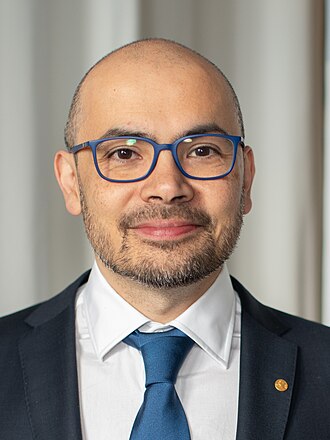
德米斯·哈萨比斯Google DeepMind 联合创始人兼 CEO,2024 年因 AlphaFold 获诺贝尔化学奖。早年为 Bullfrog、Lionhead 开发《主题公园》《黑与白》等游戏,后取得认知神经科学博士学位,主导了 AlphaGo、AlphaFold、Gemini 等项目。
Lex Fridman《Lex Fridman Podcast》主持人,MIT 信息与决策系统实验室研究科学家,研究方向为人机交互与自动驾驶中的人类行为。本期是他与 Hassabis 的第二次长谈。
章节 · 点击跳转视频
0:00 诺奖猜想:自然的模式都可高效建模 ▶ 正在看
5:39 P 与 NP:把宇宙看成信息系统 ▶ 正在看
14:01 Veo 3 懂物理吗:理解的边界在哪 ▶ 正在看
18:46 开放世界游戏与可交互的世界模型 ▶ 正在看
30:27 演化搜索、创造力与研究品味 ▶ 正在看
41:09 虚拟细胞:从蛋白质到生命起源 ▶ 正在看
52:04 AGI 判据:一致性与第 37 手 ▶ 正在看
1:02:44 缩放、算力、能源与富足时代 ▶ 正在看
1:18:02 Gemini 翻盘与 AI 产品设计 ▶ 正在看
1:35:38 安全、人才战与后 AGI 社会 ▶ 正在看
2:02:50 意识、基质与人的特殊性 ▶ 正在看
2:11:32 主持人独白:水、傲慢与个人澄清 ▶ 正在看
本期论点
本期回应
12:30
自然界能做到的事,只要理解其物理过程并加以模仿,经典计算系统就能做到 计算足够人的心智能不能靠计算做出来?
2:06:48
大脑中进行的基本上是经典计算,因此意识可以被经典计算机模拟 计算足够人的心智能不能靠计算做出来?
18:06
仅靠被动观看视频就能习得直觉物理,不需要具身或与世界互动 正在长出机器能真的理解吗?
1:07:31
训练只占AI算力需求的一部分,甚至可能是较小部分,推理需求将占主导 需求撑得住AI 的钱是不是投过头了?
2:07:49
人们判断彼此有意识,不只靠行为相似,还靠运行在相同的生物基质上 看机制是否相似怎么判断一个系统有没有意识?
其他论点
23:08
要让玩家在游戏里几乎无所不能,唯一可行路径是实时动态生成内容的生成式系统
35:06
传统演化计算从未演化出新的涌现性质,只能得到预先放入系统的性质的子集
38:30
科学中最难的部分是选对问题,提出好猜想比解决猜想更难
45:37
模拟细胞不必下沉到原子或量子层级,蛋白质层级足以捕捉值得关心的动力学
53:13
真正的AGI不能是参差不齐的智能,必须在所有认知领域保持一致水平
55:36
只喂1900年前的资料,看系统能否自行推导出相对论,是检验AGI的有效方法 做法
1:04:20
通往AGI还需全新突破与继续放大现有方法的可能性各占一半
1:05:36
高质量数据不会耗尽,足够的真实数据可训练出生成正确分布合成数据的模拟器
1:43:43
AI编程工具会让顶尖程序员生产力提升十倍,而非取代他们
1:48:32
必须先靠提高生产力创造资源富足,才谈得上如何分配资源
01诺奖猜想:自然的模式都可高效建模
0:00
- It's hard for us humans to make any kind of clean predictions about highly nonlinear, dynamical systems. But again, to your point, we might be very surprised what classical learning systems might be able to do about even fluid. - Yes, exactly. I mean, fluid dynamics, Navier-Stokes equations, these are traditionally thought of as very, very difficult intractable problems to do on classical systems. They take enormous amounts of compute, you know, weather prediction systems, you know, these kind of things all involve fluid dynamics calculations.
- 对我们人类来说,要对高度非线性的动力系统做出任何清晰的预测都很难。但话说回来,按你的说法,经典学习系统在流体这类问题上能做到什么,可能会让我们非常惊讶。- 是的,没错。我是说,流体动力学、纳维-斯托克斯方程,这些传统上被认为是在经典系统上非常非常难、几乎无法求解的问题。要在经典系统上处理这些问题。它们需要巨量的算力,你知道的,天气预报系统,你知道,这类东西全都涉及流体动力学的计算。
便签引用
0:27
But again, if you look at something like Veo, our video generation model, it can model liquids quite well, surprisingly well, and materials, specular lighting. I love the ones where, you know, there's people who generated videos where there's like clear liquids going through hydraulic presses, and then it's being squeezed out. I used to write physics engines and graphics engines in my early days in gaming, and I know it's just so painstakingly hard to build programs that can do that. And yet somehow these systems are, you know, reverse engineering from just watching YouTube videos.
但话说回来,如果你看看像 Veo 这样的东西,我们的视频生成模型,它对液体的建模相当不错,好得出人意料,还有材质、镜面高光。我特别喜欢那些,你知道的,有人生成的视频里有透明液体被送进液压机,然后被挤压出来。我早年做游戏的时候写过物理引擎和图形引擎,我知道要写出能做到这些的程序有多费劲、多困难。然而这些系统不知怎么就做到了,你知道的,只是靠看 YouTube 视频就把它逆向推导出来了。
便签引用
1:00
So presumably what's happening is it's extracting some underlying structure around how these materials behave. So perhaps there is some kind of lower dimensional manifold that can be learned if we actually fully understood what's going on under the hood. That's maybe, you know, maybe true of most of reality. - The following is a conversation with Demis Hassabis, his second time on the podcast. He is the leader of Google DeepMind and is now a Nobel Prize winner. Demis is one of the most brilliant and fascinating minds in the world today, working on understanding and building intelligence, and exploring the big mysteries of our universe.
所以大概发生的事情是,它提取出了这些材料行为背后的某种底层结构。所以也许存在某种低维流形,只要我们真正彻底理解了底层的运作机制,就能把它学出来。底层到底发生了什么。这一点也许对现实的大部分内容都成立。——以下是我与 Demis Hassabis 的对话,这是他第二次做客本播客。他是 Google DeepMind 的负责人,现在也是诺贝尔奖得主。Demis 是当今世界上最杰出、最令人着迷的头脑之一,他致力于理解智能、构建智能,并探索我们宇宙的重大谜题。
便签引用
1:48
This was truly an honor and a pleasure for me. This is the Lex Friedman podcast. To support it, please check out our sponsors in the description and consider subscribing to this channel. And now, dear friends, here's Demis Hassabis. In your Nobel Prize lecture, you propose what I think is a super interesting conjecture that quote, "Any pattern that can be generated or found in nature can be efficiently discovered and modeled by a classical learning algorithm." What kind of patterns of systems might be included in that?
这对我来说真的是一份荣幸,也是一种享受。这里是 Lex Fridman 播客。如果想支持本节目,请查看简介中的赞助商,也欢迎订阅本频道。那么,亲爱的朋友们,有请 Demis Hassabis。在你的诺贝尔奖演讲中,你提出了一个我认为非常有意思的猜想,原话是:「任何能在自然界中生成或发现的模式,都可以被经典学习算法高效地发现并建模。」哪些类型的模式或系统可能包含在其中?
便签引用
2:26
Biology, chemistry, physics, maybe cosmology? - Yup. - Neuroscience. What are we talking about? - Sure. Well, look, I felt that it's sort of a tradition I think of Nobel Prize lectures that you're supposed to be a little bit provocative. And I wanted to follow that tradition. What I was talking about there is if you take a step back and you look at all the work that we've done, especially with the Alpha X projects, so I'm thinking AlphaGo, of course, AlphaFold. What they really are is we're building models of very combinatorially, high-dimensional spaces that, you know, if you try to brute force a solution, find the best move in Go, or find the exact shape of a protein, and if you enumerated all the possibilities, there wouldn't be enough time in the, you know, the time of the universe.
生物学、化学、物理学,也许还有宇宙学?- 是啊。- 神经科学。我们在聊什么来着?- 好的。嗯,是这样,我觉得诺贝尔奖演讲有个传统,就是你多少得说点有挑衅性的东西。我也想延续这个传统。我当时讲的意思是,如果你退一步,看看我们做过的所有工作,尤其是那些 Alpha X 项目,我想到的是 AlphaGo,当然还有 AlphaFold。它们的本质其实是,我们在为组合性极强、维度极高的空间建立模型,你知道,如果你想用暴力穷举去找解,比如找出围棋里的最佳一手,或者找出一个蛋白质的精确形状,如果你把所有可能性都列举一遍,那就算用上整个宇宙的时间也不够。
便签引用
3:08
So you have to do something much smarter. And what we did in both cases was build models of those environments and that guided the search in a smart way and that makes it tractable. So if you think about protein folding, which is obviously a natural system, you know, why should that be possible? How does physics do that? You know, proteins fold in milliseconds in our bodies. So somehow physics solves this problem that we've now also solved computationally. And I think the reason that's possible is that, in nature, natural systems have structure because they were subject to evolutionary processes that shaped them.
所以你必须用更聪明的办法。而我们在这两件事上做的,都是为那些环境建立模型,用模型以聪明的方式引导搜索,这样问题就变得可解了。所以你想想蛋白质折叠,那显然是一个自然系统,你知道,这件事凭什么可能做到呢?物理是怎么做到的?要知道,蛋白质在我们体内是以毫秒级折叠的。所以物理不知怎么就解决了这个问题,而我们现在也用计算把它解决了。我觉得之所以可能,是因为在自然界中,自然系统是有结构的,因为它们经历过塑造它们的演化过程。
便签引用
3:44
And if that's true, then you can maybe learn what that structure is. - So this perspective I think is a really interesting one, you've hinted it, at it, which is almost like crudely stated, anything that can be evolved can be efficiently modeled. You think there's some truth to that? - Yeah, I sometimes call it survival of the stablest or something like that, because, you know, of course, there's evolution for life, living things, but there's also, you know, if you think about geological times, so the shape of mountains that's being shaped by weathering processes, right, over thousands of years.
如果这是真的,那你也许就能学出那个结构是什么。- 我觉得这个视角非常有意思,你刚才也暗示到了,粗略地说就是:凡是能被演化出来的东西,都能被高效地建模。你觉得这话有几分道理?- 是的,我有时把它叫做「最稳者生存」之类的说法,因为,你知道,当然生命、生物是有演化的,但除此之外,你要是想想地质时间尺度,比如山脉的形状,是被风化过程塑造出来的,对吧,历经数千年。
便签引用
4:20
But then you can even take a cosmological, the orbits of planets, the shapes of asteroids, these have all been survived kind of processes that have acted on them many, many times. So if that's true, then there should be some sort of pattern that you can kind of reverse learn and a kind of manifold really that helps you search to the right solution, to the right shape, and actually allow you to predict things about it in an efficient way. Because it's not a random pattern, right? So it may not be possible for manmade things or abstract things like factorizing large numbers, because unless there's patterns in the number space, which there might be, but if there's not and it's uniform, then there's no pattern to learn, there's no model to learn that will help you search, you have to do brute force.
然后你甚至可以放到宇宙学尺度上看,行星的轨道、小行星的形状,这些都是在反复作用于它们的过程中「幸存」下来的结果。如果这是真的,那就应该存在某种模式,是你可以反向学出来的,实际上是一种流形,它能帮你搜索到正确的解、正确的形状,并且真的让你能高效地对它做出预测。因为它不是随机的模式,对吧?所以对于人造的东西,或者像大数分解这样抽象的东西,也许就不行,因为除非数的空间里存在模式——也可能是有的——但如果没有、它是均匀的,那就没有模式可学,也没有模型可学来帮你搜索,你只能暴力穷举。
便签引用
5:05
So in that case, you know, you maybe need a quantum computer, something like this. But in most things in nature that we're interested in are not like that. They have structure that evolved for a reason and survived over time. And if that's true, I think that's potentially learnable by neural network. - It's like nature's doing a search process. And it's so fascinating that in that search process it's creating systems that could be efficiently modeled. - That's right, yeah. - So interesting. - So they can be efficiently rediscovered or recovered because nature's not random, right?
那种情况下,你知道,你可能就需要量子计算机之类的东西了。但自然界中我们感兴趣的大多数东西并不是那样的。它们的结构是有原因地演化出来的,并且经受住了时间的考验。如果这是真的,我认为神经网络就有可能学会它。- 就好像大自然在做一个搜索过程。而特别迷人的是,在那个搜索过程中,它创造出了可以被高效建模的系统。- 没错,是的。- 太有意思了。- 所以它们能被高效地重新发现或还原,因为大自然不是随机的,对吧?
便签引用
02P 与 NP:把宇宙看成信息系统
5:39
Everything that we see around us, including like the elements that are more stable, all of those things, they're subject to some kind of selection process pressure. - Do you think, because you're also a fan of theoretical computer science and complexity, do you think we can come up with a kind of complexity class, like a complexity zoo type of class where maybe it's the set of learnable systems, the set of learnable natural systems, LNS? - Yeah. - This is Demis Hassabis' new class of systems that could be actually learnable by classical systems in this kind of way, natural systems that can be modeled efficiently?
我们周围看到的一切,包括那些更稳定的元素,所有这些东西,都经受过某种选择过程的压力。- 你觉得,因为你也很喜欢理论计算机科学和复杂性理论,你觉得我们能不能提出某种复杂度类,就像「复杂度动物园」里的那种类,也许它是「可学习系统」的集合,可学习自然系统的集合,LNS?- 是啊。- 这就是 Demis Hassabis 提出的新类别:那些真的能以这种方式被经典系统学习的系统,也就是能被高效建模的自然系统?
便签引用
6:16
- Yeah, I mean, I've always been fascinated by the P equals NP question and what is modelable by classical systems, by non-quantum systems, you know, Turing machines in effect. And that's exactly what I'm working on actually in kind of my few moments of spare time with a few colleagues about is should there be, you know, maybe a new class or problem that is solvable by this type of neural network process and kind of mapped onto these natural systems. So, you know, the things that exist in physics and have structure.
- 是的,我的意思是,我一直对 P 是否等于 NP 这个问题着迷,也对什么东西能被经典系统建模着迷,被非量子系统,也就是实际上的图灵机。而这正是我现在在做的事,用我为数不多的业余时间,和几位同事一起探讨:是不是应该有,你知道,某个新的类别或者问题,是可以被这类神经网络过程解决的,并且能对应到这些自然系统上。也就是那些存在于物理世界中、具有结构的东西。
便签引用
6:48
So I think that could be a very interesting new way of thinking about it. And it sort of fits with the way I think about physics in general, which is that, you know, I think information is primary. Information is the most sort of fundamental unit of the universe, more fundamental than energy and matter. I think they can all be converted into each other, but I think of the universe as a kind of informational system. - So when you think of the universe as an informational system, then the P equals NP question is a physics question.
所以我觉得这可能是一种非常有意思的新思路。而且它跟我看待物理学的整体方式也挺契合,那就是,你知道,我认为信息是第一性的。信息是宇宙最基本的单元,比能量和物质更基本。我认为它们之间都可以相互转换,但我把宇宙看作一种信息系统。- 所以当你把宇宙看作一个信息系统时,P 是否等于 NP 就成了一个物理问题。
便签引用
7:14
- [Demis] That's right. - And is a question that can help us actually solve the entirety of this whole thing going on. - Yeah, I think it's one of the most fundamental questions actually if you think of physics as informational. And the answer to that I think is gonna be, you know, very enlightening. - More specific to the P and NP question. This again, some of the stuff we're saying is kind of crazy right now. Just like the Christian Anfinsen Nobel Prize speech, controversial thing that he said sounded crazy, and then you went and got a Nobel prize for this with John Jumper, solved the problem.
- [Demis] 没错。- 而且是一个能帮我们真正解开这整件事的问题。- 是的,如果你把物理看作信息性的,我觉得这其实是最根本的问题之一。而它的答案,我认为会非常有启发性。- 更具体地说说 P 和 NP 的问题。还是那句话,我们现在聊的有些内容听起来挺疯狂的。就像 Christian Anfinsen 的诺贝尔奖演讲一样,他说的那个有争议的东西当时听着很疯狂,然后你和 John Jumper 就凭这个拿了诺贝尔奖,把问题解决了。
便签引用
7:47
So let me just stick to the P equals NP. Do you think there's something in this thing we're talking about that could be shown if you can do something like polynomial time or constant time compute ahead of time and construct this gigantic model, then you can solve some of these extremely difficult problems in a theoretic computer science kind of way? - Yeah, I think that there are actually a huge class of problems that could be couched in this way, the way we did AlphaGo and the way we did AlphaFold, where, you know, you model what the dynamics of the system is, the properties of that system, the environment that you are trying to understand.
那我就还是说回 P 等于 NP。你觉得我们聊的这件事里,有没有什么东西可以被证明出来——比如说,如果你能在事先用多项式时间或者常数时间的算力,构建出这么一个巨大的模型,然后你就能以理论计算机科学的方式,解决其中一些极其困难的问题?- 是的,我认为其实有一大类问题都可以用这种方式来表述,就像我们做 AlphaGo 和 AlphaFold 那样,你知道,你去对系统的动力学建模,对那个系统的性质建模,对你试图理解的那个环境建模。
便签引用
8:28
And then that makes the search for the solution or the prediction of the next step efficient basically polynomial times, so tractable by a classical system, which a neural network is. It runs on normal computers, right, classical computers, Turing machines in effect. And I think it's one of the most interesting questions there is is how far can that paradigm go? You know, I think we've proven the AI community in general that classical systems, Turing machines can go a lot further than we previously thought.
然后这就让寻找解、或者预测下一步变得高效,基本上是多项式时间的,所以对经典系统而言是可解的,而神经网络就是经典系统。它跑在普通计算机上,对吧,经典计算机,实际上就是图灵机。我觉得最有意思的问题之一就是:这个范式究竟能走多远?你知道,我觉得整个 AI 界已经证明了,经典系统、图灵机能走的路比我们以前想的要远得多。
便签引用
9:00
You know, they can do things like model the structures of proteins and play Go to better than world champion level. And you know, a lot of people would've thought maybe 10, 20 years ago that was decades away, or maybe you would need some sort of quantum machines, quantum systems to be able to do things like protein folding. And so I think we haven't really even sort of scratched the surface yet of what classical systems so-called could do. And of course, AGI being built on a neural network system on top of a neural network system on top of a classical computer would be the ultimate expression of that.
你知道,它们能做到像预测蛋白质结构、把围棋下到超越世界冠军水平这样的事。而你知道,很多人在大概十年、二十年前会觉得那还要几十年才能实现,或者觉得可能需要某种量子机器、量子系统,才能做蛋白质折叠这类事情。所以我觉得,对于所谓经典系统究竟能做什么,我们连皮毛都还没真正触及。当然,AGI 是建立在神经网络系统之上、再之上、最终跑在经典计算机上的,那将会是这一点的终极体现。
便签引用
9:38
And I think the limit the, you know, what the bounds of that kind of system, what it can do, it's a very interesting question and directly speaks to the P equals NP question. - What do you think, again, hypothetical, might be outside of this maybe emergent phenomena? Like if you look at cellular automata, some of have extremely simple systems and then some complexity emerges. - Yes. - Maybe that would be outside or even would you guess even that might be amenable to efficient modeling by a classical machine?
我觉得这类系统的极限,你知道,它的边界在哪,它能做到什么,这是个非常有意思的问题,而且直接关系到 P 是否等于 NP。- 那你觉得,还是假设性地问,有什么可能在这之外,比如涌现现象?比如你看元胞自动机,有些系统极其简单,然后就涌现出某种复杂性。- 是的。- 也许那会在这之外,或者说你猜连那个也可能可以被经典机器高效建模?
便签引用
10:09
- Yeah, I think those systems would be right on the boundary, right? So I think most emergent systems, cellular automata, things like that could be modelable by a classical system. You just sort of do a forward simulation of it and it'd probably be efficient enough. Of course, there's the question of things like chaotic systems where the initial conditions really matter, and then you get to some, you know, uncorrelated end state. Now those could be difficult to model. So I think these are kind of the open questions.
- 是的,我觉得那些系统正好处在边界上,对吧?所以我认为大多数涌现系统,元胞自动机之类的,是可以被经典系统建模的。你只要做个正向模拟就行了,效率大概也够用。当然,还有像混沌系统这样的问题,初始条件真的至关重要,然后你就会到达某个,你知道,不相关的终态。这些可能就很难建模了。所以我觉得这些算是开放问题。
便签引用
10:37
But I think when you step back and look at what we've done with the systems and the problems that we've solved, and then you look at things that Veo 3 on like video generation sort of rendering physics and lighting and things like that, you know, really core fundamental things in physics, it's pretty interesting. I think it's telling us something quite fundamental about how the universe is structured in my opinion. So, you know, in a way that's what I wanna build AGI for is to help us as scientists answer these questions like P equals NP.
但我觉得,当你退一步看看我们用这些系统做到了什么、解决了哪些问题,然后再看看像 Veo 3 在视频生成方面所做的,某种程度上是在渲染物理、渲染光照之类的东西,你知道,这些都是物理里非常核心、非常基础的东西,这挺有意思的。在我看来,我觉得这在告诉我们某种关于宇宙如何构成的相当根本的东西。所以,你知道,某种意义上这正是我想造 AGI 的原因——帮助我们这些科学家回答像 P 是否等于 NP 这样的问题。
便签引用
11:09
- Yeah, I think we might be continuously surprised about what is modelable by classical computers. I mean, AlphaFold 3 on the interaction side is surprising, that you can make any kind of progress on that direction. AlphaGenome is surprising that you can map the genetic code to the function. Kind of playing with the emergent kind of phenomena, you think there's so many combinatorial options that, and then here you go, you can find the kernel that is efficiently modeled. - Yes, because there's some structure, there's some landscape, you know, in the energy landscape or whatever it is that you can follow, some grading you can follow.
- 是啊,我觉得关于什么能被经典计算机建模,我们可能会不断地被惊到。我是说,AlphaFold 3 在相互作用这块就很让人意外,居然能在那个方向上取得任何进展。AlphaGenome 也很让人意外,居然能把遗传密码映射到功能。有点像是在跟涌现现象打交道,你会觉得组合可能性实在太多了,然后你看,你居然能找到那个可以被高效建模的内核。- 是的,因为存在某种结构,存在某种地形,你知道,在能量图景里,或者不管是什么,总之有个可以跟随的东西,有某种梯度可以跟随。
便签引用
11:44
And of course, what neural networks are very good at is following gradients. And so if there's one to follow and you can specify the objective function correctly, you know, you don't have to deal with all that complexity, which I think is how we maybe have naively thought about it for decades those problems. If you just enumerate all the possibilities, it looks totally intractable. And there's many, many problems like that. And then you think, well, it's like 10 to 300 possible protein structures, it's 10 to the 170 possible Go positions.
当然,神经网络最擅长的就是跟随梯度。所以如果有梯度可以跟随,而且你能正确地设定目标函数,你就不必去处理所有那些复杂性——我觉得几十年来我们对这些问题的看法可能一直有点天真。几十年来对这些问题都是如此。如果你把所有可能性都一一枚举出来,那看起来完全是无从下手的。而且这类问题非常非常多。然后你会想,蛋白质结构有 10 的 300 次方种可能,围棋的局面有 10 的 170 次方种可能。
便签引用
12:14
All of these are way more than atoms in the universe. So how could one possibly find the right solution or predict the next step? But it turns out that it is possible. And of course, reality in nature does do it, right? Proteins do fold. So that gives you confidence that there must be, if we understood how physics was doing that in a sense, and we could mimic that process, model that process, it should be possible on our classical systems is basically what the conjecture's about. - And of course there's nonlinear dynamical systems, highly nonlinear dynamical systems, everything involving fluid.
这些数字都远远超过宇宙中的原子总数。那怎么可能找到正确的解,或者预测出下一步呢?但事实证明这是可能做到的。而且当然,现实、自然界确实做到了,对吧?蛋白质就是会折叠。这就让你有信心:一定存在某种办法——如果我们能在某种意义上理解物理是怎么做到这一点的,并且能模仿那个过程、对那个过程建模,那么在我们的经典计算系统上应该就是可行的,这基本上就是这个猜想的内容。- 当然还有非线性动力系统,高度非线性的动力系统,所有跟流体有关的东西。
便签引用
12:51
- Yes, right. - You know, recently I had a conversation with Terence Tao who mathematically contends with a very difficult aspect of systems that have some singularities in them that break the mathematics. And it's just hard for us humans to make any kind of clean predictions about highly nonlinear dynamical systems. But again, to your point, we might be very surprised what classical learning systems might be able to do about even fluid. - Yes, exactly. I mean, fluid dynamics, Navier-Stokes equations, these are traditionally thought of as very, very difficult intractable kind of problems to do on classical systems.
- 是的,没错。- 我最近和陶哲轩聊过,他在数学上面对的是这类系统中非常困难的一面,就是系统里存在某些奇点,会让数学失效。对我们人类来说,要对高度非线性的动力系统做出任何干净利落的预测都很难。但还是回到你的观点,经典学习系统能对流体这类问题做到什么,可能会让我们非常惊讶。- 是的,正是如此。我是说,流体动力学、纳维-斯托克斯方程,这些传统上都被认为是非常非常难、几乎无从下手的问题,在经典计算系统上做尤其如此。
便签引用
13:25
They take enormous amounts of compute, you know, weather prediction systems, you know, these kind of things all involve fluid dynamics calculations. And, but again, if you look at something like Veo, our video generation model, it can model liquids quite well, surprisingly well, and materials, specular lighting. I love the ones where, you know, there's people who generated videos where there's like clear liquids going through hydraulic presses and then it's being squeezed out. I used to write physics engines and graphics engines in my early days in gaming, and I know it's just so painstakingly hard to build programs that can do that.
它们需要海量的算力,你知道,天气预报系统,这类东西都涉及流体动力学的计算。但同样,如果你看看像 Veo 这样的东西,我们的视频生成模型,它对液体的建模相当不错,好得出人意料,还有材质、镜面反射光。我最喜欢的是那些,你知道,有人生成的视频里,有清澈的液体被放进液压机里然后被挤压出来的那种。我早年做游戏的时候写过物理引擎和图形引擎,我知道要写出能做到那种效果的程序有多么费尽心力。
便签引用
03Veo 3 懂物理吗:理解的边界在哪
14:01
And yet somehow these systems are, you know, reverse engineering from just watching YouTube videos. So presumably what's happening is it's extracting some underlying structure around how these materials behave. So perhaps there is some kind of lower dimensional manifold that can be learned if we actually fully understood what's going on under the hood. That's maybe, you know, maybe true of most of reality. - Yeah, I've been continuously precisely by this aspect of Veo 3. I think a lot of people highlight different aspects, including the comedic and the meme, - Yes. - all that kind of stuff.
可不知怎么的,这些系统居然仅仅靠看 YouTube 视频就把它逆向工程出来了。所以推测发生的事情是,它提取出了这些材料行为背后的某种底层结构。所以也许存在某种低维流形,如果我们真的完全搞懂了底层在发生什么,它是可以被学习出来的。底层到底发生了什么。这也许,你知道,也许对现实的大部分都是成立的。- 是啊,Veo 3 的这一点一直让我着迷。我觉得很多人强调的是别的方面,包括搞笑的、做梗的,- 没错。- 诸如此类的东西。
便签引用
14:36
And then the ultrarealistic ability to capture humans in a really nice way that's compelling and feels close to reality, and then combine that with native audio. All of those are marvelous things about Veo 3. But the exactly the thing you're mentioning, which is the physics. - [Demis] Yeah. - It's not perfect, but it's damn pretty good. And then the really interesting scientific question is what is it understanding about our world in order to be able to do that? Because the cynical take with diffusion models, there's no way it understands anything.
还有那种超写实地捕捉人类的能力,呈现得非常好、很有感染力、很接近真实,再把这些和原生音频结合起来。这些都是 Veo 3 了不起的地方。但你提到的恰恰是那一点,也就是物理。- [Demis] 是的。- 它并不完美,但真的相当不错。然后真正有意思的科学问题是:它究竟理解了我们这个世界的什么,才能做到这一点?因为对扩散模型的那种愤世嫉俗的看法是,它根本不可能理解任何东西。
便签引用
15:10
But it seems, I mean, I don't think you can generate that kind of video without understanding. And then our own philosophical notion of what it means to understand then is like brought to the surface. Like to what degree do you think Veo 3 understands our world? - I think to the extent that it can predict the next frames, you know, in a coherent way. That is a form, you know, of understanding, right? Not in the anthropomorphic version of, you know, it's not some kind of deep philosophical understanding of what's going on.
但看起来,我是说,我不认为你能在不理解的情况下生成那样的视频。于是我们自己关于「理解」意味着什么的哲学观念就被摆上了台面。那你觉得 Veo 3 在多大程度上理解了我们的世界?- 我认为,就它能够连贯地预测接下来的帧而言,你知道,以一种连贯的方式。那就是一种理解的形式,对吧?不是拟人化的那个版本,你知道,它并不是对正在发生的事情有某种深刻的哲学理解。
便签引用
15:39
I don't think these systems have that. But they certainly have modeled enough of the dynamics, you know, put it that way, that they can pretty accurately generate whatever it is, eight seconds of consistent video that by eye at least, you know, at a glance, it's quite hard to distinguish what the issues are. And imagine that in two or three more years time, that's the thing I'm thinking about and how incredible they will look, given where we've come from, you know, the early versions of that one or two years ago.
我不认为这些系统具备那个。但它们确实对动力学建模得足够多了,你知道,可以这么说,足以让它们相当准确地生成不管是什么内容的、八秒钟连贯的视频,至少用肉眼、粗看一眼,很难分辨问题到底出在哪里。想象一下再过两三年,这就是我在思考的事情,它们会变得多么惊人,考虑到我们一路走来的历程,你知道的,一两年前那些早期版本。
便签引用
16:08
And so the rate of progress is incredible. And I think I'm like you is like a lot of people love all of the standup comedians that actually captures a lot of human dynamics very well and body language. But actually the thing I'm most impressed with and fascinated by is the physics behavior, the lighting and materials and liquids. And it's pretty amazing that it can do that. And I think that shows it that it has some notion of at least intuitive physics, right? How things are supposed to work intuitively?
所以进步的速度是惊人的。我想我跟你一样,很多人都喜欢那些单口喜剧演员的片段,它其实非常好地捕捉了很多人类的动态还有肢体语言。但其实最让我印象深刻、最让我着迷的是物理行为,光照、材质和液体。它能做到这些,真的很了不起。我认为这表明它至少具备某种直觉物理的概念,对吧?事物凭直觉应该是怎么运作的?
便签引用
16:42
Maybe the way that a human child would understand physics, right? As opposed to a, you know, a PhD student really being able to unpack all the equations. It's more of an intuitive physics understanding. - Well, that intuitive physics understanding, that's the base layer, that's the thing people sometimes call a common sense. Like it really understands something. I think that really surprised a lot of people. It blows my mind that I just didn't think it would be possible to generate that level of realism without understanding.
可能类似于一个人类小孩理解物理的方式,对吧?而不是说,一个博士生真的能把所有方程都推导拆解出来。它更像是一种直觉性的物理理解。- 嗯,那种直觉物理理解,那是底层的东西,就是人们有时候所说的常识。就像它真的理解了某种东西。我觉得这一点真的让很多人感到意外。这让我特别震撼,我当初根本没想到,不具备理解能力也能生成那种程度的真实感。
便签引用
17:11
You know, there's this notion that you can only understand the physical world by having an embodied AI system, a robot that interacts with that world. That's the only way to construct an understanding of that world. - [Demis] Yeah. - But Veo 3 is directly challenging that it feels like. - Right, yes. And it's very interesting. You know, if you were to ask me five, 10 years ago, I would've said, even though I was immersed in all of this, I would've said, well, yeah, you probably need to understand intuitive physics.
你知道,有一种观点认为,你只有通过具身的 AI 系统才能理解物理世界,一个与那个世界互动的机器人。那是构建对那个世界的理解的唯一途径。- [Demis] 是的。- 但 Veo 3 感觉像是在直接挑战这一点。- 对,没错。这非常有意思。你知道,如果你在五年前、十年前问我,我会说,尽管我一直沉浸在这些东西里,我还是会说,是啊,你大概需要理解直觉物理。
便签引用
17:37
You know, like if I push this off the table, this glass it will maybe shatter, you know, and the liquid will spill out, right? So we know all of these things. But I thought that, you know, and there's a lot theories in neuroscience, it's called action in perception where, you know, you need to act in the world to really, truly perceive it in a deep way. And there was a lot of theories about you'd need embodied intelligence or robotics or something or maybe at least simulated action so that you would understand things like intuitive physics.
你知道,比如我把这个杯子从桌上推下去,它可能会摔碎,你知道的,然后液体会洒出来,对吧?所以这些事情我们都知道。但我原本以为,你知道,神经科学里有很多理论,有一种叫'知觉中的行动',就是说你需要在世界里去行动,才能真正深刻地感知这个世界。当时有很多理论认为,你需要具身智能、机器人技术之类的东西,或者至少得有模拟的行动,这样你才能理解像直觉物理这样的东西。
便签引用
18:06
But it seems like you can understand it through passive observation, which is pretty surprising to me. And again, I think hints at something underlying about the nature of reality in my opinion, beyond just the, you know, the cool videos that it generates. And of course there's next stages is maybe even making those videos interactive so one can actually step into them and move around them, which would be really mind blowing, especially given my games background. So you can imagine. And then I think, you know, we're starting to get towards what I would call a world model, a model of how the world works, the mechanics of the world, the physics of the world, and the things in that world.
但看起来,你其实可以通过被动观察就理解这些,这对我来说相当出乎意料。而且我还是觉得,在我看来,这暗示了关于现实本质的某种底层规律,而不只是它生成的那些很酷的视频而已。当然,下一个阶段可能是让这些视频变得可交互,让人真的能走进去、在里面移动,那就太不可思议了,尤其考虑到我做游戏出身的背景。你可以想象一下。然后我觉得,我们开始接近我所说的世界模型了,一个关于世界如何运作的模型——世界的机制、世界的物理规律,以及那个世界里的各种事物。
便签引用
04开放世界游戏与可交互的世界模型
18:46
And of course that's what you would need for a true AGI system. - I have to talk to you about video games. - Yes. - You're being a bit trolly. I think you're having more and more fun on Twitter on X, which is great to see. So a guy named Jimmy Apples tweeted, let me play a video game of my Veo 3 videos already Google cooked so good. Playable world models wen? It's spelled W-E-N, question mark. And then you quote tweeted that with, now wouldn't that be something. So how hard is it to build game worlds with AI?
而这当然正是一个真正的 AGI 系统所需要的。——我得跟你聊聊电子游戏。——好啊。 ——你最近有点在'钓鱼'。我觉得你在 Twitter、在 X 上玩得越来越开心了,这挺好的。有个叫 Jimmy Apples 的人发推说:让我玩玩我那些 Veo 3 视频做的游戏吧,Google 这次真是做得太好了。可玩的世界模型啥时候有?他把 when 拼成了 W-E-N,后面加个问号。然后你引用转发了那条推,说:那可真就厉害了。那么用 AI 构建游戏世界到底有多难?
便签引用
19:18
Maybe can you look out into the future of video games - Hmm. - five, 10 years out. - Hmm. - What do you think that looks like? - Well, games were my first love really. And doing AI for games was the first thing I did professionally in my teenage years and was the first major AI systems that I built. And I always wanna, I wanna scratch that itch one day and come back to that. So, you know, and I will do I think. And I think I'd sort of dream about, you know, what would I have done back in the '90s if I'd had access to the kind of AI systems we have today.
也许你可以展望一下电子游戏的未来——嗯。——五年、十年之后。 ——嗯。——你觉得那会是什么样子?——嗯,游戏真的是我的初恋。为游戏做 AI 是我十几岁时做的第一份专业工作,也是我构建的第一批重要的 AI 系统。我一直想,我想有朝一日把这个心愿了了,回去再做这件事。所以,你知道,我想我会去做的。我常常会幻想,如果我在九十年代就能用上我们今天这样的 AI 系统,我会做出什么来。
便签引用
19:52
And I think you could build absolutely mind-blowing games. And I think the next stage, I always used to love making, all the games I've made are open world games. So they're games where there's a simulation and then there's AI characters and then the player interacts with that simulation and the simulation adapts to the way the player plays. And I always thought they were the coolest games because, so games like Theme Park that I worked on where everybody's game experience would be unique to them, right?
我觉得你能做出绝对让人惊掉下巴的游戏。我觉得下一个阶段,我一直特别喜欢做的——我做过的所有游戏都是开放世界游戏。也就是说,游戏里有一套模拟系统,有 AI 角色,然后玩家与这套模拟系统互动,而模拟系统会根据玩家的玩法做出调整。我一直觉得这类游戏最酷,比如我参与做过的《主题公园》,每个人的游戏体验都是独一无二的,对吧?
便签引用
20:19
Because you are kind of co-creating the game, right? We set up the parameters, we set up initial conditions, and then you as the player immerse in it, and then you are co-creating it with the simulation. But of course it's very hard to program open world games. You know, you've got to be able to create content whichever direction the player goes in. And you want it to be compelling no matter what the player chooses. And so it was always quite difficult to build things like cellular automata actually, type of those kind of classical systems which created some emergent behavior.
因为你在某种意义上是在共同创造这个游戏,对吧?我们设定参数,设定初始条件,然后你作为玩家沉浸其中,于是你就和这套模拟系统一起共同创造了它。但开放世界游戏当然非常难编程。你得做到无论玩家往哪个方向走,都能生成内容。而且无论玩家怎么选,你都希望它足够吸引人。所以要做出像元胞自动机这样的东西其实一直挺难的,就是那类能产生某种涌现行为的经典系统。
便签引用
20:50
But they're always a little bit fragile, a little bit limited. Now we are maybe on the cusp in the next few years, five, 10 years of having AI systems that can truly create around your imagination, can sort of dynamically change the story and storytell the narrative around and make it dramatic no matter what you end up choosing. So it's like the ultimate choose your own adventure sort of game. And, you know, I think maybe we are within reach, if you think of a kind of interactive version of Veo. And then wind that forward five to 10 years and you know, imagine how good it's gonna be.
但它们总是有点脆弱,有点受限。而现在,也许在接下来几年、五年、十年,我们就要迎来真正能围绕你的想象力去创造的 AI 系统了,它能动态地改变故事,围绕你来讲述叙事,无论你最终怎么选,都能讲得很有戏剧性。所以这就像是终极版的「选择你自己的冒险」那种游戏。而且我觉得,我们也许已经触手可及了,你想想 Veo 的一个交互式版本。然后把它往前推五到十年,你想想那会有多厉害。
便签引用
21:24
- Yeah, so you said a lot of super interesting stuff there. So one, the open world built into that is a deep personalization the way you've described it. So it's not just that it's open world, that you can open any door and there'll be something there. It's that the choice of which door you open in an unconstrained way defines the worlds you see. So some games try to do that. They give you choice. - Yes. - But it's really just an illusion of choice. - Yes. - 'cause you only, like Stanley Parable, - Yeah.
——对,你刚才讲了很多特别有意思的东西。首先,按你描述的方式,开放世界里内含着一种深度的个性化。所以重点不只是它是开放世界、你能推开任何一扇门、门后总有东西。而是你以一种不受限制的方式选择推开哪扇门,这个选择定义了你所看到的世界。有些游戏试图做到这一点。它们给你选择。——对。——但那其实只是选择的幻觉。——对。——因为你只能,就像《史丹利的寓言》那样,——是的。
便签引用
21:55
- this game I use to play. It's really, there's a couple of doors and it really just takes you down a narrative. Stanley Parable is a great video game. I recommend people play. - Yeah. - That kind of in a meta way mocks the illusion of choice. And there's philosophical notions of free will and so on. But I do like one of my favorite games, Elder Scrolls Daggerfall I believe, that they really played with like random generation of the dungeons, - [Demis] Yeah. - of you can step in, - Yes. - and they give you this feeling of an open world.
- 我以前玩过这个游戏。它其实就是,有那么几扇门,然后它基本上就是带着你走过一段叙事。《史丹利的寓言》是一款很棒的电子游戏。我推荐大家去玩。- 是啊。- 它算是以一种元层面的方式,嘲弄了所谓选择的幻觉。里面还有关于自由意志之类的哲学思考。不过我确实喜欢我最喜欢的游戏之一,我记得是《上古卷轴:匕落》,他们在里面真的玩了一把地下城的随机生成,- [Demis] 是的。- 你可以走进去,- 对。- 他们给你一种开放世界的感觉。
便签引用
22:29
And there you mentioned interactivity, you don't need to interact. That's the first step 'cause you don't need to interact that much. You just, when you open the door, whatever you see is randomly generated for you. - Yeah. - And that's already an incredible experience 'cause you might be the only person to ever see that. - Yeah, exactly. And so, but what you'd like is a little bit better than just sort of a random generation, right? So you'd like, and also better than a simple A-B hard-coded choice, right?
而你刚才提到互动性,其实你并不需要去互动。那是第一步,因为你并不需要那么多互动。你只要一推开门,看到的一切都是为你随机生成的。- 是啊。- 而这本身就已经是非常震撼的体验了,因为你可能是世上唯一见过那个场景的人。- 是的,没错。但你想要的,是比单纯的随机生成要好一些的东西,对吧?所以你希望的,也要比简单的、写死的 A、B 二选一更好,对吧?
便签引用
22:58
That's not really open world, right? As you say, it's just giving you the illusion of choice. What you want to be able to do is potentially anything in that game environment. And I think the only way you can do that is to have generated systems, systems that will generate that on the fly. Of course, you can't create infinite amounts of game assets, right? It's expensive enough already how AAA games are made today. And that was obvious to us back in the '90s when I was working on all these games. I think maybe Black & White was the game that I worked on, early stages of that, that had the still probably the best learning AI in it.
那不是真正的开放世界,对吧?就像你说的,那只是给你一种有选择的错觉。你想要的是,在那个游戏环境里,几乎什么事都能做。我认为唯一能做到这一点的方法,就是拥有生成式的系统,那种能实时动态生成内容的系统。当然,你不可能创造出无限量的游戏素材,对吧?如今 3A 游戏的制作成本已经够高了。早在九十年代我做那些游戏的时候,这一点就已经很明显了。我想《黑与白》(Black & White)可能是我参与过的、在早期阶段就投入的一款游戏,它里面的学习型 AI 可能至今仍是做得最好的。
便签引用
23:33
It was an early reinforcement learning system that you, you know, you were looking after this mythical creature and growing it and nurturing it. And depending how you treated it, it would treat the villagers in that world in the same way. So if you were mean to it, it would be mean. If you were good, it would be protective. And so it was really a reflection of the way you played it. So actually all of the, I've been working on sort of simulations and AI through the medium of games at the beginning of my career.
那是一套早期的强化学习系统,你要照顾一只神话般的生物,把它养大、悉心培育。而且取决于你怎么对待它,它也会用同样的方式去对待那个世界里的村民。所以如果你对它很刻薄,它就会变得很刻薄。如果你对它好,它就会保护你。所以它其实就是你游玩方式的一面镜子。所以说,其实在我职业生涯的最初,我就一直在通过游戏这个媒介来研究模拟和人工智能。
便签引用
24:00
And really the whole of what I do today is still a follow on from those early more hard-coded ways of doing the AI to now, you know, fully general learning systems that are trying to achieve the same thing. - Yeah, it's been interesting, hilarious, and fun to watch you and Elon obviously itching to create games 'cause you're both gamers. And one of the sad aspects of your incredible success in so many domains of science, like serious adult stuff, - Yeah. - that you might not have time to really create a game.
而我今天所做的这一切,其实仍然是那些早期偏硬编码的 AI 做法的延续,一直发展到今天,你知道的,完全通用的学习系统,在试图实现同样的目标。- 是啊,看着你和 Elon 明显都手痒想做游戏,这挺有意思、挺好笑也挺好玩的,因为你们俩都是游戏玩家。而你在科学界这么多领域取得惊人成就,其中一个让人遗憾的地方是,那些严肃的、成年人的正经事,-是啊。- 让你可能没有时间真正去做一款游戏。
便签引用
24:32
You might end up creating the tooling that others will create the game and you have to watch others - Exactly. - create the thing you've always dreamed of. Do you think it's possible you can somehow in your extremely busy schedule, actually find time to create something like Black & White? An actual video game where like you could make the childhood dream - Yeah, well you know, - become reality? - there's two things, what I think about that is maybe that with vibe coding as it gets better, - Yeah.
你可能最后是做出了工具,让别人去做游戏,而你只能看着别人 - 正是如此。- 去做出你一直梦想的那个东西。你觉得有没有可能,在你极其繁忙的日程里,真的挤出时间来做一个类似《黑与白》的东西?一款真正的电子游戏,让童年的梦想 - 是啊,你知道, - 变成现实?- 有两件事,我是这么想的:也许随着 vibe coding(氛围编程)越来越好, - 嗯。
便签引用
25:02
- and there's a possibility that I could, you know, - Yes, sure. - one could do that actually in your spare time. So I'm quite excited about that. That would be my project if I got the time to do some vibe coding. I'm actually itching to do that. And then the other thing is, you know, maybe it's a sabbatical after AGI has been safely stewarded into the world and delivered into the world. You know, that and then working on my physics theory as we talked about at the beginning. Those would be the two, my two post AGI projects, let's call it that way.
- 就有可能,你知道, - 是的,当然。- 有可能真的在业余时间做出来。所以我对这个还挺兴奋的。如果我有时间搞点 vibe coding,那就会是我的项目。我其实真的手痒想做这个。然后另一件事是,你知道,也许等 AGI 被安全地引导进这个世界、交付到这个世界之后,休个长假去做。你知道,那件事,再加上我们开头聊到的研究我的物理理论。这两件就是我 AGI 之后的两个项目,就这么说吧。
便签引用
25:29
- I would love to see which post AGI, - The old spec game. - post AGI would you choose solving the problem that some of the smartest people in human history contended with. So P equals NP or creating a cool video game. - Yeah. Well, but in my world they'd be related because it would be an open world simulated game as realistic as possible. So, you know, what is the universe that's speaking to the same question, right? P equals NP, I think all these things are related, at least in my mind. - I mean in a really serious way, video games sometimes are looked down upon.
- 我很想看看在 AGI 之后哪一个, - 那款老游戏的构想。- AGI 之后你会选哪一个:是去解决人类历史上一些最聪明的头脑都曾苦苦思索的问题,比如 P 是否等于 NP,还是去做一款很酷的电子游戏。- 是啊。不过在我的世界里,这两者是相关的,因为那会是一个尽可能真实的开放世界模拟游戏。所以,你知道,宇宙到底是什么,这其实指向的是同一个问题,对吧?P 等于 NP,我觉得这些事情都是相关的,至少在我脑子里是这样。- 我是说,很认真地讲,电子游戏有时候是被人看不起的。
便签引用
26:05
It's just this fun side activity. But especially, as AI does more and more of the difficult boring tasks, something we in modern world called work, you know, video games is the thing in which we may find meaning in which we may find like what to do with our time. You could create incredibly rich, meaningful experiences. Like that's what human life is. And then in video games, you can create more sophisticated, more diverse ways of living, right? - Yeah. - That's the core idea. - I think so. I mean, those of us who love games and I still do is, you know, it's almost can let your imagination run wild, right?
觉得它只是个好玩的副业消遣。但尤其是,随着 AI 承担越来越多困难又枯燥的任务,也就是我们现代人所说的「工作」,你知道,电子游戏可能正是我们找到意义的地方,是我们弄明白该拿时间做什么的地方。你可以创造出无比丰富、有意义的体验。人生本身不就是这样吗。而在电子游戏里,你可以创造出更精妙、更多样的生活方式,对吧? - 是啊。- 这就是核心想法。 - 我也这么觉得。我是说,我们这些热爱游戏的人——我现在依然热爱——你知道,它几乎可以让你的想象力尽情驰骋,对吧?
便签引用
26:51
Like I used to love games and working on games so much because it's the fusion, especially in the '90s and early 2000s, the sort of golden era, and maybe the '80s of the games industry. And it was all being discovered. New genres were being discovered. We weren't just making games, we felt we were creating a new entertainment medium that never existed before, right? Especially with these open world games and simulation games where you as the player were co-creating the story. There's no other media, entertainment media where you do that, where you as the audience actually co-create the story.
比如我以前特别喜欢玩游戏、做游戏,就是因为那是一种融合,尤其是在九十年代和两千年代初,那种黄金时代,也许还有八十年代,游戏产业的黄金年代。而那时候一切都还在被发掘。新的类型不断被发掘出来。我们觉得自己不只是在做游戏,而是在创造一种前所未有的全新娱乐媒介,对吧?尤其是那些开放世界游戏和模拟游戏,玩家你本人是在共同创作这个故事。没有任何其他媒体、娱乐媒介能做到这一点,让你作为观众真正参与共同创作这个故事。
便签引用
27:23
And of course now with multiplayer games as well, it can be a very social activity and can explore all kinds of interesting worlds in that. But on the other hand, you know, it's very important to also enjoy and experience the physical world. But the question is then, you know, I think we're gonna have to kind of confront the question again of what is the fundamental nature of reality? What is gonna be the difference between these increasingly realistic simulations and multiplayer ones and emergent and what we do in the real world?
当然现在还有多人游戏,它可以是一种非常社交的活动,还能在其中探索各种各样有趣的世界。但另一方面,你知道,去享受和体验真实的物理世界也非常重要。但那么问题就来了,你知道,我觉得我们又将不得不直面这个问题:现实的本质到底是什么?这些越来越真实、越来越有涌现性的多人模拟世界,和我们在现实世界里所做的事情之间,究竟会有什么区别?
便签引用
27:55
- Yeah, there's clearly a huge amount of value to experiencing the real world nature. There's also a huge amount of value in experiencing other humans directly in person the way we're sitting here today. - [Demis] Yes. - But we need to really scientifically rigorously answer the question why. - Yeah, exactly. - And which aspect of that can be mapped - Yeah. - into the virtual world? - [Demis] Exactly. - And it's not enough to say, yeah, you should go touch grass and hang out in nature, it's like why exactly - Yeah, yeah.
- 是啊,体验真实世界的本质显然有着巨大的价值。直接和其他人面对面相处,就像我们今天这样坐在这里,也有着巨大的价值。——(戴密斯)是的。——但我们得用科学严谨的方式回答「为什么」这个问题。——对,没错。——以及其中哪些部分是可以映射——对。——到虚拟世界里的?——(戴密斯)正是如此。——光说「你该去接接地气、去大自然里待着」是不够的,关键是为什么——对,对。
便签引用
28:24
- is that valuable? - Yes. And I guess that's maybe the thing that's been haunting me or obsessing me from the beginning of my career. If you think about all the different things I've done they're all related in that way. The simulation, nature of reality, and what is the bounds of, you know, what can be modeled. - Sorry for the ridiculous question, but so far, what is the greatest video game of all time? What's up there? What makes it? - Well, my favorite one of all time is Civilization I have to say.
——它才有价值?——是的。我想这大概就是从我职业生涯一开始就一直萦绕、让我着迷的问题。如果你回头看我做过的各种事情,它们在这一点上都是相通的。模拟、现实的本质,以及可建模的边界到底在哪里。——抱歉问个有点无聊的问题,不过到目前为止,你心中史上最伟大的电子游戏是哪一款?有哪些能排上号?是什么让它这么厉害?——嗯,我必须说,我个人最爱的是《文明》。
便签引用
28:49
That was the Civilization I and Civilization II my favorite games of all time. - I can only assume you've avoided the most recent one because it would probably, that would be your sabbatical. You would disappear. - Yes, exactly. They take a lot of time these Civilization games, so I've got to be careful with them. - Fun question, you and Elon seem to be somehow solid gamers, is there a connection between being great at gaming and being great leaders of AI companies? - I don't know. It's an interesting one.
《文明1》和《文明2》是我这辈子最喜欢的游戏。——我只能猜你一直在躲着最新那一部,因为那大概会变成你的长假。你会人间蒸发。——是的,没错。这些《文明》游戏太耗时间了,所以我得小心点。——有意思的问题:你和马斯克似乎都是不折不扣的游戏玩家,擅长玩游戏和成为出色的 AI 公司领导者之间,是不是有什么联系?——我不知道。这问题挺有意思的。
便签引用
29:21
I mean, we both love games. And it's interesting, he wrote games as well to start off with. It's probably, it's especially in the era I grew up in where home computers were just became a thing, you know, in the late '80s and '90s, especially in the UK. I had a Spectrum and then a Commodore Amiga 500, which is my, - Nice. - my favorite computer ever. And that's where I learned all programming. And of course it's a very fun thing to program, is to program games. So I think it's a great way to learn programming, probably still is.
我是说,我们俩都热爱游戏。有意思的是,他最开始也写过游戏。这可能跟我成长的那个年代有关,当时家用电脑刚刚兴起,就是八十年代末到九十年代,尤其是在英国。我有过一台 Spectrum,后来是 Commodore Amiga 500,那是我的————不错。——我有史以来最爱的电脑。我所有的编程都是在那上面学会的。当然,编程游戏本身就是一件非常有趣的事。所以我觉得这是学编程的绝佳途径,现在可能依然是。
便签引用
29:50
And then of course I immediately took it in directions of AI and simulations, so I was able to express my interest in games and my sort of wider scientific interests altogether. And then the final thing I think that's great about games is it fuses artistic design, you know, art, with the most cutting edge programming. So again, in the '90s, all of the most interesting technical advances were happening in gaming. Whether that was AI, graphics, physics engines, hardware, even GPUs of course were designed for gaming originally.
然后我当然马上就把它引向了 AI 和模拟的方向,这样我就能把对游戏的兴趣和更广泛的科学兴趣结合在一起。还有我觉得游戏最棒的一点是,它把艺术设计,也就是艺术,和最前沿的编程融合到了一起。所以再说一次,在 90 年代,所有最有意思的技术进展都发生在游戏领域。不管是 AI、图形、物理引擎、硬件,当然连 GPU 最初也是为游戏设计的。
便签引用
05演化搜索、创造力与研究品味
30:27
So everything that was pushing computing forward in the '90s was due to gaming. So interestingly that was where the forefront of research was going on. And it was this incredible fusion with art, you know, graphics but also music and just the whole new media of storytelling. And I love that. For me it's this sort of multidisciplinary kind of effort is again, something I've enjoyed my whole life. - I have to ask you I almost forgot about one of the many and I would say one of the most incredible things recently that somehow didn't yet get enough attention is AlphaEvolve.
所以 90 年代推动计算发展的一切,都源自游戏。有意思的是,研究的最前沿当时就在那里。而且它和艺术有一种不可思议的融合,比如图形,还有音乐,以及讲故事的全新媒介。我特别喜欢这一点。对我来说,这种跨学科的探索,同样是我一辈子都乐在其中的事。——我得问问你,有一件事我差点忘了,在众多成果里,我觉得也是最近最不可思议的成果之一,却不知怎么还没得到足够多的关注,那就是 AlphaEvolve。
便签引用
31:04
We talked about evolution a little bit, but it's the Google DeepMind system that evolves algorithms. - Yeah. - Are these kinds of evolution like techniques promising as a component of future superintelligence system? So for people who don't know, it's kind of, I don't know if it's fair to say, it's LLM-guided evolution search. - Yeah. - So evolutionary algorithms - are doing the search, - Yes. - and LLMs are telling you where. - Yes, exactly. So LLMs are kind of proposing some possible solutions and then you use evolutionary computing on top to find some novel part of the search space.
我们刚才稍微聊了聊演化,而它是 Google DeepMind 开发的、能演化算法的系统。——是的。——这类演化式的技术,作为未来超级智能系统的一个组成部分,有前景吗?给不了解的人解释一下,它有点像,我不确定这么说是否准确,它是由大语言模型引导的演化搜索。——是的。——所以演化算法——负责搜索,——对。——而大语言模型告诉你往哪儿搜。——对,正是如此。所以大语言模型会提出一些可能的解法,然后你在上面用演化计算,去找到搜索空间中新颖的部分。
便签引用
31:39
So actually I think it's an example of very promising directions where you combine LLMs or foundation models with other computational techniques. Evolutionary methods is one, but you could also imagine Monte Carlo Tree Search. Basically many types of search algorithms or reasoning algorithms sort of on top of or using the foundation models as a basis. So I actually think there's quite a lot of interesting things to be discovered probably with these sort of hybrid systems let's call them. - But not to romanticize evolution.
所以我其实觉得,这是一个非常有前景的方向的例子,就是把大语言模型或基础模型和其他计算技术结合起来。演化方法是其中一种,但你也可以想到蒙特卡洛树搜索。基本上就是各种搜索算法或推理算法,架在基础模型之上,或者以基础模型为基础。所以我真的认为,用这类我们姑且称之为混合系统的东西,很可能还有不少有意思的东西等着被发现。——不过也别把演化浪漫化。
便签引用
32:12
- Yeah. - And I'm only human. But you think there's some value in whatever that mechanism is. 'Cause we already talked about natural systems. Do you think there's a lot of low-hanging fruit of us understanding, being able to model, being able to simulate evolution and then using that, whatever we understand about that nature, its biomechanism, to then do search better and better and better. - Yes, so if you think about, again, breaking down the sort of systems we've built to their really fundamental core, you've got like the model of the underlying dynamics of the system.
——是啊。——我毕竟只是个凡人。不过你觉得,不管那个机制是什么,它确实有某种价值。因为我们已经聊过自然系统了。你觉得在理解、建模、模拟演化这件事上,是不是还有很多唾手可得的成果?然后把我们从自然界、从它的生物机制中学到的东西,用来把搜索做得越来越好?- 是的,如果你再次把我们构建的这类系统拆解到最根本的核心,你会发现有一个刻画系统底层动力学的模型。
便签引用
32:49
And then if you want to discover something new, something novel that hasn't been seen before, then you need some kind of search process on top to take you to a novel region of the search space. And you can do that in a number of ways. Evolutionary computing is one. With AlphaGo, we just use Monte Carlo Tree Search, right? And that's what found move 37, the new kind of never seen before strategy in Go. And so that's how you can go beyond potentially what is already known. So the model can model everything that you currently know about, right, all the data that you currently have, but then how do you go beyond that?
然后如果你想发现一些新的、前所未见的东西,你就需要在上面加一套搜索流程,把你带到搜索空间中一个全新的区域。实现的方式有很多种。演化计算是其中之一。在 AlphaGo 里,我们用的就是蒙特卡洛树搜索,对吧?正是它找到了第37手,那种围棋里从没见过的全新下法。所以这就是你如何能超越已知范围的方式。模型可以对你当前已知的一切进行建模,对吧,包括你手头所有的数据,但接下来你怎么超越它?
便签引用
33:25
So that starts to speak about the ideas of creativity. How can these systems create something new, discover something new? Obviously this is super relevant for scientific discovery or pushing med science and medicine forward, which we want to do with these systems. And you can actually bolt on some fairly simple search systems on top of these models and get you into a new region of space. Of course, you also have to make sure that you are not searching that space totally randomly, it would be too big.
于是这就开始涉及创造力的概念了。这些系统怎样才能创造出新东西、发现新东西?显然这对科学发现,或者推动医学科学和医疗进步都极其重要,而这正是我们想用这些系统去做的事。实际上你可以在这些模型之上加装一些相当简单的搜索系统,就能把你带到空间中一个新的区域。当然,你也得确保你不是在完全随机地搜索那个空间,那样空间会大得离谱。
便签引用
33:54
So you have to have some objective function that you're trying to optimize and hill climb towards and that guides that search. - But there's some mechanism of evolution that are interesting, maybe in the space of programs, but then the space of program is an extremely important space, 'cause you can probably generalize to everything, you know. But you know, for example, mutation. So it's not just Monte Carlo Tree Search where it's like a search. You could every once in a while, - Combine things, yeah. - combine things, alter, like a components of a thing. - Yes.
所以你得有某个目标函数,你要去优化、去爬坡,由它来引导搜索。- 但演化里有些机制挺有意思的,也许是在程序的空间里,而程序的空间是一个极其重要的空间,因为你差不多可以泛化到一切东西,你懂的。不过,比如说,变异。所以它不只是蒙特卡洛树搜索那种纯搜索。你可以时不时地——- 把东西组合起来,对。- 组合东西、改动,比如改动某个东西的某些组件。- 是的。
便签引用
34:26
- So then, you know what evolution is really good at is not just the natural selection, it's combining things and building increasingly complex hierarchical systems. - Yes. - So that component's super interesting. - Yeah. - Especially like with AlphaEvolve and the space of programs. - Yeah, exactly. So there's, you can get a bit of an extra property out of revolutionary systems, which is some new emergent capability may come about. - Yes. - Right, of course, like what happened with life. Interestingly with naive sort of traditional evolution computing methods, without LLMs and the modern AI, the problem with them, they were very well studied in the '90s and early 2000s and some promising results, but the problem was they could never work out how to evolve new properties, new emergent properties.
- 所以你知道演化真正擅长的不只是自然选择,而是把东西组合起来,构建出越来越复杂的层级系统。- 是的。- 所以这一部分特别有意思。- 对。- 尤其是结合 AlphaEvolve 和程序的空间来看。- 对,正是如此。所以从演化式系统里,你能多得到一点额外的性质,那就是可能会冒出某种全新的涌现能力。- 是的。- 对,当然,就像生命所发生的那样。有意思的是,用那种朴素的传统演化计算方法,没有大语言模型和现代 AI 的时候,它们的问题在于——90年代和2000年代初对它们研究得很充分,也有一些有前景的结果,但问题是它们始终没搞明白怎么演化出新的性质、新的涌现性质。
便签引用
35:12
You always had a sort of subset of the properties that you put into the system. But maybe if we combine them with these foundation models, perhaps we can overcome that limitation. Obviously naturally evolution clearly did 'cause it did evolve new capabilities, right? So bacteria to where we are now. So clearly that it must be possible with evolutionary systems to generate new patterns, you know, going back to the first thing we talked about, and new capabilities and emergent properties. And maybe we're on the cusp of discovering how to do that.
你得到的永远只是你放进系统里的那些性质的某个子集。但也许如果我们把它们和这些基础模型结合起来,我们或许就能突破那个局限。显然自然演化肯定做到了,因为它确实演化出了新的能力,对吧?从细菌一路到今天的我们。所以很明显,演化式系统一定有可能生成新的模式——你看,回到我们最开始聊的那个话题——以及新的能力和涌现性质。而我们也许正处在发现该怎么做到这一点的临界点上。
便签引用
35:44
- Yeah, listen, AlphaEvolve is one of the coolest things I've ever seen. I, on my desk at home, you know, most of my time is spent on that computer just programming. And next to the three screens is a skull of a Tiktaalik, which is one of the early organisms that crawled out of the water onto land. And I just kind of watch that little guy. It's like, whatever the competition mechanism of evolution is it's quite incredible. - Yes. - It's truly, truly incredible. - Yeah. - Now whether that's exactly the thing we need to do to do our search, but never dismiss the power of nature what it did here.
- 是啊,听着,AlphaEvolve 是我见过最酷的东西之一。我在家里的书桌上,你知道,我大部分时间都花在那台电脑上写程序。三块屏幕旁边放着一个提塔利克鱼的头骨,那是最早从水里爬上陆地的生物之一。我就时不时看看那个小家伙。就是那种感觉,不管演化的竞争机制到底是什么,它都相当不可思议。- 是的。- 真的是,真的太不可思议了。- 对。- 现在,这是不是正好就是我们做搜索该做的事,那另说,但永远别小看大自然在这里所展现的力量。
便签引用
36:26
- Yeah, and it's amazing, which is a relatively simple algorithm, right, effectively. And it can generate all of this immense complexity emerges, obviously running over, you know, four billion years of time. But it's, you know, you can think about that as again, a search process that ran over the physics substrate of the universe for a long amount of computational time, but then it generated all this incredible rich diversity. - So, so many questions I wanna ask you. So one, you do have a dream, one of the natural systems you want to try to model is a cell.
- 对,而且很神奇的是,它实际上是一个相对简单的算法,对吧。而它能生成出所有这些巨大的复杂性、涌现出这一切,当然,它运行了你知道,四十亿年的时间。但你可以再次把它看成一个搜索过程,运行在宇宙的物理基底之上。跑了很长时间的算力,但之后它就生成出了这一切令人难以置信的丰富多样性。——我有太多太多问题想问你了。第一个,你确实有一个梦想,你想尝试建模的自然系统之一就是细胞。
便签引用
37:03
- Yes. - That's a beautiful dream. I could ask you about that. I also, just, for that purpose on the AI scientist front, just broadly, so there's a essay from Daniel Kokotajlo, Scott Alexander and others that outline steps along the way to get to ASI and has a lot of interesting ideas in it, one of which is including a superhuman coder and a superhuman AI researcher. And in that, there's a term of research taste that's really interesting. So in everything you've seen, do you think it's possible for AI systems to have research taste, to help you in the way that AI co-scientists does, to help steer human, brilliant scientists, and then potentially by itself to figure out what are the directions where you want to generate truly novel ideas?
——是的。——那是个美好的梦想。这个我可以问你。我还想,就为了这个目的,在「AI 科学家」这条线上,泛泛地问一下,有一篇 Daniel Kokotajlo、Scott Alexander 等人写的文章,勾勒了通往 ASI(超级人工智能)路上的各个步骤,里面有很多有意思的想法,其中之一就是包括超人类水平的程序员和超人类水平的 AI 研究员。而在那里面,有一个术语叫「研究品味」(research taste),非常有意思。那么以你所见的一切来看,你觉得 AI 系统有可能具备研究品味吗?像 AI co-scientist 那样帮到你,帮助引导那些杰出的人类科学家,然后甚至可能靠它自己去判断,该往哪些方向走才能产生真正新颖的想法?
便签引用
37:59
Because that seems to be like a really important component of how to do great science. - Yeah, I think that's gonna be one of the hardest things to mimic or model is this idea of taste or judgment. I think that's what separates the, you know, the great scientists from the good scientists. Like all professional scientists are good technically, right, otherwise they wouldn't have been made it that far in academia and things like that. But then do you have the taste to sort of sniff out what the right direction is, what the right experiment is, what the right question is.
因为这似乎是做出伟大科学研究非常重要的一环。——是啊,我觉得最难模仿或者建模的东西之一,就是这种品味或判断力。我觉得这正是伟大的科学家和优秀的科学家之间的差别。所有职业科学家在技术上都是过硬的,对吧,否则他们也走不到学术界的那个位置。但问题是,你有没有那种品味,能嗅出正确的方向是什么,该做哪个实验,该问哪个问题。
便签引用
38:30
So picking the right question is the hardest part of science and making the right hypothesis. And that's what, you know, today's systems definitely they can't do. So, you know, I often say it's harder to come up with a conjecture, a really good conjecture than it is to solve it. So we may have systems soon that can solve pretty hard conjectures. You know, Math Olympiad problems where you know, AlphaProof last year our system got, you know, silver medal in that. Really hard problems. Maybe eventually we'll solve a Millennium Prize kind of problem.
所以选对问题、提出对的假设,是科学中最难的部分。而这正是今天的系统绝对做不到的。所以我常说,提出一个猜想——一个真正好的猜想——比解决它还要难。我们可能很快就会有能解决相当难的猜想的系统。比如奥数题,你知道,去年我们的系统 AlphaProof 拿到了国际数学奥林匹克的银牌。那都是非常难的题目。也许最终我们能解决千禧年大奖难题那种级别的问题。
便签引用
39:03
But could a system come up with a conjecture worthy of study that someone like Terence Tao would've gone, you know what, that's a really deep question about the nature of maths or the nature of numbers or the nature of physics. And that is far harder type of creativity. And we don't really know, today's systems clearly can't do that and we're not quite sure what that mechanism would be. This kind of leap of imagination, like Einstein had when he came up with, you know, special relativity and then general relativity with the knowledge you had at the time.
但一个系统能不能提出一个值得研究的猜想,让像陶哲轩这样的人看了会说,你知道吗,这是个关于数学本质、或者数的本质、或者物理本质的非常深刻的问题。那是难度高得多的一种创造力。我们其实并不清楚——今天的系统显然做不到,我们也不太确定那个机制会是什么样。就是那种想象力的飞跃,比如爱因斯坦当年在那样的知识条件下,提出狭义相对论、然后又提出广义相对论。
便签引用
39:33
- And for conjecture, you want to come up with a thing that's interesting, it's amenable to proof. - Yes. - So like, it's easy to come up with a thing that's extremely difficult. - Yeah. - It's easy to come up with a thing that's extremely easy, but that at that very edge, - That sweet spot, right, of basically advancing the science and splitting the hypothesis space into two ideally, right? Whether if it's true or not true, you've learned something really useful and that's hard. And making something that's also, you know, falsifiable and within sort of the technologies that you currently have available.
——而对于猜想来说,你想提出的是一个有意思的东西,同时又是可以被证明的。——对。——比如说,提出一个极其困难的东西很容易。——是啊。——提出一个极其简单的东西也很容易,但要正好卡在那个边缘上————就是那个甜蜜点,对吧,本质上要推进科学,理想情况下还要把假设空间一分为二,对吧?不管结果是真还是假,你都学到了非常有用的东西,而这很难。而且还得是可证伪的,还得在你目前拥有的技术手段范围之内。
便签引用
40:11
So it's a very creative process, actually, highly creative process that I think just a kind of naive search on top of a model won't be enough for that. - Okay, the idea of splitting the hypothesis space in two is super interesting. So I've heard you say that there's basically no failure in, or failure is extremely valuable if it's done, if you construct the questions right, if you construct the experiments right, if you design them right, that failure or success are both useful. So perhaps, - Yes.
所以这是一个非常有创造性的过程,其实是高度创造性的过程,我认为光靠在模型之上做一种朴素的搜索是不够的。——好,把假设空间一分为二这个想法特别有意思。我听你说过,基本上不存在失败,或者说失败极有价值——只要你做对了,只要你把问题构造对了,把实验构造对了,把它们设计对了,那么失败和成功都是有用的。所以也许————是的。
便签引用
40:40
- because it's splits the hypothesis basically too, it's like a binary search. - Yes, that's right. So when you do like, you know, real blue sky research, there's no such thing as failure really as long as you are picking experiments and hypotheses that meaningfully split the hypothesis space. So, you know, and you learn something, you can learn something kind of equally valuable from an experiment that doesn't work. That should tell you if you've designed the experiment well and your hypotheses are are interesting, it should tell you a lot about where to go next.
——因为它本质上也把假设空间切开了,就像二分搜索一样。——对,没错。所以当你做那种真正的「蓝天研究」时,其实根本不存在失败,只要你挑选的实验和假设能够有意义地切分假设空间。你总会学到东西,一个没成功的实验,你能从中学到的东西同样有价值。前提是你的实验设计得好、假设足够有意思,那它就应该能告诉你很多关于下一步该往哪走的信息。
便签引用
06虚拟细胞:从蛋白质到生命起源
41:09
And then you're effectively doing a search process and using that information in, you know, very helpful ways. - So to go to your dream of modeling a cell, what are the big challenges that lay ahead for us to make that happen? We should maybe highlight that AlphaFold, I mean there's just so many leaps. - Yeah. - So AlphaFold solved, if it's fair to say protein folding, and there's so many incredible things we could talk about there including the open sourcing, everything you've released. AlphaFold 3 is doing protein, RNA, DNA interactions, which is super complicated and fascinating.
然后你实际上就是在做一个搜索过程,并且以非常有用的方式利用那些信息。——那说回你建模细胞的梦想,要实现它,我们前方有哪些重大挑战?我们或许该强调一下 AlphaFold,我是说,这里面有太多次飞跃了。——是的。——AlphaFold 解决了,如果可以这么说的话,蛋白质折叠问题,那里有太多不可思议的事情可以聊,包括开源,你们把所有东西都发布出来了。AlphaFold 3 处理蛋白质、RNA、DNA 之间的相互作用,这超级复杂也超级迷人。
便签引用
41:48
It's amenable to modeling. AlphaGenome predicts how small genetic changes. Like if we think about single mutations, how they link to actual function? So those, it seems like it's creeping along, - Yes. - to sophisticated, to much more complicated things like a cell, but a cell has a lot of really complicated components. - Yeah. So what I've tried to do throughout my career is I have these really grand dreams and then I try to, as you've noticed, and then I try to break, but I try to break them down any, you know, it's easy to have a kind of a crazy ambitious dream.
它是可以被建模的。AlphaGenome 则预测微小的基因变化。比如单个突变,它们如何与实际功能联系起来?所以看起来它是在一点点往前爬,——是的。——朝着更精密、更复杂的东西,比如细胞,但细胞有非常多极其复杂的组成部分。——是啊。所以我整个职业生涯一直在做的,就是我有这些非常宏大的梦想,然后我会试着——你也注意到了——然后我会试着把它们拆开,我会想办法把它们拆解成……有一个疯狂而宏大的梦想是容易的。
便签引用
42:23
But the trick is how do you break it down into manageable, achievable, interim steps that are meaningful and useful in their own right. And so virtual cell, which is what I call the project of modeling a cell, I've had this idea, you know, of wanting to do that for maybe more like 25 years. And I used to talk with Paul Nurse, who is a bit of a mentor of mine in biology. He runs the, you know, founded the Crick Institute and won the Nobel prize in 2001. We've been talking about it since, you know, before, you know, in the '90s.
但诀窍在于,你怎么把它拆解成可管理、可达成、并且本身就有意义有用处的中间步骤。所以「虚拟细胞」——我给建模细胞这个项目起的名字——这个想法我大概已经想了 25 年了。我以前常和 Paul Nurse 聊,他算是我在生物学上的一位导师。他现在负责——他创立了克里克研究所,并在 2001 年获得诺贝尔奖。我们从 90 年代起就一直在聊这件事。
便签引用
42:56
And I used to come back to every five years like, what would you need to model of the full internals of a cell so that you could do experiments on the virtual cell and what those experiment, you know, in silico. And those predictions would be useful for you to save you a lot of time in the wet lab, right? That would be the dream. Maybe you could 100X speed up experiments by doing most of it in silico, the search in silico, and then you do the validation step in the wet lab. That would be, that's the dream.
我大概每五年就回去问一次:要建模一个细胞的全部内部机制、让你能在虚拟细胞上做实验,你需要什么?那些实验就是在计算机里做的(in silico)。而那些预测对你有用,能在湿实验室里省下大量时间,对吧?那就是这个梦想。也许你能把实验速度提升 100 倍,因为大部分工作都在计算机里完成,搜索在计算机里做,然后只在湿实验室做验证那一步。那会是——那就是这个梦想。
便签引用
43:23
And so, but maybe now, finally, so I was trying to build these components, AlphaFold being one, that would allow you eventually to model the full interaction, a full simulation of a cell. And I'd probably start with a yeast cell. And partly that's what Paul Nurse studied because the yeast cell is like a full organism that's a single cell, right? So it's the kind of simplest single cell organism. And so it's not just a cell, it's a full organism. And yeast is very well understood. And so that would be a good candidate for a kind of full simulated model.
所以,但也许现在终于——我一直在试着搭建这些组件,AlphaFold 是其中之一,它们最终能让你建模完整的相互作用,做一个细胞的完整模拟。我大概会从酵母细胞开始。这也部分是因为 Paul Nurse 研究的就是酵母,因为酵母细胞是一个完整的生物体,但只有单个细胞,对吧?所以它算是最简单的单细胞生物。它不只是一个细胞,它是一个完整的生物体。而且酵母已经被研究得非常透彻。所以它会是做完整模拟模型的一个很好的候选对象。
便签引用
43:58
Now AlphaFold is the solution to the kind of static picture of what does a protein look, a 3D structure protein look like, a static picture of it. But we know that biology, all the interesting things happen with the dynamics, the interactions. And that's what AlphaFold 3 is the first step towards is modeling those interactions. So first of all, pairwise, you know, proteins with proteins, proteins with RNA and DNA, but then the next step after that would be modeling maybe a whole pathway, maybe like the TOR pathway that's involved in cancer or something like this.
现在,AlphaFold 解决的是那种静态图景:一个蛋白质长什么样,它的三维结构是什么样,一张静态的图。但我们知道,生物学里所有有意思的事情都发生在动态、在相互作用之中。而 AlphaFold 3 正是朝那个方向迈出的第一步:建模这些相互作用。首先是两两之间的,比如蛋白质与蛋白质,蛋白质与 RNA、DNA,但再往后一步,可能就是建模一整条通路,比如跟癌症有关的 TOR 通路之类的。
便签引用
44:28
And then eventually you might be able to model, you know, a whole cell. - Also, there's another complexity here that stuff in a cell happens at different timescales. Is that tricky? Like they're, you know, protein folding is, you know, super fast. - [Demis] Yes. - I don't know all the biological mechanisms, - Yeah. - but some of them take a long time. - Yeah. - And so that's a level, so the levels of interaction has a different temporal scale - Yeah. - that you have to be able to model. - So that would be hard.
然后最终,你或许就能建模一整个细胞了。——另外,这里还有一层复杂性:细胞里的事情发生在不同的时间尺度上。这个棘手吗?比如说,蛋白质折叠是超级快的。——[Demis] 是的。——我不了解所有的生物机制,——嗯。——但其中有些要花很长时间。——是的。——所以那是一个层级,也就是说不同层级的相互作用有不同的时间尺度,——对。——而你必须能把它们都建模出来。——是的,那会很难。
便签引用
44:54
So you'd probably need several simulated systems that can interact at these different temporal dynamics, or at least maybe it's like a hierarchical system so you can jump up or down the different temporal stages. - So can you avoid, I mean, one of the challenges here is not avoid simulating, for example, the quantum mechanical aspects of any of this, right? You want to not over model. You could skip ahead to just model the really high level things that get you a really good estimate of what's going to happen. - Yes.
所以你可能需要好几个模拟系统,它们能在这些不同的时间动力学尺度上互相交互,或者至少它可能是一个层级式的系统,让你能在不同的时间尺度之间上下跳转。——那你能不能避开——我是说,这里的挑战之一是不要去模拟,比如说这些东西的量子力学层面,对吧?你不想建模过度。你可以直接跳过去,只建模那些真正高层次的东西,就能得到对将要发生什么的很好的估计。——是的。
便签引用
45:28
So you got to make a decision when you're modeling any natural system, what is the cutoff level of the granularity that you're gonna model it to that then captures the dynamics that you're interested in? So probably for a cell, I would hope that would be the protein level and that one wouldn't have to go down to the atomic level. So, you know, and of course, that's where AlphaFold stock kicks in. So that would be kind of the basis and then you'd build these higher level simulations that take those as building blocks and then you get the emergent behavior.
所以当你要建模任何自然系统时,你都得做一个决定:你要建模到的颗粒度的截断层级在哪里,才能既捕捉到你感兴趣的动力学。所以对细胞来说,我希望那个层级是蛋白质层级,不必下沉到原子层级。当然,那正是 AlphaFold 发挥作用的地方。那会是基础,然后你在上面构建更高层次的模拟,把这些当作积木,于是你就得到了涌现行为。
便签引用
46:01
- Apologize for the pothead questions ahead of time, but do you think we'll be able to simulate a model, the origin of life? So being able to simulate the first, from non-living organisms, the birth of a living organism. - I think that's a one of the, of course, one of the deepest and most fascinating questions. I love that area of biology. You know, there's people like, there's a great book by Nick Lane, one of the top experts in this area called "The Ten Great Inventions of Evolution." I think it's fantastic.
- 先为接下来这些像是嗑嗨了才会问的问题道个歉,不过你觉得我们有可能模拟出生命的起源吗?生命的起源。也就是能够模拟出最初的那一步,从非生命物质,到一个活着的有机体的诞生。- 我觉得这是最深刻、最迷人的问题之一。我很喜欢生物学的这个领域。有些人,比如 Nick Lane 写过一本很棒的书,他是这个领域的顶尖专家之一,书名叫《生命的跃升:40亿年演化史上的十大发明》。我觉得那本书非常棒。
便签引用
46:35
And it also speaks to what the great filters might be, you know, prior or are they ahead of us? I think they're most likely in the past if you read that book of how unlikely to go, you know, have any life at all. And then single cell to multi-cell seems an unbelievably big jump that took like a billion years I think - Yeah. - on Earth to do, right? So it shows you how hard it was, right? - Bacteria were super happy for a very long time. - For a very long time before they captured mitochondria somehow, right?
它也谈到了「大过滤器」可能在哪里,是在我们之前,还是在我们前方?我觉得最有可能是在过去。如果你读了那本书就知道,要出现任何生命本身就有多么不可思议。然后从单细胞到多细胞似乎是个极其巨大的飞跃,我记得在地球上花了大概十亿年。- 对。- 才完成,对吧?所以你就能看出这有多难,对吧?- 细菌在很长一段时间里都过得非常开心。- 非常非常长的时间,直到它们不知怎么捕获了线粒体,对吧?
便签引用
47:00
I don't see why not, why AI couldn't help with that some kind of simulation. Again, it's a bit of a search process through a combinatorial space. Here's like all the, you know, the chemical soup that you start with, the primordial soup that, you know, maybe was on Earth near these hot vents, here's some initial conditions, can you generate something that looks like a cell? So perhaps that would be a next stage after the virtual cell project is, well, how could you actually something like that emerge from the chemical soup?
我看不出为什么 AI 不能在这方面提供帮助,做某种模拟。这某种程度上又是在一个组合空间里做搜索。就像是,这就是你起步时的那锅化学汤,那锅原始汤,也许就在地球上那些热液喷口附近,这是一些初始条件,你能生成出看起来像细胞的东西吗?所以也许在虚拟细胞项目之后,下一个阶段就是,究竟怎样才能让那样的东西从化学汤里涌现出来?
便签引用
47:31
- Well, I would love it if there was a move 37 for the origin of life. - Yeah. - I think that's one of the sort of great mysteries. I think ultimately what we'll figure out is their continuum. There's no such thing as a line between non-living and living. But if we can make that rigorous. - Yes. - That the very thing from the Big Bang to today has been the same process. If you can break down that wall that we've constructed in our minds of the actual origin from non-living to living, that it's not a line that it's a continuum, that connects physics and chemistry and biology.
- 如果生命起源领域也能出现一个「第37手」,那我会非常兴奋。- 是啊。- 我觉得那是最大的谜团之一。我想我们最终会发现,它是一个连续统。非生命和生命之间根本不存在一条界线。但前提是我们能把这一点严格地论证出来。- 是的。- 也就是说,从大爆炸到今天,一直都是同一个过程。如果我们能打破在头脑中构建出来的那堵墙,那个从非生命到生命的所谓起点,它不是一条线,而是一个连续统,把物理、化学和生物学连接起来。
便签引用
48:02
- Yeah. - There's no line. - I mean, this is my whole reason why I've worked on AI and AGI my whole life. Because I think it can be the ultimate tool to help us answer these kind of questions. And I don't really understand why, you know, the average person doesn't think like, worry about this stuff more. Like how can we not have a good definition of life and living and non-living and the nature of time, and let alone, consciousness and gravity and all these things. And quantum mechanics weirdness.
- 是啊。- 没有界线。- 我是说,这正是我一辈子从事 AI 和 AGI 研究的全部原因。因为我觉得它可以成为帮我们回答这类问题的终极工具。而我真的不太理解,为什么普通人不会更多地去操心这些事情。比如,我们怎么会连生命、生与非生、还有时间的本质都没有一个好的定义,更别提意识、引力这些东西了。还有量子力学的种种怪异之处。
便签引用
48:31
It's just, to me, I've always had this sort of screaming at me in my face, the whole, and it's getting louder. You know, it's like how, what is going on here? You know, and I mean that in the deeper sense like, you know, the nature of reality, which has to be the ultimate question. - [Lex] Yeah. - That would answer all of these things. It's sort of crazy if you think about it. We can stare at each other, and every one of these living things all the time, we can inspect it microscopes and take it apart almost down to the atomic level, and yet we still can't answer that clearly, - Yeah. - in a simple way, that question of how do you define living?
对我来说,这一切一直像是冲着我的脸在尖叫,而且声音越来越大。就像是,这到底是怎么回事?我说这话是在更深的层面上,比如说实在的本质,那必然是终极问题。-(Lex)是啊。- 那会解答所有这些问题。你要是想想,这挺疯狂的。我们可以彼此对视,随时都能观察这些活着的东西,我们可以用显微镜检视它,几乎把它拆解到原子层面,可我们依然无法清楚地回答,- 是啊。- 用一种简单的方式回答,那个问题:你如何定义「活着」?
便签引用
49:04
- [Lex] Yeah. - It's kind of amazing. - Yeah, living, you can kind of talk your way out of thinking about, but like consciousness, like we have this very obviously subjective conscious experience, like we're at the center of our own world and it feels like something. And then, how are you not screaming, - Yeah. - at the mystery of it all, right? I mean, but really, humans have been contending with the mystery of the world around them for a long, long. There's a lot of mysteries. Like what's up with the sun and the rain.
-(Lex)是啊。- 这挺神奇的。- 是啊,「活着」这件事,你还可以靠绕话术回避掉不去想,但意识不一样,我们有这种非常明显的主观意识体验,就好像我们处在自己世界的中心,而且它确实「有某种感觉」。然后,你怎么可能不为这一切的神秘而尖叫呢,- 是啊。- 对吧?我是说,不过说真的,人类跟身边世界的神秘较劲已经很久很久了。谜团实在太多了。比如太阳和雨水到底是怎么回事。
便签引用
49:36
- Yeah. - Like what's that about? And then like last year we had a lot of rain and this year we don't have rain. Like what did we do wrong? Humans have been asking that question for a long time. - Yeah, exactly. So we're quite, I guess we've developed a lot of mechanisms to cope with this. - Yeah. - These deep mysteries that we can't fully, we can see but we can't fully understand and we have to just get on with daily life. - Yeah. - And we keep ourselves busy, right? In a way, did we keep ourselves distracted?
- 是啊。- 这到底是为什么呢?然后比如去年我们雨水特别多,今年却没什么雨。我们到底做错了什么?人类问这个问题已经问了很久了。- 对,没错。所以我想,我们已经发展出了很多机制来应对这些。- 是啊。- 这些深层的谜团,我们没法完全理解,我们能看到但没法完全弄明白,只能继续过好日常生活。- 对。- 而且我们让自己一直忙碌着,对吧?某种意义上说,我们是不是在让自己分心?
便签引用
50:01
- I mean weather is one of the most important questions of human history. We still, that's the go-to small talk direction of the weather. - Yes. Especially in England, yeah. - And then which is, you know, famously is an extremely difficult system to model. - Yeah. - And even that system, Google DeepMind has made progress on. - Yes, yeah, we've created the best weather prediction systems in the world and they're better than traditional fluid dynamics sort of systems that usually calculated on massive supercomputers, takes days to calculate it.
- 我是说,天气是人类历史上最重要的问题之一。直到现在,天气还是我们闲聊时最常用的话题。- 是的。尤其是在英国,没错。- 而且众所周知,那是一个极其难以建模的系统。- 对。- 但即便是那样的系统,Google DeepMind 也取得了进展。- 是的,我们创造了世界上最好的天气预测系统,它们比传统的流体动力学类系统更好,那些系统通常要在大型超级计算机上计算,得花好几天才能算出来。
便签引用
50:36
We've managed to model a lot of the weather dynamics with neural network systems with our WeatherNext system. And again, it's interesting, that those kinds of dynamics can be modeled even though they're very complicated, almost bordering on chaotic systems in some cases. A lot of the interesting aspects of that can be modeled by these neural network systems. Including very recently we had, you know, cyclone prediction of where, you know, paths of hurricanes might go. Of course super useful, super important for the world.
我们用神经网络系统,也就是我们的 WeatherNext 系统,成功建模了很多天气动态。而且很有意思的是,那些动态明明非常复杂,在某些情况下几乎接近混沌系统,却依然能够被建模。其中很多有趣的方面都能被这些神经网络系统建模出来。包括最近我们还做了气旋预测,预测飓风可能的路径。这当然对世界非常有用、非常重要。
便签引用
51:03
And it's super important to do that very timely and very quickly and as well as accurately. And I think it's very promising direction again of, you know, simulating, and so that you can run forward predictions and simulations of very complicated real world systems. - I should mention that I've gotten a chance in Texas to meet a community of folks called the storm chasers. - [Demis] Yes. - And what's really incredible about them, I need to talk to them more, is they're extremely tech-savvy because what they have to do is they have to use models to predict where the storm is. - Yeah.
而且要做到非常及时、非常快速,同时还要准确,这一点极其重要。我认为这又是一个非常有前景的方向,也就是模拟,让你能对非常复杂的现实世界系统做前向预测和仿真。- 我得提一下,我在得克萨斯有机会认识了一群人,叫做追风者(storm chasers)。-【戴密斯】是的。- 他们身上特别不可思议的一点是,我得多跟他们聊聊,就是他们特别懂技术,因为他们必须用模型来预测风暴在哪里。- 对。
便签引用
51:34
- So it's this beautiful mix of like crazy enough - Yeah. - to like go into the eye of the storm. - Yeah. - And like, in order to protect your life and predict where the extreme events are going to be, they have to have increasingly sophisticated models of weather. - Yeah. - Yeah. It's a beautiful balance of like being in it as living organisms and the cutting edge of science. So they actually might be using DeepMind systems, so that's. - Yeah, hopefully they are. And I love to join them in one of those chases.
- 所以这是一种很美妙的结合,既要疯狂到 - 对。- 敢冲进风暴眼里。- 是啊。- 同时,为了保住性命、预测极端天气会出现在哪里,他们必须掌握越来越精密的天气模型。- 是啊。- 对。这是一种很美的平衡,既是活生生的生命体身处其中,又站在科学的最前沿。所以他们说不定真在用 DeepMind 的系统,所以这个。- 对,希望他们在用。我也很想跟他们一起去追一次风。
便签引用
07AGI 判据:一致性与第 37 手
52:04
They look amazing, right? - It's great. - To actually experience it one time. - Exactly. - Yeah. - And then also to experience the correct prediction, - Yeah, yeah. - where something will come, and how it's going to evolve. It's incredible, yeah. You've estimated that we'll have AGI by 2030, so there's interesting questions around that. How will we actually know that we got there and what may be the move, quote, "Move 37" of AGI? - My estimate is sort of 50% chance by in the next five years. So, you know, by 2030 let's say.
看起来太棒了,对吧?- 确实很棒。- 真想亲身体验一次。- 没错。- 是啊。- 然后还能体验到预测准确的那一刻,- 对,对。- 什么东西会到来,以及它会怎么演变。真的太不可思议了。你曾估计我们会在 2030 年前实现 AGI,围绕这一点有些很有意思的问题。我们要怎么才能知道自己真的做到了?AGI 的所谓“第 37 手”可能会是什么?- 我的估计大概是未来五年内有 50% 的概率。所以,比如说到 2030 年吧。
便签引用
52:39
And so I think there's a good chance that that could happen. Part of it is what is your definition of AGI, of course people arguing about that now. And mine's quite a high bar and always has been of like, can we match the cognitive functions that the brain has? Right, so we know our brains are pretty much general Turing machines, approximate. And of course we created incredible modern civilization with our minds. So that also speaks to how general the brain is. And for us to know we have a true AGI, we would have to like make sure that it has all those capabilities.
我觉得这件事很有可能发生。这里面有一部分取决于你对 AGI 的定义是什么,当然现在大家都在争论这个。而我的标准相当高,而且一直如此,就是:我们能不能匹配大脑所拥有的那些认知功能?对吧,我们知道我们的大脑基本上就是通用图灵机,近似意义上的。而且我们当然用自己的头脑创造了了不起的现代文明。这也说明了大脑有多么通用。要让我们确信自己拥有了真正的 AGI,我们就必须确保它具备所有那些能力。
便签引用
53:13
It isn't kind of a jagged intelligence where some things it's really good at like today's systems, but other things it's really flawed at. And that's what we currently have with today's systems. They're not consistent. So you'd want that consistency of intelligence across the board. And then we have some missing, I think, capabilities, like sort of the true invention capabilities and creativity that we were talking about earlier. So you'd want to see those. How you test that? I think you just test it.
它不能是一种参差不齐的智能——有些事情做得特别好,就像今天的系统那样,但另一些事情却做得很糟。而这正是我们今天的系统所呈现的状态。它们不够稳定一致。所以你会希望它在各个方面都有那种一致的智能水平。然后我觉得我们还缺少一些能力,比如说真正的发明能力和创造力,就是我们前面聊到的那些。所以你会想看到这些能力。怎么测试呢?我觉得你就直接测就行了。
便签引用
53:39
One way to do it would be kind of brute force test of tens of thousands of cognitive tasks that, you know, we know that humans can do. And maybe also make the system available to a few hundred of the world's top experts, the Terrence Taos of each subject area, and see if they can find, you know, give them a month or two and see if they can find an obvious flaw in the system. And if they can't, then I think you are pretty, you know, you can be pretty confident we have a fully general system. - Maybe to push back a little bit.
一种办法是某种暴力测试,用几万项认知任务来测,就是我们知道人类能完成的那些任务。另外也许可以把这个系统开放给几百位世界顶尖专家,各个领域的「陶哲轩」们,看看他们能不能找出问题,给他们一两个月时间,看他们能不能在系统里找出明显的缺陷。如果他们找不出来,那我觉得你就可以相当有把握地说,我们有了一个完全通用的系统。——我稍微反驳一下。
便签引用
54:12
It seems like humans are really incredible as the intelligence improves across all domains to take it for granted. Like you mentioned, Terrence Tao, these brilliant experts, they might quickly in a span of weeks take for granted all the incredible things you can do and then focus in well, aha, right there. You know, I consider myself, first of all, human. - Yeah. - I identify as human. You know, some people listen to me talk and they're like, that guy is not good at talking, the stuttering, you know.
人类似乎真的很厉害,随着智能在所有领域不断提升,人会把这一切视为理所当然。比如你提到陶哲轩,这些杰出的专家,他们可能在几周之内就把这个系统能做的所有了不起的事都当成理所当然,然后专挑毛病,「啊哈,就是这儿」。你知道,我首先认为自己是个人类。——是的。——我自我认同为人类。有些人听我说话就会想,这家伙不太会讲话,老是结巴,你懂的。
便签引用
54:49
So like even humans have obvious across domains, limits, even just outside of mathematics and physics and so on. I wonder if it will take something like a move 37, so on the positive side, - Yeah. - versus like a barrage of 10,000 cognitive tasks. - Yeah. - where it'll be one or two where it's like, - Yes. - holy shit, this is special. - So I think there are. Exactly. So I think there's the sort of blanket testing to just make sure you've got the consistency. But I think there are the sort of lighthouse moments like the move 37 that I would be looking for.
所以哪怕是人类,在各个领域也都有明显的局限,甚至不只是数学、物理这些方面。我在想,会不会需要某种类似「第37手」那样的东西,从正面的角度来说,——嗯。——而不是那种一万项认知任务的轮番轰炸。——对。——而是其中一两件事,让人觉得,——是的。——「我的天,这太特别了」。——所以我觉得确实有。没错。所以我觉得,一方面是那种全面铺开的测试,只是为了确认系统的一致性。但我觉得也有那种灯塔式的时刻,比如「第37手」,那正是我会去寻找的。
便签引用
55:26
So one would be inventing a new conjecture or a new hypothesis about physics like Einstein did. So maybe you could even run the back test of that very rigorously. Like have a cutoff, a knowledge cutoff of 1900 and then give the system everything that was, you know, that was written up to 1900, and then see if it could come up with special relativity and general relativity, right, like Einstein did. That would be an interesting test. Another one would be, can it invent a game like Go? Not just come up with move 37, a new strategy, but can it invent a game that's as deep, as aesthetically beautiful, as elegant as Go?
比如说,提出一个新的猜想,或者像爱因斯坦那样提出一个关于物理学的新假说。也许你甚至可以非常严格地做一次回溯测试。比如设一个知识截止点,截��到1900年,然后把当时所有的资料都给这个系统,你知道,那些是写到1900年为止的内容,然后看看它能不能推导出狭义相对论和广义相对论,对吧,就像爱因斯坦做到的那样。那会是个很有意思的测试。另一个测试是,它能不能发明出像围棋这样的游戏?不只是下出第37手、想出一个新策略,而是能不能发明一个像围棋一样深奥、一样有美感、一样优雅的游戏?
便签引用
56:03
And those are the sorts of things I would be looking out for. And probably a system being able to do several of those things, right? For it to be very general, not just one domain. And so I think that would be the signs at least that I would be looking for, that we've got a system that's AGI level. And then maybe to fill that out, you would also check their consistency, you know, make sure there's no holes in that system either. - Yeah, something like a new conjecture or scientific discovery. That would be a cool feeling.
这些就是我会关注的那类事情。而且大概还得是一个系统能同时做到其中好几件事,对吧?这样它才算非常通用,而不只是擅长某一个领域。所以我觉得,至少这些会是我寻找的标志,说明我们拥有了一个达到AGI水平的系统。然后,为了让这个判断更完整,你可能还要检验它的一致性,你懂的,确保那个体系里也没有漏洞。- 是啊,比如提出一个新的猜想或者做出科学发现。那感觉会很酷。
便签引用
56:32
- Yeah, that would be amazing. So it's not just helping us do that, but actually coming up with something brand new. - And you would be in the room for that. - Absolutely. - So it would be like probably two or three months before announcing it. And you would just be sitting there trying not to tweet. - Something like that. Exactly, it's like, what is this amazing, - Yeah. - you know, physics idea? And then we would probably check it with world experts in that domain. - Yeah. - Right. And validate it and kind of go through its workings, and I guess it would be explaining its workings too.
- 是啊,那会非常了不起。所以它不只是帮我们去做,而是真的提出了某种全新的东西。- 而你会在现场见证那一刻。- 绝对会。 - 那大概会是在对外公布前的两三个月。而你就只能坐在那儿,忍着不发推特。- 差不多就是那样。没错,就是那种感觉:这个了不起的——是啊——这个物理学想法到底是什么?然后我们大概会去找那个领域的世界级专家来验证它。- 是啊。 - 对。验证它,然后梳理一遍它的推理过程,而且我想它自己也会解释它的推理过程。
便签引用
57:06
Yeah, it'd be an amazing moment. - Do you worry that we as humans, even expert humans, like you might miss it? - Well, it may be pretty complicated. So it could be, the analogy I give there is I don't think it will be totally mysterious to the best human scientists, but it may be a bit like, for example, in chess, if I was to talk to Garry Kasparov or Magnus Carlson and play a game with them and they make a brilliant move, I might not be able to come up with that move, but they could explain why afterwards that move made sense.
是啊,那会是个了不起的时刻。- 你会不会担心我们人类,哪怕是专家,比如你,可能会看不懂它?- 嗯,它可能会相当复杂。所以有可能,我打的比方是,我不认为它对最顶尖的人类科学家来说会完全是个谜,但可能有点像,比方说在国际象棋里,如果我去跟加里·卡斯帕罗夫或者马格努斯·卡尔森聊,跟他们下一盘棋他们会走出一步绝妙的棋,我可能想不出那步棋,但事后他们能解释为什么那步棋是合理的。
便签引用
57:37
And we would be to understand it to some degree, not to the level they do, but in, you know, if they were good at explaining, which is actually part of intelligence too, is being able to explain in a simple way what you're thinking about. I think that that will be very possible for the best human scientists. - But I wonder, maybe you can educate me on the side of Go, I wonder if there's moves from Magnus or Garry where they at first will dismiss it as a bad move. - Yeah, sure. It could be. But then afterwards they'll figure out with their intuition that this is why this works.
我们也能在某种程度上理解,虽然达不到他们的理解深度,但如果他们擅长解释的话——而解释能力其实也是智能的一部分,也就是能用简单的方式讲清楚你在想什么。我认为对最顶尖的人类科学家来说,这是完全有可能做到的。- 不过我在想,也许你可以给我讲讲围棋这边的情况,我很好奇是不是有些 Magnus 或者 Garry 走的棋,他们一开始会觉得那是一步坏棋。- 是啊,当然有。有可能。但事后他们会凭直觉琢磨出来,明白这步棋为什么行得通。
便签引用
58:08
And then empirically, the nice thing about games is, one of the great things about games is it's a sort of scientific test. Do you win the game or not win? And then that tells you, okay, that move in the end was good, that strategy was good. And then you can go back and analyze that and explain even to yourself a little bit more why explore around it. And that's how chess analysis and things like that works. So perhaps that's why my brain works like that. 'cause I've been doing that since I was four.
然后从经验层面讲,游戏的妙处就在于,游戏最棒的一点是它相当于一种科学检验。你到底赢没赢这盘棋?这就告诉你,好,那步棋最终是好棋,那个策略是对的。然后你可以回过头去分析,甚至能给自己再多解释一点,为什么可以围绕它去探索。国际象棋的复盘分析之类的就是这么运作的。所以也许这就是我的大脑这样运转的原因。因为我从四岁起就在做这件事。
便签引用
58:36
And you're trained, you know, it's sort of hardcore training in that way. - But even now, like when I generate code, there is this kind of nuanced, fascinating contention that's happening where I might at first identify a set of generated code as incorrect in some interesting nuanced ways. But then I'm always have to ask the question, is there a deeper insight here that I'm the one who's incorrect? And that's going to, as the systems get more and more intelligent, you're gonna have to contend with that.
你受过训练,你知道,某种意义上是那种硬核训练。- 但即便是现在,比如我生成代码的时候,会出现一种很微妙、很有意思的拉扯,我可能一开始会判定某段生成的代码在某些微妙有趣的地方是错的。但接着我总得问一个问题:这里面是不是有更深层的洞见,反而是我错了?而随着系统变得越来越智能,你将不得不面对这个问题。
便签引用
59:09
It's like, what do you? Is this a bug or a feature, - Yeah. - what you just came up with? - Yeah, and they're gonna be pretty complicated to do, but of course it will be. You can imagine also AI systems that are producing that code or whatever that is, and then human program is looking at it, but also not unaided with the help of AI tools as well. So it's gonna be kind of an interesting, you know, maybe different AI tools to the ones, - Yeah. - That they're more, you know, kind of monitoring tools to the ones that generated it.
就是说,你怎么判断?这是个 bug 还是个 feature,- 是啊。- 你刚想出来的这个东西?- 对,而且这会相当复杂,但这当然会发生。你也可以想象,由 AI 系统来生成那些代码或者别的什么东西,然后人类程序员去看它,但也不是光靠自己,而是同时借助 AI 工具的帮助。所以这会挺有意思的,你知道,也许是跟生成代码的那些工具不同的 AI 工具,- 是啊。- 也就是说,更像是监督类的工具,区别于生成它的那些工具。
便签引用
59:36
- So if we look at AGI system, sorry to bring it back up, - Yeah. - but AlphaEvolve, super cool. So AlphaEvolve enables, on the programming side, something like recursive self-improvement potentially. Like if you can imagine what that AGI system, maybe not the first version, but a few versions beyond that, what does that actually look like? Do you think it will be simple? Do you think it'll be something like a self-improving program and a simple one? - I mean, potentially that's possible I would say.
- 那如果我们来看 AGI 系统,抱歉又把话题拉回来,- 没事。- 不过 AlphaEvolve 真的特别酷。AlphaEvolve 在编程这块,有可能实现类似递归式自我改进的东西。比如你能不能想象,那个 AGI 系统,也许不是第一个版本,而是再往后几个版本,它实际上会是什么样子?你觉得它会很简单吗?你觉得它会是某种自我改进的程序,而且是个很简单的程序吗?- 我是说,这有可能,我会说有这种可能。
便签引用
1:00:08
I'm not sure it's even desirable because that's a kind of like hard takeoff scenario. - Yeah. - But you, these current systems like AlphaEvolve, they have, you know, human in the loop deciding on various things, their separate hybrid systems that interact. One could imagine eventually doing that end-to-end. I don't see why that wouldn't be possible. But right now, you know, I think the systems are not good enough to do that in terms of coming up with the architecture of the code. And again, it's a little bit reconnected to this idea of coming up with a new conjecture hypothesis.
但我不确定这是不是可取的,因为那算是一种硬起飞(hard takeoff)的情形。- 是啊。- 但你看,像 AlphaEvolve 这样的现有系统,它们有,你知道,人在回路中来决定各种事情,它们是相互交互的独立混合系统。可以想象最终把这件事做成端到端的。我看不出为什么那不可能。但眼下,你知道,我认为这些系统在提出代码架构这方面还不够好。再说一次,这和前面提到的提出新猜想、新假设那个想法有点关联。
便签引用
1:00:40
How like they're good if you give them very specific instructions about what you're trying to do. But if you give them a very vague high-level instruction that wouldn't work currently. And I think that's related to this idea of like invent a game as good as Go, right? Imagine that was the prompt. That's pretty underspecified. And so the current systems wouldn't know, I think what to do with that, how to narrow that down to something tractable. And I think there's similar like, look, just make a better version of yourself.
比如,如果你给它们非常具体的指令,告诉它们你想做什么,它们表现很好。但如果你给一个非常含糊的高层次指令,目前是行不通的。我觉得这和「发明一个跟围棋一样好的游戏」这个想法是相关的,对吧?设想一下,提示词就是这么写的。这个界定得太不清楚了。所以我认为现有系统不会知道该拿它怎么办,怎么把它收窄成一个可处理的问题。我觉得类似的还有,你看,「就去做一个更好的你自己吧」。
便签引用
1:01:07
That's too unconstrained. But we've done it in, you know, and as you know with AlphaEvolve like things like faster matrix multiplication. So when you hone it down to very specific thing you want, it's very good at incrementally improving that. But at the moment, these are more like incremental improvements, sort of small iterations. Whereas if, you know, if you wanted a big leap in understanding, you need a much larger advance. - Yeah, but it could also be sort of to push back against hard takeoff scenario, it could be just a sequence of incremental improvements like matrix multiplication.
这约束太少了。但我们确实做到过,你知道,就像你了解的,AlphaEvolve 做出了更快的矩阵乘法之类的东西。所以当你把目标收窄到非常具体的事情上时,它非常擅长在那上面做增量改进。但目前来说,这些更像是增量式的改进,算是小步迭代。而如果,你知道,如果你想要认知上的重大飞跃,你需要一笔大得多的预付款。- 是的,但这也可以算是对“硬起飞”情景的一种反驳,它可能只是一系列渐进式的改进,就像矩阵乘法那样。
便签引用
1:01:44
Like it has to sit there for days thinking how to incrementally improve a thing and that it does so recursively. And as you do more and more improvement, it'll slow down. - Right. - So there'll be like, like the path to AGI won't be like, it'll be a gradual improvement over time. - Yes. If it was just incremental improvements, that's how it would look. So the question is, could it come up with a new leap like the Transformers architecture? - Yeah. - Right, could it have done that back in 2017, when, you know, we did it and Brain did it.
比如它得在那儿花上好几天思考如何一点一点改进某个东西,而且是递归地这么做。而且随着改进越做越多,速度会慢下来。- 对。- 所以通往 AGI 的路径不会是那种,它会是随时间推移的渐进式改进。- 是的。如果只是渐进式改进的话,看起来就会是那样。所以问题是,它能不能想出像 Transformer 架构那样的重大飞跃?- 是啊。- 对,它能在 2017 年做到那一点吗?就是我们做出来、Brain 也做出来的时候。
便签引用
1:02:15
And it's not clear that these systems, something AlphaEvolve wouldn't be able to do make such a big leap. So for sure these systems are good. We have systems I think that can do incremental hill climbing. And that's a kind of bigger question about is that all that's needed from here or do we actually need one or two more big breakthroughs? - And can the same kind of systems provide the breakthroughs also? So make it a bunch of S-curves. Like incremental improvement, but also every once in a while leaps.
而且并不清楚这些系统,像 AlphaEvolve 之类的东西能不能实现那么大的飞跃。所以这些系统当然是很厉害的。我认为我们有能做渐进式爬坡的系统。而这就引出一个更大的问题:从这里开始只需要这些就够了,还是我们其实还需要一两次重大突破?- 那么同样这类系统能不能也带来这些突破呢?所以它会是一串 S 曲线。就是渐进式改进,但时不时也会有飞跃。
便签引用
08缩放、算力、能源与富足时代
1:02:44
- Yeah, I don't think anyone has systems that can have shown unequivocally those big leaps, right? We have a lot of systems that do the hill climbing of the S-curve that you're currently on. - Yeah, and that would be the move 37. - Yeah, I think would be a leap, something like that. - Do you think the scaling laws are holding strong on the pre-training, post-training test on compute? Do you, on the flip side of that, anticipate AI progress hitting a wall? - We certainly feel there's a lot more room just in the scaling.
- 是的,我认为还没有人的系统能明确无误地展现出那种大飞跃,对吧?我们有很多系统能在你当前所处的那条 S 曲线上做爬坡。- 是啊,那就相当于“第 37 手”。- 是的,我觉得那算是一次飞跃,类似那样的东西。- 你认为在预训练、后训练、测试时计算上,缩放定律依然稳固吗?反过来说,你预计 AI 的进展会撞墙吗?- 我们确实觉得仅仅在缩放这件事上就还有很大空间。
便签引用
1:03:16
So actually all steps, pre-training, post-training, and infant time. So there's sort of three scalings that are happening concurrently. And we, again, there it's about how innovative you can be. And we, you know, we pride ourselves on having the broadest and deepest research bench. We have amazing, you know, incredible researchers and people like Noam Shazeer, who, you know, came up with Transformers, and Dave Silver, you know, who led the AlphaGo project and so on. And it's that research base means that if some new breakthrough is required, like an AlphaGo or Transformers, I would back us to be the place that does that.
所以其实是所有环节,预训练、后训练,还有推理时。所以有三种缩放在同时发生。而且同样地,关键在于你能有多创新。而且我们,你知道,我们为拥有最广、最深的研究阵容而自豪。我们有非常了不起的、难以置信的研究者,比如 Noam Shazeer,他,你知道,提出了 Transformer,还有 Dave Silver,他领导了 AlphaGo 项目等等。正是这样的研究基础意味着,如果需要某种新的突破,比如 AlphaGo 或 Transformer 那样的,我会押注我们就是能做出那个突破的地方。
便签引用
1:03:59
So I'm actually quite like it when the terrain gets harder, right? Because then it veers more from just engineering to true research. - Yeah. - And you know, or research plus engineering, and that's our sweet spot. And I think that's harder, it's harder to invent things than to, you know, fast follow. And so, you know, we don't know. I would say it's kind of 50/50 whether new things are needed or whether the scaling of the existing stuff is gonna be enough. And so in true kind of empirical fashion, we are pushing both of those as hard as possible.
所以其实当地形变得更难走时,我还挺喜欢的,对吧?因为那样它就从纯工程更多地转向真正的研究。- 是啊。- 而且你知道,或者说研究加工程,那正是我们的强项所在。而且我认为那更难,发明东西比快速跟进要难得多。所以,你知道,我们也说不准。我会说,是需要新东西,还是把现有的东西继续放大就够了,大概是五五开。所以本着真正的实证精神,我们把这两条路都尽全力推进。
便签引用
1:04:32
The new blue sky ideas, and you know, maybe about half our resources are on that, and then, and then scaling to the max the current capabilities. And we're still seeing some, you know, fantastic progress on each different version of Gemini. - That's interesting the way you put it in terms of the Deep bench, that if progress towards AGI is more than just scaling compute, so the engineering side of the problem and is more on the scientific side where there's breakthroughs needed, then you feel confident DeepMind as well, Google DeepMind as well positioned to - Yes. - kick ass in that domain?
那些全新的、天马行空的想法,你知道,大概我们一半的资源投在那上面,然后,然后把当前的能力放大到极致。而且我们在 Gemini 的每个不同版本上仍然看到一些非常棒的进展。- 你从“深厚阵容”这个角度的说法挺有意思,就是说如果通往 AGI 的路不只是扩大算力,也就是问题的工程那一面,而更多是在科学那一面、需要突破的地方,那你就有信心 DeepMind,也就是 Google DeepMind,很有优势 - 是的 - 在那个领域大杀四方?
便签引用
1:05:13
- Well, I mean if you look at the history of the last decade or 15 years, - [Lex] Yeah. - It's been, I mean, you know, maybe, I don't know, 80-90% of the breakthroughs that underpins modern AI field today was from, you know, originally, Google Brain, Google Research, and DeepMind. So yeah, I would back that to continue hopefully. - So on the data side, are you concerned about running out of high-quality data, especially high-quality human data? - I'm not very worried about that, partly because I think there's enough data and it's been proven to get the systems to be pretty good.
- 嗯,我是说如果你看看过去十年或者十五年的历史,- [Lex] 是啊。- 那基本上,我是说,你知道,也许,我也说不准,支撑今天现代 AI 领域的突破里有 80% 到 90% 来自,你知道,最初的 Google Brain、Google Research,还有 DeepMind。所以是的,我希望这一点能继续下去,我会押它继续。- 那么在数据方面,你担心高质量数据用尽吗,尤其是高质量的人类数据?- 我不太担心这个,部分原因是我认为数据是够的,而且已经被证明能把这些系统训练得相当好。
便签引用
1:05:44
And this goes back to simulations again. Do you have enough data to make simulations so that you can create more synthetic data that are from the right distribution. Obviously that's the key. So you need enough real world data in order to be able to create those kinds of generators, data generators. And I think that we're at that step at the moment. - Yeah, you've done a lot of incredible stuff on the side of science and biology, doing a lot with not so much data. - [Demis] Yeah. - I mean it's still a lot of data, but I guess enough takeoff. - Get that going.
而这又要回到模拟上来了。你有没有足够的数据去做模拟,从而能生成更多来自正确分布的合成数据。显然那才是关键。所以你需要足够的真实世界数据,才能够造出那类生成器,数据生成器。我觉得我们目前正处在这个阶段。- 是的,你在科学和生物学这边做了很多了不起的工作,用不算太多的数据做了很多事。- [Demis] 是的。- 我是说数据量依然很大,但我想是足够起飞了。- 让它跑起来。
便签引用
1:06:16
Exactly, exactly. - Yeah, yeah. - How crucial is the scaling of compute to building AGI? This is a question that's an engineering question, it's almost a geopolitical question because it also integrated into that is supply chains and energy. - Yes. - A thing that you care a lot about, which is potentially fusion. - Yes. - So innovating on the side of energy also. - Yeah. - Do you think we're gonna keep scaling compute? - I think so, for several reasons. I think compute, there's the amount of compute you have for training, often it needs to be co-located.
正是如此,正是如此。- 对,对。- 算力的扩展对于构建 AGI 有多关键?这是个工程问题,几乎也是个地缘政治问题,因为里面还牵扯到供应链和能源。- 是的。- 这也是你非常关心的事情,比如可能的核聚变。- 是的。- 所以在能源这一侧也要创新。- 对。- 你觉得我们会继续扩展算力吗?- 我认为会,原因有好几个。我觉得算力方面,有你用来训练的那部分算力,它通常需要集中在同一个地方。
便签引用
1:06:48
So actually even like, you know, bandwidth constraints between data centers can affect that. So there's additional constraints even there. And that's important for training obviously the largest models you can. But there's also, because now AI systems are in products and being used by billions of people around the world, you need a ton of inference compute now. And then on top of that, there's the thinking systems, the new paradigm of the last year that where they get smarter, the longer amount of inference time you give them at test time.
所以其实就连数据中心之间的带宽限制都会影响到这一点。所以即便在那里也存在额外的约束。这对训练你能训练的最大模型显然很重要。但还有,因为现在 AI 系统已经进入产品,被全世界数十亿人使用,你现在需要海量的推理算力。再往上,还有会思考的系统,也就是过去一年出现的新范式,它们会变得更聪明,只要你在测试时给它们更长的推理时间。
便签引用
1:07:20
So all of those things need a lot of compute and I don't really see that slowing down. And as AI systems become better, they'll become more useful and there'll be more demand for them. So both from the training side, the training side actually is only just one part of that, it may even become the smaller part of what's needed - [Lex] Yeah. - in the overall compute that that's required. - Yeah, that's sort of almost memey kind of thing, which is like the success and the incredible aspects of Veo 3.
所以所有这些都需要大量算力,我真的看不出这会放缓。而且随着 AI 系统变得更好,它们会更有用,需求也会更多。所以从训练这一侧来说,训练其实只是其中的一部分,它甚至可能会变成所需算力中较小的那部分。- [Lex] 是啊。- 在整体所需的算力当中。- 是啊,这有点像个梗,就是 Veo 3 的成功和那些惊艳之处。
便签引用
1:07:50
People kind of make fun of like the more successful it becomes the, you know, the servers are sweating. - Yes, exactly. - 'Cause of the inference. - Yeah, yeah, exactly. We did a little video of the servers frying eggs and things. And that's right. And we're gonna have to figure out how to do that. There's a lot of interesting hardware innovations that we do. As you know, we have our own TPU line. And we are looking at like inference-only things, inference-only chips, and how we can make those more efficient.
大家会开玩笑说,它越成功,那些服务器就越冒汗。- 是的,正是如此。- 因为推理嘛。- 对,对,正是如此。我们还做了个小视频,服务器在煎鸡蛋之类的。就是这样。我们得想办法解决这个问题。我们在做很多有意思的硬件创新。你也知道,我们有自己的 TPU 系列。我们也在研究只做推理的东西,纯推理芯片,以及怎么让它们更高效。
便签引用
1:08:15
We're also very interested in building AI systems and we have done the help with energy usage. So help data center energy, like for the cooling systems be efficient, grid optimization, and then eventually things like helping with plasma containment fusion reactors. We've done lots of work on that with Commonwealth Fusion. And also one could imagine reactor design. And then material design I think is one of the most exciting. New types of solar material, solar panel material, room temperature superconductors has always been on my list of dream breakthroughs, and optimal batteries.
我们也非常有兴趣构建 AI 系统,而且我们已经在能源使用上提供了帮助。比如帮助数据中心的能耗,让冷却系统更高效,电网优化,然后最终还有像帮助聚变反应堆的等离子体约束这样的事。我们在这方面和 Commonwealth Fusion 做了很多工作。还可以想象反应堆的设计。然后是材料设计,我觉得这是最令人兴奋的方向之一。新型太阳能材料、太阳能板材料,室温超导体一直都在我梦想中的突破清单上,还有最优电池。
便签引用
1:08:51
And I think a solution to any, you know, one of those things would be absolutely revolutionary for, you know, climate and energy usage. And we're probably close, you know, and again, in the next five years, to having AI systems that can materially help with those problems. - If you were to bet, sorry for the ridiculous question. - Yeah. - But what is the main source of energy in like 20, 30, 40 years? Do you think it's gonna be nuclear fusion? - I think fusion and solar are the two that I would bet on.
我认为其中任何一项的解决方案,都会带来彻底的革命,对于气候和能源使用来说。而且我们可能已经很接近了,还是那句话,在接下来的五年内,就会有能实质性帮助解决这些问题的 AI 系统。- 如果让你下注的话,抱歉问个荒唐的问题。- 说吧。- 但在大概二三十年、四十年后,主要的能源来源会是什么?你觉得会是核聚变吗?- 我觉得聚变和太阳能是我会押注的两个。
便签引用
1:09:20
Solar, I mean, you know, it's the fusion reactor in the sky of course. And I think really the problem there is batteries and transmission. So you know, as well as more efficient, more and more efficient solar material, perhaps eventually, you know, in space. You know, these kind of Dyson sphere type ideas. And fusion I think is definitely doable seems if we have the right design of reactor and we can control the plasma fast enough and so on. I think both of those things will actually get solved. So we'll probably have at least those are probably the two primary sources of renewable, clean, almost free or perhaps free energy.
太阳能,我是说,太阳当然就是天上的那个聚变反应堆。我觉得那里真正的问题是电池和输电。所以,以及越来越高效的太阳能材料,也许最终会放到太空里去。你知道,就是那种戴森球之类的想法。还有核聚变,我觉得肯定是可行的,只要我们有合适的反应堆设计,而且能足够快地控制等离子体等等。我认为这两件事最终都会被解决。所以我们很可能至少会有这两种主要的可再生、清洁、几乎免费甚至完全免费的能源来源。
便签引用
1:09:58
- What a time to be alive. If I traveled into the future with you 100 years from now, how much would you be surprised if we've passed a Type I Kardashev scale civilization? - I would not be that surprised if there was a like a 100-year time scale from here. I mean, I think it's pretty clear if we crack the energy problems in one of the ways we've just discussed, fusion or very efficient solar, then if energy is kind of free and renewable and clean, then that solves a whole bunch of other problems.
——这真是个值得活着见证的时代。如果我和你一起穿越到 100 年后的未来,如果我们已经跨过了卡尔达肖夫等级的 I 型文明,你会有多惊讶?——如果是从现在起 100 年这样的时间尺度,我不会太惊讶。我是说,我觉得很明显,如果我们用刚才讨论的某种方式攻克了能源问题,不管是核聚变还是超高效太阳能,那么如果能源基本免费、可再生又清洁,那就能顺带解决一大堆其他问题。
便签引用
1:10:32
So for example, the water access problem goes away because you can just use desalination. We have the technology, it's just too expensive. So only, you know, fairly wealthy countries like Singapore and Israel and so on like actually use it. But if it was cheap, then, you know, all countries that have a coast could. But also you'd have unlimited rocket fuel. You could just separate sea water out into hydrogen and oxygen using energy, and that's rocket fuel. So combined with, you know, Elon's amazing self-landing rockets, then it could be like sort of like a bus service to space.
比如说,水资源获取的问题就没了,因为你可以直接用海水淡化。技术我们已经有了,只是太贵。所以只有像新加坡、以色列这些比较富裕的国家才真的在用。但如果它很便宜,那所有有海岸线的国家都能用。而且你还会有无限的火箭燃料。你可以用能源把海水电解成氢和氧,那就是火箭燃料。所以再结合埃隆那些了不起的可自主着陆火箭,去太空就可能变得像坐公交车一样。
便签引用
1:11:06
So that opens up, you know, incredible new resources and domains. Asteroid mining I think will become a thing and maximum human flourishing to the stars. That's what I dream about. As well is like Carl Sagan's sort of idea of bringing consciousness to the universe, waking up the universe. And I think human civilization will do that in the full sense of time if we get AI right and crack some of these problems with it. - Yeah, I wonder what it would look like if you're just a tourist flying through space, you would probably notice Earth, because if you solve the energy problem, you would see a lot of space rockets probably.
这就打开了全新的、难以想象的资源和领域。我觉得小行星采矿会成为现实,人类将最大限度地繁荣发展,一直走向星辰。这就是我梦想的东西。还有卡尔·萨根的那种想法,把意识带向宇宙,唤醒整个宇宙。我认为如果我们把 AI 做对了,并用它攻克其中一些难题,人类文明在足够长的时间里真的会做到这一点。——是啊,我在想,如果你只是个飞过太空的游客,那会是什么样子,你大概会注意到地球,因为如果能源问题解决了,你可能会看到大量的太空火箭。
便签引用
1:11:41
So it would be like traffic here in London, - Yeah. - but in space. - Yes, exactly. - It's just a lot of rockets. - [Demis] Yes. - And then you would probably see floating in space, some kind of source of energy like solar - Yeah. - potentially. So Earth would just look more on the surface, more technological. And then you would use the power of that energy then to preserve the natural, - Yes. - like the rainforest and all that kind of stuff. - Exactly. Because for the first time in human history, we wouldn't be resource constrained.
那就会像伦敦这边的交通一样,——是啊。——只不过是在太空里。——对,没错。——就是一大堆火箭。- [Demis] 是的。- 然后你可能会看到太空中漂浮着某种能量来源,比如太阳能——是的。——有可能。所以地球表面看起来只会更有科技感。然后你可以用那些能量来保护自然,——是的。——比如雨林之类的东西。——正是如此。因为这将是人类历史上第一次不再受资源限制。
便签引用
1:12:13
And I think that could be amazing new era for humanity where it's not zero sum, right? I have this land, you don't have it. Or if we take, you know, if the tigers have their forest, then the local villagers can't, what are they gonna use? I think that this will help a lot. No, it won't solve all problems because there's still other human foibles that will still exist, but it will at least remove one I think one of the big vectors, which is scarcity of resources, you know, including land and more materials and energy.
我觉得那可能会是人类一个了不起的新时代,不再是零和博弈,对吧?我拥有这块土地,你就没有。或者说,如果老虎有了它们的森林,那当地村民就没有了,他们要靠什么生活呢?我觉得这会有很大帮助。当然,它解决不了所有问题,因为人性的其他弱点依然存在,但它至少能消除我认为最主要的一个因素,那就是资源稀缺,包括土地、材料和能源。
便签引用
1:12:45
And you know, we should be sometimes call it like others call it about this kind of radical abundance era where there's plenty of resources to go around, of course, the next big question is making sure that that's fairly, you know, shared fairly, and everyone in society benefits from that. - So there is something about human nature where I go, you know, it's like Borat, like my neighbor, like you start trouble. We do start conflicts. And that's why games throughout as I'm learning actually more and more even in ancient history, serve the purpose of pushing people away from war.
我们有时候会,别人也会把这称为一种极度富足的时代,资源多到足够所有人分配,当然,接下来的大问题是确保这些资源能被公平地分享,让社会上每个人都能从中受益。- 但人性中就是有某种东西,我会想,这就像《波拉特》里那样,比如我的邻居,你就会去挑事。我们确实会挑起冲突。这也是为什么,我越来越发现,甚至在古代历史中,游戏都起到了让人们远离战争的作用。
便签引用
1:13:21
- Yes. - Actually the hot war. So maybe we can figure out increasingly sophisticated video games that pull us, that give us that scratch the itch of like - Yeah. - conflict whatever that is, but us, the human nature. And then avoid the actual hot wars that would come with increasingly sophisticated technologies because we're now long past the stage where the weapons we're able to create can actually just destroy all of human civilization. - Yeah. - So it's no longer, that's no longer a great way to start shit with your neighbor.
- 是的。- 其实是远离真正的热战。所以也许我们能设计出越来越复杂精妙的电子游戏,吸引我们,满足我们那种痒处,比如——是的。- 冲突之类的,不管那是什么,反正是人性的一部分。从而避免真正的热战,因为随着技术越来越先进,我们早已过了那个阶段——我们能造出的武器实际上足以摧毁整个人类文明。- 是的。- 所以那已经不再是,那已经不再是跟邻居挑事的好方式了。
便签引用
1:14:00
It is better to play a game of chess. - Or football? - Or football. - Yeah. - Yeah. - And I think, I mean, I think that's what my modern sport is. And I love football, watching it. And I just feel like, and I used to play it a lot as well, it's very visceral and it's tribal and I think it does channel a lot of those energies into a, which I think is a kind of human need to belong to some group, but into a fun way, a healthy way, and not a destructive way kind of constructive thing. And I think going back to games again is I think they're originally why they're so great as well for kids to play things like chess is they're great little microcosm simulations of the world.
还不如下一盘棋。- 还是足球?- 或者足球。- 是啊。- 是啊。- 我觉得,我是说,我觉得那就是我心目中的现代体育。我很喜欢足球,喜欢看球。我就是觉得,而且我以前也经常踢球,它非常有那种直击本能的感觉,带着部落色彩,我觉得它确实把很多这类能量引导到了一种,我觉得人类本来就有归属于某个群体的需求,但是是以一种有趣的、健康的方式,而不是破坏性的方式,是一种建设性的东西。再回到游戏这个话题,我觉得它们本来之所以这么棒,比如让孩子们下象棋这类的,原因在于它们是世界的绝佳微缩模拟。
便签引用
1:14:42
They're simulations of the world too. They're simplified versions of some real world situation, whether it's poker or Go or chess. Different aspects or diplomacy. Different aspects of the real world. And it allows you to practice at them too. And 'cause you know, how many times do you get to practice a massive decision moment in your life? You know, what job to take, what university to go to? You know, you get maybe, I don't know, a dozen or so key decisions one has to make and you've got to make those as best as you can.
它们也是对世界的模拟。它们是某种真实世界情境的简化版本,不管是扑克、围棋还是国际象棋。不同的方面,或者是外交博弈。真实世界的不同侧面。而且它让你可以反复练习。因为你想想,人一生中能有多少次机会去练习那种重大的决策时刻?比如说,选择什么工作,去哪所大学?你这辈子大概也就,我不知道,十来个必须做的关键决定,而你得尽可能把它们做好。
便签引用
1:15:09
And games is a kind of safe environment, repeatable environment, where you can get better at your decision making process. And it maybe has this additional benefit of channeling some energies into more creative and constructive pursuits. - Well, I think it's also really important to practice losing and winning. - Right. - Like losing is a really, you know, that's why I love games, that's why I love even things like Brazilian jiujitsu. - [Demis] Yeah. - Where you can get your kicked in a safe environment over and over.
而游戏是一种安全的环境、可重复的环境,在里面你可以不断提升自己的决策能力。而且它可能还有个额外的好处,就是把一些能量引导到更有创造性、更有建设性的追求上。- 嗯,我觉得练习输和练习赢同样非常重要。- 没错。- 输真的是很,你知道,这就是我喜欢游戏的原因,这也是我连巴西柔术这类东西都喜欢的原因。-(Demis)是啊。- 在那种环境里你可以安全地被人反复揍趴下。
便签引用
1:15:39
It reminds you about the way about physics, about the way the world works, about that sometimes you lose, sometimes you win, you can still be friends with everybody. - Yeah. - That feeling of losing, I mean it's a weird one for us humans to like really like make sense of like, that's just part of life, that is a fundamental part of life is losing. - Yeah and I think in martial arts as I understand it, but also in things like chess is, at least the way I took it, it's a lot to do with self-improvement, self-knowledge, you know, that, okay, so I did this thing.
它会提醒你物理规律是怎么回事,这个世界是怎么运转的,提醒你有时候会输,有时候会赢,但大家还是可以做朋友。- 是啊。- 输的那种感觉,我是说,对我们人类来说这种感觉很微妙,很难真正想明白,那不过是人生的一部分,输是人生最根本的一部分。- 是啊,据我理解,在武术里是这样,在国际象棋这类活动里也是,至少我是这么理解的,它很大程度上关乎自我提升、自我认知,就是,好吧,我做了这件事。
便签引用
1:16:11
It's not about really being the other person, it's about maximizing your own potential. If you do in a healthy way, you learn to use victory and losses in a way. Don't get carried away with victory and think you're just the best in the world. And the losses keep you humble and always knowing there's always something more to learn. There's always a bigger expert that can mentor you. You know, I think you learn that I'm pretty sure in martial arts, and I think that's also the way that least I was trained in chess.
它真的不是为了压过别人,而是为了把自己的潜力发挥到极致。如果你以健康的心态去做,你就学会了怎样看待胜利和失败。别被胜利冲昏头脑,以为自己就是世界第一了。而失败让你保持谦卑,让你始终明白总还有东西可学。总有更厉害的高手可以指点你。我想这一点你在武术里肯定也学到了,我觉得这也是我当年在国际象棋上被训练的方式。
便签引用
1:16:39
And so in the same way. And it can be very hardcore and very important. And of course you wanna win, but you also need to learn how to deal with setbacks in a healthy way. And wire that feeling that you have when you lose something into a constructive thing of next time I'm gonna improve this, right, or get better at this. - There is something that's a source of happiness, a source of meaning, that improvement step. It's not about the winning or losing. - Yes, the mastery. - Yeah. - There's nothing more satisfying in a way.
所以是一样的道理。它可以非常硬核,也非常重要。当然你想赢,但你也需要学会用健康的方式面对挫折。把输了以后的那种感受转化成一种建设性的东西:下次我要把这里改进,对吧,或者在这方面做得更好。- 有一种东西是幸福的来源、意义的来源,就是那个进步的过程。它无关输赢。- 对,是那种精通感。- 是啊。- 从某种意义上说,没有什么比这更让人满足了。
便签引用
1:17:07
It's like, oh wow, this thing I couldn't do before, now I can. And again games and physical sports and mental sports, they're ways of measuring they're beautiful because you can measure that progress, right? - Yeah. I mean there's something about I guess why I love role playing games. Like the number go up of like my, - Yes. - on the skill tree. Like literally that is a source of meaning for us humans. Whatever our- - Yeah. We're quite addicted to this sort of, yeah. These numbers going up. - Yeah.
就像,哇,这件事我以前做不到,现在我能做到了。而且游戏、体育运动和智力竞技,它们都是衡量的方式,它们很美,因为你能衡量那种进步,对吧?- 是啊。我是说,这大概就是我喜欢角色扮演游戏的原因。比如那个数字往上涨,我的——- 对。- 技能树上的。字面意义上讲,那就是我们人类意义感的来源之一。不管我们的——- 是啊。我们相当沉迷于这种,是啊。这些不断上涨的数字。- 是啊。
便签引用
1:17:33
- And maybe that's why we made games like that. - Yeah. - 'Cause obviously that is something we're hill climbing systems ourselves, right? - Yeah, it would be quite sad if we didn't have, - Yeah. - any mechanism. - Different colored belts. We do this everywhere, right? Where we just have this thing, it's great. - And I don't wanna dismiss that, that there is a source of deep meaning across humans. - Yeah. - So one of the incredible stories on the business, on the leadership side is what Google has done over the past year.
- 也许这就是我们把游戏做成那样的原因。- 是啊。- 因为很明显,我们自己本身就是在爬山寻优的系统,对吧?- 是啊,如果我们没有这个,那还挺可悲的。- 是啊。- 任何机制。- 不同颜色的腰带。我们到处都这么干,对吧?就是设立这么个东西,特别管用。- 我并不想否定这一点,它确实是人类共同的一种深层意义来源。- 是的。- 从商业和领导力的角度来看,过去一年里最不可思议的故事之一就是谷歌做到的事。
便签引用
09Gemini 翻盘与 AI 产品设计
1:18:02
So I think it's fair to say that Google was losing on the LLM product side a year ago with Gemini 1.5 and now it's winning with Gemini 2.5. And you took the helm and you led this effort. What did it take to go from let's say, quote, unquote, "losing" to quote, unquote, "winning" in a span of a year? - Yeah, well firstly, it's absolutely incredible team that we have, you know, led by Koray and Jeff Dean and Oriol and the amazing team we have on Gemini, absolutely world class. So you can't do it without the best talent.
我想可以公平地说,一年前在大模型产品这块,谷歌是落后的,那时候是 Gemini 1.5,而现在有了 Gemini 2.5,谷歌是领先的。而你接过了帅印,领导了这项工作。在一年的时间里,从所谓的"落后"走到所谓的"领先",这中间靠的是什么?- 是啊,首先,我们的团队真的非常了不起,由 Koray、Jeff Dean 和 Oriol 带领,我们 Gemini 这边的团队非常出色,绝对是世界一流的。所以没有最顶尖的人才,这事是做不成的。
便签引用
1:18:36
And of course you have, you know, we have a lot of great compute as well. But then it's the research culture we've created, right? And basically coming together, both different groups in Google, you know, there was Google Brain, a world-class team, and then the old DeepMind. And pulling together all the best people and the best ideas and gathering around to make the absolute greater system we could. And it has been hard, but we're all very competitive. And we, you know, love research. It's just so fun to do.
当然,我们也有非常充裕的算力。但更关键的是我们打造的这种研究文化,对吧?基本上就是把谷歌内部不同的团队融合到一起,你知道,一边是世界一流的 Google Brain 团队,另一边是原来的 DeepMind。把最优秀的人和最好的想法都汇聚起来,一起去做出我们能做出的最强系统。这个过程很难,但我们每个人都非常有好胜心。而且我们,你知道,我们热爱研究。做研究本身就特别有意思。
便签引用
1:19:07
And we, you know, it's great to see our trajectory. It wasn't a given, but we're very pleased with where we are and the rate of progress is the most important thing. So if you look at where we've come to from two years ago to one year ago to now, you know, I think our, we call it relentless progress along with relentless shipping of that progress is being very successful. And, you know, it's unbelievably competitive, the whole space, the whole AI space, with some of the greatest entrepreneurs and leaders and companies in the world, all competing now because everyone's realized how important AI is.
而且看到我们自己的发展轨迹,真的挺让人高兴的。这并不是理所当然的,但我们对现在所处的位置非常满意,而进步的速度才是最重要的。所以如果你看看我们从两年前到一年前再到现在走过的路,我想我们把它叫做"不懈的进步",再加上把这些进步不懈地发布出去,这一点做得非常成功。而且你知道,整个领域、整个 AI 领域的竞争激烈到难以置信,世界上一些最顶尖的创业者、领导者和公司,现在全都在竞争,因为大家都意识到了 AI 有多重要。
便签引用
1:19:43
And it's very, you know, been pleasing for us to see that progress. - You know, Google's a gigantic company. Can you speak to the natural things that happen in that case? Is the bureaucracy that emerges, like you wanna be careful like, you know, like the natural kind of there's meetings and there's managers and that. - Yeah. - Like what are some of the challenges from a leadership perspective breaking through that in order to like you said ship like the number of products. - Yeah, yeah. - Gemini-related products that's been shipped over the past years is just insane.
看到这样的进展,对我们来说真的很欣慰。- 谷歌是一家非常庞大的公司。你能不能谈谈在这种情况下自然会出现的一些问题?比如会滋生出官僚体系,你得很小心,就是那种很自然就会有各种会议、各种管理层之类的。- 对。- 从领导者的角度看,要突破这些、做到像你说的那样持续发布产品,会遇到哪些挑战?- 对,对。- 过去这些年发布的 Gemini 相关产品数量简直离谱。
便签引用
1:20:14
- Right, it is. Yeah, exactly. That's what relentlessness looks like. I think it's a question of like any big company, you know, ends up having a lot of layers of management and things like that is sort of the nature of how it works. But I still operate and I was always operating with old DeepMind as a startup still. A large one, but still as a startup. And that's what we still act like today as with Google DeepMind. And acting with decisiveness and the energy that you get from the best smaller organizations.
- 是的,确实。没错,就是这样。这就是"不懈"的样子。我觉得这就像任何一家大公司一样,最后都会有很多层管理,这类东西就是它运作方式的本质。但我做事的方式,以及我在原来的 DeepMind 一直以来的方式,都还是把它当成一家创业公司。是一家规模很大的创业公司,但仍然是创业公司。今天在 Google DeepMind,我们依然是这么行事的。保持果断,保持那种你在最优秀的小型组织里才能感受到的能量。
便签引用
1:20:46
And we try to get the best of both worlds where we have this incredible billions of users surfaces, incredible products that we can power up with our AI and our research. And that's amazing. And you can, you know, there's very few places in the world you can get that, do incredible world-class research on the one hand and then plug it in and improve billions of people's lives the next day. That's a pretty amazing combination. And we're continually fighting and cutting away bureaucracy to allow the research culture and the relentless shipping culture to flourish.
我们努力兼顾两边的优势:我们拥有覆盖数十亿用户的产品入口,拥有可以用我们的 AI 和研究去赋能的出色产品。这非常了不起。而且你知道,世界上很少有地方能同时做到这两点:一方面做出世界一流的研究,另一方面第二天就把它接进产品里,改善数十亿人的生活。这是一个相当惊人的组合。我们也在持续地对抗和削减官僚作风,让研究文化和不懈发布的文化能够蓬勃发展。
便签引用
1:21:19
And I think we've got a pretty good balance, whilst being responsible with it, you know, as you have to be as a large company and also with a number of, you know, huge products surfaces that we have. - So a funny thing you mentioned about like, the surface of the billion. I had a conversation with a guy named, a brilliant guy here at the British Museum called Irving Finkel. He's a world expert at cuneiforms, which is ancient writing on tablets. - Yeah. - And he doesn't know about ChatGPT or Gemini.
我觉得我们现在的平衡把握得还不错,同时也保持了应有的责任感,毕竟作为一家大公司你必须如此,而且我们还有那么多巨大的产品入口。- 说到你提到的那个"数十亿用户的入口",有件挺有意思的事。我在大英博物馆跟一位非常了不起的人聊过,他叫 Irving Finkel。他是楔形文字方面的世界级专家,就是刻在泥板上的古代文字。- 是的。- 他不知道 ChatGPT,也不知道 Gemini。
便签引用
1:21:51
He doesn't even know anything about AI. But his first encounter with this AI is AI mode on Google. - Yes, yes. - He's like, is that what you're talking about, - Yes. - this AI mode? And then, you know, it's just a reminder that there's a large part of the world that doesn't know about this AI thing. - Yeah, I know. It's funny 'cause if you live on X and Twitter, and I mean, it's sort of at least my feed, it's all AI. And there's certain places where, you know, in the Valley and certain pockets where everyone's just, all they're thinking about is AI.
他对 AI 完全不了解。但他第一次接触 AI,就是谷歌上的 AI 模式。- 对,对。- 他就问,你说的是不是这个 - 对。- AI 模式?这也提醒了我们,世界上还有很大一部分人根本不知道 AI 这回事。- 是啊,我知道。挺好笑的,因为如果你天天泡在 X、推特上,至少我的信息流里,全是 AI。而且在某些地方,比如硅谷和某些小圈子里,所有人满脑子想的都是 AI。
便签引用
1:22:20
But a lot of the normal world hasn't come across it yet. - And that's a great responsibility, their first interaction. - Yup. - The grand scale of the rural India or anywhere across the world, like you get to. - Right, right. And you want it to be as good as possible. And in a lot of cases it's just under the hood powering, making something like maps or search work better. And it's ideally for a lot of those people should just be seamless. It's just new technology that makes their lives more, you know, productive and helps them.
但现实世界里的很多人还根本没接触过它。- 所以他们的第一次接触是一份巨大的责任。- 没错。- 无论是印度农村那样的庞大规模,还是世界上任何地方,你都能触达。- 对,对。你会希望它尽可能地好。而且很多情况下,它只是在底层起作用,让地图或搜索这类东西变得更好用。对很多人来说,理想状态就是完全无感。它只是一项新技术,让他们的生活更高效、给他们提供帮助。
便签引用
1:22:50
- A bunch of folks on the Gemini product and engineering teams spoken extremely highly of you on another dimension that I almost didn't even expect, 'cause I kind of think of you as the like deep scientists and caring about these big research scientific questions. But they also said you're a great product guy. Like how to create a thing that a lot of people would use and enjoy using. So can you maybe speak to what it takes to create AI-based product that a lot of people enjoy using? - Yeah, well I mean, again, that comes back from my game design days where I used to design games for millions of gamers.
- Gemini 产品和工程团队的不少人在另一个维度上对你评价极高,这几乎是我没想到的,因为我印象里你是那种深度的科学家,关心的是宏大的科研问题。但他们还说你是个很棒的产品人。就是很懂怎么做出让很多人愿意用、也乐在其中的东西。那你能不能谈谈,要做出一个让很多人乐于使用的 AI 产品,需要具备什么?- 好的,我想这又要回到我做游戏设计的那段日子,当时我给上百万玩家设计游戏。
便签引用
1:23:24
People would forget about that. I've had experience with cutting-edge technology in product that is how games was in the '90s. And so I love actually the combination of cutting-edge research and then being applied in a product to power a new experience. And so I think it's the same skill really of, you know, imagining what it would be like to use it viscerally and having good taste coming back to earlier. The same thing that's useful in science I think can also be useful in product design. And I've just had a very, you know, always been a sort of multidisciplinary person.
大家都忘了这段经历。我有过把前沿技术做进产品里的经验,九十年代的游戏就是那样。所以我其实很喜欢这种组合:前沿研究,再被用到产品里去支撑一种全新的体验。我觉得这其实是同一种能力:设身处地地想象用起来是什么感觉,还有前面说到的那种好品味。在科学研究里有用的那种东西,我认为在产品设计里同样有用。而且我一直都是那种跨学科的人。
便签引用
1:24:02
So I don't see the boundaries really between, you know, arts and sciences or product and research. It's a continuum for me. I mean, I only work on, I like working on products that are cutting edge. I wouldn't be able to, you know, have cutting-edge technology under the hood. I wouldn't be excited about them if they were just run-of-the-mill products. So it requires this invention creativity capability. - What are some specific things you kind of learned about when you, even on the LLM side, you're interacting with Gemini, you're like this doesn't feel like the layout, the interface, - Yeah.
所以我并不真的觉得艺术和科学之间、产品和研究之间有什么界限。对我来说它们是一个连续体。我是说,我只做、我喜欢做那种走在前沿的产品。不然的话,底层没有前沿技术,如果只是些平庸的大路货产品,我是不会有兴趣的。所以这需要一种创造发明的能力。- 有哪些具体的东西是你学到的,哪怕就在大模型这一侧,比如你用 Gemini 的时候,会觉得这个布局、这个界面不太对劲 - 是的。
便签引用
1:24:35
- maybe the trade opportunity, the latency. Like how to present to the user how long to wait and how that waiting is shown or the reasoning capabilities? There some interesting things. 'Cause like you said, it's very cutting edge, we don't know - Yeah. - how to present it correctly. So is there some specific things you've learned? - I mean it's such a false evolving space. We're evaluating this all the time. But where we are today is that you want to continually simplify things. Whether that's the interface, - Simplify, yeah.
- 也许还有取舍的空间、延迟的问题。比如怎么告诉用户还要等多久、等待过程怎么呈现,或者推理能力怎么展示?这里面有些挺有意思的东西。因为就像你说的,这是很前沿的东西,我们并不知道 - 对。- 怎么才算呈现得正确。那你有学到什么具体的经验吗?- 我是说,这个领域变化太快了。我们一直在不断地评估这些。但就今天而言,你会希望不断地把东西做简单。不管是界面,- 做简单,对。
便签引用
1:25:06
- or what you build on top of the model. You kind of wanna get out of the way of the model. The model train is coming down the track and it's improving unbelievably fast. This relentless progress we talked about earlier. You know, you look at 2.5 versus 1.5 and it's just a gigantic improvement. And we expect that again for the future versions. And so the models are becoming more capable. So the interesting thing about the design space in today's world, these AI-first products is, you've got to design not for what the thing can do today, the technology can do today, but in a year's time.
- 还是你在模型之上搭建的那些东西。你多少是想让开路,别挡着模型。模型这列火车正沿着轨道开过来,而且进步得快得难以置信。就是我们前面说的那种不懈的进步。你看 2.5 和 1.5 相比,那是巨大的提升。我们预期未来的版本还会是这样。所以模型的能力会越来越强。因此在今天这个世界里,设计空间有意思的地方在于,对这些 AI 优先的产品,你不能按这东西今天能做什么来设计,不是按技术今天的能力,而是按一年后的能力来设计。
便签引用
1:25:37
So you actually have to be a very technical product person because you've got to kind of have a good intuition for and feel for, okay, that thing that I'm dreaming about now can't be done today, but is the research track on schedule to basically intercept that in six months or a year's time? So you kind of got to intercept where this highly changing technology's going. As well as the new capabilities are coming online all the time, that you didn't realize before that can allow like deep research to work.
所以你其实必须是一个非常懂技术的产品人,因为你得有一种很好的直觉和感觉,知道:好,我现在梦想的这个东西今天做不到,但研究的进度是不是能按计划在六个月或一年后正好接上它?所以你多少要去预判这项飞速变化的技术会走向哪里。同时还不断有新的能力上线,那些你之前没意识到的能力,比如能让深度研究这种功能跑起来。
便签引用
1:26:07
Or now we've got video generation, what do we do with that? This multimodal stuff, you know, one question I have is, is it really going to be the current UI that we have today? These text box chats seems very unlikely once you think about these super multimodal systems. Shouldn't it be something more like "Minority Report" where you're sort of vibing with it in a kind of collaborative way, right? It seems very restricted today. I think we'll look back on today's interfaces and products and systems as quite archaic in maybe in just a couple of years.
又比如现在我们有了视频生成,那我们拿它来做什么?关于多模态这些东西,我有一个问题是:交互方式真的还会是我们今天这种界面吗?一旦你开始想象这些超级多模态的系统,现在这种文本框聊天就显得很不可能继续下去了。难道不应该更像《少数派报告》那样,你以一种协作的方式跟它「共同感受」着来回互动吗?今天的形式看起来太受限了。我觉得再过也许就几年,我们回头看今天的界面、产品和系统,会觉得相当原始。
便签引用
1:26:41
So I think there's a lot of space actually for innovation to happen on the product side as well as the research side. - And then we are offline talking about the keyboard, the open question is how, when, and how much will we move to audio as the primary way of interacting with the machines around us versus typing stuff. - Yeah, I mean typing is a very low bandwidth way of doing, even if you're a very fast, you know, typer. And I think we are gonna have to start utilizing other devices, whether that's smart glasses, you know, audio earbuds, and eventually maybe some sorts of neural devices where we can increase the input and the output bandwidth to something, you know, maybe 100X of what is today.
所以我认为不光是研究层面,产品层面其实也有非常大的创新空间。——然后我们刚才在录制外聊到键盘,一个悬而未决的问题是:以什么方式、在什么时候,我们会在多大程度上从打字转向以语音作为跟周围机器交互的主要方式。——是啊,我是说打字的带宽非常低,哪怕你打字非常快也一样。我觉得我们势必要开始借助其他设备,不管是智能眼镜、音频耳机,最终也许还有某种神经接口设备,让输入和输出的带宽提升到今天的,比如说,100 倍。
便签引用
1:27:24
- I think that, you know, underappreciated art form is the interface design because I think you can not unlock the power of the intelligence of a system if you don't have the right interface. The interface is really the way you unlock its power. - Yeah. - It's such an interesting question of how to do that. - Yeah. - So how. You would think like getting out of the way isn't real art form. - Yes. You know, it's the sort of thing that I guess Steve Jobs always talked about, right? It's simplicity, beauty, and elegance that we want, right?
——我觉得界面设计是一门被低估的艺术,因为如果没有合适的界面,你就没办法释放一个系统的智能所蕴含的能力。界面才是你释放它能力的途径。——是的。——怎么做到这一点,是个非常有意思的问题。——对。——怎么做。你会觉得,让界面「隐身」本身就是一门真正的艺术。——没错。你知道,这大概就是史蒂夫·乔布斯一直在讲的那种东西,对吧?我们想要的是简洁、美感和优雅,对吧?
便签引用
1:27:53
And nobody's there yet, in my opinion. And that's what I would like us to get to. Again, it sort of speaks to like Go again, right, as a game, the most elegant, beautiful game. Can you, you know, can you make an interface as beautiful as that? And actually I think we're gonna enter an era of AI-generated interfaces that are probably personalized to you. So it fits the way that your aesthetic, your feel, the way that your brain works. And the AI kind of generates that depending on the task, you know.
而在我看来,还没有人做到。那正是我希望我们能达到的境界。这又有点像在说围棋,作为一种游戏,它是最优雅、最美的游戏。你能不能做出一个像它那样美的界面?而且我其实觉得,我们会进入一个由 AI 生成界面的时代,而且大概率是为你个人定制的。所以它会贴合你的审美、你的感受,以及你大脑运作的方式。然后 AI 会根据任务的不同去生成相应的界面。
便签引用
1:28:22
That feels like that's probably the direction we'll end up in. - Yeah, 'cause some people are power users and they want every single parameter on the screen. - Right. - And everything based like perhaps me with a keyboard-based navigation. - Yeah. - I'd like to have shortcuts for everything. And some people like the minimalism. - Just hide all of that complexity. Yeah, exactly. - Completely. Yeah. Well, I'm glad you have a Steve Jobs mode in you as well. This is great. Einstein mode, Steve Jobs mode.
感觉这大概就是我们最终会走向的方向。——对,因为有些人是高级用户,他们希望屏幕上显示每一个参数。——没错。——还有一切都基于……比如我这种喜欢用键盘导航的人。——对。——我希望每件事都有快捷键。而有些人喜欢极简。——就把所有那些复杂度都藏起来。对,正是如此。——完全藏起来。是啊。我很高兴你身上也有一个「乔布斯模式」。这太棒了。爱因斯坦模式,乔布斯模式。
便签引用
1:28:47
All right, let me try to trick you into answering a question. When will Gemini 3.0 come out? Is it before or after GTA VI? The world waits for both. And what does it take to go from 2.5 to 3.0? Because it seems like there's been a lot of releases of 2.5, which are already leaps in performance. So what does it even mean to go to a new version? Is it about performance? Is it about a complete different flavor of an experience? - Yeah, well so the way it works with our different version numbers is, you know, we try to collect, so maybe it takes, you know, roughly six months or something to do a new kind of full run and the full productization of a new version.
好,那我来试着套你的话,问一个问题。Gemini 3.0 什么时候发布?是在《GTA VI》之前还是之后?全世界都在等这两样东西。从 2.5 走到 3.0 需要什么?因为看起来 2.5 已经有很多次发布了,而且每次在性能上都是飞跃。那么升到一个新版本号究竟意味着什么?是关于性能吗?还是关于一种完全不同调性的体验?——是这样,我们不同版本号的运作方式是这样的:我们会去做积累,一次全新的完整训练加上新版本的全面产品化,大概需要六个月左右。
便签引用
1:29:32
And during that time, lots of new interesting research, iterations, and ideas come up. And we sort of collect them all together. You know, you could imagine the last six months worth of interesting ideas on the architecture front. Maybe it's on the data front, it's like many different possible things. And we collect, package that all up, test which ones are likely to be useful for the next iteration, and then bundle that all together. And then we start the new, you know, giant hero training run, right?
在这段时间里,会冒出很多新的有趣研究、迭代和想法。我们会把它们收集到一起。你可以想象一下,过去六个月里在架构方面积累的那些有趣想法。也可能是数据方面的,各种各样的东西都有。我们把这些收集起来、打包好,测试哪些可能对下一次迭代有用,然后把它们全部捆在一起。接着我们就启动新的、超大规模的「主力训练」,对吧?
便签引用
1:30:00
And then of course that gets monitored. And then at the end of the pre-training, then there's all the post-training, there's many different ways of doing that, different ways of patching it. So there's a whole experimenting phase there, which you can also get a lot of gains out. And that's where you see the version numbers usually are referring to the base model, the pre-train model. And then the interim versions of 2.5, you know, and the different sizes and the different little additions, they're often patches or post-training ideas that can be done afterwards off the same basic architecture.
当然,训练过程会被持续监控。预训练结束之后,就是全部的后训练环节,后训练有很多种做法,也有很多种打补丁的方式。所以那里有一整个实验阶段,你同样能从中获得很多提升。所以你看到的版本号通常指的是基础模型,也就是预训练模型。而 2.5 那些中间版本、不同尺寸和各种小的增补,往往是在同一套基础架构之上事后做的补丁或后训练上的想法。
便签引用
1:30:32
And then of course on top of that, we also have different sizes, Pro and Flash and Flash-Lite. that are often distilled from the biggest ones. You know, the Flash model from the Pro model. And that means we have a range of different choices if you are the developer of do you wanna prioritize performance or speed, right, and cost? And we like to think of this Pareto frontier of, you know, on the one hand the y-axis is, you know, like performance, and then the x-axis is, you know, cost or latency and speed basically.
当然,在这之上我们还有不同的尺寸:Pro、Flash 和 Flash-Lite。它们通常是从最大的模型蒸馏出来的。比如 Flash 模型就是从 Pro 模型蒸馏来的。这意味着,如果你是开发者,你就有一系列不同的选择:你想优先要性能,还是速度,还是成本?我们喜欢用帕累托前沿来思考这件事:一方面,y 轴是性能,而 x 轴基本上是成本、延迟和速度。
便签引用
1:31:04
And we have models that completely define the frontier. So whatever your trade off is that you want as an individual user or as a developer, you should find one of our models satisfies that constraint. - So behind the version changes there is a big hero run. - Yes. - And then, there's just an insane complexity of productization, then there's the distillation of the different sizes along that Pareto front. And then with each step you take, you realize there might be a cool product. There's side quests.
我们有一批模型完整地定义了这条前沿。所以不管你作为个人用户还是开发者想做怎样的取舍,你都应该能在我们的模型里找到一个满足那个约束的。——所以版本变化背后是一次大规模的主力训练。——是的。——然后是产品化过程中极其复杂的一堆工作,再然后是沿着帕累托前沿蒸馏出不同尺寸的模型。而每走一步,你都会发现可能冒出一个很酷的产品。出现了支线任务。
便签引用
1:31:39
- Yes, exactly. - And then you also don't want to take too many side quests because then you have a million versions and a million products. - Yes, yes, precisely. - It's very unclear. - Yeah. - But you also get super excited 'cause it's super cool. - Yup. - Like how does, even when you look at Veo, it's very cool. - Yeah. - How does it fit into the bigger thing? - Yes, exactly. - Yeah. - Exactly, and then you're constantly this process of converging upstream, we call it, you know, ideas from the product surfaces or from the post-training.
——没错,正是如此。——但你又不想接太多支线任务,否则你就会有一百万个版本、一百万个产品。——对,对,正是这样。——那就非常混乱了。——是啊。——但你又会超级兴奋,因为它实在太酷了。——对。——比如说,哪怕你看 Veo,它都非常酷。——是的。——它怎么融入到更大的那个图景里?——对,正是如此。——嗯。——没错,然后你就处在一个我们称之为「向上游收敛」的持续过程中,把来自产品端或者后训练的那些想法,
便签引用
1:32:05
And even further downstream than that, you kind of upstream that into the core model training for the next run. Right, so then the main model, the main Gemini track becomes more and more general. And eventually, you know, AGI. - One hero run at a time. - Yes, exactly. - A few hero runs later. - Yeah. So sometimes when you release these new versions or every version really, are benchmarks productive or counterproductive for showing the performance of a model? - You need them, but it's important that you don't over fit to them, right?
甚至是更下游的东西,反向汇入到下一次核心模型训练里。这样一来,主模型、Gemini 的主线就变得越来越通用。最终嘛,就是 AGI。——一次一个主力训练。——对,正是如此。——再过几次主力训练就到了。——是啊。那么,当你们发布这些新版本时,或者说每一个版本,基准测试对于展示模型性能来说是有益的还是起反作用的?——你需要它们,但重要的是别对它们过拟合,对吧?
便签引用
1:32:40
So there shouldn't be the end or the be-all and end-all. So there's LM Arena or it used to be called LMSYS, that's one of them that turned out sort of organically to be one of the main ways people like to test these systems, at least the chatbots. Obviously there's loads of academic benchmarks from that test, mathematics and coding ability, general language ability, science ability, and so on. And then we have our own internal benchmarks that we care about. It's a kind of multiobjective, you know, optimization problem, right?
它们不应该是终极标准、不应该是唯一衡量。比如有 LM Arena,以前叫 LMSYS,那是其中之一,它有点自发地成了大家测试这些系统——至少是聊天机器人——的主要方式之一。显然还有大量学术基准测试,测数学和编程能力、通用语言能力、科学能力等等。然后我们还有自己内部关心的基准。这有点像一个多目标优化问题,对吧?
便签引用
1:33:09
You don't want to be good at just one thing. We're trying to build general systems that are good across the board. And you try and make no regret improvements. So where you're improving - Yeah. - like, you know, coding, but it doesn't reduce your performance in other areas, right? So that's the hard part. 'Cause you can, of course, you could put more coding data in or you could put more, I don't know, gaming data in, but then does it make worse your language system or in your translation systems and other things that you care about?
你不希望只在某一件事上表现好。我们想构建的是各方面都强的通用系统。而且你要努力做出「无悔的」改进。也就是说,你在提升——对——比如编程能力时,不会削弱你在其他领域的表现,对吧?这才是难的地方。因为你当然可以塞进更多编程数据,或者塞进更多,我不知道,游戏数据,但那样会不会让你的语言系统、翻译系统以及你在意的其他方面变差?
便签引用
1:33:39
So you've got to kind of continually monitor this increasingly larger and larger suite of benchmarks. And also there's, when you stick them into products, these models, you also care about the direct usage and the direct stats and the signals that you're getting from the end users. Whether they're coders or the average person using the chat interfaces. - Yeah, because ultimately you wanna measure the usefulness, but it's so hard to convert that into a number. - Right. - It's really vibe-based benchmarks - Yes.
所以你必须持续监控这个越来越庞大的基准测试套件。还有就是,当你把这些模型放进产品里时,你也会关心真实的使用情况、直接的数据统计,以及从终端用户那里得到的信号。不管他们是程序员,还是使用聊天界面的普通人。- 是的,因为归根结底你想衡量的是有用性,但这个太难转化成一个数字了。- 对。- 这真的是靠感觉的基准测试。- 是的。
便签引用
1:34:08
- across a large number of users, and it's hard to know. And it would be just terrifying to me to, you know you have a much smarter model, but it's just something vibe-based. It's not quite working. That's just scary. And everything you just said, it has to be smart and useful across so many domains. So you get super excited 'cause it's all of a sudden solving programming problems that never been able to solve before, but now it's crappy at poetry or something. - Yes, right. - And it's just, I don't know.
- 而且是在大量用户身上,很难判断。这对我来说会挺可怕的,你知道,你有一个聪明得多的模型,但它就是某种靠感觉的东西。它不太好使。那就很吓人。还有你刚说的这些,它必须在这么多领域里都既聪明又有用。所以你会超级兴奋,因为它突然能解决以前从来解决不了的编程问题,但现在它写诗又很烂之类的。- 是的,没错。- 就是,我也说不好。
便签引用
1:34:39
That's a stressful. That's so difficult. - To balance, yeah. - To balance. And because you can't really trust the benchmarks, you really have to trust the end users. - Yeah. And then other things that even more esoteric come into play like, you know, the style of the persona of the system, you know, how it, you know. Is it verbose? Is it succinct? Is it humorous, you know? And different people like different things. - Yeah. - So, you know, it's very interesting. It's almost like cutting-edge part of psychology research or personality research.
那挺让人焦虑的。那太难了。- 要去平衡,是的。- 去平衡。而且因为你没法真正信任基准测试,你真的得去相信终端用户。- 是的。然后还有一些更玄乎的东西也会掺进来,比如,你知道,这个系统人格的风格,你知道,它怎么样,你知道。它啰嗦吗?它简练吗?它幽默吗,你知道?不同的人喜欢不同的东西。- 是的。- 所以,你知道,这非常有意思。这几乎像是心理学研究或人格研究的前沿部分。
便签引用
1:35:10
You know, I used to do that in my PhD, like five-factor personality. What do we actually want our systems to be like? And different people will like different things as well. So these are all just sort of new problems in product space that I don't think have ever really been tackled before. But we're gonna sort of rapidly have to deal with now. - I think it's a super fascinating space, developing the character of the thing. - [Demis] Yeah. - And so doing, it puts a mirror to ourselves. What are the kind of things that we like?
你知道,我读博的时候做过这个,比如五因素人格。我们到底想让我们的系统是什么样的?而且不同的人也会喜欢不同的东西。所以这些都算是产品领域里的新问题,我觉得以前从来没有真正被处理过。但我们现在得迅速去应对了。- 我觉得这是个超级有意思的领域,塑造这个东西的性格。-【Demis】是的。- 而这样做,也是给我们自己照了面镜子。我们喜欢的是什么样的东西?
便签引用
10安全、人才战与后 AGI 社会
1:35:38
'Cause prompt engineering allows you to control a lot of those elements, but can the product make it easier for you to control the different flavors of those experiences, the different characters that you interact with? - Yeah, exactly so. - So what's the probability of Google DeepMind winning? - Well, I don't see it sort of winning. I mean I think we need to, I think winning is the wrong way to look at it given how important and consequential what it is we're building. So funnily enough, I try not to view it like a game or competition, even though that's a lot of my mindset.
因为提示工程能让你控制很多这些要素,但产品能不能让你更容易地去控制这些体验的不同风味,你所互动的不同性格?- 是的,正是如此。- 那么 Google DeepMind 获胜的概率是多少?- 呃,我并不把它看成获胜。我是说我觉得我们需要,我觉得考虑到我们正在构建的东西有多重要、影响多深远,用“赢”来看待它是不对的。所以说来好笑,我尽量不把它看成一场游戏或竞赛,尽管那很符合我的思维方式。
便签引用
1:36:10
It's about, in my view, all of us have, those of us at the leading edge, have a responsibility to steward this unbelievable technology that could be used for incredible good but also has risks, steward it safely into the world for the benefit of humanity. That's always what I've dreamed about and what we've always tried to do. And I hope that's what eventually the community, maybe the international community will rally around when it becomes obvious as we get closer and closer to AGI, that that's what's needed.
在我看来,这关乎我们所有人,我们这些处在最前沿的人,有责任去守护这项不可思议的技术,它可以带来难以置信的好处,但也有风险,安全地把它引入世界,造福人类。那一直是我梦想的,也是我们一直努力在做的。我希望最终整个社群,也许是国际社会,会围绕这一点团结起来,等我们越来越接近 AGI、这一点变得显而易见的时候,那就是我们所需要的。
便签引用
1:36:43
- I agree with you. I think that's beautifully put. You've said that you talk to and are on good terms with the leads of some of these labs. As the competition heats up, how hard is it to maintain sort of those relationships? - It's been okay so far. I try to pride myself in being collaborative. I'm a collaborative person. Research is a collaborative endeavor. Science is a collaborative endeavor, right? It's all good for humanity in the end. If you cure, you know, terrible diseases and you come with an incredible cure, this is net win for humanity.
- 我同意你的看法。我觉得你说得很漂亮。你说过你和其中一些实验室的负责人有交流,关系也不错。随着竞争升温,维持这样的关系有多难?- 到目前为止还好。我以自己乐于合作而自豪。我是个爱合作的人。研究是一项协作的事业。科学是一项协作的事业,对吧?最终这对全人类都是好事。如果你治愈了,你知道,那些可怕的疾病,你拿出了一种了不起的疗法,这对人类来说就是净收益。
便签引用
1:37:16
And the same with energy. All of the things that I'm interested in in helping solve with AI. So I just want that technology to exist in the world and be used for the right things and the kind of the benefits of that, the productivity benefits of that being shared for the benefit of everyone. So I try to maintain good relations with all the leading lab people. They're very interesting characters many of them as you might expect. - Yeah. - But yeah, I'm on good terms I hope with pretty much all of them.
能源方面也是一样。所有这些我有兴趣用 AI 去帮助解决的事情。所以我只是希望那项技术存在于世界上,被用在正确的事情上,而它带来的那些好处,它带来的生产力红利,能被分享出去,造福每一个人。所以我努力和所有领先实验室的人保持良好关系。他们当中很多人都是非常有意思的角色,就像你可能预料的那样。- 是的。- 但是,我希望我和他们基本上所有人关系都不错。
便签引用
1:37:44
And I think that's gonna be important when things get even more serious than they are now, that there are those communication channels and that's what will facilitate cooperation or collaboration if that's what is required especially on things like safety. - Yeah, I hope there's some collaboration on stuff that's sort of less high stakes. And in so doing sort of as a mechanism for maintaining friendships and relationships. So for example, I think the internet would love it if you and Elon somehow collaborate on creating a video game, that kind of thing. - Right.
而且我觉得,等事情变得比现在更严峻的时候,这会很重要,那时要有那些沟通渠道,那才是促成合作或协作的东西,如果确实需要的话,尤其是在安全这类问题上。- 是的,我希望在一些没那么高风险的事情上也能有些合作。这样做本身也可以作为维系友谊和关系的一种机制。比如说,我觉得如果你和 Elon 能一起合作做个电子游戏,互联网会爱死的,那一类的事情。- 对。
便签引用
1:38:16
- That I think that enables camaraderie in good terms. And also you two are legit gamers, so it's just fun to, - Yeah. - fun to create something. - Yeah, that would be awesome. And we've talked about that in the past and it may be a cool thing that, you know, we can do. And I agree with you. It'd be nice to have kind of side projects in a way where one can just lean into the collaboration aspect of it and it's a sort of a win-win for both sides. And it kind of builds up that collaborative muscle.
- 我觉得那能在良好关系中培养出战友情谊。而且你们俩都是真正的游戏玩家,所以那就很有意思,- 是的。- 一起创造点什么很有意思。- 是的,那会很棒。我们过去也聊过这个,那也许是件挺酷的事,你知道,我们可以去做。我同意你的看法。能有一些副项目会挺好的,某种意义上让人可以纯粹投入到它的合作层面,而且对双方来说都是双赢。这也算是在锻炼那块“合作的肌肉”。
便签引用
1:38:44
- I see the scientific endeavor as that kind of side project for humanity. - Yeah. - And I think Google DeepMind has been really pushing that. I would love to see other labs do more scientific stuff and then collaborate. 'Cause it just seems like easier to collaborate on the big scientific questions. - I agree, and I would love to see a lot of people, a lot of the other labs talk about science, but I think, we are really the only ones, - Yeah. - using it for science and doing that. And that's why projects like AlphaFold are so important to me.
- 我把科学事业看成人类的那种副项目。- 是的。- 而且我觉得 Google DeepMind 一直在大力推动这个。我很希望看到其他实验室多做些科学方面的事,然后一起合作。因为在重大科学问题上合作似乎更容易一些。- 我同意,我也很希望看到很多人,其他很多实验室都在谈科学,但我觉得,我们真的是唯一的一家,- 是的。- 把它用于科学、并且真的在做这件事的。这也是为什么像 AlphaFold 这样的项目对我这么重要。
便签引用
1:39:12
And I think to our mission is to show how AI can, you know, be clearly used in a very concrete way for the benefit of humanity. And also we spun out companies like Isomorphic off the back of AlphaFold to do drug discovery and it's going really well. And build sort of, you know, you can think of build additional AlphaFold type systems to go into chemistry space to help accelerate drug design. And the examples I think we need to show and society needs to understand are where AI can bring these huge benefits.
我觉得对我们的使命而言,就是要展示 AI 如何能,你知道,以非常具体的方式被清楚地用来造福人类。而且我们还在 AlphaFold 的基础上分拆出了像 Isomorphic 这样的公司去做药物发现,进展非常顺利。并且去打造,你知道,你可以把它想成打造更多 AlphaFold 式的系统,进入化学领域,帮助加速药物设计。我觉得我们需要展示、社会也需要理解的那些例子,就是 AI 能在哪些地方带来这些巨大的好处。
便签引用
1:39:42
- Well, from the bottom of my heart, thank you for pushing the scientific efforts forward with rigor, with fun, with humility, all of it. I just love to see it, and still talking about P equals NP I mean it is just incredible. So I love it. There's been seemingly a war for talent. Some of it is meme, I don't know. What do you think about Meta buying up talent with huge salaries and the heating up of this battle for talent? And I should say that I think a lot of people see DeepMind as a really great place to do cutting-edge work for the reasons that you've outlined.
- 那么,发自内心地,谢谢你以严谨、以乐趣、以谦逊,推动着科学事业向前,所有这一切。我就是很喜欢看到这些,而且还在聊 P 是否等于 NP,我是说这太不可思议了。所以我很喜欢。似乎一直有一场人才争夺战。其中一部分是梗,我也说不好。你怎么看 Meta 用巨额薪酬挖人,以及这场人才争夺战的升温?我还想说,我觉得很多人把 DeepMind 看作一个做前沿工作的绝佳地方,原因就是你刚才讲的那些。
便签引用
1:40:17
- Yeah. - Like there's this vibrant scientific culture. - Yeah, well, look, of course, you know, there's a strategy that Meta is taking right now, I think that from my perspective at least, I think the people that are real believers in the mission of AGI and what it can do and understand the real consequences, both good and bad from that and what that responsibility entails, I think they're mostly doing it to be like myself, to be on the frontier of that research. So, you know, they can help influence the way that goes and steward that technology safely into the world.
- 是的。- 比如这里有一种生机勃勃的科学文化。- 是的,嗯,你看,当然,你知道,Meta 现在采取的是一种策略,至少从我的角度看,我觉得那些真正信奉 AGI 这个使命、相信它能做什么的人,并且理解由此带来的真实后果,好的和坏的,以及那份责任意味着什么,我觉得他们大多是像我一样,为了站在那项研究的前沿而做这件事。所以,你知道,他们可以帮助影响事情的走向,安全地把那项技术引入世界。
便签引用
1:40:50
And, you know, Meta right now are not at the frontier. Maybe they'll manage to get back on there. And you know, it's probably rational what they're doing from their perspective because they're behind and they need to do something. But I think there's more important things than just money. Of course one has to pay, you know, people, their market rates and all of these things and that continues to go up. But, and I was expecting this, because more and more people are finally realizing leaders of companies, what I've always known for 30 plus years now, which is that AGI is the most important technology probably that's ever gonna be invented.
而且,你知道,Meta 现在并不在前沿。也许他们能设法重回前沿。而且你知道,从他们的角度看,他们这么做大概是理性的,因为他们落后了,必须做点什么。但我觉得有比钱更重要的东西。当然,你得给人开,你知道,市场水平的薪酬,所有这些事情,而且还在不断往上涨。但是,我本来就预料到了这一点,因为越来越多的人,那些公司的领导者,终于意识到了我三十多年来一直都知道的事,那就是 AGI 大概是有史以来最重要的、将被发明出来的技术。
便签引用
1:41:23
So in some sense it's rational to be doing that. But I also think there's a much bigger question. I mean, people in AI these days are very well paid. You know, I remember when we were starting out back in 2010, you know, I didn't even pay myself a couple of years because it wasn't enough money, we couldn't raise any money. And these days interns are being paid, you know, the amount that we raised as our first entire seed round. So it's pretty funny. And I remember the days where I used to have to work for free and almost pay my own way to do an internship, right?
所以某种意义上,这么做是理性的。但我也觉得还有一个大得多的问题。我是说,如今 AI 圈的人薪酬都非常高。你知道,我记得我们 2010 年刚起步的时候,你知道吗,头几年我甚至没给自己发过工资,因为钱实在不够,我们根本融不到资。而现在的实习生拿到的薪水,差不多相当于我们当年整轮种子轮融到的钱。所以这挺好笑的。我还记得那些日子,我得免费工作,几乎是自己贴钱去做实习,对吧?
便签引用
1:41:52
Now it's all the other way around. But that's just how it is. It's the new world. But I think that, you know, we've been discussing like what happens post AGI and energy systems are solved and so on, what is even money going to mean? So I think, you know, and the economy, and we're gonna have much bigger issues to work through and how does the economy function in that world, and companies. So I think, you know, it's a little bit of a side issue about salaries and things of like that today. - Yeah when you're facing such gigantic consequences and gigantic fascinating scientific questions. - Right.
现在完全反过来了。但事情就是这样。这是一个新世界。不过我觉得,我们一直在讨论后 AGI 时代会发生什么,能源系统被解决之后等等,那时候钱还意味着什么呢?所以我觉得,还有整个经济,我们会面临要解决的大得多的问题,比如在那样的世界里经济如何运转,还有公司如何运转。所以我觉得,今天讨论薪水这类事情,其实算是个次要问题。- 是啊,当你面对的是如此巨大的后果和如此宏大迷人的科学问题时。- 没错。
便签引用
1:42:25
Which may be only a few years away so. - So on the practical sort of pragmatic sense, if we zoom in on jobs, we can look at programmers because it seems like AI systems are currently doing incredibly well at programming and increasingly so. So a lot of people that program for a living, love programming are worried they will lose their jobs. How worried should they be, do you think? And what's the right way to sort of adjust to the new reality and ensure that you survive and thrive as a human in the programming world?
而这可能只有几年之遥了。- 那从实际、务实的角度来说,如果我们聚焦到工作岗位上,可以看看程序员,因为现在的 AI 系统在编程上表现得非常出色,而且越来越好。所以很多以编程为生、热爱编程的人担心自己会丢掉工作。你觉得他们该有多担心?以及,要怎样调整才能适应这个新现实,让自己作为一个人在编程世界里生存下来并且做得更好?
便签引用
1:42:58
- Well, it's interesting that programming, and it's again, counterintuitive to what we thought years ago maybe, that some of the skills that we think of as harder skills are turned out maybe to be the easier ones for various reasons. But, you know, coding and math because you can create a lot of synthetic data and verify if that data's correct. So because of that nature of that, it's easier to make things like synthetic data to train from. It's also an area, of course, we're all interested in, 'cause as programmers, right, to help us and get faster at it and more productive.
- 有意思的是,编程这件事,这又一次和我们多年前的设想相反,一些我们认为更难的技能,出于种种原因,反而成了比较容易被攻克的。比如编程和数学,因为你可以生成大量合成数据,并且能验证这些数据是否正确。正因为它有这种性质,就更容易造出合成数据来训练。当然这也是我们都感兴趣的领域,因为作为程序员,对吧,它能帮我们提速、提高生产力。
便签引用
1:43:27
So I think for the next era, like the next five, 10 years, I think what we're gonna find is people who are kind of embrace these technologies become almost at one with them. Whether that's in the creative industries or the technical industries will become sort of superhumanly productive I think. So the great programs will be even better, but there'll be even 10X even what they are today. And because there, you'll be able to use their skills to utilize the tools to the maximum, you know, exploit them to the maximum.
所以我认为在下一个时代,比如接下来的五到十年,我觉得我们会看到的是,那些拥抱这些技术的人,几乎会和技术融为一体。无论是在创意行业还是技术行业,我认为他们的生产力会变得近乎超人。所以顶尖的程序员会变得更强,甚至比今天强十倍。因为到那时,你能用他们的技能把工具用到极致,把工具的潜力压榨到最大。
便签引用
1:43:56
And so I think that's what we're gonna see in the next domain. So that's gonna cause quite a lot of change, right? And so that's coming. A lot of people benefit from that. So I think one example of that is if coding becomes easier, it becomes available to many more creatives to do more. But I think the top programmers will still have huge advantages as terms of specifying, going back to specifying what the architecture should be, the question should be, how to guide these coding assistants in a way that's useful, you know, check whether the code they produce is good.
所以我认为这就是我们在下一个阶段会看到的。这会带来相当大的变化,对吧?这个变化正在到来。很多人会从中受益。我觉得一个例子是,如果编程变得更容易,就会有更多有创意的人能用它做更多事。但我认为顶尖程序员仍然会有巨大优势,比如在设定规格方面,回到那个问题:架构该怎么定,该提出什么样的问题,怎么以有用的方式引导这些编程助手,还有检查它们生成的代码好不好。
便签引用
1:44:30
So I think there's plenty of headroom there for the foreseeable, you know, next few years. - So I think there's several interesting things there. One is there's a lot of imperative to just get better and better consistently of using these tools. So they're like riding the wave of the improving models, - Yes. - versus like competing against them. - Yes. - But sadly, because the nature of life on Earth, there could be a huge amount of value to certain kinds of programming at the cutting edge and less value to other kinds.
所以我觉得在可预见的未来,也就是接下来几年,这方面还有很大空间。- 我觉得这里有几点很有意思。一是有一种强烈的必要性:要持续不断地把这些工具用得越来越好。所以就像是乘着模型不断进步的浪潮,- 是的。- 而不是去和它们竞争。- 是的。- 但可惜的是,由于地球上生活的本质,某些处在前沿的编程工作可能价值巨大,而另一些编程工作价值就小得多。
便签引用
1:45:04
For example, it could be like, you know, frontend web design might be more amenable to, as you mentioned, to generation by AI systems. And maybe for example, game engine design or something like this, - Yeah. - or backend design, or guiding systems in high-performance situations, high-performance programming type of design decisions, that might be extremely valuable. But it will shift, - Yeah. - where the humans are needed most. And that's scary for people to address. - Yeah, I think that's right.
比如说,可能像前端网页设计就更容易被 AI 系统生成,像你说的那样。而比方说游戏引擎设计之类的,- 是的。- 或者后端设计,或者在高性能场景下引导系统,高性能编程这类的设计决策,那可能就极其有价值。但需求会转移,- 是的。- 转移到最需要人的地方。这对人们来说是件可怕的事。- 是的,我觉得没错。
便签引用
1:45:39
Anytime where there's a lot of disruption and change, you know, and we've had this, it is not just this time, we've had this many times in human history with the internet, mobile, but before that obviously industrial revolution. And it's gonna be one of those eras where there will be a lot of change. I think there'll be new jobs we can't even imagine today just like the internet created. And then those people with the right skill sets to ride that wave will become incredibly valuable, right, those skills.
任何时候只要有大量的颠覆和变化,你知道,我们经历过这些,不只是这一次,人类历史上我们经历过很多次,互联网、移动互联网,再往前当然还有工业革命。而且这会是那种会发生大量变化的时代之一。我认为会出现一些我们今天甚至无法想象的新工作,就像当年互联网创造出来的那些一样。然后那些拥有合适技能、能够驾驭这波浪潮的人会变得极其有价值,对吧,我是说那些技能。
便签引用
1:46:06
But maybe people will have to relearn or adapt a bit their current skills. And the thing that's gonna be harder to deal with this time around is that I think what we're gonna see is something like probably 10 times the impact the industrial revolution had but 10 times faster as well, right? So instead of a hundred years, it takes 10 years. And so that's gonna make it, you know, it's like 100X the impact and the speed combined. So that's what's I think gonna make it more difficult for society to deal with.
但也许人们得重新学习,或者稍微调整一下他们现有的技能。而这一次更难应对的地方在于,我认为我们将会看到的影响,大概是工业革命的10倍,但速度也快了10倍,对吧?所以不是一百年,而是十年就完成了。所以这就会让它,你知道,相当于影响和速度加起来是100倍。所以我认为这才是会让社会更难应对的地方。
便签引用
1:46:37
And there's a lot to think through and I think we need to be discussing that right now. And, I, you know, encourage top economists in the world and philosophers to start thinking about how is society gonna be affected by this and what should we do? Including things like, you know, universal basic provision or something like that where a lot of the increased productivity gets shared out and distributed to society and maybe in the form of surface services and other things, where if you want more than that, you still go and get some incredibly rare skills and things like that, and make yourself unique, but there's a basic provision that is provided.
这里面有很多需要想清楚的东西,我认为我们现在就该开始讨论这些。而且我,你知道,我鼓励世界顶尖的经济学家和哲学家开始思考,社会将会如何受到这件事的影响,以及我们应该怎么做?包括像是全民基本保障之类的东西,让大量增加的生产力能够被分享和分配给整个社会,也许是以基础服务之类的形式,如果你想要的比这更多,那你仍然可以去掌握一些极其稀缺的技能之类的,让自己变得独一无二,但基本保障是提供给所有人的。
便签引用
1:47:19
- And if you think of government as a technology, there's also interesting questions, not just in the economics but just politics. How do you design a system that's responding to the rapidly changing times such that you can represent the different pain that people feel from the different groups? And how do you reallocate resources in a way that addresses that pain and represents the hope and the pain and the fears of different people in a way that doesn't lead to division? 'Cause politicians are often really good at sort of fueling the division and using that to get elected.
-如果你把政府也看作一种技术,那还有一些很有意思的问题,不只是经济学层面的,还有政治层面的。你要如何设计一个能够回应快速变化的时代的制度,让它能够代表不同群体所感受到的不同痛苦?以及你要如何重新分配资源,既能化解那种痛苦,又能代表不同人群的希望、痛苦和恐惧,同时又不会导致社会分裂?因为政客往往很擅长煽动分裂,并利用这一点来赢得选举。
便签引用
1:48:00
Defining the other and then saying, that's bad. - Yeah. - And sort of based on that, I think that's often counterproductive to leveraging a rapidly changing technology, how to help the world flourish. So we almost need to improve our political systems as well rapidly, if you think of them as a technology. - Definitely. And I think we'll need new governance structures, institutions probably, to help with this transition. So I think political philosophy and political science is gonna be key to that.
把某些人定义为“他者”,然后说,那是坏的。-是啊。-某种程度上基于这一点,我认为这往往不利于我们去利用一项快速变化的技术,来帮助世界繁荣发展。所以我们几乎也需要快速改进我们的政治制度,如果你把它们看作一种技术的话。-绝对是的。而且我认为我们会需要新的治理架构,可能还有新的机构,来帮助完成这个过渡。所以我觉得政治哲学和政治学对此会是关键。
便签引用
1:48:32
But I think the number one thing, first of all, that is to create more abundance of resources, right? So that's the number one thing, increase productivity, get more resources, maybe eventually get out of the zero-sum situation. Then the second question is how to use those resources and distribute those resources. But yeah, you can't do that without having that abundance first. - You mentioned to me the book "The Maniac" by Benjamin Labatut, a book on, first of all, about you, there's a bio about you.
但我认为首要的一点,首先,是要创造更多的资源富足,对吧?所以这是第一位的,提高生产力,获得更多资源,也许最终能走出零和的局面。然后第二个问题才是如何使用这些资源、如何分配这些资源。但是没错,没有先实现富足,你是做不到这些的。-你跟我提到过本雅明·拉巴图特写的那本书《疯狂》,这本书首先,关于你,里面有一段关于你的传记性内容。
便签引用
1:49:04
- It's strange, yeah. - It's unclear, yes, sure. It's unclear how much is fiction, how much is reality. But I think the central figure that is John von Neumann. I would say it's a haunting and beautiful exploration of madness and genius and let's say the double-edged sword of discovery. And you know, for people who don't know, John von Neumann is a kind of legendary mind. He contributed to quantum mechanics. He was on the Manhattan Project. He is widely considered to be the father of or pioneer the modern computer and AI and so on.
-挺奇怪的,是啊。-说不清楚,是的,确实。说不清楚有多少是虚构的,有多少是现实。但我觉得书里的核心人物是约翰·冯·诺伊曼。我会说这是一部对疯狂与天才、以及可以说是发现这把双刃剑的、令人难忘又优美的探索。而且你知道,对于不了解的人来说,约翰·冯·诺伊曼是那种传奇级别的头脑。他对量子力学做出过贡献。他参与过曼哈顿计划。他被普遍认为是现代计算机以及人工智能等等的奠基人或开拓者。
便签引用
1:49:40
Many people say he's like one of the smartest humans ever, which is fascinating. And what's also fascinating is that as a person who saw nuclear science and physics become the atomic bomb, so you got to see ideas become a thing that has a huge amount of impact on the world, he also foresaw the same thing for computing. - [Demis] Yeah. - And that's the a little bit, again, beautiful and haunting aspect of the book. Then taking a leap forward and looking at this at least at all, AlphaZero, AlphaGo, AlphaZero big moment that maybe John von Neumann's thinking was brought to reality.
很多人说他是有史以来最聪明的人类之一,这挺让人着迷的。同样让人着迷的是,作为一个亲眼看着核科学和物理学变成原子弹的人,也就是说你眼看着一些想法变成了对世界产生巨大影响的东西,他也预见到了计算领域会发生同样的事。-[Demis] 是的。-这也是这本书让人觉得优美又令人不安的地方。然后往前跳一步,至少来看看这一切,AlphaZero、AlphaGo,AlphaZero那个重大时刻,也许正是约翰·冯·诺伊曼的思想变成了现实。
便签引用
1:50:26
So I guess the question is what do you think if you got to hang out with John von Neumann now, what would he say about what's going on? - Well, that would be an amazing experience. You know, he is a fantastic mind. And I also love the way he spent a lot of his time at Princeton at the Institute of Advanced Studies, a very special place for thinking. And it's amazing how much of a polymath he was and the spread of things he helped invent, including of course the Von Neumann architecture that all the modern computers are based on.
所以我想问题是,如果你现在有机会和约翰·冯·诺伊曼待在一起,你觉得他会对正在发生的一切说些什么?-哇,那会是一次非常了不起的体验。你知道,他的头脑非常了不起。我也很喜欢他把大量时间花在普林斯顿高等研究院的那种方式,那是一个非常适合思考的特别地方。而且令人惊叹的是他是个多面手,他参与发明的东西涉及面之广,当然也包括所有现代计算机所基于的冯·诺依曼架构。
便签引用
1:50:57
And he had amazing foresight. I think he would've loved where we are today. And he would've, I think he would've really enjoyed AlphaGo being a, you know, a game. - Yes. - He also did game theory. I think he foresaw a lot of what would happen with learning machines systems that are kind of grown I think he called it rather than programmed. I'm not sure how even maybe he wouldn't even be that surprised. There's the fruition of what I think he already foresaw in the 1950s. - I wonder what advice he would give.
他还有着惊人的远见。我想他会很喜欢我们今天所处的位置。而且我觉得他会非常喜欢 AlphaGo,因为那是,你知道,一个博弈游戏。- 是的。- 他也研究过博弈论。我觉得他预见到了很多关于学习机器系统的事情,那种他所说的『生长出来』的系统,而不是被编程出来的。我甚至不确定他会不会感到惊讶。这其实是他在 1950 年代就已经预见到的东西开花结果了。- 我很好奇他会给出什么样的建议。
便签引用
1:51:26
He got to see the building of the atomic bomb with the Manhattan Project. - Yeah. - I'm sure there's interesting stuff that maybe is not talked about enough. Maybe some bureaucratic aspect, maybe the influence of politicians, maybe not enough of picking up the phone and talking to people that are called enemies by the said politicians. There might be some like deep wisdom that we just may have lost from that time actually. - Yeah, I'm sure. I'm sure there is. I mean, I've you know, studied, I read a lot of books at that time as a well, chronicle time, and some brilliant people involved.
他亲眼见证了曼哈顿计划中原子弹的制造。- 是的。- 我相信其中有些有意思的东西可能被讨论得还不够多。也许是某些官僚层面的问题,也许是政客的影响,也许是没有足够多地拿起电话,去跟那些被那些政客称为敌人的人对话。那个时代也许有某种深刻的智慧,是我们已经失去了的。- 是啊,我相信有。我确信是有的。我是说,你知道,我研究过,我读了很多那个时期的书,记录那段时期的,里面有一些非常杰出的人物。
便签引用
1:51:57
But I agree with you. I think maybe there needs to be more dialogue and understanding. I hope we can learn from those times. I think the difference here is that the AI has so many, it's a multi-use technology. Obviously we're trying to do things like solve, you know, all diseases, help with energy and scarcity, these incredible things, this is why all of us and myself, you know, I worked started on this journey 30 plus years ago. But of course there are risks too. And probably Von Neumann, my guess is he foresaw both.
但我同意你的看法。我觉得也许需要有更多的对话和理解。我希望我们能从那些时代中学到东西。我觉得这里的不同之处在于,AI 有太多的,它是一种多用途技术。显然我们想做的是攻克,你知道,所有的疾病,帮助解决能源和稀缺问题,这些不可思议的事情,这也正是我们所有人、以及我自己,你知道,我在三十多年前就开始踏上这段旅程的原因。但当然也存在风险。我猜冯·诺依曼大概两方面都预见到了。
便签引用
1:52:32
And I think he sort of said, I think it to his wife that it would be, that computers would be even more impactful in the world. And as we just discussed, you know, I think that's right. I think it's gonna be 10 times at least of the industrial revolution. So I think he's right. So I think he would've been, I imagine, fascinated by where we are now. - And I think one of the, maybe you can correct me, but one of the takeaways from the book is that reason as said in the book, mad dreams of reason, it's not enough for guiding humanity as we build these super powerful technology that there's something else.
我记得他好像说过,我想是对他妻子说的,计算机对这个世界的影响会更加深远。正如我们刚才讨论的,你知道,我认为这是对的。我觉得它的影响至少会是工业革命的十倍。所以我认为他是对的。所以我想他大概,我猜,会对我们现在所处的境况着迷不已。- 我觉得其中一点,也许你可以纠正我,但这本书的一个要点是,就像书里说的,理性,理性的疯狂梦想,光靠理性不足以在我们构建这些超强大技术时指引人类,还需要别的东西。
便签引用
1:53:11
I mean, there's also like a religious component. Whatever God, whatever religion gives, it pulls us something in the human spirit that raw cold reason doesn't give us. - And I agree with that. I think we need to approach it with whatever you wanna call it, a spiritual dimension or humanist dimension, it doesn't have to be to do with religion, right? But this idea of a soul, what makes us human, the spark that we have, perhaps it's to do with consciousness when we finally understand that, I think that has to be at the heart of the endeavor.
我是说,其中也有一种宗教性的成分。不管是哪个上帝、哪种宗教所给予的,它触动了人类精神中的某种东西,而纯粹冰冷的理性给不了我们这些。- 我同意这一点。我认为我们需要带着某种东西去面对它,不管你想怎么称呼它,一种精神层面的维度,或者人文主义的维度,它不一定非得跟宗教有关,对吧?但这种关于灵魂的观念,关于是什么让我们成为人,我们身上的那一点火花,也许它跟意识有关,等我们最终理解意识的时候就明白了,我认为这必须处在这整个事业的核心位置。
便签引用
1:53:42
And technology, I've always seen technology as the enabler, right? The tools that enable us to flourish and to understand more about the world. And I'm sort of with Feynman on this, and he used to always talk about science and art being companions, right? You can understand it from both sides, the beauty of a flower, how beautiful it is. And also understand why the colors of the flower evolve like that, right? That just makes it more beautiful, just the intrinsic beauty of the flower. And I've always sort of seen it like that.
还有技术,我一直把技术看作是一种赋能者,对吧?是那些让我们能够繁荣发展、能够更多地理解这个世界的工具。在这一点上我算是站费曼那边的,他以前总是说科学和艺术是伴侣,对吧?你可以从两方面去理解它,一朵花的美,它有多美。同时也理解为什么这朵花的颜色会这样演化而来,对吧?那只会让它更美,那是花本身内在的美。我一直以来大概都是这么看的。
便签引用
1:54:12
And maybe, you know, in the Renaissance times the great discoverers then, people like Da Vinci, you know, I don't think he saw any difference between science and art, and perhaps religion, right? Everything was, it's just part of being human and being inspired about the world around us. And that's the philosophy I tried to take. And one of my favorite philosophers is Spinoza. And I think he combined that all very well. You know, this idea of trying to understand the universe and understanding our place in it.
也许,你知道,在文艺复兴时期,那时候伟大的发现者们,像达·芬奇那样的人,你知道,我觉得他并不认为科学和艺术之间有什么区别,也许还包括宗教,对吧?一切都是,这只是身为人、并为我们周遭的世界所激励的一部分。这就是我试图秉持的哲学。我最喜欢的哲学家之一是斯宾诺莎。我觉得他把这一切结合得非常好。就是那种试图理解宇宙、理解我们在其中位置的想法。
便签引用
1:54:40
And that was his kind of way of understanding religion. And I think that's quite beautiful. And for me, every all of these things are related, interrelated, the technology and what it means to be human. And I think it's very important though that we remember that as when we're immersed in the technology and the research. I think a lot of researchers that I see in our field are a little bit too narrow and only understand the technology. And I think also that's why it's important for this to be debated by society at large.
那也是他理解宗教的一种方式。我觉得那相当美。对我来说,所有这些事情都是彼此相关、相互关联的,技术,以及身为人类意味着什么。不过我认为很重要的一点是,当我们沉浸在技术和研究里的时候,要记住这一点。我看到我们这个领域里很多研究者的视野有点太窄了,只懂技术。我也认为,这正是为什么这件事需要由整个社会来讨论。
便签引用
1:55:14
And I'm very supportive of things like the AI summits that will happen and governments understanding it. And I think that's one good thing about the chatbot era and the product era of AI is that everyday person can actually feel and interact with cutting-edge AI and feel it for themselves. - Yeah, because they force the technologist to have the human conversation. Yeah, for sure. - Yeah. - That's the hopeful aspect of it. Like you said, it's a dual-use technology that we're forcefully integrating the entire of humanity into it by into the discussion about AI.
我非常支持像即将举行的AI峰会这样的活动,也支持各国政府去理解它。我觉得聊天机器人时代、AI产品化时代有一个好处,就是普通人真的能够亲身接触、使用最前沿的AI,并亲自感受它。- 是啊,因为这迫使技术人员去进行关于人的对话。当然是的。- 是的。- 这是其中令人充满希望的一面。就像你说的,这是一项双重用途的技术,而我们正通过关于AI的讨论,强行把全人类都卷进来。
便签引用
1:55:44
Because ultimately AI, AGI will be used for things that states use technologies for, which is conflict and so on. And the more we integrate humans into this picture by having chats with them, the more we will guide. - Yeah, be able to adapt, society will be able to adapt to these technologies like we've always done in the past with the incredible technologies we've invented in the past. - Do you think there will be something like a Manhattan Project where there will be an escalation of the power of this technology, and states in their old way of thinking will try to use it as weapons technologies and there will be this kind of escalation?
因为归根结底,AI、AGI会被用在国家一贯使用技术的那些地方,也就是冲突之类的事情。而我们越是通过与人们交谈把人纳入这幅图景,我们就越能够引导它。- 是的,能够去适应,社会将有能力适应这些技术,就像我们过去一直所做的那样,面对我们过去发明的那些了不起的技术。- 你觉得会不会出现类似曼哈顿计划那样的事情,这项技术的能力被不断升级,而各国以其陈旧的思维方式试图把它当作武器技术来用,然后出现这种军备竞赛式的升级?
便签引用
1:56:27
- I hope not. I think that would be very dangerous to do. And I think also, you know, not the right use of the technology. I hope we'll end up with something more collaborative if needed. Like more like a CERN project. - Yeah. - You know, where, it's research focused and the best minds in the world come together to carefully complete the final steps and make sure it's responsibly done, before, you know, like deploying it to the world. We'll see. I mean it's difficult with the current geopolitical climate I think to see cooperation, but things can change.
- 我希望不会。我认为那样做会非常危险。而且我也觉得,那不是这项技术的正确用途。如果真有必要的话,我希望我们最终能走向更具协作性的形式。更像是一个欧洲核子研究组织(CERN)那样的项目。- 是的。- 你知道的,那是以研究为核心,世界上最优秀的头脑聚在一起,谨慎地完成最后几步,确保它被负责任地完成,然后再把它推向世界。我们走着瞧吧。我是说,以目前的地缘政治气候,我觉得要看到合作是挺难的,但事情是会变的。
便签引用
1:57:06
And I think at least on the scientific level, it's important for the researchers to keep in touch and keep close to each other on at least on those kinds of topics. - Yeah, and I personally believe on the education side. And immigration side, it would be great if both directions, people from the West immigrate to China and China back. I mean there is some like family human aspect of people just intermixing. - [Demis] Yeah. - And thereby those ties grow strong, so you can't sort of divide against each other this kind of old school way of thinking.
我认为至少在科学层面上,研究者之间保持联系、保持密切交流很重要,至少在这类议题上要这样。- 是的,而我个人认为在教育方面也是如此。还有移民方面,如果双向流动就太好了,西方的人移居到中国,中国的人也过来。我是说,人和人相互交融,这里面有一种家庭般的、属于人性的层面。- [Demis] 是的。- 这样这些纽带就会变得牢固,你就没法用那种老派思维把大家分割成对立的阵营。
便签引用
1:57:39
And so multicultural, multidisciplinary research teams working on scientific questions, that's like the hope. Don't let the leaders that are warmongers divide us. I think science is the ultimately a really beautiful connector. - Yeah, science has always been I think quite a very collaborative endeavor. And you know, scientists know that it's a collective endeavor as well. And we can all learn from each other. So perhaps it could be a vector to get a bit of cooperation. - What's your ridiculous question?
所以多元文化、多学科的研究团队一起攻克科学问题,这就是希望所在。别让那些好战的领导人把我们分裂开来。我觉得科学归根结底是一个非常美好的连接者。- 是的,我一直觉得科学是一项相当具有协作性的事业。而且科学家们也知道,这同样是一项集体的事业。我们都能彼此学习。所以也许它可以成为促成一点合作的载体。- 你那个荒唐的问题是什么来着?
便签引用
1:58:10
What's your p doom, probability of the human civilization destroys itself? - Well, look, I don't have a, it's, you know, I don't have a p doom number. The reason I don't is because I think it would imply a level of precision that is not there. So like, I don't know how people are getting their p doom numbers. I think it's a kind of a little bit of a ridiculous notion because what I would say is it's definitely non-zero and it's probably non-negligible. So that in itself is pretty sobering. And my view is it's just hugely uncertain, right?
你的p(doom)是多少,也就是人类文明自我毁灭的概率?- 嗯,你看,我没有,这个……你知道,我没有一个p(doom)的数字。我之所以没有,是因为我觉得那会暗示一种其实并不存在的精确度。所以,我不知道人们是怎么得出他们的p(doom)数字的。我觉得这个概念有点荒唐,因为我想说的是,这个概率肯定不是零,而且很可能也不是可以忽略不计的。所以光是这一点就足够让人警醒了。而我的看法是,这里存在着巨大的不确定性,对吧?
便签引用
1:58:45
What these technologies are gonna be able to do? How fast are they gonna take off? How controllable they're gonna be? Some things may turn out to be, and hopefully like way easier than we thought, right? But it may be there are some really hard problems that are harder than we guess today. And I think we don't know that for sure. And so under those conditions of a lot of uncertainty, but huge stakes both ways. You know, on the one hand, we could solve all diseases, energy problems, the scarcity problem and then travel to the stars and conscious of the stars and maximum human flourishing, on the other hand, is this sort of p doom scenarios.
这些技术究竟将能够做到什么?它们会以多快的速度起飞?它们的可控性会有多高?有些事情最后可能会,但愿吧,比我们想象的要容易得多,对吧?但也可能存在一些真正困难的问题,比今天我们猜测的还要难。而且我觉得我们并不能确定。所以在这种充满巨大不确定性、但两个方向上赌注都极高的条件下。你知道,一方面,我们可能解决所有疾病、能源问题,解决稀缺问题,然后飞向星辰、把意识带向星辰,实现人类最大程度的繁荣,另一方面,则是那种所谓的“毁灭概率”(p doom)情景。
便签引用
1:59:22
So given the uncertainty around it and the importance of it, it's clear to me the only rational, sensible approach is to proceed with cautious optimism. So we want the outcome, we want the benefits of course and all of the amazing things that AI can bring. And actually I would be really worried for humanity if given the other challenges that we have, climate, disease, you know, aging, resources, all of that, if I didn't know something that AI was coming down the line, right? How would we solve all those other problems?
所以考虑到围绕它的不确定性以及它的重要性,在我看来很清楚,唯一理性、明智的做法就是以谨慎的乐观态度往前走。所以我们当然想要那个结果,想要那些好处,想要 AI 能带来的所有了不起的东西。而且说实话,考虑到我们面临的其他挑战,我会真的为人类感到担忧,气候、疾病、还有衰老、资源,所有这些,如果我不知道 AI 这样的东西正在到来的话,对吧?我们要怎么解决其他那些问题呢?
便签引用
1:59:54
I think it's hard. So I think we've, you know, it could be amazingly transformative for good. But on the other hand, you know, there are these risks that we know are there, but we can't quite quantify. So the best thing to do is to use the scientific method to do more research to try and more precisely define those risks and of course address them. And I think that's what we're doing. I think there probably needs to be 10 times more effort of that than there is now as we are getting closer and closer to the AGI line.
我觉得很难。所以我认为,你知道,它可能会带来惊人的、向好的变革。但另一方面,你知道,确实存在这些我们知道就在那儿的风险,但我们又没法完全量化。所以最好的做法就是用科学方法去做更多研究,试着更精确地界定这些风险,当然还要去应对它们。我认为这正是我们在做的事。我觉得随着我们离 AGI 这条线越来越近,这方面的投入可能需要比现在多十倍。
便签引用
2:00:27
- What would be the source of worry for you more, would it be human-caused or AI AGI-caused? - Yeah. - The humans abusing that technology versus AGI itself through mechanism that you've spoken about, which is fascinating deception or this kind of stuff, - Yes. - getting better and better and better secretly, and then states. - I think they operate over different timescales and they're equally important to address. So there's just the common garden-variety of like, you know, bad actors using new technology, in this case, general purpose technology, and repurposing it for harmful ends.
——对你来说,更让你担心的源头是什么,是人为造成的,还是 AI、AGI 本身造成的?——是啊。——是人类滥用这项技术,还是 AGI 本身通过你提到过的那些机制,也就是那种很引人入胜的欺骗之类的东西,——是的。——悄悄地变得越来越强,然后才被人发现。——我认为它们发生在不同的时间尺度上,而且同样重要,都需要应对。一种就是最常见、最普通的那种,你知道,不良行为者使用新技术,在这里是一种通用技术,把它重新用于有害的目的。
便签引用
2:01:00
And that's a huge risk. And I think that has a lot of complications because generally, you know, I mean huge favor of open science and open source and in fact we did it with all our science projects like AlphaFold and all of those things for the benefit of the scientific community. But how does one restrict bad actors access to these powerful systems, whether they're individuals or even rogue states but enable access at the same time to good actors to maximally build on top of. It's a pretty tricky problem that I've not heard a clear solution to.
这是一个巨大的风险。而我认为这里面有很多复杂之处,因为总体上,你知道,我是说我非常支持开放科学和开源,事实上我们在所有科研项目里都这么做了,比如 AlphaFold 以及那些工作,这是为了整个科学界的利益。但要怎样限制不良行为者获取这些强大的系统,不管他们是个人还是流氓国家,同时又让好的行为者能够获取,最大限度地在上面做开发。这是个相当棘手的问题,我还没听到过清晰的解决方案。
便签引用
2:01:36
So there's the bad actor use case problem and then there's obviously as the systems become more agentic and closer to AGI and more autonomous, how do we ensure the guardrails and they stick to what we want them to do and under our control. - Yeah, I tend to, maybe my mind is limited, worry more about the humans, so the bad actors. And there it could be in part how do you not put destructive technology in the hands of bad actors, but in another part, from, again, geopolitical technology perspective, how do you reduce the number of bad actors in the world?
所以一方面是不良行为者的使用问题,另一方面显然是随着系统变得更具能动性、更接近 AGI,也更加自主,我们要如何确保护栏有效、确保它们坚持做我们希望它们做的事,并处于我们的控制之下。——是啊,也许是我的思路有限,我倾向于更担心人类,也就是那些不良行为者。这一部分在于,怎样才能不让破坏性技术落到不良行为者手里,但另一部分,还是从地缘政治与技术的角度看,怎样才能减少世界上不良行为者的数量?
便签引用
2:02:11
That's also an interesting human problem. - Yeah, it's a hard problem. I mean look, we can maybe also use the technology itself to help early warning on some of the bad actor use cases, right? Whether that's bio or nuclear or whatever it is, like AI could be potentially helpful there as long as the AI that you're using is itself reliable, right? So it's a sort of interlocking problem and that's what makes it very tricky. And again, it may require some agreement internationally, at least between China and the US of some basic standards, right?
这也是个有意思的人类问题。——是啊,这是个难题。我是说,你看,我们或许也可以用技术本身,来对某些不良行为者的使用情况提供早期预警,对吧?不管是生物方面、核方面还是别的什么,AI 在那里可能会有帮助,只要你用的那个 AI 本身是可靠的,对吧?所以这是个相互交织的问题,这也正是它非常棘手的地方。而且再说一次,这可能需要某种国际协议,至少在中美之间达成一些基本标准,对吧?
便签引用
11意识、基质与人的特殊性
2:02:50
- I have to ask you about the book "The Maniac," there's this, the hand of God moment, Lee Sedol's move 78 that perhaps the last time a human did a move of sort of pure human genius and beat AlphaGo or like broke its brain. - Yes. - Sorry to anthropomorphize. But it's an interesting moment 'cause I think in so many domains it will keep happening. - Yeah, it's a special moment. And, you know, it was great for Lee Sedol. And you know, I think in a way, they were sort of inspiring each other. We as a team were inspired by Lee Sedol's brilliance and nobleness.
——我得问问你那本书《疯狂》(The Maniac),里面有那个“神之一手”的时刻,李世石的第 78 手,也许那是人类最后一次下出纯粹属于人类天才的一手,战胜了 AlphaGo,或者说把它的“脑子”下崩了。——是的。——抱歉用了拟人化的说法。但那是个很有意思的时刻,因为我觉得在很多领域里,这种情况还会不断发生。——是啊,那是个特别的时刻。而且,你知道,那对李世石来说非常棒。你知道,我觉得在某种意义上,他们是在彼此激发。我们作为团队,被李世石的才华和高贵所激励。
便签引用
2:03:26
And then maybe he got inspired by, you know, what AlphaGo was doing to then conjure this incredible inspirational moment. It's all, you know, captured very well in the documentary about it. - Yes. - And I think that'll continue in many domains where there's this at least for the, again, for the foreseeable future of like the humans bringing in the ingenuity and asking the right question let's say, and then utilizing these tools in a way that then cracks a problem. - Yeah, as the AI become smarter and smarter, one of the interesting questions we can ask ourselves is what makes humans special?
而他也许又被 AlphaGo 的表现所激发,从而催生出那个不可思议的、鼓舞人心的时刻。这一切在那部纪录片里都记录得非常好。——是的。——我觉得这种情况会在很多领域延续下去,至少在,再说一次,在可预见的未来里,是人类带来创造力、提出正确的问题,然后以某种方式运用这些工具,从而攻克一个难题。——是啊,随着 AI 变得越来越聪明,我们可以问自己的一个有趣问题是:是什么让人类与众不同?
便签引用
2:04:05
It does feel perhaps biased that we humans are deeply special. I don't know if it's our intelligence. It could be something else that other thing that's outside the mad dreams of reason. - I think that's what I've always imagined when I was a kid and starting on this journey of like, I was of course fascinated by things like consciousness, did a neuroscience PhD to look at how the brain works, especially imagination and memory. I focused on the hippocampus. And it's sort of gonna be interesting. I always thought the best way, of course one can philosophize about it and have thought experiments and maybe even do actual experiments like you do in neuroscience on real brains, but in the end, I always imagined that building AI a kind of intelligent artifact and then comparing that to the human mind and seeing what the differences were would be the best way to uncover what's special about the human mind, if indeed there is anything special.
感觉上也许带着偏见,我们人类觉得自己是极其特别的。我不知道那是不是我们的智能。可能是别的什么东西,是在理性的疯狂梦境之外的那种东西。——我想这正是我小时候、以及刚踏上这段旅程时一直设想的事情,我当然对意识这类东西着迷,读了神经科学博士,去研究大脑是怎么运作的,尤其是想象力和记忆。我专注于海马体。而这会变得挺有意思的。我一直觉得最好的方式,当然人可以对此做哲学思辨、做思想实验,甚至做真正的实验,就像神经科学里在真实大脑上做的那样,但最终,我一直设想的是,构建 AI——一种智能的造物,然后把它和人类心智做对比,看看差异在哪里,这会是揭示人类心智特别之处的最好方式,如果确实有什么特别之处的话。
便签引用
2:05:00
And I suspect there probably is, but it's gonna be hard to, you know, I think this journey we're on will help us understand that and define that. And, you know, there may be a difference between carbon-based substrates that we are and silicon ones when they process information. You know, one of the best definitions I like of consciousness is it's the way information feels when we process it, right? - Yeah. - It could be. I mean, it's not a very helpful scientific explanation, but I think it's kind of interesting intuitive one.
我猜想大概是有的,但这会很难,你知道,我认为我们正走的这段旅程会帮助我们理解并界定那一点。而且,你知道,我们这种碳基基质和硅基基质在处理信息时,可能确实存在差异。你知道,我很喜欢的一个关于意识的最佳定义是:意识就是我们处理信息时,信息所呈现出的那种感受,对吧?——是啊。——有可能。我是说,这算不上一个很有用的科学解释,但我觉得它是个挺有意思的直觉性说法。
便签引用
2:05:29
And so, you know, on this journey, this scientific journey we're on will I think help uncover that mystery. - Yeah. "What I cannot create, I do not understand," that's somebody you deeply admire, Richard Feynman like you mentioned. You also reach for the Wagner's dreams of universality that he saw in constraint domains, but also broadly generally in mathematics and so on. So many aspects on which you're pushing towards. Not to start trouble at the end, but Roger Penrose. - Yes, okay. - So, you know, do you think consciousness, does this hard problem of consciousness, how information feels?
所以,你知道,在这段旅程上,我们正在进行的这段科学旅程,我认为会帮助揭开那个谜。——是啊。“凡是我不能创造的,我就不能理解”,这句话出自一位你非常敬佩的人,就是你提到过的理查德·费曼。你也追求瓦格纳那种对普适性的梦想,他在受限的领域里看到了它,但也更宽泛地存在于数学等等领域中。你在这么多方面持续推进着。不想在最后挑起争端,但要提一下罗杰·彭罗斯。——好的,可以。——那么,你知道,你觉得意识,这个所谓的意识难题,也就是信息“感觉起来”是什么样的?
便签引用
2:06:11
Do you think consciousness, first of all, is a computation? And if it is, if it's information processing like you said everything is, is it something that could be modeled by a classical computer? - Yeah. - Or is it a quantum mechanical in nature? - Well, look, Penrose is amazing thinker, one of the greatest of the modern era. And we've had a lot of discussions about this. Of course we cordially disagree. Which is, you know, I feel like, I mean he collaborated with a lot of good neuroscientists to see if he could find mechanisms for quantum mechanics behavior in the brain.
首先,你认为意识是一种计算吗?如果是的话,如果它像你说的那样,一切都是信息处理,那它是可以被经典计算机建模的吗?——是啊。——还是说它本质上是量子力学的?——嗯,你看,彭罗斯是位了不起的思想家,是现代最伟大的思想家之一。我们就这个问题讨论过很多次。当然,我们是友好地保持分歧。也就是说,你知道,我感觉,我是说他和很多优秀的神经科学家合作过,想看看能否找到大脑中量子力学行为的机制。
便签引用
2:06:43
And to my knowledge, they haven't found anything convincing yet. So my betting is there is that, it's mostly, you know, it is just classical computing that's going on in the brain, which suggests that all the phenomena are modelable or mimicable by a classical computer. But we'll see. You know, there may be this final mysterious things of the feeling of consciousness, the qualia, these kinds of things that philosophers debate where it's unique to the substrate. We may even come towards understanding that if we do things like Neuralink or have neural interfaces to the AI systems, which I think we probably will eventually maybe to keep up with the AI systems, we might actually be able to feel for ourselves what it's like to compute on silicon, right?
据我所知,他们至今还没找到任何有说服力的东西。所以我押注的是,大脑里进行的基本上,你知道,就是经典计算,这意味着所有这些现象都可以被经典计算机建模或模拟。但我们走着瞧。你知道,也许最后还剩下那些神秘的东西,意识的感受、感质(qualia),哲学家们争论的这类东西,也许它是基质所独有的。如果我们做出像 Neuralink 那样的东西,或者拥有与 AI 系统连接的神经接口,我们甚至可能逐渐理解这一点,我觉得我们最终大概会这么做,也许是为了跟上 AI 系统的步伐,那时我们也许真的能亲身感受到在硅上进行计算是什么滋味,对吧?
便签引用
2:07:29
So, and maybe that will tell us. So I think it's gonna be interesting. I had a debate once with the late Daniel Dennett about why do we think each other are conscious? Okay, so it's for two reasons. One is you're exhibiting the same behavior that I am. So that's one thing, behaviorally you seem like a conscious being if I am. But the second thing which is often overlooked is that we're running on the same substrate. So if you're behaving in the same way and we're running on the same substrate, it's most parsimonious to assume you are feeling the same experience that I'm feeling.
所以,也许那会告诉我们答案。所以我觉得这会很有意思。我曾经和已故的丹尼尔·丹尼特辩论过:我们为什么会认为彼此是有意识的?好,其实是出于两个原因。一个是你表现出和我一样的行为。这是一点,从行为上看,如果我是有意识的,那你看起来也像是有意识的存在。但第二点常常被忽略,那就是我们运行在同样的基质上。所以如果你的行为方式相同,而且我们运行在同样的基质上,最简约的假设就是,你感受到的体验和我感受到的是一样的。
便签引用
2:08:01
But with an AI that's on silicon, we won't be able to rely on the second part. Even if it exhibits the first part, that behavior looks like a behavior of a conscious being. It might even claim it is. But we wouldn't know how it actually felt. And it probably couldn't know what we felt, at least in the first stages. Maybe when we get to super intelligence and the technologies that builds, perhaps we'll be able to bridge that. - No, I mean that's a huge test for radical empathy is to empathize with a different substrate.
但面对一个跑在硅基上的 AI,我们就没法依赖后面那一部分了。即便它表现出了前一部分,那种行为看起来就像一个有意识的存在的行为。它甚至可能会宣称自己有意识。但我们无从知道它实际上是什么感受。而它大概也无法知道我们的感受,至少在最初阶段是这样。也许等我们达到超级智能、以及它所构建出的技术之后,我们或许就能跨越这道鸿沟了。- 不,我的意思是,去共情一种不同的基底,这是对彻底共情的巨大考验。
便签引用
2:08:32
- Right, exactly. We've never had to confront that before. - Yeah, so maybe, - Yeah. - through brain computer interfaces we'll be able to truly empathize what it feels like to be a computer, to compute. - Well, for information to be computed not on a carbon system. - I mean that's deeply, I mean some people kind of think about that with plants, with other life forms which are different. - Yes, it could be, exactly. - Similar substrate, but sufficiently far enough on the evolutionary tree, - Yup. - that it's requires a radical empathy.
- 对,正是如此。我们以前从来没有面对过这种情况。- 是啊,所以也许,- 对。- 通过脑机接口,我们或许能真正共情做一台计算机是什么感觉,共情「计算」是什么感觉。- 是啊,共情信息在非碳基系统上被处理是什么感觉。- 我是说,这非常深刻,有些人会从植物的角度去思考这个问题,从其他不同的生命形式的角度。- 是的,有可能,没错。- 相似的基底,但在演化树上已经相隔足够远,- 对。- 远到需要一种彻底的共情。
便签引用
2:09:01
But to do that with a computer. - I mean, no, we sort of, there are animal studies on this of like, of course higher animals like, you know, killer whales and dolphins and dogs and monkeys, you know, they have some, and elephants, you know, they have some aspects certainly of consciousness, right? Even though they're not might not be that smart on an IQ sense. So we can already empathize with that. And maybe even some of our systems one day, like we built this thing called DolphinGemma. You know, which can, a version of our system was trained on dolphin and whale sounds.
但要对一台计算机做到这一点。- 我是说,不,我们其实……关于这个是有动物研究的,比如说,当然啦,那些更高等的动物,比如虎鲸、海豚、狗、猴子,你知道,它们有一些,还有大象,它们肯定具备意识的某些方面,对吧?即便从智商的意义上讲它们可能没那么聪明。所以我们已经能够共情它们了。而且也许有一天,我们的某些系统也能做到,比如我们做了一个叫 DolphinGemma 的东西。你知道,我们系统的一个版本是用海豚和鲸鱼的声音训练的。
便签引用
2:09:30
And maybe we'll be able to build an interpreter or translator at some point. It should be pretty cool. - What gives you hope for the future of human civilization? - Well, what gives me hope is that I think our almost limitless ingenuity, first of all, I think the best of us and the best human minds are incredible. And you know, I love, you know, meeting and watching any human that's the top of their game, whether that's sport or science or art, you know, it's just nothing more wonderful than that, seeing them in their element and flow.
也许到某个时候,我们能造出一个解读器或者翻译器。那应该会挺酷的。- 是什么让你对人类文明的未来抱有希望?- 嗯,让我抱有希望的是,首先,我觉得我们几乎无穷无尽的创造力,我觉得我们当中最优秀的那些人、最杰出的人类头脑,是非常了不起的。你知道,我很喜欢去接触、去看任何一个站在自己领域顶峰的人,不管是体育、科学还是艺术,你知道,没有什么比这更美妙的了,看着他们处在自己最擅长的状态、进入心流。
便签引用
2:10:03
I think it's almost limitless. You know, our brains are general systems, intelligent systems. So I think it's almost limitless what we can potentially do with them. And then the other thing is our extreme adaptability. I think it's gonna be okay in terms of there's gonna be a lot of change, but look where we are now without effectively our hunter-gatherer brains. How is it we can, you know, we can cope with the modern world, right? Flying on planes, doing podcasts. - Yeah. - You know, playing computer games and virtual simulations. - Yeah.
我觉得这几乎是没有上限的。你知道,我们的大脑是通用系统,是智能系统。所以我觉得,我们用它们能做到的事情几乎是没有上限的。然后另一点就是我们极强的适应能力。我觉得一切都会没事的,虽然会有很多变化,但你看看我们现在的处境——我们其实还带着狩猎采集时代的大脑。我们怎么就能应付现代世界了呢,对吧?坐飞机、录播客。——对。- 你知道,玩电子游戏、玩虚拟仿真。——对。
便签引用
2:10:34
- I mean it's already mind-blowing given that our mind was developed for, you know, hunting buffaloes on the tundra. And so I think this is just the next step. And it's actually kind of interesting to see how society's already adapted to this mind-blowing AI technology - Yeah. - we have today already. - Yeah. - It's sort of like, oh, I talked to chatbots, totally fine. - And it's very possible that this very podcast activity, which I'm here for, will be completely replaced by AI. I'm very replaceable and I'm waiting for it. - Not to the level that you can do it, Lex, I don't think.
- 我是说,这本身就已经很不可思议了,毕竟我们的大脑当初是为了在冻原上猎捕野牛而进化出来的。所以我觉得这只是下一步而已。而且挺有意思的是,你能看到社会其实已经适应了我们今天已经拥有的这种令人惊叹的 AI 技术。——对。- 对。——有点像,哦,我跟聊天机器人说说话,完全没问题。- 而且很有可能,我此刻正在做的这件事——录播客——将来会被 AI 完全取代。我是很容易被取代的,我等着那一天。——我觉得还到不了你能做到的水平,Lex。
便签引用
2:11:04
- Ah, thank you. That's what we humans do to each other, we compliment. - Yes, exactly. - All right. And I'm deeply grateful for us humans to have this infinite capacity for curiosity, adaptability like you said, and also compassion and ability to love. - Exactly. - All of those human things. - All the things that are deeply human. - Well, this is a huge honor, Demis. You're one of the truly special humans in the world. Thank you so much for doing what you do and for talking today. - Well, thank you very much, Lex.
- 啊,谢谢。这就是我们人类彼此之间会做的事,互相恭维。——是的,没错。- 好的。我也非常感激我们人类拥有这种无限的好奇心、像你说的那种适应力,还有同情心和爱的能力。——正是如此。- 所有这些属于人的东西。——所有那些深深属于人性的东西。- 嗯,这是莫大的荣幸,Demis。你是这个世界上真正特别的人之一。非常感谢你所做的一切,也感谢你今天来聊天。- 嗯,非常感谢你,Lex。
便签引用
12主持人独白:水、傲慢与个人澄清
2:11:32
- Thanks for listening to this conversation with Demis Hassabis. To support this podcast, please check out our sponsors in the description and consider subscribing to this channel. And now let me answer some questions and try to articulate some things I've been thinking about. If you would like to submit questions, including in audio and video form, go to lexfridman.com/ama. I got a lot of amazing questions, thoughts, and requests from folks. I'll keep trying to pick some randomly and comment on it at the end of every episode.
- 感谢大家收听这期与 Demis Hassabis 的对话。如果想支持这档播客,请查看简介里的赞助商,也欢迎订阅这个频道。下面我来回答一些问题,并试着把我最近在思考的一些东西讲清楚。如果你想提问,包括用音频和视频的形式提问,请访问 lexfridman.com/ama。我收到了很多非常棒的问题、想法和请求。我会继续尽量随机挑一些,在每期节目的最后聊一聊。
便签引用
2:12:06
I got a note on May 21st this year that said, hi, Lex, 20 years ago today, David Foster Wallace delivered his famous This is Water speech at Kenyon College. What do you think of this speech? Well, first, I think this is probably one of the greatest and most unique commencement speeches ever given. But of course I have many favorites, including the one by Steve Jobs. And David Foster Wallace is one of my favorite writers and one of my favorite humans. There's a tragic honesty to his work and it always felt as if he was engaging in a constant battle with his own mind.
今年 5 月 21 日我收到一条留言说:嗨,Lex,二十年前的今天,David Foster Wallace 在凯尼恩学院发表了他那场著名的《这是水》演讲。你怎么看这场演讲?嗯,首先,我觉得这大概是有史以来最伟大、最独特的毕业演讲之一。当然我心中还有很多别的最爱,包括史蒂夫·乔布斯的那一场。而 David Foster Wallace 是我最喜欢的作家之一,也是我最喜欢的人之一。他的作品里有一种带着悲剧色彩的诚实,总让人觉得他一直在跟自己的头脑不停地搏斗。
便签引用
2:12:50
And the writing, his writing, were kind of his notes from the front lines of that battle. Now onto the speech, let me quote some parts. There's of course the parable of the fish and the water that goes. "There are these two young fish swimming along and they happen to meet an older fish swimming the other way, who nods at them and says, 'Morning, boys. Hows the water?' And the two young fish swim on for a bit, and then eventually, one of them looks over at the other and goes, 'What the hell is water?'"
而他的写作,某种意义上就是他从那场战斗前线发回来的笔记。现在说回这场演讲,我来引用其中的一些段落。当然少不了那个关于鱼和水的寓言,大意是这样的。“有两条小鱼正游着,碰巧遇到一条从对面游过来的老鱼,老鱼朝它们点点头说:‘早啊,小伙子们。今天水怎么样?’两条小鱼继续往前游了一会儿,最后,其中一条看了看另一条,说:‘水到底是个什么鬼东西?’”在演讲中,David Foster Wallace 接着说,
便签引用
2:13:30
In the speech, David Foster Wallace goes on to say, "The point of the fish story is merely that the most obvious, important realities are often the ones that are hardest to see and talk about. Stated as an English sentence of course, this is just the banal platitude, but the fact is that in the day to day trenches of adult existence, banal platitudes can have a life or death importance, or so I wish to suggest to you in this dry and lovely morning." I have several takeaways from this parable and the speech that follows.
“这个鱼的故事的重点只是:最显而易见、最重要的现实,往往恰恰是最难被看见、最难被谈论的。当然,用一句英文写出来,这不过是句老掉牙的陈词滥调,但事实是,在成年生活日复一日的战壕里,陈词滥调有时关乎生死——至少在这个干爽宜人的早晨,我想向各位这样建议。”从这个寓言和随后的演讲里,我有几点体会。
便签引用
2:14:02
First, I think we must question everything, and in particular, the most basic assumptions about our reality, our life, and the very nature of existence. And that this project is a deeply personal one. In some fundamental sense, nobody can really help you in this process of discovery. The call to action here I think from David Foster Wallace as he puts it is to, quote, "To be just a little less arrogant. To have just a little more critical awareness about myself and my certainties. Because a huge percentage of the stuff that I tend to be automatically certain of is, it turns out, totally wrong and deluded."
第一,我认为我们必须质疑一切,尤其是关于我们的现实、我们的生活,以及存在本身的那些最基本的假设。而且这件事是极其个人化的。从某种根本的意义上说,在这个探索的过程中,没有人真的能帮到你。我觉得 David Foster Wallace 在这里给出的行动号召,用他自己的话说就是,引用:“稍微少一点傲慢。对自己、对自己的那些确信,多一点点批判性的自觉。因为我下意识就笃定的那些东西,其中有极大一部分,结果证明是完全错误、完全是幻觉。”
便签引用
2:14:49
All right, back to me, Lex speaking. Second takeaway is that the central spiritual battles of our life are not fought on a mountaintop somewhere at a meditation retreat, but it is fought in the mundane moments of daily life. Third takeaway is that we too easily give away our time and attention to the multitude of distractions that the world feeds us, the insatiable black holes of attention. David Foster Wallace's call to action in this case is to be deeply aware of the beauty in each moment and to find meaning in the mundane.
好,回到我这边,Lex 继续说。第二点体会是:我们人生中最核心的精神战役,并不是在某座山顶上、在某个冥想静修营里打的,而是在日常生活那些平淡无奇的时刻里打的。第三点体会是:我们太轻易地把自己的时间和注意力,交给了这个世界不断喂给我们的各种各样的干扰,那些永远填不满的注意力黑洞。在这一点上,David Foster Wallace 的行动号召是:深切地觉察每一个当下之中的美,并在平凡里找到意义。
便签引用
2:15:34
I often quote David Foster Wallace in his advice that the key to life is to be unborable. And I think this is exactly right. Every moment, every object, every experience when looked at closely enough contains within it infinite richness to explore. And since Demis Hassabis of this very podcast episode and I are such fans of Richard Feynman, allow me to also quote Mr. Feynman on this topic as well. Quote, "I have a friend who's an artist and has sometimes taken a view, which I don't agree with very well.
我经常引用 David Foster Wallace 的一句建议:人生的关键在于做一个“无法感到无聊的人”。我觉得这话说得再对不过了。每一个瞬间、每一件物品、每一段经历,只要看得足够仔细,里面都藏着无穷无尽、值得探索的丰富性。既然这期播客的嘉宾 Demis Hassabis 和我都是理查德·费曼的超级粉丝,那请允许我在这个话题上也引用一下费曼先生的话。引用:“我有个朋友是艺术家,他有时会持一种观点,这种观点我不太认同。
便签引用
2:16:14
He'll hold up a flower and say, 'Look how beautiful it is,' and I'll agree. Then he says, 'I, as an artist can see how beautiful this is, but you as a scientist take this all apart and it becomes a dull thing.' And I think that's kind of nutty. First of all, the beauty that he sees is available to other people and to me too, I believe. Although I may not be quite as refined aesthetically as he is, I can appreciate the beauty of a flower. At the same time, I see much more about the flower than he sees.
他会举起一朵花说:‘你看它多美啊’,我会同意。然后他说:‘我作为艺术家能看出它有多美,可你作为科学家,把它拆解得七零八落,它就变成一个枯燥的东西了。’我觉得这种说法挺离谱的。首先,他所看到的那种美,别人也能看到,我相信我也能看到。虽然我在审美上也许没有他那么精致,但我照样能欣赏一朵花的美。与此同时,我看到的关于这朵花的东西比他看到的多得多。
便签引用
2:16:52
I could imagine the cells in there, the complicated actions inside which also have beauty. I mean, it's not just beauty at this dimension at one centimeter, there's also beauty at the smaller dimensions, their inner structure, also the processes. The fact that the colors and the flower evolved in order to attract the insects to pollinate it is interesting, it means that the insects can see the color. It adds a question, does this aesthetic sense also exist in lower forms? Why is it aesthetic? All kinds of interesting questions, which the science knowledge only adds to the excitement, the mystery, and the awe of a flower.
我能想象里面的细胞,内部那些复杂的活动,而那些同样是美的。我的意思是,美并不只存在于一厘米这个尺度上,在更小的尺度上也有美,它们的内部结构,还有那些过程。花的颜色和形态是为了吸引昆虫来授粉而演化出来的,这件事很有意思,这意味着昆虫能看见颜色。这就引出一个问题:这种审美感在更低等的生命形式中是否也存在?为什么会觉得美?各种各样有趣的问题,而科学知识只会增添这份兴奋,增添那份神秘感,还有面对一朵花时的敬畏。
便签引用
2:17:33
It only adds." All right, back to David Foster Wallace's speech. He has a great story in there that I particularly enjoy. It goes, there are these two guys sitting together in a bar in the remote Alaskan wilderness. One of the guys is religious, the other is an atheist. And the two are arguing about the existence of God with that special intensity that comes after about the fourth beer. And the atheist says, look, it's not like I don't have actual reasons for not believing in God. It's not like I haven't ever experimented with the whole God and prayer thing.
它只会增添。”好,回到大卫·福斯特·华莱士的那篇演讲。里面有个很棒的故事,我特别喜欢。故事是这样的:有两个人坐在阿拉斯加荒野深处的一间酒吧里。其中一个有宗教信仰,另一个是无神论者。两人正争论上帝是否存在,带着大概喝到第四杯啤酒之后才会有的那种特别的激烈劲儿。无神论者说,你听着,不是说我没有不信上帝的实在理由。也不是说我从来没试过上帝和祈祷这一套。
便签引用
2:18:13
Just last month, I got caught away from the camp in that terrible blizzard and I was totally lost and I couldn't see a thing and it was 50 below, and so I tried it. I fell on my knees in the snow and cried out, oh God, if there is a God, I'm lost in this blizzard and I'm gonna die if you don't help me. And now back in the bar, the religious guy looks at the atheist all puzzled. Well, then you must believe now, he says. After all, there you are alive. The atheist just rolls his eyes, no man. All that happened was a couple of Eskimos happened to be wandering by and show me the way back to the camp.
就上个月,我在那场可怕的暴风雪里离开营地迷了路,完全迷失,什么都看不见,气温零下五十度,所以我就试了一把。我跪倒在雪地里大喊:哦,上帝啊,如果真有上帝,我困在这场暴风雪里,你要是不帮我,我就要死了。然后镜头回到酒吧,那个信教的人一脸困惑地看着无神论者。他说,那你现在肯定信了吧。毕竟,你不是好好地活着在这儿嘛。无神论者只是翻了个白眼,说,不是的,老兄。当时发生的不过是碰巧有两个爱斯基摩人路过,给我指了回营地的路。
便签引用
2:18:56
All this I think teaches us that everything is a matter of perspective and that wisdom may arrive if we have the humility to keep shifting and expanding our perspective on the world. Thank you for allowing me to talk a bit about David Foster Wallace. He's one of my favorite writers and he's a beautiful soul. If I may, one more thing I wanted to briefly comment on. I found myself to be in this strange position of getting attacked online often from all sides, including being lied about sometimes through selective misrepresentation, but often through downright lies.
我觉得这一切告诉我们的是:一切都取决于视角;而智慧也许会降临,只要我们足够谦卑,不断地转换和拓展我们看待世界的视角。谢谢你们允许我聊一点大卫·福斯特·华莱士。他是我最喜欢的作家之一,也是一个美丽的灵魂。如果可以的话,还有一件事我想简单说一说。我发现自己处在一个很奇怪的位置上,经常在网上被来自各方的攻击,包括有时被人通过断章取义地曲解来造谣,但更多时候是彻头彻尾的谎言。
便签引用
2:19:38
I don't know how else to put it. This all breaks my heart frankly. But I've come to understand that it's the way of the internet and the cost of the path I've chosen. There's been days when it's been rough on me mentally. It's not fun being lied about, especially when it's about things that are usually for a long time have been a source of happiness and joy for me. But again, that's life. I'll continue exploring the world of people and ideas with empathy and rigor, wearing my heart on my sleeve as much as I can.
我不知道还能怎么形容。说实话,这一切让我很心碎。但我渐渐明白,这就是互联网的运作方式,也是我选择这条路所要付出的代价。有些日子,这对我的精神状态确实挺难熬的。被造谣不好受,尤其当被造谣的那些事,通常长久以来都是我快乐和喜悦的来源。但话说回来,这就是人生。我会继续带着共情和严谨去探索人与思想的世界,尽我所能地把真心摊开来。
便签引用
2:20:14
For me, that's the only way to live. Anyway, a common attack on me is about my time at MIT and Drexel, two great universities I love and have tremendous respect for. Since a bunch of lies have accumulated online about me on these topics to a sad and at times hilarious degree, I thought I would once more state the obvious facts about my bio for the small number of you who may care. TL;DR, two things. First, as I say often, including in a recent podcast episode that somehow was listened to by many millions of people, I proudly went to Drexel University for my bachelor's, master's, and doctor degrees.
对我来说,这是唯一的活法。总之,针对我的一个常见攻击,是关于我在MIT和德雷塞尔大学的经历,这是两所我热爱、也无比尊敬的优秀大学。既然网上关于我这些话题的谎言已经积累到了一个令人难过、有时又很好笑的程度,我想再一次把我履历里那些显而易见的事实说清楚,给你们中可能在意的那一小部分人听。长话短说,两件事。第一,正如我经常说的,包括在最近一期不知怎么被几百万人听过的播客里说过的,我很自豪地在德雷塞尔大学读完了学士、硕士和博士学位。
便签引用
2:20:59
Second, I am a research scientist at MIT and have been there in a paid research position for the last 10 years. Allow me to elaborate a bit more on these two things now, but please skip if this is not at all interesting. So like I said, a common attack on me is that I have no real affiliation with MIT. The accusation I guess is that I'm falsely claiming an MIT affiliation because I taught a lecture there once. Nope, that accusation against me is a complete lie. I have been at MIT for over 10 years in a paid research position from 2015 to today.
第二,我是MIT的一名研究科学家,过去十年一直在那里担任带薪的研究职位。现在容我再把这两件事稍微展开讲讲,如果你完全不感兴趣,请直接跳过。就像我说的,针对我的一个常见攻击是说我跟MIT没有真正的关系。那个指控大概是说,我因为在那儿讲过一次课,就谎称自己有MIT的身份。不,那个针对我的指控是彻头彻尾的谎言。从2015年到今天,我在MIT担任带薪研究职位已经超过十年了。
便签引用
2:21:44
To be extra clear, I'm a research scientist at MIT working in LIDS, the Laboratory for Information and Decision Systems in the College of Computing. For now, since I'm still at MIT, you can see me in the directory and on the various lab pages. I have indeed given many lectures at MIT over the years, a small fraction of which I posted online. Teaching for me always has been just for fun and not part of my research work. I personally think I suck at it, but I have always learned and grown from the experience.
再说得更清楚一点,我是MIT的研究科学家,在LIDS工作,也就是计算学院下属的信息与决策系统实验室。目前我还在MIT,所以你可以在目录里和各个实验室页面上看到我。这些年我确实在MIT讲过很多次课,其中一小部分我发到了网上。对我来说,教学一直只是出于兴趣,并不是我研究工作的一部分。我个人觉得自己教得很烂,但我总能从这个过程中学习和成长。
便签引用
2:22:24
It's like Feynman spoke about, if you want to understand something deeply, it's good to try to teach it. But like I said, my main focus has always been on research. I published many peer-reviewed papers that you can see in my Google Scholar profile. For my first four years at MIT, I worked extremely intensively. Most weeks were 80 to 100 hour work weeks. After that, in 2019, I still kept my research scientists position, but I split my time taking a leap to pursue projects in AI and robotics outside MIT and to dedicate a lot of focus to the podcast.
就像费曼说过的,如果你想深入理解某样东西,不妨试着去把它教出来。但就像我说的,我的主要精力一直放在研究上。我发表过很多同行评审的论文,你可以在我的谷歌学术主页上看到。在MIT的头四年,我工作极其拼命。大多数星期都是每周工作80到100个小时。之后,在2019年,我仍然保留着研究科学家的职位,但我分出一部分时间,冒险去做MIT之外的AI和机器人项目,并把很多精力投入到播客上。
便签引用
2:23:03
As I've said, I've been continuously surprised just how many hours preparing for an episode takes. There are many episodes of the podcast for which I have to read, write, and think for 100, 200 or more hours across multiple weeks and months. Since 2020, I have not actively published research papers. Just like the podcast, I think it's something that's a serious full-time effort. But not publishing and doing full-time research has been eating at me because I love research, and I love programming and building systems that test out interesting technical ideas, especially in the context of human AI or human-robot interaction.
我说过,准备一期节目要花多少小时,一直让我意外。播客有很多期,我需要跨越好几周甚至几个月,读、写、思考100小时、200小时甚至更多。从2020年起,我就没有在积极发表研究论文了。就像播客一样,我觉得那是一件需要全职认真投入的事。但不发论文、不做全职研究这件事一直在啃噬着我,因为我热爱研究,我也热爱编程,热爱构建那些能验证有趣技术想法的系统,尤其是在人与AI、人与机器人交互的语境下。
便签引用
2:23:48
I hope to change this in the coming months and years. What I've come to realize about myself is if I don't publish or if I don't launch systems that people use, I definitely feel like a piece of me is missing. It legitimately is a source of happiness for me. Anyway, I'm proud of my time at MIT. I was and am constantly surrounded by people much smarter than me, many of whom have become lifelong colleagues and friends. MIT is a place I go to escape the world, to focus on exploring fascinating questions at the cutting-edge of science and engineering.
我希望在未来几个月、几年里改变这个状况。我对自己的一个认识是:如果我不发表东西,或者不做出被人使用的系统,我真的会觉得自己身上少了一块。它实实在在是我快乐的一个来源。总之,我为我在MIT的这段时光感到骄傲。我过去和现在都被一群比我聪明得多的人包围着,其中很多人成了我一生的同事和朋友。MIT是我用来逃离世界的地方,让我专注于探索科学与工程最前沿那些迷人的问题。
便签引用
2:24:27
This again, makes me truly happy. And it does hit pretty hard on a psychological level when I'm getting attacked over this. Perhaps I'm doing something wrong. If I am, I will try to do better. In all this discussion of academic work, I hope you know that I don't ever mean to say that I'm an expert at anything. In the podcast and in my private life, I don't claim to be smart. In fact, I often call myself an idiot and mean it. I try to make fun of myself as much as possible, and in general, to celebrate others instead.
这一点,同样让我由衷地快乐。所以当我因为这件事被攻击时,在心理层面上确实打击不小。也许是我自己哪里做得不对。如果是的话,我会努力做得更好。在所有这些关于学术工作的讨论里,我希望你明白,我从来不想说自己是任何领域的专家。在播客里,在我的私人生活中,我都不自称聪明。事实上,我常常叫自己蠢货,而且是认真的。我尽可能地自嘲,总体上更愿意去称赞别人。
便签引用
2:25:09
Now to talk about Drexel University, which I also love, and proud of and am deeply grateful for my time there. As I said, I went to Drexel for my bachelor's, master's, and doctorate degrees in Computer Science and Electrical Engineering. I've talked about Drexel many times, including as I mentioned at the end of a recent podcast, the Donald Trump episode. Funny enough that was listened to by many millions of people where I answered a question about graduate school and explained my own journey at Drexel and how grateful I am for it.
接下来说说德雷塞尔大学,我同样热爱它,为它骄傲,也对我在那里的时光心怀深深的感激。如我所说,我在德雷塞尔读完了计算机科学与电气工程的学士、硕士和博士学位。我很多次谈到过德雷塞尔,包括我提到的那期最近播客的结尾,就是唐纳德·特朗普那一期。有意思的是,那期被好几百万人听过,我在里面回答了一个关于读研的问题,讲了我自己在德雷塞尔的经历,以及我对此有多感激。
便签引用
2:25:46
If it's at all interesting to you, please go listen to the end of that episode or watch the related clip. At Drexel, I met and worked with many brilliant researchers and mentors from whom I've learned a lot about engineering, science, and life. There are many valuable things I gained from my time at Drexel. First, I took a large number of very difficult math and theoretical computer science courses. They taught me how to think deeply and rigorously. And also how to work hard and not give up even if it feels like I'm too dumb to find a solution to a technical problem.
如果你有兴趣,可以去听那一期的结尾,或者看相关的片段。在德雷塞尔,我遇到并共事了很多才华横溢的研究者和导师,从他们身上我学到了很多关于工程、科学和人生的东西。在德雷塞尔的那段时间,我收获了很多宝贵的东西。第一,我修了大量非常难的数学和理论计算机科学课程。它们教会了我如何深入而严谨地思考。也教会了我如何努力、如何不放弃,哪怕感觉自己蠢到解不出某个技术难题。
便签引用
2:26:21
Second, I programmed a lot during that time, mostly C, C++. I programmed robots, optimization algorithms, computer vision systems, wireless network protocols, multimodal machine learning systems, and all kinds of simulations of physical systems. This is where I really develop a love for programming, including, yes, Emacs and the Kinesis keyboard. I also, during that time, read a lot. I played a lot of guitar, wrote a lot of crappy poetry, and trained a lot in judo and jiujitsu, which I cannot sing enough praises to.
第二,那段时间我写了很多代码,主要是C和C++。我给机器人编过程,写过优化算法、计算机视觉系统、无线网络协议、多模态机器学习系统,以及各种物理系统的仿真。就是在那时我真正爱上了编程,包括——没错——Emacs和Kinesis键盘。那段时间我也读了很多书。我弹了很多吉他,写了很多烂诗,练了很多柔道和柔术,对柔术我怎么夸都不够。
便签引用
2:27:04
Jiujitsu humbled me on a daily basis throughout my 20s, and it still does to this very day whenever I get a chance to train. Anyway, I hope that the folks who occasionally get swept up and the chanting online crowds that want to tear down others don't lose themselves in it too much. In the end, I still think there's more good than bad in people, but we're all, each of us, a mixed bag. I know I am very much flawed. I speak awkwardly. I sometimes say stupid shit. I can get irrationally emotional. I can be too much of a dick when I should be kind.
整个二十多岁,柔术每天都在让我保持谦卑,直到今天,只要有机会练,它依然如此。总之,我希望那些偶尔被卷进去、加入网上那种要把别人拉下马的起哄人群的人,别在里面太过迷失自己。归根结底,我依然觉得人身上好的一面多过坏的一面,但我们每一个人,都是好坏参半的混合体。我知道我自己就有很多缺点。我说话很笨拙。我有时候会说些蠢话。我会变得不理智地情绪化。在本该温和的时候,我有时会太混蛋。
便签引用
2:27:44
I can lose myself in a biased rabbit hole before I wake up to the bigger, more accurate picture of reality. I'm human and so are you, for better or for worse. And I do still believe we're in this whole beautiful mess together. I love you all.
我可能会陷入某种偏见的兔子洞里出不来,直到某一刻才清醒过来,看到更宏观、更真实的现实图景。我是人,你也是人,好的坏的都算在内。而且我依然相信,我们都身处在这一整团美丽的混乱之中。我爱你们所有人。
便签引用
视频总结 · 一句话概括与核心要点

一句话概括

Demis Hassabis 在这期对话中提出并展开了他的核心猜想——凡是自然界演化出来的结构,都能被经典神经网络高效建模,并以此串联起 AlphaFold、Veo 3、AlphaEvolve、虚拟细胞、AGI 时间表与后 AGI 时代的资源、就业和治理问题。

核心要点

  • 诺奖演讲里的"挑衅性猜想"其实是一个可操作的复杂度命题:任何能在自然中被生成或发现的模式,都能被经典学习算法高效发现与建模。理由是自然系统之所以有结构,是因为它们经历过某种选择过程——他称之为"适者即稳者"(survival of the stablest),从生物演化到山脉的风化形态,再到行星轨道与小行星形状,都是被反复作用后留存下来的结果。反例是人造/抽象问题,比如大数分解:若数域中不存在可学的模式,就只剩暴力搜索,那才需要量子计算机。他正在业余时间和同事尝试定义这样一个新的问题类。
  • AlphaGo 和 AlphaFold 本质是同一件事:用模型把天文数字的搜索空间压成可行搜索。围棋约 10^170 种局面,蛋白质约 10^300 种可能构象,都远超宇宙原子数,穷举在宇宙寿命内无解;但蛋白质在体内毫秒级完成折叠,说明物理本身"解出来了",因而存在可被逆向学习的低维流形。他把这条推理直接接到 P vs NP 上——他认为信息比能量和物质更基本,所以 P=NP 是个物理问题。
  • Veo 3 对流体、材质和镜面光照的建模,是对"具身智能才能理解物理"的直接挑战。Navier-Stokes 类流体计算传统上需要超算跑数天(天气预报即如此),而 Veo 仅靠观看视频就能相当好地渲染液体被液压机挤出的过程。Hassabis 自陈早年写过物理引擎和图形引擎,深知手写这类程序有多痛苦。他承认这只是"直觉物理"(儿童级而非博士级的理解),但强调"能连贯预测下一帧"本身就是一种理解形式;五到十年前他自己也会认为必须靠具身或至少模拟动作才能获得这种理解。
  • 游戏是他全部工作的起点和终点:90 年代做过 Theme Park、Black & White(后者含早期强化学习生物,你如何对待它,它就如何对待村民)。他指出真正的开放世界不是《Stanley Parable》式的选择幻觉,也不只是随机地牢生成,而需要生成式系统按玩家想象动态改写叙事。他的两个"后 AGI 项目"是:用 vibe coding 亲手做一款游戏,以及做他的物理理论。最爱的游戏是《文明》一代和二代(他刻意回避新作,怕陷进去)。
  • AlphaEvolve 代表"基础模型 + 搜索算子"的混合范式:LLM 提出候选解,演化计算把搜索推进到搜索空间的新区域——与 AlphaGo 用蒙特卡洛树搜索找出"第 37 手"是同构的做法。他点出 90 年代演化计算的老问题:只能重组已注入的属性,演化不出新的涌现能力;而与基础模型结合也许正好能突破这一限制。当前局限很明确:给具体目标(如更快的矩阵乘法)能稳定爬坡,给"造一个和围棋一样深邃的游戏"或"改进你自己"这类欠约束指令则无从下手。
  • "研究品味"是最难模仿的能力,也是他判断 AGI 的真正标尺:提出好猜想比解决猜想更难——AlphaProof 已拿到数学奥赛银牌,未来或能攻克千禧年问题,但系统能否提出一个让陶哲轩认为触及数学本质的猜想?好的猜想要把假设空间对半切开,且可证伪、在现有技术范围内。同理,设计得当的实验无所谓失败,因为无论结果如何都有效切分了假设空间。
  • AGI 时间表:到 2030 年约 50% 概率,但门槛设得很高——要求匹配人脑的全部认知功能,且消除当前系统"锯齿状智能"的不一致性。验证方式是数万项认知任务的地毯式测试,加上让数百位顶级专家试用一两个月找破绽。他更看重"灯塔时刻":把知识截止设在 1900 年,看系统能否独立推出狭义与广义相对论;或者让它发明一款媲美围棋之美的新游戏。
  • 规模化与新突破的赌注是五五开,而 Google DeepMind 的定位是押注后者:预训练、后训练、推理时计算三条 scaling 曲线同时还有空间,资源约一半投在蓝天研究上。他明确说"地形变难时我反而高兴",因为那时比拼从工程转向真研究——过去十到十五年现代 AI 约 80–90% 的底层突破来自 Google Brain、Google Research 和 DeepMind(Noam Shazeer、David Silver 等人都在)。他不担心数据枯竭,因为真实数据已足以训练出能生成正确分布合成数据的模拟器。
  • 版本号背后的工程节奏被讲得很具体:约六个月收集架构与数据层面的研究想法,打包测试后启动一次大规模"hero run",版本号指的是预训练基座;2.5 期间的各种中间版本多是后训练补丁,Flash/Flash-Lite 则由 Pro 蒸馏而来,目的是让模型族覆盖整条性能-成本-延迟的帕累托前沿。产品侧的关键是要为"一年后的模型能力"做设计,而不是今天的能力,因此产品人必须足够技术。他认为今天的文本聊天框在几年后会显得非常原始,未来可能走向 AI 为每个用户生成的个性化界面。
  • 对就业的判断是"10 倍于工业革命的影响,且快 10 倍":编程和数学反而先被攻破,因为可以大量生成并验证合成数据。未来五到十年,能与工具融为一体的人会变得超高产出(顶尖程序员再提升 10 倍),价值会向架构决策、问题设定、代码审查等环节迁移,而前端等环节更易被替代。他呼吁经济学家和哲学家现在就开始设计"全民基本供给"式的分配机制,以及新的治理机构。

结论与值得注意的细节

  • 他拒绝给出 p(doom) 数字,理由是那种精度并不存在;但他明确表示风险非零且不可忽略。他的立场是"审慎乐观":鉴于气候、疾病、老龄化、资源等既有难题,如果不知道 AI 正在到来,他反而会更为人类担心。他认为安全研究的投入量应该是现在的 10 倍。
  • 两类风险的时间尺度不同、同等重要:一是坏行为者滥用通用技术——他是开放科学与开源的支持者(AlphaFold 等科学项目均已开放),但如何既限制坏行为者又不阻碍好行为者,他坦言没听到过清晰的解决方案;二是系统日益自主后的护栏与可控性。他个人更担心人的一侧。他希望最后阶段走 CERN 式的国际合作研究模式,而非曼哈顿计划式的军备竞赛。
  • 虚拟细胞是他酝酿了约 25 年的项目(与诺奖得主 Paul Nurse 从 90 年代讨论至今),目标是用酵母细胞这个"单细胞完整生物体"做起点,在硅内做实验实现湿实验室 100 倍提速。技术路径是 AlphaFold(静态结构)→ AlphaFold 3(两两相互作用)→ 通路级(如与癌症相关的 TOR 通路)→ 全细胞。两个关键工程判断:建模粒度截止在蛋白质层而非原子层;细胞内不同过程时间尺度差异巨大,可能需要分层系统在不同时间尺度间跳转。他还认为生命起源同样可作为一次组合空间搜索来模拟。
  • 对 Meta 高薪挖人的回应相当直接:他说 Meta 目前不在前沿,从落后者的角度看这么做是理性的;但真正相信 AGI 使命的人主要是为了站在前沿去影响它的走向。他顺带对比了 2010 年创业时自己两年没发工资、募不到钱,而如今实习生的报酬相当于当年整轮种子融资。
  • 意识与基底的问题:他与 Roger Penrose 友好分歧——据他所知,Penrose 与神经科学家的合作尚未找到脑内量子力学机制的有力证据,所以他押注大脑是经典计算。他复述了与 Daniel Dennett 的一个论证:我们推断彼此有意识,靠的是"行为相似"加"基底相同"两条;面对硅基系统,第二条失效,即便它表现得像、甚至声称自己有意识,我们也无从得知。他猜测脑机接口有朝一日可能让人亲身体验"在硅上计算是什么感觉"。他引用的意识定义是"信息被处理时的感受"。
  • 能源与丰裕:他押注聚变与太阳能(太阳能的瓶颈在电池与输电)。DeepMind 已与 Commonwealth Fusion 合作做等离子体约束,并看好反应堆设计与材料发现——室温超导、更优电池、新型太阳能材料,他认为五年内 AI 能对这些问题产生实质帮助。能源一旦近乎免费,海水淡化解决水资源问题,电解海水即得火箭燃料,配合可回收火箭形成"通往太空的巴士服务",小行星采矿随之可行。他不排除百年内达到卡尔达肖夫 I 型文明,但强调丰裕只解决稀缺这一个冲突向量,其余人性问题依旧,且分配公平是随之而来的大问题。
  • 其他散落细节:WeatherNext 的神经网络天气系统已优于传统流体动力学超算方案,近期加入了飓风路径预测;DolphinGemma 用海豚与鲸鱼声音训练,指向未来的跨物种"翻译器";Isomorphic 是从 AlphaFold 分拆出来做药物发现的公司,进展良好。他反复强调 benchmark 必须用但不能过拟合,真正难的是多目标优化下的"无遗憾改进"——提升编程能力而不损伤翻译或语言能力。
  • 节目末尾 Lex 用了约十五分钟做个人陈述,包括对 David Foster Wallace "This is Water" 演讲的解读(质疑最基本的假设、日常琐碎中才是真正的精神战场、做一个"不会无聊的人"),以及对网络上关于其学术背景指控的澄清:他 2015 年至今在 MIT 的 LIDS 实验室担任带薪研究科学家,本硕博均就读于 Drexel 大学,2020 年后因播客等投入未再持续发表论文,但希望重新回到研究与系统构建。

核心句型 · 9
1. It turns out that …
“But it turns out that it is possible. And of course, reality in nature does do it, right?”
用于推翻前面铺陈的直觉预期,引出反直觉结论。前面先说「看起来完全不可能」,再用 it turns out 转折,说服力远强于直接断言。仿写:It looks intractable, but it turns out that …
2. There's no such thing as X, as long as …
“There's no such thing as failure really as long as you are picking experiments and hypotheses that meaningfully split the hypothesis space”
先否定一个常见范畴,再用 as long as 给出成立条件,是「重新定义概念」的地道句式。比「失败其实很有价值」更有力,因为它把条件写进了句子里。
3. It's harder to A than it is to B
“It's harder to come up with a conjecture, a really good conjecture than it is to solve it”
比较级加两个不定式,用来颠倒常识排序。注意 than it is to 里的 it is 不可省略时更正式。适合表达「难的不是执行,而是选题」这类判断。
4. If you were to ask me …, I would've said …
“If you were to ask me five, 10 years ago, I would've said, well, yeah, you probably need to understand intuitive physics.”
混合虚拟语气:were to 指向过去的假设提问,would've said 给出当时的答案。专门用于承认自己观点已被事实改变,比 I was wrong 更从容也更精确。
5. What X is really good at is not just A, it's B
“What evolution is really good at is not just the natural selection, it's combining things and building increasingly complex hierarchical systems”
what 引导的主语从句加 not just … it's … 递进,用来纠正对某事物的通行理解。写学术评论或产品分析时都好用。
6. That speaks to …
“We created incredible modern civilization with our minds. So that also speaks to how general the brain is.”
speak to 在此不是「对…说话」,而是「印证、说明」。用它把刚举的事实接到抽象结论上,比 which proves 温和,比 which shows 高级。
7. The only … approach is to …
“It's clear to me the only rational, sensible approach is to proceed with cautious optimism”
先用 it's clear to me 标明是个人判断,再用 the only … is to 收紧选项。这是在争议话题上表态的稳妥结构:立场坚定,但不冒充客观事实。
8. be on the cusp of …
“Now we are maybe on the cusp in the next few years, five, 10 years of having AI systems that can truly create around your imagination”
cusp 指尖端、临界点,on the cusp of 表示「即将跨过某个门槛」。比 close to 更有转折意味,适合描述技术拐点。
9. I would back X to do Y
“If some new breakthrough is required, like an AlphaGo or Transformers, I would back us to be the place that does that”
back 作动词意为「押注、看好」,源自赛马下注。表达有把握的预测而不显自夸,是英式商业与体育语境中的常见说法。
词汇精讲 · 175 · 按出现顺序
intractable /ɪnˈtræktəbl/ adj. 0:00
(问题)难解的、棘手的;计算复杂度语境下指不可行求解
Navier-Stokes equations n. phr. 0:00
纳维-斯托克斯方程(描述流体运动的偏微分方程组)
specular lighting /ˈspekjələr/ n. phr. 0:27
镜面高光(图形学术语,指光滑表面的反射亮斑)
hydraulic presses /haɪˈdrɔːlɪk/ n. 0:27
液压机
painstakingly /ˌpeɪnzˈteɪkɪŋli/ adv. 0:27
煞费苦心地、一丝不苟地
manifold /ˈmænɪfoʊld/ n. 1:00
流形(数学);此处指数据背后的低维结构
under the hood phr. 1:00
在底层、在内部机制上(源自「打开汽车引擎盖」)
conjecture /kənˈdʒektʃər/ n. / v. 1:48
猜想、推测(数学中指尚未证明的命题)
provocative /prəˈvɑːkətɪv/ adj. 2:26
挑衅的、引发争议的(此处为褒义:敢于抛出大胆论断)
brute force /bruːt fɔːrs/ n. phr. 2:26
暴力穷举(把所有可能性逐一试遍)
enumerated /ɪˈnuːməreɪtɪd/ v. 2:26
枚举、逐一列出
tractable /ˈtræktəbl/ adj. 3:08
可解的、易处理的(intractable 的反义)
crudely /ˈkruːdli/ adv. 3:44
粗略地、粗糙地(crudely stated:粗略地说)
weathering /ˈweðərɪŋ/ n. 3:44
风化(作用)
factorizing /ˈfæktəraɪzɪŋ/ v. 4:20
分解因数(大数分解是公钥密码学的核心难题)
enlightening /ɪnˈlaɪtnɪŋ/ adj. 7:14
有启发性的、使人豁然开朗的
couched /kaʊtʃt/ v. 7:47
以某种方式表述(be couched in:被表述为)
scratched the surface phr. 9:00
只触及皮毛(常用否定式 haven't even scratched the surface)
cellular automata /ˈseljələr ɔːˈtɑːmətə/ n. 9:38
元胞自动机(简单局部规则产生复杂整体行为的模型)
amenable /əˈmiːnəbl/ adj. 9:38
易于被…处理的(amenable to modeling:适合建模)
chaotic /keɪˈɑːtɪk/ adj. 10:09
混沌的(对初始条件敏感依赖的系统)
kernel /ˈkɜːrnl/ n. 11:09
内核、核心;此处指复杂现象背后可被高效建模的那部分
singularities /ˌsɪŋɡjəˈlærətiz/ n. 12:51
奇点(数学上指方程解发散、失去意义的点)
cynical /ˈsɪnɪkl/ adj. 14:36
愤世嫉俗的、抱怀疑贬低态度的(the cynical take:唱衰的看法)
anthropomorphic /ˌænθrəpəˈmɔːrfɪk/ adj. 15:10
拟人化的(把人类属性赋予非人事物)
coherent /koʊˈhɪrənt/ adj. 15:10
连贯的、前后一致的
at a glance phr. 15:39
一眼看去、粗看一眼
intuitive physics /ɪnˈtuːɪtɪv/ n. phr. 16:08
直觉物理(无需方程即可预期物体行为的常识性认知)
embodied /ɪmˈbɑːdid/ adj. 17:11
具身的(embodied AI:拥有身体、可与世界互动的 AI)
shatter /ˈʃætər/ v. 17:37
(使)粉碎、破碎
trolly /ˈtroʊli/ adj. 18:46
(网络俚语)喜欢钓鱼、逗弄人的;源自 troll
scratch that itch phr. 19:18
满足那个念想、了却心愿(字面:挠那个痒处)
on the cusp /kʌsp/ phr. 20:50
处于…的临界点、即将进入某阶段
within reach phr. 20:50
触手可及、力所能及
mocks /mɑːks/ v. 21:55
嘲弄、讽刺
on the fly phr. 22:58
实时地、动态生成地(不预先准备)
nurturing /ˈnɜːrtʃərɪŋ/ v. / n. 23:33
养育、悉心培育
mythical /ˈmɪθɪkl/ adj. 23:33
神话的、虚构传说中的
vibe coding n. phr. 24:32
氛围编程:用自然语言描述意图、让模型生成并迭代代码
sabbatical /səˈbætɪkl/ n. 25:02
(学术界的)休假年、长期停职进修
stewarded /ˈstuːərdɪd/ v. 25:02
妥善管理、守护引导(steward 作动词,含受托责任意味)
genres /ˈʒɑːnrəz/ n. 26:51
(作品的)类型、流派
haunting /ˈhɔːntɪŋ/ adj. / v. 28:24
萦绕心头、挥之不去的
fuses /fjuːzɪz/ v. 29:50
使融合、熔为一体
forefront /ˈfɔːrfrʌnt/ n. 30:27
最前沿、最前列(at the forefront of)
multidisciplinary /ˌmʌltiˈdɪsəplɪneri/ adj. 30:27
跨学科的、多学科交叉的
Monte Carlo Tree Search n. phr. 31:39
蒙特卡洛树搜索(靠随机采样评估分支的搜索算法)
low-hanging fruit phr. 32:12
唾手可得的成果、最容易摘的果子
romanticize /roʊˈmæntɪsaɪz/ v. 32:12
把…浪漫化、美化
bolt on phr. v. 33:25
加装、外挂上去(强调是附加而非内生的部件)
hill climb v. phr. 33:54
爬坡(优化术语:沿目标函数梯度逐步改进)
mutation /mjuːˈteɪʃn/ n. 33:54
突变、变异(演化算法中的随机改动算子)
hierarchical /ˌhaɪəˈrɑːrkɪkl/ adj. 34:26
分层的、层级结构的
naive /naɪˈiːv/ adj. 34:26
朴素的、未加改进的(技术语境常指最基础的做法)
substrate /ˈsʌbstreɪt/ n. 36:26
基底、基质(此处指承载计算的物理载体,如碳基或硅基)
research taste n. phr. 37:03
研究品味:判断哪个问题值得做、哪个实验值得做的直觉
sniff out phr. v. 37:59
嗅出、察觉出(sniff out the right direction)
leap of imagination n. phr. 39:03
想象力的飞跃(指超出既有推理链条的跳跃式创见)
falsifiable /ˌfɔːlsɪˈfaɪəbl/ adj. 39:33
可证伪的(波普尔意义上科学命题的标志)
sweet spot n. phr. 39:33
最佳平衡点、甜蜜点
blue sky research n. phr. 40:40
蓝天研究:不设应用目标的自由基础探索
interim /ˈɪntərɪm/ adj. 42:23
中期的、过渡性的(interim steps:阶段性步骤)
in silico /ɪn ˈsɪlɪkoʊ/ phr. 42:56
在计算机中(模拟进行的),与 in vivo / in vitro 并列
wet lab n. phr. 42:56
湿实验室:需实际操作试剂与样本的实验环境
yeast /jiːst/ n. 43:23
酵母(单细胞真核生物,经典模式生物)
pairwise /ˈperwaɪz/ adj. / adv. 43:58
两两之间的、成对的
pathway /ˈpæθweɪ/ n. 43:58
(生物学)信号通路、代谢通路
temporal /ˈtempərəl/ adj. 44:54
时间(维度)的(temporal scale:时间尺度)
granularity /ˌɡrænjəˈlærəti/ n. 45:28
粒度、颗粒度(建模精细到哪一层)
pothead /ˈpɑːthed/ n. 46:01
大麻常吸者;此处 pothead questions 指「嗑嗨了才会问的天马行空问题」
great filters n. phr. 46:35
大过滤器:解释费米悖论的假说,指生命通往星际文明途中极难跨越的阶段
mitochondria /ˌmaɪtəˈkɑːndriə/ n. 46:35
线粒体(真核细胞的产能细胞器,源自内共生)
primordial soup /praɪˈmɔːrdiəl/ n. phr. 47:00
原始汤:生命起源假说中富含有机分子的早期海洋
continuum /kənˈtɪnjuəm/ n. 47:31
连续统、连续体(没有断点的连续变化谱系)
let alone phr. 48:02
更不用说(用于递进否定)
cyclone /ˈsaɪkloʊn/ n. 50:36
气旋、热带风暴
bordering on phr. 50:36
近乎于、接近于(bordering on chaotic:接近混沌)
tech-savvy /tek ˈsævi/ adj. 51:03
精通技术的、对技术很在行的
jagged /ˈdʒæɡɪd/ adj. 53:13
参差不齐的、锯齿状的(jagged intelligence:能力高低起伏极大的智能)
take it for granted phr. 54:12
把…视为理所当然
stuttering /ˈstʌtərɪŋ/ n. / v. 54:12
口吃、结巴
barrage /bəˈrɑːʒ/ n. 54:49
连珠炮式的一大批(原义为炮火拦阻射击)
lighthouse moments n. phr. 54:49
灯塔时刻:具有标志性、指引方向的关键事件
empirically /ɪmˈpɪrɪkli/ adv. 58:08
凭经验地、依据实证地
nuanced /ˈnuːɑːnst/ adj. 58:36
有细微差别的、微妙的
hard takeoff n. phr. 1:00:08
硬起飞:AI 能力在极短时间内自我加速跃升的情景
underspecified /ˌʌndərˈspesɪfaɪd/ adj. 1:00:40
界定不足的、约束太少的(指令含糊导致无从下手)
incrementally /ˌɪnkrəˈmentəli/ adv. 1:01:07
逐步地、增量式地
unequivocally /ˌʌnɪˈkwɪvəkli/ adv. 1:02:15
毫不含糊地、明确无误地
hitting a wall phr. 1:02:44
撞墙、遇到瓶颈无法再进
veers /vɪrz/ v. 1:03:59
(方向)转向、偏离(veer from A to B)
fast follow n. phr. 1:03:59
快速跟进:不做原创,紧随先行者复制其做法
underpins /ˌʌndərˈpɪnz/ v. 1:05:13
支撑、构成…的基础
co-located /ˌkoʊˈloʊkeɪtɪd/ adj. 1:06:16
同址部署的(算力集中在同一地点以避开带宽瓶颈)
plasma containment /ˈplæzmə/ n. phr. 1:08:15
等离子体约束(核聚变的核心工程难题)
superconductors /ˌsuːpərkənˈdʌktərz/ n. 1:08:15
超导体(room temperature superconductors:室温超导体)
Dyson sphere /ˈdaɪsn/ n. phr. 1:09:20
戴森球:包裹恒星以收集其全部能量的假想巨构
Kardashev scale /ˈkɑːrdəʃev/ n. phr. 1:09:58
卡尔达肖夫等级:按能量利用规模划分文明层级
desalination /ˌdiːsælɪˈneɪʃn/ n. 1:10:32
海水淡化
flourishing /ˈflɜːrɪʃɪŋ/ n. / adj. 1:11:06
繁盛、兴旺(human flourishing 是伦理学常用概念)
foibles /ˈfɔɪblz/ n. 1:12:13
(无伤大雅的)性格弱点、小毛病
radical abundance n. phr. 1:12:45
极度富足:资源不再稀缺的设想状态
visceral /ˈvɪsərəl/ adj. 1:14:00
发自本能的、直击内脏般强烈的
microcosm /ˈmaɪkroʊkɑːzəm/ n. 1:14:00
微观缩影(a microcosm of the world:世界的缩影)
get carried away phr. 1:16:11
得意忘形、失去分寸
mastery /ˈmæstəri/ n. 1:16:39
精通、掌握(指技艺达到高水平的状态)
took the helm /helm/ phr. 1:18:02
掌舵、接手领导(helm 原指船舵)
relentless /rɪˈlentləs/ adj. 1:19:07
不懈的、持续不停的
bureaucracy /bjʊˈrɑːkrəsi/ n. 1:19:43
官僚体制、繁文缛节
decisiveness /dɪˈsaɪsɪvnəs/ n. 1:20:14
果断、决断力
cuneiforms /kjuːˈniːəfɔːrmz/ n. 1:21:19
楔形文字(古美索不达米亚刻于泥板的文字)
run-of-the-mill adj. 1:24:02
平庸的、普普通通的
intercept /ˌɪntərˈsept/ v. 1:25:37
拦截;此处指「在未来某点与技术曲线相交、接上」
archaic /ɑːrˈkeɪɪk/ adj. 1:26:07
陈旧过时的、古老的
aesthetic /esˈθetɪk/ n. / adj. 1:27:53
审美(趣味);美学的
power users n. phr. 1:28:22
高级用户、重度使用者
hero training run n. phr. 1:29:32
主力训练:投入最大算力与数据的一次完整预训练
distilled /dɪˈstɪld/ v. 1:30:32
蒸馏;机器学习中指把大模型能力压缩进小模型
Pareto frontier /pəˈreɪtoʊ/ n. phr. 1:30:32
帕累托前沿:多目标权衡下无法再同时改进的解集
side quests n. phr. 1:31:04
支线任务(游戏术语,引申为主线之外的岔路)
over fit v. phr. 1:32:05
过拟合:为迎合特定测试集而损失一般能力
be-all and end-all n. phr. 1:32:40
全部意义所在、唯一衡量标准
no regret improvements n. phr. 1:33:09
无悔改进:提升某项能力且不损害其他能力
esoteric /ˌesəˈterɪk/ adj. 1:34:39
小众深奥的、只有内行才懂的
verbose /vərˈboʊs/ adj. 1:34:39
啰嗦的、话多的
succinct /səkˈsɪŋkt/ adj. 1:34:39
简洁的、言简意赅的
persona /pərˈsoʊnə/ n. 1:34:39
(对外呈现的)人格形象、角色设定
consequential /ˌkɑːnsɪˈkwenʃl/ adj. 1:36:10
影响重大的、后果深远的
endeavor /ɪnˈdevər/ n. 1:36:43
(需长期努力的)事业、尝试
camaraderie /ˌkɑːməˈrɑːdəri/ n. 1:38:16
同伴之谊、战友情
spun out phr. v. 1:39:12
(从母公司)分拆出来成立独立公司
seed round n. phr. 1:41:23
种子轮(创业公司最早期的融资)
counterintuitive /ˌkaʊntərɪnˈtuːɪtɪv/ adj. 1:42:58
反直觉的、与常识相悖的
headroom /ˈhedruːm/ n. 1:44:30
上升空间、余量
riding the wave phr. 1:44:30
乘着浪头、顺势而为
universal basic provision n. phr. 1:46:37
全民基本保障(以服务而非现金形式提供的兜底)
governance structures /ˈɡʌvərnəns/ n. phr. 1:48:00
治理架构、治理机制
abundance /əˈbʌndəns/ n. 1:48:32
充裕、富足
double-edged sword n. phr. 1:49:04
双刃剑
polymath /ˈpɑːlimæθ/ n. 1:50:26
博学者、通才
foresight /ˈfɔːrsaɪt/ n. 1:50:57
远见、先见之明
fruition /fruˈɪʃn/ n. 1:50:57
实现、开花结果(come to fruition)
intrinsic /ɪnˈtrɪnzɪk/ adj. 1:53:42
内在固有的、本质的
Renaissance /ˈrenəsɑːns/ n. 1:54:12
文艺复兴(时期)
escalation /ˌeskəˈleɪʃn/ n. 1:55:44
(冲突或投入的)逐级升级
warmongers /ˈwɔːrmʌŋɡərz/ n. 1:57:39
好战分子、鼓吹战争的人
sobering /ˈsoʊbərɪŋ/ adj. 1:58:10
令人警醒的、使人冷静下来的
non-negligible /ˌnɑːn ˈneɡlɪdʒəbl/ adj. 1:58:10
不可忽略的、不容小觑的
cautious optimism /ˈkɔːʃəs/ n. phr. 1:59:22
谨慎的乐观
garden-variety adj. 2:00:27
最常见的、普通不过的(美式口语)
rogue states /roʊɡ/ n. phr. 2:01:00
流氓国家(不遵守国际规范的政权)
agentic /eɪˈdʒentɪk/ adj. 2:01:36
具有能动性的(能自主规划并执行任务的 AI)
guardrails /ˈɡɑːrdreɪlz/ n. 2:01:36
护栏;引申为对 AI 行为的安全限制机制
anthropomorphize /ˌænθrəpəˈmɔːrfaɪz/ v. 2:02:50
把…拟人化
ingenuity /ˌɪndʒəˈnuːəti/ n. 2:03:26
巧思、创造发明的才能
conjure /ˈkʌndʒər/ v. 2:03:26
变出、唤出(conjure a moment:造就某个时刻)
hippocampus /ˌhɪpəˈkæmpəs/ n. 2:04:05
海马体(与记忆和空间导航相关的脑区)
artifact /ˈɑːrtɪfækt/ n. 2:04:05
人造物、制品(intelligent artifact:人造的智能体)
cordially /ˈkɔːrdʒəli/ adv. 2:06:11
诚挚友好地(cordially disagree:友好地持不同意见)
qualia /ˈkwɑːliə/ n. 2:06:43
感质:主观体验的质感,意识难问题的核心概念
parsimonious /ˌpɑːrsɪˈmoʊniəs/ adj. 2:07:29
简约的(科学解释中指假设最少的,即奥卡姆剃刀)
radical empathy n. phr. 2:08:01
彻底共情:对与自己极不相同的存在进行的设身处地理解
in their element phr. 2:09:30
如鱼得水、处在最擅长的状态
hunter-gatherer /ˌhʌntər ˈɡæðərər/ n. / adj. 2:10:03
狩猎采集者(的)
tundra /ˈtʌndrə/ n. 2:10:34
苔原、冻原
banal platitude /bəˈnɑːl ˈplætɪtuːd/ n. phr. 2:13:30
老套的陈词滥调
trenches /ˈtrentʃɪz/ n. 2:13:30
战壕;in the trenches 引申为「在日常苦干的第一线」
deluded /dɪˈluːdɪd/ adj. 2:14:02
受迷惑的、妄想的
insatiable /ɪnˈseɪʃəbl/ adj. 2:14:49
永不满足的、贪得无厌的
mundane /mʌnˈdeɪn/ adj. 2:14:49
平凡琐碎的、世俗日常的
nutty /ˈnʌti/ adj. 2:16:14
(口语)荒唐的、脑子有问题的
atheist /ˈeɪθiɪst/ n. 2:17:33
无神论者
blizzard /ˈblɪzərd/ n. 2:18:13
暴风雪
wearing my heart on my sleeve phr. 2:19:38
把情感公开表露出来、毫不掩饰真心
rabbit hole n. phr. 2:27:44
兔子洞:陷进去就越走越深的话题或情绪
精读便签
下载便签 手机:长按图片也可保存
← 上一期 · NO.172Pavel Durov: Telegram, Freedom, Censorship, Money, Power & Human Nature | Lex Fridman Podcast #482 下一期 · NO.174 →Richard Feynman debunks NASA
苏菲周报 · THE WEEKLY 每周一封,
追问一个大问题。
苏菲拉底的每周来信,写这一周在追问的问题和看到的回应。
苏菲拉底
ASK THE BIG QUESTIONS · THINK DEEPLY · SEE THE WORLD DIFFERENTLY
苏菲拉底微信公众号二维码 微信公众号
© 2026 苏菲拉底 · 内容仅供学习 [email protected]