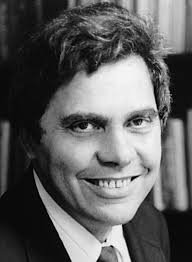
Neil Postman: Talk in Los Angeles, 1993-07-28 · 苏菲拉底
字幕 字幕位置
--:--
点击播放,这里会跟随视频显示当前句的中英字幕。

Neil Postman: Talk in Los Angeles, 1993-07-28

节目发布 2025-04-22 · Taylor Hodge
尼尔·波兹曼 艾艾伦·凯 唐唐纳德
EDITED TRANSCRIPT · 依据现场录音编译整理,可划线生成便签
一九九三年七月二十八日,媒介理论家、《娱乐至死》作者尼尔·波兹曼应艾伦·凯之邀,在洛杉矶为苹果公司的研究人员发表演讲,题为「信息至死」(Informing Ourselves to Death)。这是凯主持的系列论坛的第一场。波兹曼以外行自居,把矛头直指在座的计算机专家;演讲之后,认知科学家唐纳德·诺曼等听众与他有一番针锋相对的交锋。本文依据现场录音编译整理。

媒介改变思维方式

凯: 这是我们系列论坛的第一场。我想请尼尔·波兹曼来苹果已经想了很多年,这次终于找到机会,因为他这周正好在洛杉矶,来看望一个同样在计算机行业工作的孩子。我琢磨过该怎么介绍他。在座各位之所以来,我想是因为读过他的书,已经觉得认识他了。所以我能想到的最好的开场,是回到柏拉图的几篇对话录。苏格拉底大概是所有人最喜欢的哲学家,可他说过一些在我们看来很奇怪的话。其中一条是,他不喜欢书写,而书写在我们看来是极其重要的东西。他不喜欢书写的理由之一是:书写迫使你去跟随一个论证,而不是参与其中。所以他认为书写是一种疏离。他尤其不满的一点是,一个人可以把话写下来,然后走开,然后死掉,你永远没办法把他找出来,说服他承认自己错了。

凯: 所以早在那时候,人们就已经意识到,书写不只是把口头言语转录下来。它的存在本身就改变了思维的方式,改变了你将要进行的话语的类型。此后这样的例子层出不穷。印刷机不同于手抄本,它带来的变化是翻天覆地的。电视也不同于此前的一切媒介。到了本世纪的某个时刻,人们开始用一种更强硬的方式来思考这个问题:媒介在承载讯息的时候并不是无辜的,因为你必须改变你自己,才能接收到那个讯息。媒介最有意思的地方不在于它传送了什么讯息,而在于你决定用它来交流之后,你自己发生了什么变化。

凯: 过去二十五年里,在诸多不同领域对这些观念思考最深、观察最透的人,我认为就是尼尔·波兹曼。对我影响最大的那些观念和思路,多多少少都来自读他的书。他近年的一本书叫《娱乐至死》,说的基本上是:我们一直担心一九八四,担心奥威尔描绘的那种前景,可我们真正该担心的是《美丽新世界》,因为我们的文化是用快乐而不是用痛苦来实施控制的。电视就是这种控制的一种体现。今天我请尼尔来,不是讲娱乐至死,而是讲信息至死。

外行人的视角

波兹曼: 谢谢,艾伦。英国大剧作家、社会哲学家萧伯纳说过,一切专业都是针对普通人的共谋。他的意思是,那些属于精英行当的人,比如医生、律师、教师、科学家,为了保住自己的特殊地位,会造出一套一般公众根本听不懂的词汇。这样一来,外人就无从知道这个行当在做什么、为什么这么做,而行内人也就免于被人仔细审视和批评。换句话说,各种专业都用技术黑话筑起一道令人生畏的高墙,墙外那些好奇的、陌生的眼睛,什么也看不见。

波兹曼: 我跟萧伯纳不一样,我对此并无怨言,因为我自认为是个职业教师,我和任何人一样欣赏技术黑话。不过,要是偶尔有个不懂我们行当秘密的人被放进内室,说几句没受过训练的看法,我也不反对。这样的人有时会给出一个让人耳目一新的意见,或者更好,看到某个被专业人士忽略了的东西。今天早上我就是为这个目的,冒昧来跟各位说话的。我对计算机技术懂得不多,至少不比一般人多,而一般人懂得当然很少。我不太明白是什么让一个程序员或者计算机科学家兴奋。听计算机专家们谈话,我只觉得一个比一个神秘。所以我完全够格当一个外行。但我想,这里需要的可能不只是一个外行,而是一个有自己观点的外行,他的观点也许对内行有用。这就是我接受艾伦邀请来这里的原因。

波兹曼: 我相信我对技术给文化带来了什么略知一二,而对技术从文化中拿走了什么,我知道得更多。事实上,我可以一开始就说,技术拿走了什么,恰恰是计算机专家们显然知之甚少的题目。我听过许多计算机技术专家谈论计算机将带来的好处。除了一两个例外,比如约瑟夫·维森鲍姆(Joseph Weizenbaum),还有杰伊·戴维·博尔特(J. David Bolter),我没有读到过任何人认真、全面地写过计算机技术的坏处。这让我觉得奇怪,也让我怀疑这个行当是不是在隐瞒什么重要的东西。也就是说,计算机专家们身上似乎缺少一种东西:技术上的谦逊。

技术是浮士德交易

波兹曼: 毕竟,凡是研究过技术史的人都知道,技术变革从来都是一场浮士德式的交易。技术给予,技术也拿走,而且两者未必对等。一项新技术有时创造的多于毁掉的,有时毁掉的多于创造的,但从来不会只有一面。印刷机的发明就是绝好的例子。印刷催生了现代的个体观念,却摧毁了中世纪的共同体感和社会整合。印刷造就了散文,却把诗歌变成一种稀罕的、精英化的表达形式。印刷让现代科学成为可能,却把宗教情感变成了一场迷信操练。印刷助长了民族国家的成长,但也因此把爱国主义变成一种卑劣的、甚至嗜血的情绪。

波兹曼: 换一种说法就是,新技术总是偏袒某些人群,伤害另一些人群。比如学校教师,从长远看大概会被电视淘汰,就像铁匠被汽车淘汰,游吟诗人被印刷机淘汰一样。技术变革的结果,永远是有人赢,有人输。

计算机的赢家与输家

波兹曼: 就计算机技术而言,无可争辩的是,它增强了大型组织的力量,比如军事机构、航空公司、银行和税务部门。同样清楚的是,物理学和其他自然科学领域的高层次研究者,如今离不开计算机。可是,计算机技术至少到目前为止,对广大普通人有多少好处呢?对钢铁工人、菜店老板、教师、汽车修理工、乐手、面包师、泥瓦匠、牙医,以及其他大多数如今被计算机闯入生活的人?

波兹曼: 这些人的私事更容易被私人机构拿到了。他们更容易被追踪、被控制。他们要接受更多的审查,对于那些关于他们自己的决定,他们越来越摸不着头脑。他们越来越经常地被简化成一串数字。他们被垃圾邮件彻底淹没,成了广告公司和政治组织的现成靶子。我还要加一句:学校教他们的孩子操作计算机,而不是教那些对孩子有价值得多的东西。一句话,输家几乎得不到任何他们真正需要的东西,这当然正是他们成为输家的原因。

波兹曼: 可以预料,赢家会鼓励输家对计算机技术抱以热情。赢家向来如此。于是他们有时告诉输家,有了个人电脑,普通人可以把支票簿记得更整齐,把菜谱管得更有条理,把购物清单列得更合逻辑。他们还告诉输家,可以在家投票,在家购物,在家获取想要的一切信息,从此社区生活就完全没有必要了。他们告诉输家,生活将过得更有效率,却小心地不说这是站在谁的立场上讲的,也不说这种效率的代价是什么。

波兹曼: 要是输家起了疑心,赢家就用计算机的种种奇迹让他们眼花缭乱。这些功能大多跟输家的生活质量关系不大,但确实令人赞叹。最后输家屈服了,部分原因是他们相信,掌握计算机技术的大师们那种专门知识,是一种智慧。大师们自己当然也这么相信。结果就是有些问题永远不会被提出来,比如:计算机会赋予谁更大的权力和自由?又会削减谁的权力和自由?

机械钟与印刷术

波兹曼: 如果我把这一切说得像一场精心策划的阴谋,好像赢家清楚地知道什么被赢得、什么被输掉,那也不尽然。因为赢家并不总是知道自己在做什么,也不知道这一切会通向哪里。十二、十三世纪发明机械钟的本笃会修士们相信,这样的钟可以让他们每天必须遵守的七次祈祷有一种精确的规律性。事实上确实如此。但修士们没有意识到的是,钟不只是用来记录时辰的工具,也是用来同步和控制人们行动的工具。于是到了十四世纪中叶,钟走出了修道院的围墙,给工匠和商人的生活带来了一种全新的、精确的规律性。机械钟使定时生产、固定工时和标准化产品的观念成为可能。没有钟,资本主义根本不可能。这就是一个巨大的悖论:钟是一群想更严格地侍奉上帝的人发明的,最后却成了对那些一心侍奉金钱积累的人最有用的技术。技术总有这类始料未及的后果,而在一开始,谁赢谁输、什么赢什么输,往往并不清楚。

波兹曼: 我再举一个历史上的例子。约翰·古腾堡据各种记载都是一个虔诚的基督徒。要是他听到异端马丁·路德宣称,印刷术是「上帝最高的恩典之举,福音的事业借此得以推进」,一定会吓坏。古腾堡以为他的发明会推进神圣罗马教廷的事业,实际上它却带来了一场革命,摧毁了罗马教会的垄断。

波兹曼: 那么我们现在可以问:掌握计算机技术的大师们,是不是也以为自己在做某件事,就在这栋楼里,你们以为是在为我们所有人做的某件事,而这件事你们将来可能会有理由后悔?我认为有。在剩下的时间里,我想试着解释计算机可能危险在哪里,以及为什么。当然,我相信各位有足够的开放心态,愿意听一听这个外行怎么说。

假新闻实验

波兹曼: 我想先跟各位讲一个小实验,这几年我在纽约大学断断续续地做过。有些人把这个实验说成是一种欺骗和利用。我只好指望各位的幽默感来替我解围了。做法是这样的。最好在早上,当我看到某位同事手里显然没有《纽约时报》的时候。「今天早上看《时报》了吗?」我问。如果同事说看了,那天就没有实验。如果回答是没看,实验就可以进行。「你应该看看二十三版,」我说,「有一篇很有意思的文章,讲明尼苏达大学做的一项研究。」对我们纽约人来说,明尼苏达是个挺偏僻的地方,所以我选它。「真的?讲什么的?」这是通常的回答。

波兹曼: 这时我的选择只受我想象力的限制。我可能这么说:「他们做这项研究,是想弄清楚减肥吃什么最好。结果发现,在正常饮食之外每天吃六个巧克力泡芙,效果最好。泡芙里似乎有一种特殊的营养素,叫恩科米亚二恶英(encomial dioxin),能以惊人的速度消耗卡路里。」还有一种说法,我喜欢用在那些在加利福尼亚住过的同事身上:「我想你会想知道这个。约翰·霍普金斯的神经生理学家发现,慢跑和智力下降之间有关联。他们在五年里测试了一千二百多人,发现慢跑的时间越长,智力就相应下降得越多。他们还不清楚原因,但事实就是这样。」

波兹曼: 我想各位现在明白我在实验里的角色了:报告某件相当荒唐的、可以说是难以置信的事。那么让我告诉各位一些结果。除非我是第二次或第三次对同一个人做这件事,否则大多数人会相信,或者至少不会完全不相信我说的话。有时他们说:「真的?有这种事?」有时他们愣一下,回一句:「你说那个研究是在哪儿做的?」有时他们说:「你知道吗,我好像也听说过类似的事。」

波兹曼: 从这些结果可以得出几个结论。其中一个,H·L·门肯五十年前就说过:没有哪种想法愚蠢到找不到一个教授去相信它。这更像是一种指控,而不是解释,何况我也在非教授身上试过这个实验,结果大致相同。另一个可能的结论,乔治·奥威尔也是大约五十年前说的:今天的普通人,跟中世纪的普通人差不多一样天真。中世纪的人无条件相信宗教的权威,今天我们无条件相信科学的权威。

洗过的牌

波兹曼: 但我认为还有一个更重要的结论。它和奥威尔的观点相关,但又和它形成一个直角。我指的是这样一个事实:对大多数人来说,我们生活的这个世界几乎是无法理解的。几乎没有任何事实,不管是真实的还是想象的,能让我们惊讶多久,因为我们没有一幅全面而一致的世界图景,能让那个事实显得像一个不可接受的矛盾。我们相信,是因为没有理由不相信。没有社会的、政治的、历史的、形而上学的、逻辑的或精神的理由。我们生活在一个对大多数人来说在大多数时候都讲不通的世界里,连技术上都讲不通。

波兹曼: 我不打算在这里对各位做这个实验,尤其是在讲过它之后。可是,如果我告诉各位,你们此刻坐的椅子是用一种特殊工艺做的,用的是腌鲱鱼的皮,你们凭什么反驳我?就你们所知,实际上就我所知,腌鲱鱼的皮完全可能做成你们坐的椅子。如果我再找一位工业化学家来证实这一点,让他描述一种谁也听不懂的工艺,你们今天晚些时候也许就会告诉别人,自己一上午都坐在一条腌鲱鱼上。

波兹曼: 也许我可以用一个类比把这一点说得更清楚。如果你打开一副全新的扑克牌,一张一张翻过来,你对它们的顺序会有相当清楚的预期。从黑桃A翻到黑桃九之后,你会预期下一张是黑桃十。如果翻出来的是方块三,你会吃惊,会想这是副什么牌。但如果我给你一副洗过二十次的牌,让你翻,你就不会预期任何特定的牌。方块三和黑桃十的可能性一样大。既然没有任何理由假定某种顺序,无论翻出什么牌,你都没有理由不信,甚至没有理由惊讶。所以要点在于:在一个没有精神秩序或智识秩序的世界里,没有什么是不可信的,因此也没有什么会让人特别惊讶。

从中世纪到伽利略

波兹曼: 事实上,奥威尔对中世纪的普通人很不公平。中世纪的信仰体系更像我那副全新的牌。当时存在一种有秩序的、可理解的世界观,起点是一切知识和善都来自上帝。教士们对世界的说法,是从他们神学的逻辑里推导出来的。人们被要求相信的事没有一件是任意的,包括这样一条:世界本身是在公元前四〇〇四年十月二十三日上午九点创造的。这一点可以解释,而且解释得相当清楚,几乎人人满意。一万个天使能在针尖上跳舞,也是如此。只要你相信《圣经》是上帝启示的话语,相信宇宙中住满天使,这就说得通。中世纪的世界固然神秘,充满恐怖,但它并不缺少秩序感。普通男女也许不能清楚地理解自己艰苦的生活如何嵌进那个宏大而仁慈的设计,但他们毫不怀疑这样一个设计的存在。而他们的教士们,完全能够从少数几条原则出发,通过演绎,把这个设计弄得即便算不上理性,至少也是融贯的。

波兹曼: 我们现在的处境大不相同,我想也更可悲、更混乱,当然也更神秘。它更像我说的那副洗过的牌。没有一种一贯的、整合的世界观,作为我们整座信仰大厦的地基。因此,在某种意义上,我们比中世纪的人更天真,也更恐惧,因为我们几乎可以被说服相信任何事情。对大多数人来说,腌鲱鱼的皮,跟乙烯基合金或者恩科米亚二恶英一样,都差不多讲得通。

波兹曼: 从某种意义上说,这一切都不是我们的错。请允许我把凯歇斯的智慧倒过来说:错不在我们自己,而几乎就是字面意义上的,在星辰。当伽利略把望远镜转向天空,也让开普勒看了一眼,他们在星辰中没有发现任何魔力或授权,只有几何图形和方程。上帝似乎与其说是道德哲学家,不如说是数学大师。这一发现推动了物理学的发展,却给神学带来了纯粹的伤害。在伽利略和开普勒之前,人们可以相信地球是宇宙稳固的中心,上帝对我们的事情格外关心。此后,地球变成了宇宙某个隐蔽角落里一个不起眼的星系中的孤独流浪者,而我们只能怀疑上帝是否对我们有一丝一毫的兴趣。中世纪那个有秩序的、可理解的世界之所以开始瓦解,是因为人们再也不能在星辰中看到一张朋友的脸。

信息从资源变成洪流

波兹曼: 还有一样东西,曾经是朋友,如今也翻脸对着我们了。我指的是我们所说的信息。曾经有一个时代,信息是一种资源,帮助人类解决物质环境和精神环境中具体而紧迫的问题。中世纪信息匮乏,但正是这种匮乏使信息既重要又有用,甚至可以说是神圣的。然后印刷机来了,制造出我们今天所说的信息爆炸。印刷机发明四十年后,六个国家的一百一十个城市有了印刷机。五十年后,印出的书超过八百万册,几乎每本都装满了此前普通人无从获得的信息。在我看来,没有什么比「计算机技术开启了信息时代」这个说法更具误导性。开启信息时代的是印刷机,此后我们再也没有摆脱过它。但当初那条解放的溪流,如今变成了一道混乱的尼亚加拉瀑布。

波兹曼: 拿我们自己的国家做例子。美国现在面对的是这样一幅景象:二十六万块广告牌,一万七千种报纸,一万三千种期刊,两万七千家录像带出租店,四亿六千万台电视机,六亿多台收音机,汽车里的还不算。每年出版四万种新书,全世界是三十万种。美国每天拍下四千一百万张照片。顺便记一笔,拜计算机所赐,每年有六百亿件,六百亿件广告垃圾邮件塞进我们的信箱。从十九世纪的电报和摄影到二十世纪的硅片,每一样东西都在放大信息的喧嚣,直到今天,对普通人来说,信息已经跟解决问题不再有任何关系。

波兹曼: 信息与行动之间的纽带被切断了。信息如今是一种商品,可以买卖,可以当作娱乐,可以像衣服一样穿在身上抬高身价。它不加区分地涌来,不针对任何人,与用途脱节。我们被信息撑坏了,淹没了,管不住它,也不知道拿它怎么办。而我们不知道拿它怎么办,有两个原因。第一,如我所说,我们对自己、对宇宙、对彼此的关系、对这个世界,不再有一个融贯的认识。我们不再像中世纪的人那样知道自己从哪里来、到哪里去、为什么。换句话说,我们不知道什么信息与我们的生活相关,什么信息不相关。第二,我们把全部精力和才智都用来发明机器,而这些机器除了增加信息的供应之外什么也不干。结果,我们抵御信息过剩的防线崩溃了。我们的信息免疫系统失灵了。我们不知道怎么过滤它,不知道怎么减少它,也不知道怎么使用它。容我这么说,我们患上了一种文化艾滋病。

什么不是信息不足

波兹曼: 就在这样的处境里,计算机来了。各位比我更清楚,计算机有一种普适性,不仅因为它的用途几乎无限多样,也因为计算机通常被嵌进其他机器的结构里。所以,要我对计算机的每一种可能用途发出警告,那是愚蠢的。但不可否认,计算机最显眼的用途都跟信息有关。人们谈论信息科学的时候,谈的就是计算机:怎么存储信息,怎么检索信息,怎么组织信息。对大多数人来说,计算机是这样一个问题的答案:我怎样才能更快地得到更多信息,而且形式更好用?

波兹曼: 这些看上去是合理的问题。但现在我想向各位提几个在我看来更合理的问题。如果发生核浩劫,会是因为信息不足吗?波斯尼亚的战争是信息不足的结果吗?如果埃塞俄比亚的孩子饿死了,是因为信息不足吗?南非的种族主义,是因为信息不足才存在的吗?如果罪犯在纽约和洛杉矶的街头游荡,是因为信息不足吗?再说到更个人的层面。如果你和你的配偶在一起不快乐,最后离了婚,会是因为信息不足吗?如果你的孩子行为不端,给家里丢脸,是因为信息不足吗?如果你家里有人精神崩溃,会是因为信息不足吗?

波兹曼: 我想各位不得不承认,折磨我们的东西,在文化层面和个人层面给我们带来最多痛苦和不幸的东西,跟计算机所能提供的那类信息毫无关系。计算机和它的信息回答不了任何一个根本问题,而正是这些问题,我们必须面对,才能让生活更有意义、更有人性。计算机不能提供一个起组织作用的道德框架。它不能告诉我们什么问题值得问。它不能提供一种途径,让我们理解我们为什么在这里,为什么彼此争斗,为什么体面常常离我们而去,尤其是在我们最需要它的时候。从某种意义上说,计算机是一件华丽的玩具,让我们分心,不去面对那些我们最需要直面的东西:精神的空虚,对自身的认识,以及关于过去和未来的可用的观念。

技术弥赛亚

波兹曼: 那么,该为此责怪计算机吗?当然不。它毕竟只是一台机器,一台奇妙的机器,但只是机器。可它通常是在一片号角声中作为技术弥赛亚呈现在我们面前的。传令官们说,通过计算机,我们会让教育变得更好。真是笑话。我们会让宗教更好,政治更好,我们的头脑更好。最妙的是,我们会让自己变得更好。这当然是胡说,只有年轻人、无知的人或者愚蠢的人才可能相信。

波兹曼: 我刚才说计算机不该受责怪,这是对的,至少在这个意义上:我们不会责怪大象胃口大,不会责怪石头硬,也不会责怪云遮住太阳。那是它们的本性,我们对它们也不指望别的。但计算机也有本性。不错,它只是一台机器,但它是一台被设计来处理和生成信息的机器。计算机干的就是这个。因此它们有自己的议程,有一条明白无误的讯息。这条讯息是:通过越来越多的信息,包装得越来越方便,送达得越来越迅速,组织得越来越整齐,我们就能找到问题的解决办法。

波兹曼: 于是,所有聪明的年轻男女都相信这一点,为计算机创造出种种精巧的功能,希望我们借此变得更有智慧、更体面、更高尚。谁能怪他们呢?成为这项奇妙技术的大师,他们会获得声望和权力,有些人甚至会成名,因为这个世界上住满了相信「信息越多越接近天堂」的人。这样的世界里,计算机科学家当然是王。但我坚持认为,这一切是对人类才能和精力的一场巨大而危险的浪费。我还坚持认为,那些信息技术的天才,不是我们能够求助的人,他们给不了我们赖以存活的新的、增进生命的叙事。

敌人就是我们自己

波兹曼: 他们会给我们「星球大战」,然后告诉我们这就是核战争的答案。他们会给我们人工智能,告诉我们这是通往自我认识的道路。他们会给我们即时的全球通信,告诉我们这是通往相互理解的道路。他们会给我们虚拟现实,告诉我们这是精神贫困的答案。但这些只是技术员、贩卖事实的人、信息瘾君子和技术白痴的路数。美国哲学家亨利·大卫·梭罗是这么告诉我们的:我们的一切发明,都不过是通往一个未经改善的目的的、经过改善的手段。歌德是这么告诉我们的:一个人每天都该试着听一支小曲,读一首好诗,看一幅好画,如果可能的话,说几句理智的话。苏格拉底是这么告诉我们的:未经省察的人生不值得过。先知弥迦是这么告诉我们的:耶和华向你所要的是什么呢?只要你行公义,好怜悯,存谦卑的心,与你的神同行。要是有时间,我还可以告诉各位孔子、以赛亚、耶稣、穆罕默德、佛陀、斯宾诺莎和莎士比亚说过什么,不过各位已经很清楚了,都是一回事:我们逃不开自己。人类的困境一如既往,我们把自己裹在技术的荣光里,用信息把自己撑饱,解决不了任何根本的问题。连最不起眼的漫画人物都懂这个道理。我引一句聪明的老负鼠波戈的话来结束。我把他的话送给在座所有的技术乌托邦主义者和技术弥赛亚。波戈说:我们遇见了敌人,敌人就是我们自己。谢谢各位。

媒介平衡与社会机构

波兹曼: 艾伦,我得说,我现在有点像马丁·路德在维滕贝格对着主教们讲话的感觉。

凯: 我小时候很少有机会在教堂里站起来,在布道之后向牧师提问。你知道,你说的许多话我实际上是同意的。不过我想问的是,你实际上呼吁的,是不是一种更好的平衡?这个说法可能有点软弱。中世纪显然也得有它自己的信息系统,有它表达信念的方式,只不过它找到了一种更稳定的形式,部分原因是把宇宙缩小了一点。所以人类摆脱不了这个:作为人,我们总归有某种信息系统。我更愿意把你的抱怨比作这样一件事:现代文明能造出我们吃得下的任何数量的脂肪、糖和盐,而我们的身体不知道该摄入多少脂肪、糖和盐,因为我们从来没有吃够过。

波兹曼: 我同意,这也许该是另一场稍微不同的演讲的题目。但我确实同意,一种文化里各种媒介之间的平衡是非常值得追求的,用马歇尔·麦克卢汉的话说,它有助于让我们的感官系统保持健康。我以前对电视的一项指责就是,在计算机大举来袭之前,电视已经成了我们整个文化的指挥中心,某种程度上现在仍然是。我的意思是,如果电视只是影响人们的众多媒介之一,它就不会成为一个特别的问题。可现在一切都失衡了,其他媒介的经验都被推到了文化的边缘。我认为这同样危险。不过我们还是得面对这个问题。它不是计算机造成的,但计算机当然放大了它:面对信息过剩,该怎么办。

波兹曼: 我刚才没有展开讲,但抵御信息过剩的过滤器之一,向来是社会机构:政党、家庭、学校、宗教体系。它们帮助人们过滤信息,让人知道什么该注意,什么不该注意。比如一份大学课程目录,就是一套信息管理系统。看一份大学课程目录,你就知道教授们认为什么值得学;看目录里没有什么,你就知道教授们认为什么不值得学。这就是帮助人们管理信息的一种方式,让人知道什么相关,什么不相关。家庭也是这样做的,或者说曾经是这样做的:对年轻人保守秘密,或者持有一些过去叫作「价值观」的东西。宗教体系劝导并引导人们,什么信息该留意,什么信息该忽略。

波兹曼: 我昨天对另一群人提到,我小时候政党非常重要,现在不那么重要了。我的学生告诉我他们投票,我问他们打算投给谁,他们总是说:「我会投给最好的人。」我觉得这是个荒唐的想法。我看得出来,各位有些人不觉得荒唐,从你们的表情就能看出来。我第一次有资格投票,是纽约市的市长选举。我决定投给共和党候选人,把这话告诉了我父亲。他问为什么。我说,因为民主党候选人又无知又腐败。我父亲说:「可民主党候选人一向又无知又腐败。你想让共和党赢吗?」当年我们都相信,民主党代表我们的经济利益和社会立场。所以我们有一套理论,帮我们管理信息。这套理论是:民主党代表我们,所以共和党说什么,我们一概不用理会。这很好,省了我们不少麻烦。当然还有一条修正:我们只听民主党人说话,但南方的民主党人除外,因为他们是种族隔离主义者、种族主义者,所以也不用理会。我想说的是,政党也是一种社会机构,给人一种如何控制信息的感觉。现在,许多这样的社会机构都在衰弱,在大多数人心里不再有权威。这就让我们变得脆弱,而且脆弱的方式是我们此前没有真正预料到的。

诺曼的反驳

诺曼: 我得站起来说,因为这是一个主题。我读你的书读得很开心,尤其是《娱乐至死》和《技术垄断》。你的论证和前提我大多同意,但你的结论,我从根本上不同意。我站起来,是想看看能不能把话说短一点。第一,我认为我们今天的生活比以往任何时候都好得多。当然比中世纪好。哪怕是一百年前,我都不愿意过国王的生活,更不用说普通人的。我们的舒适,我们身体上的舒适、我们的健康,我们智识上的舒适,都远远超过以往。

波兹曼: 智识上的舒适我可不敢说。

诺曼: 那就说能接触到的智识材料更丰富、更多样。作为一个国家,我们受的教育更好。我们还是可以说教育制度有缺陷,无知的人很多,但要是跟早先时代的普通人比,往回看几个世纪而不是几十年,就不一样了。第二,我认为你误解了一件事,虽然在某个层面上你是明白的:技术变革要多长时间才能到来。你说印刷机发明四十年后有了一百一十台印刷机,只有一百台左右;再过十年,印了八百万册书。你没说有多少种书,只说了总数。那是五十年。何况古腾堡也不算发明了印刷机,他只是把它完善了。那么,从大规模电视出现到现在,还不到五十年。你正当地谴责的电视的影响,其实电视还处在婴儿期,跟它成熟之后的样子完全不同。至于计算机,我完全同意你的分析。把计算机扔进教室,没错,那是无关紧要的,也是错的。但再给它五十年、一百年。

波兹曼: 你说完了吗?

诺曼: 还没有,就再说两点。

波兹曼: 关于电视很新、计算机当然也很新,因此我们做预测的时候可能都在胡说,不光是我,你们这些人也一样,我想补充一件事。我所知道的关于媒介最有意思的事实是这样的。印刷机一般认为是一四五二、五三年前后发明的,看你把谁算作发明者,就算一四五五年吧。直到一五一六年,我们才看到第一本给书页编号的书。当然,一旦给书页编号,书的功能就发生了根本变化。这件事让我觉得有意思的地方在于,我总是想,如果我一四五五年住在美因茨,在街上遇见同样住在美因茨的艾伦,艾伦对我说:「你听说古腾堡干了什么吗?」然后说他能用一台机器印书,成百万册地印。我总是幻想我会说:「艾伦,你见到古腾堡的时候,告诉他别忘了给书页编号。」这看上去太显而易见了,对吧?可是过了大约六十五年,才有人想到给书页编号。所以唐纳德,你说得很对。就这一点来说,也许此刻圣何塞正有一个孩子出生,他将来会为电视,或者为计算机,找到此刻活着的任何人都想不到的用途。而两百年后,这种用途在所有人看来都显而易见,他们会奇怪我们当初怎么会没想到。这一点我同意。

我们失去了叙事

波兹曼: 另一件事,关于你说我们今天的生活好得多。当然,通过卫生、药理学以及其他几个可以提到的领域的发明,可能还有营养和农业,不是可能,几乎肯定,我们可以说我们过得更好了。但我认为我们不该那么轻易地从「我们在物质上过得更好」滑到你刚才开始加上的「智识上也是」,你没说情感上,但我们很容易滑到那里去。我不太确定。记得梭罗在工业革命当中写的话,那时候我们显然正在改善物质生活,他却说:大多数人过着无声绝望的生活。今天每九个美国人里就有一个,一生中会有一段时间待在精神病院,或者接受精神科治疗。阿尔茨海默病也时不时冒出来。唐纳德,美国青少年最常见的死因,第二常见的死因,是自杀。

波兹曼: 问题的一部分,我在演讲里暗示过了:生活在早先时代的人,至少还有一些全面的故事,我叫它们叙事,帮助赋予他们的生活以目的和意义。对大多数人来说,这来自他们的宗教体系。《创世记》就是一个伟大的叙事。美国人也曾有过一些美妙的叙事。每一个人都想得到回答的两个问题,实际上几乎是孩子学会说话之后最先问的两个问题:我从哪里来?我死后会发生什么?这两个问题永远不会消失,而《创世记》对它们有一些很美妙的回答。那么科学的回答是什么?一切是怎么开始的?科学说,是一场意外。会怎么结束?科学和技术说,大概也是一场意外。唐纳德,有很多人,也许比你想的多,认为意外的人生不值得过。他们在寻找新的故事,好给自己的人生以目的和意义。所以我同意你说的许多话,只是想在这一点上加一句保留。

文化艾滋与免疫系统

听众: 回到你演讲的主题。我来这里,大概是因为我喜欢把自己跟孩子们和世上其他自欺的人站在一边。你说的很多话,都涉及人们被自己没有选择的信息所迷惑。哥伦比亚广播公司并不特别认同我的观点。而我们正在做的很多事情,我想,是让计算机把人变成主动的信息寻求者,就像人们去图书馆那样,而不是被动地坐在电视机前。这会不会动摇你的看法?

波兹曼: 不会。因为另一面,这该是另一场更投契的演讲的题目,如果我还会被请回来的话。

凯: 这个题目有一部分要怪我。

波兹曼: 有时候我想,哪怕以我对计算机迄今为止所能做的事情的有限了解,我有时候想,计算机非但不是开启信息时代的东西,反而可能是终结信息时代的工具。我认为你确实可以论证:印刷机开启了信息时代,而计算机技术会在这个意义上终结它。我在演讲里用了艾滋病的比喻,我希望各位能认真对待它一分钟。我们的免疫系统的作用是清除不需要的细胞。细胞生长是正常过程,可一旦失控,免疫系统就会杀死、清除那些不需要的细胞,保持机体健康。我用「文化艾滋病」这个词,是想说:正如信息太少会威胁你的生存,信息太多同样可能威胁你的生存,除非你有某种免疫系统,我是打比方,来清除不需要的信息。而这最终可能正是计算机能为我们做的最好的事:给我们一个信息免疫系统。

波兹曼: 顺便说,我还认为,这也该放在另一场演讲里,计算机可能来得正是时候,可以成为印刷文字或者书写文字的盟友。这又回到艾伦说的平衡。因为至少要给计算机编程,或者思考你们这些人思考的东西,你就得思考思考本身,而这本身是一个高度分析性的过程,跟我们在书写中经历的那类过程没有太大区别。所以,一边是电视、电影、摄影、大众广告这些视觉媒介涌来,它们在某种意义上敌视书写者的心智状态;另一边计算机来了,可能正好赶上恢复平衡。这也可能发生。但不是必然的。正如唐纳德说的,我们永远无法确定。很大程度上取决于我们拿它做什么,怎么思考它。

电子媒介与认知谦逊

听众: 我认为这正是关键问题:我们拿它做什么。我想说的是,我并不确信传播技术本身就是罪魁祸首,尽管我也认为它塑造了我们的思考、互动和行为方式。我认为问题在于某种更大的东西,有人把它定义为后现代主义或后结构主义。不过就眼下这个讨论而言,我想问,你知不知道有什么研究,考察电子媒介如何影响我们的思维?阅读是线性的、序列的,是私人的、个体的,你可以在其中驰骋想象。麦克卢汉写过一种技术在我们看待世界的方式上意味着什么。我同意电视在技术上或者说认知上比阅读退步。但计算机是不是有一种不同的方式来塑造我们对世界的思考,非线性的,未必非序列的?这种方式是认知上的退步,还是进步?

波兹曼: 我懂得不够多。当我坐在艾伦家里吃百吉饼、喝咖啡、听他讲的时候,他会编出一整套故事,讲未来的计算机技术会怎样给我们提供一种不同的世界观,帮我们思考现在还想不到的想法,就像书写以及后来的印刷最终做到的那样。所以我不知道这个问题的答案。我们会发现的。艾伦已经把我的演讲叫作布道,我想他说得对。从你的问题引出来,我的教义问答里有一条就是:我们都需要保罗·古德曼所说的那种技术上的谦逊。我们必须非常小心地往前走。

听众: 除此之外还有一种伦理,你只是稍微碰到了它。在我看来,它隐含在某种对信息、内容或思维的控制里,这种控制是在一个框架之内,而不是在一个道德或伦理的真空之内。我觉得这可能是你说的东西的另一面:谁是权威?谁来维持控制?数据库在谁手里?为了谁的利益?这些是我想问的问题。

波兹曼: 是的。在这些问题上我们是同道。你可以看看一个叫加夫里埃尔·萨洛蒙(Gavriel Salomon)的人,他做过许多关于电视对思维模式的大规模影响的研究。那可能是个起点。

一九〇五年的汽车公投

波兹曼: 我愿意这样来想这件事。假设现在是一九〇五年,但我们在一九〇五年就知道我们今天对内燃机、对汽车所知道的一切。我们在黑板上列出优点和缺点。优点会很多,缺点也会很多。我们会污染空气,堵塞城市,毁掉一部分自然景观的美,制造出郊区。你们有些人会把郊区放在优点那边,我把它放在缺点这边。总之我们列了一张单子,然后对全国的男女同胞说:好,我们知道将要发生什么了,要不要干?我们来一次公投。我想,大多数美国人看着这张单子会说:干吧。可总会有人说:好,干,但我们能不能通过教育、通过政治行动、通过社会政策,做点什么,把好处最大化,把坏处最小化?在一九〇五年,我们本来可以做很多事。一九一五年、一九三五年也可以,也许一九五五年还行。到一九九五年,就太晚了。顺便说,洛杉矶几乎在每一方面都是最可怕的例子,一种被汽车控制的文化。你什么也做不了了。

波兹曼: 一九四六年,如果有人能说:我们永远不可能确知,但让我们推测一下,一起想一想,电视会给我们什么,会从我们这里拿走什么,我们能不能做点什么,让这一边更丰富,让那一边更小?一九四六年有很多事可以做,但没有人理会。现在到了计算机,我们又在经历同样的该死的事情。没有人在教育公众,我说的不是那些花哨的宣传和辉煌的奇迹,而是有人站出来说:我们最好的猜测是,这些可能是它对我们孩子的认知影响,这是它可能对学校的影响,等等,放在这一边。那一边,也许我们会变得更像自动机之类的。我只是随口举例。这得靠你们这些真正懂行的人来告诉我们,帮我们推测。当然,我们总还得说一句:会有无法预见的后果,我们已经尽力了。但我是个外行,一个溜进这个环境里的师范教育者。

电话与伸手触碰

听众: 你谈了很多信息,你的一个类比是印刷机。我想知道你怎么看传播,以及计算机和电话之间的类比,我觉得这个类比相当有力。举一个小例子:在线服务和电子公告板上,真正兴旺的不是信息服务,而是电子邮件。那是传播。我认为这一点很重要,之前没有被提出来。

波兹曼: 我有点怀疑。艾伦昨天很努力地教我电子邮件是怎么回事。但顺便说,我对电话就有点怀疑。比如,我们做过一些研究。电话在你家里响起来,在公司大概也一样,人们几乎无法抗拒去接。我认为这是个问题。我们发现,有人正在做爱,我们管他们叫「电话中断者」,居然会停下来去接电话。我觉得这有点病态。还有,AT&T说,我想是AT&T:伸手去触碰一个人(reach out and touch someone)。我认为这很危险,因为你不可能用电话伸手去触碰一个人。多洛雷斯手腕骨折了,我就不请她上来了,但要是她上来,我可以给各位演示一下伸手触碰一个人是什么意思。各位明白我的意思吗?我们改变了「伸手触碰一个人」的含义。那只是在电话上说话,跟伸手去触碰一个人是两回事。

波兹曼: 说到价值观,有一件很妙的事。我给学生出了下面这道题,他们居然走出了教室,觉得我太蠢了,对我厌恶极了。有一个电话广告是这样的。一个年轻女人在英格兰的什么地方,她要离开父亲去美国。父亲给她一枚胸针。不知道有没有人记得这个广告。父亲对她说:「海伦,你母亲」,显然母亲刚去世,「会希望你在新的生活里戴着这枚胸针。」这时候你听见外面出租车在等,海伦要赶不上飞机了。她接过胸针,哭了起来,两人拥抱。这大概是前二十秒。接下来的一幕,父亲一个人坐在小屋里,神情沮丧,电话响了。他说:「海伦!」她现在人在洛杉矶之类的地方。「海伦,听到你的声音真好。」我问学生的问题是:这个女人为什么要离开她父亲?看,你们也没想到这个问题。这个男人刚失去妻子,孤身一人,他女儿为什么要离开他?价值观就在这里。AT&T希望女儿离开他,对吧?很明显,离开父母的女儿越多,他们就能让越多的人「伸手去触碰」。

波兹曼: 再说电子邮件。有一本杂志,因为西摩·帕普特(Seymour Papert)被看作亲技术的人,我被看作反技术的人,这很蠢,但就是这样,这本《美国议程》杂志说:「哦,你和西摩。」他在缅因州度假,我说:「可我要去西海岸。」那人说:「没问题。」他想让我和西摩谈一谈,主要谈他的新书《儿童机器》,这本书我在结束前还想说一句。那人说:「用电子邮件,你们可以对话。」我说:「这不是对话。」他说:「什么意思?」我说这不是对话,我们是在互相打字。他说:「西摩可以说点什么,然后你可以想一想,比如第二天再回来答复。」我说,这算什么对话。如果我在跟艾伦谈话,他告诉我一件事,我说:「艾伦,我明天再来答复你。」他会说:「我明天不在这儿。」我们的对话就到此为止了。

技术改写词义

波兹曼: 我想说的是最有意思的一件事,我知道我有点啰嗦:技术会改变基本词汇的含义。艾伦提到苏格拉底。苏格拉底害怕的是,书写会通过贬低记忆的重要性来改变「智力」的含义。对公元前五世纪雅典的希腊人,尤其是希腊青年来说,智力和记诵几乎是一回事。你们认为它们应该是一回事吗?在一个口传文化里,它们必须是,因为那些孩子得把《伊利亚特》《奥德赛》和其他史诗背下来。现在圣何塞最聪明的孩子,你让他背《海华沙之歌》和《保罗·里维尔的夜奔》,他就没辙了。他会说:「我为什么要背?你想知道这些诗,我去图书馆拿来就是。」结果,书写文化的人,当然还有印刷文化的人,不再那么看重记诵,因为对我们来说它显得不那么重要。

波兹曼: 在口传传统里,格言、谚语、俗语,这些包含着几个世纪积累的智慧的东西非常重要。而我们大多数人把格言和谚语看成傻话。你能想象一个法庭,陪审团回来,法官问:「你们有裁决了吗?」陪审团主席说:「有了,法官大人。犯错乃人之常情,宽恕方显神性。」法官会说:「这算什么?你们回去,给我带点直截了当的答案来。」可是有些民族不同。《列王纪上》里说,所罗门是最有智慧的人。所罗门王,为什么?因为他知道三千条谚语。要是查一下我们自己,我大概知道六条,比如「滚石不生苔」。也许真正厉害的人能知道十五条。

听众: 我这里面有四千三百条。

波兹曼: 那很好,我喜欢谚语。有意思的是,在印刷文化里,只有一种场合,书写文化的人仍然认真对待谚语,不是当作语言的点缀,而是当作某种表达根本道理的方式:那就是对孩子。每个家长都知道,这个孩子想坐前排,弟弟也想坐前排,孩子通常面临的问题,就是找到某句谚语、某句俗语、某条智慧,能让哥哥和妹妹都心服口服。我不知道该是哪句。「先到先得」?不行,那只会延续敌意。总得有一句,比如「公平就是公平」。我谚语储备太少了。我的意思是,我们大多数人不认为谚语和俗语重要,口传文化的人认为重要。

波兹曼: 有句老话各位一定听过:手里拿着锤子的人,看什么都像钉子。那么可以说,手里拿着铅笔的人,看什么都像句子。对拿着计算机的人来说,也许看什么都像数据。我不知道。对拿着相机的人来说,看什么都像图像。你刚才问有没有研究。我们确实知道,虽然很难精确地钉死,但我们知道,一种文化的主导媒介往往会给人们造成某种世界观,也会改变语言层面的东西:什么是真理,什么是智力,什么是法律,什么是好,什么是坏。这些东西会被新技术改变。对希腊人来说,记诵是批判能力和智力的一部分;对我们来说,它不重要。我们喜欢超然,或者说我们曾经喜欢超然。公元前四三〇年雅典的一个孩子,究竟怎么可能把《伊利亚特》和《奥德赛》背下来?我们仅有的推测来自埃里克·哈夫洛克(Eric Havelock)关于西方读写能力起源的书:他们一定是像今天演员学台词那样学的,把自己放进去,不是跟文本保持距离,而是成为阿喀琉斯。这大概是唯一可能学会那种东西的方式。可我们今天在学校教书,不希望孩子跟文本靠得那么近。我们说,我们希望你有分析力,保持超然,能从远处审视文本。这是另一种人。

波兹曼: 所以我想说的是,什么叫触碰一个人,什么叫对话,这些都会随着媒介的变化而改变。当人们说「你会适应的」,说「他们已经适应了」,是什么意思?我猜意思是,你已经学会变成一种有点不一样的人,好那样运转。拿辩论来说。我写过林肯和道格拉斯的辩论,各位都知道。那场辩论从伊利诺伊州的斯普林菲尔德开始,林肯讲三个小时,道格拉斯讲三个小时,然后林肯有一个小时反驳。然后他们去下一个镇,伊利诺伊州的渥太华,道格拉斯讲三个小时,林肯讲三个小时,道格拉斯有一个小时反驳。那么电视把「辩论」这个词变成了什么?这边是布什,那边是克林顿,芭芭拉·沃尔特斯或者谁对布什说:「布什总统,你认为中东冲突的问题和解决办法是什么?你有两分钟回答,然后克林顿州长有一分钟反驳。」我要说,各位看得出来我是个老古板,如果这两个人真的神志清醒,我几乎是字面意思,他们会转向芭芭拉·沃尔特斯说:「你凭什么问这样的问题?我们是在竞选美国总统。你怎么敢让我们用两分钟回答这样的问题,另一个人用一分钟反驳?」或者他们会说:「你把美国选民当成什么人了,以为他们会把这场闹剧当真?」可他们两个问题都不问。不问的原因之一是,电视已经把这定义为辩论了:两分钟回答,一分钟反驳。于是我们互相说:「你今晚看辩论吗?」看完之后:「你觉得辩论怎么样?」早先的时代对辩论有另一种定义,电视正在改变它。电子邮件也会改变我们所说的交流、亲密和对话。我不是在反对这件事。这是不可避免的。媒介会改变我们最深刻的词语的含义。

苏格拉底与柏拉图

波兹曼: 我只想说,如果我们要在某个学区做媒介教育,那些孩子该学的是技术的历史和社会影响。谁在乎他们是不是成了计算机高手?已经有三千五百万人学会了用计算机,而且不是从学校学的,这会继续下去。但他们必须对此有一种视角,必须知道自己的文化正在发生什么。然后,谁知道呢。苏格拉底是个老古板,他说了三件事。他说:我讨厌书写。书写会做三件事。它会摧毁我们的记忆,确实如此。它会改变辩证的过程,艾伦提到过那句妙语:它迫使学生跟随一个论证,而不是参与其中。然后他说,它会摧毁我们的隐私感。顺便说,我相信电子邮件正在这么做。因为苏格拉底说,你把一件事写下来,就永远不知道谁的眼睛会落在上面。可能是你写给的那个人,也同样可能是你没打算给的人。所以他说,去它的。

波兹曼: 柏拉图当然把这些都写了下来。所以他知道这一点,但柏拉图非常赞成书写,因为他知道雅典人把太多智力能量花在记诵一切上面。他也知道必须有一次从耳朵到眼睛的转移,所以传说他的学园门上写着:不懂几何者不得入内。因为几何是一套视觉系统,他是在把人重新引向眼睛。我自己非常倾向眼睛,我的学生却不是,这很有意思。有人拿到一样东西,会说:「哦,这儿有封信,我念给你听。」这是反书写的。柏拉图是赞成书写的。不过他在第七封信里说,任何神志清醒的哲学家都不会把自己的哲学写下来。他的理由是,一旦写下来,你就永远被它拴住了,哪怕你没死。因为人们可以找到你,就像唐纳德找到我,说:「我不同意你。」要是你说:「我现在也不同意我自己了。」他多半会说:「这家伙是个伪君子。他写了这些东西,我找出了漏洞,拿给他看,他说,哦,好吧。这算什么作家?」所以柏拉图知道这是个问题,但他仍然觉得书写的好处更大,主要在于创造科学,在于什么是真理。

波兹曼: 苏格拉底说,未经省察的人生不值得过。换句话说,这是口传文化的人在说:向你自己内心看。到了亚里士多德,人们说亚里士多德「创造了自然」,意思是他发展出分类学,一种对自然的视觉表征。所以亚里士多德基本上是在说:不,不是未经省察的人生不值得过,是未经省察的世界不值得过。他要往外看。柏拉图明白,书写会带来这个。可苏格拉底说:不,不,不。口传传统是言说,无休无止的言说,才是诗歌、亲密和虔敬的真正媒介。如果你用那些符号把自己隔开,你会变成另一种人。结果,我们确实变成了另一种人。有了印刷,我们又变成了另一种人。电视正在把我们变成另一种人。计算机还会把我们变成另一种人。

依赖内行的清醒

波兹曼: 艾伦喜欢说,我也很喜欢这句话:电视应该是我们允许被不假思索地发明和推广的最后一种技术。好吧,我们当时懂得不多,所以有了电视,它改变了我们的文化,但到此为止。从今以后,每一种技术我们都必须想清楚。那么我们靠谁来帮我们想?以计算机为例,就是那些对它懂得很多的人。我喜欢维森鲍姆的原因之一,我知道他也许不是最受欢迎的人,是他确实是第一个对计算机的负面后果提出质疑的计算机科学家。在他之前,如果像我这样的人提出这类问题,总会有个非常聪明的计算机行家,通常十九岁,说:「你懂什么,你对计算机懂得不够多。」我就只好缩回去,承认他说得有理。可维森鲍姆说这话的时候,帕普特可以对我说「你对计算机懂得不够多」,而且他是对的,我得听着,但他不能这样对约瑟夫·维森鲍姆说。所以我们依赖专家有那种视角,帮助教育者和公民评估:他们被期待成为什么样的人。如果这种技术不假思索地发展,脱离政治和社会的语境发展,就会是这样。

波兹曼: 最后我想说说西摩的书。他在《头脑风暴》(Mindstorms)里说过同样的话,我一直觉得好笑。各位都知道 Logo 语言。他在《头脑风暴》里说,他要消灭数学恐惧症。可他又说,你必须做的是给课堂来一场革命,改变课堂的心理环境,让它成为一个孩子不怕犯错的地方,一个人人都相信从错误中学习的地方,犯错太好了,因为那正是学习的方式。好,要点来了:如果你有这样一个课堂,你根本不需要什么该死的计算机。你可以教孩子任何东西。我做到过,我也见过别的老师做到。当然,Logo 进了许多课堂,罗伊·皮(Roy Pea)和其他人测试过西摩为它做出的那些承诺有没有实现,结果发现没有。学 Logo 的孩子跟对照组没有多大差别。于是现在,在西摩的新书《儿童机器》里,他说:当然什么都没显示出来,因为你们只是把它放进普通课堂,你需要这种老师、这种心理环境,人们才能学习。可是,计算机很贵。如果我有老师能创造出这样的课堂,我要计算机干什么?只要你创造出一个便于学习的环境,孩子在里面不怕学习,不会因为犯错而处处受罚,你几乎可以教他们任何东西。当然,要是西摩在这儿,他会有一大堆话回敬我,然后他会说:「你对计算机懂得不够多。」然后我说:「维森鲍姆,我需要你的时候你在哪儿?」

波兹曼: 你是老师,我也是老师。我们必须判断,如果比方说课堂上每两个孩子配一台个人电脑,我们会造出什么样的人,这会对他们的头脑做什么。我们必须思考这个。所以我们得依赖对此懂得很多的人,而且他们得足够超脱。我知道苹果和其他计算机公司得赚钱,为什么不呢?但我们仍然需要足够超脱的人,能告诉我们可能的好处是什么,可能的坏处是什么,然后我们才能做决定,不管是给家里买还是不买一台,给教室买还是不买。

黄色便笺与巡航定速

听众: 我只是想问,有没有什么技术已经嵌进了你自己的生活?比如,你骑自行车吗?

波兹曼: 有的,我很喜欢这个。我写过二十本书,用的是这支笔和一叠黄色便笺纸。我觉得它对用户很友好,经受住了时间的考验,而且便宜。我的学生说我该用文字处理器,我问为什么。一个说:「有拼写检查。」我说,可我会拼写。另一个说:「你可以把第十二页的一段一下子挪到第二页。」我说,我从来不把第十二页的一段挪到第二页,这么干是头脑混乱的标志。我的做法是,在黄纸上手写,所有编辑都在纸上做。直到上一本书之前,也就是前十九本,我会用我那台老的史密斯科罗纳便携打字机,把我大致认定的最后一稿打出来。到最后这本书,一位秘书说她受不了我这么干,于是她收一小笔费用替我打,打进文字处理器。

波兹曼: 当然,我用汽车。我刚买了一辆新本田,卖车的人想让我多花钱买巡航定速。我说:「什么是巡航定速?」我当然知道,但我想听他说。他说:「这个可好了,你按一下按钮,车就保持匀速,你不用把脚放在油门上。」我说:「我开了三十五年车,从来没觉得把脚放在油门上是个负担。我凭什么要为这个付一百八十美元?」然后他又想卖给我电动车窗,几乎是非买不可。我说,摇车窗在我的生活里也不是什么负担。他觉得我很怪。

放弃火枪的日本

波兹曼: 不过听着,我不是那种打引号的「勒德分子」。我理解唐纳德说的技术带来的奇迹和福祉。事实上我在《技术垄断》里引过 C·P·斯诺的话:工业革命是穷人最大的希望,而穷人几乎就是所有人。所以我理解这一点,那本书头几章差不多就是在庆祝技术带来的物质利益。但我想说的是,技术现在已经成了问题,我们现在必须把它控制住。我想推荐一本有意思的书,有些人可能听说过,叫《放弃火枪》(Giving Up the Gun),作者是诺埃尔·佩林(Noel Perrin)。我想到这本书,是因为我想说我不是勒德分子,也因为人们总说技术的时钟不能倒拨。其实这件事在日本做到过一次。十六世纪,日本是世界上最大的火炮和火绳枪制造者之一。这给许多社会体系带来了问题,包括武士的价值体系。武士出于他们自己的理由,认为用枪把人打死是彻底不光彩的,面对面把人的头砍下来才光彩。他们看得出来,枪会剧烈地改变价值体系,不仅是武士的,还有许多相关体系的。于是大约在一五六〇年,日本人放弃了火枪。他们销毁了枪,扔掉了枪,整个文化都这么做。事实上,各个政府还补贴造枪的人,就像我们补贴农民不种玉米那样,补贴他们不造枪,造枪本来是很赚钱的,转而去造刀。两百年里,日本没有枪。

波兹曼: 所以这是个有意思的例子,当然这种事不会再发生了。我能想到的唯一可比的例子,也许是超音速客机。还记得超音速客机吗?我们本来要花几十亿去造它,人们想了想说:超音速客机的好处是什么?从纽约到洛杉矶,六小时变三小时,也许两个半小时。那多出来的三个半小时我们干什么?看电视。那我们在这儿就能看。何况飞机上反正也装了电视。于是我们多少算是把它否决了。我想问的是,戈尔和克林顿感兴趣的那个五百亿美元的网络,信息高速公路,我只有一个问题想问戈尔副总统:这个五百亿美元的网络,是哪个问题的答案?到目前为止我没听到任何回答,除非有人说:新技术、技术创新和发展能推动经济。这也算是个回答。我们得不停地干这个,好让人有活干。但我不知道有什么社会问题或智识问题,是那个五百亿美元的网络能解决的。

波兹曼: 这些都是问题。因为我对那个想卖我巡航定速的人说:巡航定速是哪个问题的解决办法?他说:「你就不用把脚放在油门上了。」我说,那不是问题,除非你把人说服,让人相信那是个问题。电动车窗是哪个问题的解决办法?用胳膊摇一摇?在我看来这不是问题。除非像多洛雷斯那样,胳膊断了,那就是了。可有多少司机是断着胳膊开车的?我认为这是面对任何新技术都值得问的绝妙问题:这项技术声称自己是哪个问题的解决办法?如果西摩·帕普特声称,计算机是「怎样让孩子自主、在课堂上不害怕」这个问题的解决办法,他也许有点道理,至少我们得考虑。我不认为它是那个问题的答案,但我愿意考虑它可能有所贡献的可能性。因为他在书里确实赞扬了约翰·杜威和其他构想出课堂学习新思路的人,但他说,问题在于进步教育家们构想那些观念的时候,没有实现它们的技术。然后他举例说,达·芬奇想到了飞机,但当时既没有技术也没有物理学让它成为现实。后来莱特兄弟来了,物理学有了,材料有了,他们就做到了。所以西摩暗示,杜威的想法是对的,但我们得等计算机出现,才可能有一个开放、自由、没有恐惧的课堂。

科幻与后视镜

听众: 最后一句。你说的那种预测,比如一九〇五年预测汽车的后果,我认为极难做到,也极难确定自己是对的。我想知道你怎么看科幻小说,把它当作一块试验这类预测的场地?

波兹曼: 太好了。麦克卢汉常说,艺术家是我们应该特别留意的人,从他们那里可以洞见这些未来的事情。他用过后视镜的比喻:我们其他人开着车,想靠看后视镜来判断往哪儿走。而他认为,我们最好的艺术家是那些直视前方的人,透过挡风玻璃看,所以他们看得见。当然,要弄懂他们想告诉我们什么,需要一种受过教育的想象力。但我认为,科幻小说和其他种类的艺术表达,以及其他各种方式,都是我们做出最佳猜测的途径。这是一个新世界,我们正在进入没有人了解的领域。药理学我们才刚开始弄明白。我有时候想,这也许是个傻念头:艾滋病流行,人们说我们的免疫系统在崩溃,我在想,这会不会是因为人们五十年来吃了那么多抗生素,现在突然显现出来,人们的免疫系统垮了。这也许就是过去打引号叫作「副作用」的东西,现在变成了主要作用。我的意思是,我们正在进入的全是新东西,我们必须对它通向哪里、我们是否想往那儿走,做出最好的推测。当然我们可能全错了,但我认为我们必须试一试。非常感谢各位。
本期讲者
尼尔·波兹曼美国媒介理论家、纽约大学教授(1931–2003),创立媒介生态学项目。代表作《娱乐至死》(1985)、《技术垄断》(1992),本场演讲沿用其 1990 年「资讯至死」讲稿。
艾伦·凯计算机科学家,图形用户界面与面向对象编程先驱,Dynabook 构想提出者,2003 年图灵奖得主。1993 年时任苹果院士,主持本场论坛。
唐纳德苹果内部提问者,自称读过《娱乐至死》与《技术垄断》并从根本上不同意其结论。身份可能是 1993 年加入苹果的认知科学家唐纳德·诺曼。
章节 · 点击跳转视频
0:04 开场:苏格拉底为何不信任书写 ▶ 正在看
3:15 外行的视角与技术的浮士德交易 ▶ 正在看
9:03 计算机时代的赢家与输家 ▶ 正在看
12:22 时钟与印刷机:发明者未预见的后果 ▶ 正在看
15:40 假新闻实验与洗过的扑克牌 ▶ 正在看
26:10 从伽利略到信息爆炸 ▶ 正在看
30:48 信息与行动断裂,计算机无解 ▶ 正在看
42:13 问答:媒介平衡与社会过滤器的衰弱 ▶ 正在看
49:15 问答:今天更好吗与技术的时间尺度 ▶ 正在看
57:39 问答:文化免疫与 1905 年的汽车公投 ▶ 正在看
1:09:01 问答:电话、电邮与词义的改变 ▶ 正在看
1:28:14 问答:LOGO、黄稿纸与放弃枪炮的日本 ▶ 正在看
本期论点
本期回应
2:07
媒介真正重要的不是它传送的信息,而是使用它的人自身发生的变化 改到根上媒介更替会改变人本身吗?艾伦·凯
14:05
没有机械钟,资本主义几乎不可能存在 改到根上媒介更替会改变人本身吗?尼尔·波兹曼
23:41
中世纪的信念体系有秩序、可推演,今天的人比中世纪的人更天真也更恐惧 改到根上媒介更替会改变人本身吗?尼尔·波兹曼
30:48
信息与行动之间的纽带已被切断,信息成了可买卖、可消费的商品,与有用性脱钩 改到根上媒介更替会改变人本身吗?尼尔·波兹曼
1:19:06
一种文化中占主导地位的媒介会塑造人的世界观,改变真理、智慧、善恶这些根本词汇的含义 改到根上媒介更替会改变人本身吗?尼尔·波兹曼
35:34
计算机及其提供的信息,回答不了任何一个让生活更有意义、更有人性的根本问题 答不了根本问题计算机能让人想得更好吗?尼尔·波兹曼
1:23:49
学校的媒介教育该教技术的历史与社会效应,而不是把孩子训练成电脑高手 学技术的社会影响面对技术冲击,人该学什么?尼尔·波兹曼
1:41:28
面对任何新技术,都应先问它自称要解决的究竟是什么问题 学技术的社会影响面对技术冲击,人该学什么?尼尔·波兹曼
其他论点
7:10
技术变革永远是浮士德式的交易:有给予也有拿走,并且总会产生赢家和输家 尼尔·波兹曼
10:54
技术变革的受益者会鼓动受损者对新技术满怀热情,并回避效率对谁而言、代价由谁承担 尼尔·波兹曼
43:31
信息过剩之于人就像脂肪糖盐之于身体,人本没有停止摄入的机制 艾伦·凯
44:35
电视只要是众多媒介之一就不成问题,问题出在它把其他媒介挤到文化边缘 尼尔·波兹曼
49:43
今天普通人过的日子,比历史上任何时候、比一百年前都好得多 观察听众
54:35
不能从物质生活变好,轻易推出智识生活和情感生活也变好 尼尔·波兹曼
58:48
电脑可能不是开启信息时代的东西,反而是终结信息时代的工具 尼尔·波兹曼
01开场:苏格拉底为何不信任书写
0:04
This is the first in a in a series of uh forums. Uh I've been wanting to invite Neil Postman to Apple for many years and I finally got an opportunity when I found out he was going to be down in Los Angeles this week uh visiting one of his uh children who's uh working in the computer business uh as well and tried to think of how to introduce him. I think um people here are here because they already feel that they know him through his his writing. So um best I could come up with was to remember that uh in several of Plato's dialogue Socrates uh who I think is almost everybody's uh favorite philosopher uh we found some very strange things that Socrates said. One of them was that he didn't like writing. Something that we think is very important. And one of the reasons he didn't like writing was he said it forces you to follow an argument rather than to participate in it. So he thought of it as being alienating. In particular, the thing he didn't like about writing was that somebody could write something down and
这是我们系列论坛的第一场。多年来我一直想邀请尼尔·波兹曼来苹果,这周我终于等到了机会——我得知他要来洛杉矶,探望他的一个孩子,那个孩子也在计算机行业工作。我一直在想该怎么介绍他。我想在座各位来到这里,是因为你们通过他的著作,已经觉得自己认识他了。所以我能想到的最好办法,就是回想一下:在柏拉图的好几篇对话录里,苏格拉底——我想他几乎是所有人最喜欢的哲学家——说过一些非常奇怪的话。其中一点是,他不喜欢书写。而书写这件事在我们看来是非常重要的。他不喜欢书写的原因之一是,他说书写迫使你去跟随一个论证,而不是参与其中。所以他觉得那是一种疏离。尤其让他不满的是,一个人可以把东西写下来,然后一走了之、甚至死去,你再也没法找到他,告诉他他
便签引用
1:15
then go off and die and you can never track them down to convince them they were wrong. This thing that they had. So even back then they realized that writing wasn't just transcribing oral speech but it actually changed the modes of thought and the kinds of discourse you were going to do because it existed. And we've had many examples of that since then. We see that printing the printing press wasn't like the manuscript book. It changed things tremendously. Television wasn't like the media that came before it. And uh at some point in this century, people started thinking about it in a much stronger way that media wasn't innocent when it took on a message because you had to change yourself in order to get that message. And the interesting thing about media was not the messages that were sent on it, but the changes that happened to you as a result of deciding to use it as a way of communication. I think the person over the last 25 years who's been the most profound thinker and observer of these ideas in many
错了。他们写下的这个东西就这样留下了。所以早在那时人们就意识到,书写并不只是把口头言说记录下来,它实际上改变了思维的方式,也改变了你将要展开的话语类型——只因为它存在。此后我们还看到了许多这样的例子。我们看到印刷术、印刷机与手抄本大不相同,它给一切带来了巨大的改变。电视也不同于在它之前的媒介。而在这个世纪的某个时刻,人们开始以更强烈的方式去思考这件事:媒介在承载信息时并不是无辜的,因为你必须改变自己,才能接收到那个信息。媒介真正有意思的地方,不在于通过它传送的那些信息,而在于你决定用它来沟通之后,你自身发生的那些变化。我认为在过去二十五年里,在许多不同领域中,对这些观念思考得最深刻、观察得最透彻的人,就是尼尔·
便签引用
2:25
different areas uh has been Neil Postman. Uh most of the ideas and patterns of thought that I think uh have been most powerful to me I have gotten one way or another from reading his his writings. Uh, one of his recent books is called Amusing Ourselves to Death, which is basically saying that we worried about 1984 and the Orwell vision, but we should have been worried about Brave New Worlds because we have a culture that controls with pleasure rather than with pain. Television was one of the manifestations of that. Uh, today I've asked Neil to come and talk to us not about amusing ourselves to death, but about informing ourselves to death.
波兹曼。我认为对我影响最大的那些观念和思维方式,大都是我以这样那样的方式从阅读他的著作中得来的。他近期的一本书叫《娱乐至死》,书里基本上是说:我们一直担心《1984》和奥威尔式的图景,其实我们更该担心的是《美丽新世界》,因为我们身处的文化是用快乐而非痛苦来实施控制的。电视就是其中一种表现形式。今天我请尼尔来跟我们谈的,不是娱乐至死,而是资讯至死。
便签引用
02外行的视角与技术的浮士德交易
3:15
[Applause] Thank you. Thank you, Alan. U the uh great English playwright and social philosopher um George Bernard Shaw uh once remarked that all professions are conspiracies against the common folk. uh he meant that those who belong to elite trades, physicians, lawyers, teachers and scientists, for example, protect their special status by creating vocabularies that are incomprehensible to the general public. And this process prevents outsiders from understanding what the profession is doing and why. And it protects the insiders from close examination and criticism. Professions, in other words, are build forbidding walls of technical gobbledegook uh over which prying and alien eyes cannot see. Now, unlike Bernard Shaw, I raised no complaint against this because I consider myself a professional teacher and I appreciate technical gobbledygook as much as anyone else. But I I don't object if occasionally someone who does not know the secrets of my trade uh is allowed entry uh to the inner holes to
(掌声)谢谢,谢谢你,艾伦。伟大的英国剧作家、社会哲学家萧伯纳曾说过:一切专业都是对外行人的密谋。他的意思是,那些从事精英行业的人——比如医生、律师、教师和科学家——通过创造一套外行难以理解的词汇,来保护自己的特殊地位。这个过程让外人无法明白这个行业在做什么、为什么这么做,同时也保护圈内人免受仔细的审视和批评。换句话说,专业行当筑起了一道由技术黑话构成的高墙,让窥探的、外来的目光无法看进来。不过,与萧伯纳不同,我对此我没有抱怨,因为我自认为是个专业的教师,而且我和别人一样,也很欣赏那些技术黑话——欣赏的程度不比任何人少。但我并不反对偶尔让一个不懂我们这行秘密的人被允许进入内殿,来表达一种未经训练的观点。
便签引用
4:46
express an untuded point of view. uh such a person may sometimes give a refreshing opinion uh or even better uh see something in a way that the professionals have overlooked. And so I take the liberty of addressing you uh this morning for just such a purpose. Uh I don't know very much about computer uh technology, at least not much more than the average person, which of course isn't very much. I have little understanding of what excites a computer programmer or scientist. And in listening uh to conversations um of computer experts uh I find each one more mysterious than the next. So I clearly qualify as an outsider. But I think that what may be wanted here is not merely an outsider but an outsider who has a point of view that might be useful uh to the insiders.
这样的人有时会给出一种令人耳目一新的意见,甚至更好——他能以专业人士忽略掉的方式看到某些东西。所以我今天上午就冒昧地为这样一个目的来对各位讲话。我对计算机技术知道得不多,至少不比普通人多多少,而普通人当然知道得很少。我几乎不理解是什么让一个计算机程序员或科学家感到兴奋。在听计算机专家们交谈时,我发现每一句都比上一句更神秘。所以我显然够格算是个外行。但我想,这里也许需要的不只是一个外行,而是一个带着某种观点的外行,这种观点或许对内行是有用的。
便签引用
5:48
And that's why I'm here and accepted Allen's invitation to come. Uh I believe I know something about what technologies do to culture and I think I know even more about what te technologies undo to a culture. In fact, uh I might say at the start that what a technology undoes is a subject that computer uh experts apparently know very little about. Uh I've heard many experts in computer technology speak about the advantages that computers will bring with a couple of exceptions. Uh Joseph Weisenbalm I suppose would be one and J.
这就是我来这里、接受艾伦邀请的原因。我相信我多少懂一点技术对文化做了什么,而我想我更懂技术把一种文化拆掉了什么。事实上,我一开始就可以说,技术拆掉了什么,这个题目似乎正是计算机专家们知之甚少的。我听过许多计算机技术专家谈论计算机将带来的好处,除了少数几个例外——约瑟夫·魏泽鲍姆(Joseph Weizenbaum)大概算一个,还有 J.
便签引用
6:34
David Bolter, another I haven't uh read anyone who has written seriously and comprehensively about the disadvantages of computer technology. And that strikes me as odd and makes me wonder if the profession is hiding something important. That's to say uh what seems to be lacking among computer experts is a sense of technological modesty. Uh after all, anyone who has studied the history of technology knows that technological change is always a Fouian bargain. Technology giveth and technology taketh away and not always in equal measure.
戴维·博尔特(J. David Bolter)算另一个——我没有读到过任何人严肃而全面地写过计算机技术的坏处。这让我觉得奇怪,也让我怀疑这个行业是不是隐瞒了什么重要的东西。也就是说,计算机专家们身上似乎缺少的,是一种技术上的谦逊。毕竟,任何研究过技术史的人都知道,技术变革永远是一场浮士德式的交易。技术给予,技术也拿走,而且给予和拿走并不总是等量的。
便签引用
7:27
A new technology sometimes creates more than it destroys. Sometimes it destroys more than it creates. But it's never one-sided. The invention of the printing press uh is an excellent example. Printing fostered the modern idea of individuality, but it destroyed the medieval sense of community and social integration. Printing created pros but made poetry into an exotic and elitist form of expression. Printing made modern science possible but transformed religious sensibility into an exercise in superstition.
一项新技术有时创造的多于它摧毁的,有时摧毁的多于它创造的。但它从来不是单方面的。印刷机的发明就是一个极好的例子。印刷术培育了现代的个体观念,却摧毁了中世纪的共同体感和社会整合。印刷术造就了散文,却把诗歌变成一种奇异的、精英化的表达形式。印刷术使现代科学成为可能,却把宗教感受力变成了一种迷信的操练。
便签引用
8:17
Printing assisted in the growth of the nation's state, but in so doing made patriotism into a sorted, if not a murderous emotion. Another way of saying this is that a new technology tends to favor some groups of people and harms other groups. School teachers, for instance, will in the long run probably be made obsolete by television, as blacksmiths were made obsolete by the automobile, as balladas were made obsolete by the printing press. Technological change always results in winners and losers.
印刷术助推了民族国家的成长,但在此过程中,也把爱国主义变成一种卑劣的、甚至是杀人的情感。换个说法就是:一项新技术往往有利于某些人群,而伤害另一些人群。比如说,学校教师长远看来很可能会被电视淘汰,就像铁匠被汽车淘汰,就像吟游歌手被印刷机淘汰一样。技术变革永远会产生赢家和输家。
便签引用
03计算机时代的赢家与输家
9:03
Now in the case of computer technology, there can be no disputing that the computer has increased the power of largecale organizations uh like military establishments or airline companies or banks or tax collecting institutions. It's equally clear that the computer is now indispensable to high level researchers in physics and other natural sciences. But to what extent has computer technology, at least up to now, been an advantage to the masses of people, to steel workers, vegetable store owners, teachers, automobile mechanics, musicians, bakers, brick layers, dentists, and most of the rest into whose lives the computer now intrudes.
就计算机技术而言,无可争辩的是,计算机增强了大型组织的权力——比如军事机构、航空公司、银行或税收机构。同样清楚的是,计算机如今对物理学和其他自然科学的高层次研究者来说是不可或缺的。但是,至少到目前为止,计算机技术在多大程度上对广大普通人是有利的呢?对钢铁工人、蔬菜店老板、教师、汽车修理工、音乐家、面包师、砌砖工、牙医,以及其余大多数人——计算机如今正闯入他们的生活。
便签引用
9:57
These people have had their private matters made more accessible to private institutions. They are more easily tracked and controlled. They are subjected to more examinations and are increasingly mystified by the decisions made about them. They are more often reduced to mere numerical objects. They are being absolutely buried by junk mail and they are easy targets for advertising agencies and political organizations. And I might add that the schools teach their children to operate uh computers instead of teaching things that are much more valuable to children.
这些人的私事被弄得更容易被各种机构获取。他们更容易被追踪和控制。他们要接受更多的审查,并且越来越弄不懂那些关于他们的决定是怎么做出的。他们更常被简化为纯粹的数字对象。他们被垃圾邮件彻底埋没,他们是广告公司和政治组织轻而易举的目标。我还要补上一句:学校教他们的孩子操作计算机,而不去教那些对孩子来说有价值得多的东西。
便签引用
10:43
In a word, almost nothing happens to the losers that they really need, which is of course why they are losers. Now, it's to be expected that the winners will encourage the losers to be enthusiastic about computer technology. Well, that's the way of winners. And so they sometimes tell the losers that with personal computers, the average person can balance a checkbook more neatly, keep better track of recipes, uh make more logical shopping lists, and they also tell them that they can vote at home, shop at home, get all the information they wish at home, and thus make community life entirely unnecessary.
一句话,输家几乎得不到任何他们真正需要的东西——这当然正是他们成为输家的原因。可以预料的是,赢家会鼓励输家对计算机技术满怀热情。嗯,赢家历来如此。于是他们有时告诉输家:有了个人电脑,普通人可以更整洁地对账,更好地管理菜谱,列出更有条理的购物清单;他们还告诉输家,可以在家投票、在家购物、在家获得想要的一切信息,从而让社区生活变得完全没有必要。
便签引用
11:32
They tell them that their lives will be conducted more efficiently, discreetly neglecting to say from whose point of view or what might be the costs of such efficiency. Now, should the losers grow skeptical, the winners dazzle them with the wondrous feats of computers, many of which have only marginal relevance to the quality of the losers lives, but which are nonetheless impressive. Eventually, the losers succumb in part because they believe that the specialized knowledge of the masters of computer technology is a form of wisdom. The masters of course come to believe this as well.
他们告诉输家,他们的生活将被更有效率地打理,却小心地不提这效率是从谁的角度看的,也不提这种效率的代价可能是什么。而一旦输家开始起疑,赢家就用计算机那些神奇的本领把他们晃花眼——其中许多本领跟输家的生活质量只有边缘性的关系,但看上去仍然令人叹服。最终输家屈服了,一部分原因是他们相信,计算机技术大师们的专门知识是一种智慧。而大师们当然也开始这么相信自己。
便签引用
04时钟与印刷机:发明者未预见的后果
12:22
The result is that certain questions do not arise such as to whom will the computer give greater power and freedom and whose power and freedom will be reduced by the computer. Now, if I have made all this sound like a wellplanned conspiracy, as if the winners know all too well what is being won and what lost. This is not quite how it happens. For the winners do not always know what they are doing and where it will all lead. The Benedicting monks who invented the mechanical clock in the 12th and 13th centuries believed that such a clock would provide a precise regularity to the seven periods of devotion they were required to observe during the course of the day. As a matter of fact, it did. But what the monks did not realize is that the clock is not merely a means of keeping track of the hours but also of synchronizing and controlling the actions of people. And so by the middle of the 14th century, the clock had moved outside the walls of the monastery and brought a new and precise regularity to
结果就是,某些问题根本不会被提出来,比如:计算机将把更大的权力和自由给予谁?又将削减谁的权力和自由?如果我把这一切说得像是一场周密策划的阴谋,仿佛赢家非常清楚什么被赢得、什么被输掉——事情其实并不完全是这样。因为赢家自己也并不总是知道他们在做什么,以及这一切会通向何处。12、13 世纪发明机械钟的本笃会修士们相信,这样一座钟能为他们一天当中必须遵守的七个祷告时辰提供精确的规律。事实上确实如此。但修士们没有意识到的是,钟不仅仅是一种记录时辰的手段,也是一种同步和控制人们行动的手段。于是到了14 世纪中叶,钟已经走出修道院的高墙,给工人和商人的生活
便签引用
13:51
the life of the workman and the merchant. The mechanical clock made possible the idea of regular production, regular working hours and a standardized product. Without the clock, capitalism would have been quite impossible. And so here is the great paradox. The clock was invented by men who wanted to devote themselves more rigorously to God. and it ended up as the technology of greatest use to men who wished to devote themselves to the accumulation of money. Technology always has such unforeseen consequences and it's not always clear at the beginning who or what will win and who or what will lose.
带来了一种新的、精确的规律。机械钟使得规律化生产、规律化工时和标准化产品这些观念成为可能。没有钟,资本主义几乎不可能存在。于是这里就有了那个巨大的悖论:钟是由一群想要更严格地献身于上帝的人发明的,最后却成了对那些想要献身于积累金钱的人最有用的技术。技术总会有这样预料不到的后果,而且在一开始,谁会赢、什么会赢,谁会输、什么会输,往往并不清楚。
便签引用
14:43
I might add by way of another historical example that Johan Gutenberg was by all accounts a devoted Christian who would have been horrified to hear Martin Luther, the heretic, declare that printing is God's highest act of grace whereby the business of the gospel is driven forward. Guttenberg thought his invention would advance the cause of the Holy Roman Sea, whereas in fact it turned out to bring a revolution which destroyed the monopoly of the Roman church. Well, we may ask ourselves now then, is there something that the masters of computer technology think they are doing?
我还可以举另一个历史例子:约翰·古腾堡照各方说法都是一位虔诚的基督徒,如果他听到异端马丁·路德宣称印刷术是上帝最高的恩典之举、福音的事业借此得以推进,他会大为惊骇。古腾堡以为他的发明会推进神圣罗马教廷的事业,而实际上它带来的却是一场摧毁了罗马教会垄断地位的革命。那么,我们现在或许可以问问自己:计算机技术的大师们,是不是也有某件他们自以为在做的事情?
便签引用
05假新闻实验与洗过的扑克牌
15:40
something that's going on in this building that you think you are doing for all of us which you may have reason to regret. Well, I think there is. And in the time remaining to me, I want to try to explain what may be dangerous about the computer and why. Of course, I trust that you'll be open enough uh to consider what this outsider has to say on it. Now, I think I can begin uh uh by telling you about a small experiment I've been conducting on and off uh for the past several years at New York University. There are some people uh who describe the experiment as an exercise in deceit and exploitation.
这幢楼里正在发生的某件事,你们以为是在为我们所有人做的,而将来你们可能有理由后悔?我认为是有的。在我剩下的时间里,我想试着解释计算机可能危险在哪里,以及为什么危险。当然,我相信各位会足够开放,愿意听一听这个外行的说法。好,我想我可以先讲一个我这几年在纽约大学断断续续做的小实验。有些人把这个实验形容为一种欺骗和利用的行径。
便签引用
16:34
But I'm going to rely on your sense of whimsy uh to pull me through here. Uh here's how it works. Uh it's best done in the morning when I see a colleague who appears not to be in possession of a copy of the New York Times. Did you read the Times this morning? I ask. If the colleague says yes, there's no experiment that day. Now, if the answer is no, the experiment can proceed. You ought to look at page 23. I say there's a fascinating article about a study done at the University of Minnesota. That's sort of a an esoteric sort of place to us New Yorkers. So, that's why I choose it. Uh really, uh what's it about is uh the usual reply.
但我要靠各位的幽默感把我拉过这一关。它是这样进行的。最好是在早上,当我看到某位同事手上似乎没有一份《纽约时报》的时候。“你今天早上看《时报》了吗?”我问。如果同事说看了,那天就没有实验。如果回答是没有,实验就可以进行。“你该看看第 23 页,”我说,“上面有一篇很有意思的文章,讲明尼苏达大学做的一项研究。”对我们纽约人来说,那是个有点偏门的地方,所以我才选它。“真的吗?讲什么的?”这是通常的回答。
便签引用
17:28
And my choices at this point are limited only by my imagination. But I might say something like this. Uh well, they did this study to find out what foods are best to eat for losing weight. And it turns out that a normal diet supplemented by chocolate eggclares eaten six times a day uh is the best approach. It seems that there's some special nutrient in the A class encom dioxin that actually uses up calories at an incredible rate. Now another possibility which I like to use with colleagues who who have lived in California uh is this one. I think you want to know about this. I say the neuroysiologists at John's Hopkins have uncovered a connection between jogging and reduced intelligence. They tested more than 1,200 people over a period of 5 years and found that as the number of hours people joged increased, there was a corresponding decrease in their intelligence. They don't know exactly why, but there it is. Now, I'm sure by now you understand what my role is in the experiment to report something that is
到这一步,我的选择就只受我想象力的限制了。我可能会这么说:嗯,他们做了这项研究,想弄清楚减肥最该吃什么食物。结果发现,在正常饮食之外,每天吃六次巧克力闪电泡芙是最好的办法。似乎泡芙里有某种特殊的营养素,能以惊人的速度消耗掉卡路里。另一个版本我喜欢用在那些在加州住过的同事身上,是这样的:“我想你会想知道这个,”我说,“约翰·霍普金斯的神经生理学家发现慢跑和智力下降之间存在关联。他们在五年间测试了一千二百多人,发现随着人们慢跑的小时数增加,他们的智力也相应下降。他们不太清楚原因,但事实就是如此。”现在你们肯定明白了我在这个实验里的角色:报告某件
便签引用
18:51
quite ridiculous or one might say beyond belief. So, let me tell you some of my results. Unless this is the second or third time I've tried this on the same guy, uh most people will believe or at least not completely disbelieve what I've told them. Sometimes they say, "Really? Is that possible?" Sometimes they do a double take and reply, "Where'd you say that study was done?" And sometimes they say, "You know, I've heard something like that." Now, there are several conclusions that can be drawn from these results. One of which was expressed by HL Mein uh 50 years ago when he said there is no idea so stupid that you can't find a professor who will believe it. Uh well that's more of an accusation than an explanation but in any case I've tried this experiment on non-professors and get roughly the same results. Now another possible conclusion uh is one expressed by George Orwell also about 50 years ago when he remarked that the average person today is about as naive as was the average person in the middle
相当荒唐、甚至可以说难以置信的事。那么让我讲讲我的一些结果。除非这是我第二次或第三次对同一个人这么干,大多数人都会相信,或者至少不会完全不信我告诉他们的话。有时他们说:“真的吗?这可能吗?”有时他们愣一下,然后回答:“你说那项研究是在哪儿做的来着?”有时他们会说:“你知道,我好像听说过类似的事。”从这些结果里可以得出好几个结论。其中一个是 H.L. 门肯五十年前表达过的,他说:没有哪个念头蠢到你找不到一个教授会相信它。嗯,那更像是一句指控而不是一个解释,但无论如何,我也在非教授身上试过这个实验,结果大致相同。另一个可能的结论是乔治·奥威尔大约五十年前表达过的,他说今天的普通人跟中世纪的普通人差不多一样天真。在中世纪,人们无论如何都相信他们宗教的权威。
便签引用
20:10
ages. In the middle ages people believed in the authority of their religion no matter what. Today we believe in the authority of our science no matter what. But I think there's still another and more important uh conclusion to be drawn. It's related to Orwell's point, but rather off at a right angle to it. I'm referring to the fact that for the mo for most people, the world in which we live is very nearly incomprehensible. There is almost no fact whether actual or imagined that will surprise us for very long since we have no comprehensive and consistent picture of the world which would make the fact appear as an unacceptable contradiction. We believe because there's no reason not to believe. no social, political, historical, metaphysical, logical, or spiritual reason. We live in a world that for the most part, for most people makes no sense, not even technical sense.
今天,我们无论如何都相信我们科学的权威。但我认为还有另一个、也更重要的结论可以得出。它和奥威尔那一点有关,但方向大约成直角。我指的是这样一个事实:对大多数人来说,我们生活于其中的这个世界几乎是不可理解的。几乎没有什么事实——无论真实的还是编造的——能让我们惊讶很久,因为我们并没有一幅完整而融贯的世界图景,可以让这个事实显得是一个不可接受的矛盾。我们相信,是因为没有理由不相信——没有社会的、政治的、历史的、形而上的、逻辑的或精神上的理由。我们生活在一个在很大程度上、对大多数人来说讲不通的世界里,连技术上都讲不通。
便签引用
21:28
I mean, I don't mean to try my experiment on this audience, especially after having told you about it, but but if I informed you that the seats you are presently occupying, were actually made by a special process which uses the skin of a pickled herring. On what grounds would you dispute me? For all you know, indeed, for all I know, the skin of a pickled herring could have made the seats on which you sit. And if I could get an industrial chemist to confirm this fact by describing some incomprehensible process by which it was done, you might tell someone uh later today that you spent the morning sitting on a pickled herring. Now, maybe I can get a bit closer to this point with an analogy. If you opened a brand new deck of cards and started turning the cards over one by one, you'd have a pretty good idea of what their order is. After you had gone from the ace of spades through to the nine of spades, you would expect a 10 of spades to come up next. And if a three of diamonds showed up instead, you would
我并不打算在这个场合对各位试我的实验,尤其是在已经把它讲给你们听之后;但如果我告诉你们,你们此刻坐着的座椅,其实是用一种特殊工艺、以腌鲱鱼皮制成的,你们凭什么反驳我呢?就你们所知——其实就我所知——腌鲱鱼皮也确实可能做成你们坐的这些椅子。而如果我能找一位工业化学家来证实这一点,描述一套不可理解的工艺过程,你们今天晚些时候说不定会告诉别人:你整个上午都坐在腌鲱鱼上。也许我可以用一个类比把这一点讲得更清楚些。如果你打开一副全新的扑克牌,一张一张翻过去,你会很清楚它们的顺序是什么。当你从黑桃 A 一直翻到黑桃 9,你会预期下一张是黑桃10。如果冒出来的是方块 3,你会惊讶,会纳闷这是
便签引用
22:53
be surprised and wonder what kind of deck of cards is this. But if I gave you a deck that had been shuffled 20 times and then asked you to turn the cards over, you wouldn't expect any card in particular. A three of diamonds would be just as likely as a 10 of spades. Having no basis for assuming a given order, you'd have no reason to react with disbelief or even surprise to whatever card turns up. So the point is that in a world without spiritual or intellectual order, nothing is unbelievable and therefore nothing comes as a particular surprise.
什么牌啊。但如果我给你一副已经洗过二十次的牌,然后让你一张一张翻完了,你不会特别期待某一张牌。方块三出现的可能性和黑桃十一样大。既然没有任何依据去假定某种顺序,那么无论翻出什么牌,你都没有理由感到难以置信,甚至连惊讶都谈不上。所以要点在于:在一个没有精神秩序或思想秩序的世界里,没有什么是不可信的,因而也没有什么会带来特别的惊讶。
便签引用
23:41
In fact, George Orwell was more than a little unfair to the average person in the Middle Ages. The belief system of the Middle Ages was rather like my brand new deck of cards. There existed an ordered, comprehensible worldview, beginning with the idea that all knowledge and goodness come from God. What the priests had to say about the world was derived from the logic of their theology. There was nothing arbitrary about the things people were asked to believe, including the fact that the world itself was created at 900 a.m. on October 23rd in the year 44 BC. that could be explained and was quite lucidly to the satisfaction of almost anyone. So could the fact that 10,000 angels could dance on the head of a pin. It made quite good sense if you believed that the Bible is the revealed word of God and that the universe is populated with angels. The medieval world was, to be sure, mysterious and filled with terror. But it was not without a sense of order. Ordinary men and women might not clearly grasp how
其实,乔治·奥威尔对中世纪的普通人相当不公平。中世纪的信念体系更像是我那副全新的、未拆封的牌。那时存在一种有序的、可理解的世界观,它的起点是这样一个观念:一切知识与善都来自上帝。教士们关于世界所说的一切,都是从他们神学的逻辑中推导出来的。人们被要求相信的东西,没有一样是任意武断的,包括世界本身是在公元前 44 年 10 月 23 日上午 9 点被创造出来的这一点——这是可以解释的,而且解释得相当清楚明白,几乎能让任何人满意。一万个天使能在针尖上跳舞,同样可以解释。如果你相信《圣经》是上帝启示的话语,相信宇宙中住满了天使,那么这话就相当讲得通。中世纪的世界确实神秘,也充满恐惧,但它并非没有秩序感。普通的男男女女也许并不清楚地明白,他们生活中那些严酷的现实如何嵌入那个宏大而仁慈的设计。
便签引用
25:07
the harsh realities of their lives fit into the grand and benevolent design. But they had no doubt that there was such a design. and their priests were well able by deduction from a handful of principles to make it, if not rational, at least coherent. Now, the situation we're in presently is much different and I I should think sadder and more confusing and certainly more mysterious. It's rather like the shuffled deck of cards I referred to. There is no consistent integrated conception of the world which serves as the foundation on which our edifice of belief rests. And therefore in a sense we are more naive than those of the Middle Ages and more frightened because we can be made to believe almost anything.
但他们毫不怀疑确实存在这样一个设计。而他们的教士完全有能力从少数几条原则推演出来,把它讲得即使不算理性,至少也是融贯的。而我们如今所处的境况则大不相同,我想是更悲哀、更混乱,当然也更神秘。它更像我刚才说的那副洗过的牌。并不存在一种前后一致、整合起来的世界观,作为我们信念大厦所依托的地基。因此,在某种意义上,我们比中世纪的人更天真,也更恐惧,因为我们几乎可以被说服去相信任何东西。
便签引用
06从伽利略到信息爆炸
26:10
The skin of a pickled herring makes about as much sense to most people as a vinyl alloy or encomial dioxin. Now, in a way, none of this is our fault. If I may turn the wisdom of cases on its head, the fault is not in ourselves, but almost literally in the stars. When Galileo turned his telescope toward the heavens and allowed Kepler to look as well, they found no enchantment or authorization in the stars, only geometric patterns and equations. God, it seemed, was less of a moral philosopher than a master mathematician. And this discovery helped to give impetus to the development of physics. but did nothing but harm to theology. Before Galileo and Kepler, it was possible to believe that the Earth was the stable center of the universe and that God took a special interest in our affairs.
对大多数人来说,腌鲱鱼的皮和乙烯基合金或者某种二噁英一样,讲得通的程度差不多。从某种角度说,这一切都不是我们的错。如果容我把凯歇斯的那句名言倒过来说:错不在我们自身,而几乎是字面意义上的——在星辰。当伽利略把望远镜对准天空,又让开普勒也看了一眼,他们在星辰中并没有找到魔力或神圣的授权,只找到几何图形和方程。看起来,上帝与其说是道德哲学家,不如说是数学大师。这个发现推动了物理学的发展,却只给神学带来了伤害。在伽利略和开普勒之前,人们还可以相信地球是宇宙稳定的中心,相信上帝特别关心我们的事务。
便签引用
27:24
Afterward, the Earth became a lonely wanderer in an obscure galaxy in a hidden corner of the universe, and we were left to wonder if God had any interest in us at all. The ordered, comprehensible world of the Middle Ages began to unravel because people no longer saw in the stars the face of a friend. And something else which once was afframed turned against us as well. I refer to what we call information. There was a time when information was a resource that helped human beings to solve specific and urgent problems of their material and psychic environment. In the middle ages there was a scarcity of information.
在那之后,地球变成了宇宙一个隐蔽角落里、某个不起眼星系中孤独的漫游者,而我们只能怀疑上帝究竟还关不关心我们。中世纪那个有序而可理解的世界开始瓦解,因为人们不再在星空中看见一张友善的面孔。还有另一样曾经令人安心的东西,也掉转过来对准了我们。我指的是我们所说的信息。曾经有一个时代,信息是一种资源,帮助人们解决物质环境和心灵环境中具体而紧迫的问题。在中世纪,信息是稀缺的。
便签引用
28:20
But its very scarcity made it both important and usable, maybe even sacred gene, and in so doing created what we now call an information explosion. 40 years after the invention of the press, there were printing machines in 110 cities in six different countries. 50 years after more than 8 million books had been printed. Almost all of them filled with information that had previously not been available to the average person. Nothing in my opinion could be more misleading than the idea that computer technology introduced the age of information. The printing press began that age and we have not been free of it ever since. But what started out as a liberating stream has turned in to a Niagara of chaos. If I can use our own country as an example. Here's what we're faced with in America. There are 260,000 billboards, 17,000 newspapers, 13,000 periodicals, 27,000 video outlets for renting tapes, 460 million TV sets, and over 600 million radios, not counting those in automobiles.
但正因为稀缺,它既重要又可用,甚至可以说是神圣的——而这也就造就了我们今天所说的信息爆炸。印刷机发明四十年后,六个不同国家的一百一十座城市里都有了印刷机。五十年后,印出来的书超过八百万册。其中几乎每一本都装满了普通人此前根本接触不到的信息。在我看来,没有什么比“是计算机技术开启了信息时代”这种说法更容易误导人的了。开启那个时代的是印刷机,而我们从此再没有摆脱过它。但当初那股解放性的溪流,如今已变成一道混乱的尼亚加拉大瀑布。就拿我们自己的国家举例,在美国,我们面对的是这样一番景象:二十六万块广告牌、一万七千种报纸、一万三千种期刊、两万七千家录像带出租店、四亿六千万台电视机、六亿多台收音机——这还不算车里的那些。
便签引用
29:57
There are 40,000 new book titles published every year, 300,000 worldwide. And every day in America, 41 million photographs are taken. And just for the record, thanks to the computer, over 60 billion 60 billion pieces of advertising junk mail come into our mailboxes every year. Everything from telegraphy and photography in the 19th century to the silicon chip in the 20th has amplified the den of information until matters have reached such proportions that today for the average person information no longer has any relation to the solution of problems.
每年有四万种新书出版,全世界是三十万种。而在美国,每天要拍下四千一百万张照片。另外顺便说一句,托计算机的福,每年有超过六百亿——六百亿件广告垃圾邮件被塞进我们的信箱。从十九世纪的电报、摄影,到二十世纪的硅芯片,一切都在放大信息的喧嚣,直到事情达到这样的规模:今天,对普通人来说,信息已经和解决问题没有任何关系了。
便签引用
07信息与行动断裂,计算机无解
30:48
The tie between information and action has been severed. Information is now a commodity that can be bought and sold or used as a form of entertainment or worn like a garment to enhance one's status. It comes indiscriminately, directed at no one in particular, disconnected from usefulness. We are glutdded with information. We are drowning in information, have no control over it, and don't know what to do with it. And there are two reasons we don't know what to do with it. First, as I have said, we no longer have a coherent conception of ourselves in our universe and our relation to one another and our world. We no longer know as the people in the middle ages did where we come from, where we are going and why. In other words, we don't know what information is relevant and what information is irrelevant to our lives.
信息与行动之间的纽带被切断了。如今信息成了一种商品,可以买卖,可以当作娱乐消费,也可以像衣服一样穿在身上,用来抬高自己的身份。它不加分辨地涌来,不针对任何特定的人,与有用性彻底脱钩。我们被信息撑得发胀,我们淹没在信息里,无法控制它,也不知道拿它怎么办。我们不知道拿它怎么办,有两个原因。第一,正如我刚才所说,我们对自己在宇宙中的位置、对彼此的关系、对我们的世界,已经没有一套融贯的观念。我们不再像中世纪的人那样知道我们从哪里来、要到哪里去、为了什么。换句话说,我们分不清哪些信息与我们的生活相关,哪些信息与我们的生活无关。
便签引用
31:59
Second, we have directed all of our energies and intelligence to invent machinery that does nothing but increase the supply of information. And as a consequence, our defenses against information glut have broken down. Our information immune system is inoperable. We don't know how to filter it out. We don't know how to reduce it and we don't know how to use it. We suffer if I may put it this way from a kind of cultural aids. Now into this situation of course comes the computer. The computer as you know better than I has a quality of universality. Not only because of its use you that its uses are almost infinitely various but also because computers are commonly integrated into the structure of other machines. And of course, it would be fatuous, therefore, for me to warn against every conceivable use of a computer. But there's no denying that the most prominent uses of computers have to do with information.
第二,我们把全部的精力和智慧都投入到发明机器上,而这些机器所做的无非是增加信息的供给。结果就是,我们抵御信息过剩的防线崩溃了。我们的信息免疫系统失灵了。我们不知道怎么把它过滤掉,不知道怎么把它减下来,也不知道怎么使用它。容我这样说:我们得的是一种文化上的艾滋病。而计算机当然就是在这样的处境中登场的。计算机——你们比我更清楚——具有一种普遍性的品质。这不仅因为它的用途几乎无限多样,也因为计算机通常被整合进其他机器的结构之中。所以,如果我要警告人们提防计算机所有可以想见的用途,那当然是愚蠢的。但不可否认的是,计算机最突出的用途都与信息有关。
便签引用
33:23
When people talk about information sciences, they are talking about computers. How to store information, how to retrieve information, how to organize information. The computer for most people is an answer to the questions, how can I get more information faster and in a more usable form. Now, these would appear to be reasonable questions. But now, I should like to put some other questions to you that seem to me more reasonable. If there should be a nuclear holocaust, would it happen because of a lack of information? In the war in Is the war in Bosnia a result of a lack of information? If children are dying of starvation in Ethiopia, does it occur because of a lack of information?
人们谈信息科学时,谈的就是计算机:如何存储信息、如何检索信息、如何组织信息。对大多数人来说,计算机就是这个问题的答案:我怎样才能更快地、以更可用的形式获得更多信息。这些看起来像是合理的问题。但现在,我想向各位提出另外一些在我看来更合理的问题。如果发生核浩劫,那会是因为缺乏信息吗?波斯尼亚的战争是缺乏信息的结果吗?如果孩子们在埃塞俄比亚饿死,那是因为缺乏信息吗?
便签引用
34:28
Does racism in South Africa exist because of a lack of information? If criminals roam the streets of New York and Los Angeles, do they do so because of a lack of information? Or let's come down to a more personal level. If you and your spouse are unhappy together and end your marriage in divorce, will it happen because of a lack of information? If your children misbehave and bring shame to your family, does it happen because of a lack of information? If someone in your family has a mental breakdown, will it happen because of a lack of information?
南非的种族主义之所以存在,是因为缺乏信息吗?如果罪犯在纽约和洛杉矶的街头横行,他们那样做是因为缺乏信息吗?或者说得更私人一些:如果你和你的配偶在一起并不幸福,最终以离婚收场,那是因为缺乏信息吗?如果你的孩子行为不端,给家里带来羞辱,那是因为缺乏信息吗?如果你的家人精神崩溃,那会是因为缺乏信息吗?
便签引用
35:15
Well, I think you'll have to concede that what ails us, what causes us the most misery and pain at both cultural and personal levels has nothing to do with the sort of information made accessible by computers. The computer and its information cannot answer any any of the fundamental questions we need to address to make our lives more meaningful and more humane. The computer cannot provide an organizing moral framework. It cannot tell us what questions are worth asking. It cannot provide a means of understanding why we are here or why we fight each other or why decency eludes us so often especially when we need it the most. The computer is in a sense a magnificent toy that distracts us from facing what we most need to confront.
我想你不得不承认:真正折磨我们的东西,在文化层面和个人层面上给我们带来最多痛苦与不幸的东西,都跟计算机所提供的那类信息毫无关系。计算机和它的信息回答不了任何一个我们必须面对的根本问题——那些让我们的生活更有意义、更有人性的问题。计算机无法提供一个具有组织力的道德框架。它无法告诉我们哪些问题值得问。它无法让我们理解我们为何在此,为何彼此争斗,为何体面总是躲着我们,尤其在我们最需要它的时候。从某种意义上说,计算机是一件华丽的玩具,它让我们分心,不去面对我们最需要面对的东西:
便签引用
36:26
spiritual emptiness, knowledge of ourselves, usable conceptions of the past and the future. Now, does one blame the computer for this? Of course not. It is after all only a machine, a wonderful one, but only a machine. But it is usually presented to us with trumpets blaring as a technological messiah. Through the computer, the heralds say, "We will make education better." What a joke. We'll make religion better, politics better, our minds better. Best of all, we'll make ourselves better. Well, this is of course nonsense. And only the young or the ignorant or the foolish could possibly believe it.
精神的空虚、对自身的认识、关于过去与未来的可用观念。那么,这该怪计算机吗?当然不该。它毕竟只是一台机器——一台了不起的机器,但也只是机器。可它通常是被吹吹打打地捧到我们面前,当作技术的弥赛亚。那些报信人说,通过计算机,我们会把教育办得更好。真是个笑话。我们会让宗教更好、政治更好、头脑更好。最妙的是,我们会让自己变得更好。这当然是胡说八道。只有年轻人、无知者或糊涂人才可能相信。
便签引用
37:22
Now I said a moment ago that computers are not to blame for this and that is true at least in the sense that we do not blame an elephant for its huge appetite or a stone for being hard or a cloud for hiding the sun. That is their nature and we expect nothing different from them. But the computer has a nature as well. True, it is only a machine. But a machine designed to manipulate and generate information. That is what computers do. And therefore, they have an agenda and an unmistakable message. The message is that through more and more information, more conveniently packaged, more swiftly delivered, more neatly organized, we will find solutions to our problems.
我刚才说计算机不该为此受责备,这话是对的——至少在这个意义上:我们不会因为大象食量惊人而怪它,不会因为石头坚硬而怪它,也不会因为云彩遮住太阳而怪它。那是它们的本性,我们本来就不指望它们别的样子。但计算机也有它的本性。不错,它只是机器,但它是一台被设计来处理和生成信息的机器。那就是计算机做的事。因此,它有自己的议程,有一条明白无误的讯息。这条讯息就是:只要信息越来越多、包装越来越方便、传递越来越迅速、组织越来越整齐,我们就能找到问题的解决办法。
便签引用
38:23
And so all the brilliant young men and women believing this create ingenious things for the computer to do hoping that in this way we will become wiser and more decent and more noble. Well, who can blame them? By becoming masters of this wondrous technology, they will acquire prestige and power and some of them will even become famous in a world populated by people who believe that through more and more information paradise is attainable. Why then the computer scientist is king? But I maintain that all of this is a monumental and dangerous waste of human talent and energy. I also maintain that those geniuses of information technology are not the people to whom we can turn to find the new and life enhancing narratives with which to survive.
于是所有聪明的年轻男女相信了这一点,为计算机造出种种精巧的东西,指望以此让我们变得更明智、更正派、更高尚。谁又能怪他们呢?成为这项神奇技术的主人之后,他们会获得声望和权力,其中一些人甚至会成名——在一个住满了这样一群人的世界里:他们相信通过越来越多的信息,天堂是可以抵达的。既然如此,计算机科学家当然就是国王了。但我坚持认为,这一切都是对人类才华与精力的巨大而危险的浪费。我也坚持认为,那些信息技术的天才并不是我们可以指望的人——我们要找的是新的、能滋养生命的叙事,好让我们活下去。
便签引用
39:38
They'll give us Star Wars and tell us that's the answer to nuclear war. They'll give us artificial intelligence and tell us this is the way to self-nowledge. They'll give us instantaneous global communication and tell us this is the way to mutual understanding. They'll give us virtual reality and tell us this is the answer to spiritual poverty. But these are only the ways of the technician, the factmonger, the information junkie, and the technological idiot. Here's what the American philosopher Henry David Thoro told us. All our inventions are but improved means to an unimproved end. Here's what Gerta told us. One should each day try to hear a little song, read a good poem, see a fine picture, and if it's possible, speak a few reasonable words. Here's what Socrates told. The unexamined life is not worth living. And here is what the prophet Micah told us.
他们会给我们“星球大战”计划,告诉我们那就是核战争的答案。他们会给我们人工智能,告诉我们这就是通往自我认识的路。他们会给我们瞬时的全球通信,告诉我们这就是通往相互理解的路。他们会给我们虚拟现实,告诉我们这就是精神贫乏的答案。但这些不过是技术员、贩卖事实者、信息瘾君子和技术白痴的路数。美国哲学家亨利·大卫·梭罗是这样说的:我们所有的发明,不过是为一个未曾改善的目的提供了改善过的手段。歌德是这样说的:人每天至少应当听一支小曲、读一首好诗、看一幅好画,如果可能的话,说几句通情达理的话。苏格拉底是这样说的:未经省察的人生不值得过。而先知弥迦是这样说的:
便签引用
40:56
What does the Lord require of thee? but to do justly and to love mercy and to walk humbly with thy God. And I can tell you if I had the time, although you know it well enough, what Confucious, Isaiah, Jesus, Mohamad, the Buddha, Spinosa, and Shakespeare told us, it's all the same. There is no escaping from ourselves. The human dilemma is as it always has been. And we solve nothing fundamental by cloaking ourselves in technological glory and gorging ourselves with information. Even the humblest cartoon character knows this. And I will close uh by quoting the wise old possum named Pogo.
耶和华向你所要的是什么呢?不过是行公义、好怜悯、存谦卑的心与你的神同行。我还可以告诉你们——如果时间够的话,虽然你们本来就知道得够清楚了——孔子、以赛亚、耶稣、穆罕默德、佛陀、斯宾诺莎和莎士比亚说过什么,其实都是同一回事。我们无法从自身逃脱。人类的困境一如既往。把自己裹在技术的荣光里、用信息把自己撑饱,并不能解决任何根本问题。就连最不起眼的卡通人物都懂这个道理。最后我要引用那只名叫波戈的、聪明的老负鼠的话来结束。
便签引用
41:51
I commend his words to all the technological utopians uh and messiahs present. We have met the enemy Pogo said and he is us. Thank you.
我把他的话推荐给在场所有的技术乌托邦主义者和弥赛亚们。波戈说:我们已经遇见了敌人,那就是我们自己。谢谢。
便签引用
08问答:媒介平衡与社会过滤器的衰弱
42:13
Do we have Oh, yeah. Oh, I'll leave off. I I I do I should say, Alan, I do feel a little the way Martin Luther must have felt addressing uh the uh the bishops uh in in Wittenber. Yes, I think I'm online after. Yeah. Well, I was going to say uh we rarely uh in my childhood was I able to get up in church and ask the minister a question after the sermon. And so, uh what I'd like to what I'd like to ask you, I actually agree with quite a number of the things that you've said as you know. Um, I think that the Don't you think it's actually, and this is a perhaps a a mealymouth way of putting it, but don't you think that what you're actually calling for is a better balance because obviously uh the Middle Ages had to have an information system of its own by and ways of representing their beliefs in which they found a more stable form partly because they narrowed the universe down a bit. So humans don't get away from part of the inescapable thing of being humans is that we do have information systems of a sort. And I
我们还有——哦,好的。那我就说到这里。我确实——我该说,艾伦,我确实有点像马丁·路德在维滕堡对着那些主教讲话时的感觉。是的,我想我接下来是在线的。嗯。我本来想说,在我小时候,很少有机会在教堂里站起来,在讲道结束后向牧师提一个问题。所以,我想问你的是——你知道,你说的很多东西我其实是相当同意的。嗯,我想——你不觉得,也许这么说有点含糊其辞,但你不觉得你真正呼吁的其实是一种更好的平衡吗?因为中世纪显然也必须有它自己的一套信息系统,以及表述其信念的方式,他们在其中找到了一种更稳定的形态,部分原因是他们收窄了把宇宙稍微降一点。所以人逃不掉——身为人不可逃避的一部分,就是我们确实拥有某种形式的信息系统。我更愿意把你的抱怨类比成:现代文明有能力制造出
便签引用
43:31
would liken your complaint much more to modern civilization being able to make as much fat and sugar and salt uh as we could possibly consume because our bodies don't know how much fat and sugar and salt we should consume because we never had enough of it. Well, I mean, I do uh agree and this this perhaps would be the subject of a slightly different talk. Uh but I do agree that um uh a balance uh among media in a culture is um much to be desired and helps to keep as Marshall McLuhan uh put it our sensorium in uh in a healthful condition. One of the objections I've previously made of television is that uh until recently with the onslaught of computers uh television had become uh the command center. It still is to some extent of our whole culture. uh by which I mean that television would not be an special uh problem if it took its place as one of many media influencing people. But um there uh everything is out of balance now as as other um media expenses are moved to the the periphery of the culture and I think that that is
我们所能消耗的一切脂肪、糖和盐,因为我们的身体并不知道自己该摄入多少脂肪、糖和盐,因为我们从来没有吃够过。嗯,我是说,我确实同意,而这也许是另一场稍微不同的演讲的主题。不过我确实同意,一种文化中各种媒介之间的平衡是非常值得追求的,而且有助于——用马歇尔·麦克卢汉的说法——让我们的“感知总和”保持在健康状态。我以前对电视提出的反对意见之一是,直到最近电脑大举来袭之前,电视已经变成了整个文化的指挥中心。在某种程度上现在依然是。我的意思是,电视本身不会是个特别的问题,只要它只是影响人们的众多媒介之一。但是现在一切都失衡了,因为其他媒介的开支都被推到了文化的边缘,我认为这
便签引用
45:00
also dangerous but still we're we're stuck uh uh with the problem. It's not uh it's not gen it's not originated by the computer uh uh but the computer of course um amplifies it of uh what to do about this information glut yesterday I I didn't go into it here but one of the filters against information glut has always been social inst institutions, political parties, families, schools, religious systems. They have helped people to filter the information so they know what they should pay attention to and what they shouldn't pay attention to. Um, a university catalog, for instance, is an information management system. By looking at a university catalog, you see what the professors think is worthwhile to study. And by what is not in the catalog, you see what the professors think is not worth studying. And this is a form of helping people manage information by knowing what is relevant and what isn't.
同样危险。可我们还是被这个问题困住了。这不是——这不是电脑带来的,不是电脑originated的,但电脑当然会放大它。至于拿这种信息过剩怎么办,昨天我没有讲到,今天在这里也没讲,但对抗信息过剩的过滤器之一一直是社会机构:政党、家庭、学校、宗教体系。它们帮助人们过滤信息,让人知道自己该关注什么、不该关注什么。比如说,一份大学课程目录就是一套信息管理系统。看一眼大学课程目录,你就知道教授们认为什么值得研究。而从目录里没有的东西,你也能看出教授们认为什么不值得研究。这就是一种帮助人管理信息的方式——让人知道什么相关、什么不相关。
便签引用
46:23
Families do that or used to anyway by keeping secrets from the young or having what used to be called values. Religious systems advise people and guide them as to what information they should pay attention to and what information they should ignore. I mentioned to a group yesterday that when I grew up, political parties were uh uh very important. They're not so important now. I think my students tell me they vote when I ask them who they're going to vote for, they always say, "Well, I'll I'll vote for the best person." Which strikes me as an absurd idea. I don't think it strikes some of you as an absurd idea. I could tell from the expressions on your faces. Uh because the the first time I vote was eligible to vote uh was for a mayor in New York City and I I had decided I would vote for this Republican and I told this to my father and he said why?
家庭也这么做,或者说过去这么做:对年轻人保守一些秘密,或者拥有过去所谓的价值观。宗教体系则给人建议和指引,告诉他们该关注哪些信息、该忽略哪些信息。我昨天对一群人说过,我小时候,政党是非常非常重要的。现在就没那么重要了。我的学生告诉我他们会投票,可我问他们打算投给谁时,他们总是说:“嗯,我会投给最好的那个人。”这在我看来是个荒谬的想法。我看你们中有些人并不觉得荒谬。从你们脸上的表情我看得出来。因为我第一次投票——第一次有资格投票——是选纽约市市长,我决定要投给一个共和党人,我跟我父亲说了,他问:为什么?
便签引用
47:27
And I said well cuz the Democratic candidate is ignorant and corrupt. And my father said but the Democratic candidates are always ignorant and corrupt. Do you want a Republican to win? I mean, that was the the Democratic Party uh represented, we all believed in those days, our economic interests and sociological perspective. So, we had a theory which helped us manage information. The theory was the Democratic Party represented us and therefore we didn't have to pay any attention to anything. a Republican said, which is nice. It spared us uh a lot of trouble. And but there was also a um a modification to that. Uh we would listen only to what Democrats said, but not southern Democrats because they were segregationists and racists, so we didn't have to pay attention to them.
我说,因为那个民主党候选人又无知又腐败。我父亲说:可民主党候选人向来都是又无知又腐败的。你难道想让共和党人赢吗?我是说,在那个年代我们都相信,民主党代表的是我们的经济利益和社会立场。所以我们有一套理论帮我们管理信息。这套理论就是:民主党代表我们,因此共和党人说什么我们都不必去理会。这挺好的,省了我们��多麻烦。不过这还有一点修正:我们只听民主党人说什么,但不听南方的民主党人,因为他们是种族隔离主义者和种族主义者,所以我们不必理会他们。
便签引用
48:29
Well, the point I'm making is that the political parties are social institutions that also provide people with u a sense of of how to control uh information. Now, many of these social institutions are weakening so that they are not authoritative in the minds of most people, which makes us then vulnerable in ways that we hadn't really quite anticipated. Yes. And then then I think he goes and then I'll Yes. Yes. No. No. I get it. Unfortunately to walk properly to you would take a book and so Oh, thank you.
我想说的是,政党也是一种社会机构,它同样给人提供了一种如何掌控信息的感觉。而如今,许多这样的社会机构正在弱化,在大多数人心目中不再具有权威,这就让我们变得脆弱,脆弱的方式是我们当初完全没有料到的。好的。然后我想他先来,然后我再——好。好。不不。我明白了。很遗憾,要好好回答你得写一本书才行,所以——哦,谢谢。
便签引用
09问答:今天更好吗与技术的时间尺度
49:15
Donald promised he'd give this. I promised a book earlier and I really have to stand up because it's a sort of a theme. uh because I've read your books with great delight, especially Amusing Ourselves to death and technopoly and I agree with much of your arguments and your premises, but I really disagree quite fundamentally with your conclusions. That's why I'm standing up to try to see if I can shorten this into a short statement. First of all, I think you we we live a much better life today than we ever did before. Certainly than in the Middle Ages. Certainly I would not want to live as a king did even let alone a common person uh even a 100 years ago.
唐纳德答应过要把这个给出去。我先前答应过一本书。我真得站起来说,因为这算是个主题。因为我读你的书读得非常开心,尤其是《娱乐至死》和《技术垄断》,你的许多论证和前提我都同意,但我对你的结论有相当根本的分歧。所以我站起来,看看能不能把话浓缩成一段简短的陈述。首先,我认为我们今天过的日子比以往任何时候都好得多。当然比中世纪好。我当然不愿意过当年国王那样的生活,更别说哪怕是一百年前普通人的生活了。
便签引用
49:56
So our our comfort our physical comfort and our health uh our intellectual comfort is far superior to what it ever was. Well I don't know about the intellectual comfort but access to a richer variety of intellectual material. We are better educated as a nation. uh we may still say that our educational system is faulty and that we have a large amount of ignorance but if you compare it again with the common people of earlier ages look back over centuries not over decades over centuries the next thing I think that you have um misunderstood is even though you I think at one level you understand is how long it takes technological change to come about. So you spoke of the printing press being invented and 40 years later there were um 140 presses after 110 after 40 years there were only about a 100 right and after another decade yes there were 8 million books published you didn't say how many different titles just how many total books so that's 50 years and of course didn't really invent the printing press
所以我们的舒适——身体上的舒适、我们的健康,还有我们智识上的舒适——都远远优于以往任何时候。嗯,智识上的舒适我说不好,但至少能接触到更丰富多样的智识材料。作为一个国家,我们受教育程度更高了。我们或许仍会说教育体系有毛病、我们仍有大量的无知,但如果你再拿它和更早年代的普通人比较——回望的是几个世纪,而不是几十年,是几个世纪——接下来我认为你误解的一点是,尽管我想在某个层面上你是明白的,那就是技术变革要花多长时间才会真正发生。你讲到印刷机被发明出来,四十年后有一百四十台印刷机——一百一十——四十年后其实只有大约一百台,对吧,再过十年,是的,就有八百万册书出版了。你没说有多少不同的书名,只说了总册数。所以那是五十年。当然,他并不是真的发明了印刷机,他做的是把它完善。所以五十年——可是,天哪,大规模电视出现到现在
便签引用
51:01
he did was perfect it so 50 years well gee it hasn't really been 50 years since the advent of masscale television. So the impact of television which you decry properly is still a television in its bare infancy which isn't anything like it's going to be like when it is mature. And as for the computer again I completely agree with all your analyses. You throw computers in the classroom. Yeah that's irrelevant and wrong but give it another 50 or 100 years. Are you quite finished though? I'm not. No, I just just a couple of things. Uh um uh by the way uh the the most on your point about television being fairly new and of course the computers fairly new and therefore uh uh we may be talking nonsense all of us not just me but even you guys uh when when we make the predictions. The most interesting uh fact about media I know is that uh uh that the printing press generally thought to be invented about 14523 and around there depending Donald on who you want to claim as the inventor or the inventors about let's say
还不到五十年呢。所以你正当地批判的电视的影响,仍然是处在最初的婴儿期,跟它成熟之后的样子完全不是一回事。至于电脑,同样,我完全同意你所有的分析。你把电脑扔进教室。是啊,那既不相干又是错的,但再给它五十年或一百年看看。你说完了吗?没有。不,就再讲两点。顺便说一句,关于你说电视相当新、电脑当然也很新,因此我们所有人——不只是我,连你们几位在做预测时——可能都在说胡话。我所知道的关于媒介的最有意思的一个事实是:印刷机一般认为发明于1452、53年前后,唐纳德,这取决于你想把谁认定为发明者,就算是1455年吧。而一直要到
便签引用
52:24
1455. It isn't until the year 1516 that we get the first in instance of pageionation in books. Now of course once you number the pages in books you change their function dramatically. And what's interesting to me about this is that I always thought if I had lived in mines in say 1455 and met Allen on the street who also would have lived in mines and and Allan said to me did you hear what Guttenberg has done and then went on he can print books with this machine millions of them. I always fancy that I would say, "Listen, Alan, when you see Gutenberg, tell them not to forget to number the pages." It seems so obvious, doesn't it? But it took about 65 years before anyone thought of numbering the pages. So, you're quite right, Donald. I mean, it's it's on on that point that there could be someone being born in San Jose as we speak now who will who will find uses of either television or for that matter computers that no one living right at this moment could possibly conceive of. And yet 200 years down the
1516年,我们才见到书籍中第一次出现页码。当然,一旦你给书编上页码,书的功能就发生了戏剧性的改变。让我觉得有意思的是,我一直在想,假如我生活在美因茨,比方说1455年,在街上碰见艾伦——他当时也住在美因茨——艾伦对我说:你听说古登堡干了什么吗?然后接着说,他能用这台机器印书,成百万地印。我总幻想我会说:“听着,艾伦,你见到古登堡的时候,告诉他别忘了给页码编号。”这看起来太显而易见了,不是吗?可是过了大约六十五年,才有人想到给书页编号。所以你说得很对,唐纳德。我是说,在这一点上,此刻可能正有一个人在圣何塞出生,他将来会找到电视——或者就此而言电脑——的某些用途,而这些用途此刻活着的任何人都想象不到。然而两百年后,这对所有人都会显得那么理所当然,他们会纳闷我们
便签引用
53:49
line, it will seem so obvious to everyone. they will wonder how come we could have missed it. So I I agree with that that point. Uh just one other thing about um your claim that uh our lives are much better today. I mean there's certainly through uh inventions in uh sanitation and pharmarmacology and a few other fields we could mention uh possibly uh nutrition and agriculture or not possibly almost certainly um we could say that we're better off but I I don't think we should uh slip so easily from saying that we're better off uh materially and then as you started to add intellectually you didn't say emotionally uh but I mean we could easily slip into that and um and I'm not sure I mean remember uh thorough uh said uh writing uh in the middle or of the industrial revolution when it was obvious uh that we were going to be improving our material lives. The most men live lives of quiet desperation. One out of uh every uh nine Americans will now spend some time in a mental institution or or under care for
当初怎么会没想到。所以这一点我同意。另外还有一点,关于你说我们今天的生活好得多。我是说,确实,通过卫生学、药理学以及我们能想到的其他几个领域的发明,也许还有营养学和农业——不是也许,几乎可以肯定——我们可以说我们过得更好了。但我认为,我们不该那么轻易地从“我们在物质上过得更好”滑到你刚才开始补充的“智识上”,你没说“情感上”,可我们很容易就滑到那儿去。而我不太确定,我是说,记得梭罗说过——他写作的时候正是工业革命当中,当时已经很明显我们的物质生活将会不断改善——他说:大多数人过着平静的绝望生活。现在每九个美国人中就有一个会在精神病院里待上一段时间,或者接受某种精神科的治疗照护。阿尔茨海默病也时不时
便签引用
55:23
psychiatric um uh fixings. Uh Alzheimer's creeps up from time to time. The most common cause of death, Donald, among adolescents in America is uh the second most common cause is suicide. Part of the problem and I know he has a question back there. I just want to add this one thought. We probably don't have time to go into it here, but I I implied it in my talk that the people who lived in an earlier time at least had some comprehensive stories. I call them narratives that help to give purpose and meaning to their lives. Of course, for most people, it comes from their religious system. The great story of Genesis is a great narrative. And Americans used to have some wonderful narratives. What bothered the two questions every human being wants answered. In fact, they're almost the first two questions children ask when they get language. Where did I come from? And what's going to happen after I die? These questions never go away. And good Genesis has some wonderful answers to that. Now, what's
地悄悄逼近。唐纳德,美国青少年最常见的死因是——第二常见的死因是自杀。问题的一部分——我知道后面那位有问题。我只想再补一个想法。我们大概没时间在这里展开,不过我在演讲里暗示过:生活在更早年代的人,至少还拥有某些整全的故事。我称之为叙事,它们帮助赋予他们的生活以目的和意义。当然,对大多数人来说,这来自他们的宗教体系。《创世记》那个伟大的故事就是一个伟大的叙事。美国人过去也有一些非常好的叙事。每个人都想要答案的那两个问题——事实上,几乎是孩子学会说话后问的头两个问题:我从哪儿来?我死后会怎样?这些问题永远不会消失。而《创世记》对此给出了一些了不起的回答。那么科学的回答是什么?这一切是怎么开始的?科学说,那是一次
便签引用
56:52
science's answer? Where did it all how did it all start? Science says it was an accident. How's it going to end? Science says and technology probably by an accident. Well, there are a lot of people, Donald, a lot of people, maybe more than you suspect, who believe that the accidental life is not worth living. and they search for new stories to find that will give them purpose and meaning. So I I mean I I I agreed with a lot that you said uh but I I just wanted to make a caveat about that point. Now there was someone in the back I Yes.
意外。它将怎样结束?科学说——还有技术——大概也是一次意外。唐纳德,有很多人,非常多,也许比你以为的还要多,他们相信这种出于偶然的生活是不值得过的。于是他们去寻找新的故事,好让自己的生活有目的和意义。所以我是说,我同意你说的很多内容,只是想在这一点上加个保留。好,后面还有一位——是的。
便签引用
10问答:文化免疫与 1905 年的汽车公投
57:39
Yes. To go back to the main topic of your talk. I I probably am here because I like to align myself with the children and other self-d deluters of the world. Um, but a lot of what you say goes to the fact that people are are delused by information that they didn't choose. Uh, CBS doesn't particularly hold my point of view. And if we uh, a lot of what we're trying to do, I think, is is make computers, let computers make people into active seekers of information, people go to libraries and things like that rather than people that sit passively in front of a TV set. Uh, does this does this compromise your view? No, it doesn't. Because the other side, this would be the subject of a of a more congenial talk if if I if I'm ever invited. Profess I'm partly to blame for this topic.
是的。回到你演讲的主题。我大概之所以坐在这儿,是因为我喜欢站在孩子们以及世上其他自欺者的一边。呃,你说的很多内容都归结于:人们被自己没有选择的信息所迷惑。CBS 并不特别代表我的观点。而我认为,我们努力在做的很多事情,是让电脑——让电脑把人变成信息的主动寻求者,让人去图书馆之类的地方,而不是被动地坐在电视机前。这会不会动摇你的看法?不会。因为另一面——那会是一场更加投契的演讲的主题,如果我还会被邀请的话。教授——这个题目我也有一部分责任。
便签引用
58:25
uh if if if I'm ever invited back. But but uh uh that sometimes I think and I I I mean even with my limited knowledge of um of what uh uh computers at least so far seem to be capable of it I I sometimes think uh that the computer far from being uh far from introducing the age of information may be the instrument that leads to the end of the age of information. I think you can actually make a case that the printing press begins the age of information and then computer technology will end it in this sense. When I used in my talk the metaphor of AIDS, I I I'd like that to be taken sort of seriously for for a minute here that uh our immune so long.
如果我还会被请回来的话。不过,有时候我会想——即使以我对电脑目前所能做的事的有限了解——我有时会想,电脑非但不是开启信息时代的东西,反而可能是导致信息时代终结的工具。我认为你其实可以论证说:印刷机开启了信息时代,而电脑技术将在这个意义上终结它。我在演讲里用了艾滋病这个比喻,我希望大家能认真对待一分钟:我们的免疫——好久了,
便签引用
59:20
Thanks for a our immune system operates to get rid of unwanted cells. Cellular growth is a normal process. When it gets out of control, our immune system kills, destroys the unwanted cells and keeps the organism healthy. So I use the term cultural aids because what I meant to say was that um you can just as your survival can be threatened by too little information your it may be your survival can be threatened by too much unless you have some kind of immune system using this metaphorically to to get rid of unwanted information And this in the end may be what the computer can do best for us to give us a kind of you. Now you see what I mean. I rest my case is that see I had I had processed that Donald had left and that was all right with me.
谢谢——我们的免疫系统的运作是清除掉不需要的细胞。细胞增殖是正常过程。当它失去控制时,免疫系统就杀死、摧毁那些不需要的细胞,让机体保持健康。我之所以用“文化艾滋病”这个词,是因为我想说的是:正如你的生存可能因信息太少而受到威胁,它也可能因信息太多而受到威胁——除非你有某种免疫系统,这里是比喻意义上的,用来清除掉不需要的信息。而这最终也许正是电脑能为我们做的最好的事,给我们一种——好,你明白我的意思了。我的陈述到此为止。你看,我本来已经默认唐纳德离场了,我对此也没意见。
便签引用
1:00:36
Donald Yeah, he needed more. So uh so I I think that may be by the way I also think uh this would also be in a different speech that uh the computer may come this gets back to Allen's point about balance may have come just at the right time as an ally of the printed word or the written word in that in order to at least program a computer or think about what what You folks think about you have to think about thinking which in itself is a very analytic process and not so very different from the kinds of processes when uh we we experience when we're dealing with writing. So that here come all these visual media like television, movies, uh uh photography, uh mass um advertising which in a way are hostile to the state of mind of the the the writing person and along comes the computer possibly just in time to restore balance. So that could happen too. That's not inevitable.
唐纳德——是啊,他还想听更多。所以我认为这也许——顺便说,我还认为,这同样会是另一场演讲的内容——电脑可能——这又回到艾伦关于平衡的那一点——电脑也许来得正是时候,成为印刷文字、或者说书写文字的盟友。因为要给电脑编程,或者哪怕只是思考你们各位在思考的东西,你都必须去思考“思考”本身,而这本身就是一个非常分析性的过程,和我们在处理书写时所经历的那类过程并没有太大差别。所以,当电视、电影、摄影、大众广告这些视觉媒介纷纷到来——它们在某种意义上敌视书写之人的心智状态——这时电脑来了,也许正好及时恢复平衡。所以这种情况也可能发生。这并非必然。
便签引用
1:01:56
you know, and as Donald said, we could never be sure. A lot would be would depend on what we do with it and how we think about it. Now, there was Yes, M. Well, I I think that is a critical question, what we do with it. I guess I would argue that I'm not convinced that communication technology, even though I do think it shapes how we think and interact and behave, is the culprit in and of itself. I would argue that it's something much bigger which has been defined as postmodernism or post structuralism. But for the sake of this argument, I would like to ask whether you know of any research that has been done to look at the effect of how electronic media uh affects our thinking. These are the reading. Reading is linear and sequential. It's private. It's individual. you can fantasize as you've and and McLuhan has written about what what are the implications of a technology in terms of how we think about the world and I agree that I think that TV is technologically or cognitively regressive compared to reading
你知道,就像唐纳德说的,我们永远无法确定。这在很大程度上取决于我们拿它做什么、我们怎么看待它。好,刚才有——是的,请说。嗯,我认为那正是关键问题:我们拿它做什么。我想说的是,我并不相信……传播技术本身就是罪魁祸首——尽管我确实认为它塑造了我们思考、互动和行为的方式。我倒认为,真正起作用的是某种更大的东西,也就是被称为后现代主义或后结构主义的那种东西。不过为了把这个问题讨论下去,我想问问,您是否知道有哪些研究专门考察过电子媒介如何影响我们的思维。就说阅读吧,阅读是线性的、有先后顺序的,是私人的,是个体的。你可以在阅读中展开幻想,正如麦克卢汉写过的,一种技术在“我们如何理解世界”这个层面上究竟意味着什么。我同意,我也认为电视相比阅读,在技术上或者说在认知上是退步的。
便签引用
1:03:12
but but does the computer have a different way of shaping how we think about the world in a nonlinear here not necessarily nonsequential way. And is that cognitively regressive or concret? Well, I I don't know enough. I mean, when I uh sit around Allen's uh uh house uh eating bagels uh and drinking coffee and listen to him, he spins a a tale of h of of of how uh computer technology in the future will help to provide us with a different world view and help us think thoughts that we cannot think now uh just as um uh writing and then um uh and then printing eventually did. So I don't know the answer to this. We we're going to discover it. But the the one of the u Allan's already called my talk a sermon and I think he's he's right. One of my catechisms here would be what uh the what we all need then coming off your question is what Paul Goodman called some technological modesty. We we have to proceed very carefully. But in addition, an ethic which you only touched on um and which seems to me to be implicitly part
但是,计算机是否以另一种方式塑造我们对世界的理解——一种非线性的、不一定按顺序展开的方式?那么这在认知上是退步,还是别的什么?嗯,我知道的不够多。我是说,当我坐在艾伦家里,吃着贝果、喝着咖啡,听他讲的时候,他会讲出一整套故事,讲计算机技术在未来将如何帮我们获得一种不同的世界观,帮我们想出今天想不出的念头——就像当年的书写,还有后来的印刷术最终所做的那样。所以这个问题的答案我不知道。我们会慢慢发现的。不过——艾伦已经把我这场演讲叫做“布道”了,我觉得他说得没错。那我这里的一条“教义问答”就是:接着你的问题说,我们大家需要的,是保罗·古德曼所说的那种“技术上的谦逊”。我们必须非常小心地往前走。但除此之外,还需要一种伦理,这一点您只是稍稍带过。在我看来,它其实隐含在那种对信息、对内容、对
便签引用
1:04:47
of of uh of a kind of control of information or content or thinking or whatever with within a vacuum with within a framework, not a a moral or ethical vacuum, which it seems to me um could be the downside of what you're saying who's who's the authority, who's going to maintain control, who has the database, and in whose interests. Those are questions I Well, yeah. No, I mean, I I we're kindred spirits here. One place you might uh there's a guy by the name of Gabrielle Salomon. Uh he has done many many studies of largecale effects of television on thinking patterns and stuff. And I that might be a place.
思维方式的控制之中——是在某个真空里进行的,或者说在某个框架里进行的,而不该是道德或伦理的真空。在我看来,这可能正是您所说的那一切的负面:谁是权威?谁来维持控制?谁掌握着数据库?又是为了谁的利益?这些都是我……嗯,是的。不,我是说,我们在这一点上是同道中人。有个地方您也许可以去看看——有位叫加布里埃尔·萨洛蒙的学者,他做过非常多关于电视对思维模式产生大规模影响的研究。我想那也许是个入口。
便签引用
1:05:35
Here's the way I would like to think about it. So, let's imagine it were 19 It's 1905. And let's imagine that we It's 1905, but we know in 1905 what we now know about the combustion engine, the automobile. and uh and uh uh we made a on a chalkboard a list of the advantages and disadvantages. The advantages would be many. So would the disadvantages. I mean we'll poison our air, uh choke our cities, uh tear down the uh destroy the some of the beauty of our natural landscape, create the suburbs. Some of you would put that over there. I put it over here. But anyway, we we made a list and then we said to our country men and women, okay, we know what is going to happen. Shall we go ahead with this?
我更愿意这样来想这件事。假设现在是1905年。假设我们……是1905年,但我们在1905年就已经知道今天所知道的关于内燃机、关于汽车的一切。然后我们在黑板上列出一张利弊清单。好处会有很多,坏处也一样。我是说,我们会污染空气,让城市变得拥堵窒息,毁掉自然景观中的一部分美,制造出郊区。有些人会把郊区放在“好处”那一栏,我把它放在这一栏。总之,我们列出了清单,然后我们对我们的同胞男女说:好,我们已经知道会发生什么了。我们还要不要干?
便签引用
1:06:39
Let's have a plebicide. Well, most Americans looking at this, I think, would say, oh let's do it. Right. But there is someone there is someone who is likely to say, "Yeah, let's do it." But is there something we can do through education, through political action, through social policy to maximize the good stuff and minimize the negative consequences? Well, in 1905, there would have been plenty we could have done in 1915 and 1935, maybe even 1955. By 1995, it's too late. Los Angeles being the most horrible example of almost everything by the way.
来一次全民公投。我想,大多数美国人看了这张表还是会说:干吧。对。但总会有人总会有人说:“行,干吧。但我们能不能通过教育、通过政治行动、通过社会政策,把好处放到最大,把负面后果压到最小?”那么在1905年,我们本可以做很多事;1915年、1935年也还行,也许1955年都还来得及。到了1995年,就太晚了。洛杉矶顺带一提,几乎在每一件事上都是最可怕的例子。
便签引用
1:07:30
But in in this case in this case I mean uh a culture yeah they are uh in this case I mean a culture that is controlled by the automobile. This I mean you can't do anything anymore. Now in 1946 if someone could have said look let's imagine cuz you never can know but let's speculate let's think together about what television will give us and what it will take us away is take from us. Is there anything we could do to make this richer and to minimize this? Well, in 46 there were things we could do, but no one paid any attention to this with computers. Now, we're going through the same damn thing. No one is is educating the public, not with the rasmatars and not with all the magnificent wonders, but someone said, "Well, our best guess is that these might be the cognitive effects on our children. this is how it might affect our schools and so on over here. This maybe we'll become more um you know automate uh automatons or something of that. I mean I'm just making this up. It would depend on people like you who really know about
但在这种情况下——我是说,一种被汽车支配的文化。到了这一步,你已经什么都做不了了。那么在1946年,如果有人能说:来,我们设想一下——你永远不可能真的知道,但让我们推测一下,一起想想电视将带给我们什么,又会从我们身上拿走什么。我们能做点什么让好的那部分更丰富,让坏的那部分更小?那么在46年,是有些事可以做的,但没人理会。现在轮到计算机,我们又要把这该死的一遍重来。没有人在教育公众——不是靠那些花哨的排场,也不是靠那些了不起的奇迹,而是有人站出来说:“我们最好的猜测是,这些可能是它对我们孩子的认知影响;这是它可能如何影响我们的学校,等等。这一边呢,也许我们会变得更像自动机器人之类的。”我只是随口编的。这就要靠你们这些真正懂行的人来告诉我们,帮我们做出推测。
便签引用
11问答:电话、电邮与词义的改变
1:09:01
this to inform us to help us speculate. Then of course we would always have to say look but there are unforeseen consequences. We're doing the best we can. But I'm I'm not I'm an outsider. I'm a teacher educator that slipped into this environment. Yeah. Me too. So yes sir. Um you've spoken a great deal about information and uh one of your parallels is in the printing press. Uh I wonder what you think about communication and um the parallel which I think is pretty strong that of the computer to the telephone. Uh if I might cite one small example, online services and bulletin boards, it's really not information services that thrive, but email. It's communication. And I think that's that's a very important point that hasn't really been brought up.
当然我们还得说:但总会有无法预见的后果,我们只是尽力而为。可我不是……我是个外行。我是个师范教育者,误打误撞闯进了这个领域。是啊,我也是。好,这位先生请讲。您谈了很多关于信息的问题,您的一个类比是印刷术。我想知道您怎么看“传播”,以及另一个我觉得相当有力的类比:计算机之于电话。举个小例子,在线服务和电子公告板上,真正兴旺起来的其实不是信息服务,而是电子邮件。那是传播、是交流。我觉得这是一个很重要、却一直没被提出来的点。
便签引用
1:09:53
Yeah. Well, I'm kind of suspicious. I got uh Allan really was trying to educate me yesterday about email. Uh but I'm a little suspicious by the way. I'm I'm a little suspicious about the telephone. Um uh for example um uh we discovered we did some research you know when a telephone rings anyway in your house probably in your business build uh business too but uh uh people uh almost they can't resist picking it up which I think is a problem I mean we've discovered people actually making love we call it telephonous interruptors will actually stop making love to answer the telephone, which I think is sort of psychopathic. Um, but there's there's a um AT&T says I think it's a is it must be AT&T, reach out and touch someone. I think this is very dangerous because you can't reach out and touch someone with the telephone. Uh, if Dolores, she's got a broken wrist. So, I won't ask her to come up, but if she did come up, I would show you what it means to reach out and touch someone. Do you understand what I'm
是啊。嗯,我有点怀疑。艾伦昨天还真的在努力给我科普电子邮件。不过顺便说,我有点怀疑。我对电话本身就有点怀疑。比如说,我们做过一些研究——电话在你家里响的时候,大概在你办公的地方也一样,人们几乎无法抗拒去接它。我觉得这是个问题。我们甚至发现,有人正在做爱——我们管这个叫“电话打断者”——竟然会中止做爱去接电话,我觉得这有点病态。嗯,AT&T有句广告词,我想应该是AT&T吧:“伸出手去,触碰某个人。”我觉得这非常危险,因为你根本没法用电话伸出手去触碰一个人。要是多洛雷斯——她手腕骨折了,所以我不请她上来了——但如果她上来,我就能给你们演示什么叫伸出手去触碰一个人。你们明白我的意思吗?我们已经改变了“伸出手去触碰一个人”的含义,它变成了只是在打
便签引用
1:11:15
saying? We've t we've changed the meaning of reaching out and touching someone. It's just talking on the telephone. It's different from reaching out and touching someone. As a matter of fact, on your values, there was this wonderful uh uh this my students actually walked out after I gave them this question. They were so disgusted with me. They thought I was so so stupid. There was a a a a telephone commercial that went like this. It shows this young woman in England someplace sitting in England and she's leaving her father to go to America and the father is giving her a brooch and I don't know if you anyone remembers this commercial and he's saying to her uh Helen your mother it's obvious the mother has died recently uh would have wanted you to have this brooch in your new life.
电话。这和真的伸出手去触碰一个人是不一样的。说到价值观,还有一个特别精彩的例子——我给学生出了这道题之后,他们真的当场走人了。他们对我厌恶透顶,觉得我蠢得不行。有一支电话广告是这样的:一个年轻女子在英国某地,坐在英国的家里,她要离开父亲去美国,父亲送给她一枚胸针。我不知道有没有人还记得这支广告。他对她说:“海伦,你母亲……”——显然母亲刚刚去世不久——“……她一定希望你带着这枚胸针,开始新的生活。”
便签引用
1:12:14
Meanwhile, you hear the husband. There's a taxi. So, Helen will miss the plane and she takes the brooch and she starts to cry and they hug. This is done like in first 20 seconds. Then the next you scene you see the father sitting alone in his cottage. He's looking very depressed and the telephone rings. He says, "Helen," she's in like Los Angeles now. "Helen, oh, it's so good to hear from you." Now the question I asked my students was why is this woman leaving her father? See you you didn't think of this question. The man just lost his wife.
与此同时,你听见丈夫在外面喊:出租车来了,海伦要赶不上飞机了。她接过胸针,开始流泪,两人相拥。这些都在开头20秒里演完。接下来的画面,是父亲独自坐在他的小屋里,神情非常沮丧,这时电话响了。他说:“海伦。”她这会儿大概在洛杉矶了。“海伦,能听到你的声音太好了。”我问学生的问题是:这个女人为什么要离开她的父亲?看,你们都没想到这个问题。这个男人刚刚失去妻子,
便签引用
1:12:56
He's alone. Why is his daughter leaving him? See this is where values comes in. Now AT&T wants the daughter to leave him. Right? Obviously, because the more the more daughters that leave their parents, the more they can reach out and touch people. Now, on the email, this uh magazine cuz Seymour Papert is thought of, you know, and this is dumb, but I mean, he's thought of as a pro technology guy and then I'm thought of as an anti-technology guy. So, this magazine American Agenda said, "Oh, you and Seymour, he's in a vacation in Maine. I said, "But I'm going to be on the West Coast." Guy says, "No problem."
他孤身一人。他女儿为什么要离开他?看,价值观就是在这里出场的。而AT&T希望这个女儿离开他,对吧?显然如此,因为离开父母的女儿越多,他们就越能“伸出手去触碰别人”。说到电子邮件——有本杂志,因为西摩·派珀特被大家当成,你知道,这挺傻的,但他被当成亲技术的那一派,而我被当成反技术的那一派。所以这本叫《美国议程》的杂志说:“你和西摩……”他当时在缅因州度假。我说:“可我要去西海岸。”那人说:“没问题。”
便签引用
1:13:42
Said, "You I want you and Seymour to have a conversation mostly about his new book, The Children's Machine, about which I do want to say just one thing before we end." Uh, so a guy said, "Well, email, you can have a conversation." I said, "This is not a conversation." He said, "What do you mean?" I said this is not a conversation. We are typing things to each other and then he said you know Seymour could say something and then you could think about it like the next day come back and answer it. I said that's some conversation. If I if I'm talking with Allan and he tells me something that I you know I said well Allan I'll come back tomorrow and answer you cuz he's going to say I'm not here tomorrow and that's the end of our conversation.
他说:“我想让你和西摩对谈一次,主要谈他的新书《儿童的机器》”——关于这本书,在结束前我确实还想说一句。于是那人说:“用电子邮件就可以对谈啊。”我说:“这不是对谈。”他说:“什么意思?”我说这不是对谈。我们只是在互相打字。然后他说:西摩可以说点什么,你可以琢磨琢磨,比如第二天再回过头来回答。我说,这算哪门子对谈?如果我在和艾伦说话,他跟我讲了点什么,我说“艾伦,我明天再来回答你”——他会说我明天不在这儿,那我们的对谈就到此为止了。
便签引用
1:14:35
Here's one of the most interesting things. Here's what I'm driving at. I know this is sort of long-winded but it technology changes the meanings of fundamental words. See what Allan mentioned Socrates. What Socrates was afraid of was that writing would change the meaning of intelligence by downgrading the importance of memory. to a Greek in the fifth century BC in Athens, especially a Greek youth, intelligence and memorization were virtually the same thing. Do you think they should be? Well, I mean, in an oral culture, it has to be because those uh kids had to learn by heart the Iliad and the Odyssey and other epic poetry by heart. now the smartest kid in San Jose. I mean, you ask him to memorize Hayawatha and Paul River's ride and he's out of business.
这是最有意思的一点。我想说的正是这个。我知道我讲得有点啰嗦,但——技术会改变那些根本词汇的含义。看,艾伦提到了苏格拉底。苏格拉底害怕的是:书写会通过贬低记忆的重要性,来改变“智慧”这个词的含义。对公元前五世纪雅典的希腊人、尤其是希腊青年来说,智慧和背诵几乎就是同一回事。您觉得它们本该是同一回事吗?我是说,在口传文化里,它必须是。因为那些孩子必须把《伊利亚特》《奥德赛》和其他史诗一字不差地背下来。而今天,圣何塞最聪明的孩子——你让他背《海华沙之歌》和《保罗·里维尔的午夜疾驰》,他就完蛋了。
便签引用
1:15:45
But he would say he would say, "Why do I have to do this? If you want to know the poems, I'll go to the library and get it." As a consequence, people writing people, certainly printing people do not place such a high value on uh memorization because it just doesn't seem that important to us. In an oral tradition, apherisms, proverb, sayings which contain the accumulated wisdom of the centuries are very important. Most of us regards apherisms and proverbs as silly language. I mean, can you imagine uh a um courtroom where the jury comes back and the the judge says, "Have you reached the verdict?" And the foreman says, "Yes, we have, your honor." To is human to forgive divine. The judge would say, "What the hell is this? uh you better go back and come back with some straight answers here. Uh but there are people who I mean uh uh Solomon in Kings 1 it says you know most it says Solomon was the wisest of men. King Solomon. Why? Because he knew 3,000 proverbs. Now if we uh did a you know monitored our I know about
但他会说:“我为什么非得背这些?你想知道那些诗,我去图书馆查给你不就行了。”结果就是,书写的人、尤其是印刷时代的人,不再那么看重背诵,因为在我们看来它就是没那么重要。而在口传传统里,格言、谚语、俗语——那些凝结了几百年积累下来的智慧——非常重要。我们大多数人却把格言和谚语看成幼稚的语言。我是说,你能想象在法庭上陪审团回来,法官问:“你们做出裁决了吗?”陪审团主席说:“是的,法官大人。人皆有过,宽恕则神圣。”法官会说:“这算什么鬼东西?回去给我拿点像样的答案来。”不过确实有人……我是说,《列王纪上》里说,它说所罗门是最有智慧的人,所罗门王。为什么?因为他通晓三千句箴言。要是我们现在盘点一下自己——我大概知道六句吧。比如“滚石不生苔”。我不知道,也许特别厉害的人能知道
便签引用
1:17:13
six, right? I mean, a rolling stone gathers no morse. Uh, I don't know how maybe someone really good m might know 15. By the way, it's very interesting. The only place in a print culture I have 4,300 in here. You do? Good. Uh, that's good. I love pro. You know where the the there's one context in which print people, writing people still take proverbs seriously that is not as ornaments of language but as some sort of fundamental way of expressing and it's interesting it's with children every parent knows if you you know that this one wants to sit in the front and the the brother also wants to sit in the front and the problem the K usually has is to find some proverb basically or saying piece of wisdom that will satisfy both people the the brother and the sister uh I don't know what it would be first come first serve no that that'll continue the hostility there must be something that says you what what's fair is fair I don't know I'm I'm so limited in a proverbs but I mean I most of us don't think proverbs and sayings are
十五句。顺便说,这一点很有意思。在印刷文化里唯一还……(听众:我这儿有4300句。)你有?太好了。那很好,我爱谚语。你们知道在印刷文化、书写文化里,还有一个语境中人们仍然认真对待谚语——不是把它当成语言的装饰,而是当成某种根本的表达方式。有意思的是,那就是面对孩子的时候。每个做父母的都知道,这个孩子想坐前面,那个哥哥也想坐前面,而大人通常面对的难题,就是找出某句谚语、某句俗语、某点智慧,能让两边都满意——让哥哥和妹妹都服气。我也不知道该用哪句,“先到先得”?不,那只会让敌意继续下去。总得有一句能说出“公平就是公平”之类的道理。我不知道,我在谚语上太贫乏了。但我是说,我们大多数人并不觉得谚语和俗语重要,而口传文化里的人觉得重要。你们知道,
便签引用
1:18:36
important. Um, oral people do. You know, there's an old saying, I'm sure you've heard it, that says to a man with a hammer, everything looks like a nail, right? So, I guess you could say to a man uh with a pencil, everything looks like a sentence. Maybe to a to to a person with a computer, everything looks like data. I don't know. Uh to a person with a camera, everything looks like an image. Uh we do know, I mean, you asked for research, but we do know, it's hard to pin down, but we know that the dominant media of a culture tends to create for people a certain world view. And on language things like what is truth, what is intelligence, what is law, what is good, what is bad. These things are altered by new technologies. To the Greeks, memorization was part of the critical and intelligence. To us, it isn't important. Some we like detachment. We used to like detachment. How the hell would a kid in Athens in the fifth in 430 BC memorize the Iliad and the Odyssey. How would that be possible? The only conjecture
有句老话,我相信你们都听过:手里拿着锤子的人,看什么都像钉子,对吧?那我猜也可以说,手里拿着铅笔的人,看什么都像句子。也许对手里拿着计算机的人来说,看什么都像数据。我不知道。对手里拿着相机的人来说,看什么都像图像。您问有没有研究——我们确实知道,虽然很难精确指认,但我们知道,一种文化中占主导地位的媒介,往往会为人们塑造出某种世界观。它会作用于语言,作用于“什么是真理”“什么是智慧”“什么是法律”“什么是好”“什么是坏”。这些东西都会被新技术改变。对希腊人来说,背诵是关键能力和智慧的一部分;对我们来说,它不重要。我们喜欢抽离——我们过去喜欢抽离。一个公元前430年雅典的孩子,究竟要怎么才能背下《伊利亚特》和《奥德赛》?那怎么可能做到?我们所有的,只有埃里克·哈弗洛克
便签引用
1:20:00
that we have from Eric Havlock in his book on uh the origins of western literacy is that they must have learned it the way an actor today learns a part that is by putting themselves in it. Not being distanced from the text but being Achilles. So that probably is the only way you could you could learn that sort of thing. But when we teach in the school now, we don't want kids that close to the text. We say we you we want you to be analytical, detached to be able to look at the text from a distance. Now that's that's the person. So, uh, what I was driving at is things like what touching people is, what a conversation is, are altered by media change. And when people say, "Well, you'll adapt to it." What do they mean when they say, "Well, they've adapted to this." My guess is what it means is that you've learned to become a somewhat different kind of person to function that way. I mean a a debate. Take the debate. Well, I've written about the Lincoln Douglas debates. You all know about that. I
在他那本关于西方识字起源的书里给出的一个猜想:他们一定是像今天的演员背台词那样去学的——把自己投进去,不是与文本保持距离,而是成为阿喀琉斯。那大概是唯一能学会那种东西的办法。可是今天我们在学校里教书,却不希望孩子离文本那么近。我们说:我们希望你分析,希望你抽离,能够从一定距离之外去看这个文本。这就是如今这种人。所以,我想说的是:什么叫触碰一个人、什么叫一场对谈,这些东西都会随着媒介的变化而被改变。当人们说“你会适应的”,他们说“他们已经适应了”的时候,究竟是什么意思?我猜那意思是:你已经学会变成某种略有不同的人,好让自己能那样运转。我是说,一个……辩论。就说辩论吧。我写过林肯与道格拉斯的辩论,大家都知道那回事。我是说,那才叫林肯—道格拉斯式的辩论——
便签引用
1:21:25
mean, this was a Lincoln Douglas debate in uh they start in Springfield, Illinois. Lincoln would speak for three hours. Douglas three hours. Then Lincoln would have an hour to um uh you know uh refute what's the word rebutt. Thank you. Uh and then they go to the next town, Ottawa, Illinois, and then Douglas would do three hours. Lincoln three hours and Douglas would have an hour to rebut. Now, what has television done to the word debate? There's Bush and there's Clinton. and uh Barbara Walters or someone says to to uh uh Bush, uh President uh Bush, what do you think is the um problem and the solution uh to the Middle East uh hostilities? You have two minutes to answer, after which Governor Clinton will have one minute to rebut. Now, I would say, cuz I'm, as you can tell, an old fuddy duddy, if these two guys were actually sane, and I almost mean that literally, they would turn to Barbara Walters and say, "Where the hell do you come off asking a question like this?
他们从伊利诺伊州的斯普林菲尔德开始。林肯讲三个小时,道格拉斯讲三个小时。然后林肯还有一个小时来,呃,你们知道的,驳斥——那个词怎么说来着,反驳。谢谢。然后他们去下一个镇子,伊利诺伊州的渥太华,这回道格拉斯讲三小时,林肯讲三小时,然后道格拉斯有一个小时来反驳。那么,电视把“辩论”这个词变成了什么样?台上是布什,那边是克林顿。然后芭芭拉·沃尔特斯或者某个人问布什,呃,布什总统,您认为,呃,中东敌对局势的问题出在哪儿、该怎么解决?您有两分钟作答,之后克林顿州长有一分钟反驳。我要说——你们看得出来,我是个老古板——如果这两个人真的还清醒,我这话几乎是字面意思,他们应该转向芭芭拉·沃尔特斯说:“你凭什么问出这种问题?
便签引用
1:22:37
We're running to be president of the United States. How dare you ask us to address a question like this in two minutes and the other one to rebut in a minute? Or they might say, uh, what kind of people do you think the American electorate is that they would take this charade seriously? Well, they don't ask either question. And one of the reasons they don't ask is that this has already been defined as by television as a debate. Two minutes to answer and one minute to rebut. So what do we say to each other? Listen, you're going to watch the debate tonight and when it's over, listen, what did you think of the debate? Well, there's another definition from an earlier time of debate, but television is changing that. Email is going to change what we mean by communication and intimacy and conversation. I I'm not speaking against this. That is inevitable. Media change the meanings of our most profound words.
我们是在竞选美国总统。你怎么敢要求我们用两分钟谈这样一个问题,再让另一位用一分钟来反驳?”或者他们可能会说,呃,你把美国选民当成什么人了,居然以为他们会把这场闹剧当真?可他们两个问题都没问。他们不问的原因之一,是这件事早就被电视定义成了“辩论”。两分钟作答,一分钟反驳。于是我们彼此怎么说话呢?“喂,你今晚要看辩论吧?”看完了又说:“喂,你觉得这场辩论怎么样?”其实“辩论”在更早的年代有另一种定义,但电视正在改变它。电子邮件将会改变我们所说的沟通、亲密和交谈的含义。我不是在反对这件事。这是不可避免的。媒介会改变我们那些最深刻的词语的含义。
便签引用
1:23:49
All I would say is if we're going to do something about media education in the UN school district, we should those kids should be studying the history. and social effects of technology so that I mean who gives a if they become computer pro they what 35 million people have already learned how to use computers and not from school so that'll continue but they have to have perspective on it they have to know what's happening to them in their culture and then who knows I mean uh they may you Socrates was an old fddy duddy and he said three things. He said, "I hate writing. Writing is going to do these three things. It's going to destroy our memories, which it did. Uh it's going to change the dialectic process, as Allan mentioned, you know, that wonderful line about it forces a student to follow an argument rather than participate in it." And then he said, "It'll destroy our sense of privacy." By the way, email does that, I believe.
我只想说,如果我们要在这个学区里做媒介教育,我们应该——那些孩子应该去学技术的历史和社会效应。我是说,他们会不会变成电脑高手,谁在乎呢,已经有三千五百万人学会了用电脑,而且不是在学校学的,这种情况还会继续。但他们必须有一种视角,他们必须知道在他们的文化里,正在发生什么。然后,谁知道呢,我是说,他们也许——苏格拉底就是个老古板,他说了三件事。他说:“我讨厌书写。书写会造成这三样后果。它会摧毁我们的记忆力”——它确实做到了。“它会改变辩证的过程”,正如艾伦刚才提到的,就是那句精彩的话:它迫使学生去跟随一个论证,而不是参与其中。然后他说:“它会摧毁我们的隐私感。”顺便说一句,我相信电子邮件也在这么干。
便签引用
1:25:00
uh because Socrates says whenever you write something down, you never know whose eyes will fall on it. The person for whom it's intended, but just as likely someone for whom it is not. So he said to hell with it. Uh now Plato of course wrote all this down. So he knew this, but he also made Plato was uh was was much in favor of writing because he knew that the the Athenians were using too much intellectual energy memorizing everything. He also knew there's got to be a shift from the ear to the eye, which is why the legend has it over his academy. It said, "None dare enter who knows not geometry." because geometry is a visual system and he was trying to reorient people to the eye. Uh I'm very oriented to the eye. I don't think my students are. It's very interesting. If someone has something, they say, "Oh, here's a letter. Let me read it to you." Against writing. Plato was for it. But he did say in his seventh letter, "No man, no philosopher in his right mind for the reasons you uh" No, he had another
因为苏格拉底说,你一旦把什么东西写下来,你就永远不知道它会落到谁的眼里。可能是你写给的那个人,但同样可能是你并不想给的人。所以他说,去它的吧。当然,柏拉图把这些全都写了下来。所以他明白这些,但他同时——柏拉图其实非常赞成书写,因为他知道雅典人把太多的智力精力花在背诵一切上面了。他也知道必须有一次从耳朵到眼睛的转移,所以传说他的学园门楣上写着:“不懂几何者不得入内。”因为几何是一套视觉系统,他是在试着把人们重新导向眼睛。呃,我自己就非常偏向眼睛。我觉得我的学生不是。这很有意思。要是有人拿到什么东西,他们会说:“哦,这儿有封信,我念给你听。”苏格拉底反对书写,柏拉图赞成。但他在《第七封信》里确实说过:“没有一个人、没有一个头脑清醒的哲学家会因为你说的那些理由——”不,他还有另一个理由。他说,没有一个头脑清醒的哲学家会把自己的
便签引用
1:26:12
reason. He said no philosopher in his right mind will ever write down his philosophy and his reason was that once you write something down you're kind of stuck with it forever even if you don't die you know cuz then people do can find you like uh Donald found me and then said you know I don't agree with you and then if you say you know I don't agree with me anymore either he's likely to say you know this guy's a hypocrite the guy wrote this stuff and then I found the flaws in it and when I present it to him he says yeah that's all right you what kind of writer is this so Plato knew that this is a problem and but still he felt the advantages uh right to writing of course mainly in creating science and what truth is Socrates says the unexamined life is not worth living in other words this is the oral person saying look into yourself and by the time Aristotle comes and you know they say Aristotle created nature what they mean by that is he developed the taxonomy a visual representation of nature so Aristotle basically is saying
哲学写下来,他的理由是:你一旦把东西写下来,就等于被它套牢一辈子,哪怕你还没死。因为人们能找上你,比如唐纳德找到了我,然后说,我不同意你的看法;这时你要是说,其实我自己也不同意我以前那套了,他多半会说,这家伙真虚伪,这人写下了这些东西,我找出了里面的破绽,拿去给他看,他却说:“对啊,你说得没错”——这算什么作者啊。所以柏拉图知道这是个问题,但他还是觉得书写有好处,当然主要是在创造科学、界定何为真理这方面。苏格拉底说,未经省察的人生不值得过。换句话说,这是一个口语时代的人在说:向内看自己。而等到亚里士多德出现——人们说亚里士多德“创造了自然”,他们的意思是他发展出了分类法,一种关于自然的视觉表征。所以亚里士多德基本上是在说:
便签引用
1:27:29
no it's not the unexamined life that's not worth living it's the unexamined world so he wants to look out and Plato understood that this is what writing would spring. But uh Socrates said, "No, no, no. The oral tradition is speech. Endlessly speech is the authentic medium for poetry, for intimacy, for piety. And if you distance yourself with those symbols, you'll become a different kind of person." Well, we became a different kind of person. And with printing uh we be still again became a different kind of person. Television is making us a different kind of person.
不,不值得过的不是未经省察的人生,而是未经省察的世界。他要往外看。柏拉图明白这正是书写会带来的东西。但苏格拉底说:“不,不,不。口语传统就是言说。言说才是诗歌、亲密和虔敬的本真媒介。如果你用那些符号把自己隔开,你就会变成另一种人。”结果,我们确实变成了另一种人。有了印刷术,我们又一次成了另一种人。电视正在把我们变成另一种人。
便签引用
12问答:LOGO、黄稿纸与放弃枪炮的日本
1:28:14
Computers will still make us a different kind of person. But we Allan likes to say and I like this a lot that television should be the last technology we will allow to have been invented and promoted mindlessly that okay we just didn't know that much. So we got television and it's changed our culture but that's it. From now on, every technology we have to think about. Now, who do we depend on to help us think about it? The people, let's say in the case of computers who know a lot about it. One of the reasons I like Weisenbal, I know he's not the most popular person perhaps, is that he really was the first computer scientist who raised questions about some of the negative consequences.
计算机还会把我们变成另一种人。但艾伦爱说一句话,我很喜欢:电视应该是我们允许的最后一项在无意识状态下被发明和推广的技术。就是说,好吧,我们当时懂得不多,所以我们有了电视,它改变了我们的文化,但到此为止。从今往后,每一项技术我们都必须去思考。那么,我们该依靠谁来帮我们思考?就以计算机为例,那些非常懂行的人。我喜欢维森鲍姆的原因之一——我知道他也许不是最受欢迎的人——是他真的是第一位对某些负面后果提出质疑的计算机科学家。
便签引用
1:29:18
Before that, if someone like me did it, there was always some real smart computer maven, you know, who was 19 years old usually, who would say, "Well, what the hell? you you don't know enough about computers and then I'd have to shrink back uh recognizing the justice of that. But when webound spoke about it, see Papert could say to me, you don't know enough about computers and he'd be right and I have to listen. But he can't say that to Joseph Weisenbound. So we rely on people who are experts to have the kind of perspective that will help educators as well as citizens evaluate what kind of people they are expected to become. If this this technology it goes develops mindlessly without you know not in a if it develops sands a political and social context. Finally I did want to say about uh Seymour's book. He said the same thing in mindstorms. It's always I thought it was funny. You know you you know about logo right? everyone knows about and he says he's going in mind he's going to eliminate math
在那之前,如果是像我这样的人提出来,总会有个非常聪明的电脑通,通常才十九岁,跳出来说:“搞什么?你根本不够懂电脑。”于是我只好退回去,承认这话说得也有道理。可是当维森鲍姆开口谈这些的时候——你看,佩珀特可以对我说,你不够懂电脑,而且他说得对,我只能听着。但他没法这么对约瑟夫·维森鲍姆说。所以我们依靠内行人具备这样一种视角,好帮助教育者和公民去评估自己被期待变成什么样的人。如果这项技术就这么无意识地发展下去,也就是说脱离政治和社会脉络地发展。最后我还想说说西摩的书。他在《因思考而变》里说了同样的话。我一直觉得这事挺有意思。你们知道 LOGO 语言吧?大家都知道。他说他要消灭“数学恐惧症”患者,对吧?可他又说,你必须做的是
便签引用
1:30:42
phobes right but he says what you have to do is revolutionize the classroom you've got to change the psychic environment of a classroom so it's a place where children are not afraid for example to make mistakes where a classroom where everyone believes in fact you could you learn by mistakes so much good to make mistakes cuz that's how you learn. And then he Okay, now the point is if you had such a classroom, you wouldn't need a goddamn computer. You could teach kids anything. I've done it and I've seen other teachers do it. Of course, Loco has gone into many classrooms and Roy P and others have tested to see if the claims Seymour made for it uh uh are uh happened and finds out that they don't happen. The logo kids aren't much different from, you know, the control groups. And uh so now in in Seymour's new book, the uh children's machine, he says, "Well, of course, nothing showed up because we didn't make the re you put it just in a regular classroom, but you need this kind of teacher and this kind
彻底改造课堂,你得改变课堂的心理环境,让它成为一个孩子不怕犯错的地方,一个人人都相信——事实上你确实是从错误中学习的——多犯错很有好处,因为那才是学习的方式。然后他——好,重点在于:如果你有这样一个课堂,你根本不需要什么该死的电脑。你什么都能教给孩子。我自己做到过,也见过别的老师做到过。当然,LOGO 已经进了很多课堂,罗伊·皮亚等人做过检验,看看西摩为它提出的那些主张是不是真的发生了,结果发现并没有。学 LOGO 的孩子跟对照组没什么两样。于是现在,在西摩的新书《儿童的机器》里,他说:“当然什么效果都没显现出来,因为我们没有做到——你只是把它放进一间普通课堂里,可你需要这样的老师、这样的心理环境,人们才学得会。”
便签引用
1:31:58
of psychic setup for people to learn." Well, I mean, computers are expensive. If I had teachers creating such a classroom, why the hell would I need a computer? You can teach kids almost anything if you create an environment which facilitates their learning in which they're not afraid to learn and not penalized every which way for making a mistake. Well, this is a question I'm I'm sure if Sema were here, he'd have plenty to say back to me and then he would say, "You don't know enough about computers." And then I say, "Weisenbomb, where are you when I need you?" But, uh, we rely we have to make you're a teacher. So am I we have to make judgments about what kind of people we will create if let's say we get a personal computer or for every two kids in a classroom what's it going to do to their minds we have to think about it so we have to rely on people who know a lot about this to be disinterested enough it doesn't mean that I mean I know Apple and other computer companies have to make money. Why not? But still, we need
可是,电脑很贵啊。如果我手里有能营造这种课堂的老师,我究竟为什么还需要电脑?只要你创造出一个促进学习的环境,让孩子不害怕学习、不会因为犯错而处处受罚,你几乎什么都能教给他们。这当然是个可以争论的问题,我相信如果西摩在场,他会有一大堆话回敬我,然后他会说:“你不够懂电脑。”于是我说:“维森鲍姆,我需要你的时候你在哪儿?”不过,我们得——你是老师,我也是,我们必须对这件事做出判断:如果我们给课堂里每两个孩子配一台个人电脑,我们会造就什么样的人?这对他们的头脑会有什么影响?我们必须去思考。所以我们必须依靠那些很懂行的人,而且要足够超脱、不带私利。这不是说——我知道苹果和其他电脑公司总得赚钱嘛,有什么不可以?但我们仍然需要一些足够超脱的人,能够告诉我们
便签引用
1:33:14
people who have who are disinterested enough so that they can advise us on what are likely to be the advantages and what are to be the disadvantages and then we can proceed to make decisions. uh whether this means buying or not buying one for our home or buying or not buying one for our classrooms or whatever. Anyway, there was one final question and then we'll end. Okay. I just wondered if there's any technologies that are embedded in your lives. For instance, do you bicycle or use a Well, I do. I I actually Yeah. Yeah. I have the Yeah, I like this. Uh uh I write I've written 20 books and I use this and a yellow pad. I find it user friendly. Uh I find that it's passed the test of time. It's it's also uh uh inexpensive. Now my students say that I should use a word processor and I asked them why and well one of them said well with the spell check you know your or I said but I know how to spell. So then they this guy said well you could take a paragraph from page 12 and move it in a jiffy uh to page two.
可能的好处是什么、可能的坏处是什么,然后我们才能着手做决定:要不要给家里买一台,要不要给课堂买,诸如此类。好了,还有最后一个问题,然后我们就结束。好的。我只是想问,有没有什么技术是嵌在你们生活里的?比如说,你们骑自行车吗,或者用——嗯,我用的。我其实——对,对。我有——对,我喜欢这个。呃,我写作,我写了二十本书,用的就是这个,还有一本黄色便签本。我觉得它很好用。呃,我觉得它经受住了时间的考验。而且它还便宜。现在我的学生说我应该用文字处理软件,我问他们为什么,其中一个说,有了拼写检查,你知道——我说,可我本来就会拼写。然后另一个人说,你可以把第 12 页上的一段一眨眼就挪到第 2 页去。
便签引用
1:34:46
And I say I never take a paragraph from page 12 and move it to two. It's like a sign of a disordered mind to do that. But uh uh what I do, how I do it is um I write, you know, by hand on a yellow sheet, do all my editing that way. And then up until the last book I did, that is the first 19, I would then take my old Smith Corona portable and type up what I more or less construed to be the the last draft. Uh, but the last book, the uh, one of the secretaries said she can't stand my doing this. So, she would type it for a small fee and she'd put it on the word processor. sell that. Now, of course, I do use cars and I just bought a new Honda and this uh guy who sold me the Honda said he wanted me to pay extra money for cruise control. And I said, "What's cruise control?" I mean, I knew, but I want and he said, "Oh, this is great. You can press this button and it'll keep steady at and you don't have to put your foot on the accelerator."
我说,我从来不会把第 12 页的一段挪到第 2 页。那么干简直是脑子不清楚的迹象。不过呢,我的做法是:我在黄色稿纸上手写,所有修改也都这么改。然后,一直到我写上一本书之前,也就是前十九本,我会拿出我那台老式的斯密斯·柯罗娜便携打字机,把我大致认定的终稿打出来。呃,但最后这本书,有位秘书说她实在受不了我这么干。于是她收一点小钱替我打,把它录进文字处理机里。就这样。当然,我确实开车,我刚买了辆新本田,卖车给我的那个人说,要我加钱买定速巡航。我说:“定速巡航是什么?”其实我知道,但我想听他说。他说:“哦,这东西棒极了。你按下这个按钮,车速就稳定保持,你不用一直踩着油门。”
便签引用
1:36:00
And I said, "Well, you know, I've been driving for 35 years, and I've never thought it a burden to keep my foot on the accelerator. Why the hell should I pay $180 for?" And then he wanted to sell me, well, you almost have to buy electric windows. I said, "I didn't find this a burden in my life either." Uh, but he thought he thought I was um he thought I was strange. But listen, I'm not um uh uh there the just one book I want to recommend on this. I mean, I'm not a lite in quotes. I mean, I I and I understand Donald's point of the wonders and blessings that technology uh has brought us. In fact, I do quote in Technopoly um uh um CP Snow's line that the industrial revolution was the best hope of the poor which was almost everybody. So I mean I understand that and the first couple of chapters of that book is sort of a celebration of the material benefits that technology has brought. But now technology I'm trying to say has become uh problematic. I think now we have to get control over it. I wanted to recommend
我说:“可我开了三十五年车,从来没觉得脚踩在油门上是种负担。我凭什么要为这个多花 180 美元?”然后他又想卖给我——说什么电动车窗几乎是必须买的。我说:“我也没觉得这在我生活里是个负担。”呃,他大概觉得我很怪。不过听着,我不是——关于这一点我想推荐一本书。我是说,我不是引号里的那种“卢德分子”。我理解唐纳德的观点,技术给我们带来了种种奇迹和恩惠。事实上我在《技术垄断》里就引用了C.P. 斯诺的那句话:工业革命是穷人最大的希望——而穷人几乎就是所有人。所以我理解这一点,那本书的头几章其实是在赞颂技术带来的物质好处。但我想说的是,如今技术已经变得成问题了。我认为现在我们必须掌控它。我想推荐
便签引用
1:37:26
an interesting book. Some of you have probably heard of it. It's called Giving Up the Gun. How many of you have heard of this book? It's by Noel Perin. P E R R I N. I thought of it when I thought to say that I'm not a lite and I uh that you know how people are always saying you can't turn the technological clock back. Well actually it was done once in Japan in the 16th century the Japanese were the largest manu or among the largest manufacturers in the world of cannon and guns matchlock guns. This was a problem for many social systems, including the value system of the samurai, who believed shooting a person to death was totally dishonorable for for reasons of their own, slicing his head off face to face was honorable. But they could see that the gun was going to change drastically the value system not only of the samurai but of many other related systems. And so in about 1560 the Japanese gave up the gun. They destroyed their guns. They threw them away. The whole culture did. In fact, government various governments paid gun
一本很有意思的书,你们中有些人可能听说过,叫《放弃枪炮》。你们有多少人听说过这本书?作者是诺埃尔·佩林,P-E-R-R-I-N。我想到它,是因为我想说我不是卢德分子,还有就是,人们老说技术的时钟没法往回拨。可实际上,这事真的发生过一次,在 16 世纪的日本。当时日本人是世界上最大的,或者说最大的之一,火炮和火枪——火绳枪的制造者。这对许多社会体系构成了问题,包括武士的价值体系。武士认为把一个人开枪打死是完全不名誉的,出于他们自己的理由;面对面把人的头砍下来才是荣誉。但他们看得出来,枪会剧烈地改变价值体系,不只是武士的,还有许多相关体系的。于是大约在 1560 年,日本人放弃了枪。他们销毁了枪,把枪扔掉了。整个文化都这么做了。事实上,当时各级政府还付钱给造枪的人,给他们补贴,就像我们补贴农民不种玉米那样。他们
便签引用
1:38:54
makers, you know, subsidized them the way we do farmers not to grow corn. They subsidize them not to make guns, which was very profitable. Instead to make swords and for 200 years there were no guns in Japan. So, it's just sort of interesting that there was an ex of course this can't happen. The only thing I could think of comparable, I don't know, maybe the SST. Remember the SST when uh we were going to spend billions to build it and people thought about it and said, "What's the advantage of the SST? Can get you from New York to LA instead of 6 hours, 3 hours, maybe two and a half. What would we do with the other three and 1/2 hours? We'd watch television so we can watch that here."
补贴造枪匠不要造枪——造枪本来是很赚钱的——改去造刀剑。于是有两百年时间,日本没有枪。所以这挺有意思的,确实有过这样一个例子——当然,人家会说这不可能发生。我能想到的唯一可比的例子,我不确定,也许是超音速客机。还记得超音速客机吗?当时我们本来要花几十亿——要造它,人们琢磨了一番,说:'超音速客机的好处是什么?能让你从纽约到洛杉矶不用6小时,只要3小时,也许两个半小时。那剩下的三个半小时我们干什么?我们会看电视,那我们在这儿也能看电视啊。'
便签引用
1:39:45
Besides, they put television on the plane anyway, so you go on and then we we kind of voted it down in a way. And I'm wondering this 50 billion dollar network that Gore and Clinton are interested in information highway. I have only one question that I'd like to ask Vice President Gore to what what is the question or what is the problem to which this $50 billion network is the answer. Now so far I haven't heard any unless one says well new technologies or technological innovation development fuels the economy.
再说了,飞机上本来就装了电视,所以你上了飞机——然后我们某种意义上就把它否决了。而我在想,戈尔和克林顿感兴趣的这个五百亿美元的信息高速公路网络。我只有一个问题想问戈尔副总统:这五百亿美元的网络到底是在回答什么问题、解决什么难题?到目前为止我还没听到任何答案,除非有人说,新技术或者技术创新与发展能拉动经济。
便签引用
1:40:30
Well, that's an answer of sort. We have to keep doing this to keep people working. But it I don't know that there's a social or intellectual problem to which that $50 billion network is the solution. Uh but I mean these are questions cuz I said to this guy who wanted to sell me cruise control, what is the problem to which cruise control is the solution? And he said, "You don't have to keep your foot on the accelerator." I said, "Well, that's not a problem unless you convince people that it's a problem." What is the problem to which electric windows is the solution doing this with your arm? Well, that doesn't seem to me to be a problem. Unless in Dolores's case, you have a broken arm.
嗯,这也算是一种回答。我们得不停地做这些事,好让人们有活干。但我不知道有什么社会或智识上的难题,是那个五百亿美元的网络能够解决的。呃,不过我是说,这些都是问题,因为我对那个想卖给我定速巡航的人说:定速巡航是在解决什么问题?他说:'你就不用一直把脚踩在油门上了。'我说:'这算不上什么问题,除非你先说服人们这是个问题。'电动车窗又是在解决什么问题?用胳膊摇一摇窗户?这在我看来不像是个问题。除非像多洛雷斯那样,你胳膊断了。
便签引用
1:41:24
then it would be but how many drivers are going around with broken arms? I think that's a terrific question to ask by the way with any new technology. What is the problem to which this technology claims to be the solution? If Seymour Papett is claiming that the computer is the the solution to the problem of how to get children to be self-directing and not to be fearful in class. He he may have something, but at least we have to consider it. I don't think it's the answer to that problem, but I'm willing to entertain the possibility that it could contribute to solving it because he does say in the book, you know, he praises John Dwey and the others who formulated the new ways of thinking uh about learning in classrooms, but says the problem is when the uh progressive educators were devising their notions, they didn't have the technology techology to realize it. And then he uses the example that Leonardo thought of the airplane but the technology didn't exist nor the physics to make it a reality. Then the Wright brothers come
那时候它才算问题,可有多少司机是断着胳膊在开车呢?顺带一提,我觉得这是个特别值得对任何新技术都问一遍的问题:这项技术自称在解决的,究竟是什么问题?如果西摩·佩珀特声称计算机就是那个难题的答案——如何让孩子学会自我引导、在课堂上不再畏惧——那他也许有点道理,但至少我们得掂量掂量。我不认为它是那个问题的答案,但我愿意考虑它有可能对解决这个问题有所贡献,因为他在书里确实说过,你知道,他称赞约翰·杜威等人提出了关于课堂学习的新思路,但他说问题在于,当那些进步主义教育家构想他们的理念时,他们并没有能把它实现的技术。然后他举了例子:莱昂纳多设想过飞机,但技术还不存在,物理学也还不足以让它成为现实。后来莱特兄弟出现了,物理学有了,材料
便签引用
1:42:43
the physics are there and the material is there and they could do it. So Seymour hints that well we had the right the Dwey had the right idea but we had to wait until the computer came to make it possible to have an open um free fear less classroom. Yeah. Final remark and then we'll go the kind of prediction that you were talking about like the consequence of the automobile in 1905. I think it's extremely hard to do and extremely hard to to be sure that you're right. And I wondered how you thought about science fiction as a a ground in which to try this out on. Well, terrific. I mean, uh, uh, McLuhan used to say artists were the people we should uh, uh, pay special attention to to get insight into these future things.
也有了,他们就做成了。所以西摩暗示的是:杜威的想法是对的,但我们得等到计算机出现,才可能有一个开放、自由、无畏的课堂。是啊。最后一个问题,然后我们就结束——你刚才谈到的那种预测,比如1905年时预测汽车会带来什么后果。我觉得这极难做到,也极难确信自己是对的。我想知道,您怎么看科幻小说,把它当作一块试验这类预测的园地?嗯,好极了。我是说,呃,麦克卢汉过去常说,艺术家是我们应该特别留意的一群人,能从他们那里获得对这些未来之事的洞见。
便签引用
1:43:35
Because, you know, he used the rear view mirror analogy that the rest of us are driving along trying to see where we're going by looking in the rearview mirror. And he thought that our best artists are those who are looking straight ahead uh you know through the windshield so they can see. Now, that takes an educated imagination for us to know what they're trying to tell us. But uh uh sure uh I think science fiction and other kinds of uh artistic expression as well as their other modes where we have to take our best guesses. I mean it is a new world and we're into things that no one even knows. I mean we're just beginning to uh figure out about pharmarmacology. you know, we we we've been giving uh I sometimes think I mean this is this is strict I mean this is sort of maybe even a dopey idea but with this AIDS epidemic that when they say our immune systems you know are breaking down I'm just wondering if this is not happening because of all the antibiotics people have been taking for now 50 years
因为,你知道,他用过后视镜的比方:我们其余人一路开着车,想靠看后视镜来判断自己要往哪儿去。而他认为,我们最好的艺术家是那些直视前方、呃,透过挡风玻璃看的人,所以他们能看得见。当然,这需要我们有受过教育的想象力,才能明白他们想告诉我们什么。但是,呃,当然,呃,我认为科幻小说和其他各类艺术表达,以及别的那些方式,都是我们必须做出最佳猜测的场所。我是说,这是一个新世界,我们正在涉足的东西没有人真正了解。我是说,我们才刚开始弄明白药理学这回事。你知道,我们一直在给……我有时会想——我是说,这话很——我是说,这也许甚至是个傻念头——但面对艾滋病这场流行病,当他们说我们的免疫系统正在崩溃时,我就在想,这会不会是因为人们这五十年来一直在服用的那些抗生素,
便签引用
1:44:50
and now it's showing up suddenly people's immune system breaks down. I mean this may be in quotes what they used to call a side effect which turns out now to be the main effect but I mean it's it is all new stuff that we're getting into and we have to take our best uh conjectures as to where it's leading and whether we want to go this way. Of course it may be uh we may be all wrong but uh I think we have to try. Thank you very much.
而现在突然显现出来,人的免疫系统垮掉了。我是说,这也许就是他们过去所谓的引号里的'副作用',如今却变成了主要作用。但我是说,我们正在涉足的全都是新东西,我们必须对它将把我们引向何处、我们是否愿意走这条路,做出最好的推测。当然,也可能呃,我们全都错了,但呃,我觉得我们必须一试。非常感谢大家。
便签引用
1:45:27
[Applause] communications to reinforce traditional
[掌声]传播来强化传统的
便签引用
视频总结 · 一句话概括与核心要点

一句话概括

1993 年波兹曼在苹果公司对一群计算机从业者说:计算机是放大"信息过剩"的机器,而我们真正的困境(意义、道德、自我认识)从来不是信息匮乏造成的,所以技术人必须学会"技术上的谦逊",并对每项新技术追问"它是哪个问题的解决方案"。

核心要点

  • 技术变革永远是浮士德式交易,从不单向。 波兹曼以印刷术为例:它孕育了现代个人主义,却瓦解了中世纪的社群感;催生了散文和现代科学,却把诗歌变成小众形式、把宗教感受贬为迷信;助长民族国家,也让爱国主义变得血腥。他说计算机专家(除魏森鲍姆、博尔特等极少数外)几乎没人认真写过计算机的坏处,这让他怀疑这个行业"藏着什么"。
  • 新技术总有赢家和输家,计算机的输家是普通人。 计算机无可争议地增强了军方、航空公司、银行、税务机关等大型组织的权力,也为物理学等尖端研究提供了工具。但对钢铁工人、菜店老板、牙医、面包师这些人,它带来的是:私人信息更易被机构获取、更易被追踪和控制、被降格为数字对象、被垃圾邮件淹没(他引用的数字:每年 600 亿件计算机生成的广告邮件)。赢家用"更整齐地记账、在家购物投票"这类边缘好处来说服输家,同时回避"效率是从谁的视角、代价是什么"的问题。
  • 发明者往往不知道自己在发明什么。 12—13 世纪本笃会修士发明机械钟是为了精确安排每日七次祈祷;到 14 世纪中叶钟表走出修道院,成了同步和控制工人与商人的工具,没有它资本主义不可能出现。为侍奉上帝而发明的技术最终最有利于积累金钱的人。古登堡是虔诚天主教徒,他的印刷机却摧毁了罗马教会的垄断,被路德称为"上帝最高的恩典"。
  • "纽约时报第 23 页"实验:现代人几乎什么都信。 波兹曼多年来对同事编造荒诞研究("明尼苏达大学发现每天吃六个巧克力泡芙最减肥""霍普金斯神经生理学家发现慢跑降低智商,追踪 1200 人五年"),多数人要么相信,要么说"我好像也听说过"。他的结论不是人们愚蠢,而是我们没有一个连贯的世界图景能让某个事实显得"不可接受的矛盾",于是没有任何理由不信。
  • 洗过 20 次的扑克牌 vs. 新牌:中世纪反而有秩序。 新牌从黑桃 A 翻到黑桃 9,翻出方块 3 你会吃惊;洗透的牌翻出什么都不奇怪。中世纪的信仰体系像新牌:一切知识与善来自上帝,神父从几条原则出发演绎,"世界创造于公元前 44 年 10 月 23 日上午 9 点""针尖上能跳 1 万个天使"在那个体系内是融贯的。伽利略和开普勒在星空中只找到几何和方程,人类从此不再"在星星里看到朋友的脸",秩序开始解体。
  • 信息时代始于印刷术,不是计算机;如今信息与行动的纽带已被切断。 印刷机发明 40 年后 6 国 110 城有印刷机,50 年后印了 800 多万本书。他列举 1993 年美国:26 万块广告牌、1.7 万份报纸、1.3 万种期刊、2.7 万家录像带租赁店、4.6 亿台电视、6 亿多台收音机、每年 4 万种新书、每天 4100 万张照片。信息不再用来解决具体问题,而成了可买卖的商品、娱乐、彰显身份的服装。我们患了"文化艾滋病":信息免疫系统失效,不会过滤、不会精简、不会使用。
  • 一连串反问:哪个真正的苦难是"缺信息"造成的? 核战争、波斯尼亚战争、埃塞俄比亚饥荒、南非种族主义、纽约洛杉矶的街头犯罪,乃至离婚、孩子学坏、家人精神崩溃——没有一个源于信息匮乏。计算机无法提供道德框架、无法告诉我们哪些问题值得问、无法解释我们为何在此、为何互相争斗。它是一个"华丽的玩具",让我们逃避最需要面对的东西:精神空虚、自我认识、可用的过去与未来观念。
  • 计算机作为机器有自己的"议程"。 就像不能怪大象胃口大,也不能怪计算机;但它被设计来操纵和生成信息,因此它传递的信息只有一条:更多、更快、更整齐的信息能解决问题。于是才华横溢的年轻人给我们"星球大战"当核战答案、人工智能当自我认识、即时全球通信当相互理解、虚拟现实当精神贫困的解药。他引梭罗:我们所有的发明不过是通往未改善目的的改良手段。
  • 媒介改变基本词汇的意义:对话、亲密、辩论、智力、触摸。 苏格拉底反对文字,是因为在口传文化中记忆与智力几乎同义,青年要背诵《伊利亚特》《奥德赛》,而写作会贬低记忆。林肯—道格拉斯辩论是各讲三小时、再一小时反驳;电视把"辩论"变成两分钟作答一分钟反驳,而布什和克林顿都不敢反问主持人"你凭什么让总统候选人两分钟回答中东问题"。AT&T"伸手触碰某人"广告把打电话等同于触摸;电子邮件里隔天回复也被称为"对话"。"你会适应它"的真正含义是:你变成了另一种人。
  • 社会机构是信息过滤器,它们正在衰弱。 大学课程目录告诉你教授认为什么值得学;家庭靠对孩子保守秘密和"价值观"过滤;政党曾是理论——他父亲说"民主党候选人一向无知腐败,你难道想让共和党赢?"——有了这个理论就无需听共和党说什么。这些机构失去权威后,我们以未曾预料的方式变得脆弱。他在问答中反而提出:计算机也许恰恰能成为"免疫系统",帮我们丢弃信息,从而终结信息时代;它也可能作为书写的盟友,在电视等视觉媒介泛滥时恢复平衡。

结论与值得注意的细节

  • 核心方法论:对任何新技术问"它是哪个问题的解决方案?"他用买本田时拒绝定速巡航("开了 35 年车从没觉得踩油门是负担,凭什么付 180 美元")和电动车窗来演示,并把同一问题抛给戈尔和克林顿的 500 亿美元"信息高速公路"——除了"技术创新拉动经济",他没听到任何社会或智识上的答案。
  • 1905 年汽车的思想实验:如果当时就在黑板上列出汽车的利弊(污染空气、堵塞城市、催生郊区),1905、1915、1935 甚至 1955 年都还来得及通过教育、政治、政策来放大好处、缩小代价;到 1995 年为时已晚,洛杉矶就是"被汽车控制的文化"的最可怕例子。1946 年电视也是如此。艾伦·凯的说法被他引用:电视应当是最后一个被"无脑发明和推广"的技术。
  • 对唐纳德反驳的回应:听众唐纳德认为今天的生活远好于中世纪,且电视和计算机才 50 年、远未成熟。波兹曼承认卫生、药物、农业带来的物质改善,但拒绝从"物质上更好"滑到"智力上、情感上更好":九分之一美国人会接受精神治疗,自杀是美国青少年第二大死因。科学对"我从哪来、死后去哪"的回答是"偶然",而很多人认为"偶然的人生不值得过"。
  • 一个耐人寻味的历史数据:印刷机约 1455 年问世,书页编号直到 1516 年才出现,隔了 65 年。他以此承认唐纳德的观点:此刻在圣何塞出生的某个人,可能发现今天无人能想象的计算机用法,200 年后看起来理所当然。
  • 对佩珀特 Logo 的批评:佩珀特在《头脑风暴》中说要消灭数学恐惧就得改造课堂的心理环境,让孩子不怕犯错;对照实验发现 Logo 组与对照组差别不大,新书《儿童机器》又归因于课堂没改。波兹曼的反问:如果你已经有了那样的老师和课堂,"还要电脑干什么"?
  • 技术并非不可逆:他推荐佩林《放弃火枪》——16 世纪日本是世界最大的火枪制造者之一,武士阶层认为射杀不体面,约 1560 年全国销毁火枪,政府补贴枪匠改造刀,此后 200 年无枪。美国的超音速客机 SST 也被否决过("省下三个半小时做什么?看电视——在地面就能看")。
  • 他自己的技术选择:写了 20 本书全用铅笔和黄色便笺,前 19 本用 Smith Corona 打字机打最终稿。学生劝他用文字处理器可以"把第 12 页的段落挪到第 2 页",他说从不这么做,"那是思维混乱的标志"。
  • 对谁来把关的看法:他承认自己每次批评计算机都会被 19 岁的电脑高手以"你不懂"顶回去,所以社会需要魏森鲍姆这样懂技术又足够超然的业内人来告诉公众利弊,就像苹果要赚钱无可厚非,但公众仍需要不受利益驱动的建议。他建议学校的媒介教育应教技术史和社会效应,而非操作电脑——3500 万人已经不靠学校学会了。
  • 结尾引言:波哥漫画的名句"我们遇见了敌人,他就是我们自己",献给在场的"技术乌托邦主义者和救世主们"。

核心句型 · 10
1. X giveth and X taketh away
“Technology giveth and technology taketh away and not always in equal measure.”
仿《圣经》古体动词 -eth 的对偶句,用于表达「有得必有失」。仿写时把主语换成任何双面事物即可,语气庄重带反讽。
2. There is no N so ADJ that you can't find …
“There is no idea so stupid that you can't find a professor who will believe it”
so … that 的否定强调结构,意为「再……的东西也总能找到……」。适合写讽刺性概括,仿写:There is no rumor so absurd that it can't find a platform.
3. Nothing could be more misleading than the idea that …
“Nothing in my opinion could be more misleading than the idea that computer technology introduced the age of information.”
用「没有比……更……」的最高级否定来驳斥一个流行观点。后接 that 从句陈述被驳斥的说法,是论说文里强势开头的常用句。
4. If I may turn … on its head, …
“If I may turn the wisdom of cases on its head, the fault is not in ourselves, but almost literally in the stars.”
turn sth on its head 指把一句名言或常识倒过来说。前置 If I may 表示礼貌地请求许可,随后给出颠倒后的版本,可用于改写名言制造新意。
5. For all you know, …
“For all you know, indeed, for all I know, the skin of a pickled herring could have made the seats on which you sit.”
意为「就你所知」,实际暗示「你根本无从知道」。后接 could / might 的推测句,用来说明某事无法被排除。
6. They'll give us X and tell us this is the way to Y.
“They'll give us artificial intelligence and tell us this is the way to self-nowledge.”
排比句式,连续四次用同一骨架列举「技术方案 + 被许诺的目标」,靠重复制造讽刺。仿写时保持每句结构完全平行。
7. What is the problem to which X is the solution?
“What is the problem to which this technology claims to be the solution?”
to which 引导的定语从句前置,把「解决方案」和「问题」的关系倒过来问。这是波兹曼评估任何新技术的标准问句,可直接套用。
8. It isn't until [time] that …
“It isn't until the year 1516 that we get the first in instance of pageionation in books.”
强调句型,突出「直到某时才……」。口语中常用现在时讲历史,书面语多用 It wasn't until … that …。
9. To a man with a hammer, everything looks like a nail.
“To a man with a pencil, everything looks like a sentence. Maybe to a to a person with a computer, everything looks like data.”
谚语骨架 To a person with X, everything looks like Y,用于说明工具决定视角。波兹曼连续替换 X 与 Y 做推广,仿写只需换一组工具与对象。
10. Here's what X told us: …
“Here's what the American philosopher Henry David Thoro told us. All our inventions are but improved means to an unimproved end.”
引用名言的口语化引入句,连用多次形成排比列举。比 As X said 更有现场感,适合演讲。注意 but 在此是「仅仅」的古义。
词汇精讲 · 119 · 按出现顺序
alienating /ˈeɪliəneɪtɪŋ/ adj. 0:04
使人疏离的、令人异化的
transcribing /trænˈskraɪbɪŋ/ v. 1:15
转录、誊写(把口语记为文字)
discourse /ˈdɪskɔːrs/ n. 1:15
话语、论述方式
manifestations /ˌmænɪfeˈsteɪʃənz/ n. 2:25
表现形式、体现
conspiracies /kənˈspɪrəsiz/ n. 3:15
密谋、阴谋
incomprehensible /ɪnˌkɑːmprɪˈhensəbl/ adj. 3:15
无法理解的
gobbledygook /ˈɡɑːbldiˌɡʊk/ n. 3:15
官样文章、行话黑话(贬义)
prying /ˈpraɪɪŋ/ adj. 3:15
窥探的、爱打听的
take the liberty of phr. 4:46
冒昧地做某事(客气用语)
modesty /ˈmɑːdəsti/ n. 6:34
谦逊、有节制(technological modesty 技术上的谦逊)
Technology giveth and technology taketh away phr. 6:34
技术给予,技术也拿走(仿《约伯记》古体句式)
fostered /ˈfɔːstərd/ v. 7:27
培育、促进
elitist /ɪˈliːtɪst/ adj. 7:27
精英主义的、小圈子化的
sensibility /ˌsensəˈbɪləti/ n. 7:27
感受力、感性(religious sensibility 宗教感受力)
obsolete /ˌɑːbsəˈliːt/ adj. 8:17
过时的、被淘汰的
indispensable /ˌɪndɪˈspensəbl/ adj. 9:03
不可或缺的
intrudes /ɪnˈtruːdz/ v. 9:03
闯入、侵扰
mystified /ˈmɪstɪfaɪd/ adj. 9:57
困惑不解的、被弄糊涂的
balance a checkbook phr. 10:43
核对支票簿、对账
discreetly /dɪˈskriːtli/ adv. 11:32
谨慎地、不动声色地
marginal /ˈmɑːrdʒɪnl/ adj. 11:32
边缘的、微不足道的
succumb /səˈkʌm/ v. 11:32
屈服、抵挡不住
devotion /dɪˈvoʊʃn/ n. 12:22
祷告、礼拜;献身
unforeseen consequences phr. 13:51
未曾预料的后果
by all accounts phr. 14:43
据各方说法、公认地
heretic /ˈherətɪk/ n. 14:43
异端分子
on and off phr. 15:40
断断续续地
deceit /dɪˈsiːt/ n. 15:40
欺骗
whimsy /ˈwɪmzi/ n. 16:34
异想天开、诙谐趣味
esoteric /ˌesəˈterɪk/ adj. 16:34
冷僻的、只有少数人懂的
supplemented /ˈsʌplɪmentɪd/ v. 17:28
补充、添加
do a double take phr. 18:51
先愣一下再反应过来
beyond belief phr. 18:51
难以置信
at a right angle to phr. 20:10
与……成直角;比喻方向不同但相关
metaphysical /ˌmetəˈfɪzɪkl/ adj. 20:10
形而上学的
On what grounds phr. 21:28
凭什么理由、依据是什么
For all you know phr. 21:28
就你所知而言(暗示你其实无从知道)
lucidly /ˈluːsɪdli/ adv. 23:41
清晰明白地
arbitrary /ˈɑːrbɪtreri/ adj. 23:41
任意的、武断的
benevolent /bəˈnevələnt/ adj. 25:07
仁慈的、善意的
edifice /ˈedɪfɪs/ n. 25:07
大厦;比喻庞大的体系
turn the wisdom of cases on its head phr. 26:10
turn … on its head 把……倒过来说、颠倒某一说法
impetus /ˈɪmpɪtəs/ n. 26:10
推动力、动力
unravel /ʌnˈrævl/ v. 27:24
瓦解、散开
scarcity /ˈskersəti/ n. 28:20
稀缺
amplified /ˈæmplɪfaɪd/ v. 29:57
放大、增强
severed /ˈsevərd/ v. 30:48
切断
commodity /kəˈmɑːdəti/ n. 30:48
商品
indiscriminately /ˌɪndɪˈskrɪmɪnətli/ adv. 30:48
不加区别地
coherent /koʊˈhɪrənt/ adj. 30:48
融贯的、连贯的
information glut n. 31:59
信息过剩(glut /ɡlʌt/ 供过于求)
inoperable /ɪnˈɑːpərəbl/ adj. 31:59
无法运作的
fatuous /ˈfætʃuəs/ adj. 31:59
愚蠢的、昏聩的
retrieve /rɪˈtriːv/ v. 33:23
检索、取回
holocaust /ˈhɑːləkɔːst/ n. 33:23
大浩劫(nuclear holocaust 核浩劫)
concede /kənˈsiːd/ v. 35:15
承认、让步
ails /eɪlz/ v. 35:15
折磨、使困扰(what ails us 我们的病根)
eludes /ɪˈluːdz/ v. 35:15
躲开、难以获得
trumpets blaring phr. 36:26
号角齐鸣;比喻大张旗鼓
heralds /ˈherəldz/ n. 36:26
传令官、报信人
unmistakable /ˌʌnmɪˈsteɪkəbl/ adj. 37:22
明白无误的
ingenious /ɪnˈdʒiːniəs/ adj. 38:23
精巧的、巧妙的
monumental /ˌmɑːnjuˈmentl/ adj. 38:23
巨大的、惊人的
information junkie n. 39:38
信息瘾君子(junkie /ˈdʒʌŋki/ 上瘾者)
cloaking /ˈkloʊkɪŋ/ v. 40:56
披上、掩饰
gorging /ˈɡɔːrdʒɪŋ/ v. 40:56
狼吞虎咽、暴食
commend /kəˈmend/ v. 41:51
推荐、托付
mealymouth /ˈmiːli maʊðd/ adj. 42:13
即 mealy-mouthed,说话含糊、不直截了当的
liken /ˈlaɪkən/ v. 43:31
把……比作(liken A to B)
onslaught /ˈɑːnslɔːt/ n. 43:31
猛攻、冲击
sensorium /senˈsɔːriəm/ n. 43:31
感知总和、感官系统(麦克卢汉术语)
let alone phr. 49:15
更不用说
decry /dɪˈkraɪ/ v. 51:01
公开谴责
infancy /ˈɪnfənsi/ n. 51:01
婴儿期;初期
fancy /ˈfænsi/ v. 52:24
设想、想象(I fancy that…)
quiet desperation phr. 53:49
平静的绝望(梭罗名句)
creeps up phr. 55:23
悄悄逼近、逐渐增加
caveat /ˈkæviæt/ n. 56:52
警告、保留意见
align myself with phr. 57:39
与……站在一边
congenial /kənˈdʒiːniəl/ adj. 57:39
投契的、令人愉快的
I rest my case phr. 59:20
我的话说完了(法庭用语,表示论证已足够)
ally /ˈælaɪ/ n. 1:00:36
盟友
culprit /ˈkʌlprɪt/ n. 1:01:56
罪魁祸首
regressive /rɪˈɡresɪv/ adj. 1:01:56
退步的、倒退的
catechisms /ˈkætəkɪzəmz/ n. 1:03:12
教义问答;比喻反复宣讲的信条
kindred spirits phr. 1:04:47
志趣相投的人
plebicide /ˈplebɪsaɪt/ n. 1:06:39
即 plebiscite,全民公投(转写有误)
automatons /ɔːˈtɑːmətɑːnz/ n. 1:07:30
自动机器;机械行事的人
psychopathic /ˌsaɪkəˈpæθɪk/ adj. 1:09:53
病态的、精神变态的
brooch /broʊtʃ/ n. 1:11:15
胸针
long-winded /ˌlɔːŋ ˈwɪndɪd/ adj. 1:14:35
啰嗦冗长的
downgrading /ˌdaʊnˈɡreɪdɪŋ/ v. 1:14:35
降级、贬低
out of business phr. 1:14:35
歇业;口语指完蛋、束手无策
apherisms /ˈæfərɪzəmz/ n. 1:15:45
即 aphorisms,格言、警句(转写有误)
verdict /ˈvɜːrdɪkt/ n. 1:15:45
裁决、判决
ornaments /ˈɔːrnəmənts/ n. 1:17:13
装饰品
conjecture /kənˈdʒektʃər/ n. 1:18:36
推测、猜想
detached /dɪˈtætʃt/ adj. 1:20:00
超然的、保持距离的
rebut /rɪˈbʌt/ v. 1:21:25
反驳
fuddy duddy /ˈfʌdi dʌdi/ n. 1:21:25
老古板、守旧的人
Where the hell do you come off phr. 1:21:25
你凭什么(表示愤怒质问:where do you come off doing sth)
charade /ʃəˈreɪd/ n. 1:22:37
装模作样的闹剧
electorate /ɪˈlektərət/ n. 1:22:37
全体选民
to hell with it phr. 1:25:00
去它的、不管了
hypocrite /ˈhɪpəkrɪt/ n. 1:26:12
伪君子
taxonomy /tækˈsɑːnəmi/ n. 1:26:12
分类法、分类学
piety /ˈpaɪəti/ n. 1:27:29
虔敬
maven /ˈmeɪvn/ n. 1:29:18
行家、专家(口语)
disinterested /dɪsˈɪntrəstɪd/ adj. 1:31:58
无私利的、公正的(注意不是「不感兴趣」)
in a jiffy phr. 1:33:14
一眨眼、立刻
passed the test of time phr. 1:33:14
经受住了时间的考验
construed /kənˈstruːd/ v. 1:34:46
理解为、认定为
matchlock /ˈmætʃlɑːk/ n. 1:37:26
火绳枪
dishonorable /dɪsˈɑːnərəbl/ adj. 1:37:26
不名誉的
subsidized /ˈsʌbsɪdaɪzd/ v. 1:38:54
补贴
voted it down phr. 1:39:45
投票否决
entertain the possibility phr. 1:41:24
考虑某种可能性
self-directing /ˌself dəˈrektɪŋ/ adj. 1:41:24
自我引导的、自主的
rear view mirror n. 1:43:35
后视镜;麦克卢汉比喻用旧框架看新事物
精读便签
下载便签 手机:长按图片也可保存
← 上一期 · NO.161Kai-Fu Lee on the Global AI Race | The Mishal Husain Show 下一期 · NO.163 →Robert Greene: On Mastery, Power & The Sublime | Ep. 32
苏菲周报 · THE WEEKLY 每周一封,
追问一个大问题。
苏菲拉底的每周来信,写这一周在追问的问题和看到的回应。
苏菲拉底
ASK THE BIG QUESTIONS · THINK DEEPLY · SEE THE WORLD DIFFERENTLY
苏菲拉底微信公众号二维码 微信公众号
© 2026 苏菲拉底 · 内容仅供学习 [email protected]