Tim Wu discusses The Master Switch - Stanford Center for Internet and Society · 苏菲拉底
字幕 字幕位置
--:--
点击播放,这里会跟随视频显示当前句的中英字幕。

Tim Wu discusses The Master Switch - Stanford Center for Internet and Society

节目发布 2011-05-15 · Stanford Center for Internet & Society
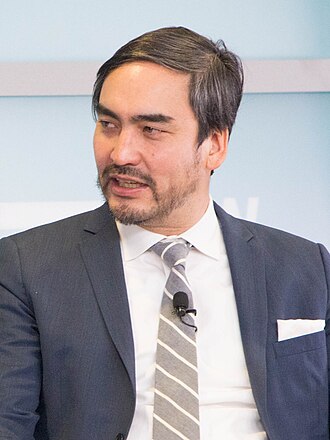
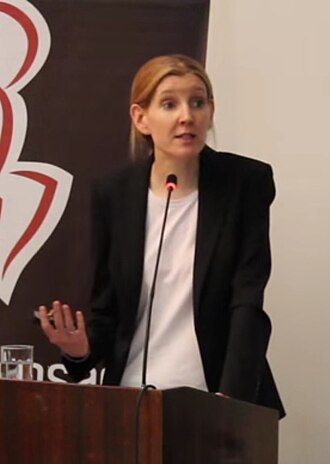
蒂姆·吴 芭芭拉·范·舍维克
EDITED TRANSCRIPT · 依据现场录音编译整理,可划线生成便签
编者按: 2011年,吴修铭应斯坦福大学互联网与社会中心之邀,就其新著《总开关》(The Master Switch)发表演讲,中心主任、法学教授芭芭拉·范舒维克主持。吴修铭时任美国联邦贸易委员会高级顾问,从哥伦比亚大学法学院借调,演讲以个人身份进行。他从贝尔实验室一台被雪藏五十年的答录机讲起,梳理美国信息产业从开放走向垄断的周期,并公开阐述他正在写入新版的「不安的垄断者」理论。本文依据现场录音编译整理。

开场:一个词的来历

范舒维克: 欢迎各位。我是芭芭拉·范舒维克,互联网与社会中心的主任,也在法学院任教。今天很高兴请到吴修铭来谈他的新书《总开关》。在座多数人都认识他,我就不多介绍了。他是网络中立(network neutrality)领域最重要的思想者之一,公认是这个词的提出者,出自他求职时的那篇论文,这可不是小成就。那篇是你的求职论文吧?

吴修铭: 我倒希望是。我真正的求职论文是另一篇,写得太差,从来没发表过。

范舒维克: 好,那就是他早期的论文之一提出了「网络中立」这个说法。他在无线网络中立上的研究同样出色,「卡特电话原则」(Carterfone principles)在华盛顿影响很大。他现在是联邦贸易委员会(FTC)的高级顾问,从哥伦比亚大学法学院的教职上借调过去。除了写了大量有意思的论文和文章,他还担任「自由新闻」(Free Press)董事会主席。

吴修铭: 已经不是了。

范舒维克: 好,曾经担任过。总之,期待你的演讲,欢迎。

吴修铭: 谢谢芭芭拉。回到斯坦福很高兴。我跟这个地方渊源很深,在硅谷工作过几段时间,也在这里做过访问教授。刚才芭芭拉说到网络中立这个词,其实一个说法是从什么时候开始流行的,谁也说不清。我记得是2002年夏天,拉里·莱斯格(Larry Lessig)那时还在斯坦福,我和他就在楼下那个露天餐厅里聊,说我们得提出某种原则,「网络里的中立」、「中立的网络」,大概是这一类的话。后来我写了一篇小文章,叫《网络中立与宽带歧视》,事情就从那里开始了。所以要问这个词是在哪里造出来的,功劳大概我和莱斯格各占一半,地点就在楼下那家小餐厅。对互联网历史感兴趣的人,可以记一笔。

先补一句忘了说的话:我今天以个人身份发言,不代表联邦贸易委员会或任何一位委员的观点。在座也许有人对某些具体调查和案件感兴趣,这些我没法回答,其他机构在做的事我也不能评论。主要是因为我以前干过这种事,惹了大麻烦:我曾经批评过联邦通信委员会(FCC)一次,结果在整个华盛顿城里回响了很久。所以我能讲的有趣的事,大多发生在二十世纪初。

今天我要谈《总开关》。我正在重写这本书的最后两章,做一些调整,新版今年晚些时候出。所以我也会花一点时间讲讲我目前对反垄断理论的一些想法,特别是我称为「不安的垄断者」(the insecure monopolist)的那套理论。

五十年前的答录机

吴修铭: 先介绍这本书的基本想法。我们不妨回到1930年代,确切地说是1935年。请跟我到新泽西州,贝尔实验室的园区。贝尔实验室大概是历史上最著名的企业实验室。那里有一个人,叫克拉伦斯·希克曼(Clarence Hickman),他的办公室里放着一台从未公开的秘密装置,七英尺高,全世界独此一台,算得上贝尔实验室在这个领域的工程巅峰。这台机器有个功能:你打电话到希克曼先生的办公室,他不在,机器会接起电话,放一声「哔」,你就可以留言。也就是说,1934年,贝尔实验室已经有了一台能用的电话答录机。这是相当了不起的成就。

不过这项发明真正重要的,不是答录机本身,虽然那是很方便的技术,而是答录机里面的东西:磁性录音带,就是后来录像机和卡式磁带里用的那种带子。贝尔当时拥有全世界最领先的录音磁带,并用它造出了答录机。这并不奇怪,贝尔实验室是了不起的机构,我们今天想得到的许多技术都是他们发明的:他们在量子物理上有重要成果,后来在激光上有重要成果,再后来发明了Unix系统和C语言。所以他们做出答录机不足为怪。

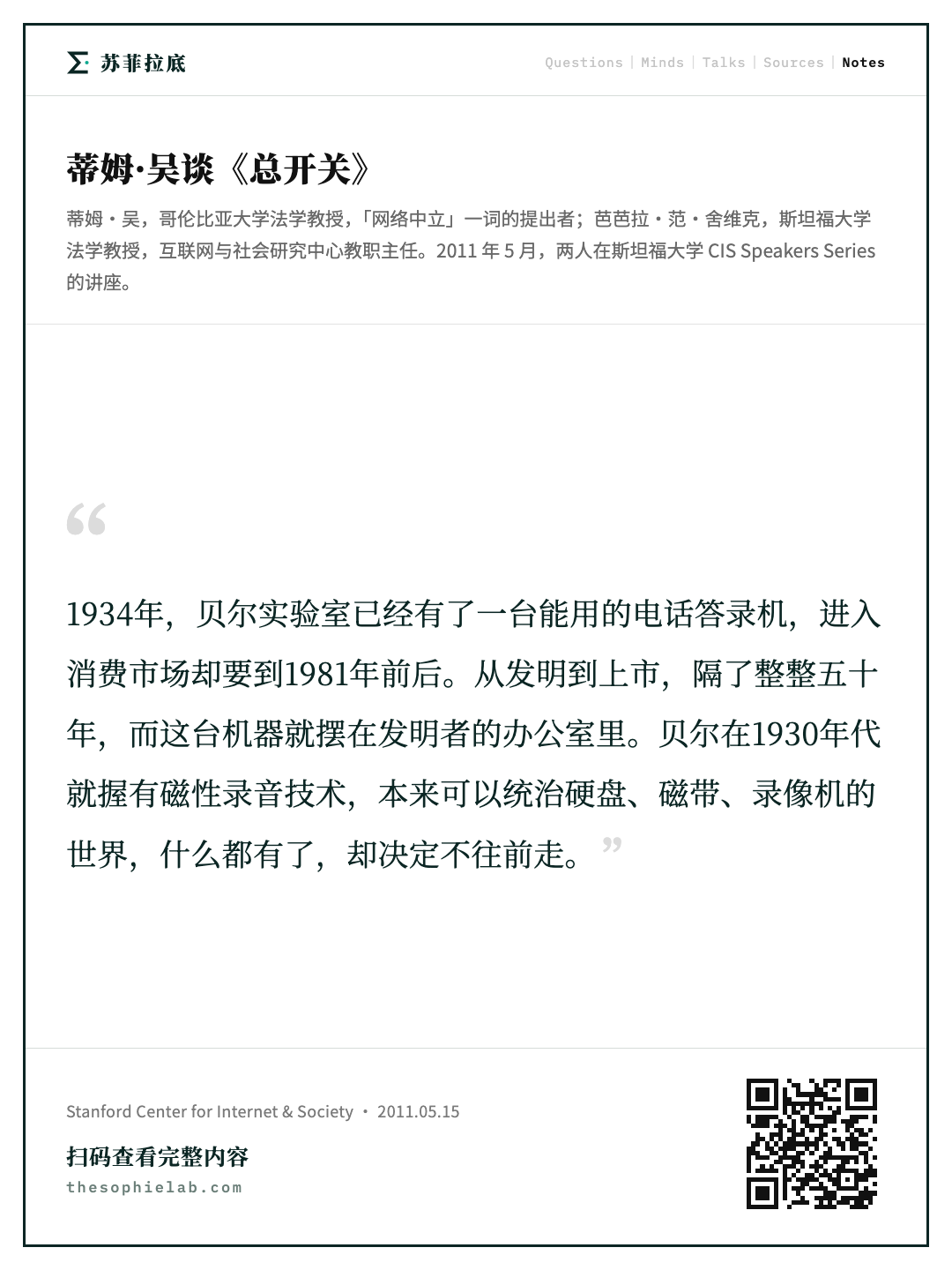
答录机这个故事真正有意思的地方有两点。第一,答录机1934年就发明了,进入消费市场却要到1981年前后,大规模零售是1980年代的事。从发明到上市,隔了整整五十年,而这个人的机器就摆在他办公室里。第二,贝尔在1930年代就发明并拥有世界一流录音磁带这件事,世人一直不知道,直到1990年代有位历史学家在贝尔档案里翻出那位工程师的备忘录才被发现。这里出了什么事?五十年的空白是个谜。想一想磁性录音的分量:它后来成了整个计算机产业的基础之一,重要性几乎可以和半导体相提并论。有多少公司,多少产品,归根到底建立在硬盘上,建立在磁性记录上。贝尔在1930年代就握有这项技术,本来可以统治硬盘、磁带、录像机的世界,什么都有了,却决定不往前走。

发生了什么?1930年代贝尔管理层有一份备忘录,命令贝尔实验室停止磁带录音机的研究,这条研究线就此中断,答录机一类的机器也不再开发。注意,下命令的不是贝尔实验室,而是AT&T的管理层。他们仔细研究了这个问题,结论是电话和录音机是互不相容的技术,录音机一旦普及,很可能导致电话使用量急剧下降。理由有两条。第一,他们断定,如果录音技术普及,商人们就会放弃用电话谈正经生意,因为通话一旦被录下来,日后可以拿来对抗合同。这是很法学院的担忧,他们怕的是口头证据被拿出来推翻书面约定。今天回头看很滑稽,因为现在谁要谈私密的生意,反而用电话或者当面谈,觉得这样更安全。

但让贝尔叫停研究的更大的理由,是他们做了调查。这调查是怎么做的我不明白,各位可以发挥想象。调查得出的结论是,多数电话通话,有人说是三分之二,我不能完全确定,反正是很大一部分,内容不雅甚至淫秽。既然世上出现了一种叫录音机的东西,可以把这些通话录下来,美国人无疑就会放弃电话。这个国家看来对电话性爱上了瘾,某种意义上,这就是贝尔帝国背后的秘密力量。至少他们是这么断定的。于是答录机就没了下文。熟悉电信史的人知道,中间空了五十年,答录机要到1960或70年代才提供给企业用户,1981年第三方销售合法化以后才真正普及。

克罗诺斯效应

吴修铭: 我讲这个故事,算是《总开关》那一系列故事的预热。《总开关》说的是发明及其后果:在通信产业,在信息产业里,一项发明问世之后,路会怎么走。书里描述的是一种反复出现的模式,在电报、电话、有线电视、广播这些行业里一再重演,今天的互联网也可能重演。

这个模式是这样的。每隔一段时间,大概二十年吧,会出现一项发明,用克莱顿·克里斯坦森(Clay Christensen)的话说,它的颠覆性之大,不是改良现有技术,而是要把现有技术整个取代掉。最经典的例子就是电话和电报:电话最终不只是更好的电报,它把原本属于电报的整个市场都吞了下去。这样的发明一出现,就会改变整个行业。

而在发明之初,往往会有一股力量,要么想把它捂住、压下去,要么想把它收编,这是现有势力的反应。我称之为克罗诺斯效应(the Kronos effect):有人试图控制这项发明,发明能不能走向市场,通常要经过一番搏斗。电话业就是个好例子。贝尔电话公司起初是个小创业公司,也就四五个人。它刚宣布电话开卖,刚有一些客户,当时的电报垄断者西联公司(Western Union)就气势汹汹地进入市场,想把贝尔挤死。所以很典型地,一样东西刚发明出来,就有人来敲打它。1990年代我们也见过:互联网可能通过浏览器成为主要的开发平台,成为大众化的东西,微软早早就下了大力气想控制这个市场,最终引出了微软反垄断案。这些模式一再重复。

开放期的四个特征

吴修铭: 假定这项发明活了下来,它们并不总能活下来,但假定它熬过了最初那段时间,接下来你会看到我所说的行业「开放期」。开放期有几个共同特征,我讲三四点。

第一,它往往造就一个很容易进入的市场,一个创业者的市场。各位最熟悉的当然是1990年代到最近十年的硅谷。可类似的现象在1900年前后的电话业里同样看得到。假如你是1900年从斯坦福毕业的年轻人,斯坦福那时候应该已经有了,你琢磨靠什么谋生,可能会想:我去开家电话公司吧。那是个完全敞开的市场,贝尔的专利已经到期,没有专利障碍,随便找个镇子,把线拉起来就能开张。开电话公司在当时并不稀奇,全美国有几百家,说不定几千家电话公司。所以第一条是进入门槛低。

第二,开放期往往充满关于「这个产品到底该是什么」的实验,思路很开放,很多人尝试新东西。1990年代我们显然见过,每一个大学毕业生、每一个生意人都有个自己的网站,名字后面带个「.com」;今天的应用程序(app)也有一点这个意思,大家都在摸索这些东西究竟能干什么。其他时代也是如此。比如曾经有人认为,电话的最高用途是广播。西部有些电话公司提供这样的服务:晚上六点,电话响十下,你拿起听筒,里面播的是一场音乐会,或者一点新闻,一点闲话。如今由电视和广播承担的角色,当时有些人认为最好由电话来做,于是有一批公司真心相信电话是用来广播的。1920年代的无线电是另一个好例子。那时候没人知道无线电是干什么用的,市场也很容易进入,只要有足够的人手,任何大学、任何俱乐部都能开一家广播电台,而且对无线电该做什么有各式各样的想法。最初的想法是,某个地方正在发生一件激动人心的事,无线电把人「传送」过去。早期广播里常用一种语言,有点像后来的「赛博空间」:你正在进入无线电的世界,你将置身于这场拳击赛的现场。今天还残留一点这种感觉,但远不像早期无线电那么强烈,那时候的基本想法就是瞬间移动。

第三,开放的媒介很容易激发种种愿景,我认为这是很重要的功能:人们畅想改进后的通信技术能让世界变得多好,能解决多少困扰人类已久的问题。1920年代关于无线电有大量这样的文字,说有了无线电和广播,政治的种种问题差不多可以指望消失了。我读过一篇社论,说无线电是高贵的媒介,要是有人在无线电波里对着政治大喊大叫,那太可笑了,没人敢这么做,因为听众会觉得太失体统。所以他们确信,无线电上会出现更成熟、更负责任的对话。还有人说,无线电会让国家团结起来,总统会像一位父亲,走进全国每家的客厅,作为一个活生生的人来到民众面前。这里说的都是美国。所以始终有这样一种感觉,1990年代的互联网也充满这种感觉:如今我们有了把所有人连在一起的通信媒介,人类的一切病痛都能治好。这是很常见的主题,背后的理论是,人类的一切问题都源于沟通不畅,或者源于没能意识到人与人之间的联系,大概是这一类的想法。

以上是开放期的三个基本特征。用商业的语言说,这些时期竞争极其激烈,大量企业进入,大量创新,热闹非凡。如果你关心言论问题,我再加第四点。我写的是信息产业,在开放期,言论的光谱极为宽广。举第三个例子,电影业。1910年代到1920年代的电影种类之多样,拿今天的主流好莱坞电影来比,当年主流影片的类型宽广得多。有工会拍的电影,法西斯拍的电影,无政府主义者拍的电影,有专门给爱尔兰观众看的电影,专门给黑人观众看的电影,各种族裔都有自己的电影,黑人影院放的片子也各不相同。我看过一些老的黑人电影,就是普通电影,只不过里面所有人都是黑人。要说的是,政治观点和意见极为多样,种族主义电影也有,都在这些时期得到表达,这是开放媒介的典型特征。我们过去二十年也看得到:互联网和1950年代相比,可获得的观点的光谱宽得太多了。这是开放媒介的又一个特征。

走向整合

吴修铭: 这是开放阶段。下一个阶段,不是最终阶段,是下一个:开放媒介存在十年、十五年之后,你会看到它稳步走向整合。推动这件事的有几股力量。

第一,常常会出现一家公司,它说:这个开放的媒介是了不起的发明,无线电、电影、电话,不管是什么,都是极其重要、极其美妙的发明,可是它太乱了,太混沌,太不可靠,太不安全,我们需要更好的东西。「我们不需要业余时间了」,这是某位整合者的原话。别再这么胡闹了,我们要给你一个更有掌控、更好的产品。

第二,消费者这一边,因果关系可以争论,但往往在一种媒介出现十年、十五年后,新鲜感开始消退,人们对更高制作质量之类的东西的需求增长了。这两股力量是相互配合的。

举个例子。1920、30年代的好莱坞大亨,也就是建立制片厂体系的那些人,最有名的是派拉蒙影业的头儿阿道夫·楚克(Adolph Zukor)。他开始对电影业做纵向整合,他说:我可以向你们保证,我们提供的是更高质量的电影,我们的电影有特效,有明星,有情节,有我们今天和好莱坞电影联系在一起的种种特征,更高的制作水准,有声,大预算。可是要做到这些,我们需要一个整合得多的行业结构,才能把所有环节拼到一起。

最著名的大概是1910年代的AT&T。它开始一步步垄断电话业,慢慢把那些一家家开起来的小电话公司买下来,或者挤垮。有个故事发生在1910年代以前,书里写了,我很喜欢:贝尔打败了一个竞争对手,据报道,他们把对方的电线全部拔掉,堆在镇子中央,点了一把大火,用来警告任何想挑战他们的人。这事是不是真的我不确定,现在也没人这么干了,但我就喜欢这种故事。总之到了1910年代,贝尔的手法温和了一些,开始一块一块地整合这个行业,收购一些,合并一些,再跟另一些签协议。他们同时向行业和全国发出呼吁,核心意思是:竞争对我们这个行业有害,竞争是浪费,竞争把人性中不好的一面激发出来,我们互相打架,互相烧对方的东西。我们真正该做的,是在一家公司、一套系统下协作,实现普遍服务,为全国打造一个统一的产品。我们要建设全国统一的电话网络。你要么支持我们,要么反对我们。支持我们,就加入我们,我们将像父子一样共治美国电话业;反对我们,就等着被彻底消灭。

他们确实这么做了,而且同时向消费者和全国承诺:我们将建成世界上最好的电话网络,用铜线连到每一个美国人家里,而且可靠。此外他们对政府说:请管制我们,但不要把我们国有化。当时关于国有化有过激烈争论。请管制我们,可以审查我们的费率,确保它们不过分,我们都接受,但我们要做垄断者。大家在一起干,竞争没好处,我们见识过了,太混乱。贝尔有这样一种信念:垄断能激发人性中最好的一面,它把某种责任放在掌权者身上,当然那时候掌权的全是男人,他们因此会举止更庄重。这里也有西奥多·罗斯福那个时代的回音:权力越大,责任越大。所以这一半是关于电话系统的愿景,一半是关于资本主义的愿景,和我们今天的看法不太一样:把垄断权授予值得信赖的人,让他们用这巨大的权力为国家做好事,于是全国由一批企业巨头统治一切。稍微跑个题,这在AT&T以外也看得到,汽车业、钢铁业都有这个影子:把最重要的行业交给垄断者,让他们为国家利益经营,别再折腾什么竞争了,三家公司争着做一件本该由一家公司做的事,纯粹是浪费资源。这套说辞极有吸引力,人们认为这是个好主意。最终国会把垄断地位授予了维尔(Theodore Vail)和AT&T系统,这个垄断一直延续到1980年代。

这就是那个模式。走到这一步,通常会出现一个标志性的大亨,我把他放在幻灯片上了。往往是一个人在掌权,通常是个不寻常的人物,有魅力。熊彼特(Schumpeter)1911年写过这类人,他说建立商业帝国的不是寻常的正常人。他讲的是商业帝国,我讲的是信息帝国。这些人未必受金钱驱使,多少有一点,但更重要的是,他们想统治一个私人王国,想证明自己比别人强,想要一个帝国。这类人物会出现:无线电的大卫·萨尔诺夫(David Sarnoff),苹果的史蒂夫·乔布斯,他们向消费者许诺一个新时代。

最后你走到垄断,有时是寡头垄断,三四家、五家大公司,而且能维持很长时间。AT&T持续了六七十年。好莱坞制片厂,就我所见,至今还在,靠这套体系统治了七八十年。他们有起有落,但派拉蒙、环球这些基本的公司,以某种形式仍然掌控着这个行业。NBC、CBS在某个时刻失去了那种权力,但也统治了好几十年。

互联网会不一样吗

吴修铭: 我想留时间给提问,所以直接进入大问题。如果这是历史的模式,那么这本书提出却没有完全回答的大问题是:这会不会也是互联网的命运?新版里我想我回答了,但最初提出的问题是:我们会不会看到互联网产业也走上这条路?我们一直想象,或者说互联网的神话、互联网的立国理念是:它不一样,它从根本上不一样。它主要是在加州发明的,所以它不按这些老规矩行事,它会永远处于无休止的竞争状态,一家公司转眼被另一家取代,如此往复,永远不会离开开放阶段,走进垄断和封闭的阶段。

我认为有理由相信,影响过其他行业进程的那些历史因素,其实也正在影响互联网的进程。如果我们的互联网日益被四五家大公司主导,我不会感到意外。当然不会是完全主导,永远会有很多别的公司,但会有四五家「大厂」(majors),用电影业制片厂时代的说法。我认为有一些具体的理由让人相信这会发生,提问环节可以多谈。

另一方面,反对我这个理论的论证是:互联网确实有些不一样。它的协议,芭芭拉写过很多,它的协议在设计上就是抵制整合的;用互联网的人对垄断更有抵抗力;此外还有一种风险投资的文化,总是在试图制造垄断者的挑战者。这些都是有力的理由,让人觉得这次也许会不同。

但另一方面,有些东西没有变。垄断的经济原理没有变,导致垄断的人性因素也没有变。就经济因素而言,网络效应依然存在,而且可能比二十世纪初还强。AT&T的成功之道之一就是它出去说:如果网络能连到所有美国人,会比一堆彼此不通、互相冲突的网络好得多。拿起电话,你不知道能打通谁,把它们全部合到一个大系统里,就好用了。今天你可以看到,很多互联网市场,至少就目前所见,都有这种赢家通吃的性质。我只举一个例子,社交网络。到目前为止,这可能会变,也确有理由感到它可能会变,但到目前为止,在社交网站上拥有最多用户的公司往往主导这个行业,我说的当然是脸书(Facebook)。它有很多竞争者,MySpace,还有刚才有人提到的Diaspora。但脸书一过某个临界点就开始起飞,用户比别人多得多,现在要挑战它在基础社交网络上的地位,我不说不可能,但极其困难。这和AT&T效应非常相似。

规模经济似乎也有它的后果。谷歌现在为什么如此难以挑战?不是不可能,但微软花了几十亿美元,没见多少成效。原因有好几个,其实是个相当费解的问题。首先,只有微软才有能力去尝试这件事,这本身就该告诉你一些事情:市场变了。我们说开放行业的特征是任何人都能进去试一把。我想现在没人真的认为,自己开一家搜索引擎就能对谷歌构成严重挑战。条件已经变了。我可能错,我希望我错。其次,部分原因就在于纯粹的规模,整个系统核心那台巨型计算机,由所有那些服务器和原始的物理基础设施组成,这意味着要进入这些领域需要相当大的投入,规模经济在这里起作用。

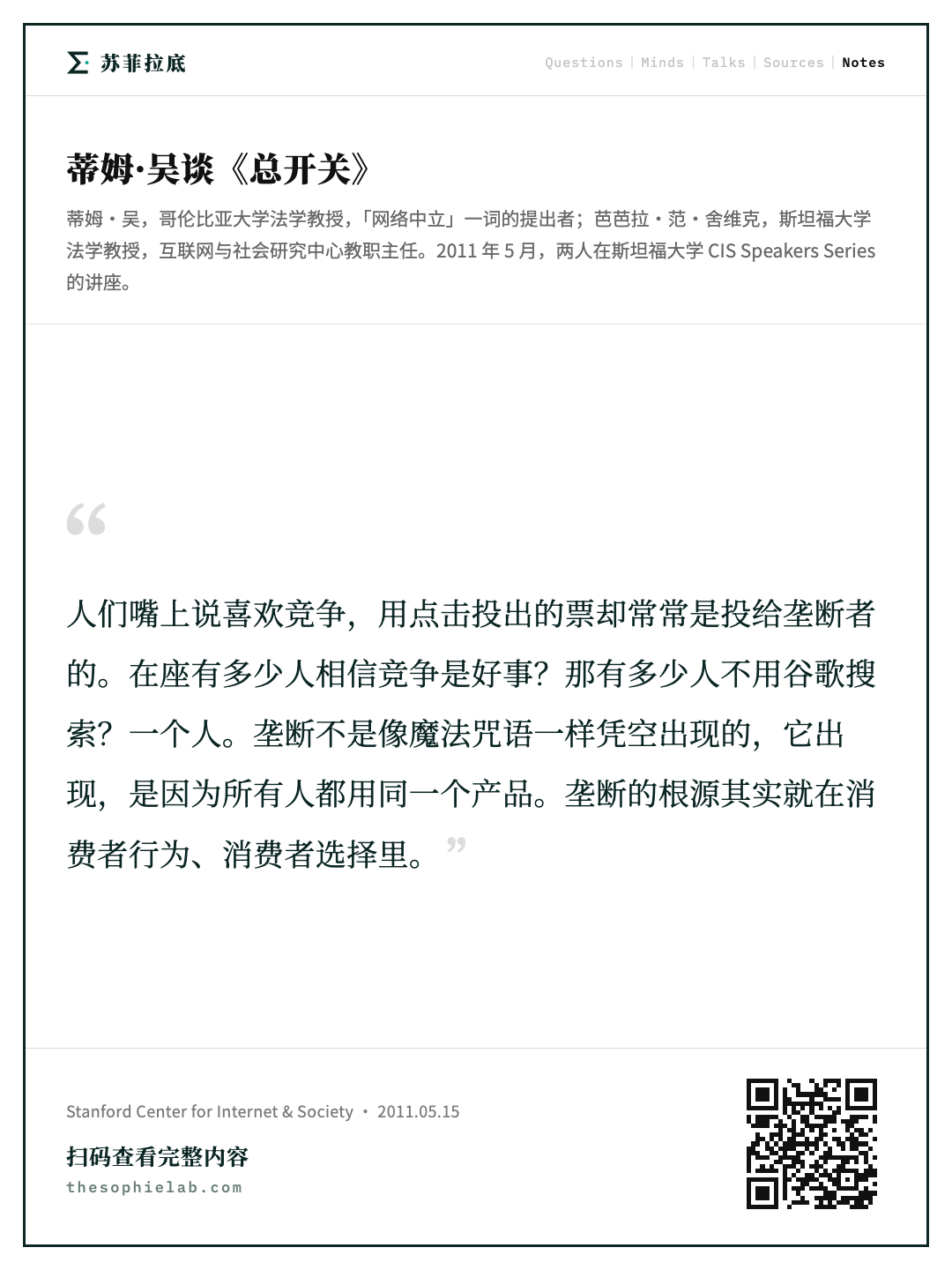
我想留时间给提问,所以用下面这点来收尾。美国人常说,你们尽可以反驳,说他们喜欢竞争,信奉亚当·斯密,竞争能压低价格等等。但就实际偏好而言,美国人,其实全世界的人,从他们实际使用什么来看,往往更偏爱垄断者。人们嘴上说喜欢竞争,用点击投出的票却常常是投给垄断者的。我在这儿做个调查吧。在座有多少人相信竞争、认为竞争是好事?那有多少人不用谷歌搜索?一个人。你们的信念和行为之间有点小小的不一致。垄断不是像魔法咒语一样凭空出现的,它出现,是因为所有人都用同一个产品。我不是说这有什么不对,我们显然都在这么做。我想说的是,垄断的根源其实就在消费者行为、消费者选择里。在我看来,这意味着《总开关》所讲的问题,也就是垄断反复出现的问题,永远不会消失。谢谢,下面请提问。

海外比国内更强

听众: 我想问美国以外的国家。它们有没有可能起来反抗这种垄断,比如微软的垄断?其他国家能做点什么吗?

吴修铭: 全球化,这是变了的东西之一。《总开关》基本上写的是美国的信息产业,偶尔绕到德国、英国和法国,主要还是美国,欧洲讲得少一些。早期电影业的中心其实在欧洲,在巴黎,那是好莱坞之前的事。1905年前后你想拍电影,就得去法国。那时候电影是默片,法国拍的片子拿到美国放没什么差别。问题是情况有没有变,毕竟现在市场多得多,而且在一个全球化的经济里,参与其中的政府也多得多。

有两点很有意思。第一个问题是,全球化更可能导向垄断,还是更不可能?两个方向的论证都有。说更可能导向垄断的理由是:当你面对的市场是几十亿人而不是几亿人,当你可以面向全世界,网络效应和规模经济的优势可以进一步放大。如果某种效应让一家公司在两亿用户时很强大,那它在二十亿用户时会更强。拿脸书来说,如果全世界的人都在脸书上,它的价值也许比一国之内所有人都在上面更大,因为人们在别的国家也有朋友。推特(Twitter)也是,全世界都在用,就比只有一个国家在用更有价值,因为你能知道叙利亚在发生什么。另一方面,这也意味着有更多的政府在想拆分垄断者的时候可以动手,潜在的反垄断当局多了,这是其一。其二,理论上有更多的国家可以孕育出对垄断者的挑战。一家公司得操心的不只是垄断一个国家,它得垄断全世界。

不过有件奇怪的事。到目前为止,除了少数例外,互联网应用市场基本上处于美国霸权之下,主要由美国公司主导:谷歌,某些地方是雅虎,还有亚马逊。有些地方它们没那么强,但总的来说,最有实力的公司确实大多在美国这一侧海岸。而一个非常奇怪的现象是,很多美国公司在海外的市场份额比在美国国内还高,这和历史趋势正好相反。IBM在1970年前后,在美国的市场份额大约是百分之七十,但在日本或法国总要面对一个本土竞争者。今天谷歌这样的公司在美国的份额大概是百分之六十几、七十,在欧洲却有百分之九十左右。很多美国公司在海外比在本土更强。这我真的不明白,按常理你会预测本地公司做得更好。但除了中国以外,美国公司在海外通常都做得很好。这就是我能说的。

触及多少心灵

听众: 你放在幕布上的这个模式,是不是出于某种原因,对信息产业比对其他行业更适用?

吴修铭: 简单的回答是,我没研究过其他行业,所以只谈我实际研究过的东西,把每个行业都研究一遍要花很长时间。不过是的,有些经济学家有类似的模型,我确实认为信息产业可能有几点不同,有的是规范层面的,有的是描述层面的。首先,我更在意信息产业,我写它们是因为我更关心它们,因为它们关系到言论。这也是我认为反垄断或商业管制的常规规则绝不应该直接套用到互联网产业上的一个原因。法兰克福特大法官(Justice Frankfurter)在1940年代的美联社案里说过这一点,他说信息不是豌豆和土豆,它是一种对社会有着截然不同后果的产品,和第一修正案的运转紧密相连。这是我研究它的原因。

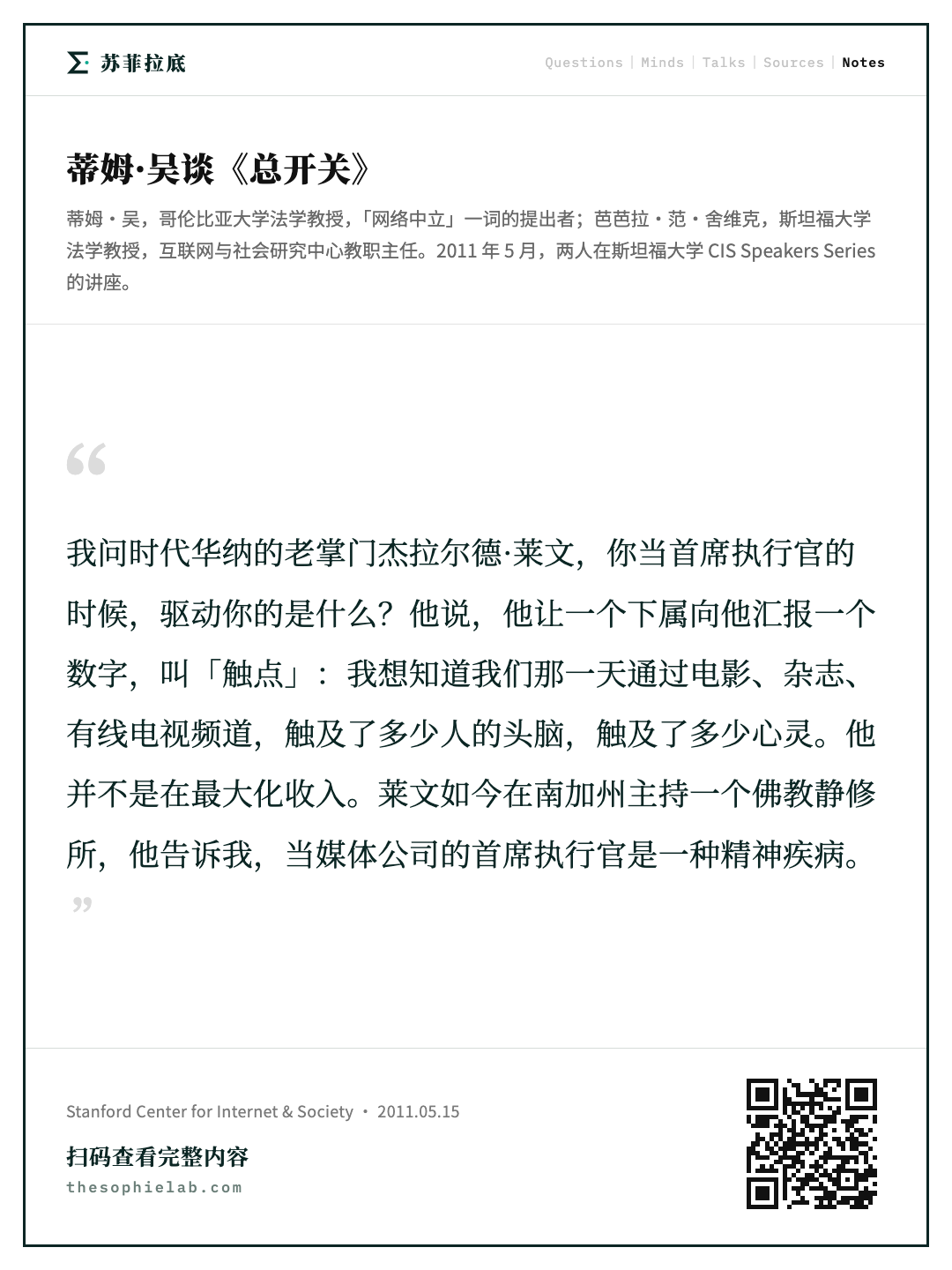
那么这个模式在这里的运作方式是否不同?有些理由让人觉得可能不同。我给两个理由。第一,这些行业吸引的人略有不同。那些标志性的大亨,那些想经营信息帝国的人,有时候性格和普通人不一样。掌管人们的头脑这件事,似乎特别吸引某一类人。这是我的看法,我的证据是我采访过杰拉尔德·莱文(Gerald Levin),时代华纳收购美国在线时的老掌门。我问他,你当时代华纳首席执行官的时候,驱动你的是什么?他说,首先,走进一间屋子说「我是全世界最大媒体公司的首席执行官」,没有什么比这更过瘾。这是他的动力之一,很有意思。他还说了另一件事。他说,当他琢磨公司到底要最大化什么的时候,他让一个下属向他汇报一个数字,叫「触点」(touch points)。我问什么是触点,他说,我想知道我们那一天触及了多少人的头脑,通过我们的电影、杂志、有线电视频道,通过我们所有的媒体资产,那一天我们触及了多少心灵。我要这个数字,我要知道它在往哪个方向走。所以他并不是在最大化收入,也许他也在做那件事,但他心里装着的是这样一张图:有多少心灵被触及。今天很多互联网公司也是这样,他们最终要的是钱,但钱不是人们唯一想要的东西。所以我认为信息产业确实有它的不同之处。顺带说一句,莱文如今已经是个变了的人,目光沉静,说话很慢,在南加州主持一个佛教静修所,时代华纳的前首席执行官。他告诉我,当媒体公司的首席执行官是一种精神疾病。很有意思的一个俱乐部。

垄断的坏处在后头

听众: 我的问题是,我很难想象互联网行业里的垄断是什么样子。我看这里有个区分,一边是服务提供商,一边是网站,比如脸书和谷歌。服务提供商的垄断有什么问题我看得出来,他们可以偏袒某些网站,决定你访问某个东西的快慢。可是谷歌或脸书这样的垄断有什么不对,会怎么影响我们的日常生活?坏处到底在哪儿?

吴修铭: 坏处在哪儿。首先,这是个好问题,而且显然我们过去并不觉得有多大坏处,因为我们让AT&T掌管了七十年。我想说的就是,尽管嘴上讲亚当·斯密,美国人其实倾向于喜欢垄断。大多数美国人完全乐意消灭竞争,生活在一个基本上由几家公司掌管一切的、近乎法西斯式的状态里。

至于问题,垄断有一个典型的模式:刚上台的时候,往往伴随着一个黄金时代。它们刚掌权时通常拥有很棒的技术,通常是做成了什么事才走到那一步的。今天很多互联网公司确实如此。谷歌、脸书和其他公司崛起是有原因的,它们的产品极好,人们喜欢。1910年的AT&T的电话服务大概也确实比竞争者好,它的钱也多得多。NBC刚开始做联播的时候,集中了大量资金,做出了谁也没见过的节目。好莱坞电影出来的时候,人们看到金刚爬上帝国大厦,惊得说不出话。这就是黄金时代。

问题在于,一旦坐上垄断的位置,公司往往就待在那里不走了,一待就是几年、几十年,最终开始变得反复无常,长期看还会变得有些蛮横。所以如果你担心互联网垄断者,我不会担心现在,也不担心接下来十年,我担心的是更远的将来。因为公司随着年岁增长,往往在创新上投入越来越少,在防御和压制上投入越来越多。它们通常会意识到,对自己最大的威胁是某种新发明,于是开始收买、收编,有时候是试图摧毁正在冒出来的新东西。这是往后的问题。如果这种策略成功了,整个行业就会陷入停滞。举个例子,即便在我们这个时代你也能体会到:微软视窗系统作为开发平台已经几乎完全停滞了,没人再为它写东西。除了谷歌那个东西,上一次出现一款能和Word竞争的文字处理软件是什么时候?现在开始有了,但都在完全不同的平台上,没人再写原生的视窗应用了。电子表格也一样,都停滞了。这就是会发生的事,你会在这个状态里卡上一阵子。这是长期的问题之一。

另一个长期问题,如果你关心言论市场:一旦整合到一定程度,整合后的行业就容易受到审查。如果互联网行业由四五家大公司组成,起初它们往往非常支持言论自由,可是几十年之后,它们会越来越多地听从那些希望它们审查互联网的人。我认为这是另一个重大问题:私人审查增多,对创新的压制增多。这就是长期垄断的问题。

听众: 我能追问一句吗?问题是,互联网不一样,因为没什么东西真正阻止竞争者出现。做电话你得铺电缆,有实实在在的高额启动成本,无线电也是,频道只有那么多。可互联网是无限的,谁想进来,没有什么能拦住他。

吴修铭: 那你就照这个建议去开一家搜索公司,看看结果如何。我不是不同意,我完全同意你的基本观点:通信层和应用层之间确实有区别。通信层首先是个老得多的行业,坦白说,它基本上还是贝尔和AT&T,还是同一批人,加上有线电视业。那是老行业,那里的某些经济特性确实让市场进入很困难。我的问题,也是这本书的前提,是需要去考察而不是直接假定的一件事:主要的互联网市场会不会也朝那个方向走?换句话说,你去开一家搜索引擎,你可以把产品推出来,但你到底能不能在这些主要市场里真正站住?市场进入还是不是过去那个样子?这才是关键。网络中立之所以重要,正在于它保证了你永远有挑战他们的可能。但问题是,进入这个行业所需的规模和其他条件,是不是已经变得很严峻了。

不安的垄断者

听众: 谢谢你多年来为互联网的开放保持警惕。我在做面向发展中世界的大学和学校,类似维基百科加上麻省理工的开放课程,可能覆盖三千到八千种语言,开放学科,免费学位,学士、法学、医学、博士,五十到一百个国家。可是你有Visa在垄断支付。网址是无限的,数量还在扩大,你有一个实时的、分布式的全球通信网络,有两百来个民族国家。谷歌或脸书这样的公司怎么可能去垄断无限扩张的网址?还有,任何一个国家里都可能出现开放式的创新,这些怎么垄断得了?

吴修铭: 谢谢。这在一定程度上是前一个问题的延续,也就是:互联网是不是真的不一样?有几百万个网址这一事实,是不是让任何公司都不可能垄断它?我想是时候介绍一下「不安的垄断者」理论了。

我想我们要找的,我想历史证明的是:真正的危险来自这样一种垄断,它设法把自己隔绝起来,以至于可能永远持续下去,它把足够多的市场入口都封死了,或者让进入变得足够昂贵、足够困难,以至于没人能真正挑战它。想建一所你说的那种大学?算了吧,你连从哪儿起步都不知道。「不安的垄断者」这个论题认为,由于我们谈过的那些因素,在大多数通信产业和信息产业里,垄断很可能会出现。但我们要做的,是保持刚才那位女士说的那种状态:让它们始终有一点不安,始终可能被挑战。理由有两条。一是它们确实能被挑战,一旦更好的东西出现,就真的能把垄断者赶下去。二是垄断者本身始终有点紧张,时时回头看,按照你希望它表现的方式行事,总是不太确定自己会不会很快出局。因为一家企业一旦觉得自己永远不会倒,它的行为方式就变了,开始像一个在位二三十年的国会议员。

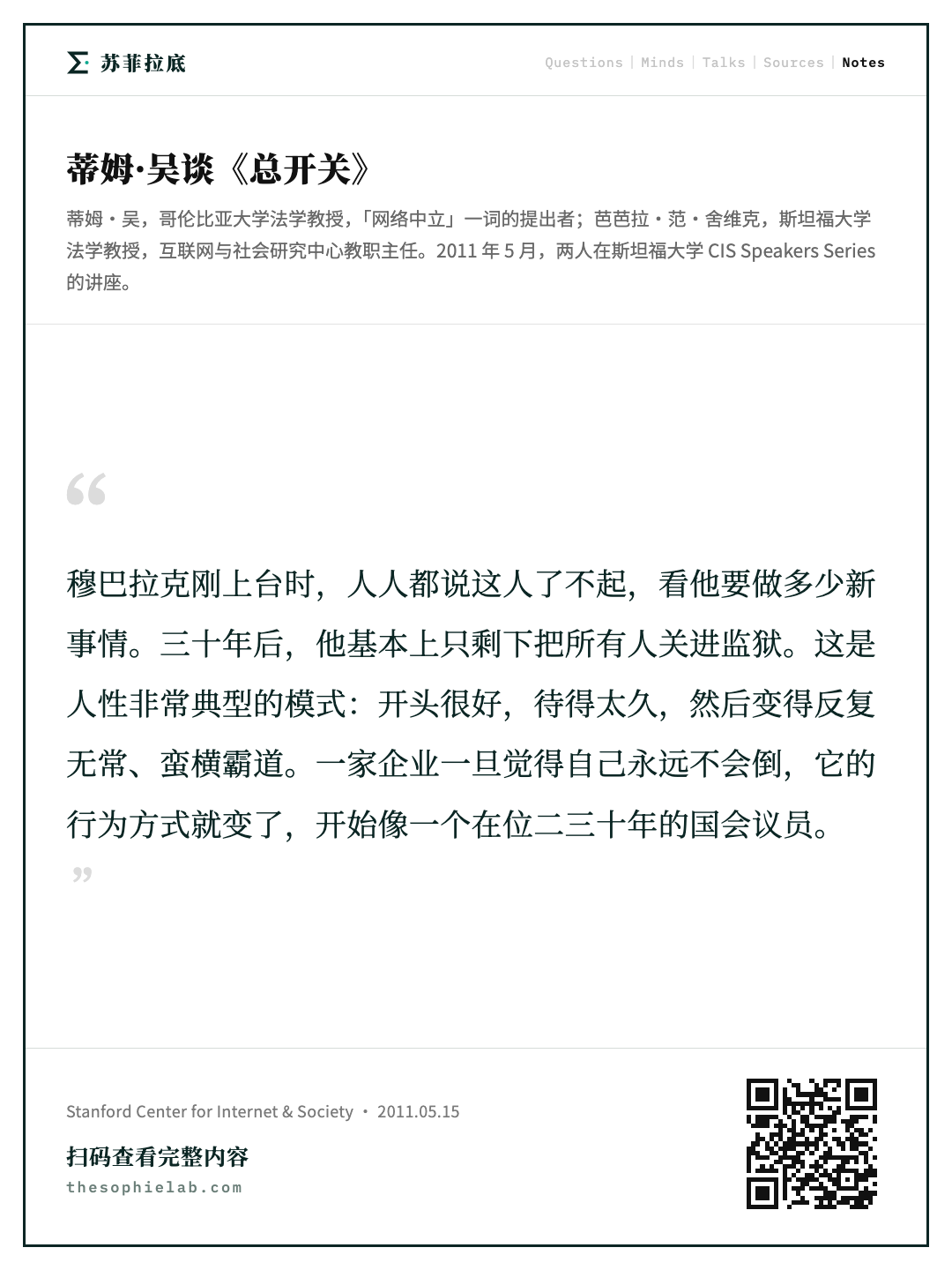
我关于垄断从黄金时代走向停滞的想法,和这个很相似,是从政治里借来的。政治里常有改革者上台,一开始很有吸引力,连许多独裁者也是如此。穆巴拉克刚上台时,人人都说这人了不起,看他要做多少新事情。三十年后,他基本上只剩下把所有人关进监狱。这是人性非常典型的模式:开头很好,待得太久,然后变得反复无常、蛮横霸道。要避免这个问题,理论上就是让垄断者保持不安。怎么做到?

具体到互联网,第一,这正是网络中立或者说开放渠道重要的地方。网络中立在这套方案里的意义,是确保始终存在某种渠道、某一组资源,任何人都可以依靠它去挑战现存的垄断者。所以开放渠道,或者说网络中立,对这种挑战至关重要。

第二,政府不要庇护垄断者,我还没想好怎么表述这一条。在《总开关》里,让垄断持续极长时间的因素之一,就是政府决定它喜欢这个垄断者,不想让它消失。到1950年代,AT&T的行为已经开始有点古怪,答录机的例子就是一例。但国防部决定它喜欢AT&T,因为AT&T在帮它建预警系统和各种有助于国防的东西。想一想,如果你在政府里,我现在在政府工作,对此看得很清楚,某个行业由一个垄断者经营,而你有一个想做的项目,只要让垄断者去做,你就能不加税而达成目标,因为税实际上是通过垄断价格征收的。比如1950年代国防部想建一套洲际弹道导弹预警系统,它可以让AT&T去建,AT&T用略高一点的电话费实际上向美国人征了税,你想建什么都行。所以一旦政府手里有一批垄断者,它还可以显然地把它们用于宣传或者基础设施,它们就变得非常有用。电话系统在很多场合都对政府很有用,所以政府常常偏爱垄断。避免政府成为垄断者的朋友,对垄断者能不能时不时被取代,相当重要。

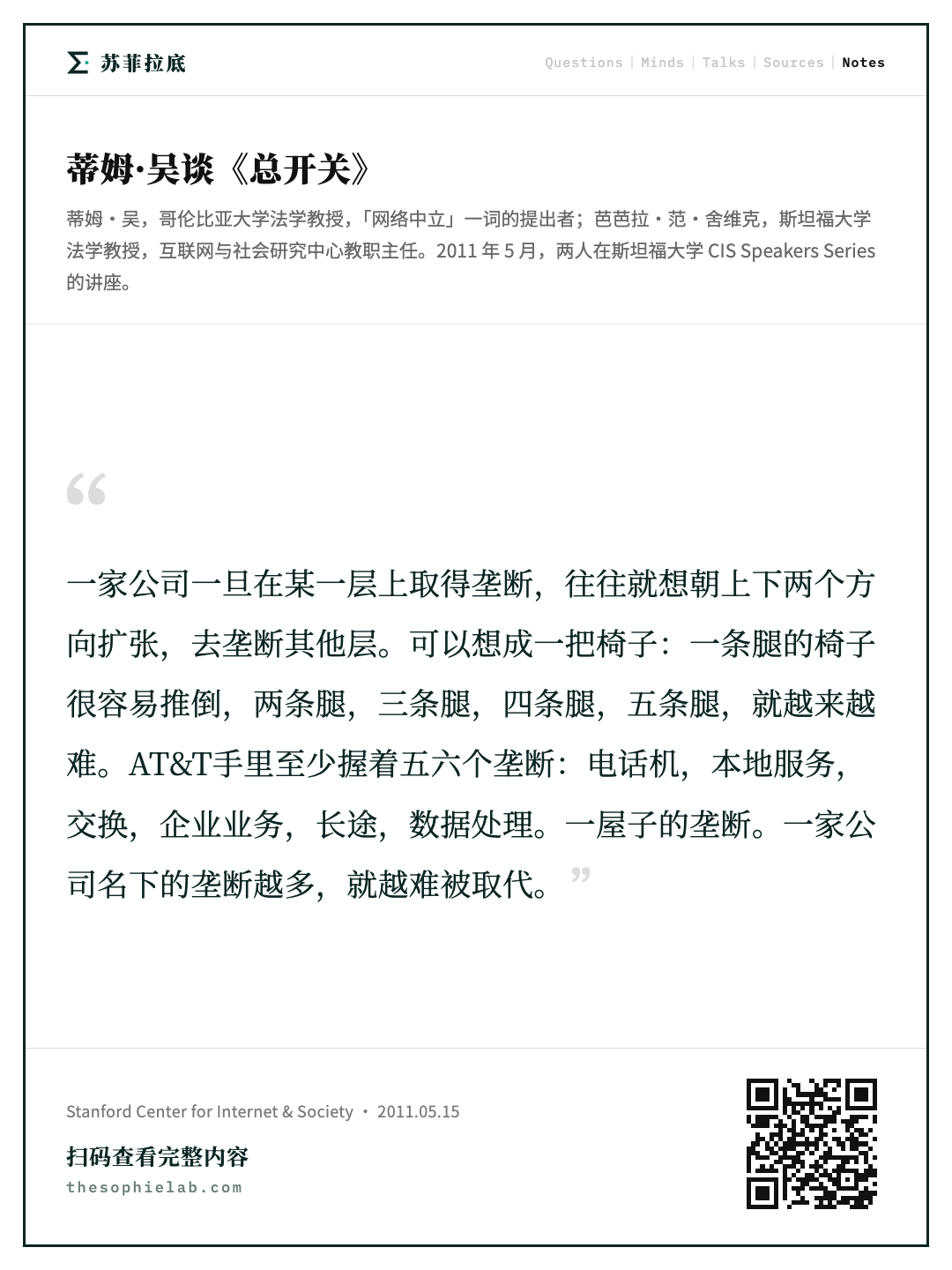
第三,这是我现在正在研究的:如何避免纵向垄断。我需要一个更好的说法。典型情况是,一家公司一旦在某一层上取得垄断,也就是它最初的平台,它往往就想朝上下两个方向扩张,去垄断其他层。一家公司一旦垄断了一整串的层,从它最初的规模扩张出去,它掌握的垄断越多,就越难被取代。可以想成一把椅子:一条腿的椅子很容易推倒,两条腿,三条腿,四条腿,五条腿,就越来越难。回到AT&T,这是个绝佳的例子。人们常说AT&T这个垄断者手里至少握着五六个垄断:电话机,本地服务,交换,企业业务,长途,还有数据处理。一屋子的垄断。一家公司名下的垄断越多,就越难被取代。微软是双重垄断者,现在还是:视窗和应用软件,它还想成为三重垄断者,于是有了反垄断案。所以我认为,当前政府政策的一个重要思路,就是防止单一垄断者变成双重、三重、四重垄断者,那会让它们很难对付。不知道是不是直接回答了你的问题,至少给了你我在这个题目上的想法。

按价值收费

听众: 很多网络中立的支持者主张立法,禁止网络运营商按带宽的价值收费。比如一段语音通话和一封简单的文本邮件,即使占用同样的带宽,在同一时段传输,也不能区别定价。这样的立法加在网络运营商身上,你觉得会有什么后果?

吴修铭: 你具体指的是什么?抱歉我有点迟钝。你是说,假设Skype的流量和另一种流量占用同样的带宽,而网络运营商因为自己也提供语音服务,想对Skype收费?

听众: 对。

吴修铭: 那就是网络中立要解决的问题。因为这很快就会变成,我不说和封锁一样,但它是一种可以让某些企业吃亏、让另一些企业受益的安排。如果网络提供商当年被允许这么做,就不会有Skype。谁会让Skype跑在自己的网络上?那太疯狂了。如果你可以对Skype收费,一家普通电话公司凭什么想让Skype在自己网上跑?它直接吃掉你的收入。那就给Skype定个价,定到你想要的最高价。所以是的,这是另一种手段。

听众: 那你认为网络运营商不应该有这个权力,按带宽的价值收费,分析经过的数据包,然后定价?

吴修铭: 不应该,我认为不应该允许他们这么做。不只是出于竞争方面的理由,我都不知道从哪儿说起。第一,它对创新有寒蝉效应。它让所有创新在某种意义上都受制于电话公司,不是否决权,但是强大的影响。于是你会看到竞争少了,那些可能被电话公司定高价、被视为威胁的东西不会被发明出来。而那些构成威胁的东西,恰恰是你希望被发明出来的。这是一个理由。我不喜欢它的另一个理由,理由很多,是要做这些事,你必须大规模侵犯隐私,这很可能违反《窃听法》。你怎么知道一个人在不在用Skype?你得钻进去看数据包,得看到相当深的地方才能判断。在我看来,这和窃听是一回事。

应用的生与死

听众(伊利亚): 我叫伊利亚,我在做Diaspora,所以不用说,我在想今天一些大型社交网络的停滞问题。我想问的是,互联网目前的状况,我们在这个周期各个阶段停留的时间,会不会只是某种反映?你刚才说美国人总体上喜欢垄断,虽然嘴上说喜欢竞争。我忘了在哪儿读到的统计,说美国人在技术采用上偏晚,而日本人是很早的采用者。你觉得随着更多国家、更多早期采用者加入,我们在这个周期各阶段停留时间的比例,会不会朝创新多一些、垄断少一些的方向移动?

吴修铭: 这是个很好的问题:整个周期是不是大大加快了?这取决于你把什么算作颠覆性发明。你把推特算作颠覆性发明,还是只算互联网,或者万维网?这很要紧,也很难衡量。我的感受是混杂的。我认为要区分那些真正把桌面清空的发明,如果你说的是那种发明,那互联网和万维网就是,其余的东西都只是搭在上面,来来去去。我在「总开关周期」里关心的是更大层级的发明,像电影,像电报,是彻底改变整个领域的东西。推特只是比脸书的信息流稍微变了一点。

听众(伊利亚): 那要是我们稍微抬高一个层级,把社交网络本身当作平台来看呢?

吴修铭: 我很久以来就想写一篇东西,叫《伟大美国应用的生与死》,谈的是应用这种更小的生命周期。《总开关》讲的是改变行业、改变社会的大发明,但应用有它们自己的生与死。这会是一本书或者一篇文章,专门讲计算机应用。我认为你能看到一种非常自然的周期:它们诞生,带着某种代码基础,然后开始腐朽,用法也在变。想想1990年代的电子邮件,它当时的处境有点像今天的短信,只有一小群人在用。再看Foursquare这样比较新的应用,它还处在刚要起飞的时刻,上面基本上只有你想遇见的人。到了另一些应用,突然所有人都来了。脸书经历过这个阶段,克雷格列表(Craigslist)也经历过。大概十一年前,你在克雷格列表上发广告,你完全知道谁会回应,来看房的人出现时毫不意外,正是你预想中的那种人。我解释不了为什么,但那时候用户全是二十到三十一岁、住在旧金山、同一类型的人。后来就变了。应用内部这些小小的圈子,非常值得研究和理解。那篇《伟大美国应用的生与死》我还没写。

关于这一点我最后说一句,这更多是平台层面的问题:有一种周期是,起初编写者想做一个更开放的平台,把更多人吸引进来,到了生命周期后期,就想把它收紧一点。推特现在就是这样。

听众(伊利亚): 因为要变现。这多少源于推特是个营利实体。我最近想得很多的一个想法是,你的平台不应该出卖你。比如,假如Groupon是脸书上的一个应用,然后脸书推出了自己的「脸书优惠」,那当然尴尬,但如果平台是营利的,就会更尴尬。

吴修铭: 谢谢。关于这个我还想说一点,我认为这是今天和历史不同的地方之一。二十世纪大部分时间里出现的垄断都是封闭的垄断,一律封闭。而今天出现了两种不同类型的垄断。一种是「开放的垄断」,也就是一些公司虽然是垄断者,却宣称自己是开放的,这很不寻常。历史上大多数公司一旦取得垄断,就把公司封起来,什么都关上。这是其一。其二,还有真正开放的垄断,前一种是商业性的开放,这里说的是真正的开放,维基百科是个好例子,TCP/IP也是。

听众(伊利亚): 那是个标准。

吴修铭: 对,但在TCP/IP这样的平台上,你有完全彻底开放的主要平台,这在二十世纪是很少见的。这些为「这一次也许不同」的论点提供了一些支持,有人是这么说的。

物理定律与人性

听众: 你刚才说到对头脑的全面控制,是在信息产业的语境里说的。我来这里学法律和技术之前是学历史的,我看信息产业可以往回追溯很远,追溯到宗教、书籍和意识形态。约翰·佩里·巴洛(John Perry Barlow)说过,赛博空间完全不同,它是心灵的新家园,那些疲惫的旧巨人在赛博空间没有主权。但从你在通信管制、知识管制框架、文化和版权上的研究看,这些垄断者显然仍在试图把控制伸向互联网。那么,新出现的这些创新,点对点、匿名、分布式的信息架构,比如维基解密,以及人们跳出这些知识管制框架的能力,是否从根本上改变了什么?

吴修铭: 这是个好问题,它是另一个版本的「互联网是否改变了一切」,某种意义上这是我整个职业生涯都在纠缠的问题,所以不容易简单回答。你提到通信的点对点性质。我的回答是:它改变了一些东西,但不是一切。我对大多数事情的回答都是这个。

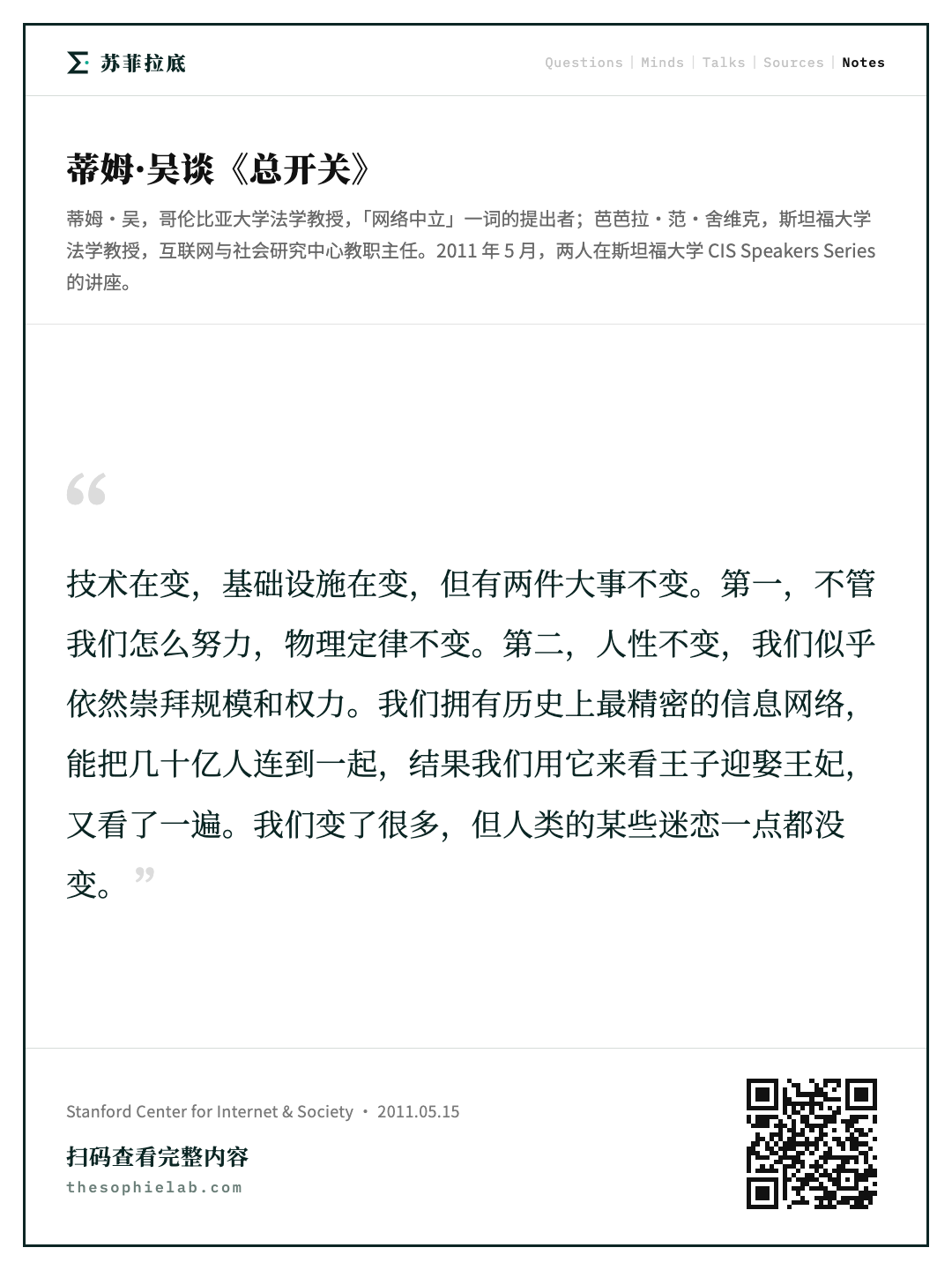
原因,我这里回到刚才的演讲,是技术在变,一部分基础设施在变,一些东西在变,但有两件大事不变。第一,不管我们怎么努力,物理定律不变。从物理定律里衍生出一些经济原理,比如规模优势。谷歌是一家非常成功的公司,它成功的原因之一,我再说一次,是纯物理的:他们有设计得极其精巧的服务器群,实实在在地放在某些地方,不是什么「云」里的想象之物。那是庞大的物理基础设施,它带来某些优势,过去如此,将来大概也如此。

我要再次强调的第二件事,是那个真正不变、至少不像人们希望的那样变的东西,叫做人性。我们似乎依然崇拜规模和权力,原因留给各位自己想。我前几天在想这件事:我们拥有历史上最精密的信息网络,能把几十亿人连到一起,结果我们用它来看王子迎娶王妃,又看了一遍。所有这些变化,所有这些推特,我们把全世界的注意力集中到康沃尔公爵和公爵夫人身上。这在我看来说明的是,我们变了很多,但人类的某些迷恋一点都没变。而这,基本上就是驱动我整个职业生涯的东西。谢谢各位。
本期讲者
蒂姆·吴哥伦比亚大学法学教授,「网络中立」一词的提出者,《总开关》(The Master Switch, 2010)作者。演讲时任美国联邦贸易委员会高级顾问,2021 至 2023 年任白宫国家经济委员会技术与竞争政策特别助理。
芭芭拉·范·舍维克斯坦福大学法学教授,互联网与社会研究中心教职主任,著有《互联网架构与创新》(2010),长期研究网络中立与互联网架构对创新的影响。
章节 · 点击跳转视频
0:08 主持引介与「网络中立」一词来历 ▶ 正在看
2:53 免责声明与本场议程 ▶ 正在看
4:18 贝尔实验室:被雪藏五十年的答录机 ▶ 正在看
9:57 信息产业循环:颠覆发明与克洛诺斯效应 ▶ 正在看
12:40 开放期四特征:低门槛、试验、愿景、多元 ▶ 正在看
19:03 走向集中:整合者的承诺与 AT&T 垄断 ▶ 正在看
24:46 大亨人格与互联网是否例外 ▶ 正在看
28:52 网络效应、规模经济与消费者的选择 ▶ 正在看
32:29 问答:全球化与信息产业的特殊性 ▶ 正在看
41:41 问答:垄断的坏处,从黄金时代到停滞 ▶ 正在看
47:34 不安全的垄断者:三条政策支柱 ▶ 正在看
54:12 问答:按价值收费、应用周期与人性不变 ▶ 正在看
本期论点
本期回应
10:29
电报、电话、有线电视、广播和互联网都在重演同一个产业兴衰周期 会被翻掉已经领先的人会被换掉吗?
27:58
塑造其他产业的历史规律同样在塑造互联网,它终将由四五家大公司主导 守得住已经领先的人会被换掉吗?
43:47
公司变老后在创新上投入更少,转而把资源用于防守、收购或压制新冒出的技术 会被翻掉已经领先的人会被换掉吗?
38:40
信息产品会影响言论,因此常规反垄断与商业监管规则不该直接套用到互联网产业 公司自改技术公司该怎么被约束?
51:16
网络中立性至关重要,它留下了任何人都能依靠来挑战在位垄断者的开放通道 法律强制技术公司该怎么被约束?
33:13
垄断的真正根源是消费者的实际行为和选择,而不是凭空出现的 用它的人技术的坏后果该由谁负责?
1:06:17
技术与基础设施会变,物理定律和人性不变,互联网改变了一些事却没有改变一切 只是变多变快媒介更替会改变人本身吗?
其他论点
6:50
磁性录音技术的根本性堪比半导体,众多产业都建立在它之上
18:41
1910、1920年代的主流电影在政治立场与观点上比今天的好莱坞多元得多
22:21
竞争对电信业有害,是一种浪费,还会激发人性中不好的一面
25:50
信息帝国的缔造者主要动机不是钱,而是经营一个私人王国、证明自己比别人强
42:34
垄断者刚上位时往往连着一个黄金时代,因为它们多靠出色的技术和产品才登顶
45:05
言论市场一旦高度集中,行业就更容易被审查,私人审查也会随时间增多
48:52
真正危险的垄断是那种成功把自己隔离、封死市场入口、让人无从挑战的垄断
01主持引介与「网络中立」一词来历
0:08
hello welcome everybody I'm Barbara fik I'm the faculty director of the center for internet and society and a law professor here at the law school and I'm really delighted today to introduce Tim Vu um who will talk to us about his new book the master switch most of you probably note him and so I won't tell you too much about him you know he's one of the leading thinkers on network new child he is widely credited with coining the term in his job top paper which is you know not a small achievement for that was your job talk paper wasn't it uh discrimination uh I wish it had been my job talk paper my actual job dog paper was something else which was never published because it was so bad okay one office papers credited the term Network neutrality he has done great work on wireless network neutrality as well the cartone principles were very influential um in Washington right now he is a senior advisor at the Federal Trade Commission un leave from his job as a law professor at Colombia and um yeah apart from writing lots of interesting papers articles call he is the chairman of the board of Free Press not anymore was the chairman of the press of the board at Free Press anyways um I'm looking forward to your
大家好,欢迎各位。我是芭芭拉,互联网与社会研究中心的教职主任,也是本院的法学教授。今天我非常高兴介绍蒂姆·吴(吴修铭),他会来跟我们讲他的新书《总开关》。你们大多数人应该都认识他,所以我就不多介绍了。他是研究网络中立问题最重要的思想者之一,大家普遍认为“网络中立”这个词就是他在求职演讲论文里提出来的——这可不是个小成就。那篇是你的求职论文吧?就是讲歧视的那篇……我倒希望那是我的求职论文,我真正的求职论文是别的东西,因为写得太烂,从来没发表过。好吧,总之有一篇论文被认为创造了“网络中立”这个说法。他在无线网络中立方面也做了很出色的工作,卡特冯原则影响很大。他现在在华盛顿担任联邦贸易委员会的高级顾问,暂时离开了哥伦比亚大学法学教授的职位。另外,除了写了很多有意思的论文和文章,他还是自由新闻(Free Press)董事会主席——不对,现在已经不是了,曾经是自由新闻董事会主席。总之,我很期待你的
便签引用
1:42
talk welcome thank you Barbara uh it's great to be back at uh Stanford I uh had a long uh kind of history with this place I I obviously worked in Silicon Valley at different times and I was a visiting Professor here at one point one thing she was talking about that net neutrality I I actually think I don't you know you don't really know when phrases just start to become used and and suddenly I I think we started using it uh that phrase down at that cafeteria you know the outdoor cafeteria Larry and I One Summer 200 two I think Larry leig was then here at Stanford I think that's when we started saying it because we were talking about we need to work on some principle you know neutrality in the network network in the neutral you know something like that and that's I think and then I wrote a little paper called net neutrality Broadband discrimination and then it that sort of went from there so I think it was actually if you want to think about where the phrase was coined probably equally with Larry lesing and then also here downstairs in that little cafeteria um so little for people who are inter internet history so I'm going to talk today about uh my book the master switch there's one thing I forgot that forgot to mention but it's fine I I am speaking
演讲。欢迎。谢谢你,芭芭拉。很高兴又回到斯坦福,我跟这个地方有很长的渊源。我显然在不同时期都在硅谷工作过,也曾在这里做过访问教授。她刚才提到网络中立,我其实觉得——你其实说不清一个说法到底是什么时候开始流行起来的,突然之间大家就都在用了。我想我们最早用这个词,就是在楼下那个食堂,那个露天食堂,我和拉里,大概是2002年的某个夏天,那时候拉里·莱斯格还在斯坦福。我想就是那时候我们开始这么说的,因为我们在讨论说,我们得研究某种原则,你知道,网络里的中立性、中立的网络,大概是那样的说法。然后我写了一篇小论文,叫《网络中立、宽带歧视》,从那以后这个词就传开了。所以如果你想知道这个词是在哪儿被造出来的,我想功劳应该跟拉里·莱斯格平分,而且地点就在楼下那个小食堂——献给对互联网历史感兴趣的人。今天我要讲的是我的书《总开关》。有一件事我忘了提,不过没关系,我是
便签引用
02免责声明与本场议程
2:53
on my personal uh account and not representing the views of the Federal Trade Commission or any individual Commissioners and I can't uh some of you might be interested in in you know individual investigations or cases but I actually can't qu take questions on those or or comment on things that other agencies are doing mostly because I did that before and I got in a lot of trouble so you know I I slagged off on the FCC once and that was uh that reverberated around the city of Washington so I can't I can't really say I can say other interesting things but mostly about the earliest 20th century what I want to do today is talk about the master switch I'm going to talk about um I'm currently redoing the last two chapters of the master switch um to adjust uh some of the and it'll be out uh sometime later this year so I want to talk about some of my I'm going to spend a little time talking about some of my current thoughts on on antitrust Doctrine and something I call the doctrine of the insecure monopolist well let me start by introducing the basic idea of the master switch and uh uh idea of the book maybe what we should do is return to the 1930s in fact we'll return the year 1935 I want you to um come with me to New Jersey where uh we uh are in the campus of the Bell Laboratories famous
以个人身份发言,不代表联邦贸易委员会或任何一位委员的观点。你们当中有些人可能对某些具体的调查或案件感兴趣,但我确实不能回答那些问题,也不能评论其他机构在做什么。主要是因为我以前干过这种事,结果惹了很大麻烦。我有一次批评了联邦通信委员会,结果那话在整个华盛顿传得沸沸扬扬,所以我真的不能说。我可以讲别的有意思的东西,但主要是二十世纪早期的事。今天我想讲的是《总开关》。我现在正在重写这本书的最后两章,做一些调整,今年晚些时候会出来。所以我想花一点时间讲讲我目前对反垄断法理的一些想法,以及我称之为“不安全的垄断者”的那套理论。先从《总开关》最基本的想法说起。也许我们应该回到1930年代,确切地说是回到1935年。我想请你们跟我一起去新泽西,去贝尔实验室的园区,那个著名的
便签引用
03贝尔实验室:被雪藏五十年的答录机
4:18
Bell Laboratories most famous corporate Laboratories in history probably and there was a man there by the name of Clarence Hickman who had um in his office a a uh invention which had never been uh he had a secret device in his office about 7t tall and no one else in the world had this particular device uh it was sort of the summit of bell Labs Engineering in a particular area and had this feature when you called Mr Hickman's office and he wasn't there the machine would answer the telephone and play a beep and you could leave a message so he had invented the answering machine here in 1934 Bell Labs had a working version of the answering machine a pretty sizable achievement now what was really important about this invention wasn't the answering machine which pretty convenient technology but more particularly what was inside the answering machine which was magnetic recording tape the tapes that we're used to in in in the VCR and the cassa tape Bell had some of the world's leading cassette tape recording tape in the world at this point and they had put it to create the answering machine so I said not really surprising B was a incredible laboratory they had invented um all kinds of Technologies we we think about today they did important Works in
贝尔实验室,大概是历史上最有名的企业实验室。那儿有个人叫克拉伦斯·希克曼,他办公室里有一样发明,从来没有公开过。他办公室里有一台秘密装置,大约七英尺高,全世界没有第二台。这可以说是贝尔实验室在某个领域的工程顶峰。它有这么个功能:当你打电话到希克曼先生办公室而他不在时,这台机器会接起电话,放一声哔,然后你可以留言。所以他在1934年就发明了答录机。贝尔实验室在1934年就有了一台能用的答录机,这是相当了不起的成就。这项发明真正重要的地方,其实不是答录机本身——虽然那是挺方便的技术——而更在于答录机里面的东西,也就是磁带。就是我们后来在录像机和卡带里用的那种磁带。贝尔在那个时候拥有世界上最领先的一批录音磁带技术,并把它用来做出了答录机。我说了,这其实并不太让人意外,贝尔是个了不起的实验室,他们发明了各种我们今天还在用的技术,他们在
便签引用
5:42
quantum physics they they had done important works on on the laser later on they invent uh Unix programming language C programming languages so you know B Labs was uh laboratory and it was maybe not surprising they had done this but what's really interesting about the story of the answering machine is two things first of all the answering machine invented in 1934 makes it the consumer markets in about 1981 maybe a little earlier but widespread consumer sales available in the 1980s so there's a 50-year gap between invention and reaching Market even though this guy had this machine in his office okay a number two is the fact that ble invented or had the best some of the best recording tape in the world the 1930s did not become known to the world sometime in the 1990s when a historian discovered the memo of that particular engineer in Bell archives so the fact that Bell had invented this recording tape and had some of the best recording tape in the world was unknown to the world until recently so something happened there's a 50-year gap which is something of a mystery and why on Earth when you think about recording tape it ends up being or magnetic recording in general essentially the foundation of so much almost similar in importance to semiconductors it's an important in the
量子物理方面做过重要工作,在激光方面做过重要工作,后来还发明了Unix操作系统和C语言。所以贝尔实验室就是这么一个实验室,他们做出这个东西也许并不奇怪。但答录机这个故事真正有意思的是两件事。第一,1934年发明的答录机,直到大约1981年才进入消费市场,也许稍早一点,但真正广泛面向消费者销售是在1980年代。所以从发明到进入市场隔了五十年,尽管这个人办公室里早就摆着这么一台机器。第二,贝尔在1930年代就发明了、或者说拥有世界上最好的录音磁带这件事,直到1990年代才为世人所知——当时有个历史学家在贝尔的档案里发现了那位工程师的备忘录。所以贝尔发明了这种录音磁带、并且拥有世界上最好的录音磁带之一这件事,直到最近才被世人知道。所以中间发生了些什么,这五十年的空白本身就是个谜。而且你想想,录音磁带、或者更广义的磁记录,最后成了那么多东西的基础,其重要性几乎可以跟半导体相提并论。它在
便签引用
7:06
computer industry when you think about all the the companies that are based in some way or another on hard drives on magnetic recording it it's fundamental so Bell had this technology they were there in the 30s they they could have sort of ruled the world of hard drives and and and and and and cassettes and vco whatever they they had it all and they decided not to go forward so what happened well there's a Memo from Bell management uh that was written in the 30s ordering Bell labs to stop doing research into tape recorders and uh that the research line be stopped and that uh the development of machines like answering machines no longer be continued uh Bell management not not Bell Labs but AT&T management had studied the problem carefully and decided that the telephone and the tape recorder or incompatible technologies that the widespread dissemination of the tape recorder was likely to lead to a dangerous drop in use of the telephone and they did this based on two uh two reasons first of all concluded that if tape recording became widespread it's a technology businessmen would likely abandon the telephone for serious conversations about business because then the recording if the if the conversation was being recorded could be
计算机产业里非常重要。你想想有多少公司在某种意义上是建立在硬盘、建立在磁记录之上的,这是根本性的。所以贝尔在三十年代就掌握了这项技术,他们本可以统治硬盘、卡带、录像机等等的整个世界,他们什么都有了,可他们决定不往前走。那到底发生了什么呢?有一份贝尔管理层在三十年代写的备忘录,命令贝尔实验室停止对磁带录音机的研究,要求终止这条研究线,也不要再继续开发答录机之类的机器。贝尔的管理层——不是贝尔实验室,而是AT&T的管理层——仔细研究了这个问题,得出结论说电话和录音机是互不相容的技术,录音机一旦普及,很可能导致电话使用量出现危险的下滑。他们的结论基于两个理由。第一,他们认为如果录音技术普及开来,商人们很可能就不再用电话谈重要的生意了,因为如果对话被录了下来,那份录音就可能被
便签引用
8:37
used to contract the contract later on so they're worried it's kind of in a law school thing they're worried about the possibility of parole evidence of other evidence being brought in to contradict uh is being used so people use it which is funny because now if you do any business when people need to do a secret conversation they use a telephone or they in person but you know no it's considered the safer the route but the the big reason that b uh discovered its research is it did surveys which I don't understand how it did these surveys but you can use your imagination and determined that a majority or one somebody said two3 but I'm not completely sure anyway a large number of telephone conversations were indecent or obscene so given the possibility that there was a thing called the tape recorder out there that could be used to record these conversations Americans would no doubt abandon the telephone because it seemed this was a nation seemingly addicted to phone sex so and that was the secret power behind the Bell Empire in some ways or so they concluded so that was it for the answering machine and if you know the history of telecommunications as I said there's a 50-year gap and it becomes available um to businesses sometimes in the 60s or 70s and widespread thirdparty
用来推翻后面的合同。他们担心的其实有点像法学院里讲的东西,他们担心会出现口头证据、别的证据被拿出来推翻合同的情况。这挺有意思的,因为今天正好反过来:如果你做生意,需要一次不留痕迹的谈话,你要么打电话,要么当面谈,大家反而觉得这条路更安全。不过贝尔叫停这项研究的最大理由是,他们做了一些调查——我不知道这些调查是怎么做的,你可以自己想象——他们断定,大多数、有人说三分之二,我也不太确定,总之相当大比例的电话通话内容是不雅或者说下流的。所以,一旦世界上出现了录音机这种可以把这些对话录下来的东西,美国人肯定就不打电话了,因为看起来这是一个沉迷于电话性爱的国家。某种意义上,这才是贝尔帝国背后的秘密力量——至少他们是这么下的结论。答录机的事就这么结束了。如果你了解电信史,就像我说的,中间隔了五十年,到六七十年代它才开始对企业有限地供应,而第三方广泛
便签引用
04信息产业循环:颠覆发明与克洛诺斯效应
9:57
sales after 1981 when those were legalized so I tell that story just as a um a warmup to the kind of uh sagas of the master switch and it's a story really the master switch is a book about invention and its consequences about the sto in the communication Industries information Industries what sort of things follow on the path from invention onward and what I describe in the book is a a repeated pattern that you see repeated across numerous Industries uh whether it's Telegraph the telephone uh the cable industry the uh the radio industry and potentially today's internet and that pattern is the following you have uh every so many years I don't know uh maybe 20 years or so the invention of something some invention that is so uh disruptive that in in the words of Klay Christensen that it it it threatens not simply to improve upon existing Technologies but to utterly replace them the classic example here would be the telephone and the telegraph the the telephone ultimately wasn't simply a better Telegraph but it be took on the entire Market that was once owned by the telegraph
销售则是在1981年这类产品被合法化之后。我讲这个故事只是作为《总开关》那些故事的一个热身。《总开关》其实是一本关于发明及其后果的书,讲的是在通信产业、信息产业里,从发明出发,沿着这条路往下会发生什么。我在书里描述了一种反复出现的模式,你可以在很多行业里看到它重演——不论是电报、电话、有线电视、广播,还是可能包括今天的互联网。这个模式是这样的:每隔若干年,我不知道,大概二十年左右吧,会出现某项发明,它极具颠覆性,用克莱顿·克里斯坦森的话说,它威胁的不只是改进现有技术,而是彻底取代它们。最典型的例子就是电话和电报。电话最终并不只是一种更好的电报,而是把原本属于电报的整个市场都接管了。
便签引用
11:17
or um uh that's probably the best example so you come along with these inventions that uh are change the entire industry now there's often an effort the very beginning when something's invented either to kind of uh keep it under wraps or suppress it or to try to co-opt it by the existing powers that that's called the Kronos effect there's some effort to try to control this invention and there's a struggle usually for the invention getting to Market a good example is in the telephone industry the telephone Bell was once a young startup with about four or five people uh on these post and no sooner did that they announced the telephone was available for sale and no sooner did it soon to gain some customers than Western Union which was a monopolist of the telegraph at the time moved in the market aggressively and tried to put Bell out of business so very typically right when something's invented someone comes along and tries to to knock them out uh you know we saw this in the 90s with Microsoft uh facing the possibility of the internet becoming a major development platform through the browser uh and a major Mass sort of thing and you saw a strong effort by Microsoft to try to control that market earlier on one which ultimately led to the Microsoft case so you see these
嗯,这大概是最好的例子。所以这些发明出现了,它们会改变整个行业。而在最开始,当某样东西刚被发明出来的时候,现有的既得利益者往往会有一番动作,要么想把它捂住、压下去,要么试图收编它——我把这叫做“克洛诺斯效应”。总会有人试图控制这项发明,所以发明要走向市场通常是一场斗争。一个很好的例子是电话业。贝尔当年只是个四五个人的小创业公司,可他们刚宣布电话可以出售、刚开始有一些客户,当时垄断电报业的西联公司就强势杀入这个市场,试图把贝尔挤垮。所以非常典型的情况是,某样东西刚被发明出来,就有人跑过来想把你打倒。九十年代我们在微软身上就看到了这一幕:面对互联网可能通过浏览器成为一个主要开发平台、成为一件全民性的事情,微软做出了强烈的努力去控制那个市场,而这最终导致了微软案。所以你会看到这些
便签引用
05开放期四特征:低门槛、试验、愿景、多元
12:40
patterns repeat themselves assuming the invention survives and they don't always but assuming it survives uh that initial period you you then see what I I call an open period in the industry and these are characterized by features that um I'll describe three or four features in common first of all it tends to create a market that's very easy to get into a startup Market of course you're the most familiar with the Silicon Valley Market the 90s the last 10 years but you see a very similar thing see a very similar phenomenon for example in the phone industry about 1900 if you were a young man graduating from uh Stanford existed back then I guess I did 1900 and you um thinking well what am I going to do for a living you might think think I'm going to start a phone company it's a wide open market there no patents Bell patent had expired you know go to a town and and wire up all the and start a phone it wasn't uncommon to start a phone company there were hundreds and maybe thousands of phone companies in the United States so it was it was a wide open market so low barriers entry uh number two these open periods are ones in which there tends to be a lot of experimentation as to what the product should be a lot of open thought a lot of people trying out new
模式一再重演。假设这项发明活下来了——它们并不总能活下来——但假设它熬过了最初那个阶段,接下来你就会看到我称之为“开放期”的行业阶段。这个阶段有几个共同特征,我大概讲三四点。第一,它往往形成一个非常容易进入的市场,一个创业市场。你们最熟悉的当然是九十年代和过去十年的硅谷,但你在别处也能看到非常相似的现象。比如1900年左右的电话业:如果你是1900年从斯坦福毕业的年轻人——那时候斯坦福已经有了吧——你在想我该靠什么谋生,你可能会想,我去开一家电话公司吧。那是个完全敞开的市场,没有专利,贝尔的专利已经到期了。你到一个镇上,把线拉起来,就开起了电话公司。开电话公司在当时一点都不稀奇,美国有几百家甚至上千家电话公司。所以那是个完全敞开的市场,进入门槛很低。第二,在这些开放期里,人们会对产品到底应该是什么样进行大量试验,思想很开放,很多人都在尝试新
便签引用
14:01
things now obviously we saw this in the 90s with every single uh college graduate or businessman businesswoman had a doom of some kind or another we're seeing this little bit with apps today was really figure trying to figure out what exactly you can do with these things and it was true in other eras as well um there were people who thought the highest purpose of the telephone exam for example uh was for broadcasting so some of the western telephone companies would offer service where the telephone would ring 10 times 600 p.m. and you pick it up and you hear a concert maybe some news um a little bit of Gossip whatever the idea was the role that is now played by the television or the or the um radio today some people thought would be best achieved by the telephone so you had a period where the there was a series of companies that really believe in telephone for broadcasting uh in the radio in the 19 20s is another great example no one really knew what radio was for in the 1920s another Market very easy to get into and basically anyone with enough people could uh you know like any kind of University or a club could start a radio station and they had all kinds of ideas what radio should be for you know it was kind of unclear the original idea of radio was it was just
东西。九十年代我们显然看到了这一点,每个大学毕业生、每个生意人,不管男女,都有个什么点子。今天在应用程序上我们也看到一点这种苗头,大家在琢磨这些东西到底能拿来干什么。在别的时代也一样。比如有人认为电话最崇高的用途是广播,所以西部有些电话公司提供这样一种服务:晚上六点你的电话会响十下,你拿起来,能听到一场音乐会,也许还有些新闻、一点八卦,随便什么。也就是说,今天由电视或广播扮演的角色,当时有些人认为最好由电话来实现。所以有那么一段时期,有一批公司真心相信电话就是用来广播的。二十年代的广播是另一个绝好的例子。1920年代根本没人真的知道广播是干什么用的。那也是个非常容易进入的市场,基本上只要有一群人,比如任何一所大学或者一个俱乐部,都可以开一个广播电台。他们对广播应该拿来干什么有各种各样的想法,当时并不清楚。广播最初的想法是,
便签引用
15:18
sort of something exciting was going on and the idea was to sort of teleport people there they would off often use language in earlier radio broadcasts where like it's a little bit like cyberspace like here you are entering the world of radio and you're going to be where this boxing match is you still have a bit of that sense now but not quite as much as an early radio where the basic idea was sort of like time travel teleportation something like that maybe not time travel but teleportation and then the uh the third feature is that it's very common for an open medium to inspire and I think it's really important function inspire a lot of Visions as to what an improved Communications technology can do to make the world a better place uh uh or to facilitate problems that have always faced humankind so in the 1920s there was enormous amount of writing on the radio and the fact that you know with with the invention of the radio and broadcasting we really can't expect any we can expect the problems of politics to sort of go away I read this one um editorial there saying you know it would
某个地方正在发生一件激动人心的事,而广播是要把人“瞬移”到那儿去。早期的广播里经常会用那种语言,有点像后来说赛博空间:现在,你正进入广播的世界,你将置身于这场拳赛的现场。今天你还能感觉到一点这种意味,但不像早期广播那么强烈了。早期广播的基本理念差不多就是时间旅行、瞬间移动之类的——也许不是时间旅行,但确实是瞬移。第三个特征是,开放的媒介非常容易激发出——我认为这是个很重要的功能——大量关于“更好的通信技术能如何让世界变得更好”的愿景,或者说它能如何解决人类一直面对的那些难题。所以在1920年代,关于广播有海量的文字,说随着广播的发明,我们可以指望政治上的种种问题就此消失。我读到过一篇社论说,你知道,那
便签引用
16:31
be ridiculous radio is a noble medium it would be ridiculous for people to get on the radio Airwaves and start ranting and raving about politics that would be no one would dare do that because the audience would seem think of it as too undignified so they thought surely on the radio we will see a more grownup a more responsible dialogue and and the president the radio will bring the nation together United States this is all happen United States because the president will be like a father in the living room of the nation to sort of come to the people and and be there a real living figure and so there's always the sense and obviously had a lot of this in the internet in the 90s too the sense that you know now we have this Communications medium that links us all together we can solve whatever ails Humanity it's a very common uh theme it comes from the theory that all human problems uh arise from Mis communication or a or a uh or a uh failure to realize the connection between humans something like that so there are the three basic features of open periods and and there you know they periods as I said where SP in business terms extremely competitive lots of Market entry lots of innovation lots of stuff going on and from a speech
简直太荒唐了:广播是一种高尚的媒介,人们跑到广播里去大喊大叫地谈政治,那是荒唐的,没人敢那么干,因为听众会觉得那太不体面了。所以他们认为,在广播里我们一定会看到更成熟、更负责任的对话;而且总统——广播会把整个国家凝聚起来,这都是在讲美国——因为总统会像一位父亲一样出现在全国的客厅里,走到人民中间,成为一个活生生的真实形象。所以总是有这种感觉,九十年代的互联网当然也有大量这种论调:我们现在有了这样一种把所有人连在一起的通信媒介,人类的一切病痛都能解决了。这是个非常常见的主题,它来自这样一种理论:人类所有的问题都源于误解,或者源于没能意识到人与人之间的联系,大概是这类说法。以上就是开放期的三个基本特征。就像我说的,从商业角度看,这些时期竞争极其激烈,大量新公司进入市场,大量创新,什么事都在发生。而从言论的
便签引用
17:50
perspective I guess I'll add the fourth point of view if you're interested in speech they tend to be periods and I'm writing about the information Industries where you have an enormous spectrum of speech uh I'll give a a third example the film industry in the 19 uh 10s 1920s is extremely diverse in terms of the kind of films that are available I think if you you can compare it now to to compare it to mainstream Hollywood film today the films that were mainstream in the 1910 1920s much much much broader uh type of films you had films made by labor unions films made by fascists films made by anarchists films made by um films made for for Irish audiences only black audiences the very ethnic kind of like different black black film houses had a lot of different I watched some of the old um uh black uh films and you know they're just regular films just everybody everybody's black um the point was there's an enormous uh diversity of political and uh opinion you know racist films whatever uh expressed through through these periods and that tends to be characteristic of an open medium and you can see this in our you know the last 20 years the internet compared to the 1950s this the spectrum of opinion available is just a
角度看,如果你关心言论问题,我可以补上第四点:这些时期——我写的是信息产业——言论的光谱极其宽广。我再举第三个例子:1910年代、1920年代的电影业,在片种的多样性上极其丰富。如果拿今天的主流好莱坞电影来比,1910、1920年代的主流电影类型要宽广得多得多。有工会拍的电影,有法西斯拍的电影,有无政府主义者拍的电影,有专门给爱尔兰观众看的电影,有专门给黑人观众看的电影——不同的黑人影院有很多不同的东西。我看过一些老的黑人电影,其实就是普通的片子,只不过里面每个人都是黑人。重点是,在这些时期,通过这些媒介表达出来的政治立场和观点极其多元——也包括种族主义的电影,什么都有。这往往就是开放媒介的特征。你可以拿过去二十年的互联网跟五十年代比一下,可获得的观点光谱要
便签引用
06走向集中:整合者的承诺与 AT&T 垄断
19:03
lot broader so that's a third per feature of a open medium all right so you that's the open phase the Final Phase um not the final but the next phase is after about 10 or 15 years of the open medium's existence you start to see a steady March towards consolidation it happens through a number of of uh driving factors number one often you see a company that arises and says the following it says you know this open medium is an incredible invention the radio or the film or tele whatever it is is an incredibly important wonderful invention but it is just too crazy too chaotic too unreliable too insecure we need something better we don't need Amateur hour anymore quote another U consolidator uh you know no more of this craziness we're going to offer you a more controlled a better product number two consumers for their part often um you can argue about what the causal factor is but often there's a sense that after 10 or 15 years in the medium there maybe is more of a demand for the novel to be begins to wear off and the demand for
宽广得多。这就是开放媒介的第三个特征。好,这是开放阶段。最后一个阶段——也不算最后,是下一个阶段——是在开放媒介存在了大概十到十五年之后,你开始看到一场稳步走向集中化的进程。它由若干因素推动。第一,常常会出现一家公司这么说:你知道,这个开放的媒介是个了不起的发明,广播也好、电影也好、什么都好,是一项极其重要、极其美妙的发明,但它太疯狂、太混乱、太不可靠、太没有保障了。我们需要更好的东西,我们不需要“业余时间”了——这是另一位整合者的原话——不能再这么胡来了,我们要给你提供一个更受控、更好的产品。第二,就消费者这边而言——你可以争论因果关系到底是什么——但常常会有这样一种感觉:一种媒介存在了十到十五年之后,对新奇感的需求开始消退,而对
便签引用
20:30
higher production quality or something like that uh comes along so let me let me those two factors sort of worked against each other work with each other sorry so for example the Hollywood Mogul in the 1920s 1930s the people who built this the studio system most famously the head of Paramount Pictures adulas zukor he uh began to vertically integrate film system and he said I can promise you I can offer you just a higher quality of film you know our films will have special effects they'll have famous actors they'll have plots they'll have all these you know these features that that we kind of associate today with Hollywood film higher production quality sound things like that big budgets and that but in order to do that we need a much more Consolidated industry structure so we can put all the pieces together maybe the most famously AT&T in the 1910s began to monopolize the industry slowly buying off all the little small phone companies that started one by one either driving them out of business or buying them uh one of the more famous this is before um 1910s but there is a a story I love in the book where bell had defeated one of its competitors and whether this actually happened I'm not sure but it was reported that they ripped out all their
更高制作水准之类的需求开始上升。所以这两个因素其实是相互配合的——说反了,是相互作用的。举个例子,1920、1930年代的好莱坞大亨,那些建立起制片厂体系的人,最有名的是派拉蒙的老板阿道夫·祖克。他开始对电影业进行垂直整合,他说:我可以向你保证,我能提供更高质量的电影,我们的片子会有特效,会有名演员,会有情节,会有所有这些我们今天跟好莱坞电影联系在一起的特征——更高的制作水准、声音、大预算等等。但要做到这些,我们需要一个集中得多的产业结构,这样才能把所有环节整合到一起。也许最有名的是AT&T,它在1910年代开始垄断这个行业,一家一家地把那些小电话公司收编,要么把它们挤垮,要么把它们买下来。有个更早的、发生在1910年代之前的故事,我很喜欢,也写进了书里:贝尔打垮了一个竞争对手之后——这事到底是不是真的我不确定——据说他们把对方所有的
便签引用
21:51
wires put them in the middle of the town and lit them in an enormous bonfire as this great example to anyone who would challenge which uh people don't do that kind of thing anymore but it's uh there's a yeah that's what kind of story I like so anyway in the 1910s Bell took a little less aggressive approach they began to consolidate the industry um piece by piece buying companies uh merging into others making agreements with others and they made an appeal both to the industry into the nation and they said you know all this the basic idea was that competition is bad for our industry competition is wasteful competition brings out the bad side in mankind we're fighting with each other we're burning each other's stuff they say that but you know what we need to do is work together under one company one system Universal service and put together one product for the nation so we will build the universal phone network you're with us or you're against us if you're with us come with us join we will rule American telepan like Father and Son oppose us and face total
电线都拆下来,堆在镇子中间,点起一堆熊熊大火,作为对任何胆敢挑战者的警示。现在没人再干这种事了,但这就是我喜欢的那类故事。总之在1910年代,贝尔采取了稍微不那么激进的做法,他们开始一块一块地整合这个行业:收购公司、并入其他公司、跟别人达成协议。同时他们向业界、也向整个国家发出呼吁,基本的说法是:竞争对我们这个行业是有害的,竞争是浪费,竞争会激发出人性中恶的一面,我们互相厮杀,烧毁彼此的东西。他们这么说,但他们说,我们真正该做的是在一家公司、一个系统之下携手合作,实现普遍服务,为整个国家提供一个统一的产品。所以我们要建成全国统一的电话网络。你要么站在我们这边,要么与我们为敌。如果你站在我们这边,就加入我们,我们将像父与子一样共同统治美国的电话业;反对我们,就等着彻底
便签引用
23:17
Annihilation and they did this and they promis consumers at the same time in the nation we will build the best telephone Network the world has ever known and it will reach every single American with a copper wire and it will be reliable and in fact on top of that to government go ahead please regulate us don't nationalize us there was a big debate over nationalization but please regulate us that's fine set our rates don't set them but examine them to make sure they're not unreasonable go ahead we will be but we want to be a monopoly right we all work together competition is no good we've seen it it's too chaotic it it makes you and and they had the belief B had this belief that Monopoly brings out the best in mankind that it um places a certain responsibility on and these are all men The Man In Charge who then is going to act in a more dignified manner there's Echoes of Theodore Roosevelt in this era too that great power kind of Marvel great power great responsibility and so the it was an entirely it mean it's partially vision of the phone system partially a vision of capitalism some different than our own Vision which is you grant monopolies to men who can be trusted who have then used that enormous power to do good things for the country so you have a nation of of sort of tit
覆灭。他们就是这么干的,同时他们向全国的消费者承诺:我们会建成世界上前所未有的最好的电话网络,它会用铜线通到每一个美国人那里,而且它会很可靠。除此之外,他们还对政府说:来吧,请管制我们,不要把我们国有化——当时关于国有化有过一场大辩论——但请管制我们,没问题,你们来定我们的费率,或者不定,但审查它们,确保它们不是不合理的,都行。可是我们要做垄断者。我们要大家一起合作,竞争没什么好处,我们见识过了,太混乱了。贝尔真心相信垄断能激发出人性中最好的一面,相信垄断会给那些掌权者——都是男人——加上某种责任感,让他们以更体面的方式行事。这里面也有那个时代西奥多·罗斯福的回响,那种“权力越大、责任越大”的漫威式说法。所以这既是一种关于电话系统的构想,也是一种关于资本主义的构想,跟我们今天的构想不太一样:你把垄断权授予那些值得信赖的人,他们会用这份巨大的权力为国家做好事。于是你就有了一个由
便签引用
07大亨人格与互联网是否例外
24:46
corporate Titans who then rule everything and you can see this outside this a little bit of a detour but outside of AT&T with sort of the the uh the car industry with with with the steel industry and so forth Just get take the most important industries give them to monopolists who will then run them the national interest and let's just forget about this competition stuff because it's just a waste of time not a waste of time it's a waste of resources to have three different companies fighting over what should just be done by one company so that appeal was uh very appealing that people agreed that this was a great idea and so ultimately Congress granted uh Veil and the AT&T system and Monopoly which lasted until the 1980s so that's that pattern you lead to this and you have this figure that defining Mogul I thought I'd put up here is often there's a single man who's in charged often unusual figure uh charismatic typically uh someone who um Sher wrote about these people in 1911 he said these are not usual normal people who build commercial Empires information he was talking about commercial Empires I'm talk about information Empires they are not motivated by money necessarily A a little bit but more than anything they
企业巨头统治一切的国家。你在AT&T之外也能看到这一点——这有点跑题——比如汽车业、钢铁业等等:把最重要的产业交给垄断者,让他们为国家利益去经营,我们就别管竞争这套了,那纯粹是浪费时间——不,不是浪费时间,是浪费资源,让三家公司去争一件本该由一家公司做完的事。所以这套说辞很有吸引力,人们同意这是个好主意,最终国会授予了维尔和AT&T体系垄断地位,一直持续到1980年代。这就是那个模式,你走到这一步,然后就出现了那个标志性的大亨形象。我之所以把这一点放上来,是因为往往有一个人在掌舵,通常是个不寻常的人物,一般很有魅力。熊彼特1911年写过这类人,他说,建立商业帝国的人不是通常意义上的正常人——他讲的是商业帝国,我讲的是信息帝国——他们不一定是被金钱驱动的,多少有一点,但比什么都更强烈的是,他们
便签引用
26:00
want to run a private Kingdom they want to prove themselves better than other men they want an Empire and these are the sort of figures who who appear and uh David sarof and radio Steve Jobs and apple know these sort of uh figures who show up and promise consumers a new age so you Le to that and finally you get to sort of either monopolize sometimes oligopolies so maybe three or four big five companies and uh that can last for a very long time AT&T lasted for 60 70 years Hollywood studio as far as I can tell are still there so about 70 80 years of of basically rule by that system they've had ups and downs but you know the comp Paramount Universal you know the basic companies are still some form still in charge of that industry uh NBC CVS lost their kind of power at some point but they were around for a couple decades now let me lead to the uh I we leave time for questions lead to the big uh question is if this is the historic pattern the big question the the the book Ask without fully answering in the new edition I think I answer it but the question I originally asked was is this destined to be the fate of the internet as well that is are we likely to see the internet industry which we've always imagined or S the the mythology the the
想经营一个私人王国,想证明自己比别人强,想要一个帝国。就是这类人物会出现,比如广播业的大卫·萨尔诺夫,比如苹果的史蒂夫·乔布斯,就是这类人物,他们出场,向消费者许诺一个新时代。于是你走到那一步,最后得到的要么是垄断,有时候是寡头垄断,也许三四家或五家大公司,而这种格局可以持续非常久。AT&T持续了六七十年;好莱坞制片厂据我看现在还在那儿,所以基本上是七八十年由那套体系统治,中间有起有落,但派拉蒙、环球这些基本的公司,仍以某种形式主宰着那个行业。NBC、CBS在某个时候失去了那种权力,但它们也统治了好几十年。现在讲到——我要留时间提问——讲到那个大问题:如果这就是历史模式,那么这本书提出但没有完全回答的大问题、我最初提出的问题就是:这是否也注定是互联网的命运?也就是说,互联网产业——我们一向想象的、或者说那套神话、那套
便签引用
27:28
the founding idea of the internet is that it is different it is fundamentally different it was invented here in California mostly so it just doesn't behave according to these old rules and it will always be in the state of unending competition you know one company replacing another and and no time flat and so forth that it's never going to leave that open phase and go into this sort of monopolized and closed phase well I think there's reason to believe that um in fact some of the history that has uh uh influence the course of other Industries is influencing the course of the internet and I would not be surprised and it's never completely true but this if we our internet uh becomes one increasingly dominated by you know four or five large firms not entirely there'll always be lots of but you know in terms of four or five major four or five Majors as they used to say in this in in the studio in the studio industry in the uh in the film industry um and I think there's certain certain reasons to to to uh believe that will happen I can talk about that more in questions um on the one hand against that my theory is the argument that there's just you know as I said something different about the internet its Protocols are are radically as
关于互联网的立国理念——认为它是不同的,是根本不同的,它主要是在加利福尼亚被发明出来的,所以它不按那些老规矩行事,它会永远处在无休止的竞争状态:一家公司很快取代另一家,如此循环,它永远不会离开开放阶段、进入那种被垄断、被封闭的阶段。我认为有理由相信,事实上,那些曾经塑造其他行业走向的历史,正在塑造互联网的走向。如果我们的互联网变得越来越由四五家大公司主导,我不会感到意外——当然从来不会是完全如此,永远会有很多别的玩家,但就四五家主要公司而言,就像制片厂时代、电影业里说的“四五大”那样。我认为有一些理由相信这会发生,这个我可以在提问环节多讲一点。另一方面,反对我这个理论的论点是,就像我说的,互联网确实有某种不同之处:它的协议——正如
便签引用
08网络效应、规模经济与消费者的选择
28:52
barbar's written about at some length as Protocols are um designed differently to resist integ ation and um you know people who use the internet are more resistant to uh to to to to the to to Monopoly and and so forth and I think those are all all there's more than that but there's there's a there's a culture Venture capitalism which is always trying to create Challengers to to Monopoly so there's some strong reasons to think it might be different the other hand some of the things that haven't changed are some of the economic principles of Monopoly and some of the uh human factors which lead to monopolization uh in terms of economic factors you still have things like the network effects and in fact they might be stronger than they were in the early 20th century we saw AT&T one of the things that gave AT&T success it went and said listen this will be a better network if it reaches all Americans instead of all these disconnected conflicting networks you pick up the phone you don't know who you're ever going to reach put it all together on one great system and it will work better and you can see today that a lot of the internet markets tend to have this at least from what we've seen this win or take all character to them I'll just
芭芭拉写过不少的那样——它的协议在设计上就是抵抗整合的;而且使用互联网的人对垄断更有抵抗力,等等。我觉得这些都成立,还不止这些,还有风险投资这种文化,它总是在试图制造出挑战垄断者的新玩家。所以确实有很强的理由认为这次可能不一样。但另一方面,没有改变的是垄断的一些经济原理,以及那些导致垄断化的人性因素。在经济因素方面,你仍然有网络效应这类东西,而且它可能比二十世纪初还要强。我们看到AT&T成功的原因之一,就是它站出来说:听着,如果这个网络能连通所有美国人,它就会是个更好的网络,而不是这一堆互不相连、互相冲突的网络。你拿起电话,却不知道自己能打通谁;把它们统统整合进一个宏大的系统,效果会好得多。今天你可以看到,互联网上很多市场——至少从我们目前看到的——都带有这种赢者通吃的特性。我随便
便签引用
30:06
pick out one social networking um so far and I this may change but there's reasons to to sense this this could change that the company that gets the most users in its social networking site has so far tended to dominate the industry and I'm talking about Facebook of course in other words once Facebook got over a certain point and it has a lot of competitors in Myspace and I guess this diaspora was mentioned at some point um but they at some point reached a certain point where they they began to take off and and uh have many more users and now it seems quite difficult I'll say impossible very difficult to try to challenge Facebook's power in social networking and basic social networking very similar to the the AT&T effect uh economics scale seem to have some consequences one of the reasons that that Google is so hard to challenge right now for it's not impossible but uh Microsoft spent several billion dollars on the effort and without much sign of success and one of the the the one of the reason there's a number of reasons it's actually quite a puzzling question
举一个:社交网络。到目前为止——这可能会变,而且有理由觉得它会变——在社交网站上获得最多用户的那家公司,迄今为止往往主宰整个行业,我说的当然是Facebook。换句话说,一旦Facebook越过了某个临界点——它有过很多竞争者,MySpace,还有刚才有人提到的Diaspora——但到了某个时刻它越过了某个点,开始起飞,用户远多于别人,现在要挑战Facebook在社交网络、在基本社交网络上的势力,看起来相当困难,我不说不可能,但非常困难。这跟AT&T效应很相似。规模经济似乎也有影响。谷歌现在之所以这么难挑战——不是不可能,但微软在这件事上花了好几十亿美元,也没多少成功的迹象。原因有好几个,这其实是个相当耐人寻味的问题,
便签引用
31:17
but first of all the fact that it's only Microsoft that's in a position to do that should tell you something that the market has shifted we said the characteristic of an open industry is that anyone can get into it and go for it I don't think anyone really thinks they can just start a search engine and expect to mount a serious challenge to Google to I think the conditions have changed now be wrong I hope I'm wrong and um second of all part of that is because of this the simple scale the the massive computer that lies at the heart of the whole thing composed of all the servers and um and just the raw physical infrastructure means it takes a quite a bit of it means there's scale economics going on in these in these areas all right well I want to leave time for questions so I'm going to conclude with just the following uh thing you know Americans often say and uh find any reason to disagree with this that they like uh competition believe in Adam Smith that you know competition is supposed to be bring down prices and stuff but in terms of their actual preferences you Americans even people around the world often tend to prepare monopolis in terms of what they actually use what people say as they like competition what
但首先,只有微软有能力去做这件事,这本身就说明了一些问题:市场已经变了。我们说过,开放行业的特征是任何人都能进来搏一把。我不认为现在还有人真的觉得自己可以随便开一个搜索引擎,就指望对谷歌构成严重挑战。我想条件已经变了。我可能是错的,我也希望我是错的。其次,部分原因就在于纯粹的规模:整个东西核心处是一台由无数服务器组成的巨型计算机,再加上原始的物理基础设施,这意味着门槛相当高,意味着这些领域存在规模经济。好,我想留点时间提问,所以我就用下面这一点作结。美国人常说——我也没什么理由反对——他们喜欢竞争,信奉亚当·斯密那一套,认为竞争应该压低价格等等。但就他们的实际偏好而言,美国人乃至全世界的人,在实际使用什么这件事上,往往更偏向垄断者。人们嘴上说喜欢竞争,可他们
便签引用
09问答:全球化与信息产业的特殊性
32:29
people vote in terms of their clicks is often should be registered as prom monopolist I I may I'll just take a poll and how many people here um don't use Google for their search engine looks like how many people say believe in competition they think competition is good how many people don't use Google one so it's a little small inconsistency between you've uh I guess you're uh so I I I there there seems to be some you know monopolists don't Monopoly doesn't just happen like some kind of magic spell it happens because people all use one product and I'm not saying there's something wrong with that we obviously do that but I'm trying to say this is these are sort of the the origins it really lies in consumer Behavior consumer choice and uh it suggests to me that the problems in the master switch the problem essentially of recurrent Monopoly is one that's never going to go away so be please take questions thank you um I have a question about um various countries outside of the United States possibly kind of like revolting against the this sort of Monopoly by let's say Microsoft yeah and uh is that actually possible can other countries do something about yeah you know the the globalization U one of the things that's
用点击投出的票,往往应该被记作支持垄断者。我可以做个小调查:这里有多少人搜索时不用谷歌?看起来……有多少人说自己相信竞争、认为竞争是好事?有多少人不用谷歌?一个。所以你们身上有点小小的不一致。我想,你们大概是……所以看起来,垄断者并不是像什么魔法咒语一样凭空出现的,它之所以发生,是因为所有人都在用同一个产品。我不是说这有什么错,我们显然就是这么做的,我想说的是,这些其实就是根源所在,它真正源于消费者行为、消费者选择。这让我觉得,《总开关》里讲的那个问题,也就是垄断反复出现这个根本问题,是永远不会消失的。好,请提问吧,谢谢。我有个问题,是关于美国以外的一些国家,它们可能会起来反抗这种垄断,比如微软的垄断。这真的可能吗?其他国家能对此做点什么吗?是的,你知道,全球化,其中一件事是
便签引用
34:07
changed master switch is basically about the American information Industries with a few detours to Germany and Great Britain uh and and France sorry so it's mostly about the United States and Europe mostly United States a little bit in Europe Europe the the early film industry was centered in Europe in Paris before Hollywood they were about 190 1905 you want to go into film you had to go to to France they they were the and in those days films were silent so there was no you a film made in France could easily show in the United States without there being much difference um uh and the question is whether things have changed however uh given the fact that there's you know many more markets available A and B many more uh governments involved in in basically a globalized economy well there there's a few two things that are very interesting about this number one is uh the first question is whether it's likely to be more likely to lead to monopolization or less likely and uh there's arguments that that go both directions the arguments is likely more likely to go to Monopoly is the sense that when you have an addressable Market of billions of people as opposed to just hundreds of millions when you can address the whole world um you can take even further
《总开关》基本上讲的是美国的信息产业,中间稍微绕到德国、英国,呃,还有法国,抱歉。所以它主要讲的是美国和欧洲,主要是美国,欧洲只讲了一点点。早期的电影业中心是在欧洲,在巴黎,那是好莱坞之前,大概1905年左右,你要想进电影这一行,就得去法国,他们才是中心。而且那个年代的电影是无声的,所以在法国拍的片子可以很轻松地在美国放映,没什么差别。呃,问题是情况有没有变。不过考虑到现在可进入的市场多了很多,而且卷进来的政府也多了很多,基本上是在一个全球化的经济里——嗯,关于这一点有两件事很有意思。第一件是,首先要问的是,这到底更可能导致垄断,还是更不可能。两个方向的论证都有。认为更可能走向垄断的论证是:当你能触达的市场是几十亿人,而不只是几亿人,当你能面向全世界的时候,你就能进一步放大
便签引用
35:26
advantages of network effect and economies of scale so you know if if if there are effects that make your company very powerful when it if a bigger company does better with 200 million it'll even better with two billion people if you think about something like um Let me let me try and think maybe talk about Facebook or something if everyone in the world is on Facebook maybe that makes Facebook more valuable than just everyone in one country because people are friends in other countries sometimes for example or if Twitter is being used by everyone in the world it becomes a more valuable product than if it's only being used by everyone in one country because then you can find out what's going on in in Syria or something like that the other hand uh it should mean that there are more governments who can break up a monopolist if they want to you have more potential antitrust authorities involved number one number two it means in theory that there's many more countries a challenge can come to a monopolist you know so if a company is uh has to worry about all kind you know it doesn't oling one country is enough you have to monopolize the whole world the strange thing though let me let me say that there there's two things that I think are unusual one is that um
网络效应和规模经济带来的优势。所以,如果某些效应会让你的公司变得非常强大,那么一家更大的公司在两亿人身上做得好,在二十亿人身上会做得更好。你想想,比如说,我试着想想,也许可以拿Facebook来说,如果全世界的人都在Facebook上,也许这会让Facebook比只有一个国家的人都在上面更有价值,因为人们有时候在别的国家也有朋友。或者如果Twitter是全世界的人都在用,它就比只有一个国家的人在用更有价值,因为那样你就能知道叙利亚之类的地方在发生什么。但另一方面,这也应该意味着,如果有政府想拆分垄断者,那能这么做的政府变多了,可能介入的反垄断机构变多了,这是第一点。第二点,理论上这意味着挑战垄断者的国家也多了很多,也就是说,一家公司要操心的是——垄断一个国家不够,你得垄断全世界。不过奇怪的是,让我说说我觉得不寻常的两件事,一个是——
便签引用
36:37
with a few exceptions so far the internet app markets application markets are mostly in American heemy whatever that word is they're mostly dominated by American companies you know Google um uh Google and uh some places yahooo and um Amazon they they there's some some places where they're not as strong but generally the most powerful have are actually mostly in this on this Coast um and a very strange phenomenon is many of the market shares of the American companies are larger overseas than they are in the United States which is the opposite of a historic Trend so IBM in about 1970 it had uh large market share in the United States about 70% but in Japan or France it always faced a a an outside competitor today a company like Google has something like 70 60 something per market share in the United States but in Europe has something like 90% so many of the American companies are actually stronger overseas than they are at home and I don't really understand why because you would usually predict that a local company would would do better but other than in
到目前为止,除了少数例外,互联网的应用市场基本上处在美国的霸权之下,不管这个词怎么说,它们大多被美国公司主导:谷歌,呃,谷歌,有些地方是雅虎,还有亚马逊。当然有些地方它们没那么强势,但总体上最有实力的其实大多在这个海岸这边。还有一个很奇怪的现象:这些美国公司在海外的市场份额,很多都比在美国国内还高,这跟历史趋势正好相反。比如IBM在1970年前后,在美国的市场份额很大,大约70%,但在日本或法国它总会碰上一个本地的竞争对手。今天像谷歌这样的公司,在美国的市场份额大概是六七十个百分点,但在欧洲能有90%左右。所以很多美国公司在海外其实比在本土还强,我也不太明白为什么,因为按常理你会预测本地公司应该做得更好。但除了在
便签引用
37:49
China usually the American companies are doing very well overseas uh so I so that's that's what I would say who's next um I was just wondering whether you thought that this model that you put up over there is for any reason more applicable in the information Industries as opposed to other Industries I have a simple answer I just haven't studied other Industries and so I only talk about the stuff I've actually studied and it would take a long time to study every industry um but yeah I probably I mean there are some there's there's a IST who have some model like this that is different there's a few reasons I think the information Industries might be different some normative some descriptive first I care more the reason I rot about the information Industries I care about them more because they have consequences for speech this is one reason I think the usual rules for antitrust or commercial regulation should never just be applied to to the internet Industries uh Justice Frankfurter made this point uh in a Associated Press case 1940 something thing he said you know information is not peas and potatoes it's a it's a it's it's a product with very different consequences for for society and is extremely closely linked to the
中国以外,美国公司在海外通常都做得非常好。呃,这就是我想说的。下一位是谁?嗯,我想问的是,你刚才在那边提出的这个模型,你是否认为它出于某种原因更适用于信息产业,而不是别的行业?我有个很简单的回答:我只是没研究过别的行业,所以我只谈我真正研究过的东西,而要把每个行业都研究一遍会花很长时间。不过是的,我是说,有些经济学家有类似但不同的模型。我觉得信息产业可能不一样,有几个理由,有些是规范层面的,有些是描述层面的。首先我更在意——我写信息产业的原因是我更在意它们,因为它们对言论有影响。这也是为什么我认为反垄断或商业监管的那套惯常规则,不该原封不动地套到互联网产业上。法兰克福特大法官在1940年代的美联社案里就讲过这个意思,他说,信息不是豌豆和土豆,它是一种对社会有着非常不同后果的产品,而且跟第一修正案的
便签引用
39:07
functioning of the First Amendment and so that's the reason i' I've studied it now does this pattern work differently here there's some reasons to think it might um one reason I'll give you two reasons one uh these industries attract slightly different people sometimes these defining Moguls uh people get into information who want to run an information Empire are sometimes have a different personality than than normal people um there's something about being in charge of people's minds that seems to attract people I don't know that's my op that's that's what I and my evidence is I interviewed Gerald LaVine at one point who was the old head of uh AOL of uh Time Warner when they bought AOL or a about them or whatever and um I asked him you know what what motivated you when you were the the CEO of Time Warner and he said you know there's nothing like for one thing he said there's nothing quite like walking in the room saying I'm the CEO of the world's largest Media Company you like that one of his motivations so that's interesting um and he said well the other thing the other thing he said is what I used to do when I was trying to figure out what we wanted to maximize he said I used to have someone who would report to me and they would collect something I'll
运作紧密相连。这就是我研究它的原因。那么这个模式在这里是不是运作得不一样?有些理由让人觉得可能是。我给你两个理由。一,这些行业吸引的人多少有点不一样,那些定义了一个时代的大亨——想去经营一个信息帝国的人,有时候性格跟普通人不太一样。掌控人们的头脑这件事本身好像就能吸引某类人。我不知道,这是我的看法。我的依据是,我采访过杰拉德·莱文,他是老AOL、呃,是时代华纳的老板,就是他们收购AOL的时候,或者说关于他们的什么事吧。我问他,你当时做时代华纳CEO的时候,是什么在驱动你?他说,有一点是,没有什么比得上走进一个房间说“我是全世界最大的传媒公司的CEO”那种感觉。你看,这是他的动力之一,挺有意思的。他还说,另一件事是,我当时在琢磨我们到底要最大化什么,我让一个下属去收集一个东西,我把它叫做
便签引用
40:24
called touch points I said well are touch points he said but I wanted to know how many Minds we had touched that day with our films with our magazines with our TV cable channels with all of our media properties how many mins had we touched on that day and I wanted the number and I wanted to know what direction that number was going so he wasn't uh you know maximizing Revenue so much or he had his maybe he was doing that too but he had his mind on this graph you can imagine of how many minds are being touched you can see with a lot of internet companies today too they're also like focused on who are they they ultimately want money but they're I don't even know I'm just saying it's not the only thing people want and so I I think the information Industries do tend to to have a difference Char LaVine by the way is a changed man I should say he um very level gaze and speaks slowly he uh directs a kind of a Buddhist Sanctuary it's the former CEO of Time Warner down in Southern California so he's he told me that being a media CEO is a a form of mental illness an interesting Club but thank you very much thank you hi um okay so my question is regarding kind of I'm having trouble imagining what monopolies in the internet industry look like so I can I
“触点”。我问,什么是触点?他说,我想知道我们那一天触达了多少个头脑——通过我们的电影、我们的杂志、我们的电视有线频道、我们所有的媒体资产,那一天我们触达了多少个头脑。我要那个数字,我还要知道那个数字在往哪个方向走。所以他并不是在最大化收入,或者说他也许也在做这个,但他心里装的是这样一条曲线——你可以想象一下,有多少头脑被触达。你在今天很多互联网公司身上也能看到这一点,他们也很关注这个。他们最终当然想要钱,但他们……我也说不好,我只是说,钱不是人们唯一想要的东西。所以我确实觉得信息产业往往有它不一样的特点。顺便说一句,莱文是个脱胎换骨的人了,目光非常平静,说话很慢,他现在在南加州主持一个类似佛教静修中心的地方,一位前时代华纳CEO。他跟我说,当传媒公司的CEO是一种精神疾病。挺有意思的一个圈子。非常感谢,谢谢。你好,嗯,好的,我的问题是关于——我有点想象不出互联网行业里的垄断是什么样子。我
便签引用
10问答:垄断的坏处,从黄金时代到停滞
41:41
can see what's wrong with having like so I think they're like service providers and then it sounds like there's websites they kind of Distinction so like Facebook and Google and I'm having um so I can see what's wrong with having monopolies in service providers right they can favor some websites over others and how fast you can access say something but I don't really see what's wrong or how this would affect our daily lives to have monopolies like Google or like Facebook like what's what's the downside of this oh what's the downside well um first of all let me uh it's a good point and it's a uh you know obviously we haven't thought there such downside because we let AT&T be in charge for 70 years so I'm trying to say Americans do tend to like monopolies even if we have this sort of talk about Adam Smith and so forth I'm just saying like there's a majority of Americans are perfectly happy to eliminate comp ition and just live in a basically fascist state with a couple companies um running something now the problems um often there's this characteristic pattern with monopolies when they first come to um when they first come to power there's often they're often associated with the golden age they're often um right when they come to power they
能看出问题出在哪,比如说,我觉得一边是服务提供商,另一边好像是网站,有这么个区分,比如Facebook和谷歌。我能理解服务提供商那边的垄断问题在哪,对吧,他们可以偏袒某些网站、压制另一些,还能决定你访问某个东西有多快。但我不太看得出,像谷歌或者Facebook这样的垄断到底有什么问题,或者它会怎么影响我们的日常生活,这种垄断的坏处是什么?哦,坏处是什么。嗯,首先,这问题问得好。显然我们并不觉得有那么大的坏处,毕竟我们让AT&T当了七十年的老大。所以我想说的是,美国人其实挺喜欢垄断的,尽管我们嘴上老是讲亚当·斯密之类的。我只是说,大多数美国人完全乐意消灭竞争,就活在一个基本上是法西斯式的状态里,由几家公司在管着一切。那么问题在哪呢?垄断往往有一个很典型的模式:它们刚刚起来、刚刚掌权的时候,常常跟一个黄金时代联系在一起。它们刚上台的时候往往
便签引用
42:48
have great technology they they you know they've usually done something to get there and it's definitely true of a lot of the internet companies today like you know there's a reason I think that Google and Facebook and other companies have risen to power because they have terrific products and people like them and I think AT&T the 1910 had terrific Pro had better telephone service probably than its competitors it also had a lot more money uh NBC when it first started chain broadcasting pulled a lot of money together and created programs of the kind no one has ever seen before Hollywood films when they came out people were it was like King Kong climbing the Empire State Building amazing right so you know people are blown away and so that's the goal Golden Age the problem is is once in power in this Monopoly position they companies tend to stay there and they stay there for years and decades and decades and eventually be start becoming erratic and somewhat abusive over the long term so if you're worried about internet monopolis now for example I wouldn't be worried about now in the next 10 years I'd be worried further down the line because companies as they age they tend to invest less in Innovation and More in defense or suppression and so what they Al what
拥有很棒的技术,你知道,它们通常是靠做成了什么才走到那一步的。这一点对今天很多互联网公司绝对成立。我觉得谷歌、Facebook和其他公司之所以崛起是有原因的,因为它们的产品非常出色,人们喜欢它们。我也认为1910年的AT&T有很棒的产品,它的电话服务大概比竞争对手好,它的钱也多得多。NBC刚开始做联播的时候,把大笔钱集中起来,做出了前所未见的节目。好莱坞电影刚出来的时候,人们看到金刚爬上帝国大厦,太惊人了,对吧?大家都被震住了。这就是黄金时代。问题在于,一旦坐上这个垄断位置,公司往往就赖着不走了,一待就是很多年、几十年、几十年,最后开始变得反复无常,甚至有点滥用权力。所以如果你担心现在的互联网垄断,我不会担心眼下,也不担心接下来十年,我担心的是更远以后。因为公司越老,越倾向于少投资在创新上,多投资在防守和压制上。所以它们通常
便签引用
44:02
they start to do typically is they start to realize that the biggest threat to them is a new invention and so they some kind of new invention so they either start to buy coopt or sometimes try to destroy the new things that are coming right so that is the problem down the line and then ultimately if that strategy becomes successful the industry becomes one uh becomes stagnant and becomes an area and I'll give an example if you think about um Even in our age where you can maybe appreciate you know Microsoft Windows for example as a development platform has become almost completely stagnant when nothing is written when's the last time you other than the Google thing when of you last time like a a word processor came out that competes with word right I mean there's now starting to be on a completely different platform but nobody writes native window apps so that and spreadsheets they've kind of stagnated and that's what happens you get kind of stuck in this area for a while so I think that's a longterm the other long-term problem is if you're interested in speech markets um ultimately once you have enough consolidation the Consolidated industry becomes vulnerable to censorship so if you have a couple if you have an internet industry comprised of four or five big companies at first
会开始意识到,对自己最大的威胁是某种新发明,于是它们要么开始收购、招安,有时候是干脆去摧毁那些冒出来的新东西。这就是往后的问题。到最后,如果这套策略成功了,这个行业就变得停滞,成了一潭死水。我举个例子,就算在我们这个时代你也能体会到,比如说微软的Windows作为一个开发平台,已经几乎完全停滞了,没人写东西了。你上一次——除了谷歌那个之外——上一次看到有一个文字处理软件出来跟Word竞争是什么时候?我是说,现在开始有了,但那是在一个完全不同的平台上,没人写原生Windows应用了。电子表格也一样,都停滞了。这就是会发生的事,你会在这潭死水里卡上一阵子。所以我觉得这是长期问题之一。另一个长期问题是,如果你关心言论市场,那么一旦集中度足够高,这个被整合过的行业就很容易受到审查。如果你的互联网产业只由四五家大公司组成,一开始它们
便签引用
45:18
they often are very like Pro free speecher but after a couple of year after a few decades they increasingly just start listening to PE to parties who would like them to censor the internet and I think that's the other major problem is you begin to have more private censorship more suppress of innovation that is the problem with long-term Monopoly can I just ask a followup question real quick so but the thing the thing is internet is different because there's nothing really stop stopping a competitor from coming along I mean in in telephone you have to have you have to have the cables you have to have there's there concrete things that is a high startup cost right same with radio same there are only certain number of channels but internet it's unlimited I mean there's nothing stopping another person from coming along if if they want to so don't you uh take that advice and go start a search company see how that goes I mean no that's what I mean I mean it seals that way and I agree I mean I'm not going to first of all I agree with your basic point that there is something different between the the communications layer the applications layer that might be different there's a lot the
往往都很支持言论自由,但过了几年、几十年之后,它们会越来越倾向于去听那些希望它们审查互联网的人的话。我觉得这是另一个主要问题:私人审查会变多,对创新的压制会变多。这就是长期垄断的问题所在。我能不能很快追问一个问题?就是说,互联网不一样啊,因为其实没有什么真正拦得住一个竞争者冒出来。我是说,电话你得有电缆,你得有那些实实在在的东西,启动成本很高,对吧?广播也一样,频道数量就那么多。但互联网是无限的,我是说,如果有人想做,没有什么能拦住他。所以,呃,那你要不要听这个建议,自己去开一家搜索公司,看看会怎么样?我不是这个意思,我是说,看起来是那样,我同意——我不打算,首先我同意你的基本观点,通信层和应用层之间确实有些不一样的地方。有很多——
便签引用
46:18
communications layer first of all is is much older industry frankly I mean it's still basically B AT&T so it's the same and the cable industry so it's a much older industry first of all and there are some e economics in that area which do seem to make Market entry challenging my question the premise of this book and and I I think something that needs to be looked at as opposed to assume is whether the major internet markets might go that direction as well in other words whether if you try to start like I just said you try and start a search engine whether that I mean you can get your product out there but whether you can actually whe that is the question is whether for one of these major your markets Market entry is what it used to be you can get into the market and that is what is important for example about net neutrality is there is always this possibility you could possibly challenge them but the question is whether the scale and the other uh things you need to do to get in Industry have become serious or not all right thanks thanks Tim for your versioning vigilance for internet openness I'm interested in developing World University and school like Wikipedia with MIT open course whereare potentially all languages 3 to 8,000 languages open subjects um free degrees
首先通信层坦白说是一个老得多的行业。我是说,它基本上还是那个AT&T,还是同一个,加上有线电视行业。所以首先它是个老得多的行业,而且那个领域有一些经济特性确实让市场进入变得很困难。我的问题、这本书的前提——我觉得这是需要去考察而不是想当然的——是主要的互联网市场会不会也往那个方向走。换句话说,如果你像我刚说的那样去开一家搜索引擎,我是说你能把产品做出来,但你能不能真的……这才是问题所在:在这些主要市场里,市场进入还是不是当年那回事?你还能不能进得去。这也正是网络中立性重要的地方:可能性总是存在的,你也许可以去挑战他们,但问题在于,进入这个行业所需要的规模和其他条件,是不是已经变得很严峻了。好的,谢谢。谢谢蒂姆,谢谢你为互联网开放性所做的持续守望。我有兴趣做一个面向发展中世界的大学和学校,像维基百科加上MIT开放课程那样,可能涵盖所有语言,三千到八千种语言,开放的学科,免费的学位——
便签引用
11不安全的垄断者:三条政策支柱
47:34
uh bachelor's law medicine uh PhD um and 50 to 100 countries but then you have uh Visa monopolizing um these questions of uh infinite URLs expanding numbers of URLs you have um a real-time worldwide Comm uh communication Network that's distributed you have 200ish nation states um H how would a um say a Google or Facebook come to monopolize um you know something like um the infinite expanding URLs and also uh even um things like uh I suppose uh the possibility for um uh open-ended Innovation that might occur in um any number of countries that were uh somehow off for a temporary time of being right well thank thank you um so some degree continuation of the other question is this really which is the internet just different which is basically the premise of the first question is the internet different is a fact there's millions of URLs make it uh impossible for anyone any company to to monopolize this um let me it's time to introduce something called the the theory of the insecure
呃,本科、法学、医学、呃,博士,嗯,覆盖五十到一百个国家。但接着你会遇到,呃,签证垄断,嗯,还有这些问题:无限的URL、不断增长的URL数量,你有一个实时的、全球性的、分布式的通信网络,你有两百来个民族国家。嗯,那么,呃,比如谷歌或者Facebook,怎么可能去垄断,嗯,像这种无限扩张的URL之类的东西,甚至还有,呃,我想说,还有那种在任意多个国家里都可能发生的、开放式的创新的可能性?好的,谢谢,谢谢。嗯,这在某种程度上是刚才那个问题的延续,其实就是:互联网是不是真的不一样?这基本上也是第一个问题的前提——互联网是不是不一样,事实是有几百万个URL,这让任何人、任何公司都不可能去垄断它。嗯,我想是时候引入一个概念了,叫做“不安全的
便签引用
48:52
monopolist the insecure monopolis I think what we're looking for I think what the history demonstrates is that the real danger comes from this premise for a monopoly that is managed to insulate itself that it can potentially last forever okay and has managed to close off enough levels of points of entry into the market where no one or or make it expensive enough or difficult then no one can really challenge it so someone wanting to build a university like yours you know just just forget it like you know it's there's just where would you even get started and the way you can what the way I think there's a several ways that you can the thesis of the insecure monopolis suggests that in fact it is likely that monopolies will arise in most industry in most Communications Industries information Industries for the factors we talked about but what we want to do is is maintain what the the woman just earlier was talking about that sense that they are always a little bit insecure that they could always be challenged for two reasons one so that actually they can actually be challenged so if something better comes along it will really displace the monopolis and second so the monopolist itself is always nervous a little looking over their shoulder behaving in
垄断者”理论。我觉得我们要找的、我觉得历史所展示的是:真正的危险来自这样一种局面——一个垄断者成功地把自己隔绝起来,以至于它有可能永远维持下去。它成功地封死了足够多的市场进入点,或者让进入变得足够昂贵、足够困难,以至于没人真的能挑战它。所以像你那样想办一所大学的人,你知道,那就算了吧,你甚至不知道该从哪儿起步。我觉得有好几种办法可以——“不安全的垄断者”这个命题其实认为,出于我们刚才谈到的那些因素,在大多数行业、大多数通信产业和信息产业里,垄断很可能是会出现的。但我们要做的,是维持刚才那位女士说的那种状态:让它们始终感到有一点不安全,始终有可能被挑战。这有两个理由:一是,它们真的可以被挑战,所以一旦出现更好的东西,就真能把垄断者取而代之;二是,垄断者自己也始终紧张,时不时回头看一眼,从而
便签引用
50:16
a way you might uh prefer them to behave they're always a little bit not so sure that they might be out of business soon because once a business has no sense it'll ever be out of business ever it just begins to operate a little differently it begins to resemble like Congressman who's been in power for 20 30 years you know there's a real similar to the some of my ideas about Golden Age to stagnancy uh in monopolies it's borrowed from politics where you often have reformers who come to office very attractive at the beginning you know many even many dictators in in uh Mubarak when he started everyone's like this guy's great he's terrific look he's going to do all this new stuff and then 30 deers down the line they're just basically L um putting everyone in prison that's a very typical pattern of human nature is to start good and then stay around too long and uh become erratic and abusive and um so what what we to avoid that problem the theory is to keep the monopolis insecure and how do you do that um on the I'll talk about the internet in particular one of this is where net neutrality becomes important or open channels uh the importance of net neutrality in the scheme is to make it possible that there is always some kind
以一种你可能更希望它采取的方式行事。它们始终不太确定自己会不会很快就出局。因为一旦一家企业觉得自己永远不可能出局,它的行事方式就会开始变得不一样,开始像那种当了二三十年的国会议员。这跟我关于垄断从黄金时代走向停滞的一些想法很像,其实是从政治里借来的。政治里常有这样的改革者,刚上台时非常有魅力,很多独裁者也是,比如穆巴拉克刚上台的时候,大家都说这人真棒,太厉害了,看,他要做一堆新东西。结果三十年过去,他们基本上就是在把所有人往监狱里关。这是非常典型的人性模式:开局很好,然后待得太久,变得反复无常、滥用权力。所以,要避免这个问题,这套理论的说法是让垄断者保持不安全。那怎么做到呢?嗯,就互联网而言,这正是网络中立性、或者说开放通道变得重要的地方。网络中立性在这个框架里的重要性,在于让人始终有可能拥有某种
便签引用
51:29
of Channel some set of resources which anyone can rely on to try and challenge an existing monopolist so open channels or or net neutrality very important to uh to that kind of challenge um number two is um government uh non I don't even know how to say this non- Sheltering what in the master switch one of the things that makes monopolies last for a really long time is when the government decides they like them and they don't want them to go away so AT&T by the 1950s was starting to behave a little strangely we saw that uh sort of answering machine example but um the defense department had decided it liked AT&T because uh AT&T uh was helping out with National Defense by building early warning systems and all kinds of stuff that helped them and so and in fact it was it was a way when you think about it if you have a monopolis running a particular industry and you're in government I see this for working in government right now uh and you have a project you want to do if you get the monopolis to do it you can achieve your goals without having to raise taxes because the tax is actually achieved through the Monopoly price so for example if the defense department in the 1950s wanted to build an ICBM early warning system they could tell AT&T to
通道、某组资源,任何人都可以依靠它去挑战现有的垄断者。所以开放通道,或者说网络中立性,对这种挑战非常重要。第二点是,呃,政府的、呃,我都不知道该怎么说,“不庇护”。在《总开关》里,让垄断维持非常久的原因之一,是政府认定自己喜欢它们,不希望它们消失。所以AT&T到了1950年代已经开始有点行为怪异了,我们看到过那个答录机的例子。但国防部认定自己喜欢AT&T,因为AT&T在国防上帮了忙,帮着建早期预警系统之类的一堆对他们有用的东西。而且实际上,你想想,如果有一个垄断者在经营某个行业,而你在政府里——我现在就在政府里工作,我看得很清楚——你有一个想做的项目,如果你能让这个垄断者去做,你就能达成目标而不必加税,因为那个税实际上是通过垄断价格收上来的。比如说,如果1950年代国防部想建一套洲际导弹早期预警系统,他们可以让AT&T去
便签引用
52:51
build it AT&T would effectively attacks Americans with a slightly higher phone rate and they could build whatever you want so once the government you know has a series of monopolis in power and it can also obviously use them for propaganda purposes or infrastructure it's very um they become very useful um and the phone system has been useful to the government in many occasions and so it's often preferred a a monopoly so avoiding the government becoming the friend of a monopolist is pretty important for it to actually get displaced now and then and then the third thing something I'm working on right now is the the challenge of avoiding uh vertical monopolies I need a better phrase for this but um typically once you have a once once a once a company has a monopoly in one layer so this this this is its initial platform it's often interested in trying to expand in both directions to monopolize other layers and once a company manager to monopolize a whole series of layers and maybe this will come back to your once company expands from its original size the more monopolies it gains the harder gets to displace so you can sort of think of it like a chair you know a chair with one leg can be pushed over pretty easily we get two two legs three
建。AT&T实际上就是通过略高一点的电话费向美国人收了税,然后你想建什么都能建。所以一旦政府手里有一批在位的垄断者,它显然还能拿它们做宣传或者搞基础设施,这就变得非常……它们变得非常有用。电话系统在很多场合都对政府很有用,所以政府往往更偏好垄断。因此,要让垄断者时不时真的被取代,避免政府变成垄断者的朋友是相当重要的。第三件事,是我现在正在做的,就是如何避免,呃,纵向垄断。这个说法我还需要想个更好的词。通常一旦一家公司在某一层拿到了垄断——这是它最初的平台——它往往就有兴趣向两个方向扩张,去垄断其他层。而一旦一家公司做到了垄断一整串层级,也许这能回到你的问题——一旦一家公司从原来的规模扩张出去,它拿到的垄断越多,就越难被撼动。你可以把它想成一把椅子:一条腿的椅子很容易被推倒,两条腿、三条
便签引用
12问答:按价值收费、应用周期与人性不变
54:12
legs four legs five legs to return to AT&T is a great example AT&T is often described as a monopolis that actually had up to at least five or six monopolies under its control it had the telephones the local service the switching the business Enterprise things the long distance uh and data Pro that data processing but anyway it had a whole series of monopolies Under One Roof and the more monopolies you have under one company the harder you are to displace Microsoft was a double monopolist still is Windows and and applications and it tried to be a triple monopolist and that led to the the antitrust case so one of the the ideas of important ideas of government P policy I think right now are to avoid a single monopolis for becoming a double or triple or quadruple monopolist and that will make them hard I don't know if it directly answers your question but at least gives you my thoughts on the topic next question or I think it's over them sorry yeah a lot of uh net neutrality supporters have argued for legislation that would disable network operators from charging based on the value of the bandwidth so say it's a uh voice communication versus just like a simple text email even if they use the same amount of bandwidth and they're done at the same time of day do you see any consequences in uh such legislation
腿、四条腿、五条腿。回到AT&T,那是个绝佳的例子。AT&T常被说成是一个垄断者,但它其实掌控着至少五六个垄断:电话机、本地服务、交换、企业业务、长途,呃,还有数据处理。总之它在一个屋檐下有一整串垄断。一家公司手里的垄断越多,你就越难把它撼动。微软是个双重垄断者,现在还是——Windows和应用软件,然后它试图当三重垄断者,那就引出了那场反垄断诉讼。所以我认为现在政府政策里一个重要的思路,是避免一个单一垄断者变成双重、三重甚至四重垄断者,那会让它们变得很难对付。我不知道这有没有直接回答你的问题,但至少讲了我在这个题目上的想法。下一个问题,或者,我想时间到了?抱歉。是这样,很多网络中立性的支持者主张立法,禁止网络运营商按带宽的价值来收费。比如说是语音通信,跟一封简单的文字邮件相比,即使占用同样的带宽、在一天中同一时间完成。你觉得这样的立法
便签引用
55:32
being put on network operators they would prevent them from charging based on the value of the data riding over their networks what what do you have what do you have in mind exactly I'm sorry to be obtuse about this but you mean sorry so you're you mean just assume that um like uh Skype traffic right occupies the same amount of bandwidth to say some other type of traffic and the network operator I want to charge for Skype because I also offer voice Services is that is that yeah that that's anity problem and the reason is because that very quickly becomes a I mean it's the same as blocking you just ch right or or it's just not the same as blocking but it's a scheme where you can disadvantage some businesses and help others and if that scheme if Network providers had been allowed to do that there would be no Skype I I think right I mean why would anyone let Skype run over their Network it' be crazy so if you could charge Skype oh SK why why would your average Telephone Company want Skype running over them there's not a they just eat directly into your Revenue so price Skype you know at the highest the price that you want to so yeah that that that's a another method of uh so do you think Network operator should be able to
加到网络运营商头上,会有什么后果吗?也就是不许他们按在自己网络上跑的数据的价值来收费。你具体指的是什么?抱歉我有点没听明白,你是说……抱歉,你是说,就假设,比如Skype的流量占用的带宽和另一种流量一样,而网络运营商说“我想对Skype收费,因为我自己也提供语音服务”。是这个意思吗?是的,是的,那确实是个问题,原因在于这很快就会变成——我是说,这跟直接封锁是一样的,你只是换成收费而已,或者说不完全等同于封锁,但它是一种可以让某些企业处于劣势、帮助另一些企业的机制。如果当初允许网络提供商这么做,Skype根本就不会存在,我是这么想的。我是说,谁会让Skype在自己的网络上跑?那太疯狂了。所以如果你可以对Skype收费——一家普通的电话公司为什么会愿意让Skype在自己网上跑?没有理由啊,那是直接吃掉你的收入。所以你就把Skype的价格定到你想要的最高价。所以是的,这是另一种手段。那你觉得网络运营商应不应该能够
便签引用
56:44
do to do that to exercise that power to charge based on the value of the bandwidth and like analyze the packets coming through and Char no I don't think so I think they should not be allowed to do that and not only because of you know these s competitive reasons that they'll uh or I don't know where to start first because I I think it's a it's a um has a dilar effect on Innovation it it this you know people makes it makes all innovation in some ways subject not to to a veto but the strong influence of the telephone company and so you see a lot less comp you don't see invention of things that might be priced Higher by the telephone companies seen as a threat and of course the things that are a threat are you probably want to be invented so that that's one reason the other reason I don't like it and there's a lot of reasons is I mean in order to do any of that stuff you have to engage in massive privacy violations which are arguably a violation of the wiretap ACT I mean how do you know if someone's using Skype or not you have to go in and like figure out what packets there look you to pretty deep into the packet to figure out whether someone's using Skype it's the same thing as wir tapping in my opinion
这么做,行使这种权力,按带宽的价值来收费,还有分析经过的数据包然后收费?不,我不这么认为。我觉得不应该允许他们这么做,不仅仅是因为你说的那些竞争上的理由,或者说我都不知道该从哪儿说起,因为我觉得这对创新有一种寒蝉效应。它会让所有创新在某种程度上都受制于电话公司——不是说受制于一票否决,但受制于电话公司的强大影响。于是你会看到竞争少得多,你不会看到那些可能被电话公司定高价、被视为威胁的东西被发明出来。而当然,那些构成威胁的东西,恰恰是你希望被发明出来的。这是一个理由。我不喜欢它的另一个理由——理由有很多——是要做这些事,你必须进行大规模的隐私侵犯,这几乎可以说违反了《窃听法》。我是说,你怎么知道某人是不是在用Skype?你得进去看,弄清楚那些包是什么,你得看得相当深,才能判断某人是不是在用Skype。在我看来这跟窃听是一回事。
便签引用
57:58
um so I'm Ilia I hack on diaspora so needless to say I think about the sort of like stagnation problem of some large social networks today but I was wondering um what you thought of maybe the current nature of the internet and the amount of time we spend in each one of those segments be simply a reflection of so you were saying like Americans are generally they like monopolies but like I remember say they say they like competition and they yeah I mean yeah but so I forget where I was reading the statistic but sort of like Americans are later um adopters of technology versus like I don't know I think the Japanese are very sort of early adopter and I was wondering whether you see the proportion of the amount of time we spend in each one of these segments um shifting to sort of more in Innovation and less in Monopoly of sort of more countries with more sort of early adop it's a great it's it's a great question as to whether you know some this whole cycle has speeded up a huge amount and it depends what you count as a disruptive invention right I mean whether you count uh let's say Twitter as a disruptive invention or whether it's the internet yeah that matter or the web you see these These are important important questions it's hard to measure uh what
嗯,我叫伊利亚,我在写diaspora的代码,所以不用说,我常常在想今天一些大型社交网络的那种停滞问题。不过我想问的是,嗯,你怎么看互联网当下的性质,以及我们在你说的每一个阶段里花的时间长度,会不会只是某种反映——你刚才说美国人总体上是喜欢垄断的,但我记得他们嘴上说自己喜欢竞争,然后……对,我是说,对。我忘了在哪儿看到的统计数据,大意是美国人在技术上是比较晚的采用者,而比如说,我不知道,我觉得日本人是很早期的采用者。我想问的是,你觉得我们在这几个阶段里各自花的时间比例,会不会正在往创新更多、垄断更少的方向变化,因为更多国家、更多早期采用者出现了?这是个很好的问题——整个周期是不是大大加快了。这取决于你把什么算作颠覆性发明,对吧。我是说,你把Twitter算作颠覆性发明呢,还是说互联网才算,还是万维网才算,你看,这些都是重要的问题。很难衡量
便签引用
59:14
what you think by them I think there's some I don't know I I have a mixed uh mixed feelings about it I I think there's some there's more than one thing I can I think there's one I think there's a difference between in inventions that really completely clear the decks MH and if you were talking about that kind of invention then I think you know the internet is and and the web are the ones right and the rest of the stuff is just on top of it and you know going back and forth but the what I'm interested in this sort of master switch cycle is something that's a much bigger level of of invention like something like film something like Telegraph something that totally transforms yeah the area and doesn't like you know Twitter is sort of you know a small change from a Facebook feed or something what if we rais like slightly above to the level of social networking and think about social networking as the platform itself right so yeah you know I I've long wanted to write something called the life and death of Great American applications which talks about the the smaller life cycle of of I'm talking about here in this book master switch about industry changing Society changing big fat inventions but applications have their own kind of life and death and I would relate this to sort of the and
你说的到底指什么。我觉得,我不知道,我对此的感受是复杂的。我觉得不止一件事……我觉得,有一种发明是真正把桌面完全清空的,嗯,如果你说的是那种发明,那我觉得互联网和万维网就是那种,其余的东西都是在它上面来来回回。而我在“总开关周期”里感兴趣的,是一个大得多层级的发明,像电影,像电报,那种彻底改变一个领域的东西。而Twitter更像是在Facebook信息流之类的东西上做的一点小改动。那如果我们稍微往上抬一层,抬到社交网络这个层级,把社交网络本身当作平台来看呢?对,我早就想写一篇东西,叫《伟大的美国应用的生与死》,讲的是那种更小尺度的生命周期。我在《总开关》这本书里谈的是改变行业、改变社会的大发明,但应用也有它们自己的生与死。我会把这个联系到,嗯,
便签引用
1:00:28
this would be book or an article only about about the um you know Civic on Computer Applications I do I think you can see a very natural kind of cycle that happened you know they're born they have certain kind of code base it starts to Decay get back you know these things happen and and even their usage patterns Chang I mean you think about email in the 1990s it was kind of like texting is today in the sense it was a very small group of people who would do it you can see with a newer app like four square is still starting to tip is still at the point where basically only people you want to be are there and then you get to other applications and suddenly everyone's you know Facebook had this period where was a Craigslist had this period too where it sort of like only there was a period in around 11 years ago when Craigslist you just knew when you advertised on Craigslist exactly who would respond like there was no surprise when you showed up when the person showed up to rent your apartment it was exactly who you expected I can't explain why but it was like people from the age 25 to or maybe 20 to 31 or something who all lived in San Francisco and like they had you could just they were all the
这会是一本书,或者只是一篇文章,只谈,嗯,你知道,计算机应用这一块。我确实觉得你能看到一种非常自然的周期:它们诞生,有某种代码库,然后开始腐化、变得笨重,这些事都会发生,连它们的使用模式都会变。想想1990年代的电子邮件,那时候它有点像今天的发短信,就是说只有很小一群人在用。你在像Foursquare这样更新的应用上也能看到,它还在往上走,还处在那个阶段:基本上只有你想遇见的人在上面。然后到了别的应用,突然之间所有人都在了。Facebook有过这样一个阶段,Craigslist也有过这样一个阶段。大概十一年前有那么一段时间,你在Craigslist上登广告,你完全知道会是谁来回应,来看房子的人出现时你一点都不意外,就是你预想的那种人。我说不清为什么,但大概是二十五岁到、或者二十到三十一岁之间、都住在旧金山的人,他们基本上都是
便签引用
1:01:33
sort of the same type of person and then you know that just changed so there's these these tiny circles within applications that are really interesting to study and understand and I haven't written the paper the life and death of Great American application last thing I'll say about it is there's this fast this is slightly more of a platform issue but there is this cycle whereby at the beginning the coder makes is interested in creating a more open platform to get more people in then later on in the life cycle they want to close it a bit to you see this with Twitter right now yeah you're trying to monetize well that sort of stems from the fact that Twitter is a for-profit entity right and sort of right and I think one sort of powerful notion is that like I don't know that like I've been thinking about a lot is that your platform should not sell you out so for example if Groupon was a Facebook application and Facebook came out with Facebook deals there I mean there's awkwardness to but there would be even more awkwardness right and so I don't know so that's just what I've been thinking a lot yeah no it's it's thank you um something else I want to say about that I think it is one thing that's different between now and history is sometimes we have a phenomenon which is is is unusual in in the for most of the 20th
同一类人。然后你知道,这就变了。所以应用内部有这些很小的圈层,非常值得研究和理解,而我还没写那篇《伟大的美国应用的生与死》。关于这个我最后要说的是,这有点更偏平台层面的问题:有这么一个周期,一开始写代码的人有兴趣做一个更开放的平台,好把更多人拉进来,到了生命周期后期,他们又想把它关上一点。你现在在Twitter身上就能看到这一点。是啊,你在想办法变现。嗯,那多少源于Twitter是个营利实体这个事实,对吧?对,对。我觉得有一个挺有力的想法——我不知道,我最近一直在想——就是你的平台不该把你卖了。比如说,如果Groupon是一个Facebook应用,然后Facebook推出了Facebook Deals,我是说,本来就有点尴尬,但那就会更尴尬了,对吧?所以我不知道,这就是我一直在想的东西。是啊,不,这很好,谢谢。嗯,关于这个我还想说一点:我觉得今天跟历史上有一点不一样,就是有时候我们会看到一种不寻常的现象。在二十世纪的大部分时间里,
便签引用
1:02:45
century the monopolies that arose were always closed monopolies right they were always closed and today we have two different types of monopolies which have emerged one which are are open monop open monopolies which are firms that despite being monopolies profess to be open which is unusual most of the firms in in history when they be once they cheat Monopoly they closed off their company they closed everything so that's number one and the other thing you have is you have um open truly open I guess these are commercial open you have like truly open monopolies like uh Wikipedia is a good example TCP IP you know well that's the standard yeah but you have in TCP I have platforms that are completely totally major platforms that are completely open and you haven't had those much in the 20th century so they give some support to the argument that maybe this time is different as some have said yes okay great um hi Tim something you said earlier about total control of the mind um you're talking in the context of the information industry um I think um having studied history before I came here to do law and Technology I look at the information is stretching a long way back through religion books and and ideologies and something that um John Perry Balo once said was that cyberspace is completely different it's
出现的垄断都是封闭的垄断,对吧,它们总是封闭的。而今天我们有两种不同类型的垄断出现了。一种是开放式垄断,就是那些明明是垄断者、却宣称自己是开放的公司,这很不寻常。历史上大多数公司一旦拿到垄断地位,就把公司封起来,把一切都封上。这是第一种。另一种是真正开放的——我猜前一种算是商业性的开放——你还有真正开放的垄断,比如维基百科就是个好例子,还有TCP/IP。嗯,那是个标准。是的,但TCP/IP这种,你有一些完全开放的、彻底开放的重要平台,这在二十世纪并不多见。所以它们在某种程度上支持了“这一次不一样”的说法,就像有些人讲的那样。是的,好的,太好了。嗯,你好蒂姆,你刚才讲到对头脑的完全掌控,嗯,你是在信息产业的语境下讲的。嗯,我在来这儿学法律与技术之前学过历史,我会觉得信息这件事可以一直往回追溯很久,经由宗教、书籍和意识形态。约翰·佩里·巴洛曾经说过,网络空间是完全不同的,它是
便签引用
1:04:09
the new home of the mind and traditional Giants uh weary Giants don't have sovereignty um over cyberspace but something that you have obviously developed through your work on Communications regulation and then also the regulation general knowledge regulation Frameworks culture and copyright is that that these sort of monopolists do still try and seek to exert their control over the Internet does then the Advent of um maybe these new monopolies these sort of new Innovations in terms of peer-to-peer Anonymous sort of distributed information architectures you know the the the examples of WikiLeaks and the ability of uh people to sort of step outside of these knowledge framework knowledge regulation Frameworks does that fundamentally change anything basically it's kind of a question it's the your question is another version um it's a good question it's another version of the question does the internet change everything which is a in some ways the whole question I've been struggling with my entire career so it's hard to to answer it easily and I I think it's really hard question to answer because I mean you mentioned the peer-to-peer nature of communications um I guess my answer to changes some things but not everything that's my answer to most things you know it but and the reason it
心灵的新家园,而那些传统的巨人、疲惫的巨人,对网络空间并没有主权。但你通过研究通信监管、以及一般意义上的监管、知识监管框架、文化与版权所得出的结论显然是:这些垄断者仍然在试图对互联网施加控制。那么,嗯,也许这些新的垄断、这些新的创新——比如点对点、匿名、分布式的信息架构,你知道,比如维基解密这样的例子,以及人们得以跳出这些知识框架、知识监管框架的能力——这从根本上改变了什么吗?基本上,这算是一个问题。你的问题其实是另一个版本,嗯,问得好,它是“互联网是否改变了一切”这个问题的另一种说法,而这在某种意义上就是我整个职业生涯一直在纠结的那个问题。所以很难简单地回答。我觉得这真的很难回答,因为,我是说,你提到了通信的点对点性质,嗯,我想我的答案是:它改变了一些事情,但不是一切。这是我对大多数事情的答案。至于原因,
便签引用
1:05:29
doesn't change everything and I guess I'm returning a bit to my talk is that sort of the Technologies change and some of the infrastructures change and some of the things but there's two major things that don't change the laws of physics do not change as much as we try and so some of the uh and and from the laws of physics come some the law of some of the economic principles like the advantages of scale and so forth I mean you know Google's a very successful company and I I I'm not saying but they one of the reasons for their phenomenal success I returned to it was purely physical they have enormously ingeniously designed uh uh server banks that are are physically located they're not some like imaginatory thing in the cloud they're these you know they're they're a big physical infrastructure and that gives certain advantages and always has and probably always will and the other thing that I emphasize again is the one thing that really doesn't change or does not seem to change as much as people would hope is this thing called human nature that we still seem to worship size and power for reasons that I will leave to your own imagination I mean I I just think that Human Nature has always there's you know here we are I was thinking about this
并不会改变一切。我想我又回到了我演讲的主题——技术会变,一些基础设施会变,一些东西会变,但有两样重要的东西是不变的。物理定律不会变,不管我们怎么努力都不会变。而从物理定律里又衍生出一些经济原理,比如规模优势之类的。我是说,你知道,谷歌是一家非常成功的公司,我不是说别的,但他们取得惊人成功的原因之一——我还是回到这一点——纯粹是物理层面的:他们有规模庞大、设计极其巧妙的服务器集群,它们是有实体位置的,不是云端某种想象出来的东西,而是一整套庞大的物理基础设施。这带来了某些优势,一直如此,大概也会一直如此。另一件我要再次强调的是,真正不变的、或者说看起来远没有人们期望的那样会改变的,是所谓的人性。我们似乎仍然崇拜体量和权力,至于原因,我就留给各位自己去想象了。我是说,我只是觉得人性一直……你知道,我们就是这样。我前几天还在想这件事——
便签引用
1:06:40
the other day you know we have the most sophisticated information networks in history we can connect billions of people to a slal sinot test so we can watch the prince marry the princess again you know what I mean like all this stuff all these changes all these internet tweets also we can focus the entire world's attention The Duchess and Duke of Cornwall it just portrays to me how you know we we CH but our this uh these certain human Fascinations have not changed at all and that's basically what's Driven my career thank you
你想想,我们拥有历史上最精密的信息网络,我们可以把几十亿人连接起来,结果是为了再看一遍王子迎娶公主。你懂我意思吧?所有这些东西、所有这些变化、所有这些网络推文,我们还能把全世界的注意力都聚焦到康沃尔公爵和公爵夫人身上。这在我看来恰恰说明,我们变了,但我们某些人类的痴迷之处一点都没变。而这基本上就是驱动我整个职业生涯的东西。谢谢。
便签引用
视频总结 · 一句话概括与核心要点

一句话概括

吴修铭在斯坦福讲解《总开关》:信息产业存在一个反复出现的"开放—整合—垄断"周期,互联网未必例外,因此政策目标不应是消灭垄断,而是让垄断者始终"缺乏安全感"。

核心要点

  • 贝尔实验室藏了答录机五十年。 1934 年,贝尔实验室工程师 Clarence Hickman 的办公室里已经有一台可以工作的答录机,核心是当时世界领先的磁带录音技术。AT&T 管理层随即下令停止相关研究,理由有二:商人怕通话被录音成为合同争议中的证据,以及内部调查显示大量通话内容"不雅",一旦可能被录音,美国人会放弃电话。结果答录机直到 1981 年第三方设备合法化后才普及,而贝尔曾拥有顶尖磁记录技术这件事,直到 1990 年代历史学家翻出备忘录才为人所知。
  • "克洛诺斯效应":新发明一出生就会被现有巨头扼杀或收编。 电话刚推出时,电报垄断者西联立刻进场试图搞垮贝尔这家只有四五个人的初创公司;1990 年代微软面对浏览器可能成为开发平台的威胁,同样全力压制,最终引发反垄断案。发明能否活过这一关并不必然。
  • 开放期有四个共同特征。 一是进入门槛极低,1900 年前后贝尔专利过期,美国出现成百上千家电话公司;二是大量实验,西部一些电话公司曾把电话当广播用,每晚六点响铃播放音乐会和新闻;三是催生乌托邦式愿景,1920 年代有社论认为广播如此高贵,没人敢在上面胡扯政治;四是言论光谱极宽,1910 至 1920 年代的电影由工会、法西斯、无政府主义者、黑人影院各自制作,远比今天的好莱坞主流多元。
  • 整合期通常在开放期后 10 到 15 年到来,由"定义性大亨"推动。 他们宣称开放媒介"太混乱、太不可靠",以更高的制作质量换取集中化结构:派拉蒙的 Adolph Zukor 用垂直整合承诺特效、明星和大预算;AT&T 的 Theodore Vail 在 1910 年代逐一收购或挤垮小电话公司,宣称"竞争是浪费",并主动请求政府"监管我们、别国有化我们",换来了持续到 1980 年代的合法垄断。
  • 垄断一旦形成可以持续数十年。 AT&T 垄断六七十年;好莱坞制片厂体系存续至今约七八十年,派拉蒙、环球等依然掌控行业;NBC、CBS 也统治了几十年。
  • 互联网未必不同,因为网络效应和规模经济没有变。 Facebook 越过某个用户数临界点后,MySpace、Diaspora 等竞争者便难以挑战;微软砸了数十亿美元做搜索也未见成效。吴修铭认为,"只有微软才有资格挑战谷歌"本身就说明市场已不再开放。谷歌的优势很大程度上是物理性的:庞大的服务器基础设施带来的规模经济,而非"云端"的抽象存在。
  • 垄断源于消费者选择,而非魔法。 现场投票中几乎所有人都说支持竞争,却几乎没人不用谷歌。美国人口头上信奉亚当·斯密,行为上却用点击投票给垄断者。因此周期性垄断是永远不会消失的问题。
  • 美国互联网公司在海外的份额反而高于本土。 IBM 在 1970 年代美国市占约七成,但在日本、法国总会遇到本土对手;谷歌今天在美国份额约六七成,在欧洲却接近九成。除中国之外,本土公司并未如历史规律所预测的那样占优,吴修铭坦言无法解释。
  • 信息产业不同于其他产业,因为它牵涉言论。 法兰克福特大法官在美联社案中说过,信息不是"豌豆和土豆"。此外这个行业吸引特殊人格:前时代华纳 CEO Gerald Levin 告诉他,自己每天要一个"触点数",即公司媒体产品当天触及了多少人的心灵,并关注其走向;Levin 后来称做媒体 CEO 是"一种精神疾病"。
  • 垄断的真正危害在长期,而非黄金期。 垄断者上台时往往产品最好,但随着年龄增长,投资从创新转向防御和压制,开始收购、收编或摧毁新发明;行业陷入停滞,例如 Windows 作为开发平台几乎无人再写原生应用;整合后的行业也更易屈从于审查压力,从最初的言论自由捍卫者变成听命于要求审查的各方。

结论与值得注意的细节

"不安全的垄断者"理论是新版结尾的核心。 吴修铭正在重写《总开关》最后两章,主张垄断在信息产业几乎不可避免,政策目标应是让垄断者永远感到可能被取代,就像任期过长的议员或穆巴拉克那样"开头很好、待得太久、变得反复无常"。具体三条:一是网络中立性,保证始终存在任何人都能依赖的开放通道去挑战在位者;二是政府不做垄断者的保护伞,1950 年代国防部因 AT&T 帮建导弹预警系统而偏爱它,实质是用垄断价格代替征税;三是阻止"单层垄断"扩张为"多层垄断",AT&T 曾同时握有五六个垄断,像多条腿的椅子难以推翻,微软从双重垄断向三重扩张时才引来反垄断案。

关于网络运营商按内容价值计费。 他明确反对运营商对 Skype 这类流量差别定价:若允许,Skype 根本不会存在,因为它直接侵蚀电话公司的收入;这会让所有创新受制于电信公司的偏好,恰恰是威胁性的创新最值得被发明;而且识别 Skype 流量需要深度包检测,在他看来等同于窃听。

这次可能确实有所不同的地方。 20 世纪的垄断都是封闭的,而今天出现了两类新型态:自称开放的商业垄断,以及像维基百科、TCP/IP 这样真正开放的主导平台。这给"这次不一样"的论点提供了一些支持。

不变的是物理定律和人性。 规模经济来自物理约束;人类依然崇拜规模和权力。他以全世界用最先进的网络围观王室婚礼为例,说明技术变了,人的迷恋没变。

其他细节。 "网络中立性"一词约在 2002 年夏天由他和 Larry Lessig 在斯坦福户外食堂聊出来的。他提到有传闻称贝尔击败某竞争对手后把对方的电线堆在镇中心点了篝火示众,真假不明。他还想写一篇《伟大美国应用的生与死》,讨论应用层面的小周期:Craigslist 十一年前的用户高度同质,Foursquare 尚处于"只有你想见的人在场"的阶段,平台早期开放吸引用户、后期为变现而收紧,Twitter 正在经历这一步。

核心句型 · 10
1. No sooner did A … than B …
“No sooner did it soon to gain some customers than Western Union … moved in the market aggressively”
倒装强调「A 刚发生,B 就紧跟着来」。主句用 did 提前,从句用 than 引出。适合叙述一件事引发另一件事的紧迫连锁,仿写:No sooner had the app launched than a rival copied it.
2. What was really important wasn't X, but (more particularly) Y
“What was really important about this invention wasn't the answering machine … but more particularly what was inside the answering machine”
先否定表面重点,再引出真正重点,是转移听众注意的经典结构。适合演讲中「揭示深层含义」的时刻,可仿写:What mattered wasn't the price, but who set it.
3. You're with us or you're against us
“You're with us or you're against us if you're with us come with us join … oppose us and face total Annihilation”
二元最后通牒句式,用平行的 with/against 制造压迫感。讲者用它模拟垄断者的口吻,学习者可用于转述强硬立场或刻画人物语气。
4. There's reason to believe that …
“I think there's reason to believe that … some of the history that has … influence the course of other Industries is influencing the course of the internet”
学术与评论中常见的克制断言:不说「我确信」,而说「有理由相信」。后接完整从句,可加 some / strong / little 调节强弱。
5. The question is whether … or not
“The question is whether the scale and the other things you need to do to get in Industry have become serious or not”
把争议聚焦到一个是非问题上,用于回应质疑时重新定义议题。前面常加 the real / the key,仿写:The real question is whether users would notice.
6. X is not Y, it's Z (with very different consequences)
“Information is not peas and potatoes it's a product with very different consequences for society”
用具体意象(豌豆和土豆)否定类比,再给出更准确的定性。适合论证「某事物不能按常规对待」,仿写:Data is not oil, it's a record of people.
7. … changes some things but not everything
“My answer to changes some things but not everything that's my answer to most things”
两段式让步回答,先承认变化,再限定范围。回应「X 是否改变了一切」类的大问题时非常好用,后面紧接「不变的是…」展开。
8. I wouldn't be worried about A, I'd be worried about B
“I wouldn't be worried about now in the next 10 years I'd be worried further down the line”
用虚拟语气 wouldn't / would 做对比,把担忧从眼前转移到更远处。适合表达「问题不在此而在彼」,语气比 don't worry 更委婉。
9. The more X, the harder Y
“The more monopolies you have under one company the harder you are to displace”
比较级并列句表示正相关。此处主语在两个分句中不同(you have / you are),说明该句型可容纳不同主语,仿写时注意保持两边都是完整分句。
10. So far … (this may change, but) … has tended to …
“So far and I this may change … the company that gets the most users … has so far tended to dominate the industry”
用 so far 与 has tended to 做双重限定,把经验观察与未来预测分开。学术写作中避免过度概括的常用手段。
词汇精讲 · 128 · 按出现顺序
coining /ˈkɔɪnɪŋ/ v. 0:08
创造(新词、新说法);be credited with coining the term 被认为创造了这个词
slagged off phr. 2:53
(英式口语)贬损、痛批某人或某机构
reverberated /rɪˈvɜːrbəreɪtɪd/ v. 2:53
回响;(言论、事件)引起持续反响
antitrust Doctrine phr. 2:53
反垄断法理、反垄断学说
summit /ˈsʌmɪt/ n. 4:18
顶峰、最高成就(此处指工程水平的巅峰)
sizable /ˈsaɪzəbl/ adj. 4:18
相当大的、可观的
semiconductors /ˌsemikənˈdʌktərz/ n. 5:42
半导体
incompatible /ˌɪnkəmˈpætəbl/ adj. 7:06
不相容的、互斥的
dissemination /dɪˌsemɪˈneɪʃn/ n. 7:06
传播、普及、散布
parole evidence phr. 8:37
口头证据(法律术语,正确拼写为 parol evidence,指合同之外的口头约定)
indecent /ɪnˈdiːsnt/ adj. 8:37
不雅的、有伤风化的
obscene /əbˈsiːn/ adj. 8:37
淫秽的、下流的
sagas /ˈsɑːɡəz/ n. 9:57
长篇传奇、漫长曲折的故事
disruptive /dɪsˈrʌptɪv/ adj. 9:57
颠覆性的(创新理论术语,指取代而非改进现有产品)
utterly replace phr. 9:57
彻底取代
took on phr. 9:57
接管、承接(整个市场)
keep it under wraps phr. 11:17
秘而不宣、捂住不放
co-opt /koʊˈɑːpt/ v. 11:17
收编、吸纳(对手)为己所用
no sooner phr. 11:17
no sooner … than … 一…就…(倒装句型)
monopolist /məˈnɑːpəlɪst/ n. 11:17
垄断者
knock them out phr. 11:17
打垮、淘汰(对手)
low barriers entry phr. 12:40
进入门槛低(规范说法 low barriers to entry)
wire up phr. 12:40
布线、接通线路
teleport /ˈtelɪpɔːrt/ v. 15:18
瞬间移动、远距传送
facilitate /fəˈsɪlɪteɪt/ v. 15:18
促成、使容易(此处讲者本意是「解决」)
editorial /ˌedɪˈtɔːriəl/ n. 15:18
社论
ranting and raving phr. 16:31
大喊大叫、咆哮怒斥
undignified /ʌnˈdɪɡnɪfaɪd/ adj. 16:31
不体面的、有失尊严的
ails /eɪlz/ v. 16:31
使困扰、使受苦;whatever ails humanity 人类的一切病痛
spectrum /ˈspektrəm/ n. 17:50
光谱;(观点、事物的)范围、幅度
anarchists /ˈænərkɪsts/ n. 17:50
无政府主义者
fascists /ˈfæʃɪsts/ n. 17:50
法西斯分子
consolidation /kənˌsɑːlɪˈdeɪʃn/ n. 19:03
整合、集中化(行业并购趋势)
chaotic /keɪˈɑːtɪk/ adj. 19:03
混乱的、无序的
Amateur hour phr. 19:03
业余时间(贬义,指水平低下、不专业的局面)
consolidator /kənˈsɑːlɪdeɪtər/ n. 19:03
整合者(推动行业集中的企业或人物)
wear off phr. 19:03
(新奇感、效果)逐渐消退
Mogul /ˈmoʊɡl/ n. 20:30
大亨、巨头
vertically integrate phr. 20:30
纵向整合(控制产业链上下游)
driving them out of business phr. 20:30
把(对手)挤出市场、逼其倒闭
bonfire /ˈbɑːnfaɪər/ n. 21:51
篝火、大火堆
Universal service phr. 21:51
普遍服务(电信政策术语,指网络覆盖所有人)
Annihilation /əˌnaɪəˈleɪʃn/ n. 23:17
歼灭、彻底毁灭
nationalize /ˈnæʃnəlaɪz/ v. 23:17
国有化
Titans /ˈtaɪtnz/ n. 24:46
巨头、巨擘(源自希腊神话泰坦)
detour /ˈdiːtʊr/ n. 24:46
绕道;(谈话中的)题外话
charismatic /ˌkærɪzˈmætɪk/ adj. 24:46
有超凡魅力的
oligopolies /ˌɑːlɪˈɡɑːpəliz/ n. 26:00
寡头垄断(少数几家企业控制市场)
destined /ˈdestɪnd/ adj. 26:00
注定的
mythology /mɪˈθɑːlədʒi/ n. 26:00
神话;(集体信奉的)传说、迷思
Protocols /ˈproʊtəkɔːlz/ n. 27:28
协议(网络通信规则)
no time flat phr. 27:28
in no time flat 转瞬之间、极快地
network effects phr. 28:52
网络效应(用户越多产品越有价值)
Venture capitalism phr. 28:52
风险投资(体系或文化)
win or take all phr. 28:52
赢者通吃(规范说法 winner-take-all)
take off phr. 30:06
起飞、迅速增长
mount a serious challenge phr. 31:17
发起严峻挑战
raw physical infrastructure phr. 31:17
原始的物理基础设施(此处 raw 意为纯粹的、实体的)
inconsistency /ˌɪnkənˈsɪstənsi/ n. 32:29
不一致、自相矛盾
magic spell phr. 32:29
魔法咒语
recurrent /rɪˈkɜːrənt/ adj. 32:29
反复出现的、周期性的
revolting against phr. 32:29
反抗、起来对抗
addressable Market phr. 34:07
可触达市场(商业术语,指产品可覆盖的潜在用户总量)
economies of scale phr. 35:26
规模经济
antitrust authorities phr. 35:26
反垄断机构
applicable /ˈæplɪkəbl/ adj. 37:49
适用的
normative /ˈnɔːrmətɪv/ adj. 37:49
规范性的(关于「应当如何」)
descriptive /dɪˈskrɪptɪv/ adj. 37:49
描述性的(关于「实际如何」)
peas and potatoes phr. 37:49
豌豆和土豆,喻指普通商品
touch points phr. 40:24
触点(企业与受众发生接触的次数或节点)
level gaze phr. 40:24
平静而坚定的目光
Sanctuary /ˈsæŋktʃueri/ n. 40:24
庇护所、静修之地
favor some websites over others phr. 41:41
偏袒某些网站而非其他
downside /ˈdaʊnsaɪd/ n. 41:41
弊端、不利的一面
chain broadcasting phr. 42:48
联播(多家电台同步播出同一节目)
blown away phr. 42:48
惊叹不已、被震撼
erratic /ɪˈrætɪk/ adj. 42:48
反复无常的、不可预测的
abusive /əˈbjuːsɪv/ adj. 42:48
滥用权力的、欺压性的
down the line phr. 42:48
将来、往后
coopt /koʊˈɑːpt/ v. 44:02
收编、招安(同 co-opt)
stagnant /ˈstæɡnənt/ adj. 44:02
停滞的、死水一潭的
vulnerable to censorship phr. 44:02
容易受到审查
native /ˈneɪtɪv/ adj. 44:02
原生的(native apps 为特定平台专门编写的应用)
startup cost phr. 45:18
启动成本
vigilance /ˈvɪdʒɪləns/ n. 46:18
警惕、守望
premise /ˈpremɪs/ n. 46:18
前提
open-ended /ˌoʊpən ˈendɪd/ adj. 47:34
开放式的、无预设结局的
insulate itself phr. 48:52
把自己隔绝起来、免受冲击
displace /dɪsˈpleɪs/ v. 48:52
取代、撼动
looking over their shoulder phr. 48:52
提心吊胆、时刻警惕被追上
stagnancy /ˈstæɡnənsi/ n. 50:16
停滞
reformers /rɪˈfɔːrmərz/ n. 50:16
改革者
Sheltering /ˈʃeltərɪŋ/ v. 51:29
庇护;non-sheltering 不庇护
early warning systems phr. 51:29
早期预警系统
ICBM abbr. 51:29
洲际弹道导弹(intercontinental ballistic missile)
propaganda /ˌprɑːpəˈɡændə/ n. 52:51
宣传(多含贬义)
vertical monopolies phr. 52:51
纵向垄断(跨产业链多层的垄断)
Under One Roof phr. 54:12
在同一屋檐下,由同一家公司掌控
quadruple /kwɑːˈdruːpl/ adj. 54:12
四重的
legislation /ˌledʒɪsˈleɪʃn/ n. 54:12
立法、法规
bandwidth /ˈbændwɪdθ/ n. 54:12
带宽
obtuse /əbˈtuːs/ adj. 55:32
迟钝的、理解慢的
disadvantage /ˌdɪsədˈvæntɪdʒ/ v. 55:32
使处于不利地位
eat directly into your Revenue phr. 55:32
直接蚕食你的收入
veto /ˈviːtoʊ/ n. 56:44
否决权
wiretap /ˈwaɪərtæp/ n. 56:44
窃听;the Wiretap Act 美国《窃听法》
arguably /ˈɑːrɡjuəbli/ adv. 56:44
可以说、有理由认为
hack on phr. 57:58
(为开源项目)写代码、参与开发
early adopter phr. 57:58
早期采用者
stagnation /stæɡˈneɪʃn/ n. 57:58
停滞
clear the decks phr. 59:14
清场、扫清一切(原为航海用语)
mixed feelings phr. 59:14
复杂矛盾的感受
Decay /dɪˈkeɪ/ v. 1:00:28
腐化、衰败
tip /tɪp/ v. 1:00:28
达到临界点、开始翻转(tipping point)
monetize /ˈmɑːnətaɪz/ v. 1:01:33
变现、货币化
for-profit entity phr. 1:01:33
营利性实体
sell you out phr. 1:01:33
出卖你、背叛你
profess /prəˈfes/ v. 1:02:45
宣称、自称(常暗示言行不一)
weary /ˈwɪri/ adj. 1:04:09
疲惫的
sovereignty /ˈsɑːvrənti/ n. 1:04:09
主权
Advent /ˈædvent/ n. 1:04:09
到来、出现
peer-to-peer adj. 1:04:09
点对点的(无中心节点的网络架构)
exert /ɪɡˈzɜːrt/ v. 1:04:09
施加(控制、影响)
ingeniously /ɪnˈdʒiːniəsli/ adv. 1:05:29
巧妙地
server banks phr. 1:05:29
服务器集群
worship /ˈwɜːrʃɪp/ v. 1:05:29
崇拜
Fascinations /ˌfæsɪˈneɪʃnz/ n. 1:06:40
痴迷、着迷之处
portrays /pɔːrˈtreɪz/ v. 1:06:40
描绘、显示出
精读便签
下载便签 手机:长按图片也可保存
← 上一期 · NO.157Shoshana Zuboff: Surveillance capitalism and democracy 下一期 · NO.159 →'Weapons of Math Destruction' interview with Cathy O'Neil | Vlog
苏菲周报 · THE WEEKLY 每周一封,
追问一个大问题。
苏菲拉底的每周来信,写这一周在追问的问题和看到的回应。
苏菲拉底
ASK THE BIG QUESTIONS · THINK DEEPLY · SEE THE WORLD DIFFERENTLY
苏菲拉底微信公众号二维码 微信公众号
© 2026 苏菲拉底 · 内容仅供学习 [email protected]