The Rise and Fall of the Roman Empire and the Byzantine Empire | Lex Fridman Podcast #498 · 苏菲拉底
字幕 字幕位置
--:--
点击播放,这里会跟随视频显示当前句的中英字幕。

The Rise and Fall of the Roman Empire and the Byzantine Empire | Lex Fridman Podcast #498

节目发布 2026-06-30 · Lex Fridman
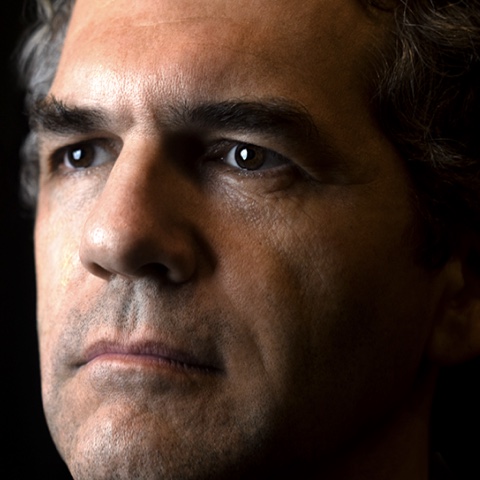
安东尼·卡尔德利斯 LLex Fridman
EDITED TRANSCRIPT · 依据现场录音编译整理,可划线生成便签

来没有统一在一个国家里,但凡是在文化上接受这个传统,把它当作精英声望文化,去读荷马和柏拉图的人,都在其中,他们可以在任何地方。

罗马史不是这样。罗马史非常明确地是一个国家、一个政治共同体的历史,是罗马人民、罗马公民这个共同体的历史。它在逐渐演化,但在任何一个点上,这段历史都没有断裂到让成员觉得发生了剧变,觉得自己不再属于这个故事。就像刚才那条船,你讲述它的叙事把一切串起来,它身上发生的变化只有放进那个故事里才说得通。罗马史也是如此。是的,有变化,最终一切都变了,但变得如此缓慢,身在其中的人从不觉得如此。罗马人民的历史叙事,就是把这一切黏合在一起的东西。

罗马认同:骄傲还是共识

主持人: 你提到希腊文化。我很多希腊朋友对希腊人的身份极为自豪。有些文化就是自豪的,而且不是一时的,感觉是延续了很多代的东西,是一台在时间里推进、把那个文化带向前方的引擎。罗马帝国是否也有类似的机制?你说它是一个政治共同体,那意味着一套理想,而且这些理想在东罗马帝国时期变得更加具体和明确,因为你谈到过帝国的公民彼此相连,都卷在同一套机器里。说得复杂了,我想问的是:有没有某种「罗马人的骄傲」在推动这件事?

卡尔德利斯: 完全有。你能找到作者和历史人物明确表现或谈论这种骄傲。但我们不想把它放在故事的中心,或当作分析的基础。你在希腊朋友身上观察到的东西,也是现代民族国家建构的结果,是现代教育体系和民族认同的结果,靠各种媒介和制度培育出来,情况完全不同。在古代共和国或中世纪国家里,你看到的更像是一种共识:同意在这个政治共同体里统治并被统治。

当然,其中一些成员确实有这种骄傲。举个例子,六世纪有一位使节在跟波斯人谈协议,波斯人将信将疑,因为罗马人不总是可信。这个人对他们说:「我告诉你们,你们是在跟罗马人做交易。罗马人。这个名字本身就说明一切。」你能感觉到他在表达一种骄傲:身为罗马传统的承载者,替皇帝和罗马帝国说话,对他来说是极其庄重的事。这样的例子有,这样的人存在。但我不想把它当作分析整个社会如何运转的基础。多数情况下,它是一种共识:臣民也好公民也罢,同意被政治权威征税和统治,是因为他们有所回报,这里有一种相互责任的理解。我关心的,是解释这个社会为什么能维系这么久。骄傲,有,在一部分人身上肯定有,史料里找得到。但史料是识字的人写的,通常是精英,只占人口的一小部分,我们不能把他们的态度自动推广到所有人。

对待其他人,我们得用不同的材料和不同的假设。不能直接假定他们以身为罗马人为荣,也许是,但我们不知道。我们能看到的是别的事:比如,他们纳税了吗?他们试图造反脱离帝国吗?这些才是我要找的东西。

主持人: 骄傲是一个成分,但还可以有别的解释和因素,说明一个士兵为什么保卫首都,一个人为什么纳税。这个我们肯定会谈。先停留在大图景上:不同时期的罗马人如果碰面,彼此会有多大差别?就像做食物的盲测,百事和可口可乐。如果我给你带来一个王政时期的罗马人、一个共和时期的、一个早期帝国的……

卡尔德利斯: 我常被问到这个问题更激进的版本:拿一个1453年前后的罗马人,跟一个古代共和国的罗马人放在一起,他们能不能就「罗马人意味着什么」达成一致,并且认出对方属于同一个政治体?这很难。我可以指出一些他们最终能找到的共同点,如果你告诉他们「你们都是罗马人,都来自这段漫长的历史,现在找出你们的共同之处」,我想他们找得到。但在谈这些之前,我要说,同一个问题甚至可以问生活在同一时代的罗马人。拿西塞罗时代的一位元老,和一个来自罗马贫民窟的人,后者也许是一代人之前被某位将军从东方带来的奴隶的儿子,把他们放在一个房间里说「你们都是罗马人,讨论一下有什么共同点」,他们可能也很难想出来。

所以不要低估同时代罗马人生活经验的巨大差异。重要的是变化一直在发生,而且在我看来是累积性的,最终造就了君士坦丁堡说希腊语的东正教罗马人,乍看之下和说拉丁语、信奉古代诸神的罗马共和国的罗马人没什么关系。这是两种非常不同的处境,毫无疑问彼此看起来像外人。问题是:为什么我们理所当然地认为哈德良,这位二世纪的皇帝,带着希腊情人周游帝国、写诗、留希腊式胡须、热爱希腊文化的世界主义者,和共和国中期某个追着萨莫奈人的牛群跑的武士是一伙的?我们理解历史的方式就是这样:哈德良和公元前四世纪的古罗马人属于同一段历史。但哈德良和几个世纪后一位跟他一模一样的皇帝,同样希腊语拉丁语双语,同样世界主义,读同样的东西,却不属于同一段,因为我们假设罗马和拜占庭之间有一道断裂。

士兵誓言与女性财产权

主持人: 一种分析办法是盯住社会中某个具体角色,跨时代看。比如士兵,他们如何处理暴力。你让我意识到可以挑一千种职业和位置,具体看当时的世界经验是什么样。一个是对暴力的看法,另一个是对政府角色的看法。

卡尔德利斯: 这个说法很好。拿士兵来说,他们要宣誓。我们没有每个时期的誓词,只有一些近似文本和内容线索,但我们知道罗马士兵在帝国的每个世纪都宣誓。有时会加一句基督教的套语,之前没有。但他们基本上都是宣誓保卫共和国,或者按当时用词,保卫帝国或皇帝。这是他们能立刻认出的东西,隔着时代碰面问「你的誓词是什么」,念出来,彼此都懂。

再比如,一个经营生意的女人,帝国的任何世纪都行。越往后越是如此:她能做这件事,是因为罗马法赋予她的能力,关于财产、继承和婚姻的罗马法,也包括谁能做什么、女性能处理哪些财产、在什么情况下能处理的规定。这是罗马女性共有的东西,许多别的文化没有。举个例子,十到十一世纪,东罗马帝国有些犹太女性发现,自己在罗马法庭上的权利比在拉比法庭上多,就把纠纷拿到罗马法庭去打。对罗马人来说这是财产问题,不是宗教问题;对拉比来说这是宗教问题。但在帝国境内,罗马法庭高于犹太法庭。结果就是,这里的犹太女性比罗马法不生效的地方的犹太女性权利更多。这些事是要紧的,而且是帝国法律的产物。

主持人: 这是法律与宗教机构之间贯穿东罗马帝国的一种有趣的互动。

皇帝的人设

主持人: 你主张,尽管各位皇帝的个性千差万别,被人崇拜、颂扬、批评、议论,但晚期罗马帝国向臣民投射的那个人设(persona),在整个历史上是一贯的。能不能解释这是什么意思,并具体描述这个人设的各项特征?

卡尔德利斯: 这个人设,就是政府,也就是皇帝、宫廷、发言人和官僚系统,希望臣民对整件事的理解:权力怎么用,为什么用,为谁用。他们通过颁行全帝国的法律来传达,有时让人在教堂宣读,或者公开张贴,他们显然急于让尽可能多的人知道。它也体现在帝国的修辞里,也就是赞颂皇帝、谈论皇帝的方式。你在请愿书里也能看到这种语言。请愿是这个社会极其重要的黏合剂:几乎任何人都可以就几乎任何事向当局请愿。严格说不完全如此,但请愿非常普遍。你觉得哪里不对,或者受到不公对待,可以向地方官员请愿,向帝国官员请愿,甚至向皇帝请愿。预期是这份请愿会被阅读、处理和回复,回复不一定合你意,但一定会回复。这些回复里同样包含那种语言。

这就是皇帝播送人设的各种媒介。人设是什么?基本上是:当局回应臣民的需要;他们是要负责的,就是说,他们明白自己行使的是公共权力,授权只在于为臣民的利益行使它,他们反复这么说,弃绝任何私人利益,「我们做这些不是为我们自己,是为你们」。还有,他们是主动的,皇帝不断说「我们在提前规划,努力预见你们会遇到什么问题,在你们碰到之前就解决掉」。还有,他们非常勤奋。他们最爱用的一个套话是「不眠」,皇帝总说「我为此夜不能寐,整夜睡不着,就是在操心你们的问题怎么解决」。查士丁尼就以「不眠皇帝」闻名,倒不是因为有人说他是个恶魔,脑袋会自己在宫里飘来飘去。

主持人: 有这种说法?

卡尔德利斯: 有的,还是一整套说法。但「不眠」是说他工作太拼,没时间睡觉。他是个工作狂,连他的敌人都承认。他整夜不睡,随时把官员叫进来谈事,战争、建筑、法律、宗教、神学,什么都谈。皇帝投射的就是这样一个形象,这就是我说的人设:不知疲倦地为臣民劳作,负责任地做事,有回应,可问责。也就是说,如果我的某个官员犯法或者欺压你,我会给你法律工具去追究他。这个人设非常一贯,我认为它是把社会绑在一起的机制的一部分:如果臣民相信皇帝是这样的人,他们就更愿意接受那个共识,本质上就是纳税。

修辞与行动

主持人: 你区分了修辞和行动,当局说什么和实际做什么。放在今天,「人设」有一部分可以改称「宣传」,而宣传意味着修辞和行动之间有很大的落差。你说你从马基雅维利那里学到的一点是,判断一个人要看他做什么,而不是说什么。那么,罗马帝国政府宣称的东西,有多少只是修辞,有多少在行动上是真的?

卡尔德利斯: 这是我读马基雅维利得到的关键教训,我认为这是思考政治的一种非常有洞见的方式,建议每个人都练习这样看世界。人、国家、有权势的人,想说什么都可以,到头来要紧的是他们实际做了什么。这不是说他们说的话无关紧要,哪怕言行不一。不过,就东罗马国家而言,我的研究表明皇帝和当局说的话大体上是真诚的,换句话说,我发现他们整体上做到了他们说要做的事。当然不是完美的,这些是人,人的社会里有腐败,有滥权,当然有。但总的来说,我认为人们有足够的理由理解皇帝确实在做这些事,而且皇帝也确实有动力这么做。我们可以谈谈为什么。因为他们的处境其实相当脆弱,他们需要臣民在这方面相对满意。

主持人: 你不觉得这很奇怪吗?从外人的角度看,罗马皇帝,包括东罗马皇帝,在技术上拥有巨大的权力,某些情况下甚至可以说是绝对权力,可他们看起来非常操心要让帝国里每个人都满意。怎么解释?东罗马帝国修辞和行动之间落差很小,原因是什么?

皇位无继承权

卡尔德利斯: 原因有几个,但归根结底是:没有人对皇位拥有权利。这是罗马政治母体决定的。这里有个悖论:我们所说的罗马共和国是罗马历史上最帝国主义的阶段,罗马人的征服大多在那时完成。我们所说的「帝国」反而远没有那么帝国主义,做法防御性强得多。我们的术语有点错位。「帝国」更多是因为它有一个皇帝,而不是因为它在搞帝国主义。而这个皇帝是从共和国里生长出来的,而且生长的方式非常奇特:不是作为一个缔造国家的王朝。比如奥斯曼帝国,还有许多别的帝国,整个国家之所以存在,是因为某个王朝征服成功、建立了国家,王朝就在国家的心脏位置。罗马帝国完全不是这样。皇帝是在一个共和国内部出现的人物,为了在内战之后创造和平,这些皇帝很长时间里都得假装自己不是他们实际上的那个东西,继续奉承共和国的观念,一个也许有「第一公民」的共和国。「不不,我不是国王,我只是有这个职位、那个职位,都是元老院授予我的。」我们知道那是一层门面,但他们必须造出这层门面这件事本身就非常重要。

主持人: 停一下。你说他们「必须」造出这层门面。奥古斯都,开创这一切的人,第一位罗马皇帝,他非得那样做吗?他一直表现得自己不是绝对君主,可他本可以来硬的,摧毁元老院,彻底独裁。

卡尔德利斯: 那他怎么治理呢?

主持人: 他想做一个有效的统治者,也不想被推翻。

卡尔德利斯: 正是。你结束了一场内战,不等于不会有下一场。你必须创造出一种共识,让人们不想再打一场内战。他要是照你说的做,理论上可以,但那只会引来更多的战争。问题在于,皇帝们,哪怕是靠暴力上台的皇帝,也没法阻止别人试图靠暴力上台,因为没有人对皇位拥有权利。

主持人: 还得说一句,我小心地说:暴动和内战似乎是这个系统的特性,不是漏洞。这和现代很不一样。暴力内战、推翻政府、大量死亡和权力斗争的威胁始终存在。这是促使皇帝规矩行事的另一种激励,不是胡萝卜,是大棒。

卡尔德利斯: 是的,而且是最主要的一根。就拿我研究的这一千年来说,大约有一百二十场内战。它们通常很快,很快就结束,而且从不关乎意识形态,所以不像现代内战,不是为了奴隶制或者国王的权利之类。不,它们只关乎谁掌权。各方意识形态相同,用同样的方式谈论政府的责任,只是在竞争谁是最适合干这份工作的人。可能不是内战,可能是宫廷政变,可能是首都里的巷战。一旦各方站好队,分出胜者,胜者就是皇帝,往往把前一个政权推翻。给你一个数字:君士坦丁堡的皇帝大约有百分之四十六是被暴力推翻的。将近一半。这是个巨大的数字,意味着每个皇帝都脆弱、不安全,而且他们自己知道。

所以他们必须确保这种事不发生在自己身上。办法不是把所有你觉得可能是威胁的人抓起来处决,或者像卡利古拉、尼禄那样行事,那只会让你被杀,他们明白这一点。避免这种下场的最好办法,是切实做那些让人满意的事,这样一旦有叛乱者出现,人们就不会支持他。叛乱者有时确实会出现。君士坦丁堡有一种惯例:你觉得「嗯,这位皇帝很不得人心,我大概能推翻他」,你就沿着中央大道游行,让你的人把君士坦丁堡的民众喊出来集会,比如去圣索菲亚大教堂,聚成一大群人,要求废黜皇帝。有时成了,有时没成,想做叛乱者的人沿着梅塞大道走,人群渐渐散去,最后只剩他一个人,只好上圣索菲亚寻求庇护。这是一次争夺皇位的尝试,一败涂地。另一些时候,人们因为痛恨皇帝而涌上街头,把皇帝拖出来割掉鼻子之类。所以皇帝一直在设法防止这种事发生,最好的办法就是赢得善意。

主持人: 我在努力把这个世界装进脑子里,它和我们今天的世界很不一样。政府内部有持续的政策制定运转,而对权力的制衡却是字面意义上的:我们会杀了你。

卡尔德利斯: 看时期。有时是杀,有时是弄瞎,有时割鼻子,也有更文明的时期,基本上就是送你进修道院退休。

永久公投

卡尔德利斯: 选举的作用是这样的:选举给政府一个四五年的授权,在这期间你可以不得人心,但你是合法的,因为有制度在。而在君士坦丁堡,我们没有这类制度,我们有的是一场持续进行的公投,我称之为永久公投。事实上皇帝们在做某种意义上的民意调查,因为他们要公开露面,露面时所有人都应该欢呼、齐声喊口号一类的颂词。竞技场(Hippodrome)里十万人齐声喊「配得上」或者「奥古斯都万岁」,那很好。但如果你在竞技场露面,人们阴沉沉的,喊声稀稀拉拉,或者有人喝倒彩,那你就知道出问题了,你得查明问题在哪。可能是粮食供应出了岔子之类。皇帝们急切地想解决这些问题。

主持人: 竞技场是君士坦丁堡的大型集会场所,很多人在那里聚集,根据政策和皇帝是否受欢迎来欢呼或不欢呼。这就是民主,我为用这个词道歉,但在我们对这个词的理解里,现代民主是说人民与谁来领导、怎么领导之间有某种联系,而竞技场就是人民和领导者之间的那个联系。

卡尔德利斯: 如果你愿意,我们可以谈现代民主,我对现代民主怎么运转、怎么不运转、它到底算不算民主有自己的看法,因为还有别的民主模式,比如古代雅典民主,那完全是另一回事。但你说得对。而且不只是竞技场,凡是人们大量聚集的地方都算。比如军队的集结地。军队在某种意义上也是罗马人民,某些情况下还是最有决定性的那部分。一支军队集合起来决定他们要换一个皇帝,那是严重的事,而且可以发生在行省,不一定在君士坦丁堡。还有圣索菲亚大教堂,人们聚在教堂里,或者聚在君士坦丁广场这样的公共空间。凡是大批人能聚集的地方都可以发生。你要不要叫它民主随你,但它绝对是一种大众咨询,一种对共识的检验。

再举个例子。1190年代,皇帝阿莱克修斯三世受到德意志皇帝的威胁,对方就是明说:「你给我一大笔钱,否则我入侵。」赤裸裸的勒索。阿莱克修斯决定筹这笔钱,开征新税,他把民众召集到竞技场,说:「我们要征一项德意志税。」他就叫它德意志税。竞技场里一片哗然,他立刻说:「那不是我的主意,不知道从哪儿冒出来的,算了,不征了。」幸好德意志皇帝死了,什么事也没发生。但这让你看到,皇帝看到民众反对某项政策比如税收政策时,是真的会退回去的。所以确实有这种来回。从制度上看,皇帝可能像你刚才说的那样显得绝对。实践中,不是。那样做的皇帝下场都不好。

主持人: 我查了一下:君士坦丁堡竞技场是拜占庭首都的主要体育场和社交中心,主要用于战车赛和帝国典礼,遗址今天在伊斯坦布尔的苏丹艾哈迈德区。我想看看它容纳多少人:它是一条长长的U形赛道,中间有隔墙,看台分层,容量大约三万到十万人,确切数字有争议,因为考古遗存有限。那是很多人。

卡尔德利斯: 三万肯定是严重低估。竞技场还在,卫星照片上能看到它的轮廓,南端那个弧形的「斯芬多尼」(Sphendone)也还在,你可以绕着它走一圈。它就在皇宫隔壁,皇帝不用走远。有时还有更换皇帝的场合,比如皇帝在睡梦中去世,没有继承人,491年就是这样。民众聚在竞技场,跟宫廷商量立谁。在那种场合,很可能场地里也站着人,不只是看台上,有些军队单位可能就列队在赛道上而不是看台上。所以可以容下比看台估算更多的人,因为那天没有赛车。

主持人: 第一段强调的是体育和娱乐、帝国典礼,但政治集会也很常见。竞技场不只是用来看比赛的,皇帝在这里出现在民众面前,欢呼颂词、公开惩罚和政治示威在这里发生,敌对的赛车党派蓝党、绿党、红党、白党在这里成为强大的社会力量,有时甚至是准军事力量。这是人民对领袖说话的地方。

卡尔德利斯: 非常重要的地方。有时是发泄,甚至辱骂他们。

主持人: 太迷人了。人类文明收敛到了一种显然有效的机制,因为东部帝国屹立了一千年。我们人类在整个历史上都在琢磨,怎么治理大量的人,让他们被代表,让他们不暴动、不造反,让大家一起繁荣。东罗马帝国是一个真正的样本,展示了某种行得通的东西,即便对现代也有借鉴。而现代,说到底,也仍是人类文明的早期。

卡尔德利斯: 从某个角度看,是的,我们仍在早期,还在摸索。但请注意,我不是在主张采用这种社会组织和政府形式。作为史学家,我想做的是理解它为什么、如何存活下来,找出它运转的方式,因为它确实运转了,这一点我们知道,必须从这里出发。它活下来了,它有韧性,权力的行使中有大量的讨价还价,我想理解其中的机制。

卡拉卡拉敕令

主持人: 在谈君士坦丁一世和君士坦丁堡的建立之前,能不能看几件为后面话题做铺垫的关键事件?一件是公元212年的卡拉卡拉敕令,你可以告诉我它是不是没有我想的那么有意思。你描述过,从奥古斯都开始的早期帝国时期,政府把自己看成罗马公民的保护者,而罗马公民只是帝国居民中的少数,行省民不算在内。然后卡拉卡拉敕令把完整的罗马公民权扩展到帝国几乎所有自由民。它是什么?为什么这么做?为什么重要?它怎样改变了罗马帝国?

卡尔德利斯: 我同意你的看法,这确实非常重要,在某种意义上是一个真正的转折点,但它同时也是一个过程的一部分。出于种种原因,罗马政治体倾向于把它的本邦公民权,也就是罗马公民权,授予盟友,随着时间推移,也授予许多被它征服的人。它有各种机制:可以整批授予;有时允许将军把公民权授予那些他们认为控制地方社会所必需的人物;有时甚至允许非罗马的外邦城市自己决定谁获得罗马公民权,办法是把人选举到某些职位上。很多事他们都外包了。于是,一个罗马公民共同体在逐步扩大,这些公民不都在罗马,也不都是罗马出身,不管那意味着什么,他们并非罗马城居民的后裔。这个过程不断扩展。到卡拉卡拉的时代,也就是三世纪初,我们估计帝国的自由民里至多三分之一是罗马公民,其余的人拥有地方公民权,你是亚历山大里亚人或者雅典人,受当地法律管辖。

这位皇帝,卡拉卡拉是绰号,他的在位名是马可·奥勒留·安东尼努斯,跟两代人之前的马可·奥勒留同名。

主持人: 顺便说,皇帝们的名字都很霸气,不知道是先有鸡还是先有蛋。

卡尔德利斯: 他们是以那种方式被记住的,我们又把这种印象读回名字里去。总之,卡拉卡拉在212年颁布了这道敕令,叫《安东尼努斯敕令》(Constitutio Antoniniana),以他的名字命名,当时有人称之为「神圣法令」,基本上把公民权扩展到了所有人。我们不确切知道他为什么这么做。可以猜他自己说的理由:宗教。他想让人们去神庙祈祷,为他从一场政变中活下来向诸神谢恩,这里可能有某种宗教动机,他希望所有人以罗马公民的身份去敬拜罗马诸神。当时也有史家说他是为了税收。我们不知道。也可能有一种全帝国统一共同体的理念在起作用,如果不在他脑子里,也在他的法学顾问脑子里。这都有可能。但比他的动机更有意思的是它的后果,以及它告诉我们的关于罗马共同体的信息。想一想,没有任何现代帝国真正做过这件事。罗马案例的重要之处在于,他们不仅把公民权给了所有人,而且是当真的。这是有牙齿的:罗马公民享有的权利和机会,比如进入罗马元老院,现在对所有人开放。一代人之内,所有皇帝都是行省人,帝国里最有权势的人都来自行省。

主持人: 这简直令人震撼。罗马帝国能做到这件事,而且它真的落地了。

卡尔德利斯: 他们做了,而且是当真的。

主持人: 当真的,执行了,是真的。这说明了很多关于罗马帝国民众的事:它落地了,政府是当真的,这个体制鼓励和激励政府当真。不可思议。

卡尔德利斯: 而且有一条公民权法,大意是「凡生于罗马帝国境内者皆为罗马公民」。背后的罗马法学家和决策者,对建立这样一个共同体有很有意思的想法。想象一下,几乎无法想象:大英帝国在鼎盛时期把英国公民权授予所有人,包括印度,突然让伦敦的权力职位向印度人开放,包括王位。这是不可想象的,牵涉到种族、殖民主义等等。但罗马帝国不是这样。皇帝全是行省人,最有权势的官员全是行省人。一个世纪后君士坦丁堡建立,就建在博斯普鲁斯海峡,今天伊斯坦布尔的位置,在东罗马帝国境内,它是建在一个已经存在的罗马语境里的。它不是把罗马性带到东方,罗马性早就在那儿了。所以在东方建一个罗马权力中心,并不是多大的跨越。

主持人: 你参与编过一本东罗马帝国思想史。这里有个有趣的问题,我可能会问很多次,这里也问一下:历史的伟人观、伟大女性观。在制定和执行这道敕令的会议里,有没有托马斯·杰斐逊那样的人物?这重要吗,还是说更多是体制和文化的事?这看起来是个革命性的想法。我们想到美国革命和建国文献,似乎少数几个人对措辞至关重要,而措辞很重要,因为措辞创造现实,然后在时间里传播。

卡尔德利斯: 就这道敕令而言,我怀疑确实有几个人在背后推动,很可能是法学家,也就是罗马法律学者。212年正是罗马法学大家的时代,比如乌尔比安等人。但我们没有材料。美国革命有会议记录,而我们不仅不知道谁在房间里,甚至连整道敕令都没有。我们有的是一片纸草残片,古代的纸,大部分撕裂损毁,只剩下一段的一部分,而且是希腊文,不是拉丁原文。它残缺不全,但恰好保存了关键条款。原件只剩这个。我们有提到它的同时代史料,有法律文件,但没有任何东西能让我们谈论参与的人,甚至它如何立即执行。不过我们能看到:突然之间,行省里叫「奥勒留」的人数量暴增,因为那是他的罗马家族名,你靠这道敕令获得公民权,就成了一位奥勒留。到处都是奥勒留,我们能立刻看到。但看不到执行过程。

主持人: 但你的直觉是,个人在这个想法的形成和执行中非常重要。

卡尔德利斯: 可能是。它虽然是扩展罗马公民权这个长期过程的一部分,但这一次是爆炸,不只是扩展。

主持人: 你还说过,这道敕令的一个重要之处在于,给行省民平等的权利,帮助应对了三世纪危机,用你的话说,是「抽走了相关人群的不满」,降低了起义的概率。

卡尔德利斯: 那是一个非常长期的过程。三世纪是混乱、危机、一团糟。敕令之后是几十年的动荡。

三世纪危机

主持人: 说得委婉了。来谈三世纪危机:五十年里有二十六位皇帝被杀。

卡尔德利斯: 是的,极端的不稳定。

主持人: 内战不停。这些皇帝几乎都是将军,几乎都死在自己的部下手里。内战是常态,恶性通胀,经济崩溃,还有瘟疫,公元249年到262年的大流行,可能是天花或埃博拉,仅罗马城每天就死到五千人,摧毁了税基和兵源。帝国裂成三块,然后奥勒良皇帝奇迹般地在五年内把它们重新征服。乱得配得上「三世纪危机」这个名字。

卡尔德利斯: 是一场完美风暴。有帝国合法性危机,军队到处拥立皇帝。讽刺的是,这部分是因为罗马传统现在有了多得多的利益相关者:各支行省军队,纷纷把自己的将军推为对立皇帝。外敌入侵也严重增多,北方有,东方则是萨珊波斯帝国、伊朗帝国的建立,非常好战。所以有大量对外战败,军队被所谓「蛮族」敌人击败。接着是通胀,是瘟疫。在所有这些压力之下,它几乎分崩离析。但它没有。当然,也有史家淡化这场危机,这是正当的,我们必须对每一种这类刻画都提出质疑。

主持人: 二十六位皇帝死了,老兄。五十年之内。

卡尔德利斯: 那只是皇帝。

主持人: 每隔一年死一个皇帝。内战。

卡尔德利斯: 那是顶层的政治不稳定。但大多数人的生活呢?去看埃及,它有点游离在外,那里发生了什么?人们怎么过日子?我们能看到,因为埃及留下了大量纸草文书。大体上,他们看起来并没有经历什么危机。

主持人: 你谈到过,君士坦丁,我们马上会说到他,如果算上他对自己家人的所作所为,是人类历史上最嗜杀的统治者之一。但如果你住在行省,他没那么嗜杀。

卡尔德利斯: 完全没有,他挺好的。

主持人: 所以记住帝国普通公民的实际体验很重要。好,关于危机也许还能多说些,而这场危机部分是被戴克里先解决的,他对罗马政府体制做了一次硬重启。能不能再讲讲我们需要理解的危机,以及戴克里先在284年如何解决它?

卡尔德利斯: 这些同样是过程而非具体事件。比如你提到帝国裂成几块,有时被称为「高卢帝国」的东西,高卢就是今天的法国,加上不列颠,在十五年左右的时间里成了一个小小的分离出去的帝国。有意思的是,这不是脱离帝国的尝试,不是心怀不满的行省人厌倦了罗马统治、想出去单干。不是。这只是行省将军夺取皇位的尝试,目的是统治整个帝国,没成功,只拿到了他们控制的那些行省。而他们知道的建立国家的唯一方式,就是建一个罗马国家。他们全部的政治想象就是「我们在这里搞一个罗马的东西」,也许我们自己重新统一帝国,或者像实际发生的那样,另一边的奥勒良来统一帝国。总是罗马模式,到这时候几乎没有别的选项了。这很有意思。

戴克里先做的,我有时这样概括:他把问题变成了它自己的解决方案。问题是皇帝或想当皇帝的人太多,因为事情太多,一个皇帝应付不了边境上和政治上所有的麻烦。于是他任命了几位副手,都是他在军中关系很好的同僚,全是伊利里亚人。顺便说,有几个世纪,皇帝全都出自前南斯拉夫那片地方,面积跟苏格兰差不多。

主持人: 怎么解释?

卡尔德利斯: 军队。这些是军人,有时是酗酒的军人,但极擅长本行,比如你提到的奥勒良。一系列伊利里亚皇帝恢复了稳定。伊利里亚皇帝这么多,是因为他们从军队基层一路升上来。当时南斯拉夫那一带经济够落后,年轻人有强烈的动力去参军,因为那是一份生计。于是伊利里亚人成了罗马军队的骨干,被描述为强硬、保守的罗马类型。我这么说是为了跟前面提到的哈德良对比,哈德良是更精致、更艺术、更诗意、更世界主义的皇帝,虽然也是个狠角色,你不会想招惹哈德良。但三世纪这帮人是彻头彻尾的军人,整个生涯都在军队里,留着军人的胡茬,脖子粗,一脸怒气,手按在剑上,投射的不是从容和精致的形象。

戴克里先的四帝共治

卡尔德利斯: 戴克里先把一伙这样的人凑在一起,最终有四位,我们称之为「四帝共治」(Tetrarchy)。他把他们分派到各处。这不是对帝国的硬性分割,基本上是一个协作项目,哪里需要就去哪里。

主持人: 可以说是四个行政区,每人分一个?

卡尔德利斯: 大体上,我会说更像军事区。行政系统在皇帝所在的地方后台运转。我们说的是一个大政府的时代。戴克里先创建了一个更大的政府,可能还有一支更大的军队,为此需要更系统、更有效的税收,也就是需要更多的人口普查、更多的官僚、更多的征收人员。这是一个大政府的时代。

主持人: 停留一下。能不能说戴克里先创造了「深层政府」(deep state)?税吏、后勤、你暗示过的社会中文官层和军事层的分离。

卡尔德利斯: 关于「深层政府」这个概念,我跟研究它的专家讨论过,我不确定会这样刻画罗马帝国。你确实有大政府,有官僚体系,有埋在各个层级、没人清楚在干什么的官僚,但我没见过什么阴险的势力在行政机器内部暗中削弱皇帝。远远地偶尔能瞥见一点这类东西。戴克里先有一次抱怨「从来没人告诉我任何事」,就是说他部分脱离了地面上的现实,有时觉得失去了联系。但我没发现官僚体系从内部削弱皇权的观念。

主持人: 一种解释是,在今天所谓的民主制下,顶层领导人是临时性的,这就激励深层政府形成:深层政府认为自己是长期延续的,领导人是短暂的。而在皇帝制下,皇帝技术上可以干很久,最好深度整合,官僚体系应该跟领导人整合,说得通。

卡尔德利斯: 对。不过在现代社会思想或恐惧里,深层政府也可能是在削弱民主本身,两个方向都可能。

主持人: 但确实有一个官僚体系,一个大政府,一台大机器。

卡尔德利斯: 绝对是,跟之前相比。戴克里先建立了这些更大的官僚结构,它们定义了我研究的那个社会,作为专家,我主要关注他之后的时期。他建立这些是为了解决那些问题,而且大体上成功了:在一个动荡得多、脆弱得多的局面下筹集收入,维持庞大的军队,镇压叛乱和篡位,他总体上做到了。他创造的模式被沿用了此后三个世纪甚至更久。

主持人: 这个模式的很多要素延续得更久,对吧?

卡尔德利斯: 比如普遍征税。举个例子:在那之前,意大利免税。意大利是征服者的土地,征服者不向自己纳税,征服者靠别人交的税过活,所以意大利是个大避税港。戴克里先、伽列里乌斯,这帮人来自伊利里亚,来自巴尔干,「意大利凭什么免税?说不通。那是世上非常富裕繁荣的地方。」于是,他们对意大利征税。现在不仅所有罗马人有同样的公民权和同样的法律,也有同样的税制。所谓「戴克里先税法」,并不真是一部法典,听起来像单一税率,对我们来说显得累退。但按当时的标准,它反倒有点累进的意思:连精英也要照样纳税。

主持人: 我们接下来几个世纪要谈的一切,有多少归根到底是税收的事?

卡尔德利斯: 我认为极大。税收是它的心脏。

主持人: 社会的运转、成功、繁荣,政府的运作方式,人民如何被代表,所有的内战,一切似乎都以税收为核心。

卡尔德利斯: 是的。要我指出一个因素,就是它。

主持人: 所以税收体系像是东罗马帝国的早期框架。

卡尔德利斯: 它确实造出了一个更同质的框架,到三世纪末基本就位了。戴克里先做的是一次全帝国的普查,继任者延续下来,帝国里每一项应税资产都登记在册,于是你可以开始有预算了。

世袭职业与社会流动

主持人: 还有一种说法,你对此有反驳:戴克里先在法律上限制了社会和阶级流动,部分是为了税制,很多情况下把迁移和辞职定为非法。我读到的是,为了保障粮食供应和土地税,农民被法律禁止离开他们耕种的土地,这样国家总知道该向谁征税;退伍老兵的儿子有法定义务从军,以维持兵员。你主张这些是税收执行机制,不是僵硬的种姓制度,实践中帝国仍然是一个高流动性的社会。

卡尔德利斯: 这事很复杂。先说士兵。大概多数士兵的儿子是被期望接班的,就像大多数有学徒制的行当,儿子通常接父亲的班。另外一些职业带有行会性质,比如航运,为船舶投保和签订合同需要相当的资产,这些资产从父亲传给儿子是合理的,随之而来的是继续从事这一行的义务。这类事本身就是世袭性的,我想多数人不会反对。农民大概是唯一可能真正涉及强制的情况。有一类农民,不知道有多少,出于财政目的被绑在土地上。这不是说他们身体上不能离开,没人拦着。但他们在财政上要负责缴纳那些土地的税或租,因为国家想从那些土地上获得稳定的收入。这确实给这些人带来了一些限制,这些「束缚于土地的农民」是当前研究的课题。有人这样说:通常是人拥有土地,在这种安排下,是土地拥有人。

主持人: 但你说更大的图景是有流动性的。

卡尔德利斯: 相当大的流动性。阶级流动,也有地理流动,人们迁移,我们会看到从西部迁往东部和君士坦丁堡等等。有大量的流动。这不是一个把人捆死的社会。我们找不到任何人说「我真的不想当兵,但我父亲是兵,我就得当」,我们听不到这类抱怨。在罗马帝国为什么会不想当兵?待遇好极了。

主持人: 停留一下:为什么戴克里先能稳住帝国?三世纪危机真的威胁到要把一切撕碎,为什么我们谈到的这些东西起了稳定作用?

卡尔德利斯: 奥勒良已经在领土上重新统一了帝国,就在戴克里先之前。戴克里先做的是建立一套减少叛乱次数的体系。光是有四个大人物带着四支军队,就把那些火几乎全扑灭了。有了稳定,再加上他打败了波斯人,是伽列里乌斯打的,开始击退外敌入侵,就为经济稳定创造了框架。人们要投资于开垦土地或扩大生产,需要知道外人不会闯进来横冲直撞,抢走他们的牛,把他们抓去美索不达米亚的农庄做奴隶。他们需要确定这一点。你提供了稳定的环境,经济增长和人口增长就会回来。戴克里先创造了这种环境。

君士坦丁的崛起

主持人: 来谈君士坦丁和君士坦丁堡,东罗马帝国的兴起。君士坦丁是谁?讲讲他的上台和330年君士坦丁堡的建立。

卡尔德利斯: 君士坦丁是戴克里先一位同僚的儿子,所以他来自体制内部。这个体制的设计是非世袭的:资深皇帝退休,资浅的升为资深,再招募两名新人,跳过王朝因素,姑且说是任人唯贤,不看你是谁的儿子。君士坦丁是儿子,被跳过了,但军队喜欢他,他确实很能干。于是戴克里先的继承者们打了一系列内战,君士坦丁是最后的赢家。有些时候他们人数很多,一度有六个,逐渐减少到一个。像是四分之一决赛、半决赛,然后是决赛,君士坦丁在324年成为整个罗马帝国的唯一统治者。这就是他:一个体制内的人,极擅长打内战的将军。他逐渐东移。

他征服的对手常常是他的岳父或妻舅,因为这些人彼此联姻,结盟,又翻脸,就是那种局面。他向东推进,到324年击败最后一个对手李锡尼时,他已经在东方了。李锡尼的总部之一在一个叫拜占庭的城镇。拜占庭就是后来建立君士坦丁堡的那座城,正好在欧洲与亚洲交界处,在博斯普鲁斯海峡上。位置极其重要,历来如此,谁控制博斯普鲁斯海峡,不用解释有多重要。君士坦丁决定在拜占庭这个地方建一座以自己命名的城,君士坦丁堡。拜占庭作为一座城市基本上不再存在,被君士坦丁堡取代,又称「新罗马」。很清楚,君士坦丁从一开始就打算让它成为罗马在东方的分部,罗马在东方的复制粘贴,他的继任者延续了这个计划。在此之前一两代人里,还有一些别的城市也被当作准罗马来对待。三世纪有位史家说:「皇帝在哪里,哪里就是罗马。」因为皇帝现在是巡行的,不再待在罗马,多数时候在边境,君士坦丁就是这类边境皇帝。他们有时会去罗马,也许一两次,十年一次之类。所以罗马变成了可以复制粘贴到帝国其他地方的东西,好几座城市被叫作新罗马、另一个罗马、替代的罗马、我的罗马。君士坦丁堡是其中最后也最成功的一个。

新罗马的地缘价值

主持人: 能不能从地理上讲讲君士坦丁堡的重要性?东西两部疆域这么大,威胁来自四面八方,皇帝坐镇何处很重要。

卡尔德利斯: 非常重要。看罗马:在意大利正中,在地中海正中,某种意义上很安全,但离边境很远。而这是一个皇帝必须与军队在一起的时代,他们不是坐在罗马跟元老开会的元老式皇帝,而是沿着边境行军的军人皇帝,身边多是将领而非文官。他们在干活,这是苦活,在冬季战役的泥地里跋涉,不是在宫里享受,尽管他们可以。罗马因此变得不方便。看君士坦丁堡,它大致在多瑙河边境和幼发拉底河边境的中点。如果你想优先照顾东方,或者把东方当作帝国的平等部分,这些皇帝都是这么做的,事实上,几乎所有能选择留在东方还是西方的皇帝都选了东方,只有一个选了西方,四世纪晚些时候的瓦伦提尼安,其他人都明白东方才是重心。君士坦丁堡正好在多瑙河和幼发拉底河这两条主要边境之间,皇帝可以在两者之间移动。再看它的南北东西:南北方向,它是黑海与地中海之间的节点;东西方向,它正是欧亚交界。因为那里有一道断口,博斯普鲁斯海峡、马尔马拉海、赫勒斯滂海峡,内战时期罗马帝国往往在那里断开,一个皇帝在亚洲一侧,另一个在另一侧,反复如此。君士坦丁堡最终起到一个夹钳的作用,把这整片地区,巴尔干、小亚细亚和叙利亚,箍成一个整体。

新罗马是什么?除了别的,新罗马意味着一个新元老院。君士坦丁和他的继任者为新罗马招募了这个新元老院,鼎盛时大约两千五百到三千人,从所有这些地区招来,有的来自罗马,更多来自爱琴海地区、小亚细亚、东地中海。这些是整个东地中海最富有、通常也人脉最广的精英,他们聚到君士坦丁堡,形成了共同的目标。帝国此后再没有在那里断裂过,它把这部分世界箍住了。有意思的是,断裂点移到了亚得里亚海:395年我们说的东西分治,是在亚得里亚海断开的,因为君士坦丁堡把整个东部世界拢在一起了,所有这些精英都投入其中,字面意义上在投资它,要当君士坦丁堡的元老就必须投资它。这是它的一个功能,战略功能。还有政治功能,也有文化功能,也可以谈。

头号皇帝

主持人: 你自己做播客《拜占庭与朋友们》,也上别人的播客。我要提一下你多次做客罗宾·皮尔森主持的《拜占庭史》播客,我强烈推荐大家去听你的每一期。提这个是因为其中一期你做了件好玩的事,选出拜占庭十佳皇帝,剧透一下,大家应该去听完整榜单,因为你给每个人选都说明了理由。君士坦丁排在第一。现在既然谈到他,能不能多说说为什么他是你的头号?

卡尔德利斯: 不是因为我喜欢他这个人。像你说的,他相当嗜杀。那些战争,显然野心勃勃,嗜杀,冷酷无情。

主持人: 能具体说说嗜杀的一面吗?他似乎杀了很多自己的家人。

卡尔德利斯: 因为我们所谓他的家人,也是他在通往顶峰的路上结下的权宜联盟。当这些联盟,那些妻子,那些岳父,不再方便或者转而反对他时,他毫不犹豫地清除。他还要加分,因为他杀了自己的儿子克里斯普斯,一位显然很能干、很受欢迎的将军,我们不知道为什么。击败李锡尼后不久他处决了克里斯普斯,接着又杀了自己的妻子,不是克里斯普斯的母亲,我们也不知道为什么。有意思的是,皇帝做这种事时,只要有哪怕一点点像样的理由,就会通过所有媒介大肆宣扬,「克里斯普斯谋反」之类。什么都没有。他甚至没试着辩解,这意味着那一定是无法辩解的事。我不知道,我无法理解。

主持人: 我还读到,当时的史家对这件事干脆装作没发生。

卡尔德利斯: 差不多。克里斯普斯活着时,全是颂扬,「伟大的君士坦丁,和你出色的儿子」。然后克里斯普斯被处决,就消失了,再也没人提起他。

主持人: 岔开一句,你在播客或别处提过,要是必须跟哪位皇帝喝一杯,你大概一个都不想。所以我们谈的那些最有影响、最伟大的皇帝,未必是讨人喜欢的人。

卡尔德利斯: 先把想不想跟他们喝酒放一边。我把君士坦丁排第一,是因为他做的决定影响太大,太重要,而且大多不是坏决定,所以我不可能不把他放在榜首。建立君士坦丁堡,皈依基督教,把帝国引上皈依之路,这些是世界史级别的决定。没几个皇帝做得到,在这类决定上,君士坦丁自成一档。我评选顶级皇帝的其他标准,基本上是把工作干好的人:不是做出这种惊天动地、改变世界史的决定,而是称职地履行角色,让臣民的生活变得更好。要把这些不同标准放在一起排出一个系统的榜单是很难的。顺便说,史学家一般不做这种事。

主持人: 但你说这很好玩。

卡尔德利斯: 确实好玩,而且能让你谈到一些平时不会谈的东西。这就是君士坦丁排第一的原因。

罗马收编基督教

主持人: 你提到了基督教,那是他统治的另一大成分。基督教在君士坦丁的生活中,在新罗马帝国公民的生活中,扮演什么角色?

卡尔德利斯: 在这个阶段,基督教没有角色。是皇帝把它接纳进来,使它成为帝国体制的一部分,它才开始在体制内获得角色。此前它把自己想象成有自己的历史,不一定是帝国的一部分,也不附属于帝国权力。君士坦丁之后,它才有了角色。

主持人: 这个问题很有意思,因为你说过有罗马,然后有基督教、希腊性这样的文化或传统。可以这样问:是基督教战胜了罗马,还是罗马俘获了基督教?机制是哪一种?

卡尔德利斯: 我更倾向于后者:宗教被帝国体制收编了。当然有很多领域并非如此,甚至相反,所以我不会说得绝对。但认识到这一点很重要,因为基督教产生了一套凯旋叙事,现代史家延续了它,而且框定得很特殊:基督教战胜了古代宗教,取代了宙斯和阿波罗,动物献祭消失了,这是因为基督教凯旋了。这是一种很窄的看法:你挑好敌人,然后打败那个敌人。但往另一个方向看,那里有罗马帝国国家,你不能说基督教战胜了它,甚至驯服了它,都谈不上。它实际上成了它的一部分,以许多方式决定了它此后几个世纪的历史,直到今天。这与伊斯兰教的历史非常不同。伊斯兰教诞生时没有一个现成的国家来接纳它,它创造了自己的国家:穆斯林军队征服了这个帝国,然后必须按照某种伊斯兰原则去治理它,而《古兰经》对治理帝国只字未提。那创造出一个完全不同的社会,伊斯兰教真正是首要的认同,驱动着许多发展。而基督教诞生在一个高度成熟的社会和政治体制之内。

还有一点:我们不确切知道君士坦丁时代有多少基督徒。有人猜帝国人口的百分之十,可能太高了。就算是百分之十,也不多,而且这些人大多不是精英,也许是我们粗略叫作中产的人,少数精英,少数奴隶,主要在城市,而要记住,人口大多数在农村。所以我们说的是城市里一些集中的基督徒群体,政治上不怎么有力量。

米尔维安桥的异象

主持人: 所以君士坦丁皈依基督教、把帝国引向基督教,既不是因为绝大多数人信它,也不是因为精英信它带来的政治便利。是别的东西。这是相当革命性的决定。

卡尔德利斯: 正是。过去有理论说君士坦丁是出于务实、犬儒的原因,他不是真正的基督徒,只是有政治好处可捞。但我从没读到过一个令人信服的说法,讲清楚那个政治好处到底是什么。我们现在知道基督徒更少,也没那么有影响力。你可以说主教是一种方便的社会影响者,可以利用,而且不威胁你的地位,主教不会去争皇位,不是危险的政治操作者。但他们对社会某些部门有些影响,这我能理解。可我看不出为了争取几个主教的支持就要「全盘基督教化」的道理,何况其中一些主教很快就成了麻烦大于价值的人。总之我还没见过关于君士坦丁这个决定的令人信服的政治解释,那就只能退回个人解释:他这么做,因为他是一个信仰基督教的人,他站出来支持自己所持的宗教。今天多数学者大致持这个立场。不过我得说,史学家对个人选择很不自在,很不愿意用这种个人选择来解释历史。因为君士坦丁的皈依影响太大了,它打开了大门,激励了那么多人跟着皈依。罗马人一般会照统治者说的做。我们提过几次哈德良,他有个情人安提诺乌斯,来自比提尼亚的希腊少年,在埃及意外身亡,哈德良说,安提诺乌斯应该在全帝国被奉为神。于是他就成了神。帝国各地神庙里出土的安提诺乌斯雕像和半身像,比除哈德良之外的任何人都多。皇帝说「这个人现在是神了,到处给他立像」,他们就立。君士坦丁站出来支持基督教,人们突然发现,哦,这个宗教有意思,皇帝支持它。

主持人: 我查了一下:君士坦丁皈依基督教通常定在312年,与米尔维安桥战役前的一次异象体验有关,但史家对其性质和真诚性都有争论。你相信那次异象,相信他在战前有过那种宗教体验吗?相信它的真诚吗?

卡尔德利斯: 谈真诚之前,先有史料问题。这件事是后来的作者在胜利之后记下的,其中一位几十年后跟皇帝吃过一顿饭,皇帝说「我来给你讲讲米尔维安桥」。我不会照单全收。事情复杂得多:这是皇帝希望事情被记住的方式,那是另一回事。而且君士坦丁常有宗教异象。在基督之前,他有过阿波罗的异象,也有史料记载,他去高卢的一座神庙,阿波罗以光的形式向他显现。君士坦丁每次想转换政策和自己的形象时,就来一次宗教异象。当他想跟其他皇帝拉开距离,那些人走的是朱庇特和赫拉克勒斯的路线,他就转向阿波罗路线。这是品牌塑造,皇帝在做品牌。

主持人: 所以像你说的,君士坦丁是个务实的人。但你也说,根据证据,可以相信他确实逐渐成了一个基督教信徒。

卡尔德利斯: 很有可能,甚至可以说很合理:他认为基督教的神在战斗中帮了他。对他这样的人来说,这足以成为支持那位神的理由。

主持人: 但他并不是从头到尾的铁杆基督徒,而是一个有灵性、有宗教感的人,泛泛地思考宗教,最后收敛到基督教是个好宗教。他也有关于什么是好宗教、什么是坏宗教的想法。

卡尔德利斯: 他倾向于不说得太明白,看听众是谁。君士坦丁始终是个务实的人,不想疏远太多臣民。所以他有时含糊其辞,不点破。对基督徒讲话,他会提基督;对所有人发布一般法令时,他只说「好的宗教」,意思是你们大概知道我指什么,但他不会去「归向耶稣」。哪怕在他支持教会、把教会制度化为帝国体制一部分的时候,他也在君士坦丁堡竖起自己看起来像阿波罗的雕像。君士坦丁的君士坦丁堡的焦点是君士坦丁广场,中央是一根很高的柱子,顶上是一尊巨大的镀金君士坦丁像,大概八米高。但那是一尊改造过的阿波罗,一眼就看得出来:裸体,头上放射出光芒。人人都知道那是阿波罗。那是君士坦丁以他旧日保护神阿波罗的形象出现,同时他又是基督徒君士坦丁。他在发出各种不同的信号。

主持人: 他喜欢做神一样的人物。整尊雕像就是在说「我就是神」。

卡尔德利斯: 把自己比拟为神,是的。

主持人: 很多罗马人是不是也多少这样看皇帝?

卡尔德利斯: 是的,他们称他为「神圣的」。但这里没有硬性的神学,你要是追问神学,他们不会说皇帝是神。这是模糊的,非常模糊。

主持人: 基督徒在上帝面前有一种谦卑,而当皇帝像神一样时,谈论上帝的方式就有点别扭了。

卡尔德利斯: 看语境。有的语境你是皇帝,在宣示威严;有的语境更私人,你可能更谦卑,比如受洗的时候。那是不同的语境。

两百年的皈依

主持人: 能不能讲讲皈依基督教的整个过程,基督教在帝国传播的过程,以及君士坦丁在其中的角色?

卡尔德利斯: 君士坦丁和他的继任者们,因为这是一个渐进的过程,花了很长时间。放到尺度里看:我们大概要到五世纪初或五世纪中,才能谈论一个基督徒占多数的社会,当然我们没有数据。要到六世纪初,才能谈论一个牢固的基督教社会,所谓牢固,是指非基督徒只占百分之十到十五。那是很长的时间,耶稣之后五个世纪,半个千年。我们说的是一个半千年的过程。

主持人: 但那只是君士坦丁之后两个世纪。让罗马帝国真正基督教化,花了大约两百年。

卡尔德利斯: 是的。皈依非常缓慢,君士坦丁时期顶多百分之十,然后越来越多的群体加入教会,哪怕只是名义上,直到六世纪,那时显然是一个基督徒占多数或压倒性多数的社会。很多是靠激励和反激励做到的。主教获得资金,用来向困境中的社区分发慈善和救助,他们有寡妇名单之类的救助对象。皇帝赐地给教会,或通过遗嘱捐赠,好让教会推行这种社会政策。然后是反激励:皇帝立法,越来越限制传统宗教的实践。不许动物献祭,然后不许系丝带许愿,不许去圣树下做这做那,因为他们说这是邪门的勾当,是巫术。然后逐渐更多地取缔,加上限制:不是基督徒,不能担任这些高级官职,你的遗嘱会有问题。就这样一步步来。这就是做法。而且有效,确实有效。

主持人: 君士坦丁之后基督教的成功怎么解释?它作为一种技术,为什么能在帝国传播得这么成功?

卡尔德利斯: 基督教在多个方向上发展,获得了若干种形态,能吸引不同的群体。它有知识的一面,神学,近乎哲学的东西,与各哲学流派的对话,能吸引知识分子。它有公共仪典和仪式的一面,可以组织社区和城市举行游行,办各种节日,取代古代的节日。它有一种入门性的方面,不算秘密,但有洗礼,你学一套信经,被引入这个宗教,前景是个人的来世,这吸引另一类人。它还把自己嵌入了宫廷和权力的语言里,也嵌入了军队,士兵现在向三位一体宣誓。它采取所有这些不同形态,能把自己安放在各处:街头,宫廷,军队,教堂,文本,书籍。它有这种多样性,使它极其适应。

排他信仰的双刃

主持人: 你提到君士坦丁没有预见到的一件事:基督教在各群体之间制造了分裂。

卡尔德利斯: 这部分是因为有些宗教提出排他性的主张:我的信仰是真的,你的按定义就是假的,不只是错,而是假,甚至有点邪恶,也许是撒旦把它塞进你脑子里引你走偏。这本身就是分裂性的。这里有个悖论:与古代宗教相比,基督教既远为两极化,同时又是远为强大的凝聚力。古代宗教一般不产生这种冲突、认同、战争,某些情况下可以,但大体上不是以这种方式驱动历史的力量。而一旦有了排他性主张,这些共同体突然被凝固起来,有了非常强的认同,但你也疏远了其他群体,然后与之冲突。这就是为什么我个人无法断言,在东部帝国的历史上基督教更多是凝聚力还是分裂力,因为两者都是。

主持人: 还要弄清凝聚和分裂哪个是特性哪个是漏洞。也许有些分裂是社会内部搞清自己的一种方式,就像内战那样。有时紧张和冲突是弄清人民想要什么的好机制。

卡尔德利斯: 或者弄清真理是什么。它喜欢给自己讲的故事是:有一个原初的真理,一群铁杆信徒时时刻刻守护它,抵御所有闯进来试图腐蚀它的邪恶异端。实际上,这个真理是在争论过程中演化出来的,他们常常事后才知道自己信的是什么:打完这一仗,赢家持某个立场,哦,原来那就是我们一直持有的立场。这一次次重演。很多时候,那些惹上大麻烦、被打成异端、有时被流放的基督教神学家,并无恶意。他们往往只是说出了自以为人人都信的东西,脱口而出,远在亚历山大里亚的某人说「什么?那是异端」,然后你就有麻烦了,卷进这场争斗,可能赢可能输。他们中很多人是好意的,或者根本没打算挑起争斗。但总有人想挑起争斗。

主持人: 有时争斗极其激烈,而争的东西在表面上,比如圣像,看起来是非常细微、近乎学术的辩论。可大量的人不把它当学术,他们真的认为是魔鬼把完全错误的想法放进了你的脑子。这种分裂能出现,很耐人寻味。我要问一个不可能的问题,为此道歉,但值得想一想:在东罗马帝国几个世纪的大尺度上,宗教对帝国是建设性的还是破坏性的力量?它帮助帝国繁荣,还是拖住了它?

卡尔德利斯: 这个社会越来越把自己与它所认定的正统(orthodoxy)等同起来。正统就是正确的信仰,每个宗教终究都认为自己是正统的,但这是约定俗成的名字,今天可能叫希腊正教。它是这个文化极其核心的部分,真的。我无法把两者分开想。作为史学家我会试着分开,去检验那些模型,看能不能把它们当作彼此独立的东西。但终究很难拆开。我要说,就这个社会在历史上算得上成功而言,它的宗教肯定有所贡献,起了作用。不是没有代价。宗教对他们很要紧,他们珍视它,而你珍视的东西是有代价的,他们付了这个代价,他们愿意为它付这个代价。比如到最后,他们要在天主教、西方统治,也就是本质上要在信仰上妥协,与穆斯林、土耳其人的统治,也就是不必在信仰上妥协之间做选择,有些人明确说他们宁选后者,因为土耳其人至少会尊重我们的身份。那就是代价。

主持人: 但还有别的层面,比如税收和政府职能,它们与宗教的关联取决于宗教和税制的互动程度。感觉那些才是社会的引擎,宗教更像文化层。

卡尔德利斯: 所以我说,在思考理解这个社会的模型时,我尽量不假定宗教无处不在、无所不管。我有同事这么做,我在这点上不同意他们,你说得对。这个社会有些要素,我喜欢把它们看作自成一体的东西。比如罗马认同,它和正统不是一回事。还有国家的运作,那是非常务实的东西,你看到它们与宗教交叉,主要是在术语和词汇的层面,在顶层,而不是在实际运转中。在我的领域里,我是那种努力推动人们把文化的其他方面看作有自身完整性的东西、不把它们全部归入正统之下的史学家。

罗马人还是基督徒

主持人: 再用一种不可能的方式问同一个问题。如果你问一个罗马人,问一千年里的一百万个罗马人:「你是罗马人还是基督徒?」答案会是什么?

卡尔德利斯: 都是。绝对是。

主持人: 不行,不能说都是,不允许。

卡尔德利斯: 为什么不行?那是真实的答案。

主持人: 好,你是说两者真的绑在一起。

卡尔德利斯: 它们重叠。但如果你问「对你来说罗马人和基督徒是一回事吗」,这可能比多数人愿意进行的对话更细致一点,但只要他们想一会儿,很快就能说不是。因为从逻辑上讲,有些基督徒不是罗马人,保加利亚人,罗斯人,等等,有很多基督徒不是罗马人,他们也并不因为对方是基督徒就当对方是罗马人。反过来,他们很清楚曾经有罗马人不是基督徒,怎么知道的?因为教堂里几乎每周都在纪念殉道者,那些被过去的罗马皇帝杀害的人。罗马皇帝对基督徒施加暴力这件事,是他们记得的,清清楚楚。所以这两样东西并不完全重叠。有些语境里你更是罗马人,有些语境里你更是基督徒。你能找到这样的人物,我很喜欢找:有的史料说,某某人对基督教的事不太上心,他们只是政客,只是做自己的工作。也有人全身心投入,一头扎进正统和修道生活,完全不在乎罗马那一套。这正是我喜欢这个社会的部分原因,它给人这些选项。还有第三样:希腊的东西,因为他们的语言是希腊语,文学是希腊文学,所以社会里也有人一头扎进希腊的东西。我把这个社会看作一个实验室,三种元素以迷人的组合共存。通常是组合,但有时你也会碰到试图在某一方面做纯粹派的人。这是历史上唯一一个能这么做的社会,因为它是唯一一个既罗马、又基督教、又希腊的社会。各以不同的方式。

主持人: 可惜,虽然很诱人,但大概不可能说:去掉税制,罗马帝国会更成功还是更不成功?去掉宗教呢?去掉希腊语、从头到尾用拉丁语呢?这种分析大概做不了,因为它们全都深深地纠缠在一起。

卡尔德利斯: 而且从根本上说,那样它也就不再是它了,会是别的东西。

主持人: 但这里有个很大的诱惑,也是你工作的核心:理解东罗马帝国为什么能延续这么久,以及整个罗马帝国为什么能延续这么久。在世界上非常拥挤的一片地方,它是持续时间和稳定性上最成功的帝国之一,甚至可能是最成功的。

卡尔德利斯: 那正是我的下一个项目。我在开始写一本书,试着从分析的角度解释为什么。

主持人: 它怎么活这么久的。你的很多工作已经在这里那里暗示了答案,但你想做得更系统。我们会继续暗示。

君士坦丁堡的人口

主持人: 给君士坦丁堡收个尾:它从大约两万五千人口,两个世纪里涨到五十万。怎么做到的?

卡尔德利斯: 不是靠城市自身的人口增长和生育,那种增长率对古代城市来说不可能。我��的两万到两万五千,可能是君士坦丁决定建城时古城拜占庭的人口,两个世纪里长成一座五十万人的城市,只可能靠一种方式:从行省移民。一定有大量人口迁入,这个流动在史料里看不太清,只能推断,然后设法解释。还有一个因素:我们现在知道或怀疑,古代城市是某些史家所说的「死亡陷阱」,疾病的密度使古代城市每年大概损失百分之一、二,甚至三的人口,光是维持人口稳定就必须输入人口。当然它们不像十七世纪的伦敦那么糟。

主持人: 疾病和瘟疫很普遍?

卡尔德利斯: 是的。罗马城市对这些有一些矫正,比如城内配水的方式,没有糟到极点,但确实如此。所以不仅要维持人口,还要如此剧烈地扩张,意味着大量的人从行省涌入,主要是说希腊语的行省:希腊、小亚细亚,以及东方一些说希腊语的大城市。我开始琢磨,这是怎么发生的?这些人是谁?然后我做了一些简单的计算。前面提到大约两千五百名元老,起初被要求住在君士坦丁堡。元老不住单身公寓,元老有排场,有家仆。当时罗马有个估算,一个元老家户大约一百人,仆人、奴隶、舞女、厨子、理发师等等。保守一点,假设在君士坦丁堡只有三十人,可能偏低。算一下,你就得到将近十万人,仅仅靠迁入元老。他们是带着人来的。我认为这是人口的核心。然后君士坦丁还安排了可能多达二十万人领取粮食配给,面包,这会激励更多人前往。

主持人: 免费面包。

卡尔德利斯: 是的。光靠它活不了,但那是实惠。

主持人: 他真的把资源从罗马转到君士坦丁堡了吗?

卡尔德利斯: 绝对。那些粮食来自埃及。新罗马实际上是在从老罗马嘴里夺食。老罗马没有挨饿,他们从北非和西西里调粮,可以养活罗马。

主持人: 但这向住在老罗马的人发出了强烈信号:长远看,我们大概该搬了。

卡尔德利斯: 有些人确实搬了,我们知道一些从罗马迁走的元老。它发出了关于国家优先事项的信号:他们在东方投资多得多,东方将被视为一个平等、平行的罗马世界。

西部为何倾覆

主持人: 说到资源转移,西部逐渐衰落,476年崩溃。410年西哥特人洗劫罗马,476年最后一位西部皇帝被废,标志着西罗马帝国的终结。大问题:西罗马帝国衰落崩溃的原因是什么?不停的内战,我们谈过,孱弱的皇帝,经济和货币危机,税基萎缩,军费上升,关键行省的丧失,尤其是北非,随着蛮族越来越多地迁入西罗马帝国而依赖雇佣的蛮族部队,在匈人压力下放大的连锁入侵和迁徙,然后是东西分治,更富的东部活下来,西部在分治下无法稳定。

卡尔德利斯: 症结在于,蛮族军队,也就是来自帝国之外的军队,在五世纪对它施加了越来越大的压力。不管什么原因,当罗马国家没能镇压其中一支,比如把他们安置在这里,或者阻止不了他们,他们占了一个行省,像汪达尔人占了北非,就造成了恶性循环:罗马国家失去了那些行省的资源,也就是税收,没有这些资源就无法维持、动员、供养军队,于是应付下一波蛮族的军队更少了。先前安置的蛮族宣布独立,也镇压不了,循环就这样继续。这不是什么高深的学问,你能看着它展开。至于这些群体是谁,从哪里来,为什么渡河,那是另外的问题。但从罗马的角度看,经历的就是这样:这些军队能在战场上击败罗马野战军,有时确实击败了,然后他们定居下来占据领土,你失去了收入,就招不到自己的军队。就是这样的循环。东部试图帮忙,偶尔派兵,但他们也承受着同样的压力。记住,哥特人376年第一次大规模渡过多瑙河,两年后是阿德里安堡战役,一支半野战军被歼灭,皇帝瓦伦斯阵亡,哥特人在巴尔干横行。然后是一场四年的长期战争,结果是双方都没赢的休战,罗马人第一次接受了一支准独立的哥特军队待在帝国领土上。这是前所未有的,造成了大量的紧张和失调。

那为什么东部活下来而西部没有?原因很多,其中之一是我们前面说的地理。没有舰队,而他们没有,哥特人就无法从色雷斯或西巴尔干渡海到小亚细亚去劫掠那些更富庶的行省。他们被困在巴尔干,逐渐被推向西巴尔干,那是当时你最不想待的地方,最后他们决定「那不勒斯更舒服」,就去了意大利,因为那里资源多得多。东部就这样设法……它不是刻意为之,而是地理把这些入侵者推向了西部。

主持人: 这是一条。地理,某种程度上是入侵者和帝国地理的运气。但东部后来也有很多入侵者,有时勉勉强强也活了下来。有些是运气,有些关乎入侵者的性质和他们军事的效率。

卡尔德利斯: 顺便说,反方向也一样。波斯人或阿拉伯人从东边进入小亚细亚,通常也过不去你的巴尔干行省。所以你可以退到一边或另一边。如果你把君士坦丁堡加固成一座攻不破的堡垒,它确实是,你就把指挥中心守在君士坦丁堡,根据麻烦在哪里,在欧洲行省和亚洲行省之间轮换,从任何一边调来援军。东部确实有这个优势。这不是它活这么久的原因,尽管是一个原因。他们后来还弄到了火焰喷射器,也有帮助。归根结底,我认为是各地方社区做出的与罗马国家站在一起的决定。他们不会主动站到入侵者一边,麻烦过去后立刻恢复与君士坦丁堡的联系。这是他们天然的政治家园。而这正是我真正想回答的问题:为什么会这样?

权力中心的翻转

主持人: 我们反复说过,罗马帝国存活下来了,不是罗马帝国崩溃、另一个拜占庭帝国诞生。真正发生的是一次转移,部分是因为君士坦丁,不只是首都在哪里,而是一种从西向东的整体移动。孱弱的皇帝,西部孱弱的领导者,政府结构,这些因素加起来,也许还有帝国中心移动导致的人口变化和衰减。所以到头来,不是西罗马帝国崩溃了,而是罗马帝国的中心移动了,因此历史上的西部崩溃了。

卡尔德利斯: 这很惊人。比如到430年代,君士坦丁堡已经在为西部编纂罗马法。拉丁文的罗马法在君士坦丁堡编成,然后送到西部:「这是你们的法典。」这是430年代,在所谓的东西分治之后,而那分治如我所说是松散的,不是硬性的。六世纪,是东部在查士丁尼治下重新征服了西部的一部分。不仅如此,他还在大得多的规模上重新编纂了罗马法,那部法后来成了西方的法律。所以某种意义上,我们所知的罗马法来自君士坦丁堡,不是来自古罗马。终究是来自古罗马,但那些版本我们没有,我们有的是东罗马的版本。是东罗马重新征服了罗马。这是个有趣的倒转,因为君士坦丁堡位于色雷斯行省,那里向来被视为落后。早期凯撒的时代,你在罗马想到色雷斯,是「呃」,罗马帝国的腋窝之类。到查士丁尼时代,完全倒过来了:罗马世界的首都、心脏在那里,而罗马是意大利一座偏僻的行省城市,刚从哥特人手里解放出来,一片废墟,狼在广场的街道上游荡。权力中心彻底翻转,几乎里外翻了个。

政府如何运转

主持人: 可以说东部之所以延续这么久,部分原因是我们提到的政府结构。能不能再拉远一次,解释东罗马帝国政府运作的关键方式,以及它在帝国存续期间如何演变?

卡尔德利斯: 大体上分文官和军事两块,也可以加上教会,把教会当作当时的一种政府机构完全说得通。但先只说军事和文官。军事比较直接,任何军事史的学生都认得出:怎样招募、组织、装备、支付和统率士兵。东罗马国家的军队偏大,至少纸面兵力如此,实际出征带多少人是另一回事,但在各行省维持的兵力,对一个中世纪社会来说是偏大的,比如与后来疆域大得多的哈里发国相比也不逊色。军队规模低谷时至少十万,高峰时可能约二十五万,看时期。那是很多人。再算上他们的家庭,也是整个军事经济复合体的一部分。

主持人: 他们是职业军人,这是他们的工作。东罗马帝国大多数时候的军队是防御性的吗?

卡尔德利斯: 大多数时候,但不总是。查士丁尼我们会谈。然后是文官行政。文官行政做几件事,首要的是找钱养这支军队,那是国家预算里最大的一项开支。要找到这些钱,就得有资产普查,得能对它们征税,方法很多。所以文官行政有若干税务局,记录保管之类,还有一个法律分支,处理与皇家国库的纠纷。文官行政还做许多别的事,比如整个帝国的法律规制,法院,法官,上诉法院,颁布法律,保存档案,这些都是面向帝国臣民的主要部门。皇帝显然还维持着外交部门,宫廷事务部门,因为宫廷是个巨大的机构。还有若干基金,比如大教堂,圣索菲亚有几百名工作人员,从神职人员到诵经员,需要薪水,所以需要基金;皇室有开支,需要基金。有大量土地被划出来供这些用途,需要管理。这样层层叠加,没完没了。

豁免与税收

主持人: 税法肯定不是简单的单一税率,多半复杂得不得了。就像美国,感觉美国大部分人都是律师和国税局的。这是关于人性和政府本质的另一场谈话,但我觉得国税局这类机构不可能不膨胀。也许出于好意,因为每个人都来找你说「我有特殊情况,我的税该低一点」,你就加一条,「好,你要是紫头发,减税」。你不断地加,加得越多,这东西越不透明,腐败就渗进来,也许不是正式的腐败,是轻度腐败,然后税法膨胀,突然你就有了这些大机构,鼓励腐败,有官僚体系,有惯性,人就是这样。

卡尔德利斯: 东罗马社会也发生这种事。举几个例子。没有真正的税法,它的运作方式基本上是豁免。你申请豁免。你可能是一座修道院,可能是一个和宫廷有关系的人,可能是一个挣扎中的行省村庄,你向皇帝或某位官员请愿:「我们这季收成不好」,或者「蛮族过境,把我们的东西都抢走了,交不起税,能不能豁免?」皇帝常常批准这些豁免,针对非常具体的事,比如今年,或者这一项税。问题是皇帝时不时发现,官员们在自作主张批豁免。所以皇帝隔一阵子就得清理门户,取消所有豁免,整个过程重来。到后来,有了文献记录,大概十一世纪,我们看到所有这些修道院、小村庄、高官,都持有豁免这个那个的文件,复杂到不行,它就是这么运转的。

主持人: 但这是让整个社会运转的引擎,因为你得出钱。有基础设施项目,但也得养军队,军队是抵御所有军事入侵所必需的。

宦官

主持人: 官僚体系里相当一部分似乎是宦官,也就是阉人。为什么这如此突出?

卡尔德利斯: 宦官是皇帝家内班子的一部分,相当于白宫的西翼。他们照料皇帝本人,寝宫,宫廷生活的组织,宴会之类,衣饰。为什么重要?首先,你整天在皇帝身边,安排会见,人们可以来找你:「帮我说句好话。」他们能把事办成,所以有人贿赂他们,他们把事办成。在这方面很有用,也因此招人恨。但他们在某种意义上就是被放在那里挨恨的,人们从宫廷得不到想要的东西时,有很多挫败感,宦官吸收了这些。这是一点。另一点更有意思。作为皇帝,你怎么确保官僚体系不把你架空?如果官僚体系处理治理帝国的所有事务,那要你干什么?官僚体系可以发展出自己的规则,解决所有问题,处理请愿和豁免,什么都行。那你的权力在哪里?皇帝不想被这些更非人格化的机构取代或压过。宦官正好合适,因为他们往往来自帝国之外,或者是前奴隶,跟权势家族的网络没有关联。你知道他们大体上会忠于你,因为他们的地位和权力完全依赖你这个皇帝。你有时会说:「好,我让你去统率这支军队。」字面意义上让他统率一支军队,就为了制衡老将军们的网络,我从衣橱里派个宦官来管你们。这就把局面搅动了一下,让体系或网络里的人永远不能指望靠体系拿到他们想要的全部权力,他们现在得听命于这个衣橱里来的、体系之外的宦官。有些宦官极其能干,比如纳尔塞斯,查士丁尼的将军,在意大利的一场大战里击败了哥特人。这家伙是个十足的狠角色,一个瘦小的老头,年纪很大,个子很小,还是个宦官,哥特人嘲笑他,但最后笑的是他。

主持人: 他们是宦官这一点有没有别的作用,比如无法延续血脉?

卡尔德利斯: 是的。他们不能有自己的家庭,就不会为自己的后代打算。他们是孤立的个体,完全依赖你的恩宠。

主持人: 阉割是不是几乎总是强迫的?

卡尔德利斯: 社会上普遍有宦官,他们常做主教,有时被任命为君士坦丁堡牧首,各种位置上都有。很多是被奴役、违背意愿阉割的儿童。但有时是家人非常主动地让他们受阉。在高加索一带,有些地区以出产宦官闻名,波斯等地也是。但我们相当确定帝国境内也有这种事,因为有些家族非常想在宫廷里安插一个宦官。帕夫拉戈尼亚,在小亚细亚北部,出了不少,几乎是一种家族策略。

主持人: 很有意思,他们在皇帝的核心圈子里有这么多代表,因此有真正的影响力。

卡尔德利斯: 而且向来如此,连罗马时期也是,尤利乌斯克劳狄王朝、最早的凯撒们手下,就有这些有权势的宦官,元老阶层总是恨他们。同样的动态。

没有孤立的村庄

主持人: 你在我听过的一期播客里顺带说过,没有孤立的人,没有与帝国脱节的人,比如不知道税收、不觉得自己融入体系的人。这让我很感兴趣:整个民族有这么强的连通性和凝聚力。

卡尔德利斯: 这些人不存在,这些孤立的农民。这是一个神话,我哪天要写一章专门讲它。你偶尔会碰到,其实学术界相当常见这种想法:外面某处有些农村社区,不知道君士坦丁堡在发生什么,可能连皇帝是谁都不知道,与世隔绝,也许税吏偶尔来一下,也许不来,他们自己过自己的日子,不受国家影响,因为中世纪国家,我们猜想,总是无力的,影响不了人们的生活。这类社区没有任何证据。顶多你能找到一些真正的隐士,真正的基督教苦修隐士,他们想出去找这种处境,有时文本里这样描述:某某人跑到山里那么远,连普查的税吏都没到过那里。这就告诉你他们怎么理解「孤立」。这是一个国家,每一块可耕地几个世纪以来都登记在册,你藏不住一个村子。而且征税不是一年来一次,给几个钱,我们走人。实际上更像一年三次。税也不只是钱币和一些实物,还有一整套东西,劳役,兵员等等。把这些加起来,就构成一个非常致密的制度网络,所有社区都嵌在里面,出不来。而且,他们有教堂,不是吗?有教堂就有历法。他们当然有历法,否则怎么组织时间、空间、边界这些东西?这都是国家制度。他们怎么付钱?他们有钱币,钱币无处不在。所以我认为这些制度塑造了所有人,包括村庄社区,包括最所谓孤立的社区,塑造了他们对时间、空间、价值、关系、权力、亲属等等的思考方式。

主持人: 你是说税收是把帝国拢在一起的东西。

卡尔德利斯: 主要是,是的。这是你判断的依据。但在此之上还叠着经济、钱币,还有教会。

主持人: 教会很重要,像你说的,教堂遍布帝国。

卡尔德利斯: 是的,他们有布道,礼拜之后为皇帝祈祷。没有孤立的社区。

君主制共和国

主持人: 想请你展开一个词:「君主制共和国」(monarchic republic)。我们一直在用王国、共和国、帝国、君主制这些词。对东罗马帝国这个东西,什么才是准确适用的术语?

卡尔德利斯: 好问题,很高兴你提出来。我们习惯上叫它拜占庭帝国,而它两样都不是。拜占庭我们谈过了。「帝国」也有问题。首先,这个时期他们使用的希腊语里,没有一个词对应我们的「帝国」概念,它不是官方术语,他们甚至没有这个词。有些词也许有「国家」的意思,arche 或 kratos。但大多数时候,要么是 basileia,可以译作君主制,要么是 politeia,政体。而希腊语的 politeia 是拉丁语 res publica 的翻译。res publica 对罗马人来说并不是我们说的「共和国」,即非君主制政体,那是后来启蒙时期才有的用法,比如美利坚共和国。在拉丁语里,res publica 是一个构成政治共同体的民族的公共事务、共同利益,不管政体类型如何。西塞罗也能想象罗马的 res publica 由国王、元老院或民主制来治理。他们在皇帝治下继续用这个词。我们不按罗马人的规范用「共和国」,我们按现代规范用。他们在皇帝之下继续称它为 res publica 或政体,而且大家理解,皇帝的角色,不管叫凯撒还是 basileus,是为政体服务,他们反复这么说。史料里最常出现的词是「罗马人的 basileia」,「罗马人的政体」,或者「罗马尼亚」(Romania),那是这个国家的正式名称。不是「帝国」。

再说帝国。现代英语里,帝国通常指一个群体征服一群其他群体并统治他们所形成的国家,可以是族群,可以是族群宗教群体,可以是政治群体,总之有一个征服行为,产生一个群体统治其他群体的国家。罗马尼亚不是这样构成的,我们谈过,它大体上是罗马公民统治自己,罗马臣民通过自己的政府统治自己。严格说不是帝国。当然他们偶尔会征服别的民族,我们谈过战争,有时不只是防御,也有进攻。那种情况下你确实建立了一种帝国关系:我们罗马人统治这另一个群体,可能是斯拉夫人,可能一度是保加利亚人,甚至十一世纪叙利亚北部的一些穆斯林,你们不是罗马人。那是帝国关系。问题是,要有多少这种帝国关系才能说到了临界点,可以把整个东西叫作帝国?我个人认为从没到过那一点。今天所有国家都有少数族群,其中一些之所以属于这个国家,是因为很久以前被征服了,但我们并不因此把这些国家叫帝国。看英国,威尔士是被征服的,威尔士人有自己的认同和语言,我不知道你会不会把那叫作帝国关系。也许吧。

主持人: 「帝国」还有一种同义用法,指国家在全球地缘政治语境中的力量,有时和「超级大国」同义,指世界上的主要国家之一,不一定关乎它历史上的帝国性质。所以有「美利坚帝国」的说法。

卡尔德利斯: 没错。虽然你绝不会把美国的政治制度称为帝制,因为它没有皇帝。总之,我这个领域的问题是,我们习惯性地用「帝国」,哪怕你刚说的那种情形显然不存在,比如到末期,它已不是主要世界强国,只剩伯罗奔尼撒的几个岛,我们还叫它帝国、皇帝,荒唐得很,他们的语言里甚至没有这个词。总之,我们想怎么叫都行,只要弄清楚现实是什么,以及我们用这些词指什么。这才重要。

主持人: 那来看这两个词:君主制共和国。为什么它是东罗马帝国的一个好术语?

卡尔德利斯: 因为他们很明确地把它理解为罗马意义上的 res publica,一个政体,由君主制的政权治理。

主持人: 两个要素:顶上有个皇帝,政治上像共和国那样运转。

卡尔德利斯: 而且皇帝被期望为共和国工作,他们一直这么说。这是他们的观念。你在别的王朝帝国里找不到,那些不是从古代共和国的语境里生长出来的。这是我觉得这个文明如此迷人的另一个原因:我们提到希腊、罗马和基督教的元素挤在一起,而这个也令我着迷,君主制权力,就行政机构而言,与共和主义的基础意识形态,这样一种奇怪的组合,而它就在这上面运转。它们有时会正面相撞。

不是军事独裁

主持人: 在多大程度上它是一个军事独裁?尤其当将军坐上皇位时,是的,有共和国,有政治讨论,但军队权力很大。谈罗马帝国时人们有时会说军事独裁,它在多大程度上是?

卡尔德利斯: 奥古斯都及其继任者的地位,确实被说成军事独裁。当政治权力的根基归根到底是军队时,我想史学家谈军事独裁是正当的。但我不认为东罗马帝国是军事独裁,尽管皇帝控制军队,军队也常常通过我们提到的内战对谁当皇帝有发言权。原因是他们几乎从不,极少极少,把军队用作社会控制的工具。

主持人: 这不奇怪吗?人类历史上到处都这么干。而他们一千年里都不这么做,就是没有这回事。

卡尔德利斯: 作为压制民众的手段,你就是看不到。部分原因是我不认为民众需要被压制。这又回到我们谈的共识。人们的理解是,军队是用来保护罗马人民的,而且常常从他们中间招募,而且在我研究的大部分时期里就生活在他们中间。皇帝要召集军队时,是从当地村庄召集士兵。

主持人: 这居然行得通,不可思议。我想内战作为一种机制是有效的。纵观人类历史,甚至近代史,威权人物用军队镇压民众太常见了。

卡尔德利斯: 但那不危险吗?看看多少现代政权试图用自己的军队对付起事的民众。

主持人: 撑不久。

卡尔德利斯: 那是一种风险。比如阿拉伯之春,尤其埃及。那三个星期里你能看出来,穆巴拉克在判断到底能不能指望军队去镇压抗议者,因为你要军队向平民开枪,你永远不知道他们会怎么做,这可能狠狠地反噬你。所以我认为这是一种非常危险的力量,即便在现代政权里,也可能导致政权更迭。

主持人: 绝对如此,背后有很大的智慧。但领导人并不总是有智慧,往往没有,也许起初有,权力慢慢腐蚀了他们。所以在东罗马帝国这种事一次又一次地不发生,这里面有一个耐人寻味的信号。这也是你想写的那本书要回答的:为什么它能延续。

卡尔德利斯: 有一位皇帝确实这么干过,那就是查士丁尼。

查士丁尼其人

主持人: 他很狂野。我们必须谈查士丁尼,历史上最有影响力的罗马皇帝之一,农民出身,一路升到皇帝,发动征服战争,影响深远。他是谁?

卡尔德利斯: 查士丁尼从527年到565年在位,相当长。他是前任皇帝查士丁一世的外甥,查士丁是个老人,在他之前统治了不到十年。两人都来自西巴尔干贫穷的小农业社区。

主持人: 要说一句,查士丁一世上了你的十差皇帝榜。

卡尔德利斯: 因为一个决定。他不是最差的,但在教会政策上做了一个非常糟糕的决定,把教会撕裂了,在我看来不该那么做。顺便说,查士丁尼是个极其复杂的人物,我根本没法决定把他放在最佳榜还是最差榜。

主持人: 你是故意挑事。

卡尔德利斯: 这种事你得有挑衅性。我觉得把这两位漏掉就是挑衅,结果确实如此,所以我们现在在谈他。通过我们谈过的各种社会流动机制,查士丁靠军队背景一路升上来,当上了皇帝,恰逢其时,然后逐渐把外甥查士丁尼扶上位。查士丁尼的背景我们不知道,字面意义上,我们对他三十八岁左右出现在史料之前做过什么一无所知。同样的出身,我们知道他从哪里来,但不知道他干过什么,是不是当了几十年现役军人?不知道,大概不是。他登场时带着罗马法和基督教神学的知识,那似乎是他懂的东西。然后查士丁把他安排为继承人,有点不情愿,但做了。查士丁尼还娶了狄奥多拉,一位曾经从事性工作的女人,这是个有争议的选择。到这时他已是元老,握有各种最高军职,然后当了皇帝。

主持人: 她也很有影响力?

卡尔德利斯: 非常有权势,在他统治期间。查士丁尼选择身边人,包括妻子,有意思的地方在于,他似乎只看这个人有没有才干,对他这个统治者有没有用,而不看社会阶层和声望。于是他周围聚集了一群古怪、有时名声不佳的人。但他们做了他要他们做的事,对世界史有持久的影响。他有识人之才,只要他认为对方能把事办成,就毫不犹豫地选用别人可能看不起的人。这些特质使他取得了那样的成功。这是他的背景。他主要说拉丁语,但也懂希腊语。

法典与征服

主持人: 我提到过征服战争。他还全面整理了罗马法。

卡尔德利斯: 他任命了一个委员会,把全部罗马法浓缩成今天所说的《民法大全》(Corpus Juris Civilis),罗马民法的主体。这是一项庞大的编纂工程,是我们关于罗马法的主要来源。我们所说的罗马法,压倒性地就是查士丁尼的委员会,具体说是一位叫特里波尼安的极有造诣的法学家,所说的那个样子。

主持人: 这延续下来了吗?

卡尔德利斯: 是的,直到今天。你学罗马法,学的就是特里波尼安委员会的东西。

主持人: 对现代社会而言,这次编纂、这部支撑东罗马帝国的稳定法律,影响有多大?

卡尔德利斯: 罗马法概念渗透一切,从哲学到政治思想到实际的法律实践,看你在哪个国家。在欧洲许多国家,它某种程度上就是现行法律,我有些夸张。但法学家必须学罗马法,法学学生也要学,在美国、英国这类普通法国家没那么多。罗马法里关于财产、所有权这类观念,在政治思想里塑造主权等概念时极其重要。这是君士坦丁堡完成的最重要、最有影响的委员会工作之一。

主持人: 我查了一下查士丁尼法典的一些内容:私法的系统结构,人、物、诉讼;对财产和契约的强力保护;详细的家庭和继承规则;以身份等级看待人。这些成了后来大陆法系的模板。三分法框架,法律围绕人格、法律主体、物和程序性诉讼组织,基本就是私法的谁、什么、怎么做。往下读,很多东西真的像我们今天理解的法律。婚姻。

卡尔德利斯: 大部分是关于财产的。

主持人: 婚姻是一种法律身份,合法婚姻要符合关于年龄、公民身份、禁婚亲等的规则,乱伦规则,收养关系等等。谁能娶谁。他们怎么看同性恋?

卡尔德利斯: 查士丁尼认为它引发地震。

主持人: 真的?

卡尔德利斯: 真的。对基督教皇帝或基督教当局来说,这是可憎的不道德行为,视情况可以惩罚,查士丁尼确实试图相当残酷地惩罚,最终是致命的。不过这里非常棘手,因为什么算同性恋行为,并非人人清楚。而且,这个社会一般不会系统地追查所谓的丑闻或越轨。没有宗教裁判所,没有社会警察。如果出了丑闻、事情曝光,那是问题。但他们不会主动去追踪、搜捕、监视、审问人们的性生活。尽管他们对性的看法我们可能不同意,但在不去打扰人这一点上,它总体上是人道的。

主持人: 话虽如此,我查了查士丁尼罗马法对性的看法,对通奸之类相当严厉。

卡尔德利斯: 查士丁尼在这方面确实更狂热。

主持人: 尽管他娶了一个性工作者。

卡尔德利斯: 性工作不违法。

主持人: 但有点辣。

卡尔德利斯: 是的。事实上,元老娶这种声名不佳职业的人是违法的。他让舅舅通过一条法律改了这条规则,好让他能娶。

主持人: 爱情无界。

卡尔德利斯: 查士丁尼在一条法律里差不多就是这么说的。他显然爱她,毫无疑问。

主持人: 真爱。你不得不喜欢这个人:农民出身,身边围着各种怪人,只因为他们能干,阶层无所谓。

卡尔德利斯: 是的,但也有很多可以说他的坏话。

主持人: 说说。他发动了征服战争。他对战争和征服怎么看?扩张战争方面有什么要提的?

卡尔德利斯: 他认为上帝授权他重新征服西罗马帝国失去的行省,他做到了,那就是上帝眷顾他的证明。他总体上是机会主义的,而且大体上成功:他在西方那些蛮族王国历史上最关键的时刻介入,利用它们的弱点,把它们拿下。但在这个过程中,许多行省被战争蹂躏,意大利打了几十年。他过度消耗资源,给继任者留下一个危险得多的防御局面。他解散了本该保卫君士坦丁堡的一些军队,比如派去意大利,削弱了本土。所以他给继任者留下了一份非常艰难的遗产。而且他征服的一些行省,比如意大利,到某个时候我怀疑连自己都养不活。所以我不确定那些决定是最好的。北非,大概是划算的。意大利和西班牙南部,不太确定。

主持人: 这是一大批评:虽然有征服,但过度扩张,那些土地经济上不稳,说白了,亏本。

卡尔德利斯: 征服本身并不就是好事。我知道历史上有些统治者仅仅因为征服了什么就被称为「大帝」,但那不够。我知道统治者会这么干,但如果要把他们相互比较,至少该期望他们有个计划,或者最后结果良好,我认为这些征服很多都不是。

主持人: 就史学家而言,你在征服这一项上给分不多。

卡尔德利斯: 我个人?不多。

主持人: 你看重的是领导者是否推行了持久的改变,稳定的……

卡尔德利斯: 他对臣民好吗?他们因为他而活得更好吗?

主持人: 还有长期性,不只是一时的。

卡尔德利斯: 对。你是否在加强惠及臣民的制度?有的他做了,有的没有。为了派军队西征,他把东方的军队抽空了,波斯人可以长驱直入,毁了安条克。那是重大的战略失败,我不认为你可以靠征服北非来抵消放弃叙利亚。

尼卡暴动与瘟疫

主持人: 他重建了君士坦丁堡,重修了圣索菲亚大教堂。

卡尔德利斯: 是的,在他和他的士兵放火烧了它之后。尼卡暴动。首都的民众起来反对他,大约十天的巷战,他调来军队,最终下令屠杀抗议者,死了三万多人。这是个巨大的数字。君士坦丁堡很大一片烧掉了,是的,他重建了。他的营建被视为他的一大功绩,他建了圣索菲亚,毫无疑问是一座宏伟的教堂,作为研究对象也令人着迷。那也是他。我是想让你感受到,好与坏在他身上是如此均等地混在一起,像布里丹的驴子,我不知道该把他放在哪捆干草上。

主持人: 但好和坏都是宏大的尺度。对很多人来说,这才是十佳皇帝榜的料。瘟疫呢?

卡尔德利斯: 那至少不是他的责任。

主持人: 查士丁尼瘟疫,541年。有些史家称它杀死了一半人口,毁了帝国。你对此持怀疑态度。

卡尔德利斯: 是的。这是腺鼠疫,前后持续大约两个世纪,来来去去,在世界很多地方成了地方病。541年是它在帝国爆发的年份,在君士坦丁堡和其他城市,然后扩散。最近争论很多,因为我们现在已经分离出病原体,是鼠疫耶尔森菌,这是确知的。一代人以前这还只是猜测,现在有了实验室科学的工作来填补历史的空白。

主持人: 太酷了。

卡尔德利斯: 确实。关于这个讨论很多,疾病和病毒学的研究最近变得重要得多。但它仍然告诉不了你死亡率和历史影响,那还是得靠传统的、非实验室的史学工作。关于这场瘟疫的影响有争论,还在进行。有些学者主张百分之五十的最大化立场。我认为那会让这个社会停摆,仅从后勤上讲就是如此。所以我相信影响温和得多。

主持人: 真正的影响是什么?税基萎缩?

卡尔德利斯: 税基会立刻萎缩,你招不到军队,会有大规模的社会错位。像十四世纪欧洲的黑死病,我们对那些社会发生了什么有很好的记录,基本上他们做的一切都停了几年,然后才试着重新拼起来。六世纪没有发生这种事。事实上,查士丁尼当时在四五条战线上同时作战,读那些战争的叙述,没有停顿,看不到瘟疫对战争进程的任何影响,战争照打,征税照常,法院照常。叙事里就是看不到,所以我认为影响远小于百分之五十。

主持人: 这为动荡的七世纪搭好了舞台。查士丁尼留给帝国进入七世纪的遗产是什么?

卡尔德利斯: 他留下一个过度扩张的帝国,继任者要在更多的战线上应付更多的问题,而集中在所谓东罗马帝国本土的军事力量更少了。这使中心也变得脆弱,巴尔干开始遭到劫掠,又进入一种恶性循环。这不全是查士丁尼的错,瘟疫肯定有影响。但我也不会像有时那样把一切怪到继任者头上,说他们处置失当。他给他们留下了非常棘手的局面。

希拉克略与波斯

主持人: 说到这,来谈希拉克略。他也没上你的榜,很多人会震惊,也许你可以说说其中的细微之处。他接手时罗马帝国濒临灭绝,波斯人兵临城下,国库空虚。先讲讲那场威胁帝国存亡的罗马波斯战争的全貌。

卡尔德利斯: 他对自己继承的局面并非全无责任,他要负一部分责任,这一点不能放过。希拉克略基本上是一个叛乱者和篡位者。出于种种原因,罗马和波斯从602年前后开始交战,波斯沙阿库思老二世基本上决定采取征服政策,不只是劫掠。以前是进来抢些人口、牲口和雕像,带回美索不达米亚。他的想法和计划有个演变过程,但在600年代初,他很快意识到这里有永久获得领土的可能,军队开始推进。罗马皇帝是一个叫福卡斯的人,本人也是篡位者,军人出身,现在面对希拉克略的叛乱,希拉克略的根据地在北非,迦太基一带。他们打了三年内战,608年到610年。希拉克略发起的这场内战,把罗马军队从波斯前线抽调到内战中去,是送给波斯人的一份大礼。而且很多战斗发生在埃及,埃及在那之前是没怎么受过战争伤害的行省,现在受了。希拉克略本人不在埃及,但他的支持者在埃及打内战,那个行省被部分蹂躏。波斯人在东方大获全胜。希拉克略直奔君士坦丁堡,长话短说,他拿下了君士坦丁堡,处决福卡斯,当了皇帝。但现在他面对的问题,比他发动叛乱之前糟得多。

希拉克略在某些人那里被神化,其实这是一个很长的传统,可以追溯到中世纪。在西方中世纪,希拉克略有时被视为第一位十字军战士。

主持人: 有意思。

卡尔德利斯: 有大量中世纪文学把希拉克略写成十字军的先驱,因为他从波斯人手里收复了耶路撒冷,迎回了真十字架。所以他有这种光环,我认为他的现代崇拜者基本上是在延续这个传统,他们可能不知道,但确实是在延续把希拉克略当作英雄圣战者的悠久传统。在我看来,这完全是一场打平。是的,他打败了波斯人,在我看来这一点他应得全部功劳,虽然我认为他靠了中亚突厥盟友的帮助,我认为那是他最后成功的主要成分。他挡住了波斯人,最终击败了他们,是的。然后他把一切都输给了阿拉伯人。

主持人: 阿拉伯征服是630和640年代,波斯战争是602到628年。这场看起来代价高昂的战争,能说些什么?

卡尔德利斯: 起初只对罗马人代价高昂。东部行省被波斯征服,叙利亚、巴勒斯坦、埃及,全部丢失,那些收入都没了,然后他们开始劫掠小亚细亚。顺便说,这正是阿拉伯人几十年后要做的事:征服叙利亚、巴勒斯坦、埃及,然后劫掠小亚细亚。所以东罗马史的这个阶段,其实在波斯入侵时就已经开始了,那只是一个序曲,接下来几个世纪真正这么做的是阿拉伯人。希拉克略花了很长时间才组织起来,大约十五年,不太清楚他这些年在干什么。但他最终靠一系列奇特而壮观的东方战役击败了波斯人。他决定直捣波斯腹地,先是高加索地区,然后进入美索不达米亚,而不是去对付在小亚细亚横行、甚至在626年围攻他首都的波斯军队。波斯人和阿瓦尔人,那个定居在大约今天匈牙利的游牧武士群体,在围攻君士坦丁堡,希拉克略根本不回去。他在东方备兵,然后打在波斯最痛的地方,这开始摧毁波斯的腹地和基础设施。要记住,到阿拉伯人来的时候,这两个帝国都已残破不堪,这正是阿拉伯人能如此迅速征服它们的原因,它们在这些战争里互相毁掉了对方。最后希拉克略召来突厥盟友,他们在美索不达米亚扫荡了一圈,引发了波斯的政变,库思老被杀。

主持人: 能不能给各方的动机加点质感?东罗马帝国、波斯帝国、伊斯兰哈里发国,他们是要征服?要扩张?还是要劫掠捞钱?动机是什么?

卡尔德利斯: 过去波斯沙阿基本上只对劫掠感兴趣,也对人力感兴趣,美索不达米亚那些农庄不会自己耕种,他们对农业劳力和专业工匠贪得无厌,所以到帝国境内来抓。但在这个阶段,库思老二世似乎真的把「波斯帝国应该像阿契美尼德时代那样延伸到地中海」当了真,就是古代被亚历山大征服的那个帝国。萨珊王朝,统治波斯帝国的这个伊朗王朝,当然知道阿契美尼德,有时会宣称要复兴伊朗帝国昔日的伟大。在地中海里沐浴,是许多近东君主作为成功标志的举动。至于罗马人,那是纯粹的求生,绝望的求生,因为他们知道这场战争可能终结罗马国家。

主持人: 他们已经在灭亡的边缘了。这是他们的防御性生存战争。

卡尔德利斯: 阿拉伯穆斯林战争起初的目标显然是统一阿拉伯半岛:所有阿拉伯人都应成为穆斯林,统一在先知和他的继承者创立的这个宗教国家里。然后他们开始向罗马和伊朗出击。不完全清楚为什么,但有显而易见的理由。一支刚刚成形、节节胜利的军队决定去打家门口两个极度虚弱的对手,这不是什么历史之谜,不复杂。

主持人: 他们在军事征服上相当有效。

卡尔德利斯: 而且他们从一个两个帝国从未准备防御的方向发起攻击。阿拉伯半岛向来是「偶尔来些劫掠者,但绝不会有一支能征服你的军队从那里出来」。防御布置全错了。这两个帝国刚经历那场大战,元气大伤,人力短缺,资源匮乏。结果几乎是必然的,没有什么大谜团。

阿拉伯人来了

主持人: 结果是罗马帝国最富庶的行省被剥走了。

卡尔德利斯: 是的,尤其埃及。这意味着你养不活君士坦丁堡了。我们谈过埃及运到君士坦丁堡的粮食,现在没了。所以君士坦丁堡的人口在接下来几十年里急剧下降。

主持人: 帝国怎么重建、重新稳定的?它没有在那里崩溃,它活下来了。帝国有一些有趣的低谷,它仍然存活。这和顶峰时的存续一样有意思,谷底的存活也非常有意思。它怎么稳下来的?

卡尔德利斯: 非常缓慢。这是一个痛苦的过程,可以说花了几个世纪。首先得止血,守住一条线。光是守住一条线就花了几十年。整个七世纪他们被阿拉伯人狠揍了几十年,直到660年代、670年才终于开始打赢,在陆上打赢,在海上守住。于是开始投资舰队。最终有了希腊火,就是火焰喷射器。阿拉伯人两次试图攻取君士坦丁堡,都被击退,这确保了罗马国家以某种形式存活。

希腊火

主持人: 火焰喷射器怎么用?

卡尔德利斯: 有意思的问题,我们还在争论。

主持人: 还没完全弄清?

卡尔德利斯: 那是国家机密。他们不想泄露,保密工作做得很好。我们今天还在争论,就说明他们很擅长保密。可能是通过一个压力阀。有一种易燃化合物,配方和成分同样是国家机密,有一支专门的工程兵队伍负责制备和部署。可能是通过一个加热的加压容器,带一个龙头,通过喷嘴喷出来,点燃,基本上就是往别的船上喷燃烧的凝固汽油,落在水面上还继续烧,你游都游不开。极具破坏力,令人恐惧。他们也用它对付过维京人,那是很久以后,维京人在940年代和1040年代攻击君士坦丁堡时,罗马人用希腊火舰队把他们烧成灰。这给维京人上了一课:在那种处境下,你宁愿给皇帝当差,也不愿攻打他们。

主持人: 所以这是核武器级别的国家机密。

卡尔德利斯: 他们甚至有手榴弹的形式。

主持人: 真的?

卡尔德利斯: 真的。一个陶罐,装着那种化合物,外面有引信,点着扔出去。可以扔向人,但效果不大,烧一个人,浪费一枚手榴弹。最有效是对付攻城器械,扔到木架上。

主持人: 不可思议。这是从军事角度最终稳住、止血的东西之一。

卡尔德利斯: 最终是。记住,他们把军队撤回了小亚细亚,开始防守和加固小亚细亚。现在你得想办法支付、供养、喂饱所有这些士兵,这是一次痛苦的行政大调整。但他们挺过来了,花了很长时间,最终形成了一套不同的战略后勤体系。

主持人: 一个更小、更硬的帝国内核。

卡尔德利斯: 对,高度军事化。

第二次围城与圣像之争

主持人: 然后八世纪,阿拉伯人第二次围攻君士坦丁堡,不知怎么失败了。为什么失败?讲讲那场围城,帝国真的命悬一线。

卡尔德利斯: 八世纪初,第二次围城。是的,但当时恰好有一个非常能干的人主事,利奥三世,一个篡位者,刚夺取政权。他们知道这场大规模的阿拉伯进攻要来了,所以很可能罗马精英在那一刻更愿意让一个有能力的人掌权。城市准备得非常充分。我鼓励听众去读我们关于那次围城的史料,网上能找到很多记述。做得非常漂亮。他还有保加尔盟友,那些保加尔人几年前刚渡过多瑙河,定居在多瑙河以南,也就是后来保加利亚出现的地方。他有保加尔盟友,他非常有策略地使用希腊火,动用自己的舰队,把阿拉伯人限制在某些地方,让他们挨饿,消耗他们。做得非常出色。

主持人: 从军事角度。城墙、海军、天气、外交、纯粹的好运,哪些帮了君士坦丁堡?

卡尔德利斯: 我看不出好运有多大作用,他把一切都计划好了,是你提到的所有这些要素,他非常精明地部署了它们。之后他又统治了二十多年,儿子继位,形成了一个王朝,我们叫伊苏里亚王朝,虽然他们并非来自伊苏里亚。

主持人: 由此引出我们提过的关于宗教的一件迷人的事:有一整段时期以关于圣像破坏(iconoclasm)的激烈内部宗教冲突为标志。你可以澄清一下:圣像之争是关于圣像、神圣图像该被崇敬还是被毁掉,有重大的政治和神学利害。看似最小的事能引发最大的冲突。

卡尔德利斯: 你进过东正教堂吧?看到那些圣像和满墙的画了吗?每一寸能想到的空间都覆盖着圣像、圣徒画像。那是这件事的结果。不,基督教堂从前不是那样的,至少在君士坦丁堡不是。他的王朝试图限制或清除教堂里的图像,这项政策最终失败了。另一方,想要图像或喜欢图像的一方,或者换个说法,认为图像在基督教崇拜中不仅适当而且有益的一方,胜利了。于是教堂逐渐填满了圣像,很多圣像,几乎成了东正教虔诚的代名词。我家里就有圣像,屋里有个小角落,摆着小圣像。作为一个世俗的东正教徒,我也躲不开它们。

主持人: 但那有严重的后果,是一场极其严重的内部宗教冲突。

卡尔德利斯: 这里要加个星号。在我的研究里,我没发现民众对这件事有兴趣。

主持人: 有意思。所以这是被夸大的?

卡尔德利斯: 是的,在社会层面完全被夸大了。

主持人: 这是宗教人士书写历史的一个例子。

卡尔德利斯: 你说对了。我找不到。有几个皇帝,一些主教、修道院长和修士,大概一两百人,对这件事极其投入,斗得不可开交。但这些人正是写文本的人。他们从不提,比如,君士坦丁堡的民众起来要求圣像或者反对圣像之类。没有,从来没有。所以在我看来,这是那种只有少数人真正在乎的争论,不幸的是,写史料的就是他们。

主持人: 所以读任何涉及宗教事件的东西,都得非常小心地考虑史料。

卡尔德利斯: 任何事件都是。

主持人: 但有些事人们格外狂热,这种偏见会渗进他们记述历史的方式。

卡尔德利斯: 是的。不仅如此,皇帝改变政策时,几乎所有人都跟着转向,换立场,「行,随便,放上圣像,拿掉圣像」,无所谓。他们不觉得这是核心,有些人觉得,激动得很。总之最后支持圣像的一方赢了,他们的观点开始填满空间,字面意义上填满了教堂,至今如此。

主持人: 我们不知怎么揽下了谈论一千年的不可能任务。

卡尔德利斯: 它会打败你的,每次都会。

黄金之流,鲜血之河

主持人: 所以你才想做一千小时的播客,关于每一位皇帝、每一个细节都有精彩的谈话可做。这确实是一个生机勃勃的文明,一个生机勃勃的帝国,里面有很多对今天也适用的教训。你写过一本《黄金之流,鲜血之河:拜占庭的兴衰,955年到第一次十字军》。我们谈过生存和低谷,这是一个再次繁荣的时期。到十世纪的马其顿王朝时代,帝国回来了,富有,文化上自信,在巴西尔二世这样的皇帝手下,我想他在你的十佳榜上,帝国再次扩张。拜占庭是怎么从生存转向再次扩张的?

卡尔德利斯: 我写那本书,部分是为了考验自己能不能写叙事。在那之前我没写过叙事史,写的都是分析性的东西。它足够成功,几年后我的编辑请我写那本大部头,《新罗马帝国》,一千页,讲全部历史。在《黄金之流,鲜血之河》里,我给自己的任务是解释一个特定的时期,它的标志是在长期的大体防御性战争之后突然转向征服。955年,新的军事领导层上任,罗马人再次出征,尤其在奇里乞亚、叙利亚北部、塞浦路斯、高加索,最后还有保加利亚。紧接着,他们有一代人多的稳定和繁荣,然后遭到三重打击,三个新的进攻者:主要是从东边来的塞尔柱突厥人,从北边越过多瑙河南下的佩切涅格人,还有意大利南部的诺曼人。在这三面进攻的压力下,这个扩张主义的、已经更具帝国性质的国家垮了下来,进入又一次危机,就像我们描述的七世纪那次,勉强活了下来,然后又一次重建,再次繁荣、富有、强大,一如它的整个历史。就是这些循环。我只想描述这个过程的那一次迭代,那本书就是这样。

十一世纪的三面夹击

主持人: 传统观点认为,十一世纪这场完美风暴更多源于内部的道德衰败,文官皇帝忽视军队,这类内部问题。你主张是外部原因,你说的三面进攻:西边的诺曼人,北边的突厥草原民族,东边来自中亚的突厥人。能不能描述这三股力量,以及为什么它们才是跌入低谷的主因?

卡尔德利斯: 这也是个方法问题。当你看到一个社会突然面临一堆问题,可以合理地说它衰落或陷入危机,你的第一直觉是不是假定这个社会的内部机制一定出了什么问题,导致它失败?这是我的领域传统上的做法,部分因为这个社会的「衰亡」模型,我们被预设去认为它有什么毛病。说来话长。还是说,一个看不出有什么特别严重结构缺陷的社会,被外部挑战击中,那些挑战它无法现实地预见或准备,以至于应付不了,垮了?我认为发生的是后者,那是主线。不是没有问题,有。但没有哪个国家,中世纪的或古代的,能现实地在三种截然不同的敌人同时进攻下活下来。诺曼人,那些骑士,一种新型的西方战争方式,就是把敌人碾碎,而且他们也是恐怖分子,彻头彻尾的恐怖分子。

主持人: 诺曼人很有意思,还有维京的成分。

卡尔德利斯: 是的。所以他们有三种不同的敌人。佩切涅格人,完全不同的类型,主要是游牧骑兵。塞尔柱突厥人也主要是游牧骑兵,但他们从中亚来,背后有庞大的人力储备,事实上,无论是有意还是实际结果,他们造成了人口变化,不只是人口,还有生态变化,因为他们进入小亚细亚后,把农田改造成了牧场。他们背后的人力储备,是帝国此前任何敌人都没有过的。你怎么应付这种局面?极其困难,他们能活下来本身就是奇迹。当然他们也有内部问题,我不会藏着掖着。特别是,我们看到马其顿王朝的终结,这个王朝持续了约两个世纪,它的终结有政治上的不稳定效应。新皇帝,这个时期有很多没有子嗣的老人,相对不安全,没有王朝的光环撑着,于是倾向于花钱买政治支持,发放豁免,发现金,发头衔,给任何支持他们的人,这当然造成预算问题,一段时间后钱不够了。然后他们又得组建各种军队应付各种问题,进一步加大预算压力。所以确实也有内部问题。

危机来自外部

主持人: 你提到这种繁荣然后求生、求生然后繁荣的循环,在罗马帝国历史上发生了几次。社会似乎普遍这样振荡。关于罗马帝国经历的这些振荡、这些循环,有什么特别可说的?

卡尔德利斯: 我不认为这是振荡,至少我脑子里不是这么想的。我解释过,这个政治体、这个国家、这个社会经历的危机是有限的几次,我能一一说出来,我们已经谈了大部分。它们持续不长,都是突然从外部出现的挑战,换句话说,是外生冲击,他们没法真正准备。这些冲击造成大量领土损失,需要调整。但它们不持久。罗马人几乎总能在某个时点找到办法守住一条线,稳住阵脚,重新集结,把经济和社会拉回复兴、再增长和最终再征服的轨道。每一次都是,除了最后一次。对我来说,这提出了一个我能回答的两难:我们该用这些短暂的外生冲击危机来定义这个社会,还是用那些长达几个世纪的再增长、整固和稳定的时期来定义它?后者是内生的,没有外人来帮他们重建。我的答案毫不含糊:后者。我把它看作一个内部组织使它倾向于稳定并走上稳步增长的社会,缓慢、渐进,但稳定。我希望我的领域更多地解释这一点,我打算在我提到的那本关于这个社会的长寿或韧性的书里这么做,而不去把危机放在中心,我认为危机是从外部来的,它们当然是它故事的一部分,但不是从它内部生出来的。从它内部生出来的是稳定,我认为那是这个社会更有意思的部分。

主持人: 这些从峰到峰的历史,漏掉了谷底的机器:制度,激励,日常生活,政治,宗教。

修正史学

主持人: 你的工作里有一批修正史学的想法,你在挑战这个领域,以最好的方式。停留一下:史学家们漏掉了什么?这是一大项,你刚说的,过于关注具体时刻而非帝国、社会的广泛结构基础。

卡尔德利斯: 你刚才说的,是对所谓「拜占庭简史」这类书的批评,那是一种书的类型,不一定是我其他修正主义想法的内容。更重要的是像我们谈的君主制共和国:政治参与的光谱其实更宽,皇帝一直得回头看,那里有一个更深的罗马共和思想的母体。这是一个修正主义想法。另一个是罗马认同:这些人到底是谁?不,他们是罗马人,而且到某个时候之后,这是一种族群认同。这类想法。至于对峰到峰那类书的批评:如果你要把一千两百年压缩进一百二十页,甚至两百页,不可能现实地做到并给出整个地形的感觉。这些书从一个高光跳到另一个高光,高光有时是查士丁尼做的一切,因为太铺张了,或者是那些危机,危机当然是戏剧性时刻,跳不过去。从这些书里你得不到一种感觉,就是在谷底、在沟壑里,这一切是如何相互关联的,是什么机制把这些山峰连在一起?我写那本大部头《新罗马帝国》时,就是想通过照亮那些暗处来讲这个故事,展示制度和意识形态如何把人们的生活捆在一起,把人捆在制度上,捆在包围他们的更广阔历史上。这样读者在我讲具体事件时,不管是伟大、成功还是失败,能大致理解这些事为什么发生。没有完美的答案,一本短书就是不会告诉你这些,一本长书,就是一本长书。

主持人: 某种意义上,就在这场谈话里,我想我们已经相当不错地看了谷底,看了结构,看了制度,这让你对整个底层有了感觉。这是看历史的一种美丽方式,尤其对像东罗马帝国这样延续这么久的社会。

卡尔德利斯: 但这花了我们几个小时。

主持人: 是的。你说得对。它要求你真的花时间往里看。朋友之间几个小时算什么?

卡尔德利斯: 我同意。

衰亡何时开始

主持人: 再拉远一次,酒吧快打烊了,我要问那个大问题。我们问过西罗马帝国的崩溃。对你来说,东罗马帝国的衰落从什么时候开始?在这些循环里,如果要预测,你能说出它在哪里就要完了吗?什么导致了衰落和崩溃?崩溃最终在1453年。

卡尔德利斯: 这是个很好的问题。不看前面那些造成领土损失的危机,丢埃及,丢叙利亚,丢巴勒斯坦,丢小亚细亚东部,而是问:在哪个点上可以说,从这里再也回不来了?我会说十四世纪初。1300到1350年之间的某个时候,韧性的源泉开始枯竭,遭遇了一系列挫折。到1300年左右,他们把小亚细亚丢给了突厥人,这意味着不能再依靠两翼,欧洲一侧和亚洲一侧,他们向来能这么做,现在被困在欧洲。然后是一系列内战,塞尔维亚的扩张,黑死病,他们再也没恢复过来。1300年你看这个国家,会想「那是个小小的巴尔干国家」,从君士坦丁堡到亚得里亚海,就是一条横穿巴尔干的丝带、一条走廊。可它并不比英格兰小多少,收入和英格兰差不多甚至更多,因为他们仍然能收到钱,因为税收。皇帝仍然能收进大量黄金,领土也不算微不足道,不是罗马帝国从前的样子,但我不认为完全没戏。然后他们打了几场内战,一个叛乱者和塞尔维亚人做交易,交出了一半领土。那之后,游戏结束。令人惊讶的是突厥人花了那么久。1453年,又是一个世纪。本不必如此,看起来他们大概五十年后就能收尾,到1400年左右。但偶然事件发生了:帖木儿从中亚来,把突厥人打得落花流水,拆散了他们的帝国,于是他们进入一个重建周期,这就是为什么又拖了五十年。总之,我会说到1340年代,游戏结束。

主持人: 那么它为什么崩溃?拉远看,是什么侵蚀了,我喜欢这个说法,韧性的源泉?

卡尔德利斯: 外敌入侵,毫无疑问。就是外敌入侵,那些他们应付不了的。他们应付过很多。但只要输给一个,就丢一块领土,丢得够多,就没有可退的地方了,就是这样。

主持人: 所以如果没有重大的外部入侵,东罗马帝国的基本面,税制,政策制定的方式,政治的运作方式,代表的方式,这个帝国本可以再延续一千年。

卡尔德利斯: 绝对。我对此深信不疑,因为你从没看到过分离的运动。没有分离主义运动,至少罗马行省民那边没有。有一个分离运动,保加利亚。保加利亚1018年被征服,有过几次独立运动、叛乱,最终1185年一次成功,不到两个世纪。保加利亚是这个帝国唯一主动寻求脱离并做到的部分。而在其余一千两百年里,你找不到行省民想离开这个体系。不管他们怎么抱怨税收,他们不想走,也没有任何这样的举动。你也从没有过中心失去对领土征税能力的时刻,没有大规模的农民起义或者行省的、农业的叛乱这类事,而那在其他每一个帝国里都发生过。他们也从未决定分割它。法兰克人分割了他们的帝国,查理曼之后。没有。没有罗马军阀试图为自己切下一块领土独立统治,也没有。所以,那些导致国家失败、分裂、无法治理的因素,在这里从未发生。

主持人: 太不可思议了,真正不可思议。在人类文明史上,这是关于人类社会能形成什么的一个不可思议的样本。那为什么?为什么它这么稳定?

为何如此稳固

卡尔德利斯: 也有别的稳定的国家,比如英国君主制,存在了很久。葡萄牙、日本这样的国家,它们有一个共同点:都缩在边缘,是小岛之类。而我们说的这个社会,正处在世界上帝国建构和新宗教的主要走廊之一的中央。这是你能住的最危险的街区。它没活下来不奇怪,活下来才是奇迹。但排除那些力量,我看不到任何内部解体的力量会严重威胁它。

主持人: 我们谈了很多,但回到这里:为什么没有内部解体的源头?为什么它运转得这么好?为什么人们觉得被代表?你说他们抱怨税收,这是健康社会的标志,就像抱怨天气。抱怨税收其实意味着你对税收是满意的,有点反直觉,或者说没那么糟,抱怨只是体系的一部分。但为什么?为什么运转得这么好?为什么大家都相处得……

卡尔德利斯: 不,他们没有相处得……

主持人: 不是傻乎乎的那种相处。我是说足够好,好到军阀不会崛起把体系撕碎,或者即便有那种力量,也会重新聚拢。为什么这是一个如此出色的自愈系统?

卡尔德利斯: 你说得对,「足够」是关键词。我们不想把它理想化,他们不是在街上手拉手跳舞。哪怕在税制上,他们也一直在抱怨,当然,因为他们知道抱怨能得到东西。抱怨没有反激励,你可能得不到想要的,也可能得到,但不会有伤害。所以他们一直在抱怨。他们有那么多内战。好吧。我给你一个两部分的答案,很快地说,为什么它能拢得这么好。第一,当局做出了非凡的努力,去说服臣民他们是为臣民的利益统治的,而且我认为大多数时候确实倾向于这么做。第二,它有一个非常紧密统一的认同,作为罗马人,作为正统信徒。换句话说,在大多数时候,他们知道自己被那些不是这两样东西的敌人包围着,他们不想生活在非罗马人和非基督徒的权力之下。这两个因素合在一起,给了所有人把它拢住的理由。别的选择更糟。

主持人: 这是一个很精彩的总结。我想还要说,修辞和行动都重要。你说过修辞是真正有力的,一遍遍地说你代表人民,你为人民行事,再加上行动。但光做事是不够的,你会以为马基雅维利说的只有行动才要紧。不。修辞其实很有力量,因为它是一个统一的观念,一个在时间里传播的理想,它安抚你,让你平静。修辞很重要。

卡尔德利斯: 举个例子。作为学术管理者,我当了很多年系主任。一个院长说「抱歉,预算糟糕,我们只能砍掉你们的项目」,和另一个院长说「我完全支持你们想通过这些项目实现的东西,我是人文学科的捍卫者。不幸的是我们有这个预算问题,只能砍掉一些项目。但我向你们保证,我和你们站在一起,一旦找到钱,我们就恢复它们」,这两种纯粹修辞上的策略,目标是同样的实际结果,却会产生非常不同程度的服从和共识。

主持人: 这里有微妙之处。在那个语境里,也许在东罗马帝国也是,最好的修辞是你自己也得相信。

卡尔德利斯: 是的,它必须可信。你不能光说不做。

主持人: 我做这个小播客学到的关于人的一件事是,说一件有力的事,最好的方式是真的相信它。显然这是让罗马帝国运转的东西之一:做到,是让修辞有力有效的最好方式。

卡尔德利斯: 这有点像亚里士多德谈僭主。在《政治学》里,亚里士多德实际上是在给僭主提建议,教他们如何自保,因为僭主通常被憎恨,死于政变。他说,你是僭主,怎么保住自己?你可以从遵守法律开始,或者确保臣民守法,为自己的利益做事。本质上他是在告诉他们变成仁慈的国王。而说服臣民相信你是合法、仁慈的国王的最好办法,就是真的做那样的国王。

给当代的启示

主持人: 从罗马帝国两千两百年的历史里,我们能为今天汲取什么教训?我们现在坐在美国,这个年轻的帝国,我知道我们不叫它帝国,但你懂的。

卡尔德利斯: 很多人都叫它帝国。我以为这曾经是禁忌,二十世纪时人们问「美国现在是帝国了吗?」但自从伊拉克战争,2003年以来,我看到至少有很随意的用法,把美国和帝国放在同一句话里,没有任何纠结。

主持人: 学术场合也这么叫吗?

卡尔德利斯: 是的。

主持人: 技术上可以这么说,考虑到军事基地的分布、军事力量,以及它在地缘政治语境中的表现。

卡尔德利斯: 一直有书出版,毫不反讽地从各种角度讨论美国作为帝国。

主持人: 顺便说,正面负面都有。夸美国时叫它帝国,批评美国时也叫它帝国。

卡尔德利斯: 大多数学术书两者都不想做,只是在分析局面。

主持人: 关于代表人民、关于繁荣、关于稳定,能汲取什么教训?

卡尔德利斯: 借用我们刚才谈的:投资于为大多数臣民服务的制度,哪怕是间接的,他们得为此付出代价,但你得向他们解释为什么要付这个代价,这对统治阶层自己也有好处。因为理想情况下,你想的是长期的成功,而不只是自己的短期收益。我认为这是这个社会做得好的地方。罗马人修的路,用了几个世纪、几千年,他们建的制度也是。他们建的制度之一就是基督教会。他们建东西是为了持久。我认为这是比修路更深的一课:向人们解释自己为什么存在的制度。我们可以多一点这种东西。

主持人: 还有你关于东罗马帝国的第一点。你说过,现代美国的外交政策,修辞和行动之间有相当大的落差。回到马基雅维利那一点,一个成功的帝国、成功的国家,也许应该缩小这个落差,修辞要和行动匹配。而在世界上的某些外交介入里,它并不匹配。

卡尔德利斯: 在我研究的那个社会里,军队作为最大的一项开支,做的基本上就是皇帝说它在做的事:保护臣民。大多数时候它实际上就在做这个。不是全部时候,比如皇帝有时会带着军队出去劫掠或远征,敲几个脑袋,抢些战利品,回来,这是为了给皇帝添光彩,确实有。但大体上他们做的就是那件事,没有别的。而且在前现代语境里,很难搞影子外交政策之类,那根本不在牌桌上。而美国尤其有一种宣称最崇高目标的传统,有时简直不可信到令人窒息。

主持人: 再加上军工复合体背后惊人的工程能力。美国非常擅长创造战争技术,从火焰喷射器一路下来。崇高的目标,加上从战争技术上能赚到的巨额利润,造成一种非常难处理的局面,落差自然而然地拉大。

卡尔德利斯: 我不认为世界上大多数人还相信美国领导人宣称的目标,尤其涉及战争的时候。传播民主?真的吗?我记得他们试图说服我们,入侵阿富汗是一场女性主义战争。

主持人: 有这回事?

卡尔德利斯: 有的。说是要把妇女从罩袍里解放出来之类,新闻里铺天盖地都是阿富汗妇女处境多么悲惨。你真的想说服我,那就是你派军队去的原因?

主持人: 阿富汗和伊拉克战争敲响了很多警钟,人们意识到修辞和行动之间有落差。正因为很多人醒过来,他们给政府施压去缩小这个落差,这就是我们在这个复杂世界里摸索的方式,但代价高昂。这些战争在每一个方面、每一种衡量下都极其昂贵。

卡尔德利斯: 是的,但同样的教训在越南战争时就学过,那场灾难严重到他们基本上不得不放弃征兵制,改为职业军队。因为越南战争对这个国家军事领导层信誉的损害太大,他们花了很长时间才能再次发动这种帝国战争。这种事在君士坦丁堡从不发生。你打输了一场仗,可以被批评,那是一回事。但你用军队去干那种事,不。

主持人: 这部分和民主的运作方式有关,领导层的临时性,因为选举职位或行政首脑的性质,他们非常短视。这就是我们作为人类文明在摸索的,在这个具体案例里,是民主这件事。

卡尔德利斯: 没有标准答案。顺便说,我也不想被国王、君主或皇帝统治,所以我不一定支持那个。我在这里不主张任何东西,只是试着解释。但你说得对。我们想要民主,我们想要每四五年能赶走的领导人,有时连同他们的专家团队和政策设计者一起,这也是有代价的。

人性与历史的阶段

主持人: 你说过,罗马帝国,也许古希腊,也许之前的社会,以及之后的社会,我们生活的社会,都很不一样,所以运用历史的教训得小心。但我们人类有没有相同的东西?你研究了几百年、几个世纪,人性有哪些方面是持续的?

卡尔德利斯: 在思想上,我经历过一些阶段。我读研究生时,大致是后现代主义还活跃、还没被踢屁股的时候,很常见的是同事不相信有人性这回事,也就是不相信人类心理的参数,虽有相当大的变异,但落在某组规范之内,我们不会像不同物种那样行事。他们不相信有这回事。他们认为全部人类历史本质上是一系列不可通约的差异切片,你没法从一片走到下一片。我认为这种看法在很多方面都有问题,比如,这些切片要切多薄?不,在这一点上我站修昔底德一边。他说,人大体上就是那样:他们爱,他们恨,他们有野心,他们无能,在任何二三十个人的群体里,你都会发现同样的类型,整个多样性的范围。然后文化进来,以各种奇怪的方式微调,作为史学家,那正是我喜欢研究的:文化如何修改,如何设定旋钮。但旋钮从一到十,多数人……是的,我这么认为。

主持人: 但每隔一阵子,会出现几个人,不管是穿高领毛衣的史蒂夫·乔布斯,还是留怪胡子或戴滑稽帽子的家伙,他们能扭转历史的潮流。

卡尔德利斯: 我这么认为,偶尔会。

主持人: 他们只是在恰当的时刻、恰当的时机极其有本事。

卡尔德利斯: 这我也相信。换句话说,我也不认为文化体系或意识形态如此有效地极权,以至于殖民了每个人的头脑,让一个文化里的所有人都像克隆体。不。你在历史学术里有时会碰到这种看法。不,我认为人有时就是能独立思考,能跳出框框,能做各种事。面对历史人物时,我总想对这种可能性保持开放。

主持人: 既然你看过这么宏大的历史,我为这个荒唐的问题道歉:如果看整个地球,快进到一百万年后,人类历史被写下来,你认为我们现在处在人类历史的开端,中间,还是接近末尾?

卡尔德利斯: 一百万年后。我连一年后都预测不了,而且我越来越怀疑自己能不能预测。所以开端、中间、末尾我不知道。更容易的是按编号的阶段来想,人类历史上显著不同的阶段。我会说我们大概在第三个。我认为只有三个阶段。第一个是狩猎采集时期,占了迄今人类历史的大部分。然后是农业革命,开始产生剩余,创造出更复杂的社会。现在我们正经历技术的阶段,先是工业,现在是各种技术。

主持人: 可以扔进同一个桶里,工业、技术。

卡尔德利斯: 是的。它在修改人类能做什么、可能成为什么的参数。谁知道会走向哪里。我把这些看作在很多方面截然不同的阶段。都是人类,但语境非常不同。

主持人: 但他们几乎在修改自己。所以问题是,有没有第四个?

卡尔德利斯: 我很确定会有。

主持人: 那会是什么样?他们回看第三阶段时,还会把我们看成和他们一样的人,还是完全不同的东西?

卡尔德利斯: 我们回看罗马人、希腊人,或者历史上任何时期,会说「我明白你在做什么,你用的是当时的技术能力,当时的材料,但我明白你在做什么。你有家庭,有军队,你埋葬死者」。

主持人: 但现在我们越来越有工具和技术去深度修改人之为人的意义。基因工程,脑机接口,随着我们更了解大脑,可以修改、彻底扩展。加上人工智能可以扩展人类心智的知识库和智能。除非我们发现人类心智其实极其特殊,以至于至少用本世纪的工具,我们无法达到人类那种通用智能的水平。或者在这段漫长历史的第四阶段,我们可能发现,让人类特殊的不是智能,不是我们用来相互衡量的那些东西,而是意识,而意识是非常难以工程化的东西。这就是从狩猎采集者到工业革命前后的共同之处:我们仍然一样,活着仍然有某种感受,这也许是让我们彼此相爱、彼此恐惧、受苦,以及人类境况、人类经验全部范围的重要成分。也许连技术也无法复制它、无法修改它,也许这是我们会学到的。或者很可能我们毁掉整件事。因为人类历史上第一次,我们不幸有了毁灭一切的工具。

卡尔德利斯: 说得很动听。我絮叨了这么多小时的中世纪罗马帝国之后,你……我很佩服。

希望

主持人: 关于人类文明的未来,什么让你抱有希望?

卡尔德利斯: 我们面临很多挑战,也谈得很多。作为史学家,我看到过别的时期,困难得多,人们本可以轻易得多地放弃希望,有时也确实放弃了。但我不认为我们处在那样的时期。有一些重大问题,比如技术的不确定未来,它们会做什么,正是你刚说的。我认为这些问题在一定程度上是可解的,如果我们能约束住一些精英,很多问题都能解决,这不是超级困难的事,难,但不是不可能。我在冷战期间长大,就拿八十年代来说,当时有一种弥漫的感觉,核战争随时可能爆发,把一切毁掉,我们就活在那种感觉之下。可你看八十年代的流行文化,全是乐观、欢快、天真,完全不相关。然后到九十年代,冷战结束,所有人都抑郁了,音乐变得哀哀怨怨,「怎么回事?」就是不相关。总之我认为,弥漫的无望感或绝望感,并不总是与客观地看局势相符。是的,局势可能挺糟,但也有那么多好事一直在发生。

主持人: 我们谈了罗马帝国的起伏。我认为毫无疑问,这段历史,二十世纪晚期和二十一世纪,会被看作人类的繁荣期。只要我们真的醒过来看看周围,按大多数衡量人类繁荣的标准,我们过得相当好。

卡尔德利斯: 纯粹的苦难总量大概每年都在客观地减少。是的,我们也在制造问题,将来会带来苦难。但总的来说,我看不到绝望、不抱希望的理由。

主持人: 我们过得还行。

卡尔德利斯: 我们可以做得更好。让我们做得更好。

主持人: 让我们做得更好。安东尼,这是一场精彩的谈话。谢谢你所有了不起的工作,谢谢你带我们旋风般地穿越人类历史上如此迷人的一段。很有意思,谢谢你今天来聊。

卡尔德利斯: 很荣幸来这里。谢谢你,不只是邀请我,这大概是我面对过的最大的听众,也谢谢你给我的领域、给我研究的这个文明一个机会,被更多人看见和听见。我认为这很重要。你做了一件真正有意义的事,为此我要感谢你。

主持人: 谢谢。最后借本杰明·富兰克林的一句话作结:一个伟大的帝国,就像一块大蛋糕,最容易从边缘被削减。
本期讲者
安东尼·卡尔德利斯芝加哥大学古典学教授,东罗马(拜占庭)史学家。著有千页通史《新罗马帝国》、叙事史《黄金之流,鲜血之河》,主持播客 Byzantium & Friends,主张「拜占庭帝国」应称为罗马帝国。
Lex FridmanMIT 研究员,播客主持人,本期为其节目第 498 期。以数小时长谈的形式访问科学、技术、历史与政治领域人物。
章节 · 点击跳转视频
0:00 开场:最危险的地界与内战常态 ▶ 正在看
1:24 拜占庭是史学家的发明 ▶ 正在看
3:40 两千二百年鸟瞰与三次大失地 ▶ 正在看
13:22 忒修斯之船:什么贯穿了罗马 ▶ 正在看
25:56 皇帝人设与言行一致的机制 ▶ 正在看
32:18 皇位无主:内战与竞技场公投 ▶ 正在看
47:27 公民权敕令、三世纪危机与戴克里先 ▶ 正在看
1:14:20 君士坦丁:新罗马与基督教化 ▶ 正在看
1:56:33 西部崩溃、东部存活的原因 ▶ 正在看
2:05:09 政府机器:税吏、宦官与君主制共和国 ▶ 正在看
2:30:19 查士丁尼与希拉克略的功过 ▶ 正在看
3:03:19 圣像之争、韧性周期与现代教训 ▶ 正在看
本期论点
本期回应
18:34
维系罗马社会的主要不是身份自豪感,而是纳税与服从换取回报的相互义务 身处四战之地的东罗马,靠什么维系千年不散?
51:55
罗马把公民权扩展给所有人是当真执行的,不到一代人皇帝就全出自行省 身处四战之地的东罗马,靠什么维系千年不散?
3:16:43
拜占庭的危机都是短暂的外源性冲击,这个社会应以韧性而非危机来定义 身处四战之地的东罗马,靠什么维系千年不散?
3:25:14
若没有大规模外部入侵,东罗马的制度足以支撑它再延续一千年 身处四战之地的东罗马,靠什么维系千年不散?
2:29
举证责任在主张拜占庭不是罗马帝国的人身上,史料对此写得很清楚 所谓「拜占庭帝国」真的只是后世史家的发明吗?
2:23:48
东罗马从未跨过成为「帝国」的临界点,它是罗马人通过自己的政府统治自己 所谓「拜占庭帝国」真的只是后世史家的发明吗?
32:52
东罗马政治的根本特征是没有人对皇位拥有天然权利 没人对皇位有天然权利,反而让皇帝更守规矩?
40:00
君士坦丁堡没有选举授权,取而代之的是竞技场欢呼构成的永久公投 没人对皇位有天然权利,反而让皇帝更守规矩?
其他论点
33:06
罗马共和国才是最具扩张性的阶段,帝国时期反而远为防御性
1:09:26
理解罗马此后几个世纪历史最关键的因素是税收
1:28:04
基督教不是战胜了罗马,而是被罗马帝国体制收编并成为其一部分 基督教是征服了罗马,还是被罗马收编了?
1:31:31
君士坦丁皈依没有有说服力的政治动机解释,只能归于他本人真信基督教
1:58:12
西罗马崩溃源于恶性循环:丢行省就丢税收,养不起军队,更挡不住蛮族
2:45:10
查士丁尼瘟疫夺走一半人口的说法站不住脚,实际冲击要温和得多
3:05:16
圣像之争在社会层面被严重夸大,真正投入的只有百余名皇帝与教士
01开场:最危险的地界与内战常态
0:00
- We're talking about a society that was right in the middle of one of the main corridors of empire building and new religions in the world. This is the most dangerous neighborhood that you can possibly live in. - 26 emperors were murdered in a period of 50 years. - Yes. It's tremendous instability. - Almost all were of these emperors were generals, and almost all were murdered by their men. So civil war was the norm, hyperinflation, economic crash, plus there's a plague. There's just a lot of chaos.
- 我们说的这个社会,正好处在帝国扩张与新兴宗教传播的主干道之一的正中央放眼世界都是如此。这是你能住的最危险的地界了。- 在50年里,有26位皇帝被谋杀。- 是的。局势极其动荡。- 这些皇帝几乎全是将军出身,而且几乎全都死在自己部下手里。所以内战成了常态,还有恶性通货膨胀、经济崩溃,再加上瘟疫。总之就是乱成一团。
便签引用
0:34
- Here's why I don't think the Eastern Roman Empire is a military dictatorship. Even though, again, the emperors control the armies, and the armies themselves will often have a say in, Who becomes emperor, like through the civil wars that we mentioned. The reason why I don't think it's a military dictatorship is because they almost never, very, very, very rarely use the army as an instrument of social control. Sometimes these eunuchs were extremely competent like Narses, Justinian's general, who defeated the Goths in Italy in this massive battle. Like, this guy was a total hardass. And he's this little old man. He was- he was very old, and he was tiny, and he was a eunuch, and the Goths laughed at him, but he had the last laugh.
- 我来说说为什么我不认为东罗马帝国是军事独裁。尽管,我再强调一次,皇帝掌控着军队,而军队本身往往对谁能当皇帝有发言权——比如通过我们刚才提到的那些内战。我之所以不认为它是军事独裁,是因为他们几乎从不、非常非常非常罕见地把军队当作社会控制的工具。有时候这些宦官能力极强,比如纳尔西斯,查士丁尼手下的大将,他在意大利那场大战中击败了哥特人。这家伙是个狠角色。可他就是个小老头。他——他年纪很大,个子很小,还是个宦官,哥特人嘲笑他,但笑到最后的是他。
便签引用
02拜占庭是史学家的发明
1:24
- The following is a conversation with Anthony Kaldellis, a historian of the Eastern Roman Empire, also known as the Byzantine Empire. This is a Lex Fridman podcast. To support it, please check out our sponsors in the description, where you can also find links to contact me, ask questions, give feedback, and so on. And now, dear friends, here's Anthony Kaldellis. You've described that the Byzantine Empire is the Roman Empire, that calling it the Byzantine Empire is an invention of historians writing long after the empire has collapsed, that the people of that time considered themselves Romans, and that the so-called Byzantine Empire never actually existed, that it was, in every legal and cultural sense, the Roman Empire continuing unbroken. So let's get our terms right in the grand historical context.
- 以下是我与安东尼·卡尔德利斯的对话,他是研究东罗马帝国(也就是所谓拜占庭帝国)的历史学家。这里是Lex Fridman播客。支持本节目请查看简介中的赞助商信息,那里也有联系我的链接,可以提问、反馈等等。现在,亲爱的朋友们,有请安东尼·卡尔德利斯。你曾说过,拜占庭帝国就是罗马帝国,所谓"拜占庭帝国"这个叫法是帝国覆灭很久之后史学家们的发明,当时的人认为自己就是罗马人,而所谓的拜占庭帝国其实从未存在过,它在法律和文化的一切意义上,都是罗马帝国的不间断延续。那我们先在宏大的历史语境里把概念理清楚。
便签引用
2:24
What is the Byzantine Empire, and why should we just call it the Roman Empire? - So Lex, the burden of proof is on those who would assert that what we've been calling the Byzantine Empire is something other- ... than the Roman Empire, because all of our sources are very clear about this. And we've known about this. We've always known about it. It's almost a form of cognitive dissonance, right? It's like when you know something is the case, but you carry on as if it's not. So the Eastern Roman Empire, this is the direct continuation of the ancient Roman Empire in the East, right? Everybody knows the Western Empire fell in the fifth century.
什么是拜占庭帝国?我们为什么应该直接称它为罗马帝国?- 所以Lex,举证责任在那些主张我们一直称作拜占庭帝国的东西并非罗马帝国的人身上————因为我们所有的史料对此都写得很清楚。而且我们一直都知道这一点。我们始终都知道。这几乎是一种认知失调,对吧?就像你明知事实如此,却还是照着相反的样子继续行事。所以东罗马帝国,这就是古罗马帝国在东部的直接延续,对吧?人人都知道西罗马帝国在5世纪灭亡了。
便签引用
2:57
And for many conceptions of Western history, that was sufficient. Like, that's when we just called it. The Roman Empire fell in the fifth century. And we kinda, yeah, we kinda know that the eastern half survived, but we don't wanna include that in our cultural genealogy. And so we kinda pretend that it became something else. But in fact, it called itself the Roman Empire. Its subjects were Roman citizens. They called themselves Romans all the way down through to the end and beyond. So there are a number of reasons why Western Europeans wanted to think that the Eastern Empire is something different, and those reasons have created these models where They were, they called it Empire of the Greeks for 1,000 years, then they switched to Byzantine Empire for very political reasons. Now that's collapsing.
而在许多西方历史的叙述框架里,这就够了。就是说,我们就到此打住。罗马帝国在5世纪灭亡了。我们也算是、嗯、也算是知道东半部分存活了下来,但我们不想把那一段纳入自己的文化谱系。于是我们就有点假装它变成了别的什么东西。但事实上,它自称罗马帝国。它的臣民是罗马公民。他们一直到最后乃至之后都自称罗马人,。所以西欧人想要认为东部帝国是另一回事,这背后有若干原因,而这些原因催生出了这些叙述模式——他们把它叫作"希腊人的帝国",叫了一千年,后来又改口叫"拜占庭"。帝国出于非常政治化的原因。而现在这一切正在崩塌。
便签引用
03两千二百年鸟瞰与三次大失地
3:40
So we're now moving into a phase where we have the long Roman Empire. We, we recognize that the history of the Roman state, the Roman polity, is something that lasts an extraordinarily long time. Very unique almost in history, from antiquity, like the archaic period, down to the 15th century. - I think it would be really nice to actually look just for a brief moment at the grand scale of the, the full Roman state as it lasted for over 2,200 years. - Yeah. - So its founding, 753 BC, to let's say the fall of Constantinople in 1453 AD.
所以我们现在进入了一个阶段,我们所说的'长罗马帝国'。我们,我们意识到,罗马国家、罗马政体的历史,是一段延续得极其漫长的历史。这在历史上几乎是独一无二的,从古代、比如古风时期,一直延续到15世纪。- 我觉得,花一小会儿时间,从宏观尺度上审视一下延续了两千两百多年的完整罗马国家,会非常有意思。- 是的。- 从它的建立,公元前753年,到比如说1453年君士坦丁堡的陷落。
便签引用
4:21
So can we try to give a big picture overview of everything that happened? - Okay, so first we have a period of the kings. This is almost legendary, from like the eighth century BC down to around 510 BC. So this is when Rome is ruled by a series of local kings. The kings are expelled, and the republic, or what we call the republic, is instituted, and this is a regime that's governed by mostly an aristocracy, but with cooperation from the people of Rome. In various ways, the arrangements change over the centuries. So that lasts for about five centuries.
那我们能不能尝试给出一个关于这期间发生的一切的大图景概览?- 好的,首先我们有王政时期。这段历史几乎带有传说色彩,大约从公元前8世纪一直到公元前510年左右。这是罗马由一系列本地国王统治的时期。国王们被驱逐,共和国,或者说我们所称的共和国,建立了起来。这是一个主要由贵族阶层统治、但有罗马人民以各种方式参与合作的政体。随着世纪更迭,这些制度安排不断变化。所以这大约持续了五个世纪。
便签引用
4:56
And then we have the end of the republic in the era of Julius Caesar and Augustus Caesar, when the civil wars lead to the creation of an imperial monarchy... ...right, under Augustus. So that's, we date that roughly either, yeah, 27 BC, something like that. And thereafter, it is an imperial monarchy for the next millennium and a half. Very broadly, we can divide that into two phases, one where the center of power is in Rome, and one where it's in Constantinople. And, you know, we can debate the dates of when that transition takes place.
然后是共和国的终结,也就是尤利乌斯·凯撒和奥古斯都·凯撒的时代,内战最终导致了帝制君主政体的诞生…………对,在奥古斯都治下。所以我们大致把它定在,嗯,公元前27年,差不多是这个时候。此后的一千五百年,它就是一个帝制君主政体。非常粗略地讲,我们可以把它分成两个阶段,一个是权力中心在罗马,另一个是权力中心在君士坦丁堡。而且,你知道,关于这个转变具体发生在什么时候,我们可以争论。
便签引用
5:30
These big transitions usually take place over long periods of time. They're not, like, very sudden. So that's the big picture. Kings, republic, imperial monarchy. - The Roman Kingdom, the Roman Republic, the Roman Empire. - Yes. - And then the West and East Roman Empire. - Yes. - Uh, and then maybe what are the different terms that we could be using for the Byzantine Empire, including Byzantium? Is it also fair to say the Late Roman Empire? - So Late Roman Empire we use for both east and west, starting around the reign of Diocletian maybe, even a bit earlier, so during the third century AD. And that goes down to maybe the early seventh century. So that period we call Late Roman Empire. And if you ask me to define its principal characteristics, it would probably be the tax system and the administration, the bureaucracy...
这些大的转变通常都发生在很长的时间跨度里。它们不是那种非常突然的。所以这就是大图景。王政、共和国、帝制君主政体。- 罗马王政时代、罗马共和国、罗马帝国。- 是的。- 然后是西罗马帝国和东罗马帝国。- 是的。- 呃,那我们可以用哪些不同的术语来称呼拜占庭帝国,包括'拜占庭'这个说法?把它称作'晚期罗马帝国'也说得通吗?- '晚期罗马帝国'这个说法我们东西部都会用,大约从戴克里先在位时期开始,或许还要更早一点,也就是公元三世纪期间。一直延续到大概七世纪初。所以那一段时期我们称为晚期罗马帝国。而且如果你让我概括它的主要特征,那大概就是税收制度和行政管理体系、官僚体系……
便签引用
6:27
...of the later Roman Empire is that that comes from mostly Diocletian and Constantine's reforms. - And Diocletian was in the 3rd century. - Yes, 284 to 305 AD. Yes. A very important reformer. - And we'll talk about it, but let's just do this whirlwind, and hopefully there'll be automagical images somewhere overlaid, but- - Okay. - So in 753 BC, Rome, a small city state, is founded, and in 509 BC, the kings are overthrown, and the Roman Republic is born. 390 BC, the Gauls sack Rome, and this, I believe, among other events throughout its history, is a formative trauma that hardens Rome's security obsession.
……晚期罗马帝国的这套体系,主要源自戴克里先和君士坦丁的改革。- 戴克里先是三世纪的人。- 是的,公元284到305年。没错。一位非常重要的改革者。- 我们之后会详细聊,但先让我们把这个快速梳理做完,希望到时候会有画面自动叠加上来,不过——- 好的。- 那么公元前753年,罗马,一个小城邦,建立了;公元前509年,国王被推翻,罗马共和国诞生。公元前390年,高卢人洗劫了罗马,我认为这件事,连同它历史上的其他一些事件,构成了一种塑造性的创伤,强化了罗马对安全的执念。
便签引用
7:10
It turns out, throughout its history, people want to attack from different directions, and so you have to defend. So there's two wars, as we're actually saying off mic. There's two kinds of military operations. One is wars of conquest and expansion, and one is more defensive. And we'll talk about how the military changes throughout its history to allocate more effort to one versus the other. In 264 to 146 BC, the Punic Wars and the survival against Hannibal transform Rome into a Mediterranean superpower. Then like you mentioned, Caesar in 49 to 31 BC, Caesar's crossing of the Rubicon to assassination of Caesar to the Battle of Actium, and then the Civil War dismantles the Republic and concentrates power in a single ruler, Octavian, AKA Augustus, the first Roman emperor, let's say. Then 27 BC, Augustus founds the Principate, really low-key monarchy. And so officially, that ends the Republic, and then that begins, 27 BC to 180 AD, the Pax Romana, which is a period of relative peace and stability. And a lot of the emperors we know of,
事实证明,在它的整个历史中,总有人想从不同的方向发起进攻,所以你必须防御。所以有两种战争,就像我们刚才在镜头外聊到的。有两类军事行动。一类是征服与扩张的战争,另一类更偏防御性。我们之后会聊到,军队在它的历史进程中是如何变化的,把更多的精力分配到其中一类而不是另一类上。公元前264到前146年,布匿战争以及在汉尼拔面前的幸存,把罗马变成了地中海的超级强权。然后就像你提到的,公元前49到前31年的凯撒,凯撒渡过卢比孔河、凯撒遇刺、亚克兴海战,随后的内战瓦解了共和国,并把权力集中到了一个统治者手中——屋大维,也就是奥古斯都,可以说是第一位罗马皇帝。然后公元前27年,奥古斯都开创了元首制,一种非常低调的君主制。所以官方意义上,共和国就此终结,接着开始的是公元前27年到公元180年的'罗马和平',这是一段相对和平稳定的时期。而且我们所知道的很多皇帝,
便签引用
8:32
the sexy, popular emperors all come from that period. Marcus Aurelius, who I'm a big fan of, from that period. Then that takes us to 284 AD, the guy we mentioned, Diocletian, who rebuilds the state. Emperors drop the first citizen mask, this perception of the way, and we'll talk about this, the persona that's presented by the state. 312 AD, Constantine defeats Maxentius at the Milvian Bridge to become the sole ruler of the western half of the empire, and then founds Constantinople in 330 AD. East and West are split in 395 AD. Visigoths sack Rome in 410 AD. The West falls at 476 AD as the last Western emperor is deposed. And then we sort of focus more on the East Roman Empire with 527. In the 6th century, Justinian's reign.
那些有魅力的、广为人知的皇帝,都出自这一时期。马可·奥勒留,我是他的忠实粉丝,就是这个时期的。接着我们来到公元284年,就是我们提到的那位,戴克里先,他重建了国家。皇帝们摘下了'第一公民'的面具,那种对外呈现的形象,我们之后会聊到,也就是国家所展示出来的人设。公元312年,君士坦丁在米尔维安大桥击败了马克森提乌斯,成为帝国西半部的唯一统治者,然后在公元330年建立了君士坦丁堡。公元395年东西分治。公元410年西哥特人洗劫罗马。公元476年,随着最后一位西部皇帝被废黜,西罗马灭亡。然后我们就更多地聚焦于东罗马帝国,从527年开始。六世纪,查士丁尼的统治。
便签引用
9:31
In the 7th century, Heraclius defeats Persia and then loses against the Arabs. There's the Arab conquest continuing in the 7th century. In the 8th the Arab siege of Constantinople fails. There's the Macedonian dynasty in that you have an excellent book about. And then the Crusades, and then eventually leading to Constantinople falling in 1453 AD. As a person who understands the full journey of it with a focus on East Roman history, is there obvious glaring holes or incorrect things in what I just said?
七世纪,希拉克略击败了波斯,然后又输给了阿拉伯人。阿拉伯征服在七世纪持续推进。八世纪,阿拉伯人围攻君士坦丁堡失败。还有马其顿王朝,你有一本关于它的出色著作。然后是十字军东征,最终导致了公元1453年君士坦丁堡的陷落。作为一个通晓它完整历程、并且专注于东罗马历史的人,我刚才说的这些里面,有没有什么明显的漏洞或者错误?
便签引用
10:14
- No, nothing incorrect. I would say if you wanted to produce a sort of very swift timeline of its history, it's obviously important to focus on the moments when lots of territory was lost to foreign invaders, and these are actually three main moments. There's the Arab conquests in the 630s. This is a decade. In a decade, that war was lost. It is the Seljuk Turk conquest of Asia Minor, modern Turkey, in the 1070s, and that was very swift and partly reversed afterwards, but only partly. And then there's the Fourth Crusade, 1204, when the armies from mostly France sack, conquer Constantinople, and dismember the empire as much as they could. It didn't last that long. The Romans managed to regroup and recover but those are the three main crisis points. They are very swift, but they cause incredible damage.
- 没有,没有错的地方。我想说,如果你想做一个非常快速的历史时间线,那显然重要的是要聚焦于……大片领土被外敌夺走的那些时刻,其实主要就是三个时刻。一个是阿拉伯人的征服,发生在630年代。就是一个十年。十年之内,那场战争就输掉了。再一个是塞尔柱突厥人在1070年代征服小亚细亚,也就是今天的土耳其,那次也非常迅速,后来部分地被扭转了回来,但也只是部分。然后就是1204年的第四次十字军东征,主要是来自法国的军队洗劫、攻占了君士坦丁堡,并且尽其所能地把帝国肢解。这个局面没持续太久,罗马人设法重整旗鼓、恢复了过来,但这就是三个主要的危机点。它们都非常迅速,可是造成的破坏令人难以置信。
便签引用
11:22
For all the rest of its history, it is a state and society that is generally sort of consolidating, you know, regrouping, and generally engaged in slow but steady economic growth, territorial expansion on a small scale, but steady. Uh, so we can talk about this. It's... I think it's an important thing to keep in mind about the big picture, that the defeats were swift and kind of, you know, terrible. But most of its history is one of slow growth. - There's some traumatic events that have a big impact, but a lot of the developments we'll talk about it might seem or feel like there's a particular moment when those developments or changes in the way the government or the military is structured arise, but really it's a gradual process.
在其余的全部历史里,它是一个大体上在巩固、在重整的国家和社会,并且总体上处在缓慢但稳定的经济增长中,领土也在小规模但持续地扩张。呃,所以这个我们可以聊聊。我觉得从大局上看,有一点很重要要记住:失败来得很快,而且很惨烈。但它大部分的历史其实是缓慢增长的历史。——有一些创伤性事件影响很大,但我们要谈的很多发展可能看起来或让人感觉是在某个特定时刻,政府或军队的组织方式发生了那些发展或变化,但其实那是一个渐进的过程。
便签引用
12:18
- Exactly. - And so that's the tension we have to be constantly dancing with. - Yeah, so as historians, this is a point of method, and it's very important. There are moments when, like, individuals with a great deal of power make choices that impact everybody else and have, you know, long-term consequences downstream. Constantine's conversion to Christianity, for example, right? Not something that anybody could have or did predict. Okay. Otherwise, most of the developments that we identify by specific dates, like you mentioned 395, the division of the eastern and the western empires, those are conventional dates that we use to actually capture what is in fact a much longer process. There was no split between the two halves. It was one among many allocations of jurisdiction to, like, one son and another son in the east and the west. The two halves were subsequently reunited, then they kind of divided again among different emperors. It's just a process, and so we sometimes use fixed dates for what is in fact a process. Or for
——完全正确。——所以这就是我们必须一直去拿捏的张力。——是的,作为历史学家,这是一个方法论上的要点,非常重要。确实有些时刻,掌握巨大权力的个人做出的选择会影响所有其他人,并且在之后产生长远的后果。比如君士坦丁皈依基督教,对吧?那不是任何人能够预料、或者确实预料到的事。好。除此之外,我们用具体年份来标定的大多数发展,比如你提到的395年东西罗马帝国的分治,那些都是约定俗成的年份,我们用它们来概括实际上长得多的过程。两半之间并没有发生真正的分裂,那只是众多次把管辖权分配给这个儿子、那个儿子,一个在东边一个在西边当中的一次。两半后来又重新合并,接着又在不同皇帝之间再度分开。这就是一个过程,所以我们有时会用固定的年份来指代其实是一个过程的东西。再比如476年,西罗马帝国的灭亡,那只是最后一个日期。
便签引用
04忒修斯之船:什么贯穿了罗马
13:22
76, the fall of the Western Empire, that's just the last date. It's actually a very long process that took decades. Right? So that's just something to keep in mind, that sometimes we're talking about processes, sometimes we're talking about very discrete events with long-term consequences. Yeah. - Maybe an impossible question for a Roman state that lasted over 2,200 years, but is there a kind of through line, a thread, a soul that runs through the entire history of the Roman Empire? As you said, it's a slow transformation and evolution. But if we dare call the whole thing Roman, Rome, the Roman state- - Yes - ... is there some aspect, some characteristics that run through the whole thing?
实际上那是一个持续了几十年的漫长过程。对吧?所以这一点要记住:我们有时谈的是过程,有时谈的是有长远后果的、非常具体的事件。是的。——对于一个延续了两千两百多年的罗马国家,这也许是个不可能回答的问题,但是否存在某条贯穿线、某根线索、某种贯穿整个罗马帝国历史的灵魂?正如你所说,它是一种缓慢的转型和演化。但如果我们敢把这整个东西称为罗马的、罗马、罗马国家————是的——……是否有某种方面、某些特征贯穿了这整个过程?
便签引用
14:05
- I think so, yes. By the way, you know the metaphor of the Ship of Theseus? Okay. So in case the audience doesn't know it, this is when there's a ship, and it's, you know, at sea, and over time, like, every component of that ship is replaced with some other component, so that by the end of the story, it has none of the original parts. But it's, like, in a certain sense still that ship because of the story, right? The... Okay. So Roman history is different from, let's say, Greek history or Christian history, right? Christian history is the story of a religion. It can be in any country, among any ethnic group. It's here, there, right? It's everywhere.
——我认为有,是的。顺便问一句,你知道忒修斯之船这个比喻吗?好。那我说一下,以免观众不知道:有一艘船,它在海上航行,随着时间推移,船上的每一个部件都被换成了别的部件,所以到故事结尾时,它已经没有任何原来的零件了。但在某种意义上,因为那个故事,它仍然是那艘船,对吧?那个……好。所以罗马史不同于,比方说,希腊史或基督教史,对吧?基督教史是一个宗教的故事。它可以出现在任何国家、任何族群当中。这里有,那里也有,对吧?到处都是。
便签引用
14:43
But you still have histories of Christianity. It's the same with, like say, Greek culture- ... or your Greek literature, right? It's not a function of a particular state. Ancient Greeks were famously never united in a state. But it's people who culturally accept that tradition as their kind of elite prestige culture and engage with Homer and Plato and so forth. And they can be anywhere. Roman history is not like that. Roman history is very specifically the history of a state or a political community. And so this is the community of the Roman people, the Roman citizens. And it is in gradual evolution, but at no point is there a rupture in that history such that its members would ever think that something dramatic had changed, and that they're no longer part of that story. So in the same way as the ship I just mentioned, in other words, it's the narrative that you tell about it where the changes that take place to it make sense only when you see them within the context of that story.
但你依然可以写出基督教的历史。希腊文化也是一样——或者说希腊文学,对吧?它并不取决于某一个特定的国家。众所周知,古希腊人从来没有统一在一个国家之中。但那是一群在文化上接受这一传统、把它当作自己精英的、有声望的文化,去研读荷马、柏拉图等等的人。而他们可以在任何地方。罗马史不是这样。罗马史非常具体地就是一个国家、一个政治共同体的历史。这就是罗马人民、罗马公民的共同体。它在逐渐演变,但在这段历史中从来没有出现过一个断裂点,以至于它的成员会觉得有什么剧烈的变化发生了,觉得自己不再属于那个故事。所以就像我刚才说的那艘船一样,换句话说,正是你讲述的那套叙事,才让发生在它身上的变化只有放在那个故事的脉络里才说得通。
便签引用
15:45
It's the same with Roman history. Yes, there are changes. Like, eventually everything changes. But it happens so gradually that it doesn't seem that way to anyone living in it. And so the narrative of the history of the Roman people is what holds all of this together. - How important is it that, so you mentioned Greek culture. So a lot of my friends who are Greek are extremely proud of being Greek. There's certain cultures that are proud. - Sure. - And it's not a momentary ephemeral thing. It feels like a thing that has lasted for many generations.
罗马史也是如此。是的,确实有变化。就是说,最终一切都会变。但变化发生得如此缓慢,以至于对身处其中的人来说,感觉并非如此。所以,把这一切维系在一起的,正是关于罗马人民的历史的那套叙事。——这有多重要呢,你提到了希腊文化。我有很多希腊朋友,他们对自己是希腊人感到极其自豪。有些文化就是很自豪的。——当然。——而且那不是一时的、转瞬即逝的东西。感觉那是延续了很多代人的东西。
便签引用
16:20
- Oh, yeah. - And so that is an engine that propagates through time that carries that culture forward. And so does a similar thing apply for the Roman Empire in a different way? Maybe because you say it's a political kind of community, that means a set of ideals. And we'll talk about, because those ideals become even more concretized and explicit, I think, through the East Roman Empire, because one of the things you talk about is that the citizens of the empire are kind of all connected, that they are— ... engaged in this whole sort of machinery. Anyway, that's a complicated way of asking, is there some elements that Greek pride, dare I speak, is there some kind of Roman pride that propagates the thing?
——哦,是的。——所以那是一台在时间中不断传递、把那种文化带向前的引擎。那么类似的东西是否也以另一种方式适用于罗马帝国?也许因为你说它是一种政治共同体,那就意味着一套理想。我们后面会谈到,因为我觉得这些理想在东罗马帝国时期变得更加具体、更加明确,因为你谈到的一点是,帝国的公民在某种程度上都是相互连接的,他们都——……都参与在这整套机器当中。总之,我绕了一大圈想问的是:是否存在某些元素,就像希腊人的自豪感——我斗胆这么说——是否存在某种罗马式的自豪感在延续着这个东西?
便签引用
17:06
- Oh, there totally is. You can find authors and historical agents who definitely display this or talk about it. But we don't want to make that the center of the story or the basis for any analysis because... So what you're observing in your Greek friends is also the result of modern nation building, is it's the result of modern systems of education, and sort of national identities, and these are fostered and created through all kinds of media and institutions. It's just a different situation altogether. What you find in ancient republics or medieval states is more something like a consensus to be ruled, to be, to rule and to be ruled in this particular political community.
——哦,绝对有。你能找到一些作者和历史人物,他们确实表现出或谈到过这一点。但我们不想把这个……故事的中心,或者任何分析的基础,因为……所以你在你那些希腊朋友身上观察到的,其实也是现代民族国家建构的产物,是现代教育体系、以及某种民族认同的产物,而这些东西是通过各种媒介和制度被培育、被制造出来的。这完全是另一回事了。而你在古代共和国或中世纪国家里看到的,更像是一种“同意被统治”的共识——在这个特定的政治共同体里,去统治,也接受被统治。
便签引用
17:50
Now, some members of it may definitely, and in fact did have this kind of pride. I'll give you an example. So there's an ambassador in the sixth century, and he's concluding a deal with the Persians. And you know, the Persians are skeptical cause, you know, Romans can't always be trusted. But this guy says to them, he says, and let me just tell you, you're making a deal here with the Romans. The Romans. The name should say it all." Like, you, okay, and you get a sense that this is, he's expressing a certain pride in, like, being a bearer of the Roman tradition and speaking for the emperors and the Roman Empire.
当然,其中某些成员确实可能、事实上也确实怀有这种自豪感。我举个例子。六世纪有一位使节,他正在跟波斯人敲定一项协议。你知道,波斯人是有疑虑的,因为罗马人未必总是靠得住。但这个人对他们说,他说:“我就告诉你们一句,你们这是在跟罗马人做交易。是罗马人。光这个名字就够说明一切了。”你看,好吧,你能感觉到,他是在表达某种自豪——一种作为罗马传统承载者、代表皇帝和罗马帝国说话的自豪。
便签引用
18:21
I mean, that's, for him, this was something very, very momentous. You find these kinds of examples, so these people exist. But I wouldn't want to make that the basis for like an analysis of how the society works as a whole. For the most part, it was something like a consensus where, you know, subjects or citizens, however you want to call them, they agree to— let's say be taxed and be ruled by political authorities because of what they get in return, and there's this kind of understanding of a mutual set of responsibilities. And my concern, among other things, is to try to explain how this society held together for so long. Pride, yes, among some people, definitely. You find it in the sources. But sources are, texts are written by literate, you know, usually elites. So this is a small part of the population. We can't automatically extend their attitudes to everybody else.
我是说,对他来说,这是件极其重大的事。你能找到这类例子,所以这样的人确实存在。但我不愿意把这个当作分析整个社会如何运作的基础。绝大多数情况下,那更像是一种共识:臣民也好、公民也罢,随你怎么称呼,他们同意——比方说,同意纳税、同意接受政治权威的统治,因为他们能从中得到回报;而且存在一种相互义务的理解。我关心的问题之一,就是试图解释这个社会为什么能维系这么久。自豪感?是的,在一部分人身上,确实有。你在史料里能找到。但史料、文本都是识字的人写的,而那通常是精英。所以这只是人口中很小的一部分。我们不能自动地把他们的态度推及所有其他人。
便签引用
19:18
So in dealing with everyone else, we have to work with different kinds of materials, different kinds of assumptions. We can't just posit that they're just proud of being Roman. They could have been. We don't know that, though. We can see other sorts of things about them. Like, for example, did they pay their taxes? Did they try to rebel and leave the empire? So those are the kinds of things that I look for. - Pride is one component, but there could be other explanations and factors that explain what motivates a soldier to defend the capital, for example.
所以在处理其余所有人的时候,我们得依靠不同类型的材料、不同的假设。我们不能直接假定他们就是以身为罗马人而自豪。他们可能确实如此。但我们并不知道。我们能观察到关于他们的其他一些事情。比如说,他们纳税了吗?他们试图造反、脱离帝国吗?我寻找的就是这类东西。——自豪感是其中一个成分,但也可能有别的解释和因素,能说明是什么驱使一个士兵去保卫首都,比如说。
便签引用
19:49
Like, what motivates a particular person to pay the taxes. And then this is something that we'll definitely talk about. But just to linger at the big picture, if the Romans from the different periods met, how different would they be from each other? Like, if I brought to you... This is one of those, you know, there's like- - Yes, yes, - ... blind taste tests you can do with food. - Yes. Pepsi and Coke. - Pepsi and Coke. - Yes. - If I brought you a Roman from the kingdom period, the republic period, the early imperial period- - I mean, I get asked this in a much more radical form, which is like if you take someone from, like, around 1453 who's a Roman and a subject of this Roman, and compare, and, and, you know, compare him or have him meet, you know, in your imagination with someone from the ancient republic. Like, how- - Yeah, - ... could they find any kind of agreement on what it means to be Roman and recognize each other as belonging to that polity? This, this is a very difficult thing to... Like, now, I can point to a
比如,是什么驱使某个具体的人去纳税。这个我们之后肯定会聊到。不过先停留在大图景上,如果不同时期的罗马人碰面,他们彼此会有多大差别?比如说,如果我给你带来……这就像是那种,你知道的————对,对。——……像食物那种盲品测试。——对。百事和可口可乐。——百事和可口可乐。——没错。——如果我给你带来一个王政时期的罗马人、一个共和时期的、一个帝国早期的————我是说,我被问到的版本往往激进得多,就是说,如果你拿一个大概生活在1453年、身为罗马人、身为这个罗马帝国臣民的人,去对比,去,你知道,去比较,或者让他遇见,你知道,在你的想象里,遇见一个古代共和国时期的人。那么————是啊,——……他们能不能就“身为罗马人意味着什么”达成任何共识,并承认彼此同属那个政体?这,这是个很难的问题……当然,我现在可以指出不少他们最终会找到的共同点。你知道,
便签引用
20:54
number of things that they would find eventually. And, you know, if you told them, "Yo, you're both Romans, you're both from this long history, now you have to find, you know, what you have in common," I think they could find things. But before we talk about those, if you wanna get into it, let's just say that the question can even be posed about Romans who live at the same time. I mean, if you take a senator from the age of Cicero and someone from the slums of Rome, who's maybe the son of a slave who was brought from the East by some general a generation ago, and put them in a room and say, "Now, you discuss. You're both Romans. What do you have in common?" They might have trouble in coming up with something.
如果你对他们说:“喂,你们俩都是罗马人,都出自这段漫长的历史,现在你们得找出你们的共同点”,我想他们是能找出一些东西的。但在谈那些之前——如果你想深入聊的话——不妨先说,这个问题甚至可以用在同一时代的罗马人身上。我是说,如果你拿一个西塞罗时代的元老,和一个罗马贫民窟里的人——那人也许是某个将军一代人之前从东方带回来的奴隶的儿子——把他们关进一个房间,说:“来,你们讨论吧。你们都是罗马人。你们有什么共同点?”他们可能都很难说出个所以然。
便签引用
21:38
Right? So let's not minimize the sheer diversity of experiences and sort of life experiences of Romans who are living at the same time. The important thing is that a change is always happening, and from my standpoint this change is sort of cumulative, so it results in Greek-speaking Orthodox Christian Romans in Constantinople who at first sight might have little to do with Latin-speaking, you know, non-Christians or worshiping the ancient gods, Romans from a republic in Rome. And those are very, very different situations, and no doubt they would look and seem foreign to each other, right? The question is, why do we assume that someone like Hadrian, right, an emperor from the second century sort of a very cosmopolitan figure who travels around the empire with his Greek lover and, you know, writes poems and has a Greek beard and, you know, loves Greek culture and has much to do with someone from the Middle Republic who's, you know some warrior who's chasing down cattle from the Samnites. I
对吧?所以别低估同一时代罗马人之间生活经验的巨大差异。关键在于,变化一直在发生;而在我看来,这种变化是累积性的,于是最终就有了君士坦丁堡那些讲希腊语的东正教基督徒罗马人,他们乍看之下似乎和罗马共和国那些讲拉丁语、非基督徒、崇拜古代诸神的罗马人没什么关系。这是非常非常不同的两种情况,毫无疑问他们彼此看起来会觉得很陌生,对吧?问题在于,我们为什么会假定像哈德良这样的人——对吧,一位二世纪的皇帝,一个相当世界主义的人物,带着他的希腊情人周游帝国,写诗,留希腊式的胡子,热爱希腊文化——跟一个共和国中期的人有很多共同点?那人是个追赶萨莫奈人牛群的武士之类的。我
便签引用
22:48
mean, and yet the way we understand history is that, oh no, those belong together. Hadrian and this ancient Roman from the fourth century BC. But not Hadrian and someone, you know, an emperor a few centuries later who's just like him, bilingual in Greek and Latin, who's ... kinda cosmopolitan, who, you know, reads the same stuff, because we posit this rupture between Roman and Byzantine. - One of the ways we can try to analyze this is, for example, looking at a very specific role in society across time. So we can look at soldiers, how they solve violence, for example. That's one way.
是说,可我们理解历史的方式却是:哦不,这两个人是一伙的。哈德良和这位公元前四世纪的古罗马人。但哈德良和几个世纪之后那位跟他极其相似的皇帝——同样通晓希腊语和拉丁语双语,……同样有几分世界主义气质,同样读一样的书——却不算一伙的,因为我们预设了“罗马”与“拜占庭”之间存在一道断裂。——我们可以尝试分析这个问题的方式之一,是去考察社会中某个非常具体的角色在不同时代的变化。比如我们可以看士兵,看他们如何处理暴力,举例来说。这是一种办法。
便签引用
23:29
So you're making me realize that we can just take 1,000 different professions and positions in society and really specifically look at what the experience of the world was like. And so one of them is the view on violence, Across time. And, and then the other is the view on the role of the, the government- ... across time. - That's an excellent way of putting it. So take soldiers, for example. They swear an oath. Right? Now, we don't have the oath for every given period. We have some approximations of it, some hints of what it contained, but we know that Roman soldiers swore an oath like, throughout all of the centuries of the empire. Sometimes they might add, like, a Christian formula to it. Sometime before that, not. But they swore basically to protect the republic or depending on what term they used or the empire or the emperor. And this is something that they would have recognized very quickly. Like, if, if they met each other over time and said, "Hey, what was your oath like?" And they recited it this would have made much sense
你让我意识到,我们其实可以挑出一千种不同的职业和社会位置,然后非常具体地去看他们眼中的世界是什么样的。其中一个角度是对暴力的看法,跨越时代地看。另一个角度则是对政府角色的看法——……跨越时代地看。——这个说法非常好。就拿士兵来说吧。他们要宣誓。对吧?当然,我们并没有每个时期的誓词。我们有一些近似的版本,一些关于誓词内容的线索,但我们知道罗马士兵在帝国的所有世纪里一直都要宣誓。有时他们会加上基督教的套语,更早的时期则没有。但他们基本上都是宣誓保卫共和国——或者看他们用什么词——保卫帝国、保卫皇帝。而这是他们会很快辨认出来的东西。就是说,如果他们跨时代地相遇,互相问:“嘿,你们的誓词是怎么说的?”然后各自背一遍,彼此都会觉得
便签引用
24:40
to them, right? Or take, for example, a woman who runs a business, right? From any century of the empire. It, it would have been, especially the later you go, the, the more so, that this woman is enabled to do this by virtue of Roman law. Of certain, you know, Roman law of property and inheritance and, and marriage, but also regulations regarding who can do what and what kinds of properties women can handle and under what circumstances. This is something that Roman women had in common that many other cultures did not.
很好理解,对吧?再比如,拿一个经营生意的女性来说,对吧?帝国任何一个世纪都行。尤其是越往后期,越是如此——这位女性之所以能这么做,靠的是罗马法。靠的是关于财产、继承、婚姻的罗马法,还有关于谁能做什么、女性可以掌管哪些财产、在什么条件下掌管的各种规定。这是罗马女性共有的东西,而许多其他文化并不具备。
便签引用
25:16
So I'll give you an example. So for example, in the 10th, 11th century, there are Jewish women who live in the Eastern Roman Empire- ... who realize that they have more rights in Roman courts than in rabbinical ones, and they take their disputes to the Roman courts. Now, the thing is that for the Romans, these are property matters- ... not religious matters. But for the rabbis, these are religious matters. But the Roman courts trump the Jewish courts- ... in the empire, right? And so you end up with a situation where Jewish women have more rights- ... than Jewish women do elsewhere, because where Roman law is not operative.
我举个例子。比如说在十、十一世纪,有些犹太女性生活在东罗马帝国——……她们发现自己在罗马法庭里享有的权利比在拉比法庭里更多,于是她们把纠纷诉诸罗马法庭。关键在于,对罗马人来说,这些属于财产事务——……而不是宗教事务。但对拉比来说,这些是宗教事务。可是在帝国境内,罗马法庭的效力高于犹太法庭——……对吧?于是就出现了这样一种局面:犹太女性享有的权利——……比其他地方的犹太女性更多,因为在别处罗马法并不适用。
便签引用
05皇帝人设与言行一致的机制
25:56
And there you go. Right? Like, these things matter, right? And that's a function of imperial law. - And this, this would be an interesting actually interplay between the law and religious institutions- ... Throughout the East- ... uh, Roman Empire. So you argue that even though the personality of the various emperors varied, as we'll talk about, and as they're often venerated, celebrated, criticized, talked about, the late Roman Empire was projecting a persona to its citizens that was consistent throughout its history.
就是这样,对吧?这些事情是有分量的,对吧?而这正是帝国法律的作用。——而这其实会是法律与宗教制度之间一种很有意思的互动——……遍及东部——……呃,东罗马帝国。你认为,尽管历代皇帝的个性各不相同——这个我们之后会谈到,他们也常常被尊崇、被颂扬、被批评、被议论——但罗马帝国晚期向其臣民投射出的那个“人设”,在整段历史中始终是一致的。
便签引用
26:31
Can you describe what you mean by this and describe the different detailed characteristics of this persona? - Yes. So this persona, it's what the governments or the emperor, the court, and the spokesman, the bureaucracy want their subjects to think, This whole thing is about. Like, how is power being used, why, and for whom, right? And they do so in laws that they promulgate throughout the empire. Sometimes they have these laws read in church, for example, or posted publicly. They're definitely eager to have them communicated to as many people as possible.
你能解释一下你这么说的意思,并详细描述这个“人设”的各项特征吗?——好的。所谓这个“人设”,就是政府、或者说皇帝、宫廷、发言人、官僚体系,希望臣民怎么看待这一整套东西:权力是如何被使用的,为什么用,为谁而用,对吧?他们通过在帝国各地颁布的法律来传达这一点。比如有时会让这些法律在教堂里宣读,或者公开张贴。他们显然很急于让尽可能多的人知道这些内容。
便签引用
27:11
But they're also a function of imperial rhetoric so the way you praise an emperor, the way you talk about an emperor. You find this language in petitions, so this is a hugely important glue for this society, is that anyone could basically petition the authorities for let's just say just about anything. That's not technically true, but there's a lot of petitioning going on. So, you know, if you think something's wrong or you've been treated unjustly, you can petition local officials, even imperial officials. You can petition the emperor, you can... Right? And the expectation is that that petition will be read, addressed, and answered. It might not be answered in the way that you want, but it will be answered.
但这也是帝国修辞的产物——你如何颂扬一位皇帝,如何谈论一位皇帝。你在请愿书里也能看到这套语言。请愿是这个社会极其重要的黏合剂:基本上任何人都可以就几乎任何事情向当局请愿。严格说来并非如此,但确实有大量的请愿活动。所以,你知道,如果你觉得哪里不对劲,或者你受到了不公正的对待,你可以向地方官员请愿,甚至向帝国官员请愿。你可以向皇帝请愿,你可以……对吧?而且人们的预期是:这份请愿会被阅读、被受理、被答复。答复未必如你所愿,但一定会有答复。
便签引用
27:52
And those responses contain this language also, right? So these are the different media through which the emperors are broadcasting this persona, and that persona is what? Basically, that the authorities are responsive to the needs of their subjects, that they are often accountable. In other words, they understand that they are exercising public power, and that their mandate is to exercise it solely for the benefit of their subjects. They keep saying this. Um, so renouncing any kind of private interest. In other words, "We're not doing this for our benefit," say the authorities. "We're doing this for your benefit."
而这些答复里同样包含着这套语言,对吧?所以这些就是皇帝们用来传播这个“人设”的各种媒介。那么这个人设是什么呢?基本上就是:当局对臣民的需求是有回应的,他们常常是要担责的。换句话说,他们明白自己行使的是公共权力,而他们受命行使这权力,纯粹是为了臣民的福祉。他们不断地这样说。嗯,也就是宣称放弃任何私利。换句话说,当局在说:“我们做这些不是为了我们自己的好处,而是为了你们的好处。”
便签引用
28:33
Also that they're proactive. So the emperors are constantly saying that, "We're planning ahead. We're trying to foresee what problems you might have, and we are solving them at, before you experience them." And that they are also working very hard. So hardworking. In fact, the one of the cliches that they keep using is sleepless. The emperors keep saying that, "I'm losing sleep over this. I'm not sleeping at night because I'm just worrying so much about your problems and how to solve them." Justinian, for example, was publicly known as the sleepless emperor, and not because he was a demon whose head floated around in the palace on its own, which some people - That's the thing?
还有,他们是未雨绸缪的。皇帝们不断地说:“我们在提前规划。我们努力预见你们可能遇到的问题,并在你们真正遇到之前就把它解决掉。”以及他们非常勤勉。也就是勤政。事实上,他们反复使用的套话之一就是“不眠”。皇帝们总在说:“我为此夜不能寐。我夜里睡不着,因为我实在太担心你们的问题、太操心该怎么解决了。”比如查士丁尼,他在公众中就以“不眠的皇帝”著称——不是因为他是个头颅会在宫里自行飘来飘去的恶魔,虽然有些人————还真有这说法?
便签引用
29:12
- It was a thing, yes. - Okay. - That's a whole thing. - But sleepless in terms of worked so hard- - Yes. - ... there's no time to sleep. - He was a workaholic. That is conceded by even his enemies. All night he was up just hauling officials in at any old hour to talk about whatever, you know, wars and architecture and laws and the religion and theology and whatever. So the emperors are projecting this image, right? So that's what I call the persona. Tireless effort to work on behalf of subjects, to do so responsibly, to be responsive and accountable. In other words, if some of my officials breaks the law or oppresses you, I'm giving you instruments, like legal instruments, by which to hold them to account.
——真有,是的。——好吧。——那是一整套传说。——但“不眠”在这里指的是他工作太拼命————对。——……忙到没时间睡觉。——他是个工作狂。连他的敌人都承认这一点。他整夜不睡,随时随地把官员叫来,讨论各种事情——战争、建筑、法律、宗教、神学,什么都谈。所以皇帝们投射的就是这样一个形象,对吧?这就是我所说的“人设”。为臣民不知疲倦地操劳,并且负责任地操劳,有回应,能担责。换句话说:如果我的某个官员违法或欺压你,我会给你手段——法律上的手段——让你可以追究他的责任。
便签引用
29:59
So that's the persona. It's very consistent, And I think it's part of the mechanism of tying the society together. In other words, if subjects think that their emperors are like this, right, they're more likely to agree to the consensus of essentially paying taxes. - And you draw this distinction between rhetoric and action, what the authorities say and what they actually do. So when you say persona in the modern times, some of that could be reframed as propaganda- - Yeah. - ... for example. And propaganda implies that the rhetoric, that there's a big gap between the rhetoric and the action. And one of the things you said you took away from reading Machiavelli is that we should judge people not by what they say, but by what they do.
这就是那个人设。它非常一贯。而且我认为它是把这个社会捆在一起的机制的一部分。换句话说,如果臣民认为他们的皇帝是这样的,对吧,他们就更可能接受那个共识——也就是老老实实纳税。——你还区分了修辞与行动,当局说什么,和他们实际做什么。所以当你说“人设”时,放到现代语境里,其中一部分可以重新表述为宣传————是的。——……比如说。而“宣传”这个词暗示着修辞,暗示修辞和行动之间存在巨大落差。你说过,你从读马基雅维利那里得到的收获之一是:我们评判一个人,不应看他说什么,而应看他做什么。
便签引用
30:48
So how much of the Roman Empire's government of what they espoused was merely rhetoric, and how much was true in how they acted? - Yes. This is a key lesson I took from reading Machiavelli, and I found this a very insightful way of thinking about politics, and I would recommend that anybody kind of practice this way of looking at the world, right? People and states and, you know, powerful people can say anything they want to. At the end of the day, what matters is what they actually do. And this doesn't mean that what they say is irrelevant, even if it's discordant with what they do. But nevertheless, In the case of the East Roman state, so my research suggests that the emperors and the authorities were generally sincere in what they said. In other words, I have found that they generally did what they said they were going to do overall.
那么罗马帝国政府所标榜的东西里,有多少只是修辞,又有多少真的体现在他们的行动中?——是的。这是我读马基雅维利得到的一个关键教训,我觉得这是思考政治非常有洞见的方式,而且我建议每个人都练习一下用这种方式看世界,对吧?人、国家,还有那些有权势的人,想说什么都可以说。但归根结底,重要的是他们实际上做了什么。这并不是说他们说的话就无关紧要,哪怕说的和做的对不上。但即便如此,就东罗马国家而言,我的研究表明,皇帝和当权者在他们所说的话上总体是真诚的。换句话说,我发现,总体上他们基本做到了自己说过要做的事。
便签引用
31:46
Not perfectly, obviously. And of course, these are human beings we're talking about. The, right, the human societies, there was a lot of, you know, corruption, and you name it. Abuse- ... of course. Of course there is. But overall, I think that there was a sufficient level of understanding that the emperors are in fact doing this, and they were actually incentivized to do this. We can talk about how. Because they were also in a pretty vulnerable situation too, so they needed their subjects to be relatively content on this front.
当然不是完美地做到。毕竟我们说的是活生生的人,对吧,是人类社会,其中有很多,你懂的,腐败之类的,各种你能想到的。滥权——当然有。当然会有。但总体上,我认为存在一种足够普遍的共识,就是皇帝确实在做这些事,而且他们本身也有动力去做。我们可以聊聊为什么。因为他们自己的处境其实也挺脆弱的,所以他们需要臣民在这方面相对满意。
便签引用
06皇位无主:内战与竞技场公投
32:18
- Isn't this surprising to you? So, you know, from the outsider point of view, Roman emperors, even in the East Roman Empire, technically have a lot of power. You can even say in some cases absolute power, and yet they seem to be awfully worried ... to make everybody in the empire happy. What explains that? Like what, what explains the small gap between rhetoric and action in the East Roman Empire? - A number of things, but ultimately it is that there is no right to the throne. And this is a function of the Roman matrix of politics here. In other words, So here's a bit of a paradox.
——这难道不让你觉得意外吗?从外人的角度看,罗马皇帝,哪怕是在东罗马帝国,理论上握有很大的权力。某些情况下甚至可以说是绝对权力,可他们却似乎特别在意……要让帝国里的所有人都满意。这该怎么解释?是什么让东罗马帝国的言辞和行动之间差距这么小?——原因有好几个,但归根结底是:没有人对皇位拥有天然的权利。这是罗马政治结构本身造成的。换句话说,这里有个小小的悖论。
便签引用
33:06
What we call the Roman Republic was the most imperialistic phase of Roman history. Like this is when the Romans did most of their conquering. What we call the empire is much less imperialistic in this way. That's much more defensive in its approach, right? And yet our terms are a little mismatched in that way. The empire is more a function of the, That it has an emperor rather than it is engaged in imperialism. And that emperor emerged out of the republic. But emerged out of the republic in a very strange way. In other words, not as a dynasty that created the state. So for example, if you think of the Ottoman Empire, many other empires, they... The whole thing existed because this dynasty engaged in conquest and- ... was successful in creating the state, and so the dynasty was like at the heart of the state. But that's not at all the case in the Roman Empire. The emperor is a figure who emerged within a republic, and in order to create peace after the civil wars, those emperors had to, for a long time, kind of
我们所说的“罗马共和国”,其实是罗马历史上最具扩张性的阶段。罗马人大部分的征服都是在那个时期完成的。而我们所说的“帝国”,在这个意义上扩张性要弱得多。帝国的做法要防御得多,对吧?所以我们的术语在这一点上有点错位。帝国之所以叫帝国,更多是因为,它有一个皇帝(emperor),而不是因为它在搞帝国主义(imperialism)。而这个皇帝是从共和国里冒出来的。但他从共和国里冒出来的方式非常奇怪。换句话说,他不是靠一个王朝去缔造国家。举个例子,你想想奥斯曼帝国,还有很多别的帝国,它们……整个国家之所以存在,是因为某个王朝发动征服,并且成功建立了国家,所以这个王朝就处在国家的核心位置。但罗马帝国完全不是这样。皇帝是在一个共和国内部出现的人物,而为了在内战之后重建和平,那些皇帝在很长一段时间里不得不假装自己不是真实的那个身份。嗯,基本上就是,你懂的,
便签引用
34:16
pretend that they were not what they really were. Um, basically, you know, continuing to flatter the idea of a republic that is, you know, that has a first citizen maybe. "Oh, no, no, I'm not a king. I'm just, I have this office and that office and that office." "Whatever the Senate has given me." Now, we understand that's a facade, but the fact that they had to create this facade at all is very important. - Can we actually just linger on that? I mean, how much of this... 'Cause you said they had to create this facade.
继续奉承“共和国”这个概念,一个也许有个“第一公民”的共和国。“哦不不,我不是国王。我只是,我担任这个职务、那个职务、还有那个职务。”“都是元老院授予我的。”我们当然明白那是一层门面,但他们居然必须去营造这层门面,这件事本身就非常重要。——我们能在这个点上多停留一会儿吗?我是说,这里面有多少……因为你说他们“不得不”营造这层门面。
便签引用
34:45
- Yeah. - Did Augustus, who started the whole thing, the first emperor of Rome, did he have to act that way? 'Cause he kept acting like he's not an absolute- - Yes - ... monarch, and he could have gone hardcore, destroy the Senate, just full hardcore rule, dictatorship. - Well, then how does he govern then? - Uh, so he wants to be an effective governor. - Oh, yeah. - And he also wants to not be overthrown. - Exactly. Because, you know, just because you ended one civil war doesn't mean that there's not going to be another.
——是的。——那么开创这一切的奥古斯都,罗马的第一位皇帝,他是不得不那样做吗?因为他一直表现得自己不是一个绝对的——是的——……君主,而他本可以来硬的,摧毁元老院,直接搞彻底的强权统治,独裁。——那他之后要怎么治理国家呢?——呃,所以他想当一个有效的统治者。——对,没错。——而且他也不想被推翻。——正是。因为你结束了一场内战,并不意味着不会再有下一场。
便签引用
35:22
You have to create a consensus such that people don't want to have another civil war. If he did what you said, which he in theory could have done, but that would've just led to more wars, right? So the problem is that the emperors, even those who come to power through violence, they can't prevent other people from trying to come to power through violence because like I said, no one has a right to the throne. - We should also say one more thing where, dare I carefully say this, but it seems like riots and civil wars is a feature, not a bug of the system.
你必须营造出一种共识,让人们不想再来一场内战。如果他真做了你说的那种事,理论上他确实做得到,但那只会导致更多战争,对吧?所以问题在于,皇帝们——哪怕是靠暴力上台的那些——也没法阻止别人同样试图靠暴力上台,因为就像我说的,没有人对皇位拥有天然的权利。——我们还得补充一点,我得小心地说出来:暴动和内战似乎是这套制度的特性,而不是缺陷。
便签引用
35:59
- Yes. - This is a different thing that we have to the modern day, is because the threat of a civil war, a violent civil war where you overthrow the government and there's just a lot of- ... death and struggle for power is always a threat. That's another incentive that, I guess the stick, not the carrot, but the stick for the emperor to behave. - Yes. It's the main one. In other words, just take the, the thousand years that I study. There's something like 120 civil wars. Now, these are usually very swift. They're over quickly, and they're never about ideology. So they're not like modern civil wars.
——是的。——这一点和现代很不一样,因为内战的威胁——一场暴力内战,你在其中推翻政府,随之而来的是大量死亡和权力斗争——是始终存在的。这算是另一种激励,我想应该说是“大棒”而不是“胡萝卜”,逼着皇帝守规矩。——对。这是最主要的那一个。换句话说,就拿我研究的这一千年来说,大概发生了120场内战。这些内战通常非常迅速,很快就结束了,而且从来不是关于意识形态的。所以它们不像现代的内战。
便签引用
36:40
Right? It's about slavery or the rights of kings or whatever. No, no, no. They're solely about who has the power. All sides have the same ideology. They talk about, you know, the responsibility of government in the same way, right? They're just competing over who's the best man to do the job. Right? And so once you have that situation... And it might not be a civil war, it could be a palace coup, it could be a kind of fighting in the capital- ... something like that. Once everyone's taken their side and you have a winner, that's the emperor, And you often overthrow the previous regime. I'll give you some statistics. Something like 46% of the emperors of Constantinople are overthrown through violence. 46%. And that's almost half.
对吧?现代内战是关于奴隶制、王权之类的。不不不,这些内战纯粹是关于谁掌权。各方的意识形态都是一样的。他们谈论政府责任的方式也都一样,对吧?他们争的只是谁是最适合干这份工作的人。对吧?所以一旦出现那种局面……而且未必是内战,可能是一场宫廷政变,可能是首都里的某种火并,诸如此类。一旦所有人都站好队,分出了胜负,胜者就是皇帝。而且你往往会推翻前一个政权。我给你一些数据:君士坦丁堡的皇帝中,大约有46%是被暴力推翻的。46%,差不多是一半。
便签引用
37:25
Right? So that's a huge, that's a huge number, which means that every emperor is vulnerable and insecure, and they know it, right? So what they have to do is make sure that that doesn't happen to them, and the way to do that is not by arresting and executing everybody you think might be a threat or just generally behaving like a, you know, a Caligula or a Nero. That will just get you killed. Like, they know this. So the best way to avoid that fate is to actually do the things that will make people happy so that they don't support a rebel if a rebel decides to appear. And sometimes rebels would appear.
对吧?这是一个非常、非常大的数字,也就是说每一位皇帝都处境脆弱、没有安全感,而且他们自己心里清楚,对吧?所以他们必须做的,就是确保这种事不要发生在自己身上,而做到这一点的办法,不是把所有你觉得可能构成威胁的人都抓起来处死,也不是一副你知道的,卡利古拉或者尼禄那样的做派。那只会害死你自己。他们心里都清楚这一点。所以避免那种下场的最好办法,就是真去做那些让百姓满意的事,这样万一有叛乱者冒出来,百姓也不会去支持他。而叛乱者有时候确实会冒出来。
便签引用
38:03
There's a kind of convention in Constantinople, like if you... Sometimes you you think, "Hmm, that emperor's pretty unpopular and I think I can overthrow him." What you would do is you would march down the center boulevard- ... And, you know, you'd have your people just call the populace of Constantinople out to rally, to you know, maybe go to Hagia Sophia, the, the church, and just create a big crowd and call for the deposition of the emperor and, you know, maybe that would hap- And sometimes it did, and sometimes it didn't, and the rebel or wannabe rebel would sort of proceed down the Mese, the boulevard, and people would just gradually just disappear, and then he'd be left alone- ... and go up to Hagia Sophia as seeking asylum. Right? So that's a bid.
君士坦丁堡有那么一套惯例,比如说……有时候你会想:“嗯,这个皇帝挺不得人心的,我觉得我能把他推翻。”那你会做的就是沿着中央大道游行——然后,你会让你的人把君士坦丁堡的民众召集起来集会,比如去圣索菲亚大教堂,就是那座教堂,聚起一大群人,呼吁废黜皇帝,然后也许就成了——有时候确实成了,有时候没成,那个叛乱者或者说想当叛乱者的人就一路沿着梅塞大道走下去,而人群会慢慢地散掉,最后他就孤零零一个人——然后走进圣索菲亚大教堂寻求庇护。对吧?所以那就是一次尝试。
便签引用
38:49
That's someone making a bid for the throne, and it just goes disastrously bad. Other times, the people come out 'cause they hate the emperor, and they drag the emperor out and cut his nose off or whatever. So emperors are constantly trying to prevent that from happening, and the best way to do that is through goodwill. - I'm trying to load in that kind of world 'cause it's a different world than we live in today. - Yes. - There's a constant inner workings of policy development inside government. - Yes.
那就是有人企图夺取皇位,结果惨败收场。另一些时候,民众是因为痛恨皇帝才涌上街头,把皇帝拖出来,割掉他的鼻子,或者干点别的什么。所以皇帝们一直在设法防止这种事发生,而最好的办法就是靠民心。——我在努力进入那种世界的状态,因为那和我们今天生活的世界很不一样。——是的。——政府内部一直有各种政策制定的运作。——是的。
便签引用
39:21
- But the check on power is, like, literal, like, we will murder you. - Yes, it depends on the period. Sometimes murder you, sometimes blind you, sometimes cut your nose off, but there were periods- - Thank you for the nuance - ... No, there were periods that were more civilized. We'll just basically, you'll get retired to a monastery. - Right. - Okay. You're right. So here's what elections do. Elections give a government a mandate for, I don't know, four or five years, and during that period, you may be unpopular, but you're legitimate, right, because of the institutions.
——但对权力的制衡是很字面意义上的,就是:我们会宰了你。——是的,这要看时代。有时候是杀了你,有时候是弄瞎你的眼睛,有时候是割掉你的鼻子,不过也有些时期——“谢谢你补充这些细微差别”——不,确实有些时期比较文明,基本上就是让你退隐到修道院去。——好吧。——好,你说得对。那我来说说选举的作用。选举给一个政府大概四五年的授权,在这段时间里,你也许不受欢迎,但你是合法的,对吧,因为有制度在支撑。
便签引用
39:55
Whereas in Constantinople, we don't have those kinds of institutions. We have instead an ongoing referendum. We just call it a perpetual referendum, right? And in fact, the emperors are, they're conducting opinion polls in a sense because they appear in public. When they appear in public, everyone is expected to cheer and chant acclamations, right, like, Slogans. Right? So you have 100,000 people in the Hippodrome all chanting, you know, "Worthy" or "Many years for you, Augustus" or something like this. And if that happens, it's great. But if you appear in the Hippodrome and people are, like, sullen or if the chanting is a bit tepid or if they're booing, then you know something's wrong, right?
而在君士坦丁堡,我们没有那种制度。我们有的是一场持续进行的公投。我们干脆叫它永久公投,对吧?事实上,皇帝们在某种意义上是在做民意调查,因为他们要公开露面。他们露面的时候,所有人都被期待着欢呼和喊颂辞,对吧,就像口号那样。所以竞技场里十万人一起喊:“您配得上”或者“奥古斯都万岁”之类的。要是这样,那就太好了。但如果你出现在竞技场,人们却闷闷不乐,或者欢呼有气无力,或者他们在喝倒彩,那你就知道出问题了,对吧?
便签引用
40:39
So you gotta find out what's wrong. It could be something like the grain supply is, you know, not working or whatever. And so emperors are desperate to fix those problems. - And the Hippodrome is this big gathering place in Constantinople, which I guess a lot of people gathered at and did this kind of cheering or not cheering based on policy and- ... and whether the emperor is popular or not. This was democracy. Uh, I apologize to use that term, but- ... in our conception of what that means, because what do we mean by democracy in the modern day is that the people somehow have a connection to who leads and how they lead, and this is, the Hippodrome was that connection between the people and the leaders.
所以你得去查清楚是什么出了问题。可能是粮食供应出了状况之类的。所以皇帝们会拼了命去解决那些问题。——竞技场是君士坦丁堡的大型聚集场所,我猜很多人聚在那里,根据政策来决定欢呼还是不欢呼————以及皇帝受不受欢迎。这就是民主。呃,我为用这个词道歉,不过——按照我们对这个词的理解,我们今天所说的民主,意思是人民和谁来领导、怎么领导之间有某种联系,而竞技场就是人民和统治者之间的这种联系。
便签引用
41:26
- Yes. Now, we can talk about modern democracy if you, if you want. That's a, that's a, I have, I have my own views about- ... modern democracy, and, and, you know, how it works and how it doesn't and, anyway, whether it is democracy, in fact, 'cause there are other models of democracy, like- ... ancient Athenian democracy, which is a whole other thing. But you're right. So it's not just in the Hippodrome. It's wherever people assemble in large numbers. So this could be military mustering grounds, right? So the army. The army is also the Roman people in a way, and the- in some cases, the most decisive part of it, right? So if an army gathers together and they decide they want a different emperor, that's serious, and that can happen out in the provinces too. That doesn't necessarily have to happen in Constantinople. There's also Hagia Sophia, so the people gather in the church, or they gather in public spaces like the Forum of Constantine.
——是的。当然,如果你愿意,我们也可以聊聊现代民主。那是……那是,我对现代民主有我自己的看法——它怎么运作、怎么不运作,还有它究竟算不算民主,因为民主还有别的模式,比如古雅典的民主,那完全是另一回事了。不过你说得对。所以这不只发生在竞技场。只要是人们大量聚集的地方都算。比如军队的集结地,对吧?也就是军队。从某种意义上说,军队也是罗马人民的一部分,而且在某些情况下是最具决定性的那部分,对吧?所以如果军队聚到一起,决定他们想要换个皇帝,那就很严重了,而且这也可能发生在外省,不一定非得在君士坦丁堡。还有圣索菲亚大教堂,人们在教堂里聚集,或者在君士坦丁广场这样的公共空间聚集。
便签引用
42:19
So this can happen anywhere where a large number of people can gather, and it's, I don't know if you wanna call it a democracy as such but it is definitely a form of popular, mm, let's say consultation and a testing of consensus. I'll give you another example. So in the 1190s, the emperor, and it's Alexius III, he's being threatened by the German emperor. German emperor's basically, "You, you, you pay me a bunch of money or I'll invade." Just straight up extortion. - Yeah. - Um, and Alexius decides, "Okay, I'm gonna gather this money. I'm gonna impose these taxes."
所以这种事可能发生在任何能聚集大量人群的地方,至于要不要把它本身称作民主,我不确定,但它肯定是一种民众的,嗯,可以说是咨询,以及对共识的检验。我再给你举个例子。11世纪90年代——呃,1190年代,当时的皇帝是阿莱克修斯三世,他受到德意志皇帝的威胁。德意志皇帝基本上就是说:“你给我一大笔钱,不然我就入侵。”赤裸裸的敲诈。——是啊。——嗯,阿莱克修斯就决定:“好吧,我来把这笔钱凑齐,我来征这些税。”
便签引用
42:55
And he gathers the people in the Hippodrome, and he says, "You know, we're gonna have the German tax." He called it the German tax. And there's such an uproar in the Hippodrome against this that he was like, "Uh, that wasn't my idea. I don't know where that came from. No, never mind. We're not gonna have the German tax." Fortunately, the German emperor died and, and nothing ever happened, but it gives you a sense of how emperors, like, literally can backtrack when they see that the people are against something in a matter of policy, right- ... like tax policy.
他把民众召集到竞技场,说:“我们要开征德意志税。”他就叫它德意志税。结果竞技场里爆发了强烈的反对声浪,他赶紧改口:“呃,那不是我的主意。我不知道那是从哪儿来的。算了,我们不征德意志税了。”幸好德意志皇帝后来死了,什么事都没发生,但这让你看出皇帝是怎么回事——一旦发现民众反对某项政策,他们真的可以当场退让,对吧,比如税收政策。
便签引用
43:24
So yeah, there was this give and take. So institutionally, the emperor might look absolute, as you called him earlier. In practice, no. No. The ones that did that didn't end well. - And we should say, going to Perplexity here, the Hippodrome of Constantinople was the main stadium and social center of the Byzantine capital, used primarily for chariot racing and imperial ceremony, and today survives in Istanbul's Sultanahmet district. And the reason I looked this up, I wanted to see how many people. Shaped as a long U-shaped race course with a central barrier and tiered seating, it may have held from roughly thirty thousand up to a hundred thousand spectators, though exact capacity is debated because archaeological remains are limited.
所以是的,这中间存在着这种互动和让步。所以从制度上看,皇帝也许像你刚才说的那样是专制的。但实际上并非如此。真那么干的皇帝,下场都不好。- 我们得说明一下,这里查了一下 Perplexity,君士坦丁堡竞技场(Hippodrome)是拜占庭首都的主要竞技场和社交中心,主要用于战车竞赛和帝国典礼,如今遗迹保留在伊斯坦布尔的苏丹艾哈迈德区。我之所以去查这个,是想看看能容纳多少人。它是一个狭长的 U 形赛道,中间有一道隔墙,四周是层层看台,可能能容纳大约三万到十万名观众,不过确切容量仍有争议,因为考古遗存有限。
便签引用
44:18
That's a lot of people. - Thirty thousand is definitely a pretty un- underestimate. The Hippodrome is still there. I mean, you can see it from, it's like satellite photos. The shape of it is still there. And actually some parts of the built, the, the Sphendone, the, the sling around the southern side is still there. You can walk around it. And it's right next to the palace. In other words, emperors didn't have to go far. Now, sometimes there are events for replacing an emperor. So say the emperor dies in his sleep, and there's no heir. This happens in 491, for example.
那可是相当多的人。- 三万这个数字肯定是相当低估了。竞技场现在还在。我是说,你从卫星照片上都能看到它。它的轮廓至今还在。实际上有些建筑部分,比如 Sphendone,也就是南侧那个半圆形弧形结构,还保存着。你可以绕着它走。而且它就紧挨着皇宫。换句话说,皇帝们不用走多远。那么,有时候会有更换皇帝的场合。比如说皇帝在睡梦中驾崩了,又没有继承人。举个例子,491 年就发生过这种事。
便签引用
44:51
And so the people gather in the Hippodrome in order to have a discussion with the court about whom to appoint. Now, in those kinds of contexts, it's entirely possible that there are people also in the, the arena, like not just in the stands. I think some military units might have just been arrayed there rather than in the stands. So you can get more people than what we project might fit in the stands, because they're not having the races on that day. - We should say, so like, I think the thing that was emphasized in the first paragraph is the, the athletic events and the entertainment events, right? Like the imperial ceremony. But there is a sort of a political gathering was also popular. The Hippodrome was not just for sport. It was where emperors appeared before the people, where acclamations, public punishments, and political demonstrations took place, and where the rival circus factions, blues, greens, reds, whites, became powerful social and sometimes paramilitary forces.
于是民众聚集到竞技场,和宫廷商议该推举谁。在那种场合下,完全有可能连场地中央也站满了人,而不只是看台上。我想有些军事单位可能就直接列队在场地里,而不是坐在看台上。所以实际人数可以超过我们估算看台能容纳的数量,因为那天并不举行赛车。- 我们应该说,我觉得第一段里强调的是体育赛事和娱乐活动,对吧?还有帝国典礼。但其实作为一种政治集会场所也很常见。竞技场不只是体育场所。它是皇帝在民众面前亮相的地方,是欢呼致敬、公开处罚和政治示威发生的地方,也是相互对立的竞技党派——蓝党、绿党、红党、白党——发展成强大的社会力量、有时甚至是准军事力量的地方。
便签引用
45:48
And this goes on and on and on. So this was a place- - Oh, it's a very important place. Yeah, - ... for people to speak to the leader. - Yeah. Vent sometimes. Even insult them. - Yeah. This is fascinating. I mean, it's human civilization. It's converged towards a mechanism that has clearly worked, because for the empire in the East, stood for a thousand years. So it's, it's fascinating. We as humans, throughout our history, we try to figure out, okay, how do we, figure out how to govern large collections of humans in a way that they're represented, in the way that they don't riot, they don't rebel.
这样的事情一再发生。所以这是一个—— - 哦,这是个非常重要的地方。是的,- ……一个民众可以向统治者发声的地方。- 是的。有时候是发泄。甚至辱骂他们。- 是啊。这太迷人了。我是说,这就是人类文明。它演化收敛出了一套显然行之有效的机制,因为东部的那个帝国存续了一千年。所以这真的、真的很迷人。我们人类,在整个历史进程中,一直在试图搞清楚,好吧,我们该怎么——怎么治理庞大的人群,既让他们有代表性,又不至于暴动、不至于反叛。
便签引用
46:33
Um, in the way that we flourish together as a people, all this, all this kind of stuff. So this is a real... The East Roman Empire is a real study of something that seemed to have worked. There are lessons there even for the modern times, I think. And modern times, again, is very early human civilization. - From a certain standpoint, yes, we are still early in- - Trying to figure it out - ... trying to figure it out. Yes. Now, mind you, I'm not advocating for this type of social organization and government. What I'm trying to do as a historian is understand how and why it survived and also to find the ways that it worked, because it did work. We know that much. We have to start from that. It survived. It was resilient. There was a lot of, you know, give and take in the exercise of power, and I want to understand the mechanisms of that.
嗯,让我们作为一个民族共同繁荣,诸如此类的一切。所以这真是……东罗马帝国是一个真正值得研究的、看起来确实奏效的案例。我觉得其中甚至对现代也有可借鉴的教训。而所谓现代,说到底,仍然是人类文明非常早期的阶段。- 从某种角度看,是的,我们仍处在—— - 还在摸索 - ……还在摸索的阶段。是的。不过要说明,我并不是在提倡这种社会组织和政府形式。作为历史学家,我要做的是理解它如何以及为何得以存续,并找出它行之有效的地方,因为它确实有效。这一点我们是清楚的。我们必须从这里出发。它存续了下来。它有韧性。在权力的运作中有大量的你来我往、妥协互动,而我想理解其中的机制。
便签引用
07公民权敕令、三世纪危机与戴克里先
47:27
- So if we can, before we go to Emperor Constantine the First and the founding of Constantinople, can we look at some maybe seminal events that led up to some of the topics we'll be talking about? So one of them maybe tell me if this is not as interesting as I think it is, but the Edict of Caracalla, in 212 AD. So this is where, You described that starting with Augustus in the early imperial period, government saw itself as a protector of the Roman citizens, which is a minority of the people living in the, in the Roman Empire. It doesn't consider the, the provincials.
- 那么在我们讲到君士坦丁一世皇帝和君士坦丁堡的建立之前,我们能不能先看看一些为后面要谈的话题埋下伏笔的关键事件?其中一件——如果你觉得没我想的那么有意思,可以直说——就是公元 212 年的卡拉卡拉敕令。也就是说,你曾描述过,从奥古斯都开始的帝国早期,政府把自己看作罗马公民的保护者,而罗马公民只占生活在罗马帝国境内人口的少数。它并不考虑行省居民。
便签引用
48:11
And then you described that the Edict of Caracalla, that extended full Roman citizenships to basically all, free inhabitants of the Roman Empire. So what is it? Why was it done? Why is it important? And how did it change the Roman Empire? - Right. I agree with you that this is, in fact, a very important... It's a, it's a real turning point in a sense, but it also is part of a process. So for various reasons, the Roman polity tended to bestow its metropolitan citizenship, that is, Roman citizenship, on its allies, and eventually in time, on many people that it had conquered.
然后你描述说,卡拉卡拉敕令把完整的罗马公民权扩展到了基本上所有罗马帝国的自由居民。那它到底是什么?为什么要这么做?为什么重要?它又如何改变了罗马帝国?- 对。我同意你的看法,这确实非常重要……从某种意义上说,它是一个真正的转折点,但同时它也是一个长期过程的一部分。出于各种原因,罗马政体倾向于把自己的本邦公民权,也就是罗马公民权,授予它的盟友,并且随着时间推移,授予许多被它征服的人。
便签引用
48:59
And it had various mechanisms for doing so. It could bestow block grants. Sometimes it allowed its generals to bestow citizenship on people they thought would, you know, would be necessary players for controlling local societies. Sometimes they even allowed foreign cities to, like non-Roman cities, to decide who would get Roman citizenship by basically electing them to certain kinds of offices. Like they, they outsourced a lot of this. And so you have over time the steady growth of a Roman community of citizens who are not all in Rome, and who are not all of Roman origin, whatever that means, but they, they were not descended from people who were from Rome.
它有各种各样的授予机制。它可以整批授予。有时它允许将领把公民权授予那些他们认为对控制当地社会不可或缺的人。有时他们甚至允许外邦城市,也就是非罗马城市,通过选举某些职位的方式来决定谁获得罗马公民权。就是说,他们把很多这类事情外包出去了。于是随着时间推移,罗马公民群体稳步增长,他们并不都在罗马,也并不都是罗马血统——不管这意味着什么——总之他们并不是罗马本地人的后裔。
便签引用
49:40
And this proceeds, you know, it expands, it expands, it expands. By Caracalla's time, so early third century AD, we can estimate that maybe at, at most, a third of the free citizens of the empire are Roman citizens. Everyone else has local citizenship, like you're Alexandrian or Athenian or, or whatever. And with... You're subject to those laws. This emperor, Caracalla, now that's his nickname. His reigning name is Marcus Aurelius Antoninus. So just like Marcus Aurelius, it's sa- same name two generations later.
这个过程持续进行,不断扩大、扩大、再扩大。到卡拉卡拉的时代,也就是公元三世纪初,我们可以估算,帝国的自由民中最多大概有三分之一是罗马公民。其他人拥有的是地方公民权,比如你是亚历山大里亚人、雅典人之类的。而且……你受那些地方法律管辖。这位皇帝,卡拉卡拉,其实那是他的绰号。他在位时的名字是马可·奥勒留·安东尼努斯。所以跟马可·奥勒留一样,隔了两代人还是同样的名字。
便签引用
50:15
- Some badass names for emperors, by the way. I don't know if it's the chicken or the egg, but just... some epic names. - They've been remembered that way, and so we read that back into the name— - Yes, that's true. - ... and absolutely, yes. - But anyway, Caracalla. Yeah. - Yeah, so he issues this edict in 212 called the Constitutio Antoniniana, named after him. Some people at the time called it the Divine Decree, which basically extended citizenship to everybody. Now, we don't know exactly why he did so. We can guess the reasons that he said he did so, and this was for religious reasons. In other words, he wanted people to go to the temples and pray and give thanks to the gods for him, for his survival out of a coup.
- 顺便说一句,这些皇帝的名字都挺霸气的。我不知道是先有名字还是先有威名,但就是……一些史诗级的名字。- 他们是以那种形象被记住的,所以我们又把这种印象读回到名字里去了—— - 是的,这话没错。- ……完全同意,是的。- 不过总之,卡拉卡拉。是的。- 对,他在 212 年颁布了这道敕令,叫做《安东尼努斯敕令》,以他命名。当时有些人称它为“神圣谕令”,它基本上把公民权扩展给了所有人。至于他为什么这么做,我们并不确切知道。我们可以猜测他自己宣称的理由,那是出于宗教原因。换句话说,他希望人们去神庙祈祷,感谢诸神保佑他在一次政变中幸存下来。
便签引用
51:01
Which is whatever. And it's possible that there was some kind of religious motivation here, and he wanted everybody to do so as Roman citizens to honor the Roman gods and something like that. Other historians at the time said he did it for tax reasons. We don't know exactly. There might even have been a kind of ideology of a unified community across the empire playing in his, if not in his mind, in that of the jurists, that is the legal advisors that he had. So that's possible. But less interesting than his motivations, more interesting are the consequences of this— ... and what it tells us about the Roman community. So imagine a situation where, like, no modern empire has ever done this really, right?
这个嘛,随便吧。也有可能确实存在某种宗教动机,他希望所有人都以罗马公民的身份去敬奉罗马诸神之类的。当时也有别的历史学家说,他这么做是为了税收。我们并不确切知道。甚至可能还存在一种关于全帝国统一共同体的意识形态在起作用——就算不在他脑子里,也在他那些法学家、也就是法律顾问的脑子里。这是有可能的。不过比他的动机更有意思的,是这件事的后果——……以及它告诉我们的关于罗马共同体的信息。想象一下这种情形,基本上没有哪个现代帝国真正这么干过,对吧?
便签引用
51:55
When what's significant about the Roman case is that not only did they extend citizenship to everybody, but they meant it. This is something that had teeth. In other words, it meant that the rights and opportunities that were available to Roman citizens, say, in the Roman Senate at Rome— ... are now available to everybody. And within a generation, you have a situation where, like, all of the emperors are provincials, right? All the most powerful people in the empire are from the provinces. - This is, like, mind-breaking, mind-blowing. This is incredible.
罗马这个案例的重要之处在于,他们不仅把公民权扩展给了所有人,而且他们是当真的。这是有实际效力的。换句话说,罗马公民所享有的权利和机会,比如在罗马城的元老院里的那些——……现在向所有人开放了。而且不到一代人的时间,就出现了这样的局面:所有皇帝都是行省出身,对吧?帝国里最有权势的人都来自行省。- 这简直是……颠覆认知,太震撼了。这太不可思议了。
便签引用
52:29
The fact that the Roman Empire was able to do this, and it stuck. - They did it, and they meant it. - And they meant it. They implemented it. It was real. That's, that tells you, that's an important thing that tells you a lot of information about the populace of the Roman Empire. That the, the fact that it stuck, that the government meant it, that the system encouraged, incentivized the government to mean it. It's incredible. - Yeah, and there's a law of citizenship, and it, basically it says something like, "Anyone born within the Roman Empire is a Roman citizen."
罗马帝国居然能做到这一点,而且真的落实了下来。- 他们做了,而且是当真的。- 而且是当真的。他们真的执行了。这是实实在在的。这一点告诉我们……这是件重要的事,它揭示了关于罗马帝国民众的大量信息。这件事能落实下来,政府是当真的,而且这个体制鼓励、激励政府去当真。太不可思议了。- 是的,而且有一条公民权法律,大意是说,“凡在罗马帝国境内出生者,皆为罗马公民。”
便签引用
53:01
And the Roman jurists and policymakers who were behind, This had some very interesting ideas about, you know, creating this kind of community. Look, like, imagine if, I mean, it's almost impossible to, to imagine, but the, the British at the time of the peak of the empire bestowed British citizenship on everyone, including in India, and, like, suddenly made positions of power in London available to people from India, like, including the throne. Like, it's just unthinkable. And that has to do, you know, with race and colonialism and all kinds of things, right?
而推动此事的罗马法学家和政策制定者,对于建立这样一种共同体,有着非常有意思的理念。你想想看,我是说,这几乎难以想象,但假设在大英帝国鼎盛时期,英国人把英国公民权授予所有人,包括印度人,然后突然之间,伦敦的权力职位向印度人开放,甚至包括王位。这简直不可思议。这背后牵涉到种族、殖民主义等等一系列因素,对吧?
便签引用
53:38
But not in the Roman Empire. So we have a situation where the emperors are all from the provinces. The most powerful officials are all from the provinces. And so a century later, when Constantinople is created, this is, it's created, right, like, in, in the Bosporus, so, like, where modern Istanbul is, in the Eastern Roman Empire. It's created within the preexisting Roman context, right? It doesn't bring Romanness to the East. It's already there. And so it's not such a leap to create a center of Roman power in the East because of that.
但在罗马帝国不是这样。于是我们看到的局面是:皇帝全都来自行省。最有权势的官员也全都来自行省。所以一个世纪之后,当君士坦丁堡建立起来的时候——它建在博斯普鲁斯海峡那里,也就是今天伊斯坦布尔的位置,在东罗马帝国境内。它是在既有的罗马语境中建立起来的,对吧?它并不是把“罗马性”带到了东方。东方本来就有。正因为如此,在东方建立一个罗马权力中心并不算什么大的跨越。
便签引用
54:13
- And you've helped put together a book on the history of intellectual thought in the East Roman Empire. But this is the interesting thing here, and I can ask that many times, but let me ask it here also, is the great man, the great woman view of history. Were there, like, Thomas Jefferson or those types of characters in the meetings as they're executing on the edict or developing the edict? Is that important, or is it more about the system and the culture and just, uh— ... is it, how important was it? 'Cause this seems like a revolutionary idea, and when we think about the American Revolution and the, the founding documents, it seems like a few individuals— ... were really critical about the wording of things, and then words matter because those words create the reality, and then it propagates through time.
- 你还参与编纂了一本关于东罗马帝国思想史的书。但这里有个有意思的问题,我可能会问很多次,不过在这里也问一下,就是“伟人史观”,或者说“伟大女性史观”。在执行这道敕令或者起草这道敕令的那些会议上,有没有类似托马斯·杰斐逊那样的人物?这重要吗?还是说更多取决于制度、文化之类的——……它到底有多重要?因为这看起来是个革命性的想法,而当我们想到美国革命和那些建国文献时,似乎少数几个人——……对措辞极为关键,而措辞是有分量的,因为那些文字塑造了现实,然后一直延续到后世。
便签引用
55:03
- Yeah. For the edict, I suspect that yes, there were a few people who were behind it, and quite possibly jurists, that is Roman legal scholars. And, and 212 is in an age of very important Roman legal scholars Ulpian, for example, and others. But we just don't have those... We, we have- ... minutes of the meetings for the- ... American Revolution. Not only do we not know who was in the room, we don't actually even have the whole edict. We have a papyrus fragment, this is a piece of ancient paper— ... that's mostly torn and mutilated, and we have, like, a bit of a paragraph from it.
- 是的。就这道敕令而言,我猜确实有少数几个人在背后推动,很可能就是法学家,也就是罗马的法律学者。而且 212 年正处在一个罗马法学大家辈出的时代,比如乌尔比安等人。但我们就是没有那些……我们有——……美国革命那样的会议记录。我们不但不知道当时屋子里有谁,我们甚至连整道敕令都没有。我们只有一张莎草纸残片,就是一片古代的纸——……大部分已经破损残缺,我们只剩下大概一段文字的一点内容。
便签引用
55:39
Um, in Greek, not even the Latin original. And it's kind of torn, but it actually preserves the key clause. Right? And that's, that's all we have of the original. We have contemporary sources that mention it, we have legal documents, but nothing like a, Like we can talk about the people involved in it. Or even how it was immediately implemented. Like, suddenly we know everyone in the provinces, like, there's this explosion in the number of people called Aurelius, because that was his Roman family name.
嗯,而且是希腊文的,连拉丁文原件都不是。而且还是破损的,但它恰好保留了那个关键条款。对吧?而这就是我们所拥有的原件的全部。我们有提到它的同时代史料,有法律文献,但完全没有那种——比如能让我们谈论参与其事的人的材料,甚至连它当时是如何具体实施的也没有。不过有一点:我们突然在各行省看到叫“奥勒留”的人数量激增,因为那是他的罗马家族名。
便签引用
56:13
Um, and so when you acquired citizenship from that edict, you became an Aurelius. Right? And there are lots of Aurelii suddenly all over the place. Like, we can see it immediately. Uh, but we can't actually see the implementation. - But your instinct says that individuals were very important in the development of that idea and execution of it. - Probably, yeah. Yeah. Even though it's part of a long-term process of expanding Roman citizenship, this was a, an explosion, not just an expansion. - And then you said that one of the important aspects about this edict is that giving equal rights to provincials was one of the things that helped deal with the crisis of the third century, and was the thing that, I think you said, quote, "sapped discontent from the relevant populations," which then minimized the probability of uprisings.
嗯,所以当你通过那道敕令获得公民权时,你就成了一个奥勒留。对吧?突然之间到处都是奥勒留家的人。这一点我们立刻就能看到。呃,但我们其实看不到具体的实施过程。- 但你的直觉认为,个人在这个理念的形成和执行中非常重要。- 很可能是的,对。尽管它是罗马公民权长期扩张过程的一部分,但这次是一次爆发,而不只是一次扩展。- 然后你说过,这道敕令的重要之处之一在于,给予行省居民平等权利是帮助应对三世纪危机的因素之一,而且——我记得你的原话是——它“消解了相关人群的不满情绪”,从而降低了起义发生的概率。
便签引用
57:07
- Well, now that's a very long-term process. Now, the third century is chaos, there's a crisis, it's a mess, right? So what follows the edict is quite a few decades of unrest. - Okay, let's put it in mildly. Let's talk about the crisis of the third century, where 26 emperors were murdered in a period of 50 years. - Yes. It's tremendous instability. - So there's civil wars nonstop. Almost all were, of these emperors were generals, and almost all were murdered by their men. So civil war was the norm, hyperinflation, economic crash, plus there's a plague- ... from 249 to 262 AD, which is a pandemic, possibly smallpox or Ebola. It killed up to 5,000 people a day in Rome alone, devastating the tax base and army recruitment pool. And the empire fractured into three pieces, but then Emperor, Aurelian miraculously reconquered them in a period of five years.
- 嗯,不过那是一个非常长期的过程。要知道,三世纪是一片混乱,有危机,一团糟,对吧?所以敕令之后紧接着的是好几十年的动荡。- 好,我们说得客气一点。我们来聊聊三世纪危机,50年间有26位皇帝被谋杀。- 是的,那是极其动荡的时期。- 内战不断。这些皇帝几乎全都是将军出身,而且几乎全都是被自己的部下杀死的。所以内战成了常态,还有恶性通货膨胀、经济崩溃,再加上一场瘟疫——公元249年到262年的大流行,可能是天花或类似埃博拉的病。它在罗马城一地每天就能夺走多达5000人的性命,严重摧毁了税基和兵源。而且帝国分裂成了三块,但后来皇帝奥勒良奇迹般地在五年之内把它们重新征服了。
便签引用
58:16
So just a lot of chaos. It deserves the name, the Crisis of the Third Century. - Yeah, it's a perfect storm. Yeah, I mean, you have a crisis of imperial legitimacy. Basically, the army's proclaiming emperors left and right. In an odd sense, ironically, this is in part because there are now a lot more stakeholders in the Roman tradition, right? There's all of these provincial armies, and they're appointing their generals as rival emperors. But you also have a serious uptick in foreign invasions. In the north, you have the creation of the Sasanian Persian or Iranian Empire in the east, and this was very, very bellicose.
总之就是一片混乱。它当得起“三世纪危机”这个名字。- 对,那是一场完美风暴。我是说,当时出现了帝国合法性的危机。基本上军队到处拥立皇帝。说来有点奇怪,讽刺的是,这在一定程度上是因为此时罗马传统中的利益相关方变多了,对吧?各地都有行省军团,他们纷纷拥立自己的将军当敌对皇帝。但同时外敌入侵也明显增多了。北边有压力,东边则出现了萨珊波斯(伊朗)帝国,这个政权非常非常好战。
便签引用
58:55
So lots of foreign defeats. Armies are defeated by you know, like, quote, "barbarian enemies." You have eventually inflation, and you have plague. And so under the pressure, right, of all of those forces, it almost fell apart. Now, it didn't actually. Inevitably, there are also historians who downplay the crisis. Of course, right, like, and legitimately so, right? We must push back against every of these characterizations. - 26 emperors died, bro. What do you- - That's just the emperors. That's just the emperors. We should be - I'm sorry. In 50 years.
所以对外战败很多。罗马军队被所谓的“蛮族敌人”打败。最终还出现了通货膨胀,还有瘟疫。在所有这些力量的压力之下,帝国差点就散架了。不过实际上并没有。不可避免地,也有历史学家淡化这场危机。当然了,而且这么做也有道理,对吧?我们必须对每一种这样的定性说法提出质疑。- 老兄,26个皇帝死了啊。你怎么——- 那只是皇帝而已。那只是皇帝而已。我们应该——不好意思。是在50年里。
便签引用
59:31
- Yeah. - Every other year, emperor dead. - Yeah, that's- - Civil war - ... that's political instability at the top, right? But what- - Right, that's not- - ... what are the l- the lives of most people? - Sure. - So if you go to Egypt, for example, which is kind of out of the... Right? What's going on there? How are people living there? And we can see how people are living in Egypt because we have all these papyrus documents from Egypt. - That's true. - And for the most part, they don't seem to be experiencing a crisis.
- 对。- 差不多每隔一年就死一个皇帝。- 对,那是——- 内战——那是最高层的政治动荡,对吧?但是——- 对,那不是——- ……大多数普通人的生活是什么样的呢?- 没错。- 比如说你去埃及看看,那地方多少算是在……对吧?那里的情况怎么样?人们是怎么生活的?我们能知道埃及人是怎么生活的,因为我们有大量来自埃及的莎草纸文书。- 确实。- 而在大多数情况下,他们似乎并没有经历什么危机。
便签引用
59:56
- I mean, this is something you talk about. Constantine, as we'll get to him, is one of the most murderous leaders in all of human history, if you consider his own family. But if you're living in the provinces, you know, there's... He's not- - Oh, yeah, yeah. - ... he's not that murderous. - No, no, no, he's perfectly fine. Yeah, yeah. - So it's very important to actually remember about what the actual experience of the average citizen of the empire is like. Fair. Okay, so but how... Maybe there's more we could say about the crisis. And then of course, the, the crisis is in part resolved by Diocletian as he does a hard reset on the structure on the Roman system of government. So maybe you could speak a little bit more to the crisis that's important for us to understand, and how Diocletian solves the crisis in 284 AD.
- 我是说,这也是你谈到过的。君士坦丁,我们后面会讲到他,如果算上他对自己家人下的手,他是人类历史上最凶残的统治者之一。但如果你住在行省,你知道……他并不——- 哦,对对对。- ……他对你来说没那么凶残。- 没有没有,对普通人完全没问题。对对。- 所以很重要的一点是要记住帝国普通公民的真实生活体验是什么样的。有道理。好,那么……也许关于这场危机我们还能多说一些。当然,这场危机在某种程度上是由戴克里先解决的,他对罗马的政府体制做了一次彻底重启。所以也许你可以再多讲讲这场危机中我们需要理解的部分,以及戴克里先在公元284年是如何解决这场危机的。
便签引用
1:00:48
- Right. So again, these are processes rather than specific events. - Sure. - So for example, you mentioned that the empire kind of breaks into pieces. - Yes. - And we have what's called sometime the Empire of the Gauls. Gaul are modern France and sort of Britain, for a while are, for a decade and a half or so, are kind of like this little separatist- empire. So what's interesting about that is that this was not an attempt to break away from the empire. In other words, it's not some discontent provincials who are just tired of Roman rule and wanna break away and do their own thing. No.
- 好。还是那句话,这些都是过程,而不是某个具体事件。- 明白。- 比如说,你提到帝国分裂成了几块。- 是的。- 我们有个有时被称作“高卢帝国”的政权。高卢就是今天的法国,还包括一部分不列颠,有那么一段时间,大概十五年左右,它就像一个小小的分离主义——帝国。有意思的地方在于,这并不是一次脱离帝国的尝试。换句话说,并不是一些心怀不满的行省居民厌倦了罗马统治,想要分出去自己单干。不是的。
便签引用
1:01:26
This is actually just a, it's an attempt by, provincial generals to take the throne, and do so to rule the entire empire. It doesn't work. They get only as far as the provinces that they take. And the only way that they know to set up a state is to make it a Roman state. Right? Like, that's the total of their political imaginary is like, "Well, we're just gonna do a Roman thing here." And maybe we'll get, you know, we'll reunite the empire ourselves, or as happened, Aurelian, that is someone from the other side, will reunite the empire. But it's always a Roman model. Like, there's, it's almost like there's no alternatives by this point. So that's interesting.
这其实只是行省将领们夺取皇位的尝试,而且他们想要统治的是整个帝国。只不过没成功。他们的势力只延伸到自己占据的那几个行省。而他们唯一懂得的建国方式,就是把它建成一个罗马式的国家。对吧?他们政治想象力的全部就是:“行吧,我们就在这儿照着罗马那一套来。”也许我们自己能重新统一帝国,或者像后来实际发生的那样,由另一边的某个人——奥勒良——来重新统一帝国。但模式始终是罗马式的。就是说,到了这个时候,几乎已经没有别的替代方案了。这一点挺有意思的。
便签引用
1:02:07
What Diocletian does essentially is, The, the way I characterize it sometimes is that he turns the problem into its own solution. In other words, the problem is too many emperors or wanna-be emperors. Because there's just more going on. Like, one emperor can't deal with all these problems along the frontiers, with all the political problems. So what he does is he deputizes some of his colleagues, people he was on very good terms with from the army. These are all Illyrians. They're from... By the way, for a few centuries, the emperors are all from this region of the former Yugoslavia that's the size of Scotland. Like, that's where they all come from.
戴克里先所做的,我有时是这样概括的:他把问题本身变成了解决方案。换句话说,问题在于皇帝或者想当皇帝的人太多了。因为要处理的事情实在太多。一个皇帝没法同时应付各条边境上的问题,还有各种政治问题。所以他的做法是把权力分给几位同僚,都是他在军中关系极好的人。这些人全都是伊利里亚人。他们来自……顺便说一句,有好几个世纪,皇帝全都出自前南斯拉夫的这么一片地区,面积跟苏格兰差不多大。他们全都是从那儿出来的。
便签引用
1:02:44
- Well, what explains that? - Uh, the army. - Ah. - These are military men. Sometimes hard-drinking military men. Very good at their job like Aurelian, you mentioned, right? So there's a series of Illyrian emperors who restore stability. And the reason why there's so many Illyrian emperors is because they worked their way up through the ranks of the army. And, you know, the regions of Yugoslavia in, at that time are sufficiently, you know, economically underdeveloped that there's a strong incentive for, for young men to go join the army because, you know, it's a living.
- 这是为什么呢?- 呃,因为军队。- 啊。- 他们都是军人。有时候还是些酒量很大的军人。业务能力非常强,比如你提到的奥勒良。所以出现了一连串恢复了稳定的伊利里亚皇帝。之所以有这么多伊利里亚皇帝,是因为他们是一级一级从军队里打拼上来的。而且你知道,当时南斯拉夫那些地区在经济上相当落后,所以对年轻男子来说,去参军有很强的诱因,因为那毕竟是个营生。
便签引用
1:03:21
Um, and so Illyrians become, like, kind of the backbone of the Roman army, and they're described as these, you know, tough Roman conservative types. I mean, these are, you know, these are, these are tough military guys. I say that to draw a contrast between, say, Hadrian, whom I mentioned earlier- ... you know, who was a much more sophisticated, artsy, poetic, cosmopolitan emperor. - Sure. - Also a hard-ass. You did not wanna mess with Hadrian. But, These guys from the third century are military men through and through. Like, their whole careers are in the army. And they have, like, the military stubble.
所以伊利里亚人就成了罗马军队的中坚,人们形容他们是那种强悍、保守的罗马типаж。我是说,他们就是些硬汉军人。我这么说是为了跟别的皇帝形成对比,比如我前面提到的哈德良——他是个更有教养、更有艺术气息、爱写诗、见多识广的皇帝。- 明白。- 他也是个狠角色。你可不想惹哈德良。不过,三世纪这些人是彻头彻尾的军人。他们整个职业生涯都在军队里。他们留着军人式的胡茬,
便签引用
1:03:57
They've got these thick necks. They look angry. They've got their hands on their swords. Like, they're not projecting an image of sort of- - Yeah. - ... calm and sophisticated, you know, bum-bum, you know. - So, military men. - Yeah, yeah, yeah. - ... military men from Aurelian. - Yep. So Diocletian gets a gang of them together. They, eventually there are four. We call this the Tetrarchy. Um, and he basically allocates them to various, um... This wasn't any kind of hard division of the empire. Basically, it was a collaborative project. They each went wherever they were needed.
脖子粗壮,一脸怒气,手按在剑柄上。他们塑造的形象绝不是那种——- 对。- ……冷静而有教养、慢条斯理的样子。- 所以,都是军人。- 对对对。- ……从奥勒良开始的那批军人。- 没错。戴克里先把他们凑成了一伙人。最后一共是四个人,我们称之为“四帝共治”。他基本上把他们分派到各个……呃……这并不是对帝国做什么硬性的分割。基本上这是个协作的项目。他们各自去哪里需要就去哪里。
便签引用
1:04:31
- Uh, was it, is it fair to say that there was four administrative zones? He allocated each one to a zone? - Broadly. I'd say more military zones. - Okay. - Um, so the administration tends to operate, it kind of humming along in the background wherever these emperors happen to be, right? This is a, We're talking about a period of big government now. So Diocletian creates a larger government, possibly a larger army, and in order to pay for that, you need more systematic and effective taxation- - Mm-hmm.
- 呃,说当时有四个行政区,这个说法准确吗?他把每个人分派到一个区?- 大体上是。不过我会说更像是四个军事区。- 好的。- 呃,行政体系往往是在背景里自行运转的,皇帝人在哪里它就跟到哪里。这是一个……我们现在谈论的是一个“大政府”的时期。戴克里先造出了一个更庞大的政府,可能还有一支更庞大的军队,而要供养这些,你就需要更系统、更有效的税收——- 嗯。
便签引用
1:04:58
- ... which means you need more census, you need more bureaucracy, you need more collect... You know? So it is an era of bigger government. - So just to linger on that point- - Yeah. - ... is it fair to say that Diocletian created the deep state? Quote, "deep state." So the tax collectors, the, the logistics, the thing that you've kinda hinted at, which is the separation of the civil and the military layer of society. - So the concept of a deep state, I've had discussions about that with experts who work on the idea of the deep state, and I'm not sure that I would characterize the Roman Empire that way, in part because while you do have big government, you do have bureaucracy, you have, you have bureaucrats who are buried in various echelons, and you know, nobody knows exactly what they're doing and things like that, you know, I have not come across the idea of some sort of sinister elements, you know, who are working within the administrative apparatus to undermine the emperor.
- ……这就意味着你需要更多的人口普查,需要更多的官僚机构,需要更多的征收……明白吧?所以那是一个政府更大的时代。- 我们在这一点上多停留一下——- 好。- ……说戴克里先创造了“深层政府”,这个说法准确吗?所谓的“deep state”。比如税吏、后勤体系,还有你刚才暗示的那个东西,也就是社会中文官层和军事层的分离。- 关于“深层政府”这个概念,我跟研究这一课题的专家讨论过,我不太确定我会这样来描述罗马帝国,部分原因在于:虽然确实有大政府、有官僚机构,确实有埋在各个层级里的官僚,没人完全清楚他们到底在干什么,诸如此类,但我并没有见到那种说法,说有某种阴险的势力在行政机器内部运作,要暗中削弱皇帝。
便签引用
1:05:58
Like, from a distance occasionally, you might get glimpses of this kind of thing. Diocletian, for example, once complained that, "Nobody ever tells me anything." In other words, like, he's so removed- ... in part from the realities of what's going on on the ground that he, felt sometimes he'd lost touch. But I don't find this kind of idea of of undermining imperial power from within the bureaucracy. - Yeah, I think the, one of the ways to explain that is because, so, you know, in the modern day, democracy in quotes, there's a kind of temporary nature to the leader at the top.
偶尔从远处看,你可能会瞥见一点这类迹象。比如戴克里先就曾抱怨过:“从来没人告诉我任何事。”换句话说,他太脱离——部分是脱离了地方上的实际情况,以至于他有时候觉得自己跟现实失去了联系。但我没有发现那种从官僚体系内部削弱皇权的想法。- 是啊,我觉得可以这样解释:你知道,在现代所谓的民主制度里,最高领导人具有某种临时性。
便签引用
1:06:32
So it's incentivized the deep state to form. That, so the deep state thinks of themselves as a thing that propagates long-term periods of time, and then the leader is a very ephemeral short, short-term thing. - Yeah. - With a, with an emperor, technically- ... you can go for a long time, so it's best to be integrated deeply. With, the bureaucracy should be integrated with the leader. It makes sense. - Yeah. But also, - Fair enough - ... also in, in, in modern social thought or, or fear is that the deep state might be undermining, say...
这就激励了“深层政府”的形成。也就是说,深层政府把自己看成一个长期延续的东西,而领导人则是非常短暂、短期的存在。- 对。- 而有了皇帝,从技术上说——你可以干很长时间,所以最好是深度融合在一起。官僚体系应该和领导人融为一体。这说得通。- 对。不过还有——- 有道理——在现代社会思想里,或者说人们担心的是,深层政府可能在削弱,比如说……
便签引用
1:07:04
- Undermining, yeah - ... the democracy itself rather than, right, rather than... It can cut both ways. - But there is a bureaucracy. There is a big government. - Absolutely. Yeah. - There's a big machinery. - Yeah, compared to before. - Before. - Yes. So Diocletian creates these larger bureaucratic structures, and these are the ones that define the society that I study. So as a specialist, I focus on the period after him mostly. But he implemented those to solve a lot of these problems. He was mostly successful. So in terms of generating revenue from a much more troubled and kind of precarious situation in sustaining large armies and putting down these rebellions and usurpations. And he was generally successful at doing that.
- 削弱,对——……削弱民主制度本身,而不是……对吧,而不是……这是可以双向起作用的。- 但官僚体系确实存在。大政府确实存在。- 完全正确,是的。- 有一套庞大的机器。- 对,跟以前相比是这样。- 跟以前相比。- 是的。所以戴克里先建立了这些更庞大的官僚机构,正是它们定义了我所研究的那个社会。作为一个专门研究者,我主要关注的是他之后的那个时期。但他推行这些举措,是为了解决当时的许多问题。他大体上是成功的。也就是说,在一个动荡得多、相当不稳定的局面下,还要维持庞大的军队、镇压各种叛乱和篡位,他仍然能筹措到财政收入。在这方面他总体上是成功的。
便签引用
1:07:53
So he created the model that they kept for the next, Well, three centuries or more. - But a lot of the elements of that model lasted even beyond that, right? - Yeah, like universal taxation. I'll give you an example. Up until then, Italy was exempt from taxes. Italy was the land of the conquerors. The conquerors don't pay taxes to themselves. The conquerors live off the taxes that others pay, right? So Italy was this big tax haven, right? Diocletian, Galerius, you know, his guys, these guys are from Illyria. They're from the Balkans.
所以他创建的这套模式,此后被沿用了……嗯,三个世纪甚至更久。- 但那套模式的很多要素,延续的时间甚至还更长,对吧?- 对,比如普遍征税。我举个例子。在那之前,意大利是免税的。意大利是征服者的土地。征服者不会向自己征税。征服者靠别人缴的税过活,对吧?所以意大利就是一个巨大的避税天堂。而戴克里先、伽列里乌斯,还有他那帮人,这些人都来自伊利里亚,来自巴尔干地区。
便签引用
1:08:27
Like why is Italy tax-free exactly, you know? That doesn't make any sense. It's a very, very wealthy, prosperous part of the world, and so, no, they tax Italy. So now, like, not only do all Romans have the same citizenship and the same law, they all have the same tax system, and the Diocletianic tax code, as it were, it's not a code, it sounds like a flat tax, which for us sounds regressive. But by those stand- by the standards of that time, it's actually kind of progressive in a way. - Right. - It means that, like, even- - Right.
他们会想:凭什么意大利就不用交税呢?这说不通啊。那可是世界上极其富庶、繁荣的一块地方。所以他们开始对意大利征税。于是现在,所有罗马人不但拥有同样的公民权、同样的法律,还适用同一套税制,而所谓的“戴克里先税法”——它其实算不上法典——听起来像是单一税率,在我们今天看来会觉得是累退的。但按照那个时代的标准,它其实在某种意义上还挺“累进”的。- 是的。- 这意味着,就连……- 对。
便签引用
1:08:58
- ... elites paid, like, the same, right? Yeah. - So how much of all of this, everything we'll talk about in the, in the coming centuries is all about taxation? - I think it's huge. Taxation is the heart of it. - So I mean, the functioning, the success, the flourishing of a society, the way the government works, the way the people are represented, all of it has to do, all the civil wars and everything, it feels like taxation is at the core. - Yes. Yeah. If you asked me to put my finger on one factor, it would be that.
- ……精英阶层也要交一样的税,对吧。是的。- 那么我们接下来要谈的这几个世纪里的一切,有多少其实都是围绕税收展开的?- 我觉得分量极重。税收是核心所在。- 也就是说,一个社会的运转、成功与繁荣,政府如何运作、民众如何被代表,所有这些,包括所有的内战等等,感觉税收都处在最核心的位置。- 是的。如果你让我指出一个最关键的因素,那就是税收。
便签引用
1:09:30
- So the taxation system, that feels like the early framework for the East Roman Empire. - It did create a more sort of homogeneous framework, for sure. By the end of the third century, it's pretty much in place. What Diocletian does is a universal census, and this is continued by his successors. So every taxable asset in the empire is censused. And so you can now start to have a budget. - Now, there is some element, and then you push back against that, some element of Diocletian where he legally limited social and class mobility in part for the taxation system, and made it, in many cases, illegal to move and illegal to quit your job. For example, as I read to guarantee the food supply and land tax, farmers were legally forbidden from moving away from the land they worked, so the state always knew who to tax. And then for soldiers, sons of veterans were legally obligated to serve in the army to maintain troop numbers.
- 那么这套税收体系,感觉就像是东罗马帝国的早期框架。- 它确实造就了一个更加同质化的框架,这一点毫无疑问。到三世纪末,这套体系基本就位了。戴克里先做的是一次全面的人口与财产普查,他的继任者延续了这项工作。帝国境内每一项可征税的资产都被登记在册。于是你就可以开始有预算了。- 不过这里面还有一层,你对此是有反驳的,就是戴克里先在法律上限制了社会和阶层流动,部分是出于税收体系的考虑,而且在很多情况下,迁移是非法的,辞掉本职工作也是非法的。比如我读到,为了保障粮食供应和土地税,农民在法律上被禁止离开他们耕作的土地,这样国家永远知道该向谁征税。而对于士兵来说,老兵的儿子在法律上有义务参军,以维持兵员数量。
便签引用
1:10:38
You argue that these were tax enforcement mechanisms, not a rigid caste system, and so in practice, the empire remained a society of high mobility. - This is a complicated matter. So let's talk, for example, about soldiers. It's probably the case that most soldiers' sons were expected to succeed them. Like most professions where you have an apprenticeship, the son will usually succeed, right? There are a number of other professions that were kind of guild-like in nature like for example, shipping.
你的观点是,这些其实是税收征管手段,而不是一种僵化的种姓制度,所以在实际中,帝国仍然是一个流动性很高的社会。- 这个问题比较复杂。我们先拿士兵来说。大多数士兵的儿子确实被期望继承父业,这大概是事实。就像大多数有学徒制的行业一样,儿子通常会接班,对吧?还有一些行业带有行会性质,比如航运业。
便签引用
1:11:15
Uh, where there were considerable assets involved in order to secure contracts for insurance purposes for the ships and so forth, and it made sense for those assets to be, you know, passed from father to son. In other words, and with them comes the obligation to continue in that line of work. Some of these things are inherently, sort of hereditary, and I don't think most people would have objected to it. The farmers is probably the only case where it might have actually involved some coercion. There was a category of farmers, and we don't know how many of them, who were, for fiscal purposes, bound to the land.
呃,那些行业涉及相当可观的资产,用来签订合同、为船只办理保险之类的事情,所以这些资产由父传子是合理的。换句话说,随资产一起传下来的,还有继续从事该行业的义务。有些事情本身就带有世袭性质,我不认为大多数人会对此有异议。农民大概是唯一一类可能真的涉及某种强制的情况。有一类农民——我们不知道具体有多少人——出于财政目的被束缚在土地上。
便签引用
1:12:00
This doesn't mean they couldn't leave the land, like physically. No one's preventing them from leaving. But they were fiscally responsible for providing the taxes or rents or whatever because the state wanted to have a secure revenue stream from, say, those lands. And if... Anyway, it's, it's one of these complicated situations. This did create some limitations on, on those people. And it's a topic of current research, these bound farmers, as it were, who are tied to the land. It's more of a... You know, someone put it that, you know, most of the time it's people who own the land, and in this arrangement, it's the land that owns the people.
这并不意味着他们在人身上不能离开土地,没人拦着他们走。但他们在财政上要负责缴纳税款或租金之类的,因为国家希望从这些土地上获得稳定的收入来源。如果……总之,这是那种比较复杂的情况。这确实对这些人构成了一些限制。而这些所谓“被束缚的农民”,正是当前研究的一个课题,就是那些与土地绑定的人。这更像是一种……有人是这么说的:大多数情况下是人拥有土地,而在这种安排下,是土地拥有人。
便签引用
1:12:36
- But you're saying the bigger picture thing is that there was mobility. - Oh, there's considerable mobility. - So, so class mobility- ... and physical mobility- ... meaning people moved a... And we'll see this as from the West into the East and Constantinople and all this kind of stuff. - Oh, yeah. There's tons of mobility. No, no, this is not a society where people are bound really, to... We, like, we don't find anybody who's, who's like, "Ah, I I really don't want to be a soldier. But my father was a soldier, and I'm obligated to be one." Like- ... like, we just don't hear those kinds of complaints- of people who don't want to be a so- Why wouldn't you want to be a soldier in the Roman Empire?
- 但你的意思是,从大局上看,流动性是存在的。- 哦,流动性相当大。- 所以,阶层流动……以及地理上的流动……也就是人们会迁移……我们后面会看到,从西部到东部、到君士坦丁堡等等。- 哦,是的。流动性非常大。不,不,这不是一个人们真的被牢牢束缚住的社会,被束缚在……我们几乎找不到有谁会说:“唉,我真的不想当兵,但我父亲是军人,我不得不当兵。”像这种抱怨我们根本听不到——那种不愿当兵的人。在罗马帝国,谁会不想当兵呢?
便签引用
1:13:09
I mean, it's got tremendous perks. - Right. Right. So can we just linger on the why is it that Diocletian was able to stabilize the empire? It's like, you know, the crisis of the third century really threatened to tear apart everything. So why did some of these things that we talked about stabilize? - Well, Aurelian had already united the empire territorially. So this is right before Diocletian. And what Diocletian did was put in place a system that reduced the number of rebellions. Simply by having four big guys with four armies, they managed to put out all of those fires, or most of them.
我是说,当兵的好处可太多了。- 对,对。那我们能不能再多聊一会儿:为什么戴克里先能够稳住帝国?要知道,三世纪危机真的差点把一切都撕裂了。为什么我们刚才谈到的那些做法起到了稳定作用?- 首先,奥勒良已经在领土上重新统一了帝国。这就发生在戴克里先之前。而戴克里先所做的,是建立了一套减少叛乱数量的体制。仅仅靠四位大人物、四支军队,他们就把那些火都扑灭了,或者说大部分都扑灭了。
便签引用
1:13:48
And once you have stability, and he also beat the Persians, I mean, Galerius did so starting to beat back foreign invasions, that creates a framework for economic stability. People need To, you know, if they're going to invest in, like, land reclamation or expand production, they need to know that, you know, foreigners aren't gonna come rampaging through, marauding through the, you know, stealing their cattle and, you know, enslaving them and taking them off to work on agricultural farms in Mesopotamia. Like, they need to know this.
一旦有了稳定——而且他还击败了波斯人,其实是伽列里乌斯做到的——开始击退外来入侵,这就为经济稳定创造了框架。人们需要……如果他们要投资开垦土地或扩大生产,就得知道不会有外族人冲进来烧杀抢掠,偷走他们的牲畜、把他们变成奴隶、押到美索不达米亚的农庄去干活。他们需要确信这一点。
便签引用
08君士坦丁:新罗马与基督教化
1:14:20
And if you provide that context of stability, the economic growth, the demographic growth will return. And Diocletian created that kind of, that context. - So that takes us to Constantine but first a quick bathroom break, if I can. - Sure. - Quick ten-second thank you to our sponsors. Check them out in the description. It really is the best way to support this podcast. Go to lexfridman.com/sponsors. And now, dear friends, back to our conversation about the Eastern Roman Empire. All right, we're back, and let's talk about Constantine and Constantinople. Let's go to the rise of the East Roman Empire. Who was Constantine? Tell me about his rise to power and the founding of Constantinople in 330 AD.
而一旦你提供了这样的稳定环境,经济增长和人口增长就会回来。戴克里先创造的正是这样的环境。- 那接下来就该说到君士坦丁了,不过我先去趟洗手间,可以吗?- 当然。- 花十秒钟感谢一下我们的赞助商。详情见节目简介。这真的是支持本播客的最好方式。请访问lexfridman.com/sponsors。好了,各位朋友,让我们回到关于东罗马帝国的对话。好,我们回来了,来聊聊君士坦丁和君士坦丁堡吧。我们来讲东罗马帝国的兴起。君士坦丁是谁?跟我说说他的崛起,以及公元330年君士坦丁堡的建城。
便签引用
1:15:08
- Sure. So Constantine was the son of one of Diocletian's colleagues, so he comes from within the system. And the system was actually designed to be non-hereditary. In other words, the senior emperors would retire, the junior ones would move up to the senior position, and then they would recruit two new ones. And they tried to skip the dynastic element. So, so it would be kind of, let's just say, kinda meritocratic, not whose son, you know, you were. Constantine was a son. He was passed over, but the armies liked him. He was actually quite competent.
- 好。君士坦丁是戴克里先一位同僚的儿子,所以他是体制内出身。而这套体制的设计本来是非世袭的。换句话说,正职皇帝退休后,副职皇帝升上来接任,然后再选拔两位新的副职。他们试图跳过王朝世袭的因素。所以这套体制可以说带点精英择优的意味,而不是看你是谁的儿子。君士坦丁就是个“儿子”。他被跳过了,但军队喜欢他。他确实相当有能力。
便签引用
1:15:43
And so there's a series of civil wars among all of these successors of Diocletian, and Constantine emerges as the winner. There are periods when there are quite a few of them. There are, like, six at a time, but they gra- they gradually dwindle down to one. So yeah, it's as long as you have the quarterfinals, semifinals, and then the final war, and Constantine emerges in 324 as the sole ruler of the entire Roman Empire. So that's who he is. He's definitely an insider, very, very competent general at civil war. And he gradually moves eastward.
于是戴克里先的这些继任者之间爆发了一连串内战,而君士坦丁成了最后的赢家。有一段时间他们人数相当多,同时有六个左右,但逐渐一个个减少到只剩一个。所以是啊,就像先打四分之一决赛、半决赛,然后是决赛,君士坦丁在324年成为整个罗马帝国唯一的统治者。这就是他这个人。他绝对是体制内的人,是打内战的极其出色的将领。他逐步向东推进。
便签引用
1:16:20
So as he's conquering his rivals, who are often his father-in-laws or his brother-in-laws, because these people are all intermarried, and they have alliances, and they fall out. It's one of those kinds of situations. He moves eastward, and by the time he defeats his last rival, this uh, an emperor called Licinius, in 324 he's in the East. And Licinius had his headquarters or one of his headquarters at this town called Byzantium. Byzantium is a city right where Constantinople was founded. And it is at exactly the point where Europe meets Asia, so on the Bosporus.
在他一个个击败对手的过程中——这些对手往往是他的岳父或连襟,因为这些人相互通婚、结盟,然后又翻脸。就是那种局面。他不断东移,等他打败最后一个对手、那位叫李锡尼的皇帝时,那是324年,他人已经在东部了。而李锡尼的大本营之一设在一个叫拜占庭的城镇。拜占庭就在后来君士坦丁堡建城的那个位置。它正好位于欧洲与亚洲交汇之处,也就是博斯普鲁斯海峡上。
便签引用
1:16:59
And it's a very strategic location. It always had been, right? So whoever controls the straits of the Bosporus, yeah, we don't need to explain how important that is. And Constantine decides to create a city named after himself, Constantinople, on that spot, Byzantium. So Byzantium essentially ceases to exist as a city and is replaced by Constantinople, AKA New Rome. So it's pretty clear that right from the beginning, Constantine intended this to be a kind of branch office of Rome in the East, a kind of copy and paste of Rome in the East, and it's a plan that his successors continued, right? Now, there are a number of other cities in this, Let's say in the generation or two before this, that were also treated as sort of quasi-Romes. Basically, there was this historian in the third century who said, "Well, wherever the emperor is, that's Rome," right? 'Cause emperors are now itinerant.
这是一个极具战略价值的位置,一直都是。谁控制了博斯普鲁斯海峡——这有多重要就不用解释了吧。于是君士坦丁决定在那个地方,也就是拜占庭,建一座以自己命名的城市,君士坦丁堡。所以拜占庭作为一座城市基本上不复存在,被君士坦丁堡取代,它又被称为“新罗马”。所以很清楚,从一开始君士坦丁就打算把它建成罗马在东方的一个分部,一个把罗马复制粘贴到东方的版本,而他的继任者延续了这个计划。当然,在此之前的一两代人里,还有若干其他城市也被当作某种“准罗马”。基本上,三世纪有位史家说过:“皇帝在哪儿,哪儿就是罗马。”因为皇帝如今是四处巡幸的。
便签引用
1:17:58
They're no longer staying at Rome. They're mostly on the frontier, and Constantine is one of these frontier emperors. They will sometimes visit Rome, maybe once or twice, maybe once a decade, you know, something like this. So Rome becomes something that can be sort of copied and pasted in other parts of the empire, and a bunch of other cities get called, you know, a New Rome, an Other Rome, an Alternative Rome, My Rome. And Constantinople is the last and most successful of those. - So maybe can you speak geographically the importance of Constantinople? It's an interesting place 'cause it- ... when you're talking about a land so large as the West and the East, with enemies, with threats from all kinds of different directions, the location where the emperor sits is important.
他们不再常驻罗马,多数时间待在边境上,君士坦丁就是这样一位边境皇帝。他们偶尔会去罗马,也许一两次,也许十年一次,大概就是这种频率。所以罗马变成了一种可以被复制粘贴到帝国其他地方的东西,于是一批城市被冠以“新罗马”“另一个罗马”“替代罗马”“我的罗马”之类的名号。君士坦丁堡是其中最后一个,也是最成功的一个。- 那你能不能从地理上讲讲君士坦丁堡的重要性?这个地方很有意思,因为……当你面对西部和东部这么辽阔的疆域,周围又有各方向的敌人和威胁时,皇帝坐镇何处就非常重要。
便签引用
1:18:46
- Very. So look at Rome, right? So it's right in the middle of Italy, right in the middle of the Mediterranean. Very safe location in a way, but it's very far from the frontiers. And this is a period when emperors need to be with the armies, right? They're not senatorial emperors who are sitting in Rome having meetings with senators. They are military emperors who are marching along the frontiers, mostly with generals rather than civilian administration. So they're doing their job. Like, this is the hard work. They're slogging through the mud of winter campaigns, right?
- 非常重要。你看罗马,对吧?它在意大利正中央,也在地中海正中央。从某种意义上说位置很安全,但离边境太远了。而在这个时代,皇帝必须和军队待在一起,对吧?他们不是坐在罗马、跟元老们开会的元老院式皇帝。他们是沿着边境行军的军人皇帝,身边多是将领,而不是文职行政官员。他们在做自己的本职工作,这是苦差事。他们要在冬季战役中跋涉泥泞,对吧?
便签引用
1:19:24
Uh, they're not just sitting in a palace enjoying themselves when they could. But Rome just becomes inconvenient because of that. And if you look at Constantinople, it is kind of halfway between the Danube frontier and the Euphrates frontier. So if you want to prioritize the East or treat it as an equal part of the Roman Empire, as these emperors all did. In fact, almost all emperors who had a choice about whether they would stay in the East or stay in the West chose the East. There's only one who chooses the West, and that's Valentinian later in the fourth century. All the others understand that the East is where it's at.
呃,他们并不是明明可以享乐却只坐在宫里享受。正因如此,罗马就变得不方便了。而你看君士坦丁堡,它大致处在多瑙河边境和幼发拉底河边境之间。所以如果你想优先考虑东部,或者把东部当作罗马帝国同等重要的一部分——这些皇帝都是这么做的。事实上,几乎所有能自由选择留在东部还是西部的皇帝,都选了东部。只有一位选了西部,那就是四世纪后期的瓦伦提尼安。其他人都明白,东部才是重心所在。
便签引用
1:20:04
And Constantinople is right between the Danube and the Euphrates. These are two major frontiers. And so it allows emperors to move between the two. And also look at its location north, south, east, west, right? So north, south, it is the node between the Black Sea and the Mediterranean, right? And east, west, it's precisely where Europe meets Asia, right? And because there's a break there, so there's a Bosporus, the Sea of Marmara, the Hellespont, the Roman Empire during the civil wars, it would tend to break there.
而君士坦丁堡正好在多瑙河和幼发拉底河之间,这是两条主要边境线。这就让皇帝能够在两者之间调动往返。再看它在南北东西方向上的位置,对吧?南北方向上,它是黑海与地中海之间的枢纽,对吧?而且从东西方向看,那里正好是欧洲与亚洲的交界处,对吧?因为那里有一道断口,有博斯普鲁斯海峡、马尔马拉海、赫勒斯滂海峡,罗马帝国在内战期间往往就是从那里裂开的。
便签引用
1:20:38
And you would have one emperor on one side in Asia, and you would have another emperor on the other side. And this just kept happening. And Constantinople ultimately functions as a kind of clamp that unifies this whole area, so basically the Balkans and Asia Minor and Syria as a kind of unit, right? And, you know, what is a new Rome? A new Rome is, among other things, a new senate, right? And Constantine and his successors recruit this new senate for the new Rome. So we're talking about maybe two and a half thousand, 3,000 men, you know, at, at, at its peak, and these are all recruited from all of these areas. You know, some come from Rome, but others come from the Aegean region, from Asia Minor, Eastern Mediterranean. So these are the wealthiest people, usually most well-connected elites from the whole Eastern Mediterranean, and they come together and form a new purpose, common purpose in Constantinople.
于是你会有一个皇帝在亚洲这一边,另一个皇帝在另一边。这种情况一再发生。而君士坦丁堡最终起到了一种夹钳的作用,把整个这片区域统一起来,也就是把巴尔干、小亚细亚和叙利亚合成一个整体,对吧?还有,你知道,什么是新罗马?新罗马,除了别的以外,就是一个新的元老院,对吧?君士坦丁和他的继任者们为这个新罗马招募了新的元老院。我们说的大概是两千五百到三千人,在鼎盛时期,而这些人都是从所有这些地区招募来的。有些来自罗马,但另一些来自爱琴海地区、小亚细亚、东地中海。所以这些是最富有的人,通常是整个东地中海地区人脉最广的精英,他们聚到一起,在君士坦丁堡形成了新的目标、共同的目标。
便签引用
1:21:43
And the empire never breaks there again. Right? So it, it holds together this part of the world. The breaking point now, interestingly, moves to the Adriatic, right? So when, in 395, we talked about East and West kind of splitting. It breaks at the Adriatic 'cause Constantinople is now holding that whole Eastern world together. 'Cause all of these elites, they now, they're invested in it. They're literally investing in it. They have to invest in it in order to be senators in Constantinople. So that's kind of one of the functions that it, that it performs, a strategic function.
而帝国再也没有从那里裂开过。对吧?所以它把世界的这一部分维系在了一起。有意思的是,如今这个断裂点移到了亚得里亚海,对吧?所以在395年,我们讲过东西方大致分裂的时候。它在亚得里亚海那里断裂了,因为君士坦丁堡现在把整个东方世界维系在一起。因为所有这些精英,他们现在,他们投资于它。他们是真的在往里投钱。他们必须投资于它,才能成为君士坦丁堡的元老。所以这算是它所发挥的一种功能,一种战略功能。
便签引用
1:22:15
There's a political function. There's also a cultural one, but you know, we can talk about that, too. But that's what you see there on that map, the northwest, east, south. - So just to linger on it, so you do a podcast, Byzantium and Friends, but you're also a guest on podcasts, and I should mention you being a guest multiple times on the excellent The History of Byzantium podcast hosted by Robin Pierson. I highly recommend people listen to it, to all of your appearances. You have a lot of really fascinating ones. But the reason I bring all that up is one of the episodes, you do the fun thing of selecting the top 10 emperors of Byzantium, and spoiler alert, everybody should go listen to the full list 'cause you justify all the different options. But Constantine ends up in the number one spot.
有政治功能,也有文化功能,不过这个我们也可以聊。但这就是你在那张地图上看到的,西北、东、南。- 那我们再多聊一下这个,你做了一档播客,《拜占庭与朋友们》,但你也上过别人的播客,我应该提一下你多次做客非常出色的《拜占庭史》播客,主持人是 Robin Pierson。我强烈推荐大家去听,把你所有那几期都听一遍。你有很多特别精彩的内容。但我提这些是因为其中有一期,你玩了个很有意思的东西,选出拜占庭十大皇帝,剧透一下,大家都应该去听完整名单,因为你把每个人选的理由都讲清楚了。但君士坦丁最后排在第一位。
便签引用
1:23:09
And so can you just add a little bit more depth why he would be in your number one spot- - Yes - ... now that we're talking about him? - Yes. It's not because I sort of like him as a person, right? I mean- ... as you said, he was pretty murderous. Right? All those wars, so clearly ambitious, murderous, ruthless, basically. - Can you actually speak to the murderous aspect? He seemed to have murdered a lot of people in his family. - Yes, that's because what we call his family were also alliances of convenience that he made on the way to the top.
那既然我们正在聊他,你能不能再多讲讲他为什么会是你心目中的第一名——- 可以 -……- 好。这不是因为我把他当成一个人来喜欢,对吧?我是说——正如你所说,他相当嗜杀。对吧?那么多场战争,显然野心勃勃、杀伐果断,基本上就是冷酷无情。- 你能具体说说嗜杀这一面吗?他好像杀了家族里不少人。- 是的,那是因为我们所说的他的家族,其实也是他在通往权力顶峰的路上结成的权宜之盟。
便签引用
1:23:44
And when those alliances or, you know, those, you know, those wives or those fathers-in-law were no longer convenient or, or turned against him, he had no hesitation in removing them. But he's also, you know, he gets a little extra bonus because he also murdered his own son, Crispus, who was- ... apparently a very competent and popular kind of general, and we don't know why. He executes Crispus soon after defeating Licinius, and then follows it up with the murder of his wife- ... not Crispus' mother, and we don't know why. The funny thing is that when emperors do this sort of thing, if there's any kind of remotely, like, a good reason, they'll blast it through all of the media, right? Like, "Crispus was rebelling against me," or whatever. There's nothing.
而当那些联盟,或者说,那些妻子、那些岳父不再对他有用的时候,或者转而与他为敌的时候,他会毫不犹豫地除掉他们。不过他还有一点「额外加成」,因为他还杀了自己的儿子克里斯普斯(Crispus)——……那显然是一位非常有能力、也很受爱戴的将领,而我们不知道原因。他在击败李锡尼(Licinius)后不久就处决了克里斯普斯,紧接着又杀了自己的妻子——不是克里斯普斯的生母,我们同样不知道原因。有意思的是,当皇帝做这种事的时候,只要有哪怕一丁点说得过去的理由,他们都会通过所有宣传渠道大肆宣扬,对吧?比如「克里斯普斯在谋反」之类的。可这次什么都没有。
便签引用
1:24:34
He doesn't even try to justify it, which means it must have been something unjustifiable- Like, I don't know. I can't process it. - And also, I read that the historians of the time would just ignore that that happened. - Yes. Well, sort of. So when Crispus is alive, it's all, like, praising Crispus as, "Oh, Constantine, you great emperor, and your wonderful son who will..." whatever. And then Crispus is executed, and he just disappears from the, like- ... they never talk about him. - Yeah. Actually, as another side to a side, I think you mentioned, Whether it's on your podcast or elsewhere, that if, if you had to have a beer with any of the emperors, that you probably wouldn't.
他甚至都不去辩解,这就意味着那件事一定是无法辩解的——我也说不好。我实在理解不了。——而且我读到,当时的史家干脆就当这件事没发生过。——是的。嗯,某种程度上是。克里斯普斯在世的时候,文献里全是赞美他的,比如「哦,君士坦丁,您这位伟大的皇帝,还有您那了不起的儿子,他将来会……」等等。然后克里斯普斯被处决了,他就从这些文献里消失了——……他们再也不提他了。——是啊。其实还有个题外话的题外话,我记得你提过,不知道是在你的播客里还是别的地方,说如果让你挑一位皇帝一起喝杯啤酒,你大概一个都不会挑。
便签引用
1:25:17
So it's not like some of the most impactful, some of the most influential and great emperors that we talk about, they might not be very pleasant people. - So let's set aside whether you'd like to have a beer with these people. The reason I put Constantine at the top of the list is because the decisions that he made were so consequential, just important, and for the most part, not bad decisions. So I couldn't not put him at the top of the list. The, you know, the creating Constantinople and converting to Christianity and setting the empire on a path to conversion, these are major, like, world history level decisions.
所以说,并不是我们谈论的那些最有影响力、最有作为的皇帝,就一定是很讨人喜欢的人。——那我们先把「愿不愿意跟他们喝一杯」这件事放一边。我把君士坦丁放在榜首,是因为他所做的决定影响极其深远、极其重要,而且大体上并不是糟糕的决定。所以我不可能不把他排在第一。你知道,建立君士坦丁堡、皈依基督教、让整个帝国走上基督教化的道路,这些都是世界史级别的重大决定。
便签引用
1:26:02
Right? Now, not many emperors do that. In fact, Constantine is in, like, his own league when it comes to those kinds of decisions. My other criteria for top emperors were basically those who did the job well, right? Not making, you know, these kinds of earth, you know, shattering decisions or, you know, world history changing decisions, but just who performed the role competently with results that impacted the lives of their subjects for the better. So those are the other criteria that I used. It's difficult to juggle these different criteria, right, in order to create a systematic list. And by the way, we, historians generally don't do these kinds of things.
对吧?没有几个皇帝能做到这种事。事实上,在这类决定上,君士坦丁完全是自成一档的。我评选顶尖皇帝的另一些标准,基本上就是看谁把这份工作做得好,对吧?不是说要做出那种惊天动地、改变世界历史的决定,而是谁能称职地履行皇帝这个角色,并且带来的结果切实改善了臣民的生活。这些就是我用的其他标准。要把这些不同的标准兼顾好、做出一份系统的排名,是很难的。顺便说一句,我们历史学家一般是不做这种事的。
便签引用
1:26:43
But you said it's fun. It is fun. - It was fun. It was fun. - And it allows you to talk about certain things that you might not otherwise do. So yeah, that's why Constantine was at the top. - So you mentioned Christianity. That was one other big component of his rule. What was the role of Christianity in, in Constantine's life, in the lives of the citizens of the new Roman Empire? - At this stage, Christianity doesn't have a role. It actually took the emperors... When the emperors took it on board, that is, they made it a part of the imperial system, then it began to acquire a role within the system. Previously, it had imagined itself as having its own history, like not necessarily part of the empire or affiliated with imperial power. But after Constantine, it does acquire a role.
但你说这很好玩。确实好玩。——是挺好玩的。挺好玩的。——而且它能让你聊到一些平时未必会聊的东西。所以嘛,这就是君士坦丁排第一的原因。——你刚才提到了基督教。那是他统治的另一个重要组成部分。基督教在君士坦丁的人生中扮演了什么角色,在新罗马帝国公民的生活中扮演什么角色?——在这个阶段,基督教还没有什么角色。其实是那些皇帝……当皇帝们接纳了它,也就是说,把它变成帝国体制的一部分,它才开始在这个体制里获得一种角色。在此之前,它把自己想象成拥有自己的一段历史,不一定属于帝国,也不一定依附于帝国权力。但在君士坦丁之后,它确实获得了角色。
便签引用
1:27:34
- And so actually, one way to ask that question, which is fascinating, 'cause you said that there's like, there's Rome, and then there's like cultures like, or traditions like Christianity, or being Greek, that kind of thing. So, one of the ways to ask this question is does Christianity triumph over Rome, or did Rome capture Christianity? - Right. Yes. That's a— - Which is the mechanism? - I would lean more toward the second. In other words, that the religion was co-opted by the imperial system. Now, there are many areas in which that's not the case and where the opposite happens, so I'm not going to be absolute about it, but I think it's very important to recognize that because Christianity generates this narrative of triumph- ...right, which modern historians perpetuate, and it's framed in very particular ways. In other words, that Christianity triumphs over the ancient religions. Right? So displacing Zeus and Apollo and all of that, and animal sacrifice is gone, and like, that's because Christianity
——所以其实有一种提问方式特别有意思,因为你刚才说,一边是罗马,另一边是各种文化,或者说各种传统,比如基督教,比如身为希腊人,诸如此类。所以提这个问题的一种方式是:究竟是基督教战胜了罗马,还是罗马俘获了基督教?——对,是的。这是一个————到底是哪种机制?——我更倾向于后者。换句话说,这个宗教被帝国体制收编了。当然,在很多方面情况并非如此,甚至恰恰相反,所以我不会说得那么绝对,但我觉得认识到这一点非常重要,因为基督教制造了一套凯旋叙事——对,而现代史学家还在延续这套叙事,而且它的框架非常特定。换句话说,就是基督教战胜了古代宗教。对吧?于是取代了宙斯、阿波罗这一整套东西,动物献祭消失了,这都是因为基督教取得了胜利——这是一种非常狭隘的看法。换句话说,你自己挑选
便签引用
1:28:39
triumphs, and that's a very narrow way of looking at it. In other words, you pick your enemy, and then you can defeat that enemy, right? But if you look in the other direction, there's, like, the Roman imperial state, and you cannot say that Christianity either triumphed over it or even tamed it or anything. It actually became part of it. in many ways that, you know, determined its history for centuries and, in fact, down to today. So this is very different, for example, from the history of Islam.
敌人,然后你就能打败那个敌人,对吧?但如果你换个方向看,那边站着的是罗马帝国国家机器,你不能说基督教战胜了它,甚至连驯服它都谈不上。它其实是变成了它的一部分。而且在很多方面塑造了它此后数个世纪的历史,实际上一直影响到今天。所以这跟伊斯兰教的历史就非常不同了。
便签引用
1:29:07
So Islam comes into existence without a preexisting state to receive it and take it on board. It creates its own state, right? So the Muslim armies, they conquer this empire, and then they have to sort of govern it. They think according to whatever Islamic principles. The Quran doesn't say anything about running an empire. So that creates a completely different society, right, where, like, Islam is a, is really a primary kind of identity and, like, drives a lot of developments. But Christianity comes into existence within a very well-developed society and, and political system. Now, here's the thing.
伊斯兰教诞生时,并没有一个现成的国家来接纳它、把它吸收进去。它创造了自己的国家,对吧?所以穆斯林军队征服了这个帝国,然后他们就得设法治理它。他们按照某种伊斯兰原则来思考。但《古兰经》里并没有讲怎么治理一个帝国。所以这就造就了一个完全不同的社会,对吧,在那里,伊斯兰教真的是一种首要的身份认同,并且推动了很多发展。但基督教却是在一个已经高度成熟的社会和政治体系内部诞生的。不过,关键在这儿。
便签引用
1:29:46
We don't know exactly how many Christians existed in the time of Constantine. Well, we speculate maybe 10% of the empire. That might be very high, right? But even if it's 10%, it's not a lot, and these are not, like, elites for the most part. Maybe middle, you know, what we loosely call middle class, a few elites, a few slaves, like this kind of thing. Mostly urban, and keeping in mind, most of the population is rural. Right? So pockets of concentrated, you know, Christian groups in cities. That's what we're talking about. Not terribly politically powerful.
我们并不确切知道君士坦丁时代到底有多少基督徒。我们推测大概占帝国人口的10%吧。这个数字可能还偏高,对吧?但即便是10%,也不算多,而且这些人大多不是精英。也许是中间阶层,就是我们笼统称作中产的那种人,少数精英,少数奴隶,大概是这样。主要集中在城市,而且要记住,当时绝大多数人口是农村人口。对吧?所以就是城市里一小块一小块聚集的基督徒群体。我们说的就是这个。并不算特别在政治上很有影响力。
便签引用
1:30:22
- So Constantine's conversion to Christianity and moving the empire towards Christianity is not something where it's a gigantic majority of the people- ... or it's a political convenience because it's the elites. It's something else. I mean, it's, I mean, a pretty revolutionary decision, I would say. - Exactly. Now, there used to be theories that Constantine did this for, like, pragmatic, cynical reasons, that he, like, wasn't a true Christian or anything, but there was some kind of political gain to be had here. But I have never read a convincing account of what exactly that political gain is.
- 所以君士坦丁皈依基督教、把整个帝国推向基督教,并不是因为基督徒占了绝大多数————也不是出于政治上的便利、因为精英阶层都是基督徒。它是另外一回事。我是说,我觉得这是个相当具有革命性的决定。- 没错。以前曾经有一些理论认为,君士坦丁这么做是出于务实的、玩世不恭的考虑,说他其实并不是真正的基督徒,只是从中能捞到某种政治好处。但我从来没有读到过任何一种令人信服的说法,能讲清楚这个政治好处到底是什么。
便签引用
1:30:54
We now know that there are fewer Christians. They were not that influential. You can make an argument that bishops are a kind of convenient social influencers, you might say. Like, you can use those. They're not a threat to your position. Right? So a bishop is not gonna try to take the throne. So they're not dangerous political operatives in that way. But they do have some influence over sectors of society, and so that might be a... Okay, I see that, but I don't quite see the argument for, like, going full Christian, Just to get the support of some bishops, who actually pretty quickly turn out to be, some of them, more trouble than they're worth.
我们现在知道,基督徒的人数其实更少,他们也没那么有影响力。你可以论证说,主教算是一种方便好用的社会influencer,可以这么说。就是说,你可以利用他们。他们对你的地位不构成威胁。对吧?主教不会去争夺皇位。所以从这个意义上说,他们不是危险的政治操盘手。但他们在社会的某些群体中确实有一定影响力,所以这可能算是一个……好吧,这点我能理解,但我还是不太明白,为什么要为此彻底倒向基督教,仅仅是为了获得一些主教的支持,而这些人当中有些很快就被证明是弊大于利的麻烦。
便签引用
1:31:31
Anyway, so I have not yet seen a convincing like, political argument for Constantine's decision, which means that you then fall back on a personal explanation that he did this because he was a believing Christian, right? And he came out, You know, in support of the religion that he held, and that's kind of where most scholars are today. Though, I gotta tell you, historians are very uncomfortable about personal choice, like explaining history in terms of these kinds of personal choices. Because Constantine's conversion is like, it's massive. It opens the door. It incentivizes so many people to also convert.
总之,我至今还没见过一个有说服力的、从政治角度出发的解释来说明君士坦丁的决定,这就意味着你只能退回到个人层面的解释——他这么做是因为他本人就是个信基督教的人,对吧?他公开站出来,你知道,支持他自己信奉的宗教,这差不多就是今天大多数学者的立场。不过我得说,历史学家其实很不愿意用个人选择来解释历史,就是用这类个人抉择来解释历史进程。因为君士坦丁的皈依影响太大了。它打开了大门,激励了那么多人跟着一起皈依。
便签引用
1:32:11
'Cause Romans will generally do what their, you know, rulers will tell them. If we've mentioned Hadrian a few times Hadrian's, he had this lover, Antinous, Greek boy from Bithynia, who died in an accident in Egypt, whatever, and Hadrian said Basically that Antinous should be regarded as a god throughout the empire. And he was. We have, like, more statues and busts of Antinous from all of these temples all over the empire than I think of anyone else except Hadrian. So yeah, if, if the emperor says, like, "This is a person who's a god now, you know, put statues of him everywhere," they will.
因为罗马人一般都会照着统治者说的去做。我们前面提到过几次哈德良,哈德良有个情人叫安提诺乌斯,是个来自比提尼亚的希腊少年,后来在埃及遭遇意外身亡,总之,哈德良基本上就下令说,全帝国都要把安提诺乌斯当作神来敬拜。结果还真就这样了。我们在帝国各地的神庙里发现的安提诺乌斯的雕像和半身像,数量之多,恐怕除了哈德良本人,没人能比。所以是啊,如果皇帝说“这个人现在是神了,你们到处给他立像”,大家还真就会照办。
便签引用
1:32:45
And when Constantine comes out in favor of Christianity, you know, suddenly people discover that, oh, this is an interesting rite. It's got the support of the emperor. - So one of the things here, going to the Perplexity, Constantine's conversion to Christianity is usually dated to 312 AD, Linked to a visionary experience before the Battle of the Milvian Bridge. Do you believe that vision, that he had this religious experience before the Battle of the Milvian Bridge? Here it says, "But historians debate both its nature and its sincerity."
而当君士坦丁公开支持基督教时,人们突然就发现,哦,这个仪式挺有意思的,而且还有皇帝的支持。- 这里有个问题,我们看看 Perplexity 上的说法:君士坦丁皈依基督教通常被定在公元312年,与米尔维安大桥战役前的一次异象经历相关联。你相信那个异象吗?相信他在米尔维安大桥战役前真的有过这样的宗教体验吗?这里写着:“但历史学家对其性质和真实性都存在争议。”
便签引用
1:33:18
- Well- - Do you believe the sincerity of that experience? - Before we even get to the sincerity- ... is the problem of the sources. This is reported by authors writing later in the aftermath of a victory when the emperor... Like, one of them had a dinner conversation with the emperor a few decades later, and he said, "Well, let me tell you about the Milvian Bridge." And it's like, okay, I'm not gonna believe that. I'm not gonna take that at face value, rather. It's a much more complicated... You know, this is how the emperor wants things to be remembered.
- 这个嘛—— - 你相信那次经历是真诚的吗?- 我们甚至还没谈到真诚与否的问题—— ……首先是史料的问题。这些都是后来的作者写下来的,是在一场胜利之后,当时皇帝……比如其中一位在几十年后和皇帝共进晚餐时聊过天,然后他说:"来,我给你讲讲米尔维安大桥的事。"你就会觉得,好吧,我不会就这么相信的。或者说,我不会照单全收。事情要复杂得多……你知道,这是皇帝希望后人怎么记住这件事。
便签引用
1:33:43
That's different. Also, Constantine tended to have a lot of religious visions. He had had religious visions of Apollo before Christ, and we have sources that talk about that, too, that he went to this temple in Gaul, and Apollo appeared to him in the form of light. Okay, Constantine has a religious vision every time he kind of wants to shift policies. And his, like, profile. Like, when he wanted to break away from his other emperors who used to go for the, like, they went for this kind of Jupiter/Hercules model.
那是另一回事。另外,君士坦丁本来就经常有宗教异象。在基督之前,他就有过阿波罗的宗教异象,我们也有史料谈到这件事,说他去了高卢的一座神庙,阿波罗以光的形式向他显现。你看,君士坦丁每次想要转变政策的时候,就会有一次宗教异象。还有他的,那个,形象定位。比如当他想和其他几位皇帝划清界限时,那些人走的是朱庇特/赫拉克勒斯那一套模式。
便签引用
1:34:11
And he shifted to an Apollo model. This is a branding. This is emperors doing branding. - So we should say that, as you've described, Constantine is a pragmatist. He's very pragmatic. - Yeah. - But you're saying it's fair to believe, based on the evidence, that he actually converged towards being a Christian believer. - Yeah. It's very possible, in fact plausible, that he thought the Christian God had helped him in battle. And, you know, for someone like him, that's as good a reason as any to support that god.
而他转向了阿波罗模式。这是一种品牌塑造。这就是皇帝在做品牌营销。- 所以我们应该说,按你的描述,君士坦丁是个实用主义者。他非常务实。- 是的。- 但你的意思是,根据证据,可以合理地相信他确实逐渐真的成了一个基督徒信徒。- 对。很有可能,事实上相当合理地说,他认为基督教的上帝在战场上帮了他。而且,你知道,对他这样的人来说,这就是支持那个神的充分理由了。
便签引用
1:34:44
- But he was not, like, a hardcore Christian all the way through. He was a kind of a spiritual, religious kind of person. He thought about religions more generally and just converged towards Christianity as a good religion. He also had ideas about what a good religion is- ... and what a bad religion is, that kind of stuff. So he's thinking in this space. - He's tending not to be too explicit. Depending on the audience. So Constantine remains a pragmatist in the sense that he doesn't want to alienate too many of his subjects, right?
- 但他并不是那种从头到尾的铁杆基督徒。他是那种有点属灵、有宗教感的人。他会更宽泛地思考各种宗教,然后逐渐倾向于基督教,认为它是个好宗教。他也有自己的一套想法,什么是好宗教—— ……什么是坏宗教,诸如此类。所以他是在这个层面上思考的。- 他倾向于不把话说得太明白。要看听众是谁。所以君士坦丁始终是个实用主义者,因为他不想疏远太多的臣民,对吧?
便签引用
1:35:20
- Mm-hmm. Fair. Mm-hmm. - And so he's sometimes a bit coy or elusive about what he's getting at. When he's talking to Christians, he will talk about Christ. He will mention Christ. When he's talking to everybody else in, like, a general law, he'll just refer to good religion. And it's like, maybe you know what I mean, right? But he's not gonna, like, you know, come to Jesus. - Yeah. - Right? - Yeah. - So even at the time when he's, like, supporting the church, like, basically institutionalizing the church as part of the imperial system, but he's also putting up statues of himself that look like Apollo in Constantinople, right? So the focal point of Constantine's Constantinople is the Forum of Constantine.
- 嗯。有道理。嗯。- 所以他有时候会说得比较含糊、比较闪烁其词。跟基督徒讲话时,他会谈基督。他会提到基督。但当他面向所有人、比如发布一条普遍法令时,他就只会提"好的宗教"。那感觉就像是,你懂我的意思吧?但他不会真的,你知道,直接皈依耶稣那一套。- 是的。- 对吧?- 对。- 所以即便是在他,比如说,扶持教会的时候,基本上把教会制度化、纳入帝国体系的同时,他也在君士坦丁堡竖起自己的雕像,而那雕像看起来像阿波罗,对吧?君士坦丁的君士坦丁堡的中心点就是君士坦丁广场。
便签引用
1:36:04
And in the middle is this very tall column, and it has a colossal statue of Constantine on top, gilded, enormous thing. I don't know, like, eight meters tall or whatever. But it's a repurposed Apollo. It's even, it, like, visibly so. It's naked. It has the rays coming out of the- ... head, right? Right. And everybody knew it was an Apollo. So that's Constantine in the guise of his old patron god, Apollo. Still, but he's still Christian Constantine, so he's sending all of these different messages.
广场中央立着一根非常高的柱子,柱顶是一尊君士坦丁的巨型雕像,镀金的,巨大无比的一个东西。我也说不准,大概八米高什么的。但那其实是改造过的阿波罗像。而且改得,一眼就能看出来。它是裸体的,头部还—— ……射出光芒,对吧?是的。所有人都知道那是阿波罗。所以那是以他旧日保护神阿波罗形象出现的君士坦丁。可他同时仍然是基督徒君士坦丁,所以他在发出各种各样不同的信号。
便签引用
1:36:34
- I mean, he likes being the god-like figure. I mean, that whole statue just is like, "I am the god." - Yeah. It's assimilating yourself to... Yeah, yeah, yeah. - And I mean, a lot of the Romans, is it fair to say, kinda saw the emperor a little bit in that light? - No, yeah. Oh, yeah. They called him divine and- ... yeah. There's not a hard theology there, right? Like, if you pressed them on the actual theology, they wouldn't- ... they wouldn't say the emperor is a god. No. This is mushy. This gets very, very mushy.
- 我的意思是,他喜欢当那种神一般的人物。整座雕像就是在说:"我就是神。"- 是啊。那是把自己比附于……对对对。- 而且我想问,很多罗马人,这么说公平吗,多少也是这样看待皇帝的?- 不,是的。哦,当然。他们称他为神圣的—— ……是的。那里并没有一套严密的神学,对吧?如果你追问他们真正的神学,他们不会—— ……他们不会说皇帝就是神。不会。这一块是模糊的。这一块会变得非常非常模糊。
便签引用
1:37:01
- But I mean, a lot of the Christians have a kinda humility before God. I think when you have an emperor that's god-like, it gets a little weird- - Yes. Yes - ... in the way you talk about God. - It depends on the context. Like, there are contexts in which you are an emperor and you're proclaiming your majesty, and then there are more personal contexts where you might be more humble because, I don't know, you're being baptized or something. Like, those are different contexts. - So can you speak to the whole process of the conversion to Christianity, of the- ... propagation of Christianity throughout the empire and, and Constantine's role in that?
- 但我是说,很多基督徒在上帝面前是有一种谦卑的。我觉得当你有一个神一般的皇帝时,事情就有点怪了—— - 对。对 - ……在你谈论上帝的方式上。- 那要看场合。比如,在某些场合你是皇帝,你在宣示自己的威严;而在另一些更私人的场合,你可能会更谦卑,因为,我也说不好,你正在受洗之类的。这些是不同的场合。- 那你能不能讲讲整个皈依基督教的过程,基督教在整个帝国的—— ……传播,以及君士坦丁在其中的作用?
便签引用
1:37:38
- Constantine, or his successors as well, because this was a gradual process, and it takes a very long time. So let's, Let's put it into perspective. We probably can't talk about a majority Christian society until maybe the 5th century, or early 5th- ... mid-5th. We don't have data, obviously. And we can't talk about, like, a solidly Christian society until early 6th century. And by solidly, I mean maybe where the non-Christians are 10, 15%, right? So that's a long time. That's, like, five centuries after Jesus. That's half a millennium.
- 君士坦丁,或者说还有他的继承者们,因为这是一个渐进的过程,而且历时非常久。所以让我们,让我们把它放到一个尺度里来看。我们大概要到5世纪,或者5世纪初—— ……5世纪中叶,才谈得上是一个基督徒占多数的社会。当然,我们没有数据。而要说一个牢固的基督教社会,得到6世纪初。所谓牢固,我是指大概非基督徒只占10%、15%的程度,对吧?所以这是很长一段时间。那已经是耶稣之后五个世纪了。整整半个千年。
便签引用
1:38:19
So we're talking about a half a millennial process here. It's, it's very long. - But it's only a couple of centuries after Constantine. So it takes- ... about two centuries to really make the Roman Empire Christian - Yes. So very slow conversion, maybe, maybe up to 10% tops under Constantine. Then obviously larger and larger groups join the church, even if only nominally, right? Until you get to the sixth century when you're clearly talking about a, you know, mostly or overwhelmingly Christian society.
所以我们说的是一个历时半个千年的过程。这非常、非常漫长。- 但这距离君士坦丁只有两三个世纪。所以大概—— ……用了两个世纪才真正让罗马帝国基督教化。- 是的。所以皈依过程很慢,在君士坦丁治下大概最多也就10%。之后当然有越来越多的群体加入教会,哪怕只是名义上的,对吧?直到6世纪,你才明显能说这是一个以基督徒为主、甚至绝大多数是基督徒的社会。
便签引用
1:38:54
A lot of this is just done through incentives and disincentives, right? So bishops are given funds with which to distribute, like, charity and help to communities in distress. They have lists of widows and whatever they support. Land is given to the church by the emperors or in wills so that they can engage in this kind of social policy. And then there are disincentives. So emperors pass laws that increasingly restrict the exercise of traditional religion. Like, you can't perform animal sacrifices, then you can't start doing these like tying ribbons to make wishes or, like, all of these things, like going out to sacred trees and doing this or that, because they say, "Oh, this is kind of nefarious business," or, like, magic or whatever it is. And then they just gradually start outlawing it more and more, putting restrictions on, like, if you're not a Christian, you can't hold these high offices or you can't... Your... There's problems with your wills.
这里面很多是靠正向激励和反向抑制做到的,对吧?比如主教们拿到资金,用来发放慈善救济、帮助陷入困境的社区。他们有寡妇名单之类的,会给予供养。皇帝或者遗嘱会把土地赠给教会,这样他们就能开展这种社会政策。然后还有反向抑制。皇帝颁布法律,越来越多地限制传统宗教的举行。比如,不许举行动物献祭;然后不许再搞那些系彩带许愿之类的,或者,所有那些做法,比如跑到圣树那里做这做那,因为他们说:"哦,这是些邪门的勾当",或者说是巫术之类的。然后他们就一点一点把它越来越多地定为非法,加上各种限制,比如你不是基督徒就不能担任这些高级官职,或者你不能……你的……你的遗嘱会出问题。
便签引用
1:39:52
So they gradually do it like that. And this is how you... Yeah, this is... And it works. It works. - What explains the success of Christianity after Constantine? Why was it, as a technology, so successful at spreading throughout the empire? - Christianity developed in a number of ways. So it acquired a certain number of forms that were capable of appealing to different constituencies. In other words, there was an intellectual side to it, The sort of theology, the almost quasi-philosophical or engagement with philosophical schools that could draw in, let's say, intellectuals. There is a, a public ceremony and ritual aspect where you can organize communities and cities to have processions or, like, have ho- all these festivals that take the place of the ancient ones. You have a kind of not, it's not secretive, but it's kind of this initiatory aspect where there's this baptism and you learn a sort of creed, and you're initiated into the religion with the prospect of a personal afterlife, right? And that appeals to other kinds
他们就是这样一步一步来的。然后你就……对,就是这样……而且它奏效了。确实奏效了。- 君士坦丁之后基督教的成功该如何解释?为什么它作为一种"技术",在整个帝国的传播中如此成功?- 基督教在多个方向上都发展出了形态。所以它获得了一系列能够吸引不同人群的形式。换句话说,它有一个知识分子的面向:神学,那种近乎准哲学的、与各哲学流派对话的层面,这能吸引,比方说,知识分子。它又有公共仪典和礼仪的面向,你可以组织社区和城市举行游行,或者,比如说,办各种节庆,取代古代那些节日。它还有一种,不算秘密,但带有某种入教仪式性质的层面,有洗礼,你要学一套信经,你被接纳进这个宗教,并且有获得个人来世的前景,对吧?这又吸引另一类人。它还以某些方式融入了宫廷和权力的语言。
便签引用
1:41:10
of people. There's also ways in which it it integrated itself into the court and the language of power. Also in the army, right? Soldiers now swear an oath to the Trinity, right? So it takes all of these different forms that enable it to position itself, you know, here and there and, you know, in the streets, in the court, in the armies, in the churches, in texts, in books. And so it has this kind of manifold diversity, right, that makes it very adaptable. - So one of the things you mentioned that Constantine did not anticipate, did not realize that Christianity creates divisions between various groups.
军队里也是,对吧?士兵现在要向三位一体宣誓。所以它呈现出所有这些不同的形态,使它能够在各处站住脚,你知道,这里那里,街头巷尾,宫廷之中,军队里面,教堂里,文本里,书本里。所以它具有这种多面的多样性,对吧,这让它极具适应力。- 你刚才提到的一点是,君士坦丁没有预料到、没有意识到基督教会在不同群体之间制造分裂。
便签引用
1:41:53
- So in part, this happens when you have, Religions that make exclusive claims, right? Like, my beliefs are true- ... and yours are by definition false. Not, not just wrong, but false and even kinda evil. Like maybe- ... Satan put them in your mind to- ... lead you astray, right? And this is inherently divisive. Like, it is. So there's this paradox where Christianity, in contrast to, say, the ancient religions, is both far more polarizing but also far more powerful as a unifying force at the same time, right? So ancient religions tended not to produce this kind of conflict or identities, right, or, or wars or these kinds of things. And they could under certain circumstances, but for the most part, they were not drivers of history in this kind of way. But when you have exclusive claims, then suddenly these very communities of, that are sort of consolidated and have this very strong identity, But you also alienate other groups- ... that you then are in conflict with.
- 部分原因在于,当你有了提出排他性主张的宗教时,对吧?比如说,我的信仰是真的——……而你的按定义就是假的。不只是错误,而是虚假的,甚至有点邪恶。比如说—— ……也许是撒旦把这些念头放进你脑子里,……好把你引入歧途,对吧?这本身就带有分裂性。确实如此。所以这里有个悖论:与古代宗教相比,基督教既更容易造成两极分化,同时又是一股强大得多的凝聚力量,两者并存,对吧?古代宗教往往不会产生这种冲突或身份认同,对吧,或者战争之类的事情。在特定情况下它们也可能,但大体上,它们不是以这种方式推动历史的力量。但当你有了排他性主张,突然之间这些共同体就变得非常凝聚,拥有非常强的身份认同。但你同时也疏远了其他群体—— ……然后你就和他们陷入冲突。
便签引用
1:43:03
So this is why I for one can't come down on whether, you know, Christianity is more of a unifying force or a divisive force in the history of the Eastern Empire, because it's, it's both. - And also trying to figure out whether the unifying or the divisive aspects are a feature or a bug. Maybe some of the divisive elements is a way for society internally to try to, much like the civil wars, to try to figure itself out. - Yes. - So sometimes tension and conflict is a good mechanism for figuring out what do the people want.
所以这就是为什么,至少就我个人而言,我没法断定基督教在东罗马帝国的历史上究竟更是一股凝聚力还是一股分裂力,因为它两者都是。- 还得琢磨,那些凝聚的或者分裂的面向,究竟是特性还是缺陷。也许某些分裂性的因素,是社会内部借以自我梳理的一种方式,就像内战那样,用来搞清楚自己要什么。- 是的。- 所以有时候张力和冲突是一种很好的机制,用来弄清楚人们到底想要什么。
便签引用
1:43:36
- Or what's the truth, right? - Or what's the truth. - Yeah. So the story that it likes to tell itself is that there's this, like, this one original truth, and the hardcore of true believers is defending that truth at every moment against all of these evil heretics who are coming in- ... and trying to corrupt it. In reality, what happens is that this truth is something that's evolving in the course of the controversies. And, like, often they don't know that they believed that until in retrospect, once they've had the fight and the winner has this position, oh, now that turns out to have been the position we always held, right? And this happens again and again and again. You know, a lot of the time, these Christian theologians who get into so much trouble and get branded as heretics and sometimes get sent into exile, they didn't mean any harm.
- 或者弄清楚真理是什么,对吧?- 或者弄清楚真理是什么。- 对。所以它喜欢讲给自己听的故事是:存在一个最初的唯一真理,而一群核心的真信徒时刻在捍卫这个真理,抵御所有那些涌进来的邪恶异端—— ……他们企图败坏它。而现实中发生的是,这个真理其实是在一场场论战的过程中逐渐演变出来的。而且,他们往往事后回头看才知道自己原来信的是这个,等到架吵完了,胜者站定了某个立场,哦,原来那才是我们一直以来的立场,对吧?这种事一次又一次地上演。很多时候,那些惹上大麻烦、被贴上异端标签、有时还被流放的基督教神学家,其实并无恶意。
便签引用
1:44:27
They often just were stating what they thought everybody believed. And then when they blurt it out, someone is like, off in Alexandria, is like, "What? That's heresy." And then now you're, now you're in trouble. Now you're getting into this fight, and you might win, you might lose. But, like, a lot of them were kind of sort of well-intentioned in that way, or they had no intention of starting a fight. But there's always someone who wants to start a fight. - Yeah, I mean, sometimes the fights are extremely intense over things that I could see on the surface or, like, iconography. It's like, it seems like a very subtle- ...debate, like almost academic. And then a large number of people don't see it as academic. They, they do see it like the devil put ideas in your head that are- ...completely wrong, and it's, it's fascinating how that kind of division can emerge.
他们常常只是说出了他们以为大家都相信的东西。结果话一脱口,就有人,比如远在亚历山大的某个人,跳出来说:"什么?那是异端。"于是你就麻烦了。你就被卷进这场争斗,你可能赢,也可能输。但他们中很多人某种意义上是出于善意的,或者说他们本来无意挑起争端。可总会有人想挑起争端。- 是啊,我是说,有时候这些争斗异常激烈,而争的东西在我看来表面上,比如说,圣像问题。感觉像是一个非常细微的—— ……争论,几乎是学术性的。可是很多人并不把它当作学术问题。他们确实认为是魔鬼把那些完全错误的念头放进了你的脑子—— ……而这种分裂是怎么产生的,真的很耐人寻味。
便签引用
1:45:17
Uh, I mean, I— The impossible question, and I apologize for asking it, but maybe just worthwhile to try to think about it is, on the grand scale of centuries of the East Roman Empire, is religion a constructive or a destructive force for the empire? Did it help it flourish, or did it hold it back? - This society identified itself increasingly with what it saw as orthodoxy. Orthodoxy just means correct belief. I mean— ...like every religion ultimately thinks it's orthodox, right? That's— But that's the conventional name, right? Orthodoxy today might be called Greek Orthodoxy.
呃,我是说,我——这是个不可能回答的问题,抱歉这么问,但也许值得想一想:在东罗马帝国数个世纪的宏大尺度上,宗教对帝国究竟是建设性的还是破坏性的力量?它帮助帝国兴盛,还是拖累了它?- 这个社会越来越以它所认定的正统来定义自己。正统(orthodoxy)不过就是"正确的信仰"的意思。我是说——……说到底每个宗教都认为自己是正统,对吧?只不过这是约定俗成的名称。今天的正统教会可能叫做希腊正教。
便签引用
1:45:57
Um, and I mean, it's such an essential part of the culture. It really is. I can't think of the two of them inde... I mean, I try to because, as a historian, I have to test the models, you know, and try to see these things as independent of each other. But ultimately, it's very difficult to disentangle them, and I would say that to the degree that this is a successful society historically, that its religion definitely contributed to that and played a role in it. Not without cost, right? There are, it mattered to them. They valued it, but things that matter to you have a cost.
嗯,我是说,它是这个文化中如此核心的一部分。真的是。我没办法把两者分开来想……我是说,我会试着去分,因为作为历史学家,我必须检验各种模型,你知道,试着把这些东西看成彼此独立的。但归根结底,很难把它们拆开。而我会说,就这个社会在历史上算是成功的而言,它的宗教确实为此作出了贡献,并且发挥了作用。但不是没有代价的,对吧?他们在乎它。他们珍视它,而你在乎的东西是有代价的。
便签引用
1:46:38
And they paid that price. They were willing to pay that price for it. For example, at the very end, they had to choose between Catholicism, Western rule, where they essentially have to compromise on their faith, or rule by Muslims, the Turks, where they would not have to compromise their faith. And some of them were explicit that they were preferring option B, because the Turks will at least respect our identity. Like, that's a cost. - Yeah. But there's other layers, like taxation and- ...the, the functions of government— ... that are connected to religion to the degree it interacts with the tax system. But it feels like that's the engine of the society and religion is more like the cultural layer.
他们付出了那个代价。他们愿意为它付出那个代价。比如说,到了最后关头,他们不得不在天主教、西方统治之间做出选择,在那种情况下他们基本上必须在信仰上妥协;要么由穆斯林、由土耳其人统治,那样他们就不必在信仰上妥协。其中有些人明确表示他们更倾向于选项B,因为土耳其人至少会尊重我们的身份认同。你看,这就是代价。- 是的。但还有其他层面,比如税收,还有——……政府的那些职能——……它们与宗教的关联,取决于它在多大程度上与税制发生交集。但感觉那才是这个社会的引擎,而宗教更像是文化的那一层。
便签引用
1:47:27
- Yeah. So this is why I said that I try in thinking of the models that we use to understand the society, not to assume that religion is everywhere and for everything. Now, I have colleagues who do that, and I would disagree with them about this, but you're exactly right. There are elements of this society that I like to see as their own thing. Like the Roman identity, for example. It's not the same as Orthodoxy. But also the operations of the state. Those are very pragmatic things, and you see them intersect with religion in, largely in areas of terminology or the vocabulary that they use or, you know, like at the top, but not at their actual functioning.
- 对。所以我才说,在思考我们用来理解这个社会的那些模型时,我尽量不去假定宗教无处不在、无所不管。当然,我有些同行就是那么做的,在这一点上我不同意他们,但你说得完全对。这个社会里有些要素,我更愿意把它们看作独立自成一体的东西。比如说罗马人的身份认同。它跟东正教并不是一回事。还有国家机器的运作。那些都是非常务实的东西,你会看到它们与宗教的交集,主要体现在术语、他们使用的词汇上,或者说在最顶层,而不是在它们实际的运作当中。
便签引用
1:48:14
So in my field, I'm a historian who's tried to promote other aspects of the culture as having a kind of integrity of their own and not to subsume them all within Orthodoxy. - So, I mean, again, an impossible way of asking the same question. If you asked a Roman, a million Romans across a thousand years, "Are you a Roman or a Christian?" What would be the answer for that? - Oh, both. Oh, absolutely. - No, you don't get to say both. You're not allowed to do that. - Why not? It's the- - Well, you're- - It's the true answer.
所以在我这个领域里,我是一个一直试图强调文化其他面向、认为它们自有其完整性、而不该被统统归入东正教之下的历史学家。- 那么,我是说,还是用那种不可能回答的方式问同一个问题。如果你去问一个罗马人,问横跨一千年的一百万个罗马人:“你是罗马人还是基督徒?”答案会是什么?- 哦,两者都是。哦,绝对是。- 不行,你不能说“两者都是”。不允许这么回答。- 为什么不行?这就是——- 可是你——- 这就是真实的答案。
便签引用
1:48:52
- Okay. So you're saying they're really tied together. - Well, they overlap. But if you were to... And this might be a somewhat more subtle conversation than most of them would want to have, but if you were to say, "Is Roman and Christian the same thing to you?" If they thought about it for a little while, they'd quickly be able to say no. Because there were, I mean, just logically, there were Christians who were not Romans. The Bulgarians or the Rus or, you know, whoever. There were lots of Christians who were not Roman, and they did not regard them as Roman just because they were Christian. Conversely, they knew perfectly well that there had been Romans who were not Christians, and they knew this how? Because in the churches like almost every week, they celebrated martyrs who had been killed by the Roman emperors in the past.
- 好吧。所以你是说这两者真的是紧紧绑在一起的。- 嗯,它们是重叠的。但如果你要……这可能是一场比他们大多数人愿意进行的对话更微妙一些的讨论,但如果你问:“对你来说,罗马人和基督徒是一回事吗?”如果他们稍微想一想,他们很快就能说出“不是”。因为,我是说,单从逻辑上讲,存在不是罗马人的基督徒。保加利亚人,或者罗斯人,或者随便什么人。有很多基督徒并不是罗马人,而罗马人也不会仅仅因为他们是基督徒就把他们当作罗马人。反过来,他们也非常清楚历史上曾有过并非基督徒的罗马人,他们是怎么知道的呢?因为在教堂里,几乎每周他们都在纪念那些过去被罗马皇帝处死的殉道者。
便签引用
1:49:43
And so it was, like, the performance of violence by Roman emperors against Christians was something they remember. They knew perfectly well. So those two things did not overlap perfectly. And there were some contexts in which you would be more Roman, and there were some contexts in which you would be more Christian. And you find characters who, and I love to do this. I find characters who, As some sources say we didn't pay too much attention to Christian things. Like, they were just politicians. They were just doing their work. And then you find characters who, like, devote themselves. They go all in on Orthodoxy and, like, monasticism and they just don't care about the Roman stuff at all.
所以,罗马皇帝对基督徒施加暴力这件事,是他们记得的。他们再清楚不过了。所以这两件事并不是完全重合的。而且在某些场合下你会更像个罗马人,在另一些场合下你会更像个基督徒。你会找到一些人物——我特别喜欢做这件事。我会找到这样一些人物,一些史料说他们不太把基督教的事放在心上。就是说,他们纯粹是政客,就是在做自己的本职工作。然后你又会找到另一些人物,他们全身心投入,一头扎进东正教、扎进修道生活,完全不在乎那些罗马的东西。
便签引用
1:50:25
And that is, in fact, part of the reason why I like this society, is because it has these kinds of options for people to choose. And there's another one. There's the Greek stuff, too, because their language is Greek, their literature is Greek, and so there are people in the society who go all in on the Greek stuff. Right? And I see this society as this kind of laboratory of these three elements coexisting in these fascinating combinations. Usually it's combinations, right? But sometimes you'll find people who are like, kinda try to be purists in one way or another. And it's the only society in history in which you can do this, 'cause it's the only society that's Roman and Christian and Greek.
而这其实正是我喜欢这个社会的部分原因,因为它给人们提供了这样一些可以选择的选项。还有一个方面。还有希腊的那一套,因为他们的语言是希腊语,他们的文学是希腊文学,所以社会中也有人一头扎进希腊的那一套。对吧?我把这个社会看作一种实验室,这三种要素在其中共存,形成各种引人入胜的组合。通常都是组合,对吧?但有时候你也会发现一些人,试图在某一方面当个纯粹主义者。而这是历史上唯一一个能让你这么做的社会,因为它是唯一一个同时是罗马的、基督教的、又是希腊的社会。
便签引用
1:51:04
But in different ways, right? - Yeah, unfortunately, I think it's tempting, but it's probably impossible to say if we remove the taxation system, would the, would Roman Empire be more or less successful? If we removed religion, would it be more or less successful? - Right. - If we removed, uh, Greek and kept it Latin all the way through, would it be more or less successful? It's probably impossible to do this kind of analysis 'cause they're all so deeply integrated. - And fundamentally, it also wouldn't be what it was. It would be something different.
不过是以不同的方式,对吧?- 是啊,可惜的是,我觉得虽然很有诱惑力,但恐怕不可能去论证:如果我们把税收制度拿掉,罗马帝国会更成功还是更不成功?如果我们把宗教拿掉,它会更成功还是更不成功?- 没错。- 如果我们把希腊语拿掉,从头到尾都保持拉丁语,它会更成功还是更不成功?这种分析大概是做不了的,因为这些要素全都深度交织在一起。- 而且从根本上说,那也就不再是它本来的样子了。那会是另外一种东西。
便签引用
1:51:39
- But there is a big temptation, and this is at the core of your work, and to understand why did the East Roman Empire last as long as it did. And why did the broader Roman Empire last as long as it did? - Yeah. - 'Cause it's, it is one of, if not the most successful empires in terms of duration and stability in a very dense part of the world. - That's actually like my next project. I'm starting to write a book trying to explain just kind of from an analytical standpoint why. - How did it last so long?
- 但确实有一种很大的诱惑,而这正是你研究的核心——去理解东罗马帝国为什么能延续那么久。以及更广义的罗马帝国为什么能延续那么久?- 是的。- 因为它是历史上——就算不是最成功的,也是最成功之一的帝国,无论从延续时间还是稳定性来看,而且还是在世界上一个非常拥挤的地区。- 这其实差不多就是我的下一个项目。我正开始写一本书,试着纯粹从分析的角度解释这个“为什么”。- 它是怎么延续这么久的?
便签引用
1:52:13
- Yeah. - A lot of your work kinda hints at it. - Yeah. - It's here and there. But you're trying to do more, more systematic. So, and we'll keep hinting at it. - Yes. - But to put a bow tie on Constantinople, it went from a very low population of maybe 25,000 people to 500,000 people in just two centuries. So can you explain how that happened? - Well, it didn't happen through just demographic growth and reproduction in the city itself. That rate of growth is impossible for an ancient city. So when I say 20,000, 25,000, that's possibly what the ancient city of Byzantium had- ... when Constantine decided to found Constantinople, and it grew to a city of a half a million in two centuries. That can only have been done in one way, and that is immigration from the provinces. So people must have been moving there, In large numbers, Which is a movement that we can't see very clearly in the sources, but we have to infer it and then try to explain it. So, Also there's another factor, which is that ancient cities
- 对。- 你很多研究其实都有所暗示。- 是的。- 这儿一点、那儿一点。但你想做得更系统一些。那我们接下来还会不断提到它。- 没错。- 不过,给君士坦丁堡这个话题收个尾:它的人口从大概两万五千人,在短短两个世纪里增长到五十万人。你能解释一下这是怎么发生的吗?- 嗯,这不可能只靠城市自身的人口自然增长和生育来实现。那样的增长率对一座古代城市来说是不可能的。所以我说两万、两万五,那可能是古代拜占庭城原有的规模——……在君士坦丁决定建立君士坦丁堡的时候,而它在两个世纪里长成了一座五十万人的城市。这只可能通过一种方式实现,那就是来自各行省的移民。所以一定有人在不断迁往那里,而且数量很大。这种人口流动在史料里我们看得并不清楚,但我们必须推断出它的存在,然后试着去解释。所以,还有另一个因素,就是我们现在知道、或者说怀疑,古代城市是某些历史学家所说的“死亡陷阱”。换句话说,
便签引用
1:53:25
we now know or suspect are what some historians call death traps. In other words, the density of disease is such that ancient cities probably are losing something like 1, 2, possibly 3% of their population per year. So just in order to stay with a stable population, they have to import people. Right? Now, they're not like 17th century London. They're not that bad. - Do diseases and plagues seem to be prevalent? - Oh, yeah. Now, you know, Roman cities have some corrections for these sorts of things, like the way they distribute the water through the city.
疾病的密集程度使得古代城市每年可能会损失大约百分之一、百分之二,甚至百分之三的人口。所以哪怕只是为了维持人口稳定,它们也必须不断“输入”人口。对吧?当然,它们还不像17世纪的伦敦。没那么糟糕。- 疾病和瘟疫看起来很普遍吗?- 哦,是的。不过你知道,罗马城市在这些方面有一些纠偏措施,比如他们在城里配送水的方式。
便签引用
1:54:04
Anyway, they, they weren't as bad as they could've been, but there's that. So not only to keep the population steady, but to expand it so dramatically means that a lot of people are coming in from the provinces, mostly the Greek-speaking provinces. So you know, Greece, Asia Minor, and some of the major cities in the East that are Greek speaking. And I start to wonder like, well, how did this happen? Like, who are these people, for one thing? And then I did some simple calculations. So I mentioned earlier that we have something like two and a half thousand senators- ... Who are required initially to reside in Constantinople.
总之,它们没有糟到本可能糟成的那种地步,但这个因素是存在的。所以,不仅仅是为了维持人口稳定,而是要如此剧烈地扩张人口,这就意味着有大量的人从各行省涌入,主要是讲希腊语的行省。所以你知道,希腊、小亚细亚,还有东部一些讲希腊语的大城市。于是我就开始琢磨,这到底是怎么发生的?首先,这些人都是谁?然后我做了一些简单的计算。我前面提到过,我们大概有两千五百名元老——……他们最初被要求必须常住在君士坦丁堡。
便签引用
1:54:44
Well, senators don't live in bachelor pads. Senators have manners. They have household staff, right? In Rome at the time, there's a calculation that a senatorial household was something like 100 people, right? Just servants, slaves, dancing girls, cooks, barbers, whatever, right? So let's assume sort of conservatively that in Constantinople it's only 30 people, which it might be low, right? So if you do the math, you're starting to get something like, I mean, closer to 100,000 people, right? And that's just by bringing in senators.
元老可不会住在单身公寓里。元老是有排场的。他们有一大帮家仆,对吧?在当时的罗马,有一种估算认为,一个元老家庭大概有一百来号人,对吧?光是仆人、奴隶、舞女、厨子、理发师,诸如此类,对吧?那我们保守一点,假设在君士坦丁堡只有三十个人,这可能估低了,对吧?那你算一算,你就已经得到了差不多,我是说,接近十万人,对吧?而这还只是把元老们迁过来这一项。
便签引用
1:55:22
Right? They come with people. So I think this was the nucleus of the population. Now then Constantine also makes provision for possibly up to like 200,000 people to receive the grain dole, the bread. So that would've incentivized even more people to travel there because there are- - So you get free bread. - Yes. And you can't live on that alone, but it is, it's something. - Incentive. Is it true that he diverted resources from Rome to Constantinople? - Absolutely. Oh, yeah. That grain, that's coming from Egypt.
对吧?他们是带着一大帮人来的。所以我认为这就是人口的核心。而接下来,君士坦丁还做了安排,让可能多达二十万人领取谷物配给,也就是免费面包。这就会激励更多人往那里迁移,因为那里有——- 也就是说你能拿到免费面包。- 是的。光靠这个当然活不下去,但这总归是点实惠。- 是种激励。他把资源从罗马转移到君士坦丁堡,这是真的吗?- 绝对是真的。哦,没错。那些谷物,是从埃及运来的。
便签引用
1:55:59
So New Rome is literally stealing food from the mouth of Old Rome. Now, Old Rome doesn't starve because they, they divert other, like from North Africa and Sicily, you can feed Rome, right? - But it sends a strong signal to the people living in Old Rome that, long term, we should probably move. - Some people do move. So we know of some senators who move from Rome. It sends a signal about the priorities of the state, like they're investing much more in the East. And that the East would be regarded as an equal parallel Roman, you know, world. Yeah.
所以新罗马实际上是在从旧罗马嘴里抢粮食。当然,旧罗马并没有挨饿,因为他们调用了别的来源,比如北非和西西里,靠这些也足以养活罗马,对吧?- 但这向住在旧罗马的人发出了一个强烈信号:从长远看,我们大概该搬走了。- 确实有人搬走了。我们知道有一些元老从罗马迁走了。这传递出一个关于国家优先事项的信号,就是他们在东部投入得多得多。而东部将被视为一个平起平坐的、平行的罗马世界。是的。
便签引用
09西部崩溃、东部存活的原因
1:56:33
- As we talk about diverting resources, slowly the West declines and collapses in 476 AD. So the Visigoths sack Rome in 410 AD, and in 476 AD, the last Western emperor is deposed, marking the end of the Western Roman Empire. High-level question: What is the reason for that decline and the collapse of the Western Roman Empire? So, nonstop civil wars, as we've talked about, weak emperors. There's an economic money crisis, so shrinking tax base, rising army costs. There was a loss of key provinces, especially in North Africa. Reliance on contracted barbarian troops as they immigrated more and more into— ...the Western Roman Empire. Cascading invasions, migrations amplified by Hun pressure, and then the East-West split. The richer East survives, the West can't stabilize under— ...that split.
- 说到资源的转移,西部慢慢衰落,最终在公元476年崩溃。西哥特人在公元410年洗劫了罗马,而在公元476年,最后一位西部皇帝被废黜,标志着西罗马帝国的终结。一个宏观的问题:西罗马帝国衰落和崩溃的原因是什么?比如说,我们前面谈到的无休止的内战、软弱的皇帝。还有经济和货币危机,税基萎缩、军费上升。还有关键行省的丧失,尤其是北非。还有对签约蛮族军队的依赖,随着他们越来越多地迁入——……西罗马帝国。连锁式的入侵、被匈人压力放大的民族迁徙,然后是东西分治。更富裕的东部幸存下来,而西部在那种分裂下——……无法稳住局面。
便签引用
1:57:48
- Yeah. The crux of the matter is that barbarian armies, so armies from outside the empire, put increasing pressure on it during the fifth century. And for whatever reason, when the Roman state failed to sort of suppress one of them and, say, settled them here or allowed them to have here or couldn't stop them and they took over a province, like the Vandals did in North Africa— ...this created this kind of vicious cycle because then the Roman state lost access to the resources from those provinces, that is the taxes, and without those resources, they couldn't, you know, maintain, mobilize, pay for their armies.
- 是的。问题的关键在于,蛮族军队,也就是来自帝国之外的军队,在五世纪对帝国施加了越来越大的压力。而不管出于什么原因,一旦罗马国家没能压制住其中某一支,比如说把他们安置在这里,或者允许他们占据那里,又或者压根挡不住他们、让他们占了一个行省,就像汪达尔人在北非那样——……这就造成了一种恶性循环,因为接下来罗马国家就失去了那些行省的资源,也就是税收,而没有这些资源,他们就无法维持、动员和支付自己的军队。
便签引用
1:58:28
Then they had fewer armies to handle the next wave of barbarians that came in. The previous barbarians who settled kind of declared their kind of independence. They also could not be put down, and so this created a vicious, cycle that just continued in that way. It's not rocket science, actually. I mean, you can see it playing out. Yeah. Now, who these groups are, where they came from, why did they cross, that, those are different questions, right? But from the Roman standpoint, that's how it was experienced. These are armies that can defeat a Roman field army- right, in battle. And sometimes they do.
于是他们能用来应对下一波涌入的蛮族的军队就更少了。而之前已经定居下来的那些蛮族,某种程度上宣布了独立。他们同样没法被镇压下去,于是就形成了一个恶性循环,就这么一直持续下去。其实这并不是什么高深的道理。我是说,你能看着它一步步上演。是的。当然,这些族群是谁、从哪儿来、为什么要越境,那是另外一些问题,对吧?但从罗马人的角度看,他们经历到的就是这样。这些军队能在战场上击败一支罗马野战军——对,在会战中。而且有时候他们真的做到了。
便签引用
1:59:07
And they then settle and take over territories, and then you lose the revenues, and so you can't recruit your own armies. And so, anyway, that's the kind of cycle. The East tried to help. Occasionally, they would send forces, but they were also subject to some of the same pressures. Because remember, the Goths cross the Danube for the first time in a major way in 376. Then you have the Battle of Adrianople a couple years later, where, like, one and a half field armies is just annihilated, and the Emperor Valens dies, and the Goths are just, like, kind of loose in the Balkans. And there was then a long war with them, four years.
然后他们定居下来、占据领土,于是你就失去了那些税收,于是你就没法招募自己的军队。总之,就是这样一个循环。东部曾试图施以援手。他们偶尔会派出军队,但他们自己也承受着一些同样的压力。因为别忘了,哥特人第一次大规模越过多瑙河是在376年。几年之后就是阿德里安堡战役,差不多一支半野战军被全歼,瓦伦斯皇帝阵亡,哥特人就这么在巴尔干四处游荡。随后是一场长达四年的战争。
便签引用
1:59:44
It results in a kind of truce where neither side wins, and the Romans, for the first time, accept the presence of this quasi-independent Gothic army in the territory of the empire. This is unprecedented, as I said, and it creates a lot of tensions and dysfunctions. Okay, so why does the East survive and the West does not, right? There's... And so the-- Lots of reasons that we can give here, but one of them is the geography that we were talking about earlier. In other words, the, without a fleet, which they don't have, the Goths can't cross over from Thrace or the western Balkans to Asia Minor and go plunder some of the more prosperous provinces. So they're stuck in the Balkans.
最后形成了一种谁也没赢的休战,而罗马人第一次接受了他们的存在——帝国境内这支半独立的哥特军队。就像我说的,这是前所未有的,也制造了大量的紧张和失序。那么,为什么东部存续下来了,而西部没有呢?有……所以——我们可以给出很多原因,但其中之一就是我们前面聊到的地理因素。换句话说,如果没有舰队——而他们确实没有——哥特人就没法从色雷斯或巴尔干西部渡海到小亚细亚,去劫掠那些更富庶的行省。所以他们被困在巴尔干。
便签引用
2:00:31
They're gradually pushed kind of in toward the western Balkans, which is, like, the worst part you, you know, at the time, like, you wanna be in. And eventually, they just decide, "Well, you know, it's kinda nicer in Naples." And so they go to Italy, right? Just because there's just a lot more resources there for them. And that's one way that the East just kind of manages to... It doesn't do this deliberately, but it, the geography kind of pushes these invaders to the West. - So that's one. So geography is, some of it's sort of the luck of geography and- ... both of the invaders and the geography of the empire.
他们逐渐被往巴尔干西部方向挤压,而那在当时差不多是你最不想待的地方。最后他们干脆想:“嗯,那不勒斯好像更舒服点儿。”于是他们就去了意大利,对吧?纯粹是因为那边的资源多得多。这也是东部得以勉强撑住的一种方式……这并不是有意为之,而是地理在某种程度上把这些入侵者推向了西部。——所以这是一点。地理嘛,一部分算是地理上的运气……既包括入侵者的地理位置,也包括帝国的地理格局。
便签引用
2:01:09
- Yeah. - But, you know, the East had a lot of invaders since- ... and was able to still barely at times- ... survive the invaders, so... And some of that could be luck. Some of it could be about the nature of the invaders and the, the effectiveness of their military, all that kind of stuff. - By the way, it worked in the other direction, too. So if you have, like, Persians or Arabs coming into Asia Minor from the East, they usually can't cross over into your Balkan provinces. - Mm-hmm. Right. - So you can fall back on one side or the other side.
——是的。——不过你知道,东部后来也遭遇了很多入侵者……却仍然能勉强挺过去——熬过那些入侵者。所以……其中一部分可能是运气,一部分可能跟入侵者的性质、他们军队的战斗力这些因素有关。——顺便说一句,这在反方向上也同样成立。比如说,如果波斯人或阿拉伯人从东边打进小亚细亚,他们通常也过不去、打不进你的巴尔干行省。——嗯,对。——所以你可以退守到这一边或那一边。
便签引用
2:01:44
They... If you fortified Constantinople so that it's an impregnable bunker, which it was, right? So you're holding your command center in Constantinople. You can alternate between your European or your Asian provinces, depending on where the trouble is. You can call in reinforcements from either side. So the East does have that kind of advantage. This is not the reason why it survives for as long as it does, though it is a reason. You know, also, they acquire flamethrowers at some point, which- ... those help, too.
他们……如果你把君士坦丁堡修成一座坚不可摧的堡垒,而它确实就是这样,对吧?所以你的指挥中枢牢牢守在君士坦丁堡。你可以在欧洲一侧和亚洲一侧的行省之间来回调度,看哪边出事就顾哪边。你可以从任何一边调来增援。所以东部确实有这种优势。不过这并不是它能存续这么久的根本原因,虽然也算一个原因。还有嘛,他们在某个时候搞到了喷火武器,那玩意儿……也挺管用的。
便签引用
2:02:12
Um, right? Ultimately, I think it's the decision made by local communities to stick with the Roman state, like, ultimately. Like, they're not going to actively side with invaders. And when the trouble passes, they restore ties with Constantinople immediately. Like, this is their natural political home. And, and that's the question that I'm really trying to answer, like, why does that happen? - You know, we should say, just like we've articulated multiple times, that it, the Roman Empire survives- So it's not like the Roman Empire collapsed and another Byzantine Empire was born.
嗯,对吧?说到底,我认为关键在于各地共同体做出的选择:他们最终还是愿意跟罗马国家绑在一起。就是说,他们不会主动去投靠入侵者。等麻烦一过去,他们立刻就恢复与君士坦丁堡的联系。就像这是他们天然的政治归属。而这正是我真正想回答的问题:为什么会这样?——我们应该说明一下,就像我们已经反复讲过的,罗马帝国是延续下来的——并不是说罗马帝国崩溃了,然后诞生了另一个拜占庭帝国。
便签引用
2:02:49
Really, there is a shift that happens, and part of that shift is because of Constantine, right? It's not just about where the capital is, but I'm sure that there's just a general move towards that direction from the West to the East. - Yeah, yeah. - And, and that in many ways, you know, weak emperors and the West, the weak leaders, The structure of government, all these kinds of elements put together- ... maybe demographic shifts and declines that have to do with the fact that the center of the empire has moved.
真正发生的是一次重心转移,而这次转移有一部分要归因于君士坦丁,对吧?这不只是首都设在哪里的问题,我相信整体上确实存在一种从西向东的迁移趋势。——对,对。——而且在很多方面,你知道,西部那些软弱的皇帝、软弱的领导者,还有政府结构,这些因素叠加在一起……也许还有人口的变化和衰减,这些都跟帝国重心已经转移这一事实有关。
便签引用
2:03:24
- That's right. - And so ultimately- ... it's not that the West Roman Empire collapsed, it is that the center of the Roman Empire shifted. And because of that, the historic West collapsed. - It's quite striking. So for example, already by, like in the 430s, Constantinople is basically codifying Roman law for the West. So Roman law in Latin is codified in Constantinople, and then sent to the West as, "Oh, here's your law code." And this is in the 430s, so after the alleged division between the two, which like I said, is kind of loose. It's not hard and fast. In the 6th century, it is the East that reconquers part of the West under Justinian.
——没错。——所以归根结底……并不是西罗马帝国崩溃了,而是罗马帝国的重心转移了。正因为如此,历史上的西部才崩溃了。——这一点相当惊人。比如说,早在430年代,君士坦丁堡就已经在为西部编纂罗马法了。也就是说,拉丁文的罗马法是在君士坦丁堡编定的,然后送到西部,说:“喏,这是你们的法典。”而这是在430年代,也就是所谓的东西分治之后——而正如我说的,那种分治是比较松散的,并不是泾渭分明的。到了6世纪,是东部在查士丁尼治下收复了西部的一部分。
便签引用
2:04:10
- Mm-hmm. - And not only that, he also recodifies Roman law on a much bigger scale, and then that law becomes Western law. So in a certain sense, Roman law as we know it comes from Constantinople. It doesn't come from ancient Rome. I mean, ultimately it comes from ancient Rome, but we don't have those versions of it. We have the East Roman versions of it. It is East Rome that reconquers Rome. This is a funny inversion, you know, because Constantinople is situated in a province, Thrace, which always was sort of considered backwards, right? In the time of, like, the early Caesars, if you were in Rome and you thought, you know, Thrace, it was like, "Ugh." It's like, you know, some sort of, yeah, armpit of the Roman Empire or something, you know? But by Justinian's time, it's complete inversion. Like, the capital of the Roman world, the heart of it is there, and Rome is this kind of backwater provincial city in Italy, you know, that you've just liberated from the Goths, and it's kind of in ruins. There are wolves roaming the
——嗯。——不仅如此,他还以大得多的规模重新编纂了罗马法,而那部法律后来成了西方的法律。所以从某种意义上说,我们今天所知的罗马法是来自君士坦丁堡的,而不是来自古罗马。我是说,追根溯源当然是来自古罗马,但那些版本我们并没有留存下来。我们拥有的是东罗马版本。是东罗马收复了罗马。这是个有趣的颠倒,你知道,因为君士坦丁堡坐落在色雷斯行省,而色雷斯一向被视为有点落后的地方,对吧?在早期凯撒们的时代,如果你身在罗马,一想到色雷斯,那感觉就是:“呃。”差不多就是,嗯,罗马帝国的犄角旮旯之类的,你懂吧?可到了查士丁尼的时代,局面完全颠倒了。罗马世界的首都、它的心脏就在那儿,而罗马反倒成了意大利的一座偏远行省城市,你知道,一座你刚从哥特人手里解放出来的城市,而且一片废墟。广场的街道上有狼在游荡。所以这是一次彻底的
便签引用
10政府机器:税吏、宦官与君主制共和国
2:05:09
streets of the Forum. So this is a complete, you know, overhaul of the centers of power. It's turned inside out almost. - And I think it's fair to say that the reason the East... Part of the reason the East lasted as long as it did is the topic that we've mentioned, which is the structure of government. So can we just zoom out once again and explain the key ways the government functioned in the East Roman Empire, and how it evolved over the lifetime of the empire? - Very broadly speaking, there's civilian and military, right? And you might actually add the church. It's entirely plausible to treat the church as a kind of government institution at this time.
权力中心大洗牌。几乎是里外翻了个个儿。——我想可以公道地说,东部之所以……东部之所以能延续这么久,部分原因就是我们提到的那个话题,也就是政府结构。那我们能不能再拉远一点,讲讲东罗马帝国的政府是如何运作的关键方面,以及它在帝国存续期间是怎样演变的?——非常粗略地说,分为文职和军事两大块,对吧?其实你还可以加上教会。把教会看作这一时期的一种政府机构,是完全说得通的。
便签引用
2:05:51
But let's just stick with military and civilian. the military is pretty straightforward, would be recognizable to any student of military history. This is how you recruit, organize, equip, pay, and lead soldiers. And the East Roman state tends to have a larger military, at least paper strength. Active is a different matter. Like, how many soldiers you take on a campaign is a different matter, but how many soldiers you maintain, like, in the provinces generally, right, is a... It tends to be on the large side for a medieval society, right? So it compares favorably to, say, the Caliphate later on, which is a much more massive territorial entity. So the military is that. It can have anywhere between 100,000 at a minimum, at a low point, up to maybe about 250,000 at a high point, depending on the period. It's a lot of people. It's a lot of men.
不过我们还是先只谈军事和文职吧。军事这部分相当直白,任何学过军事史的人都会觉得眼熟。就是怎么征募、编组、装备、发饷和统率士兵。东罗马国家往往维持着规模较大的军队,至少在名册兵力上是这样。实际能动用的又是另一回事。比如你出征时能带多少兵,那是另一码事,但你在各行省总体上常备多少兵力,这就是……以中世纪社会的标准来看,这个规模算是偏大的,对吧?所以跟后来的哈里发国相比也毫不逊色,而后者的疆域要庞大得多。军事这块就是这样。兵力少的时候最低约10万,多的时候可能高达25万左右,视时期而定。这是很多人,很多男丁。
便签引用
2:06:57
Factor in their families, right? These are also, like, part of the whole, you know, military economic complex, if you will. - And they're career military, so, like, this is their job. - Yep, yes. - And is the military for most of the history of the East Roman Empire defensive military? - Mostly, but not always. - Yeah. And we'll talk about Justinian. - Sure. Um, and so then you have the civilian administration. Civilian administration does a number of things. Principally, it is to find the funds to pay for this army, which is the single largest expense on the state budget, right? And so in order to find those funds, it has to have census of the assets, and it has to be able to tax them, and there are lots of different ways of doing that. So the civilian administration has a number of tax bureaus, records keeping this sort of thing, also a legal branch for resolving disputes with the imperial fisc. Okay. But the civilian administration does a number of other things, too. For example, the whole legal
再把他们的家眷算进去,对吧?这些人也是整个军事经济复合体的一部分,如果你愿意这么说的话。——而且他们是职业军人,这就是他们的饭碗。——对,是的。——那么在东罗马帝国的大部分历史里,军队主要是防御性的吗?——大体上是,但也不总是。——嗯。我们待会儿会讲到查士丁尼。——好。嗯,然后就是文职行政系统。文职行政要做很多事。首要的是筹措资金来供养这支军队,那是国家预算里最大的单项开支,对吧?而为了筹到这些钱,它必须对财产进行普查,还必须有能力征税,而征税的方式五花八门。所以文职行政下设了若干税务部门、档案管理之类的机构,还有一个法务分支,专门处理跟皇家财库之间的纠纷。好。不过文职行政还要做不少别的事。比如整个帝国的法律规制,法庭、法官、上诉法院,
便签引用
2:08:02
regulation of the, of the empire, the courts, judges, courts of appeal, Or also issuing laws, keeping records, all, all of this. And those are the main bureaus that have to do with the subjects of the empire. The emperors obviously maintain bureaus that are for things like diplomacy, right, or running the palace staff, Because the palace is a huge institution, right, with... And then there are a number of endowments that, you know, major churches, Hagia Sophia, for example, has hundreds of staff, clergy to, you know, readers to whatever, and so they need to be paid, and so you need endowments. The imperial household, it has expenses, so it needs endowments, right? So there's a lot of land that's earmarked For these kinds of expenses, that requires administration. So, this multiplies, right? I mean, go on and on and on and on.
还有颁布法律、保存档案,等等。这些是跟帝国臣民打交道的主要部门。皇帝当然还设有负责外交之类事务的机构,对吧,还有管理宫廷人员的,因为宫廷本身就是个庞大的机构,对吧,里面有……然后还有一批捐产基金,你知道,那些大教堂,比如圣索菲亚大教堂,就有数百名工作人员,从神职人员到诵经人员,什么都有,他们都要拿薪酬,所以你得有捐产。皇室家政也有开支,所以也需要捐产,对吧?所以有大量土地是专门划拨给这类开支的,而这又需要人来管理。于是机构就这样层层增生,对吧?我是说,可以一直说下去、说下去。
便签引用
2:08:58
- And I'm sure the tax code is not a simple flat tax. It's... ... probably incredibly complicated. So it's just like in the United States, it feels like the majority of the United States is basically lawyers and the IRS. That's maybe 98%, I think, is lawyers. - Lawyers. - I'm not sure it's scientifically- - I thought they shrunk the IRS down now to a size that it can't, like, actually do anything. - They shrunk it down... - I thought it was just... - ... to just 90% now. - 90, just 90. - No. I think there is something—this is another, Conversation about human nature and about the, the nature of governments, but there's something about, like I think it's impossible to have an IRS-type organization that doesn't grow.
——我敢肯定税制不是简单的单一税率。它…………多半复杂得离谱。所以就跟美国一样,感觉美国大部分人基本上不是律师就是在国税局上班。大概98%吧,我觉得,都是律师。——律师。——我不确定这有没有科学依据————我还以为他们已经把国税局砍到根本干不了事的规模了。——他们是把它砍小了……——我还以为只是……——……砍到只剩90%了。——90,就90。——不。我觉得这里头有点东西——这又是另一个关于人性、关于政府本质的话题了,不过确实有一种规律:我认为,不可能存在一个不会膨胀的国税局式机构。
便签引用
2:09:47
I think maybe with good intentions because you can't— You have to, like... ... everybody always comes to you, "Well, I don't... Here's my special case. I want my tax to be lower." And they kind of add another line. "All right, if you have... ... purple hair, you..." ... the tax decrease. And so you keep adding, and then of course, the more you add, the more opaque the thing becomes, therefore corruption seeps in or co- you know, maybe not like official corruption, but... ... corruption light, and then that tax code grows, and then all of a sudden you have these big institutions that then- ... encourage corruption, and then there's a bureaucracy, and there's a momentum, and this is just how humans are.
我觉得这甚至可能是出于善意,因为你没法——你不得不,比如说…………所有人都来找你说:“哎,我不……我这情况特殊。我希望我的税低一点。”于是就又加了一条。“行吧,如果你有…………紫色头发,你就……”……减税。于是你不断地加,而当然,加得越多,这套东西就越不透明,于是腐败就渗进来了,或者,你知道,也许不是那种正式的腐败,而是…………轻度腐败,然后税法条文越来越臃肿,忽然之间你就有了这些庞大的机构,而它们又——……助长腐败,然后就有了官僚体系,有了惯性,人就是这样。
便签引用
2:10:32
- Yes. So this happens in East Roman society too. I'll give you some examples. So, there's not a tax code as such, but what you-- The way it operates is through basically exemptions. So you petition for an exemption. You might be a monastery, you might be a wealthy la- You might be someone well-connected to the court. You might be a struggling provincial village, and you petition the emperor or some official, and you say, "Hey, we know we had a bad season," or, "The barbarians came through and they took all of our... We can't pay the taxes. Could we have an exemption?"
——是的。这在东罗马社会里同样发生。我给你举几个例子。当时并没有所谓的税法典,但运作方式基本上是靠豁免。你可以申请豁免。你可能是一座修道院,可能是一个富有的地——可能是跟宫廷关系密切的人。你也可能是一个苦苦挣扎的行省村庄,于是你向皇帝或某位官员请愿,说:“哎,我们今年收成不好”,或者“蛮族打过来了,把我们的东西全抢光了……我们交不起税。能不能给我们个豁免?”
便签引用
2:11:06
And emperors often are granting these exemptions for very specific things, like maybe for this year or for that tax or whatever. The problem is that the emperors are discovering every once in a while that their officials are, are granting these exemptions sort of on their own. So every once in a while, the emperors have to, like, clear house when they have to, like, cancel all of these exemptions and start the whole process again. But, later on, when-- once we start to have documentation, like maybe in the 11th century, we see that every little, well, not every, but we have all these monasteries, these little villages, these high officials, and they all have these documents that give them exemption from this or that or the other thing, and it gets so complicated and that's how it works.
而皇帝常常会针对非常具体的事项批准这些豁免,比如只免这一年、或者只免某一项税之类。问题在于,皇帝时不时会发现,他们的官员竟然在自作主张地发放这些豁免。所以每隔一段时间,皇帝就得来一次大清理,把所有这些豁免统统作废,然后整个流程重新来过。但是,到了后来——一旦我们开始有文献留存,比方说11世纪前后,我们就会看到,每一个小的,嗯,不是每一个,但我们看到这么多修道院、这么多小村庄、这么多高官,他们手里都握着文书,免除他们这样那样的税负,事情变得极其复杂——而这就是它的运作方式。
便签引用
2:11:49
- Uh, but it is the engine of society that makes the whole thing work 'cause you have to fund-- I mean, there's infrastructure projects, but you have to also fund the army, and the army's necessary to defend against all the military incursions. A good fraction of the bureaucracy seemed to have been eunuchs, which are castrated men. Can you explain why this was a prominent thing? - The eunuchs are part of the household staff of the emperor. So that would be like, what would it be? The West Wing of the White House or something like this.
——呃,但这正是让整个社会运转起来的引擎,因为你必须筹钱——我是说,有基础设施工程要办,但你还得供养军队,而军队是抵御各种军事入侵所必需的。宦官在官僚体系中占了相当大的比例,也就是被阉割过的男人。你能解释一下为什么这是个很突出的现象吗?- 宦官属于皇帝的内廷人员。所以这就好比是,怎么说呢?白宫的西翼之类的地方。
便签引用
2:12:21
So they are the people who handle the imperial person, the bedchamber, the organization of palace life, things like banquets, you know, these kinds of things, the wardrobe. And why are they important? So for starters, if you're, like, physically with the emperor all day, right? Like, you're handling the meetings, you're... Right? People can come to you and say, "Hey, I need you to put in a good word for whatever," right? So they can get things done. So you bribe them, they get things done. So they're very useful in this way. They're also kind of hated for that reason.
他们是负责照料皇帝本人、打理寝宫、组织宫廷生活的人,比如宴会之类的事务,还有服饰衣着。那他们为什么重要呢?首先,如果你整天都跟皇帝待在一起,对吧?你安排各种会见,你……对吧?别人可以来找你说:'嘿,我需要你帮我美言几句',对吧?所以他们能办成事。你贿赂他们,他们就帮你办事。所以他们在这方面非常有用。也正因如此,他们也挺招人恨的。
便签引用
2:12:57
Right? But they're also kind of there to be hated. In other words, they soak up a lot of the frustration that people sometimes feel when they're not getting, you know, what they want from the court. Okay. That's one thing. Here's the other thing that's more interesting. How do you as an emperor make sure that your bureaucracy doesn't displace you? Like, if the bureaucracy is handling all the matters of running the empire, what do we need you for? Right? Like, the bureaucracy can develop rules of its own- ... for solving all the problems for dealing with petitions and exemptions and whatever. Like, they can do it. So where's your power exactly? So what the emperors did not want is to be displaced or overshadowed by these kinds of more impersonal institutions. And so they would often set up, like, So this could be a bit confusing.
对吧?但他们的存在某种程度上就是用来被恨的。换句话说,他们吸收了人们在朝廷上得不到自己想要的东西时产生的大量怨气。好,这是一点。还有另一点更有意思。作为皇帝,你怎么确保官僚体系不会把你取而代之?如果官僚体系包办了治理帝国的一切事务,那还要你干什么?对吧?官僚体系可以发展出自己的一套规则——解决所有问题、处理各种请愿和豁免之类的事。他们完全能办。那你的权力到底在哪儿?所以皇帝们最不愿意看到的,就是自己被这类更非人格化的机构取代或架空。因此他们常常会设立,比如说……这一点可能有点让人困惑。
便签引用
2:13:52
So eunuchs were perfect for this reason because often their origin was from outside the empire, or they were former slaves. They weren't connected to, like, networks of powerful families. So you knew that they would generally be loyal to you because they depended entirely on you, the emperor, for their position and their power. And what you would sometimes do is you'd say, "Okay, I'm putting you in charge of, like, this army." Literally, like putting you in charge of an army, just so that you can counterbalance the kind of networks of established generals, and you'll have, like, a eunuch from my wardrobe. You know, I'm putting him in charge. And so this kind of shook things up a little bit so that people who were part of a system or a network could never fully count that that could get them all the power that they wanted. They now have to answer to this eunuch from the wardrobe who's, like, outside of their system. And sometimes these eunuchs were extremely competent like Narses, Justinian's general, who
宦官正好完美契合这个需求,因为他们往往来自帝国之外,或者曾经是奴隶。他们跟那些权势家族的关系网没有牵连。所以你知道他们总体上会忠于你,因为他们的地位和权力完全依赖于你——皇帝。你有时候会说:'好,我让你去掌管比如说这支军队。'真的就是让你去统领一支军队,目的就是制衡那些既有将领的关系网,让你手下有个从我衣帽司出来的宦官。我就让他去掌管。这样就把局面稍微搅动了一下,使得那些身处某个体系或关系网中的人,永远不能笃定地认为这就能给他们带来想要的全部权力。他们现在得听命于这个衣帽司出身的宦官,而这人完全在他们的体系之外。有时候这些宦官极其能干,比如纳尔西斯——查士丁尼的将军,
便签引用
2:14:51
defeated the Goths in Italy in this massive battle. Like, this guy was a total hardass. And he was this little old man. He was very old, and he was tiny, and he was a eunuch, and the Goths laughed at him, but he had the last laugh, right? - Is there some component to them being eunuchs, so they can't propagate the bloodline? - Yeah. They can't have their own family, so they can't be, like, looking out for their own offspring. They're kind of isolated individuals who depend entirely on your favor.
他在意大利那场大战中击败了哥特人。这家伙是个十足的狠角色。他是个小老头,年纪很大,个头也小,还是个宦官,哥特人嘲笑他,但笑到最后的是他,对吧?- 他们是宦官这一点,是不是也有一层含义,就是他们无法延续血脉?- 是的。他们不能有自己的家庭,所以不会为自己的子嗣谋划。他们算是孤立的个体,完全依赖你的恩宠。
便签引用
2:15:21
- Is it known whether the castration is almost always by force? - There are eunuchs in society generally. They're often bishops. They're appointed Patriarch of Constantinople sometimes. They're- ... they're in all kinds of positions. Many of them are children who are enslaved and castrated against their will. Sometimes, however, they are castrated very much according to the will of their families. Um, in some parts of, like in Caucasia, there were some regions that were famous for producing eunuchs, also in, in Persia and so forth.
- 这种阉割是不是几乎都是被迫的?这一点有定论吗?- 社会上本来就有宦官。他们常常担任主教,有时还被任命为君士坦丁堡牧首。他们——……他们出现在各种各样的职位上。其中很多人是被奴役并被违背意愿阉割的孩子。但有时候,他们被阉割完全是出于家族的意愿。嗯,在某些地区,比如高加索一带,有些地方以出产宦官而闻名,波斯等地也是如此。
便签引用
2:15:56
But also, we are pretty sure that this happened within the empire, because there were some families that, like, really wanted to place a eunuch at the court. Um, so from Paphlagonia, there were a number of... This is in northern Asia Minor. And so they would... It was almost like a family strategy. - I mean, it's fascinating. It's fascinating that they had so, So much representation in the inner circles- ... of the emperor, and therefore had real influence. - Oh, yeah. But this was the case always, even in Rome, like in the Julio-Claudians under- ... you know, the first Caesars. There are all these powerful eunuchs, and the, the senatorial class always hates them. I mean, it's just the s- it's the same dynamic.
但我们也相当确定,这种事在帝国内部也在发生,因为有些家族真的很想在宫廷里安插一个宦官。嗯,比如帕夫拉戈尼亚就出了不少……这地方在小亚细亚北部。所以他们会……这几乎成了一种家族策略。- 我是说,这太有意思了。太有意思了,他们竟然有那么……在皇帝的核心圈子里有那么高的比例……因此拥有实实在在的影响力。- 哦,是的。而且一直都是这样,连在罗马也是,比如在朱里亚-克劳狄王朝时期……你知道,最早那几位凯撒的时候。当时就有一大批有权势的宦官,而元老阶层始终恨他们。我是说,这就是……完全一样的动态。
便签引用
2:16:42
- Uh, one of the interesting things you've said as an aside in one of the many podcasts that I listened with you is you said that there were no isolated people, You know, people that are disconnected from the empire, Maybe who, for example, don't know about the taxes or just don't feel integrated into the system. I mean, that's really interesting to me, that there's so much connectivity, there's so much cohesion- ... as an entire peoples. - These people do not exist, these isolated peasants. This is a myth that I, one day I'm going to write a chapter about this because it's this idea that you occasionally encounter, well, actually quite often in the scholarship, that there are these sort of rural communities out there somewhere that don't know what's going on in Constantinople. They might not know, even know who the emperor is. They're cut off. Maybe a tax official will show up every once in a while, maybe not, and they just live their lives on their own, unaffected by the, say, state, because the medieval state,
- 呃,我听过的你参与的众多播客里,有一件你顺带提到的很有意思的事,你说过当时并不存在与世隔绝的人群,你知道,那种与帝国脱节的人,比如说压根不知道税收这回事,或者根本不觉得自己被纳入了这个体系。我是说,这一点让我特别感兴趣,就是竟然有那么强的连通性,那么强的凝聚力……作为一个整体的民族。- 这些人并不存在,所谓与世隔绝的农民。这是个迷思,我总有一天要专门写一章来讲这个,因为这是一种你时不时会碰到的观念——其实在学术研究里还挺常见的——说是在某个地方存在着这样一些乡村社群,他们不知道君士坦丁堡在发生什么。他们可能甚至不知道皇帝是谁。他们与世隔绝。也许偶尔会有个税吏出现,也许根本不会,他们就自顾自地过日子,不受比如说国家的影响,因为我们总猜想中世纪的国家嘛,你知道,向来软弱无力,没法影响人们的生活。可是
便签引用
2:17:48
we suspect, is you know, always powerless and can't, you know, affect people's lives. There's no proof for these communities at all. At most, you might try to find some, like, actual hermits, like, actual Christian ascetic hermits who try to go out and find this situation, and sometimes they're described in the text as, like, oh, so, so-and-so went so far out into the mountains that, like, not even the tax census people showed up there, which tells you how they think about what it means to be isolated, right? So this is not a... This is a state in which every arable, you know, piece of arable land has been censused for centuries. It's not like you can hide a village, right?
根本没有任何证据能证明这类社群存在。顶多你可以试着去找一些真正的隐修者,比如真正的基督教苦修隐士,他们试图走出去寻找这样的境地,有时候文献里会这么描述:哦,某某人走到深山老林里去了,连收税普查的人都到不了那儿——这恰恰告诉你他们心目中'与世隔绝'意味着什么,对吧?所以这不是一个……这是一个每一块可耕地、你知道,每一片可耕地都已经被登记造册了好几百年的国家。你没法藏起一个村子,对吧?
便签引用
2:18:32
And the, the taxation process is not like, what, they visit once a year, give us some coin, and we'll leave. It's actually more like three times a year. And the taxes is not just coin and maybe a payment in kind or something, but it's, it's a whole bunch of things like services and recruits and all... You're right. And once you start adding all of these things up, it creates a very dense, Institutional matrix in which all communities are enmeshed. They can't get out of it. Also, they, they have a church, don't they?
而且征税的过程也不是说,什么,一年来一次,交点钱,我们就走人。实际上一年大概要来三次。税也不只是钱币,可能再加点实物之类的,而是包含一大堆东西,比如劳役、兵役等等……你说得对。一旦你把这些都加起来,就形成了一个非常紧密的,所有共同体都被嵌入其中的制度性网络。他们逃不出去。而且他们还有教会,对吧?
便签引用
2:19:07
And if they have a church, they have the calendar. And of course they have the calendar because... So, like, how do they organize time and space and boundaries and all of these things? No, this is all state institutions. How do they pay for anything? They have coins. Coins are everywhere. So I think that these institutions structured the way that everyone, even in village communities, even in the most isolated ones, supposedly, how they thought about things like time and space and value and relations and power and kinship and so forth.
如果他们有教会,他们就有历法。而他们当然有历法,因为……那么,他们是怎么组织时间、空间、边界这些东西的?不,这些全都是国家制度。他们买东西怎么付钱?他们有钱币。钱币无处不在。所以我认为,正是这些制度塑造了每一个人——哪怕是村落共同体里的人,哪怕是据说最与世隔绝的那些人——塑造了他们如何思考时间、空间、价值、关系、权力、亲属等等问题。
便签引用
2:19:39
- So what you're saying is taxation is the thing that brings the empire together. - It is, principally, yes. - I mean, it's- ... it's true, right? This is, like, this is how you know. - Yeah. But on top of that is layered things like the economy, coins, right? But also there's the church. - Yeah, and the church is important, just like you said. Yeah. And there's churches throughout the empire. - Yes, and they have sermons, and they pray for the emperor after this service. No, there are no isolated communities.
——所以你的意思是,税收是把这个帝国凝聚在一起的东西。——主要是的,没错。——我是说,这……这确实成立,对吧?这就是判断的依据。——对。但在这之上还叠加了别的东西,比如经济,钱币,对吧?但还有教会。——对,教会很重要,就像你说的那样。是啊。而且整个帝国境内都有教堂。——没错,他们有布道,礼拜之后还会为皇帝祈祷。不,根本不存在与世隔绝的共同体。
便签引用
2:20:09
- So one of the things I briefly mentioned just would be nice to elaborate on is this term of monarchic republic. So we've been throwing around words like kingdom and republic and empire and, Monarchy. So what is the actual... What's a good applicable term to what this thing is- ... the East Roman Empire? - That's an excellent question, and I'm glad you flagged that because we call it conventionally Byzantine Empire, and it's neither of those things really. We talked about Byzantine. Now, empire's a bit of a problem because first of all, There's no term in Greek, In the Greek that they use at this period that corresponds to our notion of empire.
——我刚才简单提到的一个说法,值得展开讲讲,就是「君主制共和国」这个术语。我们一直在用王国、共和国、帝国这些词,还有君主制。那么真正……什么才是适合描述这个东西——东罗马帝国——的说法?——这是个很好的问题,我很高兴你提出来,因为我们习惯上称它为拜占庭帝国,而它其实两者都不是,真的。拜占庭这个词我们已经谈过了。至于「帝国」,这有点问题,首先,希腊语里没有这个词,在他们那个时期使用的希腊语里,没有对应我们「帝国」概念的词。
便签引用
2:20:59
It's not part of the official terms. It's not even... They didn't even have a term for it. You could have... There's some terms that might mean something like state Arche maybe or kratos. But for the most part, it's either basileia, which we might translate as monarchy or politeia, which is polity. And politeia in Greek, polity, is a Greek translation of Latin res publica. Res publica doesn't mean republic the way we mean it for the Romans, like a non-monarchical regime, right? That's how we mean, like, the American Republic or, you know. That's a usage that came in later, like during the Enlightenment. In Latin, a res publica is the common affairs, the common interest of a people who are constituted as a political community, regardless of the type of regime that they have. Like even Cicero could imagine the Roman res publica governed by a king or by a senate or by a democracy. And they continue to use that term. We don't use it according to Roman norms. We use it according to modern norms, the term republic.
这不在官方用语之列。甚至……他们根本就没有这么一个词。你可以……有些词也许可以表示类似「国家」的意思,比如 arche 或者 kratos。但多数情况下,要么是 basileia,我们可以译作君主制,要么是 politeia,也就是政体。而希腊语里的 politeia,政体,是拉丁语 res publica 的希腊译法。Res publica 对罗马人来说,并不是我们现在说的「共和国」那个意思,即一种非君主制的政体,对吧?我们说「美利坚共和国」之类的时候是那个意思。那种用法是后来才出现的,比如在启蒙时代。在拉丁语里,res publica 指的是被构成为一个政治共同体的人民的公共事务、共同利益,无论他们采取哪种政体。就连西塞罗都能设想罗马的 res publica 由一位国王统治,或由元老院统治,或由民主制统治。他们一直沿用这个词。我们并不是按罗马人的规范来使用「共和国」这个词,而是按现代的规范。
便签引用
2:22:03
So they continue to call it a res publica or a polity under the emperors as well, right? And it was understood that the role of the emperor, whether he's Caesar or basileus or whatever, whatever language, was to serve the polity. They keep saying this. So the terms that occur in the sources most commonly are basileia of the Romans, polity of the Romans, or Romania, which is the proper name of this state. Not empire. Now, empire. Empire in modern English commonly, an empire is a state that's created when one group conquers a bunch of others and rules them. It could be an ethnic group. It could be an ethnoreligious group.
所以在皇帝治下,他们依然称之为 res publica 或政体,对吧?而且人们的理解是,皇帝的角色——不管他叫凯撒还是 basileus,不管用哪种语言——就是服务于这个政体。他们反复这么说。所以在史料里最常出现的说法是「罗马人的 basileia」「罗马人的政体」,或者 Romania(罗马尼亚),这是这个国家的正式名称。不是帝国。再说「帝国」。在现代英语里,帝国通常指这样一个国家:一个群体征服了一大批其他群体并统治他们。这可以是一个族群,可以是一个族群宗教群体,
便签引用
2:22:47
It could be a political group, whatever. But there's an act of conquest, and results in a state where one group is ruling over others. That's not how Romania is actually constituted. We've talked about this. It's, for the most part, all Roman citizens ruling like Roman subjects ruling themselves, through their own government. So it's not an empire strictly speaking. Now, occasionally, they will conquer other people, right? We talked about the warfare. Sometimes it's not just defensive. Sometimes it's offensive, right?
也可以是一个政治群体,什么都行。但其中有一个征服的行为,结果形成一个由一个群体统治其他群体的国家。而 Romania 的构成方式并非如此。我们讨论过这一点。绝大部分情况下,是全体罗马公民在统治,像是罗马臣民通过自己的政府统治自己。所以严格来说它不是帝国。当然,偶尔他们也会征服别的民族,对吧?我们谈过战争。有时候不只是防御性的。有时是进攻性的,对吧?
便签引用
2:23:17
In that case, you do establish a- an imperial relationship. Like we, the Romans, are ruling over this other group. Could be Slavs, it could be Bulgarians for a while, it could be whatever. Or, even some Muslims in northern Syria for a while in the 11th century, who-- and you are not Romans. And that's an imperial relationship. The question is, how many of these imperial relationships do you need to decide that, well, we've reached a tipping point, and now we're just gonna call the whole thing an empire? Personally, I don't think we ever reach that point. I mean, all states, even today, have like minorities.
那种情况下,你确实建立了一种帝国式的关系。比如说,我们罗马人统治着另一个群体。可能是斯拉夫人,可能有一段时间是保加利亚人,也可能是别的什么人。或者,甚至包括 11 世纪时叙利亚北部的一些穆斯林,有那么一段时间,他们——你们不是罗马人。那就是一种帝国式的关系。问题在于,你需要多少这样的帝国式关系,才能判定说,好,我们到了一个临界点,现在可以把整个东西叫作帝国了?我个人认为我们从来没有到过那个临界点。我是说,所有国家,哪怕在今天,都有少数族群。
便签引用
2:23:56
Some of them are part of that state because they were conquered once upon a time. But we don't call those states empires necessarily. Even though... Like, look at the United Kingdom. Well, Wales was conquered. And, you know, the Welsh have their own identity, their own language. I don't know that you would call that now an imperial relationship. Maybe. I don't know. - I think there's also a synonymous use of the word empire that refers to the power that the state has- ... in the global context geopolitically. So sometimes empire is used synonymously with superpower, meaning it's one of the primary- ... nations in the world, and it doesn't necessarily have to do with the imperial nature of its history.
其中一些之所以属于这个国家,是因为很久以前被征服过。但我们并不会因此就把那些国家叫作帝国。尽管……比如说,看看英国。威尔士就是被征服的。而且,你知道,威尔士人有自己的认同、自己的语言。我不觉得你现在会把那称为一种帝国式关系。也许吧。我不知道。——我觉得「帝国」这个词还有一种近义用法,指的是一个国家在全球地缘政治格局中所拥有的权力。所以有时候「帝国」被当作「超级大国」的同义词,意思是它是世界上首屈一指的国家之一,这未必和它历史上的帝国性质有关。
便签引用
2:24:47
- That's true. - Hence the sort of American empire, US empire. - Yes. Though you would never characterize the American political regime as an imperial one insofar as it does not have an emperor, for example. But anyway, yes. The problem is that in my field, we use the term empire conventionally, even when what you just described is clearly not happening, like even toward the end. It's not a major world power. It, like, has a few islands in the Peloponnese, and, but we call it empire and the emperor, and it's like, it's completely ridiculous. There's not even a term in their language for that sort of thing.
——确实如此。——所以才有所谓的美利坚帝国、美帝国。——是的。不过你绝不会把美国的政治体制说成帝国式的,因为比方说它并没有皇帝。但不管怎么说,是的。问题在于,在我这个领域里,我们习惯性地用“帝国”这个词,哪怕你刚才描述的那种情况显然根本不存在,比如到了后期。它已经不是一个世界大国了。它就剩下伯罗奔尼撒的几个岛屿,可我们还是叫它帝国、叫皇帝,这,说实话完全荒唐。他们自己的语言里甚至都没有对应那种概念的词。
便签引用
2:25:25
anyway, we can call things whatever we want, just so we understand what the reality is- ... and what we are using those terms to mean. I think that's the important thing. Yeah. - So then let's look at words which are both fascinating, monarchic republic. - Right. - Why is that a good term for the East Roman Empire? - Uh, because they understood it very much to be a polity in the Roman sense of a res publica that was governed by a regime that was monarchical. - So those two elements, there's an emperor dude at the top, and it functioned politically like a republic.
不过话说回来,我们爱怎么称呼都行,只要我们清楚现实究竟是什么——以及我们用那些词到底指什么。我觉得这才是关键。对。- 那我们来看两个都很有意思的词:君主制共和国。- 对。- 为什么这个说法很适合东罗马帝国?- 呃,因为他们非常明确地把它理解为罗马意义上的政体,也就是 res publica(共和国),只不过由一个君主制的政权来治理。- 所以这里有两个要素:顶上坐着一位皇帝,而它在政治运作上又像一个共和国。
便签引用
2:26:04
- Also, the emperor was expected to be working for the republic. Like, they keep saying this. So, like, this was their conception. You don't find it, for example, in other kinds of dynastic empires, The ones that don't emerge from within the context of an ancient republic. So this is another reason why I find this civilization so fascinating, right? I mean, we mentioned the, the Greek and the Roman and the Christian elements that are kind of jostling together. This is fascinating to me in part because it's this weird combination of monarchical power, like in terms of executive institutions— ... and a republican kind of baseline ideology on which it operates. Yeah, and they, they sometimes come to a head.
- 而且,皇帝被期待是在为共和国服务的。这一点他们反复强调。所以这就是他们的观念。比如说,在其他那些王朝式帝国里你就看不到这种东西,那些不是从古代共和国的语境中生长出来的帝国。所以这是我觉得这个文明如此迷人的又一个原因,对吧?我是说,我们提到过希腊、罗马和基督教这几种元素相互交织。这让我着迷,部分是因为它是一种奇怪的组合:一方面是君主式的权力,体现在行政机构上——另一方面又有一种共和主义的底层意识形态在支撑它的运作。是的,而且这两者有时候会正面冲突。
便签引用
2:26:50
- Is there at all a degree to which it's a military dictatorship? Because especially when it's the general in the emperor's seat, yes, there's a republic, yes, there's political discussion, but the army has a lot of power. So to what degree is it a military dictatorship, as is sometimes talked about when you talk about the Roman Empire? - Yeah, so Augustus' position, for example, and that of his successors is, is talked about as a military dictatorship. In other words, when push comes to shove— ... and the basis of political power is the army, then I suppose it's legitimate for historians to talk about a military dictatorship. But here's why I don't think the Eastern Roman Empire is a military dictatorship. Even though, again, the emperors control the armies, and the armies themselves will often have a say in who becomes emperor, like through the civil wars that we mentioned.
- 那它在多大程度上算是军事独裁呢?因为尤其是当坐在皇位上的是个将军的时候,没错,有共和国,也有政治讨论,但军队掌握着很大的权力。所以它在多大程度上是军事独裁——就像人们谈论罗马帝国时有时会说的那样?- 是的,比如奥古斯都的地位,以及他的继任者们的地位,是被当作军事独裁来谈论的。换句话说,当事情到了摊牌的时候——政治权力的基础就是军队,那我想历史学家用“军事独裁”这个说法是合理的。但我说说为什么我不认为东罗马帝国是军事独裁。尽管,同样地,皇帝控制着军队,而军队本身也常常对谁当皇帝有发言权,比如通过我们提到的那些内战。
便签引用
2:27:49
Okay. The reason why I don't think it's a military dictatorship is because they almost never, very, very, very rarely use the army as an instrument of social control. - Is that, isn't that strange to you? Because you see that being done through so much of human history. And the fact they don't resort to that, I mean, they, for 1,000 years, that's just not a thing. - As a way of keeping down the population, you just don't see it. And part of the reason for that is I don't think the population needs to be kept down.
好。我不认为它是军事独裁的原因在于:他们几乎从不、极其极其罕见地把军队当作社会控制的工具。- 这个,你不觉得很奇怪吗?因为在人类历史的那么多时期你都能看到这种做法。而他们居然不诉诸于此,我是说,整整一千年,这种事就是没有发生。- 作为压制民众的手段,你就是看不到。而原因之一是,我认为民众并不需要被压制。
便签引用
2:28:26
Like, this gets back to the consensus that we were talking about. The understanding is that the army is there to protect the Roman people. And is often recruited among them. And for most of the period that I study, is like lives among them. So when the emperors have to call up the army, they're literally calling up soldiers from local villages. - It's just incredible that this worked. I guess the civil war thing is, as a mechanism, is effective. 'Cause you just, throughout human history, I mean, you look at even recent history, it's just a very common thing for a authoritarian figure to use the army to suppress people.
这又回到我们刚才说的共识问题。他们的理解是,军队存在的目的是保护罗马人民。而且军队往往就是从他们中间招募的。在我研究的大部分时期里,军队就生活在他们中间。所以当皇帝需要征召军队时,他们其实是在从当地村庄里征召士兵。- 这居然行得通,真是不可思议。我想内战这个机制确实是有效的。因为纵观人类历史,我是说,哪怕看近代史,威权人物动用军队镇压民众都是非常常见的事。
便签引用
2:29:05
- Yeah, but isn't that dangerous, though? Look at how many modern regimes tried to use their own armies against their people who are in a moment of rising up. - It doesn't last. - Well, it's a risk. Like the Arab Spring. Especially in Egypt. And you could, you could tell for those three weeks that Mubarak was trying to decide whether he could actually count on the army to suppress the protesters or not, because you never know what they're going to do if you ask them to fire on a civilian population. It can backfire on you badly.
- 是啊,可那不是很危险吗?看看有多少现代政权试图在民众起来反抗的时刻用自己的军队对付他们。- 那是长久不了的。- 嗯,那是一场赌博。比如阿拉伯之春。尤其是在埃及。那三个星期里你能看得出来,穆巴拉克一直在判断自己是否真的能指望军队去镇压抗议者,因为你永远不知道,当你命令他们向平民开枪时他们会怎么做。这可能会严重反噬你。
便签引用
2:29:45
So I think that is a very dangerous force to use, and even in the context of modern regimes, can result in a regime change. - Absolutely, and there's huge wisdom behind that, but, you know, leaders are not always wise, often not wise. And often maybe they start out wise, but power corrupts them over time, and so the fact that this does not happen just over and over and over and over- ... in the East Roman Empire is, is, there's just a signal there that's fascinating. And I mean, this goes to the book that you want to be working on- ... About why the thing lasts. So.
所以我认为动用军队是一股非常危险的力量,哪怕在现代政权的语境下,也可能导致政权更迭。- 完全同意,这背后有极大的智慧,但你知道,领导人并不总是明智的,往往并不明智。而且他们也许一开始是明智的,但权力会随着时间腐蚀他们,所以这种事没有一而再、再而三地发生——在东罗马帝国里没有发生,这本身就是个耐人寻味的信号。我是说,这就说到你想写的那本书了——关于这个东西为什么能延续下去。所以。
便签引用
11查士丁尼与希拉克略的功过
2:30:19
- There's one emperor who does do that, and that's Justinian. - Mm-hmm. Yeah, he gets wild. - Right. Yeah. - So let's talk about Justinian. We have to. We have to talk about Justinian. - Yes. - one of the most impactful Roman emperors in history, started as a peasant, and rose in power to become emperor. He fought wars of conquest and was very consequential and impactful. - Yes. - So who was he? - All right. So Justinian was the emperor from 527 to 565, so quite a long reign. He was the nephew of the previous emperor, Justin I, who was an older man, ruled for just under a decade before Justinian.
- 有一位皇帝确实这么干过,那就是查士丁尼。- 嗯哼。对,他挺疯的。- 对。是的。- 那我们来聊聊查士丁尼吧。必须聊。我们必须聊查士丁尼。- 好。- 他是历史上最具影响力的罗马皇帝之一,出身农民,一路攀升成为皇帝。他发动了征服战争,影响深远,举足轻重。- 是的。- 那他究竟是什么人?- 好。查士丁尼从527年到565年在位,所以统治时间相当长。他是前任皇帝查士丁一世的侄子,查士丁一世年纪较大,在查士丁尼之前统治了将近十年。
便签引用
2:30:59
And both of them came from small, poor agricultural communities in the western Balkans. - We should say that Justin I ended up in your worst 10 emperors list. - Yeah, for one decision. He's not the worst of the worst, but he, he made a very, very bad call when it came to church policy, tore the church apart. He shouldn't have done that, in my view. But by the way, Justinian's an immensely complicated figure. I found it impossible to decide, first of all, whether to put him on the best emperors or the worst emperors.
他们两人都来自巴尔干西部贫穷的小农业社区。- 得提一句,查士丁一世进了你那份“最差十位皇帝”名单。- 是的,就因为一个决定。他不算最差中的最差,但他在教会政策上做了一个非常非常糟糕的判断,把教会撕裂了。在我看来,他不该那么做。不过顺便说一句,查士丁尼是个极其复杂的人物。我发现自己根本没法决定——首先就没法决定该把他放进最佳皇帝还是最差皇帝的名单。
便签引用
2:31:30
- Yeah, you, I mean, you're being spicy. Yeah. - Yeah, yeah. You have to be provocative about these things. And I thought omitting those two would be that, and it, and it was. So, and here we are talking about it. - Yeah, yeah, exactly. The controversy. - And through all the systems of social mobility that we've been talking about, Justin ended up emperor. because of his military background, he just rose through the ranks. He was in the right place at the right time, became emperor, and then he gradually positioned his nephew, Justinian, whose background we do not know. Literally, we do not know anything that Justinian did before the age of something like 38 when he appears on the historical record.
- 是啊,我是说,你这是在搞事情。哈。- 对对。这种事就得有点挑衅性才行。而我当时觉得把这两个人略去就是一种挑衅,结果确实是。所以,于是我们现在就在这儿聊这个了。- 对对,没错。争议嘛。- 通过我们一直在谈的那些社会流动机制,查士丁最终当上了皇帝。因为他的军旅背景,他就是一级一级升上来的。他在对的时间出现在对的地方,当上了皇帝,然后逐步安排他的侄子——查士丁尼——上位,而查士丁尼的早年经历我们一无所知。字面意义上的一无所知:他大约38岁出现在史料里之前做过什么,我们完全不知道。
便签引用
2:32:06
Same background. We know where he came from, but we don't know what he was doing, although, like, was he an active soldier for decades? We don't know. Probably not. He comes equipped with, like, a knowledge of something like Roman law and some Christian theology. That seems to be, like, what he knew. And then Justin positions him to become his successor eventually, kind of reluctantly, but he does. Justinian also marries Theodora, who's a woman who's a former sex worker, which is a controversial choice.
出身相同。我们知道他从哪儿来,但不知道他在做什么——比如说,他是不是当了几十年的现役军人?我们不知道。大概不是。他上任时具备的是对罗马法之类的知识和一些基督教神学。他懂的似乎就是这些。然后查士丁把他安排成自己的继承人,虽然有点不情愿,但最终还是这么做了。查士丁尼还娶了狄奥多拉,一位曾经的性工作者,这是个有争议的选择。
便签引用
2:32:41
By this point, he's a senator and is holding all of these top generalships, and then he becomes emperor. - She was also very influential, yes? - Very powerful, yes. - Very powerful. - Under his, yeah, during his reign. So the interesting thing about Justinian's choice of, let's say, associates, and that includes his wife, is that he seems to have just gone for people he, like, he thought were talented- ... or that would be good for him as a ruler, rather than their social class or prestige. And so he accumulates around him quite a motley group of odd, sometimes like these kinds of, disreputable people. But they did what he wanted them to, and they were, they, with lasting consequences for world history. So he has an eye for talent, and, and he doesn't hesitate to pick people that others might look down on if he thought they could get the job done.
到这个时候,他已经是元老,并担任着所有这些最高级别的将军职位,然后他就成了皇帝。- 她也很有影响力,对吧?- 非常有权势,是的。- 非常有权势。- 在他统治期间,对。所以查士丁尼在挑选,姑且说是“亲信”——其中也包括他妻子——这件事上有意思的地方在于,他似乎只看这个人他觉得有没有才干——或者对他作为统治者有没有好处,而不看他们的社会阶层或声望。所以他身边聚集起一群相当杂七杂八的怪人,有时候还是那种名声不太好的人。但他们照他的意思办事,而且带来了对世界历史影响深远的后果。所以他有识人之才的眼光,而且只要他觉得对方能把事办成,他就毫不犹豫地启用那些别人可能瞧不起的人。
便签引用
2:33:39
And these are some of the attributes that enable him to be as successful as he was. So that's his background. He's a Latin speaker primarily, but he knows Greek, too. - So here he is and he, but he had, so like I mentioned, the wars of conquests. He also overhauled the Roman law. - He appoints a committee- ... As one does- ... To just take the whole of Roman law and condense it into what today we call the Corpus Juris Civilis, which is the, the body of Roman civil law. And this was a massive work of codification, And it is our main source for Roman law. Like overwhelmingly, what we call Roman law is what Justinian's committee, and specifically this character called Tribonian, who was a very accomplished jurist said it was.
这些正是让他取得如此成就的部分特质。这就是他的背景。他主要讲拉丁语,但也懂希腊语。- 那他在位期间,就像我提到的,有征服战争。他还全面改革了罗马法。- 他任命了一个委员会——人们都这么干嘛——去把整个罗马法梳理浓缩成我们今天所称的《国法大全》(Corpus Juris Civilis),也就是罗马民法大全。这是一项规模浩大的法典编纂工作,而且它是我们了解罗马法的主要来源。可以说压倒性地,我们所谓的罗马法,就是查士丁尼的委员会——具体说是那位叫特里波尼安的人物,一位造诣极高的法学家——所认定的罗马法。
便签引用
2:34:31
- Mm-hmm. And that, did that persist through time? Did that last? - Yes, still to this day. When you study Roman law, you're studying Tribonian's committee. - And so in terms of our modern society, how much of impact did that have, this codification, this stable law that ran the East Roman Empire? - Well, I mean, Roman legal concepts pervade everything from philosophy to political thought to actual Roman, uh, legal practice. I mean, depends on what country you're in. So in many of the countries of Europe, it is the, you know, current law. And it is to some degree. I mean, I'm, I'm exaggerating.
- 嗯哼。那这个东西延续下来了吗?它持久吗?- 是的,一直延续到今天。你学罗马法,学的就是特里波尼安委员会的成果。- 那么就我们的现代社会而言,这产生了多大的影响——这次法典编纂,这套支撑东罗马帝国运转的稳定法律?- 嗯,我是说,罗马的法律概念渗透在一切之中,从哲学到政治思想再到实际的法律实践。当然这取决于你在哪个国家。在欧洲的许多国家,它就是,你知道,现行法律。在某种程度上确实如此。我是说,我这话有点夸张。
便签引用
2:35:09
But legal scholars have to study Roman law. Even, even, law students have to do that. Not in, so much in countries like the United States or Britain, which have the so-called common law system. But ideas in Roman law about, for example, property, right, ownership, things like this, these were hugely important in formulating ideas, for example, about sovereignty in political thought. Yeah, it's one of the most important and influential acts of committee work ever done in Constantinople. - So, going to Perplexity here and looking at some aspects of the Justinian's laws, they include a systematic structure of private law, persons, things, actions, strong protection of property and contracts, detailed family and inheritance rules, and a hierarchical status-based view of persons. These elements became the template for later civil law systems. And some overall structures, tripartite schema, law organized around personae, legal subjects, things, and procedural actions. Essentially who, what, and how of—
但法学学者必须研究罗马法。甚至连法学院学生也得学。在美国或英国这类采用所谓普通法体系的国家就不太一样。但罗马法中关于比如财产、权利、所有权之类的观念,对后来形成诸如主权这样的政治思想概念极为重要。是的,这是君士坦丁堡有史以来最重要、最有影响力的委员会工作成果之一。- 我这就打开 Perplexity 看看查士丁尼法律的一些方面,其中包括私法的系统性结构——人、物、诉讼;对财产和契约的强力保护;详尽的家庭与继承规则;以及一种基于等级身份的人的观念。这些要素成为后来民法体系的范本。还有一些总体结构,比如三分法:法律围绕 personae(人,即法律主体)、物和诉讼程序来组织。本质上就是私法的“谁、什么、怎么做”。还有很多。我是说,我在这儿读到的很多东西,真的
便签引用
2:36:22
...private law. And it goes on. I mean, a lot of the things I'm reading here really sounds like what we think of as law. Marriage. - Look, most of it's about property. - Marriage is a legal status. Lawful matrimony required conformity to rules about age, citizenship, and cognatum or prohibited degrees, incest rules, adoption relations, et cetera. All that kind of stuff. - Oh, yes. Who you can marry, who not. - What was their view of homosexuality? - Well, I mean, Justinian thought it caused earthquakes.
听起来就像我们今天所理解的法律。婚姻。- 你看,这里头大部分都是关于财产的。- 婚姻是一种法律身份。合法婚姻要求符合关于年龄、公民身份、cognatum 即禁止的亲等(乱伦规则)、收养关系等等的各种规定。诸如此类。- 哦,是的。谁可以娶谁,谁不可以。- 他们对同性恋是什么看法?- 呃,查士丁尼认为那会引发地震。
便签引用
2:36:58
- Oh, did it? - Yes. - Did it? - Yes. - Wow. That's fascinating. - Um, no, for him no, for, for... So for Christian emperors or Christian authorities, this is a, a reprehensible immoral act. Um, depending, it, it could be punished. Um, Justinian did try to punish it pretty brutally. I mean, ultimately lethally. Um, however, this gets really tricky here because what counts as a homosexual act is not clear to everybody, right? And in addition to which, there... This is a society that generally will not go after, let's say, Scandals or deviance or however you wanna call it, like systematically.
- 哦,是吗?- 是的。- 是吗?- 是的。- 哇,这太有意思了。- 呃,不,对他来说不是,对,对……所以对基督教皇帝或者基督教当权者来说,这是一种,一种应受谴责的不道德行为。呃,视情况而定,这,这是可能被惩罚的。呃,查士丁尼确实试图非常残酷地惩罚它。我是说,最终是处死。呃,不过,这里就变得很棘手了,因为什么算是同性性行为,并不是每个人都清楚的,对吧?而且除此之外,还有……这是一个通常不会去追查,比方说,丑闻或者越轨行为,随你怎么称呼,不会系统性地去追查的社会。
便签引用
2:37:54
This is not like some-- There's no inquisition. There's no social police. If there's some sort of scandal and this comes out, then it's a problem. But they're not actively going to track down, hunt down, monitor, survey, interrogate people about their sex lives. I mean, it is in a way, despite having views that we, we may not agree with about sexuality, uh, it was, it was, it was generally humane in the way of just kind of leaving people alone. - I mean, that said, there's some... I'm just on Perplexity, looked up Justinian Roman law view of sexuality. They're pretty harsh on, like adultery and just getting freaky with it.
这不像是那种——这里没有宗教裁判所。没有社会风纪警察。如果出了什么丑闻,这事被曝光了,那才会成为问题。但他们不会主动去追查、去搜捕、去监控、去侦查、去盘问别人的性生活。我是说,尽管他们在性方面持有的观点我们,我们可能并不认同,但某种程度上,呃,就不去打扰别人这一点而言,它,它,它总体上还是挺人道的。- 我是说,话虽如此,还是有些……我刚在 Perplexity 上查了一下查士丁尼罗马法对性的看法。他们对通奸之类的还是挺严厉的然后就开始各种放飞自我。
便签引用
2:38:43
- No, Justinian was more zealous in this matter, definitely. - Even though he married a sex worker. - Well, sex work wasn't illegal. - Right, but it's a bit spicy. - Yes. And in fact, it was illegal for a senator to marry someone from such a disreputable profession. And he got his uncle to pass a law changing that rule- ... so that he could. - Well. Love knows no bounds. - Actually, Justinian kind of says that in one of his laws. - Oh, wow. - No, he clearly loved her. There, there's no question. - This actual love. I mean, this, you have to like this guy. Starts as a peasant.
- 不,查士丁尼在这件事上肯定更加狂热。- 尽管他娶了一个性工作者。- 呃,性工作在当时并不违法。- 是的,但这多少有点香艳。- 对。而且事实上,元老娶这种名声不佳的职业出身的人是违法的。于是他让他叔叔通过了一条法律来改掉那个规定——这样他就能娶她了。- 好吧,爱是没有界限的。- 其实查士丁尼在他的某条法律里差不多就是这么说的。- 哦,哇。- 不,他显然是爱她的。这一点毫无疑问。- 这是真爱。我是说,你没法不喜欢这家伙。出身农民。
便签引用
2:39:24
Surround himself by all kinds of weirdos just because they were good at what they did, and it doesn't really matter, class or not. - Yes, but there's a lot to be said against him, too. Um, I like so much. - Let's get into it. So he did launch wars of conquest. What was his view of war and conquest, and what maybe what are the things we should mention in terms of expansionary wars? - He thought he was authorized by God to reconquer the lost provinces of the Western Roman Empire, and when he did so, that was proof that God favored him.
身边围了一堆各式各样的怪人,就因为他们在各自领域很在行,至于出身阶级什么的,根本不重要。- 是的,但他身上也有很多可以诟病的地方。嗯,我太喜欢了。- 咱们来聊聊这个。他确实发动了一系列征服战争。他对战争和征服的看法是什么?在扩张性战争方面,也许我们应该提到哪些事情?- 他认为自己得到了上帝的授权,去收复西罗马帝国失去的那些行省;而当他做到时,那就证明了上帝眷顾他。
便签引用
2:39:59
And he was generally opportunistic about it and for the most part, kind of successful in that he intervened in the most critical moments of the histories of these barbarian, you know, kingdoms in the West, and exploited their weaknesses and took them over. Now, in the process, many of these provinces were ravaged by war Italy for decades. He overstretched his resources, leaving his successors with a much more dangerous situation to defend. and he disbanded certain armies that were meant to protect Constantinople, sent them to Italy, for example. This weakened the home front.
而且他在这件事上总体上很会见机行事,大部分时候也算成功,因为他总是在西方那些蛮族王国历史上最关键的时刻插手,利用它们的弱点把它们吞并。不过在这个过程中,很多行省都被战火蹂躏,意大利更是被蹂躏了几十年。他把资源用得过度透支,留给继任者一个防守起来危险得多的局面。而且他解散了某些本来是用来保卫君士坦丁堡的军队,比如把他们调去了意大利。这削弱了大后方。
便签引用
2:40:41
So he left a very difficult legacy for his successors in that way. Plus, some of the provinces that he conquered were so like Italy, I don't think it could even pay for itself after a certain point. so I'm not sure that some of those decisions were the best ones. North Africa, yeah, probably that paid off. Italy and southern Spain, not so sure. - So that's one of the big criticisms is even though there was conquest, it was overextended, and- ... those lands were not economically stable. - Yeah, and - Broke. AKA.
所以从这个角度说,他留给继任者的是一份非常棘手的遗产。再加上,他征服的一些行省,比如意大利,我觉得过了某个时间点之后连自己都养不活。所以我不确定那些决定里有些是不是最好的选择。北非,嗯,那大概是划算的。意大利和西班牙南部,就不太好说了。- 所以其中一大批评就是,虽然确实有征服,但战线拉得太长,而且——那些土地在经济上并不稳固。- 是的,而且——说白了就是赔钱。
便签引用
2:41:15
- Conquest is not just good, you know, in itself. I mean, this is... I know that some rulers in history are called the Great simply because they conquered something. But that's, no, that's not enough. I mean, I know that rulers do this, but if we're to compare them to each other we should at least expect that they have a plan or that it works out well in the end, let's say, and I don't think that many of these did. - I should say that as far as historians go, I think you don't give too many points on the conquest front.
- 征服本身并不就等于好事,你懂吧。我是说,这……我知道历史上有些统治者被称为「大帝」,仅仅因为他们征服了什么地方。但这,不,这还不够。我是说,我知道统治者都会这么干,但如果我们要把他们互相比较,至少应该要求他们有个规划,或者最后结果确实不错,这么说吧,而我觉得这些人里没几个做到了。- 我得说,在历史学家当中,我觉得你在「征服」这一项上给的分不多。
便签引用
2:41:49
- Personally, I? No, I don't. - Yeah, so your value comes from is a leader implementing lasting change, like a stable- - Was he good for his subjects? Were they living better because of him than otherwise? - And also, like, longer, like, the long- term nature of it, not just- ... not just, like, a temporary thing. - Right. Are you strengthening institutions that benefit your subjects? That. And some he did, some not. So look, in order to send those armies west to make the conquests, he stripped the east of armies, so the Persians could just march in and, like, destroyed Antioch. Like, that's a major strategic failure, and I don't think you get a pass for conquering North Africa by surrendering Syria.
- 我个人吗?对,我不给。- 是啊,所以你看重的是一个统治者有没有推行持久的改变,比如稳定的——他对他的臣民来说是好事吗?他们因为他而活得比原本更好吗?- 还有就是,要看得更长远一点,不只是——不只是一时的东西。- 没错。你有没有在强化那些让臣民受益的制度?就是这个。有些他做到了,有些没有。你看,为了把那些军队派到西边去完成征服,他把东方的兵力抽空了,结果波斯人长驱直入,把安条克给毁了。这是重大的战略失误,我不觉得可以因为征服了北非,就原谅他把叙利亚拱手让人。
便签引用
2:42:39
- He did rebuild Constantinople and reconstructed the Hagia Sophia. - Yes, after he and his soldiers set fire to it. Yes. I- in the Nika insurrection. So this is when the people of the capital rise up against him, and there's, like about 10 days of street fighting, and he brings in some armies, and eventually he orders his armies to slaughter the protesters, leaving more than 30,000 dead. Like, this is an enormous number. And a lot of Constantinople burned in the process, and yeah, he rebuilt it. So his building is considered one of his great points. He built Hagia Sophia, for example, which is a magnificent church, like, hands down. It's just a fascinating monument to study, too. And yeah, that was, that was him, too. I'm trying to give you a sense here that the good and the bad are mixed in such equal measure that, like Buridan's ass, I can't decide which- ... which bale of hay to put him on.
- 他确实重建了君士坦丁堡,还重建了圣索菲亚大教堂。- 是的,在他和他的士兵把它烧掉之后。没错。就是在尼卡暴动里。也就是首都的民众起来反抗他的那次,大概有十天左右的街头巷战,然后他调来了军队,最后他下令军队屠杀抗议者,造成三万多人死亡。这个数字实在是大得吓人。君士坦丁堡在这过程中被烧毁了很大一部分,然后,是的,他又把它重建了。所以他的建筑成就被认为是他最大的功绩之一。比如他建了圣索菲亚大教堂,那绝对是一座宏伟的教堂,毫无疑问。它作为一座值得研究的纪念建筑也非常引人入胜。所以,是的,那也是他干的。我想让你感受到的是,他身上的好与坏掺杂得如此均衡,以至于就像布里丹的驴一样,我没法决定该把他放到哪一边——放到哪一捆干草那边。
便签引用
2:43:35
- But there's a grand scale to the good and the bad. - Yes, yes. - For many people, that's what makes for a, uh- ... top 10 emperor list. Uh, what about the plague? - Well, he wasn't responsible for that at least. - All right. - Okay. - The plague of Justinian- ... AKA 541 AD. So some historians claim that it killed half the population and ruined the empire. You are skeptical on this view. - Yes. So this is a bubonic plague. Um, which lasts more or less for two centuries. It comes and it goes, and it's kind of endemic to large parts of the world. 541 is when it starts to break out in the empire, in Constantinople and other cities, and it spreads.
——但他的好与坏都是大手笔的。——是的,是的。——对很多人来说,这正是能进入那种,呃——十大皇帝榜单的原因。呃,那瘟疫呢?——嗯,至少那不能怪他。——好吧。——好的。——查士丁尼大瘟疫——也就是公元541年那场。有些历史学家声称它夺走了一半人口的生命,毁掉了整个帝国。你对这种看法持怀疑态度。——是的。这是一场腺鼠疫。嗯,它差不多持续了两个世纪。时而爆发,时而消退,在世界很多地方几乎成了地方性流行病。541年是它开始在帝国境内爆发的时间,在君士坦丁堡和其他城市,然后不断蔓延。
便签引用
2:44:22
There's been a lot of debate about this recently because now we've actually isolated the pathogen. It's Yersinia pestis. Like, we know this. Just as of, like, a generation ago, this was just guesswork. But now there's all of this new, like, laboratory science work that's come in to fill in some of the gaps in history. - That's so cool. - It is. It is. There are lots of discussions about that. And so the study of diseases and virology have just become much more important lately. It still doesn't tell you, however, like mortality rates and historical impact. Like, for that, you still need standard old-fashioned non-laboratory historical work.
最近关于这个有很多争论,因为我们现在真的分离出了病原体。就是鼠疫耶尔森菌。这一点我们是确知的。而就在大概一代人以前,这还只是靠猜测。但现在有了这一整套新的实验室科学研究,来填补历史上的一些空白。——那太酷了。——确实。确实。围绕这个有很多讨论。所以疾病研究和病毒学近来变得重要得多。不过它仍然没法告诉你死亡率和历史影响这类问题。要搞清楚那些,你还是需要传统的、非实验室的历史学研究。
便签引用
2:45:01
And there's a debate about the impact of this plague. It's ongoing, I should say that. And some scholars argue for a kind of maximalist position of 50%. I think that would have brought this society to a halt. Just logistically speaking. And so I believe in a much more moderate impact. - And the real impact is what? The tax base shrinks? - Oh. Oh, yeah. The tax base would shrink instantly. You wouldn't be able to recruit armies. You know, there would be massive social dislocation. Like what happens in the, in the Black Death in Europe in the 14th century. Like, we have very good records for what happened to those societies, and basically everything that they were doing stopped for a few years until they sort of tried to put things back together again. This does not happen in the 6th century.
关于这场瘟疫的影响存在争论。我得说明一下,这个争论还在继续。有些学者主张一种最大化的观点,说死了50%。我觉得那样的话,这个社会早就停摆了。单从后勤运转的角度看就是如此。所以我相信影响要温和得多。——那真实的影响是什么?税基缩水?——哦。哦,是的。税基会立刻缩水。你没法征兵。你知道,会出现大规模的社会脱序。就像十四世纪欧洲黑死病时发生的情况。关于那些社会当时的遭遇,我们有非常详尽的记录,基本上他们原本在做的一切事情都停摆了好几多年之后他们才算勉强把局面重新拼凑起来。而这种情况在六世纪并没有出现。
便签引用
2:45:52
In fact, Justinian is at that time waging war on something like four or five different fronts. If you read the narratives of those wars, there's no pause. There's no, there's no impact from the plague on the conduct of those wars. They just continue on. Taxation continues. The courts continue. Like, you just don't see it in the narrative, and so I think that there's a much less impact than, certainly than 50%, yeah. - So this sets the stage for a tumultuous 7th century. - Yeah, you could call it that. Yes.
事实上,查士丁尼当时正在大约四五条不同的战线上打仗。如果你去读那些战争的记述,会发现完全没有停顿,看不到瘟疫对这些战争的进行方式产生任何影响。它们就那样一直打下去。税照收,法庭照开。就是说,你在史料叙述里根本看不到影响,所以我认为它的冲击要小得多,肯定远远达不到 50%,是的。——所以这就为动荡的七世纪埋下了伏笔。——是啊,可以这么说。没错。
便签引用
2:46:27
- So what is the legacy of Justinian, in terms of how he left the empire leading into the 7th century? - Well, he left it overextended, so his successors had to deal with many more problems along many more fronts, With fewer military forces concentrated in what we might call the homeland of the Eastern Roman Empire. And so that made the, the center vulnerable too, and so you start to get raids into the Balkans and, you know, it enters a kind of vicious cycle again. now, not all of this was Justinian's fault. I mean, the plague definitely had some impact. But I wouldn't blame everything on his successors, as is sometimes done, like they mishandled the situation.
——那么就查士丁尼把帝国以什么状态交到七世纪而言,他的遗产是什么?——嗯,他留下的是一个过度扩张的帝国,所以他的继任者们不得不在多得多的战线上应对多得多的麻烦,而集中在我们可以称之为东罗马帝国本土的军事力量却更少了。这样一来,中心地带也变得脆弱,于是开始出现对巴尔干地区的劫掠,然后你懂的,又进入了一种恶性循环。当然,这些并不全是查士丁尼的错。我是说,瘟疫确实有一定影响。但我也不会像有些人那样,把一切都怪到他的继任者头上,好像是他们把局面搞砸了。
便签引用
2:47:21
He... Yeah, he left them a very difficult situation to deal with. - So speaking of which, let's talk about Heraclius. He didn't make, he didn't make your list either, which is a shocker for a lot of people. Perhaps you can describe the nuance of that, but he took over the Roman Empire on the verge of extinction. Persians at the gates, treasury empty. So maybe first tell the full saga of the Roman-Persian War that threatened the empire's existence. - Sure. Well, he wasn't entirely, you know, free of blame for the situation that he inherited.
他……是啊,他留给他们的是一个非常棘手的烂摊子。——说到这个,我们来聊聊希拉克略吧。他也没能进你的榜单,这让很多人大跌眼镜。也许你可以讲讲这里头的微妙之处,不过他接手罗马帝国时,帝国已濒临灭亡。波斯人兵临城下,国库空空。那要不先讲讲那场威胁到帝国存亡的罗马-波斯战争的完整来龙去脉。——当然。嗯,对于他所继承的那个局面,他其实也不是完全没有责任的。
便签引用
2:48:01
He was in part responsible for it. So he doesn't get a pass on that. So Heraclius is basically a rebel and a usurper. So for various reasons Rome and Persia are at war starting around 602. and the, the Persian shah at this time, Khosrow II, has basically decided on a policy of conquest, not just raiding. Like, I'm gonna go in and take your people, some cattle, and some statues, and take them to, you know, Mesopotamia. He starts what... I mean, I think there's some evolution in his thinking and his planning about this, but pretty soon during the 600 and the aughts, he realizes that there's potential for actual permanent territorial gain here, and his armies start moving in. And the Roman Emperor is this guy called Phocas, who is himself a usurper, a military background, and he now faces a rebellion by Heraclius, who, whose base is in North Africa at this time, like around Carthage.
他自己就是部分原因。所以这一点上他也逃不掉。希拉克略基本上算是个叛乱者和篡位者。出于种种原因,罗马和波斯从大约 602 年起开始交战。而当时的波斯沙王库思老二世,基本上已经定下了征服的方针,而不只是劫掠。不是那种「我进去掳走你的人口、抢些牲口、拿几尊雕像,然后运回美索不达米亚」。他开始……我是说,我认为他在这件事上的想法和谋划有一个演变过程,但很快在600 年代最初那几年,他意识到这里真有可能获得实实在在的永久领土,于是他的军队开始推进。而当时的罗马皇帝是一个叫福卡斯的人,他自己也是个篡位者,军人出身,现在他面临希拉克略的叛乱,而希拉克略此时的根据地在北非,大概就是迦太基一带。
便签引用
2:49:04
And they have a civil war for three years, 608 to 610. That civil war that Heraclius initiates causes a diversion of Roman armies to the civil war away from the Persian front. So it's a massive gift to the Persians. Plus, a lot of the fighting takes place in Egypt, and Egypt was a province that had up until that point not really been harmed by war. Now it is, right? So Heraclius's forces, he's not in Egypt, but his backers, are fighting a civil war in Egypt, so that province is now, you know, ravaged in part. The Persians make tremendous gains in the east. Heraclius heads straight for Constantinople during all of this, and to make a long story short, he manages to take Constantinople, execute Phocas, and become emperor, right? But now he's facing a problem that's much worse than it was when, before he started the rebellion. The reason why Heraclius is sort of lionized in some... Well, actually, there's a very long tradition of doing this, which goes back to the Middle Ages. In the Western Middle Ages, Heraclius was sometimes
他们打了三年内战,从608年到610年。希拉克略发动的这场内战,把罗马军队从波斯前线抽调走去打内战。所以这对波斯人来说是个天大的礼物。再加上,很多战斗发生在埃及,而埃及在那之前基本上没怎么受过战争的摧残。现在遭殃了,对吧?希拉克略的部队——他本人不在埃及,但他的支持者——在埃及打内战,所以那个行省现在也部分地被蹂躏了。波斯人在东方取得了巨大进展。在这一切进行的同时,希拉克略直奔君士坦丁堡,长话短说,他成功拿下了君士坦丁堡,处决了福卡斯,当上了皇帝,对吧?但现在他面临的局面比他起兵之前糟糕得多。希拉克略之所以在某些人那里被奉为英雄……嗯,其实这种做法有一个很长的传统,可以追溯到中世纪。在西方中世纪,希拉克略有时被
便签引用
2:50:14
considered, like, the first crusader. - Oh, interesting. - Yeah, yeah. So there's all this medieval literature about Heraclius as being a a proto-crusader type and all that, For reconquering, like, Jerusalem from the Persians and restoring the True Cross and all that. So he had this kind of aura, and I think his modern admirers are basically just continuing... I mean, they might not know it, but they're kind of continuing this very, very long tradition of treating Heraclius as this heroic holy warrior. Anyway, from my standpoint, it's a complete wash. In other words, yes, he does beat the Persians and he gets, like, in my view, full credit for that, though he did it with, I think, the help of some Turkish allies from Central Asia. These were, I think, the major component of his success at the very end. But no, no. So he held the Persians off and ultimately defeated them, yes.
视为第一个十字军战士。——哦,有意思。——是啊是啊。所以有大量中世纪文献把希拉克略描绘成一个原型十字军之类的形象,因为他从波斯人手里收复了耶路撒冷,迎回了真十字架之类的。所以他身上就有了这么一种光环,我觉得他的现代崇拜者基本上只是在延续……我是说,他们自己可能并不知道,但他们其实是在延续这个非常非常悠久的传统,把希拉克略当成一位英勇的圣战士。总之,在我看来,这是一笔完全扯平的账。换句话说,是的,他确实打败了波斯人,而且在我看来,这一点他完全应该得到肯定,虽然我认为他是靠了来自中亚的一些突厥盟友的帮助。我认为这些盟友是他最后阶段取胜的主要因素。但是,不不。所以他挡住了波斯人,最终打败了他们,这没错。
便签引用
2:51:14
And then he loses everything to the Arabs. - So the Arab conquests are 630s and 640s, but the Persian War is 602 to 628. - Yes. - So what can be said about this what seems to be a pretty costly war, I guess Persians - So the war was costly initially only for the Romans. the eastern provinces were conquered by Persia. That means Syria, Palestine, Egypt. So that's a loss. You lose all that revenue, and then they start raiding into Asia Minor. - Yes. - By the way, this is exactly what the Arabs would do, you know, just a couple decades later. They would conquer Syria, Palestine, Egypt, and they would start raiding into Asia Minor.
然后他又把一切都丢给了阿拉伯人。——所以阿拉伯征服是在630年代和640年代,但波斯战争是602年到628年。——是的。——那么关于这场看起来代价极其高昂的战争,可以说些什么呢?我想波斯人————这场战争一开始只对罗马人代价高昂。东方各行省被波斯征服了。也就是叙利亚、巴勒斯坦、埃及。这是一大损失。你失去了那些全部的税收,然后他们又开始劫掠小亚细亚。——是的。——顺便说一句,这正是阿拉伯人几十年后要做的事。他们会征服叙利亚、巴勒斯坦、埃及,然后开始劫掠小亚细亚。
便签引用
2:51:57
So almost like this phase of East Roman history begins already during the Persian invasion. It's just a kind of a prelude. It was, in fact, the Arabs that would do that for the next few centuries. So Heraclius, it takes him a very long time to get organized, In fact, something like 15 years, and it's not entirely clear, like, what he's doing all this time. Um, but he ultimately manages to defeat the Persians by waging these really spectacular, weird campaigns in the East. He decides to strike into the Persian heartland, as it were. Well, first in the Caucasus region, and then he goes into Mesopotamia. So not to try to defeat their armies that are rampaging around Asia Minor or even besieging his capital in 626. The Persians and the Avars, this people from... This nomadic warrior group that settled in roughly modern Hungary, they're besieging Constantinople. Heraclius doesn't even go.
所以东罗马历史的这个阶段,其实在波斯入侵时期就已经开始了。那只是个序幕而已。事实上,接下来几个世纪里干这件事的是阿拉伯人。所以希拉克略花了很长时间才把局面组织起来,实际上差不多用了15年,而且并不完全清楚他这段时间到底在干什么。嗯,但他最终通过在东方发动几场极其精彩、也很奇特的战役打败了波斯人。他决定直接打进波斯的腹地。嗯,先是高加索地区,然后进入美索不达米亚。而不是去试图击败那些在小亚细亚四处横行、甚至在626年围攻他首都的波斯军队。626年,波斯人和阿瓦尔人——这是来自……这个游牧武士集团后来定居在大致相当于今天匈牙利的地方——他们正在围攻君士坦丁堡。希拉克略压根没回去。
便签引用
2:53:01
And he's just kind of preparing his armies in the East, and he strikes the Persians right where it hurts, and this now begins to degrade the Persian heartland and their infrastructure because remember, both of these empires are going to be in shambles by the time the Arabs come along, and this is what enables the Arabs to conquer them so quickly. I mean, they've destroyed each other in these wars. And eventually Heraclius calls in his Turkish allies, and they go on a field trip through Mesopotamia, and this causes a coup in, in Persia, and Khosrow is killed.
他就在东方整备军队,直接打波斯人的痛处,这下开始削弱波斯的腹地和他们的基础设施。因为要记住,等阿拉伯人到来的时候,这两个帝国都已经是一片废墟,这正是阿拉伯人能那么快征服它们的原因。我是说,它们在这些战争里把对方都毁了。最后希拉克略召来了他的突厥盟友,他们一起在美索不达米亚来了一场“实地考察”,结果在波斯引发了政变,库思老被杀。
便签引用
2:53:34
- Is there something to be said, a little bit of texture to the motivations of the different empires and the different groups involved? So the East Roman Empire, the Persian Empire, and the Islamic Caliphates, were they after conquering? Were they after expansion? Were they after more like raiding for financial benefits? What was the motivation? - So in the past, the Persian Shahs basically were interested in raiding, and they also had an interest in manpower. So all of those Mesopotamian agricultural estates won't till themselves. So they were kind of insatiable for agricultural workforces and specialized craftsmen and people like that.
——能不能讲讲不同帝国和不同势力的动机,给点细节和质感?比如东罗马帝国、波斯帝国,还有伊斯兰哈里发国,他们是为了征服吗?是为了扩张吗?还是更像是为了劫掠捞取钱财?动机到底是什么?——在过去,波斯的沙王们基本上感兴趣的是劫掠,同时他们也对人力有兴趣。因为美索不达米亚那些农业庄园不会自己耕种。所以他们对农业劳动力、专业工匠之类的人有一种贪得无厌的需求,
便签引用
2:54:11
so they would go into the empire and get them. But in this phase, it seems that Khosrow II is taking really to heart the idea that the Persian Empire should really extend to the Mediterranean as it did in, like, Achaemenid times, right, in, in ancient history, the empire that Alexander conquered. So it seems that the, the Sassanians, this is this dynasty, this Iranian dynasty that's ruling the Persian Empire, of course, they were aware of the Achaemenids, but sometimes they would have these claims to reviving the former greatness of the Iranian Empire.
于是就跑进帝国境内把这些人抓走。但在这个阶段,看起来库思老二世是真的把一个想法放在心上了:波斯帝国理应一直延伸到地中海,就像阿契美尼德时代那样,对吧,就是古代史上被亚历山大征服的那个帝国。所以看起来萨珊人——也就是统治波斯帝国的这个伊朗王朝——当然是知道阿契美尼德人的,而且他们有时会提出要复兴伊朗帝国昔日辉煌的主张。
便签引用
2:54:46
So, you know, bathing in the Mediterranean Sea is something that many Near Eastern monarchs, you know, they did this as a sign of success. Anyway, for the Romans, it was sheer survival, Just desperate survival 'cause they knew that this was a war that could end the Roman state. - I mean, they're already on the verge of being ended. And here, their defensive wars of survival. - Yeah. So it's pretty clear that initially the goal of Arab Muslim warfare is to unify Arabia. That is, that all Arabs should be Muslim and should be unified into this religious kind of state, whatever, that the prophet and his successors had created. Now, then they start striking out, Into Rome and into Iran. It's not entirely clear, like, why. Now, there are obvious reasons. Like, I mean, we don't-- It's not, like, a huge historical mystery why a, you know, recently formed successful army will decide to take on two very weak opponents- ... who are on their doorstep. Like- ... this is not, you know, complicated.
所以,你知道,在地中海里沐浴这件事,是很多近东君主都会做的,他们把这当作成功的象征。总之,对罗马人来说,这纯粹是生存问题,是拼死求生,因为他们知道这是一场可能终结罗马国家的战争。——我是说,他们本来就已经濒临灭亡了。而在这里,是他们为了生存而打的防御战。——是的。所以很清楚,阿拉伯穆斯林作战最初的目标是统一阿拉伯半岛。也就是说,所有阿拉伯人都应该成为穆斯林,都应该统一到先知和他的继承者们创建的这个宗教性的国家(或者不管叫什么)里面。然后呢,他们开始向外出击,打进罗马,打进伊朗。至于为什么,并不完全清楚。不过,有些原因是显而易见的。我是说,我们不——这并不是什么天大的历史谜团:一支新近组建起来、又很能打的军队,决定去收拾两个近在家门口的、极其虚弱的对手——这一点也不复杂。
便签引用
2:56:04
- Yeah, they're pretty effective at military- ... conquest. - Yeah. But they're striking both empires from a direction that those empires had never prepared to defend from. Arabia was just not, "Oh, you might get some occasional raiders, but you're never gonna get an army that's coming out that can potentially conquer you." So the defensive orientations are all wrong. And these two empires have gone through this massive war, that has destabilized them. They're, they're low on manpower, low on resources. The outcome is almost kind of inevitable. I don't think there's a great mystery.
——是啊,他们在军事征服方面相当有效率。——是的。但他们攻击这两个帝国的方向,是这两个帝国从来没有设防的方向。阿拉伯半岛在他们眼里不过是“哦,偶尔可能来点劫掠者,但绝不会冒出一支能把你征服的军队”。所以整个防御布局都是错的。而且这两个帝国刚刚经历了那场大战,被彻底动摇了。他们人力枯竭,资源匮乏。结局几乎可以说是必然的。我不觉得这里有什么大谜团。
便签引用
2:56:40
- And the effect of that is they stripped away the richest provinces of the Roman Empire. - Yes, Egypt in particular. That's, that means now you can't feed Constantinople. Like we talked about the grain from Egypt, right, that came to Constantinople. You don't have that now. And so that means that the population of Constantinople will decline dramatically over the next few decades. - So how, how does the empire rebuild itself, you know, restabilize? Because it's not, it doesn't collapse there, right?
——而这件事的后果是,罗马帝国最富庶的行省被剥夺了。——是的,尤其是埃及。那就意味着你现在没法养活君士坦丁堡了。就像我们说过的来自埃及的粮食,对吧,那些运到君士坦丁堡的粮食。你现在没有了。所以这就意味着君士坦丁堡的人口在接下来几十年里会急剧下降。——那么帝国是怎么重建自己、怎么重新稳住的呢?因为它并没有就此崩溃,对吧?
便签引用
2:57:11
- Yes. - It stays, it survives. There's interesting low points for the empire where it still survives. - This is one of them. - And that is as interesting as the survival at the top, and the flourishing survival at the bottom is also super interesting. So how do-- What happens? How does it kinda stabilize? - Very slowly. This is a painful process, and it takes them centuries, you could say. First you gotta stop the bleeding, just try to hold the line. It takes them decades to just to hold a line. Like, they get pummeled by the Arabs for decades in the seventh century until finally by, 6- 660s, 670, they finally begin to beat them.
——对。——它撑住了,活下来了。帝国有一些很有意思的低谷期,但它依然幸存。——这就是其中之一。——这和它在顶峰时期的存续一样有意思,在谷底时依然顽强存续也同样特别有意思。那么——发生了什么?它是怎么稳下来的?——非常缓慢。这是一个痛苦的过程,可以说花了他们好几个世纪。首先你得止血,先想办法守住阵线。他们光是守住一条线就花了几十年。他们在七世纪被阿拉伯人痛揍了几十年,直到最后,到了660年代、670年,他们才终于开始打赢。
便签引用
2:57:59
Beat them on land and hold the line, on the sea. And so we now have an investment in fleets. Eventually, you get the Greek fire, which is the flamethrowers. And when the Arabs try to take Constantinople, these attempts are defeated, like, twice, and that ensures the survival of this, of the Roman state in some form. - How were the flamethrowers used? - Ah, yes. This is an interesting question. We're still kind of debating that. - Oh, it's not fully understood. - Well, it's a state secret. They didn't want this getting out, so they kept it pretty well. The fact that we're debating it will tell you that they were pretty good at keeping secrets.
在陆上打赢他们,在海上守住阵线。于是我们现在看到对舰队的投入。最终,出现了希腊火,也就是喷火器。当阿拉伯人试图攻占君士坦丁堡时,这些尝试被击退了,前后有两次,这确保了罗马国家以某种形式存续下来。——这些喷火器是怎么用的?——啊,这是个有意思的问题。我们现在还在争论这件事。——哦,还没有完全搞清楚。——嗯,那是国家机密。他们不想让这个泄露出去,所以保密工作做得相当好。我们到今天还在争论这件事,就说明他们保守秘密的本事挺强的。
便签引用
2:58:44
So possibly through a pressure valve. Right? So you have this flammable compound whose preparation and components is also a state secret. So there's specialized-- There's a corps of engineers that prepares this and deploys it. Um, and it's possibly through a heated pressurized container with a spigot, let's say, that unleashes this thing through a nozzle, and it's lit and basically spews flaming napalm on other ships, and it will continue to burn even when it's on the water. Right? On the top. So, like, you can't, like, swim away or anything. So it's this very, very destructive weapon. Terrifying. They used it against Vikings too. This is much later. So once the Vikings show up- ... Like, when they would raid attacked Constantinople in the 940s, then again in the 1040s- ... Yeah, the Romans used Greek fire fleets to just incinerate the...
有可能是通过一个压力阀。对吧?你有这种易燃的混合物,它的配制方法和成分同样是国家机密。所以有专门的——有一支工程兵队伍负责调配和施放它。嗯,可能是通过一个加热加压的容器,上面有个龙头之类的,把这东西通过喷嘴喷出去,点着之后基本上就是往别的船上喷燃烧的凝固汽油,而且就算落到水上还会继续烧。对吧?浮在水面上烧。所以你也没法游走之类的。所以这是一种极其极其有破坏力的武器。相当恐怖。他们还用它对付过维京人。那要晚得多了。所以等维京人出现以后——比如他们在940年代劫掠、攻击君士坦丁堡,1040年代又来了一次————是啊,罗马人就用装载希腊火的舰队把他们烧成灰……
便签引用
2:59:55
And that'll teach Vikings. Yes. If you're in that situation, you'd rather serve under the emperors than attack them. - And so this is a kind of nuclear weapon level state secret. - They even had it in hand grenade form. - This is a real thing? - Oh, yes. - Hand grenade form. - Yes. So it's a, it's like a clay container, with the compound, and it has, like, some sort of fuse that you light on the outside and you throw it. Now, you throw it... You can throw it against people, but it's not gonna be that effective.
这下维京人就长记性了。是的。要是你处在那种境地,你宁愿去给皇帝当兵,也不愿去攻打他们。——所以这算是核武器级别的国家机密。——他们甚至还有手榴弹版本的。——真有这种东西?——哦,有的。——手榴弹版本。——是的。就是一个陶制容器,里面装着那种混合物,外面有个引信之类的,你点着然后扔出去。不过,你扔出去……你可以拿它扔人,但效果不会太好。
便签引用
3:00:31
Maybe you burn a person, whatever. You just wasted a hand grenade for, you know, one person. It's most effective against things like, uh, siege engines. Uh, so you, you throw that on a wooden frame and, you know, yeah. - This is incredible. So this is one of the things that's finally stabilized, Stopped the bleeding from a military perspective. - Yeah, eventually. Now, now remember, they've pulled the armies back into Asia Minor, so they're, they're beginning to defend and fortify Asia Minor. Now you have to find ways to pay and support and feed all of these soldiers, and this is a whole administrative- it's a wrenching administrative readjustment. But they go through it. It takes them a long time.
顶多烧伤一个人之类的。你为了一个人白白浪费了一颗手榴弹。它最有效的用途是对付攻城器械之类的东西。呃,你把它扔到木制框架上,然后嘛,是的。——太不可思议了。所以这就是最终稳住局面的因素之一,从军事角度止住了血。——是的,最终是这样。不过要记住,他们已经把军队撤回了小亚细亚,所以他们开始防守和加固小亚细亚。现在你得想办法给所有这些士兵发饷、供养、喂饱,这是一整套行政——这是一次极其艰难的行政调整。但他们熬过来了。花了很长时间。
便签引用
3:01:11
Eventually, they emerge with a different kind of strategic logistical system. - Just a smaller, harder- ... core- ... of the empire. - That's right. Very militarized. - Very militarized. And then in the eighth century, the, the second Arab siege of Constantinople, that somehow fails. - In the early eighth century, yes, that was the second siege. - Yeah, the early eighth century. So why, why did it fail? Can you tell the story of that siege? That was really the empire hanging by, by a thread. - Yes, but it happened to have a very competent man in charge. This is, uh, Leo III, and he's an emperor who has- he's a usurper. He's just seized power. They knew that this massive Arab attack was coming, and so it's quite possible that the Roman elites, you know, preferred to put someone capable in, in power at that moment. The city was very well prepared.
最终,他们形成了一套不同的战略后勤体系。——只是一个更小、更坚硬的——内核——帝国的内核。——没错。而且高度军事化。——高度军事化。然后到了八世纪,阿拉伯人第二次围攻君士坦丁堡,不知怎么就失败了。——是在八世纪初,对,那是第二次围城。——对,八世纪初。那么为什么会失败呢?你能讲讲那次围城的故事吗?那真是帝国命悬一线的时刻。——是的,但当时恰好有一个非常能干的人主政。这就是呃,利奥三世,他是个篡位者。他刚刚夺取政权。他们知道这场大规模的阿拉伯进攻会——快到了,所以罗马精英阶层很可能在那个时刻更愿意让一个有能力的人掌权。这座城市准备得非常充分。
便签引用
3:02:07
I encourage people in the audience to, to go and read the, the sources that we have for that. You, you can find many accounts of it online. It, it was just very, very well done. He also had Bulgar allies. So these are the, the Bulgars who had just, you know, crossed the Danube just, like, just a few years earlier actually and settled south of the Danube, you know, where eventually, you know, Bulgaria emerged. So he had Bulgar allies, and he used the, the Greek fire very, very strategically. He used his own fleet. He contained the Arabs to certain places where they kind of starved and wore them down. Yeah, it's just very well done.
我鼓励在座的各位去读一读我们手头关于那件事的史料。你在网上能找到很多相关的记述。那件事做得真的非常、非常漂亮。他还有保加尔人的盟友。这些保加尔人就是刚刚,你知道,越过多瑙河的那批人,其实也就早了几年,然后在多瑙河以南定居下来,就是后来保加利亚兴起的那片地方。所以他有保加尔盟友,而且他把希腊火用得非常、非常有战略性。他动用了自己的舰队。他把阿拉伯人围困在某些地方,让他们在那里挨饿,一点点被拖垮。是啊,真的做得非常漂亮。
便签引用
3:02:42
- From a military perspective. - From a military perspective. - Well, was there, was it the, the walls, the navy, the weather, the diplomacy, just good luck that helped Constantinople hold? - I don't see much role for good luck there. I mean, I think he had it all pretty planned out. It was all of the elements that you mentioned. And yeah, he, he just deployed them very, very astutely and went on to rule after that for another 20-some years, and his son continued. Um, they, they formed a dynasty. It was-- We call it the Isaurian dynasty, though they were not from Isauria.
——从军事角度来说。——从军事角度来说。——那么,帮助君士坦丁堡守住的是城墙、海军、天气、外交,还是单纯的好运气?——我看不出好运气在这里起了多大作用。我是说,我觉得他基本上把一切都谋划好了。是你提到的所有这些因素共同作用的结果。而且是的,他把这些手段运用得极其精明,之后又统治了二十多年,他的儿子继续掌权。嗯,他们形成了一个王朝。那就是——我们称之为伊苏里亚王朝,尽管他们并不是伊苏里亚人。
便签引用
12圣像之争、韧性周期与现代教训
3:03:19
- And then from that, the fascinating thing that we mentioned about religion, there was a whole stretch of time marked by intense internal religious conflicts over iconoclasm. Maybe you can clarify this, but so iconoclasm, of course, is whether sacred images, icons, should be venerated or destroyed. This had major political and theological stakes. The seemingly smallest things can have the biggest of conflicts. - Yeah. You've been in an Orthodox church. Have you seen all the icons and the just painting everywhere?
——然后由此引出我们提到过的那个关于宗教的有趣话题,有很长一段时间充斥着围绕圣像破坏运动的激烈内部宗教冲突。也许你可以澄清一下,所谓圣像破坏运动,当然就是关于神圣图像、圣像应该被敬拜还是被毁掉的争论。这里面有重大的政治和神学利害关系。看似最微小的事情,往往能引发最大的冲突。——是啊。你进过东正教教堂吧。你见过那些满墙的圣像和到处都是的绘画吗?
便签引用
3:03:54
Every space that you can imagine is covered in either icons or images or iconography of saints. All right. That's a result of this. No, that's not what Christian churches used to be like, at least not in Constantinople. But his dynasty basically tried to limit, Or remove images from churches, and ultimately that policy failed. And the other side that wanted images or liked images, or let me put it differently, thought that images were not only appropriate but helpful in the context of Christian worship prevailed. And so gradually the churches began to fill up with icons, lots of icons. They're almost like, you know, like a catchword for Orthodox, you know, devotion. Um, I have icons at home. You have a little corner in the house and you have little iconography.
你能想到的每一寸空间,都被圣像、画像或者圣徒图像覆盖着。好,这就是那场争论的结果。不,基督教教堂原本并不是那个样子的,至少在君士坦丁堡不是。但他的王朝基本上试图限制,或者说清除教堂里的图像,最终那个政策失败了。而另一方,那些想要图像、喜欢图像的人,或者换个说法,那些认为图像不仅是恰当的、而且对基督教崇拜有帮助的人占了上风。于是教堂里渐渐开始摆满圣像,大量的圣像。它们几乎就像是,你知道,东正教虔敬的一个代名词。嗯,我家里就有圣像。家里辟出一个小角落,摆上一些小的圣像画。
便签引用
3:04:49
Um, anyway, I mean, as a secular Orthodox person, but I... even I can't get away from them. - But that has serious consequences. I mean, that was- ... serious. It was an extremely serious internal religious conflict. - Well, okay, so one asterisk on that. In my research, I did not find a popular interest in this matter. Like- - Oh, interesting - ... yeah, I don't- - So this is an overblown- - Yes. Yes, socially completely overblown. - Oh, this is one of those things where religious folks will write the story of history.
嗯,总之,我是说,作为一个世俗的东正教徒,我……可就连我也躲不开它们。——但那件事有严重的后果。我是说,那是——……很严重。那是一场极其严重的内部宗教冲突。——嗯,好吧,这里要加一个注脚。在我的研究中,我并没有发现民众对这件事有多大兴趣。就是————哦,有意思。——……对,我不————所以这是被夸大的————是的。是的,从社会层面看完全被夸大了。——哦,这就是那种由宗教人士来书写历史叙事的情况。
便签引用
3:05:23
- That's it. Got it. - Ah. - You got it. I could not find... There were, like, a few emperors, and there's some bishops and abbots and monks. Like, I don't know, maybe 100, 200 people are, like, seriously invested in this, and they're going at it. But these are the people who write the texts. But they never mention, for example, that, oh, you know, the people of Constantinople, they rose up, and they demanded icons or not icons or anything like that. Nah, never. So in my view, this is one of those controversies that's only a few people really, really cared- ... about it, and unfortunately, they're the ones who wrote the sources.
——就是这样。明白了。——啊。——你说对了。我找不到……大概就是几个皇帝,还有一些主教、修道院长和修士。我不知道,可能也就一百、两百人真的对这件事投入很深,然后他们互相较劲。但写文本的恰恰就是这些人。可他们从来没有提到过,比如说,哦,你知道,君士坦丁堡的民众揭竿而起,要求恢复圣像或者取缔圣像之类的事情。没有,从来没有。所以在我看来,这属于那种只有极少数人真的非常非常在意的争论——……而不幸的是,写下史料的恰恰就是他们。
便签引用
3:06:04
- So you always have to, Be very careful to consider the sources when you're reading about anything involving religious events. - Or any kind of events. - But certain things are more intensely, People are more intensely passionate about- ... and therefore they're going, that bias is going to- - Yeah, yeah - ... bleed into the way you report the history. - Yeah. And not only that, when emperors changed their policy, almost everyone fell into line. They switched positions. It's like, "No, yeah, whatever. Put the images, take the images," like, whatever.
——所以在阅读任何涉及宗教事件的内容时,你都必须非常小心地审视史料来源。——或者说任何事件都一样。——但有些事情人们会更加强烈地——人们对某些事更加投入——……所以那种偏见就会————对,对——……渗进你叙述历史的方式里。——是的。而且不仅如此,当皇帝改变政策时,几乎所有人都乖乖照办。他们立马换了立场。就像,“行吧,随便。放上图像、拿掉图像”,都无所谓。
便签引用
3:06:41
I mean, like this isn't, they did not see this as central. Some people did, and they got very worked up about it. Anyway, but in the end, the pro-icon position won, and their view just began to fill up the space. Like, like it literally was filling up the churches, and it still does. - The thing is, we somehow took on the impossible task of talking about a thousand- - It'll defeat you, man. It'll defeat you every time. - I mean, there's a reason why you really wanna do a thousand-hour podcast on this, right?
我是说,他们并不觉得这是什么核心问题。有些人确实在意,而且为此非常激动。总之,最后亲圣像的一方赢了,他们的观点开始填满整个空间。就像,简直是字面意义上把教堂塞满了,而且至今如此。——问题是,我们不知怎么就接下了一个不可能完成的任务,要谈一千年————那会把你击垮的,兄弟。每次都会把你击垮。——我是说,这就是为什么你真的很想为此做一期一千小时的播客,对吧?
便签引用
3:07:18
As, as, as you do, as there's so many incredible conversations about every single emperor, every single nuanced detail of the emperors. It really is a, is a thriving civilization. It's a thriving empire which in it contains so many lessons for even the modern times. But anyway, you have written one of the books is Streams of Gold, Rivers of Blood: The Rise and Fall of Byzantium, 955 AD to the First Crusade. So this period has... We talked about survival and some low points. This is a period where, once again, there's some flourishing.
就像你做的那样,因为关于每一位皇帝、每一个细微入微的细节,都有那么多精彩绝伦的对话可以展开。这真的是一个生机勃勃的文明。这是一个欣欣向荣的帝国,其中蕴含着如此多的经验教训,即便对现代也一样适用。不过总之,你写过的其中一本书叫《黄金之流,鲜血之河:拜占庭的兴衰,公元955年至第一次十字军东征》。所以这个时期有……我们谈过生存,谈过一些低谷。而这是一个再次繁荣起来的时期。
便签引用
3:07:55
So by the 10th century in the Macedonian era, the empire is back. It's wealthy, it's culturally confident, and under emperors like Basil II, Who I think is in your top 10 list. it is expanding again, and this is a period that you describe in part in your book, Streams of Gold, Rivers of Blood. So how did Byzantium go from surviving to expanding again? - So I wrote that book in part in order to test myself and see if I could write narrative. So I hadn't written a history narrative book up until that point. Everything I wrote was sort of analytical, right?
所以到了10世纪的马其顿王朝时代,帝国重新站了起来。它富裕、文化上充满自信,而且在像巴西尔二世这样的皇帝治下,我想他就在你的前十名单里。它又开始扩张了,这段时期你在《黄金之河,鲜血之流》(Streams of Gold, Rivers of Blood)这本书里也写到了一部分。那么拜占庭是怎么从勉强生存转向重新扩张的呢?- 我写那本书,一部分原因是想检验一下自己,看看我能不能写叙事体的东西。在那之前我还没写过叙事性的历史著作。我写的所有东西都算是分析性的,对吧?
便签引用
3:08:38
And it was successful enough that a few years later, my editor asked me to write the big history, the new Roman Empire- - Yeah - ... the thousand page- - Of the whole thing - ... of the whole thing. And so I set for myself the task of explaining in this book, Streams of Gold, Rivers of Blood, a very particular period that was marked by a sudden turn to conquest again after a long period of more or less defensive war. 955, there's a new military leadership is appointed, and the Romans go conquering again, especially in Cilicia, northern Syria, and Cyprus, and the Caucasus, and then eventually also Bulgaria.
那本书还算成功,所以几年之后,我的编辑就约我写那部大部头历史,《新罗马帝国》——- 是的 - ……那本一千页的—— - 写整个历史 - ……写整个历史。所以我在《黄金之河,鲜血之流》这本书里给自己定的任务是,解释一个非常特定的时期,这个时期的标志是:在经历了长期或多或少属于防御性的战争之后,突然又转向了对外征服。955年,新的军事领导层被任命,罗马人又开始四处征战,尤其是在奇里乞亚、叙利亚北部、塞浦路斯和高加索地区,最后还打到了保加利亚。
便签引用
3:09:22
And then right afterwards, they have this generation plus period of stability and prosperity, and then they're hit by a triple whammy. These are three new attackers. So it's primarily the Seljuk Turks coming in from the east, some Pechenegs coming down from the north over the Danube, And the Normans in southern Italy. And under the pressure of this three-part attack, the, you know, this expansionist what had become more imperial state buckles. And enters another one of these crises, just like the one we described for the seventh century. You know, survives it by the skin of its teeth.
紧接着,他们迎来了一代人还多的稳定与繁荣时期,然后就被三重打击给撞上了。这是三股新的进攻力量。主要是从东边打过来的塞尔柱突厥人,还有从北边越过多瑙河南下的一些佩切涅格人,以及在意大利南部的诺曼人。在这三面夹击的压力之下,这个原本扩张、已经变得更具帝国色彩的国家撑不住了。于是又进入了一场危机,就跟我们刚才讲的七世纪那场一样。你知道,它是险之又险地挺了过来。
便签引用
3:10:09
And goes on again to rebuild and become prosperous, wealthy, and powerful again, as it does throughout its history. It's these cycles. So I just wanted to describe that iteration of that- ... that process, and that's what I do in that book. - So I think the traditional view, In this perfect storm of the 11th century is that it was more to do with the internal sort of moral decay and, Civilian emperors neglecting the army, this internal stuff. And you make the case that it's the external stuff, the three-prong attack, like you said, Normans in the west, the Turkic steppe people in the north, and in Central Asia, the Turks in the east.
然后又一次重建,再度变得繁荣、富裕、强大——就像它在整个历史上一贯做的那样。就是这些循环。所以我只是想描述那种迭代、那个……那个过程,这就是我在那本书里做的事。- 我认为传统观点认为,在十一世纪那场完美风暴中,问题更多出在内部的某种道德衰败,以及文官皇帝忽视军队,诸如此类的内部因素。而你提出的观点是,问题出在外部因素,也就是三面夹击,就像你说的,西边的诺曼人,北边的突厥草原民族,还有中亚、东边的突厥人。
便签引用
3:10:58
Can you describe that, the three forces in the case that that was the main reason why it hit a low? - Well, this is also a methodological problem, right? In other words, when you're looking at a society that suddenly faces a bunch of problems, and you could, you know, reasonably make the case for a kind of decline or a crisis, is your instinct, it's your first instinct to suppose that there must be something wrong in the internal mechanisms of that society that, you know, led it to fail, which is what my field has done traditionally.
你能描述一下吗,这三股力量,以及它们才是帝国跌入低谷的主要原因这一论点?- 嗯,这其实也是个方法论问题,对吧?换句话说,当你观察一个突然面临一堆问题的社会时,你完全可以合理地提出某种衰落或危机的说法,那么你的直觉,你的第一反应是不是会假定,这个社会的内部机制里一定有什么问题,才导致它失败,而这正是我这个领域一直以来的做法。
便签引用
3:11:31
Uh, in part because of the decline and fall model, right, of this society, we're kind of primed to think that there was something wrong with it. It's a long story. Or is it reasonable to say that a society that does not seem to have any, like, particularly serious structural flaws is hit by external, you know, challenges that it couldn't realistically have foreseen or prepared for such that, you know, it, it couldn't cope with them and, as I said, buckled. And I think that's what happened. I think that's the, main narrative. Not that there weren't problems. There were. But no state can, I mean, medieval or ancient, can realistically survive the simultaneous attack of three very different kinds of enemies, the Normans or, like, these knights...
呃,部分原因在于那套'衰亡'模式,对吧,对于这个社会,我们多少已经被预设为会认为它本身有问题。说来话长。还是说,这样讲也很合理:一个看起来并没有什么特别严重结构性缺陷的社会,遭到了外部的冲击,那些它现实中根本无法预见或做好准备去应对的挑战,以至于它应付不了,就像我说的,垮掉了。我认为事情就是这样。我认为这才是主要的叙事。并不是说没有问题。问题是有的。但是没有哪个国家能——我是说,无论是中世纪还是古代——现实地扛住三种截然不同的敌人同时进攻,诺曼人,或者说,那些骑士……
便签引用
3:12:29
Like a new type of Western warfare that is just all about, you know, grinding the enemy to bits. But who are also terrorists. Like, they're straight up terrorists. - Normans are fascinating because, I mean, there's... ... there's a Viking component too- - Yeah, yeah, yeah. - ... with the Normans. - Yeah, yeah. - That's a whole... So they have, they have three different kinds of enemies. - Yes. The Pechenegs, who's, you know, a, a totally different type of, you know, probably mostly nomadic horsemen.
一种全新的西方战争方式,说白了就是把敌人碾成碎片。但他们同时也是恐怖分子。真的,他们就是彻头彻尾的恐怖分子。——诺曼人很有意思,因为,我是说,其中还有…………还有维京人的成分————对对对。——……诺曼人身上。——是的是的。——那是另一个话题了……所以他们有,他们有三种不同的敌人。——对。佩切涅格人,你知道的,完全是另一种类型,大概主要是游牧骑兵。
便签引用
3:12:58
And then the Seljuk Turks who are also mostly nomadic horsemen, but who are coming in from Central Asia with vast reserves of manpower behind them. In fact, either intending to or, as it happens, effecting a demographic change in not just demographic, but ecological too, because they basically, when they move into Asia Minor, they're transforming or terraforming, Agricultural land into pasturage. And, and they're just backed by reserves of manpower that no other enemy of the empire has had yet. Uh, so yeah, how do you, how do you cope with these situations? I mean, they're, it's very, very difficult, and it's a wonder that they survived it at all. Now, they also have internal problems, and I'm not gonna sort of try to sweep these under the rug, right? In particular, we're seeing the end of the Macedonian dynasty. This is a dynasty that had lasted for about two centuries, and this has a kind of politically destabilizing effect. New emperors, and there are a lot of, like, childless old men in this period,
然后是塞尔柱突厥人,他们也主要是游牧骑兵,但是从中亚来的,背后有着庞大的人力储备。事实上,他们要么是有意为之,要么是无心插柳,造成了一种人口结构上的改变,而且不只是人口结构,还有生态上的,因为他们基本上,当他们进入小亚细亚时,就在改造、甚至说地貌重塑,把农耕地变成了牧场。而且他们背后的人力储备,是帝国此前任何一个敌人都不具备的。呃,所以说,你要怎么应付这些局面呢?我是说,这真的非常、非常困难,他们居然能挺过来,简直是个奇迹。当然,他们还有内部问题,我也不打算把这些问题藏着掖着,对吧?特别是,我们看到马其顿王朝走向终结。这个王朝持续了大约两个世纪,而这带来了一种政治上的不稳定效应。新的皇帝——这个时期有很多,比如说,没有子嗣的老头——
便签引用
3:14:09
are relatively insecure. They don't have this sort of a dynastic glitz behind them, and so they're tending to, to buy a lot of political support, like hand out these exemptions, give cash, you know, titles to anyone who will support them, and this, of course, causes a budget problem. Like, they don't have enough money after a while. And then they have to start raising all of these armies to deal with all of these problems, and that just increases the pressure on the budget, and so there is an internal problem as well, yeah.
地位相对不稳。他们背后没有那种王朝的光环加持,所以他们倾向于大量收买政治支持,比如发放各种免税特权、给钱、给头衔,给任何愿意支持他们的人,而这当然就造成了财政问题。就是说,他们过一段时间就没钱了。然后他们又得开始征募各种军队来应对所有这些问题,这又进一步加重了财政压力,所以内部问题也是存在的,对。
便签引用
3:14:36
- So you mentioned this loop of thriving and then having to survive, surviving, that happens a few times- ... throughout the history of the Roman Empire. It seems that societies in general oscillate in that way. Is there something particular you could say about the oscillations, the loops that the Roman Empire goes through? - Yes. Now, I don't think this is an oscillation. At least that's not how I think of it in my own mind. Um, so as I explained, the crises that this, this polity, this state, this society that it undergoes are dis- there are a discrete number of them. I can tell you what they are, and we've talked about most of them so far.
——你刚才提到这种繁荣然后不得不求生存的循环,求生存,这种情况发生过好几次——……贯穿整个罗马帝国的历史。似乎社会普遍都会以这种方式周期性波动。关于这种波动,关于罗马帝国所经历的这些循环,你有什么特别的看法吗?——有的。不过,我不认为这是一种周期波动。至少在我自己的理解里不是这样。嗯,就像我解释过的,这个政体、这个国家、这个社会所经历的危机是离散的——它们的数量是有限的。我可以告诉你都有哪些,我们目前也已经谈过其中大部分了。
便签引用
3:15:21
They don't last very long, and they are all sudden challenges that appear from the outside. In other words, they're exogenous shocks, that they can't really have prepared for. These shocks cause massive territorial loss, which requires adjustment, right? But they don't last that long. In other words, the Romans almost always, at some point, figure out how to hold a line, how to consolidate their position, regroup- and put their economy and their society back on a trajectory of revival, regrowth, and eventual reconquest. Always. Every single time, except the last time, right?
它们持续的时间都不长,而且都是从外部突然出现的挑战。换句话说,它们是外源性冲击,他们其实没法为之做好准备。这些冲击造成大片领土丧失,需要做出调整,对吧?但它们持续的时间并不长。换句话说,罗马人几乎总是在某个时刻想出办法稳住防线、巩固阵地、重新集结——并让他们的经济和社会重新走上复兴、再增长,乃至最终收复失地的轨道。每次都是如此。每一次都是,除了最后那一次,对吧?
便签引用
3:16:09
And for me, this poses the following kind of dilemma, which I can answer. And the dilemma is, should we define the society by these brief crises of exogenous shocks, or should we define it by the centuries-long, sometimes, periods of regrowth, consolidation, and stabilization, which are endogenous. Nobody came from the outside to help them rebuild. Uh, and my answer is unequivocally the latter. So I see this as a society whose internal organization primes it to stabilize and embark on steady growth. Slow and gradual, but steady.
对我来说,这就带来了这样一个两难,而我是能回答的。这个两难就是:我们该用这些短暂的、由外部冲击引发的危机来定义这个社会,还是该用那些长达数百年的、内生的再增长、巩固与稳定的时期来定义它?没有人从外面跑来帮他们重建。呃,我的答案毫无疑问是后者。所以我把它看作一个内部组织方式让它天然倾向于稳定、并走上稳步增长的社会。缓慢、渐进,但持续。
便签引用
3:16:58
And that's what I would like my field to explain more, and I'm gonna try to do so in the book I mentioned that I'm writing on, like, the longevity or the resilience of this society. And not try to center the crises, which I see as being from the outside. Like, these aren't... Of course, they're part of its story, but they're not coming from it. What's coming from it is the stability, and I think that's the more interesting part of this society. - Yeah, so the, you know, these peak-to-peak histories, as you can think of them, they miss the machinery in the valleys. Institutions, incentives, daily life, all of these things. The politics, the religion.
这也是我希望我这个领域能多去解释的东西,我打算在我提到的正在写的那本书里做这件事,写的就是这个社会的长寿,或者说韧性。而不是把危机放在中心位置,因为我认为危机来自外部。就是说,这些并不是……当然,它们是这个社会故事的一部分,但它们不是从这个社会里生长出来的。从它内部生长出来的是稳定,我觉得这才是这个社会更有意思的部分。——是的,所以你可以把那些叫做“从高峰到高峰”的历史写法,它们漏掉了山谷里的机制。制度、激励、日常生活,所有这些东西。政治、宗教。
便签引用
3:17:40
You have a bunch of revisionist history ideas in your work. You're challenging the field. - Yes. You could say that. - In the best possible way. So just to linger on it, what are, what are some of the things that historians miss? So this is a big one, right, that you're speaking to, which is, like, focusing too much on specific moments versus on the broad structural underpinnings of, of an empire, of a society. - Right. So what you alluded to there is a critique of what we might call short histories of Byzantium, which is a kind of genre of a book. Right? This isn't necessarily, like, what my other revisionist ideas are about. The more important ones are things like the monarchical republic that we talked about. In other words, that there's actually a broader spectrum of political participation.
你的研究里有一堆修正主义的史学观点。你在挑战整个领域。——是的。可以这么说。——是以最好的方式挑战。所以再稍微展开一下,历史学家们错过了哪些东西?这就是很大的一个,对吧,你刚才讲的这个,就是太聚焦于具体的时刻,而不是一个帝国、一个社会的宏观结构性根基。——对。你刚才提到的那个,其实是对我们可以称之为“拜占庭简史”的批评,那是一种书的类型。对吧?这不一定是我其他修正主义观点所针对的。更重要的那些是像我们聊过的“君主制共和国”这样的东西。也就是说,政治参与的光谱其实要宽得多。
便签引用
3:18:32
Um, that emperors are having to look over their shoulders all the time. That there is a deeper matrix of Roman Republican thought there. Like, that's one revisionist idea. Another one is about Roman identity, just like who are these people? And no, they are Romans, and in fact, it's kind of an ethnic identity after a certain point. Like, those kinds of ideas. The criticism of the peak to peak kinds of books. So if you're trying to condense 1,200 years into 120 pages or even, you know, even 200 pages, there's no way to do so realistically and give a sense of the whole terrain. In other words, what these books do is they go, they jump from, from highlight to highlight, and these highlights are sometimes things like, you know, everything Justinian did because it's so extravagant, to the crises.
呃,皇帝们必须时时刻刻提防身后。那里存在一套更深层的罗马共和思想的母体。这算是一个修正主义观点。另一个是关于罗马认同的,就是这些人到底是谁?答案是,不,他们就是罗马人,而且事实上过了某个阶段之后,这还带有族群认同的性质。就是这一类观点。至于对“从高峰到高峰”那类书的批评。如果你要把一千二百年压缩进一百二十页,甚至两百页,是不可能实事求是地做到、还让人看清整片地形的。换句话说,这些书的做法就是从一个亮点跳到另一个亮点,而这些亮点有时候是像查士丁尼做的所有事情,因为那太铺张了,然后再跳到各种危机。
便签引用
3:19:22
The crises are, of course, dramatic moments that you can't skip. And you can't get a sense from these books as to how all of this is interconnected in the valleys, right? In the crags, down there. Like, what are the mechanisms that are connecting these peaks together? And that's how I tried to write the big history, The New Roman Empire, is to tell the story by casting light in those darker places. That is, to show how especially institutions and ideologies sort of tie, you know, people's lives together. That is, tie people to institutions and to the broader history that surrounds them. So that the reader can get a sense when I'm, when I'm recounting specific events or either of, you know, greatness or of a success or a failure, that they can understand roughly why these things are happening, right? Look, there's no perfect answer. A short book will just not tell you these things. A long book, well, is a long book.
当然,危机是戏剧性的时刻,你没法跳过。而你从这些书里根本读不出来,山谷里这一切是怎么彼此连在一起的,对吧?下面那些沟壑里。把这些高峰连起来的机制到底是什么?这正是我写那本大部头《新罗马帝国》时所尝试的——通过把光照进那些更黑暗的地方来讲这个故事。也就是展示尤其是制度和意识形态如何把人们的生活捆在一起。也就是把人和制度、以及把人和围绕着他们的更宏观的历史连在一起。这样一来,当我在讲述具体事件时,不管是伟大的时刻,还是某次成功或失败,读者都能大致明白这些事情为什么会发生,对吧?你看,没有完美的答案。一本短书根本不会告诉你这些东西。而一本长书,嗯,就是一本长书。
便签引用
3:20:26
- Well, in some sense, I mean, this, in this, even in this very conversation, I think we did a pretty good job of looking at the valleys, at the structure, at the institutions. And that gives you a sense of the whole underpinnings. And so it's, it's beautiful. It's a beautiful way to see history, especially for societies that have lasted as long as- ... as the, as the East Roman Empire has. - But it did take us a few hours. - Yes. - Yes. You're right. But it requires that you actually spend some time to look in there, yeah.
——嗯,从某种意义上说,我觉得就连在这次对话里,我们也相当好地看了看那些山谷、那些结构、那些制度。这就让你对整个根基有了感觉。所以这很美。这是看待历史的一种很美的方式,尤其是对那些延续了这么久的社会——就像东罗马帝国这样的。——但这确实花了我们好几个小时。——是的。——是啊。你说得对。但这确实要求你真的花些时间往里看,是的。
便签引用
3:20:53
- What's, what's a few hours among friends? - No, no, no, that's... I agree. - Uh, so zooming out and asking once again, the old we're getting a little close to last call at a bar, I'm gonna ask you the big question. We asked it before about the collapse of the West Roman Empire. When did the decline of the East Roman Empire begin for you? Throughout this loops, when, if you were to predict, Would you be able to say where this is gonna be over? And what led to that decline and the collapse? So of course, the collapse is finally in 1453 AD.
——朋友之间,几个小时算什么?——不不不,那个……我同意。——呃,那么把镜头拉远,再问一次,我们现在有点像酒吧快要打烊前的最后一轮了,我要问你那个大问题。我们之前问过西罗马帝国的崩溃。在你看来,东罗马帝国的衰落是什么时候开始的?在这一轮又一轮的循环里,如果让你预测,你能说出它从哪儿开始就注定要结束了吗?是什么导致了那场衰落和崩溃?当然,最终的崩溃是在公元1453年。
便签引用
3:21:44
- Right. That's actually a very good question. In other words, um, not looking at all of the previous crises that caused loss of territory, like, you know, you lose Egypt, you lose Syria, you lose Palestine, you lose Eastern Asia Minor, you lo- right? But at what point could you say there's no coming back from this? Right? I would say early 14th century. Somewhere between 1300 and 1350, the sources of resilience begin to dry up, and you have a number of setbacks. They lose Asia Minor to the Turks by 1300, roughly, which means that you can now no longer draw upon the two wings, as it were, the European side and the Asian side, which they could always do. They're confined to Europe.
——对。这其实是个非常好的问题。换句话说,呃,不去看之前那些造成领土丧失的危机,比如你丢了埃及、丢了叙利亚、丢了巴勒斯坦、丢了小亚细亚东部,你丢——对吧?但到了哪个时点你才能说,这下再也回不来了?对吧?我会说是14世纪初。大概在1300到1350年之间,韧性的来源开始枯竭,而且接连遭遇挫折。到大约1300年,他们把小亚细亚丢给了突厥人,这意味着你再也没法像以前那样依托所谓的两翼——欧洲一侧和亚洲一侧,而他们过去一直可以这么做。他们被困在欧洲了。
便签引用
3:22:36
And then you have a series of civil wars, you have the Serbian expansion and you have the Black Death, and they never recover from that. In 1300, you think of this, you look at it and you think, "That's a tiny little Balkan state." Okay, it goes from Constantinople to the Adriatic in this just sort of ribbon, right, this, this corridor that just stretches across the Balkans. And yet, it's not that much smaller than England and has about as much, if not more, revenue, because they're still able to raise cash, because taxes.
然后是一连串内战,还有塞尔维亚的扩张,还有黑死病,他们再也没能缓过来。1300年的时候,你想想,你一看就会觉得,“那就是个小小的巴尔干国家。”好吧,它从君士坦丁堡一直延伸到亚得里亚海,就是那么一条带子,对吧,这么一条走廊,横贯整个巴尔干。可即便如此,它并不比英格兰小多少,财政收入也差不多,甚至更多,因为他们还有能力收上现钱,靠的是税。
便签引用
3:23:15
Right? So the emperor's still able to pull in a lot of gold. Um, and his territory is not, you know, completely insignificant. It's not what it, you know, the Roman Empire used to be. But I don't think that it's completely lost. Then they have some civil wars. Then one emperor- um, a rebel makes a deal with the Serbs, surrenders half that territory. Okay, after that, game over. What's surprising is it takes the Turks that long. 1453, that's another century. Right? It didn't need to be. It looks like they might have had it wrapped up like 50 years after- uh, you know, like by 1400.
对吧?所以皇帝仍然能收进大量黄金。呃,而且他的领土也并非完全微不足道。当然不是从前罗马帝国那个样子了。但我不认为那时候一切就已经没救了。接着他们又打了几场内战。然后有一位皇帝——呃,是一个叛乱者,跟塞尔维亚人做了笔交易,把那片领土的一半拱手让人。好了,在那之后,就彻底玩完了。令人意外的是突厥人竟然花了那么久。1453年,那又是一个世纪。对吧?本不必如此。看起来他们本来可以在大约50年后就收工——呃,大概到1400年就搞定了。
便签引用
3:23:54
But then accidental events happened. This is Timur, Tamerlane comes- ... from Central Asia, trounces the Turks, breaks up their empire. So they go into a cycle of, you know, rebuilding, and so that's why it takes another 50 years. Anyway, but I'd say by the 1340s, game over. - And so why did it collapse? What are the things in the ground, when you zoom out, the thing that ate away at the, I like this term, sources of resilience? - Oh, foreign invasions. There's no question. It's just- - It's just invasions - ...it's foreign invasions, those which they could not cope with. They coped with lots of them.
但接着发生了偶然事件。就是帖木儿,他从中亚——过来,把突厥人打得大败,把他们的帝国打散了。于是他们进入了一个重建的周期,所以才又多花了50年。总之,但我会说到1340年代,大局已定。——那它为什么会崩溃呢?当你把镜头拉远,地面上到底是什么东西一点点侵蚀了——我喜欢这个说法——韧性的来源?——哦,外敌入侵。这毫无疑问。就是————就是入侵————就是外敌入侵,那些他们应付不了的入侵。他们应付过很多次。
便签引用
3:24:37
But, you know, it, all it takes is to lose to one, and you lose some part of your territory. And if you keep losing enough, you won't have anything to fall back on, and that's what happens. - So really, you know, if there's no significant external invasions, the East Roman Empire, the fundamentals, the taxation system, the way the, the policies were developed, the way the politics was done, the way the representation was done, all of that, this empire could have lasted for another thousand years.
但你知道,只要输给其中一次,你就会丢掉一部分领土。如果你一直不断地丢,你就再也没有可退守的家底了,而这正是后来发生的事。——所以说实话,如果没有大规模的外部入侵,东罗马帝国的那些根本要素——税收体系、政策形成的方式、政治运作的方式、代表机制运作的方式,所有这一切——这个帝国本可以再延续一千年。
便签引用
3:25:14
- Absolutely. I'm absolutely convinced of this because you never see movements to split away. That is, there's no separatist movements, at least not on the part of any Roman provincials. There's one separatist movement, which is Bulgaria. We mentioned Bulgaria was conquered, right, in 1018. There's a couple of independentist movements rebellions. Um, eventually one succeeds in 1185, so just under two centuries. So Bulgaria is the only part of this empire that actively seeks to break away and does so.
——绝对可以。我对此深信不疑,因为你从来看不到要分裂出去的运动。也就是说,没有分离主义运动,至少在任何罗马行省居民那边没有。只有一场分离运动,就是保加利亚。我们提到过保加利亚在1018年被征服,对吧。之后有几次谋求独立的运动、叛乱。呃,最终有一次在1185年成功了,也就是不到两个世纪。所以保加利亚是这个帝国里唯一主动谋求脱离并且做到了的部分。
便签引用
3:25:50
But for the rest of the 1,200 years, you don't find provincials wanting to leave this system. However much they complain about the taxes, they don't want to leave, and they make no move to do so. You also never have a moment when the center loses its ability to tax its territories, right? You don't have, like, widespread peasant uprisings or provinc- or, right, agricultural rebellions or these kinds of things, Which happens in every other one of these empires. They also never decide to partition it. The Franks partition theirs, right, like after Charlemagne.
但在其余的一千二百年里,你找不到行省居民想要脱离这套体系。无论他们怎么抱怨税,他们并不想走,也没有采取任何行动去走。你也从来没见过中央失去对其领土征税能力的时刻,对吧?没有那种大规模农民起义,或者行省——对,农业暴动之类的事情,而这在其他每一个这样的帝国里都会发生。他们也从来没有决定要瓜分它。法兰克人就瓜分了自己的帝国,对吧,查理曼之后。
便签引用
3:26:26
No. There are no, like, Roman warlords that try to carve out a piece of the territory for themselves and rule it independent. Nope, that doesn't happen either. So if you're looking at the kinds of factors that cause states to fail, fragment, you know, become ungovernable, these never happen. - This is so incredible. This is truly incredible. In the history of human civilization, just an incredible study of what human societies can form. So, so what, what, what, what are the whys? Why? Why? Why was it so stable?
不。也没有什么罗马军阀试图为自己割据一块领土、独立统治。没有,这种事也没发生。所以如果你去找那些导致国家失败、碎裂、变得无法治理的因素,这些在这儿从来没有出现过。——这太不可思议了。这真的太不可思议了。在人类文明史上,这是关于人类社会能形成什么样子的一个了不起的案例。所以,那么,那么,为什么呢?为什么?为什么它这么稳定?
便签引用
3:27:04
- Well, now look, there are other stable... Like, for example, The, the British monarchy. That's been around for quite a while. - Yeah, that's true. - Right? States like Portugal, Japan, they have one thing in common. They're all tucked away at the edges. Like, they're off, they're little islands or whatever. They're not like, right? We're talking about a society that was right in the- - In the, yeah - ... middle of one of the main corridors of empire building and new religions in the world. This is the most dangerous neighborhood, right, that you can possibly live in.
——好吧,你看,也还有别的稳定的……比如说,英国君主制。那也存在了相当长时间。——是啊,确实。——对吧?像葡萄牙、日本这样的国家,它们有一个共同点。它们都偏安在边缘。就是说,它们在外围,是些小岛之类的。它们不像,对吧?我们说的是一个正好处在————对,正好处在——……世界上帝国建构和新宗教的主要走廊之一正中间的社会。这是你可能生活的最危险的街区,对吧。
便签引用
3:27:38
So no wonder it didn't survive. Like it would've been extraordinary if it had. But absent those forces, I don't see any forces of internal decomposition that would have imperiled it, you know, significantly. - So what, I mean we've talked about a lot of it, but what, just to, like, return to it, why was there no internal sources of decomposition. Like why, why did it work so well? Why did the people feel represented? Yes, they— By the way, you talked about how they complain about the taxes, which is one of the signs of a healthy society, that we... It's like complaining about the weather. The fact that you complain about the taxes actually means that you're happy with the taxes, kind of counterintuitively, or it's not too bad. You're just complaining as part of the system.
所以它没能存活下来一点也不奇怪。反倒是如果它活下来了才叫非凡。但如果没有那些外部力量,我看不出有任何内部瓦解的力量会对它构成什么实质性的威胁。——那么,我是说我们已经聊了很多,但是,就想再回到这个问题:为什么没有内部的瓦解根源?为什么,为什么它运转得这么好?为什么人们感到自己被代表了?是的,他们——顺便说一句,你讲到他们抱怨税,这其实是健康社会的标志之一,我们……这就像抱怨天气。你会抱怨税,反而说明你对税其实还算满意,有点反直觉,或者说税并不算太糟。你只是在抱怨,而抱怨本身就是这套体系的一部分。
便签引用
3:28:28
Anyway, but why? Why, why did it work so well? Why did everybody get along— - Oh, no, they— - ... feel represented? No, not get along. Not in a, in a silly way. I mean, sufficiently to where they wouldn't... Warlords wouldn't rise and break apart the system and— ... or if there was those kinds of forces, they would come back together. Like, why is this such a great self-healing system? - So you're exactly right. So sufficient is the key word. We don't want to idealize this, right? These aren't, like, they're not just dancing in the streets, holding hands and then direct... It's so— Even when it comes to the tax system, they are complaining all the time. Of course, they're doing so because they know that complaining gets you things.
总之,但为什么呢?为什么,为什么它运转得这么好?为什么大家都能和睦相处————哦,不,他们————……感到被代表?不,不是和睦相处。不是那种傻乎乎的意思。我是说,达到了足够的程度,以至于他们不会……军阀不会崛起并把这套体系撕裂,而且——……或者说即便出现了那类力量,他们也会重新聚合回来。就是说,为什么这是一个这么棒的自我修复系统?——你说得完全正确。所以“足够”是关键词。我们不想把它理想化,对吧?这些人可不是……他们可不只是手拉手在街上跳舞然后直接……太……甚至在税收制度这件事上,他们也一直在抱怨。当然,他们这么做是因为他们知道抱怨能换来东西。
便签引用
3:29:08
There's no disincentive to complaining. You might not get what you want, or you might get it, but you know, no harm will come to you. So they're complaining all the time. They have all of these civil wars. They're like, "Okay." Um, so I think I would give you a two-part answer, so really quickly, as to why this held together so well. First is that an extraordinary effort was made by the authorities to persuade their subjects that they were ruling on their behalf, and I think, for the most part, actually tended to do so. And the second is that it had a very tightly unified identity as Roman and as Orthodox. In other words, for the most, most time, they knew that they were surrounded by enemies who were not those things.
抱怨没有什么代价。你可能得不到你想要的,也可能得到,但你知道,不会有什么坏事落到你头上。所以他们一直在抱怨。他们还有这么多次内战。他们就像,“行吧。”嗯,所以关于它为什么能维系得这么好,我想我可以给你一个两部分的回答,很快说一下。第一,当局做出了非凡的努力,去说服他们的臣民:统治是为了臣民的利益而进行的,而且我认为在大多数情况下,实际上也确实倾向于这么做。第二,它有一个非常紧密统一的身份认同——作为罗马人,作为东正教徒。换句话说,在大多数大多数时候,他们知道自己被那些并非如此的敌人包围着。
便签引用
3:29:58
And they did not want to live under the power of non-Romans and non-Christian people. And so those two factors combined, I think, gave everybody reason to hold it together. The alternatives were worse. - Yeah. I mean, that's a really brilliant summary, and I think we should mention that both the rhetoric and the action are important. I think you've articulated that rhetoric is really powerful, like stating over and over and over- ... that you represent the people, that you're acting on behalf of the people and doing the action. But it's not enough to actually do the action. You would think that's all Machiavelli says that's the only thing that matters. But no.
他们不想生活在非罗马人、非基督徒的统治之下。所以这两个因素结合起来,我认为让所有人都有理由把它维系在一起。别的选择更糟。- 是的。我是说,这真是个精彩的总结,我想我们应该提一下,修辞和行动两者都很重要。我觉得你已经阐明了修辞真的很有力量,比如一遍又一遍地宣称……你代表人民,你是在为人民行事,而且确实去做那些事。但光做事还不够。你可能会以为马基雅维利说的那样,只有做事才重要。但不是的。
便签引用
3:30:37
It's the rhetoric actually has a lot of power- ... because it is a uniting idea- ... an ideal that propagates through time, and it pacifies you. It makes you, it puts you at peace. Rhetoric is important. - I'll give you an example. As an academic administrator, right? I mean, I was chair of a department for years and years. There's a difference between a dean who says, "Sorry, bad budget situation. We're just going to have to cut your programs," on the one hand, and a dean who says, "I am fully on board with what you're trying to accomplish with these programs. I am a defender of the humanities. Unfortunately, we have this budget situation, and we're going to have to cut some of the programs. But I assure you, the moment I'm in this with you together- ... the moment we find the funds, we will restore them."
修辞其实拥有很大的力量……因为它是一种凝聚性的观念……一种穿越时间传播的理想,它能让你安定下来。它让你、让你内心平静。修辞很重要。- 我给你举个例子。就拿学术行政管理来说,对吧?我是说,我当了很多很多年的系主任。有这样一个院长,他说:“抱歉,预算情况不好。我们只能砍掉你们的项目了。”这是一种;另一个院长则说:“我完全支持你们想通过这些项目实现的目标。我是人文学科的捍卫者。不幸的是,我们面临这样的预算状况,我们不得不砍掉一些项目。但我向你保证,我和你们是站在一起的——……一旦我们找到资金,我们就会把它们恢复。”
便签引用
3:31:35
Those two just rhetorical strategies, they're aiming at the same practical outcome, will produce very different levels of compliance- ... right, and consensus. - And I should say that there's subtlety there. The best rhetoric in that context, and maybe in the East Roman Empire, is you also have to believe it. - Yes. It has to be credible. You can't just say it and then not do it. - But one of the things I've learned about humans, just having, doing this little podcast, is that people could-- Like, the best way to say a thing, a powerful thing, is to really believe it.
这两种仅仅是修辞上的策略,它们指向的是同样的实际结果,却会带来非常不同程度的配合……对吧,以及共识。- 我还要说,这里面是有微妙之处的。在那种情境下,也许在东罗马帝国也一样,最好的修辞是你自己也必须相信它。- 对。它必须可信。你不能只是嘴上说说然后不去做。- 但我做这个小播客以来,学到的关于人的一件事是,人们能够——就像,说出一件事、一件有力量的事,最好的方式就是你真的相信它。
便签引用
3:32:12
And so, like, this is clearly one of the things that made the Roman Empire work, is doing the action is the best way to make the rhetoric powerful and effective. - Yeah. This is sort of what Aristotle says about tyrants. In The Politics, Aristotle's giving essentially advice to tyrants on how to protect themselves because tyrants are usually hated and are killed in coups, right? And he says, "Well, how-- You know, essentially, how do you manage to secure yourself when you're a tyrant?" Well, you know, you can start by maybe, you know, obeying the laws or making sure that your subjects obey the laws and, you know, maybe work for the interests of yourself. Essentially, he's telling them to kind of become benevolent kings.
所以,这显然是让罗马帝国得以运转的因素之一,那就是去付诸行动是让修辞变得有力、有效的最好方式。- 是的。这有点像亚里士多德关于僭主所说的。在《政治学》里,亚里士多德本质上是在给僭主出主意,教他们如何保护自己,因为僭主通常被憎恨,并死于政变,对吧?他说:“那么,怎么——你知道,本质上,当你是个僭主时,你怎么才能保住自己?”嗯,你知道,你可以从也许遵守法律开始,或者确保你的臣民遵守法律,还有,你知道,也许为你自己的利益做事。本质上,他是在告诉他们成为某种仁慈的国王。
便签引用
3:33:00
And the best way to persuade your subjects that you're legitimate, benevolent kings is to be that. - So what, from all of this, from this 2,200-year history of the Roman Empire, what lessons can we draw for modern times? Now we're sitting in America, this young empire. I know we're not calling it an empire, but, you know. - Lots of people are calling it an empire. I thought it was sort of taboo. Yeah, in the 20th century, it was like, "Is America an empire now?" But like, I think since the Iraq War, like since 2003, I've seen at least very casual uses of America and empire in the same, you know, sentence without any kind of hand-wringing.
而说服臣民相信你是合法的、仁慈的国王,最好的办法就是真的成为那样的人。- 那么,从这一切,从罗马帝国这两千两百年的历史里,我们能为现代汲取什么教训?现在我们坐在美国,这个年轻的帝国。我知道我们不把它叫作帝国,但,你知道的。- 很多人都在叫它帝国。我以为这算是个禁忌话题。是啊,在20世纪,大家会说:“美国现在是帝国了吗?”但我觉得自伊拉克战争以来,就是2003年以来,我至少看到过很随意地把“美国”和“帝国”放在同一句话里用,而没有任何扭捏纠结。
便签引用
3:33:46
- Is it ever called that in a academic setting? - Yes. - I mean, it's technically, I guess you could say- - Oh, yeah - ... given, given the expanse of the military bases and, and the military might and and the way that represents itself in the geopolitical context. - There are books published all the time that unironically Discuss America as an empire in various ways. Yeah, no. - By the way, both positive and negative. So when you're saying a positive thing about America, calling it an empire, and when you're saying it to criticize America, you call it an empire. Yeah, you're right.
- 在学术场合有人这么叫过吗?- 有。- 我是说,从技术上讲,我想你可以说——- 哦,是的 - ……鉴于,鉴于军事基地的分布范围,以及军事实力,以及它在地缘政治格局中呈现自身的方式。- 一直都有书出版,毫不反讽地从各个角度讨论美国作为一个帝国。是啊,没错。- 顺便说一句,正面和负面的都有。所以当你在说美国的好话时,你把它叫作帝国;当你在批评美国时,你也把它叫作帝国。是啊,你说得对。
便签引用
3:34:18
- Yeah. I mean, most academic books aren't trying to do, like, either. They're just trying to analyze a situation. - What lessons about, about representing the people, about flourishing, about stability can we draw? - I will say that, just drawing on what we were talking about a moment ago, that investing in institutions that work for the majority of your subjects, even if indirectly, like they have to pay a cost for them, but you have to explain to them why they're paying that cost, is to the benefit of the ruling classes as well.
- 是的。我是说,大多数学术著作并不是想做这两者中的任何一个。它们只是想分析一种状况。- 关于代表人民、关于繁荣、关于稳定,我们能汲取什么教训?- 我要说,就承接我们刚才谈的内容,投资于那些为大多数臣民服务的制度——即便是间接地,比如他们必须为此付出代价,但你得向他们解释他们为什么要付这个代价——这同样有利于统治阶层。
便签引用
3:34:57
Because you're-- ideally, you're thinking about long-term success and not just your own short-term, you know, gain. And I think that's what this society tends to do well. You know, the Romans generally, you know how they built roads for the, the centuries and the millennia. They built institutions too. You know, one of the institutions they built was, like, the Christian Church. Like, they build things to last. Um, and I think that's a, that's a good lesson beyond even the roads. I think institutions that explain, you know, to people why they exist, is... Yeah, I think we could we could use some of that.
因为你——理想情况下,你考虑的是长期的成功,而不只是你自己短期的、你知道的,好处。我认为这就是这个社会往往做得不错的地方。你知道,罗马人总体上,你知道他们是怎么修路的,修给几个世纪、几千年用的。他们也建造制度。你知道,他们建立的制度之一,就是基督教会。就是说,他们建造的东西是为了长久存在。嗯,我觉得这是个,这是个好的教训,甚至超越了修路这件事。我认为那些能向人们解释自己为何存在的制度,是……是的,我觉得我们可以借鉴一些这样的东西。
便签引用
3:35:37
- And also the first point you made about the East Roman Empire. I think you've said that US foreign policy sometimes has a, quite a large gap between the rhetoric and the in modern times, the rhetoric and the action. - Oh, yeah. Yeah. - And so that's to the Machiavelli's point that we want to maybe narrow that gap for a successful empire, for a successful nation. The rhetoric has to match the action. - Yes. - And it doesn't quite for some of the foreign policy engagements in the world. - So in the context of the society I study, let's say the army is the single largest expense, is doing pretty much what the emperors say that it's doing, which is protecting its subjects.
- 还有你关于东罗马帝国说的第一点。我记得你说过,美国的外交政策有时候在修辞和行动之间存在相当大的落差,在现代,修辞和行动之间的落差。- 哦,是的。是的。- 所以这就回到马基雅维利那一点,我们也许想缩小这个落差,为了一个成功的帝国,一个成功的国家。修辞必须和行动相匹配。- 对。- 而在世界上一些外交政策行动中,这一点并不太成立。- 那么在我研究的那个社会的语境里,比方说军队是最大的单项开支,它所做的事情基本上就是皇帝们所说的它在做的事,也就是保护臣民。
便签引用
3:36:21
That's actually what it's doing most of the time. Not all the time. So, for example, emperors will sometimes take the armies out on a raid or an expedition, you know, crack some skulls, gather some plunder, come back, and this is done to glorify the emperor. Like, yeah. Yeah, yeah, this, this does happen. But for the most part, they're doing that, not much else. And actually, in pre-modern context, it's very difficult to operate like, you know, shadow foreign policies and things like this. Like, it's just not part of the- ... It's not in the cards. But America in particular has such a history of proclaiming the loftiest goals.
这确实是它大多数时候在做的事。不是所有时候。举个例子,皇帝有时会带着军队出去劫掠或者远征,你知道的,敲几个脑袋,收点战利品,然后回来,这是为了给皇帝增光。就像,是啊。是啊是啊,这,这确实会发生。但大体上,他们就是在做保护臣民那件事,别的不太多。而且实际上,在前现代的语境下,要搞什么影子外交政策之类的东西是非常困难的,诸如此类。就是说,这不属于——……这不在可能性之内。但美国尤其有一种宣称最崇高目标的历史。
便签引用
3:37:05
It just, sometimes just, you know, breathtakingly implausible. - Plus the incredible engineering behind the military industrial complex, so America's very good at creating- ... to the flamethrowers. - Yes. - The technologies— ... of war, and so the lofty goals combined with just a lot of profit that could be made on- ... the technologies of war creates a very difficult situation to navigate, where the gap naturally widens. - Yeah. I don't think most of the world even believes, you know, what American leaders say their goals are, especially when it comes to, like, war.
有时候简直,你知道的,离谱得令人瞠目。- 再加上军工复合体背后惊人的工程能力,所以美国非常擅长制造——……那些喷火器之类的。- 是的。- 那些战争的……技术,所以崇高的目标加上能从……战争技术上赚取的大量利润,就造成了一个非常难以驾驭的局面,落差自然就变大了。- 是的。我觉得世界上大多数人甚至都不相信美国领导人所说的他们的目标是什么,尤其是涉及战争的时候。
便签引用
3:37:43
Like spreading democracy? No, really? I remember when they were trying to convince me, us, that the invasion of Afghanistan was a feminist war. - Oh, that was a thing, huh? - Oh, yes. They were to liberate the women from the burqas or whatever, and, like, the news was just flooded with, like, how terrible women have it in Afghanistan. It's like, you're really trying to persuade me that that's why you're sending armed forces— like... Anyway. - I think there's a lot, a lot of wake-up calls about the war in Afghanistan and Iraq, where people realized that there is that gap between the rhetoric and the action.
比如传播民主?不是吧,真的?我记得当时他们试图说服我、说服我们,说入侵阿富汗是一场女权主义的战争。- 哦,还真有这回事?- 哦,是的。说是要把妇女从布卡里解放出来什么的,而且,就像,新闻铺天盖地都是阿富汗妇女处境有多惨。我就想,你真的想说服我这就是你派武装部队去的原因——就……算了吧。- 我觉得关于阿富汗和伊拉克战争,有很多很多次的警醒,人们意识到修辞和行动之间存在那种落差。
便签引用
3:38:21
And I mean, that's how, because of a lot of people waking up to that, they create pressure on the government to close that gap, and that's— ... how we kind of navigate this— ... complicated world, but it's a costly one. I mean, these, these were extremely costly wars— ... on every front, on every measure. - Yep, but the same lesson was learned in, like, the Vietnam War, and that was such a disaster that essentially they had to switch to-- abandon the conscript army, switch to a professional army. And, like, it took them so long to be able to, like, wage, you know, these empire wars again because of the sheer damage that the Vietnam War did to the credibility of the military leadership in the country, right? This never happens in, like, this doesn't happen in Constantinople.
而且我是说,正因为很多人对此觉醒了,他们才会对政府形成压力,去缩小那个落差,而这就是……我们某种程度上应对这个……复杂世界的方式,但这个代价很高。我是说,这些,这些是极其昂贵的战争……在每一条战线上,以每一个标准衡量。- 是啊,但同样的教训在越南战争里就学过一次,而那场战争是如此的灾难,以至于他们基本上不得不转向——放弃义务兵役制的军队,改成职业军队。而且,就像,他们花了很久才能够再去发动这些,你知道的,帝国战争,因为越南战争对这个国家军事领导层的公信力造成了巨大的损害,对吧?这种事在,比如说,在君士坦丁堡是不会发生的。
便签引用
3:39:14
I can lose a w-- You can be criticized for losing a war. That's, that's one thing, right? But that you're using the army to do some, like... You know. No. - Some of this does have to do with the, the functioning of of how democracy works, the, the temporary nature of the leaderships, and that they're very- ... short-sighted because of the nature of the elected position or the executive. I mean, that's what we're trying to figure out as a human civilization, how to do this for, in this particular case, the democracy thing.
我可以输掉一场——你可能因为打输一场战争而受到批评。那是一回事,对吧?但说你把军队拿去干某些,比如……你懂的。不会。- 这其中有一部分确实跟民主如何运作有关,跟领导层的临时性有关,也跟他们非常……鼠目寸光有关,因为民选职位或者行政首脑的性质就是如此。我是说,这正是我们作为人类文明在试图搞清楚的事,如何做好这件事,在这个特定的情况下,就是民主这件事。
便签引用
3:39:47
- There's no right answer, and by the way, I don't wanna be ruled by kings or monarchs or emperors either. So it's like I wouldn't necessarily support that. I'm not advocating here for anything. I'm just trying to explain. But you're exactly right. You know, we, we want democracy. We want leaders whom we can eject every four or five years- ... which includes sometimes their, their, you know, teams of experts and policy designers and whatever, and that comes at a cost too. - So you, you said that. You know, the Roman Empire, maybe ancient Greece, maybe the societies before that, and now societies after that, the society we live in are very different. And so applying the lessons of history, you have to be careful doing so. But are there things that are the same with us humans?
- 没有标准答案,而且顺便说一句,我也不想被国王、君主或者皇帝统治。所以我并不一定支持那种制度。我不是在这里提倡什么。我只是想做出解释。但你说得完全对。你知道,我们,我们想要民主。我们想要那种每四五年就能把他们赶下台的领导人……这有时也包括他们的,他们的,你知道的,专家团队和政策设计者之类的,而这同样是有代价的。- 所以你,你说过。你知道,罗马帝国,也许古希腊,也许更早之前的社会,以及之后的社会、我们现在生活的社会,都非常不同。所以在应用历史教训时,你必须小心。但有没有什么东西在我们人类身上是相同的?
便签引用
3:40:37
So of everything you've studied across hundreds of years and centuries, are there aspects of human nature that kind of persist? - So look, intellectually, I have gone through, periods when, like when I was a grad student, it was, you know, this was kind of when postmodernism, what we might call loosely, was kind of alive and well and not- ... had not yet been kicked in the pants. Um, it was very common to find colleagues who did not believe that there was such a thing as, let's say, human nature. In other words, that, let's say, the parameters of human psychology are, you know, yes, there's considerable variation, but they're within a certain set of, you know, norms. Like it's not-- We're, we're not gonna behave like different species.
那么在你研究过的几百年、几个世纪的一切之中,有没有哪些人性的方面是持续存在的?- 你看,在思想上,我经历过一些阶段,比如我读研究生的时候,那会儿,你知道,差不多是我们笼统称之为后现代主义的东西还很活跃、很流行、还没有——……还没有被狠狠踢一脚的时候。嗯,当时很常见的是,你会遇到一些同行,他们不相信存在所谓的“人性”这种东西。换句话说,就是说,人类心理的参数——你知道,是的,存在相当大的变异,但都在某一套规范之内。就好比它不是——我们,我们不会表现得像不同的物种。
便签引用
3:41:29
And, and that they did not believe that there was such a thing. In other words, that all of human history is essentially a series of incommensurate slices of difference, right? That you just couldn't go from one to the next. And I think it's a very problematic view for all kinds of reasons, like how, how small do you slice these slices? I mean, it... And no, I'm with Thucydides on this one- ... Who says that, you know, more or less human beings are gonna, more or less, they're, they're going to be act-- Right? They love, and they hate, and they have ambitions, and they're incompetent, and, you know, you find the whole range of, you know, the whole gamut of diversity- ... Pretty much in every, in any group of, of about 20 or 30 people, you're gonna find the same kinds of types. Now, culture then comes in and, you know, tweaks things in all kinds of weird ways, and that's, as a historian, what I like to study. I like just how the culture will modify, will set the dials, right?
而他们不相信存在这种东西。换句话说,他们认为全部人类历史本质上就是一系列不可通约的差异切片,对吧?你根本没法从一片走到下一片。我觉得这是一种非常有问题的观点,理由有很多,比如,你把这些切片切得多细?我是说,这……不,这一点上我站在修昔底德这边——……他说,你知道,人类或多或少会,或多或少地,他们,他们会去做——对吧?他们爱,他们恨,他们有野心,他们无能,而且,你知道,你能找到全部的……各种各样的人,整个多样性的光谱。基本上在任何一个二三十人的群体里,你都会找到同样的那几种类型。然后文化介入进来,用各种奇奇怪怪的方式做调整,而这正是我作为历史学家喜欢研究的。我就喜欢看文化怎么去改造、怎么去拨动那些旋钮,对吧?
便签引用
3:42:27
But that the dials go from one to 10 most people- ... it's like, yeah, yeah, yeah, I think so. - But every once in a while, there'll be a few, A few folks who come along, whether it's Steve Jobs with a turtleneck or some guy with a weird mustache or with a funny hat, and those can turn the tides of history. - I think so. Occasionally, yes. - But they're just ultra skilled at the right time- ... at the right moment. - Oh, I believe that too. Oh, yeah. In other words, I don't-- I also don't think that, that cultural systems or ideologies are so effectively totalitarian that they sort of colonize the mind of every person.
但旋钮的刻度是从1到10,大多数人——……差不多就是,对对对,我也这么认为。——但时不时会出现那么几个人,那么几个人冒出来,可能是穿高领衫的史蒂夫·乔布斯,也可能是某个留着怪胡子或者戴着滑稽帽子的家伙,而这些人能够扭转历史的走向。——我想是的。偶尔会这样,是的。——但他们只是在对的时间超级有能力——……在对的那一刻。——哦,这个我也相信。是的。换句话说,我不——我也不认为文化体系或意识形态能够有效到极权的程度,好像能殖民每一个人的头脑。
便签引用
3:43:06
And so everyone in a culture is just like a clone. No, you encounter this sometimes in, in historical scholarship. And, no, I think people can sometimes just think for themselves, or they can think outside the box, and they can do all kinds of things. And, and I always wanna keep my mind open to that possibility when I'm encountering historical agents. Yeah. - So just because you've seen this grand history, I apologize for the ridiculous question, but if we look at the entirety of Earth, and we fast-forward a million years from now- - Oof - ... and the, and the history of life on Earth is written, do you think we're at the very beginning of human history?
于是一种文化里的每个人就像克隆人一样。不,你在历史研究里有时会碰到这种论调。可是不,我认为人有时候确实能独立思考,能跳出框架去想问题,能做出各种各样的事。而且当我面对历史中的行动者时,我总想对这种可能性保持开放的心态。是的。——那么,既然你见识过这样宏大的历史,请原谅我这个荒唐的问题,但如果我们看整个地球,把时间快进到一百万年以后————哦豁——……地球上生命的历史已经被写完了,你觉得我们现在是处在人类历史的最开端吗?
便签引用
3:43:50
Or is, are we in the middle, or are we close to the end? - A million years from now. Um, I mean, I can't project or predict anything like a year from now. And I've become actually increasingly skeptical that I can do so at least. However, so I don't know about beginning, middle, and end. Um, I-- It's easier to think in terms of like, like numbered phases. Like significantly different phases of human history. And I would say we're probably in the third. I think there've only been three phases. The first one being sort of hunter-gatherer period, which-- ...that lasted for the majority of human history so far.
还是说我们在中间,或者已经接近尾声了?——一百万年之后啊。嗯,我是说,我连一年之后的事都没法推演或预测。而且我实际上越来越怀疑自己有没有这个能力。不过,所以开端、中间、结尾我说不好。嗯,我——用编号的阶段来思考会更容易些。就是人类历史中那些差异显著的阶段。我会说我们大概处在第三个阶段。我认为总共只有三个阶段。第一个是狩猎采集时期,这个——……到目前为止占了人类历史的绝大部分时间。
便签引用
3:44:31
Right? Then there's the agricultural revolution, basically. And this is when you start to produce surpluses that create more complex societies. And we're now living through a technological-- first industrial, now, you know-- - Yeah. You can throw it all in the same bucket. - ...all kinds of tech-- - Industrial, technological. - Yeah. Industrial, technological. Which is modifying the parameters of what it is that human beings can do and possibly be. And who knows where this will go. But I see these as very distinct, In many ways. It's all human beings-- - Yeah, it's all humans-- - ...but very different contexts.
对吧?然后基本上就是农业革命。这时候你开始产生剩余产品,从而催生出更复杂的社会。而我们现在正经历的是技术的——先是工业的,现在,你懂的————对。可以把它们都归到一类里。——……各种技术————工业的、技术的。——对。工业的、技术的。它正在改变人类能做什么、甚至能成为什么的参数。谁知道这会走向何方。但我认为这几个阶段在很多方面是截然不同的。虽然都是人类————对,都是人————……但语境非常不一样。
便签引用
3:45:06
- But they're almost modifying themselves. So the question is, is there a fourth? Is there going to be a-- - Yeah, I'm pretty sure there will be. - And what does that look like? And is it-- When they look back at the third, would they still see us as the same as them, or would it be something completely different? - Oh, no. I mean, we look back at the, you know, Romans or the Greeks or, like, any period in history, and we're like, "Yeah, no, I see what you're doing there. You're doing it with the, you know, the technological capabilities that you had at that time. You're doing it with the materials that you had. But I see what you're doing.
——但他们几乎是在改造自己。所以问题是,会有第四个阶段吗?会不会出现一个————会,我很确定会有。——那它会是什么样子?而且它是——当他们回头看第三个阶段时,他们还会觉得我们和他们是同类吗,还是说会是完全不同的东西?——哦,不会有问题的。我是说,我们回头看罗马人、希腊人,或者历史上任何一个时期,我们会说:“嗯,我懂你们在干什么。你们是用当时拥有的技术能力在做这件事,是用当时拥有的材料在做。但我明白你们在做什么。
便签引用
3:45:44
Yeah. You've got, you've got families, and you've got armies, and you've got, you know, you bury your dead, and you, you know." - Mm-hmm. But now we're increasingly actually having the tools and technology to modify, to, like, deeply modify what it means to be human. Genetic engineering, brain-computer interfaces. As we understand the brain more, we can modify things, expand completely. Plus artificial intelligence can expand the knowledge base and the intelligence of the human mind. Unless we figure out the human mind is actually incredibly special to the degree where it's-- At least with the tools we have this century, we cannot accomplish, we cannot achieve the level-- ...of intelligence that-- general intelligence that humans have.
对。你们有家庭,有军队,你们埋葬死者,等等等等。”——嗯。但现在我们越来越真的拥有了改造的工具和技术,可以说是深度改造“何以为人”的含义。基因工程、脑机接口。随着我们对大脑理解得更多,我们可以改造它,完全拓展它。再加上人工智能可以拓展人类心智的知识储备和智能水平。除非我们发现人类心智其实特殊到了某种程度,以至于——至少凭这个世纪我们拥有的工具,我们无法完成、无法达到那种——……人类所具有的那种智能——那种通用智能。
便签引用
3:46:34
Or one of the things we might figure out in stage four of this long history is that the thing that makes humans special is not intelligence. It's not any of the things we kind of value each other by. It's actually consciousness, and consciousness is the thing that is very difficult to engineer. And so that's the common thing from the hunter-gatherers, to before the Industrial Revolution and after, is we're still the same. We still feel like something to be alive, and that's maybe an important component of what makes us fall in love with each other or fear each other or suffer and all the full range of the human condition, the human experience.
又或者,在这段漫长历史的第四阶段,我们可能会发现,让人类之所以特殊的并不是智能。不是那些我们平时用来衡量彼此的东西。而其实是意识,而意识才是非常难以被工程化制造出来的东西。那么从狩猎采集者,到工业革命之前和之后,共通的东西就是:我们还是我们。我们依然有“活着是什么感觉”的体验,而这也许正是让我们彼此相爱、彼此恐惧、感受痛苦,以及构成人类处境、人类体验全部光谱的重要组成部分。
便签引用
3:47:16
Maybe even technology cannot, cannot replicate that, cannot modify that. Maybe that's what we learn. Or very possibly we destroy this whole thing. 'Cause now for the first time in human history, we have the tools- - Yeah, yeah, we have - ... unfortunately, to destroy everything. - This is all very eloquent. I mean, after so many hours of my rambling about the medieval Roman Empire, you're, you're-- Yeah. I'm impressed. - Okay. What gives you hope about this whole thing, about the future of human civilization?
也许连技术都无法复制它、无法改变它。也许这就是我们要学到的。当然也很有可能我们把这一切都毁了。因为人类历史上第一次,我们有了工具————是啊,我们有了——……很不幸,有了毁掉一切的工具。——你这番话说得真漂亮。我是说,我唠叨了这么多小时的中世纪罗马帝国之后,你居然——是啊。我很佩服。——好。关于这一切,关于人类文明的未来,是什么让你抱有希望?
便签引用
3:47:51
- Look, there are a lot of challenges, right, that we, that we face and we talk about them a lot. As a historian, I see other periods that were far, far more difficult when people could have far more easily have given up hope, and sometimes did. Um, but I don't think we're in one of those... Like, there, there's some major issues like the uncertain future of technologies, what they might do, exactly what you were talking about. I think they're solvable problems to a certain degree. Like, if we can rein in some elites, a lot of these problems can be fixed, and that's not like a super difficult... I mean, it's difficult, but it's not, like, impossible.
——你看,我们确实面临很多挑战,我们也经常谈论它们。作为历史学家,我看到过其他一些时期要困难得多得多,那时候人们更容易彻底放弃希望,有时候也确实放弃了。嗯,但我不认为我们现在处在那样的时期……当然,是有一些重大问题,比如技术的未来充满不确定性,它们可能会带来什么,就是你刚才说的那些。我认为这些问题在一定程度上是可以解决的。比如说,如果我们能约束住一部分精英,很多问题都能得到解决,这并不是特别难的事……我是说,是挺难,但也不是不可能。
便签引用
3:48:37
Look, so I grew up during the Cold War. Uh, let's just take the '80s, for example. And in the '80s, like, there was a pervasive sense that nuclear war could happen at any time and just annihilate everything, and we lived under that. If you look at the popular culture of the '80s, it's, like, all, like, upbeat and cheerful and naive and- ... like, there was just no correlation. And then you move into the '90s, and the Cold War is over, and everyone's all depressed. The music gets all, like, whiny, and it's like, "What happened?"
你看,我是在冷战时期长大的。就拿八十年代来说吧。在八十年代,有一种弥漫性的感觉:核战争随时可能爆发,把一切都毁灭掉,我们就活在那种阴影下。可如果你去看八十年代的流行文化,全都是欢快、乐观、天真的——……完全对不上号。然后到了九十年代,冷战结束了,所有人反倒都抑郁了。音乐都变得怨声载道,你会想:“这是怎么回事?”
便签引用
3:49:08
There's just no correlation. Anyway, I just think that the, the, it's a pervasive sense of hopelessness or, you know- ... Despair doesn't always match with, like, if you look at the situation objectively. I mean, yeah, it's, it, it can be pretty bad. I-- But there's so much that's happening that is good- ... All the time, so. - I think this period of human history will be-- 'cause we've talked about the ups and downs of the Roman Empire. I think unquestionably, this period in history, the 20th, the, the late 20th century and the 21st century will be seen as the flourishing of humans. So if we actually just wake up- ... it's like what everything around us, by most measures of human flourishing- ... we're doing pretty good.
就是对不上号。总之,我只是觉得,那种弥漫性的无望感,或者说——……绝望感,并不总是跟客观情况相符。我是说,没错,情况可能挺糟的。可我——但同时也有太多好事正在发生——……一直都在发生,所以。——我觉得人类历史上这个时期会被——因为我们刚才聊了罗马帝国的兴衰。我觉得毫无疑问,历史上的这个时期,二十世纪后期和二十一世纪,会被视为人类的繁荣期。所以如果我们真的清醒过来——……看看我们周围的一切,按大多数衡量人类繁荣的标准——……我们过得相当不错。
便签引用
3:50:01
- The amount of, like, sheer misery is probably objectively decreasing every year. Now, you know, we're also creating problems, yes, that will cause misery down the road. Yeah, yes. But overall, I don't see a reason to despair and not have hope. - Yeah. We're doing okay. - We can do better. Let's do better. But yeah. - That's the... Let's do better. Well, Anthony, this was an incredible conversation. Thank you for all the Amazing work you do and for the whirlwind journey through such a fascinating part of human history.
——那种纯粹的苦难总量,客观上大概每年都在减少。当然,我们也在制造新的问题,是的,这些问题日后会带来苦难。对,没错。但总体来说,我看不出有什么理由绝望、有什么理由不抱希望。——是啊。我们做得还行。——我们可以做得更好。让我们做得更好。但确实如此。——这就是……让我们做得更好。好了,安东尼,这是一场非常精彩的对话。感谢你所做的一切了不起的工作,也感谢你带我们旋风般地游历了人类历史中如此迷人的一段。
便签引用
3:50:41
this was fun. Thank you for talking today. - It was a pleasure to be here, and thank you for, not just for inviting me, I mean, this is probably the, the largest audience, you know, I've, I've ever spoken to but also just for giving my, my field and this, this civilization that I study the opportunity to be seen and heard from more people. I think that's very important. You've, you've done a real service here, so I wanna thank you for that. - Thank you. Thanks for listening to this conversation with Anthony Kaldellis. To support this podcast, please check out our sponsors in the description, where you can also find links to contact me, ask questions, give feedback, and so on.
这很有意思。谢谢你今天来聊天。——很高兴能来这里,也谢谢你,不只是谢谢你的邀请——这大概是我面对过的最大的一群听众了——还要谢谢你给了我的领域,给了我所研究的这个文明一个被更多人看见、听见的机会。我觉得这非常重要。你在这件事上做了一件真正有意义的事,所以我想为此谢谢你。——谢谢你。感谢收听我与安东尼·卡尔德利斯的这场对话。想支持本播客,请查看简介中的赞助商,在那里你也能找到联系我、提问、提供反馈等等的链接。
便签引用
3:51:19
And now, let me leave you with some words from Benjamin Franklin. "A great empire, like a great cake, is most easily diminished at the edges." Thank you for listening, and hope to see you next time.
最后,我用本杰明·富兰克林的一句话作为结束:“一个大帝国,就像一块大蛋糕,最容易从边缘开始被一点点吃掉。”感谢收听,希望下次再见。
便签引用
视频总结 · 一句话概括与核心要点

一句话概括

历史学家 Anthony Kaldellis 论证"拜占庭帝国"是后人发明的名字,它就是延续未断的东罗马帝国;这个国家能在世界上最危险的地缘走廊里存续千年,靠的是普遍公民权、统一税制、皇帝"为民执政"的言行一致,以及一个由政变与民意共同构成的"永久公投"机制。

核心要点

  • "拜占庭"是一个政治发明,举证责任在否认者一方。 所有原始史料都自称罗马、公民自认罗马人,直到 1453 年及以后;西欧先用"希腊人帝国"称呼它一千年,后改称"拜占庭",目的都是把东部排除在西方文化谱系之外。学界正在转向"长罗马帝国"叙事:从公元前 753 年到 1453 年,超过 2200 年,划分为王政、共和、帝制(中心在罗马 → 中心在君士坦丁堡)三段。
  • 罗马的连续性靠"忒修斯之船"式的叙事,而非血统或宗教。 罗马史是一个政治共同体的历史,不像基督教史或希腊文化史可以脱离国家存在。变化是累积的(拉丁语异教徒→希腊语东正教徒),但每一代人都不觉得断裂。士兵世世代代宣誓保卫共和国/皇帝;10-11 世纪的犹太妇女发现在罗马法庭比拉比法庭权利更多,主动把财产纠纷提交罗马法庭。
  • 212 年《卡拉卡拉敕令》是被低估的转折点:公民权普及且"来真的"。 敕令前帝国自由民中最多三分之一是罗马公民,敕令后一代人之内所有皇帝都来自行省。原件只剩一片希腊文纸草残片,但效果立刻可见:各地突然涌现大量姓 Aurelius 的人。对比英帝国从未给印度人授予伦敦的权位,这种"给了就算数"的做法奠定了东部建都的基础——罗马性已经在东方,不需要输入。
  • 戴克里先用"把问题变成解法"终结三世纪危机。 50 年内 26 位皇帝被杀,多为将领死于部下,加上恶性通胀和 249-262 年瘟疫(罗马城一天最多死 5000 人)。戴克里先的四帝共治正是把"太多想当皇帝的将军"制度化为四位皇帝分区灭火;同时普查全部应税资产、废除意大利免税特权、建立更大的官僚机构。这套税制是东罗马此后数百年的骨架。
  • 皇帝看似绝对,实则活在"永久公投"之下。 千年间约 120 场内战,都不关乎意识形态,只争谁更配当皇帝;约 46% 的君士坦丁堡皇帝死于暴力推翻。大竞技场可容纳 3 万到 10 万人,皇帝露面时观众的欢呼、冷淡或嘘声就是民调。1190 年代阿莱克修斯三世宣布"德国税",全场哗然,当场收回。因此皇帝有强烈动机真正做到他们宣扬的"不眠不休、为民操劳",Kaldellis 依据史料认为这套修辞总体上是诚实的。
  • 它不是军事独裁,因为军队几乎从不用于镇压本国人民。 军队是国家最大开支,也确实在做皇帝宣称的事:保护罗马公民,士兵本身就从本地村庄征召。千年里唯一的例外是查士丁尼在 532 年尼卡暴动中屠杀 3 万余人。宦官制度也是同一逻辑的产物:皇帝用没有家族网络、完全依附皇权的人去牵制职业官僚和将领集团,纳尔西斯这样的老年宦官甚至能率军击败哥特人。
  • 君士坦丁排第一,不是因为可爱,而是决策分量。 他杀了岳父、连襟、儿子克里斯普斯和妻子,且从未给出任何理由。但建都君士坦丁堡和皈依基督教是世界史级决策:当时基督徒最多占人口 10%,且非精英,找不到任何说得通的政治算计,只能归结为个人信仰。帝国到 5 世纪中才成为基督徒多数社会,6 世纪初才算"稳固基督教化",靠的是给主教拨款做慈善的激励,加上逐步禁止献祭、限制非基督徒任官的反向压力。新罗马还从埃及分走了老罗马的粮食配给,城市人口两百年内从约 2.5 万涨到 50 万,全靠行省移民。
  • 西部崩溃是恶性循环,东部幸存一半靠地理。 蛮族占领一省,税收就少一块,军队就少一支,下一波更挡不住。东部的优势在于博斯普鲁斯海峡:没有舰队的哥特人过不去小亚细亚,只能往意大利走;反过来波斯人和阿拉伯人也过不到巴尔干。君士坦丁堡成了一个"夹子",可以在欧亚两翼之间调兵,直到 1300 年前后丢掉小亚细亚,这个双翼结构才失效。
  • 查士丁尼功过相抵到无法排名。 正面:编纂《民法大全》,至今是罗马法的主要来源;重建圣索菲亚大教堂;不问出身只用人才,为娶前性工作者狄奥多拉让叔父修改法律。负面:西征意大利、西班牙的收益抵不上成本,抽空东线导致波斯洗劫安条克,把过度扩张的烂摊子留给继任者。关于 541 年瘟疫,Kaldellis 反对"死亡一半人口"的说法:当时四五条战线同时开战,史料里看不到任何停顿。
  • 危机都是外源冲击,复苏都是内生能力。 三次大规模失地(630 年代阿拉伯征服、1070 年代塞尔柱人占领小亚细亚、1204 年第四次十字军)都在十年左右完成,而其余大部分时间是缓慢稳定的增长。11 世纪的崩溃传统上归咎于内部道德衰败,Kaldellis 认为主因是诺曼人、佩切涅格人、塞尔柱人三面同时进攻,任何中世纪国家都扛不住。圣像破坏运动同样被夸大:真正在乎的只有一两百个皇帝、主教和修士,恰好是他们写了史书。

结论与值得注意的细节

Kaldellis 的核心判断是:东罗马从未出现过分离主义(保加利亚是唯一例外)、农民起义、军阀割据或中央丧失征税能力,如果没有外敌,这套体制可以再运转一千年。它的凝聚力来自两点:统治者极力向臣民证明"我为你们执政"且大体做到,以及罗马人兼东正教徒的双重身份使所有替代方案都更糟。他对"帝国"一词也持保留:希腊语里根本没有对应"empire"的词,他们自称 Romania 或"罗马人的政体",本质上是一个由公民自治、由君主执行的"君主制共和国"。

值得注意的细节:希腊火的配方和喷射装置至今仍是未解之谜,说明保密工作做得极好,甚至有手榴弹版本用于烧毁攻城器械;东罗马晚期宁可接受土耳其人统治也不愿妥协信仰接受天主教西方,因为前者至少尊重其身份;1453 年灭亡其实晚了半个世纪,帖木儿击溃奥斯曼人为帝国多续了 50 年。对现代的启示上,Kaldellis 指出美国外交政策在言辞与行动之间的落差(如把阿富汗战争包装成"女权战争")正是东罗马极力避免的事,而"建造能向人解释自己为何存在的制度"是罗马人留下的、比道路更持久的遗产。

核心句型 · 10
1. the burden of proof is on those who would assert that …
“The burden of proof is on those who would assert that what we've been calling the Byzantine Empire is something other than the Roman Empire”
把举证责任推给对方的论辩句式。would assert 表示「凡是主张…的人」。适用于反驳流行看法时先确立己方为默认立场。
2. Here's why I don't think X is Y. … The reason why … is because …
“Here's why I don't think the Eastern Roman Empire is a military dictatorship.”
先预告结论再给理由的口语论证框架。Here's why 起悬念,随后用 the reason why … is because 收束,适合演讲和答辩。
3. Not only did S + V, but S + V.
“Not only did they extend citizenship to everybody, but they meant it”
否定词前置引起部分倒装,强调第二分句更出人意料。仿写:Not only did she finish early, but she fixed two bugs.
4. It's not that …, it is that …
“It's not that the West Roman Empire collapsed, it is that the center of the Roman Empire shifted”
纠正误解并给出正确表述的句式。前半否定通行说法,后半提出替代解释,适合重新框定一个问题。
5. Just because … doesn't mean that …
“Just because you ended one civil war doesn't mean that there's not going to be another”
否认因果推论的常用结构,主语是整个 just because 从句。注意后半句用 doesn't mean,不加 it。
6. X, not Y / X, not just Y
“This was a, an explosion, not just an expansion”
用近义词对比精确定性。not just 表示后者成立但不够,前者才是重点。仿写:It was a rewrite, not just a refactor.
7. If you asked me to put my finger on one factor, it would be …
“If you asked me to put my finger on one factor, it would be that.”
被追问「最关键的一点」时的回答模板。put one's finger on 意为「准确指出」。虚拟语气 asked … would 显得克制。
8. that's as good a reason as any
“For someone like him, that's as good a reason as any to support that god”
as good a reason as any 表示「和任何理由一样充分」,暗含「不需要更好的理由」。注意冠词位置:as + adj. + a + n.
9. a feature, not a bug
“It seems like riots and civil wars is a feature, not a bug of the system”
借自软件行业的习语,表示看似缺陷的东西其实是系统设计的一部分。适合讨论制度、机制时反转直觉。
10. to the degree that …, …
“To the degree that this is a successful society historically, that its religion definitely contributed to that”
限定条件的学术表达:「在…成立的范围内」。比 if 更谨慎,用于不想全盘承认前提时。
词汇精讲 · 140 · 按出现顺序
eunuchs /ˈjuːnəks/ n. 0:34
宦官、阉人
had the last laugh phr. 0:34
笑到最后
burden of proof phr. 2:24
举证责任
cognitive dissonance phr. 2:24
认知失调(明知事实却按相反方式行事)
genealogy /ˌdʒiːniˈælədʒi/ n. 2:57
谱系、家谱(cultural genealogy 文化谱系)
polity /ˈpɑːləti/ n. 3:40
政体、政治共同体(本片核心词,对应希腊语 politeia)
whirlwind /ˈwɜːrlwɪnd/ n./adj. 6:27
旋风;旋风般飞快的(whirlwind tour 走马观花)
sack /sæk/ v. 6:27
洗劫(城市)
deposed /dɪˈpoʊzd/ v. 8:32
废黜(君主)
dismember /dɪsˈmembər/ v. 10:14
肢解、分割(国家)
downstream /ˌdaʊnˈstriːm/ adv. 12:18
在下游;引申为在后续阶段
through line phr. 13:22
贯穿始终的主线
rupture /ˈrʌptʃər/ n. 14:43
断裂、决裂
ephemeral /ɪˈfemərəl/ adj. 15:45
转瞬即逝的
concretized /ˈkɑːnkrətaɪzd/ v. 16:20
使具体化
momentous /moʊˈmentəs/ adj. 18:21
重大的、意义深远的
posit /ˈpɑːzɪt/ v. 19:18
假定、设为前提
cosmopolitan /ˌkɑːzməˈpɑːlɪtən/ adj. 21:38
世界主义的、见多识广的
by virtue of phr. 24:40
凭借、由于
rabbinical /rəˈbɪnɪkl/ adj. 25:16
拉比的、犹太教法的
trump /trʌmp/ v. 25:16
胜过、压过(此处指法律效力高于)
venerated /ˈvenəreɪtɪd/ v. 25:56
尊崇、敬拜
promulgate /ˈprɑːmlɡeɪt/ v. 26:31
颁布(法律)
petition /pəˈtɪʃn/ v./n. 27:11
请愿、上书
hold them to account phr. 29:12
追究其责任
espoused /ɪˈspaʊzd/ v. 30:48
信奉、公开拥护(主张)
discordant /dɪsˈkɔːrdənt/ adj. 30:48
不一致的、不协调的
facade /fəˈsɑːd/ n. 34:16
门面、表象
a feature, not a bug phr. 35:22
是设计特性而非缺陷(源自软件行业的习语)
the stick, not the carrot phr. 35:59
大棒而非胡萝卜,即惩罚而非奖励
palace coup /ˈpæləs kuː/ phr. 36:40
宫廷政变
referendum /ˌrefəˈrendəm/ n. 39:55
公投
acclamations /ˌækləˈmeɪʃnz/ n. 39:55
欢呼、齐声颂扬
sullen /ˈsʌlən/ adj. 39:55
阴沉的、闷闷不乐的
tepid /ˈtepɪd/ adj. 39:55
不冷不热的、缺乏热情的
mustering /ˈmʌstərɪŋ/ n. 41:26
(军队)集结
extortion /ɪkˈstɔːrʃn/ n. 42:19
敲诈勒索
uproar /ˈʌprɔːr/ n. 42:55
喧哗骚动、强烈抗议
backtrack /ˈbæktræk/ v. 42:55
收回原有立场、退让
paramilitary /ˌpærəˈmɪləteri/ adj. 44:51
准军事的
seminal /ˈsemɪnl/ adj. 47:27
开创性的、影响深远的
Edict /ˈiːdɪkt/ n. 47:27
敕令
bestow /bɪˈstoʊ/ v. 48:11
授予
had teeth phr. 51:55
有实际效力(法律「长牙齿」)
jurists /ˈdʒʊrɪsts/ n. 55:03
法学家
mutilated /ˈmjuːtɪleɪtɪd/ adj. 55:03
残缺不全的
sapped /sæpt/ v. 56:13
逐渐消耗、削弱
perfect storm phr. 58:16
多重不利因素同时叠加的局面
uptick /ˈʌptɪk/ n. 58:16
小幅上升
bellicose /ˈbelɪkoʊs/ adj. 58:16
好战的
deputizes /ˈdepjətaɪzɪz/ v. 1:02:07
委任为副手、授权代理
through and through phr. 1:03:21
彻头彻尾
echelons /ˈeʃəlɑːnz/ n. 1:04:58
阶层、层级
precarious /prɪˈkeriəs/ adj. 1:07:04
不稳的、岌岌可危的
tax haven phr. 1:07:53
避税天堂
regressive /rɪˈɡresɪv/ adj. 1:08:27
(税制)累退的
homogeneous /ˌhoʊməˈdʒiːniəs/ adj. 1:09:30
同质的、统一的
coercion /koʊˈɜːrʒn/ n. 1:11:15
强制、胁迫
perks /pɜːrks/ n. 1:13:09
额外福利、好处
marauding /məˈrɔːdɪŋ/ adj. 1:13:48
四处劫掠的
meritocratic /ˌmerɪtəˈkrætɪk/ adj. 1:15:08
精英择优的
dwindle /ˈdwɪndl/ v. 1:15:43
逐渐减少
itinerant /aɪˈtɪnərənt/ adj. 1:16:59
巡回的、四处流动的
slogging /ˈslɑːɡɪŋ/ v. 1:18:46
艰难跋涉
alliances of convenience phr. 1:23:44
权宜之盟
in his own league phr. 1:26:02
自成一档、无人能及
co-opted /koʊˈɑːptɪd/ v. 1:27:34
收编、吸纳为己用
perpetuate /pərˈpetʃueɪt/ v. 1:27:34
使延续、使永久化
more trouble than they're worth phr. 1:30:54
弊大于利、得不偿失
at face value phr. 1:33:18
照字面接受、不加怀疑
coy /kɔɪ/ adj. 1:35:20
含糊其辞的、故意不明说的
gilded /ˈɡɪldɪd/ adj. 1:36:04
镀金的
in the guise of phr. 1:36:04
以…的形象或伪装
nefarious /nɪˈferiəs/ adj. 1:38:54
邪恶的、不法的
constituencies /kənˈstɪtʃuənsiz/ n. 1:39:52
支持群体、受众群
manifold /ˈmænɪfoʊld/ adj. 1:41:10
多样的、多方面的
divisive /dɪˈvaɪsɪv/ adj. 1:41:53
造成分裂的
heretics /ˈherətɪks/ n. 1:43:36
异端分子
blurt it out phr. 1:44:27
脱口而出
disentangle /ˌdɪsɪnˈtæŋɡl/ v. 1:45:57
理清、分离
subsume /səbˈsuːm/ v. 1:48:14
归入、纳入更大范畴
monasticism /məˈnæstɪsɪzəm/ n. 1:49:43
修道生活、隐修制度
death traps phr. 1:53:25
死亡陷阱(此处指疾病密集的古代城市)
grain dole /ɡreɪn doʊl/ phr. 1:55:22
谷物配给、免费面包
crux /krʌks/ n. 1:57:48
关键、症结
annihilated /əˈnaɪəleɪtɪd/ v. 1:59:07
全歼、彻底消灭
truce /truːs/ n. 1:59:44
休战
impregnable /ɪmˈpreɡnəbl/ adj. 2:01:44
攻不破的
hard and fast phr. 2:03:24
一成不变的、绝对的
backwater /ˈbækwɔːtər/ n. 2:04:10
落后偏僻之地
fisc /fɪsk/ n. 2:06:57
国库(罗马语境用词)
endowments /ɪnˈdaʊmənts/ n. 2:08:02
捐产、基金
earmarked /ˈɪrmɑːrkt/ v. 2:08:02
专款专用、指定用途
incursions /ɪnˈkɜːrʒnz/ n. 2:11:49
入侵、袭击
put in a good word for phr. 2:12:21
替…美言
ascetic /əˈsetɪk/ adj. 2:17:48
苦修的
arable /ˈærəbl/ adj. 2:17:48
可耕的
enmeshed /ɪnˈmeʃt/ adj. 2:18:32
被网住、被深深卷入
jostling /ˈdʒɑːslɪŋ/ v. 2:26:04
推挤、争抢位置
come to a head phr. 2:26:04
到达紧要关头、正面爆发
when push comes to shove phr. 2:26:50
到了关键时刻、真要摊牌时
backfire /ˌbækˈfaɪər/ v. 2:29:05
事与愿违、反噬
motley /ˈmɑːtli/ adj. 2:32:41
混杂的、五花八门的
disreputable /dɪsˈrepjətəbl/ adj. 2:32:41
名声不好的
reprehensible /ˌreprɪˈhensəbl/ adj. 2:36:58
应受谴责的
zealous /ˈzeləs/ adj. 2:38:43
狂热的
insurrection /ˌɪnsəˈrekʃn/ n. 2:42:39
暴动、起义
hands down phr. 2:42:39
毫无疑问、轻而易举
endemic /enˈdemɪk/ adj. 2:43:35
地方性流行的
tumultuous /tuːˈmʌltʃuəs/ adj. 2:45:52
动荡的
usurper /juːˈsɜːrpər/ n. 2:48:01
篡位者
lionized /ˈlaɪənaɪzd/ v. 2:49:04
被奉为英雄、被追捧
a complete wash phr. 2:50:14
功过相抵、不赔不赚
insatiable /ɪnˈseɪʃəbl/ adj. 2:53:34
贪得无厌的
pummeled /ˈpʌmld/ v. 2:57:11
连续痛击
spigot /ˈspɪɡət/ n. 2:58:44
龙头、栓塞
wrenching /ˈrentʃɪŋ/ adj. 3:00:31
极其痛苦的、撕裂般的
hanging by a thread phr. 3:01:11
命悬一线
astutely /əˈstuːtli/ adv. 3:02:42
精明地
iconoclasm /aɪˈkɑːnəklæzəm/ n. 3:03:19
圣像破坏运动
overblown /ˌoʊvərˈbloʊn/ adj. 3:04:49
被夸大的
triple whammy /ˈtrɪpl ˈwæmi/ phr. 3:09:22
三重打击
buckles /ˈbʌklz/ v. 3:09:22
撑不住、垮掉
by the skin of its teeth phr. 3:09:22
险险地、勉强
sweep these under the rug phr. 3:12:58
掩盖、遮掩(问题)
glitz /ɡlɪts/ n. 3:14:09
浮华光环
exogenous /ekˈsɑːdʒənəs/ adj. 3:15:21
外源性的
endogenous /enˈdɑːdʒənəs/ adj. 3:16:09
内生的
unequivocally /ˌʌnɪˈkwɪvəkli/ adv. 3:16:09
毫不含糊地
revisionist /rɪˈvɪʒənɪst/ adj. 3:17:40
修正主义的(挑战既有史学定论的)
underpinnings /ˈʌndərpɪnɪŋz/ n. 3:17:40
根基、基础
trounces /ˈtraʊnsɪz/ v. 3:23:54
大败(对手)
carve out phr. 3:26:26
割据、开辟出(一块地盘)
tucked away phr. 3:27:04
偏安一隅、藏在角落
benevolent /bəˈnevələnt/ adj. 3:32:12
仁慈的
hand-wringing /ˈhænd rɪŋɪŋ/ n. 3:33:00
扭捏纠结、焦虑姿态
not in the cards phr. 3:36:21
不可能发生
conscript /ˈkɑːnskrɪpt/ adj. 3:38:21
征召的、义务兵役制的
incommensurate /ˌɪnkəˈmenʃərət/ adj. 3:41:29
不可通约的、无法比较的
gamut /ˈɡæmət/ n. 3:41:29
全范围、整个领域
精读便签
下载便签 手机:长按图片也可保存
← 上一期 · NO.170DHH: Future of Programming, AI, Agentic Engineering, Vibe Coding & Linux | Lex Fridman Podcast #501 下一期 · NO.172 →Pavel Durov: Telegram, Freedom, Censorship, Money, Power & Human Nature | Lex Fridman Podcast #482
苏菲周报 · THE WEEKLY 每周一封,
追问一个大问题。
苏菲拉底的每周来信,写这一周在追问的问题和看到的回应。
苏菲拉底
ASK THE BIG QUESTIONS · THINK DEEPLY · SEE THE WORLD DIFFERENTLY
苏菲拉底微信公众号二维码 微信公众号
© 2026 苏菲拉底 · 内容仅供学习 [email protected]