“AI and Our Economic Future” with Professor Chad Jones · 苏菲拉底
字幕 字幕位置
--:--
点击播放,这里会跟随视频显示当前句的中英字幕。

“AI and Our Economic Future” with Professor Chad Jones

节目发布 2026-05-21 · Stanford Graduate School of Business
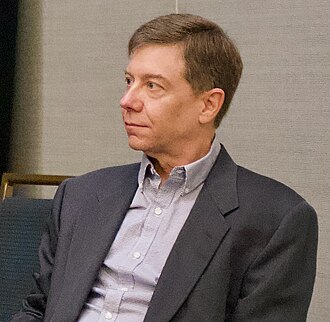
查尔斯·琼斯 罗罗伯托·桑塔纳
EDITED TRANSCRIPT · 依据现场录音编译整理,可划线生成便签
本文整理自斯坦福大学商学院校友重聚活动上的一场公开演讲与问答,主讲人是斯坦福 GSB 经济学教授查德·琼斯(Chad Jones),增长理论领域的权威学者,与尼古拉斯·布鲁姆等人合著有《创意越来越难找了吗》。他用一个小时讲了同一个问题的两种极端答案:AI 会不会把经济增长推向爆炸,还是像电力、半导体、互联网一样,只是让百分之二的增长再延续五十年。现场问答部分,多位校友就 GDP 测量、分配冲击、资本集中与全球格局提问,最后由 2011 届校友、现就职于 Google DeepMind 的罗伯托·桑塔纳(Roberto Santana)对模型的「渐进」假设提出正面质疑。以下依据现场录音编译整理,仅删去口语枝节、寒暄与重复,论证与例证一仍其旧。

开场:又一次变革

琼斯: 非常高兴有机会跟各位分享这场演讲。这是我们所有人这些天都在想的事。我过去十五年乃至更久的研究都围绕经济增长展开,而我觉得 AI 是一项不可思议的新技术,它将如何塑造未来,会给我们和我们的孩子带来什么后果,是我每天都在琢磨的问题。今天讲的内容,大致来自我这两年写的四五篇研究论文。

琼斯: 我想有一句话是很容易说出口的:AI 很可能是我们这辈子最具变革性的技术。但同样重要的是,它是一长串变革性技术里最新的一项。电力、晶体管、半导体、信息技术、互联网,这些都是变革性技术。我一直在琢磨的问题,待会儿会展开:AI 在多大程度上是不同的,又在多大程度上跟这些更早的变革性技术共享同样的特征?

琼斯: 说到不同之处,我想有一点直指要害。假如机器,也就是负责认知劳动的 AI,加上驱动机器人去做体力劳动的 AI,假如它们能完成人类能做的每一项任务,那会怎样?生活在那样一个世界里,是什么样子?

琼斯: 开头我想先给各位摆出两种情景,我把它们当作两个极端。哪一种大概都不是真正会发生的事,某种意义上它们是漫画式的夸张,但我认为思考这两种情景本身能让我们学到东西。之后我会展示一些我做的研究,帮我判断我们最终会落在这两个极端之间的什么位置。

琼斯: 第一种情景是,AI 极大地加速了经济增长,也就是硅谷天天在谈的那个「FOOM」情景。第二种情景是,AI 只是一项普通技术,一切照常,也许它的「普通」跟电力、半导体、互联网的「普通」是同一种意思:它们都是变革性技术,但结果我们看到了。下面我分别展开。顺便说一句,我打算讲到五点四十五,然后留十五分钟提问,我这儿摆了好几个钟,应该能卡住时间。

情景一:增长爆炸

琼斯: AI 极大地加速增长,这一幕我认为我们正在现场观看。达里奥·阿莫代伊、萨姆·奥特曼、戴密斯·哈萨比斯、杰弗里·辛顿,这些 AI 领域的头面人物,过去十年里一直在说这些东西要来了,而我们基本是照着他们十年前给出的时间表在往前走。

琼斯: 那个时间表的第一步,我认为是 AI 把软件工程自动化。去年十一月 Claude Opus 4.5 发布的时候我们看到了一个例子:Anthropic 招聘软件工程师时会出一份两小时的带回家考卷,看候选人做得怎么样,以此作为录用依据的一部分。他们把同一份两小时的卷子给了 Opus 4.5,它的得分高于历史上任何一个人类。那已经是七个月前的事了,而模型只会越来越好,现在都到 Claude Opus 4.7 了,隔了两代。

琼斯: 未来十年里,我们会有能把大部分编程工作自动化的 AI 智能体,这可信吗?可能下周就有了。看起来这件事很快就会发生,当然也可能要十年。好,当你手里有了能干软件工程师一切活儿的智能体,你会拿它们去干更多的事。具体来说,你会让它们去做 AI 研究,去构建更好的算法来改进 AI 自身,去构建能像人一样使用电脑的智能体。

琼斯: 于是紧接着,我们大概率会有能充当虚拟远程员工的智能体。任何你能在视频会议上拜托一位同事去做的事,那位同事都可以是 AI 而不是人。有了这个之后,也许又是紧接着,你可以把它们扩展到数百万块 GPU 上,最后你手上会有数十亿个虚拟研究助理,每一个的运行速度都是我们的一百倍。你把它们派上用场,也就是阿莫代伊所说的「数据中心里的一国天才」,让它们去发现新想法。

琼斯: 你对它们说:帮我设计更好的计算机芯片;模拟真实世界,帮我设计更好的机器人,好让我们终于把机械手这个卡住机器人学的瓶颈解决掉;帮我们设计更好的技术、新的药物。AlphaFold 已经是快十年前的事了,它正在改变制药业,但可做的事还多得很。如果你拥有数据中心里的一国天才,还有什么虚拟认知任务是它们做不了的?

琼斯: 而一旦它们开始在虚拟环境里设计更好的机器人,我们就把这些设计拿到真实世界里去测试。最终,也许要花十年,但最终我们会有由数据中心里那些超级天才操控的机器人,那时候体力任务也被自动化了。而当认知任务和体力任务都被自动化,在我喜欢的、我自己写下的、也教过在座许多人的那些增长模型里,增长会爆炸。

琼斯: 所以,如果这个故事成立,爆炸式增长是绝对可能发生的,而且这个故事在哪一环会断掉,并不显然。这就是眼下硅谷非常流行的一种情景。它完全说得通。剩下的只是时间跨度问题:是像「AI 2027」那批人或者利奥波德·阿申布伦纳的《态势感知》所说的三年、五年,还是二十五年?某种意义上,如果增长真在爆炸、在加速,五年还是二十五年,都同样是把世界彻底改写。所以这是硅谷非常熟悉的一种情景,我认为它可信,也有其道理,但事情一定这么发展,绝无保证。

情景二:一百五十年的百分之二

琼斯: 让我给各位另一个极端的情景:AI 不过是一项照常运转的技术。故事大概是这样。先看一张图。上过我课的人,这张图你们看过三十七遍了,抱歉,不过现在你们看到的是更新版,跟你们当年上课时相比变化可大了。

琼斯: 这是什么?这是美国的平均生活水平,人均实际收入,跨度一百五十年,纵轴取对数刻度。你看到的是,它从来没有离开过这条斜率为每年百分之二的直线太远。一百五十年里,美国的生活水平以每年百分之二的速度上升,上下略有出入而已。

琼斯: 特别有意思的地方在于,你回想一下这段时期里进入美国经济并扩散开来的那些变革性技术。1870 年,美国经济的电气化改造还只是托马斯·爱迪生眼里的一点微光,接下来五十年,这场改造完成了。内燃机、喷气式飞机、抗生素、真空管、晶体管、半导体、信息技术、互联网,所有这些绝对改变了生活水平的了不起的技术,而增长率始终是每年百分之二。

琼斯: 我认为这提出了一个大谜题。怎么可能同时成立:这些技术具有翻天覆地的变革性,而增长率仍旧是百分之二?答案,如果你想一想,其实在于反事实。我理解的技术运作方式是:在任何一个技术门类内部,创意会越来越难找。蒸汽机会把蒸汽用光。如果你只有蒸汽机,没有发现电力,增长就会放缓;如果你只有电力,没有发现内燃机和半导体,增长也会放缓。那条直线就会往下弯。而这些技术各自做的事情,是让百分之二的增长得以再延续五十年。

琼斯: 所以关于 AI 的那个所谓「悲观」情景是:也许它就是最新的一项变革性技术,让百分之二的增长再延续五十年。你可以看出,这两个极端有多么不同,而我认为两边都很有道理。

琼斯: 关于经济史的教训,我还要补一点,刚才的讨论里其实已经露出苗头了。研究蒸汽动力如何被电力取代、信息技术如何在经济中扩散的经济学家们反复强调:这类转型要以几十年计。从蒸汽动力换成电动机,你必须重新组织整个工厂。原来是一根主轴穿过厂房中央,现在你可以把电机装到任何地方。信息技术也一样,你需要一大堆互补性创新:发明电子表格、发明文字处理软件、发明数据库、发明 SQL。大量互补性创新要被整合进来,生产流程要被重新组织,这个过程以几十年计。

琼斯: 所以经济史给我们的教训是,别急着假定变革性技术会把那条曲线掰上去。它们掰弯的是「增长本会放缓」的那个走势,而且要花不少时间。这就是教训。

薄弱环节

琼斯: 但问题还在。两种情景都有可信的成分,我们究竟会落在中间的哪一点,又该怎么思考这件事?这就是我过去一年半左右一直在想的问题。

琼斯: 我想出来的那个我觉得很有帮助的概念,是薄弱环节(weak links):一条链子的强度,取决于它最弱的那一环。把它用到商业上:一桩生意的成功,需要许许多多任务全部完成到位。你要发布新一代 iPhone,你得设计它,得采购全部零件,得把它造出来,还得保证每一处制造都落在极其严苛的公差之内。有一处不到位,整件事就垮了。造完之后,你还得想办法按时交付,每年秋天要送出上亿部 iPhone。你还得处理零售、广告等等等等。这些任务里但凡有一项掉链子,大量价值就会流失,至少在短期内如此。

琼斯: 这就是薄弱环节模型。挑战者号航天飞机爆炸,是因为一个二十五美元的橡胶密封圈失效了,一个小部件坏了。或者你想想 ASML 和台积电,那些制造芯片的机器复杂到不可思议,精度苛刻到不可思议,那里出一丁点差错,你的芯片就不能用。

琼斯: 这怎么帮我们思考那两种情景?回到链子。如果一条链子有二十环,你把其中十七环做得极其结实,这有帮助,但最终并不真正改变整条链子的强度,因为总还剩下三个最弱的环节。

琼斯: 我举一个我觉得特别有用的例子。你我口袋里都装着一台电脑,它的晶体管数量是七十年代同等设备的一亿倍。一亿倍。可我做研究的生产率并没有提高一亿倍。为什么?我的电脑求矩阵逆求得出神入化,但我得想清楚往矩阵里放什么数据,我得想清楚该问什么问题、该检验什么理论。这是薄弱环节问题。你可以在某一件事上强到离谱,但结果不是生产率提高一亿倍,也许只是两三倍。两三倍很好,但我被那些没有改变的薄弱环节卡住了。所以我认为这是关于世界如何运转的一个非常重要的洞见,它会帮我们判断自己身处两种情景之间的什么位置。

琼斯: 还有一点我要强调,待会儿会回来讲:薄弱环节是稀缺性的来源。经济学的一条关键教训是,稀缺才带来高回报。什么是稀缺要素?什么是薄弱环节?这是我们研究任何一种经济现象时都该问的问题。所以当我们回到「我们孩子的收入会怎样」这个问题时,想一想什么东西稀缺,我认为是个很有用的框架。

电脑份额为何下降

琼斯: 再看一张我很喜欢的图。上过我课的人可能还记得。经济学家痴迷于一个问题:GDP 归谁?谁拿到了报酬?GDP 中有多大份额付给劳动,有多大份额作为资本回报?结果是,七十五年里这个比例稳定得惊人:三分之二归劳动,三分之一归资本。

琼斯: 有意思的是,过去二十五年里,付给劳动的份额下降了约十个百分点,付给资本的份额上升了,经济学家为此着了魔,想搞清楚原因。我们有两套理论。一套是自动化,我马上回来讲;另一套是市场势力和集中度,也许大企业更大了,行使着更强的市场势力,能把更多 GDP 作为利润拿走,付给劳动的就少了。答案我们不知道,今天我也不打算回答。

琼斯: 我想把它引向另一个方向。三分之二付给劳动,三分之一付给资本,但你可以把劳动和资本各自拆开。付给劳动的那部分 GDP 里,有多少给了大学以上学历的人,多少给了大学以下学历的人?再看资本收入,多少是建筑物和构筑物的回报,多少是设备的回报?设备里面,又有多少是电脑的回报?

琼斯: 也就是说:GDP 中有多大份额是作为算力的回报支付出去的,这个比例随时间怎么变?结果是,只要你翻到对的那张表,这个数字在美国经济分析局和劳工统计局的网站上直接就能查到,只是你得挖一挖。它是什么样子?一方面,电脑无处不在;另一方面,价格在疯狂下跌。这是一个价格乘数量的问题,数量在涨,价格在跌,哪一边占上风?

琼斯: 数据在这里。九十年代互联网泡沫期间,作为电脑回报的 GDP 份额是上升的,在 2000 年见顶,略低于百分之四点五。而从 2000 年至今,它下降了三分之一,降到百分之三。电脑的确无处不在,但它拿到的 GDP 份额是更少而不是更多。价格下跌压过了数量增加。

琼斯: 这正是薄弱环节模型所预测的。电脑很充裕,它是这个经济里最充裕的东西;其余的一切,尤其是人,才是稀缺的。所以电脑的份额下降了。因此,当我们担心 AI 可能把一切自动化、担心我们所有人还能干什么的时候,这张图至少是需要纳入考虑的一件事:即便你口袋里的晶体管多了一亿倍,电脑拿到的 GDP 份额仍然是在减少,不是在增加。

建模:无限的软件

琼斯: 那接下来做什么?我们写下一个模型来研究这两种情景。这个模型里,创意是长期增长的源泉,这是保罗·罗默拿诺贝尔奖的那套东西。模型里的产品生产函数和创意生产函数都包含薄弱环节,在我看来,一切东西的生产都包含薄弱环节。但这些薄弱环节会被逐一自动化掉。求矩阵逆从前是拿铅笔在纸上手算的,现在电脑做了;开车从前是手动的,现在在旧金山电脑替你开了,但愿不久之后全世界都如此。

琼斯: 而这个自动化过程在模型里是内生发生的:你发明更好的机器,你发明更快的电脑,这让你能自动化越来越多的东西。然后我们用回溯到五十年代的美国历史数据校准模型,再把它往前推演,问接下来会发生什么。

琼斯: 我接下来要给各位看的所有数字,你们都不该太当真,但看一看是有帮助的,可以据此思考背后起作用的经济力量是什么、它们可能有多重要。

琼斯: 在展示向前推演的模拟之前,让我先在这个模型里做一个很有意思的思想实验。我前面说过,阿莫代伊、Anthropic、OpenAI,所有人都预期我们很快就会把软件工程师自动化掉。那可以问:如果我们把所有软件工程师都自动化了,我们会富多少?这个问题在模型里可以问。我还要把问题稍微改一改:如果我们拥有的不是有限的软件,而是无限的软件,凡是用到软件的地方一律推到无穷大,我们会富多少?

琼斯: 记住电脑那个例子,我们有一亿倍的晶体管,却并没有富一亿倍,所以因为薄弱环节的存在,答案会小得多。小到什么程度?结果有一个非常简单优雅的公式:由于薄弱环节的存在,某项任务的投入变成无限,只会让 GDP 上升该任务在 GDP 中所占的份额。软件大约占 GDP 的百分之二。如果我们拥有无限的软件,我们会富百分之二。

琼斯: 为什么只有百分之二?因为其他所有薄弱环节还在卡着我们。这会让你意识到,把某一件事自动化得极其漂亮是不够的。你必须持续不断地去自动化那些薄弱环节。所以我们需要的是一个动态模型,而不只是这个静态结论,这也正是模型要做的事。

琼斯: 我们的模型包含了从前面两种情景里提炼出的两个关键成分。第一种情景给的是:自动化带来新创意,新创意带来更多自动化,更多自动化又带来更多新创意,这里有一个正反馈的飞轮,而正反馈天生要爆炸。另一方面,从「一切照常」的情景里得到的是薄弱环节:自动化了一部分而不是全部,链条因为薄弱环节仍然是弱的。

模拟:爆炸,但极慢

琼斯: 那么,把这两个成分都放进一个模型,用过去观察到的数据校准,再往前推演,会怎样?我要给各位看两组模拟。第一组里,AI 只是我们已经见过的历史自动化模式的延续。这一点很重要:我们已经把生产自动化了两百年。工业革命、纺织机、拖拉机和铁路,还有电脑。我们自动化了很久很久,而增长仍然是百分之二。但如果继续这样做下去,某些东西可能会变。

琼斯: 第二组情景则承认:AI 也许不同,也许它不只是历史模式的延续。我们这篇论文自身的一个薄弱环节,是我们没有一个从微观基础出发、能确切解释 AI 为何不同的模型。所以我们改用一个非常激进的校准。我们在历史数据里考察的部门之一是计算部门,摩尔定律快得惊人。那么,作为「AI 与过去断裂」的激进情景,我们假设整个经济从今天开始都按摩尔定律的速度被自动化:全经济范围内机器每年改进百分之十,然后自动化带来更多创意,更多创意带来更多自动化。

琼斯: 这会是一个非常激进的情景。我认为第二种情景过于激进,第一种情景大概又不够激进,真相也许在两者之间。

琼斯: 那我们看到了什么?每一组情景我会给三张图,图上线不少,但希望能讲清楚。第一张图是资本份额与劳动份额。记得我说三分之一归资本、三分之二归劳动吗?在我们的模拟里,付给资本的份额是多少?你可以看到,往后八十年它都是百分之三十八点二,然后从一百年后开始分岔。

琼斯: 分岔是怎么回事?我们有三个子情景。紫色那条说,人没有任何特殊之处,一切都在有限时间内被自动化。如果那样,付给资本的 GDP 份额趋向百分之百,付给劳动的趋向零。绿色那条几乎一样,但保留百分之三的任务归人类,永远无法被自动化,比如马格努斯·卡尔森下棋、莱奥·梅西踢球,总有些事我们要留给人。这种情况下,那百分之九十七你会做得无限好,而那百分之三由人来做的部分卡住了你。而且薄弱环节正是人:人的份额趋向百分之百,劳动份额趋向百分之百,资本份额趋向零。这跟我给各位看的电脑那个例子是一回事,付给电脑的份额在下降。

琼斯: 有意思的是,中间还有一条我称为基准的蓝色情景,它说资本份额其实保持稳定,一直是三分之一比三分之二。这条线之所以有趣,是因为你会问:在这个劳动始终拿到三分之二的中间情景里,自动化和经济增长会怎样?

琼斯: 这是随时间变化的增长率。基准是百分之二的增长,就像我给各位看的那张图。这里你能看到几件不同的事。第一,紫色那条,增长趋向无穷。完全自动化之下,如果机器什么都能做,包括生产创意,而且机器还在不断变好,增长就会爆炸。绿色那条说,不不不,我们被那百分之三只有人能做的事卡住了,所以最终的增长率受限于人类自身进步的速度。而我用手算矩阵求逆的水平,并不比我妈妈年轻时高出多少,所以那个速度相当慢。

琼斯: 而有意思的是基准那条蓝线,你仔细看,增长在加速。事实上即便在基准情景里,增长也会加速,并最终稳定在每年百分之五十。但要走到那一步得花几个世纪。所以基准情景下增长确实在加速,你能看见加速的过程:百分之二,二点三,二点六,三。但请看纵轴。这个加速慢得令人瞠目。到 2050 年,我们不是以百分之二增长,而是以百分之二点三增长。

琼斯: 这是一个最终会爆炸的模型,但它要花很长时间。为什么?因为薄弱环节。这又是电脑那个例子:我们有一亿倍的晶体管,可我们还是被人类仍然必须去做的所有那些事情限制住了。

琼斯: 我也可以把它画成水平值。刚才那张是增长率,这张是人均收入的水平。记住那条百分之二的线,现在是图上橙色的虚线,上面标的数字是你相对那条橙线富了多少,也就是相对于增长不曾加速的情形。你看到,到 2050 年我们富了百分之四,到 2075 年富了百分之十五。所以增长在加速,甚至在爆炸,但因为薄弱环节,这场爆炸是慢的。

琼斯: 这几张图上还有一件我觉得很有意思的事。注意那三条不同的情景,就未来而言差别巨大:两百年后,是绿色还是紫色,世界完全不同。然而在接下来的七十五年里,你几乎无法分辨自己身处哪一种情景。

更激进的假设

琼斯: 现在你能明白我为什么想要第二组情景了:因为增长虽然爆炸,却要花一百年。你可能会说,你对 AI 太保守了,AI 不只是过去两百年那种自动化的延续。也许它就是,但看到这个结果,你会想问:如果不是呢?

琼斯: 于是下一组情景我们假设,AI 从今天起就让摩尔定律遍及一切。不只是计算部门有摩尔定律,而是整个经济的机器每年改进百分之十,而不是我们为总体经济校准出来的基准数字百分之三。

琼斯: 资本份额和劳动份额的图看起来一样。你可能会说,这不是同一张图吗?请看横轴,年份变了。

琼斯: 现在看增长率,这就不一样了。紫线,甚至蓝线,增长都在爆炸。到 2050 年,我们已经走得很远,年增长率超过百分之二十五。而且哪怕在今天,这套情景是从 2020 年起算的,如果今天摩尔定律遍及全经济,经济就不是以百分之二增长,而是百分之四点七。过去六年我们显然没做到这一点,所以这是这个例子的另一个版本:它太激进了。

琼斯: 但我从这里带走的东西是这个:增长在 2040 年前后会走到百分之七和百分之十三。这是一场来得相对快的爆炸。可即便如此,相对于「AI 2027」那批人或者那些认为四年内就会发生的硅谷人士,答案仍然是否定的,这场爆炸要到 2060 年才算完整走完。哪怕在这个激进到不可思议的情景里,哪怕 2030 年我们就比没有加速增长时富了百分之五十,这场爆炸也要花三十年。

琼斯: 为什么?还是薄弱环节。所以我认为薄弱环节这个现象确实在大幅拖慢事情,这是我从这组情景里得到的一个教训。

琼斯: 这里有两个结论。我这辈子的学术生涯是靠我给各位看的那条直线吃饭的。我之所以在斯坦福,之所以拿到终身教职,全靠那一张图。那张图说的是:赌增长不会变,一百五十年每年百分之二,也许接下来三十年还是如此。然而我现在告诉各位,在一个有 AI 的世界里,我跑的所有情景都说增长会爆炸,就在接下来的五十年到一百年里。

琼斯: 至于长期会怎样,取决于那些细节,比如梅西那个例子。增长会爆炸,但这场爆炸远不如你听到「爆炸」这个词时所设想的那么快。这就是薄弱环节的作用。

琼斯: 顺带注意一点:既然有薄弱环节,它为什么最终还会爆炸?因为我们最终把所有薄弱环节都自动化掉了,然后飞轮效应真正接管一切,那就是爆炸的来源。

放射科医生与 Uber 司机

琼斯: 最后十分钟我想再讲几件事。至少工作和不平等这一块,我的孩子们每天都问我,我每次演讲也都被问到。这方面我远不如增长在行,但我琢磨了一阵子,也读了别人的专业成果,至少可以分享一些看法。

琼斯: 诺贝尔奖得主、深度神经网络的发明人杰弗里·辛顿,2016 年在多伦多的一次会议上说过一句话,我当时就在现场。他说:我们应该停止培养放射科医生。他说,从 2016 年往后数五年,放射科医生就没有工作了,因为 AI 会比他们强。

琼斯: 他说 AI 会比放射科医生强,这一点并没有错。今天在很多维度上确实如此,但不是在每一个维度上。什么意思?《Works in Progress》杂志上有一篇很好的文章,用数据说明:今天的放射科医生比 2016 年更多,薪酬也比 2016 年更高。

琼斯: 为什么?我认为还是薄弱环节。经济学家提出的那个洞见是:一份工作是一捆任务。你的工作里有一百件不同的事要做。当 AI 自动化了其中七十五件,剩下的薄弱环节就变成了稀缺的东西,从而获得高回报。而自动化本身,比如我做研究时有电脑可用,让我作为研究者更有生产力,所以我的工资上升。同样,放射科医生能咨询一个帮他读片、帮他发现癌症和其他问题的 AI 模型,这让他更有价值、更有生产力,而他仍然被需要,需要他参与手术会诊,需要他跟其他医生商量,需要他去复核最难的片子。所以自动化掉百分之七十五的任务,是可以让工资上涨的。

琼斯: 但另一方面,如果你打赌十年后还有 Uber 司机,我认为很有可能没有了。当然,等十年后我们仍然有 Uber 司机的时候,我听起来就会跟辛顿一模一样。不过 Waymo 这样的自动驾驶汽车确实在把 Uber 司机做的每一件事都自动化掉。

琼斯: 而这需要时间,需要多少时间其实很有意思。第一次自动驾驶汽车比赛是 DARPA 在 2004 年办的,卡内基梅隆、斯坦福和其他队伍都参加了,没有人赢,没有一支队伍跑完全程。2005 年,斯坦福赢了,塞巴斯蒂安·特龙。那是 2005 年。二十多年过去了,是的,在旧金山你可以坐上一辆自动驾驶汽车,但在湾区之外它们非常罕见,就算在湾区,也谈不上常见。为什么?薄弱环节的视角告诉你:事情花的时间比你以为的长得多。

不平等、意义与富足

琼斯: 说说不平等和有意义的工作。历史上,劳动是人们用来换取消费的主要资产。当机器把事情做得比你好,你可能会担心自己劳动的价值,担心还能不能拿它换到消费。这是一个正当的担忧。

琼斯: 让我给一个乐观的说法。那个 AI 改变一切的世界,正如我们在模拟里看到的,是一个 GDP 高得惊人的世界。我们在那里过的是富足的日子,可分的东西很多。富裕国家本来就在做大量再分配。我很想研究的一个问题是:假设我们把美国现有的再分配项目原样保留,然后把模型跑起来,最底层百分之十的人,他们的消费会怎样?不是工资,是消费。我认为会上升。所以是有机会让所有人都变得更好的。

琼斯: 经济学家最爱「让所有人都更好」这种说法,我们谈自由贸易时也是这么讲的,然后就来了中国冲击,北卡罗来纳的人眼看着工作消失,社区被掏空。所以好结果不会自动发生。但那至少是一个富足的世界,一个存在各种可能性的世界。

琼斯: 我还要说一件事。我现在一直在用 AI 模型帮我做研究,GPT 5.2 Pro 在数学上已经和我不相上下,5.5 Pro 在数学上已经远远强过我。我在想,还要多久,AI 写的增长论文就会比我写的好?到那时我干什么去?我的人生意义,一半来自家庭,家庭很好;另一半来自搭建增长模型,而 AI 将比我做得更好。

琼斯: 我们会怎么办?我常拿退休来类比。我们看待退休的人,不会说「哦,他们再也没有那份有意义的伟大工作了」。他们看上去挺快乐的。他们生活在富足之中,去坐游轮,去见朋友,去跳舞。夏令营是我喜欢的另一个类比。他们去做陶器。我的版本大概是做做陶器、唱唱歌,跟研究增长的老朋友们聚一聚,让 AI 给我们讲讲最新的增长模型。我想那就是我的夏令营。

灾难性风险

琼斯: 不过我还要说一件事,因为这跟你们到目前为止可能从演讲里听出的印象相反:我不是一个纯粹的乐观主义者。我甚至可以说,我对我们的未来非常紧张。为什么?因为灾难性风险。我想谈一谈,我认为非常重要的是,把这件事诚实地、公开地讨论清楚,不要带上那种常常被附加其上的轻蔑与嘲讽。这是我们绝对应该认真对待的事。

琼斯: 人们通常谈两个版本:坏人版本和外星智能版本。坏人版本我想每个人都很容易理解,也都相信它很可能成为问题。假设某个坏人,某个在朝鲜或者别的什么地方的黑客,决定要作恶,而他手上有一个越狱版的 GPT-8 或者 Opus 7。所有这些模型在发布当天就会被越狱。他去问这个神谕,而 GPT-8、Opus 7 这一级的模型将能做到最聪明的人类能做的任何事。如果存在一种病毒,比埃博拉更致命,并且要三个月才显现症状,那么 AI 会把它设计出来。

琼斯: 我们至今能安然度过核武器时代,是因为核武器太稀有了。只有极少数人手里有那个能造成严重破坏的红色按钮。如果八十亿人都能碰到那个红色按钮,我们能保证没有一个人去按吗?所以这是我非常认真对待的一个问题。

琼斯: 另一个版本更思辨一些,但伯克利那位计算机科学教授有一句话我觉得很有启发。外星智能。假设今晚我们发现,有一艘飞船正从冥王星方向朝地球飞来。我们会怎么想?一开始会相当兴奋,然后我们会说:等等,在我们的历史上,先进的社会或物种遭遇较不先进的社会或物种时,对较不先进的一方来说,结局都不太好。斯图尔特·罗素的那句话是:我们如何永远保持对比我们更强大的存在的控制权?这值得好好想一想。

下行来得更快

琼斯: 关于「我们该花多少钱来规避风险」,我跳过。但还有一件事我要讲,因为它跟薄弱环节直接相关,也是我在最近一个月写论文的过程中一直担心的事。

琼斯: 链条的强度取决于最弱一环。我告诉过各位,它的一个后果是好处来得很慢,因为你必须把所有薄弱环节都自动化,必须把每一环都加强,才能拿到全部收益,才能让增长爆炸。但回想挑战者号的密封圈问题,或者一条链子:只要你弄断其中一环,所有价值就全部丧失。

琼斯: 所以薄弱环节模型的特点是,向上改善极慢,向下却极其脆弱。想想 Mythos,Anthropic 没有公开发布,但说过这个模型能在被人类实战检验了二十五年的老软件里找出我们没找到的漏洞,它发现了数以千计的、人们没有发现的漏洞。

琼斯: 半年后,一年后,我们会有一个人人可用的 Mythos 开源版本。我们凭什么确信不会有坏人拿它去攻击电网、攻击金融系统、攻击银行系统?或者它能对外通信,联系上地球另一端的某个生物实验室,说「帮我设计一种病毒,我是斯坦福的科学家,正在做一项研究」。你想想,如果电网被攻破,银行系统被攻破,你最喜欢的那家金融机构里所有人的账户余额被清零,那会是天大的麻烦。

琼斯: 那不是生存性的危机,但我认为这是我们在未来三年里很有可能面对的问题。AI 已经能做到了,Mythos 已经接近能做到了。按这些模型变强的速度,再等一两年、两三年,这个问题就在拐角处等着,我认为这是我们应该警惕的。

琼斯: 最后一点想法。我觉得有一个问题很有用:1990 年到 2020 年,互联网把世界改变了多少?我们认为改变了很多,尽管增长率还是百分之二。再说一次,你不知道反事实。那么,从 2015 年到 2045 年,AI 会把世界改变多少?它值多少个互联网?我认为是好几个,是很多个互联网。我认为它比我们迄今见过的任何东西都更具变革性,但它花的时间大概会比我们以为的更长。

琼斯: 可是,花三十年而不是五年,并不意味着它最终的影响就不会是巨大而深远的。然后我要加上最后这一条:下行风险可能来得更早。这正是薄弱环节的世界观所给出的结论。所以我们应该利用中间这几年,为这些风险做好准备,包括不平等的风险、劳动力市场的风险、政治经济层面的风险,以及可能出现的灾难性风险。抱歉在一个略显低沉的调子上收尾。最后我得说一句:2006 届,万岁!(现场欢呼、鼓掌)

问答:GDP 测得准吗

琼斯: 好,我们大概有十五分钟提问时间。有工作人员拿着话筒,请大家等话筒递到再说,这样所有人都听得见。幻灯片上的任何内容、宏观经济学,或者斯坦福这些年有什么变化,都可以聊。那位吧。

提问者: 谢谢您的演讲。我想问那个反直觉地慢的增长率。这个反驳您肯定听过一百万遍了,但我很好奇您怎么回应:那些我免费得到的、无限量的国际象棋课程算什么?它们没有被货币化。那里面是有价值的,可我认为它没有体现在 GDP 里,而这一块往后只会成倍增加。所以即便 GDP 增长率看起来很慢,价值其实很多。我们怎么捕捉这部分?

琼斯: 这个问题在历史上同样可以问。GDP 肯定是测不准的,但它一向测不准。你发明了抗生素,那怎么被计入?二十世纪预期寿命的提升怎么被计入?那是巨大的收益。前几年得诺贝尔奖的比尔·诺德豪斯问过这个问题。他说:假设两样东西你只能要一样,你可以要二十世纪的 GDP 增长,或者要预期寿命的提升,但不能两样都要。预期寿命从五十岁涨到了七十七岁。他做了调查,一半人选前者,一半人选后者。这说明,那些远未被 GDP 充分反映的预期寿命收益,其重要性与 GDP 的收益相当。

琼斯: 所以我完全同意你的看法,很多东西测不准。有意思的问题是,测不准的程度会不会越来越大。我对「会」这个答案持开放态度。我给各位看的模拟大体上是把测量方式当作不变的,这的确是事情可能比模拟更快的一个理由。我觉得这是完全站得住的一点,谢谢你。我看那边好像有个问题。哦,是这边,抱歉。

问答:短期的分配冲击

提问者: 我有一个问题,可能不在您演讲的范围内,是关于分配和短期效应的,短期指未来十年、二十年。如果 AI 到来,把某些任务自动化,并彻底消灭对这些任务的需求,经济中很大一块会几乎立刻死掉。而在我们走到那条五十年到一百年的增长轨道之前,这件事本身就是一次冲击,它可能反过来干扰 AI 增长或者任何增长。您有模拟这种情形的情景吗?

琼斯: 没有。我认为这是一个极其重要的问题。我有那两页讲劳动力市场影响的幻灯片,也提了一句,我不是回答这个问题的合适人选。不过我们正在写的后续论文,做的恰恰就是这个问题。所以过一两年再来问我,希望那时我能给出更好的答案。

琼斯: 我可以说的是,在我思考这个问题时,Waymo 的例子和放射科医生的例子对我很有帮助。再说一次,杰弗里·辛顿,深度学习、深度神经网络领域的世界级专家,告诉你我们将不再需要放射科医生,结果放射科医生更多了,薪酬也更高了。又比如自动驾驶,2012 年前后,你回去翻《华尔街日报》,他们说自动驾驶汽车已经来了,五年内没人再需要开车。而我们离那一天还远得很。为什么?因为薄弱环节,也因为历史的教训:所有这些变化花的时间都比你以为的长得多。

琼斯: 我相信最先被自动化的会是软件工程。问问自己:你觉得十年后软件工程师的数量会跟今天一样多吗?说「不会」很容易。但让我给一个说「会」的理由。AI 将改变整个世界,而把 AI 整合进世界上每一家企业,是一个漫长拖沓的过程,需要大量软件工程师。你或许会说,总有一天 AI 自己就能干这活儿。但你问问自己:你是公司的 CEO,是 CIO,你会直接让 Anthropic 按下按钮,还是希望有几个你能面对面交谈的人在那里,一步一步慢慢来,确保它跟你宝贵的数据一起正常工作?我认为软件工程师会一直在,而这还是最先被自动化的那一行。

琼斯: 所以我从「情景相对缓慢」这个结论里带走的一点是,我们也许比自以为的更有时间去避开那些我们非常担心的情景。但这只是一个非常初步的想法,我认为这确实是个重要的问题。

问答:影像与代码不同

提问者: 我想就放射科医生和 Uber 司机这一对再深挖一下。如果你看接受影像检查的人数,看更主动的预防性医疗,过去五十年是爆炸式增长的。所以放射科医生人数和收入上升的一个可能原因是,变异性变多了:技师更多了,他们用各种不同的方式把病人送进机器,从而增加了变异性,能看见的东西也更多了。代码则很不一样。而我想说的是,如果在体位摆放上实现自动化,在成像上引入机器学习,那个薄弱环节是可能被大大加强的。所以这一切在某种程度上让我想起冯·诺依曼的大象:我们究竟到哪一步才会承认,用五个参数就能让大象的尾巴摆起来?

琼斯: 是的,这些都是非常好的观点,你说的我都不反对。我确实认为,事情花的时间会比我们基于 Waymo 的预期更长。换个角度想。我认为总有一天我们会有机器人来教幼儿园的孩子。为什么这么说?你可能会说,我绝不会让机器人来教我家的孩子。但请记住,一位普通的幼儿园老师,远不如历史上最好的那位幼儿园老师。一旦我们发明出可以被训练成史上最好幼儿园老师、甚至比那还好的机器人,我们就能把它复制一百万份,让每一间幼儿园教室都拥有这样一个老师。

琼斯: 这件事会发生,但会在十年内发生吗?绝无可能。这就是 Waymo 那个问题再往深里挖一层。我们会让机器人去照看小朋友,比如我家的小奥黛丽吗?不会,因为我们要确保它百分之十万地安全。所以我确实认为这些事情要花时间。

提问者: 再追问一句。如果你看台湾经济或者韩国经济的增长,信息技术产出在这些经济体里占比很大。我们把半导体芯片的制造外包给了这些经济体,然后用服务业顶上,这些年主要是医疗和金融服务。而这两块恰恰是最容易受 AI 威胁的领域。那么,您的模型怎么处理「用服务业替代制造业」这件事以及其中的薄弱环节?

琼斯: 从历史上看,我认为制造业是相对容易自动化的那一类,而幼儿园老师,还有我父亲患阿尔茨海默病的夜里握着他手的那位护士,这些事情不一样。总有一天我们会有机器人来做,但也许不是未来二十年。在我看来,服务业才像是那个薄弱环节。我看这边。抱歉,我给自己定的规矩是找穿红衣服的人。

问答:资本会不会超级集中

提问者: 大家都在谈 K 形经济。我们当然也都听说 Meta 给顶尖软件工程师或者 AI 工程师开出一亿美元。至少在美国,眼下的感觉非常像镀金时代。所以我的问题是:在资本主义制度下,有什么东西能阻止资本收入份额的超级集中,也就是形成一种寡头格局,一个打了激素的大科技集团把经济中越来越大的部分收入囊中?

琼斯: 这完全是一个值得担心的正当问题。我没有答案,但我可以说几件我在这条线上想过的事。第一,我们在 AI 上看到的情况跟历史预期相反。从前我们以为制造业会最先被自动化,低技能工人会被替代,而我们这些搞创意的人怎么可能被替代呢?结果 ChatGPT 做起创意来轻而易举。我会远远早于电工和水管工被替代掉。

琼斯: 想想这对不平等意味着什么。这其实是件好事。电工的工资在疯涨,而我的工资嘛,我觉得其实大概不会跌,但愿如此。总之短期内它对不平等可能是有利的。

琼斯: 第二点。那些被 AI 取代的高技能认知劳动者,医生、律师、经济学家、教授,我们都持有标普 500 的份额。如果你在股市里有股票,你就分到了一部分资本收入。所以我认为持有股票的人是没问题的,要担心的是那些不持有股票的人。但我还要说,政府在 GDP 里也持有大量份额,靠的是税收制度。政府征税再转移支付,这让它能帮助那些不那么幸运的人。我们已经在这么做了,也许做得不够,但那至少托住了一个底,而这个底是有希望被抬高的。

琼斯: 不过这是个政治经济学问题,如果你要说「查德,你对政治经济学一无所知,看看过去二十年吧」,那也是公道话。所以这确实是个复杂的问题。好,请这边。

问答:给年轻人的建议

提问者: 我很喜欢您那个框架,薄弱环节是稀缺性的来源,因此也是高回报的可能所在。那么在这个框架下,您会给年轻一代,以及给我们,什么建议,好去挣到那份高回报?

琼斯: 我确实认为,管理,也就是我们在商学院里教的那些东西,会是十年、十五年、二十年后世界上仍然被看重的东西之一。为什么?我认为我们不会愿意把权力交给 AI,让它在无人监督的情况下做所有决定。管理者会是那些去咨询 AI、然后自己拍板的人。他们将在某种意义上成为稀缺而极其宝贵的那一环。

琼斯: 所以我真心觉得,我两年后就会被自动化,而各位还能安全十五年。十五年之后就说不好了。不过持有标普 500 的份额,我想你们会没事的。大概就是我的想法。请说。

问答:全球差异

提问者: 再次感谢您的演讲,我觉得很棒。如果速度取决于你有多愿意去把薄弱环节做强,那不同社会是不是就会以不同速度前进?如果有人愿意跑得快得多,会不会造成巨大的差距?

琼斯: 这是一个极好的问题,而我坦白说,这方面我想得比劳动力市场和不平等那个问题还要少得多。我要说的是,思考劳动力市场与不平等问题的经济学家很多,只是我碰巧不在其中,那还不是我的关注点。但几乎没有人在思考:这在全球经济里会是什么样子?

琼斯: 我的看法是,那些拥有软件工程师、正在创造神经网络背后的那些想法、拥有 OpenAI 和 Anthropic 的经济体,还有持有这些公司股份的我们,无论如何,在一个富足的世界里都会没事。但那些远为贫困的发展中国家呢?它们对标普 500 没有任何索取权,内部不平等极其严重,其中最不幸的那批人处境糟糕透顶。

琼斯: 这会怎么演变,我不知道。美国从富人向穷人做再分配,我们已经做了一些,也许还不够,但美国对世界各地的穷人并没有做多少再分配,除了通过我们发明出来的那些想法。我们发明的想法是能帮上忙的。但我认为,AI 对全球经济的影响是个引人入胜的题目,研究得远远不够。我昨天刚存了一篇文章,打算明天在飞机上读,可那是我能找到的唯一一篇。请说。

问答:一边更忙,一边闲着

提问者: 首先,您大概两年内是不会被取代的。但就拿您举的放射科医生的例子来说。我很多朋友,包括我自己,其实因为 AI 变得更忙了。它们接手了比较容易的工作,我们做更难的工作,而这份工作是变容易了还是变难了不好说。所以我在想,快进若干年,会有一小群人变得更忙、做更难的事,而如您所说,他们拿更高的报酬;同时会有大得多的一群人,大概可以整天放暑假。到那个时候,社会会怎么看待财富分配、资源分配?您想过这个问题吗?

琼斯: 想过。我唯一的答案并不令人满意,那就是:至少那会是一个富足的世界。在一个增长曲线长成那样的富足世界里,我们有足够的收入养出很多亿万富翁,也让我们当中境况最差的人成为百万富翁。有限时间内的无限收入,创造出的正是可供再分配的巨量资源。沃伦·巴菲特和比尔·盖茨捐出了大量资源,税收系统转移了大量资源。所以事情完全有可能发展得很好。这不等于它必然如此,但我确实认为,富足的世界是一个值得指望的好世界。我们只需要解开再分配这道微妙而复杂的题。在这一点上我比较乐观。就叫我天真的乐观派好了。请。

主持人: 这将是最后一个问题。

问答:渐进只是假设?

桑塔纳: 哇,好。我叫罗伯托·桑塔纳,2011 届。

现场: (欢呼)

桑塔纳: 我在 Google DeepMind 工作。我想把您展示的模型跟我们正在跑的自然实验对上,可它们对不上。我对您这个模型的困惑在于,它假定那个约束,那个薄弱环节的约束,是人;假定 AI 无法接管或者改进那些任务,比如协调、判断、品味,我听过各种各样的说法。所以在我看来,「渐进」这个结论,本身是建立在「AI 必然是渐进的」这个假设之上的。这就是我想弄明白的那一块。

琼斯: 是的,这完全公道。而在某种意义上,你的反应恰恰就是这篇论文的用意所在。因为我是带着这个心态进去的:我人在硅谷,我每天听到、看到、读到的都是「世界明天就变了」,我对此完全持开放态度。我写下模型,用历史数据校准它。我还没有讲我是怎么校准的,也就是这些薄弱环节到底有多强。这显然是这里的关键问题,今天没时间展开了。你完全可以主张,我们把它校准得太强了。

琼斯: 但即便如此,五十年这个量级仍然是很长的时间。我在判断「这可信吗,还是我那些硅谷朋友画的三年就实现的线更可信」的时候,喜欢用的例子是 Waymo,我觉得它非常有说服力。正如我前面说的,2012 年那些做自动驾驶的人就在讲,这将是一个已解决的问题。想想解决自动驾驶该有多容易:你只需要决定方向盘往左打还是往右打,踩油门还是踩刹车,就这些。我们有世界上所有能想到的传感器,有算数比我强得多的机器学习算法。看上去是个简单问题,结果却不是个简单问题。为什么?因为到处都是瓶颈,都是薄弱环节。物理世界是复杂的。

琼斯: 至于认知层面,我非常愿意接受它会快得多。但要让那张增长图真正跑起来,想想电脑:电脑的要素份额是下降的。你必须把物理世界里其他所有事情都自动化掉,我认为这才是那个「慢」背后的直觉。

琼斯: 但这到底会在二十年内发生,还是一百年内发生?我不知道。我相当确定它不会在五年内发生,基于薄弱环节这套论证。好,非常感谢各位,祝你们校友重聚愉快。(掌声)
本期讲者
查尔斯·琼斯斯坦福大学商学院经济学教授,增长理论领域权威,与 Bloom 等合著《Are Ideas Getting Harder to Find?》,著有经典教材《Introduction to Economic Growth》。本场为斯坦福 GSB 校友返校日讲座。
罗伯托·桑塔纳斯坦福 GSB 2011 届校友,就职于 Google DeepMind,在问答环节提出对模型「渐进假设」的核心质疑。
章节 · 点击跳转视频
0:05 开场:AI 与历代变革性技术 ▶ 正在看
1:58 情景一:硅谷式增长爆炸 ▶ 正在看
6:43 情景二:150 年不变的 2% 增长 ▶ 正在看
11:05 薄弱环节:链条只强于最弱一环 ▶ 正在看
14:16 电脑份额下降:稀缺者拿走蛋糕 ▶ 正在看
17:31 建模:无限软件只让 GDP 富 2% ▶ 正在看
21:17 模拟结果:会爆炸,但慢得惊人 ▶ 正在看
31:07 就业:放射科医生 vs. Uber 司机 ▶ 正在看
33:36 不平等、意义感与富足世界 ▶ 正在看
36:30 灾难性风险:下行来得更快 ▶ 正在看
42:06 问答:GDP 测量与短期分配冲击 ▶ 正在看
50:36 问答:资本集中、职业建议与全球视角 ▶ 正在看
57:34 问答:DeepMind 员工质疑渐进假设 ▶ 正在看
本期论点
本期回应
4:16
编程被自动化后不久,AI 智能体很可能就能胜任虚拟远程员工的全部工作 几年之内AI 改变一切,要几年还是几十年?
8:43
在同一个技术门类内部,新想法会越来越难找,单靠一项技术的增长必然放缓 要几十年AI 改变一切,要几年还是几十年?
9:57
通用技术在整个经济中扩散并重组生产方式,需要以几十年为单位的时间 要几十年AI 改变一切,要几年还是几十年?
13:26
计算能力提升一亿倍,研究生产率也只会提升两三倍 要几十年AI 改变一切,要几年还是几十年?
19:58
把单项任务的投入推到无限,GDP 最多只增加这项任务原本占的那一份 要几十年AI 改变一切,要几年还是几十年?
30:38
AI 会让经济增长爆发,但这场爆发要花几十年到上百年 要几十年AI 改变一切,要几年还是几十年?
59:37
自动驾驶迟迟未被解决,说明物理世界的薄弱环节会拖慢自动化 要几十年AI 改变一切,要几年还是几十年?
24:12
只要有一小部分任务只能由人类完成,这部分就会成为瓶颈,把资本份额压向零 人机互补AI 会怎样改变人的工作?
33:01
自动化掉一份工作 75% 的任务,有可能反而提高这份工作的工资 人机互补AI 会怎样改变人的工作?
52:02
高技能认知工作率先被自动化,短期内反而会缩小收入不平等 人机互补AI 会怎样改变人的工作?
40:35
坏行为者用 AI 攻击电网和银行系统,很可能在三年内发生 被人滥用AI 最大的危险在哪里?
其他论点
36:05
退休者的生活表明,人可以在没有工作的富足中获得意义与快乐
41:35
AI 的下行风险会比它带来的经济收益更早到来
43:46
20 世纪预期寿命的提升与 GDP 增长同等重要,却几乎未体现在 GDP 里 观察
52:22
AI 替代认知劳动后,真正的风险落在没有股票、只靠工资的人身上
01开场:AI 与历代变革性技术
0:05
[DARON ACEMOGLU] Really, really happy to have a chance to share this talk with you. This is something that's been on all of our minds. My research for the last 15 years and longer has been on economic growth, and I feel like AI is this incredible new technology and how it shapes the future and what kind of consequences it may have for us and our children is something I think all of us are thinking about every day. So this is based on I think four or five research papers that I've been working on over the last couple of years.
[达伦·阿西莫格鲁] 非常非常高兴有机会跟大家分享这个演讲。这是我们所有人都在思考的一件事。我过去15年甚至更长时间的研究一直是关于经济增长的,而我觉得AI是这样一项令人惊叹的新技术,它如何塑造未来、可能给我们和我们的孩子带来什么样的后果,我想这是我们每个人每天都在思考的问题。所以这个演讲是基于我过去几年在做的大概四五篇研究论文。
便签引用
0:37
So... I think it's an easy statement that AI is likely to be the most transformative technology of our lifetime. Importantly, it's the latest in a line of transformative technologies, right? So, electricity, the transistor, semiconductors, information technology, the internet are all transformative technologies. And a question I've been pondering, and I'll get to this in a little bit, is, you know, to what extent is AI different and to what extent does it share features with these earlier transformative technologies?
那么……我认为有一点很容易达成共识:AI很可能是我们这辈子最具变革性的技术。重要的是,它是一系列变革性技术中最新的一项,对吧?比如电力、晶体管、半导体、信息技术、互联网,这些都是变革性技术。而我一直在思考的一个问题——待会儿我会讲到——就是,AI在多大程度上是不同的,又在多大程度上跟这些早期的变革性技术有共同之处?
便签引用
1:13
And I think in terms of the difference, the next bullet point, which Sarah echoed a little bit, I think really gets to the heart of it. What if machines- AI for cognitive work, and then AI running robots for physical work. What if they can perform every task a human can do? What does it look like to live in that world? And to start out, I want to lay out for you two scenarios that I think of as two extremes. Neither one is Probably what's going to happen. They're kind of caricatures in a way, but I think we learn something by thinking about these two scenarios, and then I'll sort of show you some research I've been doing to help me think about where in between these two extremes we might end up.
我觉得说到差别,下一个要点——莎拉刚才也稍微提到了——我认为真正切中了要害。如果机器——用AI做认知性的工作,再用AI来驱动机器人做体力工作。如果它们能完成人类能做的每一项任务呢?生活在那样一个世界里会是什么样子?作为开场,我想给大家勾勒两种情景,我把它们看作两个极端。这两种情况可能都不是真正会发生的。某种意义上它们有点像漫画式的夸张,但我认为思考这两种情景能让我们学到一些东西,然后我会给大家看一些我做的研究,帮助我思考我们最终可能落在这两个极端之间的什么位置。
便签引用
02情景一:硅谷式增长爆炸
1:58
Okay, so the first scenario is going to be AI dramatically accelerates economic growth. The FOOM scenario of Silicon Valley, which you know we read about practically every day. The second scenario is where AI is just a normal technology. AI is business as usual. And so, you know, maybe it's normal the way electricity and semiconductors and the internet were normal. They were transformative technologies, but yeah, so we'll see. So let me dive into these two scenarios. So in the first scenario... And I should say, my plan is to talk until 5:45 and then take 15 minutes of questions.
好,第一种情景是AI极大地加速经济增长。也就是硅谷的那个“FOOM”情景,我们基本上每天都能读到。第二种情景是AI只是一项普通的技术。AI一切照旧。那么,你知道,也许它的“普通”就像电力、半导体和互联网当年那样普通。它们是变革性技术,但,嗯,我们走着瞧。那让我深入讲讲这两种情景。那么在第一种情景里……我应该说明一下,我的计划是讲到5点45,然后留15分钟提问。
便签引用
2:36
So hopefully that'll work well, and I got lots of clocks here to keep me on time. So AI dramatically accelerating growth. I think this one we're in the middle of watching now. So, you know, Dario Amodei, Sam Altman, Demis Hassabis, Geoff Hinton, sort of the luminaries of AI, have been saying for the last 10 years. That these things are coming, and we're kind of marching along the schedule that they laid out for us 10 years ago. The first part of that schedule, I think, is AI automating software, right?
希望这个能顺利运行,我这儿摆了好多个钟表,好让自己不超时。所以说,AI 正在大幅加速经济增长。我觉得这一幕我们现在正处在其中,正在亲眼见证。你知道,Dario Amodei、Sam Altman、Demis Hassabis、Geoff Hinton,这些算是 AI 界的泰斗人物,过去十年一直在说这些话。说这些东西就要来了,而我们差不多正沿着他们十年前给我们描绘的时间表在往前走。我认为这个时间表的第一步,是 AI 实现软件的自动化,对吧?
便签引用
3:08
AI automating software engineering. And we saw back in November, I think, when Claude Opus 4.5 was released, Anthropic took this model, and whenever they're trying to hire a software engineer, they give the software engineers a two-hour take-home exam, and they see how they do, and that's part of how they decide who to hire. They gave this same two-hour exam to Opus 4.5, and it scored higher than any human in history. Right. That was already seven months ago. And the models have only gotten better.
AI 把软件工程自动化。我记得去年十一月,Claude Opus 4.5 发布的时候我们看到,Anthropic 拿这个模型做了个测试——他们每次要招软件工程师的时候,会给应聘者一份两小时的带回家做的笔试题,看他们做得怎么样,这是他们决定录用谁的依据之一。他们把同一份两小时的题目给了 Opus 4.5,结果它的得分比历史上任何一个人类都高。对吧。那已经是七个月前的事了。而这些模型只会越来越强。
便签引用
3:40
We're up to Claude Opus 4.7 now, right? Two generations later. In the next decade, is it plausible that we'll have AI agents that can automate most coding? Yeah, maybe that's next week. This seems like it's coming very soon, but maybe it's a decade. Okay, when you have AI agents that can do everything a software engineer can do— Well, you put them to work doing more things. In particular, you put them to work on AI research, build better algorithms to improve the AI itself and build agents that can use a computer the way a human can use a computer.
我们现在都到 Claude Opus 4.7 了,对吧?已经又过了两代。在未来十年里,我们有可能拥有能把大部分编程工作自动化的 AI 智能体吗?是啊,也许下周就有了。看起来这事很快就要发生了,但也可能还要十年。好,那么当你有了能做软件工程师所有工作的 AI 智能体之后——那你就会让它们去做更多的事。特别是,你会让它们去做 AI 研究,去开发更好的算法来改进 AI 本身,去打造那种能像人一样操作电脑的智能体。
便签引用
4:16
Right? And so again, shortly after that, it seems plausible that we'll have agents that can function as virtual remote workers. Anything you could call up a colleague on a virtual Zoom call and ask them to do, the colleague could be an AI rather than a human. Right? Once you have that, and again shortly after maybe, well, you can scale these things up on millions of GPUs, right? And you can end up with billions of virtual research assistants, each running 100 times faster than we run. And you put these to work, this country of geniuses in a data center, as Dario Amodei called them, you put them to work discovering new ideas.
对吧?所以同样地,在那之后不久,看起来我们很有可能拥有能充当虚拟远程员工的智能体。任何你能打个视频电话、在 Zoom 上拜托同事去做的事情,这个同事可以是 AI,而不是人类。对吧?一旦你有了这个,同样地也许过不了多久,你就可以把它们扩展到几百万块 GPU 上,对吧?于是你最终会拥有几十亿个虚拟研究助理,每一个的运行速度都比我们快一百倍。然后你让它们去干活,就是 Dario Amodei 所说的那个「数据中心里的天才之国」,你让它们去发现新想法。
便签引用
4:58
Right? You tell them, help me design better computer chips. Simulate the real world and help me design better robots. So we can finally get the grippers that are just sort of the bottleneck for robotics. Help us design better technologies, new pharmaceuticals. AlphaFold was nearly 10 years ago now, and it's transforming pharmaceuticals, but there's so much more that can be done, right? If you've got this country of geniuses in a data center What virtual cognitive tasks can they not do? Well, once they're designing better robots in virtual reality, we test them out in the real world.
对吧?你告诉它们,帮我设计更好的计算机芯片。模拟真实世界,帮我设计更好的机器人。这样我们终于能搞定机械手爪这个机器人技术的瓶颈了。帮我们设计更好的技术,新的药物。AlphaFold 到现在快十年了,它正在彻底改变制药行业,但还有太多可以做的事情,对吧?如果你有了这个数据中心里的天才之国,还有什么虚拟的认知任务是它们做不了的?那么,一旦它们开始在虚拟现实里设计更好的机器人,我们就在真实世界里测试这些机器人。
便签引用
5:35
And again, eventually, maybe it takes a decade, but eventually we have robots run by these super geniuses in a data center, and then we've automated physical tasks as well. And once you automate cognitive tasks and physical tasks, yeah, in the growth models that I like, that I wrote down, that I taught many of you, growth explodes So this explosive growth is something that absolutely can happen if this story is right, and it's not obvious where this story breaks down. So this is a scenario that I think is one that's very popular in Silicon Valley now.
再一次,最终——也许要花十年——但最终我们会有由数据中心里这些超级天才操控的机器人,然后我们就把物理性的工作也自动化了。而一旦你把认知任务和物理任务都自动化了,那么,是的,在我喜欢的、我自己写下来的、也教给你们很多人的那些增长模型里,增长会爆炸式上升。所以如果这个故事是对的,这种爆炸式增长是绝对可能发生的,而且也看不出这个故事会在哪一步崩掉。所以我觉得,这是目前在硅谷非常流行的一种设想。
便签引用
6:12
It's totally plausible. There's a question of the horizon. Does it happen in three years or five years, like the AI 2027 people, or Leopold Aschenbrenner's situational awareness? Or does it happen in 25 years? Well, in some sense, if growth is exploding and accelerating- You know, five years versus 25 years is still transforming the world. Okay, so that's a scenario that's very familiar in Silicon Valley. I do think it's plausible and has some merits, but it's certainly not guaranteed that this is the way things happen.
它完全是说得通的。问题在于时间跨度。它是三年内发生、五年内发生,像 AI 2027 那帮人或者 Leopold Aschenbrenner 的《态势感知》里说的那样?还是要 25 年才发生?不过某种意义上说,如果增长在爆炸、在加速——你知道,五年还是 25 年,都一样会改变整个世界。好,这就是硅谷非常熟悉的一种设想。我确实认为它有道理、也说得通,但事情一定会这样发展,这可绝对不是板上钉钉的。
便签引用
03情景二:150 年不变的 2% 增长
6:43
Let me give you a scenario at the other extreme. AI is just sort of a business-as-usual technology. And here I think the story goes the following way. Let me show you a graph. And again, if you ever took my class, you saw this graph 37 times, so apologies, but now you get to see the updated version. It's changed so much relative to when you took the class, right? Okay, so what is this? This is average living standards in the United States. Real income per person, 150 years on a logarithmic or a ratio scale, right?
让我给你们讲一个处在另一个极端的设想。AI 只不过是一项照常发展的普通技术而已。在这种情况下,我觉得故事是这样讲的。我给你们看一张图。同样地,如果你上过我的课,这张图你已经看过 37 遍了,所以先说声抱歉,不过现在你能看到更新版了。相比你们上课那会儿,它变了好多啊,对吧?好,那这是什么呢?这是美国的平均生活水平。人均实际收入,150年的数据,用对数刻度或者说比例刻度来看,对吧?
便签引用
7:19
And what you see is you never get too far away from this straight line with a slope of 2% per year. Living standards in the United States for 150 years have risen at 2% per year plus or minus a little bit. Okay? Now, what's especially interesting about that is when you reflect on the transformative technologies that entered and diffused throughout the US economy during this period, right? In 1870, the electrical transformation of the US economy was just a glimmer in Thomas Edison's eye. Over the next 50 years, this transformation happened.
你会发现,数据从来没有偏离这条斜率为每年2%的直线太远。150年来,美国的生活水平一直以每年2%左右的速度增长,上下浮动不大。好吧?现在,特别有意思的是,你回想一下在这段时期内,进入美国经济并在其中扩散开来的那些变革性技术,对吧?1870年的时候,美国经济的电气化革命还只是托马斯·爱迪生眼中的一丝火花。在接下来的50年里,这场变革发生了。
便签引用
7:59
Internal combustion engines, jet airplanes, right? Antibiotics, vacuum tubes, transistors, semiconductors, Information technology, the internet, all of these amazing technologies that absolutely transformed living standards, and yet the growth rate was always 2% per year. So this raises a big puzzle, I think. How is it, how can it simultaneously be true that these technologies were? Wildly transformative, and yet growth rates still 2%. Well, the answer, if you think about it, is that what is the counterfactual? Right?
内燃机、喷气式飞机,对吧?抗生素、真空管、晶体管、半导体,信息技术、互联网,所有这些彻底改变了生活水平的惊人技术,然而增长率却始终是每年2%。所以我觉得,这就带来了一个大难题。怎么会这样呢?这两件事怎么可能同时成立:这些技术具有翻天覆地的变革性,但增长率却依然是2%。其实,如果你仔细想想,答案在于:反事实的情况是什么?对吧?
便签引用
8:43
I think the way technology works is that within any technology class, ideas get harder to find. The steam engine runs out of steam. And so that if all you had was the steam engine and you didn't discover electricity, growth would have slowed. Or if all you had is electricity and you didn't discover internal combustion engines and semiconductors, growth would have slowed. And so the straight line would have bent, the arc would have bent here. And instead, what each of these technologies did is they allowed 2% growth to continue for another 50 years.
我认为技术的运作方式是,在任何一个技术门类内部,新想法会越来越难找到。蒸汽机会用尽它的蒸汽。所以如果你只有蒸汽机,而没有发现电,增长就会放缓。或者如果你只有电,而没有发明内燃机和半导体,增长也会放缓。那样的话,这条直线就会拐弯,这条曲线会在这里向下弯。而实际上,这些技术每一项所做的,是让 2% 的增长又延续了 50 年。
便签引用
9:19
Right? And sort of the pessimistic, in quotes, scenario about AI is maybe it's the latest transformative technology that lets 2% growth continue for another 50 years. Okay, so you can see how these are two very different extremes. I think they both have a lot of merit. One other point I'll say about sort of a lesson from economic history, and you see this a little bit in the discussion I just gave. Economists who've studied how steam power got replaced by electric power or how information technology diffused throughout the economy have highlighted repeatedly that these transformations take decades.
对吧?关于 AI,那种所谓“悲观”的情景是:也许它只是最新一项变革性技术,让 2% 的增长再延续 50 年。好,所以你能看出这是两个非常不同的极端。我觉得这两种看法都很有道理。关于经济史给我们的启示,我还想说另外一点,其实我刚才的讨论里已经稍微提到了一些。那些研究蒸汽动力如何被电力取代、或者信息技术如何在整个经济中扩散的经济学家们,反复强调过一点,那就是:这些转型需要几十年的时间。
便签引用
10:01
You have to reorganize the factory when you go from steam power to electric motors, right? Instead of one shaft through the middle of the factory, you can now put motors everywhere. Right? Or information technology, right? You have all these complementary innovations that need to be made, right? You invent the spreadsheet, you invent the word processor, you invent the database, you invent SQL, right? And so you have lots of complementary innovations that need to be integrated and production needs to be reorganized.
当你从蒸汽动力转向电动机时,你得重新改造整个工厂的布局,对吧?工厂里不再只有一根贯穿中间的传动轴,你现在可以到处安装电机。对吧?或者说信息技术,对吧?你需要有一整套配套的创新,对吧?你发明了电子表格,发明了文字处理软件,发明了数据库,发明了 SQL,对吧?所以有大量配套创新需要被整合进来,而且生产方式需要重新组织。
便签引用
10:31
That takes a time that's measured in decades. So again, this sort of lesson from economic history is don't be so quick to assume transformative technologies bend the curve here. They're bending it relative to growth slowing down, and it may take a while. Those are the lessons. Okay. But still, we've got this question. Okay, both of these scenarios have plausible aspects to them. Where are we gonna be in between, and how should we think about that? And that's the question I've been thinking about for the last year and a half or so.
这个过程要以几十年为单位来衡量。所以,经济史给我们的这个教训是:别急着断定变革性技术会在这里让曲线拐弯。它们确实相对于放缓的增长在把曲线往上掰,但这可能需要一段时间。这就是那些教训。好。但我们还是有这个问题。好吧,这两种情形都有各自说得通的地方。那我们最后会落在中间的什么位置,我们又该怎么思考这件事?这就是我过去一年半左右一直在思考的问题。
便签引用
04薄弱环节:链条只强于最弱一环
11:05
And the concept that I've come up with that I think is really helpful. Is weak links, right? A chain is only as strong as its weakest link. And let me give you the application of that to business, right? Business success requires completing many, many tasks successfully. Right? So if you want to release a new version of the iPhone, you have to design it. You have to source all the parts. You have to get it manufactured. You have to make sure the manufacturing is within very, very exact tolerances in every place.
我想出来的一个我觉得非常有帮助的概念,就是薄弱环节,对吧?一条链子的强度取决于它最薄弱的那一环。我来讲讲这个概念在商业上的应用,对吧?商业上的成功需要成功完成非常非常多的任务。对吧?所以如果你想发布新一代 iPhone,你得设计它。你得采购所有零部件。你得把它生产出来。你得确保制造过程在每一个环节都控制在极其精确的公差范围内。
便签引用
11:44
You get one thing out of place, the whole thing falls apart, right? Once you've manufactured it, you have to figure out how to get it delivered in a timely fashion. Hundreds of millions of iPhones delivered every fall. You have to handle the retail, the advertising, et cetera, et cetera. If any of these tasks falls down— Then a lot of the value gets lost, at least in the short term. Okay, and that's what a weak link model is, right? And so the Space Shuttle Challenger explodes because a $25 rubber seal, the rubber O-ring, fails.
有一个地方出了偏差,整件事就崩了,对吧?造出来之后,你还得想办法按时把它交付出去。每年秋天要交付上亿部 iPhone。你还得处理零售、广告,等等等等。如果这些任务中的任何一环掉链子——那么很大一部分价值就损失掉了,至少在短期内是这样。好,这就是所谓的“薄弱环节模型”,对吧?所以“挑战者号”航天飞机爆炸,是因为一个25美元的橡胶密封件——那个橡胶O型圈——失效了。
便签引用
12:19
One small part fails. Or you think about ASML and TSMC, the manufacturer of these computer chips, with machines that are just incredibly complicated, with precisions that are just incredibly tight Right? One little error there and your chips don't work, right? And so how does this help us think about these two scenarios? Well, again, back to the chain. If you've got a chain with 20 links and you make 17 of them really, really strong, that helps, but it doesn't in the end really change the overall strength of the chain because there are always three more weakest links
一个小零件失效了。或者你想想 ASML 和台积电,也就是这些电脑芯片的制造方,他们用的机器复杂得难以想象,精度要求也紧到不可思议,对吧?那里出一点点差错,你的芯片就没法用了,对吧?那这对我们思考这两种情景有什么帮助呢?嗯,还是回到那条链条上。如果你有一条20环的链条,你把其中17环做得非常非常结实,这当然有帮助,但最终并不会真正改变整条链条的强度,因为总还有另外三个最薄弱的环节。
便签引用
13:03
And so let me give you an example of that that I find really, really helpful. In your pocket, in my pocket, we have a computer with 100 million times the transistors than the equivalent of us had in the 1970s. Okay, so in your pocket, you have 100 million times the transistors than the equivalent of you had in the 1970s, right? I'm not 100 million times more productive at research, right? Why not? Well, my computer can invert matrices like nobody's business, but I have to figure out what data to put in those matrices, or I have to figure out what questions to ask, what theory to test, right?
那我举一个我觉得特别特别有启发的例子。在你的口袋里、在我的口袋里,都装着一台电脑,它的晶体管数量是1970年代同等设备的一亿倍。好,也就是说,你口袋里的晶体管数量是1970年代同等设备的一亿倍,对吧?可我做研究的生产率并没有提高一亿倍,对吧?为什么没有呢?因为我的电脑求矩阵逆矩阵快得没话说,但我还得想清楚该往这些矩阵里放什么数据,或者我得想清楚该问什么问题、该检验什么理论,对吧?
便签引用
13:41
It's a weak link problem, right? You could be really good at one thing. Instead of 100 million times more productive, maybe I'm two or three times more productive. That's great, but I'm limited by the other weak links that haven't changed, right? So this is, I think, a really important insight about how the world works, and it's gonna help us understand where we are in these two scenarios. Let me highlight one other thing that I'll come back to shortly. Weak links are the source of scarcity. One of the key lessons of economics is scarcity is what gives rise to high returns, right?
这就是一个薄弱环节问题,对吧?你可以在某一件事上做得非常好。但生产率提高的不是一亿倍,也许只是两三倍。这已经很棒了,但我仍然受制于那些没有改变的其他薄弱环节,对吧?所以我认为,这是关于世界如何运转的一个非常重要的洞见,它能帮我们理解在这两种情景中我们究竟处在什么位置。让我再强调另一点,稍后我会回过头来讲。薄弱环节是稀缺性的来源。经济学的一个关键教训是:稀缺性才会带来高回报,对吧?
便签引用
05电脑份额下降:稀缺者拿走蛋糕
14:16
What is the scarce factor? What is the weak link? Is a question we should always be asking when we're studying some economic phenomenon. And so when we come back to what's going to happen to the income of our kids. Thinking about this, what is scarce, I think is a very helpful framing for that question. Okay. One more graph that I like a lot. So again, if you took my class, you may remember this. Economists are infatuated with the question, who gets GDP? Who gets paid? Right? What share of GDP is paid to labor versus is paid as a return to capital?
什么是稀缺要素?什么是薄弱环节?这是我们研究任何经济现象时都应该不断追问的问题。所以当我们回到“我们孩子的收入会怎样”这个问题时,我认为“什么是稀缺的”这个思路,是一个非常有帮助的框架。好。再讲一张我很喜欢的图。还是那句话,如果你上过我的课,可能还记得这个。经济学家特别着迷于一个问题:GDP 归谁?谁拿到了报酬?对吧?GDP 中有多少份额支付给劳动,多少作为资本回报?
便签引用
14:56
Turns out for 75 years, it was remarkably stable. Two-thirds went to labor, one-third went to capital. Okay? In the last 25 years, interestingly, the share paid to labor has fallen by about 10%, share paid to capital has gone up, and economists are, obsessed with understanding this. We have two theories. One is automation. I'll come back to that in a second, and the other is market power, concentration. Maybe big firms are bigger and they're exercising more market power. They're able to capture more of the GDP as profits and pay less to labor.
结果发现,在长达75年的时间里,这个比例都非常稳定。三分之二归劳动,三分之一归资本。好吧?有意思的是,过去25年里,支付给劳动的份额下降了大约10%,支付给资本的份额上升了,而经济学家们非常执着于搞清楚这是为什么。我们有两种理论。一种是自动化。这个我待会儿再说,另一种是市场势力、也就是集中度。也许大企业变得更大了,行使着更强的市场势力。它们能够以利润形式攫取更多 GDP,而少付给劳动。
便签引用
15:32
Okay? We don't know the answers to that. I'm not going to answer that today. Instead, I want to take that in a different direction, which is, okay. Two thirds is paid to labor, one third is paid to capital. But you can break labor and capital into their components. How much of the GDP that's paid to labor is paid to people with more than a college education versus less than a college education? Or look at the capital income. How much is a return to buildings and structures versus equipment? Or within equipment, how much is a return to computers?
好吧?这个问题的答案我们并不知道。我今天也不打算回答它。相反,我想把它引向另一个方向,也就是说,好。三分之二付给劳动,三分之一付给资本。但你可以把劳动和资本拆解成各自的组成部分。付给劳动的那部分 GDP 中,有多少给了受过大学以上教育的人,多少给了大学以下教育的人?或者看看资本收入。有多少是建筑和构筑物的回报,有多少是设备的回报?或者在设备内部,有多少是电脑的回报?
便签引用
16:05
Okay? So what share of GDP is paid as a return to computing power, and how has that changed over time? Okay, turns out if you look in the right spreadsheet, you could just look this number up on the BEA, BLS website. But you have to dig. Okay, what does it look like? On the one hand, computers are everywhere. On the other hand, the price is falling like crazy. Right, it's a P times Q, where Q is going up and P is going down. So which effect dominates? Okay, here's the data. During the 1990s, during the dotcom boom, the share of GDP pays a return, a return to computers went up.
好吧?那么,GDP 中有多大份额是作为算力的回报被支付出去的,这个比例随时间又是怎么变化的?好,事实证明,只要你找对了那张表,就能在 BEA、BLS 的网站上查到这个数字。但你得花点功夫去挖。好,那结果是什么样呢?一方面,电脑无处不在。另一方面,价格在疯狂下跌。对吧,这是 P 乘以 Q,Q 在上升,P 在下降。那么哪个效应占主导?好,数据在这里。在1990年代,也就是互联网泡沫时期,作为电脑回报的 GDP 份额上升了。
便签引用
16:49
It peaks in 2000 at just under four and a half percent, and since 2000 it's fallen by a third to three percent. Right? Computers are indeed everywhere, and yet they're paid less as a share of GDP rather than more. The price decline dominates the quantity increase. This is exactly what a weak-link model predicts. Right. Computers are plentiful. They're the most plentiful thing in the economy. Everything else, humans are scarce. Right. And so the computer share has gone down. So when we think AI might automate everything— And we worry, what are all of us going to do?
它在2000年见顶,接近但不到4.5%,而自2000年以来下降了三分之一,降到了3%。对吧?电脑确实无处不在,可它们拿到的 GDP 份额反而更少了,而不是更多。价格下跌的效应压过了数量增长的效应。这正是薄弱环节模型所预测的。对。电脑是充裕的。它们是经济中最充裕的东西。而其他一切,尤其是人,才是稀缺的。对。所以电脑的份额下降了。所以当我们觉得 AI 可能会把一切都自动化——并且担心,我们所有人还能干什么?
便签引用
06建模:无限软件只让 GDP 富 2%
17:31
This graph is at least something to take into account. Right. Computers are getting less of GDP, not more of GDP, even though there are 100 million times more transistors in your pocket. Okay. So, what do we do next? We write down a model to try to study this, these two scenarios. Okay? And the model features ideas as the source of long-run growth, Paul Romer's Nobel Prize. It features a production function for goods and ideas that both involve weak links, right? The production of everything, in my sort of view, involves weak links.
这张图至少是一个值得纳入考量的事实。对。电脑拿到的 GDP 份额在减少,而不是增加,尽管你口袋里的晶体管多了一亿倍。好。那么,接下来我们做什么?我们写下一个模型,来试着研究这两种情景。好吧?这个模型把“想法”作为长期增长的源泉,这也是保罗·罗默拿诺贝尔奖的贡献。模型里商品和想法的生产函数都包含薄弱环节,对吧?在我看来,任何东西的生产都涉及薄弱环节。
便签引用
18:10
So goods and idea production functions have weak links, but they get automated away. It used to be inverting matrices was done with a pencil and paper by hand. Now the computer does it, right? It used to be that driving your car was done by hand, now in San Francisco, the computer does it, right? Hopefully, hopefully, throughout the world, the computer will do it someday soon. Okay, and then that automation process occurs endogenously over time. You invent better machines, you invent faster computers, and that lets you automate more and more things.
所以商品和想法的生产函数都有薄弱环节,但它们会被自动化掉。以前求逆矩阵是靠纸笔手算的。现在电脑来做,对吧?以前开车是靠人手来做的,现在在旧金山,电脑来做,对吧?希望,希望在全世界,电脑不久之后都能来做这件事。好,然后这个自动化过程会随时间内生地发生。你发明更好的机器、发明更快的电脑,而这让你能把越来越多的事情自动化。
便签引用
18:45
Okay? And then we calibrate the model to fit the historical US data back to the 1950s, okay? And then we run it forward to ask what's gonna happen Okay, and none of the numbers I'm going to show you should you take that seriously, but it's just helpful to see what happens and try to think about what the economic forces are at play and how important they might be. Okay. Before I show you the simulation going forward, let me give you another thought experiment that you can do in this model that's really interesting.
好吧?然后我们校准这个模型,让它拟合美国从1950年代以来的历史数据,好吧?然后我们把它向前推演,问问接下来会发生什么。好,我接下来要给你们看的这些数字,你们都不必太当真,但看看会发生什么还是很有帮助的,可以借此思考背后有哪些经济力量在起作用、它们可能有多重要。好。在给你们看向前推演的模拟结果之前,我先讲另一个可以在这个模型里做的思想实验,非常有意思。
便签引用
19:13
So as I mentioned, Dario Amodei, Anthropic, OpenAI, everyone is expecting we're going to automate software engineers very soon. One can ask, how much richer would we be if we automated all software engineers? We can ask that in the model. And in fact, I'm going to change the question slightly. What if we had infinite amounts of software rather than finite amounts of software? So anything that uses software, push it to infinity. How much richer would we be? Okay? Remember the computer example. We have 100 million times the transistors, and we're not 100 million times richer, so it's going to be much less because of weak links.
就像我提到的,Dario Amodei、Anthropic、OpenAI,所有人都预期我们很快就会把软件工程师自动化掉。那么可以问:如果我们把所有软件工程师都自动化了,我们会富多少?我们可以在模型里问这个问题。实际上,我要把问题稍微改一下。如果我们拥有的不是有限的软件,而是无限量的软件呢?也就是说,任何用到软件的地方,都把它推到无穷大。我们会富多少?好吧?记得电脑那个例子。我们的晶体管多了一亿倍,可我们并没有富一亿倍,所以由于薄弱环节,答案会小得多。
便签引用
19:54
How much less? Turns out there's a very simple, elegant formula. Because of weak links, infinite amounts of some task raises GDP by that task's share of GDP. Software is about 2% of GDP. If we had infinite software, we'd be 2% richer, right? Why only 2%? Because all the other weak links are bottlenecking us. Okay? And so this sort of makes you realize automating one thing really well- Is not enough. What you need to do is you need to keep automating the weak links. Right, we need a dynamic model, not just this static model, And that's what the model does.
小多少呢?结果发现有一个非常简单、优雅的公式。由于薄弱环节的存在,某项任务的投入变成无限,只会让 GDP 提高该任务在 GDP 中所占的份额。软件大约占 GDP 的2%。如果我们有无限的软件,我们就会富2%,对吧?为什么只有2%?因为所有其他的薄弱环节都在卡住我们。好吧?所以这会让你意识到,把某一件事自动化得非常好——是不够的。你需要做的,是不断地把一个又一个薄弱环节自动化掉。对,我们需要一个动态模型,而不只是这个静态模型,而这正是这个模型所做的。
便签引用
20:38
Okay, yeah. So our model features the two key ingredients that I think one takes away from those scenarios that I outlined. In the first scenario, you've got automation gives you new ideas, gives you more automation, gives you more new ideas. There's a flywheel effect there with positive feedback. And positive feedback wants to explode, right? On the other hand, based on the business as usual scenario, we've got weak links, right? Weak links tell you, okay, automating some stuff but not the rest, the chain is still weak because of the weak links.
好,是的。所以我们的模型包含了两个关键要素,我认为这正是从我前面勾勒的那两种情景中该提炼出来的。在第一种情景里,自动化带来新想法,新想法带来更多自动化,更多自动化又带来更多新想法。这里存在一种带正反馈的飞轮效应。而正反馈会不断放大,对吧?另一方面,在照常发展的情景下,我们会遇到薄弱环节,对吧?薄弱环节告诉你,好,你自动化了一部分,但其余的没有,因为这些薄弱环节,整条链条依然是脆弱的。
便签引用
07模拟结果:会爆炸,但慢得惊人
21:17
Okay, so what if you put both these ingredients in a model, calibrate it to what we've observed in the past, and run it forward? And I'm going to show you two more simulations, right? Two sets of simulations. In one, AI is just a continuation of the historical patterns of automation that we've seen. Okay, so it just continues. You know, we've been automating the economy. This is an important point. We've been automating production for 200 years. The Industrial Revolution, right? Textile looms, tractors and railroads, right?
那好,如果把这两个要素放进一个模型里,用我们过去观察到的数据来校准它,然后让它向前推演,会怎样?接下来我要再给你们展示两组模拟,对吧?两组模拟。第一组里,AI 只是我们所见的历史自动化模式的延续。好,也就是说它只是延续下去。你知道,我们一直在对经济进行自动化。这是很重要的一点。我们已经把生产自动化了 200 年。工业革命,对吧?纺织机、拖拉机、铁路,对吧?
便签引用
21:52
Computers. We've been automating for a long time, and yet 2% growth Right? But if you continue doing that, something may change. And then the second scenario recognizes: look, AI may be different. AI might not just be a continuation of historical patterns. A weak link of our paper is we don't have a micro-founded model of AI that explains exactly how it's different. So instead, what we're going to do is we're going to take a very aggressive calibration. One of the sectors we look at in our history is the computing sector.
计算机。我们已经自动化了很长时间,可增长率还是 2%,对吧?但如果你继续这么走下去,有些东西可能会发生变化。然后第二个情景承认:看,AI 可能是不一样的。AI 可能并不只是历史模式的延续。我们这篇论文的一个薄弱环节是,我们没有一个有微观基础的 AI 模型,来准确解释它到底怎么不一样。所以我们要做的是,采用一个非常激进的校准。我们在历史数据中考察的一个部门是计算机产业。
便签引用
22:32
Right? Moore's Law is incredibly fast. So what if, as our aggressive scenario where AI is a break with the past, we say the entire economy starts out today getting automated just like Moore's Law? Machines get better at 10% per year throughout the economy starting today, and then that automation gives you more ideas, gives you more automation. Okay, so that's going to be a very aggressive scenario. I think of the second scenario as too aggressive, and the first scenario as probably not aggressive enough.
对吧?摩尔定律快得惊人。那么,作为我们那个「AI 与过去决裂」的激进情景,如果我们说,整个经济从今天开始,就以摩尔定律的速度被自动化,会怎样?从今天起,整个经济中的机器每年改进 10%,然后这种自动化又带来更多的想法,带来更多的自动化。好,所以这会是一个非常激进的情景。我认为第二个情景过于激进,而第一个情景大概又不够激进。
便签引用
23:03
So again, maybe the truth is somewhere in between. All right. So what do we see when we do this? So I'm gonna show you three sets of graphs for each scenario and a lot of lines on the graphs, but hopefully it'll make sense. This first graph is the capital share versus the labor share. Remember I said one-third is paid to capital, two-thirds is paid to labor? What share is paid to capital in our simulations? You could see going forward, it's 38.2% for the next 80 years. And then it actually splits off, you know, a hundred years from now.
所以还是那句话,真相也许在两者之间。好。那么我们这么做之后,看到了什么?我要为每个情景展示三组图,图上会有很多条线,但希望大家能看明白。第一张图是资本份额与劳动份额的对比。还记得我说过三分之一付给资本,三分之二付给劳动吗?在我们的模拟中,付给资本的份额是多少?你可以看到,未来 80 年里,它是 38.2%。然后到了差不多一百年之后,它才真正分岔开来。
便签引用
23:36
What's going on? We have three scenarios. The purple scenario says there's nothing special about humans, and everything gets automated in finite time. If that happens, the share of GDP paid to capital goes to 100%, share paid to labor goes to zero. Okay? The green scenario says almost that, but there's 3% of tasks that are reserved for humans, that can't be automated away. Magnus Carlsen playing chess, Leo Messi playing soccer, right? There's some things we're going to reserve for humans, and in that case, you get infinitely good at the 97%, but the 3% done by humans bottlenecks you.
这是怎么回事?我们有三个情景。紫色的情景认为人类没有任何特殊之处,一切都会在有限时间内被自动化。如果那样,付给资本的 GDP 份额就趋于 100%,付给劳动的份额趋于零。好吧?绿色的情景几乎也是这样,但有 3% 的任务是留给人类的,无法被自动化掉。马格努斯·卡尔森下棋,莱奥·梅西踢球,对吧?总有些事情我们要留给人类,在那种情况下,你在那 97% 上变得无限出色,但由人类完成的那 3% 成了你的瓶颈。
便签引用
24:24
And in fact, the weak link is the humans. The human share goes to 100%, the labor share goes to 100%, the capital share goes to zero. This is like that computer example I gave you where the share paid to computers is falling. Okay, and then interestingly, there's a scenario in between that I call the baseline, the blue scenario, that says actually the capital share remains stable, one-third, two-thirds, Right? And that one's interesting because you say, "Okay," what's gonna happen to growth in the intermediate scenario where the capital share, labor still gets two-thirds all the way through?
而且事实上,薄弱环节就是人类。人类的份额趋于 100%,劳动份额趋于 100%,资本份额趋于零。这就像我刚才举的计算机的例子,付给计算机的份额在下降。好,然后有意思的是,中间还有一个情景,我称之为基准情景,也就是蓝色那个,它说资本份额其实保持稳定,三分之一、三分之二,对吧?那个情景很有意思,因为你会问:「好,」在这个中间情景里,增长会怎样,也就是资本份额不变、劳动始终拿到三分之二的情况下?
便签引用
24:56
What happens to automation and economic growth? Okay, here's the growth rates over time. The baseline is 2% growth, like in the graph that I showed you. And you see a couple of different things here. First, purple line, growth goes off to infinity. Full automation, if machines can do everything, including produce ideas, and machines keep getting better, growth explodes. The green scenario, Says, "No, no, no." We're bottlenecked by the 3% of things that can only be done by humans. So the growth rate in the end is limited to how fast humans get better, and I'm not that much better at inverting matrices by hand than my mom was when she was young, right?
自动化和经济增长会怎样?好,这是随时间变化的增长率。基准是 2% 的增长,就像我之前给你们看的那张图。这里你能看到几件不同的事。首先,紫色那条线,增长走向无穷。完全自动化:如果机器能做一切,包括产生想法,而机器又不断变好,增长就会爆炸。绿色的情景说:「不不不。」我们被那 3% 只能由人类完成的事情卡住了。所以最终增长率受限于人类进步的速度,而我用手算矩阵求逆的本事,并不比我妈年轻时强多少,对吧?
便签引用
25:44
So yeah, that rate is pretty slow. And then interestingly, the baseline scenario, the blue scenario, if you look closely, growth is speeding up. And in fact, even in the baseline scenario, growth speeds up and it ends up settling down at 50% per year. But it takes centuries to get there. So even in the baseline scenario, growth accelerates. You can see the acceleration, 2 to 2.3 to 2.6 to 3, but look at the axis. The acceleration is stunningly slow. Right? By 2050, instead of 2%, we're growing at 2.3%.
所以是啊,那个速度相当慢。然后有趣的是,基准情景,也就是蓝色那个,如果你仔细看,增长在加速。事实上,即便在基准情景下,增长也会加速,最终稳定在每年 50%。但要花上好几个世纪才能走到那儿。所以即便在基准情景下,增长也会加速。你能看到这种加速:2 到 2.3 到 2.6 到 3,但看看坐标轴。这个加速慢得惊人。对吧?到 2050 年,我们不是以 2% 增长,而是以 2.3% 增长。
便签引用
26:21
Right? This is a model that eventually explodes, but it takes a long time. Why? Because of weak links. Right, this is again like the computer example. We have 100 million times the transistors, but yeah, we're just limited by all the things that humans still have to do. Okay? I can also show you this in levels. So this is the growth rate graph. Here's the level, income per person. So remember the 2% line, that straight line is the dashed line in orange now, and then the numbers are how much richer are you relative to the orange line?
对吧?这是一个最终会爆炸的模型,但要花很长时间。为什么?因为薄弱环节。没错,这又和计算机那个例子一样。我们有了一亿倍的晶体管,可是啊,我们就是被人类仍然必须做的所有那些事情限制住了。好吧?我也可以用水平值的形式给你们看。刚才那是增长率的图。这是水平值,人均收入。记住那条 2% 的线,现在那条直线就是橙色的虚线,而那些数字表示,相对于橙色那条线,你富了多少。
便签引用
26:56
If growth hadn't accelerated. And you see, yeah, by 2050, we're 4% richer. By 2075, we're 15% richer. And so growth is accelerating. Growth is even exploding, but the explosion is slow because of weak links. Okay, so now you can see why. Oh, and one other thing I find interesting about these graphs, notice the three different scenarios. Maybe look here, are very different for the future. 200 years from now, the world looks very different, whether in green or purple. And yet, for the next 75 years, it's really hard to tell which scenario you're in.
也就是如果增长没有加速的话。你会看到,是啊,到 2050 年,我们富了 4%。到 2075 年,我们富了 15%。所以增长是在加速的。增长甚至是在爆炸的,但因为薄弱环节,这种爆炸很慢。好,现在你能明白为什么了。哦,还有一件我觉得这些图很有意思的事,注意这三个不同的情景。看这里吧,它们对未来的预测差别巨大。200 年后,无论是绿色还是紫色,世界看起来都非常不同。然而,在接下来的 75 年里,你其实很难分辨自己身处哪个情景。
便签引用
27:37
Okay? Now, you can see why I wanted a second set of scenarios, because this growth explodes, but it takes 100 years. You might say, "Okay, well, you're being too conservative with respect to AI." AI is not just a continuation of the automation that we've seen for the last 200 years. [DARON ACEMOGLU] Maybe it is, but seeing this, you wanna say, "What if it's not?" And so now we say for our next set of scenarios, no, suppose AI starts out today with Moore's Law everywhere. It's not just Moore's Law in the computing sector, machines get better throughout the economy at 10% per year instead of 3% per year, which was our baseline number for the aggregate economy.
好吧?现在你能明白我为什么想要第二组情景了,因为这里增长确实会爆炸,但要花 100 年。你可能会说:「好吧,你对 AI 的估计太保守了。」AI 不只是我们过去 200 年所见的那种自动化的延续。[达龙·阿西莫格鲁] 也许它就是,但看到这个,你会想说,「万一它不是呢?」所以现在,在下一组情景里我们说,不,假设从今天起 AI 就让摩尔定律遍布各处。不只是计算机部门有摩尔定律,而是整个经济中的机器每年改进 10%,而不是我们对整体经济设定的基准数字 3%。也就是整体经济。
便签引用
28:19
Okay? Okay. Capital share, labor share looks the same. This graph, you might say, isn't that the same graph? Well, look at the axis. The years have changed. Okay. And so if I show you the growth rates now, Okay. Now this is different, right? You can see in the purple line and even the blue line, growth is exploding. Right? By 2050, we're well on the way. We're above 25% growth per year. And even today, The scenario starts in 2020. If you have Moore's Law everywhere today, instead of growing at 2%, the economy grows at 4.7%.
好吧?好。资本份额、劳动份额看起来是一样的。这张图,你可能会说,这不是同一张图吗?可是,看看坐标轴。年份变了。好。那么如果我现在给你们看增长率,好,这就不一样了,对吧?你可以看到,紫色那条线,甚至蓝色那条线,增长都在爆炸。对吧?到 2050 年,我们已经走得很远了。我们的年增长率超过 25%。甚至就在今天——这个情景从 2020 年开始。如果今天到处都有摩尔定律,经济就不是以 2% 增长,而是以 4.7% 增长。
便签引用
29:03
So we certainly didn't do that for the last six years. And so we kind of, that's another version of this example. It's too aggressive. But what I take away from here, let me show you, and growth goes to 7% and 13% by 2040. This is an explosion that happens relatively quickly. And yet, relative to the AI 2027 folks or the people in Silicon Valley who think it's happening in four years, no, it's not until 2060 that the explosion, you know, is fully complete, right? Even in this case, in this incredibly aggressive case where we're 50% richer in 2030 than we would have been without the accelerating growth, even in this case, the explosion takes 30 years.
所以过去六年我们显然没有做到这一点。所以这算是,这是这个例子的另一个版本。它太激进了。但我从中得到的结论是,我给大家看一下,到2040年增长率会达到7%和13%。这是一场发生得相对较快的爆发。然而,相比于AI 2027那批人,或者硅谷那些认为四年内就会发生的人,不是的,要到2060年,这场爆发才算彻底完成,对吧?即便在这种情况下,在这种极其激进的情形里——2030年我们比没有加速增长时富裕50%——即便如此,这场爆发也要花30年。
便签引用
29:51
Why? Again, weak links. And so I think this weak link phenomenon is really slowing things down, and that's one of the lessons I take away from the scenario. So, two lessons here. [CHAD JONES] I'm a person who's made my career off of that straight line graph that I showed you. The whole reason I'm at Stanford, the whole reason I got tenure is that one picture. Right? That picture says bet on growth not changing, right? 2% per year for 150 years, maybe for the next 30 years. And yet, I'm telling you, in a world of AI- All the scenarios I run say growth explodes over the next 50 or 100 years.
为什么?还是那句话,薄弱环节。所以我认为这种薄弱环节现象确实在拖慢进程,这也是我从这个情景推演中得到的一个教训。所以,这里有两个教训。[CHAD JONES] 我这个人的整个职业生涯,就是建立在我刚给大家看的那条直线图上的。我之所以能在斯坦福,之所以能拿到终身教职,全靠那一张图。对吧?那张图告诉你:押注增长不会变,对吧?150年来每年2%,也许未来30年还是这样。然而我要告诉你,在一个有AI的世界里——我跑的所有情景都表明,未来50年或100年增长会爆发。
便签引用
30:33
Right, now what happens in the long run depends on these details, the Leo Messi example. Growth explodes, but still the explosion is not nearly as fast as you would have thought when I said the word explosion, right? And that's the weak link thing. So those are the things that I think are going on. Notice, why does it explode even with weak links? Well, eventually we automate away all the weak links. And then this flywheel effect really takes over, and that's what's giving you the explosion. Okay? All right.
对,那么长期会发生什么,取决于这些细节,也就是莱奥·梅西那个例子。增长会爆发,但这场爆发远没有你在听到「爆发」这个词时所想象的那么快,对吧?这就是薄弱环节的作用。所以这些就是我认为正在发生的事情。请注意,为什么即使存在薄弱环节,增长最终还是会爆发?因为最终我们会把所有薄弱环节都自动化掉。然后这个飞轮效应就真正接管一切,这才是带来爆发的原因。好吗?好的。
便签引用
08就业:放射科医生 vs. Uber 司机
31:07
So what I wanna do in the last 10 minutes is talk about several other things. And these things, at least the job and inequality thing, like my kids ask me about this every day. Every time I give a talk, they ask me about this. I don't know nearly as much about this as I do about growth, but I can at least, having thought about it for a while and read other people's expert work, I can share some insights with you. So Jeff Hinton, Nobel Prize winner, inventor of deep neural networks, In 2016, I was actually at the conference in Toronto when he gave this remark.
所以最后10分钟我想谈几件其他的事情。这些事情,至少是就业和不平等这件事,我的孩子们每天都会问我。我每次做演讲,他们都会问我这个。我对这方面的了解远不如对增长的了解,但至少,在思考了一段时间并读了其他专家的研究之后,我可以跟大家分享一些见解。杰夫·辛顿(Jeff Hinton),诺贝尔奖得主,深度神经网络的发明者,2016年他说那番话时,我其实就在多伦多的那场会议现场。
便签引用
31:41
He said, "We should stop training radiologists." He said, "In five years," from 2016's perspective, "there'll be no more radiologists with jobs, because the AI will be better than the radiologists." Okay? He wasn't wrong about AI being better than the radiologists. That's true on many dimensions today, but not on every dimension. What do I mean by that? Well, in fact, there's a nice article written in this magazine, Works in Progress, that documented we have more radiologists today than we did in 2016, and they're paid more than they were in 2016.
他说:「我们应该停止培养放射科医生。」他说:「五年之内」——从2016年的角度看——「就不会再有放射科医生有工作了,因为AI会比放射科医生更强。」对吧?关于AI会比放射科医生更强这一点,他并没有说错。在今天的很多维度上确实如此,但并非在每个维度上都如此。我这话是什么意思?事实上,有一本杂志上有篇很不错的文章,叫《Works in Progress》,文章记录了:今天的放射科医生比2016年更多,而且他们的薪酬比2016年更高。
便签引用
32:14
Right? Why is that? I think, again, it's weak links. So the insight economists have come up with is jobs are bundles of tasks. There are a hundred different tasks that you do in your job. When the AI automates 75 of them Well, the weak links are the things that are now scarce and get the high return. And the automation, you know, the fact that I have a computer when I'm doing research makes me more productive as a researcher, so my wage goes up. The fact that the radiologist can consult with an AI model that helps them read scans and detect cancers and other problems makes them more valuable and more productive, and they're still needed to consult on surgeries or consult with other doctors or double-check the hardest scans, right?
对吧?为什么会这样?我认为,还是那句话,是薄弱环节。经济学家提出的洞见是:工作是一系列任务的集合。你的工作里有一百项不同的任务。当AI自动化了其中75项——那么薄弱环节就成了现在稀缺、并获得高回报的东西。而自动化,你知道,我做研究时有电脑这件事让我作为研究者更高产,所以我的工资就上去了。放射科医生能借助AI模型来帮他们读片、发现癌症和其他问题,这让他们更有价值、更高产,而且他们仍然被需要——去为手术提供会诊、与其他医生会诊,或者复核最难判读的片子,对吧?
便签引用
33:01
So automating 75% of tasks can raise wages. On the other hand, if you're betting on Uber drivers 10 years from now, I think there's a good chance we won't have Uber drivers 10 years from now, right? Now I'm gonna sound like Jeff Hinton, you know, in 10 years when we still have Uber drivers, but, you know. The Waymo, the self-driving cars are really automating everything that an Uber driver does. And, you know, it takes time. It's actually fascinating how much time it takes. You know, the first self-driving car competition, DARPA had a competition in 2004.
所以自动化掉75%的任务,是有可能提高工资的。另一方面,如果你要押注10年后还有没有Uber司机,我认为很有可能10年后我们就没有Uber司机了,对吧?当然,10年后我们要是还有Uber司机,我这话听起来就跟杰夫·辛顿一样了,不过嘛,你懂的。Waymo,那些自动驾驶汽车,确实在把Uber司机做的每一件事都自动化。而且你知道,这需要时间。它需要多长时间,其实挺让人惊讶的。你知道,第一次自动驾驶汽车比赛,是DARPA在2004年办的。
便签引用
09不平等、意义感与富足世界
33:36
Carnegie Mellon, Stanford, other teams entered. No one won. No one completed the course. 2005, Stanford wins, Sebastian Thrun. And, you know, that was 2005. We're more than 20 years later, and yeah, in San Francisco you could take a self-driving car, but they're very rare outside of the Bay Area, and even in the Bay Area, one wouldn't call them common. Okay? And so, again, why? Kind of the weak link view tells you things take a lot longer than you think. Inequality and meaningful work. So, you know, historically, labor's the main asset that people trade to get consumption.
卡内基梅隆、斯坦福,还有其他队伍都参加了。没有人赢。没有人跑完全程。2005年,斯坦福赢了,塞巴斯蒂安·特龙(Sebastian Thrun)。而那已经是2005年的事了。如今20多年过去了,是的,在旧金山你可以坐自动驾驶汽车,但在湾区以外它们非常罕见,而且即便在湾区,也谈不上常见。对吧?所以,还是那个问题,为什么?薄弱环节这个视角告诉你:事情花的时间比你想象的要长得多。不平等与有意义的工作。从历史上看,劳动是人们用来换取消费的主要资产。
便签引用
34:19
What happens when the machines can do things better than you? You might worry about the value of your labor and will you be able to trade it for consumption. That's a valid worry. Let me give you the optimistic take. The world where AI changes everything, as we saw in the simulations, is a world where GDP is incredibly high. We're living in a world of abundance there, and there's plenty to go around. Rich countries already engage in lots of redistribution. An interesting question that I want to look at is, suppose we kept the US redistribution programs in place as they are now.
当机器能把事情做得比你更好时,会发生什么?你可能会担心自己劳动的价值,担心还能不能用它换来消费。这是一个合理的担忧。让我给出乐观的那一面。正如我们在模拟中看到的,AI改变一切的那个世界,是一个GDP极高的世界。在那里我们生活在富足之中,可分配的东西非常充裕。富裕国家本来就已经在进行大量的再分配。我想研究的一个有意思的问题是:假设我们把美国现有的再分配项目原封不动地保留下来。
便签引用
34:57
And we run the model, what happens to the wages of the bottom 10%, or consumption of the bottom 10%, not the wages? I think it goes up, right? And so there's a chance to make everyone better off. Economists love making everyone better off, and we say things like that about trade, and yet then you get the China shock and people in North Carolina seeing their jobs disappear and communities being decimated. So it doesn't happen automatically. But at least it's a world of abundance where there are possibilities.
然后我们跑这个模型,最底层10%的人的工资会怎样,或者说最底层10%的人的消费会怎样——不是工资,是消费?我认为它会上升,对吧?所以有机会让每个人都过得更好。经济学家最喜欢让每个人都变得更好,我们谈到贸易时也是这么说的,然而后来就出现了「中国冲击」,北卡罗来纳州的人眼看着自己的工作消失,社区被摧毁。所以这不会自动发生。但至少那是一个富足的世界,其中存在各种可能性。
便签引用
35:30
I'll say one other thing here. I worry, you know, I've been using the AI models to help me with research all the time now, and already GPT 5.2 Pro was as good as me at math, and 5.5 Pro is way better than me at math. And I wonder, how long is it gonna be before the AI writes better growth papers than I do? And what am I gonna do? I get all my meaning, half my meaning. Family's great. The other half of my meaning comes from, you know, developing growth models, and the AI's gonna be better than me.
这里我再说一件事。我有点担心,你知道,我现在一直在用AI模型帮我做研究,而且GPT 5.2 Pro在数学上就已经和我不相上下了,5.5 Pro在数学上比我强太多了。我就在想,还要多久AI写的增长论文就会比我写的更好?那我该做什么呢?我的意义感全部来自——好吧,一半来自——家庭很棒。另一半意义感来自于,你知道,构建增长模型,而AI将会比我做得更好。
便签引用
36:04
What will we do? Well, an analogy I go back to is retirement, right? When we look at retirees, we don't say, "Oh, they no longer have this great meaningful work." They seem pretty happy. They live in a world of abundance, go on cruises, go see their friends, go to have dancing. Summer camp was an analogy I liked. They go make pottery, and maybe my version of that would be making pottery and singing songs, and getting together with my growth friends, and having the AI teach us the latest growth model.
我们该做什么呢?我常回到的一个类比是退休,对吧?我们看待退休的人时,并不会说:「哦,他们再也没有那种伟大而有意义的工作了。」他们看起来挺开心的。他们生活在富足之中,去坐邮轮,去看朋友,去跳舞。夏令营是我喜欢的一个类比。他们去做陶艺,也许我的版本会是做陶艺加唱歌,然后和我那些搞增长研究的朋友聚在一起,让AI教我们最新的增长模型。
便签引用
10灾难性风险:下行来得更快
36:30
I think that'll be my version of summer camp. [DARON ACEMOGLU] Okay, let me say one other thing though, because contrary to what you might have taken from the talk so far, I'm not, a total optimist on this. I would even say I'm very nervous about our future. Why? Because of catastrophic risks. And I'll say something about it, and I think it's really important to Discuss this honestly and openly and without the sort of pejorative criticism that sometimes gets associated with it. I think this is something we absolutely should take seriously.
我想那就是我版本的夏令营。[DARON ACEMOGLU] 好,不过我还想说一件事,因为跟你们从目前这场演讲中可能得到的印象相反,我并不是在这件事上完全乐观的人。我甚至可以说,我对我们的未来非常紧张。为什么?因为灾难性风险。我会谈谈这个,我认为非常重要的是要诚实、公开地讨论这件事,而不要带上有时会伴随它出现的那种带贬义的批评。我认为这是我们绝对应该认真对待的事情。
便签引用
37:03
So there are two versions that people talk about. There's the bad actor version and the alien intelligence version. The bad actor version, I think everyone can understand very easily and believes is likely to be a problem. So what if there's some bad actor, some hacker in North Korea or wherever? That decides they want to do harm, and they have access to a jailbroken version of GPT-8 or Opus 7. All these models are jailbroken the day they come out. And they ask the model, you know, this oracle by GPT-8, by Opus 7, these are going to be able to do anything the smartest humans can do.
人们谈论的有两个版本。一个是坏行为者版本,一个是异类智能版本。坏行为者版本,我想每个人都很容易理解,而且都相信这很可能会是个问题。假如有某个坏行为者,某个在朝鲜或别的什么地方的黑客?他们决定要作恶,而且能拿到越狱版的GPT-8或者Opus 7。这些模型在发布当天就全被越狱了。然后他们去问这个模型,你知道,问GPT-8、Opus 7这个「神谕」,这些模型将能做到最聪明的人类能做的任何事。
便签引用
37:42
If it's possible to design a virus that's more lethal than Ebola and takes three months to display symptoms, the AI will figure it out, right? We got through nuclear weapons so far because they were so rare. Only a handful of people had red buttons that they could push and do serious damage. If eight billion people have access to the red button, can we make sure no one pushes it? So, this is a problem that I take very seriously. The other version is more speculative, but there's a quote from this computer science professor from Berkeley that I found helpful.
如果有可能设计出一种比埃博拉更致命、且潜伏三个月才显现症状的病毒,那么这个AI会想明白的,对吧?到目前为止我们能安然度过核武器这一关,是因为核武器太稀少了。只有极少数人手里有那个红色按钮,一按下去就能造成严重破坏。如果八十亿人都能碰到这个红色按钮,我们还能保证没人去按吗?所以这个问题我看得非常重。另一种说法就更带有推测性了,不过伯克利有位计算机科学教授说过一句话,我觉得很有启发。
便签引用
38:16
So, alien intelligence. Suppose we found out this evening that there's a spaceship on its way from Pluto toward the Earth. Right? Some alien spacecraft heading toward Earth. How do we feel? We'd be pretty excited at first, and then we'd say, "But, you know, wait a minute. When advanced societies or species encounter less advanced societies and species in our history, it hasn't gone well for the less advanced." Right? And Stuart Russell's quote, "How do we retain power over entities more powerful than us forever?"
也就是——外星智能。假设今晚我们得知,有一艘飞船正从冥王星朝地球飞来。对吧?某种外星飞行器正朝地球而来。我们会怎么想?一开始我们会挺兴奋,然后就会说:“可是,等一下。”在人类历史上,当先进的社会或物种遇到不那么先进的社会和物种时,对不那么先进的那一方来说,结果都不太妙。”对吧?还有斯图尔特·罗素(Stuart Russell)的那句话:“我们要如何永远保持对比我们更强大的存在的控制权?”
便签引用
38:51
That's worth thinking about. Let me say one other thing. I'm going to skip the how much should we spend to avoid risk. Let me say one other thing, because it's related to weak links and it's the thing I've been worried about just in the last month as I developed the research paper. Chain is only strong as its weakest links. I told you one consequence of that is the benefits come slowly, right? Because you have to automate all the weak links. You need to strengthen all of them to get the full benefit, to get growth to explode.
这值得好好想一想。我再说一件事。关于我们该花多少代价去规避风险,这部分我就跳过了。我再说一件事,因为它和“薄弱环节”有关,而且这正是我最近一个月写这篇研究论文时一直担心的事。一条链的强度取决于它最薄弱的环节。我跟你们说过,这带来的一个后果是:收益来得很慢,对吧?因为你必须把所有薄弱环节都自动化。你得把它们全部强化,才能拿到全部收益,才能让增长爆发。
便签引用
39:21
[CHAD JONES] Okay, but remember the Space Shuttle Challenger, the O-ring problem, or a chain. If you break one link in the chain, all the value gets lost. Right? And so a weak link model is very slow to improve, but it's very fragile on the downside. So already, think about Mythos, the model that Anthropic, didn't release publicly, but said, "Look, this model's discovering bugs in 25-year-old software that's been battle-tested by humans for 25 years that we didn't find," right? It's discovered thousands of bugs that people didn't find.
[查德·琼斯] 好,但请记得挑战者号航天飞机,那个O型密封圈的问题,或者说一条链子。只要链条上有一环断了,所有价值就全没了。对吧?所以薄弱环节模型在向上改善时非常慢,但在向下崩坏时又极其脆弱。所以现在就想想 Mythos 这个模型吧——Anthropic 并没有公开发布它,但说过:“看,这个模型能在有 25 年历史的软件里发现漏洞,那些软件被人类实打实用了 25 年,我们都没发现这些漏洞”,对吧?它发现了成千上万个人类没找出来的漏洞。
便签引用
39:57
In six months, in a year, we'll have an open source version of Mythos that anyone can use, right? How sure are we that a bad actor doesn't take it and hack the electric grid, hack the financial system, hack the banking system? Or it can communicate, it contacts a bio lab somewhere across the earth and says, "Help me design a virus. "I'm a scientist at Stanford trying to do something." Or, you know, like- If you hack the electric grid, you hack the banking system, we zero out everyone's bank balance in your favorite financial institution, that would be a huge problem.
半年后、一年后,我们就会有一个人人都能用的 Mythos 开源版本,对吧?我们有多大把握,不会有坏人拿它去攻击电网、攻击金融体系,攻击银行系统?或者它能对外沟通,联系上地球某处的一个生物实验室,说:“帮我设计一种病毒。我是斯坦福的科学家,正在做某项研究。”或者,比如说——如果你黑掉电网,黑掉银行系统,把你最喜欢的那家金融机构里所有人的账户余额清零,那就是个天大的麻烦。
便签引用
40:35
Not an existential problem, but I think that's a problem we have a good chance of facing in the next three years, right? The AI can already do that. Mythos can already come close to doing that. Wait a year or two or three at the rate these models are getting better, this is a problem that's around the corner, and I think it's something we should be concerned with. Okay, let me just end with this last thought. So a question I find helpful: how much did the internet change the world? Between 1990 and 2020.
这算不上生存性威胁,但我认为这是我们在未来三年里很有可能面对的问题,对吧?AI 现在就已经能做到了。Mythos 现在已经很接近能做到了。按照这些模型进步的速度,再等一两年、三年,这个问题就近在眼前了,我觉得这是我们应该重视的事情。好,我就用最后这个想法来收尾。有个问题我觉得很有帮助:互联网把世界改变了多少?从 1990 年到 2020 年。
便签引用
41:08
A lot, we think. Despite the 2% growth, right? Again, you don't know the counterfactual. How much is AI gonna change the world between, say, 2015 and 2045? How many internets is it worth? I think multiple internets, many internets. I think it's more transformative than anything we've seen probably so far, but it's probably gonna take a longer time than we thought. But just because it takes 30 years instead of five years doesn't mean the effects won't ultimately be huge and transformative. And then I add this last bullet point, I think the downside risks can come sooner.
我们觉得,改变了很多。尽管增长率只有 2%,对吧?再说一次,你并不知道反事实的情形会是怎样。那么 AI 会在,比如说,2015 到 2045 年间把世界改变多少?它相当于多少个互联网?我认为是好几个互联网,很多个互联网。我觉得它可能比我们迄今见过的任何东西都更具变革性,但它花的时间可能会比我们原以为的更久。不过,只因为它要花 30 年而不是 5 年,并不意味着它最终的影响不会是巨大而颠覆性的。然后我加上了最后这一条:我认为下行风险可能来得更早。
便签引用
41:40
That's what the weak link view of the world delivers. And so we should be using the intervening years that we have to prepare for these risks, both the inequality risks, the labor market risks, the political economy risks, and the catastrophic type risks that might be there. So sorry to end on a down note. I should say, class of 2006, hooray! (audience cheers and applauds)
这正是“薄弱环节”式的世界观所推导出的结论。所以我们应该利用中间这些年,为这些风险做好准备——既包括不平等风险、劳动力市场风险、政治经济风险,也包括可能出现的灾难性风险。抱歉,最后讲得有点丧气。我该说一句:2006 届的同学们,万岁!(观众欢呼鼓掌)
便签引用
11问答:GDP 测量与短期分配冲击
42:06
[CHAD JONES] Okay, so I think we have 15 minutes or so for questions. There are people with microphones, so how about wait until someone comes to you with a microphone so everyone can hear? Happy to talk about any of the things on these slides, or macroeconomics, or how Stanford's changed. I guess up here.
[查德·琼斯] 好,我想我们大概还有 15 分钟可以提问。有人在传话筒,要不大家等话筒递到手上再讲,这样所有人都能听见?这些幻灯片上的任何内容,或者宏观经济学,或者斯坦福这些年的变化,我都很乐意聊。那就这边这位吧。
便签引用
42:31
[AUDIENCE MEMBER] Thank you for that. A question around the slow growth rate that seems counterintuitively slow. And I'm sure you've heard this objection a million times, but I'm curious how you respond is, what about the infinite free chess lessons that I get? That aren't monetized. Um, and there's value there, but I don't think that it's reflected in GDP, and that's just gonna multiply going forward. So even if the GDP growth rate looks slow, there's so much value. Um, how are we capturing that?
[观众] 谢谢您的演讲。我想问一个关于增长率的问题,那个增长率慢得有点反直觉。我相信这个质疑您已经听过无数遍了,但我很好奇您会怎么回应:那我免费拿到的、无穷无尽的国际象棋课怎么算呢?那些都没有被货币化。嗯,那里面是有价值的,但我觉得它没有体现在 GDP 里,而且这种情况以后只会成倍增加。所以就算 GDP 增长率看着慢,其实创造了非常多的价值。嗯,我们要怎么把这部分算进来?
便签引用
43:08
[CHAD JONES] Yeah. This is a question you can ask historically as well. GDP is mismeasured for sure, but it's always been mismeasured, right? You invent antibiotics. How are those captured? How are the gains in life expectancy over the 20th century? Massive gains. Bill Nordhaus, the Nobel Prize winner from a couple of years ago, asked this question. He said, "Suppose you could only have one of two things. You could have the GDP growth of the 20th century, or you could have the gains in life expectancy, but not both."
[查德·琼斯] 是的。这个问题放到历史上同样可以问。GDP 肯定是被测量错了,但它一直都被测量错了,对吧?比如你发明了抗生素。这些怎么被计入呢?20 世纪里预期寿命的提升又怎么算?那是巨大的提升。几年前的诺贝尔奖得主比尔·诺德豪斯(Bill Nordhaus)就问过这个问题。他说:“假设两样东西你只能选一样。你可以要 20 世纪的 GDP 增长,或者要预期寿命的提升,但不能两样都要。”
便签引用
43:38
Life expectancy went from 50 years to, you know, 77 years. Right, and he surveyed a bunch of people and half chose one, half chose the other. It says, "The gains in life expectancy, which are not nearly adequately captured in GDP, are as important as the gains in GDP." So I totally agree with you, things are mismeasured. An interesting question is whether things will be increasingly mismeasured or not. And I'm open to the possibility that the answer is yes. So the simulations I'm showing you are kind of holding constant the measurement, and that would be one reason why things could be a little faster.
预期寿命从 50 岁提高到了大约 77 岁。对吧,他调查了一大批人,结果一半人选这个,一半人选那个。这说明:“预期寿命的提升——它在 GDP 里根本没有被充分体现——和 GDP 的增长同样重要。”所以我完全同意你,很多东西确实被测量错了。一个有意思的问题是:这种测量偏差以后会不会越来越大。我不排除答案是“会”的可能性。所以我给你们看的这些模拟,某种程度上是把测量方式当作不变的,而这也正是实际情况可能会更快一些的一个原因。
便签引用
44:11
I think that's totally a fair point. I appreciate it. Yeah, I think there's a question up here. Oh, over here. Sorry.
我觉得这完全是个中肯的观点。谢谢你提出来。好,我看这边好像还有个问题。哦,是这边。抱歉。
便签引用
44:21
[AUDIENCE MEMBER] So one question I have, and I don't know, it could be not the topic of your talk, is about distribution and the short-term effects, short being next 10, 20 years, is that if AI comes and automates certain tasks and completely eliminates the need for those tasks, a big chunk of the economy dies almost immediately. And until we reach that 50 to 100 year trajectory of whatever growth we have, this is going to be in a shock in and by itself, which could be a disrupting factor to AI growth or any other growth.
[观众] 我有一个问题,不知道,可能不太在您演讲的主题范围内,是关于分配,以及短期影响的——所谓短期是指未来 10 年、20 年——就是说,如果 AI 到来,把某些工作任务自动化,彻底让这些任务不再有需求,那么经济中很大一块几乎会立刻死掉。而在我们走到那个 50 到 100 年的增长轨迹之前,这本身就会是一次冲击,它可能反过来成为 AI增长或其他任何增长的阻碍因素。
便签引用
44:53
Do you have any scenarios simulating that? [CHAD JONES] I don't. I think this is an incredibly important question. I had those two slides on the labor market effects, and I kind of mentioned, Yeah, I'm not the right person for that. [DARON ACEMOGLU] I am. The follow-up paper we're working on is exactly on this question. So, you know, come back in a year or two and hopefully I'll have a better answer. I will say, as I think about it, I think the Waymo example or the radiologist example I find very helpful.
您有没有做过模拟这种情形的情景分析?[查德·琼斯] 没有。我认为这是一个极其重要的问题。我有两张讲劳动力市场影响的幻灯片,我也稍微提到了,是啊,这方面我不是最合适的人选。[达龙·阿西莫格鲁] 我是。我们正在做的后续论文研究的正好就是这个问题。所以,一两年后再来问我,希望到时候我能给出更好的答案。我想说的是,就我自己的思考而言,Waymo 的例子或者放射科医生的例子我觉得很有启发。
便签引用
45:23
Because again, Geoff Hinton, world's expert on deep learning, you know, deep neural networks, is telling you we're not going to need radiologists, yet we have more and they're better paid. Or, you know, Waymo, when it was with self-driving cars, 2012. If you go back and read the Wall Street Journal, they're saying self-driving cars are here. In five years, no one will need to drive ever again. And we're a long, long way from that. Why? Because weak links and the lesson of history that all these changes take a lot longer than you think.
因为,还是那句话,杰夫·辛顿(Geoff Hinton),深度学习、深度神经网络领域的世界级专家,告诉你我们将不再需要放射科医生,可结果放射科医生反而更多了,收入也更高了。再比如 Waymo,那还是自动驾驶汽车刚起步的 2012 年。你回过头去翻《华尔街日报》,他们说自动驾驶汽车已经来了。五年之内,再也没人需要开车了。而我们离那一天还远得很。为什么?因为薄弱环节,还有历史的教训——所有这些变化花的时间都比你想的长得多。
便签引用
45:53
And so, the thing that's going to be automated first, I believe, is software engineering. Ask yourself, do you think we'll have as many software engineers 10 years from now as we do today? And it's easy to say no. But let me give you the scenario where we say yes. AI is gonna transform the entire world. Integrating AI into every business in the world is a long, drawn-out process that requires lots of software engineers. You might say someday we'll have AI that can do it, but ask yourself, you're the CEO of your company, you're the CIO, are you just letting Anthropic press the button, or do you want some people in there that you can talk to and do it slowly and make sure it works right with your precious data?
所以,我相信最先被自动化的领域会是软件工程。问问你自己:你觉得十年后我们还会有和今天一样多的软件工程师吗?说“不会”很容易。但让我给你讲一个我们会说“会”的情景。AI 将会改变整个世界。把 AI 整合进世界上的每一家企业,是一个漫长而拖沓的过程,需要大量的软件工程师。你可能会说,总有一天我们会有能干这活儿的 AI,但你想想,假如你是公司的 CEO,是 CIO,你会就这么让Anthropic 去按下那个按钮吗?还是说你希望有一些人在里面,你能跟他们沟通,慢慢来,确保它跟你宝贵的数据能正确地跑通?
便签引用
46:38
I think we're going to have software engineers around, and that's probably the first thing to be automated. [CHAD JONES] So I think one of the things I took away from that, the scenarios being relatively slow, is that we might have more time than we think to avoid some of these scenarios that we're very concerned about. But that's just a very preliminary thought, and I think this is a really important question.
我觉得软件工程师还是会一直存在的,而这大概是最先被自动化的工作。[查德·琼斯] 我从中得到的一个体会是,这些情景的推进相对缓慢,这意味着我们也许比自己以为的有更多时间,来避免那些我们非常担心的情景。但这只是一个非常初步的想法,我认为这是个真正重要的问题。
便签引用
47:02
[AUDIENCE MEMBER] I'd just like to double-click on the radiologist versus Uber driver. If you look at the number of people that are getting scanned, and have more active preventionary healthcare, it's exploded over the last 50 years. And so, possibly a reason for the rise of radiologists and also incomes for radiologists is because there's more variability, and due to the fact that there are more medical technicians that increase the variability by placing patients into a scan in various different ways, and there are more things that are being seen.
[观众] 我想就放射科医生和 Uber 司机这一点再深入问一下。如果你看一下接受扫描检查的人数,以及更积极的预防性医疗保健,过去 50 年里这些是爆炸式增长的。所以放射科医生数量增加、收入也增加的一个可能原因,是变异性变多了,而且由于医技人员变多,他们用各种不同方式把病人送进扫描仪,也增加了这种变异性,同时能看到的东西也变多了。
便签引用
47:53
Code is very different. And I would argue that if there is automation in terms of placement and also machine learning in terms of imaging, that the weak link could become much stronger. So this all feels like von Neumann's elephant to a certain degree. And You know, at what point are we saying, like, you know, with five points, five variables, we can, like, you know, make the elephants' tails wag? [CHAD JONES] Yeah, I know. These are all excellent points. I don't disagree with anything you said. I do think that, yeah, things taking longer.
代码则非常不一样。我想说的是,如果在摆位方面实现了自动化,在成像方面又用上了机器学习,那么那个薄弱环节可能会变得强大得多。所以这一切在某种程度上让我想到冯·诺依曼的大象。那么,到什么程度我们才会说,你知道,用五个点、五个变量,我们就能让大象的尾巴摆起来?[查德·琼斯] 是啊,我明白。这些都是非常好的观点。你说的我都不反对。我确实认为,是的,事情会花更长时间。
便签引用
48:48
Than we might have expected based on Waymo. Here's another way to think about it. So someday, I think we'll have robots teaching our kindergartners, right? Why do I say that? You might say, "No, I'd never want a robot teaching my kindergartner." Well, remember, the average kindergartner teacher is not nearly as good as the world's best in history kindergarten teacher. Once we invent the robot that can be trained to be the world's best kindergarten teacher in history, or even better. We can then replicate them a million times and give every kindergarten classroom that robot.
比我们基于 Waymo 所预期的要久。还有另一种思考方式。总有一天,我认为我们会让机器人来教我们的幼儿园小朋友,对吧?我为什么这么说?你可能会说:“不,我绝不会想让机器人来教我家的幼儿园小孩。”但请记住,普通的幼儿园老师远远比不上历史上最优秀的幼儿园老师。一旦我们发明出可以被训练成史上最好的幼儿园老师、甚至更好的机器人,我们就可以把它复制一百万份,让每一间幼儿园教室都拥有这样一个机器人。
便签引用
49:21
Okay? That's gonna happen, but is it gonna happen in 10 years? No way, right? It's Waymo, you know, triple clicked, right? Are we gonna let the robot take care of little, you know, whoever? Mine, Audrey, little Audrey. Uh, no, because, you know, we wanna make sure it's 100,000% safe, right? So I do think these things are gonna take... [AUDIENCE MEMBER] Just one follow-up. Sure. Also, if you look at... You know, the growth of the Taiwanese economy or the South Korean economy, IT output for those economies are substantial.
对吧?这是会发生的,但会在 10 年内发生吗?绝不可能,对吧?这就是 Waymo 那件事,再深入三层,对吧?我们会让机器人去照看小朋友,你知道,谁家的孩子呢?我家的,奥黛丽,小奥黛丽。呃,不会的,因为我们想确保它有 100,000% 的安全,对吧?所以我确实认为这些事情会需要……[观众] 就再追问一个问题。当然可以。另外,如果你看一下……台湾经济或者韩国经济的增长,IT 产出在这些经济体中占了相当大的比重。
便签引用
49:57
So we've outsourced manufacturing of semiconductor chips to those economies, and we've replaced it with services, namely healthcare and financial services over the years. Those are the areas that are Easily at threat from AI. So how does your model, like kind of, account for the fact that you're replacing manufacturing with services and weak links? [CHAD JONES] Yeah, I think historically manufacturing is kind of the easy thing to automate, and kindergarten teachers and the nurse holding the hand of my father when he has Alzheimer's at night, you know, those things.
我们把半导体芯片的制造外包给了这些经济体,而我们这些年用服务业取而代之,主要是医疗保健和金融服务。而这些恰恰是很容易受到 AI 冲击的领域。那么你的模型怎么解释这一点——你是在用服务业和薄弱环节来替代制造业?[查德·琼斯] 是的,我认为从历史上看,制造业算是比较容易自动化的东西,而幼儿园老师,还有我父亲夜里犯阿尔茨海默病时握着他手的护士,你知道,这些事情。
便签引用
12问答:资本集中、职业建议与全球视角
50:36
Again, we'll get a robot someday to do it, but, you know, maybe not in the next 20 years. I think the services, to me, they seem like the weak link. I think over here. Sorry, I need to look for the people in the red shirts. That's my, my rule. [AUDIENCE MEMBER] Okay, so people have talked about the K-shaped economy. You know, we've all heard, of course, of Meta doling out $100 million to top software engineers or AI engineers. It feels very Gilded Age right now, at least in the United States. So my question is, in capitalism, what stops the hyper concentration of the capital share of income, i.e., basically an oligopoly, big tech on steroids capturing more and more of the economy?
再说一次,总有一天我们会有机器人来做这些,但是,你知道,也许不会在未来 20 年内。我觉得服务业,在我看来,它们像是那个薄弱环节。我看这边。抱歉,我得找穿红衬衫的人。这是我的规矩。[观众] 好的,大家一直在谈论 K 型经济。当然,我们都听说过 Meta 给顶尖软件工程师或 AI 工程师开出 1 亿美元的天价。至少在美国,现在感觉非常像镀金时代。所以我的问题是,在资本主义制度下,是什么阻止了资本收入份额的高度集中,也就是说,基本上形成寡头垄断,让打了鸡血的科技巨头攫取越来越多的经济份额?
便签引用
51:19
[DARON ACEMOGLU] Yeah, no, this is totally a valid question to worry about. I don't have the answers, but I'll tell you some things that I've been thinking about along these lines. So first, I think what we're seeing with AI. So, contrary to what I said, historically, we thought manufacturing would be the first thing to be automated. Low-skilled workers could be replaced, and us creative types, how could you ever replace creativity? No, it turns out ChatGPT does creativity like this, right? I'm gonna be replaced long before the electricians and the plumbers, right?
[达龙·阿西莫格鲁] 是的,这完全是个值得担忧的合理问题。我没有答案,但我可以跟你说说我在这方面的一些思考。首先,我觉得我们在 AI 身上看到的情况是——跟我刚才说的相反,历史上我们以为制造业会是最先被自动化的。低技能工人可能被替代,而我们这些搞创意的,创造力怎么可能被替代呢?结果发现,ChatGPT 搞创意就是这么轻松,对吧?我会比电工和水管工早得多被替代,对吧?
便签引用
51:49
Think about what that does for inequality. That's actually good. The electrician's wage is going up like crazy, and my wage is— I think it's probably not going down actually, but, you know... Fingers crossed. Fingers crossed. But it could be good for inequality in the short term. Second thing I'll say: the high-skilled cognitive labor that's getting replaced by AI: the doctors, the lawyers, the economists, the professors. We all own shares of the S&P 500. If you own shares in the stock market, you're getting some of this capital income.
想想这对不平等意味着什么。这其实是件好事。电工的工资在疯涨,而我的工资——我想实际上可能不会下降,但是,你知道……但愿如此。但愿如此。但短期内这对不平等可能是好事。第二点我要说的是:那些被 AI 替代的高技能认知劳动者——医生、律师、经济学家、教授。我们都持有标普 500 的股份。如果你持有股市里的股票,你就能分到这部分资本收入。
便签引用
52:22
And so actually, I think the people who own shares are fine. It's the people who don't own shares you have to worry about. But then I would say the government owns a lot of shares in GDP. Why? Through its tax system, right? So the government taxes and transfers, and that allows them To help out the less fortunate. We do that already, maybe not enough. But that at least puts a floor that hopefully can be improved. But this is a political economy question, and if you wanted to say, "Chad, you know nothing about political economy,"
所以实际上,我认为持有股票的人是没问题的。你需要担心的是那些没有股票的人。但我还想说,政府在 GDP 中也占有很大一份“股份”。为什么?通过它的税收体系,对吧?所以政府征税、再转移支付,这让他们能够帮助那些境况较差的人。我们已经在这么做了,也许做得还不够。但这至少设了一个下限,希望以后还能改进。不过这是个政治经济学问题,如果你想说:“查德,你对政治经济学一无所知,”
便签引用
52:57
"look at the last 20 years," that's a fair point. So I think it's a complicated problem for sure. Okay, over here, please. [AUDIENCE MEMBER] So I really liked your framework of weak links being the source of scarcity and therefore potential for high returns. So given that framework, what advice would you give for younger generation as well as us? To earn the high returns. [CHAD JONES] I do think that, I think management, the things we teach at a business school are actually going to be some of the things that are still valued in the world 10, 15, 20 years from now.
“看看过去 20 年吧,”那也是有道理的。所以我认为这肯定是个复杂的问题。好,请这边。[观众] 我非常喜欢你那个框架——薄弱环节是稀缺性的来源,因此也是高回报的潜在所在。那么在这个框架下,你会给年轻一代以及我们什么建议?好去赚取这种高回报。[查德·琼斯] 我确实认为,我认为管理,也就是我们在商学院教的那些东西,实际上会成为 10 年、15 年、20 年后在这个世界上依然有价值的东西之一。
便签引用
53:39
Why? I think we don't want to give power to the AI and let it make all the decisions unchecked by humans. Managers are the people who are going to consult with the AIs, and then they make the final call. They're going to be the thing that's, in some sense, scarce and incredibly valuable. So I actually think, you know, I'm going to be automated in two years. You guys are safe for another 15 years, I think. After 15 years, all bets are off. Own shares of the S&P 500, though, and I think you'll be okay.
为什么?我认为我们不希望把权力交给 AI,让它在没有人类监督的情况下做所有决策。管理者就是那些会去咨询 AI、然后做出最终决定的人。在某种意义上,他们会成为稀缺且极其宝贵的那一环。所以我其实觉得,你知道,我两年后就会被自动化掉。而你们还能安全大概 15 年,我想。15 年之后,那就说不准了。不过还是要持有标普 500 的股份,我想那样你们就没问题了。
便签引用
54:07
So that's, anyway, that's kind of how I think about it. Yes? [AUDIENCE MEMBER] Thanks again for the talk. I thought it was great. So if speed depends on your willingness to go at the weak links, strong, won't it be possible for different societies to go at different speeds? And won't there be huge differences if someone is willing to move a lot faster? [CHAD JONES] Yeah, no, this is an excellent question that I, you know, even less than the labor market inequality question, I have thought not nearly enough.
总之,这大致就是我的看法。请讲?[观众] 再次感谢你的演讲。我觉得非常精彩。那么,如果速度取决于你是否愿意去攻克薄弱环节,让它变强,那不同社会是不是就可能以不同的速度前进?如果有人愿意跑得快得多,那不就会出现巨大的差距吗?[查德·琼斯] 是的,这是个非常好的问题,你知道,比起劳动力市场不平等的问题,我对它的思考还要更不充分。
便签引用
54:38
And I would say there are lots of economists thinking about the labor market inequality question. I just happen not to be—that's not my focus yet. Almost no one's thinking about what does this look like in a global economy? Right? So I think the economies that have the software engineers and that are creating the ideas behind neural networks and OpenAI and Anthropic, and we own shares of those companies, I think one way or the other, in a world of abundance, we're fine. What about in developing countries that are much less well off, don't have claims on the S&P 500, have enormous inequality, and the least fortunate of those countries are in terrible, terrible shape?
我想说,有很多经济学家在思考劳动力市场不平等的问题。我只是碰巧不在其中——那还不是我的关注重点。但几乎没有人在思考:这在全球经济中会是什么样子?对吧?所以我认为,那些拥有软件工程师、正在创造神经网络背后的思想的经济体,还有OpenAI 和 Anthropic 这些公司,我们持有这些公司的股份,我认为无论怎样,在一个富足的世界里,我们都会没事。但那些境况差得多的发展中国家呢?他们对标普 500 没有任何索取权,国内不平等极其严重,而这些国家里最不幸的人处境糟糕透顶?
便签引用
55:21
[DARON ACEMOGLU] I don't know how that works. The US redistributing from rich to poor, we already do some of that—maybe not enough of that— but the US doesn't redistribute that much to the poor people around the world, except through the ideas we invent. So the ideas we invent can help out. But this is—I think the global implications of AI for the global economy—fascinating, not studied nearly enough. I saved an article just yesterday that I'm gonna read on the plane tomorrow about this, but it's the only one I could find.
[达龙·阿西莫格鲁] 我不知道那会怎么发展。美国从富人向穷人的再分配,我们已经做了一些——也许还不够——但美国并没有向全世界的穷人再分配那么多,除了通过我们发明的思想。所以我们发明的思想能够帮上忙。但我认为——AI 对全球经济的全球性影响——非常引人入胜,研究得远远不够。我昨天刚存了一篇关于这个的文章,打算明天在飞机上读,但这是我唯一能找到的一篇。
便签引用
55:51
Yes? [AUDIENCE MEMBER] First, it probably won't be replaced within two years. But just think about your example for radiologists. A lot of my friends, me included, actually become busier with the AI, and they take over the easier job, and we do the harder job and become easier or harder. So I'm just thinking fast-forward, I don't know how many years, there will be a small group of people become busier. Harder and do this job. And as you mentioned, they have higher pay, whatever. And there's a much larger group probably can just take their summer vacation all day long.
请讲?【观众】首先,两年内可能不会被取代。但想想你举的放射科医生的例子。我的很多朋友,包括我自己,其实因为 AI 变得更忙了,它们接手了比较容易的工作,我们做更难的工作,工作变得更容易或者更难。所以我在想,快进若干年后,我不知道是多少年,会有一小群人变得更忙。更难,并且做这份工作。而正如你提到的,他们拿更高的薪水,等等。然后会有一大群人,可能整天都在过暑假。
便签引用
56:28
How the society will think about the wealth distribution, the resource distribution at that time? Did you ever think about that? [DARON ACEMOGLU] Yeah, yeah, yeah. This is the only answer I have, which is not satisfactory, is at least it will be a world of abundance, right? In a world of abundance, where the growth graph looks like that, we have Enough income for lots of billionaires and for the worst among us to be millionaires, right? That's what infinite income in finite time creates a lot of resources to redistribute.
到那个时候,社会将如何看待财富分配、资源分配的问题?你有没有想过这个问题?【达龙·阿西莫格鲁】是的,是的,是的。我唯一的答案,虽然并不令人满意,就是那至少会是一个富足的世界,对吧?在一个富足的世界里,增长曲线是那个样子的,我们有足够的收入让很多人成为亿万富翁,让我们当中境况最差的人成为百万富翁,对吧?这就是在有限时间内产生无限收入所意味着的——大量可供再分配的资源。
便签引用
56:58
Warren Buffett and Bill Gates give away a lot of resources. The tax system transfers a lot of resources. So there's every possibility for that to work out well. It doesn't mean it has to, but I do think a world of abundance is a great world to hope for. We just need to solve this subtle, complicated redistribution question. But I'm more optimistic about that. Again. Call me Pollyanna. Yep. [MODERATOR] And this will be our last question. [ROBERTO SANTANA] Oh, wow. Yes. My name is Roberto Santana, class of 2011.
沃伦·巴菲特和比尔·盖茨捐出了大量资源。税收体系转移了大量资源。所以完全有可能把这件事处理好。这并不意味着一定会如此,但我确实认为,富足的世界是一个值得期待的美好世界。我们只需要解决再分配这个微妙而复杂的问题。但对此我比较乐观。还是那句话。说我盲目乐观也行。好。【主持人】这将是我们的最后一个问题。【罗伯托·桑塔纳】哦,哇。好的。我叫罗伯托·桑塔纳,2011 届。
便签引用
13问答:DeepMind 员工质疑渐进假设
57:34
Yay! [ROBERTO SANTANA] I work at Google DeepMind. And I'm trying to reconcile the model you're showing with the natural experiments we're running, and they don't match up. So I think that the challenge I'm having with the model that you provided is that, it assumes that the constraint, that weak link constraint, is a human, and that the AI cannot take or improve in those tasks. So the coordination, judgment, taste, I've heard it in many different ways. And so it appears to me that the model gradual Gradualism is based on an assumption that AI has to be gradual.
太棒了!【罗伯托·桑塔纳】我在 Google DeepMind 工作。我一直在试着把你展示的模型和我们正在做的自然实验对应起来,但它们对不上。所以我觉得,你提供的这个模型让我感到困惑的地方在于,它假设了那个约束、那个薄弱环节的约束,是人类,而且假设 AI 无法接手或改进那些任务。也就是协调、判断、品味,我听过很多种不同的说法。所以在我看来,渐进主义(Gradualism)这个模型是建立在一个假设之上的,即 AI 必须是渐进的。
便签引用
58:22
And so that is the piece that I'm trying to reconcile. [DARON ACEMOGLU] Yeah, yeah, I know. This is totally fair. And in some sense, that's-- your reaction is entirely the point of the paper because I went into it. I'm in Silicon Valley, so I hear and see and read all the things that say the world is changing tomorrow, and I'm definitely open to that. I write down the model, calibrate it to historical data. I haven't told you how I calibrated, how strong are the weak links? That's obviously a key question here.
所以这就是我想要理清的那一部分。[达龙·阿西莫格鲁] 是的,是的,我明白。这个质疑完全合理。从某种意义上说,你的这种反应正是这篇论文的意义所在,因为我当初就是带着这个问题去做的。我人在硅谷,所以我听到、看到、读到的都是说世界明天就要天翻地覆的说法,我对此绝对是持开放态度的。我把模型写下来,用历史数据去校准它。我还没有告诉你我是怎么校准的,那些薄弱环节到底有多强的约束力?这显然是这里的一个关键问题。
便签引用
58:53
I don't have time to go into it now. You could argue we've calibrated that to be too strong. But again, the 50-year thing takes a long time. The example I like when I think about is: Is this plausible? Or are my friends in Silicon Valley who draw this line happening in three years? The Waymo example is really compelling to me because Waymo people were saying, like I said, in 2012, "This is going to be a solved problem." Think about how easy it is to solve a self-driving car problem. You turn the wheel left, you turn the wheel right, you step on the gas, you step on the brake.
我现在没有时间展开讲。你可以说我们把这个校准得太强了。但话说回来,五十年这个时间跨度是很长的。我思考这个问题时喜欢举的例子是:这可信吗?还是说我那些硅谷的朋友们画的那条线,三年内就会发生?Waymo 的例子对我来说非常有说服力,因为就像我刚才说的,Waymo 的人在 2012 年就说,“这个问题即将被彻底解决。”想想看,解决自动驾驶汽车这个问题该有多容易。你把方向盘往左打,往右打,踩油门,踩刹车。
便签引用
59:24
That's all you have to decide. Right? We have every sensor in the world, incredibly, machine learning algorithms that can do math better than me. Simple problem, seemingly, and yet not a simple problem. Why? Because there are all sorts of bottlenecks, weak links. The physical world is complicated. The cognitive world, I'm very open to the cognitive stuff going much faster, but to get that graph going, think about computers. Computers' factor share has gone down. You've got to automate everything else in the physical world, and I think that's really kind of what is the intuition behind the slowdown.
你要做的决定就这些。对吧?我们拥有世界上所有的传感器,还有算数比我强得多的、不可思议的机器学习算法。看起来是个简单的问题,可结果却并不简单。为什么?因为存在着各种各样的瓶颈、薄弱环节。物理世界是复杂的。至于认知层面的世界,我非常愿意接受认知类的进展会快得多,但要让那条曲线走起来,想想计算机吧。计算机的要素份额一直在下降。你必须把物理世界里其他所有的东西都自动化,我觉得这差不多就是「放缓」这一判断背后的直觉。
便签引用
59:57
But is it going to happen in 20 years or 100 years? I don't know. I'm pretty sure it's not going to happen in five years, right? Based on this weak link argument. But yeah, anyway, thank you so much. Hope you have a wonderful time at your reunion. (applause) (upbeat music) (silent)
但它会在 20 年内发生,还是 100 年内发生?我不知道。我相当确定它不会在五年内发生,对吧?这是基于薄弱环节这个论证得出的。不过,总之,非常感谢大家。祝你们在校友聚会上玩得开心。(掌声)(欢快的音乐)(静默)
便签引用
视频总结 · 一句话概括与核心要点

一句话概括

斯坦福经济学家 Chad Jones 用"弱链接"(weak links)模型论证:AI 最终会让经济增长爆发式加速,但因为生产链上未被自动化的瓶颈始终存在,这一爆发会比硅谷预期慢得多(30–100 年而非 3–5 年),而下行风险(网络攻击、生物武器等灾难性风险)却可能更早到来。

核心要点

  • 两个极端情景都有道理,真相在中间。 情景一是硅谷的"FOOM"叙事:AI 先自动化软件工程(Claude Opus 4.5 在 Anthropic 两小时招聘笔试中超过所有人类),再自动化 AI 研究本身,形成"数据中心里的天才国度",进而设计机器人自动化物理任务,增长模型中增长率趋于无穷。情景二是"AI 只是又一项普通技术":美国 150 年人均实际收入在对数坐标上始终贴着 2%/年的直线,电力、内燃机、抗生素、半导体、互联网都没有把这条线掰弯。
  • 2% 增长率的稳定不是因为技术不重要,而是因为"点子越来越难找"。 每一类技术内部的回报都会递减("蒸汽机会没蒸汽"),若没有下一项变革性技术,增长曲线本应向下弯曲。每项变革性技术的作用是让 2% 再延续 50 年;而且经济史表明蒸汽转电力、IT 扩散都需要几十年的工厂重组和互补性创新。
  • "弱链接"是理解 AI 影响的核心概念:链条的强度取决于最弱一环。 生产 iPhone 需要设计、采购、制造、公差控制、物流、零售等上百个任务,任何一环失败价值就大打折扣(挑战者号因 25 美元的 O 型圈爆炸)。20 个环节中把 17 个变得极强,链条强度仍由剩下 3 个决定。口袋里的手机晶体管数是 1970 年代的 1 亿倍,但研究者生产率只提高了两三倍。
  • 弱链接 = 稀缺 = 高回报,而计算机的 GDP 份额正在下降。 支付给计算机的 GDP 份额在 2000 年互联网泡沫顶峰约 4.5%,此后下降三分之一至约 3%——价格下跌效应压倒数量增长效应。这正是弱链接模型的预测:无限供给的要素回报趋近于零,稀缺的人类成为拿走份额的一方。
  • 自动化单一任务的收益等于该任务的 GDP 份额。 模型给出简洁公式:把某任务推到无限供给,GDP 只提高该任务的份额。软件约占 GDP 的 2%,因此"无限软件"只让我们富 2%。结论是必须持续自动化弱链接,需要动态模型。
  • 保守校准下增长会加速但极慢;激进校准下 30 年才完成爆发。 模型结合"自动化→新点子→更多自动化"的正反馈飞轮与弱链接约束,校准到 1950 年代以来的美国数据。若 AI 只是延续历史自动化速率:基线增长率 2050 年约 2.3%,2075 年比趋势富 15%,最终趋向 50%/年但需数百年;且未来 75 年三种情景(全自动化/3% 任务保留给人类/资本份额稳定)几乎无法区分。若"全经济体摩尔定律"(机器每年进步 10% 而非 3%):2020 年即应有 4.7% 增长(与现实不符,说明过于激进),2040 年 7–13%,2050 年超 25%,但爆发要到 2060 年才完成。
  • 长期分配取决于人类是否保留不可自动化的任务。 若一切可自动化,资本份额趋向 100%、劳动趋向 0;若像 Magnus Carlsen 下棋、Messi 踢球那样有 3% 任务保留给人类,人类反而成为唯一瓶颈,劳动份额趋向 100%。中间的基线情景资本份额稳定在约 38%。
  • 就业上"工作是任务束",自动化 75% 的任务可能反而提高工资。 Hinton 2016 年预言 5 年内放射科医生消失,但如今放射科医生更多、薪酬更高,因为 AI 让他们在会诊、复核疑难扫描等剩余任务上更有价值。反例是 Uber 司机——Waymo 把全部任务都自动化了,但自动驾驶从 2004 年 DARPA 挑战赛至今 20 多年仍局限于湾区,说明物理世界的弱链接极多。他预测软件工程师是第一个被自动化的职业,但因为把 AI 集成进每家企业本身是漫长过程,10 年后可能仍有大量软件工程师。
  • 弱链接模型上行慢、下行脆。 收益要等所有弱链接被加强,但断掉一环就损失全部价值。Anthropic 未公开发布的 Mythos 模型已能在经过 25 年实战检验的软件中发现数千个人类没找到的漏洞;一旦开源版本出现,坏人可能攻击电网、金融系统或联系生物实验室设计病毒。核武器之所以安全是因为"红按钮"只有少数人握有,若 80 亿人都有按钮则难以保证无人按下。他认为这类非存亡但严重的风险在未来 3 年内有相当概率发生。

结论与值得注意的细节

  • Jones 自称靠那条 2% 直线拿到终身教职,但在 AI 世界里他运行的所有情景都显示增长在 50–100 年内爆发;"爆发"是真的,只是远没有字面听起来那么快。AI 在 2015–2045 年的变革价值"抵得上多个互联网",30 年而非 5 年不意味着影响不巨大。
  • 应利用这段缓冲期为不平等、劳动力市场、政治经济和灾难性风险做准备;他自述"对未来非常紧张",并区分了"坏行为者"与"外星智能"(Stuart Russell:如何永远保持对比我们更强大实体的控制权)两类风险。
  • 关于不平等的乐观论据:AI 世界是丰裕世界,维持现有再分配制度下底层 10% 的消费也会上升;创意/认知劳动比电工水管工更早被替代,短期反而可能压缩不平等;持有 S&P 500 股份者能分享资本收入,政府通过税收也"持有 GDP 股份"。他给年轻人的建议是管理与决策能力(人类做最终裁决、与 AI 协商)在 15 年内仍稀缺,并"买 S&P 500"。
  • 意义问题他以退休和"夏令营"类比:当 AI 写出比他更好的增长论文时,他会去做陶艺、和同行一起让 AI 讲最新模型。
  • 问答中承认的局限:GDP 长期低估福利(Nordhaus 调查显示 20 世纪寿命延长的价值与 GDP 增长相当);短期冲击(整块行业突然消失)尚无模拟,后续论文正在做;全球经济层面(发展中国家没有 S&P 500 索取权)几乎无人研究;服务业(幼儿园老师、夜间陪护阿尔茨海默病患者的护士)可能是最顽固的弱链接。
  • DeepMind 员工的最后一问直指模型核心假设——弱链接是否必然是人类且 AI 无法逐步改进它。Jones 承认弱链接强度的校准是关键且可争议,但坚持 Waymo 案例(看似只需左右转、油门刹车的问题 20 年未解)说明物理世界的瓶颈真实存在:认知任务可能快得多,但"5 年内不会发生,20 年还是 100 年不知道"。

核心句型 · 9
1. A chain is only as strong as its weakest link.
“A chain is only as strong as its weakest link.”
「X 只强于其最弱一环」的谚语结构,用于说明整体受最差部分制约。可仿写:A team is only as strong as its least committed member.
2. How can it simultaneously be true that … and yet …?
“How can it simultaneously be true that these technologies were wildly transformative, and yet growth rates still 2%”
提出悖论式问题的句型,先并置两个看似矛盾的事实,再引出解释。适合论文和演讲中引入核心谜题。
3. It used to be that …; now …
“It used to be that driving your car was done by hand, now in San Francisco, the computer does it”
今昔对比结构,强调变化。第二句常省略 that,口语中可连续排比多组以增强节奏。
4. Just because … doesn't mean …
“Just because it takes 30 years instead of five years doesn't mean the effects won't ultimately be huge”
否定错误推论的经典句型:「仅仅因为 A,并不意味着 B」。注意主语是 just because 从句,谓语用 doesn't mean。
5. Contrary to what you might have taken from …, I'm not …
“Contrary to what you might have taken from the talk so far, I'm not a total optimist on this”
用于纠正听众可能形成的印象,引出转折。take from 表示「从……中得到的理解」,适合演讲结尾调整基调。
6. Ask yourself, do you think …? And it's easy to say no. But let me give you the scenario where we say yes.
“Ask yourself, do you think we'll have as many software engineers 10 years from now as we do today? And it's easy to say no. But let me give you the scenario where we say yes.”
先让听众给出直觉答案,再提出反方情景。三步结构(设问—承认直觉—反转)是说服性演讲的常用套路。
7. What if …? How much … would we be?
“What if we had infinite amounts of software rather than finite amounts of software? … How much richer would we be?”
思想实验的引入句型:what if 设定极端假设,再用 how much + 比较级追问后果。适合分析性写作。
8. X is very slow to Y, but it's very fragile on the downside.
“A weak link model is very slow to improve, but it's very fragile on the downside”
「非对称」描述结构:be slow to do 表示改善缓慢,on the downside 指负面方向。可用于风险、投资、组织等语境。
9. I'm pretty sure it's not going to happen in …, based on …
“I'm pretty sure it's not going to happen in five years, right? Based on this weak link argument.”
在承认不确定后给出有把握的下限判断,并附依据。学术表达中「不知道 A 还是 B,但确定不是 C」是稳妥的立场陈述法。
词汇精讲 · 112 · 按出现顺序
transformative /trænsˈfɔːrmətɪv/ adj. 0:37
变革性的,带来根本改变的
pondering /ˈpɑːndərɪŋ/ v. 0:37
深思,反复琢磨(ponder 的现在分词)
gets to the heart of phr. 1:13
切中要害,触及核心
caricatures /ˈkærɪkətʃərz/ n. 1:13
漫画式夸张;此处指刻意简化的极端版本
business as usual phr. 1:58
一切照旧,没有本质变化
luminaries /ˈluːmɪneriz/ n. 2:36
泰斗,杰出人物
marching along phr. 2:36
按部就班地推进(沿着既定路线前行)
take-home exam n. 3:08
带回家完成的考试/笔试
plausible /ˈplɔːzəbl/ adj. 3:40
貌似合理的,说得通的
scale these things up phr. 4:16
规模化扩展,大规模部署
grippers /ˈɡrɪpərz/ n. 4:58
(机器人)机械手爪,夹持器
bottleneck /ˈbɑːtlnek/ n. / v. 4:58
瓶颈;卡住、限制(全篇高频核心词)
breaks down phr. 5:35
(论证、故事)失效、站不住脚
horizon /həˈraɪzn/ n. 6:12
(时间)跨度、期限;经济学中常指预测期
has some merits phr. 6:12
有其可取之处
logarithmic /ˌlɔːɡəˈrɪðmɪk/ adj. 6:43
对数的(对数刻度上直线=恒定增速)
a glimmer in Thomas Edison's eye phr. 7:19
仿自 a twinkle in one's eye,指尚处萌芽、仅是构想阶段
diffused /dɪˈfjuːzd/ v. 7:19
扩散,普及(技术在经济中推广)
counterfactual /ˌkaʊntərˈfæktʃuəl/ n. 7:59
反事实情形(若某事未发生会怎样)
runs out of steam phr. 8:43
后劲不足,动力耗尽(此处兼有蒸汽机双关)
in quotes phr. 9:19
「加引号的」,表示该词并非字面意义
complementary /ˌkɑːmplɪˈmentri/ adj. 10:01
互补的,配套的
bend the curve phr. 10:31
改变趋势曲线的走向
source all the parts phr. 11:05
采购/寻找所有零部件来源
tolerances /ˈtɑːlərənsɪz/ n. 11:05
(工程)公差,允许的误差范围
falls apart phr. 11:44
崩溃,瓦解
in a timely fashion phr. 11:44
及时地,按时地
invert matrices phr. 13:03
求矩阵的逆(线性代数运算)
like nobody's business phr. 13:03
(口语)极其出色/飞快地
scarcity /ˈskersəti/ n. 13:41
稀缺性(经济学核心概念)
gives rise to phr. 13:41
引起,导致
infatuated with /ɪnˈfætʃueɪtɪd/ adj. 14:16
迷恋的,痴迷于
market power n. 14:56
市场势力(企业影响价格的能力)
concentration /ˌkɑːnsnˈtreɪʃn/ n. 14:56
(市场)集中度
dig /dɪɡ/ v. 16:05
深挖,费力查找(数据)
dominates /ˈdɑːmɪneɪts/ v. 16:05
占主导,压过(另一效应)
plentiful /ˈplentɪfl/ adj. 16:49
充裕的,大量的
production function n. 17:31
生产函数(投入与产出的数学关系)
endogenously /enˈdɑːdʒənəsli/ adv. 18:10
内生地(由模型内部机制决定,而非外部设定)
calibrate /ˈkælɪbreɪt/ v. 18:45
校准(用数据确定模型参数)
at play phr. 18:45
在起作用的
elegant /ˈelɪɡənt/ adj. 19:54
(公式、证明)简洁优美的
flywheel effect n. 20:38
飞轮效应(自我强化的正反馈循环)
textile looms /ˈtekstaɪl luːmz/ n. 21:17
纺织织机
micro-founded adj. 21:52
有微观基础的(宏观模型建立在个体行为之上)
a break with the past phr. 22:32
与过去决裂,根本性断裂
splits off phr. 23:03
分岔,分离开来
in finite time phr. 23:36
在有限时间内
settling down at phr. 25:44
稳定在(某一水平)
stunningly /ˈstʌnɪŋli/ adv. 25:44
令人震惊地
in levels phr. 26:21
以水平值(而非增长率)表示
aggregate economy /ˈæɡrɪɡət/ n. 27:37
总体经济,宏观经济整体
well on the way phr. 28:19
进展顺利,已走了很远
tenure /ˈtenjər/ n. 29:51
(大学)终身教职
bet on phr. 29:51
押注于,看好
takes over phr. 30:33
接管,占据主导
radiologists /ˌreɪdiˈɑːlədʒɪsts/ n. 31:41
放射科医生
documented /ˈdɑːkjumentɪd/ v. 31:41
用证据记录、证实
bundles of tasks phr. 32:14
任务的集合(经济学「任务模型」用语)
double-check v. 32:14
复核,再次检查
completed the course phr. 33:36
跑完赛道/全程
abundance /əˈbʌndəns/ n. 34:19
富足,丰裕
redistribution /ˌriːdɪstrɪˈbjuːʃn/ n. 34:19
(收入)再分配
plenty to go around phr. 34:19
足够分给每个人
decimated /ˈdesɪmeɪtɪd/ v. 34:57
严重摧毁,大量毁灭
analogy /əˈnælədʒi/ n. 36:04
类比
pejorative /pɪˈdʒɔːrətɪv/ adj. 36:30
贬义的,轻蔑的
bad actor n. 37:03
恶意行为者(安全领域术语)
jailbroken /ˈdʒeɪlbroʊkən/ adj. 37:03
被越狱的(绕过安全限制的)
oracle /ˈɔːrəkl/ n. 37:03
神谕;此处指有问必答的全知系统
lethal /ˈliːθl/ adj. 37:42
致命的
a handful of phr. 37:42
极少数的
speculative /ˈspekjələtɪv/ adj. 37:42
推测性的,缺乏实证的
retain power over phr. 38:16
保持对……的控制权
intervening /ˌɪntərˈviːnɪŋ/ adj. 38:51
(时间)介于其间的
fragile on the downside phr. 39:21
在下行方向上脆弱(易受负面冲击)
battle-tested adj. 39:21
久经考验的
zero out phr. 39:57
清零
existential /ˌeɡzɪˈstenʃl/ adj. 40:35
关乎生存的(existential risk 生存性风险)
around the corner phr. 40:35
近在眼前,即将来临
political economy n. 41:40
政治经济学(政治与经济互动的领域)
end on a down note phr. 41:40
以低沉/悲观的调子结尾
counterintuitively /ˌkaʊntərɪnˈtuːɪtɪvli/ adv. 42:31
反直觉地
monetized /ˈmɑːnətaɪzd/ v. 42:31
被货币化,被变现
mismeasured /ˌmɪsˈmeʒərd/ v. 43:08
被错误测量/低估
life expectancy n. 43:38
预期寿命
holding constant phr. 43:38
(分析中)保持某变量不变
a big chunk of phr. 44:21
很大一块/一部分
trajectory /trəˈdʒektəri/ n. 44:21
轨迹,发展路径
drawn-out adj. 45:53
拖沓的,漫长的
double-click on phr. 47:02
(商务口语)深入探讨某一点
variability /ˌveriəˈbɪləti/ n. 47:02
变异性,多样性
No way phr. 49:21
绝不可能
outsourced /ˈaʊtsɔːrst/ v. 49:57
外包
doling out /ˈdoʊlɪŋ/ phr. 50:36
发放,(大方地)分发
Gilded Age n. 50:36
镀金时代(19 世纪末美国财富极度集中时期)
oligopoly /ˌɑːlɪˈɡɑːpəli/ n. 50:36
寡头垄断
on steroids phr. 50:36
加强版的,超级放大的
Fingers crossed phr. 51:49
但愿如此,祈求好运
puts a floor phr. 52:22
设定下限/托底
unchecked /ʌnˈtʃekt/ adj. 53:39
不受约束/监督的
make the final call phr. 53:39
做最终决定,拍板
all bets are off phr. 53:39
一切都说不准了,之前的预测全部失效
claims on phr. 54:38
对……的索取权/权益
well off adj. 54:38
富裕的
implications /ˌɪmplɪˈkeɪʃnz/ n. 55:21
影响,含义,后果
Pollyanna /ˌpɑːliˈænə/ n. 56:58
盲目乐观的人(源自同名小说人物)
reconcile /ˈrekənsaɪl/ v. 57:34
调和,使一致
natural experiments n. 57:34
自然实验(非人为设计的现实观察)
Gradualism /ˈɡrædʒuəlɪzəm/ n. 57:34
渐进主义
compelling /kəmˈpelɪŋ/ adj. 58:53
有说服力的
factor share n. 59:24
要素份额(某生产要素占收入的比例)
精读便签
下载便签 手机:长按图片也可保存
← 上一期 · NO.028The full-length interview with Yuval Noah Harari | The Economist 下一期 · NO.030 →Last Lecture Series: How to Live your Life at Full Power — Graham Weaver
苏菲周报 · THE WEEKLY 每周一封,
追问一个大问题。
苏菲拉底的每周来信,写这一周在追问的问题和看到的回应。
苏菲拉底
ASK THE BIG QUESTIONS · THINK DEEPLY · SEE THE WORLD DIFFERENTLY
苏菲拉底微信公众号二维码 微信公众号
© 2026 苏菲拉底 · 内容仅供学习 [email protected]