视频库 / NO.070ASK THE BEST MINDS THE BIG QUESTIONS一人,一实验室
视频库 / NO.070
字幕 字幕位置
--:--
点击播放,这里会跟随视频显示当前句的中英字幕。

Harvard Professor Teaches Writing (Michael Pollan Interview)

节目发布 2026-06-17 · David Perell
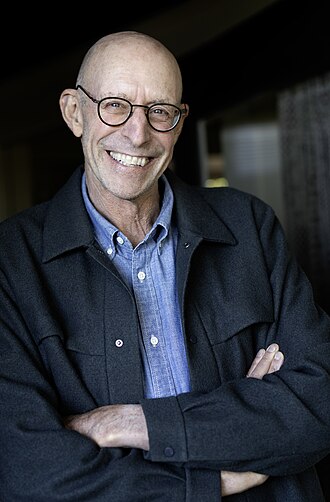
迈克尔·波伦 DDavid Perell
EDITED TRANSCRIPT · 依据现场录音编译整理,可划线生成便签
编者按:本文根据播客《How I Write》与迈克尔·波伦(Michael Pollan)的一次长谈现场录音编译整理。波伦是美国最重要的非虚构作家之一,长期为《纽约时报杂志》《哈泼斯》撰稿,曾任《哈泼斯》执行主编,并先后在加州大学伯克利分校与哈佛大学教授非虚构写作;提问者 David Perell 是写作教育者,多年来专门拆解职业作家的工作方法。整场对话从咖啡因谈到迷幻药,从一头编号 534 的小牛谈到隐喻的“黑魔法”,最后落在写作与意识本身。编译只删去口头语、寒暄、重复和残句,论点、例证与语气一概保留。

把问题变成一场冒险

主持人: 迈克尔·波伦是我最喜欢的非虚构作家之一。几十年来,他一直在写食物、写自然、写意识。对他来说,写作的起点永远是一个问题:他对某件事产生了兴趣,于是说,好,我要去冒一次险,我要亲身经历,要去和人交谈,要学到东西,然后回来把这一切装进一本书里。他的文风像一个人把手搭在你肩上,用非常友善的方式向你汇报他学到了什么,他做了什么。这次对话里我们谈得最多的一次冒险,是他买下一头牛,从出生一路跟到屠宰场,为的是把工业化食品体系里的“肉”讲清楚。波伦在哈佛和伯克利都教过非虚构写作。采访结束时他说:老兄,我刚刚用一个小时给了你一整个学期的课。

我想从这里开始。我今天早上试着不喝咖啡,结果脑子雾得一塌糊涂,只好灌了一杯卡布奇诺,现在好多了。

波伦: 好多了。那我就放心了。很多人从我那篇写咖啡因的文章里读出的意思是:我跟咖啡因有仇,人不该喝咖啡,戒掉是件了不起的英雄行为。那其实完全不是我的本意。我戒断,是想看看会发生什么,而且整个过程中我一直盼着重新喝上它。

如果你真能停一段时间,哪怕只有一两周,光是复饮的第一杯就值回票价了。你会突然意识到,这是一种多么强劲的药物。

主持人: 你好像说过,那一杯几乎有点致幻。

波伦: 对,太惊人了。当然这种感觉维持不了,你很快就滑回去,回到维持基线的状态。但除非你是那少数一喝就心慌手抖的人,否则没有理由不喝咖啡因。有大量证据表明,咖啡和茶有重要的健康益处。我说的是咖啡和茶,而不是咖啡因,因为起作用的可能是这两种植物里的各种植物化学成分,也就是所谓的多酚。所以未必是咖啡因本身,但它确实与更低的帕金森病发病率、更好的心血管健康相关,好处很多。所以我不劝任何人戒掉,除非是为了看看自己被瘾控制得有多深。对我来说,它对写作是不可或缺的。

主持人: 说说这个。

波伦: 我很难想象自己早上不摄入咖啡因就坐下写作。也许茶也能顶用,但真的必须有。我一上午都在小口啜一杯咖啡,慢慢地把它拉长,从九点半左右坐下,一直到一点吃午饭,我能把一杯咖啡撑完。

主持人: 你的大脑在有咖啡因和没咖啡因时,运转有什么不同?

波伦: 就是更锋利,你觉得自己更“在场”。你说的那种脑雾,没有咖啡因时确实就是那样。有意思的是,最古怪的一点在于:我在这种化学物质的作用下,反而觉得自己更像自己,比不用它的时候更像。它已经被织进了“作为我”的现象学里。你把它拿走,就好像那个人出了什么毛病。

咖啡因与专注的代价

主持人: 我想聊聊不同的药物,听听你对它们与创作过程之间关系的看法。先从尼古丁开始。

波伦: 我已经很久没接触尼古丁了。十几二十岁时抽过几年烟。但在我看来,尼古丁和咖啡因非常相似,它们都是极好的“专注类药物”。我在那本写意识的书里引用了一个区分,不是我提出的,是心理学家兼哲学家艾莉森·高普尼克(Alison Gopnik)的说法:聚光灯意识(spotlight consciousness)和灯笼意识(lantern consciousness)。她说,聚光灯意识是一种成人技能,戴上眼罩、聚焦于一件事,这是我们在学校里学会的,也是做成任何事都必需的。灯笼意识则是幼儿拥有的东西,他们从三百六十度的各个方向接收信息,不聚焦,没法专注,没法完成什么任务,但他们正在掌握这个世界,而且实际上接收到的感官信息比我们多。

写作需要的当然是那种收拢的专注。

主持人: 那是聚光灯。

波伦: 是聚光灯。咖啡因和尼古丁都在帮你收窄光圈,这是把事情做完所必需的,但代价是把大量东西关在了外面。所以我把它们归为一类,别的兴奋剂也一样。两者都会让注意力变得锐利。咖啡因还多了一层能量的成分:你会觉得我有劲儿了,我做得成我该做的事。有些时候你会觉得自己精神上虚弱到干不动活儿,而咖啡因在某种意义上是赋予你力量的。

主持人: 是。

波伦: 或者说,给你一种拥有力量的错觉。

主持人: 有句话说,醉着写,醒着改。说说酒精。

波伦: 酒精,我从来没有把它和工作联系起来。我觉得大多数喝酒的作家,是为了从工作里松弛下来才喝。我不知道到底有多少作家真的是醉着写的,肯定有一些。就算是海明威这种堪称英雄级的酒鬼,他到底是写的时候喝,还是写完喝?有一种情形是,尤其在难熬的一天工作之后,你会紧张、纠结、拧成一团,需要一种药物让你放松下来。以我的经验,作家用酒精大体上是这个用法。但这套做法在二十世纪的进程里已经声名扫地了。今天你不再像当年那样,动不动就听说某某作家喝得酩酊大醉。

迷幻药与创作洞见

波伦: 说说迷幻药。迷幻药确实可以滋养创作过程。但我们容易犯一个错误,就是想当然地以为,一嗑药就会有顿悟。百分之九十九的所谓顿悟是蠢的、陈腐的,或者根本帮不上你。是的,爱是世界上最重要的东西,这话没错,可你拿它能干什么?被提醒一下有好处,但它不是创造性的洞见。

不过人们确实会有强烈的体验。历史上有一批科学家是在迷幻药的作用下取得突破的。凯利·穆利斯(Kary Mullis)是个著名例子,他是位生物学家,想出了 PCR,也就是扩增 DNA 的那套技术,当时他正嗑着迷幻药在门多西诺县那一带开车。他自己讲过这段,类似的故事还有很多,往往涉及某种对手头难题的视觉化呈现。但它也把很多人引上了歧路,这事绝不是自动发生的。

我自己有过一次经历,写在《世界显现》(A World Appears)里,它确实催生了这本书的一个重要元素。那次我在自家花园里,周围的植物是有意识的,它们在回望我的注视。它们是善意的,只是非常在场,想要与我交流。

我当时不知道该拿这个怎么办,因为我很容易就把这类东西斥为药物造出来的幻觉。

主持人: 在体验当中你也这样想?

波伦: 不,是事后。当下它完全有说服力,把我整个吞没,而且非常美妙,我心想,哇,那真的是敬畏(awesome)这个词的原义。

但事后我就想,那我拿它怎么办呢?植物有意识?后来我读威廉·詹姆斯(William James),他在《宗教经验之种种》里谈神秘体验。他说,我们无法判断这些东西的真值,因为我们知道得还不够多。但可行的路径是把它们当作假设,看看你能不能找到别的认知方式来支持这个想法。我就是这么做的。我一头扎进关于植物智能和植物意识的深洞,找到了真正在做这方面研究的科学家,他们确实相信植物具有某种感知力。于是这成了那本书的重要部分,谈的是意识究竟能向自然深处延伸多远。如果没有那次迷幻体验,我未必会去做这件事。所以在这个意义上,它是一种启发。

主持人: 迷幻药大致从上世纪六十年代起才热起来,所以我猜,作家用迷幻药写作并没有很长的历史。

波伦: 六十年代确实做过一些关于创造力与迷幻药、与 LSD 的研究,方法学上都不太扎实,但还是有的。那是在斯坦福,心理学家吉姆·法迪曼(Jim Fadiman)设计了这些实验,他想测试 LSD 对创造力的影响。他找来各行各业的人,几位作家、科学家、建筑师,条件是每个人都得正卡在某个问题上,有某种堵塞。他给所有人不算大的剂量,大概一百微克 LSD,先让他们在地板上摊开躺一会儿,让药效走一段,然后说:好了,现在我们去书桌前。所有人就都去了书桌前,开始处理自己的问题。

这没有对照组,全靠自我报告,但很多人说:是的,我把这个设计想通了,我解开了那个死结。很多人报告说帮助很大。我觉得这是需要重新研究的课题。研究创造力有点棘手,你怎么测量它?我们有聚合思维和发散思维那一套。但重新做这类工作会非常有意思。

我为《世界显现》采访过一位科学家,她研究自发思维(spontaneous thought),也就是白日梦和心智漫游,指的是你的念头主要不是被环境塑造,而是来自你内部的某种东西,可能是无意识,谁知道呢。她认为这对创造力非常重要。她说裸盖菇素(psilocybin)滋养的正是自发思维,事情就发生在这里:你有了大量自发思维,其中可能长出一些创造性的洞见。不过我认为整个想法还是需要拿实验去检验。

日志、遗忘与堆肥

主持人: 说说你做这类实验时的记录方式。我翻你几本书里的日志片段,很吃惊,有些句子那么鲜活。

波伦: 我做实验是为了写它,这种事我常做,我喜欢拿自己做实验。我会做相当仔细的笔记,写日记。里面确实有些句子会进入成稿,但它主要的用途是提醒我,那些日子究竟是什么滋味。因为随着效应褪去,鲜活感就丢了。所以不管是跟着一头牛穿过肉品体系,还是使用迷幻药,我都一定会写详细的日志。迷幻药是没法实时记笔记的,正在发生的时候不行。但当天晚上我一定会把我能回忆起来的一切都写下来,写得非常详尽。

最后你只用得上其中一小部分,但非虚构本来就是这个样子,你永远在过量投入。你会做几十个采访,最后一个都没进文章;你会有一大堆经历,结果发现根本不相关。所以有很多东西可以叫作浪费,但它们全都进去了,在某种意义上被沤成了肥。

主持人: 而且你把它们都收在一个文件里,对吧?

波伦: 对,每篇稿子一个日志。在整个研究期内,我每天都往里写。里面有我读到的东西,特别有意思的引语,采访的要点。它不包含采访本身,但会指向采访。采访另存为文件,按人、再按主题归类。我过一遍文字稿的时候,会把真正提神的引语拷进日志。我就是靠着这个东西写的。它可以搜索,而且乱七八糟,对别人毫无意义。但我记性不好,所以只能这样,一切都得在里面。

主持人: 你这么说我太高兴了。我的记性也糟透了。我姐姐什么都记得住,我就是记不住,只能全写下来。

波伦: 你知道,作为写作者,遗忘非常重要,至少我是这么说服自己的。因为你的材料实在太庞大了,遗忘本质上就是你编辑的方式。遗忘是一种非常重要的心理过程。我在《植物的欲望》里写大麻的时候就写过这一点,因为大麻的作用之一就是让人遗忘,这谁都知道。你一刻接一刻地忘,五秒钟前发生了什么你都不知道。

我记得我在以色列采访过一位叫拉斐尔·梅舒朗(Raphael Mechoulam)的科学家,你看,这个我倒记得住。他研究大麻,已经确证大麻会导致人遗忘。我问他:为什么这会是适应性的?遗忘为什么有用?他说,你真的想记住今天早上在地铁里看见的每一张脸吗?我们每天接收的信息太多了,遗忘和记忆同样重要。我当时想,太好了,遗忘我可太在行了。

主持人: 那我没问题了。

每天从头改起

主持人: 从你的作息看,写作发生在上午,下午基本是查资料、读书。是这样运作的吗?

波伦: 对,起草的时候我通常上午有一段。当然,做记者会有很多天根本不写,你在记笔记,在做采访,在读东西。但当我进入起草阶段,那其实是我最享受的阶段,我享受它甚于采访报道。我想很多作家会告诉你他们更喜欢跑外采,我不是。如果一天下来没产出几页,我就不觉得自己老老实实干了一天活。

主持人: 我懂你。

波伦: 这是很老派的观念。所以我上午开工。如果我正在写一章或者一篇文章,我做的第一件事是从头把它通读一遍,一边读一边改。我发现编辑是很好的“引水”方式,把整篇稿子重新带回我的短期记忆里。我是被当作编辑训练出来的,先当编辑,后当作家。

主持人: 这我不知道。

波伦: 是的,我在《哈泼斯》当了很多年编辑,大概十年,之前还在另外几家杂志做过。所以我在那个模式里非常自在。我会从文章的开头改起,于是开头被反复梳理。每天早上我都从头开始,所以开头总是被打磨得最精细。

这可能花上两个小时,或者一个小时,反正很久。而且我是手改。前一天结束时我把稿子打印出来,第二天就有一份干净的稿子,我在上面涂改,然后把改动录进去,再往前推进几页。这是对我管用的方法。

不过我告诉学生,这未必是最好的做法。我有些朋友就是一口气吐出非常粗糙的初稿,从不回头看,一路写到完为止。他们连写书都这样:在还没完全报道完的时候,先写一个短版本的书,然后在那个基础上做。我不行,我大概就是喜欢把东西收拾得整整齐齐。

主持人: 我教了很多年写作,基本上把人分成两个阵营,我管它们叫打印机式和像素式。打印机式就像你打印一张照片,它一行一行出来,每一行都是完美的,然后是下一行,也是完美的。像素式是早期互联网上那种,一张照片先蹦出来,模模糊糊的。

波伦: 然后慢慢变清晰。

主持人: 对,分辨率一点点提上去。有些人就是这么写的,先把整个东西拿到手,然后再去锐化。学生一听会说,天哪,我原来是这一种,我都不知道还能那样写。

波伦: 我懂,我在学生身上也看到这个,有些人就是更适合先把草稿吐出来。大家常说“把初稿呕出来”。但那从来不是我的路子。

主持人: 说到研究,我在帮人处理写作卡壳时还发现一件事:只要你的信息和想法的底座够大,那座山高到一定程度,你在旁边堆个小土丘就轻而易举了,因为可供调用的东西太多。

波伦: 确实如此。当然你也可能被材料压垮。我现在手上这篇稿子就是信息太多了。所以你得走开几天甚至几周,忘掉一批东西,看看什么留了下来,然后专攻那些。我靠遗忘来应付这种被淹没的局面。

第一人称的三个来源

主持人: 说说你为什么用第一人称写作。

波伦: 有好几个原因。我的职业杂志写作,真正的起点是我给第一本书《第二天性》写的那些文章,都是关于花园的。当时我读了大量园艺文学,英国的和美国的都读。那类写作非常接近书信体,亲切、第一人称、不拘形式。我最早那些随笔就是我想在那个文体里写作的尝试。虽然我做的事不太一样,我写的不只是玫瑰有多美,而是我们为什么会觉得玫瑰美,它们又是如何演化出操纵我们的能力,还有别的种种问题,但我用的还是那个调子。

所以我在那种第一人称里变得非常自在,那是一种书信体(epistolary),如果我念得对的话,一种隔着后院篱笆聊天的口吻。

主持人: 嗯。

波伦: 和读者非常熟络,直接对读者说话。后来它就留下了。而且我发现,把它用在别的、比园艺写作更硬一些的新闻类写作上,其实更有用。所以我想它的一个来源在这里。

另外,我喜欢打破第四堵墙,直接跟读者说话,我会时进时出地这么干。这些年我在纸面上发展出了一种声音,虽然每篇不太一样,但有某种共同的成分,读者能感觉到,也觉得很有帮助,像是有人带着他们走一趟。

这里还有第二个来源。我在《哈泼斯》时给刘易斯·拉帕姆(Lewis Lapham)干活,我是执行主编,他是总编。我约来稿子,拿给他过目,看能不能上刊。他每次都会说:这个人是谁?他为什么在乎这件事?你必须在第一页就告诉我。他对全知视角,也就是第三人称全知的声音,非常怀疑、非常不以为然。那是《纽约时报》的声音,是《纽约客》的声音,它隐含着一种其实并不存在的权威。而且它没有告诉你一件真正重要的事:这个人是谁,他或她为什么在乎。

所以我总在编稿时把第一人称放进那些文章里。不是大张旗鼓地放,它没有变成忏悔式新闻,只是把写作者安置进去。他觉得那是一种非常诚实的写法。我想这是另一个来源。

再有就是,我确实喜欢做这种沉浸式的稿子,把自己放进故事里,作为理解故事的一种方式。这要追溯到我十三岁那年,父母送了我一本乔治·普林顿(George Plimpton)的书,《纸狮子》。普林顿创办了《巴黎评论》,但他也是个非常出色的、带文学性的体育记者,主要给《体育画报》写稿。

他有个想法:要让体育写作重新活过来,办法是自己上场。他并不是什么运动健将,但他说服了底特律雄狮队,那是六十年代末七十年代初,让他跟完整个夏训营,还在赛季初的一场表演赛里首发出任四分卫。

主持人: 这活儿我接。

波伦: 是啊。他个子高瘦,大概一米九三,瘦得像根杆子。《纸狮子》这本妙书重新发明了体育写作。因为你读到的不再是场边那个叼着雪茄、什么都见过什么都干过的家伙,不再是记者席上那种惯常的犬儒声音。你在场上,你有一种只有第一次做某件事才会有的敬畏感。

再多的采访也换不来这种鲜活,哪怕采访的是从小踢到大的、经验丰富又善于思考的球员。他还在纽约爱乐跟着伯恩斯坦敲过镲,投过一场棒球比赛,冰球我不确定他有没有做,反正这个法子他用过好几次。我特别喜欢它产出的东西,而且它自带幽默,因为你必然是条离水的鱼,你根本不擅长你正在做的事。

主持人: 对。

波伦: 你甚至可能被撞死。当时我并没有意识到,但这本我十三岁读的书在我心里沉淀下来了。后来一旦看到机会我就上,第一次大概是我在自家花园里种转基因土豆那回。

买下 534 号牛

主持人: 说说跟着一头牛从出生到屠宰那件事。

波伦: 那是一头阉牛。这个选题挺有意思的。是《纽约时报杂志》约的稿。有那么几年他们鼓励我写食品体系。从 2002 年开始有一种氛围,那是在我写《杂食者的两难》之前,我可以把它定在埃里克·施洛瑟出版《快餐国家》那一年,那本书出人意料地成了畅销书。

主持人: 那是哪一年?

波伦: 2002 年。

主持人: 《大号的我》是哪年?

波伦: 比那晚一点,在那个十年的后半段。肯定是在《杂食者的两难》之后,那本是 2006 年,到现在二十年了。

好编辑,我遇到的编辑都很棒,《时报杂志》的亚当·莫斯和杰里·马佐拉蒂,他们对时代气氛在哪里、正往哪里去有一种感觉。他们察觉到大众开始非常关心自己的食物是怎么生产出来的,而且为此焦虑。他们跟我说:我们要你写一篇关于肉类产业的大封面故事。就这一句。

我说,那写哪种动物?能不能再精确一点?他们真的付钱让我花一个月去找这个故事,这很难得,也该更常发生,因为通常你得自费把选题提案写出来。

主持人: 你怎么找的?

波伦: 我就拿起电话,开始给认识的人打。我从尼曼牧场的比尔·尼曼开始,他正好是我任教的新闻学院院长夏伟的朋友。你就顺着这条熟人的链子往下走。他给我讲了现在的牛是怎么养出来的,让我见识了整个过程的荒谬。比如,牛演化出来是吃草的,可他们喂玉米;喂玉米长得快,但牛会生病,所以你得给它们上抗生素。他非常善于把这套系统怎么运转讲清楚。然后我又打电话给别的牧场。

到最后,我去找我的编辑杰里·马佐拉蒂,做了一次大倾倒。我什么都学了,我说:我能想到六个不同的切入点。第一,这篇应该写牛肉,不是鸡肉也不是猪肉,牛肉的故事更有意思。我可以写环境的故事,可以写动物福利的故事,可以写饲料的故事,或者写药品的故事。我手里有六桶不同的主题。我就这么一股脑倒出来,其实我心里并没有一条清晰的线。

然后他想出了这个主意。他说:你为什么不去找一头牛,讲一头牛的一生?他说的是 cow,其实肉牛体系里都是阉牛,母牛是产奶的。他说,讲一头牛的一生,然后你可以把所有这些议题都挂到这条生平上去。我觉得这个想法太漂亮了。

于是我照做,然后进入第二阶段的研究:我得找到我要为它立传的那头阉牛。我一头阉牛也不认识。

所以在我做非虚构的时候,有两个大阶段,做纪录片的人思路很像。第一阶段是全局研究:理解这个系统,理解什么是典型的,整件事是怎么运转的,它如何影响环境,这类问题往往是最吸引我的。等你掌握了一般情况,你就得去找你的个案。那是完全不同的一种研究。这时你要找的是谁上镜好看,哪个牧场主的话说得漂亮,哪头动物我能接触到,我能不能进育肥场和屠宰场。这种研究可能更难做,在食品体系里尤其难,那是个非常隐秘的行业。

后来我找到了我的动物。我本来没打算买它,这个念头压根没出现过。你看,这件事里的两个主意都不是我想出来的。我当时在牧场上,是去挑我要跟的那头动物,有位牧场主说:你要是真想弄懂我们这门生意,就该把它买下来。我心想,这主意太好了。因为这改变了一切。如果这头动物归我,首先,我跟育肥场和屠宰场说话的方式就不一样了。

比如:你们打算喂我的动物吃什么?你们要给它打激素埋植剂吗?哦,那是我的决定。我该怎么权衡这个决定?突然之间,我又一次离开了记者那个怀疑的记者席。

主持人: 你到场上去了。

波伦: 我到场上去了。我必须换一种眼光看这些决定。好,激素埋植剂。完全没有必要,还引出很多问题,比如女孩的青春期为什么提前,我们把激素放进了肉里,欧洲人就不这么干。给我那头阉牛,它的编号是 534,在脖子上埋一枚埋植剂花十五美元,但最后能让我多拿五十美元的重量。而这可能就是这头牛赚钱还是赔钱的差别。所以在这样的竞争环境里,你毫无疑问必须打。于是我就能用一种更同情、更共情的方式呈现牧场主的那些决定。

这个主意来自牧场主。接下来的问题是,多少钱?那个阶段大概六百美元。

主持人: 那时它还是一头小牛。

波伦: 对,一头小牛犊。我想,我可以把它报销给《时报》,但那样我就没有真金白银押在里面了。所以我自己掏了这六百块,把这头牛买了下来。有意思的是,从心理上讲,它改变了我和育肥场经营者的关系。他们知道我不是真牧场主,他们知道我是记者,可我在跟他们讨论:万一 534 得了这个病你们会怎么办?他们对待我时更像对待客户,而不那么像对待记者,这多少软化了他们的怀疑和戒备。

而新闻工作很大一部分,就是让人放下戒备。

主持人: 在你跟他们打交道的过程中。

波伦: 对,就是让人配合你。那篇稿子里,进入渠道本身就是个大问题。我需要一个牧场,一个育肥场,一个屠宰场,这是路上的三站。如果我直接去找屠宰场,也就是宰掉全美百分之八十五牛肉的四大公司之一,我会被踢给公关部,他们会说,门儿都没有。可我是从另一头开始的,从牧场、从牧场主开始。而牧场主是育肥场的客户。所以当牧场打电话说这个人要来,我等于是被他们背书了,育肥场是看在客户的面子上办的。往上一环也是同理。

所以我拿到了很好的采访通道,能跟育肥场的兽医聊,能进去,还跟 534 重逢了一次。稿子出来时他们都很不高兴,但我确实拿到了很好的通道。

晾衣绳:叙事与说明

主持人: 有个词一直还没出现:叙事。我们刚才谈的是第一人称写作,第一人称怎样让叙事得以出现?你还提到过一条贯穿线。

波伦: 对,我管它叫晾衣绳。

主持人: 晾衣绳。

波伦: 这个比喻我的学生已经不太懂了,因为他们很久没见过晾衣绳了。

主持人: 家家都是烘干机。

波伦: 但偶尔你坐火车经过巴尔的摩,还是能看见一片晾衣绳。

我认为一篇非虚构,尤其是叙事性非虚构,有 X 轴和 Y 轴。我老记不清哪个是哪个,X 应该是横轴。横轴就是你的叙事:这头动物的一生,人工授精、出生、断奶、育肥场、屠宰。这些是节点,它是横着走的。

然后你还有一大堆想传达的信息:草与玉米的对比、药品、污染、育肥场的污染、对动物的残忍。那些就是挂上去的衣服。你得把它们摊开,因为你要是全堆在一处,绳子就塌了。

说明性的部分对读者来说不如叙事有吸引力。我们就是想知道接下来发生了什么,然后呢?在这个例子里,你知道这头动物最后会在屠宰场里被杀死,你好奇那会是什么样子。这就是你的悬念原则。所以你可以暂时离开你的晾衣绳,去做你的说明,把饲料的事、为什么喂玉米、这意味着什么整个讲一遍。

包括这一点:玉米是用化石燃料种出来的,草是用阳光长出来的。这个我们待会儿也该谈,隐喻在这里非常重要。但你不能离开叙事太久。你要养出一种感觉,知道读者在什么时候会开始不耐烦。说明你可以永远写下去,但你必须回到叙事上来。我大体是这么构想的。

有些稿子没有这条晾衣绳。晾衣绳和叙事是一回事,就是前景上正在发生的事。在那篇写咖啡因的稿子里,我把戒掉咖啡因、看看会发生什么当成了我的叙事。

主持人: 天哪。

波伦: 对,那就是我的献祭。这招不是每次都灵。有些稿子就是找不到一条能成立的晾衣绳。

主持人: 我最近听到另一个说法:你在林子里走路,你有个要去的地方,你走在小径上,必须待在小径上,但你可以四处张望,只是不能离开小径。我喜欢这个类比,它给你张望的机会,你可以看看不同的地方,但你根本上是在往某处去。

波伦: 我觉得你可以离开小径,但只能一小会儿。你说,哎,那边有个东西,我想去看看,那下面是不是有个蘑菇?走出去十步,或者二十步,但绝不能把小径丢了。走得太远,你就看不见它,也找不回来了。

这是一种需要培养的直觉,一种对不耐烦的直觉。不耐烦在写作里非常重要。你要能抓住那个时刻:我不知道还能不能这么写下去,再写我就要把人丢掉了。这里面有一部分是把你的编辑内化。

做这些沉浸式尝试,目的有两个。一是它给你的视角是新鲜的,而且那不是记者的视角。人们基本上不怎么喜欢记者,那不是他们想听的声音。他们想听一个正常人说话。所以我一旦开始这类参与式冒险,我就不完全是个记者了,我是一个正在冒险的人。我觉得读者更容易跟这个建立联系。

二是它给了你叙事。是我把叙事调制出来的。我之所以必须这么做,是因为我天生不是那种会用叙事眼光看世界的人,我得非常努力才行。找到把自己放进故事的方式,就是找到故事。一旦做到了,那感觉真好。当然也不是每次都行得通,你也不该硬来。

隐喻:不争辩的说服

波伦: 你刚才让我讲隐喻。这是我觉得在写作里非常强大的另一样东西。我认为做新闻写作时,也许不是每个人都这样,但在某种层面上你是想改变读者的想法的,你是在试着把世界推动一点点,这里面有一种很深的政治性。你可以摆论据,但如果你能找到对的隐喻,你不用论证就能说服人,几乎是在潜意识层面说服他们。

举个例子。在我们刚才谈的这篇牛肉稿子里,我设立了一个对立:一条建立在阳光之上的食物链,和一条建立在石油之上的食物链。

玉米是靠化石燃料化肥种出来的。这个国家种下的九千万英亩玉米,浮在一片石油之海上。而当你用草喂动物,用它们演化出来就该吃的东西喂它们,它们有瘤胃,能消化我们消化不了的草,你吃的就是一条奠基于阳光的食物链。

主持人: 好。

波伦: 你更喜欢哪一个?哪个听起来更好?哪个更有吸引力?

主持人: 显然是阳光。

波伦: 显然。所以我压根不需要说另一个有多错、多蠢、多不可持续,人们自己就走到那儿了。搭起这个隐喻框架,替我干了太多活。而它只是一个极其简单的隐喻:阳光食物链,石油食物链。

主持人: 你觉得好隐喻的关键是什么?我觉得吸引人的地方在于它的画面感。

波伦: 是。

主持人: 我能看见那条建在石油上的食物链,也能看见那条建在阳光上的。

波伦: 而且我们爱草。我们是稀树草原上的生物。你看美国人对草坪的执念,草让我们非常舒服,它同时暗示着一种对自然的驯服。孩子爱在草地上玩。草坪是很健康的东西,直到园艺化肥被撒上去为止。

主持人: 还有 WD-40。

波伦: 是啊。好的隐喻容易把握。但它们也很阴险,某种程度上算是作弊。

主持人: 这有点危险,这已经是传播的黑魔法了。

波伦: 某种意义上确实是。我在写这本关于意识的书时一直在琢磨这个。书里我攻击了一个隐喻:大脑是一台计算机。这个隐喻在那些试图创造有意识的人工智能的人那里非常见效。既然大脑是计算机,意识就是软件,你顺着这条路走下去,那当然可以造出有意识的 AI。可你得退回来问:这是个公道的隐喻吗?它准确吗?

任何隐喻都是把某物比作他物,它隐含了一个等式,而有时那根本不是等式,或者只是部分成立的等式。所以我认为你必须对自己的隐喻诚实。我说它是作弊,是半开玩笑,它是说服人的捷径。如果你找到了对的隐喻,也就是既鲜活又准确、又公道的隐喻,那你百分之九十的活就干完了。假如你想鼓励人们转向这条食物链、离开那一条,这就是一半的战役,甚至是九成的战役。

问题、引言与声音

主持人: 我们来谈问题。问题在你的作品里是怎么出现的,一个写作者的职业生涯里,问题又是怎么演变的。

波伦: 就单篇而言,问题极其重要。在一篇稿子的开头立一个框架性的问题,会替你解决很多麻烦。因为它会限制你能做什么,它是一条排除原则:这个东西有助于回答这个问题吗?没有。好,那我就不处理它。

但它同时引入了悬念原则,最基本的那种:这位作者到底能不能回答这个问题?它必须是一个你知道读者会感兴趣的问题,不管他们此前有没有想过。它推着你往前。悬念很简单,就是什么会让人想知道接下来发生了什么。我写的几乎每样东西,都是一场为了回答某个或某几个问题的求索。

这些问题不刁钻,有时非常直白。但它必须是读者在意的东西。也许你可以让他们变得在意。

主持人: 那你怎么去想你各本书的问题?我做的事是这样:我把书名过一遍,想一想那个问题,然后读封底的推荐文案。我很吃惊,你抓住兴趣的速度那么快,问题又那么清楚。比如《杂食者的两难》,我给它写的问题是:我们怎么会在“吃”这件事上变得如此糊涂?

波伦: 对。

主持人: 然后封底文案第一句就是:美国正遭受一种只能称之为全国性饮食失调的病症。

波伦: 是的。

主持人: 我就想,行,我上车了,过山车可以开了。

波伦: 这就说到引言的重要性了。让我说几句。引言常常就是你抛出问题的地方。非虚构作者有权写一篇引言,小说家没有。这是特权,也是利器。引言设定读者的期待。如果你担心自己没做成某件事,你完全可以在引言里说:这不是一本做 X 的书。

主持人: 嗯。

波伦: 然后突然之间,没人能因为你没做 X 而批评你了。

我是吃过亏才学会这一点的。《一个自己的地方》最初版没有引言,我当时觉得直接切入叙事要优雅得多。结果这本书常被误读,尤其被书评人误读。因为我没有设定期待,没有立下这本书的规则,书评人就获得了自由,想怎么评就怎么评。

举个例子。这本书写的很大程度上是建造,但它不给你图纸,不教你怎么盖房子。它不是一本操作手册,它是一本关于如何思考这件事的书。我记得有一篇书评,正因为我为它生了很久的气才记得,作者是维托尔德·雷布琴斯基,加拿大建筑师,当时写了很多面向大众的建筑文章。他批评这本书没有给出足够的信息,让人照着盖出同样的房子。可我做的完全不是那件事。

所以后来我补写了一篇引言。我问我的编辑:都十年了,我们能加一篇引言吗?我加了。

总之,引言是件利器。关于你这本书的很多重大决定,都会只依据引言做出。给 NPR 的《Fresh Air》这类谈话节目排嘉宾的人,会读引言来决定要不要请你上节目;书评版的选题编辑,会读引言来决定把书派给谁。所以把它写对太值得了。

那什么叫写对?写对意味着框出若干引人的问题,意味着预告你要做什么但不把底交出来。你必须有所保留。学界常犯这个错,根源是论文开头的摘要。你还没开始读文章,人家已经把包袱抖了。这太蠢了。你为什么要这么干?因为惯例如此。你必须留下一些东西,留到后面再给。这就像讲笑话,你不会从包袱开始讲。

我是这么学会的。《一个自己的地方》之后是《植物的欲望》,那篇引言我一定重写了二十五到三十遍,真是下了功夫,得到了编辑安·戈多夫的帮助,还有我在《哈泼斯》共事过的好友保罗·塔夫的帮助。它越改越精,我觉得那是我写过最好的引言,因为它成功地为一本挺古怪的书做了铺垫。

主持人: 你怎么看待一篇好引言的构件?如果我要写一篇引言给你,你会说,好,David,我想在好引言里看到这些东西?

波伦: 好。首先有一个缘起故事:你为什么对这件事产生了兴趣?有没有一次顿悟?有没有一个瞬间,你突然意识到,哦,这是个有意思的故事。在非虚构书里,这些往往是调制出来的。

《植物的欲望》里我描写了一个瞬间:我在花园里,看着蜜蜂给一棵苹果树授粉,而我正在种土豆,这时一个问题冒了出来:我和那些蜜蜂有什么不同?它们以为自己占了苹果树的便宜,偷走了花蜜或者花粉之类的东西,但实际上它们是被那棵苹果树操纵着,去做恰恰那件事,把它的 DNA 带到别的苹果树上。那么土豆是不是也对我做了同样的事?

这个小场景里就藏着整本书的内核。它引出了一串问题:这儿到底谁说了算?被驯化的植物是不是在操纵我们?我们以为是我们在操纵它们。我们在自然里究竟处在什么位置?

所以,先有缘起故事,再从中把问题抽出来。我这么讲得比实际情形更像公式了,其实每本书都有点不一样。接着是一段对读者将得到什么的预告:我们要看的是这四种植物。然后是某种悬念原则,除了你要回答的那个问题之外,还得有个我们要去的地方,或者一件你读完会知道、而现在还不知道的事,总之要有把你往前推的东西。

至于书的中心意思,也就是我们与被驯化的物种处在共生或共同演化的关系里,我们在自然中远没有自己以为的那么说了算,这是全书的论旨,它在引言里被点到,但不被和盘托出。

所以我在引言上花了大量时间,那是全书被打磨得最狠的部分。引言也很有意思,因为它既在书里,又不完全在书里,你可以在引言里谈这本书。

主持人: 是。

波伦: 所以引言非常适合打破第四堵墙,直接告诉读者他们将得到什么。

主持人: 你是一开始写引言,还是最后写?

波伦: 通常最后写。

主持人: 好。

波伦: 《世界显现》那本我是先起了个草,最后又重写了一遍。

主持人: 你怎么看这件事?是不是先写能给你一个方向感,给你一个可以在里面玩的沙盒,最后再写一遍时,你就是为读者写、而不是为自己写了?

波伦: 到最后你才知道,哪些你许诺过的东西没有兑现。

总之,这又是那个绝妙的机会,用来设定期待,用来说:这不是那种书;或者:我不会在这里讨论自由意志,别担心。所以,我们都该好好利用它。

主持人: 写的时候你怎么处理声音?我知道你至少有些时候是这样:做完研究,一旦开始写那一章,你就把研究材料收起来,改读小说,去吸收小说的节奏。

波伦: 是的。总体而言,小说写得比非虚构好。我想大体如此,虽然也有写得很糟的小说,也有写得极美的非虚构。所以一旦研究做完,进入起草模式,我就不想再摄入这个题目上的新信息了,那只会把我打乱。我要用手里已有的东西写,用我记得的那部分写。于是我犒劳自己,一边写作一边开始读小说。

我认为你睡前读什么,会影响你第二天写出什么。你在内化那些节奏,你想的是隐喻而不是信息。我发现这让我进入很好的状态。

主持人: 有没有哪些作家的声音是你特别欣赏、写作时几乎想去模仿的?

波伦: 我以前很迷泰德·霍格兰(Ted Hoagland),他是位自然写作者,我喜欢他的文字。我记得有几段时期,我在写偏自然的东西,比如《一个自己的地方》或者《植物的欲望》,我就会拿起他的随笔集读一读,那能给我一些东西。温德尔·贝里的文字我也一直喜欢,他的句子有一种结实感。他比我更正式一点,也比我更爱训人一点。

主持人: 那正式度呢?调高或调低正式度,会带来什么?

波伦: 我觉得我在纸面上的声音相当友善。

主持人: 确实。

波伦: 而且我尽量让幽默始终在近旁,而且是自嘲式的。在我的稿子第一页上,我常常是个傻瓜。因为我真心觉得我们不该教训读者,读者也不喜欢被教训。如果我们从自己结论的顶峰上往下写,说,读者,这就是我们知道的,这就是你该怎么想。

主持人: 站在讲坛上布道。

波伦: 对,没人喜欢那个。我说我在第一页上是个傻瓜,意思是我的问题比答案多,我到底能不能回答这些问题,其实并不清楚,这本身就是悬念:我能不能弄明白?读完这本书,我们真的会知道意识是什么、它是如何产生的吗?

所以这个声音在开头是天真的,随着往下走才越来越老练。我跟学生经常讨论这件事:假装无知是不是有点不诚实?因为当我回头去写开头时,我已经知道结尾了,研究都做完了。我假装无知,算不算不老实?

我的回答是:我们讲任何一个故事时都知道结尾,但我们不会在开头就宣布结尾。或者回到笑话那个例子:我们知道包袱,但我们要装作不知道,装上一段时间。所以它看似不诚实,我却认为它非常重要。你是在重建你当初无知与好奇的状态,哪怕你知道最后会走到哪里。这是声音的一部分。

不过我发现声音会随题材变化,而且几乎是自动变的。有些题材要求更严肃,因为利害更大,赌注更高。

主持人: 对。

波伦: 如果你每本书都自动走到同一个地方,用一模一样的声音,那不行。你需要连贯性,但也需要变化。

信息过载与写作即思考

主持人: 信息环境本身的变化,从没有互联网,到有互联网,到谷歌崛起,再到现在的 AI,这一切怎样改变了你处理这门手艺的方式?

波伦: 你能接触到多得多的信息,而且拿到它容易得多。以前你得去图书馆。

主持人: 我好久没去过图书馆了。

波伦: 我现在登录哈佛或伯克利的图书馆网站就能下载东西,偶尔才借出一本书。基本上敲几下键盘,你就能找到几乎任何一篇学术论文,而我很依赖科学论文。

其实是铺天盖地。东西太多了。我总是给我正在写的题目设一个 Google 快讯,我现在在写一篇关于微生物组的稿子,每天二十条东西要读。研究做了那么多,报道又那么多,简直惊人。

所以我觉得这份工作已经变成了在这场信息暴风雪里做筛选,而且它们并不都是好东西。我偶尔也用 Gemini 或者 ChatGPT 做研究,结果参差不齐。有时候有帮助,但你必须相当不信任它,我见过它们犯巨大的错误。不过它在定义一个术语、追溯事物的来源上,确实很有用。

主持人: 追溯来源,比如一个词的词源?

波伦: 对,比如谁最早说了 X,谁发明了 Y。我当时在写东西,好奇人类知道电磁现象有多久了。因为我在写泛心论(panpsychism),大意是万物皆有意识。这等于给物质添上了一种新的性质:意识。我当时想,其实与之对应的隐喻,或者说类比是这样的:我想让人们认真对待泛心论,可这个想法乍一看在很多人眼里挺疯的。

主持人: 是啊,我看着这把木椅子,我不知道它里面有没有意识。哪怕只有微乎其微的一丁点意识。我很难对着这把椅子问:你在那边有意识吗?

波伦: 所以我想,好,如果你要让人认真对待这个想法,那么在近代史上,我们还给物质添加过什么?也就是说,某种我们原先毫无概念、后来却发现是世界的物质本性的一部分的东西。然后我想到:电磁。结果它只有两百年历史,是法拉第弄明白的。我们于是给物质添加了这个新东西,这些此刻正穿过我们身体的波,它们能携带信息,能传送电话讯息。这就是个例子。而我原先并不知道法拉第和电磁的事,我本该知道的,可我高中没上过物理。它就在 Gemini 或者 ChatGPT 上。

主持人: 你开始探索一个新想法时,有没有一些小的启发式方法?我发现特别管用的一条是去看这个领域内部的内战。举个例子,你会喜欢这个故事。我在得州奥斯汀跟一个养蜂人聊天,我问他:嘿,Ed,养蜂大会上最大的争论是什么?大家吵什么?他说,有本地派,有全球派。我说,好,讲讲。

他说,本地派认为蜜蜂应该待在本地环境里。这样做的好处是,你能得到各种颜色、各种质地的蜂蜜;而且万一有疫病,它会被控制在局部。全球派则搞蜂场、蜜场,把蜂箱装上卡车,满世界跑,他们可以操纵地点、温度这些变量,用光照把蜜蜂骗得多产蜜。他们说,我们当然应该这么干,产量高得多。这两拨人互相恨之入骨。我当时就想,这大概是个该问的好问题:不管我在看哪个领域,专家之间的核心分歧在哪里?

波伦: 我觉得这是个很棒的问题。跟科学家打交道时,他们总是尽量表现得客气,不像本地派和全球派那样赤裸,但你可以把那个冲突挖出来。而你当然是在找冲突,因为叙事依赖冲突。这是组织一篇稿子的好办法。

主持人: 叙事依赖冲突,展开讲讲。

波伦: 没有冲突就没有张力,而你确实需要一定程度的张力。在《世界显现》里,我从一个赌局开始,两个人之间的赌局。克里斯托夫·科赫(Christof Koch)是神经科学家,他宣称二十五年内我们会找到意识的神经关联物,也就是大脑里产生主观经验的那些特定神经元。那是九十年代的事。他在酒吧里,坐在大卫·查默斯(David Chalmers)对面,当时查默斯还是个相当年轻的澳大利亚哲学家,提出了“难问题”:你怎么从物质走到心灵?查默斯说,不,二十五年内你找不到神经关联物。于是两人赌了一箱好酒。

你一下子就想,哦,这里有冲突。两种理论,谁会对?就这么简单。可只要你把那个张力立起来,读者就会想,天,我倒要看看谁赢了这个赌。这就足以让人读下去二十页。

主持人: 你讲故事、找具体人物、找刚才说的那种个案时,你在找什么样的人?是观点强烈、声音鲜明的人吗?当你说“我找到这个人了”,这个人身上到底有什么?什么才算好人物?

波伦: 他们有一种相当鲜活的表达方式。

主持人: 嗯。

波伦: 你看引语就知道了。有些人一被引用就唱起来了,另一些人磕磕巴巴、乏味透顶。所以你要找的是一个位置合适、有资格说这些话、而且能说得鲜活的人。这在我看来就是好人物。另外,与刻板印象相反的人往往很有意思。

主持人: 与刻板印象相反。

波伦: 你以为牧场主就该是个牛仔,可有时候他们戴着遮阳帽,一副记账先生的样子。

主持人: 而且古怪。

波伦: 迈克尔·刘易斯很擅长找到这类人,不合群的人,跟系统对着干、还在某些方面赢了系统的人。他一次又一次地回到这类人物身上。

主持人: 《点球成金》。

波伦: 《点球成金》《大空头》,而且这些人往往有点在谱系上。他非常喜欢这类怪人。他们讨人喜欢,因为那是小人物打败大系统。

主持人: 冒着离开小径太远、在树下的蘑菇边逗留太久的风险,我想问:我们为什么这么爱花园?《圣经》就是从一座园子开始的。你去过亨廷顿图书馆吗?

波伦: 去过,我很喜欢那儿。

主持人: 天哪。日本园、中国园,各种各样的园子。它们把文化揭示得那么充分,比如法国园林的线性,英国园林的蜿蜒。

波伦: 它们是对自然的理想化,对吧。我们生活在自然里,而花园是回应我们意愿和欲望的自然。所以如果我们是威权的、渴求秩序的,我们就走向凡尔赛,走向法式规则园林。有时候我们抱着更浪漫的自然观念,那就是英国风景园,它假装无人打理,其实照料得极其精心。

主持人: 对。

波伦: 所以花园是一种语言,我们用它表达我们希望自然是什么样子。我认为与自然世界之间的那点摩擦,对我们之为我们非常重要。这是人工智能永远不会拥有的东西之一,机器人也许会有。我说的是真的与自然世界打交道,而不只是与它的再现打交道。花园有意思的地方在于,它们既是再现,又是真实的。我觉得这一点非常有力量。而且我认为花园是我们作为人类的力量的表达:我们能让自然照我们的意思来。

主持人: 是。

波伦: 这个成分很重。规则式园林是这种愿望最赤裸、最直白的表达。而它偏偏出现在国王和王后当政的时代,这绝非偶然。

主持人: 你说这些的时候我在想一件事,我们初见时跟你说过。我家前院有个花园,我从来没在花园边上生活过。活到三十一岁,这是我第一次住在花园旁边。刚才聊着聊着我就想,我得写写这个。我心里非常强烈地感觉到,过去两个月里有某种深刻的事情发生了,可我没有词去描述它,这让我很难受。这就引到我想问你的:写作作为一种思考方式,写作作为给你尚无词语的经验安上词语的方式。那种说不出的挫败感,然后,天哪,也许通过写作它就清楚了。

波伦: 写作是一种思考形式,不只是一种表达形式。我常常是心里只有个大致轮廓,知道自己想去哪儿,可有太多次,我是在写的过程中发现了一个想法,太多次是在写的过程中冒出了一个隐喻。

它对你的大脑做了某种事情,让你接触到那些光靠走来走去、光靠想、光靠计划或者列提纲得不到的东西。如果你能把“你以为自己会写的”和“你最后写出来的”分开摆着,我想你会惊讶于两者差别之大。

所以现在这件事真正让人忧虑:我们正走进这样一个时代,人们说,好,写作外包给 AI 吧,AI 可以替我们写论文,各地的教授现在都在应付这个。但失去的正是过程里长出来的东西,失去的是一种思考方式。我不知道它的机制是什么,但我总是被惊到。而且那是最有趣的部分。如果写作只是把脑子里已有的东西誊出来,那会相当苦役,你也许能从手艺本身得到一点乐趣,但真正的收获是你在一整天写作里学到的东西:你原先不知道的事,你没料到的想法。这就是它的兴奋所在。把它外包给一台机器,等于剥夺了自己某种真正重要的东西。这是创造力的一个维度。

而且这不只是写作者才有的体验。我太太是画家,她的工作方式几乎不做计划,一笔引出另一笔,一种颜色把另一种颜色召唤出来,因为它就是跟那个搭。她起手时有太多东西是不知道的,是在过程中学到的。所以它是一个发现的过程,而不只是把你心中已有的图景表达出来。我相信建筑师是这样,作曲家也是这样。过程本身就是生成性的。我觉得我们把它交出去是个错误,那是太珍贵的东西,不该交给机器。

艺术、意识与给新手的话

主持人: 你怎么看把艺术当作扩展意识的方式?你有过一次访谈,我不确定是不是很多年前查理·罗斯那次,谈到艺术作为扩展意识的途径。我在想它在我生命里是怎么起作用的:视觉艺术很大一部分作用是,你看着它,然后说,我原来不知道这也是可能的。

波伦: 在这本新书里,我谈到艺术是通往他人意识的途径,而这正是扩展我们自身意识的方式。个体意识有一种加密的性质,你的意识和我的意识之间有一道裂口、一片空隙,哪怕我们此刻正在交换这么多词语。要知道另一个人心里在发生什么,非常困难。

而小说家所做的事情之一,就是给我们通道。那是虚构的人,可我们对包法利夫人意识的了解,超过我们对身边最亲近的人的了解。普鲁斯特把这一点写得极美:我们各自待在一座座意识的岛屿上,我们知道对方也有意识,而艺术是我们进入他人意识的唯一途径。绘画里也发生同样的事,不只是写作。

所以我认为这是艺术非常重要的一个功能。是的,艺术还做别的事,改变我们的视角,让我们以另一种方式看见,但那意味着什么?那意味着以另一个意识的方式看见。我们能进入的不同意识越多,我们自己的意识就越宽。

这也是为什么这本书虽然从意识科学出发,最后却在人文学科里花了大量篇幅。因为我逐渐看清,小说家是意识的专家,诗人也是。诗人一直在向我们敞开意识。这并不是说意识由词语构成,它未必是。意识里有很多东西无法诉诸语言。但用我们手上的工具,这已经是我们能做到的最接近的程度了。而且我们能接近到这个地步,本身就令人惊叹。

主持人: 我们在这里收尾。你在教写作。如果一个人想做你做的这类工作,你最想告诉这些新手的、最重要的事情是什么?

波伦: 很多就是我们刚才谈的:找到你的晾衣绳,框住你的问题,处理好悬念,这些都是我教的东西。

我还教另一件事:在做的过程中,没有人觉得自己做得很好。这和别的事不一样。我看那些做木工的人,或者演奏乐器的人,练到某个程度它会变成第二天性。可写作不是,我职业写作大概四十年了,它依然非常难。每次开始,每次面对那块白屏幕,你都会想,这怎么就不能来得容易一点?

人容易有这样的倾向:如果它难,那说明这行不适合我,说明我不擅长,说明我不是那个对的人。可它对所有人都难,程度不同而已。我每次坐下写作依然在挣扎,还要跟自己玩游戏,比如我得写出多少字才能去吃点零食。

所以,你觉得它难,并不意味着你不是天生该干这行的人。我大概会这么说。

主持人: 这是一场极好的对谈。很高兴认识你。

波伦: 谢谢你,Dave。

主持人: 非常感谢。

波伦: 我很愉快。
排版 + 横图 + 来源,粘贴即成稿
章节 · 点击跳转视频
0:00 开场:把一个问题变成一场冒险 ▶ 正在看
0:51 咖啡因、尼古丁与专注的代价 ▶ 正在看
6:19 迷幻药能带来真的创作洞见吗 ▶ 正在看
12:35 日志、遗忘与材料的堆肥 ▶ 正在看
16:40 每天从头改起:起草与编辑 ▶ 正在看
20:28 第一人称写作的三个来源 ▶ 正在看
26:17 买下534号牛:一篇封面报道的成形 ▶ 正在看
34:20 晾衣绳:叙事与说明的配比 ▶ 正在看
39:00 隐喻:不必论证的说服术 ▶ 正在看
42:43 问题、引言与叙述者的声音 ▶ 正在看
55:30 信息过载、AI 与写作即思考 ▶ 正在看
68:35 艺术、意识与给写作新手的忠告 ▶ 正在看
本期小问 · 档案清单
39:00 想法如何被讲清、被记住? ▶ 正在看
26:17 研究是怎样做成的? ▶ 正在看
55:30 思考需要工具吗? ▶ 正在看
20:28 作者把自己写进故事,是诚实还是表演? ▶ 正在看
本期讲者
迈克尔·波伦美国非虚构作家,长期为《纽约时报杂志》《哈泼斯》撰稿,曾任《哈泼斯》执行主编,并在加州大学伯克利分校与哈佛大学教授非虚构写作。代表作包括《植物的欲望》《杂食者的两难》《改变你的心智》,写作横跨食物系统、植物与人类意识。
David Perell美国写作教育者与播客主持人,教授在线写作课程多年,主持访谈节目《How I Write》,专门拆解职业作家的工作流程与方法。
01开场:把一个问题变成一场冒险
0:00
Michael Pollan, one of my all-time favorite non-fiction writers. A guy who's been writing about food and nature and consciousness for decades now. And for him, the writing process begins with a question. He finds something that he's interested in and he says, "All right, I'm going to go on an adventure. I'm going to experience things. I'm going to talk to people. I'm going to learn stuff. I'm going to come back and put it all into a book." And his writing style is almost like somebody putting their arm around you and he's just reporting back what he's learned. What did he do? In a very friendly way. Now, the adventure we talked about the most in this conversation was the time that he bought a cow and he followed it from birth to slaughter so that he could talk about meat in the industrial food system. Now, Michael's taught non-fiction writing at Harvard and UC Berkeley. And at the end of the interview, he goes, "Man, I just gave you an entire semester's worth of content in 1 hour." >> Well, the uh the place I want to begin,
Michael Pollan,我一直以来最喜欢的非虚构作家之一。这个人写食物、写自然、写意识,已经写了几十年了。对他来说,写作的起点是一个问题。他找到一件自己感兴趣的事,然后说:“好,我要去冒一次险。我要亲身去体验,我要去跟人聊,我要去学东西,然后回来把这一切写进一本书里。”他的写作风格几乎就像有人搂着你的肩膀,把他学到的东西讲给你听。他做了什么?用一种非常亲切的方式讲出来。而这次对话里我们聊得最多的一场冒险,是他买了一头牛,从出生一路跟到屠宰,为的是能讲清楚工业化食品体系里的肉是怎么回事。Michael 在哈佛和加州大学伯克利分校教过非虚构写作。采访结束的时候他说:“老兄,我刚刚在一小时里把整整一学期的内容都给你了。” >> 嗯,我想从这儿开始,
便签笔记
02咖啡因、尼古丁与专注的代价
0:51
I told you this, I tried not to have coffee this morning. >> Mhm. >> And I just had the worst brain fog so I just chugged a cappuccino. I feel much better. >> Much better. >> Good. I'm glad. Yeah. Um you know, a lot of people took from that piece I did on caffeine and the fact that I had this fast that I had some problem with it and that, you know, you shouldn't drink coffee and it's some kind of heroic thing to abstain, but that really wasn't my point. I was abstaining to see what would happen and looking forward the whole time to getting back on caffeine.
我跟你说过,我今天早上尽量不喝咖啡。 >> 嗯哼。 >> 结果脑子雾得不行,所以我刚灌了一杯卡布奇诺。现在感觉好多了。 >> 好多了。 >> 挺好,我很高兴。是啊。嗯,很多人看了我写咖啡因的那篇东西,看到我做过那次戒断,就以为我对咖啡因有意见,以为我在说你不该喝咖啡、戒掉是件很英勇的事。但那真不是我的意思。我戒掉是想看看会发生什么,而且整个过程里我都在盼着重新喝上咖啡因。
便签笔记
1:26
And um if you actually can succeed in stopping using it for a period of time, even just a week or two, that first cup will make it worth it. It's just you realize what a powerful drug it is. >> Yeah, I think you said that it was almost psychedelic. >> Yeah, it was amazing. And um but of course, you can't maintain that. Um cuz you slip very quickly back into your, you know, maintaining baseline. But there's no reason to not drink caffeine unless you're one of the few people who gets incredibly jittery. Um there's a lot of evidence that coffee and tea have um important health-giving properties. Um and I say coffee and tea not caffeine cuz it may be the the various plant chemicals in the two uh plants, the coffee and the and the tea plant that are responsible for the benefits, polyphenols so called. So, it
还有,如果你真能成功停一段时间,哪怕只是一两个星期,重新喝的那第一杯就值回票价了。你会一下子意识到这是一种多强的药。 >> 是啊,我记得你说那几乎有点像迷幻体验。 >> 对,太惊人了。嗯,但当然这种感觉维持不住。因为你很快就会滑回去,回到维持基准线的状态。不过除非你是那种一喝就心慌手抖的少数人,否则真没有理由不喝咖啡因。有很多证据表明咖啡和茶有重要的健康益处。我说的是咖啡和茶,不是咖啡因,因为起作用的可能是这两种植物——咖啡树和茶树——里的各种植物化学物质,也就是所谓的多酚。所以
便签笔记
2:21
may not be the caffeine, but it's correlated with um lower rates of Parkinson's, uh good cardiovascular health. Um there's a lot of a lot of positives to it. So, I don't urge anyone to give it up except to see except to get in touch with their addiction. And it's, you know, indispensable to writing for me. >> Mhm. I mean, about that? >> Well, I I just don't think I could sit down to write in the morning without being caffeinated. I mean, maybe tea would do the trick, but it really it has to be I sip a cup of coffee all morning. I mean, I stretch it out and um from like 9:30 or so when I sit down till 1:00 when I have lunch, um I manage to stretch out one cup.
起作用的可能不是咖啡因,但它跟更低的帕金森病发病率、良好的心血管健康是相关的。它有很多正面的东西。所以我不劝任何人戒掉,除非是为了看看会怎样、为了体会一下自己的成瘾状态。而且对我来说,写作离不开它。 >> 嗯哼。我是说,能讲讲这个吗? >> 嗯,我就是觉得早上没摄入咖啡因的话,我坐不下来写东西。也许茶也能管用,但真的必须得有——我整个上午都在小口喝一杯咖啡。我会把它拖得很长,从大概九点半坐下开始,一直到一点吃午饭,我能把一杯咖啡撑完这么久。
便签笔记
3:04
>> And how does your brain function differently? >> It just it's just sharper. You feel more present. You you don't have you describe brain fog. I mean, that's definitely uh what you feel. Um it it's funny. I mean, what's what's really weird about this is that I felt more myself on this chemical than I did in the absence of this chemical. It's now like woven into my the phenomenology of just being me, you know, and that you take it away and it's like something's something's wrong with that guy. >> Yeah, what I want to do is I want to talk about different drugs. Um and basically hear your take on what they do for the creative process. So, I want to go through We'll start with nicotine. >> Well, I haven't been exposed to nicotine in a very long time. I did smoke for a few years in my teens and 20s.
>> 那你的大脑运转起来有什么不一样? >> 就是更敏锐。你会觉得自己更“在场”。你不会有你说的那种脑雾。那种感觉确实就是这样。嗯,很有意思。这件事真正诡异的地方在于,我在这种化学物质的作用下反而更像“我自己”,比没有它的时候更像。它现在已经织进了我“做我自己”的那种现象学体验里,你知道吧。把它拿掉,就好像那家伙哪里不对劲了。 >> 是啊,我想聊聊不同的药物。嗯,主要是想听听你觉得它们对创作过程有什么作用。我想一个个过一遍。先从尼古丁开始。 >> 嗯,我已经很久没接触过尼古丁了。我十几岁到二十几岁的时候抽过几年烟。
便签笔记
3:59
But to me, nicotine and caffeine are very similar in that there is a kind of they're great focus drugs. Um there's a distinction that I draw in the consciousness book between uh it's not mine, it's Alison Gopnik's uh psychologist and philosopher between spotlight consciousness and lantern consciousness. And um she says uh spotlight consciousness is is an adult uh skill of putting on blinders and focusing on something which we learn in school and we need to do to have success doing anything. Lantern consciousness is something young children have, which is to say they take in information from all 360°. They're not focused. They can't They can't stay on task. They can't get a lot done, but they're mastering the world and they're and they're actually getting more sensory information than we are. To write, you need you need um you know, that focused concentration for sure.
但对我来说,尼古丁和咖啡因很像,都是很好的“专注型”药物。嗯,我在那本讲意识的书里引用过一个区分——不是我提出的,是心理学家兼哲学家艾莉森·高普尼克提出的——聚光灯式意识和灯笼式意识。她说聚光灯式意识是一种成人技能,就是戴上眼罩、聚焦在某一件事上,这是我们在学校里学会的,也是把任何事情做成所必需的。而灯笼式意识是幼儿有的,也就是说他们从周围三百六十度接收信息。他们不聚焦,没法专注在一件事上,做不成多少事,但他们在掌握这个世界,而且他们实际接收到的感官信息比我们多。要写作,你肯定需要那种聚焦的专注。
便签笔记
4:58
That's spotlight. That's spotlight. So, um both caffeine and nicotine, I think, help you narrow your aperture in a in a way that's necessary for getting things done, but is closing out lots of stuff. So, I would put them in the same uh and and other stimulants do that, too, I think. Uh so, there's a sharpening of focus that happens with both. There's also an energetic component with caffeine. >> Mhm. >> That you just kind of feel like I've got the power that I can do what I need to do. You know, there's a there's a time where you feel too weak to get something done mentally. And uh there's a sense in which caffeine is empowering, I think.
那是聚光灯。那是聚光灯。所以,我觉得咖啡因和尼古丁都能帮你收窄光圈,这对把事情做成是必要的,但同时也把很多东西挡在了外面。所以我会把它们归到同一类,我想其他兴奋剂也是这样。两者都会让注意力变得更锐利。咖啡因还多一层能量上的成分。 >> 嗯哼。 >> 就是你会觉得“我有劲了,我能做我该做的事”。你知道,有些时候你会觉得自己精神上太虚,做不成事。而咖啡因在某种意义上是种赋能,我觉得。
便签笔记
5:38
>> Yeah. >> Or gives you the illusion of power. >> People say, "Write drunk, edit sober." Let's talk about alcohol. >> Alcohol, I have never really connected to work. I think most writers who drink drink to unwind from their work. Not I don't know how many writers really write drunk. I mean, there must be must be some. I mean, even someone like, you know, Hemingway who was a heroic drunk. Was it while he was writing or was it You know, there's a way in which you can get so fraught and tangled up, especially after a difficult day's work, but just a hard day's work that you need a drug to kind of chill
>> 是啊。 >> 或者说,它给你一种有力量的错觉。 >> 有人说“醉着写,醒着改”。我们聊聊酒精吧。 >> 酒精,我从来没真正把它和工作联系起来。我想大多数喝酒的作家,是为了从工作里放松下来才喝的。我不知道真有多少作家是醉着写的。肯定有一些吧。我是说,就算像海明威那种堪称“英雄级”的酒鬼,他是边写边喝,还是——你知道,有一种情况是你会变得特别焦灼、特别拧巴,尤其是在难熬的一天工作之后,哪怕只是辛苦的一天,你需要一种药来让自己
便签笔记
03迷幻药能带来真的创作洞见吗
6:19
out. And in my experience, that's kind of how writers use alcohol. But I think that approach was discredited over the course of the 20th century. I you know, you don't hear about drunk writers now the way you did all the time then. Let's talk about psychedelics. So, psychedelics um can feed the creative process. I think we make a mistake in assuming it's automatically the case that you have epiphanies on psychedelics. 99% of them are stupid or banal or like not really going to help you. I mean, yes, it's true, love is the most important thing in the world, but what are you going to do with that? Um it's useful to be reminded, but it's not a creative insight.
放松下来。以我的经验,作家用酒精大体就是这么用的。但我觉得这种方式在二十世纪的进程中已经被否定掉了。你现在很少再听到当年那种成天听到的“酒鬼作家”了。我们聊聊迷幻药吧。迷幻药确实可以滋养创作过程。但我觉得,如果理所当然地认为你在迷幻状态下就会有顿悟,那是个错误。那些所谓顿悟里百分之九十九都很蠢、很陈腐,或者根本帮不上你。我是说,对,爱是这世上最重要的东西,这话没错,可你能拿它做什么呢?被提醒一下是有用的,但那不是创作上的洞见。
便签笔记
7:09
But people have powerful experiences. Um there is a whole history of scientists who had breakthroughs on psychedelics. Um Kary Mullis is a famous example. He was the biologist of some kind who came up with the idea for PCR, this technique of multiplying DNA uh while tripping on acid driving in Mendocino County or somewhere like that. Um and he's told us and there are lots of stories like that about about scientists who had some sort of uh breakthrough, often involving a kind of visualization of a problem they were dealing with. But, you know, it's it's led a lot of people wrong, too. I mean, it's it's not automatic. Um I had an experience that I describe in um A World Appears that did lead to some an important element of the book. And that was that the plants in I was in my garden and the and that the plants
但人们确实会有很强烈的体验。嗯,历史上确实有一整串科学家在迷幻状态下取得突破。凯利·穆利斯就是个有名的例子。他是个搞生物的,PCR——那种扩增DNA的技术——的想法,就是他在门多西诺县还是哪儿开车、嗑着迷幻药的时候冒出来的。他自己讲过,而且这类故事很多,都是关于科学家取得某种突破,常常涉及把自己面对的问题以某种方式可视化。但你知道,这也把很多人带偏了。它不是自动发生的。嗯,我在《A World Appears》里描述过一次体验,那次确实催生了书里一个重要的部分。当时我在自己的园子里,那些植物
便签笔记
8:07
around me were cautious. And that they were returning my gaze. They were benevolent, but just very present and wanting to engage. Um And I didn't know what to do with that, cuz I'm I'm pretty quick to dismiss things as drug-addled fantasy. >> Even when you're tripping? >> No, after. After is like I'm In the moment, it was completely persuasive and consuming, and it was like and it was wonderful, too. I mean, it was like wow. It was It was literally awesome.
——我周围的那些植物——是有意识的。它们在回望我的目光。它们是善意的,但非常“在场”,想要跟你互动。嗯,我当时不知道该拿这个怎么办,因为我很容易就把这类东西当成嗑药后的幻想给否掉。 >> 你嗑着的时候也会? >> 不,是之后。之后才会。在那个当下,它是完全有说服力、完全把你吞没的,而且那感觉非常美妙。就是那种“哇”。真的很震撼。
便签笔记
8:40
Um but afterwards, I was like, well, what do I do with that? Plants conscious? And I read Henry William James, and he talks about mystical experiences in Varieties of Religious Experience. And he said we can't judge the truth value of these things, cuz we don't know enough. Um but the the way to go is to treat them as hypotheses and see if you can find other ways of knowing that will support that idea. And that's what I did. I I I went down this long deep rabbit hole looking at plant intelligence and plant consciousness and found scientists who were actually working on this and actually believe plants have some kind of sentience. And so it became an important part of the book, um you know, about how how how deep into nature does consciousness extend. Um so I don't know that I would have done that if I hadn't had that experience on psychedelics. So, in that sense, um it was an inspiration.
嗯,但事后我就想,那我拿这个怎么办呢?植物有意识?然后我读了亨利·威廉·詹姆斯,他在《宗教经验之种种》里谈到神秘体验。他说我们没法判断这些东西的真值,因为我们知道得还不够。但可行的路子是把它们当作假说,看看你能不能找到别的认知途径来支持这个想法。我就是这么做的。我一头扎进一个又长又深的兔子洞,去看植物智能和植物意识,找到了真正在研究这个的科学家,他们真的相信植物有某种感受力。于是这就成了书里很重要的一部分,嗯,也就是关于意识究竟能向自然界延伸多深。所以,如果我没有过那次迷幻体验,我不确定我会不会去做这件事。从这个意义上说,它确实是一种启发。
便签笔记
9:40
>> I taught writing for 6 years, and the biggest trouble that my students faced was writer's block. They had so much trouble getting ideas from out of their head and onto the page. But, you know what's weird? People don't get talker's block. Like, if you just talk out your ideas, it works. That's why I love WhisperFlow and use it for my writing all the time. It's super easy. Press a hotkey, and you just talk, and all of the sudden the ideas show up on the page. There's no um's, there's no sloppy punctuation, just a draft that you can work with and shape into something amazing. And since I'm no longer tethered to the keyboard, I can write on the move. And the biggest thing is that I trust it. Look, I love Siri. She and I go way back. We've known each other for years. But, sometimes I wonder if she even passed fourth grade English class, because she can't even get punctuation right. But, WhisperFlow automatically cleans up all your mistakes, digressions, and weird little vocal fillers without losing any of the substance. That's why I love WhisperFlow. I use it every single day, and I recommend it to every writer I know. And you can try for free at ref.whisperflow.ai/howiwrite.
>> 我教了六年写作,学生们面临的最大麻烦就是写作卡壳。他们特别难把脑子里的想法弄到纸面上。但你知道奇怪在哪儿吗?没人会“说话卡壳”。也就是说,你要是把想法说出来,就行得通。所以我特别喜欢 WhisperFlow,写东西的时候一直在用。它超级简单,按一下热键,你就开始说,突然之间想法就出现在页面上了。没有“嗯”“呃”,没有乱七八糟的标点,就是一份你可以拿来打磨、改成漂亮东西的初稿。而且因为我不再被键盘拴住,我可以边走边写。最关键的是我信得过它。听着,我喜欢 Siri,我俩认识很久了,交情不浅。但有时候我怀疑她小学四年级英语课有没有及格,因为她连标点都弄不对。而 WhisperFlow 会自动清理掉你所有的口误、跑题和那些奇怪的语气词,同时一点实质内容都不丢。所以我爱 WhisperFlow。我每天都用,我认识的每一个写作者我都推荐。你可以在 ref.whisperflow.ai/howiwrite 免费试用。
便签笔记
10:45
It seems like psychedelics have had quite a bit of a rise since say the 1960s. So, I would assume there's not a long history of writers using psychedelics to to write. Yeah. So, you know, there were some studies done in the '60s about creativity and and psychedelics, um LSD, and um they were not very strong methodologically, but they did So, they they what they did was this happened at Stanford. Jim Fadiman is the psychologist who who set these up, and he wanted to test the impact of LSD on creativity. And he got people in a variety of professions, you know, couple writers, scientists, architects, and everybody had to be stuck on a problem, you know, have some block. And he gave them all not a huge dose, like 100 micrograms of LSD, and he let them kind of sprawl on the floor for a while and trip, and then he said, "Okay, now we're going to our desks." And they
看起来从上世纪六十年代之后,迷幻药经历了一波相当明显的回潮。所以我猜,作家用迷幻药来写作并没有很长的历史。 >> 是啊。你知道,六十年代确实做过一些关于创造力和迷幻药、LSD 的研究,嗯,方法学上不是很扎实,但它们确实——他们做的是这样,事情发生在斯坦福。设计这些实验的心理学家叫吉姆·法迪曼,他想测试 LSD 对创造力的影响。他找来各行各业的人,几个作家、科学家、建筑师,而且每个人都必须是卡在某个问题上、有某种阻塞的。他给所有人服用的剂量不算大,大概一百微克 LSD,先让他们在地板上摊着体验一阵子,然后他说:“好,现在我们回到桌前。”于是他们
便签笔记
11:42
all went to their desks and worked on their problems. And there's no control here, and it's all based on self-report, but many of them said that yeah, I figured out this out this design. I figured out the solution to this knot I was in. Many of them reported that it was very helpful. Um It's something we need to study again, I think. Studying creativity is a little tricky, like how do you measure it? We have non-divergent thinking or divergent thinking. But it would be really interesting to do that kind of work again and see um there's a scientist I interviewed for how for um a world of peers uh who studies spontaneous thought. This is daydreaming and mind-wandering, and this is where your your thoughts are not being um shaped by your environment so much as something inside you. Could be unconscious, could be who knows what.
全都回到自己的桌子前,去处理各自的问题。这里面没有对照组,全靠自我报告,但很多人都说,是的,我想通了这个设计;我找到了自己那个死结的解法。很多人都反馈说这非常有帮助。嗯,我觉得这是我们需要重新研究的东西。研究创造力有点棘手,比如你怎么测量它?我们有非发散性思维和发散性思维之分。但如果能重新做这类工作,看看结果会怎样,那会非常有意思。我为《A World Appears》采访过一位科学家,她研究自发性思维。就是白日梦和思绪漫游,在这种状态下,你的想法不太受环境塑造,更多是来自你内部的某种东西。可能是无意识的,谁知道呢。
便签笔记
04日志、遗忘与材料的堆肥
12:35
And that it's very important to creativity. And and she says it's psilocybin um uh nurtures spontaneous thought, and that's what's going on. You're having a lot of spontaneous thought, and out of that um some creative insights may come. So, but I think the whole idea needs to be tested experimentally. >> Yeah, tell me about as you're going through an experiment like that, the kind of journaling you do. I was kind of struck like looking through the journal entries of flipping through various books, how vivid some of the sentences are. >> So, when I'm doing an experiment to write about it, which I often do, I mean, I like to experiment on myself. Um I keep pretty careful notes. I I do a diary, and and that um and and there are phrases that will end up in the finished piece, but it's mostly just to remind me what it was really like day by day
而这对创造力非常重要。她说,赛洛西宾会滋养自发性思维,发生的就是这么回事:你会有大量自发性思维,从中可能会冒出一些创造性的洞见。所以,但我觉得整个这套想法都需要通过实验来检验。 >> 是啊,跟我讲讲你做这类实验的时候是怎么记日志的。我翻你各本书里的日记片段时挺受触动的,有些句子写得特别鲜活。 >> 嗯,当我为了写而去做一个实验的时候——我经常这么干,我喜欢拿自己做实验——我会记得相当仔细。我会写日记,那里面有些句子最后会进到成稿里,但它主要还是为了提醒我当时一天天到底是什么感觉,
便签笔记
13:28
because you you know, as as the effects fade, you lose the vividness. So, uh I'll always do a um uh a detailed journal whether I'm, you know, following a cow through the meat system or uh using a psychedelic. I mean, psychedelics, you can't really take notes in live time. I mean, as it's happening. Yeah. But, um that night, I'll always write a very extensive uh everything I can remember about the experience. And you use a fraction of it, but you know, that's the nature of doing nonfiction. You're overshooting all the time. You do I mean, you you know, you have dozens of interviews that never make it into the into the piece. You have all these experiences and it turns out they're not really relevant. So, there's
因为你知道,随着效果消退,那种鲜活感就丢了。所以我总会写一份很详细的日志,不管我是在跟着一头牛走完整个肉类体系,还是在用迷幻药。我是说迷幻药,你没法在当下实时做记录。就是在它发生的时候。是啊。但那天晚上我一定会把关于那次体验我能想起来的一切都写下来,写得非常详尽。而你最后只用得上其中一小部分,但你知道,做非虚构就是这样。你一直在“打过量”。你会有几十个采访最后根本没进到稿子里。你会有一堆经历,结果发现根本不相关。所以
便签笔记
14:17
a lot of what you could call waste, but it all goes in it's composted in some ways. >> And you collected it all in that one sheet, right? It's like a single space. >> Yeah, I have a I have a journal for each piece. So, for the length of my research period, I am writing in it every day. And it consists of um things I've read, quotes that are really interesting, highlights of interviews. It doesn't contain the interviews, but it refers to them. Those are in separate files organized by individual and then subject. Um but as I go through the transcripts, I'll copy really salient quotes and put it in the journal. And that's that's what I write from. And it's a searchable thing and um you know, it's a mess. It wouldn't mean anything to anybody else, but that's kind of I I don't have a great memory, so that
会有很多可以称之为“浪费”的东西,但它们都进去了,某种意义上被堆肥了。 >> 而你把这些全都收在一份文档里,对吧?就是单倍行距那种。 >> 对,我每写一篇东西就有一本日志。在整个调研期间,我每天都往里面写。里面包括我读到的东西、特别有意思的引语、采访里的精华。它不装采访全文,但会指向它们。那些放在单独的文件里,按人、再按主题归类。但我在过录音稿的时候,会把特别关键的引语复制出来放进日志。我就是照着这个写的。它是可以检索的,而且,你知道,它乱七八糟。对别人来说没有任何意义,但差不多就是这样——我记性不好,所以这东西
便签笔记
15:12
has to you know, it's all there. >> I was so happy when you said that. I have the worst memory. My sister can remember absolutely everything and I just cannot remember stuff. I got to write it all down. >> You know, as a writer, forgetting is very important or at least I've convinced myself because you have such a massive material and um forgetting is how you edit essentially. Forgetting's really important mental process. I wrote about it in uh Botany of Desire when I was writing about cannabis. Cuz one of the things cannabis does is uh cause us to forget. Everybody knows. Moment by moment you forget. You don't You don't know what happened like 5 seconds ago. I remember interviewing uh a scientist in Israel named Raphael Mechoulam. See, I remember that. Who studied cannabis and uh and I said, "So." And he had established that they it does cause people to forget things.
必须得……你知道,全都在里面。 >> 你这么说的时候我太开心了。我记性是最差的。我姐姐/妹妹什么都记得住,而我就是记不住事,我必须全都写下来。 >> 你知道,作为一个作家,遗忘非常重要,至少我是这么说服自己的,因为你手上的材料量太大了,而遗忘本质上就是你编辑的方式。遗忘是个非常重要的心理过程。我在《植物的欲望》里写大麻的时候写过这个。因为大麻做的事情之一就是让我们遗忘,大家都知道。你一刻一刻地忘掉,你不知道五秒钟前发生了什么。我记得采访过以色列的一位科学家,叫拉斐尔·梅舒朗——你看,我记住了——他研究大麻,我就说,“那么。”他已经证明了大麻确实会让人忘事。
便签笔记
16:04
And I said, "Why would that be adaptive? Why is Why is forgetting useful?" And he said, "Well, do you really want to remember all the faces you saw on the subway this morning?" That there we are we receive so much information every day that uh forgetting is as important as remembering. And that was like, "Oh, good. I'm cuz I'm really good at that." >> I'm going to be all right. >> [laughter] >> Yeah. Um as you're working, it seems like the writing happens in the morning and then the afternoon is basically these researching, reading. How does that work?
我就问:“那这为什么会有适应性优势呢?遗忘为什么有用?”他说:“嗯,你真的想记住今天早上在地铁里看到的每一张脸吗?”也就是说,我们每天接收的信息太多了,遗忘和记忆一样重要。我当时就想:“哦,太好了,因为我特别擅长这个。” >> 我没问题了。 >> [笑] >> 是啊。嗯,你工作的时候,看起来写作是在上午,下午基本上就是做调研、读东西。这是怎么安排的?
便签笔记
05每天从头改起:起草与编辑
16:40
>> Yeah, I I usually have one session in the morning when I'm drafting. I mean, you know, as a as a journalist, you have many days where you're not writing. You're taking notes or you're doing interviews or you're reading or um and um but when I'm in the drafting phase, which is the phase I enjoy the most actually, I enjoy it more than reporting, which is I think there are a lot of writers who would tell you they enjoy reporting more. I I just I never feel I'm I've done an honest day's work if I haven't produced some pages. >> I feel you. It's very very old-fashioned idea. >> Um so I will start in the morning.
>> 是啊,我通常在上午有一段写初稿的时间。你知道,作为记者,你会有很多天根本不在写作,你在记笔记、做采访、读东西之类的。但当我处在起草阶段的时候——那其实是我最享受的阶段,我享受它胜过采访调研,我想有不少作家会告诉你他们更享受跑采访——我就是觉得,如果没写出几页来,我就没法觉得自己踏踏实实干了一天活。 >> 我懂你。 >> 这是个非常非常老派的想法。 >> 嗯,所以我会从早上开始。
便签笔记
17:18
Uh so, if I'm in the middle if I'm drafting a chapter or an article, uh the first thing I do is read it through from the beginning um and edit it. Um and I find editing a good way to kind of prime the pump and then and bring the piece back into my into my, you know, short-term memory. And um and I, you know, I was trained as an editor. I was an editor before I was a writer. >> Oh, I didn't know that. >> Yeah, I was an editor for many years at uh Harper's Magazine for uh 10 years, I guess. And before that, I worked for a couple other magazines. So, I'm very comfortable in in that mode. And so, I'll spend uh I'll I'll edit from the the beginning of the piece. And so, that it gets combed over and over again. Every morning, I'm starting at the beginning. So, the beginnings get very refined.
呃,如果我正在写一章或者一篇文章的中段,我做的第一件事是从头把它通读一遍,然后编辑一遍。我发现编辑是个很好的“引水”方式,能让整篇东西重新回到我的短期记忆里。而且你知道,我是按编辑的路子训练出来的。我先是编辑,后来才是作者。 >> 哦,这我不知道。 >> 对,我做过很多年编辑,在《哈泼斯》杂志做了差不多十年吧。在那之前我还在另外几家杂志干过。所以我在那种模式里非常自在。所以我会花上——我会从文章开头开始改。这样它就被一遍又一遍地梳理。每天早上我都从头开始,所以开头会被打磨得非常精细。
便签笔记
18:06
Um and then that could take 2 hours or an hour or something like that. A long time. And then I'll And I do that by hand. Um uh I print out at the end of the previous day. And then I have a clean clean copy and I mark it up and then put the changes on and then go forward a few more pages. So, that's that's the method that works for me. I tell my students though that you know, that's not necessarily the best way to do it. I have friends who who really just kind of spit out very rough drafts. Um they don't look back. They just write it till they're done. They'll even do it with a book. They'll do a short version of a book before they fully reported it. And then they then they work on that. Um I I have to I don't know. I sort of like to keep everything neat. >> Yeah. When I So, I taught writing for many years and I would basically put people to two camps. What I called the printer method and the pixel method. So, the printer method is, you know, how when you print
嗯,然后那可能要花两个小时,或者一个小时之类的。挺长时间的。然后我会——而且我是手写着改的。我会在前一天结束时把稿子打印出来,这样我就有一份干净的稿子,我在上面做标记,然后把改动录进去,再往前推进几页。这就是对我管用的方法。不过我告诉我的学生,这不一定是最好的做法。我有些朋友就是那种把非常粗的初稿一口气吐出来的人,他们不回头看,就一直写到写完。他们连写书都这么干,会在还没完全跑完采访之前先写出一个短版本的书,然后再在那个基础上改。而我——我不知道,我大概就是喜欢把一切保持得整整齐齐。 >> 是啊。我教了很多年写作,基本上会把人分成两类,我管它们叫“打印机式”和“像素式”。打印机式就是,你知道,当你把
便签笔记
19:07
out a photo and it comes out goes >> Yeah. >> And it's perfect. And then you get the next line, and it's perfect, then you get the next line. And then the pixel method is remember this would have been earlier in the internet, but a photo would pop up and it would be kind of blurry. >> And then it would >> And then it would kind of sharpen resolution. And so that's what other people do. They kind of get the whole thing. >> Right. >> And then they sharpen. And people are like, "Oh my goodness, I'm either this one or this one. I didn't even know you could write the other side." >> I know. I know. I see it with my students cuz some of them are much
一张照片打印出来的时候,它是一行一行出来的。 >> 是啊。 >> 而且每一行都是完美的。然后下一行,也是完美的,再下一行,还是完美的。而像素式——记得吧,这得是更早的互联网时代了,一张照片会先冒出来,是模糊的。 >> 然后它会—— >> 然后它会慢慢变清晰。有些人就是这么写的,他们先把整个东西弄出来。 >> 对。 >> 然后再一点点变清晰。大家听了会说:“天哪,我就是这一种或者那一种,我都不知道还能用另一种方式写。” >> 我懂,我懂。我在学生身上也看到这个,有些人明显更擅长
便签笔记
19:40
better spitting out that draft. You know, people talk about vomiting the first draft. Um but that's never been my style. >> Well, your point about research, another thing that I discovered when I was helping people work through writer's block and stuff like that is if you can just get a big enough base of information, sometimes and ideas, sometimes you then look at that mountain can be so high that you can build a little molehill over here because you have so much to pull from. >> Yeah. Yeah. Uh that's definitely true. I mean Yeah, I mean you can get overwhelmed by material. I'm working on a piece now that there's just too much information about. And uh so again, you have to I I step away from it for a couple days or weeks, forget a bunch of things, and then so what sticks, and then I focus on that.
把那份初稿一口气吐出来。人们常说“把第一稿呕出来”。嗯,但那从来不是我的路子。 >> 嗯,你刚才关于调研的那一点——我在帮人克服写作卡壳之类的问题时还发现一件事:如果你能攒起足够大的信息和想法的基底,有时候你回头看那座山高到你可以在旁边随手堆出一个小土丘,因为你可以调用的东西太多了。 >> 对,对。这确实没错。我是说,是啊,你也可能被材料淹没。我现在手上就有一篇,相关信息实在太多了。所以还是那句话,你得——我会离开它几天或者几个星期,忘掉一堆东西,然后看什么留下来了,我就聚焦在那上面。
便签笔记
06第一人称写作的三个来源
20:28
So I I rely on forgetting to help me deal with those overwhelming situations. >> Tell me about your why you write in the first person. >> You know, uh there are there are several reasons. Oh, my my writing, my professional magazine writing really began with uh some pieces I wrote for my first book, Second Nature, that uh are about the garden. And I read a lot of garden literature at the time, English and American. And it's very much in this uh letter writing mode.
所以我靠遗忘来帮我应对那些让人不堪重负的情况。 >> 跟我说说,你为什么用第一人称写作。 >> 嗯,呃,有好几个原因。哦,我的写作,我为杂志写的那些专业文章,其实是从我第一本书《第二天性》(Second Nature)里的一些篇章开始的,那些都是关于园艺的。当时我读了大量园艺文学,英国的、美国的都有。那种写法非常像书信体。
便签笔记
21:08
Very familiar, first person, uh, informal. And my first essays were my effort to write in that genre. Uh, even though I was doing different things, it wasn't just about, you know, the beauty of the rose, it was about, why do we think roses are beautiful? And how have they been evolved to manipulate us? And you know, all these other issues that came into it. But I was still writing in that mode. And so I think I got very comfortable writing in that first it's an epistolary mode, if I'm pronouncing that right. Kind of over the back fence conversation. >> Huh.
非常亲切、第一人称、随意。我最早的那些随笔就是我试着在那个文体里写作。呃,尽管我写的东西不太一样,不只是关于玫瑰有多美,而是关于我们为什么觉得玫瑰美?它们又是怎样演化出操纵我们的能力的?还有其他种种问题。但我依然是用那种腔调在写。所以我想我写起第一人称来变得很自在,那是一种书信体,如果我念得没错的话。有点像隔着后院栅栏聊天。 >> 嗯。
便签笔记
21:43
>> And, um, very familiar with the reader, talking directly to the reader. And so it I think it kind of stuck and I found it was actually useful, more useful doing other kinds of journalism that was like, you know, a little more, um, hard-edged than garden writing. Um, so I think it comes from that. I also, um, I kind of like breaking the fourth wall and talking to the reader. I mean, I'll I'll go in and out of doing that. Um, I think over time I've developed a kind of voice on the page, although it's different from pace piece to piece, but there's some common denominator that people sense that the reader thinks is is very helpful, I mean, taking them through something. Um, I've And here's another another source of it.
>> 而且,嗯,跟读者非常亲近,直接对读者说话。所以我觉得这种方式就留了下来,而且我发现它其实很有用,在做其他类型的新闻报道时更有用——那些比园艺写作要,嗯,更硬一些的题材。嗯,所以我想它是从那儿来的。我还,嗯,我挺喜欢打破第四面墙、直接跟读者对话。我是说,我会时不时进出这种状态。嗯,我想随着时间推移我在纸面上形成了某种声音,虽然每篇稿子都不太一样,但有某种共同点,读者能感觉到,他们觉得这很有帮助,就是带着他们走过某样东西。嗯,我——这还有另外一个源头。
便签笔记
22:32
When I was at Harper's, I was working for Lewis Lapham. I was the executive editor, he was the editor-in-chief of the magazine. And I would assign pieces and bring them to him to get approved, to get them in the magazine. And invariably, he would say, "So, who is this person and why do they care? You got to tell me in the first page." And he was very, um, suspicious and skeptical of the omniscient voice, third-person omniscient voice, that this is the voice of the New York Times or the voice of the New Yorker, and it implies an authority that isn't real. Um, and it's not telling you something really important, which is who is this person, why does he care, or she?
我在《哈泼斯》(Harper's)时,是给刘易斯·拉帕姆(Lewis Lapham)干活。我是执行主编,他是杂志的总编辑。我会去约稿,然后把稿子拿给他审,好让稿子上刊。他每次都会说:“那么,这个人是谁?他为什么在乎这件事?你得在第一页就告诉我。”他对那种全知的声音、第三人称全知视角非常,嗯,怀疑和不信任——就是所谓《纽约时报》的声音或者《纽约客》的声音,它暗示了一种其实并不存在的权威。嗯,而且它没告诉你一件真正重要的事:这个人是谁,他,或者她,为什么在乎。
便签笔记
23:22
And so I was always editing to bring the first person into those pieces. Not in a big way, it didn't turn into confessional journalism, but it just kind of situated the writer, and he felt it was a very honest way to write. So, I think that was another source of it. Um, and then, you know, I do like doing these immersion pieces where I put myself in the story as a way to understand the story. And that goes back to, um, my parents, when I was like 13, gave me a copy of a book by George Plimpton called Paper Lion. George Plimpton founded the Paris Review, but he was also a really fine kind of literary sports writer for Sports Illustrated, mostly.
所以我编稿子时总是想办法把第一人称放进去。不是大张旗鼓地放,那没有变成忏悔式新闻,只是把作者定位出来,他觉得那是一种非常诚实的写法。所以我想那是另一个源头。嗯,还有就是,我确实喜欢做这种沉浸式的稿子,把自己放进故事里,作为理解这个故事的方式。这可以追溯到,嗯,我父母在我大概13岁的时候给了我一本书,乔治·普林普顿(George Plimpton)写的《纸狮子》(Paper Lion)。乔治·普林普顿创办了《巴黎评论》,但他同时也是个非常出色的、带文学性的体育记者,主要给《体育画报》写稿。
便签笔记
24:08
And he had this idea that he could kind of revivify sports writing by getting on the field himself. And he wasn't a big athlete or anything, but he persuaded the Detroit Lions, this is back in the late '60s, early '70s, to let him go through summer training camp, and actually start as a quarterback in an exhibition game at the beginning of the season. How about that? Yeah, that's an assignment I'd say yes to. Yeah, and he was this kind of rangy, he was like 6'4", but skinny as a rail. And, um, he And Paper Lion is this wonderful book that kind of reinvents sports writing, because instead of the cigar-chomping guy on the sidelines who's been there, done everything, seen it all, the cynical voice of the usual sports writer in the in the press box. You were on the field and you had this kind of uh experience of awe that you only get when you do something for the first time.
他有个想法,觉得可以通过自己上场来给体育写作注入新的生命。他并不是什么了不起的运动员,但他说服了底特律雄狮队——那是六十年代末、七十年代初——让他参加夏季训练营,而且真的在赛季开始的一场表演赛里首发担任四分卫。你说牛不牛?是啊,这种任务我肯定答应。是啊,他那个人瘦瘦长长的,大概一米九三,但瘦得像根竹竿。而且,嗯,他——《纸狮子》是一本非常棒的书,某种程度上重新发明了体育写作。因为不再是那个叼着雪茄站在场边、什么都经历过、什么都见过的家伙,不再是记者席上那种惯常的、玩世不恭的体育记者的声音。你人在场上,你有那种只有第一次做某件事时才会有的敬畏感。
便签笔记
25:10
So, that no no no number of interviews with experienced and thoughtful football players who had been doing it since they were kids would give you the same vividness. He did cymbals at the New York Philharmonic with Leonard Bernstein. He pitched a baseball game. He uh He I don't know if he did hockey, but he he went He used this technique several times. And I just loved what it produced. Um these very And you get humor from that. Um cuz cuz invariably you're a fish out of wa- water. You're not very good at what you're doing. >> Right. >> You might get killed.
所以,不管你采访多少经验丰富、有想法的、从小打球的橄榄球运动员,都给不了你同样的鲜活感。他还在纽约爱乐乐团跟伦纳德·伯恩斯坦一起敲过镲。他投过一场棒球比赛。他呃——我不确定他有没有搞过冰球,但他去过——他把这个手法用了好几次。我就是喜欢它produce出来的东西。嗯,这些非常——而且你还能从中得到幽默感。嗯,因为你必然是条离水的鱼。你做那件事做得并不好。 >> 对。 >> 你可能会被撞死。
便签笔记
25:45
>> Right. >> Um So, I didn't realize it at the time, but this had settled in me having I mean, I read this book when I was 13. And it uh when I saw opportunities to do that, and I guess the first time might have been when I was planting a genetically modified potato in my garden, and uh I mean, that was one of the first times. >> Talk about the watching a pig from birth to slaughter. >> Pig or It was a It was a >> A cow. Yeah, yeah. >> A steer.
>> 对。 >> 嗯,当时我并没意识到,但这东西在我心里扎了根——我是说,我13岁读的这本书。等我看到有机会这么做的时候,我猜第一次大概是我在自家园子里种转基因土豆那回,呃,我是说,那是最早的几次之一。 >> 讲讲你从出生一路跟到屠宰的那头猪吧。 >> 猪还是——那是一头——>> 一头牛。对,对。 >> 一头阉公牛。
便签笔记
07买下534号牛:一篇封面报道的成形
26:17
>> A steer. >> So, that was an interesting one. I was commissioned by uh the New York Times magazine. There was a few years where they encouraged me to write about the food system. And there was a sense This is before I wrote Omnivore's Dilemma, but there was a sense beginning in 2002, and I can date this to uh when Eric Schlosser uh published Fast Food Nation, which uh was a a surprise bestseller. >> So, that was what year? >> 2002.
>> 一头阉公牛。 >> 对,那次挺有意思的。是《纽约时报杂志》约的稿。有那么几年他们鼓励我写食物系统。当时有一种感觉——这是在我写《杂食者的两难》之前,但从2002年开始就有那种感觉了,我能把它定在埃里克·施洛瑟(Eric Schlosser)出版《快餐国家》(Fast Food Nation)的时候,那本书出人意料地成了畅销书。 >> 那是哪一年? >> 2002年。
便签笔记
26:46
>> And what year was Super Size Me? >> Uh a little later than that, later in the decade. >> Okay. >> Toward the end of the decade. I think. Um it was certainly after Un Vogue's Dilemma, which is 2006. It's now 20 years. You know, a good editor, and I had wonderful editors, uh Adam Moss and Jerry Maserati at the Times Magazine.
>> 那《超码的我》(Super Size Me)是哪一年? >> 呃,比那晚一点,在那个十年的后半段。 >> 好。 >> 快到那个十年末了吧,我想。嗯,肯定是在《杂食者的两难》之后,那本是2006年。到现在20年了。你知道,一个好编辑——我遇到过特别棒的编辑,《时报杂志》的亚当·莫斯(Adam Moss)和杰里·马佐拉蒂(Gerry Marzorati)。
便签笔记
27:05
They have a sense of kind of where the zeitgeist is and where it's going, and they had a a a sense that people had had gotten very interested in how their food was produced and were anxious about it. And they were like, "We want you to write a big cover story about the meat industry." That's all they said. And uh I said, "Well, which animal? You know, I mean, let's Can we get more precise?" And they actually gave me They paid me to spend a month finding the story, which was nice and should happen more often cuz normally you have to write your pitches on spec. >> How did you do that? >> I just got on the phone and started calling people I know. I began with a Bill Niman at Niman Ranch, who happened to be friends with the dean of the journalism school where I was teaching, Orville Schell. I mean, that you know, you follow this daisy chain of people you know. And he explained how cattle are being produced now and and and and acquainted me with the absurdity of the process. I mean, the fact that,
他们对时代思潮在哪儿、要往哪儿走有种感觉,他们感觉到人们开始非常关心自己的食物是怎么生产出来的,并且为此感到焦虑。他们就说:“我们想让你写一篇关于肉类产业的重磅封面报道。”就说了这么多。呃,我说:“那,写哪种动物?我是说,能不能再具体点?”他们还真给了我——他们出钱让我花一个月去找这个故事,这挺好的,而且应该更常见才对,因为通常你得自己垫着写选题提案。 >> 你是怎么做的? >> 我就是打电话,开始联系我认识的人。我从尼曼牧场(Niman Ranch)的比尔·尼曼(Bill Niman)开始,他碰巧是我任教的那所新闻学院院长奥威尔·谢尔(Orville Schell)的朋友。就是,你知道,顺着这条认识的人串成的链子往下走。他给我讲了现在的牛是怎么养出来的,让我见识了这个过程的荒谬。我是说,就是那种——
便签笔记
28:04
you know, they feed them corn even though they're evolved to eat grass, and when you feed them corn, they do grow quickly, but they get sick, so you have to give them antibiotics. I mean, it's just like the He was very good at showing me how the system worked. And then I would call other people on ranches. And by the end, I said, um I went to my editor, Jerry Maserati, and so I did this big data dump. I'd learned everything. I said, "Well, you know, there's I can think of six different focuses for this." I said, "First, it should be about beef. It should be about um not chicken or pork. I think beef is the more interesting story. And I can do the environmental story. I can do the animal welfare story. I can do the feed story. And um you know, uh, and or the pharmaceutical story, and you know, I had all I had like six different buckets of theme. And he And he want And he, you know, and I just kind of did this data dump. I didn't have a really clear idea what the line would be. And he came up with this idea. He said, "Well, why
你知道,它们进化出来是吃草的,可人们喂它们玉米;喂玉米它们确实长得快,但会生病,所以你得给它们打抗生素。就是这么回事——他很擅长让我看清这套系统是怎么运转的。然后我又打电话给牧场上的其他人。最后,我说,嗯,我去找我的编辑杰里·马佐拉蒂,我做了一次大信息倾倒。我什么都学到了。我说:“嗯,你知道,这篇我能想到六个不同的切入点。”我说:“首先,应该写牛肉。不该写鸡肉或猪肉。我觉得牛肉是更有意思的故事。我可以写环境的角度。可以写动物福利的角度。可以写饲料的角度。还有,嗯,或者制药的角度。”你知道,我大概有六个主题方向的箩筐。然后他——他想要——然后他,你知道,我就这么一通信息倾倒。我当时并没有很清楚的主线想法。然后他想出了这个点子。他说:“那你干嘛不
便签笔记
29:03
don't you find one cow." He called it a cow. These are steers usually in the meat system. Cows are for dairy. And and tell the life story of one. And And then you can hang all those different issues on the on the life story." And I thought that was a brilliant idea. And so, that's what I started doing. And then then I had to start a second phase of research, which is I had to find the the steer I was going to write the biography of. I didn't know any steers. Yeah. So, anyway, so so So, there's a cat So, there are two to to me when I do nonfiction, there are two big phases. And this is true in like people who do documentaries. It's a very similar way of thinking. The first phase is the global research. Understand the system. Understand what's typical. Um, how does the whole thing work? Um, how does it affect the environment, which I'm often those are the kind of questions I'm most engaged by. Um, and and then once you once you know the
就找一头牛呢。”他管它叫cow(母牛)。在肉牛系统里这些通常是阉公牛。cow是产奶用的。“然后讲一头牛的一生。这样你就可以把所有那些议题都挂在这条生命故事上。”我觉得这是个绝妙的主意。于是我就开始这么做了。然后我不得不开始第二阶段的调研,就是我得找到那头我要为之立传的阉公牛。我一头阉公牛都不认识。是啊。总之,所以——所以对我来说,做非虚构有两个大阶段。做纪录片的人也是这样,思维方式非常相似。第一阶段是全局性的调研。理解这个系统。理解什么是典型情况。嗯,整件事是怎么运转的?嗯,它怎么影响环境——我常常最投入的就是这类问题。嗯,然后一旦你了解了
便签笔记
30:02
general case, you have to find your case study. And that's a very different kind of research. And then you're looking for who's going to be good on camera. Uh, who's the rancher who gives good quotes? Who's the animal I have access to? Uh, can I get into the feed lot and the slaughterhouse? And And so, and that's, uh, can be harder research, especially in the food system, which is very secretive and So, then I found my animal, and I wasn't planning to buy it. That idea didn't occur to me. See, the both ideas in this were not mine. Um, but I was on the ranch where I had I was going to go to pick out my animal. While I was there, one of the ranchers said, "If you really want to understand our business, you should buy this." And I'm like, "Mhm, that's a really good idea." Cuz that changes everything. If I own this animal, first of all, I can talk to the feedlot and slaughterhouse in a different way.
一般情况,你就得找到你的个案。那是完全不同的一种调研。这时候你在找的是:谁上镜效果好?哪个牧场主说话有金句?哪头动物我能接触到?我能不能进得去育肥场和屠宰场?所以,这,呃,可能是更难做的调研,尤其是在食物系统里,那里非常讳莫如深。所以后来我找到了我的那头牛,我本来没打算买下它。这个念头我没想到过。你看,这里面两个点子都不是我的。嗯,但我当时在那个牧场上,我是去挑我的牛的。我在那儿的时候,一个牧场主说:“你要是真想搞懂我们这行,你应该把它买下来。”我心想:“嗯,这主意真不错。”因为这改变了一切。如果我拥有这头动物,首先,我跟育肥场和屠宰场说话的方式就不一样了。
便签笔记
30:57
Like, what are you going to feed my animal? Are you going to give it a hormone implant? Oh, that's my decision. How do I weigh that decision? Suddenly, I've again departed the skeptical press box >> perspective of the journalist. >> You're on the field. >> I'm on the field. And uh and I have to look at those decisions differently. So, okay, hormone implant. Totally unnecessary. Raises questions.
比如,你们要喂我的牛吃什么?你们要给它埋激素植入剂吗?哦,这是我的决定。我该怎么权衡这个决定?突然之间,我又一次离开了记者那种怀疑的记者席 >> 视角。 >> 你上场了。 >> 我上场了。呃,我得用不同的眼光看待那些决定。所以,好吧,激素植入剂。完全没必要。会引出一些问题。
便签笔记
31:22
Maybe why we have, you know, early puberty for girls and things like that. The fact that we're putting hormones in our meat. Europeans don't do it. Um costs $15 to put that implant in the neck of the of my steer, his whose name was 534. His number was 534. But it gives me $50 more in weight uh at the end. And that could be the difference between profit and and loss on the animal. So, there's no question you have to do it cuz in this competitive environment. So, I it allows me to present some of the ranchers' decisions in a more sympathetic or empathetic way. So, yeah, so that idea came from the rancher. And uh then the question became, well, how much does it cost?
也许跟我们现在,你知道,女孩早熟之类的现象有关。我们在肉里加激素这个事实。欧洲人不这么干。嗯,把那个植入剂埋进我那头阉公牛——它叫534,它的编号是534——的脖子里,成本是15美元。但最后能让我多卖出50美元的增重。而那可能就是这头牛赚钱还是亏钱的分界线。所以在这种竞争环境下,你毫无疑问必须得做。所以这让我能以更具同情或共情的方式呈现牧场主的一些决定。所以,是的,那个点子是牧场主提的。呃,然后问题就变成:那要多少钱?
便签笔记
32:08
Uh it was like 600 bucks at that stage. >> It was a young >> For baby. >> For a baby, a calf, yeah. And um and I thought, well, I could expense it to the Times, but then I wouldn't really have any skin in the game. So, I I put up the 600 bucks myself, bought the animal, and um you know, it was funny, psychologically, it changed my relationship to the feedlot operator. You know, I would I would you know, he they knew I wasn't a real rancher. They knew I was a journalist, but I was talking about wolf you know, what would you do if 534 got this illness? Or like what you know, uh and they were treating me a little more like a client and a little less like a journalist, which I think um soften their skepticism or their or their made them a little less guarded.
呃,在那个阶段大概600块。 >> 那时候还是头小 >> 小牛犊。 >> 一头小牛犊,对。嗯,我想,我可以把这笔钱报销给《时报》,但那样我就没有真正的切身利害了。所以我自己掏了这600块,买下了那头牛。嗯,你知道,有意思的是,从心理上讲,这改变了我跟育肥场经营者的关系。你知道,我会——他们知道我不是真的牧场主,他们知道我是记者,但我在跟他们聊,你知道,如果534得了这个病你们会怎么处理?诸如此类,呃,他们对我的态度就多了几分像对客户,少了几分像对记者,我觉得这软化了他们的戒心,让他们没那么设防。
便签笔记
32:53
And that's a big part of journalism is making people less guarded. >> When you're talking to them as you're going >> Yeah, I mean getting people to cooperate. Some you know, I mean access was a real issue with that story and the the strategy so I had a so I had to get a ranch, I had to get a feedlot and I had to get a slaughterhouse. Those were the three stops on the way. Um had I gone to the slaughterhouse, which is one of the four big companies that slaughter most of the beef, 85% of the beef in America. Um I would have been they're huge companies. I would have been referred to the PR department and they would have said no way. But I started at the other end with the ranch with the ranchers and the ranchers are the customers of the feedlots. So when the ranch was called and said this guy's coming essentially I was okayed by them and
而新闻工作很大一部分就是让人卸下防备。 >> 就是在你跟他们打交道的过程中 >> 是的,我是说让人愿意配合。有些——你知道,我是说采访门路对那篇报道来说是个真问题,那个策略——所以我得进一个牧场,得进一个育肥场,还得进一个屠宰场。那是路上的三站。嗯,要是我直接去屠宰场——那是美国宰杀绝大部分牛肉、85%牛肉的四大公司之一——嗯,我会被——它们是巨型公司。我会被转给公关部门,他们会说门儿都没有。但我是从另一头开始的,从牧场、从牧场主开始,而牧场主是育肥场的客户。所以当牧场打电话说这人要过来,本质上我是经他们背书的,
便签笔记
33:46
they did it as a favor to their client. Ditto up the chain. So I I had I had good access and um I mean they were all very upset when the piece came out, but um but I I was able to get very good access and talk to the veterinarians on the feedlot and and go there and meet and have a reunion with 534. >> Can you tell me about the relationship? The word that hasn't come up is narrative and we're talking about writing from the first person. How does that then enable narrative to show up in a piece? And also you talked about the through line.
他们是看在客户的面子上答应的。往产业链上游依此类推。所以我——我拿到了很好的采访门路。嗯,他们在报道刊出后都非常不高兴,但,嗯,但我确实拿到了非常好的采访机会,能跟育肥场的兽医聊,能去那儿跟534重逢。 >> 你能谈谈这种关系吗?有个词还没出现过,就是叙事。我们在聊用第一人称写作。那这怎么让叙事在一篇稿子里出现呢?另外你还提到过主线。
便签笔记
08晾衣绳:叙事与说明的配比
34:20
>> Right, I call it the laundry line. >> The laundry line. >> Which is a metaphor my students no longer quite get because they haven't seen a laundry line, you know, in a very long time. >> ages? >> Now everybody has dryers. >> Yeah.
>> 对,我管它叫晾衣绳。 >> 晾衣绳。 >> 这个比喻我的学生们已经不太懂了,因为他们,你知道,很久很久没见过晾衣绳了。 >> 年代久远? >> 现在人人都有烘干机。 >> 是啊。
便签笔记
34:31
>> But you know, every now and then you're on a train and you go through Baltimore and you see all these laundry lines. So, >> Well, I see there's a kind of X and Y axis on a on a non-fiction story, a narrative non-fiction story. >> So, you have I forget which is which. The X is the horizontal axis, I think. So, that's your narrative. Um, the the life story of this animal from insemination, birth, um, weaning, feedlot, slaughter.
>> 但你知道,偶尔你坐火车经过巴尔的摩,还能看到一片片的晾衣绳。所以,>> 嗯,我觉得非虚构故事、叙事性非虚构故事上有一种X轴和Y轴。 >> 我老记不清哪个是哪个。X是横轴,我想。那就是你的叙事。嗯,这头牛从人工授精、出生、嗯、断奶、育肥场,到屠宰的一生。
便签笔记
35:00
Those are the points. And that's going this way. And then you have all the information you want to impart about grass versus corn, about pharmaceuticals, about pollution, feedlot pollution, about, uh, you know, cruelty to animals. And that's the laundry. And um, you need to space it out because if you clump it all together, it sags. So, exposition is less, um, appealing to the to the reader than narrative. We are just We just want to know what happened next. What happened next? And in this case, you know that this animal's going to get killed in a slaughterhouse and and they're curious about what that's going to be like. And that's kind of your suspense principle. So, you can depart from your laundry line for a period of time and do your exposition and do the whole thing about feed and why they feed corn and what that means.
这些是节点。它是这样横着走的。然后你有所有你想传达的信息:草饲对玉米、药物、污染、育肥场污染、呃,你知道,虐待动物。那些就是晾着的衣服。嗯,你得把它们摊开分布,因为如果全堆在一处,绳子就会往下坠。说明性内容对读者来说不如叙事,嗯,有吸引力。我们就是——我们就是想知道接下来发生了什么。接下来发生了什么?在这个例子里,你知道这头牛最后会在屠宰场被杀掉,而读者好奇那会是什么样子。那就是你的悬念原理。所以你可以离开晾衣绳一段时间,去做你的说明部分,把饲料的事、为什么喂玉米、那意味着什么,整段讲清楚。
便签笔记
35:56
Uh, and the fact that that, um, is grown with fossil fuel, whereas corn whereas grass is grown with sunlight. And, um, that and we should talk about that, too. Metaphor is a very important part of this. Um, but you can't be away from your narrative that long. And you cultivate some sense of when is your reader going to get impatient? Cuz you could go on forever with the exposition, but you got to get back to your narrative. So, so that's kind of how I how I conceive it. Some pieces I don't have that laundry line. But, laundry line and the narrative are the same thing. It's It's what's happening in the foreground. And in the caffeine piece, I made my narrative giving up caffeine to see what would happen. God forbid. Yeah, God forbid. Yeah, that was my sacrifice. It doesn't always work. I mean, in some pieces just there's no such, you know, it's very hard to find a laundry line that's that's worked.
呃,还有一个事实是,嗯,玉米是用化石燃料种出来的,而草是靠阳光长出来的。嗯,那个——这个我们也该聊聊。隐喻是这里面非常重要的一部分。嗯,但你不能离开叙事太久。你得培养一种感觉:读者什么时候会开始不耐烦?因为说明性内容你可以没完没了地写下去,但你得回到你的叙事上。所以,这大致就是我的构思方式。有些稿子我没有那条晾衣绳。不过,晾衣绳和叙事是一回事。它就是前景里正在发生的事。在那篇写咖啡因的稿子里,我把叙事设定成戒掉咖啡因,看看会发生什么。天哪,不至于吧。是啊,天哪。是啊,那是我的牺牲。这招也不是次次都灵。我是说,有些稿子就是没有这种东西,你知道,很难找到一条真正管用的晾衣绳。
便签笔记
36:56
>> I heard it described recently as you're going on a walk in the woods. You have a place where you're going. You're on the path and you got to stay on the path, but you're allowed to look around. But, you can't get off the path. And I like that analogy cuz it gives you a chance to look and you can look at the different places, but you're fundamentally going somewhere. >> I think you can get off the path for short amounts of short amounts of time. Okay. You know, that you Oh, there's something down there. I want to explore that. You know, do I see a mushroom down there and see, you know, 10 steps off the path or 20 steps off the path, but never lose the path.
>> 我最近听人这么形容:就像你去林子里散步。你有个要去的地方。你走在小路上,你得待在路上,但你可以四处看看。不过你不能离开小路。我喜欢这个类比,因为它给你机会去看,你可以看不同的地方,但你根本上是有个目的地的。 >> 我觉得你可以离开小路,短时间地离开。好。你知道,那种——哦,那下面好像有点什么,我想去看看。你知道,我是不是看见那边有个蘑菇,然后,你知道,离开小路走十步,或者二十步,但永远别把路弄丢。
便签笔记
37:29
>> Right. >> If you go too far, you you you won't see it anymore and you won't be able to find it. So, but that's a kind of cultivated instinct, you know, of impatience. There's impatience is very important in writing. You You know, hitting that moment where I don't know if I can go this, you know, I'm going to lose people right here. And and some of that's internalizing your editor. Yeah, so you can leave it. So, the whole point of doing these immersion things, there's a couple. One is the perspective it gives you, which is fresh. And um it's not the perspective of a journalist. I People don't basically like journalists that much.
>> 对。 >> 如果你走太远,你就看不见它了,也找不回来了。所以,但这是一种需要培养的直觉,你知道,关于不耐烦的直觉。不耐烦在写作里非常重要。你——你知道,就是抓住那个时刻:我不知道我还能不能这么写下去,我在这儿要把人给弄跑了。而这其中一部分是把你的编辑内化。是啊,所以你可以放下它。所以做这些沉浸式的事,意义有几个。一个是它给你的视角,那是新鲜的。而且,嗯,那不是记者的视角。我——人们基本上不怎么喜欢记者。
便签笔记
38:14
It's not the It's It's not who you want to hear from. You want to hear from a nor- normal person. And so, as soon as I start one of these uh participatory adventures, I'm not exactly a journalist. I'm I'm someone having an adventure. And um and I think readers connect to that more easily. But the other thing is it gives you the narrative. I'm I'm confecting the narrative. Um and the reason I have to do that is I'm just not one of these people who sees the world in narrative terms naturally. I have to I have to really work at it. Finding the way to put myself in the story is finding the story. And it's And when I can do that, it's just great.
不是那种……不是你想听到的人。你想听的是一个普通人说话。所以每当我开始这类亲身参与的冒险时,我并不完全是个记者,我是一个正在冒险的人。我觉得读者更容易与这种角色产生共鸣。但另一方面,它还给了你叙事线索。我是在'编织'叙事。我之所以必须这么做,是因为我天生就不是那种能自然而然用叙事眼光看世界的人,我得非常努力才行。找到把自己放进故事里的方式,就是找到了故事本身。当我做到这一点时,感觉棒极了。
便签笔记
09隐喻:不必论证的说服术
39:00
It doesn't always work though, and you don't want to force it. You asked me to bring up metaphor. Yeah, so that's the other thing that I find really powerful in writing. So I think when you're doing journalism, this may not be true for everybody, but at some level you want to change what readers think. You're You're You are trying to move the world a little bit. Um there is a kind of deep politics to it. And you can argue a point, but if you can find the right metaphor, you can persuade people without even arguing. You can persuade them at almost a subliminal level. So I'll give you an example. In this cattle story we've been talking about, I set up an opposition between a food chain grounded in sunlight and a food chain grounded in oil.
不过这招并不总是奏效,你也不该硬来。你刚才让我聊聊隐喻。对,这是我在写作中觉得特别有力量的另一样东西。我觉得做新闻报道时——也许不是每个人都这样——在某种层面上你是想改变读者的想法的。你是在试图让这个世界挪动那么一点点。这里头有一种深层的政治性。你可以摆事实讲道理去论证,但如果你能找到对的隐喻,你甚至不用论证就能说服人,几乎是在潜意识层面说服他们。举个例子,在我们刚才聊的那个养牛的故事里,我设置了一组对立:一条建立在阳光之上的食物链,和一条建立在石油之上的食物链。
便签笔记
39:51
So corn is grown using um fossil fuel fertilizers. That massive amount of 90 million acres of corn that we grow in this country is floating on a sea of oil. When you feed animals on grass, which they evolved to do, they you know, they have a rumen, they can digest grass, something we can't do, you are eating from a food chain founded on sunlight. >> Okay. >> Which do you like better? What sounds better? What's more appealing? >> Obviously the sunlight, yeah.
玉米是靠化石燃料做的化肥种出来的。我们国家种的那九千万英亩玉米,是漂在一片石油之海上的。而当你用草来喂动物——这本来就是它们进化出来要吃的东西,它们有瘤胃,能消化草,这是我们做不到的——你吃的就是一条建立在阳光之上的食物链。>> 好的。>> 你更喜欢哪一个?哪个听起来更好?哪个更吸引人?>> 显然是阳光那个,对。
便签笔记
40:21
>> Yeah, obviously. >> So, I don't even have to say that's really wrong and stupid and unsustainable. People get there on their own. So, setting up that metaphorical um framework did so much work for me. And it's just this very simple metaphor. Sun-based food chain, oil-based food chain. >> What do you think's the key to a good metaphor? Like one of the things that draws up there is just the vividness of it. >> Yeah.
>> 对,显然如此。>> 所以我根本不用说另一个有多错、多蠢、多不可持续。人们自己就会得出结论。所以搭起那个隐喻框架,替我干了太多活儿。而它就是这么一个特别简单的隐喻:以太阳为基础的食物链,以石油为基础的食物链。>> 你觉得好隐喻的关键是什么?比如吸引人的一点就是它的画面感。>> 是的。
便签笔记
40:47
>> You know, I can see the food chain on oil. I can see the food chain on sunlight. >> And we love grass. I mean, right? We're we're we're savannas creatures. I mean, we I just have a I mean, look at the you know, obsession with the American lawn. It just it's very pleasing to us. It it suggests a kind of like well, subjugation of nature among other things. But uh you know, we we we kids love to play on the grass. The grass is like the lawn is very wholesome until, you know, Miracle-Gro products end up on it. >> WD-40.
>> 你知道,我能'看见'那条建在石油上的食物链,也能看见那条建在阳光上的。>> 而且我们爱草地啊。对吧?我们是稀树草原上的生物。你看看美国人对草坪的痴迷,它就是让我们觉得特别舒服。它也暗示着某种……嗯,对自然的征服,还有别的意味。但你知道,我们小孩子都爱在草地上玩。草地、草坪特别健康纯粹——直到有人往上面撒美奇乐(Miracle-Gro)之类的东西。>> 还有WD-40。
便签笔记
41:18
>> Yeah. >> Um but um yeah, a good metaphor is easy to grasp. They but they're insidious, too. I mean, it's it's sort of cheating uh in some ways. I mean, it >> They're They're where there's code of eyes. This is a little dangerous. >> This sort of the dark arts of communication right here. >> Yeah, in some ways it is. Um I mean, I've been thinking about it in this consciousness book. There's a metaphor that I I attack, which is that the brain is a computer.
>> 是啊。>> 嗯,但是……对,好的隐喻很容易理解。可它们也很有渗透性。某种程度上这算是作弊。我是说……>> 它们是……这里头有编码的东西,有点危险。>> 这可算是传播的黑魔法了。>> 对,某种意义上确实是。我在写这本关于意识的书时一直在想这件事。里面有一个隐喻是我要攻击的,就是'大脑是一台计算机'。
便签笔记
41:48
And that metaphor has been very effective in people trying to create conscious AIs. You know, well, if the brain is a computer, consciousness is software, and you go down this path like, yeah, of course you can make a conscious AI. But you have to go back and say, well, is that a fair metaphor? Is it an accurate metaphor? So, any metaphor is, you know, likening something to something else, and you're it implies an equation and sometimes it isn't really an equation or it's a partial equation. So, I think you have to be honest about your metaphors though. I mean I I you know, when I I'm kind of joking when I say it's cheating. It's it's a shortcut to to persuading people. And if you find the right metaphor, which is to say vivid but also accurate or fair, um that has done 90% of your work in terms of like if you want to if you want to encourage people to go to the to this food chain and away from this one.
这个隐喻对那些试图创造有意识的AI的人来说非常好用。你想啊,如果大脑是计算机,意识就是软件,顺着这条路走下去——那当然可以造出有意识的AI。但你得回头问一句:这个隐喻公平吗?它准确吗?任何隐喻都是把一样东西比作另一样东西,它暗示了一个等式,但有时候那根本不是等式,或者只是部分成立的等式。所以我觉得你必须对自己用的隐喻诚实。我说这是作弊,其实是半开玩笑——它是说服人的一条捷径。如果你找到了对的隐喻,也就是既生动又准确、公道的隐喻,那你的活儿就完成了90%。比如你想鼓励大家转向这条食物链、远离那一条,
便签笔记
10问题、引言与叙述者的声音
42:43
That's you know, that's half the battle or 90% of the battle. >> Let's talk about questions. Questions how they've shown up throughout your work and how questions evolve in the career of a writer. >> Questions are really important piece by piece. I think you um a framing questions at the beginning of a piece is going to solve a lot of problems for you. Because it's going to limit what you're doing. It's it's a principle of exclusion. Does this contribute to answering this question? No, it doesn't. Okay, I'm not going to deal with that.
那这就是成功的一半,甚至九成。>> 我们聊聊'问题'吧。问题在你的作品里是怎么出现的,以及一个作家的职业生涯中问题是如何演变的。>> 问题非常重要,一篇一篇地来说。我觉得在一篇文章开头设定一个框架性的问题,能替你解决很多麻烦。因为它会限定你要做的事,它是一条排除原则:这段内容有助于回答这个问题吗?没有。好,那我就不写它了。
便签笔记
43:20
Um but it also introduces a principle of suspense. Um it's the most basic. Um is is the writer going to be able to answer this question? What is the you know, it has to be a question you know the reader is going to be interested in whether they thought about it or not. And uh so it drives you forward. It It's It's all you Suspense is very simple. It's like what's going to make someone wonder what happens next? And almost everything I write is a quest to answer some question or several questions.
但它同时也引入了一种悬念原则。这是最基本的:作者到底能不能回答这个问题?它必须是一个你知道读者会感兴趣的问题——不管他们以前有没有想过。它推着你往前走。悬念其实很简单,就是什么能让人好奇接下来会发生什么。我写的几乎每样东西,都是一场为了回答某个或某几个问题的探寻。
便签笔记
43:55
And they're very they're not tricky, you know, they're sometimes very straightforward. Um but it has to be something that the reader cares about. Um I mean maybe you can make them care about it, but how would you think through the questions of your various books? >> Cuz I was just looking through what I did is I looked through the titles of books, thought about the question, and then I read the blurb on the back. And I was struck by how fast you can capture interest and how clear a question can be. So, on A Place of My Own, what I wrote for the question was how do we get so confused about eating? >> Yeah. >> And then on the back, right at the top of the blurb, it says, "America's suffering from what can only be described as a national eating disorder." >> Right.
而这些问题往往并不刁钻,有时候非常直白。但它必须是读者在乎的东西。当然,也许你能让他们在乎。你会怎么梳理你各本书的核心问题?>> 因为我刚才做的事就是:翻你的书名,想想背后的问题,然后读封底的推介语。我特别惊讶你能多快抓住人的兴趣,以及一个问题可以多么清晰。比如《我的空间》(A Place of My Own),我写下的问题是:我们怎么会在'吃'这件事上变得这么糊涂?>> 对。>> 然后封底推介语的最上面第一句就是:'美国正在遭受一种只能被称为全民饮食失调的疾病。' >> 没错。
便签笔记
44:40
>> And I'm like, "All right, >> [laughter] >> I'm in. Strap in. Start the roller coaster." You know what I mean? >> So, that goes to the importance of introductions. Um, let me just say a few words about that. Introductions are are often where you introduce the question. Um, you don't an introduction So, so, nonfiction writers get to include an introduction. Novelists do not. It's a It's a great privilege, and it's a great tool. Um, the introduction sets the readers' expectations. And if you're concerned that you haven't done something, you can simply say in the introduction, "This is not a book that does X." >> Mhm.
>> 我当时就想,'好吧,>> (笑)>> 我入坑了。系好安全带,过山车开动吧。' 你懂我意思吧?>> 这就说到引言的重要性了。我简单说几句。引言往往就是你抛出问题的地方。非虚构作者有权写引言,小说家没有。这是极大的特权,也是极好的工具。引言设定读者的预期。如果你担心自己有些事没做到,你完全可以在引言里说:'这不是一本做X的书。' >> 嗯。
便签笔记
45:22
>> Um, and then suddenly no one can criticize you for not doing X. Yeah. And I And I learned this because um A Place of My Own, in the original edition, did not have an introduction. I thought it was so much more elegant to just launch into the narrative. But I found that the book was misread very often, especially by reviewers. And since I hadn't set up the expectations or the ground rules of the book, it was freedom for the reviewers to to review it any which way they wanted. So, for an example, it's it's a book very much about building, but it doesn't actually give you the blueprint or tell you how to build. It's not a how-to book. Uh it's a how to think about it book.
>> 然后突然之间,就没人能因为你没做X而批评你了。这是我学来的教训,因为《我的空间》最初那一版是没有引言的。我当时觉得直接切入叙事要优雅得多。但我发现这本书经常被误读,尤其是被书评人误读。既然我没有设定预期、没有立下这本书的规则,书评人就获得了自由,想怎么评就怎么评。举个例子,这本书讲的很大程度上是'建造',但它并不给你图纸,也不教你怎么盖。它不是一本操作手册,它是一本'如何思考这件事'的书。
便签笔记
46:08
But there was a review, I remember cuz I got so annoyed about it, um by Witold Rybczynski, who is a uh Canadian architect who was writing a lot of popular stuff about architecture at the time. He criticized the book for not giving you enough information to build the same building. It's like, that is so not what I was doing. And um so I I subsequently did write an introduction. I asked my editor, I said, "It's 10 years. Can we Can we add an introduction?" which I which I did. Um but anyway, so the introduction is a great tool. Very important decisions about your book will be made based on the introduction and nothing else. You know, the people booking an NPR talk show like Fresh Air, they're going to read the introduction and decide whether to put you on or not. Uh reviewers, book review assignment editors, they're going to read the introduction, decide who to give it to. So, wow, it's worth getting right. And what does getting right mean?
但有一篇书评我到现在还记得,因为我特别恼火——是维托尔德·雷布琴斯基(Witold Rybczynski)写的,他是个加拿大建筑师,当时写了很多面向大众的建筑类文章。他批评这本书没给出足够的信息让你能照着盖出同一栋房子。我心想,我做的完全不是那件事啊。所以后来我确实补写了一篇引言。我问我的编辑:'都过了十年了,我们能加一篇引言吗?'然后就加上了。总之,引言是个了不起的工具。关于你这本书的很多重要决定,仅仅是基于引言做出的。比如给NPR的《Fresh Air》这类谈话节目排嘉宾的人,他们就读引言,然后决定要不要请你上节目。书评编辑也一样,读了引言就决定把书派给谁写。所以,天哪,值得把它写好。那什么叫写好呢?
便签笔记
47:06
Well, getting right means framing some compelling questions, um teasing what you're going to do but not giving it away. Um you have to withhold. I mean, you know, academics often make this mistake and it goes back to the abstract at the at the head of an article. All right, well, like, "Oh, you're giving away the punchline here before we even start the article." That's so stupid. Why would you do that? Well, that's the convention. Um so you have to you there has to be something that you're withholding that you're going to get later. It's like you don't tell a joke starting with the punchline. And um so I learned this. So, the book after uh A Place of My Own, Botany of Desire, the Botany of Desire introduction, I must have rewritten 25, 30 times. I mean, I really worked at it with with the help of my editor, Ann Godoff, and the help of a good friend who I'd worked with at Harper's named Paul Tough.
写好意味着提出一些引人入胜的问题,预告你要做什么但不把底揭穿。你必须有所保留。学者常犯这个错,这跟论文开头的摘要传统有关。你会想,'哦,文章还没开始你就把包袱抖完了?'太蠢了,干嘛这么干?可那就是学界的惯例。所以你必须留一手,留到后面再给。就像讲笑话不会先说包袱。这些我都是学来的。所以在《我的空间》之后的那本《植物的欲望》,它的引言我肯定重写了二十五、三十遍。我真的下了苦功,我的编辑安·戈多夫(Ann Godoff)帮了我,还有我在《哈泼斯》共事过的好朋友保罗·塔夫(Paul Tough)也帮了忙。
便签笔记
48:05
And um it got more and more refined and um I think it's the best introduction I've written in terms of setting up a a kind of weird book. >> And how do you think about the components of a good introduction? What are you looking for? If I'm giving you an introduction, say, "All right, David, this what I'm looking for in a good introduction. Send me that." >> Okay, there's an origin story. Like, why did you get interested? Is there an epiphany? Is there a moment where suddenly you realize, "Oh, yeah, this is an interesting story." Those are often confected, I find, in in nonfiction books. Um and there's in Botany of Desire, there's a moment I describe of being in my garden and watching the bees pollinate this apple tree. And and I was planting potatoes and I and this question occurred to me, "How am I like those bees?" You know, they think they're getting the best of the apple tree and they're they're stealing the nectar or the pollen or whatever it is.
它就这样越改越精炼。我觉得就'为一本挺古怪的书搭台子'这一点而言,那是我写过最好的引言。>> 那你怎么看一篇好引言的构成?你在找什么?如果我给你一篇引言,你会说'好吧,大卫,这是我认为一篇好引言该有的东西,照这个给我。' >> 好。首先有一个起源故事:你为什么对这个感兴趣?有没有一个顿悟时刻?有没有那么一瞬间你突然意识到,'哦,这是个有意思的故事'?我发现在非虚构书里,这些时刻常常是被'编排'出来的。在《植物的欲望》里,我描写了一个场景:我在自家园子里,看着蜜蜂给一棵苹果树授粉。当时我正在种土豆,然后我脑子里冒出一个问题:'我跟那些蜜蜂有什么区别?'你看,蜜蜂以为自己占了苹果树的便宜,偷走了花蜜或者花粉什么的。
便签笔记
49:03
Um but in fact, they've been manipulated by that apple tree to do exactly that and carry their DNA to other apple trees. And has the potato done the same thing to me? So, in that little scene was the kernel of the book. And and that raised these questions, who's in charge here? Are the you know, are the domesticated plants manipulating us? We think we're manipulating them. How do we fit into nature? So, so there's the origin story and then there's teasing the questions out that. I'm making it sound more formulaic than it is cuz every book it's it's it's a little different. Um and then a kind of preview of what you're going to get. Here are the four plants we're going to look at. And then, you know, some suspense, some principle of suspense. I mean, beyond perhaps the question you're going to answer. Um, but somewhere we're going to go or something you're going to know by the end that you don't know now.
但事实上,它们是被苹果树操纵着去做这件事的,好把苹果树的DNA带到别的苹果树上。那么,土豆是不是也对我做了同样的事?所以那个小场景里就藏着整本书的内核。它引出了这些问题:这里到底谁说了算?那些被驯化的植物是不是在操纵我们?我们以为是我们在操纵它们。我们在自然中处于什么位置?所以,先有起源故事,然后从中引出那些问题。我把它说得比实际更公式化了,因为每本书都有点不一样。接下来是某种预告:我们要考察的是这四种植物。然后还要有点悬念,某种悬念原则——除了你要回答的那个问题之外,还得有个我们将要去的地方,或者读到最后你会知道而现在还不知道的东西。
便签笔记
50:00
Um, but something that pitches you forward. But the idea there which is that we're in the symbiotic or co-evolutionary relationship with domesticated species um, and that we're less in charge in in nature than we think. Um, that's the kind of thesis of the book and that's teased without being spelled out in great detail in the introduction. So, yeah, I spent a lot of time on the introductions. Um, it's the most worked part of the book. They're also interesting cuz they're sort of in the book, but they're not quite in the book cuz you can talk about the book in the introduction. >> Yeah.
总之得有点把你往前推的东西。但那本书的核心想法是:我们与被驯化的物种处在一种共生或者说共同进化的关系里,而我们在自然中说了算的程度远不如我们以为的那么高。这算是全书的论点,它在引言里被抛了出来,但没有详细展开。所以是的,我在引言上花了大量时间,它是全书打磨得最狠的部分。引言也很有意思,因为它算是在书里,又不完全在书里——你可以在引言里谈论这本书。>> 是啊。
便签笔记
50:35
>> So, it is very much of a place to break the fourth wall and talk to the reader about what they're going to get. >> And do you write those introductions at the beginning? Do you write them at the end? >> I usually write them at the end. >> Okay. >> Um, in the case of A World Appears, I drafted it at the beginning and uh, and then rewrote it at the end. >> And what do you make of that? Is it that it gives you a sense of where you're going to go? Gives you a frame for the a sandbox to play in and then at the end, now you're doing it for the reader
>> 所以它非常适合打破第四堵墙,直接跟读者说他们将会读到什么。>> 那这些引言你是一开始写,还是最后写?>> 我通常最后写。>> 好。>> 不过《一个世界出现了》(A World Appears)这本,我是一开始就写了草稿,最后又重写了一遍。>> 你怎么看这种做法?是因为它给了你一个方向感,给了你一个框架、一个可以尽情玩耍的沙盒,然后到最后你再为读者
便签笔记
51:02
instead of for yourself or something. >> Well, now you can, you know, anything you promise you didn't deliver on. >> [laughter] >> Again, it's your it's this wonderful opportunity to set expectations and say, "This isn't that kind of book." or "I'm not going to write about free will here. Don't worry." Um, so, anyway, yeah, it's I mean, we all should take advantage of it. >> How do you think through voice as you're writing? Cuz I know that at least at times you've done the research and then you once you start writing that chapter or whatever it is, you put away the research and now you're reading fiction and absorbing the
而不是为自己重写一遍?>> 嗯,到最后你就可以处理那些你许诺过却没兑现的东西了。>> (笑)>> 再说一遍,这是个绝妙的机会,可以设定预期,说'这不是那种类型的书',或者'我在这儿不会谈自由意志,别担心'。总之,我们都该好好利用它。>> 你写作时是怎么考虑'声音'(voice)的?因为我知道你至少有些时候是先做完研究,然后一旦开始写那一章或者别的什么,你就把研究材料收起来,转而去读小说,去吸收
便签笔记
51:41
>> Yeah. >> the cadence of fiction, the rhythms of fiction, yeah. >> Yes. So, in general fiction is better written than non-fiction. You know, I think that's generally the case, although there's some badly written fiction and there's some beautifully written non-fiction. So, once I've finished my research and I am in the drafting mode, I don't want to take in more information on the subject. It's just going to throw me off. I want to I want to work with what I have, what I remember of what I have. And um and so I treat myself and that's when I start reading novels while I'm writing. And I think what you read before you go to bed influences what comes out the next day. And um so you're internalizing
>> 对。>> 小说的节奏、小说的韵律。>> 是的。总体来说,小说写得比非虚构好。我觉得普遍如此,虽然也有写得很糟的小说和写得很美的非虚构。所以一旦我做完研究、进入起草模式,我就不想再摄入更多关于这个主题的信息了,那只会把我带偏。我想用我手上已有的东西,用我记得住的那部分。所以我会犒劳自己——那正是我一边写作一边开始读小说的时候。我认为你睡前读的东西会影响你第二天写出来的东西。你会内化那些
便签笔记
52:27
cadences and you're thinking more about metaphor than information. And I just find it gives me a lot of um just sets me up right. >> Are there certain writers whose voice you really admire and almost want to mimic as you're writing? >> I used to I I was a big fan of Ted Hoagland uh who's a nature writer and I loved his prose and um I remember at times when I was working on kind of more of the most nature-y stuff I was doing uh such as the place in my own or or um botany and desire, I would pick up a collection of his essays and that would that would give me a good something. Wendell Berry I've always liked his prose. There's something sturdy about his sentences and um you know, he's more formal than I am and he's a little more of a scold than I am.
节奏,你会更多地想着隐喻而不是信息。我就是觉得这给了我很多养分,让我进入正确的状态。>> 有没有哪些作家的声音是你特别欣赏、写作时几乎想模仿的?>> 我以前很喜欢泰德·霍格兰德(Ted Hoagland),他是位自然写作作家,我爱他的文笔。我记得有时候我在写那些更偏自然题材的东西时,比如《我的空间》或者《植物的欲望》,我就会拿起他的一本散文集,那能给我某种东西。温德尔·贝里(Wendell Berry)我也一直很喜欢他的文笔,他的句子有一种结实感。当然他比我更正式一些,也比我更爱训人一点。
便签笔记
53:20
>> How about formality? Like dialing up, dialing down formality, what does that do? >> Well, you know, I think I have a pretty friendly voice on the page. >> For sure. >> And there's I try that there's always humor close by, you know? And it's self-deprecating. You know, I'm often an the on page one of my stuff, um because I I really I don't think we should be lecturing readers. I don't think they like that.
>> 那正式程度呢?把正式感调高、调低,会带来什么?>> 嗯,我觉得我在纸面上的声音是相当友好的。>> 确实。>> 而且我努力让幽默始终在近旁,而且是自嘲式的。我常常在自己文章的第一页就是那个笨蛋,因为我真心觉得我们不该对读者说教,我不认为他们喜欢那样。
便签笔记
53:50
I think if we if we if we write from the the summit of our conclusions to, you know, here's what we know, reader. Here's what you should think. >> Right. To preach on the pulpit. >> Yeah, nobody likes that. What I say when I say I'm an idiot on page one, I have more questions than answers. It's really not clear I'm going to be answering the questions. That's kind of the suspense. Am I going to figure this out? Are we going to really know what consciousness is or how it comes about at the end of this book? Um So, the voice is is is is naive at the beginning. And it gets more sophisticated as it goes on.
我觉得如果我们站在结论的山顶上写作,说'读者,这就是我们知道的,这就是你该怎么想'——>> 对,站在讲坛上布道。>> 对,没人喜欢那样。当我说自己在第一页是个笨蛋时,意思是我的问题比答案多。我到底会不会回答这些问题,其实并不明朗,那正是悬念所在:我能不能搞明白?读完这本书,我们真的会知道意识是什么、它是怎么产生的吗?所以,这个声音在开头是天真的,然后随着往下走变得越来越老练。
便签笔记
54:27
And that's just, you know, I mean, I have this conversation with my students very often. Is that is there something disingenuous about not telling, you know, cuz when I go back and write the beginning, I do know the ending. I've done all the research. Am I being disingenuous to pretend ignorance at the beginning? And I would say, whenever we tell a story, we know the ending, but we don't announce it at the beginning. Or go back to the example of the joke. We know the punchline, but we're going to pretend we don't for a certain amount of time. So, it might seem disingenuous, but I think it's very important. You So, you recreate the conditions of your ignorance and your curiosity at the beginning, even though you know how it's going to come out. So, that's part of the voice. Although, I find the voice changes depending on the subject. Um kind of automatically. I mean, some subjects demand more seriousness. There's more at stake. Stakes are higher.
这就是……我跟我的学生经常聊到这一点:不把结局说出来,是不是有点不诚实?因为我回头去写开头的时候,我是知道结局的,研究我都做完了。我在开头假装无知,算不算不诚实?我会说,我们讲任何故事的时候都知道结局,但我们不会在开头就宣布出来。或者回到讲笑话那个例子:我们知道包袱,但我们会假装不知道,撑上一段时间。所以它看起来可能有点不诚实,但我觉得这非常重要。你是在重建你当初无知和好奇的状态,尽管你已经知道结果会怎样。这也是声音的一部分。不过我发现声音会随着题材变化,几乎是自动地变。有些题材要求更严肃,因为利害更大,赌注更高。
便签笔记
11信息过载、AI 与写作即思考
55:30
>> Right. >> If you're automatically going to the same place every book, you know, the exact same voice, you need continuity, but you need change, too. I think. >> How has just the information environment, the changes in it, how is that changed how you approach your craft from before the internet to now, the internet and then the rise of Google and now AI, like how is all that changed how you approach your work? >> Well, you have access to a lot more information and you can access it more easily. I mean, there used to be used to have to go to library. >> Mhm.
>> 对。>> 如果你每本书都自动落到同一个地方、用一模一样的声音……你需要连贯性,但你也需要变化。我是这么想的。>> 那信息环境本身的变化呢?从互联网出现之前,到互联网时代,再到谷歌兴起,现在又有了AI——这一切怎样改变了你处理这门手艺的方式?>> 嗯,你能接触到多得多的信息,而且获取起来容易得多。以前你得跑图书馆。>> 嗯。
便签笔记
56:03
>> I haven't been to the library in >> ages. >> And I get on to the Harvard or Berkeley library site and and download things. Occasionally, I'll take out a book. Um but basically, you know, with a few keystrokes, you can find your way to, you know, and almost any academic paper and I rely on a lot of scientific papers. It's overwhelming, actually. I mean, there's just too much and uh you know, I always set up a Google alert on whatever I'm writing about and I'm writing this piece about the microbiome and it's like every day it's like 20 20 things to read.
>> 我已经很久没去过图书馆了。>> 我会登上哈佛或者伯克利的图书馆网站,把东西下载下来。偶尔我也会借本书。嗯,但基本上,你知道,敲几下键盘,你几乎就能找到任何一篇学术论文,而我很依赖大量的科学论文。其实这是压倒性的。我是说,东西实在太多了,而且你知道,我总会针对正在写的题目设一个 Google 快讯,我现在在写一篇关于微生物组的文章,结果每天都有二十来条要读。
便签笔记
56:40
It's just astonishing how much work is being done and how much coverage there is. So, I think the job has become sorting through all this information, this blizzard of information and it's not all good. And I'll use um Gemini or chat GPT for research occasionally and and, you know, the results are very uneven. Um sometimes it's helpful, but you have to have to be pretty distrustful. I've seen them make huge mistakes, but it's also very helpful um defining a term um finding the origin of things, really helpful. >> Finding the origin of things. Like where do you things come from? Like the etymology of an Yeah, who was the first person to say X or or um yeah, who invented Y? I was writing something and I was curious like how
有这么多研究在做、有这么多报道,实在令人惊叹。所以我觉得,这份工作已经变成在这一切信息里做筛选,在这场信息的暴风雪里筛选,而且并不是所有信息都是好的。我偶尔会用 Gemini 或者 ChatGPT 做研究,你知道,结果参差不齐。嗯,有时候挺有用,但你必须相当不轻信。我见过它们犯很大的错误,但它在有些方面也很有帮助,比如定义一个术语,找出事物的起源,真的很有用。>> 找出事物的起源。就是说这些东西是从哪儿来的?比如一个词的词源——是啊,谁是第一个说出 X 的人,或者,嗯,谁发明了 Y。我当时在写点东西,很好奇,比如我们知道
便签笔记
57:25
long have we known about electromagnetism? >> Um because I was writing about panpsychism, which basically is the idea that everything is conscious. It's like adding a new quality to matter. Consciousness. Um and I thought, well, actually the metaphor for that or or an analogy to that is once about I'm trying to get people to take panpsychism seriously. On its face, it seems kind of crazy to people. >> Yeah, I'm looking at this wooden chair and I'm like, I don't know if there's consciousness in this. Just a dissolved rest. Wincy antsy wincy tiny bit of conscious. Trying to interact with this chair and ask, "Are you conscious over there?" >> So, um I thought, okay, well, if you wanted to get people to take that idea seriously, what else have we added to matter in recent history? In other
电磁现象到底有多久了?>> 嗯,因为我当时在写泛心论,泛心论基本上就是认为万物皆有意识的观点。这就像是给物质添加了一种新的属性:意识。嗯,我就想,其实那个比喻,或者说一个类比是——我想让人们认真对待泛心论。乍一看,人们会觉得这想法有点疯。>> 是啊,我看着这把木椅子,心想,我不知道这里面有没有意识。哪怕是溶解掉的、微乎其微、小到不能再小的一点点意识。想跟这把椅子互动,问它:“你在那边有意识吗?”>> 所以,嗯,我想,好吧,如果你想让人们认真对待那个想法,那在近代史上我们还给物质添加过什么别的东西?换
便签笔记
58:16
words, something we had no idea of that turned out to be part of how the world the material nature of the world. And then I thought, oh, electromagnetism. Turns out it's only 200 years old. Uh Nicholas Faraday figured it out. Um so, you know, we we then added this new thing, uh these waves that are going through us right now all the time that you know, that can carry information, carry telephone messages. So, that's an example. And I, you know, I didn't know about Faraday and electromagnetism. Uh I should have, but I never took physics in high school. Um and there it was on uh Gemini or ChatGPT. >> As you're getting started exploring new idea, are there little heuristics that you look for? Like one of the ones that I found to be really useful is to look at the civil wars inside of a field. So, for example, one
句话说,是某种我们原本毫无概念、结果却证明是这个世界、是世界物质本性的一部分的东西。然后我就想到,哦,电磁。原来它才只有两百年历史。呃,是尼古拉斯·法拉第搞明白的。嗯,所以你知道,我们就添上了这个新东西,这些此刻正不断穿过我们身体的波,它们能携带信息、能传送电话讯息。所以这就是一个例子。而你知道,我原本不了解法拉第和电磁学。呃,我本该知道的,但我高中从没上过物理。嗯,然后它就在 Gemini 或者 ChatGPT 上摆着。>> 当你开始探索一个新想法的时候,有没有一些你会去寻找的小窍门?比如我发现特别有用的一个,就是去看一个领域内部的“内战”。举个例子,有
便签笔记
59:08
time uh you'll like this analogy I was or the story. I was talking to a beekeeper. We're in Austin, Texas and I was like, "Hey Ed, what what are the big arguments in a figure to a beekeeping conference? What do people fight about?" He's like, "Well, there's the localists and there's the globalists." I'm like, "Okay, tell me about this. All right." >> He goes, "Well, the localists, they believe that bees should stay in their local environment. And then, what's cool about that is you get all these different colors of honey, and these different textures. And then, also, if there's a disease, it stays locally concentrated. And then, there's the globalists. And the globalists, they basically have these bee farms, these honey farms that go on trucks, they go all over the place, and they can manipulate the location and the temperature and all these sorts of things so that the sunlight tricks the bees into getting more honey." And they're like, "Of course we should do this. We get way more honey production from this." And these people hate each other. And I'm like, "That's probably a good question to ask." Whenever I'm looking at a field, what is the core divide amongst the experts?
一次——你会喜欢这个类比,或者说这个故事。我当时在跟一个养蜂人聊天。我们在德州奥斯汀,我就说:“嘿,Ed,如果开一场养蜂大会,最大的争论是什么?大家都在吵什么?”他说:“嗯,有本地派,也有全球派。”我说:“好,跟我讲讲这个。行。”>> 他说:“本地派认为蜜蜂应该待在它们当地的环境里。这样做酷的地方在于,你能得到各种不同颜色的蜂蜜、不同的质地。而且如果出现病害,它也会局限在本地。然后是全球派。全球派基本上就是有那些蜂场、蜜场,装上卡车,到处跑,他们能操控地点、温度这些东西,用光照来骗蜜蜂多产蜜。”他们会说:“我们当然应该这么做啊,这样产蜜量高得多。”而这两拨人互相看不顺眼。我就想:“这大概是个值得问的好问题。”每当我研究一个领域时,专家之间最核心的分歧是什么?
便签笔记
60:10
>> Yeah, I think that's a great I think that's a great question. Um and with scientists, there's always uh they try to be polite about it. They're not as bald as the global locals, but you can you can get to that conflict. And of course, you are looking for conflict, right? I mean, narrative depends on conflict. So, that was a great way to organize your piece. >> Narrative depends >> on conflict, yeah. >> Explain that. >> Well, if there's no conflict, there's no tension, and you do want a certain amount of tension.
>> 是啊,我觉得这是个很棒的问题。嗯,而跟科学家打交道时,他们总是会尽量客气一点,不会像全球派和本地派那么直白,但你能挖到那个冲突。而你当然是在找冲突,对吧?我是说,叙事依赖冲突。所以那是组织你那篇文章的绝佳方式。>> 叙事依赖 >> 冲突,是的。>> 解释一下。>> 嗯,如果没有冲突,就没有张力,而你确实需要一定程度的张力。
便签笔记
60:46
Um in uh a world of peers, there is a a bet. I start off with a bet between two people. Kristof Koch is a neuroscientist who claims within 25 years we're going to find This is back in the '90s that we're going to find the neural correlates of consciousness, the the particular neurons in the brain that produce subjective experience. And he is in a bar sitting with David Chalmers, philosopher at the time, quite young, from Australia, who framed the hard problem. That uh you know, how do you get from matter to mind? And he said, "No, you're not going to find the neural correlates in 25 years." And they bet a case of fine wine. So, suddenly you're like, "Oh, there's conflict, right?" Two theories, who's going to be right? It's so simple.
嗯,在这个同行的世界里,有一个赌。我一开头写的就是两个人打的一个赌。克里斯托夫·科赫是神经科学家,他宣称二十五年内我们就能找到——这要回到九十年代——我们能找到意识的神经关联,也就是大脑中产生主观体验的那些特定神经元。他当时在酒吧里,旁边坐着大卫·查尔默斯,一位当时相当年轻的澳大利亚哲学家,正是他提出了“困难问题”:你知道,怎么从物质走到心灵?他说:“不,二十五年内你找不到那些神经关联。”于是他们赌了一箱好酒。所以你一下子就会想:“哦,有冲突了,对吧?”两种理论,谁会是对的?就这么简单。
便签笔记
61:34
It's so simple, but you know, if you set up that tension, then you you're like, "God, I wonder who won the bet?" And that'll that'll get you to read 20 pages. >> As you're telling a story, we're talking about looking for specific people and in the case studies you were mentioning earlier, what kinds of people are you looking for? Is it people with strong opinion, bold voice? What is Ah, I found >> Yeah. >> I found the person. What is that person have exactly? What is What makes a good character? >> Um they have a pretty vivid way of expressing themselves. >> Mhm.
就这么简单,但你知道,如果你把那种张力立起来,读者就会想:“天哪,我真想知道谁赢了那个赌。”而那就能让人读下去二十页。>> 在你讲一个故事的时候——我们刚才在聊寻找具体的人物,还有你前面提到的那些个案——你在找什么样的人?是观点强烈、声音有力的人吗?什么才是——啊,我找到 >> 是啊。>> 我找到这个人了。这个人到底具备什么?什么样的人算是一个好人物?>> 嗯,他们表达自己的方式相当生动。>> 嗯哼。
便签笔记
62:08
>> Um so, you can like look at the quotes and you know, some people just sing in quotes and some of them are just halting and boring and so, that's that's something. So, you're looking for somebody who's well situated and has authority to say what they're saying and then says it in a vivid way. Um you know, that's I mean, that's that's a good character to me. Uh and often someone who's playing against type uh is is interesting. >> Um playing against type. >> Well, you expect a cowboy to be a you know, a a rancher to be a cowboy, but sometimes they're like guys with visors, you know.
>> 嗯,所以你可以去看那些引语,你知道,有些人一开口,引语就像在唱歌,有些人则结结巴巴、干巴巴的,所以这是一点。所以你要找的是位置合适、有资格说出这些话的人,然后他还能用生动的方式说出来。嗯,你知道,那——我是说,那对我来说就是个好人物。呃,而且常常是那种反差型的人会很有意思。>> 嗯,反差型。>> 嗯,你以为一个牧场主会是个牛仔的样子,但有时候他们是那种戴着遮光帽檐的人,你懂吧。
便签笔记
62:50
>> Yeah. >> Bookkeeping types. >> And and quirky. >> You know, Michael Lewis is very good at finding these people who are just uh nonconformists, you know, who are playing against the system and beating the system in some ways. He he goes back to that character all the time. >> Moneyball.
>> 是啊。>> 记账先生那一类。>> 而且古怪。>> 你知道,迈克尔·刘易斯特别擅长找到这些人,就是那些不合群的人,他们跟体制对着干,还在某些方面赢了体制。他一次又一次地回到这种人物身上。>> 《点球成金》。
便签笔记
63:07
>> Moneyball, Big Short, and they're often kind of like on the spectrum. He He really likes these um very quirky types. And they're appealing cuz they're, you know, little guy beats the big system. >> Mhm. At the risk of stepping too far off the path and spending too much time with the mushrooms and the tree, you know, down there, what is it that we love about gardens so much? I mean, the Bible begins in a garden. Gardens Uh you ever been to the Huntington Library? >> Oh, yeah. I love that. >> Oh my goodness. The the Japanese garden, the Chinese garden, all these different kinds of gardens. They really reveal so much about culture. Like the the linearity of a French garden, the sort
>> 《点球成金》、《大空头》,而且这些人往往有点像是在谱系上的。他真的很喜欢这些非常古怪的类型。他们之所以吸引人,是因为你知道,小人物打败了大系统。>> 嗯哼。冒着跑题太远、在蘑菇和树那边耗太久的风险——我们到底为什么这么爱花园?我是说,《圣经》就是从一座园子开始的。花园……呃,你去过亨廷顿图书馆吗?>> 哦,去过。我很喜欢那儿。>> 我的天。那个日本园、中国园,各式各样的花园。它们真的揭示了太多关于文化的东西。比如法式花园的那种线条感,英式花园的那种
便签笔记
63:49
of windingness of a British garden. >> They're idealizations of nature, right? I mean, we live in nature. This is nature that answers to our wishes and desires. Um and uh so, if we're authoritarian and we and we crave order, we go to, you know, Versailles, the formal French uh garden. And then, sometimes we have a more romantic notion of nature, and the English landscape garden is that which pretends to be untended. But, it's very carefully tended. >> Right.
蜿蜒感。>> 它们是对自然的理想化,对吧?我是说,我们生活在自然之中,而这是一种顺应我们意愿和欲望的自然。嗯,所以如果我们是威权式的、渴望秩序,我们就会去凡尔赛,去那种正式的法式花园。而有时候我们对自然抱有更浪漫的想象,英式风景园就是那种假装无人打理的花园。但其实它被打理得非常精心。>> 对。
便签笔记
64:21
>> Um but, so yeah, I know. It's a it's a language in which we can express our our um our desires for how we wish nature to be. You know, I think some friction with the natural world is like very important to who we are. It's one of the things that that AIs will ever have. Maybe robots will have. Um but, actually dealing with the natural world and not just representations. And gardens are interesting cuz they are representations, but they're real, also. Um And that I think that's very powerful. And I think gardens are expressions of our our power as humans, that we can make nature do what we want.
>> 嗯,不过,是啊,我明白。它是一种语言,让我们能表达我们希望自然是什么样子的那种渴望。你知道,我觉得跟自然世界之间的某种摩擦,对我们之所以为人非常重要。这是人工智能永远不会拥有的东西之一。也许机器人会有吧。嗯,但真正去应对自然世界,而不只是应对表征。花园很有意思,因为它们既是表征,同时又是真实的。嗯,我觉得那非常有力量。而且我认为花园是我们作为人类的力量的表达——我们能让自然按我们的意愿行事。
便签笔记
65:02
>> Yes. >> There's a lot of that. Um and the formal garden is the most uh blatant, obvious expression of that wish. And you know, it's it's no accident that it comes about a time when you have, you know, kings and queens in charge. >> As you were saying that, I was thinking about and I was telling this to you when we first met. So, I have a garden in my front yard, and I have never lived next to a garden. So, it's my 31st year of life, it's my first time living next to a garden. And as we're talking there, I was like, I need to write about this. I I I feel it very strongly in my heart that something profound has happened over the last 2 months, and I do not have the words to describe it, and it's
>> 是的。>> 这样的成分很多。嗯,而正式花园是这种愿望最露骨、最明显的表达。而且你知道,它出现在国王和王后当政的年代,这绝非偶然。>> 你刚才说这些的时候,我在想——我们第一次见面时我跟你说过。我家前院有个花园,而我以前从来没在花园旁边生活过。到我人生的第 31 个年头,这是我第一次住在花园旁边。而我们在那儿聊着的时候,我就想,我得写写这个。我心里非常强烈地感觉到,过去这两个月里发生了某种深刻的事情,可我找不到语言来描述它,这让我
便签笔记
65:48
really bothering me. And it leads me to asking you about writing as a way of thinking. And writing as a way to putting words to experience that you just don't have. There's something frustrating about that, and oh my goodness, through writing maybe it becomes clear. >> Writing is a form of thinking. It's not a form It's not just a form of expression. I often don't know I have the general outlines of where I want to go, but there's so many times where I discover an idea in the in the course of writing. So many times where a metaphor occurs to me.
特别困扰。这也引出了我想问你的:写作作为一种思考方式。还有写作作为一种给你本来没有词语的体验找到词语的方式。这里面有种让人沮丧的东西,而天哪,也许通过写作它就变清晰了。>> 写作是一种思考形式。它不只是一种表达形式。我常常并不知道——我对自己想去哪儿有个大致的轮廓,但有太多次,我是在写作的过程中发现一个想法的。太多次,某个隐喻是在写的时候冒出来的。
便签笔记
66:22
Um it it does something to your brain, and it and it gives you access to things you can't know just walking around or thinking or planning or outlining. Um If you could separate out what you thought you were going to write from what you ended up writing, I think you'd be surprised at how different it is. Um This is what is really worrisome of this, you know, we're moving into this time where oh, we're going to sub sub out writing to AI. And AI can write our papers, and and professors are dealing with this everywhere now. Um But what is lost is is what comes out of the process. What is lost is a way of thinking. And um I don't know how it works, but I'm always surprised. And it's it's the fun part, too. It's like if you were just transcribing what was in your head, it would be kind of onerous, and you might get some pleasure from the craft of it, but it really is what you learn in the course of a day spent writing. Um things you didn't know, ideas that you didn't expect. Um and that's the kind of thrill of it. And to and to try to, you know, sub that out to a
嗯,它对你的大脑起了某种作用,它让你接触到那些光靠走来走去、思考或者列提纲得不到的东西。嗯,如果你能把你以为自己要写的东西和你最后写出来的东西分开来对照,我想你会惊讶于两者差别有多大。嗯,这正是眼下真正让人担忧的地方,你知道,我们正走进这样一个时代:哦,我们要把写作外包给 AI。AI 可以替我们写论文,现在到处的教授都在应对这件事。嗯,但失去的是这个过程中产生的东西。失去的是一种思考方式。嗯,我不知道它到底是怎么运作的,但我总是感到惊讶。而且这也是有趣的部分。就是说,如果你只是把脑子里已有的东西誊写下来,那会挺累人的,你可能会从手艺本身得到一点快乐,但真正重要的是你在一天的写作里学到的东西。嗯,那些你原本不知道的事,那些你没预料到的想法。嗯,那就是它令人兴奋的地方。而要把这个外包给
便签笔记
67:35
machine seems like to deprive yourself of something really important. Um it's a dimension of creativity. And and you know, it's not just writers who get this. I mean, my wife's a painter, and her process, she she does very little planning, and one mark leads to another mark. And one color summons another one into existence because it just works with that. And there's so much she doesn't know when she starts out that she learns along the way. So, it's a process of discovery, um not not simply expressing, you know, a vision that you have. And I'm sure this is true for architects, and I'm sure it's true for composers. Um the process itself is generative, and um uh and I think we make a mistake when we when we when we hand that over. It's such a precious thing to hand over to machines.
机器,感觉像是在剥夺自己某种非常重要的东西。嗯,这是创造力的一个维度。而且你知道,得到这个的不只是作家。我是说,我太太是画家,她的创作过程里几乎不做什么规划,一笔引出另一笔。一种颜色召唤出另一种颜色,因为它就是跟那个搭。她起步的时候有太多东西是不知道的,都是一路走一路学来的。所以那是一个发现的过程,嗯,而不只是表达你心里已有的某个构想。我相信对建筑师来说也是如此,对作曲家来说也是如此。嗯,过程本身是生成性的,嗯,呃,我觉得当我们把这个交出去的时候,我们是在犯错。把这么珍贵的东西交给机器。
便签笔记
12艺术、意识与给写作新手的忠告
68:35
>> When you think of art as a way of basically expanding consciousness? There was an interview that you did. I don't know if it was the Charlie Rose interview they did years ago or something, but it was talking about art as a way to expand consciousness. And I was thinking about the way that that's worked in my life of that is a lot of what the visual arts do is you look at them and you say, "I didn't know that that was possible." >> Yeah, I mean, in this new book, I talk about art as a way to access the consciousness of others, which is a way to expand our consciousness. There is a quality of kind of encryptedness to individual consciousness that there's a breach, there's a a space between your consciousness and mine, even though we're works taking all these words. Um it's very hard to know what goes on in the mind of another person.
>> 当你把艺术看作一种基本上是拓展意识的方式时——你做过一个访谈,我不确定是不是多年前查理·罗斯那个访谈还是什么,里面谈到艺术是一种拓展意识的方式。我一直在想这在我生命中是怎么起作用的:视觉艺术做的很多事情就是,你看着它,然后说:“我原来不知道这居然是可能的。”>> 是啊,我是说,在这本新书里,我把艺术谈作一种通达他人意识的方式,而那也就是拓展我们自己意识的方式。个体意识有一种被加密的性质,中间有一道裂口,你的意识和我的意识之间有一段空隙,尽管我们在用这么多词语交流。嗯,要知道另一个人心里在发生什么,是非常难的。
便签笔记
69:27
And one of the things novelists do is give us access. It's a fictionalized person, but, you know, we know more about Madame Bovary's consciousness than we do about people very close to us. So, Proust writes beautifully about this, about this um that we're all on these islands uh of consciousness, and we know the other person has it, but it's art is the is the way we have to access uh another's consciousness. And and that happens in painting, too. It's not just It's not just writing. So, I think that's a really important function of art. Yes, it does these other things, too, of changing our perspective or allowing us to see in another way, but what does that mean? That's seeing as another consciousness sees. Um and the more different consciousnesses we can um access, the broader our own consciousness becomes. Um So, it's one of the reasons this book, even though it starts out with the science of consciousness, ends up spending a lot of time in the humanities.
而小说家做的事情之一,就是给我们一条通道。那是个虚构的人物,但你知道,我们对包法利夫人的意识的了解,比对身边最亲近的人还多。普鲁斯特就把这一点写得很美,写我们都身处这些意识的孤岛上,我们知道另一个人也有意识,但艺术是我们通达他人意识的途径。而这在绘画里同样发生。不只是——不只是写作。所以我觉得这是艺术非常重要的一个功能。是的,它也做那些别的事情,比如改变我们的视角,或者让我们以另一种方式去看,但那意味着什么?那意味着像另一个意识那样去看。嗯,而我们能通达的不同意识越多,我们自己的意识就越宽广。嗯,所以这也是为什么这本书虽然是从意识的科学开始的,最后却花了很多篇幅在人文学科上。
便签笔记
70:34
Um because I came to see that um novelists were experts about consciousness, poets, too. Poets are exposing consciousness to us all the time. Um and it's not to say that consciousness consists of words, cuz it it doesn't necessarily. There's a lot that in consciousness that can't be put into words, But it's as close as we can get. Um, you know, using the tools we have. And it's amazing how close we can get. >> Let's end here. So, you're teaching writing. What is it that you want to tell budding writers about these are the most important things to know if you want to do the kind of work that I do. >> Well, a lot I mean, a lot of what we've been talking about, you know, finding the laundry line, framing the questions, working with suspense, you know, those are the things I teach.
嗯,因为我逐渐意识到,小说家是研究意识的专家,诗人也是。诗人一直在向我们展露意识。嗯,这并不是说意识是由词语构成的,因为它不一定是。意识里有很多东西是没法诉诸语言的。但这已经是我们能达到的最接近的程度了。嗯,你知道,用我们手上有的工具。而我们能接近到这个地步,实在了不起。>> 我们就在这里收尾吧。你在教写作。对那些初露头角的写作者,如果他们想做你这类工作,你最想告诉他们、他们必须知道的最重要的事情是什么?>> 嗯,很多——我是说,很多就是我们刚才聊的那些,你知道,找到那根晾衣绳、把问题框好、处理悬念,这些就是我教的东西。
便签笔记
71:30
The one thing that um I also teach is that nobody thinks they're very good at it while they're doing it. And that unlike, you know, I look at people who do woodworking or play an instrument and it gets to a point of being sort of second nature. And writing even after having been doing it professionally for like, I don't know, 40 years, um it's still really hard. And every time you start, every time you face that white screen, um is, you know, why doesn't this come more easily? There's a tendency to think if it's hard it's not for me or I'm not good at it or I'm not the right person. But it's hard for everybody um to one degree or another. And I still struggle, you know, every time I sit down to write. Um play games with myself, how much do I have to produce before I can go have a snack. Uh and so so just because you find it difficult doesn't mean you're not born to do it.
还有一件我也会教的事,就是没有人在写的过程中会觉得自己写得很好。而且不像——你知道,我看那些做木工或者弹乐器的人,会到达一个近乎第二天性的程度。而写作,即便已经专业地做了,我不知道,大概四十年了,嗯,它还是真的很难。每一次你开始,每一次你面对那块空白的屏幕,嗯,你都会想,这为什么就不能来得容易一些呢?人们容易觉得,如果这事很难,那就说明它不适合我,或者我不擅长,或者我不是干这个的人。但对每个人来说它都难,嗯,只是程度不同。我到现在每次坐下来写,还是在挣扎。嗯,还会跟自己玩游戏:我得写出多少才能去吃点零食。呃,所以说,你觉得它难,并不意味着你天生不该做这个。
便签笔记
72:39
Um I I guess that's how I'd put it. >> That was a wonderful conversation. It's good to meet you. >> Thank you, Dave. >> very much. >> Great pleasure.
嗯,我想我会这么说。>> 这是一场很棒的对话。很高兴认识你。>> 谢谢你,Dave。>> 非常感谢。>> 非常荣幸。
便签笔记
视频总结 · 一句话概括与核心要点

一句话概括

非虚构作家 Michael Pollan 拆解自己四十年的写作方法论:以一个问题开局、用亲身沉浸制造叙事、靠"晾衣绳"结构串起说明性内容、用准确而生动的隐喻在不争辩的情况下说服读者——并强调写作本身是一种思考方式,交给 AI 就等于放弃它。

核心要点

  • 咖啡因是"聚光灯意识"的工具,不是健康敌人。 Pollan 澄清他的断咖啡因实验被普遍误读:他戒断只为观察会发生什么,全程期待复饮,那第一杯"几乎是迷幻的"。他引用 Alison Gopnik 的区分——成年人的"聚光灯意识"(收窄光圈、专注做事)对写作是必需的,儿童的"灯笼意识"(360 度接收信息、掌握世界但完不成任务)则不是。咖啡因和尼古丁都属于收窄光圈的药物。他每天上午 9:30 到 13:00 把一杯咖啡拉长着喝完,并指出咖啡茶的益处(帕金森风险降低、心血管)可能来自多酚而非咖啡因本身。
  • 迷幻药不自动产生洞见,但能供给"自发思维"。 Pollan 直言迷幻体验中 99% 的顿悟"愚蠢或平庸"——"爱是世上最重要的事"是真的,但拿它能干什么?关键在事后处理:他在花园里体验到植物"回望"他、有意识地在场,事后借 William James《宗教经验之种种》的思路——不能判定神秘体验的真值,但可当作假设去寻找其他认知路径验证——由此深挖植物智能领域、找到真在研究植物感知的科学家,成了书的重要一章。他还提到 1960 年代 Jim Fadiman 在斯坦福的实验:让卡在难题上的作家、科学家、建筑师服 100 微克 LSD 后回到书桌,多数自述有帮助,但无对照组、全靠自陈。
  • 遗忘是编辑机制,不是缺陷。 Pollan 记忆力差,为每个选题维护一份贯穿研究期的日记(每天写:读到的东西、有意思的引文、访谈要点,采访全文另存按人和主题归档,只把最出彩的引语摘进日记),可搜索、别人看不懂,写作时就从这份文件写。他引用以色列大麻研究者 Raphael Mechoulam 的回答——"你真想记住今早地铁上看到的所有脸吗?"当素材过载(他手头正写的一篇就是如此),他的办法是抽身几天到几周,忘掉一批,留下的就是该聚焦的。
  • 第一人称有三个来源,且是编辑教出来的。 一是园艺文学的书信体传统,"隔着后院栅栏说话";二是在《Harper's》给主编 Lewis Lapham 做执行主编十年,Lapham 对第三人称全知视角高度怀疑——那暗示了一种并不真实的权威,每篇稿子他都追问"这人是谁、他为什么在乎,第一页就得告诉我";三是 13 岁读 George Plimpton 的《Paper Lion》,Plimpton 说服底特律雄狮队让他参加夏训并在季前赛首发四分卫,用外行的笨拙和初次体验的敬畏感重塑了体育写作。Pollan 的结论:读者不太爱听记者说话,而"正在冒险的人"更容易被接近。
  • 买下那头牛是牧场主的主意,"一头牛"是编辑的主意。 《纽约时报杂志》只给了"写肉类工业"这个题目,还破例付钱让他花一个月找角度(通常提案要自费写)。他做完全局研究后向编辑 Jerry Marzorati 倒了一堆料——环境、动物福利、饲料、药物等六个主题桶,却没有主线。编辑说:找一头牛,写它的一生,把所有议题挂上去。到了牧场,牧场主又建议他买下来。600 美元买下编号 534 的小公牛后,一切都变了:饲育场把他当客户而非记者,戒备明显下降。
  • 产业访问权靠反向链条撬开。 直接找屠宰场(美国 85% 牛肉由四大公司处理)必被推给公关部拒绝,所以他从最上游的牧场开始——牧场是饲育场的客户,牧场一个电话就等于替他背书,饲育场再往上推荐,一路顺链条打通。他也承认稿子刊出后各方都很不高兴。
  • "晾衣绳"结构:叙事是绳,说明是衣服。 他把非虚构拆成 X 轴(叙事:受精、出生、断奶、饲育场、屠宰)和 Y 轴(说明:草与玉米、药物、污染、动物福利)。说明必须分散挂在绳上,"堆在一处绳子就会下垂"。读者天生只想知道"接下来发生了什么",而"这头牛终将被杀"本身就是悬念引擎。可以离开小径去看蘑菇,走十步二十步都行,但绝不能走到看不见路——判断读者何时开始不耐烦是一种要养成的直觉,也是把编辑内化进自己脑子。
  • 好隐喻做完 90% 的说服工作,也因此危险。 在牛肉稿里他架起"阳光食物链 vs. 石油食物链"的对立:9000 万英亩玉米靠化石燃料肥料"漂在石油的海上",而牛本就演化出瘤胃来消化草、草靠阳光生长。他不需要说哪个错,读者自己会到达。他称这是"交流的黑魔法"、某种作弊——隐喻是把一物等同于另一物,有时那等式并不成立或只部分成立。他正在攻击的一个例子是"大脑即计算机":这个隐喻高效地推着人相信意识是软件、造出有意识的 AI 顺理成章,但它是否准确?标准是既生动又公允。
  • 引言是非虚构作家独有的特权,也是最该反复打磨的部分。 小说家没有引言,非虚构有。引言设定读者预期——只要写明"这不是一本做 X 的书",就没人能因为没做 X 而批评你。《A Place of My Own》初版没有引言,他觉得直接进入叙事更优雅,结果反复被误读,建筑评论者 Witold Rybczynski 批评它没给出足以照建的信息,而那根本不是他的意图;十年后他请编辑补写了引言。《Botany of Desire》的引言他改了 25 到 30 遍(起点是花园里看蜜蜂授粉时冒出的念头:"我和这些蜜蜂有什么区别?"——蜜蜂以为自己在偷花蜜,其实被苹果树操纵着运送 DNA,那土豆是否也如此对我?)。构成:起源故事/顿悟时刻、抛出问题、预告将看到什么、留一个悬念——但绝不能像学术论文摘要那样先说结论,"讲笑话不能从包袱开始"。
  • 开篇装傻不是不诚实,是重建当初的无知。 Pollan 的做法是在第一页把自己写成傻瓜、写得自嘲,"我的问题比答案多,我未必能回答它们"——因为从结论的山顶向读者训话没人爱听。学生常问:回头写开头时你明明已知道结局,这算不算虚伪?他的回答是:讲任何故事我们都知道结局,但不会在开头宣布;重建自己当时的无知与好奇,正是叙事的必要条件。声音会随题材自动变化,需要连续性也需要变化。
  • 写作是思考本身,这才是外包给 AI 真正丢掉的东西。 他说如果能把"你以为要写的"和"你最终写出来的"分离开对比,会惊讶于差别之大——写作过程会给你走路、空想、列提纲都到不了的东西,隐喻常常是写着写着才出现的。他拿画家妻子作类比:她几乎不做规划,一笔引出下一笔,一种颜色召唤出另一种。所以把写作交给机器不只是省力,是主动剥夺自己的一个创造维度。

结论与值得注意的细节

  • 给写作者的最后一句话反倒是安慰:写了四十年,每次面对白屏依然很难;人们看木工或乐器演奏能到"第二天性"的程度,写作不会。困难容易被误读为"我不适合做这个",但它对所有人都难——他自己还在跟自己玩游戏:写够多少字才能去吃零食。觉得难不代表你不是干这行的料。
  • 两种起草人格:Pollan 属于"打印机型"——每天早上从头读一遍、逐行编辑(打印出来手改再誊回),因此开头被反复梳理得极为精致,然后才往前推进几页;另一种是"像素型",先呕出粗糙全稿再整体提高分辨率。他强调自己的方法不一定最好,学生里两种人都有,很多人根本不知道还存在另一种做法。他做作家之前先做了多年编辑(Harper's 十年),所以对编辑模式极为自在。
  • 一个可复用的选题启发式:主持人提出"找一个领域内部的内战"——比如养蜂圈的"本地派 vs. 全球派"(本地派主张蜜蜂留在本地,能得到不同颜色质地的蜂蜜、疫病也局限在本地;全球派用卡车拉着蜂场跑,操纵地点、温度和光照哄骗蜜蜂多产蜜;两拨人互相憎恨)。Pollan 认可并给出理由:叙事依赖冲突,没有冲突就没有张力。他自己书的开场就是一个赌局——神经科学家 Christof Koch 在 90 年代打赌 25 年内能找到意识的神经关联物,哲学家 David Chalmers("难问题"的提出者)赌不能,赌注是一箱好酒。"神啊,我想知道谁赢了"——这一句就能带读者读完 20 页。
  • 好人物的标准:表达生动(有人一开口就是引语,有人磕磕巴巴)、位置合适且有资格说这话、最好还反类型(你以为牧场主是牛仔,结果是个戴遮阳帽的记账员型)。他点名 Michael Lewis 特别擅长找这类怪人——《点球成金》《大空头》里那些不合群、反系统并赢了系统的小人物。
  • AI 在他工作流里的实际位置:他用 Gemini 或 ChatGPT,效果参差、必须高度不信任(见过大错),但查词义和溯源很好用——比如写泛心论时想找"人类近代给物质新增过什么属性"作类比,问出电磁学只有约 200 年历史(他把发现者说成"Nicholas Faraday",实为 Michael Faraday),于是有了"我们曾给物质加上过看不见的波,现在能否加上意识"的论证。他每天还被 Google 快讯淹没(当前写微生物组,每天 20 条待读),认为这份工作已经变成在信息暴风雪里做筛选。
  • 关于花园与艺术的两段延伸:花园是"回应我们愿望的自然",是文化的语言——凡尔赛的规整对应王权与秩序欲,英式风景园假装无人打理其实精心打理;正式花园盛行于国王女王当政的年代并非偶然。而艺术的功能是通达他人的意识——我们对包法利夫人内心的了解超过身边亲近的人;这也是他一本讲意识科学的书最终大量落在人文学科的原因:小说家和诗人是意识的专家。

核心句型 · 9
1. Had + 主语 + 过去分词, 主语 would have …
“Had I gone to the slaughterhouse … I would have been referred to the PR department”
虚拟条件句的倒装形式,省略 if 后把 had 提前,比 If I had gone… 更书面、更有节奏。适合讲述「当初若走了另一条路会怎样」的复盘。
2. not A so much as B
“Your thoughts are not being shaped by your environment so much as something inside you”
表示「与其说是A,不如说是B」,用来精确修正一个说法而不是全盘否定。学术与评论写作里极常见,比 not A but B 更委婉。
3. just because …, doesn't mean …
“Just because you find it difficult doesn't mean you're not born to do it”
专门用来切断一个常见但错误的推论。写作时可用它反驳「因为难,所以我不行」这类隐含前提,句尾常接否定。
4. It's no accident that …
“It's no accident that it comes about a time when you have, you know, kings and queens in charge”
用双重否定断言某现象与某背景之间并非巧合,语气比 because 更有分析感。适合把文化现象接到历史条件上。
5. At the risk of doing X, …
“At the risk of stepping too far off the path and spending too much time with the mushrooms and the tree … what is it that we love about gardens so much?”
先自认可能越界,再提出问题,既保住礼貌又完成跑题。访谈、会议发言、邮件中都好用。
6. invariably, 主语 + would + 动词原形
“And invariably, he would say, 'So, who is this person and why do they care?'”
would 表过去反复发生的习惯行为,加 invariably 强调「每次都这样」。回忆某人口头禅或旧日惯例时最自然的写法。
7. There's a distinction that I draw between A and B
“There's a distinction that I draw in the consciousness book between … spotlight consciousness and lantern consciousness”
引入一组自造或引用的概念对照。draw a distinction 是固定搭配;后面接 between A and B,随后分别展开定义。
8. X is a form of Y. It's not just a form of Z.
“Writing is a form of thinking. It's not just a form of expression.”
先正面下定义,再用一句否定推翻通行理解,两句短促对撞。适合在段首立论,是本篇最有力的句式之一。
9. What is lost is …
“What is lost is what comes out of the process. What is lost is a way of thinking.”
名词性从句作主语的强调结构,把「失去的东西」推到句首。连用两次形成排比,用于收束一段代价论证。
词汇精讲 · 125 · 按出现顺序
slaughter /ˈslɔːtər/ n. / v. 0:00
屠宰;宰杀(from birth to slaughter=从出生到屠宰)
brain fog /breɪn fɔːɡ/ phr. 0:51
脑雾,思维迟钝模糊的状态
chugged /tʃʌɡd/ v. 0:51
(口语)大口灌下,一饮而尽
abstaining /əbˈsteɪnɪŋ/ v. 0:51
戒绝,节制不用(abstain from sth)
psychedelic /ˌsaɪkəˈdelɪk/ adj. / n. 1:26
迷幻的;迷幻药
jittery /ˈdʒɪtəri/ adj. 1:26
心慌手抖的,神经过敏的
polyphenols /ˌpɑːliˈfiːnɔːlz/ n. 1:26
多酚(茶和咖啡中的植物化合物)
correlated /ˈkɔːrəleɪtɪd/ v. / adj. 2:21
相关的(correlated with,仅指相关,不含因果)
indispensable /ˌɪndɪˈspensəbl/ adj. 2:21
不可或缺的
do the trick phr. 2:21
管用,奏效,解决问题
phenomenology /fɪˌnɑːmɪˈnɑːlədʒi/ n. 3:04
现象学;此处指第一人称主观体验的质地
blinders /ˈblaɪndərz/ n. 3:59
马眼罩;比喻屏蔽干扰的窄化视野
aperture /ˈæpərtʃər/ n. 4:58
光圈;孔径(narrow your aperture=收窄注意范围)
stimulants /ˈstɪmjələnts/ n. 4:58
兴奋剂,刺激性物质
unwind /ˌʌnˈwaɪnd/ v. 5:38
放松,松弛下来(unwind from work)
fraught /frɔːt/ adj. 5:38
焦灼的,充满忧虑紧张的
tangled up phr. 5:38
纠缠不清的,思路拧巴的
discredited /dɪsˈkredɪtɪd/ v. 6:19
使失去可信度;被否定、被推翻
epiphanies /ɪˈpɪfəniz/ n. 6:19
顿悟,豁然开朗的时刻
banal /bəˈnɑːl/ adj. 6:19
陈腐平庸的,了无新意的
tripping /ˈtrɪpɪŋ/ v. 7:09
(俚)处在迷幻药作用中
benevolent /bəˈnevələnt/ adj. 8:07
善意的,慈和的
drug-addled /ˈdrʌɡ ˌædld/ adj. 8:07
被药物搞糊涂的(addled=头脑混乱)
rabbit hole /ˈræbɪt hoʊl/ phr. 8:40
兔子洞;越钻越深、难以脱身的探究
sentience /ˈsenʃəns/ n. 8:40
感受力,具有主观知觉的能力
writer's block phr. 9:40
写作卡壳,写不出来的僵局
digressions /daɪˈɡreʃnz/ n. 9:40
离题的话,跑题内容
methodologically /ˌmeθədəˈlɑːdʒɪkli/ adv. 10:45
在方法学上(评价研究设计时常用)
divergent thinking /daɪˈvɜːrdʒənt/ phr. 11:42
发散性思维(创造力测量的经典指标)
mind-wandering n. 11:42
思绪漫游,走神
psilocybin /ˌsaɪləˈsaɪbɪn/ n. 12:35
赛洛西宾,裸盖菇素
nurtures /ˈnɜːrtʃərz/ v. 12:35
滋养,培育(使之生长)
overshooting /ˌoʊvərˈʃuːtɪŋ/ v. 13:28
超出目标;此处指采集远超所需的材料
composted /ˈkɑːmpoʊstɪd/ v. 14:17
堆肥;比喻废料沉淀发酵成养分
salient /ˈseɪliənt/ adj. 14:17
最突出的,最关键的
adaptive /əˈdæptɪv/ adj. 15:12
(演化语境)具有适应性优势的
prime the pump phr. 17:18
灌水引泵;比喻先做点什么把状态启动起来
combed over /koʊmd ˈoʊvər/ phr. 17:18
反复梳理、逐处细查
molehill /ˈmoʊlhɪl/ n. 19:40
鼹鼠丘,小土堆(常与 mountain 对举)
epistolary /ɪˈpɪstəleri/ adj. 21:08
书信体的(epistolary novel=书信体小说)
hard-edged /ˌhɑːrd ˈedʒd/ adj. 21:43
尖锐硬朗的,不留情面的
common denominator /dɪˈnɑːmɪneɪtər/ phr. 21:43
公分母;共同点、共通特质
invariably /ɪnˈveriəbli/ adv. 22:32
无一例外地,总是
omniscient /ɑːmˈnɪʃnt/ adj. 22:32
全知的(third-person omniscient=第三人称全知视角)
immersion /ɪˈmɜːrʒn/ n. 23:22
沉浸(immersion pieces=沉浸式报道)
revivify /riːˈvɪvɪfaɪ/ v. 24:08
使复苏,重新注入活力
rangy /ˈreɪndʒi/ adj. 24:08
瘦高而四肢舒展的
cigar-chomping /sɪˈɡɑːr ˌtʃɑːmpɪŋ/ adj. 24:08
叼着/嚼着雪茄的(刻画老派记者的定型形象)
cynical /ˈsɪnɪkl/ adj. 24:08
玩世不恭的,什么都不信的
press box phr. 24:08
(体育场)记者席;引申为旁观者立场
a fish out of water phr. 25:10
如鱼离水,处境格格不入的人
commissioned /kəˈmɪʃnd/ v. 26:17
受委托撰写(被媒体约稿)
steer /stɪr/ n. 26:17
阉公牛(肉用;cow 是母牛/奶牛)
zeitgeist /ˈzaɪtɡaɪst/ n. 27:05
时代精神,时代思潮(德语借词)
on spec phr. 27:05
无约在先、自担风险地先做(写完再卖)
daisy chain /ˈdeɪzi tʃeɪn/ phr. 27:05
雏菊链;一环扣一环的连锁关系
acquainted /əˈkweɪntɪd/ v. 27:05
使了解,使熟悉(acquaint sb with sth)
absurdity /əbˈsɜːrdəti/ n. 27:05
荒谬之处,荒诞性
data dump phr. 28:04
信息倾倒,把知道的一股脑全倒出来
feedlot /ˈfiːdlɑːt/ n. 30:02
(集中)育肥场
secretive /ˈsiːkrətɪv/ adj. 30:02
讳莫如深的,不肯透露的
empathetic /ˌempəˈθetɪk/ adj. 31:22
共情的,能设身处地的
skin in the game phr. 32:08
自身有真金白银的利害投入
guarded /ˈɡɑːrdɪd/ adj. 32:08
有戒心的,说话留有保留的
Ditto /ˈdɪtoʊ/ adv. 33:46
同上,依此类推
through line phr. 33:46
贯穿全篇的主线
insemination /ɪnˌsemɪˈneɪʃn/ n. 34:31
授精(artificial insemination=人工授精)
weaning /ˈwiːnɪŋ/ n. 34:31
断奶
impart /ɪmˈpɑːrt/ v. 35:00
传达,传授(信息、知识)
sags /sæɡz/ v. 35:00
下垂,塌陷(绳子中间坠下去)
exposition /ˌekspəˈzɪʃn/ n. 35:00
说明性文字(与 narrative 叙事相对)
suspense /səˈspens/ n. 35:00
悬念
God forbid phr. 35:56
但愿别;此处为反讽玩笑
internalizing /ɪnˈtɜːrnəlaɪzɪŋ/ v. 37:29
内化(把外部标准变成自己的直觉)
confecting /kənˈfektɪŋ/ v. 38:14
调制、拼合出(此处指人为编织叙事)
participatory /pɑːrˈtɪsɪpətɔːri/ adj. 38:14
参与式的(participatory journalism)
subliminal /ˌsʌbˈlɪmɪnl/ adj. 39:00
阈下的,在意识察觉之下起作用的
rumen /ˈruːmɪn/ n. 39:51
瘤胃(反刍动物的第一胃室)
savannas /səˈvænəz/ n. 40:47
稀树草原
subjugation /ˌsʌbdʒʊˈɡeɪʃn/ n. 40:47
征服,使屈从
wholesome /ˈhoʊlsəm/ adj. 40:47
健康纯良的,无害而正派的
insidious /ɪnˈsɪdiəs/ adj. 41:18
潜移默化而有害的,不知不觉起作用的
likening /ˈlaɪkənɪŋ/ v. 41:48
把…比作(liken A to B)
quest /kwest/ n. 43:20
探寻,追寻(a quest to answer…)
blurb /blɜːrb/ n. 43:55
封底/腰封上的推介文字
any which way phr. 45:22
想怎样就怎样,任意方式
ground rules phr. 45:22
基本规则,事先约定的前提
compelling /kəmˈpelɪŋ/ adj. 47:06
引人入胜的,令人非看不可的
withhold /wɪðˈhoʊld/ v. 47:06
保留不说,扣住不给
punchline /ˈpʌntʃlaɪn/ n. 47:06
笑话的包袱、点睛的最后一句
kernel /ˈkɜːrnl/ n. 49:03
果仁;内核,核心
domesticated /dəˈmestɪkeɪtɪd/ adj. 49:03
被驯化的(作物、家畜)
formulaic /ˌfɔːrmjuˈleɪɪk/ adj. 49:03
公式化的,套路化的
symbiotic /ˌsɪmbaɪˈɑːtɪk/ adj. 50:00
共生的
cadences /ˈkeɪdnsɪz/ n. 51:41
语流的节奏与抑扬
throw me off phr. 51:41
打乱我的节奏,把我带偏
prose /proʊz/ n. 52:27
散文;文笔(his prose=他的文字)
sturdy /ˈstɜːrdi/ adj. 52:27
结实的,稳当有力的
scold /skoʊld/ n. 52:27
爱训人、爱说教的人(名词用法较少见)
self-deprecating /ˌself ˈdeprəkeɪtɪŋ/ adj. 53:20
自嘲的,自我贬低式幽默的
pulpit /ˈpʊlpɪt/ n. 53:50
布道坛(preach on the pulpit=居高临下说教)
disingenuous /ˌdɪsɪnˈdʒenjuəs/ adj. 54:27
口是心非的,装作不知的
at stake phr. 54:27
利害攸关,处于风险之中
microbiome /ˌmaɪkroʊˈbaɪoʊm/ n. 56:03
微生物组(体内微生物群落总和)
blizzard /ˈblɪzərd/ n. 56:40
暴风雪;比喻扑面而来的海量信息
etymology /ˌetɪˈmɑːlədʒi/ n. 56:40
词源,词源学
panpsychism /pænˈsaɪkɪzəm/ n. 57:25
泛心论(认为意识是物质的基本属性)
On its face phr. 57:25
表面看来,乍一看
heuristics /hjʊˈrɪstɪks/ n. 58:16
启发式方法,快速判断的经验法则
bald /bɔːld/ adj. 60:10
(说法)直白露骨、不加修饰的
neural correlates /ˈnʊrəl ˈkɔːrələts/ phr. 60:46
神经关联(对应某种意识状态的神经活动)
halting /ˈhɔːltɪŋ/ adj. 62:08
结结巴巴的,吞吞吐吐的
playing against type phr. 62:08
反类型,与刻板印象相反的形象
nonconformists /ˌnɑːnkənˈfɔːrmɪsts/ n. 62:50
不随大流的人,特立独行者
on the spectrum phr. 63:07
(口语)在自闭谱系上,性格偏怪异专注
authoritarian /əˌθɔːrəˈteriən/ adj. 63:49
威权的,崇尚服从与秩序的
untended /ʌnˈtendɪd/ adj. 63:49
无人照管的,任其生长的
crave /kreɪv/ v. 63:49
渴求,极度想要
blatant /ˈbleɪtnt/ adj. 65:02
明目张胆的,毫不掩饰的
onerous /ˈɑːnərəs/ adj. 66:22
繁重的,令人吃力厌烦的
sub out phr. 66:22
外包出去,转包给别人(做)
generative /ˈdʒenərətɪv/ adj. 67:35
生成性的,能产出新东西的
breach /briːtʃ/ n. 68:35
裂口,缺口;此处指意识之间的间隙
budding /ˈbʌdɪŋ/ adj. 70:34
初露头角的,刚起步的
second nature phr. 71:30
第二天性,习惯成自然的能力
理解自测 · 11 题 · 是真懂了,还是以为自己懂
1. 波伦跟踪的那头牛编号是多少?他为什么坚持自掏600美元买下它,而不向《纽约时报》报销?

编号是534。买牛的主意不是他自己想的,而是牧场上一位牧场主提出的:「你要是真想搞懂我们这行,就该把它买下来。」波伦拒绝报销的理由是,报销就没有「skin in the game」(自身的真实利害)。自掏腰包之后,身份发生变化:他要为喂什么饲料、打不打激素植入剂做决定,被访者也开始把他当客户而不是记者,戒备心随之松动。这一段出现在他讲「两阶段调研」之后,是全篇关于采访门路最关键的操作细节。

2. 波伦每天上午的写作流程具体是怎样的?为什么他说自己的开头总是打磨得最精细?

他九点半左右坐下,先从整篇稿子的开头通读并逐句编辑,这一步常花一到两个小时,然后才往前推进几页;改稿在打印出来的纸上手写完成,前一天结束时先打印一份干净稿。他把编辑当作「引水启动」(prime the pump),既进入状态,也把全篇重新装回短期记忆。副作用是开头被反复梳理,因此格外精细。他自陈这与编辑出身有关——在《哈泼斯》做了约十年编辑才成为作者,并强调这套方法不一定适合别人。

3. 「晾衣绳」比喻具体指什么?X轴和Y轴分别装的是什么内容?

晾衣绳指一篇叙事性非虚构的主线故事。X轴是横向的叙事时间线,在牛的那篇里就是授精、出生、断奶、进育肥场、屠宰这几个节点;Y轴是要传达的议题信息——草饲对玉米、抗生素与药物、育肥场污染、动物福利。信息像衣服一样挂在绳上,必须沿线摊开分布,堆在一处绳子就会下坠。他给出的理由是:说明性内容天然不如叙事吸引人,读者真正想知道的是「接下来发生了什么」。

4. 法迪曼那项关于迷幻药与创造力的研究是怎么设计的?波伦指出它有什么方法学问题?

实验在斯坦福附近进行,被试来自不同职业——作家、科学家、建筑师——共同条件是每人都卡在一个具体问题上。给药剂量不大(波伦说是约100微克LSD,通常记载该实验用的是麦司卡林),先让被试躺在地上体验一段时间,再让他们回到桌前解决自己的问题。缺陷有两条:没有对照组,且结果完全依赖自我报告。波伦因此说这类工作值得重做,同时承认「创造力如何测量」本身就很棘手。

5. 为什么波伦说「遗忘」对非虚构写作是必需的?他把这个想法和哪项科学发现联系起来?

因为非虚构的常态是「过量采集」:几十场采访、大量亲历,最终只用得上一小部分。面对这堆材料,他的做法是离开几天到几周,忘掉一批,然后看什么还留在脑子里,就聚焦在那上面——所以他说「遗忘本质上就是你编辑的方式」。这个说法接到他采访以色列化学家梅舒朗的经历上:梅舒朗研究大麻致人遗忘,反问他「你真想记住今早地铁里每一张脸吗」,把遗忘解释为信息过载下必要的筛选机制。

6. 波伦为什么反对第三人称全知视角?拉帕姆的两个追问说明了什么?

他在《哈泼斯》给总编拉帕姆送审稿件时,对方每次都问:这个人是谁?他为什么在乎这件事?你得在第一页告诉我。拉帕姆的判断是,全知的第三人称——所谓《纽约时报》或《纽约客》的声音——暗示了一种其实并不存在的权威,同时隐瞒了读者真正需要知道的东西:叙述者的位置和动机。所以波伦编稿时总把第一人称放回去,但强调这不是忏悔式新闻,只是「把作者安置好」,他认为这是更诚实的写法。

7. 「建立在阳光上的食物链 vs 建立在石油上的食物链」为什么比直接论证更有效?这种手法的危险在哪?

因为读者不必被告知哪一边错,自己就会站队:草靠阳光生长,玉米靠化石燃料合成的化肥生长,一组对照摆出来,倾向自动产生。波伦说这个隐喻框架「替我干了太多活儿」,几乎完成了九成的说服工作。危险在于它绕过了论证,在近乎潜意识(subliminal)的层面起作用——他自己称之为「作弊」和「传播的黑魔法」。他随即给出反例:「大脑是一台计算机」也是一个好用的隐喻,正因为好用,才让「意识是软件、当然能造出有意识的AI」这条推论显得理所当然。所以他的要求是:隐喻既要生动,也要经得起「这真的是个等式吗」的检验。

8. 引言为什么必须「有所保留」?波伦从《我的空间》身上学到了什么教训?

引言的功能是设定预期、抛出问题、预告方向,但不能揭底——他类比说,讲笑话不会先说包袱,并批评学术论文的摘要惯例是「文章还没开始就把包袱抖完」。《我的空间》初版没有引言,他当时觉得直接进入叙事更优雅,结果书被反复误读:书评人批评它没给出足够信息让人照着盖房子,而这本书本来就不是操作手册,而是「如何思考建造」的书。因为没立下规则,书评人可以任意评价。十年后他补写了引言。他还提醒:电台节目组和书评编辑往往只读引言就决定要不要请你、把书派给谁。

9. 波伦在文章开头装作无知、问题多于答案,这算不算不诚实?他如何为自己辩护?

他承认这是学生最常提的质疑:回头写开头时他已做完全部研究、知道结论,却在第一页把自己写成「笨蛋」。他的辩护是类比:我们讲任何故事时都知道结局,但不会在开头宣布;讲笑话知道包袱,也会先按住一段时间。所以这不是欺骗,而是「重建你当初无知与好奇的状态」。这么做有两个功能:一是产生悬念(作者到底答不答得出来),二是避免居高临下地说教——他明确说不该站在结论的山顶上告诉读者该怎么想。声音因此从天真逐渐变得老练,这本身就是文本的进展。

10. 有人反驳:把写作外包给AI只是效率工具,就像打字机取代手写、计算器取代心算。波伦会如何回应?

他会说这个类比错在把写作当成「表达」而不是「思考」。他的核心论点是:写作是一种思考形式,想法和隐喻大量是在写的过程中才出现的,如果把「你以为要写的」和「最后写出来的」并排比较,差别会大得惊人。打字机替换的是记录动作,AI替换的是产生想法的那段过程,失去的不是文字而是一种思考方式。他还把论证推广到写作之外:画家一笔引出一笔、一种颜色召唤另一种,作曲家、建筑师同理,过程本身是生成性的。他的结论是这东西太珍贵,不该交给机器。

11. 波伦的「沉浸式第一人称」方法,放到揭露腐败这类调查性报道里还成立吗?

部分成立,但会遇到他自己承认的张力。方法有效的部分是:亲身参与给出「第一次做某件事」的敬畏感和新鲜视角,读者更愿意跟一个普通人而不是记者走;买下534号牛让育肥场把他当客户,戒心下降,采访门路随之打开。但他也说,报道刊出后各方都很不高兴——用客户关系换来的信任,最终会被如实写作消耗掉。在调查腐败这类对抗性题材里,被访者本就设防、代价更高,这种「先做参与者再做揭露者」的路径会更快失效,且涉及知情同意的伦理问题。此外他强调自己天生不会用叙事眼光看世界,所以要靠「confect」(编织)叙事,而调查报道的主线往往由证据链而非个人体验决定。

精读便签
下载便签 手机:长按图片也可保存
← 上一期 · NO.069Intelligence as Infrastructure: How AI Is Rewiring the Economy 下一期 · NO.071 →Why the AI Boom Is Just Getting Started
订阅苏菲周报 每周一封:本周入库的精读、一个值得带走的问题、一条苏菲按。免费,随时退订。
免费 · 每周一封 · 一键退订
苏菲拉底 THE SOPHIE LAB · ASK THE BEST MINDS THE BIG QUESTIONS 内容仅供学习 · thesophielab.com