Arthur Schopenhauer's Philosophy - Bryan Magee & Frederick Copleston (1987) · 苏菲拉底
字幕 字幕位置
--:--
点击播放,这里会跟随视频显示当前句的中英字幕。

Arthur Schopenhauer's Philosophy - Bryan Magee & Frederick Copleston (1987)

节目发布 2023-08-22 · Philosophy Overdose
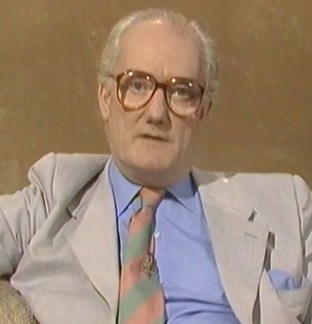
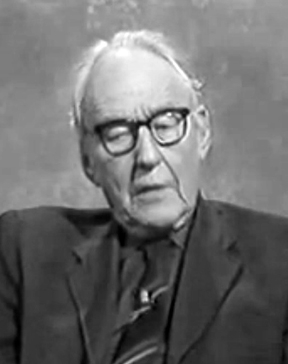
布莱恩·马基 弗雷德里克·科普勒斯顿
EDITED TRANSCRIPT · 依据现场录音编译整理,可划线生成便签
编者按:本文为 BBC 电视系列《伟大的哲学家》(1987)中关于叔本华一集的谈话实录。主持人布莱恩·马基是英国哲学家、广播人,著有专论叔本华的长篇著作;对谈嘉宾弗雷德里克·科普尔斯顿是耶稣会士、伦敦大学荣休教授,其九卷本《哲学史》为英语世界的标准教材,另著有《叔本华:悲观主义哲学家》。本文依据现场录音编译整理。

哲学也有时尚

马基:人们或许以为,在所有学问中,哲学总该不受时尚的摆布。事实并非如此。哲学同其他人类活动一样,每一代人似乎都要反叛上一代人的价值,于是曾被广泛研读的作者归于冷落,新的人物走到台前。结果往往是:在任何一个时间和地点,大家研读的都是同样那几位哲学家,而另一批同样有名的哲学家几乎无人问津。然后新一代人来了,重新评估其中一两位被冷落的人物,他们便重新走红。如此循环往复。

在过去两百年里,遭遇这种命运最为显眼的哲学家之一就是叔本华。在他一生的大部分时间,也就是十九世纪上半叶,他几乎完全无人理睬。到了十九世纪下半叶,他一跃成为最负盛名、影响最广的哲学家之一。进入二十世纪上半叶,他又被冷落到这样的程度:连大多数哲学教师也不再读他。而在我们这个时代,他显然重新回到了人们的视野,一个重要原因是他深刻影响了二十世纪最重要的哲学家之一,维特根斯坦。

生平与著作:一生只有一个体系

马基:阿图尔·叔本华一七八八年生于但泽,即今天的格但斯克。他的家族世代是富有的汉萨商人,他所受的教育不是为了学者生涯,而是为了让他日后接手一家跨国商行。可他对家族生意毫无兴趣,坚持要进大学,此后便靠私人财产供养自己,终生独立研究与写作。他的博士论文虽然题目古怪,叫《论充足理由律的四重根》,却已成为一部小经典。他用四年时间写成代表作《作为意志和表象的世界》(The World as Will and Representation),当时还不到三十岁;此书一八一八年出版,那年他正好三十。

从此直到一八六〇年七十二岁去世,他发表了大量著作,但全部是为了扩充、阐发或丰富他二十多岁时构筑的那个哲学体系,他从未偏离过它。他写了一部篇幅巨大的随笔集《附录与补遗》(Parerga and Paralipomena),两本短小而犀利的伦理学著作《道德的基础》和《论意志的自由》,还有一本小书《论自然中的意志》,意在证明他的思想得到了科学发现的支持。最重要的是,他出版了《作为意志和表象的世界》的修订版,篇幅超过原版的两倍。

他身上有几点非常引人注目。他直接承续康德,其著作稳稳处于西方哲学的主流,但他对印度教和佛教确有真知,是唯一一位在东西方思想之间画出了严肃而有趣的平行线的西方大哲学家。他是第一位公开、明确宣称无神论的西方大哲学家。他把艺术放在极高的位置,谈论艺术之多超过任何其他重要哲学家;也许部分正因为此,他对一流创作者的影响超过了近代任何一位哲学家。他本人也是德语散文的顶尖作家,许多句子精警如格言,以至于被成百上千地从上下文中抽出来,单独印成小册子。从思想上说,这是一场灾难,因为它遮蔽了一个事实:叔本华首先是一位体系建构者,他的哲学只有作为整体才能理解。

在本节目制作之时,英文世界关于叔本华的在版著作中,最长也最新的一本,我得坦白,是我写的。可我总不能采访自己,所以我请来了另一本著作的作者与我讨论叔本华。我的客人无论如何都是当今英语世界最杰出的哲学史家,伦敦大学荣休教授弗雷德里克·科普尔斯顿。除了在九卷本《哲学史》中对叔本华的长篇论述,他还写过一本专著,《阿图尔·叔本华:悲观主义哲学家》。

科普尔斯顿教授,我想我们应当从这个问题谈起:叔本华究竟想做什么?请您先来谈。

科普尔斯顿:我认为,和其他许多富有原创性的哲学家一样,叔本华想理解他置身其中的世界,理解他生活的这个世界。也可以说,他试图对人类经验作出一种融贯而统一的解释,或者说,试图在概念上把握现象世界,把握现象的多样性。我想这就是他的目标。

马基:为了做到这一点,叔本华认为必须找出那个底层的实在。请问他为什么会认为存在一个有待辨认的底层实在?

起点:康德的现象与物自体

科普尔斯顿:我想主要原因之一是,他从伊曼努尔·康德的前提出发。他认为我们看世界的方式是一种人类的视角,人的心灵已被预先设定为以某些方式看世界。比如,我们经验对象,只能把它们放在空间和时间之中,让它们服从时空关系和因果关系。但显然,事物以某种方式向我们显现,并不能推出它们在自身中就是如此,与显现方式无关的它们本身就是如此。康德当然认为,「物自体」(thing-in-itself)这个概念,即不是「显现出来的东西」、而可以与显现相区别的东西,是一个理智的想法。叔本华接过了这一点。

马基:这个想法极其重要,我们后面还会从不同角度回到它,所以值得再梳理一遍。对初次接触的人来说,它确实不容易把握。康德论证说,一切可能的经验只能通过我们的官能,通过我们的感官和心智装置到达我们。因此我们能经验什么,不仅取决于外面有什么可供经验,也取决于我们所拥有的官能的性质:我们的官能能处理什么,它们对所处理的东西做了什么,怎样处理,等等。所以一切经验本身都依赖于主体。他由此进一步论证,我们可以把全部实在一分为二:一边是事物在自身中的样子,独立于被经验,对这样的事物我们没有任何通达的途径;另一边是事物向我们显现的样子,即显象世界,它通过经验来到我们面前,是我们所认识的世界,也就是常识的世界、科学的世界,我们的全部世界。

叔本华从康德那里接过这一点,然后追问:对这个经验世界作细致分析,我们能否得到某些指引,某些线索,去了解它底下的东西是什么,它背后的东西是什么?这至少是他思路的一部分,对吧?

从康德到一元论:本体必定是「一」

科普尔斯顿:是的。我认为重要的是记住,对叔本华来说,底层的实在只能有一个。至于康德本人,有人把他理解成一种常识立场:既然有显现出来的桌子,就必定有桌子自身;既然有显现出来的地毯,就有地毯自身;于是物自体是一大群。可是,如果我们把空间关系、时间关系和因果关系统统抽掉,就没有任何办法把一物与另一物区分开。所以,如果底层实在超越了空间、时间和因果性,与现象世界截然不同,那么数目和多样性就属于现象世界,而底层实在必定是「一」。

马基:我们讨论的这些观念实在太难,我想再复述一遍也无妨,这对很多人会有帮助。叔本华论证说,一物要与另一物不同,任何东西要与任何别的东西有所区别,「区别」这个观念只有参照时间或空间,或者两者兼有,才说得通。如果两样东西在时间上相同,在空间上也相同,那它们就是同一的,就是同一个东西。因此,「有若干不同的东西」这一复数的观念,只能适用于我们的经验世界,这个空间与时间的世界。在这个世界之外,谈论任何东西与任何别的东西不同,根本没有意义。所以,让我把这个思路说完,在我们的经验世界之外无论有什么,它必定是一个、无分别的东西。

在从康德往前迈出这一步时,他认为康德错在用复数谈论「诸物自体」,谈论「事物在自身中的样子」;藏在这个世界背后的必定是一个单一的、无分别的某物。看到这一点,他就朝印度教和佛教的一个核心信念迈出了一大步。那两种宗教也相信,在这个高度分化、复数纷繁的现象世界背后,有一个单一的、无分别的某物,它把自己显现为这个世界。引人注目的是,叔本华并非从佛教或印度教那里得来这个信念,而是从前辈西方哲学家的前提一路推论过来,然后才发现自己得出的结论与佛教徒和印度教徒相近。

科普尔斯顿:我想回到您刚才说的「只有一个底层实在」。我认为,如果从康德的前提出发,我本人不会这么做,但如果这样做,那么叔本华是对的。因为没有任何办法把一个物自体与另一个物自体区分开来。除了诉诸常识,一旦接受了叔本华所接受的康德前提,就没有任何形式上的区分办法。

身体的双重认识:通向本体的钥匙

马基:把论证推向下一步,叔本华认为,如果我们分析这个现象世界,也许能从中得到一些线索,去了解那个底层的「一」是什么。他沿用康德的说法,把它叫做本体(noumenon),这是个来自希腊语的词。我想他伟大的出发点在这里:康德论证说,我们关于物质对象的一切知识必定通过感官到达我们,而且只能通过感官,然后由我们的心灵组合起来。叔本华说,这几乎完全正确,但有一个极其关键的例外,康德竟然把它忽略了。那就是:对我们每一个人来说,世界上有一个独一无二的物质对象,我们既以康德所说的认识物质对象的方式认识它,又以一种根本不同、完全不同的方式认识它,即直接从内部认识它。这个对象就是我们自己,我们自己的身体,我们自己这个人。它们是物质对象,与任何别的物质对象一样,可以被看到、被触摸、被听到,以认识其他物质对象的一切方式被认识。但除此之外,我们每个人对这个唯一的物质对象还有一种直接的、非感官的内部认识。叔本华认为,这种从内部认识一个物质对象的经验,也许能给我们提供一把钥匙,去打开事物的内在本性。

科普尔斯顿:那是他的想法。我个人认为,如果从康德的前提出发,人人都得接受康德的不可知论,我看不出有任何出路。不过您说得完全正确,叔本华确实认为可以通过身体找到一条通路。唯一的困难在我看来是:即使我们关于终极实在的观念,按照那些前提,也仍然属于现象世界,没有办法走出这个圈子。圈子之外只有沉默,正如维特根斯坦后来在《逻辑哲学论》中所说。不过,叔本华确实认为我们对身体的经验给出了一点提示,这一点完全属实。

马基:在论证的这一步上,我愿意为叔本华辩护。因为他明确指出,我们直接从内部获得的自我认识,并不是对康德的物自体的认识。他给出了两三条非常重要的理由。第一,我们从内部获得的自我认识仍然只是一种表层的认识。他比弗洛伊德早几十年就明确而详尽地论证,我们内在生活和动机的大部分是我们自己不知道的,我们的行为、言语和决定大多受无意识的驱动。所以在一个非常重要的意义上,我们甚至不完全认识自己。他认为这不是对康德物自体的认识,第二条理由是:它存在于时间的维度中,虽然不存在于空间的维度中,而时间只能是我们这个世界的特征。第三条理由我也觉得值得一提:他论证说,一切知识必定是二元的形式,主体与客体,认识者与被认识者,观察者与被观察者。要有任何关于任何东西的知识,就必须有一个被把握的东西和一个把握它的东西。而这种分别,出于我们几分钟前在另一个语境中给出的理由,只能存在于现象世界、经验世界之内。因此,只有在这个世界里才可能有知识,才可能有意识。

科普尔斯顿:叔本华以惊人的方式预见了弗洛伊德,这完全属实,也有助于显示他在思想史上的重要性。不过我认为同样属实的是,我们关于「意识之下」的一切观念,「存在着意识之下的东西」这个观念本身,全都属于现象世界。事情就是这样,从康德的前提出发,这就是结论。

意志即能量:与物理学的呼应

马基:我们该谈谈他如何跨越鸿沟,指向本体。他认为我们的这种内在经验中有某种东西,给了我们一条线索,让我们知道这个世界之外事物的终极本性是什么。您能谈谈吗?

科普尔斯顿:他会用「意志」这个词,也许用得不幸;也可以用「力」或「能量」。总之,如果我移动手臂,我是在「意欲」移动手臂。叔本华和后来的维特根斯坦一样,认为并不存在一个叫做「意志」的实体,与手臂的运动相分离并引起这个运动;意愿仿佛是这个运动的内面,而物理运动是它的外面。他并不否认存在着某种内面。如果我们考虑这一点,再加上您说的隐藏在大量行为背后的无意识动机,就能得到一个观念:实在是一种意识之下的驱力,叔本华称之为意志,也许可以给它一个更好的名字,比如力或能量之类。总之,我们由此得到关于终极实在的本性的提示:它是一种无意识的奋求,为了生存、为了生命、为了自我肯定而奋求,你可以用各种方式来描述它。

马基:是的。他认为,如果我们分析这个经验世界,或者说科学的世界、常识的世界,它大部分是由运动中的物质构成的,而且大多数是天文数量级的物质,星系、恒星系,以接近光速的巨大速度穿行于宇宙。所以整个物质宇宙由运动中的物质构成,其程度可以说超出了我们想象力真正能够把握的范围。他论证,论证中有些步骤我们没时间一一过一遍,他接着康德往下论证,说这一切中最终极的东西必定是能量;物质可以说是能量的具体化,一个物质对象就是一个被力充满的空间,归根结底一切物质都必定可以转化为能量。我觉得非常引人注目的是,他这条学说完全被二十世纪的科学证实了。当本世纪的物理学家得出这个结论时,他们以为自己提出了某种革命性的、难以置信的东西,可事实上康德和叔本华早在一百多年前就得出了这个结论,靠的是从日常经验出发的纯粹理性推演。

科普尔斯顿:谈到理论物理学,得记住许多物理学家有时并不愿意说「能量」之类的术语指称着某种实在。这些术语在理论物理学的框架内使用,但不能就此认为存在着某种叫做「能量」的形而上学实在。不过,我完全能理解用「能量」替换叔本华的「意志」这一点。

马基:您把一步我并不完全采取的步子归给了我。我想说的是这样:叔本华论证,在现象世界、经验世界中,终极的东西是能量。在科学层面,从我们今天的立场说,可以说他极有先见之明,说对了。然后他说,那个形而上学的、底层的本体,就是把自己显现为这种能量的东西,遍布整个宇宙:在恒星中,在太阳系中,在动物、树木、落下的石头中,在我们自己身上,在一切事物中。正是这种无意识的能量在子宫中塑造了我们,在我们睡眠时让器官照常运转,等等。我对他的理解是:在经验中,我们最接近于对那个东西有一丝领会的,就是我们内心对能量、对干劲、对力、对求生存的意志、对求存活的意志的体验,那种终极的、不可还原的推动或驱力,它是其他一切的底层。

「意志」是否用错了词

科普尔斯顿:是的,但叔本华对那个底层实在并不是无动于衷的,对吧?他对它采取了非常明确的态度,否定的态度,贬低它。而「能量」是个非常中性的词,很难说一个人赞成能量还是反对能量,喜欢能量还是不喜欢能量。而我们都很清楚,叔本华对终极实在及其显现有着非常明确的态度。

马基:但我认为如果他用「能量」这个词会更好。他决定把这个形而上学实在命名为「意志」(will),我认为这从那以后一直在误导人,因为我们忍不住把人格的观念或者目的的观念与意志联系起来。叔本华本人在著作中多处反复申明,他并不是说在他所用的「意志」一词的意义上,万物都有一个意志;一颗死去的恒星或一块石头所拥有的意志和你我一样多,它只是万物中的形而上学基底,不是人格性的,没有生命,不是有机的,没有目的,等等。我认为这误导了人们,一个像「能量」这样非人格的词在我看来会好得多。

科普尔斯顿:在这一点上我认为您完全正确。我自己想暗示的是,叔本华把终极实在看成十足令人厌恶的东西,有时甚至愿意用道德的语言谈论它,说它是邪恶的。人们不会自然而然地觉得「能量」令人厌恶或不令人厌恶,我不会,更不会觉得它邪恶。这就是我的意思:他对终极实在及其显现,也就是这个经验世界,抱有那种明确的态度。

悲观主义:血牙利爪的世界

马基:那我们不妨换个方向,正面谈谈这一点。到目前为止,我们一直在勾勒叔本华关于实在的图景,他认为整体的图景是什么样的。现在来谈谈他对这幅图景的态度。他认为世界是一个骇人的地方,可怕的地方,充满了不义、疾病和压迫;世界各地的医院和监狱里挤满了正在经受最骇人的苦难与折磨的人;自然界血牙利爪,每一天的每一个小时都有成千上万的动物活生生地把彼此撕成碎片、活生生地吞噬对方;整件事就是一场骇人的噩梦。这是一幅令人难以置信的图景,用极富戏剧力量的文字写出,读过的人不可能忘记。这就是他对世事的看法,对吧?由此,底层的形而上学实在必定是以这些方式表现自己的东西,因此必定是某种可怕的、噩梦般的东西。正因如此,他理所当然地以悲观主义者著称,是所有哲学家中最悲观的一位,对实在持最阴郁、最黑暗的看法。

艺术:暂时的出路与无功利观照

科普尔斯顿:当然他并没有停在那里。他提出了一些出路。暂时的出路是通过审美观照,通过艺术,通过艺术的创作和欣赏,它们让欲望、自私、渴求、敌意和冲突至少暂时平息下来。你可以走进一家美术馆看画,不带任何欲求。当然,一走出来撞进咖啡馆或酒馆,需要和欲望就重新抬头。所以这是一条暂时的出路。我认为叔本华在这里引入柏拉图的理念,把它作为终极实在和艺术作品之间的中介,是一个错误,我看不出它在他的体系中有多少位置。但他在审美态度和占有利用态度之间作出区分,是完全正确的。前者是审美地看待事物,后者是试图占有它们、为自己的利益使用它们。这确实是一条暂时的出路。

马基:是的,您指出他认为审美态度是无功利的。通常我看到一盘食物,想到的是吃掉它,它是维持我生命的东西,是满足我的欲望、贪婪,或者干脆就是饥饿的东西。而如果我看到一幅画着一盘食物的荷兰画,我完全不会从那个角度看它,我以一种完全非个人的、无功利的方式看它,我意识到的是它审美品质的有无,是它的美或者也许是不美。这是一种截然不同的看待事物的方式。

叔本华美学中还有一点值得提醒大家注意:他认为艺术为我们提供了一种特殊的认识事物的方式,正因为如此,他不把艺术看作一种表达的手段。按照叔本华的看法,如果我创作一件艺术作品,我首先做的不是表达我的情绪,不是抒发我的感受,而是表达对事物存在方式的某种洞见或认识。

科普尔斯顿:我认为可以这样赋予这一点意义:在我二十年代读本科时流行过一种观念,主要由克莱夫·贝尔传播,叫做「有意味的形式」(significant form)。可以用它来代替柏拉图的理念之类的东西。至于艺术中的真理这个观念,我认为是一个非常有趣也非常困难的题目,我从来没有真正拿定主意。虽然有点离题,关于艺术中的真理,我想人必须持一种类比的真理观,真理按语境可以有不同的理解,在某个语境中是符合,但在艺术中我认为不是,那会是另一种真理,需要加以考察。我认为这完全是一条体面的思路。我刚才对叔本华的柏拉图理念作批评,并不是说他的看法一无是处,我认为它非常值得考虑。

马基:而且它对许多伟大的艺术家产生了巨大的吸引力。

科普尔斯顿:当然。

马基:那些艺术家显然认为它符合他们对自己所做之事的理解。

科普尔斯顿:毫无疑问。

伦理学:众生一体与同情

马基:我想我们现在该转向叔本华的道德学说了。在叔本华描绘的这样一个世界里,您认为道德或伦理学的位置在哪里?

科普尔斯顿:如您所知,叔本华坚持只有一个终极实在,我们每个人都与这个终极实在同一,因此在某种意义上我们归根结底都是一体的。他用这一点来倡导同情(compassion)、怜悯,以及有别于情欲之爱的爱,有别于爱洛斯(eros)的爱。那么,祝他好运。他捍卫同情之类的理想,非常高尚。只是很难看出,既然我们每个人都是那个可怕实在的化身,还能有多少相爱的余地。我倒觉得冲突更合乎逻辑。不过无论如何,他毫无疑问推崇爱而非恨,推崇同情而非残忍,等等。我当然不想质疑叔本华的这些价值判断。可是归根结底,一切都是那唯一的意志,而意志是可怕的东西,那么终极的理想只能是转而反对终极实在本身。

马基:我想暂时把这两点分开。在谈他「反对实在」的想法之前,我想再多说一点他的道德和伦理学观点,因为它在某种意义上是应用形而上学,这对哲学家来说相当少见。如您所说,他有这样一种形而上学观点:我们归根结底都是一体的。这一点也与某些宗教相通。因此,我伤害你,在某种重要的终极意义上就是在伤害我自己;我与你归根结底的一体性,正是道德的基础,同情的基础,感同身受的基础,它是我为什么应当以道德上认可的方式对待你、而不应当以攻击的方式对待你的理由。您说得完全正确,这里存在一个明显的冲突:一方面把终极的形而上学实在看成我们刚才谈到的那种可怕的、邪恶的、噩梦般的东西,另一方面又在这个语境里把它看作同情、感同身受和一切道德的基础。

事实与价值:接受图景,拒绝评价

马基:说到这里,我想指出,著名的事实与价值之分(fact-value distinction),在我看来同样适用于叔本华,正如适用于任何人一样。也就是说,你可以接受他关于世界如何、实在是什么的看法,或者其中的一大部分,而不接受他对它的评价,不采取他的立场。我这样说是有切身感受的,因为我自己就是一个例子。我认为叔本华哲学的很大一部分,绝不是全部,但很大一部分,是站得住的,包含着极其罕见、重要而且真正深刻的洞见,投下了巨大的光亮。但我在叔本华的意义上完全不是悲观主义者。换句话说,我在相当程度上接受他关于世事如何的图景,却完全不采取他把这一切看作噩梦之类的看法。所以我可以接受叔本华的伦理学,事实上我认为他的伦理学有很好的根基,而不必保留他哲学中与之冲突的那一部分。

科普尔斯顿:如您所知,现在有不少哲学家质疑事实与价值之分。我不想质疑它,我认为它有不可或缺的用处,因为我们必须区分人们实际上如何行为和他们应当或不应当如何行为,这是两种不同类型的命题,这一点再明显不过。但另一方面,我自己不认为可以有任何一种不包含价值判断的世界解释,关于重要性、意义等等的价值判断。比如,你可以有一部超越单纯编年、真正讲述一个有意义的融贯故事的历史,可你不可能有一部没有价值判断的历史。我不相信有价值中立的历史,也不相信有价值中立的形而上学。所以,尽管我愿意接受某种区分,我自己在运用它时会非常小心,不会简单地说:一边是一种价值中立的世界解释,另一边是一套评价。我认为事情并不是这样运作的。

马基:我也不认为事情是这样运作的。我只是想指出,你可以分享叔本华关于世事如何的看法的很大一部分,我一直小心不说「全部」,而不分享他的价值判断,我会有别的价值判断。我完全同意您的看法,不可能有一种毫无价值判断的观点,我认为这绝对正确。

意志的否定:体系终点的矛盾

马基:现在让我们进入叔本华哲学的最后阶段。他依据自己的价值判断,认为实在在其一切显现中,或者说绝大多数显现中,是一种邪恶的、可怖的、噩梦般的东西,于是他哲学的最后一步是说:我们最终必须拒绝它,我们必须否定实在。这就是著名的「意志的否定」(denial of the will)。有人拥抱这一步,也有人发现它甚至难以理解。您能否解释一下这个概念涉及什么?

科普尔斯顿:我想说,叔本华完全赞同人们在世界上好几种宗教中都能找到的禁欲、苦行等做法,那些宗教至少倡导过它们,过去也实践过。他认为它们构成了通向最终弃绝意志的一个阶段。我不太清楚那会采取什么形式,我猜想会是进入涅槃(Nirvana),但涅槃被理解为「无」。我想说,它也许具有我们不知道也无法知道的性质,但就我们而言,转而反对终极实在,按照我们对它所形成的概念,就是转向「无」,转向不存在。所以我要说,尽管基督教、佛教和叔本华哲学之间确有真实的相似之处,他的态度与基督徒、穆斯林和正统犹太教徒之间有一个根本的差别:后者信仰上帝,绝不会认为把上帝抛下船去、在那个意义上否定终极实在是可取的。所以在我看来这里有一道鸿沟。

但更重要的是,即使有人把这一点扫到一边,说「我既不是基督徒也不是穆斯林也不是犹太教徒」,即便就叔本华自己的哲学而言,我也看不出怎么可能转而反对意志。因为必须去否定意志的正是意志本身。我就是意志。如果这个终极实在要在我之中、通过我来否定它自己,它怎么可能否定自己?它不可能产生出「无」。我越是思考,就越觉得难以设想那种对意志的最终弃绝如何发生,既然做这件事的必须是意志本身。

遗产:尼采、弗洛伊德、维特根斯坦

马基:在结束这场讨论之前,我想请我们谈一谈叔本华对其他人的影响。他对创作者产生了巨大的影响,我前面提到过却没有举出名字。可以举出瓦格纳,影响巨大;屠格涅夫,影响巨大;事实上,过去一百年里许多大小说家,康拉德、托马斯·哈代、普鲁斯特、托马斯·曼。不过在一场关于哲学的讨论里,我们也许更应当关注的不是这些,而是他对其他重要思想家的影响。我认为有三位最为突出,按年代顺序是尼采、弗洛伊德和维特根斯坦,他们在叔本华的时代与我们的时代之间,都非常明显、非常引人注目地受到叔本华的影响。您能谈谈他对尼采的影响吗?

科普尔斯顿:如您所知,尼采把叔本华看作一位教育者,他早期的著作《作为教育者的叔本华》表明了这一点。我想他把叔本华看作这样一个人:不满足于对事物的表面看法,而是往底下看,不怕直面世界和历史,不试图粉饰什么。莱布尼茨说这是一切可能世界中最好的一个,而叔本华是真正直面世界的人,因此有一种精神上的正直。尼采也完全同意叔本华把理智置于意志之下的看法,即理智首先是意志的仆人。我想他还把叔本华看作一个极有独立品格的人,不让自己的观点由社会来支配,也不由前人或其他哲学家来支配,而是自己把它们想透。当然,如您所知,尼采后来批评叔本华背弃生命。尽管克兰·布林顿教授说过,尼采这位伟大的「肯定者」一生大部分时间都在说「不」,但尼采在正式立场上是主张肯定世界之所是的。在某种程度上我同情尼采,因为我认为如果世界真如叔本华所说的那样,那最好的办法就是设法把它改得更好一些。我并不是说我同意尼采关于什么才是「更好」的想法,但在这一点上我同意尼采。另一方面,尼采从未停止敬仰叔本华,把他尊为一个把自己引上正路、引离陈规的人。

马基:我想我们最后必须转向直接受叔本华影响的伟大思想家中最晚近的一位,维特根斯坦。也许您可以谈谈叔本华对维特根斯坦的影响,作为这场讨论的结尾。

科普尔斯顿:好的。这一点当然相当清楚。从《逻辑哲学论》(Tractatus)的准备材料,从笔记和其他手稿中,维特根斯坦对叔本华的欠债显而易见。在《逻辑哲学论》本身,您在我们谈话早些时候提到的那个想法,主体与「我的世界」之间的相关性,在维特根斯坦那里非常强烈:这个「我」与我的世界;这个「我」,作为认识论主体,可以说是我的世界的边界,而不是我的世界中的一个对象。因为如果我试图思考我自己,那就是「我」在试图思考我自己,它处在世界的边界上。这直接来自叔本华。然后是《逻辑哲学论》中那句名言:即使一切科学问题都得到了解答,生命的问题也丝毫没有被触及。我认为这也确实来自叔本华。还值得注意的是,在《逻辑哲学论》中,维特根斯坦区分了作为伦理承担者的意志,关于它他说实际上什么也不能说,那是超现象的意志;和作为现象的意志,对《逻辑哲学论》的作者来说,它实际上属于心理学而不是哲学的题材。所以这里有形而上学的意志,我想说超现象的意志,与现象的意志之间的区分,我认为这也可以追溯到叔本华。

我应当说,维特根斯坦随着时间推移越来越不像叔本华,在这个意义上:他越来越不热衷于建构体系,而如您早先所说,叔本华无疑是一位体系建构者。《逻辑哲学论》中有一个雏形的体系,但我们都知道,在维特根斯坦后期的著作中体系少之又少。不过他无疑受到了叔本华的强烈影响。事实上,在过去的、绝非同时代的大哲学家中,叔本华差不多是维特根斯坦唯一真正读过、研究过并消化过的一位。这表明叔本华的影响绝没有随着十九世纪结束,而是如您早先所说,延伸进了二十世纪,体现在我们这个世纪最著名的哲学家之一身上。

马基:非常感谢您,科普尔斯顿教授。
本期讲者
布莱恩·马基英国哲学家、广播人、前工党议员,主持 BBC《The Great Philosophers》(1987)系列;著有《The Philosophy of Schopenhauer》(1983),是当时英语世界最长的叔本华专著。
弗雷德里克·科普勒斯顿英国耶稣会哲学家、伦敦大学荣休教授,九卷本《哲学史》为英语世界标准教材;另著有《Arthur Schopenhauer: Philosopher of Pessimism》(1946)。
章节 · 点击跳转视频
0:00 哲学也有时尚:叔本华的沉浮 ▶ 正在看
1:01 生平与著作:一生只有一个体系 ▶ 正在看
4:09 起点:康德的现象与物自体 ▶ 正在看
7:49 从康德到一元论:本体必定是「一」 ▶ 正在看
11:23 身体的双重认识:通向本体的钥匙 ▶ 正在看
16:49 意志即能量:与物理学的呼应 ▶ 正在看
21:53 「意志」是否用错了词 ▶ 正在看
23:08 悲观主义:血牙利爪的世界 ▶ 正在看
24:15 艺术:暂时的出路与无功利观照 ▶ 正在看
28:59 伦理学:众生一体与同情 ▶ 正在看
31:30 事实与价值:接受图景,拒绝评价 ▶ 正在看
34:55 意志的否定:体系终点的矛盾 ▶ 正在看
37:30 遗产:尼采、弗洛伊德、维特根斯坦 ▶ 正在看
本期论点
本期回应
23:10
终极实在本身完全令人厌恶,甚至可以用道德词汇称之为邪恶 指向冲突如果万物本是一体,道德意味着什么?布莱恩·马基
29:40
既然每个人都是那个可怕实在的化身,冲突比同情更是这套形而上学的应有之义 指向冲突如果万物本是一体,道德意味着什么?弗雷德里克·科普勒斯顿
30:46
我与你的终极同一性才是道德与同情的真正基础,伤害你就是在伤害我自己 指向同情如果万物本是一体,道德意味着什么?布莱恩·马基
31:42
可以接受叔本华关于实在是什么的看法,而不接受他对实在的价值评判 与价值无关如果万物本是一体,道德意味着什么?布莱恩·马基
12:19
人对自己身体有一种从内部直接获得、不经感官的知识,其他物理对象都不具备 从内直达靠向内看,能了解自己吗?布莱恩·马基
14:20
人从内部获得的自我认识只是表层的,行动、言语与决定大多由无意识驱动 靠不住靠向内看,能了解自己吗?布莱恩·马基
5:31
我们看世界的方式是一种人类视角,心灵被预先设定为在时空与因果中经验对象 来自心灵因果联系来自哪里?弗雷德里克·科普勒斯顿
15:07
一切知识都必然具有主体与客体的二元形式,因而知识与意识只能存在于现象界之内 总有主客之分认识世界,总要有个「我」站在外面吗?布莱恩·马基
19:08
物质终归可转化为能量这一叔本华式学说,被二十世纪物理学完全证实 物质可化为能量世界最根本的东西是什么?布莱恩·马基
22:05
叔本华用「意志」命名形而上学实在是失误,这个词让人把人格与目的读了进去 会读进人格与目的把东西说成有意志,有助于理解吗?布莱恩·马基
其他论点
8:10
抽掉空间、时间与因果关系后就无法区分一物与另一物,世界基础的实在只能是一个 弗雷德里克·科普勒斯顿
10:43
叔本华的一元论不是从佛教或印度教借来的,而是从西方哲学前提推论出来的 布莱恩·马基
26:53
艺术是一种特殊的认识方式,创作者表达的不是自己的情感,而是事物本来样子的洞见 布莱恩·马基
36:57
意志的否定在叔本华体系内不可能成立,因为必须否定意志的正是意志本身 弗雷德里克·科普勒斯顿
39:54
如果世界真如叔本华描述的那样糟糕,更好的办法是把它变好而不是否弃生命 弗雷德里克·科普勒斯顿
01哲学也有时尚:叔本华的沉浮
0:00
it might be supposed that philosophy of all subjects must be free from the vagaries of fashion but that is not so in philosophy just as in other human activities in each generation there seems to be a reaction against the values of the previous generation so writers that have been widely studied fall into neglect and new figures come to the fore IGN the outcome is apt to be that at any given time and place many of the same philosophers are being studied by everyone and a number of other well-known philosophers are being neglected by at any rate nearly everyone then a new generation comes along and re-evaluates one or two of the neglected philosophers so that they then come back into fashion And So It Goes On among the philosophers to whom this has happened most conspicuously in the last 200 years is schopenhauer for most of his lifetime roughly the first half of the 19th century he was almost totally disregarded then in the second half of the 19th century he became one of the most famous and influential of all
人们或许会以为,哲学在所有学科中理应免于时尚风潮的左右,但事实并非如此在哲学中,就像在人类其他活动中一样,每一代人似乎都会对上一代人的价值观产生某种反弹于是曾被广泛研究的作者遭到冷落,新的人物则崭露头角,其结果往往是在任何特定的时间和地点,许多人都在研究同样那几位哲学家,而另外一些知名哲学家则几乎被所有人忽视;接着新的一代人出现重新评价一两位被忽视的哲学家,于是他们又重新流行起来,如此循环往复在过去两百年里,最明显经历了这种起伏的哲学家中就有叔本华。在他一生中的大部分时间里也就是十九世纪上半叶,他几乎完全不为人所知;而到了十九世纪下半叶他成了所有哲学家中最著名、最有影响力的人物之一;然后在二十世纪上半叶
便签引用
02生平与著作:一生只有一个体系
1:01
philosophers then in the first half of the 20th century he fell into a neglect so profound that even most teachers of philosophy no longer read him but now in our own time he is unmistakably coming back to people's attention not least because he was a formative influence on one of the most important 20th century philosophers Wittgenstein Arthur schopenhauer was born in Dunc now Gdansk in 1788. his family had been Rich hansiatic Merchants for generations and the upbringing he received was aimed not at an academic life but at training him to step into an international business however he had no interest in the family firm he insisted on going to University instead and thereafter he used his private means to finance a lifetime of independent study and writing his Doctorate thesis has become a minor classic in spite of its title on the four-fold route of the principle of sufficient reason and he was still in his twenties during the four years when he composed his Masterpiece the world as well and
他被冷落得如此彻底,以至于连大多数哲学教师都不再读他的著作了。但如今在我们这个时代,他无疑正重新引起人们的关注,一个重要原因是他对二十世纪最重要的哲学家之一维特根斯坦产生了塑造性的影响。阿图尔·叔本华于1788年出生在但泽,也就是今天的格但斯克他的家族世代都是富有的汉萨同盟商人,他所接受的教养并不是为了学术生涯,而是为了训练他接手一份国际生意。然而他对家族公司毫无兴趣,坚持要上大学此后他便靠自己的私人财产,资助了一辈子独立的研究与写作。他的博士论文已成为一部小小的经典,尽管它的标题是《论充足理由律的四重根》。而当他用四年时间写出他的杰作《作为意志和表象的世界》时,他还不到三十岁;该书于1818年出版,那一年他三十岁
便签引用
2:03
representation which was published in 1818 the year in which he was 30. from then until his death in 1860 at the age of 72 he published a great deal but all of it was to extend or elaborate or enrich the philosophical system which he had constructed in his twenties and from which he never departed he produced a huge collection of essays called perega and padale pomena and two short but pungent books on ethics called the basis of morality and the freedom of the will there was also a little book called on the will in nature designed to show that his ideas were supported by discoveries in science most important of all he published a revised edition of the world as well and representation which was more than twice the length of the original volume there are several remarkable things about him although in direct succession to khans his own work was securely in the mainstream of Western philosophy he was genuinely knowledgeable about Hinduism and Buddhism and is the only major Western philosopher to draw
从那时起直到1860年他七十二岁去世,他出版了大量著作,但所有这些都是为了扩展、阐发或丰富他在二十多岁时构建、并且从未背离过的那套哲学体系。他写出了一大部头的文集,名为《附录与补遗》,还有两本篇幅不长却锋芒毕露的伦理学著作,叫做《论道德的基础》和《论意志的自由》。还有一本小书叫《论自然中的意志》,旨在表明他的思想得到了科学发现的支持。最重要的是,他出版了《作为意志和表象的世界》的修订版篇幅比原书多出一倍以上。关于他,有几点非常了不起:虽然他直接承继康德,他自己的著作牢牢处在西方哲学的主流之中,但他对印度教和佛教有真正的了解,而且他是唯一一位在东西方思想之间作出严肃而有趣的对比的重要西方哲学家
便签引用
3:08
serious and interesting parallels between Western and Eastern thought he was the first major Western philosopher to be openly and explicitly atheist he placed the Arts higher in the scheme of things and had more to say about them than any other important philosopher and perhaps partly for that reason his influence on creative artists of the front rank has exceeded that of any other philosopher of the modern era he was himself among the Supreme writers of German prose many of his sentences are so brilliantly aphoristic that they've been torn out of context by the hundred and published separately in little books of epigrams intellectually this is a catastrophe because it obscures the fact that schopenhar is first and foremost a system builder whose philosophy can be understood only as a whole of the books in print about it in English at the time of making this program I have to confess to you that the longest and most recent is by me but I can't very well interview myself so I've invited the author of one of the
他是第一位公开、明确表示无神论的重要西方哲学家。他把艺术放在万物格局中更高的位置并且比任何其他重要哲学家都对艺术有更多的论述。或许部分正因如此他对第一流创造性艺术家的影响,超过了现代任何其他哲学家他本人也是德语散文的顶尖作者之一,他的许多句子写得如此警句般精彩以至于被人成百地从上下文中摘出来,单独编成一本本格言小册子。在思想上这是一场灾难,因为它掩盖了一个事实:叔本华首先是一位体系的建构者,他的哲学只有作为一个整体才能被理解就英文出版的相关著作而言,在制作这个节目的时候,我得向你坦白篇幅最长、也最新的一本是我写的,可我总不能自己采访自己,所以我邀请了其中另一本书的作者
便签引用
03起点:康德的现象与物自体
4:09
others to come along and discuss schopenhauer with me my guest is in any case the most distinguished living historian of philosophy in the English language Frederick coppleston Emeritus professor in the University of London in addition to his extended treatment of schopenhar in his nine volume history of philosophy he's written a separate book about him called Arthur schopenhauer philosopher of pessimism well Professor coppleston I think the place we ought to start is by addressing ourselves to the question of what it was that schopenhauer set out to do perhaps I should let you take that up Wellness Wiggy I think that like other original philosophers a great many of them uh schopener I wanted to understand the world in which he found himself the world in which he lived or one could say he tried to form a coherent unified interpretation of Human Experience or to gain conceptual Mastery over the World a phenomena the plurality of phenomena I think that is it and to do that schopenhauer thought that it was
来跟我一起讨论叔本华。无论如何,我的这位嘉宾都是当今英语世界最杰出的在世哲学史家他就是弗雷德里克·科普勒斯顿,伦敦大学荣休教授。除了在他九卷本的《哲学史》中对叔本华作了长篇论述之外,他还专门写过一本关于叔本华的书,叫《阿图尔·叔本华:悲观主义哲学家》。那么,科普勒斯顿教授,我想我们应该从这个问题开始:叔本华究竟想要做什么?也许该请您来谈谈这一点。好的,马基先生,我认为叔本华和其他许多原创性的哲学家一样,他想要理解自己置身其中的世界,也就是他所生活的那个世界;或者可以说他试图对人类经验形成一种连贯统一的解释,或者说对这个现象的世界、对现象的杂多取得概念上的把握。我想就是这样。而要做到这一点,叔本华认为必须去指认那个作为基础的
便签引用
5:19
necessary to identify the underlying reality if one us why he thought that it was an underlying reality to identify I suppose that the reason one main reason is that he started from the premises of Emmanuel Kant and that he thought that the way in which we see the world is a human perspective that the human mind is pre-programmed to see the world in certain ways that we can't for example experience objects except the situated in space and time and the subject to spatial temporal relations and is subject to the relation of causality but um it's obviously doesn't follow it because things appear to one in a certain way that that is how they are apart from the way in which they appear as they are in themselves Khan certainly took it at the the concept of a thing in itself is not as that which appears but um is can be considered indistinction from the from the appearance was a sensible idea and schopenha took that over I think this is such an important idea and we're going to come back to it in different ways
实在。如果要问他为什么认为存在一个有待指认的基础实在,我想主要的一个理由是,他是从伊曼努尔·康德的前提出发的,而他认为我们看待世界的方式是一种人类的视角,人的心灵是被预先设定好以某些方式来看世界的,比如说,我们经验对象时,总是把它们置于空间和时间之中,服从时空关系,并服从因果关系但是很显然,并不能因为事物向我们呈现为某个样子,就推出它们本身离开呈现方式来看也是那个样子,即它们自在地是什么。康德当然是认为,物自体这个概念并不是那个显现出来的东西,而是可以与显现区别开来加以考虑的,这是个合理的想法叔本华接受了这一点。我想这个观念太重要了,我们后面还会以不同的方式回到它
便签引用
6:36
that it's worth going over again because it is it's difficult I think for people who are new to it to really get hold of it sometimes can't it argue that uh all possible experience can only come to us through our faculties through our sensory and mental apparatus and therefore what we could experience depended not only on what there is out there to experience but also on the nature of the faculties that we possess what our faculties could handle what they do to what they handle how they handle it and so on so that all experience as such is subject dependent and he went on from that to argue that therefore we could see total reality as being divided into two there are things as they are in themselves independently of being experienced and to such things we have no means of access and then there's things as they appear to us the world of appearance is the world as it comes to us through experience and that's what we know that's the world of Common Sense the world of science the our total world now uh said uh
所以值得再讲一遍,因为我觉得对刚接触它的人来说,要真正把握住它是有难度的康德有时论证说,一切可能的经验都只能通过我们的能力、通过我们的感官和心智机能才能到达我们,因此我们所能经验到的东西不仅取决于外面有什么可供经验的东西,也取决于我们所拥有的这些能力的性质——它们能处理什么,它们对所处理的东西做了什么,如何处理,等等;所以一切经验本身都是依赖于主体的。他由此进一步论证说,我们可以把整体的实在看作分成两部分:一方面是事物自在地所是的样子,独立于被经验;对这样的东西我们没有任何通达的途径;另一方面是事物向我们显现的样子,也就是现象界,即通过经验到达我们的那个世界,那才是我们所认识的,那是常识的世界、科学的世界我们的整个世界。那么,叔本华从康德那里接过这一点,接着说:我们能不能通过对这个经验世界的
便签引用
04从康德到一元论:本体必定是「一」
7:49
schopenhar took this up from Kant and said now what can we get any pointers can we get any hints from a close analysis of this world of experience as to what it might be that underlies it as to what it might be that lies behind it that at least is part of the thought isn't it yes it is I think it's important to remember that for schopenhower can be only one underlying reality about account himself uh some took it as a matter of common sense I think that if there's a the table as it appears and there must be the table as it is in itself and if the carpet as it appears and there's the carpet in itself that there are a multitude of things in themselves but of course if um we think away is spatial and temporal relations and the causal relation there's no means of distinguishing one thing from another so that if the underlying reality transcends space and time and causality and it's quite other than the world of phenomena then the Canon number one the plurality of Multiplicity belongs to the
细致分析,得到某些指引、某些暗示,来推知究竟是什么东西构成了它的基础,是什么东西隐藏在它背后这至少是他思路的一部分,对吗?是的,确实如此。我想重要的是要记住,对叔本华来说,只可能有一个作为基础的实在。康德本人则把这当作常识问题来看,我想他认为:既然有桌子的显现就必定有自在的桌子;有地毯的显现,就有自在的地毯也就是说,物自体是众多的。但当然,如果我们把空间关系、时间关系和因果关系都抽掉,就没有任何办法把一物与另一物区分开来。所以,如果那个基础实在超越了空间、时间和因果性,并且与现象界截然不同,那么按康德自己的说法,多数性、杂多性只属于现象界,而那个基础实在必定是一。我们正在讨论的这些观念
便签引用
8:57
world of phenomena but the underlying reality must be one these ideas that we are dealing with are really so difficult that I think that is worth going over again as well I think it'll help a lot of people that uh sherpenhar argued that for one thing to be different from another thing for anything to be different from anything else at all this idea of differentiation only made sense with reference either to time or to space or to both if two things are identical in time and identical in space then they're identical period they're the same thing so the notion of there being different things in the plural could only apply to this world of our experience this world of space and time outside that world it could make no sense whatever to talk of anything being different from anything else and therefore I just like to to complete this thought therefore whatever there is outside this world of our experience must be one and undifferentiated and in taking that step from Kant he thought Kant had been wrong
实在太难了,所以我想这一点也值得再讲一遍,我想这会对很多人有帮助叔本华论证说:一个东西之所以能与另一个东西不同,任何东西之所以能与任何别的东西有差别,这种“差异”的观念只有参照时间、或空间、或两者才有意义。如果两个东西在时间上同一、在空间上也同一,那它们就是完完全全同一的,就是同一个东西。所以,存在复数意义上的、彼此不同的事物这种想法,只能适用于我们经验的这个世界,这个时空的世界。在这个世界之外说什么东西与什么东西不同,就完全没有意义了。因此——我想把这个思路说完——因此,凡是在我们经验的这个世界之外的东西,必定是一,是无差别的。在从康德那里迈出这一步时他认为康德错了,错在把物自体说成是复数的,说成有许多“自在之物”
便签引用
10:07
in talking about things in the plural in themselves things as they are in themselves that it must be one undifferentiated something that lies behind in this world now in seeing that he took an enormous stride towards one of the central beliefs of Hinduism and Buddhism those religions also believe that behind this highly differentiated plural variegated World a phenomena there is one single undifferentiated something that manifests itself as this world and one striking thing is that chopinhard didn't get the belief from Buddhism or Hinduism he got it by arguing from premises that he derived from his predecessor Western philosophers and then discovered that he'd reached a conclusion which was similar to that of the Buddhists and the Hindus yes well I'd like to go back a moment to the um to your what you've been saying about the uh only one underlying reality I think that if one starts from the premises of Emmanuel account I mean I wouldn't myself but if one does then schopenhauer is right because if the
而它必定是那个隐藏在这个世界背后的、单一而无差别的某物。看到这一点,他就朝着印度教和佛教的核心信念迈出了一大步。这些宗教同样相信,在这个高度分化的、杂多的、斑斓的现象世界背后,有一个单一而无差别的某物,它把自身显现为这个世界而一件引人注目的事情是,叔本华并不是从佛教或印度教那里得到这个信念的;他是从他从西方前辈哲学家那里承继来的前提出发推论出来的,然后才发现自己得出的结论竟与佛教徒和印度教徒的结论如此相似。是的,我想回过头来说一下您刚才谈到的“只有一个基础实在”这一点。我认为,如果一个人从伊曼努尔·康德的前提出发——我自己不会这么做,但如果这么做了——那么叔本华是对的;因为一旦接受了叔本华所接受的那些康德式前提,除了当作常识来看之外
便签引用
05身体的双重认识:通向本体的钥匙
11:23
there's no beans are distinguishing one thing in itself from another I think except it was a matter of Common Sense there's no formal way of distinguishing once you accept the Canton premises that schopenhauer did taking the argument to the next stage said speak schopenhauer thought didn't he that if we Analyze This World of phenomena we might get from it some Clues as to what the underlying one which he called following can't the the numenon or the no woman on it's a word from the Greek we might get some idea of what the numenon is and I think it's great starting point was this that can't had argue that all our knowledge of material objects must come to us and it can come to us only through our senses and there be as it were put together by our minds schopenhar said well this is almost exactly right but there is one absolutely crucial exception to it which amazingly Khan seems to have overlooked and that is that for every individual one of us there is one unique physical object in the world which we we know in
就没有任何形式上的办法把一个物自体与另一个物自体区分开来把论证推进到下一个阶段,叔本华认为——不是吗?——如果我们分析这个现象世界,也许能从中得到一些线索,来推知那个作为基础的“一”,他沿用康德的说法称之为本体(noumenon)这个词来自希腊语——我们也许能对这个本体有所了解。我想他的出发点是这样的:康德曾论证说,我们关于物质对象的一切知识都必须通过、而且只能通过我们的感官到达我们再由我们的心灵把它们组织起来。叔本华说,这几乎完全正确,但有一个绝对关键的例外,而这个例外令人惊讶地似乎被康德忽略了:那就是,对我们每一个人来说,世界上都有一个独一无二的物理对象,我们既以康德所说的那种认识物理对象的方式来认识它,同时又以一种全然
便签引用
12:34
the way Kant says we know physical objects but we also know in a radically and entirely different way namely directly from inside and that is ourselves our own bodies Our Own persons they are physical objects in the way that any other physical object is a physical object and they can be seen and touched and heard and known in all the ways that other physical objects are known but each one of us in addition to that has immediate non-sensory knowledge of this one physical object from inside directly and schopenhar thought that this knowledge of a physical object from inside might provide us with the key to the inner nature of things that's what you thought God personally I think that if one starts with Khan's premises everyone must accept kanzagnosticism I don't see it as any way of getting out of it but certainly you're quite right of course that that is what Chopin has thought that that there was an access through the uh through the body the only difficulty is it seems to me that our idea of even our
不同的方式来认识它,即直接从内部认识它——那就是我们自己,我们自己的身体、我们自己这个人。它们是物理对象,就像任何别的物理对象一样,可以被看见、被触摸、被听到,可以通过认识其他物理对象的一切方式被认识;但我们每个人除此之外,还对这一个物理对象拥有直接的、非感官的知识,是从内部直接获得的。叔本华认为,这种从内部获得的对一个物理对象的认识,也许能为我们提供通往事物内在本性的钥匙。您是这么理解的吗?就我个人而言,我认为如果从康德的前提出发,每个人都必须接受康德的不可知论,我看不出有任何办法能摆脱它。不过当然您说得完全对,叔本华确实是这么想的,认为通过身体存在着一条通道。唯一的困难在于在我看来,即便是我们关于终极实在的观念本身,按那些前提也属于
便签引用
13:39
idea of an ultimate reality is belongs on those premises to the world of phenomena and there's no way outside the circle and Beyond the simply lies silence as Wittgenstein was to say in the tractatus and however it's quite perfectly true the Chopin has thought there was a hint given through our experience of our bodies yes I would want to defend Schubert high up to this point in the argument because he makes the point that the knowledge that we have of ourselves directly from inside is not knowledge of kant's thing in itself and there are two three very important reasons why it's not one is that the knowledge we have from ourselves from inside is still only a kind of superficial knowledge uh decades in advance of Freud he argued very specifically and at length that most of our own inner life and motivation and so on is unknown to us that our actions and our speech and our decisions are for the most part unconsciously motivated so that in a very important sense we don't even know are full in ourselves another
现象界;没有办法跳出这个圈子,圈子之外只剩下沉默,正如维特根斯坦后来在《逻辑哲学论》中所说的。不过完全正确的是,叔本华确实认为,我们对自己身体的经验给出了一点暗示。是的,我想在论证的这个阶段上为叔本华辩护一下,因为他指出,我们直接从内部获得的关于自身的知识,并不是关于康德意义上的物自体的知识,而且理由有两三条,都很重要。其一是我们从内部获得的关于自身的知识仍然只是一种表层的知识。他比弗洛伊德早了几十年,非常具体、也非常详尽地论证说:我们自身的内在生活、动机等等大部分是我们所不知道的,我们的行动、我们的言语、我们的决定,大多是被无意识地驱动的;所以在一个非常重要的意义上,我们甚至并不完全认识自己。他认为这不是关于康德式物自体的知识,另一个理由是,它存在于时间这个维度中
便签引用
14:52
reason why he thought it wasn't knowledge of kant's thing in itself is that it exists in the dimension of time though it doesn't exist in the dimension of space and time can be a characteristic only of this this world of ours and there was a third reason which I think is worth mentioning and it's this argued that all knowledge must be of a dual form subject and object knower and known Observer and observed that for there to be any knowledge at all of anything you must have something that's grasped and something that's grasping it and this differentiation can for reasons that we were giving only a few minutes ago in a different context differentiation can only exist within this phenomenal world this world of experience and therefore it's only in this world that there can be knowledge or can be consciousness yes that uh Chopin had anticipated Freud in a in remarkable ways is perfectly true and helps to show the importance and of um of schopenha in the history of thought I think but of course it's it's
尽管它不存在于空间这个维度中;而时间只可能是我们这个世界的特征。还有第三个理由我认为值得一提,就是:他论证说,一切知识都必然具有二元的形式——主体与客体、能知与所知、观察者与被观察者。要有关于任何东西的知识,就必须有某个被把握的东西和某个去把握它的东西;而这种区分——出于我们几分钟前在另一个语境里给出的理由——这种区分只能存在于现象界之内,存在于这个经验世界之内,因此只有在这个世界里才可能有知识、才可能有意识。是的,说叔本华以惊人的方式预示了弗洛伊德,这完全属实,我想这也有助于表明叔本华在思想史上的重要性。但当然,同样
便签引用
16:03
also true I think that all our ideas of these infra-conscious the idea there is an infra-conscious that all belongs to the phenomenal world and um there we are I mean Khan's premises conclusion we must start to say something about how he how he did point across the gulf as it were towards the numinum he thought that that there was something about this inner experience of ours that gave us a clue didn't he as to what the ultimate nature of things outside this world is can you
属实的是,我们关于这些“意识之下”的东西的一切观念,乃至“存在一个意识之下的领域”这个观念本身,都属于现象界,事情就是这样——我是说,按康德的前提必然如此。不过我们还是得说一说,他是如何越过那道鸿沟指向本体的。他认为,我们这种内在经验中有某种东西给了我们线索,让我们得以推知这个世界之外的事物的终极本性,是吗?您能……
便签引用
06意志即能量:与物理学的呼应
16:49
he would say use the word will um perhaps unfortunately but um the one might use force or energy but to any rate if I move my arm I will to move my arm if you open her eyes later for Wittgenstein there's no um entity called the will that is distinct from the movement of the arm and causes it but the volition is the inside as it were of the movement and the physical movement is the outside not trying to deny that there is some inside and if we consider that and as you say the unconscious motivation that lies behind a good deal about actions we can you know get the idea of a reality as a kind of infra-conscious below conscious Drive that schopenhauer called will and that perhaps some better name can be given to always force or energy something of that kind but that the um we have that hinders to the nature of the Ultimate Reality as an unconscious striving a striving for existence for life for self-assession or whatever you can describe it in various ways of course yes he thought didn't he that if we
他会用“意志”这个词——也许用得不太妥当——不过也可以用“力”或“能量”。总之如果我抬起手臂,我就是意愿抬起手臂。如果像维特根斯坦后来所说的那样,并不存在一个叫做“意志”的实体,独立于手臂的运动并且引起这个运动;毋宁说,意愿是这个运动的“内面”,而物理运动是“外面”。这并不是要否认存在某种“内面”。如果我们考虑这一点,再加上您所说的,我们大量行动背后的无意识动机,我们就能由此得到这样一种实在的观念:一种意识之下的、低于意识层面的驱力叔本华称之为意志;也许可以给它起个更好的名字,比如力或能量之类的东西。总之,我们由此得到关于终极实在之本性的暗示:它是一种无意识的挣扎,一种对存在、对生命、对自我肯定的挣扎,或者你怎么描述都行,可以有多种说法。是的,他认为——不是吗?——如果我们分析这个经验世界
便签引用
18:09
Analyze This World of experience the world of science if you like the world of Common Sense uh which does consist for the most part of matter in motion and most of it is matter in colossal amounts I mean galaxies and solar systems and so on traveling through the cosmos at gigantic speeds approaching that of light so the whole material universe cysts of matter in motion um to a degree that so to speak defies our imagination to really conceptualize it and he argued I mean he there was steps in the argument that we haven't time to go through but he argued following on from Kant that what is Ultimate in all this must be energy he argued that matter is as it were instantiated energy that a physical object is a space filled with force that ultimately all matter must be transmutable into energy and it's very striking I think that that particular doctrine of his has been entirely borne out by 20th century science when the physicists in our Century arrived at this conclusion they thought they were propounding something
也就是科学的世界、常识的世界,那么它大部分是由运动着的物质构成的而且其中绝大部分是物质,量大得惊人——我是说星系、太阳系等等以接近光速的巨大速度在宇宙中穿行;所以整个物质宇宙是由运动着的物质构成的其规模之大,可以说超出了我们的想象力,难以真正加以概念化。他论证说——中间还有一些论证步骤我们没时间细讲——但他沿着康德往下论证:在这一切之中最终极的东西必定是能量。他论证说,物质就好比是被具体化了的能量,一个物理对象就是被力充满的一块空间,一切物质归根到底都必定可以转化为能量。我认为非常引人注目的是,他这一特定的学说完全被二十世纪的科学所证实。当我们这个世纪的物理学家得出这个结论时,他们以为自己提出的是某种革命性的、难以置信的东西;但事实上
便签引用
19:19
revolutionary and incredible but in fact kantan schopenhar arrived at this conclusion over a hundred years before them by pure rational reasoning of it out from ordinary experience yes when was talking about theoretical physics when asked to remember that so many physicists are sometimes video um Loth to say that the terms such as energy and so on to denote any reality aren't they that you the abuse within the framework of theoretical uh physics but that it can't be taken that there's some kind of metaphysical reality called energy or so on but I I I I can quite see the point of substituting energy for Chauvin Harris will well you're attributing to me a step I don't quite take I mean the the the I'm glad yes I mean what I wanted to say was this sherpenha argues that what is Ultimate in this world a phenomena in this world of experience is energy yes and at the scientific level in speaking from the standpoint of our own day he can be said to have been remarkably pre-viant about that to have been correct now he says
康德和叔本华在一百多年前就得出了这个结论,靠的是从日常经验出发的纯粹理性推理是的,谈到理论物理学时,要记得许多物理学家有时候是不太愿意承认“能量”这类术语指称某种实在的,对吧?这些术语是在理论物理学的框架内使用的;但不能因此就认为存在某种叫做“能量”的形而上学实在,等等不过我完全能理解用能量来替换叔本华的“意志”这个想法的用意。嗯,您把一个我并没有完全迈出的步子归到我头上了。我很高兴——我想说的是这样:叔本华论证说,在这个现象世界里、在这个经验世界里,最终极的东西是能量;是的,而在科学层面上,从我们今天的立场来看,可以说他在这一点上有着惊人的先见之明,说对了。现在他说
便签引用
20:35
that what the the metaphysical the underlying Newman and is whatever manifests itself as this energy and throughout the cosmos I mean in the stars on the solar system in animals in trees in Falling stones in ourselves in everything it's the unconscious energy that forms Us in the womb that makes our organs work while we sleep and so on and I understand him as saying that the nearest we come to getting any glimmering of what that is in experience is the experience we have inside ourselves of the energy the go the false the will to exist the will to survive that somehow ultimate and irreducible push or drive which is underlying to everything else yes but then of course children I wasn't indifferent to the uh to the underlying reality was he I mean yeah he adopted quite a definite attitudes and negative attitudes uh towards it disvaluing it and um energy is such a neutral word that it um I mean so how did say whether one approves of energy or disapproves of energy likes energy or doesn't like
那个形而上的、作为基础的本体,就是把自身显现为这种能量的东西,遍及整个宇宙——我是说在恒星里、在太阳系里、在动物身上、在树木里、在下落的石头里、在我们自身之中、在一切事物之中。正是这种无意识的能量在子宫里塑造了我们,在我们睡觉时让我们的器官运转,等等。我理解他的意思是:我们在经验中最接近于窥见那是什么的,就是我们在自己内部所体验到的那种能量、那股劲头、那种求生存的意志、求存活的意志,那种终极的、不可再化约的推动力或驱力,它是一切其他事物的基础。是的,不过当然,叔本华对这个基础实在并不是无动于衷的,对吧?我是说,他对它采取了相当明确的、而且是否定性的态度,贬低它的价值。而“能量”是个如此中性的词,我是说,很难说一个人是赞成能量还是反对能量、喜欢能量还是不喜欢能量,这很难讲;而
便签引用
07「意志」是否用错了词
21:53
energy it's very difficult to say whereas we're both very well aware I mean had a very definite attitude towards the Ultimate Reality and its manifestations but I think it would have been better if he'd used the word energy because he decided to give the term the name Will to this metaphysical reality and I think that's misled people ever since because we can't help associating the idea of a personality with a will or the idea of an aim with a will himself reiterates at different points in his writings that he doesn't mean that that in his sense of the word will everything has a will a dead star or a stone has as much will as you or I that it is simply the metaphysical substratum as it were in everything that it's not personal not alive not organic not has no aim and so on I think it's misled people and an impersonal word like energy would have been very much better in my opinion well I think you're quite right on that particular point my in my own point that I was hinting at was that as um Schumacher looked on the Ultimate
我们都很清楚,他对终极实在及其显现有一种非常明确的态度但我认为,如果他用"能量"这个词会更好,因为他决定把那个术语命名为"意志"用来指这个形而上学的实在,我觉得这从此以后一直在误导人们,因为我们不由自主地会把人格和意志联系起来,或者把目的和意志联系起来。他自己在著作中不同的地方反复申明,他并不是这个意思在他所说的"意志"这个意义上,万物都有意志,一颗死去的恒星或一块石头,跟你我一样具有同等的意志它不过是万物之中的那个形而上学的基底,可以说,它不是人格的、不是活的、不是有机的、也没有任何目的,等等。我认为这误导了人们,用"能量"这样一个非人格化的词本来会好得多在我看来是这样。嗯,我觉得在这一点上你说得很对。我刚才暗示的那一点是在叔本华看来,终极实在是完全令人厌恶的,他有时甚至愿意
便签引用
08悲观主义:血牙利爪的世界
23:08
Reality is perfectly revolting it was willing to speak of it on occasion even in moral terms as wicked I mean one wouldn't naturally be led to think of energy as revolting or is not revolting I wouldn't and certainly not as wicked and so that's what I meant that he has this definite attitude towards the ultimate reaction towards its manifestation of course this world empirical world but our perhaps weaken as it were change our tack a little and confront that head-on up to this point in our discussion we've been sketching what schopenhaar's picture yes of reality was what he thought the overall picture was now let's talk about his attitude towards it he thought that the world was an appalling place a terrible place he thought it was full of Injustice disease repression that at the hospitals and prisons of the world were full of people going through the most appalling sufferings and tortures that nature was read into the claw that in every hour of every day thousands upon thousands of animals are
用道德词汇把它说成是邪恶的。我的意思是,人不会自然而然地把"能量"想成是令人厌恶的,或者不令人厌恶的我就不会,当然更不会把它说成邪恶的。所以我的意思是,他对终极实在,以及对它在这个经验世界中的显现,有一种明确的态度和反应。不过我们也许可以换个角度,改变一下话头,直接面对这个问题。到目前为止,我们的讨论一直在勾勒叔本华对实在的图景,勾勒他所认为的整体面貌。现在我们来谈谈他对它的态度他认为这个世界是个骇人的地方、可怕的地方;他认为它充满了不公、疾病、压迫,世界上的医院和监狱里挤满了正在遭受最骇人的苦难和折磨的人;他认为自然是血牙利爪的,每一天的每一个小时,都有成千上万的动物在活生生地把彼此撕成碎片、
便签引用
09艺术:暂时的出路与无功利观照
24:15
tearing each other to Pieces alive and devouring each other alive and that the whole thing is a sort of appalling nightmare it's an incredible vision and it's expressed in prose of such dramatic power that no one who's ever read it is likely to forget it but that was his view wasn't it the way things are and therefore that the underlying metaphysical reality must be such as to express itself in these terms and must therefore be something terrible something nightmarish that's why he is renowned quite rightly for being a pessimist who is the pessimist above all philosophers The Bleak black view of reality of course he didn't leave it there really I mean he had some suggested some ways out the temporary way through aesthetic contemplation through ART through the creation of Art and through the appreciation of art which Stills desire and um selfishness and longing and hostility and Conflict for the time being at any rate just this one can go into a an art gallery and con and look at the pictures and without
活生生地吞噬彼此,而这整件事就像一场骇人的噩梦。这是一个令人震撼的图景,而且是用极具戏剧性力量的散文表达出来的,凡是读过的人都不太可能忘记。但那就是他的看法,对吧——事情本来的样子。因此,作为根基的那个形而上学实在必定是能够以这样的方式表现自身的,所以必定是某种可怕的东西、某种噩梦般的东西。这就是为什么他理所当然地以悲观主义者著称,是所有哲学家中最典型的悲观主义者,对实在抱着一种阴冷黑暗的看法。当然,他并没有就此打住。我是说,他确实提出了一些出路,一条暂时的出路是通过审美观照,通过艺术,通过艺术创作和艺术欣赏,它至少暂时平息了欲望、自私、渴求、敌意和冲突。就是说,一个人可以走进一间画廊去看那些画,而不欲求任何东西。但当然,等他
便签引用
25:27
Desiring anything but then of course one comes out and runs into a cafe or a pub and a desire need and desire reassert themselves but it's a temporary way out I think it was a mistake for sure to bring in the um at that point the platonic ideas is intermediate between the Ultimate Reality and the work of art because I don't see this much place in his system but is quite right in in making a distinction between the ascetic attitude towards things and the attitude of trying to appropriate them and and use them for one's own Advantage is quite true there there is a temporary way out okay yes you're making the point that he thought that the aesthetic attitude was disinterested yes that normally if I see a plate of food I think in terms of eating it this is something for my own sustenance or to satisfy my lusts or desires or greed or just simply hunger or whatever it might be whereas if I see a Dutch painting of a plate food I don't see it in that light at all I see it is entirely sort of impersonal
出来走进一家咖啡馆或酒馆,需求和欲望又重新占了上风。所以这只是一条暂时的出路我认为他在那里引入柏拉图式的理念,作为终极实在与艺术作品之间的中介,肯定是个错误,因为我看不出这在他的体系里有多少位置。但他有一点是很对的,就是他区分了对待事物的审美(无所欲求的)态度,和那种试图占有它们、为自己谋利的态度。确实如此,那里确实有一条暂时的出路。好,是的,你是想说他认为审美态度是无功利的。是的,通常我看到一盘食物,想的是把它吃掉,这是给我自己充饥的,或是用来满足我的贪欲、欲望、贪婪,或者只是单纯的饥饿,或者别的什么。而如果我看到一幅荷兰画作画的是一盘食物,我根本不会那样看它,我完全是以一种非个人的、无功利的方式去看它,然后我意识到的是它有没有审美品质,是的,或者是不是缺乏美感,
便签引用
26:37
disinterested way and then I'm conscious of its presence or absence of aesthetic qualities yes or lack of beauty it may be but but it's a quite different way of looking at things yes one one point that I think is worth drawing attention to in Chopin heart is aesthetic is that he did think that the Arts provided us with a special way of knowing things and by that very token he did not regard them as a means of expression if I produced a work of art my what I'm doing primarily according to chopinha isn't expressing my emotions or giving expression to my feelings it's expressing Insight or knowledge into something about the way things are I think one can give meaning to that is in the um the idea that was going around when I was undergraduate in the 20s I mean there were propagated largely by Clive Bell a significant form one might put that instead of the platonic ideas something like that I think it's as to the idea of Truth in art I think it's a very interesting subject and a difficult subject and I've never really made up my
但这是一种完全不同的看待事物的方式。是的。有一点我觉得值得指出的是,在叔本华的美学中,他确实认为艺术为我们提供了一种特殊的认识方式,正因如此,他并不把艺术看作一种表现手段。如果我创作一件艺术作品,按叔本华的说法,我主要做的并不是表达我的情感,或者抒发我的感受,而是表达某种洞见、某种关于事物本来样子的知识。我想这是可以说得通的,比如在我读本科的二十年代流行的那个观念,主要是由克莱夫·贝尔提倡的"有意味的形式",或许可以用它来取代柏拉图式的理念之类的东西。至于艺术中的真理这个观念,我觉得这是个非常有趣、也非常困难的题目,我自己一直没能真正
便签引用
27:48
mind about it as to the truth in art I think one must have though it's rather off the point um an analogical view of of Truth in which truth according to the context can be understood in different ways it's kind correspondence in one context but not I think in in art it wouldn't take it would be another kind of Truth and that has to be examined I think it's a perfectly respectable line of thought certainly and when will was pursuing um and certainly making a critical remark about Chopin has he was the platonic ideas I didn't mean to say that they I didn't think there was anything in his view about because I do I think it's very well worth considering certainly and it's had an enormous appeal to many great artists oh yes certainly who obviously therefore thought that it corresponded to their conception yes what it was they were doing undoubtedly yes undoubtedly I think we must move on now to to consideration of schopenhaar's morals what would you say was the place for Morality or ethics in a a world as
拿定主意。关于艺术中的真理,我认为——虽然这有点扯远了——人必须持有一种类比式的真理观,即真理依语境不同可以有不同的理解方式,在某个语境中它是符合论意义上的,但我认为在艺术中不是,那会是另一种真理,这需要加以考察。我觉得这当然是一条完全站得住脚的思路,也是值得追寻的。至于我刚才对叔本华那些柏拉图式理念的批评,我并不是想说我认为他的这个看法毫无价值,因为我确实认为它非常值得考虑,而且它对许多伟大的艺术家有着巨大的吸引力哦,那当然。他们显然因此觉得它契合他们对自己所做之事的理解。毫无疑问。是的,毫无疑问。我想我们现在得往下走,来考察叔本华的道德学说。在叔本华所描绘的那样一个世界里,道德或伦理学的位置何在?嗯,如你所知,他坚持只有一个终极
便签引用
10伦理学:众生一体与同情
28:59
painted by schopenhauer welfare as you know uh insisted as is one ultimate Ultimate Reality and each one of us is identical with that one Ultimate Reality therefore in some sense we're all one ultimately and he uses that for advocating um compassion sympathy um Love Is A distinct from erotic love I mean um is sitting from arrows well only more power to his elbow I mean it's very Noble that he should uphold that idea of compassion and so on it's difficult to see how each one of us is an embodiment of that horrible reality that um there's much room for uh for mutual love I mean the conflict will be more like it I should have thought but anyway certainly undoubtedly values love against hatred and compassion rather than cruelty and so on I certainly don't want to question those valuations of Chopin are from it but ultimately of course is where all the ultimate one will and the will is something horrible the ultimate ideal can only be turning against the Ultimate Reality I'd like to keep these two Nations separate uh for
实在,而我们每一个人都与那个唯一的终极实在同一,因此在某种意义上,我们归根结底都是一体的,他用这一点来倡导同情、怜悯,以及那种区别于情欲之爱的爱嗯,那只能说祝他成功。我是说,他坚持同情之类的理念是非常高尚的,但很难看出,既然我们每个人都是那个可怕实在的化身,怎么还会有多少余地容得下彼此相爱。我倒觉得冲突才更像是应有之义。不过无论如何,他无疑是重视爱而反对恨,重视同情而反对残忍,等等。我当然不想质疑叔本华的这些价值判断,但归根结底,一切当然都归于那唯一的终极意志,而意志是某种可怕的东西,所以终极的理想只能是转过来反对终极实在。我想暂时把这两件事
便签引用
30:18
the moment and before we move on to his idea of turning against reality I'd like just to say a little more about the about his view of morals and ethics because it was in a sense applied metaphysics in a rather unusual sense for a philosoph he had as you say this metaphysical view that we were all ultimately one uh and again that is in common with some religions and therefore that that in doing you an injury I am in some significant ultimate sense injuring myself and that my ultimate Oneness with you is really the basis of morality the basis of compassion the basis of empathy it's why I should behave towards you in morally approved ways and not behave towards you in aggressive ways and you were quite right to say that there's an apparent conflict between uh regarding the metaphysical the ultimate metaphysical reality is awful and evil and nightmarish in the way we were talking about a few moments ago and regarding it in this context as the basis of compassion empathy and Morality In general I would like at this point to
分开来谈。在我们进入他关于反抗实在的思想之前,我想再多说几句他关于道德和伦理的看法,因为在一种对哲学家来说相当不寻常的意义上,它是一种应用形而上学。如你所说,他有这样一种形而上学的观点:我们归根结底都是一体的——这一点也与某些宗教相通——因此,当我伤害你时,在某种重要的终极意义上我是在伤害我自己;而我与你的终极同一性才真正是道德的基础、同情的基础、共情的基础,是我为什么应当以道德上认可的方式对待你,而不应以侵犯的方式对待你的理由。你说得很对,这里有一个表面上的冲突:一方面像我们刚才谈的那样,把那个终极的形而上学实在看作可怕的、恶的、噩梦般的,另一方面在这个语境里又把它当作同情、共情和道德的基础总的来说,我想在这里说一句:在我看来,著名的事实与价值之分对叔本华
便签引用
11事实与价值:接受图景,拒绝评价
31:30
say that that the famous fact value distinction applies as much to schopenhauer in my opinion as it does to anyone else that is to say that you you can accept his view or great deal of his view about how things are about what reality is without accepting his evaluation of it or taking up his stance towards it and I say that with feeling because in fact it it I'm an example I I think of this I mean I do regard very large parts of schopenhaar's Philosophy by no means all of it but large parts of it I regard as being valid and as having enormously rare and important and genuinely deep insights and I think it casts great illumination but I'm not a pessimist in scherben house sense at all in other words I accept his picture of the way things are to an important degree but I don't at all take up his view of it all as being a nightmare or you know whatever it may be so I would go along with the with the ethics of shop now in fact I think his ethics is very well founded and what didn't want to as it were keep that part
同样适用,跟对任何人一样。也就是说,你可以接受他关于事物如何存在、实在是什么的看法,或者其中很大一部分,而不接受他对它的评价,也不采纳他对它的立场。我这么说是有切身体会的,因为事实上我自己就是一个例子。我确实认为叔本华哲学中很大的部分——绝不是全部,但很大的部分——是有效的,而且包含着极为罕见、重要且真正深刻的洞见,我认为它极富启发性。但我完全不是叔本华意义上的悲观主义者。换句话说,我在很大程度上接受他关于事物本来样子的图景,但我完全不采纳他把这一切看成噩梦之类的看法。所以我会赞同叔本华的伦理学,事实上我认为他的伦理学根基很扎实,而不想连带保留他哲学中与之
便签引用
32:43
of his philosophy with which it's in conflict as you know a good many philosophers now question the fact value distinction I wouldn't wish to I think it has a in indispensable use myself because we're my must distinguished for example between the way in which people behave and the way in which they ought or not to behave the two propositions uh uh different types that's perfectly obvious on the other hand I don't think myself that one can have any interpretation of the world that doesn't contain value judgments value judgments of importance of significance and so on and in any modern you can have a history that goes beyond mere chronology and that is really tells a significant coherent story you can have you can't have a history without without value judgments I don't believe in value through three history or value free metaphysics so I I would be although I'm willing to accept some distinction um I'd be very careful about applying it myself and simply saying well we can have this interpretation of
冲突的那部分。如你所知,现在不少哲学家质疑事实与价值之分。我倒不愿意质疑,我认为它本身有不可或缺的用处,因为我们必须区分,比如说,人们实际上如何行为和他们应当或不应当如何行为,这两类命题属于不同的类型,这是非常明显的另一方面,我自己并不认为人能有任何不包含价值判断的世界解释——关于重要性、意义之类的价值判断。而且任何超出单纯编年记事的历史,任何真正讲述出一个有意义、有连贯性的故事的历史,都不可能没有价值判断我不相信有价值无涉的历史,也不相信有价值无涉的形而上学。所以尽管我愿意接受某种区分,我自己在运用它时会非常小心,不会简单地说:好吧,我们一方面可以有这样一种价值无涉的
便签引用
33:49
the world on the one hand which is value free and then the set of valuations on the other because I don't think things work out in quite that way you know no I don't think they work out in quite that way either I was merely making the point that you could share you could have a lot of sharpen and I was always careful not to say all but only a lot of schopenhalla's view of the way things are without sharing his value judgments I would have other new judgments and I would entirely agree with you that you can't have a view with no value judgments I think that's I think that's absolutely correct um but now uh let us move on as it were to the final stage of sherpen house philosophy when he taking his value judgment seeing that reality in all its manifest or in most of its manifestations is an evil frightening and nightmarish thing the final step in his philosophy which some have embraced and others have found impossible even to understand sometimes is he says we must reject this ultimately we must reject
世界解释,另一方面再加上一套价值评价。因为我不认为事情是那样运作的。是的,我也不认为事情是那样运作的。我只是想说,你可以在很大程度上认同叔本华关于事物本来样子的看法——我一直很小心地不说"全部",只说"很大程度上"——而不认同他的价值判断,我会有另外一套价值判断。而且我完全同意你说的,人不可能有一种不含价值判断的看法。我认为这是完全正确的。嗯,那么现在让我们进入叔本华哲学的最后阶段。当他做出他的价值判断,认为实在在其全部显现中、或者说在其大多数显现中,是一种恶的、可怕的、噩梦般的东西时,他哲学中的最后一步——有些人欣然接受,另一些人甚至觉得根本无法理解——就是他说:我们最终必须拒斥它,我们必须拒斥
便签引用
12意志的否定:体系终点的矛盾
34:55
reality we must deny reality the famous denial of the will can you perhaps try to explain a little more about what's involved in that concept well I'd say that um if you turn well because he he entirely approved of the asceticism self-multification and so on that one can find in in several of the world religions advocated in a rate and practiced in the past and um that um they thought that that was constituted a stage on the way towards a kind of final rejection of the will I don't quite know what form that would take but it would take the four I suppose the form of an entry into it but it's Nirvana interpreted as nothing I would say may possibly have qualities of which we know nothing and can know nothing but as far as we're concerned to turn against the the the the Ultimate Reality is we form a conception of it is to turn to nothing it's the non-existence that's why I would say that in spite of all the uh real resemblances between um say Christianity Buddhism and schopenhaus philosophy there is a fundamental
实在,我们必须否定实在,也就是著名的"意志的否定"。你能不能试着多解释一点这个概念包含些什么?嗯,我想说的是,因为他完全赞成禁欲主义、自我克制之类的做法——这在世界上好几种宗教里都能找到,被大力倡导,过去也被实践过——而且他们认为,那构成了通向某种最终否弃意志的道路上的一个阶段。我不太清楚那会是什么形式,我想大概会是进入某种境界的形式,也就是被理解为"无"的涅槃。我会说,它也许具有某些我们一无所知、也不可能知道的性质,但就我们而言,转过来反对我们所构想的那个终极实在,就是转向虚无,转向非存在。所以我要说,尽管比方说基督教、佛教与叔本华哲学之间确有真实的相似之处,但他的态度与
便签引用
36:16
difference between his attitude and say that with the Christian the Muslim and the Orthodox Jew because it is they believe in in God they certainly wouldn't regard it as desirable that one should Chuck a god overboard or deny the Ultimate Reality in that sense so there's there there it seems to me there is a there is a gulf but but but more important because people who might sweep that aside and say well I'm neither a Christian or a Muslim nor a Jew but even in terms of showing her's own philosophy I don't see how it's possible to turn against the will because it's the will that has to deny itself I am the will and if this Ultimate Reality is going to deny how can it deny itself um in and through me it can't produce nothingness exactly I don't see how I I I find it better the more I think about it the more difficult I find to to envisage that ultimate uh rejection of the will is taking place when the will itself has got to do it let us before we finish this discussion I'd like us to say a word or two about schopenhauer's
基督徒、穆斯林和正统犹太教徒的态度之间存在着根本的差别,因为他们信仰上帝,他们当然不会认为把上帝抛到一边、或在那种意义上否定终极实在是可取的。所以在我看来,这里存在着一道鸿沟。但更重要的是——因为人们可能会把这一点撇开,说"我既不是基督徒,也不是穆斯林或犹太人"——即便就叔本华自己的哲学而言,我也看不出怎么可能转过来反对意志,因为必须否定意志的正是意志本身。我就是意志,如果这个终极实在要否定,它怎么能在我之中、通过我来否定它自己呢?它无法恰恰产生出虚无。我越是想这个问题,就越觉得难以设想:当必须由意志自己来完成这件事时,那种对意志的终极否弃是怎么发生的。在结束这场讨论之前,我想我们该谈几句叔本华
便签引用
13遗产:尼采、弗洛伊德、维特根斯坦
37:30
influence on other people he's had enormous influence on creative artists and I referred to that I didn't name any but one might name Wagner an enormous influence targainev an enormous influence in fact lots of major novelists of the last hundred years uh Conrad Thomas Hardy proust Thomas Mann but perhaps in a discussion which is about philosophy what we ought to concentrate on is not that so much as his influence on other major thinkers and I think three stand out in importance Nietzsche Freud and Wittgenstein as having in chronological order as having been very obviously and strikingly influenced by schopenha between his day and Ours could you perhaps say something about his influence on Nietzsche well as you know in each a um the regarded uh schopener is an educator and his early work is showing her as educator indicates I think that he thought of um chopinha as a man who wasn't content with the superficial view of things but looked underneath and wasn't afraid to look the world in history in in the face
对他人的影响。他对创作型艺术家有着巨大的影响,我刚才提到过,但没有点名,不过可以举出瓦格纳,影响巨大;屠格涅夫,影响巨大;事实上,过去一百年里许多重要的小说家——康拉德、托马斯·哈代、普鲁斯特、托马斯·曼。不过在一场关于哲学的讨论里,我们也许该着重谈的不是这些,而是他对其他重要思想家的影响。我认为有三个人格外重要:尼采、弗洛伊德和维特根斯坦,按时间顺序,他们都非常明显、非常突出地受到了叔本华的影响,介于他的时代和我们的时代之间。你能不能谈谈他对尼采的影响?嗯,如你所知,尼采把叔本华看作一位教育者,他早期那篇《作为教育者的叔本华》就表明了这一点。我想他认为叔本华是这样一个人:他不满足于对事物的表面看法,而是往底下看,并且不怕直面这个世界和历史,
便签引用
38:42
and didn't try and gloss over things leibnitz did was talk about the best of all possible worlds but uh really looked the world in the face and um it was therefore a mental Integrity it also entirely agreed with Chopin has subordination of intellect to will in its first instance the servant of the will and also I think he regarded Chopin has a man of great independence of character who didn't allow himself to be his viewers to be dictated by Society or but thought about over his predecessors for the matter of that or other philosophers but thought them out for himself he I think you know but he came of course to criticize as you know um schopenheimer in the course of time for his turning away from life and although it's been said of nature by Professor crane Brinton the great gaysayer spent most of his life saying no um Niche did officially uphold the affirming of the world as it is and in a way I I sympathize with nature because I think if the world is a Chopin has said it is then the best thing is to
不去粉饰事情。莱布尼茨所做的是大谈"一切可能世界中最好的世界",而叔本华则真正直面这个世界,因此这体现了一种思想上的诚实。他也完全赞同叔本华关于理智从属于意志的看法,即理智首先是意志的仆人。而且我想,他还把叔本华看作一个性格极为独立的人,一个不让自己的观点被社会或前辈们左右的人关于这个问题或者其他哲学家的看法,而是自己独立思考出来的。我想你知道,但他当然后来也开始批评——你知道的——叔本华,随着时间推移,批评他对生命的背离。虽然克兰·布林顿教授曾说过尼采,这位伟大的否定者一生大部分时间都在说'不',但尼采确实明确主张肯定世界本来的样子。从某种意义上说,我对尼采是有共鸣的,因为我觉得,如果世界真如叔本华所说的那样,那么最好的办法就是设法把它变得更好。我不是说尼采……他所认为的——
便签引用
39:58
try and um alter it for the better I don't say the niche and well he thought I mean I wouldn't agree with Nature's idea of what would be for the better but um that I'm I do agree with nature but on the other hand he never ceased to admire Chopin her and Revere him as a man who'd set him on the right path away from convention it was a great question I think well I think we must now turn finally to the latest of the great thinkers who was directly influenced by schopenha namely Wittgenstein and perhaps you'd like to conclude this discussion by uh saying a little about schopenhauer's influence on Wittgenstein thank you yes well then of course that's quite um clear isn't it I mean from the Preparatory the material Preparatory to the tractators in the notebooks and in the other manuscripts the debt of Wittgenstein de Chopin has made quite clear and in the tractatus itself this idea to which you referred earlier in our conversation of the correlation between the subject and my world that is strong in in Wittgenstein
我的意思是,我并不认同尼采关于什么才算'更好'的看法,但是,我在这一点上是赞同尼采的。不过另一方面,他也从未停止过钦佩叔本华,把他尊为一个引领自己走上正路、摆脱陈规的人。这是个很好的问题。我想我们现在最后该谈谈受叔本华直接影响的那些伟大思想家中最晚近的一位,也就是维特根斯坦。或许您愿意用一点篇幅来结束这场讨论,谈谈叔本华对维特根斯坦的影响。谢谢,好的。当然,这一点是相当清楚的,对吧?我是说,从《逻辑哲学论》的准备材料——笔记本里的以及其他手稿里的——就能看出,维特根斯坦对叔本华的思想债是相当明确的。而在《逻辑哲学论》本身里,你在我们谈话前面部分提到的那个观念,即主体与'我的世界'之间的相互关联,在维特根斯坦那里是很强烈的:这个'我'与'我的世界',
便签引用
41:09
the um that this I and my world and that the eye the epistemological subject is is it where the boundary of my world it's not an object in my world and because if I try to think of myself then there's the is trying to think of myself but it's on the borderline as it were over the world that comes straight out of schopenha then the famous saying in the tractators that if all the problems of science were onset the problems of Life wouldn't have been touched that also really comes from Chopin hard I think and it's also a noteworthy that in the tractatus Wittgenstein makes a distinction between the will as the bearer of ethics of which it says nothing can really be said that's the metaphenomenal well and the will as a phenomenon which is really forms part of the subject matter of psychology rather than the philosophy for the author of The tractators and therefore there is that distinction between the meta metaphysical will I think the metaphenomenal will and a phenomenal will which also can be traced
而这个'我'——认识论意义上的主体——是我的世界的界限,它并不是我世界中的一个对象。因为如果我试图思考我自己,那就是'正在试图思考我自己'的那个东西,可它仿佛处在边界上,越过了世界——这直接来自叔本华。还有《逻辑哲学论》里那句著名的话:即便科学的一切问题都得到了解答,人生的问题依然丝毫未被触及——我想这其实也源自叔本华。另外值得注意的是,在《逻辑哲学论》中,维特根斯坦区分了作为伦理承担者的意志——关于它其实什么都说不出来,那是超现象的意志——以及作为现象的意志,后者对《逻辑哲学论》的作者来说,其实属于心理学的题材范围,而不是哲学的。因此就有了那种区分:形而上学的意志——我想是超现象的意志——与现象的意志,我认为这一点同样可以追溯到叔本华。不过我要说,随着时间推移,维特根斯坦变得越来越
便签引用
42:19
I think to show up in her see I should say that Wittgenstein at the course of time became less and less schopenharian um in the sense that he became less and less addicted to forming a system whereas as you said much earlier schopenheimer's certainly a system builder there is a kind of embryo system in the tractators but there's very little we all know in the later writings of Wittgenstein and um but still he undoubtedly was strongly influenced by schopenger in fact he's about the only major philosopher of the past it was no sense contemporary that Wittgenstein had really read and studied and digested at all I think so um it shows that the influence of schopenhower by no means ended with the 19th century but as you said earlier to slip down into the 20th century and is embodied in one of the most famous philosophers of our Century in time thank you very much professor coplestone
不那么叔本华式了,意思是他越来越不热衷于构建体系,而正如你在前面说过的,叔本华无疑是个体系建构者。《逻辑哲学论》里还有一种雏形式的体系,但在维特根斯坦的后期著作里我们都知道,这样的东西就很少了。不过,他毫无疑问还是深受叔本华影响,事实上,叔本华几乎是过去那些主要哲学家中唯一一位——就是说非当代的——维特根斯坦真正读过、研究过并且完全消化吸收过的。我想是这样。所以这表明,叔本华的影响绝不是在19世纪就终止了,而是像你先前所说的,一直延续到20世纪,并且体现在我们这个世纪最著名的哲学家之一身上。非常感谢您,科普勒斯顿教授。
便签引用
视频总结 · 一句话概括与核心要点

一句话概括

Bryan Magee 与哲学史家 Frederick Copleston 在 1987 年的对谈中,从康德的"物自体"出发梳理叔本华的完整体系——世界的本体是单一、无差别、非人格的"意志"(能量),叔本华对它做出彻底悲观的价值判断,并提出艺术、同情与"否定意志"三条出路,最后追溯他对尼采、弗洛伊德、维特根斯坦的影响。

核心要点

  • 叔本华的命运是哲学"时尚"周期的典型案例:他 1788 年生于但泽(今格但斯克)汉萨商人家庭,用私产资助终身独立研究;30 岁(1818 年)出版《作为意志和表象的世界》,此后 42 年只在扩充而从未偏离这一体系。他在世前半生几乎无人问津,19 世纪下半叶成为最有影响的哲学家之一,20 世纪上半叶再度被遗忘到连哲学教师都不读,如今因对维特根斯坦的塑造作用而回归。
  • 他是几项"第一"的持有者:西方主要哲学家中第一位公开、明确的无神论者;唯一认真比较西方与印度教、佛教思想的人;把艺术置于比任何哲学家都更高的位置;本人是德语散文大师,但他的警句被大量抽离语境结集出版,Magee 称之为"智识灾难"——因为叔本华首先是体系建构者,只能整体理解。
  • 起点是康德的两分法,但只承认一个"物自体":康德认为一切经验都经由感官与心智的先天结构(空间、时间、因果)过滤,故有"现象"与"物自体"之别。叔本华的推进是:区分"一物与另一物"只能依赖时空,脱离时空后"复数"毫无意义,因此本体必然是单一、无差别的"一"。Copleston 承认:若接受康德前提,这一步在逻辑上正确。
  • 他由西方论证独立抵达了东方结论:本体为一、显现为纷繁现象的观点与印度教、佛教高度吻合,但叔本华不是从东方宗教借来的,而是从西方前辈的前提推出后才发现二者相似。
  • 身体是通向本体的唯一线索:康德说物质对象只能经感官认识,叔本华指出一个关键例外——每个人对自己的身体既有外部感官认识,又有直接的、非感官的"内部"认识。但他谨慎地声明这仍不是物自体:(1)内在认识是肤浅的,人的大部分动机是无意识的——比弗洛伊德早数十年;(2)它仍处于时间维度;(3)一切知识都需主客二分,而二分只存在于现象界。
  • 本体命名为"意志",实指非人格的能量/驱力:Magee 认为"意志"一词误导了后人,因它暗示人格与目的;叔本华本人反复强调石头、死星与人一样"有意志",它无生命、无目标,是一切之下的形而上基底。他还由此推出物质是"被填满的空间/被实体化的能量"、可转化为能量,Magee 指出这在一百多年后被 20 世纪物理学完全证实;Copleston 提醒许多物理学家不愿把"能量"当作形而上实在。
  • 彻底的悲观主义是价值判断而非事实陈述:叔本华把世界描绘为医院与监狱充斥苦难、自然"血爪相向"、每时每刻成千上万动物活生生互相撕食的噩梦,甚至用"邪恶"形容本体。Magee 明确表示:他接受叔本华大部分"世界是什么样"的图景,却完全不接受其悲观评价——事实/价值区分同样适用于叔本华。Copleston 部分同意,但认为不存在"价值中立"的世界解释或历史。
  • 三条出路:艺术、同情、否定意志:(1)审美是"无利害"的观照——看到一盘食物想吃,看到荷兰静物画则只感知美,这暂时平息欲望,但走出画廊欲望即回归;艺术因此是一种认知而非情感表达,这也是他吸引瓦格纳、屠格涅夫、康拉德、哈代、普鲁斯特、托马斯·曼的原因。(2)伦理是"应用形而上学":众人本体上为一,伤害你即伤害我,同情由此奠基。(3)终极出路是禁欲直至否定意志、进入被理解为"无"的涅槃。
  • 两位对谈者都指出体系内部的张力:本体既被称为可憎邪恶,又作为同情与爱的基础,二者难以调和;更根本的是,"我就是意志",让意志通过我来否定它自身、产生虚无——Copleston 说越想越难以设想。这与信仰上帝的基督教、伊斯兰教、犹太教有根本鸿沟。
  • 对三位思想家的影响脉络清晰:尼采早期视他为"教育者",敬佩他敢直面世界而不像莱布尼茨粉饰"最好的可能世界",并继承"理智从属于意志"的主张,后因其"背弃生命"转而批判却终生敬重;弗洛伊德的无意识动机被他预示;维特根斯坦《逻辑哲学论》中"我是世界的界限而非世界中的对象"、"科学问题全部解答后生命问题仍未触及"、形而上意志与现象意志的区分,都直接源自叔本华——他几乎是维特根斯坦唯一认真研读消化过的古典哲学家。

结论与值得注意的细节

  • 对谈的核心结论:叔本华是一位从康德前提出发、逻辑严密的体系建构者,其"世界是什么"的形而上学图景(本体单一、非人格、以能量显现、无意识驱动)具有深刻且部分被科学印证的洞见;但其"世界是坏的"以及"应否定意志"的结论,是可以与前者剥离的价值立场,且在体系内部存在自我否定的逻辑困难。
  • Copleston 的立场值得留意:他反复表示自己并不接受康德前提,认为一旦接受康德就只能停在不可知论,"圆圈之外唯有沉默"(呼应维特根斯坦)——即连"身体内部线索"也仍属现象界。
  • Copleston 认为叔本华在美学中引入柏拉图"理念"作为本体与艺术品之间的中介是一个败笔,体系中并无其位置;可用 Clive Bell 的"有意味的形式"替代。他也指出"艺术中的真理"需要一种类比性的、非对应论的真理观。
  • Magee 自曝其身份:当时英语世界最长、最新的叔本华专著出自他本人,故无法"自我采访",遂邀请写过《叔本华:悲观主义哲学家》的 Copleston。
  • 叔本华的著作一览:博士论文《论充足理由律的四重根》、《作为意志和表象的世界》(修订版篇幅超原版两倍)、《附录与补遗》、《道德的基础》、《论意志自由》、《论自然中的意志》(旨在证明其思想获科学支持)。

核心句型 · 8
1. It might be supposed that …, but that is not so.
“It might be supposed that philosophy of all subjects must be free from the vagaries of fashion but that is not so”
先陈述一个看似合理的预期,再否定,制造反差引出主题。适合演讲/文章开头。仿写:It might be supposed that data speaks for itself, but that is not so.
2. not least because …
“He is unmistakably coming back to people's attention not least because he was a formative influence on … Wittgenstein”
「尤其是因为」,在多种原因中突出一个,比 especially because 更书面、更英式。
3. it obviously doesn't follow that …
“It's obviously doesn't follow it because things appear to one in a certain way that is how they are”
哲学讨论中指出推论无效的标准表达:「不能由 A 推出 B」。仿写:It doesn't follow from the model's accuracy that it understands.
4. I'd like to go back a moment to what you've been saying about …
“I'd like to go back a moment to the to your what you've been saying about the only one underlying reality”
对话中礼貌地回溯上一个话题并提出补充/异议。学术讨论、会议发言常用。
5. You're attributing to me a step I don't quite take.
“You're attributing to me a step I don't quite take”
澄清对方误解自己立场的优雅方式,不直接说 you're wrong。可仿写:You're attributing to me a claim I never made.
6. in spite of all the real resemblances between A, B and C, there is a fundamental difference …
“In spite of all the real resemblances between say Christianity Buddhism and schopenhaus philosophy there is a fundamental difference”
先承认相似,再强调关键差异,是比较分析的骨架句。
7. the more I think about it, the more difficult I find (it) to …
“The more I think about it the more difficult I find to envisage that ultimate rejection of the will”
「越……越……」结构表达随思考深入而增强的疑虑,比 I doubt 更有过程感。
8. X by no means ended with …, but … is embodied in …
“The influence of schopenhower by no means ended with the 19th century but … is embodied in one of the most famous philosophers of our Century”
by no means 强否定 + but 转折,用于收束论证、强调延续性。
词汇精讲 · 104 · 按出现顺序
vagaries /ˈveɪɡəriz/ n. pl. 0:00
变幻无常、反复无常(常与 of fashion/weather 搭配)
come to the fore phr. 0:00
崭露头角、变得突出
is apt to be phr. 0:00
往往是、易于(be apt to do)
at any rate phr. 0:00
无论如何、至少
conspicuously /kənˈspɪkjuəsli/ adv. 0:00
显眼地、引人注目地
formative /ˈfɔːrmətɪv/ adj. 1:01
塑造性的、形成期的(formative influence)
private means n. phr. 1:01
私人财产、非工作收入的钱财
Doctorate /ˈdɑːktərət/ n. 1:01
博士学位
elaborate /ɪˈlæbəreɪt/ v. 2:03
详细阐发、深化
pungent /ˈpʌndʒənt/ adj. 2:03
(言辞)尖锐犀利的;(气味)刺鼻的
in direct succession to phr. 2:03
直接承继……
aphoristic /ˌæfəˈrɪstɪk/ adj. 3:08
警句式的、格言体的
epigrams /ˈepɪɡræmz/ n. 3:08
警句、隽语
first and foremost phr. 3:08
首先、最重要的是
obscures /əbˈskjʊrz/ v. 3:08
遮蔽、使模糊
Emeritus /ɪˈmerɪtəs/ adj. 4:09
荣休的(教授退休后保留头衔)
coherent /koʊˈhɪrənt/ adj. 4:09
连贯的、自洽的
plurality /plʊˈræləti/ n. 4:09
多数性、杂多(哲学)
premises /ˈpremɪsɪz/ n. 5:19
前提(逻辑学)
thing in itself n. phr. 5:19
物自体(康德术语,德 Ding an sich)
indistinction from phr. 5:19
与……相区别(in distinction from 的连读)
get hold of phr. 6:36
抓住、把握(一个观念)
faculties /ˈfækəltiz/ n. 6:36
(心智)能力、官能
subject dependent adj. phr. 6:36
依赖于主体的
transcends /trænˈsendz/ v. 7:49
超越
Multiplicity /ˌmʌltɪˈplɪsəti/ n. 7:49
多样性、杂多
differentiation /ˌdɪfəˌrenʃiˈeɪʃn/ n. 8:57
区分、分化
undifferentiated /ˌʌndɪfəˈrenʃieɪtɪd/ adj. 8:57
无差别的、未分化的
stride /straɪd/ n. 10:07
大步;take a stride towards 向……迈进一大步
variegated /ˈveriəɡeɪtɪd/ adj. 10:07
斑驳的、多样的
manifests itself as phr. 10:07
把自身显现为
numenon /ˈnuːmənɑːn/ n. 11:23
本体(正确拼写 noumenon,与 phenomenon 相对)
non-sensory /nɑːnˈsensəri/ adj. 12:34
非感官的
agnosticism /æɡˈnɑːstɪsɪzəm/ n. 12:34
不可知论
decades in advance of phr. 13:39
比……早几十年
unconsciously motivated adj. phr. 13:39
受无意识驱动的
dual /ˈduːəl/ adj. 14:52
二元的、双重的
phenomenal /fəˈnɑːmɪnl/ adj. 14:52
现象的(哲学义,非「非凡的」)
infra-conscious /ˌɪnfrəˈkɑːnʃəs/ adj. 16:03
意识之下的(infra- 表「在下」)
gulf /ɡʌlf/ n. 16:03
鸿沟、巨大分歧
volition /voʊˈlɪʃn/ n. 16:49
意愿、意志行为
striving /ˈstraɪvɪŋ/ n. 16:49
挣扎、奋力追求
colossal /kəˈlɑːsl/ adj. 18:09
巨大的
defies our imagination phr. 18:09
超出想象、令人难以想象
instantiated /ɪnˈstænʃieɪtɪd/ adj. 18:09
被具体化、被实例化的
transmutable /trænzˈmjuːtəbl/ adj. 18:09
可转化的
borne out phr. 18:09
被证实(bear out 的过去分词)
propounding /prəˈpaʊndɪŋ/ v. 19:19
提出(理论、主张)
Loth /loʊθ/ adj. 19:19
不情愿的(=loath;be loath to do)
denote /dɪˈnoʊt/ v. 19:19
指称、表示
attributing to me a step phr. 19:19
把某个论证步骤归到我头上(attribute sth to sb)
glimmering /ˈɡlɪmərɪŋ/ n. 20:35
一丝微光、模糊的领悟
irreducible /ˌɪrɪˈduːsəbl/ adj. 20:35
不可再化约的
disvaluing /dɪsˈvæljuːɪŋ/ v. 20:35
贬低、给予负面评价
reiterates /riˈɪtəreɪts/ v. 21:53
反复申明
substratum /ˈsʌbstreɪtəm/ n. 21:53
基底、底层实在
revolting /rɪˈvoʊltɪŋ/ adj. 23:08
令人厌恶的
change our tack phr. 23:08
改变方向/策略(航海隐喻)
confront that head-on phr. 23:08
正面直接应对
appalling /əˈpɔːlɪŋ/ adj. 23:08
骇人的、糟糕透顶的
red in tooth and claw idiom 23:08
血牙利爪、残酷无情(出自丁尼生)
devouring /dɪˈvaʊərɪŋ/ v. 24:15
吞噬
Bleak /bliːk/ adj. 24:15
阴冷的、无望的
aesthetic contemplation n. phr. 24:15
审美观照
Stills /stɪlz/ v. 24:15
使平静、平息
reassert themselves phr. 25:27
重新占据上风
appropriate /əˈproʊprieɪt/ v. 25:27
占为己有(作动词时重音在-pri-)
disinterested /dɪsˈɪntrəstɪd/ adj. 25:27
无私利的、不涉功利的(≠ uninterested 不感兴趣)
sustenance /ˈsʌstənəns/ n. 25:27
食物、维持生命之物
by that very token phr. 26:37
正因如此、同理
significant form n. phr. 26:37
有意味的形式(Clive Bell 美学术语)
off the point phr. 27:48
离题
analogical /ˌænəˈlɑːdʒɪkl/ adj. 27:48
类比的
correspondence /ˌkɔːrəˈspɑːndəns/ n. 27:48
符合(真理符合论)
respectable line of thought phr. 27:48
站得住脚的思路
compassion /kəmˈpæʃn/ n. 28:59
同情、悲悯
more power to his elbow idiom 28:59
(英式)祝他成功、干得好(略带保留的赞许)
embodiment /ɪmˈbɑːdimənt/ n. 28:59
化身、体现
applied metaphysics n. phr. 30:18
应用形而上学
empathy /ˈempəθi/ n. 30:18
共情
fact value distinction n. phr. 31:30
事实与价值之分(休谟「是/应当」问题)
stance /stæns/ n. 31:30
立场、态度
casts great illumination phr. 31:30
极富启发、照亮问题
indispensable /ˌɪndɪˈspensəbl/ adj. 32:43
不可或缺的
chronology /krəˈnɑːlədʒi/ n. 32:43
编年、年表
value free adj. phr. 32:43
价值无涉的、价值中立的
asceticism /əˈsetɪsɪzəm/ n. 34:55
禁欲主义、苦行
self-multification n. 34:55
自我克制、苦修(应为 self-mortification)
Nirvana /nɪrˈvɑːnə/ n. 34:55
涅槃
Chuck a god overboard phr. 36:16
把上帝抛弃(chuck overboard 口语:弃之不顾)
sweep that aside phr. 36:16
把……撇开不理
envisage /ɪnˈvɪzɪdʒ/ v. 36:16
设想、想象
in chronological order phr. 37:30
按时间顺序
look the world in the face idiom 37:30
直面世界、不回避现实
gloss over phr. v. 38:42
粉饰、掩盖
subordination of intellect to will n. phr. 38:42
理智对意志的从属
gaysayer /ˈɡeɪˌseɪər/ n. 38:42
应为 naysayer:说「不」的人、否定者
Revere /rɪˈvɪr/ v. 39:58
尊崇、敬重
convention /kənˈvenʃn/ n. 39:58
陈规、惯例
epistemological /ɪˌpɪstəməˈlɑːdʒɪkl/ adj. 41:09
认识论的
bearer of ethics n. phr. 41:09
伦理的承担者
metaphenomenal /ˌmetəfəˈnɑːmɪnl/ adj. 41:09
超现象的
embryo system n. phr. 42:19
雏形式的体系(embryo 作定语:萌芽的)
digested /daɪˈdʒestɪd/ v. 42:19
消化吸收(知识)
精读便签
下载便签 手机:长按图片也可保存
← 上一期 · NO.047Network Theories of Power - Manuel Castells 下一期 · NO.049 →Men of Ideas: The Ideas of Quine - Bryan Magee & Quine (1978)
苏菲周报 · THE WEEKLY 每周一封,
追问一个大问题。
苏菲拉底的每周来信,写这一周在追问的问题和看到的回应。
苏菲拉底
ASK THE BIG QUESTIONS · THINK DEEPLY · SEE THE WORLD DIFFERENTLY
苏菲拉底微信公众号二维码 微信公众号
© 2026 苏菲拉底 · 内容仅供学习 [email protected]