Intelligence is collective, not artificial — Prof. Michael I. Jordan (UC Berkeley / Inria) · 苏菲拉底
字幕 字幕位置
--:--
点击播放,这里会跟随视频显示当前句的中英字幕。

Intelligence is collective, not artificial — Prof. Michael I. Jordan (UC Berkeley / Inria)

节目发布 2026-05-20 · Machine Learning Street Talk
迈克尔·乔丹 TTim Scarfe
EDITED TRANSCRIPT · 依据现场录音编译整理,可划线生成便签
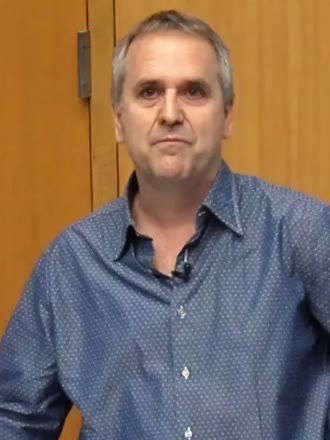
编者按:本文是机器学习播客 MLST(Machine Learning Street Talk)对迈克尔·乔丹(Michael I. Jordan)的一次长访谈,录制于哥本哈根。乔丹是加州大学伯克利分校教授、法国国家信息与自动化研究所(Inria)研究员,长期从事机器学习与统计学研究,《自然》杂志曾称他为最具影响力的计算机科学家。访谈围绕他新近发表的论文《人工智能的集体主义经济视角》展开,从 AGI 一词的虚妄谈到数据市场、机制设计、不确定性量化,以及一代年轻人正在被怎样的叙事所误导。本文依据现场录音编译整理。

「AGI」是个公关词

主持人:顺便问一句,你怎么看 AGI 这个词?

乔丹:在我看来,AGI 就是一个公关用语。有人觉得它有趣,因为人总得有点宏大的抱负。我觉得它只会扭曲判断,把年轻人搞糊涂。今天我会稍微多谈一点这个话题:那些经常出现在播客和各种场合的所谓思想领袖,最让我警觉的,是他们那种要么危言耸听、要么狂热亢奋的腔调。二十岁、二十五岁的年轻人看着这些,心里想的是:我该做亢奋派,还是做末日派?好像只有这两个选项。我希望我们接下来的谈话能让年轻人明白,面对生活和技术,还有别的路可走。

我从来没有把自己当成人工智能研究者。我没读过人工智能的教科书。这个词是五十年代造出来的,约翰·麦卡锡他们造这个词时有特定的目标,也有特定的方法,比如逻辑推理之类,后来并没有真正走通。与此同时,在六十、七十、八十年代,一种叫「机器学习」的东西出现了。它的实际方法,决策树、最近邻、逻辑回归、隐马尔可夫模型,都是在别的领域发展出来的,主要是统计学和运筹学。这些方法带来了工业界的成功:供应链、商业、交通系统,当年就在大量使用机器学习,至今依然。它们用的是基于梯度的方法。事实上,云计算就是亚马逊为了处理机器学习的工作负载而发展起来的。这就是我出身的传统。我想的是如何把系统做大,做到规模化,同时服务很多人。

「人工智能」这个流行词大约是五年前卷土重来的,原因是开始拿语言数据来训练。于是这个盒子不再只是预测供应链、商业或价格,而是吐出人类般流畅的语言。人们说,天哪,我们把老的人工智能问题解决了。如果你把人工智能问题定义得很窄,比如图灵测试,那从某种意义上说,确实解决了。但机器学习这条传统一直在那里,到那时已经吸纳了各种背景的人,对工业界产生了实实在在的影响,现在也还在产生。「人工智能」这个词因为大语言模型而回来了,在我看来,它扭曲了研究的路径,扭曲了我们对研究该往哪里走的思考,也扭曲了我们对商业模式、对技术走向的思考。光是「人工智能」还不够,他们还得再造一个更夸张的词,AGI。

我们今天会大量谈到经济学,把它当作社会智能的一个来源。把它和机器学习式的智能放在一起,你谈论「规模」的时候,就不再只是计算机的数量和数据的数量,而是人的数量。这对我至关重要:在这些正在成形的系统里,人作为生产者和消费者的角色,应当得到尊重、放大和认真对待。

主持人:迈克尔·乔丹教授,能请你来 MLST 是我们的荣幸,尤其是《自然》杂志前不久刚说你是最有影响力的计算机科学家。

乔丹:说来好笑,我受的训练是统计学家和认知科学家。不过这个头衔我收下了。

集体主义的经济视角

主持人:你刚发表了一篇论文,叫《人工智能的集体主义经济视角》。请用几句话介绍一下它的核心主张。

乔丹:我从来不是人工智能圈子里的人。所以在某种意义上,我很容易走进来,看着那些自称人工智能研究者的人,问一句:你们在干什么?你们的要点是什么?你们的目标是什么?遗憾的是,他们往往没有一个清晰的目标。他们的想法就是:人是有智能的,人是一台计算机,大脑是一台计算机,我们把它模仿出来,取其中一些方面,做成并行的,做得更强大,它就会干出伟大的事情。到这里就停了。他们并没有一个面向社会的目标,说我们要用它解决这个或那个问题。他们的想法是,它自己就会替我们解决问题,然后我们就幸福了。我离开硅谷,一部分原因就是那里的人都这么说话,我听腻了。那里没有多少智识上的、更深层的、长远的思考。现在它又变成了一场竞速,一场钱的竞速。

我的视角来自一个很长的传统:许多人早就从社会科学的角度看待智能。我们是社会性动物,我们的智能很大程度上来自聚合。我们聚合意见和想法,我们有文化把它们保存下来。而且,社会为我们的智能提供了语境。在一个语境里聪明的行动,换一个语境就未必聪明,一切都是转瞬即逝、因时因地而异的。要理解这意味着什么,就需要社会科学的思想。我说社会科学,包括经济学,也就是博弈论的视角。所谓语境,就是外面有人想占我的便宜,或者想跟我合作,而我并不确定是哪一种。所以我得放出触角,发出信号,建立机制,让我们能有效地互动。经济学用数学的方式研究这些。这吸引我,因为我是一个偏好数学的人。

我不是人工智能的批评者。我想把它做对,做得更好,想弄明白在这个世界上什么叫智能,什么叫安全,去思考长远的问题。而在我看来,这些事在某个层面上必须用形式化的、数学的方式去做。光是把东西造出来扔到外面去,是不够的。

至于「集体主义」,我的意思只是:这项技术的大部分建立在几十亿人的输入之上,所以输入端本来就是一个集体;它又要服务几十亿人,所以服务端也是一个集体。这里面潜藏着一张巨大的网络。而「经济」这个词是关键,因为我不想只是说些漂亮话,我想写下可以付诸行动的数学思想。

肩膀上的秘书

主持人:这很有意思。七十年代德雷福斯提出过「第一步谬误」,它也和麦考黛克(Pamela McCorduck)描述的那种效应有关:我们造出了某个惊人的东西,就以为离无所不能只差一步。这些系统确实不可思议,能写出漂亮的文字,能解题,能编程。可奇怪的是,它们对我们的帮助并没有那么大。我们本以为它会带来一场革命。

乔丹:一点也不奇怪。因为背后的模型还是老的人工智能模型:我们就造一个智能的东西出来。它只是稍微升了个级,变成一个更好的搜索引擎。这没什么不好,我确实认为搜索引擎是人类的一大进步。可现在它变成了搜索引擎的加强版,像一个坐在你肩膀上的秘书,帮你干活,在你耳边低语。这是个愚蠢的商业模式。我不认为很多人真的想要这个。他们会把这该死的东西关掉。他们想自己思考。也许一天结束时要个摘要什么的,但他们不想一天到晚跟这个东西互动。这不是一个好的商业模式。

与此同时,我们有庞大的医疗系统、交通系统、金融系统,它们全都建立在几十亿主体之间的数据流之上,它们已经用了大量机器学习,正等着人用更经济学的方式去思考:主体是谁?他们各自想从中得到什么?其中潜藏着怎样的合作与竞争,可以被改进?市场是几千年前出现的,我们摸清了其中一些原理,但还可以改进它。思考是几十亿年前出现的,但我们并不完美,不只是思考上不完美,我们还会狭隘地只顾自己的盘算,无意中伤害别人。

人是美好的。我们要珍视人的生命、创造力、情感和爱,这是根本。但人也会作恶,或者做坏事。这正是技术应当能帮上忙的地方。所以你得从系统的层面去思考。而现有的这些东西并不是真正的系统,它们是巨大的统计盒子,有输入有输出。这不是系统思维。当然,底下有一层计算机系统,但我想站在那之上。我想问:这个东西属于哪个生态?它跟谁互动?以什么频率?什么质量?创造了什么价值?我说价值,通常指的就是钱。我想让这个东西创造出工作岗位。我不想它只是回答问题、替我们做事。我想让它创造工作和创造的机会。

多智能体不是白送的经济学

主持人:理查德·萨顿常被引用来讨论「设计还是演化」。前几天我看了大卫·多伊奇的一场演讲,他谈解释。他说物理学家自然是追求底层的、有原理的解释,但有时候高层次的粗粒度描述也非常好用,经济学也许就是其中之一。那你会怎么回应硅谷的一些人,比如伊利亚·苏茨克维?他们谈论「人类价值函数」,说:我们有了这些大语言模型,把它们变成多智能体系统,你说的那些经济学的东西就全都免费得到了。

乔丹:这根本不是做工程的正确思路。假如你是四五十年代的化学工程师,说我们就把一堆东西掺在一起,让它跑起来。你可以这么干,但你会得到很多爆炸,很多经济上不可行的东西,你会伤害很多人。而我觉得这些人里有很多并没有想过,Facebook 之类的东西已经伤害了多少人。它伤害了大批年轻人,很多青少年有了心理健康问题。这件事计算机科学家根本不谈。现在我们又在谈下一个层次的冲击:工作可能会消失,那就只能认了,当然也会创造新的工作,历来如此。我不喜欢这样说话。

你得退后一步,问一句:你的要点是什么?你是想创造一种新的市场,让人们能进来,让他们的才能得到重视和赏识?让人们可以对自己需要的东西发出邀约,让协作得以浮现,让生产者与消费者的关系得以探索、理解和发展?而这一切可以是计算与人的混合体。我认为最终二者会融合,但一路上,用这么多既不是好的社会科学、也不是好的数学的比喻,去做这么有破坏性的事,那只是比喻而已。

是的,你能把它造出来,因为上一代人创造了这些惊人的东西来收集数据,我们可以在数据上跑梯度下降,配上一些临时拼凑的架构。是的,这行得通,很了不起。但别把太多功劳记在做这件事的人头上。真正的功劳属于二三十年前的人。当下这一代人,说实话,没有多少思考,没有多少智识含量。不过就是:造得出来;数据想从哪儿偷就从哪儿偷,因为互联网让这成为可能,而且不用给产生数据的人回报任何价值;可以在上面跑贪婪的梯度下降,虽然需要巨额资金,但现在可以从那些想得不深的人手里拿到钱。

也许我说得比我本意要黑暗。建造者里有很多好人。可是过去每一个工程发展的时代,电气工程、化工、机械,都有建造者,但同时也有大量的概念和大量的思想家。事实上,所有这些工程学科都有类似麦克斯韦方程或牛顿方程的东西作依托。这里没有。这里只有一群很聪明、会写代码、有很多直觉的人。我从来没有看到任何让我觉得有深度智识的东西。它给我的感觉是科幻。

不必看懂内部也能用

主持人:还有一件事恐怕也帮不上忙:这些系统像一锅汤。甚至有一个领域叫机制可解释性,试图在汤里翻找,就像在找不明飞行物,想找到那些做推理、做某某功能的有原理的回路。往坏了说,这跟工程师造桥可不一样。

乔丹:我没那么悲观。我不认为造出自己不理解的系统是坏事。但你得在它周围搭建一些东西。而现在围着它转的,是一些流行词,比如「AI 安全」。这是个流行词,好吗?你真正需要的是什么?拿人来说,你没法向我解释你为什么选了这家民宿而不是那家。你今天做的所有选择对我来说都无从解释,它们是从你的大脑里冒出来的。而我并不需要知道你每个选择的来龙去脉。我需要知道的是,你在某种程度上是可预测的:如果我给你摆出某些选项,你更可能选这个而不是那个,这样我就能做我自己的打算,我们就能开始互动。这就是经济学的一部分。经济学式的思维说:我不理解外面这些主体,但有一些经验法则可用,有一些量化的预测可以放进去,让我能跟它们互动而不受伤害,甚至从中得到价值。所以不,我不认为必须理解所有细节。

不过,输入输出行为,我们常常需要比现在理解得更好。比方说,我在银行申请贷款被拒了,银行用的是一个基于历史数据的大型人工智能程序,我想知道为什么。这个「为什么」不是让你去翻内部,给我看某条回路。没人想要那个。人们想要的是:按照我们这张大网络里用的嵌入表示,这里有五十个人跟你很像,其中有些人拿到了贷款,有些没有,让我给你看看这些人是什么样的。于是你开始看出:哦,他们跟我的差别在这里。这对我来说是可以行动的,我可以去改变。所以你得围绕这个预测系统去搭建别的系统,比如一个最近邻系统。这样的系统提供的东西,才更接近人们心目中的「解释」。这不是钻进内部去找什么。

再说一次,工程学里当然有热力学,有很多被理解透的东西,但也有很多现象在很长很长的时间里没人理解。你把一堆东西掺在一起,产生了某些波,发生了某些事,你利用它,继续往前走。但你得理解一些关于输入输出行为和约束的东西。我认为当前这一代神经网络会继续存在,它们的扩展性质非常好。但必须把它们看成一个更大生态系统中的一部分。然后你去问:在这个语境里,神经网络能做什么?它缺什么?如果我有好几个神经网络呢?它们彼此之间、它们与我们之间如何互动?整体互动要有效,需要什么样的透明度?而不管我是否理解所有细节。

AlphaFold 与预测驱动推断

主持人:不知为什么,我有一种直觉,觉得行为主义是不对的:没有任何机制层面的理解,只看输出。有个著名的例子,那只鸡不知道自己的脖子会被拧断。一个实际的例子是 AlphaFold。上周我在谷歌采访了约翰·贾姆珀。你们对那两亿个预测的蛋白质结构做过分析,发现它们非常好,但缺了点东西,不过可以把它们「加固」。

乔丹:可以加固,没错。我觉得这是个好例子。我非常钦佩 AlphaFold。我不认为它像大语言模型,它是有针对性的,为一类特定问题而做,而且做得非常好。我们在经验上发现的问题是这样的:当你问某些特定类型的问题时,比如我们做过一个研究,考察蛋白质中的量子涨落是否与磷酸化相关,磷酸化意味着这个蛋白质在细胞里是活跃的。你可能会想,这些导致链条松散悬垂的涨落,大概意味着这是「坏」蛋白质,演化不会用它们。结果却发现,其中很多似乎是被磷酸化的,也就是说它们在细胞里是有反应活性的。

这就引出一个假设检验:磷酸化的是与否,跟量子涨落的是与否,二者之间有没有关联?这是一张小小的二乘二表,你对它做一个统计检验。问题是,如果只用已知的蛋白质数据,也就是有晶体结构的那些,你没有足够的数据以高功效检验这个假设。于是你无法拒绝「没有关联」的原假设,尽管看上去是有关联的。反过来,如果你用 AlphaFold 的两亿个蛋白质,你就能以高功效检验假设,也能拒绝原假设。但我们发现,那张二乘二表上的统计量,其置信区间极窄,而且离真值、离金标准的值差得很远。我们在一个又一个领域里都发现了这种情况。

为什么会这样?训练集里带量子涨落的蛋白质大概没有多少例子,因为这个课题过去研究得不多,而且很难结晶。例子少,就意味着 AlphaFold 很可能给不出好答案,可它不会告诉你这一点。它不给出误差棒,尤其不针对你正在问的问题给出误差棒。而我要的正是这里的误差棒。它在被设计和训练的时候,并不知道你会问这个问题。

于是我有了一个很好的统计问题:如果我在那两亿个之外,再加一点点真实的标准数据,能不能让误差棒依然比较窄,从而保有高功效,同时又能覆盖真值?答案是可以,有一套方法。我们发展了一种叫「预测驱动推断」(prediction-powered inference)的方法,做的正是这件事。它会像经典统计那样覆盖真值,但用的是这个偏差很大的架构。说它偏差大,并不是说它整体上有偏,它整体的准确率很高,但对于我正在问的这个问题,它可能偏得厉害。而这种情况在科学里会大量出现,因为科学家很少只对重新研究过去感兴趣,他们感兴趣的是知识边缘上的全新事物。而恰恰在那里,这些基础模型表现最差、偏差最大。

所以,在任何基础模型的周围,都需要有这样的能力:也许收集一点真实数据,用类似的程序把它们合并进去,然后给出一个更可信的答案。这一切都不是科幻,这是现在就能做、也真正需要做的事。我相信 AlphaFold 的团队会认同这一点,他们不会觉得这奇怪或意外。但外面有很多人在谈偏差之类的问题,他们要么不担心,说数据够多了偏差就会消失;要么只是批评架构、批评输出,但心里没有任何能帮助我们往前走的科学方法。这就是我们目前所处的状态。

为什么非要说它「理解」

主持人:我稍微追问了贾姆珀,问 AlphaFold 在多大程度上「理解」,他基本上对「理解」这个词过敏。他说:我们不是要告诉你一切,我们不是整个细胞的模型。这些机器让我们能预测,能控制。此刻,理解还得靠我们自己去推导。我们现在可以在这个人工制品上做实验,可以看两亿个预测结构,而不只是二十万个实验结构,以此帮助我们理解。但它不替我们完成理解这个动作,它做的是预测,也许还有控制。他向我描绘说,这是个奇怪的外星造物,它不是一次生成的,而是逐步精炼的,有一条回收通路,可以把东西反复过几遍,可以在中途把它弄乱,网络先迭代地解决复杂的部分,再不断精炼、精炼、精炼。我们能不能把这看成一个理解的过程?

乔丹:我认为没有必要。这种把智能、把理解拟人化的做法,既不必要,也不合适,而且对很多很多问题来说是一种干扰。为什么非要说它「理解」?

我的部分底子来自亲眼看到机器学习算法在二三十年前被部署到工业现场。我刚到西海岸的时候,大约两千年前后,我去参观亚马逊。他们当时用海量数据做供应链建模,用的是当年的「神经网络」,其实是随机森林。真的管用。他们能极其精准地预测某些船会不会在印度洋上延误,进而某些零件会不会不能按时到达。整个供应链把几十亿件商品每天送到一亿人手里。这个大盒子里发生的事,没有任何人能够理解。但也没必要理解。你其实可以问:这个整体系统「理解」运输和物流吗?答案是:谁在乎?它做了一个非常重要的优化和预测过程,让人们能在它周围搭建一个工程系统。它降低了不确定性,让囤货和计划成为可能,这就是你要的。你不在乎是不是非得把「理解」或者「智能」这样的词安在它头上。那是给媒体看的。这就是我对那些推销 AGI 和人工智能术语的人的不满。媒体照单全收,他们也知道媒体会照单全收。尽管我们根本不清楚「理解」和「智能」是什么意思,我们这些研究者知道,我们不在乎,也不需要。我们要造好的系统。

福斯贝里的背越式

主持人:有意思。我同意我们生活在一个复杂、适应性的、不可化约的系统里,没法把它本质化。弗朗索瓦·肖莱、大卫·克拉考尔这些人把智能说成是适应,是粗粒度表征的综合。但假如中间还有一步呢?我们不拟人化,我们说,理解不是终点,而是把我们带到那里的路径。我们知道在现实世界里我们是一种集体智能,就像盲人摸象,各人走各人的路,各有各的视角看同一个整体。那么,一种更好的「理解」,是不是就是能从自己的视角出发,用积木把这个东西重建出来,而不是去本质化它?

乔丹:听起来都很好。只是这不是我们做研究的人会用的语言。我们当然也会稍微这么想一想,但我们会试着把它变成某种均衡问题或优化问题:这是可用的信息,这是数据,这是功效,这是错误率。我们会试着在它周围放上一点这种形式的结构。

当然,总有那么一个创造性的时刻。我小时候对跳高很感兴趣。你跑向横杆,用各种方式跃过去,那时奥运选手用的技术是滚式,侧身滚过横杆。然后来了一个叫迪克·福斯贝里的人,他说,不对,我背对着过去能跳得更好。此前没人想到过这么做。他一做,所有人都跟着做,成绩好像一下子提高了半米。是什么过程导致了这个?是一个理解的过程吗?那只是一点「试试不一样的办法」,加上能够去试、去测试的条件。工业界大量的规划工作就是试一试、看看哪个管用,这叫 A/B 测试。人们一直在做,我对此毫无意见。它不是基于理解的,但它造就了优化的系统,能做出人们之前没想到的事情。所以是这种东西和理解的混合。

至于单纯的「理解」,我当过认知科学家,我对神经科学感兴趣,人应该对这些感兴趣,它们很迷人。但它们不是思考如何造出能在世界上运转的系统的前沿,也不是构想下一代系统的前沿。很多人一直在说,我们得把逻辑放回去,或者把符号放回去,因为那来自我们以前对人类在做什么的看法。人类大概确实能做一些逻辑推理,大概也有某种符号,至于它们是嵌在某个复杂网络里,还是以某种方式被具象化了,我不知道,我的直觉不比你的更好。

真正的目标是什么?我骨子里是个工程师,一个偏好数学的工程师。我想问:你到底要实现什么?你是想取代教师?还是想让医生变得更好?你想做什么?切入这个问题的抽象和入口是什么?然后,你怎么从中退后一步,用某种普遍的、优雅的、能启发他人的方式去做?

药物审批是个经济问题

主持人:看不同学科的科学家从各自的角度进攻这个问题,很有意思。比如物理学家,他们在很底层工作,谈粒子系统的动力学之类。而你从经济学的角度切入,这个学科传统上由主体视角主导,谈均衡、谈激励。这怎么进入问题?你会怎样把一个非常复杂的系统分解到这个新的思考框架里?

乔丹:这件事做得还不够多,我拿不出一大堆漂亮的例子。但我们一直在看一些规模适中的例子。比如我们看过一点药物发现和监管。我是一家制药公司,我测试各种蛋白质,把它们注射到动物身上,也许还有少数人身上,看看哪些有效。我有一些所谓的「理解」,也就是说,我懂一些背后的演化生物学之类,这引导着我。但到了某个时候,总得有人在真实世界里真正检验它,监管机构得进来说,行,这个可以上市,或者不行。于是你有了一张纠缠的网:科学家、制药公司(不是一家而是很多家)、蛋白质。你得思考这个系统是怎么运转的。监管机构的目标,应该是让整个系统的假阳性率和假阴性率都低。这就是问题的目标。所以它是一个统计问题。

但等一下,经典的统计问题,你会去某个来源收集独立同分布(IID)的数据。这里不是。数据来自有自身利益的制药公司。他们的动机是什么?钱,或者别的。也许他们也真心想帮助病人,同时也想赚钱。而作为监管者,这些都对你隐藏着。这时经济学的思维方式就派上用场了。它说:这些东西对我是隐藏的,但不是任意的,我可以用各种办法去探测。于是这就变得很经济学。

经济学家会思考如何定价。假设有很多人要坐我的航班,刚到了一千个人想从这里飞伦敦。每个人心里的价位都不同,而且这个价位会随时变动:他有多急着走?这不只是因为他钱多钱少,而是因为他有需求,而我不知道那是什么。所以我做的是,设置各种服务和各种价格,把各种可能性都框住,这样总体上我大概率能赚够钱,大家也都还算满意,这项服务就能继续下去。这就是把「知道一些事情」和「承认不知道另一些事情」结合起来,放进一个真正能在这种信息不对称和激励并存的环境里运转的系统。这里的激励是:有某种服务和某个价格,你选了它,你大概率能上飞机,大概率能得到你要的东西。它不是强迫你做什么,而是激励你。

在制药的世界里,如果我能激励他们,让他们送来的大多是已经做过一些测试、他们自己也相信不错的药,而不是随便往我这儿扔,那么整个系统也许就能达到你想要的错误率。因为如果不这么做,假如一种药会有十亿人使用,那么不管它是否真的有效,你都会赚钱。所以你需要它上市。怎么上市?往监管机构那儿一扔就是了,也许就出一个假阳性。它出了假阳性,把药放上了市场,你赚了一大笔。如果这种事够多,激励就全错了,整个系统就控制不住第一类和第二类错误。这些是我们实际做过的例子。

我希望你能体会到:当这一切真正在社会中铺开时,不会是「有几个大语言模型,人人都像用搜索引擎一样去问它们」。那不是真正的模式。真正的模式是:有本地数据,就像我刚才说的预测驱动推断,每个人都得审核送到自己面前的东西。还有本地数据是我花了成本收集的,我不会白白送出去。谢天谢地,Anthropic 终于开始付钱给人了。这必须是未来。所以我的数据会有某种竞争性的价值,我不会随便交出去。这样一来,当你开始和大量想从互动中获取价值的人互动时,你就必须谈激励。他们发送数据的激励是什么?不仅是发送数据,而是发送正确的、真实的数据,不搞对抗?我无法想象这一切在社会中、在我们一生的所有决策中全面铺开,却没有一套深入的微观经济学视角伴随着数据上的梯度下降。

三层数据市场

主持人:你谈到过一个三层模型。比如有消费者,他们有自己的数据;有谷歌,谷歌使用这些数据,消费者得到服务,然后谷歌可能把数据卖给另一边。这算是传统模式。我们从这个说起吧。

乔丹:这些是玻尔原子模型那一类的东西。我们在这里是在做科学,想找一个最小的模型,能展现出我们想研究的某些行为。我们来想一个数据市场,因为数据现在不只是拿来分析、拿来训练大模型的东西,它也是可以买卖的、有价值的东西,而且还牵涉隐私。那我们就搭一个小小的最小模型,在里面研究这些。

我们做的一个模型,叫三层数据市场。它在现实世界里存在。这是一个抽象,但它是真实的东西。有一个或多个用户进入某些平台,平台提供一项服务,比如支付服务。我使用它的时候,他们从我这里获得数据,知道我做了哪些购买等等,然后用这些数据改进服务。这是一个不错的小循环。问题在于,他们很少能光靠这项服务赚到足够的钱。他们抽的那一小笔佣金,商户也不情愿给。所以他们得做别的事情才能活下去。通常的做法,大概二十年来一直如此,就是把数据卖给第三方数据买家。这些买家不是想毁掉别人隐私的恶人,他们是做市场研究的,想知道什么行得通,人们真正在做什么,也就是行为研究。这对他们有价值,他们愿意付钱。谷歌不需要这个,因为它创造了那个人为的广告市场,我们待会儿可以多谈谈,那东西给所有这些荒唐事加了超级马力。但像万事达这样的公司,就不得不卖数据。

于是就成了三层。而第三层一引入,均衡就必须移动,因为把数据送进来的用户失去了一些东西:一点隐私。某个我一无所知的第三方拿到了关于我的数据。我不能就这么接受,可我也走不掉。系统上于是有了压力。在一个有效的经济系统里,接下来发生的不该是等监管者进来、政府出面说这不许做。而应该是平台说:我们以某个成本,向你提供可调节的差分隐私等级。或者说,我是谷歌,我给你 0.3 的等级,另一家公司说,我给你 0.7。用户一看,0.7,那更好,我很在乎隐私,我去那家。那家公司于是开始拿到更多数据,服务变得更好,你看,一个漂亮的小反馈环。可现在数据买家看这个人的数据,0.7 意味着数据里加了更多噪声,对买家的价值就低了,买家会说,这个我少给点钱,我多给谷歌一些。

于是你看到这里有相互冲突的倾向。激励是对齐的,但对每个人都不是最优的。这时数学就不再是一个优化问题,而是一个均衡问题。但这是一个牵涉统计断言的均衡问题:数据,用这些数据能预测到什么程度,等等,你用误差棒和统计预测把它量化。你把这一切放进一个大的数学系统,就能求出均衡随各种系统参数的变化。比方说,监管者是否应该要求一个最低隐私等级?或者是否可以有异质的隐私预算?诸如此类。你可以放进各种设定,然后画出均衡如何移动。每个均衡都有三方效用的总和,那就是社会福利。你可以问这个均衡的社会福利比那个高还是低。监管者看了可以说,我更喜欢这一个,因为总体社会福利更高。法律可以在这个层面上制定。

所以,尽管这是个小小的玩具模型,它已经具备了我非常感兴趣的那些要素:预测模型、数据市场、金钱、激励,还有一个已经在实际运转、但人们并没有认真思考过的真实系统,就像药物发现那个领域一样。而只要采取经济学的视角,你就能把系统做得好得多。

主持人:当然,你是把它建模成一个动力系统,可以模拟,然后得到各种模态。

乔丹:不,这里不需要模拟。这个例子里你可以直接写出方程,算出均衡。它是一个斯塔克尔伯格博弈(Stackelberg game),均衡是能算出来的。其他情况下可能要模拟。但关键是,我很多机器学习界的同行对不动点算法、求均衡、均衡随参数移动这些东西知之甚少。那是经济学的东西。机器学习的人非常擅长优化,但这不是优化问题。有一整套算法和数学分支,用来找帕累托前沿,用统计的方式去找,并且作为市场规模、人口规模的函数去找。

这个时代有件挺惊人的事:这两个领域几乎从未相遇。经济学家从来没有大量数据来指导他们的市场设计,所以他们就写下一堆方程,做理性假设,然后用数学或别的方法找均衡。而机器学习的人从来不想均衡,他们只是有大量数据,拿来做最显而易见的事:预测一串词里的下一个词。但未来必须是这两支合流。经济学的均衡视角是关键,而「必须是自适应的」这个视角同样是关键。你刚才也提到,硅谷有些搞机器学习的人说,我们有这么多数据,所以行为层面的东西都已经内置了。这显然太天真了。但从某种意义上说,这个观点也有用。经济学家确实做了一些本不必做的理性假设,如果你用数据代替这些假设,大概会做得更好,一部分行为经济学就已经内置进去了。但如果你完全脱离任何经济学思考去做,你只会把事情搞得一团糟。而这恰恰是硅谷似乎很擅长的。

数据不等于社会知识

主持人:数据和你所说的那种知识,区别在哪里?

乔丹:社会知识是非常短暂的,非常「此时此刻」的。我可以在哥本哈根的街上走,这里有各种小市集。有什么货,什么价,我可能喜欢什么,这一切都极其短暂。我认为这才是思考这一切的更好方式。你不可能收集到足够多的数据,就知道那边走过来的人会来买这件商品。在我们所有的决策和选择里,不可能有足够的数据覆盖这一切,让你知道接下来会发生什么,哪怕只是接下来的十秒钟。所以你得谦卑一点。

我有大量的无知,但这不意味着我造不出一个安全的系统,比如某种市场,人们可以进来,不会被骗,能得到价值。它可以随时间演化,可以以各种方式变动。我不必是坐在顶端的上帝,去设计什么「人类价值函数」放进去,好让它按照我心目中上帝视角的世界观,去响应人类真正想要的东西。不。它必须是一个允许自下而上的偏好以人愿意的方式、在当下被表达出来的系统。这些偏好不是内置的,系统尊重它们,也许想多了解一些,然后在当下使用它们,也许保留一部分,也许全都是短暂的,过后就消失了。

可现在似乎有一种巨大的天真:以为只要有了数据,哪怕是艾字节量级的数据,就够了。你会漏掉所有那些细节,而对于某一类决策来说,那些细节很可能才是最要紧的东西。连 AlphaFold 这样建立在海量数据之上的东西,在某些查询上也表现不好。是的,他们会打补丁,它会越来越好,但人们要问的新问题,永远会在知识的边缘,或者说常常在知识的边缘。而人们没有在想这个。他们想的是,得把教师替换掉,因为教师做的不是知识边缘的事,他们做的是已知的东西。这没问题,你可以辅助教师,但好的教师也知道如何走向知识的边缘。

市场先于资本主义

主持人:当我们做抽象和理想化的时候,总会有点损耗。你有一个说法让我着迷,你说市场早在资本主义之前就存在,它是自下而上的东西,是一种自然现象。

乔丹:对,这不是资本主义。资本主义只是让市场运转的一种方法,不是唯一的一种。

主持人:没错。所以我们可以称之为「市场」的东西的涌现是一种自然现象,它是建设性的,是发散而多样的。而你是说,在某个地方理论可以落地,我们可以创造抽象,做某种建模,并且尽量做得不那么有损耗。

乔丹:完全正确。人类文化创造抽象。个体也创造对自己有用的抽象。当这些抽象足够有用的时候,它们就会被提升到文化里,这种上下流动一直在发生。而这恰恰是系统或许可以帮忙的地方。我不会就此把这个担子全交给系统,但它可以有帮助。所以创造抽象的不只是单个的认知实体,我们不该把它重新定义成那样。是的,个体层面会出现抽象,但文化也创造抽象。你可以研究其中的微观经济,也可以不研究,只是说这些抽象是文化的一部分,它们有用,所以留了下来。往前走,我们不是只保留旧的抽象,而是要造出允许新抽象涌现的系统。而这不是由一个上帝式的人物把一切想清楚、再放进去。

硅谷说,我们有了,我们有这么多数据,多到可以自上而下把一切都做了。他们不知怎么忘了,首先,这些数据是自下而上来的,数据全都是有语境的,是人提供的。他们还忘了,这一切必须继续在一个微观的层面上进行,而那个层面会超出他们的感知能力。我们也不会想让他们那么深地介入我们的生活。搜索引擎之后,我认为搜索引擎是一项了不起的技术,它让人得以获取信息,此后的很多东西就很成问题了。我们要给你戴上眼镜,我们要在你家里装上摄像头,我们要知道你生活的所有细节,然后不知怎么就把你的生活变得更好。这个等式在我这里算不通。

主持人:所以文化就像天上那块存放抽象的硬盘。文化又非常适应性强,可以删掉策略。知识衰减得很快,组织维护着知识,真正好的知识会留存很久,而在底层,我们不断创造新的知识。这整个生态是怎么运转的?我们怎么指定哪些好东西留下来,又怎么找到新的东西?

乔丹:我们不指定。你和我,答案是我们不指定。但这是优秀的知识分子在做的事情。经济学里就有这样的领域,比如组织行为学,研究组织如何有效地形成。这非常有意思。它不是全部,但那里有很多已知的东西。有些是数学的,有些不是,有些是最佳实践。这些才是谈论这些人工智能生态系统时应该用的方式,而不只是神经科学、神经元的比喻、物理学的比喻之类。那些也是我的出身的一部分。但当我们真正看到这些东西落地的时候,那些东西就显得太单薄了。组织行为学研究的是人如何被组织起来,不仅为公司创造好的收入,也促进民主之类。有人在谈所有这些,我只是觉得他们在硅谷没什么存在感。

也许这样也好。硅谷,随他们去吧。他们会烧掉很多钱,惹出一些麻烦,然后他们也会创造出搜索引擎这样的东西。我也认为很多公司确实专注于创造价值。我认为亚马逊和 Meta 不一样。亚马逊有一个商业模式:把包裹送到门口。在这背后,他们创造了一些技术来支撑它,在我看来大多是好的。你得担心劳动力市场之类的问题,但那些都是值得担心的好问题。可是,光造出一些做预测的计算造物,然后说如果你戴上护目镜,你就能活在他们的世界里,这不是商业模式。这是科幻的梦,对人类可能有帮助,也可能没有。

Spotify 与 YouTube 的错失

主持人:我们能不能展开谈谈?你举过 Spotify 的例子。我们之前谈那个三层结构,而现在出现了一种奇怪的激励结构:Spotify 实际上有动力用人工智能来生成歌曲。

乔丹:是的,他们有。我参与一个项目,我是 United Masters 的科学顾问,它是一个替代方案:音乐人保留自己的作品,United Masters 把他们和品牌以及其他机会连接起来,让他们更像一个真正的艺术家,而不只是歌被播了几次、拿到一点点钱。因为 Spotify 确实接近垄断,它没有动力好好付钱,那里没有真正的定价,有的是垄断价格。人们会希望市场能修正这一点:足够多的年轻艺术家会说,我在这儿被坑了,我赚不到钱,然后另一个服务就会出现。但我们所处的时代,有些服务很快就变成了垄断。这一点我留给我的经济学家朋友去想透,去回看历史上的例子,思考是需要监管,还是有别的造市机制能让这对人更健康。我不反对 Spotify,但它应该是一个更多回报艺术家的生态系统的一部分。现在,艺术家拿到的钱非常非常少,我不相信这些价格是在竞争机制下定出来的。

我认为这里有一个更宏观的经济学问题:这些系统在做什么?它们在社会中的角色会是什么?搜索引擎出现的时候,我们很多人都困惑它怎么赚钱,看上去就没有钱可赚。后来整个广告的事情让人有点意外,至少对我来说,没想到它会变得这么庞大。当然,底层的原因是人们期望东西是免费的。所以谷歌没法向用户收费。但我认为他们在某个节点犯了错误。比如 YouTube,谷歌收购 YouTube 的时候,YouTube 不只是把人指向一个网站。YouTube 是在激励创作者去创作人们会看的东西。在那个时刻,一个有社会责任感的谷歌,容我批评他们一下,应该说:哦,我们在这里创造了一个市场,我们创造了一种生产者与消费者的关系,我们得让这个市场更有效。可以做到:当有人在看东西的时候,他和做出这个东西的人之间可以有某种经济联系,然后激励可以流动,这个人有了自己的观众,就有动力做更多。直接连起来。可他们没有这么做,一切都经过谷歌,谷歌在旁边放广告,为自己赚大钱,然后给出一点点微薄的激励作为回馈。在我看来这是一个巨大的错误。然后 Facebook 把它搞得更糟。

科幻叙事在伤害年轻人

主持人:你和杰弗里·辛顿、伯克利的斯图尔特·罗素这些人有过交锋。他们描绘的图景是:这项技术会递归地自我改进,它是有主体性的,它不是一种文化技术,而是一个自在之物。乍一听,这有点科幻。

乔丹:非常科幻。

主持人:你怎么看?

乔丹:我认为这是科幻。我认为科幻对社会很重要,但以现在这种推销的力度,加上这些声音的分量,它正在实实在在地伤害二十岁、二十五岁的年轻人。这些年轻人数量庞大,他们对技术充满热情,想做出能帮助自己家庭、帮助自己国家的东西。说实话,帮家庭多过帮国家。他们看到了真实的机会。而领袖们对他们说的却是:我们已经玩过了,我们开发了一堆算法,我们做这些只是出于对「理解智能」的纯粹兴趣,尽管他们并没有理解智能,他们造的是梯度下降算法。现在轮到你们了,可你们不能做这个,因为它太危险,它大概率会把人类灭绝;或者,超级智能很快就要到了,所以没什么可做的了。就在你们这一辈子。这太让人泄气了。太泄气了。这是最让我难受的一点。

第二点让我难受的,是那里面没有任何经济思考。零。它完全是认知科学或神经科学的心态:我们搞清楚大脑是怎么工作的了,就是一大堆分布式神经元上的梯度下降。这些大语言模型运转得这么好,就证明我们搞清楚了,否则它们不会这么好。我认为这很可疑。大脑远远超出这些。你去问一个神经科学家这跟大脑有没有关系,他基本会说没有。这是个不错的比喻,一幅卡通画。梯度下降在超大规模上管用吗?管用,比我们任何人想象的都管用。它在显露弱点吗?在。能修吗?某些领域能。你做一些垂直领域的东西,它们会做得不错,会让数学家干活更快,但不会让数学家失业,诸如此类。它对社会有很大影响。我更担心的是劳动与资本的关系,而不是它决定接管世界。

其余的问题,在我看来更接地气:下一代人怎么拿起这项技术,用它工作?我不认为那些声音真的在帮助这一代人看清自己该做什么、为什么做。超级智能还是灭绝,这是你的两个选项。见鬼,这不是仅有的两个选项。在人的尺度上,有大量非常正面的事情可以做。但愿有足够多的年轻人投身其中。可他们没有足够多的榜样,能看到有人靠改善生活赚到了钱。山姆·沃尔顿算不算,不好说。我想在前几代人那里,更多一些这样的例子:这些人做出了疫苗之类的东西,哦,我想成为那样的人。而现在,不太行。

人很美好,也很糟糕

主持人:我想请你当一分钟心理学家。我不知道这是不是对意义的追寻,但你有没有注意到,有些人相信会有一个乌托邦式的未来?跟他们聊,你会发现他们的基因很相似:他们也认为它会递归自我改进、会变成超级智能等等。这些东西确实太聪明了,这我能理解。但如果我追问你,他们为什么相信这些?

乔丹:这些东西在某种意义上确实聪明,在某个层面上是我们认得出来的那种聪明。它们把所有人类的聪明才智收拢起来,用一种新的方式打包。而我再说一次,我认为它总会差那么一点意思,因为它不在当下,它不是那种转瞬即逝的东西。但这不意味着它不能变得更聪明。我觉得这没什么。对我来说,这里的目标从来不是造一个超级智能,让它来发号施令或者别的什么。从来就不是。有些人似乎认为这一直就是目标,我感到震惊。在我看来,从来不是。

相反,我一开始就说过,人是美好的。我不愿看到机器人取代我们,我也不认为那会发生。人性里有太多好东西,人能创造出令人震惊的美丽、创造力和灵感。我们要支持这一切。但问题的另一面是,我们远非完美。人会真切地伤害很多人,而且他们正在被赋能去伤害更多的人。我们非常狭隘。我们也不理解彼此。人伤害别人,常常是因为不理解对方的动机,产生了误解。有多少战争是因为一方不理解另一方的意图而打起来的?他们说,那我们就先发制人,炸了他们。这种事无时无刻不在发生。人就是这么行动、这么思考的。这里缺的是对不确定性、对信息信号的体认。后来博弈论出现了,帮人们把这些想得稍微透一点,但依然极其粗糙。

看看我们的政治制度:一个年迈的骗子在领导一个国家。这就是我们优化出来的、用于做最高层级决策的人类制度。人这种东西有太大的改进空间。民主必须是那条路,但眼下的民主,是几个年迈的人坐在各国首都的各种圆顶大厅里,大多数时候不知道自己在说什么。我们的人类制度在很多很多领域是坏掉的。有几个还不错:我认为大学还不错,很多公司还不错,各种规模的很多人类社团还不错。但坏掉的太多了。

所以对我来说,这才是人工智能的意义。人工智能是要去帮助那些对人类来说太难的事,去辅助信息的流动,让人们能在当下做出他们中大多数人真正想做的好决定,而不是做出那个因为知道得不够、害怕之下觉得不得不做的坏决定。如果你在这个层面上思考,机会太多了。这才是人工智能对我的意义。人工智能不是用计算机取代人。至于递归自我改进那一套,在我听来就是比喻。我们跟递归算法打交道,跟不断改进的算法打交道,我看不出它会像病毒一样失控。我们会和这些系统一起工作,而且,就像我说的,但愿我们主要专注于把那些演化没有给人类调整好的东西调整好,尤其是在七十亿人的尺度上。演化大概没有为这个尺度做准备。专注于此,在我看来才是人工智能可以承担的事。所以我是乐观的,在这个意义上我看好人工智能。

而我对现在的对话感到震惊:一边是手握所有资金、只想为了造而造的人,另一边是反智地喊着「太可怕了,它要毁灭全人类」的人。这就是眼下公众视野里的对话。我觉得这太有害了。让我不安的还有,那些在这上面干了这么多年的人,竟然认为我们已经到了终点:梯度下降就像大脑,所以你可以拿好几个大脑把它们融合起来,天哪,它会做出不可估量的事情。这纯粹是科幻。不管它是真是假,都不值得去想。该想的是路径:我们怎么让年轻人去做正面的事?你要谈什么机制?什么教育?设什么目标?而那些思想领袖谈的完全不是这种语言。思想领袖朝这两个方向出发,我认为这在人类历史上是不寻常的。

自动驾驶仪的启示

主持人:这也很复杂,因为任何自主软件在没有人直接监督的情况下做事,都存在非常真实的安全风险。所以我们应该说……

乔丹:是也不是。想想飞机,这是经典的例子。现在大规模的空难非常非常少。我小时候空难很多。这要归功于自动驾驶仪。现在飞机大多是自动驾驶仪在飞,人在需要的时候介入。正是因为这样,自动化与人的这种混合,才是最有效的路。它又一次是在改进:人类不是演化来开着这么大一个东西在天上飞的,所以你可以在这方面改进人的能力。把二者放在一起,你就能做出对所有人都有帮助的东西。

主持人:我猜那种情况下问题定义得比较清楚,我们要从 A 到 B,这是参数。

乔丹:是也不是。天上有很多架飞机,有云,有变化的天气,有某个人干了蠢事。它容易一些,是因为天上空间大,三维比二维宽敞得多。而在二维的地面上,这么多车跑来跑去,每个国家每年有几万人死于车祸。在某个层面上这是一团糟,尽管它对我们很多人来说很重要也很有用,所以我们还在开。但一个有大量自主性、加上一些人的介入的混合系统,你得在系统层面上思考它。光是把一个超级智能放到方向盘后面,这是思考技术的一种愚蠢方式。

建造者与教主

主持人:还有希望吗?我不知道你觉得什么东西能让这些人更新看法。

乔丹:顺便说,我认为伊利亚他们做了一些很了不起的事。他们造出的系统,我们所有人不仅在用,它还在改变我们的思维。我从他们的话里读出来的大概是:我是个建造者。你以为我是个教主、思想家,也许我自己也这么以为,但也许我其实更适合做建造者,我能用现在可以拿到的资源把东西造出来。而且不只是钱,是整个互联网,是前几代人做的一切。这些人让我很不舒服的一点,不是说埃隆·马斯克、山姆·奥特曼这些人,他们只是进来把别人努力的成果上面那层奶油撇走。很多当年做出这些东西的人,他们并不是要功劳,他们只是恼火:这些人把它带往了这样的方向,却不理解当年的人为什么要造这些东西。不是为了你们,他们心里有别的目标。

所以,是的,这里有一些建造者,有些非常出色。但有一个我们称之为硅谷的系统,这些人生活在其中。在那里,你的语言越离谱、越天马行空、越带着物理学、生物学、神经科学的味道,你就越像一个教主。人们享受那种姿态和那种活动。它带来巨额的财富。他们也许不在乎财富,但财富让他们更显赫,因为他们现在可以再开一家公司,再试一件疯狂的事,还是没问题。而作为工作成果,那被当成你曾经有过一个伟大想法的标志。我不想活在那个世界里。

我正在试着做一点历史学家的工作。我提到过化学工程、电气工程,回看历史,这类东西也有过一些苗头。但我认为,眼下这种脱离现实的程度,在人类历史上是不寻常的。「我二十五岁时那些疯狂的科幻梦想,就是我余生要追求的一切,不管发生什么」,然后到了某个时刻他会翻转过来,因为他意识到,糟了,我其实根本没有一个好的目标。我手里有什么?我花了一大笔钱,造出了这个东西,我不知道该拿它怎么办,而且我开始为它担心。坦率地说,在我看来这是某种不成熟的表现。

博弈论的正问题与反问题

主持人:回到你说的「统计契约理论」,也就是在存在信息不对称的情况下对激励建模。观众里很多人听说过博弈论。这两者有什么区别?

乔丹:博弈论是一门学科,一门数学学科。它始于二十年代的冯·诺依曼,有很多分支。它其实是一种数学的思维方式。我喜欢这样看它:它像 F=ma,是一套会做出预测的东西。如果我写下一个博弈,就像我在某个坐标系里写下 F=ma 一样,我就能预测会发生什么。对于 F=ma,我积分一个微分方程;对于博弈论,我写下博弈,算出纳什均衡,或相关均衡,或别的什么均衡概念,然后说:自然界会发生的就是这个,因为我这个小小的数学模型抓住了恰当的要素。对于 F=ma,是的,物体沿抛物线运动,说明理论是对的。然后爱因斯坦说不完全对,他做了一个更好的。博弈论也一样。你去看,这些均衡真的刻画了系统、组织和人的行为吗?有时是,有时不是。但这些不是终点。还有各种各样别的均衡,斯塔克尔伯格均衡、序贯均衡,各种品质指标、各种社会福利构造、各种遗憾构造等等。这本身是一个庞大的领域。我们可以设想它最终会像物理学一样大,因为它研究的是策略互动,只不过不是分子之间的互动。

你也可以问反问题。在物理学里,反问题是:我要造一座桥。我的目标不只是看某个东西是否沿抛物线飞行,我要那座桥立得住。于是我反过来用 F=ma,从目标倒推回能保证桥立得住的设计。大多数工程领域都是反问题,从目标倒推设计。而正方向是科学:这是设定,这是预测,预测实现了没有?实现了,说明模型是好的。

那么博弈论的反问题是什么?在经济学之外,谈得也许不多,博弈论听起来像是包揽一切。博弈论的反问题叫「机制设计」(mechanism design)。机制设计说:我想要世界上出现某个结果,比如那个人得到报酬,财富被平均分配,有某种公平,或者创造出某个市场。我该设计什么样的博弈,才能让这个结果实现?我是博弈的设计者,而不是把博弈当成给定的、只去看它预测什么。机制设计也有很多分支。我做的是契约理论(contract theory),它是机制设计的一部分。它问:如果有两个实体互动,它们不对称,一方比另一方知道得多,而它们必须互动,怎么办?这是契约理论。拍卖理论是机制设计的另一部分:有一群人进来,我把他们看成对称的,我不知道谁的钱更多、谁更想出价,但我有一个叫拍卖的机制,能揭示他们的估值。结果是最想要那幅画的人得到了它。这是一个想要的结果。

长话短说,博弈论是一门极其丰富、不算太老的学科,一百年了,还在持续演进,不断为我们这些干这行的人提供各种算法思想。我职业生涯里主要是个统计学家,关心不确定性、概率、不确定性下的决策。而当我走向均衡、博弈或经济学的思想时,博弈论就是这种思考中不可分割的一部分。

e 值与任意时刻推断

主持人:你说过我们需要思考的,除了我们已经谈到的激励和集体,另一大项是不确定性量化。机器学习里有一个很棒的领域叫保形预测(conformal prediction),是我大学时的教授弗拉基米尔·沃夫克发明的。我们当年学的是「转导置信机」,那些「奇异度」的度量,比如到支持向量机超平面的距离,你基本上可以算出类似 p 值的东西,得到一个置信区域。

乔丹:其实是 e 值。

主持人:e 值?请展开讲讲。

乔丹:我不想陷进 e 值的技术细节。弗拉基米尔非常出色。我不知道他怎么看自己,但我把他看作一个统计学家,同时有博弈论的背景。他属于菲利普·道伊德、大卫·布莱克威尔那一派,从统计学里溢出来去做各种别的事情。经典地说,p 值是统计学家谈论的一种一次性的量。这要追溯到费希尔:我有一个关于世界上会发生什么的模型,它给出结果上的一个概率分布。某个结果出现了,在这个模型下它看起来非常不可能,那模型一定是错的。这大致就是 p 值,尾概率。问题是,如果你反复这么做,然后挑一路上最小的那个 p 值,那叫 p 值操纵,它在数学上给出错误的答案,在实践中也是。

e 值不一样。它是某个非负随机变量的期望,更一般地说,是一个非负上鞅。你看着证据不断累积,同时确保这些证据的期望在每一步都小于或等于 1。然后你就可以考虑一种乘法式的证据收集:如果期望始终小于或等于 1,它就大致会待在 1 以下;而且它是非负的,它就会慢慢衰减下去。所以在原假设之下,我有一个不断衰减的随机过程。我可以在任何时候看它,断言它在衰减;我可以反复看,反复断言,而且仍然有控制。有一个叫维尔不等式(Ville's inequality)的东西,弗拉基米尔和其他人利用它证明,这在整条路径上都可以被控制。于是我们可以用一种新的方式做统计。这叫任意时刻推断(anytime inference)。我们可以偷看,可以改变,可以收集新数据,可以每天更新着做。非常解放。弗拉基米尔是这方面的领军人物之一。一个 e 值,就是这样一个鞅在某个特定时刻停下来的值。根据可选停时定理,你想什么时候停就什么时候停。

这打开了很多联系。事实上,在我们的统计契约理论里,什么是契约?记得吗,就是服务和价格。这里的服务就像证据收集,而价格也是其中一部分,它是一个随机变量。结果发现,在契约的世界里满足激励相容,当且仅当在统计的世界里是一个 e 值。所以博弈论概率和激励理论之间有一个非常紧密的联系。对我来说,不确定性量化很少只是「这是一根误差棒」,那是经典统计。它更多关乎语境是什么。这里的语境可能是一份契约,也可能是别的证据收集机制。这种思考方式让你向更宽的一类证据收集敞开。

计算、推断与经济思维

主持人:你论文里有一张三角形的图,我们会放到屏幕上。你大致是说,一角是经济学,一角是计算机科学,一角是统计学。

乔丹:我甚至不用这些学科的名字来称呼它们。周以真几十年前有一篇文章谈「计算思维」。它说,计算机科学发展出了一些比计算机本身更抽象的思维方式:模块化、抽象、接口之类。为什么不教所有学科的所有人做计算思维?我认为这完全正确,很好。但很多算法并不是从那类计算机科学原理里产生的,它们来自对推断不确定性的思考:我如何收集数据,去预测尚不存在的东西?也来自对激励的思考:我如何确保激励到位?我把这两种思维分别叫做推断思维和经济思维。推断思维不只是统计学,很多领域里都有推断。经济思维也不只是经济学,还有各种社会科学家、法律学者等等。

把这三者放在一起,你就有了一个很好的平台,用来培养下一代,也用来解决我们整场谈话在谈的那类问题。只有其中一个领域,也就是计算算法和优化,给我们的是大语言模型。行,很好。但它给不了大语言模型周围的任何语境。激励这一角给你的是我们一直在谈的整个东西。而统计学在我看来是关键,它思考我会犯什么样的错误,如何确保数据受控以免犯错。三者合在一起,它们还会带来各自的伙伴:经济学家和行为心理学家对话,计算机科学家和物理学家对话,统计学家和法律学者对话。有一整套子社群会走到一起。

所以,如果你摆上这个三角形,围绕它去思考,它开始成为思考学术的一种新方式。这是这个时代的博雅教育,是核心。我人文学科的同事可能不同意,核心还是人文。但我觉得人文学科并没有触及这个时代的核心智识问题,那些问题关乎数据、关乎计算。而我想把这些要素摆到位,让这些问题能以一种对社会负责的方式被思考。

鸭子与知识边缘

主持人:能不能把它讲得更具体一点?你有一个很有名的例子:这是一个语言模型,我问它,你对这个答案有多确定?它的回答往往非常两极,要么是 1,要么是 0。为什么语言模型对自己的置信度其实毫无概念?

乔丹:这你该去问造语言模型的人。他们做的只是预测下一个词,其中没有任何关于不确定性量化的思考。你可以往上嫁接一些想法,但很可疑,往往是塞进一个可疑的先验。你也可以去找统计学家,人们确实这么做了,他们说,好,我把它当黑箱,在外面套上保形预测。这是个好方法,不需要很多假设。是的,没错。但它有一个可交换性假设:数据打乱以后是一样的。我认为这些都非常关键、非常重要,但我更多想的是更宽的语境。

我在你提到的那篇文章里举了一个例子:一只鸭子来到湖边,这是一只统计学家鸭子。它算出来,过去一年里,湖那边的谷物往往是这边的两倍,二比一。现在第二天,我这只鸭子要决定去湖的哪一边。手握这些概率的贝叶斯鸭子会做期望值最大化,以概率 1 去左边。但真实的鸭子不这么干。它们大约三分之二去那边,三分之一去这边。它们在对冲。但这不只是对冲。对冲的话,只是偶尔去另一边就行了,而它们实际上是把比例弄对了。解释是,你没有把这个不确定性的语境想对。不只是你这一只鸭子。你大概演化于一个有许多鸭子的世界。如果所有鸭子都去同一边,显然你就错过了一份资源。那么有没有一种算法能让许多鸭子在这里协作?如果它们都有同样的不确定性,那它们就可以以三分之二的概率去这边、三分之一去那边来抽样。而这正是那个更大系统的一个纳什均衡。所以思考不确定性的正确方式是:在群体的语境里,我该如何使用我的不确定性?这是经济学这一边的另一种不确定性。

经济学里还有一种不确定性,就是我提到过的信息不对称。你知道我不知道的事,你有我不了解的专长。但我们要一起工作,也许我给你一份契约,一份选项菜单。即便我跟你互动了一阵,我可能还是不知道。有些事你知道但不会告诉我。也许你会打马虎眼,撒一点谎,好让我不知道。这不是抽样,这是另一种不确定性。

最后还有我喜欢称之为「来历」(provenance)的东西,更像数据库层面的不确定性。假如我要做一个手术,你是医生,你看了像我这样的人的数据:这样做手术生存概率是多少,那样做是多少。我看了说,很好。但你接着告诉我,这些数据都是十年前收集的。我就会说,好吧,我的置信区间应该放宽。经典统计能谈这个,事实上我会更贝叶斯一点去想它。但现实中没人这么做,数据就是数据。而在一个更大的系统里,数据流动的时候,应当始终带着元数据,标注它有多老,并且定量地纳入不确定性量化。我们现在完全没有做这样的事。

所以可怜的大语言模型,以上这些它基本一样都没有。如果它想开始做人类做的事,就得在所有这些方向上都往前探一探。我们人类在这些方面相当不错:带一点来历,哦,这是旧数据,我打个折扣;带一点语境,哦,这里有个社会环境,我不该跟大���做一样的事,我该随机化;哦,这里有抽样的不确定性。我们几乎无缝地把这些放在一起。而且我们在社会语境里做这些:如果我不知道怎么去城市另一头,我会找一个看起来像丹麦人的人问路。我知道怎么去收集更多数据。可怜的大语言模型,以上全无。那么当你问它「你有多确定」的时候,它该说什么?据我所知,它做的无非是:过去互联网上有人问过某个人,你对你刚写下的那个方程有多确定?那人回答说,我非常确定,因为如此这般。它只是在模仿那类断言。那不是不确定性下的推理。

市场消解不确定性

主持人:如果我们真的有了认知层面的不确定性量化,最主要的提升会是什么?是不是「我知道我不知道某件事,所以我要在那个方向上多做一些认知上的搜寻」?

乔丹:这又回到了统计学的地盘。统计学家一直在研究:岛上有哪些物种?我采样得够多了吗,能不能确定没有新物种了?这些都是统计学的经典领域,最优实验设计。对于那个子群体我数据不够,我在做糟糕的推断。在推断的语境下收集数据,在做断言并反复做断言的语境下收集数据,这是统计学长期关注的东西。所以我认为应该给统计学家记一功,他们处理的是一种主动的不确定性削减。

但对我来说,大尺度上的不确定性削减,来自宽得多的一组部件,比如市场。我在论文里用过一个例子:我想开一家餐馆,像这样的,做披萨,我需要西红柿。如果我每天都得自己去找西红柿,那我今晚能不能做出披萨就很不确定。但因为存在一个市场,有别人去找了,每天就有稳定数量的西红柿。我可以在这个前提上把餐馆开起来。我找到西红柿的不确定性降低了,于是我可以在这之上做别的事情。市场消解不确定性。而它们做到这一点,不是因为有人设计了最优实验,或者跑了什么多臂老虎机,至少不是直接的。而是因为市场确实尝试了各种东西,有激励让人们去探索和利用。

主持人:乔丹教授,很荣幸请到你。非常感谢。

乔丹:我的荣幸。这次谈话我很愉快。
本期讲者
迈克尔·乔丹加州大学伯克利分校电子工程与计算机科学系及统计系教授,现亦任职于法国 Inria。变分推断、LDA 主题模型等方法的奠基者之一,2016 年据引用分析被媒体称为最有影响力的计算机科学家,2025 年发表《A Collectivist, Economic Perspective on AI》。
Tim Scarfe播客 Machine Learning Street Talk 的创办人与主持人,机器学习博士,曾师从共形预测创始人 Vladimir Vovk。
章节 · 点击跳转视频
0:00 开场与 AGI:拟人化是一种干扰 ▶ 正在看
5:42 集体主义经济视角:论文要旨 ▶ 正在看
11:15 回应硅谷:多智能体不等于经济学 ▶ 正在看
14:50 不必理解内部:可预测性即解释 ▶ 正在看
18:08 AlphaFold 与预测驱动推断 ▶ 正在看
24:29 理解、试错与激励下的统计 ▶ 正在看
32:07 三层数据市场的最小模型 ▶ 正在看
38:44 数据的边界与自下而上的抽象 ▶ 正在看
44:54 Spotify、YouTube 与失衡的市场 ▶ 正在看
48:19 回应末日论:科幻在伤害年轻人 ▶ 正在看
1:00:27 博弈论的逆问题:机制设计与契约 ▶ 正在看
1:04:31 e 值、任意时刻推断与三角形 ▶ 正在看
1:10:40 语言模型的置信度与鸭子博弈 ▶ 正在看
本期论点
本期回应
3:52
真正管用的机器学习方法出自统计学与运筹学传统,而非五十年代那套人工智能路线 不必照人造机器该不该照着人来?
26:45
认知科学与神经科学不是构建现实世界可用系统的前沿 不必照人造机器该不该照着人来?
0:21
把智能和理解拟人化既没必要也不恰当,还会干扰对许多真实问题的判断 不该拟人化大脑之外的系统也算有智能吗?
7:20
人类智能很大程度上来自社会性聚合:汇聚不同观点、形成文化并将其保存下来 让人碰面创新主要来自哪里?
15:40
与他者有效互动只需要对方行为足够可预测,并不需要理解其内部机制 行为为准怎么判断机器是不是真会一件事?
20:55
基础模型在知识边缘的新问题上偏差最大,而那正是科学家最关心的地方 一出边界就垮智能体现在能独立干活吗?
48:49
递归式自我改进的超级智能属于科幻叙事,对它的过度鼓吹正在伤害年轻技术从业者 要几十年AI 改变一切,要几年还是几十年?
50:40
比起人工智能接管世界的风险,劳动与资本的关系才是更值得担忧的问题 危险在权力集中AI 值得害怕吗?
其他论点
6:17
当前人工智能研究缺乏清晰的社会目标,只寄望于造出聪明的东西就会带来好结果
12:10
把大语言模型堆成多智能体系统、指望经济结构自动涌现,不是好的工程思路
14:31
以往的工程学科都有麦克斯韦方程那样的概念基础,今天的人工智能没有
37:38
数据市场中的隐私与定价不是优化问题,而是需要求解均衡的问题
40:16
好的系统不应内建人类价值函数,而应让偏好自下而上、在当下被表达出来 做法
1:01:10
写下一个博弈并求解均衡就能预测现实会发生什么,博弈论的作用如同 F=ma
1:12:33
鸭子按二比一分配觅食地点,是群体层面的纳什均衡,而非单只个体的贝叶斯最优 观察
01开场与 AGI:拟人化是一种干扰
0:00
Nature said that you are the most influential computer scientist. It exists in the real world. This is a abstraction, but it's a it's a real thing. It's like f equals m a. It's a set of it'll make predictions. So if I write down a game, just like I wrote down f equals m a in some coordinate system, I can now predict what'll happen. I don't think we need to see that. I think this anthropomorphizing of intelligence and understanding all that is not necessary, not appropriate, and is is a distraction for many many problems.
《自然》杂志说你是最有影响力的计算机科学家。它存在于真实世界里。这是一种抽象,但它是、它是一个真实存在的东西。就像 F=ma 一样。它是一组……它能做出预测。所以如果我写下一个博弈,就像我在某个坐标系里写下 F=ma 一样,我现在就能预测会发生什么。我不认为我们需要看到那种东西。我认为把智能、理解这些东西拟人化是没必要的、不恰当的,而且对很多很多问题来说是一种干扰。
便签引用
0:28
Why say it? Understands. I think it's science fiction, and I think science fiction is important for society, but it's also at the level it's being promoted and those kind of voices, it's really hurting 25 and 20 year olds. These these young folks of whom there are huge numbers are excited about technology and they want to build things that help their family and help their country. Actually more of their family than their country, honestly. And they see real opportunities in doing that. And they're kind of being told by the leaders, well, we had our fun.
为什么要说它「理解」?我觉得那是科幻,而我认为科幻对社会是重要的,但按照现在被鼓吹的那种程度,还有那类声音,它真的在伤害二十五岁、二十岁的年轻人。这些年轻人数量庞大,他们对技术充满热情,他们想做出能帮到自己家人、帮到自己国家的东西。说实话,更多是为了家人,而不是国家。而且他们在这件事里看到了真实的机会。结果那些所谓的领袖却对他们说:好了,我们已经玩够了。
便签引用
0:59
We developed a bunch of algorithms. We did it and we were just interested in the pure understanding intelligence, even though they didn't understand intelligence. They built gradient descent algorithms. And now you guys, you can't do this because it's dangerous. It's gonna it's gonna wipe out humanity with a with a high probability, or it's superintelligible to arrive soon, so there's nothing left to do. That's in your lifetime. That is so demoralizing. So demoralizing. And that thing, I think that bothers me the most.
我们开发了一堆算法。我们做成了,而我们当时只是纯粹对理解智能感兴趣——尽管他们其实并不理解智能。他们造出来的是梯度下降算法。然后现在轮到你们了,你们不能做这个,因为它很危险。它很可能、很可能会把人类灭掉,或者超级智能马上就要来了,所以已经没什么可做的了。而且就在你们这一辈子里。这太让人泄气了。太让人泄气了。这件事,我觉得是最让我不舒服的。
便签引用
1:26
I mean, the second part that bothers me is there's no economic thinking going on there. So the current generation is just way too you know, there's not much thought going on, not much intellectual stuff. It's just, yeah, it's possible to build it, it's possible to steal the data from wherever you want to because that's what the Internet allowed to happen and not return any value to the person who originated the data. It's possible to run greedy descent on that but you need huge amounts of money but it's now possible to get it from people who aren't thinking very deeply.
另外让我不舒服的第二点是,这里面完全没有经济学层面的思考。所以这一代人实在是太……你知道的,没有多少思考在发生,没有多少真正智识上的东西。就是,是啊,反正能造出来,反正能从任何你想要的地方把数据偷过来,因为互联网就是让这种事成为可能的,而且不用给最初产出这些数据的人任何回报。反正可以在这上面跑贪婪下降,只不过你需要巨额的钱,而现在从那些没怎么深入思考的人那里就能拿到钱。
便签引用
1:55
I I don't think it's bad to build systems you don't understand. But I think this level of detachment from reality is unusual for human history. This episode is supported by CyberFund. If you're building at the frontier of AI, they want to hear from you. CyberFund believes the future belongs to AI natives who want to achieve the impossible, and that is why they're introducing the monastery for AI native founders. It's an environment of pure focus and rapid execution for founders operating at AI native speed, And they're offering teams $2,000,000 each to participate.
我,我并不觉得构建自己并不理解的系统是件坏事。但我认为这种程度的脱离现实,在人类历史上是不寻常的。本期节目由 CyberFund 赞助。如果你正在 AI 前沿做事,他们希望听到你的声音。CyberFund 相信未来属于那些想要完成不可能之事的 AI 原生者,这也是为什么他们要为 AI 原生创始人推出「修道院」计划。这是一个纯粹专注、快速执行的环境,为以 AI 原生速度运转的创始人而设。他们还会为每支团队提供200 万美元来参与。
便签引用
2:38
Apply now at cyber.fund. And what do you think about the term AGI, by the way? AGI to me is just a bit of it's a it's a PR term. And it's some people think it's fun because you have to have these great aspirations. I think it's just distortionary. I think it confuses young people. And as I will talk about today a little bit, I think that 1 of the things I find most alarming about the so called thought leaders that 1 will see often on podcasts and other venues is the alarmist tone or the exuberant tone. And I think 20 and 25 year olds are watching that and saying, am I gonna be exuberant or am gonna be alarmist?
现在就到 cyber.fund 申请。顺便问一下,你怎么看「AGI」这个词?在我看来,AGI 有点儿……它就是个公关词汇。有人觉得这挺有意思的,因为你总得有些远大抱负。但我觉得它只是一种扭曲。我觉得它把年轻人搞糊涂了。正如我今天要稍微谈到的,我觉得那些所谓的思想领袖——你常在播客和其他场合看到他们——最让我担心的一点,就是他们要么是危言耸听的腔调,要么是亢奋乐观的腔调。我觉得二十岁、二十五岁的人看着这些,会想:我到底该做个亢奋派,还是做个末日派?
便签引用
3:17
Those are the 2 choices. And I hope that this conversation we're about to have is 1 that makes it clear to young people that there is other ways to approach life and technology. I've never actually thought of myself as an AI researcher. I didn't read an AI book. The term was coined in the fifties, and John McCarthy and others had particular goals in mind for coining it. And they had particular methods in mind, like logical inference and so on, that didn't really quite pan out. In the meantime, in the sixties and seventies, you know, eighties, something arose called machine learning.
好像只有这两个选择。我希望我们接下来的这场对话,能让年轻人明白,面对生活和技术还有别的方式。我其实从来没把自己当成一个 AI 研究者。我没读过 AI 的书。这个词是五十年代造出来的,约翰·麦卡锡他们造这个词时,心里有很具体的目标。他们也有很具体的方法,比如逻辑推理之类,但那些其实没怎么走通。与此同时,在六七十年代,还有八十年代,兴起了一个叫机器学习的东西。
便签引用
3:52
The actual methods like decision trees and nearest neighbor and logistic regression and hidden Markov models were developed in other literatures, mostly statistics, operations research and so on. And that led to industrial success stories. So supply chains and commerce and transportation systems all used, and still to this day, vast amounts of machine learning. They used gradient based methods and the cloud was developed to handle machine learning workloads at Amazon, in fact. And so that's the tradition I came up in.
真正管用的方法,比如决策树、最近邻、逻辑回归、隐马尔可夫模型,都是在别的文献传统里发展出来的,主要是统计学、运筹学等等。而这些带来了工业界的成功案例。供应链、商业、交通系统全都用上了,而且直到今天仍在大量使用机器学习。它们用的是基于梯度的方法,事实上,云计算最初就是在亚马逊为承载机器学习的工作负载而发展起来的。我就是在这个传统里成长起来的。
便签引用
4:20
I was trying to think about systems building at scale that would also serve multiple people. The AI buzzword returned, I think, maybe 5 or so years ago because the the the data that got to be started to be used was language data. And so the box now is not just making predictions about supply chains or commerce or prices or whatever, it spits out human fluent language. And people said, oh my god, we've solved the old AI problem, in fact, in some ways, if you define the AI problem narrowly like the Turing test, yeah.
我当时思考的是如何大规模地构建系统,同时服务于很多人。我想,AI 这个流行词大概是五年前左右卷土重来的,因为开始被使用的数据变成了语言数据。于是这个「黑箱」现在不只是预测供应链、商业或价格之类的东西了,它还能吐出流利的人类语言。人们就说,天哪,我们把老 AI 问题解决了。某种程度上确实如此,如果你把 AI 问题狭义地定义成图灵测试的话,那是的。
便签引用
4:49
But there was this ongoing tradition of machine learning, and by that time, had incorporated people from all different kinds of And it was really having an impact to the industry, still is. But the AI buzzword returned because of LLMs. And now to my view, it's been a distortionary effect on the path of research, on how we think about where research should go, but also on the path of how do we think about business models and how do we think about where technology is going. And AI wasn't enough, they had to create this big hyped up buzzword, AGI, we will talk a lot about economics as a source of social intelligence. And when it's put together with machine learning style intelligence, you can now talk about at scale, not just numbers of computers and amount of data, but numbers of humans. And that's critically important to me that role of humans as producers and consumers in these emerging systems should respected, amplified and thought about.
但机器学习那条传统一直在延续,到那个时候,它已经吸纳了各行各业的人,而且确实在对产业产生影响,现在也仍然在。但 AI 这个流行词是因为大语言模型才回来的。在我看来,它对研究的路径产生了扭曲效应——影响了我们如何思考研究该往哪走,也影响了我们如何思考商业模式、如何思考技术的走向。而且光有 AI 还不够,他们还得造出 AGI 这么一个被大肆炒作的词。我们会大量讨论经济学,把它当作一种社会智能的来源。当它和机器学习式的智能结合在一起时,你现在能谈的「规模」就不只是计算机的数量和数据量了,还有人的数量。这对我来说至关重要——人在这些新兴系统中作为生产者和消费者的角色,应当被尊重、被放大、被认真思考。
便签引用
02集体主义经济视角:论文要旨
5:42
Professor Michael Jordan, it's such an honor to have you on MLST, especially given that Nature said that you were the most influential computer scientist a little while back. It's funny because I was trained as a statistician and a cognitive scientist, but I'll take it. Amazing stuff. Well, Michael, you've just published a paper called A Collectivist Economic Perspective on AI. Give us the elevator pitch. I was never an AI person. So in some ways, it's easy for me to come in and look at people who are self professed AI researchers and sort of say, what are you doing?
迈克尔·乔丹教授,非常荣幸邀请您来到 MLST,尤其是《自然》杂志前不久还称您是最有影响力的计算机科学家。挺有意思的,因为我受的训练是统计学家和认知科学家,不过这个头衔我就收下了。太棒了。迈克尔,您刚发表了一篇论文,题目是《AI 的集体主义经济学视角》。请给我们一个电梯演讲版的概括。我从来都不是搞 AI 的人。所以某种意义上,我可以很轻松地走进来,看着那些自称 AI 研究者的人,然后问一句:你们到底在干什么?
便签引用
6:15
What what is your what's your what's your point? What's your goal? I think, sadly, they often don't have a very clear goal. It's it's that humans are intelligent. Humans are a computer. The brain is a computer. And if we mimic that and take aspects of it and and, paralyze it and, power make it more powerful, It'll just do great things. And and it kinda stops there. It's not that there's a goal in, you know, society that we're gonna we're gonna try to do this or that. It'll just solve problems for us, and then we're we'll be happy. And it it you know, I got away from Silicon Valley partly because that's just the way that people talk and I got tired of it.
你的……你的重点到底是什么?你的目标是什么?很遗憾,我觉得他们往往没有一个很清晰的目标。无非就是:人是有智能的。人是一台计算机。大脑是一台计算机。如果我们模仿它、取用它的某些方面,把它并行化,让它变得更强大,它就会做出伟大的事情。然后差不多就到此为止了。并不是说社会上有某个目标,我们要去实现这个或那个。就是说它会替我们解决问题,然后我们就会很快乐。我离开硅谷,一部分原因就是那里的人就是这么说话的,我听腻了。
便签引用
6:56
And there's not a lot of intellectual, know, let's call it deeper, long term thought going on. And now it became a rat race and a money race and all that. So so, yeah, my my perspective, I mean, it comes from a long tradition of other people having sort of social science perspectives on intelligence. We are social animals, and a lot of our intelligence comes by the fact that we aggregate. We aggregate opinions and thoughts, we have cultures and so on that retain them. Moreover, the society provides a context for our intelligence.
那里没有太多我们姑且称之为更深层、更长期的思考。现在它变成了一场内卷的竞赛、一场金钱的竞赛,诸如此类。所以,是的,我的视角其实来自一个很长的传统,很多人一直在从社会科学的角度看待智能。我们是社会性动物,我们的很多智能来自于我们会聚合。我们聚合观点和想法,我们有文化等等,把这些东西保存下来。更进一步,社会为我们的智能提供了语境。
便签引用
7:35
Smart action in 1 context is not in another context, and it's all very fleeting and contextual in the moment. And so social science ideas are needed to appreciate what that means. When I say social science, I include economics, so game theoretic. The context is somebody else out there is trying to take advantage of me or maybe to collaborate with me and I don't really know. And so I've got to put off feelers and do signals and create mechanisms where we can interact effectively and economics studies that in a mathematical way.
在某个语境下聪明的行为,在另一个语境下就不聪明,而且这一切都非常短暂、非常依赖当下的情境。所以我们需要社会科学的观念,才能真正理解这意味着什么。我说社会科学时,是包括经济学的,也就是博弈论式的。那个语境是:外面有人可能想占我便宜,也可能想跟我合作,而我并不真的知道是哪种。所以我得放出试探、发出信号,创造出让我们能有效互动的机制,而经济学正是用数学方式研究这些的。
便签引用
8:03
That attracts me because I am a mathematically inclined person. I'm not a critiquer of AI. I want to make it right and I want to make it better and understand what it means to be intelligent in this world and safe interesting, think about long term issues. And so to me, you have to do that formally or mathematically at some level. It's not enough just to build things and put them out there. So when I say a collectivist, just mean that most of this technology is based on inputs from billions of people, so there's already a collective putting input in. And it's meant to serve billions, so there's a collective serving.
这吸引我,因为我是个偏数学的人。我不是在批判 AI。我想把它做对、做得更好,想理解在这个世界上「有智能」意味着什么,也想安全地、有趣地思考长期的问题。所以对我来说,你必须在某种层面上把这些形式化、数学化。光是造出些东西扔出去,是不够的。所以当我说「集体主义」,我的意思是这项技术的大部分都建立在数十亿人的输入之上,所以已经有一个集体在提供输入了。而它又是要服务数十亿人的,所以也有一个集体在被服务。
便签引用
8:37
So there's really a big network that's kind of late in there. And then economic is critical, so I don't want to just sort of, you know, say words. I want to say I want to write down actionable mathematical ideas. This is interesting, isn't it? Because I think in the 19 seventies, Dreyfus came up with this idea of the first step fallacy. And, you know, so we we create something and it is related to, you know, the McCordack effect as well. We create something so amazing and we just think we're only 1 step away from being able to do anything. So, these systems, they're incredible.
所以其中其实潜藏着一张很大的网络。然后经济这一块至关重要,我不想只是空谈词句。我想写下可以落地执行的数学思想。这很有意思,不是吗?因为我记得在 1970 年代,德雷福斯提出过「第一步谬误」这个说法。你知道,我们造出了某个东西,而这也跟所谓的麦考达克效应有关。我们造出某个特别惊艳的东西,然后就觉得自己离无所不能只差一步了。这些系统确实很了不起。
便签引用
9:08
Right? They they they produce beautiful text, they can solve problems, they can do programming, and isn't it weird that they don't actually help us that much? We thought it was gonna revolutionize It's not weird at all because the the the the model there is the old AI model. Let's just build something intelligent and and it's only got upgraded a little bit. It's gonna be a better search engine. That's fine. I do think the search engine was made major progress for humanity. But now it became more of the search engine.
对吧?它们能生成漂亮的文本,能解决问题,能写程序——可奇怪的是,它们其实并没有帮到我们多少,不是吗?我们本以为它会带来革命……这一点都不奇怪,因为背后的模型还是老的那套 AI 模型。就是「我们造个聪明的东西出来」,而它只是稍微升级了一点。它会成为一个更好的搜索引擎。那也挺好。我确实认为搜索引擎是人类的一大进步。但现在它变成了搜索引擎的加强版。
便签引用
9:34
It's like a secretary sitting on your shoulder helping you, whispering things to you. And it's just a dumb business model. I don't think many people really will want that. They'll turn the damn thing off. They they wanna think for themselves. They want, you know, maybe at the end of the day, a summary or something, but they don't want this all the time, you know, they're interacting with this entity thing. It's not a very good business model. And in the meantime, we have huge healthcare systems and transportation systems and finance systems that are all based on data flows among many billions of agents and, you know, ripe.
就像有个秘书坐在你肩膀上帮你,在你耳边悄悄说话。而这是个很蠢的商业模式。我不觉得会有很多人真的想要那个。他们会把那玩意儿关掉。他们想自己思考。他们也许想在一天结束时要个摘要之类的,但他们不想一直这样,你知道,一直在和这个「实体」打交道。这不是个很好的商业模式。与此同时,我们有庞大的医疗系统、交通系统、金融系统,它们全都建立在数十亿个体之间的数据流之上,而且时机已经成熟。
便签引用
10:07
They already have a lot of machine learning in them and they're ripe for thinking in a more economic way. What are the agents and what are they trying to get out of it and what kind of cooperation and competition is latent there that you could, you know, make improve. You know, markets arose thousands of years ago and we learned about some of the principles, but we can improve them. And thinking arose, you know, billions of years ago or whatever. But we're not perfect, not just in terms of thinking, but we're also not perfect in terms of narrowly following our own agenda and hurting other people, even though we don't want to. Humans are wonderful.
它们里面本来就有大量机器学习,非常适合用一种更经济学的方式来思考。谁是这里面的参与者,他们想从中得到什么,其中潜藏着怎样的合作与竞争,而你可以把它改进。市场是几千年前出现的,我们弄清了其中一些原理,但我们还可以把它做得更好。思考大概是几十亿年前出现的,随便吧。但我们并不完美,不只是思考上不完美,我们在狭隘地追求自己的目标、伤害到别人这一点上也不完美,尽管我们并不想这样。人是美好的。
便签引用
10:41
We want to prize human life and creativity and emotion and love and so on and so forth. It's fundamental. But humans are also bad or do bad things. And that's where technology should be able to aid you. And so you need to think about the system, the old set of these systems. Not really systems. They're big statistical boxes that do inputs and outputs. That's not a system's way of thinking. There's a lower level system, of course, the computer system. But I want to be above that. I want to say what ecosystem does this belong to?
我们要珍视人的生命、创造力、情感、爱等等。这是根本。但人也会作恶,或者做出坏事。而这正是技术应该能帮到你的地方。所以你得去思考系统,思考这些系统的整体。它们其实算不上系统。它们是做输入输出的大型统计黑箱。那不是一种系统性的思考方式。当然,下面还有一层更底层的系统,也就是计算机系统。但我想站在那之上。我想问:这个东西属于哪个生态系统?
便签引用
03回应硅谷:多智能体不等于经济学
11:15
Who's it interacting with? What rate? And what kind of quality? And what kind of values are being created? And when I say value, I mean, often mean money. I want jobs out of this thing. I don't want just it to answer and do things for us. I want it to create opportunities for work and creativity and so on. Rich Sutton is quoted quite a lot in respect of design versus evolve. And I watched a wonderful talk by David Deutsch the other day, he was kind of talking about explanations. And he said that, you know, physicists obviously go for these principled low level explanations.
它在和谁互动?以什么速率?以什么质量?又在创造什么样的价值?我说「价值」时,往往真的是指钱。我希望这东西能带来工作岗位。我不希望它只是回答问题、替我们做事。我希望它创造出工作和创造性的机会等等。里奇·萨顿关于「设计」与「演化」的说法被引用得很多。前几天我看了大卫·多伊奇一场很精彩的演讲,他谈的是「解释」。他说,物理学家当然是追求那种有原理的、底层的解释。
便签引用
11:49
But sometimes you get these high level course screenings that are just really good, and maybe economics is 1 of those. But what do you say to folks from Silicon Valley like Ilya Sutzkevar, and they're they're just talking about human value functions and and they're saying, okay, you've these LLMs and we just turn them into multi agent systems and we get all of the economic stuff that you're talking about for free. What would you say to those people? I mean, just not a good way to think about engineering.
但有时候你会得到一些非常好用的高层粗粒化描述,也许经济学就是其中之一。但你会怎么回应硅谷那些人呢,比如 Ilya Sutskever,他们张口闭口就是人类的价值函数,他们说,好啊,你有了这些大语言模型,我们只要把它们变成多智能体系统,你说的那些经济层面的东西就自动全都有了。你会对这些人说什么?我是说,这根本不是思考工程问题的好方式。
便签引用
12:12
I mean, if you were a chemical engineer back in the forties and fifties, saying we're just gonna throw a lot of stuff together and make it work. Well, you could do it, but you'd get a lot of explosions and a lot of economically nonviable things, you'd hurt a lot of people. And I think a lot of these people are not thinking about all the people that are being hurt already of Facebook and so on. It's damaged a lot of young people. A lot of teenagers are having mental health problems. And this is just not something that isn't talked about by computer scientists at all. And now we're talking about yet another level of displacement of jobs may go away, but that's tough.
如果你是四五十年代的化学工程师,你说我们就把一堆东西混在一起,让它跑起来就行。当然,你可以这么干,但你会搞出一堆爆炸,一堆经济上根本行不通的东西,还会伤到很多人。而且我觉得这些人里有很多根本没在想那些已经被伤害的人——Facebook 之类的事情。它伤害了很多年轻人。很多青少年出现了心理健康问题。而这件事在计算机科学家当中压根就没人谈。现在我们又在谈另一个层面的取代——工作可能会消失,但那也没办法。
便签引用
12:48
It'll create new ones, of course, like always. You know, I just don't like to talk that way. And, you know, so you gotta say, well, step back a moment. What is your point? Are you trying to create a new kind of market where people could come in and have their talents valued and appreciated and or bids could be put out for things that people might need, and collaborations could emerge, and there could be producer consumer relationships being explored and understood and developed, and this could all be a mix of computation and humans.
当然会创造出新的工作,一向如此。你知道,我就是不喜欢这种说话方式。所以你得说,好,我们先退一步。你的目的是什么?你是想创造一种新型的市场,让人们可以进来,让他们的才能被估值、被认可,或者可以为人们可能需要的东西发出竞价,让协作得以涌现,让生产者与消费者的关系得到探索、理解和发展,而这一切可以是计算与人的混合体。
便签引用
13:20
I think eventually we'll all kind of merge, but along the way, just doing something so disruptive with all of these metaphors that's not good social science or not good mathematics, It's just metaphors. And yes, you can build it because the previous generation of people created these amazing things that collect data. And we can do gradient descent on it and ad hoc architectures. And yes, that works. It's amazing. But let's not give so much credit to the people that did that. It's the people 20, 30 years ago who did that.
我觉得最终我们都会某种程度上融合在一起,但在这个过程中,用这些隐喻去做如此具有破坏性的事情,那既不是好的社会科学,也不是好的数学,那只是隐喻而已。没错,你能把它造出来,是因为上一代人创造了这些收集数据的了不起的东西。我们可以在上面跑梯度下降,用一些临时拼凑的架构。是的,那管用。这很了不起。但我们别把那么多功劳都归给做这件事的人。真正做出贡献的是二三十年前的那些人。
便签引用
13:49
So the current generation is just way too know, there's not much thought going on, not much intellectual stuff. It's just yeah. It's possible to build it. It's possible to steal the data from wherever you want to because that's what the Internet allowed to happen and not return any value to the person who originated the data. It's possible to run greedy descent on that but you need huge amounts of money but it's now possible to get it from people who aren't thinking very deeply. And so maybe seeming more dark than I want to.
所以这一代人实在太……你知道,其中并没有多少思考,没有多少智识上的东西。就是——对,它能被造出来。你可以从任何地方把数据偷过来,因为互联网就是允许这种事发生,而且不用向数据的原创者返还任何价值。你可以在上面跑贪婪的下降,但你需要巨额的钱,而现在这笔钱可以从那些并没有深入思考的人那里拿到。所以我可能显得比我本意要更悲观一些。
便签引用
14:18
I mean, there's a lot of good builders. But we also, every previous era of engineering development, electrical engineering, chemical, mechanical and all, had some builders, but they had a lot of concepts and they had a lot of thinkers. In fact, all of those engineering disciplines had something like Maxwell's equations or Newton's equations to help them kinda here, no. It's just people that are very smart and who can code, and then have lots of intuitions, and and it seems to and I don't ever see anything that feels deeply intellectual to me. It feels like science fiction.
我是说,也有很多很好的建造者。但我们要看到,工程发展的每一个过往时代——电气工程、化学工程、机械工程等等——都有建造者,但他们同时也有大量的概念,有大量的思考者。事实上,所有那些工程学科都有类似麦克斯韦方程组或牛顿方程那样的东西来帮助他们。而这里,没有。这里只是一些非常聪明、会写代码的人,他们有很多直觉,而且看起来……我从来没见到任何让我觉得有深刻智识含量的东西。它感觉像科幻小说。
便签引用
04不必理解内部:可预测性即解释
14:50
Well, suppose another thing that doesn't help is that these these systems are like soup, and there's even a field called mechanistic interpretability that tries to kind of dig into the soup and and it's almost like they're they're searching for UFOs. They're trying to find these principled circuits that do reasoning or or do whatever the thing is. And I guess you could say cynically that it's not like when engineers build a bridge. Well, I'm I'm a little less negative than that. I I don't think it's bad to build systems you don't understand.
那么,另一件没什么帮助的事情是,这些系统就像一锅汤,甚至有一个叫机制可解释性的领域,试图往这锅汤里挖,这几乎就像他们在搜寻 UFO。他们想找到那些有原理可循的电路,说这个负责推理,那个负责别的什么。你也可以刻薄地说,这不像工程师造一座桥。嗯,我没那么负面。我并不觉得造你不理解的系统是件坏事。
便签引用
15:17
But then you've got to kind of put things around it. And the things that are beeping around are like buzzwords, like AI safety. It's a buzzword. Okay? What you really need I mean, a human, you can't explain to me why you picked this Airbnb over another 1 or whatever. All the choices you've made today are inexplicable to me. They come out of your brain. And I don't need to know all the whys and wherefores of your choices. And what I need to know is that you're somewhat predictable and that if I make certain options available to you, you're likely to take this 1 versus this 1 and therefore I can make my own plans and we can start to interact and so on. So that's part of economics is the economic style of thinking says, I don't understand all these other entities out there but there are certain rules of thumb that I can use or quantitative predictions I can put in place that allow me to interact and not get hurt and even get value out of it.
但你得在它周围搭上一些东西。而现在到处乱响的那些东西都是些流行词,比如 AI 安全。那就是个流行词。好吧?你真正需要的是——我是说,一个人,你没法向我解释你为什么选了这个 Airbnb 而不是另一个。你今天做的所有选择对我来说都是无法解释的。它们从你的大脑里冒出来。我并不需要知道你所有选择的来龙去脉。我需要知道的是,你在某种程度上是可预测的,如果我把某些选项摆在你面前,你更可能选这个而不是那个,因此我可以做我自己的规划,我们可以开始互动,等等。所以这正是经济学的一部分,经济学式的思考方式说,我并不理解外面这些其他实体,但有一些经验法则我可以用,或者有一些定量预测我可以建立起来,让我能够互动、不受伤害,甚至从中获得价值。
便签引用
16:11
So no, don't think it's necessary to understand all the details. Now, the inputoutput behavior you often have to understand better than we can now. For example, if I'm denied a loan at a bank and the bank uses this big AI program based on past data, I want to know why. And why doesn't mean that you look in the internals and show me some circuit. No one's going to want that. They're going to want, well, here's 50 people that are pretty much like you according to the embedding we're using in this big network.
所以不,我不认为有必要理解所有细节。不过,输入输出行为,你往往需要比现在理解得更好。比如,如果我在银行贷款被拒,而银行用的是基于历史数据的这个大型 AI 程序,我想知道为什么。而这个“为什么”并不意味着你去看内部结构,给我看某个电路。没人会想要那个。他们想要的是——好,这里有 50 个人,按照我们在这个大网络里用的嵌入表示,他们和你相当相似。
便签引用
16:40
And of those 50 people that are like you, some of them got the loans, some of them didn't. And here, let me just show you what those people are like. And start to say, Oh, I see. They differ from me in this way. That's actionable to me. I could now change things. So you have to build systems around this predictive system. That's a nearest neighbor system, for example. And that system will supply what people might consider more like an explanation. And so it's not just trying to go in the internals or something.
在这 50 个和你相似的人里,有些人拿到了贷款,有些人没有。来,我给你看看那些人是什么样的。然后你就开始说,哦,我明白了。他们在这一点上和我不一样。这对我是可操作的。我现在可以去改变一些东西。所以你必须围绕这个预测系统去搭建别的系统。比如说,那是一个最近邻系统。而那个系统会提供人们更可能视为“解释”的东西。所以这并不只是往内部结构里钻。
便签引用
17:05
Again, engineering is there's certainly thermodynamics and lots of things are understood, but lots of phenomena were not understood for a long, long time. You mix up a bunch of stuff and certain waves are created and certain things happen exploit that and move on. But you understand something about input behavior constraints and so on. I think the current generation of neural nets will continue to they have very nice scaling behavior, they'll continue to be there. But they really have to be thought of as a part of a bigger ecosystem.
再说一次,工程学里当然有热力学,很多东西是被理解的,但也有很多现象在很长很长时间里都没被理解。你把一堆东西混起来,某些波被制造出来,某些事情发生了,你利用它,然后往前走。但你确实理解一些关于输入行为约束之类的东西。我认为这一代神经网络会继续——它们有非常好的规模化表现,它们会继续存在。但真的必须把它们看作一个更大生态系统中的一部分。
便签引用
17:37
And then you kind of ask, well, what can the neural net do in this context and what's it missing and what if I have multiple of them and How do they engage with each other and with us? What transparency is needed for the overall interaction to be an effective 1, whether or I understand all the details or not? For some reasonand correct me if I'm wrongI have an intuition that behaviorism is bad, that just by not having any mechanistic understanding and only looking at the outputs. There's the famous example, isn't there, of of of the hen didn't know his neck was gonna be broken.
然后你就会问,好,在这个情境下神经网络能做什么,它缺了什么,如果我有好几个神经网络会怎样,它们之间以及和我们之间如何互动?要让整体的互动是有效的,需要什么样的透明度,无论我是否理解所有细节?出于某种原因——如果我说错了请纠正我——我有一种直觉,觉得行为主义是不好的,就是完全不具备任何机制层面的理解,只看输出。有个著名的例子,对吧,那只母鸡不知道自己的脖子要被拧断了。
便签引用
05AlphaFold 与预测驱动推断
18:08
And 1 example of this actually is AlphaFold. So I I interviewed John Jumper last week at Google. Mhmm. And you did some analysis on those 200,000,000 predicted proteins and and and you found they were very good, but there was something missing, but you could robustify them. You could robustify them. That's correct. And I think that's a good example. So I'm a big admirer of AlphaFold. I don't think it's like an LLM. Think it's targeted. It was for a particular set of problems and it does it very well.
而这方面的一个例子其实是 AlphaFold。上周我在谷歌采访了 John Jumper。嗯。而你对那 2 亿个预测出来的蛋白质做过一些分析,你发现它们非常好,但缺了点什么,不过你可以把它们变得更稳健。你可以让它们更稳健。没错。我觉得那是个很好的例子。我非常欣赏 AlphaFold。我不认为它像大语言模型。我觉得它是有针对性的。它是为一组特定的问题而做的,而且做得非常好。
便签引用
18:33
The issue that we found empirically was that when you ask certain kinds of questions, in particular we did 1 where we were looking whether quantum fluctuations in a protein were associated with phosphorylation, meaning the protein was active or not in the cell. And you might think that these fluctuations which lead to strands hanging off are kind of like bad proteins, evolution wouldn't use them. But it turned out that a lot of them seemed to be phosphorylated, meaning they're reactive in the cell.
我们在实证中发现的问题是,当你问某些类型的问题时——具体来说,我们做过一项研究,看蛋白质中的量子涨落是否与磷酸化相关,也就是说这个蛋白质在细胞中是否具有活性。你可能会以为这些导致链段悬挂出来的涨落有点像是坏掉的蛋白质,演化不会用它们。但结果发现,其中很多似乎是被磷酸化的,也就是说它们在细胞中是有反应活性的。
便签引用
19:01
That suggests a hypothesis test. Is there an association between yesno phosphorylated and yesno quantum fluctuation? So that's a little 2 by 2 table and you do a statistical test on that. And the problem is that if you just use known protein data, there's a crystal structure known, you don't have enough data to test that hypothesis with high power. And so you can't reject the null hypothesis, there's no association even though there looks like there is. If on the other hand, use 200,000,000 proteins out of alpha fold, you can test hypothesis with high power and you reject the null hypothesis.
这就提示了一个假设检验。“是否磷酸化”和“是否有量子涨落”之间存在关联吗?这就是一个二乘二的小表格,你对它做一个统计检验。问题在于,如果你只用已知的蛋白质数据——就是有已知晶体结构的那些——你没有足够的数据以高功效来检验这个假设。于是你无法拒绝原假设,也就是说没有关联,尽管看上去像是有。另一方面,如果你用 AlphaFold 里的 2 亿个蛋白质,你就能以高功效检验这个假设,并且拒绝原假设。
便签引用
19:39
But what we found is that the confidence interval on that statistic of that 2 by 2 table was extremely narrow and way far from the truth, the true value of the gold standard value. And we found this in domain after domain. So why is that? Well, what's happening there is that there's probably not many examples in the training set of proteins with quantum fluctuation because it's not been that studied in the past and it's hard to crystallize. And so not many examples means that it's quite possible AlphaFold won't give out a great answer, but it won't tell you that.
但我们发现的是,那个二乘二表格统计量的置信区间极其狭窄,而且离真相非常远——离真正的金标准值非常远。我们在一个又一个领域里都发现了这一点。那这是为什么呢?其实那里发生的是,训练集里可能没有多少带量子涨落的蛋白质样本,因为这方面过去研究得不多,而且很难结晶。样本不多就意味着,AlphaFold 很可能给不出一个很好的答案,但它不会告诉你这一点。
便签引用
20:14
It doesn't give you out error bars and it doesn't specifically on the question you're asking. That's where I want the error bars. And it didn't know about that question when it was built and designed. So now I have a good statistical question. What if I add a little bit of ground truth data to the 200,000,000? Can I shift the error bar so it stays somewhat narrow, so I have high power, but it covers the truth? And the answer is, yeah, there's a methodology. We developed something called prediction powered inference that does exactly that.
它不给你误差棒,尤其不针对你正在问的那个问题给。而那正是我想要误差棒的地方。它被建造和设计出来的时候并不知道那个问题。所以现在我有了一个很好的统计学问题。如果我往这 2 亿个里加一点点真实标注数据会怎样?我能不能把误差棒挪一挪,让它仍然比较窄、保持高功效,但能覆盖真值?答案是,可以,有一套方法论。我们开发了一个叫“预测驱动推断”(prediction-powered inference)的东西,做的正是这件事。
便签引用
20:42
And so it'll cover the truth just like in a classical statistical setting, but it's using this rather highly biased architecture. And it's now it's not biased overall. In fact, its accuracy is high overall. But for the question I'm asking, it might be very biased. And that's gonna happen a lot in science because scientists are rarely interested in just studying the past over again. They're interested in brand new things on the edge of knowledge. And that's where specifically these foundation models will be most poor and most highly biased.
于是它会像经典统计设定里那样覆盖真值,但同时用上了这个偏差相当大的架构。而现在它整体上并不是有偏的。事实上,它整体的准确率很高。但对于我正在问的这个问题,它可能偏得很厉害。而这种情况在科学中会经常发生,因为科学家很少只对重新研究过去感兴趣。他们感兴趣的是知识边缘上的全新事物。而那恰恰是这些基础模型表现最差、偏差最大的地方。
便签引用
21:08
So there needs to be around any foundation model the ability to maybe collect a bit of ground truth data to merge it in with some procedure like this and then to give out a more trustable answer. That's all not science fiction. That's what can be done and what really needs to be done. And I'm sure the AlphaFold people are on board with that, that they would not find that weird or surprising. But a lot of other people out there talk about bias and all that and they either don't worry about it, I say it'll go away.
所以在任何基础模型周围,都需要有这样一种能力:也许收集一点真实标注数据,用类似这样的流程把它融合进去,然后给出一个更可信的答案。这些完全不是科幻。这是可以做到的,也是真正需要做的。我相信 AlphaFold 团队也会认同这一点,他们不会觉得这有什么奇怪或者意外的。但外面很多其他人谈论偏差之类的问题时,要么根本不担心,说这问题会自己消失。
便签引用
21:36
We have enough data. Or they just critique the architectures and critique the outputs, but they have no scientific method in mind that'll help us go forward. So that's kind of the state we're in. I challenged Sean a little bit about the extent to which AlphaFold understands, and he was basically allergic to the word understands. We are not trying to tell you everything. We are not a model of the entire cell. These machines let us predict. They let us control. We have to derive our own understanding at this moment.
我们数据够多了。要么就只是批评架构、批评输出,但脑子里并没有一套能让我们往前走的科学方法。一套能推动我们前进的方法。所以我们大概就处在这么个状态。我当时稍微追问了肖恩,AlphaFold 到底在多大程度上算是「理解」,而他基本上对「理解」这个词过敏。我们并不是要告诉你一切。我们不是整个细胞的模型。这些机器让我们能做预测。让我们能做控制。此时此刻,理解还得靠我们自己去得出。
便签引用
22:12
Right? We can experiment now on the artifact. We can look at the 200,000,000 predicted structures, not just the 200,000 experimental structures in order to help us understand. But it doesn't do the act of understanding for us. It does the act of predict and maybe control. Why why should AlphaFold understand? What would it mean to mean, he was he was sketching it out to me. He kind of said that this this is a weird alien artifact and it's not like it's kind of created. It's refined. There's this recycled pathway.
对吧?我们现在可以拿这个产物来做实验。我们可以去看那两亿个预测出来的结构,而不只是二十万个实验测定的结构,用它们来帮助我们理解。但它并不替我们完成「理解」这个动作。它完成的是预测,也许还有控制。为什么 AlphaFold 就该「理解」呢?那到底意味着什么呢——他当时还给我大致勾勒了一下。他有点是说,这是个奇怪的、外星般的产物,它不太像是被「创造」出来的,而是被「打磨」出来的。里面有这么一条循环回路。
便签引用
22:39
You can put the thing through multiple times. You can kind of corrupt it halfway through. And the network is just iteratively kind of, you know, solves the complex bit first and then it's refining, refining, refining. And like, could we interpret that as an understanding process result? I don't think we need to. See, I think this anthropomorphizing of intelligence understanding all that is not necessary, not appropriate, and is is a distraction for many many problems. Why say it understands? You know, some of my heritage comes from seeing in in real life in in industrial settings, machine learning algorithms being rolled out 20, 30 years ago.
你可以把同一个东西反复送进去好几遍。你可以在中途把它搞乱一点。然后网络就这样一轮轮地,你懂的,先把复杂的部分解决掉,然后不断地精修、精修、再精修。那么,我们能不能把这个过程解读成某种「理解」的产物?我觉得没必要。你看,我认为把智能、理解这些东西拟人化,既没必要,也不合适,而且对很多问题来说对很多很多问题来说,这是种干扰。为什么非要说它「理解」?你知道,我的一部分背景来自于亲眼看到,二三十年前机器学习算法在工业场景里真实落地的样子。
便签引用
23:10
So I when I first went to the West Coast, I visited Amazon and around 2,000, they were using huge amounts of data to do supply chain modeling using the neural networks of the day. It was random forests. And it was really working. They could make really fantastic predictions of whether certain ships would be delayed in the Indian Ocean or whatever and so certain parts wouldn't arrive in time. And the overall supply chain takes billions of products and sends it to 100,000,000 people per day. And so there's no way that any human can understand what's happening in that big box.
所以我第一次去西海岸的时候,大概两千年前后,我去参观了亚马逊,他们当时就在用海量数据做供应链建模,用的是那个年代的「神经网络」——其实是随机森林。而且真的很管用。他们能非常出色地预测某些船只会不会在印度洋延误之类的,因此某些零部件会赶不上时间。而整个供应链每天要把数十亿件商品送到一亿人手里。所以不可能有任何一个人能理解那个大盒子里到底在发生什么。
便签引用
23:41
But it's not necessary. And in fact, you can ask, does that overall system understand transport and logistics? And the answer is, who cares? It does a very important optimization and prediction process that allows an engineering system to be built around it. It brings down uncertainty. It makes you possible to do kind of stockpiling and planning and that's what you ask for. You don't care whether it has to have a word like understanding or intelligence applied to it. That's for the media. That's kind of my problem with a lot of these people rolling out AGI and AI terminology. The media laps it up and they know that Even though we don't have a clue what understanding intelligence means, we and our researchers realize we don't care or need it. We want to build good systems.
但也没这个必要。事实上,你可以问:那整个系统「理解」运输和物流吗?答案是:谁在乎呢?它完成了一个非常重要的优化和预测过程,让人们能围绕它搭起一套工程系统。它把不确定性降下来了。它让备货和规划成为可能,而这正是你想要的。你并不在乎要不要给它安上「理解」或者「智能」这类词。那是给媒体用的。这就是我对很多人满口 AGI 和 AI 术语的不满。媒体照单全收,而他们心里清楚——尽管我们根本不清楚理解、智能到底意味着什么,我们和我们的研究人员都明白,我们并不在乎,也不需要它。我们想造出好用的系统。
便签引用
06理解、试错与激励下的统计
24:29
Yeah, it's interesting because I agree that we live in this complex, adaptive, irreducible system. We can't essentialize it. And, folks like Francois Schollet or even David Krakauer, they talk about intelligence as the, you know, adaptation synthesis of coarse grained representations. But what if there is a bit of a step? So let's not anthropomorphize it. Let's say that understanding is about, like, not the endpoint, it's about the path which led us there. And we know that in the real world, we're a collective intelligence, and there's the blind men and the elephant, and we all take our own paths and lives, we we have different perspectives on the same hole.
是的,这挺有意思的,因为我也同意,我们生活在一个复杂的、自适应的、不可化约的系统里。我们没法把它本质化。还有像 François Chollet,甚至 David Krakauer 这些人,他们把智能说成是对粗粒度表征的适应与综合。但如果这里面确实有那么一步呢?那我们就别把它拟人化。不如说,理解关乎的不是终点,而是把我们带到那里的那条路径。而且我们知道在现实世界里,我们是一种集体智能,就像盲人摸象,我们各自走过自己的路、过着自己的人生,对同一个整体有着不同的视角。
便签引用
25:03
What if like a better form of understanding is just being able to reconstruct the thing from your perspective using building blocks rather than trying to essentialize it? You know, that that all sounds great. It's just not the language that those of us who do research would use. I mean, we would think in those terms a little bit, of course, but we would try to turn it into some kind of an equilibrium or optimization problem and here's the information that's available and here's the data and here's the power and the, you know, the the error rates.
那有没有可能,更好的一种「理解」,就是能用一些基本构件从你自己的视角把那个东西重建出来,而不是试图去把它本质化?你知道,这些听起来都很棒。只是我们这些做研究的人不会用这套语言。我是说,我们当然也会稍微用这种方式思考,但我们会试着把它转化成某种均衡问题或者优化问题:这是可获得的信息,这是数据,这是算力,还有,你懂的,错误率。
便签引用
25:30
And we try to put a little bit of structure around it of that form. And and, you know, there's always this creative moment. Like, remember when in high jumping, I used to be high jump interested in high jumping when I was a kid. And, you know, you you would go up to the bar and you'd jump over it in various ways and there were the the barrel roll rolling across, you know, was the technique the Olympians were using. And then there's this guy, Dick Fosbury came along and he says, no, if I go backwards, I can do better.
我们会试着用这种形式给它加上一点结构。然后,你知道,总会有那么一个creative的瞬间。比如,还记得跳高吗——我小时候挺喜欢跳高的。你会助跑到横杆前,用各种方式跃过去,当时有那种滚式的、横着翻过杆的,你知道,那是奥运选手在用的技术。然后来了个叫 Dick Fosbury 的家伙,他说:不对,如果我背对着过杆,我能跳得更好。
便签引用
25:56
And no 1 had thought about doing that. As soon as he did it, everybody did it and that's and and, you know, it went up like by half a meter or something. I don't know. And so what process led to that? Was it an understanding process? It was just a little bit of let's try something different mixed in with the ability to try it out and to do tests. So a huge amount of industrial planning is try it out and see what works. Those are called AB tests. And those are done all of the time, and I've got nothing against that.
从没有人想过要那么做。他一做出来,所有人都跟着做了,然后……你知道,成绩一下子就提高了大概半米左右。我也说不清。那是什么样的过程导致了这个结果呢?是一个理解的过程吗?就是稍微尝试了一点不一样的东西,再加上有能力去实际试验、去做测试。所以大量的工业界规划工作就是先试一试,看什么管用。这些叫作 AB 测试。这类测试一直都在做,我对此没有任何意见。
便签引用
26:28
It's not based on understanding, but it's led to optimized systems that can do things that, you know, people hadn't thought about before. So a blend of that with understanding. But just understanding, you know, I'm I I was a cognitive scientist and I, you know, I'm interested in neuroscience. I'm 1 should be interested in those things. They're fascinating. They aren't they aren't the leading edge of thinking how to build systems that, you know, work in the world. And they're not the leading edge of trying to believe in the next generation systems.
它不是建立在理解之上的,但它确实带来了经过优化的系统,能做到一些人们以前没想到的事情。所以是把这个和理解结合起来。但只是理解,你知道,我我以前是认知科学家,而且,你知道,我对神经科学很感兴趣。我我本来就应该对这些东西感兴趣。它们很迷人。但它们不是——它们不是思考如何构建那种真正能在现实世界里运作的系统的前沿。它们也不是试图相信下一代系统的那个前沿。
便签引用
26:55
If you put a lot of people keep saying, well, we got to put logic back in or symbols because that came from the that came from our previous kind of view of what humans are doing. And probably humans are capable of doing some logical reasoning and probably have some symbols, whether they're kind of built in some complicated network or they're reified somehow, I don't know. My intuition is as good as yours. But really, the goal is to I tend to be an engineer at heart, a mathematically inclined engineer.
如果你把——很多人一直在说,我们得把逻辑放回去,或者把符号放回去,因为那来自——那来自我们以前的那种观点人类在做什么。人类大概是有能力做一些逻辑推理的,大概也有某种符号,不管这些符号是内建在某个复杂的网络里,还是以某种方式被具象化出来,我也不知道。我的直觉跟你的直觉一样靠谱。但说真的,目标是——我骨子里更像个工程师,一个偏数学的工程师。
便签引用
27:26
I wanna say, what are you trying to achieve? Are you trying to displace teachers? Are you trying to make doctors better? What are you trying to do? And what would be the abstractions and the points of entry into that problem? And then how can you pull back from that and do it in some general way that's elegant and will inspire others? It's so interesting seeing different scientists, you know, from a multidisciplinary perspective attack this problem. Physicists, for example, they they work very, low level and they talk about, you know, the the the dynamics of particle systems and and whatnot.
我想问的是,你到底想实现什么?你是想取代老师吗?你是想让医生变得更厉害吗?你到底想做什么?针对这个问题,抽象层次和切入点又在哪里?然后,你怎么从中抽身出来,用一种足够普适、足够优雅、还能启发别人的方式去做这件事?看不同学科背景的科学家去攻这个问题,真的很有意思。比如物理学家,他们做的层次非常底层,谈的是粒子系统的动力学之类的东西。
便签引用
27:54
And what I'm really fascinated in, I mean, you come at it from an economics perspective, which is traditionally dominated by this agential lens, and you talk about equilibria and incentives and and so on. How how does that come into it? How how would you take a very complex system and almost kind of decompose it into this new frame of thinking? It's not been done really enough for me to have, you know, tons and tons of of great examples. But, you know, we've been looking at kind of modestly scaled examples where there's a so for example, we looked at a little bit of drug discovery and kind of the regulation.
而真正让我着迷的是——我是说,你是从经济学的角度切入的,而经济学传统上是被这种“行动者”视角主导的,你谈的是均衡、激励这些东西。这些是怎么进来的?你会怎么把一个非常复杂的系统,几乎是拆解到这套新的思维框架里?这方面做得还不够多,所以我手上没有一大堆特别好的例子。不过,我们一直在研究一些规模适中的比如说有这样一些例子——我们刚才稍微聊了一点药物研发,还有监管的问题。
便签引用
28:27
I'm a pharmaceutical company, I test out all kinds of proteins and I throw them in animals and maybe a few humans to sort of see what's working and I have some understanding, quote unquote, in other words, I know somebody of the evolutionary biology behind it and so on. That guides me. But at some point, someone's got to really test this out in the real world and decide regulatory agency's got to come in and say, yeah, that goes to market or it doesn't. So now you've a kind of tangled web of scientists and pharmaceutical companies, not just 1 but many, many of them, and proteins.
假设我是一家制药公司,我测试各种各样的蛋白质,把它们用到动物身上,也许还有少数人身上,看看哪些有效,而我有某种所谓的“理解”,换句话说,我多少知道背后的一些演化生物学之类的东西。这些会给我指引。但到了某个节点,总得有人在真实世界里真正验证它,监管机构得出面来判定:好,这个可以上市,或者不行。于是你就有了一张纠缠在一起的网:科学家、制药公司——不是一家,而是很多很多家——还有蛋白质。
便签引用
28:58
And now you've got to think about how that system is behaving. Hopefully the regulatory agency is is trying to, overall over the entire system, have the number of false positives be low and false negatives be low. That's what the goal is of the problem. So it's a statistical problem. Oh, but wait, a classical statistical problem, you would just go gather IID independent, identically distributed data from some source. Here, no, the data is coming from the self interested pharmaceutical companies. What's their motivation? Money and whatever.
现在你就得去思考,这整个系统是怎么运作的。理想情况下,监管机构是在试图从整个系统的层面上,让假阳性的数量低,同时假阴性的数量也低。这就是这个问题的目标。所以这是一个统计问题。哦,但是等一下,如果是经典的统计问题,你只要从某个来源去收集独立同分布(IID)的数据就行了。但这里不是,数据是从有自身利益诉求的制药公司那儿来的。他们的动机是什么?钱,还有别的什么。
便签引用
29:27
Maybe the hell they want to help people and money. And all that's kind of hidden from you as a regulatory agency. So now the economic mindset kind of comes into play. He says, Well, it's hidden from me but it's not arbitrary. I can kind of probe in various ways. And so that becomes very economic. So, you know, economic economists think about how you set prices. You know? So if I got a lot of people coming on my airline, there's 1000 people that just arrived who wanna go from here to London. Every 1 of them has a different price point and that price point will shift in the moment. How how eager are they to get?
也许他们既真心想帮助人,也想赚钱。而作为监管机构,这些对你来说多少是隐藏的。所以这时候,经济学的思维方���就派上用场了。它说:好吧,这些对我是隐藏的,但它并不是任意的。我可以用各种方式去试探、去探测。这样一来,问题就变得非常经济学了。你知道,经济学家会思考怎么定价。对吧?比如我的航空公司来了很多乘客,有一千个人刚到,他们想从这儿飞去伦敦。每个人能接受的价位都不一样,而且这个价位还会随时变化。他们有多急着要走?
便签引用
30:00
It's not just because they have a lot of money. It's because they have needs. And I don't know what those are. So what I do is I set up various services and various prices that kind of bracket the possibilities so that overall, it's likely I'll make enough money and they will everybody will be kind of happy and the service will go forward in life. That's what so it's a blend of knowing a few things and admitting that you don't know other things, but putting it in a system that actually can work with that kind of mix of asymmetries and and incentives. So the incentives there are that there's a certain service and price.
这不只是因为他们有钱。而是因为他们有需求。而我并不知道那些需求是什么。所以我的做法是,设置各种不同的服务和价格,把各种可能性框住,这样总体上我大概率能赚到足够的钱,而他们——大家也都会比较满意,这项服务就能继续运转下去。这就是……所以它是一种混合:知道一些事情,同时承认自己不知道另一些事情,但把它放进一个真正能应对这种不对称与激励混杂状况的系统里。所以那里的激励就是:有某种服务和某个价格。
便签引用
30:33
If you pick that 1, you're likely to be able to get on the airplane, you're likely to have the goodies you need or whatever. And that then doesn't make you do something, it incentivizes you. And in the pharmaceutical world, if I could get them to be incentivized to mostly send in drugs they've done some testing on or they have some belief, it's a pretty good 1 and not just throw arbitrary ones at me, then maybe the overall system will actually have the error rate you want it to. Because if you don't do that, then if it's a drug that'll make a ton of, you know, 1000000000 people will use, then you're going to make money whether it really works or not.
如果你选了那一档,你多半就能上得了飞机,多半能拿到你需要的那些好处之类的。而那并不是强迫你做什么,而是给你激励。在制药领域,如果我能让他们被激励着,主要只把那些他们已经做过一些测试、或者他们真的相信是不错候选的药送过来,而不是随便乱扔一堆给我,那也许整个系统的错误率才会真的是你想要的那个水平。因为如果你不这么做,那么假如这是一种能赚很多钱的药,你知道,十亿人都会用的那种,那不管它是不是真的有效,你都能赚到钱。
便签引用
31:12
So you need it to get to market. How do you get it to market? Well, just throw it at the regulatory agency and there maybe is a false positive. They just got a false positive and they put it on the market. You make a ton of money. And if there's enough of that, the incentives are all wrong and the overall system will not control type 1 and type 2 errors. Those are examples we've actually worked on, but I I just hope you can appreciate when all this stuff starts to really roll out in society, it's not gonna be there's a few big LLMs and everyone consults them like a search engine.
所以你需要它上市。怎么让它上市?那就直接扔给监管机构,也许就出现了一次假阳性。他们碰上一个假阳性,于是就把它放到市场上了。你就赚了一大笔钱。如果这种事够多,激励就全错了,整个系统就控制不住第一类和第二类错误。这些都是我们实际做过的例子,但我只是希望你能体会到,当这些东西真正开始在社会里铺开时,情况不会是有几个大型大语言模型,然后所有人像用搜索引擎那样去咨询它们。
便签引用
31:38
That's just not the model. It's gonna be there's local data, like I told you about with prediction powered inference. Everyone's gotta vet what what's coming at them. There's gonna also be local data because I collected it with some expense, and I wanna just give it away. Thank God finally Anthropic is paying people for money. That has got to be the future. So I'm going to have some competitive value in my data and I'll just give it out. So now if you start interacting with lots and lots of people that want to get some value out of the interactions, you have to talk about the incentives.
那根本不是这个模式。将来会是有本地的数据,就像我跟你讲的预测驱动推断那样。每个人都得去审核送到自己面前的东西。也会有本地数据,因为那是我花了成本收集来的,而我就想把它拿出去。谢天谢地,Anthropic 终于开始付钱给人了。这必须成为未来的方向。所以我的数据会有一定的竞争价值,我会把它拿出去。那么现在,如果你开始跟大量大量想从互动中获得价值的人打交道,你就不得不谈激励。
便签引用
07三层数据市场的最小模型
32:07
What's the incentive for them to send the data, but not only send the data, send correct data, send truthful data, not be adversarial. And so I cannot imagine a fully, full fledged version of all this rolling out in society and all of our decision making throughout our lives without a deeply microeconomic perspective accompanying the gradient descent on data. You you spoke about this 3 layer model. So there was an example where, you know, you might have, you know, consumers and they might have their data and you you've got Google and then, you know, Google was using the data, the consumers are getting a service and then Google might sell the data over here. That's kind of like a traditional model.
他们把数据发过来的激励是什么?而且不只是发数据,还要发正确的数据、真实的数据,不要有对抗性。所以我没法想象,这一整套东西能以完整、成熟的形态在社会中铺开,能覆盖我们一生中所有的决策,而背后不伴随一种深刻的微观经济学视角,去配合那些在数据上的梯度下降。你提到过这个三层模型。有一个例子是,你知道,可能有消费者,他们有自己的数据,然后有谷歌,然后谷歌用这些数据,消费者得到服务,接着谷歌可能把数据卖到这边去。这算是一种传统的模式。
便签引用
32:45
Let let's start with that. Okay. So those are really kind of like bore Adam kind of things. We're we're being scientists there. We're trying to say what's a minimal model that exhibits some of the behavior that we want to study here. So let's think about a data market because data is not just now something you analyze to build a big LLM, it's also something you would sell and buy and has value. And also there's privacy concerns about data. So let's put a little minimal model together where we could study that.
我们就从这个开始吧。好。这些其实是很朴素、很基础的东西。我们在那里是在做科学家该做的事。我们想问的是:什么是能展现出我们想研究的那些行为的最小模型。那我们来想想数据市场,因为数据现在不只是你拿来分析、用来搭一个大模型的东西,它也是可以买卖的东西,是有价值的。而且数据还涉及隐私问题。所以我们来搭一个小小的最小模型,好让我们能研究这件事。
便签引用
33:10
And so 1 we've done is called, we call it a 3 layer data market. And it exists in the real world. This is an abstraction, but it's a real thing. You've got a user or multiple users coming into some platforms. The platforms provide a service like, imagine payment service. And as I use that, they get data from me. They learn about what kind of purchase I've made and so on. And they use that data to make their service better. That's a good little nice loop there. Problem is that rarely do they make enough money off of that service.
我们做过的其中一个,我们把它叫做三层数据市场。而且它在现实世界里是存在的。这是一个抽象,但它是真实存在的东西。你有一个用户,或者多个用户,进入某些平台。平台提供一种服务,比如说,想象一下支付服务。当我使用它时,他们就从我这里获得数据。他们了解到我做过什么样的购买,等等。然后他们用这些数据把自己的服务做得更好。这本身是一个挺不错的小闭环。问题在于,他们很少能从那项服务本身赚到足够的钱。
便签引用
33:43
They take a small cut that the merchants don't like to give them. So they have to do other things to to to stay in business. So typically, now, for a long time now, probably 20 years, they've been selling their data to third party data buyers. And these are not evil people just trying to ruin people's privacy. They're they're trying to do market research, learning what what would work and what what are people really doing. So behavioral studies. And so that that there is value to them. They pay for it. Alright?
他们抽的那点分成,商户还不太乐意给。所以他们必须做点别的事情才能维持经营。所以通常,到现在为止,已经很长时间了,大概二十年,他们一直在把数据卖给第三方数据买家。这些人并不是什么坏人,不是想毁掉别人隐私的。他们是想做市场研究,弄清楚什么有效、人们到底在做什么。也就是行为研究。所以那对他们是有价值的。他们会为此付钱。对吧?
便签引用
34:11
So, you know, Google doesn't need this because they created this artificial advertising market, which we could talk more about, that kind of super powered all this nonsense. But other companies like Mastercard, what do have to have to sell their data. So so now, it's a 3 layer thing. And and as soon as that third layer was introduced, the the equilibrium has to shift because the the user who's sending their data in just lost something. They lost a little bit of privacy. Some third party that I don't know anything about is getting data about me.
当然,你知道,谷歌不需要这么做,因为他们造出了那个人造的广告市场——这个我们可以再多聊——正是它把这一切荒唐事推到了极致。但其他公司,比如万事达,就不得不去卖自己的数据。所以现在,这就成了三层结构。而一旦引入了第三层,均衡就必然会移动,因为那个把数据发进来的用户刚刚失去了一点东西。他们损失了一点隐私。某个我完全不了解的第三方拿到了关于我的数据。
便签引用
34:42
And I can't just accept that, you know, but I can't walk away. Also, there's a stress on the system now. So in an effective economic system, what would happen is that the you wouldn't just wait for the regulator to come in, the government say, no, this can't be done. What you would do is that the platforms would say, well, we'll offer you a tunable level of differential privacy for some cost. Or we'll just say that this our company, I'm Google, I'll offer you level 0.3 and some other company says, well, I'll offer you level 0.7.
我不能就这么接受,你知道,但我也走不开。而且现在系统里出现了张力。所以在一个有效的经济系统里,会发生的是:你不会只是坐等监管机构进来、等政府说,不行,这不能做。你会做的是,平台会说,我们可以按一定的价格,给你一个可调的差分隐私水平。或者我们干脆说,我们公司——我是谷歌——我给你 0.3 的水平,另一家公司说,我给你 0.7 的水平。
便签引用
35:15
Okay? So the user looks at that and says, ah, 0.7. That's that's better. I I really care about my privacy, I'll go there. That company then will get start start to get more data and their service will get even better. And, oop, you got a little nice little feedback loop there. But now the data buyers will look at the data from that person. 0.7 means more noise has been added to the data. It's less valuable to the data buyer. Data buyer will say, I'll I'll spend less I'll give you less money for that.
好吧?于是用户看了看,说,啊,0.7。那更好。我真的很在意隐私,我去那家。那家公司于是开始拿到更多数据,服务会变得更好。哎,你就有了一个不错的小反馈回路。但现在数据买家会来看这个人的数据。0.7 意味着数据里被加了更多噪声。对数据买家来说价值更低。数据买家会说,我少花点,我为此少给你点钱。
便签引用
35:41
I'll give more money to Google. And so now you can see there's conflicting tendencies here. The incentives are aligned but they're not optimal for everybody. And so now the mathematics is not just an optimization problem, mathematics is an equilibrium problem. But it's an equilibrium problem that involves statistical assertions, data and how much you can predict with this data and so on and so you quantify that with error bars and statistical predictions. So you put that all together in a big mathematical system and you can find the equilibrium as a function of various system parameters.
我把更多钱给谷歌。所以现在你能看到,这里有互相冲突的倾向。激励是对齐的,但对每个人来说都不是最优的。于是现在,数学就不只是一个优化问题了,数学变成了一个均衡问题。但这是一个牵涉到统计断言的均衡问题——数据、你用这些数据能预测到什么程度,等等,你要用误差棒和统计预测把它量化出来。所以你把这一切放进一个大的数学系统里,就能把均衡求成各种系统参数的函数。
便签引用
36:17
So for example, is there a minimal level of privacy that regulators could require or not? Or, you know, is there some heterogeneous privacy budget? You know, etcetera etcetera. You can put in various those sorts sectors and now you you do a plot of how the equilibria moved. And the equilibria have overall utilities for all the 3 players summed up. That's the social welfare. You can ask how high is the social welfare of that equilibrium versus this 1 versus this 1. Another regular could look at that and say, well, I prefer this 1 because it's overall higher social welfare.
比如说,监管机构能不能要求一个最低的隐私水平?或者,你知道,能不能有某种异质的隐私预算?诸如此类。你可以把各种这类因素放进去,然后画出均衡是怎么移动的。而每个均衡都有把三方参与者的总效用加起来的整体效用。那就是社会福利。你可以问,这个均衡的社会福利有多高,跟那个、跟这个比怎么样。监管者可以看着这个说,我更喜欢这个,因为它整体的社会福利更高。
便签引用
36:48
And laws could be made at that level. Okay. So even though this is a toy little you know, a little toy model, it has the greediness that I'm very interested in, predictive models, data markets, but, money, incentives, and a real system that really is already kinda working, people aren't thinking about it very well, just like in the drug discovery domain. But if you take an economics point of view, you can make a lot you can make the system better. Of course, I'm modeling it as a dynamical system which we can simulate and then we get these modes of No.
法律可以在这个层面上制定出来。好。所以尽管这是一个小小的玩具模型,但它具备我非常感兴趣的那种丰富性:预测模型、数据市场,还有钱、激励,以及一个其实已经在运转的真实系统——人们并没有把它想清楚,就像在药物发现那个领域一样。但如果你采取经济学的视角,你能把这个系统做得好很多。当然,我把它建模成一个动力系统,我们可以去仿真,然后我们得到这些模式——不。
便签引用
37:18
We don't have to simulate it. In that case, it's you can actually write equations and calculate equilibria. It's it's a stackable bird game and you can actually find the equilibria. But, you know, in other cases, would simulate. But point the is a lot of my machine learning colleagues don't know much about fixed point algorithms and finding equilibrium and how they shift as you shift various parameters and all that. That's economics stuff. Machine learning people are really good at optimization but this is not an optimization problem.
我们不必去仿真。在那种情况下,你其实可以写出方程,直接算出均衡。那是一个斯塔克尔伯格博弈,你确实能找到均衡。不过,你知道,在别的情况下就得仿真了。但重点是,我很多做机器学习的同行对不动点算法、对怎么找均衡、以及当你改变各种参数时均衡怎么移动,都不太了解。那是经济学的东西。做机器学习的人非常擅长优化,但这不是一个优化问题。
便签引用
37:43
It's a and there's all these algorithms and other branches of mathematics that find pareto frontiers and do it statistically and do it as a function of size of various markets and size of of populations and all that. And it's kind of amazing in this era that the 2 have almost never met. The economists never had a lot of data to inform their design of their market. So they just wrote down a bunch of equations and made rational assumptions and all that and then found equilibrium mathematically or otherwise.
这是——而且还有各种算法和数学的其他分支,能求帕累托前沿,能以统计的方式去求,能把它求成各种市场规模、人口规模的函数,等等。在这个时代,这两边几乎从未相遇过,这挺让人惊讶的。经济学家从来没有大量数据来指导他们的市场设计。所以他们就写下一堆方程,做出理性假设之类的,然后用数学或别的方式找出均衡。
便签引用
38:15
And the machine learning people never thought about the equilibrium. They just had a lot of data and they used it to do the obvious thing, predict the next word in a string of words. But the future has got to be that those branches come together. The economics equilibrium perspective is critical, but the oh, it's got to be adaptive perspective is critical. And also, you alluded to earlier some of the machine learning Silicon Valley types just saying, well, we've got all this data, therefore all the behavioral stuff's already built in.
而做机器学习的人从来没考虑过均衡。他们只是有一大堆数据,然后用它做最显而易见的事:预测一串词里的下一个词。但未来必然是这两个分支走到一起。经济学的均衡视角是关键的,但同时——哦,必须要有的那个自适应视角也是关键的。还有,你前面暗示过,有些硅谷的机器学习派会说,我们有这么多数据,所以那些行为层面的东西已经内建在里面了。
便签引用
08数据的边界与自下而上的抽象
38:44
And that's that's too naive, obviously. But it is a useful point of view in a certain sense. The economists do make rational assumptions they shouldn't have to make. And if you put in data instead of that assumption, you'll probably do better. You'll have some of the behavioral economics already built in. But if you do it outside of any economic thinking whatsoever, you'll just make a mess of things. And of course, that's what Silicon Valley seems to be pretty good What what what is the difference between like data and the kind of knowledge that you're talking about? Social knowledge is very ephemeral and it's very in the moment. You know, I can walk down the streets of Copenhagen here, there's all kinds of little markets out there.
显然,这太天真了。但在某种意义上,这也是个有用的视角。经济学家确实做了一些他们本不必做的理性假设。如果你用数据取代那些假设,你大概会做得更好。你会把一部分行为经济学自然地内建进去。但如果你完全脱离任何经济学思考去做,你只会把事情搞得一团糟。当然,硅谷似乎在这方面很擅长。数据和你说的那种知识之间,区别到底是什么?社会性的知识是非常转瞬即逝的,非常当下的。你知道,我可以走在哥本哈根的街上,外面有各种各样的小集市。
便签引用
39:20
And what's available and at what price and what I might like and all that, it's all super ephemeral. And that's kind of, I think, a better way to think about all this. You can't just gather enough data to know that that person walking down the street there, they're going to come buy this product. It just in all of our decisions and our choices, it cannot be that you have enough data to cover all of that. You know everything about what's going to happen, even in the next 10 seconds. So you have to be a little more humble about that.
有什么东西、卖什么价、我可能喜欢什么,这一切都极其转瞬即逝。我觉得这才是思考这一切更好的方式。你没法靠收集足够多的数据,就知道街上走过去的那个人会来买这个产品。在我们所有的决策和选择里,根本不可能有足够的数据把这一切都覆盖住。你不可能知道接下来会发生的一切,哪怕只是接下来十秒钟。所以你得对这件事谦逊一点。
便签引用
39:50
I have a lot of ignorance, but that doesn't mean I can't build a safe system, like a market of some kind, that people could come in and they cannot get cheated, they can get value. And it could evolve over time. It could shift in ways. I don't have to be I'm not the God figure at the top, you know, designing the human value function or whatever to put it in so that it responds particularly well to what humans really want in my God vision view of the world. No. It's got to be a system that permits bottom up preferences to be expressed in the way the human wants to in the moment.
我有大量的无知,但这并不意味着我造不出一个安全的系统,比如某种市场,人们可以进来,不会被欺骗,能得到价值。而且它可以随时间演化。它可以以各种方式变化。我不必是——我不是坐在顶端的那个上帝角色,你知道,去设计人类的价值函数或者别的什么,把它塞进去,好让系统在我那种上帝视角的世界观里特别好地回应人类真正想要的东西。不。它必须是一个允许自下而上的偏好、以人在当下想要的方式被表达出来的系统。
便签引用
40:23
And that's not built in, and the system respects those things and wants to maybe learn more about them and then use them in the moment, and then maybe keep some of it. Maybe it's all ephemeral and goes away. But there seems to be a huge naivete about what data even if you have exabytes or whatever of data, you're going to miss all the details that are probably the main thing that matters for a particular kind of class of decisions. Even alpha fold, based on huge amounts of data, doesn't do well on certain queries. And yes, they'll patch those and it'll do wet or better and better, but always the new questions that people will ask will always be on the edge of knowledge, or often be on the edge of knowledge.
那不是内建的,而系统尊重这些东西,也许还想更多地了解它们,然后在当下使用它们,然后也许保留其中一部分。也许它全都是转瞬即逝的,就那么消失了。但人们对数据似乎有一种巨大的天真——哪怕你有 EB 级还是多少的数据,你仍然会漏掉那些细节,而这些细节很可能恰恰是某一类决策里最关键的东西。就连 AlphaFold,建立在海量数据之上,在某些查询上表现也不好。是的,他们会去打补丁,它会越做越好,越来越好,但人们提出的新问题永远处在知识的边缘上,或者说经常处在知识的边缘上。
便签引用
41:01
And people aren't thinking about that. They're thinking about, well, just got to replace the teacher because the teacher is working not on the edge of knowledge, they're working back in the, you know, all the stuff that's already known. That's fine. You can aid teachers, but good teachers also kind of know how to migrate to the edge of knowledge. Yeah. And when we do abstraction and idealization, it's always a little bit lossy. And I'm fascinated by this observation that market you said markets were around before capitalism, so it's this bottom up thing.
而人们并没有在想这件事。他们想的是,好吧,我们得把老师替换掉,因为老师干的活不在知识的边缘上,他们讲的都是那些已经被确立的东西。那也没问题。你可以辅助老师,但好的老师也懂得怎么往知识的边缘迁移。对。而我们在做抽象和理想化的时候,总会有一点信息损耗。我特别着迷于你提到的那个观察:市场在资本主义之前就已经存在了,所以它是自下而上长出来的东西。
便签引用
41:25
It kind of it's a natural Hey, this is not capitalism. That's 1 1 methodology markets work, but it's not the only 1. Exactly. So it's it's a natural phenomenon that the, you know, the emergence of something we might call markets and it's constructive and it's divergent and diverse. And then you're saying somewhere the rubber can meet the road, so we can create abstractions, we can do some kind of modeling, and we try and do it in such a way that we don't it's not too lossy. Absolutely. Human culture creates abstractions.
它某种程度上是自然的——嘿,这不是资本主义。那只是一种方法论,市场是管用的,但它不是唯一的一种。正是。所以我们可以称之为“市场”的那种东西的涌现,是一种自然现象,它是建构性的、发散的,而且多元。然后你的意思是,在某个地方它得落到实处,所以我们可以做抽象、做某种建模,而且我们要尽量做到不至于损耗太多。完全正确。人类文化会创造抽象。
便签引用
41:55
Individual humans create abstractions too that work for them. And and when those abstractions are kind of useful enough and they can be, they kind of get promoted into the culture, and that flows up and down all the time. And indeed, that's something that systems could perhaps help with. I'm not going to just trust systems to take on that burden, but it could be helpful. And so indeed, it's not just the individual cognitive entity that creates abstractions, and we should just redefine that. Yes, it comes up. But cultures create abstractions.
个体的人也会创造对自己管用的抽象。而当这些抽象足够有用、也确实能用的时候,它们就会被提升进文化里,这个过程是一直在上上下下流动的。而这确实是系统或许能帮上忙的地方。我不会就这样信任系统去承担这个责任,但它可以起到帮助。所以确实,创造抽象的并不只是单个的认知主体,我们应该重新界定这一点。是的,它会冒出来。但文化也在创造抽象。
便签引用
42:24
And you can study the micro economy of that or whatever or not. You can just sort of say those abstractions are part of the culture and they're useful. They've stayed around and they're useful. And going forward, it's not that we're going to just keep the old ones, but we're gonna build systems that allow new ones to emerge. And that is not the god figure figuring it all out and putting them in there. I I you know? So Silicon Valley says, we just got it. We got so much data. We'll have so much that we can do all of it top down.
你可以去研究其中的微观经济学之类的,也可以不研究。你也可以就这么说:那些抽象是文化的一部分,它们有用。它们留存下来了,而且有用。往前看,我们不是要一直守着旧的那些,而是要建造能让新的抽象涌现出来的系统。而这不是某个上帝般的角色把一切都想明白,然后把它们放进去。我,你知道吧?硅谷说,我们搞定了。我们有那么多数据。我们会拥有多到可以自上而下把所有事都干完的数据。
便签引用
42:51
And they're forgetting somehow that, first of the data came bottom up. The data was all contextual and the data was supplied by people and so on. But they're also forgetting that it all has got to continue to be at a micro level that is kind of going to be beyond their ability to sense. And we're not going to want them so much in our lives. After the search engine, which I thought was a fantastic piece of technology, allowed access and all that sort of then a lot of it was very prime. We're going to put glasses on you.
而他们不知怎么就忘了,首先,这些数据是自下而上来的。数据全都是有语境的,数据是人提供的,等等。但他们也忘了,这一切必须持续发生在一个微观层面上,而那个层面基本超出了他们的感知能力。而且我们并不会希望他们那么多地介入我们的生活。在搜索引擎之后——我觉得搜索引擎是一项了不起的技术,它让人能获取信息,诸如此类——之后有很多东西就变得很粗糙了。我们要给你戴上眼镜。
便签引用
43:19
We're going to put things around cameras in your home and all that. And we're gonna we're gonna know all the details of your life and we're gonna make your life better somehow. That just that equation did not calculate for me. Yeah. So this idea that culture is the abstraction hard drive in the sky. And the culture is very adaptable, so we can delete strategy. I mean, knowledge decays very quickly and organizations maintain knowledge, and really good bits of knowledge stay around for a long time, and, you know, down at the bottom up, we're creating new bits of knowledge.
我们要在你家里到处放摄像头之类的东西。我们要掌握你生活的所有细节,然后不知怎么就让你的生活变得更好。这笔账我怎么算都算不通。是啊。所以这个想法是:文化就是天上那块存放抽象的硬盘。而文化非常有适应性,所以我们也可以删掉一些东西。我是说,知识衰减得很快,组织在维护知识,真正好的那部分知识会留存很久,而在底层,我们在不断创造新的知识碎片。
便签引用
43:45
So how does that whole ecosystem work? How do we kind of designate good things that stick around and how do we find new bits? We don't. You and me the answer is you and me don't. But that's something that good intellectuals do. That's what economics like there's a whole field of behavioral organization or how do organizations effectively emerge. And that's really interesting. It's not everything, but there's a lot known there. And some of it's mathematical, some of it's not, some of it's best practices.
那整个生态系统是怎么运转的呢?我们怎么去指认那些该留下来的好东西,又怎么去发现新的东西?我们不去做。你和我——答案是你和我不做这件事。但这正是优秀的知识分子在做的事。这就是经济学——有一整个领域研究行为组织学,研究组织是怎么有效涌现出来的。那真的很有意思。它不是一切,但那里已经积累了很多知识。其中有些是数学的,有些不是,有些是最佳实践。
便签引用
44:16
But those are the kind of ways that these AI ecosystems should be talked about, not just in terms of neuroscience and metaphors of the neurons and physics metaphors and all the stuff. It was part of my heritage too. But it just felt so lacking when we actually see these things, the rubber hitting the road, as you say. And so, behavioral organization, how people are organized into things that promote, you know, not only good revenue for companies, but also promote democracy and so on. So there are people who talk about all these things and I just don't think they seem to have much presence in Silicon Valley.
而这些才是讨论这些 AI 生态系统时该用的方式,而不只是用神经科学、神经元的隐喻、物理学的隐喻这一套。那也是我自己学术出身的一部分。但当我们真正看到这些东西落地、如你所说落到实处的时候,就觉得那套语言实在太不够用了。所以说,行为组织学,研究人是怎么被组织进那些不仅能给公司带来好收入、同时也能促进民主等等的结构里的。确实有人在谈这些事,我只是觉得他们在硅谷似乎没什么存在感。
便签引用
09Spotify、YouTube 与失衡的市场
44:54
And maybe that's for good. You know, Silicon Valley let them go. You know, they'll just burn a lot of money and, you know, cause some headaches. And then they'll also create things like search engines and and I think a lot of the companies are also really focused on creating value. I do think Amazon is different from Meta. Amazon has got a business model, bring packages to doors. And behind that, they create some technology to support that and it's mostly to the good, in my view. You have to worry about labor markets and so on and so forth, but those are all good things to worry about. But just creating computational artifacts that make predictions and that if you were to wear goggles, you would be able to live in their world, it's not a business model.
也许那也没什么不好。你知道,硅谷就随他们去吧。他们会烧掉很多钱,也会造成一些头疼的问题。但他们也会造出像搜索引擎这样的东西,而且我觉得很多公司确实是在认真创造价值的。我确实认为亚马逊和 Meta 不一样。亚马逊有一个商业模式:把包裹送到门口。在这背后,他们造了一些技术来支撑这件事,在我看来大体上是好的。你得担心劳动力市场之类的问题,但那些都是值得担心的好问题。可如果只是造出一些做预测的计算产物,然后说你戴上眼镜就能生活在他们的世界里,那不是一个商业模式。
便签引用
45:35
It's science fiction dream that that may or not be may not be helpful for humanity. Well, can we explore that? Because you gave the example of Spotify. So, you know, we were talking about this 3 layer thing before and and now we've got this weird incentive structure where Spotify are actually incentivized to generate the songs with with AI. Right? Yeah. They are. And I I'm a you know, I have a project. I'm a scientific adviser to something called United Masters, which is an alternative, which has musicians keep their their their their work and and United Masters connects them to brands and to other kind of opportunities, so that they're kind of more like a real artist, not just like that they their their song got streamed and they got a little bit of money. Because Spotify indeed is not it's close to perhaps a monopoly, but it's not incentivized to pay pay there's not a pricing.
那是科幻式的梦想,对人类未必有帮助。那我们能展开聊聊吗?因为你举了 Spotify 的例子。你知道,我们之前聊到那个三层结构,而现在出现了一个很奇怪的激励结构:Spotify 其实有动力去用 AI 生成歌曲。对吧?是的,确实如此。而我,你知道,我参与了一个项目。我是 United Masters 的科学顾问,那是一个替代方案,让音乐人保有自己的作品,United Masters 把他们和品牌以及其他机会连接起来,这样他们更像一个真正的艺术家,而不只是歌被播放了一下、拿到一点点钱。因为 Spotify 确实已经接近垄断了,它没有动力去付费——那里并没有真正的定价机制。
便签引用
46:26
There's monopoly prices, if you will. And so 1 would hope that somehow the market will fix that, that enough young artists will say, I'm getting screwed here, I'm not making any money, and another service will emerge. But we are in an era where some of these services do become monopolies pretty quick. And that's, I leave to my economist friends to think that through and to look back at historical examples and think about, you know, is regulation needed or is or is there other market making mechanisms that will make this more healthy for human beings?
那是垄断价格,如果你愿意这么说的话。所以人们会希望市场能以某种方式纠正这一点:足够多的年轻艺术家会说,我在这儿被剥削了,我赚不到钱,于是另一种服务就会出现。但我们身处的时代里,有些服务很快就变成了垄断。而这一点,我留给我的经济学家朋友们去想清楚,去回顾历史上的例子,去思考:是不是需要监管,或者有没有别的市场机制能让这件事对人类更健康。
便签引用
46:56
I'm not against Spotify, but it should be part of an ecosystem that actually rewards the artist more. Right now, an artist is getting paid very very little on and I think I don't believe the prices are being set under competitive mechanisms. But I I think there's this broader macroeconomic view of what are these systems doing and what are they what's their role in society gonna be. And with the search engine, I was many of us were puzzled about how they would make money. It just didn't seem like, you know, there was a money made.
我不反对 Spotify,但它应该是一个生态系统的一部分,而这个生态要更多地回报艺术家。现在艺术家拿到的钱非常非常少,而且我不相信这些价格是在竞争机制下形成的。但我觉得这里有一个更宏观的视角:这些系统在做什么,它们在社会中将扮演什么角色。至于搜索引擎,我——我们很多人——当年都想不通他们要怎么赚钱。看上去就是没有钱可赚。
便签引用
47:23
And then the whole advertising thing was a bit of a surprise, at least to me, that it would become so huge. Of course, the underlying thing is that people expect things for free. Alright? And so Google couldn't kind of make payments, but I think they made a mistake at some point. I think, like with YouTube, when they acquired YouTube, YouTube is more than just pointing people to a website. YouTube is incentivizing creators to create things that people will watch. At that point, I think a socially responsible Google, to critique them a little bit, would have said, oh, we've created a market here.
然后广告这整件事有点出人意料,至少对我来说,没想到它会变得那么庞大。当然,底层的原因是人们期待东西是免费的。对吧?所以谷歌没法直接收费。但我觉得他们在某个时点犯了一个错误。比如 YouTube,当他们收购 YouTube 的时候,YouTube 不只是把人指向某个网站。YouTube 是在激励创作者去做人们愿意看的东西。在那个时点上,我觉得一个有社会责任感的谷歌——稍微批评他们一下——应该说:哦,我们在这里创造了一个市场。
便签引用
47:55
We've created a producer consumer relationship. We've got to make that market a little bit more valid and we could actually have that when someone's watching things, they can have a some sort of economic connection to the person who made it and then there can be incentives flowing that this person now incentivized to make more because here's my audience. Connect it directly. Instead, it was all going through Google and then Google was putting advertises next to make a ton of money for themselves.
我们创造了一种生产者与消费者的关系。我们得让这个市场更成立一些,我们其实可以做到:当有人在看内容时,他和制作这个内容的人之间可以有某种经济联系,然后激励就流动起来了,这个人因为“这是我的观众”而更有动力去做更多。直接连起来。可结果一切都要经过谷歌,然后谷歌在旁边放广告,自己赚了一大笔钱。
便签引用
10回应末日论:科幻在伤害年轻人
48:19
And then there's a modest incentive to give back a little bit of money. That to me was a huge mistake. And then Facebook made it even worse. So you've butted up against folks like Jeffrey Hinton and Stuart Russell at Berkeley, and these guys are painting a picture that this technology is recursively self improving, that it is agential, that it's not a cultural technology, it's a thing in of itself. And this seems a little bit science fiction on the first Very science fiction. What do you think? So I think it's science fiction, and I think science fiction is important for society, but it's also at the level it's being promoted and and those kind of voices, it's really hurting 25 and 20 year olds.
然后再拿出一点点钱作为不痛不痒的回馈激励。在我看来那是个巨大的错误。而 Facebook 把这件事做得更糟。所以你和杰弗里·辛顿、伯克利的斯图尔特·罗素这些人产生了分歧,他们描绘的图景是:这项技术会递归式自我改进,它是有能动性的,它不是一种文化技术,而是一个自成一体的存在。乍一听这有点科幻。非常科幻。你怎么看?我认为那就是科幻,而我认为科幻对社会是重要的,但以它现在被鼓吹的程度、以那些声音的分量,它真的在伤害二十五岁、二十岁的年轻人。
便签引用
49:01
You know, these these young folks of whom there are huge numbers are excited about technology and they want to build things that help their family and help their country. Actually, more of their family than their country, honestly. And they see real opportunities in doing that. And they're kind of being told by the leaders, well, we had our fun, we developed a bunch of algorithms. We did it and we were just interested in the pure understanding intelligence, even though they didn't understand intelligence.
你知道,这些数量庞大的年轻人对技术充满热情,他们想造出能帮到家人、帮到自己国家的东西。老实说,更多是为了家人,而不是国家。而他们在这件事里看到了真实的机会。结果他们被那些领袖人物告知:好了,我们玩够了,我们开发了一堆算法。我们做成了,而我们当初只是出于对理解智能本身的纯粹兴趣——尽管他们并没有理解智能。
便签引用
49:26
They built, you know, gradient descent algorithms. And now you guys, you can't do this because it's dangerous. It's gonna it's gonna wipe out humanity with a with a high probability or it's superintelligence will arrive soon, so there's nothing left to do. That's in your lifetime. That is so demoralizing. So demoralizing. And that thing, I think that bothers me the most. I mean, the second part that bothers me is there's no economic thinking going on there. It's 0. It's really about cognitive science mentality or neuroscience.
他们造出来的是梯度下降算法。然后现在轮到你们了,你们不能做这个,因为它很危险。它有很高的概率会毁灭人类,或者超级智能马上就要到来了,所以已经没什么可做的了。而且就在你有生之年。这太打击人了。太打击人了。这件事,我觉得是最让我不舒服的。我是说,第二让我不舒服的是,那里面完全没有经济学层面的思考。是零。它本质上是一种认知科学或神经科学的心态。
便签引用
49:57
We figured out how the brain works. It's gradient descent with a lot of distributed neurons. And the fact that these LMs are working so well shows that we figured it out. They wouldn't work so well otherwise. Well, I think that's dubious. We don't the brain is way beyond mean, you ask a neuroscience if this has anything to with the brain, basically, they'll say no. It's a nice metaphor. It's a cartoon. Does gradient descent work at massive scale? Yeah. More than we we would have ever imagined. But is it showing its weaknesses?
我们搞清楚大脑是怎么工作的了。就是梯度下降加上大量分布式的神经元。而这些大模型效果这么好,就证明我们搞清楚了。不然它们不会这么好用。我觉得这很可疑。大脑远远超出——我是说,你去问神经科学家这跟大脑有没有关系,他们基本上会说没有。这是个不错的比喻。像幅漫画。梯度下降在超大规模上真的管用吗?管用。远远超出我们当初的想象。但它是不是也暴露出弱点了?
便签引用
50:24
Yeah. Can it be fixed? Certain areas, yeah. You build certain verticals, they'll do good things and it'll make mathematicians go faster, but it won't put them out of business and so on. It's having a big effect on society. I worry more about labor and capital relationships than I worry about it deciding to take over. So the rest of it, that to me is more on the ground sort of, how does the next generation take technology and work with it? And I don't think that voices like that are actually helping that generation to actually perceive what they should work on and why.
是的。这些弱点能修好吗?在某些领域,能。你做出某些垂直方向的东西,它们会干得不错,会让数学家跑得更快,但不会让他们失业,诸如此类。它正在对社会产生很大的影响。比起担心它想接管世界,我更担心劳动与资本之间的关系。至于其余的部分,对我来说更接地气的问题是:下一代人怎么拿起技术,跟它一起工作?而我不认为那类声音真的在帮这一代人看清他们该做什么、为什么做。
便签引用
51:06
Super intelligence versus extinction, those are your 2 options. Then, god damn it, those aren't the only 2 options. There's a huge number of very positive things that can be done at human scale And let's hope that enough of the young mentalities kind of get behind that. But they don't have enough examples of people out there who made money by making Sam Walton might make life better, you know, not clear. And you know, I think in previous generations, was a little bit more, you know, here's people that are out there making things that, you know, vaccines or whatever. Oh, I wanna be like that.
超级智能还是灭绝,你只有这两个选项。那我就要说了,见鬼,这根本不是仅有的两个选项。有大量非常正面的事情可以在人的尺度上去做。但愿有足够多的年轻头脑愿意投身其中。可他们身边缺少足够的榜样——那些靠做事赚到钱的人。山姆·沃尔顿有没有让生活变得更好,说不清。你知道,我觉得在前几代人那里,情况要更好一些,就是说,那边有一群人在做真东西,比如疫苗之类的。哦,我想成为那样的人。
便签引用
51:43
And right now, not so good. I I don't know if I could get you to be a psychologist for a minute and try and understand why these I don't know whether it's the search for purpose, but have you noticed as well that some folks think that there's gonna be a utopian future? And when you when you speak with them, they there's quite similar DNA. So they they also think that it's recursively self improving, it's gonna be super intelligent and and so on. But if if if I was to press you to say, why do you I can understand.
而现在,不太行。我不知道能不能请你当一分钟心理学家,试着理解为什么这些——我不知道是不是对意义的追寻,但你有没有也注意到,有些人认为未来会是乌托邦式的?而当你跟他们聊的时候,你会发现他们身上有相当相似的基因。他们也认为它会递归地自我改进,会变成超级智能,等等。但如果非要逼你说出,你为什么——我能理解。
便签引用
52:11
Right? These things are so clever. But why is it? Why do they believe that? I mean, they're they're clever in a way, in a recognizable way, some level. They're they're not they're taking all this human cleverness and packaging it in in a new way. And again, I think it'll kind of always be missing a little bit of the point because it's not in the moment, it's not the ephemeral stuff. But that doesn't mean it can't be even more clever. And I kind of think that that's okay. I think that that for me, the goal here is not to build a super intelligence and have it dictate or tell or anything like that.
对吧?这些东西太聪明了。但到底为什么?他们为什么会那样相信?我是说,它们确实聪明,是一种我们认得出来的聪明,在某个层面上。它们并不是——它们是把人类所有的聪明以一种新的方式重新打包。而且我还是觉得,它总会差那么一点意思,因为它不在当下,抓不到那些转瞬即逝的东西。但这并不意味着它不能变得更聪明。而我觉得这没什么问题。我认为,对我来说,这里的目标并不是造出一个超级智能,然后让它来发号施令、指点我们该干什么之类的。
便签引用
52:43
It never was. And I'm kind of shocked that some people seem to think that was always the goal. To me, it just never was. Rather, again, I think I said this in the very beginning, humans are wonderful. You know, I'd hate to have robots taking over from us and I don't think that's gonna happen. There's just too much good about human nature and about what humans are, you know, able to produce that are shockingly beautiful and creative and inspiring. We need to support all that. Now, the the issue though is that the flip side is that we are not we're far from perfect. Our people really hurt a lot of people and they they are being empowered to do yet more of it. And we are very narrow minded.
从来都不是。有些人似乎觉得那一直是目标,这让我挺震惊的。对我来说,那从来都不是。不如说,我一开始就讲过,人类是美好的。我可不希望机器人取代我们,而且我认为那不会发生。人性中有太多美好的东西,人之所以为人的东西,那些人类能创造出来的、美得惊人、充满创造力和感染力的东西。我们需要去支撑这一切。不过问题在于,反过来看,我们远远称不上完美。人真的会伤害很多人,而且他们正在被赋予更大的能力去做更多这样的事。我们还非常狭隘。
便签引用
53:28
We also don't understand. People hurt other people often because they don't understand their motivations, they got a misunderstanding. Well, how many wars were created because someone didn't understand the intentions of the other side? And they said, well, let's just you know, proactively let's just bomb them. That's just all the time. That's how humans act and think. What's missing there is an appreciation of uncertainty and information signaling and sort of eventually game theory arose to help people think it through a little bit, but it's still extremely rough.
我们也不理解彼此。人伤害别人,往往是因为不理解对方的动机,是因为误解。想想有多少战争,是因为有人没搞懂对方的意图而爆发的?他们就说,那我们干脆先下手为强,直接炸了他们。这种事一直在发生。人就是这么行事、这么思考的。这里面缺的,是对不确定性和信息传递的体察,后来博弈论的出现,多少帮人们把这些想清楚了一点点,但还是非常粗糙。
便签引用
53:57
And if you look at our political system, an aged charlatan leading a country, You know, this is our optimized human system for making decisions at, you know, the of the highest kind. There's so much room for improvement of the human being. And democracy has got to be the way, but democracies right now are a few aged people sitting in various rotundas in various capitals, not knowing what they're talking about mostly. We have a very broken human system in many, many domains. We have a few that are I think the universities are pretty good and I think a lot of companies are pretty good and a lot of human associations of various kinds of various scales are pretty good. But we have so many broken ones.
再看看我们的政治体制,一个年迈的江湖骗子领导着一个国家,你知道,这就是我们优化出来的、用于做出最高层级决策的人类体制。最高层级的那种。人类本身还有太多可以改进的空间。民主必须是出路,但现在的民主,不过是一小撮年迈的人坐在各国首都的一个个圆形大厅里,而且大多数时候并不知道自己在说什么。我们在非常非常多的领域里,都有一套很失灵的人类体制。也有一些是好的——我觉得大学就相当不错,很多公司也相当不错,还有各种规模的各类人类组织,也都相当不错。但失灵的实在太多了。
便签引用
54:43
And so to me, that's what AI is about. AI is about helping the things that were too hard for humans and aiding the information flow so that humans can actually make the good decision in the moment that most of them really wanted to make and not making the bad decision that they were afraid they had to make because they didn't know enough. So there's so much opportunity if you think about it at that level. That's what AI is about to me. AI is not about this replace the human with the computer. The recursive self improvement stuff, mean, it just feels like metaphor.
所以对我来说,这就是 AI 的意义所在。AI 就是要帮上那些对人类来说太难的事,让信息更顺畅地流动,这样人们才能在当下真正做出那个他们本来就想做的好决定,而不是因为了解得不够,出于害怕而做出那个糟糕的决定。所以在那个层面上想,机会实在太多了。这就是 AI 对我的意义。AI 并不是用计算机去取代人。递归式自我改进那一套,我觉得,它更像是个比喻。
便签引用
55:17
You know, we work with recursive algorithms. We work with improving algorithms. I don't see that getting out of control like, you know, a virus that somehow you know? We're we're gonna work with these systems, and we're going to, like I say, hopefully, mostly focus on getting right some of the things that evolution didn't quite get right for the human being, especially at scale of 7,000,000,000. Evolution perhaps didn't prepare for that. And focusing on that to me is what AI can be about. So I'm positive. I'm bullish about AI in that sense.
你知道,我们本来就在用递归算法。我们本来就在做能不断改进的算法。我看不出它会像病毒那样莫名其妙就失控。我们会跟这些系统一起工作,我们要做的,就像我说的,希望主要是去修正一些演化没能为人类处理好的问题,尤其是在七十亿人的规模上。演化大概没有为那种规模做好准备。在我看来,聚焦于这件事,才是 AI 应该做的。所以我是正面的。从这个意义上说,我看好 AI。
便签引用
55:44
I I and I'm appalled by the dialogue has become between the people that have all the money and wanna just build something for build its sake and the people that are just anti intellectually saying it's terrible, it's gonna it's gonna destroy all of humanity. That's the dialogue in in in the public eye right now. And that's just that's I I find that so harmful. And and it it it does bother me that people that worked on it for all these years think that we've reached the end, that somehow the gradient descent is like the brain and therefore you could take multiple brains and you could fuse them together and oh my god, it's just gonna do incalculable things.
让我震惊的是,如今的讨论变成了两拨人之间的事:一拨人手里有的是钱,只想为了建而建;另一拨人则是一种反智的姿态,说这东西糟透了,会毁掉整个人类。这就是眼下公众视野里的讨论。我觉得这实在是太有害了。真正让我困扰的是,那些做了这么多年的人居然认为我们已经到头了,好像梯度下降就等同于大脑,所以你可以把很多个大脑融合在一起,天哪,它就会做出不可估量的事情。
便签引用
56:15
Such is such science fiction. It's it's whether it's, you know, even true or not, it's worth not even thinking about it. What what's the path? How do we engage younger people to do things that are positive? What mechanisms are you going to talk about? What kind of education are you going to talk about? What goals are you going to set? And the thought leaders are not talking any of that kind of language. I think it's unusual for human history that thought leaders heading off in these 2 directions.
这完全就是科幻小说。不管它是不是真的,都不值得去想。真正的问题是:路径在哪里?我们怎么让年轻人去做一些正面的事?你打算谈哪些机制?你打算谈哪种教育?你打算设定什么样的目标?可这些思想领袖根本不谈这类语言。我觉得,思想领袖朝这两个方向分头狂奔,这在人类历史上是很少见的。
便签引用
56:42
It's also complex because there are very real security and safety risks of having any autonomous software, you know, just doing things without direct human supervision. So we we should say Well, yes and no. Think about airplanes. You know, that's the classic example. But there's very, very few airplane crashes at massive scale these days. There used to be a lot when I was a kid. And it's because of the autopilots. Yeah. And mostly now, planes are planes are flown by autopilots and and the human can come in as need be, but it's it's because of that.
这也很复杂,因为让任何自主软件在没有人直接监督的情况下自行其是,确实存在非常真实的安全风险。所以我们该说——是,也不是。想想飞机。这是最经典的例子。但今天在这么大的规模上,坠机事故已经非常非常少了。我小时候可不是这样,那时候多得很。这靠的就是自动驾驶系统。是的,现在飞机基本上是由自动驾驶飞的,人可以在需要时介入,但根本原因就在这里。
便签引用
57:12
So there's this blend of automation with human is actually the most effective way to go. It's again, it's improving. Humans didn't evolve to be flying this big thing up in the air. And so you can improve upon human ability there. You put the 2 together, you can do something that's helpful for everybody. I suppose in that case, it's quite a well specified problem, so we want to go from a to b and here are the parameters. Yes and no. I mean, have multiple planes in the air, you have clouds, you have change in weather patterns, you've got some person who did something stupid.
所以自动化和人的这种结合,其实才是最有效的路子。它同样是在不断改进。人类并不是为了在天上开这么个大家伙而演化出来的。所以你可以在那一块上增强人的能力。把两者放在一起,你就能做出对所有人都有帮助的东西。我猜在那个例子里,问题被界定得相当清楚:我们要从 A 点到 B 点,参数都在这儿。是,也不是。天上有很多架飞机,有云,有天气变化,还有人会做点蠢事。
便签引用
57:44
It's easier because, yeah, up in the air, there's a lot of room. In 3 d, there's a lot more room than in 2 d. But in in 2 d, got all these cars floating, flying around, you got tens of thousands of people dying each year in in each country. It's a mess at some level, even though it's very important and effective for many of us, so we do it. But a hybrid system that had a lot of autonomy with some human and and so on. But you gotta think about it at system level, just putting a super intelligence behind the wheel of a car.
它之所以简单一些,是因为天上确实空间很大。三维空间比二维空间的余地大多了。可在二维里,满地都是车在跑来跑去,每个国家每年都有几万人死于车祸。从某种程度上说这挺糟糕的,尽管它对很多人非常重要、非常有效,所以我们还是照做。但一个混合系统,有很高的自主性,再加上一部分人的参与,等等。但你得在系统层面去想,而不是直接把一个超级智能塞到方向盘后面。
便签引用
58:11
Dumb dumb way to think about technology. Is there any hope? I mean, I don't know what you think would be the thing that would make these folks update. By way, I think that Ilya and others have done some great things. I mean, they built some systems that all of us are not only using, but kind of it's changing our thinking and all. I think that's kind of what I get out of what they're saying is that I'm a builder. I'm not a you you think I'm a guru and a thinker and maybe I think I am too, but maybe I'm really better as a builder and I can build things and with the resources that are now available to you.
那是一种很蠢很蠢的技术思路。还有希望吗?我不知道你觉得什么样的东西能让这些人更新他们的看法。顺便说,我认为 Ilya 他们做出了一些很了不起的事。他们造出的一些系统,我们都在用,而且某种程度上在改变我们的思维方式。我想我从他们的话里听出来的是:我是个建造者。他们说的是,我是个 builder。我不是——你们觉得我是个大师、是个思想家,也许我自己也这么觉得,但也许我其实更适合当一个建造者,我能造出东西,而且是用现在你手里能拿到的这些资源。
便签引用
58:42
And again, it's not just the money. It's it's the whole Internet and the whole, you know, all all the things that previous generations of people did that 1 thing that bothers me a lot about these people, not the Elon Musks or the Sam Altmans, they're just coming in and taking the cream off the top, you know, from all this effort that people put in and a lot of these people are, you know, rightly not just they wanted the credit, they just are annoyed that this is the direction that these people are not taking it without the appreciation of why were these people building these things. Not for you, but they had other goals in mind.
再说一次,这不只是钱的问题。是整个互联网,是前几代人做过的所有那些事情。有一件事特别让我困扰——我说的不是马斯克或者 Sam Altman 这些人——他们就这么走进来,把最上面那层奶油撇走了,而这些成果是无数人付出努力堆出来的。很多人不满,并不是单纯想要功劳,他们只是恼火于事情被带向了这个方向,而带路的人根本不理解当年那些人造这些东西是为了什么。不是为了你,他们心里有别的目标。
便签引用
59:13
So I think that, yes, these are some builders and there's some very impressive builders. But it I don't and I think there's this system that we call it Silicon Valley, whatever, that these people live in. And where thinking the more outrageous, the more far flung, the more physics, biology inflected, neuroscience inflected that your language is, the more you sound like a guru. And and people enjoy that that posture and that activity. And it creates great amount of money. They don't care about the wealth perhaps, but it creates them allows them to yet be more prominent because they can now have another company that tries some other crazy thing and it's still fine.
所以我认为,是的,这些人是建造者,而且是相当出色的建造者。但我不……我觉得有这么一套体系,我们姑且叫它硅谷,随便怎么叫,这些人就生活在里面。在那里,你的说法越是耸人听闻、越是天马行空,越是掺着物理、生物、神经科学的味道,你听起来就越像个大师。人们很享受这种姿态,也很享受这套活动。而且它能带来大笔的钱。他们也许并不在乎财富,但这让他们能变得更显眼,因为他们现在可以再开一家公司去搞另一件疯狂的事,而这照样没问题。
便签引用
59:55
But as a work, that's a sign of you had a great idea. So it's a it's a I wouldn't wanna be in that world. And I am trying to become a bit of a historian. I mentioned chemical engineering, electrical engineering, but, you know, you look back at the history, there were were some glimmers of some of these kind of things. But I think this level of detachment from reality is unusual for human history. This level of my crazy science fiction 25 year old dreams are all that's what I'm going to pursue for the rest of my life, whatever with you know, come hell or high water.
但就工作本身而言,这说明你曾经有过一个很棒的想法。所以这是一个——我可不想待在那样的世界里。而且我正试着让自己有点历史学家的样子。我提到了化学工程、电气工程,但你知道,回头看历史,其实也曾闪现过类似的一些苗头。但我觉得,这种脱离现实的程度在人类历史上是不寻常的。这种「我二十五岁时那些疯狂的科幻梦想,就是我这辈子剩下时间要去追的全部东西,不管付出什么代价、哪怕天塌下来」的劲头。
便签引用
11博弈论的逆问题:机制设计与契约
1:00:27
And then at some point, I'll flip because I realize, oops, I didn't really have a great goal in mind at all. And what have I got here? Oh, I've just spent a lot of money and I got this thing and I don't really know what to do with it and I'm worried about it. You know, that to me is a sign of a certain level of immaturity, frankly. Circling back to, you know, you you were talking about this statistical contract theory, is when, you know, we we we have things with an information asymmetry and we model incentives. A lot of folks in the audience would have heard of game theory.
然后到了某个时刻,我又会反转,因为我意识到:糟了,我心里其实压根就没有一个像样的目标。那我现在手上到底有什么呢?哦,我只是花了一大笔钱,弄出了这么个东西,我并不真的知道拿它做什么,而且我还为它感到担忧。坦白讲,在我看来,这是某种程度上不成熟的表现。回到刚才的话题,你之前谈到统计契约理论,就是说,当我们面对存在信息不对称的情况,并且要对激励建模的时候。在座很多人应该都听说过博弈论。
便签引用
1:00:56
Right. You know, what's the difference? Oh, well, game theory is a discipline, a mathematical discipline, know. It started with Von Neumann in the twenties and it's got many many branches to it. And it's a mathematical way of thinking, really. And 1 way I like to think about it is that it's like f equals m a. It's a set of it'll make predictions, okay? So if I write down a game, just like I wrote down f equals m a in some coordinate system, I can now predict what'll happen. And in the case of f equals m a, I integrate a differential equation.
对吧,那两者的区别是什么?哦,博弈论是一门学科,一门数学学科。它起源于二十年代的冯·诺依曼,如今已经有非常非常多的分支。它其实是一种数学化的思维方式。我喜欢的一个理解方式是:它就像 F = ma。它是一套……它会给出预测,明白吗?所以如果我写下一个博弈,就像我在某个坐标系里写下 F = ma 一样,我现在就能预测会发生什么。在 F = ma 的情形里,我去求解一个微分方程。
便签引用
1:01:30
In the case of game theory, write down the game and I calculate the Nash equilibrium or the correlated equilibrium or some other equilibrium concept and I say, here's what will happen in nature. Because my little mathematical model captures the appropriate ingredients. And for f equals ma, yeah, the thing follows a parabolic curve. It means that the theory is right. And then Einstein said it's not quite right and he makes a better 1. And in game theory, same thing. You look at, okay, do those equilibria actually characterize how systems and organizations and people behave?
在博弈论的情形里,我写下博弈,然后计算纳什均衡、相关均衡或者别的某种均衡概念,然后我说,这就是自然界中会发生的事情。因为我这个小小的数学模型抓住了恰当的要素。对于 F = ma 来说,是的,物体沿着抛物线运动。这意味着理论是对的。后来爱因斯坦说它并不完全对,于是他做出了一个更好的理论。博弈论也一样。你会去看:好,这些均衡真的刻画了系统、组织和人的行为方式吗?
便签引用
1:02:01
Sometimes yes, sometimes no. But those aren't that's not the end all. So there's all kinds of other equilibria, Stackleburg equilibria and sequential equilibria and various kinds of figures of merit, various social welfare constructs, various regret constructs and all sorts of things. It's a whole huge field of its own. And let's think about it eventually kind of being as big as physics because it's all about strategic interactions and so on, but not molecular interactions. Now, you can also ask the inverse question.
有时候是,有时候不是。但这些并不是……那并不是全部。所以还有各种各样别的均衡,斯塔克尔伯格均衡、序贯均衡,还有各种各样的评价指标,各种社会福利的构造、各种「后悔值」的构造,诸如此类。它本身就是一个庞大的领域。我们不妨设想,它最终会变得跟物理学一样大,因为它讲的全是策略互动之类的东西,只不过不是分子之间的相互作用。那么,你也可以反过来问一个逆向的问题。
便签引用
1:02:34
In physics, the inverse question was the, I wanna build a bridge. So my goal is not just to see if something follows a parabolic path or something. I want that bridge to stand up. So I invert f equals m a. I go from the goal back to the design that would ensure that that thing stood up. Alright? And so most engineering fields are inverse problems. They go from the goal back to the design. Whereas the the forward direction is science. You say, here's the setup, here's the prediction. And is the prediction realized or not?
在物理学里,逆向的问题就是:我想造一座桥。所以我的目标不只是看某个东西是不是沿着抛物线运动。我要那座桥立得住。于是我把 F = ma 反过来用。我从目标出发,倒推出能保证桥立得住的设计。对吧?所以大多数工程学科处理的都是逆问题。它们从目标倒推到设计。而正向的方向,那是科学。你说:这是设定,这是预测。那么预测有没有实现?
便签引用
1:03:05
So okay, yes, it is. That means the model must be good. So what's the inverse of game theory? Okay. Well, it's outside of economics, not talked about perhaps that much. Game theory sounds like it's sort of everything. Well, the inverse of game theory is what's called mechanism design. And mechanism design says, oh, I want a certain outcome in the world that that person gets paid, that the wealth is divided equally, that there's some fairness or some market that's created. What game do I design so that that outcome is realized?
好,实现了。那说明模型应该是好的。那么,博弈论的逆问题是什么?嗯,这在经济学圈子之外,可能不太有人谈。博弈论听起来好像什么都涵盖了。其实,博弈论的逆问题叫做机制设计。机制设计说的是:哦,我想要世界上出现某个特定的结果——让那个人拿到报酬,让财富被平均分配,让某种公平得以实现,或者让某个市场被创造出来。那我该设计一个什么样的博弈,才能让这个结果实现?
便签引用
1:03:36
So I'm the designer of the game. I'm not just taking the game as given and then looking at what it predicts. Mechanism design has got many pieces too. I work in contract theory. That's a part of mechanism design. It says, what if I have 2 entities interacting and they're not symmetric, 1 knows more than the other and they have to interact with each other. That's contract theory. Auction theory is another part of mechanism design where I've got a bunch of people coming in and I think of them as symmetric.
所以我是博弈的设计者。我不是把博弈当成给定的,然后只去看它预测什么。机制设计也包含很多部分。我做的是契约理论。那是机制设计的一部分。它问的是:假如有两个主体在互动,而他们并不对称,一方知道的比另一方多,但他们又必须彼此打交道,会怎么样。这就是契约理论。拍卖理论是机制设计的另一部分,在那里我面对一群进来的人,我把他们看作是对称的。
便签引用
1:03:59
I don't know who's got more money than who wants to bid more than others but I have this mechanism called an auction that reveals their value. And the outcome is that the person who wanted the painting the most got it. That's that desire, that's 1 desired outcome. Anyway, long story short, game theory is a super rich, not so old discipline, you know, 100 years now, that's that's continuing to evolve and continue to supply all kinds of algorithmic ideas for those of us who are in the business. So I've been mostly a statistician in my career, kind of worried about uncertainty and probabilities and decision making and uncertainty.
我不知道谁比谁更有钱、谁愿意出更高的价,但我有拍卖这样一个机制,它能把他们的估值揭示出来。最后的结果是,最想要那幅画的人得到了它。这就是那个愿望,那就是我们想要的结果。总之,长话短说,博弈论是一个内容极其丰富、其实也不算太老的学科,到现在大概一百年,它一直在演进,也一直在为我们这些做这行的人提供各种各样的算法思路。我的职业生涯里主要是个统计学家,关心的是不确定性、概率,以及不确定条件下的决策。
便签引用
12e 值、任意时刻推断与三角形
1:04:31
But when I go to equilibria and games and or economic ideas, then that game theory is part and parcel of the thinking. You've said that we need to be thinking about I mean, we we've spoken about incentives, we've spoken about collectives. The other big 1 is uncertainty quantification. Now, there there's this wonderful field in machine learning called conformal prediction. Yeah. And it was invented by my professor at university, Volodymyr Vork. Oh. And, you know, so we we learned about about the transductive confidence machine. Oh, nice. Yeah.
但当我转向均衡、博弈或者经济学的想法时,博弈论就成了思考中不可分割的一部分。你说过我们需要思考——我是说,我们聊过激励机制,也聊过集体。另一个重要的议题是不确定性量化。机器学习里有个很棒的领域叫共形预测(conformal prediction)。是的。它是我大学里的教授 VolodymyrVovk 发明的。哦。所以我们学过转导置信机(transductive confidence machine)。哦,不错。是啊。
便签引用
1:05:01
Yeah. These measures of strangeness, so that would be like the distance from a hyperplane on an SVM and you can basically kind of, you know, I I suppose calculate something like a p value, right, have a confidence region. An e value, actually. Oh, an e value. Go on. Tell tell me more. Oh, well, I I don't wanna get into technical talk about e values, but just now we're kind of, you know, Vladimir is is fantastic and I don't know what he thinks of himself as, but I think of him as a statistician, you know, with game theory background too.
对,那些「奇异度」度量,比如在 SVM 里就是到超平面的距离,然后你基本上就可以,怎么说呢,我想是算出类似 p 值的东西,得到一个置信区域。其实是 e 值。哦,e 值。接着说,跟我多讲讲。哦,我不太想谈 e 值的技术细节,不过就现在来说,Vladimir 真的很了不起,我不知道他把自己看成什么,但我把他看作一位统计学家,而且还带着博弈论的背景。
便签引用
1:05:28
And, you know, he's in the school of like the Phil Davids in the of the world and the David Blackwells who spilled out of statistics to do all these other things. And so, yeah, classically, values were just kind of a 1 shot quantity that statisticians would talk about. That, was like Fisher, that said, I've got a model of what's going to happen in the world. It gives a probability distribution on the outcomes. Some outcome arrives, it looks very improbable under that model. The model must be wrong. That's kind of the p value.
而且他属于那一派——像 Phil Dawid 那样的人,还有 David Blackwell 那样从统计学里溢出去做各种别的事情的人。所以呢,按经典的说法,值就是统计学家会谈的那种一次性的量。那就像 Fisher 说的,我有一个关于世界会发生什么的模型,它给出结果的一个概率分布。某个结果出现了,在那个模型下看起来极不可能。那模型一定是错的。这差不多就是 p 值。
便签引用
1:05:54
And so the p value is the tail probability. The problem is if you do that repeatedly and you look at maybe the smallest p value along the way, that's called p hacking and that gives you wrong answers mathematically and then in practice. So e values are different. It's an expectation of some non negative random variable or a non negative super martingale in more generality. So you're watching this evidence accruing, and you make sure the expectation of that evidence is less than or equal to 1 at each step.
所以 p 值就是尾部概率。问题在于,如果你反复这么做,然后挑出过程中最小的那个 p 值,那就叫 p 值操纵(p-hacking),它会在数学上给你错误的答案,实践中也一样。所以 e 值不一样。它是某个非负随机变量的期望,更一般地说,是一个非负上鞅。所以你在观察证据的累积,同时要确保每一步这个证据的期望都小于或等于 1。
便签引用
1:06:24
And then you can think about a multiplicative kind of evidence gathering. That if it's always an expectation less or equal to 1, then it'll kind of stay below 1. And if it's non negative, it'll just kind of decay away. So under the null hypothesis, I've got this stochastic process which is kind of decaying away. Well, I can look at that at any time and sort of assert that it's decaying away. And I can look at it repeatedly and keep asserting that and I can have control. There's something called Will's inequality that Vladimir and others have exploited that says that can be controlled over the entire path of this thing. So now we can do statistics in a new way.
然后你就可以考虑一种乘性的证据累积方式。如果它的期望始终小于或等于 1,那它大体上就会保持在 1 以下。而如果它是非负的,它就会慢慢衰减掉。所以在零假设下,我有一个这样的随机过程,它是逐渐衰减的。那我可以在任何时刻观察它,并断言它正在衰减。而且我可以反复观察、反复断言,同时还能保持控制。有一个叫做维尔不等式(Ville's inequality)的东西,Vladimir 和其他人一直在利用它,它说的是这种控制可以覆盖这个过程的整条路径。所以现在我们可以用一种全新的方式来做统计。
便签引用
1:06:57
It's called any time inference. We can peak, we can change, we can gather new data, we can do this in an updated way or day. Very liberating. And Vladimir is 1 of the leaders of that. And an e value is 1 of those martingales stopped at a particular time. By the optional stopping theorem, you can stop it whenever you want. So that has opened up a lot of connections. In fact, our statistical contract theory, what is a contract? Remember, was like services and prices. Well, the services are like evidence gathering.
这叫做任意时刻推断(any-time inference)。我们可以偷看,可以调整,可以收集新数据,可以用这种边更新边做的方式来处理。非常解放人。而 Vladimir 是这个方向的领军人物之一。而 e 值就是这些鞅在某个特定时刻停下来的取值。根据可选停时定理,你想什么时候停就什么时候停。所以这打开了很多联系。事实上,我们的统计契约理论——契约是什么?记得吧,就像是服务和价格。那么,服务就好比是证据的收集。
便签引用
1:07:29
And the price also is is part of the it's it's a random variable. And it turns out that we can have an incentive compatibility in contract land if and only if e value in statistics land. So there's a nice tight connection between game theoretic probability and the theory of incentives. So to me, uncertainty quantification is rarely just here's an error bar. That's kind of classical statistics. And it's more what the context is. Here the context might be a contract or it might be some other evidence gathering mechanism And this this way of thinking opens you up to a broader class of of evidence gathering. Very cool.
而价格同样也是……它也是一个随机变量。结果我们发现,契约那边存在激励相容,当且仅当统计那边存在 e 值。所以博弈论概率和激励理论之间有一个非常紧密的对应关系。所以对我来说,不确定性量化很少只是给出一个误差棒。那属于经典统计学。它更多地取决于语境是什么。这里的语境可能是一份契约,也可能是某种别的证据收集机制。而这种思考方式会为你打开一类更广的证据收集方式。非常酷。
便签引用
1:08:14
And I should say in your paper, you have this figure of a triangle which we'll put on the screen now, but you're kind of saying you know, there's there's economics and there's computer science and there's statistics. Even call them by those disciplines. So there there was there was a paper by Jeanette Wing, you know, a couple few decades ago talking about computational thinking. So it says, oh, computer science has developed these thinking styles that are more abstract than just computers. It's modularity and abstractions and APIs and all that.
我还想说,在你的论文里,你有一个三角形的图,我们现在会把它放到屏幕上。你差不多是在说,这里有经济学,有计算机科学,有统计学。甚至就用这些学科的名字来称呼它们。Jeanette Wing 在几十年前写过一篇论文,讲的是计算思维。它说的是,计算机科学发展出了这些思维方式,它们比计算机本身更抽象。是模块化、抽象、API 这些东西。
便签引用
1:08:43
And why don't we teach everybody in all the sciences and all the disciplines to do computational thinking? And I think that's totally right on. That's great. But lots of algorithms don't come about from those kind of computer science principles, they come about from thinking about inferential uncertainty and how do I gather data to make predictions about things that don't yet exist. And think about incentives, how do I make sure that, you know, incentives are in place. And I called those 2 kinds of thinking, 1 of them inferential thinking.
那我们为什么不教所有科学、所有学科的人都学会计算思维呢?我觉得这完全说到点子上了。这很棒。但很多算法并不是从这类计算机科学原则里产生的,它们来自于思考推断性的不确定性,以及我该如何收集数据,来对尚不存在的事物做出预测。还有思考激励,我该如何确保激励机制到位。我把这两种思维方式,其中一种叫做推断性思维。
便签引用
1:09:10
So not just statistics, a lot of fields have inference in them. And then economic thinking, it's not just economics, it's social scientists of all kinds and legal scholars and so on. When you put those 3 together, you get a pretty good platform for training of the next generation and a pretty good platform for problem solving of the kinds that we've been talking about this entire time. Just 1 of the fields, just computational algorithms and optimization, that kind of gives us LM LMs. Fine, great. But it doesn't give us any of the context around the LM.
所以不只是统计学,很多领域里都有推断。然后是经济学思维,也不只是经济学,还包括各种社会科学家、法学学者等等。把这三者放在一起,你就得到了一个相当好的平台,既能培养下一代人才,也能解决我们这一路上一直在讨论的那类问题。我们这一路上一直在讨论的那类问题。单独只看其中一个领域,比如只有计算算法和优化,那大概能给我们做出大语言模型。好吧,挺好。但它给不了我们围绕大语言模型的任何语境。
便签引用
1:09:39
The incentives kind of gives you the whole thing we've been talking about. And then statistics to me is critical. It thinks about what kind of errors I've to make, how to make sure the data's controlled so I don't make the errors. And we put the 3 together, yeah, they also bring some partners. The economists talk to the behavioral psychologists, the computer scientists talk to the physics people or whatever, The statisticians talk to to the legal people, whatever. There's a there's a whole subcommunities that come together.
而激励机制这块,基本上就把我们一直在谈的整个图景带出来了。然后统计学对我来说至关重要。它会去想我可能犯哪些类型的错误、怎么保证数据是受控的,好让我不犯那些错。把这三者放在一起,是的,它们还会各自带来一些伙伴学科。经济学家和行为心理学家对话,计算机科学家和搞物理的人对话,诸如此类。统计学家去和法律界的人对话,等等。会有一整片子社群聚到一起。
便签引用
1:10:11
So to me, if you put on this triangle there and you think it's around it, it starts to become a new way to think about academia. This is the liberal arts of the era. This is the core. And now my colleagues in the humanities might disagree. The core is still the humanities, but I just don't think it's touching the the core intellectual issues of the era, which is about data and about compute and all. But I want to put the ingredients in place that those things are thought about in a in a in in a societally responsible way.
所以对我来说,如果你摆出这个三角形,再想想它周边的东西,它就开始变成一种重新看待学术界的方式。这就是这个时代的博雅教育。这是核心。当然,我人文学科的同事们可能不同意。核心仍然是人文,但我只是觉得它没有真正触及这个时代的核心智识议题——也就是数据、算力这些东西。不过我确实希望把这些要素安置到位,让人们能以一种对社会负责任的方式去思考这些问题。
便签引用
13语言模型的置信度与鸭子博弈
1:10:40
But could you bring this to life? So you you famously spoke about here's a language model, and I'm I'm gonna ask it, how how confident are you about the answer? And and it tends to be quite modal, so it'll either be like, you know, 1 0 or or or naught. And, like, what what's the difference? Why does the language model not really have any idea about its confidence? You should ask the language model builders, because all they're doing is predicting the next word and there's not any thinking about uncertainty quantification in doing that.
但你能把这个讲得具体一点吗?你有个很有名的说法:这是一个语言模型,我去问它,你对这个答案有多大把握?它的回答往往是很极端的,要么就是一,要么就是零,几乎没有中间态。那这中间的差别到底在哪?为什么语言模型对自己的置信度其实没什么概念?这你得去问造语言模型的人,因为他们做的全部事情就是预测下一个词,过程中根本没有考虑不确定性量化。过程中根本没有考虑不确定性量化。
便签引用
1:11:07
And you can graft in ideas, but they're dubious. They're often putting up dubious prior in or or and and so you can you go to the statistician and and that's what people have done and they've said, okay, I can just treat it as a black box and I can put conformal prediction around it. It's a nice method, doesn't require a lot of assumptions. So yes, that's true. But it makes a lot of there's an exchangeability assumption. The data, if you scramble it, it's the same. And so while I think all of that's really crucial and important, I tend to think more about the broader context.
你可以硬嫁接一些想法进去,但那些都很可疑。它们往往塞进去一个可疑的先验,等等。于是你可以去找统计学家——大家也确实这么做了——他们说,好,我可以把它当成一个黑箱,在外面套一层保形预测。这方法不错,不需要太多假设。所以是的,这没错。但它还是有不少前提,其中有一个可交换性假设。也就是数据打乱顺序之后还是一样的。所以,虽然我认为这些都非常关键、非常重要,但我更倾向于去想那个更大的语境。
便签引用
1:11:45
So I gave an example in that article that you mentioned of a duck who goes to a lake and this is a statistician duck. So it's kind of calculated that over the last year there tends to be twice as much grain on that side of the lake than on this side, 2 to 1 ratio. So now the next day I need to decide on the duck which side of the lake I go to. And the Bayesian duck who has those probabilities, would then do the maximal expected value and they'd go to the left side of the lake with probability 1. But the actual ducks don't do that.
我在你提到的那篇文章里举了一个例子:一只鸭子去湖边,而且这是一只懂统计的鸭子。它大致算出来,过去一年里湖那一侧的谷粒差不多是这一侧的两倍,二比一的比例。那么第二天,作为这只鸭子,我得决定去湖的哪一边。一只掌握了这些概率的贝叶斯鸭子,会去做期望值最大化,然后以概率一去湖的左边。但真实的鸭子不是这么干的。
便签引用
1:12:21
They go to probably 2 thirds to that side of the lake and 1 third to the other side. They're hedging. But it's not just a hedging thing. Hedging would just do occasionally going to the other side of the lake. They're actually getting the right ratio. And so the explanation is that you weren't thinking about the context right of this uncertainty. It's not just you, the individual duck. Probably you evolved in a world where there are many ducks. And if all the ducks went to the same side of the lake, obviously you've missed out on a resource. And so is there an algorithm that allows many ducks to cooperate here?
它们大概三分之二的时候去那一侧,三分之一的时候去另一侧。它们在做对冲。但这不只是对冲那么简单。对冲只需要偶尔去湖的另一边就行了。而它们实际上是精确地匹配上了那个比例。所以解释是:你没有把这份不确定性所处的语境想清楚。这里不只有你这一只鸭子。很可能你是在一个有很多鸭子的世界里演化出来的。如果所有鸭子都去湖的同一侧,显然你们就白白浪费了另一边的资源。那么,有没有一种算法能让很多只鸭子在这里协作起来呢?
便签引用
1:12:51
Well, if they all have that same uncertainty, then they can sample with probably 2 thirds and go to this side versus 1 third. And that's actually a Nash equilibrium of the bigger system. So the right way to think about uncertainty there is that in the context of the population, what should be how should I use my uncertainty? Another kind of uncertainty, that's kind of the economic side. Another uncertainty in economics is the 1 I've alluded to, information asymmetry. You know things I don't know.
如果它们都有同样的那份不确定性,那它们就可以按大约三分之二的概率抽样去这一侧,三分之一去另一侧。而这其实就是这个更大系统的一个纳什均衡。所以在那种情形下,思考不确定性的正确方式是:在群体的语境里,我该怎么使用我的不确定性?还有另一类不确定性,那算是偏经济学那一面的。经济学里另一种不确定性,就是我前面提到的信息不对称。你知道一些我不知道的事。
便签引用
1:13:15
And you have expertise I don't know about. But we're gonna work together, and I'll maybe give you a contract, a menu of options. But even if I interact with you for a while, I still might not know. There's things you're going to know that you're not going to give away to me. And maybe you'll hedge, you you'll lie a little bit, so I don't know about that. That's not just sampling. That's a different kind of uncertainty. And then finally, there's what I like to call providence, you know, that's more like a database kind of uncertainty.
你有一些我并不了解的专长。但我们要合作,我也许会给你一份合同、一份可选方案的菜单。可即便我和你打了一阵子交道,我可能还是不知道。有些事情你知道,但你不会透露给我。而且你也许会对冲,会稍微说点假话,所以那些我不会知道。这就不只是抽样的问题了。这是另一种类型的不确定性。最后,还有我喜欢称之为“出处/来源”的东西,那更像是数据库那一类的不确定性。
便签引用
1:13:41
If I want to do a medical operation and you're a doctor and you look at the data for people like me, here's the, if you do the operation this way, the probability of survival versus this. And I look at that and say, great, but now you tell me all that data was gathered 10 years ago. And I'm gonna say, okay, my confidence interval should go up. All right, well, classical statistics, could talk about that. In fact, I'd be more of a Bayesian to think about that. But it doesn't. It's just sort of the data is the data.
比如我要做一个手术,你是医生,你去看和我情况类似的人的数据,然后说:如果按这种方式做手术,存活概率是多少,另一种方式又是多少。我看着这些数据说,很好,但接着你告诉我,这些数据全都是十年前收集的。那我就会说,好吧,我的置信区间该放宽了。好,经典统计学是可以谈这件事的。事实上,要处理这个,我会更偏贝叶斯一点。但现实中并没有这么做。数据就只是数据,仅此而已。
便签引用
1:14:10
And it should be in a bigger system that as data is flowing around, it should always be tagged with metadata about how old it is and that should be quantitatively brought into the uncertainty quantification. We're not doing anything like that right now. And so the poor LLMs, are basically doing none of the above, have to strike out a little bit in all these directions if they're gonna start to do like what humans do. We are pretty good at getting these, with a little bit of providence. Oh, it's old data, I discount that.
它本该处在一个更大的系统里:数据在四处流动时,应该始终带上关于它有多旧的元数据,而且这一点应该被定量地纳入不确定性量化之中。我们现在完全没有在做类似的事。所以可怜的大语言模型基本上以上这些一样都没做,如果它们要开始做人类做的那种事,就得在所有这些方向上都往外闯一闯。我们人类挺擅长把这些整合起来的,会带上一点来源意识。哦,这是旧数据,我打个折扣。
便签引用
1:14:36
We get a little bit of context. Oh, there's a social environment here, I should just do the same thing, should randomize. Oh, there's some sampling uncertainty and so on. We put all that together almost seamlessly. And then we do this in a social context where if I don't know how to get from here to the other side of town, I will ask someone who looks Danish. I know something about how to gather more data and so on. So the poor LLM has none of the above. And so what should it say when you ask how sure are you?
我们会带上一点语境。哦,这里有个社会环境,我不该都做同一件事,应该随机化一下。哦,这里还有一些抽样不确定性,等等。我们几乎是无缝地把这一切揉在一起。然后我们是在一个社会语境里做这件事的:如果我不知道怎么从这儿走到城市另一头,我会去问一个看起来像本地丹麦人的人。我懂得怎么去搜集更多数据,诸如此类。所以可怜的大语言模型,以上这些一样都没有。那当你问它“你有多确定”的时候,它该说什么呢?
便签引用
1:15:04
And all it's doing to the best of my knowledge is that it's just, well, in the past someone asked a human on the Internet how sure are you of that equation you just wrote down? And someone said something, oh, I'm very sure because of this or that. And I think it just mimics that those kind of assertions, but that's not reasoning under uncertainty. And if we did have epistemic, you know, quantification, what would be the the main uplift from that? Is it is it about, I I know I don't know something, so I'm going to kind of lean in and try and do more epistemic foraging in that area?
据我所知,它做的全部事情就是:过去有人在互联网上问某个人,你对刚写下的那个方程有多确定?然后那人说了点什么,哦,我非常确定,因为如此如此。我觉得它只是在模仿那类断言,但那不是在不确定性下做推理。那么假如我们真有了认知层面的不确定性量化,主要的提升会是什么?是不是在于:我知道自己不知道某件事,所以我会往那个方向倾斜,去做更多的认知性觅食?
便签引用
1:15:34
Well, again, I think we're now in statistics land. You know, the statisticians are all about what species are present on the island. Have I sampled enough to know that there's not a new species? That's because these are classical areas of statistics. Optimal experiment design. For that subpopulation I don't have enough data, I'm making a bad inference. Data collecting in the context of inference, context of making assertions and doing that repeatedly, that's what statistics has long focused on. So I I think give them credit for handling a kind of active form of uncertainty reduction.
这个嘛,我们现在又回到统计学的地盘了。统计学家最关心的就是这座岛上都有哪些物种。我采样得够不够多,足以确定不会再有新物种?因为这些都是统计学的经典领域。最优实验设计。对那个子群体我的数据不够,我做出的推断是有偏差的。在推断的语境下收集数据,在做出断言并反复这样做的语境下收集数据,这正是统计学长期以来关注的东西。所以我认为,在处理某种主动式的不确定性削减上,应该给他们记一功。
便签引用
1:16:08
But again, for me, uncertainty reduction in the large comes about from much broader sets of components, like a market. Like if I, and I use example in the paper where I wanna have a restaurant like this or pizza, and I need tomatoes. And so if I had to forage for tomatoes every day, that would be pretty uncertain whether I would have pizza that evening. But because there exists a market where someone else did the foraging, there's a stable amount of tomatoes every day. I can kinda can build my restaurant assuming that that's true.
但对我来说,大尺度上的不确定性削减,来自范围广得多的一整套组件,比如市场。比如我在论文里举的例子:我想开一家这样的餐厅,做披萨,我需要番茄。如果我每天都得自己去觅食找番茄,那我当晚到底有没有披萨,就相当不确定了。但因为存在一个市场,别人替我完成了觅食,每天都有稳定数量的番茄。我就可以在这个前提成立的假设上把餐厅开起来。
便签引用
1:16:37
That my uncertainty for finding tomatoes went down, therefore I can build on top of that and do other things. Markets mitigate uncertainty. And they they don't do it because someone designed an optimal experiment design or ran or did some multi armed bandit, not directly. But because the market did try various things out, there's incentives for people to explore and exploit. Professor Jordan, it's been an honor having you on the show. Thank you so much. Alright. It's been my pleasure. I've enjoyed talking to you.
我找到番茄的不确定性下降了,因此我可以在这之上继续搭建,去做别的事情。市场能够缓解不确定性。而它做到这一点,并不是因为有谁设计了一个最优实验设计,或者跑了什么多臂老虎机——至少不是直接这么来的。而是因为市场确实在不断尝试各种做法,人们有去探索和利用的激励。Jordan 教授,非常荣幸能请到您上节目。非常感谢您。好的,我也很愉快。和你聊得很开心。
便签引用
视频总结 · 一句话概括与核心要点

一句话概括

Michael I. Jordan 主张智能本质上是集体性、社会性的现象,AI 应被视为由数十亿人的数据输入与服务需求构成的经济生态系统,而非模仿单一大脑的"人工智能",因此必须把微观经济学(激励、均衡、机制设计)与统计推断结合进机器学习,而"AGI""超级智能"等叙事既缺乏经济思考,又正在打击年轻一代的建设热情。

核心要点

  • "AI"是回归的营销标签,机器学习才是真正的工业传统。 Jordan 自称从未把自己当作 AI 研究者。决策树、最近邻、逻辑回归、隐马尔可夫模型等方法源自统计与运筹学,而非 1950 年代 McCarthy 定义的逻辑推理式 AI。这些方法在供应链、商务、交通系统里已应用数十年,云计算最初就是为处理 Amazon 的机器学习负载而建。"AI"一词约五年前因语言数据的使用而回潮:模型输出流畅人类语言,人们便以为解决了"老 AI 问题",而"AGI"只是在此之上再加一层公关词汇。
  • AGI 叙事的最大伤害是让 20~25 岁的年轻人陷入"狂热或恐慌"二选一。 他最愤怒的一点:前辈们用梯度下降构建了系统却并未理解智能,如今却告诉年轻人"这很危险、会毁灭人类,或者超级智能马上到来,你们没事可做了"。他认为这在人类历史上罕见,是"与现实脱节"的不成熟表现,并称 Hinton、Russell 等人的递归自我改进叙事为科幻。
  • "理解""智能"等拟人化词汇对工程无必要,甚至是干扰。 例证:2000 年前后 Amazon 用随机森林预测印度洋船运延误,供应链每天向上亿人配送数十亿商品,没有人能"理解"那个大盒子,但没人关心它是否"理解物流"。AlphaFold 团队的 John Jumper 同样对"理解"一词过敏。可解释性不该靠翻内部电路,而应靠围绕预测系统构建外围机制:被拒贷者需要的是"这 50 个与你相似的人中哪些获批、他们与你差在哪"这种可行动的最近邻解释。
  • 基础模型在知识前沿处偏差最大,需要"预测赋能推断"补救。 他的团队用 AlphaFold 的 2 亿预测结构检验"量子涨落与磷酸化是否关联":仅用已知晶体结构数据功效不足,无法拒绝原假设;用 2 亿预测结构功效够高,但置信区间极窄且远离真值。原因是训练集中此类蛋白极少,而模型不会告诉你它在这个问题上不可靠。解决方案是加入少量真实数据,通过 prediction-powered inference 得到既窄又覆盖真值的区间。科学家总是问前沿问题,而那正是基础模型最弱的地方。
  • 三层数据市场模型展示了为什么这是均衡问题而非优化问题。 用户向平台(如支付服务)提供数据,平台改善服务,但抽成不足以盈利,于是把数据卖给第三方市场研究者。第三层一出现,用户就失去隐私,均衡必然移动。理想的经济系统里,平台会以差异化隐私水平竞争(一家提供 0.3,另一家提供 0.7),用户流向高隐私平台,但数据买家对加噪数据出价更低,形成相互冲突的张力。这是一个 Stackelberg 博弈,可以解析求出均衡,比较不同监管参数下的社会福利。他指出机器学习同行擅长优化却不懂不动点算法与均衡,而经济学家从未有过数据来设计市场,两个领域几乎从未相遇。
  • 药物审批案例说明数据来源本身是自利的、带策略的。 监管机构想控制整个系统的假阳性与假阴性,这是统计问题,但数据不是 IID 采样,而是来自逐利的药企。若一款药会被十亿人使用,不管是否有效都能赚钱,药企就有动机把未充分测试的药扔给监管机构赌一个假阳性。必须通过合约设计让药企有动机只提交已有证据支持的药物,否则整个系统无法控制第一类和第二类错误。这就是他所说的"统计合约理论"。
  • 博弈论是社会互动的 F=ma,机制设计是它的逆问题。 写下博弈就能算出 Nash 或相关均衡来预测世界(正向即科学),而工程是逆问题:从目标反推设计,如从"桥要立住"反推结构。机制设计即博弈论的逆:想要某种结果(公平分配、某人得到报酬),设计什么博弈能实现它。合约理论处理信息不对称的双方,拍卖理论处理对称的多方竞价。
  • 不确定性量化远不止误差棒,LLM 在此"全都没有"。 鸭子例子:湖两侧谷物比例 2:1,贝叶斯鸭会以概率 1 去多的一侧,但真实鸭群按 2/3 与 1/3 分布,这不是对冲而是种群层面的 Nash 均衡。此外还有信息不对称(对方知道你不知道的、且可能撒谎)和数据溯源(十年前的手术数据应扩大置信区间,数据应带时间元数据)。LLM 被问"你有多确定"时只是在模仿网上人类的回答,不是在不确定性下推理。他还提到 e 值与任意时刻推断:合约的激励相容当且仅当统计上的 e 值,博弈论概率与激励理论有紧密对应。
  • 平台经济的失误在于没把自己当市场来设计。 Google 收购 YouTube 时创造了生产者与消费者关系,本应让观众与创作者直接经济连接,却把一切引导到广告收入再少量回馈创作者,Facebook 更甚。Spotify 接近垄断,价格并非竞争机制形成,甚至有动机用 AI 生成歌曲。他担任科学顾问的 United Masters 让音乐人保留作品并直接对接品牌。他认为 Anthropic 开始向数据提供者付费是必然的未来方向。
  • 提出"计算思维、推断思维、经济思维"三角作为新时代的通识核心。 仅有计算与优化给出 LLM,但不给出 LLM 周围的任何语境;推断思维处理错误控制与数据收集;经济思维处理激励。三者各自带来合作伙伴(行为心理学、法学、物理学),他称这是"这个时代的博雅教育"。

结论与值得注意的细节

Jordan 明确表示自己不是 AI 的批评者,而是想"把它做对",对 AI 持乐观态度,但乐观的方向是修补人类进化未能为 70 亿人规模准备好的决策与信息流动缺陷,而非用计算机取代人。他对"人类价值函数"这类顶层设计尤其反感,坚持系统必须允许自下而上、随时变化的偏好表达,因为社会知识是即时且转瞬即逝的,再多 EB 级数据也覆盖不了下一个十秒。

值得注意的细节:他承认 Ilya Sutskever 等人是杰出的建造者,批评的对象是 Silicon Valley 中"越离奇、越掺物理与神经科学隐喻越像大师"的话语文化;他区分 Amazon(有送货上门的真实商务模型)与 Meta;他对"用 LLM 做多智能体就能免费得到经济学"的回应是"这不是好的工程思维",类比 1940 年代化工若不讲原理会炸很多次。关于自动驾驶软件的安全,他以自动驾驶仪大幅降低空难为例,强调人机混合系统在系统层面设计才是正道,而"把超级智能放到方向盘后面"是笨办法。他把市场描述为一种降低不确定性的机制(餐馆不必每天自己找番茄),并强调市场先于资本主义存在,两者不可混淆。他还提到自己观察到大学与不少公司运作良好,但民主制度目前由"坐在各国圆顶大厅里、大多不知所云的老年人"主导,这正是 AI 该帮助改善的信息流问题。

核心句型 · 10
1. X is not necessary, not appropriate, and is a distraction
“This anthropomorphizing of intelligence and understanding all that is not necessary, not appropriate, and is a distraction for many problems”
三段递进否定:先否定必要性,再否定恰当性,最后指出实际危害。适合表达坚决反对时的层层加码,仿写时保持三个短语长度递增。
2. It's not that … It'll just …
“It's not that there's a goal in, you know, society that we're gonna try to do this or that. It'll just solve problems for us”
先排除一种解读,再给出被批评者的真实逻辑。用于转述并暗中贬低对方立场,it'll just 带有「不过如此」的口吻。
3. you can ask, does X …? And the answer is, who cares?
“You can ask, does that overall system understand transport and logistics? And the answer is, who cares?”
自问自答式反驳:把对方的问题说出来,再用一句短促回答消解其重要性。口语辩论中极有力,书面写作可改为 the honest answer is that it does not matter。
4. What are you trying to achieve? Are you trying to A? Are you trying to B?
“What are you trying to achieve? Are you trying to displace teachers? Are you trying to make doctors better?”
用一串平行的 Are you trying to 追问逼对方说清目标。适合审视方案时使用,问题应具体且可操作,避免抽象。
5. I cannot imagine X without Y
“I cannot imagine a fully, full fledged version of all this rolling out in society … without a deeply microeconomic perspective accompanying the gradient descent on data”
用否定想象表达必要条件:Y 缺席则 X 不可能。比 X needs Y 更有分量,适合在论证结尾提出核心主张。
6. Yes and no. Think about X.
“Well, yes and no. Think about airplanes. You know, that's the classic example.”
先以 yes and no 表明问题有两面,再立刻用一个经典例子承接。回答复杂问题时能避免非黑即白,又不显得回避。
7. A is the inverse of B. B goes from … to …; A goes from … back to …
“Most engineering fields are inverse problems. They go from the goal back to the design. Whereas the forward direction is science.”
用正向与逆向的对称结构定义一对概念。讲解术语时先给方向再给例子,读者容易记住,仿写时保持两句句式对称。
8. X if and only if Y
“We can have an incentive compatibility in contract land if and only if e value in statistics land”
数学中的充要条件表达,口语里用来强调两件事严格对应。in … land 是把两个领域拟作两块地盘的轻松说法。
9. Long story short, X is …, that's continuing to …
“Anyway, long story short, game theory is a super rich, not so old discipline … that's continuing to evolve”
长段讲解后的收束标记,提示听者「下面是结论」。后接一个带定语从句的定义句,把散落信息压成一句。
10. That's what X is about to me. X is not about Y.
“That's what AI is about to me. AI is not about this replace the human with the computer.”
先正面定义,再否定流行误解。to me 把判断限定为个人立场,语气坚定而不霸道,适合表达价值观。
词汇精讲 · 142 · 按出现顺序
anthropomorphizing /ˌænθrəpəˈmɔːrfaɪzɪŋ/ v. 0:00
拟人化,把人的特质加于非人事物
demoralizing /dɪˈmɔːrəlaɪzɪŋ/ adj. 0:59
使人泄气的,打击士气的
wipe out phr. 0:59
彻底消灭,毁灭
detachment from reality phr. 1:55
脱离现实
distortionary /dɪˈstɔːrʃəneri/ adj. 2:38
造成扭曲的(经济学常用,指扭曲激励或资源配置)
alarmist /əˈlɑːrmɪst/ adj. 2:38
危言耸听的
exuberant /ɪɡˈzuːbərənt/ adj. 2:38
亢奋的,热情洋溢的
coined /kɔɪnd/ v. 3:17
创造(新词)
pan out phr. 3:17
(计划)成功,有结果
buzzword /ˈbʌzwɜːrd/ n. 4:20
流行术语,时髦词
spits out phr. 4:20
吐出,机械地输出
hyped up adj. 4:49
被大肆炒作的
elevator pitch phr. 5:42
电梯演讲,极简版概述
self professed adj. 5:42
自称的,自封的
mimic /ˈmɪmɪk/ v. 6:15
模仿
rat race phr. 6:56
无休止的激烈竞争,内卷
aggregate /ˈæɡrɪɡeɪt/ v. 6:56
聚合,汇总
fleeting /ˈfliːtɪŋ/ adj. 7:35
短暂的,转瞬即逝的
feelers /ˈfiːlərz/ n. 7:35
试探(put out feelers 放出试探信号)
actionable /ˈækʃənəbl/ adj. 8:37
可付诸行动的,可操作的
ripe /raɪp/ adj. 9:34
时机成熟的(ripe for 适合做…)
latent /ˈleɪtnt/ adj. 10:07
潜在的,隐而未发的
prize /praɪz/ v. 10:41
珍视,重视
nonviable /nɑːnˈvaɪəbl/ adj. 12:12
不可行的,无法存活的
displacement /dɪsˈpleɪsmənt/ n. 12:12
取代,替代(此处指岗位被取代)
bids /bɪdz/ n. 12:48
出价,竞价
ad hoc /ˌæd ˈhɑːk/ adj. 13:20
临时拼凑的,因事设置的
cynically /ˈsɪnɪkli/ adv. 14:50
愤世嫉俗地,刻薄地
whys and wherefores phr. 15:17
来龙去脉,全部原因
rules of thumb phr. 15:17
经验法则
inexplicable /ˌɪnɪkˈsplɪkəbl/ adj. 15:17
无法解释的
embedding /ɪmˈbedɪŋ/ n. 16:11
嵌入表示(机器学习术语,把对象映射为向量)
exploit /ɪkˈsplɔɪt/ v. 17:05
利用,开发
behaviorism /bɪˈheɪvjərɪzəm/ n. 17:37
行为主义(只研究可观察行为的心理学流派)
robustify /roʊˈbʌstɪfaɪ/ v. 18:08
使更稳健(统计与工程用语)
phosphorylation /ˌfɑːsfɔːrəˈleɪʃn/ n. 18:33
磷酸化(蛋白质活性调控机制)
empirically /ɪmˈpɪrɪkli/ adv. 18:33
从实证上,凭经验数据
null hypothesis phr. 19:01
原假设,零假设
high power phr. 19:01
高统计功效(正确拒绝错误原假设的概率高)
confidence interval phr. 19:39
置信区间
gold standard phr. 19:39
金标准,公认的最可靠基准
crystallize /ˈkrɪstəlaɪz/ v. 19:39
使结晶(此处指蛋白质结晶以测定结构)
error bars phr. 20:14
误差棒,误差范围
ground truth phr. 20:14
真实标注,实测真值
on board with phr. 21:08
认同,支持(某想法)
allergic to /əˈlɜːrdʒɪk/ adj. 21:36
对…反感,极其排斥(比喻用法)
artifact /ˈɑːrtɪfækt/ n. 22:12
人造物,产物
iteratively /ˈɪtərətɪvli/ adv. 22:39
迭代地,反复地
heritage /ˈherɪtɪdʒ/ n. 22:39
学术渊源,传承
rolled out phr. 22:39
推出,部署上线
stockpiling /ˈstɑːkpaɪlɪŋ/ n. 23:41
囤货,储备
laps it up phr. 23:41
照单全收,津津有味地接受
irreducible /ˌɪrɪˈduːsəbl/ adj. 24:29
不可化约的
essentialize /ɪˈsenʃəlaɪz/ v. 24:29
本质化,归结为固定本质
equilibrium /ˌiːkwɪˈlɪbriəm/ n. 25:03
均衡
leading edge phr. 26:28
最前沿
reified /ˈriːəfaɪd/ v. 26:55
被具象化,被当作实体
agential /eɪˈdʒenʃl/ adj. 27:54
以行动者为中心的
decompose /ˌdiːkəmˈpoʊz/ v. 27:54
分解,拆解
tangled web phr. 28:27
错综复杂的关系网
quote unquote phr. 28:27
所谓的(口头引号,表保留态度)
probe /proʊb/ v. 29:27
探测,试探
price point phr. 29:27
价位,可接受的价格水平
bracket /ˈbrækɪt/ v. 30:00
框定范围,把可能性夹在区间内
asymmetries /eɪˈsɪmətriz/ n. 30:00
不对称(此处指信息不对称)
vet /vet/ v. 31:38
审核,审查
adversarial /ˌædvərˈseriəl/ adj. 32:07
对抗性的
full fledged adj. 32:07
成熟完备的,全面的
tunable /ˈtuːnəbl/ adj. 34:42
可调节的
differential privacy phr. 34:42
差分隐私(加噪声保护个体的数学框架)
heterogeneous /ˌhetərəˈdʒiːniəs/ adj. 36:17
异质的,各不相同的
social welfare phr. 36:17
社会福利(经济学中各方效用之和)
fixed point algorithms phr. 37:18
不动点算法(求均衡的数值方法)
pareto frontiers /pəˈreɪtoʊ/ phr. 37:43
帕累托前沿
alluded to /əˈluːdɪd/ phr. 38:15
暗指,提及
ephemeral /ɪˈfemərəl/ adj. 38:44
转瞬即逝的
make a mess of phr. 38:44
把…搞砸
naivete /naɪˈiːvəteɪ/ n. 40:23
天真,幼稚
lossy /ˈlɔːsi/ adj. 41:01
有损的(信息有损失的)
rubber can meet the road phr. 41:25
落到实处,接受实践检验
divergent /daɪˈvɜːrdʒənt/ adj. 41:25
发散的,趋异的
designate /ˈdezɪɡneɪt/ v. 43:45
指定,标示
monopoly /məˈnɑːpəli/ n. 45:35
垄断
screwed /skruːd/ adj. 46:26
被坑了,被剥削(俚语)
butted up against phr. 48:19
与…正面冲突,顶上
dubious /ˈduːbiəs/ adj. 49:57
可疑的,靠不住的
verticals /ˈvɜːrtɪklz/ n. 50:24
垂直领域,行业细分市场
get behind phr. 51:06
支持,投身于
flip side phr. 52:43
另一面,反面
proactively /proʊˈæktɪvli/ adv. 53:28
先发制人地,主动地
charlatan /ˈʃɑːrlətən/ n. 53:57
江湖骗子
rotundas /roʊˈtʌndəz/ n. 53:57
圆形大厅(指议会等建筑)
bullish /ˈbʊlɪʃ/ adj. 55:17
看涨的,乐观的
appalled /əˈpɔːld/ adj. 55:44
震惊的,惊骇的
incalculable /ɪnˈkælkjələbl/ adj. 55:44
不可估量的
fuse /fjuːz/ v. 55:44
融合
hybrid /ˈhaɪbrɪd/ adj. 57:44
混合的
guru /ˈɡʊruː/ n. 58:11
大师,精神导师(略带讽刺)
taking the cream off the top phr. 58:42
撇走最好的部分,坐享其成
outrageous /aʊtˈreɪdʒəs/ adj. 59:13
耸人听闻的,离谱的
far flung adj. 59:13
天马行空的,遥远的
inflected /ɪnˈflektɪd/ adj. 59:13
带有…色彩的
glimmers /ˈɡlɪmərz/ n. 59:55
微光,苗头
come hell or high water phr. 59:55
不管付出什么代价,无论如何
information asymmetry phr. 1:00:27
信息不对称
parabolic /ˌpærəˈbɑːlɪk/ adj. 1:01:30
抛物线的
figures of merit phr. 1:02:01
评价指标,性能指标
end all phr. 1:02:01
终极答案,全部(常作 be-all and end-all)
invert /ɪnˈvɜːrt/ v. 1:02:34
反转,倒置
inverse problems phr. 1:02:34
逆问题(由结果反推原因或设计)
mechanism design phr. 1:03:05
机制设计(博弈论的逆问题)
long story short phr. 1:03:59
长话短说
part and parcel phr. 1:04:31
不可或缺的部分
conformal prediction phr. 1:04:31
共形预测(有覆盖保证的预测区间方法)
hyperplane /ˈhaɪpərpleɪn/ n. 1:05:01
超平面
tail probability phr. 1:05:54
尾部概率
p hacking phr. 1:05:54
p 值操纵(反复检验直到显著)
super martingale /ˈmɑːrtɪnɡeɪl/ phr. 1:05:54
上鞅(条件期望不增的随机过程)
accruing /əˈkruːɪŋ/ v. 1:05:54
累积,积累
multiplicative /ˌmʌltɪˈplɪkətɪv/ adj. 1:06:24
乘性的
stochastic /stəˈkæstɪk/ adj. 1:06:24
随机的
liberating /ˈlɪbəreɪtɪŋ/ adj. 1:06:57
令人解放的
optional stopping theorem phr. 1:06:57
可选停时定理
incentive compatibility phr. 1:07:29
激励相容(说真话是参与者的最优策略)
modularity /ˌmɑːdʒəˈlærəti/ n. 1:08:14
模块化
right on phr. 1:08:43
完全正确,说到点子上
inferential /ˌɪnfəˈrenʃl/ adj. 1:08:43
推断的
liberal arts phr. 1:10:11
博雅教育,文理通识
modal /ˈmoʊdl/ adj. 1:10:40
极端取值的,集中于众数的
graft in phr. 1:11:07
嫁接进去,硬加进去
prior /ˈpraɪər/ n. 1:11:07
先验(贝叶斯统计术语)
exchangeability /ɪksˌtʃeɪndʒəˈbɪləti/ n. 1:11:07
可交换性(打乱顺序不改变联合分布)
scramble /ˈskræmbl/ v. 1:11:07
打乱
Bayesian /ˈbeɪziən/ adj. 1:11:45
贝叶斯的
hedging /ˈhedʒɪŋ/ n. 1:12:21
对冲,两头下注
missed out on phr. 1:12:21
错失
discount /dɪsˈkaʊnt/ v. 1:14:10
打折扣,降低信任
strike out phr. 1:14:10
开辟新路,向外闯
epistemic /ˌepɪˈstiːmɪk/ adj. 1:15:04
认知的,关于知识的
foraging /ˈfɔːrɪdʒɪŋ/ n. 1:15:04
觅食,搜寻
mitigate /ˈmɪtɪɡeɪt/ v. 1:16:08
缓解,减轻
multi armed bandit phr. 1:16:37
多臂老虎机(探索与利用的经典模型)
精读便签
下载便签 手机:长按图片也可保存
← 上一期 · NO.135Michael I. Jordan: A Collectivist Vision for AI 下一期 · NO.137 →The Emerging Theory of Algorithmic Fairness
苏菲周报 · THE WEEKLY 每周一封,
追问一个大问题。
苏菲拉底的每周来信,写这一周在追问的问题和看到的回应。
苏菲拉底
ASK THE BIG QUESTIONS · THINK DEEPLY · SEE THE WORLD DIFFERENTLY
苏菲拉底微信公众号二维码 微信公众号
© 2026 苏菲拉底 · 内容仅供学习 [email protected]