Men of Ideas: Philosophy & Politics - Ronald Dworkin & Bryan Magee (1978) · 苏菲拉底
字幕 字幕位置
--:--
点击播放,这里会跟随视频显示当前句的中英字幕。

Men of Ideas: Philosophy & Politics - Ronald Dworkin & Bryan Magee (1978)

节目发布 2023-06-25 · Bitesize Philosophy
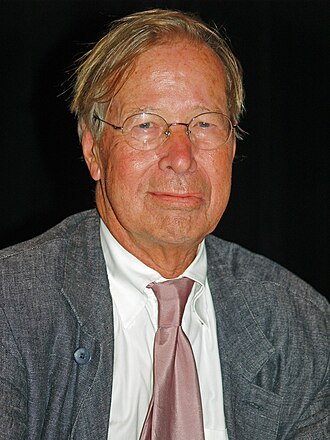
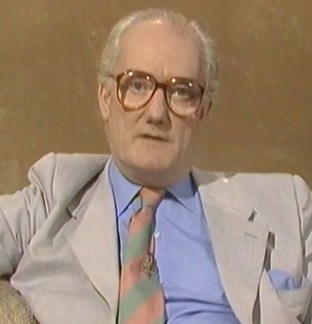
罗纳德·德沃金 布莱恩·马基
EDITED TRANSCRIPT · 依据现场录音编译整理,可划线生成便签
编者按:本文为一九七八年英国广播公司(BBC)《思想者》(Men of Ideas)系列节目中,主持人布莱恩·麦基与罗纳德·德沃金的对谈。德沃金是美国法哲学家,时任牛津大学法理学教授,其著作《认真对待权利》刚刚出版不久。两人围绕罗尔斯的《正义论》、诺齐克的《无政府、国家与乌托邦》以及德沃金本人的权利理论,讨论了自由主义在二十世纪七十年代面临的挑战。本文依据现场录音编译整理。

政治哲学的复活

麦基: 第二次世界大战期间,西方盟国有一种强烈的共识:他们为之而战的,是个人的自由,而这在实践中意味着捍卫自由民主制度。这种情绪浸透了战时唯一一部重要的政治哲学著作,卡尔·波普尔于一九四五年出版的《开放社会及其敌人》。战后二十来年,西方民主国家里存在着某种自由主义共识,以至于在英语世界,学者们开始谈论「意识形态的终结」,仿佛政治上已经没有什么根本问题可争了。在英国,学术圈里广为流传的一句口号是:「政治哲学已死。」

对此的反弹或早或晚总会到来。它在六十年代中期开始显现,而且左右两翼同时发难。保守派开始觉得,个人如今在某些方面自由过了头,比如性放纵、色情作品、吸毒,以及对犯罪尤其是暴力犯罪的打击不力。他们还觉得,整整一代年轻人在这种氛围里长大,没有受过传统纪律与惩戒的约束,结果已经灾难性地显露出来。

与此同时,极左派,其中许多人正属于这所谓「放纵的一代」,出于完全不同的理由攻击自由民主政体。他们指责这些政体在重新分配财富、消灭贫困上几乎没有认真尝试;这些政体统治下的社会被说成充斥着阶级压迫、种族歧视和性别歧视;最糟糕的是,他们要为越南那场野蛮战争的无谓延长负责。于是,关于政治根本问题的争论重新认真地开始了。而这一次,争论的对象正是从前被视为理所当然的那种自由民主制度本身的正当性。

也许因为这些争论在美国最为激烈,这一波新政治思潮中的主要人物都出自美国。就大学里的分析哲学家而言,从这个局面中涌现出来的最有影响的人物,无疑是哈佛大学教授约翰·罗尔斯和他的《正义论》。另一本讨论极多的书是另一位哈佛教授罗伯特·诺齐克的《无政府、国家与乌托邦》。如果要在这份名单上再添一个名字,那就是本期节目的主角罗纳德·德沃金。他同样是美国人,曾任耶鲁大学教授,如今定居英国,任牛津大学法理学教授。德沃金教授的新著《认真对待权利》获得的赞誉,从最严肃的学术认可,一直延伸到《时代》周刊的专题报道。后者在我看来表明,这本书不仅影响着学术界,也影响着大众的思考。

德沃金教授,在我针对你和你同行的工作提问之前,关于你们的工作从中产生的历史与社会背景,你有没有什么想补充的?

德沃金: 有一两点值得一提。你刚才谈到的美国那些社会问题,有多少是从种族问题里生出来的,这一点很有意思。它们中间有多少首先与民权运动有关,其后又与纽约这类城市大规模福利计划带来的特殊难题有关。这些福利计划主要帮助的是黑人,而费用越来越多地落在那些从前自认为工人阶级的人头上,比如出租车司机。他们开始质疑那些前提,因为这些前提不再让他们受益,受益的是境况比他们更差的人。

还有另一个层面我觉得值得注意。左派先是攻击越南政策,继而攻击整个自由主义,他们自认为攻击的不只是某一种具体的政治理论,而是理性的、经过周密论证的政治理论这个观念本身。所以可以说,罗尔斯写《正义论》,一方面是在捍卫传统的自由主义价值,同时也是在捍卫用哲学来支撑政治立场这个做法本身。

麦基: 这一轮政治思考的复兴,在学术上有什么根源,或者说先声?

德沃金: 我认为学术界直接促成政治哲学重生的最重要发展,出在经济学。经济学家长期以来一直以一种模糊的方式关心一个问题:什么使得一个社会的境况变好。但在战后不久那段时间,人们非常热衷于用形式化的方式来处理它,也就是试图用数字、图表来说明:当某项变革让一些人受益而让另一些人受损时,在什么情况下仍然可以说社会作为整体变好了。肯尼斯·阿罗的工作在美国非常重要,还有卡尔多、希克斯等人。所以在我看来,形式经济学,也就是福利经济学的发展,非常关键。

在美国,法学界的发展也很重要。在英国,法学院一般不被当作辩论政治原则的地方,但在美国是这样。原因之一当然是最高法院在裁决重大宪法原则问题上的分量。战后经过五十年代,直到六十年代,许多重大的原则问题都由最高法院裁决,其中很大一部分涉及该如何对待刑事被告之类的问题。既然这些问题由法院裁决,它们就成了原则层面的论辩题目,而这种论辩就在法学院里进行。你提到的诺齐克那本书,在我看来就带着用法律思维处理社会问题的印记。所以我认为这两个方面,一边是经济学,一边是法学,用你的话说,就是学术上的先声。

罗尔斯为何影响巨大

麦基: 我刚才说,罗尔斯是从这一局面中涌现出来的分析哲学家里影响最大的一位。我想你会同意。

德沃金: 完全同意,这一点毫无疑问。如今罗尔斯的名字出现在各种各样的场合。读一部法学专著,很难不看到他被提到两三次。在英国和美国,关于社会政策和福利问题的公共讨论,几乎都少不了引用罗尔斯。有时引用的措辞让我觉得引用者根本没读懂那本书,但引用仍是必不可少的。影响之大可见一斑。

麦基: 在我们具体讨论他说了什么之前,你能否解释一下,他为什么会有这样的影响?

德沃金: 我想主要有两个原因。第一是我们刚才谈到的:他代表的不只是某一种理论,而是对政治论证之力量的一次堂皇展示。人们再一次被这样一种想法吸引:一个持续的论证,从那些可以合理地视为第一原则的东西出发,一路推下来,竟能实际告诉我们侵权法该怎么办、学童牛奶该怎么分配之类的事。我想这让人们印象极深。第二,我们稍后无疑会谈到,他得出的那些结论,撇开论证不谈,本身对心怀善意的人有着巨大的直觉吸引力。那是非常动人的结论。

无知之幕

麦基: 那我们就来看看这些结论。我知道这个要求很高,但你能否比较简短地,在电视讨论的篇幅内,概括一下罗尔斯在说什么?

德沃金: 可以。为此我想从书里挑出两个题目来谈。一是他提出并使用的方法,二是他得出的结论。把二者分开是有用的,因为有些人被前者打动,却不认可后者,反之亦然。

这个方法引人注目,令人着迷。罗尔斯告诉我们,当我们关心正义问题,也就是什么样的规则来支配社会基本结构才算正义时,应该这样来想:先给自己讲一个童话。设想有一群男男女女,他们还不属于任何具体的社会,聚在一起开一场类似制宪会议的集会,要就一部宪法,也就是社会该如何运作,达成一致。这些人和其他人一样,有各自的身份、弱点、长处和利益。

唯一不同的是,他们全都患了失忆症,而且是最严重的那种:他们不知道自己是谁,不知道自己是老是少、是男是女、是黑人是白人、是聪明是愚钝。尤其重要的是,他们不知道自己的个人道德观是什么。每个人都对自己想过什么样的生活、在性道德等问题上有何偏好抱有某种看法,但没有人知道自己在这些问题上的看法是什么。用罗尔斯的话说,他们仿佛被一道「无知之幕」(veil of ignorance)与自己的人格隔开了。

这些失忆者却必须就一部政治宪法达成一致。罗尔斯说,如果我们问自己,处在这种奇特境况下的人会同意什么样的宪法,那么答案正因如此,就是正义的原则。

麦基: 要人们假设这样一种情形,未免有点牵强吧?

德沃金: 要人们假设这种事曾经发生或可能发生,当然牵强。这是一种戏剧化的方式,让人们设想自己出于自身利益做选择,却不知道那些把一个人与另一个人区分开的东西。这当然只是把某种平等观念强加于政治决策的一种手法。不过眼下我们最好别抛开这个神话,因为神话本身就有巨大的力量。

两条正义原则

德沃金: 接下来的问题是,处在这种境况下的人会同意什么。这就是第二个题目:这个方法产生了什么结论。结论有两条,罗尔斯称之为两条正义原则。我要说明,这些原则适用于经济已有一定发展、足以让人人温饱的社会。罗尔斯说,一旦到了这个程度,处在「原初状态」(original position),也就是他给那种奇特境况起的名字,的人会同意以下两条原则。

第一,每个人都应最大限度地享有罗尔斯列举的那些基本自由。这些基本自由是传统的政治自由:投票的自由、就政治事务发言的自由、良心自由。此外还包括持有私人财产的自由,人身受到保护、不被无故突然逮捕的自由,等等。总之,可以称为自由主义式的那些传统自由,以这种方式受到保护。

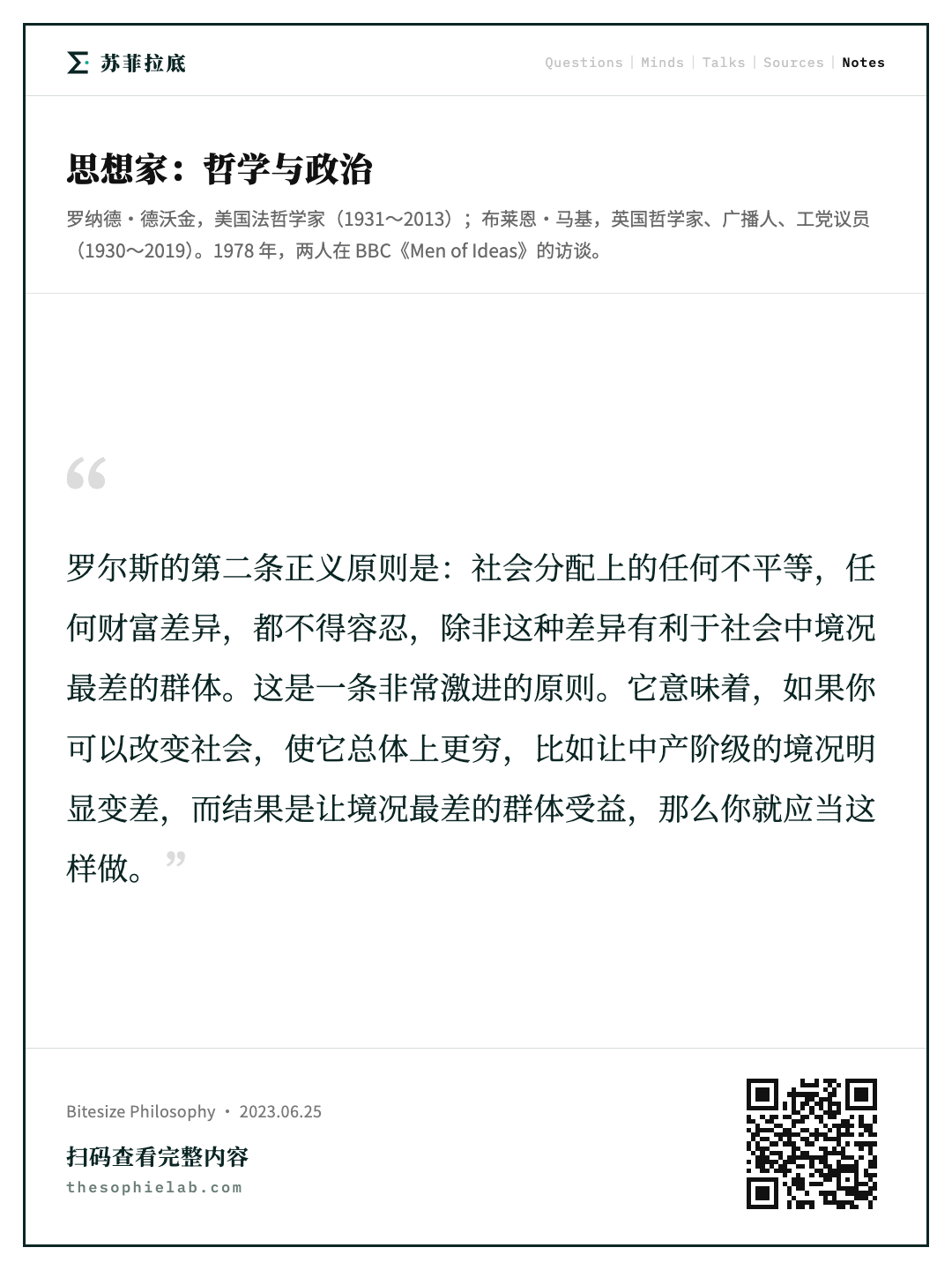
第二条正义原则是:社会分配上的任何不平等,任何财富差异,都不得容忍,除非这种差异有利于社会中境况最差的群体。这是一条非常激进的原则。它意味着,如果你可以改变社会,使它总体上更穷,比如让中产阶级的境况明显变差,而结果是让境况最差的群体受益,那么你就应当这样做。

于是有了两条原则。第一条说,有些自由必须受到保护;第二条更平等主义一些,它说:看看境况最差的群体,社会结构的每一次变动都应当让这个群体受益。两条原则通过罗尔斯所说的优先原则联系起来。他称之为「词典式排序」(lexicographic ordering),并说第一条原则压倒第二条。这意味着,哪怕削减政治自由、取消言论自由的权利会让境况最差的群体受益,你也不能这么做。只有当自由得到充分保护之后,你才有资格考虑第二条原则提出的经济问题。到了考虑经济问题的时候,你必须让境况最差的阶层受益,但在每个人的自由得到充分保护之前,你不能这么做。

罗尔斯的短处与长处

麦基: 你本人认为这个理论的主要缺陷是什么?

德沃金: 我认为罗尔斯过于依赖相当技术性的论证,以一种很有学问的方式援引经济学的新近成果,来论证他的原初状态中的人会怎么做。我认为这些论证在某种程度上有漏洞。也就是说,处在他的原初状态中的人未必一定会得出他那样的结论。我认为更重要的,也是我希望他多加强调的,是使用这个装置背后的深层理论。你刚才问得很对:为什么人们在这种奇特境况下决定的东西会与正义有关?这正是那种问题所要追问的。所以我认为,他把真正的问题藏起来了,这是一个弱点。

不过我也认为,这正是这本书的巨大长处。这类书的用处和重要性,并不止于它提出的具体论证。它向我们提出了一项事业,对我们说:如果这些结论让你觉得动人,如果「我们必须借助这些公平的装置来思考正义」这个想法多少让你觉得动人,那是为什么?这难道不是在告诉我们关于我们哲学能力的某些东西?难道不是在告诉我们关于我们道德能力的某些东西?难道不能帮助我们厘清自己的思考方式?这是一项事业。罗尔斯这本书之所以重要,原因之一就在于它开启了一项沿着这些线索思考的事业,而他本人会第一个承认,这本书只是开端。

每个读者都会对这项事业是什么有不同的理解。我个人有一种特定的读法,它让这本书在我眼里显得更重要。在我看来,自由主义的大问题,根本问题,是这样的。这里说的自由主义当然不是指党派政治,不是指英国的自由党,而是指那种被称为自由主义的哲学学说、哲学化的政治理论。

自由主义的根本立场

德沃金: 对于「什么是正义、共同体中的正义是什么」这个问题,有两种可能的进路。一种理论认为,什么是正义、社会中物品怎样安排才算正义,取决于另一个问题的答案:男男女女应当过什么样的生活?什么才算人的卓越?这种理论说:按照某种理论下卓越的人希望被对待的方式来对待人。自由主义者拒绝这种正义观。他说,正义对制度提出的要求,独立于任何关于美好生活的特定观念;相反,正义可以作为一种规范社会的方式,让持有各种不同个人道德理论的人理性地达成一致。

这本书就是要证明,在坚持自由主义这一基本姿态,也就是在各种个人道德之间保持中立的前提下,能生成一种多么动人、多么利他、多么合乎人道的政治理论。这是一个非常重要的抱负。

麦基: 这样转述你刚才的话是否公允:自由主义者左右两边的人,在一个非常重要的方面都与自由主义者不同,那就是,保守派和激进左派都倾向于把个人主要看作一种社会动物,并认为一种政治理论不仅通常会、而且应当在自身之内包含一套关于个人应当如何生活的观念。而自由主义者则认为,个人应当如何生活,归根到底是个人自己决定的事,因此他们并不寻求一种替个人做出这个决定的社会理论。

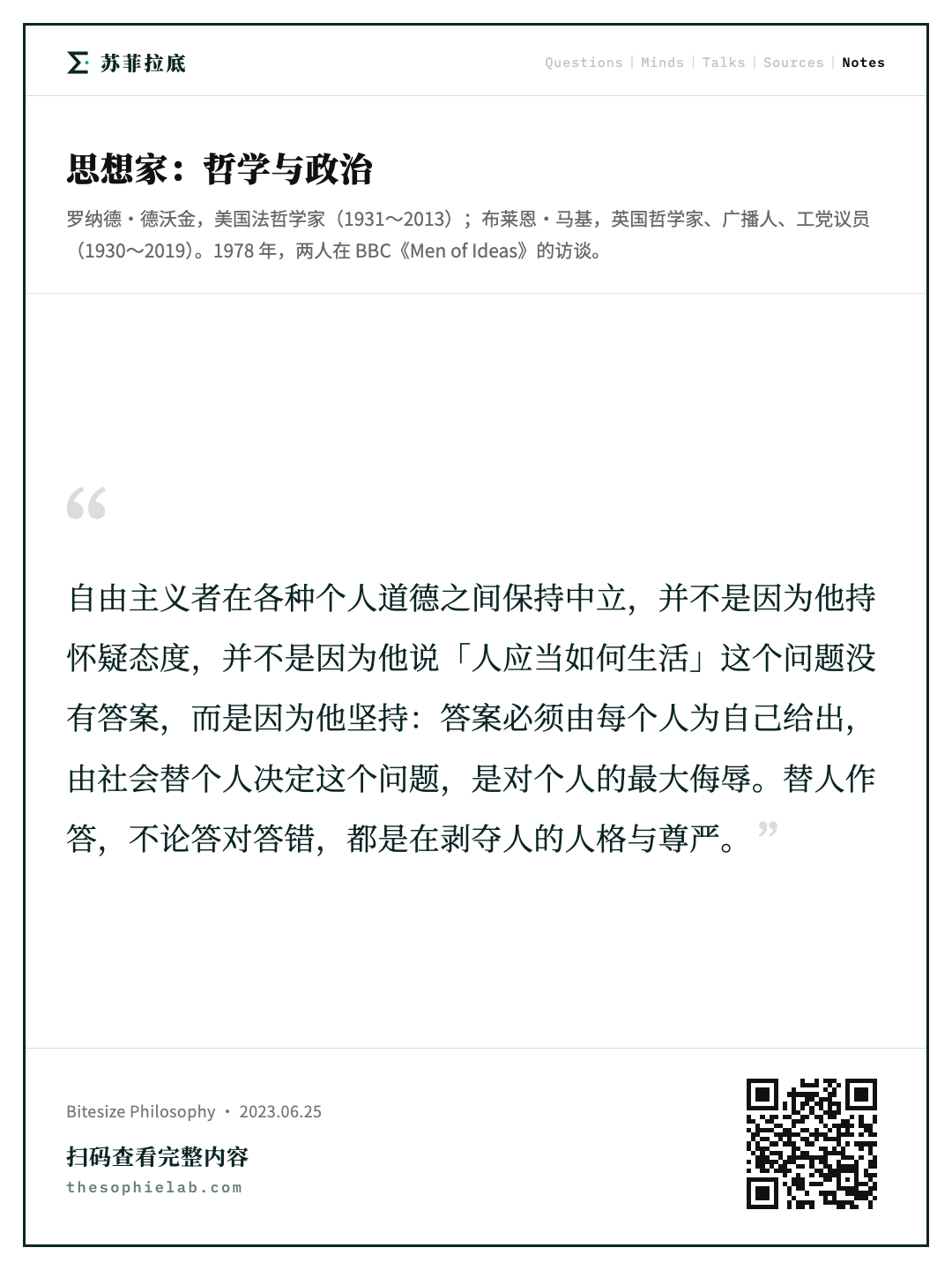
德沃金: 是的,我同意。而且这并不是因为自由主义者持怀疑态度,并不是因为他说「人应当如何生活」这个问题没有答案,而是因为他出于种种理由坚持:答案必须由每个人为自己给出,由社会替个人决定这个问题,是对个人的最大侮辱。

麦基: 他对保守派或激进左派的批评之一就是,他们假定人人的答案都一样。而他的信念之一是,不同的人会为自己找到不同的答案。

德沃金: 是的,但这并不是因为他假定那些不同的答案都是对的。他不必是相对主义者。

麦基: 对,对。

德沃金: 他只是坚持,替人作答,不论答对答错,都是在剥夺人的人格与尊严。

麦基: 事实上,真正的自由主义者远非相信那些答案一定正确,他会热烈地相信他人有权以他所不赞成的方式生活。

德沃金: 是的,热烈地。

左右两翼的批评

麦基: 罗尔斯这本书有一点非常引人注目:它一出版就催生了一整套文献。它一九七一年才出版,仅仅六七年之后,图书馆书架和书店里已经有好几本讨论它的书。这很不寻常。我记不起还有哪本书能这么快就衍生出一整套文献。你已经说了你本人认为罗尔斯书中最有意思、最重要的讨论点。还有没有别的,你自己未必特别认同,却引起大量批评者和写作者兴趣的?

德沃金: 正如你所说,关于罗尔斯的著述大部分是批评性的,也就是指出从原初状态推到结论的论证中的漏洞。我刚才描述过其中一个论证,说他假定人人都保守求稳,而事实上人们也可能是赌徒。另一部分文献,我认为更有意思的一部分,批评的是结论。这些批评来自右翼,也来自左翼。右翼的批评说,认为我们应当被对境况最差群体的关切牵着走,这很荒唐。还有更重要的价值,比如文化价值,即便代价是分配不均或不公,也应当延续下去。

左翼的批评更复杂。它首先针对我讲的第一条原则,说:罗尔斯主张,当自由与进一步的平等冲突时,应当优先选择自由。左翼有些立场反对这一点,说这是一种资产阶级的、中产阶级的、自由派的观点。左翼的第二种批评针对第二条原则。我描述这条原则时说,除非有利于境况最差的群体,否则不得有不平等。而来自极左的一种批评认为,即便不平等有利于境况最差的群体,不平等本身也是坏的。所以我们应当宁取一个完全平等的社会,哪怕人人境况都更差,包括那些在罗尔斯式分配下境况本就最差的人。

麦基: 这在我听来像是一种自虐的观点,但确实有严肃的人持这种观点。

德沃金: 确实如此。他们的论证是,嫉妒或怨恨本身就是极具分裂性的东西,在一个社会结构中看到别人比自己过得好,由此造成的自尊损伤对人格有如此恶劣的影响,以至于不能认为一个人在物质上过得更好、而别人过得更好得多时,他的境况就算改善了。这种观点有人坚信不疑。我要说,在对罗尔斯的所有批评中,争议最激烈的就是这种看起来像是「割掉鼻子来跟自己的脸过不去」的观点。

诺齐克与守夜人国家

麦基: 这个我就不打算再深入了。德沃金教授,我认为你在几乎不可能的短时间里对罗尔斯做了极好的阐述。现在我想从罗尔斯转到我提到的另一本重要著作,也就是除你自己的书之外的那本,罗伯特·诺齐克的《无政府、国家与乌托邦》。我不会要求你像讨论罗尔斯那样详尽地谈它,因为它的影响没有那么大,谈得那么详尽也就不那么必要。但你能不能像刚才对罗尔斯那样,更简短地谈谈诺齐克?

德沃金: 我试试。诺齐克从一个引人注目的命题开始论证,引人注目之处在于它的简单。他说:个人拥有权利,有些事不能对他们做,否则就侵犯了他们的权利。这句话本身无可指摘。接着我们就要看这些权利是什么。结果发现,诺齐克式的权利有这样的力量:伤害一个人,或拿走他的财产,除非经他同意,否则出于任何理由都是错的,唯一的例外是这样做对于保护他人的财产权或人身权是必需的。

这非常非常强。强到人们会问:一个尊重这条原则的国家还能存在吗?令人惊讶的是,诺齐克书中头三分之一,也是论证最密集的部分,正是作为一场针对无政府主义者、为国家本身所做的辩护来展开的。诺齐克显然认为这绝非小问题。而它显然确实不是。毕竟,如果你把我的财产拿走,你就侵犯了我的权利,我有权把它拿回来。

麦基: 但国家声称垄断使用武力的权力。

德沃金: 国家声称有权阻止我从你那里把财产夺回来。我得去找警察,请他们代劳。

麦基: 国家阻止你私自执法,每个国家都必须这样做。

德沃金: 是的。但它这样做就侵犯了我的权利,因为它阻止我去做一件按照诺齐克的说法我完全有权做的事,也就是保护我那被你不正当地拿走的财产。不过诺齐克也承认,如果人人都私自执法,就会出现无政府状态。于是问题变成:无政府状态有什么不好?他在这里的论证极其精巧,可能成立,也可能不成立,颇有疑问。但不管怎样,论证的结果是:国家可以存在。可以存在诺齐克所说的「守夜人国家」(night-watchman state),也就是一个只为保护财产与人身、代人惩罚侵害者而存在的国家。

接下来的问题是,国家能不能做得更多?毕竟现代国家做的远不止于此。它们向你我征税,用税款帮助他人,或做符合公共利益的事。诺齐克对这个问题给出了斩钉截铁的回答:不能。国家除了充当守夜人,什么都不能做。比如,除了维持警察,国家不得为任何其他目的征税。

麦基: 想必有不少观众对这种观点抱有几分同情。诺齐克在某些政治圈子里相当受欢迎,至少他这部分观点是这样。那么,他能为这种他称之为最小国家或守夜人国家的东西提出什么论证?

模式化正义与张伯伦

德沃金: 他的论证大体是这样。它一如既往地巧妙而复杂,但主要思路可以归结如下。他请我们区分两类关于他所谓「分配正义」的理论。我们每个人在社会中拥有一些东西,问题是这种分配是否正义。诺齐克说,一类理论是他所谓的历史理论,它主张:你现在拥有的东西,只要是别人自愿给你的,不论是作为馈赠,还是作为对你为他们所做之事的回报,就是你正当拥有的。但如果它是通过征税之类的方式从别人那里拿走再给你的,这份持有就不正义。这当然会容忍你所能想象的最不公平的分配。

诺齐克说,第二类正义理论并不像他那样只诉诸历史,也就是谁把什么给了谁,而是提出某种总体模式,说:让我们看看事情最后的结果如何。诺齐克称之为模式化理论,其最简单的形式就是平等主义理论:除非最后结果人人平等,否则就是错的,哪怕整个过程都是自愿的。诺齐克说,只有模式化理论才可能反对他关于国家权力有限的看法,因为国家若要介入,从一些人那里拿钱给另一些人,必定是在追求某种模式。

因此诺齐克想要论证,任何模式化理论都是不可容忍的。他的论证是这样的。他说,假设你可以把所有持有物都收集起来,把每个人的财富一扫而空,然后按照你最喜欢的模式重新分配。假设你是平等主义者,你给每个人分同样多。现在你一转身,人们就开始彼此交易。他在这里用了一位非常著名的美国篮球运动员威尔特·张伯伦的名字。他说,假设张伯伦篮球打得极好,事实也确实如此,而人们愿意付钱看他打球。他本人并不想打,但人们给他钱,请他打。于是他最后的钱会比任何人都多。要阻止这种事,你就得持续不断地干涉自由,阻止这些交易,阻止人们做他们想做的事。你得建立一个独裁政权。如果你要的是某种正义的模式,那么不对人们的自由造成最严重的侵犯,你就维持不了它。所以,你不能有模式化的正义理论。所以,唯一可容忍的国家就是他的国家,也就是守夜人国家或最小国家。

麦基: 这似乎从根本上建立在自由交换之重要性这个观念上。

德沃金: 对,这绝对是根子所在,又回到了「同意」这个概念:任何时候你失去什么东西,都必须经过你的同意。

对诺齐克的两点批评

麦基: 你会对诺齐克的理论提出哪些主要批评?

德沃金: 两点。第一,他关于人们拥有哪些基本权利的看法,也就是未经同意不得失去财产的权利,纯属武断。这种权利有一定的吸引力,但与之竞争的权利同样很有吸引力,而那些权利必然要认可对它的侵犯。举例来说,作为一个直觉上的出发点,「人在陷入绝境时有权得到他人的关切」这个想法,在我看来吸引力一点也不比它小。而这显然会认可一些诺齐克的基本原则所不容许的做法。在我看来,诺齐克对他的基本权利没有任何论证。他只是把它当作起点摆出来,因此那是一个武断的起点。他起步的地方太靠后了,起点又是武断的。

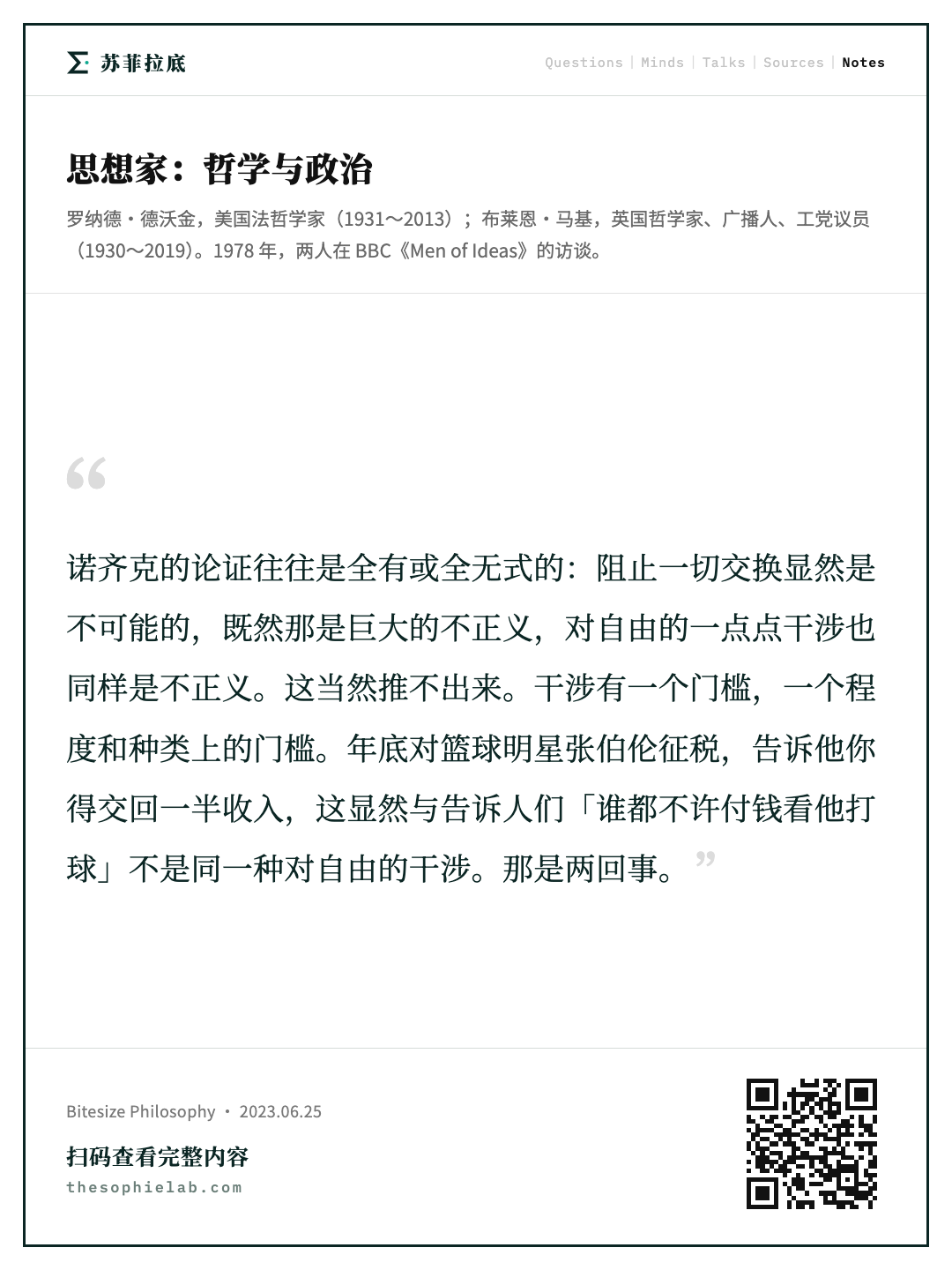
第二,我刚才讲的张伯伦论证很好地说明了,他的论证往往是全有或全无式的。这些论证很巧妙,但其中许多的形式是:阻止一切交换显然是不可能的,因此可以自动推出,既然那是巨大的不正义,对自由的一点点干涉也同样是不正义,只是可能小一些。这当然推不出来。事实上,在美国社会和英国社会,国家一直在干涉这些交换,但要说这构成独裁,就完全不符合事实。

麦基: 对,正是如此。

德沃金: 干涉有一个门槛,一个程度和种类上的门槛。年底对张伯伦征税,告诉他你得交回一半收入,这显然与告诉人们「谁都不许付钱看他打球」不是同一种对自由的干涉。那是两回事。

权利植根于平等

麦基: 德沃金教授,我最后想谈谈你自己的工作。就着我们到目前为止的讨论,你如何把你在做的事与罗尔斯和诺齐克在做的事联系起来?

德沃金: 如果从一定距离外看,有人会说是从很远的距离外看,我想我们三人在某种意义上是在同一条街上干活。也就是说,如果你采用我几分钟前提出的那种自由主义观念,你也概括得很好,自由主义者有一种观点把他与左右两翼都区分开来,即正确的生活方式不应成为政治关切的对象,那么在我看来,我们每个人都可以被看作是在以某种方式保护或捍卫这种自由主义观念。但我们之间仍有分歧。你想必已经看出来,我在立场上当然远比接近诺齐克更接近罗尔斯。

不过在我看来,概括这种分歧的一种方式,是注意所谓自由与平等之间的冲突。人们对此大做文章。可以说诺齐克站在一个极端:自由就是一切,平等一文不值,除非它碰巧是自由交易的偶然结果,而这极不可能。罗尔斯把他的两条原则放在一起时,至少表面上看,像是在两者之间做妥协。也就是说,他挑出某些基本自由,即政治自由,说这些是优先的,而这些确实与平等相对立;即便侵犯它们能更好地实现平等,也绝不能侵犯。

而我非常急于反驳整个这种想法,即我们称为自由的那些个人权利与平等是对立的。我在自己的工作中一直努力强调,个人权利只有作为一种非常深层的平等主义的结果,才讲得通。因此,我想改变争论的框架,改为追问权利的主张本身:这项权利是否为保护平等所必需?而不是问:为了实现它,我们需要放弃多少平等?如果我提出的这个方案能够实现,在我看来它就能把自由主义从一个不必要的处境中解救出来,即自由主义似乎对社会中境况最差的人漠不关心。罗尔斯在我看来已经表明,自由主义不必如此。但我想再往前走一步,论证在自由主义的发动机里,在那个基本观念里,本身就有一种朝向平等的驱动力,所以在每一个时刻,为自由主义辩护本身就是为平等辩护。

麦基: 把这三种观点大胆地图式化,可以这样说吗:诺齐克要的是没有平等的权利,罗尔斯要的是没有权利的平等,而你想坚持的是,二者只有在彼此的关系中才能被构想,它们是相互支撑的概念。

德沃金: 第三点确实是我的观点。我想说,权利这个观念本身就是一个很成问题的观念,不能被视为理所当然,它必须植根于别的东西。毕竟,当你说某人有一项权利时,在我认为政治上最有力的那种意义上,你实际上是在说:为了保护这项权利,必要时公共福利必须受损。当你认真对待这个主张时,它就需要辩护。它在直觉上不是不证自明的,它需要辩护。为什么公共福利必须受损?为什么多数人必须做出牺牲,来保护比如某个人畅所欲言的权利?

在我看来,对权利唯一可能的辩护,不在于找到某种重要价值,去与嵌在公共福利观念中的平等主义观念相抗衡,而在于找到某种既支撑权利、也支撑公共福利观念的东西,把两者作为一个总体理想的组成部分。这个东西就是平等。这个论证有待充分展开,但请允许我简要展示一下它的大致结构。举例来说,我们为什么在乎繁荣?我们为什么都要工作?你会说,为了让人们过得更好,让共同体整体过得更好。是的,但为什么让人们过得更好是件好事?「一个人的收益可以被另一个人的损失抵消,二者之间要权衡出某种平衡」,这个想法本身难道不是只有在一种前提下才站得住脚?我要论证的正是这一点:只有假定这一切的意义在于确保社会中没有人比其他人受到偏袒,它才站得住脚。

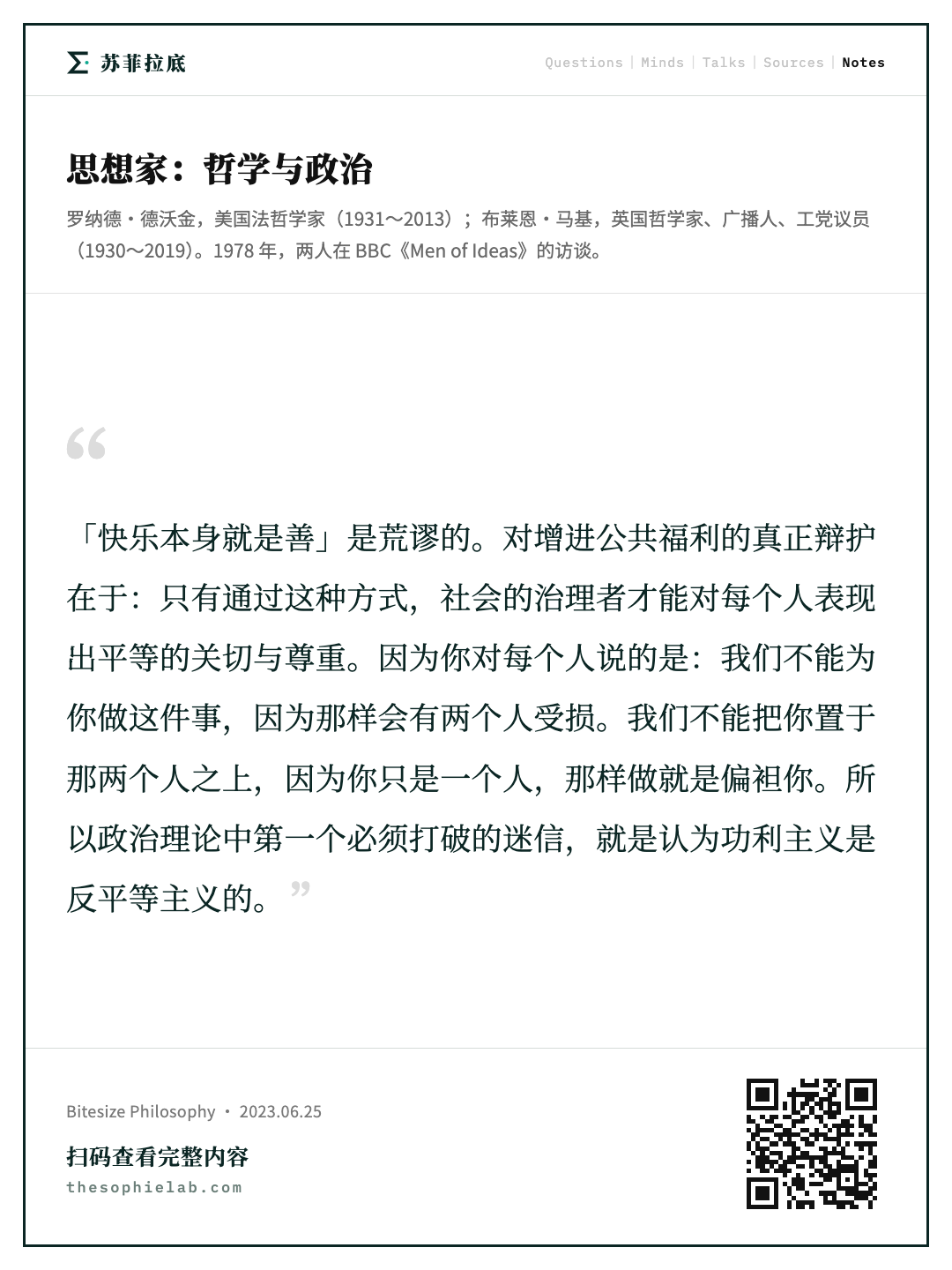
人们常常以为,功利主义,也就是增进公共福利的哲学,追求的是边沁据说讲过的那种观点:快乐本身就是善。在我看来,「快乐本身就是善」是荒谬的。我认为,对「关切增进社会公共福利」的真正辩护,在于边沁说过的另一件事:只有通过这种方式,社会的治理者才能对每个人表现出平等的关切与尊重。因为你对每个人说的是:我们不能为你做这件事,因为那样会有两个人受损。大致是这样的话。也就是说,我们不能把你置于那两个人之上,因为你只是一个人,那样做就是偏袒你。所以在我看来,政治理论中第一个必须打破的迷信,就是认为公共福利、功利主义是反平等主义的。它恰恰植根于某种平等观念。

但是,当我们为追求公共福利而选择政治制度时,由于我们只能借助市场、议会、国会这类粗糙的制度来达到目的,某些结构性的不平等就会随之产生。举例来说,不太聪明的人最终会处于较差的境地。这并不是因为满足他们的需求代价高昂、满足他们就是偏袒他们,而是因为市场会亏待他们,他们没有那么幸运,天生不具备别人想要的品质。因此,对市场结果进行再分配,其必要性并不在于它服务于某种与市场所服务的价值相竞争的价值,而在于只有加上再分配,「市场加再分配」这个组合才能兑现设立市场的唯一理由,而那个理由从根本上说是平等主义的。我刚才只是拿经济权利来说明论证应当如何进行,但在我看来,我们必须为这些权利提供论证,不能把它们当作不证自明的东西。

自由主义的软肋

麦基: 你刚才说你、罗尔斯和诺齐克都在「同一条街上干活」,我认为这句话极其重要,因为学术界通常至少把罗尔斯和诺齐克看作两极对立。而按照你的分析,他们两人在做的事,也是你在做的事,是捍卫自由主义。确切地说,你们不只是为自由主义提出了不同的辩护,你们捍卫的还是不同的自由主义概念,但归根到底,你们都是在抵御来自左右两翼的攻击。在结束这场讨论之前,我想问最后一个问题:你认为你们三人共同所处的这个立场,它的阿喀琉斯之踵在哪里?也就是说,你们共同捍卫的这个立场,主要弱点在哪里?由此引出的问题是,你认为这类政治思考在不久的将来,最重要或最有意思的工作可能出现在哪里?

德沃金: 好。虽然我说了「同一条街上干活」,我还是想强调,我们捍卫的并不是同一种理论。我们捍卫的是提出同一种主张的理论,即自称是自由主义立场之推论的理论。我把诺齐克的工作视为一种挑战,一种非常重要的挑战,正因为它从这个立场中引出了我认为恶劣的推论。所以我非常急于说:自由主义不是那样的。在这个意义上,我们确实像通常的看法那样彼此对立。但如果回到我说的把我们联结在一起的东西,即政治理论、正义感必须区别于任何关于美好生活的特定理论,那么我认为最大的弱点,最大的难题,就在于要在这个根本点上抵御两种攻击。这两种攻击一种是理论性的,一种是相当实践性的。

必须应对的理论攻击是这样的:我刚才描述的那种自由主义,建立在一种虚无主义的、或者说不吸引人的、贫乏的人性观之上。你在讨论中曾说,那些对立的观点主张人是社会性的。自由主义者当然不否认这一点,但对方的论证是,自由主义所承诺的是一种常被称为休谟式的、边沁式的或原子论的人性观,而这种人性观是错的。我们没有时间深入讨论,但在我看来,首先这不是事实;其次,自由主义者现在绝对有必要证明这不是事实,证明自由主义真正的父亲,如果可以这么说的话,不是边沁,边沁对自由主义者来说其实颇为尴尬,而是康德,康德的人性观绝不能称为贫乏。

实践上的难题是这样的:有些事我们都希望政府去做,比如选择教育方式、资助文化。这些事表面上看像是在认可一套价值而排斥另一套,因而与自由主义相矛盾。在我看来,自由主义者非常有必要发展一种理论,在这里区分两件事:丰富人们可以做的选择,与把一种选择强加于人。关键的观念在我看来是想象力。自由主义者关心的是拓展想象力,而不把任何特定的选择强加给想象力。但我只是点出了一个问题,布莱恩,我承认。在我看来,自由主义在这一点上相当薄弱,它需要一种教育理论、一种文化理论,等等。

政治哲学回归哲学

德沃金: 我认为这也是对「政治理论必须走向何处」这个问题的回答。你在节目开头说,很长一段时间里人们都说政治哲学已死。政治哲学如今已经重生,而且相当活跃。但还没有完全发生的,是政治哲学重新融入哲学的整体。因为任何一个值得谈论的哲学问题,当然都不能与哲学的整体割裂开来。在我刚才点出的两个问题上,即自由主义预设了什么样的人性理论、什么样的心灵理论,以及如何区分丰富想象力与束缚想象力,政治理论显然必须越出通常认为的政治制度或政治策略问题的边界,像过去所有伟大的哲学家那样,去直面政治哲学与哲学本身之间的关联。非常引人注目的是,过去几乎所有最伟大的政治哲学家,柏拉图、亚里士多德、洛克、康德,都是通盘的哲学家,他们的政治哲学只是其整体哲学的一部分。这就是下一步。

麦基: 非常感谢你,德沃金教授。

德沃金: 谢谢。
本期讲者
罗纳德·德沃金美国法哲学家(1931~2013),1969 年接替哈特任牛津法理学教授,后执教纽约大学。代表作《认真对待权利》(1977)、《法律帝国》(1986)、《至上的美德》(2000),以「权利是王牌」和「平等的关切与尊重」两个概念著称。
布莱恩·马基英国哲学家、广播人、工党议员(1930~2019)。主持 BBC 电视系列《思想者》(1978)与《伟大的哲学家》(1987),以能让一流哲学家用大众听得懂的语言讲清核心论证著称。
章节 · 点击跳转视频
0:13 战后共识与「政治哲学已死」 ▶ 正在看
1:03 六十年代左右两翼的反弹 ▶ 正在看
3:33 种族、经济学与法学院的土壤 ▶ 正在看
7:30 罗尔斯为何影响巨大 ▶ 正在看
8:58 无知之幕:正义的思想实验 ▶ 正在看
11:30 正义两原则与词典式优先 ▶ 正在看
14:00 罗尔斯的弱点与自由主义根本问题 ▶ 正在看
19:44 左右两翼对罗尔斯的批评 ▶ 正在看
23:36 诺齐克:守夜人国家与张伯伦论证 ▶ 正在看
29:26 德沃金对诺齐克的两点批评 ▶ 正在看
31:28 权利扎根于平等:德沃金的方案 ▶ 正在看
39:04 自由主义的阿喀琉斯之踵 ▶ 正在看
本期论点
本期回应
12:37
社会中的不平等只有在有利于处境最差的群体时才应被容忍 必须再分配市场分出来的财富,该拿走再分吗?罗纳德·德沃金
26:09
国家除充当守夜人、供养警察之外,不可以为任何目的征税 财产归所有者市场分出来的财富,该拿走再分吗?罗纳德·德沃金
29:47
「非经本人同意不得丧失财产」是任意设定的起点,并未得到论证 必须再分配市场分出来的财富,该拿走再分吗?罗纳德·德沃金
30:08
人在自己陷入绝境时有权得到他人的关切,其直觉吸引力不亚于财产权 必须再分配市场分出来的财富,该拿走再分吗?罗纳德·德沃金
38:28
唯有市场加上对市场结果的再分配,才能实现为市场辩护的那个平等主义价值 必须再分配市场分出来的财富,该拿走再分吗?罗纳德·德沃金
7:53
从可合理接受的第一原理持续推演,能推出侵权法与牛奶分配这类具体政治问题的答案 先立原则再推制度正义该从哪里谈起?罗纳德·德沃金
10:42
处在不知自身身份处境中的人会一致同意的宪法原则,就是正义的原则 先立原则再推制度正义该从哪里谈起?罗纳德·德沃金
11:15
无知之幕只是一种手段,用来把某种平等观强加于政治决定之上 中立起点并不中立正义该从哪里谈起?罗纳德·德沃金
13:40
保障基本自由的原则优先于分配平等,不得为改善最差群体处境而削减政治自由 有些权利不能拿去换个人的权利能为更大的好处让步吗?罗纳德·德沃金
35:00
说某人拥有一项权利,实质是说必要时普遍福利必须为保护这项权利而受损 有些权利不能拿去换个人的权利能为更大的好处让步吗?罗纳德·德沃金
17:04
正义对制度提出的要求独立于任何关于美好生活的特定观念 谁都不该替别人定能替别人判断什么是好生活吗?罗纳德·德沃金
19:24
替别人回答「人应当如何生活」,无论答案对错,都剥夺了人的人格与尊严 谁都不该替别人定能替别人判断什么是好生活吗?罗纳德·德沃金
其他论点
1:54
自由民主政体几乎没有认真尝试过再分配财富或消除贫困 观察布莱恩·马基
33:08
被称作自由的那些个人权利与平等并不敌对,只有作为深层平等主义的结果才说得通 罗纳德·德沃金
41:51
自由主义真正的思想源头是康德而非边沁,康德的人性观并不贫乏 罗纳德·德沃金
01战后共识与「政治哲学已死」
0:13
During the Second World War, there was a strong shared feeling among the Western allies that what they were fighting for was the freedom of the individual and that this meant in practice defending liberal democratic institutions. This feeling saturates the only major work of political philosophy to have been written during that war, The Open Society and Its Enemies by Karl Popper, published in 1945. And for a couple of decades after the war, there was something like a liberal consensus in the Western democracies. So much so that in the Anglo-Saxon world, academics started talking about the end of ideology as if there were no more political arguments left to have over fundamentals. And in England, the slogan which came to be widely quoted in academic circles was, "Political philosophy is dead."
第二次世界大战期间,西方盟国内部有一种强烈的共同感受:他们所为之战斗的是个人的自由,而这在实践中意味着捍卫自由民主的各项制度。这种感受浸透了那场战争期间写就的唯一一部重要政治哲学著作——卡尔·波普尔的《开放社会及其敌人》,出版于 1945 年。《开放社会及其敌人》,作者卡尔·波普尔,1945 年出版。战后有那么二十来年,西方民主国家里存在着一种类似自由主义共识的东西。以至于在盎格鲁-撒克逊世界,学者们开始谈论「意识形态的终结」,仿佛在根本问题上已经没有什么政治争论可打了。而在英国,一句在学术圈里被广泛引用的口号是:「政治哲学已死。」
便签引用
02六十年代左右两翼的反弹
1:03
Well, perhaps a reaction against this was inevitable sooner or later. And when it began to show itself in the mid-1960s, it came from both directions, right and left. Conservatives began to feel that in some ways there was now too much freedom for the individual, for instance as regards sexual permissiveness and pornography and the use of drugs and a failure to keep down crime, especially crimes of violence. And they felt too that a whole generation of young people had now been allowed to grow up in this atmosphere without the restraints of traditional disciplines and punishments and that the results manifesting themselves were disastrous.
不过,对此的反弹或许迟早都是难免的。当它在 1960 年代中期开始显露出来时,它是从两个方向同时来的——右边和左边。保守派开始觉得,在某些方面个人自由如今太多了,比方说在性放纵、色情作品和吸毒这些事情上,还有对犯罪、尤其是暴力犯罪的失控。他们还觉得,整整一代年轻人如今是在这样的氛围里长大的,没有传统管教和惩戒的约束,而显现出来的后果是灾难性的。
便签引用
1:43
Meanwhile, from the far left, many of whose members were among the new so-called permissive generation, liberal democratic regimes were being attacked for entirely different reasons. From that quarter, they were accused of making little serious attempt to redistribute wealth or abolish poverty. The societies over which they presided were said to be class-ridden and racist and sexist. And worst of all, they were held responsible for the unnecessary prolongation of a bestial war in Vietnam. So, debate over fundamentals in politics began again in earnest. And now the debate was about the validity of the very kind of liberal democratic institution that formerly had been taken for granted.
与此同时,来自极左翼的批评——他们中不少人正属于所谓的新一代'放纵'世代——则出于完全不同的理由,攻击自由民主政体。在他们看来,这些政体几乎没有认真尝试过再分配财富或消除贫困。他们治下的社会被指为阶级固化、种族歧视、性别歧视。而最糟糕的是,他们被认为要为越南那场兽性战争的不必要延长负责。于是,关于政治根本问题的辩论重新认真地展开了。而这一次,辩论所针对的,正是过去被视为理所当然的那种自由民主制度本身是否站得住脚。
便签引用
2:28
Perhaps because these controversies were at their hottest in the United States, it was there that the chief figures to be thrown up by this new wave of political thought emerged. As far as analytic philosophers working in universities are concerned, far and away the most influential figure to emerge from this situation has been John Rawls, a professor at Harvard, with his book A Theory of Justice. Another much discussed book is Anarchy, State, and Utopia by another Harvard professor, Robert Nozick.
也许正因为这些争论在美国最为激烈,所以这股政治思想新浪潮所推出的主要人物,也出自那里。就在大学里做研究的分析哲学家而言,从这一局面中崛起的、影响力遥遥领先的人物,是哈佛大学教授约翰·罗尔斯,以及他的著作《正义论》。另一本引起广泛讨论的书,是哈佛另一位教授罗伯特·诺齐克所写的《无政府、国家与乌托邦》。
便签引用
3:00
If one were to add a third name to this list, it would be that of our protagonist in this program, Ronald Dworkin, also an American and a former professor at Yale, but now resident in England as professor of jurisprudence at Oxford. Professor Dworkin's recent book, Taking Rights Seriously, has been met with acclaim which ranges all the way from the severest academic approval to a feature article in Time magazine, which latter I take to be an indication that it's having some influence on popular as well as academic thinking.
如果要在这份名单上再加一个名字,那就是本期节目的主角罗纳德·德沃金,他也是美国人,曾任耶鲁大学教授,现居英国,任牛津大学法理学教授。德沃金教授新近出版的《认真对待权利》一书所受到的赞誉,其跨度之大,从最严苛的学术认可,一直到《时代》周刊的一篇专题报道——后者在我看来说明,它不仅影响着学术界的思考,也影响着大众的思考。
便签引用
03种族、经济学与法学院的土壤
3:33
Professor Dworkin, before I start questioning you specifically about your work and that of your colleagues, is there anything you'd like to add to what I've just said by way of introduction to this program about the historical and social context in which your work has emerged? Well, I think one or two things interesting. It's It's interesting, isn't it, the degree to which many of the social problems in America that you spoke about came out of the racial issue. How many of them had to do with the civil rights movement in the first instance, and then with the special problem caused by extensive welfare programs in cities like New York, which principally helped the blacks, and which were increasingly at the expense of people who formally thought of themselves as the working classes, the taxi drivers, for example, who began to question premises that were no longer benefiting them, but benefiting people still worse off.
德沃金教授,在我开始具体询问您和您同行的工作之前,关于您的工作所处的历史和社会背景,我刚才在节目开场所做的介绍,您还有什么想补充的吗?嗯,我觉得有一两点挺有意思。这挺有意思的,不是吗——您刚才谈到的美国的许多社会问题,在多大程度上是从种族问题里生长出来的。其中有多少最初与民权运动有关,之后又与像纽约这样的城市里大规模福利项目所带来的特殊问题有关——这些项目主要帮助的是黑人,而其代价越来越多地落在那些原本自认为属于工人阶级的人身上,比如出租车司机。他们开始质疑那些前提,因为这些前提不再让他们受益,而是让处境更差的人受益。
便签引用
4:25
Uh there's another dimension to it, I think, that was interesting, and that is this. When the left attacked first policy in Vietnam, and then liberalism generally, they took themselves to be attacking not just a particular political theory, but the whole idea of a rational, well-worked-out political theory in general. So, I think you can say that when, for example, Jack Rawls wrote his book, A Theory of Justice, that you have mentioned, it was, on the one hand, a defense of traditional liberal values.
呃,我觉得这里还有另一个层面,也很有意思,那就是:当左派先是攻击越南政策,接着又普遍攻击自由主义时,他们自认为攻击的不只是某一种具体的政治理论,而是整个“理性的、经过缜密论证的政治理论”这一观念本身。所以我想可以这么说:比如当杰克·罗尔斯写下他那本您提到过的《正义论》时,它一方面是在为传统自由主义价值辩护,
便签引用
4:55
It was also, at the same time, a defense of the whole idea of using philosophy to support political positions. What were the academic roots, or uh precursors, so to speak, of of this new emergence of political thinking? I think that the most important development in the academy that directly fed into the rebirth of political philosophy was in economics. Uh economists had, for a long time, been concerned in a uh around the vague way, with the whole idea of what makes a society better off. But, in the period just after the war, there was a great deal of concern with doing that in a formal way. That is, attempting to give numbers and figures and graphs to say when a society, uh by virtue of some change that helped some people to the disadvantage of other people, when you could say that, nevertheless, the society was better off as a whole. Um the work of uh Kenneth Arrow was very important in this country, Kaldor and Hicks and so forth. So, it seems to me the developments in formal economics,
同时也是在为“用哲学来支撑政治立场”这整个想法辩护。那么这种政治思考的新兴起,它的学术根源,或者说先导,是什么呢?我认为学院内部直接促成政治哲学复兴的最重要发展,是在经济学领域。呃,经济学家很长时间以来都在以一种相当含糊的方式关注“什么使一个社会变得更好”这个整体问题。但在战后不久的那段时期,人们非常关心用形式化的方法来处理它。也就是说,试图用数字、图表来说明:当一个社会因为某种变化——这种变化帮助了一部分人、损害了另一部分人——什么时候你仍然可以说这个社会整体上变好了。嗯,肯尼斯·阿罗的工作在美国非常重要,还有卡尔多和希克斯等等。所以在我看来,形式经济学、
便签引用
5:54
welfare theory economics, were very important. In America, particularly, developments in academic law were also important. Uh, in this country, it's not generally thought of the law schools are not generally thought of places where debates of political principle take place, but they are in the United States. One of the reasons for that, of course, is the importance of the Supreme Court in deciding issues of great constitutional principle. And in the period, um, after the war through the '50s, indeed through the '60s, great issues of principle were decided by the Supreme Court. They For a large part, they had to do with questions about how you could treat accused criminals, for example. But, since these questions were decided by courts, they were questions for argument at the level of principle, which took place in law school. And Nozick's book, for example, which you have mentioned, uh, shows, it seems to me, the print of a legal style of thinking about social questions. So, I do think these two developments,
福利经济学的发展非常重要。尤其在美国,法学界的发展也很重要。呃,在英国,人们通常不会把法学院看作是政治原则辩论发生的地方,但在美国就是这样。原因之一当然是最高法院在裁决重大宪法原则问题上的重要性。而在战后到五十年代,乃至整个六十年代,一系列重大的原则性问题都是由最高法院裁决的。它们很大程度上涉及的问题是,比如说,你可以如何对待刑事被告。但由于这些问题由法院裁决,它们就成了在原则层面上进行论辩的问题,而这种论辩发生在法学院里。比如诺齐克的那本书,您刚才提到过的那本,在我看来就带有用法律式思维处理社会问题的印记。所以我确实认为这两方面的发展——一边是经济学,一边是法学——就是您所说的
便签引用
6:47
economics on the one hand and law on the other, were academic precursors in your phrase. Yeah. I said earlier that Rawls was far and away the most influential of the analytic philosophers to have, uh, emerged from this recent situation. I take it you would agree with that. Uh, Yes, absolutely. There's no doubt about that. Um, you see Rawls' name now in so many different contexts. It's It's hard to read a legal treatise, for example, without seeing him mentioned two or three times. Um, talks to the nation in this country as well as in America on social policy, questions of welfare, always the almost obligatory reference now to Rawls. Sometimes, in such language as to make me think they don't understand the book, but nevertheless, it's an obligatory reference. Great influence.
学术先导。是的。我前面说过,罗尔斯是从这一近期局面中涌现出来的分析哲学家中,呃,影响力遥遥领先的一位。我想您会同意这个说法吧。呃,是的,完全同意。这一点毫无疑问。嗯,现在你在各种各样的语境里都能看到罗尔斯的名字。比如说,你很难读一部法学专著而不看到他被提到两三次。嗯,在英国和美国,面向全国讨论社会政策、福利问题的谈话里,如今几乎必然要提到罗尔斯。有时候他们用的措辞让我觉得他们并没读懂那本书,但不管怎样,提他已经成了规定动作。影响巨大。
便签引用
04罗尔斯为何影响巨大
7:30
Is it possible for you, before we get down to a specific consideration of what he says, to say why he's having this kind of influence? Yes, I think the principle I think there are two reasons why. Um, first, something we've just said, that is that he stands not only for a particular theory, but for a majestic demonstration of the power of argument in politics. I think people are once again attracted to the idea that a sustained argument which begins with things that are said to be plausibly taken to be first principles can come down and actually tell us what to do about tort law, about the distribution of milk to school children or something of that sort. I think that impresses people very much. Secondly, we'll come on to this, no doubt, but I think the conclusions that he reaches have, quite apart from the argument, enormous intuitive appeal to people of goodwill.
在我们进入对他具体主张的讨论之前,您能不能说说,他为什么会有这样的影响力?可以,我想主要……我认为有两个原因。嗯,第一点就是我们刚才说的:他所代表的不只是某一种具体理论,而是一次宏大的示范,展示了论证在政治中的力量。我想人们又一次被这样一种想法所吸引:一个持续推进的论证,从那些被认为可以合理地当作第一原理的东西出发,能够一路推演下来,真正告诉我们该如何处理侵权法、该如何分配给学童的牛奶之类的问题。我认为这一点让人们印象非常深刻。第二点,我们无疑稍后会谈到——我认为他得出的那些结论,撇开论证本身不谈,对于心怀善意的人来说具有极大的直觉吸引力。
便签引用
8:23
They're very attractive conclusions. Well, now let's start considering them. What uh I know this is a very tall order, but is it possible for you to characterize, comparatively briefly, I mean, within the context of a television discussion, what it is that Rawls is saying? Yes, I I I think for for that purpose it would be a good idea to to to take up two topics in in the book. First is uh the topic of the method he suggests and employs, and the second, the conclusions he reaches. Uh I think it's useful to distinguish them because some people are impressed with the one and not the other.
这些结论非常有吸引力。那好,我们现在就开始来看这些结论。呃,我知道这个要求很高,但您能不能相对简短地——我是说,在一场电视讨论的篇幅内——概括一下罗尔斯到底说了什么?可以。我想为此,最好从书里挑出两个话题来谈。第一个是,呃,他所提出并运用的方法;第二个是他得出的结论。呃,我觉得把两者区分开是有用的,因为有些人被其中一个打动,却并不认同另一个。
便签引用
05无知之幕:正义的思想实验
8:58
The method is um arresting. It's in It's intriguing. Rawls tells us that when we're concerned with questions of justice, what rules that could govern the basic structure of a society would be just, that the we ought to think about those in the following way. We ought to tell ourselves a fairy story for a start. We ought to imagine a congress of men and women who don't belong to any particular society yet who come together in a kind of constitutional convention. They're going to agree among themselves on a constitution, how their society is to be run. And they're like everybody else, these people. They have specific identities, specific weaknesses, specific strengths, specific interests.
这个方法很引人注目,很……很耐人寻味。罗尔斯告诉我们,当我们关心正义问题——即什么样的规则来支配一个社会的基本结构才算正义——我们应该以下面这种方式来思考。首先,我们得给自己讲一个童话。我们要设想有一群男男女女,他们还不属于任何特定的社会,却聚到一起,开一场类似制宪会议的大会。他们要彼此约定一部宪法,规定这个社会如何运作。这些人跟其他所有人一样:他们有具体的身份、具体的弱点、具体的长处、具体的利益。
便签引用
9:46
Only thing that makes them different is that they suffer from a total amnesia, the most crippling kind of amnesia. They don't know who they are. They don't know whether they're old or young, men or women, black or white, talented or stupid. In particular, this is very important, they don't know what their own individual moralities are. That is, they don't know Each one has some conception of what he wants his life to be like, what his preferences are in sexual morality and so forth. But no one knows what his views are on those questions. So, it's as if, as in Rawls's phrase, they were separated from their own personalities by a veil of ignorance.
唯一让他们与众不同的是,他们患上了彻底的失忆症,一种最要命的失忆症。他们不知道自己是谁。他们不知道自己是老是少、是男是女、是黑人还是白人、是有才华还是愚钝。尤其重要的是,他们不知道自己各自的道德观是什么。也就是说,他们不知道——每个人都对自己想过什么样的生活、在性道德等问题上有什么偏好有某种设想,但没有人知道自己在这些问题上的看法是什么。所以这就好像,用罗尔斯的说法,他们被一层“无知之幕”隔断了与自身个性的联系。
便签引用
10:27
Now, these amnesiacs nevertheless must agree on a political constitution. Rawls says, "If we ask ourselves what people in this strange situation would agree upon by way of a constitution, that the answer to that question will be, for that reason, principles of justice." This is a somewhat far-fetched thing to ask people to assume, isn't it? Well, it's it's of course far-fetched to ask them to assume that it ever has happened or could happen. Yeah. It's a dramatic way of asking people to imagine themselves making choices in their own self-interest, but without knowing things which separate one person from another. And that's, of course, just a way of enforcing a certain conception of equality on political decisions. But But for the moment, can we I think it's better to not to leave behind the myth, because the myth has itself great power.
那么,这些失忆者仍然必须就一部政治宪法达成一致。罗尔斯说:“如果我们追问,处在这种奇特处境中的人会就宪法达成什么样的一致,那么这个问题的答案,正因如此,就是正义的原则。”这要求人们做出的假定有点异想天开,不是吗?嗯,要求他们假定这种事真的发生过或可能发生,那当然是异想天开的。是的。它是一种戏剧化的方式,请人们设想自己在为自身利益作选择,但同时不知道那些把人与人区分开来的东西。而这当然只是一种手段,用来把某种平等观强加到政治决定之上。不过,眼下我想我们最好还是不要把这个神话丢开,因为神话本身有巨大的力量。
便签引用
06正义两原则与词典式优先
11:30
Now, the question is, what would people in this situation agree upon? And that's the second question, namely the second topic, namely what conclusions does this method yield? These are two, and Rawls calls them the two principles of justice. They are principles, I should say, for a society with a certain measure of economic development, so that there's enough to feed everyone. Once you reach that point, says Rawls, people in the original position, as he calls this strange situation, would agree on the following two principles. First, everyone shall have, to the greatest degree possible, the basic liberties which Rawls enumerates. These basic liberties are the political the conventional political liberties, liberty to vote, liberty to speak on political matters, freedom of conscience.
那么问题是,处在这种处境中的人会达成什么样的一致?这就是第二个问题,也就是第二个话题:这个方法得出了什么结论?有两条,罗尔斯称之为正义的两个原则。我要说明,这些原则适用于已经达到一定经济发展水平的社会,也就是说,足以让所有人吃饱。罗尔斯说,一旦到了这个阶段,处在“原初状态”——他这样称呼那种奇特处境——中的人们,就会同意以下两条原则。第一,每个人都应尽最大可能享有罗尔斯所列举的那些基本自由。这些基本自由包括政治上的、也就是通常意义上的政治自由:选举的自由、就政治事务发言的自由、良心自由。
便签引用
12:22
They also include freedom to hold personal property, to be protected in your person, not to be arrested suddenly and without due cause, and so forth. The conventional, what you might call liberal liberties, are protected in this way. Secondly, the second principle of justice, no inequality in society, in distribution, no difference in wealth, is to be tolerated unless that difference works for the benefit of the worst-off group in the society. It's a very dramatic principle, the second principle. It means that if you could change society by making it overall poorer, so the middle class, for instance, was work substantially worse off, you should do so if the result of that is to benefit the lowest-off group in the society.
它们还包括持有个人财产的自由、人身受保护的自由、不被无正当理由地突然逮捕,等等。这些通常所谓的自由主义自由,就以这种方式得到保护。第二条正义原则是:社会中的任何不平等、任何分配上的差别、任何财富上的差异,都不应被容忍,除非这种差别有利于社会中处境最差的那个群体。第二条原则非常有戏剧性。它意味着,如果你能通过让整个社会更贫穷来改变社会——比如让中产阶级的境况大幅变差——只要结果是让社会中处境最差的群体获益,你就应该这么做。
便签引用
13:18
So, you have two principles. The first is the principle that says that there are certain liberties that must be protected. The second is the rather more egalitarian principle that says, "Look to the situation of the worst-off group. Every change in the social structure should benefit that group." The two principles are related through what Rawls calls the principle of priority. He calls it a lexicographic ordering and says that the first principle dominates over the second. What that means is that even if, for example, it would benefit the worst-off group in the society to abridge political liberties, take away rights of free speech. Even if that would benefit the worst-off groups in society, you must not do it.
所以,你有两条原则。第一条说的是,有某些自由必须得到保护。第二条则更具平等主义色彩,它说:“看看处境最差的群体的状况。社会结构的每一项变动都应当让那个群体受益。”这两条原则通过罗尔斯所说的“优先性原则”联系起来。他称之为一种词典式排序,并且说第一条原则优先于第二条。这意味着,即便——比如说——削减政治自由、剥夺言论自由权会让社会中处境最差的群体受益,即便如此,你也不能这么做。
便签引用
07罗尔斯的弱点与自由主义根本问题
14:00
Only when liberty has been protected to the full, are you entitled to consider the economic questions raised by the second principle. When you do come to those economic considerations, you must benefit the worst-off class, but you can't do that until everyone's liberties are sufficiently protected. What do you yourself regard as the chief shortcomings of the theory? I think that Rawls relies too much on rather technical arguments, appealing in a very learned way to recent work in economics about what people in his original position would do. And I think those arguments are, to some degree, flawed. That is, it doesn't seem to be inevitable that people in his original position would come out with just what he has. I think what's more important, and what I wish he had stressed more, is the deep theory that underlies the use of this device, the sort of thing that you ask for when you say, quite rightly, "Why should what people decide in this rather strange situation? Why should that have to do with justice?" So, I
只有当自由已得到充分保护之后,你才有资格去考虑第二条原则所提出的经济问题。当你确实进入这些经济考量时,你必须让处境最差的阶层受益;但在所有人的自由得到充分保护之前,你不能这么做。您本人认为这个理论最主要的不足是什么?我认为罗尔斯过于依赖相当技术性的论证,以一种非常博学的方式援引经济学的新近成果,来论证处在原初状态的人会怎么选择。而我认为这些论证在某种程度上是有缺陷的。也就是说,处在他所设想的原初状态中的人,未必就必然得出他所说的那些结论。我认为更重要的、也是我希望他更加强调的,是支撑这一装置之使用的深层理论——也就是您很正当地追问的那种东西:“凭什么人们在这种相当奇特的处境下所作的决定……凭什么那与正义有关?”所以,我
便签引用
15:01
think it's a weakness that he, as it were, hides the real question. It appears to hide the real question, but I also think that's the great strength of the book. That is, this is the kind of a book in which the usefulness, the importance of the book is not exhausted by the particular arguments it makes. It presents us with an enterprise and says to us, "Look, if you if these conclusions are appealing to you, if the idea that we must think about justice by thinking about them through these devices of fairness is at all appealing, why is that so? Doesn't this tell us something about our philosophical capacities? Doesn't it tell us something about our moral capacities that we think this? Doesn't it help to structure how we think about Now, it's an enterprise. Rawls' book, one of the reasons why it's so important is that it's launched an enterprise of thinking along these lines, of which he would be the first to say that this book is only the beginning.
我觉得他这样把真正的问题藏起来,是个弱点。它看上去像是把真正的问题藏起来了,但我同时也认为这正是这本书的伟大之处。也就是说,这是那种书——它的用处、它的重要性,并不止于它所提出的那些具体论证。它向我们呈现了一项事业,并对我们说:"你看,如果这些结论对你有吸引力,如果'我们必须借助这些体现公平的装置来思考正义'这个想法哪怕对你有一点吸引力,那是为什么呢?这难道没有告诉我们一些关于我们哲学能力的东西吗?我们会这么想,这难道没有告诉我们一些关于我们道德能力的东西吗?它难道没有帮助我们厘清我们思考的方式吗?"那么,这是一项事业。罗尔斯这本书之所以如此重要,原因之一就是它开启了一项沿着这条思路去思考的事业——而他自己会第一个承认,这本书只是个开端。
便签引用
15:50
Each person who reads it will have a different vision of what the enterprise is. I, for one, have a particular way of reading this book that makes it seem more important to me. Uh and uh and that is this. It It does seem to me that the great question, the root question for liberalism, and by liberalism, of course, I don't mean party politics and the I'm not referring to the Liberal Party as a party in this country. I mean the the the philosophic doctrine, the philosophic political theory called liberalism. The root question, uh it seems to me, is this.
每个读它的人,对这项事业是什么都会有不同的理解。就我个人而言,我读这本书有一种特别的方式,这种读法让它在我看来更加重要。呃,那就是这样。在我看来,自由主义面临的那个大问题、那个根本问题,当然,我说的自由主义不是指党派政治,我不是在说这个国家里那个叫自由党的政党。我指的是那套哲学学说,那套被称为自由主义的哲学政治理论。在我看来,根本问题是这个:
便签引用
16:28
There are two possible approaches to the question of what is just. What is justice in community? One theory says that the answer to what is justice, what arrangements of goods in society is just, depends upon the answer to a further question, namely, what kinds of lives should men and women lead? What counts as excellence in a human being? One theory says, treat people as excellent people according to some theory would wish to be treated. The liberal rejects that notion of justice. He says that justice has a call upon institutions which is independent of any particular notion of what the good life is, but rather can appeal to people as a way of regulating society that can be agreed upon rationally by people who hold very different kinds of theories of let's say personal morality.
对于"什么是正义"这个问题,有两种可能的进路。共同体中的正义是什么?一种理论说,"什么是正义"、"社会中财货如何安排才算正义",这个问题的答案取决于另一个更进一步的问题的答案,也就是:男男女女应该过什么样的生活?一个人身上什么才算卓越?这种理论说:按照某种理论中卓越的人所希望被对待的方式去对待人们。自由主义者拒绝这种正义观念。他说,正义对制度提出的要求,独立于任何关于何为美好生活的特定观念,而是能够作为一种规范社会的方式吸引人们——它能被那些持有极不相同的、比如说个人道德理论的人在理性上达成一致。
便签引用
17:29
This book is an attempt to show how far an appealing and altruistic and humane political theory can be generated consistent with the basic posture that of liberalism on this conception. Namely, that it's neutral amongst the various personal moralities that people hold. And that's a very important ambition. Would Would it be a fair paraphrase of what you just said to say this, that people both to the left and to the right of liberals differ from liberals in one very important respect, namely this, that both conservatives and people of the radical left tend to regard the individual as predominantly a social animal.
这本书试图表明:在自由主义这一构想的基本立场之下,能够生成出一种多么有吸引力、多么利他、多么人道的政治理论。也就是说,它对人们所持有的各种个人道德保持中立。而这是一个非常重要的抱负。如果我这样转述您刚才说的话,是否公允:比自由主义者更左的人和更右的人,在一个非常重要的方面与自由主义者不同,也就是说,保守派和激进左派都倾向于把个人主要看作一种社会性动物。
便签引用
18:15
And to think that a political theory not only usually does but should embody within itself a conception of how individuals should live. Whereas the liberal is someone who thinks that how individuals should live is ultimately something for individuals themselves to decide. And therefore they're not looking for a theory of society which itself takes that decision. Yes. And not not because Yeah, I agree with that. Yeah. Not because the liberal is skeptical. Not because the liberal says there is no answer to the question how should human beings live, but rather because he insists for a variety of reasons is the answer must be given for each person by each person for himself and that it's the utmost insult to attempt to decide socially that question for individuals.
并且认为,一套政治理论不仅通常包含、而且应当在自身之内包含一种关于个人应当如何生活的观念。而自由主义者则认为,个人应当如何生活,归根结底是留给个人自己去决定的事。因此他们并不寻求一种由社会理论本身来替人做出这一决定的理论。是的。而且不是因为——是的,我同意这个说法。对。不是因为自由主义者是怀疑论者。不是因为自由主义者说,"人应当如何生活"这个问题没有答案,而是因为他出于种种理由坚持:这个答案必须由每个人为他自己给出;而试图以社会的方式替个人决定这个问题,是最大的侮辱。
便签引用
19:08
And one of his criticisms of the conservative or the radical left would be that they assume that it's the same answer for everyone. Whereas part of his belief is that different individuals will have different answers for themselves. Yes, not because he assumes that different answers are right. He needn't be a relativist. No, no. But just because he insists that it robs people of personality and and dignity to answer for them whether they give the right or the wrong answer. And in fact, far from believing that the answers are necessarily right, the the real liberal will passionately believe in the right of others to live in ways of which he disapproves. Yes.
他对保守派或激进左派的批评之一,就是他们假定所有人的答案都是同一个。而他的信念之一是,不同的个人对自己会有不同的答案。是的,但这并不是因为他假定不同的答案都是对的。他不必是个相对主义者。对,对。而只是因为他坚持:替别人回答这个问题,无论他们给出的答案对还是错,都剥夺了人的人格和尊严。事实上,真正的自由主义者远不是认为那些答案必然正确,他会热切地捍卫他人以他自己所不赞成的方式生活的权利。是的。
便签引用
08左右两翼对罗尔斯的批评
19:44
Well, now Passionately. Passionately, as you say. Well, now, this book of Rolls, uh one very striking thing about it is that it spawned an instant literature. And it was only published in 1971, and already half a dozen years later, there are several other books in print on the library shelves and bookshops about it. Yes. Uh this is very remarkable. I can't remember when when a whole literature emerged so quickly out of a single book as it's done out of this. Uh you said what you yourself regard as the as the most interesting or important uh discussion points in Rolls. Are there any others with which you may not necessarily yourself directly sympathize very strongly, which are nevertheless interesting to large numbers of the other critics or writers about this book? Large part of the work on Rolls has been, as you indicate, critical.
好。那么——热切地。就像您说的,热切地。那么,罗尔斯这本书,呃,它有一点非常引人注目:它立刻催生出一整批文献。它1971年才出版,而仅仅六年之后,图书馆书架和书店里就已经有好几本讨论它的书了。是的。呃,这非常了不起。我想不起来还有哪一本书曾这样迅速地催生出一整批文献,像这本书所做到的这样。呃,您刚才谈了您自己认为罗尔斯书中最有意思、最重要的讨论点。还有没有另外一些——您本人未必特别赞同、但对许多评论者或研究这本书的作者来说仍然很有意思的论点?正如您所指出的,关于罗尔斯的研究里,很大一部分是批评性的。
便签引用
20:36
That is, they have pointed out the flaws in the argument that lead from the original position to the conclusion. I we I described one of the arguments a minute ago, and I said he's assuming that people are all conservative, whereas they might be gamblers. Another part of the literature is and I think more interesting part of the literature is critical of the conclusions. And this comes from both the right and from the left. The criticism from the right says that it's absurd to suppose that we should be ridden by concern for the worst off group.
也就是说,他们指出了从原初状态通向结论的那个论证中的缺陷。我刚才描述过其中一个论证,我说他假定人们都是保守的,而人们其实可能是赌徒。文献的另一部分——我认为是更有意思的那部分——是批评他的结论的。这种批评既来自右派,也来自左派。来自右派的批评说,认为我们应当被对最不利群体的关切所支配,这是荒谬的。这个群体。
便签引用
21:10
There are values more important, for example, cultural values that it's important to perpetuate even if maldistribution or inequitable distribution is the result. Criticism from the left is more complex. It fixes, first of all, on the first of the principles that I offered and says, "Rawls says that when liberty and further equality conflict, liberty is to be preferred." And there are positions on the left which contest this and say that it's a bourgeois, middle-class, liberal view. The second criticism from the left fixes on the second principle.
还有更重要的价值,比如文化价值,即使代价是分配不当或不公平的分配,它们也值得延续下去。来自左派的批评更复杂一些。它首先针对我刚才讲的第一个原则,它说:"罗尔斯说,当自由与进一步的平等发生冲突时,应当优先选择自由。"左派中有些立场对此提出异议,说这是一种资产阶级的、中产阶级的、自由派的观点。来自左派的第二个批评针对的是第二个原则。
便签引用
21:48
When I described it, I said the second principle said there shall be no inequalities except as benefit the worst off group. A criticism, let us say from the far left, holds that inequalities are bad even if they do benefit the worst off group. So that we should prefer a society of complete equality even if everyone is worse off, including those who would be worse off under uh a Rawlsian distribution. That strikes me as being a masochistic view, but but it is held by some serious people. Oh, it is indeed, who make the argument that envy or resentment is itself such a divisive thing that the self-respect the the the damage to self-respect that comes from seeing others better off in a social structure is such a malign influence on personality that it's it's wrong to suppose in effect that they can be better off if they're materially better off, but other people are better off still. Yes, it's a view that's very strongly held. I would say of all the criticisms of Rawls, the one most fiercely contested is this seemingly cut
我描述它的时候说过,第二个原则是:不得存在任何不平等,除非它有利于最不利的那个群体。比如说来自极左的一种批评认为:不平等本身就是坏的,哪怕它确实有利于最不利的群体。所以我们应当宁可要一个完全平等的社会,哪怕每个人都过得更差,包括那些在罗尔斯式分配下本会更差的人。在我看来这是一种受虐狂式的观点,但确实有些严肃的人持这种看法。哦,确实如此。他们的论证是:嫉妒或怨恨本身就是一种极具分裂性的东西,自尊——那种在一个社会结构中看到别人过得更好而对自尊造成的损害——是对人格如此有害的影响,以至于我们其实不能说他们过得更好了:即便他们在物质上更好了,但别人比他们更好。是的,这是一种被强烈坚持的观点。我想在对罗尔斯的所有批评当中,争议最激烈的就是这种看起来像是
便签引用
22:56
off your nose to spite your face view. Well, I don't think I want to go any further into that. What I'd like to do, Professor Dworkin, is I think you've given, if I may say so, an excellent exposition of Rolls in an almost impossibly short space of time, and I'd like to move on now from Rolls to the other important book that I named apart from your own, namely Anarchy, State, and Utopia by Robert Nozick. Um we've I wouldn't ask you to to deal with that at such length as we've just discussed Rolls, but I think it's not so important to do so as it hasn't been quite so influential. But could you do, as it were, do more briefly Nozick what you've just done for Rolls?
"割掉鼻子跟自己的脸赌气"的观点。好,这一点我想就不再深入了。我接下来想做的是,德沃金教授,恕我直言,我觉得您在几乎不可能这么短的时间里,对罗尔斯做了一个极好的阐述。我想现在从罗尔斯转到我提到的、除您自己那本之外的另一本重要著作,也就是罗伯特·诺齐克的《无政府、国家与乌托邦》。嗯,我不会要求您像刚才讨论罗尔斯那样用同样的篇幅来讲它,不过我想也不必如此,因为它的影响还没有那么大。但是您能不能像刚才讲罗尔斯那样,更简略地讲一讲诺齐克?
便签引用
09诺齐克:守夜人国家与张伯伦论证
23:36
I'll try. Uh Nozick starts his argument with remarkable proposition. It's remarkable in its simplicity. Individuals have rights, he says, and there are some things that cannot be done to them without violating their rights. Well, that's an unexceptional statement. Of course, that's um then we find out what these rights are. And it turns out that the Nozickian rights have this force. That it is wrong either to injure a person or take away his property for any reason except with his consent unless to do so is necessary to protect someone else's rights to his property or his person.
我试试。呃,诺齐克的论证从一个了不起的命题开始。它的了不起之处在于它的简单。他说,个人拥有权利,有些事情是不能对他们做的,否则就侵犯了他们的权利。嗯,这话本身没什么可争议的。当然,那么接着我们就要弄清这些权利是什么。结果发现,诺齐克式的权利具有这样的力度:未经一个人同意,出于任何理由去伤害他或拿走他的财产,都是错的——除非这么做是为了保护另一个人对其财产或人身的权利。
便签引用
24:21
Now, this means this is very, very strong. Indeed, it's so strong that one might ask, is it possible to have a state at all that respects that principle? And surprisingly, the first third and the most densely argued part of Nozick's book is presented as a defense of the state itself against the anarchist. And Rolls Sorry, Nozick obviously takes this as no mean question. And obviously, it isn't. After all, if you take my property away from me then you've violated my rights. I have a right to take it back.
那么,这意味着——这非常非常强。确实,它强到人们可能会问:一个尊重这条原则的国家究竟还有可能存在吗?而令人意外的是,诺齐克这本书的前三分之一、也是论证最密集的那部分,是作为对国家本身的辩护来对抗无政府主义者的。而罗尔斯——抱歉,诺齐克显然认为这绝不是个小问题。显然它也不是。毕竟,如果你把我的财产拿走,你就侵犯了我的权利。我有权把它拿回来。
便签引用
24:56
But a state claims a monopoly of the power to use force. The state claims the right to stop me from taking back my property against you. I've got to go to the police and ask them to do it. It It prevents you from taking the law into your own hands as every state must. Yes. But what it's done is to violate my right because it stopped me from doing something which I have every right, according to Nozick, to do. Namely, to protect my own property which you've wrongly taken from me. Nevertheless, Nozick agrees that if everyone did take the law into his own hands, there'd be anarchy. So, the question is, what's wrong with anarchy?
但国家主张对使用武力的权力拥有垄断。国家主张有权阻止我从你那里把我的财产拿回来。我得去找警察,请他们去做这件事。它阻止你私自动用私刑、自行执法,任何国家都必须如此。是的。但它这么做侵犯了我的权利,因为它阻止了我去做一件按照诺齐克的说法我完全有权去做的事,也就是保护我自己的、被你不当拿走的财产。不过,诺齐克也同意,如果人人都自行执法,那就会是无政府状态。所以问题在于:无政府状态到底有什么不好?
便签引用
25:30
And his argument here is very elaborate. Uh It It It may or may not work. There's a considerable doubt about it. Uh but in any event, the upshot of the argument is that that there can be a state. There can be what Nozick calls a night-watchman state, which means a state that exists simply to protect property and person. Punish people on behalf of other people. Question then arises, can the state do any more than that? After all, modern states do a lot more than that. They tax you and me and use our the money they get in taxes to help other people or to do things in the common interest. Nozick gives that question a very firm answer.
他在这里的论证非常繁复。呃,它可能成立,也可能不成立。对此有相当大的疑问。呃,但无论如何,这个论证的结论是:可以存在一个国家。可以存在诺齐克所说的"守夜人国家",也就是一个仅仅为了保护财产和人身而存在的国家,替他人惩罚侵犯者。接着的问题是:国家能不能做得比这更多?毕竟现代国家做的远不止这些。它们向你我征税,用收来的税款去帮助别人,或者去做那些符合共同利益的事。诺齐克对这个问题给出了非常斩钉截铁的回答。
便签引用
26:09
No. The state may not do anything except act as a night-watchman. It may not tax, for example, for any purpose other than supporting the police. There are no doubt a lot of people listening who would feel some sympathy with that view. And Nozick has has been rather popular in certain political circles. Uh for at least this part of his views. Now, what argument could he give for this defense of what he calls the minimal or night-watchman state? Well, his argument is this, in large part. It's uh uh argument is typically ingenious and complex, but I think the the main thrust of it comes to this. He asks us to distinguish between two kinds of theories about what he calls justice in distribution.
不能。国家除了充当守夜人之外,什么都不可以做。它不可以征税,比方说,除了供养警察之外,出于任何目的都不可以征税。听众里无疑有不少人会对这种看法抱有几分同情。而诺齐克在某些政治圈子里相当受欢迎。呃,至少他这部分观点是这样。那么,对于他所谓的最小国家或守夜人国家,他能给出什么样的论证来辩护呢?嗯,他的论证大体是这样的。呃,他的论证一如既往地精巧而复杂,但我想它的主要着力点在于这一点:他要求我们区分两类关于他所说的"分配中的正义"的理论。
便签引用
26:51
You We each have certain things in society which we own, and the question is is that distribution just? Now, says Nozick, one theory is what he calls a historical theory, and that says this. The present holdings are just what you own, you justly own, provided people gave it to you voluntarily, either as a gift or in return for what you did for them. If, however, it was taken away from anyone else by taxation, for example, and then given to you, the holding is not just. This, of course, makes holdings Uh this, of course, would tolerate the most inequitable distribution you can imagine.
我们每个人在社会中都拥有某些东西,问题在于:这种分配是正义的吗?诺齐克说,有一种理论,他称之为“历史性理论”,其内容是这样的。你现在所持有的东西,只要是别人自愿给你的,你就是正当地拥有它——不论那是作为赠礼,还是作为你为他们做事的回报。但如果这东西是通过、比方说征税的方式,从别人手里拿走的,然后再给了你,那么这份持有就不是正义的。这当然会使持有……呃,这当然会容忍你能想象到的最不平等的分配。
便签引用
27:30
The second kind of theory, says Nozick, of justice, doesn't appeal just to history as his does, who gave what who to what, but rather offers some general pattern, and says, "Let us look at how the thing ended up." The simplest form of a patterned theory, as Nozick calls them, is a egalitarian theory. Unless things ended up equal, it's wrong, even if it was all done voluntarily. Now, Nozick says only a patterned theory could oppose his view of the limited power of the state, because if the state is going to intervene to take money away from some and give it to others, it must be in pursuit of a pattern.
诺齐克说,第二类正义理论并不像他那样只诉诸历史——谁把什么给了谁、为什么给——而是提出某种总体的模式,并且说:“让我们来看看事情最后变成了什么样。”诺齐克所谓的“模式化理论”中,最简单的一种就是平等主义理论。除非最后结果是平等的,否则就是错的——哪怕整个过程都是自愿的。诺齐克说,只有模式化理论才可能反对他关于国家权力有限的看法,因为如果国家要出面干预,从一些人那里拿走钱再给另一些人,那一定是为了追求某种模式。
便签引用
28:07
Nozick, therefore, wishes to argue that any patterned theory is intolerable. And his argument goes like this. He says, "Suppose you could collect all the holdings, everyone sweep up everyone's wealth, and distribute it all according to your favorite pattern. Suppose you're an egalitarian, you distribute the same amount to everyone. Now, you turn your back, and people are going to begin trading with one another. Suppose, he says, he uses here the name of a very famous American basketball player called Wilt Chamberlain. He said, "Suppose Wilt Chamberlain plays basketball extremely well, which he does, and people wish to pay money.
因此,诺齐克想论证的是:任何模式化理论都是不可容忍的。他的论证是这样的。他说:“假设你可以把所有人的持有都收集起来,把每个人的财富都归拢到一起,然后按照你最喜欢的模式来分配。假设你是平等主义者,你给每个人分同样多的份额。然后你一转身,人们就会开始彼此交易。”他说,这里他用了一位非常著名的美国篮球运动员的名字——威尔特·张伯伦。他说:“假设张伯伦篮球打得极好——事实上他确实如此——人们愿意花钱看他打球。
便签引用
28:48
He doesn't wish to play basketball, but people give him money, ask him to play basketball. He's going to end up with more money than anybody else. In order to stop that, you were going to have to interfere with liberty to a constant degree to stop these transactions, stop people from doing what they wish to do. You're going to have to have a dictatorship. You will not preserve a patterned uh a pattern of justice, if that's what you want, without the most serious inroads on people's freedom. Therefore, you can't have a pattern theory of justice. Therefore, the only tolerable state is his state, namely the night watchman or minimal state.
他本人并不想打,但人们给他钱,请他去打。结果他最后拥有的钱就会比任何人都多。”要阻止这种情况发生,你就得持续不断地干预自由,去阻止这些交易,阻止人们做他们想做的事。你就得搞独裁。你没办法在不严重侵犯人们自由的前提下,维持一种模式化的……呃,一种正义的模式,如果那正是你想要的话。所以,你不可能有一种模式化的正义理论。因此,唯一可容忍的国家就是他所说的国家,也就是“守夜人”国家,或者说最小国家。
便签引用
10德沃金对诺齐克的两点批评
29:26
Well, this seems to be based fundamentally on a concept of the importance of free exchange. Yes. be right? That seems to be absolutely the root of the back to this notion of consent. Yes. Anytime you lose something, it must be with your consent. Yes. Yes. What would you What What would you advance as the chief criticisms of Nozick's theory? Two. First, that his notion of what basic rights people have, namely this right not to lose their property except with their consent, simply arbitrary. There is some appeal in that, right? But there's also plenty of appeal in competing rights, which would have to sanction inroads against it. For example, I see nothing less appealing, just as an intuitive beginning point, with the notion that people have a right to the concern of others when they are in desperate situation themselves.
这看来根本上是建立在“自由交换很重要”这个观念之上的。是的。对吗?这似乎绝对是那个根本——又回到了“同意”这个概念。是的。任何时候你失去某样东西,都必须经过你的同意。是的,是的。你会提出哪些对诺齐克理论的主要批评?有两点。第一,他关于人们拥有哪些基本权利的看法——也就是“除非经过本人同意,否则不得丧失财产”这一权利——完全是任意的。这话确实有几分道理,对吧?但与之竞争的其他权利同样很有说服力,而那些权利就必然要允许对它作出某些侵入。举个例子,作为一个直觉上的出发点,我觉得下面这个说法一点也不比它缺乏吸引力:当人们自己陷入绝境时,他们有权得到他人的关切。
便签引用
30:15
Now, that obviously is going to sanction things being done that that Nozick's basic principle wouldn't permit. Nozick has no argument for his basic right, in my view. He simply presents it as a starting point, and therefore it's an arbitrary state. He starts too far along with an arbitrary position. Secondly, I think is the Wilt Chamberlain argument I gave you, I think well illustrates his arguments tend to be all or nothing arguments. They're ingenious, but they're they're many of them of the form it would obviously be impossible to prevent any exchanges.
显然,这就会容许一些诺齐克的基本原则所不允许的做法。在我看来,诺齐克并没有为他那条基本权利提供论证。他只是把它当作一个起点摆出来,因此那是一个任意的立场。他一开始就站得太靠前了,而那个位置是任意选定的。第二点,我想我刚才讲的威尔特·张伯伦的论证,很能说明他的论证往往是“全有或全无”式的。它们很精巧,但其中很多都是这种形式:显然不可能阻止一切交换,
便签引用
30:47
Therefore, it follows that automatically, um if that's a great injustice, a little interference with liberty is a only also an injustice, possibly a smaller one. And of course, that doesn't follow. Uh and in fact, in in in American society and British society, we do have the state uh interfering constantly with these exchanges, but it would be quite untrue to say that this constitutes dictatorship. Yes, exactly. Mhm. It's There's a certain threshold of interference, a threshold of degree and kind. Obviously, taxing a man Taxing Wilt Chamberlain at the end of the year and saying you've got to give back half of what you've earned Yeah. is not the kind of interference with liberty that it would be to say no one can pay money to see him play basketball. Those are two different things.
因此就自动推出:如果那是极大的不正义,那么对自由的一点点干预也同样是一种不正义,只不过可能是较小的一种。当然,这个推论并不成立。而且事实上,在美国社会和英国社会里,我们的国家确实一直在干预这些交换,但要说这就构成了独裁,那完全不符合事实。是的,正是如此。嗯。存在一个干预的临界点——程度上和种类上的临界点。显然,对一个人征税——在年终对张伯伦征税,说你得把你挣的钱交回来一半——是的——这跟说“谁都不许花钱看他打球”对自由的干预完全不是一回事。这是两件不同的事。
便签引用
11权利扎根于平等:德沃金的方案
31:28
I want finally to come to your own work, uh Professor Dworkin. How do you, perhaps in the light of the discussion we've had up to this point, um how do you relate what you're doing to what Rawls and Nozick are doing? Well, um if you look at it from a certain distance, some people would say a great distance. I think we're all working the same street in a way. That is, uh if you take the conception of liberalism that I offered a few minutes ago, and you very well summarized by saying that the liberal has this view which distinguishes him both from the left and the right, namely that the right way to live must not be a matter of of uh political concern, uh then each of us, it seems to me, can be seen as in some way protecting or trying to defend that idea of of liberalism. But nevertheless, we disagree. I tend, of course, to I mean, as you will have gathered, I tend to be much closer in sympathy to Rawls than to Nozick.
最后我想谈谈您自己的工作,德沃金教授。也许可以结合我们到目前为止的讨论——您如何看待您所做的工作与罗尔斯和诺齐克所做的工作之间的关系?嗯,如果你离远一点来看——有些人会说得离得相当远——我觉得在某种意义上我们都是在同一条街上干活。也就是说,如果你采纳我几分钟前提出的那个自由主义构想,而你也很好地把它概括为:自由主义者持有一种既区别于左派、也区别于右派的观点,即“何为正确的生活方式”不应当成为政治关心的事情——那么在我看来,我们每个人都可以被看作是在以某种方式维护、或试图捍卫这个自由主义理念。但尽管如此,我们仍有分歧。当然,我倾向于……我是说,你大概已经看出来了,在情感上我离罗尔斯要比离诺齐克近得多。
便签引用
32:22
But one way of summarizing the disagreement, it seems to me, would be to pay attention to this supposed conflict between liberty and equality. People make a great deal of this. Uh you might say that Nozick is off on one side. Nozick says liberty is everything, equality counts for nothing except as it's the accidental result of free transactions, which is extremely unlikely. So, liberty is everything and equality counts for nothing. When Rawls puts together his two principles, it looks, at least on the surface, as if he's attempting to make a compromise between the two.
但在我看来,概括这一分歧的一种方式,是去关注所谓自由与平等之间的冲突。人们把这件事看得很重。呃,你可以说诺齐克站在一个极端。诺齐克说自由就是一切,平等什么都不算——除非它是自由交易的偶然结果,而这极不可能发生。所以,自由就是一切,平等什么都不算。而罗尔斯把他那两条原则合在一起时,看上去,至少表面上看,像是想在两者之间做一种折中。
便签引用
32:54
That is, he selects certain basic liberties, the political liberties, and but he says these do come first. And these do oppose equality. And if equality would be better served by invading them, nevertheless they must not be invaded. Now, I'm very anxious to contest the whole idea that the rights of the individual that we call liberty are antagonistic to equality. I've tried to stress in my work the degree to which um rights of the individual only make sense as the consequence of a very deep kind of egalitarianism.
也就是说,他挑出某些基本自由,即政治自由,但他说这些是优先的。而这些确实与平等相对立。而且如果侵犯它们能更好地实现平等,它们仍然不可被侵犯。那么,我非常想去质疑这样一整套想法:我们称之为自由的那些个人权利,是与平等相敌对的。我在自己的著作里一直试图强调,个人权利在多大程度上只有作为一种非常深层的平等主义的结果才说得通。
便签引用
33:30
And therefore, I wish, as it were, to change the terms of debate by asking about the claim of right. Does this Is this right necessary to protect equality rather than by saying how much equality need we give up in order to achieve it? Now, if if the program that I the thus proposed can be carried out, it would seem to me to protect liberalism from an unnecessary position. Namely, that liberalism somehow is unconcerned with the worst off people in society. Rawls, it seems to me, shows that it it that it needn't be.
因此,我想,可以说,改变辩论的措辞方式:去追问权利主张本身。这项权利是不是保护平等所必需的——而不是去问,为了实现它我们得放弃多少平等?那么,如果我这样提出的这个方案能够贯彻下去,在我看来它就能让自由主义免于一个本不必要的处境。也就是说,免于被认为自由主义某种程度上并不关心社会中境况最差的人。罗尔斯,在我看来,表明了它不必如此。
便签引用
34:08
But I want to go a bit further than that and argue that there is in the motor of liberalism, in that basic conception, there is a drive towards equality, so that at every moment the defense of liberalism is itself a defense of equality. Would it be Would it be an acceptable sort of uh bold schematism of the two views to say that that uh uh Nozick goes for, as it were rights without equality. uh Rawls goes for equality without rights. What you want to do is to insist that the two can only be even conceptualized in relation to each other, that they are mutually supportive notions.
但我想比这再往前走一步,我要论证的是:在自由主义的发动机里,在那个最基本的构想里,存在着一种朝向平等的驱动力,因此在任何时刻,为自由主义辩护本身就是在为平等辩护。这样说是不是——是不是一种可以接受的、呃,对两种观点的大胆图式化:诺齐克追求的,可以说,是没有平等的权利,没有平等的权利。呃,罗尔斯追求的是没有权利的平等。而你想做的,是坚持这两者甚至只有相互参照才能被构想出来,它们是彼此支撑的观念。
便签引用
34:47
That third certainly is my view, yes. Yeah. The whole I indeed I doubt See, I want to say that the idea of rights itself is a very problematic idea. It's something that can't be taken for granted. It has to be rooted in something else. After all, when you say someone has a right, then in the sense that I think is the most politically powerful, what you're really saying is the general welfare must suffer if necessary in order to protect that right. When you take that I claim seriously then it begs for a defense. It's not intuitively defensible. Begs for a defense. Why must the general welfare suffer? Why must the majority lose out to protect, for example, someone's right to speak his mind?
第三点当然就是我的看法,是的。是的。整个——我确实怀疑——你看,我想说的是,权利这个观念本身就是个很成问题的观念。它是某种不能被视为理所当然的东西。它必须扎根于别的什么之上。毕竟,当你说某人拥有一项权利时,在我认为政治上最有力的那层意义上,你真正在说的是:必要时,普遍福利必须为保护那项权利而受损。当你认真对待这个主张时,它就急需一个辩护。它并不是靠直觉就能站得住脚的。它需要辩护。为什么普遍福利必须受损?为什么多数人必须做出让步,去保护,比方说,某个人自由表达想法的权利?
便签引用
35:29
And it see does seem to me that uh the only possible defense of rights must lie not in finding some idea of important values which rank which oppose the egalitarian notions embedded in the idea of the general welfare but something that supports both rights and the notion of the general welfare as part of an overall ideal. Namely, equality. It's an argument that has to be made out, but if I can just for a moment show the general structure of how that argument would go. Why, for example, do we care about prosperity?
而在我看来,对权利唯一可能的辩护,一定不在于找到某种重要价值的观念,某种与普遍福利观念中内含的平等主义相对立的价值排序,而在于找到某种同时支撑权利和普遍福利观念、把它们纳入一个整体理想的东西。也就是,平等。这是一个需要完整论证的主张,不过请允许我先简单展示一下这个论证大致的结构。比如说,我们为什么在意繁荣?
便签引用
36:12
Why do we all work so that Now, you will say, "Well, to make to make people better off, to make the community as a whole better off." Yes, but why is it a good thing to make people better off? Isn't there in the very idea that gains to one can be canceled Uh it must be set off against disadvantage to other in some sort of balance struck. Isn't that idea only defensible? This I would argue that it is. If you suppose that the point of it all is to make sure that no one is being favored over anyone else in society.
我们为什么都在努力工作,好让——你会说,“嗯,是为了让人们过得更好,让整个共同体过得更好。”是的,可为什么让人们过得更好是一件好事?在这个观念本身里——一个人的所得可以被抵消——呃,它必须与另一个人所受的不利相权衡,达成某种平衡。这个观念难道不是只有在一种情况下才站得住脚吗?我要论证的正是它站得住脚。就是:如果你假定,这一切的要点在于确保社会中没有任何人被偏袒于他人之上。
便签引用
36:46
It's often thought that utilitarianism, which is the philosophy of improving the general welfare, somehow pursues as Bentham is supposed to have said the idea that pleasure in itself is good. Well, that seems to me absurd that pleasure in itself is good. Seems to me that the true defense of concern to improve the general welfare of society, the true defense of that lies in something else that Bentham said. Namely, only in that way can the governors of a society, those in charge, show equal concern and respect for each person. Because what you're saying to each person is you can't we cannot do this for you because two others would suffer if we did. Something along that line. That is, we cannot prefer you to those two because to do so would be since you're only one to show favoritism to you. So, it does seem to me that the first uh shibboleth of political theory that must be struck down is the notion that the general welfare utilitarianism isn't anti-egalitarian.
人们常以为,功利主义——也就是那种以改善普遍福利为宗旨的哲学——追求的是,正如据说边沁所讲的,快乐本身就是善的。在我看来,说快乐本身就是善的,这很荒谬。在我看来,对“关心改善社会普遍福利”的真正辩护,在于边沁说过的另一句话。也就是:唯有通过那种方式,一个社会的治理者、掌权者才能对每一个人表现出平等的关切与尊重。因为你对每个人所说的是:我们不能为你做这件事,因为如果我们做了,另外两个人就会受损。大致是这样的意思。也就是说,我们不能把你置于那两个人之上,因为既然你只是一个人,那样做就是偏袒你。所以,在我看来,政治理论里第一个必须被打破的教条,就是认为普遍福利、功利主义不是反平等主义的这一说法——不,它并不反平等。
便签引用
37:46
I it's rooted in a certain notion of equality. But when we select political institutions in order to pursue the general welfare, then because we can only do that we can only use rough institutions like the marketplace or parliament or Congress to achieve this, there are certain structural inequalities that result. For example, people who aren't very clever will end up in a worse position. Not because their demands are expensive to satisfy, so it would be showing them favoritism to satisfy, but because a marketplace is going to cheat them because they weren't lucky enough to be born having the qualities other people want.
它其实植根于某种平等观念。但是,当我们为了追求普遍福利而选择政治制度时,由于我们只能靠市场、议会或国会这类粗糙的制度来实现它,就会产生某些结构性的不平等。比如说,不太聪明的人最终会处于更糟的境地。这不是因为满足他们的需求代价高昂、以至于满足他们就等于偏袒他们,而是因为市场会亏待他们——因为他们不够走运,生来就不具备别人想要的那些素质。
便签引用
38:28
Therefore, redistribution of the result of the market is required not because it serves some value competitive with the value served by the market, but only because but because only with redistribution can the package market plus redistribution fulfill the only justification for having the market in the first place, which is a basically egalitarian justification. Now, I've just taken economic rights as an illustration of how the argument must go, but it does seem to me that we have to supply arguments for these rights and can't take them as primitive.
因此,对市场结果进行再分配是必要的,这并不是因为它服务于某种与市场所服务的价值相竞争的价值,而只是因为——只有加上再分配,市场加再分配这一整套安排才能实现那唯一的首先要为市场的存在提供正当性论证,而这本质上是一种平等主义的论证。我刚才只是拿经济权利作为例子,来说明这个论证必须怎么走,但在我看来,我们确实必须为这些权利提供论证,而不能把它们当作不证自明的出发点。
便签引用
12自由主义的阿喀琉斯之踵
39:04
When you said a moment ago that you and Rawls and Nozick are all in your phrase was working the same street, yes, I think you said something extremely important because academics, for example, are quite commonly inclined to regard at least Rawls and Nozick as being polar opposites. Whereas in fact, according to your analysis, what they are both doing and you also are doing is defending liberalism. I think it would be true to say you're not just producing different defenses of liberalism, you're also defending different concepts of liberalism, but nevertheless, that is what you're doing against attacks from both right and left. Uh One last question I'd like to ask you before we finish this discussion is what do you regard as the the uh Achilles' heel, so to speak, of this position that you that all three of you are in? I mean, where are the chief weaknesses of of this position that you're all jointly defending?
您刚才说,您、罗尔斯和诺齐克——用您的话说——都在"经营同一条街",我觉得您说了一件极其重要的事,因为学界通常都倾向于把罗尔斯和诺齐克看作两个极端。可按照您的分析,他们两人在做的事,以及您在做的事,都是在为自由主义做辩护。我想可以这么说:你们不只是提出了对自由主义的不同辩护,你们辩护的其实是不同的自由主义概念,但不管怎样,你们做的都是这件事,都在同时抵挡来自右边和左边的攻击。呃,在结束这次讨论之前我想问的最后一个问题是:您认为你们三个人共同持有的这个立场,它的"阿喀琉斯之踵"在哪里?我的意思是,你们共同辩护的这个立场,主要的弱点在什么地方?
便签引用
39:57
Yes. And I suppose arising out of that, the question, where do you think the uh the most important or interesting work is likely to come in this kind of political thinking in the immediate future? Right. Could I just say that though it's I did say working the same street, I think it is important to emphasize that it's not we're not all defending the same theory. We're all defending theories which make the same claim. That is the claim to be the consequence of a liberal position. Mhm. Uh I regard Rolls as sorry, I regard Nozick's work as a challenge a very important challenge just because it draws what I think of as malign consequences from the position. So, I'm extremely anxious to say that isn't what liberalism is. So, in that way we're opposed to one another as as as the the orthodox view has it. But but if you go back to what I said unites us, namely this notion that political theory, a sense of justice must be distinct from any particular theory about what the good life is.
对。由此我想接着问:您觉得在不久的将来,这类政治思考中最重要、最有意思的工作会出现在哪里?好。我先说一句:虽然我确实说过"经营同一条街",但我认为有必要强调,并不是我们都在辩护同一套理论。我们辩护的是各自不同的理论,但它们提出的是同一个主张。也就是说,都主张自己是自由主义立场的必然结果。嗯。呃,我认为罗尔斯——不好意思,我认为诺齐克的工作是一种挑战,一种非常重要的挑战,正因为他从这个立场里推出了我认为是有害的结论。所以我特别急于说明:那并不是自由主义的内容。所以在这个意义上,我们确实是彼此对立的,正如通常的看法那样。但是,如果回到我说的那个把我们联结起来的东西,也就是这样一个观念:政治理论、正义感必须与任何关于何为美好生活的特定理论区分开来。
便签引用
40:54
Uh then I think the great weakness, the problem is to defend against two attacks just at that fundamental point. Uh and the two attacks are one theoretical and one rather practical. Theoretical attack which must be met is this. That the view of liberalism that I've just described rests on um a nihilistic or otherwise unattractive or impoverished view of human nature, of what human beings are. You said at one point in our discussion, these opposing views take the position man is social. Well, of course the liberal doesn't deny that, but the argument is that liberalism is committed to what's often called a Humean or Benthamite or atomistic conception of human nature which is wrong. Now, we don't have time to go into that, but it does seem to me very first that it's not true. But but absolutely necessary for liberal for liberals now to demonstrate that it's not true and to show that the true father of liberalism, if you will, is not Jeremy Bentham, who is in fact rather a diffi an embarrassment for liberals, but
呃,那么我认为最大的弱点、最大的问题,就是要在这个根本点上抵挡两种攻击。呃,这两种攻击,一种是理论上的,一种更偏实践。必须应对的理论攻击是这样的:我刚才描述的那种自由主义观,建立在一种虚无主义的、或者说不吸引人的、贫乏的人性观之上,也就是对人之为人的一种贫乏理解。您在我们的讨论中有一处说过,这些对立的观点采取的立场是"人是社会性的"。当然,自由主义者并不否认这一点,但对方的论证是:自由主义承诺了一种常被称为休谟式、边沁式或原子式的人性观,而这种人性观是错的。我们现在没时间深入讨论,但在我看来,首先,这并不是真的。可是,自由主义者现在绝对有必要证明它不是真的,并且说明自由主义真正的父亲——如果可以这么说——不是杰里米·边沁(边沁其实对自由主义者来说相当难办、相当尴尬),而是
便签引用
41:59
Kant, whose conception of human nature cannot be called impoverished. Now, the practical problem is this. There are certain things we all want government to do. For example, to select methods of education, To sponsor culture, which on the surface look as if they are endorsing one set of values against another and therefore contradicting liberalism. It does seem to me very important for liberals to develop their a theory which would make a distinction here between enriching the choices available to people and enforcing a choice upon people. The crucial idea, it seems to me, is the idea of imagination.
康德,而康德的人性观是无法被称为贫乏的。至于实践上的问题,是这样:有些事情我们都希望政府去做。比如,选定教育的方式,资助文化事业。这些事情表面上看起来像是在支持一套价值观而反对另一套,因而与自由主义相矛盾。在我看来,自由主义者非常有必要发展出一种理论,在这里做出一个区分:一边是丰富人们可选择的东西,一边是把某个选择强加于人。在我看来,关键的观念是想象力这个观念。
便签引用
42:40
The liberal is concerned to expand imagination without imposing any particular choice upon imagination. But I've simply named a problem, Brian. I have it. It does seem to me that liberalism is rather weak at this point and needs a theory of education, a theory of culture, so forth and so on. And that, I think, is the answer to the question, uh, where where must political theory go? You said just at the beginning of the program that for a long time people had said political philosophy is dead. Well, political philosophy has been born again and is is very lively.
自由主义者关心的是拓展想象力,同时不对想象力强加任何特定的选择。但布莱恩,我只是点出了一个问题,我并没有解决它。在我看来,自由主义在这一点上相当薄弱,它需要一种教育理论、一种文化理论,等等。而我认为,这也就回答了那个问题:呃,政治理论接下来必须往哪里走?您在节目一开始说过,很长一段时间里人们都说政治哲学已经死了。而现在,政治哲学已经重生,并且非常有生气。
便签引用
43:15
But what hasn't quite happened yet is the integration, the reintegration of political philosophy into the body of philosophy as a whole, because of course no philosophical problem worth talking about can be pulled apart from the general body of philosophy. And in the two questions I've just named, namely the question of what theory of humanity, what theory of mind is assumed by liberalism, and the question of distinguishing between enriching and constricting imagination, it's plain that political theory must escape what is normally thought to be the boundaries of questions of political, um, institutions or strategy and must encounter, as all the great philosophers of the past did, the connections between political philosophy and philosophy as just philosophy. And it's very striking that nearly all the greatest political philosophers of the past, like Plato, Aristotle, Locke, Kant, were general philosophers whose political philosophy was just part of their general So, that's the next step.
但还没有真正发生的,是把政治哲学重新整合进整个哲学的主体之中,因为当然,任何值得讨论的哲学问题,都不可能从哲学的整体中割裂出来。而在我刚才点出的这两个问题上——也就是自由主义预设了什么样的人性理论、什么样的心灵理论,以及如何区分拓展想象力与束缚想象力——很清楚,政治理论必须跳出人们通常认为的那个边界,即政治制度或策略问题的边界,而必须像过去所有伟大哲学家那样,去面对政治哲学与哲学本身之间的联系。而非常引人注目的一点是,过去几乎所有最伟大的政治哲学家,比如柏拉图、亚里士多德、洛克、康德,都是一般意义上的哲学家,他们的政治哲学只是其整个哲学的一部分。所以,这就是下一步。
便签引用
44:14
Yeah. Thank you very much, Professor Dworkin. Thank you.
好。非常感谢您,德沃金教授。谢谢。
便签引用
视频总结 · 一句话概括与核心要点

一句话概括

1978 年 BBC《Men of Ideas》中,德沃金向马基解释战后政治哲学如何在"政治哲学已死"之后复活,逐一拆解罗尔斯的"无知之幕"与两条正义原则、诺齐克的"守夜人国家"及其威尔特·张伯伦论证,并提出自己的核心主张:权利并非与平等对立,而恰恰只能从深层平等主义中推导出来。

核心要点

  • 政治哲学的复活来自左右两翼同时发难。 二战后西方有约二十年"自由主义共识",学界谈"意识形态终结",英国流行"政治哲学已死"。1960 年代中期,右翼抱怨性开放、色情、毒品与暴力犯罪失控;左翼指责自由民主政体不重分配财富、充斥阶级、种族与性别压迫,并要为越战负责。德沃金补充:美国许多问题根源在种族议题——民权运动,以及纽约等城市的福利项目主要惠及黑人却由出租车司机这类"旧工人阶级"买单,后者开始质疑不再让自己受益的前提。
  • 新政治哲学的学术源头是福利经济学与美国法学院。 战后经济学试图用数字和图表形式化"何时一个社会整体变好"(阿罗、卡尔多、希克斯)。美国法学院因最高法院裁决重大宪法原则(尤其是刑事被告的待遇问题)而成为原则辩论的场所,诺齐克的书明显带有法律式思维的印记。左翼攻击自由主义时,攻击的还是"理性、系统化政治理论"这一整个想法,因此罗尔斯 1971 年的《正义论》既是对自由价值的辩护,也是对"用哲学支持政治立场"这一事业本身的辩护。
  • 罗尔斯的方法是一个"童话":无知之幕下的立宪会议。 想象一群不属于任何社会的男女组成制宪会议,他们保有真实的利益与弱点,却患有彻底的失忆:不知道自己老幼、性别、种族、聪愚,尤其不知道自己的个人道德观与人生偏好。在这种"原初状态"下自利地达成的宪法,就是正义原则。德沃金承认这在事实上牵强,但指出它的实质是强迫人们在不知道"区分彼此的东西"的情况下做选择,也就是把某种平等观强加于政治决策。
  • 两条正义原则及词典式优先。 第一原则:每个人尽可能享有基本自由(投票、政治言论、良心自由、持有财产、人身不受任意逮捕)。第二原则:任何财富不平等都不被容忍,除非它有利于社会中最差群体——这意味着如果让整个社会更穷、中产阶级明显变差却能改善最底层,就应当这么做。两者通过"词典式排序"关联:即使削减言论自由能帮到最底层也不允许,只有自由得到充分保障后才能考虑经济问题。
  • 德沃金对罗尔斯的批评:技术论证有漏洞,深层理论被藏起来。 罗尔斯过多依赖经济学式的技术论证来证明原初状态中的人必然选出这两条原则,但这并不必然——他假定所有人都保守厌险,而他们也可能是赌徒。更重要的是他没有正面回答"为什么这种奇怪处境中的决定就等于正义"。但德沃金认为这恰恰也是该书的力量:它开启了一项"事业",逼迫读者追问这些结论为何吸引人、这说明了我们怎样的道德能力。该书 1971 年出版,六七年内已催生出一整套二手文献,德沃金说想不起哪本书曾如此迅速地衍生出一个文献体系。
  • 自由主义的根本命题:正义独立于任何"何为好生活"的理论。 德沃金定义自由主义的核心区分:一种正义理论认为分配是否公正取决于"人应该过什么样的生活、什么算人的卓越";自由主义拒绝这一点,主张正义对制度的要求可以被持有截然不同个人道德观的人理性地共同接受,即在各种个人道德之间保持中立。马基概括为:左右两翼都把人当作主要是社会动物、要求政治理论内含"个人应如何生活"的观念,自由主义者则认为这由个人自己决定。德沃金强调这不是怀疑论或相对主义——自由主义者可以相信有正确答案,但认为替别人作答是对人格与尊严的最大侮辱,并会"热烈地"捍卫他人以自己不赞成的方式生活的权利。
  • 对罗尔斯的左右批评,最激烈的是"割鼻子泄愤"式的极左立场。 右翼认为被"最差群体"牵着走是荒谬的,文化价值等更重要,即使代价是不公平分配。左翼一攻第一原则的自由优先,斥之为资产阶级中产自由派观点;二攻第二原则,主张即使不平等有利于最底层也是坏的,宁可要一个人人更穷但完全平等的社会。其论据是嫉妒与怨恨对自尊的伤害如此有害于人格,以致物质上变好但看到别人更好并不算真正变好。德沃金称其为受虐式观点,但承认由严肃的人持有。
  • 诺齐克从一条极强的权利出发,先向无政府主义者辩护国家,再把国家锁死在"守夜人"。 起点是"个人有权利":除非本人同意,或为保护他人的人身财产所必需,否则不得伤害其人身或夺走其财产。这一权利强到令人怀疑国家能否存在——国家垄断武力,禁止我亲手夺回被你偷走的财产,本身就侵犯了我的权利。诺齐克书中最密集的前三分之一就是论证"无政府主义错在哪里",结论是只能有一个仅保护人身财产、代人惩罚的最小国家;它不得为警察之外的任何目的征税。德沃金指出这一部分在某些政治圈子里颇受欢迎。
  • 历史理论 vs 模式理论,与威尔特·张伯伦论证。 诺齐克区分两类分配正义:历史理论看持有是否通过自愿赠与或交换而来(经征税转移的就不正义,哪怕由此容忍最不公平的分配);模式理论看最终状态是否符合某种模式(如平等)。只有模式理论能反对最小国家。他的反驳:假设按你最爱的模式平均分配全部财富,然后人们开始自愿交易,都愿意付钱看篮球明星张伯伦打球,他很快比谁都富;要维持模式就必须持续干预自由、走向独裁。因此不可能有模式理论,只能有守夜人国家。根子在于"任何损失都必须出于同意"的自由交换观。
  • 德沃金对诺齐克的两点批评:起点武断,论证"全有或全无"。 第一,那条"未经同意不得失去财产"的基本权利没有任何论证,只是被当作出发点,而"人在绝境时有权获得他人关切"作为直觉起点同样有吸引力,却会批准诺齐克禁止的事。第二,张伯伦论证从"禁止一切交易显然不可能"直接推出"少量干预也是不正义",这不成立;英美国家不断干预交易却绝非独裁。干预有程度与种类的门槛:年底向张伯伦征收一半收入,与禁止任何人付钱看他打球,是两回事。
  • 德沃金自己的纲领:权利只有作为深层平等主义的结果才说得通。 他把三人的关系概括为"在同一条街上干活"——都在为自由主义辩护,但辩护的是不同版本,且他自己在同情上远更接近罗尔斯。常见图景把自由与平等对立:诺齐克"自由是一切、平等只是自由交易的偶然结果";罗尔斯表面上在两者间折中,让政治自由优先于平等。德沃金要改变辩论的提法:不再问"为了某项权利需牺牲多少平等",而问"这项权利是否为保护平等所必需"。马基的总结获他认可:诺齐克是"权利而无平等",罗尔斯是"平等而无权利"(作为粗略图式),德沃金则主张两者只能相互定义、相互支撑。
  • 论证的结构:功利主义本身就根植于平等,市场加再分配才是它的完整实现。 说某人"有权利",最强意义上是说"必要时总体福利必须为之受损",这一主张并非直觉自明,需要辩护。德沃金认为对"提高总体福利"的真正辩护不是边沁所谓"快乐本身是善"(他认为荒谬),而是边沁的另一句话:只有这样统治者才能对每个人表现平等的关切与尊重——"我们不能为你做这件事,因为那会让另外两个人受损",否则就是偏袒。既然如此,市场、议会这类粗糙制度追求总体福利时会产生结构性不平等:不聪明的人处境更差,不是因为他们的要求昂贵,而是市场"欺骗"了他们——他们没有幸运地生来具备别人想要的品质。因此对市场结果的再分配,不是服务于一个与市场竞争的价值,而是因为只有"市场 + 再分配"这个组合才能满足设立市场的唯一理由,即一个根本上平等主义的理由。

结论与值得注意的细节

  • 自由主义共同的阿喀琉斯之踵有两处。 理论上,批评者说自由主义依赖休谟式/边沁式原子化人性观,因而贫乏或虚无;德沃金认为这不真实,但自由主义者必须证明这一点,并且要指认自由主义真正的父亲是康德而非边沁——边沁对自由主义者来说"反倒是个尴尬"。实践上,大家都希望政府选择教育方式、资助文化,这表面上是在推崇一套价值反对另一套,与自由主义矛盾。德沃金提出关键区分是"丰富人们可选择的东西"与"把选择强加于人",核心概念是想象力:自由主义者要扩展想象力而不对想象力施加任何特定选择。他坦承这只是命名了一个问题,自由主义在此相当薄弱,需要一套教育理论与文化理论。
  • 下一步是把政治哲学重新整合进哲学整体。 德沃金指出政治哲学已"重生而且十分活跃",但尚未与一般哲学重新融合;上述两个问题(自由主义预设了何种心灵与人性理论,如何区分丰富与限制想象力)都迫使政治理论越出制度与策略的边界。他提醒柏拉图、亚里士多德、洛克、康德等最伟大的政治哲学家都是通才,政治哲学只是其整体哲学的一部分。
  • 节目开场的历史锚点。 马基把波普尔 1945 年《开放社会及其敌人》称为二战期间唯一的重要政治哲学著作,并以德沃金的《认真对待权利》从最严肃的学术认可一直得到《时代》周刊专题报道,作为其影响溢出学术圈的证据。
  • 德沃金对"罗尔斯热"的一句讽刺。 他说如今法律专著、英美两国关于福利政策的电台谈话都少不了"义务性地"引用罗尔斯,"有时用语让我觉得他们并没读懂这本书"。
  • 一个关于分量的判断。 德沃金明确说,在所有对罗尔斯的批评中,争论最激烈的是"宁要人人更穷的完全平等"这一极左立场,而非右翼的批评。
  • 他对诺齐克的定位并不轻视。 他称诺齐克的著作是"非常重要的挑战",正因为它从自由主义立场推出了他认为"恶性的"后果,所以他"极其急切"地要说明"那不是自由主义"。

核心句型 · 9
1. So much so that …
“There was something like a liberal consensus in the Western democracies. So much so that in the Anglo-Saxon world, academics started talking about the end of ideology”
先陈述一个程度,再用 So much so that 引出「以至于」的后果,独立成句更有强调感。适合描述某种趋势强到产生了标志性现象。
2. far and away the most …
“Far and away the most influential figure to emerge from this situation has been John Rawls”
far and away 修饰最高级,表示「遥遥领先」,比 by far 更口语也更有力。用于把某人某物与同类拉开差距的判断。
3. It's hard to … without Ving …
“It's hard to read a legal treatise, for example, without seeing him mentioned two or three times.”
用「很难做 X 而不遇到 Y」间接表达 Y 无处不在。比直接说 he is everywhere 更具体、更有画面。
4. quite apart from …, … have enormous … appeal
“The conclusions that he reaches have, quite apart from the argument, enormous intuitive appeal”
quite apart from 把一个因素暂时搁置,单独评价另一因素。适合分层评价:即使不看论证,结论本身也有吸引力。
5. no … is to be tolerated unless …
“No inequality in society, in distribution, no difference in wealth, is to be tolerated unless that difference works for the benefit of the worst-off group”
be to be + 过去分词表规范性要求,unless 给出唯一例外。表述原则、规则、底线时的标准句式,重复 no 加强排他性。
6. Only when …, are you entitled to …
“Only when liberty has been protected to the full, are you entitled to consider the economic questions raised by the second principle.”
Only when 置于句首触发主句倒装,强调先后条件。表达优先顺序、资格前提时极有力,注意主句要倒装。
7. not because …, but rather because …
“Not because the liberal says there is no answer to the question how should human beings live, but rather because he insists … the answer must be given for each person by each person”
先排除一个容易被误解的理由,再给出真正理由。澄清误解、纠正他人转述时的核心句式,可以拆成两句加强节奏。
8. far from Ving, … will passionately …
“Far from believing that the answers are necessarily right, the real liberal will passionately believe in the right of others to live in ways of which he disapproves”
far from + 动名词表「非但不…反而…」,制造反差。适合反驳对方对自己立场的刻板理解。
9. That strikes me as being …, but it is held by …
“That strikes me as being a masochistic view, but it is held by some serious people.”
strike sb as 表达主观印象,随后用 but 承认对方的严肃性。表达不同意又保持公允的学术口吻,值得在评论中模仿。
词汇精讲 · 107 · 按出现顺序
saturates /ˈsætʃəreɪts/ v. 0:13
浸透、充满(此处指某种情绪弥漫全书)
consensus /kənˈsensəs/ n. 0:13
共识;一致意见
permissiveness /pərˈmɪsɪvnəs/ n. 1:03
放纵、纵容(尤指道德风俗上的宽松)
restraints /rɪˈstreɪnts/ n. 1:03
约束、管束
manifesting /ˈmænəfestɪŋ/ v. 1:03
显现、表明(manifest oneself 显露出来)
class-ridden /ˈklæs ˌrɪdn/ adj. 1:43
阶级固化的、被阶级制度支配的(-ridden 表「深受…困扰」)
bestial /ˈbestʃəl/ adj. 1:43
野兽般的、残忍的
prolongation /ˌproʊlɔːŋˈɡeɪʃən/ n. 1:43
延长、拖延
in earnest phr. 1:43
认真地、正式地(开始)
validity /vəˈlɪdəti/ n. 1:43
有效性、正当性
thrown up phr. v. 2:28
(局势)造就、推出(某人物)
far and away phr. 2:28
遥遥领先地、无疑地(修饰最高级)
protagonist /proʊˈtæɡənɪst/ n. 3:00
主角、主要人物
jurisprudence /ˌdʒʊrɪsˈpruːdəns/ n. 3:00
法理学、法哲学
acclaim /əˈkleɪm/ n. 3:00
赞誉、称颂
premises /ˈpremɪsɪz/ n. 3:33
前提、假定(premise 的复数)
at the expense of phr. 3:33
以…为代价、由…承担损失
precursors /prɪˈkɜːrsərz/ n. 4:55
先驱、先导
by virtue of phr. 4:55
凭借、由于
treatise /ˈtriːtɪs/ n. 6:47
专著、论文
obligatory /əˈblɪɡətɔːri/ adj. 6:47
必须的、例行的(an obligatory reference 规定动作式的引用)
majestic /məˈdʒestɪk/ adj. 7:30
宏伟的、庄严的
sustained /səˈsteɪnd/ adj. 7:30
持续的、一以贯之的
tort law /tɔːrt lɔː/ n. 7:30
侵权法
tall order phr. 8:23
苛刻的要求、难办的任务
arresting /əˈrestɪŋ/ adj. 8:58
引人注目的、扣人心弦的
intriguing /ɪnˈtriːɡɪŋ/ adj. 8:58
耐人寻味的、引人入胜的
constitutional convention n. 8:58
制宪会议
amnesia /æmˈniːʒə/ n. 9:46
失忆症
crippling /ˈkrɪplɪŋ/ adj. 9:46
使人瘫痪的、严重损害的
veil of ignorance n. 9:46
无知之幕(罗尔斯术语)
far-fetched /ˌfɑːrˈfetʃt/ adj. 10:27
牵强的、难以置信的
enforcing /ɪnˈfɔːrsɪŋ/ v. 10:27
强制推行、施加
enumerates /ɪˈnuːməreɪts/ v. 11:30
列举、逐一列出
freedom of conscience n. 11:30
良心自由(信仰与道德信念自由)
due cause n. 12:22
正当理由(法律用语)
egalitarian /ɪˌɡælɪˈteriən/ adj. 13:18
平等主义的
lexicographic /ˌleksɪkəˈɡræfɪk/ adj. 13:18
词典式的(排序)
abridge /əˈbrɪdʒ/ v. 13:18
削减、限制(权利)
entitled /ɪnˈtaɪtld/ adj. 14:00
有资格的、有权的
flawed /flɔːd/ adj. 14:00
有缺陷的
exhausted by phr. 15:01
被…穷尽(not exhausted by 不止于)
enterprise /ˈentərpraɪz/ n. 15:01
事业、宏大计划
altruistic /ˌæltruˈɪstɪk/ adj. 17:29
利他的
humane /hjuːˈmeɪn/ adj. 17:29
人道的、仁慈的
posture /ˈpɑːstʃər/ n. 17:29
姿态、立场
embody /ɪmˈbɑːdi/ v. 18:15
体现、包含
relativist /ˈrelətɪvɪst/ n. 19:08
相对主义者
robs people of phr. 19:08
剥夺人们的…(rob sb of sth)
spawned /spɔːnd/ v. 19:44
催生、产生
perpetuate /pərˈpetʃueɪt/ v. 21:10
使延续、使永存
maldistribution /ˌmældɪstrɪˈbjuːʃən/ n. 21:10
分配不当
inequitable /ɪnˈekwɪtəbl/ adj. 21:10
不公平的
bourgeois /bʊrˈʒwɑː/ adj. 21:10
资产阶级的
masochistic /ˌmæsəˈkɪstɪk/ adj. 21:48
受虐狂式的、自我折磨的
resentment /rɪˈzentmənt/ n. 21:48
怨恨、愤懑
divisive /dɪˈvaɪsɪv/ adj. 21:48
造成分裂的
malign /məˈlaɪn/ adj. 21:48
有害的、恶性的
fiercely contested phr. 21:48
争议激烈的
off your nose to spite your face phr. 22:56
(全句 cut off your nose to spite your face)为了报复而害了自己
exposition /ˌekspəˈzɪʃən/ n. 22:56
阐述、讲解
unexceptional /ˌʌnɪkˈsepʃənl/ adj. 23:36
平常的、没有争议的
densely argued phr. 24:21
论证密集的
no mean question phr. 24:21
绝非小问题(no mean… 相当了不起的)
monopoly /məˈnɑːpəli/ n. 24:56
垄断
taking the law into your own hands phr. 24:56
私自执法、动用私刑
elaborate /ɪˈlæbərət/ adj. 25:30
繁复的、精心构造的
upshot /ˈʌpʃɑːt/ n. 25:30
结果、结论
night-watchman state n. 25:30
守夜人国家(只负责治安与执行契约的最小国家)
ingenious /ɪnˈdʒiːniəs/ adj. 26:09
精巧的、巧妙的
thrust /θrʌst/ n. 26:09
要旨、主要着力点
holdings /ˈhoʊldɪŋz/ n. 26:51
持有物、财产(诺齐克术语)
patterned theory n. 27:30
模式化理论(按最终分配格局评判正义)
sweep up phr. v. 28:07
归拢、一并收起
inroads /ˈɪnroʊdz/ n. 28:48
侵蚀、侵入(make inroads on 侵犯)
arbitrary /ˈɑːrbɪtreri/ adj. 29:26
任意的、无根据的
sanction /ˈsæŋkʃən/ v. 29:26
许可、认可
advance /ədˈvæns/ v. 29:26
提出(观点、批评)
all or nothing phr. 30:15
全有或全无的、非此即彼的
threshold /ˈθreʃhoʊld/ n. 30:47
临界点、门槛
working the same street phr. 31:28
在同一领域干活、做同类事情
compromise /ˈkɑːmprəmaɪz/ n. 32:22
折中、妥协
antagonistic /ænˌtæɡəˈnɪstɪk/ adj. 32:54
敌对的、对立的
terms of debate phr. 33:30
辩论的措辞与框架
schematism /ˈskiːmətɪzəm/ n. 34:08
图式化、简化框架
mutually supportive phr. 34:08
相互支撑的
begs for a defense phr. 34:47
急需辩护
lose out to phr. v. 34:47
输给、让位于
made out phr. v. 35:29
(论证)被完整阐明、被证成
set off against phr. v. 36:12
与…相抵、相权衡
utilitarianism /ˌjuːtɪlɪˈteriənɪzəm/ n. 36:46
功利主义
favoritism /ˈfeɪvərɪtɪzəm/ n. 36:46
偏袒、偏爱
shibboleth /ˈʃɪbəleθ/ n. 36:46
陈腐教条、口号式信条
struck down phr. v. 36:46
打破、废除(strike down)
redistribution /ˌriːdɪstrɪˈbjuːʃən/ n. 38:28
再分配
primitive /ˈprɪmətɪv/ adj. 38:28
(逻辑中)原初的、不证自明的
polar opposites phr. 39:04
两个极端、截然相反者
Achilles' heel /əˌkɪliːz ˈhiːl/ n. 39:04
阿喀琉斯之踵、致命弱点
orthodox /ˈɔːrθədɑːks/ adj. 39:57
正统的、通行的
nihilistic /ˌnaɪəˈlɪstɪk/ adj. 40:54
虚无主义的
impoverished /ɪmˈpɑːvərɪʃt/ adj. 40:54
贫乏的、贫瘠的
atomistic /ˌætəˈmɪstɪk/ adj. 40:54
原子论的(把人看作孤立个体)
an embarrassment /ɪmˈbærəsmənt/ n. 40:54
令人尴尬的人或事
endorsing /ɪnˈdɔːrsɪŋ/ v. 41:59
支持、背书
enforcing a choice upon phr. 41:59
把选择强加于
constricting /kənˈstrɪktɪŋ/ v. 43:15
束缚、压缩
pulled apart from phr. v. 43:15
从…割裂出来
精读便签
下载便签 手机:长按图片也可保存
← 上一期 · NO.147What Technology Wants | Kevin Kelly | Talks at Google 下一期 · NO.149 →Martin Nowak: 'The Evolution of Cooperation' | 2015 ISNIE Annual Meeting
苏菲周报 · THE WEEKLY 每周一封,
追问一个大问题。
苏菲拉底的每周来信,写这一周在追问的问题和看到的回应。
苏菲拉底
ASK THE BIG QUESTIONS · THINK DEEPLY · SEE THE WORLD DIFFERENTLY
苏菲拉底微信公众号二维码 微信公众号
© 2026 苏菲拉底 · 内容仅供学习 [email protected]